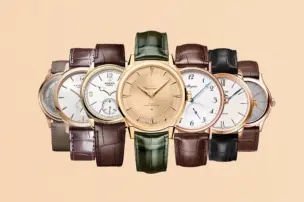
Dress Watches 2025: Discover the most beautiful dress watches from 2025 – from A. Lange & Söhne to Patek Philippe to Vacheron Constantin.
Dress watches have been real bestsellers for several years now. However, they are not a new invention in the watch industry. On the contrary, their history is closely linked to the history of the wristwatch.
The history of the dress watch is inextricably linked to that of the wristwatch. Since its first appearance, it has been one of the established categories in the world of watches, sometimes more, sometimes less in demand. Here we show what makes it so appealing and how it has developed over time.
Wristwatches already existed in the 19th century. The first clearly documented wristwatch is a model commissioned by Caroline Murat, Queen of Naples, from Abraham-Louis Breguet in 1810. It is listed in his order book as a “Répétition de forme oblongue pour bracelet” (elongated watch with repeater mechanism for the wristband) and was delivered on 21 December 1812. Another, albeit undocumented, story of an early wristwatch concerns Girard-Perregaux. It is often said that in 1880 the company supplied 2,000 watches to be worn on bracelets to the Imperial Navy.
Regardless of these early examples, there is no question that wristwatches only began their triumphant advance in the 20th century – and that the dress watch is therefore also a product of this era. However, both are still popular and in demand in the 21st century. Discover the most outstanding examples from the past year here.
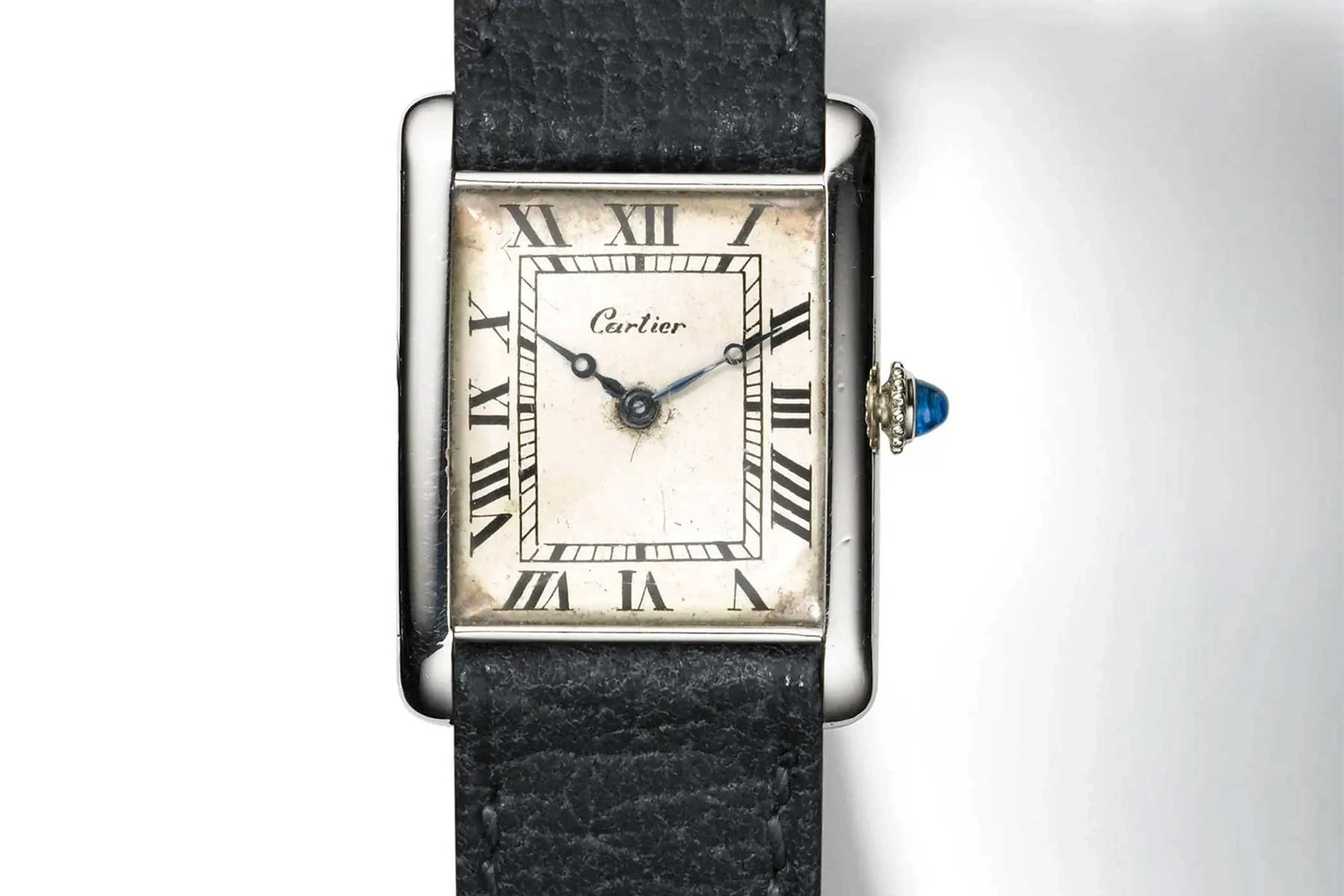
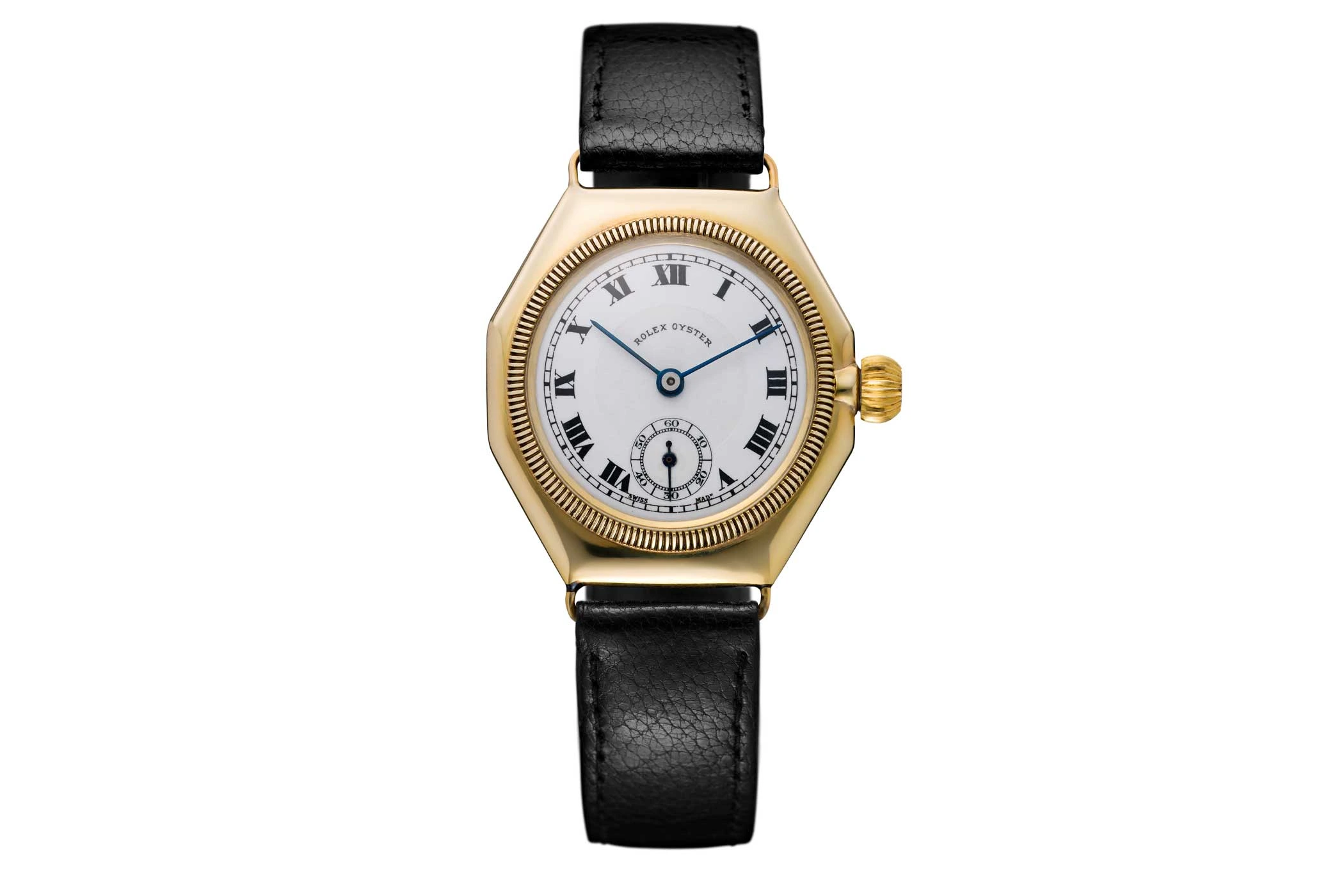
Companies such as Rolex, Record Watch, Breguet, Cartier, Ebel, Enicar, Glycine, Mido and Baume & Mercier laid the foundations for the success story of the wristwatch in the first two decades.
As early as 1908, Rolex, for example, was offering Swiss-made wristwatches in Great Britain. However, pocket watches were still considered state of the art for men at the time, so wristwatch manufacturers initially turned their attention to women with more fashion-oriented designs.
Other men, on the other hand, recognised early on the advantages of the uncomplicated handling of a watch on the wrist – whether in the trenches, on horseback, at the wheel of a motor vehicle or in the cockpit of an aeroplane. And so the wristwatch owes its rapid development and triumphant success in the last century to women, the military and aviation pioneers.
These watches were, of course, equipped with a mechanical hand-wound movement. In terms of style, manufacturers focused on decorative or fashionable aspects on the one hand and functional or robust attributes on the other, depending on their target groups.
However, the minimalist design of a dress watch was still a long way off. Instead, designers and engineers initially indulged their ” ” creativity – from the case to the dial to the strap – in order to attract new groups of buyers with an unconventional appearance.
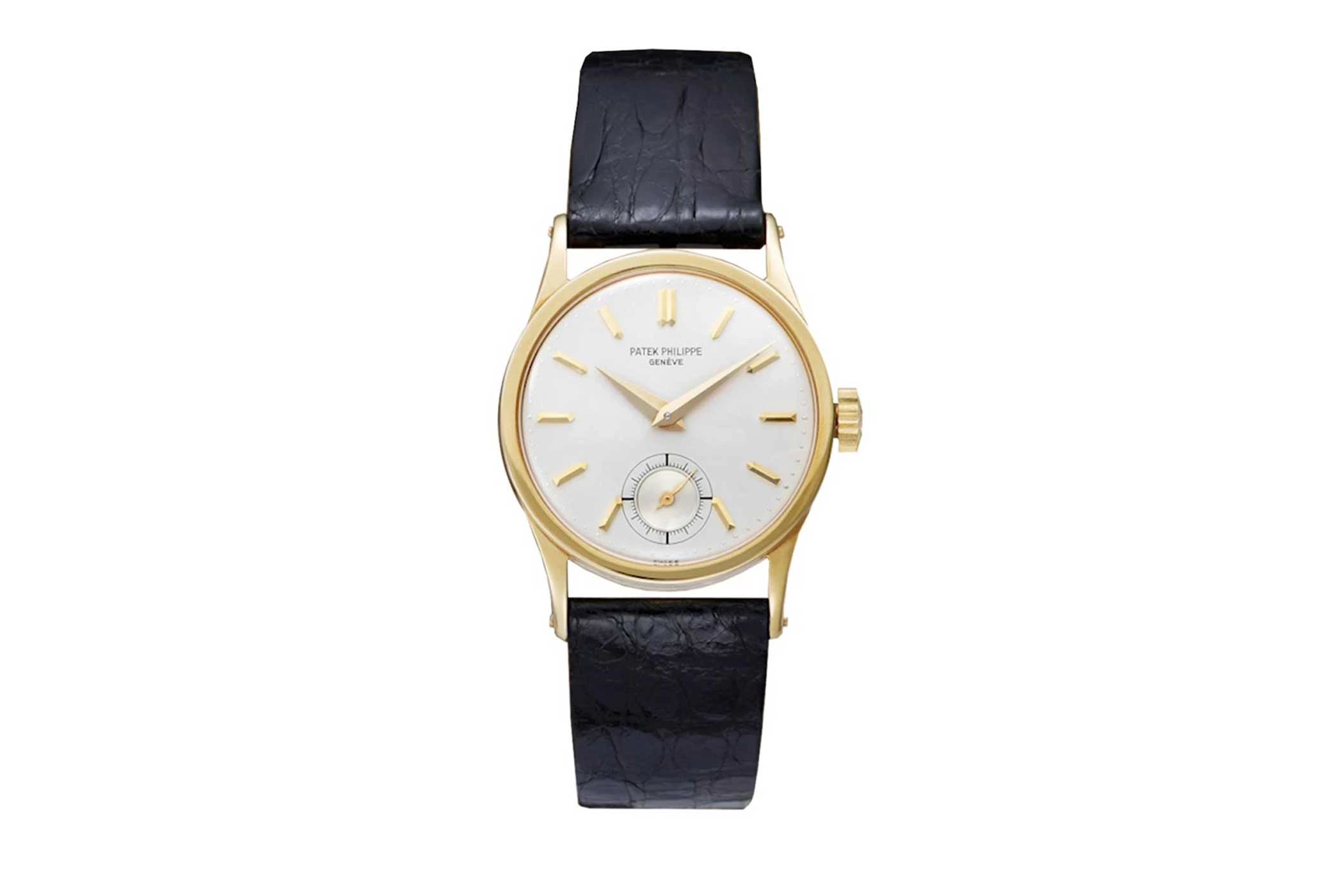
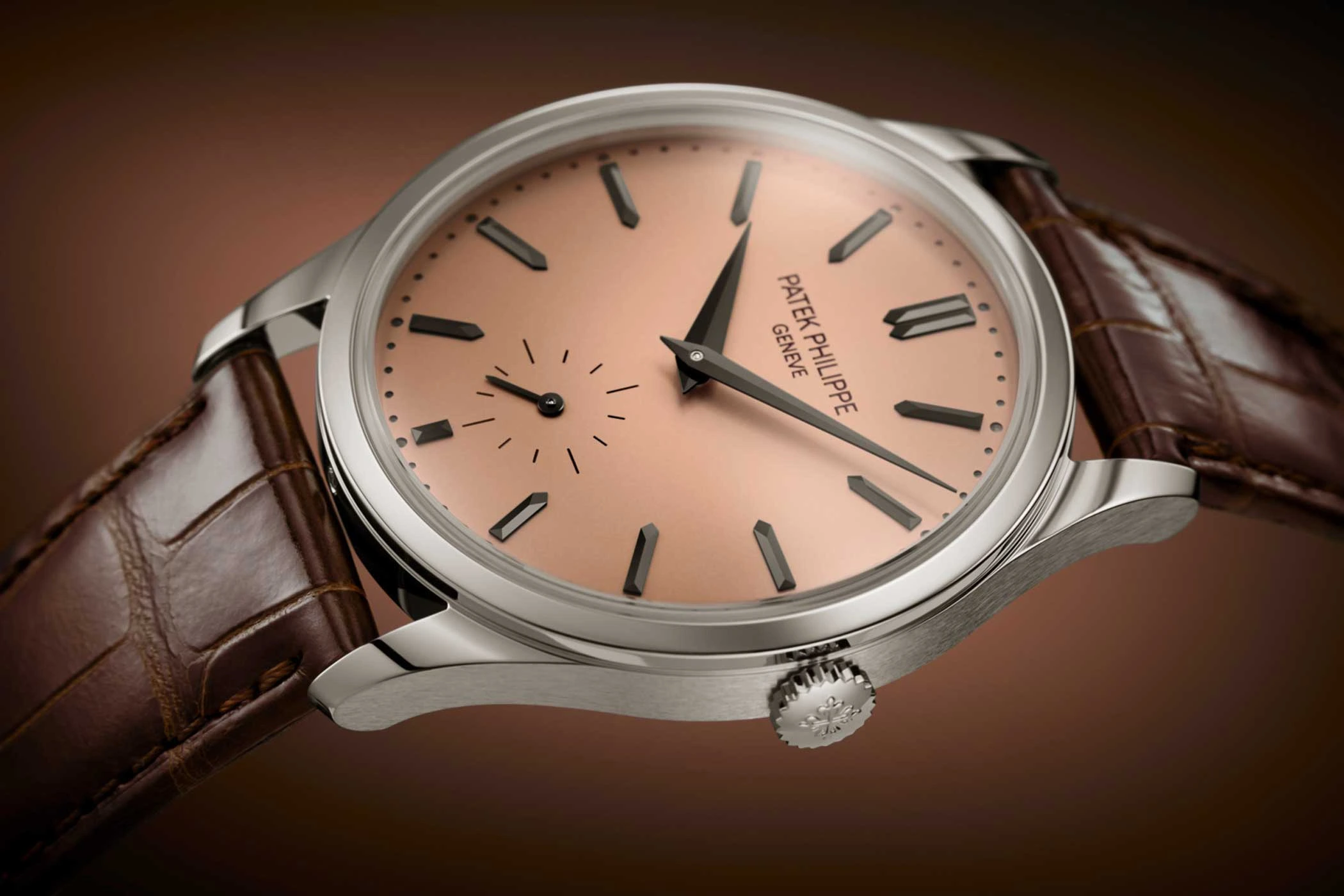
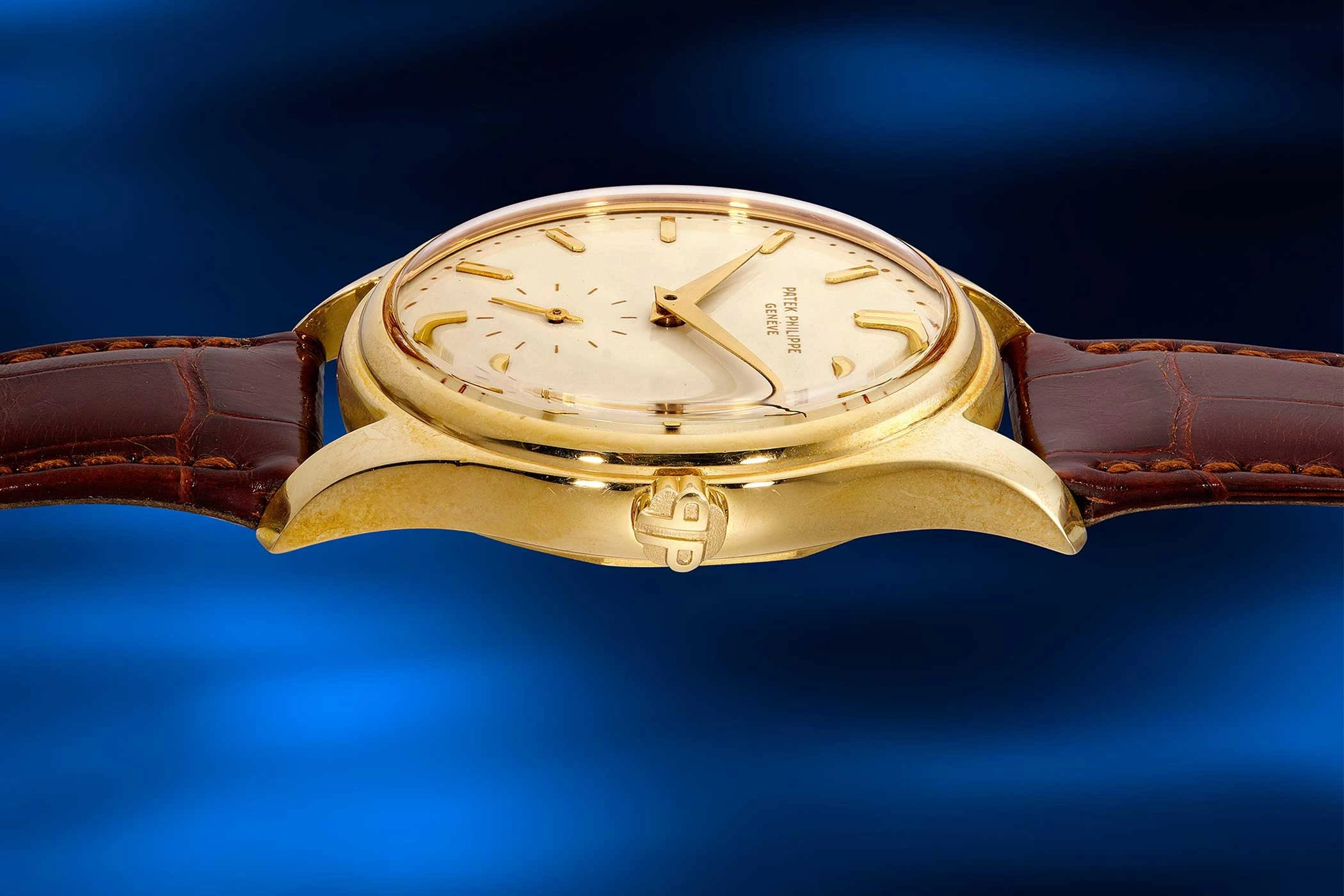
But there were also exceptions and early precursors to the upcoming dress watches, such as the Calatrava Reference 96 with a 30.5-millimetre case from Patek Philippe from 1932. Connoisseurs also refer to it as the original dress watch.
From the early 1940s onwards, design activity slowed down. Men in particular turned away from the previously popular angular, “chunky” models and towards round, flat, inconspicuous – and thus less functional – wristwatches. These also offered the advantage of being easier to seal than shaped movements.
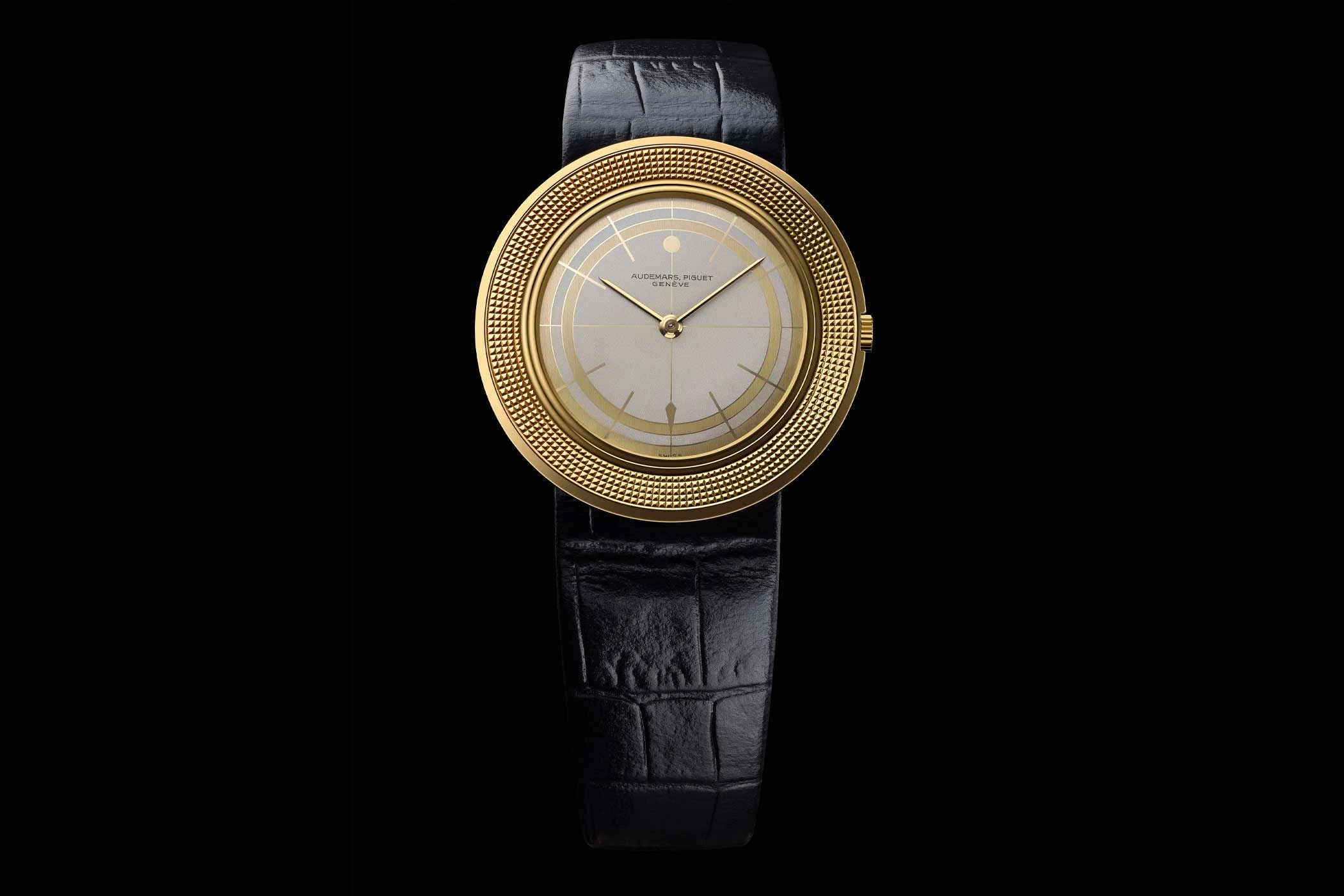
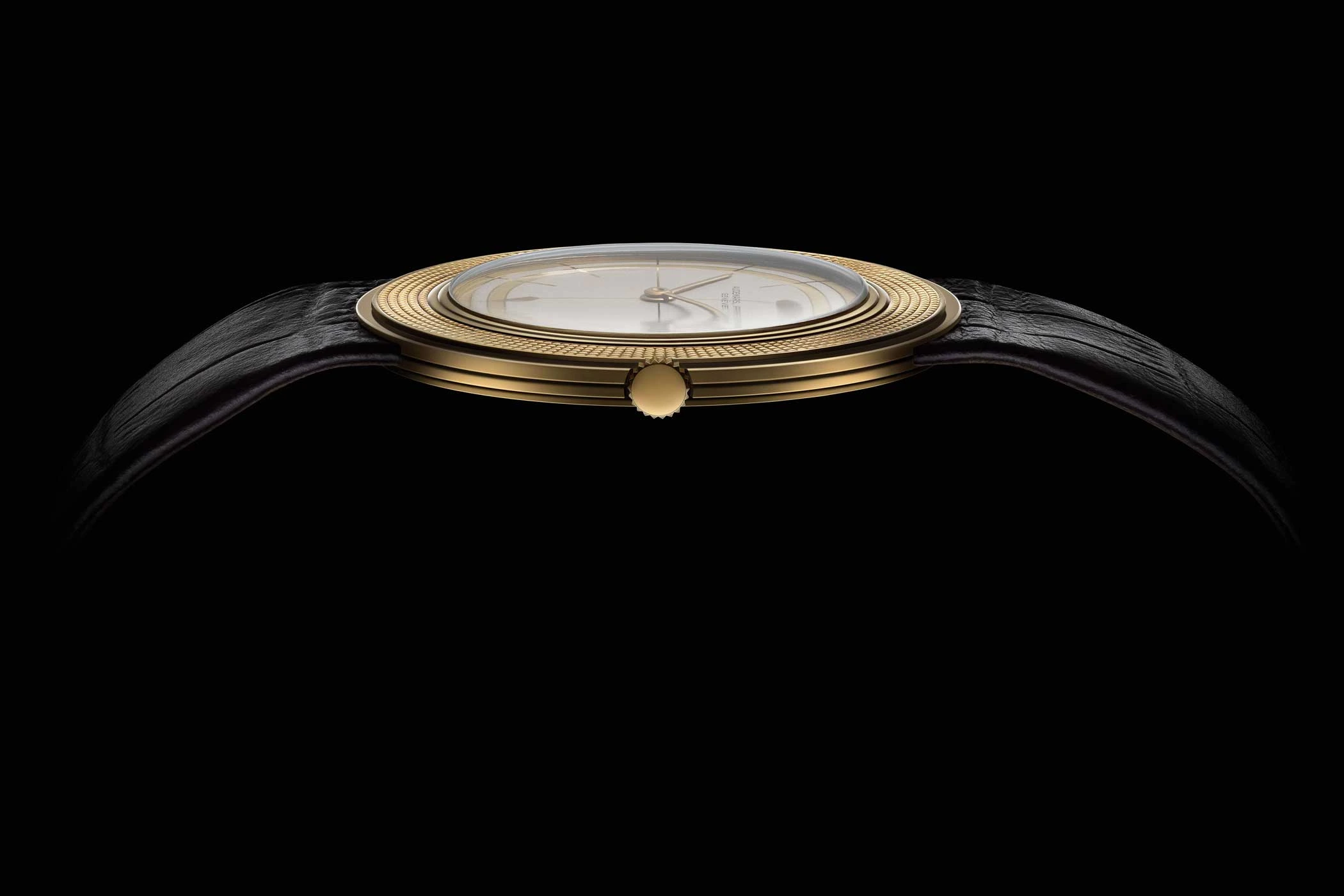
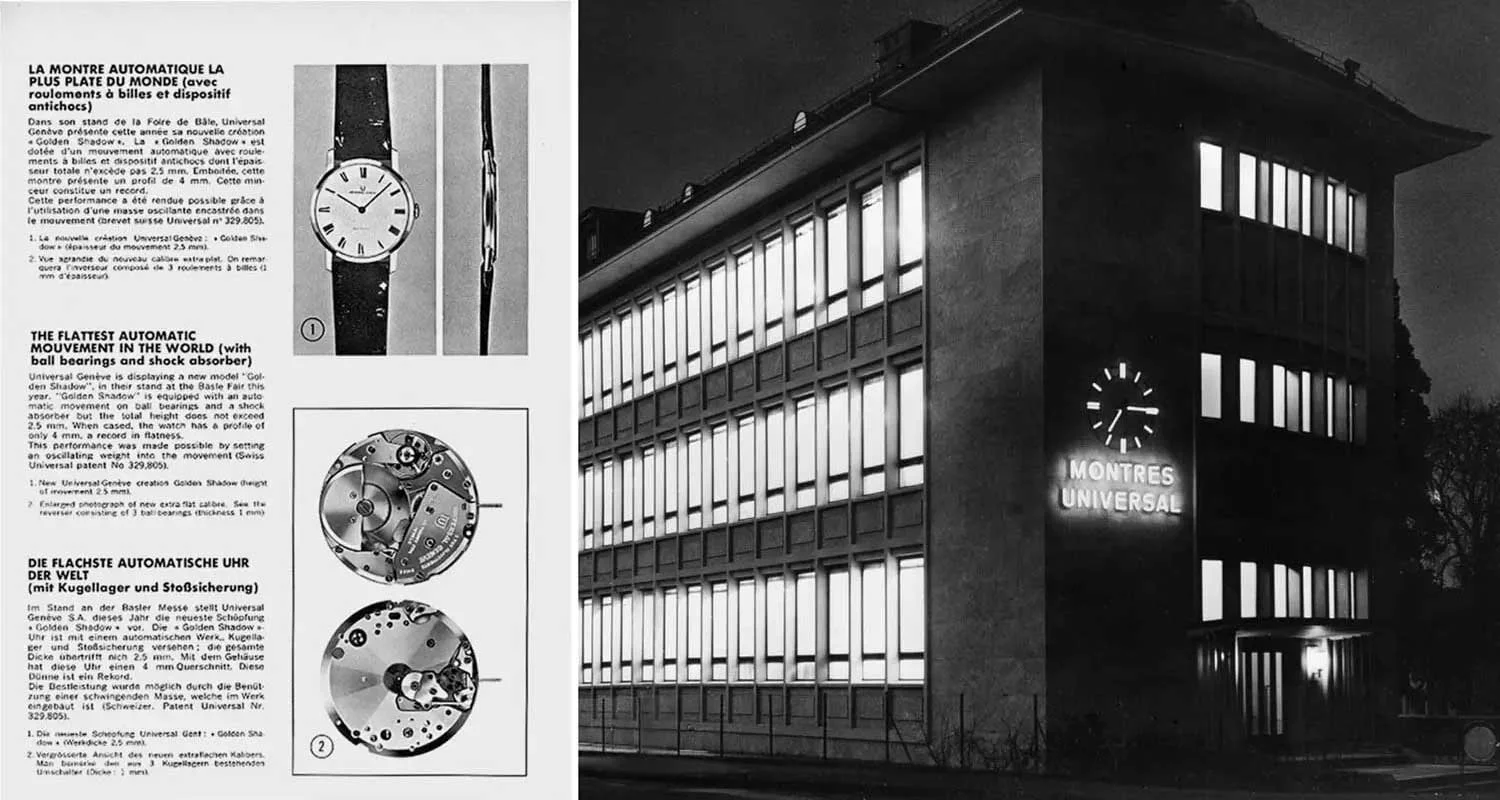
At that time, the round shape emerged as the “natural” form of a watch, and this remains true to this day. Many manufacturers subsequently set out to develop flatter cases and movements. Noteworthy is the ultra-flat hand-wound calibre 2003 from Audemars Piguet, whose creation is dated to 1946 or 1953 in the specialist literature; Audemars Piguet itself cites 1952 as the year of its release. With a diameter of 20 millimetres and a height of only 1.64 millimetres, it was one of the flattest movements of its time. Among other things, the calibre 2003 was used in the 5043 model in the 1950s. Due to its resemblance to a UFO, it was nicknamed “Discovolante” (“flying saucer”) on the Italian market.
During the Second World War, precious metals were once again chosen as the material for watch cases. The global economic crisis, inflation and war had taught people that gold and platinum were a safe currency in times of emergency.
This period marks the beginning of the history of the dress watch, initially on men’s wrists. By the early 1950s, elegant, round watches dominated manufacturers’ collections.
The book “Wristwatches: 100 Years of Development” by Helmut Kahlert, Richard Mühe and Gisbert L. Brunner contains a quote from 1956 by Samuel Guye, an author of watch books who is little known today: “Fashion favours very simple case lines, flat and very flat watches with large dial openings and uncluttered dials with indices and hands that are as clear as possible.”
In essence, he provided the definition of the classic dress watch that still holds true today.
There is no clear answer to this question. On the one hand, it is surprising that there are no reliable sources indicating when the term “dress watch” – the equivalent of the German expression “Anzuguhr” (suit watch) – was first used, given how common it is today. It is believed that both words appeared in watch catalogues, relevant literature and trade journals from the 1960s/70s onwards.
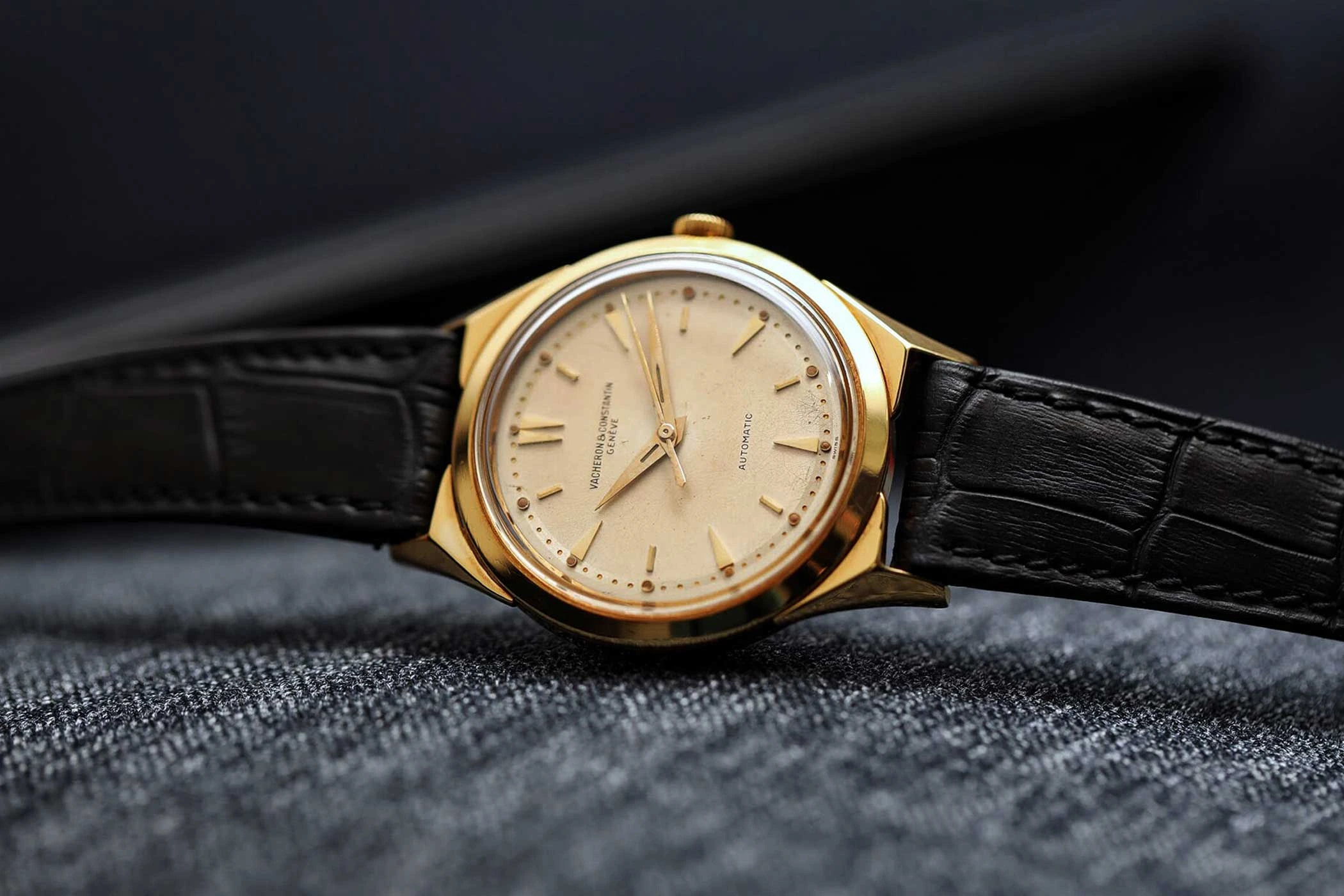
On the other hand, there is agreement that dress watches have their origins in the elegant watch fashion of the 1950s: simple design, polished precious metal cases, Dauphine or needle hands, leather straps and functionality reduced to telling the time.
Timepieces from this era still shape our image of a classic suit watch, which is worn with formal attire. Their hallmark: simple elegance.
Despite their restraint in design, the designers of that era achieved something very special: with a keen sense of balanced aesthetics, they created a watch category that would stand the test of time. While the 1950s were primarily about dress watches for men – women’s watches were certainly more decorative – today’s dress watches are truly unisex timepieces.
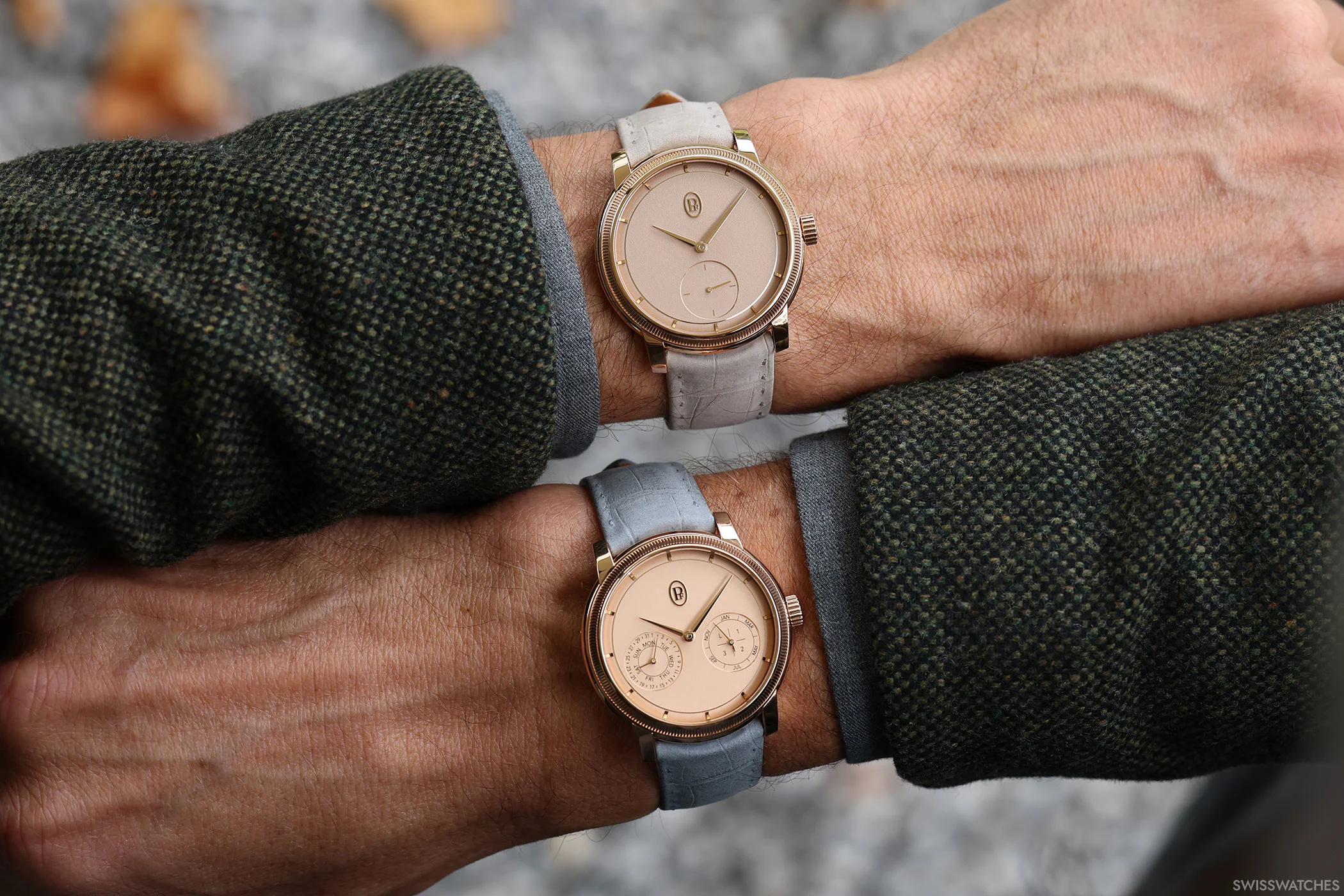
The elegant look of dress watches never really went out of fashion. And today it is more popular than ever. In line with fashion trends, the difference between dress watches for men and dress watches for women is increasingly blurring.
This is certainly also related to the younger generation’s changing understanding of gender roles. According to a recent report by Chrono24 and Fratello magazine, after years of enthusiasm for sporty multifunctional watches, the interest of the under-30s is increasingly shifting towards the understated elegance of dress watches.
This is accompanied by the impression that many current collections feature watches inspired by the formal design of the 1950s – whether as reissues or reinterpretations of historical models or as newly designed retro models in dress watch design.
Similar to the declining relevance of the categories “men’s watch” and “women’s watch”, the category “dress watch” has also undergone an evolution in recent decades. It should be noted here that the following criteria are not absolute, but represent the greatest possible overlap of common descriptions.
Let us first consider the traditional description of a dress watch, which draws closely on the inspiration of the 1950s.
The definition is as concise as the design is minimalist: flat, simple design, leather strap, fits under a shirt cuff. The motto is: it’s okay to stand out, but only if you look at the watch deliberately.
The focus remains on the wearer and their formal attire. For the individual components of a dress watch, this means the following:
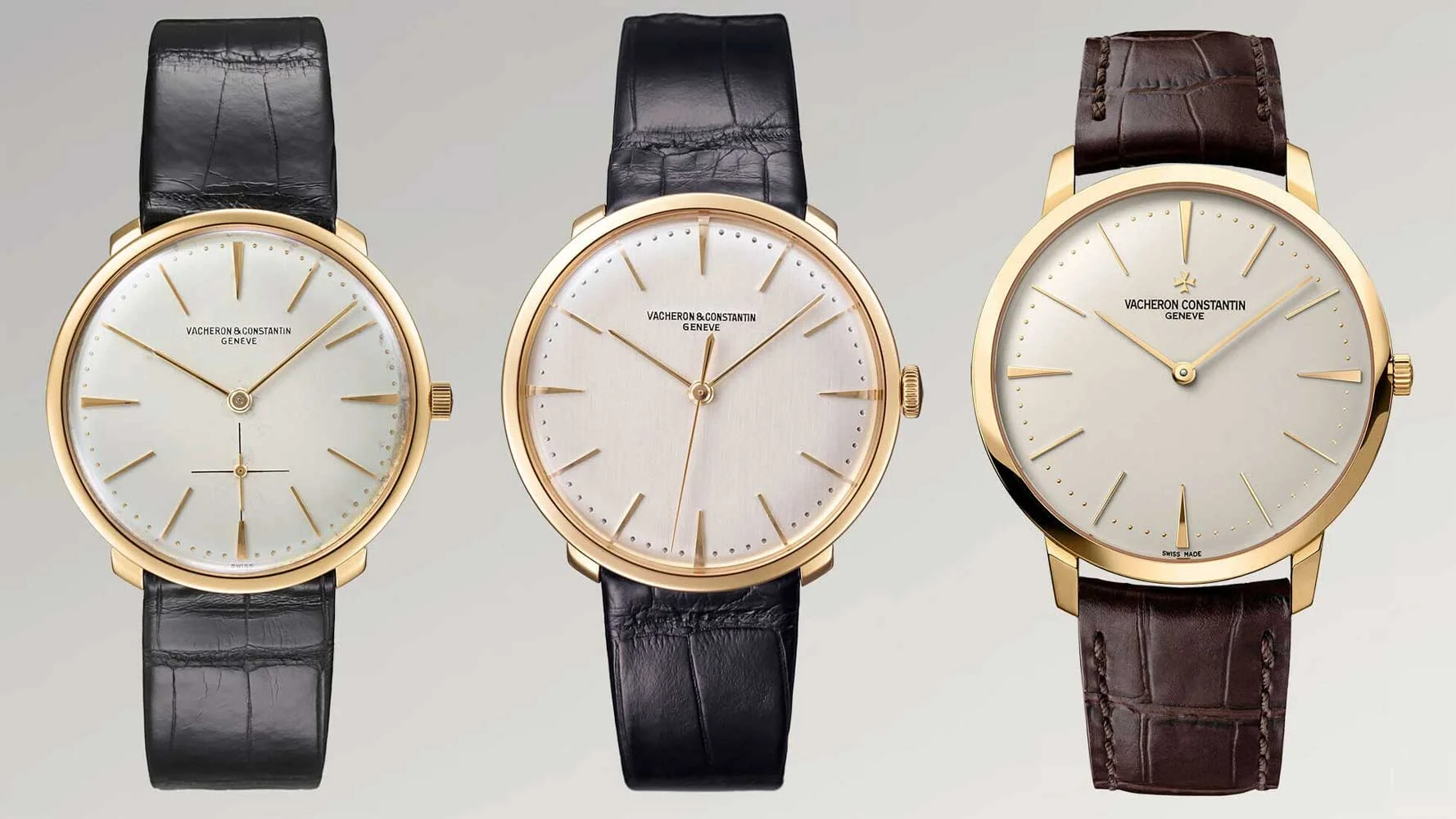
The case should be made of precious metal or polished steel, measuring a maximum of 38 millimetres in diameter and nine millimetres in height. The bezel is also smooth, narrow and unstructured.
For historical reasons, an elegant suit watch is naturally powered by a mechanical movement. Although a hand-wound movement still allows for a flatter design than an automatic movement, automatic movements are increasingly able to meet the strict requirements of a classic dress watch. This is made possible by, among other things, a peripheral oscillating weight or a micro-rotor.
Hours, minutes and, at most, seconds offer sufficient functionality for a dress watch according to the classic definition. This is because it is merely a silent companion and not an interactive accessory for its wearer. Pushers, as found on a chronograph, would also make it difficult for the watch to glide smoothly under the cuff. Traditionally, a transparent case back is also not provided.
The dial is uncluttered and calm in design, with applied indices preferred over numerals. The colour palette offers a choice of timeless and understated tones such as white, champagne and silver as a backdrop for the slender, polished hands in Dauphine or baton form; the second hand is discreetly restrained.
The variety of modern dress watches in today’s watch world makes it clear that many no longer adhere strictly to the traditional definition. Here, too, as in almost all areas of life, the motto applies: anything goes. And when it comes to dress watches for men and dress watches for women, that can mean something a little bigger, thicker, sportier, more colourful, more sparkling and/or more functional. Of course, this brings the guardians of convention onto the scene, who consider the term “business casual” to be more appropriate.
Times are changing, however, according to the more open-minded watch collector community. Especially since today’s designers are adept at combining the dress watch concept – a reliable, elegant watch that stylishly complements rather than dominates a formal look – with the wearer’s desire for individuality.
Sources:
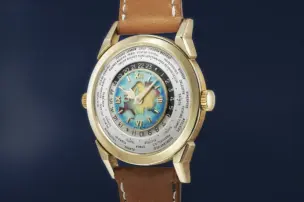
Credit Cover Image @ Phillips (Patek Philippe’s Calatrava Ref. 2526 from 1957)