The Hermès H08 Squelette features a new skeletonised Vaucher calibre with a titanium mainplate, tungsten rotor and a 10-year warranty.

There are certain Cartier designs that, even after being quietly discontinued, never entirely disappear. The Roadster is one of them – and, in a move that may surprise some and delight others, it’s making a comeback at this year’s Watches & Wonders.
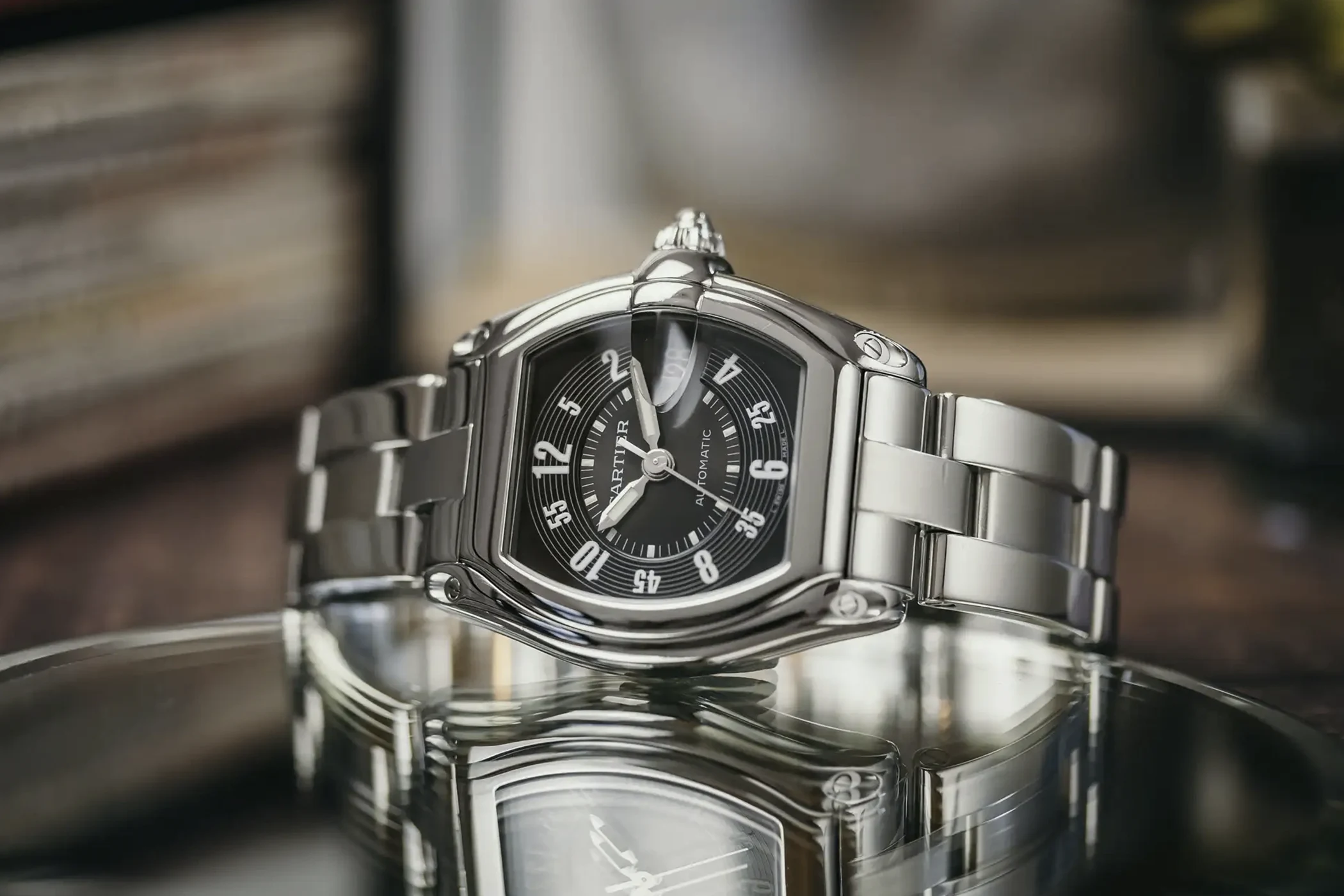
Introduced in the early 2000s, the Cartier Roadster marked a notable departure for the Maison. At a time when Cartier’s identity remained closely tied to the disciplined geometry of the Tank or the Santos, the Roadster introduced something more fluid: more sculptural, more sporty, and, arguably, more overtly masculine in its design. It was also Cartier’s most explicit engagement with the world of the automobiles.
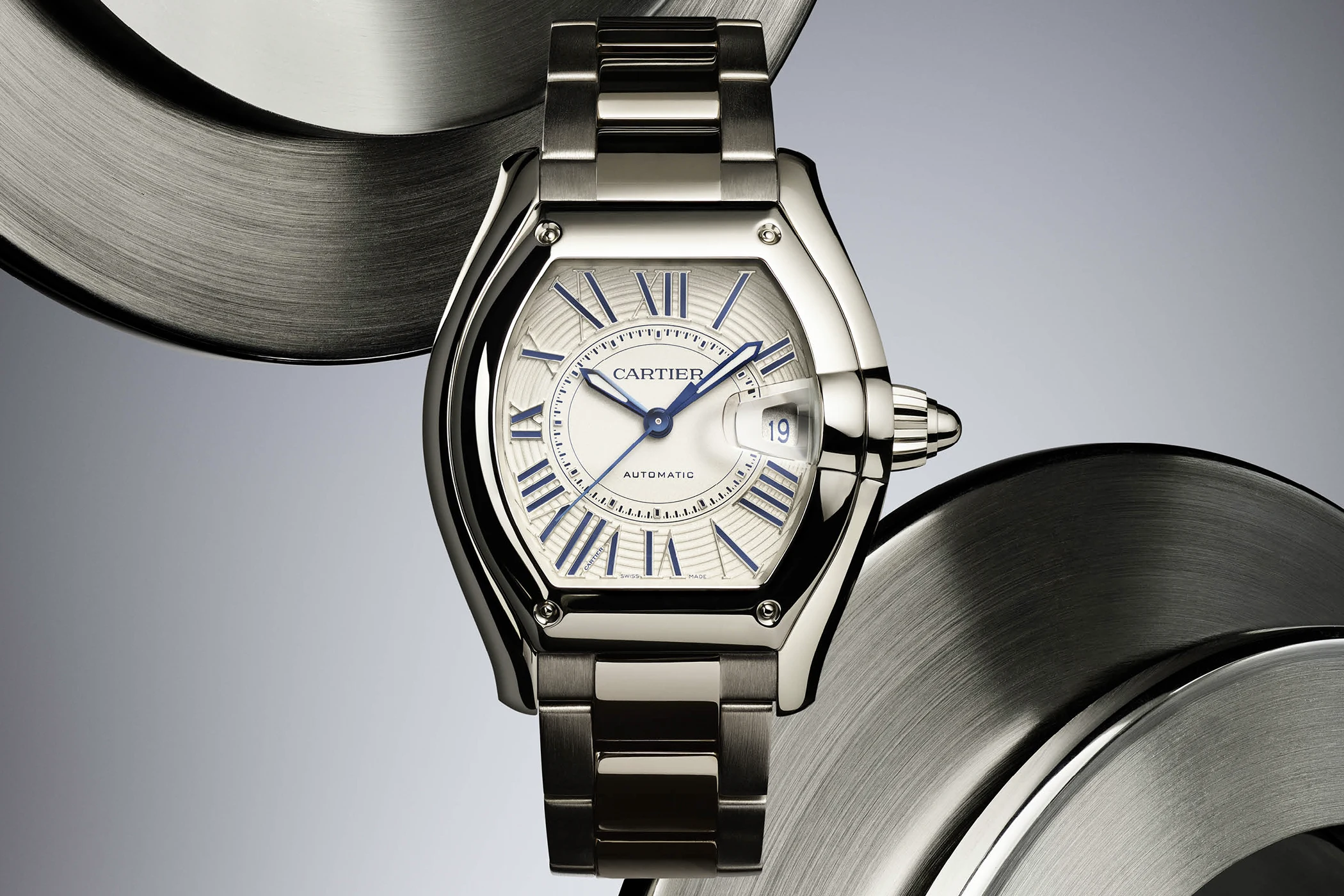
Cartier’s relationship with the car did not begin with the Roadster. As early as the 1930s, the Maison had explored driver-oriented watches, most prominently the Tank Oblique (later known as the Tank Asymétrique), designed to be read at an angle while the hands rested on a steering wheel. The Roadster, however, approached its relationship to driving differently. Rather than adapting an existing design for functionality, it drew directly on the visual language of the automobile itself: specifically the streamlined forms of mid-century sports cars.
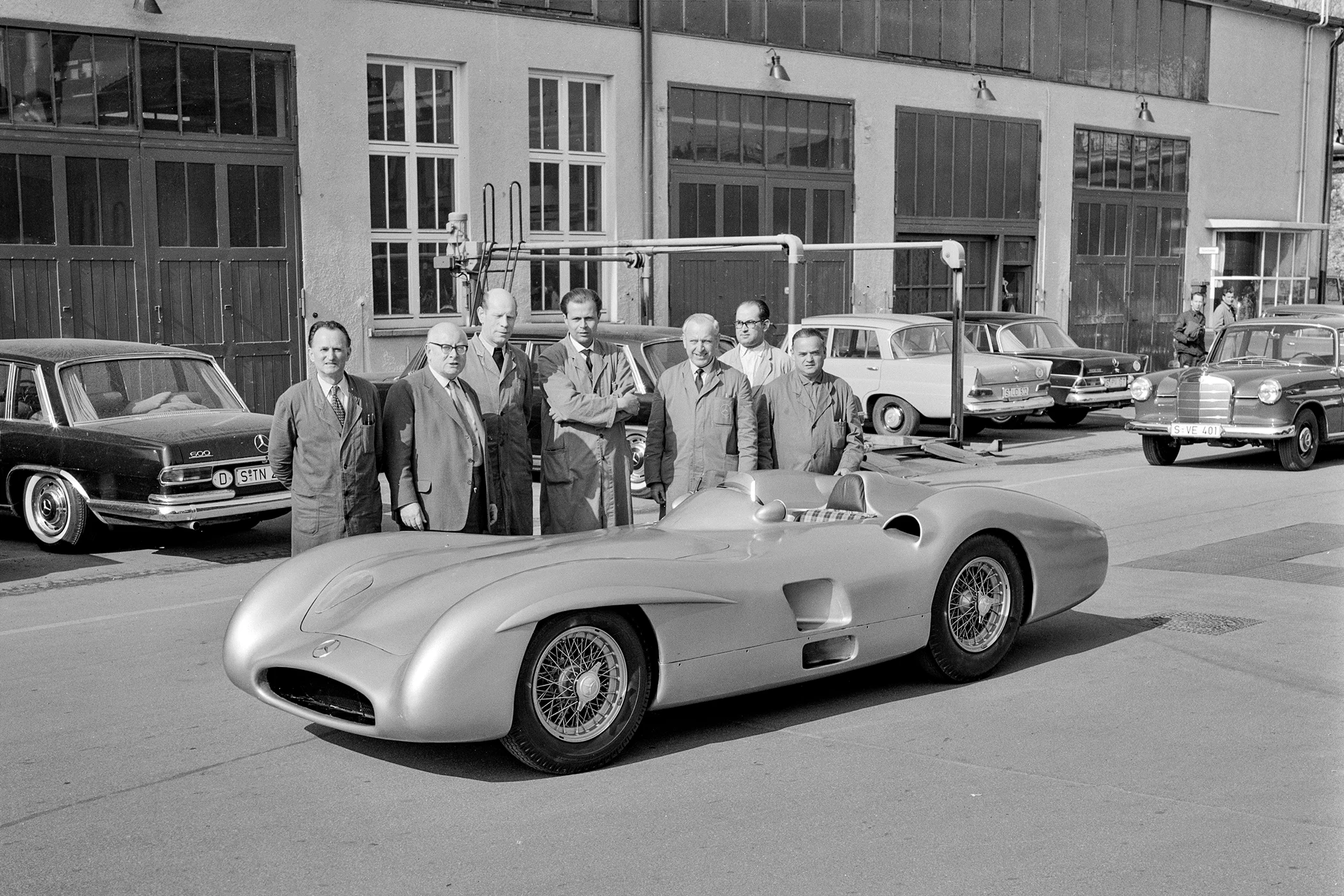
The Roadster’s design was rooted in the aesthetics of 1950s and 1960s sports cars. Its case, neither strictly tonneau nor entirely rectangular, was conceived as a softened, aerodynamic form; often compared to the silhouette of an open-top roadster viewed from above. The curved flanks, integrated lugs and cambered profile all contributed to the watch’s automotive appearance.
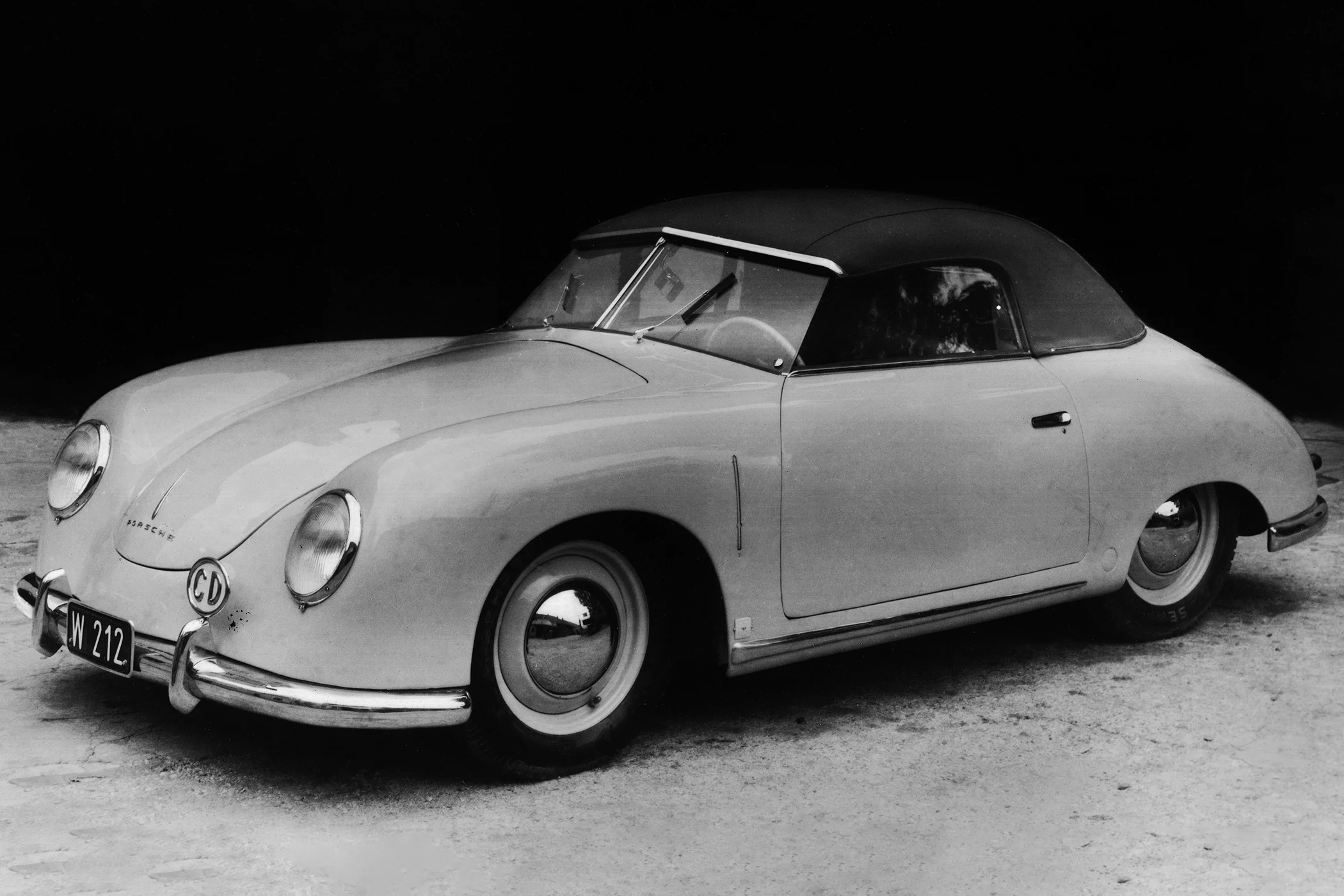
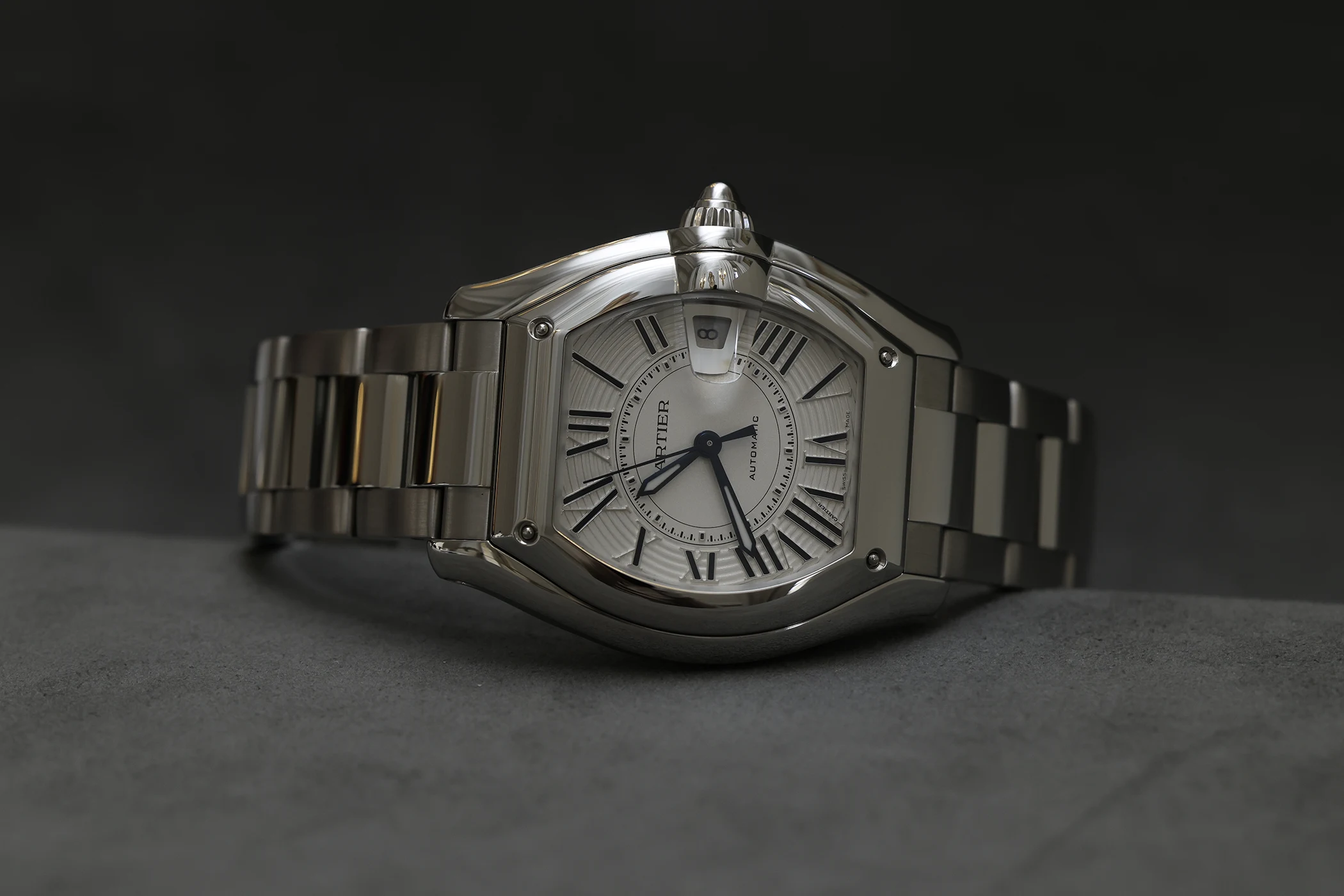
These references extended across the Roadster’s design. Certain dials, particularly early variations, evoked the layout of vintage speedometers, with concentric tracks and bold numerals reinforcing the automotive theme. The four screws positioned at the corners of the case evoked headlights, while the magnified date window, protruding slightly from the crystal, introduced a sense of curvature that echoed the surfaces of mid-century cars.
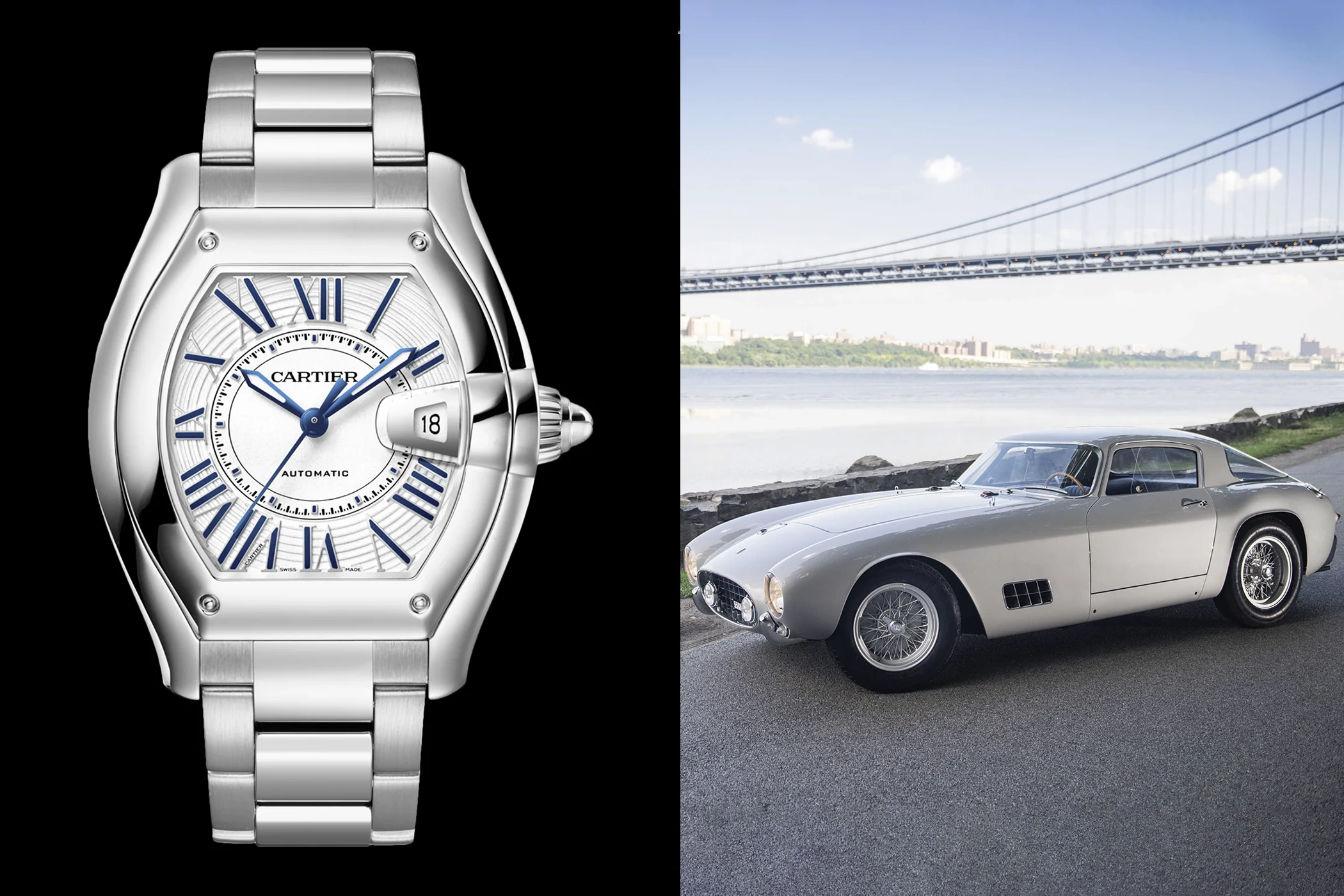
Most distinctive of all was the crown. Fully integrated into the case, it extended through the crown guard, bezel and magnifier in a single continuous line. This elongated, sculptural construction became the defining feature of the Roadster: instantly recognisable, and, for many collectors who remain faithful to the watch, its most compelling detail.
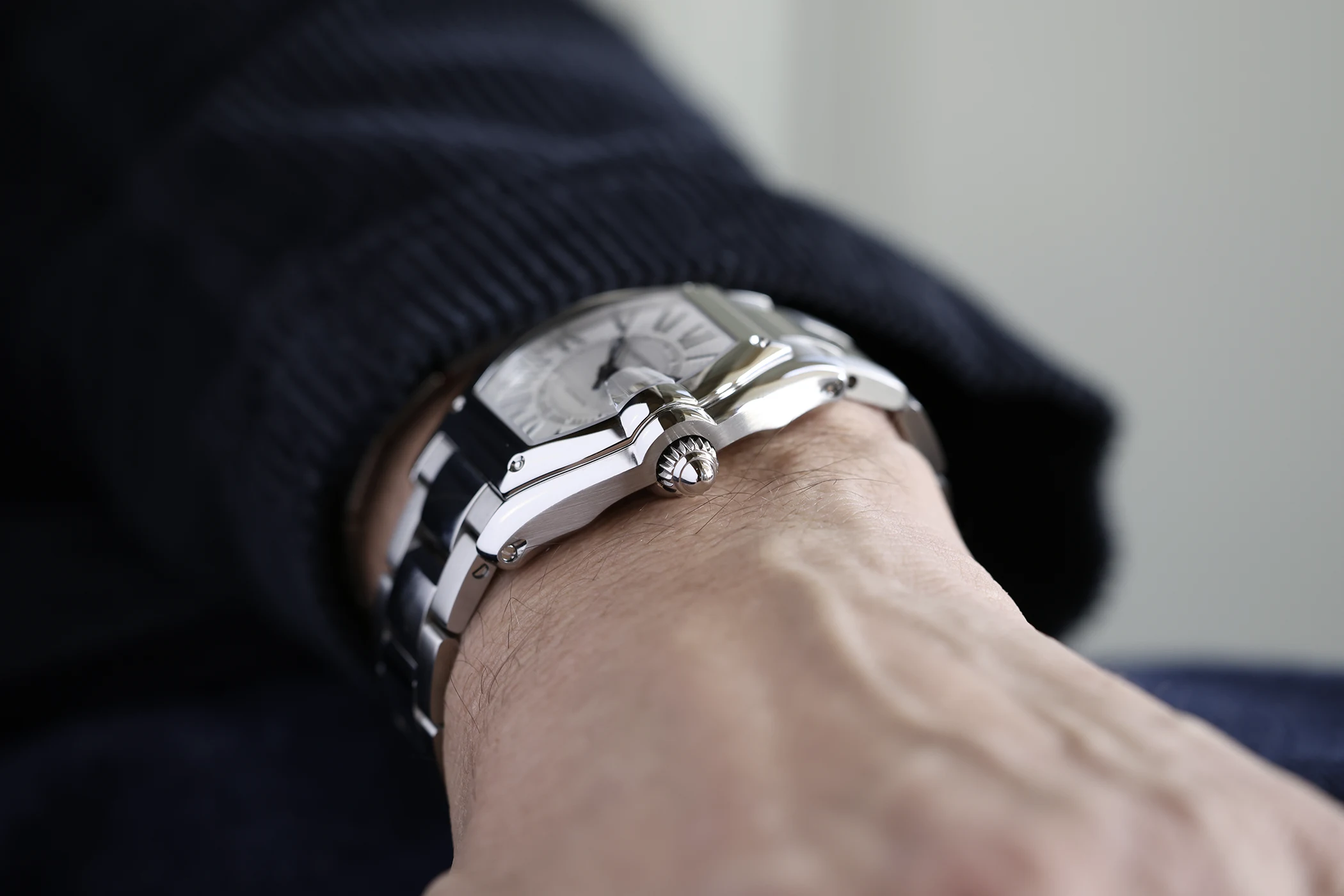
Despite its stylised design, the Roadster was still conceived as a practical choice of watch. Most models offered an impressive 100 metres of water resistance, alongside reliable automatic movements: most commonly Cartier’s calibre 3110, based on the ETA 2892-A2, delivering both robustness and ease of service.
One of its most forward-looking features was its quick-release strap system. This allowed the wearer to switch between bracelet and strap without tools, reinforcing the Roadster’s versatility as an everyday watch. The metal bracelet itself, often executed in an H-link configuration, was designed to extend the case’s ergonomic flow, wrapping naturally around the wrist.
Over time, the collection expanded significantly. Alongside time-only models, Cartier introduced chronograph, GMT and larger-format variations, as well as more streamlined – as well as more accessible – interpretations such as the Roadster S. The watch was produced in a range of materials, including stainless steel, yellow gold, rose gold and white gold, with certain models even incorporating diamond settings. This breadth of variation allowed the Roadster to appeal to a wider audience than many of Cartier’s more traditional designs, and also allowed the originally male-oriented model to morph into a unisex piece.
The Roadster emerged at a moment when the luxury watch industry was shifting towards larger, more expressive designs: consider that Roger Dubuis had been founded just over half a decade ago, while the brand Richard Mille began watchmaking in 2001. Within this shifting watchmaking landscape as well as Cartier’s own catalogue, it represented a move towards a more contemporary, sport-luxury aesthetic; one that sat somewhat apart from the Maison’s core icons.
Of course, the landscape of watchmaking is ever-changing, and, perhaps for that reason, its production was relatively short-lived. By the early 2010s, Cartier had refocused its attention on more established collections, and the Roadster retired after just over a decade.
In the years following its discontinuation, the Roadster developed a loyal following among collectors – particularly car enthusiasts. Its appeal also lies in its distinctiveness. Within Cartier’s broader design language, so often defined by clarity and restraint, the Roadster stands as something more expressive, and pushes the boundaries in terms of design.
Indeed, certain models have proven particularly enduring, including those with more overtly automotive-inspired dials. One particularly sought-after model amongst collectors is the Cartier Roadster W62002V3 with ‘Las Vegas Roulette/Porsche’ dial: eschewing typical dial decoration and Roman numerals, these pieces sported alternating white and red Arabic numerals, a concentric hour track, inboard minute hashes, and needle-like baton hands evoking a 1950s Porsche 356 speedometer. In comparison to much of the Maison’s past models, it was an extraordinarily sporty and contemporary piece.
Well over a decade after its disappearance from the Maison’s watchmaking portfolio, Cartier has reintroduced the Roadster with a collection that refines rather than redefines the original concept.
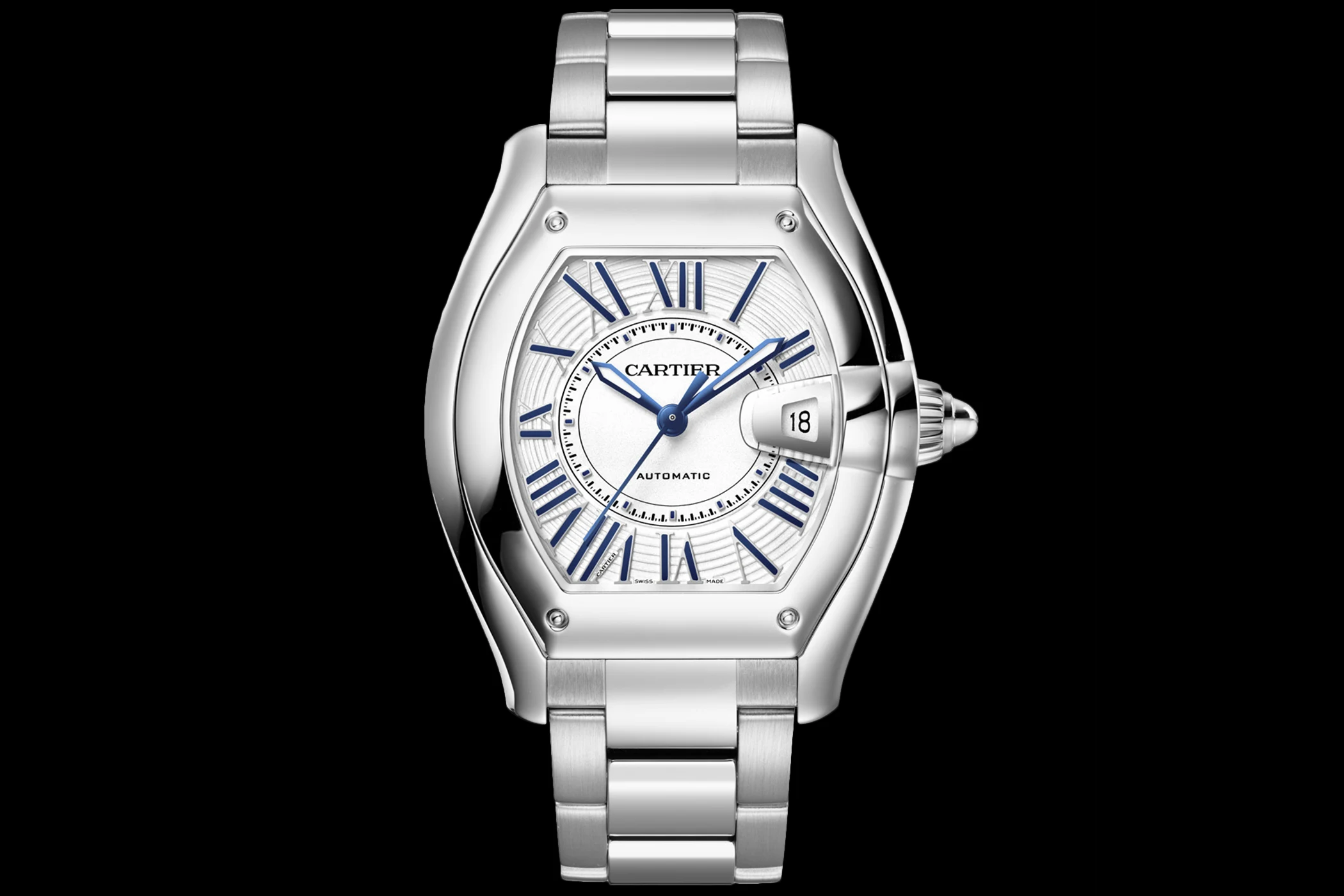
The defining elements remain intact – but the keyword remains ‘refined’. The tonneau-shaped case, the integrated crown and magnifier, and the automotive-inspired detailing are all preserved – but what has evolved is the execution. Proportions have been recalibrated, with a more balanced relationship between bezel and case, while the interplay between crystal and metal has been refined to create a more cohesive silhouette. The interplay of the crystal and the metal now augments the overall shape and unifies the crown, the magnifier and the dial, which are accented by the calendar aperture and the metal cabochon. In addition, four new rivets on the bezel further enhance the design.
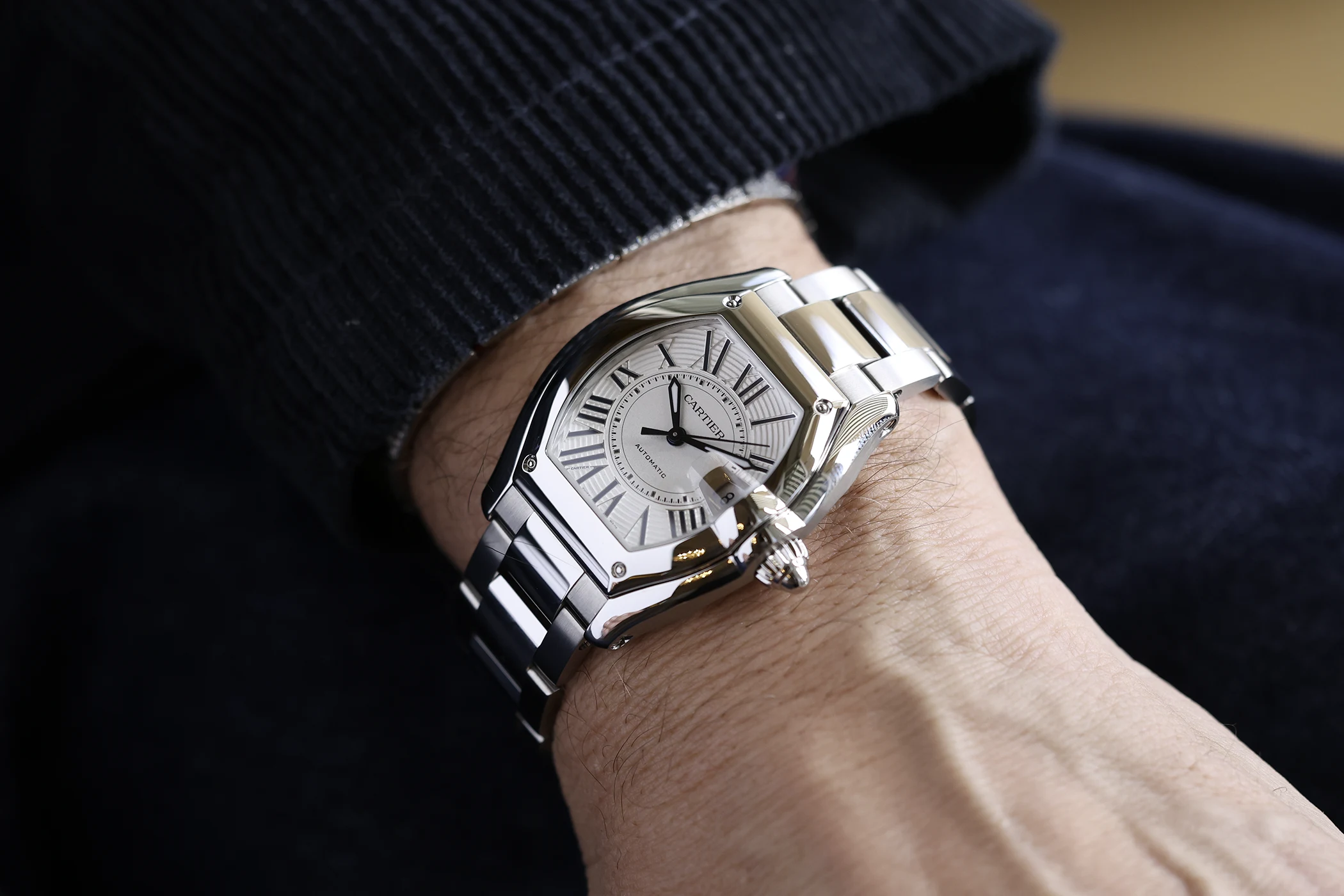
The dial retains its signature circular striations, Roman numerals and transferred railway minute track, now enhanced through subtle decorative techniques that introduce greater depth and relief. This ‘applique’ effect is created by a stamping tool, while a varnish is applied to the indices. Finally, luminescent sword-shaped hands bring a contemporary, functional dimension and provide round-the-clock legibility.
Inside, Cartier now integrates its own in-house automatic movements – the calibre 1847 MC for larger models and 1899 MC for medium sizes – replacing earlier outsourced calibres and aligning the watch with the Maison’s current manufacturing standards. The calibre 1847 MC is a robust self-winding movement introduced at the Maison over a decade ago, offering a solid 40-hour power reserve while beating at a frequency of 4 Hz. Meanwhile, the 1899 MC, also a self-winding movement, beats at the same frequency and offers approximately the same power reserve.
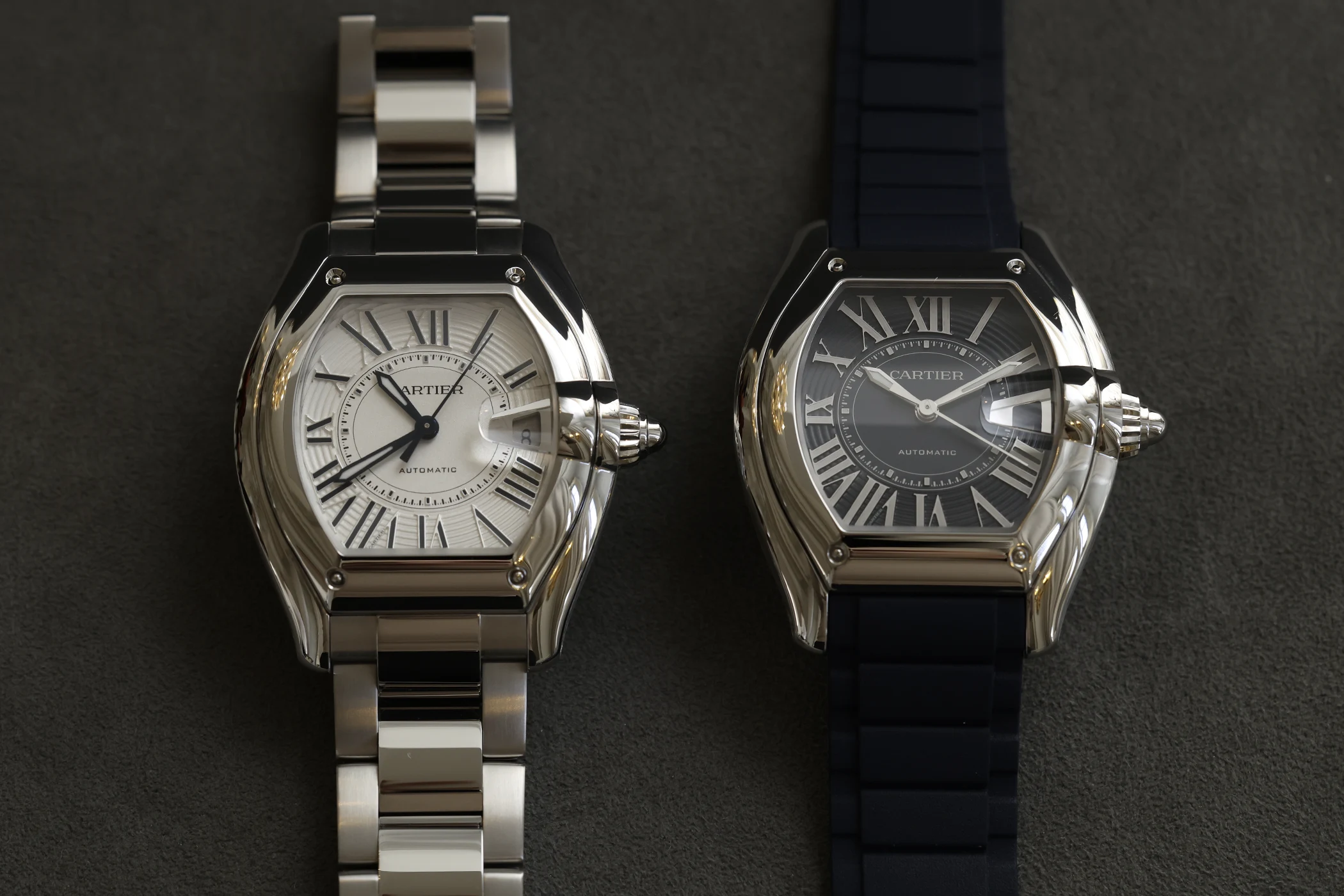
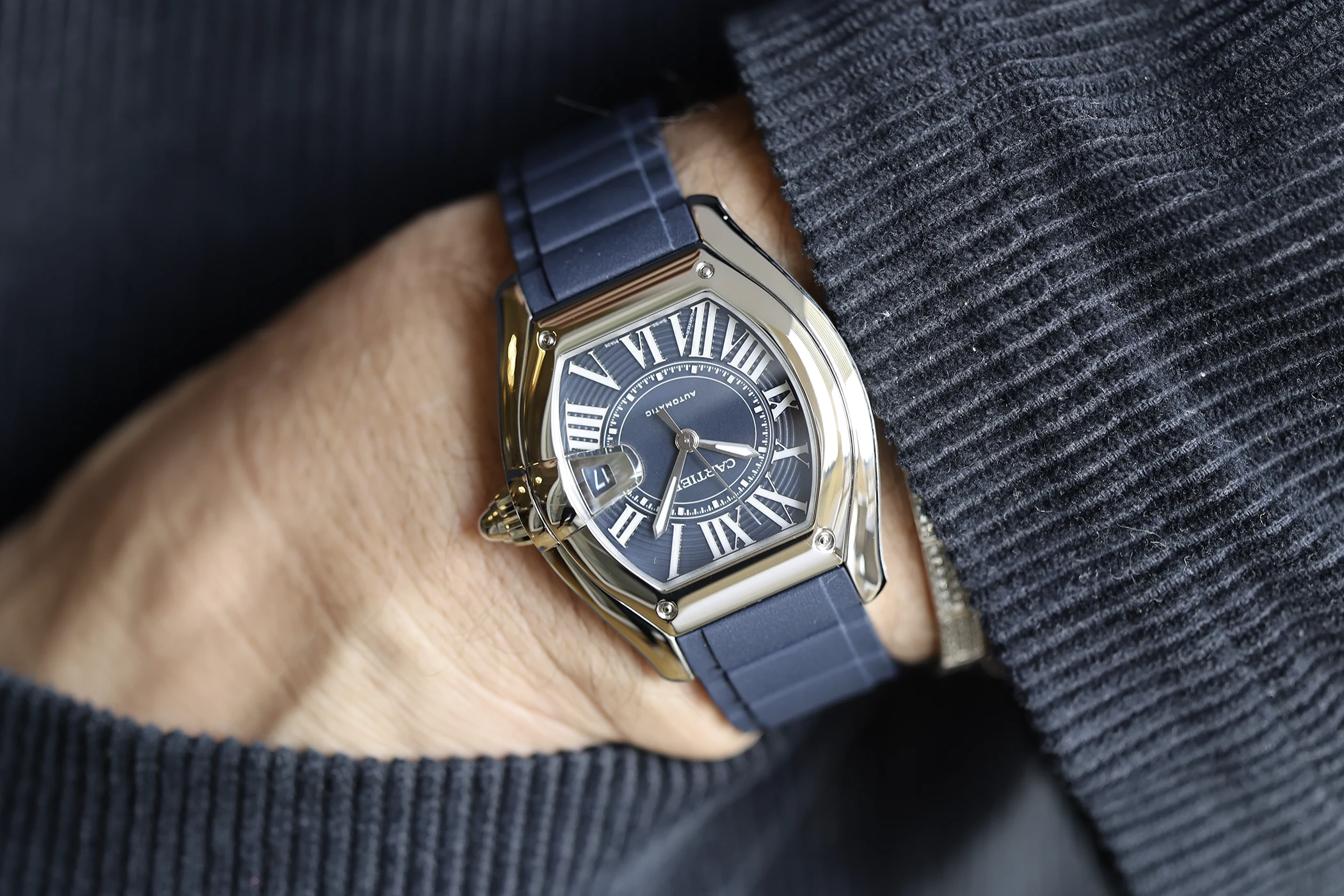
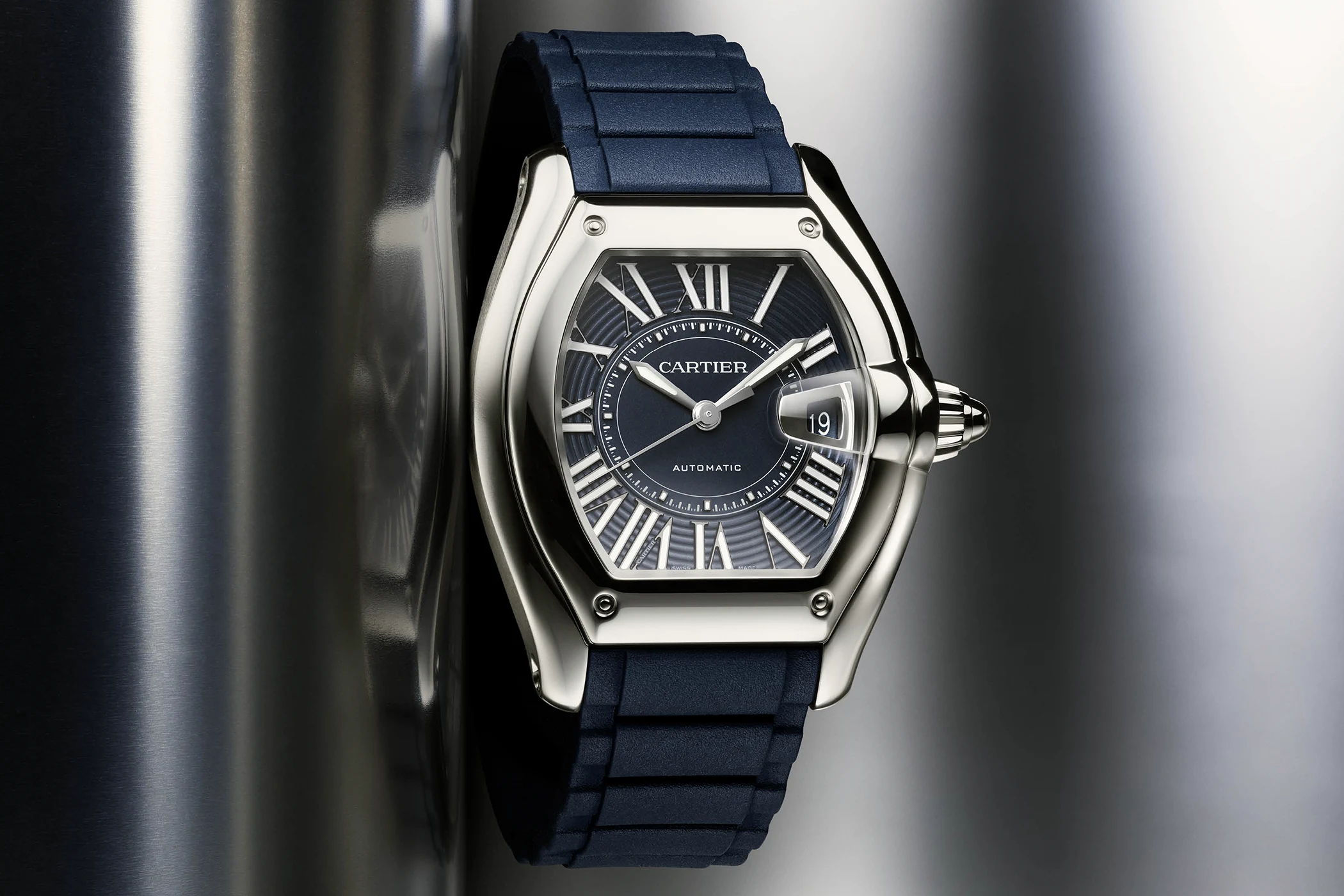
Several new versions of the Cartier Roadster are available. This includes the Ref. WSRD0014, which is the steel version with dark blue dial, available with a matching bracelet as well as a navy rubber strap. It has dimensions of 47.3 mm x 38.8 mm, alongside a 10.06 mm height. The price of the Ref. WSRD0014 is 8,300 euros.
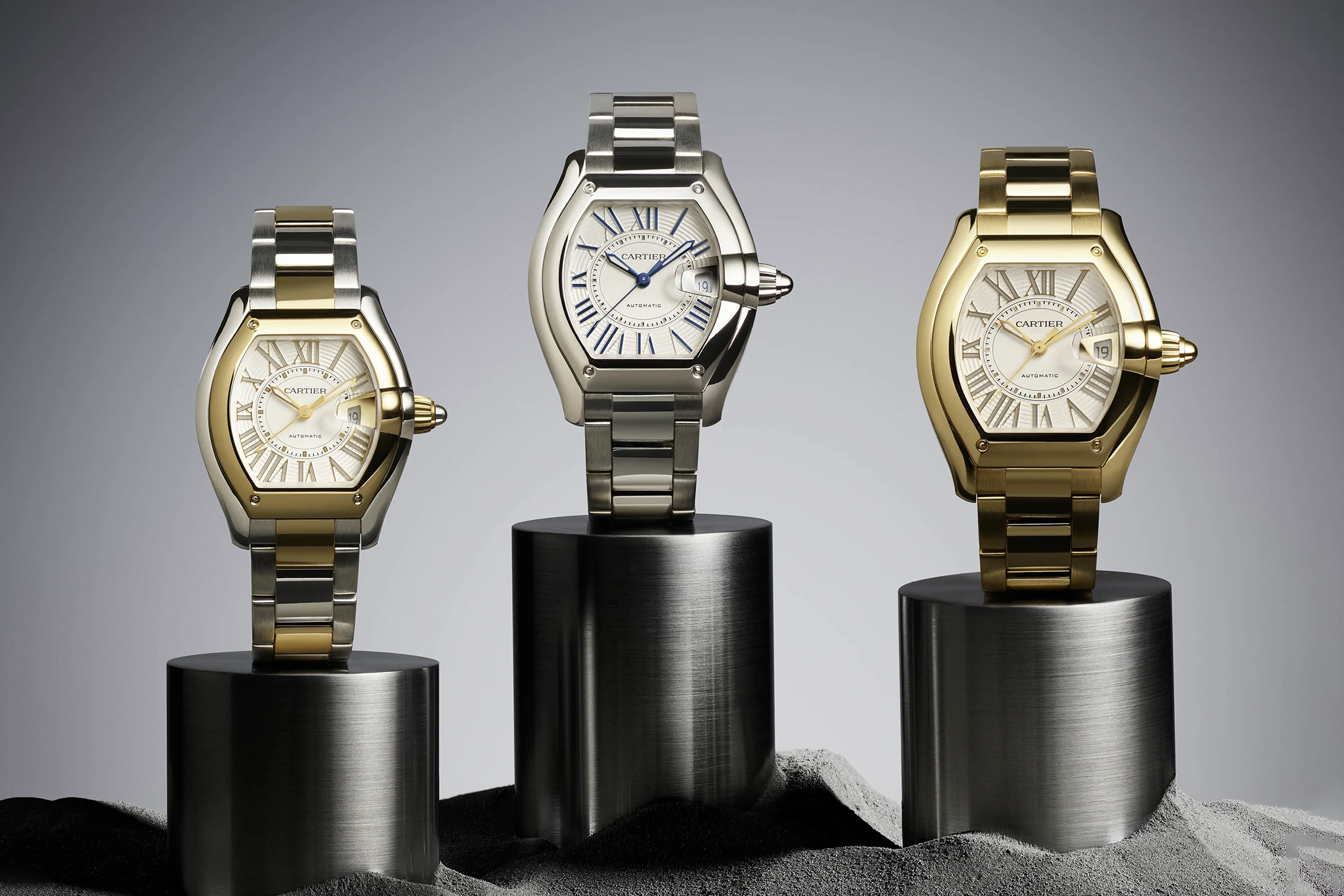
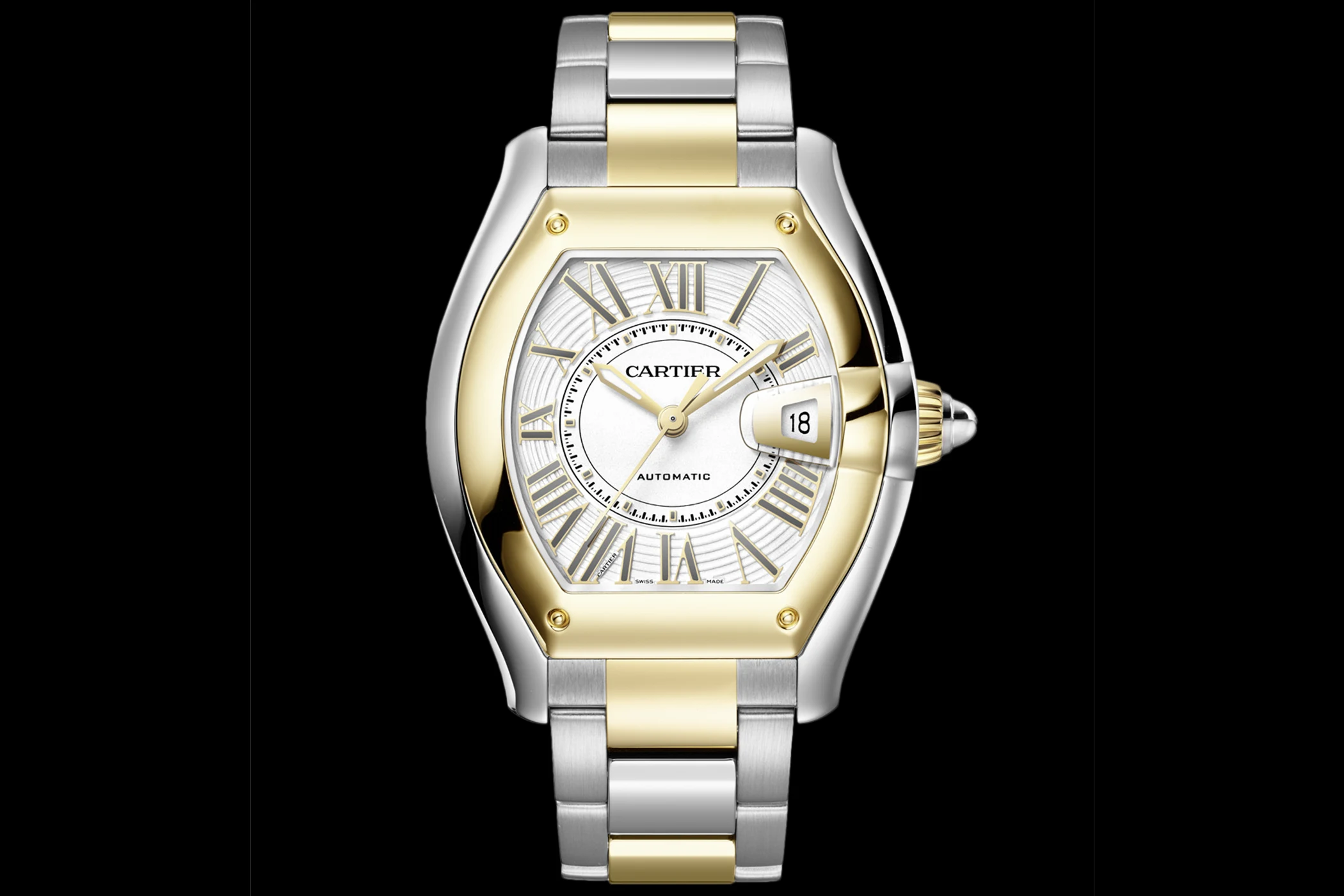
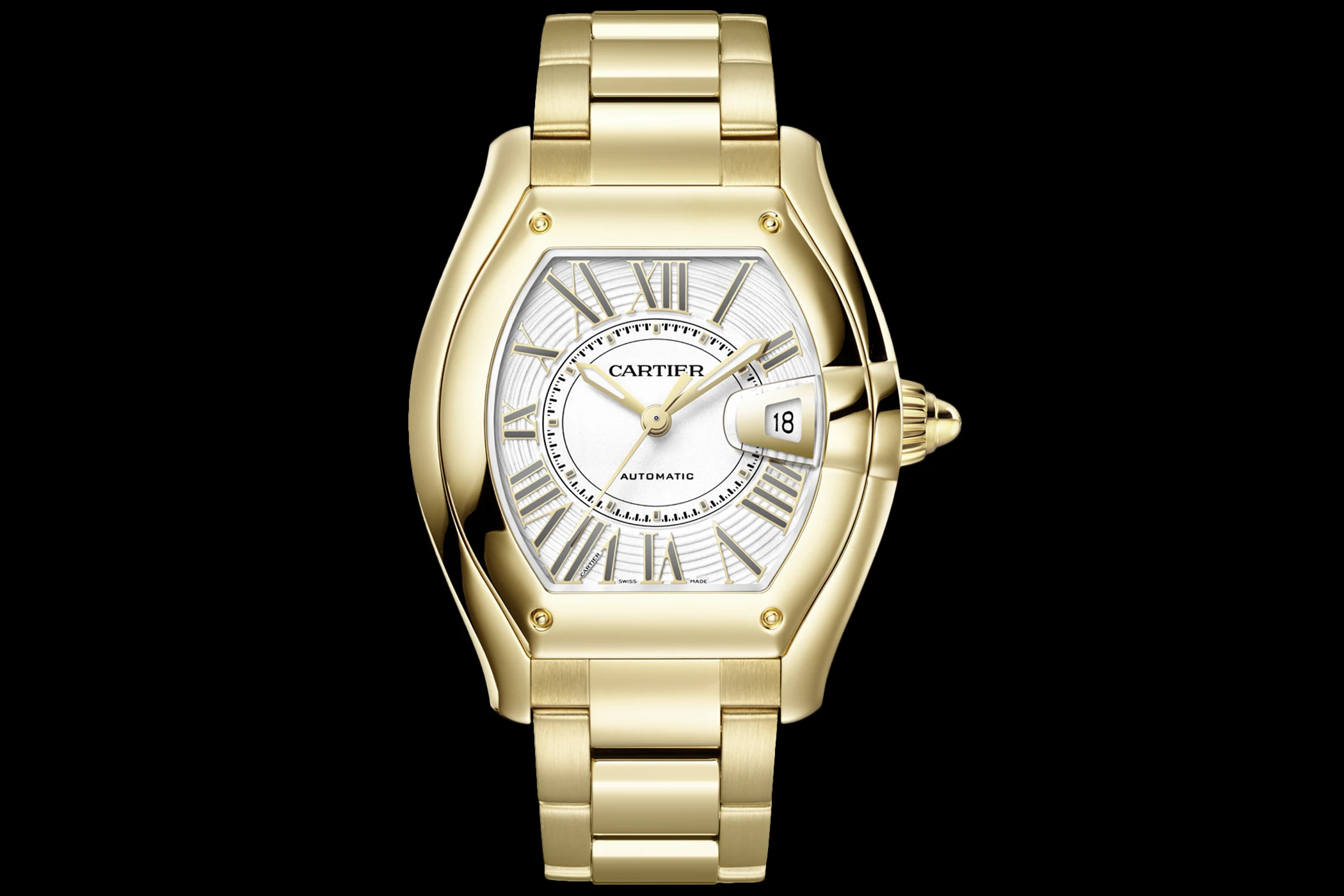
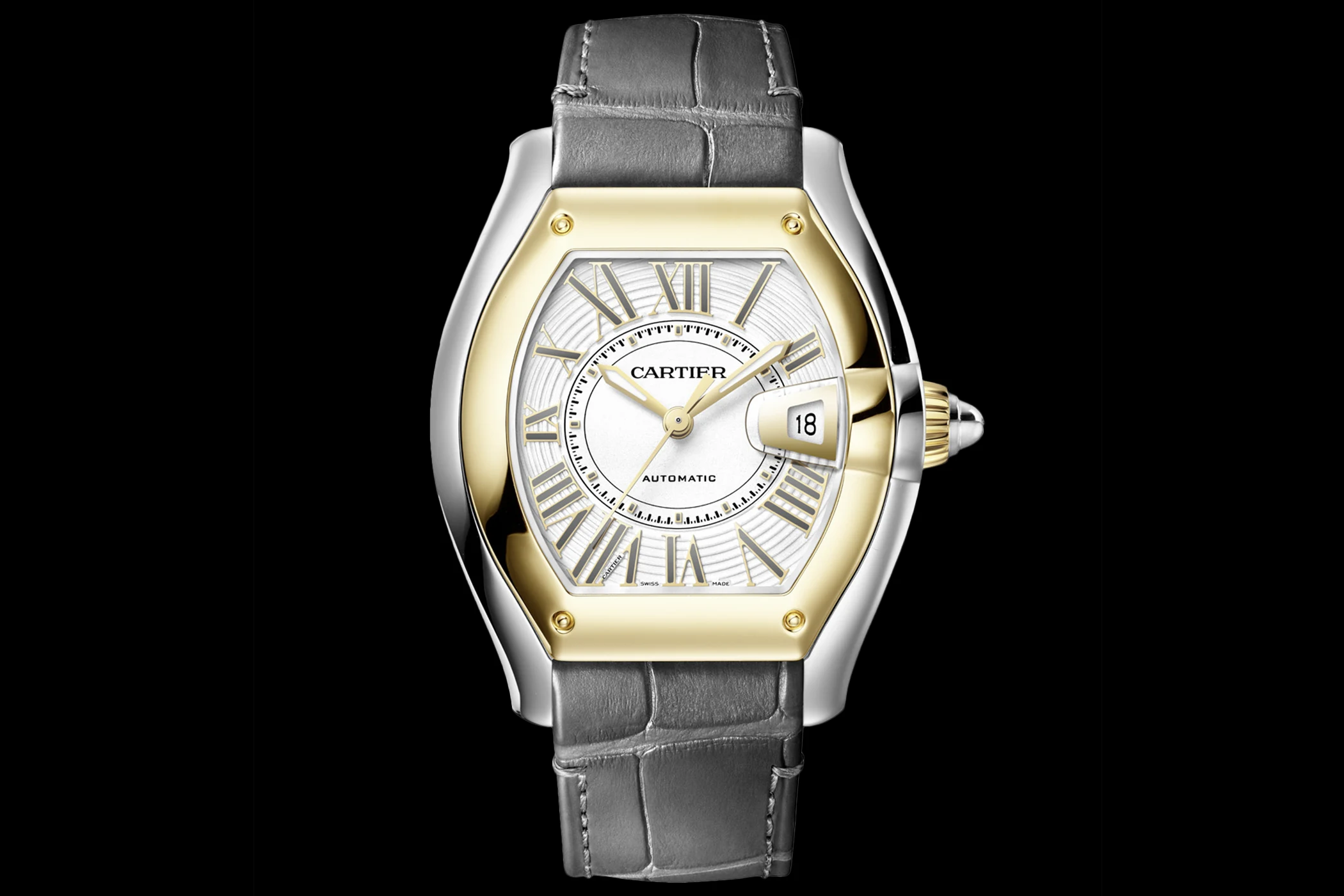
Meanwhile, the bicolour Ref. W2RD0009 and Ref. W2RD0010 are both crafted in 750/1000 yellow gold and steel. The Ref. W2RD0009 measures 42.5 mm x 34.92 mm with a thickness of 9.7 mm, while the Ref. W2RD0010 is slightly larger at 42.7 mm x 38.8 mm and 10.06 mm thick. Both models feature a silvered opaline dial and are offered with an interchangeable bracelet and grey alligator leather strap. Prices are set at 13,600 euros for the Ref. W2RD0009 and 14,900 euros for the Ref. W2RD0010.
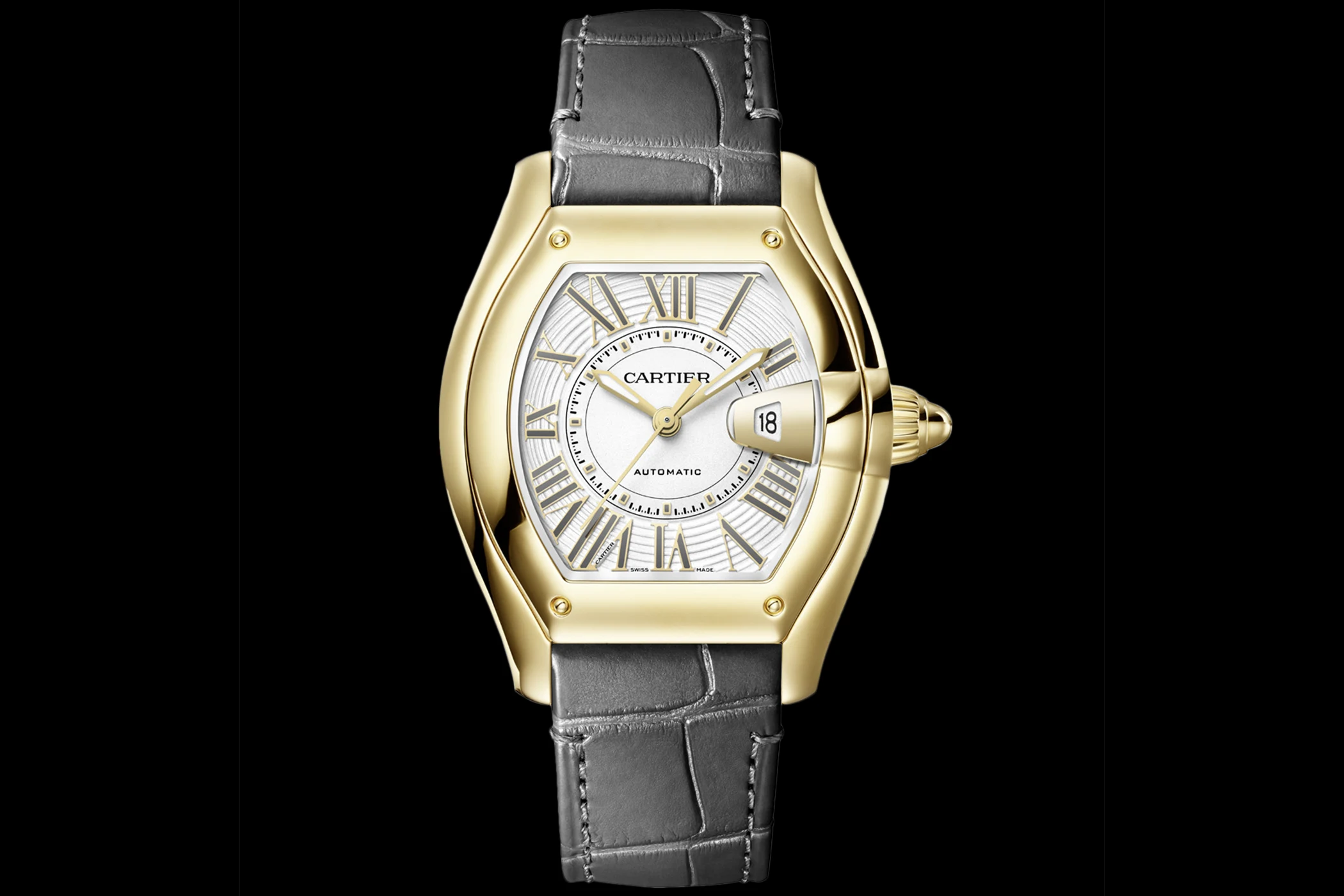
For those looking for a stand-out piece, the Ref. WGRD0011 and Ref. WGRD0012 are executed entirely in 750/1000 yellow gold. The Ref. WGRD0011 measures 42.5 mm x 34.92 mm with a thickness of 9.7 mm, while the Ref. WGRD0012 measures 42.7 mm x 38.8 mm with a thickness of 10.06 mm. Both watches feature a silvered opaline dial and come with an interchangeable yellow gold bracelet and grey alligator leather strap. The Ref. WGRD0011 is priced at 37,800 euros, while the Ref. WGRD0012 is priced at 42,900 euros.
Last but not least, the Ref. WSRD0019 and Ref. WSRD0020 make a return to stainless steel. Distinguished by blue sword-shaped hands, both models feature a silvered opaline dial and are available with a steel bracelet as well as a blue alligator leather strap. The Ref. WSRD0019 measures 42.5 mm x 34.92 mm with a thickness of 9.7 mm, while the Ref. WSRD0020 measures 42.7 mm x 38.8 mm and 10.06 mm thick. Prices are set at 7,600 euros for the Ref. WSRD0019 and 8,300 euros for the Ref. WSRD0020.
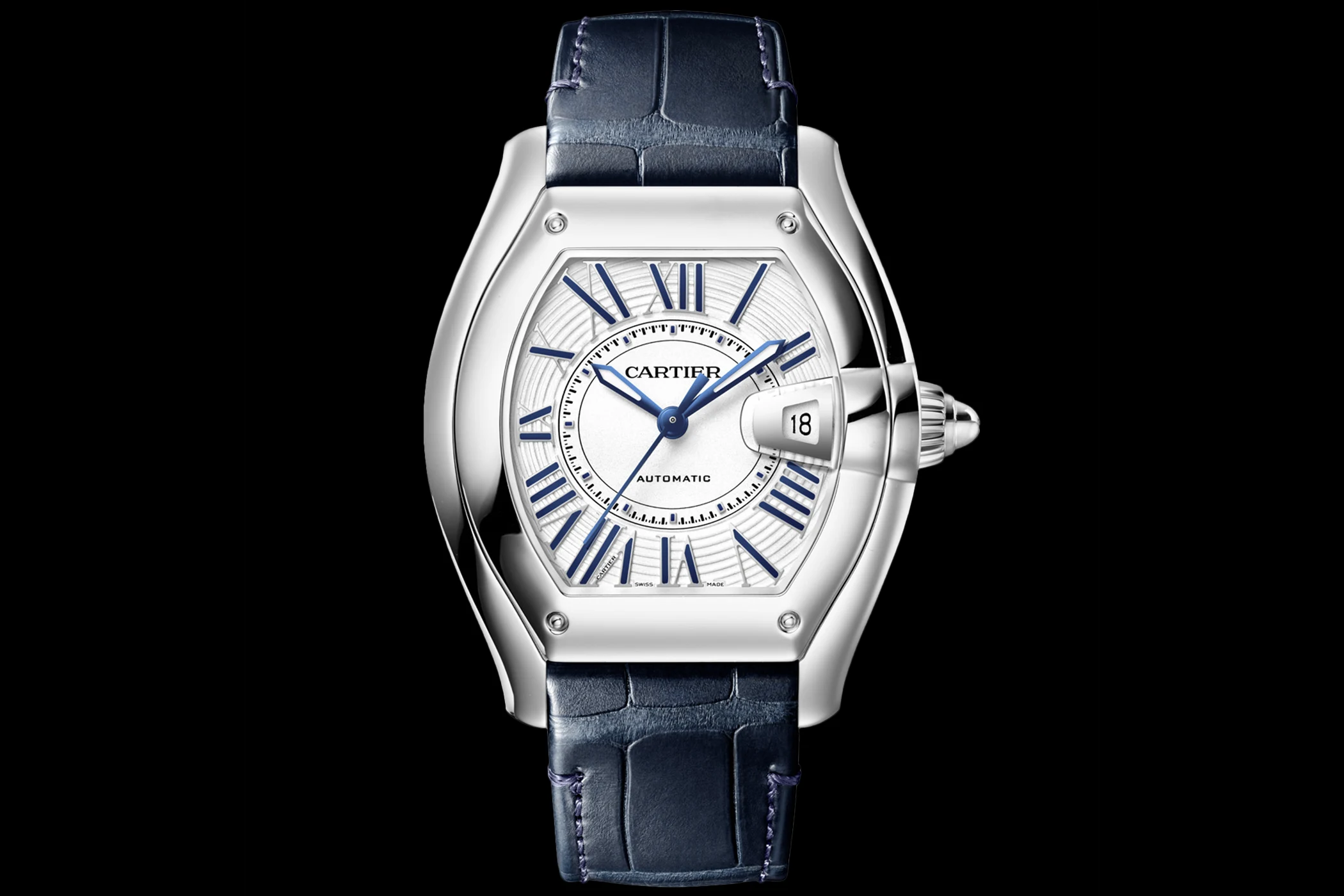
The bracelet has also been reworked, with shorter, more ergonomic links and a refined interplay of brushed and polished surfaces. The QuickSwitch system remains in use – now with a new patent – and preserves one of the Roadster’s most practical innovations. It also enables wearers to quickly opt for an alternative alligator leather strap in blue or grey for a more traditional look. Furthermore, a textured rubber strap is also available, transforming the watch into its most sporty mode. A well-considered decision for a watch that, thanks to its refinements, may now indeed appeal to those looking for an elegant watch that can also serve for the everyday.
What distinguishes the Roadster’s return at this year’s Watches & Wonders is its restraint. Cartier has not sought to radically reinterpret the model, nor to reposition it entirely within a new narrative. Instead, it has approached the design with clarity – refining proportions, improving ergonomics, and elevating finishing, while preserving the identity that made the original so distinctive.
In doing so, Cartier acknowledges something that has become increasingly apparent over time. The Roadster was never an anomaly per se, but rather a different expression of Cartier’s design language – but with a few tweaks, it should feel entirely at home within the Maison’s portfolio, while also offering a dynamic new timepiece to its followers.