Omega Constellation Observatory introduces two-hand watches with Master Chronometer certification enabled by a new acoustic testing method.

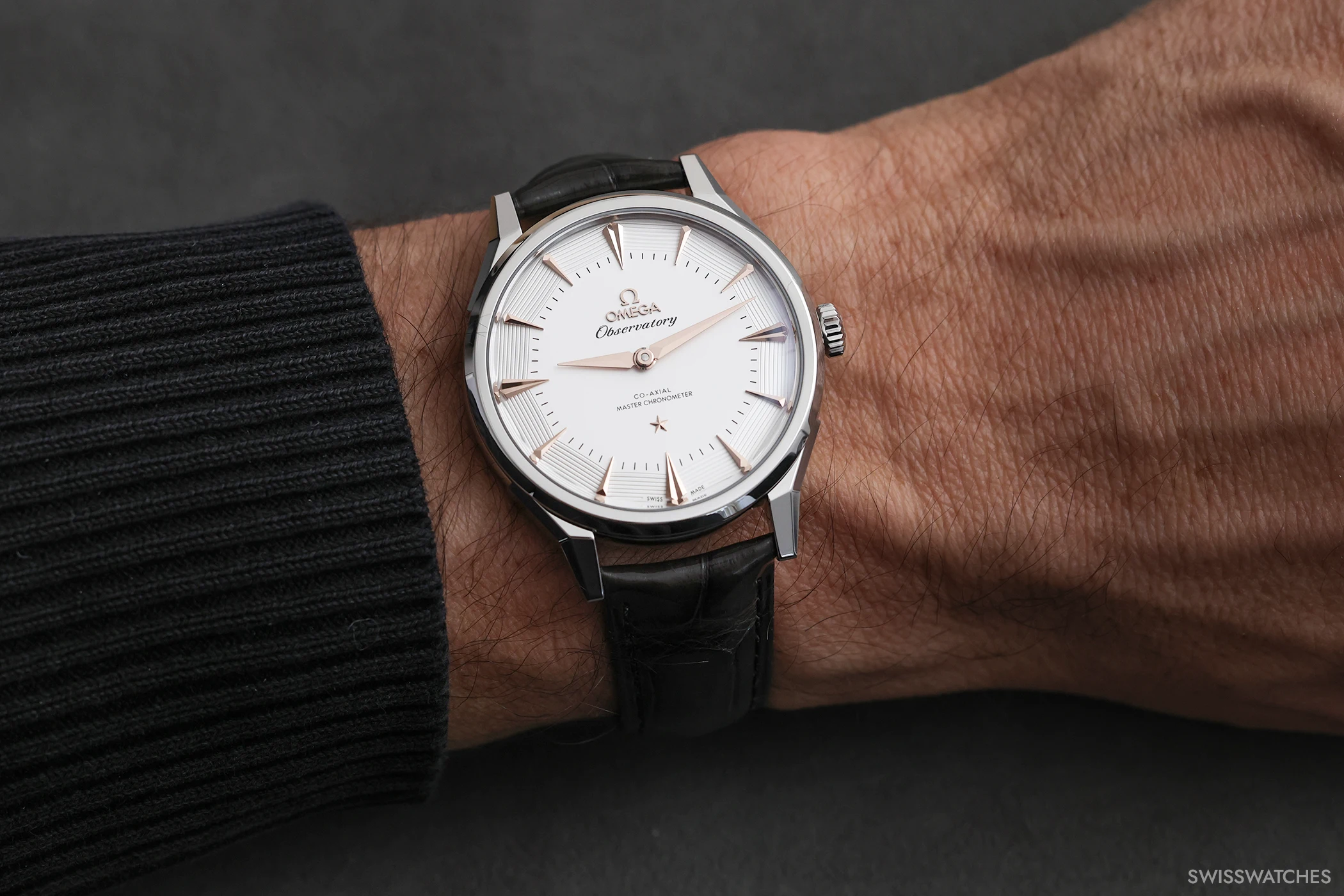
Omega’s launch of the new Constellation Observatory models has divided opinion within the watch community. We analyse the feedback and break down the debate surrounding these latest releases.
Controversial opinions have surfaced within the watch community following the launch of Omega’s new Constellation Observatory models. We analyse and contextualise the debate surrounding these latest releases.
The introduction of the new Omega Constellation Observatory collection has sparked a discussion within the watch world that extends beyond pure design considerations. Within the collector community, opinions are currently divided between an appreciation for the aesthetic return to historical cues and a growing scepticism towards certain technical and pricing decisions. With this release, Omega is navigating a sensitive space between innovation and the high expectations of watch enthusiasts. We have followed the debate around the new models closely and provide an overview of what resonates positively within the community—and where points of criticism arise.
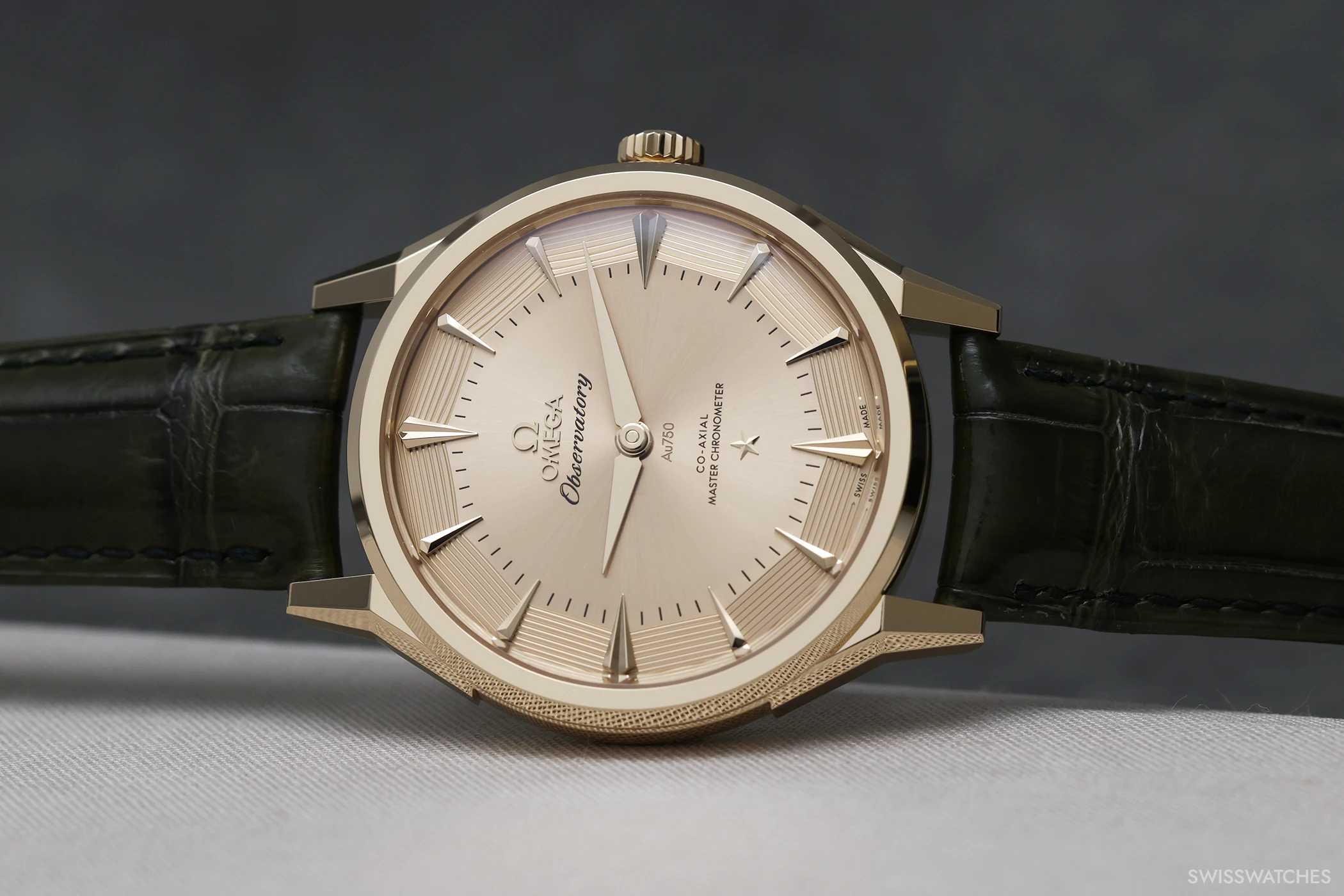
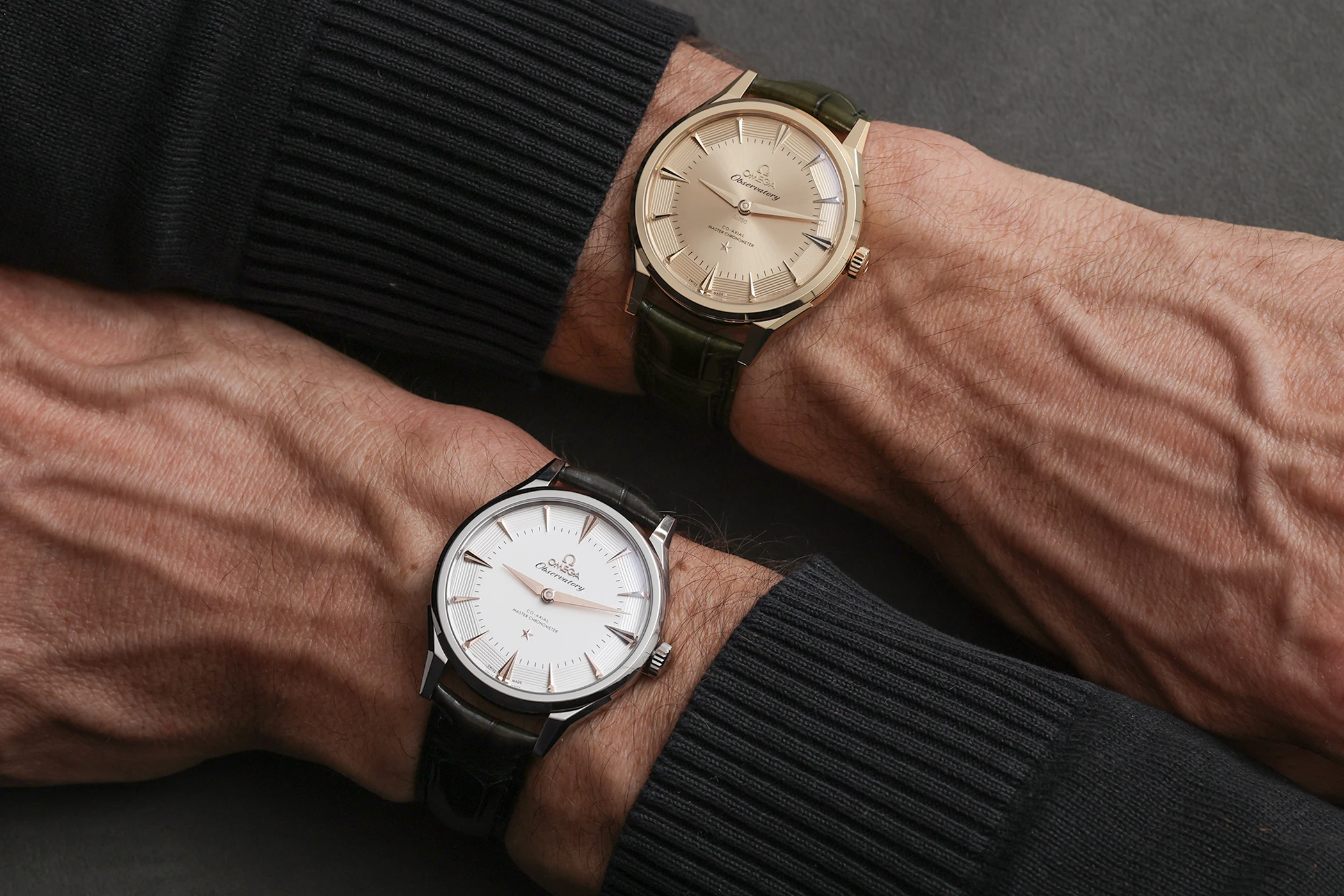
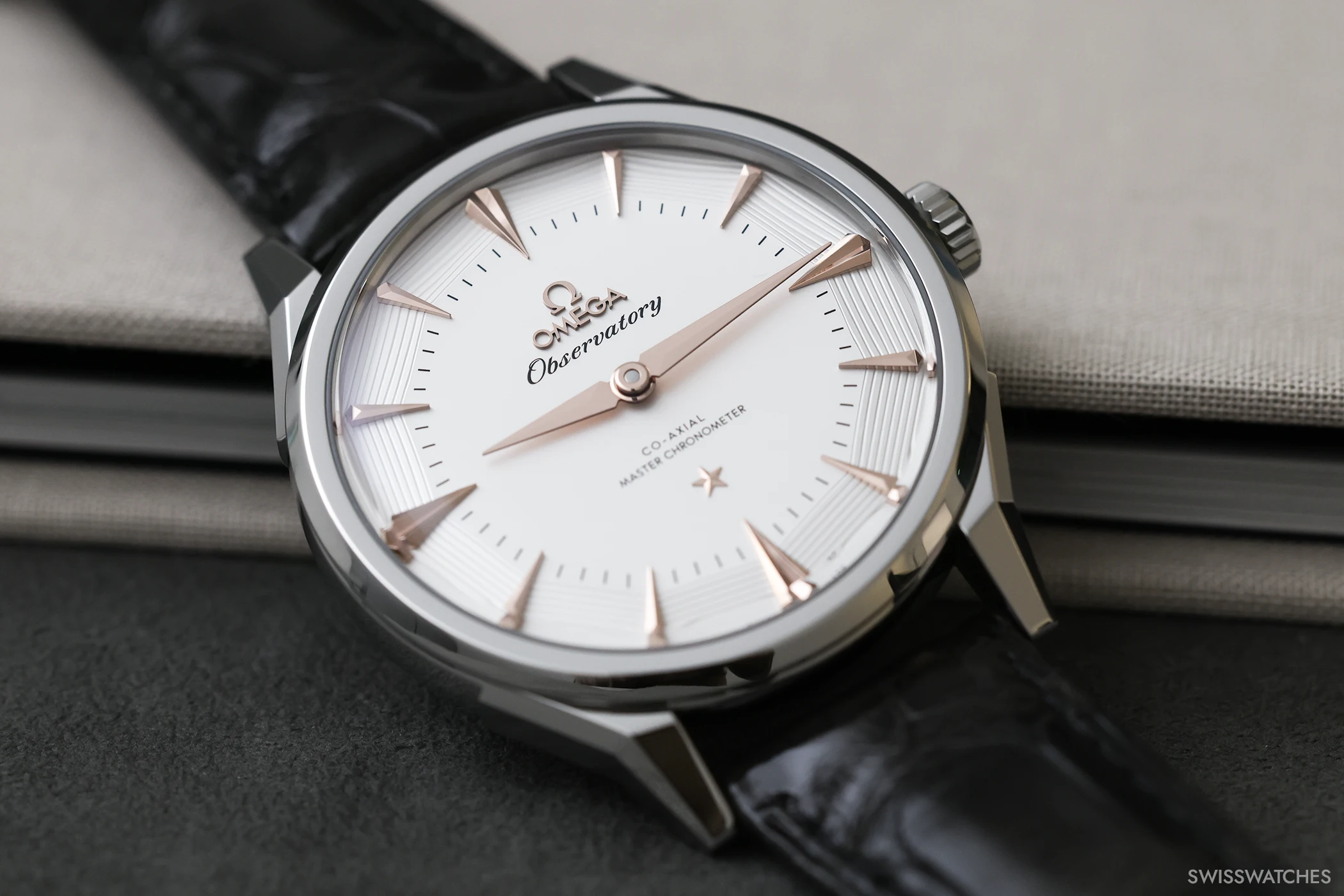
At first glance, feedback from the watch community has been largely positive, with particular praise directed at the dial in its classic “pie-pan” configuration, widely regarded as a successful homage to the 1950s. Here, Omega appears to have rediscovered a sense of elegance that many collectors felt had been lost in the often more robust models of recent years. The technical initiative of extending the Master Chronometer certification to a pure two-hand watch also reflects the brand’s continued commitment to demonstrating its technical expertise.
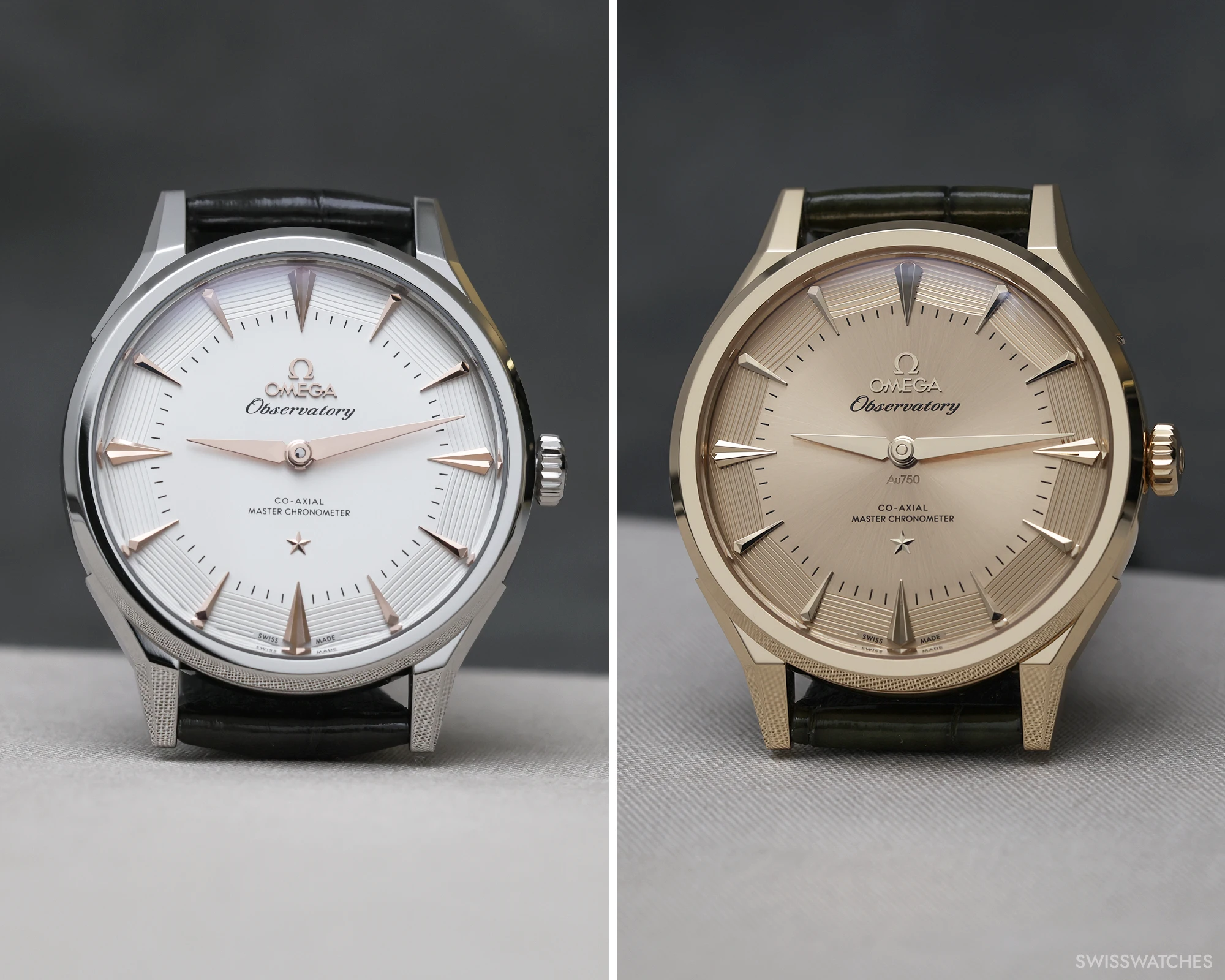
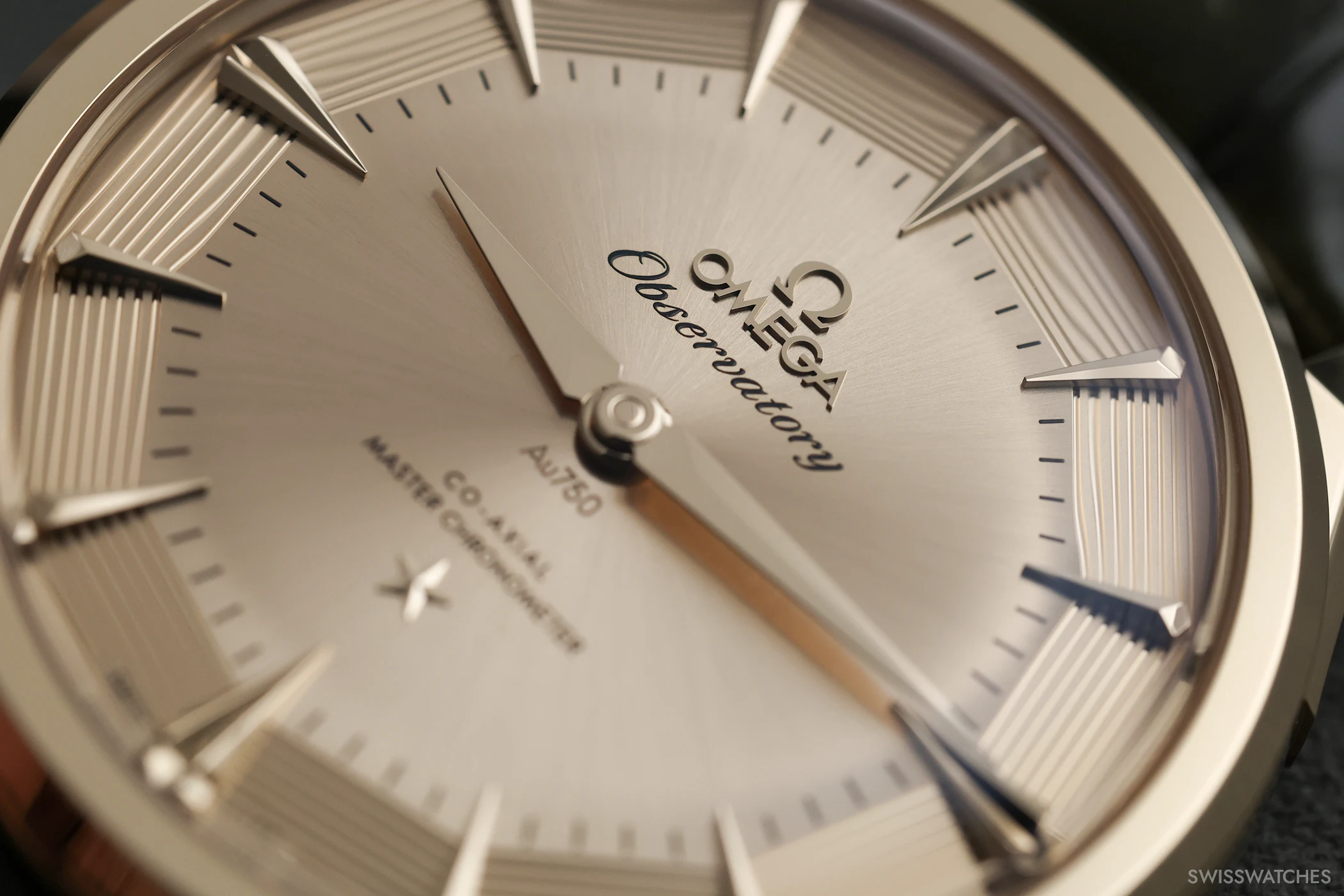
It is precisely within this technical positioning, however, that certain conceptual inconsistencies begin to emerge. The name “Observatory” inevitably evokes historical associations with the pursuit of ultimate precision. Paradoxically, Omega has chosen to omit a seconds hand in these models. As a result, the wearer is left without any visual means of experiencing—or verifying—the advertised rate accuracy, a point that has been perceived within specialist circles as contradictory.
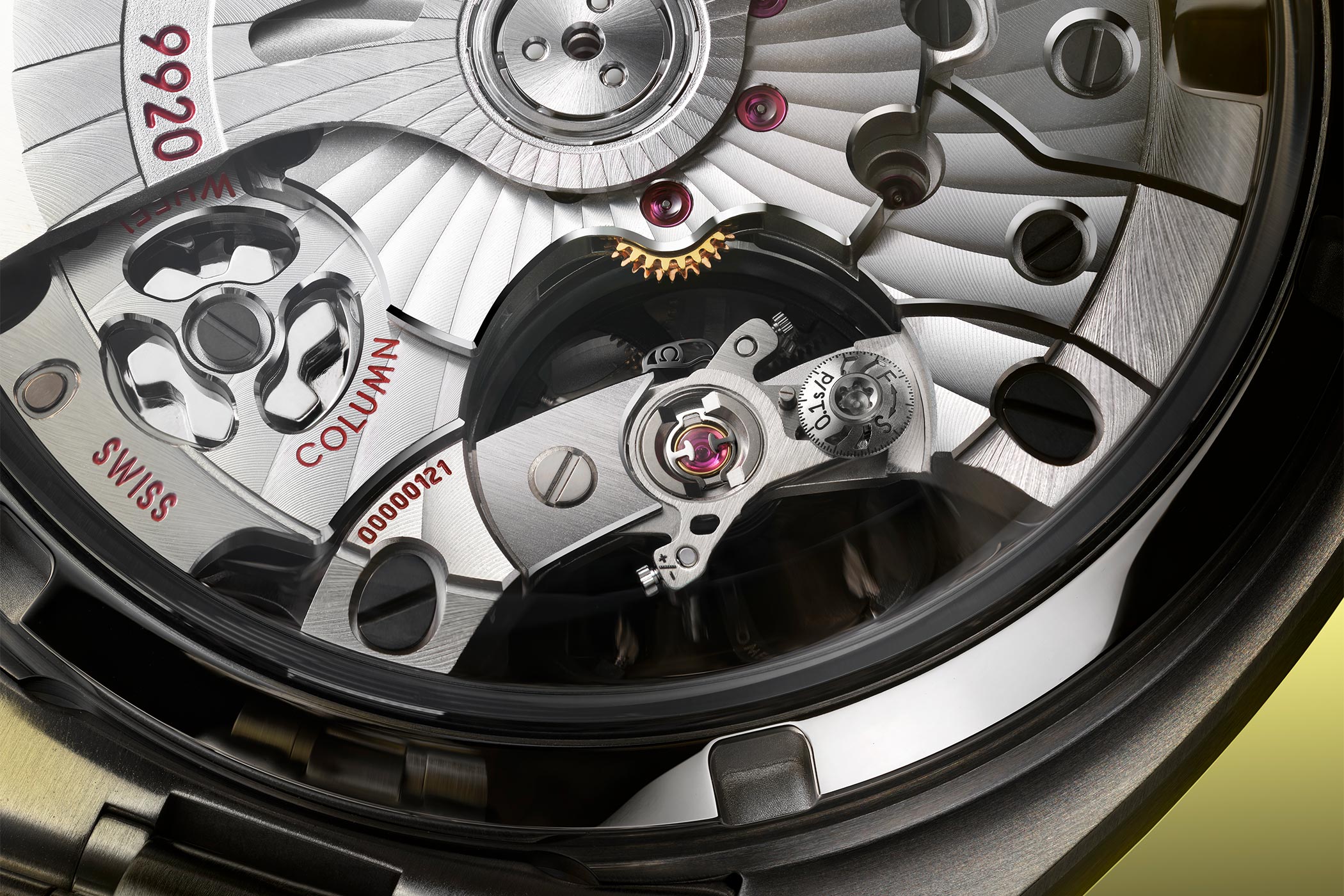
In addition, questions have been raised as to why Omega did not incorporate its “Spirate” system, currently representing the brand’s most advanced approach to precision (rated at 0/+2 seconds per day), particularly given the implications of the model’s Constellation Observatory naming.
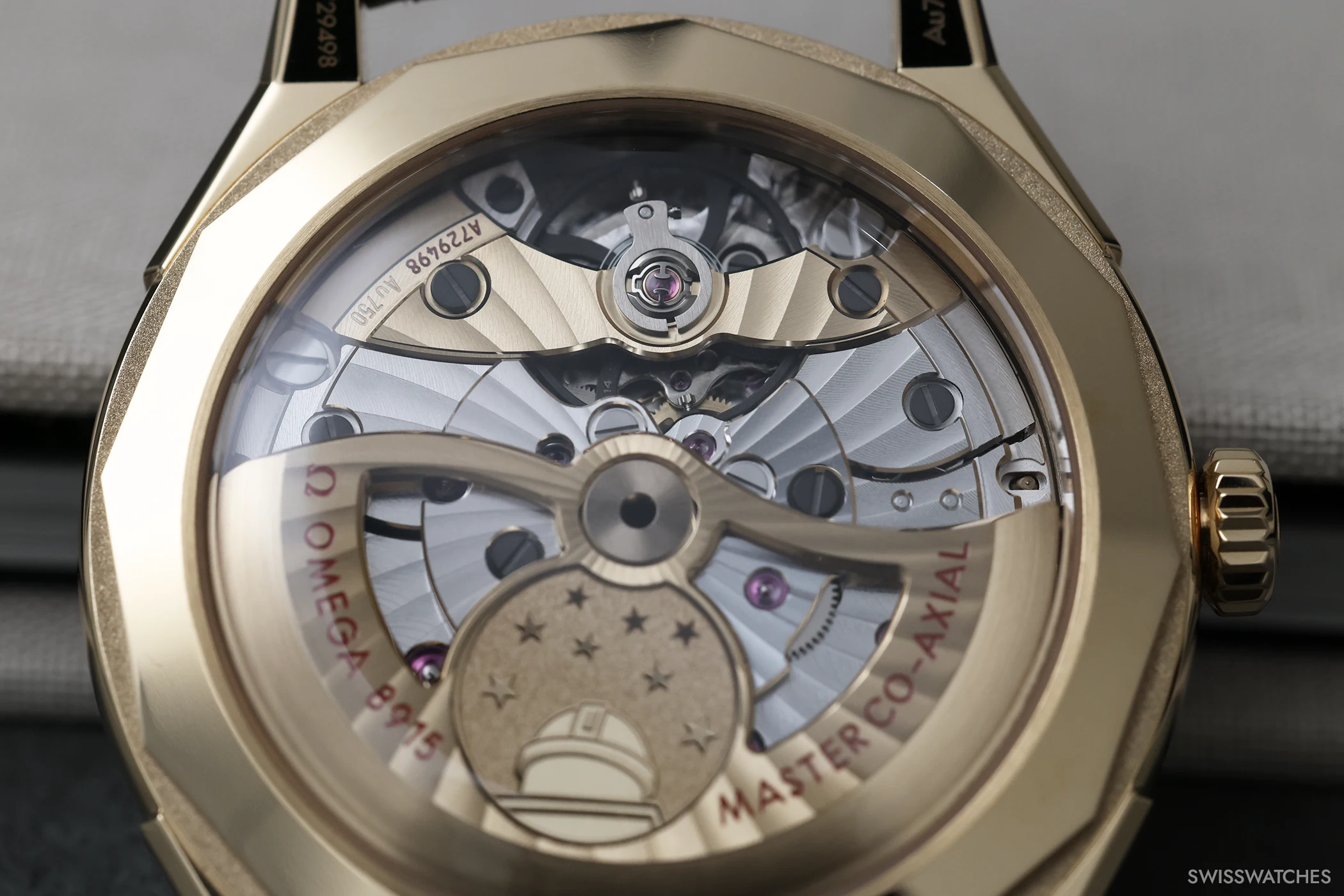
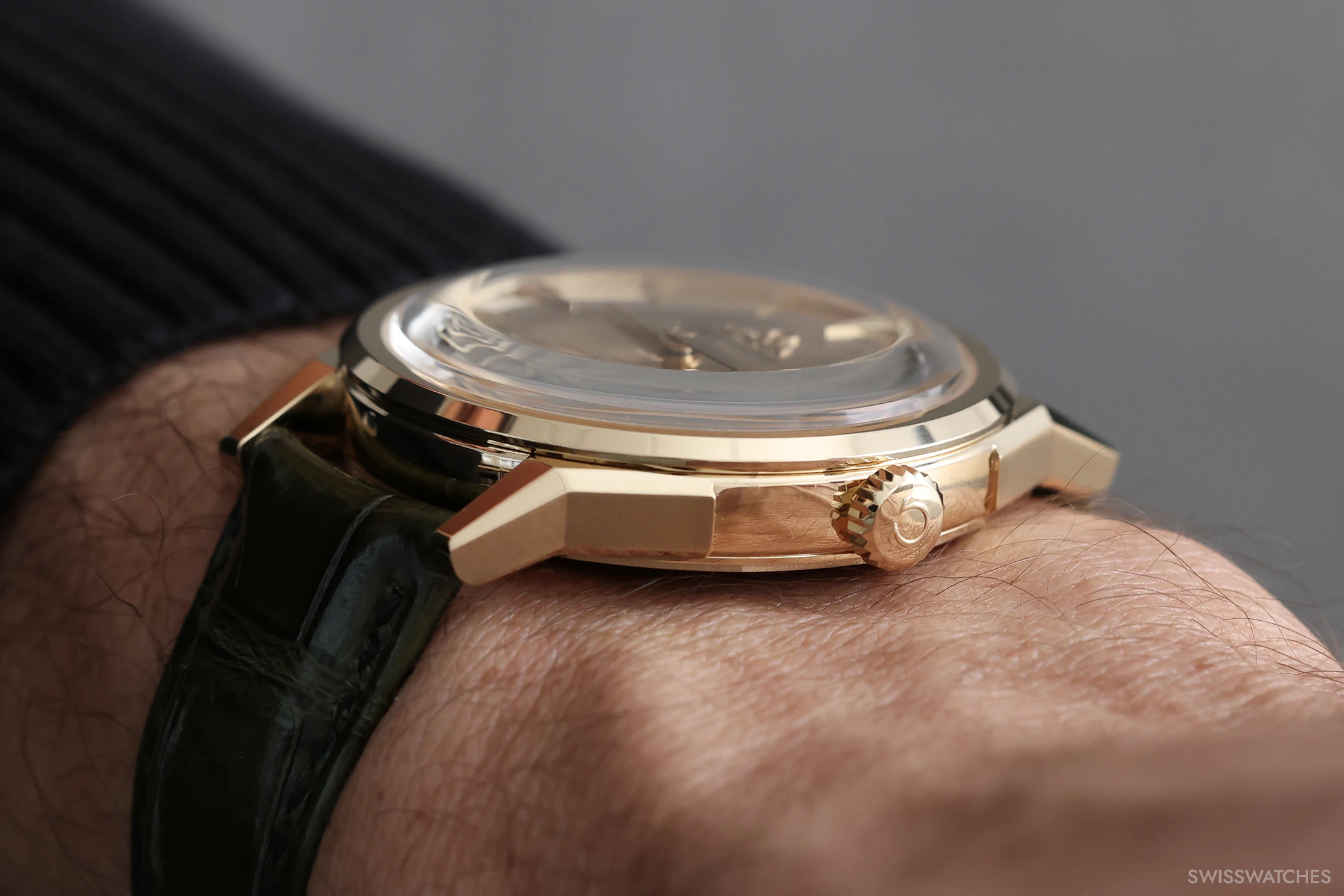
Another aspect that has prompted criticism concerns the proportions. With a case height of 12.23 mm, the Omega Constellation Observatory appears comparatively tall for a classical dress watch. While historical references often distinguished themselves through slender profiles below 11 mm—and comparable dress watches frequently measure closer to 10 mm—the new Omega Constellation Observatory presents a noticeably more substantial presence on the wrist.
This criticism is accompanied by an ongoing discussion around pricing. The gold variants of the Omega Constellation Observatory in particular have triggered strong reactions and are often perceived as difficult to justify, drawing increased attention to competitors that appear to offer a more compelling price-performance ratio. Strategically, the Omega Constellation Observatory collection also marks a notable shift in quality assurance: Omega’s move away from the independent COSC certification towards in-house testing at its “Laboratoire de Précision” is being met with a degree of scepticism. While the laboratory is ISO-accredited, the absence of an external, neutral authority represents a potential risk to long-term collector confidence.


In summary, while Omega has made a clear aesthetic statement with the Constellation Observatory, it simultaneously exposes itself to criticism in areas such as pricing strategy, certification approach, and case proportions.