Girard-Perregaux Neo Constant Escapement: How the innovative silicon escapement enables constant force, high precision and new models.
How does a 270-year-old Maison preserve its decorative arts without turning them into museum pieces? In conversation with Christian Selmoni, Vacheron Constantin’s Style & Heritage Director, we explore how métiers d’art, technical innovation and understated elegance continue to shape the identity of the manufacture. The result is a rare insight into how heritage can remain alive, relevant and distinctly contemporary.
In 1755, Jean-Marc Vacheron completed his very first pocket watch. It was to set the standards for centuries to come, with the manufacture celebrating its 270th anniversary last year. Technically impressive, the watch featured a verge escapement and finely crafted gold hands connoting the sun, while the balance cock demonstrated Vacheron’s command of craftsmanship. This marriage of the technical and aesthetic remains crucial to Vacheron Constantin to this day – and no range of timepieces encapsulates this pursuit of ingenuity and beauty more fully than the manufacture’s Métiers d’Art workshops.
But if the Haute Horlogerie Maison is defined by craft, innovation and continuity, how do you pin down its aesthetic identity? I embarked on a quest to uncover the answer to this question by turning to Christian Selmoni, Style & Heritage Director at Vacheron Constantin.
“What makes a Vacheron Constantin a Vacheron Constantin?” Selmoni repeats my opening question, almost as if returning to a long-standing riddle. “I served for many years as artistic director and that was always a central question for me. Unlike some other brands, we cannot say that we have a sort of iconic design, so instead, I tried to find some words that could describe Vacheron Constantin.” Those words, he says, are less about bold signatures and more about restraint: “I found several words that could describe it: elegance, sophistication, refinement, and understated aesthetics at times. Sometimes, especially in the past, classic with a twist.”
It is a revealing point: Vacheron Constantin’s watch designs are not built to shout across a room. “I’m not really sure that you can recognise a Vacheron Constantin from five metres away in a restaurant,” Selmoni muses. Rather, the identity is often felt rather than immediately identified — a kind of coded classicism. “To give you one anecdote: when I was contacted years ago to join the Maison, I immediately thought about Vacheron Constantin watches, and I envisioned a white-gold dress watch with a lapis lazuli dial – and I think it wasn’t too far off, actually.”
That understatement is by no means an abdication of technical ambition; it is a method of containing it. In an era when watch complications serve predominantly as theatre and gem settings verge on status symbols, Selmoni frames Vacheron’s approach as something closer to synthesis. “I think it is this combination of elegant and sophisticated design, associated with technicality, which is really one of our signatures.” In other words, the trick is not to overload a watch with complexity for complexity’s sake. “Rather than potentially impress the public or a client with a timepiece with a lot of hands, dials, or a very complicated indication of the time, we are more into integrating the technicality into our design. That is part of our identity.”
That integration is a practical reality for the Métiers d’Art workshops, where elegance must continually negotiate with mechanics. “That is why, when working around a design for the future, we’re always facing a challenge to create a design around a new or existing movement, while making sure that the final design will incorporate the elegant nature of a Vacheron Constantin, combined with the technicality that is expressed through the functions. This notion of elegance and technicality is at the centre of the Maison.”
Selmoni places the Métiers d’Art workshops’ core decorative crafts – enamelling, guillochage, engraving and gem-setting – within a broader historical ecosystem. This is necessary for a brand with a history dating back over two and a half centuries. “Geneva, in the 18th century, for example, was very much a cradle of decorative crafts,” explains Selmoni. “Local artisans were all located in the same area, which was in the centre of Geneva and known as la fabrique. They were organised in corporations, offering their skills and crafts to jewellers and watchmakers. This configuration lasted centuries, and we were obviously working with specialists.”
Then came the rupture. “Most of these crafts – enamel and guillochage, for example – mostly disappeared from the public during the 1970s and 80s, before being rediscovered in the 1990s.” For Selmoni, that rediscovery is not a marketing footnote but a hinge-point in the modern identity of Métiers d’Art. “That was a core moment in our history. We came back to these crafts during the 1990s – and these crafts made a great comeback.”
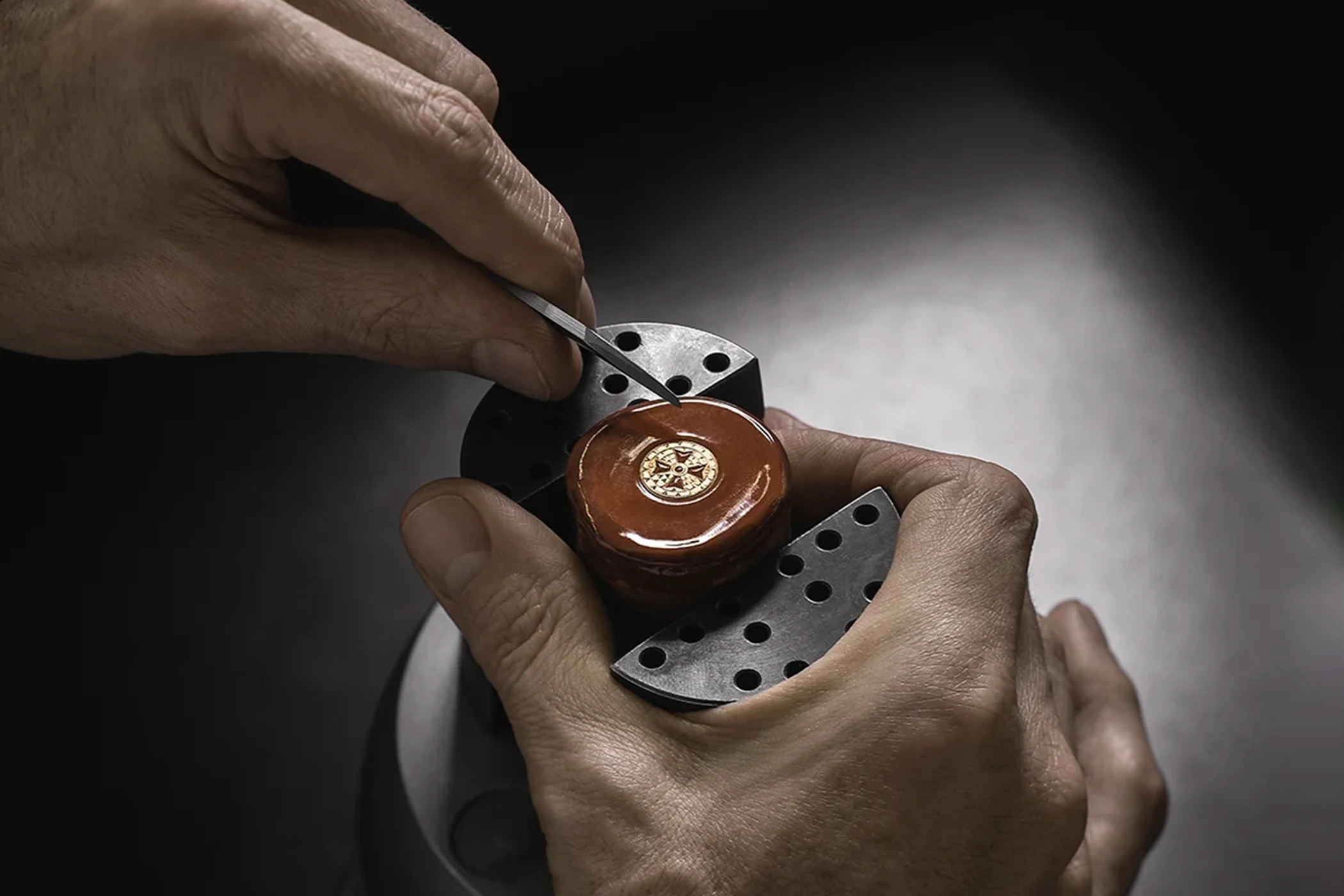
What followed was a strategic decision to bring certain skills in-house; not to sever external collaboration, but to prevent another near-extinction. “We decided to integrate these crafts into our manufacture because it was a question of experience. Experience helps you to not repeat the same mistakes as in the past.”
The manufacture’s commitment broadened. “Enamelling in Geneva was almost gone up until this point,” Selmoni recounts. “In the mid-2000s, we decided to internalise the métiers d’art and take four crafts that we consider to be historical crafts for the Maison: enamelling, engraving, guillochage and gem-setting.” The intent was both custodial and creative.
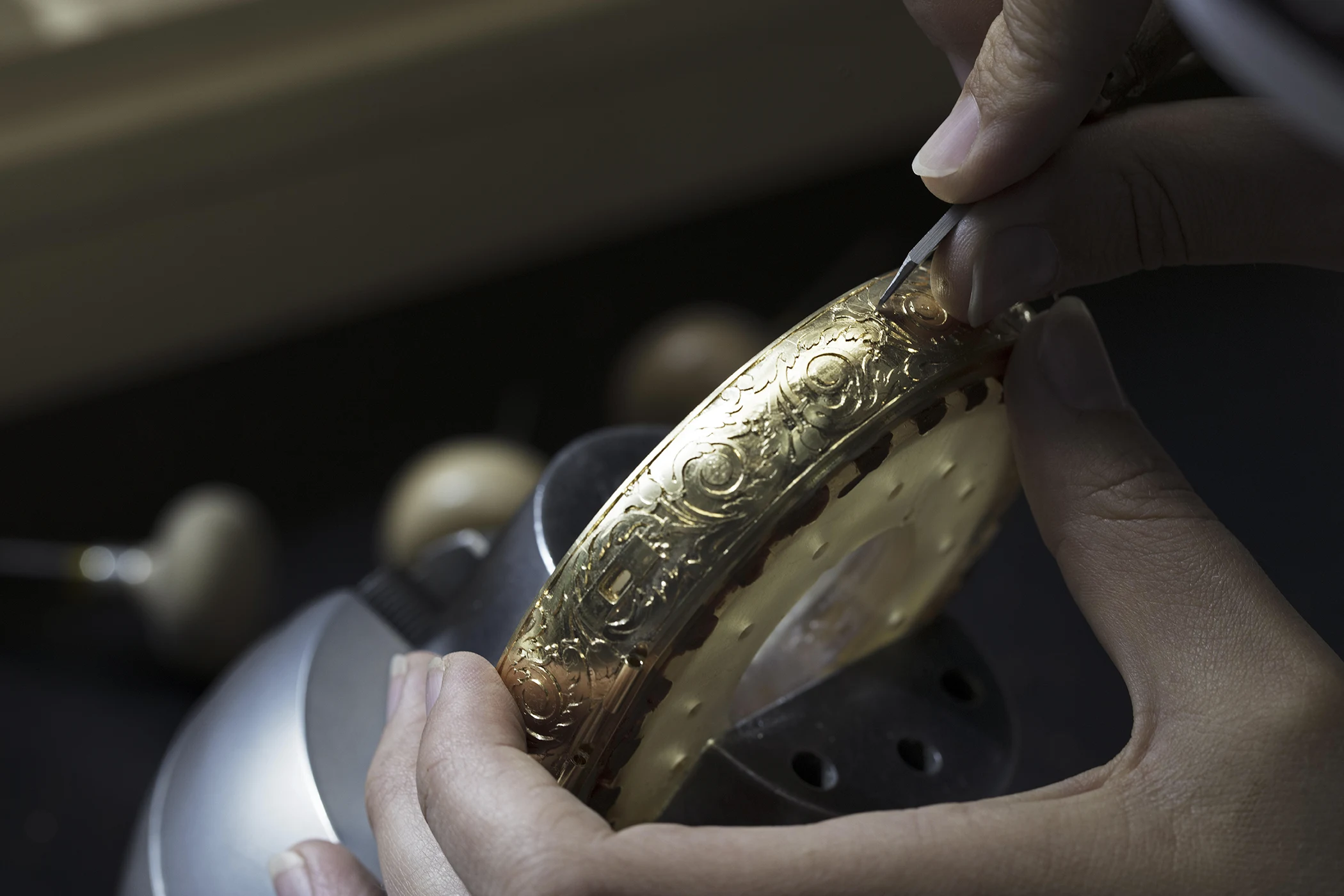
At this point, Vacheron Constantin was steadfastly working with a network across Switzerland, and despite the recently established métiers d’art workshop, the manufacture did not stop its collaboration with them and bring everything under one roof. Rather, it decided to strike a balance between its internal workshop and the external artisans with which it was working at the time. “That is also why our decorative crafts workshop is not that big,” explains Selmoni. “By working that way, we are once again continuing our mission by supporting external artisans.”
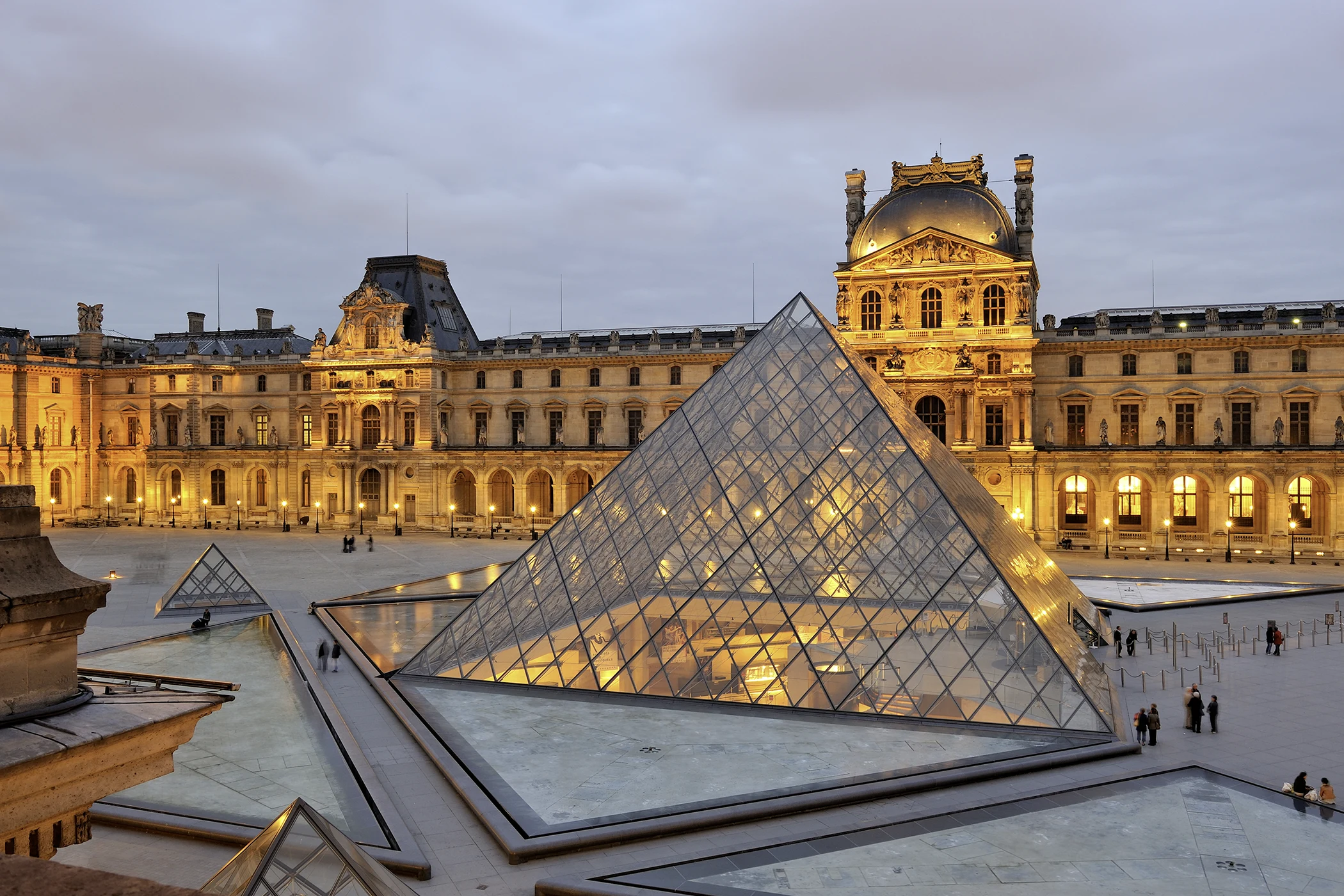
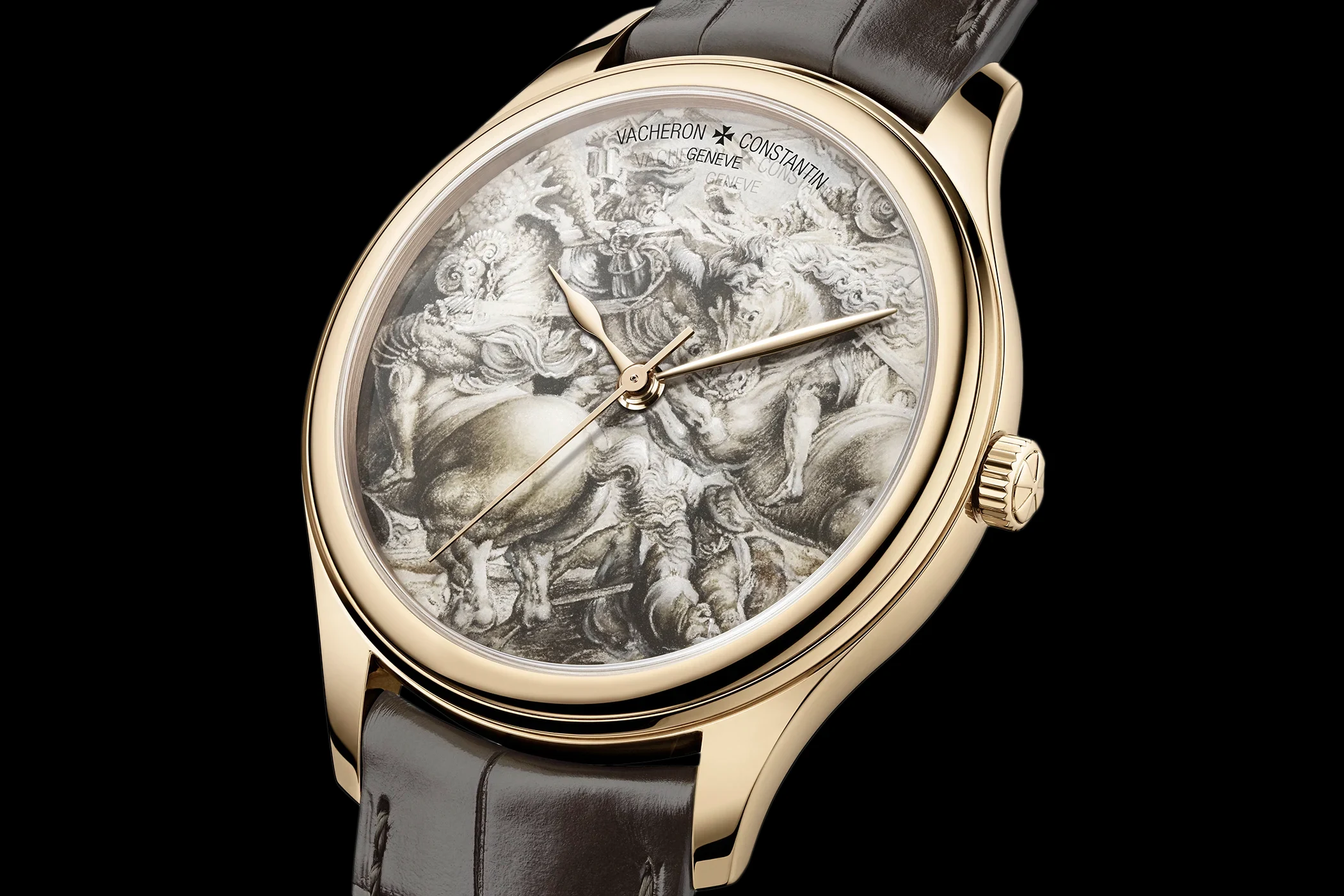
For Selmoni, this approach is consistent with the brand’s wider cultural partnerships, not least its recent highly successful partnership with the Louvre in Paris. “That project was not about installing a Vacheron Constantin clock in the office of the director,” asserts Selmoni. “It was rather about having a partnership that shared common values: restoration and preservation. We are very much concerned about making sure that these crafts will still be alive in decades as well as centuries’ time.”
So how does a 271-year-old manufacture avoid its metiers d’art workshop either becoming a museum or simply following trends, I query? Selmoni frames it as the defining tension in contemporary design. “This is the main challenge of our designers. On the one hand, we are talking about the great legacy and heritage brought by over 270 years of production without interruption, a great legacy of archives, and so on. On the other hand, I have spoken about our identity as watchmakers, as it is all about having this balance of sophistication, elegance, etcetera.”
The job ahead, it seems, is to continue to innovate, while holding onto a thread of continuity. “The key challenge is to design modern watches that are perfectly relevant in the world of today,” supplies Selmoni. “However, at the same time, they absolutely have to maintain a sense of where we come from.” Thus, history is an ingredient in the Maison’s designs, rather than a template. “It is never about replicating the past; it’s always about creating future watches that respect our traditional know-how, while expressing that know-how in a very contemporary way.”
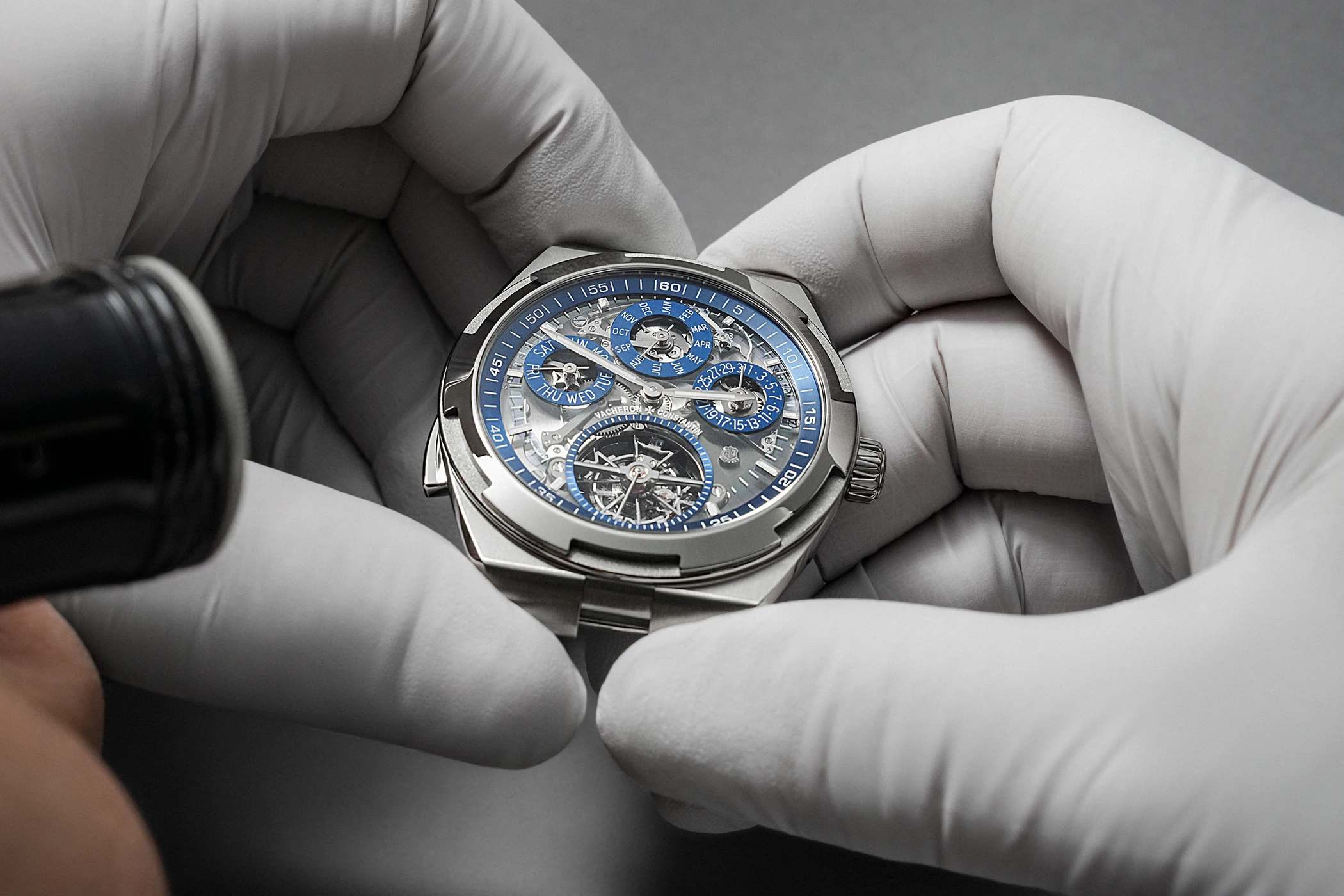
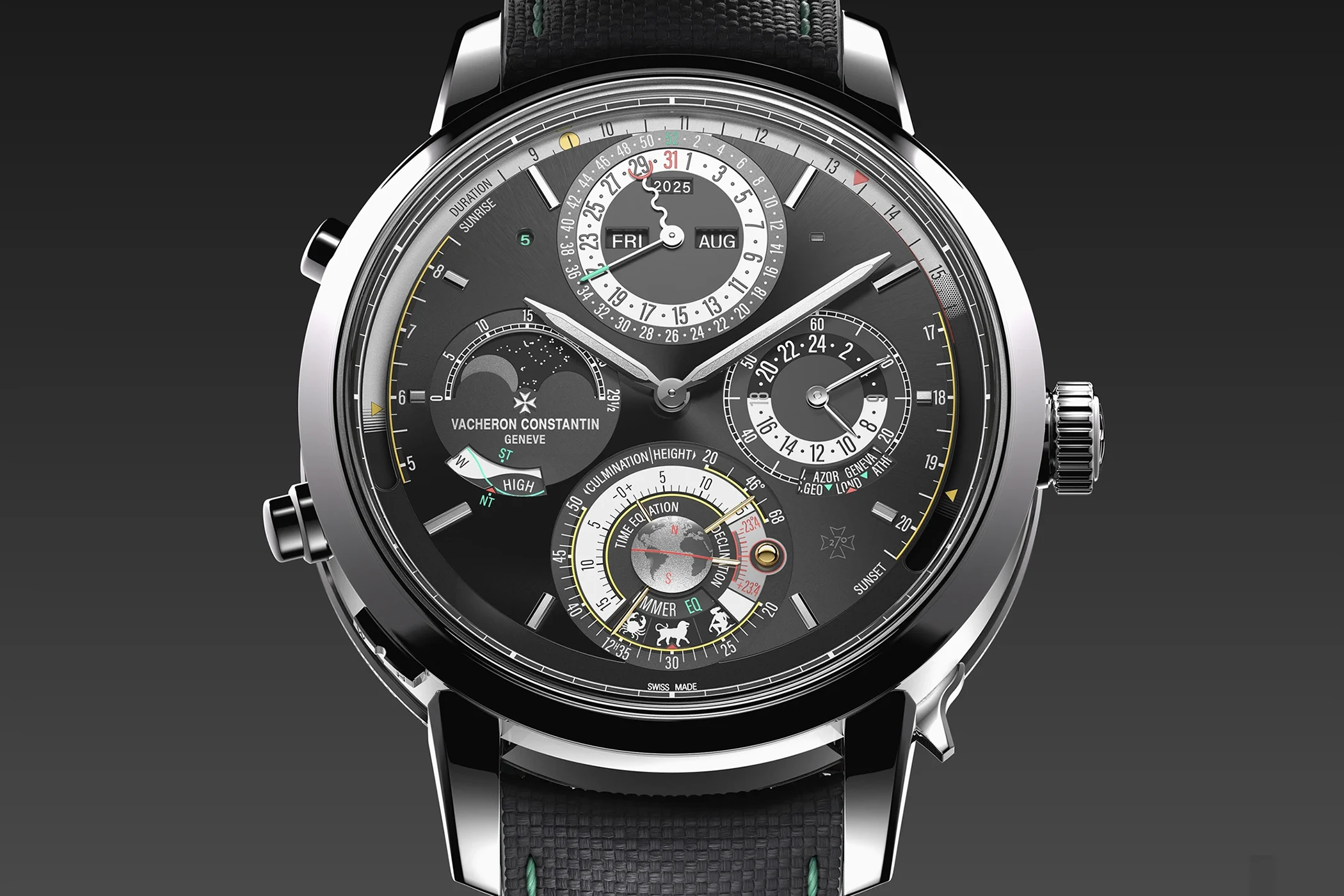
Selmoni points out that this is especially true of métiers d’art, but also extends it to technical showpieces. “It’s also true when we talk about our Rare Complications, for example the Les Cabinotiers Solaria Ultra Grand Complication – La Première released last year, which is a tribute to super complicated watchmaking.” In his view, the easiest mistake with such a watch – currently billed as the world’s most complicated timepiece – is to overstate it visually. “Normally, when you create such a complicated watch, you are tempted to over exaggerate the technicality of the watch by engraving the case or things like that.”
He argues the Solaria makes a different point: “I think the Solaria is a great piece in this respect as it embraces super-modern design – almost industrial – and it’s all about readability of the functions. But at the same time, it encapsulates our know-how and our traditions that have been preserved and transmitted – yet the Solaria is totally a timepiece for the 21st century.”
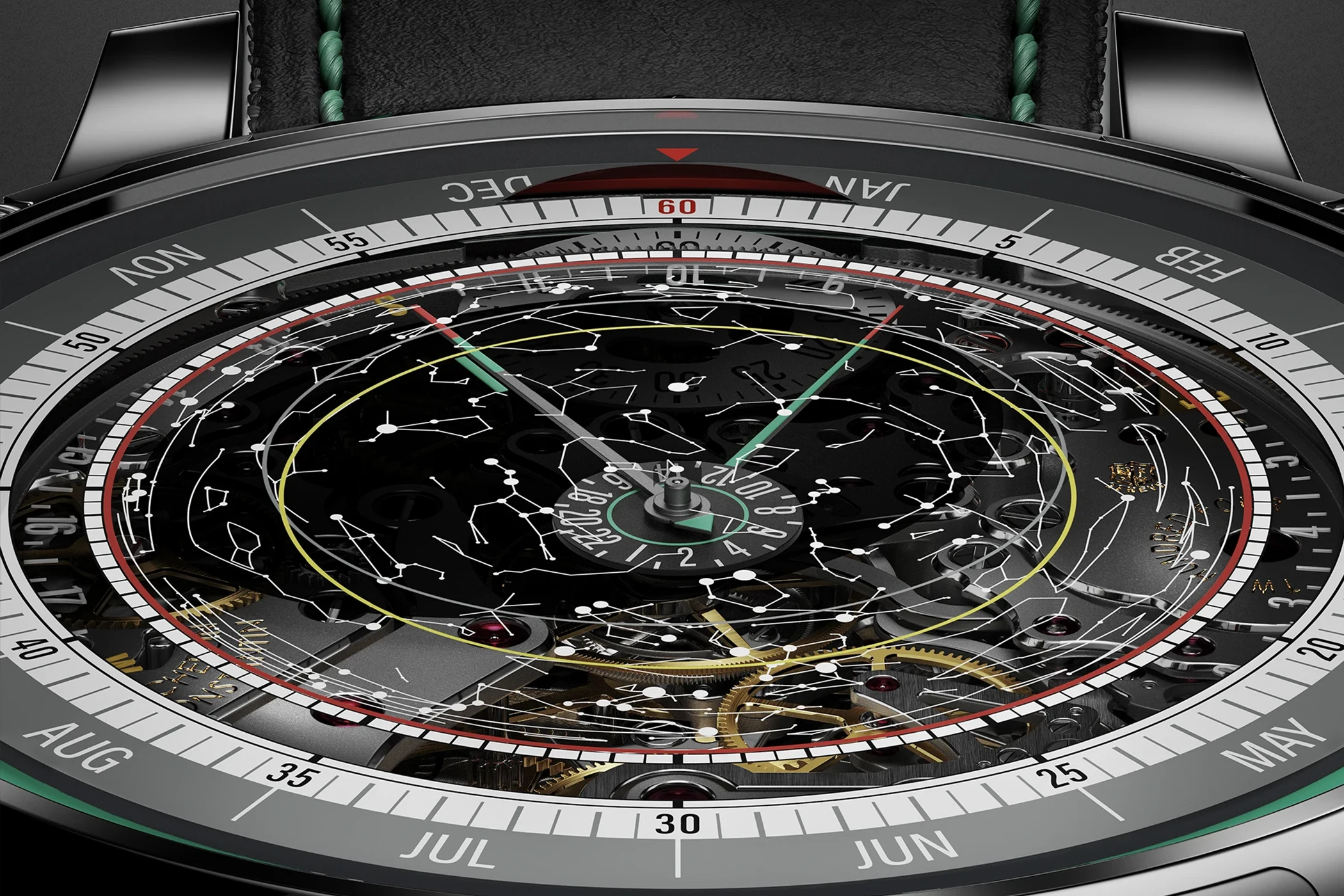
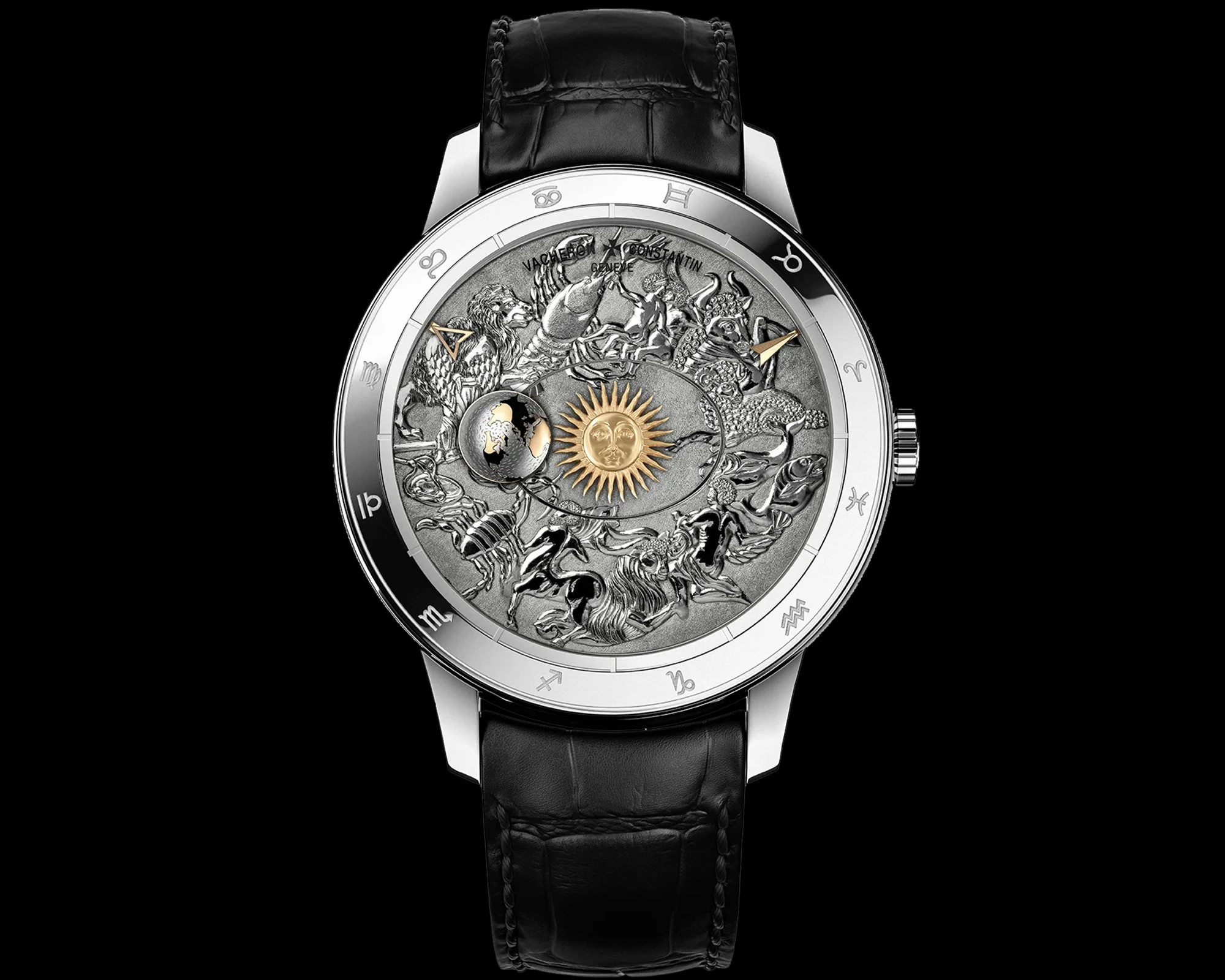
That same logic shapes how Vacheron Constantin treats crafts not as retro exhibitionism, but as contemporary tools. “It’s also very true for the métiers d’art: the way we use guillochage is a very good example. “As we know, it is a craft that originated around the 16th century, and it was used to create geometrical patterns that cross each other, often decorating pocket watches. But if you take an example such as what we call ‘figurative guillochage’ – for example we used it to make constellations – this is something very new.”
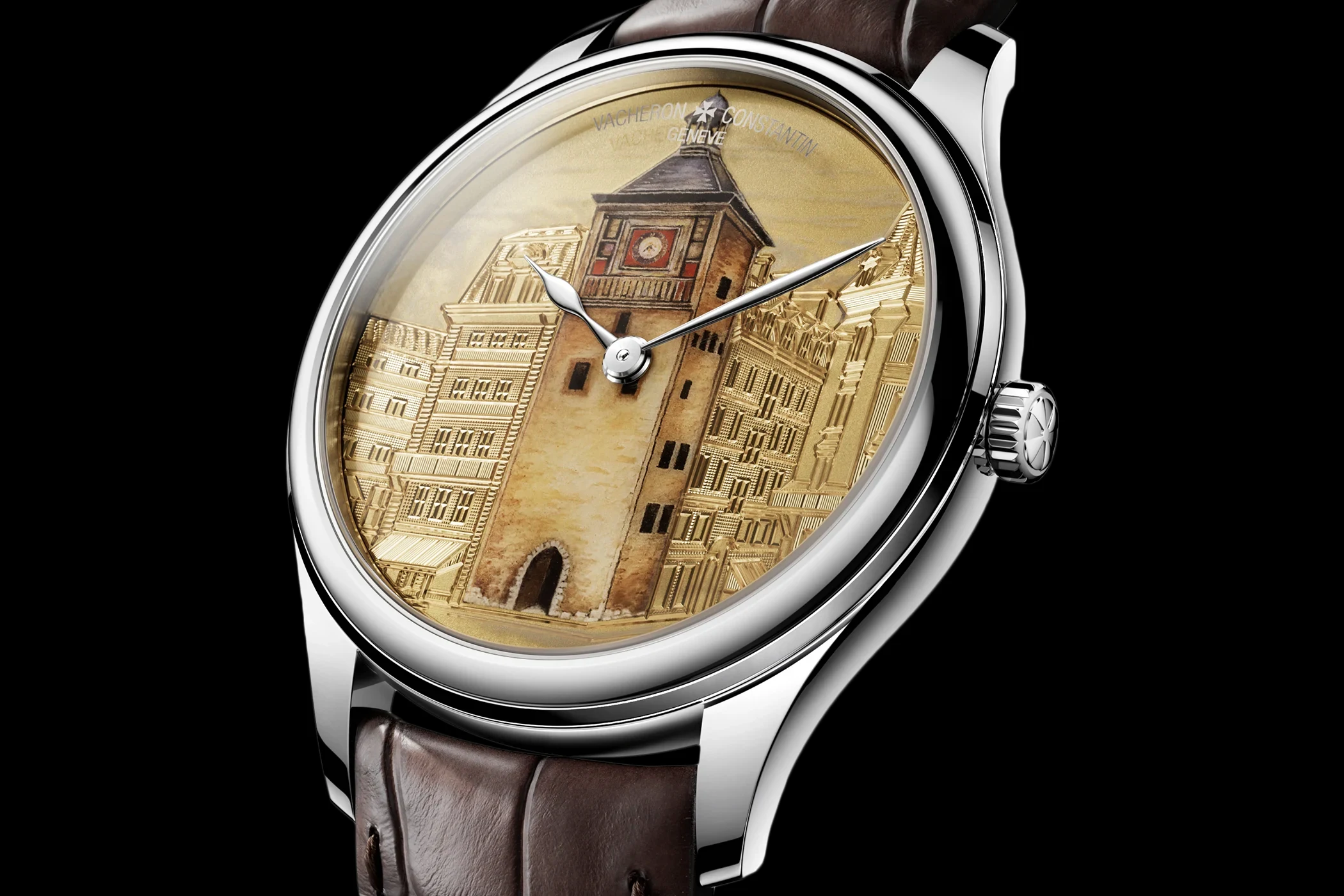
He cites a specific recent project: the three Les Cabinotiers Tour de l’Île watches presented last year representing the history of Vacheron Constantin. One of them was a combination of enamelling and guillochage, with the background depicting Genevan houses and the local area. “It is a great example of how you can take antique crafts and make them relevant today.”
Vacheron Constantin’s clientele, he adds, understand this language of total craft, and the manufacture’s need for controlled scarcity is likewise well understood. “We don’t want to extend our Métiers d’Art watch collection: we want them to remain very exclusive. We absolutely want to maintain the real craftsmanship of these watches.”
And what of unique pieces, I query? “Les Cabinotiers essentially has two modes: single-piece editions, or the bespoke mode, when we have a client who wants to create the bespoke timepiece of his dreams.”
And what exactly are these clients looking for? Often, everything at once. “In this workshop, we have a lot of clients who address us by saying, I would like you to create a super complicated timepiece with 15 complications, a chronograph, and in addition, I would like a case engraved with a special motif, and possibly enamelling and engraving as well.” Such clients, Selmoni believes, value the breadth of the manufacture’s capability. “These kind of collectors appreciate the holistic nature of our timepieces – the technicality, but also all of the crafts that we offer.”
Returning to my question, Selmoni adds that Vacheron Constantin does not chase trends. Rather, it tries to extend tradition through invention. “We are trying to revisit historical crafts with a notion of innovation and creativity. Without that, you are basically replicating the past and I don’t think this is interesting in the long run.”
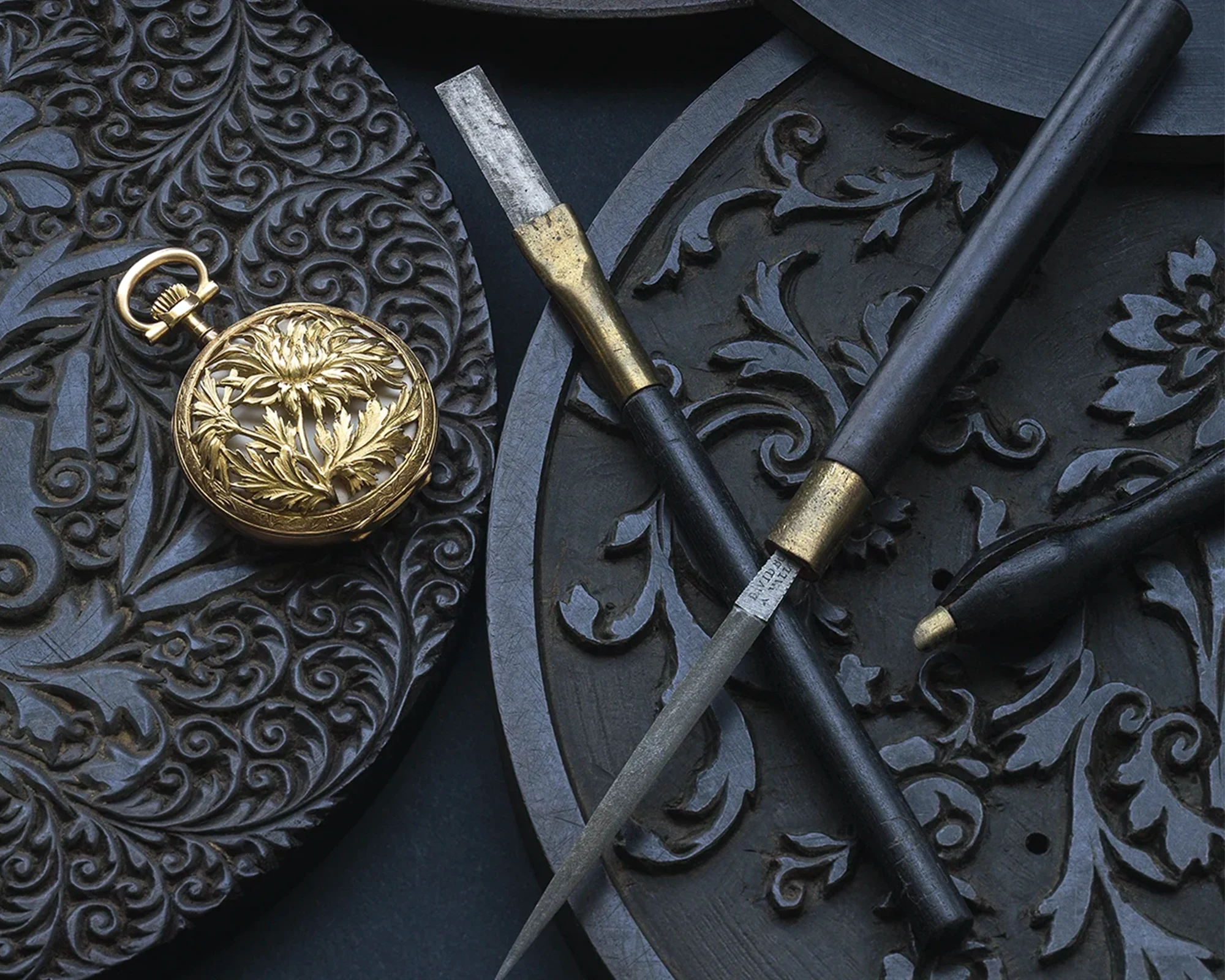
The notion of innovation is tangible at every level. “There was recently a project done by one of our designers and our master guillocheur, and they just presented us with a brand-new guillochage pattern. This is exactly how you ensure that these crafts remain so important, while showing how we can express them in a totally different way. That’s very important to us. Rather than just doing another nice Clous de Paris pattern, and to repeat it again and again, we are trying to enlarge our own special crafts. What we are trying to do is elevate and push the boundaries, and allow decorative crafts to evolve in a different direction.”
Finally, we get to the people behind the work. “We tend to select artisans with an artistic background, and we don’t introduce too many new artisans into the workshop.” With long-standing company loyalty, the learning curve amongst the artisans in the workshops is measured not in months, but in decades. “As we know, enamelling is a super complicated craft to execute: you can start it, and only feel like you’ve reached a very good level 20 years later. It’s very complicated.” Selmoni gives a direct example: “Our master enameller was studying in Limoges in France, which is obviously well known for enamelling.” Alongside that level of mastery comes apprenticeship and exchange. Vacheron’s more recent addition to the enamel workshop now works hand in hand with the master enameller. “To hire a new enameller comes with new ideas, and that works super well alongside our philosophy of creativity.”
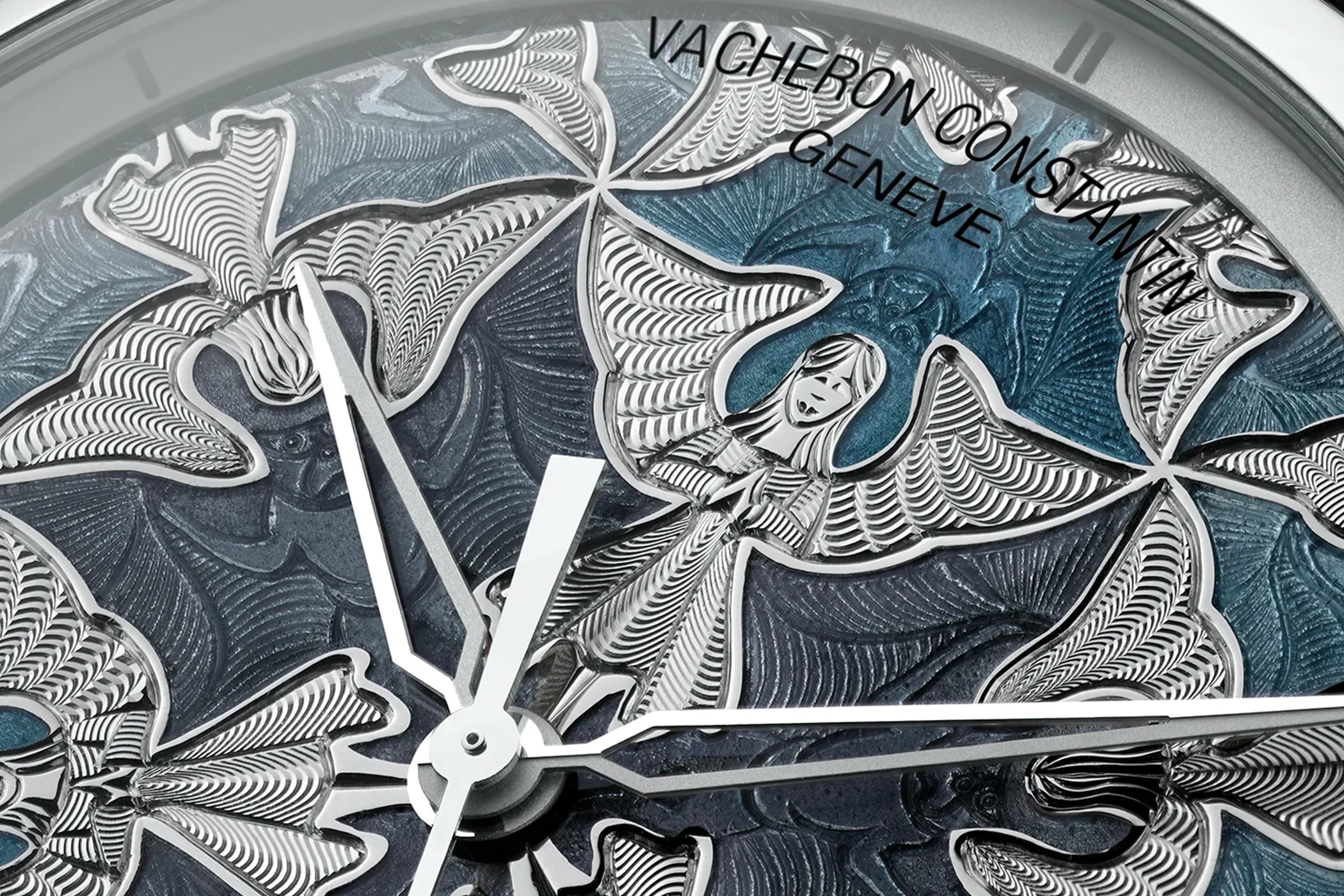
But how, I muse, does Vacheron Constantin maintain a coherent brand aesthetic when its artisans are, in effect, artists and creative individuals? “When I think of our métiers d’art workshop, I would say that we have created what I would call an incubator,” says Selmoni. To give an example of this ‘incubator’ concept, he casts a look back at his time in another role at Vacheron Constantin, where he has now been working for several decades. “When I was Artistic Director, the chief designer and I wanted to create a new design that would break traditional codes and do something modern. We were inspired by the Dutch artist Maurits Cornelis Escher, who made impossible landscapes amongst other things. He dreamt up these sort of impossible designs.”
The execution began almost absurdly simply. “When we decided to do it, we went to the métiers d’art workshop and presented our design, explaining that we would like to incorporate Vacheron Constantin’s crafts into the project. Honestly, we just made a print on Photoshop, and our craftsmen went ahead and designed it in a way to accommodate the crafts.” The outcome became a cult piece: the ‘Angel watch’ of the highly limited 2012 Univers Infinis series. The watch, which combined all of the métiers d’art’s decorative crafts, cleverly created a pattern made up of two distinct elements: angels and demons. At first glance, you might only notice the bright, silvered angels, but on closer inspection of the dial, the dark spaces between them reveal themselves as demons.
For Selmoni, the lesson to be learned from the project was that the best work is often collaborative. “It’s a great example as it was not initially made by designers, but rather began simply as an idea that grew into a design. We brought it to the designers, and they brought it to life. This is really the nicest way to work.”
Of course, that requires trust. “Sometimes you discuss things together, before leaving the designers to bring things to life – and the marketing department then work to integrate the ideas into future projects. This is one thing that makes the métiers d’art so interesting.” He circles back to a former partnership: “It was the same with our project with the Louvre: just a stunning project. Within the project committee, where we discussed potential designs, we had 100 percent trust in our designer and her ideas.” After all, he adds, Vacheron Constantin’s mission is also to connect with its patronage. “We therefore encourage our craftsmen to engage with their creativity.”
With the framework set, the decorative arts come into focus: disciplines that, under Vacheron Constantin’s tender care, are protected, transmitted – and continually reimagined.
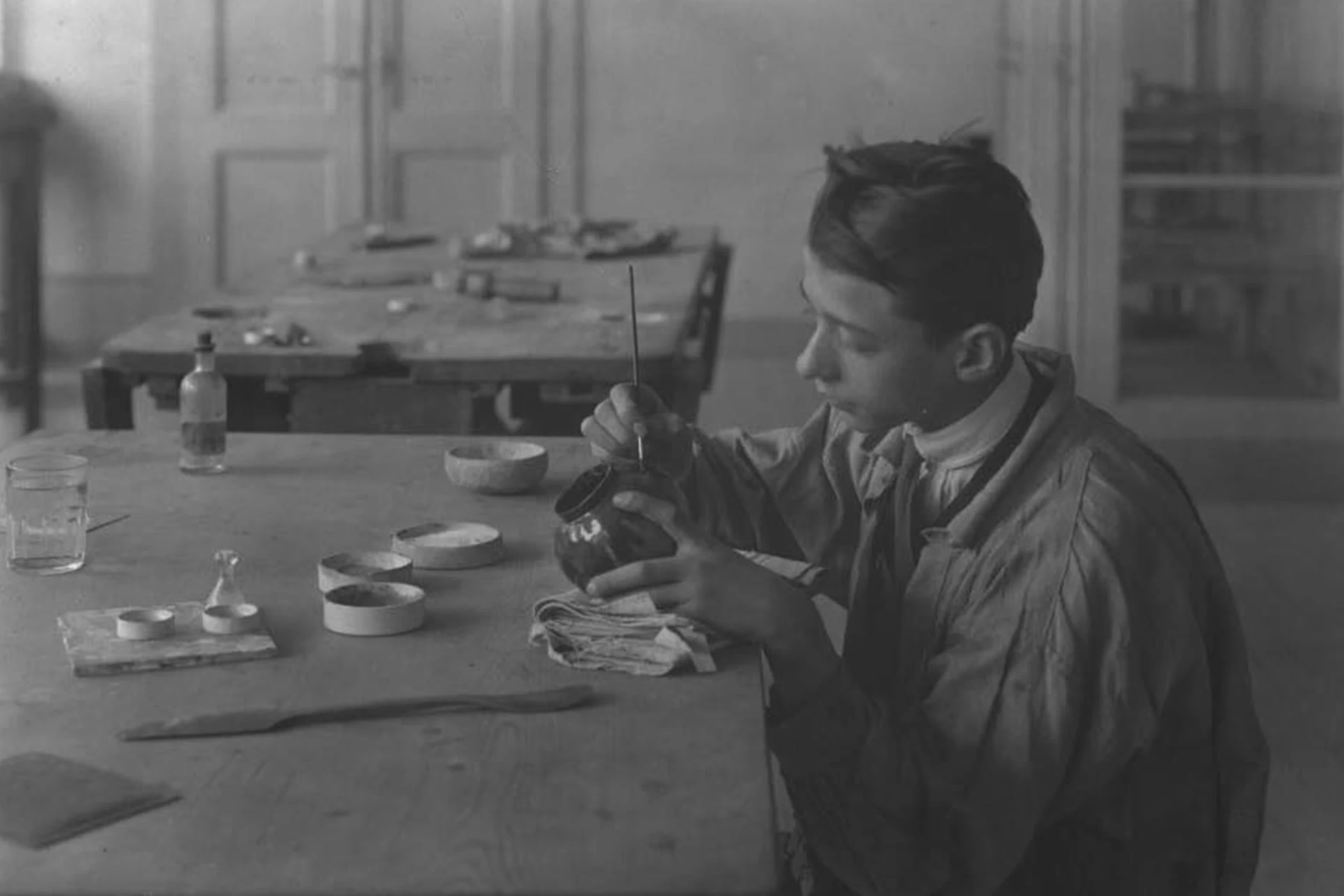
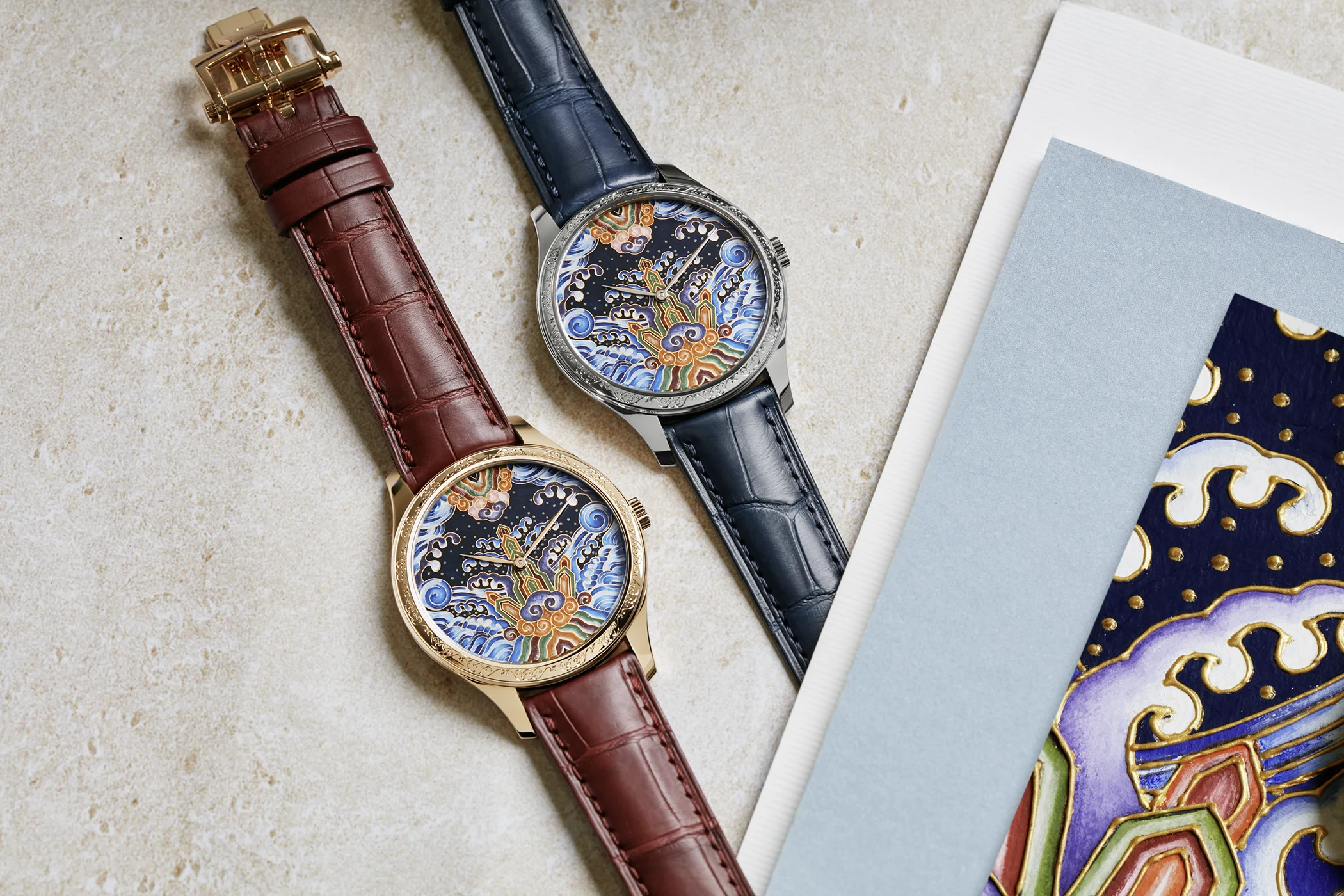
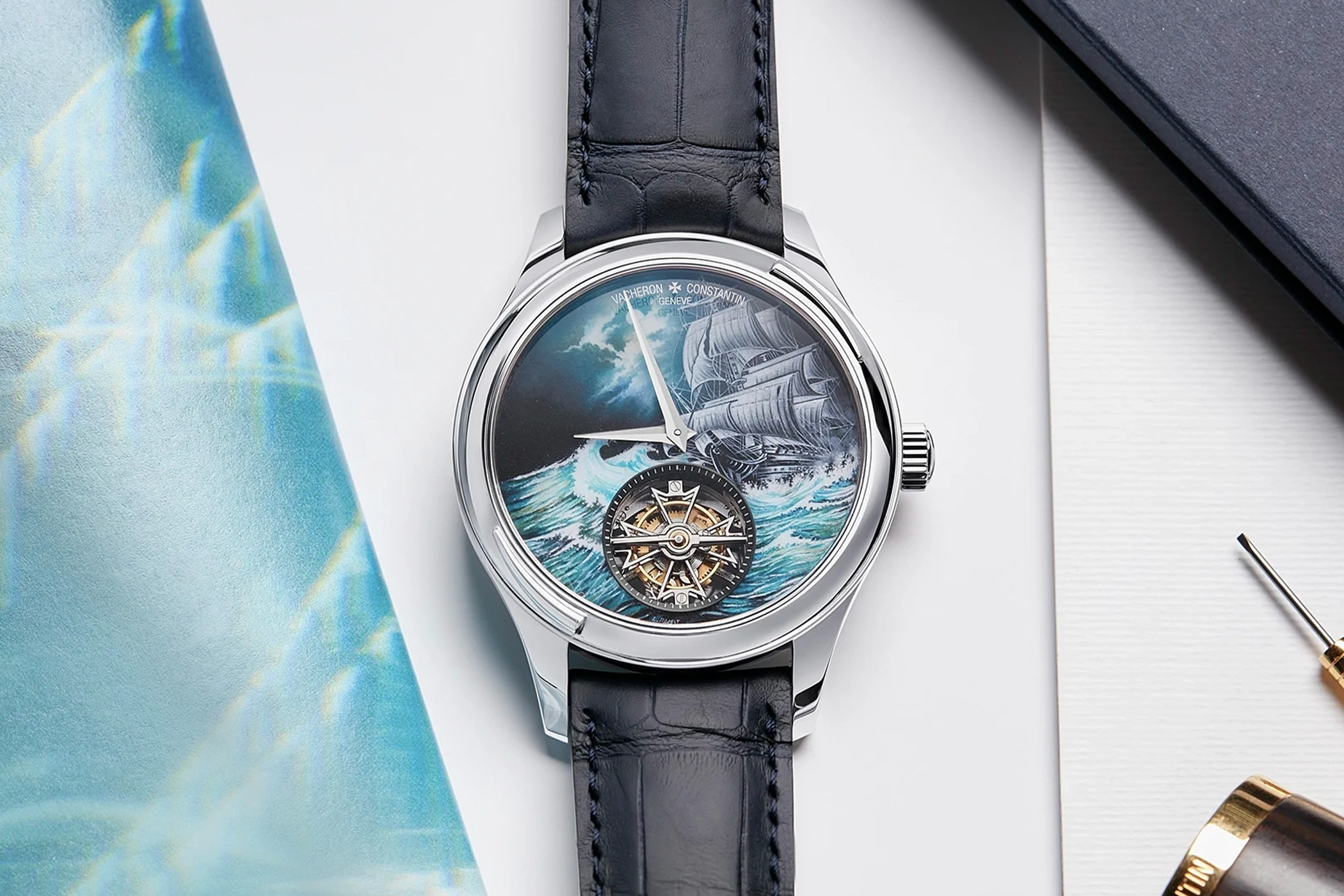
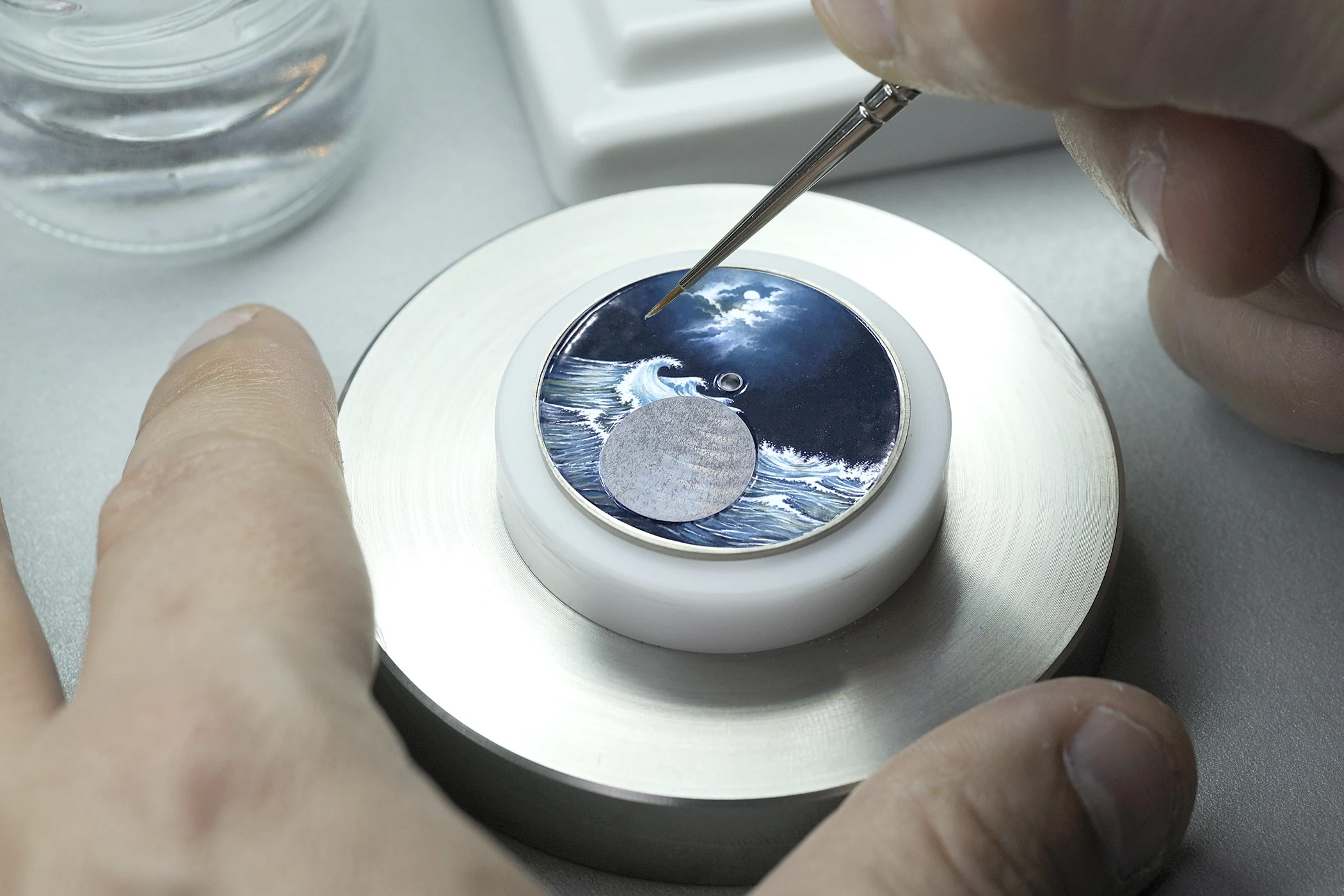
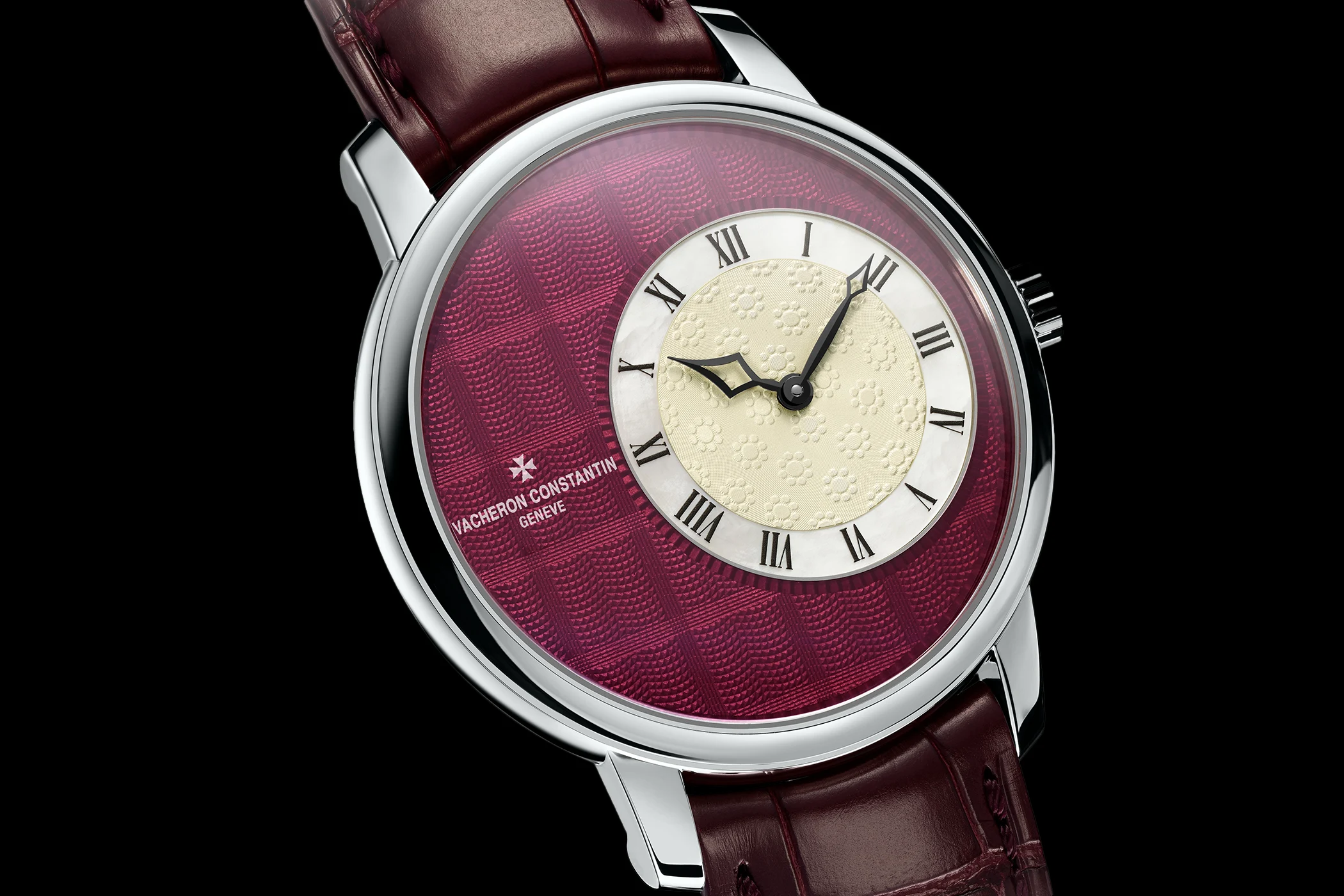
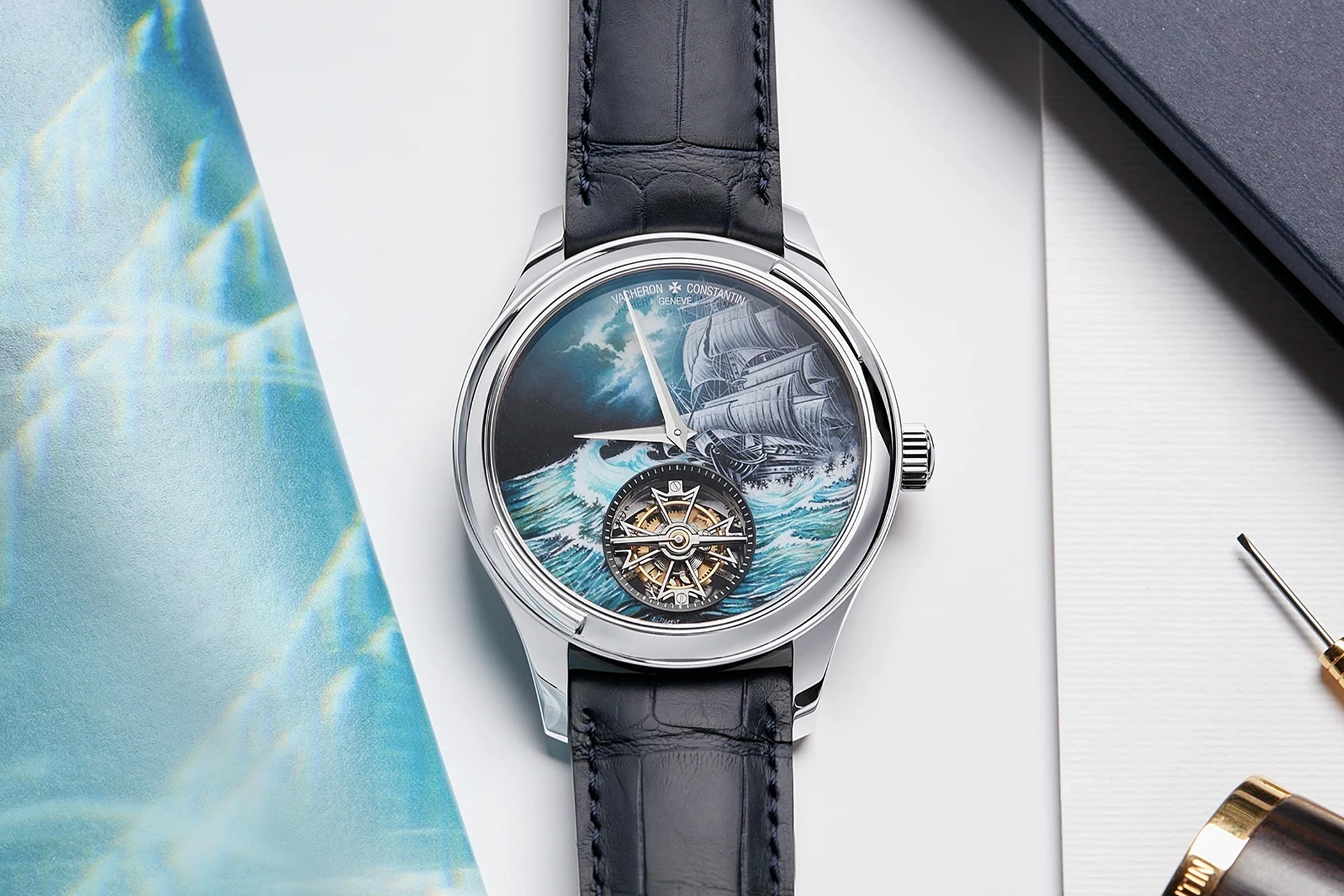
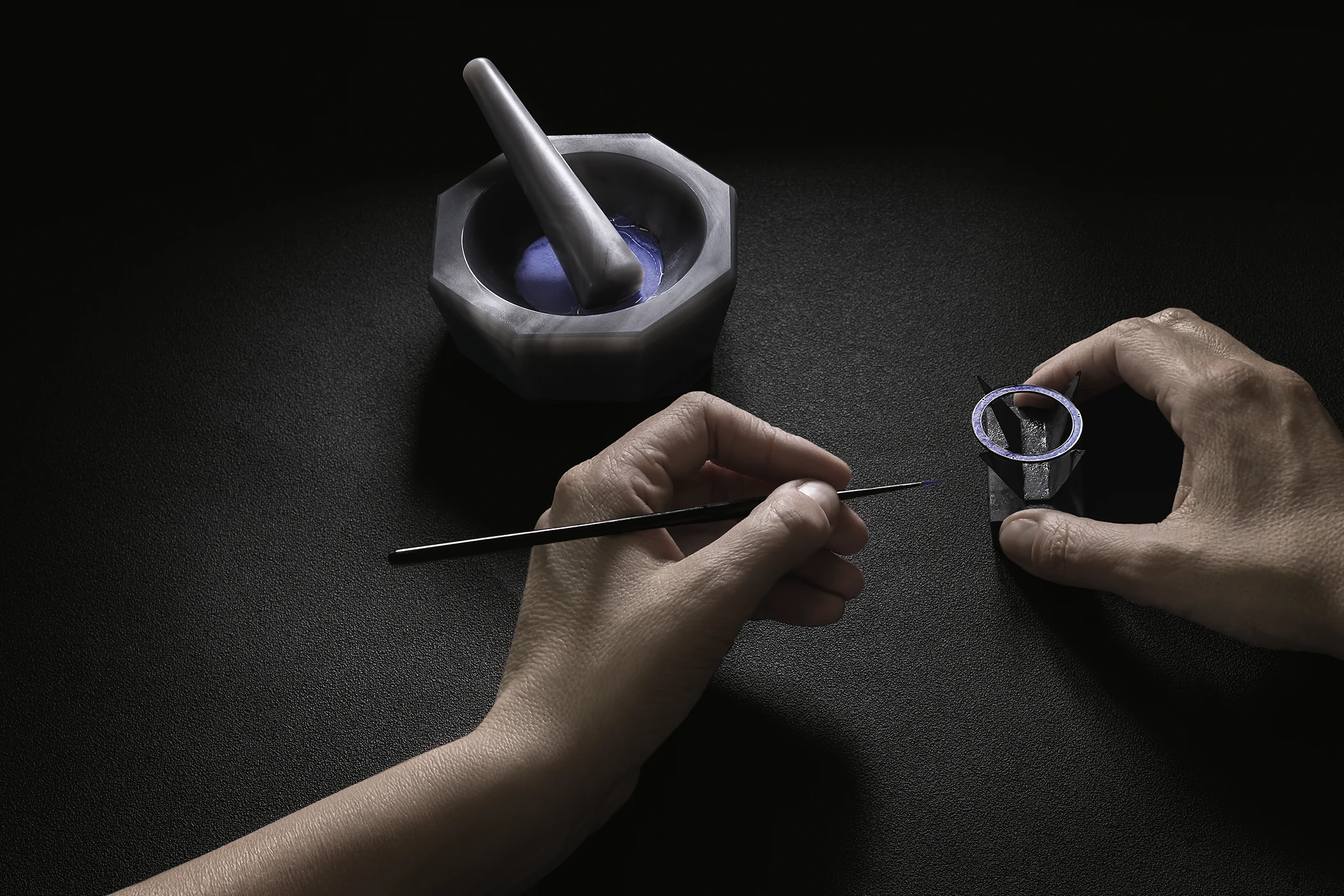
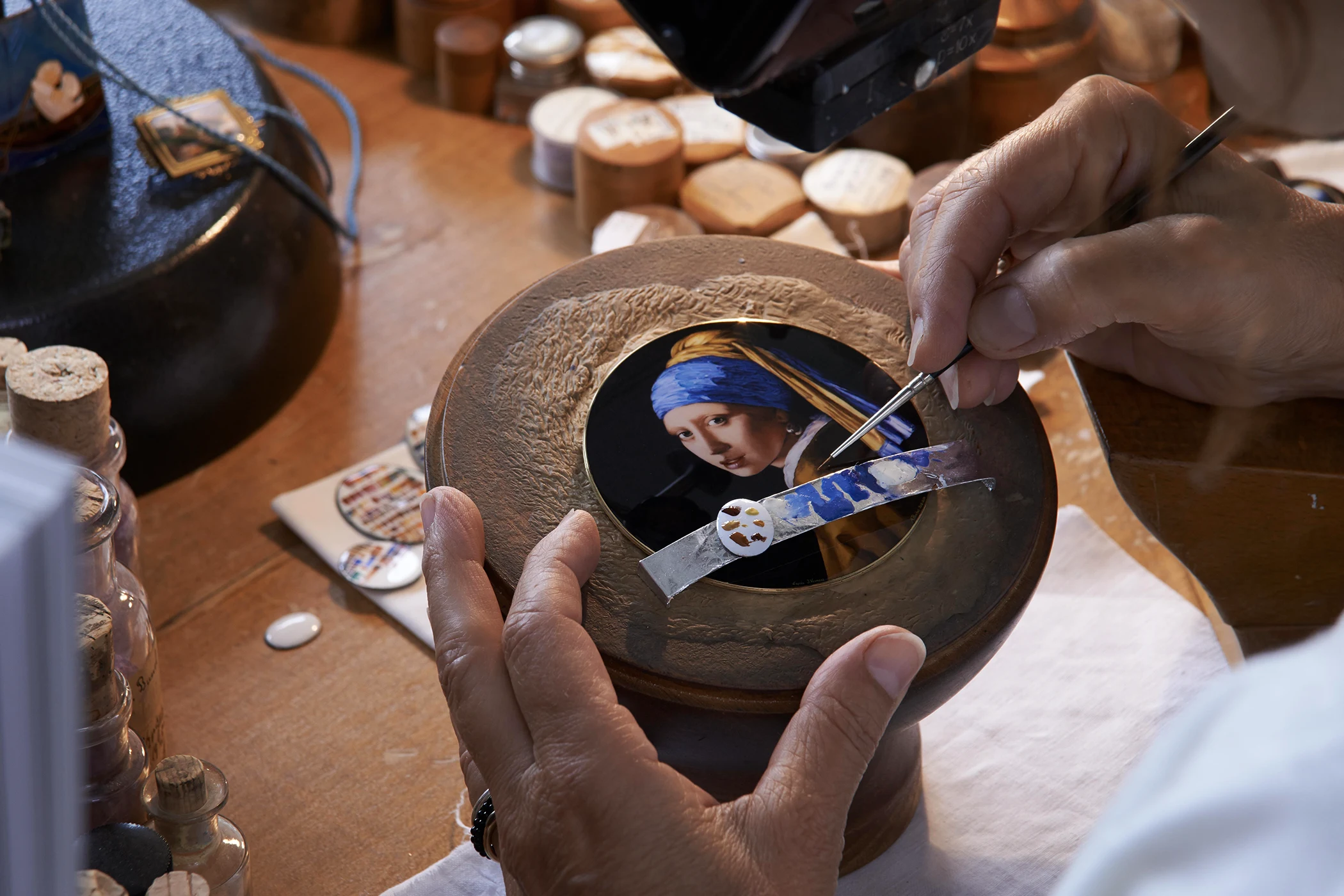
Enamelling is a particularly specialised métiers d’art in which colour, chemistry and patience converge. Mastering techniques such as Grand Feu, cloisonné and champlevé requires years of training, as each method has exacting demands in terms of surfaces, pigments and firing. The enameller applies finely ground glass mixed with metal oxides to the dial, then fires it at carefully controlled temperatures so the material vitrifies and fuses with the metal. This alchemy of fire produces colours of remarkable luminosity and permanence – hues designed to remain unchanged over time. As my colleague Joern Kengelbach recently reported in detail, the craft is as technical as it is expressive.
Pigments must be selected and mixed with precision, and each layer applied and fired – sometimes dozens of times – to achieve the intended depth and detail. Because firing is unforgiving, requiring exact timing and temperature control, only a small number of artisans possess the expertise to faithfully render complex designs. The result is a dial that reads as both image and object: rich in colour, subtly textured, and imbued with the narrative and craftsmanship that define Vacheron Constantin’s timepieces featuring metiers d’art.
Considering its highly artistic background, I ask Selmoni whether he would agree that enamel is the most expressive of the crafts. He pauses, careful not to diminish the other métiers. “It’s a difficult question to answer as it can look like we are not giving enough credit to other craftsmen.” Yet he is willing to call it the hardest: “I think that enamelling is considered the most difficult decorative craft in watchmaking.”
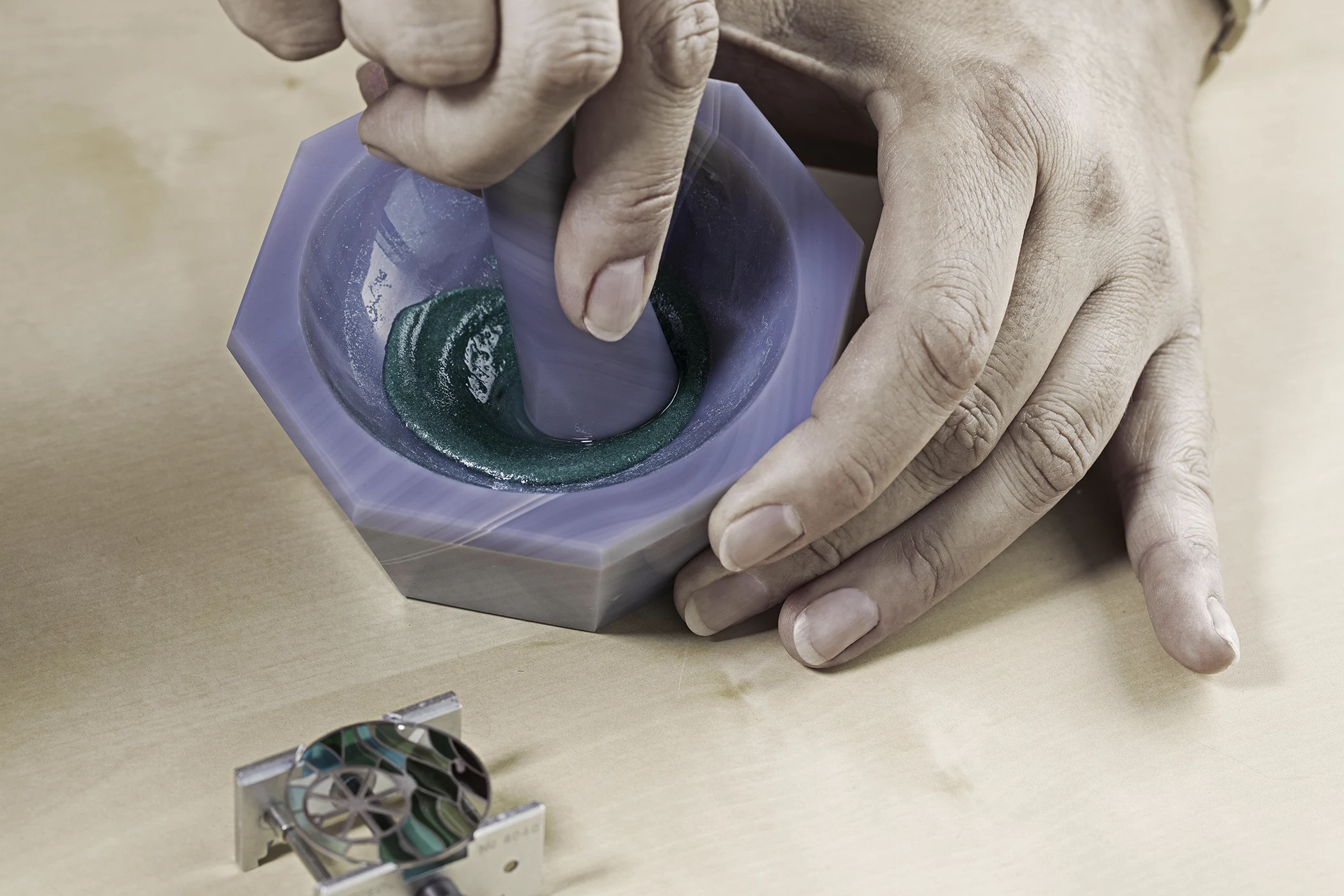

The difficulty lies in the sciences as well as the arts. “It asks for really special skills – not least the chemistry behind the firing process.” And the risk is cumulative: “Let’s say that you would create a very complicated dial with enamel, which requires 20 firings. A dial can be perfectly drawn and still fail in the kiln. You need to know how to work with the pigments.” Even colour order becomes critical. “For example, you could work with a blue colour and a red colour, but you need to know which goes in first or else the other could melt – so there is really a notion of chemistry. Enamel is very demanding work because there is always a risk.”
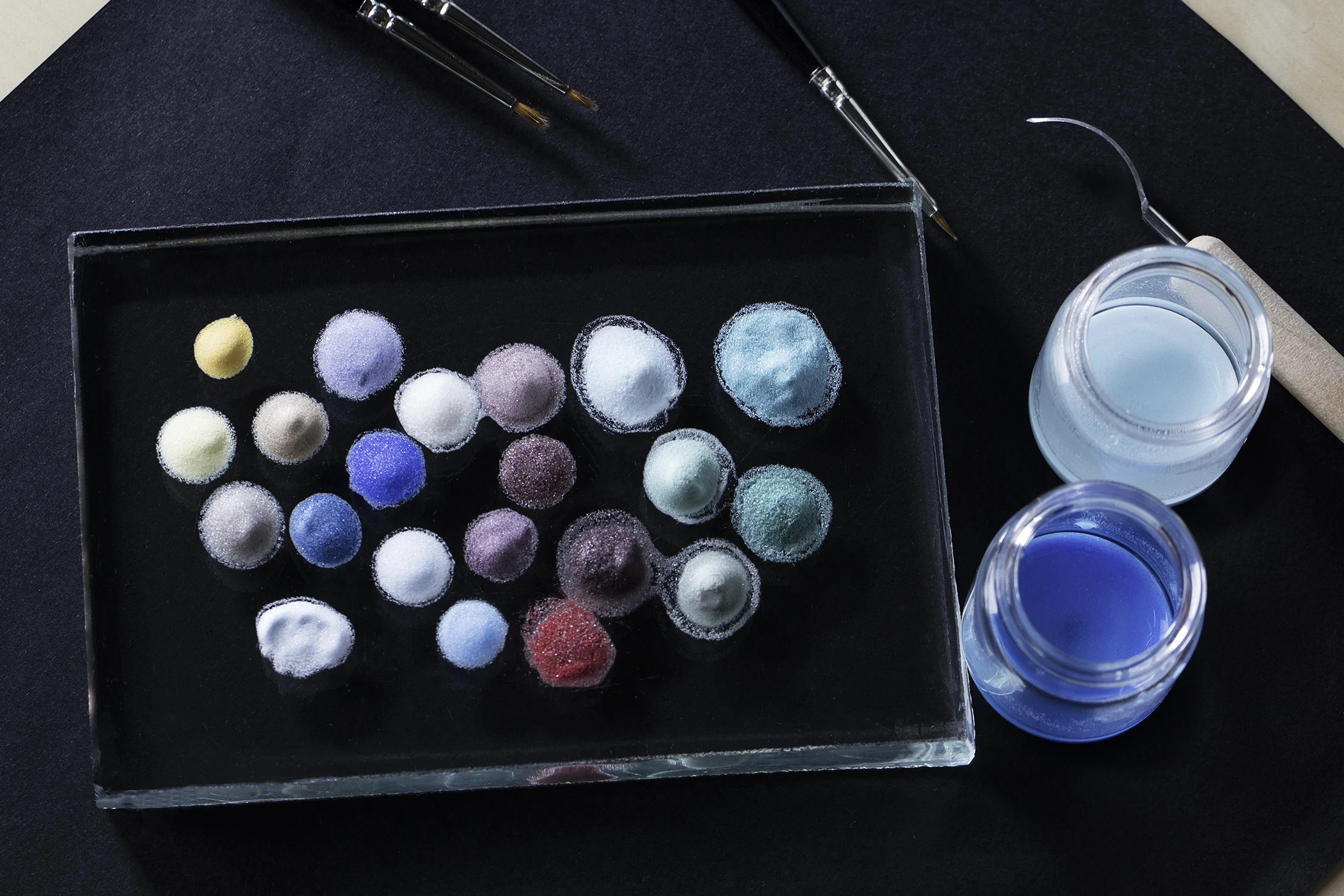
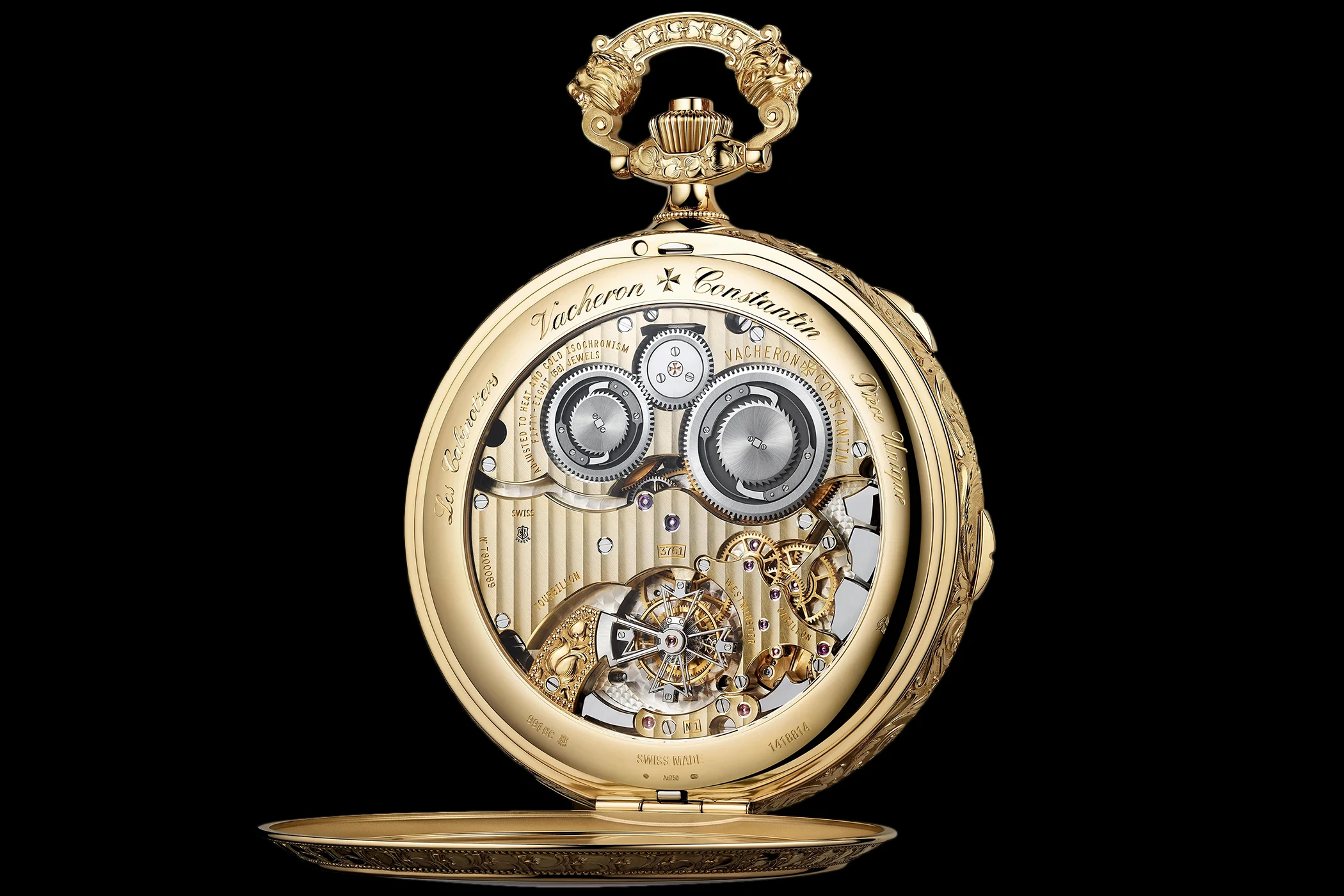
His most vivid example is also a case study in Vacheron Constantin’s insistence on cross-craft collaboration: the Vacheron Constantin Les Cabinotiers Westminster Sonnerie – Tribute to Johannes Vermeer Pocket Watch. It was a huge piece with full enamel, based on the famous Vermeer painting, Girl with the Pearl Earring. “It was phenomenal,” he reminisces. The artist behind it was revered enameller Anita Porchet, although it simultaneously integrated stunning engraving work by a Vacheron Constantin engraver.
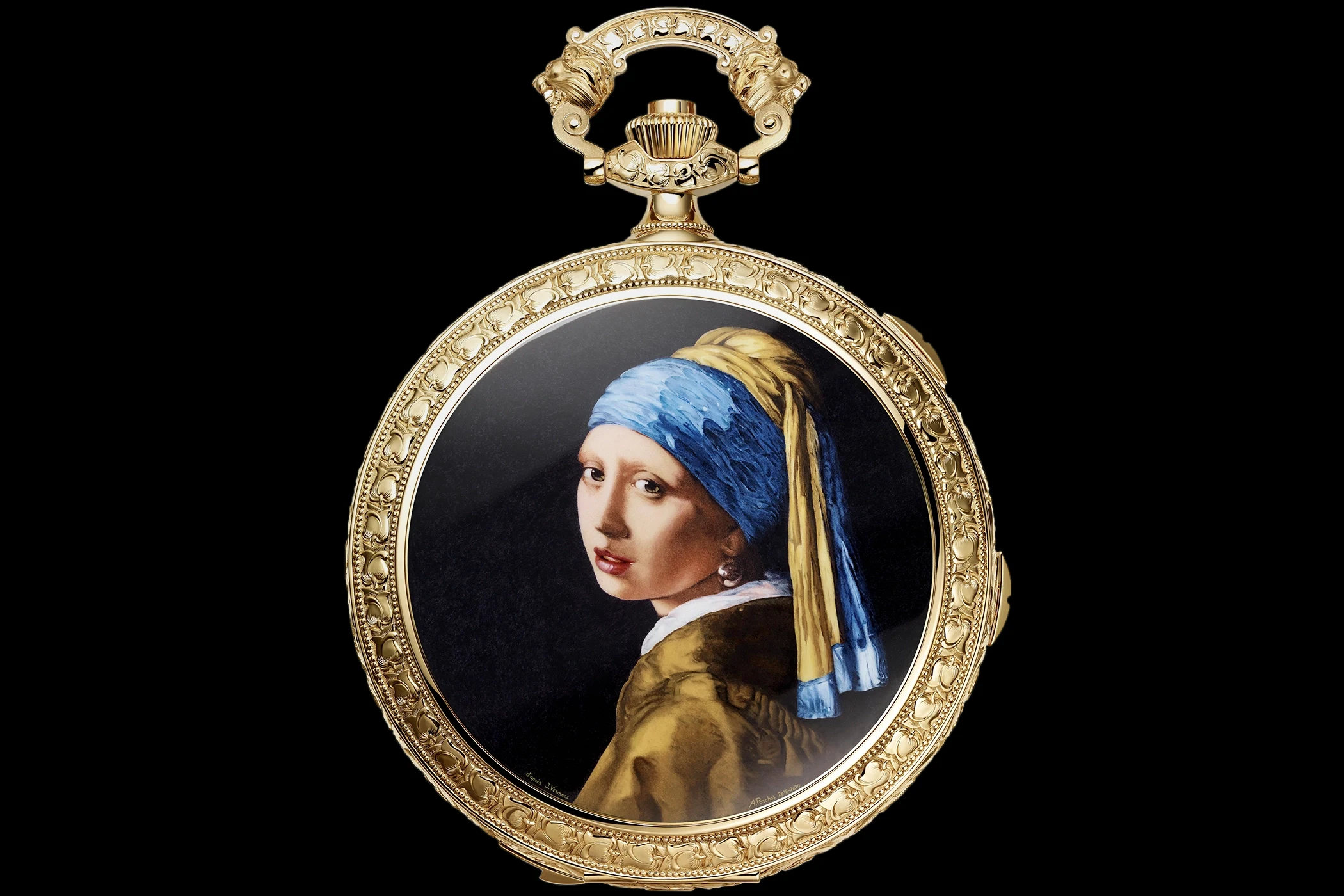
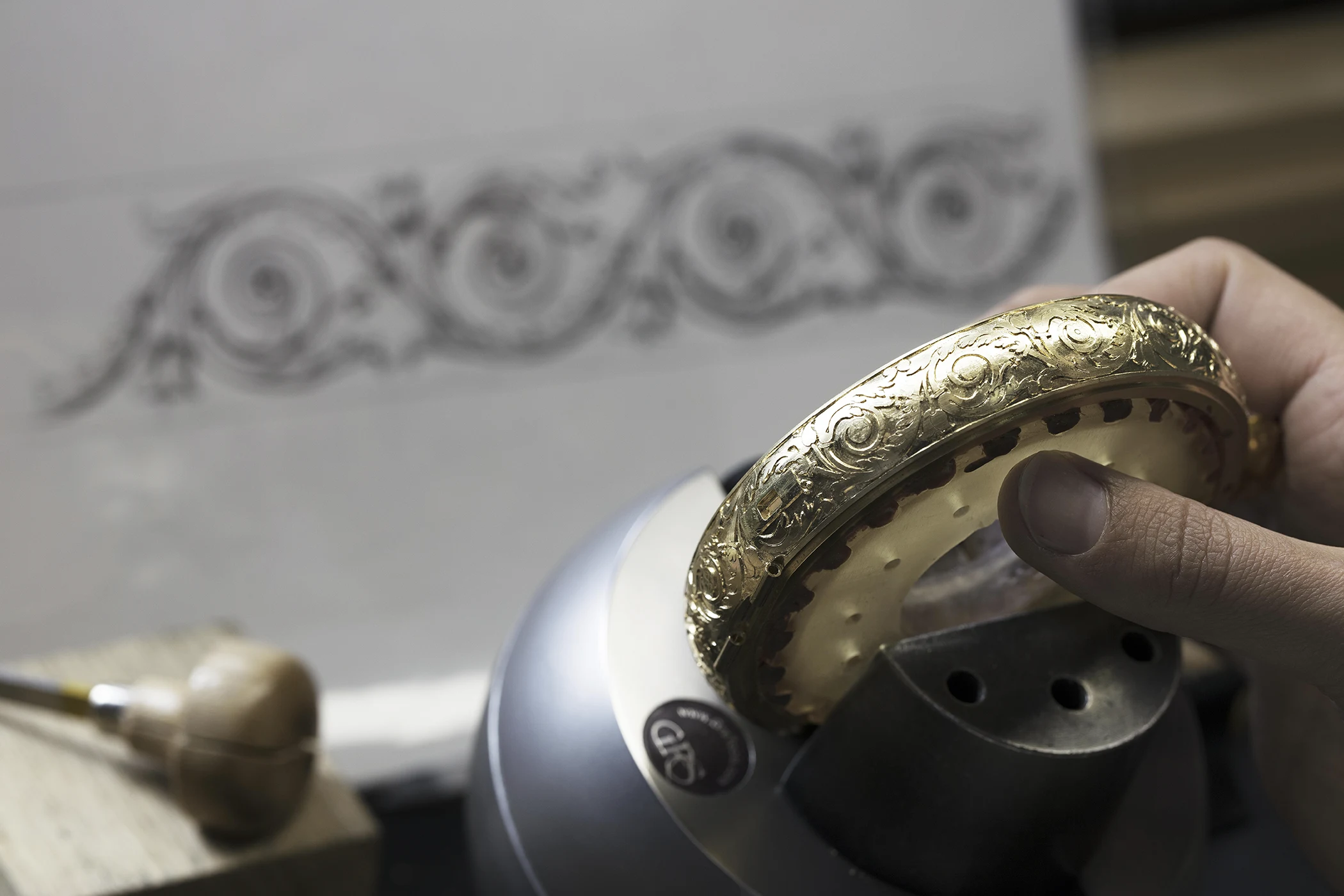
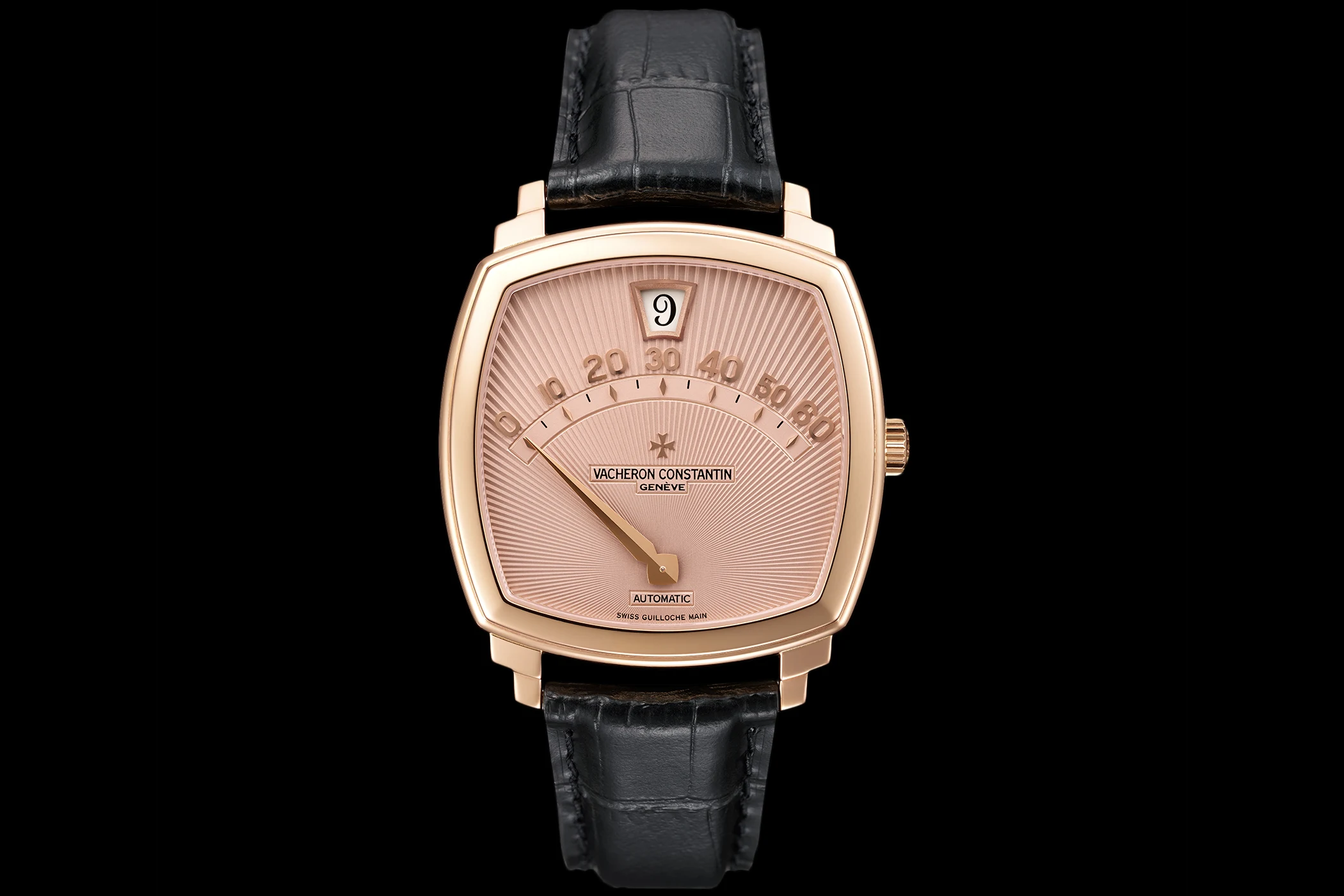
At Vacheron Constantin, guillochage is a centuries-old decorative craft that unites mathematical precision with artistic expression. Using traditional hand-operated rose engines, the master guillocheur engraves intricate, repetitive patterns, from waves and sunbursts to more figurative motifs distinctive to the Maison, into metal surfaces. Cut with exceptional regularity, these designs subtly bend light to create depth and texture, enhancing the dial while demonstrating a level of expertise mastered by only a small number of specialised artisans.
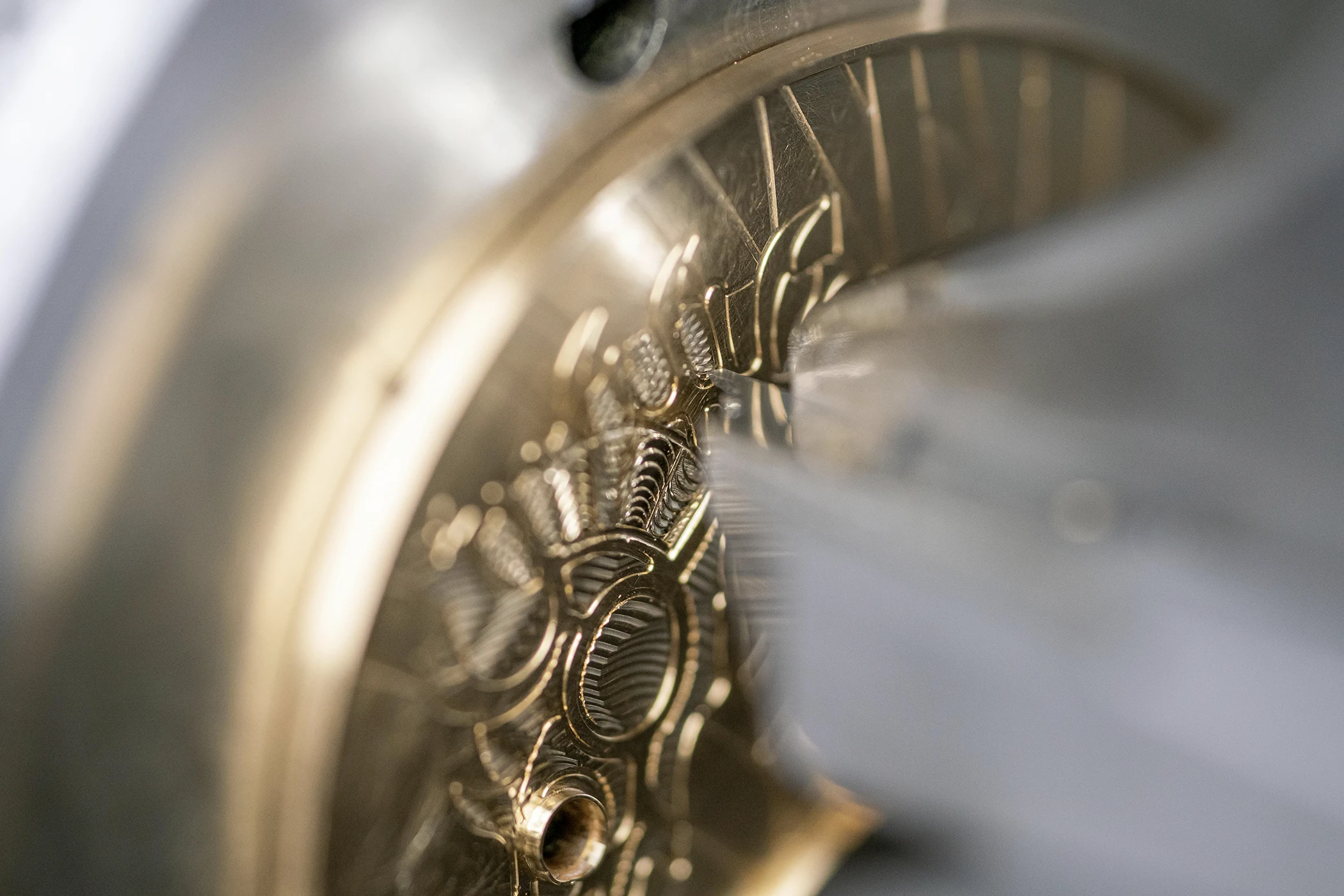
Rooted in tradition yet open to innovation, the technique allows Vacheron Constantin to push beyond classical guilloché while preserving its essential rigour: a true dialogue between hand and machine. Each pattern is engraved by manually guiding the cutting tool, a process that demands unwavering focus, a steady hand, and a sophisticated understanding of geometry. The resulting surfaces – shimmering with radial symmetry or more delicate effects – bring the watch to life, elevating it from instrument to object of artistry. In Vacheron Constantin’s timepieces, precision engineering and human sensitivity meet on a microscopic scale
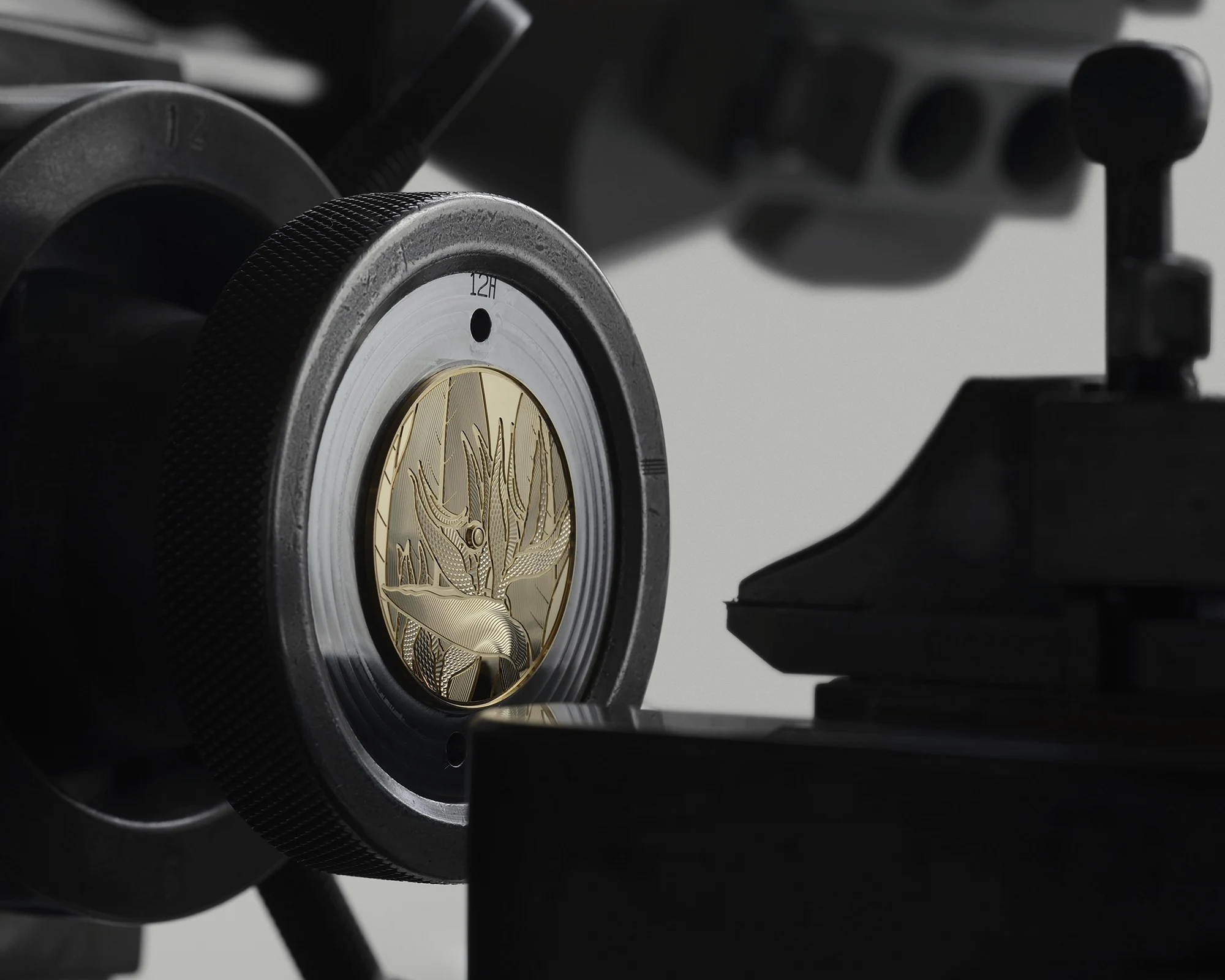
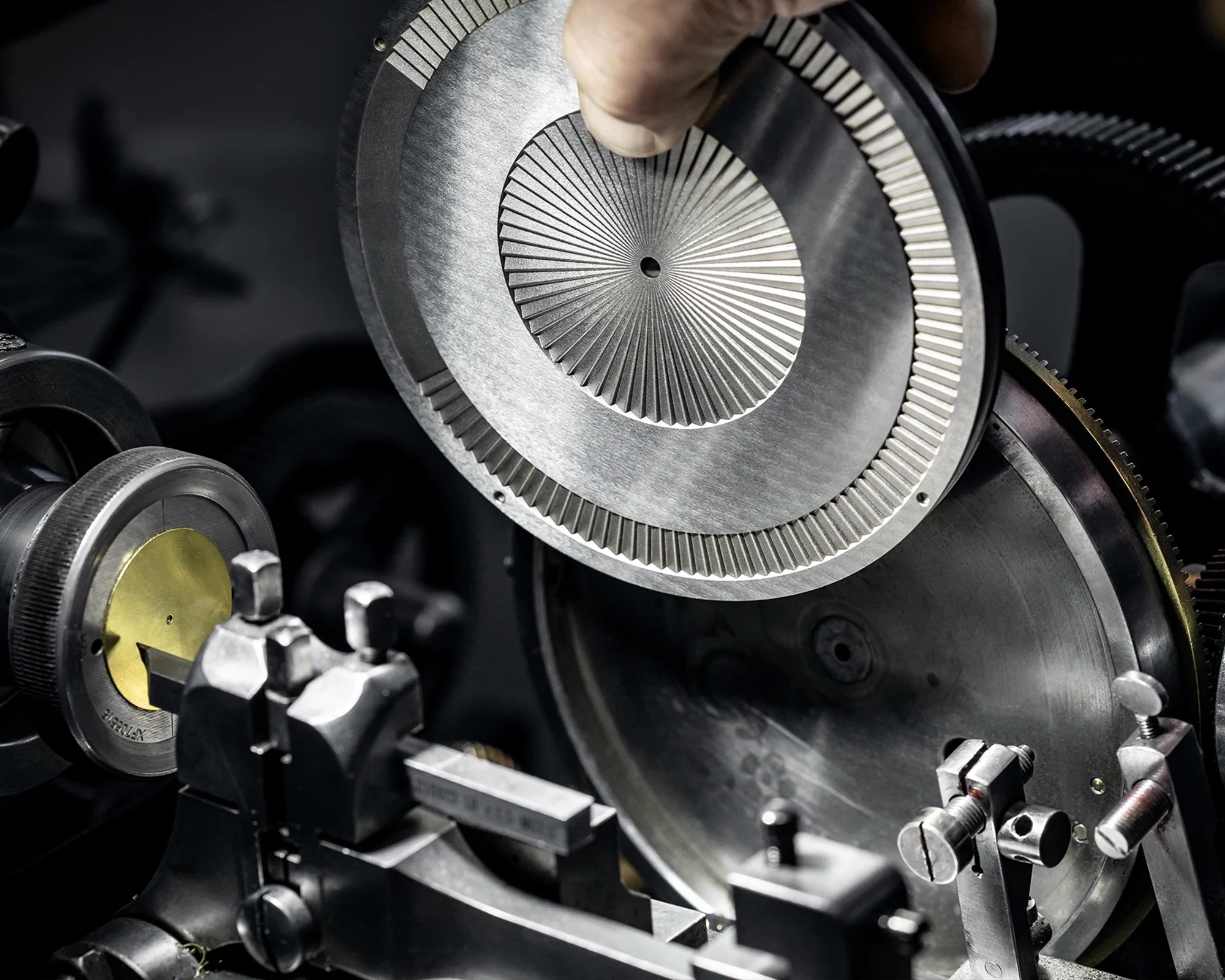
But as Selmoni has already explained, guillochage’s modern renaissance came after a near-collapse. “Guillochage was hit badly because of industrialisation,” he adds. Like enamel, it became a victim of new materials and new tastes. “But as was the case with enamel, the interest in a guilloché dial began to fade away probably around the 60s, because other lacquers and bases for watches were available.” The result was brutal for craftspeople. “It was terrible as all the specialists in guillochage had to stop activity.”
The comeback, he says, hinged on a small number of individuals – and the survival of old machines. “One dial maker in Geneva endeavoured to help guillochage make a comeback at the end of the 80s or early 90s – and, fortunately, we found enough machines to restart using guillochage.”
At Vacheron Constantin, its use remains intentionally selective. “For Vacheron Constantin, since around 20 or 25 years, we have really been using guillochage in our Métiers d’Art workshop for unique pieces or very limited pieces. We do sometimes do classic patterns, but most of the time, our specialists are devoted to very limited pieces.” Vacheron Constantin draws a line between craft as creative expression and craft as routine dial decoration. “Our aim is not really to have a guillochage workshop in which we are making dials for regular production, but rather to be reserved for expressing our creativity and taking the opportunity to innovate.”
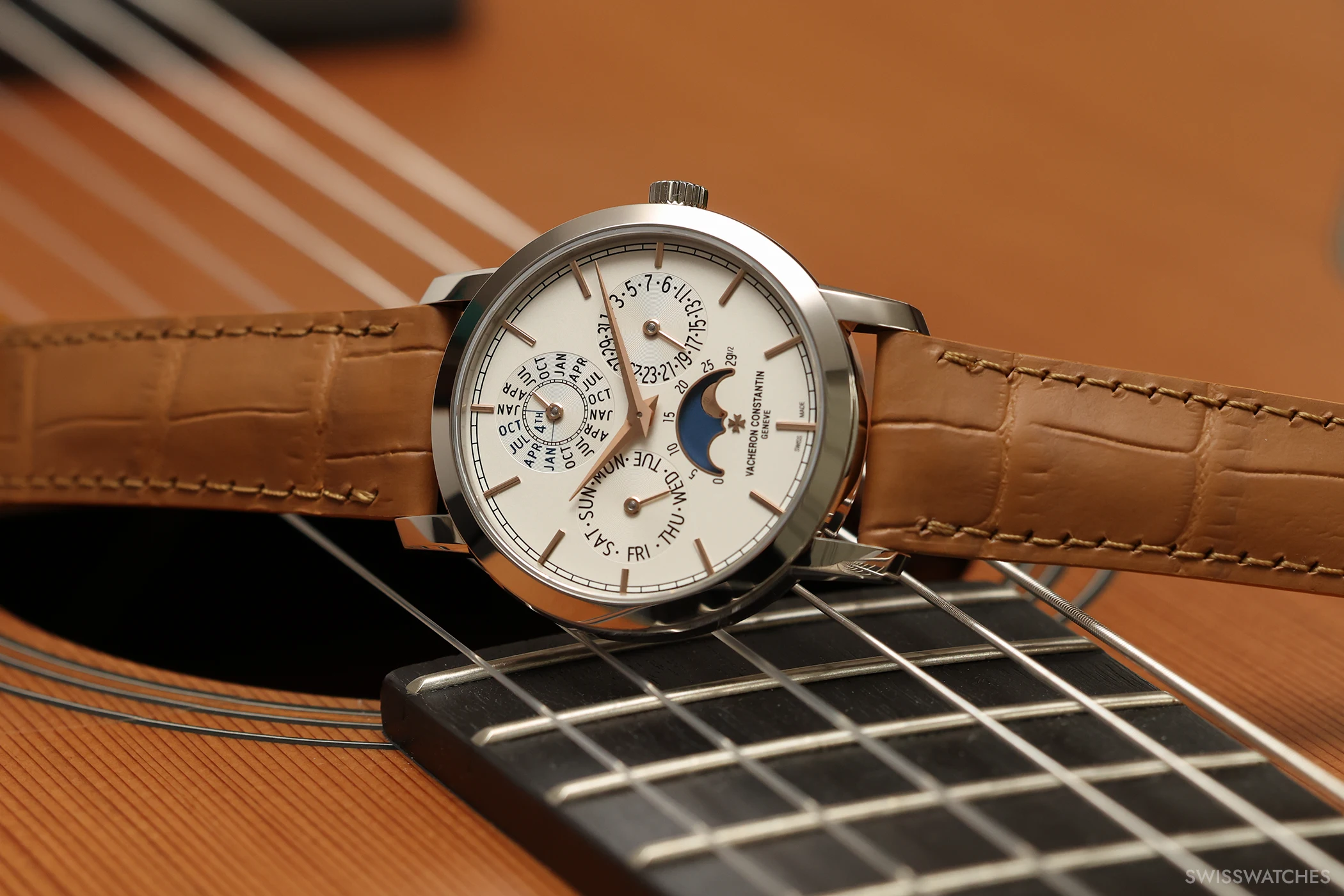
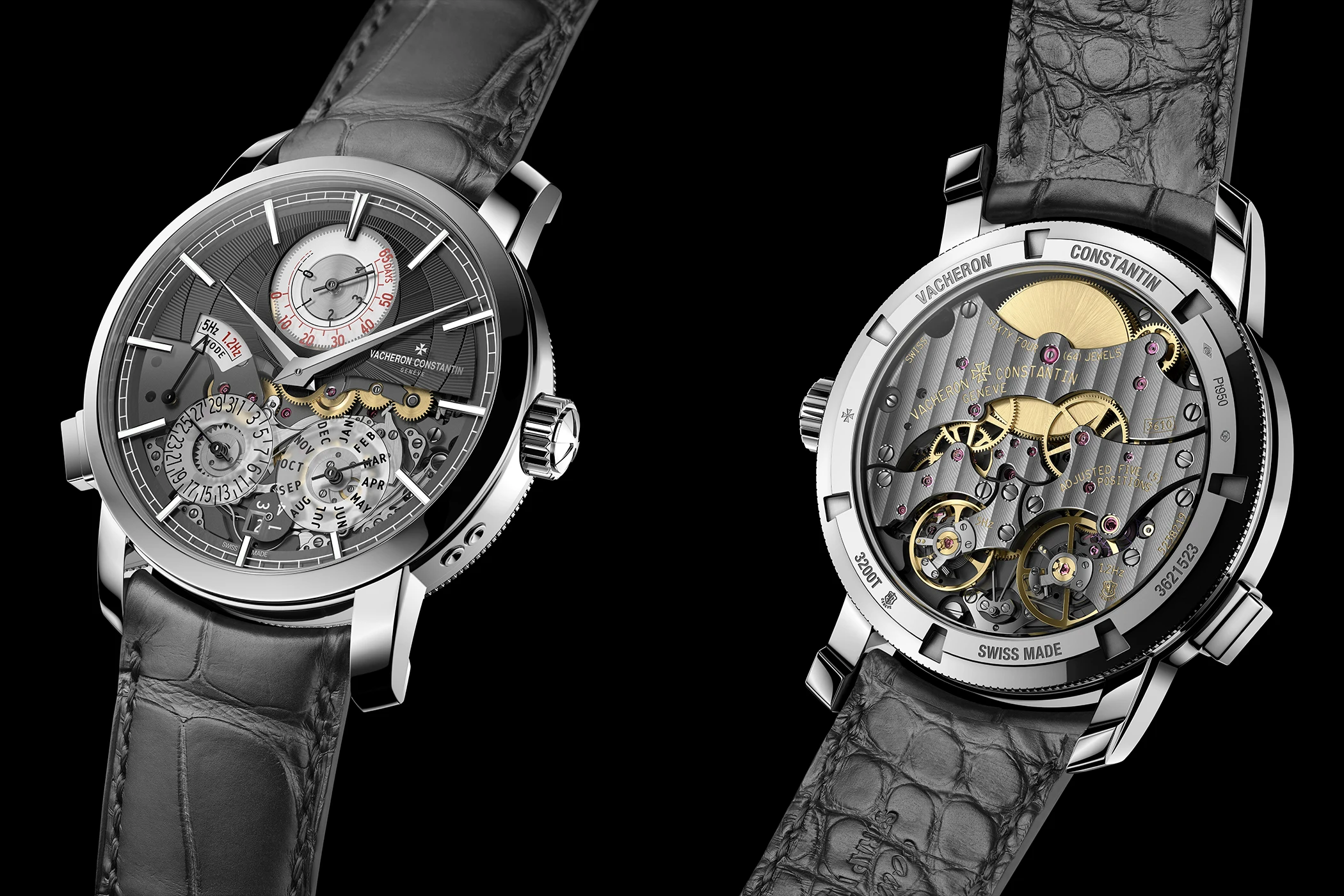
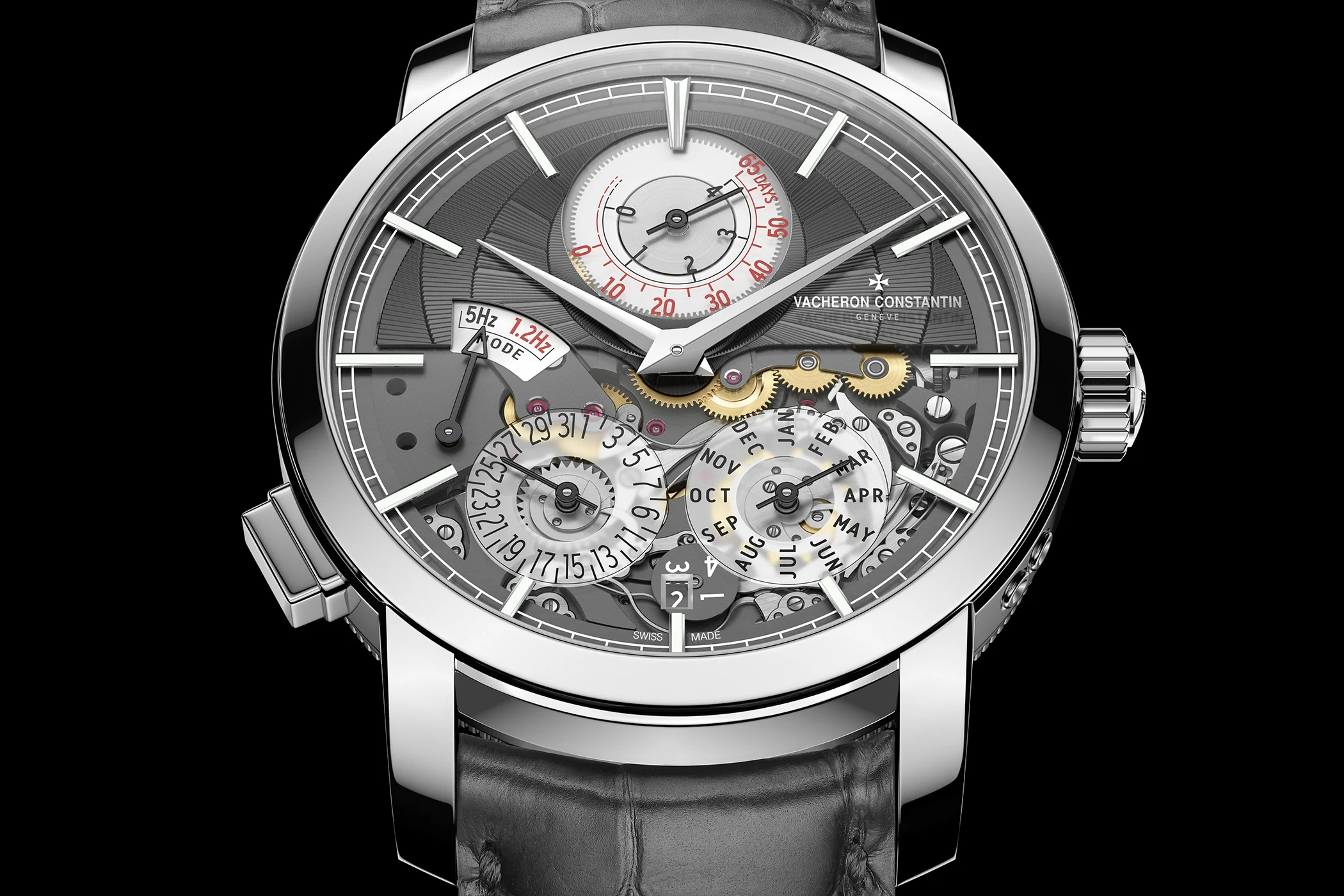
So when does guillochage step into the limelight – including those watches beyond Métiers d’Art? Selmoni cites the Traditionelle Twin Beat Perpetual Calendar, whose concept pushed the house into new territory. “When we decided to create it, it proved ground-breaking for us.”
“We wanted to install the special timepiece into the Traditionelle line because this is the collection in which we love to express our technical watches. But there was a big design conflict between the very classic, typical Genevan design and the modernity of the Twin Beat.” The response was a hybrid: “Our designer decided to mix both by creating a watch that would have a very classic case, with a typical Vacheron Constantin design, but also had the idea of having this open face dial – very technical, very sophisticated.”
In this case, guillochage was used conceptually as opposed to decoratively. “Our designer went to see the master artisan of guillochage and asked him to incorporate the craft into his design, asking him to create a pattern that reflected the technicality of the watch. It’s an excellent example of how guillochage can support the complexity and modernity of a timepiece while still incorporating this ancient craft. Most of the time, we never think about incorporating guillochage to make a dial ‘nice’ – there’s always a reason behind it, and most of the time this reason is yes, we want to express the craft in a super contemporary way.” The surprise, he adds, is that even a traditional design can become modern through context and execution. “Sometimes a design can even be traditional, yet we incorporate it into something that is modern.”
Gem-setting is a meticulous balancing act between jewellery artistry and watchmaking function. Working with extremely fine layers of gold or platinum, master gem-setters must respect both the structural constraints of the timepiece and the intrinsic properties of each stone. Every gem is individually selected, positioned and secured to maximise brilliance without compromising performance, whether in pavé, invisible settings or complex arrangements of coloured stones.
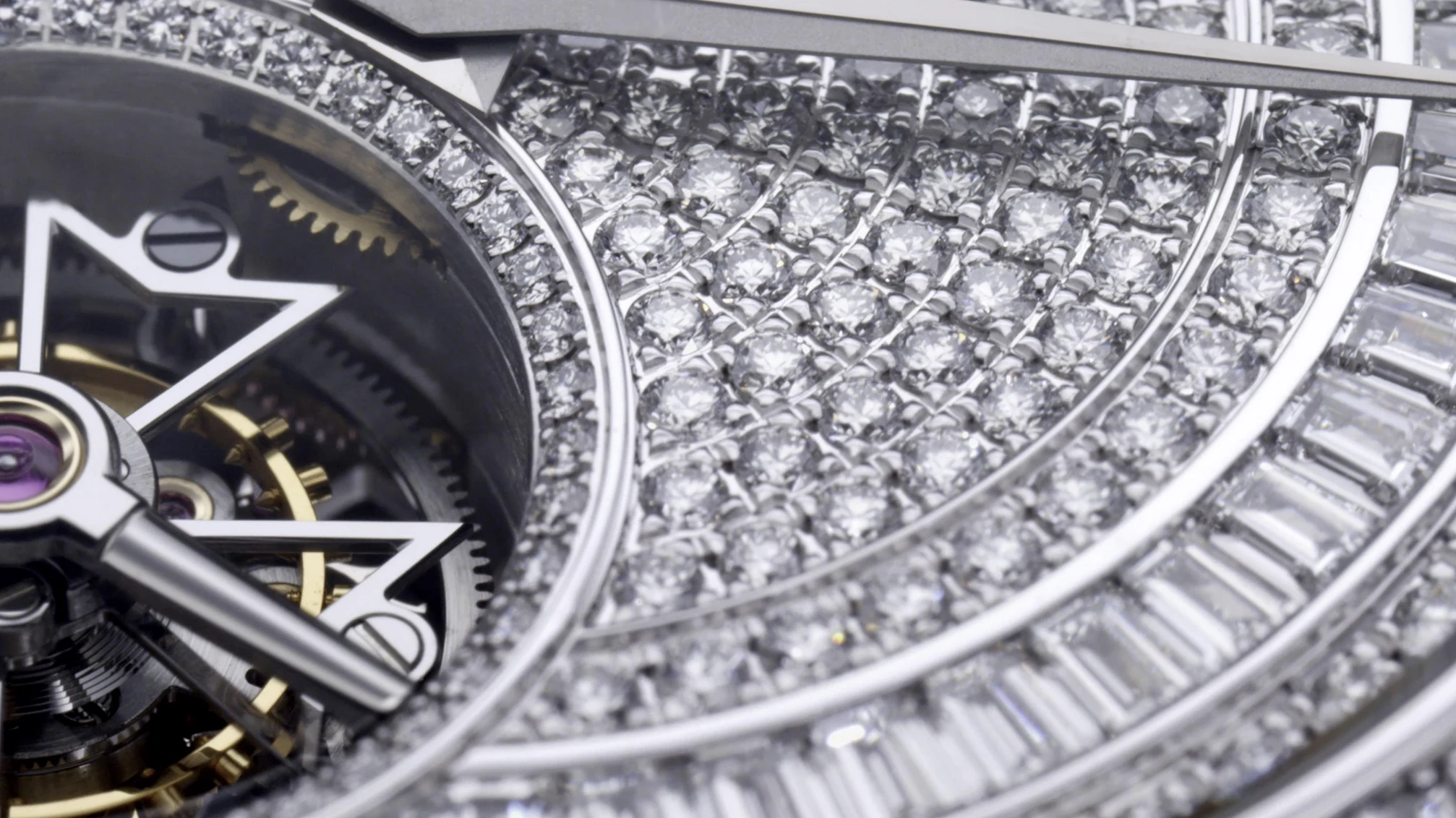
Patience, concentration and a refined sense of design are essential, ensuring that decoration enhances rather than overwhelms the watch. Beyond technical mastery, the craft is about harmony and expression. Each stone is set in dialogue with the others, contributing to an overall composition in which proportion, light and rhythm are carefully orchestrated. The result is a watch that functions as both precision instrument and piece of wearable art – or dare I say ‘fashion’ – its character shaped by the jeweller’s hand. Seen across Vacheron Constantin’s most dazzling creations, gem-setting exemplifies the Maison’s collaborative approach to métiers d’art, where exceptional artisans work to unite precision, beauty and enduring craftsmanship.
But gem-setting is also the craft where excess is always a risk, particularly in contemporary luxury. How can one integrate gems without going overboard, especially in the case of a brand that greatly values elegance? “We have such different ways of doing gem setting in our workshop, and our gem setters are pushed to find new ways to do things. A good example is the high jewellery Grand Lady Kalla piece from 2024, for which we revisited and transformed a piece made in the 1980s, creating a necklace.” For this particular piece, Vacheron Constantin’s gem setter decided she would design a new claw system that departed from the traditional claw structure, rather reflecting the Maltese Cross [the brand’s emblem].
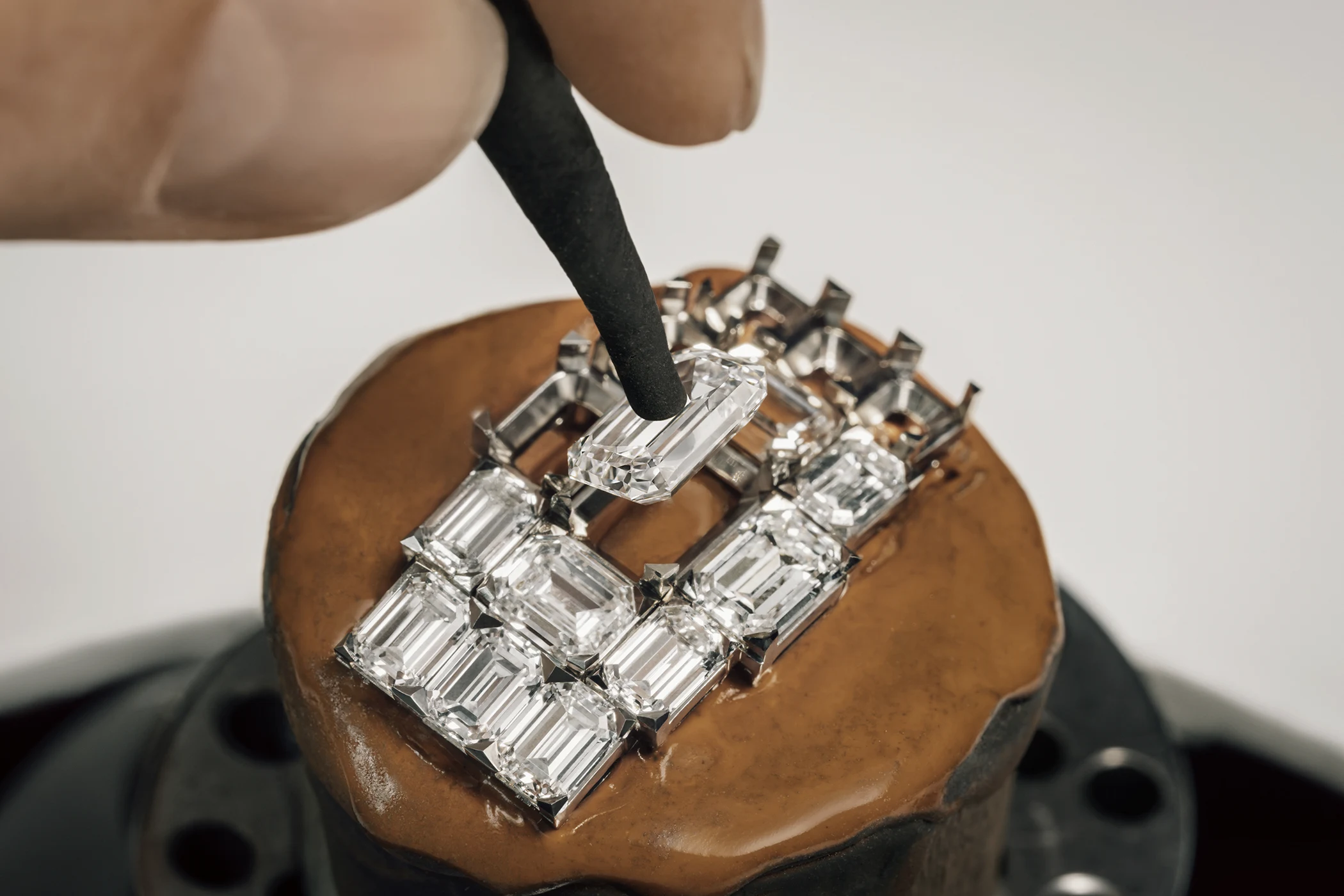
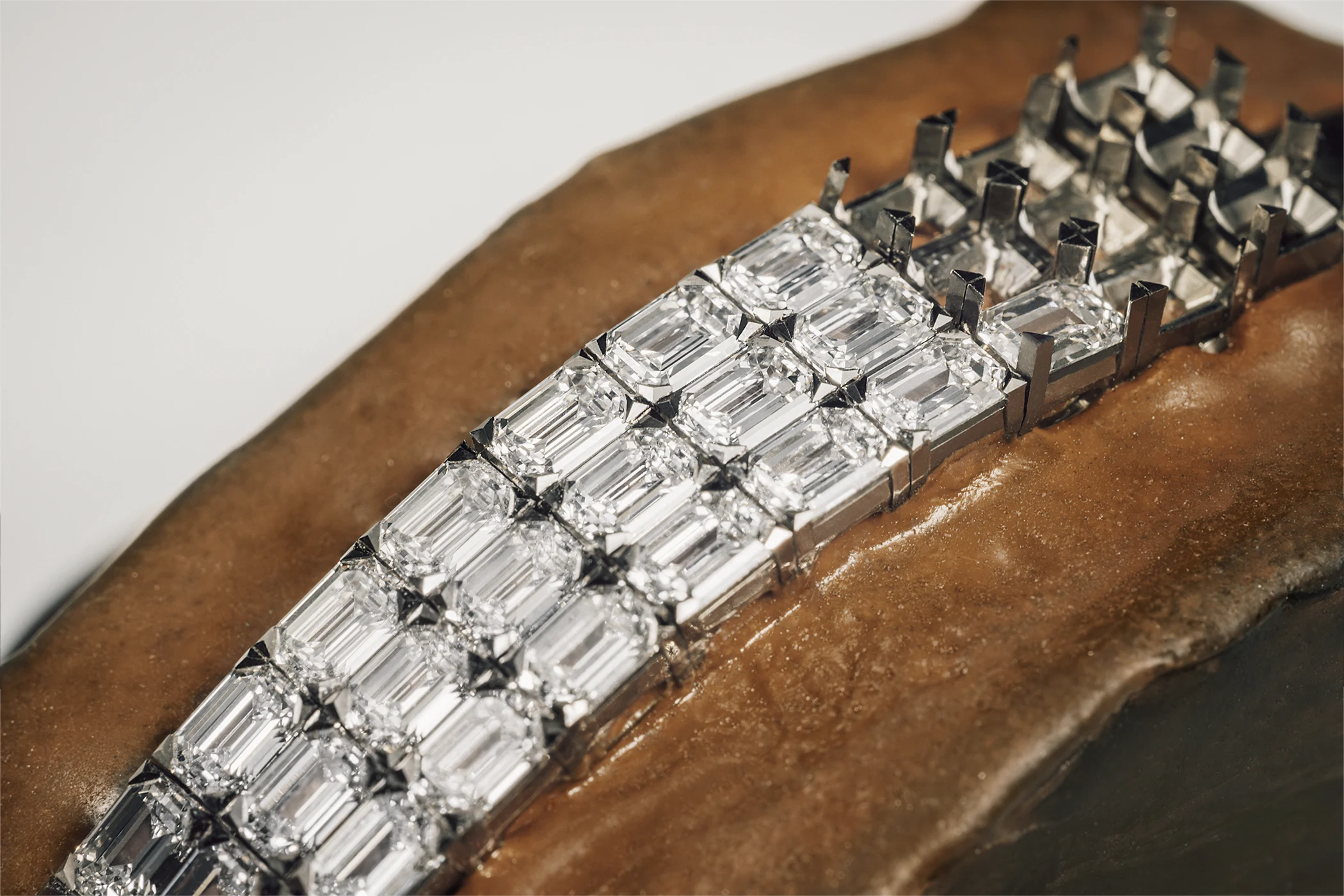
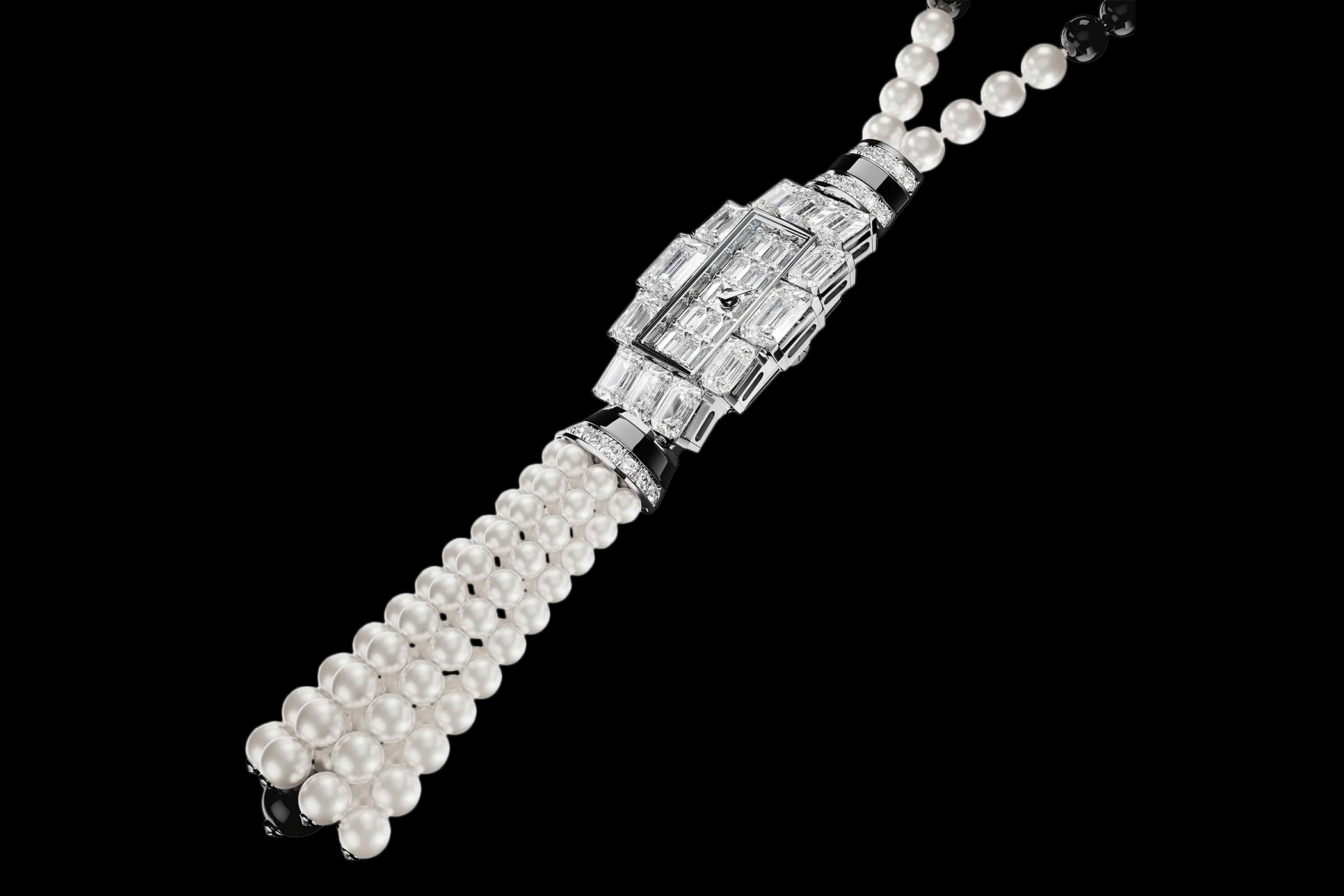
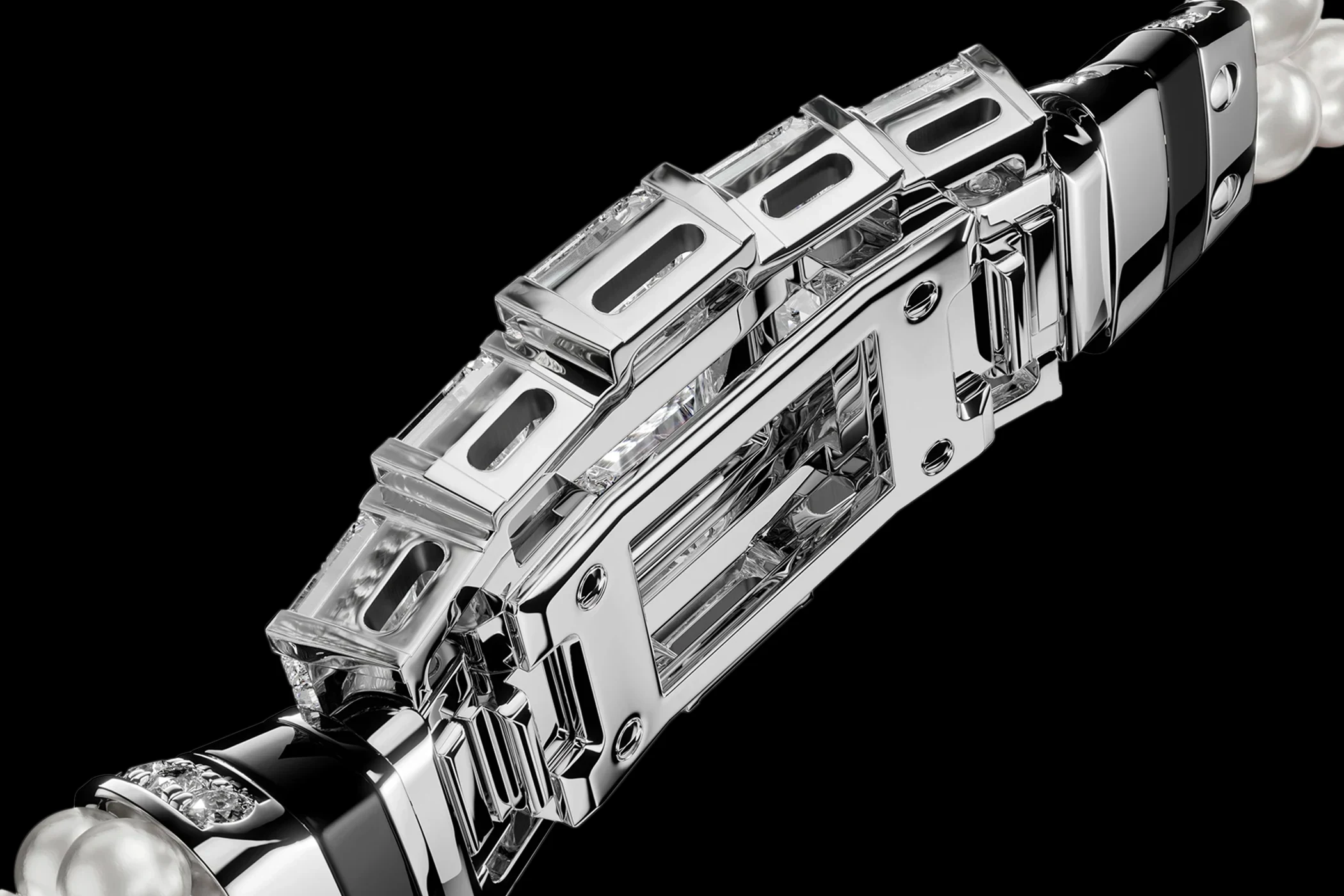
Despite attitudes found elsewhere in the industry, at Vacheron Constantin, gem-setting is never a blank cheque for extravagance. “Gem setting is a very strict art,” explains Selmoni. “Sure, you can express yourself in a crazy way, but this is not the way that we work. The Lady Kalla is a good example of how you can create a flawless design: you incorporate something new, and express a spirit of creativity.”
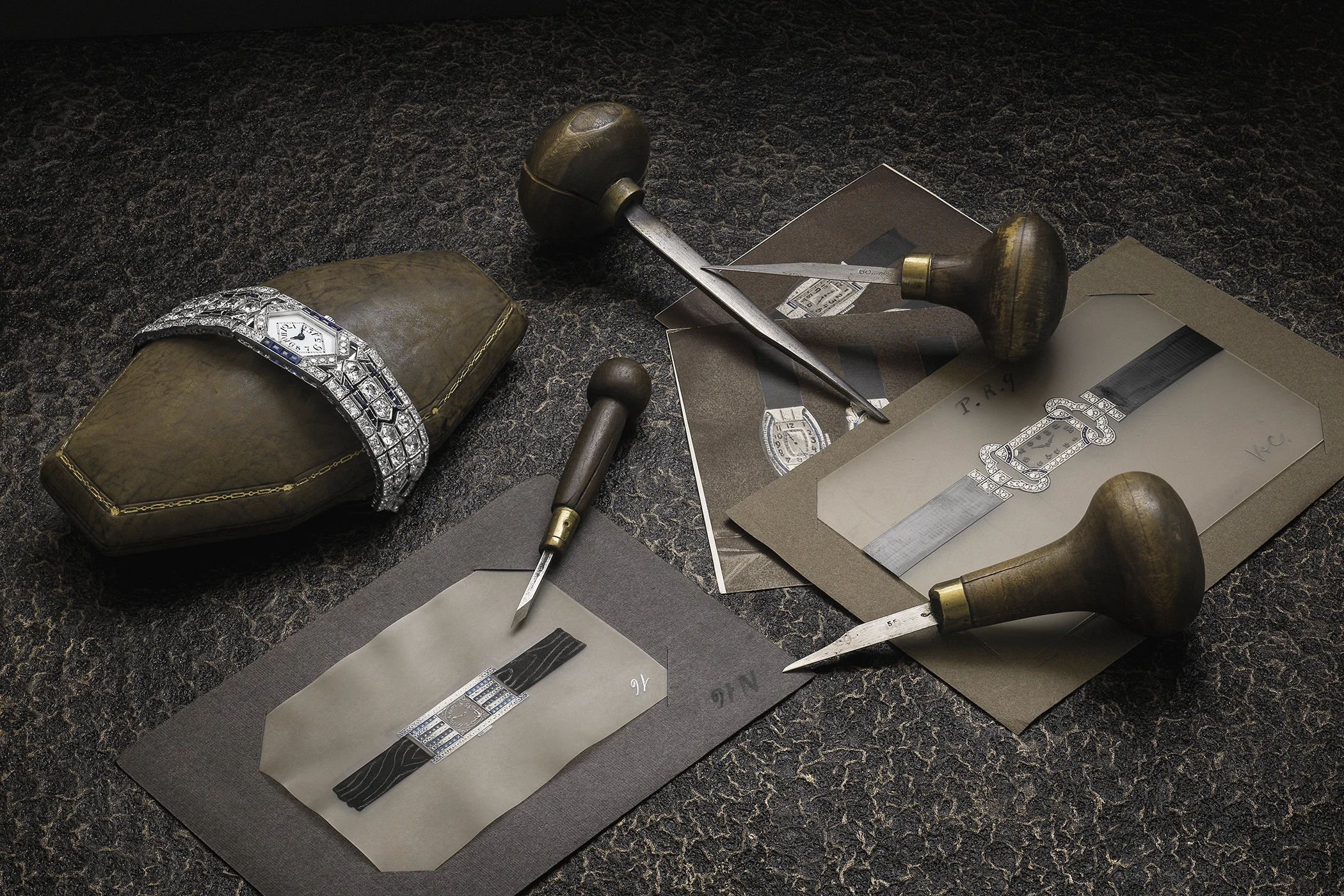
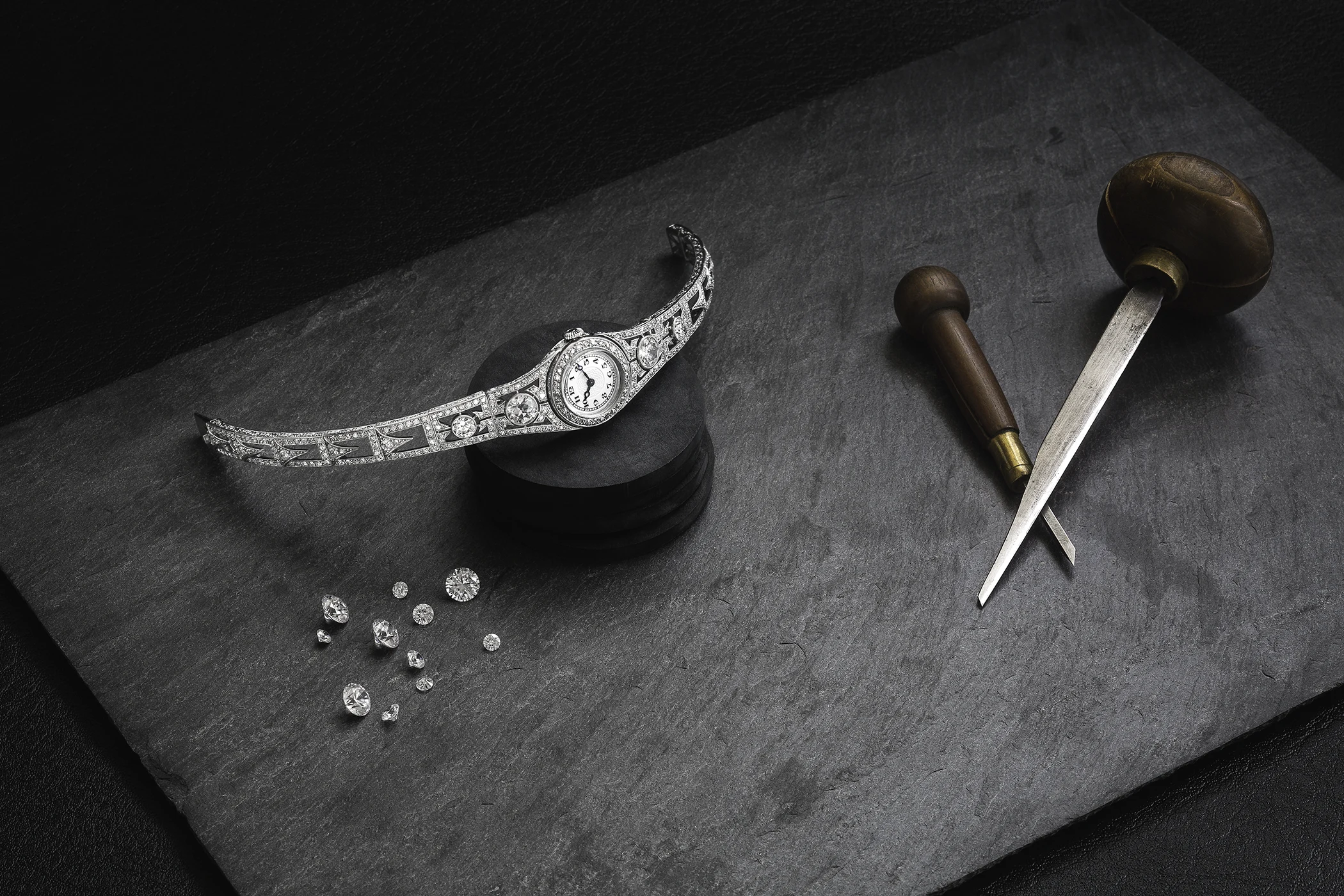
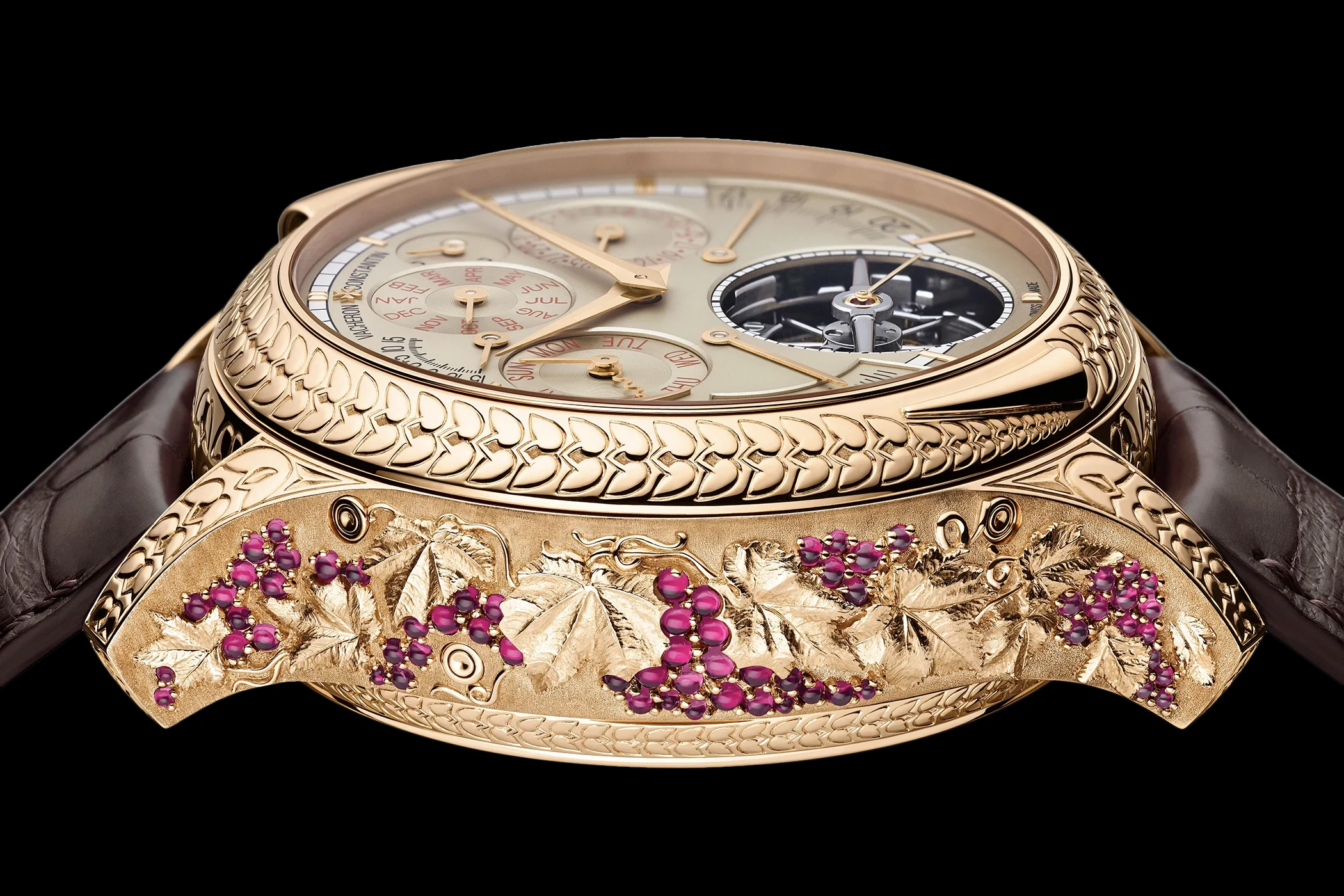
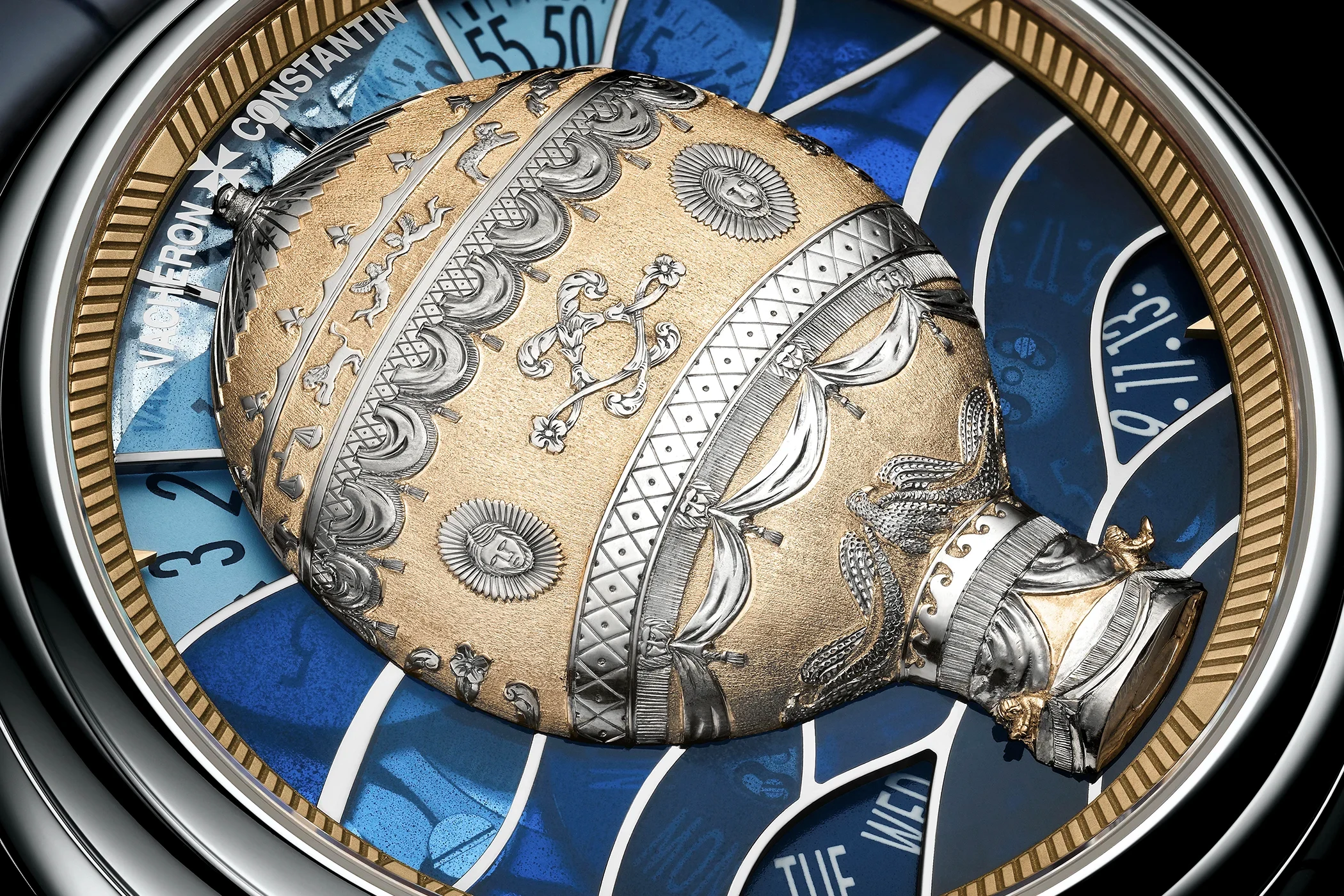
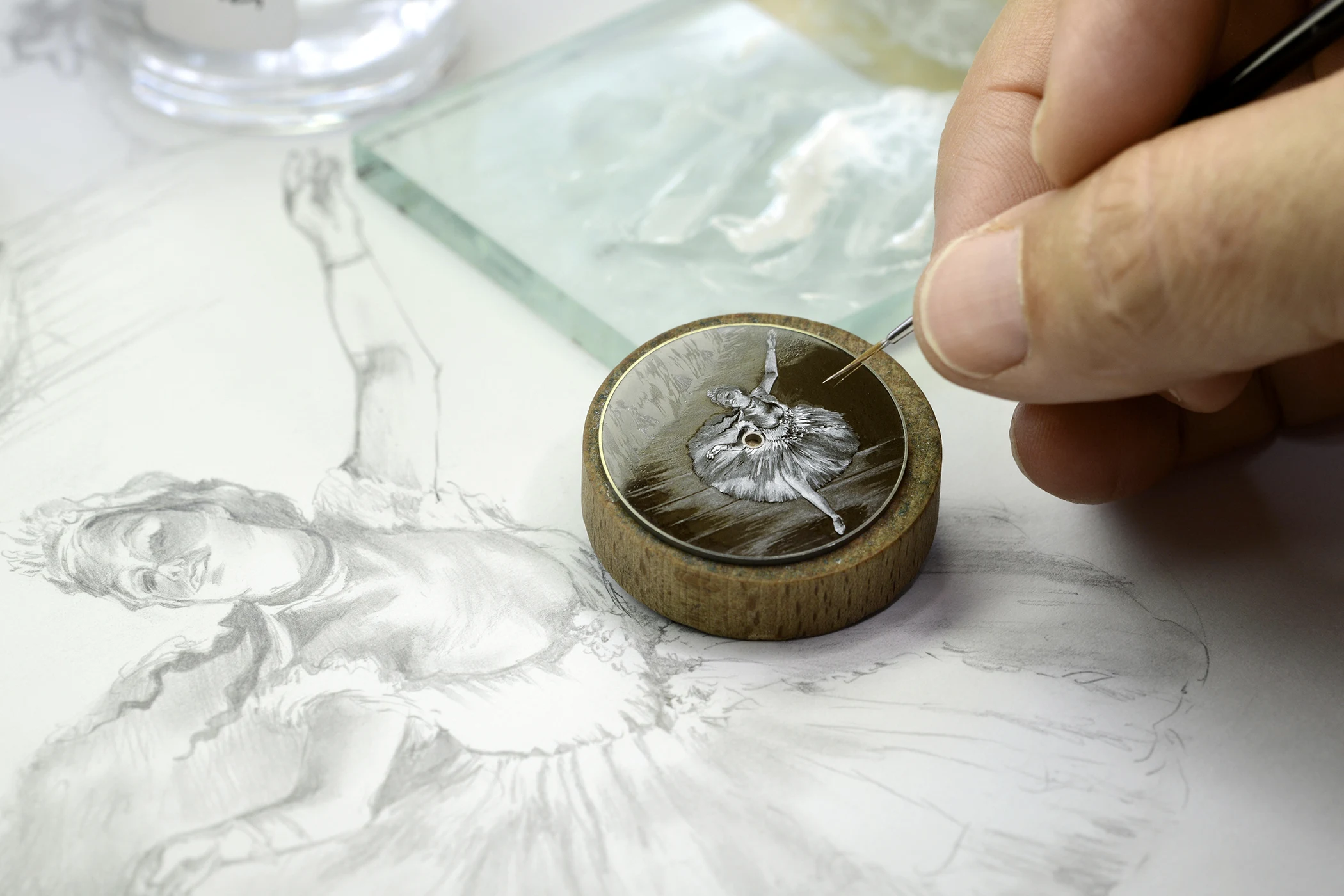
Like enamel, engraving has the power to transform a watch into a miniature canvas, where artistry can unfold across cases, dials and even the smallest movement components. Working to tolerances measured in tenths of a millimetre, engravers shape curves, carve relief and etch intricate motifs that lend depth and individuality to each piece. The craft encompasses multiple disciplines, from etching and chasing to relief work, with each demanding exceptional control and years of practice. Through these techniques, artisans meticulously sculpt patterns, scenes and textures, turning metal surfaces into finely detailed compositions.
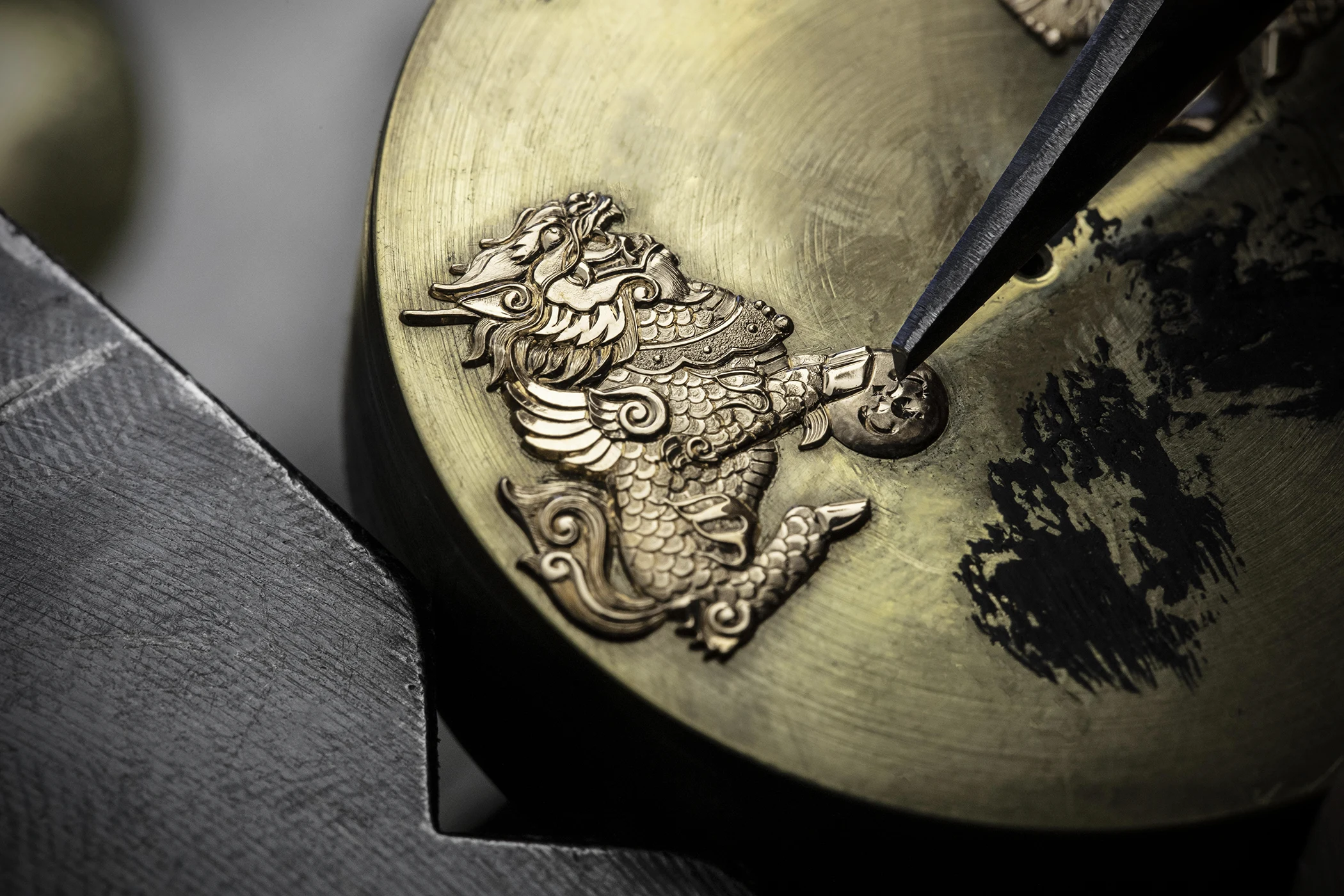
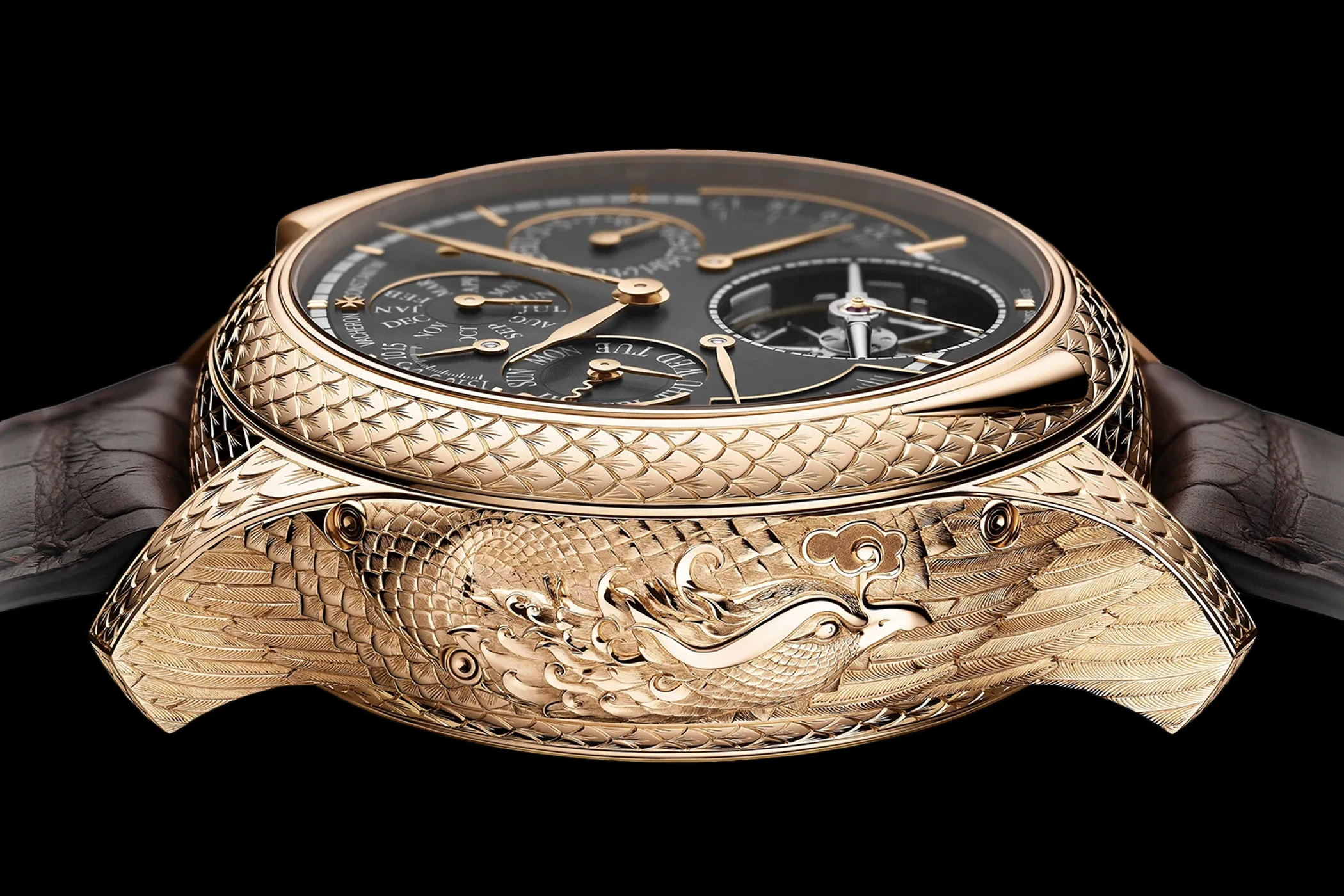
The effect is both visual and emotional. Hour by hour, the engraver’s hand builds character into the watch, whether interpreting historical ornament, natural forms or bespoke designs for collectors. This painstaking process enhances dimensionality and brings a sense of narrative to every surface, ensuring no two pieces feel entirely alike. Seen across métiers d’art creations and custom commissions, hand engraving stands as a testament to the collaboration of exceptional artisans, reinforcing Vacheron Constantin’s reputation for watches that unite technical precision with expressive craftsmanship.
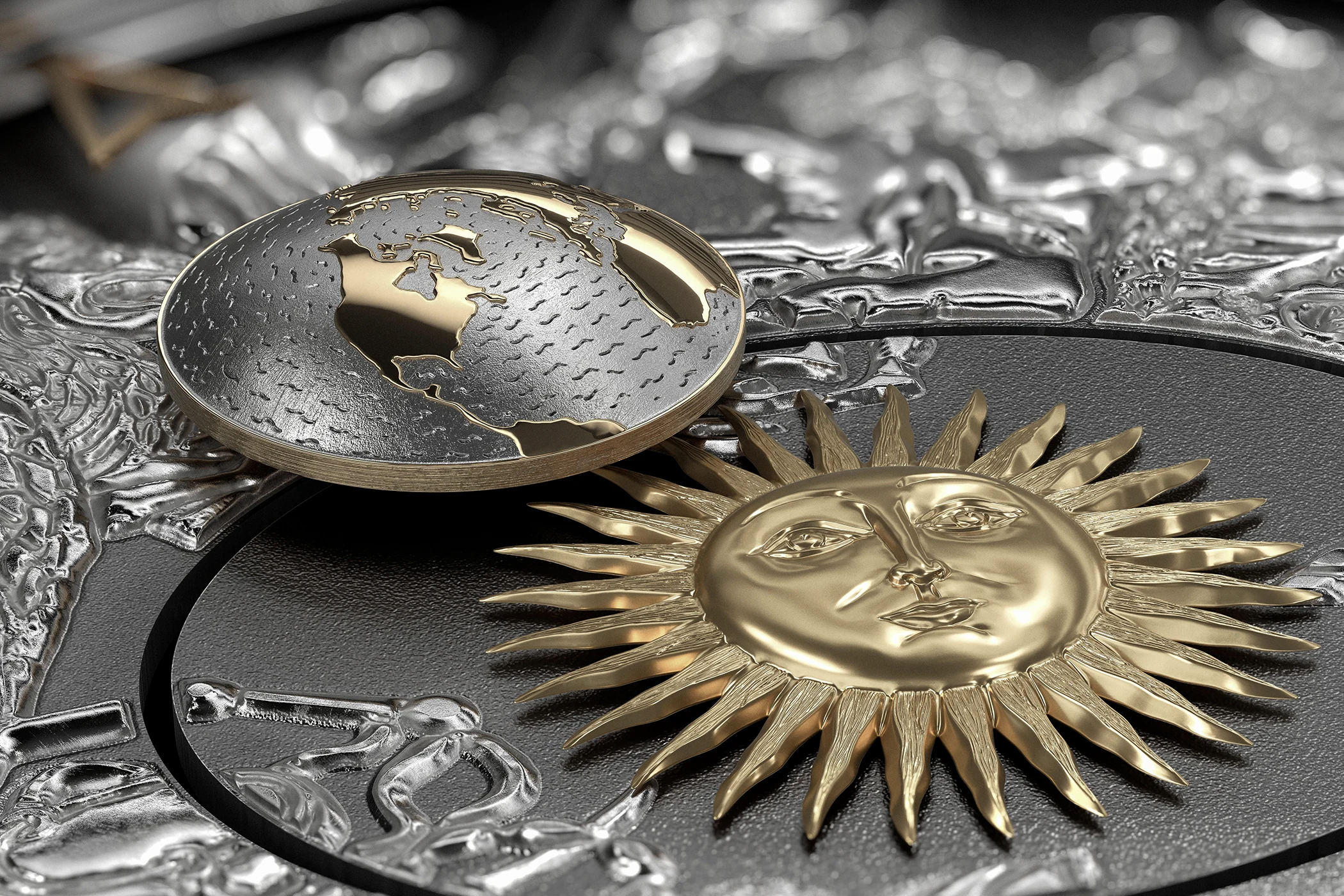
“What is super interesting with engraving is that there are quite a lot of different techniques that you can use,” says Selmoni. The workshop’s strength, he suggests, is that it is not stylistically monolithic. “We have engravers who come from different areas, for example one who was engraving rifles; a very specialist type of engraving, sometimes mixing two different types of gold. Engraving is fascinating because you are using your hands to remove or sculpt metal: you have to put a lot of force into it, yet be controlled and very, very precise.”
Unique pieces in particular allow engravers to embrace their own creativity. “When we speak about single-piece editions, we always ask our craftsmen to work on a certain theme and express themselves. It’s always about this collaboration between the designers and the engravers.” And because the engravers are individuals, with their own training and signature styles, the output naturally expands. “Depending on the engraver in charge of the project, he or she will bring their special know-how and express it in one way or another. That in turn extends the diversity of the engraving at Vacheron Constantin. Some are more into sculpture, some into fine line, but ultimately, the engravers master all of the techniques.”
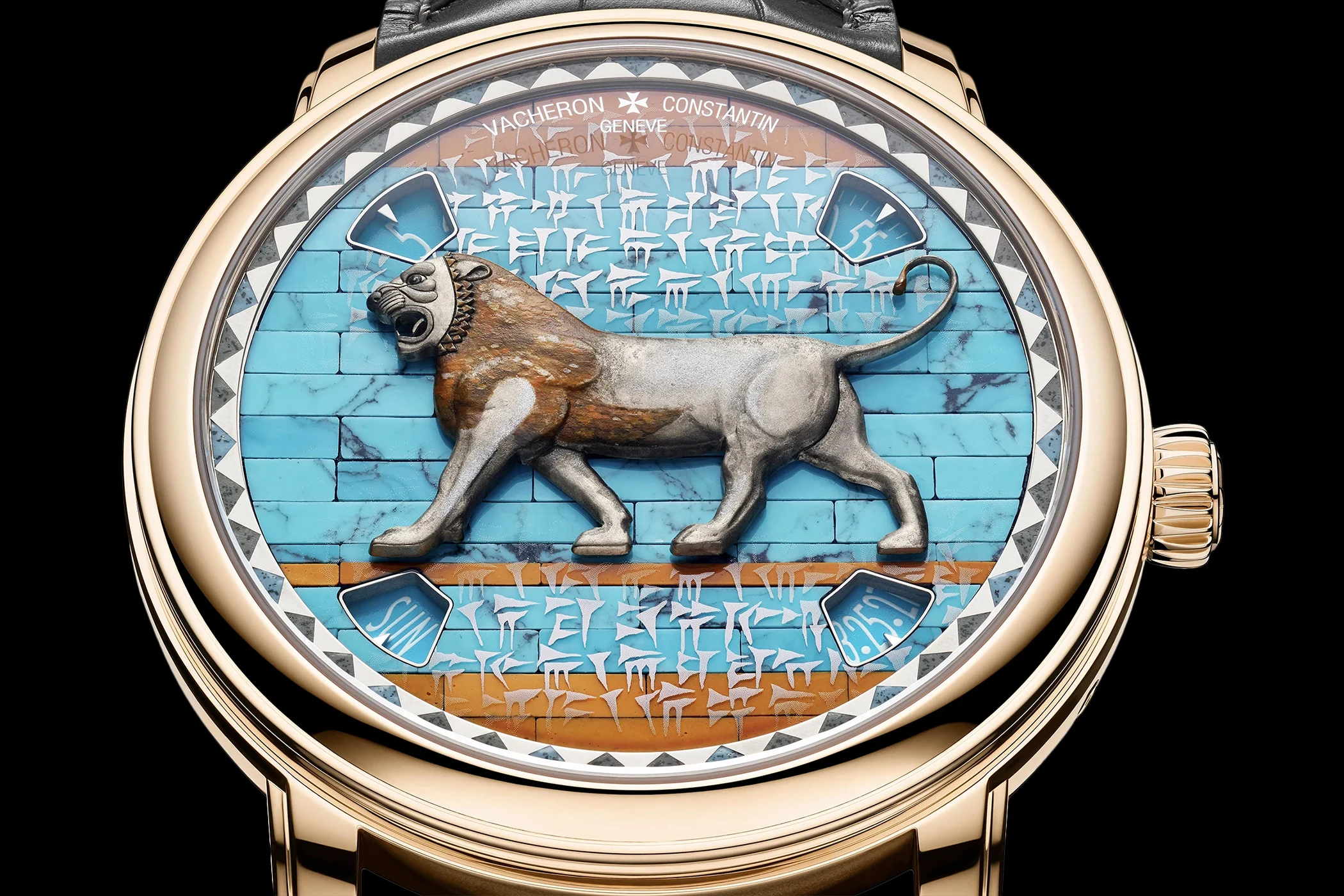
Once again, the workshop operates on a basis of trust in its artisans. “The key aspect is that we give them enough room to express themselves and we encourage them to grow in surprising ways. That said, the key is also that we still very much respect traditional engraving. We never take the easy way.”
Speaking of ease: technology is, inevitably, part of the contemporary picture at any manufacture today, but Selmoni draws a firm boundary around what must remain human. “You can work a lot with CNC machines and technology, and the evolution of manufacturing techniques is great because it helps you create things that weren’t possible before. Yet there is always this danger that you will replace things – and thus the hands of a craftsman – with a machine, and this is not something we want to do.” Vacheron Constantin, he says, uses technology as support, not replacement. “Of course we do use both, and use some sophisticated technologies, because it is only because of such technology that we have the possibility of creating the ground for the work for engravers.”
By the end of our long conversation, it has become clear that Vacheron Constantin’s métiers d’art far transcend beauty and technical prowess; they are also a strategy for continuity, not to mention a mission of preservation. “All of the crafts have to be protected and transmitted,” adds Selmoni. “It’s our responsibility.”
For the Style and Heritage Director, ensuring the survival of these culturally important and historic decorative crafts is not primarily a question of talent, but a question of relevance. “As long as you create phenomenal designs that blow people away, you are doing your job. I don’t see any danger for our crafts as long as we innovate and make sure that the ancient crafts stay relevant in our designs.”
And there you have it: the manufacture’s métiers d’art are not simply a vehicle that allows it to display its unrivalled heritage in the world of artisanal and horological handiwork, but rather the very mechanism by which heritage can stay alive.