










Max Büsser founded MB&F 20 years ago. To mark the anniversary, we spoke to the founder and his creative director Max Maertens about their success.

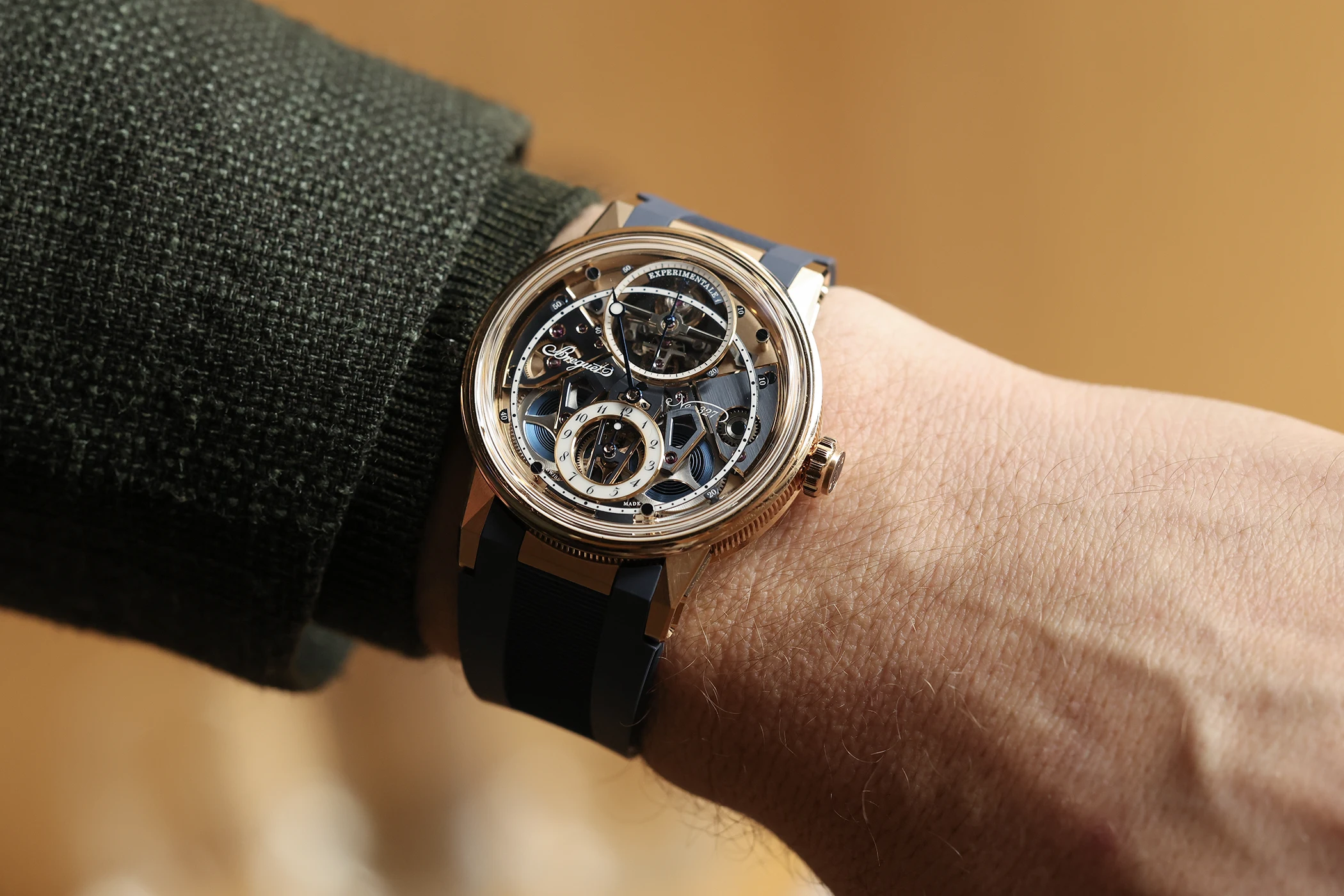
The innovative constant-force magnetic escapement of the new Breguet Expérimentale 1 and its tourbillon with a fast 10-hertz balance wheel ensure maximum accuracy.
Breguet is celebrating the brand’s 250th anniversary in 2025. To mark the occasion, the manufacturer is honouring its inventive founder and pioneer of chronometers with a spectacular and ultra-precise watch. Breguet plans to manufacture 75 copies of the Breguet Expérimentale 1.
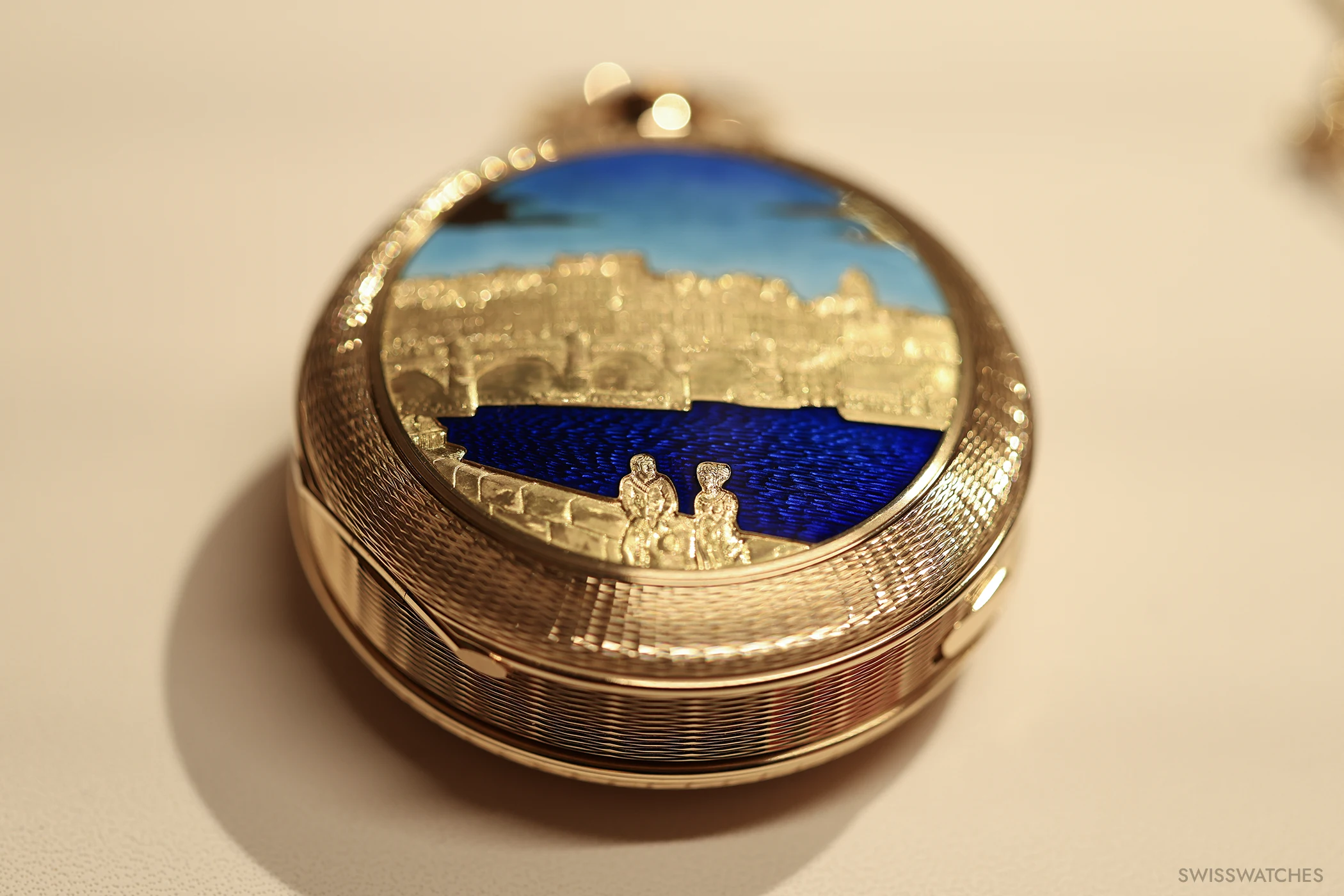
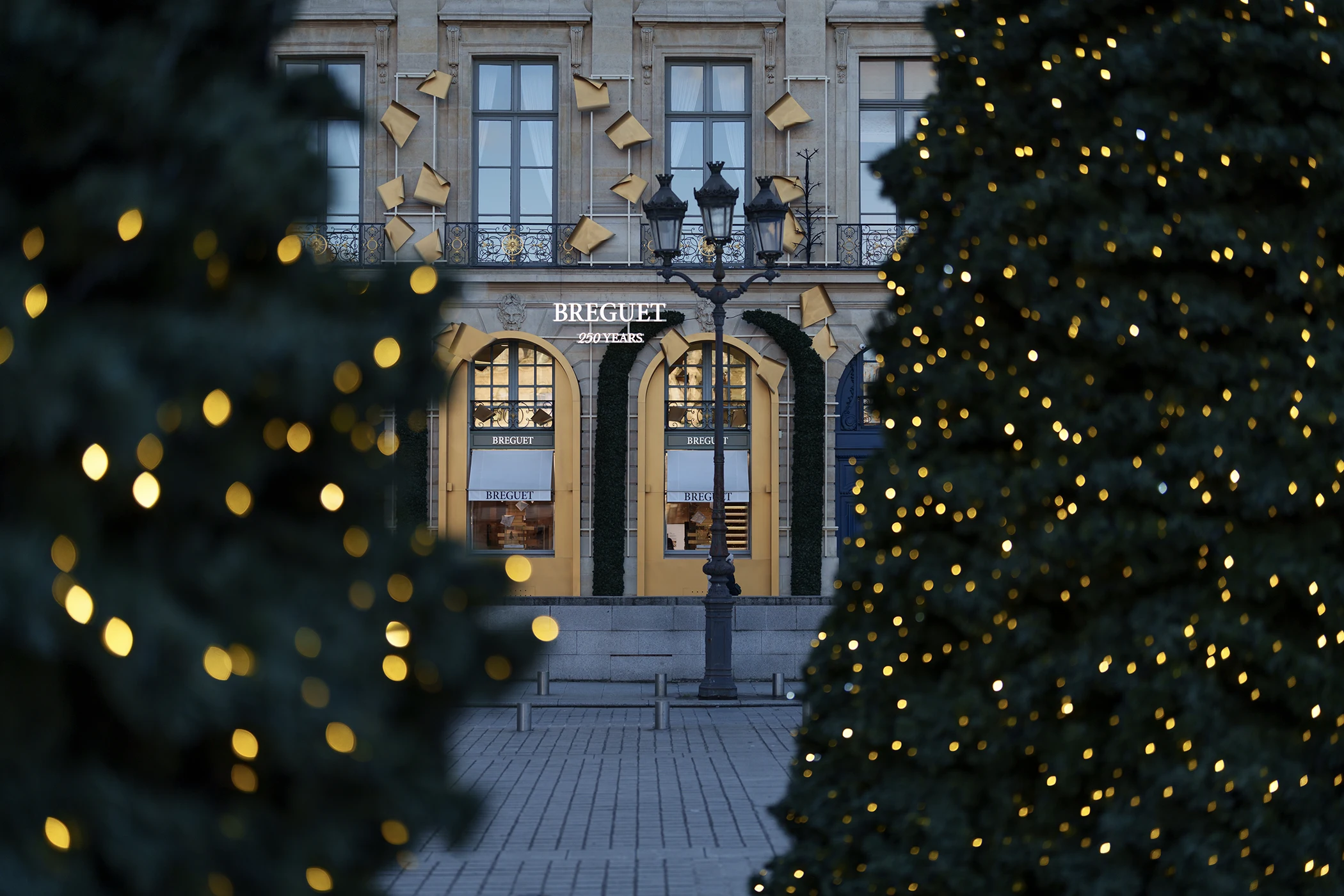
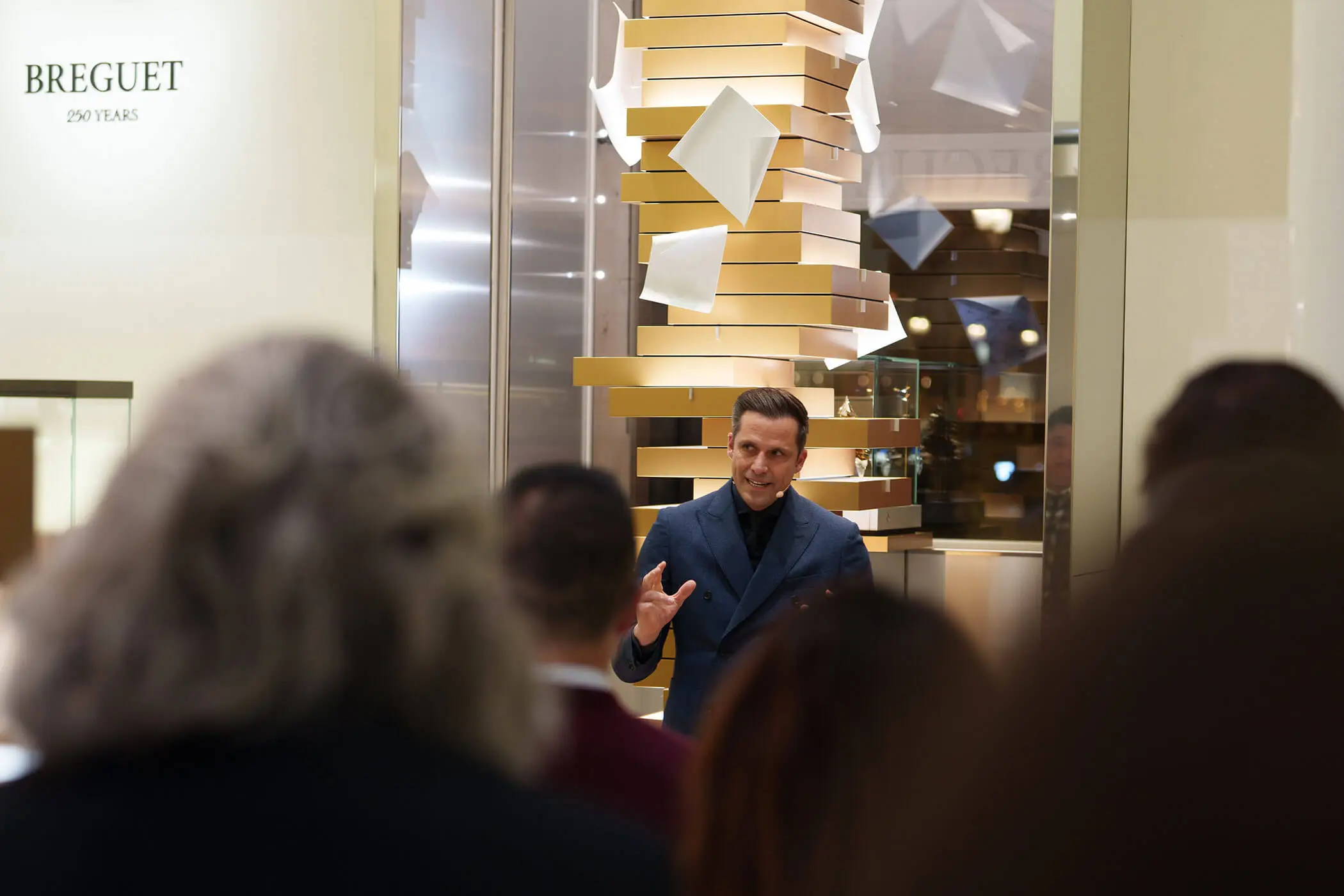
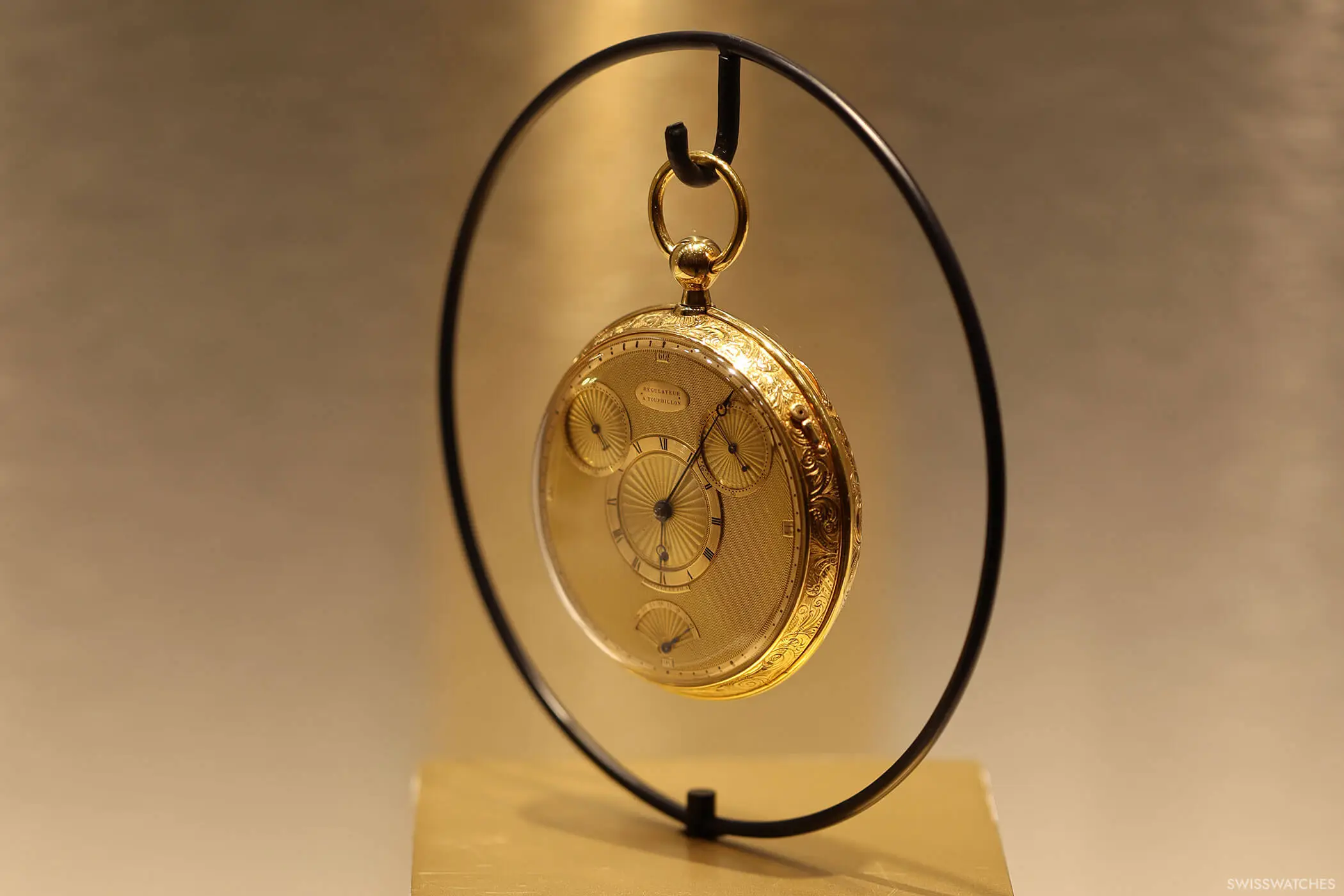
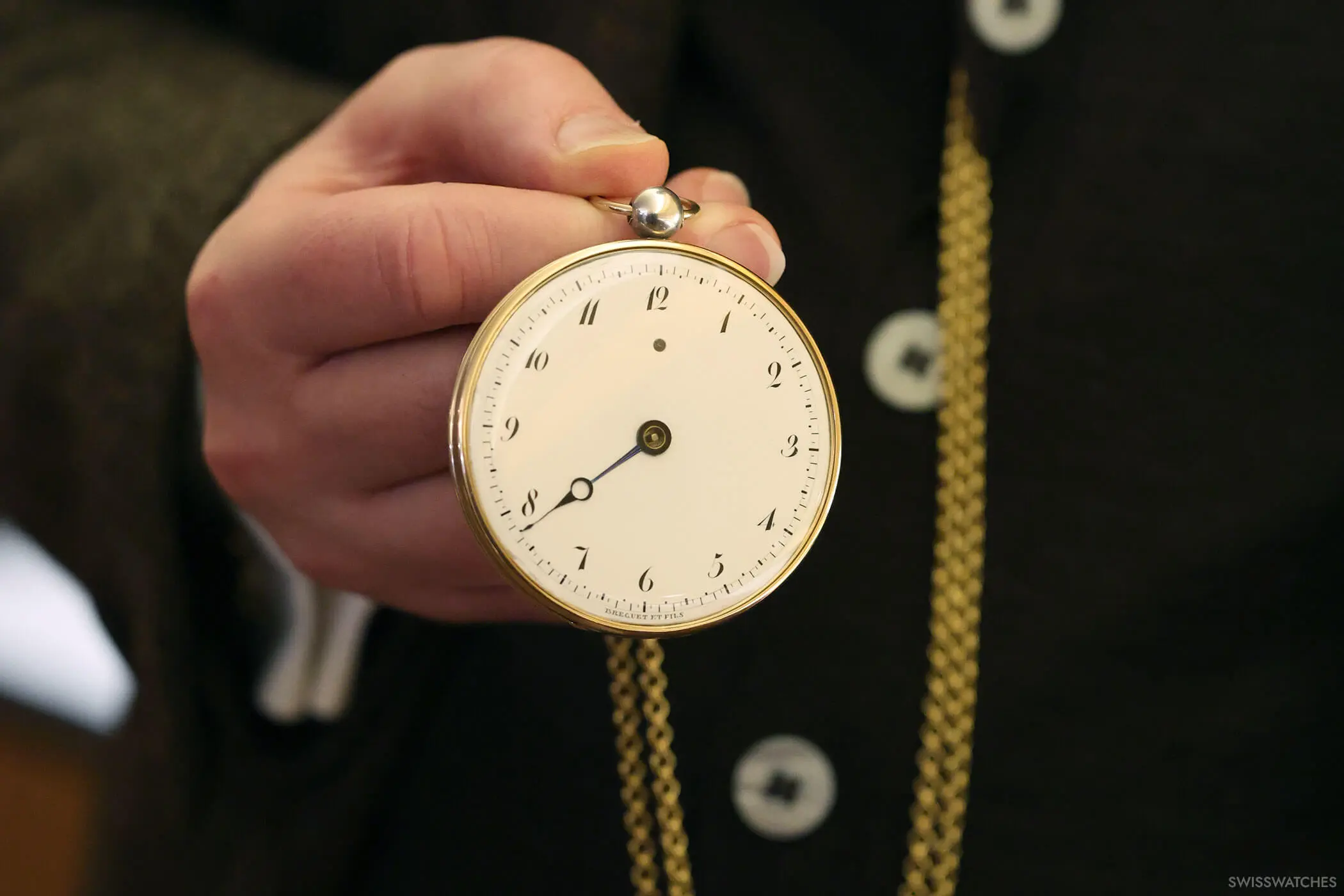
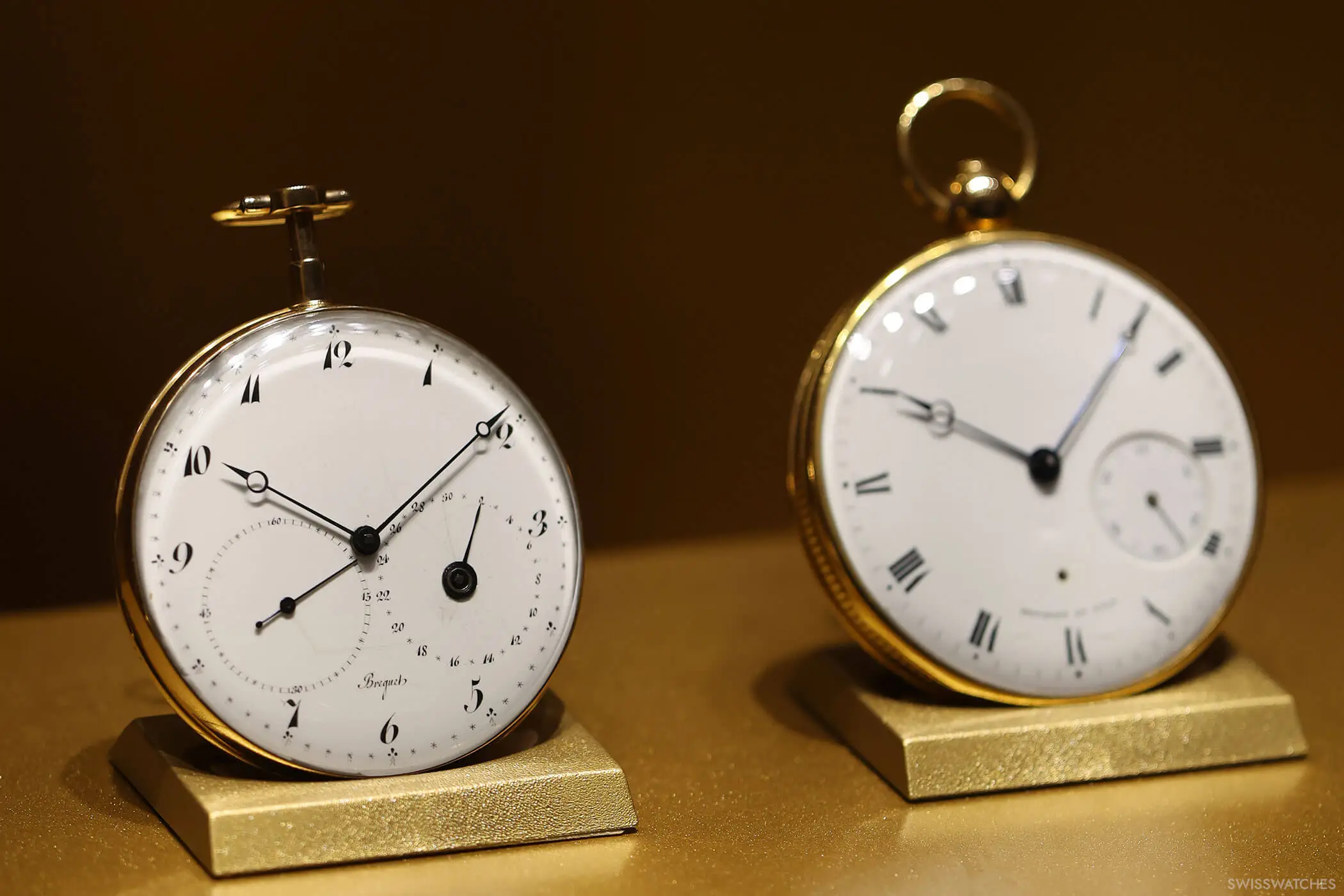
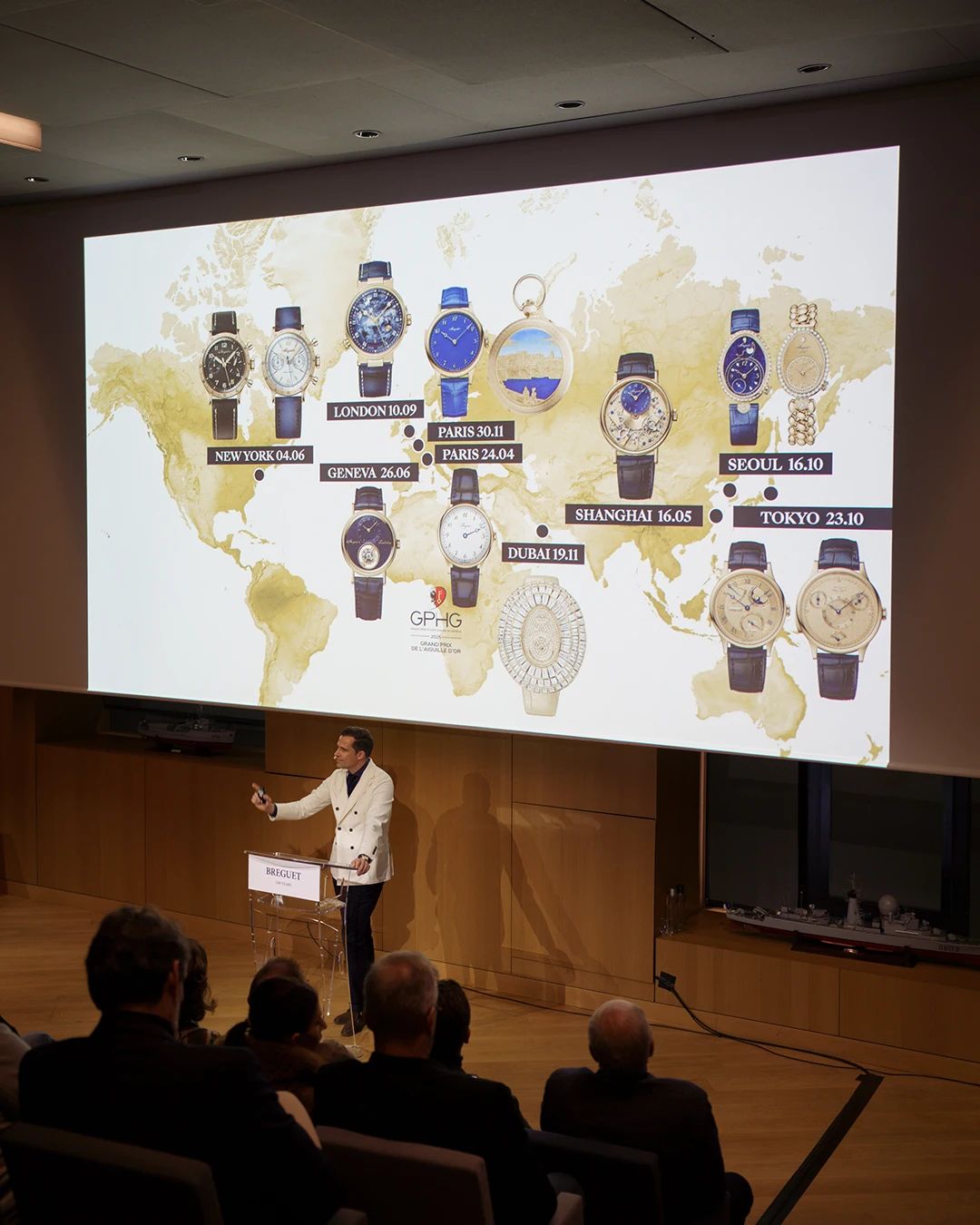
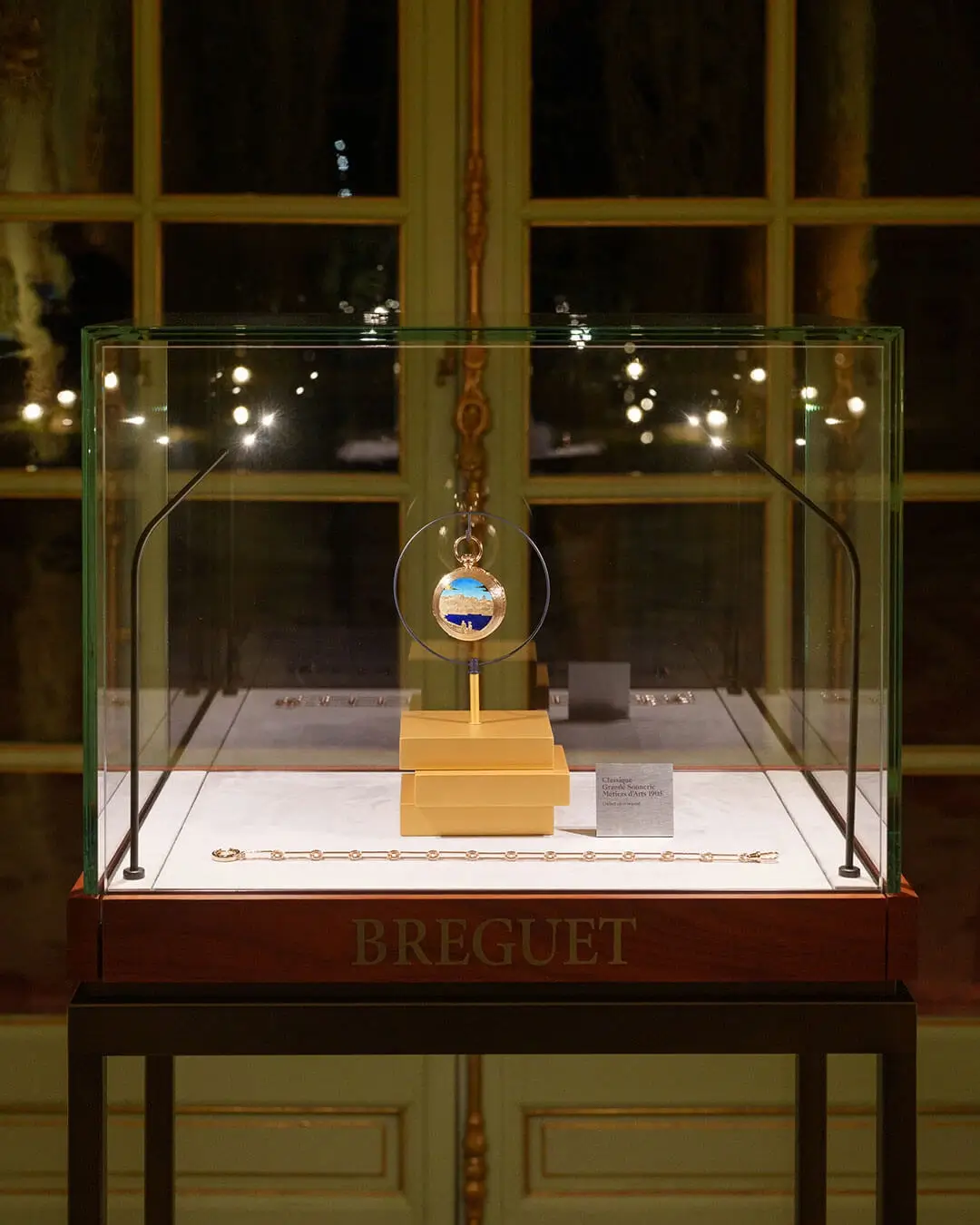
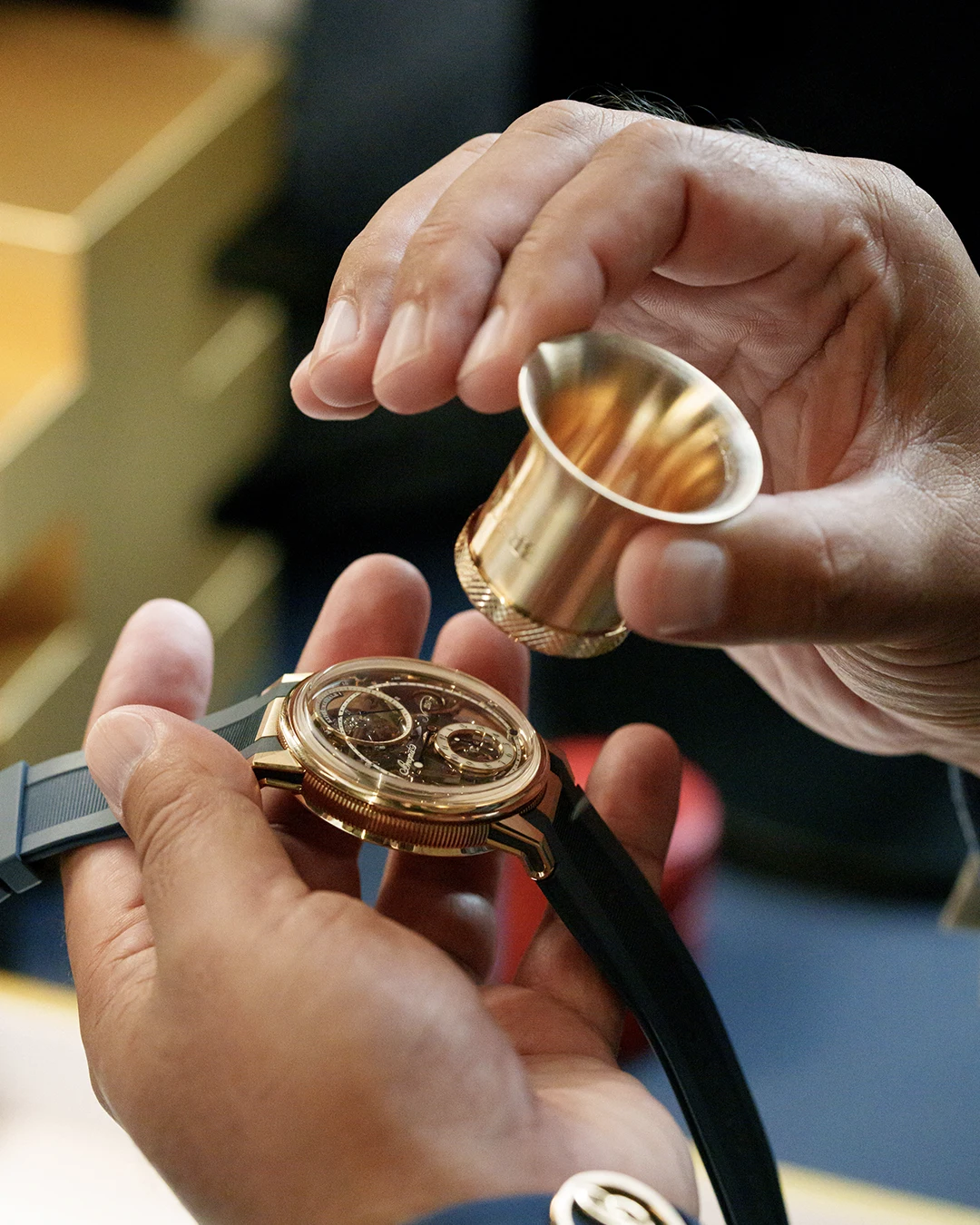
To conclude its ‘250 Years of Breguet’ celebrations, the manufacture invited around 150 guests, including collectors and members of the press, to a two-day event in Paris at the beginning of December. The event began on Sunday at the Place Vendôme boutique. In the two-storey boutique, Breguet not only displayed the models presented during its anniversary year and historical subscription watches, but also presented two watches with striking mechanisms: the Classique Répétition Minutes 7365 minute repeater and the Classique Grande Sonnerie Métiers d’Art 1905 pocket watch. CEO Gregory Kissling and Emmanuel Breguet, a descendant of Abraham-Louis Breguet who is responsible for the brand’s heritage, took the opportunity to explain the company’s strategic repositioning in person.
On Monday, Gregory Kissling unveiled the new Breguet Expérimentale 1 for the first time at the symbolically significant Musée national de la Marine: a 10 Hz tourbillon with a magnetic escapement, limited to 75 pieces. The choice of venue emphasised the brand’s historical connection to marine chronometers, while the watch itself was positioned as a logical continuation of this tradition and a technological preview of future collections.
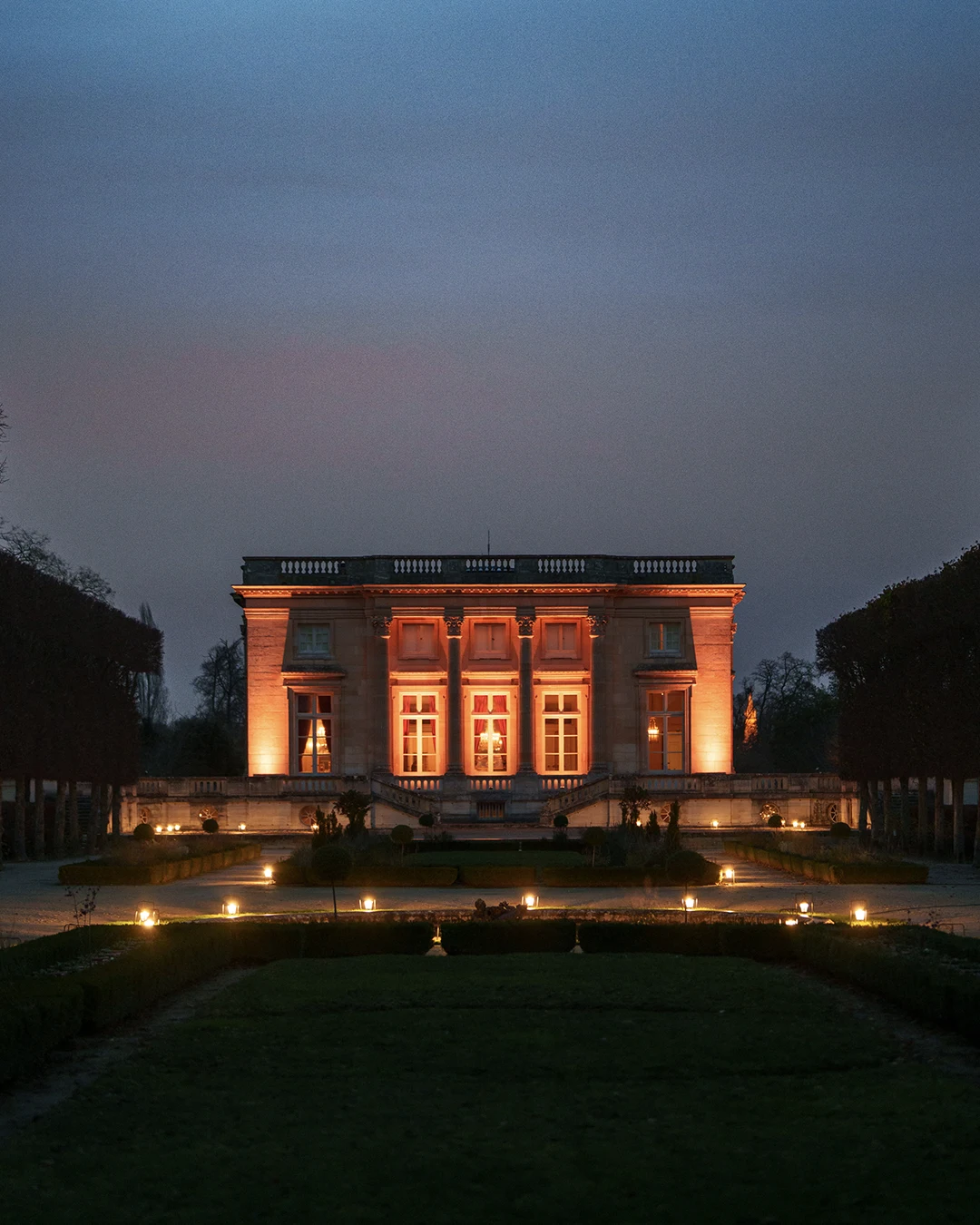
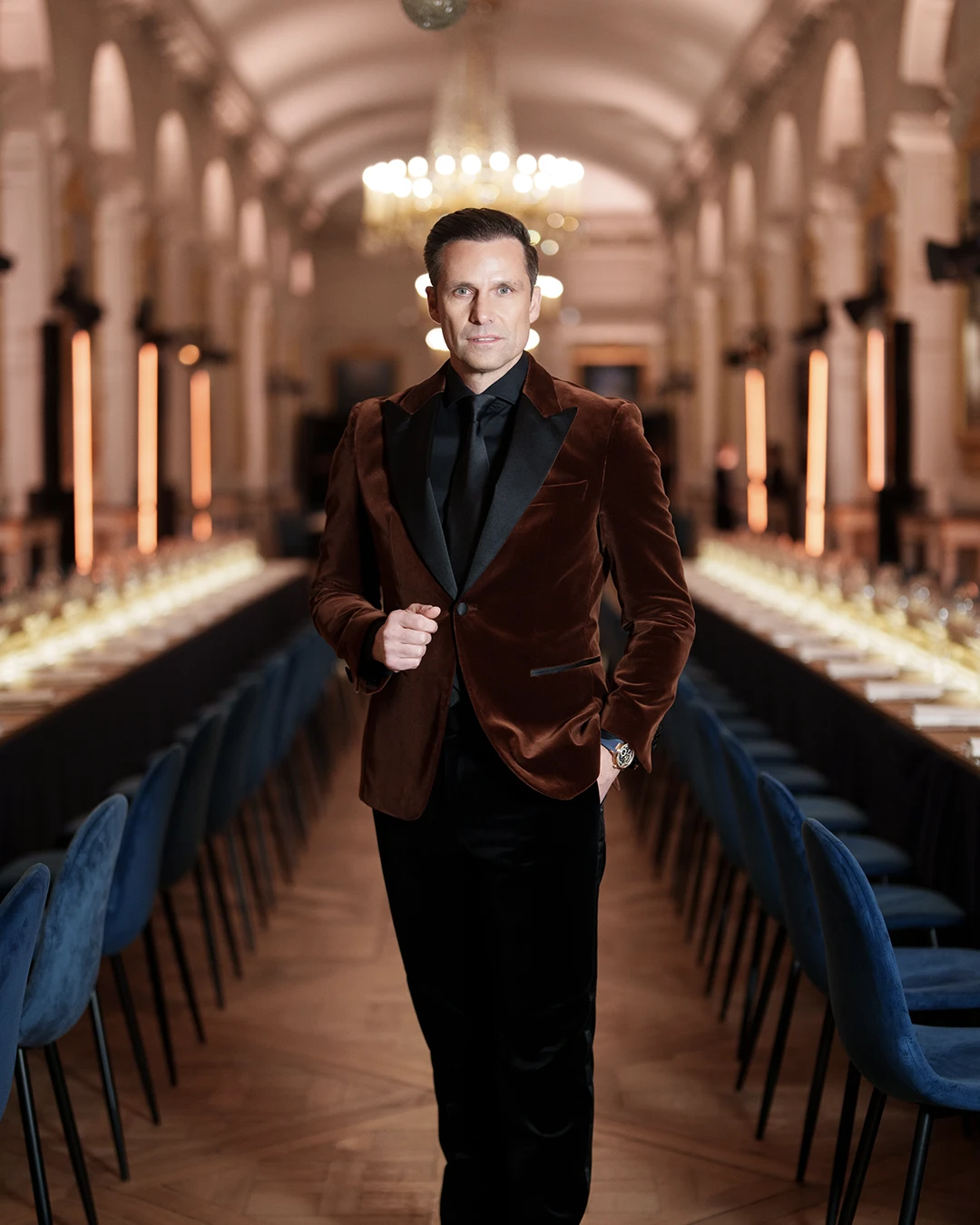
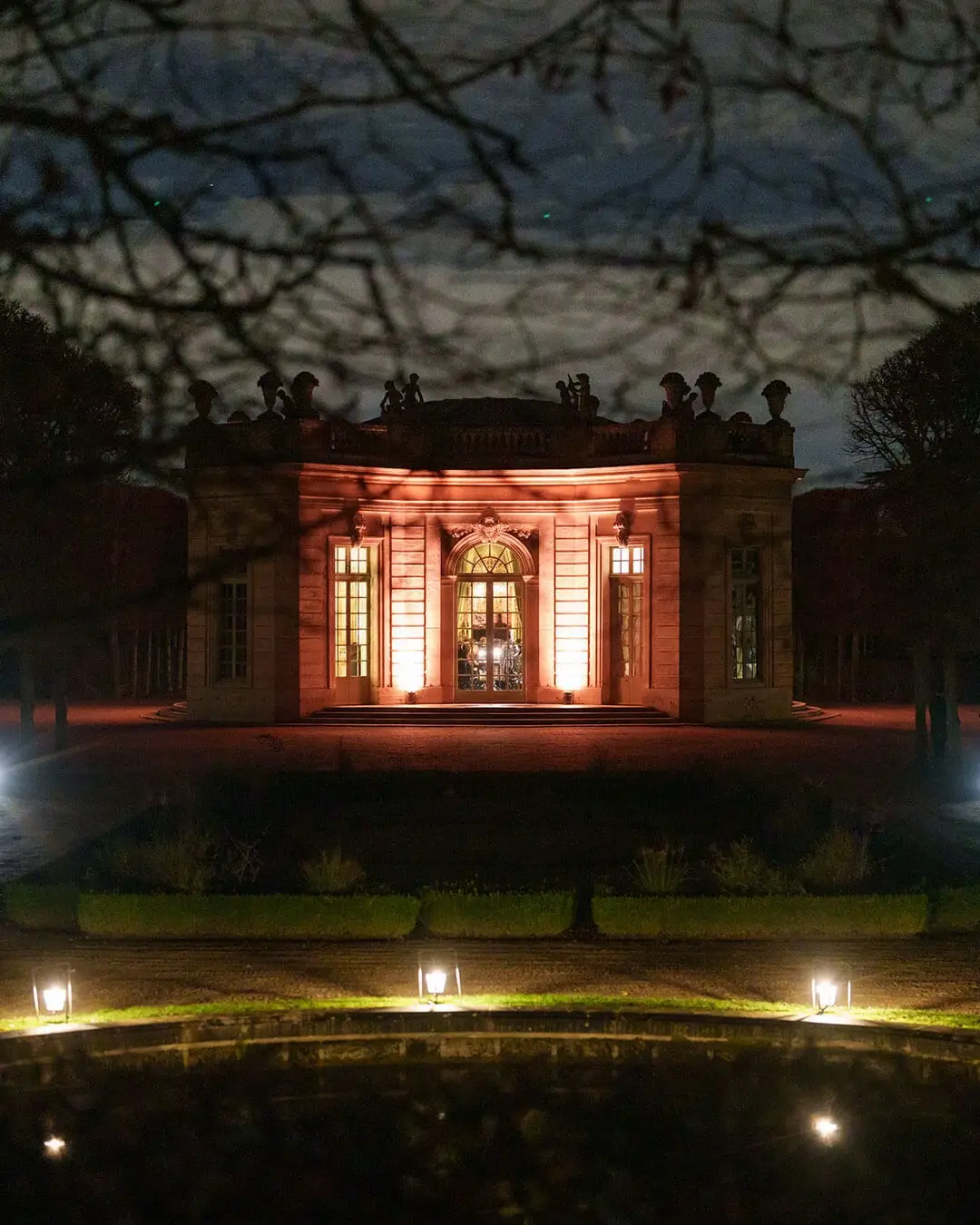
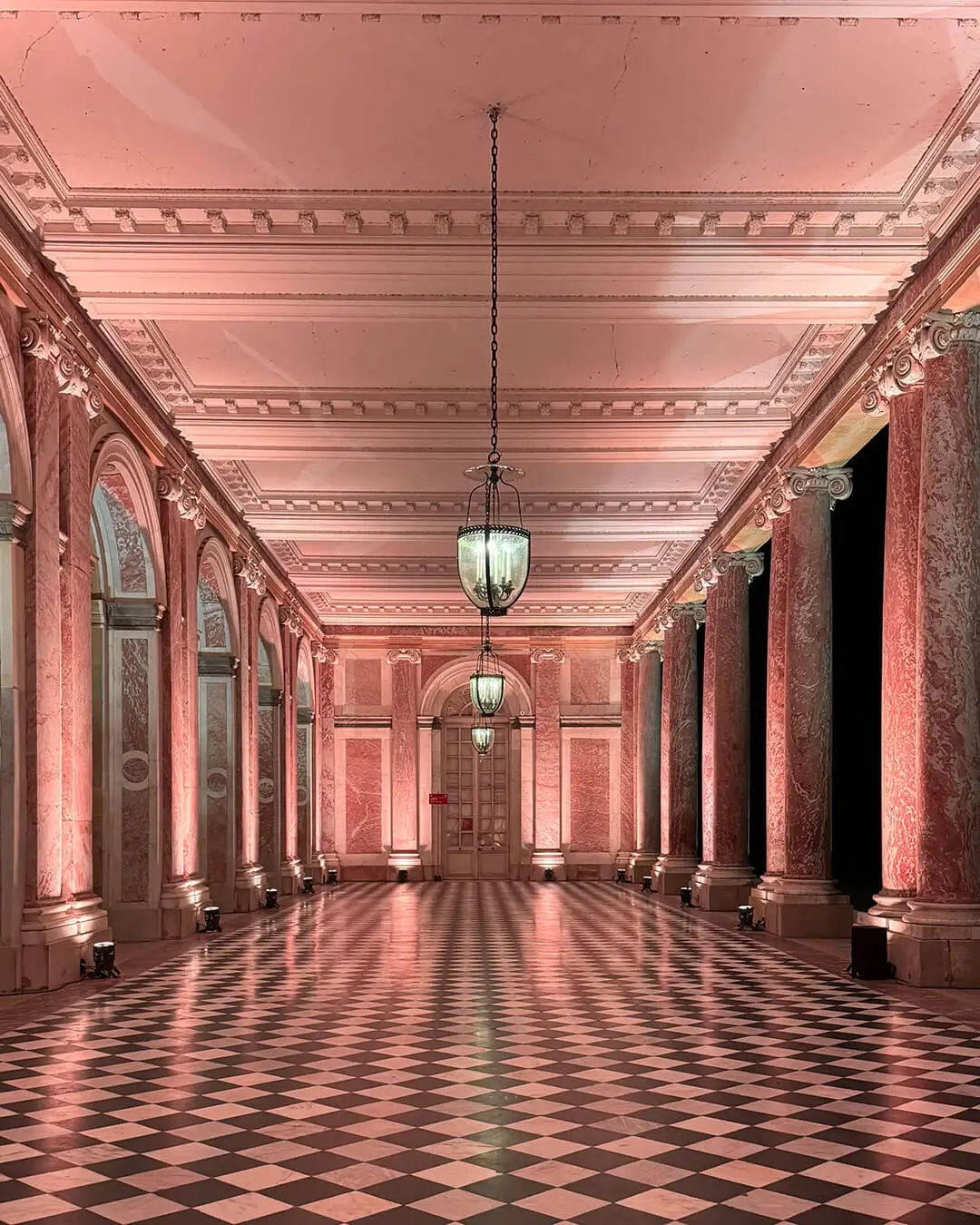
The festivities culminated in a gala dinner in Versailles under the theme ‘Creative Black Tie’, where long-standing collectors wore their historic Breguet models. The minimalist décor, which echoed the new ‘Breguet gold’, and the mix of historic watches and radical innovation underscored the message of the weekend: the 250-year heritage serves as an active starting point for the future of chronometry.
At first, one tends to think of magnetic fields chiefly as external influences capable of impairing a watch’s accuracy. Some timepieces therefore shield their movements with a soft-iron cage, like a fireproof fortress protecting itself from a dragon. Breguet has now tamed this dragon, locked it inside a tourbillon cage, and harnessed its magical power for its own purposes: the newly developed magnetic escapement eliminates several weak points of the Swiss lever escapement and permits an exceptionally high operating frequency of 72,000 A/h.
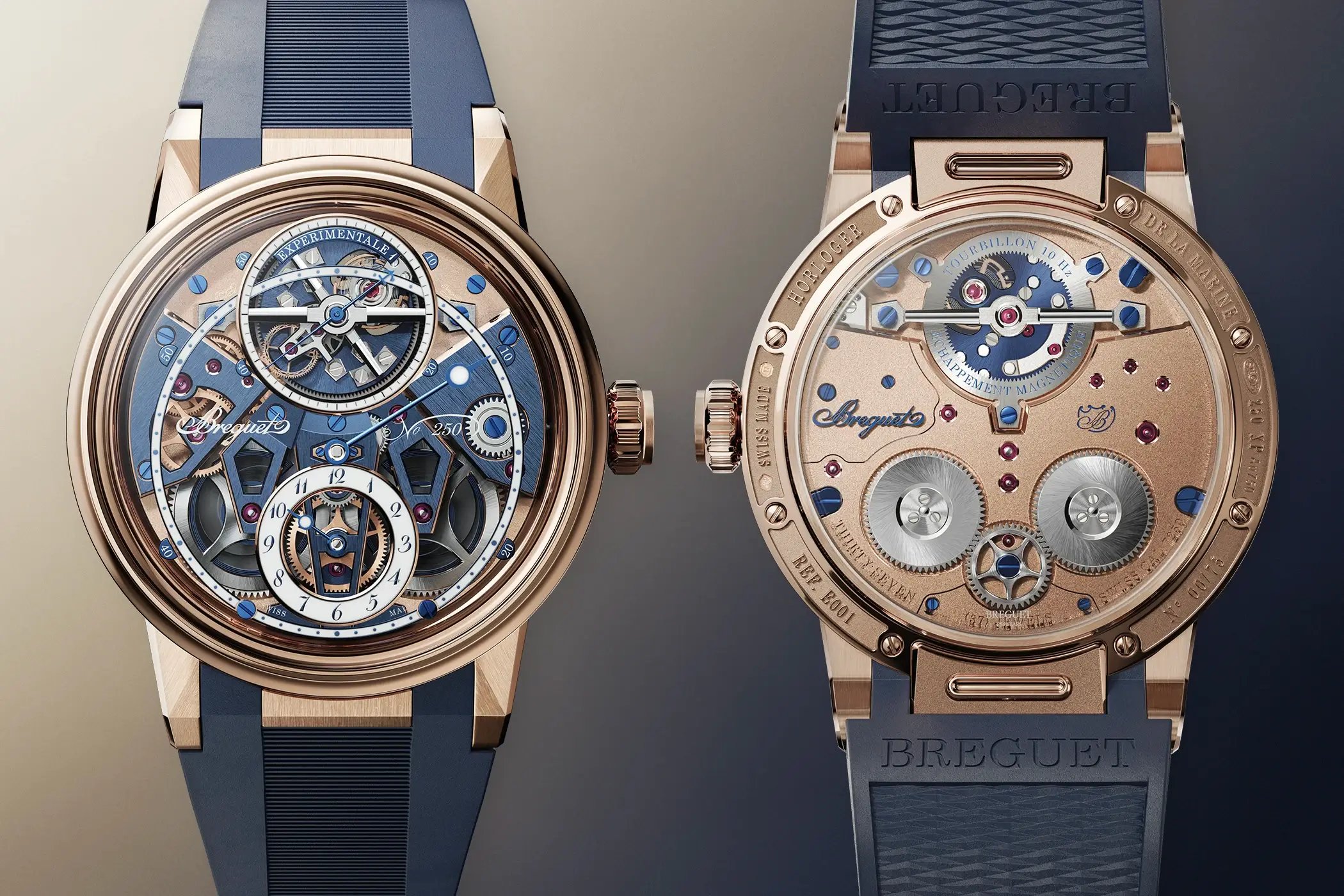
It also serves as a constant-force mechanism, maintaining the amplitude of the balance wheel regardless of the torque of the spring. Together with the tourbillon, the escapement thus protects against the three greatest enemies of accuracy: shocks, amplitude loss, and positional differences.
Before we take a detailed look at how the new escapement works, let us briefly recap what the brilliant inventor Breguet has done for the world of horology. Without his achievements, the new Breguet Expérimentale 1 would not have been possible.
Medieval scholars made new discoveries in science, but considered their contributions modest compared to the thinkers of antiquity, on whose research they built. They saw themselves as dwarfs who could see further than the ancient giants because they stood upon their shoulders. Among the watchmakers whose inventions made today’s highly accurate wristwatches possible, Abraham-Louis Breguet was without doubt the greatest giant of them all.
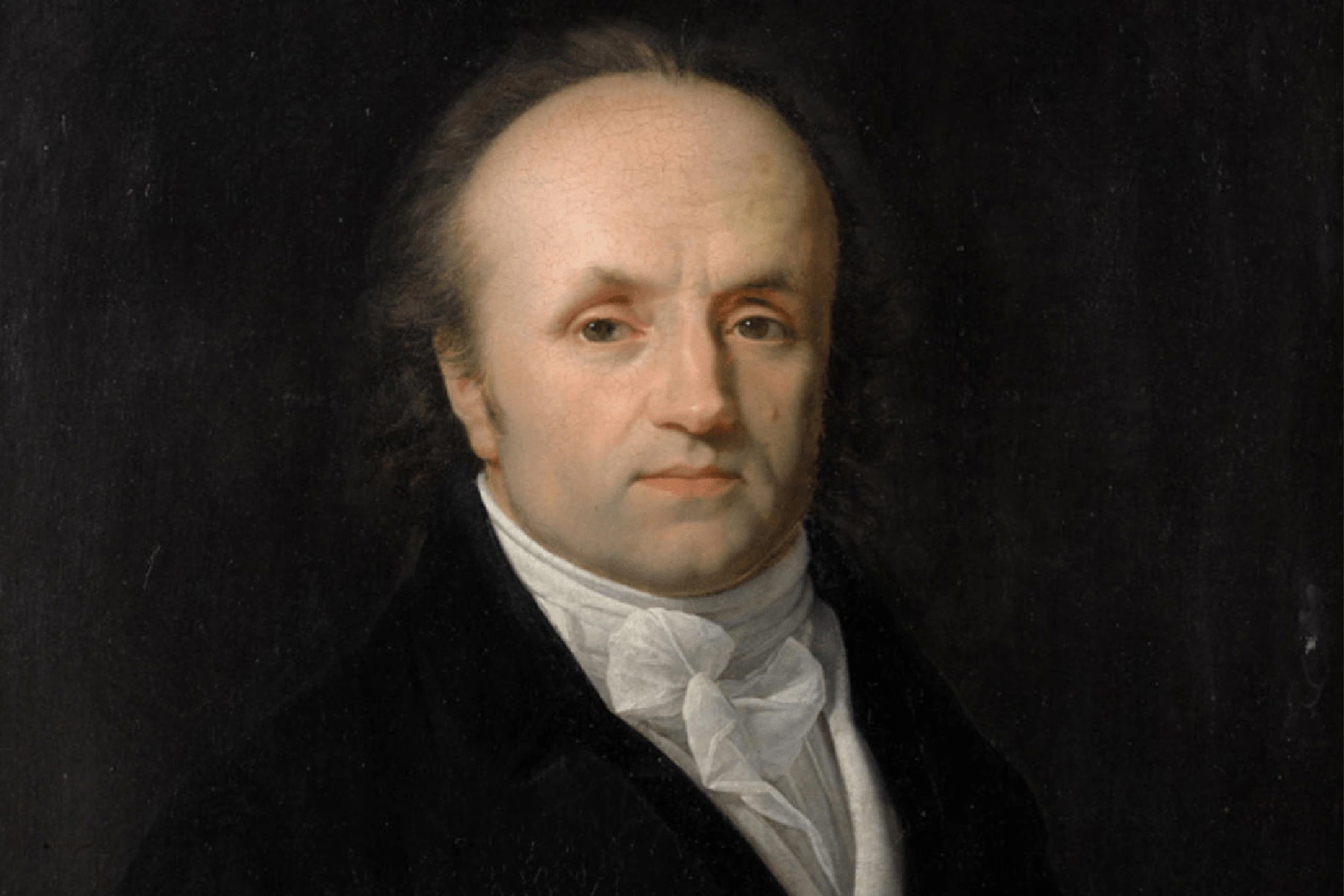
Many of his ideas and solutions paved the way for the modern day watch and can be found in every timepiece today. In 1780, he developed the first watch with automatic winding. In 1790, he solved the problem of balance wheel breakage with his ‘parachute’ shock protection system. In 1802, he developed the natural escapement, which did not require lubrication. In 1810, he created the first wristwatch. In 1830, his son sold the first watch with keyless winding via the crown – 15 years before Jean-Adrien Philippe patented this device.
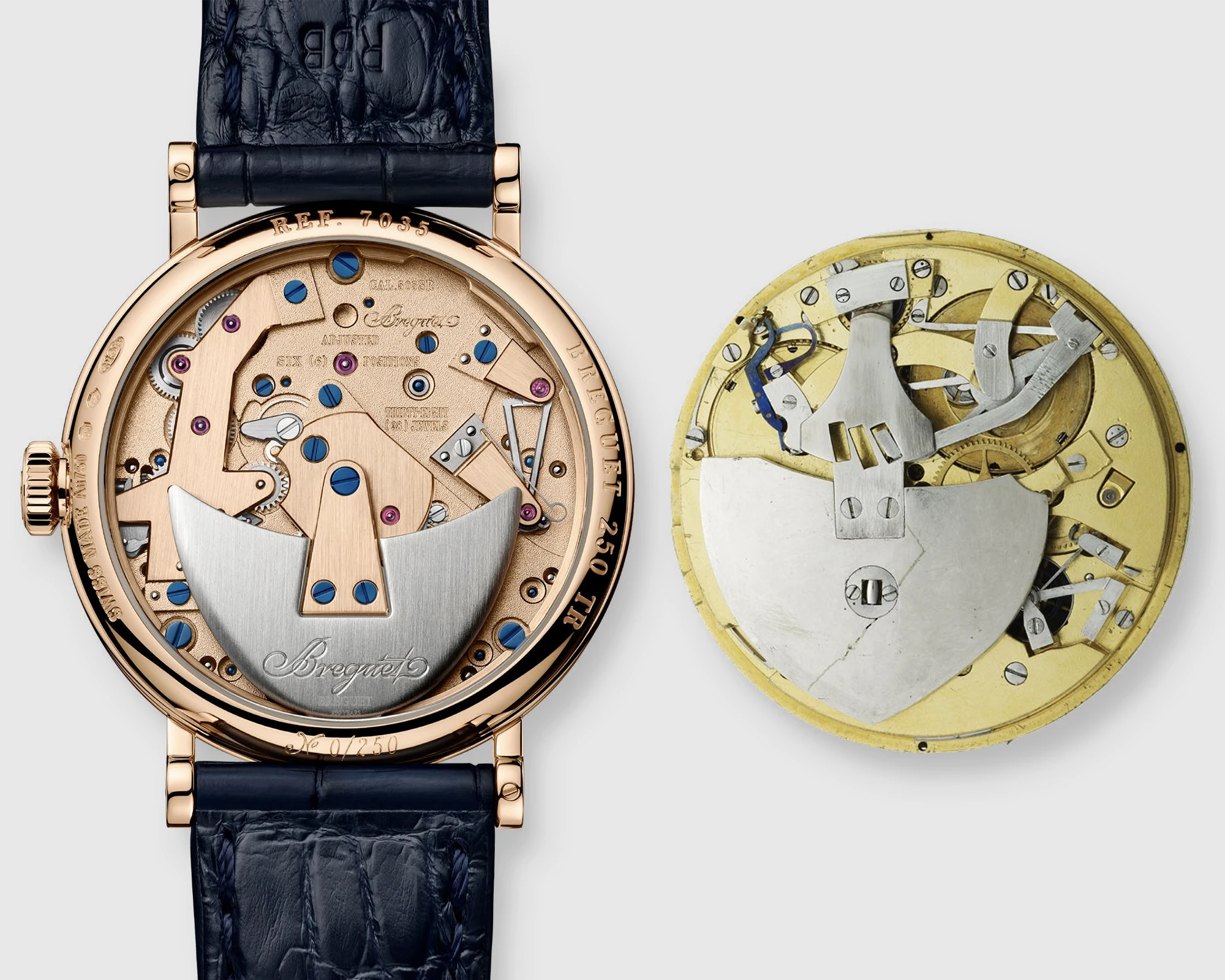
Abraham Louis Breguet also made significant improvements to complications: in 1783, he developed gongs for repeater watches, which improved their sound and allowed the watches to be made significantly smaller. In 1820, he constructed a precursor to the chronograph: an observation chronometer with a second second hand that could be started and stopped.
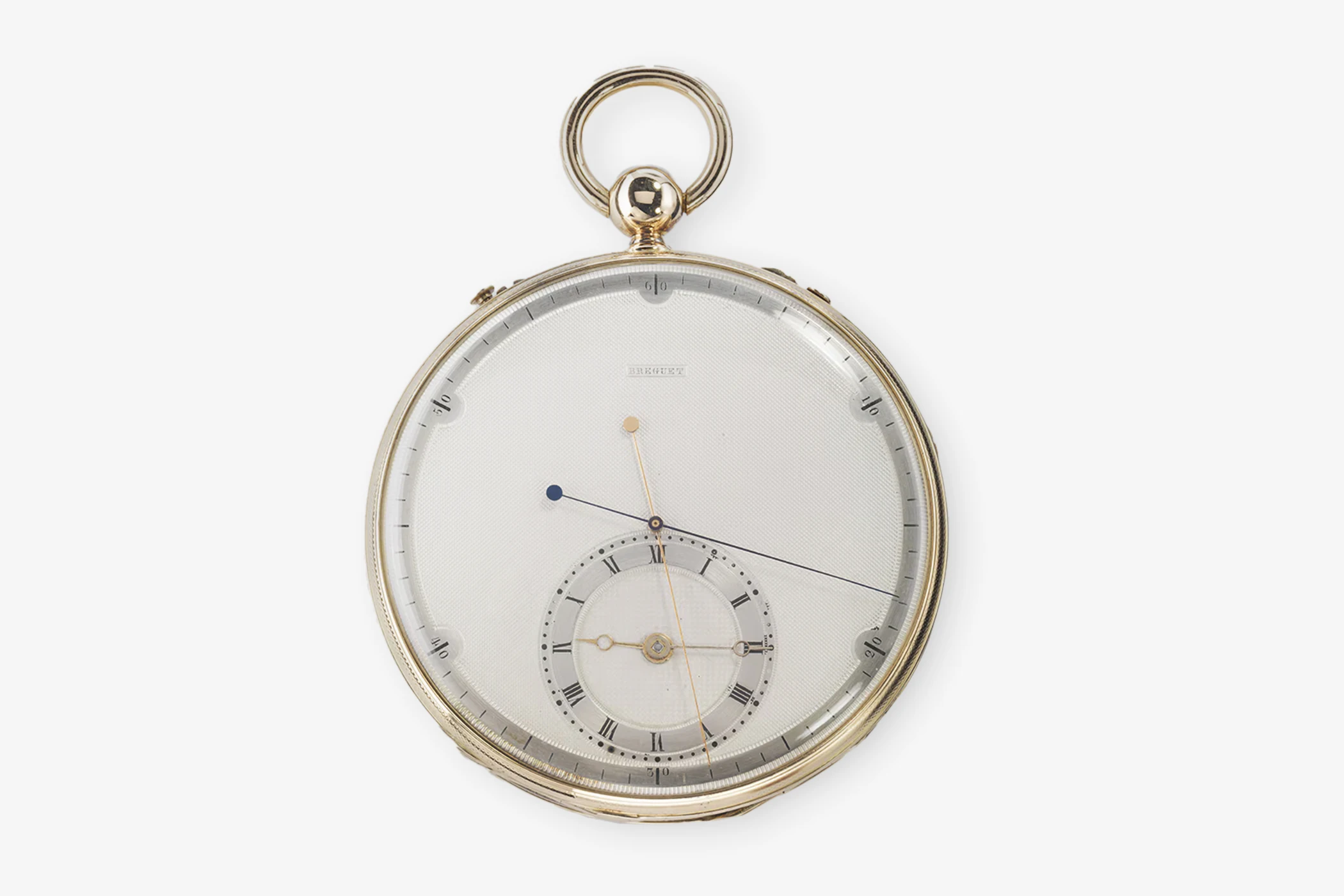
Even more decisive were the services that A.-L. Breguet rendered to chronometry. And not only after his appointment as watchmaker to the Royal Navy in 1814. He increased accuracy with the invention of the Breguet balance spring in 1783. Its centre of gravity remains in the middle when moving, which reduces positional deviations.
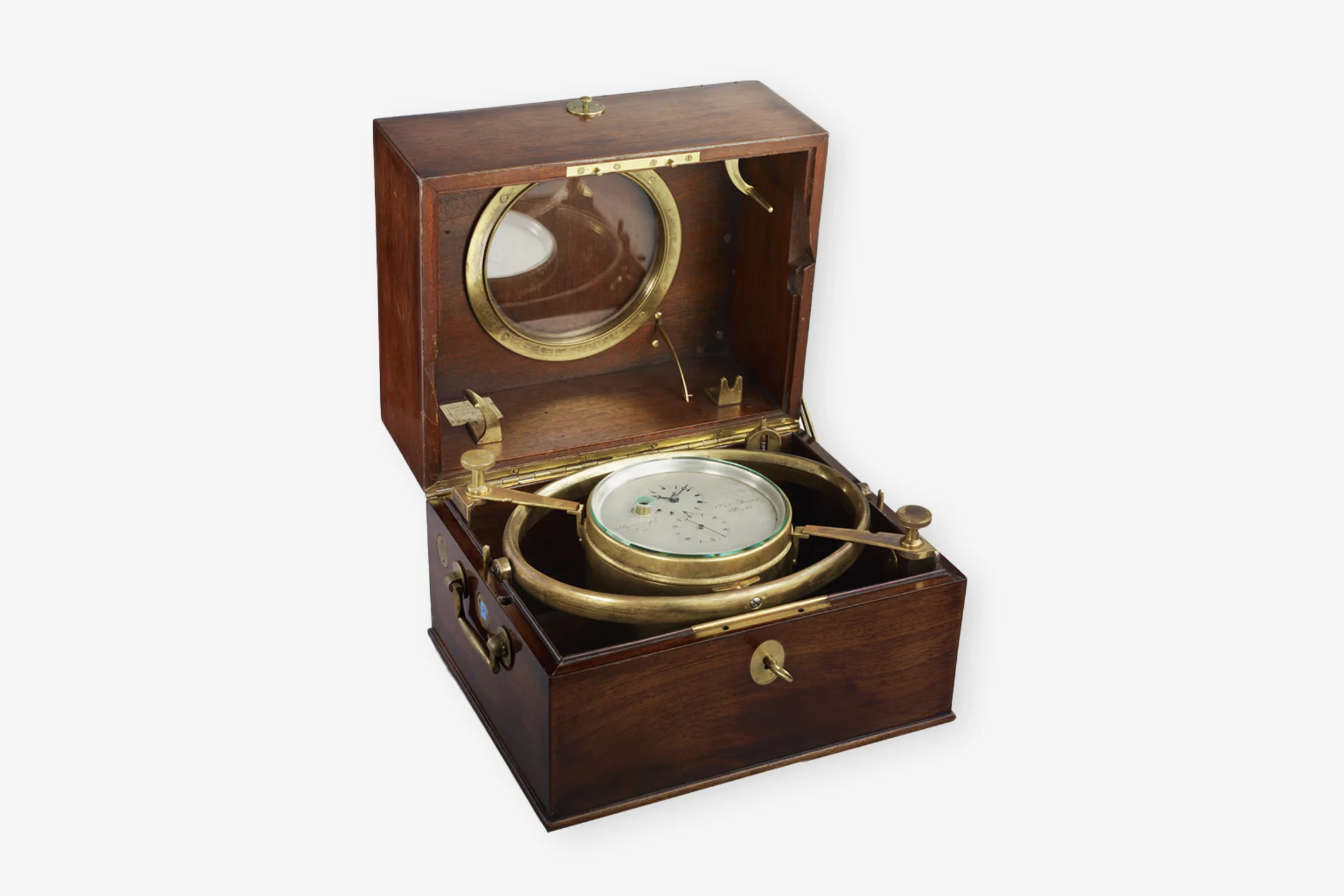
The diminishing force of the mainspring also leads to inaccuracies, as the balance wheel then oscillates less widely. In 1798, Breguet developed an escapement with a ‘constant force’ mechanism, which ensures that the same force is delivered to the balance wheel at short intervals, thus maintaining a constant amplitude.
Breguet’s most famous invention, the tourbillon, was conceived in 1795 and patented in 1801, and it also increases accuracy. This complicated construction involves the balance wheel and escapement rotating continuously within a cage. Over time, this means that gravity acts on the oscillating system from all sides, compensating for positional errors.
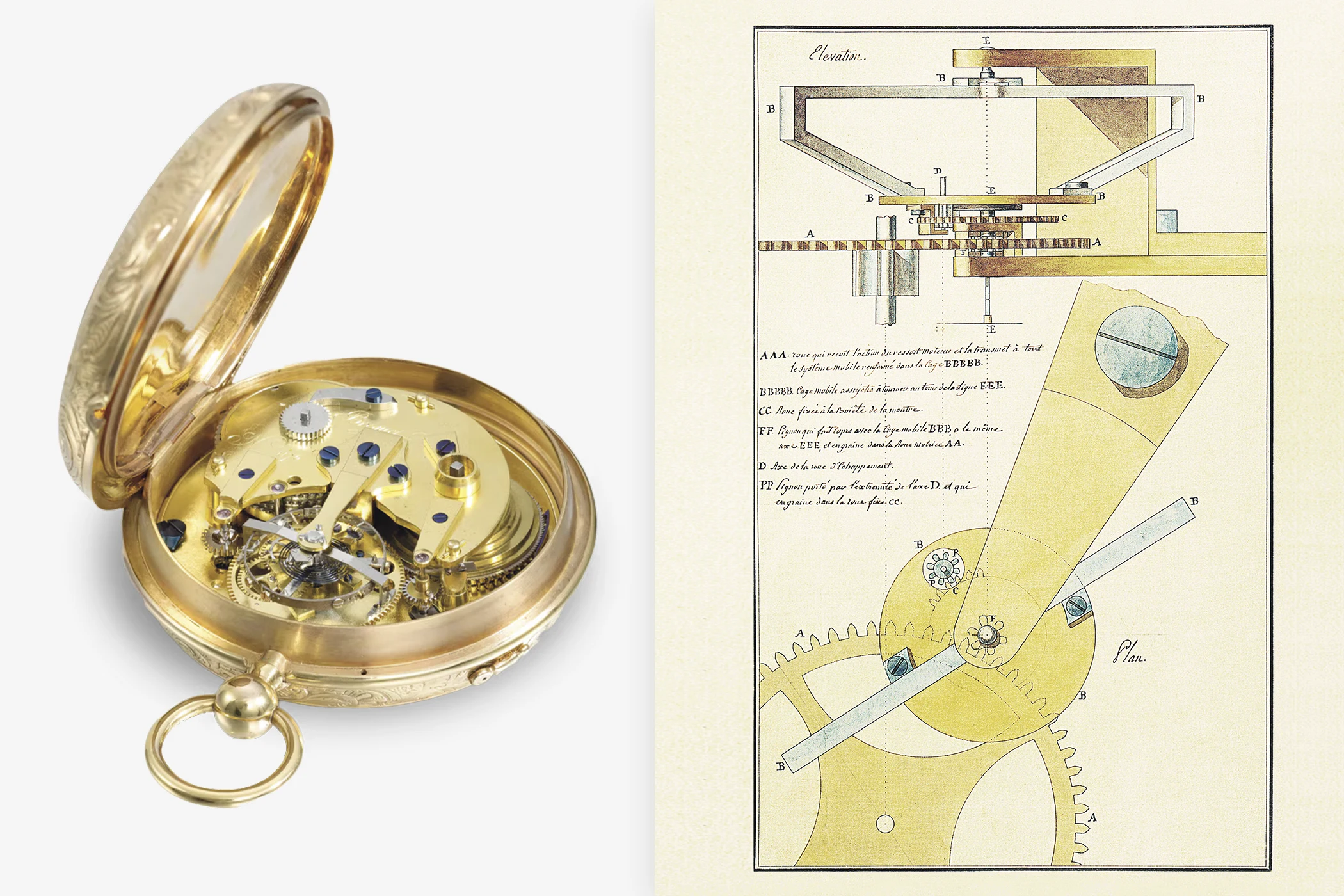
Eight of Breguet’s historic developments are also featured in the new Breguet Expérimentale 1:
There are three forces of evil that prevent watches from running accurately. The first is gravity, which causes positional errors. The second is external forces, which cause the balance wheel to lose its rhythm due to shocks. And the third is an uneven tension in the spring, which leads to changes in the amplitude of the balance wheel.
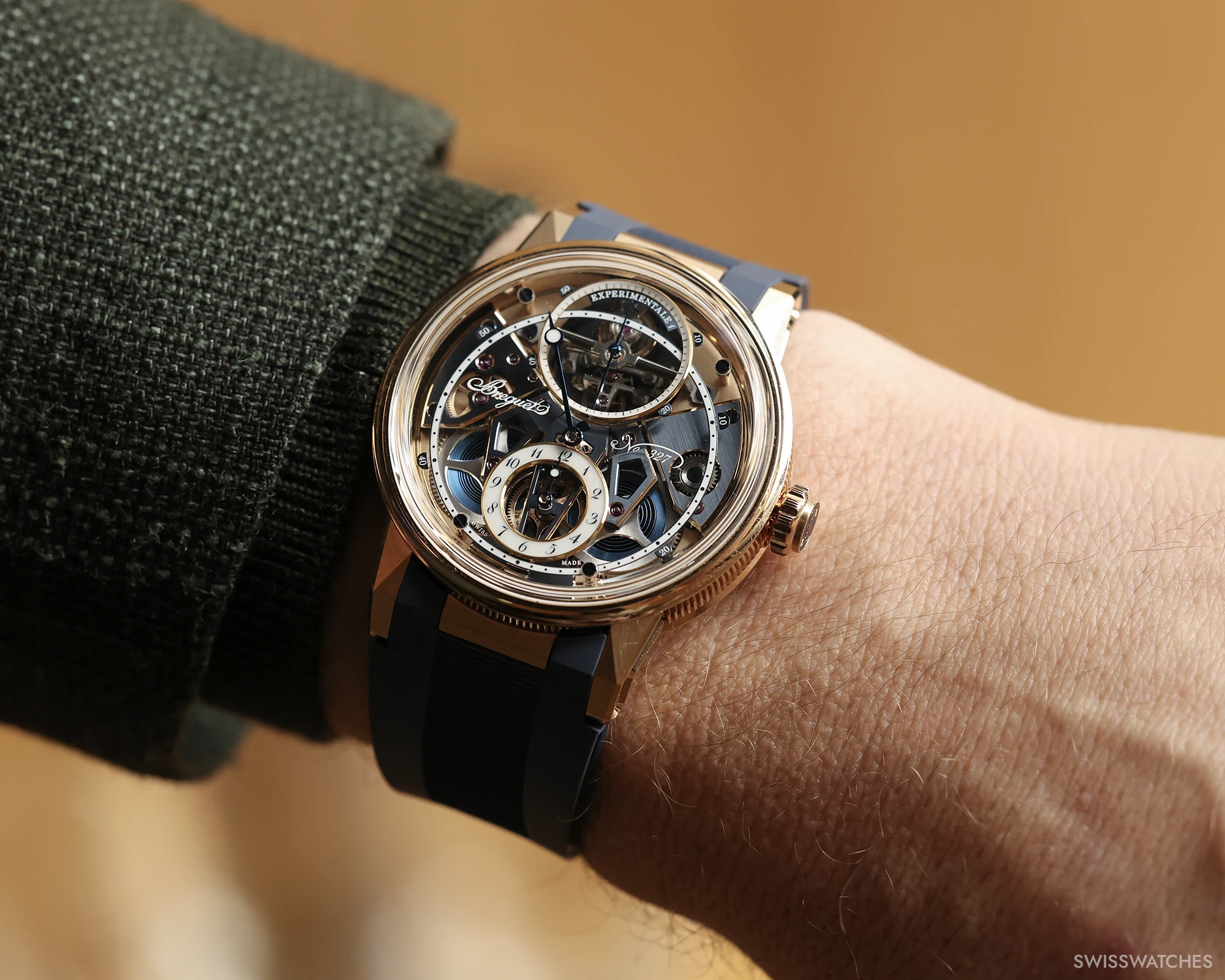
The revolutionary constant-force magnetic escapement developed by Breguet, in combination with the high beat frequency and the tourbillon, solves all three problems. Thus, it enables a very high degree of accuracy. In addition, it even solves the problem of lubricating the escapement.
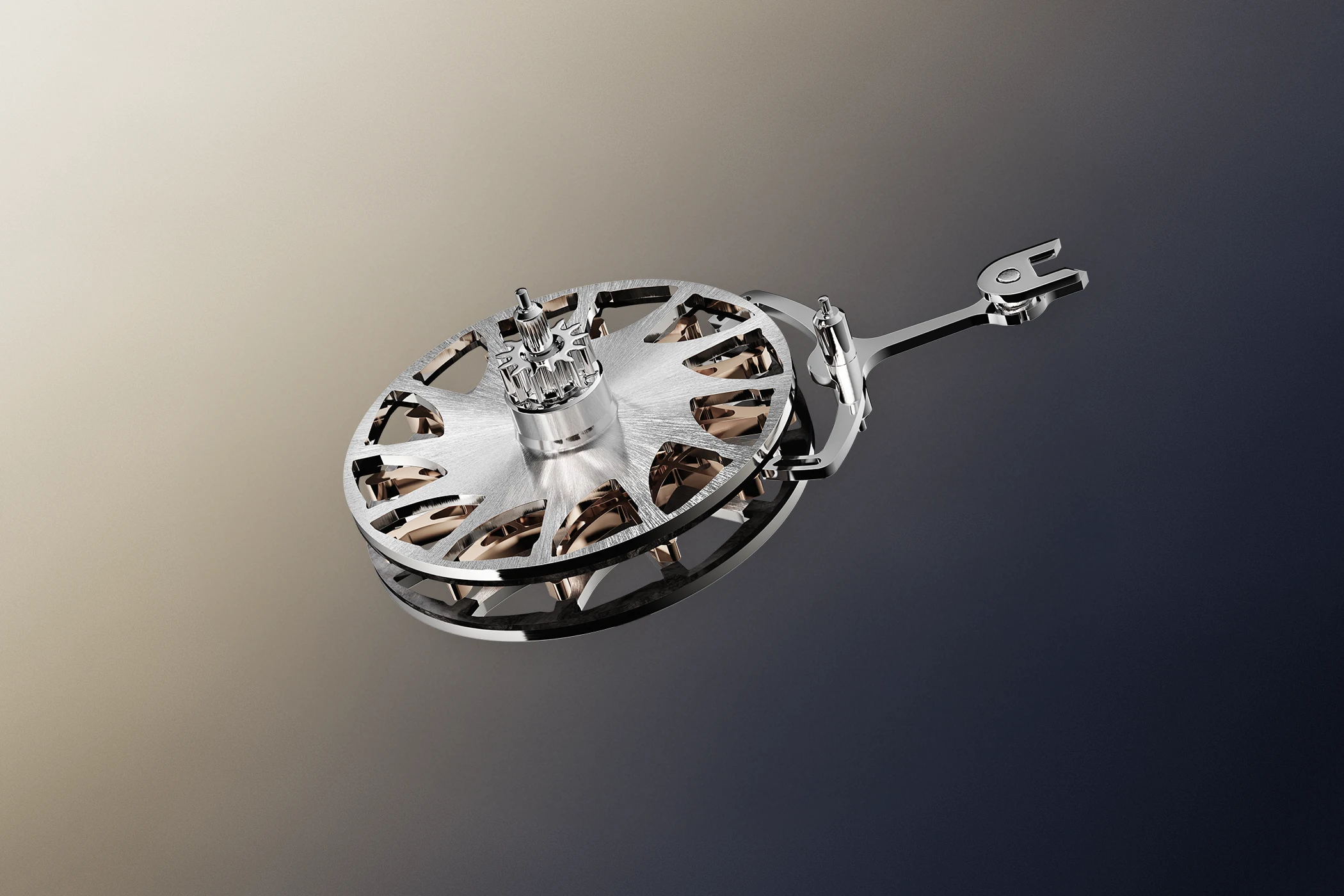
Breguet has retained the fundamental operation of the Swiss lever escapement. There is an anchor that blocks the escape wheel and releases it when controlled by the lever on the balance wheel, causing the watch to run slowly. The anchor also transfers a force impulse to the balance wheel so that it does not stop oscillating.
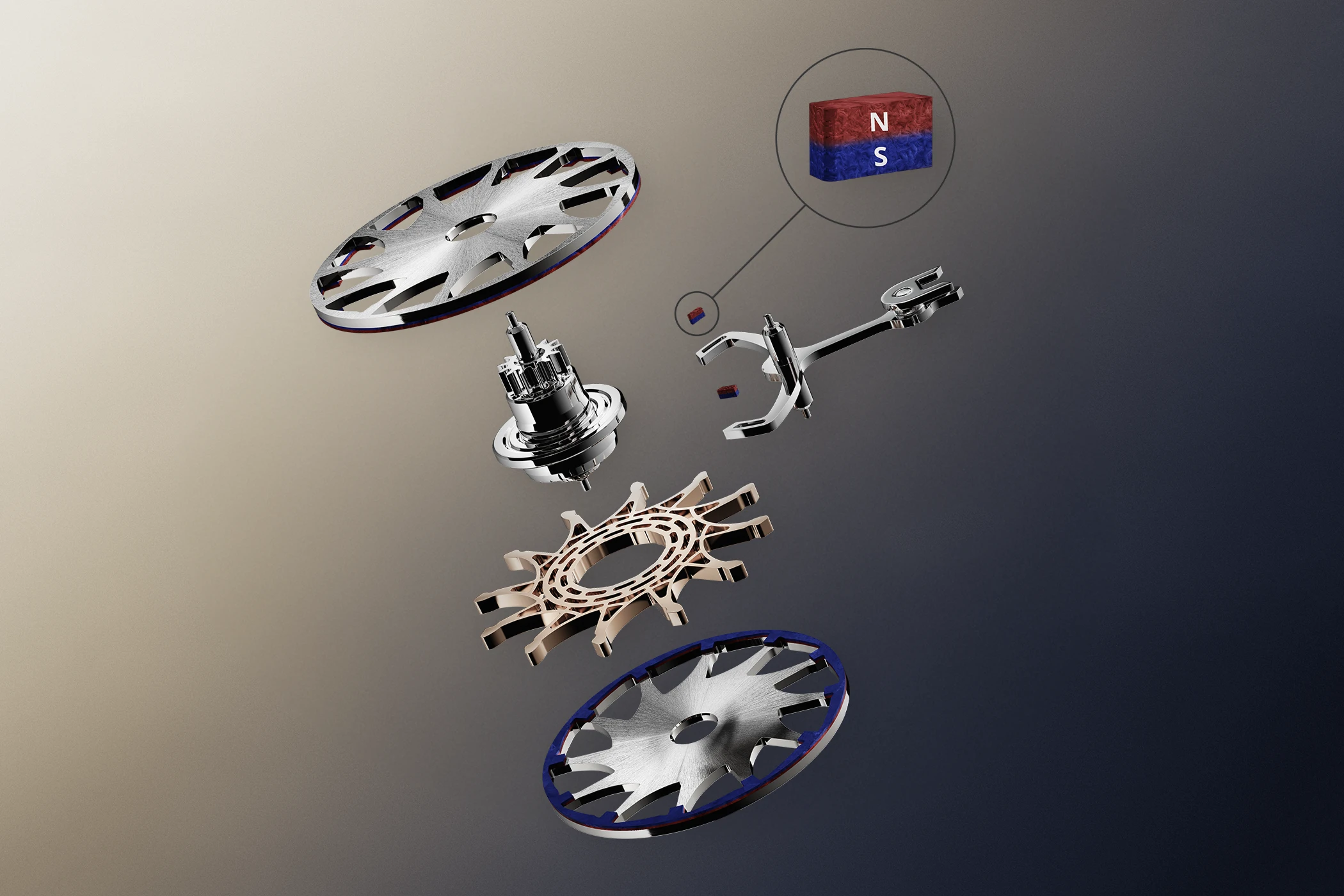
Instead of ruby pallets, two magnets in the anchor now ensure that the escape wheel stops regularly, allowing it to run without physical contact. The Breguet design requires only two additional parts: the two new escapement wheels, mounted above and below the original anchor wheel, with their magnetic rings ensuring that the anchor with its magnets has sufficient repulsive force to block the wheels. The original escape wheel now only has a safety function and is therefore called the stop wheel: it ensures that the escapement wheels cannot slip through the magnetic field of the anchor that inhibits them, even in the event of strong shocks.
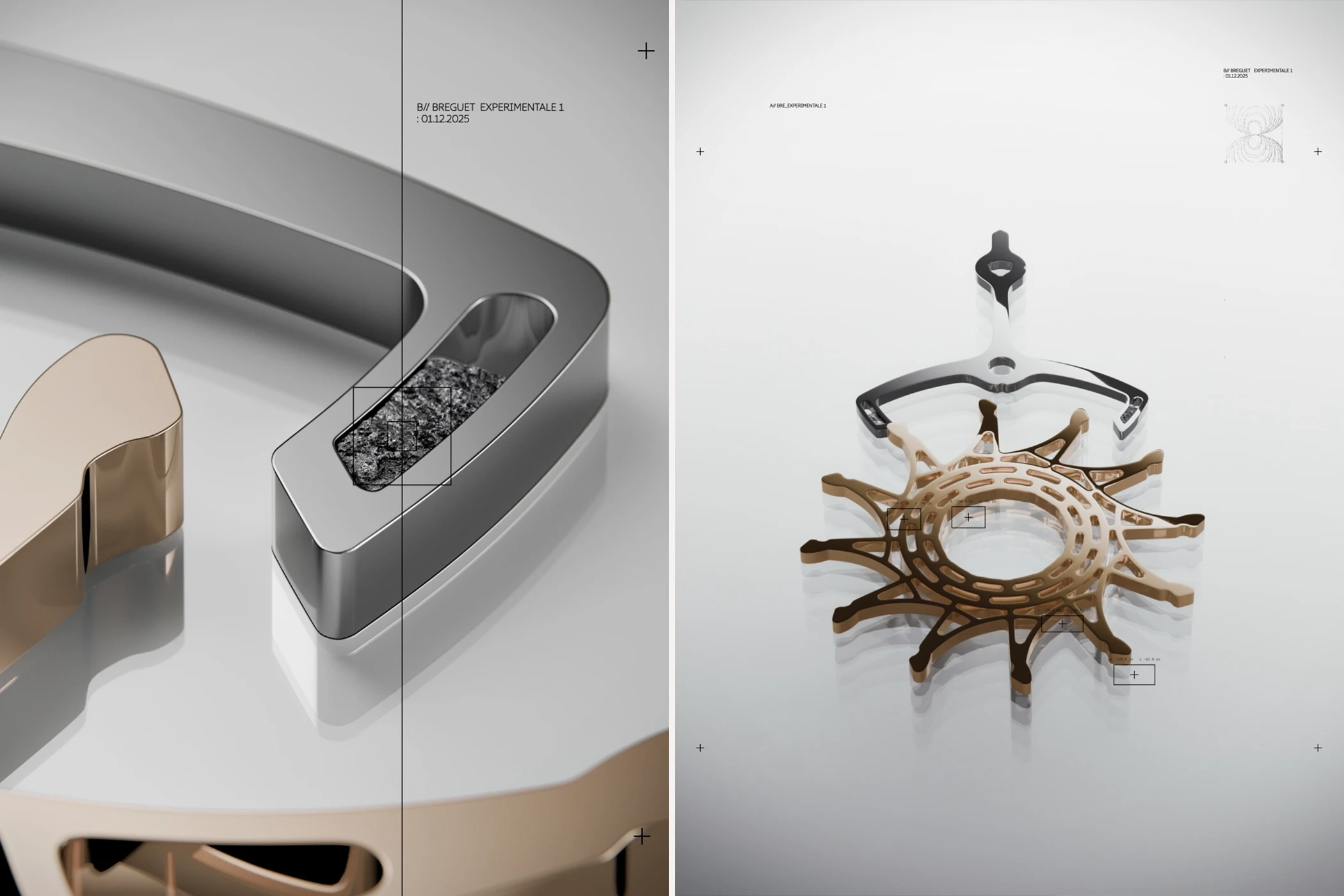
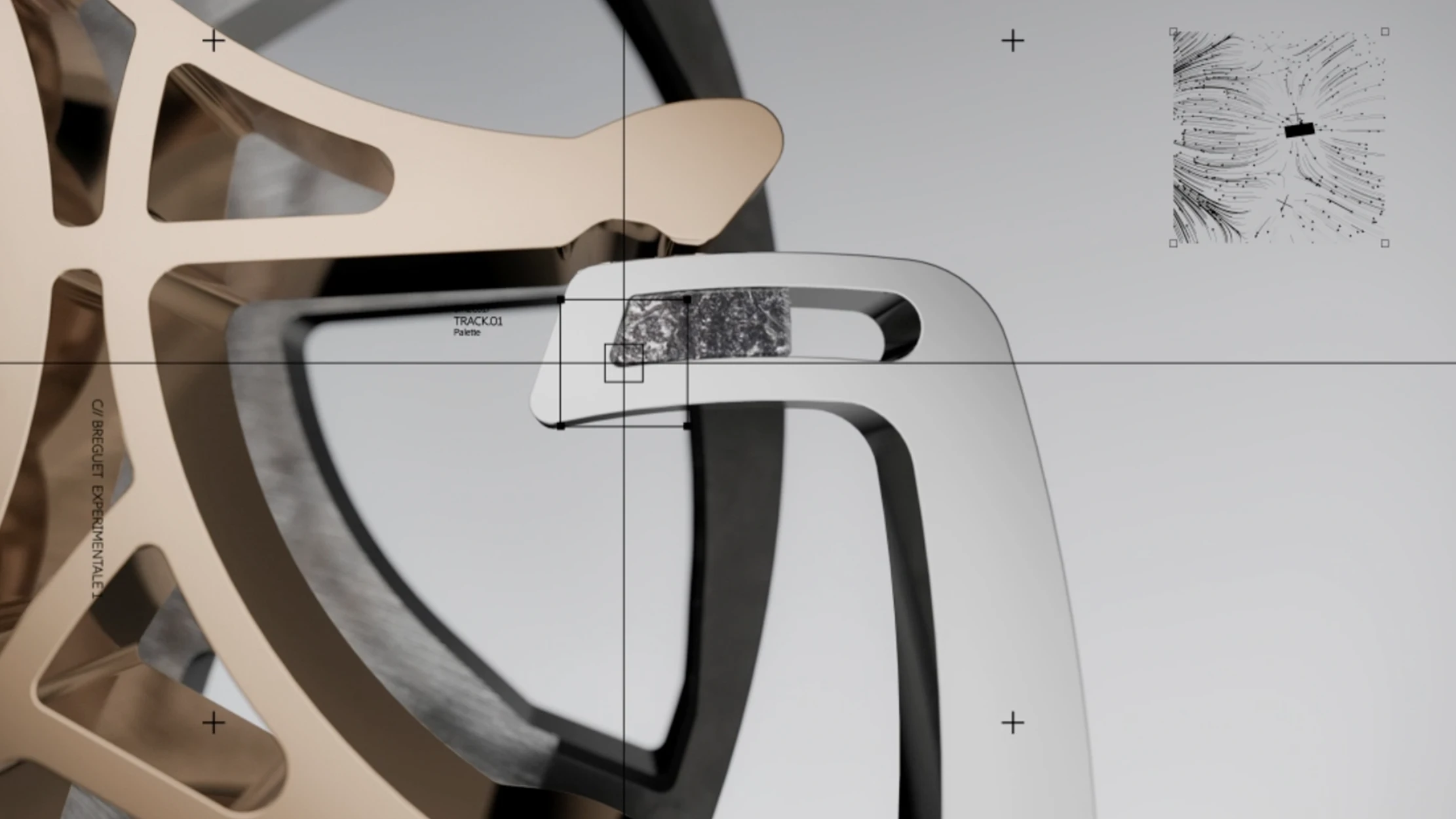
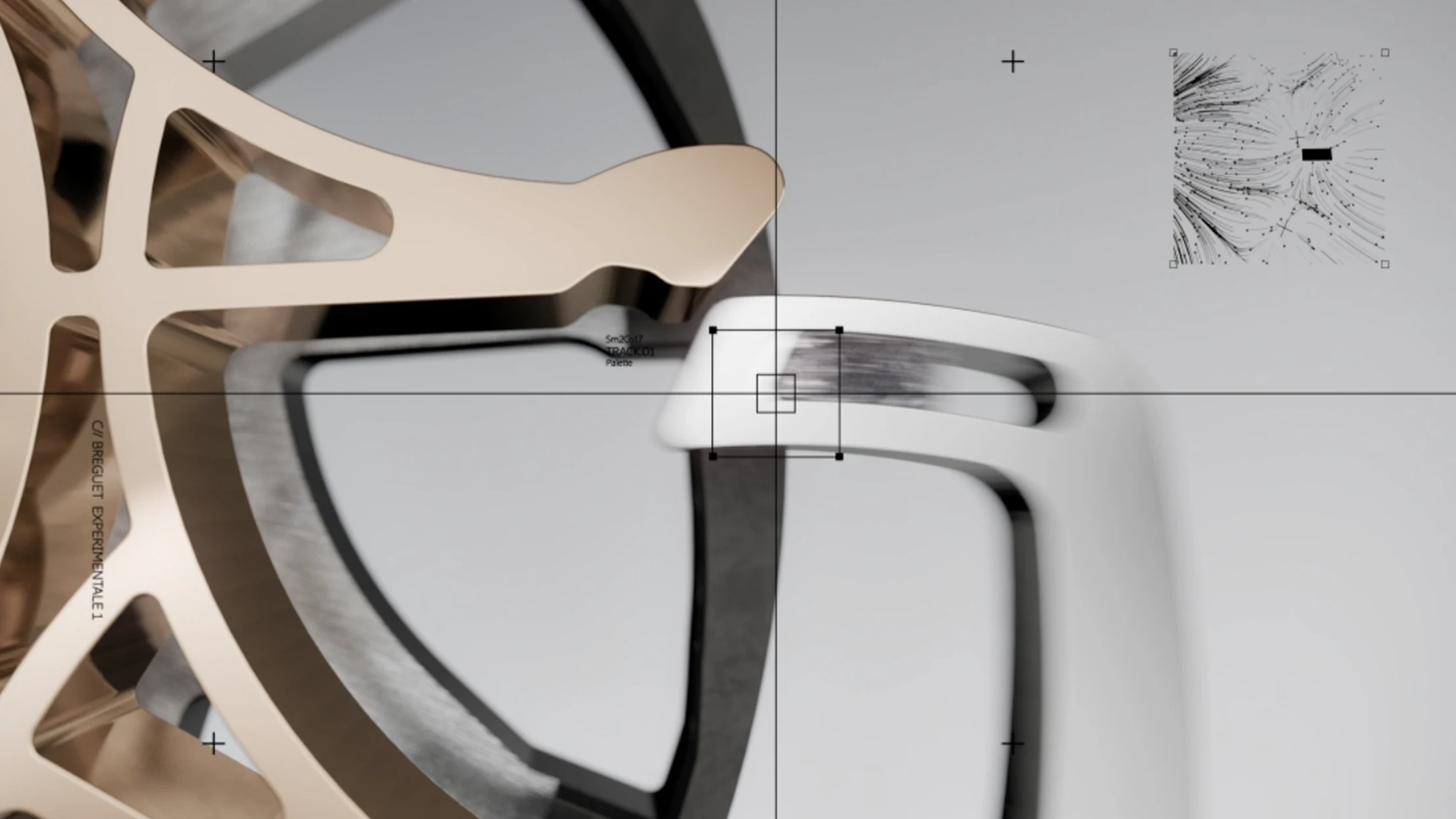
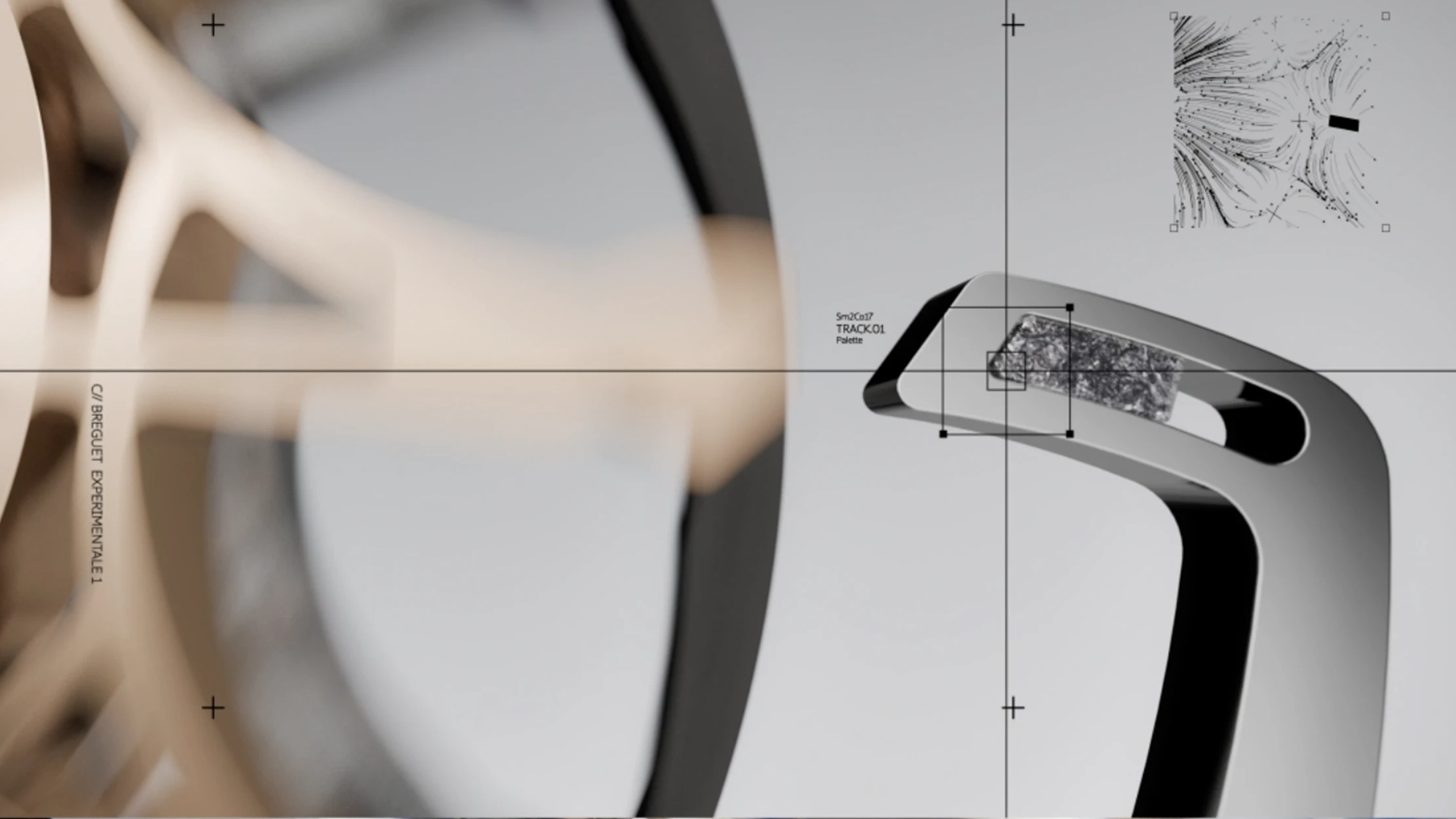
This design offers several key advantages. Firstly, the contactless magnetic escapement eliminates friction between the anchor and the escape wheel, increasing efficiency, and thus the power reserve. Secondly, the problematic lubrication becomes unnecessary: normally, the lubricant is lost first at the point where the escape wheel teeth strike the anchor pallets and slide over them during release, which is the main reason why watches eventually run inaccurately or stop if left unserviced.
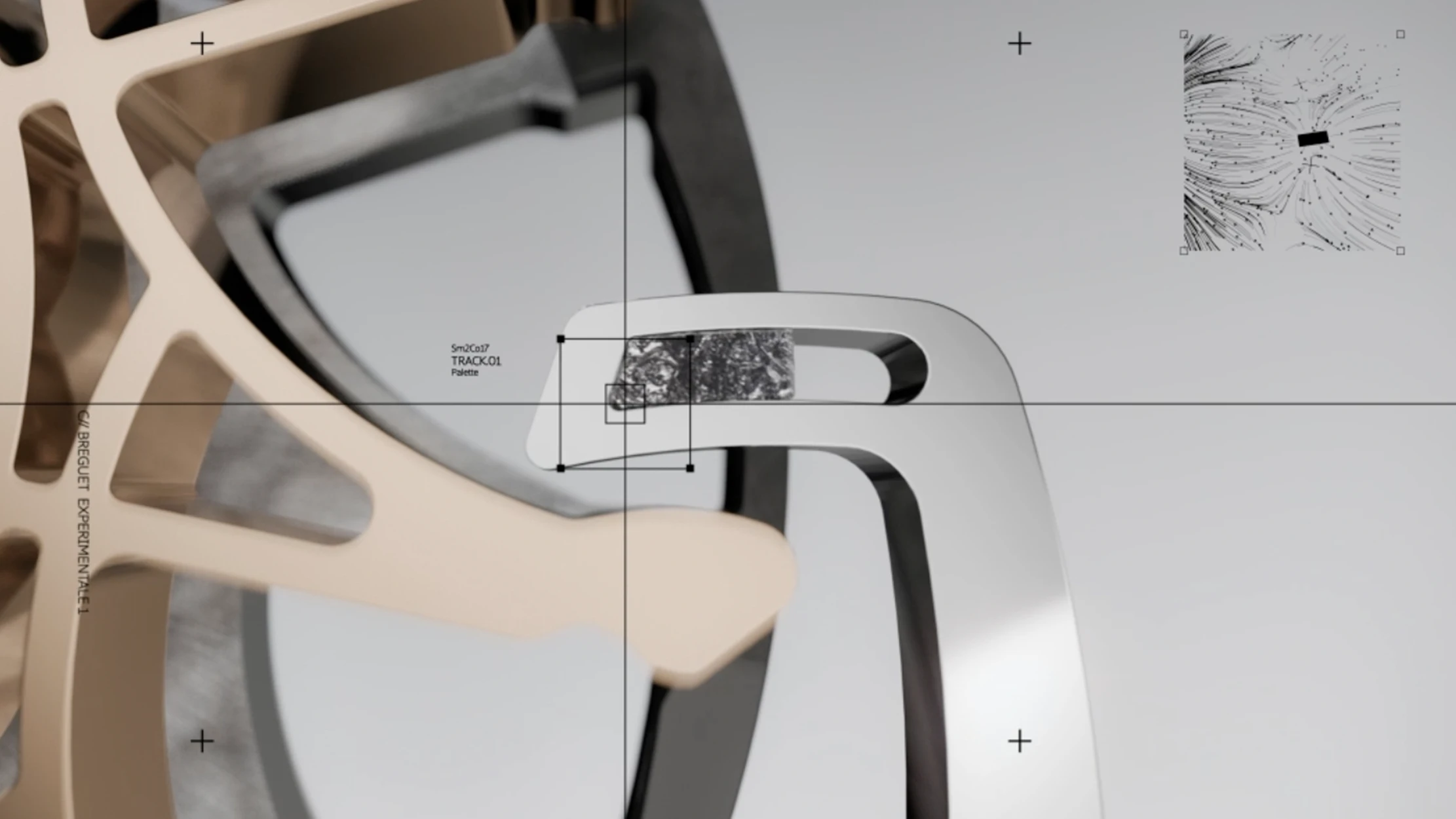
This characteristic also makes it easier to achieve a high frequency of 10 hertz, or in other words 72,000 vibrations per hour. Thus, the balance wheel moves 2.5 times faster than the usual 28,800 vph. The high frequency results in greater accuracy in wristwatches, as shocks have less of an impact on the balance wheel.
Another extremely advantageous property of the contactless magnetic escapement is that it always transmits the same force to the anchor and, consequently, to the balance wheel, regardless of the torque of the spring. This means it acts as a constant-force mechanism, ensuring consistent amplitude and greater accuracy.
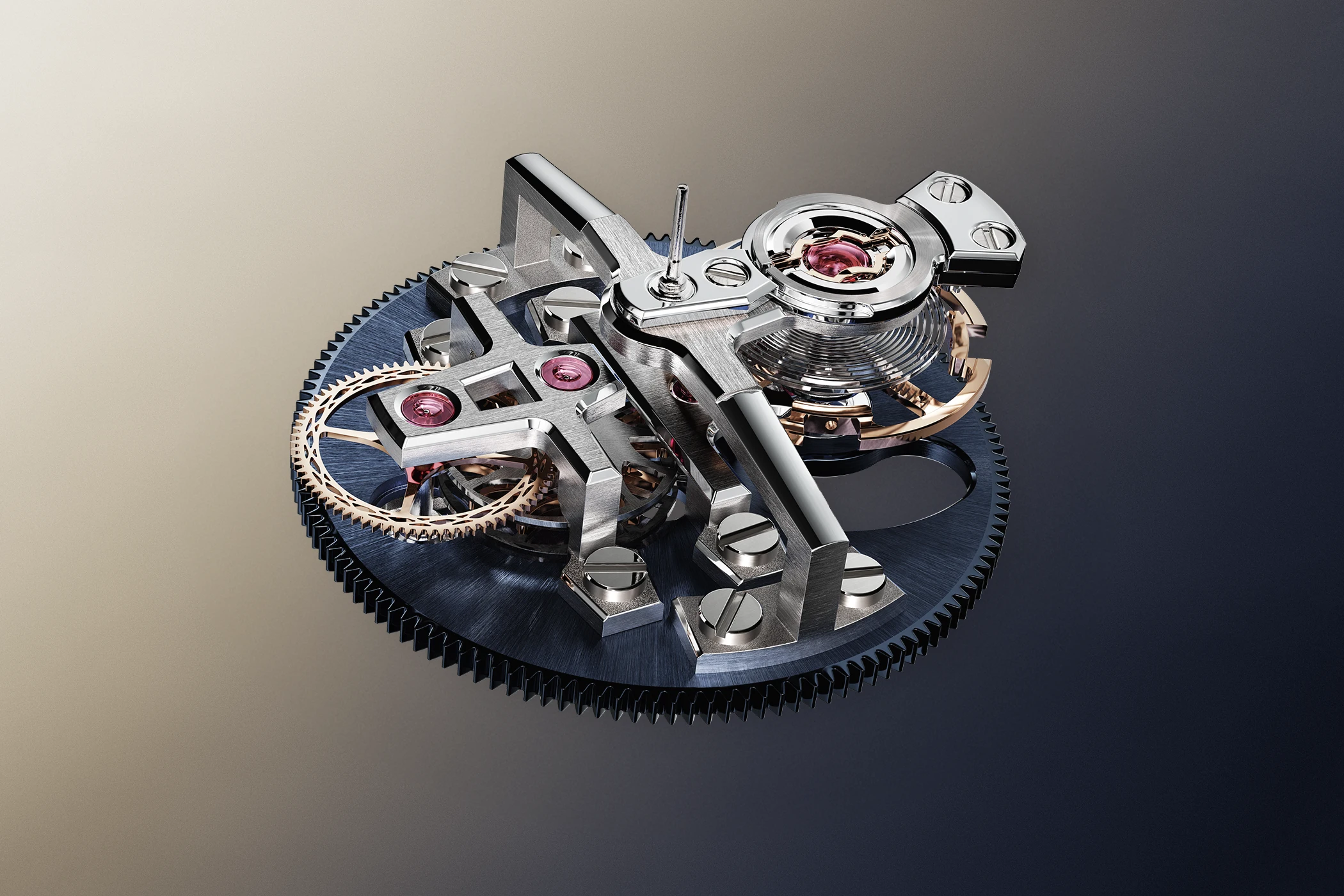
This also means that the force-intensive rotation of the tourbillon cage does not affect the accuracy of the movement. However, the positive characteristic remains: because the tourbillon with balance wheel, hairspring, and escapement rotates around itself once a minute, gravity acts evenly on it from all vertical directions and positional errors are compensated for.
The movement thus largely compensates for all three forces that prevent accuracy: gravity, shock, and decreasing spring force. Overall, the watch achieves an accuracy of +/- 1 second per day, guaranteed by Breguet. And thanks to its ingenious design, this is also the case when worn on the wrist.
The first records of naturally occurring magnetic stones come from China. The Chinese called them ‘lovestones’ because of their attraction to each other. In watchmaking, however, they were considered a threat to accuracy for centuries. This threat has even increased since the mid-20th century, as more and more magnets have found their way into our everyday lives.
In fact, there are still considerable challenges to their use in a calibre, since magnetic fields are generally to be avoided in watches. However, Breguet already has some experience of using magnets in watch movements. In 2010, the company introduced the 7800 ‘La Musicale’ model, which featured the world’s first magnetic striking mechanism regulator. Then, in 2012, Breguet built the first watch with a magnetically mounted balance wheel: the Reference 7727.
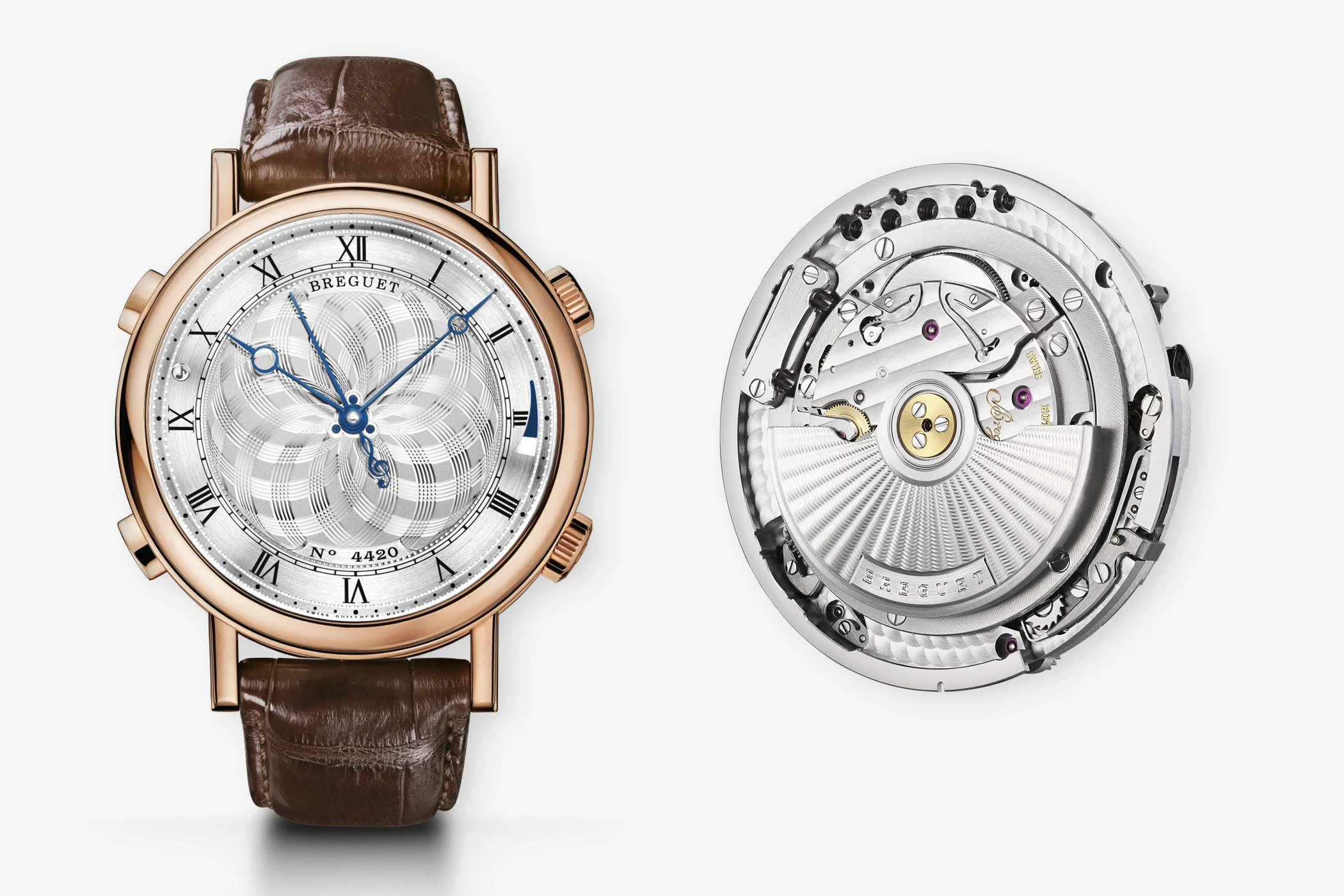
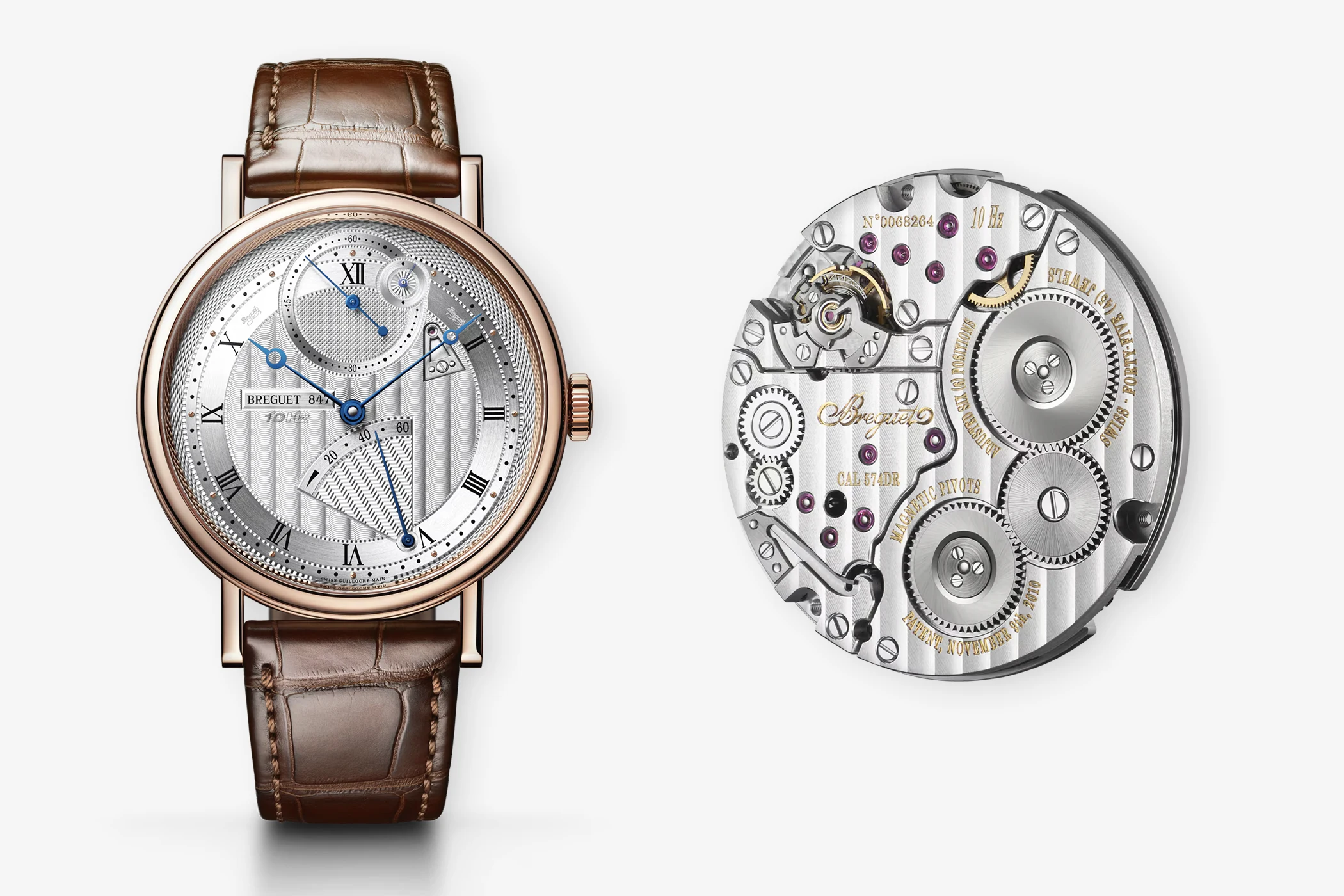
This allowed the brand to build up a considerable body of knowledge: above all, non-magnetic materials are essential for most components of the movement. The balance spring is made of silicon, the escape wheels of Grade 2 titanium, the anchor of nickel-phosphorus, the tourbillon cage of Grade 5 titanium, the mainplate and bridges of Breguet gold, and the balance wheel and its staff are made of Nivagauss.
Breguet CEO Gregory Kissling was also able to dispel other concerns during the presentation of the watch in Paris. For example, the question of whether the watch is particularly sensitive to external magnetic fields. Breguet tested the Expérimentale at 1 to 600 Gauss, corresponding to around 48,000 A/m, without any problems. By way of comparison, according to ISO standard 764, watches are considered anti-magnetic if they can withstand 4,800 A/m and deviate by no more than 30 seconds per day. The Breguet Expérimentale 1 can therefore withstand ten times that amount, which should be more than sufficient for everyday use.
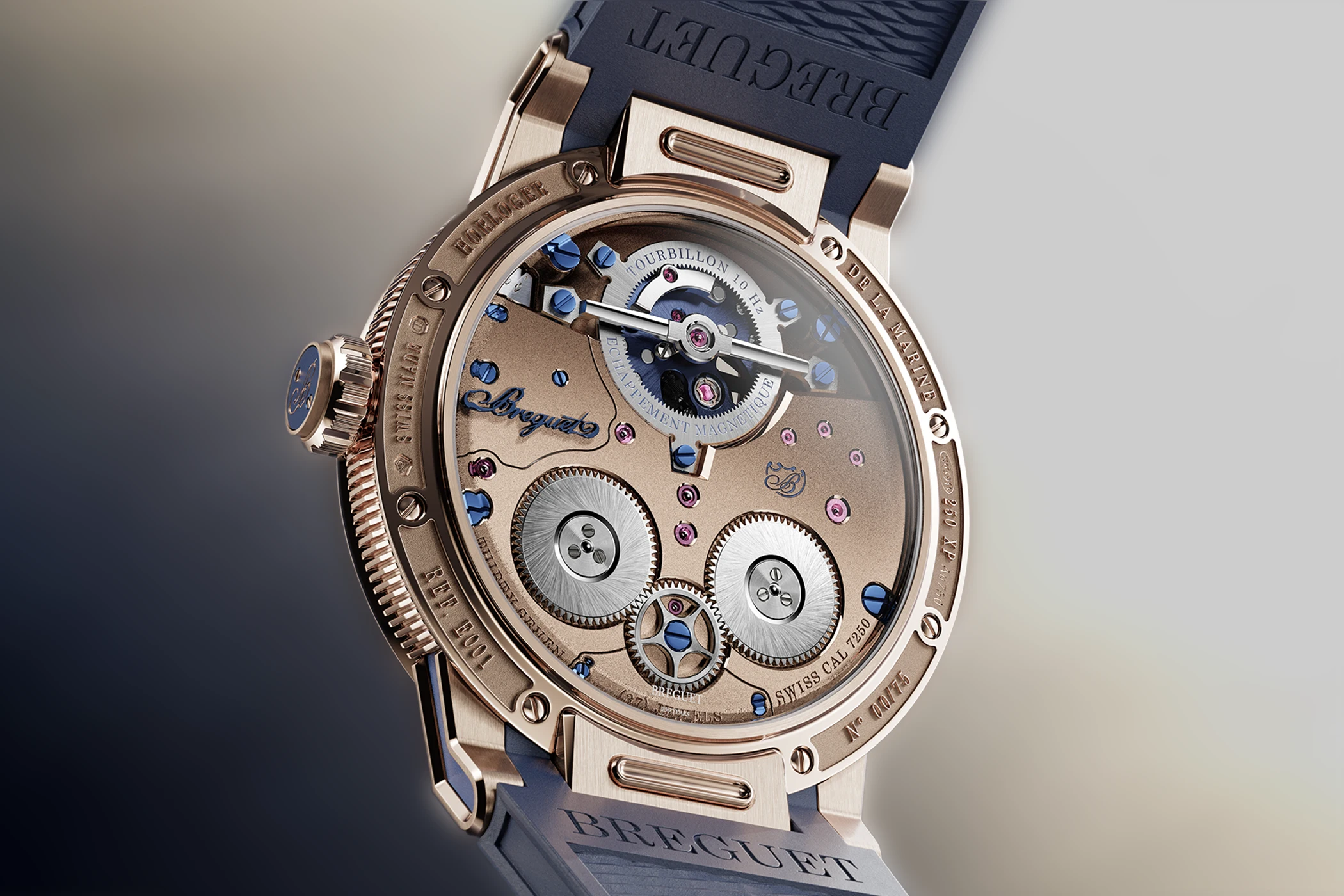
Another question is whether magnets lose their strength over time. Kissling can also confirm that, under normal conditions, the samarium-cobalt magnets used lose only one per cent of their strength over 100 years. Unlike the slightly stronger neodymium magnets, this material is highly resistant to demagnetisation at high temperatures and is highly corrosion-resistant.
It took more than ten years to develop and test the new escapement. Breguet is so convinced of its advantages that they intend to implement the magnetic escapement in other models in the future.
High oscillation frequency brings its own challenge: movements beating at 10 Hz run almost in a sprint, and as a result they cannot maintain power for long. For instance, if the barrel of a 4 Hz watch were used at 10 Hz, the power reserve would fall from 48 hours to only 19.2 hours. In contrast, the Breguet Experimentale 1 manages to deliver a 72-hour power reserve.
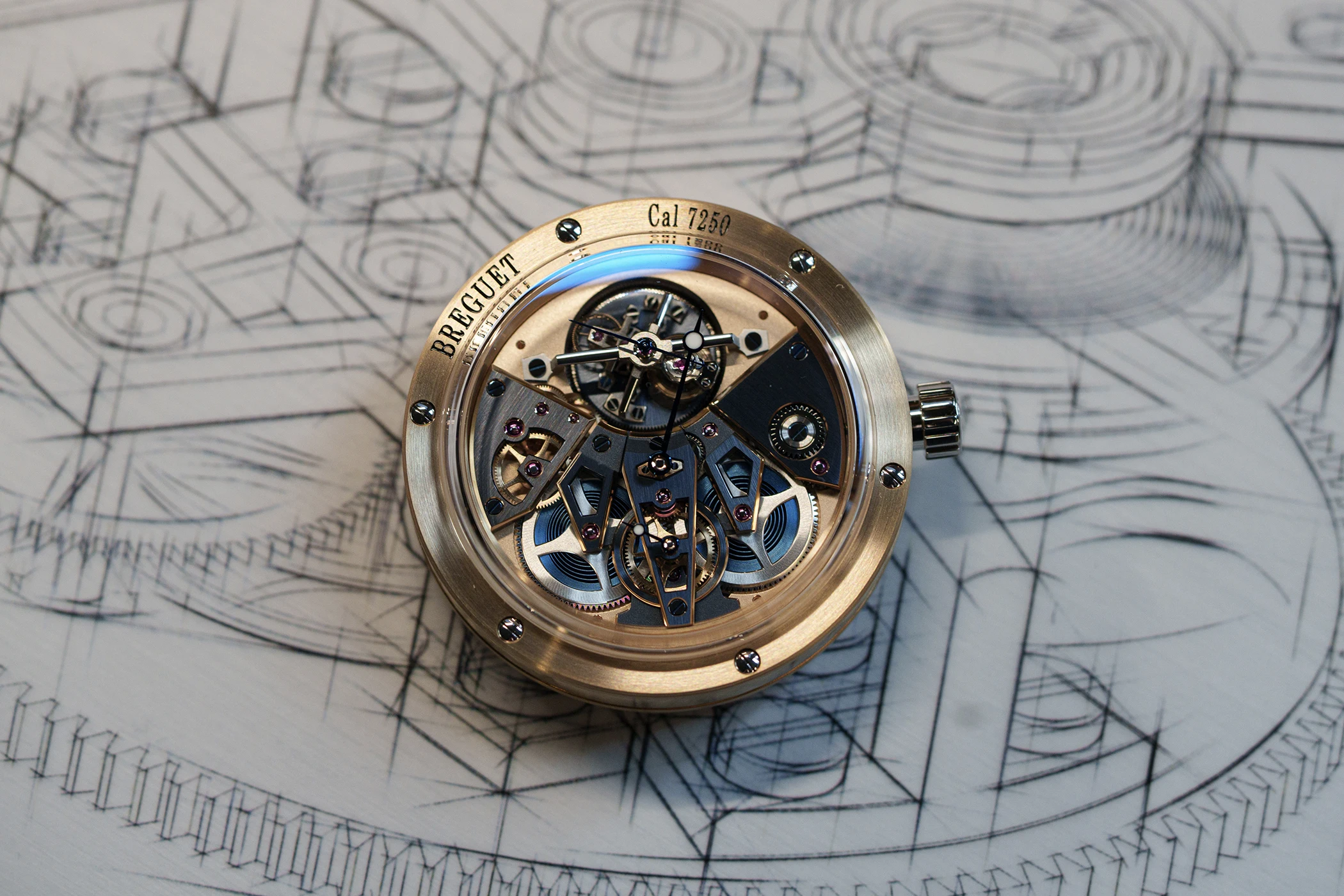
This is achieved on the one hand by the significantly lower friction of the magnetic escapement. On the other hand, the two patented, series-connected barrels with double springs separated by sapphire glass discs provide considerable power. As a result, the Breguet Expérimentale 1 runs a marathon at sprinting pace.
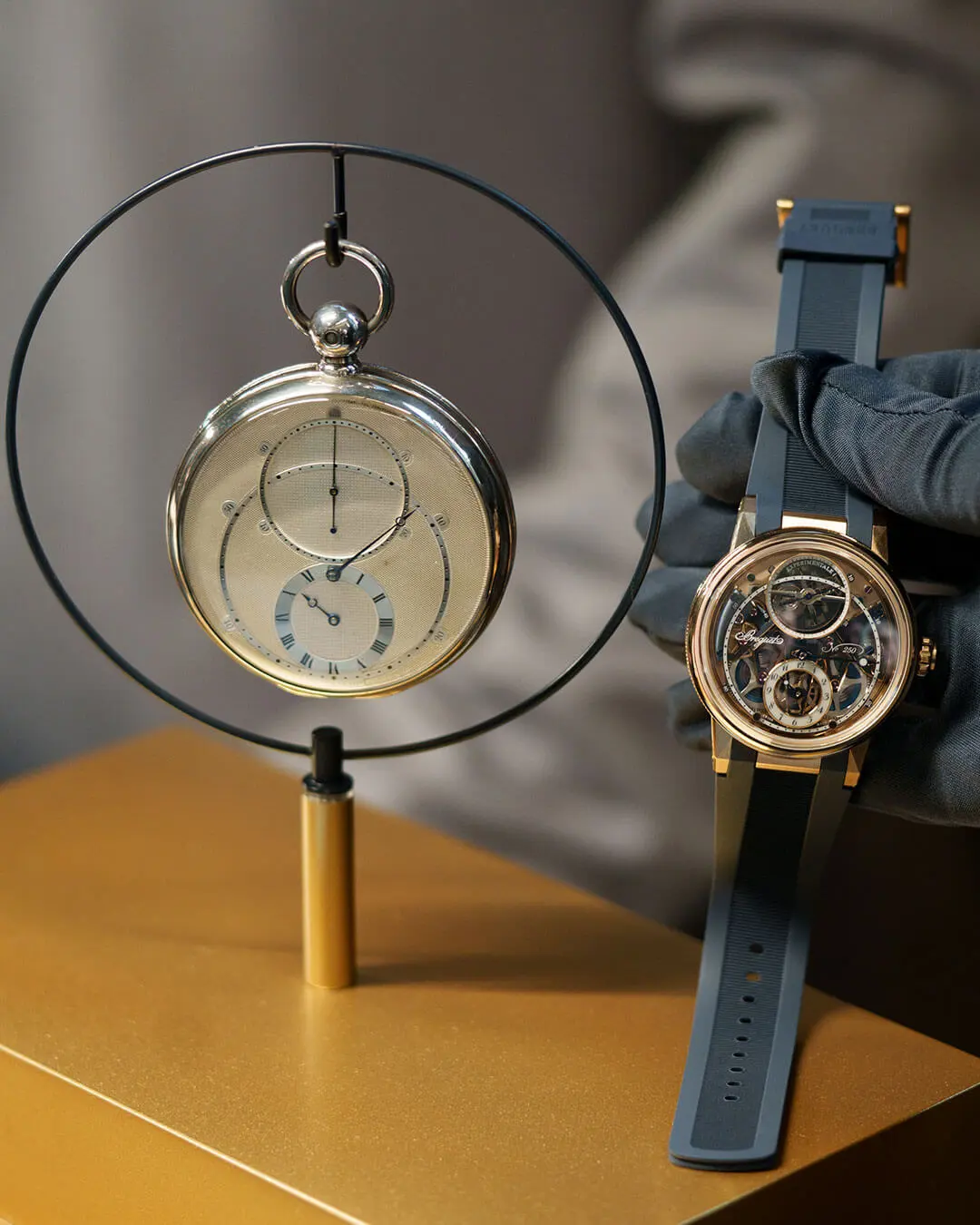
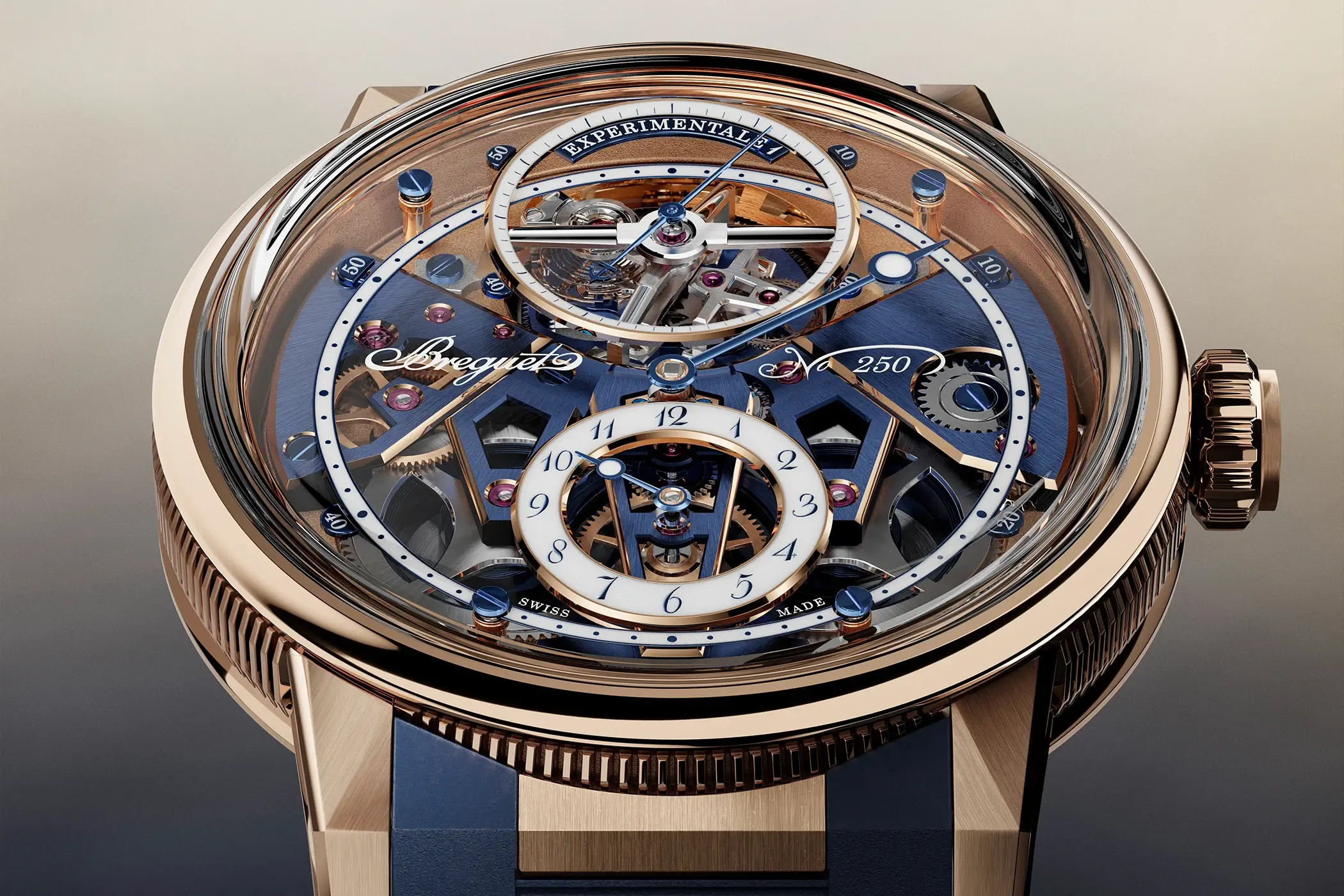
The Breguet Expérimentale 1 marks the beginning of a new collection: watches that aim to be pioneering not only technically but also aesthetically. At Breguet, of course, this cannot be done without reference to the brand’s rich history. Since precision is at the heart of the design, the inspiration comes from chronometers and the Marine collection. The regulator-style dial layout, with its slightly lowered off-centre minutes, follows that of the pocket Marine Chronometer No. 3448 from 1820. The Arabic Breguet numerals were already used on the very first Marine chronometer.
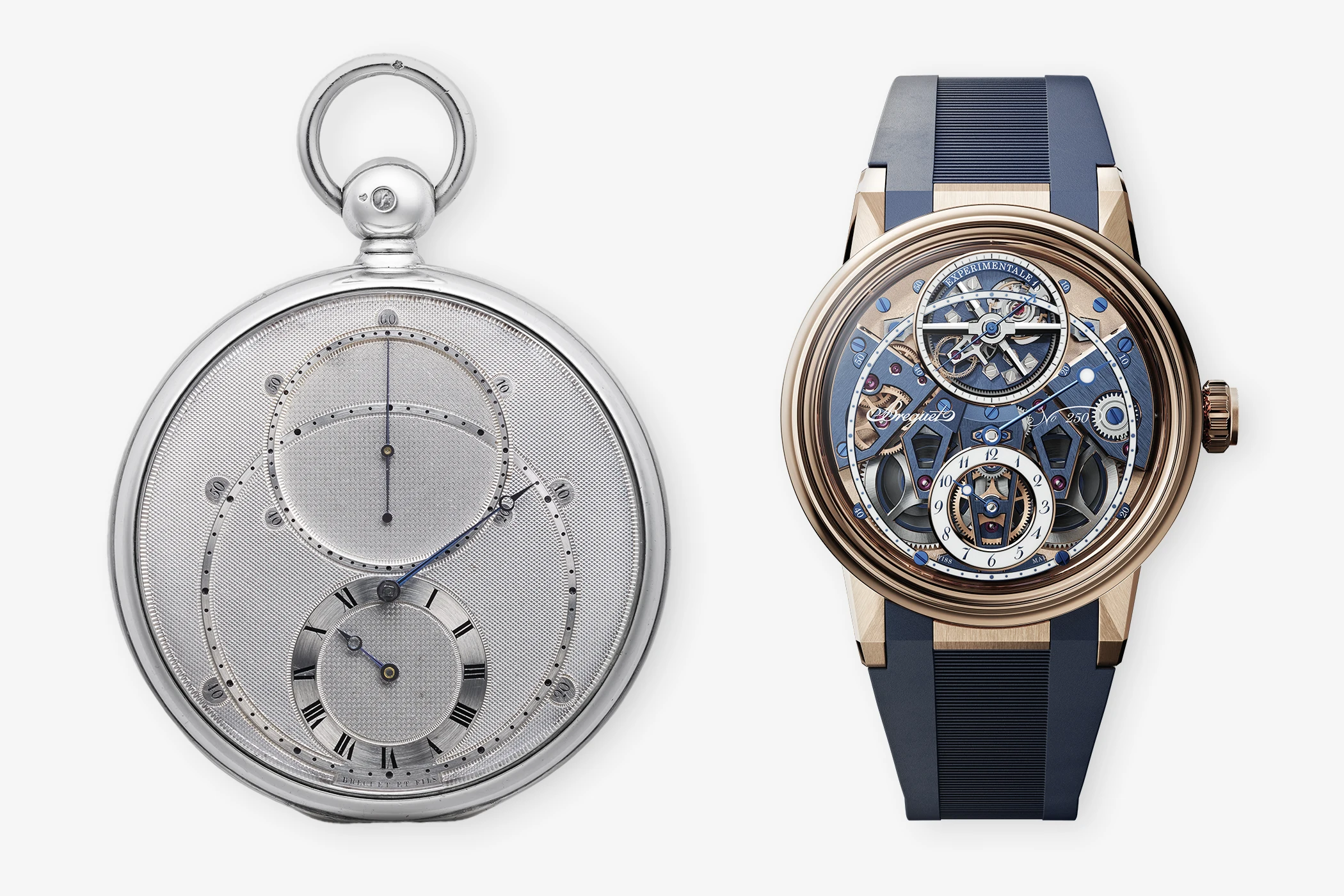
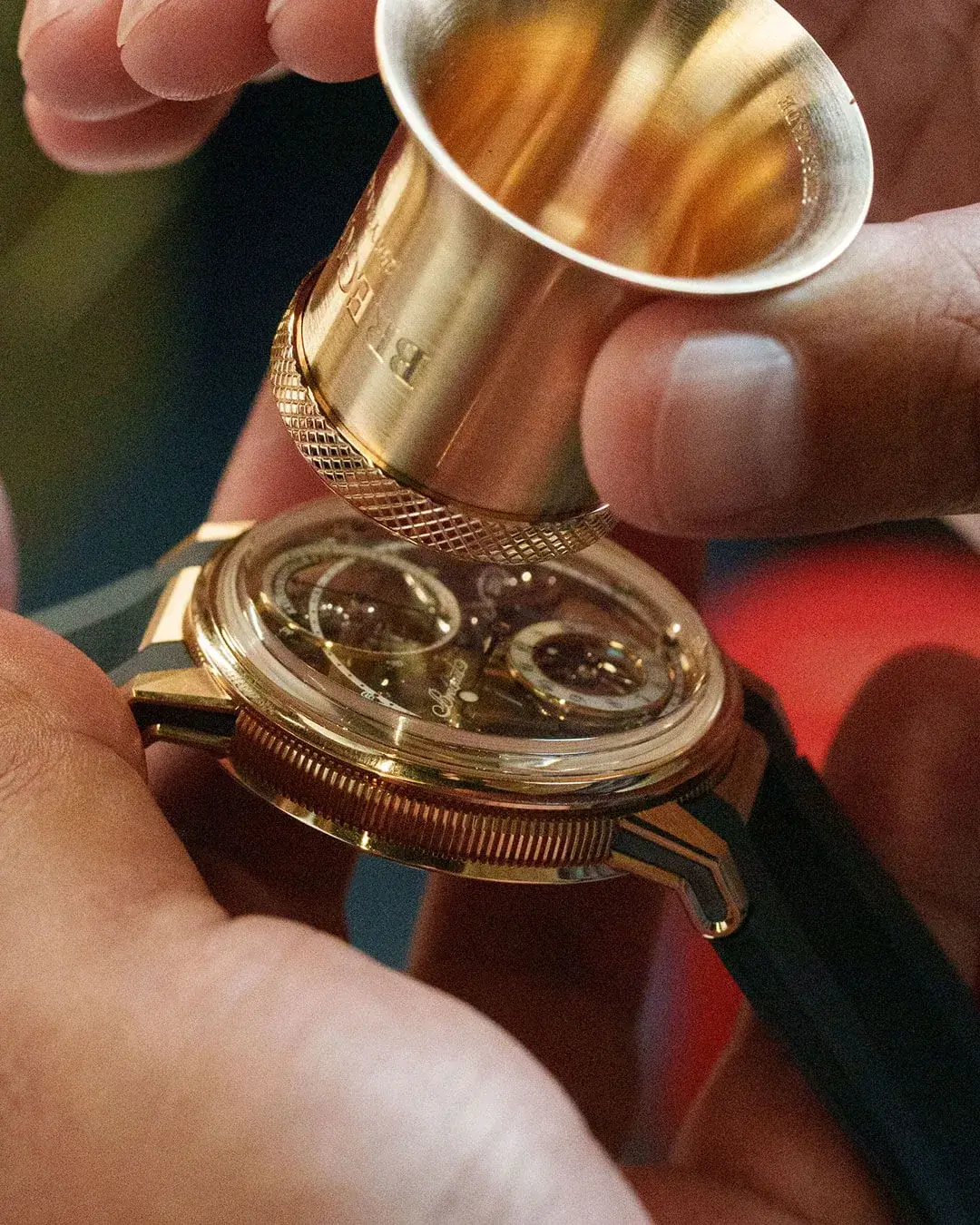
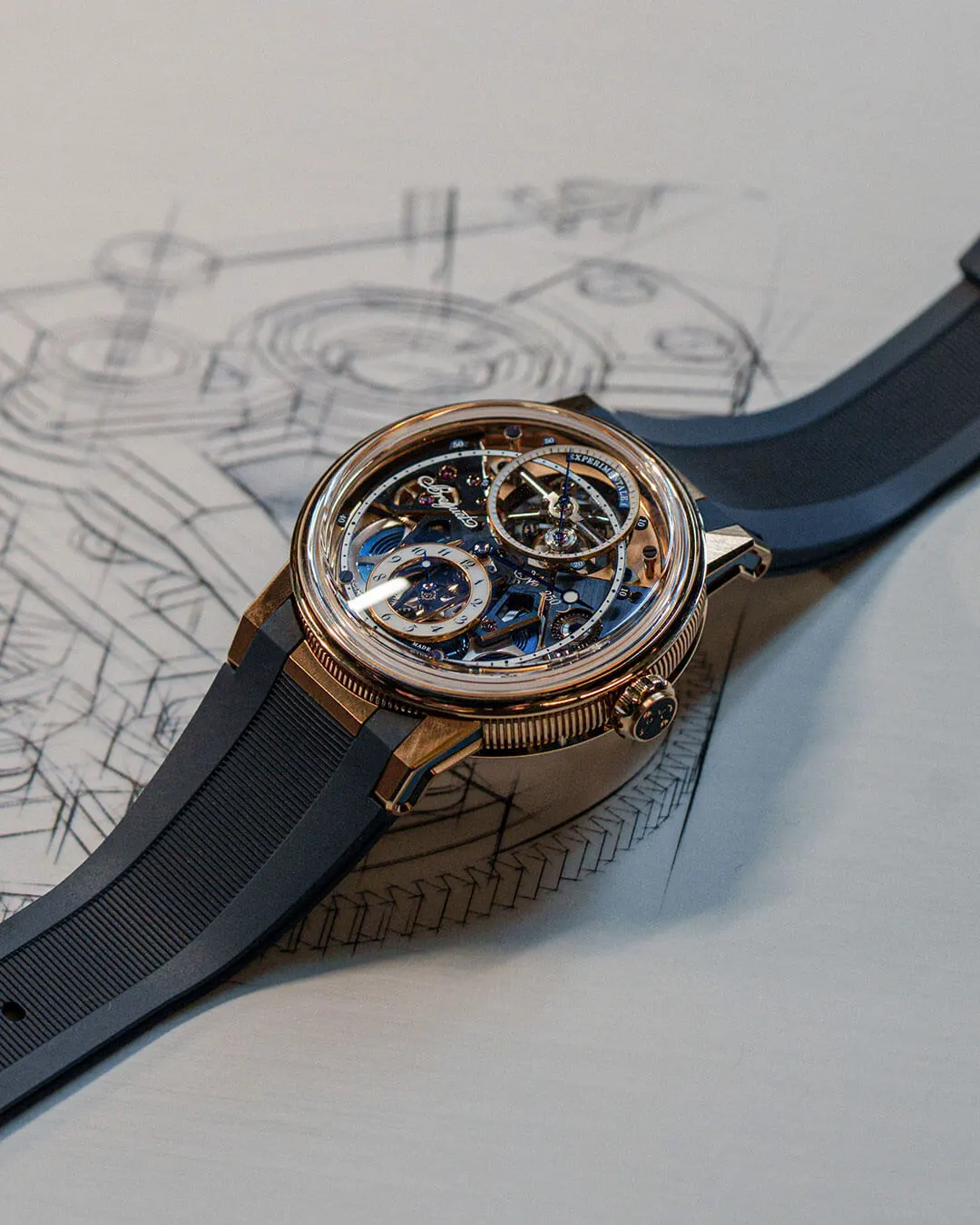
The Breguet Expérimentale 1 takes the sporty case with its fluted middle section, applied lugs and rubber strap from the current Marine collection. Breguet has significantly modernised the design here. The 43.5-millimetre-wide and 13.3-millimetre-high case is made of Breguet gold, an 18-carat gold alloy developed by the manufacture, which is based on the warm colour of historical alloys from the 18th century. Breguet introduced the alloy, said to be more resistant to discolouration, this year to mark its 250th anniversary.
The blue inserts on the sides of the lugs and in the crown are particularly striking. They are made of Breguet gold, which has been coloured using the atomic layer deposition (ALD) process. Their design echoes the movement’s bridges on the front, which are also made of Breguet gold. They are coated in blue using ALD before the finishers hand-bevel and polish the edges, allowing the rose-gold tone to reappear. The bridges also feature a sunburst pattern radiating from the tourbillon.
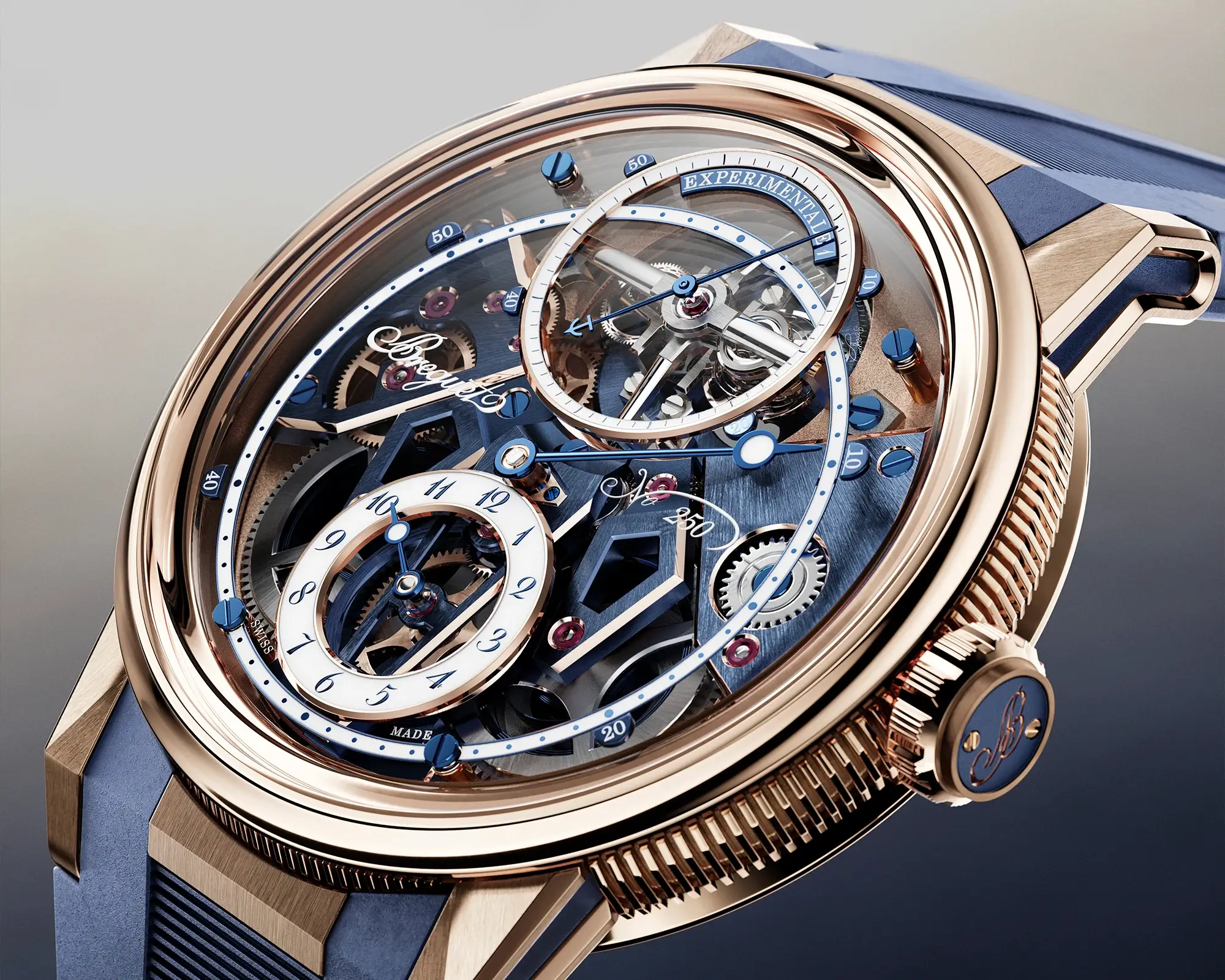
The calibre 7250 consists of 266 parts and bears the Breguet hallmark on the back. Introduced this year to mark the anniversary, this seal of quality stands for high standards of aesthetics, technology, and sustainability. The sapphire crystal dial features Breguet’s secret signature.
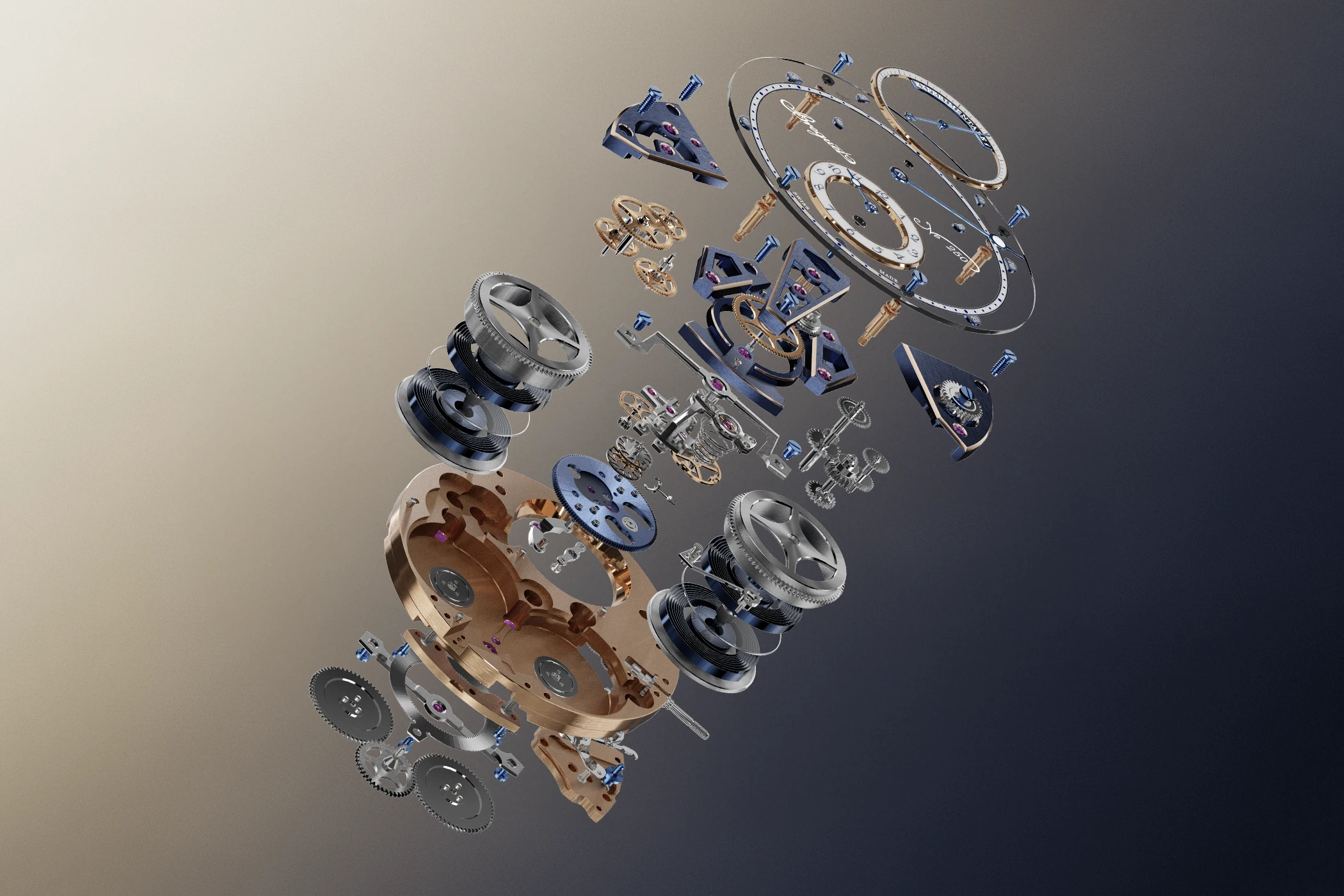
Breguet has also considered everyday practicality: all the scales are coated with luminous material, allowing the time to be read in the dark. Another convenient feature is the new quick-change system for the rubber strap, which can be replaced without tools. The case is water-resistant up to 100 metres, so the wearer can take the watch on a swim without any problems.
Breguet will produce the revolutionary Expérimentale 1 only 75 times. It is priced at 320,000 Swiss francs, including taxes.
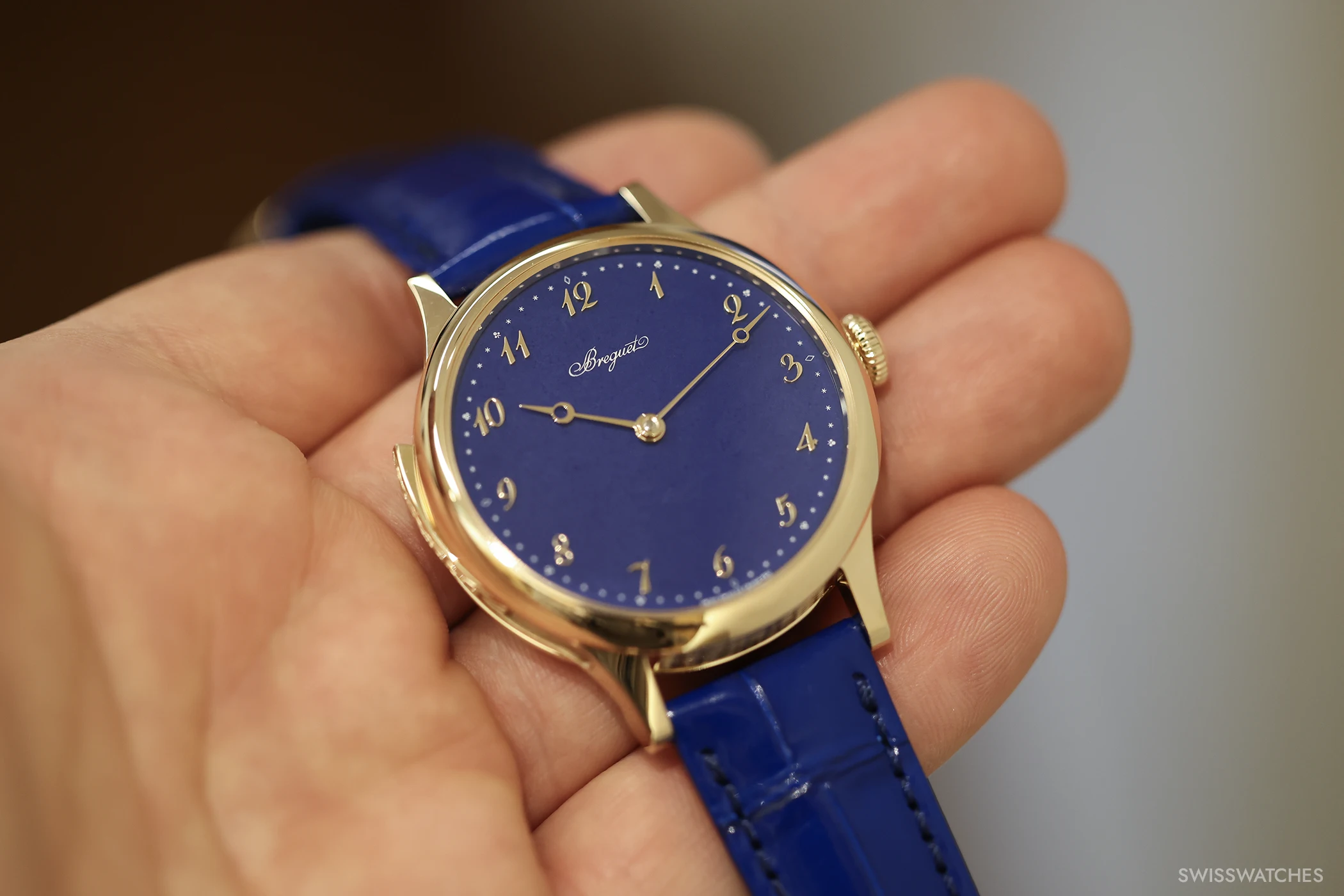
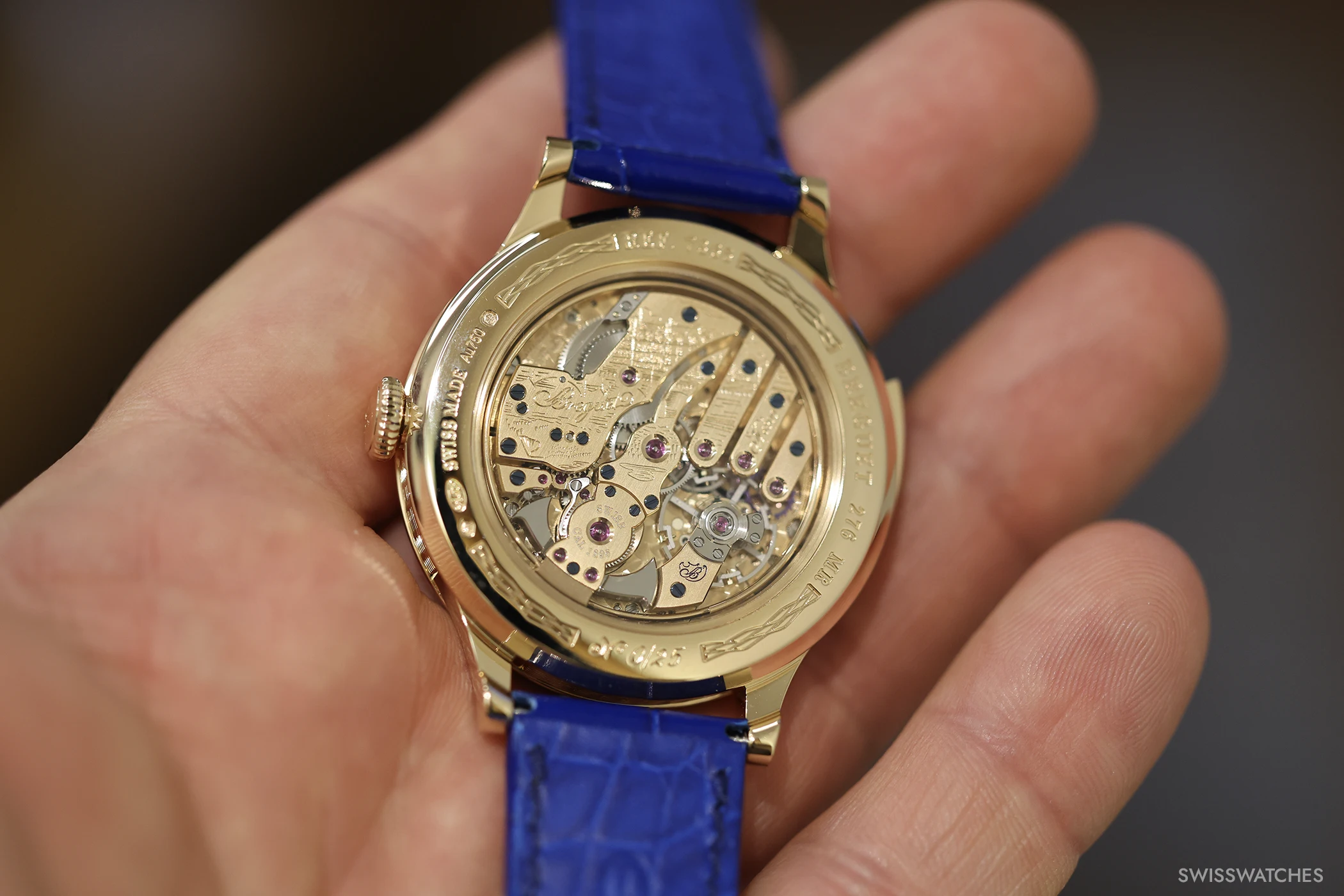
Two additional anniversary models were unveiled alongside the Expérimentale 1. The minute repeater with the new calibre 1896 now has a power reserve of 75 hours, and the designers increased the beat frequency to 21,600 vph.
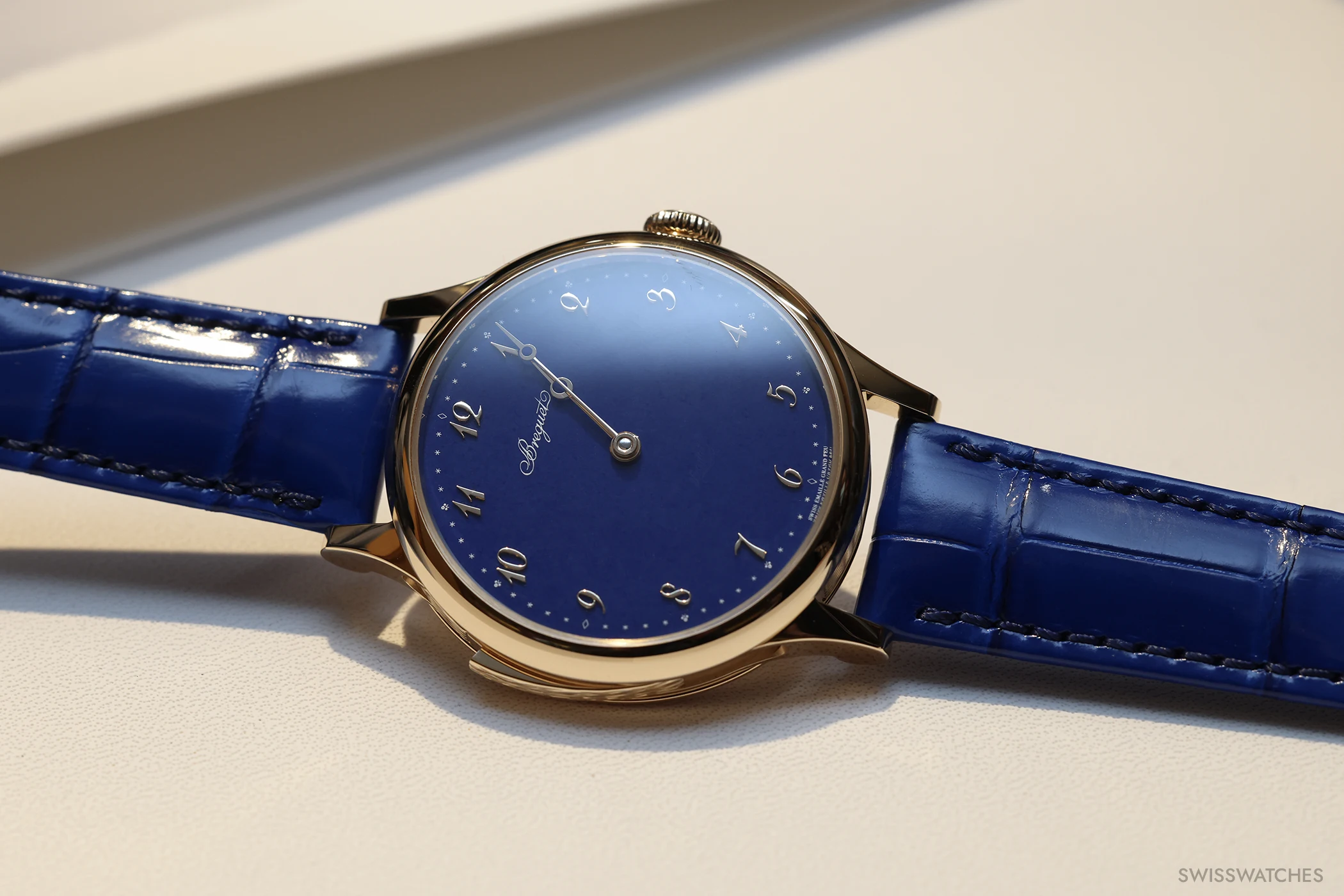
The gongs are made of gold and are mounted directly to the case, also in Breguet gold, to optimise the transmission of sound. The movement itself is likewise crafted from Breguet gold. The balance spring, anchor, and escape wheel are made of silicon, making the watch more resistant to magnetic fields. Like the Expérimentale 1, it can withstand 600 gauss. The Breguet seal certifies a rate accuracy of ±2 seconds per day.
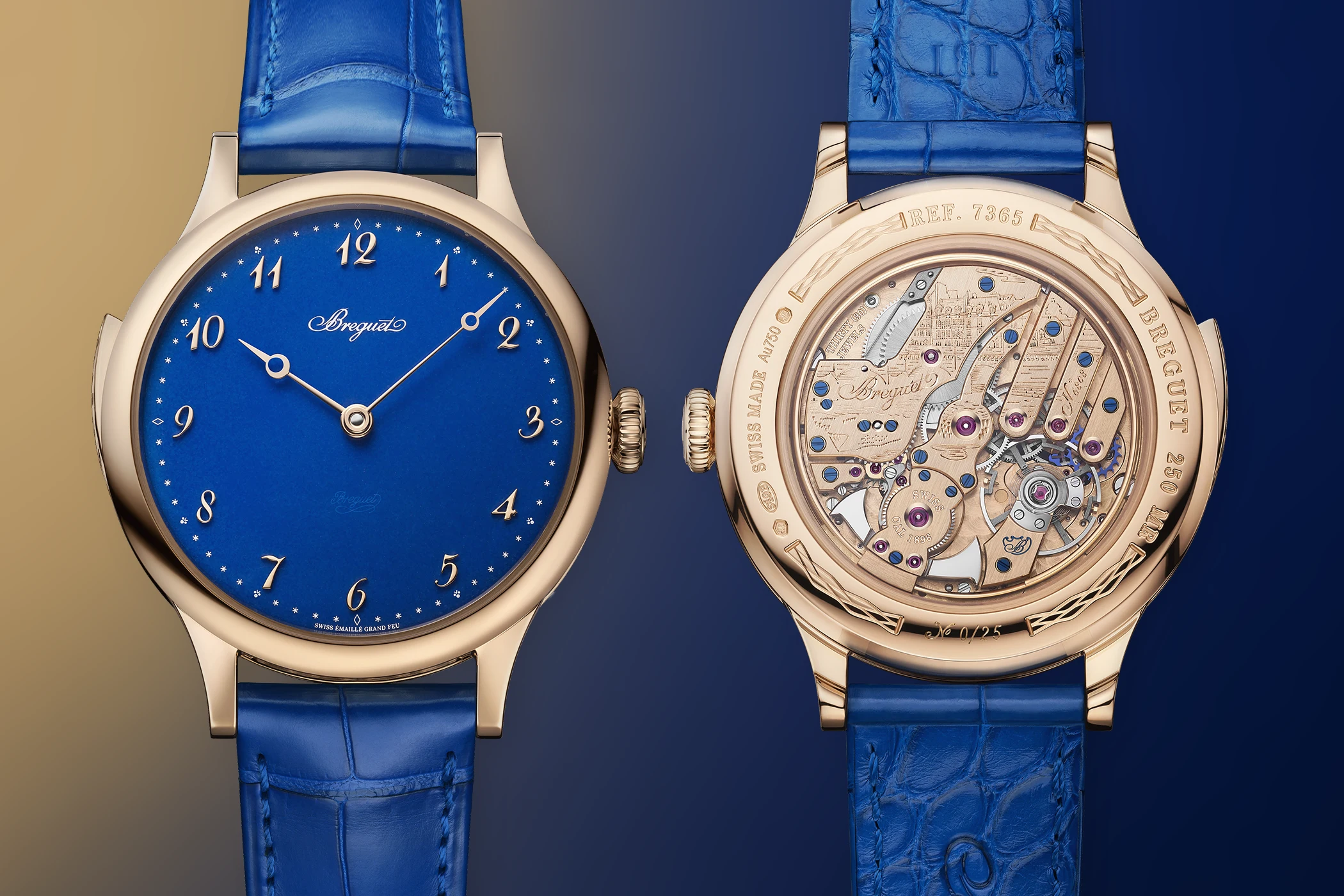
The case measures 39 millimetres and is based on the Souscription model launched this year. It is engraved with the ‘Quai de l’Horloge’ motif. Thanks to seals in the slide, the minute repeater is water-resistant to 30 metres for the first time at Breguet.
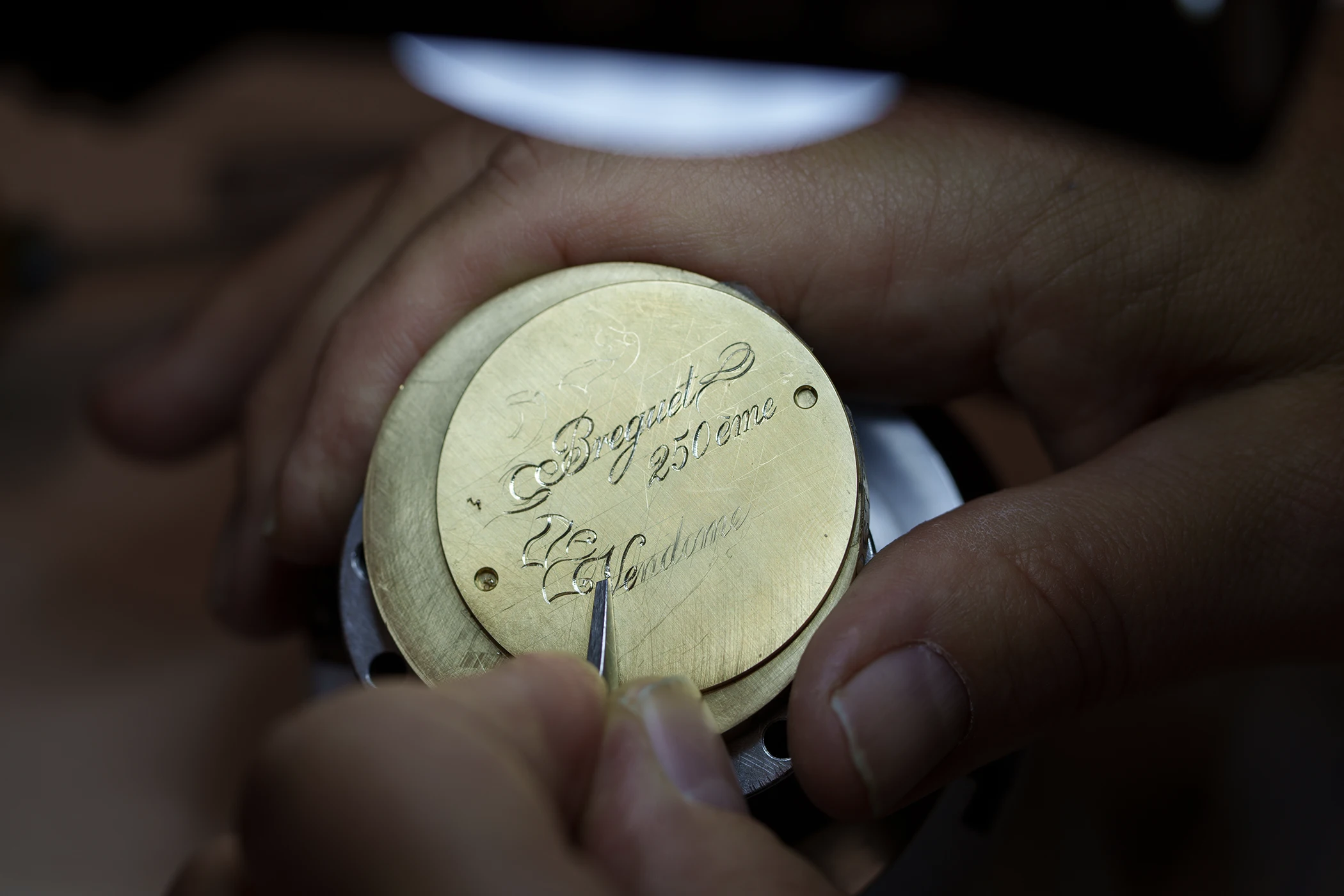
The movement features hand-engraved decorations depicting the Quai de l’Horloge in Paris at the top and the Vallée de Joux landscape at the bottom. The Grand Feu enamel dial boasts a Bleu de France finish.
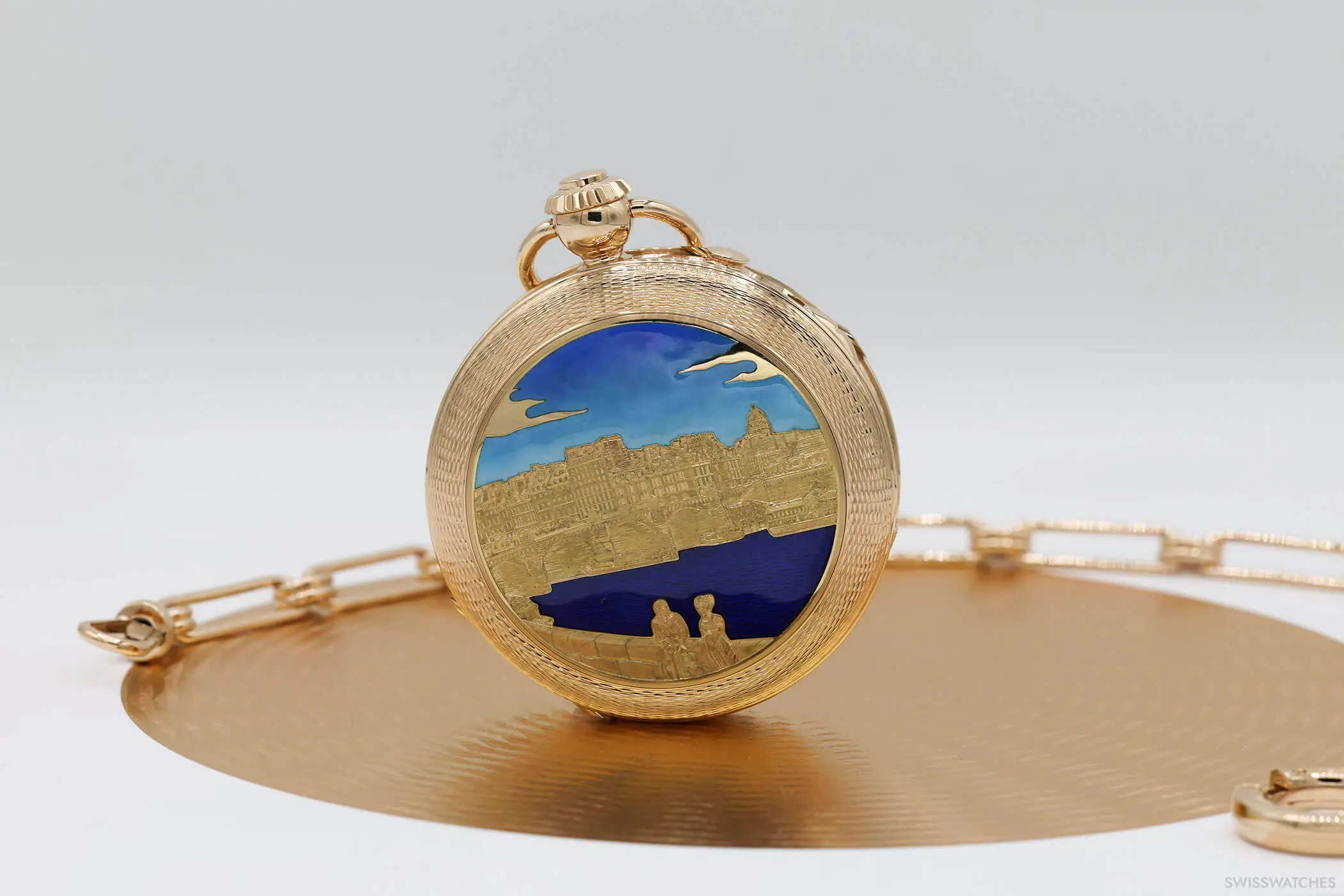
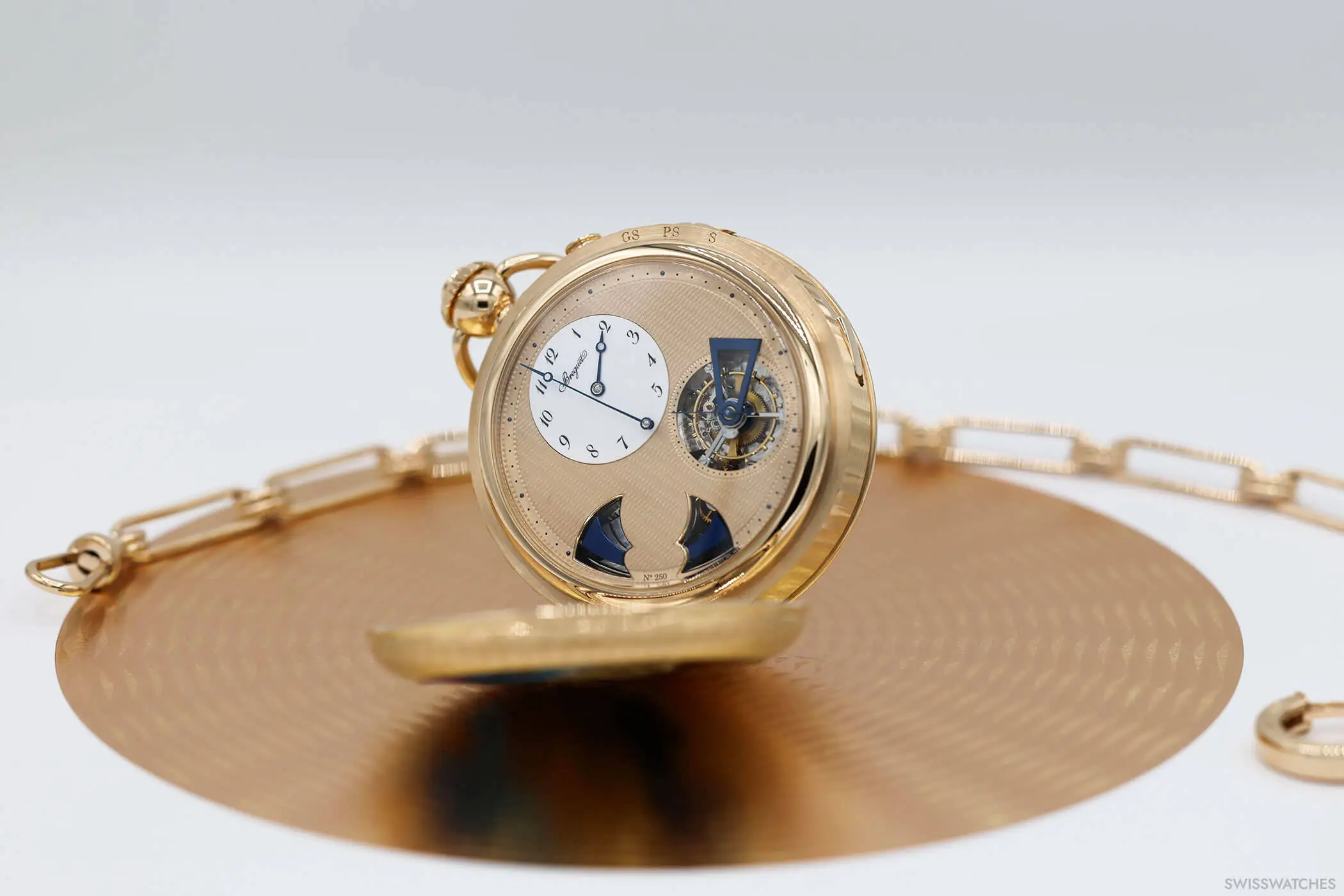
One will encounter this pocket watch even more rarely, as Breguet manufactures it only to order. It offers a grande and petite sonnerie, a minute repeater, and a tourbillon. The magnetic regulator developed by Breguet ensures a smooth and quiet chime. It takes a watchmaker half a year to assemble the 532 components of the complex calibre 508GS.
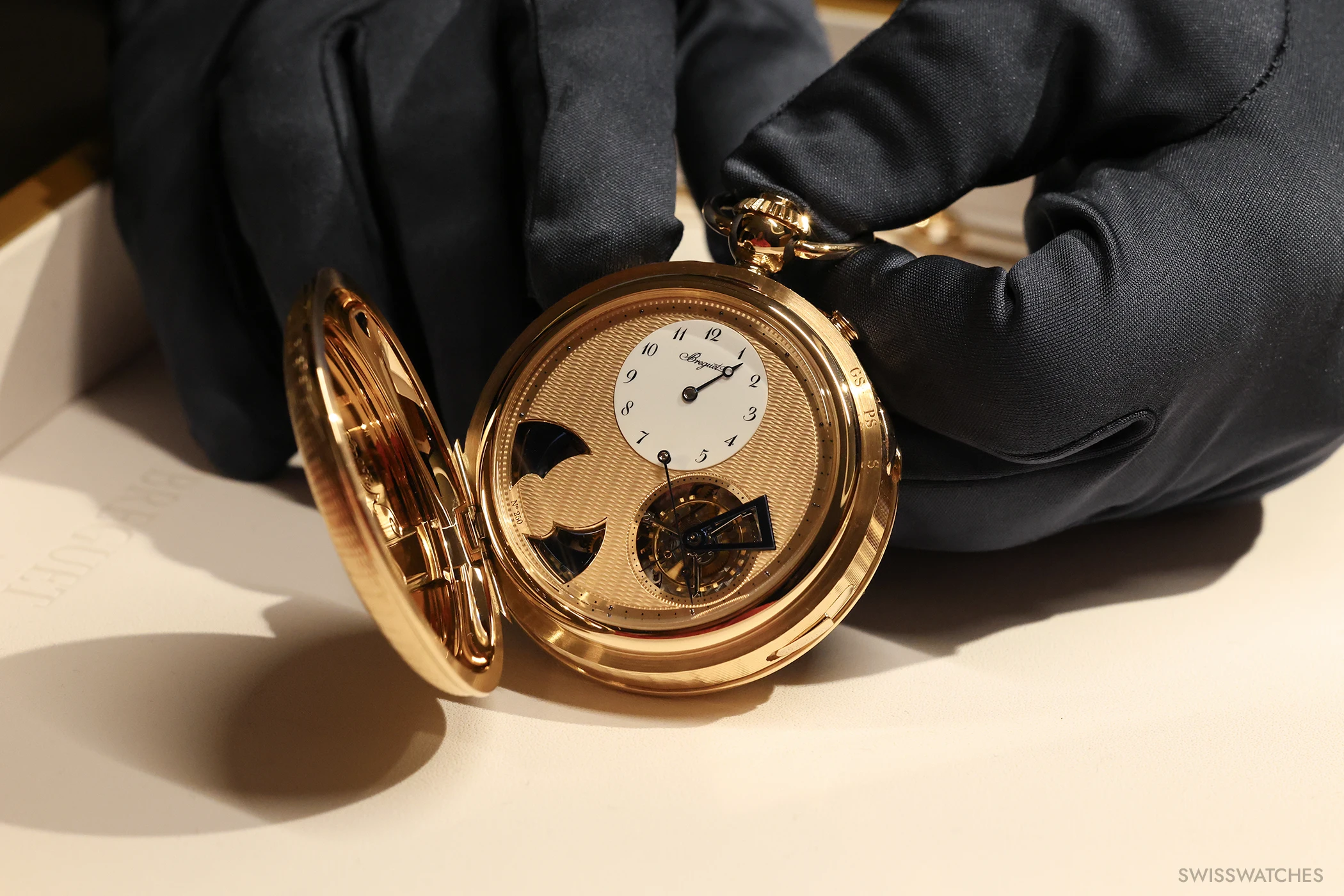
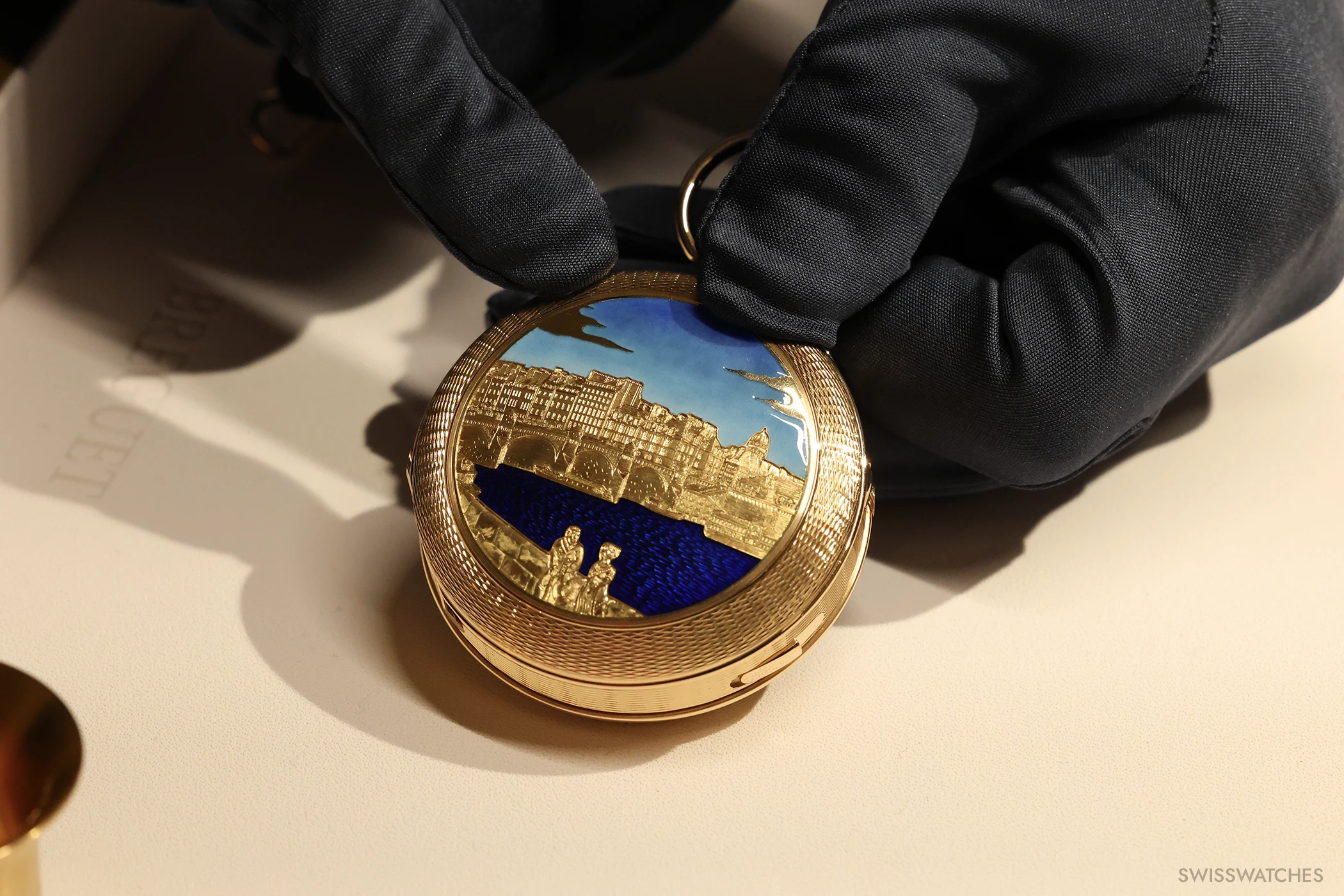
As the hour hand sweeps over the small Grand Feu enamel sub-dial, the rest of the dial and the caseband feature a guilloché decoration in the ‘Quai de l’Horloge’ style. On the outside of the hunter caseback there is a métiers d’art masterpiece: the artist has hand-engraved the banks of the Seine in Paris into the Breguet gold, with the river filled in with blue enamel. When you open the caseback, you can admire the intricately decorated movement and its striking mechanism.