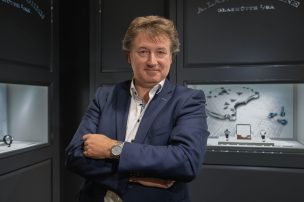

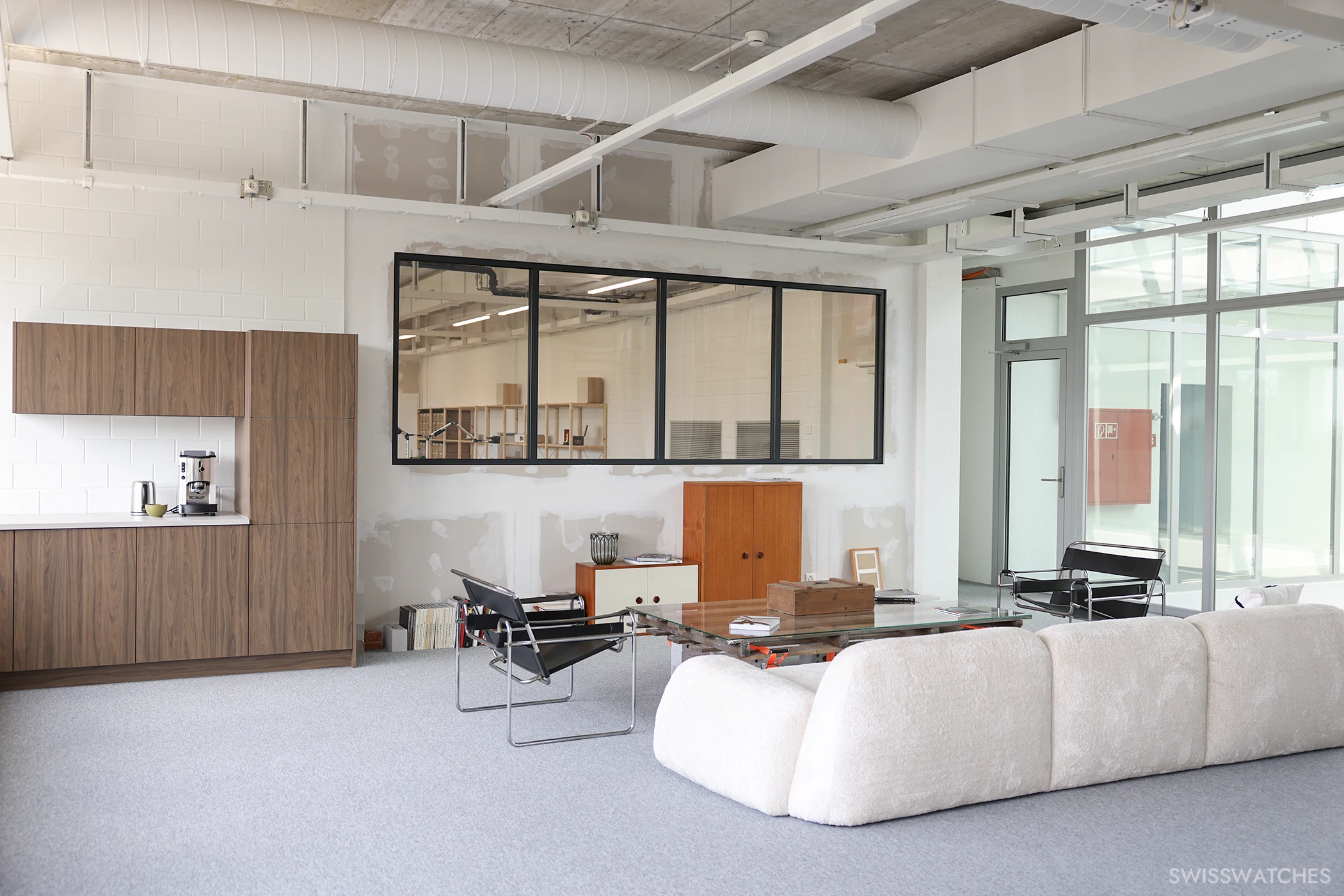
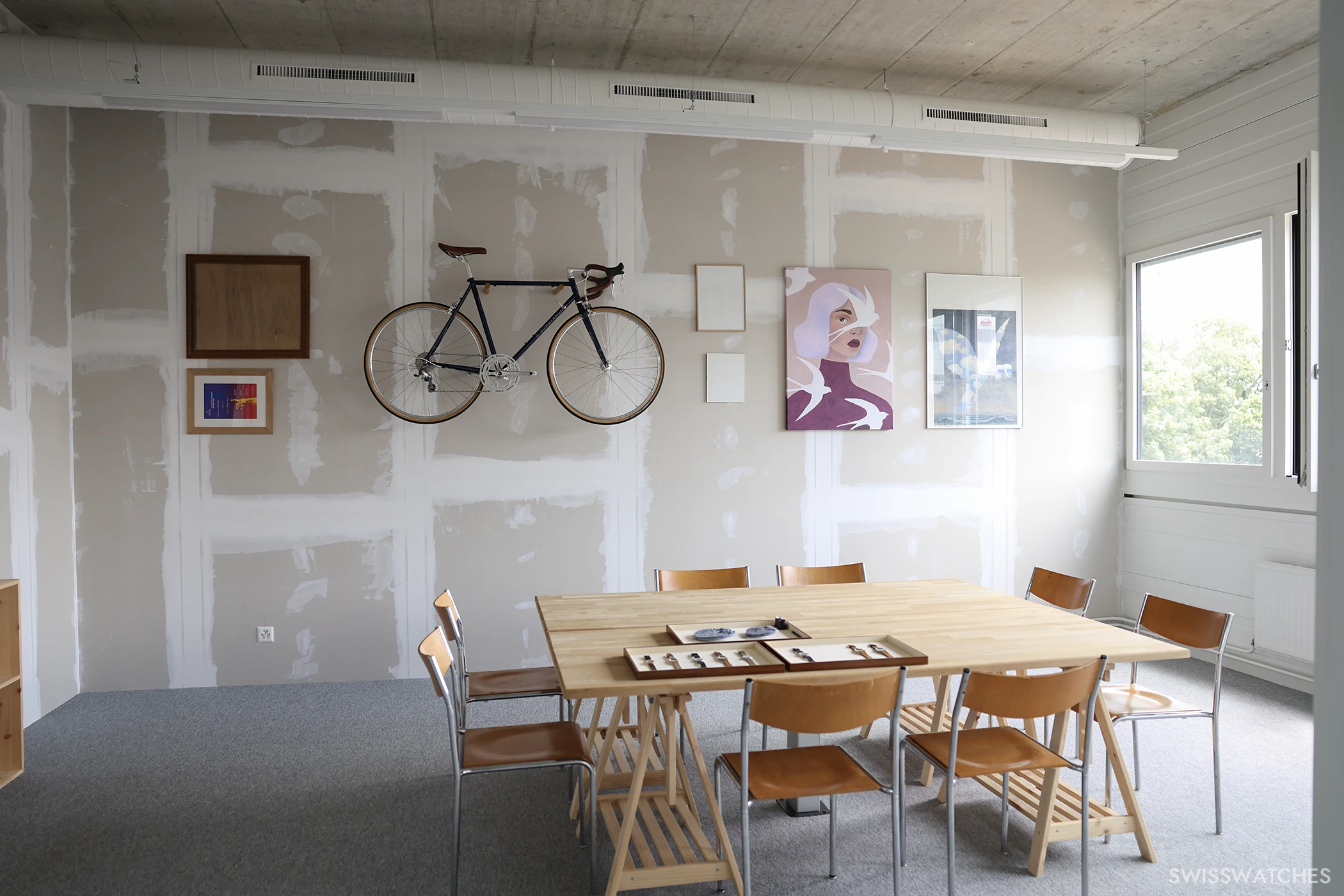
Swisswatches paid a visit to Richard Mille's Certified Pre-Owned London boutique, Ninety.

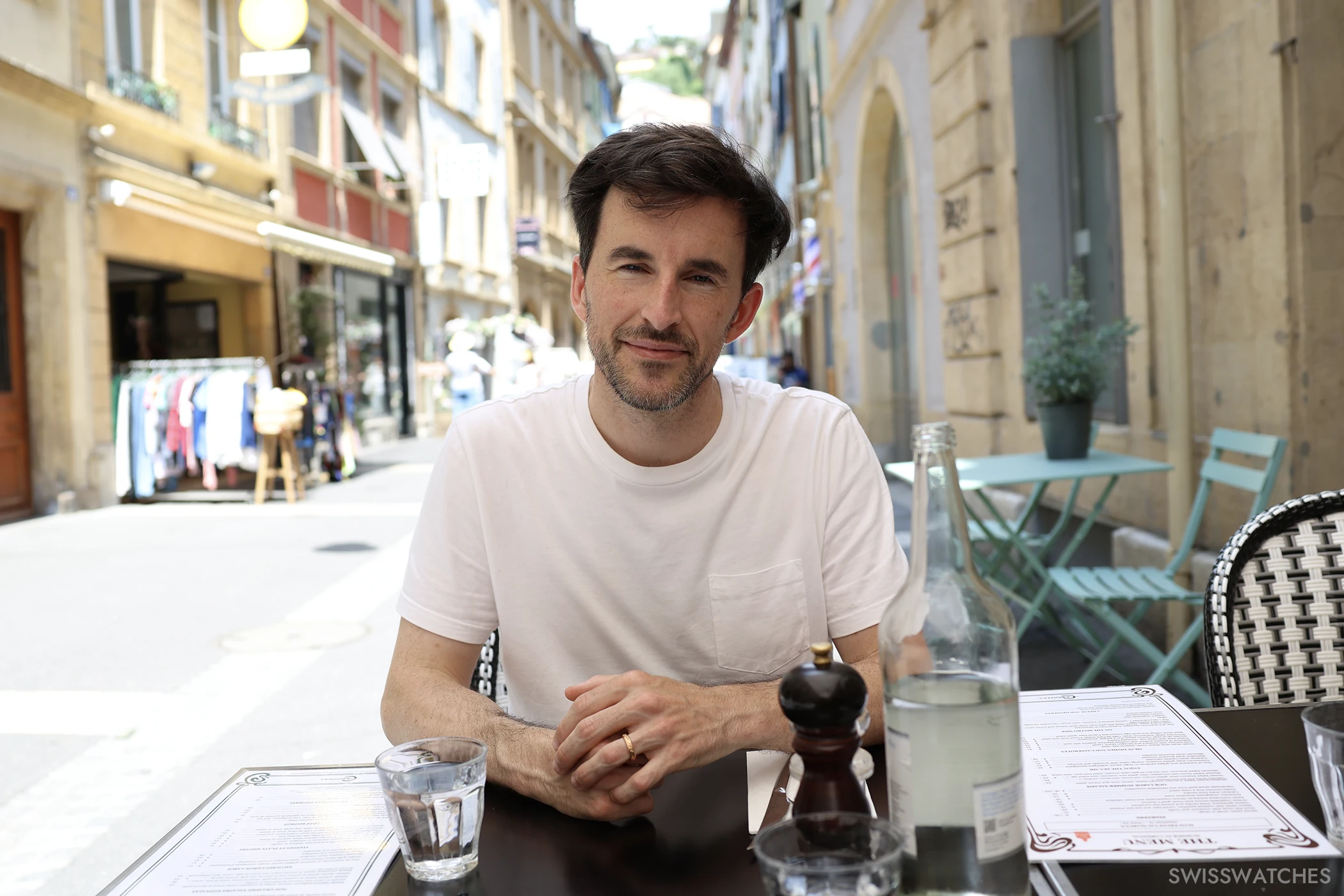
Creative freedom. Having worked in the heavily restricted car industry, I found that jewellery is the opposite – it’s pure free form. Mechanical watches, for me as a designer, are the perfect blend of technique and creativity or craftsmanship. It is, in my opinion, the nicest discipline that combines mechanics with jewellery.
I certainly received that comment from some friends. I was Chief Product Officer at 34, which made me the youngest board member. My motivation was simply the ability to have free creative manoeuvre. It was not about the money, career, or power. As a creative, you are always trying to remove restrictions. My biggest restriction was the corporation taking the decisions. I realised that my previous role at Breitling was neither my company nor my money, and therefore I should not be entitled to risk people’s jobs just to please my own selfish creative needs. Making my own business was the only thing that made sense.
Georges Kern deserves credit for being open-minded enough to let me pursue my own venture as a creative escape on the side. He could have said no, and I would have resigned. The fact that he agreed probably made me more accepting and ‘politically correct’ during my time at Breitling, as I knew I could pursue the mad stuff on my own. This arrangement allowed my employment at Breitling to last three more years, which was beneficial for both parties.
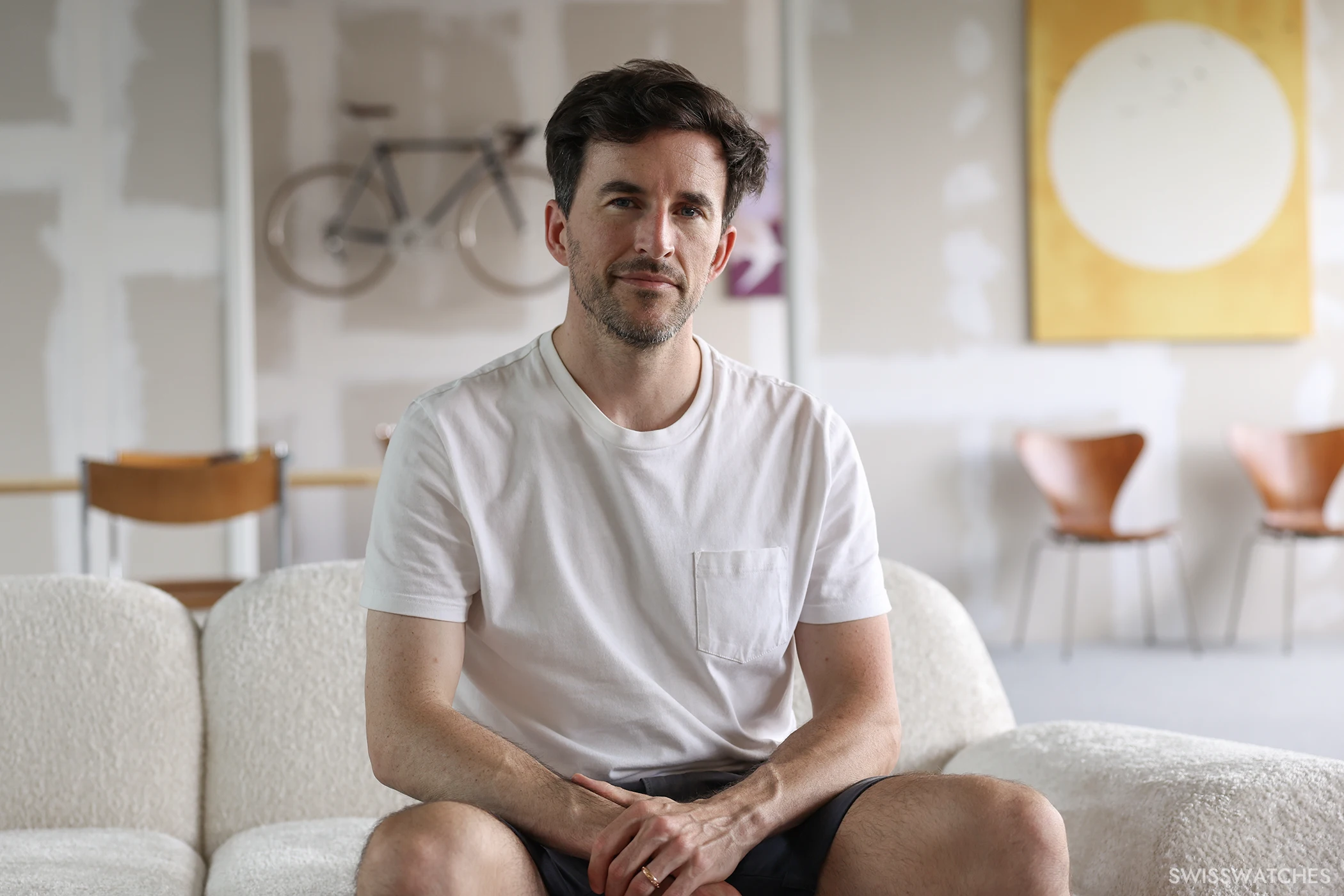
No, Berneron is entirely owned by me – 100% of the shares. My father always told me to save at least 30% of my salary every month. I have since thrown all the money I ever made over 17 years into this business. The total investment was 1 million Swiss francs, with three-quarters of that – 750,000 francs – spent on developing our initial Mirage Calibre 233. It was a huge risk, and frankly, people told me the project was “professional suicide,” thinking it was the most stupid idea ever. My teachers always warned me that there is a very fine line between a brave idea and a stupid idea.
We are one of the very few brands founded by someone with artistic training; I am neither a watchmaker nor an engineer. This gives us a very romantic approach to the product. Crucially, we always aim to push the envelope and bring something new. I am tired of the watch industry relying on vintage designs, suggesting that “50 years before it was better than now”. To me as a designer, that is the biggest scream of defeat. Our mantra is that our generation must contribute to pushing watchmaking further. If we cannot find a way to bring additional value to the collector, we won’t do it. For example, I would love to make a chronograph, but until I can find a better idea than current offerings, I will not feel the legitimacy to pursue it.
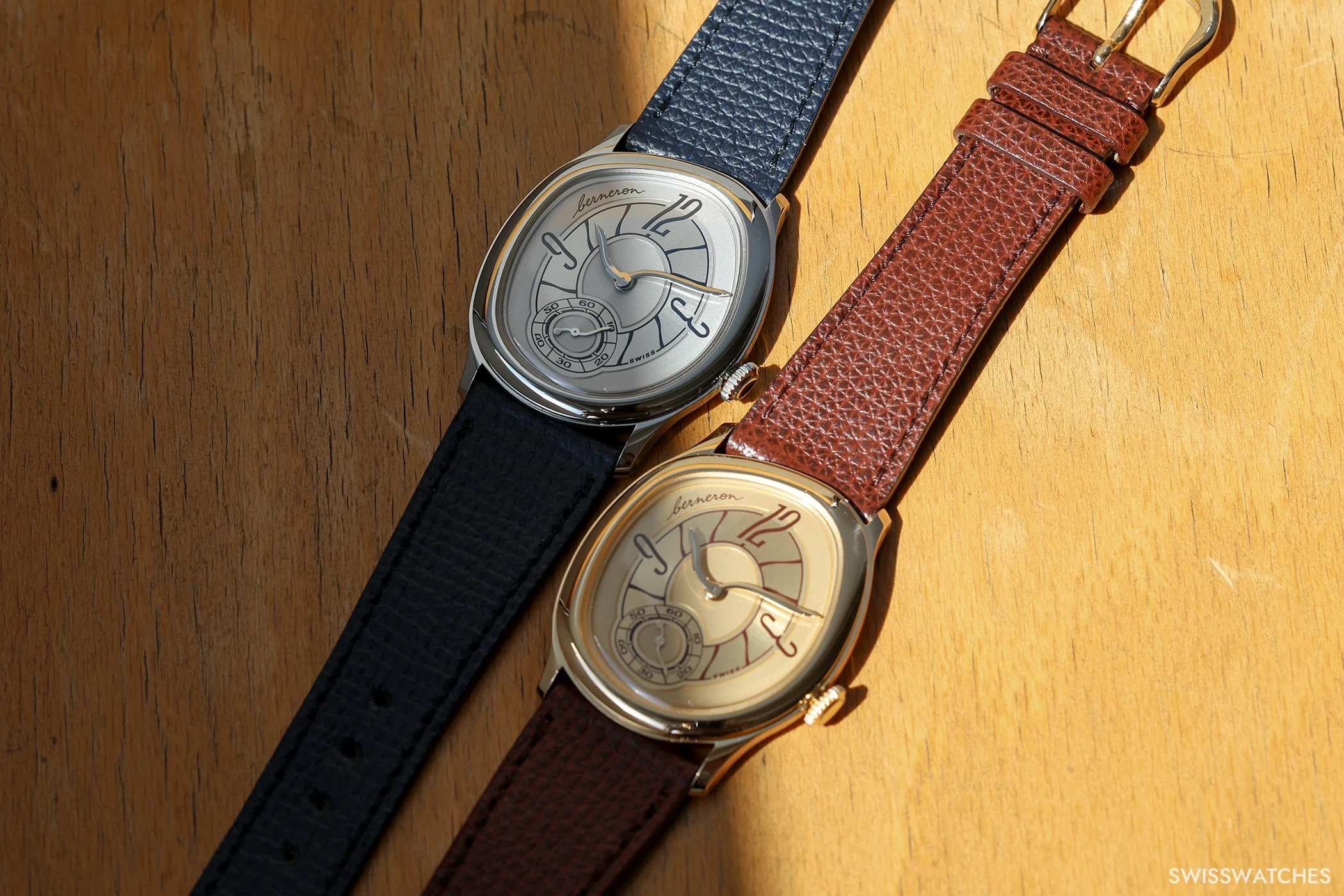
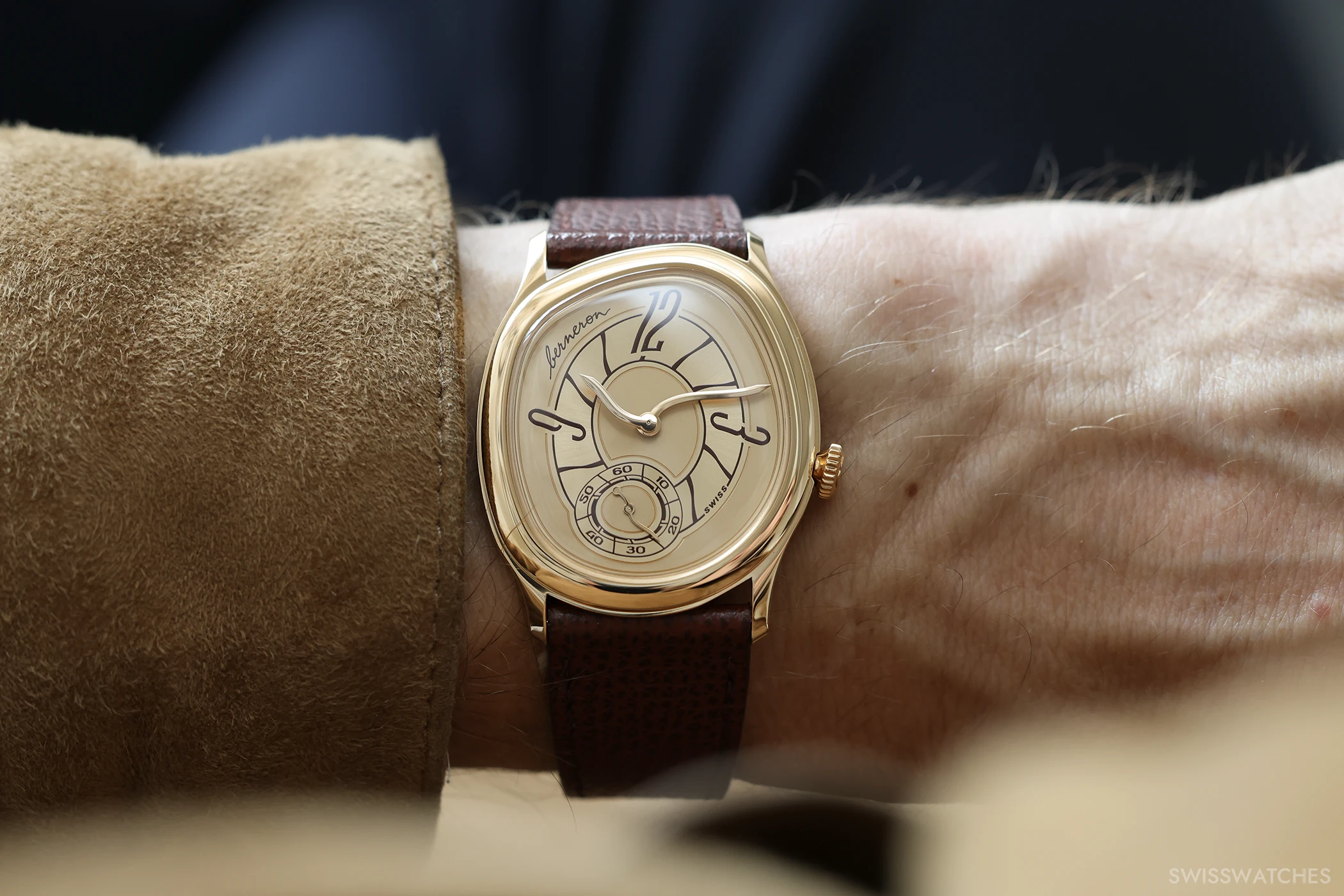
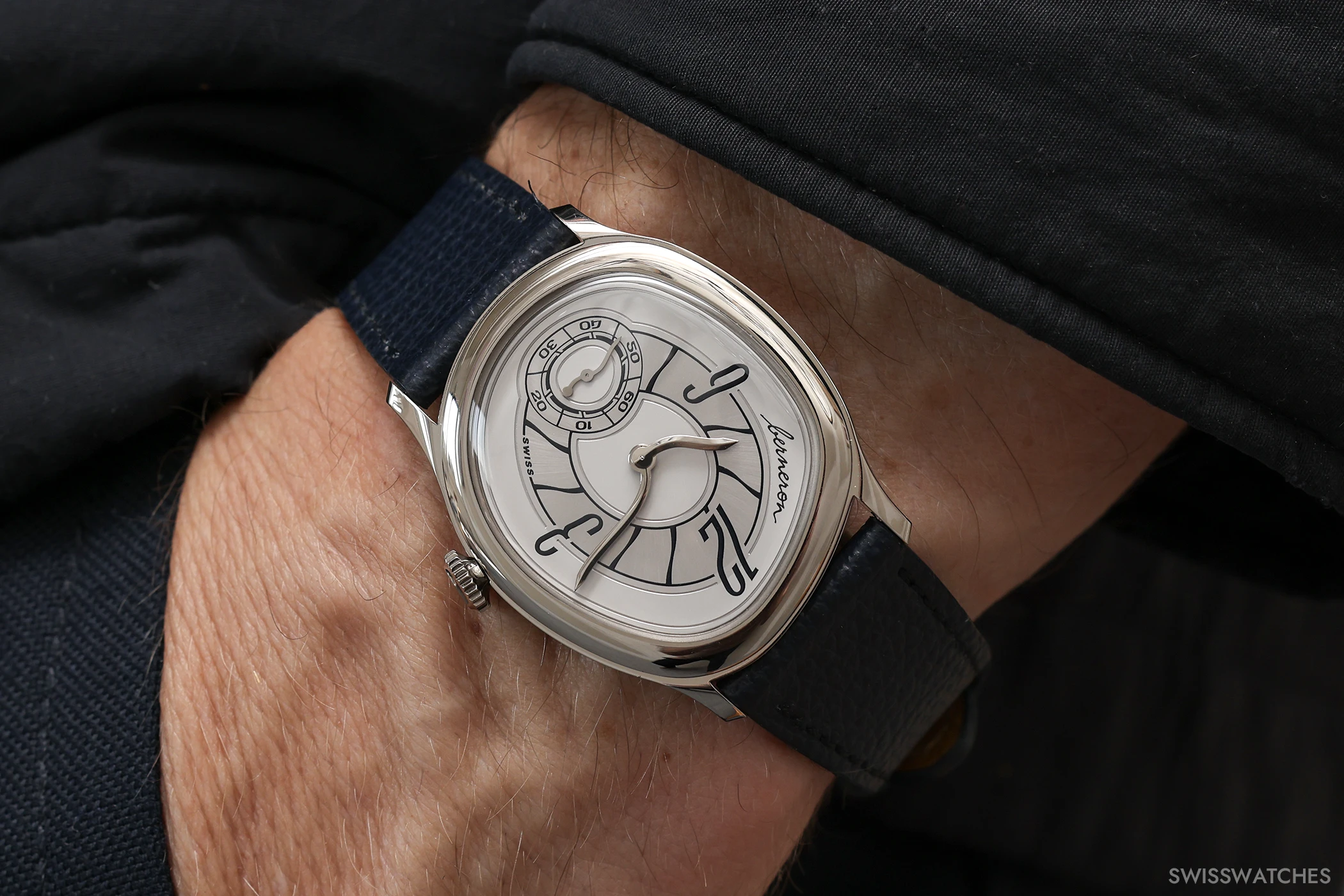
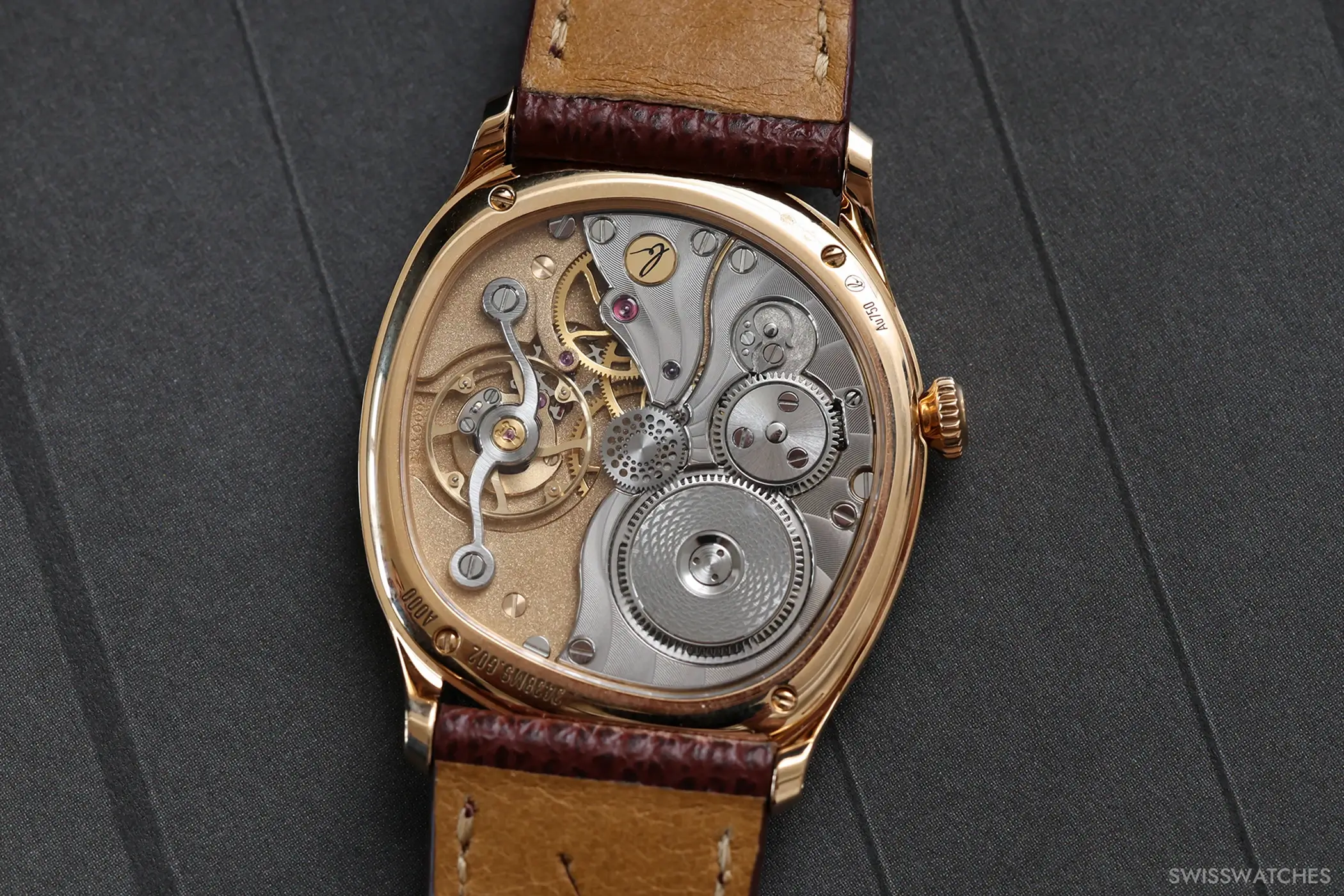
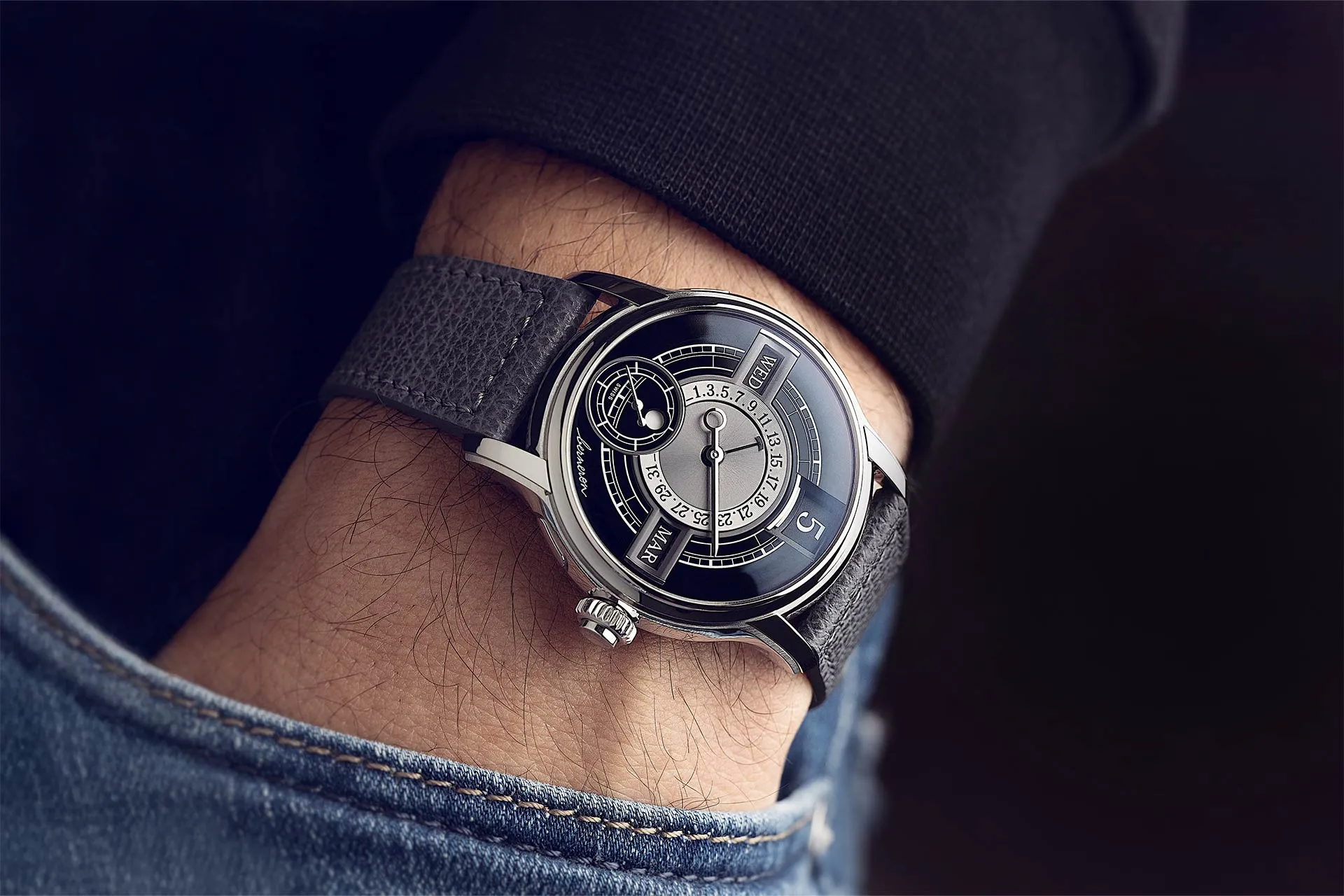
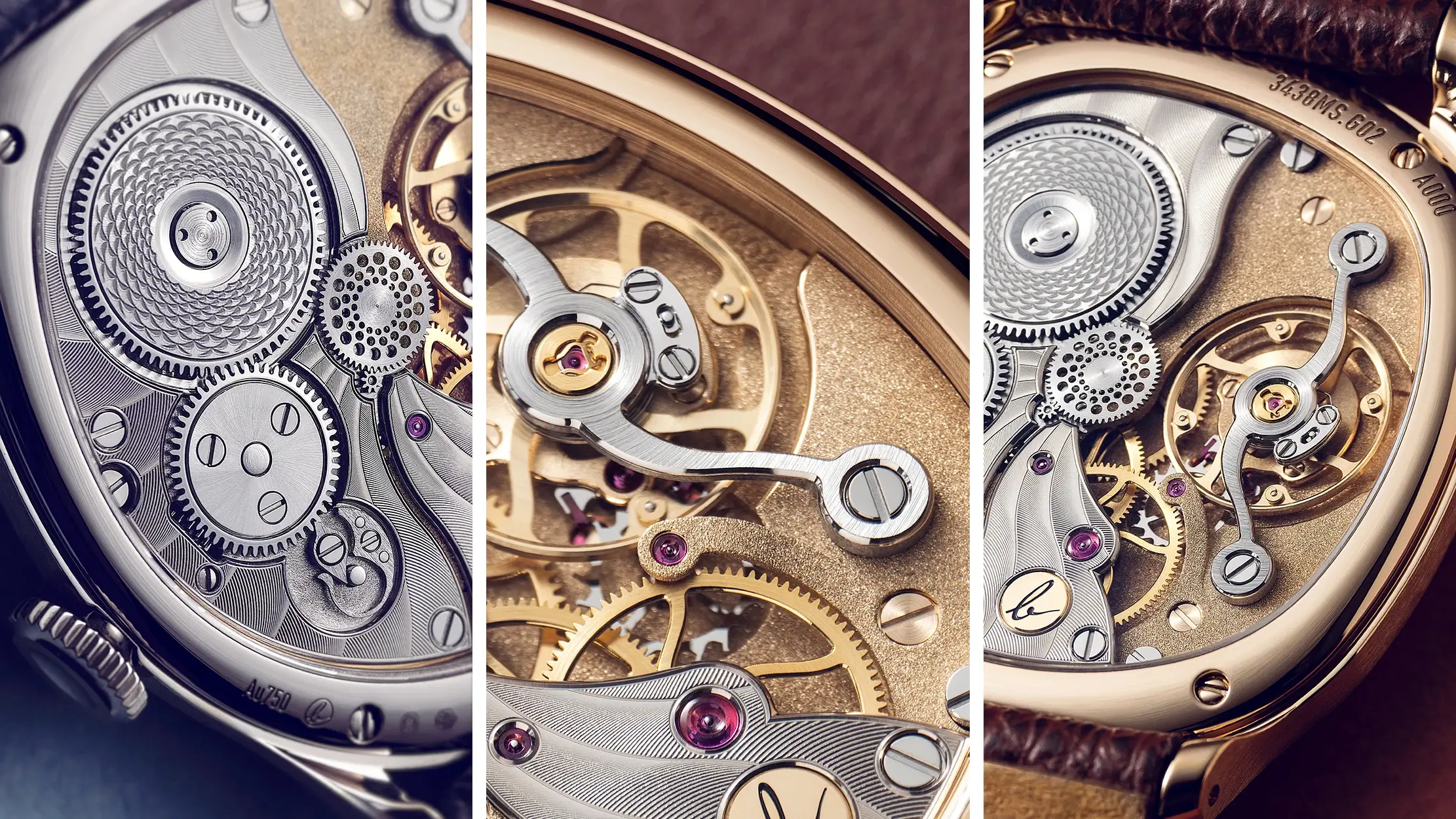
The Mirage is a result of frustrations stemming from the walls of physics you often hit when developing new calibres. You usually compromise: either you have a slim, nice-looking watch with compromised performance (low power reserve), or you have tremendous performance but a large, thick movement. The only way to ‘cheat this code’ is by creating an asymmetric movement. This allows each component to take the size it needs for performance while significantly reducing the movement’s footprint by going very tight around the gears.
The result is a calibre that is both compact and performant. Unlike 99% of other watches, which are first drawn as a case, and then a calibre is placed in the remaining space, the Mirage is entirely shaped around the train of gears. The final shape is a consequence of the internal gears – pure form follows function.
We do not cut corners. We have an extensive use of precious metals; for instance, we even make the spring bars in gold. We also favor the harder techniques to achieve, such as white gold guilloche bridges, which we are the only ones in the industry to do, and gold base plates. We ensure that even in the tiniest details, there is innovation and hand-decoration such as hand polishing and bevelling, guilloché, colimaçonnage, cerclage (on the hour wheel) and traits tirés which are all done in-house by our artisans. Some pieces feature snailed decoration, while others have matte surfaces.
We strive for what we call the ‘belle horlogerie’, or ‘bel ouvrage’ – the beautiful work, done truly from the inside. All our cases and movements are finished by hand. It is worth noting that we are the only watchmaking company in the world that has never made a brass movement. Gold is superior aesthetically because it offers a better lustre and quality of finish for techniques like guillochage. Technically, gold is non-magnetic, making the movement far less sensitive to magnetism than brass.
When I created Berneron, I established a launch sequence of one product per year for the first 12 years, which constitutes the first chapter of the brand. Yes, that means we have a calibre plan drafted out until 2035. This kind of document is crucial because watchmaking takes so much time and is so capital-intensive. This vision allows us to commit to future plans and provides our team with a long-term perspective.
100% of our components are manufactured in Switzerland. We ensure that everything is made within a 50-kilometre radius of our headquarters in Neuchâtel. This proximity – from Val-de-Travers in the west to the Biel/Solothurn area in the east – is crucial because we need to be together with suppliers to fine-tune delicate, expensive components.
We rely on the traditional établissage method. We conceive, design, construct, and develop all the technical plans internally, and then rely on a network of suppliers – 90% of them being family-owned businesses – to manufacture the components. I compare this to building a cathedral; you need specialized artisans for each discipline. However, the assembly, after-sales, and servicing are done 100% internally. This allows us to guarantee the final quality and own the responsibility of the two-year warranty.
We are currently an exclusively B2C business, selling directly to collectors, though we may integrate selected retailers by 2030. We do not pay for proactive advertising; instead, we rely on the disruptive nature of the Mirage to create its own viral momentum through word of mouth.
Regarding demand, we are currently sold out until 2028 for any new order. We require a 50% deposit upfront, which legally locks in the order. I keep a strict ‘first come, first served’ policy and refuse to delay existing clients to please a world star or someone from a royal family. I do not appreciate it when an independent brand delays my own order as a private collector, so I will not do that to our clients.
Berneron is an anonymous company that runs a ‘responsible salary scale’. There is a maximum three-times multiple between the lowest and highest salary. I refuse to believe that anyone’s output is truly worth more than three times another person’s.
We also practice free timing: we do not use clocks. We agree on a set of objectives annually, and once signed, employees are given the freedom and full responsibility to achieve those goals. I tell them I did not start a company to become a nanny to 15 adults. This trust transforms people, and they rarely abuse the freedom.

We have four planned collections. The Mirage is our dress watch line, and the Quantième Annuel collection is a more classical, technical line. The third collection, which is already legally registered, will be named Fiasco. This will be a jewellery collection – unisex watches centred around a modern vision of jewellery.
The fourth collection is planned to be a more technical collection focused on sport activation. It will likely start as a three-hand or something similar, as the package and architecture are what make a good sports watch. The main R&D focus right now is the Fiasco calibre. For that movement, we had to beg an existing supplier to take on the challenge because it must be assembled sideways, defying gravity, instead of in typical horizontal layers. When you venture into these painful, challenging ideas, you truly bring something fresh.