TAG Heuer and Hiroshi Fujiwara, founder of the cult streetwear label fragment, are continuing their design partnership with the Carrera Chronograph x Fragment Limited Edition.
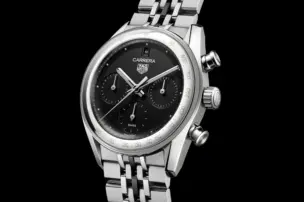
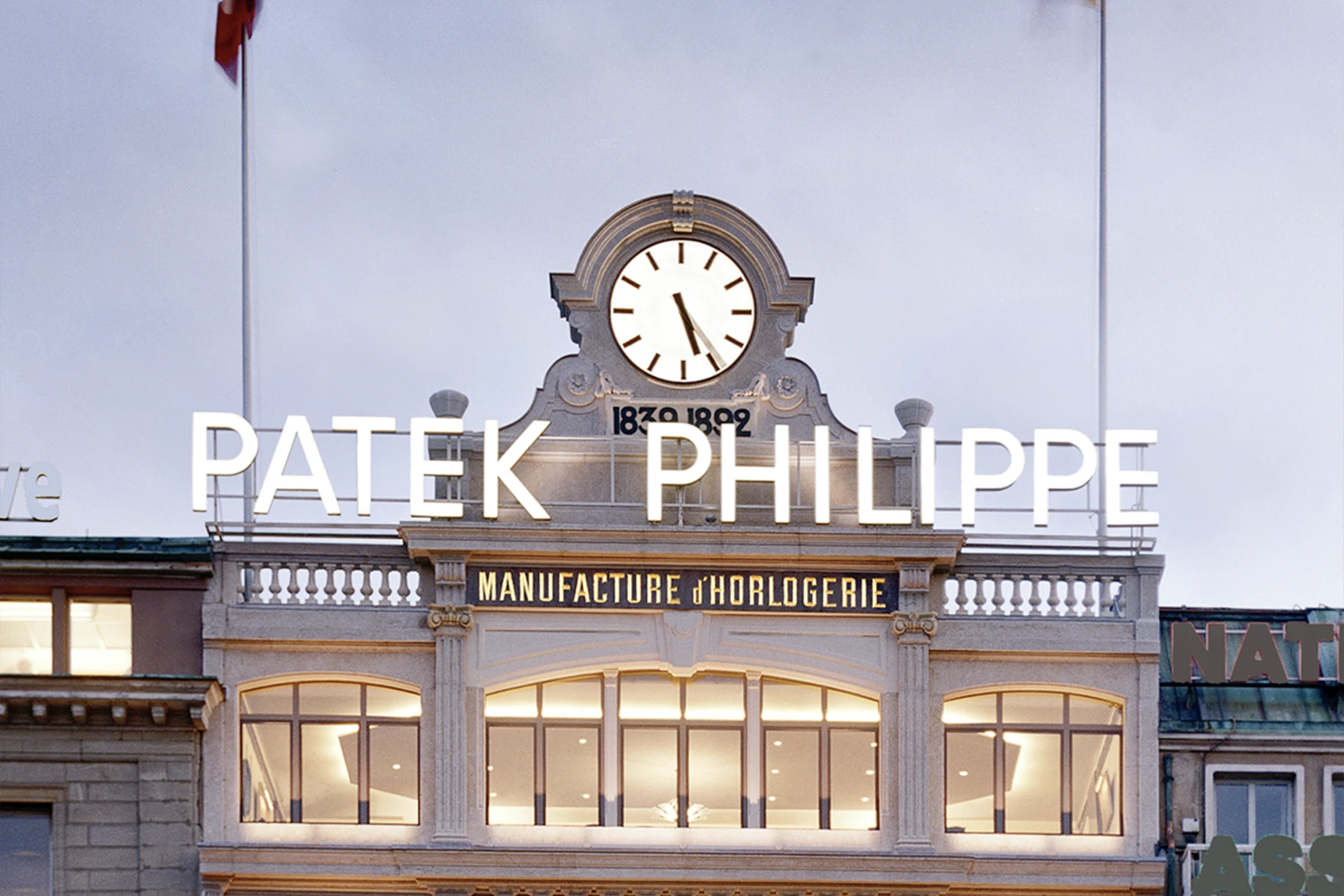
Although Patek Philippe’s coveted watches are available (nearly) worldwide, there are only three Patek Philippe-run boutiques – known as salons – in the world: Paris, London, and Geneva, the founding location and headquarters of Patek Philippe. The salon at 41 Rue du Rhône in Geneva holds a very special status: it is the only watch boutique in the world where visitors can view the entire current Patek Philippe collection. Visitors can experience the full spectrum of Patek Philippe’s creations here, from annual and perpetual calendars to the most complicated and extremely rare masterpieces such as the Grand Master Chime.
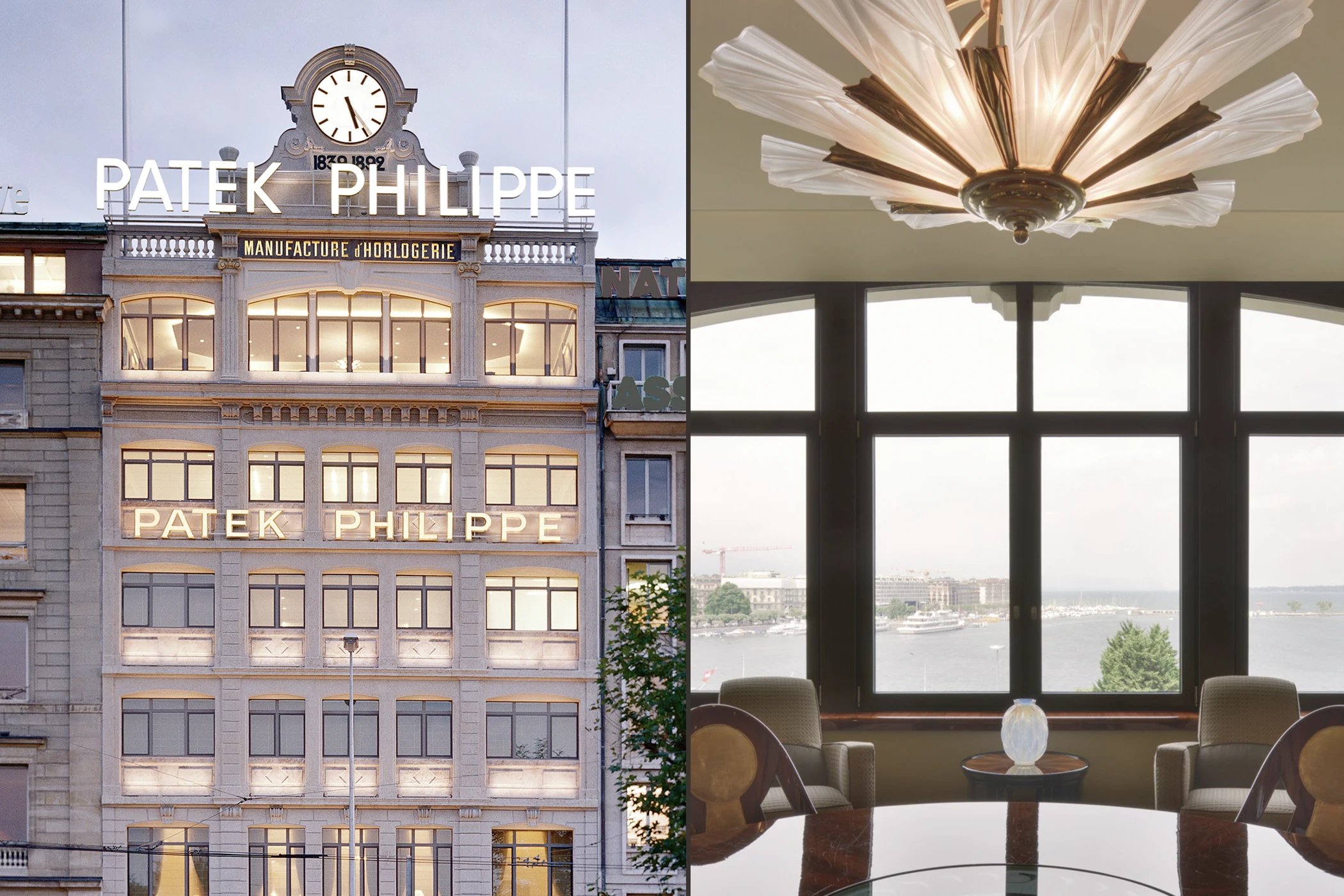
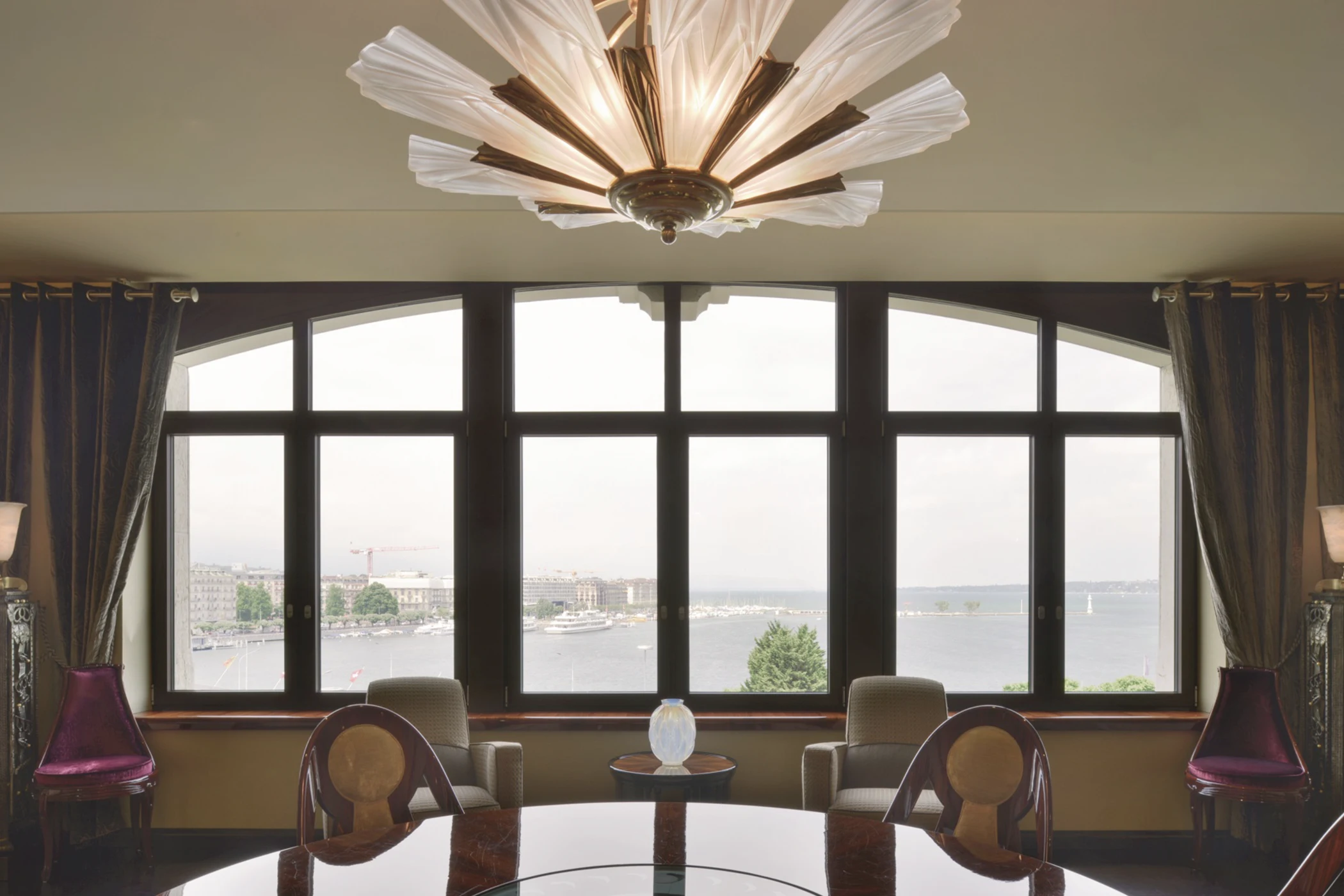
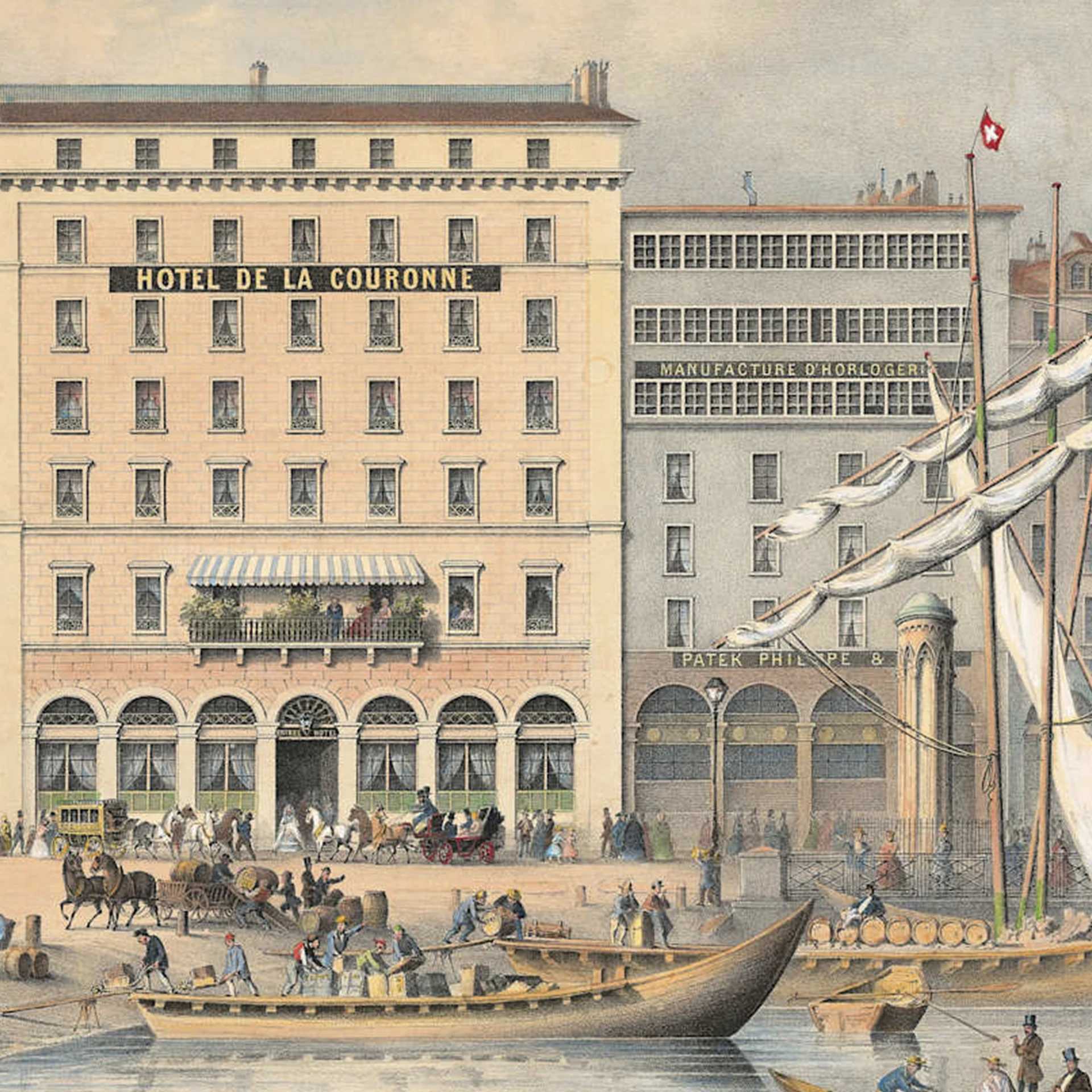
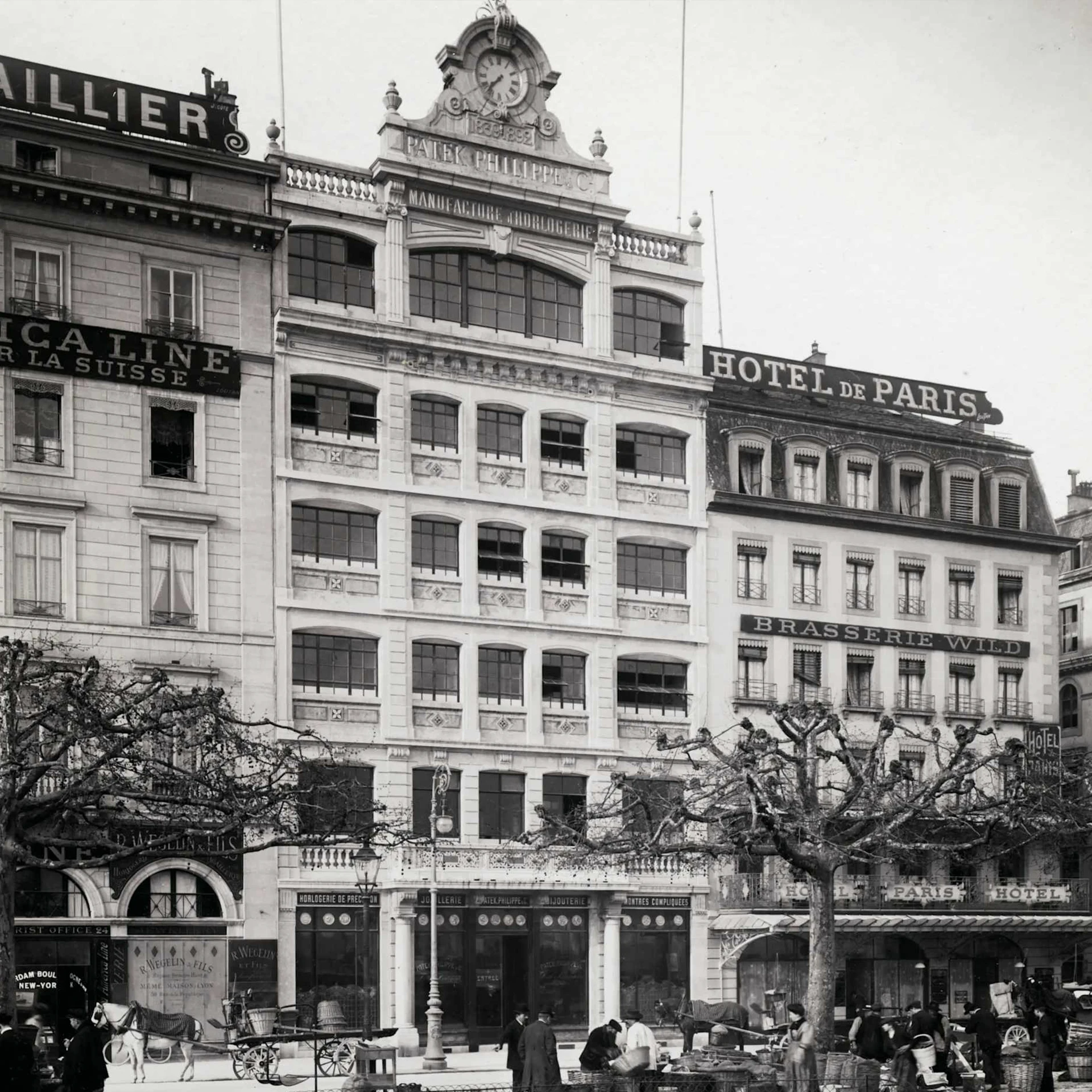
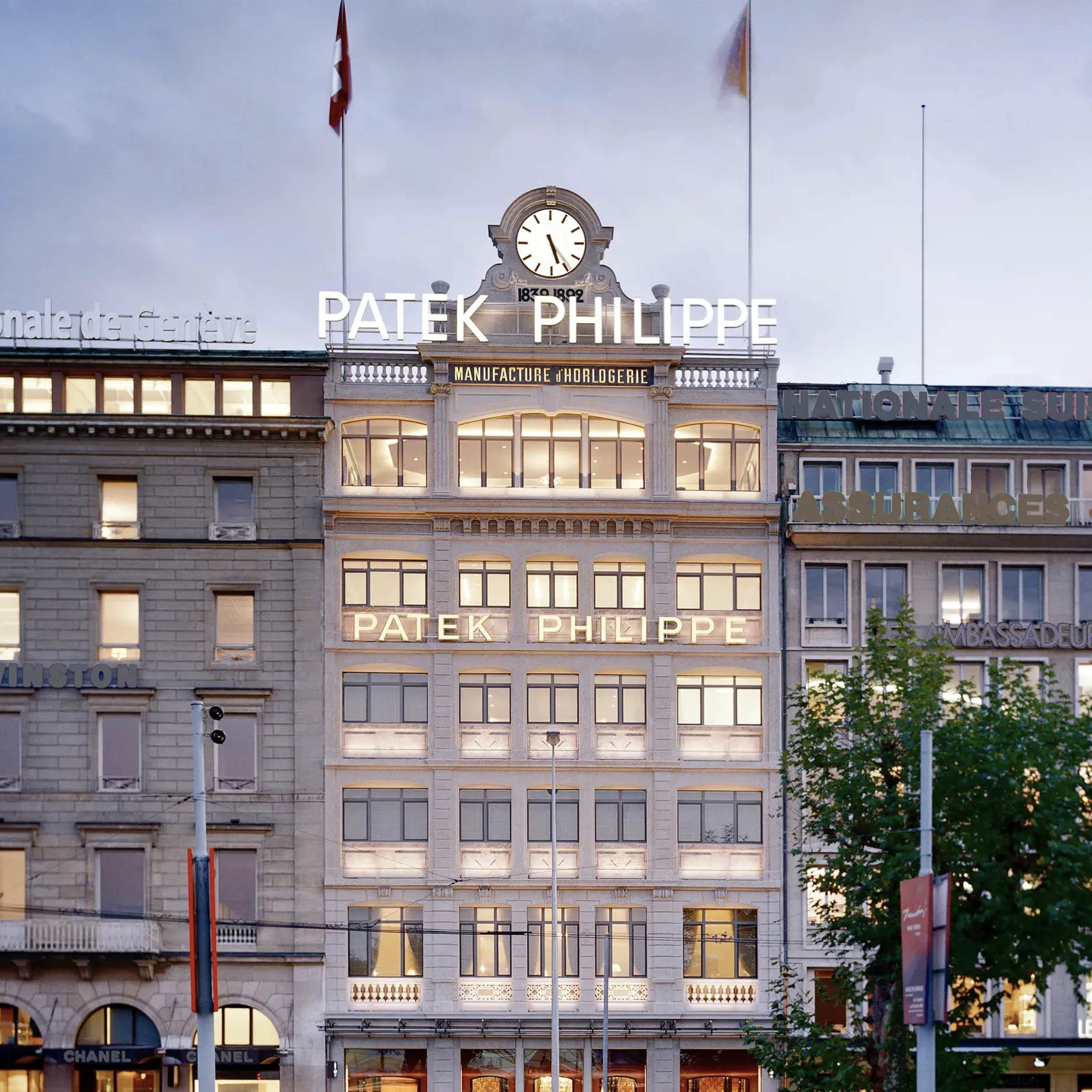
Business took off so well after Patek Philippe was founded in 1839 that the company decided to move into two floors of a building on Rue du Rhône in 1853, initially signing a 15-year lease. Almost 175 years later, Patek Philippe is still in the same location without interruption. The company now owns the entire five-storey building in the best location in Geneva, overlooking Lake Geneva. The building was renovated by the famous architect Jacques-Elysée Goss, who also designed the plans for the Geneva Opera House, in 1892. The connection to an architect who was responsible for Geneva’s cultural institutions shows that Patek Philippe saw itself not only as a commercial force but also as part of the city’s cultural heritage as early as the late 19th century. The date of this historic renovation is still visible on the façade of the building today.
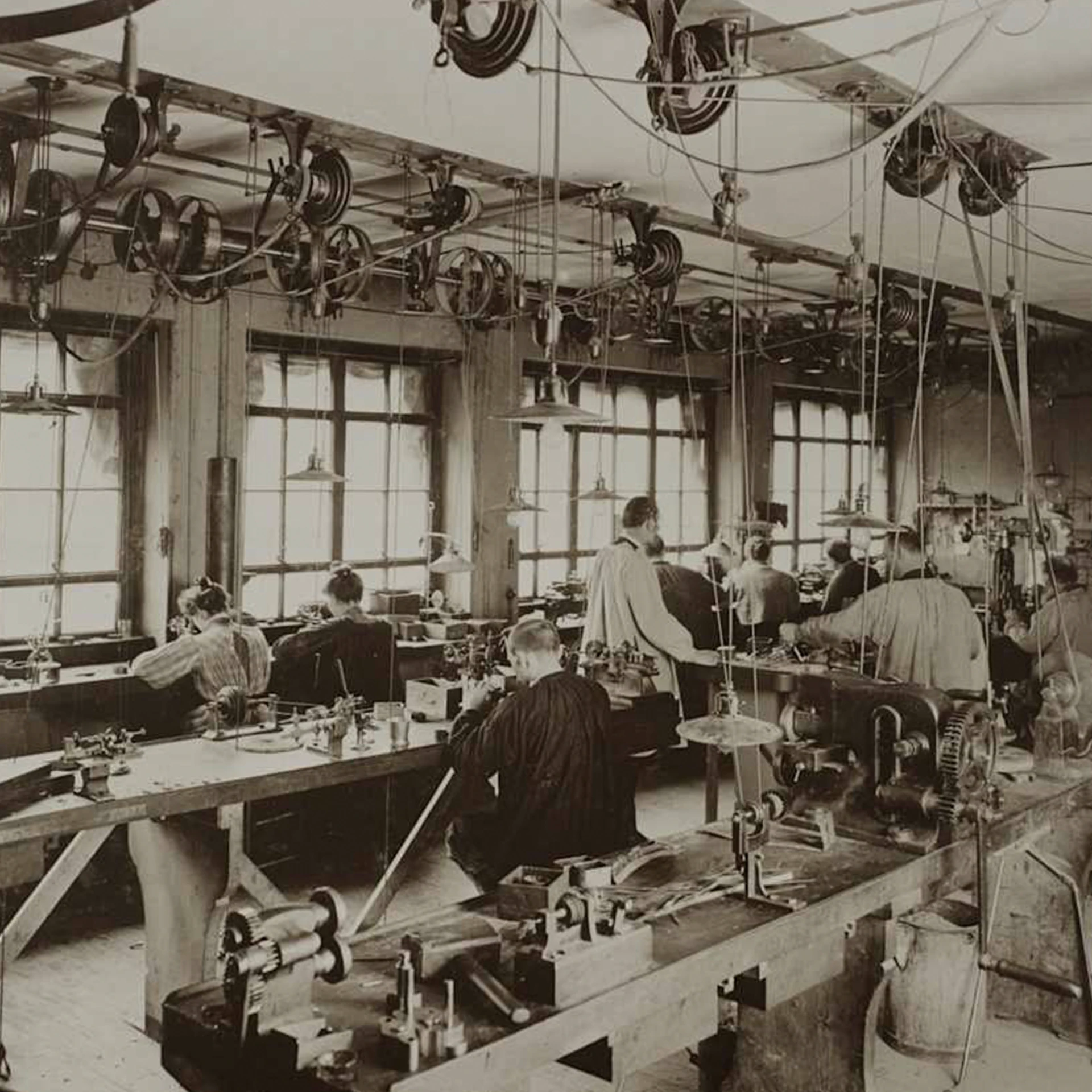
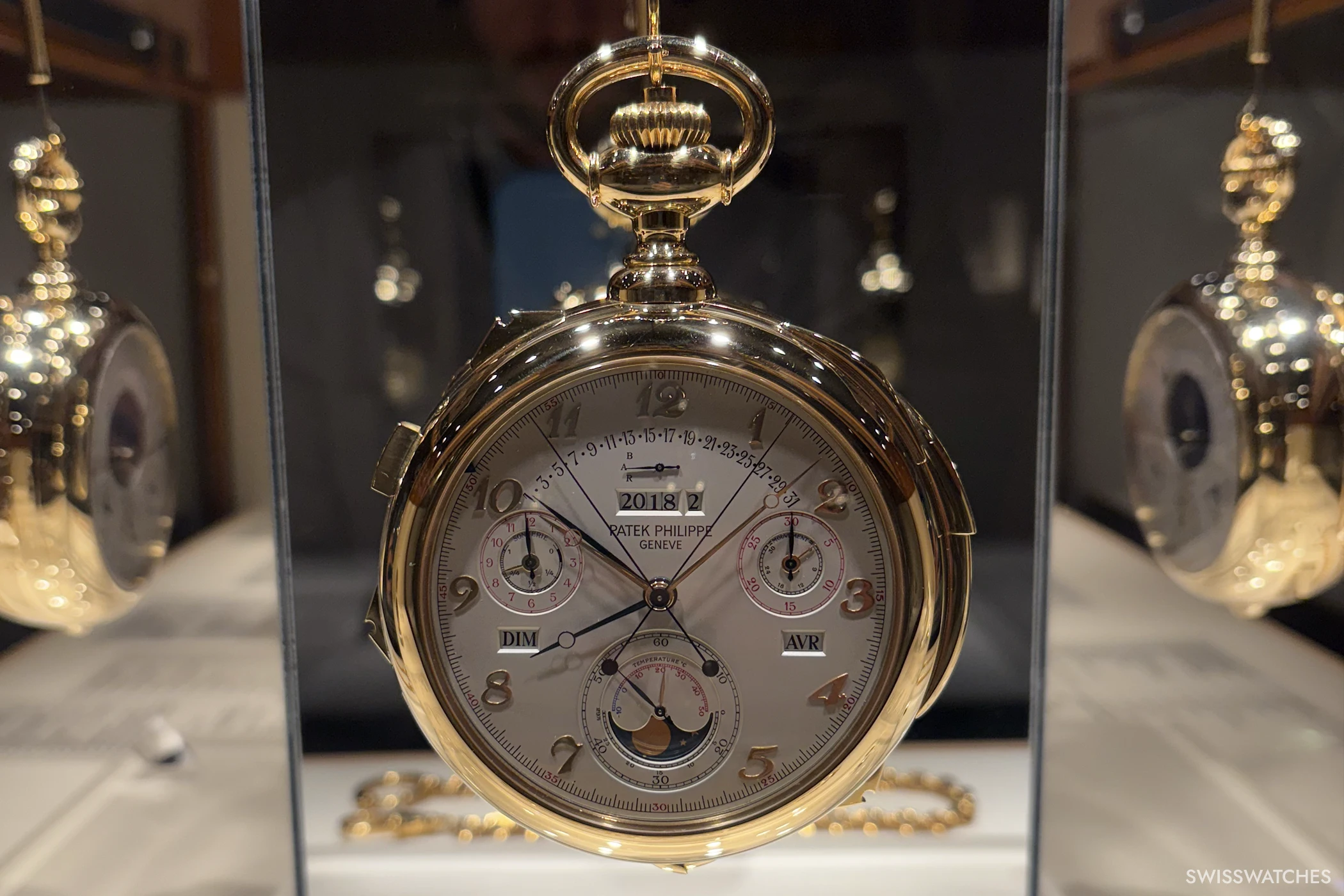
However, this building was not only used to receive customers; it also once housed the manufacturing facilities. Production continued on the upper floors until 1996, where the particularly elaborate Calibre 89 was created, which was unveiled in 1989 to mark the company’s 150th anniversary. It took a total of nine years to develop the Calibre 89, with five years spent on research and four on production. With 33 complications and 1,728 individual parts, the masterpiece presented in 1989 was considered the most complicated (wearable) watch in the world for over 25 years. Only four examples of the 1.1-kilogram pocket watch were ever made.
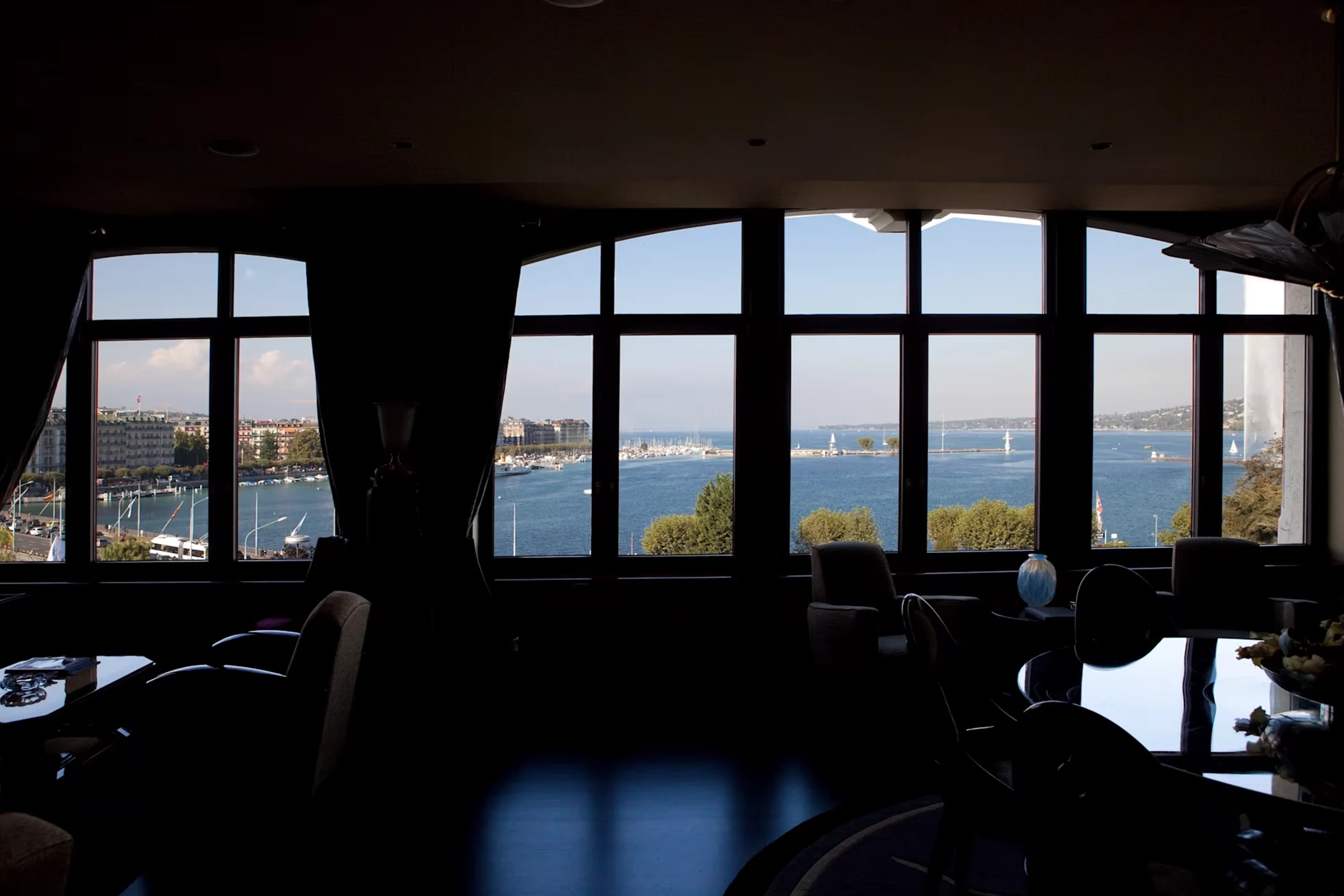
In 1997, Philippe Stern relocated the entire production to Plan-les-Ouates, where the new 130,000-square-metre PP6 manufacturing building now stands. After Patek Philippe outsourced its production, the historic building was extensively restored between 2004 and 2006 and reopened in 2006. Today, the former workshop on the 5th floor serves as a venue for private company and customer events, featuring paintings from the Stern family’s private collection, chic sofas, antiques, and a small bar.
For customers and interested parties, the salon now presents itself on two floors – the ground floor and the first floor – as a showcase for the entire range of Patek Philippe’s current products. Presentations of minute repeaters and customer service are located on the first floor.

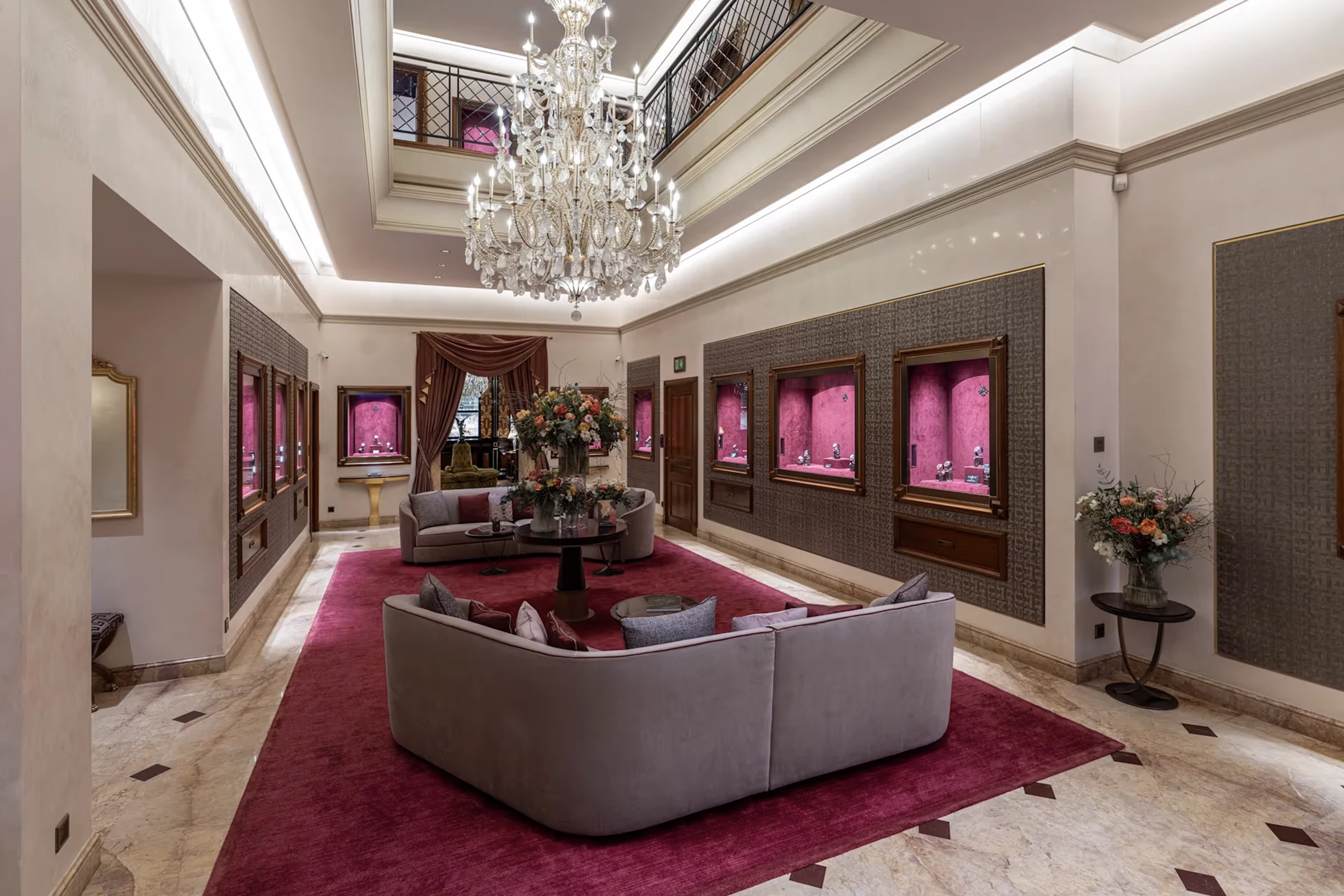
All collections from the current catalogue are displayed in the surrounding shop windows. It includes a wide range of models, such as Travel Time models, Calatravas, minute repeaters, world time watches, and annual calendars, a complication that Patek Philippe first developed and patented in 1996. The range of exhibits extends to the Grand Complications, with the salon being the only place where these pieces, such as the Grand Master Chime, are available for viewing. In total, customers can admire around 160 models in the boutique.
However, two of the most popular collections are nowhere to be found: the Nautilus and the Aquanaut, which are deliberately not displayed in the windows. This is because these models are so sought-after that visitors often want to purchase them immediately, without really taking an interest in the entire range of impressive products on offer at the Patek Salon. And that is, after all, what this is all about.
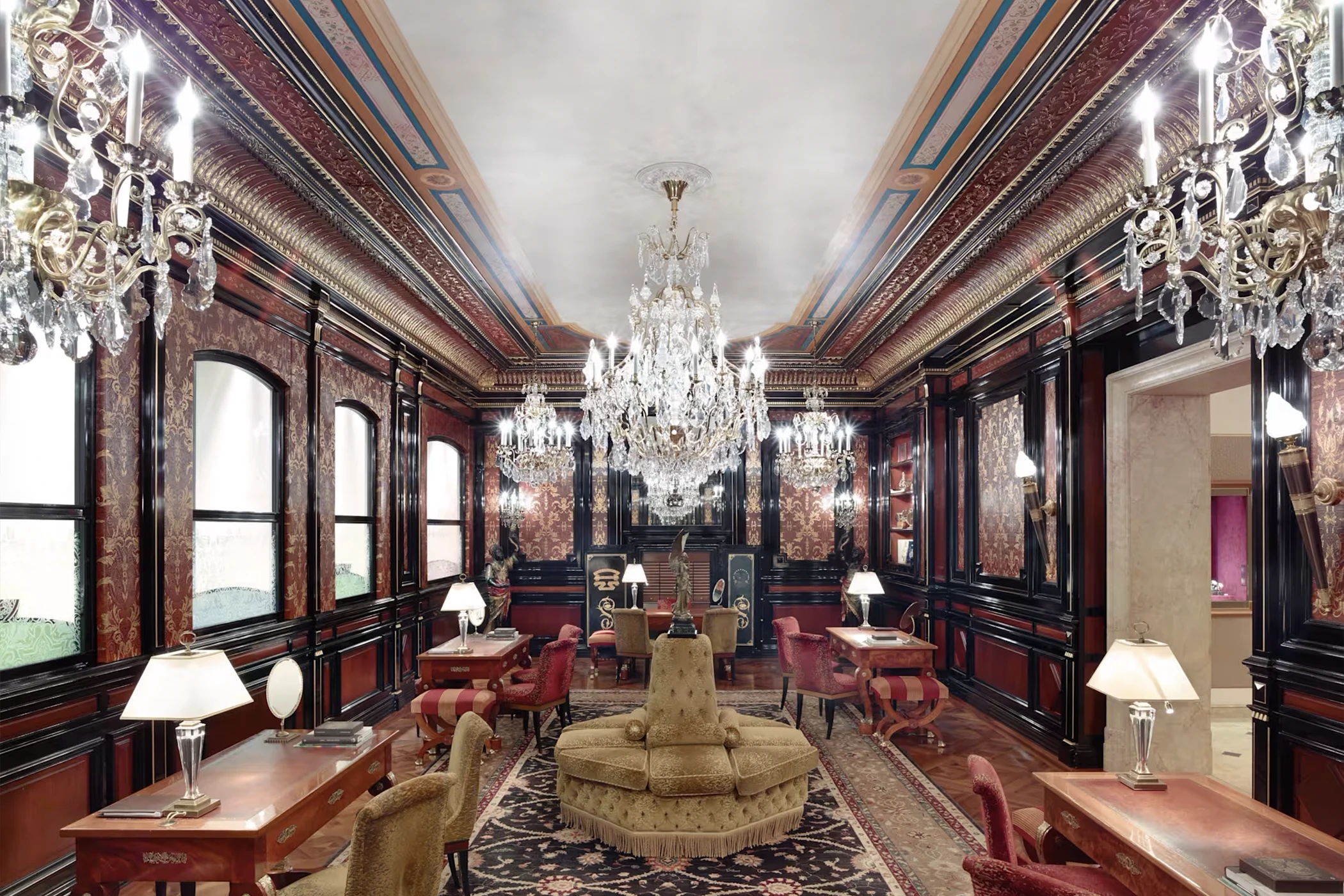
Gerdi Stern, Philippe Stern’s wife, supervised the restoration of the salon with the utmost care. Only the interior walls remained intact, and everything else was rebuilt or restored to its original state. The salon’s magnificent decorations are quite unlike what one would expect from Calvinist-influenced Geneva.
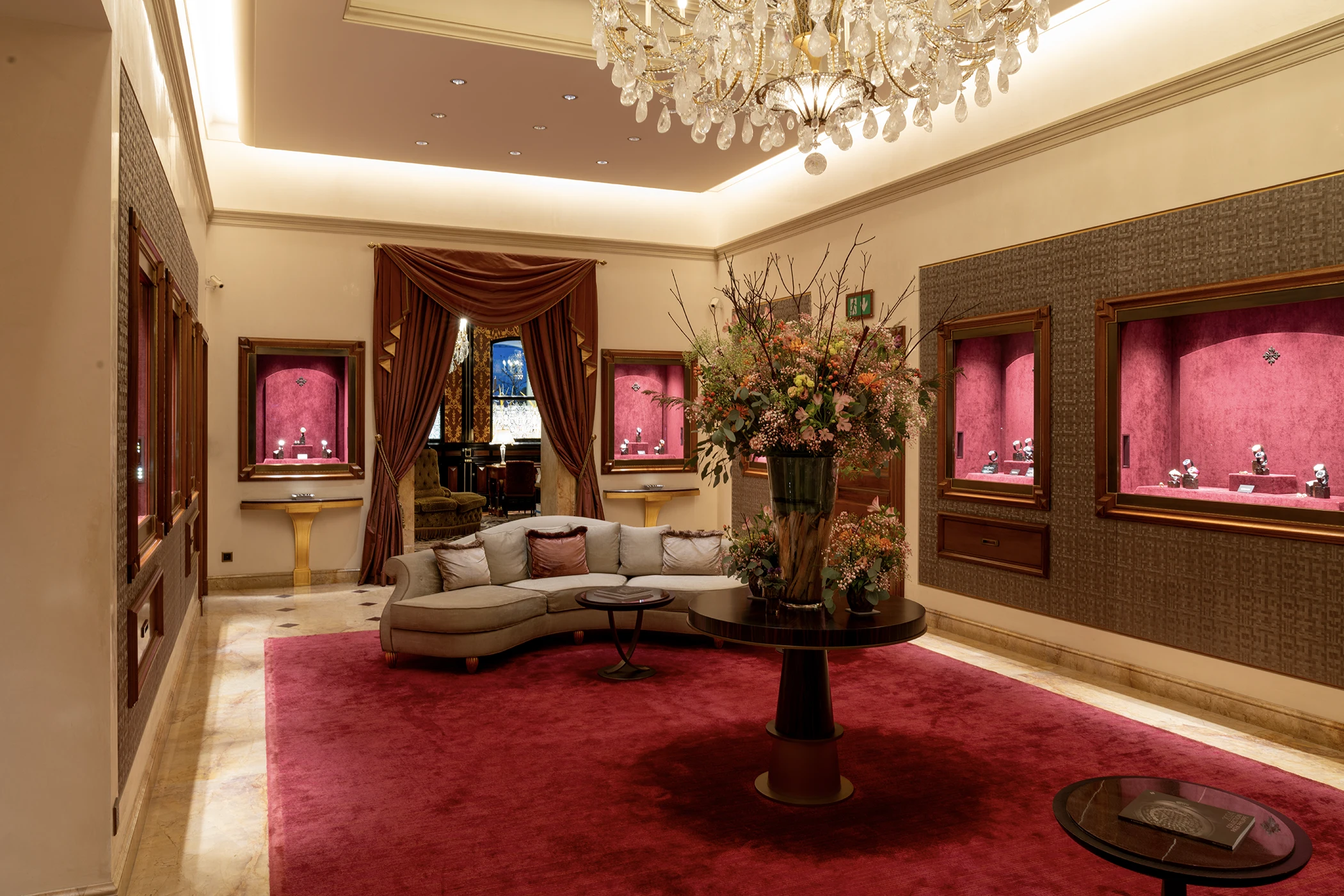
The interior is richly decorated, blending elements of the late 19th century and Art Deco. Highlights include the Salon Napoléon III and the leather wallpaper embossed with gilding. Five-metre-high chandeliers with rock crystals adorn the room. The arrangement of mirrors creates a baroque perspective, similar to that found in 18th and 19th century palaces.

In addition to its luxurious furnishings, the salon features historical artefacts, including two Tiffany safes built into the wall. Patek Philippe acquired them when Tiffany ceased production in Geneva. These safes, which feature an American eagle, now serve merely as decoration and, above all, as a reminder of the collaboration between the two houses since the 1940s.
An average of 200 visitors pass through the doors of the Patek Philippe Salon in Geneva every day. Watch enthusiasts from all over the world travel to Geneva, sometimes just to visit the historic salon. To cater to as many customers as possible, a 14-strong sales team provides personalised service. The Patek Philippe Salon in Geneva is not just a sales outlet, but a cultural treasure trove for the art of fine watchmaking. Not only is the entire current collection presented here, but the location itself is a preserved historical exhibit that celebrates the beginnings of the manufacture.