


Porsche Design custom-built Timepieces is the most ambitious and successful customization program in the entire Swiss watch industry.

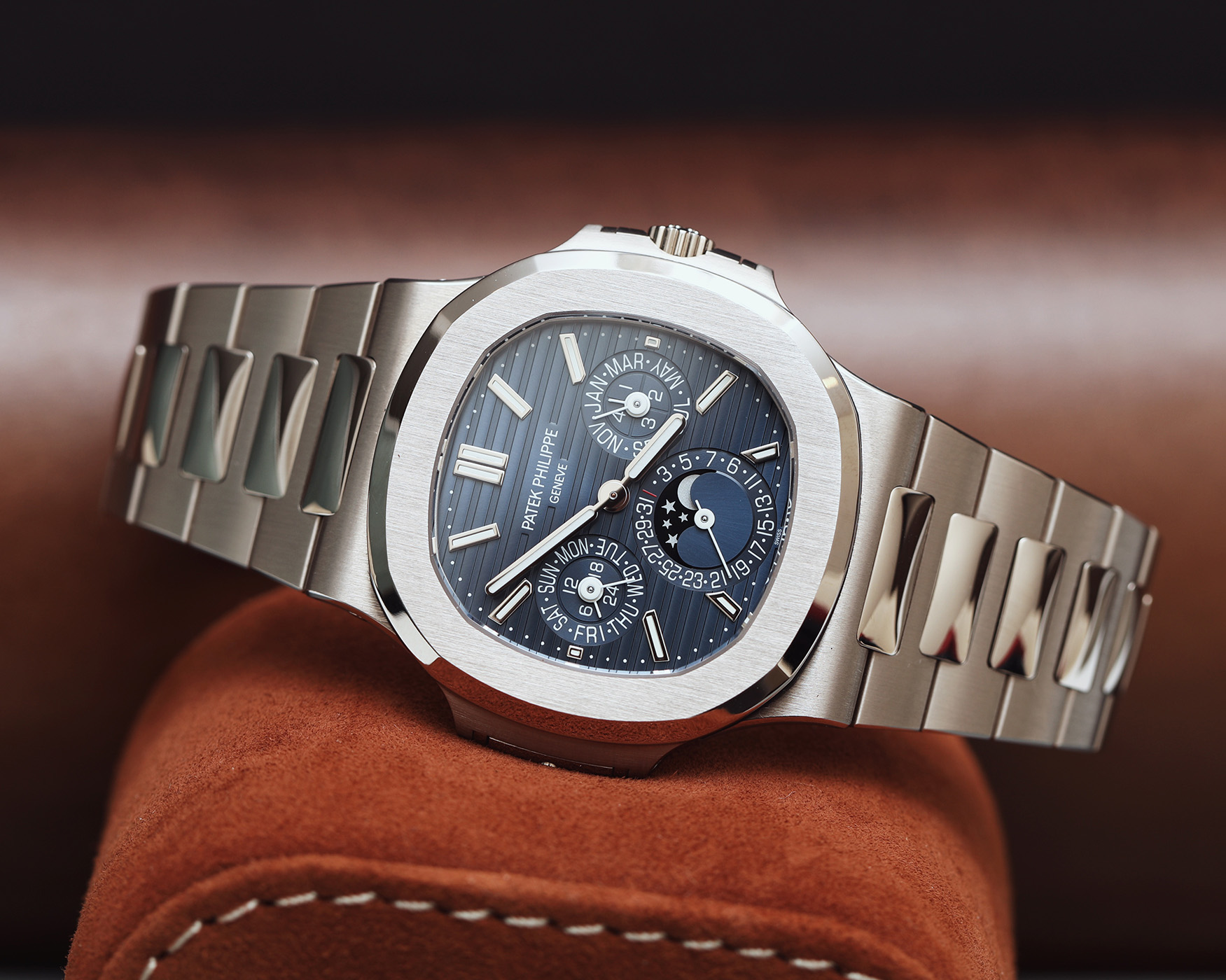
Day, date, month — it seems simple, yet translating our calendar into precise mechanical form is one of the most demanding challenges in fine watchmaking. To understand why some watches can 'think for themselves' at month’s end while others require manual correction, you need to know the three key complications: the complete calendar, the annual calendar, and the perpetual calendar.
Calendar displays on mechanical watches may look familiar at first glance: day, date, month – sometimes accompanied by a moonphase or leap-year indicator. But behind these simple windows lies one of the most demanding disciplines in traditional watchmaking: translating our calendar into precise mechanics. To understand why some watches can ‘think for themselves’ at the end of the month while others require manual correction, you need to know three key complications: the complete calendar, the annual calendar, and the perpetual calendar. In this article, we explain how each works, highlight their differences, and show what sets them apart in everyday use.
We also suggest exploring our articles on the history of perpetual calendars and the best perpetual calendar watches.
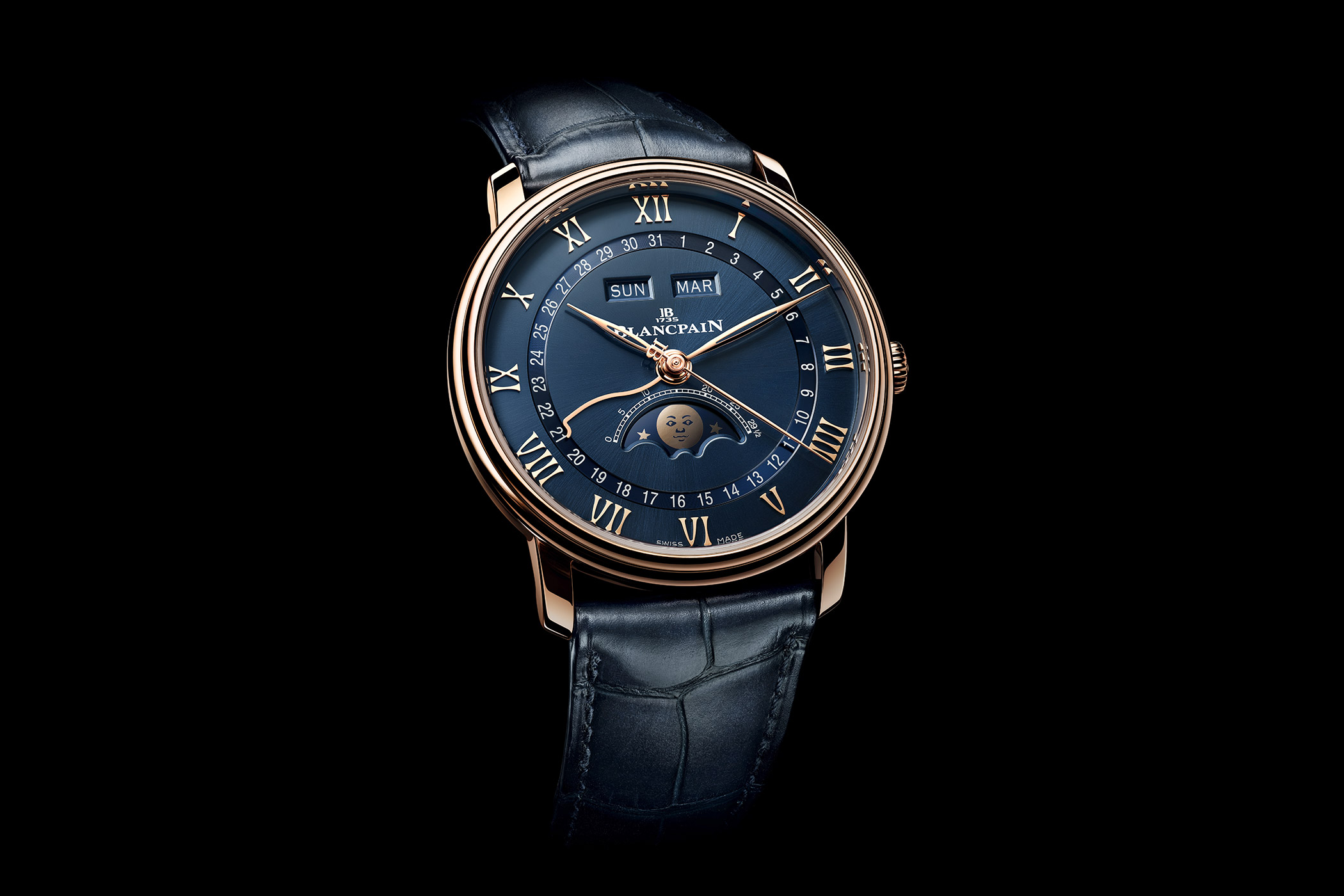
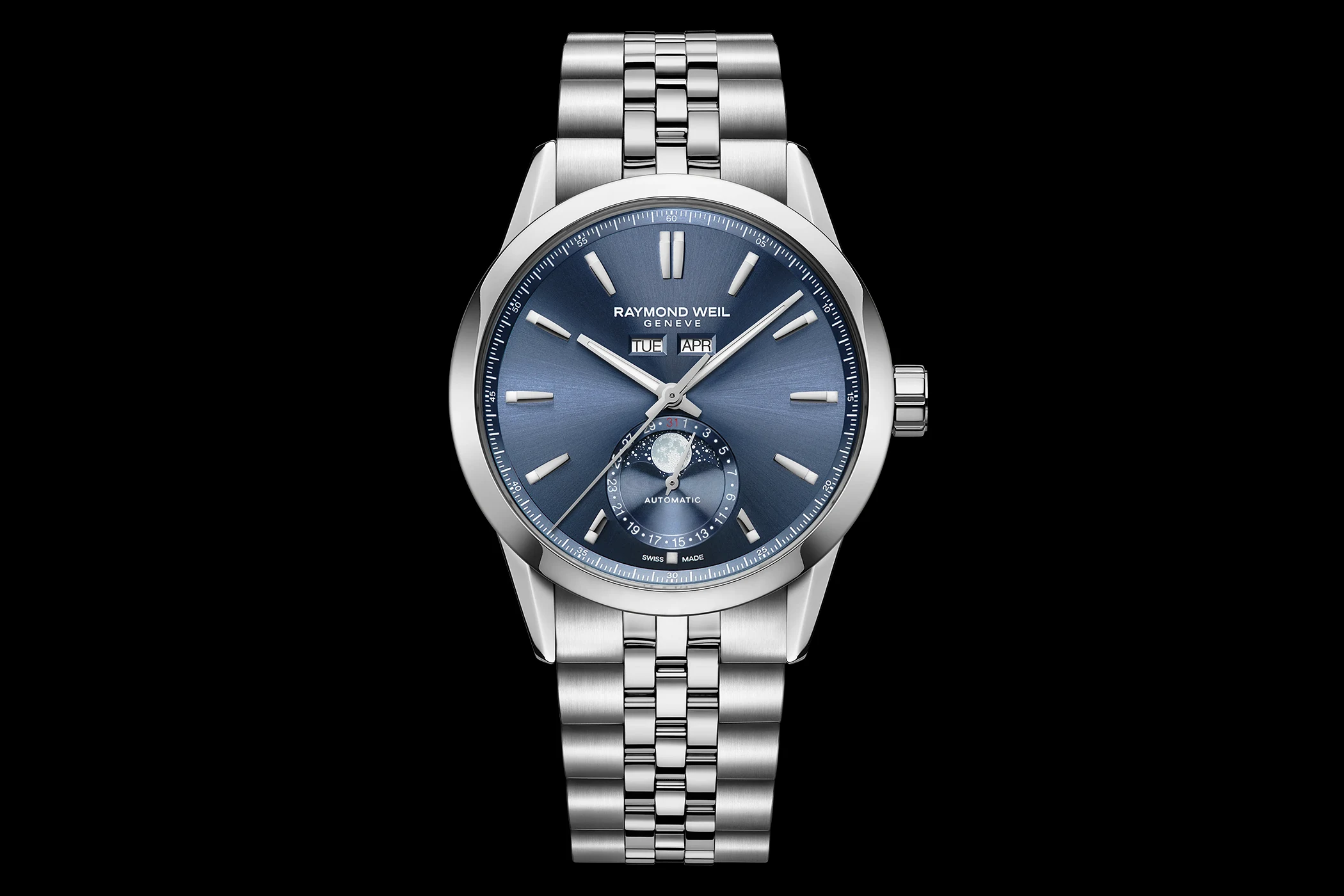
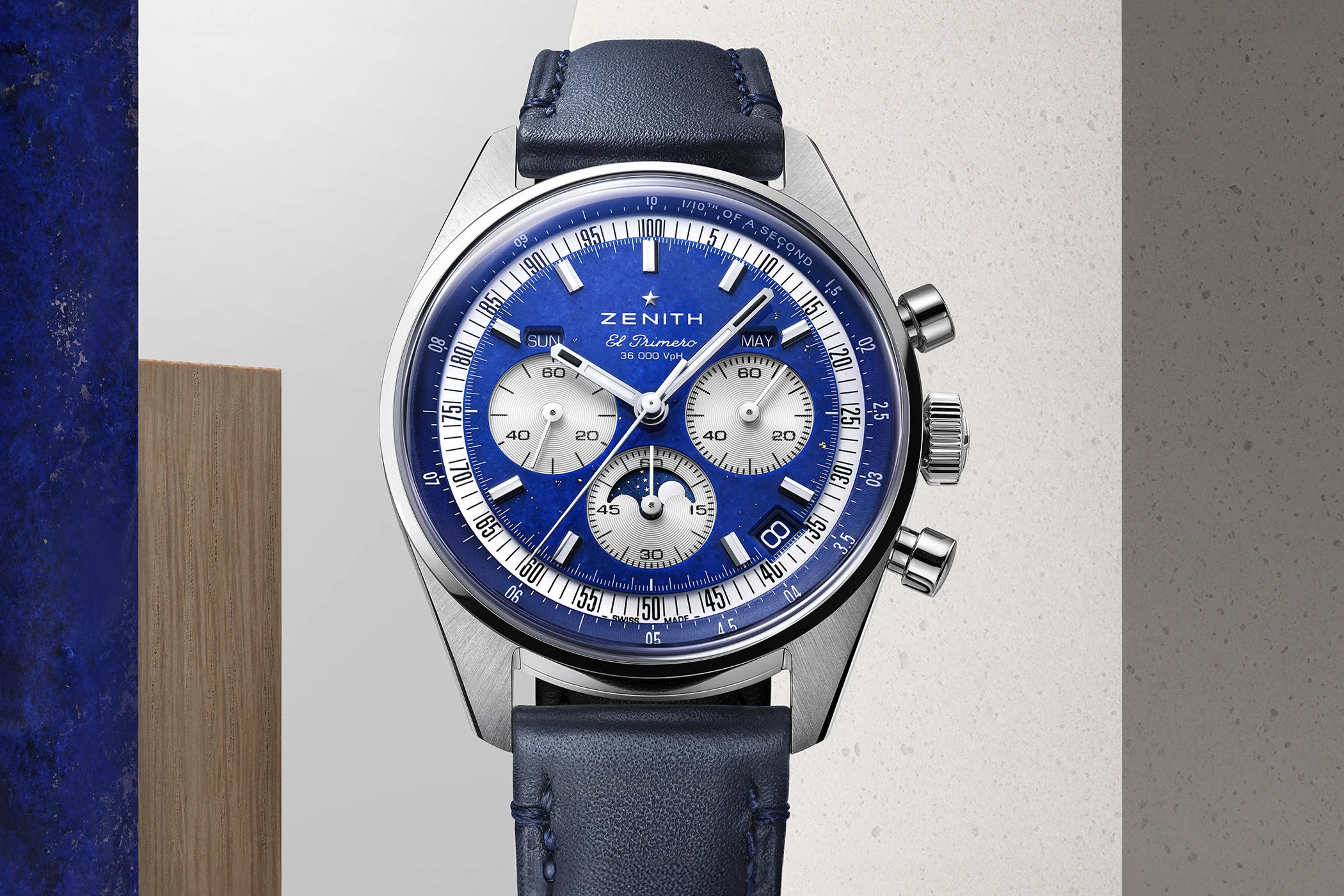
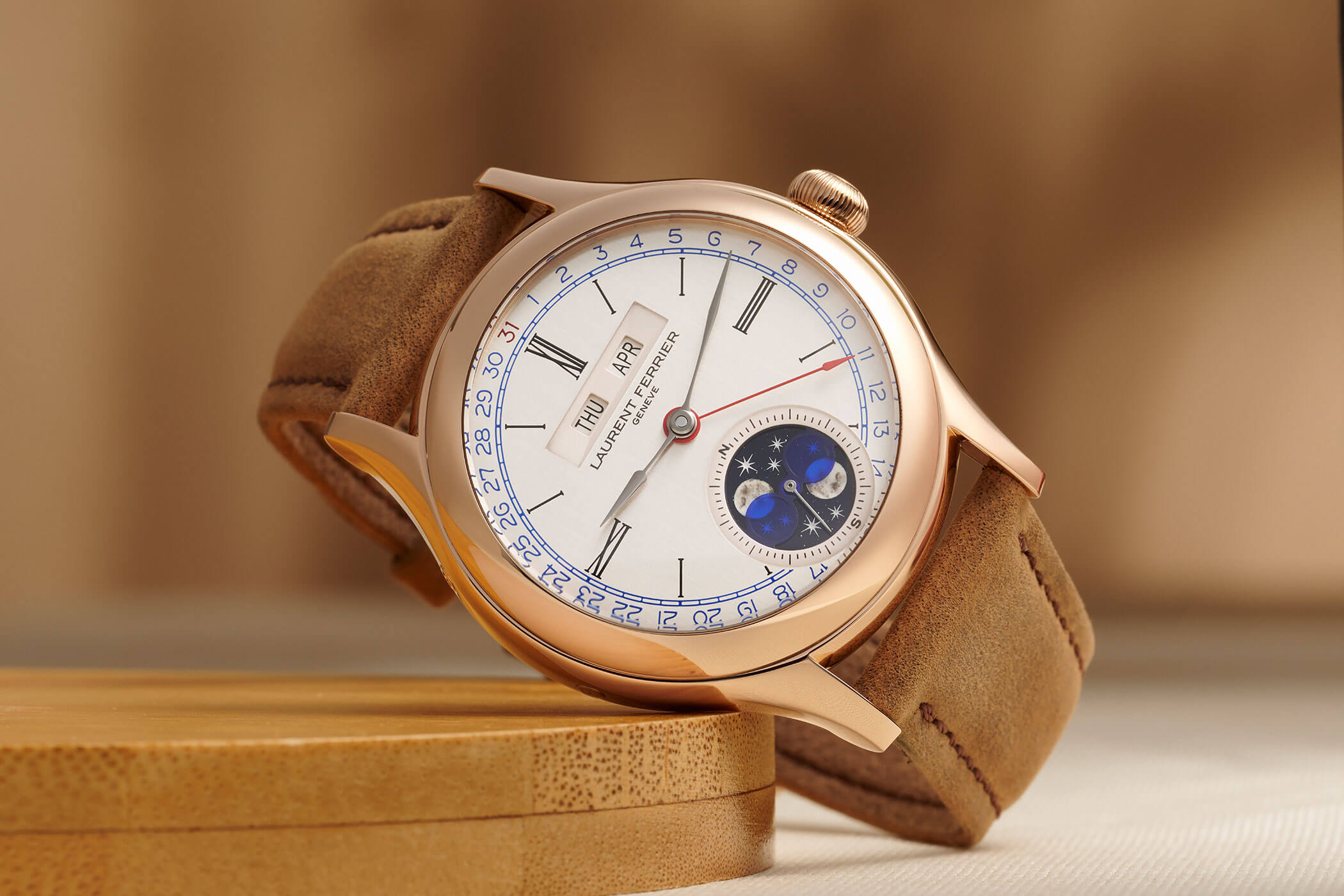
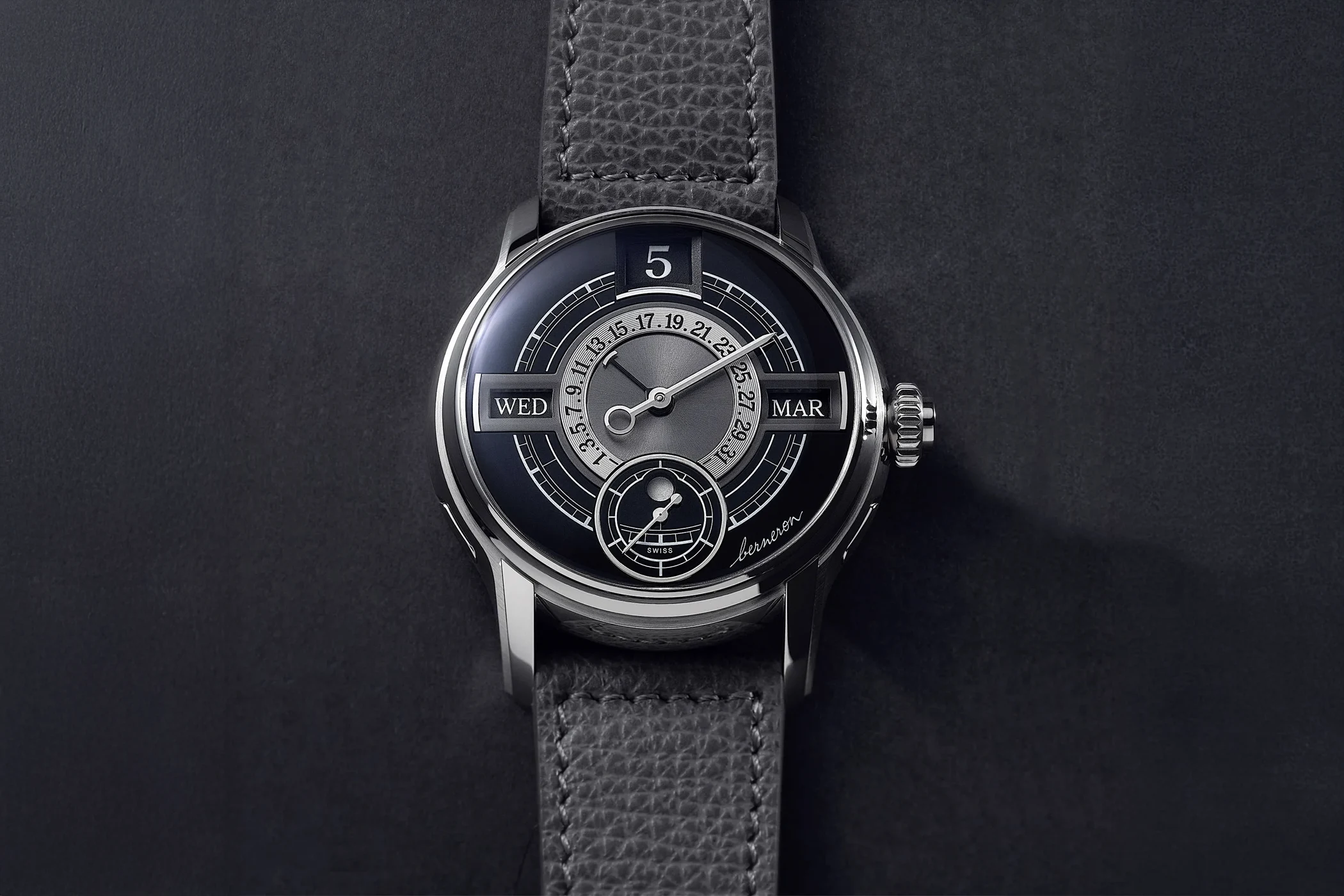
A complete calendar (also known as a ‘full calendar’ or ‘triple calendar’) is a calendar function that typically displays the day of the week, date and month on mechanical watches – often joined by a moon phase. It therefore provides significantly more information than a simple date display. Unlike an annual or perpetual calendar, a complete calendar does not automatically recognize the length of months. The mechanism does not typically ‘calculate’ 30-day months or February independently, but follows the normal date progression.
Corrections are therefore necessary on a regular basis, especially at the end of months that are shorter than 31 days. In everyday life, this means that, depending on the month, the date is manually advanced to the 1st of the following month. Depending on the design, the calendar correction can usually be carried out independently, either via the crown or via the correctors (small pushers on the sides of the case).
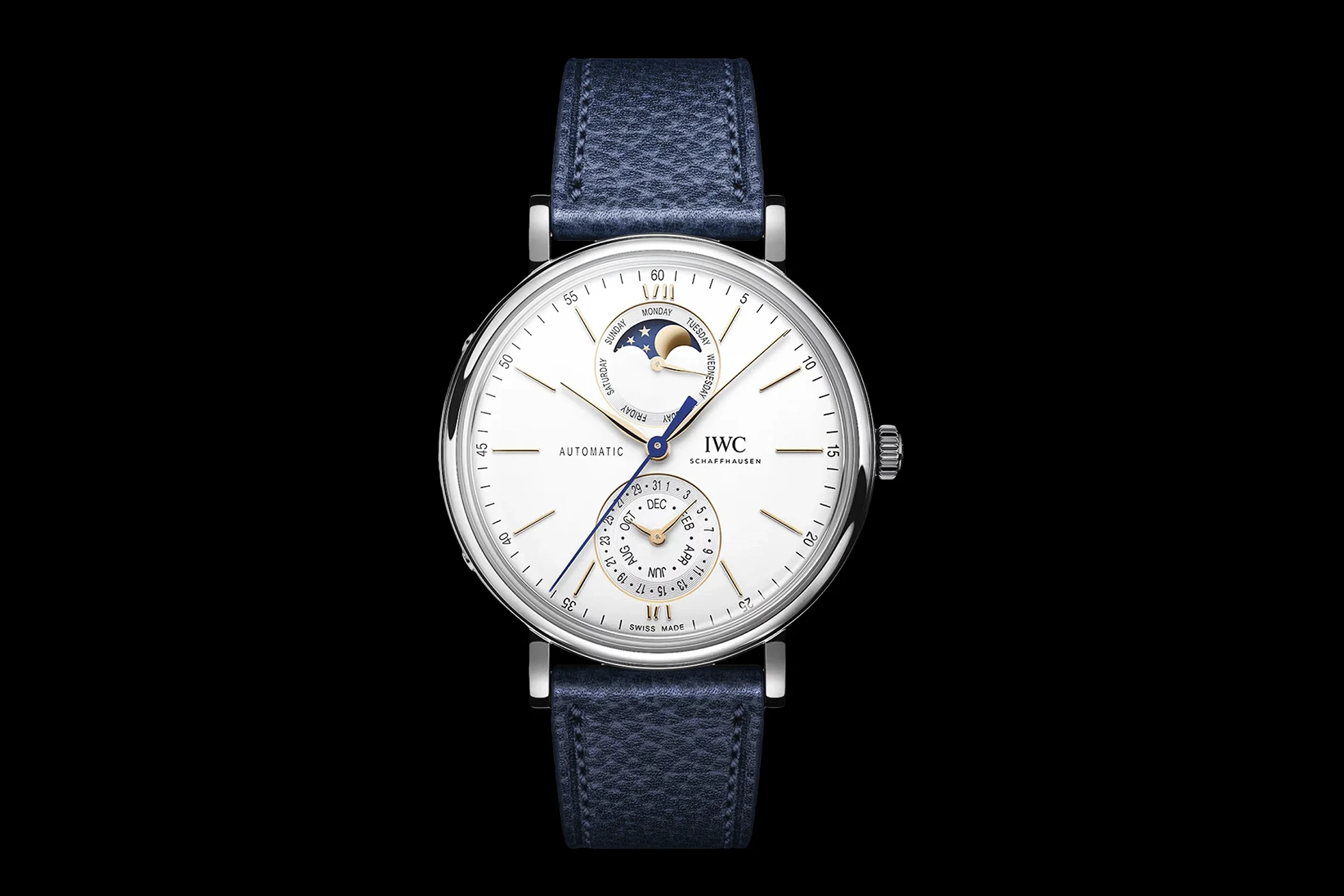
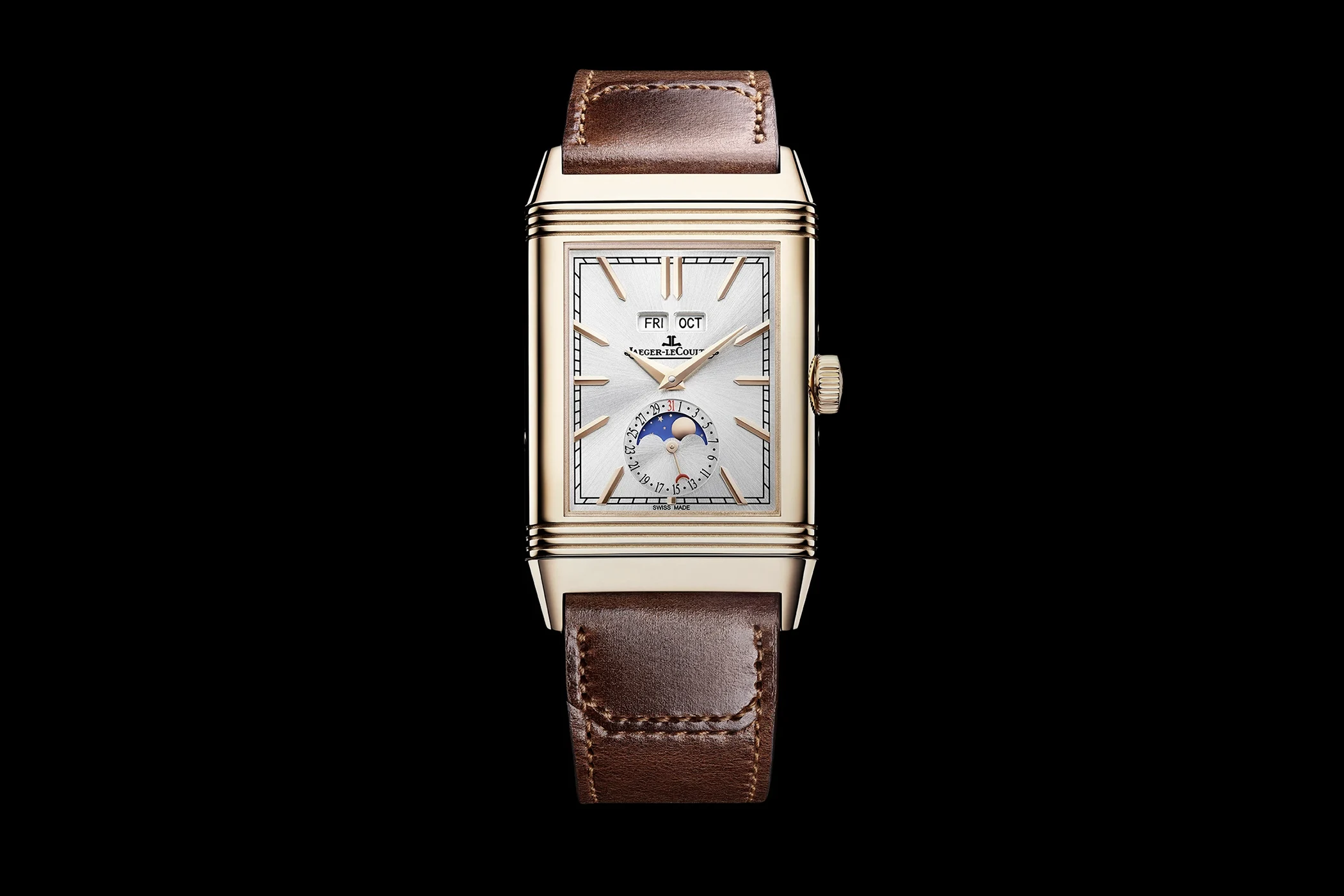
It is absolutely essential not to make any manual corrections during the automatic switching phase. For example, traditional manufacturers such as Vacheron Constantin recommend not making any corrections or operating quick-set systems between 9 p.m. and 3 a.m. If you encounter any resistance during the adjustment process, or if you are unsure after a long period of inactivity, it is always advisable to consult a watchmaker at an authorised brand boutique.
Here’s a useful tip: no matter how you want to adjust, correct, or set your watch, you should first position the hour and minute hands so that they are both between the four and eight o’clock indicators on the dial. This ensures that no damage to the movement or unwanted errors occur during correction or adjustment (this applies to any complication from the classic date window upwards). A complete calendar is particularly well suited to those who desire a classic, information-rich dial aesthetic and are willing to accept the need for occasional corrections as part of its use.
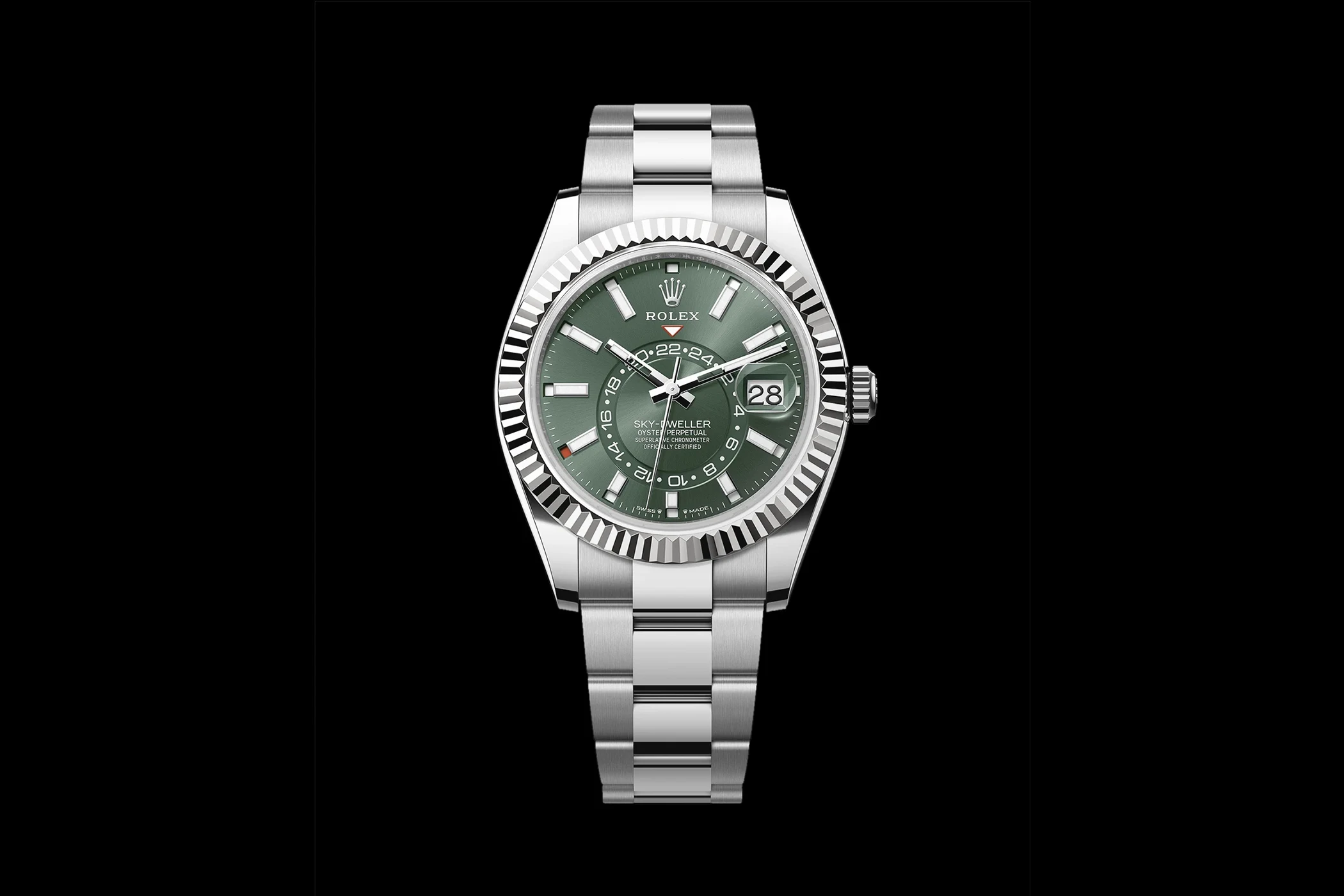
Brands & model examples:
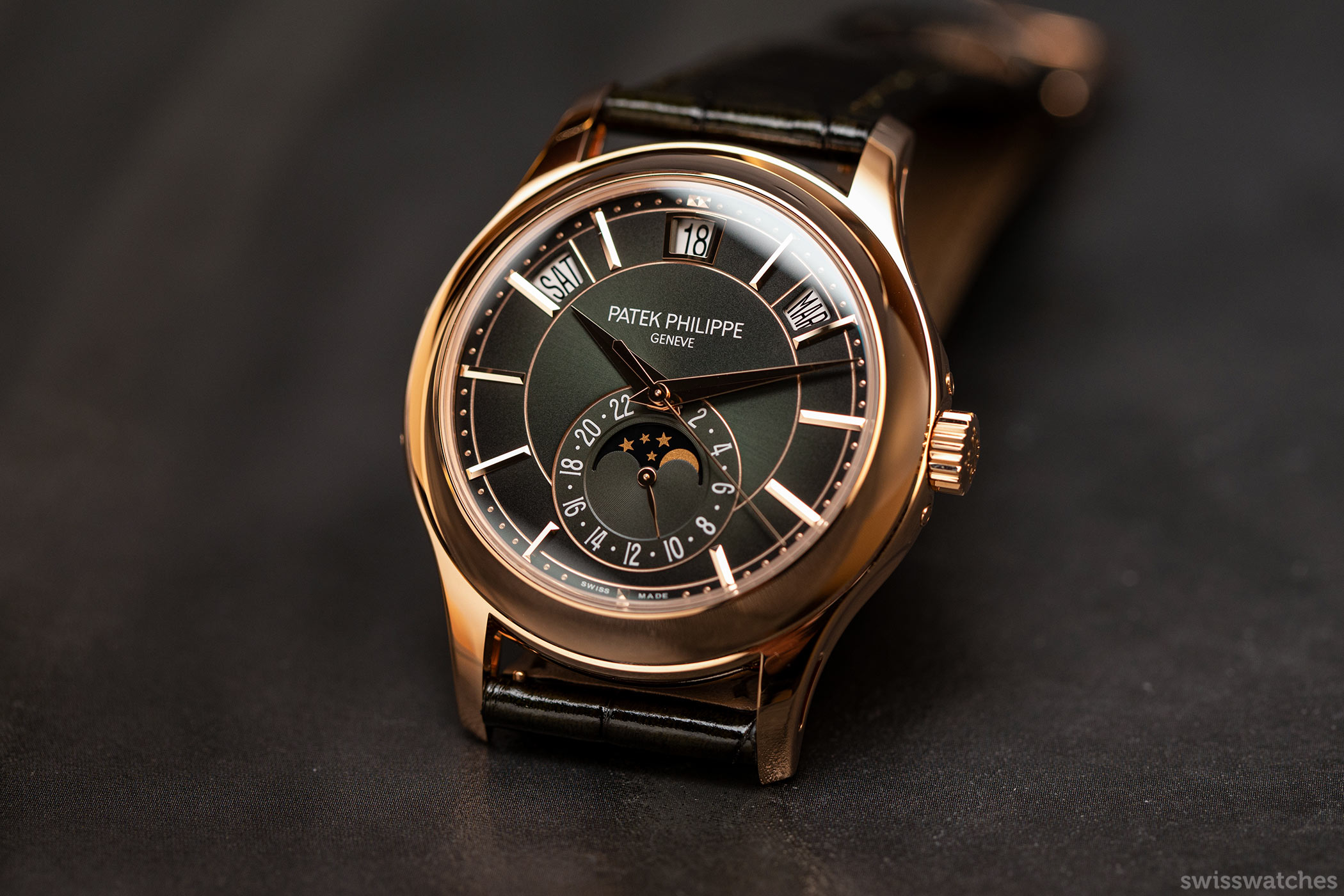
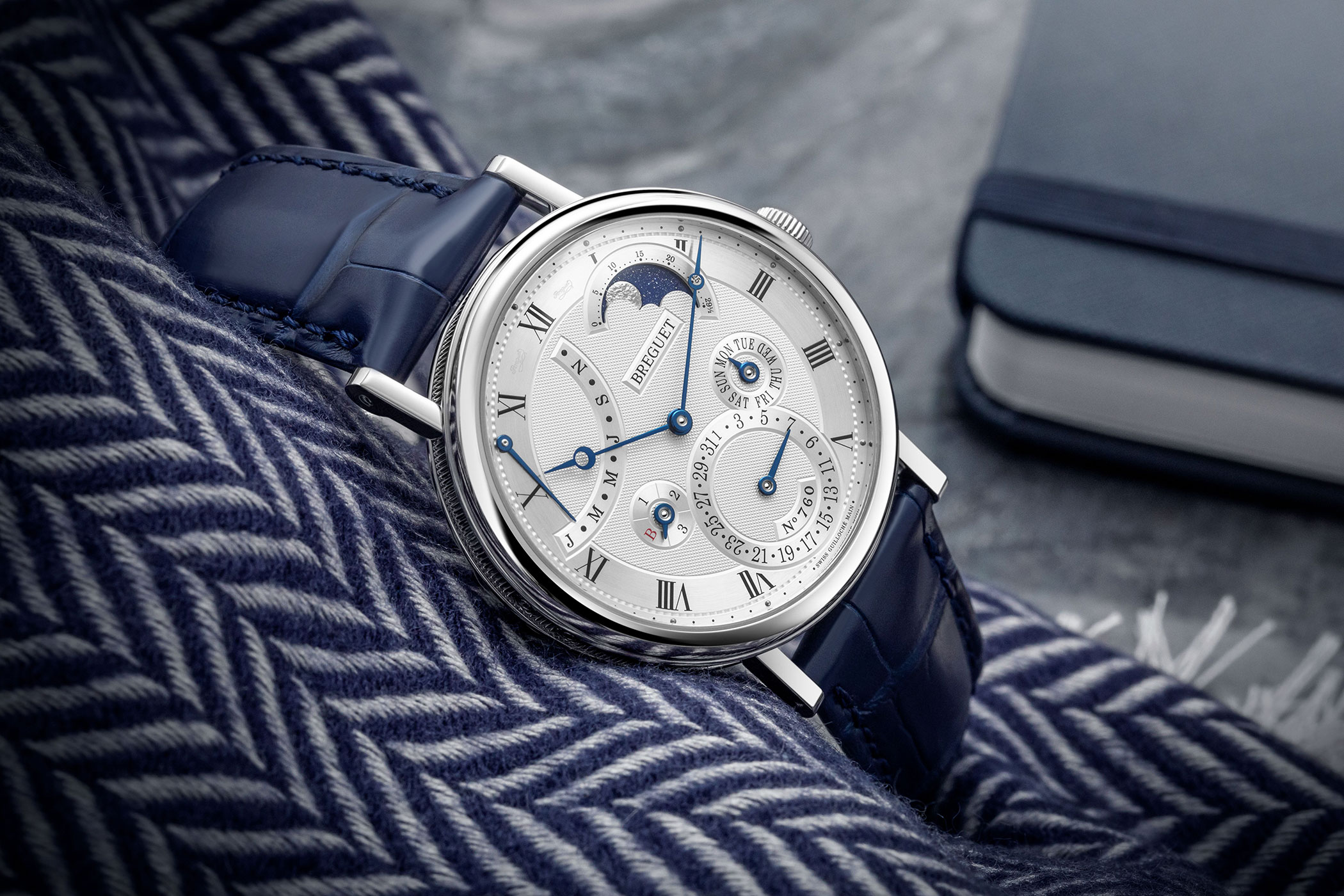
An annual calendar typically displays the date, day of the week, and month (varies depending on the model). It represents the complicated middle ground between a complete calendar and a perpetual calendar.
The key technical difference is that an annual calendar automatically recognises months with 30 or 31 days. This means that most month changes are processed correctly without the need for constant intervention. Manual correction is only necessary in February, which, in practice, means on 1 March each year (also in leap years, depending on the layout).
In everyday use, the annual calendar stands out above all for its very low maintenance requirements: With daily use, the calendar typically only needs to be corrected once a year to compensate for February (usually on 1 March; depending on leap year logic, this is then 2 or 3 days in advance).
With regard to this, we recommend the same procedure for watches with an annual calendar complication as for the care and adjustment of a complete calendar (avoid corrections between 9 p.m. and 3 a.m. and follow the adjustment instructions). Accordingly, a visit to the watchmaker is not normally necessary here either, unless one or more of the watch’s displays are only partially functional, for example after a long period of inactivity.
The annual calendar therefore offers significantly more convenience in terms of readability and setting the movement compared to the complete calendar, but remains less complex than a perpetual calendar.
Compared to other calendar complications, the complication is surprisingly young. Patek Philippe introduced the first annual calendar mechanism on a wristwatch in 1996 (Ref. 5035, Baselworld), thereby initiating the idea of a ‘practical complication’ between the complete calendar, which has been around since the early decades of the 20th century, and the perpetual calendar (1941, Patek Philippe).
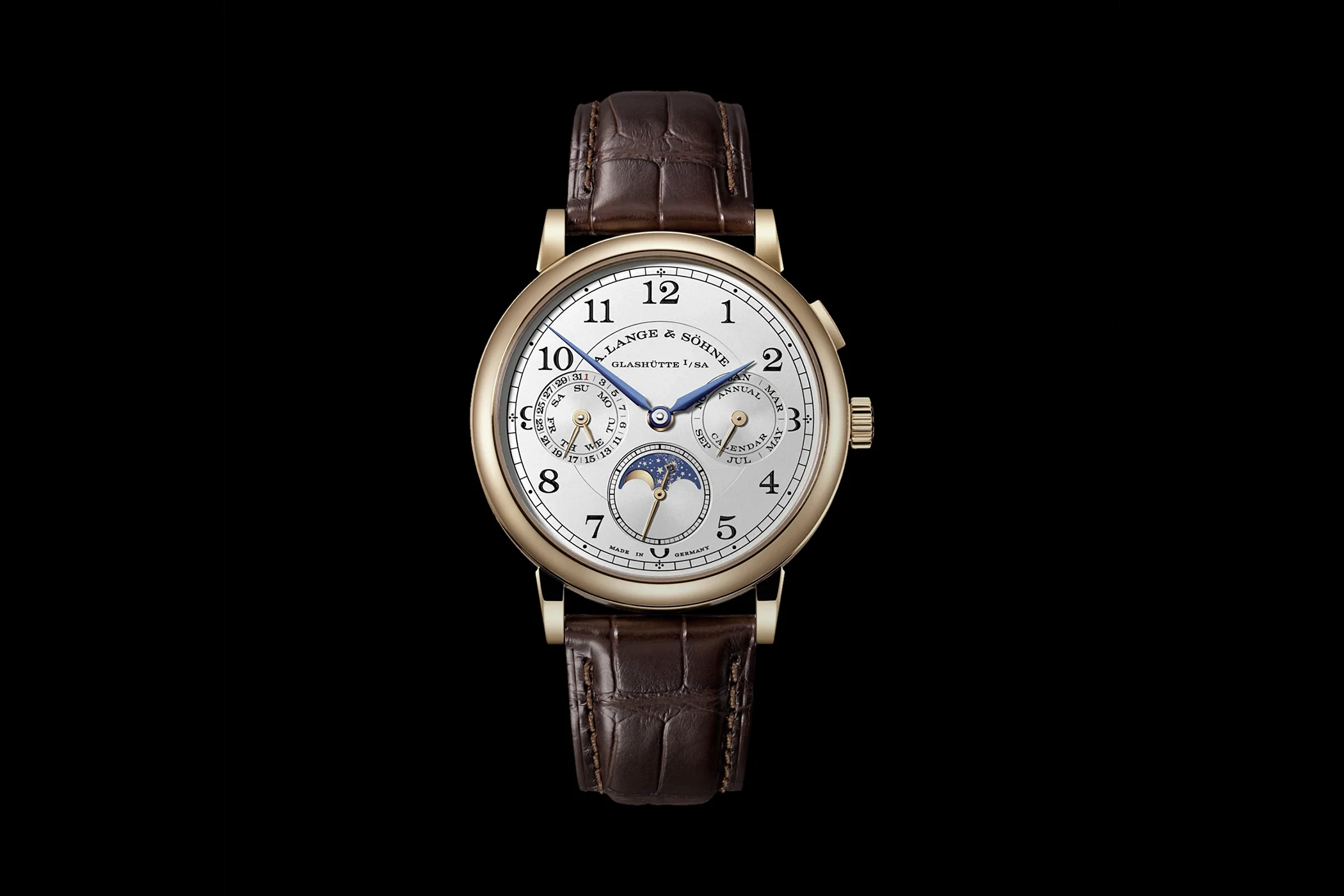
Brands & model examples:
The perpetual calendar complication is designed to automatically display the current day of the month (1-31), the day of the week (Monday to Sunday), and the month (January to December) correctly, while also taking leap years into account. This complication is often supplemented by a year or leap year display on the dial.
The mechanism itself not only distinguishes between 30- and 31-day months, but also displays February, including 29 February in leap years. In short, watches with this complication are timepieces that you simply must wear because, as the name suggests, they run almost forever. These types of watches are therefore rightly regarded as symbols of the highest level of watchmaking artistry and the ultimate in calendar management convenience.
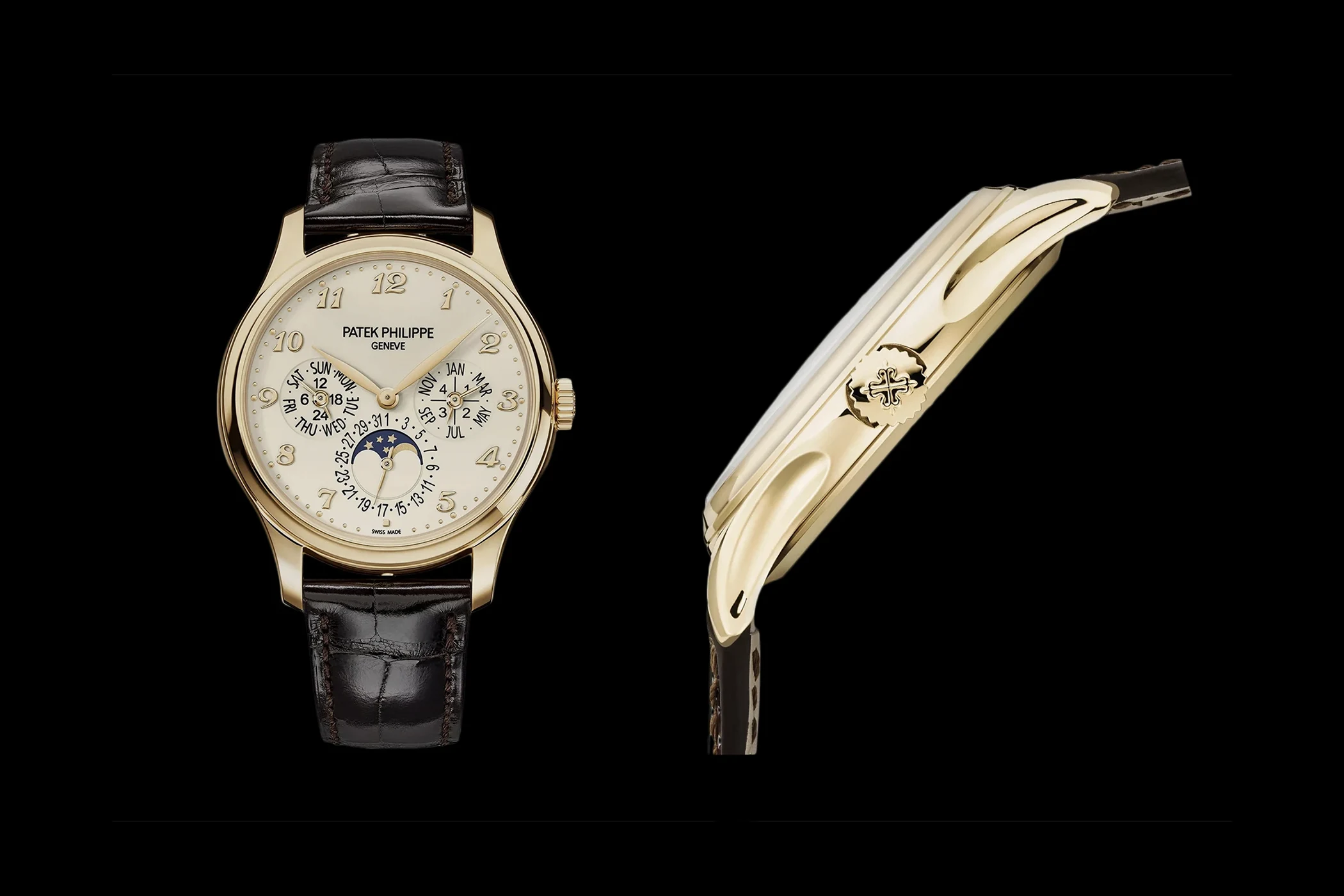
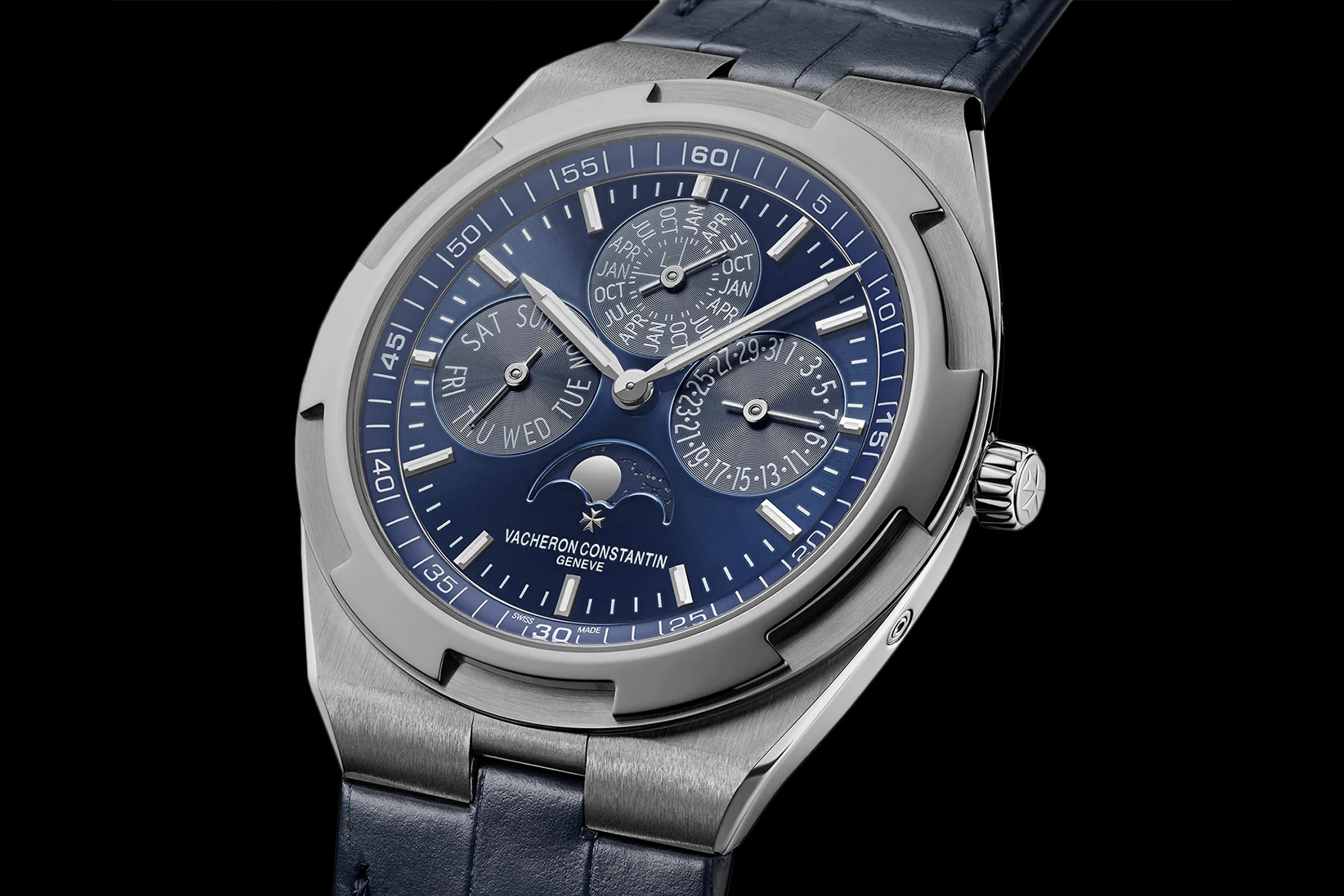
Most perpetual calendars are designed to function correctly until the year 2100. The year 2100 is not a leap year in the Gregorian calendar, so most pieces will need to be adjusted on 1 March 2100. However, there are also special models known as secular perpetual calendars, which take the century exceptions into account as well as the basic functions of this complication.
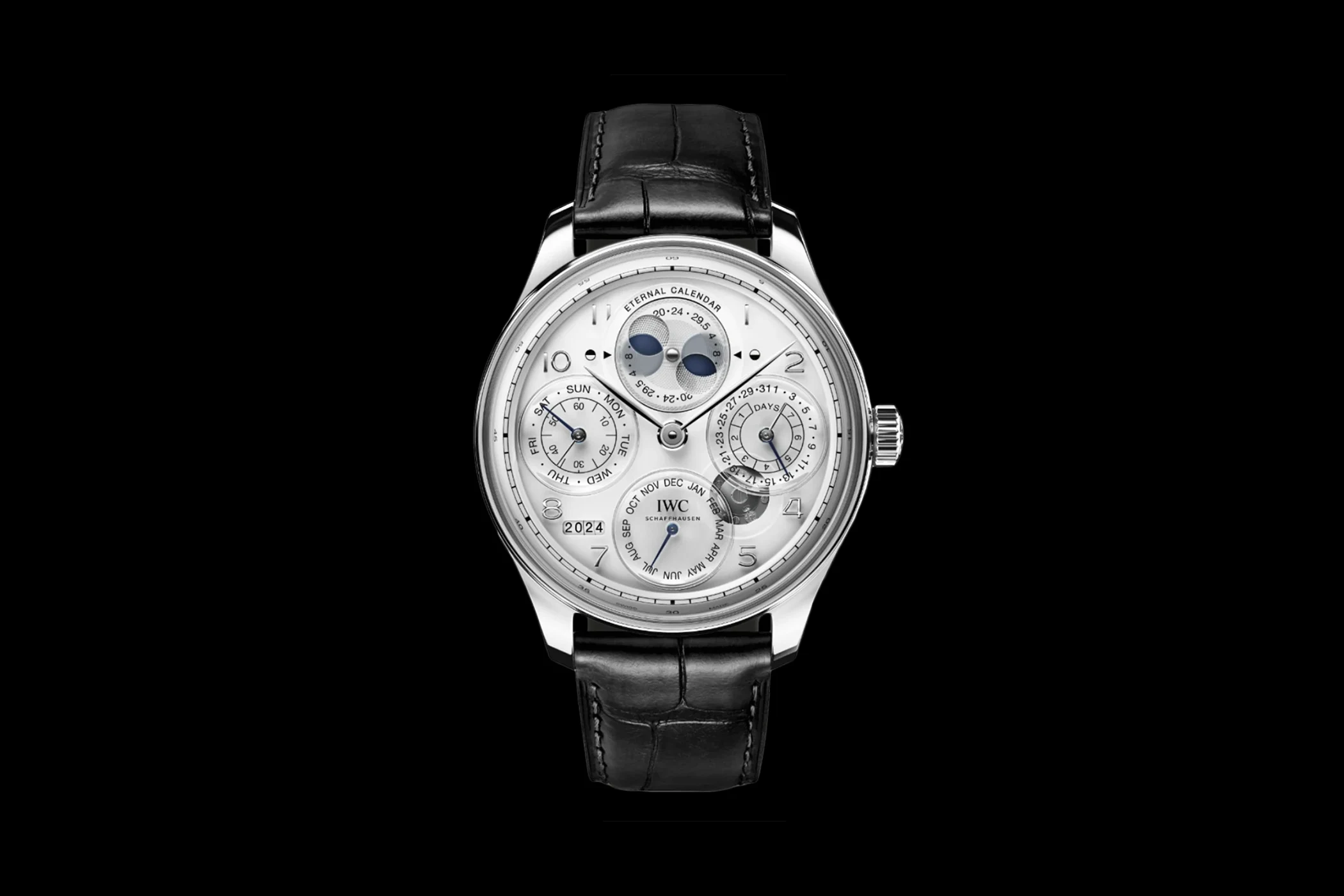
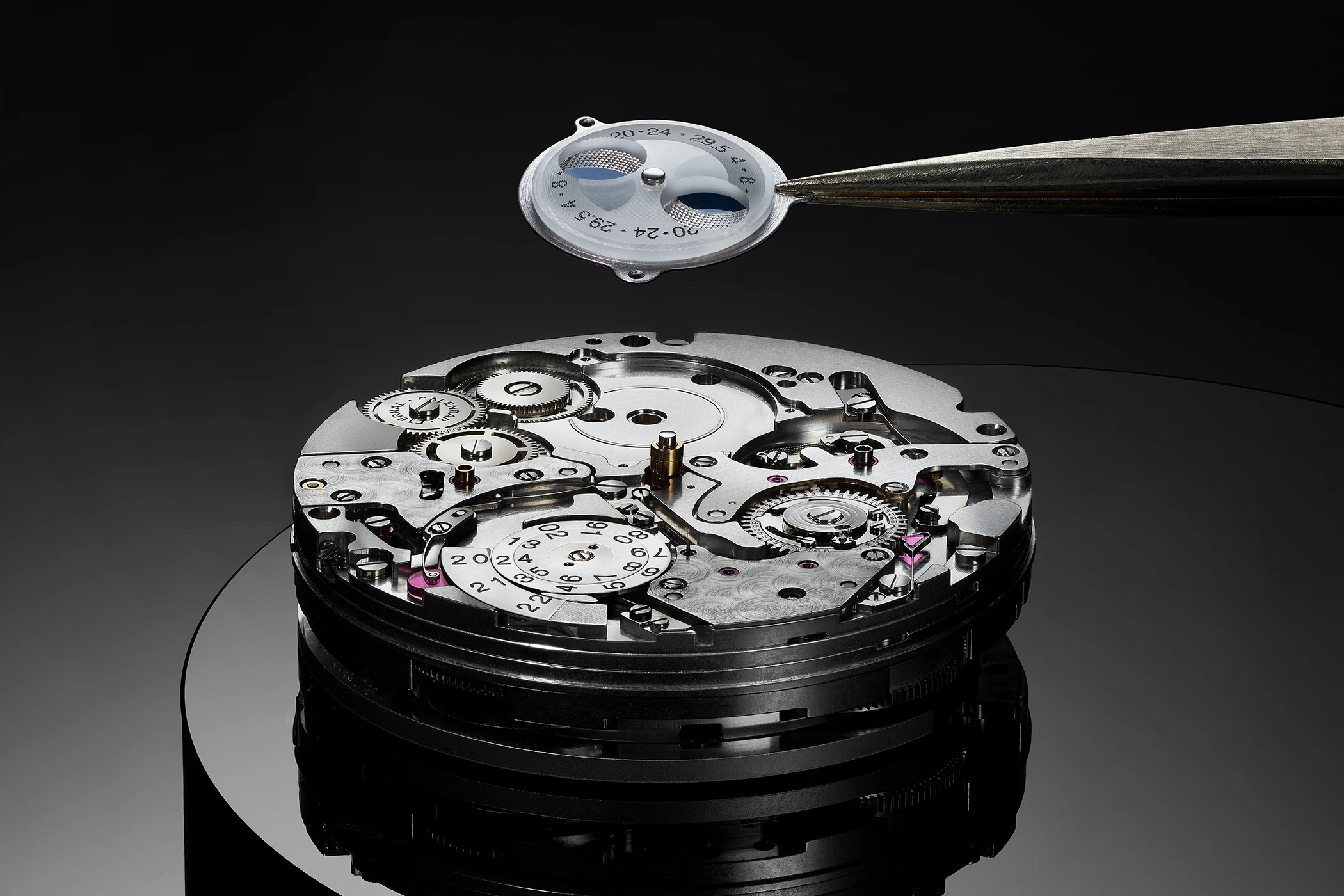
A striking example of such a timepiece is the IWC Portugieser Eternal Calendar (Ref. IW505701). This secular perpetual calendar takes into account not only the exceptions to the Gregorian calendar for leap years, but also much more besides. IWC’s specially developed 400-year mechanism enables the calibre to skip three leap years over four centuries – the next time this will be possible is in 2100.
According to IWC, this mechanism is only made up of eight parts and designed for maximum efficiency. This secular perpetual calendar from IWC can correctly calculate leap years until at least 3999, as it is not yet known whether the year 4000 will be a leap year or not. With IWC’s Eternal Calendar, calendar corrections can be made directly via the crown, which advances all displays in sync rather than requiring separate pushers for the day, date, and month – a reflection of the ‘synchronised’ calendar logic cultivated by IWC Schaffhausen.
The idea originates from the 1985 Basel Watch Fair, when IWC unveiled a perpetual calendar that could be set exclusively via the crown. This mechanism, developed by Kurt Klaus and named after him, became a defining innovation for the brand.
In practice, one challenge remains when it comes to servicing: a perpetual calendar is mechanically delicate, as a programme wheel or disc with notches and steps governs the varying lengths of months and leap years. Intervening at the wrong moment can place strain on the switching mechanism. To ensure safe adjustments, the calendar should never be altered during its switching phases.
One should also keep in mind that, aside from a few exceptions like the Audemars Piguet Calibre 7138, these calendar complications can only be advanced forward. After a watch has been inactive for a long time, having a professional handle any necessary adjustments is advisable – not because it can’t be done manually, but because even a small error can have significant consequences in such intricate movements.

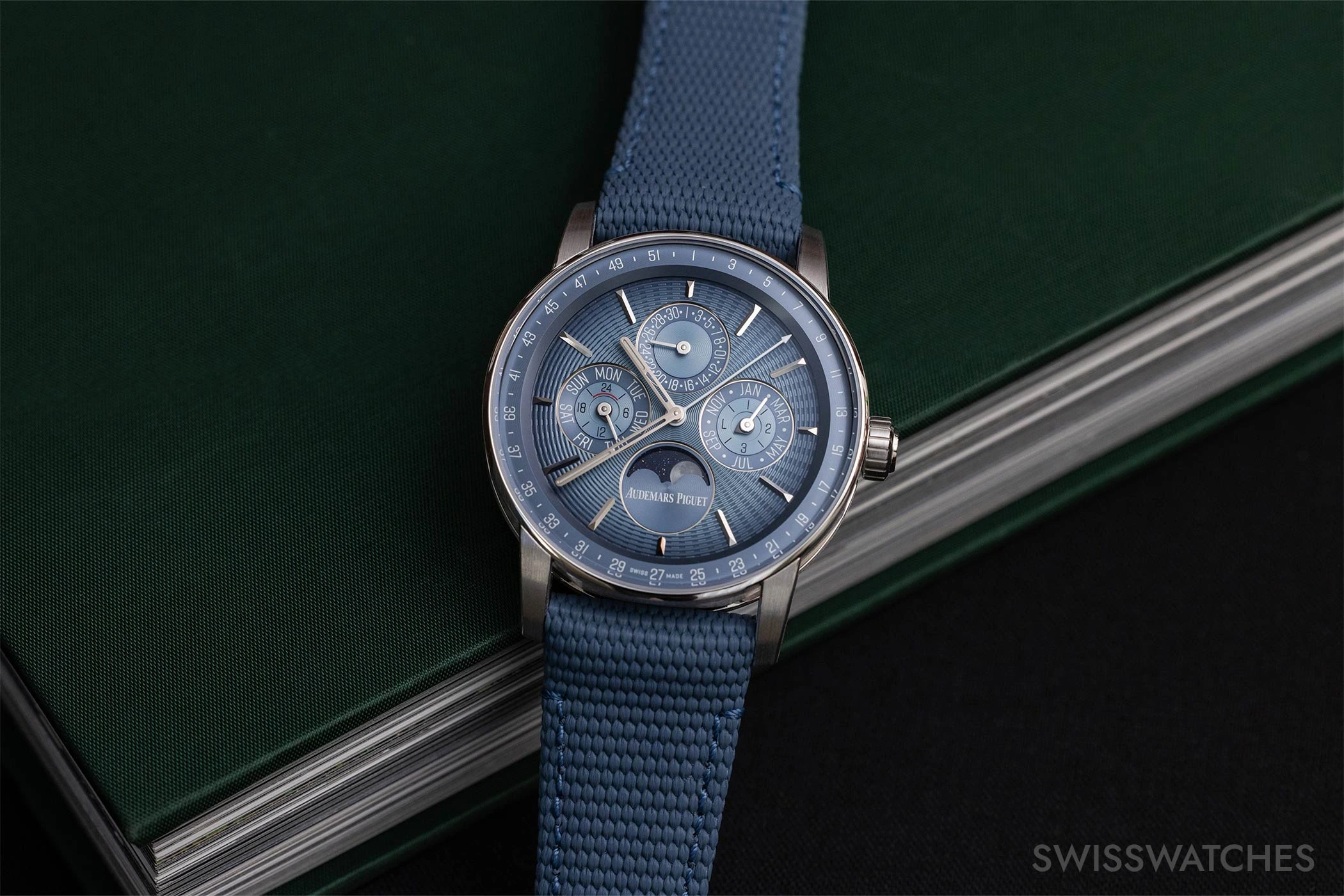
Brands & model examples: