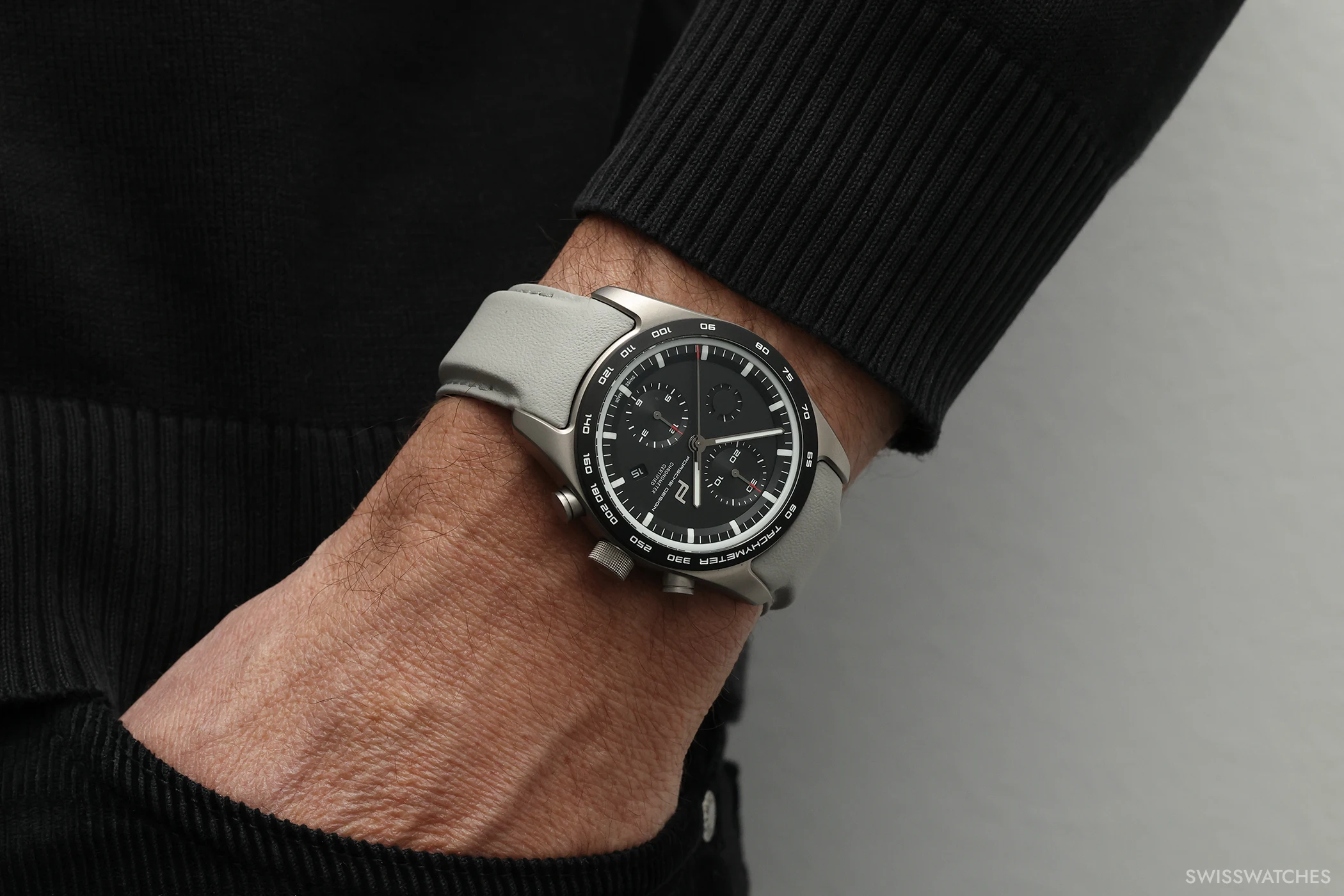
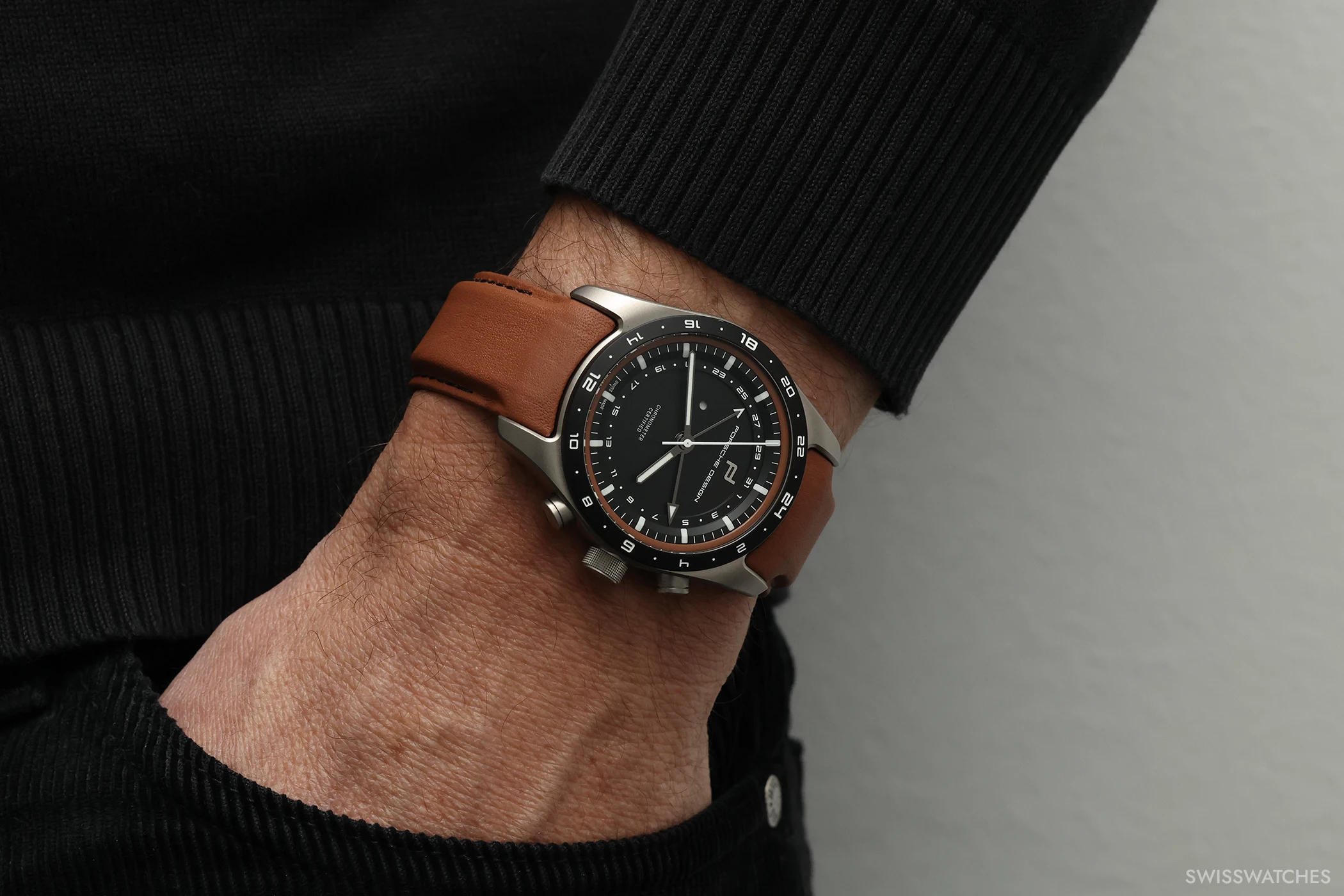
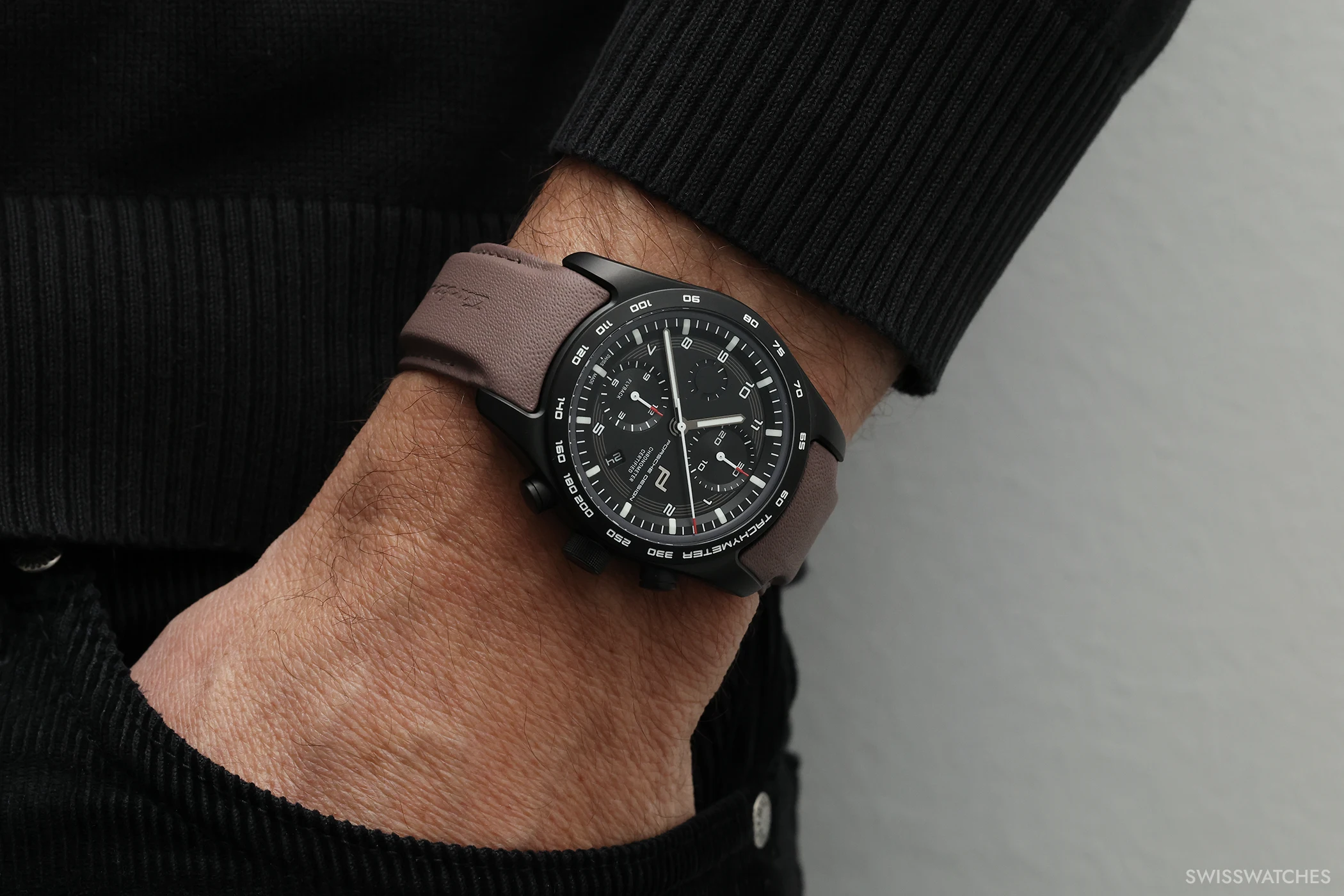
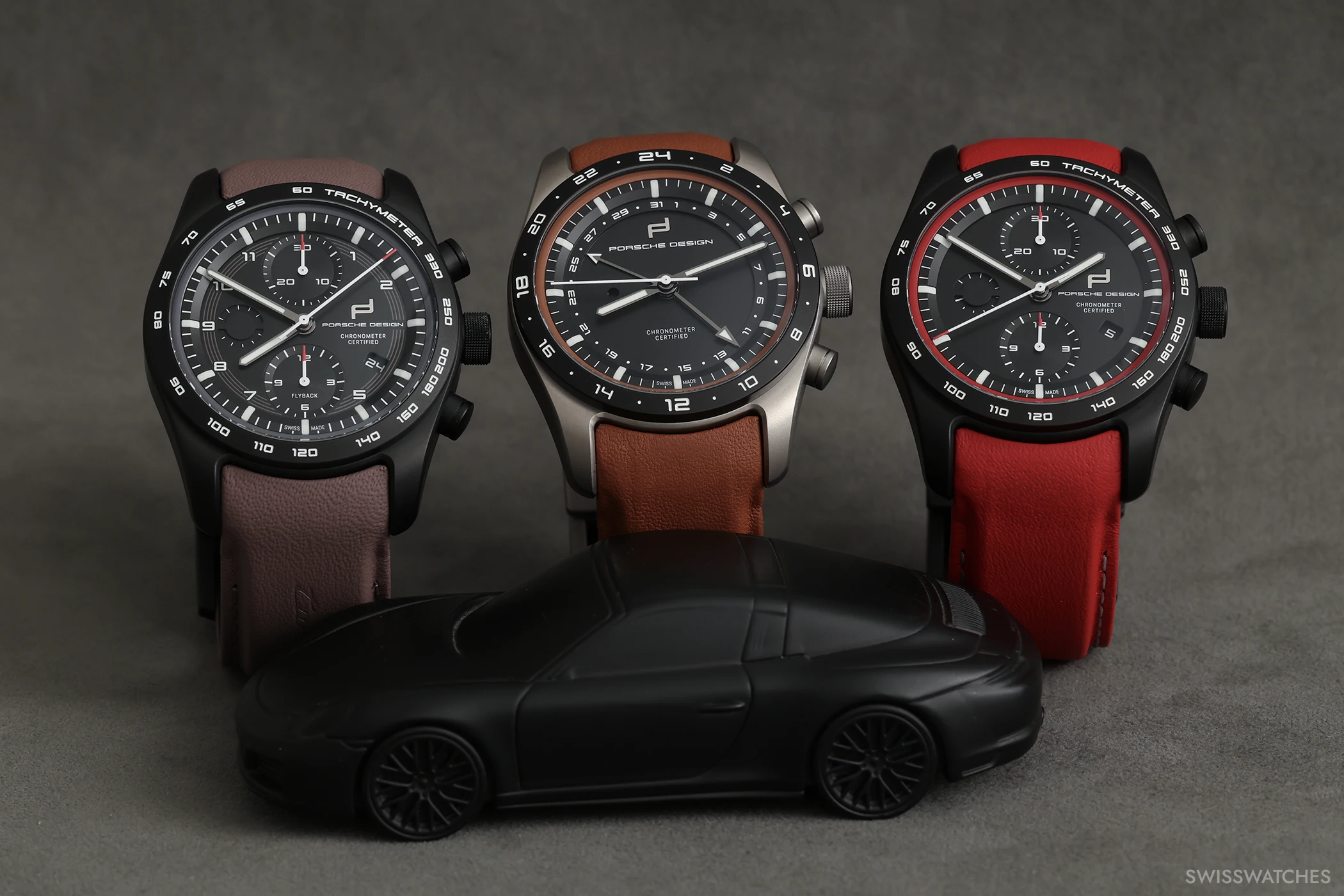
We spoke about the custom-built timepieces program with Rolf Bergmann, Managing Director of Porsche Design Timepieces, and Federico Magno, CEO of MHP.

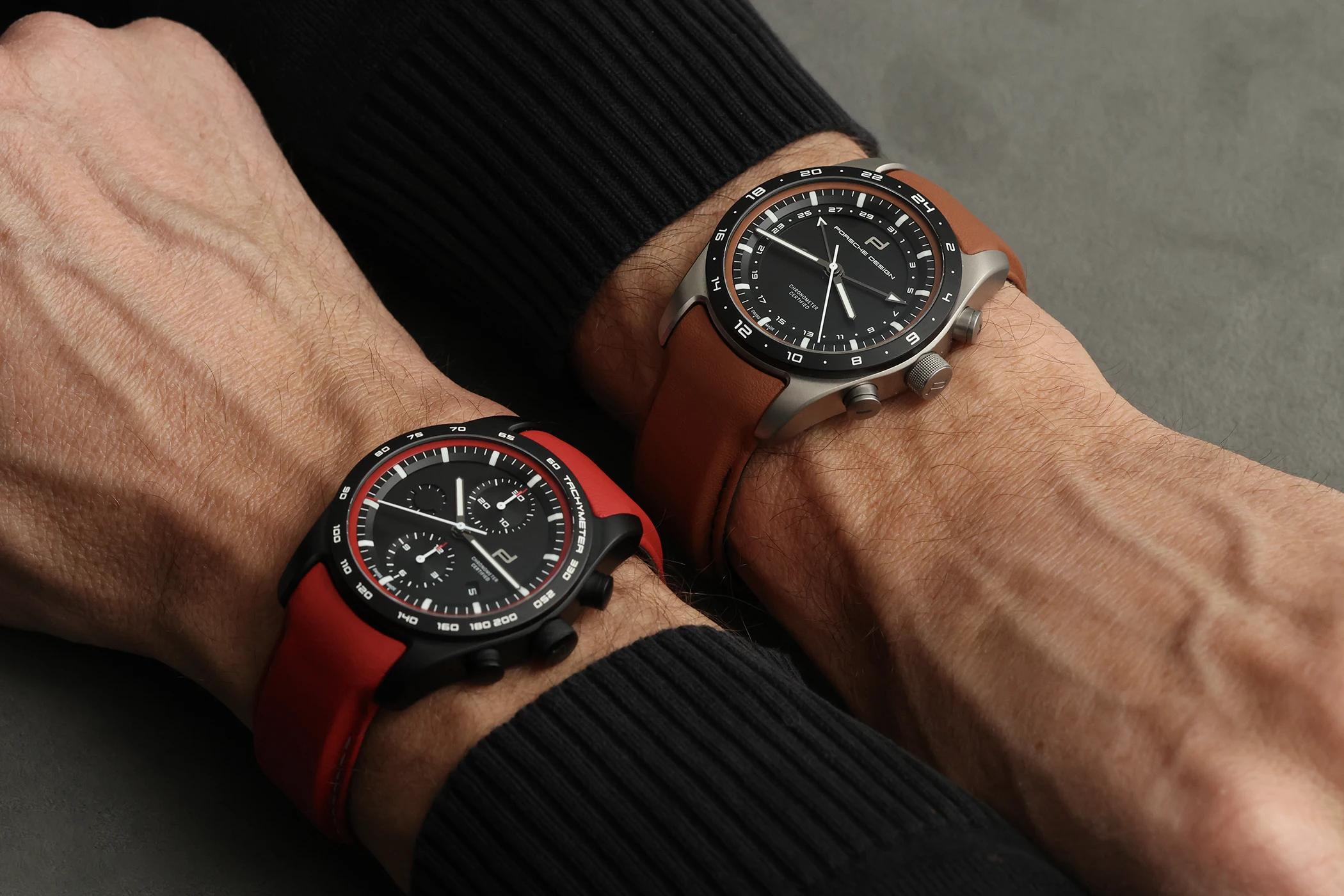
Although most collectors still primarily think of automobiles when it comes to unique Porsche models, Porsche Design wristwatches are now naturally part of the picture. Here is a review and outlook on the most ambitious and successful customisation programme in the Swiss watch industry: Custom-Built Timepieces. Don’t believe it? Then you really need to read on!
If you want to understand where the luxury market is heading, you should ask people who already have (or have had) everything, rather than those who are just discovering luxury for themselves. It’s no secret that many top collectors are turning away from brands that symbolise success. No one forgets their first Rolex or Patek Philippe Nautilus. These brands are undoubtedly great and embody everything the watch industry stands for: status, precision, perfection, innovation and longevity. However, there’s one thing you can’t achieve with the industry’s most hyped models alone: being perceived as a connoisseur.
It is no coincidence that niche brands, some with designs that take some getting used to, so-called independents such as MB&F, Urwerk and F.P. Journe, are popular with elite collectors. Why? It’s not just about low production numbers, but collectors are primarily interested in being perceived as individuals and expressing their long-cultivated expertise in a special way.
At the same time, the luxury watch market has become extremely transparent: today, anyone can ask Chat-GPT about the most important, most stable watches in terms of value, or those that are hardest to obtain. The rest is a question of budget. And in a world where the number of wealthy people is growing by over 6 per cent every year (as a recent study by CapGemini shows), this budget is also growing steadily, so that coveted watches on the second-hand market could be bought immediately despite high prices without any contacts to dealers or even detailed connoisseurship.
No collector wants to be the tenth person at a party with a status watch that everyone else is staring at (or, to be honest, a watch that might get stolen on the way home because of its popularity and resale value). However, would a collector with a passion for major Swiss watch brands refrain from buying a special model from these brands for this reason? Probably not, as these people usually find something to refine and complement their existing collections. However, this is often no longer the highest priority, as it perhaps was five or ten years ago.
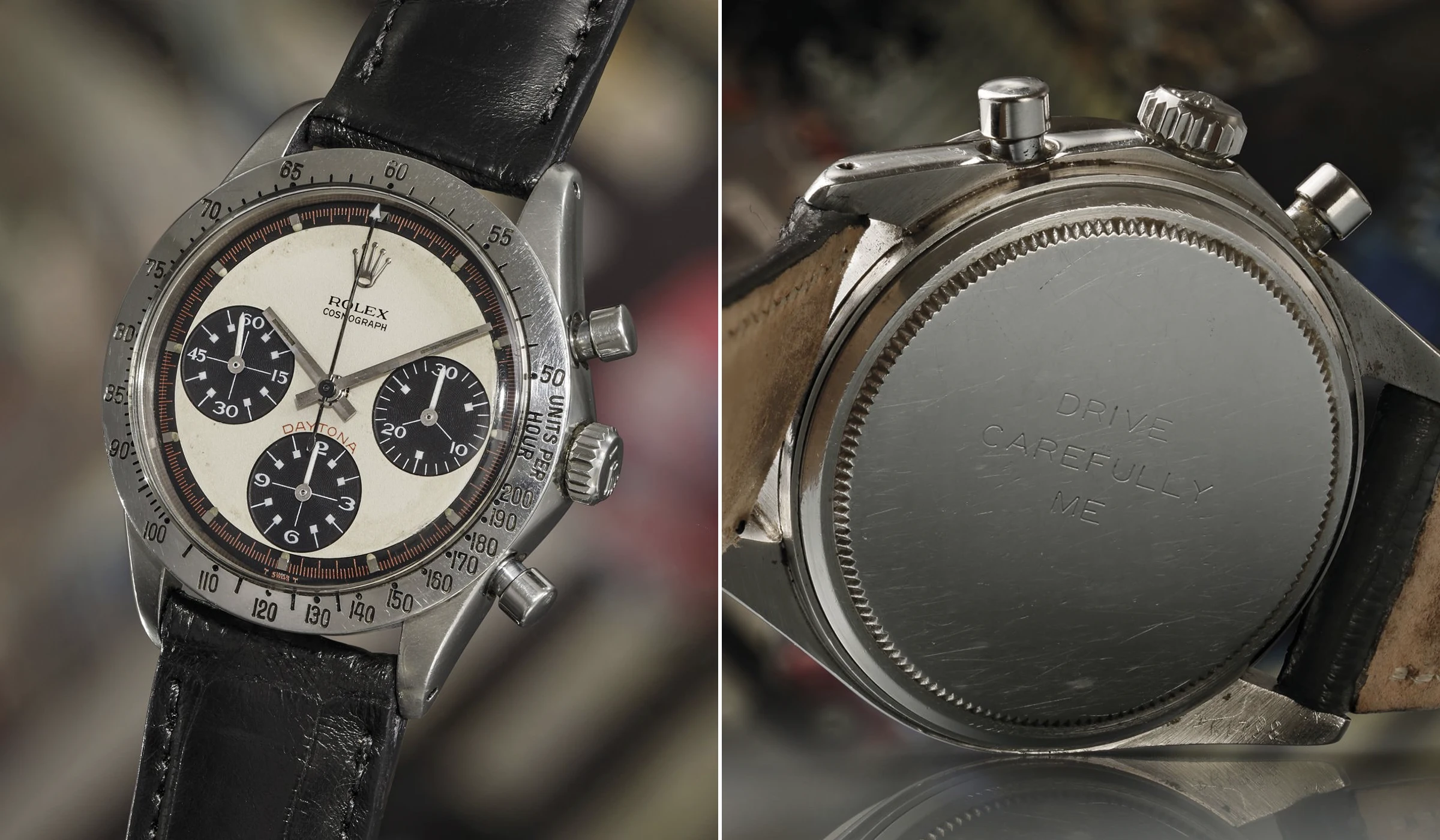
But what is the answer to this new form of luxury arbitrariness with its tendency towards interchangeability? It’s simple: the future of luxury belongs to the individual product. To be honest, this is not a major revelation, because it has always been the greatest luxury. It has always been the ultimate luxury to own something that only exists once. You only have to look at the record results of watch auctions: a prominent wearer such as actor Paul Newman turns a Rolex Daytona with a tropical dial, reference 6239, of which 2,000 to 3,000 were built, into the most valuable chronograph in the world (here is our report). In art, this is a matter of course; there is only one Mona Lisa. In watchmaking, this would mean ‘batch size 1’, a technical term from the manufacturing industry.
Credit © Phillips
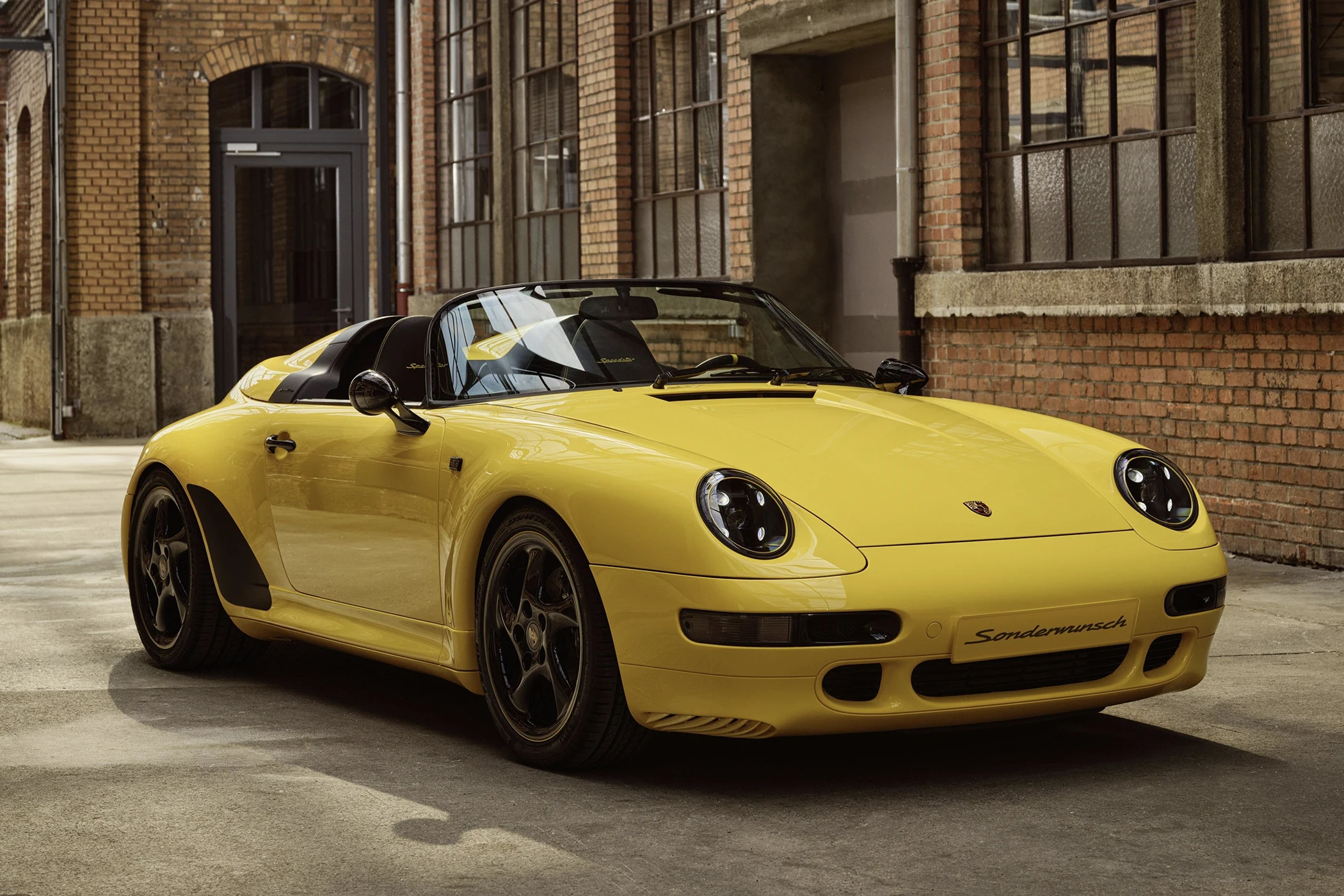
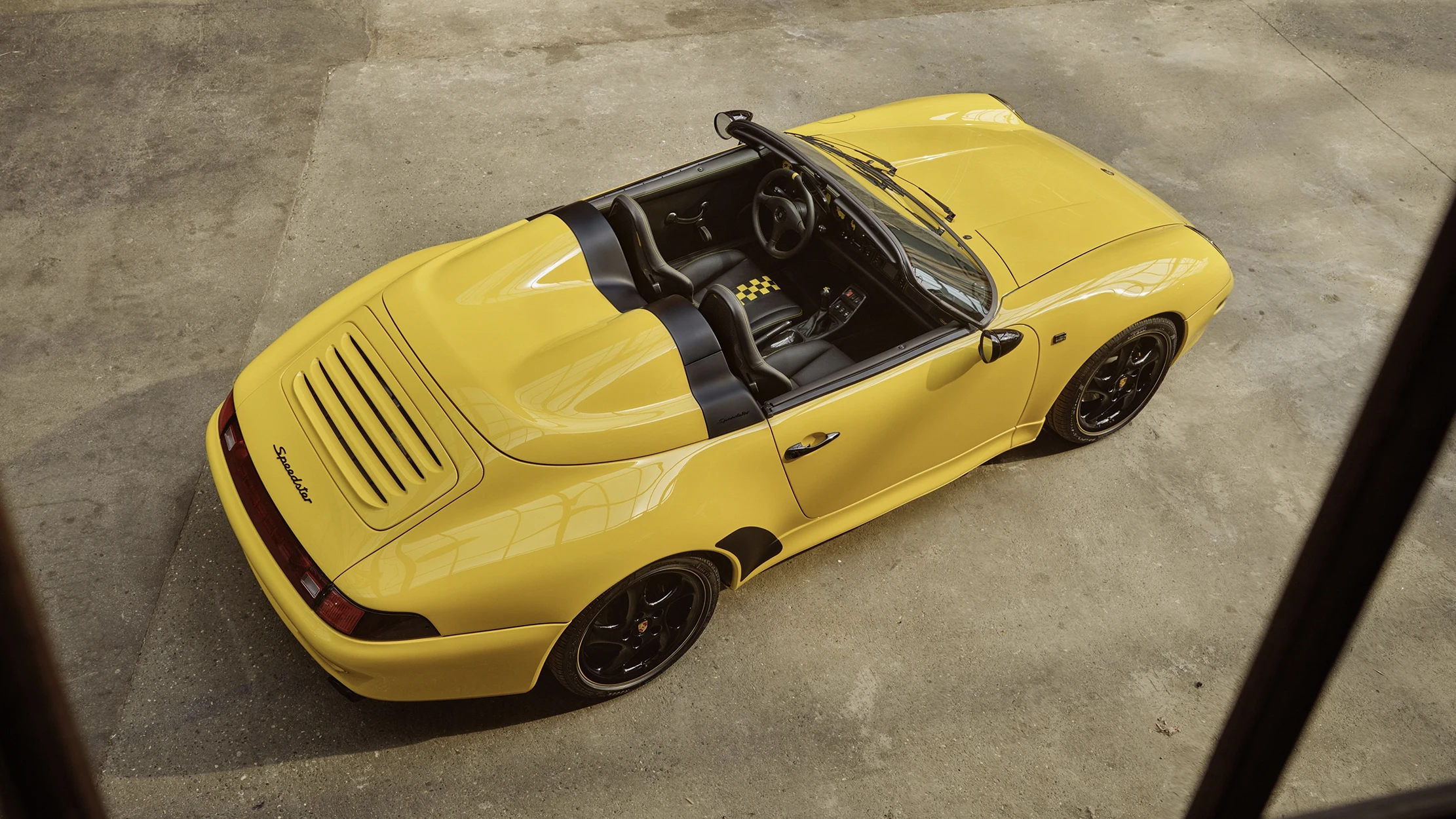
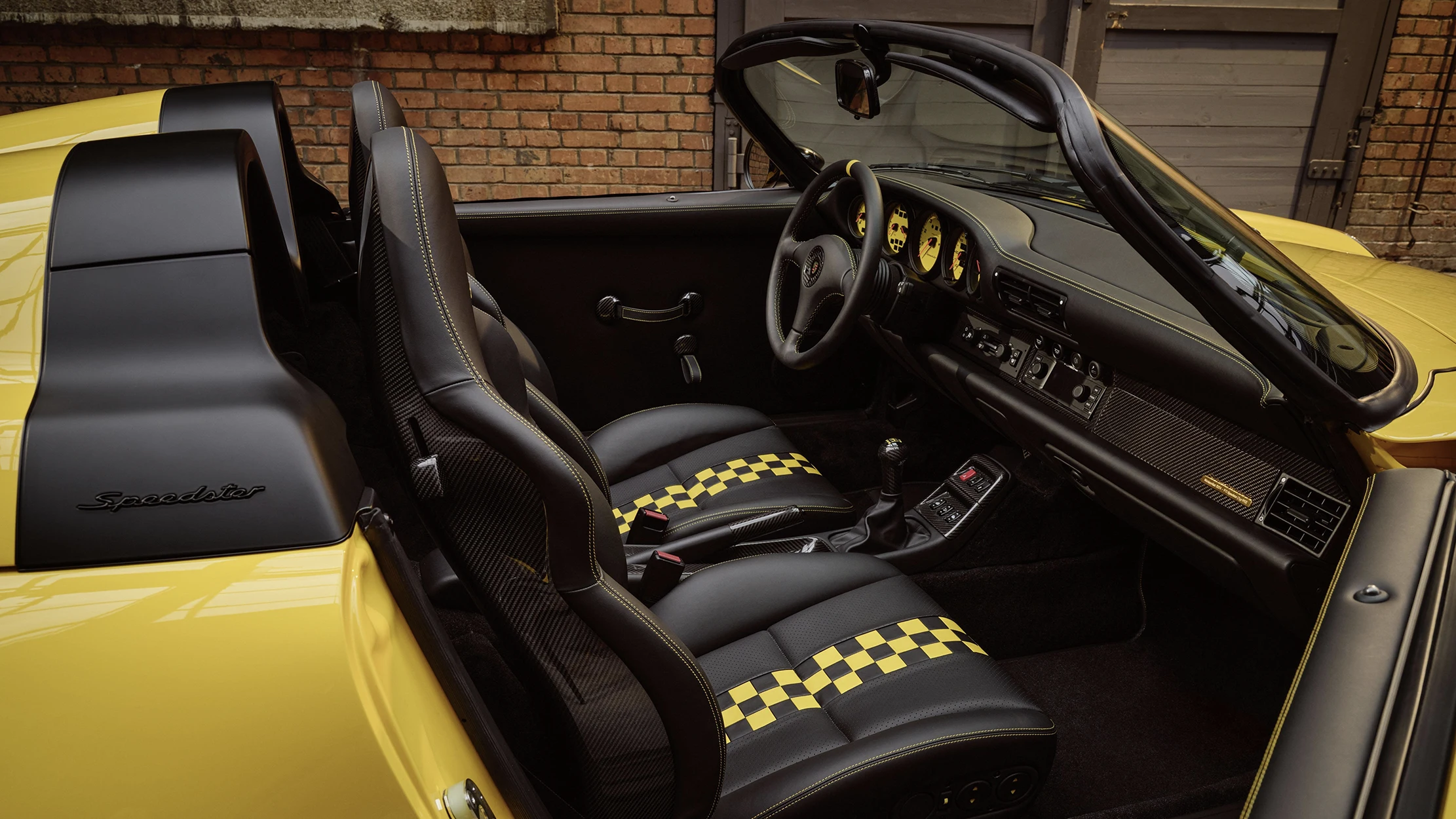
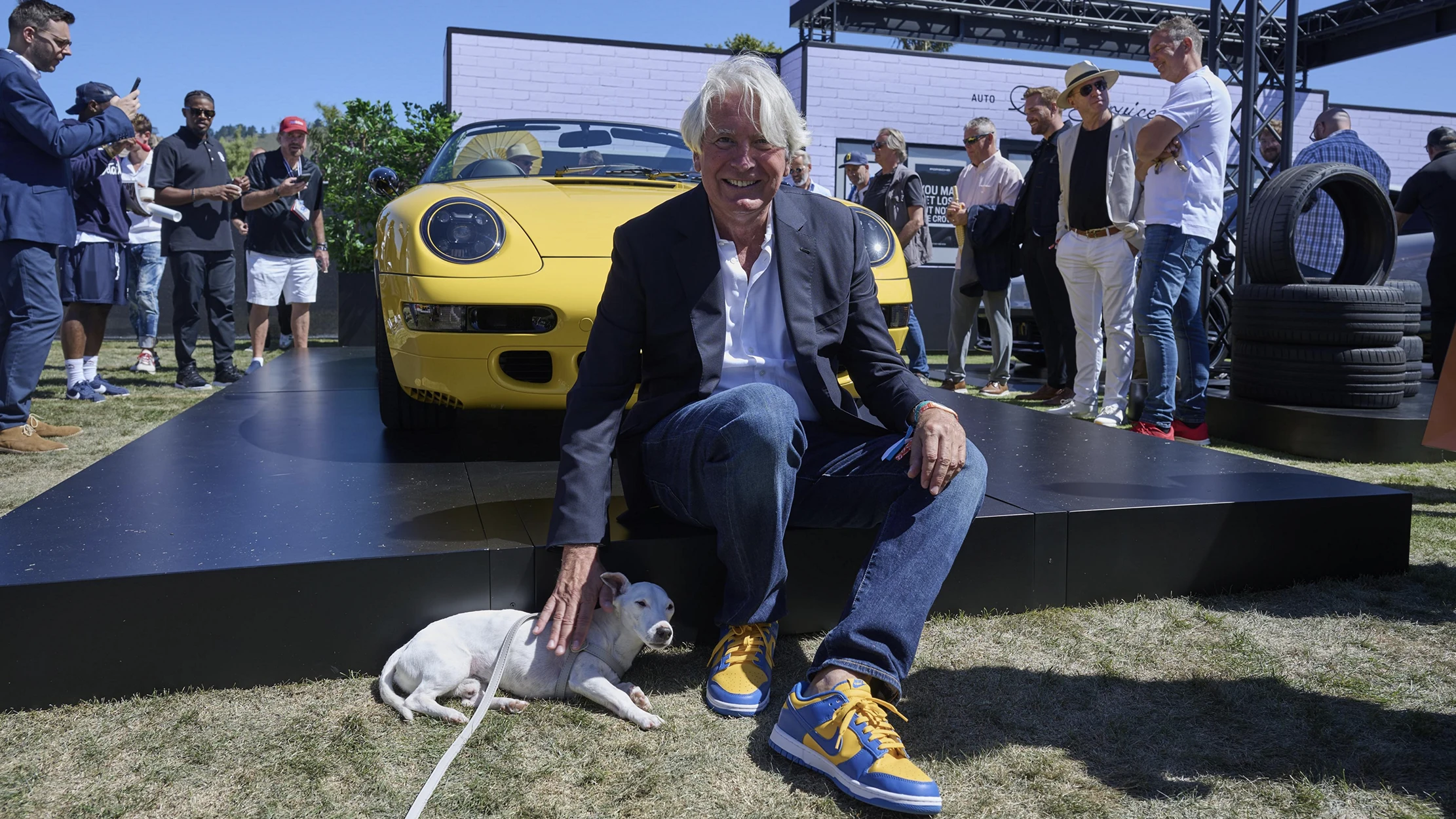
However, no one would incur this expense if one-off and series production were compatible. There is one exception, however, and that is Porsche Design’s custom-built timepieces. But what do Porsche and Porsche Design have to do with individual luxury and Swiss watch manufacturing? Every Porsche 911 driver knows that individuality has long been a priority for the sports car manufacturer from Zuffenhausen. Since the early 1950s, Porsche has been catering to unusual customer requests, starting with the repair department at the main factory in Zuffenhausen accepting special orders. Initially, this involved making modifications to the engine, chassis and brakes for customers who were active in racing at the time. Following the establishment of the customer sports department, the ‘Special Requests’ department was introduced in 1978 and became the ‘Porsche Exclusive Manufaktur’ department in 1986. This department is still successful today. The industry’s most elaborate customisation programme now includes exclusive special series and valuable one-off models. Most recently, for example, a 911 Speedster was created as a special factory one-off for Luca Trazzi, an Italian Speedster collector and coffee machine designer.
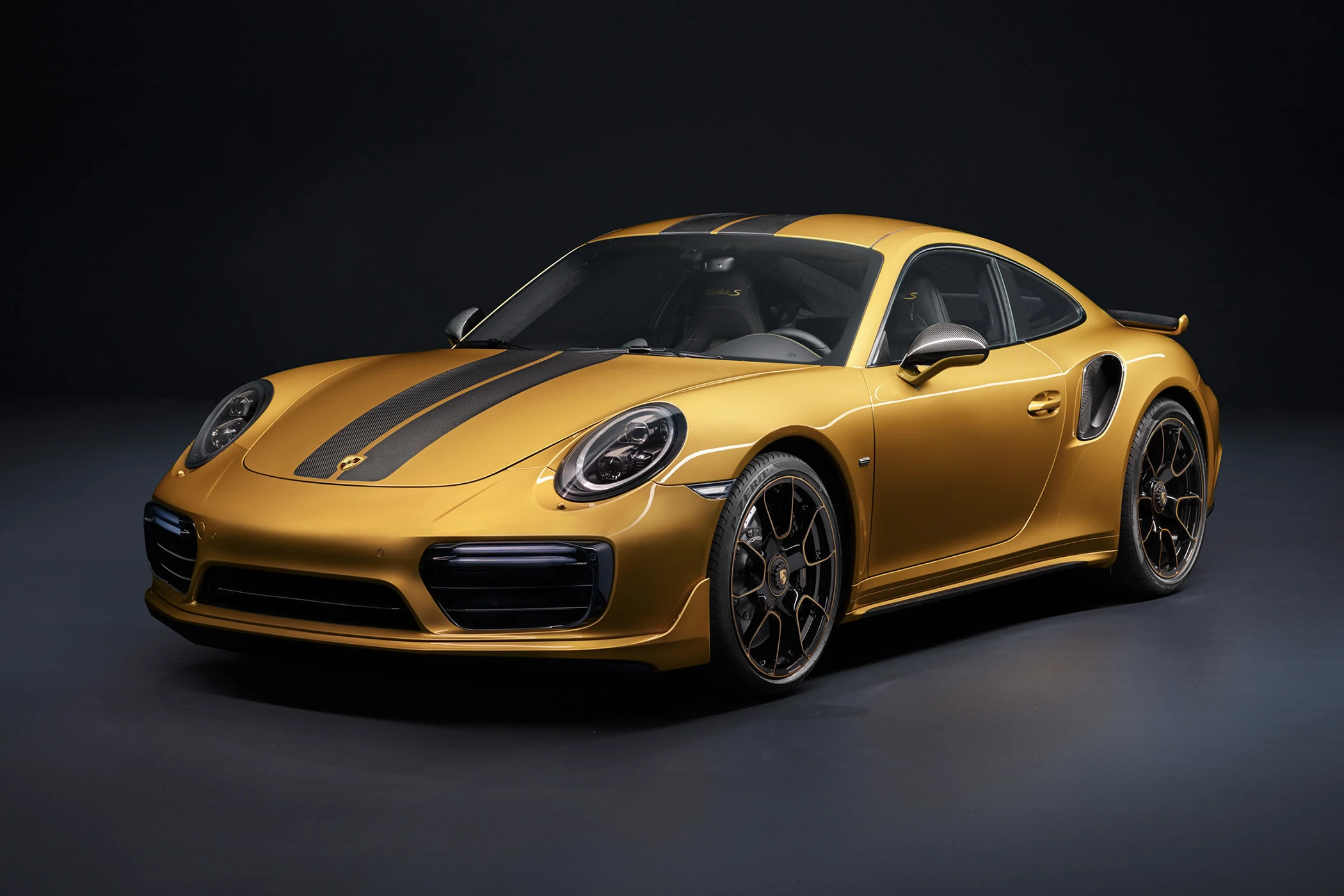
It all began in 2018 with the Chronograph 911 Turbo S Exclusive Series. At that time, Porsche Design was breaking new ground. As the only car manufacturer with its own Swiss watch factory, customers were able to order a wristwatch chronograph limited to the same number of pieces as the limited edition vehicle for the first time.
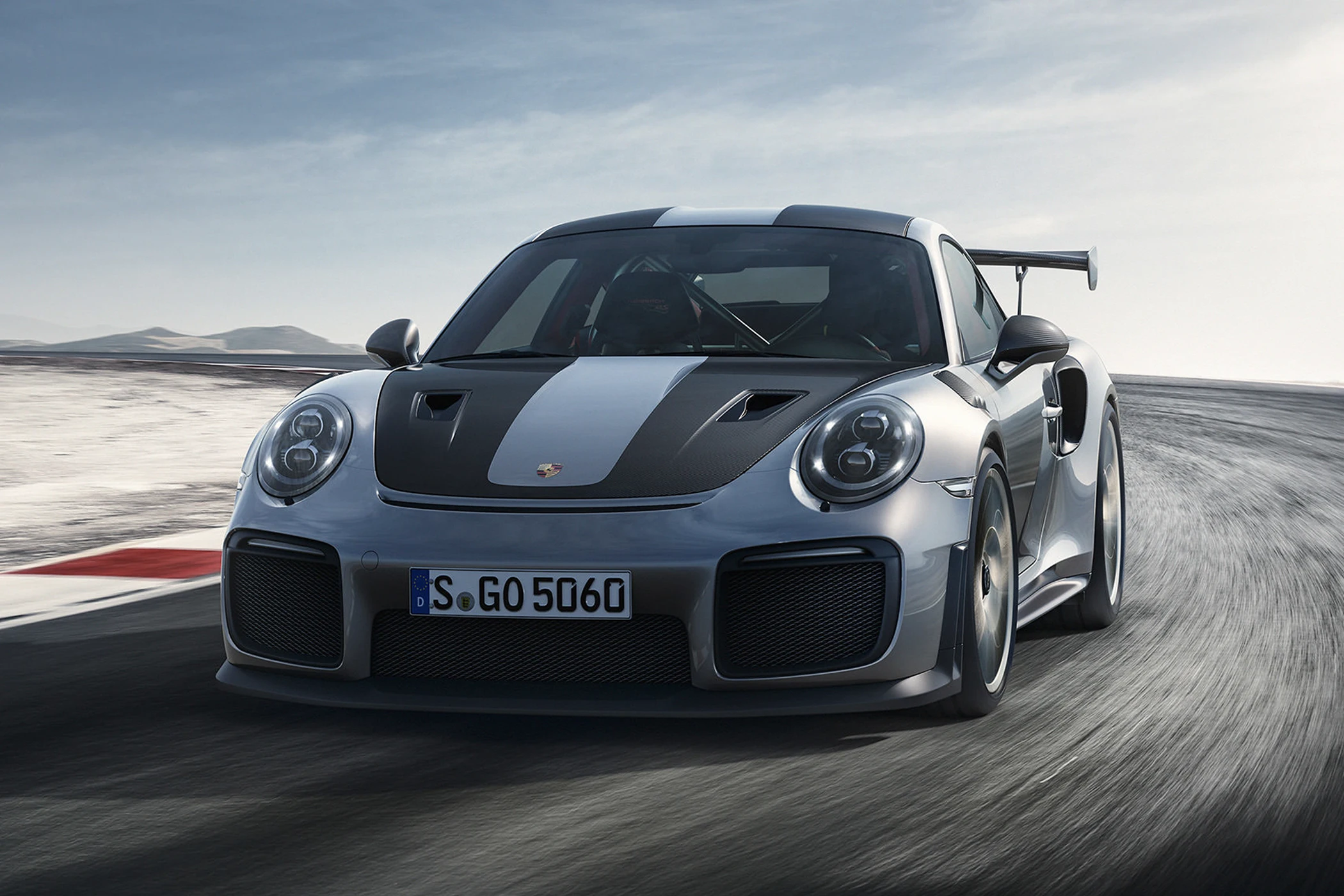
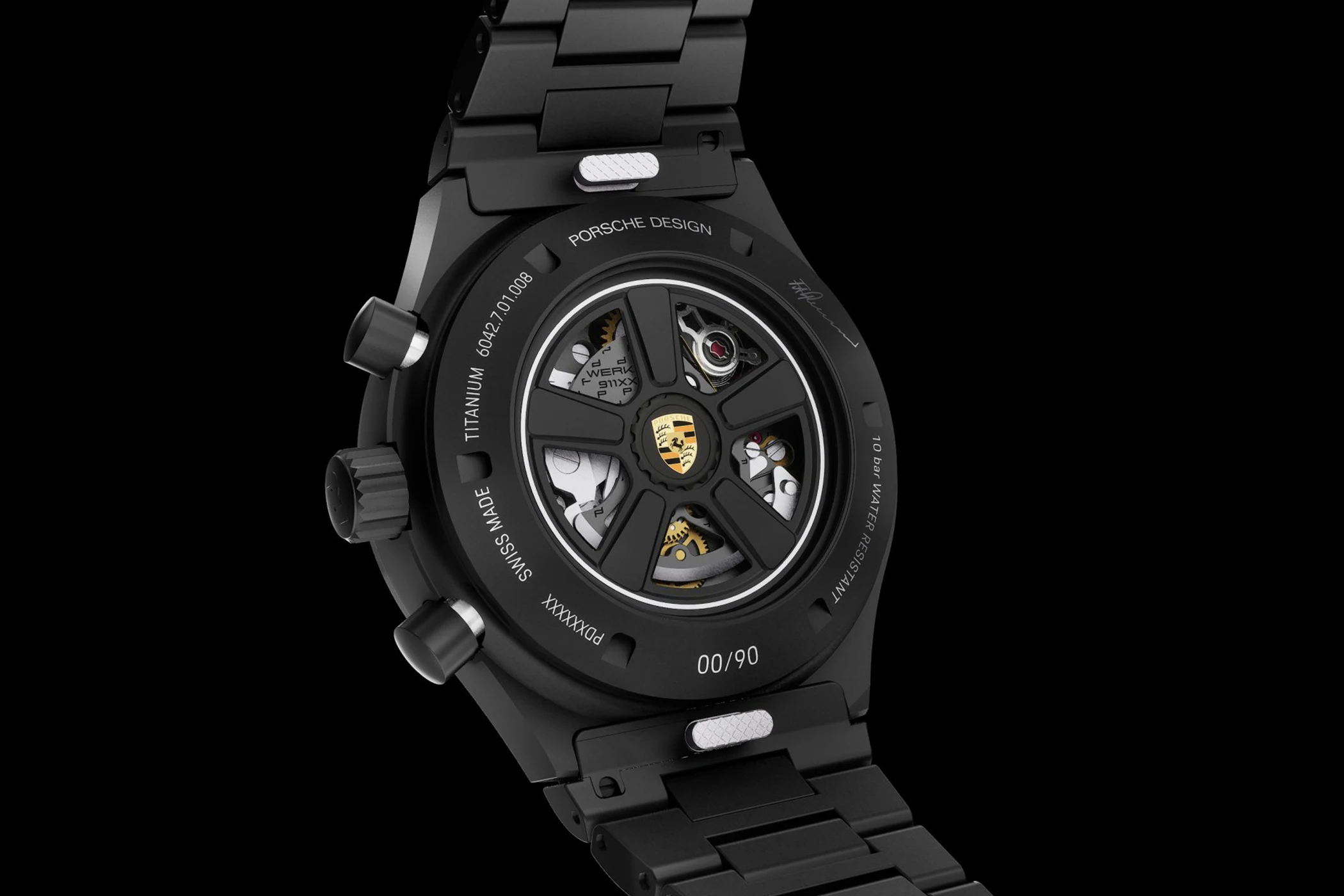
For eight years now, Porsche Design, together with its in-house manufacture in Solothurn, Switzerland, has been immortalising the rarest and most sought-after vehicle models in matching and equally rare wristwatches for their drivers. Nineteen models have been created to date, the latest being the limited edition of 90 pieces of the Porsche 911 GT3 with a special Chronograph 1.

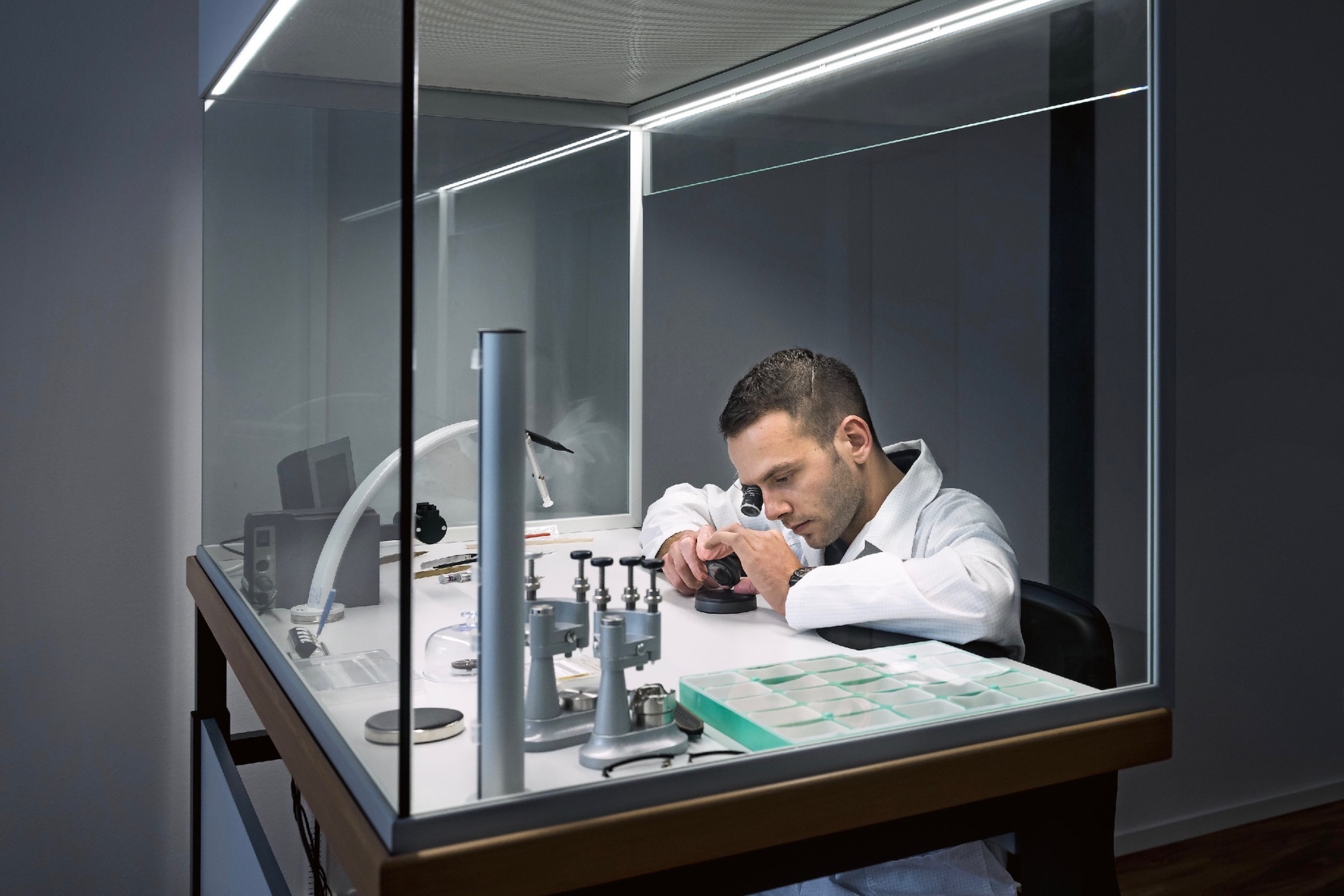
But that is only one aspect. To make these watches possible in the first place, Porsche Design not only established its own watch manufacturing facility in Switzerland, but also introduced a manufacturing process that, for the first time ever, incorporated processes from automotive engineering into the production of exclusive Swiss wristwatches.
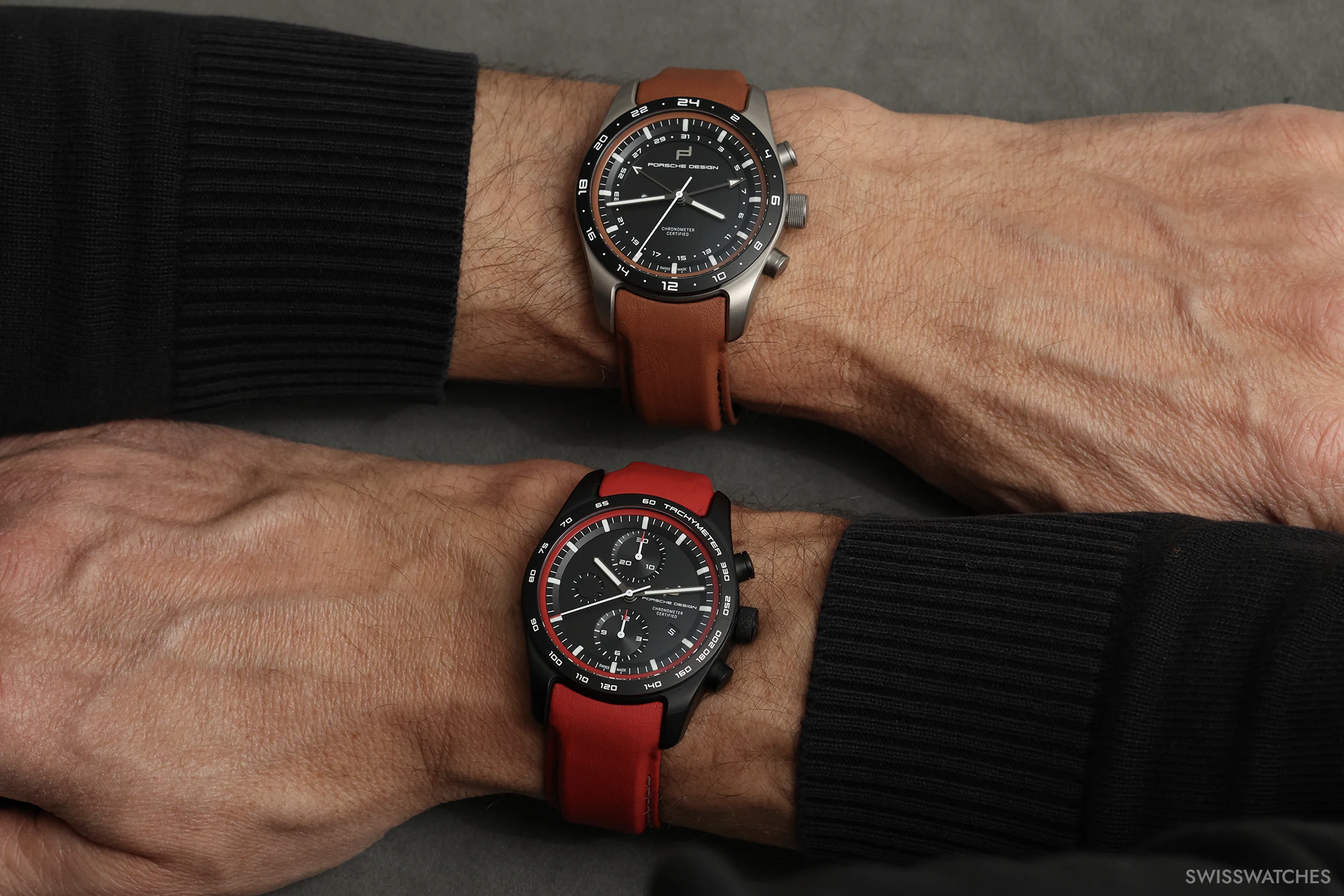
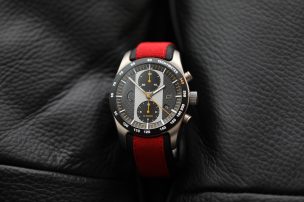
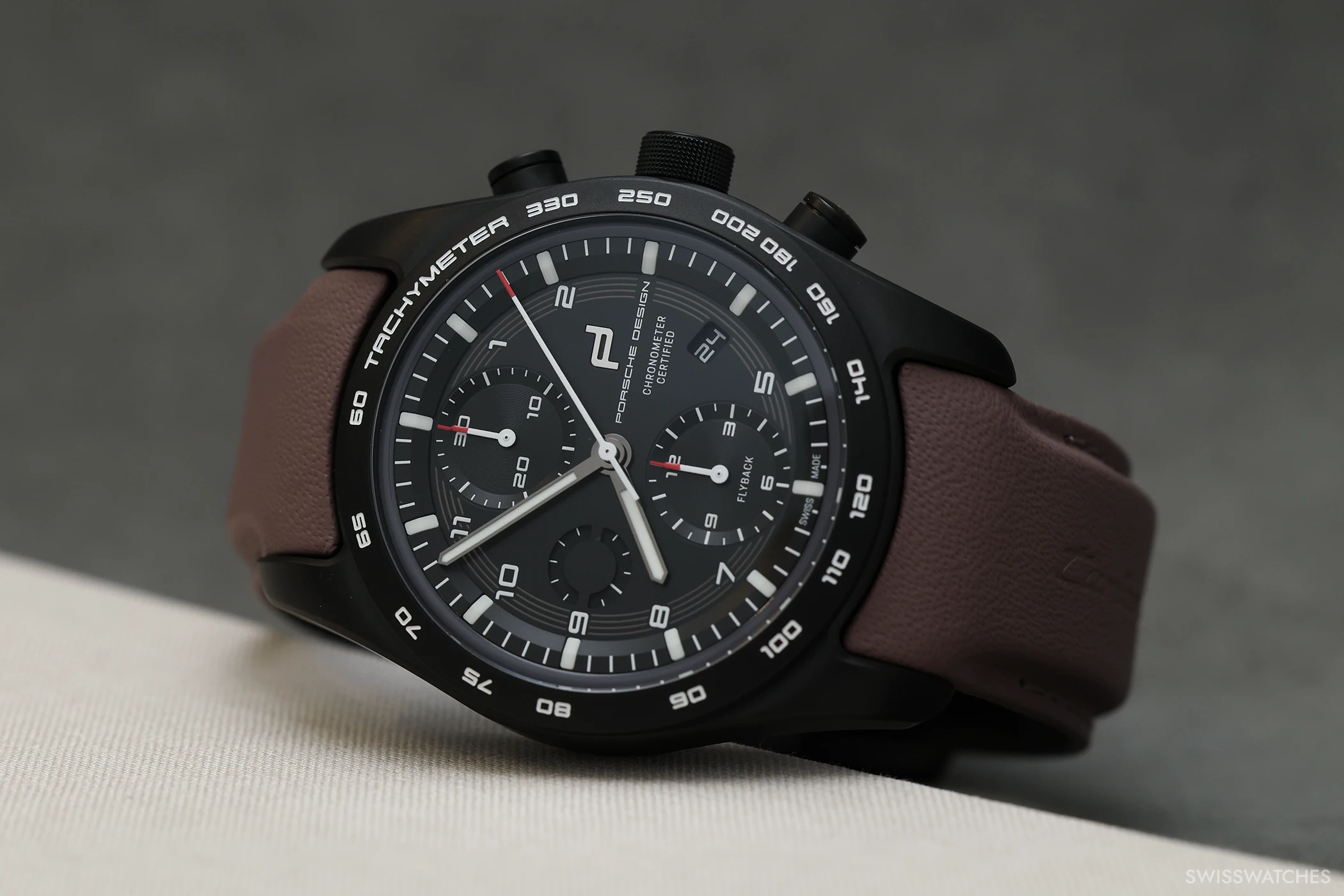
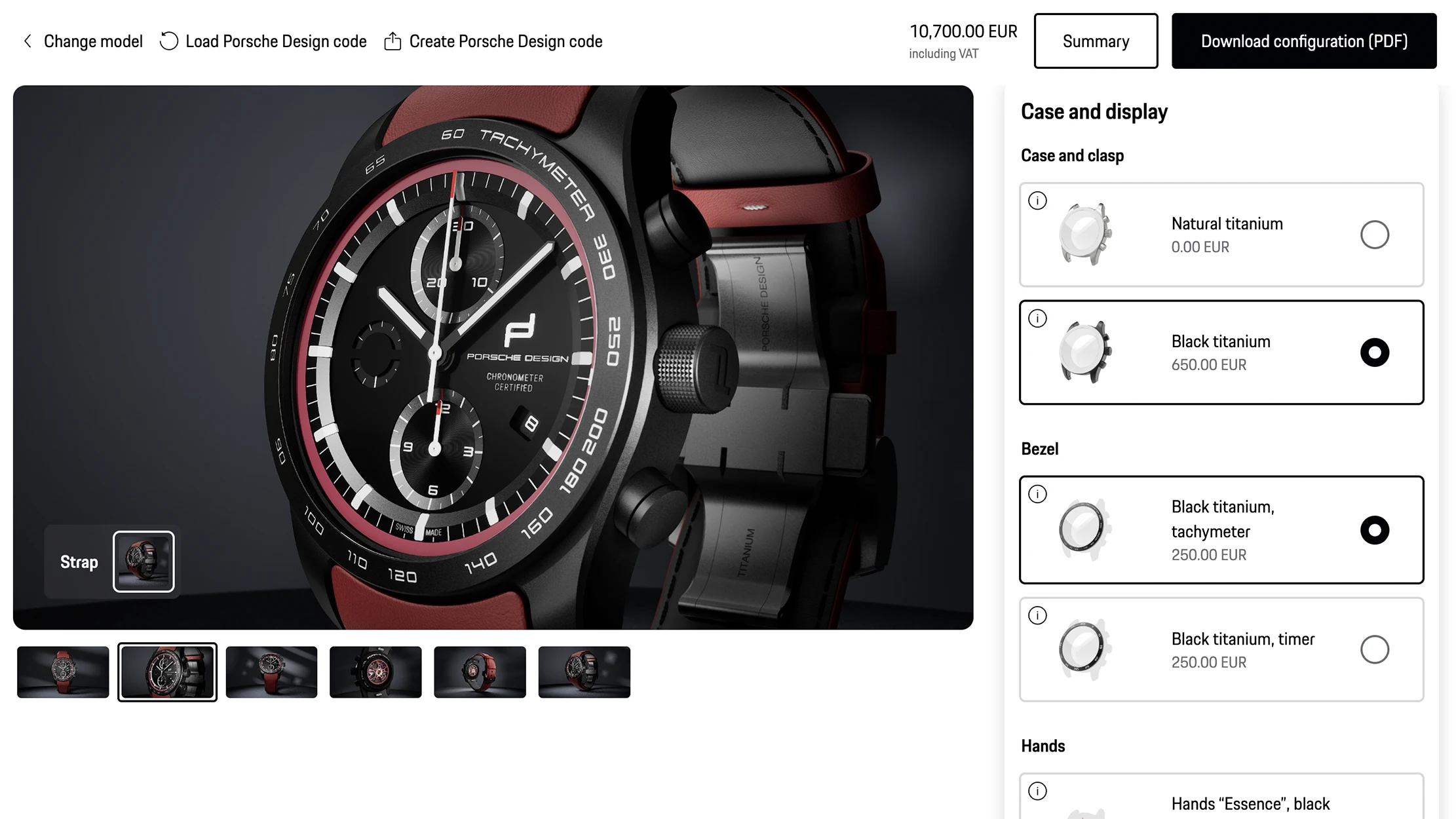
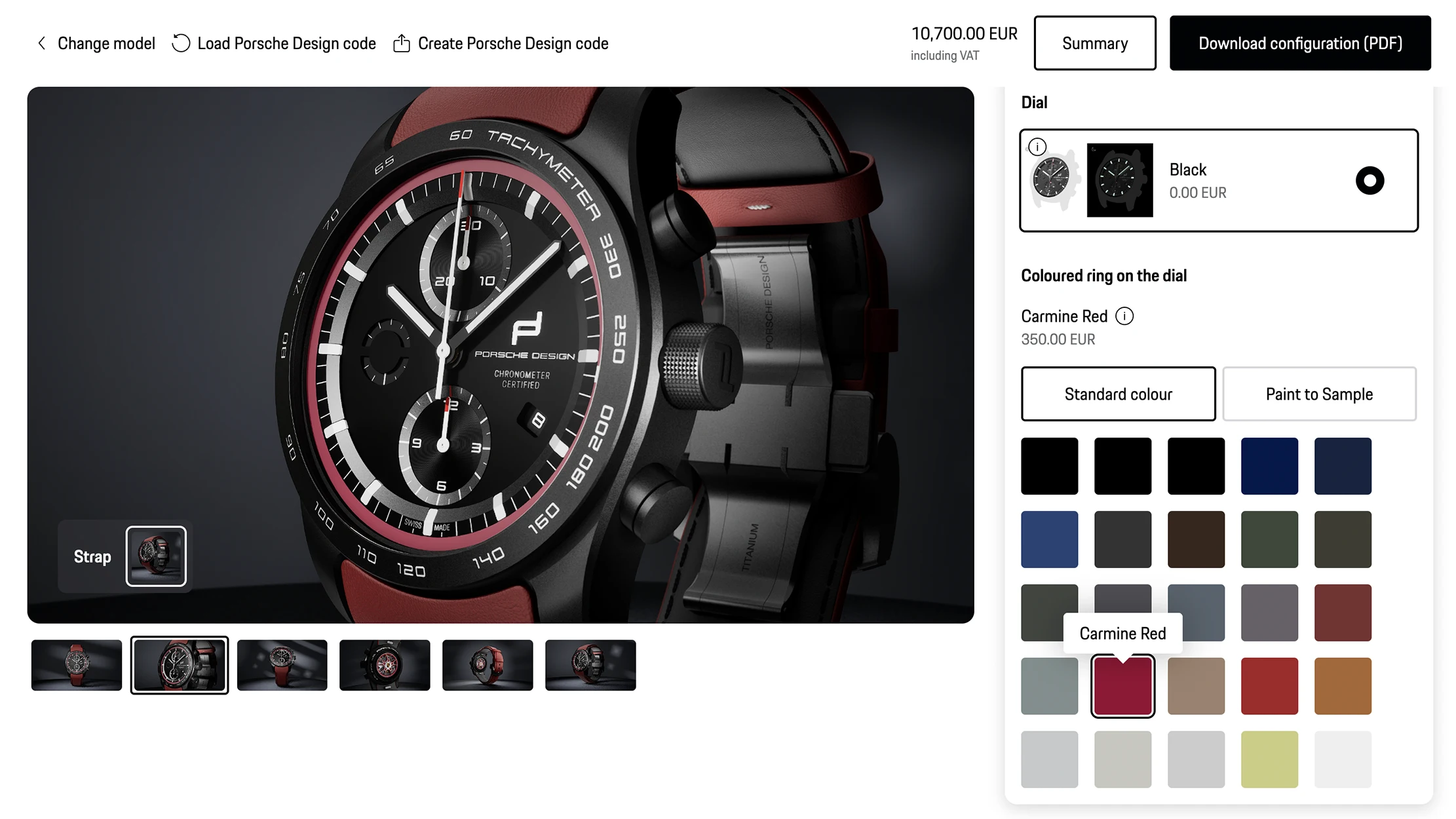
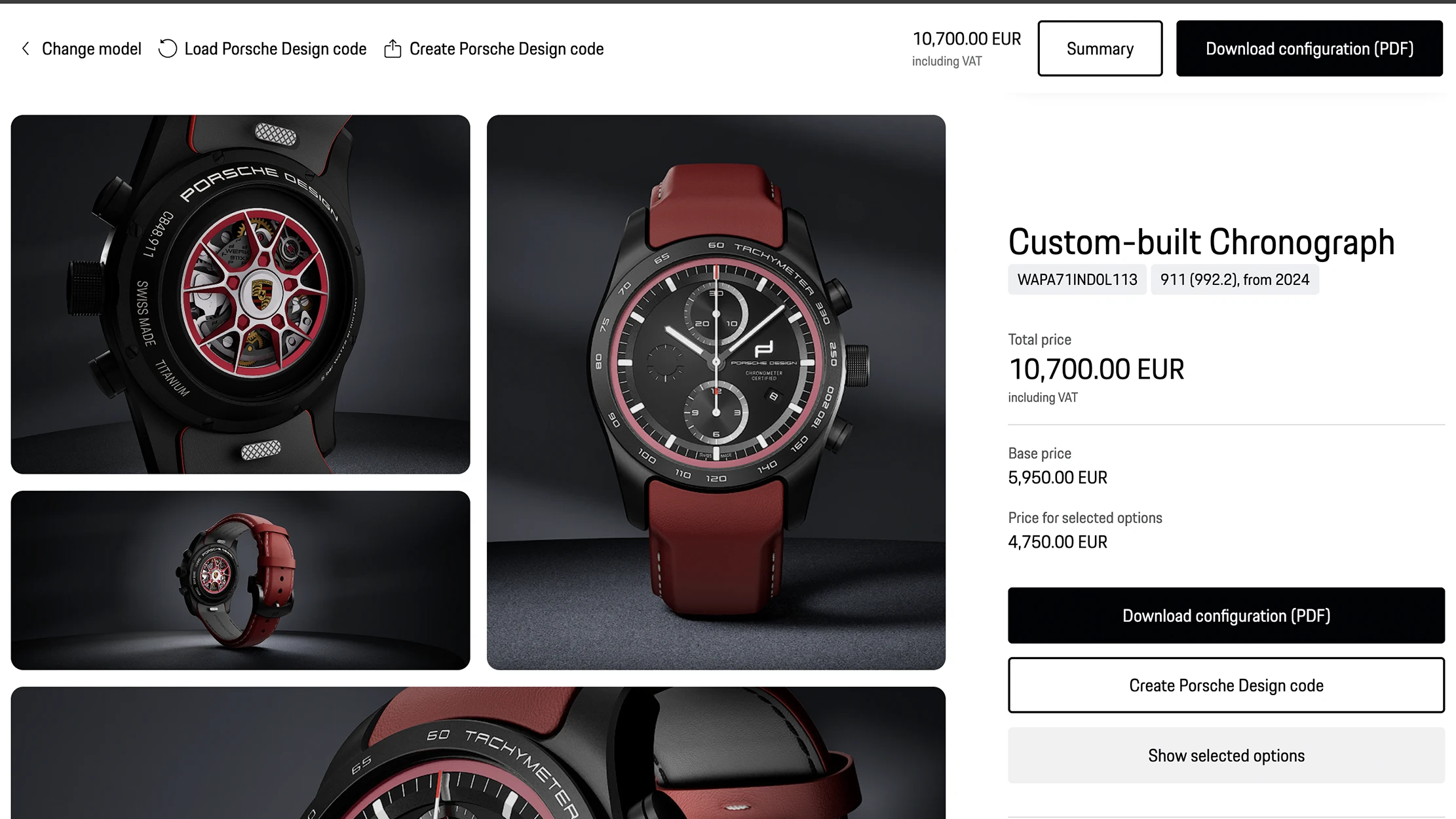
The Porsche Design Custombuilt Timepieces programme has been around for five years, offering Porsche drivers and fans of bespoke watches the chance to design their own ‘sports car for the wrist’, apart from grandfather clocks. The effort involved is enormous. In terms of appearance alone, the only comparable offering in the Swiss watch industry is Rolex’sonline configurator on its homepage. However, Rolex does not offer 800 million customisation options. Read the latest interview with the CEOs of Porsche Design Timepieces Manufaktur and MHP, the developer of the online configurator, to find out more.
Five years is a good time to look back at the Porsche Design custom-built timepieces programme and how it has developed. Yes, it still flies a little under the radar: if you’ve never heard of it, don’t be surprised. However, since Porsche Design only manufactures around 5,000 watches a year, the brand cannot be that well known. Even Patek Philippe manufactures ten times as many watches, and Rolex 200 times as many. Despite its large parent company, Porsche Design Timepieces is a small manufacturer with a smaller marketing budget, yet it clearly feels comfortable in its niche. Its low-key approach also means exclusivity and freedom from any hype, as mentioned at the beginning.
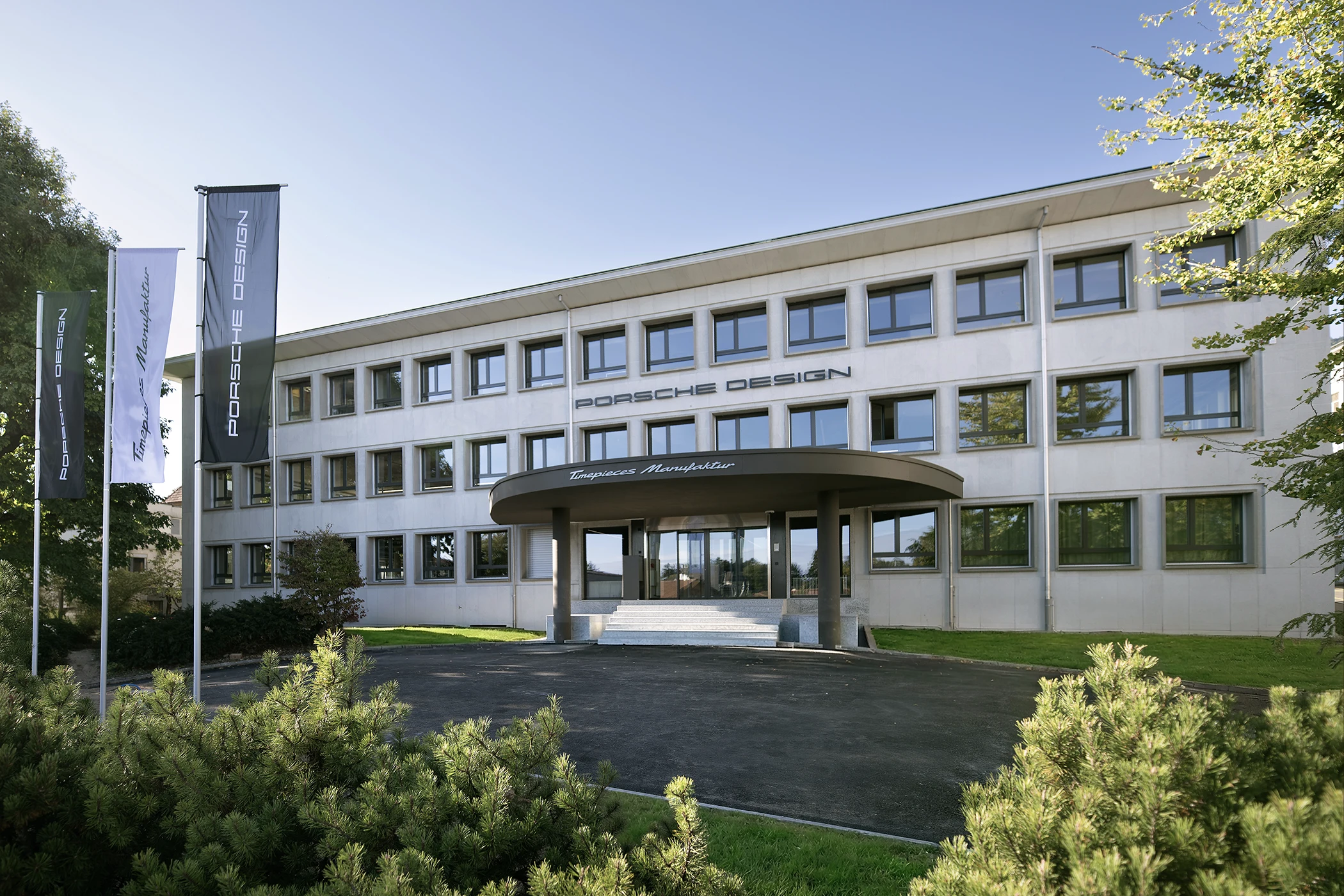
Even though quantities are still small at present, the best indicator of the success of any watch range is when a manufacturer expands production. In autumn 2025, for example, Porsche Design Timepieces AG moved into a new manufacturing facility in Grenchen, Switzerland, to cope with demand and anticipated growth. In fact, 70 per cent of all Porsche Design watches sold today come from the custom-built Timepieces range, despite the fact that most watch collectors may not be familiar with it.
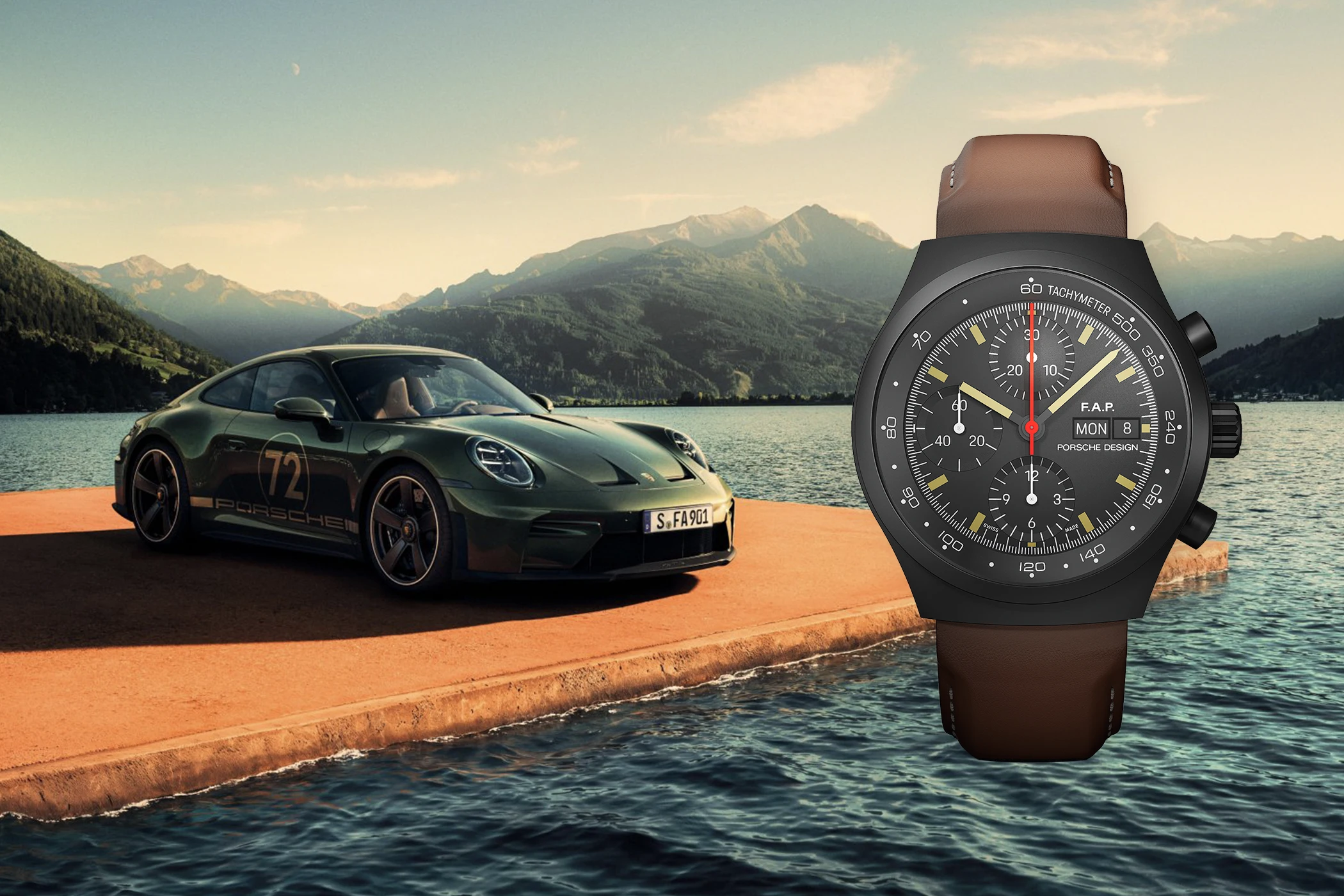
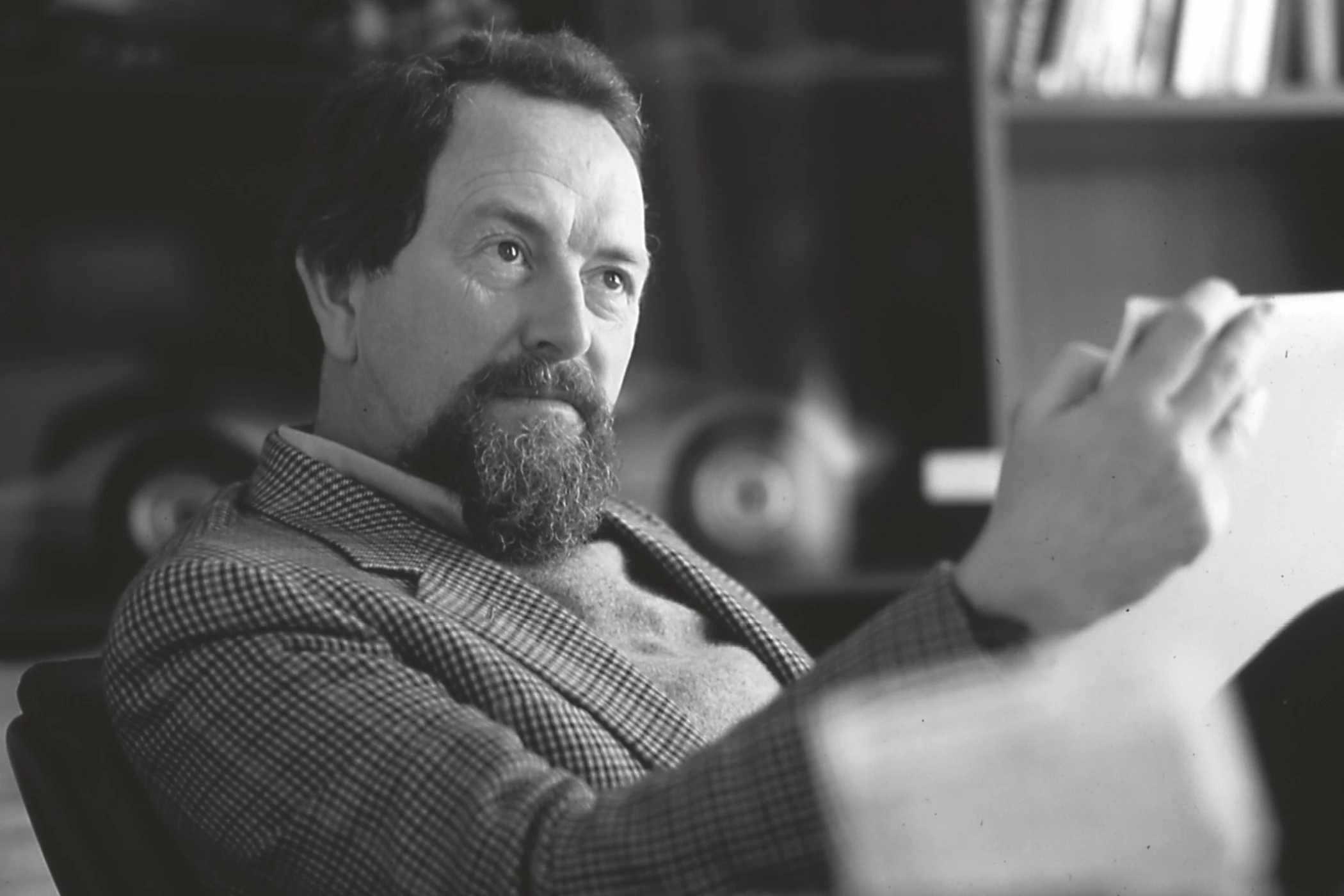
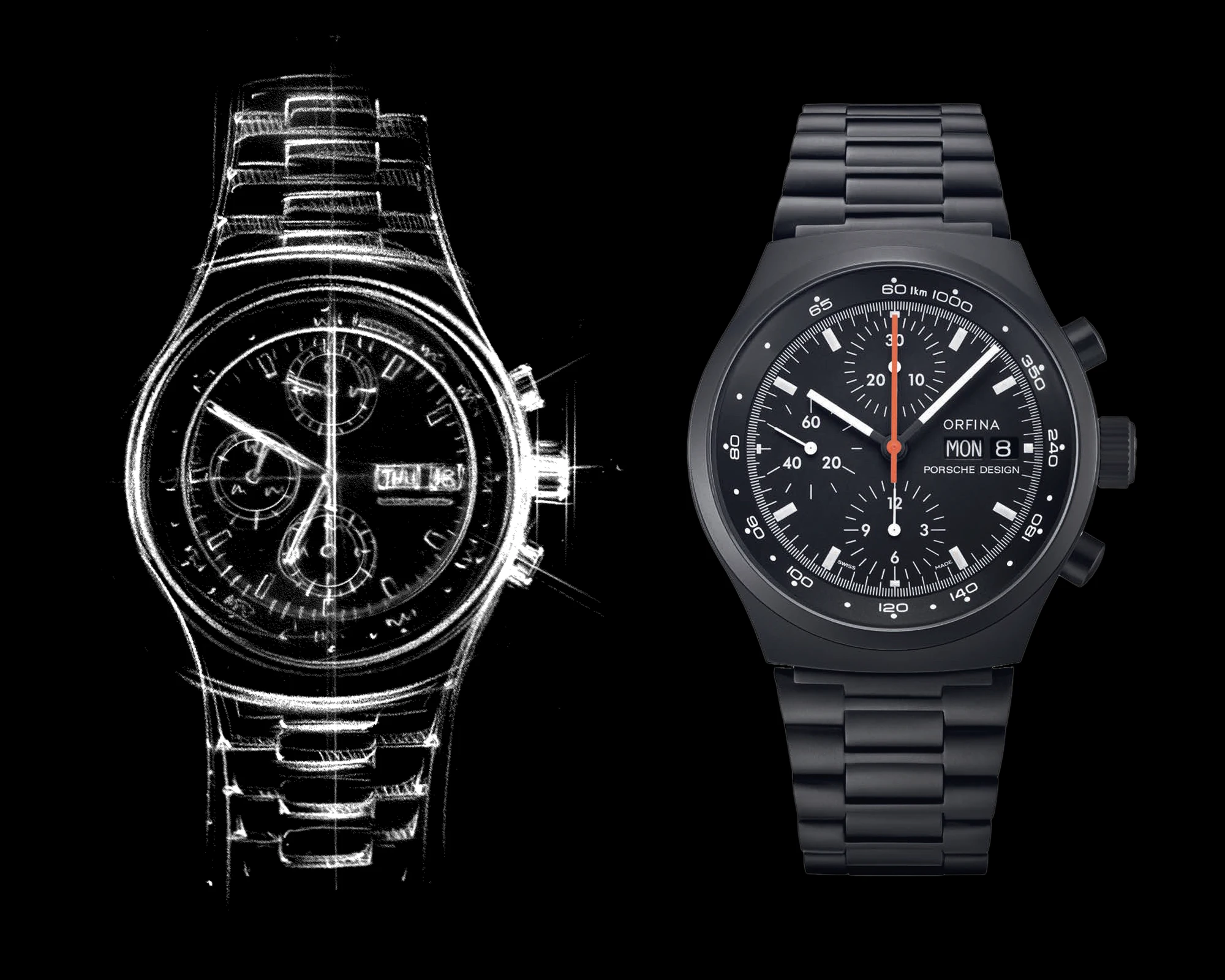
To date, many watch collectors still associate Porsche Design primarily with the famous Chronograph 1, the world’s first black series wristwatch, which was created in 1972 by Ferdinand Alexander Porsche, designer of the Porsche 911 and founder of Porsche Design. We have highlighted its unique history in a detailed report. Numerous special editions have been released since its relaunch on its 50th anniversary.
Many watch enthusiasts may assume that Porsche Design’s custom-built timepieces are merely accessories designed to complement sports cars. However, they are a luxury product in their own right and can be enjoyed even if you don’t own the corresponding vehicle. Here, anyone can configure their own personal Porsche for their wrist, provided they like the Porsche and Porsche Design brand identities. Porsche Design is a Porsche subsidiary that unites an entire lifestyle universe and has made design history many times over, from sports shoes and clothing to iconic sunglasses.
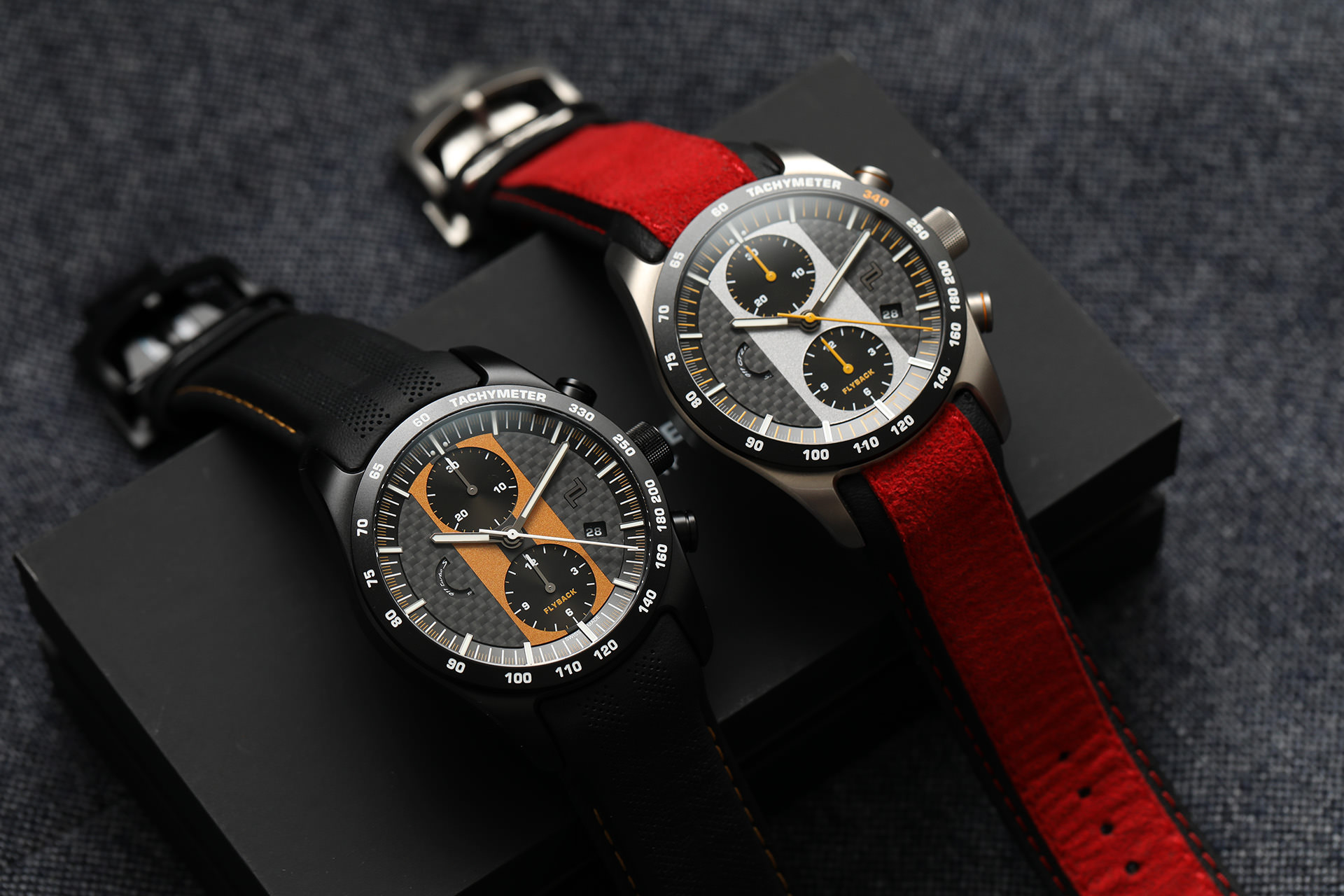
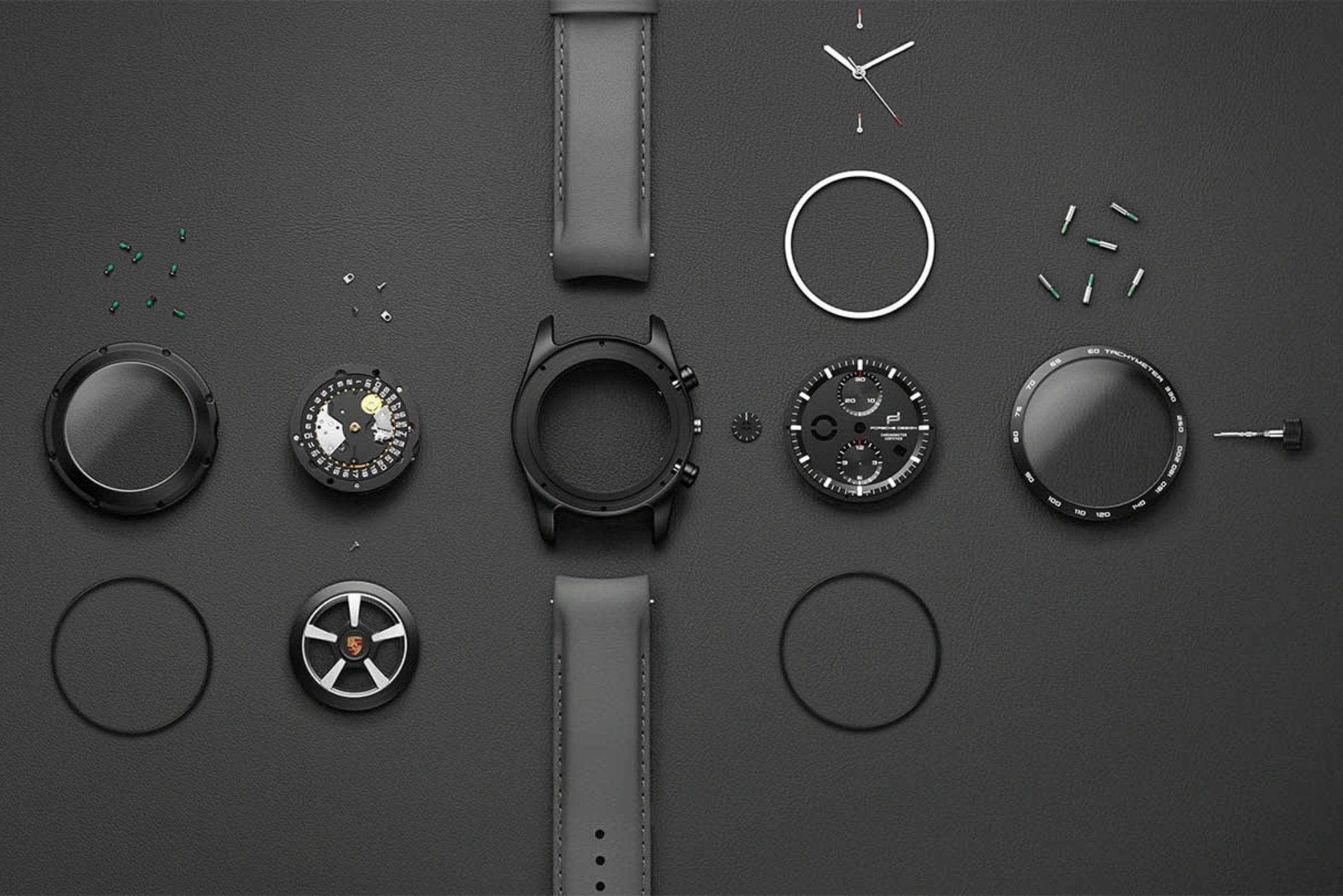
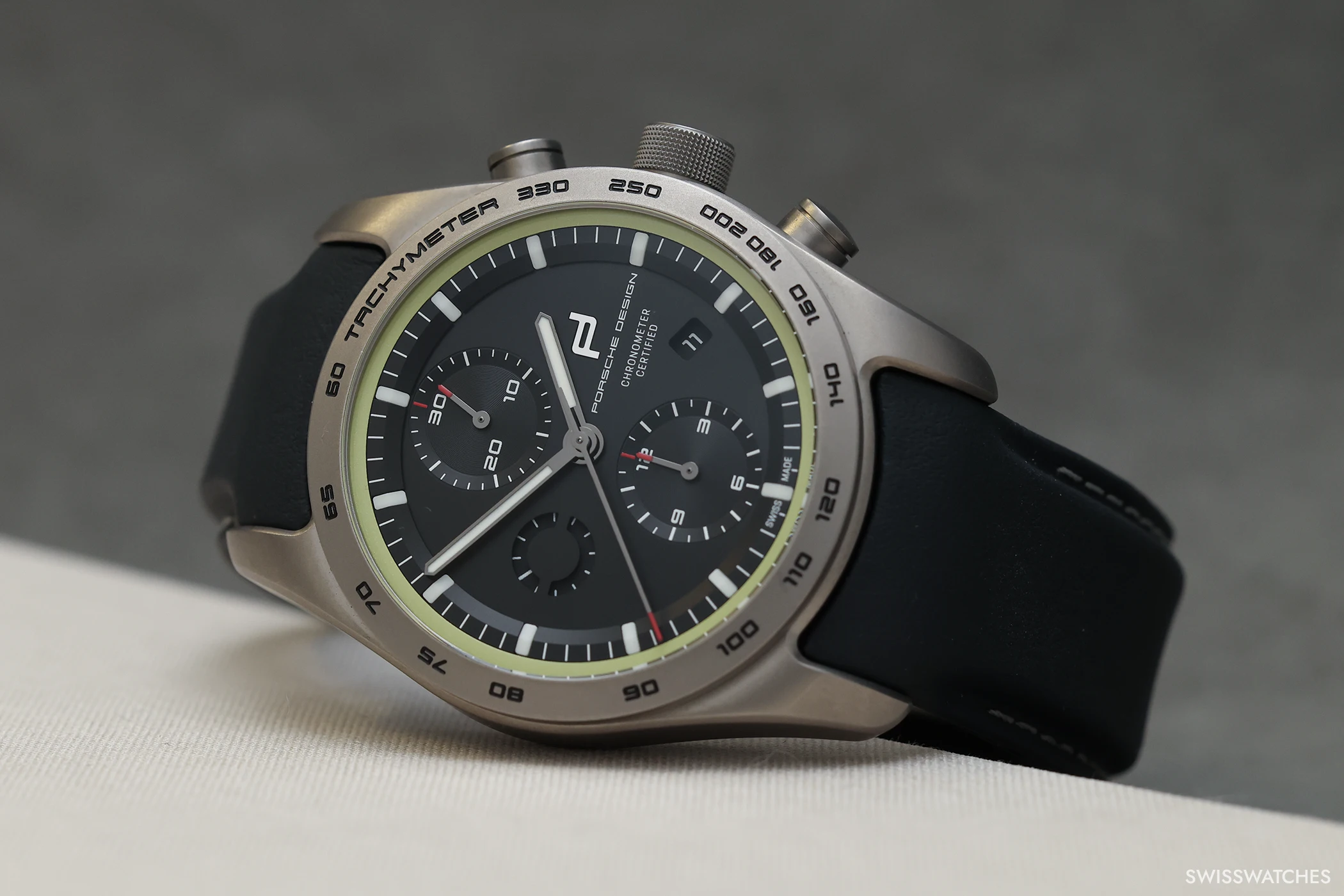
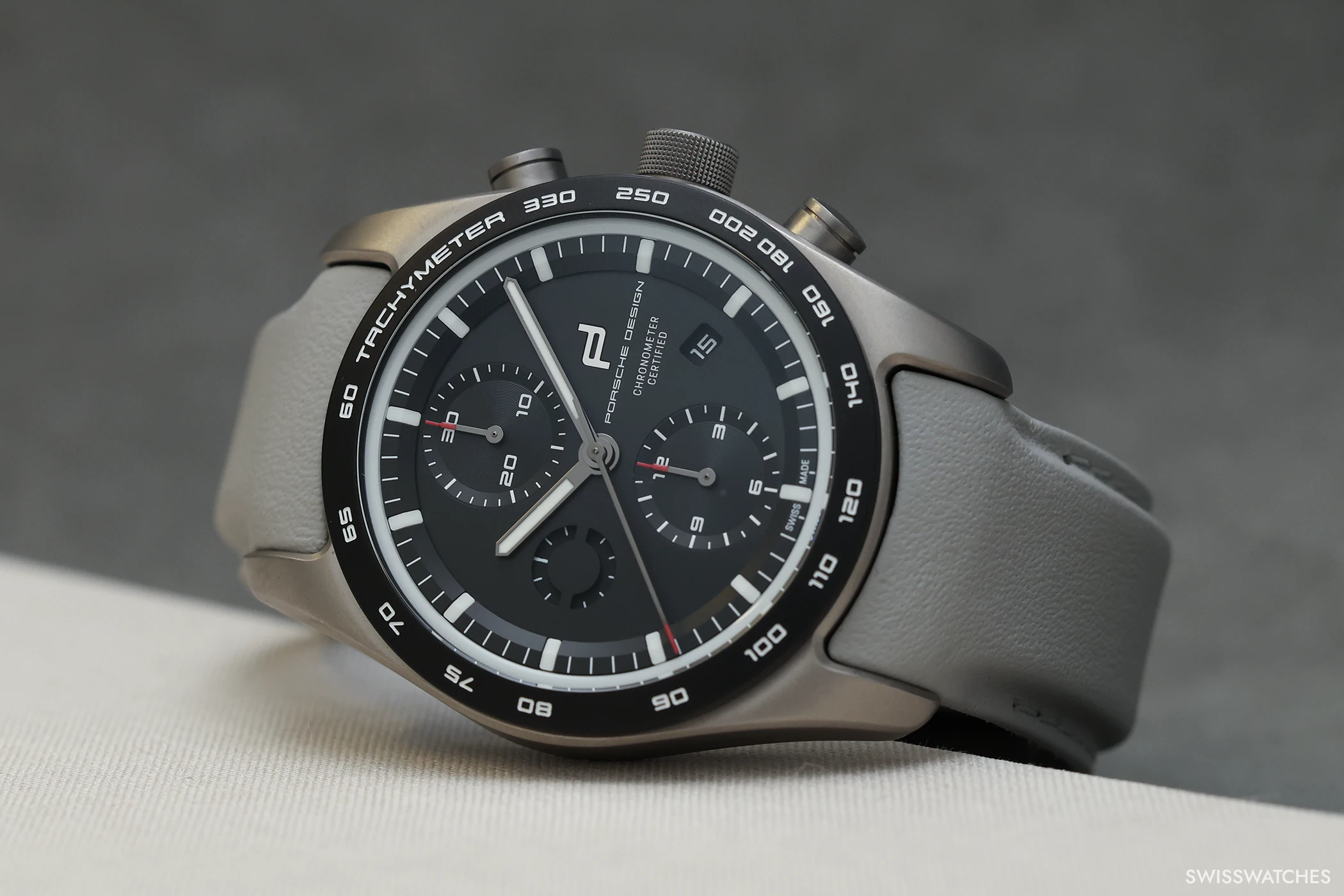
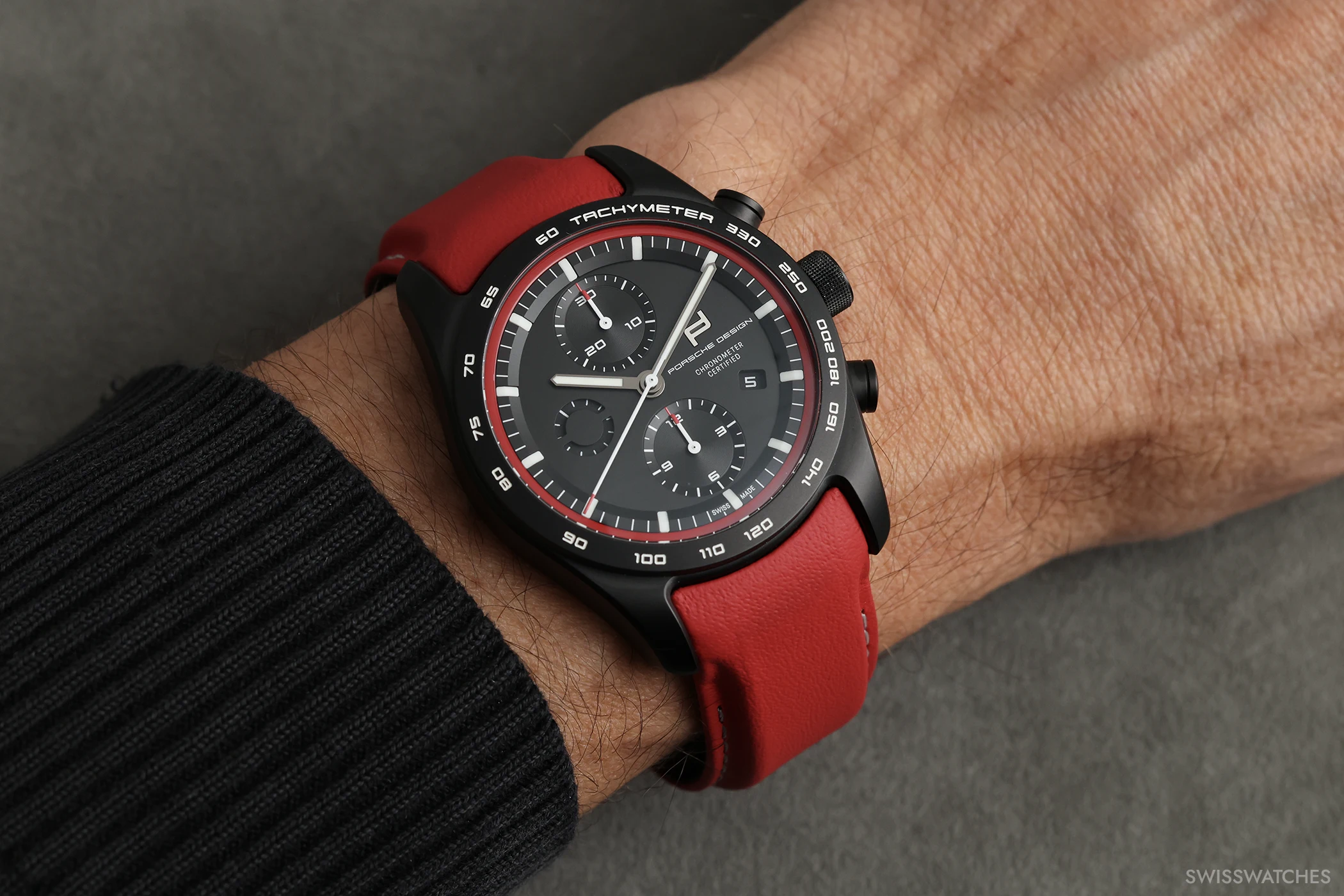
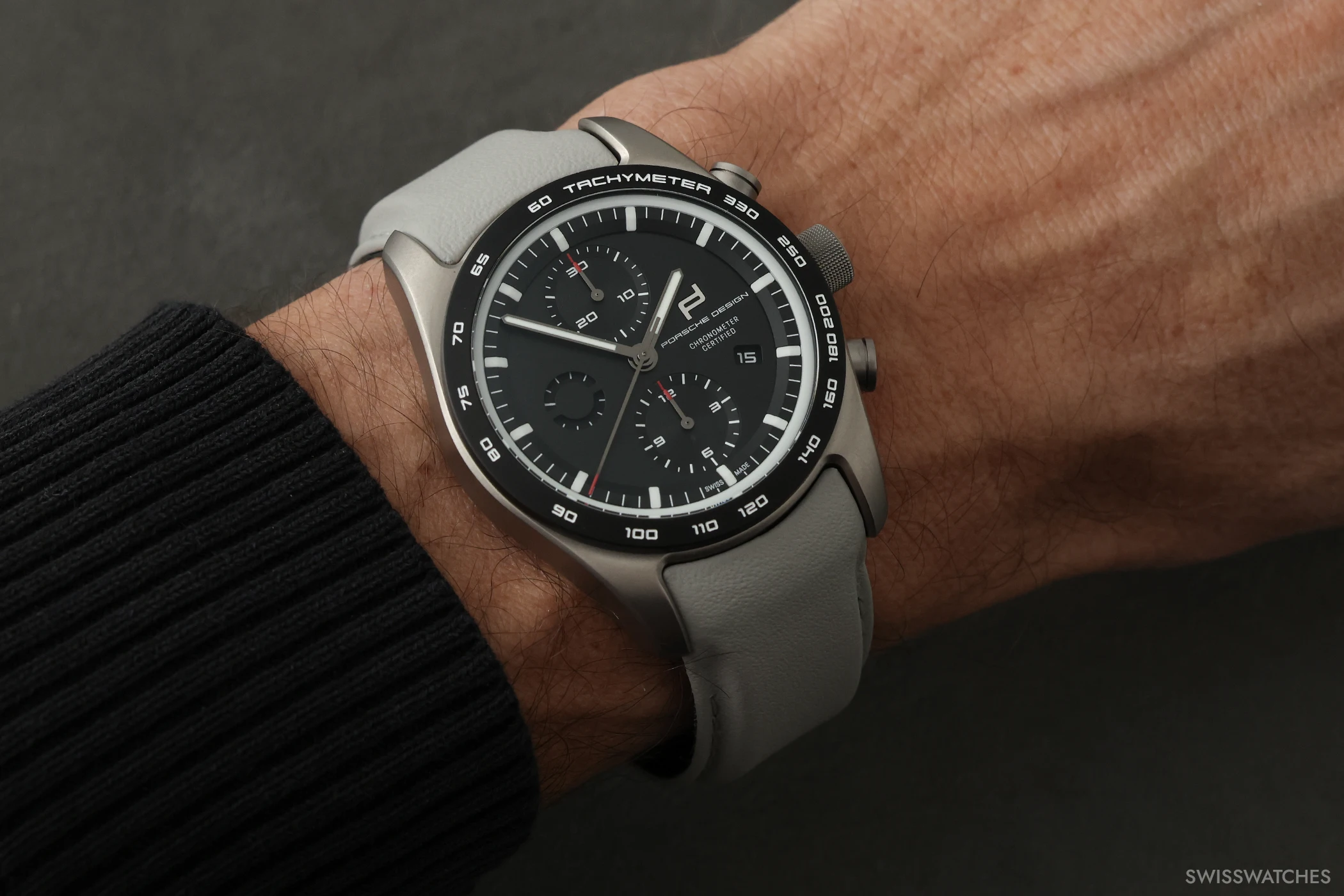
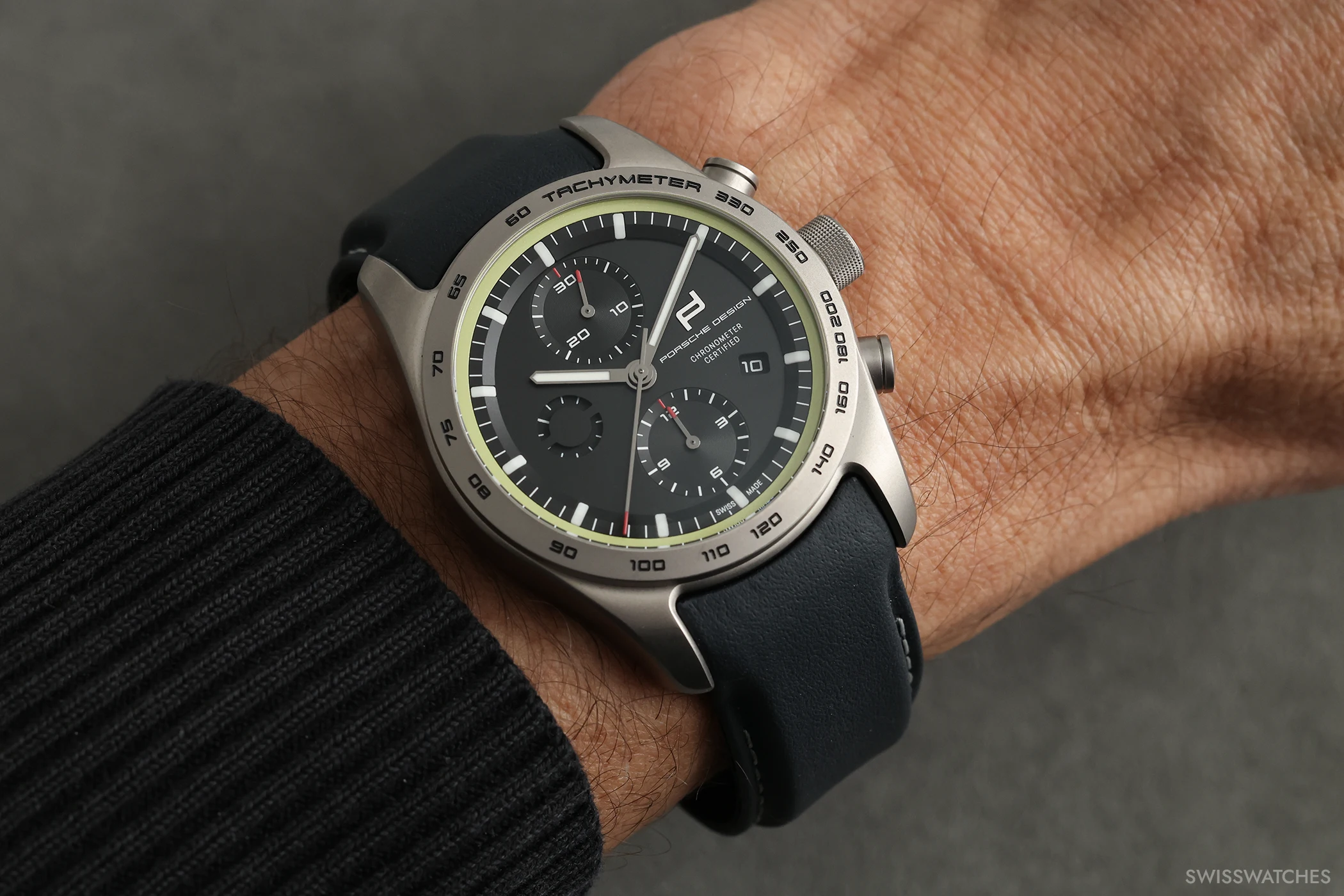
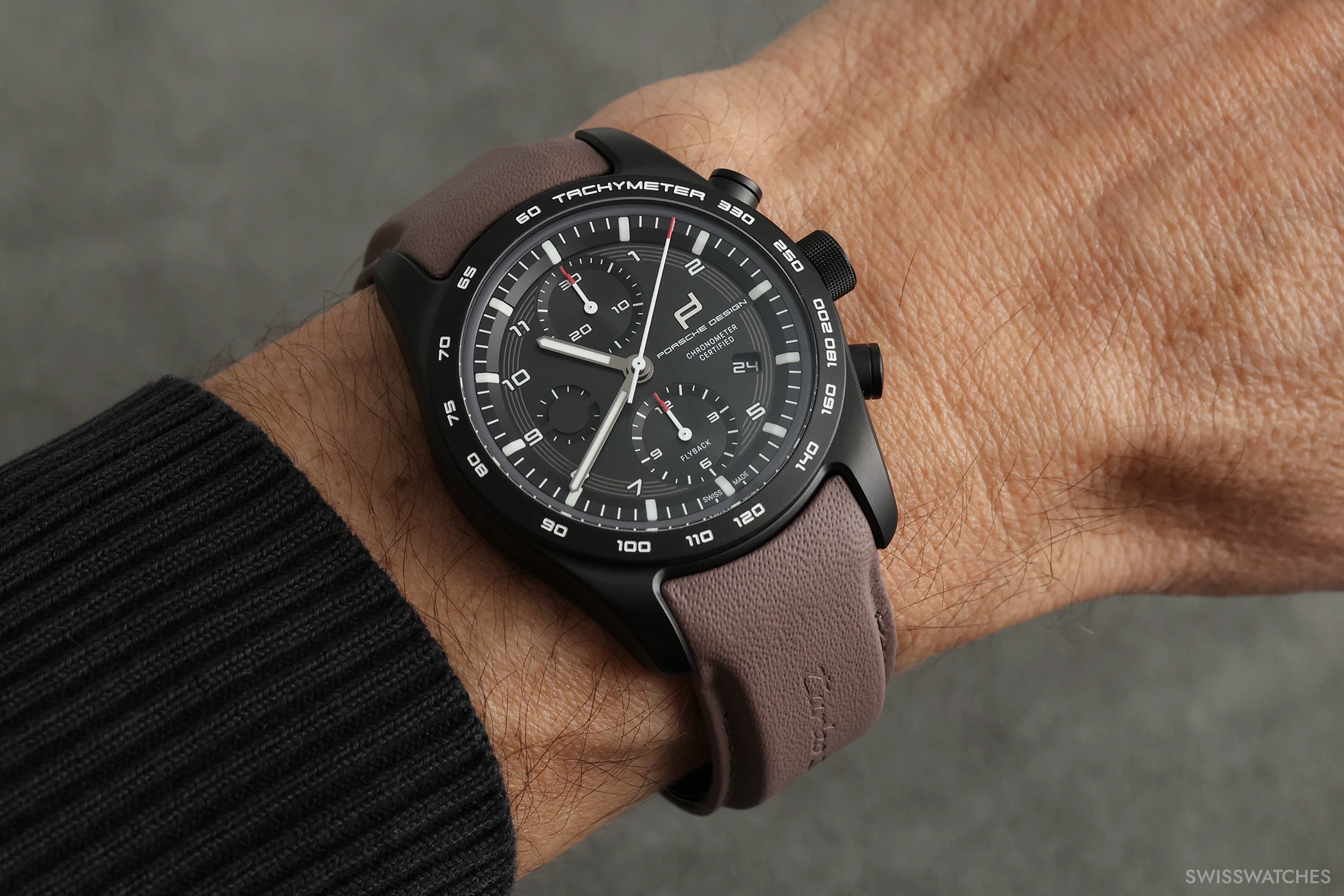
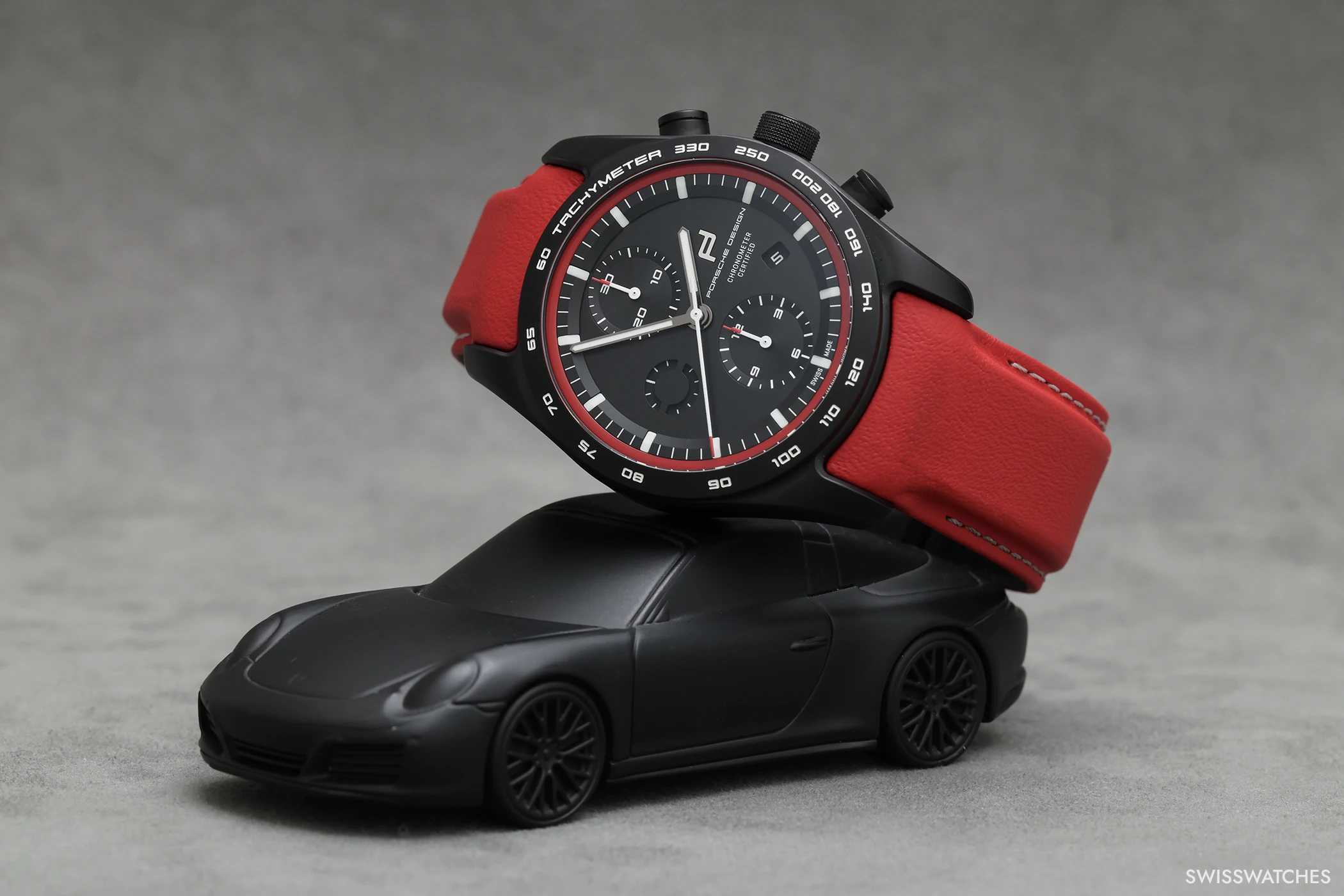
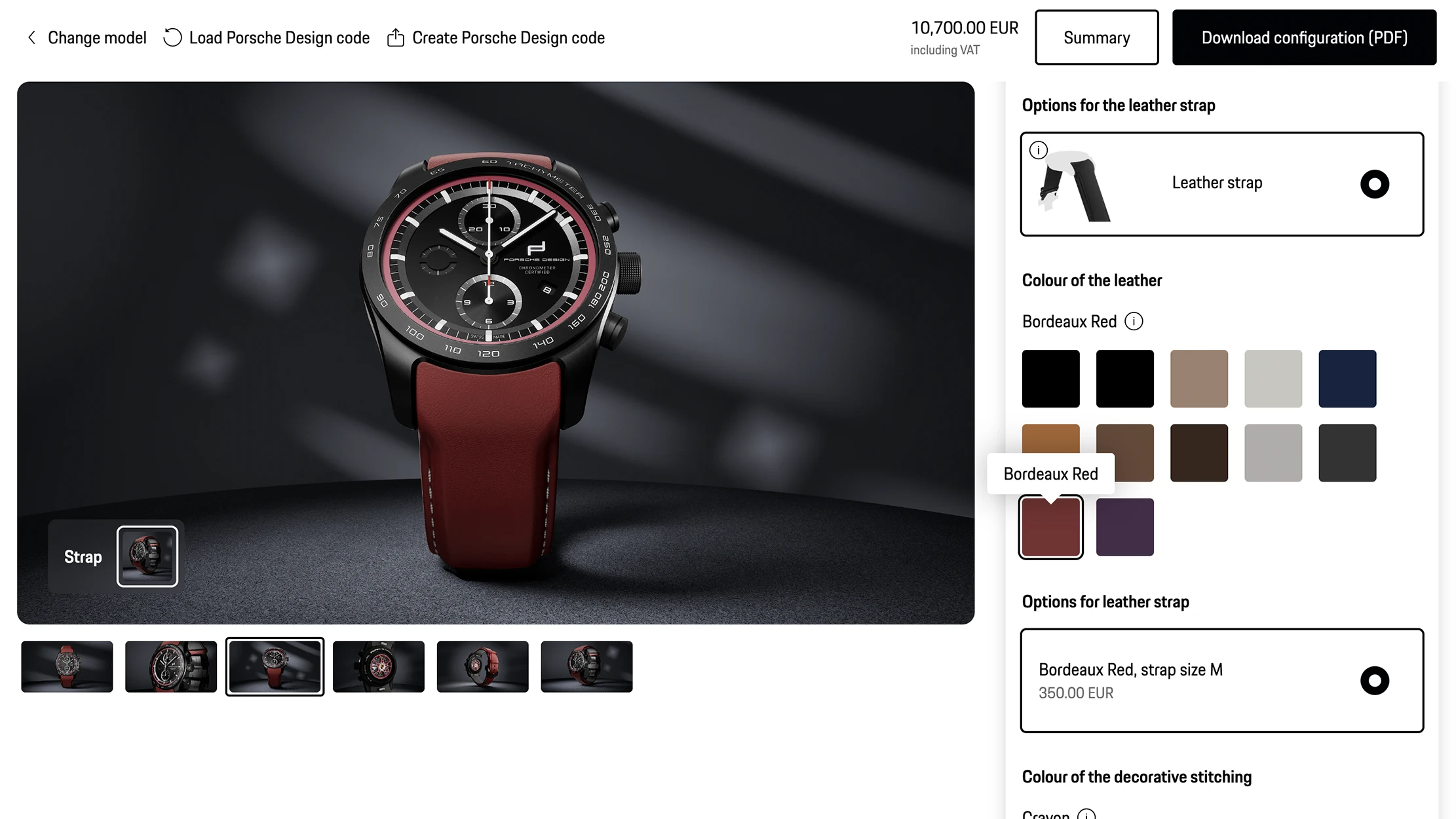
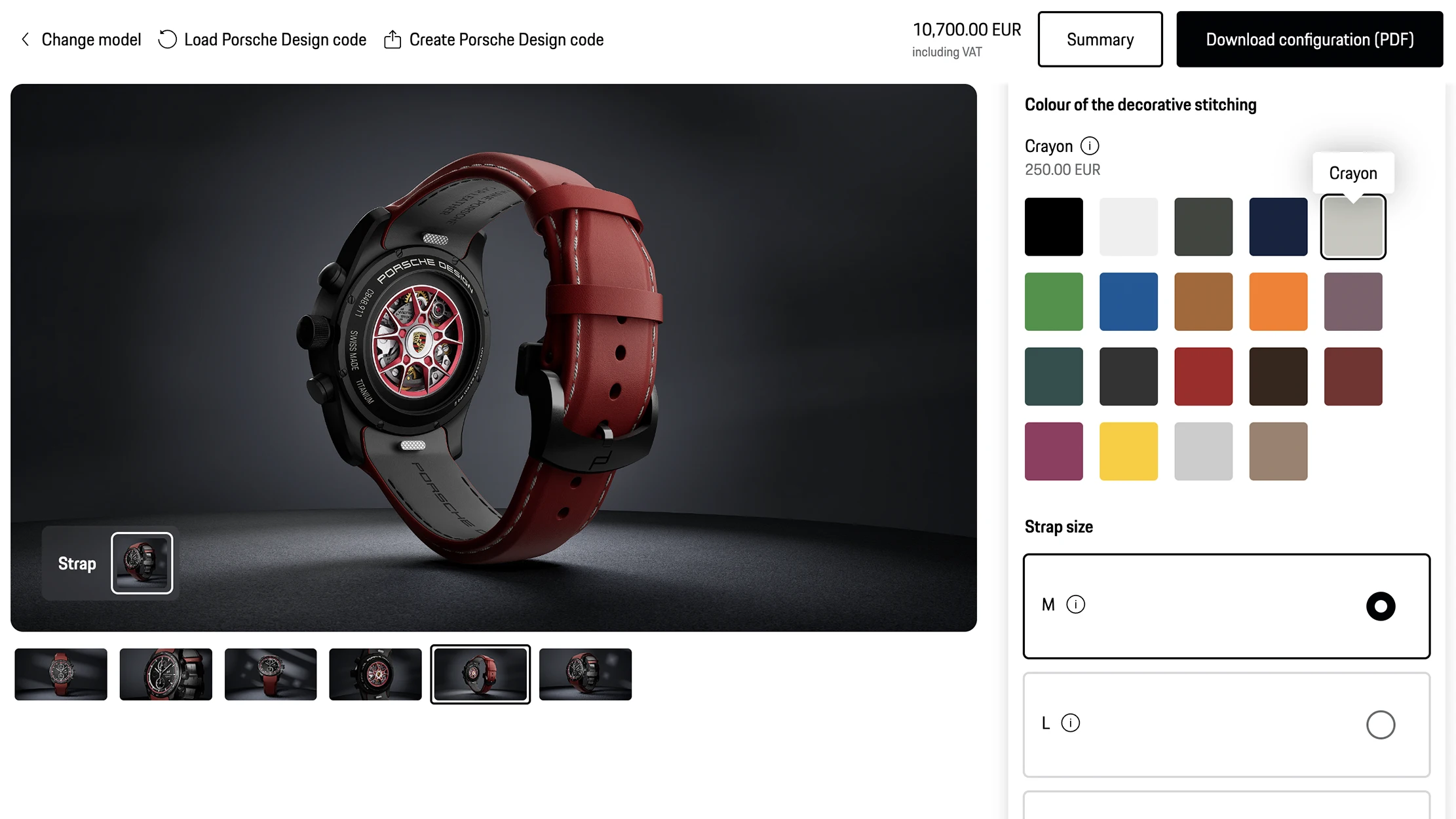
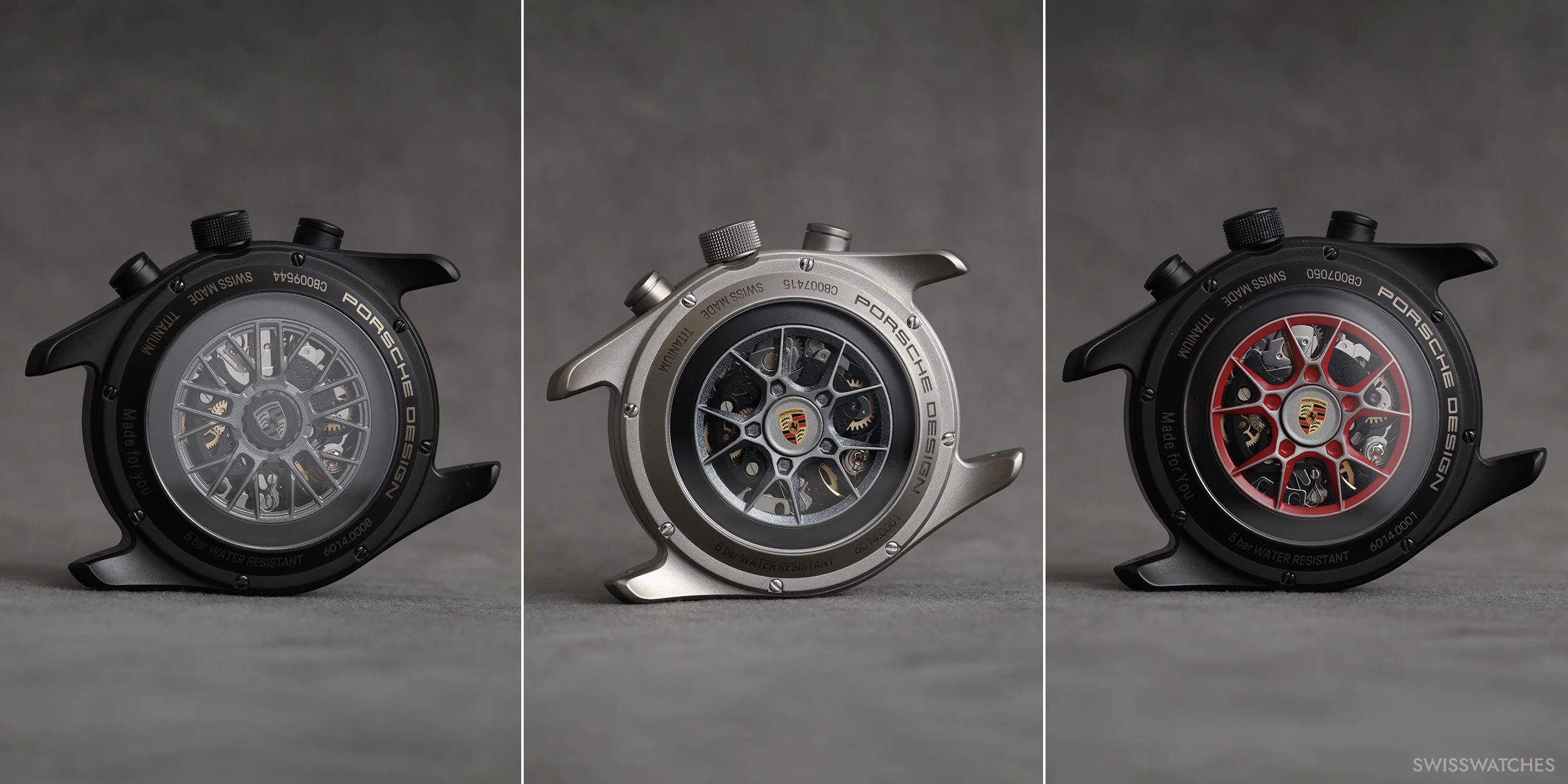
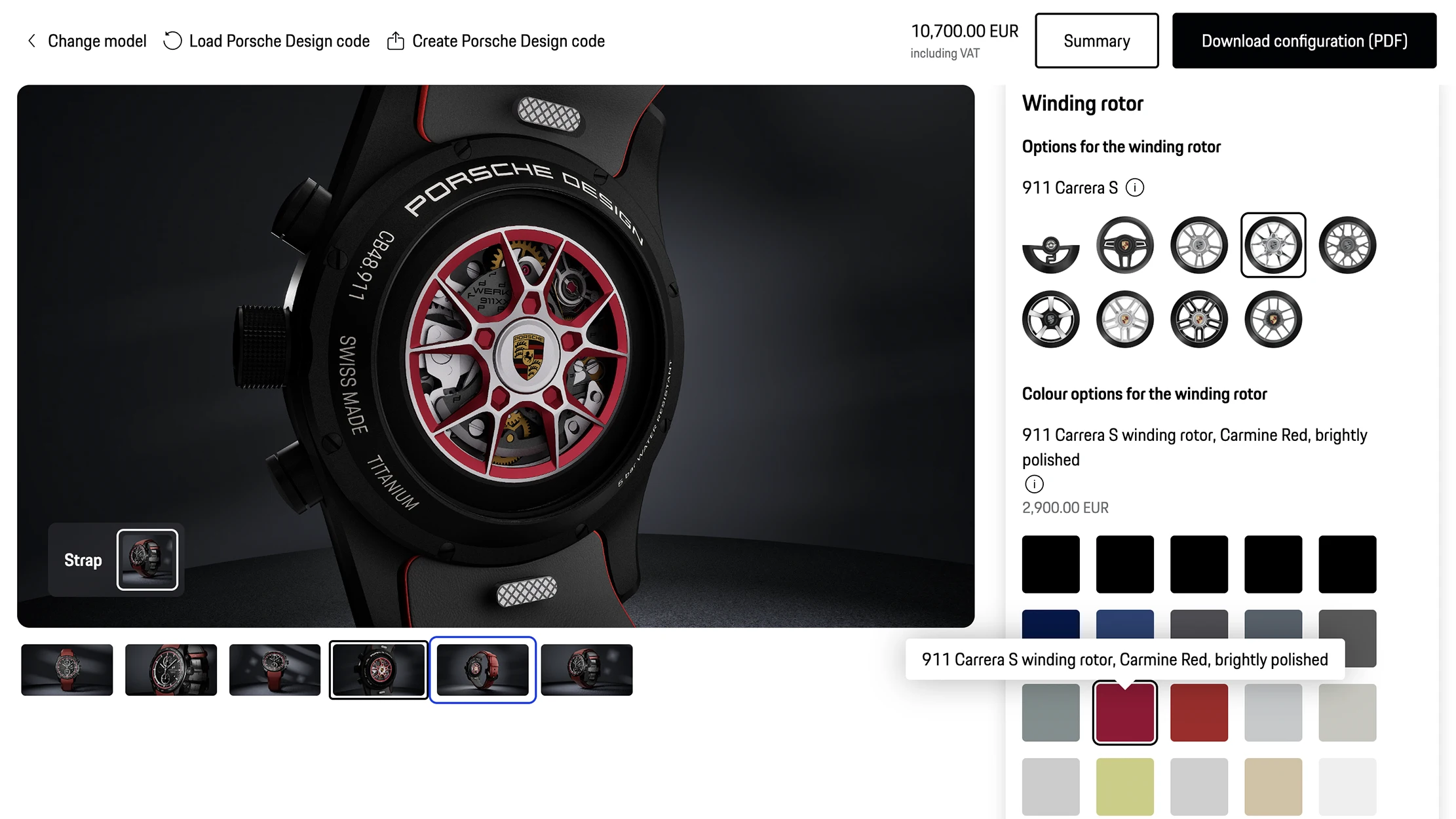
Let’s return to the original question. Porsche Design is in pole position, if only because the collectors’ market is moving towards individuality, both in terms of cars and watches. Finding two Porsche Design customers who have configured identical watches is extremely unlikely: if you really want to push the limits, the Porsche configurator offers over 800 million possibilities for designing your Porsche Design timepiece, down to the detail of the stitching on the leather strap or the look of the winding rotor of the movement.
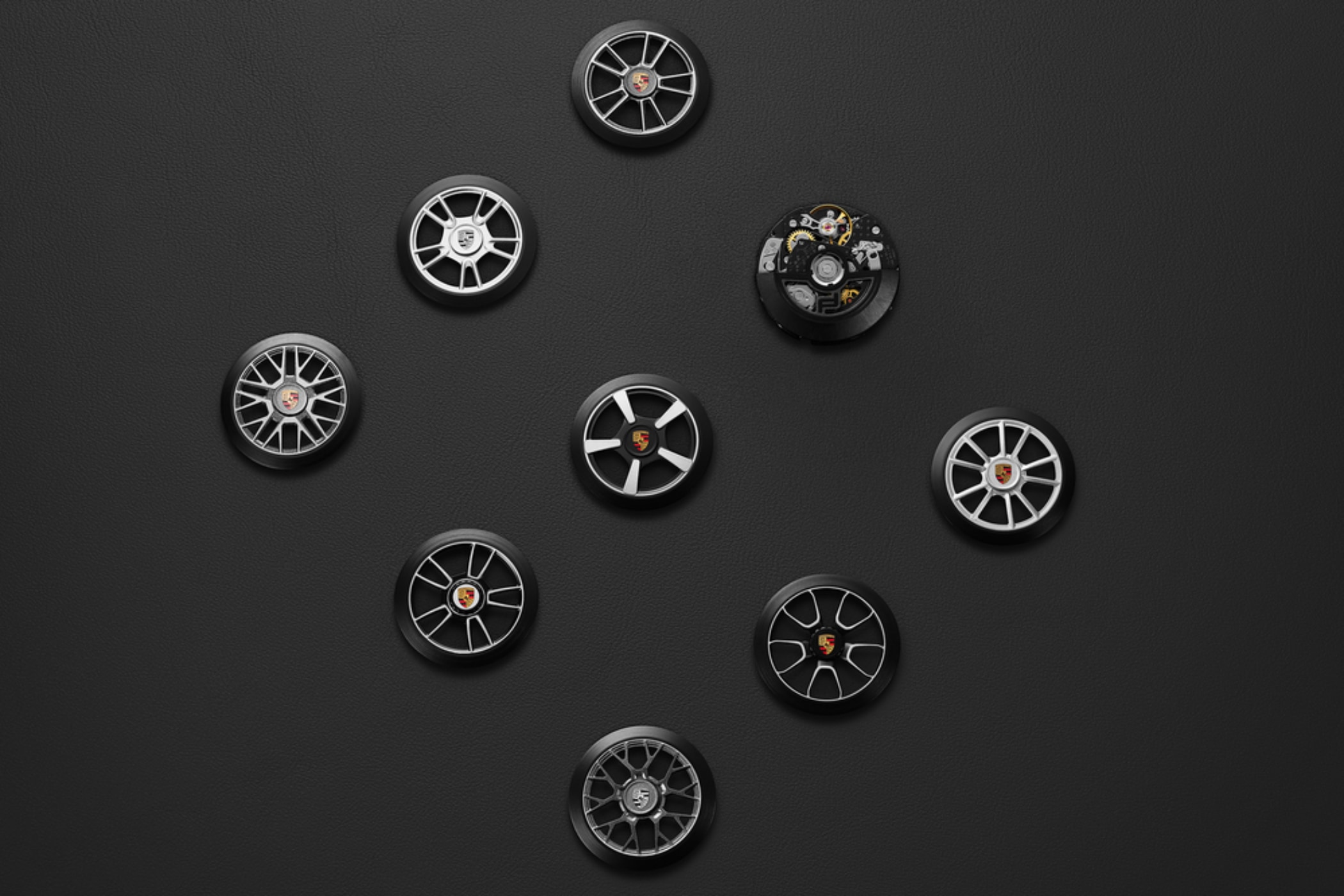
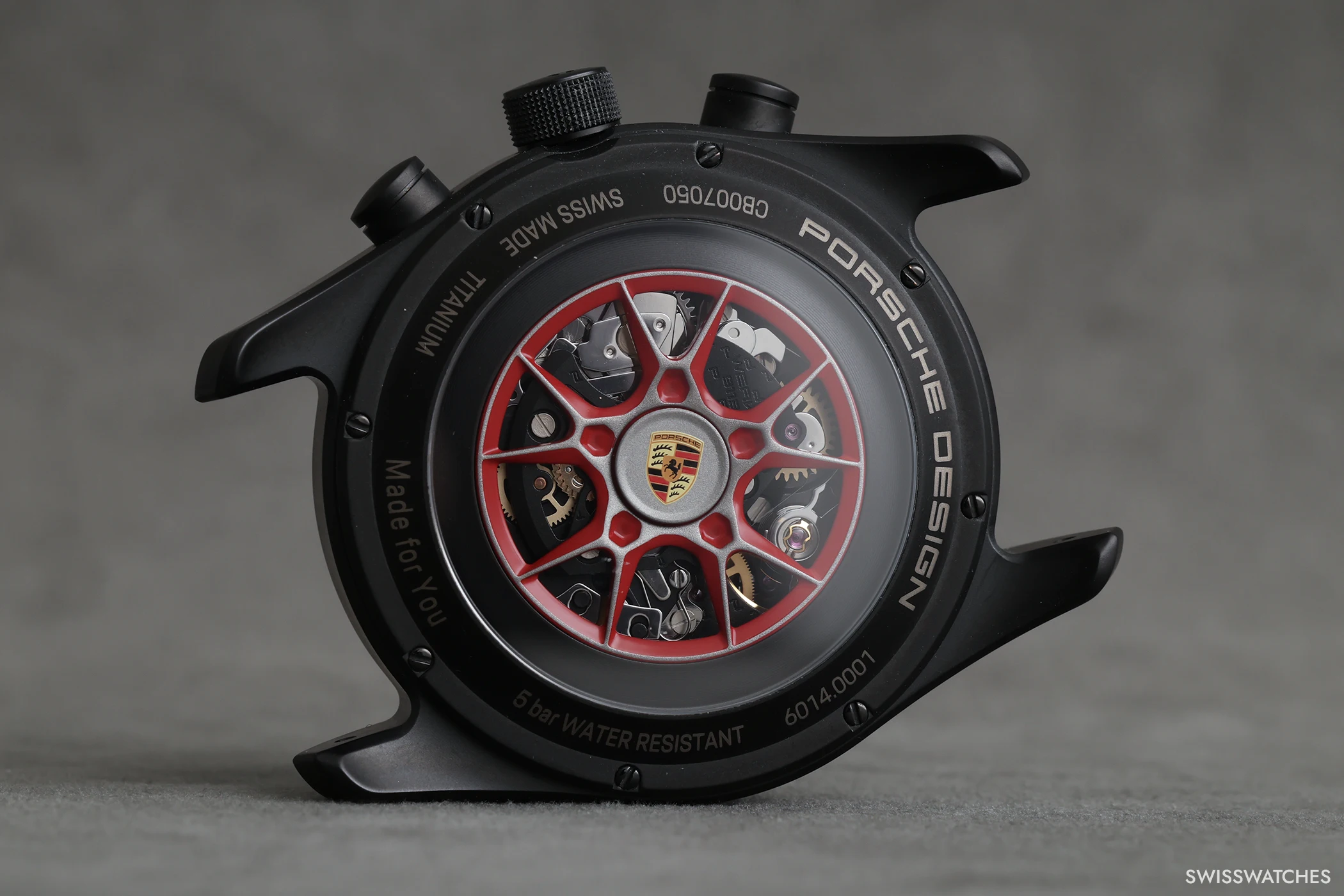
Porsche Design custom-built timepieces do not only use original Porsche materials: in addition to the identical vehicle leather for the strap, there are 142 precisely reproduced paint colours from all 142 Porsche hues. The customisable rim winding rotor is the most technically sophisticated element of the timepiece: a 1:22 scale version of the original Porsche 911 rims, it is manufactured to an accuracy of up to five thousandths of a millimetre.
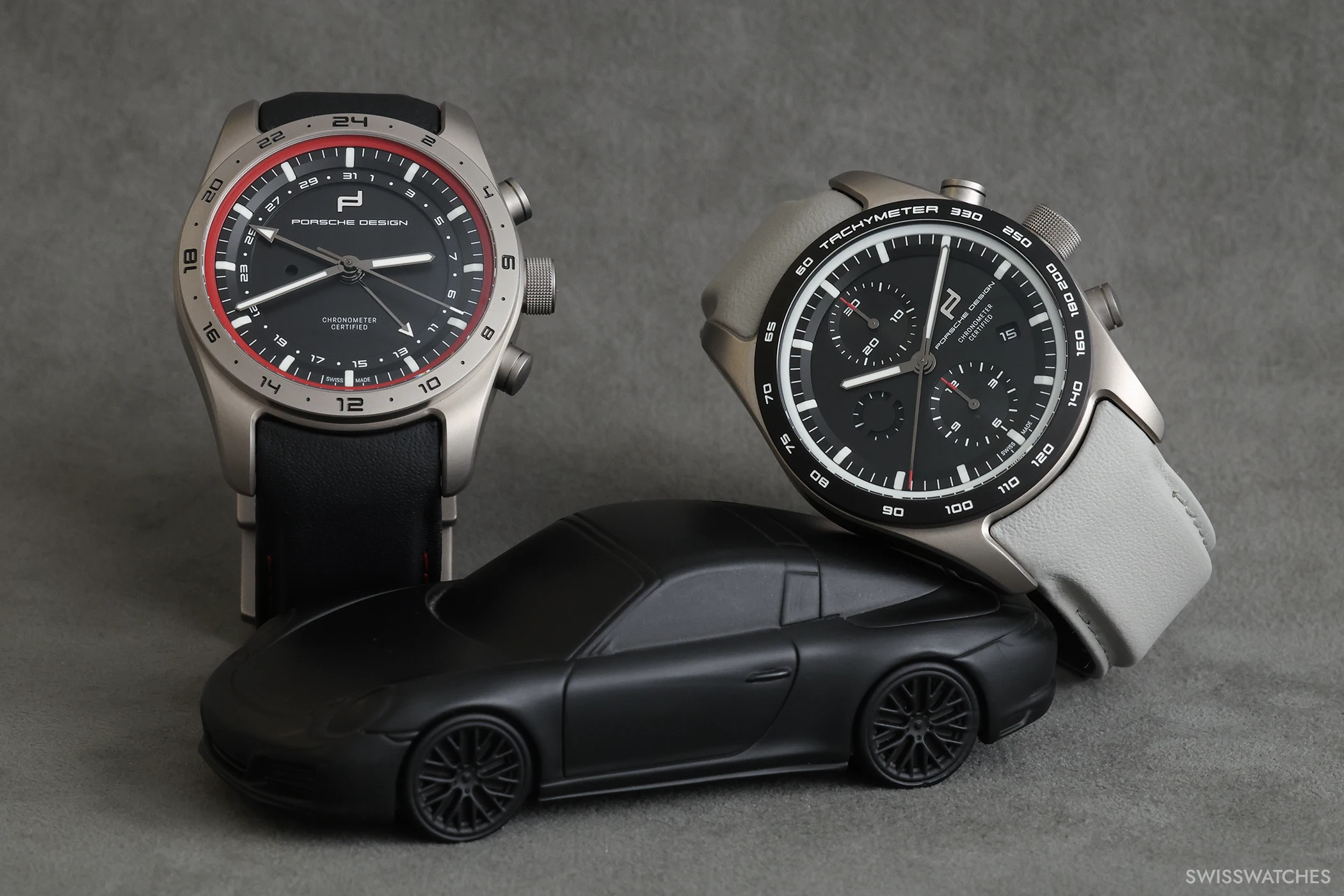
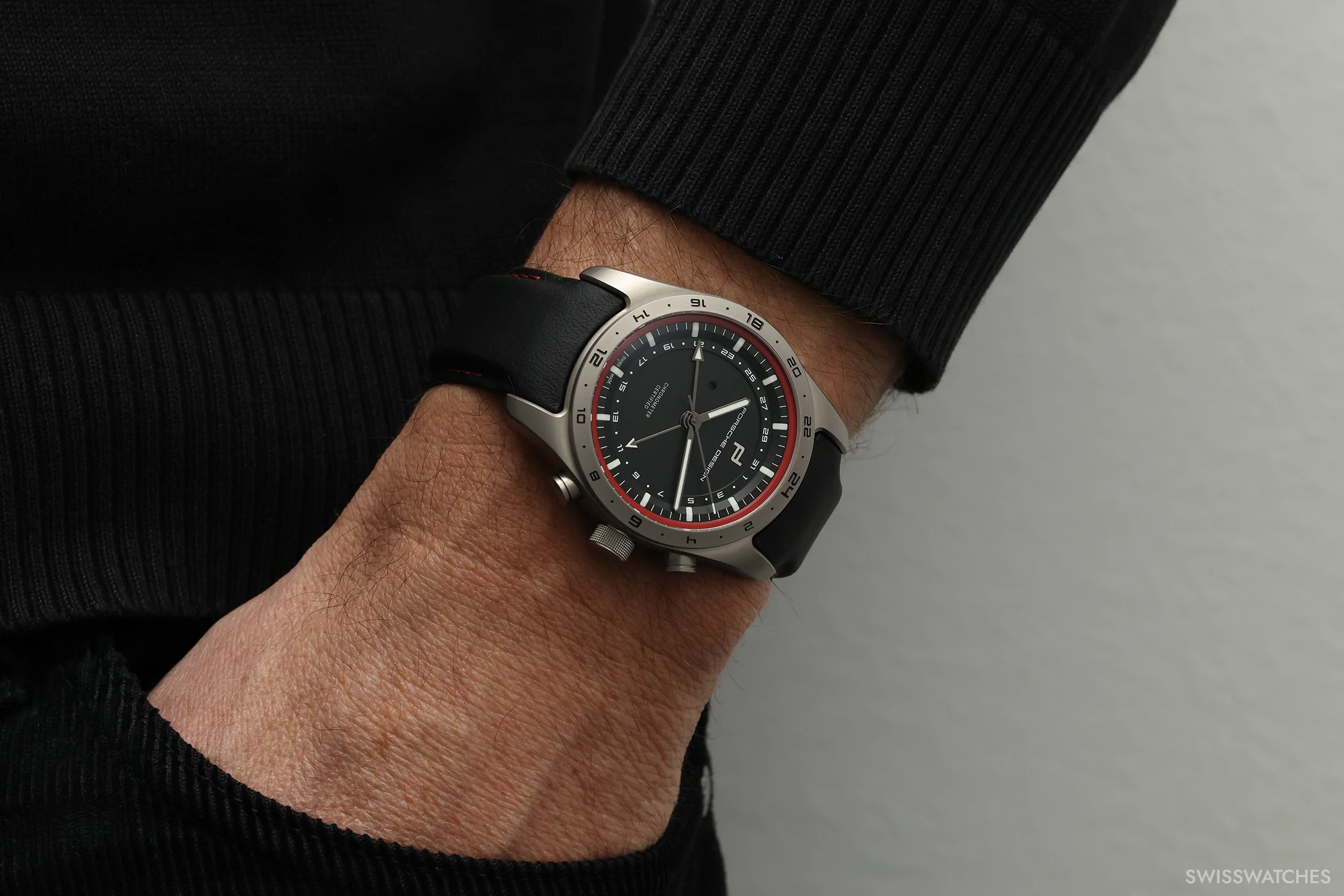
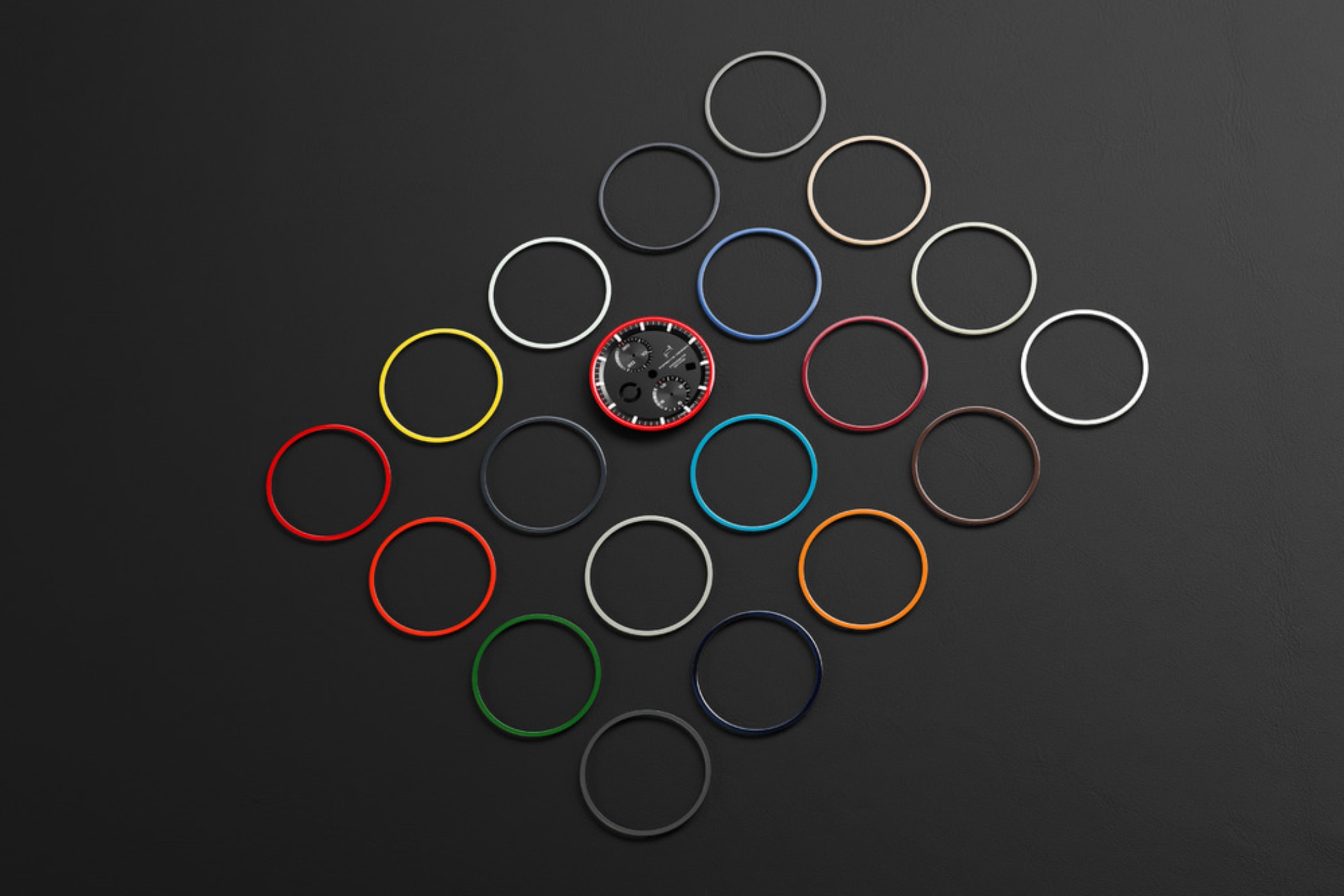
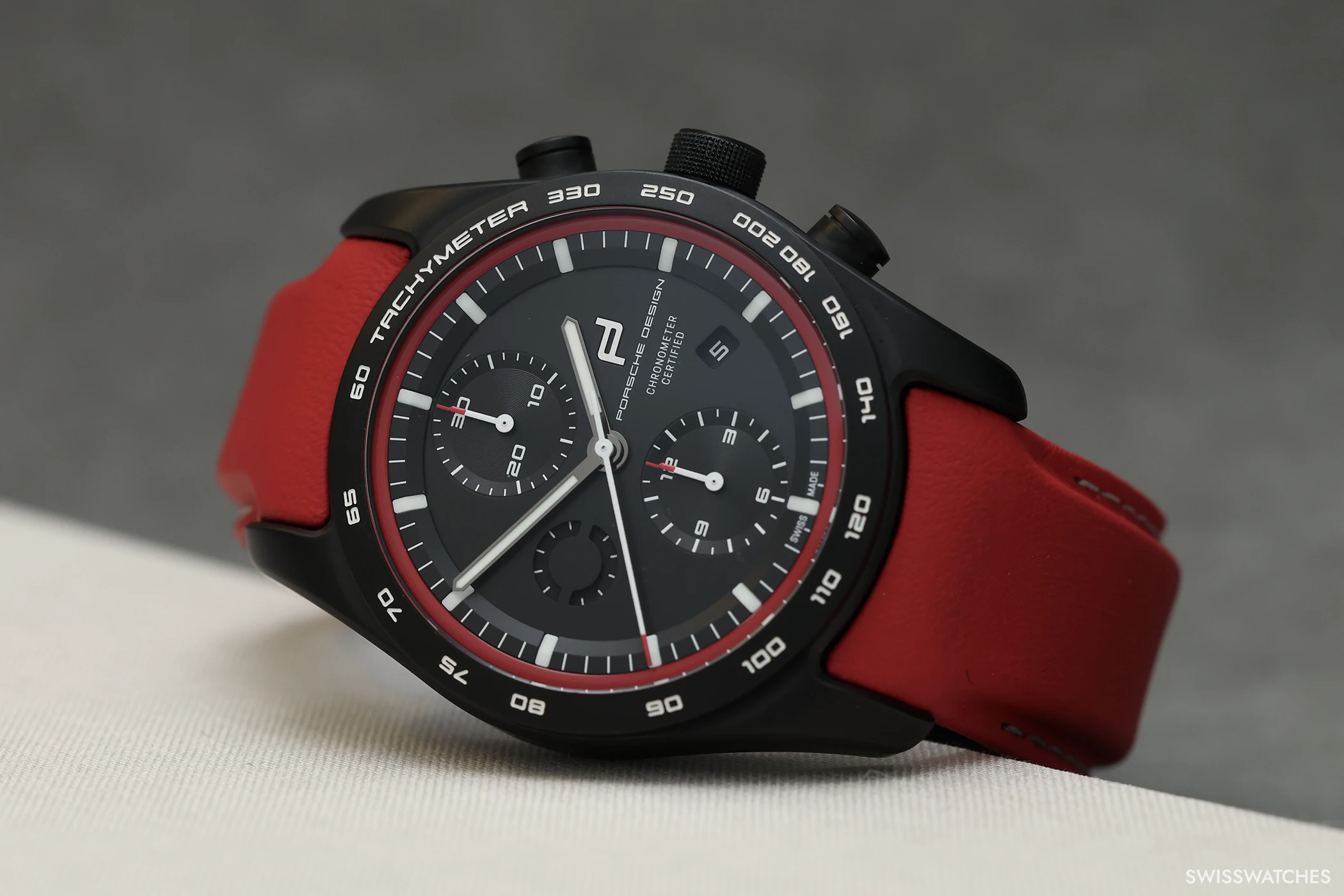
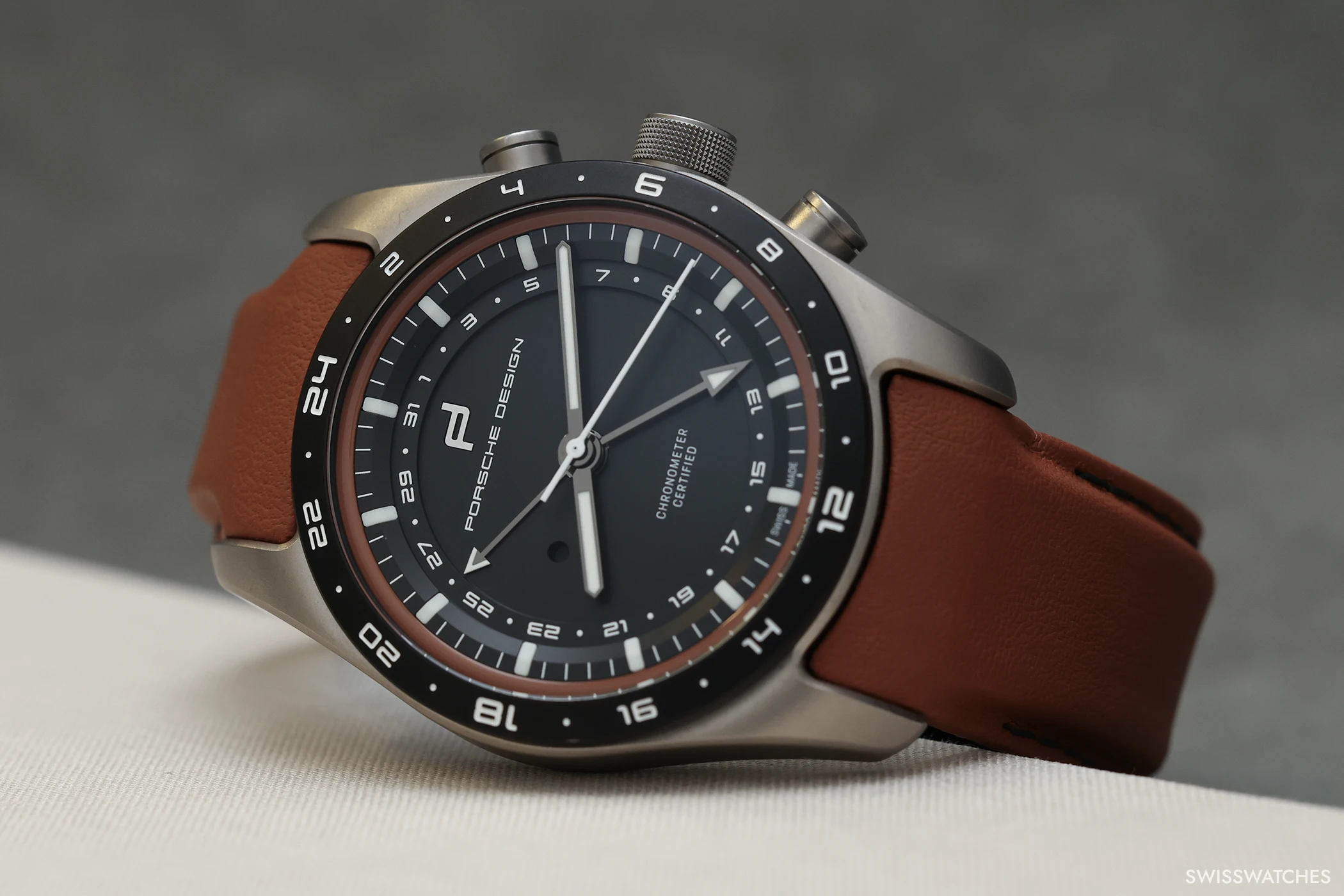
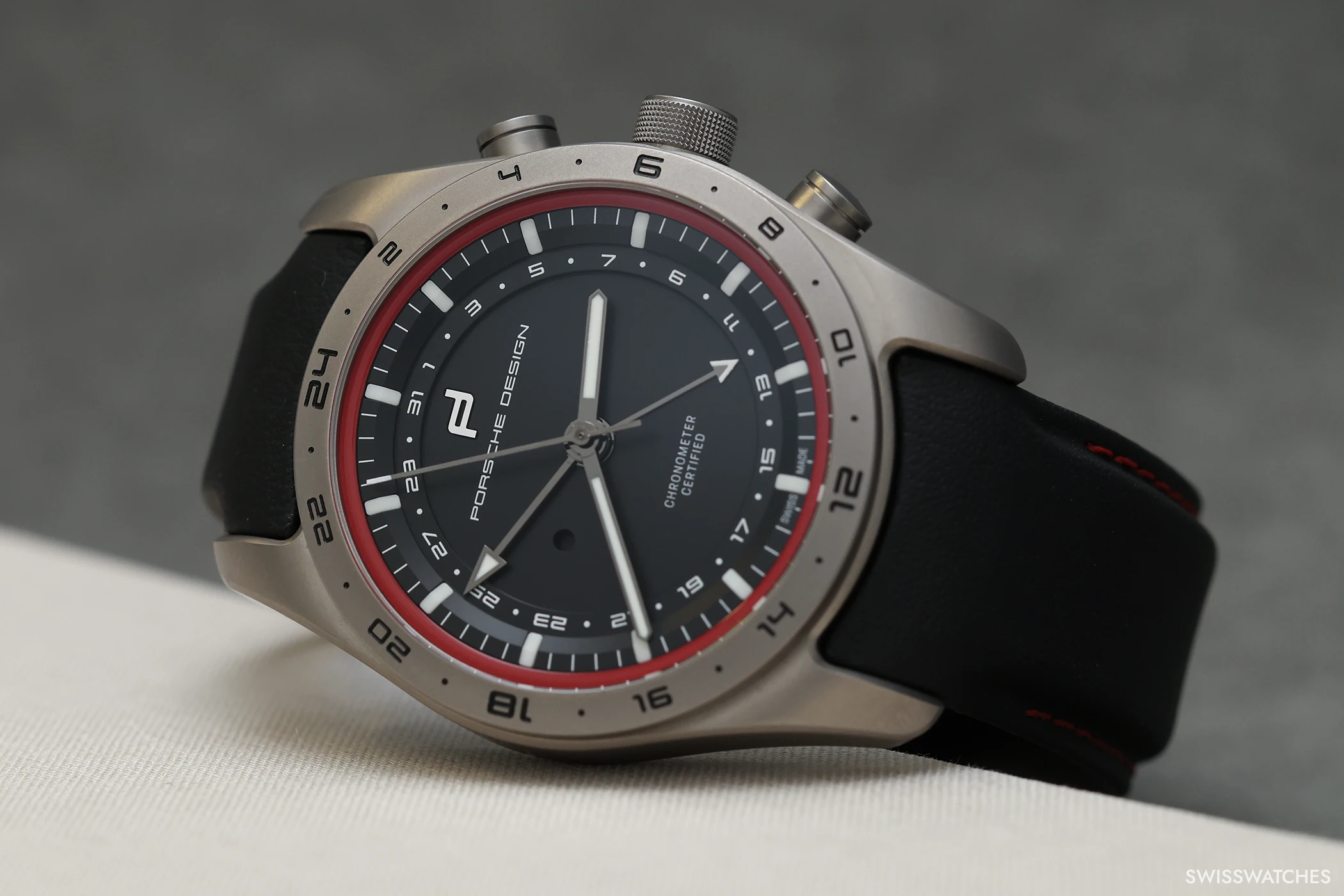
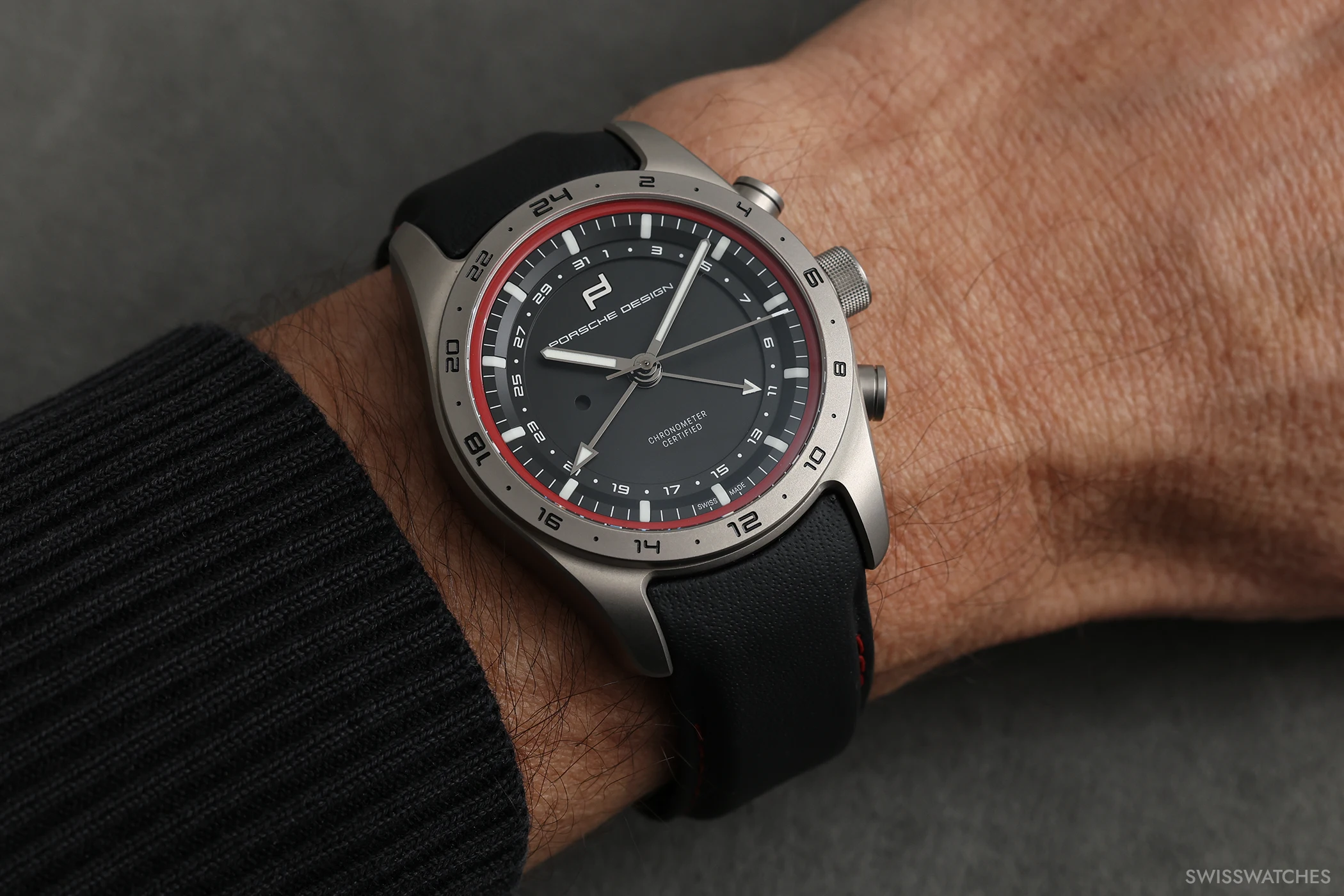
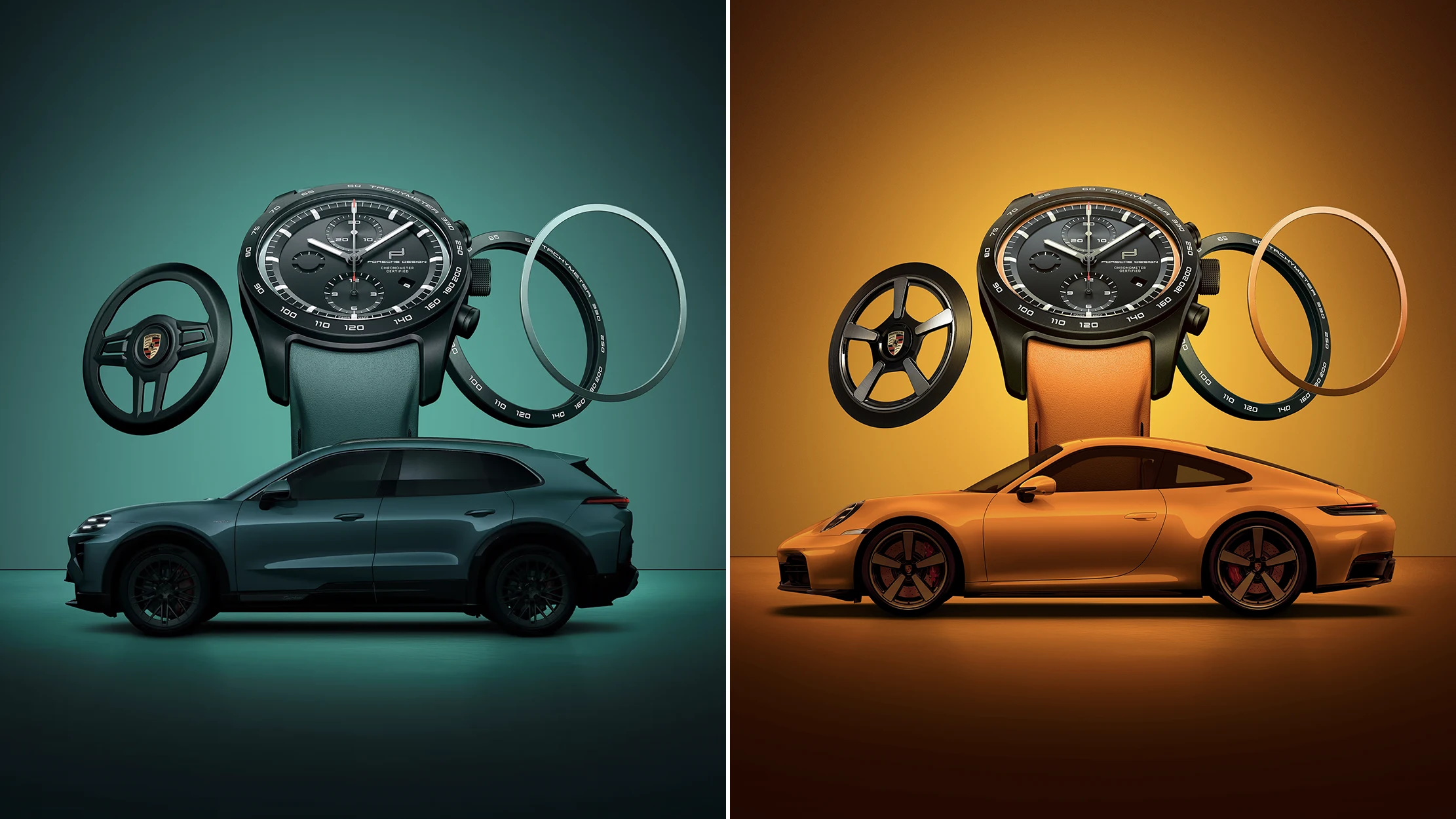
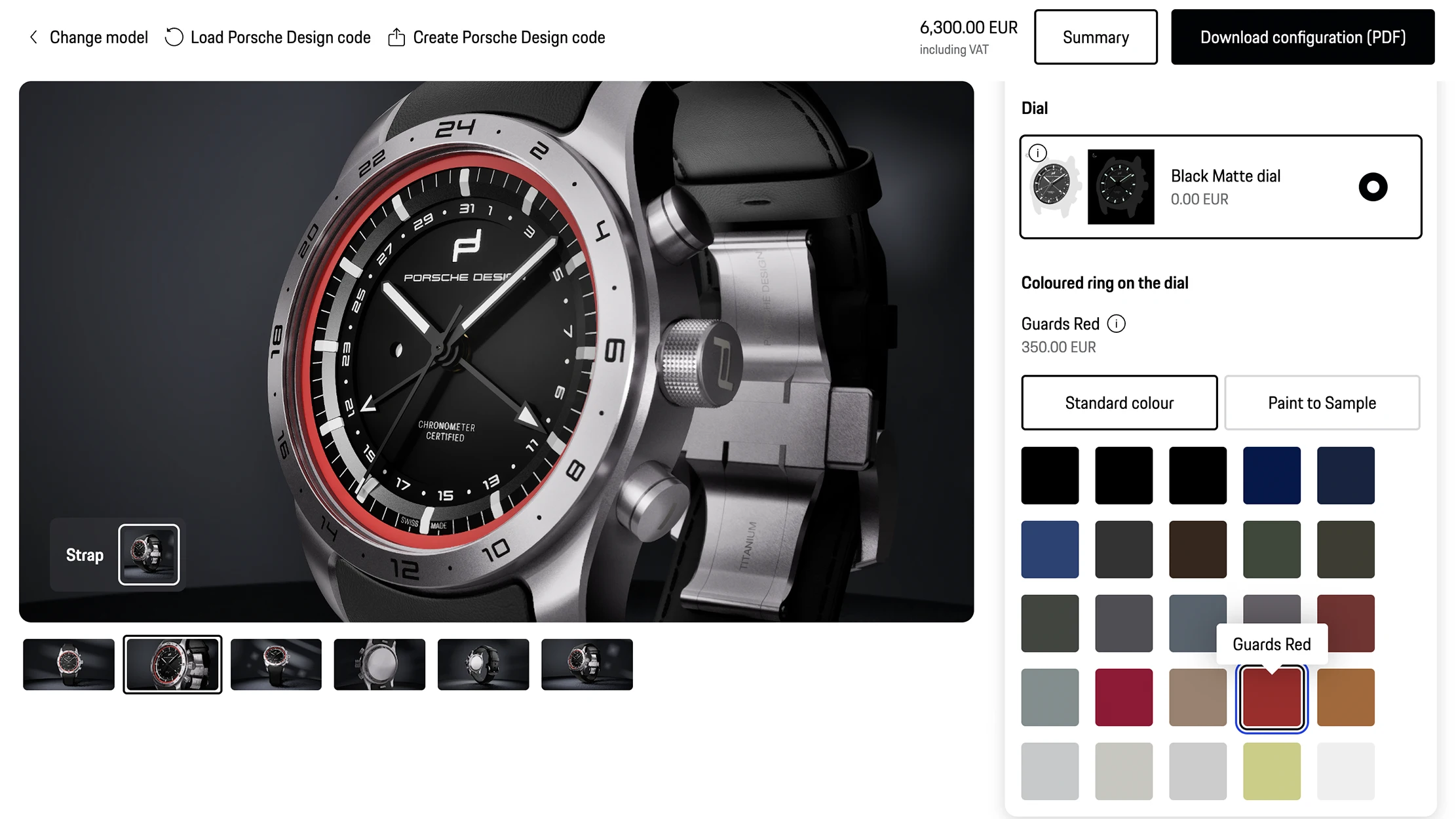
Initially, only a chronograph with a COSC-certified automatic movement (calibre 01.100) was available, but in 2024, the Globetimer became the second customisable model: this innovative COSC-certified world time watch features the Porsche Design calibre 04.110 movement and allows a second time zone to be displayed. It has been part of the Porsche Design watch collection since 2019. The local time display can be conveniently adjusted in one-hour increments without affecting the current time display, with the date display adapting automatically in both directions. The chronograph-style pushers are used for the forward and backward functions, eliminating the need for adjustment via the crown. The date is displayed as a pointer around the dial. The colour selection for the ring around the dial includes all the current exterior colours of the Porsche 911 and Porsche Cayenne, as well as the iconic and historic colours of the Porsche Exclusive Manufaktur ‘Colour of Your Choice’ programme.
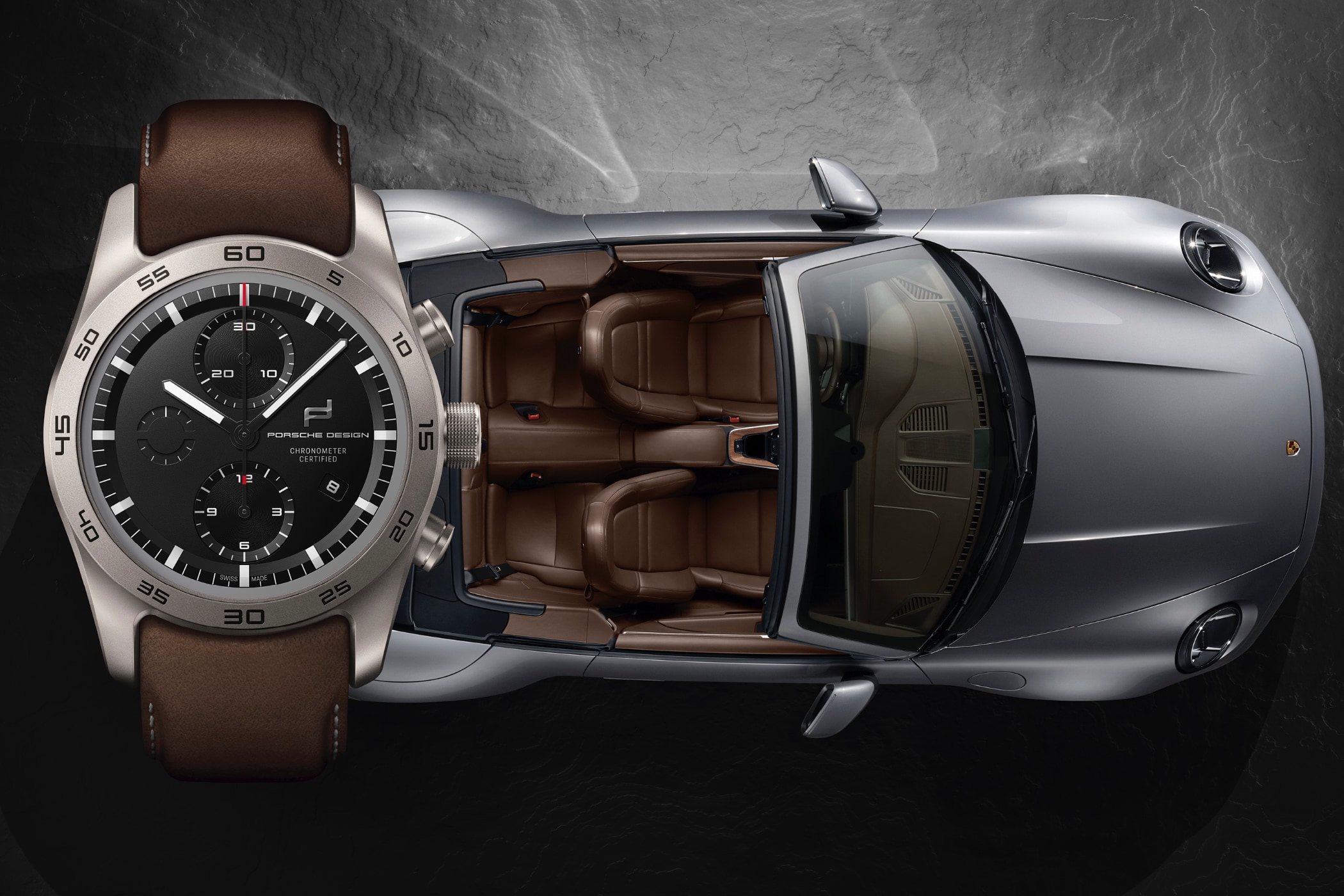
In a world where many watch brands are quick to jump on colour trends, colour customisation is part of Porsche Design watches’ DNA. Playing around with different coloured leather straps is also child’s play: the straps can be quickly changed thanks to a quick-change system, and ordering additional leather straps in custom colours is no problem at Porsche Design.
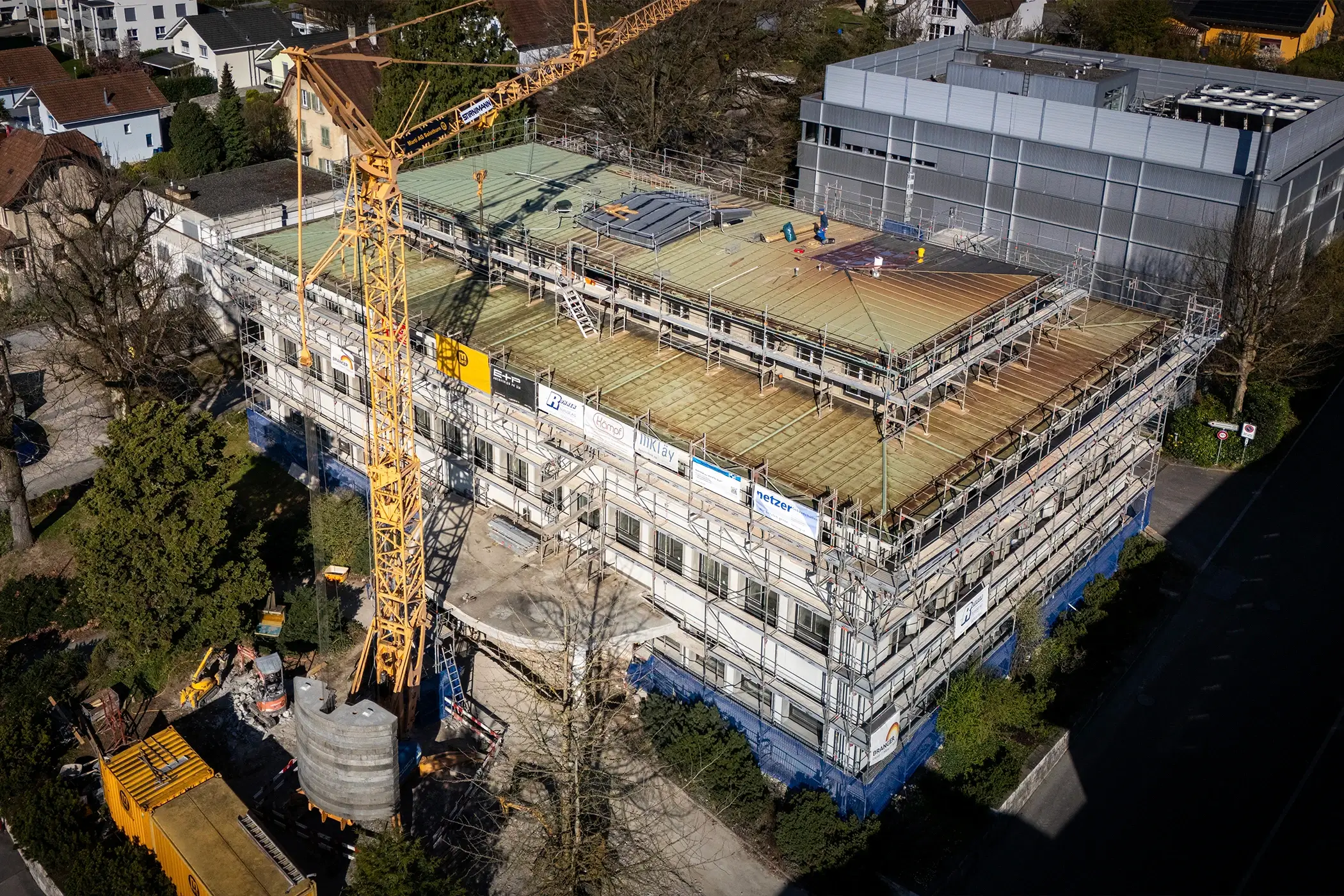
Anyone who thinks that 5,000 watches is a bit low for a success story needs to understand the following: until this summer, Porsche Design only offered the custom-built timepieces to match the 911 model and only in a few key markets worldwide, including Germany and the USA. Anyone familiar with Porsche’s vehicle production figures will know that the company built around 50,000 911s in 2025, as well as around 230,000 other vehicles, primarily SUVs. The old manufacturing headquarters in Solothurn simply did not have the capacity to expand production or serve additional markets. This will change in 2026 with the opening of the new factory in Grenchen – incidentally, the former headquarters of Eterna, the manufacturer of Porsche Design watches until shortly after the turn of the millennium.
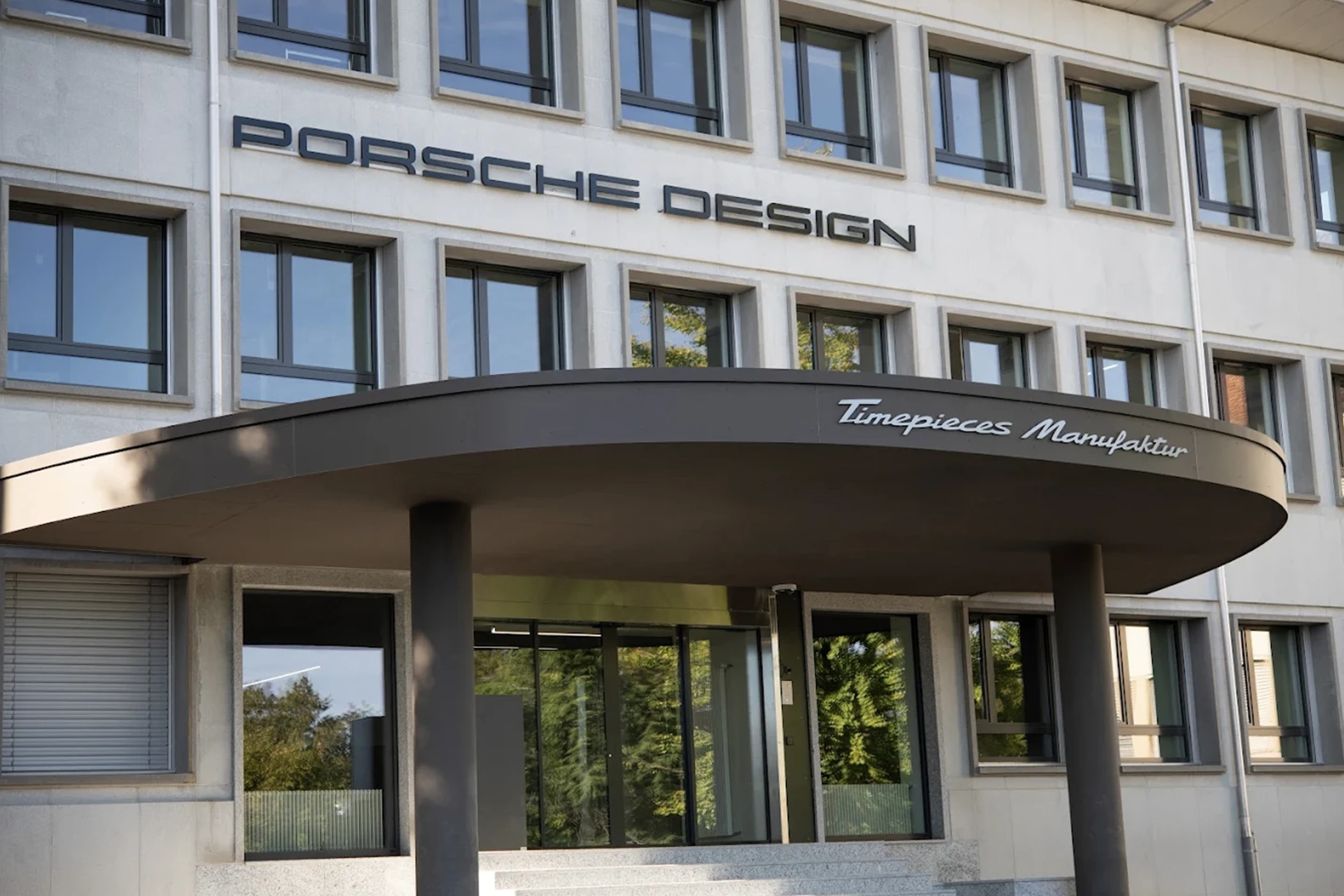
One of the most important innovations in 2025 is therefore the expansion of the custom-built timepiece programme to include the Cayenne model, a luxury SUV. And this much can be revealed for 2026: with the new manufacturing facility, nothing stands in the way of expanding to all other Porsche models, i.e. the Macan, also an SUV and a bestseller from Porsche, the four-door Panamera coupé, the all-electric Taycan sports car and, in future, the 718 roadster. This will greatly expand the customer base.
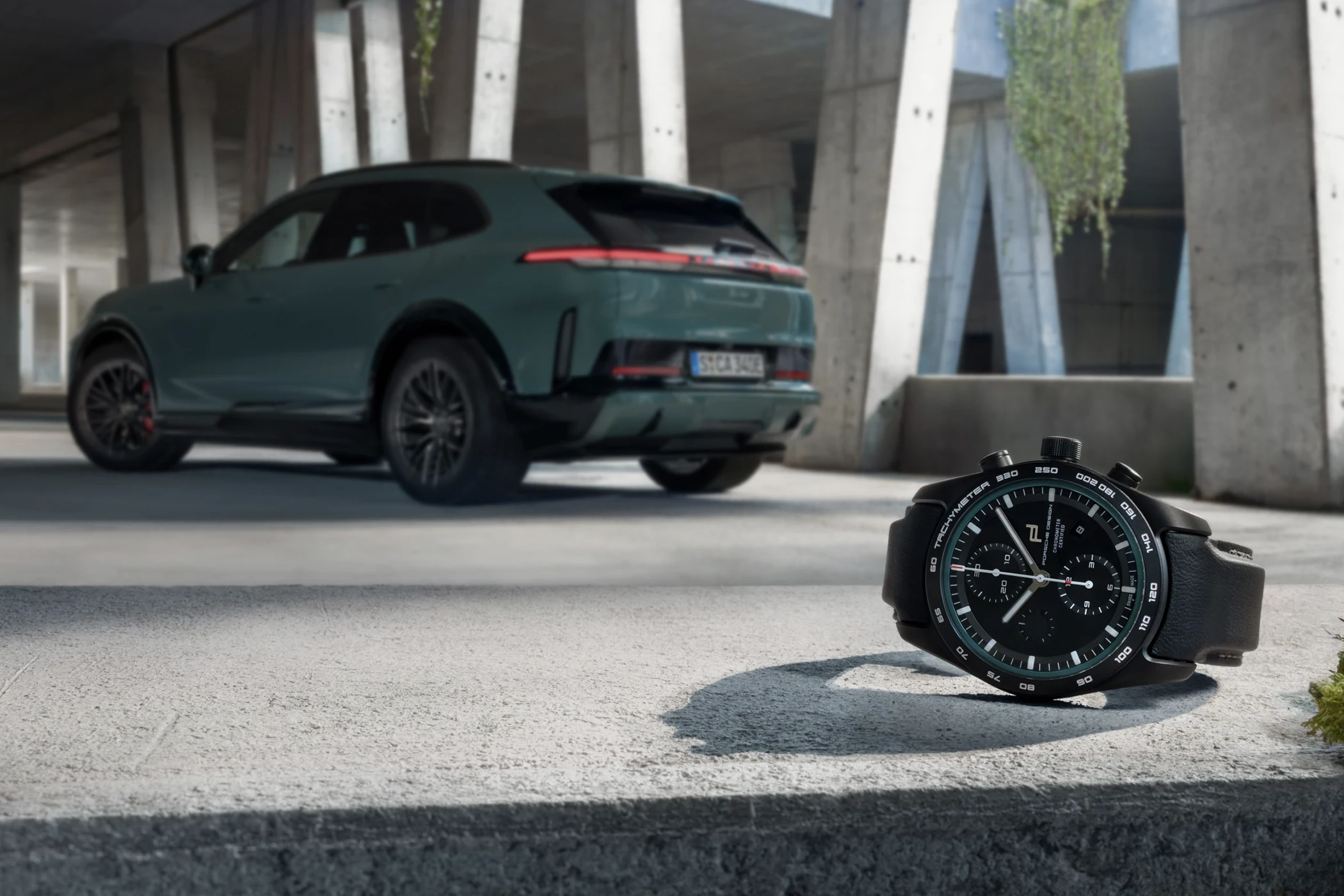
Many people will not yet be familiar with the programme because it is only now being gradually rolled out worldwide. Initially, it was only available in four countries (Germany, USA, UK, Switzerland) because specialist consultants had to be trained at Porsche centres to guide customers through the configuration process. Incidentally, this takes place in special ‘lounges’ at the car dealerships.
Anyone who has visited the configurator in the past should give it another try. It has been fundamentally improved – both technically and visually. The new Porsche Design watch configurator is the result of close collaboration between Porsche Design and the management and IT consultancy MHP. Together, the two Porsche subsidiaries have fundamentally redeveloped the configurator to create a unique user experience. It now offers even more detailed and realistic representations of personalised timepieces and a more intuitive user interface.
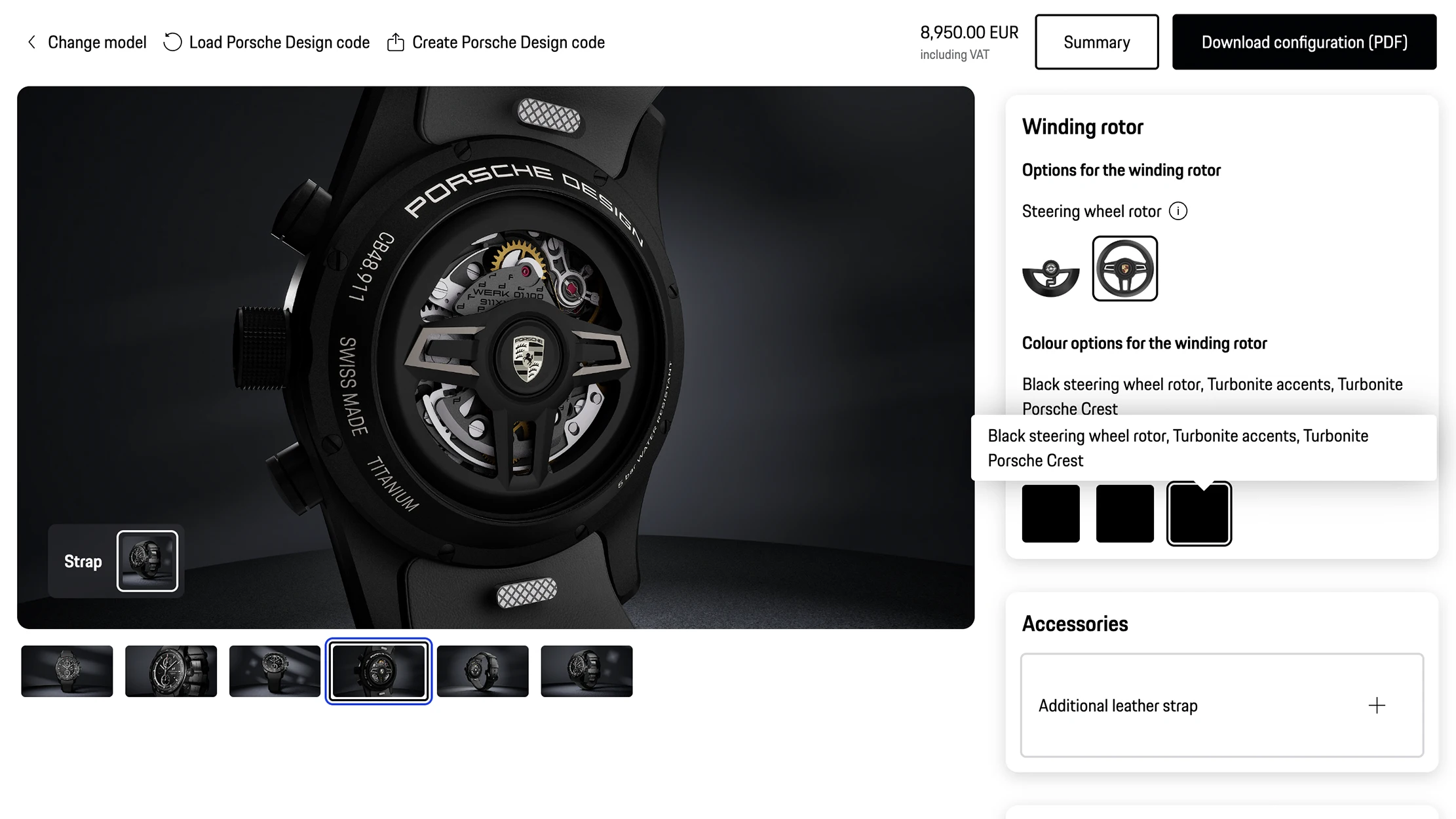
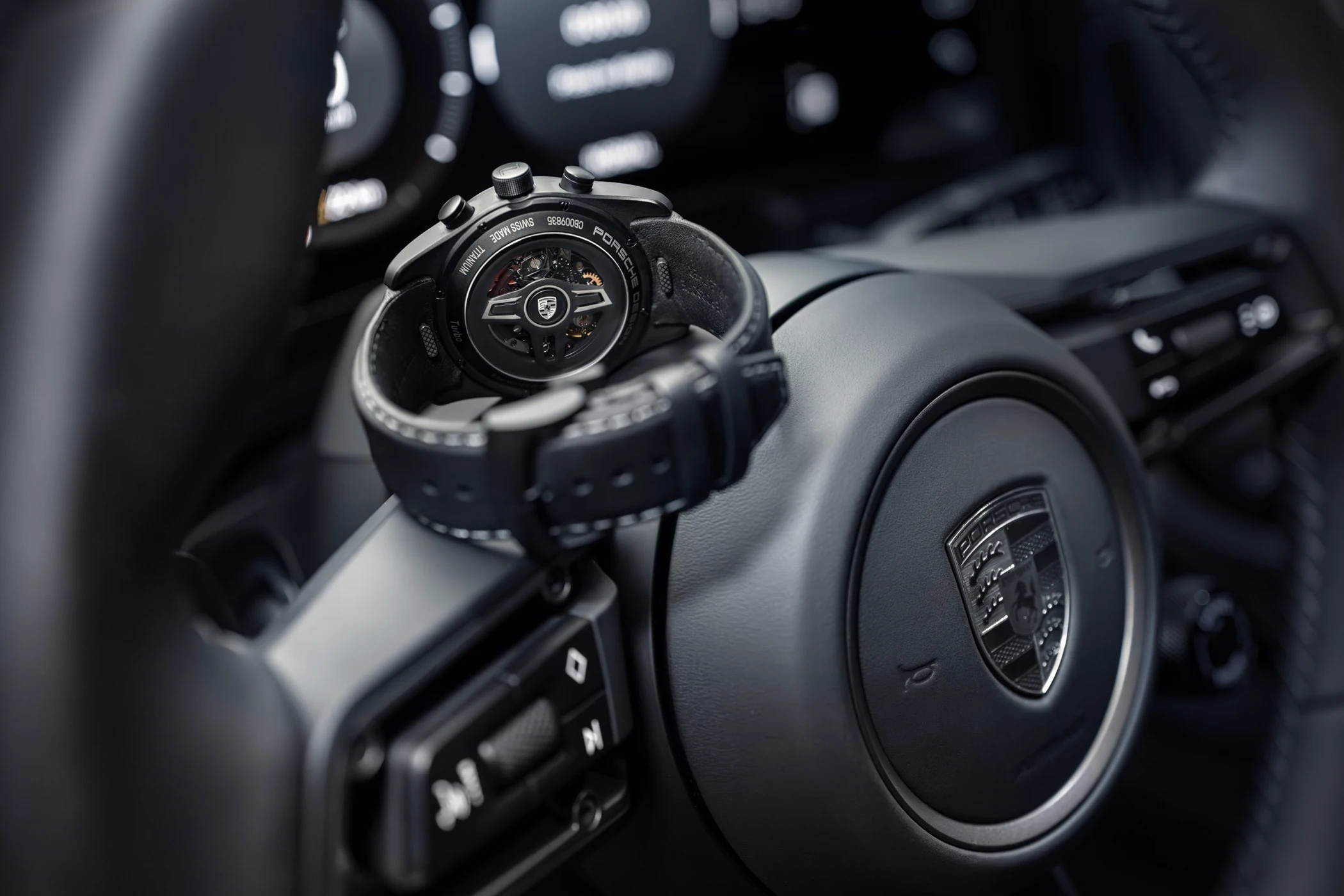
Anyone who tests the new configurator will quickly understand why expanding it to all Porsche and luxury markets is not so easy. Of course, it has to be adapted locally, not only in terms of languages and currencies. Employees at Porsche Centres, an important sales channel, need to be trained. With Porsche in its name, the subsidiary simply wants to ensure that all areas, right down to watch servicing, are well covered by the dealer. After entering the Spanish and Portuguese markets at the end of 2024, this year saw the addition of the strong Porsche market in Japan and, in Eastern Europe, Poland, a populous country with a growing middle and upper class with high purchasing power and an affinity for lifestyle. Markets such as China, overseas, and other growth markets, which account for around half of all Porsche vehicle orders, are not yet included, but are definitely planned for the future.
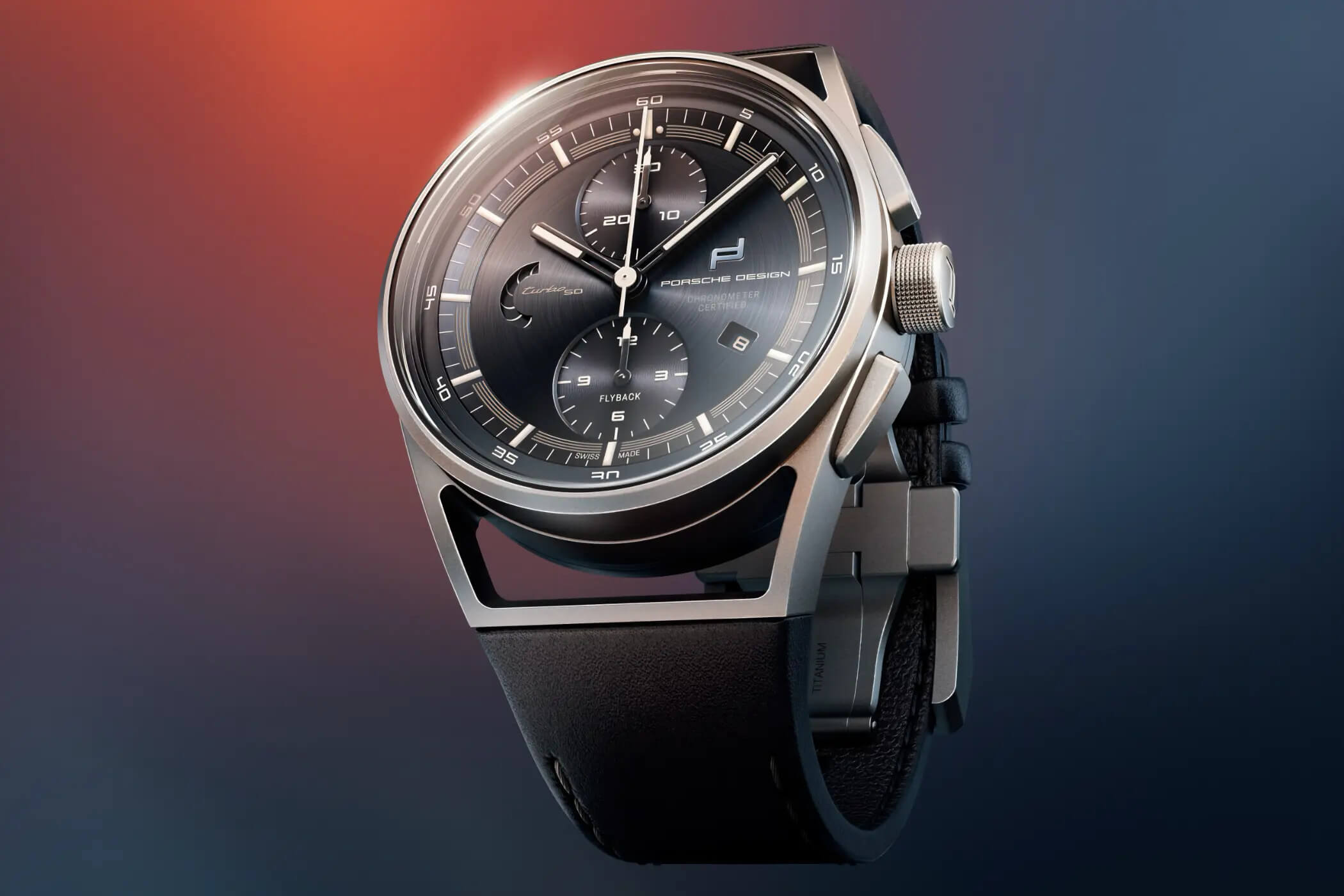
Porsche Design is breaking new ground in terms of colour and technical customisation options with the launch of the Porsche 911 Turbo S. The Chronograph 911 Turbo S, which features a COSC-certified flyback chronograph calibre, was previously only available to buyers of exclusive series such as the GT3, but is now being made available to a wider audience for the first time. With the Turbo S model, Porsche Design introduces the colour innovation ‘Turbonit’, a metallic grey tone which lends the Turbo watch models a subtle visual signature. Developed in close collaboration with colour system experts Pantone, this exclusive colour is a first in automotive colour development, as it has been created specifically for a vehicle manufacturer and will shape the appearance of Porsche’s Turbo derivatives from late 2023 onwards.
Conclusion: You don’t have to be a Porsche driver to realise that this chapter in watchmaking history will set a precedent. It is clear that custom-built timepieces have their roots in the individualisation of a personal dream Porsche. This justification alone will ensure their success. From a purely technical point of view, the Porsche Design custom-built timepiece programme is certainly one of the most exciting chapters in recent watch history in terms of individualisation. No other car or watch manufacturer has set out to tackle such a task, even though the signs of the times clearly point towards completely individualised one-off pieces. Of course, there are some watch manufacturers that offer elaborate one-off pieces. However, the art lies in creating them in larger quantities once collectors have taken the bait.
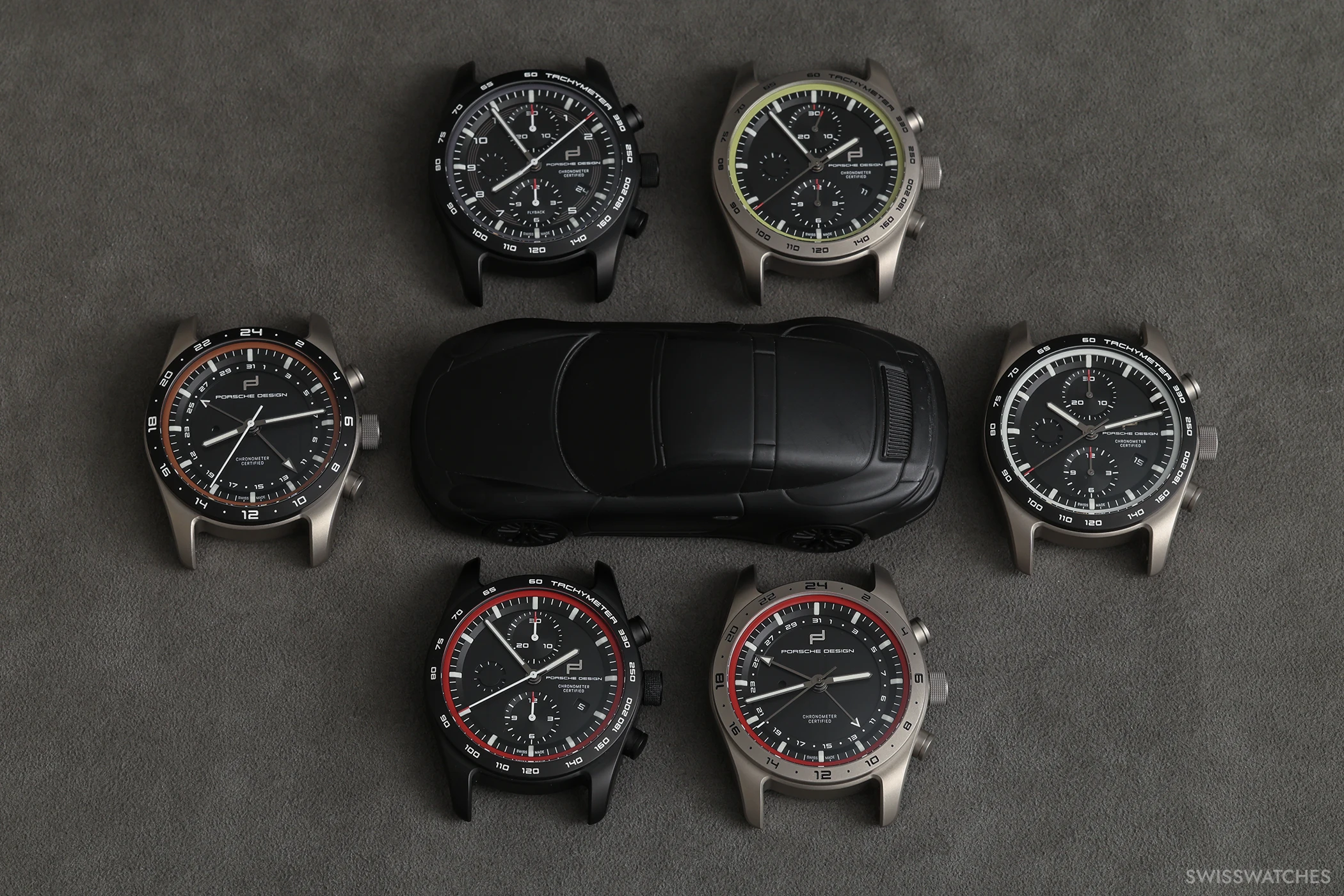
The classic Chronograph 1 in the ‘All Black’ version is a good benchmark: it costs €8,950 at Porsche Design. By contrast, Porsche Design custom-built timepieces start at £5,950. This price applies to both the chronograph and the Globetimer world time watch. However, if you take full advantage of all the current customisation options, the maximum purchase price is £12,350. Even this maximum price is in line with that of comparable models from other manufacturers for a titanium chronograph. For a unique wristwatch with personal laser engraving on the edge of the sapphire crystal caseback and on the watch box, this price is not excessive. Without the backing of its parent company, it is highly doubtful that Porsche Design would have been able to realise this project at these prices. Anyone looking beyond the major watch brands, who enjoys sports and values individuality, should at least try the Porsche configurator. You can save the configuration for future reference.