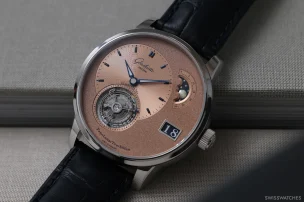


A. Lange & Söhne Lange 1 Daymatic Honeygold: a limited Honeygold edition with a brown dial, introduced on a historically significant 7 December.

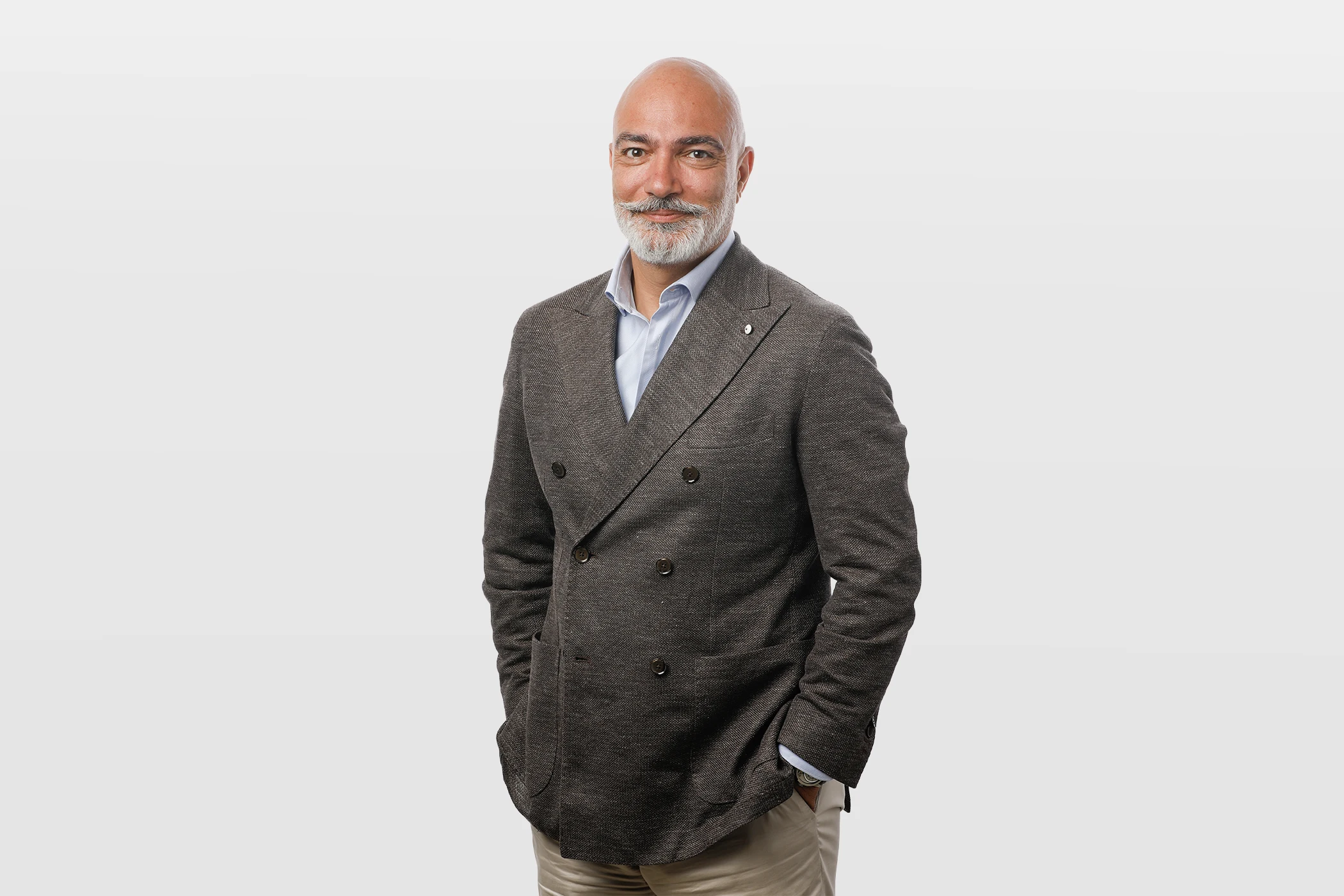
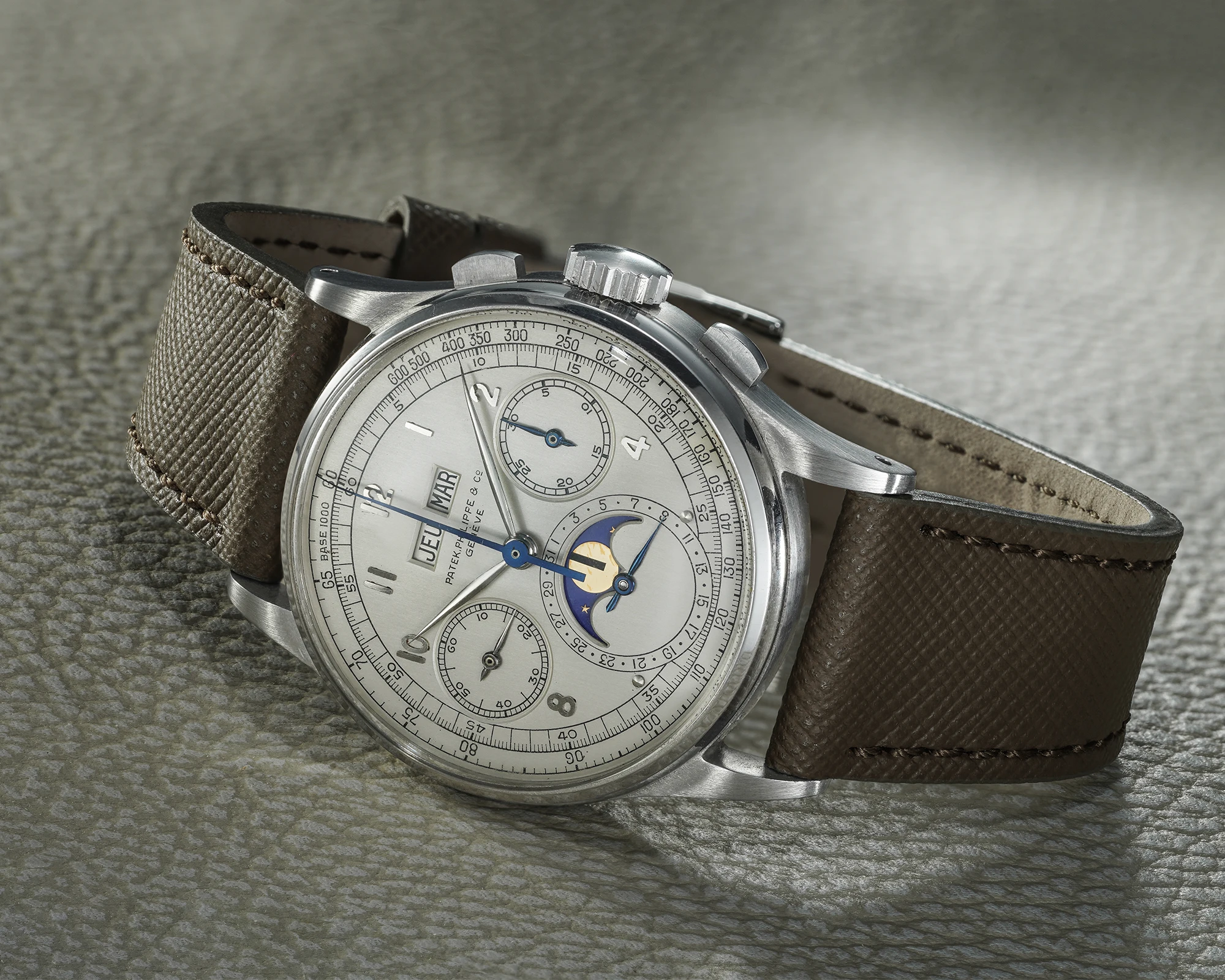
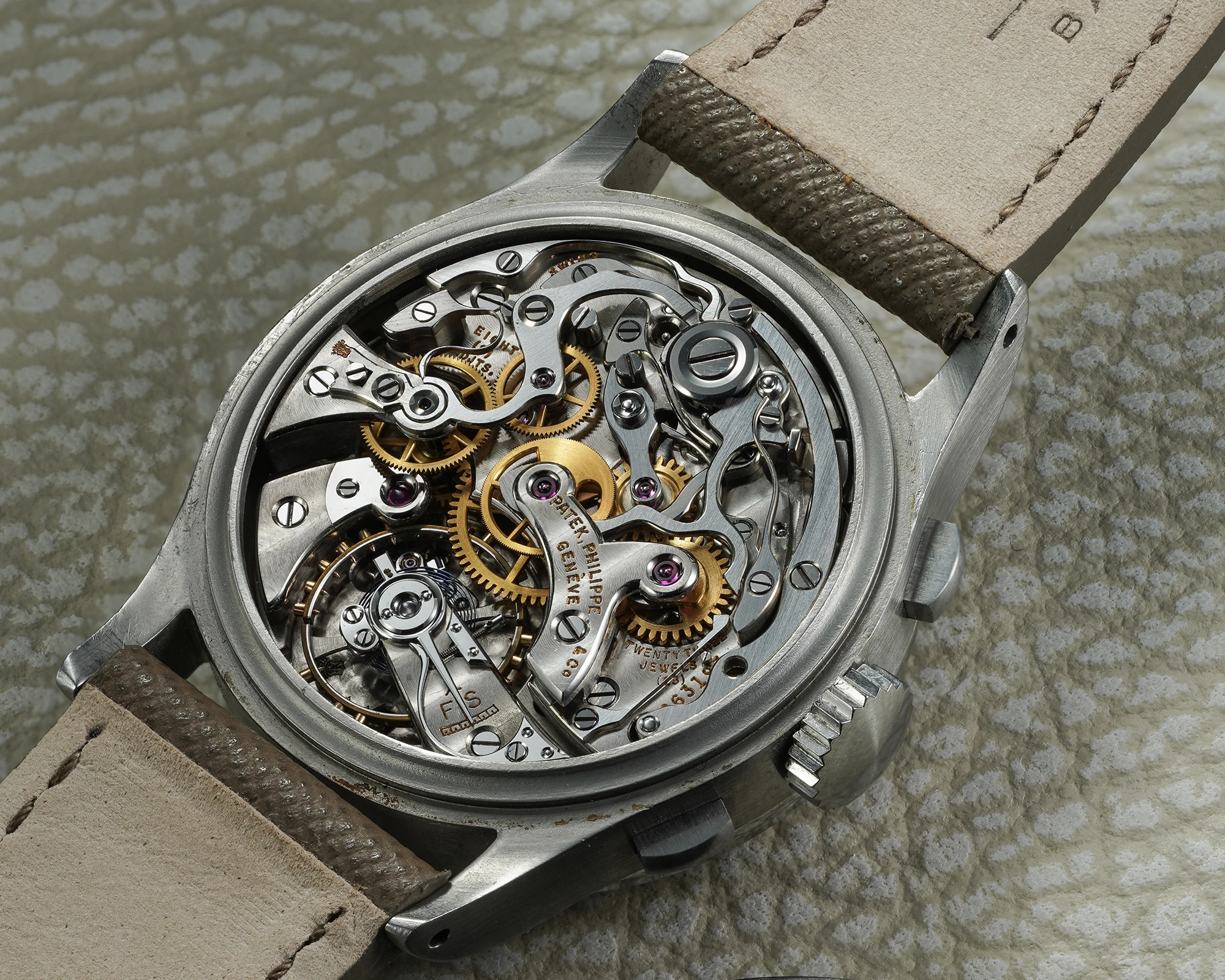
Alexandre Ghotbi played a key role in the success of Phillips auction house and helped build up the watch department. With annual sales of over $200 million since 2021, the Phillips team is considered the market leader. This November, a steel Reference 1518 was sold for $17.6 million (including fees), making it the most expensive vintage Patek Philippe which was ever auctioned. In this interview, the head of the watch business for Europe and the Middle East talks about his work.
Yes, auctions can seem overwhelming and intimidating. From the outside, they probably seem like a crazy, magical world at first. But it’s probably the most accessible business in the world, because auctions are public. All you have to do is go there or register online. We don’t have waiting lists to buy a watch. You don’t have to wait ten years for your dream watch; you can buy it from us immediately. It’s probably the most democratic way to get your watch: everything is based on the market price and related to that, on the question of what someone is willing to spend on a particular timepiece at a particular point in time.
Historically, only the major auction houses played a role for a long time, namely Christie’s, Sotheby’s and, of course, Antiquorum, where watches were the sole focus. Phillips had a watch department in the early 2000s, also under Aurel Bacs at the time. He then left, returned in 2014, and we held our first auction in 2015. With great watches and an outstanding team, we quickly became successful and are celebrating our tenth anniversary this year. It has been a phenomenal year for us: we will exceed our previous record year, 2021, by a good 20 per cent. We are seeing extreme interest in unusual and rare collector’s watches, while the craze for steel sports models has subsided somewhat. Watches that are produced tens of thousands of times are not really rare.
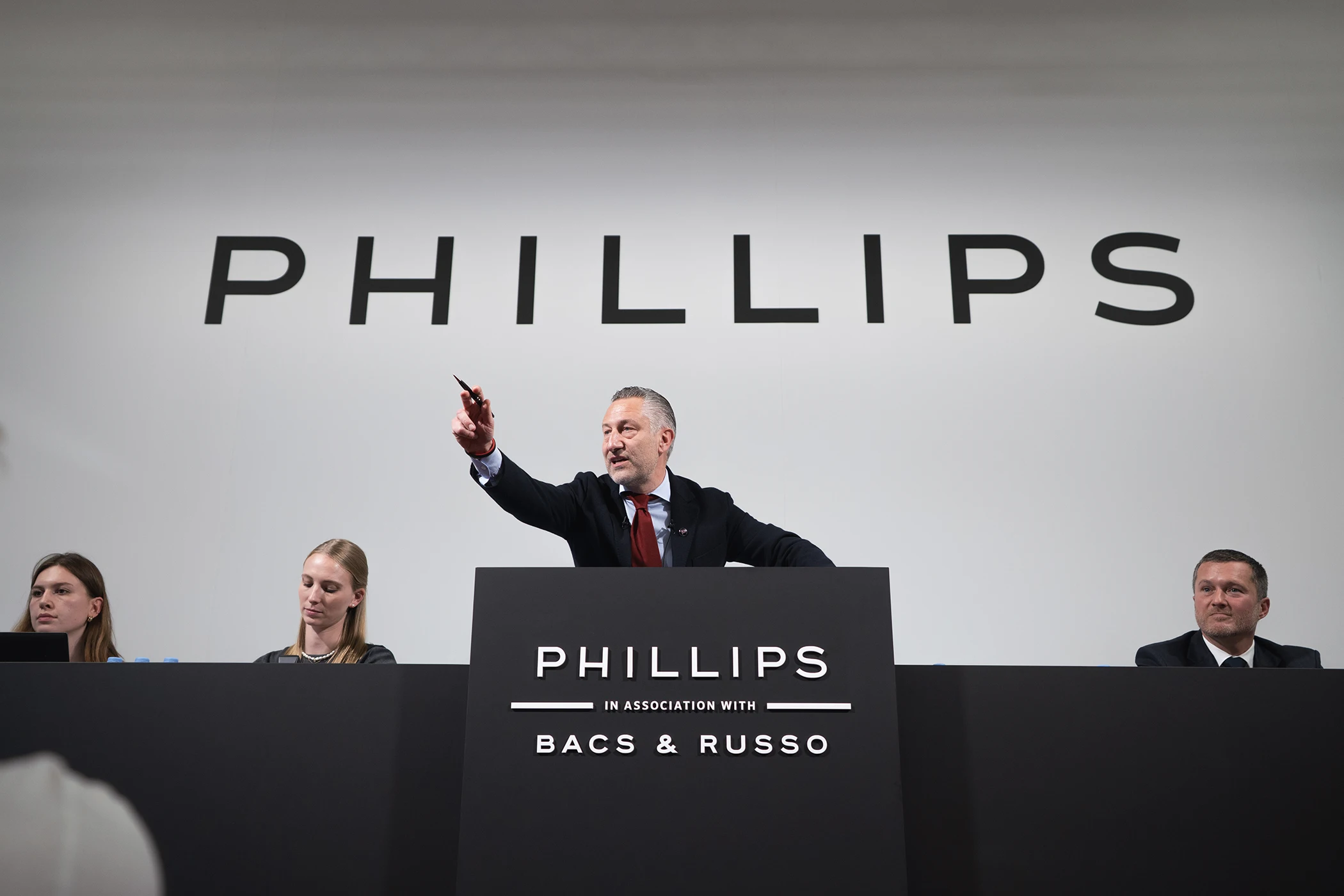
At the same time, there are many small auction houses that are suddenly focusing on watches. Most of them had no previous connection to watchmaking. This certainly has a lot to do with the increased interest in watches, and perhaps also with our success. But success doesn’t happen overnight. The auction itself may be glamorous, but it takes a lot of work behind the scenes.
First of all, you have to get hold of the special watches, which often takes weeks, months or even years of negotiation. Then we have to develop a strategy for how best to communicate the watches. There is no textbook for this. Anyone interested in watches knows that a Patek Philippe Reference 1518 in steel is something special. Or that an F.P. Journe prototype owned by Francis Ford Coppola is a sensation. But not everyone knows and understands the historical and cultural significance of such watches. We have to take care of that, and we do so by addressing existing customers on the one hand, but also new customers, and last but not least, customers who may not be so interested in watches, but who hunt for trophies in a wide variety of fields.
Well, we were naturally aware of the significance of the watch. This reference is something very special, comparable to the Klimt painting that recently achieved a new record price in New York. The closer the auction came, the more certain we were that we would achieve a good result. Naturally, with such values, the circle of interested parties becomes smaller, but some of the world’s biggest collectors had registered.
We are very focused. Fortunately, our management gives us a lot of freedom in how we work and what we do. After all, the format of the auction is always the same, but the requirements differ completely depending on the segment: a watch team has different needs than a team specializing in modern art or photography. team specializing in modern art or photography. Overall, we are simply a phenomenal team across all areas, not just the watch specialists: for example, the colleague who creates customer accounts and handles contracts. Or the colleagues who are responsible for shipping, and also those who manage the finances or our digital and media specialists. Everyone works together toward a common goal: to deliver exceptional quality to customers in all areas. Many of our team members don’t even come from the world of auctions; they are simply very passionate about watchmaking. Therefore, it’s not just a business for us. We live and breathe watches 24 hours a day. When I come home in the evening and look at watches on my smartphone, my wife sometimes asks me, “Don’t you ever get tired of it?” And my answer is always, “No, never!”
Sincere honesty is important. We don’t make false promises to our customers and claim that we will somehow auction their watch for tens of millions. This honesty is appreciated. We are also very disciplined when it comes to selecting watches. For an auction in Geneva, where we auction around 200 watches, I look at least good 1,000 watches beforehand. That means we have a rejection rate of 80 percent. And if we can’t find enough good watches, we simply auction fewer. I don’t want one good watch surrounded by 50 so-so models. We need 200 excellent watches that are relevant, high-quality, and have significance and desirability for collectors. This applies to a watch for 20,000 Swiss francs as well as a watch for two million. For some of our customers, those 20,000 francs are hard-earned savings, so we always have to offer the best possible.
We always ask ourselves: would someone from our team want to own this watch if they had the money to do so? We also need something for every taste. If someone is a big fan of vintage Patek watches, they should be able to find something here. We also need a great Rolex, vintage and modern, we need independents, niche brands and so on. We certainly cater to the upper end of the market and rarely have watches under 10,000 Swiss francs because that’s not really our business model. For a watch costing 10,000 Swiss francs, our fees are 2,700 francs, and that doesn’t even cover the costs of marketing, shipping and insurance.
Yes and no. Because for collectors, price is not necessarily the most important factor. So someone who is interested in a watch with an estimated value of millions may also be enthusiastic about a significantly cheaper watch, whether for themselves, a friend or their children. Simply because they like the design or the history. At the same time, there are customers who try out the auction business with a more affordable watch and then come back the following year with something completely different in mind. So we don’t target a specific customer segment; we basically cater to watch enthusiasts with watches that inspire us. From a purely business perspective, we would otherwise have had to offer only Nautilus, Royal Oaks and Daytonas in 2021 and 2022 – which, of course, we did not do.
The auction was preceded by lengthy discussions. Representatives of the family approached us, we sat down together, and in the end they felt most comfortable with us. It’s less about the money and more about mutual understanding and trust.

Yes, our sales rate is over 99 per cent. As far as I know, we only had eight watches that did not sell at auction in the first half of the year. Honesty is important here too, especially when it comes to estimated prices: if I value a watch at £100 but the seller wants three times that amount, I’m not going to make false promises to get the watch into the auction, perhaps even auctioning it for £150, and then disappointing the seller anyway. That just causes resentment on both sides and is a waste of time. False promises are the worst; they are short-sighted, one-off fraud, because once someone has been disappointed, they will never come back. But we want buyers, sellers and bidders who trust us.
Well, basically, manufacturers that are in demand on the primary market are usually also in demand on the secondary market. Our big advantage is that 90 per cent of the watches from our auctions are no longer manufactured. The Paul Newman Daytona was a complete commercial flop at the time – and today everyone wants one. So we offer what is hard to find elsewhere. When it comes to contemporary watches, on the other hand, it is the market that determines the price, not the manufacturer and its marketing department.
Yes, there is a great desire for watches that you are highly unlikely to see on anyone else’s wrist. That’s exactly what Independents offer, and we discovered and occupied this part of the watch world for Phillips early on. A Simon Brette or Kari Voutilainen or F.P. Journe has limited production capacity, and a Philippe Dufour produces just five watches a year. We have also been exceptionally successful with Christian Klings, who has produced only about 30 watches in recent decades and is now retired. Very few people had heard of him before, and today we usually auction his watches for five or six times their estimated price.
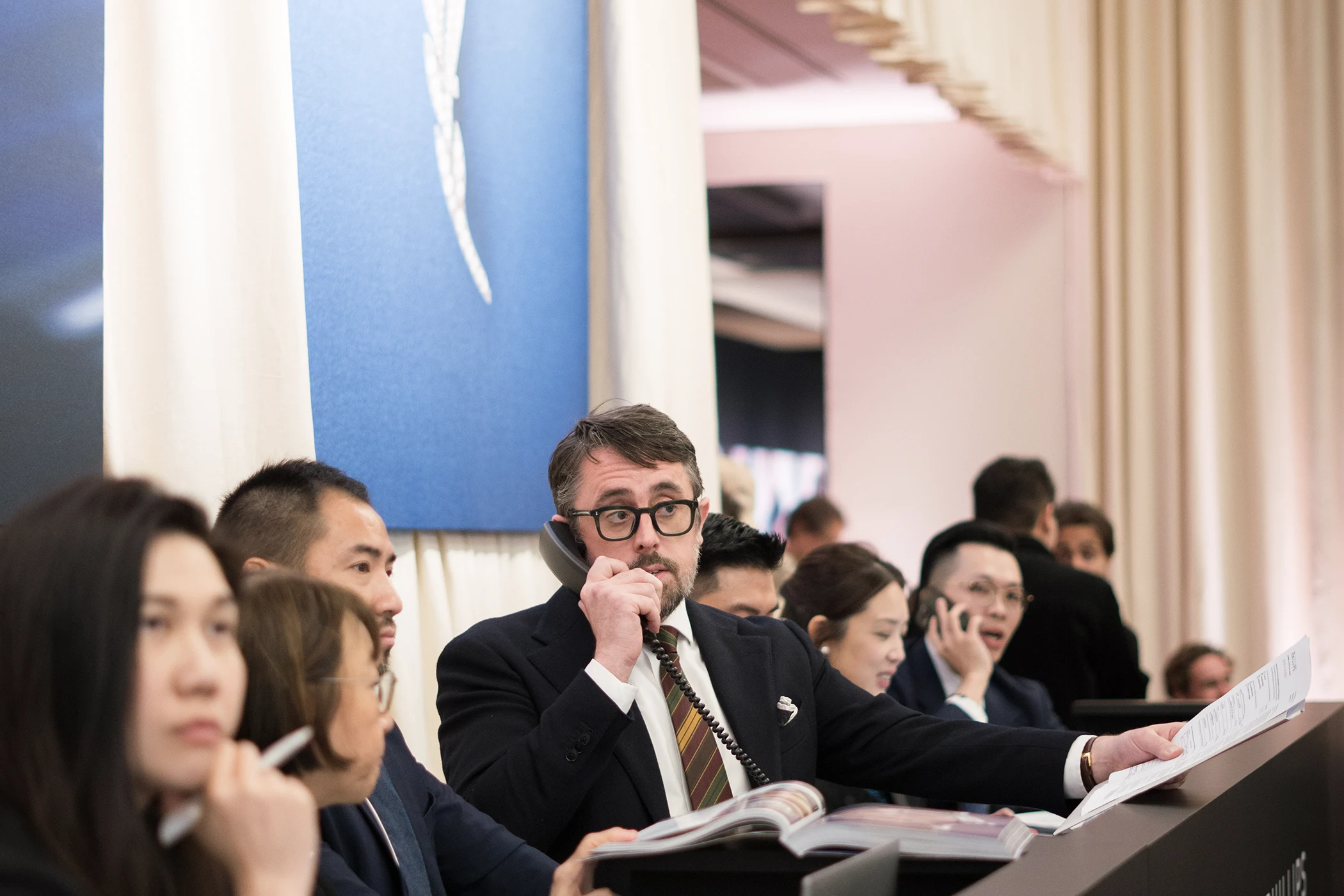
In any case, in the early 1980s, Germans, together with Italians, were the first to start collecting vintage wristwatches again. It may sound like a cliché, but Italians were more interested in design, while Germans were enthusiastic about technology and complications. This is also reflected in the illustrated books from that period. Nothing much has changed in this respect to this day, and German collectors have a strong focus on the big names in the business, such as Patek Philippe, Rolex and Vacheron Constantin. However, the main markets for independents are the Middle East and Southeast Asia, where a whole new generation of collectors has entered the market. These are very young people, often in their twenties or early thirties, and they want to buy watches that were designed by people more or less their own age and that their fathers and mothers did not wear. These are extremely well-informed collectors who have expanded the market.
It’s no different with watches, which is why we are also seeing the ‘resurrection’ of watches that are referred to as neo-vintage, i.e. those from the 1980s and 1990s. Collectors who are now in their forties or fifties are very interested in them. At Patek Philippe, for example, this is the Reference 3970, at Audemars Piguet the perpetual calendars and first tourbillons, at Vacheron Constantin skeletonised models, and Breguets from this period are also rising in value again. It was also the birth of the first generation of independents, such as Franck Muller.
I actually see it more as market expansion. We mustn’t forget that collecting wristwatches is a relatively recent phenomenon; in the past, people mainly collected table clocks and then pocket watches. Watches are also different from cars: a Bugatti from today has little in common with a Bugatti from the early 20th century, but with a Patek Philippe it’s a little different. In addition, the younger generation of collectors is very knowledgeable and interested, so I don’t see any decline in interest. On the contrary, pocket watches are suddenly becoming a bigger topic again. In my opinion, we are still at the very beginning. Soon there will be watches that are not only considered ‘artisan’, i.e. handcrafted and handmade, but pure art. Watches will compete with Picassos, perhaps not tomorrow or in five years, but the particularly rare and extraordinary pieces will reach this level.