Rolex New Releases 2026: An overview of all the highlights for the Oyster anniversary, Daytona, Datejust, Day-Date and Yacht-Master II.

At Watches & Wonders 2026, Jaeger-LeCoultre is treating us to a trio of high-complication timepieces that collectively articulate the manufacture’s enduring pursuit of precision through increasingly sophisticated mechanical solutions. The three watches approach the question of precision from fundamentally different angles. Rather than focusing solely on timekeeping accuracy in its traditional sense, these latest mind-blowingly complex pieces explore positional stability, mechanical integration, acoustic performance and architectural clarity as equally critical components of modern chronometry. Gear up for an intensely informative read.
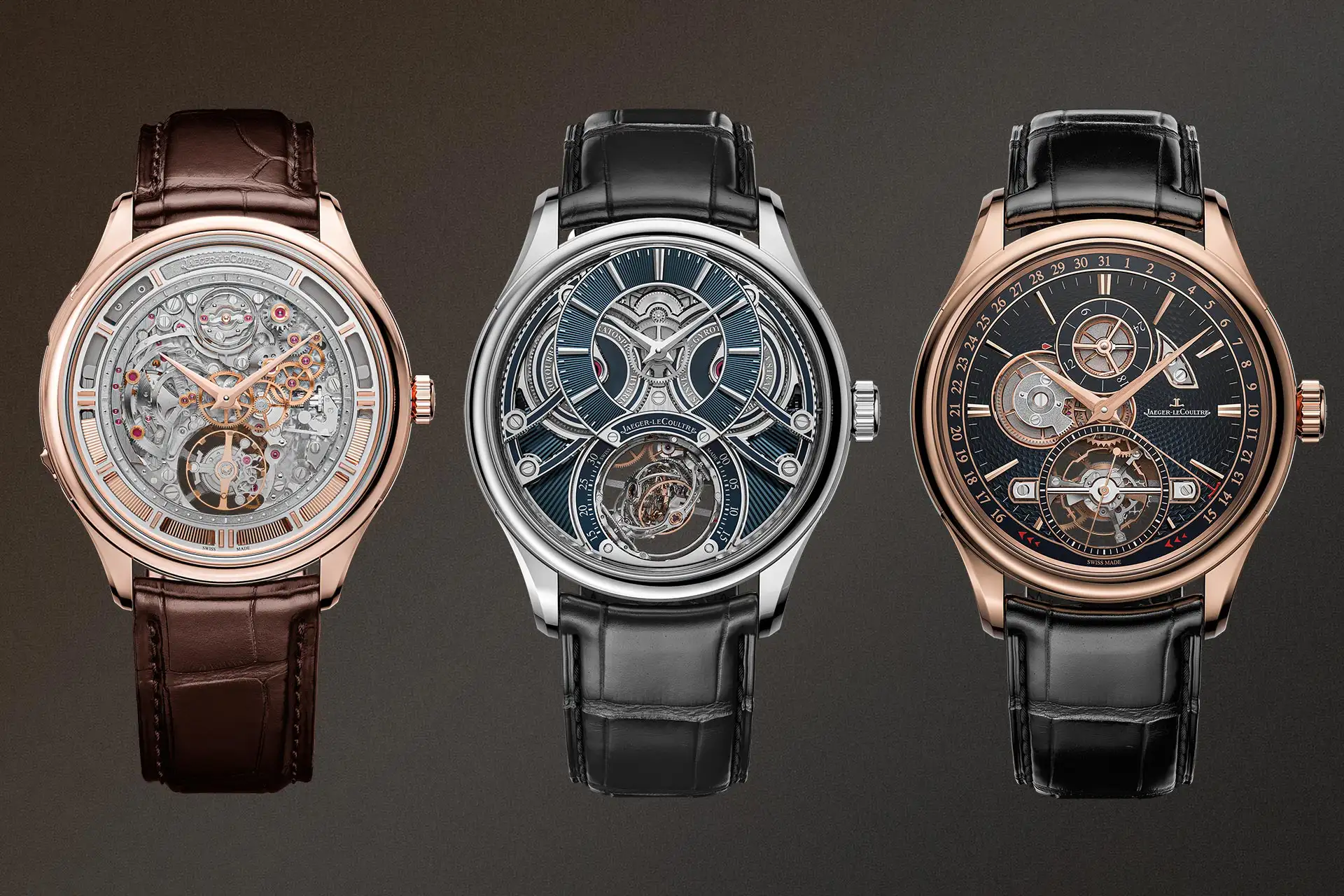
At the centre of this trio of novelties stands the Master Hybris Inventiva Gyrotourbillon À Stratosphère, a watch that represents the most advanced expression to date of Jaeger-LeCoultre’s research into multi-axis regulating organs. Alongside it, the Master Hybris Artistica Ultra Thin Minute Repeater revisits the limits of thinness and acoustic optimisation within a fully integrated movement architecture, while the Master Grande Tradition Tourbillon Jumping Date offers a contemporary reinterpretation of one of the horology house’s most chronometrically accomplished calibres. Taken together, these three timepieces provide a comprehensive insight into how Jaeger-LeCoultre continues to refine the definition of precision: not as a fixed standard, but as a continuously evolving objective shaped by mechanical ingenuity and long-term research.
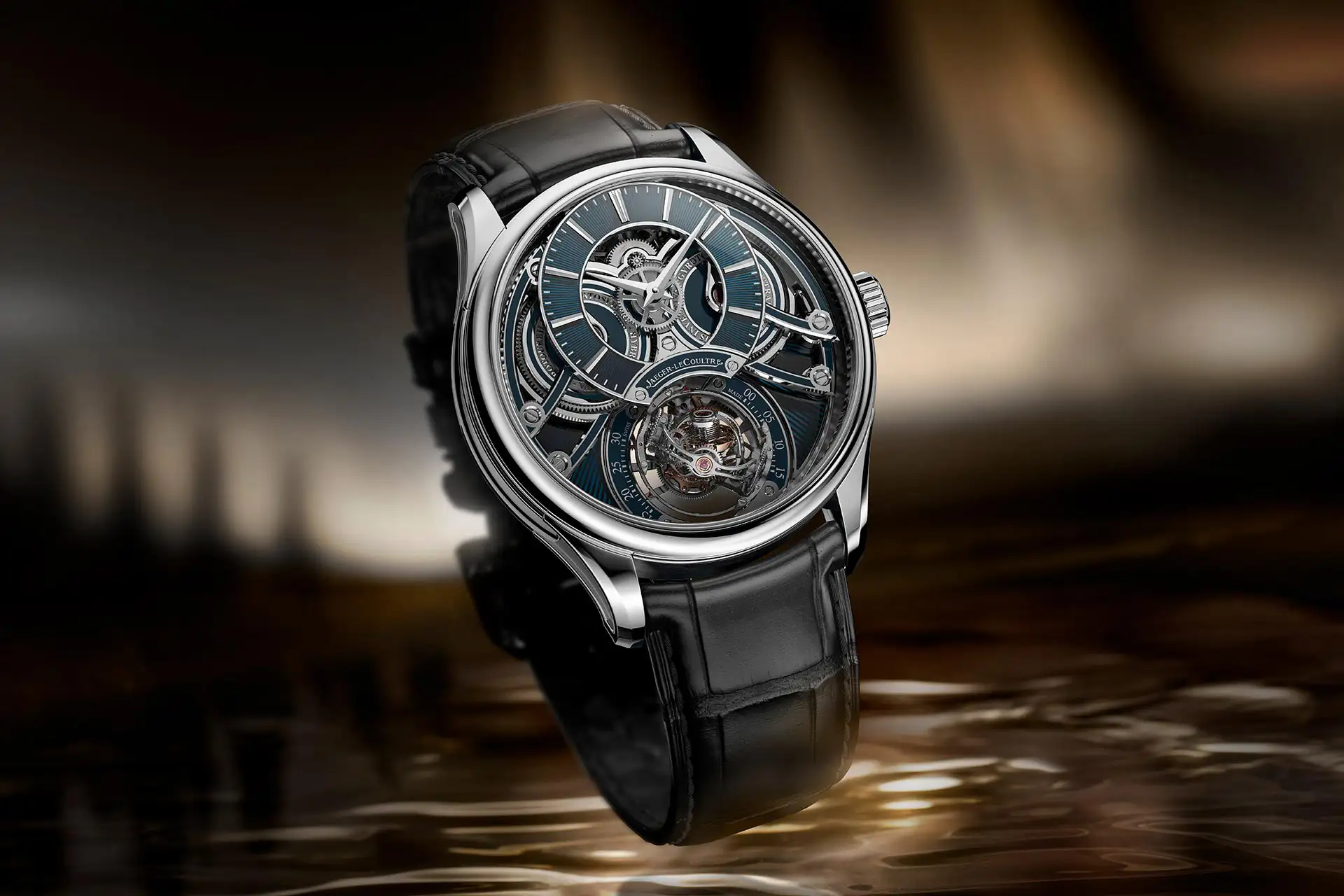
With the introduction of its first ever Hybris Inventiva model, Jaeger-LeCoultre formalises a category that has, until now, existed largely behind the closed doors of its manufacture nestled in the Vallée de Joux. While Hybris Mechanica has historically focused on the combination of multiple complications into singular, highly complex calibres, and Hybris Artistica has explored the decorative reinterpretation of existing movements through Métiers Rares, Hybris Inventiva is defined by a more radical premise: the realisation of a single, fundamentally new complication, originating from theoretical discussions around mechanisms that appear, at least initially, to be impossible.
Within the calm, quiet workshops of Jaeger-LeCoultre’s ever-ambitious manufacture, such ideas may be explored for years, sometimes decades, by small teams of watchmakers and engineers. These exploratory projects are typically kept confidential, evolving slowly through successive prototypes and technical refinements until they reach a stage where they can be stabilised, tested and eventually revealed.

This long development horizon reflects a broader culture within Jaeger-LeCoultre, where innovation has historically been closely linked to advances in measurement, fabrication and regulation. From its invention of the millionomètre in the 19th century, capable of measuring components to the micron, to the manufacture’s long participation in chronometry trials and observatory competitions, precision has consistently been approached as a process of incremental refinement.
The Hybris Inventiva series represents the point at which these internal research projects transition into finished timepieces, each produced in extremely limited numbers and serving as a ‘modèle maître’ that may later inform future developments across the Hybris ecosystem.
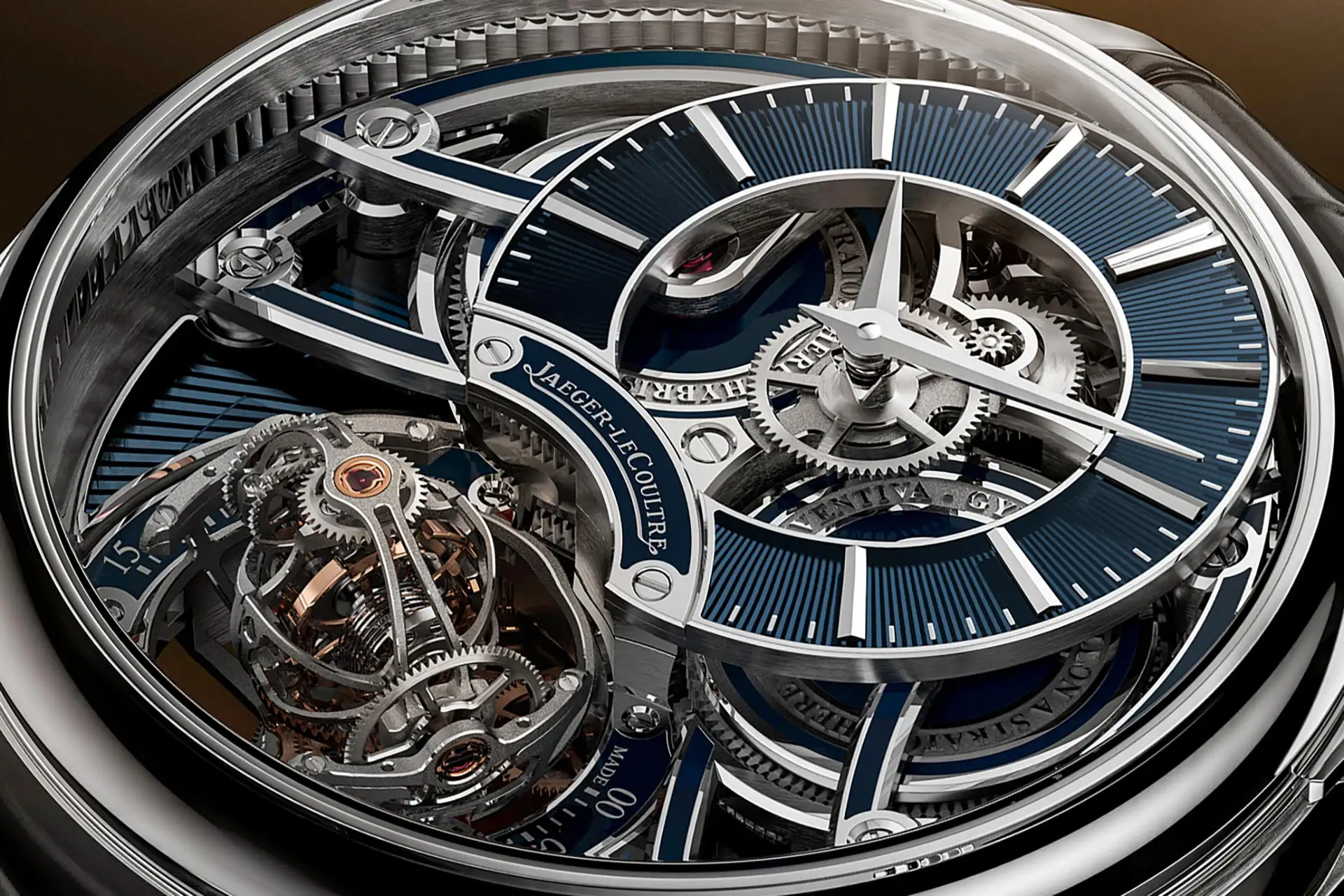
With that in mind, the Master Hybris Inventiva Gyrotourbillon À Stratosphère introduces the calibre 178, a manual winding movement centred around a triple-axis tourbillon that represents the culmination of more than two decades of research into multi-axis regulating systems. Building on a lineage that began with the first Gyrotourbillon in 2004, Jaeger-LeCoultre has progressively expanded its approach to positional compensation, moving from double-axis configurations to increasingly complex architectures that address the dynamic conditions of wrist-worn timekeeping.
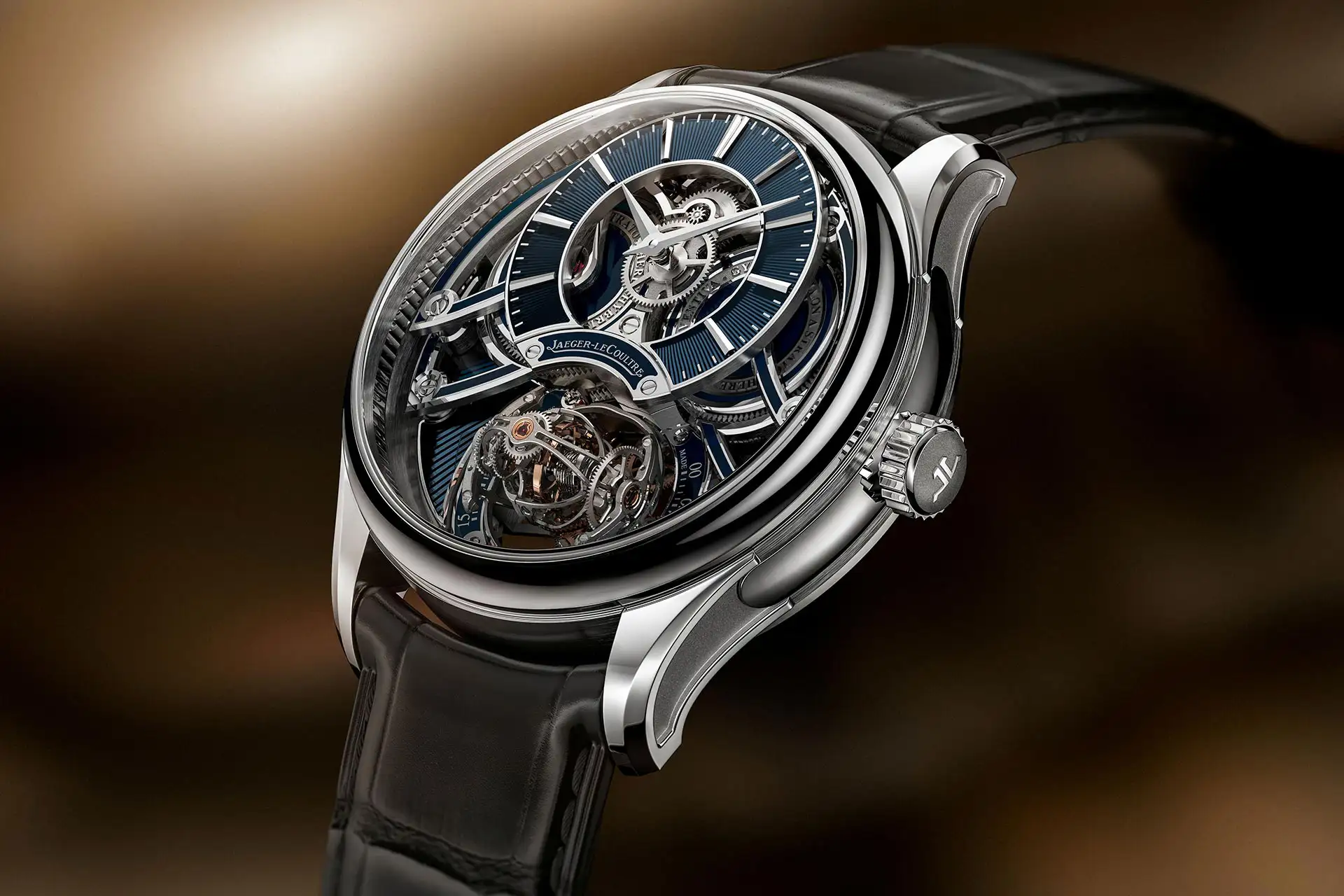
While a traditional tourbillon averages out positional errors along a single axis, and a double-axis system introduces a second plane of rotation, the transition to a triple-axis architecture marks a significant escalation in complexity. In practical terms, it allows the regulating organ to pass through almost every possible orientation relative to gravity, dramatically reducing the duration for which any single positional error can influence timekeeping. The result is not absolute elimination of error, but a far more continuous redistribution of it, leading to improved overall stability.
In its latest form, the Gyrotourbillon À Stratosphère achieves 98 percent coverage of all possible positions, a level of positional variation that significantly reduces the impact of gravity on the regulating organ. This is achieved through a system of three concentric titanium cages rotating along perpendicular axes, each moving at a different speed. The innermost cage completes a full rotation in 20 seconds, the central reference cage in 60 seconds, and the outermost cage in 90 seconds. The interaction of these three rotational cycles creates a constantly shifting equilibrium, in which the balance is rarely exposed to the same positional influence for more than a brief moment.
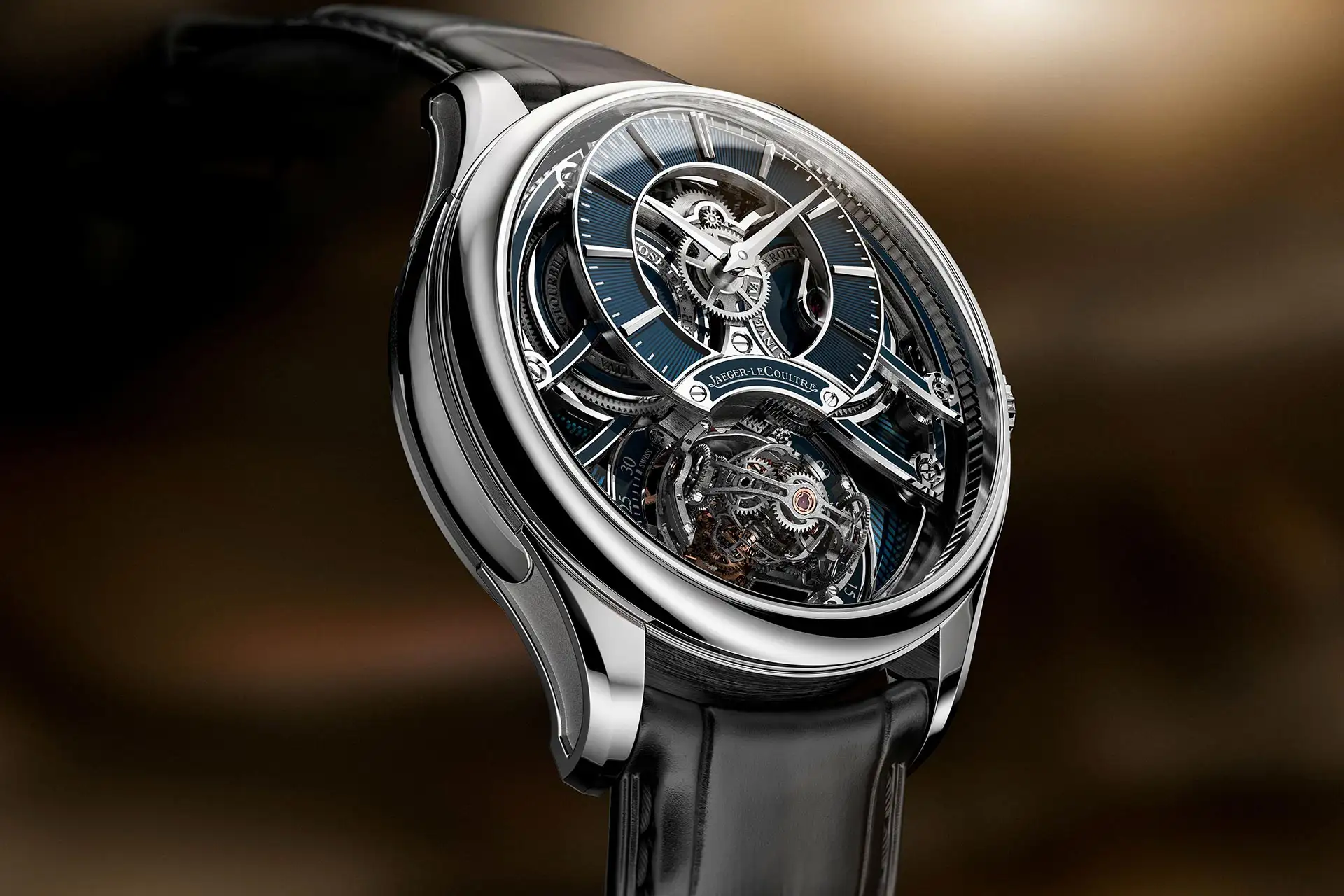
Such a system introduces considerable energy demands, particularly at an operating frequency of 4 Hz. Maintaining stable amplitude across multiple rotating cages requires careful optimisation of weight, friction and energy transmission. Jaeger-LeCoultre addresses this through extensive use of lightweight materials, including titanium for the cages, as well as ceramic ball bearings to minimise friction at pivot points. The result is a movement that balances high frequency with mechanical complexity while still delivering a power reserve of 72 hours.
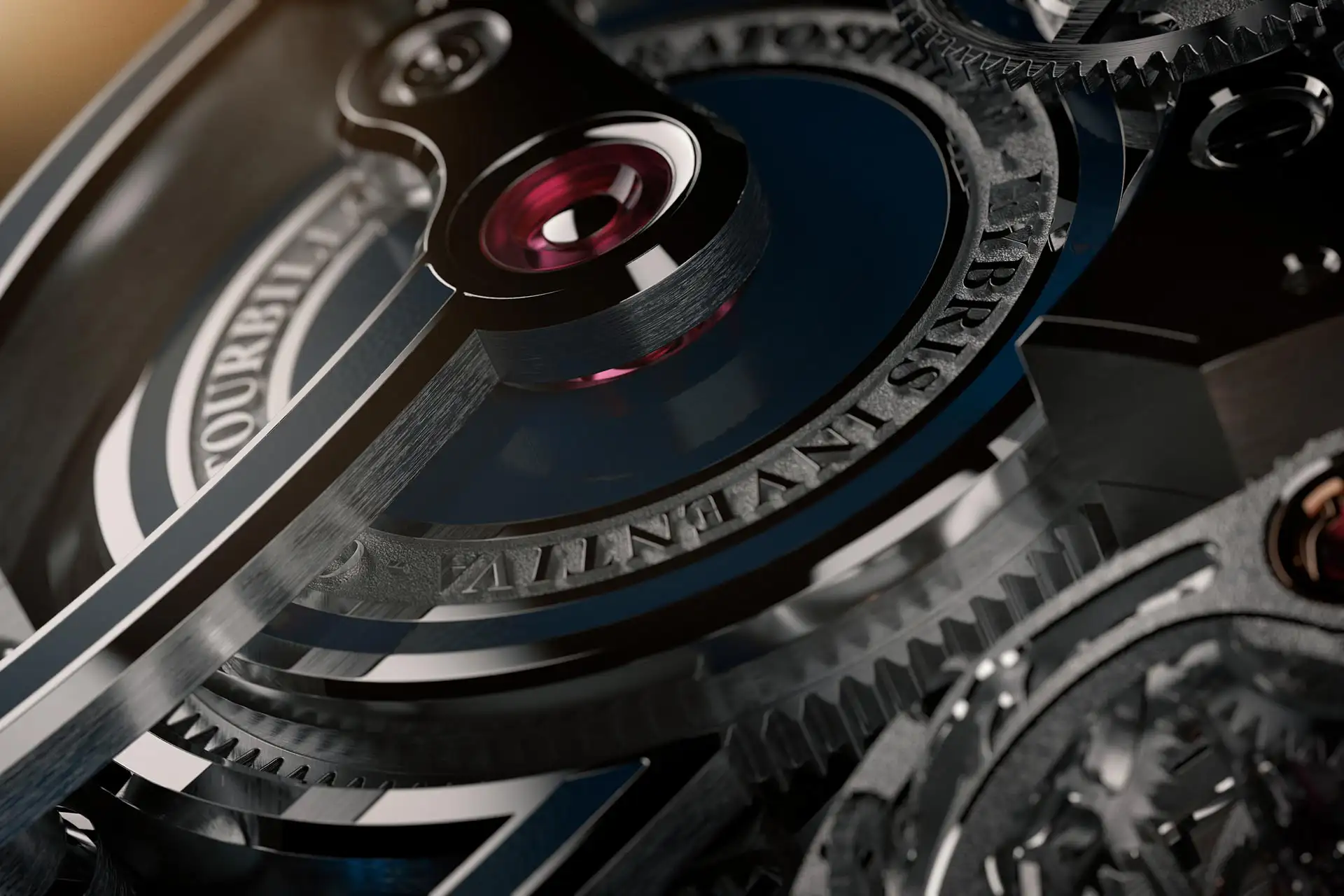
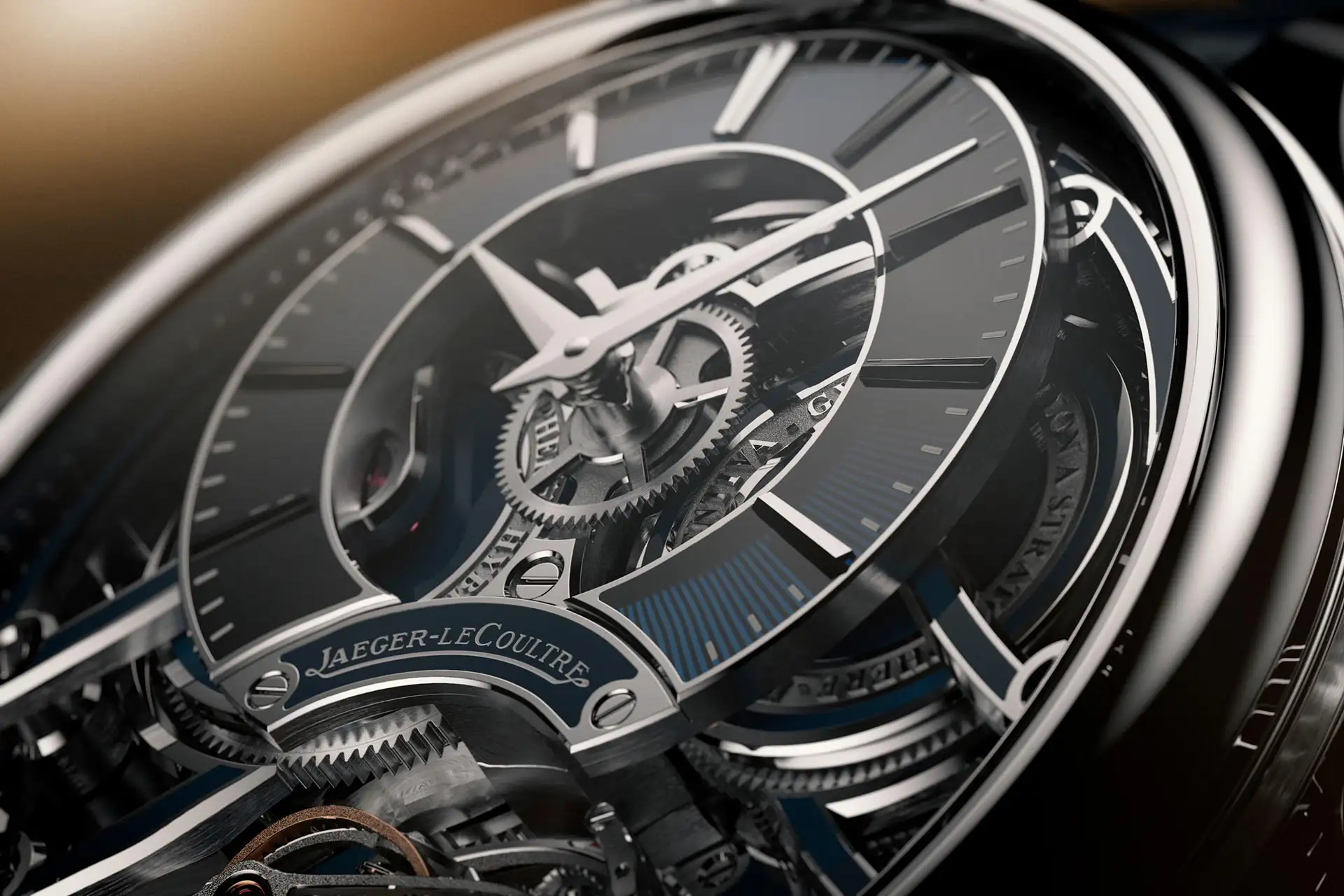
To further enhance isochronism, the regulating system is equipped with a cylindrical balance spring, a form that allows the spring to expand and contract concentrically regardless of amplitude, position or state of wind. Unlike a flat hairspring, which can introduce asymmetrical behaviour in certain positions, the cylindrical form contributes to more consistent oscillation, particularly within a multi-axis system.
Despite its mechanical complexity, the entire triple-axis tourbillon comprises 189 individual components and weighs just 0.783 grams. This level of miniaturisation is essential not only for reducing energy consumption but also for maintaining structural integrity across the rotating assembly.
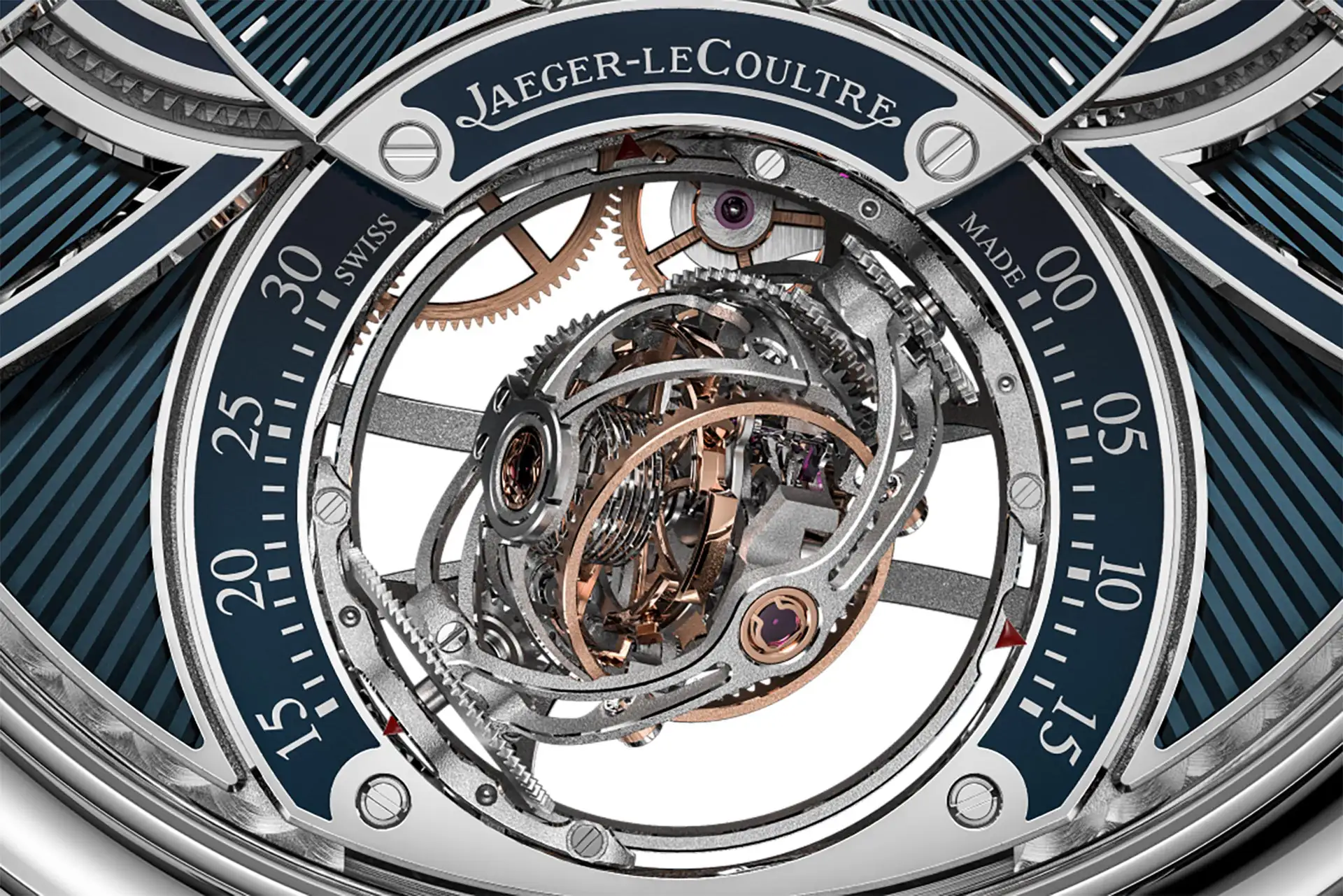
Thanks to all of this, the Gyrotourbillon À Stratosphère gains its name, referring to the ‘quiet layer’ of Earth’s atmosphere: the optimal cruising altitude for large jets, unaffected by turbulence.
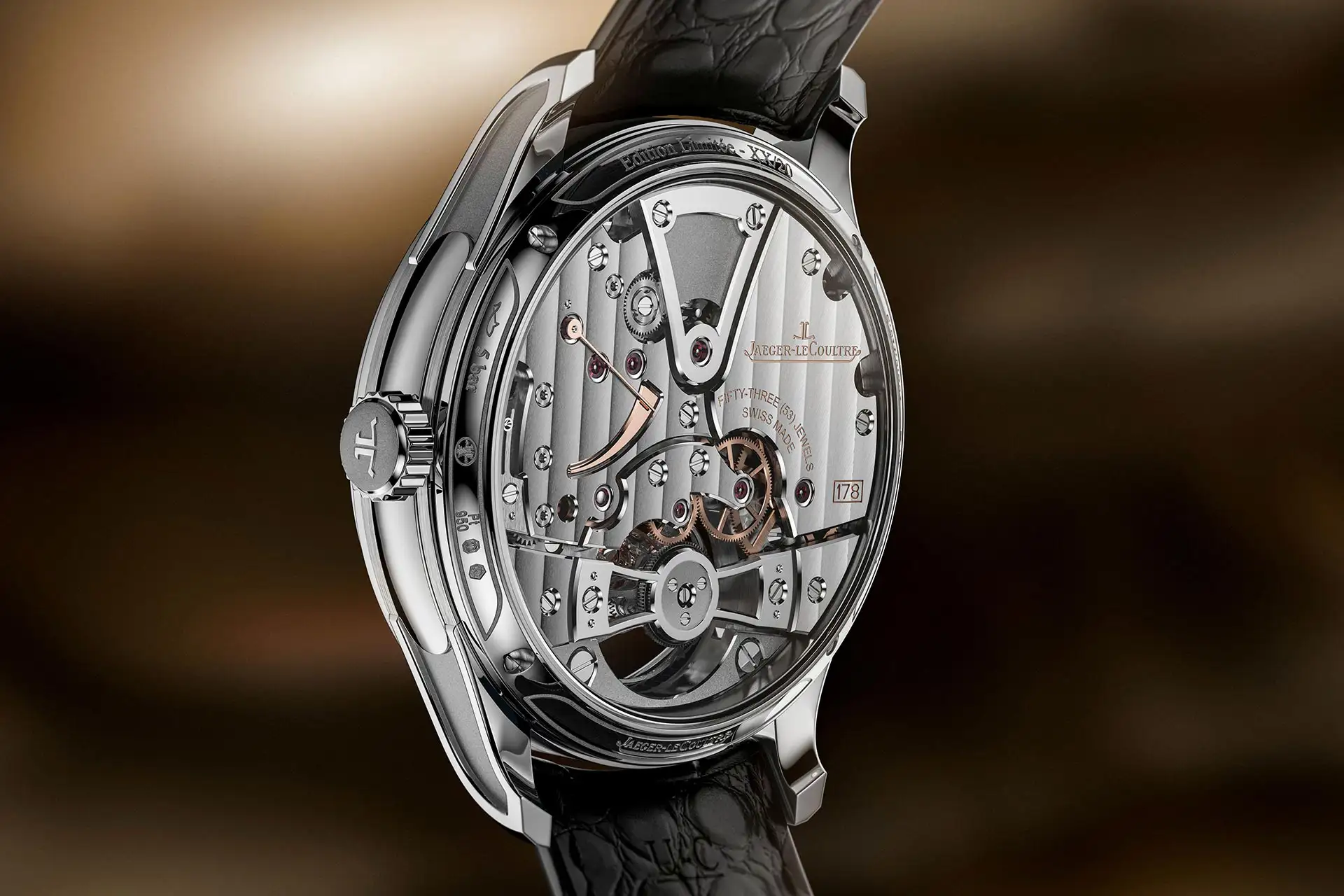
Beyond its regulating system, Calibre 178 represents a deliberate shift in how movement architecture and decoration interact. Techniques traditionally reserved for dial-making, including guilloché, translucent enamel and lacquer, are applied directly to the movement’s plates, bridges and barrel covers, effectively dissolving the boundary between movement and dial. The calibre incorporates sixteen different decorative techniques, with 55 components hand-bevelled and 46 internal angles executed with a level of precision that underscores the complexity of the construction. The inclusion of 33 solid gold components further complicates the assembly process, requiring exceptional care in both handling and finishing.
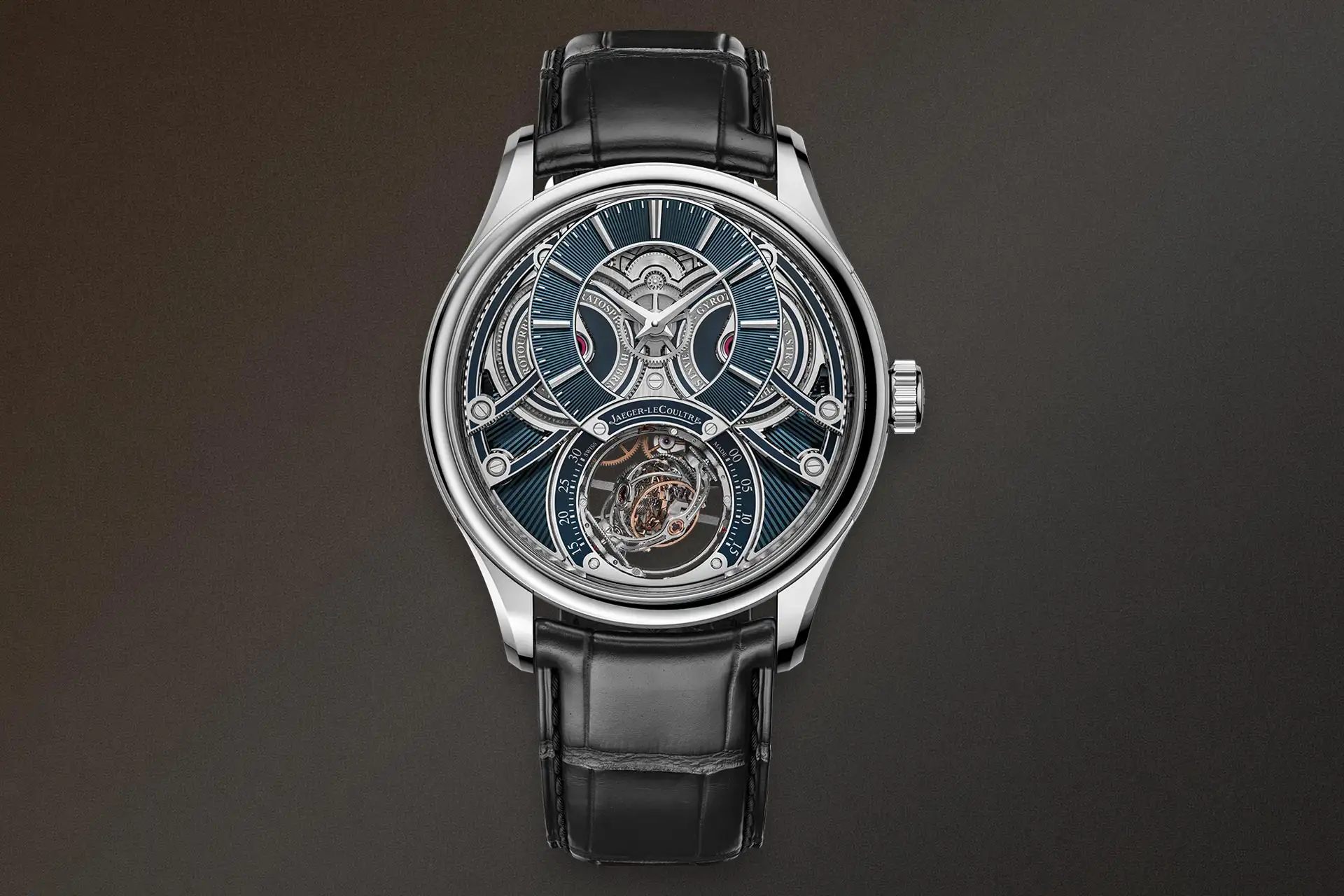
Visually, the movement is structured around two decentralised rings. The upper ring displays the hours and minutes while revealing the underlying hand arbour and elements of the twin spring barrels, which are positioned symmetrically and visible from the dial side. The lower ring frames the tourbillon at six o’clock and incorporates a seconds display indicated by a red arrow moving around a 30-second scale. The dial side is dominated by 18-carat white gold plates decorated with sunray guilloché and coated with translucent blue enamel, while hollowed-out bridges filled with blue lacquer create a layered, architectural effect.
Moving back to the basics: the movement is housed in a 42 mm platinum case measuring 16.15 mm in height. The case itself reflects a similarly considered approach to finishing, combining polished, brushed and micro-blasted surfaces to create a dynamic interplay of light that complements the visual complexity of the calibre. Accompanying it is a handsome blue alligator leather strap with an 18-carat white gold folding buckle. The watch is produced as a limited edition of 20 pieces; no small feat given the marvels of engineering that take place within. The watch is priced at €715,000.
While the Gyrotourbillon À Stratosphère represents a forward-looking exploration of regulating systems, the Master Grande Tradition Tourbillon Jumping Date revisits one of Jaeger-LeCoultre’s most historically significant movements, Calibre 978. First introduced over two decades ago, this movement achieved particular recognition in 2009 when it won the first modern chronometry competition, a 45-day trial inspired by the observatory competitions of the 19th century. Conducted by independent institutions, this trial evaluated not only timekeeping accuracy but also resistance to shocks, temperature variation and magnetic fields, placing it among the most demanding chronometric assessments in contemporary watchmaking.
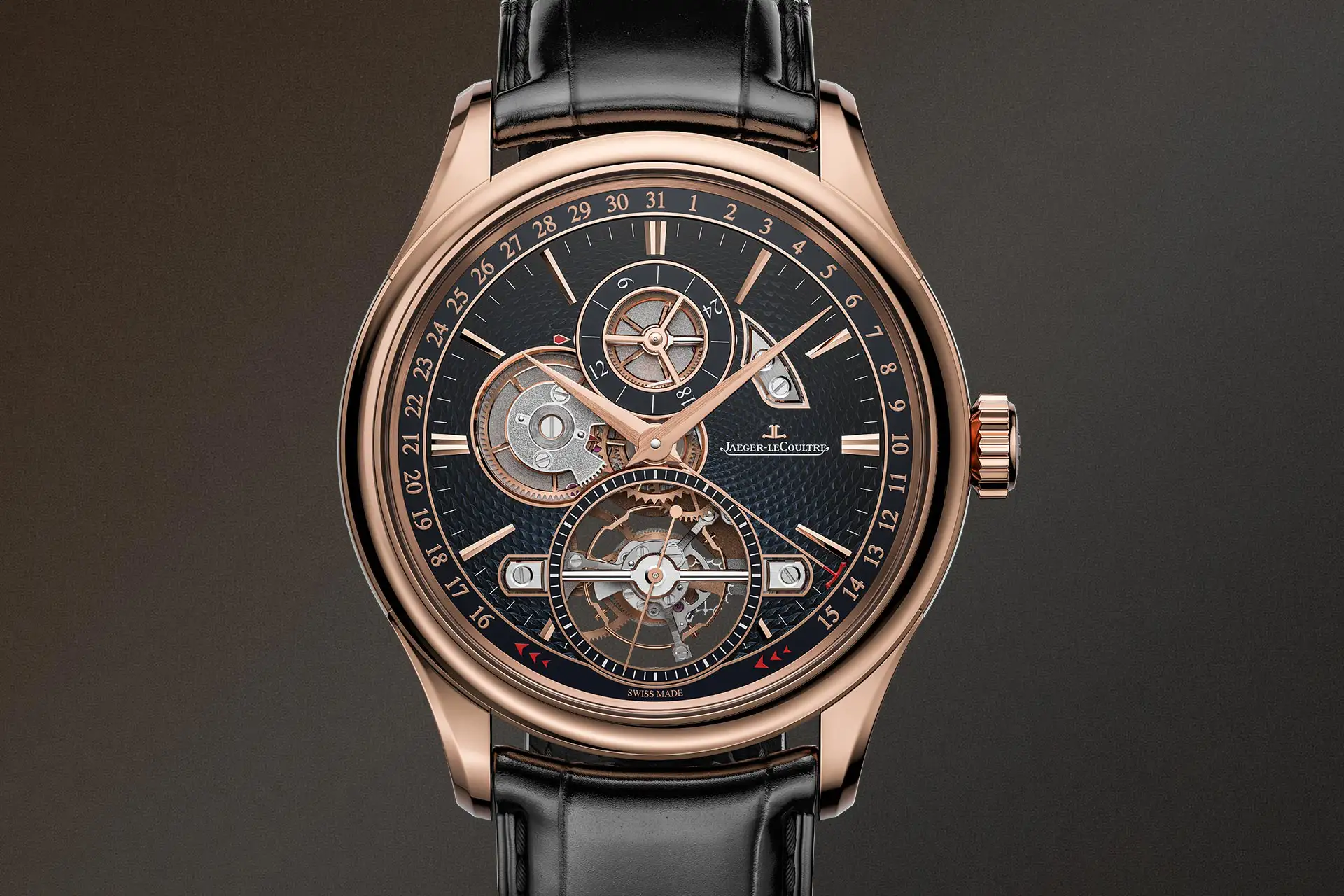
The significance of this achievement lies not only in the result, but in what it represents. Historically, observatory trials were the ultimate measure of precision, driving the development of increasingly accurate marine chronometers and pocket watches. By succeeding in a modern reinterpretation of these tests, Calibre 978 demonstrated that such standards remain relevant in the context of wristwatches, provided that movement design is adapted to the realities of daily wear.
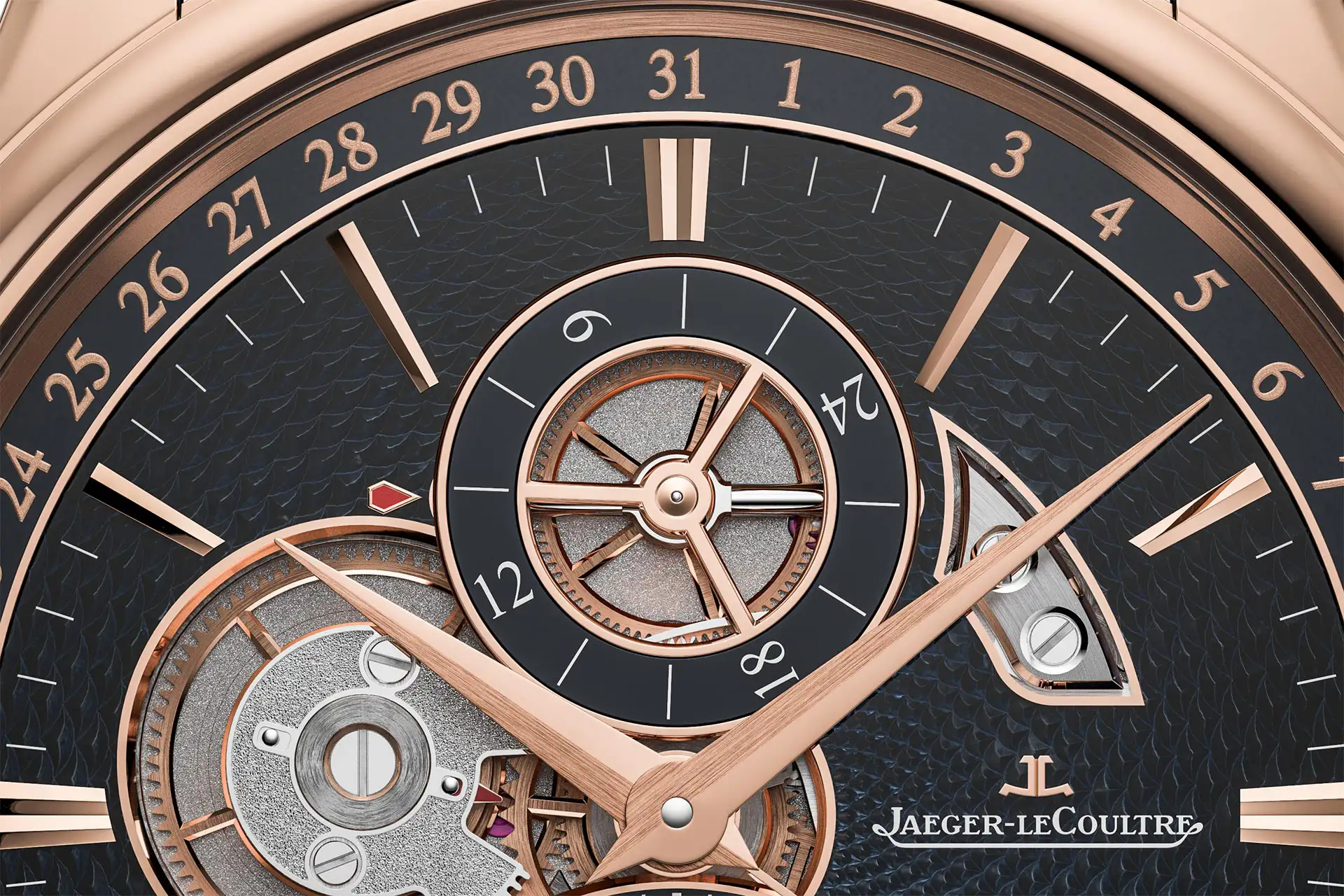
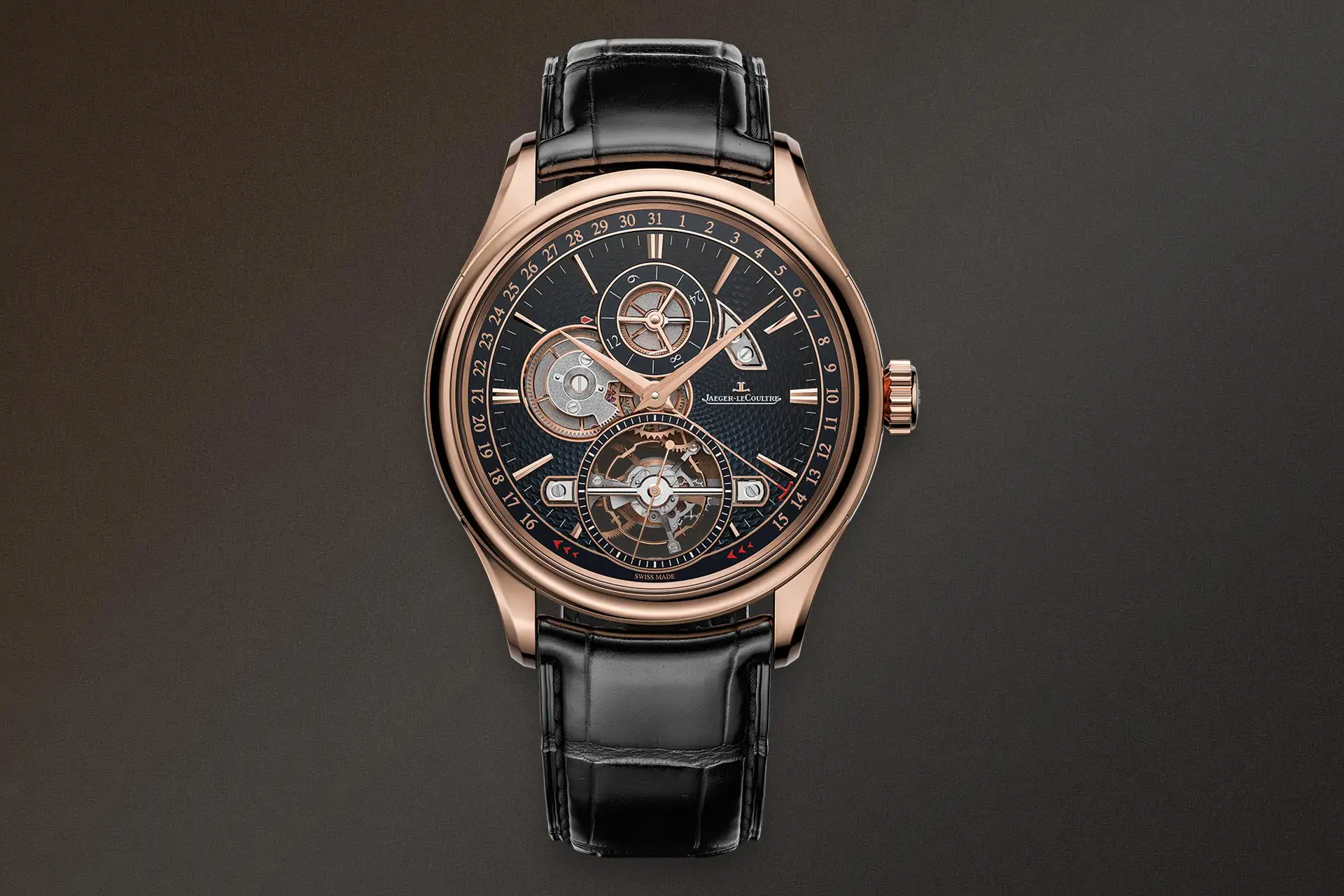
In its latest iteration, the playful movement has been restructured to emphasise mechanical visibility and architectural clarity. Comprising 305 components, it retains its one-minute tourbillon, constructed from 64 components and weighing less than half a gram, but introduces a more open dial that reveals key functional elements to the wearer. This approach shifts the focus from purely aesthetic skeletonisation to a more didactic presentation, allowing the wearer to observe the interaction between the tourbillon, the jumping date mechanism and the 24-hour disc.
The jumping date remains one of the calibre’s most distinctive features. Displayed around the periphery of the dial, it is engineered so that the transition between the 15th and 16th of the month occurs across a wider arc, ensuring that the tourbillon remains unobstructed. This solution reflects a broader design philosophy in which the regulating organ is treated as the visual and functional centre of the watch.
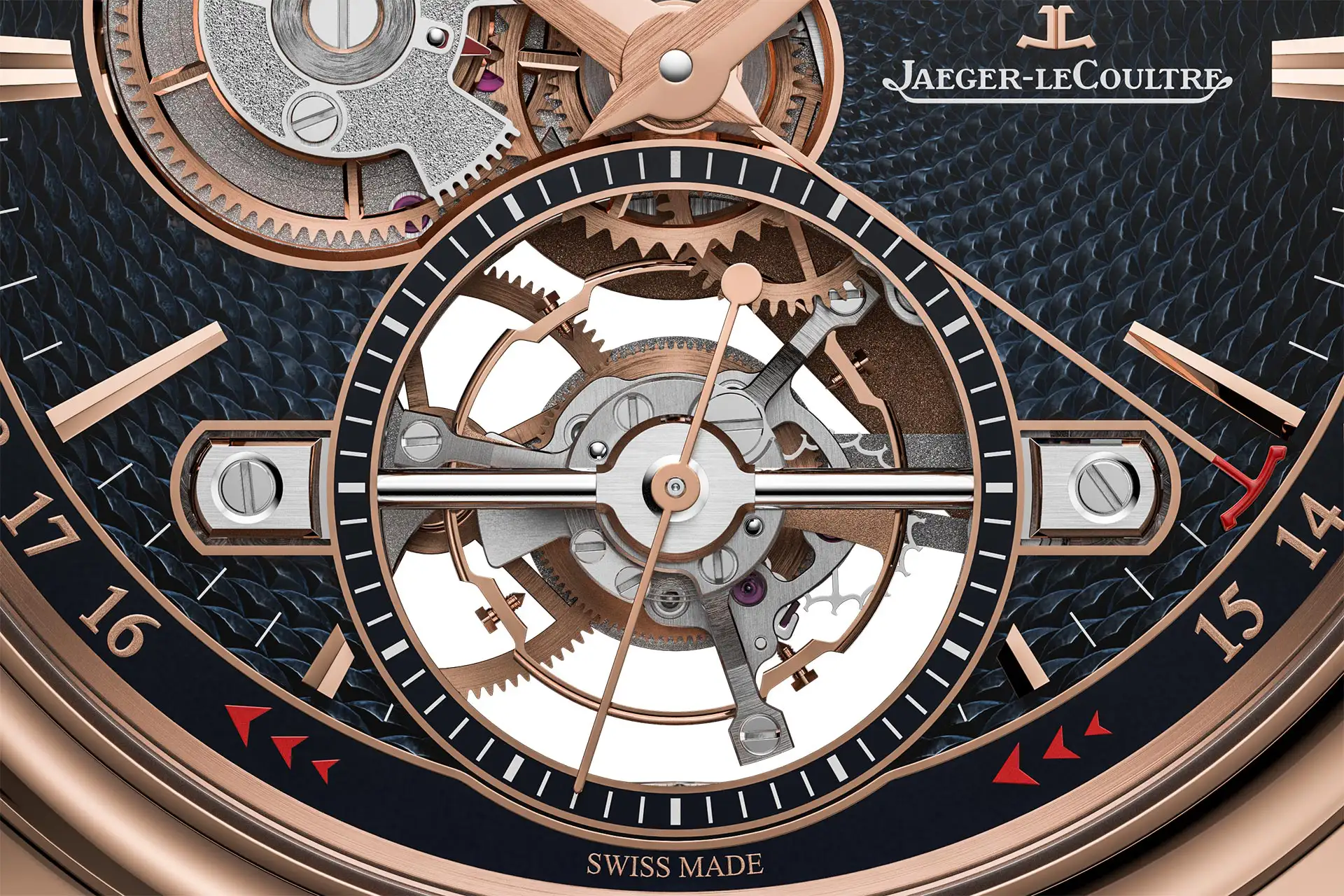
Complementing this is a 24-hour disc that can be adjusted independently of the main time display. While it functions as a day-night indicator when synchronised with the primary timekeeping display, it can also serve as a second time zone indicator, enhancing the watch’s practicality.
The finishing of the movement is carried out across multiple specialised workshops within the manufacture, reflecting its integrated structure. The eight techniques showcased include perlage, Côtes de Genève soleillé, linear brushing and extensive hand-bevelling, with 61 internal angles executed by hand. The upper bridges, crafted in 18-carat white gold, are shaped using the traditional berçage technique, creating rounded, polished profiles that enhance light reflection and visual depth. The movement is visible through a sapphire caseback, where a 22-carat pink gold rotor with a large cutaway ensures an unobstructed view of the tourbillon.
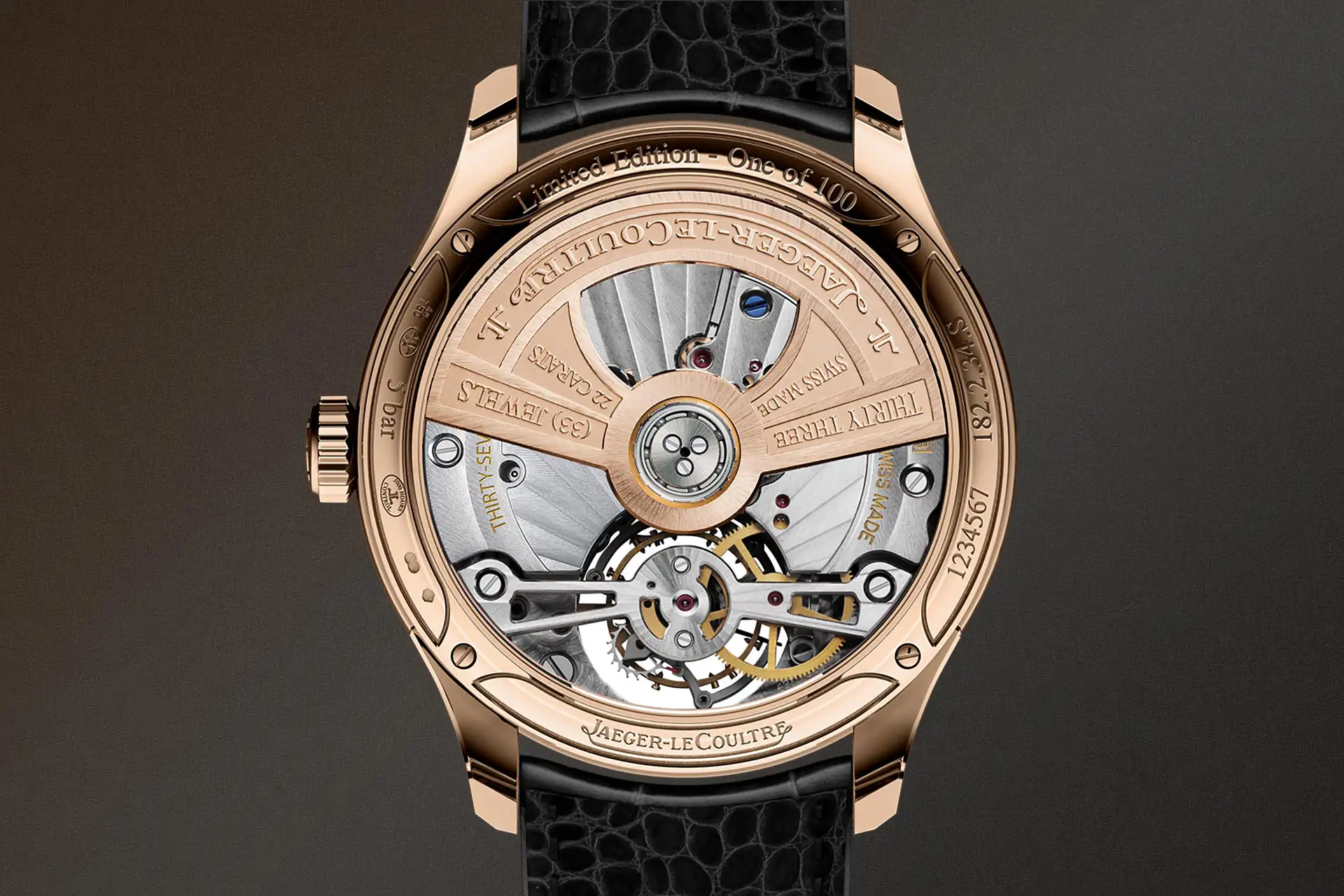
The Grande Tradition watch model, with its deep blue enamel dial with a ‘Barleycorn’ pattern, is housed in a 42 mm 18-carat pink gold case measuring 12.5 mm in thickness, composed of no fewer than 60 individual components and finished with a combination of polished, brushed and micro-blasted surfaces. It is paired with a black alligator leather strap sporting an 18-carat pink gold folding buckle, and is produced as a limited edition of 100 pieces. The watch is priced at €143,000.
Where the Gyrotourbillon explores complexity and the Grande Tradition model emphasises clarity, the Master Hybris Artistica Ultra Thin Minute Repeater addresses a different challenge: the integration of multiple high complications within an ultra-thin automatic movement. At just 5 mm in height, Calibre 362 remains the thinnest automatic minute repeater tourbillon, a distinction that requires not only compact construction but also careful management of acoustic performance.
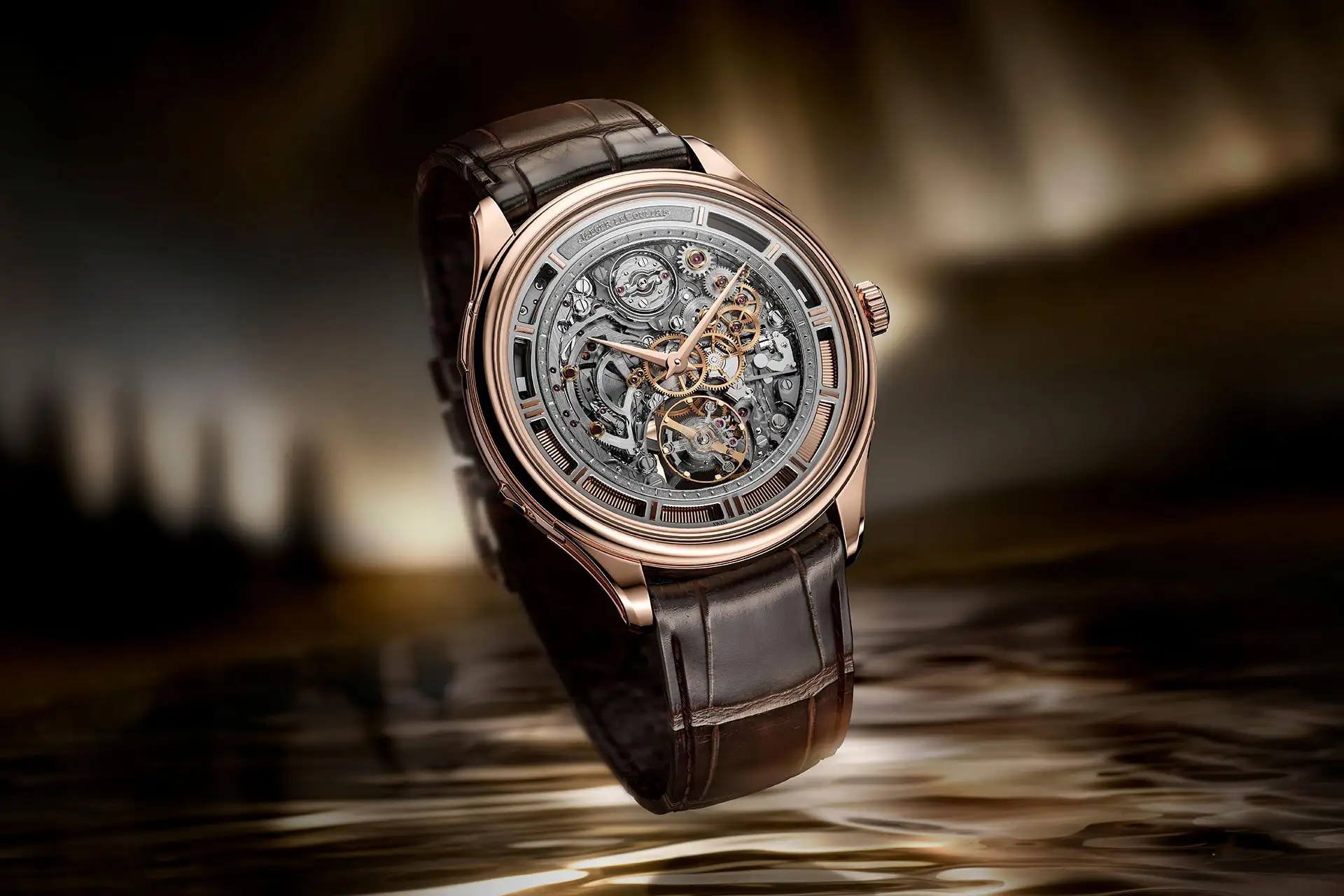
Thin minute repeaters present a fundamental challenge. Reducing the volume of the case and movement typically diminishes resonance, leading to weaker sound projection. Jaeger-LeCoultre addresses this through a combination of structural and acoustic innovations, including square-profile gongs, which provide greater rigidity and improved sound transmission, and trebuchet-style hammers, which deliver more consistent striking force. A patented mechanism reduces the silent interval between chimes, ensuring a more fluid and continuous acoustic sequence.
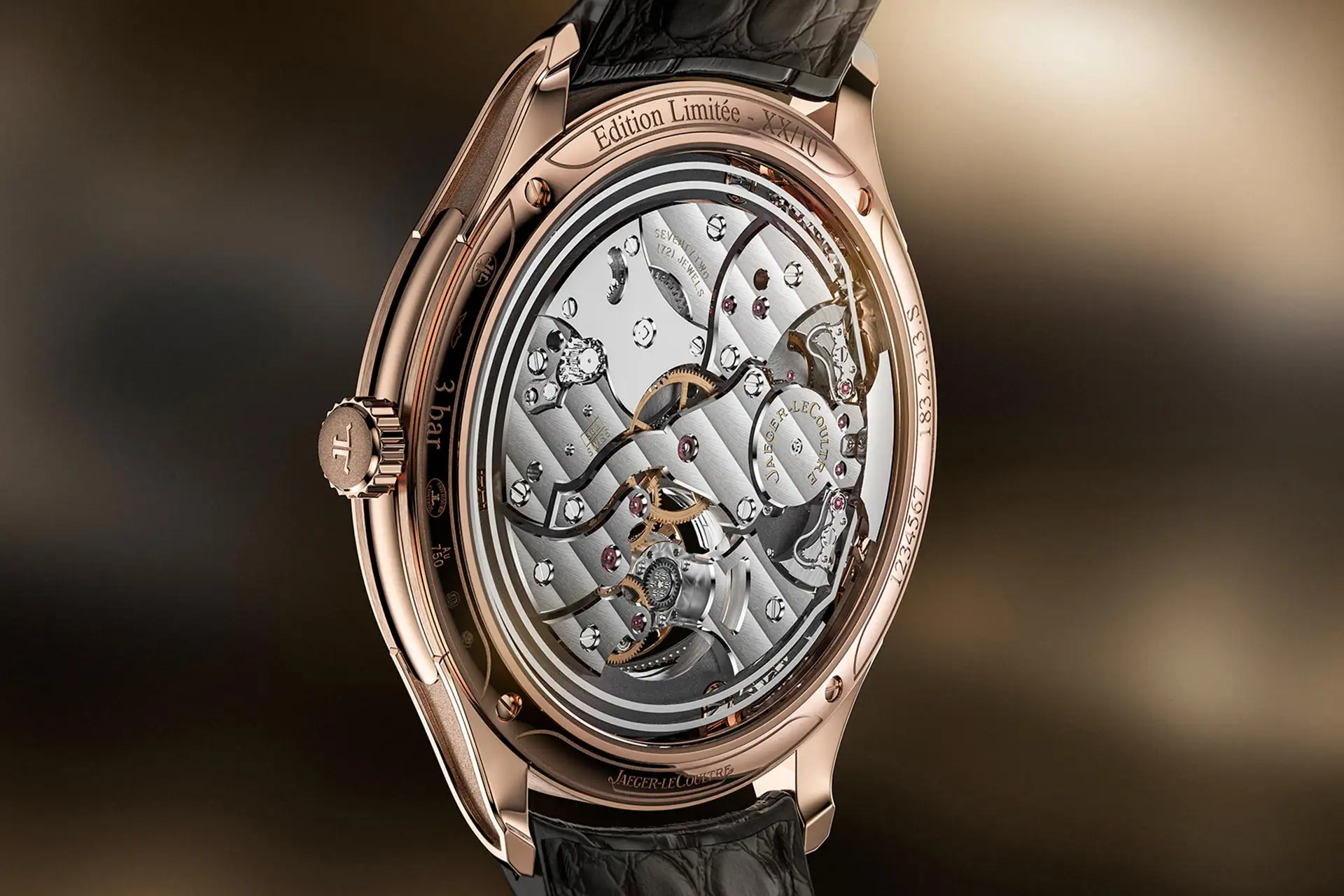
Rather than constructing the movement through layered modules, Calibre 362 is conceived as a fully integrated architecture in which the minute repeater, tourbillon and automatic winding system are interdependent. The repeater mechanism, comprising 187 components, is built directly into the mainplate, allowing it to occupy minimal vertical space while maintaining functional integrity.
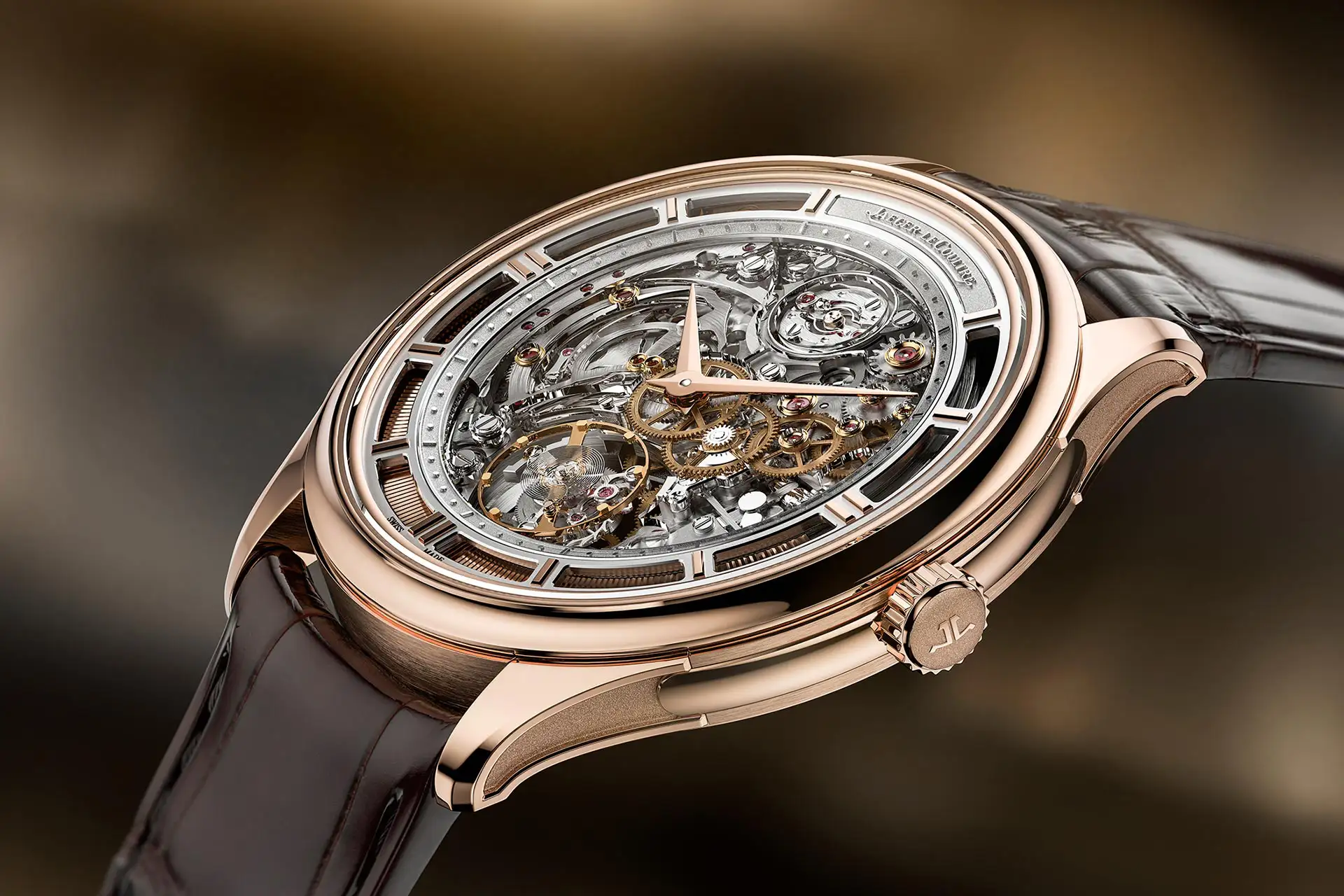
The movement also incorporates a peripheral oscillating mass, which encircles the calibre rather than sitting above it. This eliminates the additional thickness associated with a central rotor while preserving efficient winding. The flying tourbillon, composed of 59 components and weighing just 0.248 grams, is suspended without an upper bridge, further reducing vertical height while enhancing visual transparency.
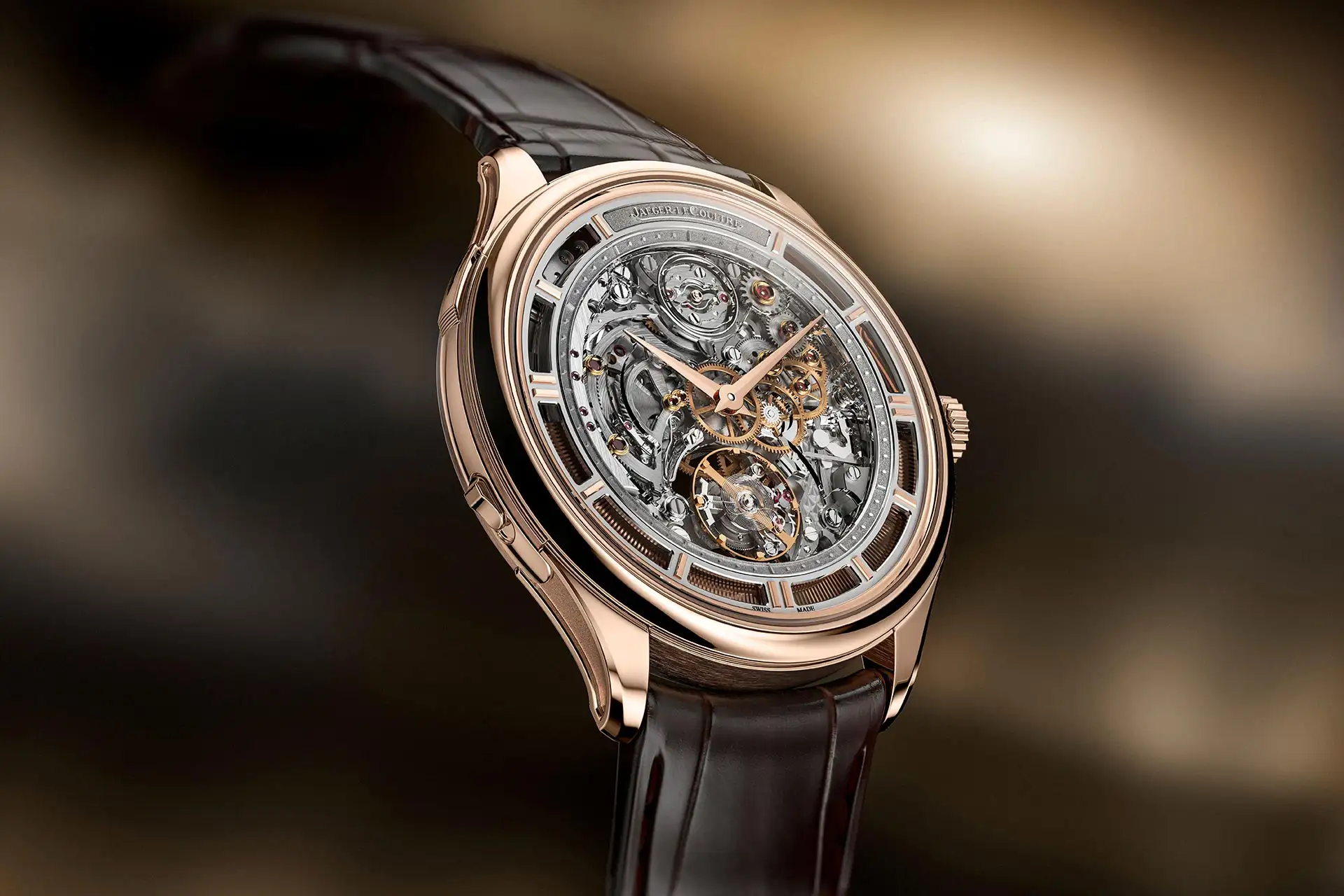
In this new Hybris Artistica execution, the movement is fully open-worked, revealing all 593 components. Sapphire bridges replace traditional metal structures in key areas, allowing light to pass through the movement and providing an unobstructed view of both the repeater mechanism and the tourbillon. This approach presents significant technical challenges, particularly in the setting of jewels, which is achieved through the use of gold chatons.
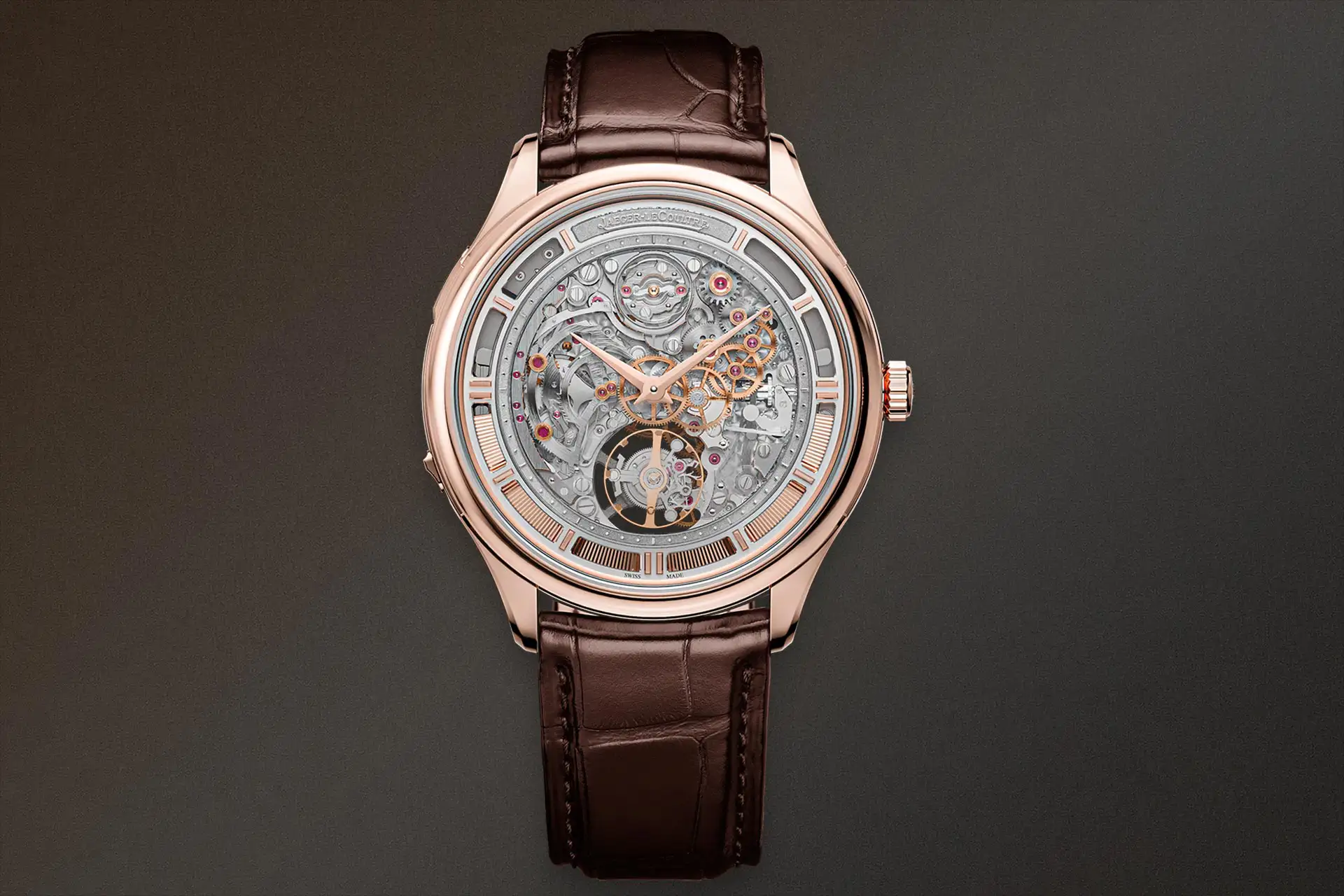
The movement is decorated using fourteen different finishing techniques, with 60 components hand-bevelled and 48 internal angles executed to a high level of precision. The open-worked dial is reduced to a peripheral ring in 18-carat white gold, allowing the movement to dominate the visual composition, while the 18-carat pink gold case, measuring 41.4 mm in diameter and 8.25 mm in thickness, incorporates a retractable pusher system for activating the repeater. The watch is priced at €765,000.
Taken together, these three timepieces illustrate Jaeger-LeCoultre’s multifaceted approach to precision. Rather than treating accuracy as a single measurable output, the manufacture continues to expand the concept across multiple dimensions, from positional stability and energy efficiency to acoustic refinement and spatial optimisation.
As anyone lucky enough to have paid a visit will know, this approach is deep-rooted in Jaeger-LeCoultre’s identity as a fully integrated manufacture in the Vallée de Joux, where more than 180 métiers are brought together under one roof, enabling the development of over 1,400 calibres and more than 430 patents. Within this framework, innovation is not driven solely by the invention of new complications, but by the continuous refinement of existing principles through advances in materials, construction and testing. In this context, the Master Hybris Inventiva Gyrotourbillon À Stratosphère, the Master Grande Tradition Tourbillon Jumping Date and the Master Hybris Artistica Ultra Thin Minute Repeater do not represent isolated technical achievements. Rather, they form part of an ongoing trajectory in which precision is continually redefined.