


Everything you need to know about rising Rolex prices and other luxury watch brands at the start of 2026.


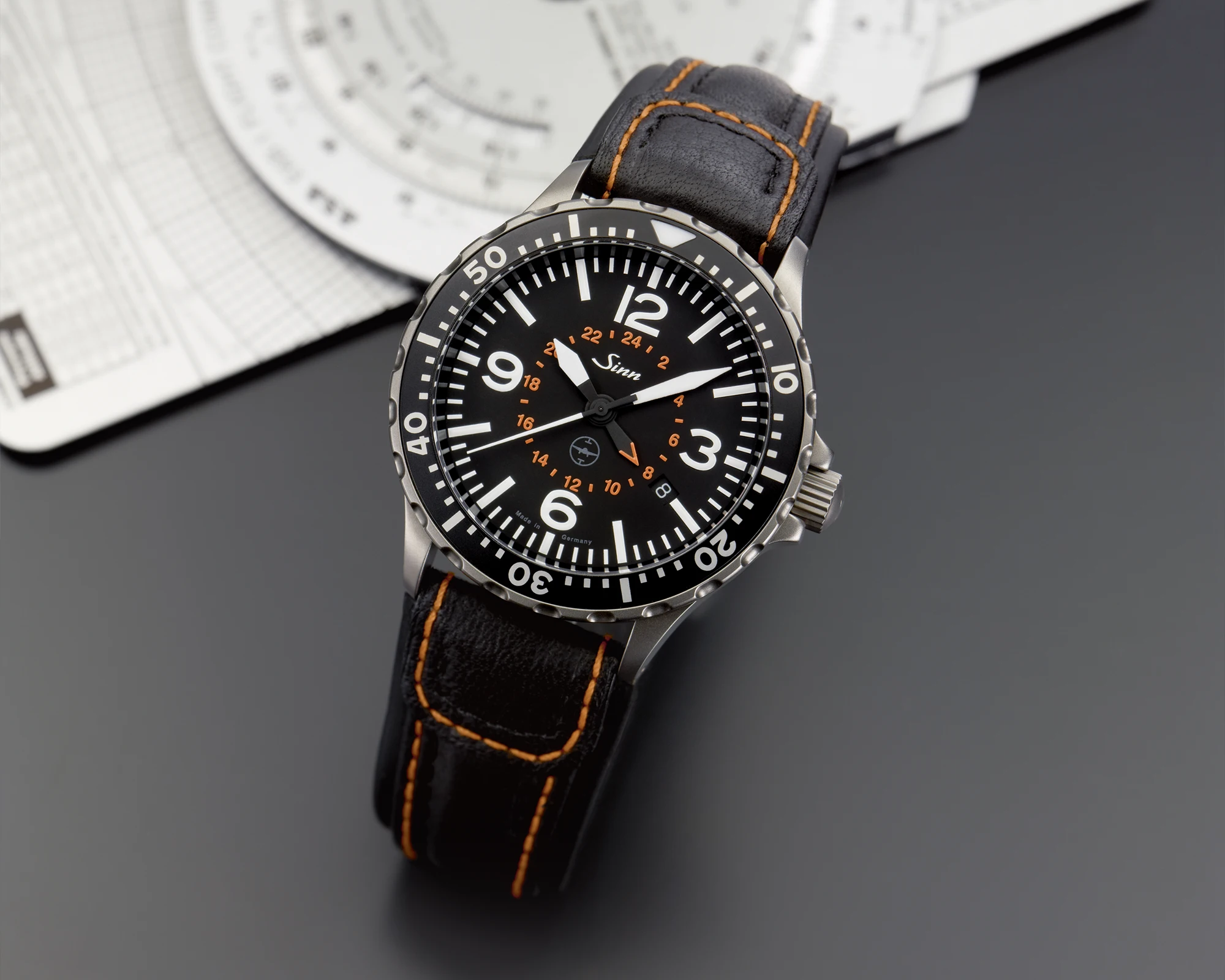
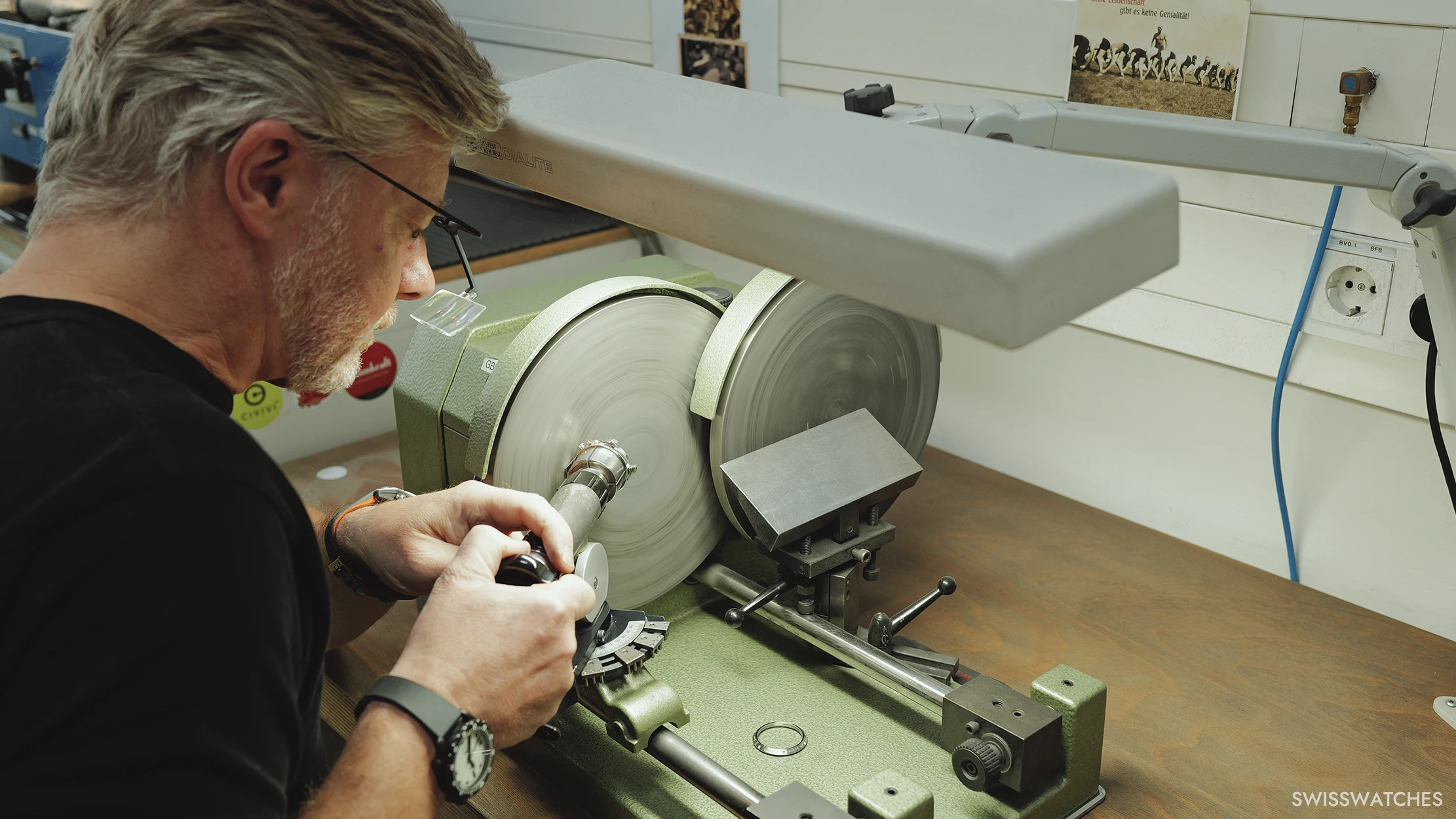
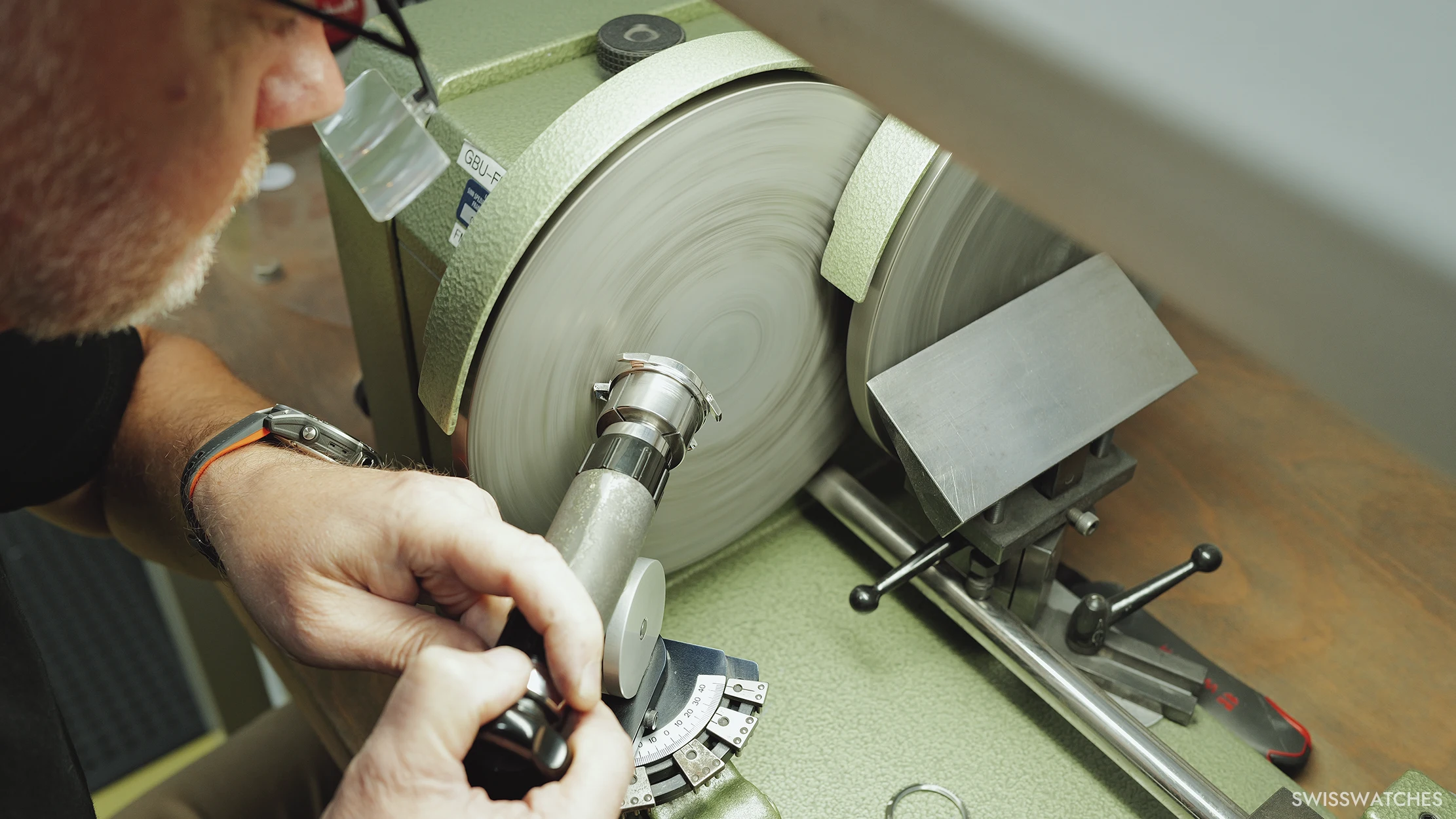
Sinn Spezialuhren of Frankfurt not only develops proprietary technologies for its tool watches. The manufacture also creates some rather handsome timepieces. We paid a visit to the watchmakers at the company’s Frankfurt headquarters, and it was anything but an ordinary one.
There are watch brands whose customers no longer consider the display of the time to be particularly important; instead, they choose their favourite model for aesthetic reasons and because of technical features in the form of complications. And there are watch brands whose customers clearly prioritise the time display and, above all, the particularly good readability of the watch. These are mostly so-called functional watches – for (amateur) pilots, (amateur) divers, the military, paramedics or special forces. No fashionable frills, but designed purely for their purpose, they should be as robust as possible and ensure optimum readability.
And then there is Sinn. A brand that has succeeded in developing these highly functional watches that do not appear to be tool watches, despite actually being just that. They exude a touch of lifestyle without being overly fashionable. When we set off for Frankfurt a few weeks ago to visit Sinn’s headquarters, I had no idea of the extent to which this is the case, or of the creative power and innovative spirit that the brand has demonstrated in its comparatively short history. I had never heard of the technologies developed in-house before, but each one is absolutely useful in practice.
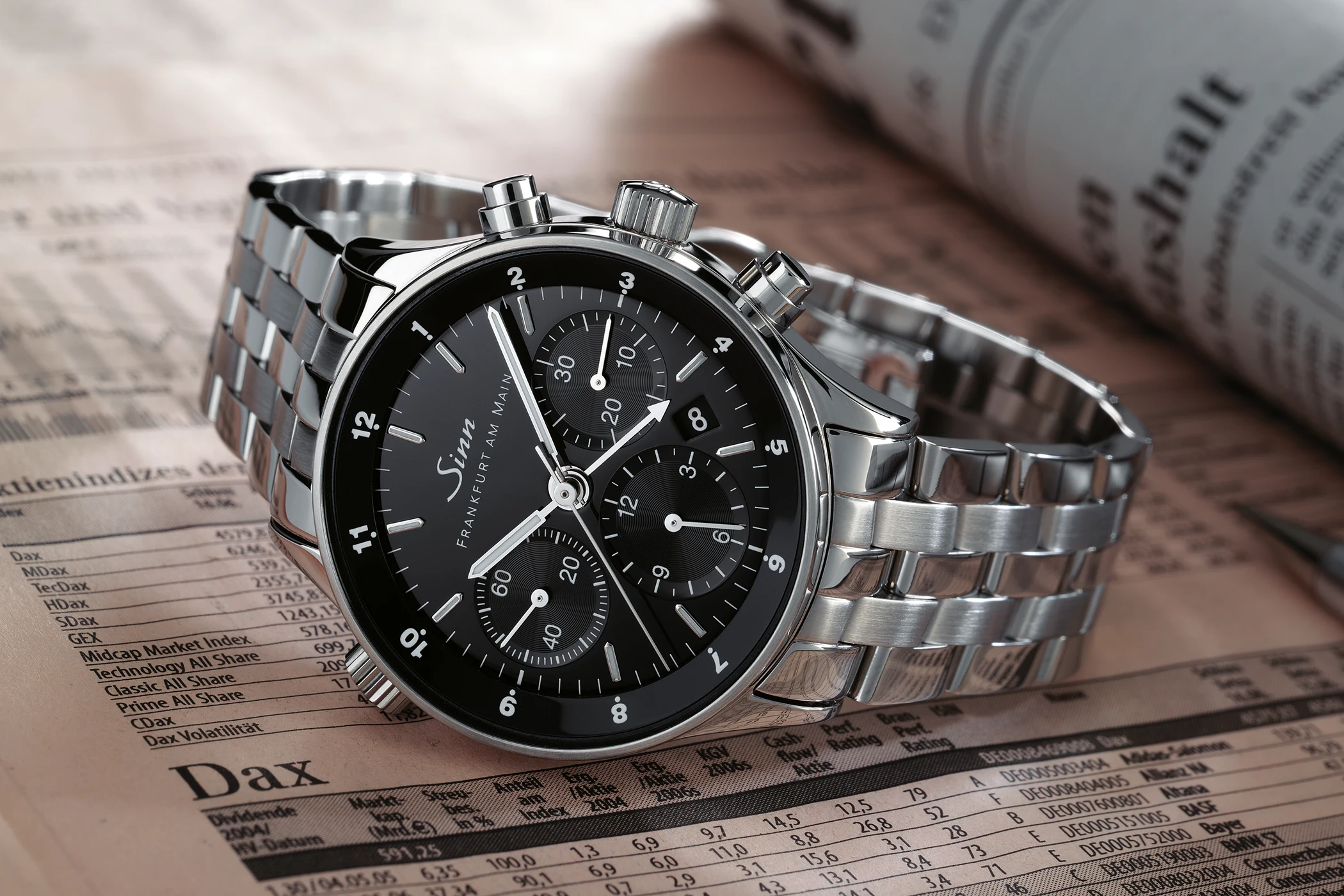
And then, during our visit, I discovered a chronograph that particularly caught my eye. But more on that later. Let’s dive into the history of the German watch brand Sinn from Frankfurt and what makes it so unique.
The watch brand, which is officially called Sinn Spezialuhren in Frankfurt am Main, has carved out a unique position in the global market for precision timepieces through its consistent philosophy. The watch brand’s focus is not on luxury in the conventional sense, but on applied engineering that makes mechanical watches robust, reliable and readable under the most extreme conditions.
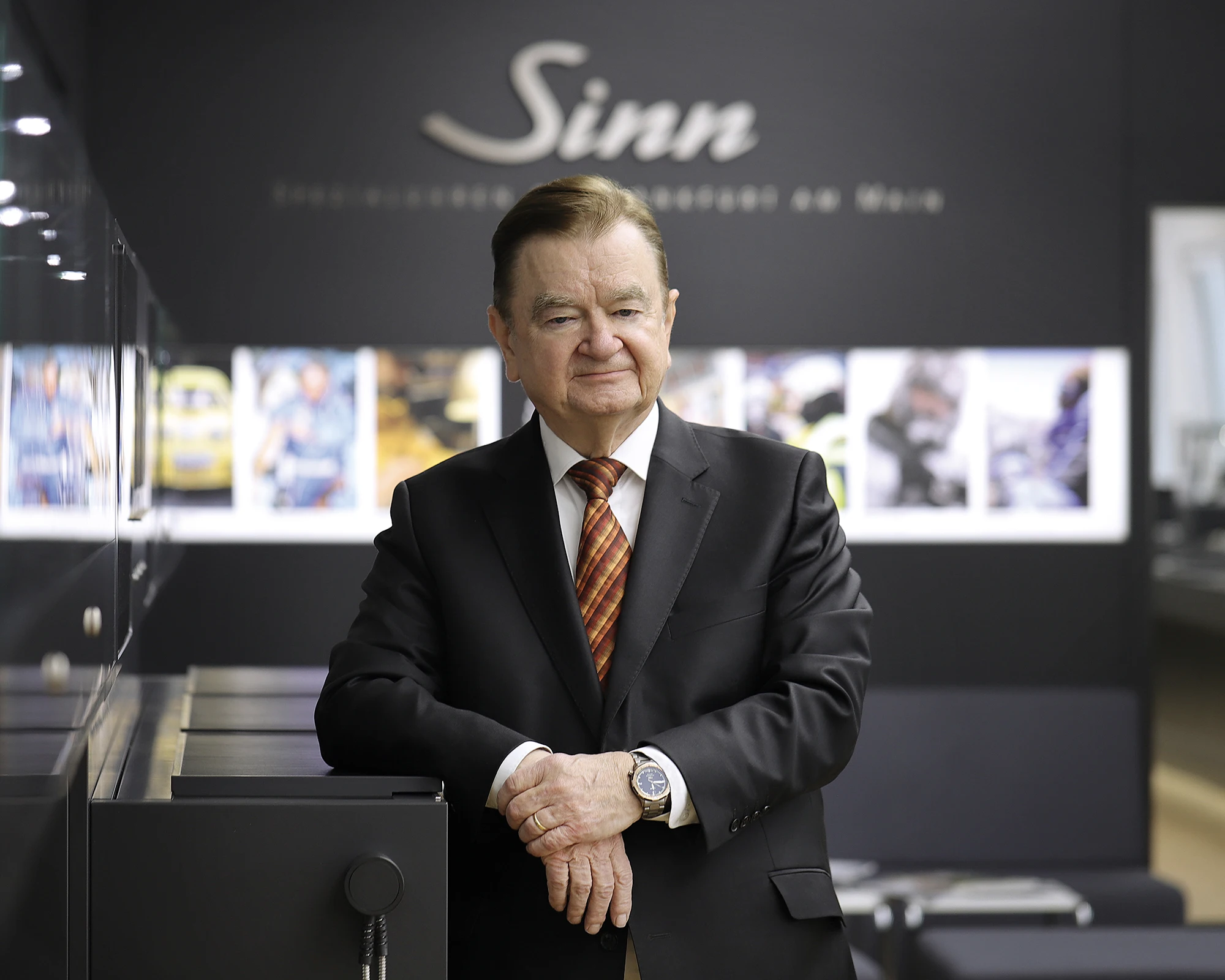
The company was founded in Frankfurt am Main in 1961 under the name ‘Helmut Sinn Spezialuhren’ by Helmut Sinn, a former pilot and blind flying instructor. He died in 2018 at the age of 101. Initially, the company focused on manufacturing navigation watches and pilot’s chronographs. This early specialisation laid the foundation for the brand’s current philosophy: the watch is first and foremost an instrument for accurately measuring time. However, over the decades, the design of the watches has evolved too, resulting in timepieces that have advanced both technically and aesthetically.
Sinn’s commitment to functionality was evident from the outset, as demonstrated by the use of its timepieces in the extreme environment of space travel. As early as 1985, the 140 S with Lemania 5100 movement was worn by German physicist and astronaut Professor Dr Reinhard Furrer during the Spacelab mission D1. The highlight was that the watch had an automatic movement, proving that a mechanical automatic watch could function in zero gravity despite the assumption that the rotor would not be able to operate smoothly in such conditions.
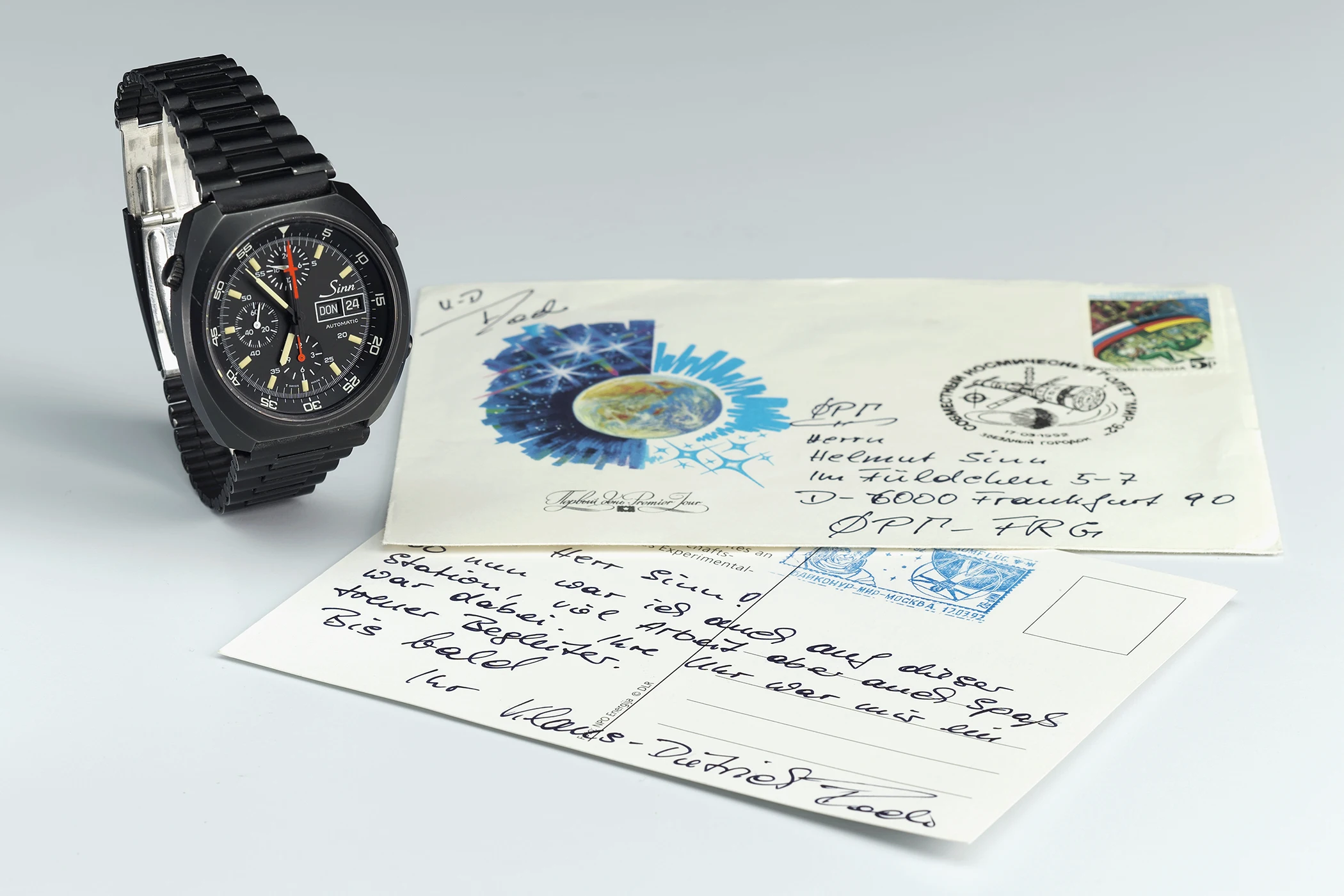
The series of space missions continued. In 1992, the 142 S accompanied astronaut Klaus-Dietrich Flade on the Mir-92 mission. The following year, the space chronograph completed a flight distance of 6.7 million kilometres and 160 orbits of the Earth on board the US space shuttle Columbia during the second German space mission (D2). These practical endurance tests in extreme environments established the brand’s credibility in terms of robustness and reliability under unusual conditions early on.
On 1 September 1994, a fundamental strategic realignment took place when engineer Lothar Schmidt acquired the company and renamed it Sinn Spezialuhren GmbH. Having previously worked for IWC as production manager, among other roles, Schmidt was by no means a newcomer to the watch industry. He initiated a reorganisation at Sinn with the aim of making the company technologically and strategically fit for the future. While Helmut Sinn had established the brand as a skilled manufacturer of functional watches, Schmidt, being an engineer, focused on developing proprietary technologies. This shift towards research and development marked a fundamental change in strategy, moving from a primarily commercial focus to a research-centred one.
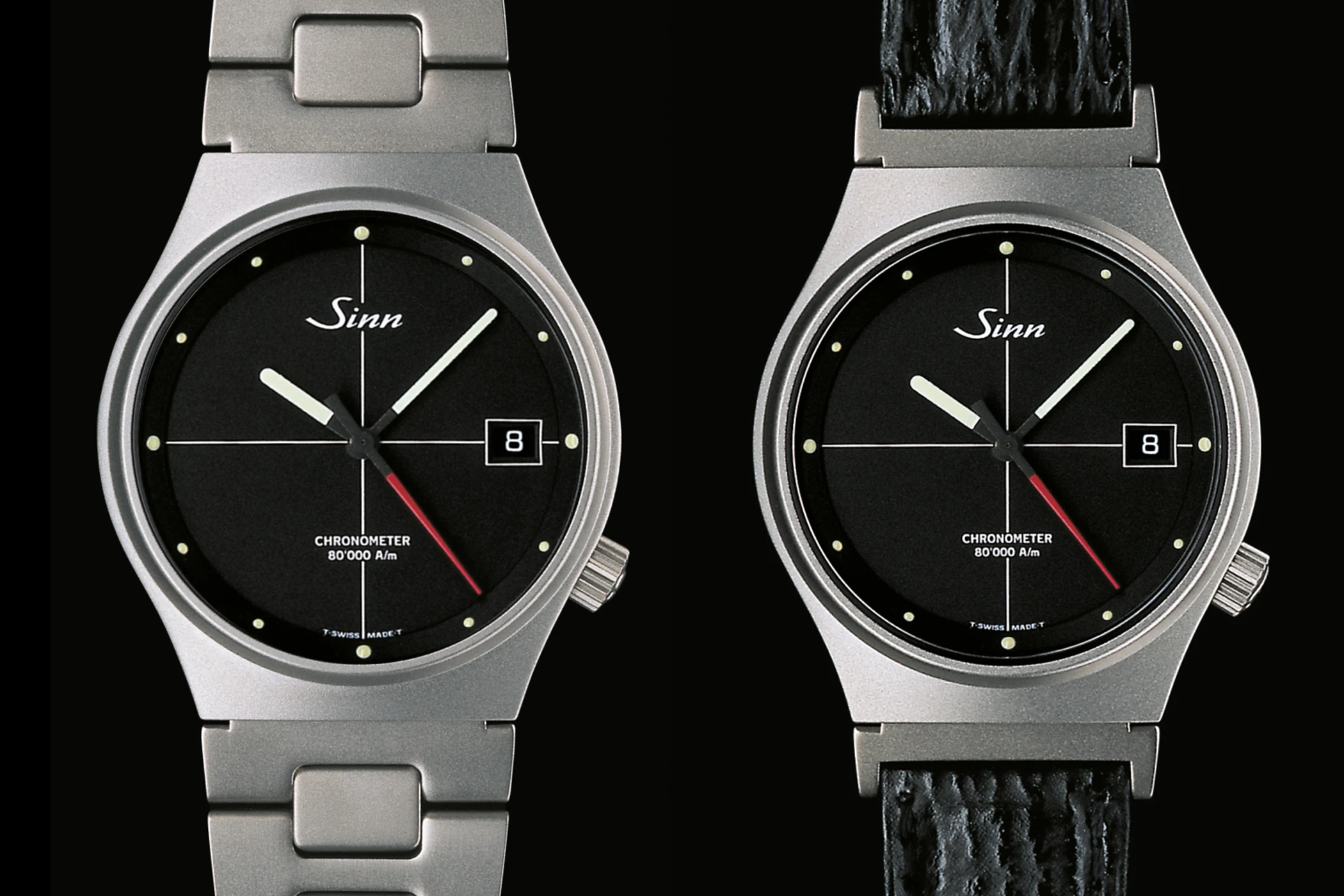
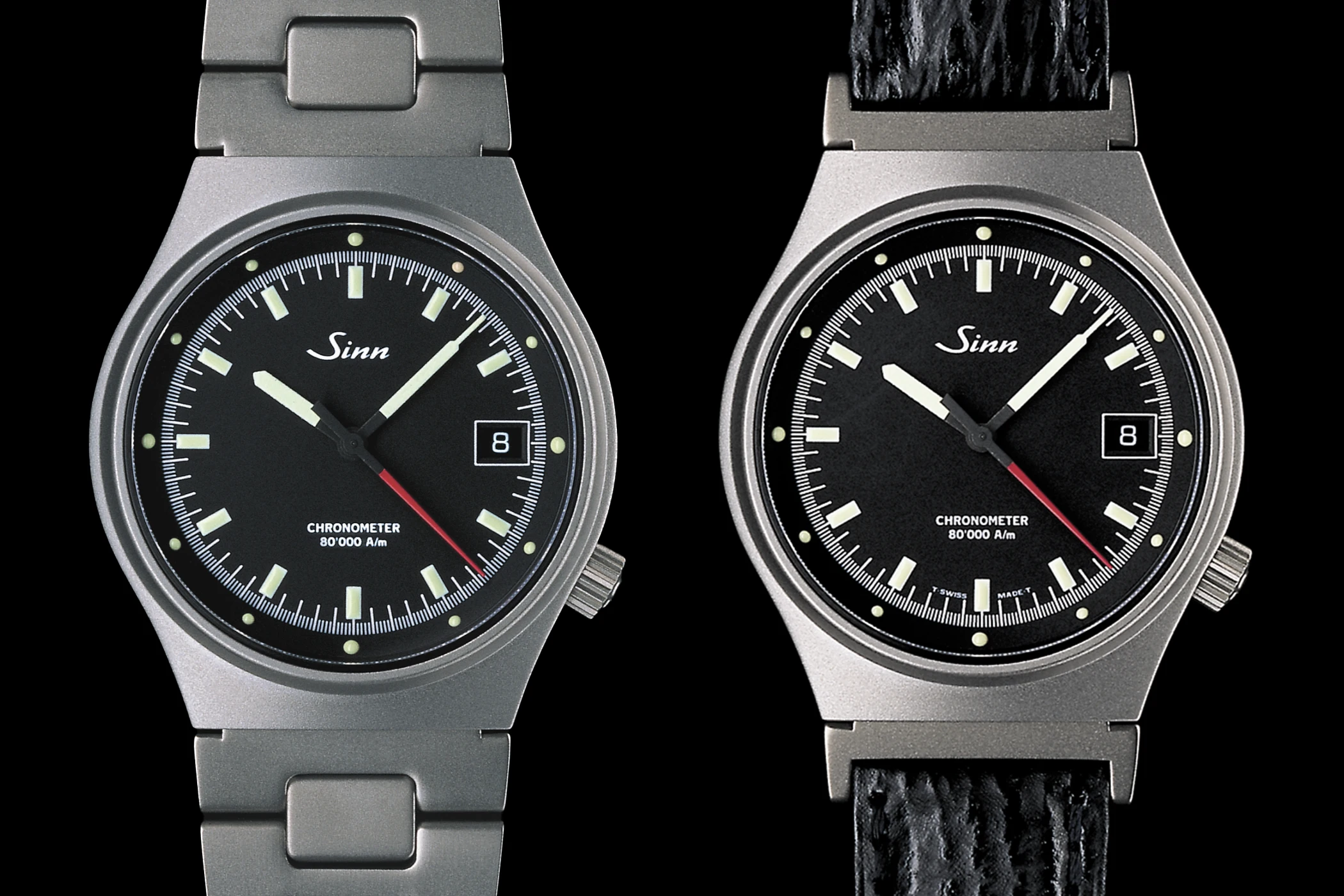
The first new development under Schmidt’s leadership was the 244 model series made of pure titanium, which was already equipped with comprehensive magnetic field protection. This protective mechanism demonstrably went far beyond the DIN standards for anti-magnetic watches applicable at the time in order to minimise magnetic interference with the movement. More on this later.
Even 30 years after the first endurance tests of the watches in extreme conditions, Sinn has continued its technological success story. A prime example is American Robert Alan Eustace’s stratospheric jump on 24 October 2014. With his parachute jump from an altitude of 41,419 metres, Eustace broke Felix Baumgartner’s altitude record. However, unlike another brand and Baumgartner’s sponsor, Sinn did not exploit the record for PR purposes. This reflects the modesty and matter-of-factness regarding the resilience of their products that I experienced during my visit.
The record-breaking 857 UTC TESTAF watch was attached to the sleeve of the special suit and performed flawlessly despite negative pressure, temperatures of -77°C, and supersonic speeds of 1,322.9 km/h. The watch is currently on display alongside the suit at the National Air and Space Museum in Washington, D.C.
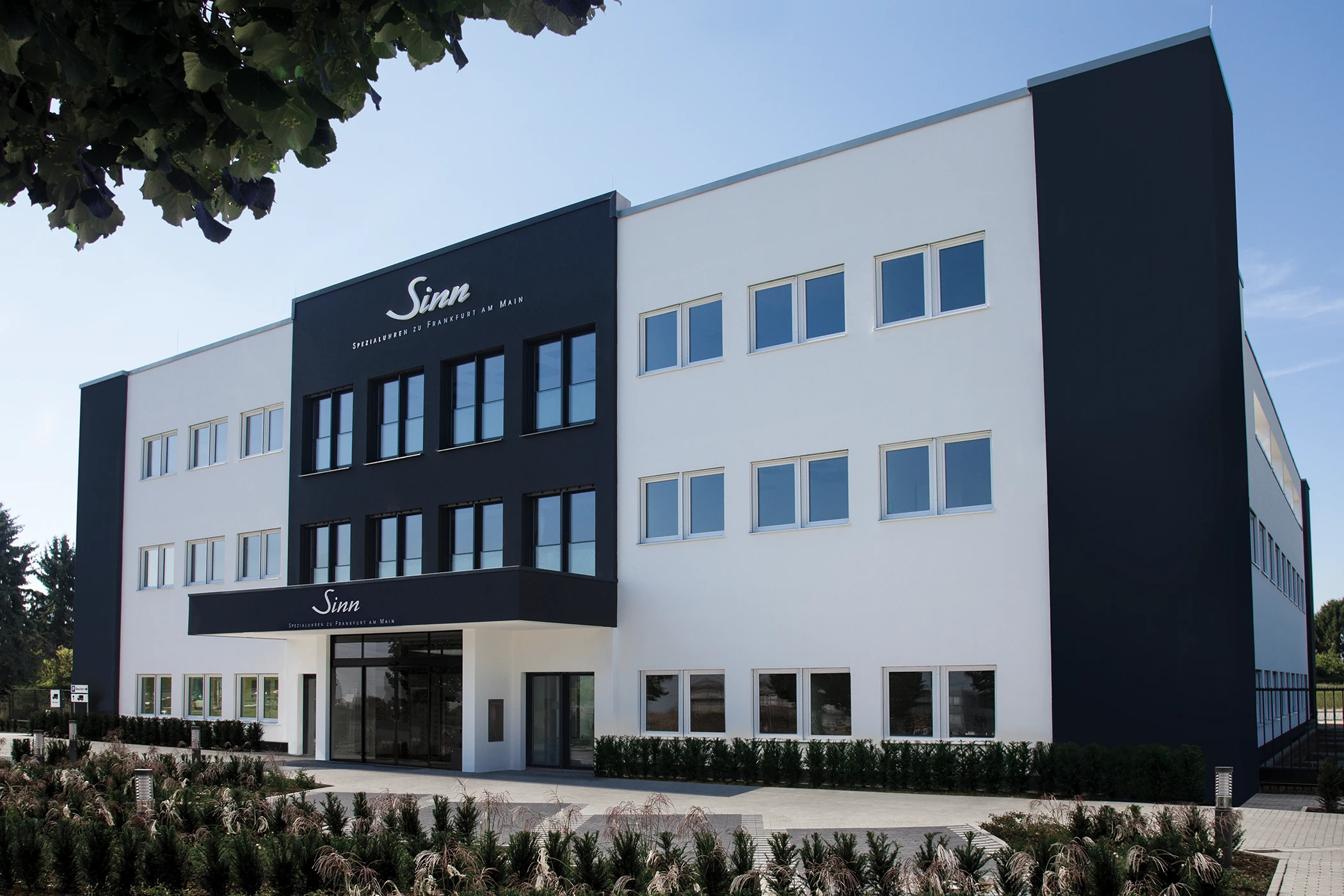
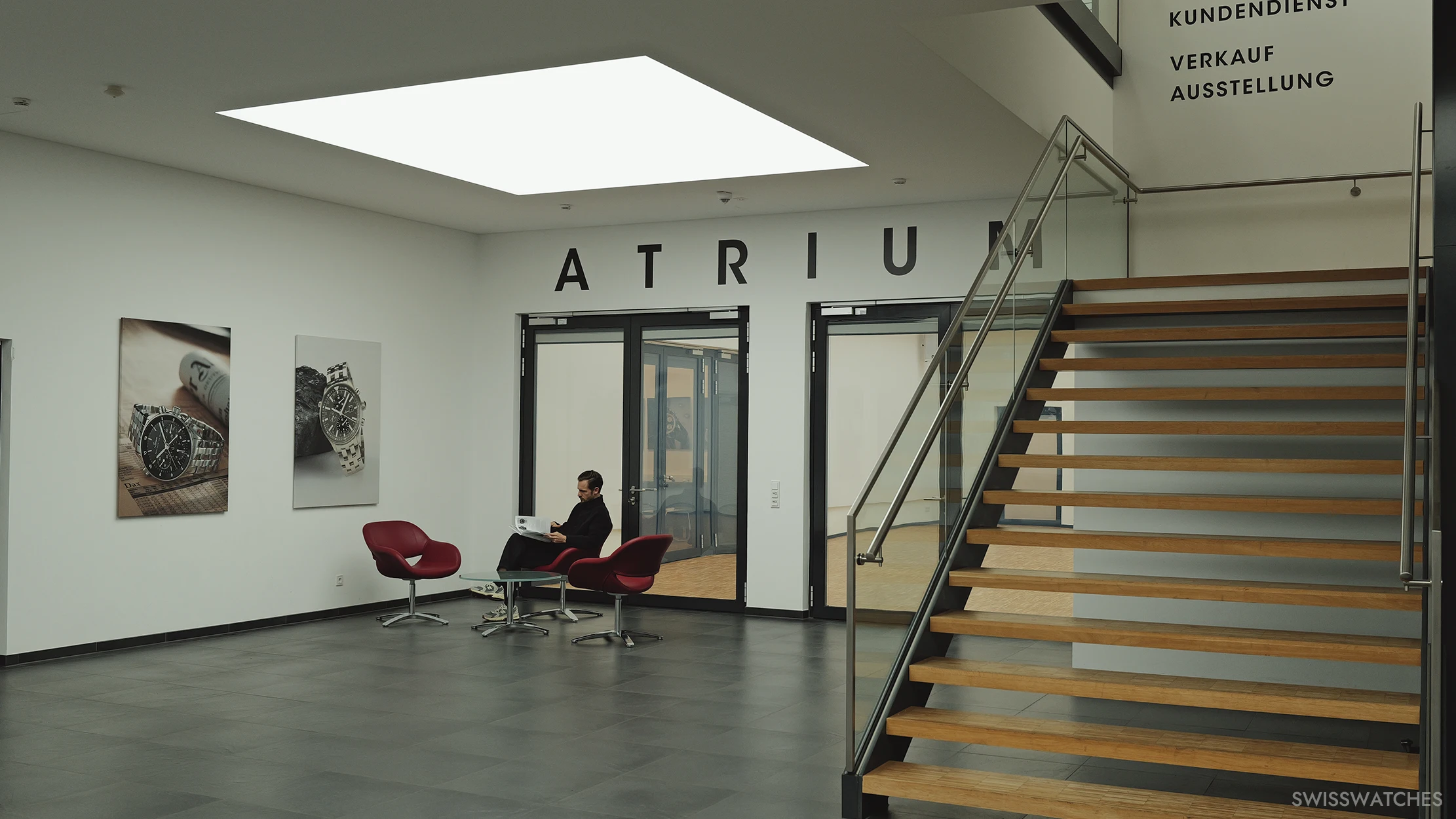
As the brand name in the logo suggests, the brand has strong ties to the Rhine-Main area. After relocating in 1985, the company moved into new, modern headquarters in Frankfurt-Sossenheim in 2017. Sossenheim is home to the production of the timepieces, a spacious sales room for direct sales, and the central customer service department.
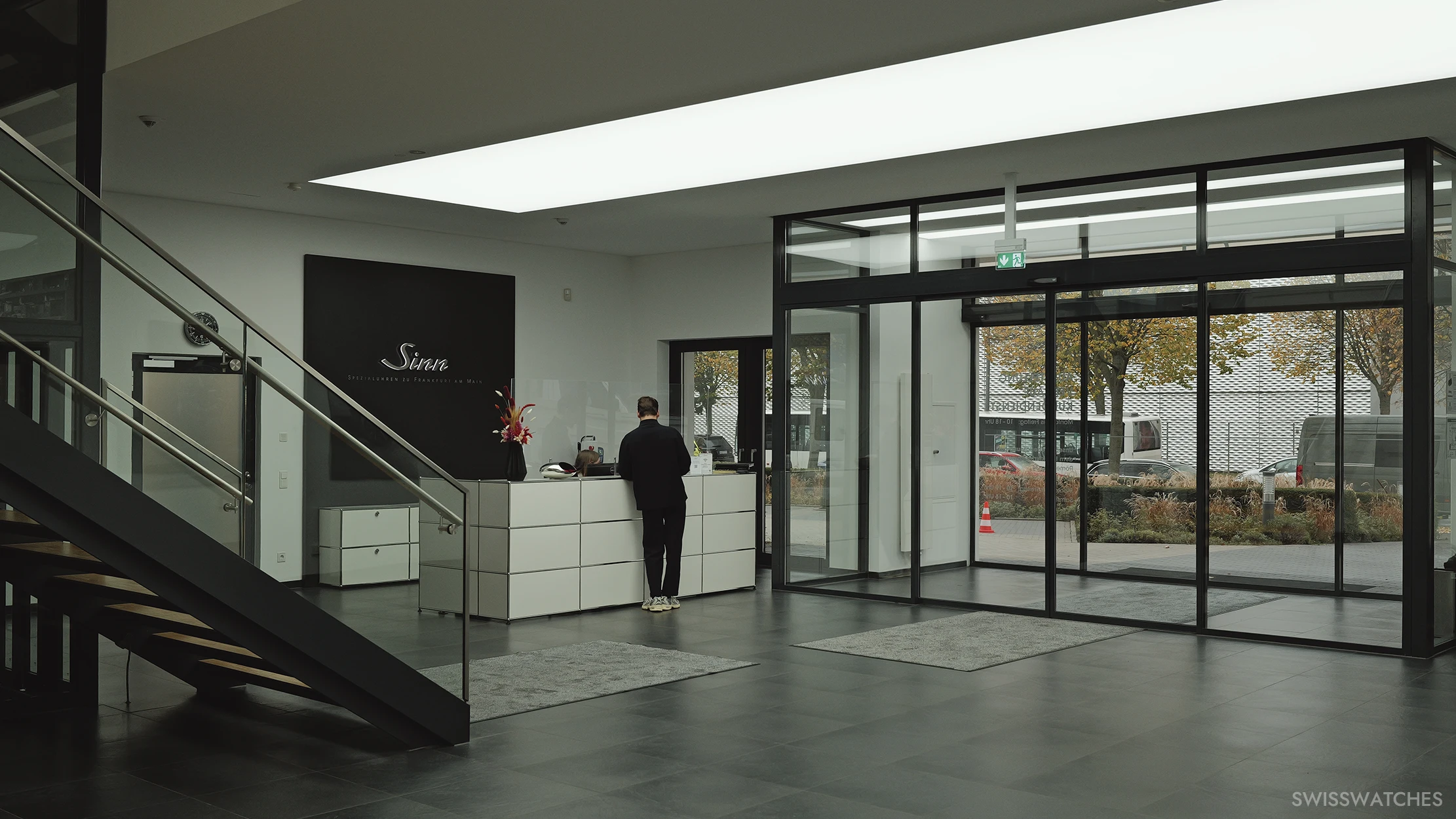
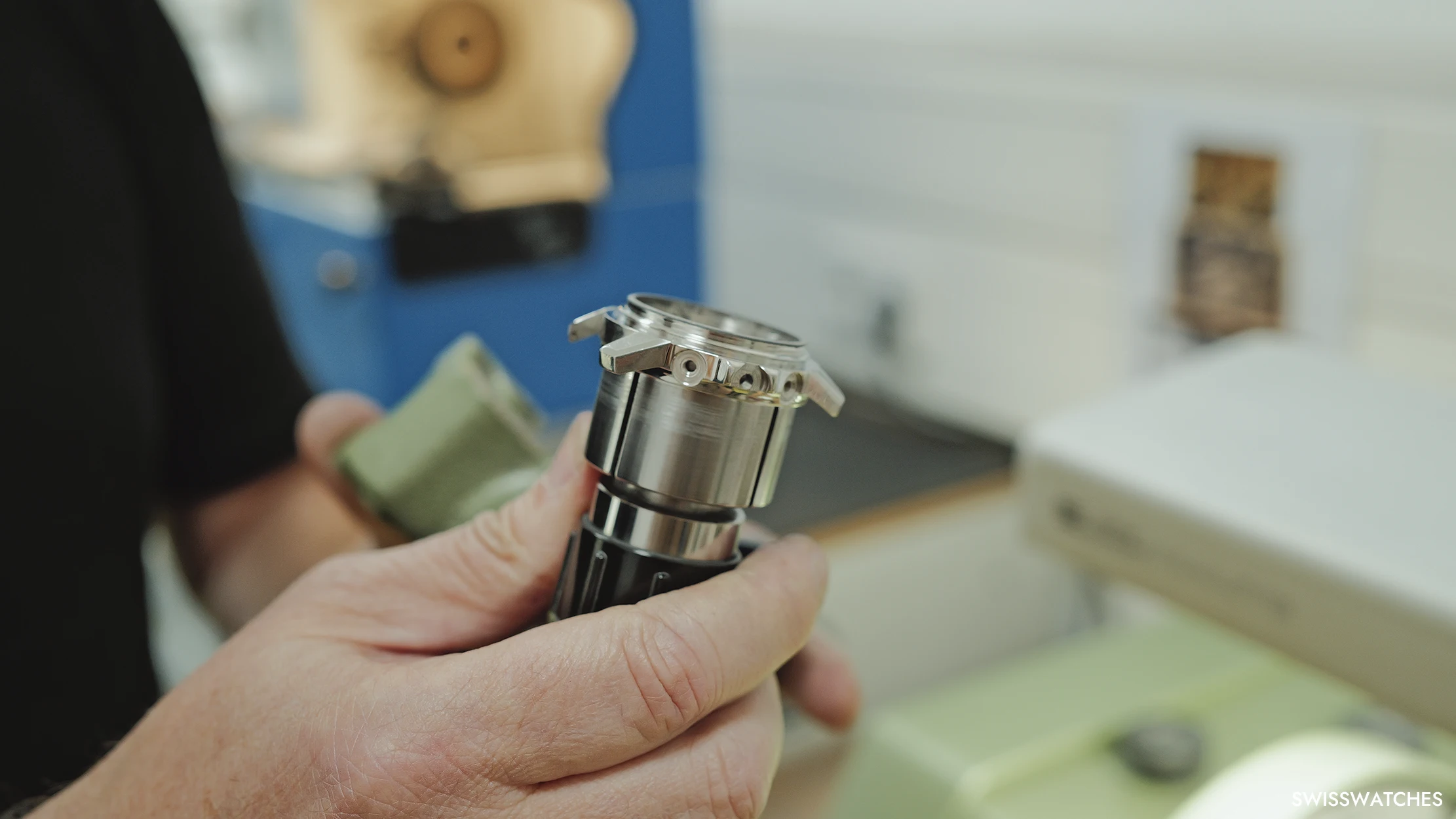
Quality assurance and the manufacture of technologically sophisticated components are central elements of the company’s philosophy. Sächsische Uhrentechnologie GmbH Glashütte (SUG) was founded back in 1999. This subsidiary is responsible for the production of technologically complex watch cases. Its proximity to the Saxon watch industry ensures access to highly specialised expertise and guarantees control over the manufacturing processes, which is essential for the precise implementation of proprietary technologies (such as Tegiment or Hydro), which we will now take a closer look at.
What awaits us on our tour of the company headquarters is unlike any other manufacturing facility we have visited. Here, there are no loudly humming CNC machines, no artisans working hypnotically for hours on end, chamfering the edges of movement components or engraving them. Instead, Sinn looks more like a laboratory, and it quickly becomes clear why.
Sinn has developed and patented a range of proprietary technologies designed to solve fundamental problems associated with mechanical and precision-manufactured watches (ageing of oils, fogging, magnetic field influences, susceptibility to scratches). The approach is always motivated by engineering science: form follows function without compromise. And yet the designs are never boring.
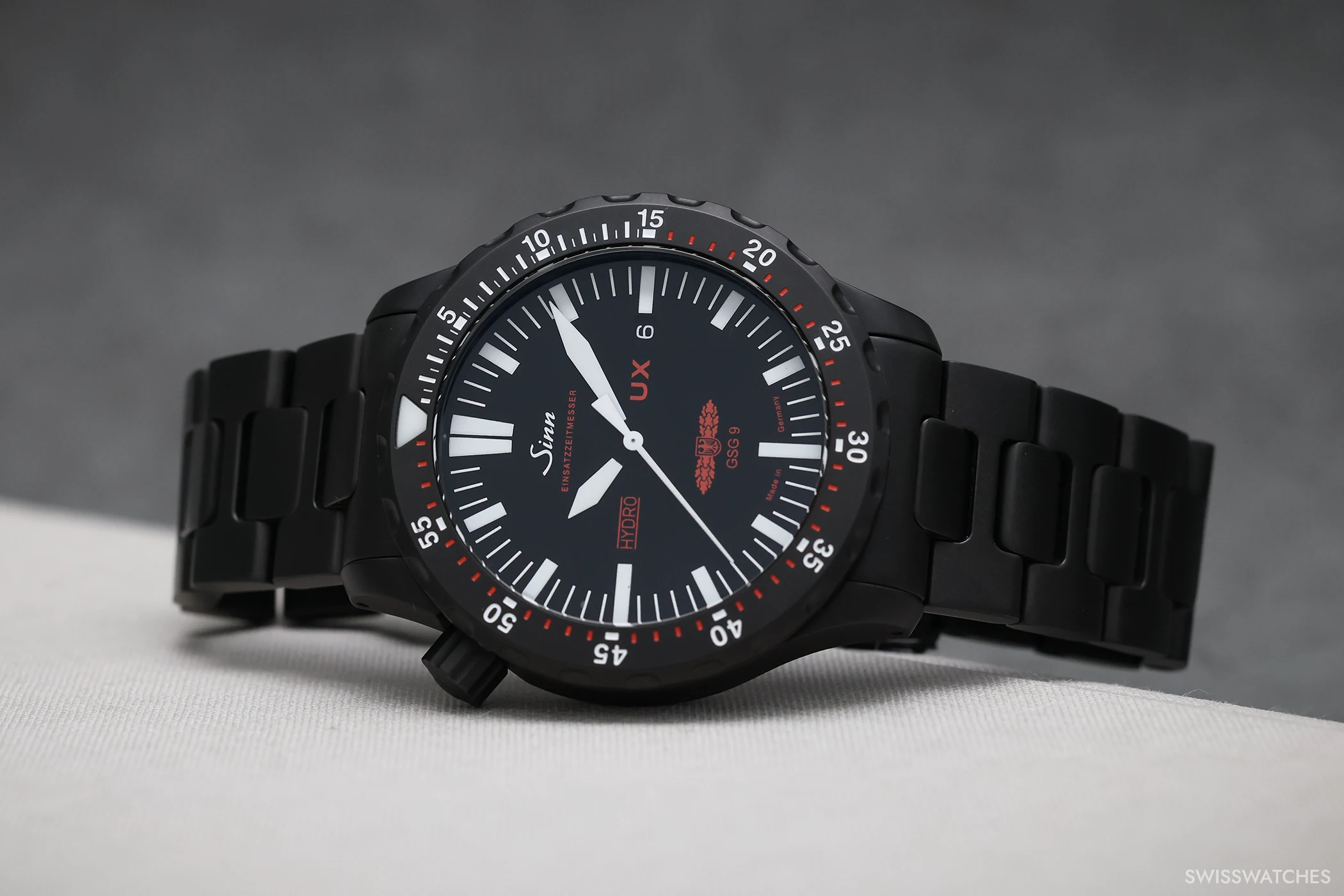
For me personally, hydro technology is probably Sinn’s most exciting technological concept, first used in 1996 in the 403 HYDRO diving watch to optimise readability and pressure resistance underwater.
The principle is based on the case being completely filled with a special, crystal-clear oil (the company understandably remains silent about the exact composition and origin), in which the movement, dial and hands are directly mounted.
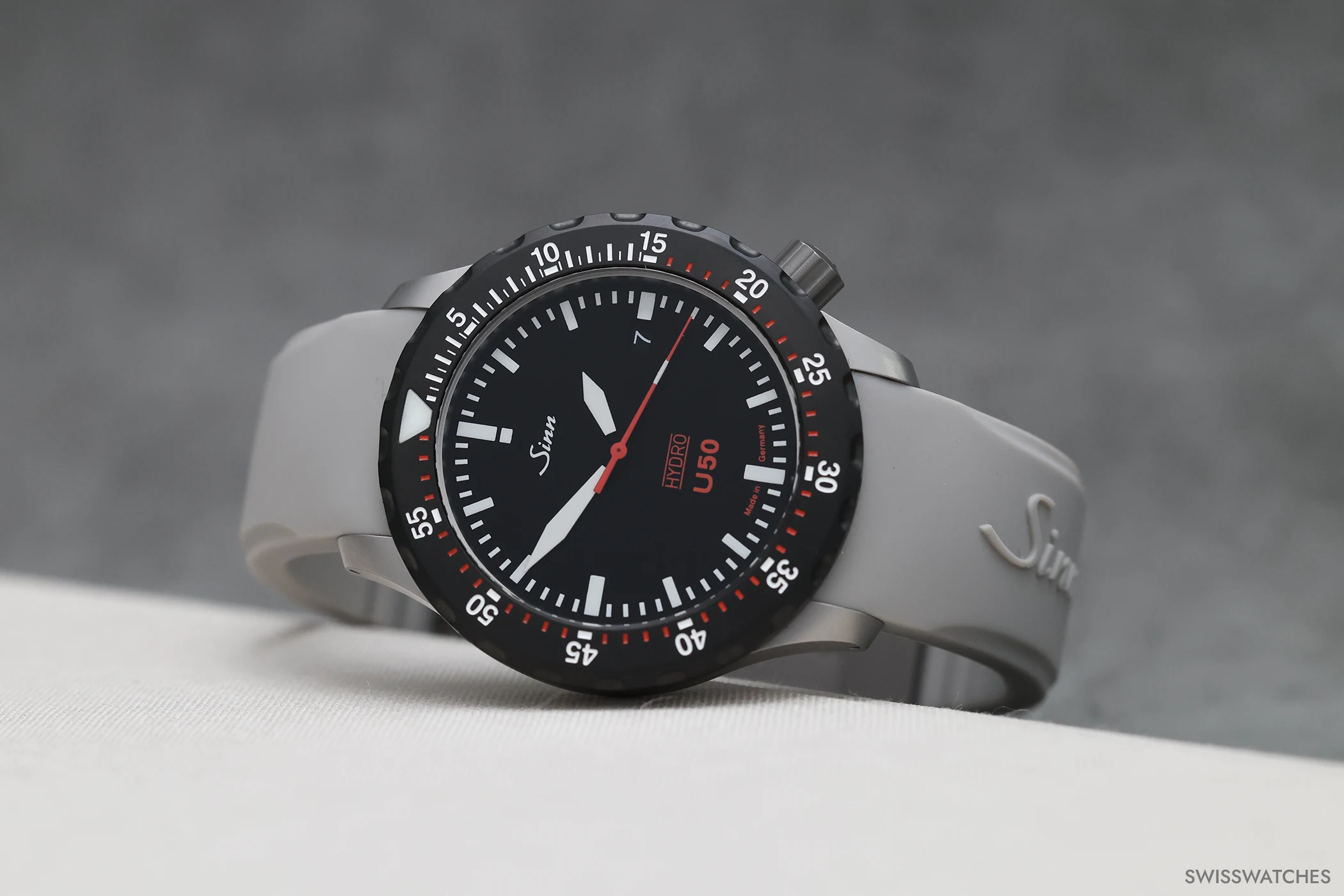
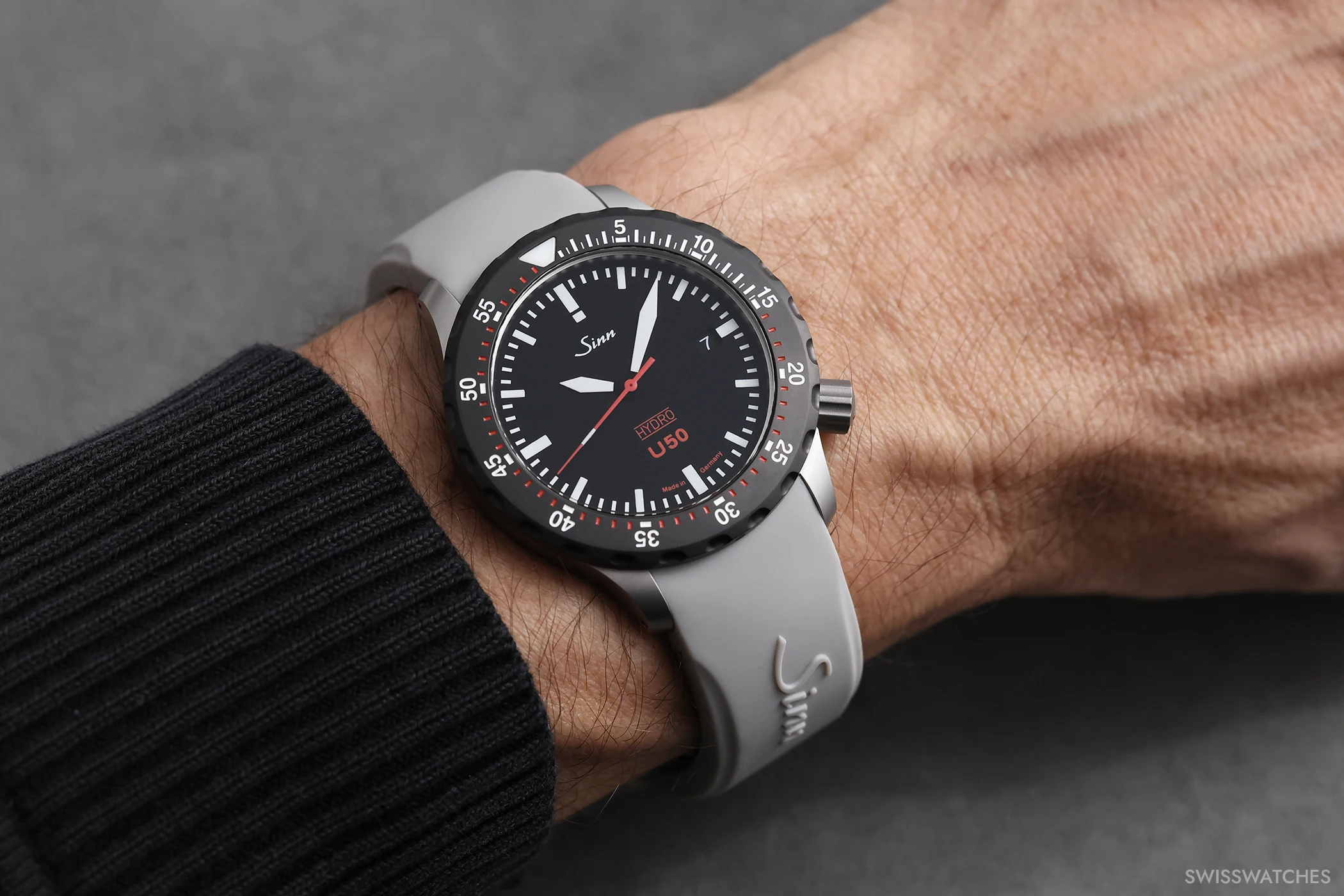
The refractive index of the filling fluid is adjusted to match that of the sapphire crystal glass. This eliminates the physical effect of total reflection, whereby the glass acts like a mirror at certain angles in conventional watches, making the hands disappear. A watchmaker demonstrates this using the U50 HYDRO as an example. Compared to a regular watch without oil filling, which becomes illegible underwater, the U50 HYDRO remains legible from every angle without any mirroring.
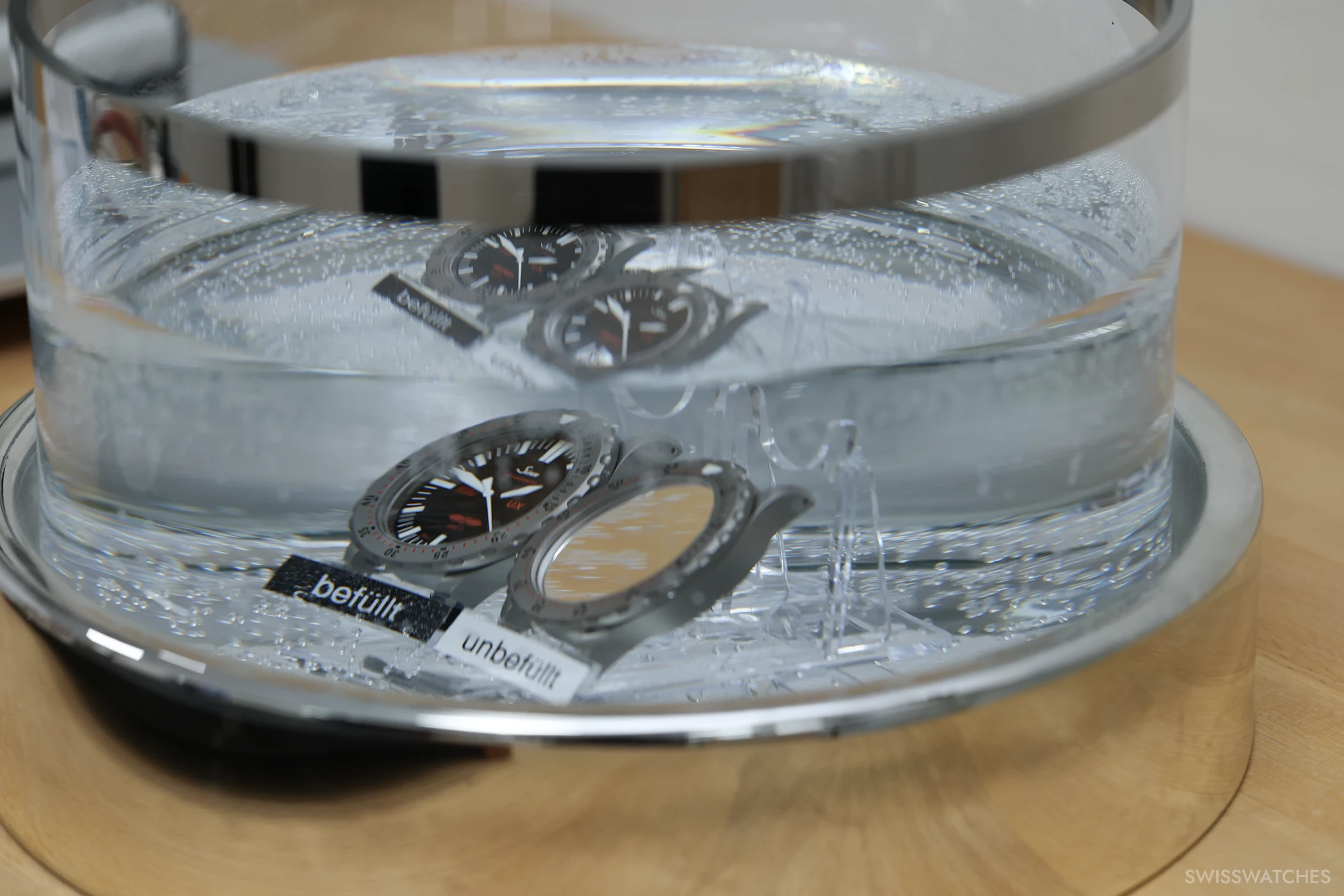
But the oil treatment has even more positive advantages. Since liquids are virtually incompressible, the internal pressure of the case is always equalised with the external water pressure by means of a membrane base. This prevents the pressure difference that stresses conventional watches from building up in the first place. A HYDRO watch, such as the U50 HYDRO, is therefore extremely pressure-resistant; its function can be guaranteed up to a diving depth of 5,000 metres (500 bar).
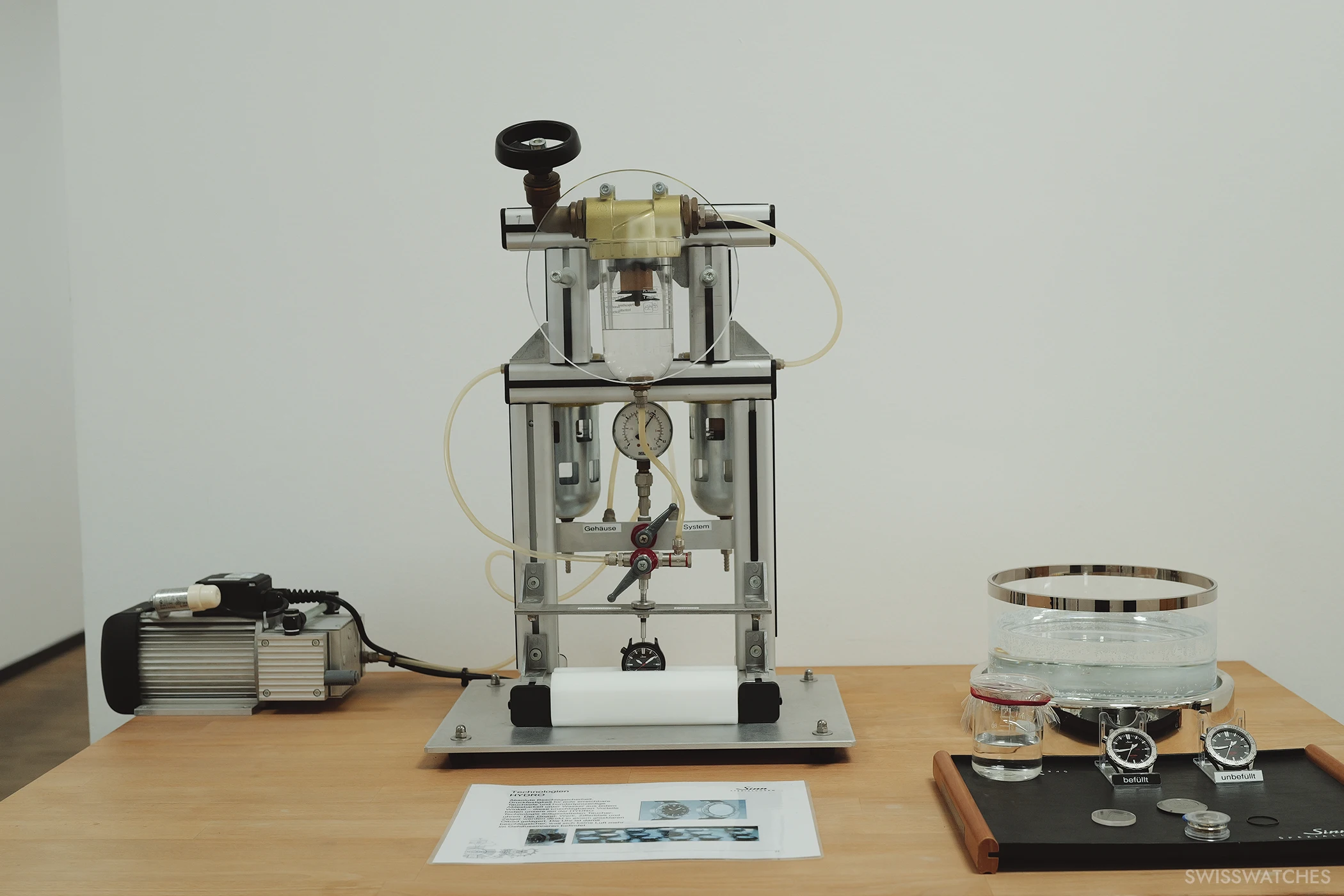
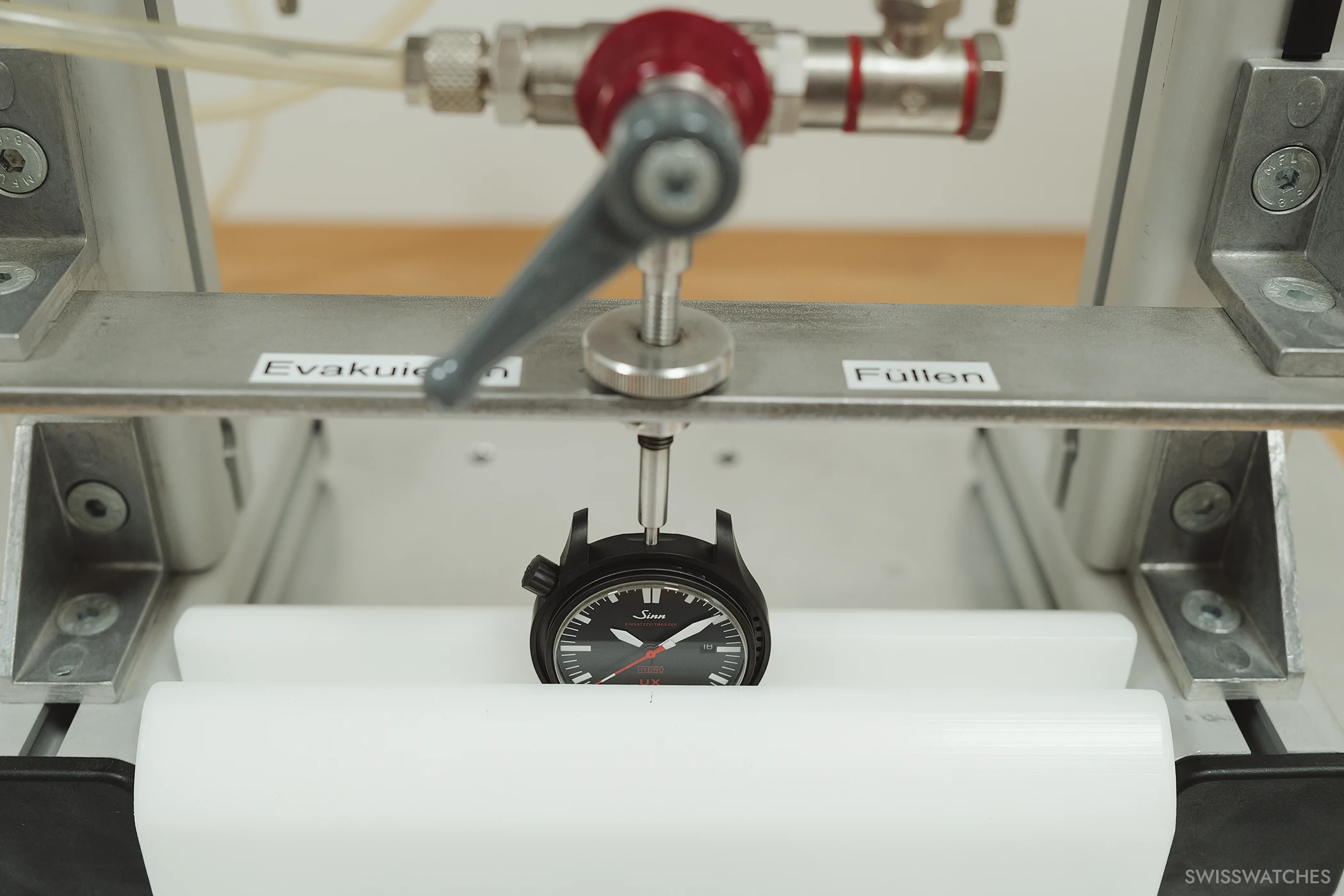
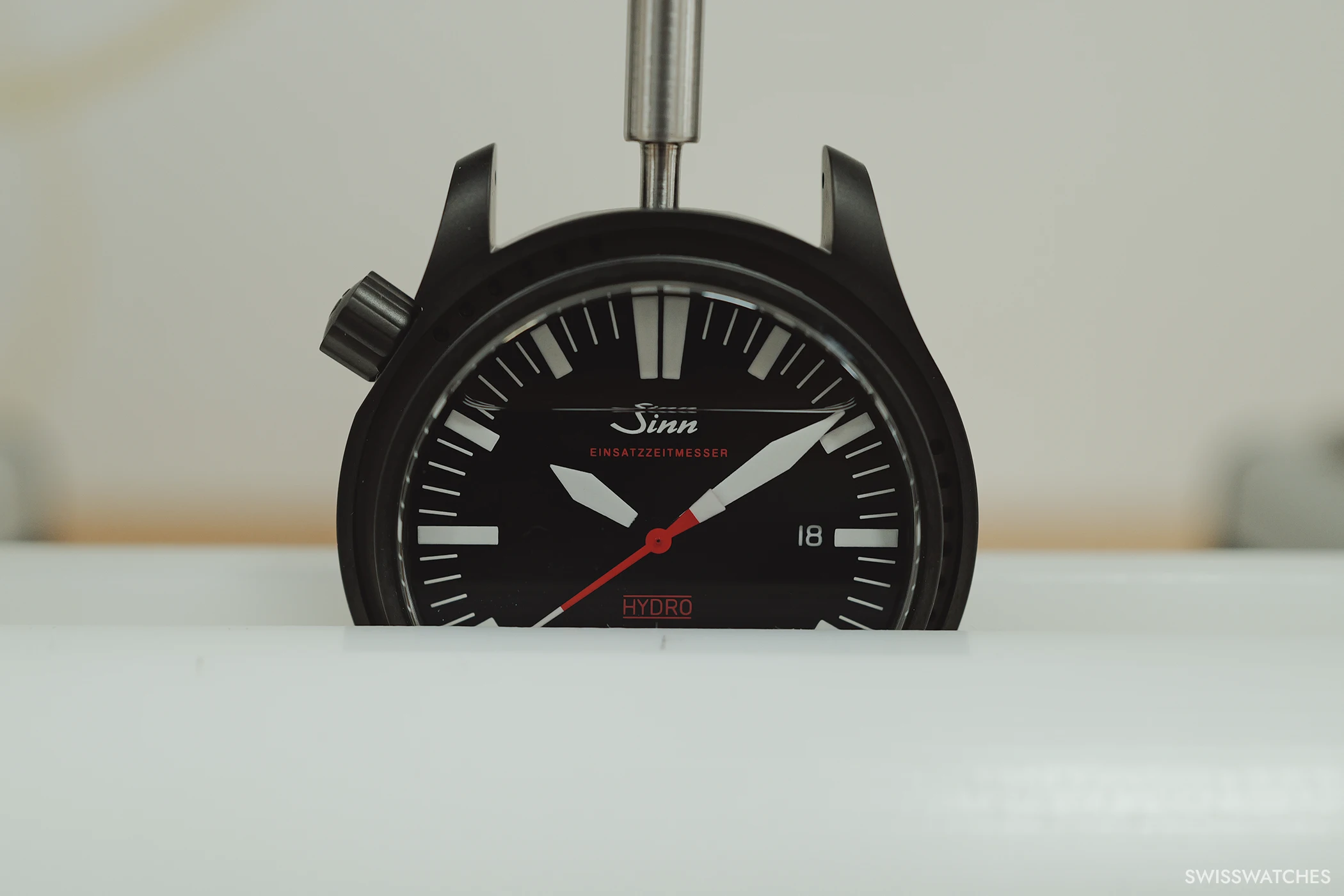
Since there is no longer any moisture-laden air inside the case, condensation cannot form on the glass when the temperature drops (cold shock). Another positive aspect is that the oil makes the red paint on the dial, as well as the indices and hands, stand out much more clearly, thus increasing readability.
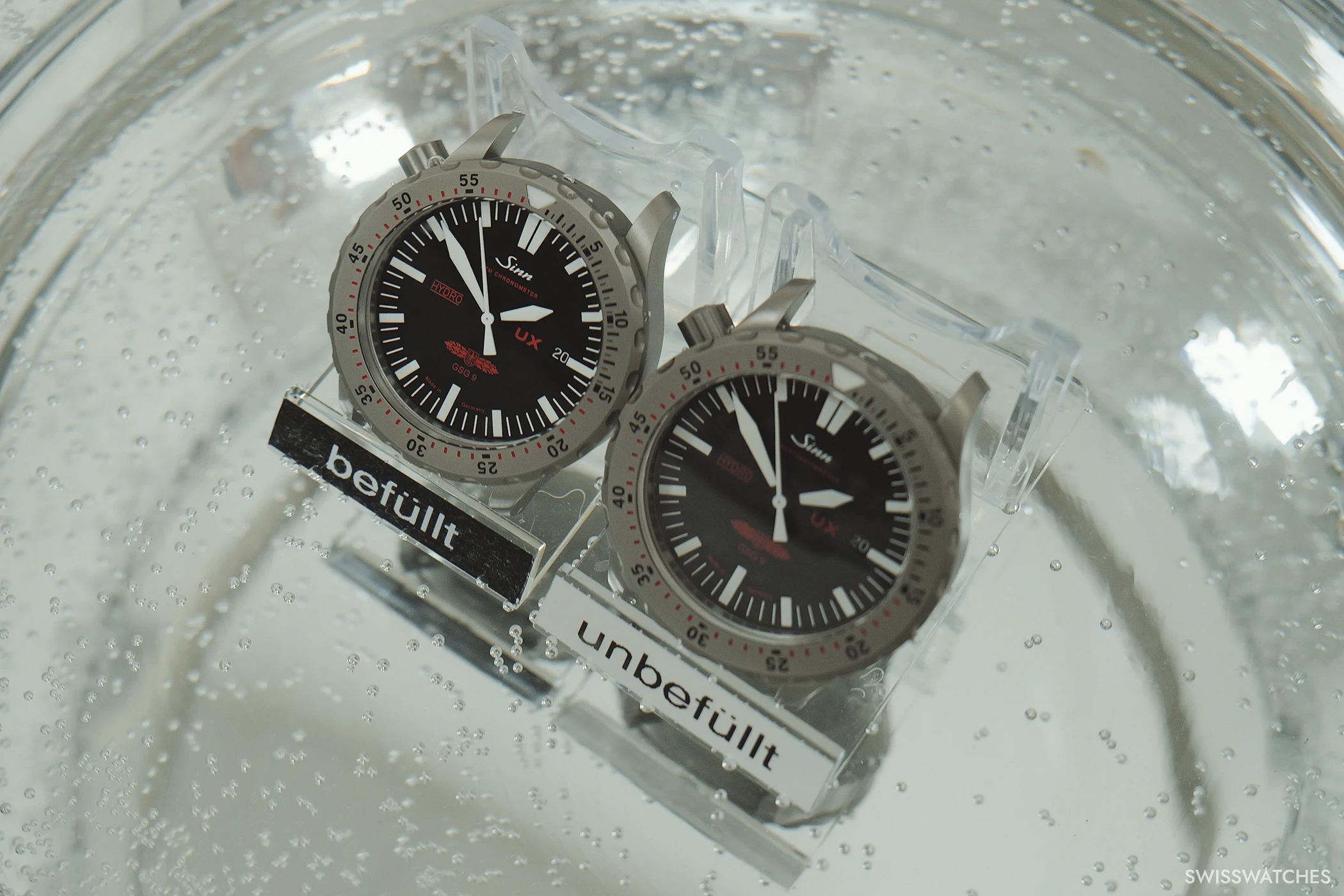
However, it must be mentioned that this extreme functionality requires a technical compromise: mechanical movements cannot overcome the balance wheel oscillation due to the high damping of the liquid. Therefore, HYDRO watches are always equipped with quartz movements, unfortunately.
Admittedly, I don’t fully understand the complexity and challenges involved, but wouldn’t it be sensational if the movement could be completely ‘immersed’ in oil, perhaps making lubrication unnecessary in the future and significantly delaying the overhaul cycle? The technicians at Sinn would probably smile at my romantic optimism.
Tegiment technology, first introduced in 2003 with the Duochronograph 756, serves to increase scratch resistance. The principle here is not to apply a coating, but to harden the surface of the base material (e.g. stainless steel) itself using a special process. This creates a hardened protective layer (Latin: tegimentum) whose degree of hardness is many times higher than that of the base material.
The technology also forms the basis for black hard coating (DLC coatings or similar). Such hard colour coatings tend to flake off soft base materials under point loads – the so-called ‘eggshell effect’. The Tegiment surface, however, supports the hard coating with its continuous hardness gradient, which prevents chipping and significantly reduces wear on the coating.
Introduced in 1998 in the 203 Ti Ar diving watch, Ar-Dehumidifying technology was developed to solve a fundamental problem with mechanical watches: the ageing of lubricating oils due to diffusing air humidity. Moisture increases electrochemical corrosion, abrasion and friction in the movement, which has a negative effect on accuracy.
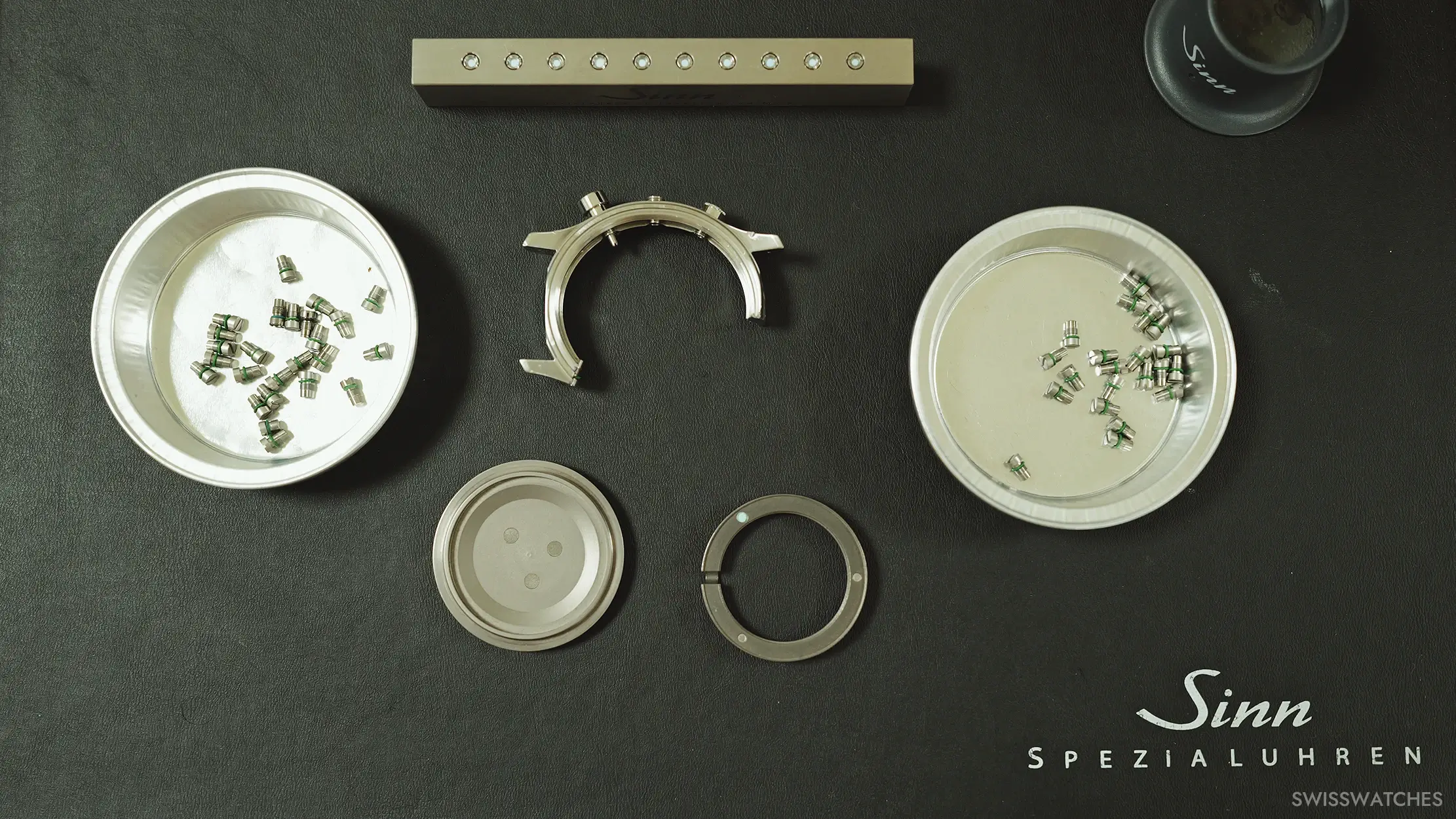
The technology is based on a system consisting of three elements that store the movement in a virtually dry protective gas atmosphere:
The drying capsule: The core component, filled with copper sulphate, which absorbs and permanently binds air humidity. As copper sulphate changes colour from light blue to deep blue as the water content increases, the colour serves as a visual indicator of the capsule’s saturation level.
EDR seals: Extreme diffusion reduction (EDR) of the sealing materials reduces the penetration of air humidity to up to 25% of the value of conventional seals.
Protective gas filling: The protective gas filling is introduced after the watch has been assembled and creates ideal starting conditions for the Ar dry-keeping technology, as there is no longer any air inside the case.
The combination of these measures significantly slows down the ageing process of the oil, extends functional reliability and prevents the cover glass from fogging up in cold shocks.
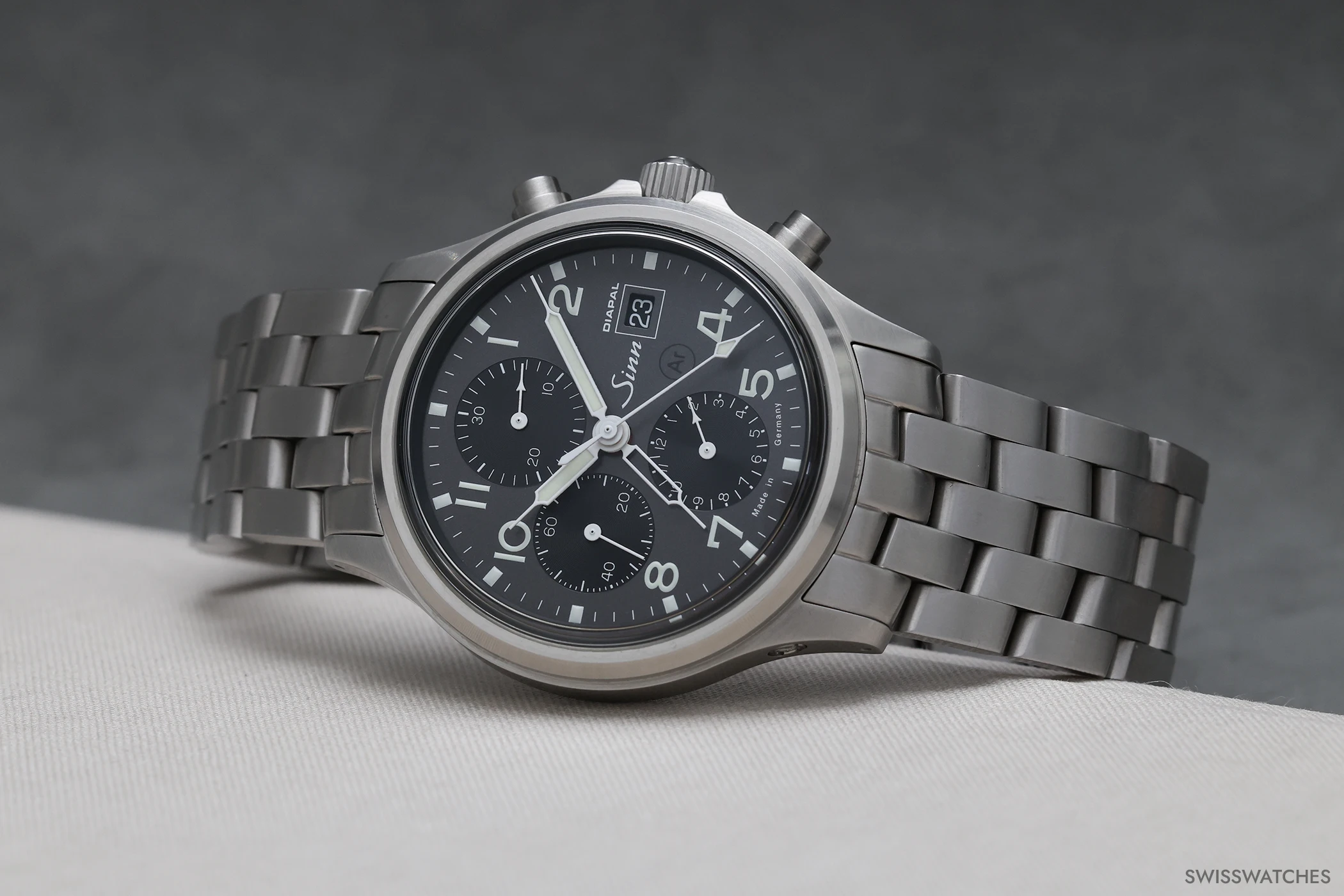
While Ar technology slows down oil ageing, DIAPAL technology (DIAPAL stands for diamond pallets), introduced in 2001, takes it one step further by eliminating oil at the most sensitive point of the watch.
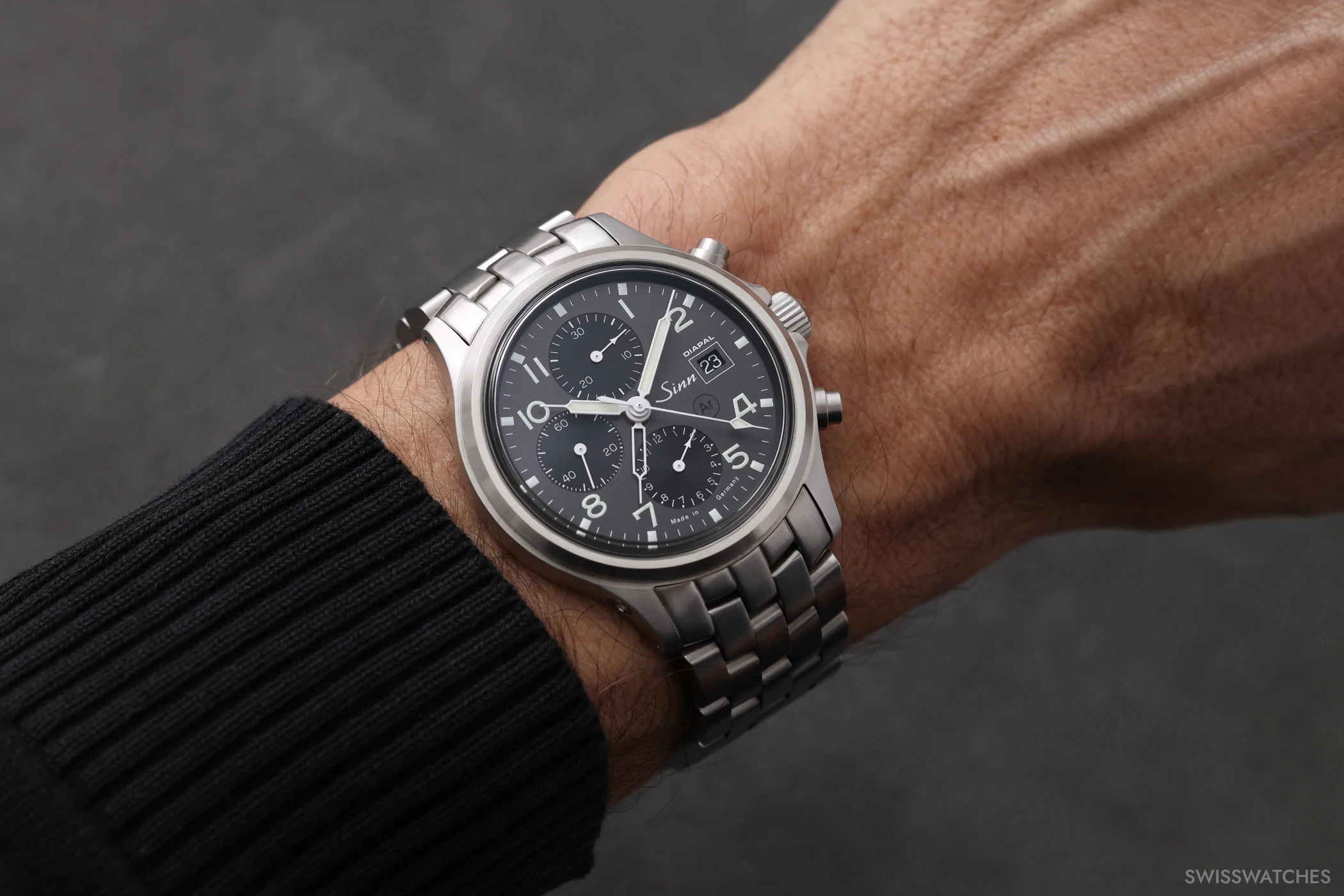
In Swiss anchor escapements, which are the parts of the mechanism that have the greatest impact on timekeeping, oil was traditionally required to minimise friction between the ruby anchor pallets and the steel anchor wheel. Like many other watch manufacturers, Sinn has been researching lubricant-free alternatives since 1995. The DIAPAL system uses special nanotechnological material pairings (hence the name ‘diamond pallets’) that work together smoothly without any lubrication.
Avoiding oil at this critical point ensures long-term stable accuracy, as it eliminates the influence of oil ageing, which can lead to a significant drop in amplitude after three to five years.
Sinn’s brand philosophy is based on ensuring that its watches are reliable in all possible environmental conditions. This is something that not only end customers rely on, but also special police and military units. That is why Sinn has researched and introduced a range of other technologies in the field of temperature and magnetic protection.
The accuracy of mechanical watches is affected by extreme temperatures, as oils become more viscous in cold conditions and thin in hot conditions. In combination with Ar technology, the perfection of a specially developed oil (SINN Special Oil 66-228) has ensured that the mechanical functions of the movement remain reliable in a temperature range from -45°C to +80°C. In addition, the precise selection of dimensional tolerances for the movement parts is necessary to prevent malfunctions caused by the different thermal expansion of the various materials.
Magnetic fields (from motors, mobile phones, laptops, etc.) can magnetise the Nivarox balance springs used in the movement and cause significant accuracy errors. Sinn minimises these disturbances by designing a closed, soft-magnetic interior consisting of the dial, movement retaining ring and caseback. This protective shell reliably shields the movement up to 100 mT (80,000 A/m), significantly exceeding the requirements of DIN 8309.
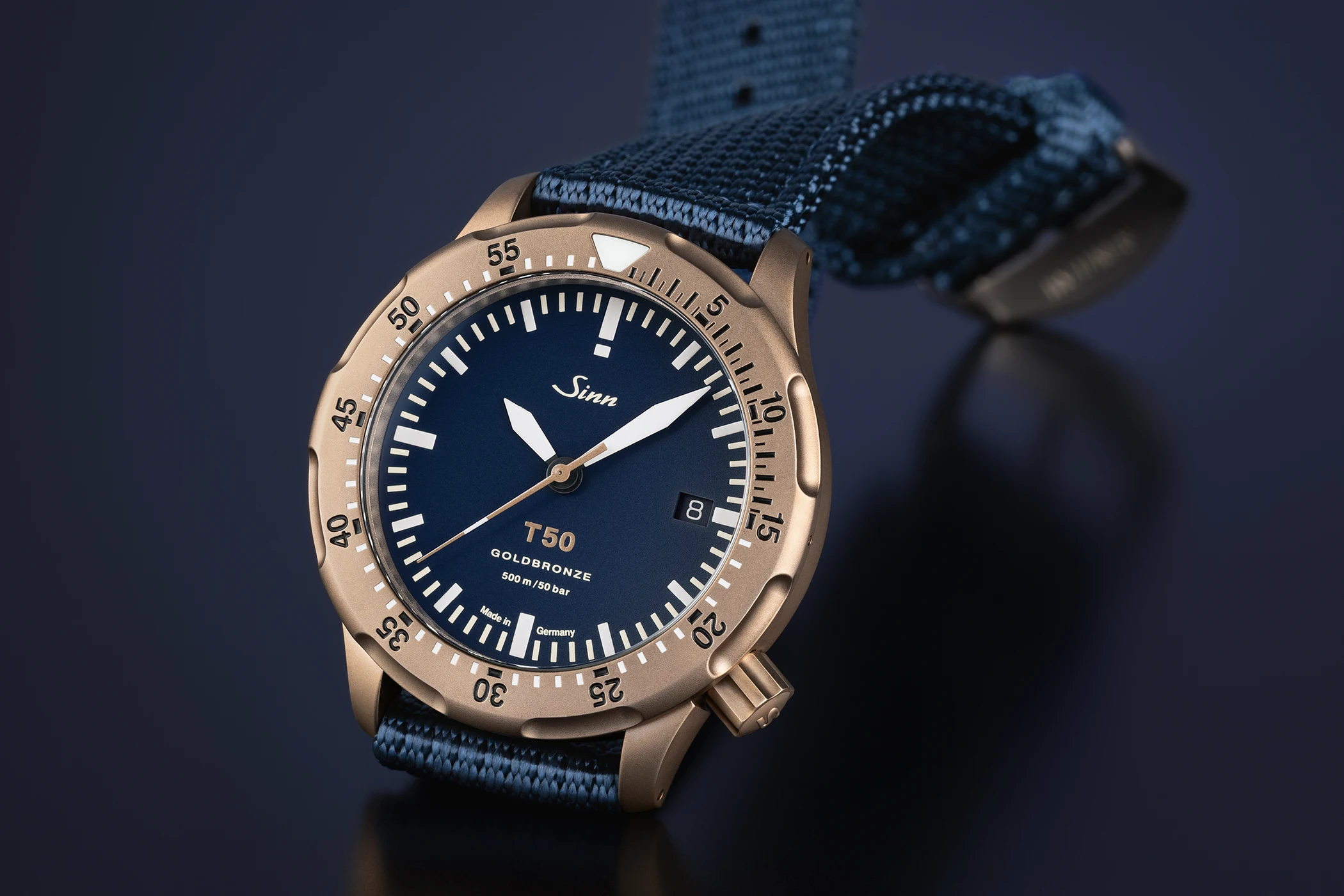
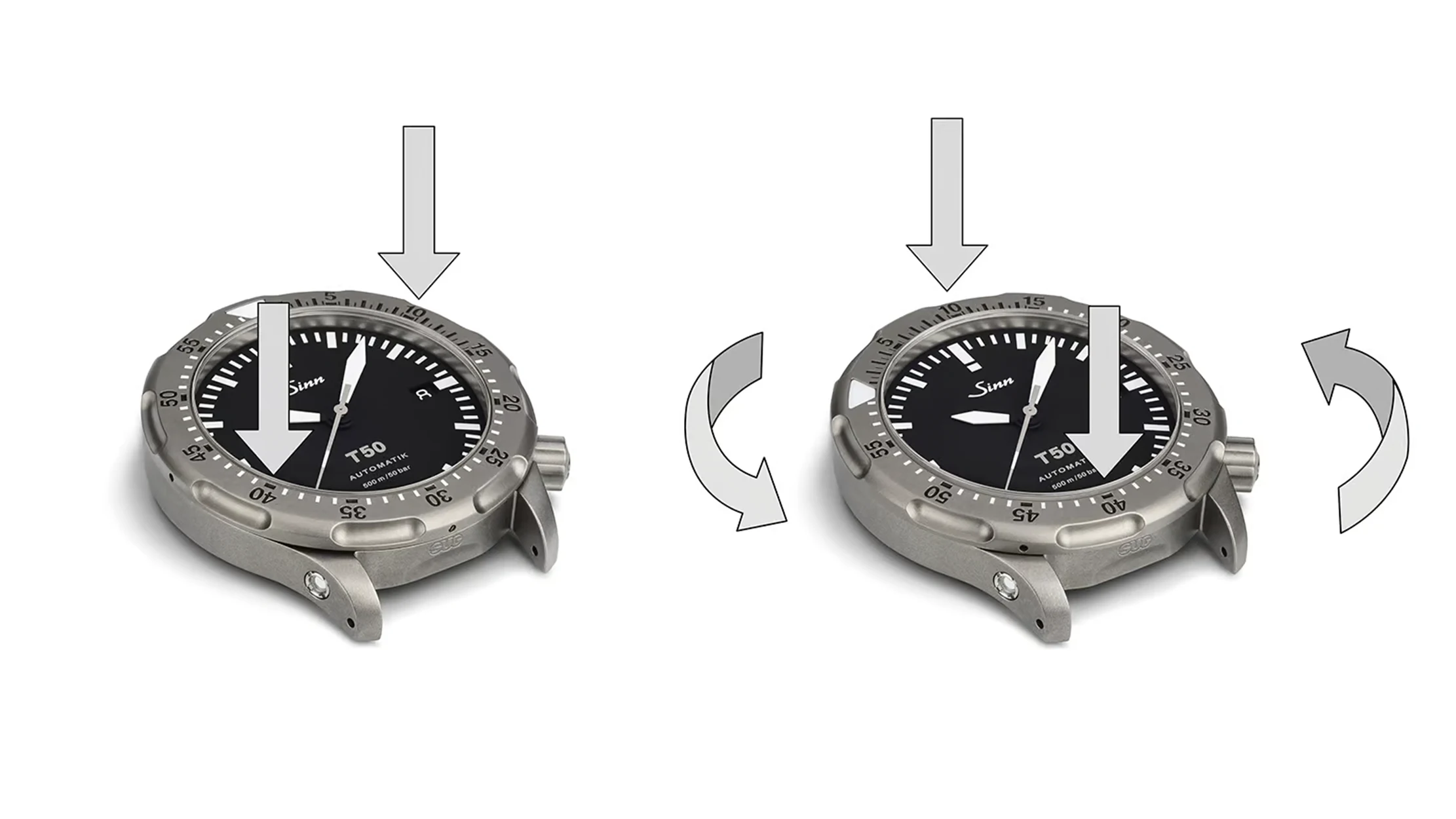
Accurate measurement of elapsed time is vital, especially for diving watches. Models such as the T50 feature a design that not only makes the bezel impossible to lose, but also prevents accidental adjustment with a twist lock, exceeding the minimum requirements of DIN 8306.
During our visit, we naturally asked ourselves which movements are used in Sinn watches. As mentioned briefly at the beginning, the new watches are produced at the headquarters in Frankfurt-Sossenheim. The watchmakers employed there work according to the principle of one watchmaker per watch. In addition, the watchmakers often have to visit in-house laboratories to implement technologies and carry out testing procedures.
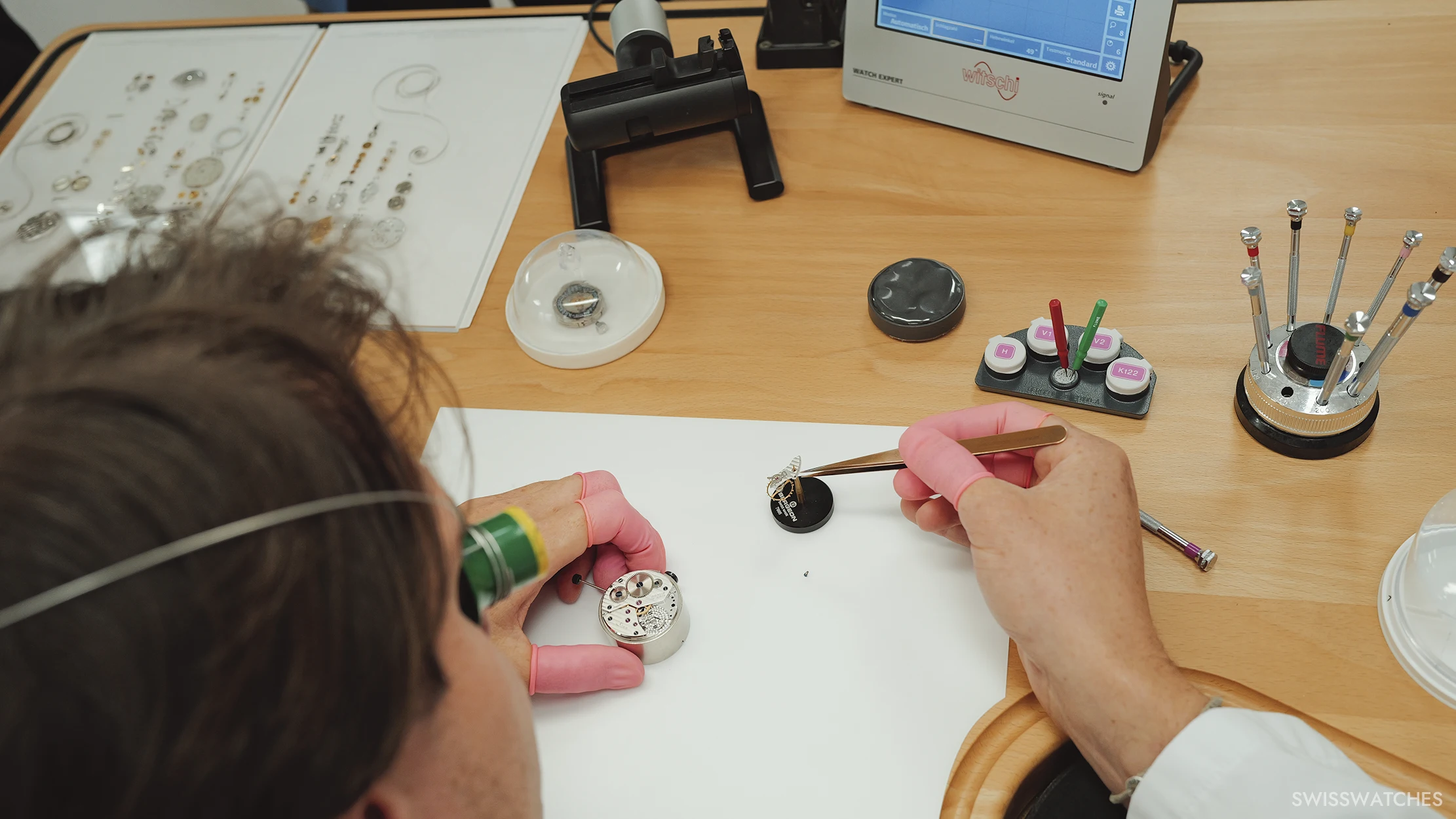
The movements are sourced from external manufacturers at the highest quality level available. Suppliers include Sellita, La Joux-Perret and Conzepto. Since ETA has severely restricted its deliveries to third parties, diversification of movements has become necessary.
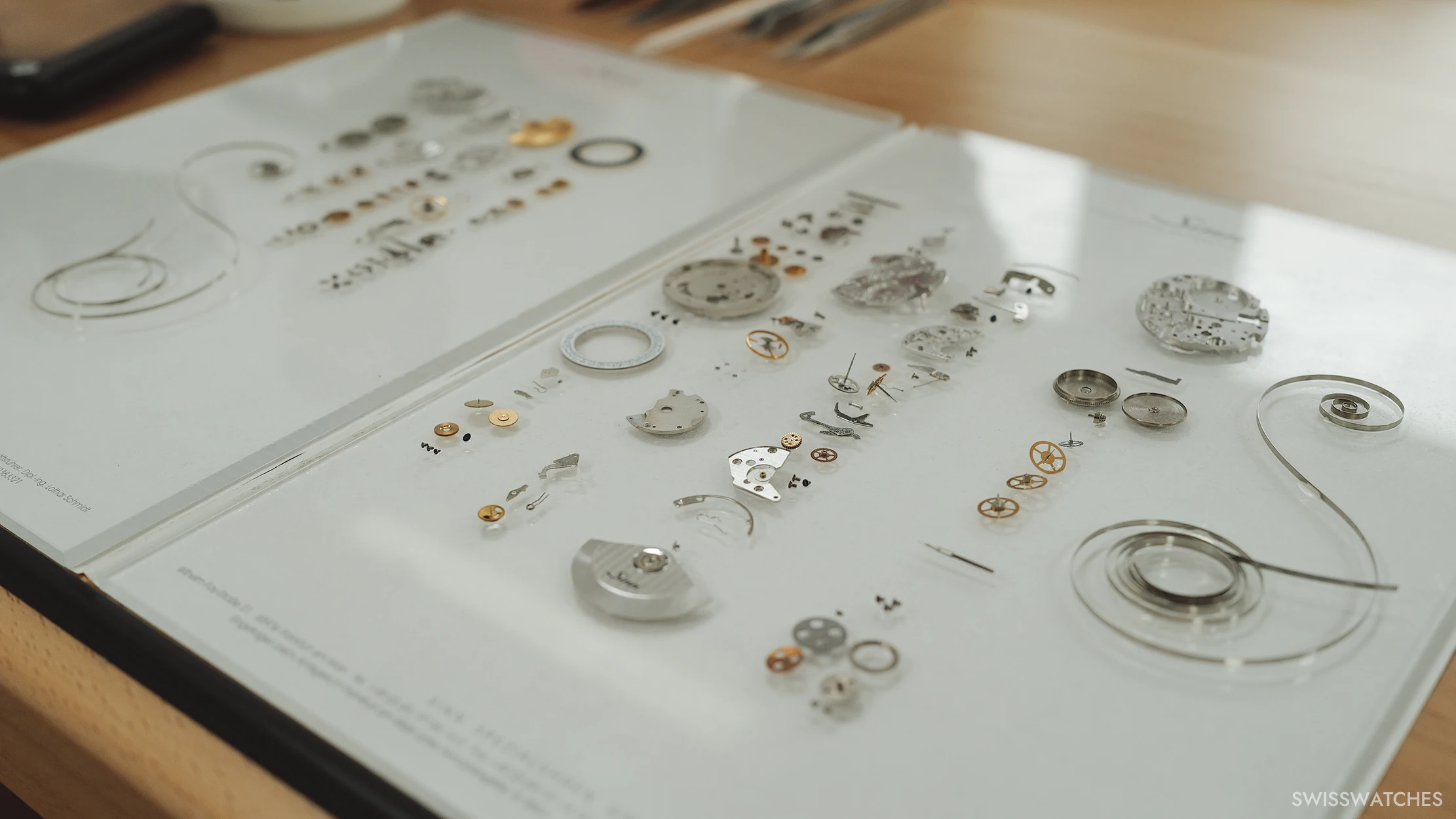
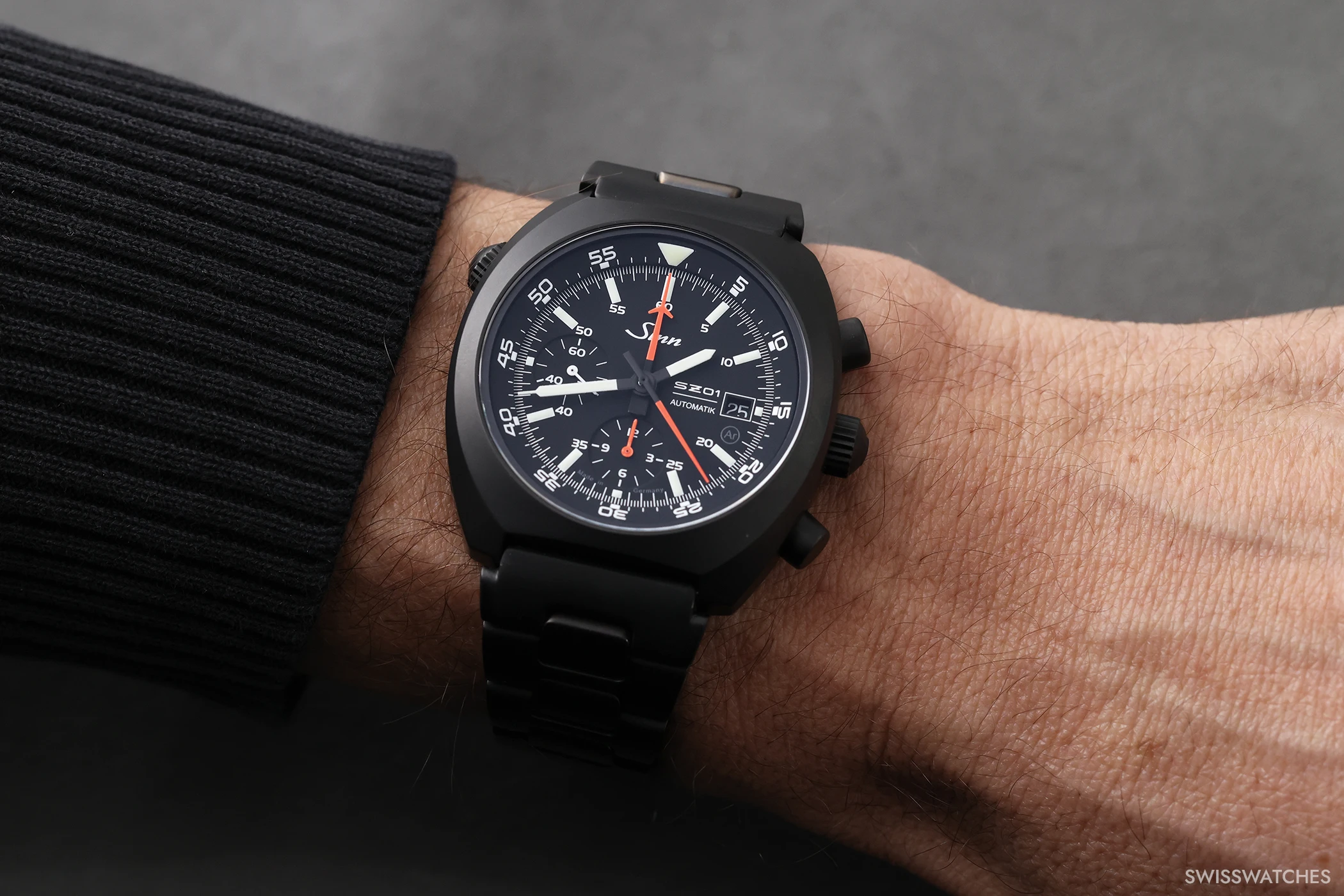
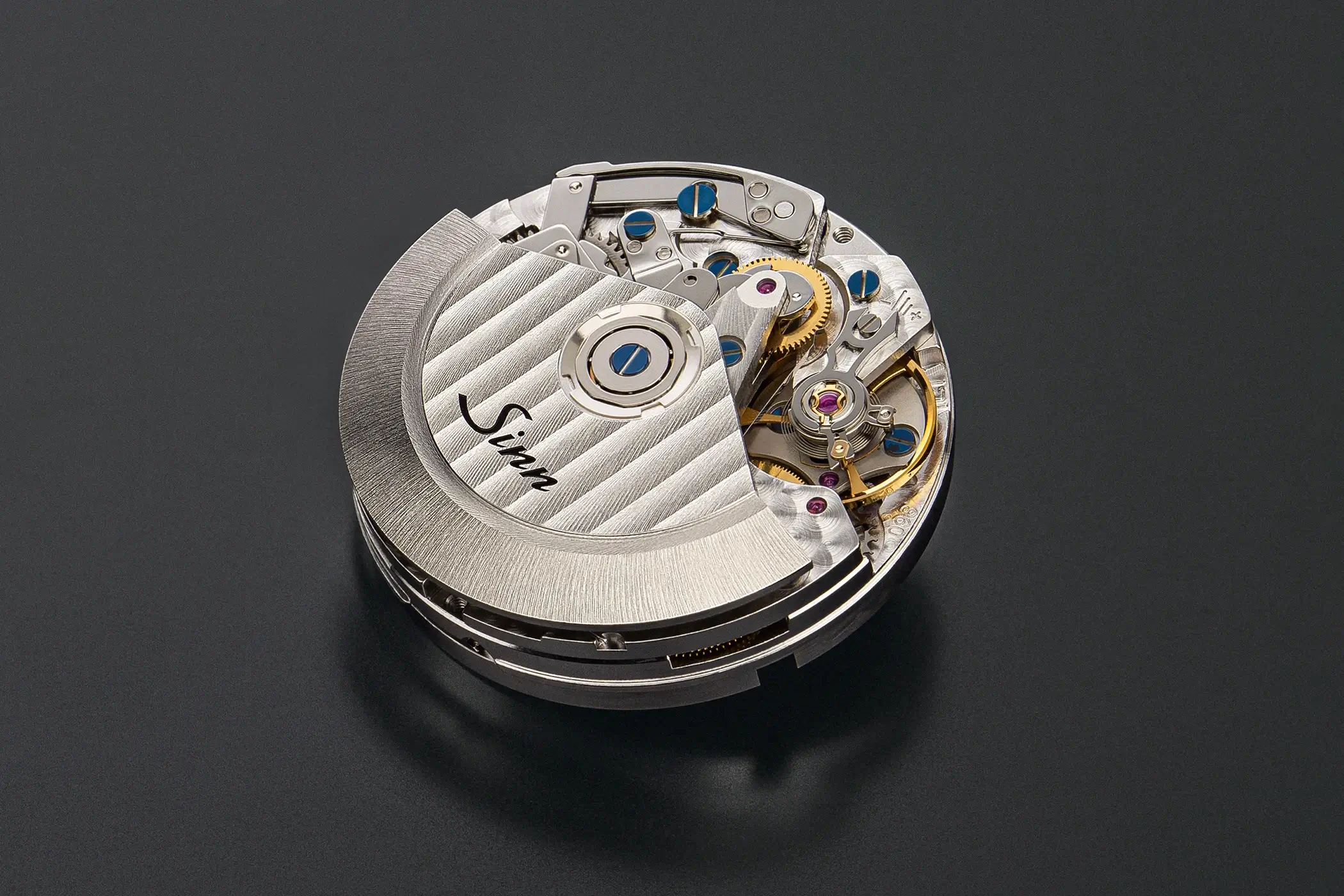
A key aspect of Sinn’s watchmaking expertise is the targeted modification and further development of the highest quality Swiss movements to create specific functionalities for each application. These in-house movement modifications are designated with the abbreviation ‘SZ’ and demonstrate that the manufacturer’s expertise extends far beyond its own technologies and case production.
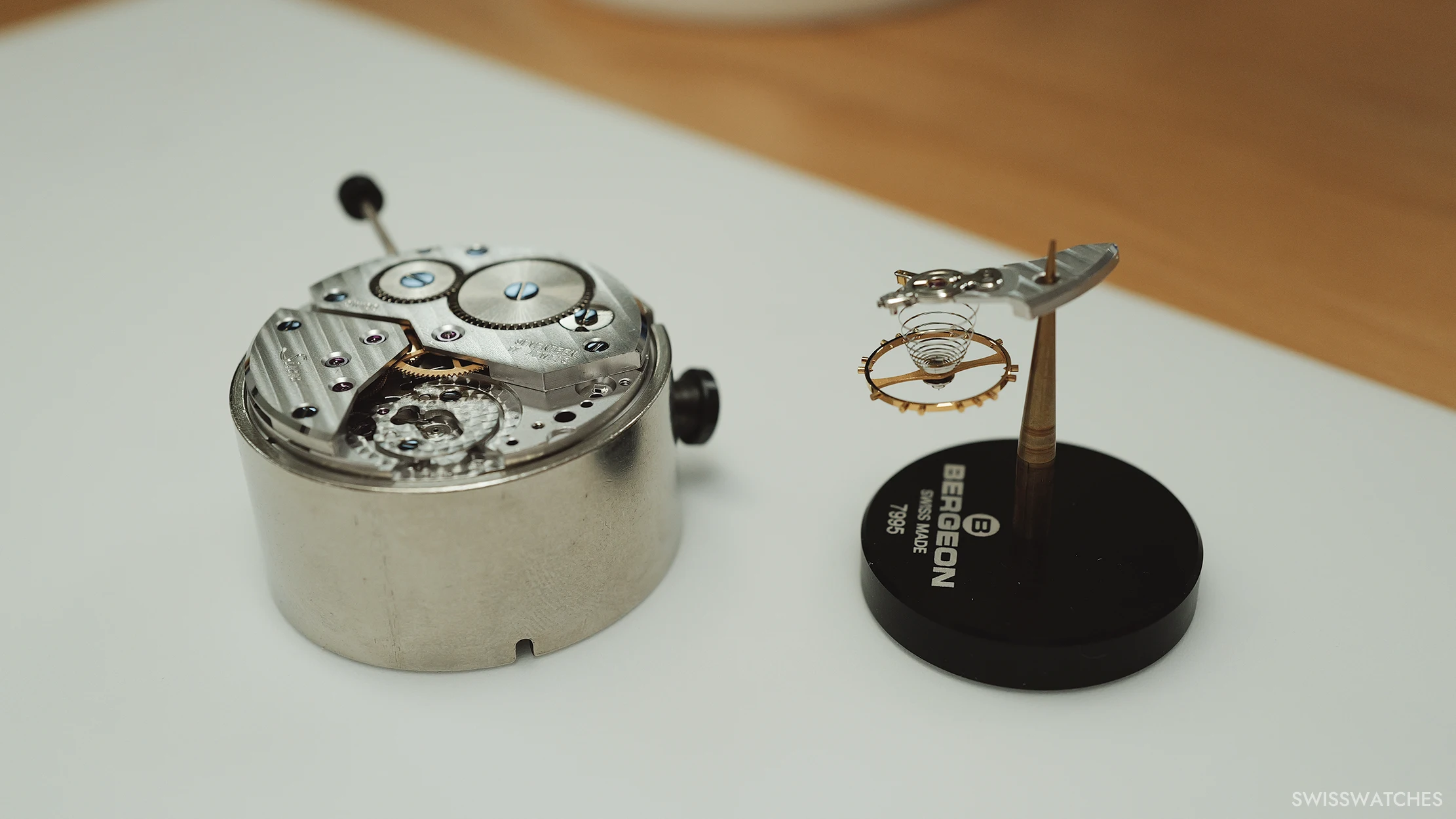
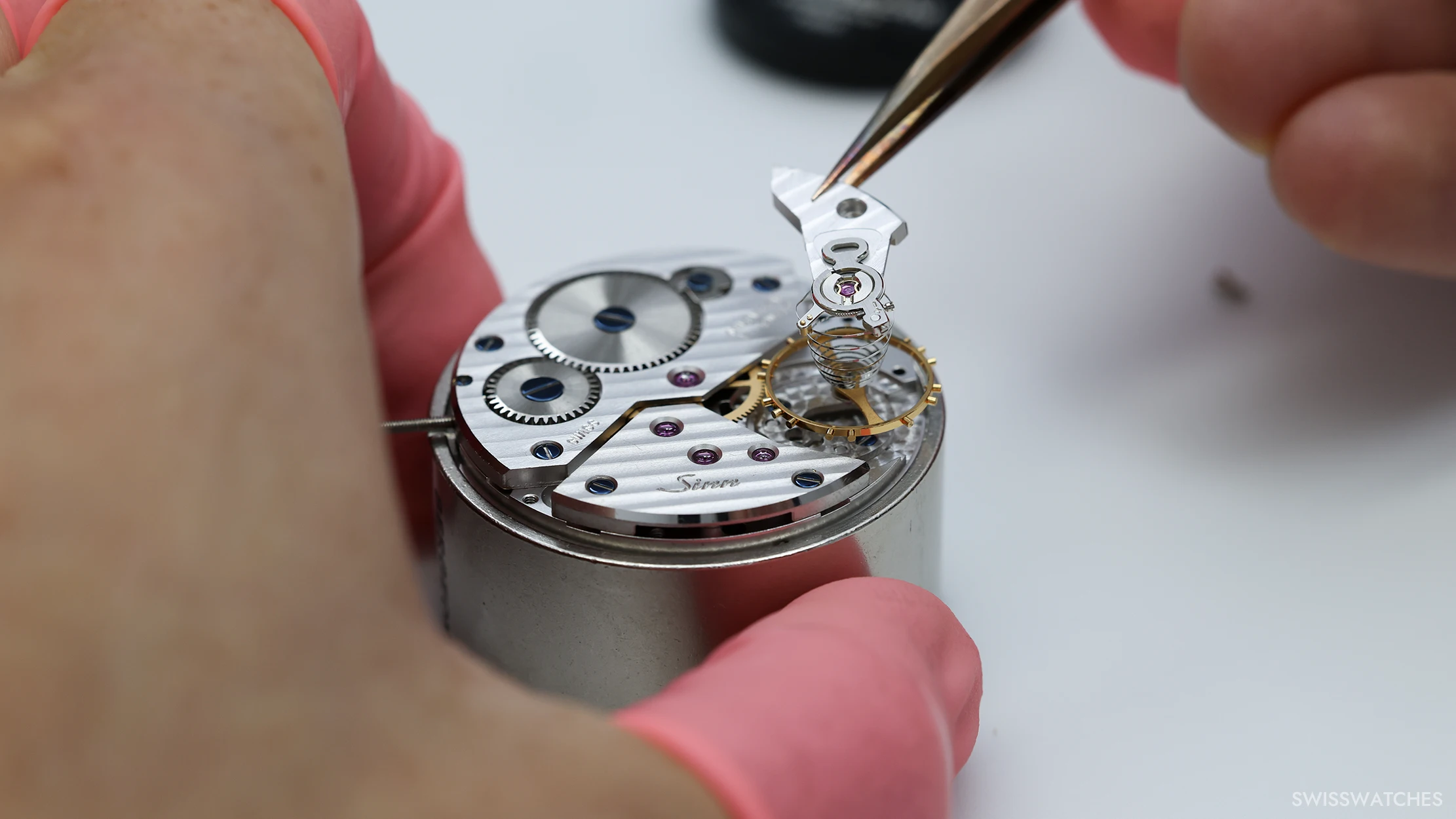
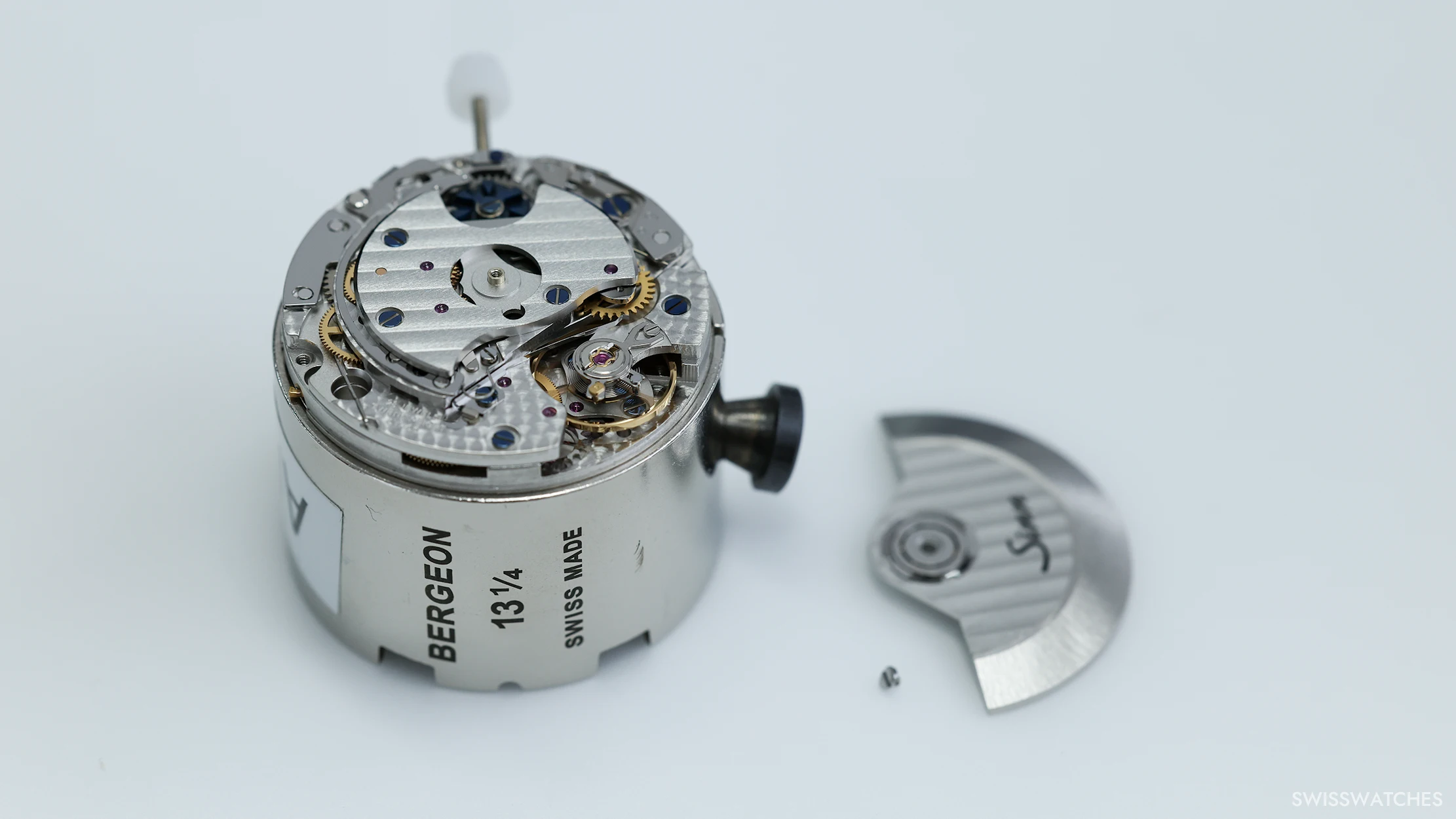
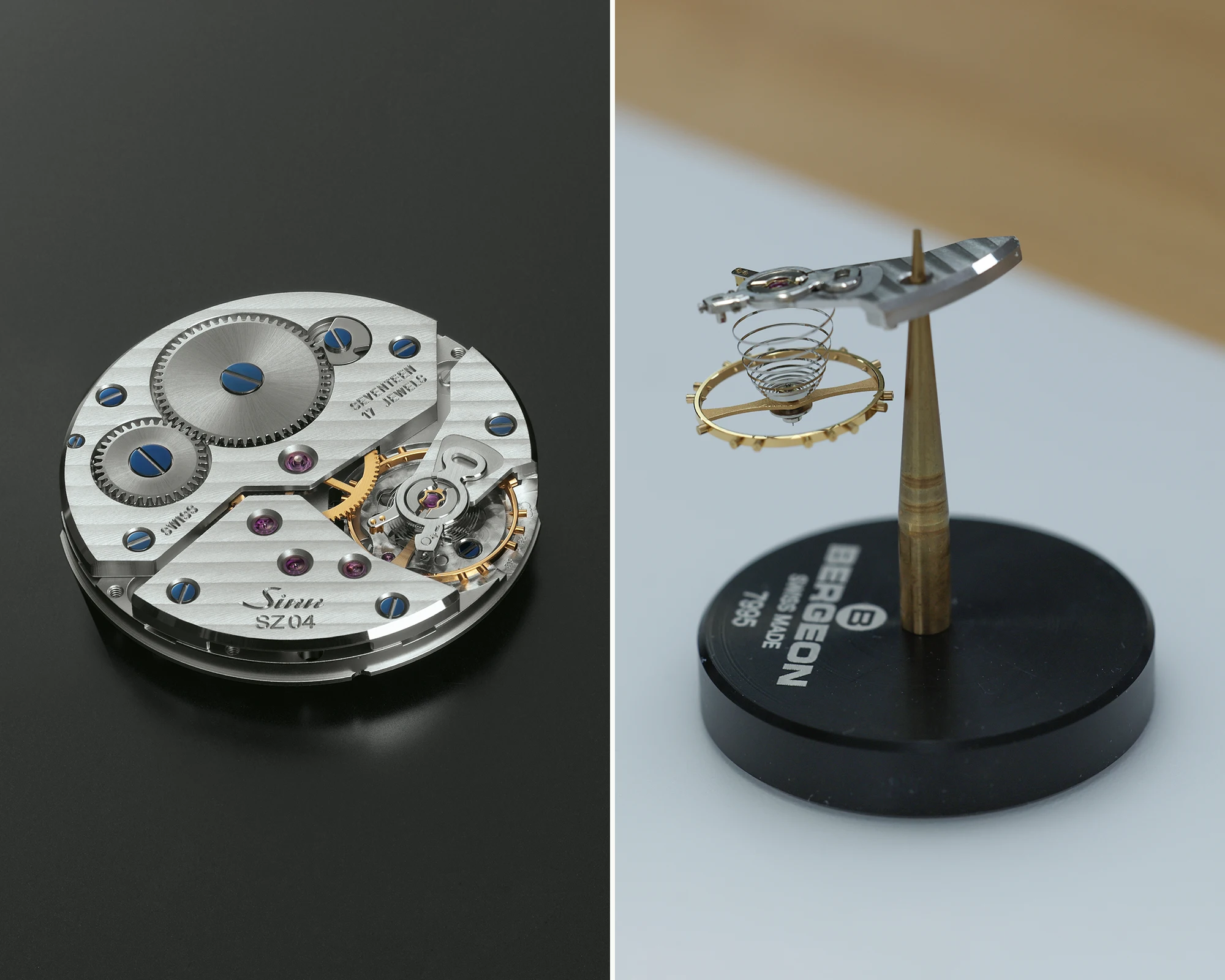
An early example is the SZ04 hand-wound movement, which was developed in 2006 for the 6100 REGULATEUR model series. It is based on the Unitas 6498 pocket watch calibre. The main purpose of the conversion was to enable the regulator display – a configuration in which the minute dominates the centre and the hour and second are decentralised. The SZ04 also features a seconds-stop function and is equipped with high-quality movement components such as a Glucydur screw balance and a Triovis fine adjustment system.
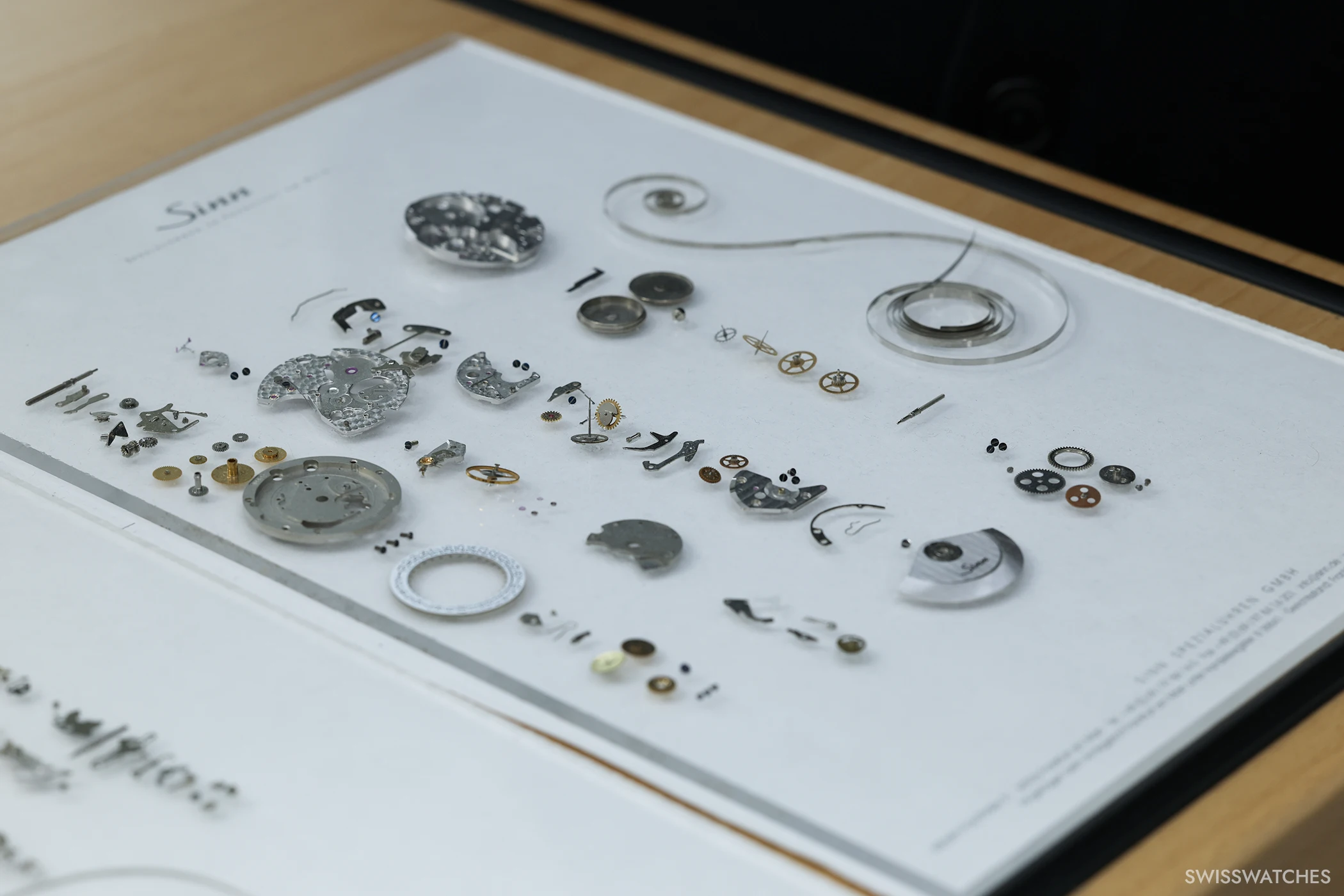
The SZ01 chronograph movement is an evolution that prioritises readability. Development began in 2003, with the legendary Lemania 5100 – known for its clear and unambiguous readability – serving as a model. The SZ01 is designed to enable a jumping 60-minute stop hand to be displayed from the centre. This design significantly simplifies, speeds up, and improves the accuracy of stop time recording. This movement is currently used in the 156.1, 717, 140 St and 140 St S chronographs.
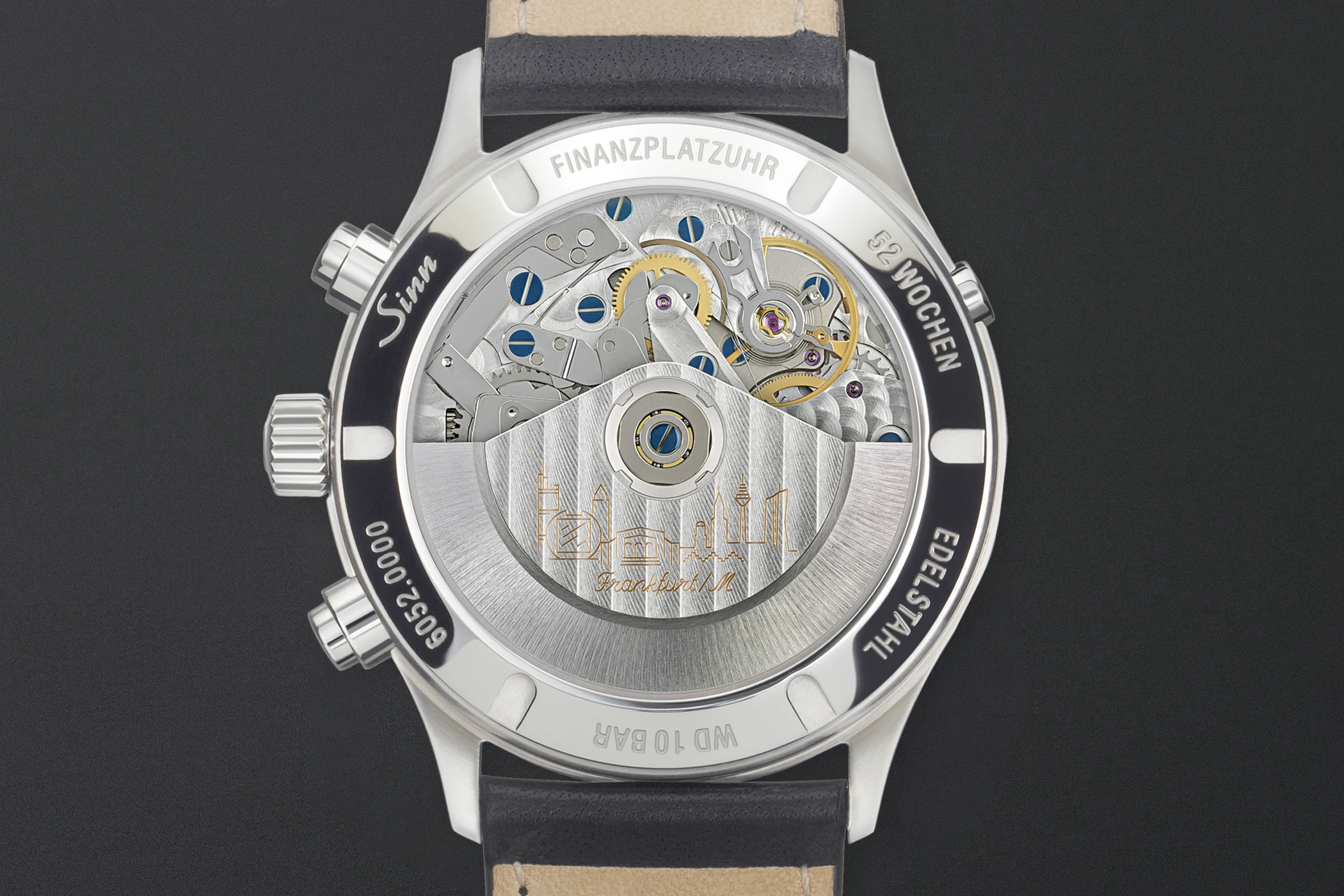
The SZ03 movement was developed for the Frankfurt financial centre watches (more on this in a moment) and was first used in the 6052 in 2014. The function of this conversion is to display the calendar week.
Sinn’s choice of case materials is certainly atypical for the watch industry. Rather than being motivated primarily by aesthetics, Sinn’s choice of materials always follows a specific set of requirements in order to maximise the robustness and durability of its special watches. Sinn uses materials that no other watch brand uses, such as submarine steel.
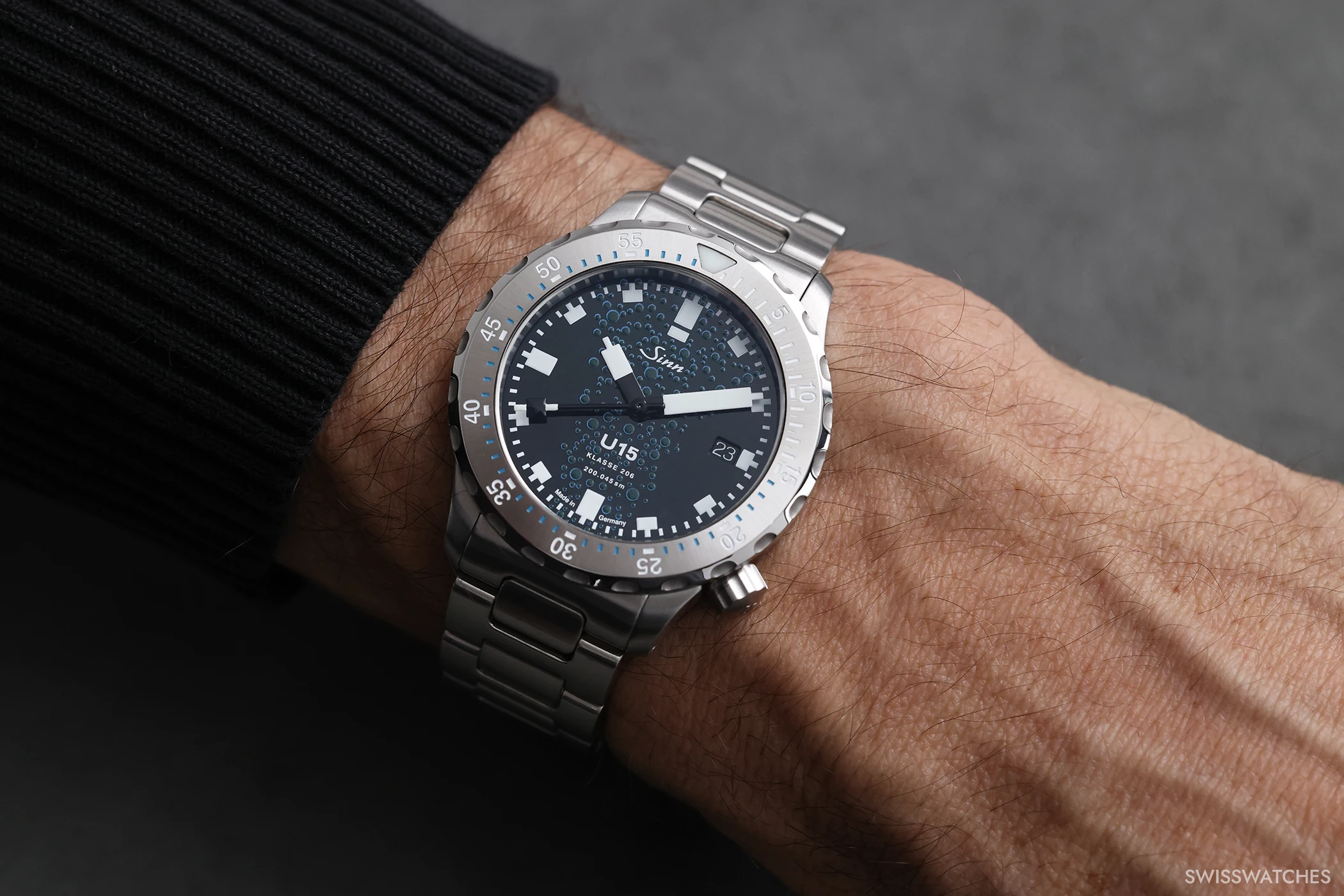
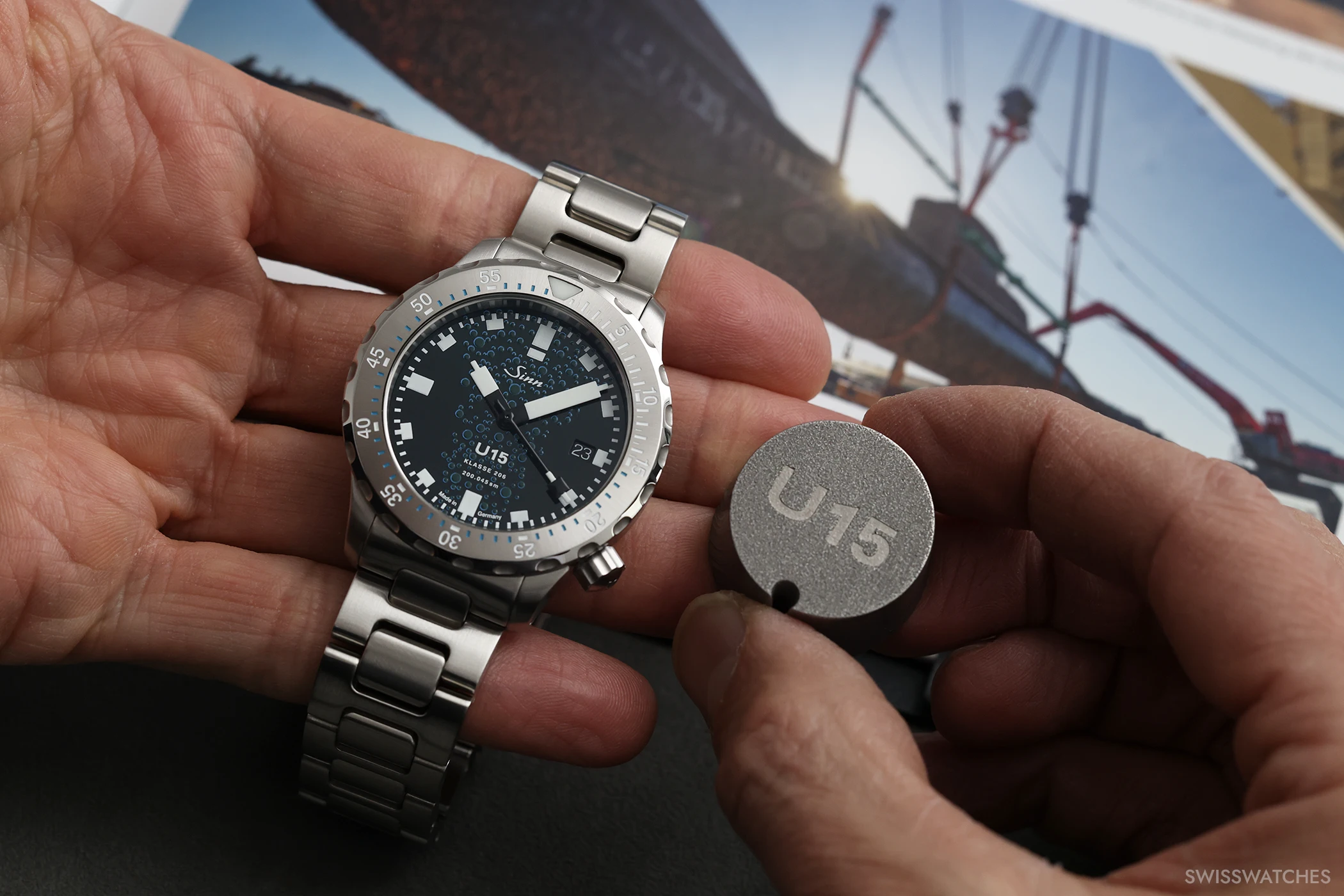
In 2005, German submarine steel was used for the first time in the cases of U-series diving watches. This special steel, developed by ThyssenKrupp, is also used for the outer hulls of German Navy submarines. It is characterised by its exceptionally high strength and natural non-magnetic properties, as well as its high seawater and crack resistance.
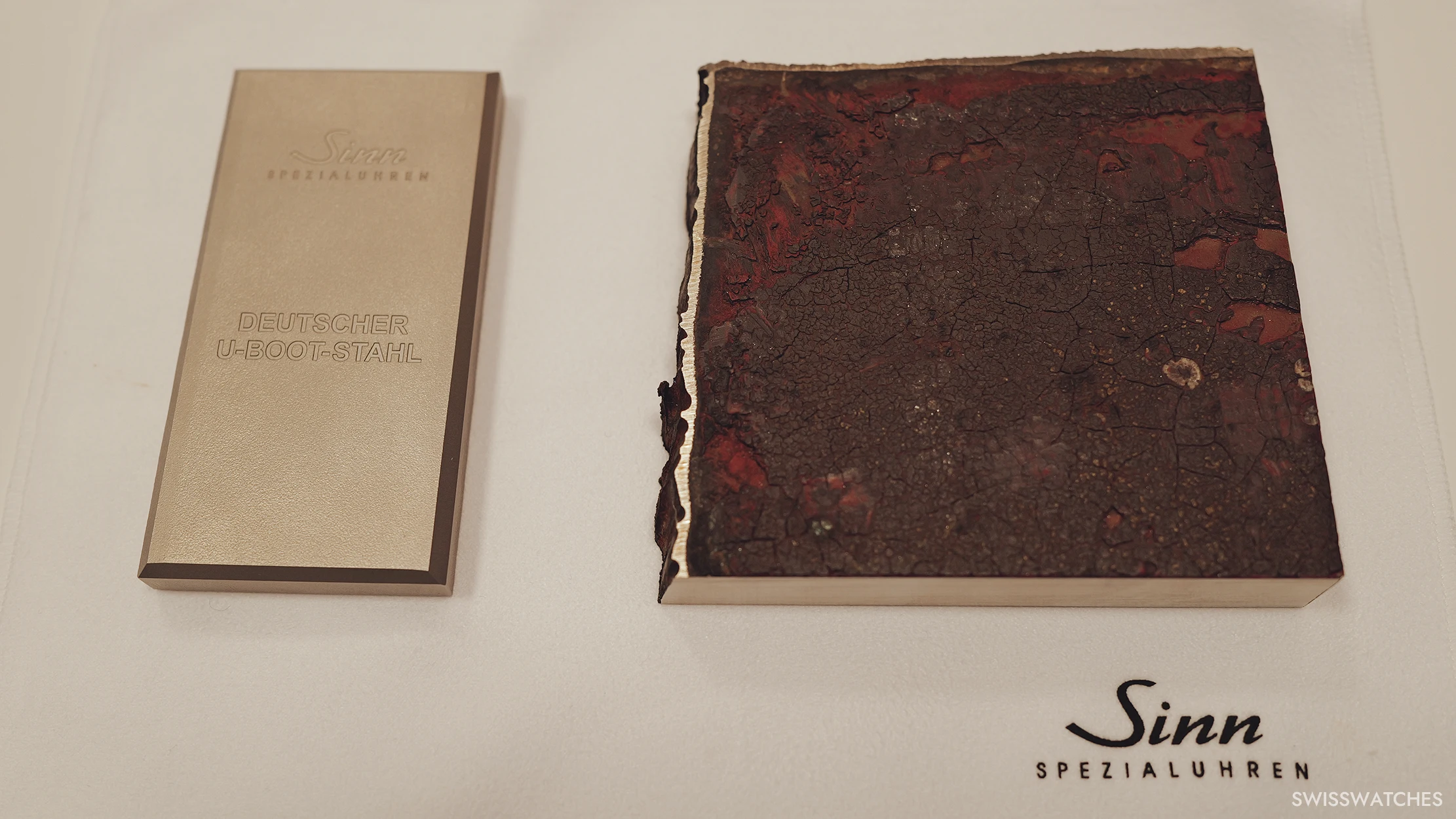
To celebrate the 20th anniversary of the Submarine Steel Diving Watches in 2025, the U15, U16 and U18 models have been released. Their cases are made from the original material of the decommissioned German Navy submarines U15, U16 and U18. During our visit, we were given the opportunity to take a closer look at some original submarine steel plates, which had been cut out of the decommissioned boats. Considering the enormous forces they are subjected to, it is amazing how thin the plates are – but this demonstrates the robustness of the material and the special challenges it poses in the manufacture of watch cases.
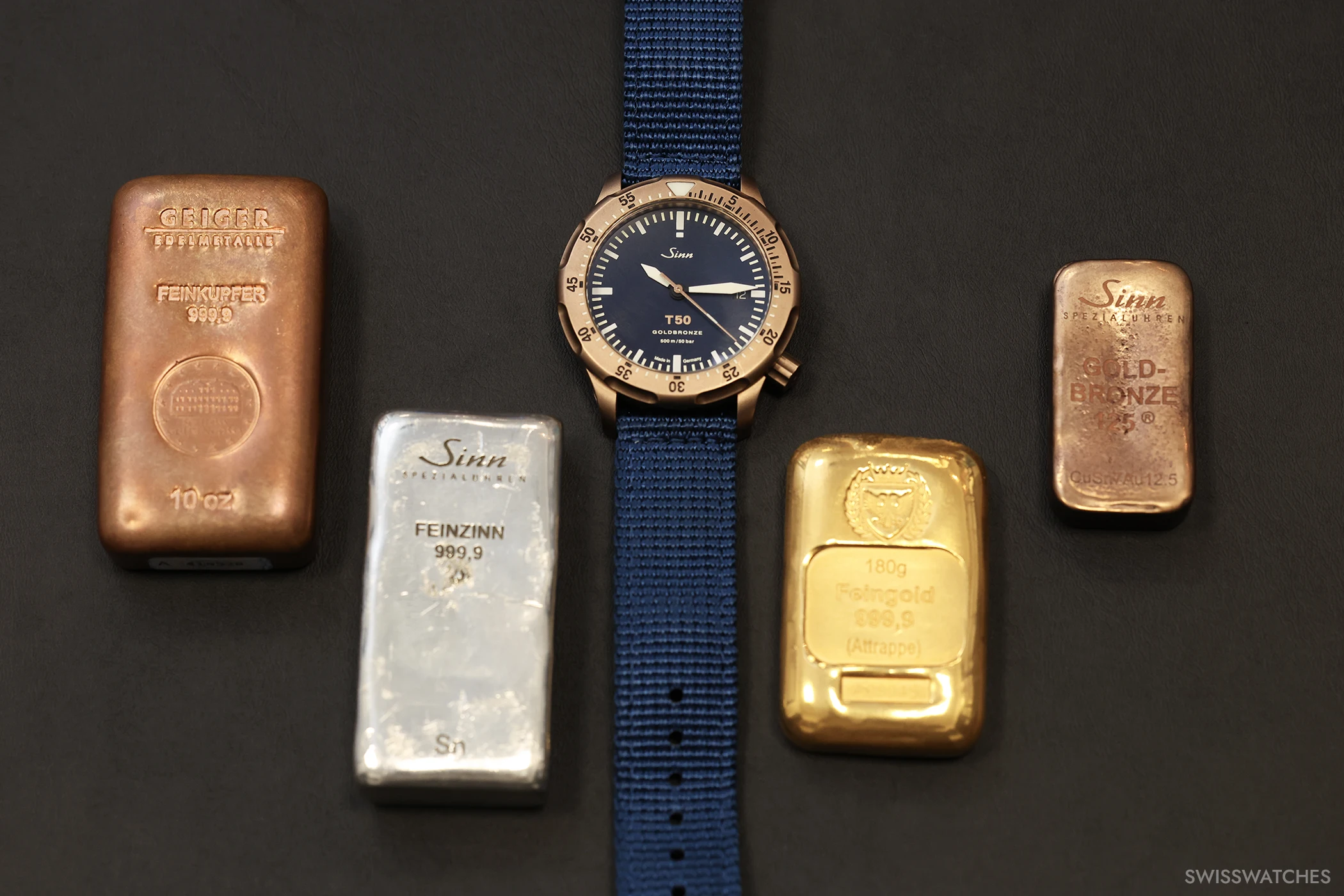
Bronze is popular in the world of watches, but often suffers from poor skin compatibility and standardised corrosion. Sinn developed and patented Goldbronze 125, an alloy consisting of one-eighth gold and an exceptionally high degree of purity in its other components. The result is improved skin compatibility and increased corrosion resistance to seawater.
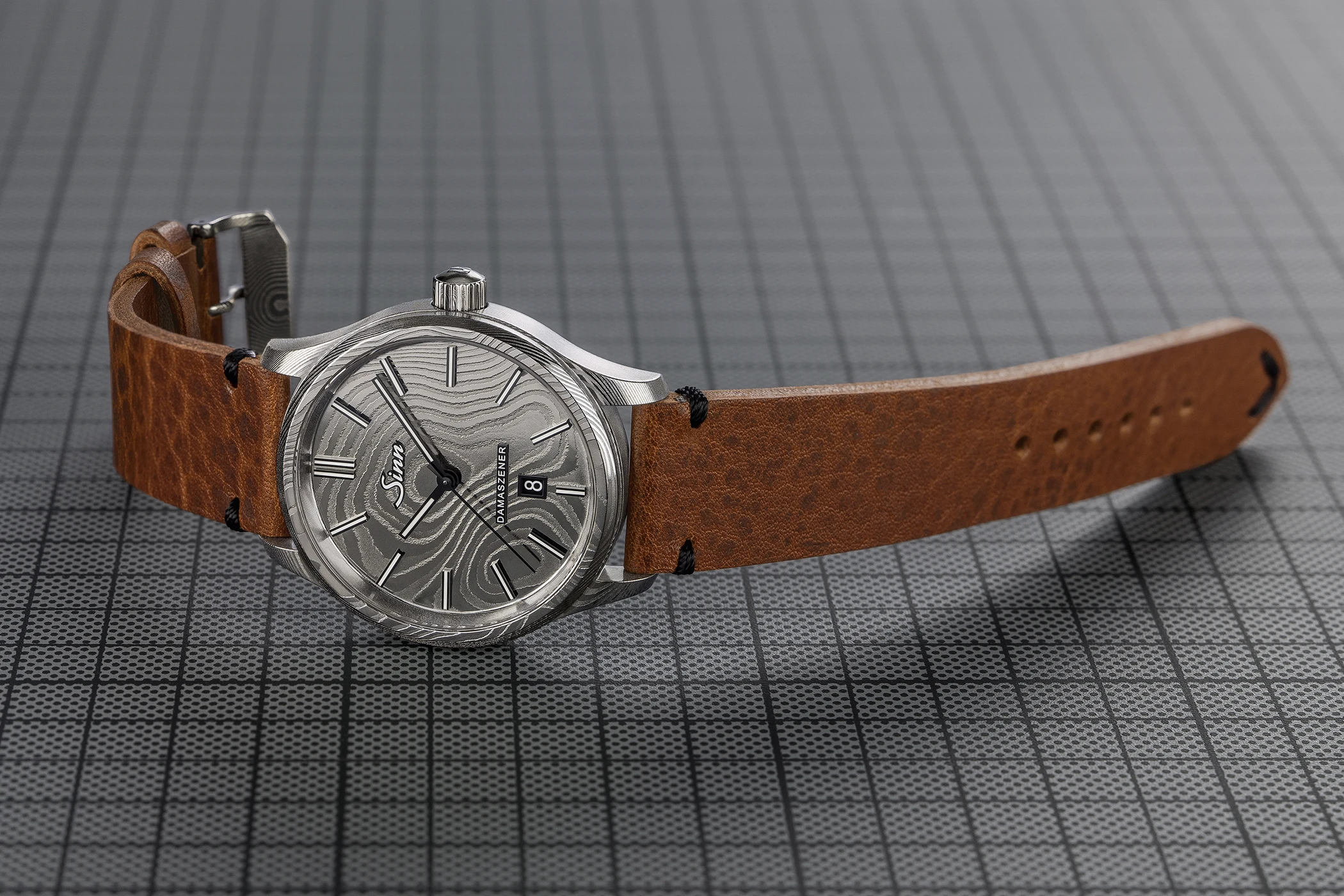
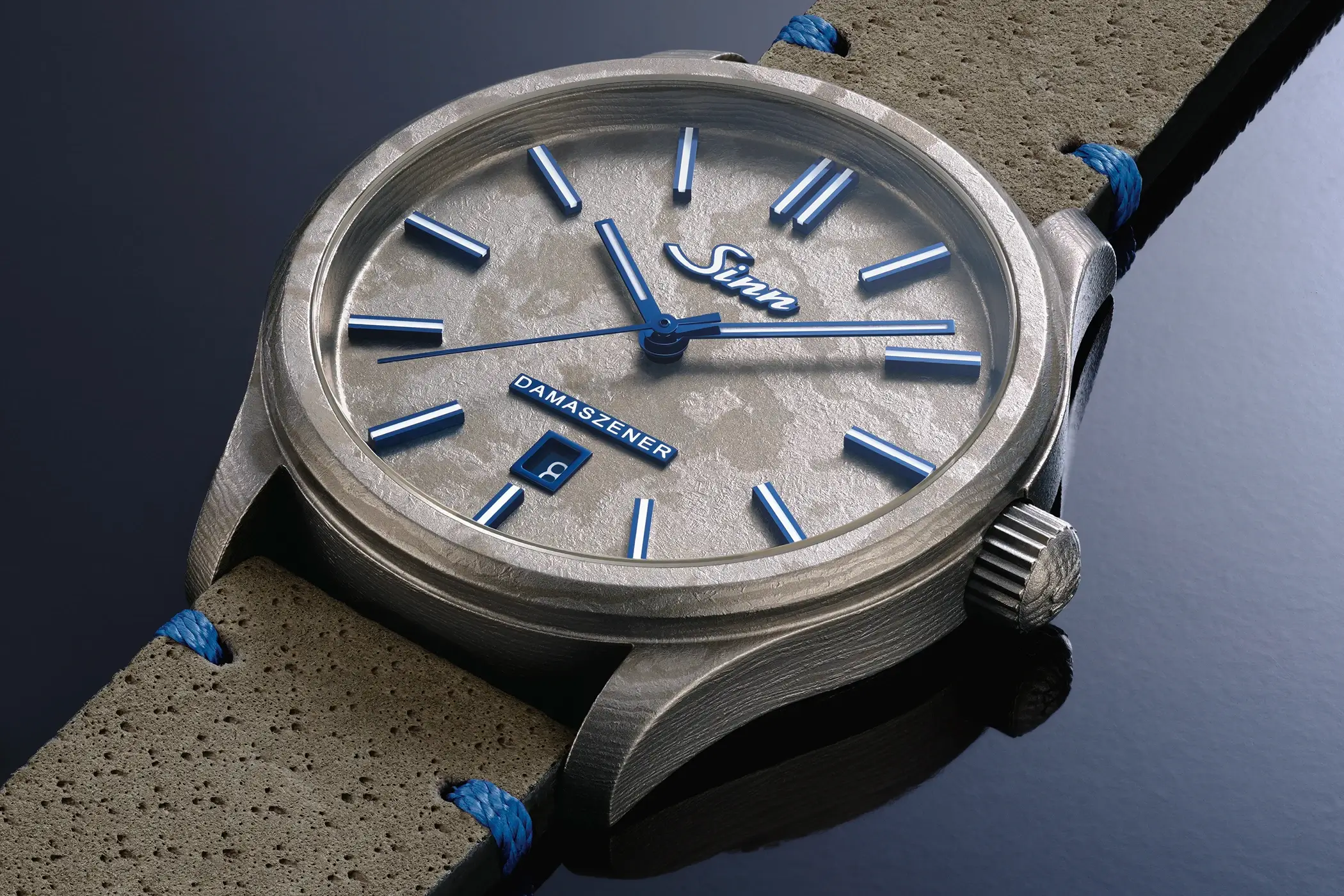
This material is a composite made from two different types of stainless steel that are inseparably bonded together by fire welding. The aesthetic, characteristic grain is made visible by special surface etching. To give this aesthetic material the necessary robustness, Damascus workpieces are additionally treated with TEGIMENT technology to increase scratch resistance.
A technologically advanced composite material made from pure grade 2 titanium and a high-strength grade 5 titanium alloy. Titanium is naturally highly compatible and lightweight.
A 935 silver alloy that mitigates the disadvantage of traditional silver, namely that it tarnishes quickly. Argentium forms a protective germanium oxide layer that significantly slows down the tarnishing reaction.
I confess that I lost track a little during our visit. The range is huge – and if you want to get an overview of all the collections and the many references for yourself, there is no better place than the company headquarters in Frankfurt. Here, there is a spacious showroom for direct sales – every customer is welcome. You can even drop off your watch for servicing or other service requests, as the customer service department is located right next door.
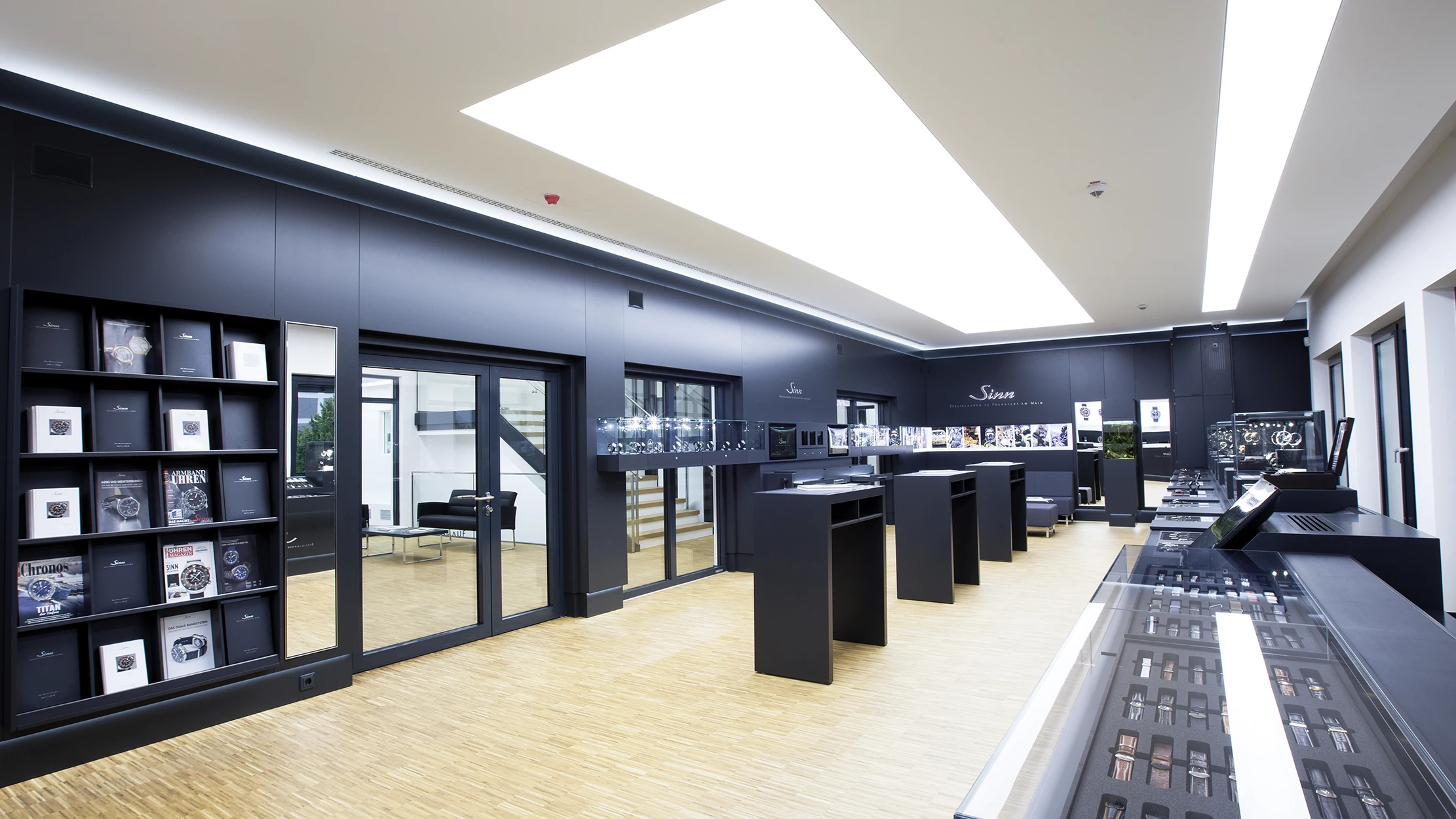
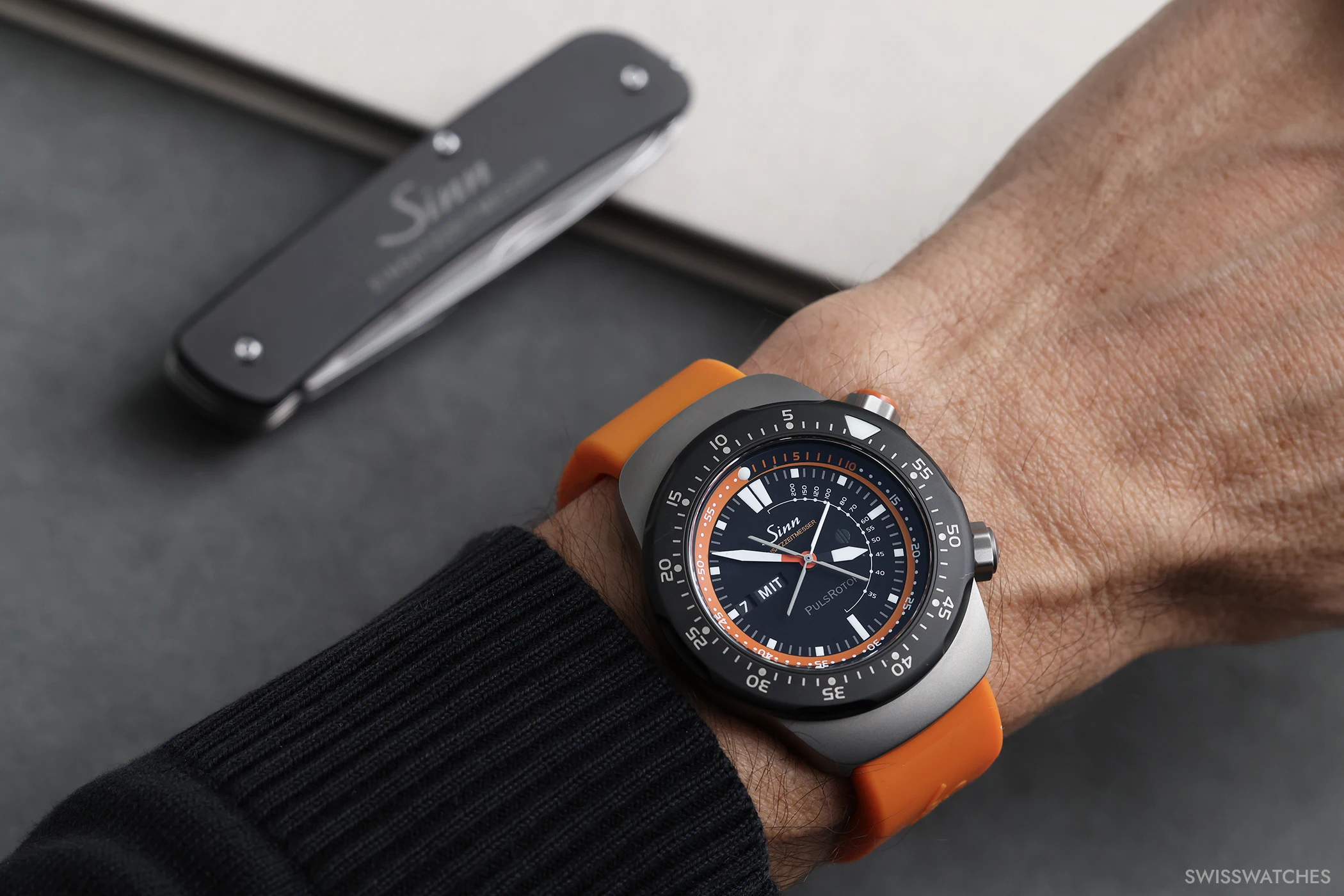
It is impossible to discuss all lines and references in detail, but the range can be divided into six lines: instrumental chronographs, instrumental watches, divers’ watches, classic masterpieces, ladies’ watches and Frankfurt Financial District watches.
Perhaps it can be summed up in one sentence that Sinn’s collections are strictly functionally segmented and reflect the wide range of applications for special watches – from military special forces to civil aviation and finance.
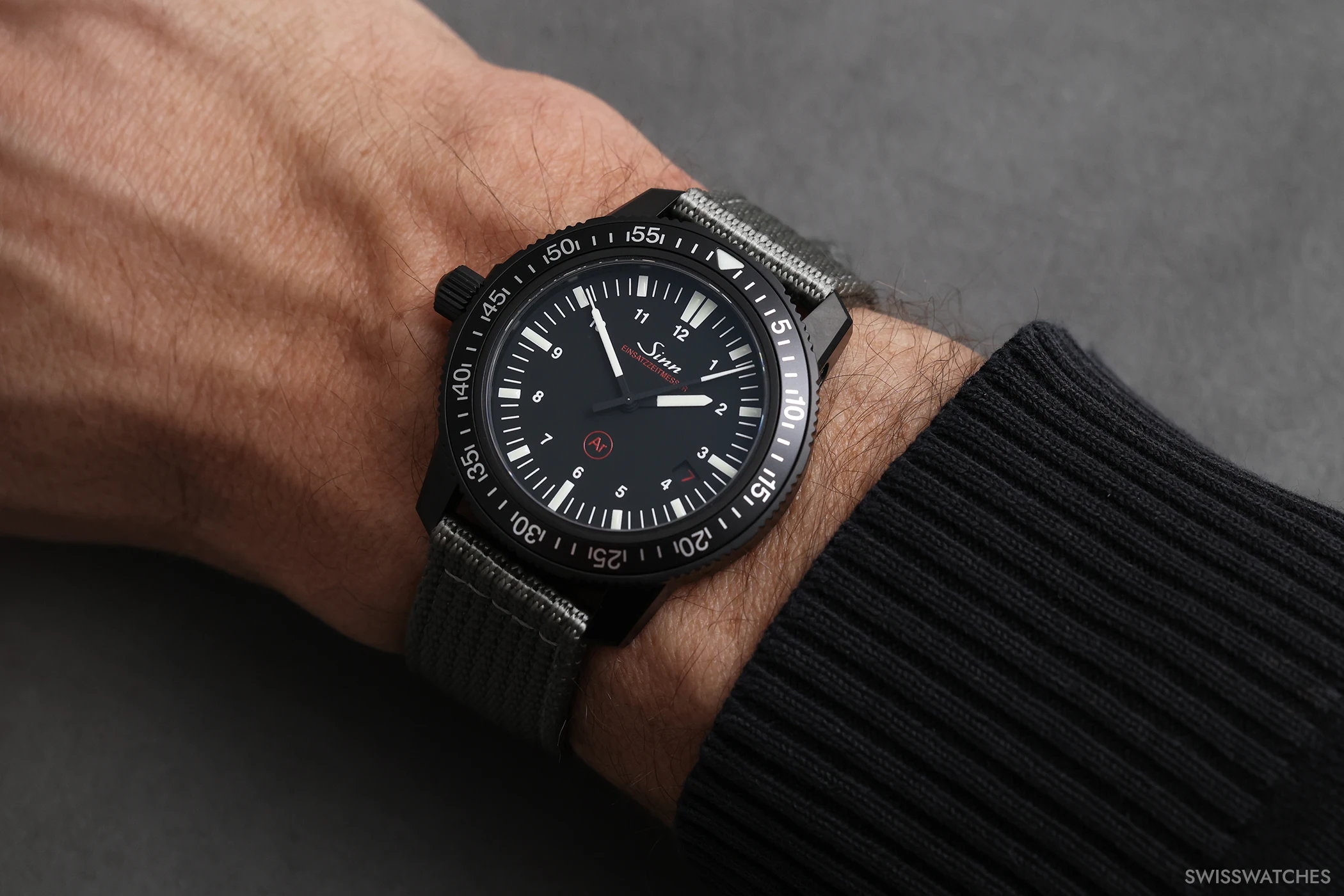
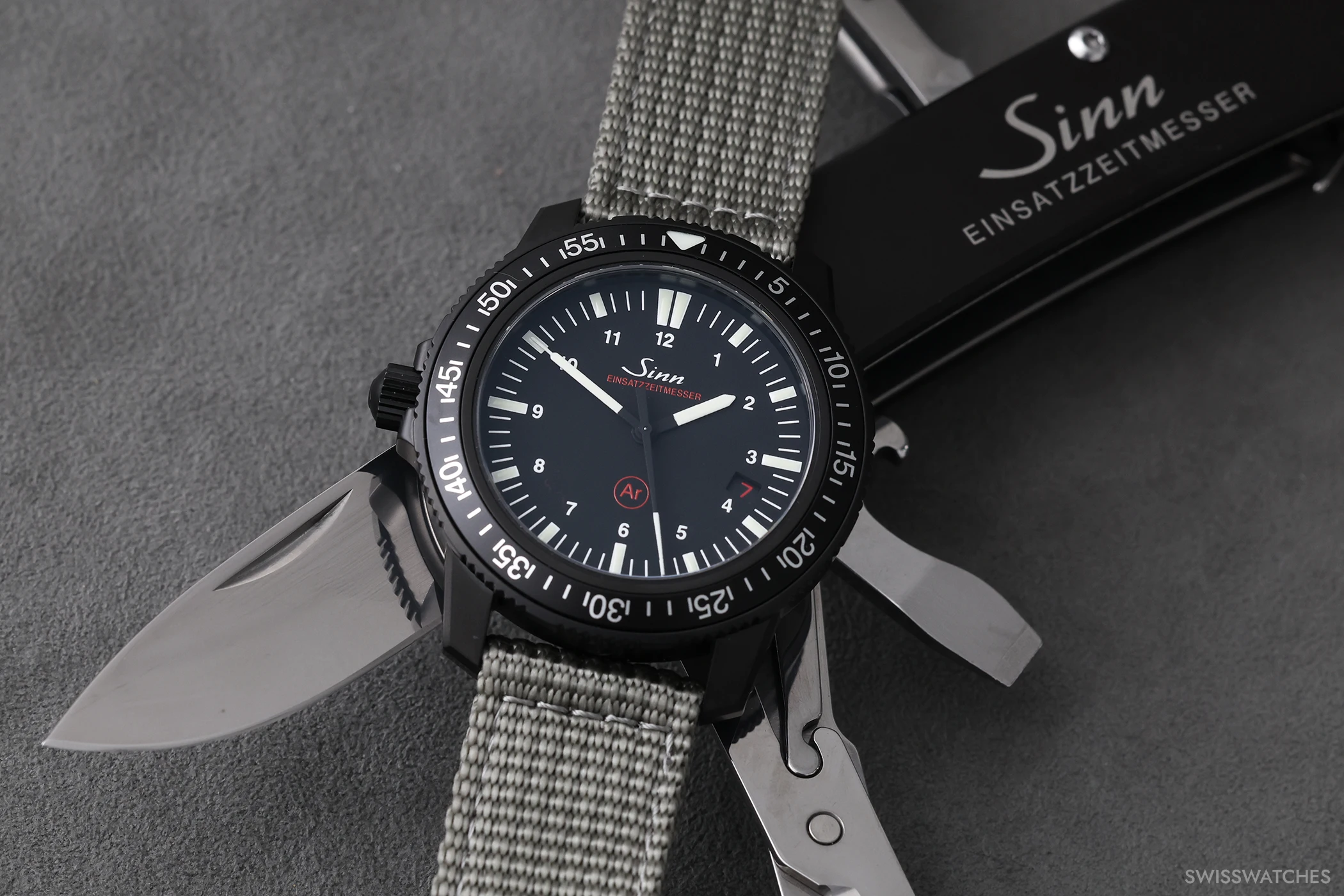
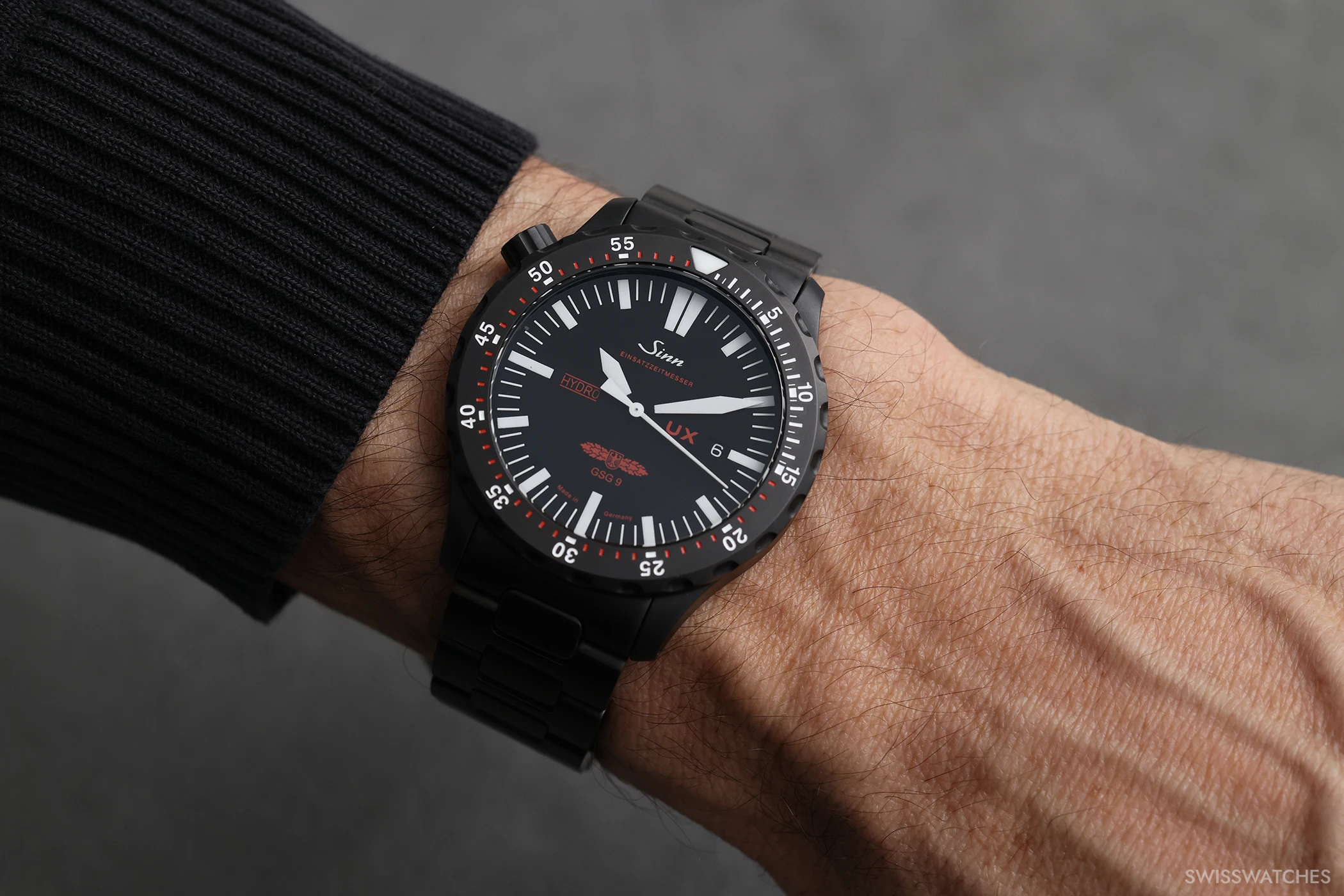
The mission timers, or EZM for short, were introduced in 1997 with the EZM 1 and EZM 2. They were designed specifically for specific professional user profiles: the EZM 1 for the Central Customs Support Group (ZUZ) and the EZM 2 for the maritime unit of the Federal Border Guard Group 9 (GSG 9). The design principle behind EZM watches is to reduce them to the absolute essentials in order to ensure the best possible readability and measurability of time.
The EZM line has been continuously expanded for professional users. In 2015, the UX S Kampfschwimmer (EZM 2B) became the official service watch of the German Navy Special Forces Command (KSM). The development of this diving watch was based on an international tender by the Federal Office of Bundeswehr Equipment, Information Technology and In-Service Support (BAAINBw). Among other things, extreme robustness, seawater resistance and perfect operability even when wearing gloves were required.
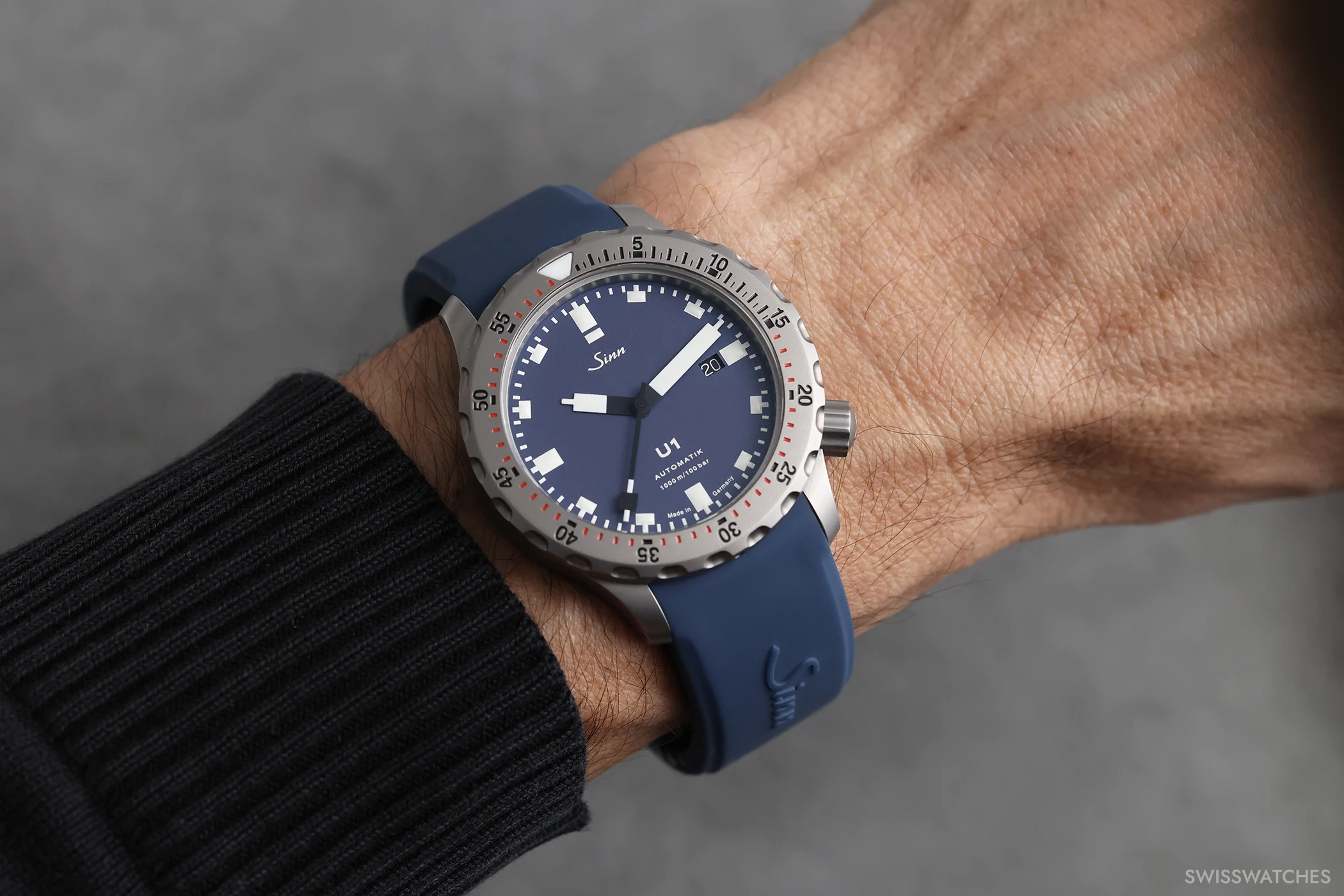
The divers’ watches in the U series (I particularly liked the U1 models) are primarily characterised by the use of German submarine steel and DNV certification. More recent models such as the U50 HYDRO also incorporate the aforementioned Hydro technology to guarantee reflection-free viewing even at extreme depths.
The T50 Goldbronze B beautifully demonstrates how aesthetic tool watches can be. The case, crown and rotating bezel made of gold bronze 125 are combined with a dark blue dial and a blue textile strap, giving the watch a special charm – technical, yet sporty and elegant. The T50 Goldbronze B is water-resistant to 500 metres and equipped with Sinn’s Ar-Dehumidifying technology and Sinn’s captive safety diving bezel. Nevertheless, the watch does not look harsh or like a tool, thanks to its warm gold bronze tone and the aesthetic lines and silhouette.
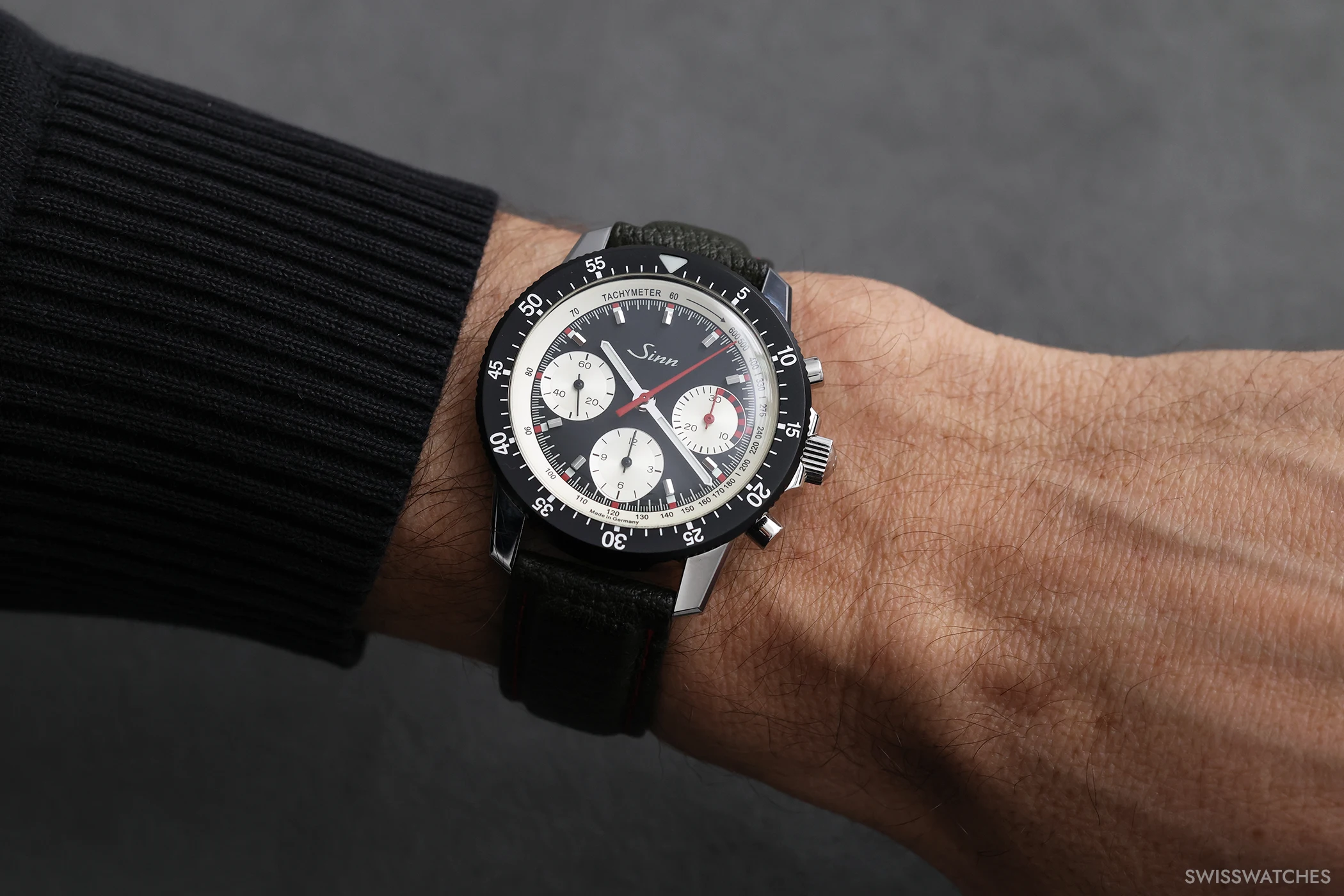
The range of chronographs is also diverse: from classic pilot’s chronographs (model series 103) to sports chronographs (model series 144) to space chronographs (model series 140) and limited editions such as the classic chronograph with manual winding movement (103 St Ty Hd).
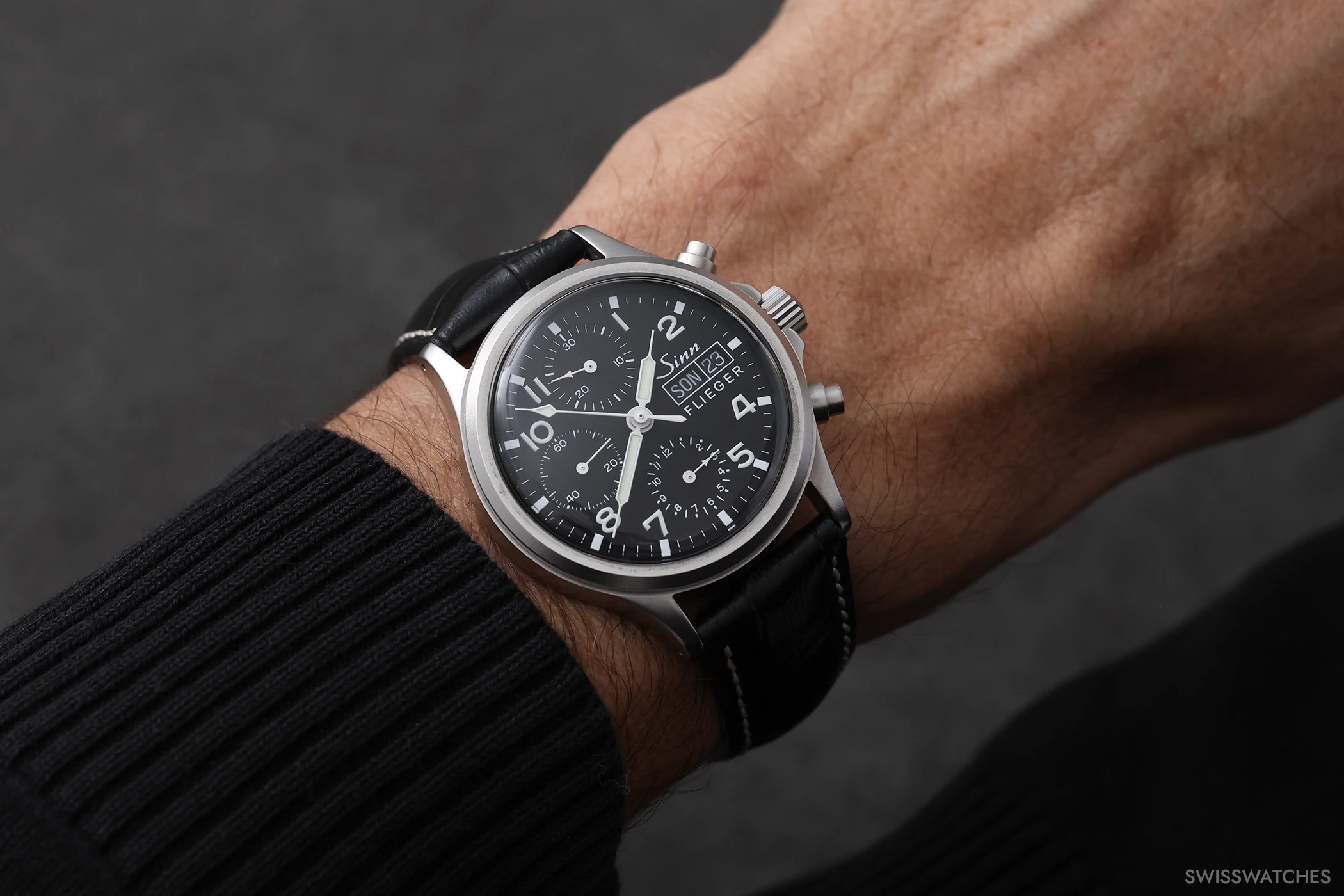
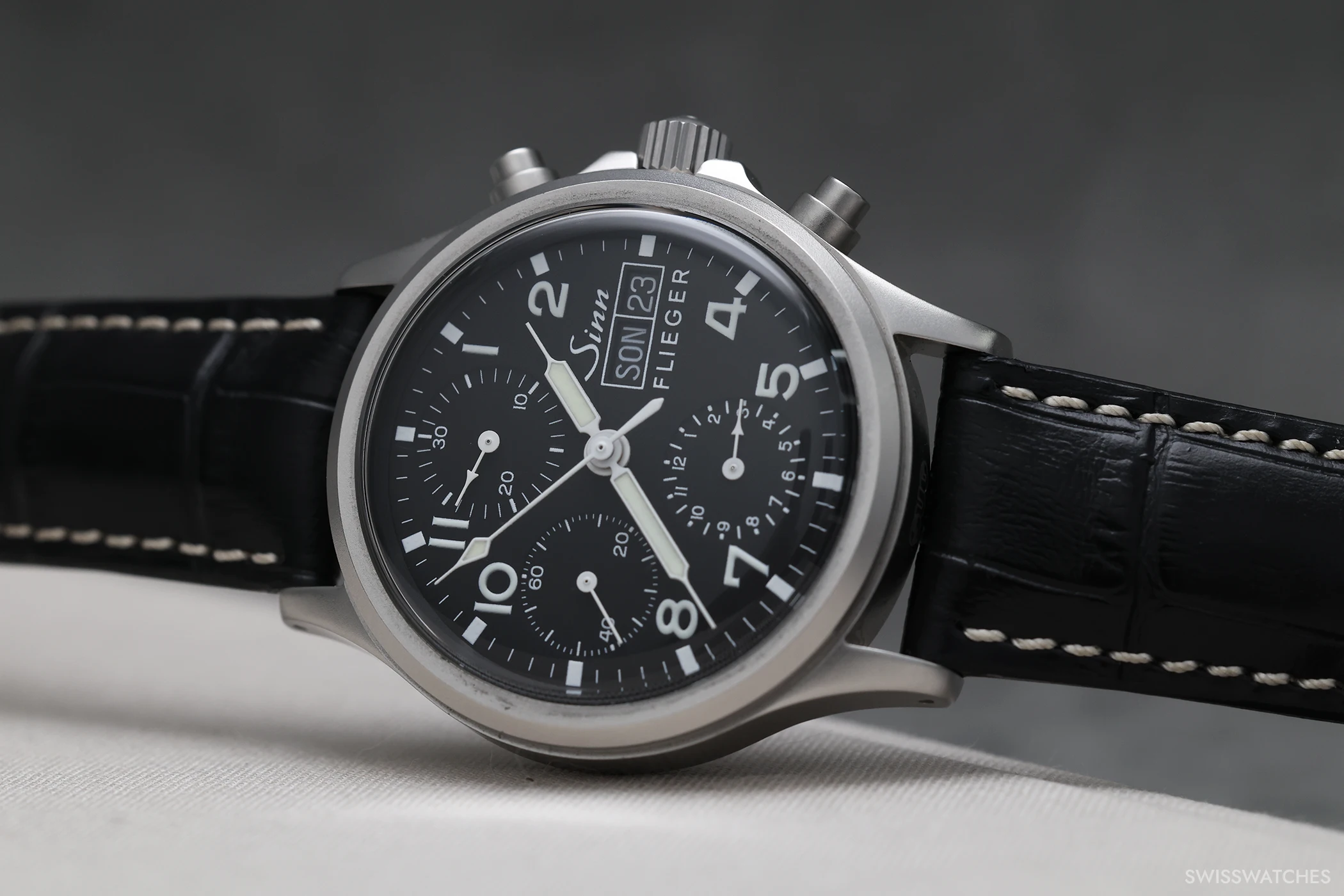
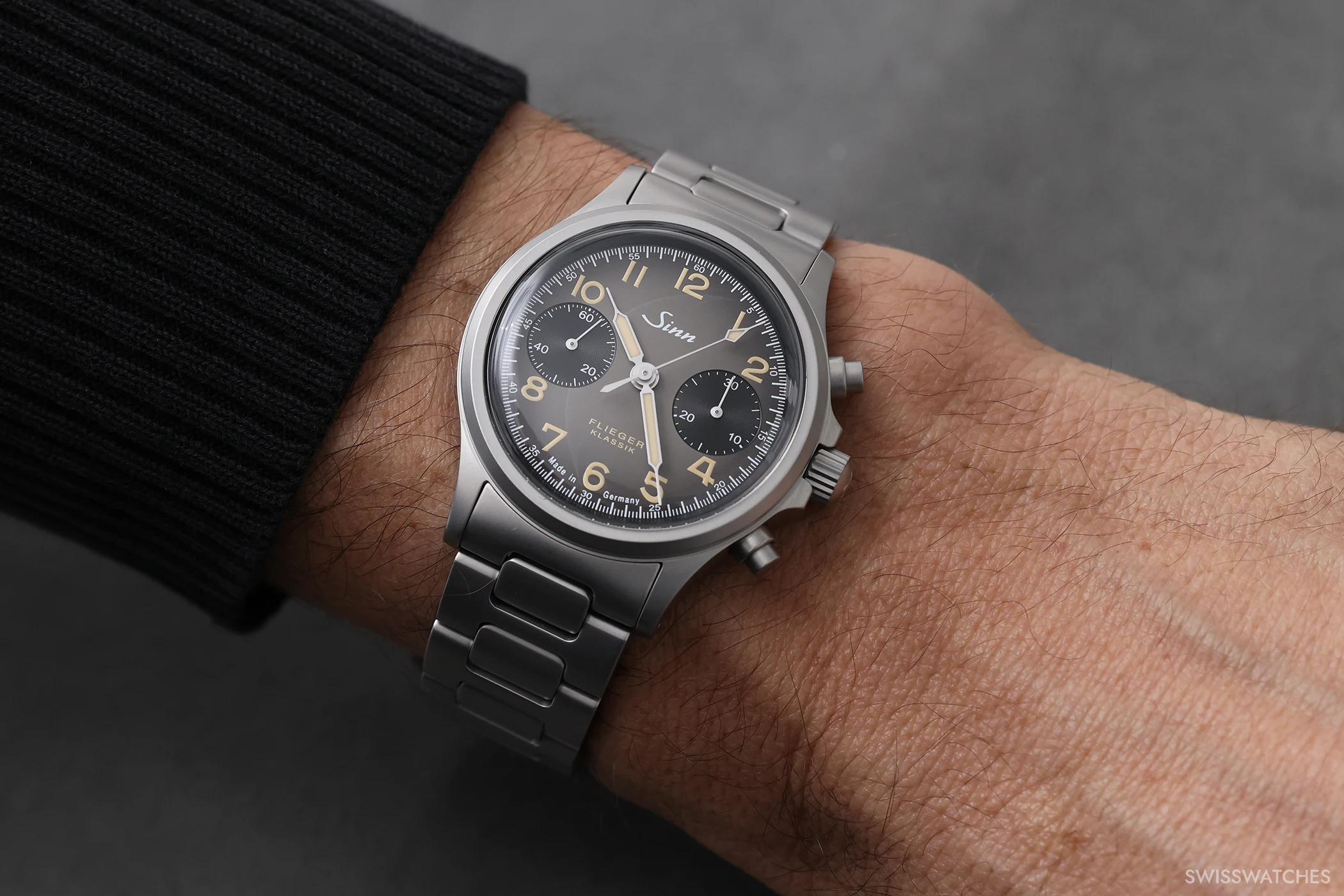
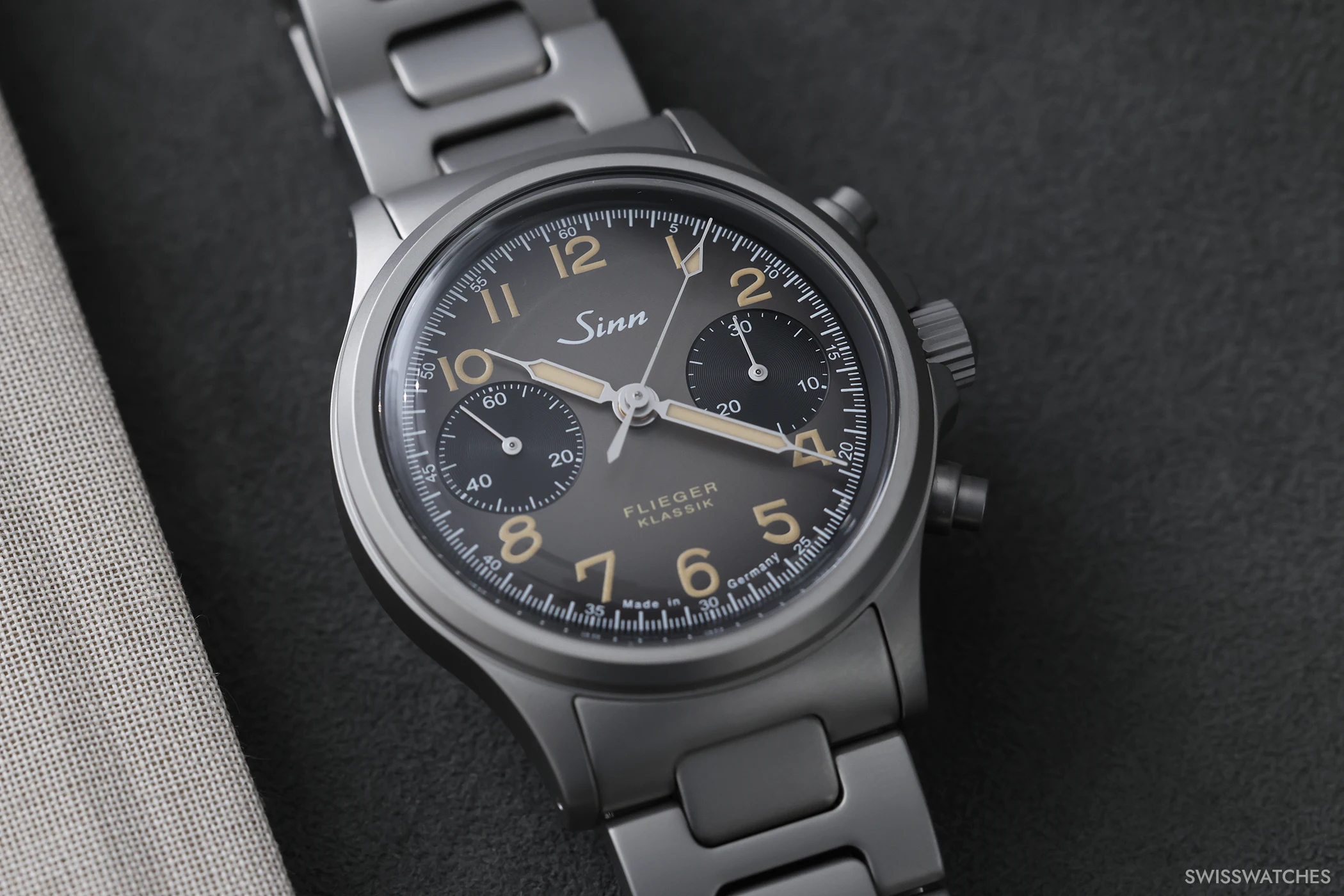
However, as mentioned at the beginning, one model in particular caught my eye: a pilot’s chronograph with a bicompax display from the 356 series, inspired by a Sinn chronograph from 1998. The proportions here are perfectly balanced. The 356 measures 38.5 mm in diameter and has a very balanced dial design. It is available in various versions, with sapphire crystal cover and back, as a limited edition of only 500 pieces, and as an unlimited version with impact-resistant acrylic glass. Particularly beautiful: the 356 Flieger Klassik AS E with a silk-matt colour gradient from anthracite to black and a sand-coloured nubuck wild boar leather strap.
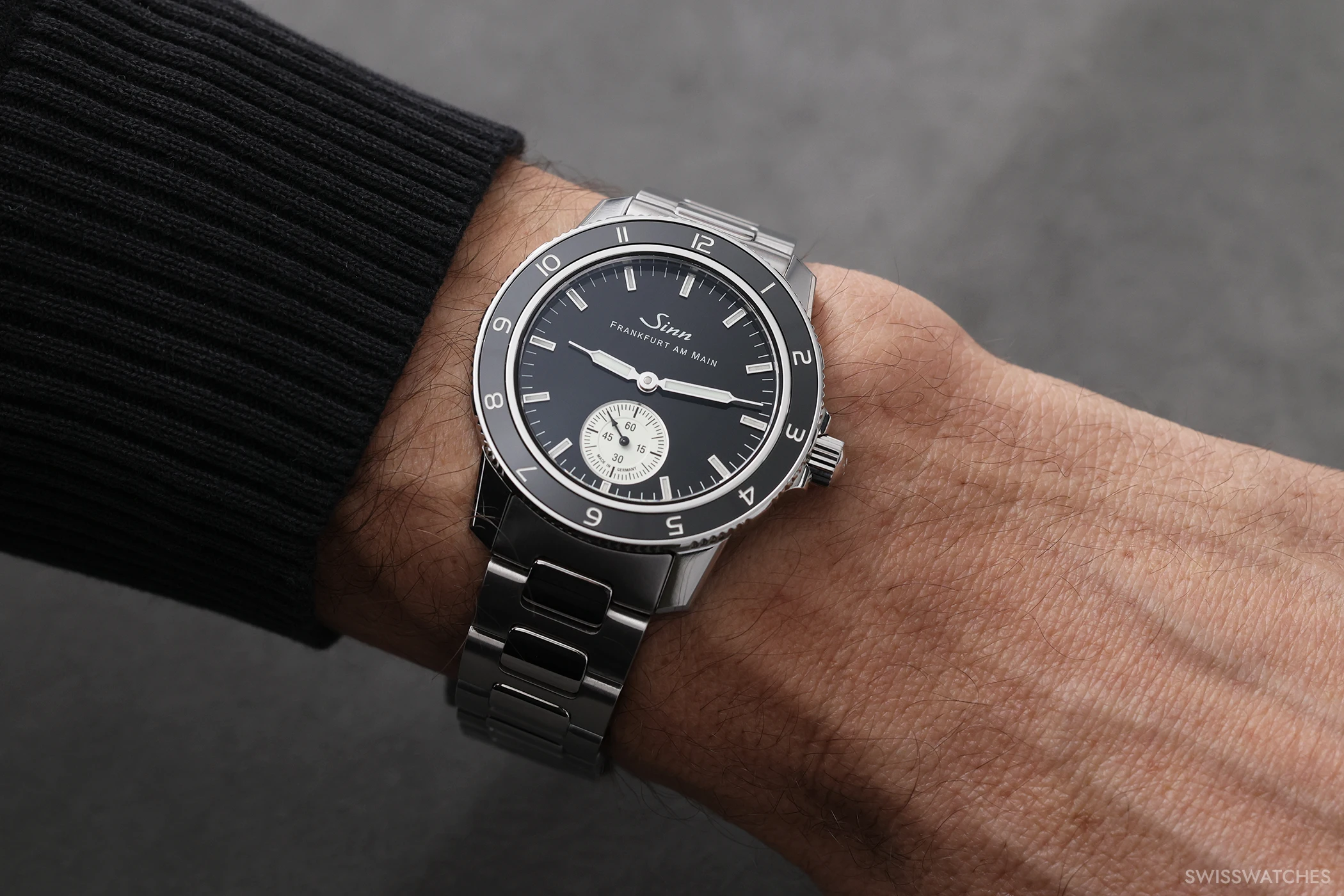
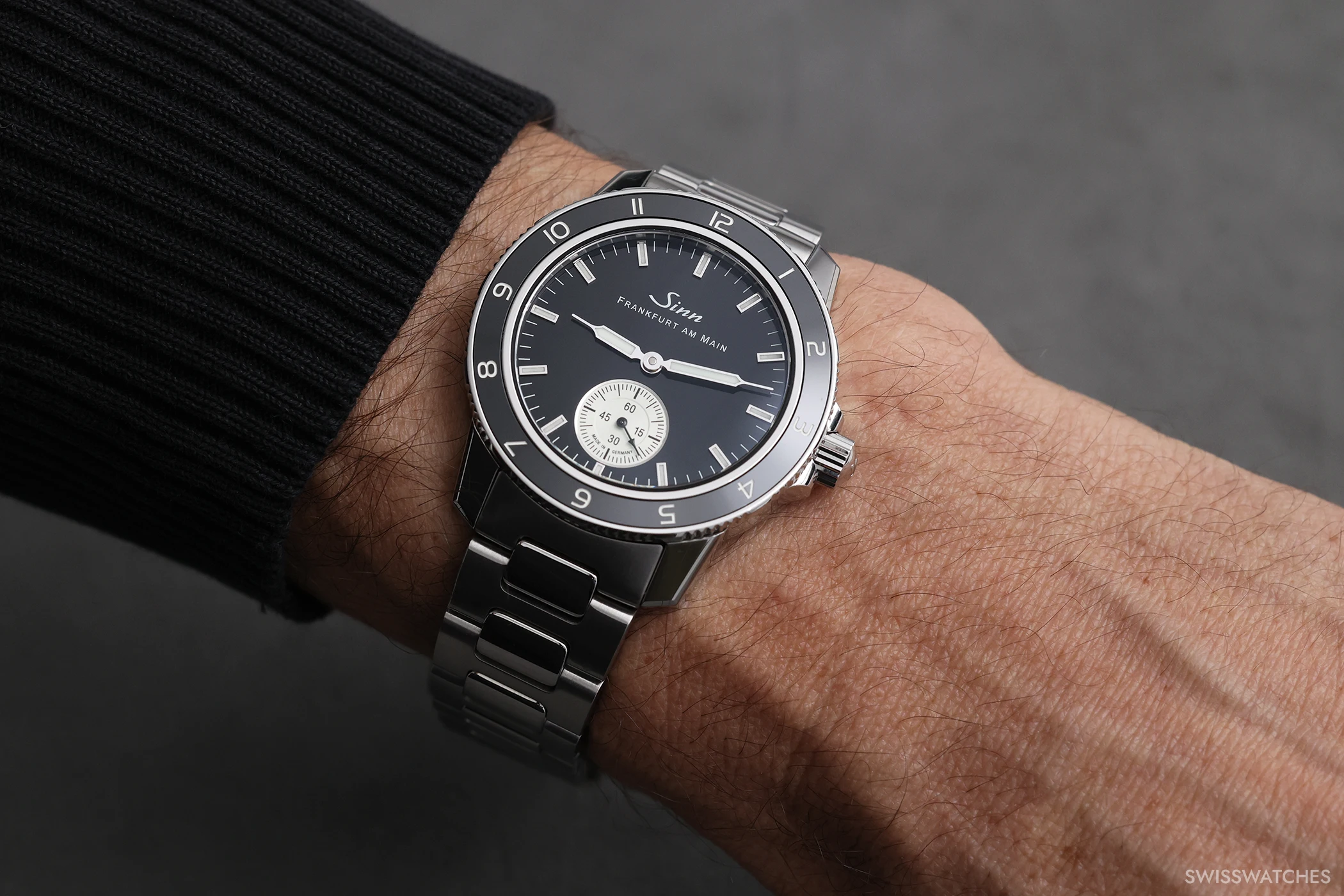
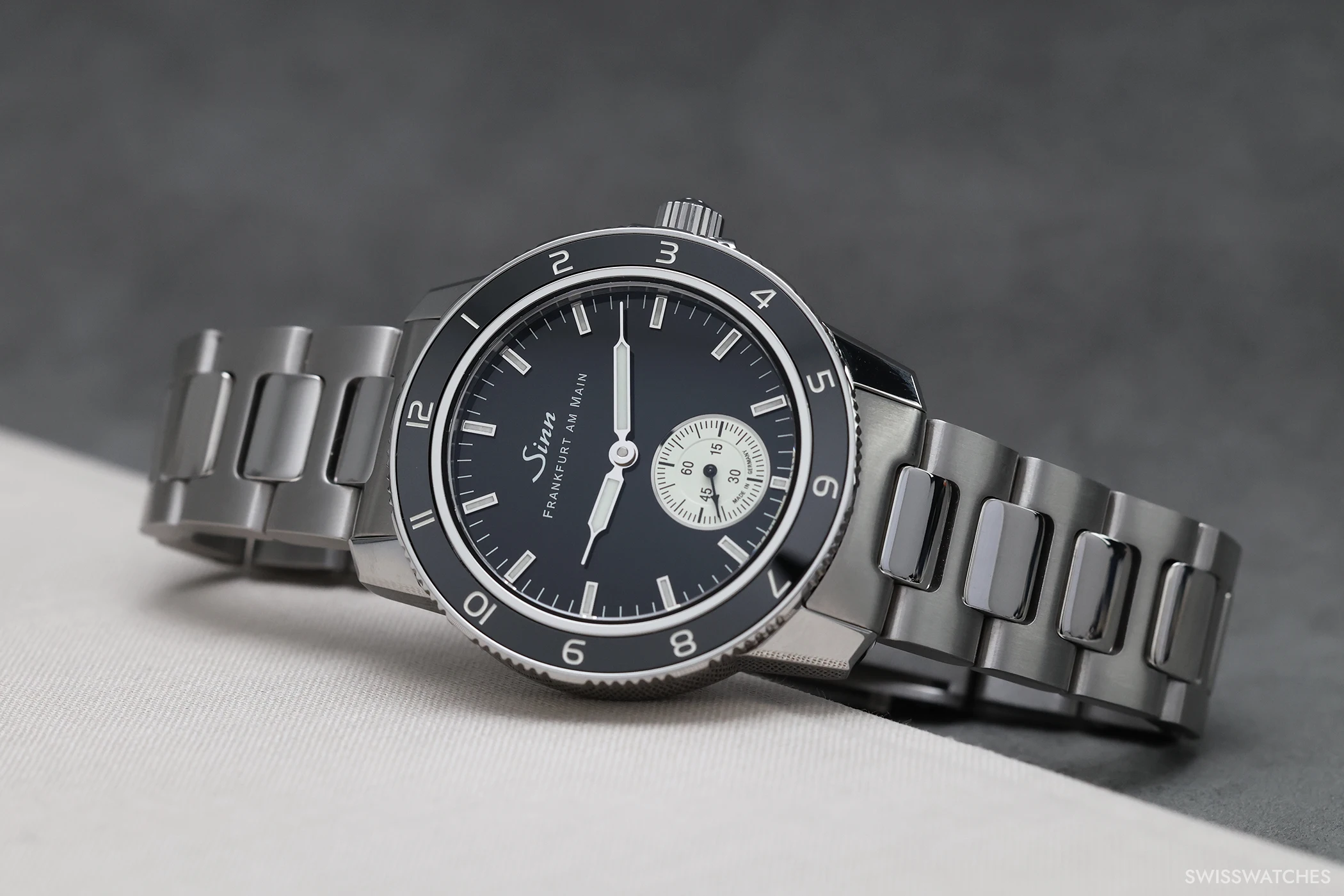
Sinn recently unveiled the new 104 Klassik 12, a stylish version of a classic pilot watch. For the first time, it features a ceramic pilot’s bezel and off-centre seconds on a chamois-coloured dial, embedded in a black, electroplated dial with a sunburst finish, rhodium-plated appliqués and hands coated with luminous material. The 104 Klassik 12 is powered by a mechanical anchor movement (automatic winding, calibre SW 261-1) and is anti-magnetic in accordance with DIN 8309.
Sinn’s Frankfurt Financial Centre Watch, such as the 6052 with the SZ03 calendar week movement, was launched in 1999 as a tribute to the company’s headquarters in Frankfurt am Main – Germany’s major banking and stock exchange metropolis. It was the first elegant dress watch to be introduced into a portfolio otherwise dominated by divers’ and pilot watches. The basic idea was to create a functional and stylish watch for business people and bankers who are professionally connected to global financial centres and need to keep an eye on the world’s most important stock exchange locations. Therefore, the display of multiple time zones (GMT function) is a particularly characteristic feature of the Financial District Watch. Many models offer the option of reading the time in two or even three time zones simultaneously by means of an additional hand or an inner rotating ring, which is operated via an additional crown. A special aesthetic detail that underlines the connection to Frankfurt’s home town is the engraving of the Frankfurt skyline on the movement’s oscillating weight, which can be admired through the transparent caseback.
Sinn also impresses with its moderate pricing policy. The classic three-hand pilot’s watch starts at 1,190 euros; adding a date display increases the price by 149 euros. A classic chronograph starts at 1,950 euros, while the prices for the technical models range from 3,500 euros to 5,500 euros depending on the features. Special editions, such as models made from titanium Damascus steel, can cost up to 9,890 euros, while the Frankfurt Financial District watch in rose gold is priced at just under 17,000 euros.
Until the early 2010s, there was no up-to-date, internationally recognised standard defining the specific requirements for a pilot’s wristwatch. To fill this gap, Sinn Spezialuhren initiated a research project in collaboration with Aachen University of Applied Sciences, which resulted in the TESTAF (Technical Standard for Pilot’s Watches) in 2012. The TESTAF ensured that a pilot’s watch meets all the requirements for timekeeping in flight operations.
Building on this preliminary work and again at the suggestion of Sinn, the German Institute for Standardisation (DIN) decided in 2013 to establish a working group with the aim of developing an official standard for pilot watches. The members of the working group represented the entire functional chain of the aviation and watch industries, including Lufthansa Cargo, Airbus Helicopters (formerly Eurocopter), DNV GL (formerly Germanischer Lloyd), Stowa, Glashütte Original, the Aachen University of Applied Sciences and, of course, Sinn.
In March 2016, the new German watch standard DIN 8330 ‘Time measurement technology – pilot watches’ was published. This standard standardises, clarifies, and updates the TESTAF requirements and expands upon them. It ensures that pilot watches are comparable to on-board instruments in terms of their resistance. The stricter test criteria include:
Sinn was the first company to have its divers’ watches tested and certified by an independent body (Germanischer Lloyd, now DNV) for pressure resistance and in accordance with the European diving equipment standards EN205 and EN14143. The watches are tested with a 25 per cent overload.
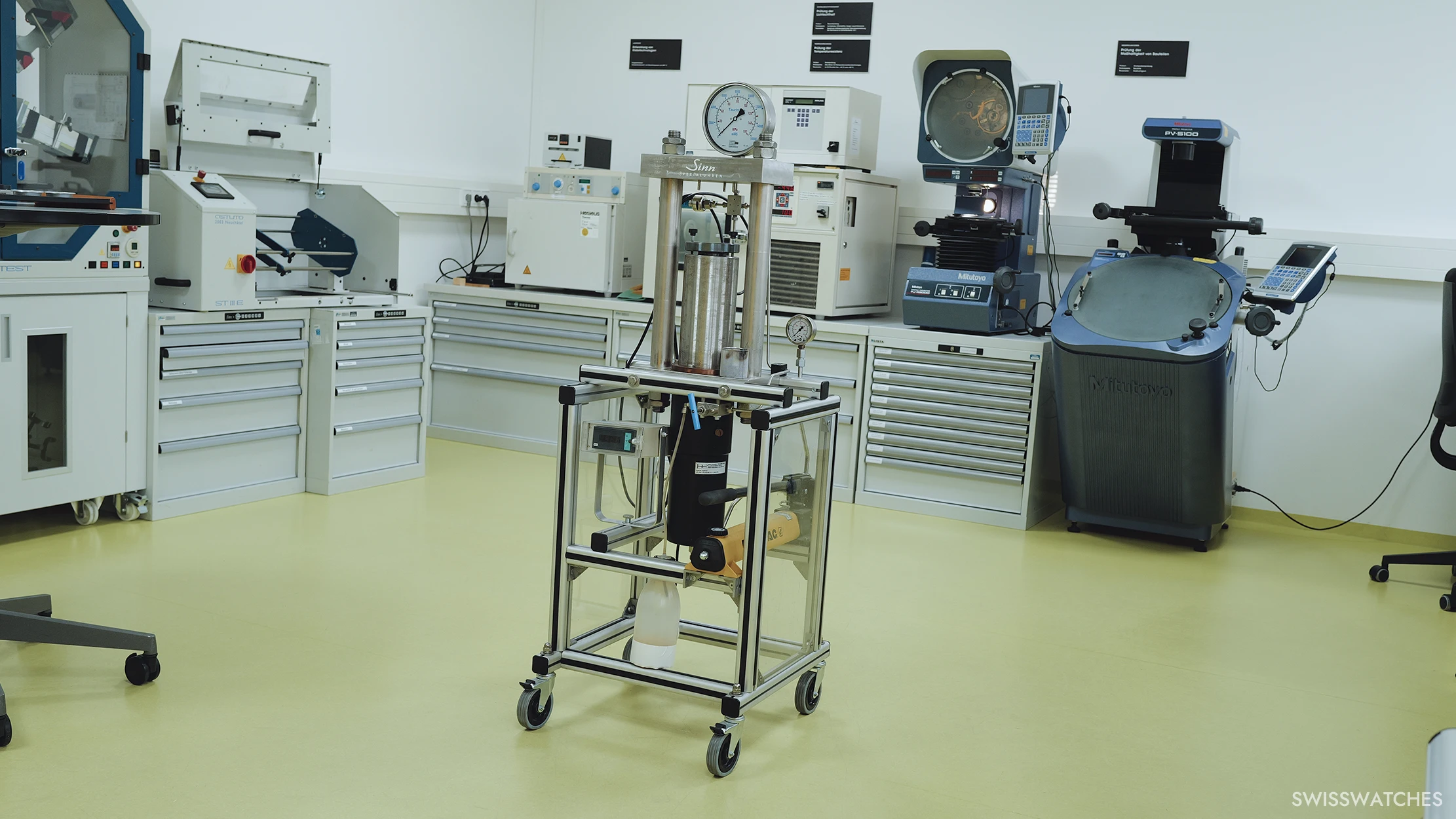
Customer service is closely linked to the company’s headquarters in Frankfurt-Sossenheim. While critical cases, particularly warranty work, are handled at the main warehouse in Frankfurt, Sinn operates a decentralised service network. Spare parts and technical expertise are supplied to partners in key markets, such as Japan and the USA, who have large customer service workshops. The overhaul of Hydro watches usually has to be carried out in Frankfurt, as services such as battery replacement and oil filling can only be performed there due to their specialised nature. To expand capacity and take advantage of its proximity to a traditional watchmaking region, Sinn opened a service and assembly branch in Dresden on 17 May 2022. This location is strategically advantageous, as Dresden has a high density of watch companies and many qualified specialists. The Dresden branch also offers watches for sale.
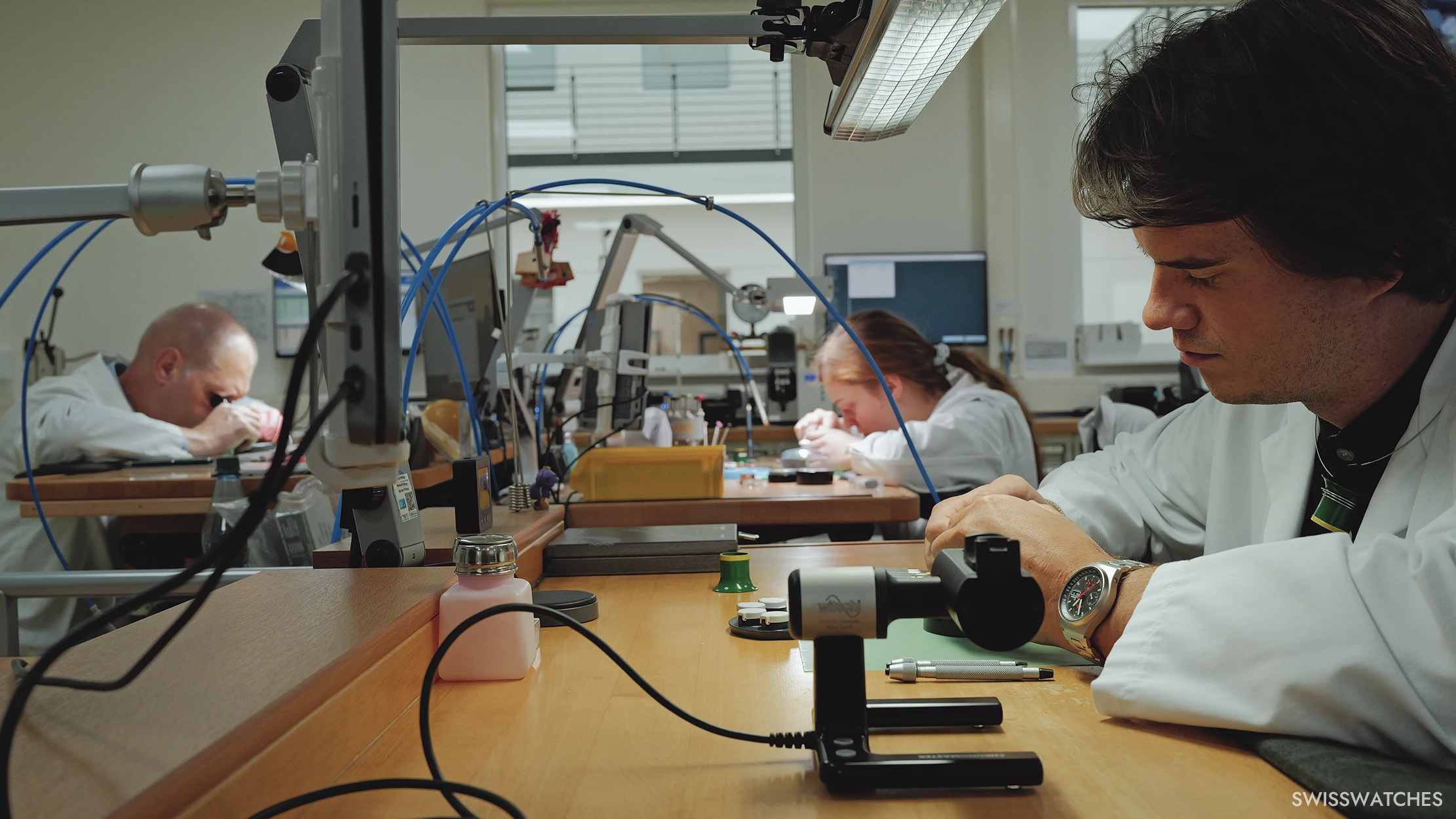
During our visit, it also becomes clear how important the promotion and training of new watchmakers is to Sinn. After all, Frankfurt is not exactly known as a watchmaking city – unlike Glashütte – and skilled workers are therefore hard to find. During our tour, we come across a group of very young watchmakers, some of whom are still in training. It was moving to see how enthusiastic they were about their work, as if watchmaking were not just a profession, but a calling.
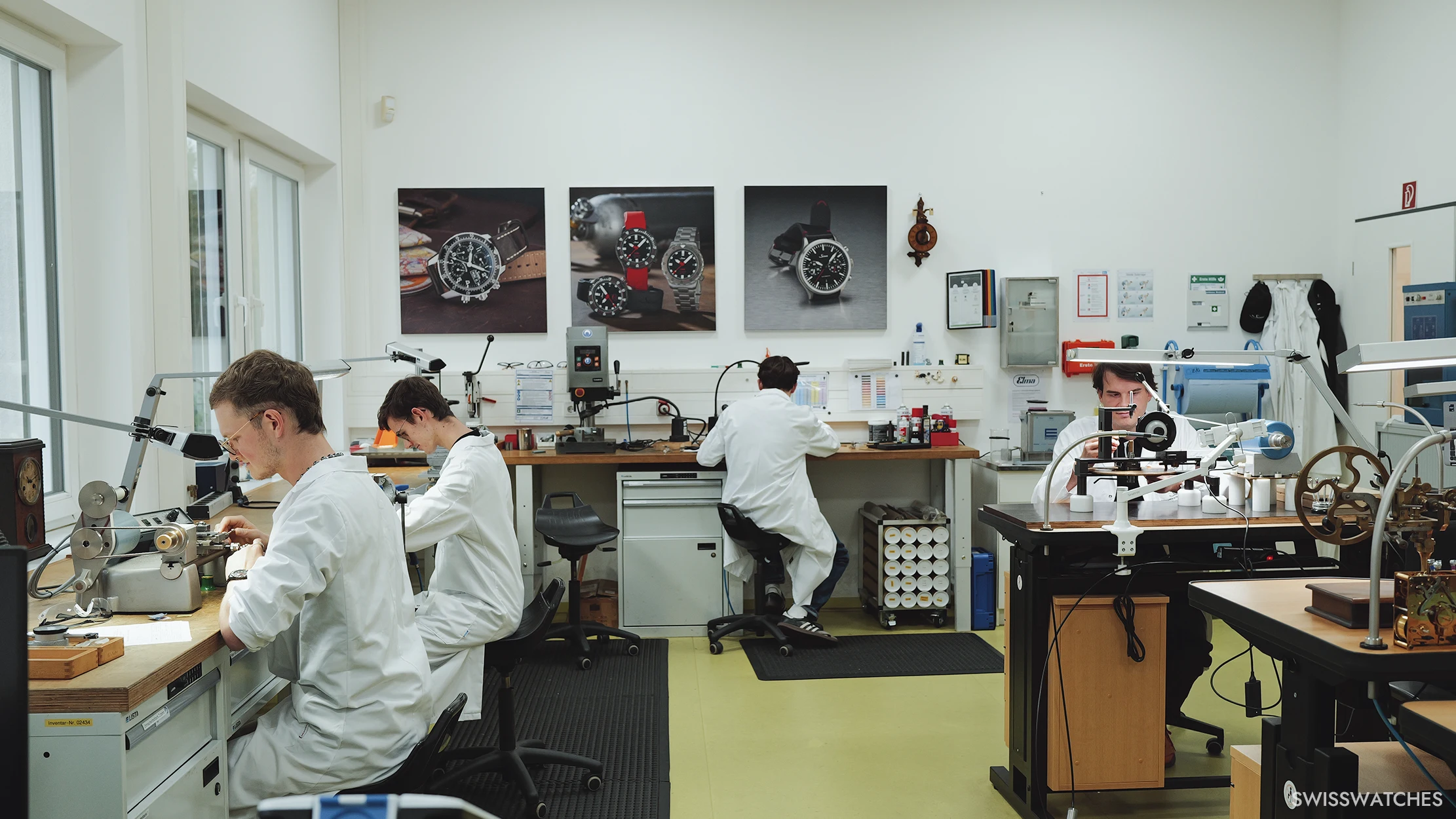
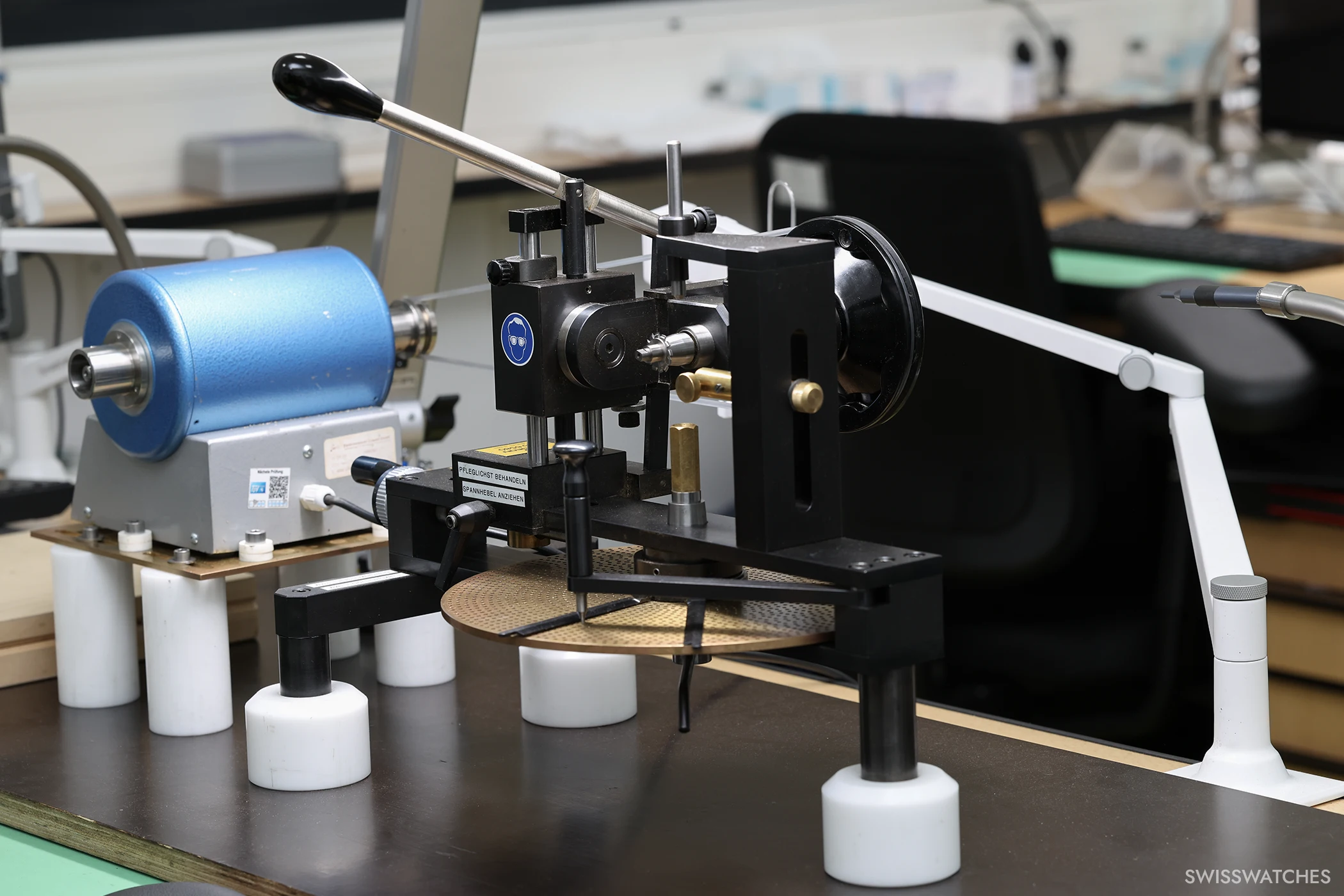
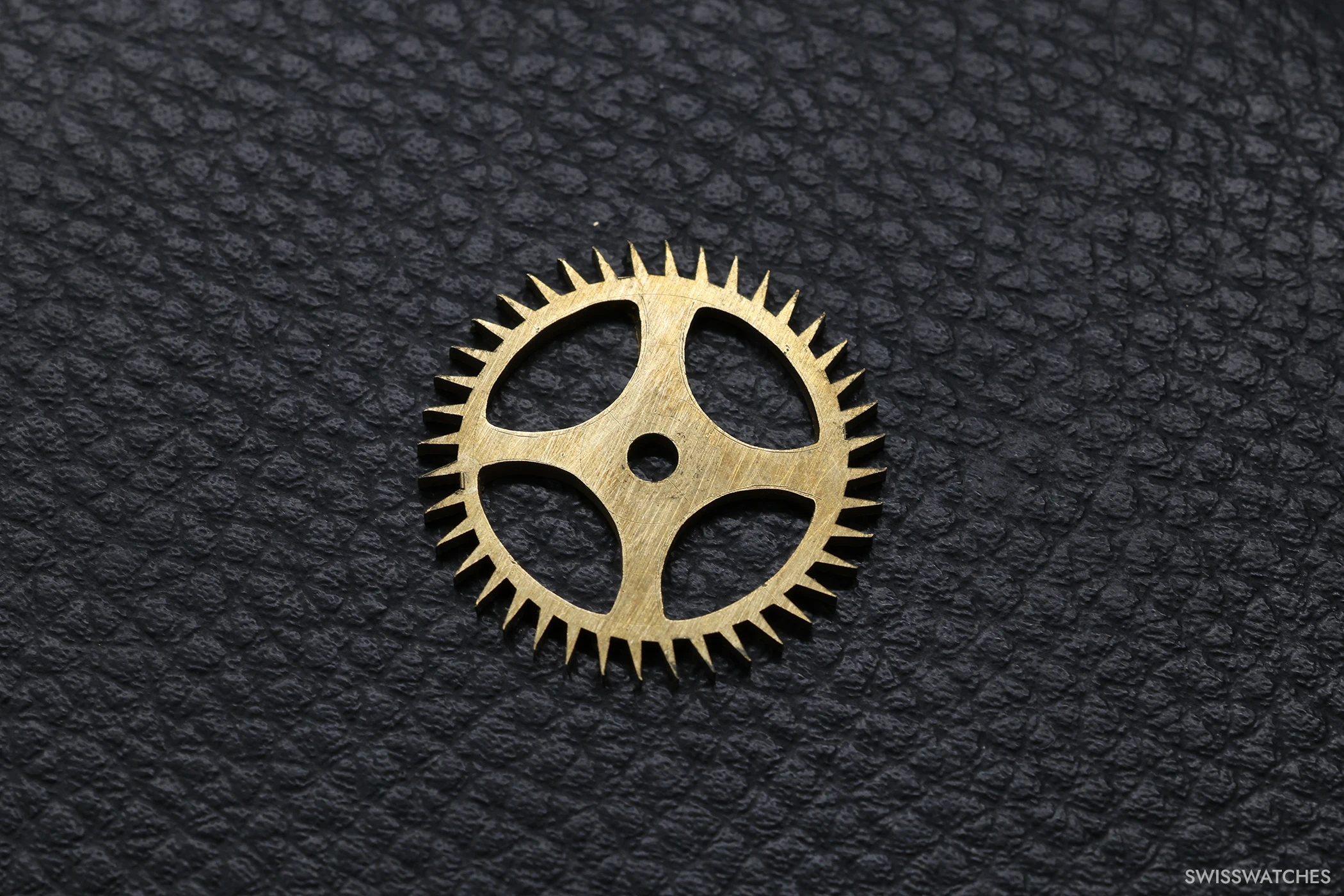
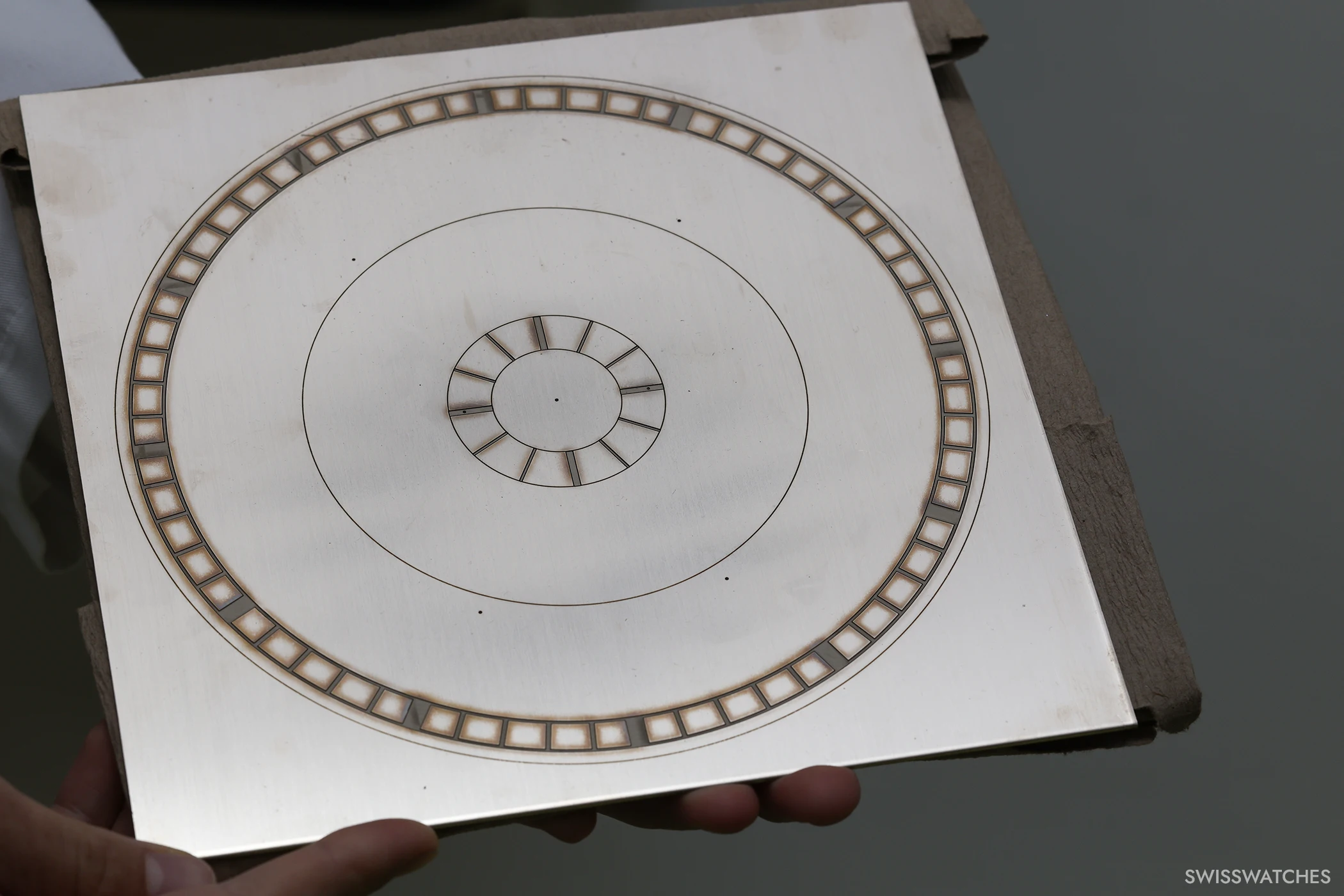
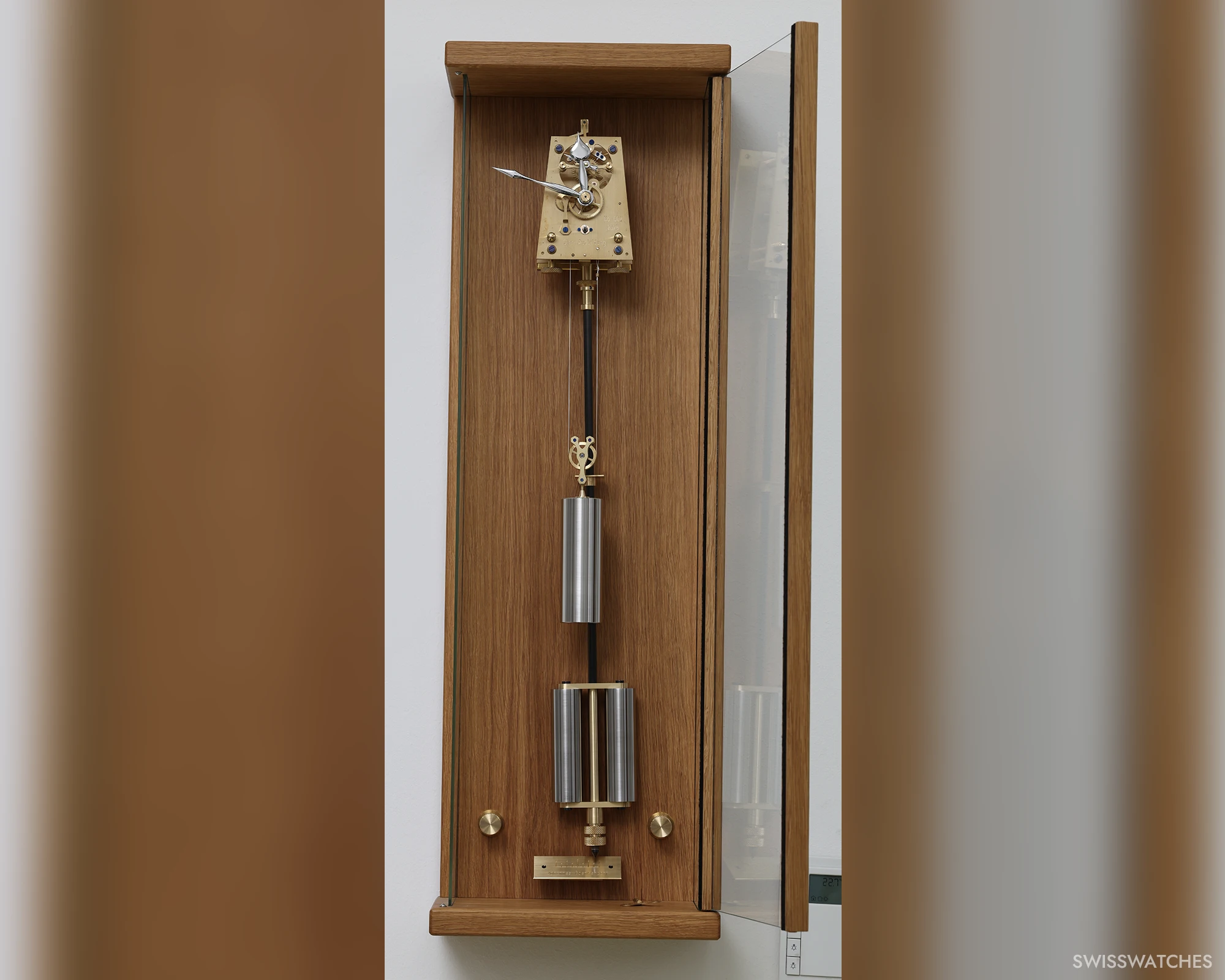
Lothar Schmidt has come up with something special that is unique to Sinn. During their training, every aspiring watchmaker builds a wall clock themselves with 100% vertical integration. All wheels and pinions are handmade using the appropriate machines provided by Sinn. The result is the crowning achievement after three years of training as a watchmaker, even though it is not officially part of the programme. Nevertheless, the young watchmakers are highly motivated by this opportunity. Each graduate is, of course, allowed to keep their own clock.
Sinn Spezialuhren does not primarily position itself as a luxury brand, but rather as an avant-garde pioneer in the field of applied precision technology. Led by Lothar Schmidt, the brand consistently addresses fundamental problems of mechanical watches under extreme conditions and solves them through proprietary technologies.
What did our visit reveal? At Sinn, everything seems authentic – and it really is. There is no pompous marketing hype or clichéd storytelling; rather, there is understatement combined with uncompromising quality standards and a self-image based on technology. Their standards for their own products are extremely high. This is because many of their customers need to be able to rely on their watches 100%. While the functionality of watches is not essential for survival, I would still wear a Sinn in a heartbeat. This is what makes the brand so appealing and unique.