Gerald Charles Masterlink Perpetual Calendar in detail: asymmetrical case, dial variants and calibre GCA11000, including pricing.

One pattern has become increasingly evident in today’s collector landscape: the initial enthusiasm for the design and technical features of new timepieces quickly gives way to a more fundamental question – price. Few categories illustrate this development as clearly as classic gold dress watches. Generally regarded as the purest expression of watchmaking, the segment of traditional dress watches is now among those in which pricing is being scrutinised more critically than ever.
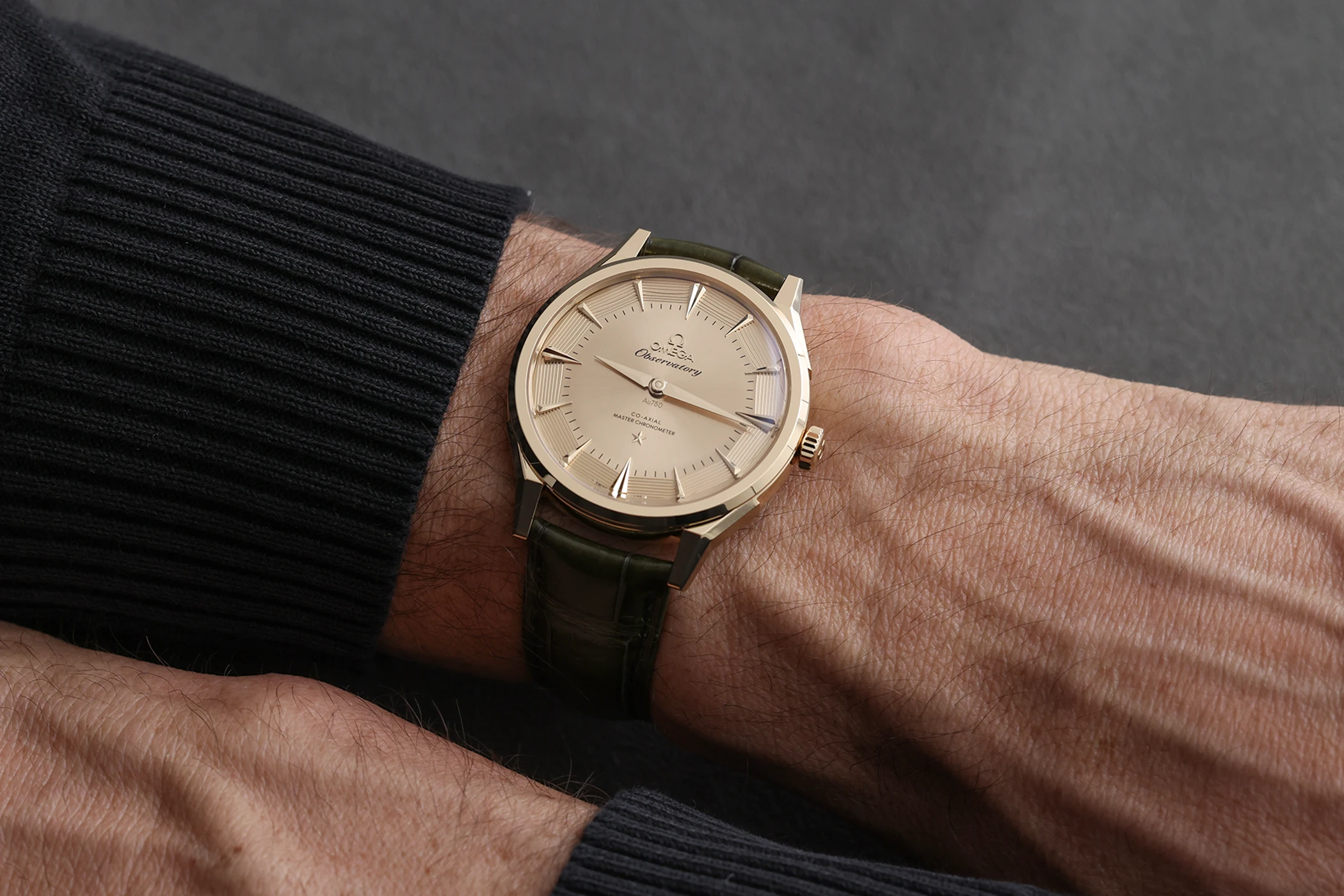
Omega, too, has not been immune to this trend with the recently introduced Constellation Observatory collection. Following early enthusiasm for the historically inspired elements of these novelties – such as the dials in the traditional “pie-pan” style and the characteristic “dog-leg” lugs – the focus of criticism within the collector community has increasingly shifted towards what many perceive as unrealistic pricing for the two-hand models.
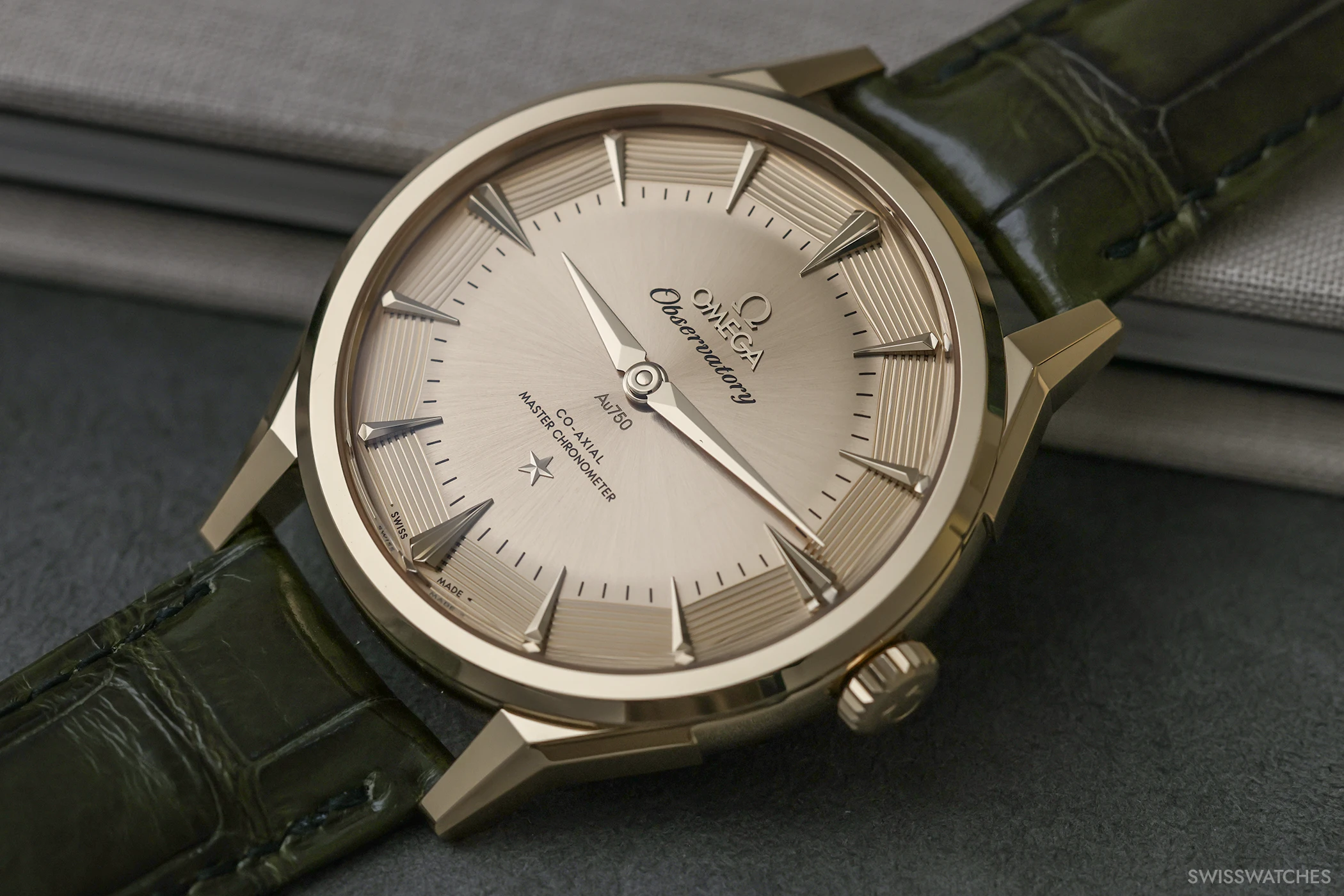
In this article, we aim to contextualise this criticism voiced by the watch community through a clearly defined comparative analysis of gold dress watches. Only dress watches with a gold case, a diameter of 38 mm to a maximum of 40 mm, in-house automatic movements, no date display, and a leather strap are considered. On this basis, we compare pricing, precision, case thickness, and dial materials in order to identify relevant competitors within the segment and assess how the new Constellation Observatory positions itself against them.
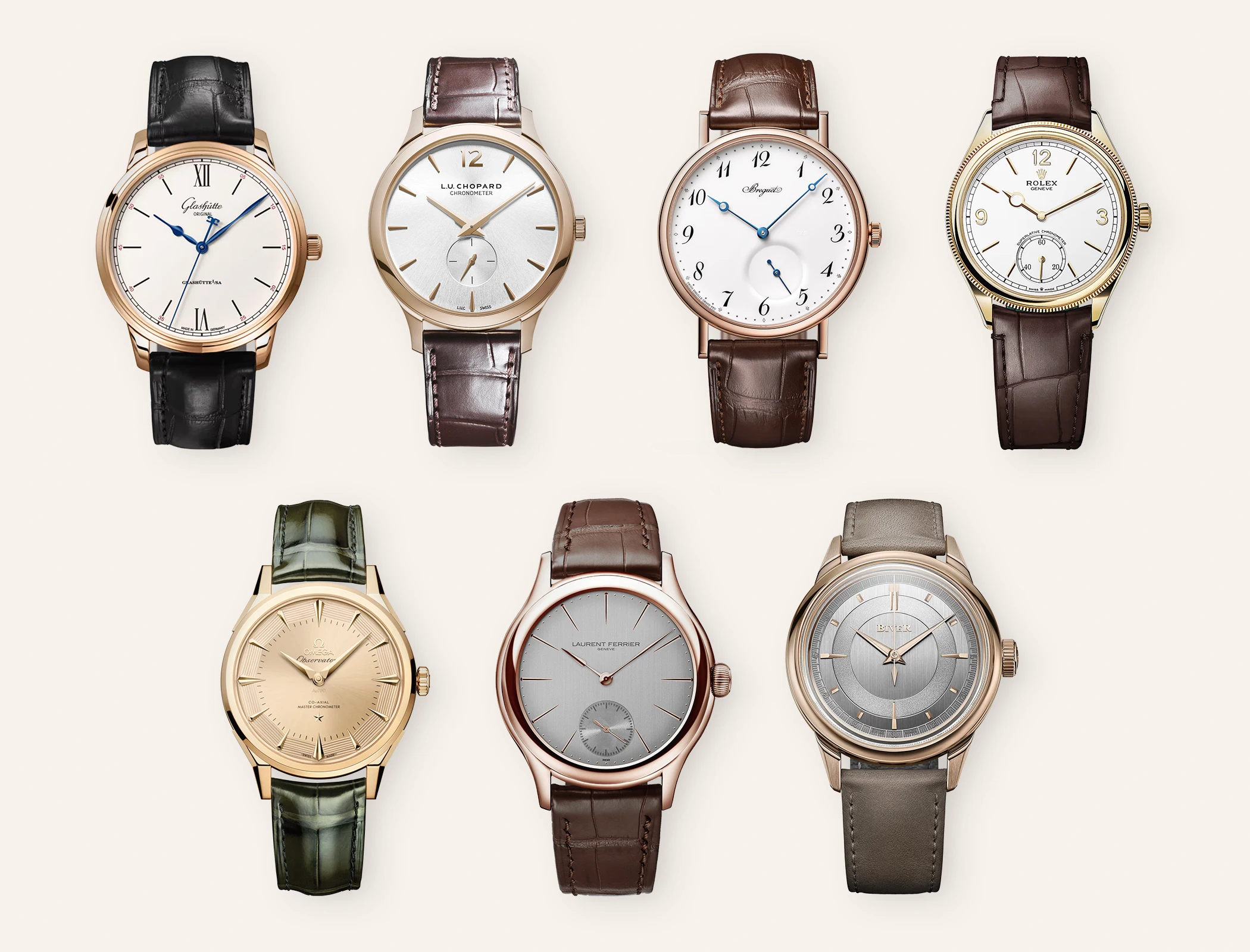
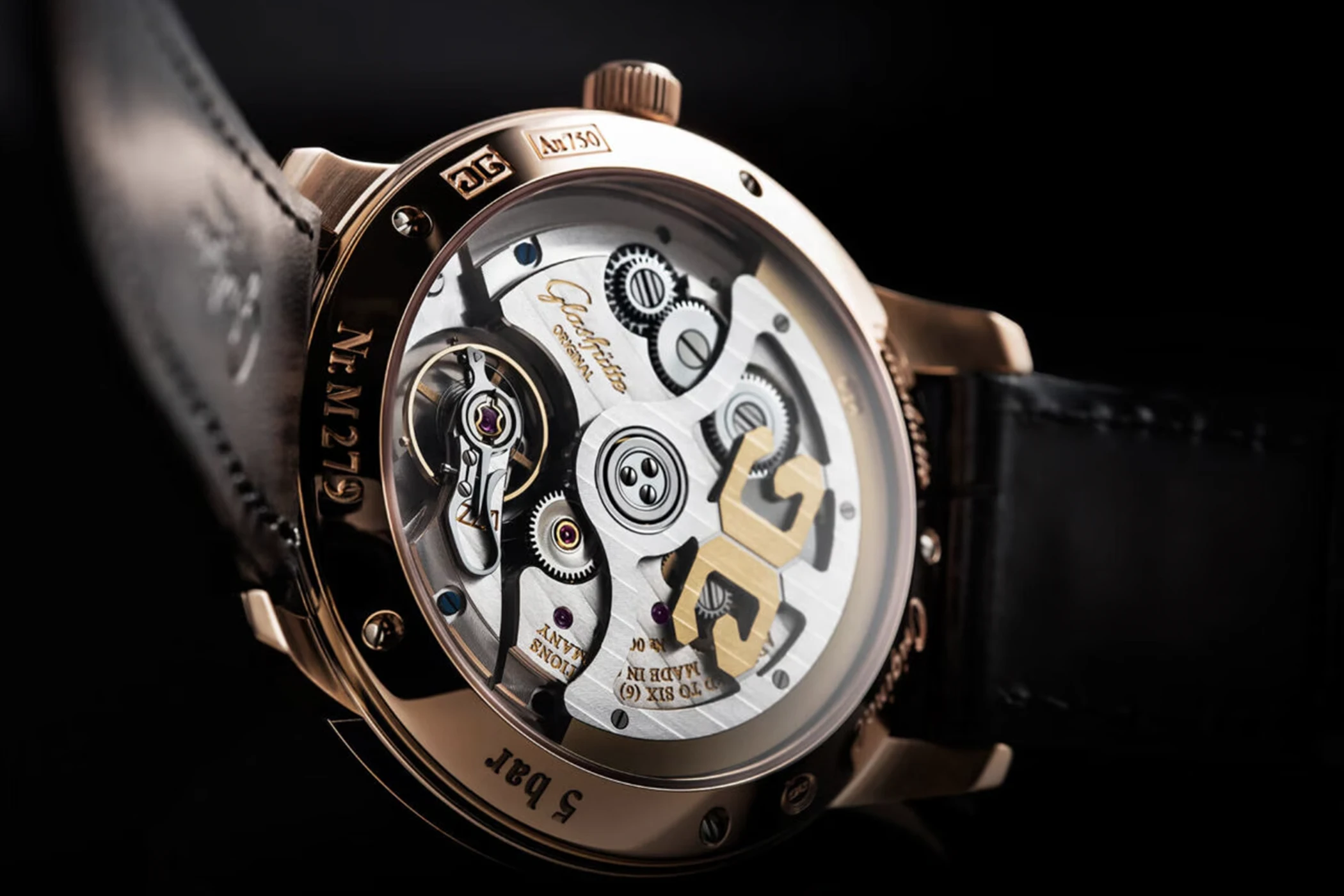
At the lower end of our selection, the concept of a gold dress watch—at least within the context of haute horlogerie—remains relatively accessible. The Glashütte Original Senator Excellence (Ref. 1-36-01-02-05-61) positions itself as a classic gentleman’s watch, equipped with the automatic in-house calibre 36-01 in typical Saxon execution, offering a substantial power reserve of 100 hours. Combined with a red gold case measuring 40 mm in diameter and 10.00 mm in height, and water resistance of 50 metres, it is defined primarily by its technical substance and everyday usability. The watch is priced at €20,000 (incl. VAT).
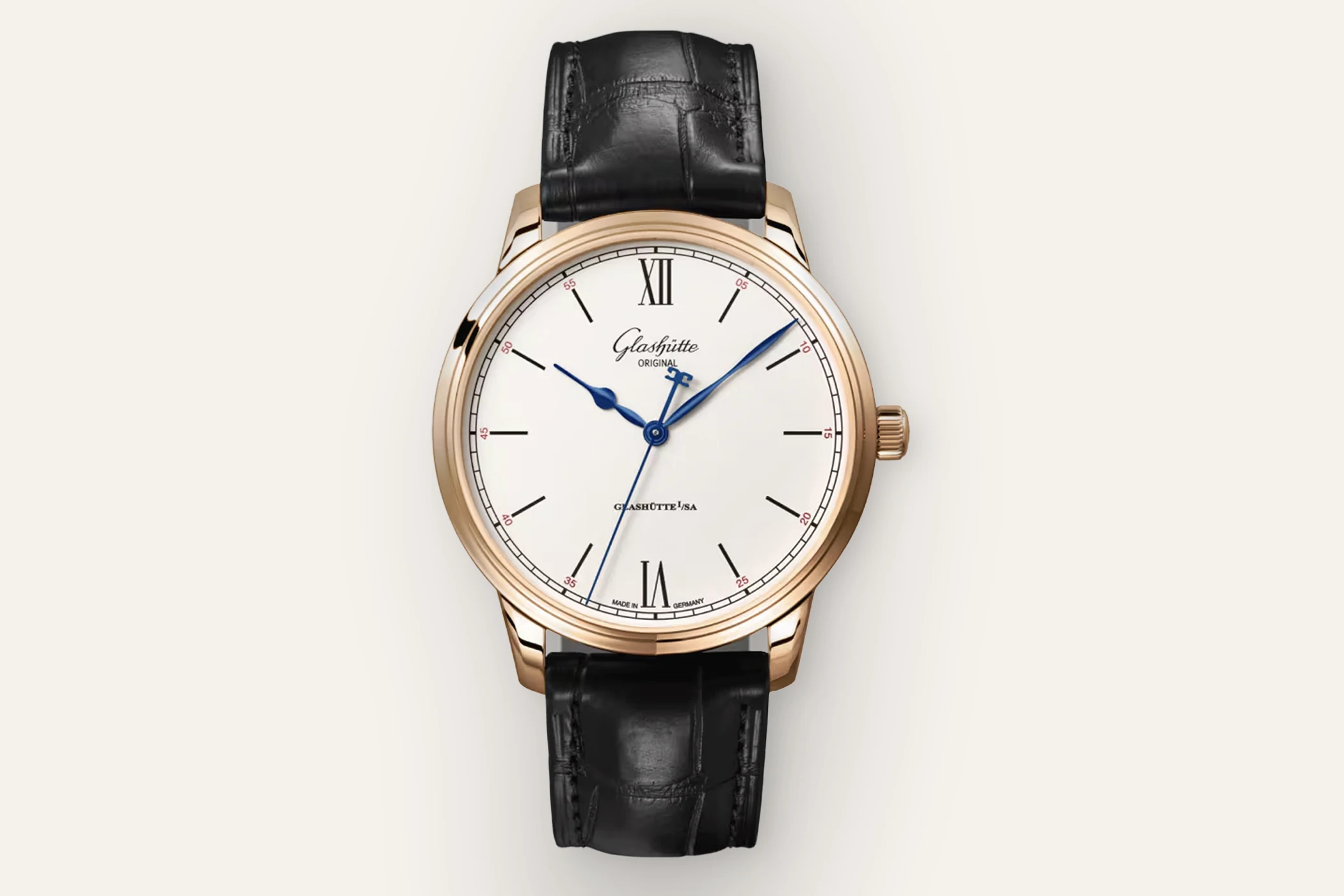
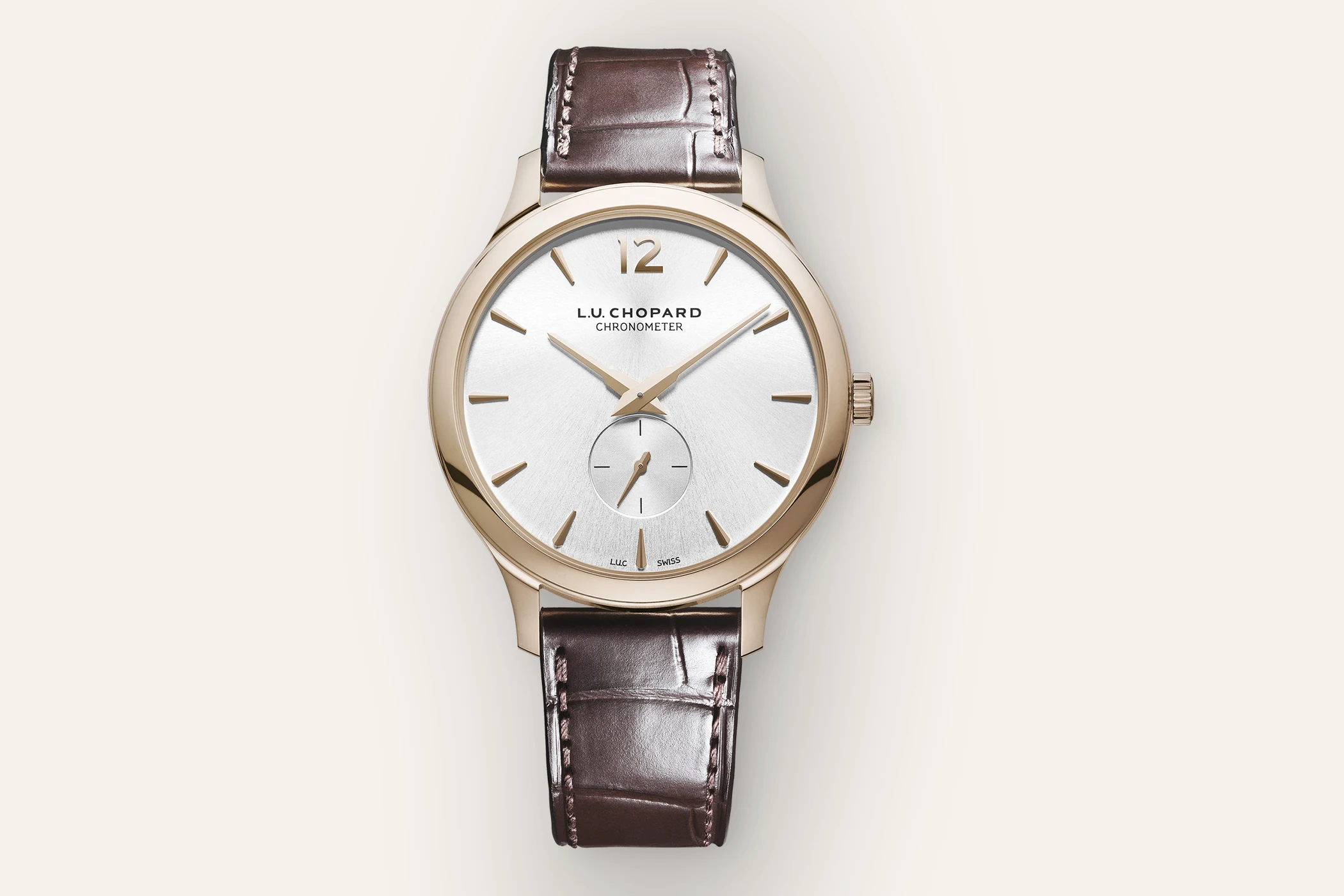
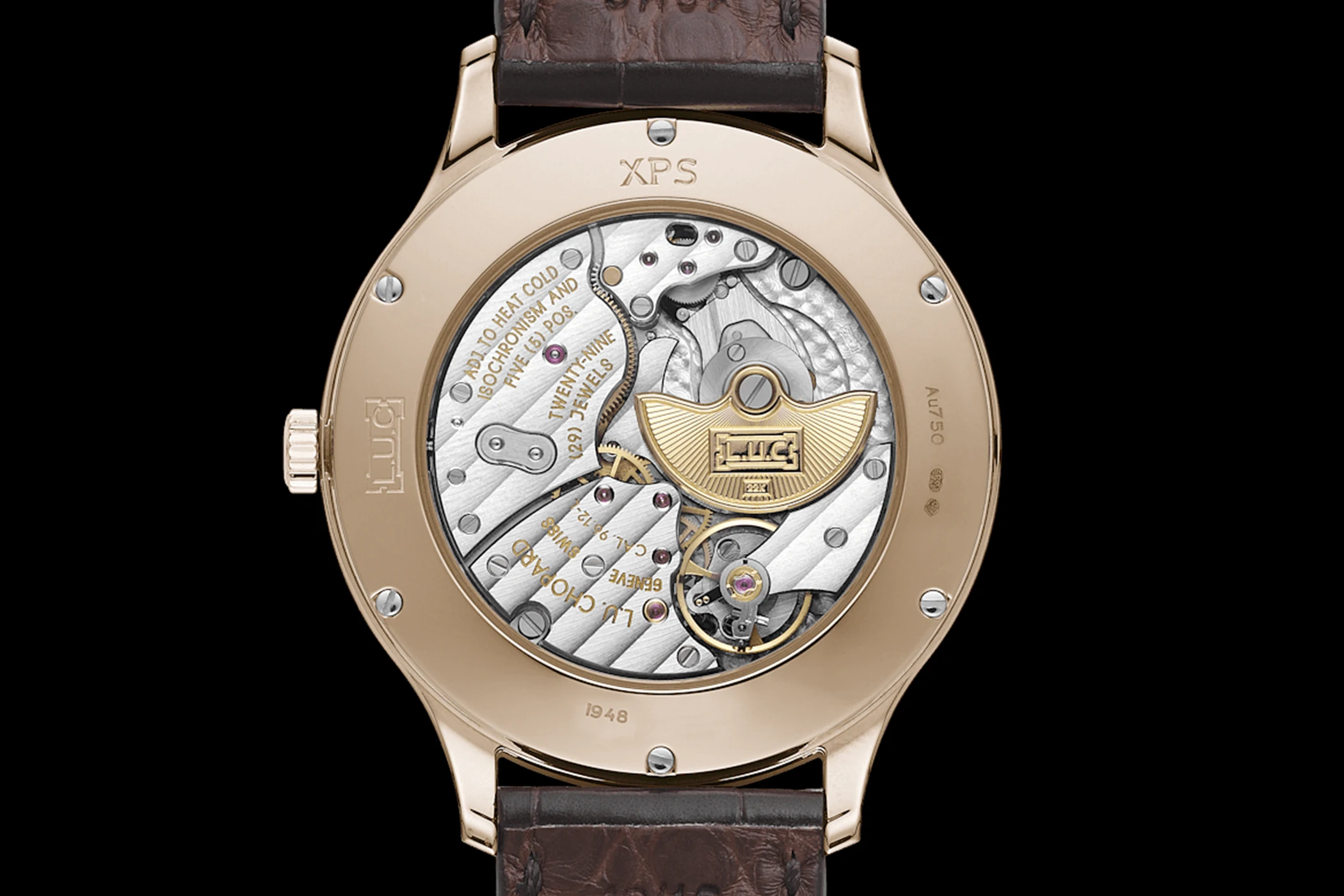
The Chopard L.U.C XPS (Ref. 161948-5001) occupies a similar position and can be regarded as one of the most compelling watches in this segment in terms of value for money. The combination of well-balanced proportions—with a rose gold case measuring 40 mm in diameter and 7.20 mm in height—a silver dial, the in-house L.U.C 96.12-L calibre with micro-rotor, a power reserve of approximately 65 hours, and a price of €22,700 makes it, in our view, a connoisseur’s choice. It also distinguishes itself from other gold dress watches through its twin stacked barrels, a feature of Chopard’s Twin Technology.
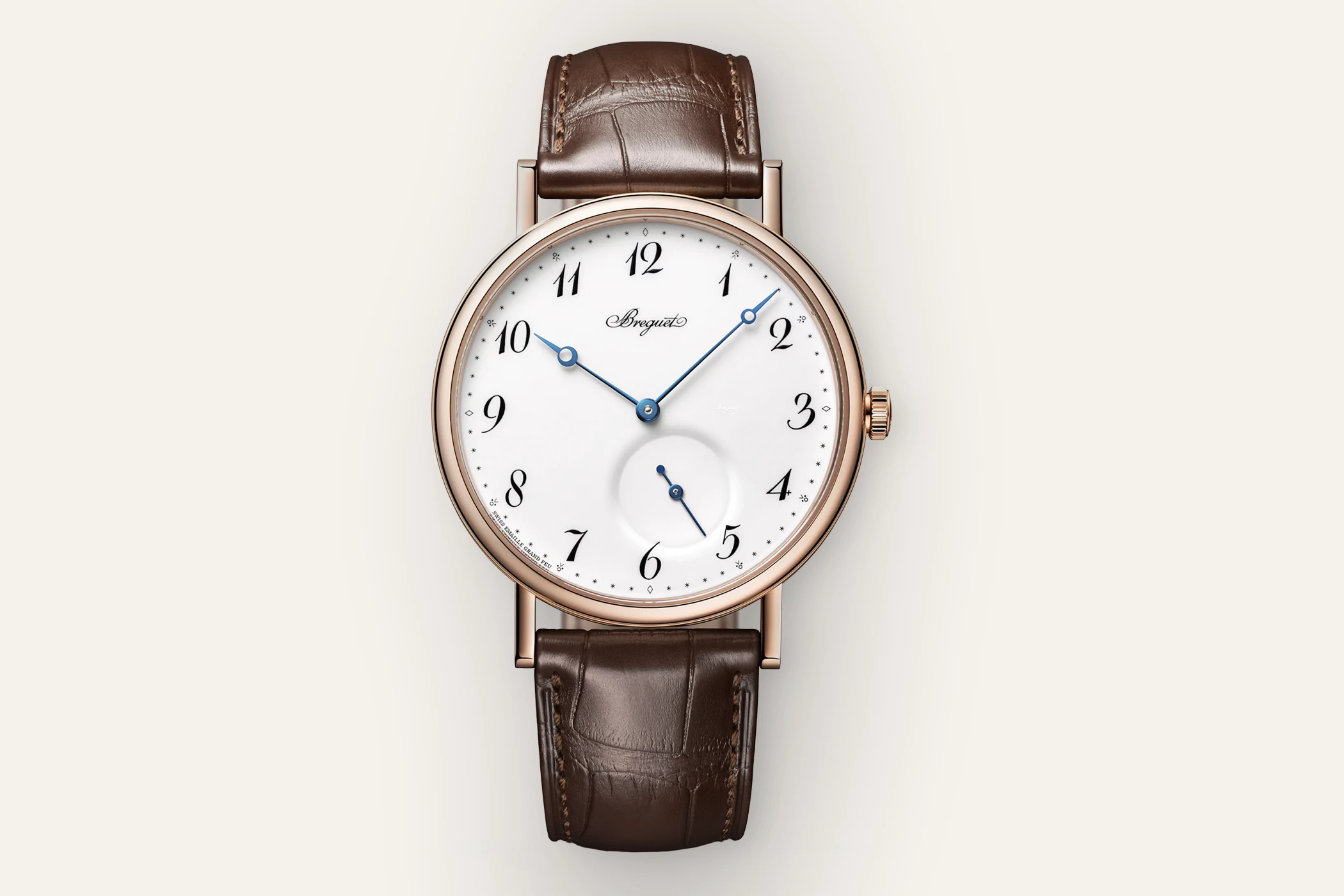
In the next tier—the mid-range—the perspective begins to shift gradually. The Breguet Classique 7147 (Ref. 7147BR/29/9WU) adds another dimension to the gold dress watch: history. A fluted red gold case measuring 40 mm in diameter and just 6.5 mm in height, a Grand Feu enamel dial, and the automatic calibre 502.3 SD with a power reserve of around 45 hours combine to create a watch deeply rooted in the maison’s tradition. The price of this classically conceived gold dress watch is €26,500.
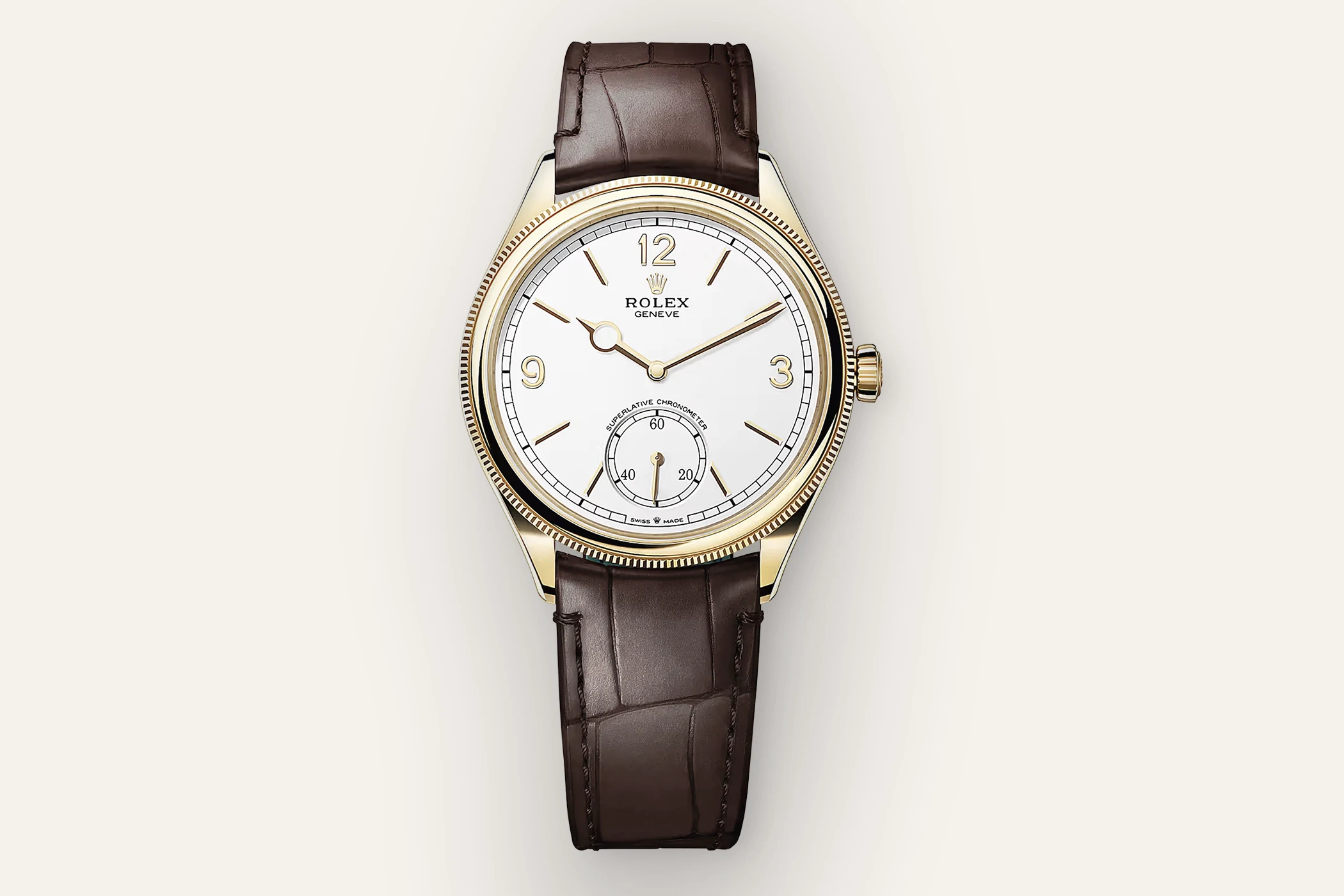
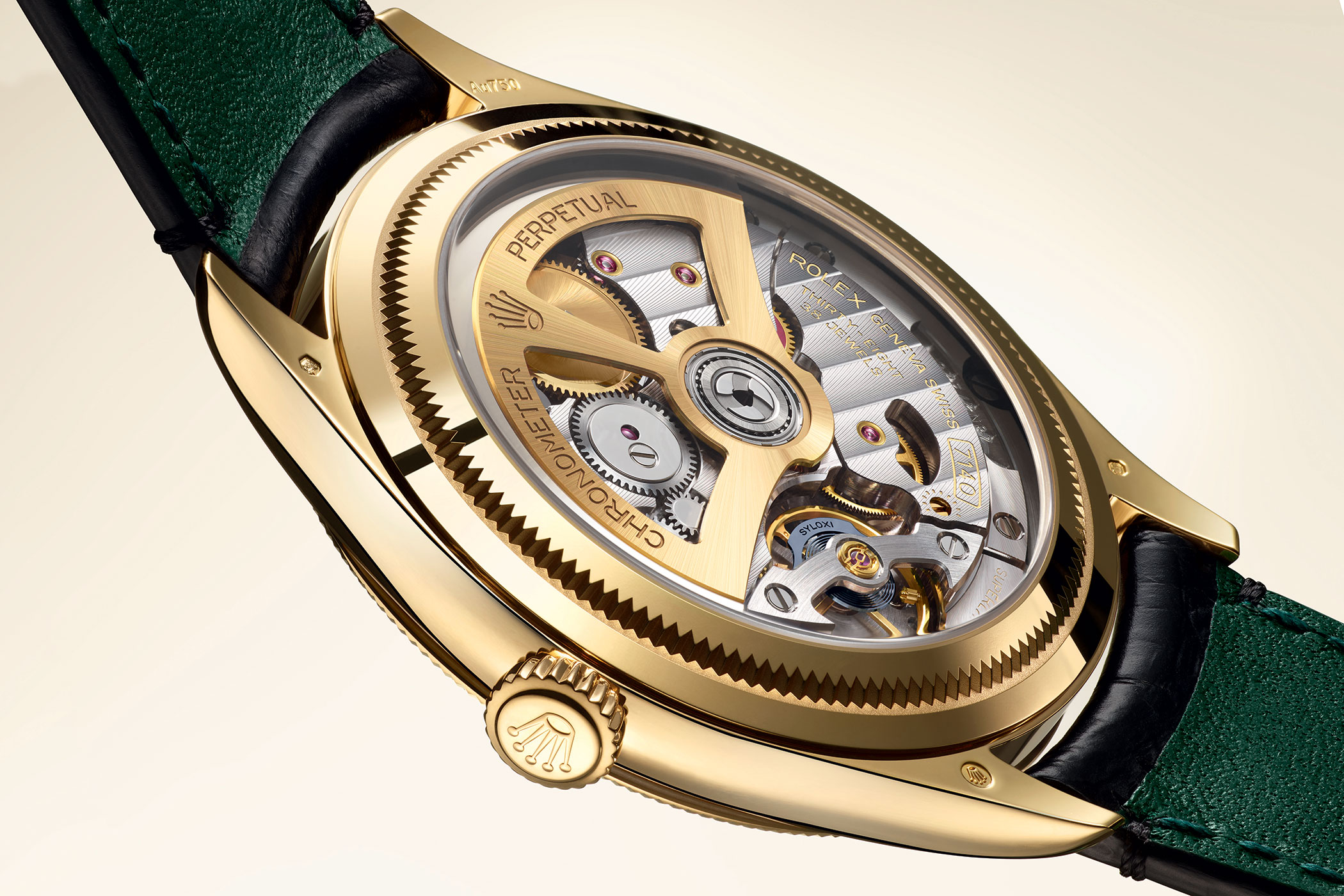
The Rolex Perpetual 1908 (Ref. M52508-0006), by contrast, occupies a distinctive position. With its 18-carat yellow gold case measuring 39 mm in diameter and 9.5 mm in height, paired with the manufacture calibre 7140 and a power reserve of approximately 66 hours, Rolex introduces industrial precision and chronometric performance into a segment otherwise dominated by more artisanal watchmakers. Priced at €26,500, the Rolex Perpetual 1908 sits at the same level as the Breguet Classique 7147, underlining the competitive nature of this segment.
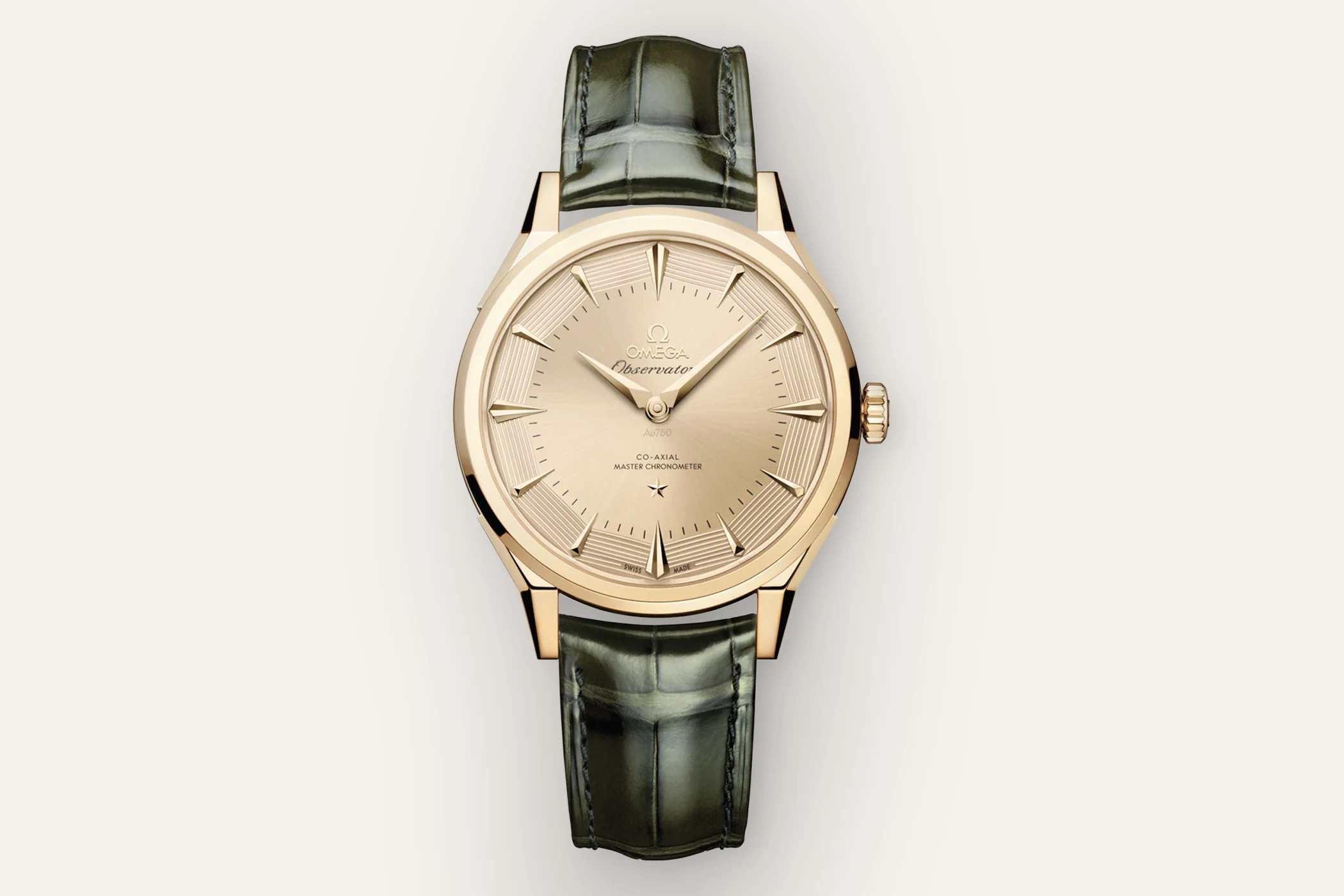
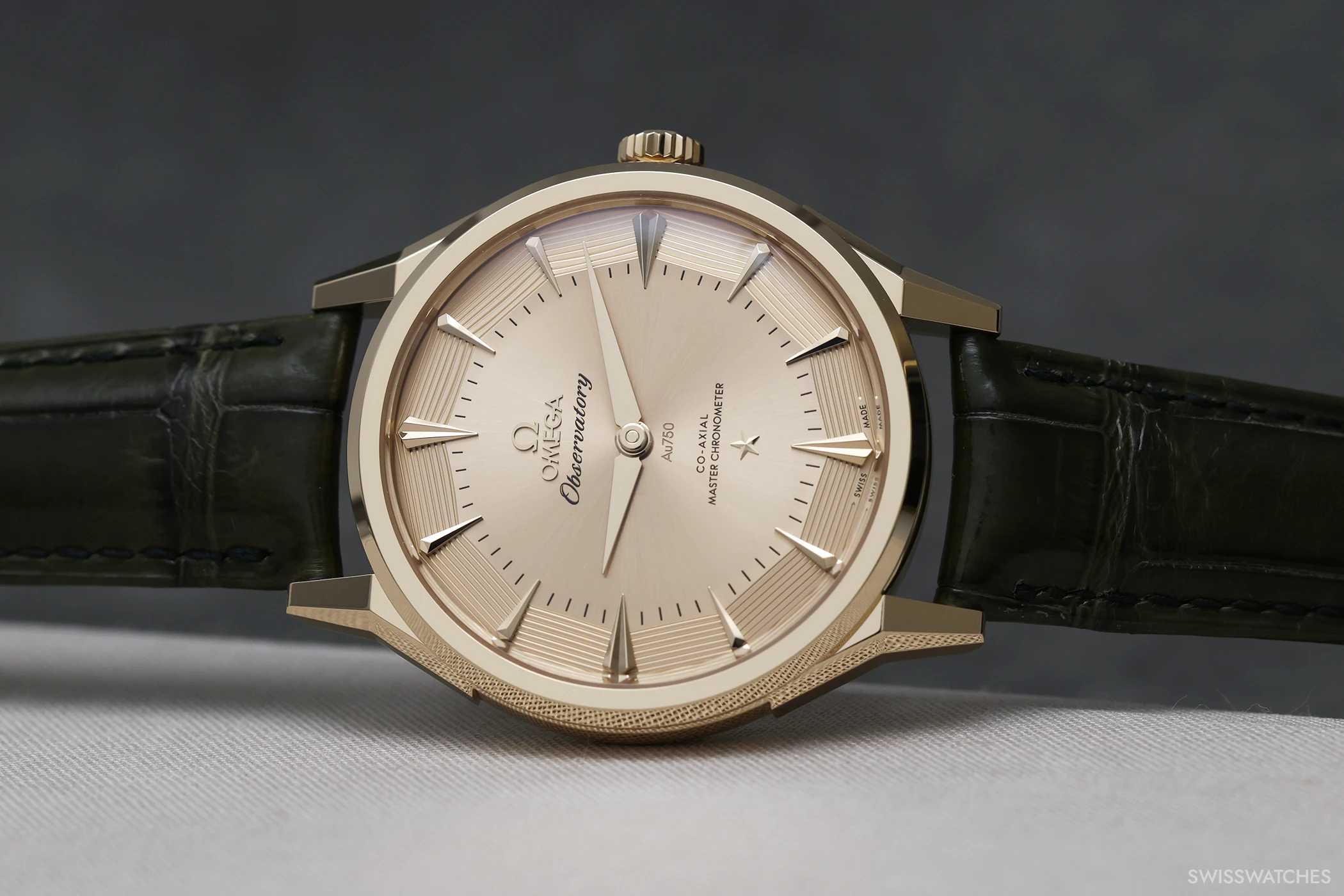
Within the field considered, the new Constellation Observatory is positioned in the mid-price segment, yet within Omega’s own portfolio it occupies a comparatively high price point. The focus here is on the Moonshine Gold variant (ref. 140.53.39.21.99.001)—Omega’s proprietary yellow gold alloy—paired with a leather strap. It features a 39.4 mm yellow gold case with a height of 12.23 mm, as well as a dial crafted from yellow gold. Inside, the in-house calibre 8915 Luxe delivers a power reserve of 60 hours and is wound bidirectionally via a yellow gold rotor bearing an observatory emblem. The price is €36,700.
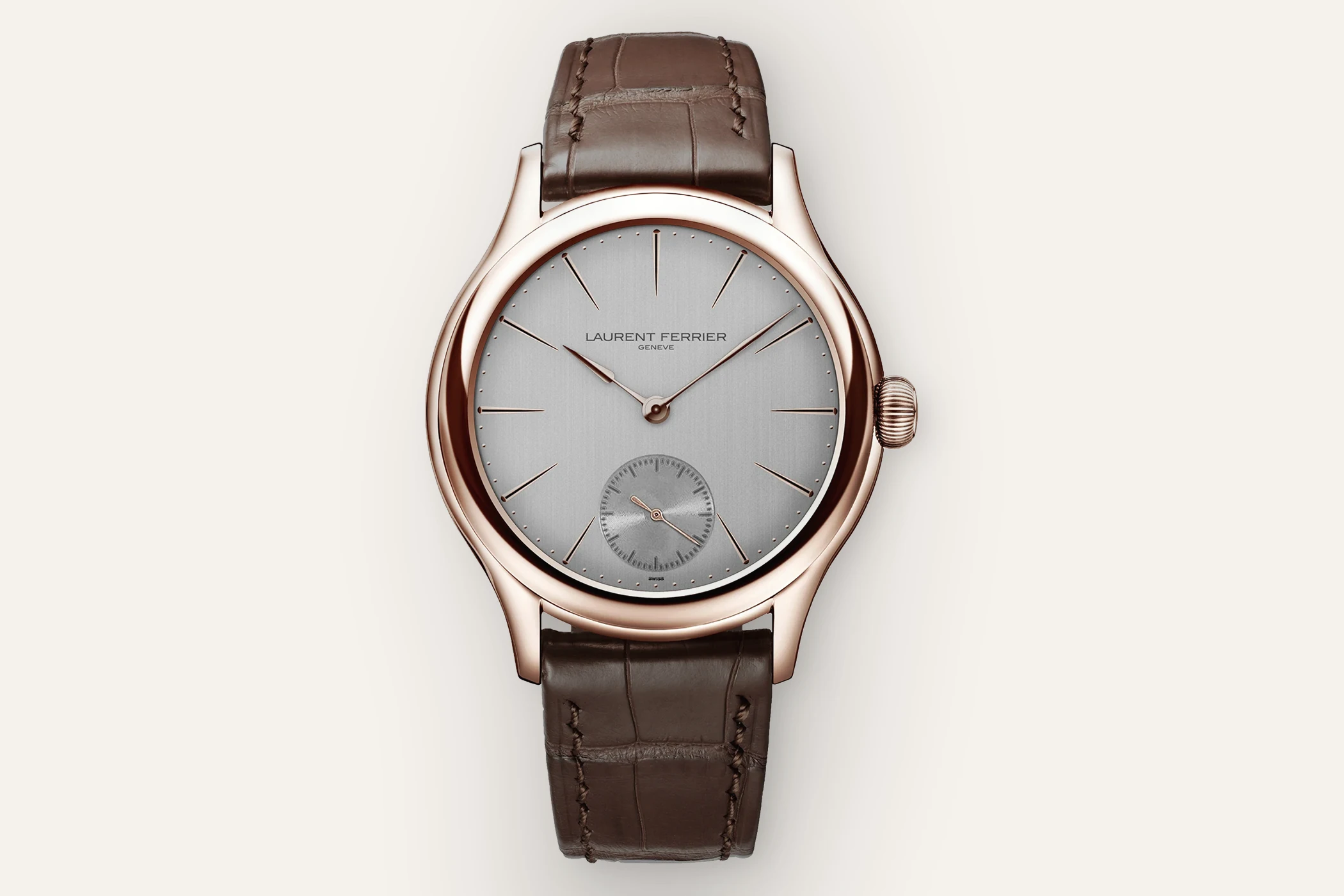
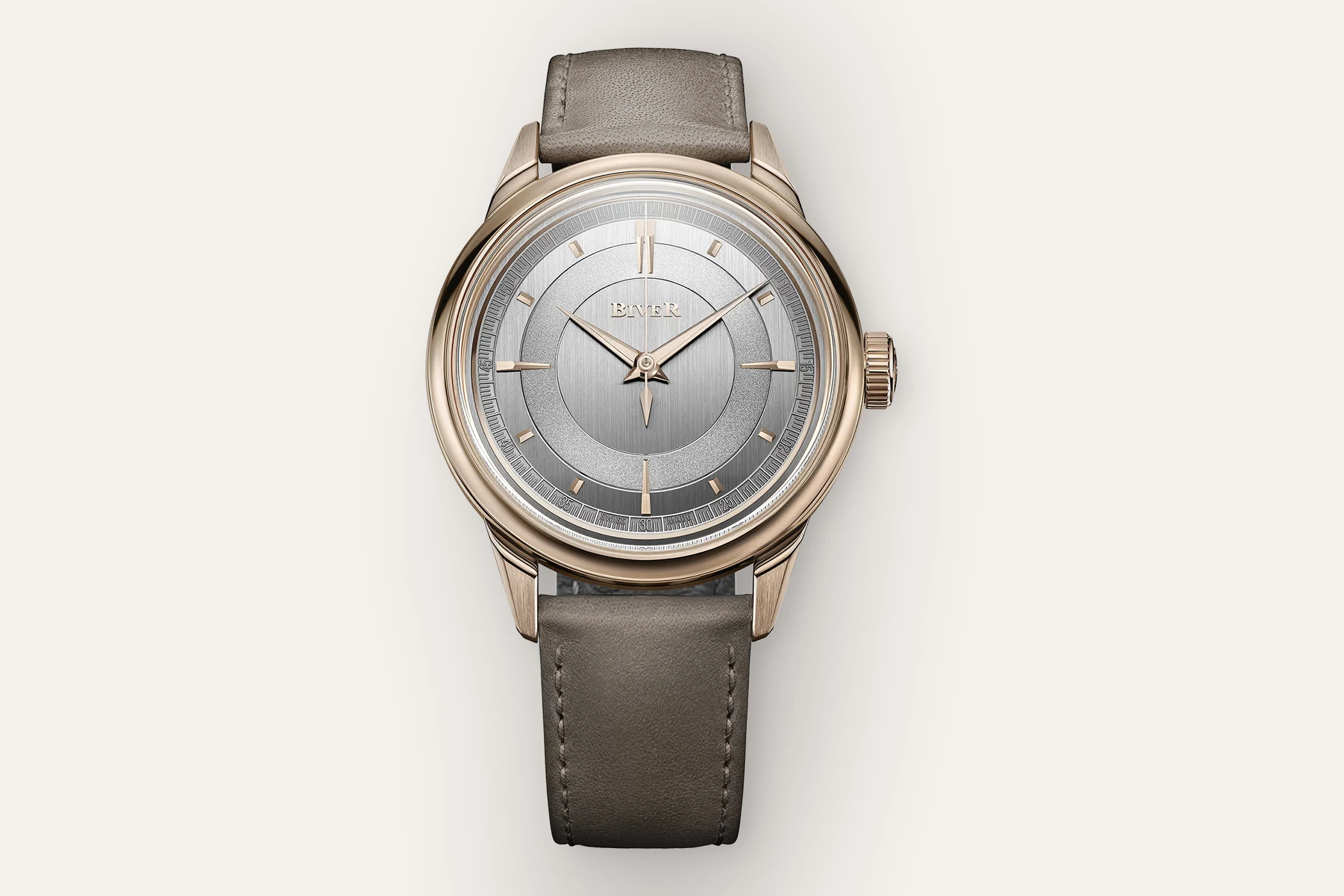
The Laurent Ferrier Classic Micro-Rotor LCF004.R5.GR1 and the Biver Automatique Micro-Rotor operate in a price bracket of their own. At this level, pricing is no longer defined primarily by specifications, but by execution, hand craftsmanship, and the individual signature of the watchmaker.
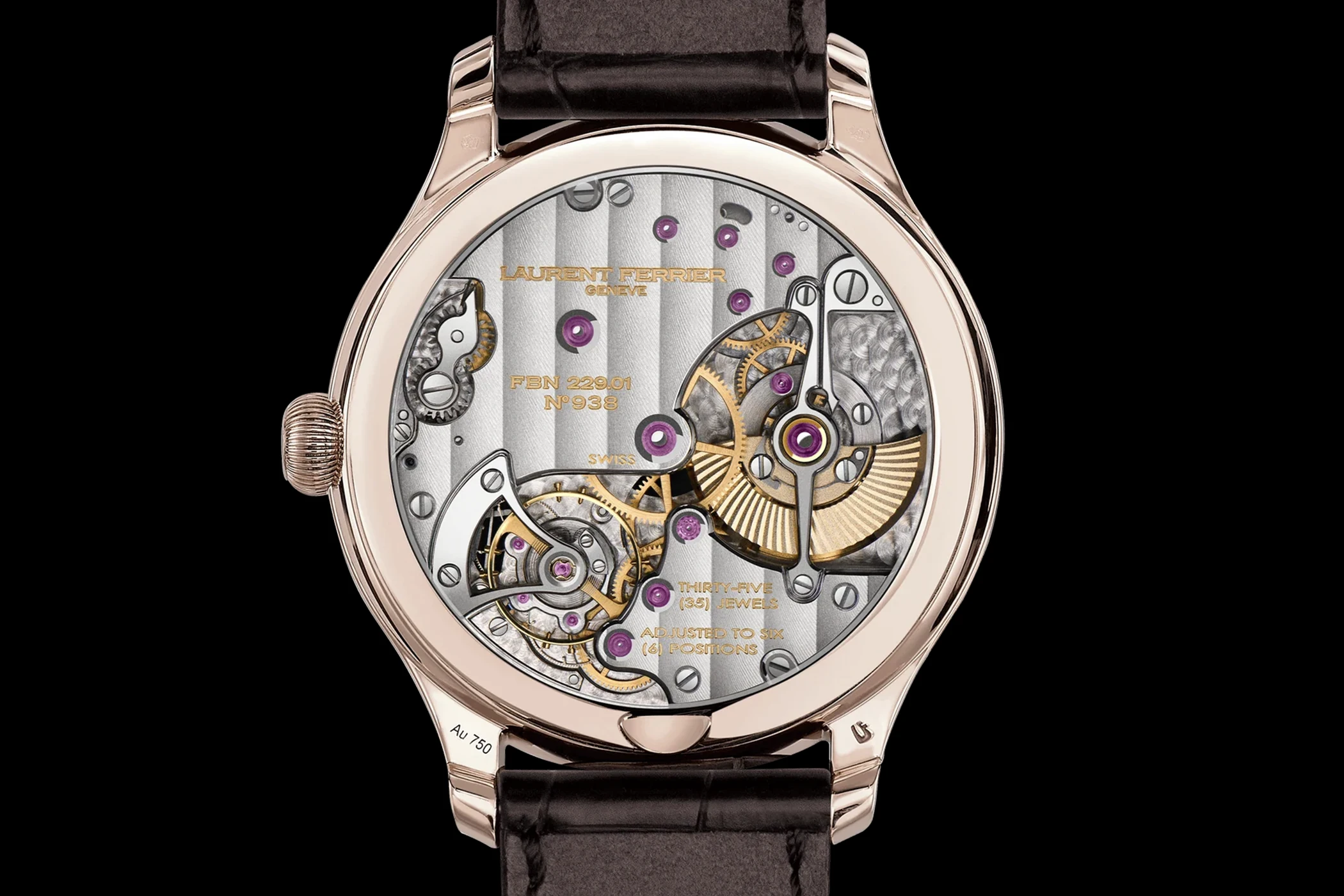
Laurent Ferrier’s Classic Micro-Rotor features a silver-toned dial with a vertically satin-brushed finish, paired with an 18-carat red gold case measuring 40 mm in diameter and 11.10 mm in height. It is powered by the calibre FBN229.01, an automatic movement with a pawl winding system and micro-rotor, offering a power reserve of 72 hours. The watch is priced at approximately €98,960.
The Biver Automatique Two-Tone presents itself in a rose gold case measuring 39 mm in diameter and 10 mm in height, with water resistance of up to 80 metres. Inside operates the calibre JCB-003-A, an automatic micro-rotor movement with a power reserve of 65 hours, while a dial crafted from 18-carat white gold defines its aesthetic. Particularly noteworthy is the high level of movement finishing, including the characteristic pyramid-like structures in a Clous de Paris motif. At €102,815 (incl. VAT), this model represents the highest price point within our selection.
Precision With a price of €36,700, Omega positions itself clearly above its direct competitor Rolex, exceeding it by more than €10,000. The key question, therefore, is how the Constellation Observatory compares with its competitors in terms of precision, case thickness, and dial execution—and whether these factors justify the pricing of the yellow gold Constellation Observatory.
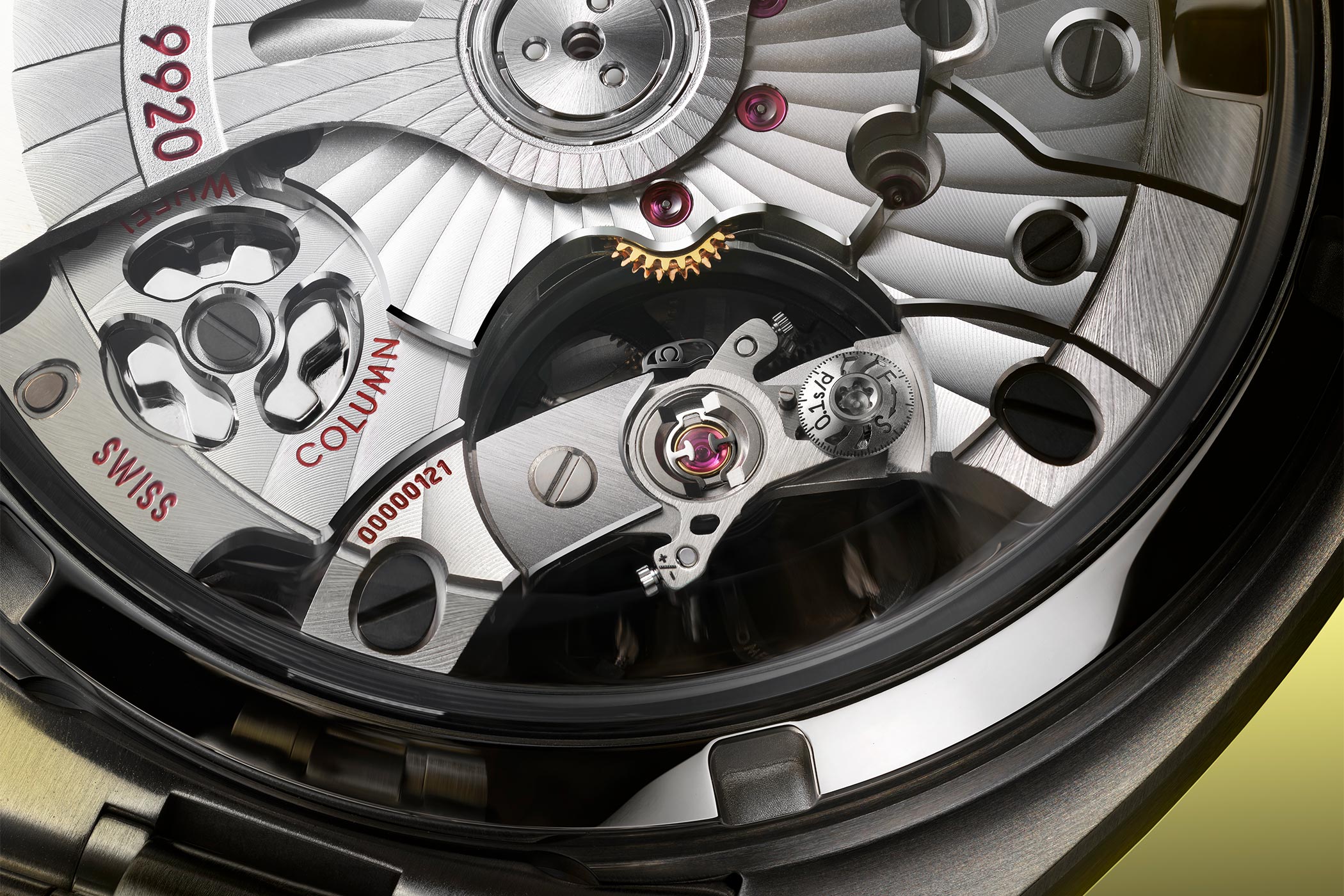
With the new Constellation Observatory collection, Omega deliberately shifts the focus of its communication towards certified precision. These models are the first two-hand watches to undergo both chronometer and Master Chronometer testing, resulting in a certified rate accuracy of 0 to +5 seconds per day, as well as magnetic resistance up to 15,000 gauss. This has been made possible through the creation of the Laboratoire de Précision—Omega’s own chronometer testing facility—which combines chronometer testing in accordance with ISO 3159 and Master Chronometer certification by METAS within what is referred to as Dual Metric Technology.
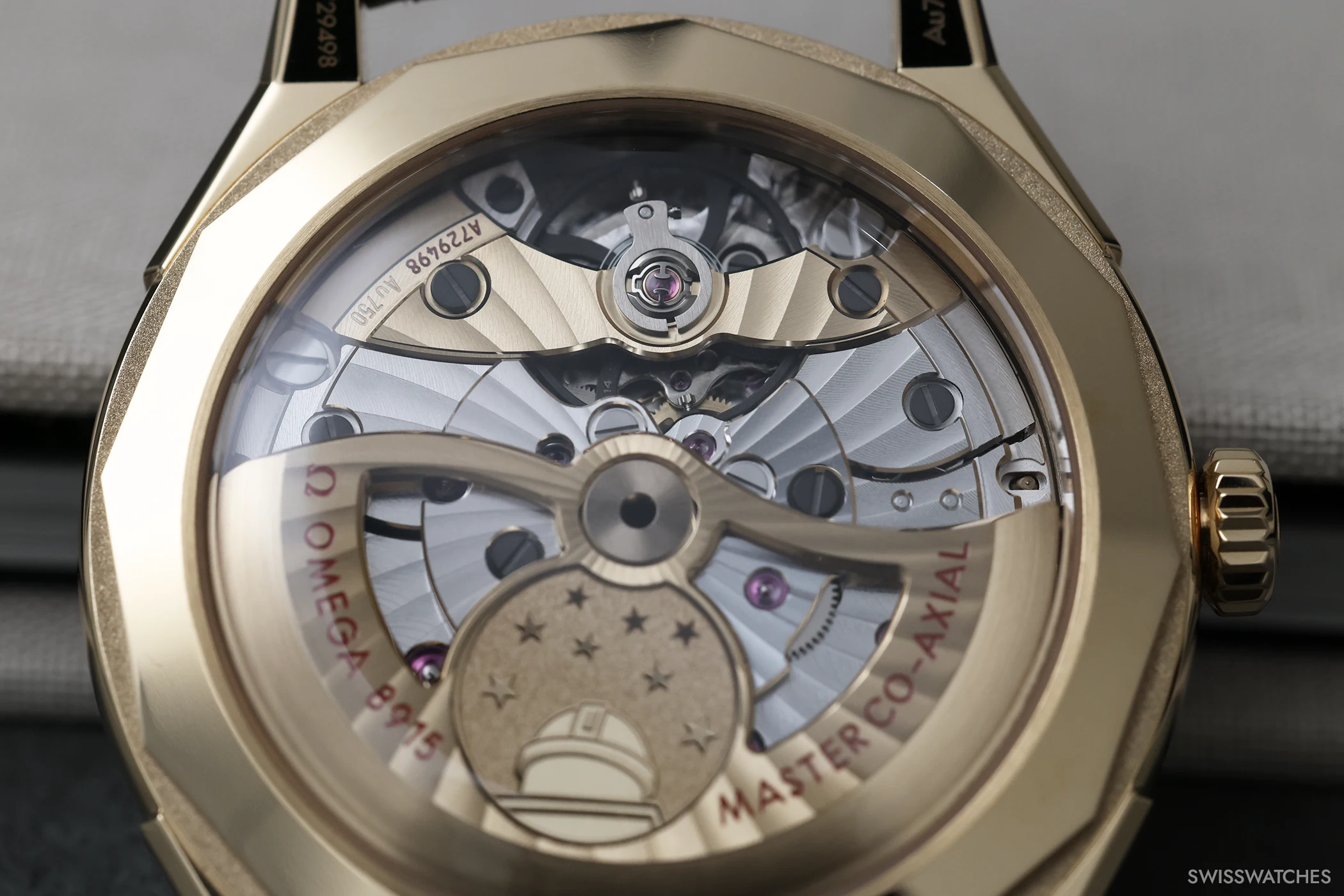
Against this backdrop, however, a legitimate point of criticism emerges: while Omega emphasises high precision, the Constellation Observatory features a two-hand display without a seconds hand, meaning that rate accuracy cannot be directly verified by the wearer. Furthermore, questions have been raised as to why Omega has not implemented its proprietary “Spirate” system, which currently represents the brand’s technical benchmark in precision, achieving a rate of 0/+2 seconds per day.
With its Superlative Chronometer certification, the Rolex Perpetual 1908 is distinguished by a quality standard introduced by Rolex that is stricter than Omega’s Master Chronometer certification in terms of pure rate accuracy. The Rolex standard is likewise based on a two-stage process: the uncased movement is first subjected to COSC chronometer testing, before being cased and tested under real-world conditions within a rate deviation of –2/+2 seconds per day. Overall, however, Omega’s Master Chronometer certification is more comprehensive, as it extends beyond precision to include, among other factors, testing under magnetic fields.
Also chronometer-certified is the manufacture calibre L.U.C 96.12-L found in the Chopard L.U.C XPS, which offers a certified rate accuracy of –4 to +6 seconds per day on average. The Glashütte Original Senator Excellence is powered by the calibre 36-01, for which a test certificate and the “Q” seal on the caseback confirm that it has successfully passed a 24-day long-term test in six positions. This includes the average daily rate, calculated as the mean of all deviations, which must remain within –4 to +6 seconds per day.
Among independent watchmakers such as Laurent Ferrier with the Classic Micro-Rotor LCF004.R5.GR1 or Biver with the Automatique Micro-Rotor, the focus shifts once again. While rate performance is precisely regulated, it is deliberately not part of a standardised certification by an external authority. The underlying idea is that achieved accuracy is to be understood as the result of artisanal control rather than industrial testing systems. In this context, Biver has established its own quality hallmark for its watches, known as the JCB Seal. Within this framework, five key criteria are tested and certified on fully cased watches, including water resistance of up to 50 metres (also for chiming watches), rate accuracy at least on a par with COSC standards, as well as aspects of functionality and aesthetics.
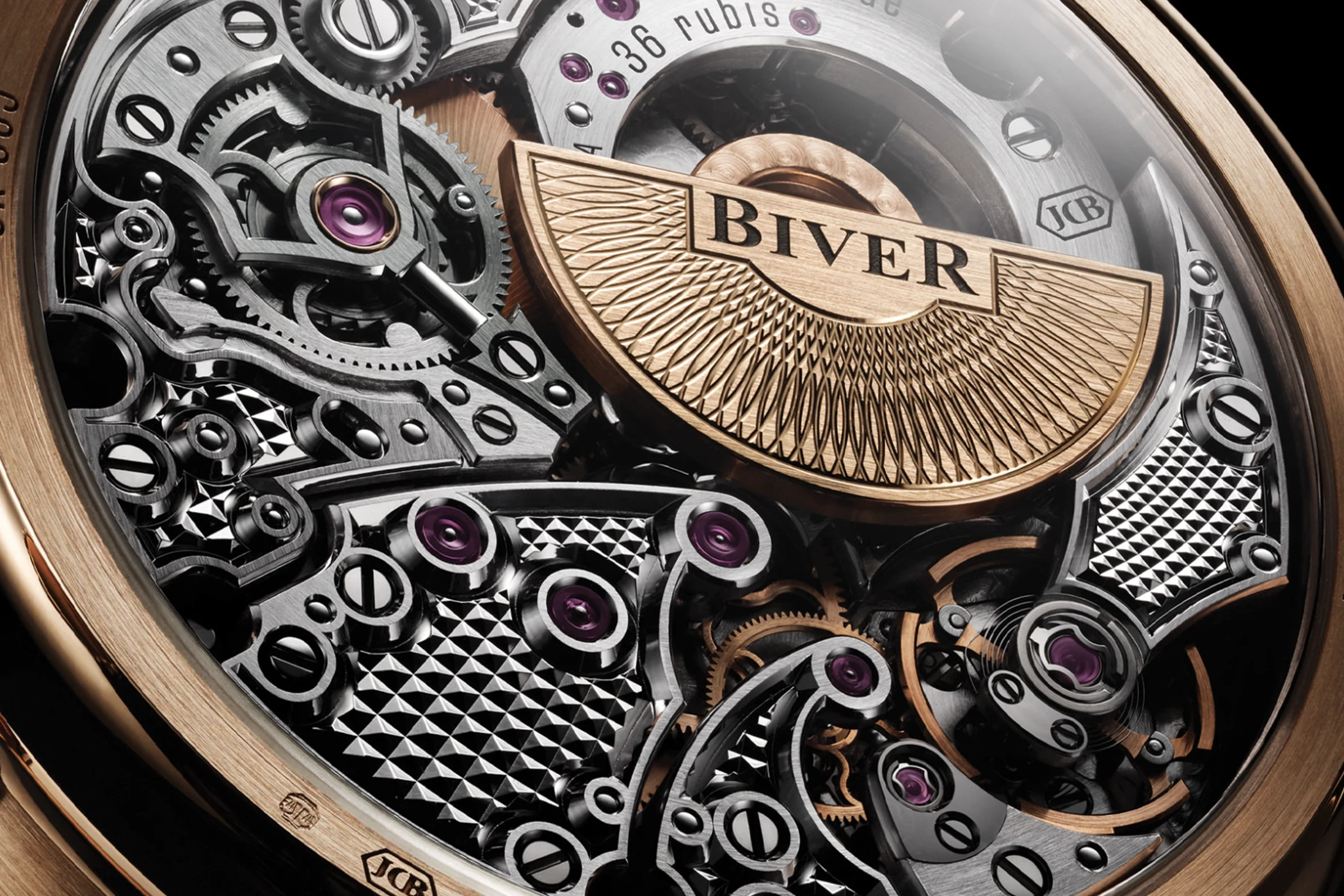
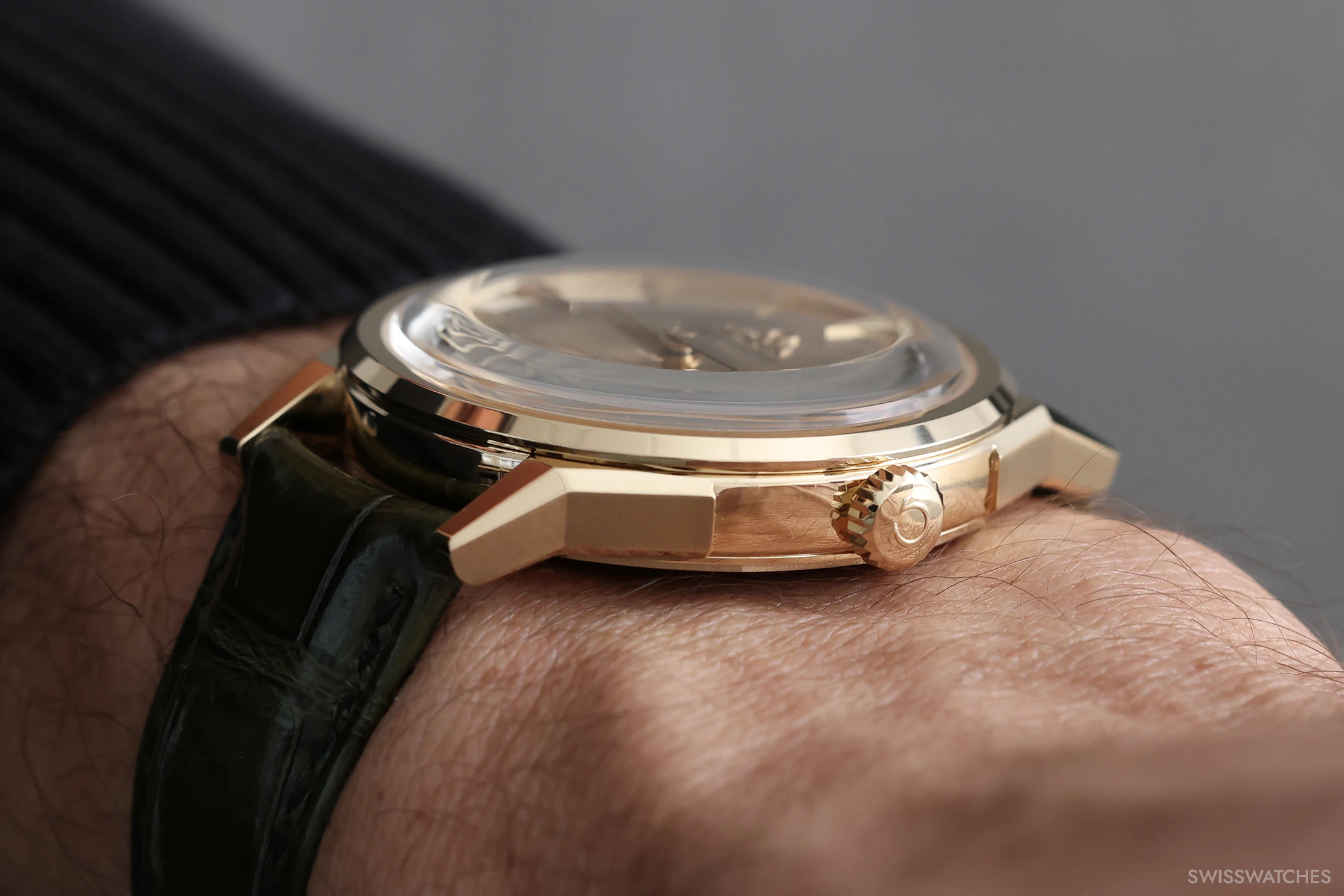
While Omega makes a strong technical statement in the field of certification—by subjecting a two-hand watch to Master Chronometer testing for the first time—one of the key points of criticism within the collector community lies elsewhere: the case thickness. This is largely due to the fact that, at 12.23 mm, the Constellation Observatory is comparatively thick for a two-hand dress watch.
A comparison of case thicknesses:
The increased thickness of the Omega Constellation Observatory can be explained from a technical standpoint. The architecture of the calibre 8915 Luxe incorporates a Co-Axial escapement, a bidirectional winding rotor, high magnetic resistance, a screwed construction, and the requirements of Master Chronometer certification. Not least, the domed sapphire crystal also contributes measurably to the overall height. Even when accounting for the domed crystal, however, the case thickness remains above what is traditionally expected in this segment—and thus above that of its competitors.
Another key distinction between the models—one that may also help explain the €36,700 price positioning of the yellow gold Constellation Observatory—lies in the choice of dial material. The Omega Constellation Observatory is crafted entirely from yellow gold, meaning that the dial base itself is also made from this material.
By comparison, the dials of Glashütte Original, Chopard, and Laurent Ferrier are each based on metal. Rolex, on the other hand, employs a high-tech coating as the dial base. In this context, only Omega and Biver use 18-carat gold as the base material for the dial. Breguet occupies a distinctive position with the Classique 7147, whose dial is made of fired enamel.