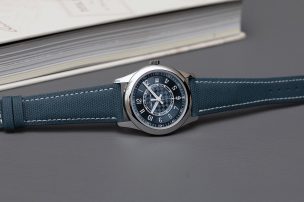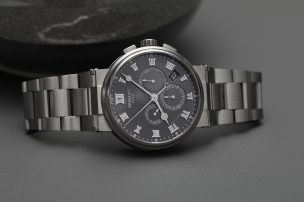
Breitling and Aston Martin celebrate their new partnership with the launch of the Navitimer B01 Chronograph 43 Aston Martin Aramco Formula One Team.
Timekeeping has held a position of particular importance in spaceflight since its earliest days, serving a clearly defined operational function. Engine burns, course corrections, docking manoeuvres, and extravehicular activities all follow precisely calculated time windows, where even minor deviations can have immediate consequences. Particularly during the early phases of crewed space exploration, when digital onboard computers were not yet fully developed, the chronograph worn on the wrist served as an independent tool for managing time-critical procedures. Watches in space were regarded less as personal accessories and more as functional instruments, whose reliability had to withstand extreme conditions. In the following, we examine the most important mechanical watches that have travelled into space — whether as companions to key milestones in human history or as instruments in emergency scenarios, spanning from the earliest orbital missions to long-duration stays aboard space stations.
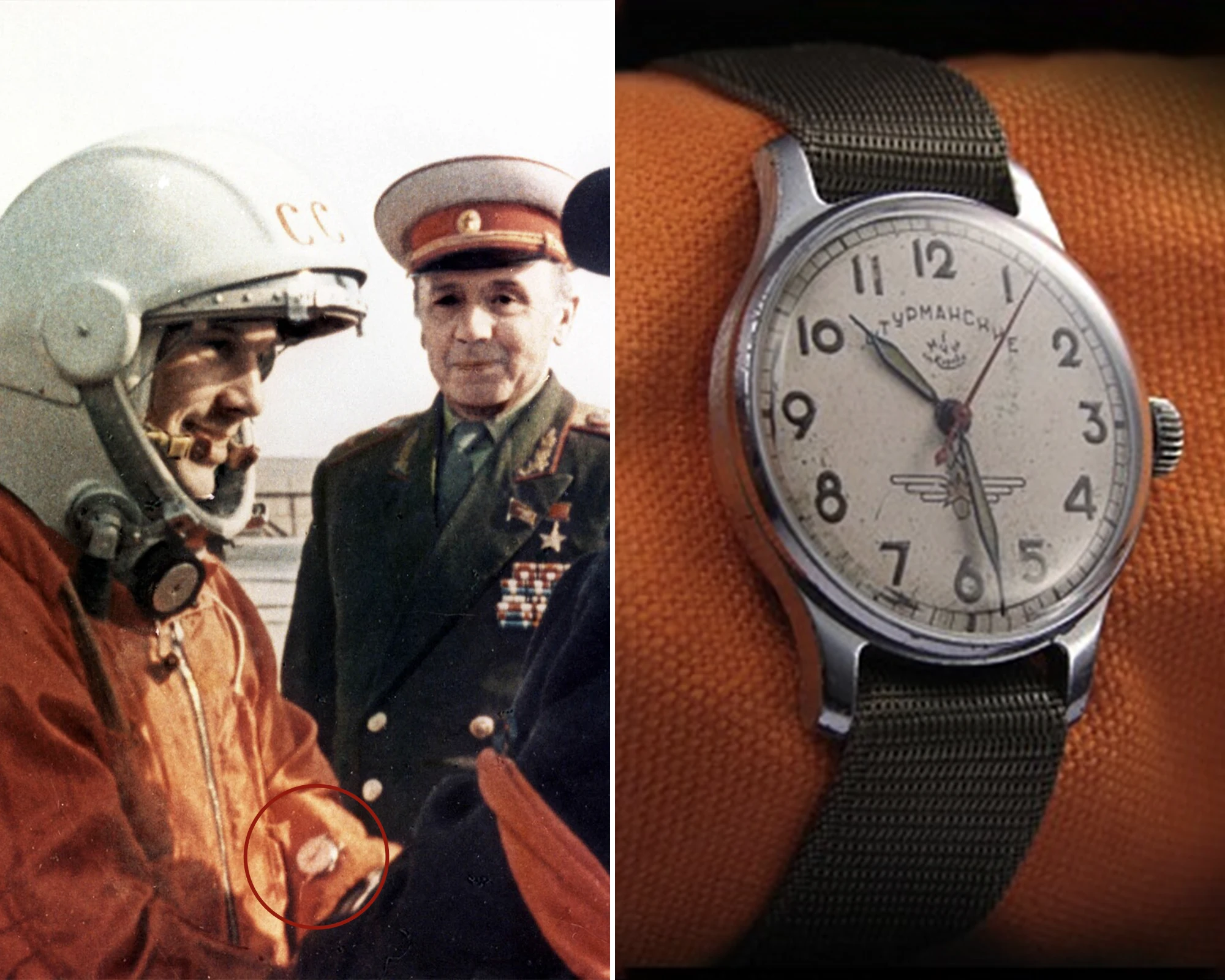
The significance of the Sturmanskie Type II lies in its role as the first wristwatch to travel into space on the wrist of a human, making it one of the most significant watches in space. It was worn by Yuri Gagarin during the Vostok 1 mission on 12 April 1961, when he became the first person to exceed the internationally recognised boundary of space at 100 kilometres. In doing so, he completed both the first crewed spaceflight and the first crewed orbital flight in history. Rather than being conceived as a prestige object, the Sturmanskie Type II possessed the essential characteristics of a military timekeeping instrument. The case, measuring 33 mm in diameter and 11 mm in height, featured a screw-down caseback to protect the movement from dust and moisture. The crown was equipped with additional sealing to ensure uninterrupted operation even under pressure fluctuations, while further gaskets were positioned at the junctions between case components. Inside operated the movement known as Calibre 43M, based on the Calibre 2609. When fully wound, it offered a power reserve of approximately 34 hours, and its construction was further reinforced by a shock-protection system for the balance staff. The Sturmanskie was manufactured by the First Moscow Watch Factory, founded in 1930, which declared bankruptcy in 2004. From that year onward, the rights to the Sturmanskie brand were sold to Volmax, a Moscow-based wristwatch manufacturer, which subsequently repositioned the brand with a particular emphasis on Soviet and Russian space heritage.
Image of Yuri Gagarin before launch, based on an image by Ministry of Defence of the Russian Federation (mil.ru), modified, licensed under Creative Commons Attribution 4.0 International (CC BY 4.0) / Credit © Netgrafik.ch
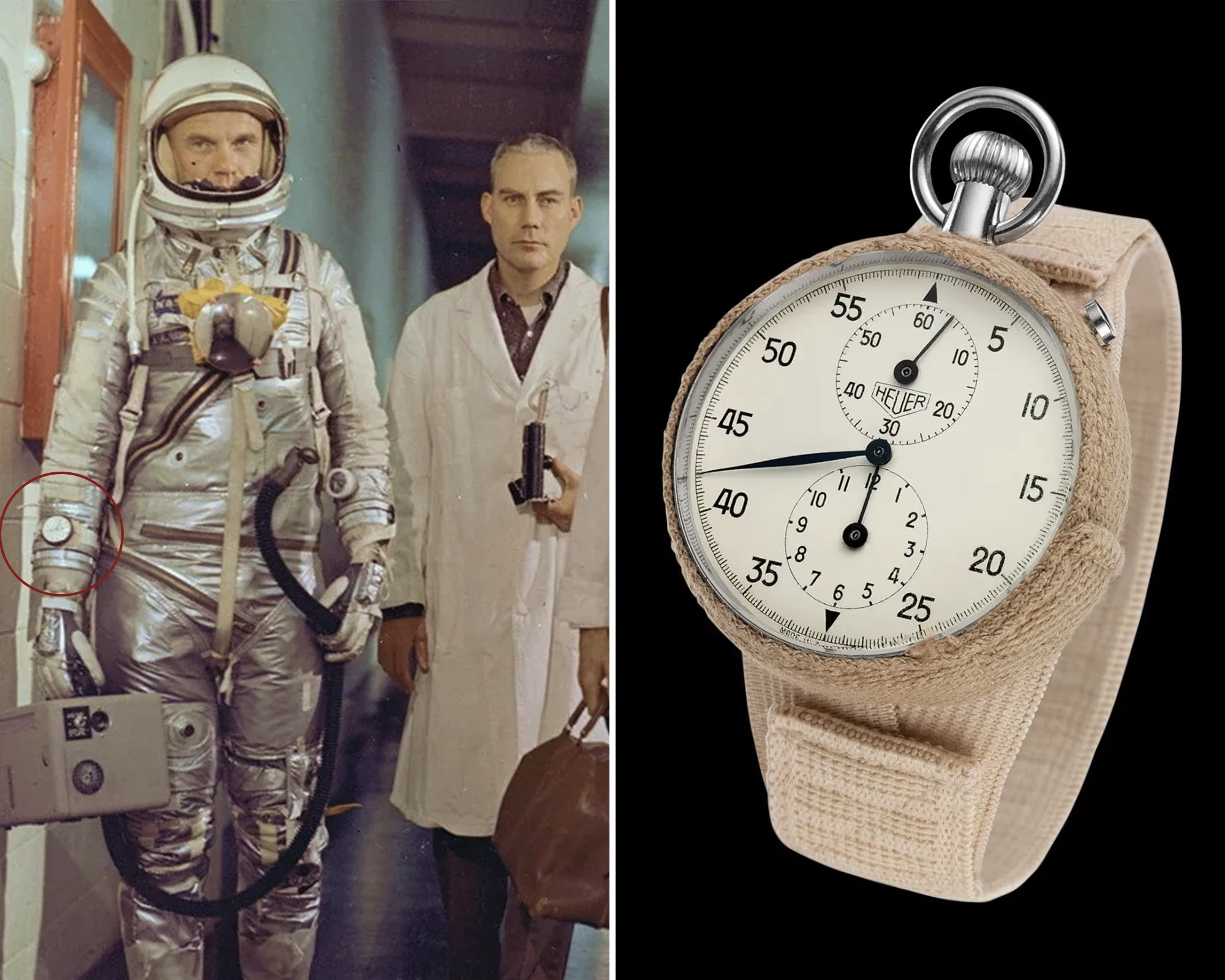
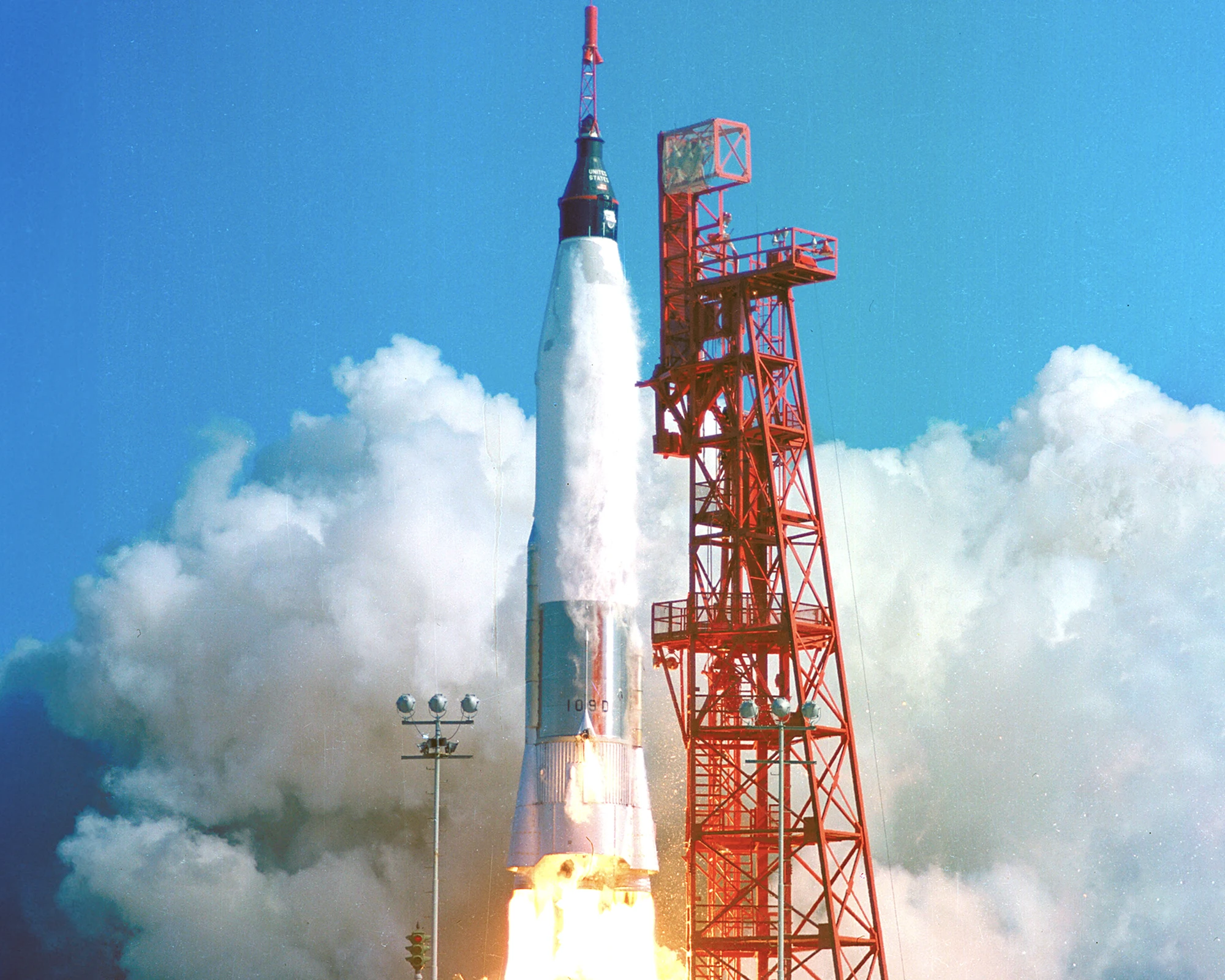
The Heuer stopwatch, reference 2915A, marks the first use of a Swiss timepiece in space. It was carried by John Glenn during the Mercury-Atlas 6 mission in 1962, when he became the first American to orbit the Earth aboard a spacecraft. Together with his Heuer stopwatch, he completed three orbits of the Earth in a time of 4 hours and 55 minutes, covering a distance of 121,793 kilometres, reaching a maximum altitude of approximately 260 kilometres and an orbital velocity of around 7.8 kilometres per second — allowing the United States, with Glenn as its first astronaut in Earth orbit, to catch up with the Soviet Union. The Heuer reference 2915A, which was strapped over Glenn’s arm using elastic bands, featured a white dial. Its central chronograph hand completed one full rotation every 60 seconds. The small hand on the upper subdial measured intervals of up to 60 minutes, while the lower subdial recorded times of up to 12 hours. Thanks to the combination of large numerals and a finely graduated scale along the edge of the dial, the display allowed time intervals to be read with an accuracy of one-fifth of a second.
Credit © NASA
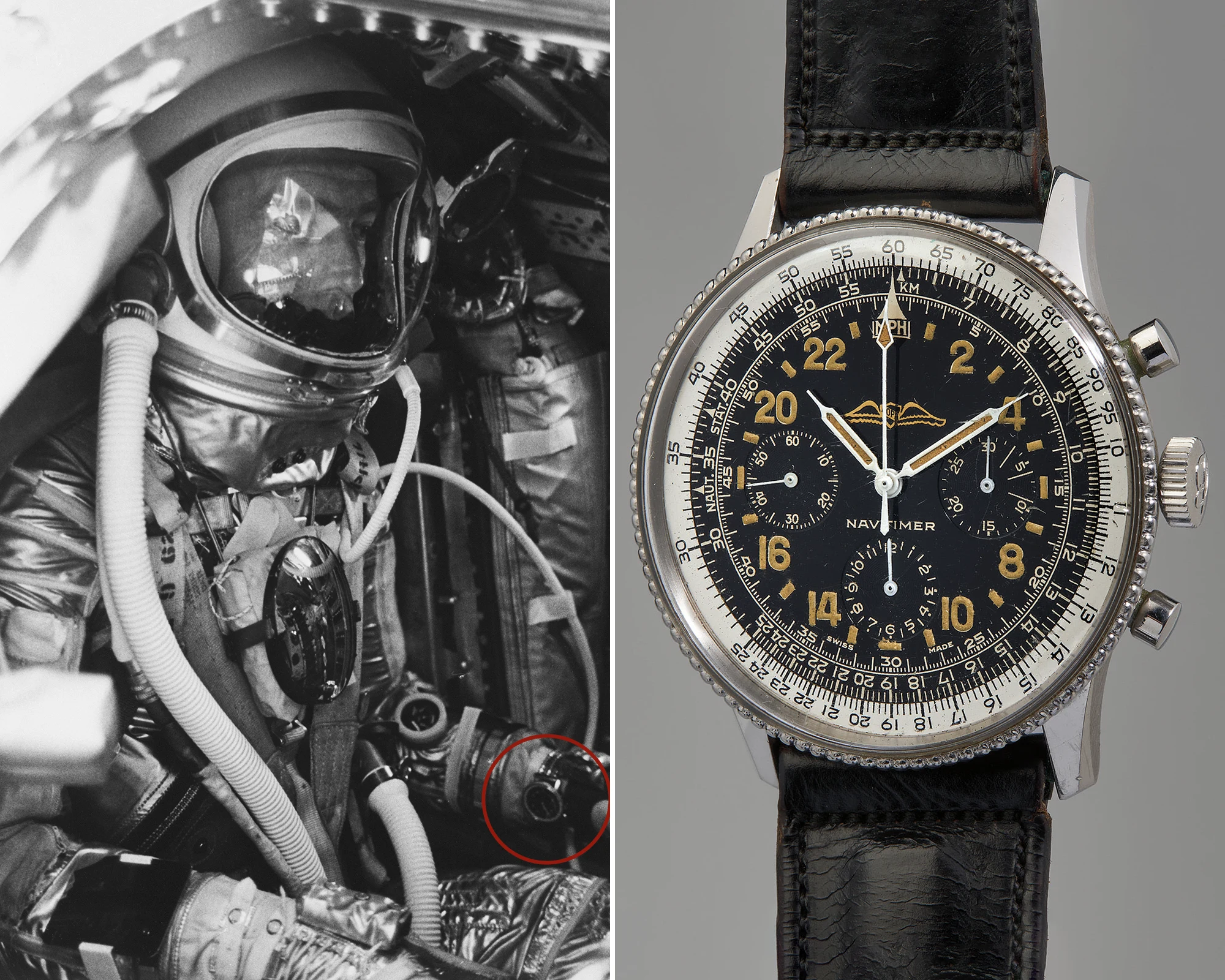
The Breitling Navitimer Cosmonaute is regarded as the first Swiss wristwatch to be worn in space, making it one of the most significant watches in space. At the request of the American astronaut and later aquanaut Scott Carpenter — one of the legendary “Mercury Seven” and the fourth American in space — the watch was specially equipped with a 24-hour dial and worn in 1962 during the Mercury-Atlas 7 mission. The 24-hour display helped prevent confusion between day and night while in Earth orbit. The specific Navitimer Cosmonaute Ref. 809 worn by Carpenter was damaged by saltwater and subsequently lost after he returned it to Breitling for repair. Its present whereabouts remain unknown.
Credit © NASA / Credit © Phillips
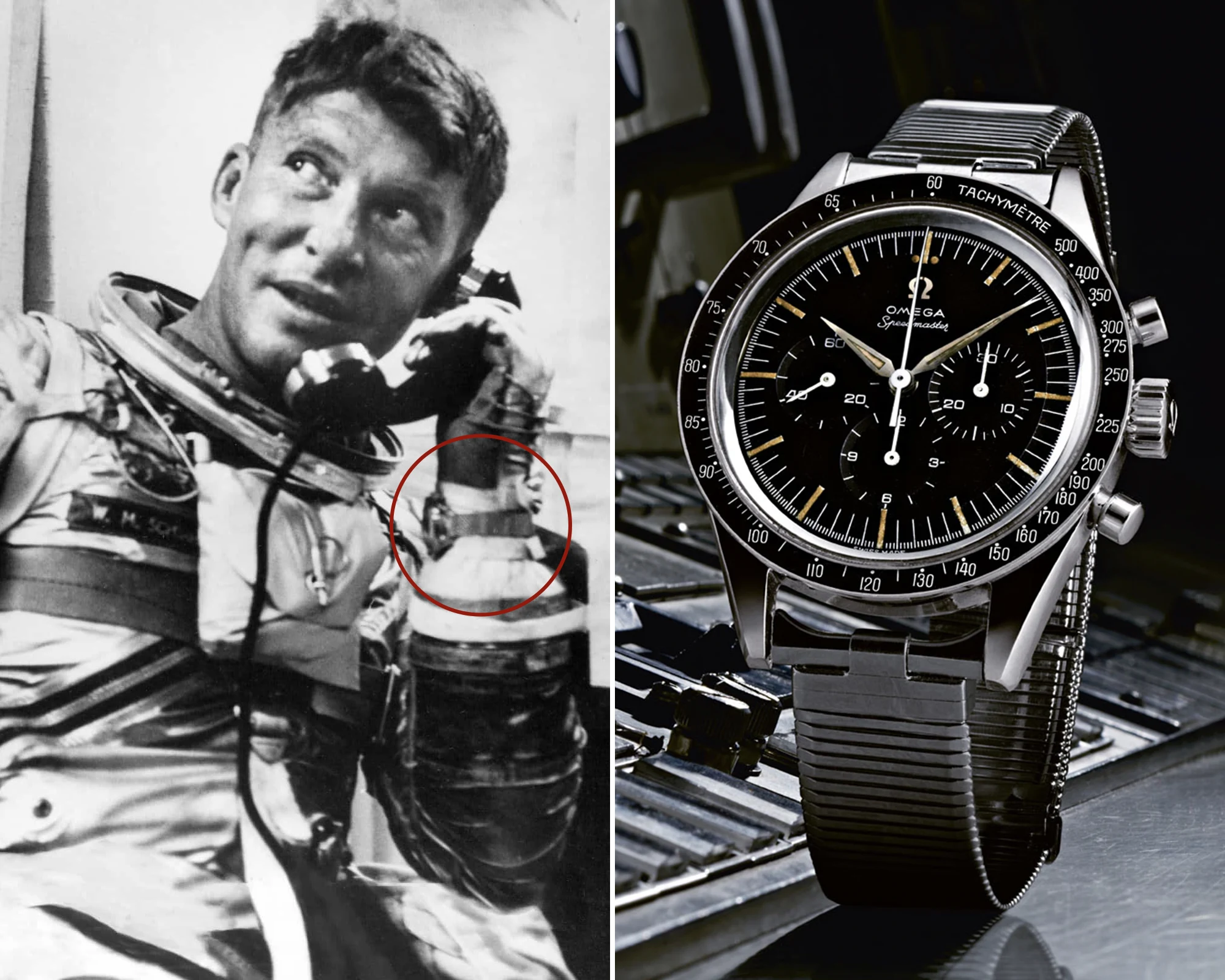
The second version of the Omega Speedmaster, reference CK 2998, is significant because, as the “First Omega in Space” (FOIS), it marked the beginning of Omega’s association with space exploration and already moved aesthetically closer to the character of the later “Moonwatch”. On the dial of the CK 2998, the broad arrow hands of the first Speedmaster reference CK 2915 gave way to considerably slimmer Alpha-style hour and minute hands, while the aluminium bezel carrying the tachymeter scale was now finished with a black insert. The watch achieved particular renown through one of its wearers, the astronaut Walter “Wally” Schirra, who selected the reference as his companion for the Mercury-Atlas 8 mission on 3 October 1962 and wore it aboard the spacecraft Sigma 7. During the flight, Schirra orbited the Earth six times on a mission lasting 9 hours, 13 minutes, and 15 seconds. At that point, it was the longest crewed orbital flight conducted by the United States in the space race, although it still fell well short of the record of more than three days set earlier that same year by the Soviet Vostok 3 mission. Schirra’s CK 2998 becomes even more notable in light of the fact that it was a privately purchased watch rather than a model officially certified by NASA.
Credit © NASA
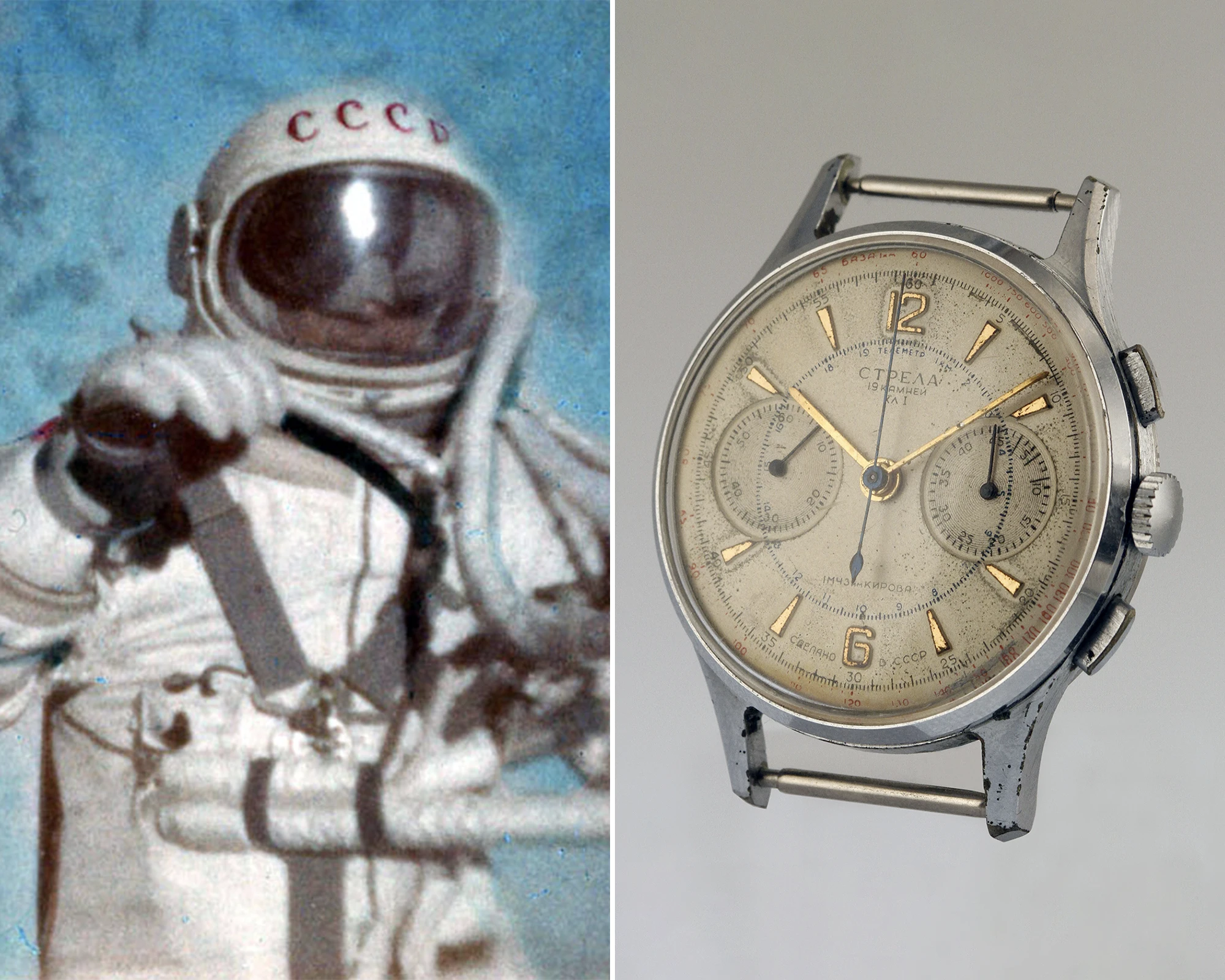
On 18 March 1965, the Voskhod 2 mission launched with Alexei Leonov and his commander Pavel Belyayev on board, with the explicit objective of conducting the first spacewalk by a cosmonaut. In Earth orbit, Leonov exited his spacecraft and thus became the first person in history to float freely outside a spacecraft in open space. Leonov also became famous for what occurred during this extravehicular activity. During the 12-minute excursion outside his capsule, connected only by a 4.5-metre safety tether, his spacesuit inflated and stiffened due to the pressure differential between its interior and the vacuum of space, making re-entry into the airlock impossible. To counter this, Leonov reduced the pressure in his suit via a valve located on his right thigh, switching to emergency mode. As air escaped, he was able to re-enter the airlock and ultimately return to the spacecraft. While carrying out the first spacewalk in history, Alexei Leonov wore a Strela 3017 chronograph with a cream-coloured dial on his wrist, produced by the First Moscow Watch Factory.
Credit © European Space Agency ESA
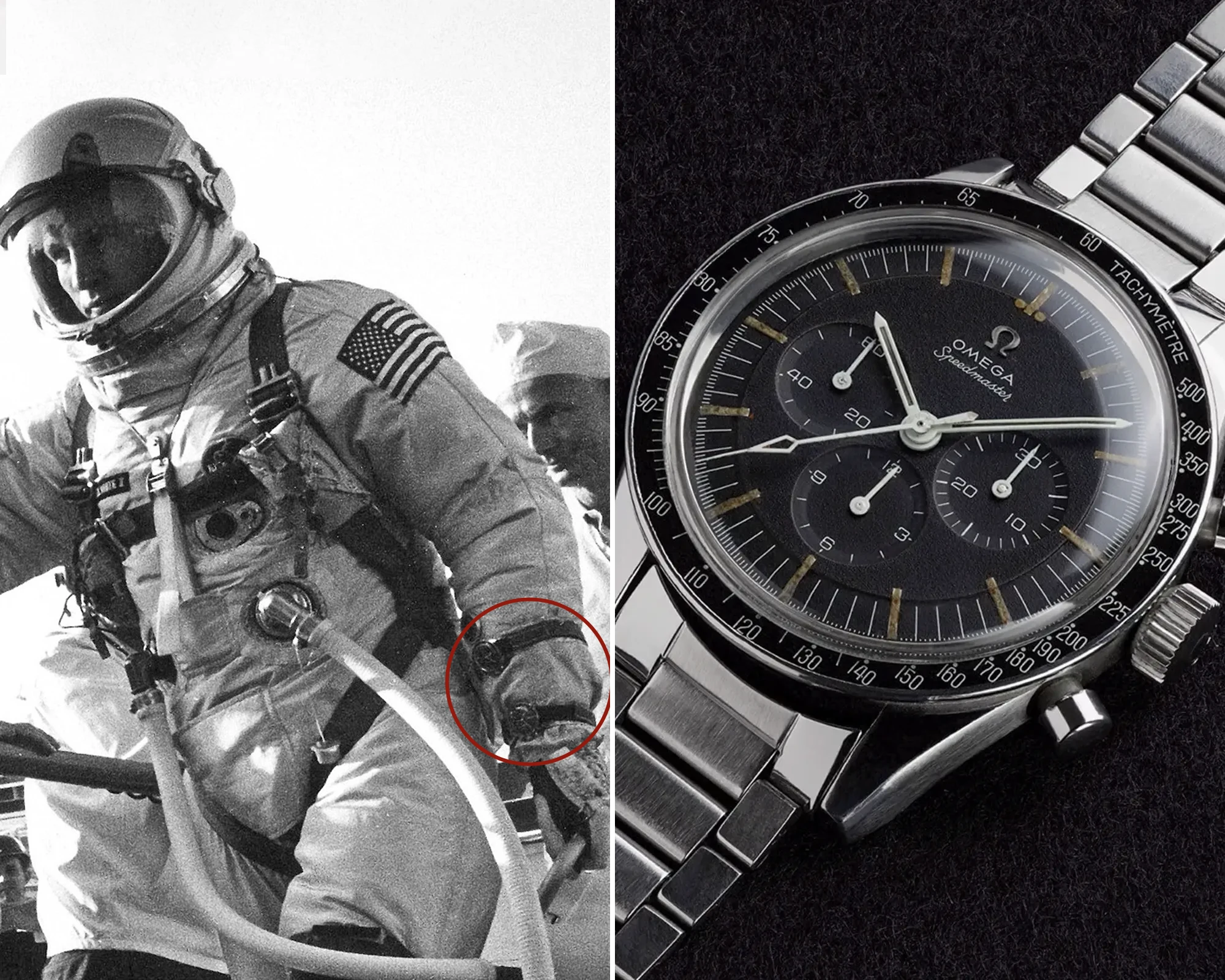
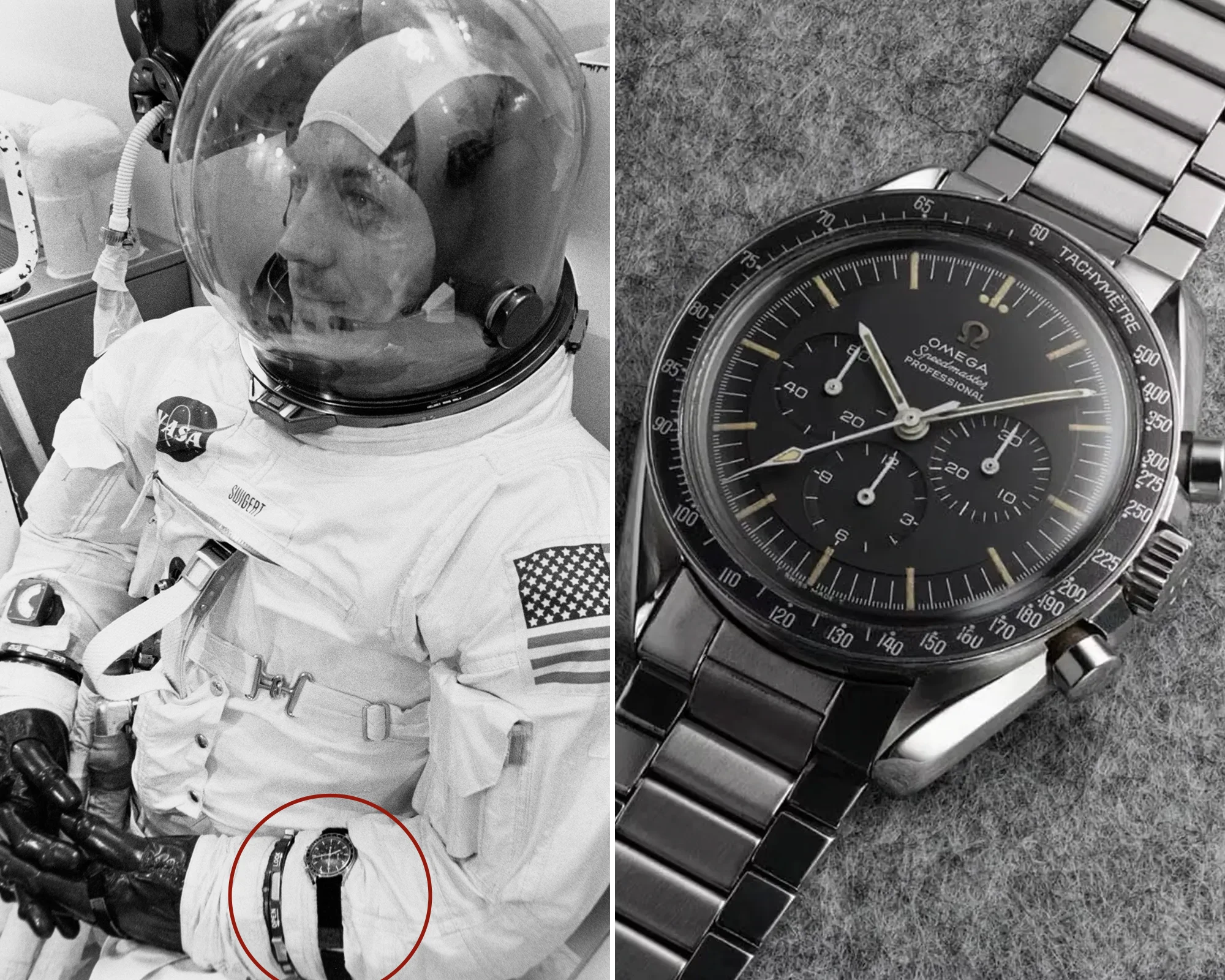
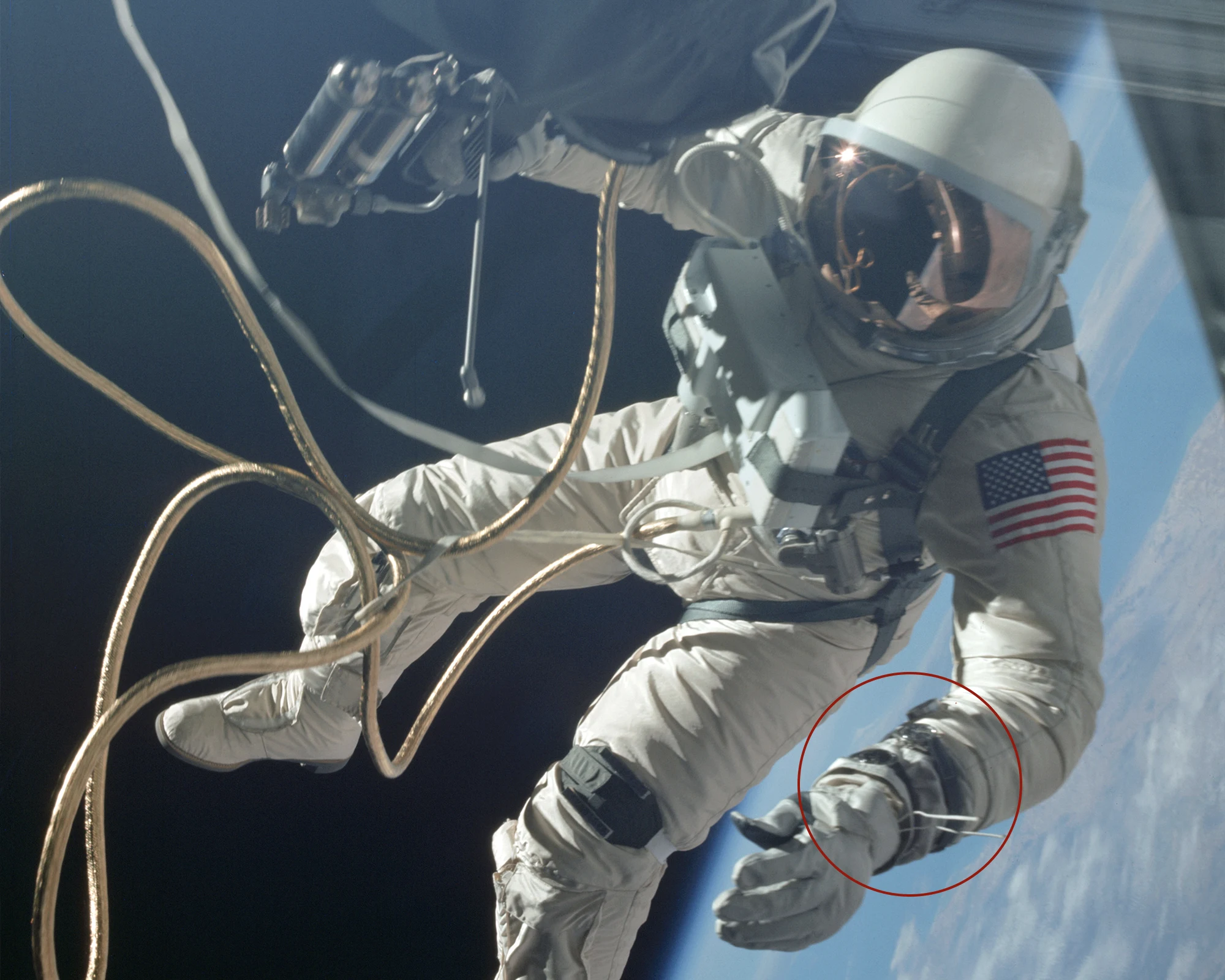
The Omega Speedmaster Ref. 105.003 occupies a central place in Omega’s spaceflight history, as it was the first Speedmaster to be officially declared by NASA as “flight-qualified for all crewed space missions”. This distinction — the kind any marketing department might dream of — was awarded after the watch successfully passed eleven rigorous test procedures conducted between October 1964 and March 1965. In these trials, it prevailed over its competitors, the Longines-Wittnauer chronograph Ref. 235T and the Rolex chronograph Ref. 6238, and was subsequently worn by astronauts during the Gemini programme. Particularly noteworthy is that Edward White carried out the first extravehicular activity (EVA) by an American during the Gemini IV mission, which lasted from 3 to 7 June 1965, and wore not just one but two Speedmaster 105.003 watches on his wrist at the time.

Credit © NASA
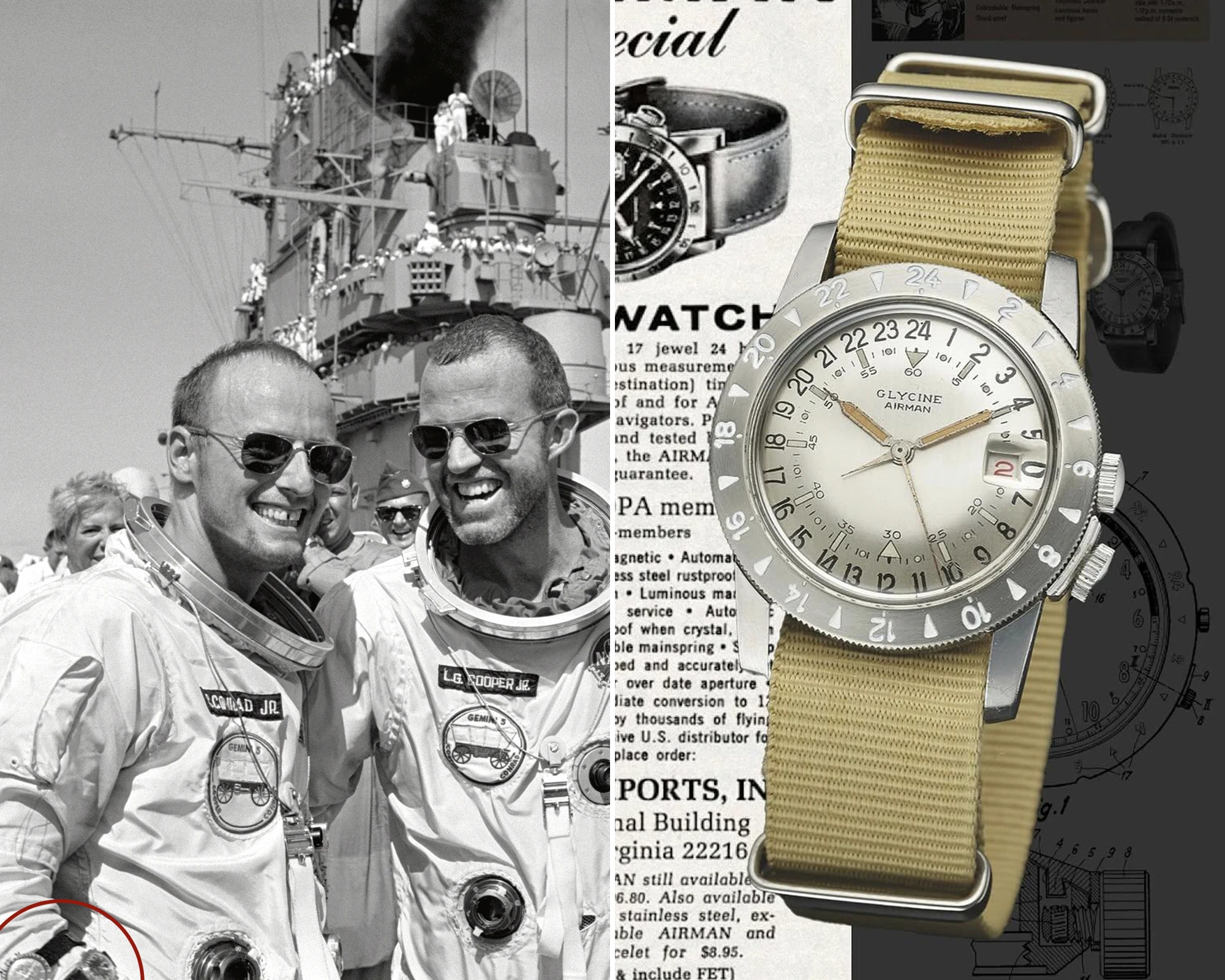
Glycine Watch SA is a Swiss watch manufacturer founded in 1914 in Biel by Eugène Meylan, where both its production facilities and headquarters remain based today. Glycine reached space in 1965, when the astronaut Charles “Pete” Conrad wore a Glycine Airman during the Gemini 5 mission. A long-time admirer of the Airman — reportedly since his time as a test pilot with the U.S. Air Force — Conrad used the model on this flight, during which he and Gordon Cooper set a new spaceflight endurance record of 7 days, 22 hours, 55 minutes, and 14 seconds, surpassing the previous Soviet record. In addition to the two Omega Speedmaster watches issued by NASA that Conrad wore on his wrists during the mission, he also had a Glycine Airman with him.
Credit © NASA / Credit © Foundation Haute Horlogerie
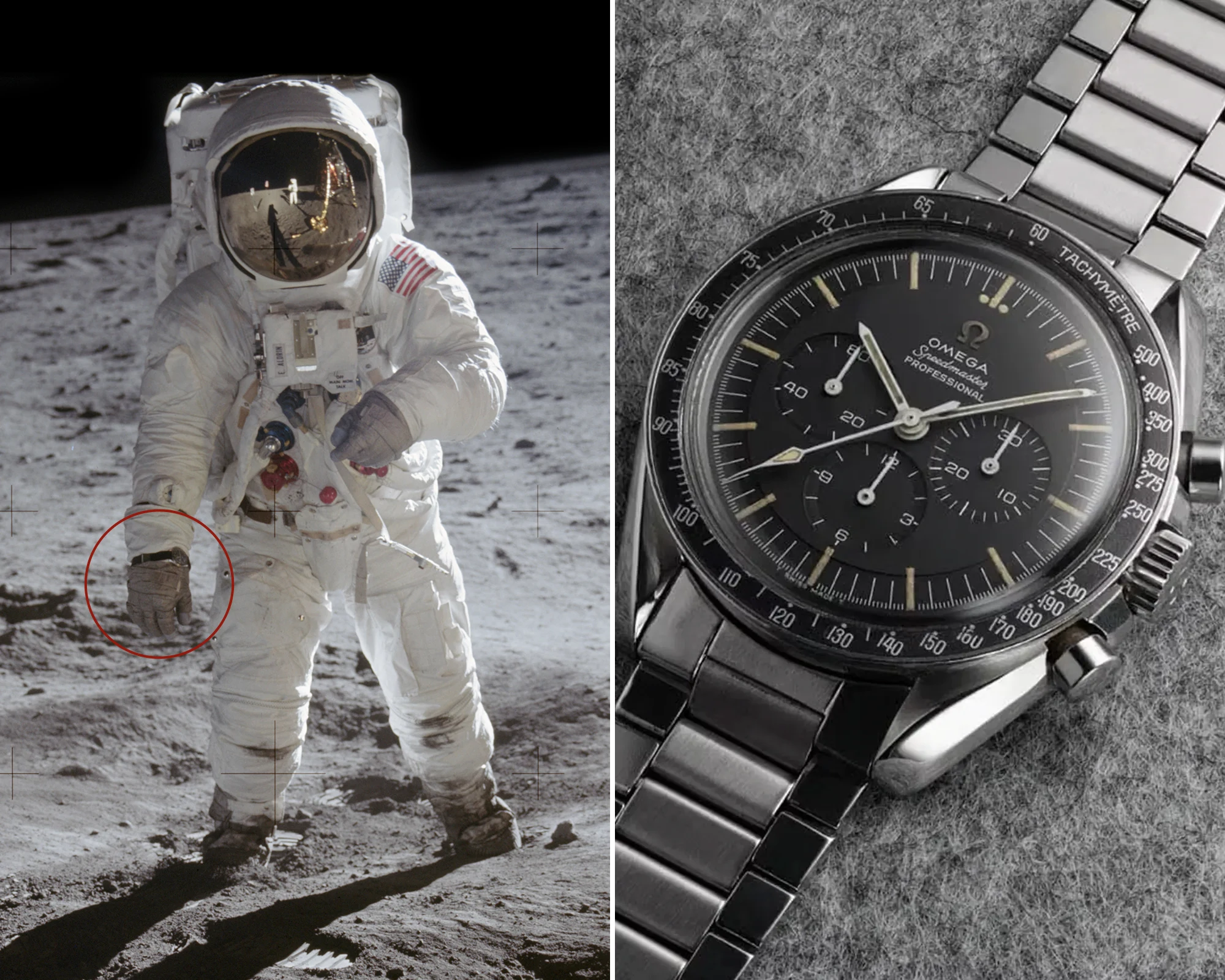
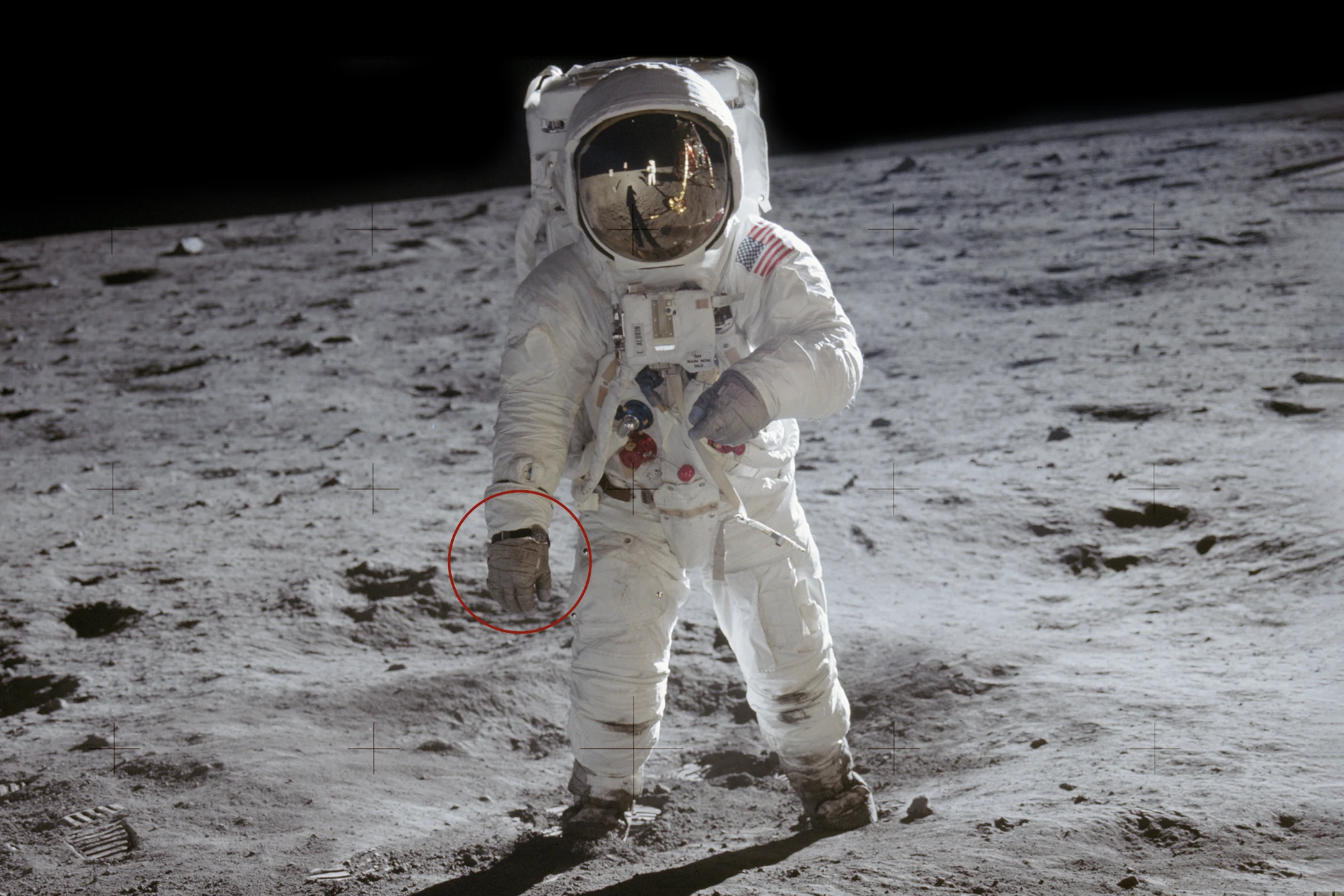
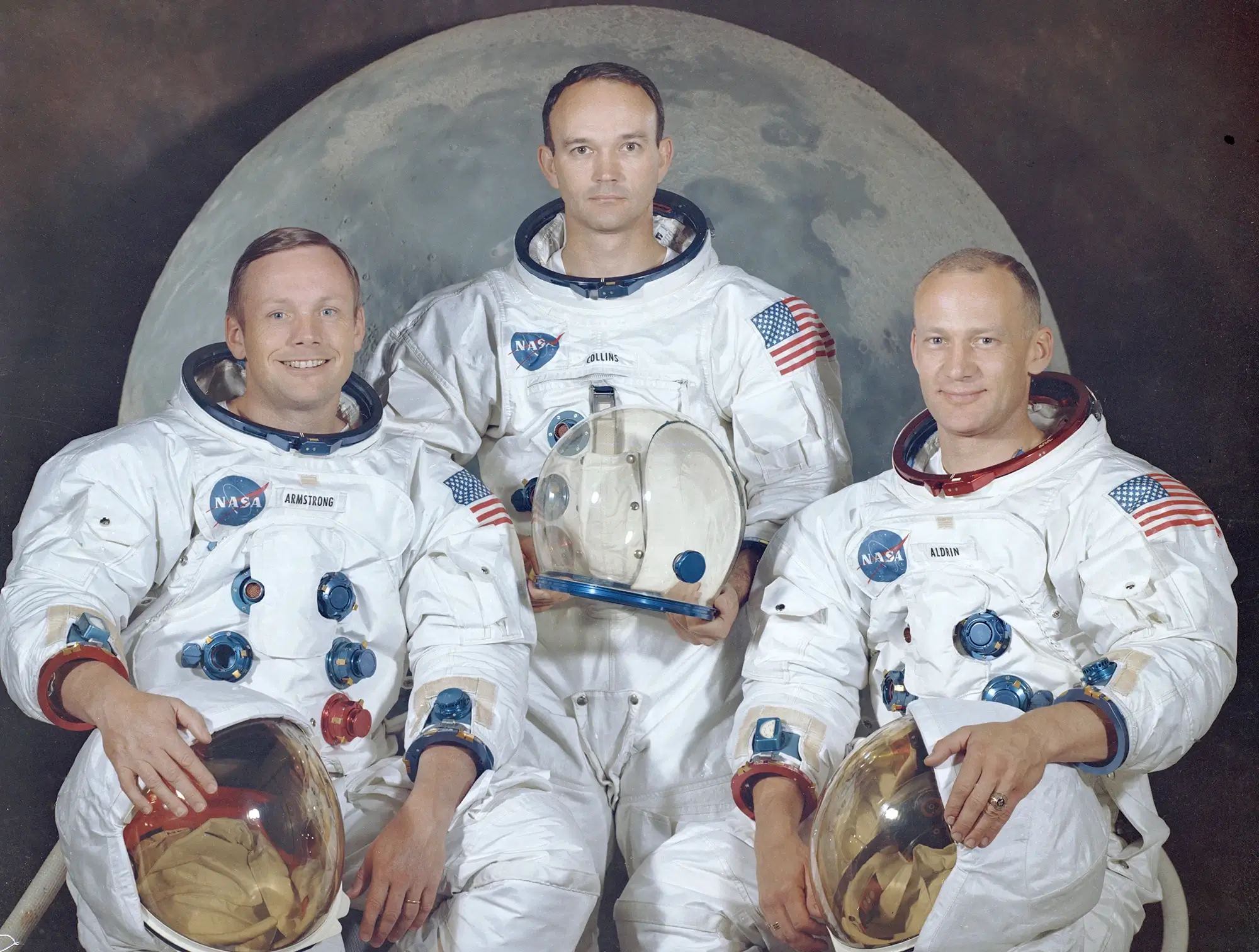
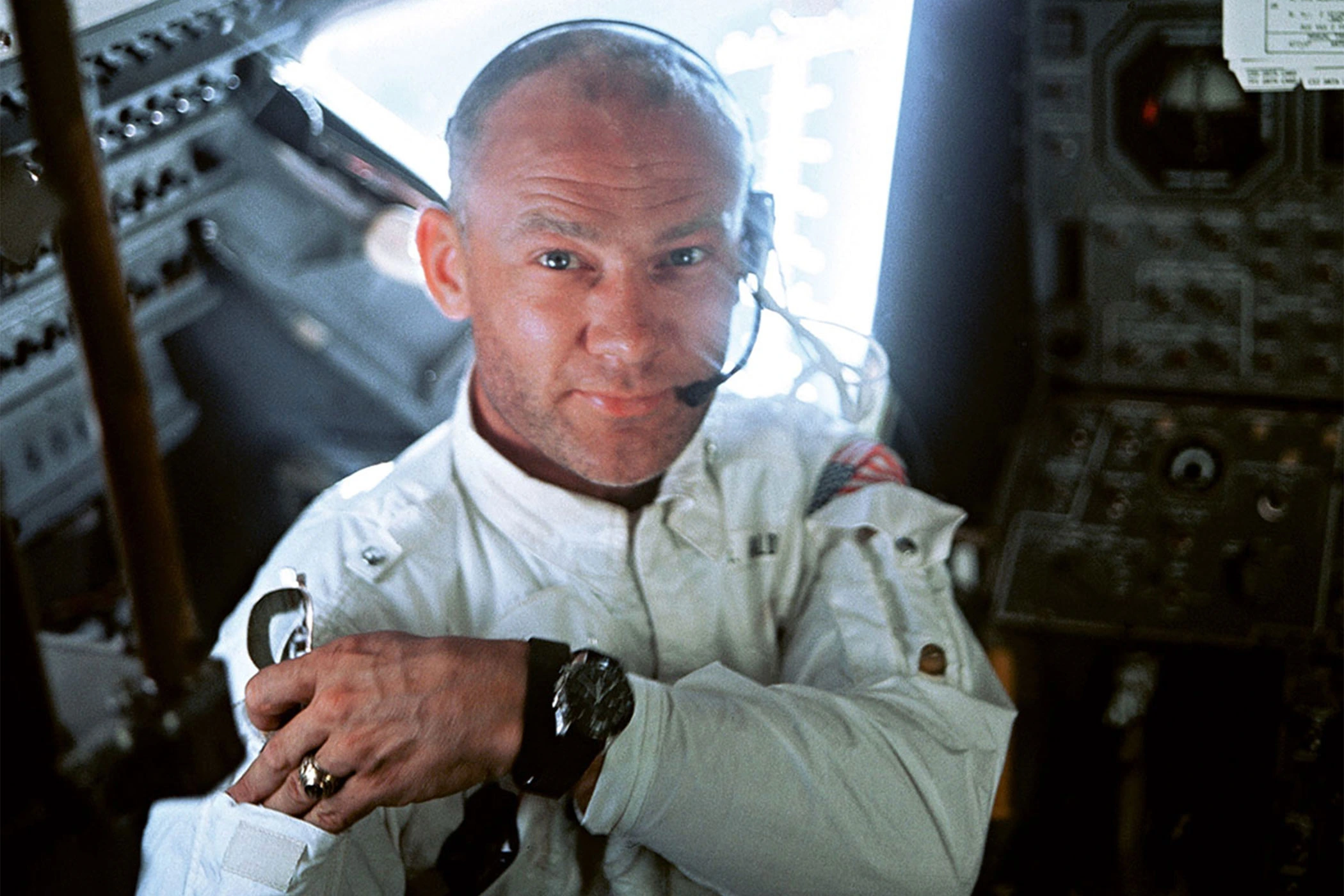
The Speedmaster reference 105.012 laid the foundation for the “Moonwatch” cult that today forms a core part of the fascination surrounding the Omega Speedmaster. The appearance of the 105.012 was defined by its asymmetrical case shape, designed to protect the crown and pushers on the right-hand side from impacts. As part of this redesign, the case diameter increased from the previous 40 mm of the reference ST 105.003 to 42 mm in the reference 105.012, while the lugs adopted a more curved profile. In addition, the “Omega Speedmaster” inscription on the dial was, for the first time, supplemented by the word “Professional” — a reference both to the model’s originally professional purpose when introduced in 1957 and to the modified case construction. With the reference 105.012 on board, the astronauts of the Apollo 11 mission lifted off towards the Moon on 16 July 1969. It was Buzz Aldrin who became the second man to set foot on the lunar surface, wearing his Speedmaster 105.012 on his wrist. Neil Armstrong, the first person on the Moon, is said to have left his Speedmaster inside the Lunar Module, as the onboard cockpit clock was not functioning properly and a backup timing device was required. The third astronaut, Michael Collins, who remained in lunar orbit in the Command Module during the mission, wore a Speedmaster reference 145.012.
Credit © NASA
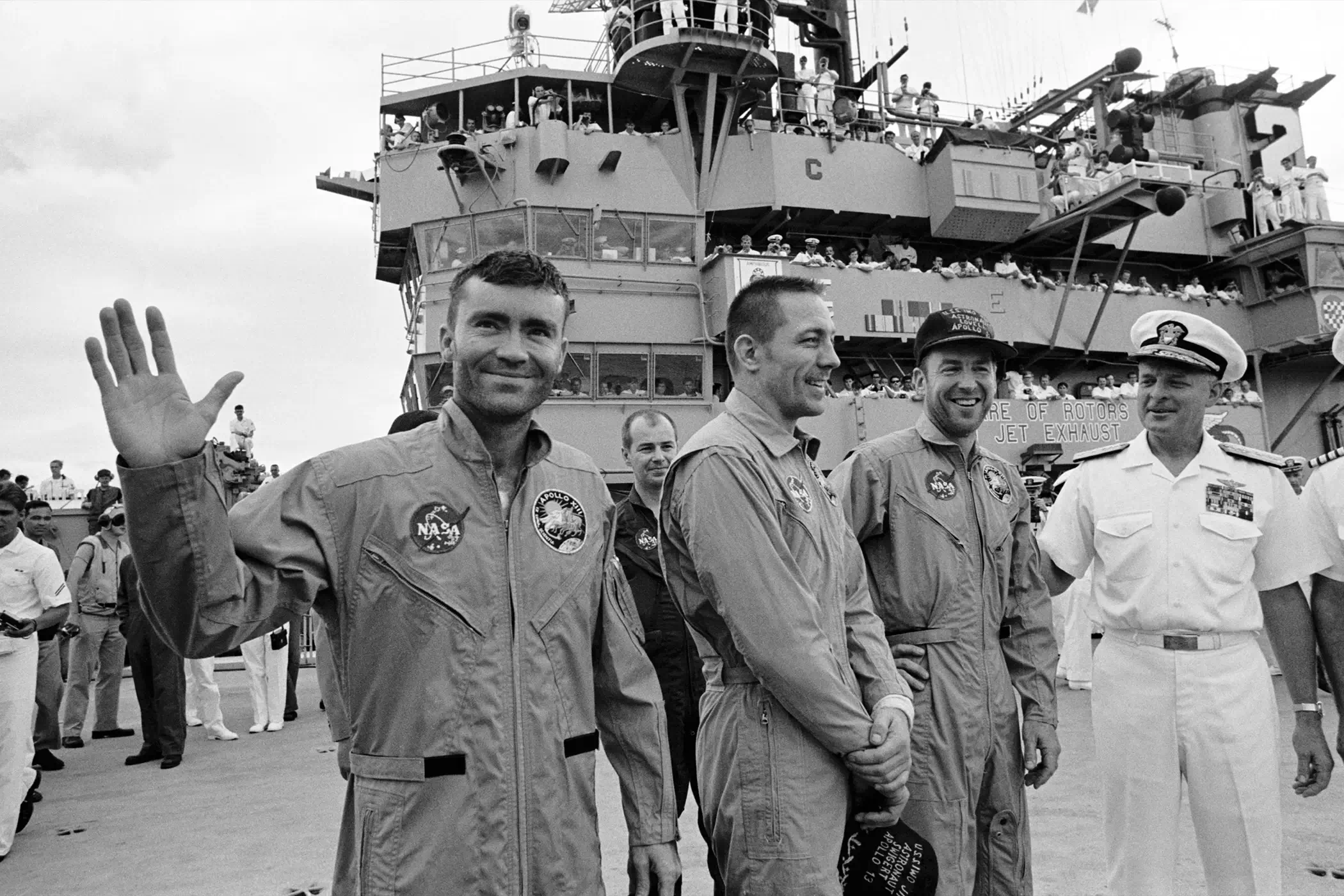
The Omega Speedmaster Professional Ref. 105.012 accompanied numerous NASA astronauts into space and, beyond the Moon landing, is closely associated with the Apollo 13 mission of 1970 — an event that nearly ended in tragedy and became one of the most famous real-world tests of the watch’s reliability. Shortly before the planned lunar landing of the spacecraft Odyssey, a catastrophic incident occurred: more than 300,000 kilometres from Earth, an oxygen tank exploded. For the three-man crew, who had to abandon their original objective and instead devise an emergency return strategy, there was now only one goal — to make it back to Earth safely. The explosion had severe consequences for the spacecraft’s power supply, forcing many onboard systems to be shut down in order to conserve electricity for essential life-support functions. Among the disabled systems was the onboard computer used for timekeeping.
Credit © NASA
It was at this critical moment that the Speedmaster 105.012 came into play. A precisely timed engine burn was essential for a successful re-entry into Earth’s atmosphere: 14 seconds of burn time with only minimal margin for error. According to mission accounts, the astronauts used the chronograph to measure this crucial interval, enabling them to execute the manoeuvre within the required time window and thus ensure their safe return. The rescue succeeded: on 17 April 1970, the Apollo 13 command module splashed down safely in the Pacific Ocean. In recognition of its contribution to the mission, NASA presented Omega with the prestigious Silver Snoopy Award, one of the highest honours bestowed by the space agency. Today, this award can be viewed at the Omega Museum in Biel.
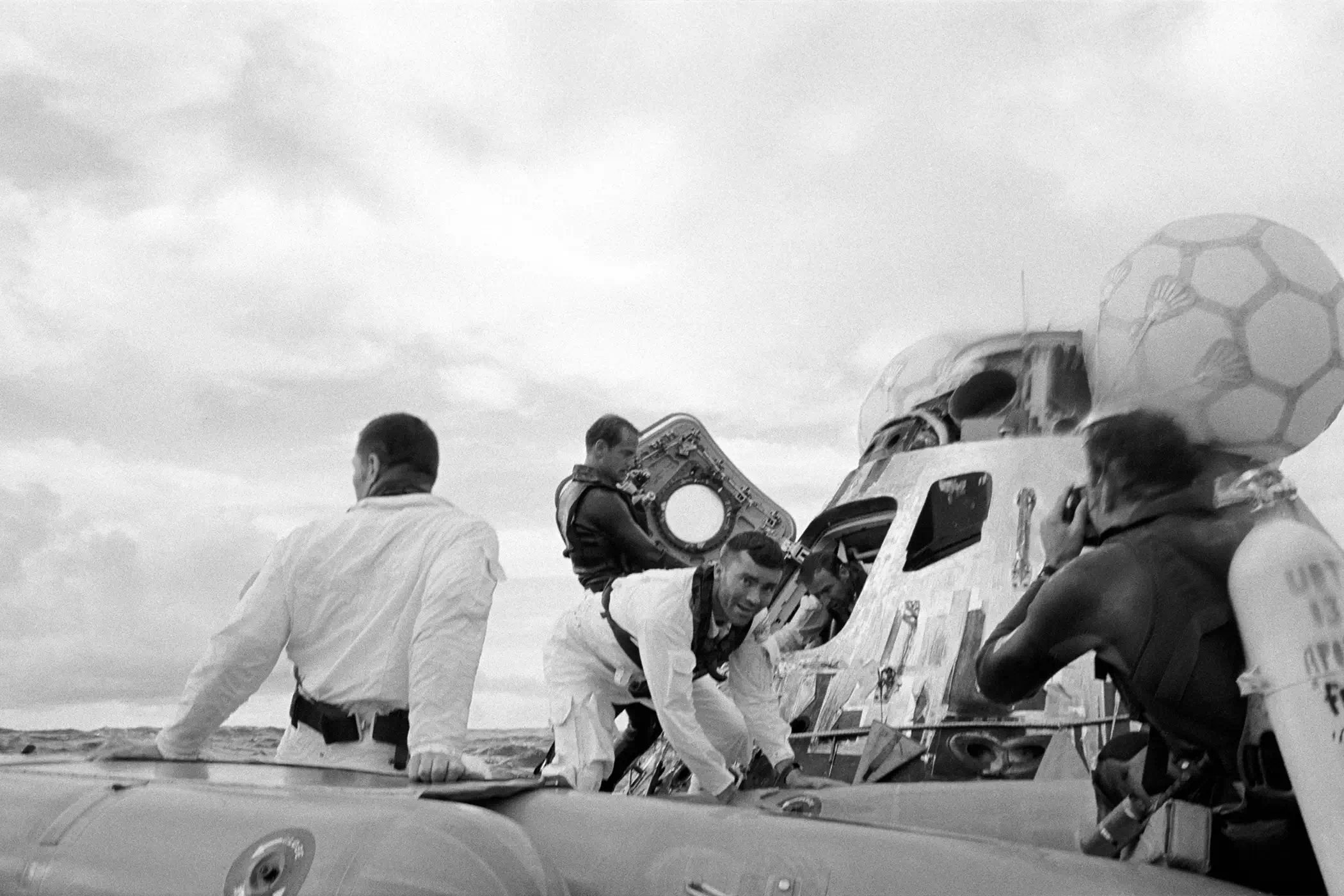
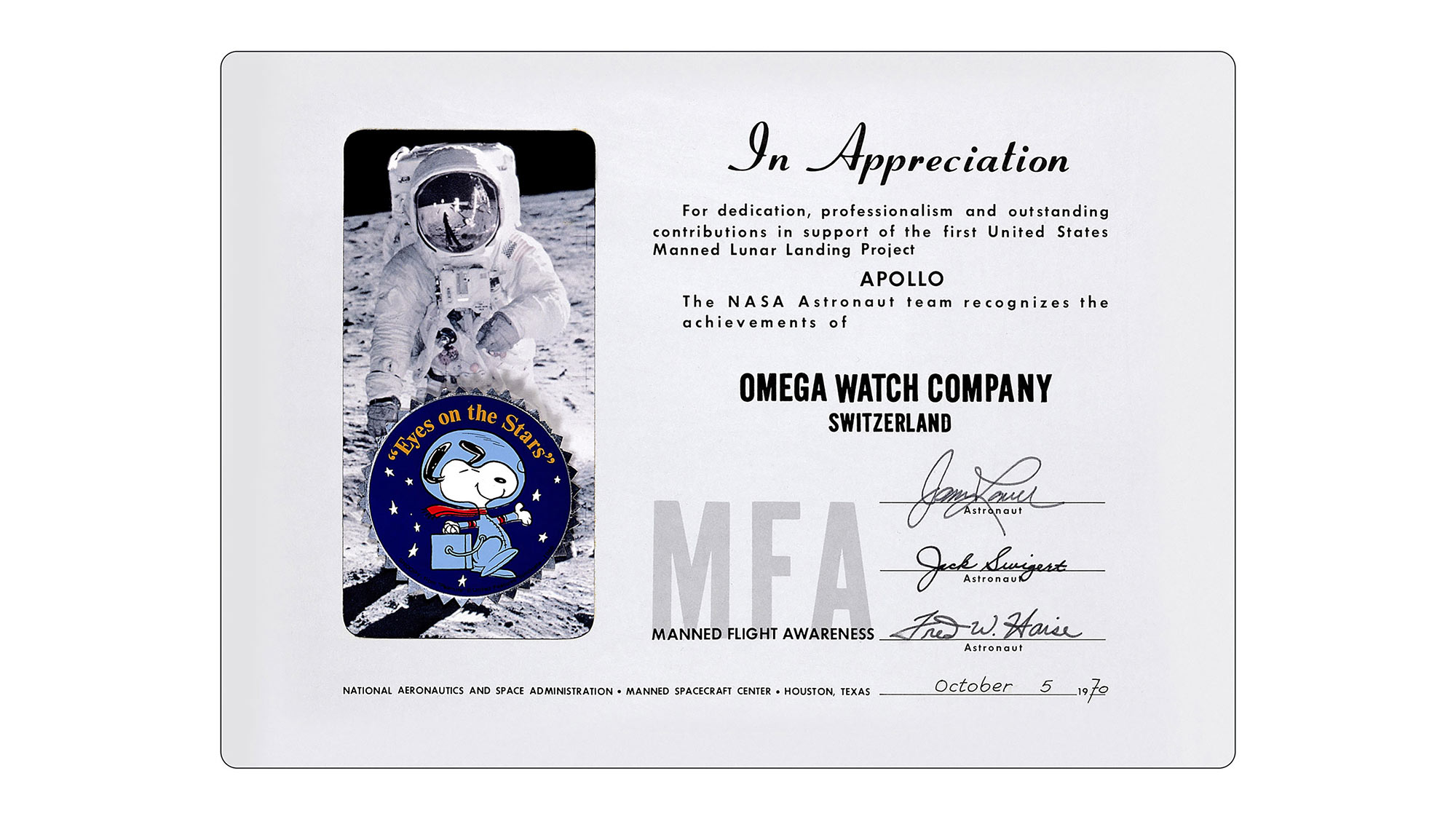
Credit © NASA
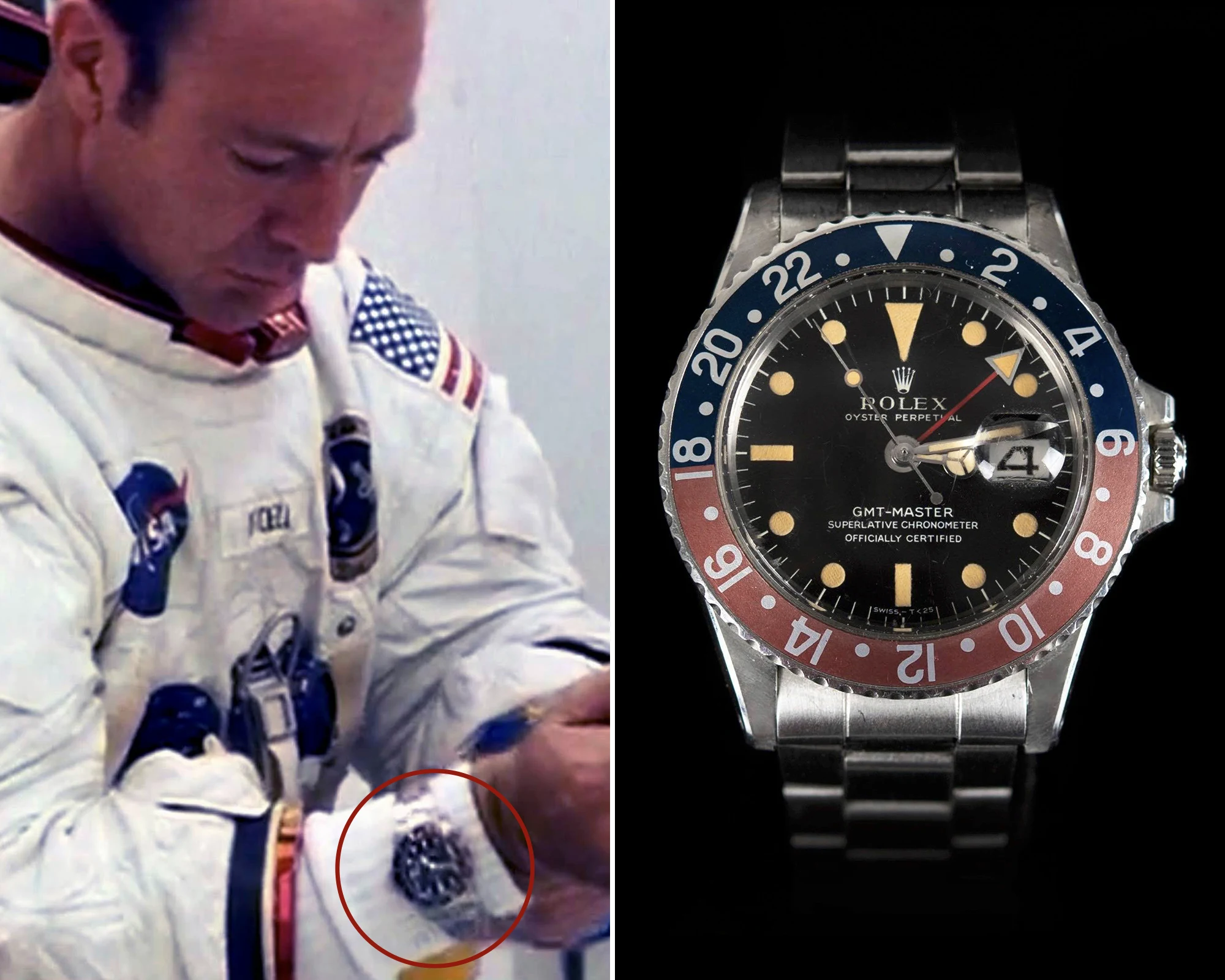
The Apollo 14 mission launched from Cape Kennedy on 31 January 1971 and, on 5 February 1971, the Lunar Module Antares landed on the surface of the Moon. The crew — Stuart Roosa, Alan Shepard, and Edgar Mitchell — thereby completed the third successful lunar landing in human history. Shepard and Mitchell became the fifth and sixth humans respectively to walk on the Moon, while Roosa, as Command Module Pilot, carried out a lunar mapping mission from orbit. Although Apollo astronauts were officially equipped with Omega Speedmaster Professional timepieces, Edgar Mitchell additionally chose to wear his privately owned Rolex GMT-Master Ref. 1675 during the mission, making it regarded as the first Rolex worn on the Moon. The very GMT-Master Mitchell wore on the lunar surface was engraved on the caseback with the inscription: “Worn by Cdr. E. Mitchell on Apollo 14, 1971, To Karlin – My Daughter.” In 2024, this watch was sold at auction by RR Auction for a total price, including buyer’s premium, of 2,163,199 US dollars.
Credit © NASA / Credit © RR Auction
Bulova’s history dates back to 1875, when the brand was founded in New York by Joseph Bulova. Since 2008 part of the Citizen Group, the company today produces comparatively affordable men’s and women’s watches across twelve collections, using either mechanical or quartz movements.
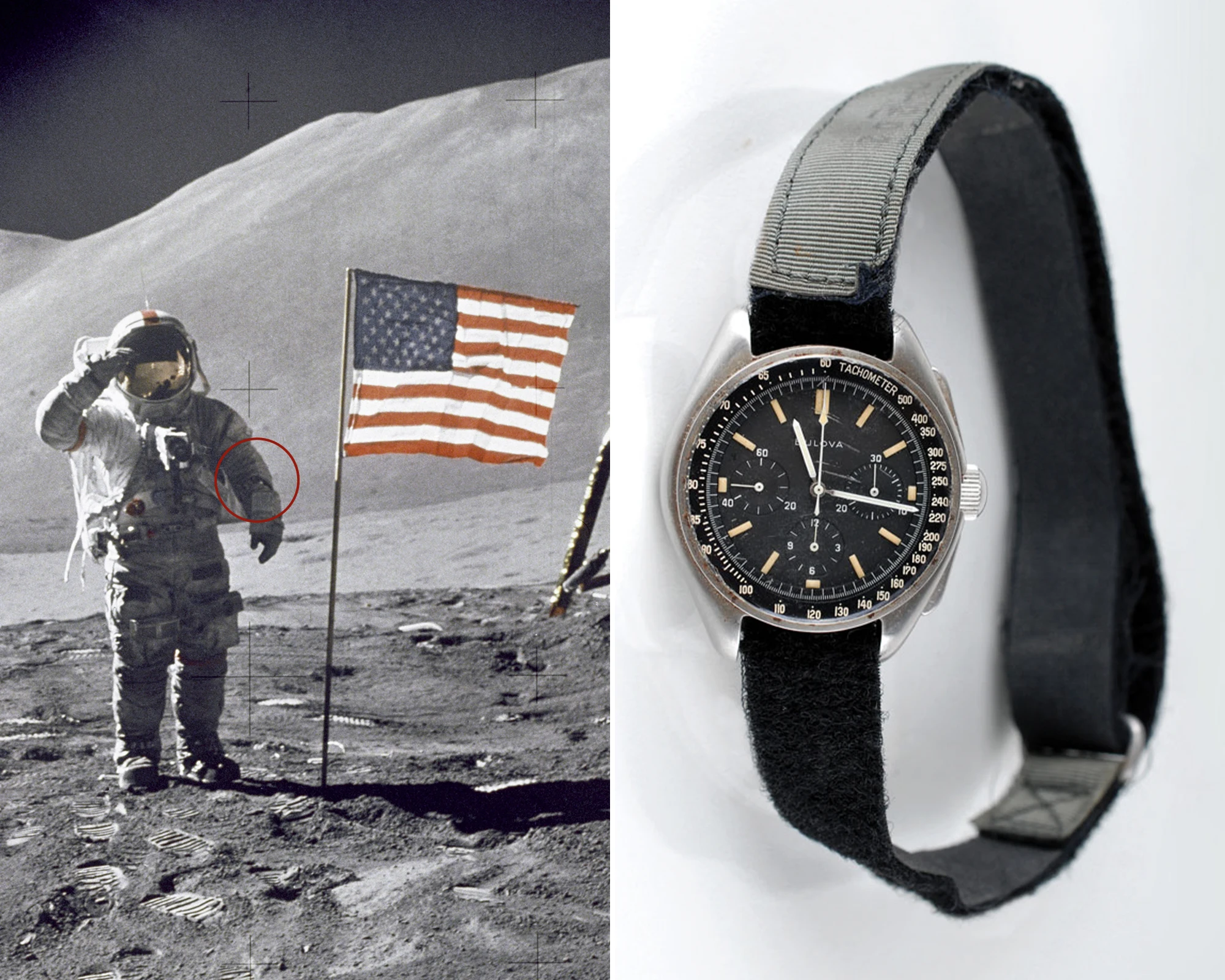
A significant milestone in Bulova’s corporate history occurred during the Apollo 15 mission in 1971, when the Bulova Chronograph 88510/01 was also worn on the Moon. This watch, a prototype, served astronaut David Scott as a backup chronograph during the third extravehicular activity (EVA) of Apollo 15 on the lunar surface. According to transcripts from the Apollo 15 Lunar Surface Journal, this became necessary after Scott apparently noticed, following the second EVA, that the Hesalite crystal of his Omega Speedmaster Professional had come loose upon re-entering the cabin. For the third EVA, he therefore relied on his backup watch, the Bulova Chronograph 88510/01. The primary function of the chronograph on the lunar surface was to monitor consumption levels — oxygen, water, and battery power — in the Portable Life Support System (PLSS) of the spacesuit. Scott subsequently continued to wear the Bulova chronograph in lunar orbit as well as during the return journey to Earth. The Bulova Chronograph 88510/01 worn by David Scott was sold at auction by RR Auction in 2015 for a total price, including buyer’s premium, of 1,592,500 US dollars. The exceptionally high sale price of the watch is explained by the fact that Omega Speedmaster watches issued by NASA to astronauts generally remain the permanent property of the US government. An exception applies only when a watch is explicitly gifted — a practice that has occurred only very rarely. As a result, the possibility of privately owning a watch that was actually worn on the Moon had, for decades, been considered virtually impossible. David Scott’s Bulova chronograph 88510/01 therefore represented a remarkable exception, offering the exceedingly rare opportunity to acquire a Moon-worn wristwatch from private ownership at auction.
Credit © NASA / Credit © RR Auction
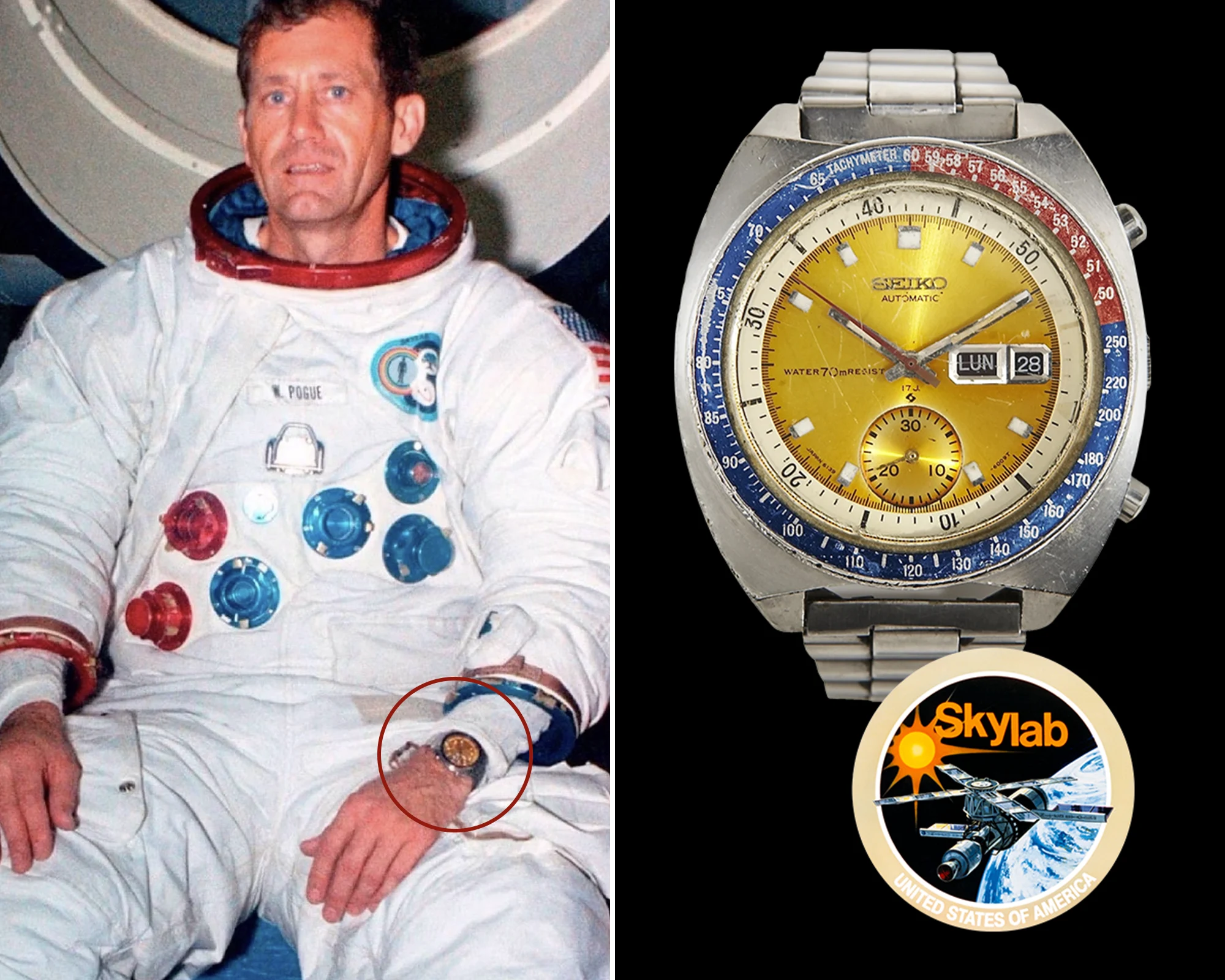
On 16 November 1973, Commander Gerald P. Carr, science pilot Edward G. Gibson, and pilot William R. Pogue launched as the crew of the Skylab 4 mission, the third and final crewed mission to the Skylab space station. They conducted numerous experiments as well as extensive observations of the Earth and the Sun. During his spaceflight, Pogue wore — without official assignment — a Seiko 6139 automatic chronograph with a yellow dial, thereby making it the first automatic chronograph to travel into space. The watch later became widely known as the so-called “Pogue Seiko”. Over the course of two spacewalks, Pogue spent a total of more than 13.5 hours outside the space station. After 84 days in orbit, Skylab 4 returned to Earth on 8 February 1974. The endurance record set by Pogue and his crewmates stood for four years.
Credit © NASA / Credit © Heritage Auctions
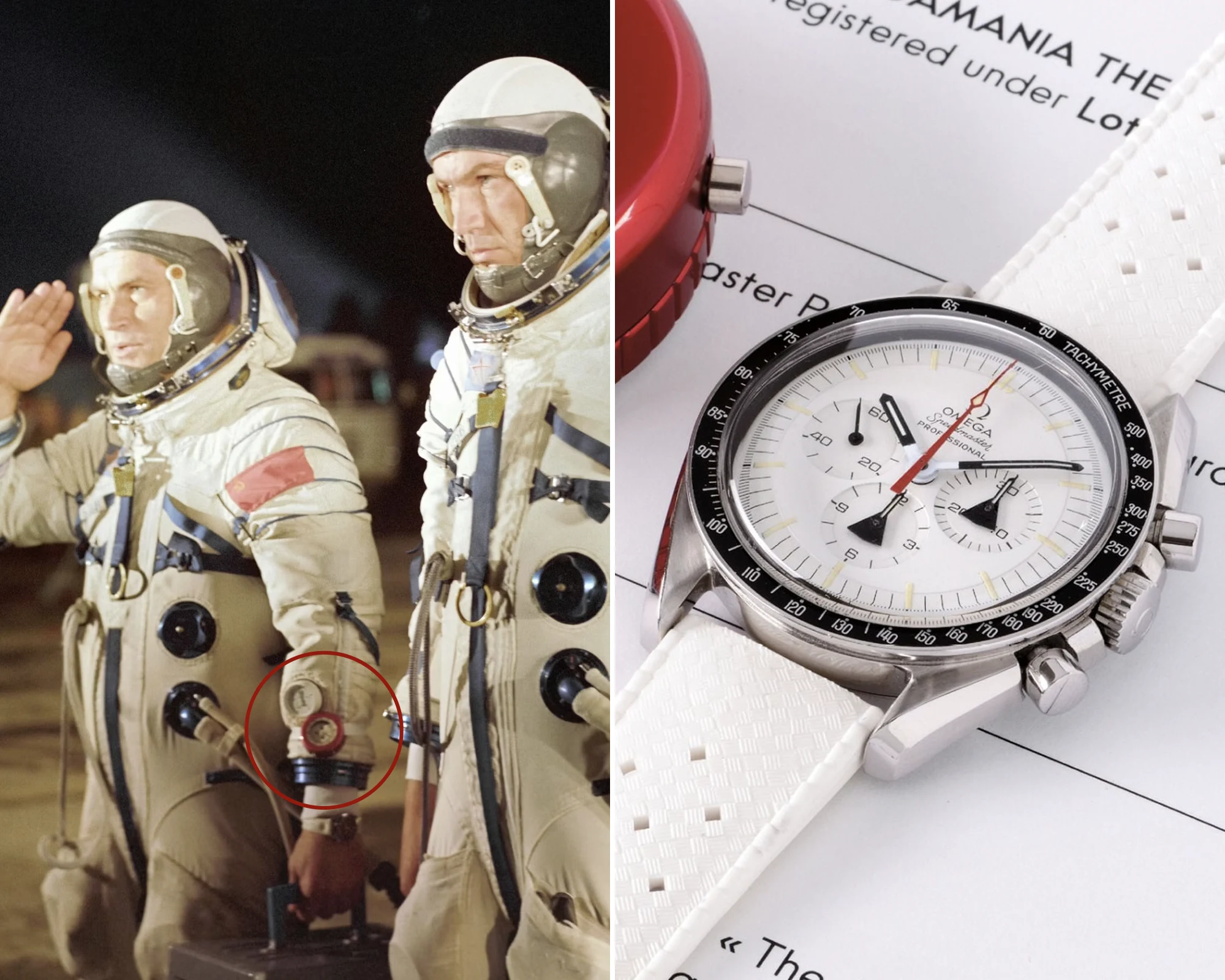
The “Alaska” project originated in a confidential collaboration between NASA and Omega. With the aim of developing the ultimate space watch, Omega’s engineers began working on this challenge in 1968 and produced the first prototypes. The initial outcome of these efforts was the so-called “Alaska I” (Ref. 5-003), developed in 1969, the year of the Moon landing. It was characterised by an oversized, cushion-shaped 46 mm titanium case surrounded by a removable outer shell made of red anodised aluminium. In the early 1970s, Omega began work on the continuation of the Alaska project, now internally designated “Alaska II”. The resulting timepiece combined the technologies and design elements developed for “Alaska I” with the Speedmaster “Moonwatch” case, while also introducing several new features. For instance, the “Alaska II” featured the white dial known from “Alaska I”, with oversized, rocket-shaped hands on the subdials. It also retained the red thermal shield which, according to Omega, was designed to withstand the extreme temperatures encountered on the Moon.
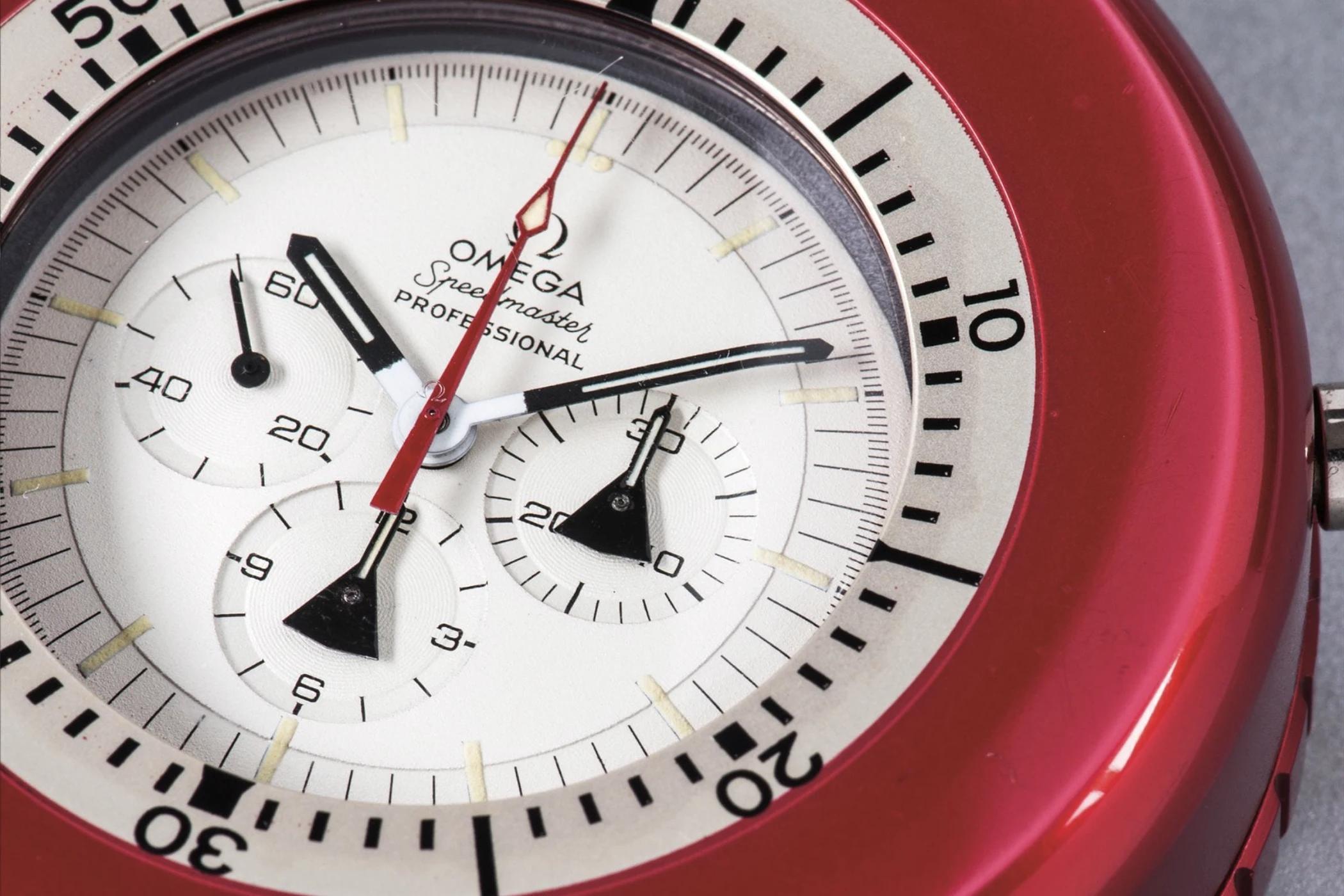
Credit © Phillips
Additional innovations included luminous markers and radial numerals on the subdials, as well as a minute scale on the bezel, since a tachymeter scale has no practical use in space. To minimise light reflection, the case was microbead-blasted, giving the watch a uniform matte appearance. The “Alaska II” test watches, of which reportedly only a handful were ever produced, were delivered to Houston in the early 1970s. Although the “Alaska II” models were never worn on the Moon — as the planned Apollo 18 to 20 missions were cancelled — they nonetheless reached space by another route and found their way onto the wrists of Soviet cosmonauts. According to Philip Corneille, founder of Moonwatch Universe, this occurred after the United States and the Soviet Union signed an agreement in preparation for the joint Apollo–Soyuz mission, and Omega’s technical director Hans Widmer invited Soviet space personnel to Biel. From 1974 onwards, Russian cosmonauts wore various Omega models, including the Flightmaster and the self-winding Speedmaster Mark III chronograph. The “Alaska II” ultimately achieved its intended purpose as well: in 1977, crews of both Soyuz 25 and Soyuz 26 wore Speedmaster watches from the Alaska II project during their missions to the Salyut 6 space station.
Credit © TASS.RosCosmos / Credit © Phillips
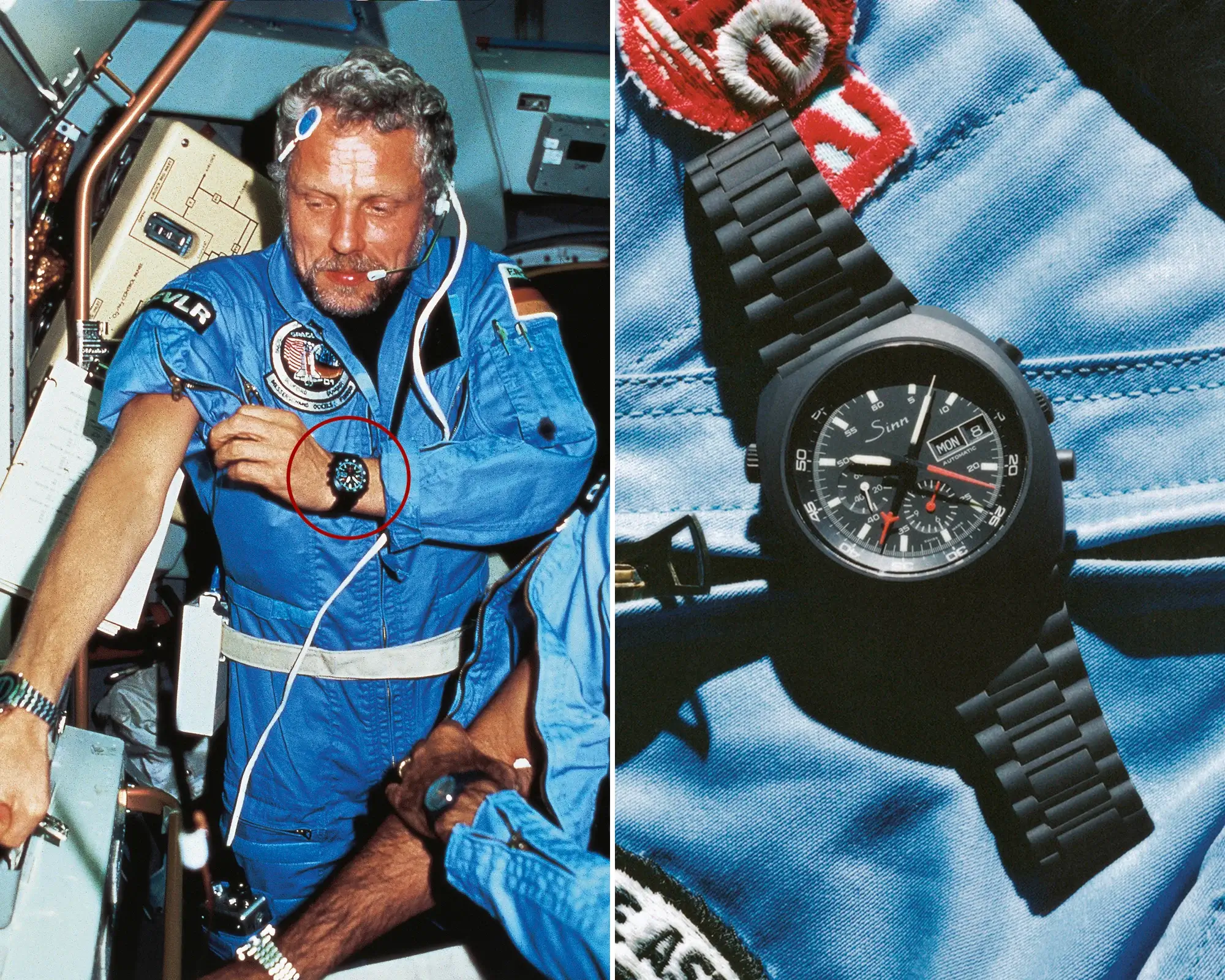
The first German Spacelab mission (Spacelab D-1) took place in 1985 aboard the American Space Shuttle Challenger. Designated STS-61A, the mission was a cooperation between the German space agency DLR (Deutsches Zentrum für Luft- und Raumfahrt) and NASA. STS-61A still holds the record for the largest crew — eight people — aboard a single spacecraft for the entire duration of a mission, from launch to landing. Among the two German crew members, Ernst Messerschmid and Reinhard Furrer, it was Furrer who wore an automatic Sinn Chronograph 140 S on his wrist during the mission, powered by the Lemania 5100 movement. The watch was a private purchase, and according to the brand, Furrer acquired his model 140 S shortly before the Spacelab D-1 mission. As a result, the Sinn 140 S chronograph is considered one of the few German wristwatches with documented spaceflight history.
Mir (Russian for “peace” or “world”) was a crewed space station operated by the Soviet Union, orbiting the Earth from 1986 until its controlled deorbit in 2001. The station was assembled in orbit from several modules launched individually between 1986 and 1996. With the exception of two brief intervals, Mir remained continuously inhabited until August 1999. Following the dissolution of the Soviet Union, a number of successful international collaborations were undertaken, including with NASA, culminating in the Shuttle–Mir programme, during which Russian cosmonauts also travelled to the station aboard Space Shuttles. The Shuttle–Mir programme comprised eleven missions between 1994 and 1998 and represented the first extensive space cooperation between the United States and Russia since the Apollo–Soyuz project.
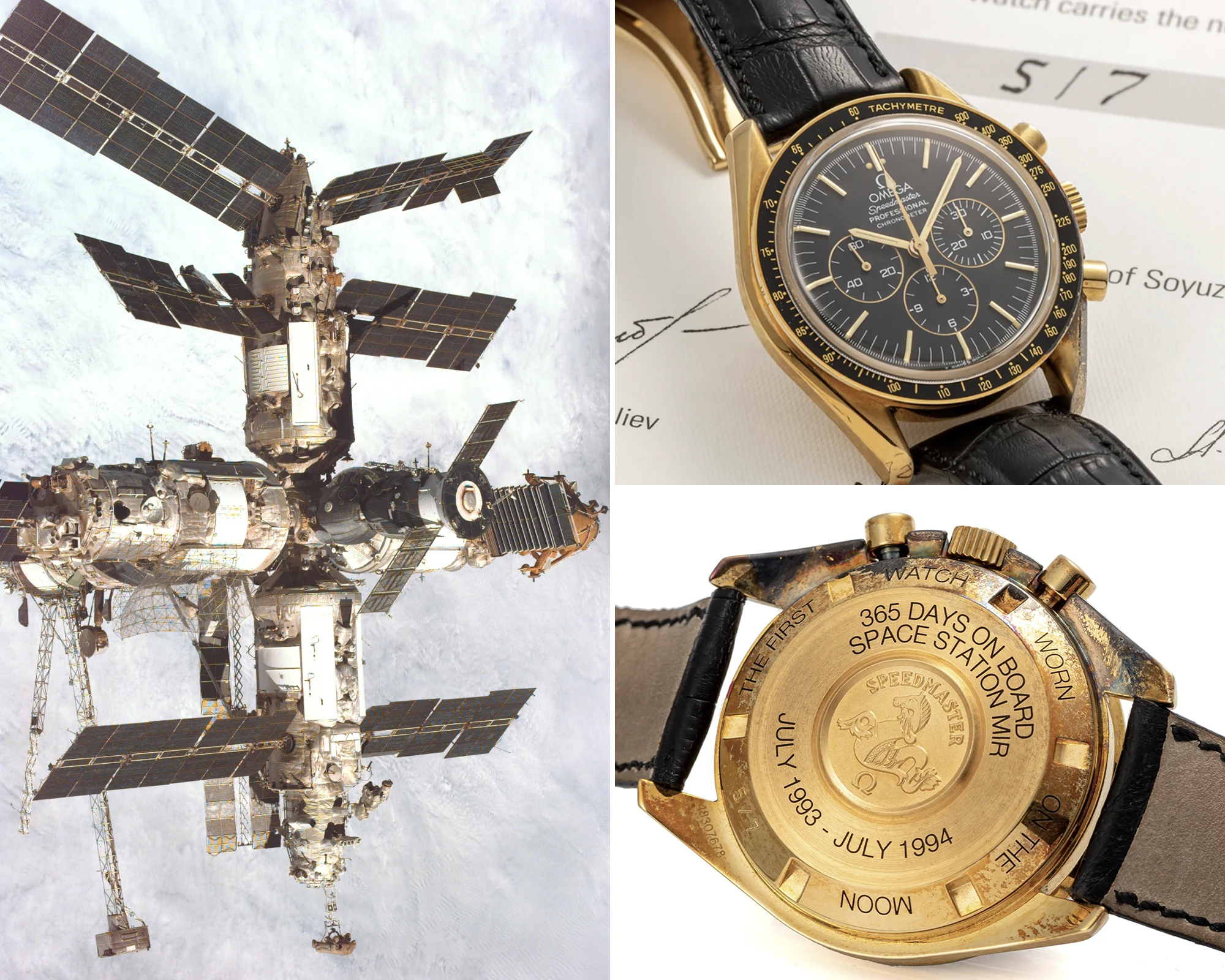
Credit © NASA / Credit © Antiquorum
Omega dedicated a special series of 35 Speedmaster “MIR” watches to this space station. From July 1993 to July 1994, these watches spent a total of 365 days aboard Mir, thereby elevating the concept of a space watch to a new level. They were taken to the station to study the long-term effects of weightlessness on mechanical movements. After a year in space, the watches were returned to Omega and were reportedly all in perfect working order. The collection comprised 35 watches with the following configurations: ten examples of reference ST 145.0022.105.1 in steel with leather strap, eighteen examples of reference ST 345.0022.105 in steel with steel bracelet, five examples of reference BA 145.0052.035A in gold with leather strap, and two examples of reference BA 345.0052.035 in gold with gold bracelet.
Introduced in 1994, the Fortis Official Cosmonauts Chronograph, powered by the classic Lemania 5100 calibre, was the first watch to be officially approved for use by the Russian space agency Roscosmos. Between 1994 and 2003, it was used on missions both to the Mir space station and to the International Space Station (ISS). This original Cosmonauts Chronograph was eventually succeeded in 2003 by the Fortis B-42 Official Cosmonauts Chronograph. Instead of the Lemania movement, it was now equipped with an ETA 7750, and the case diameter increased to 42 millimetres — among other reasons, to improve operability while wearing bulky space gloves.
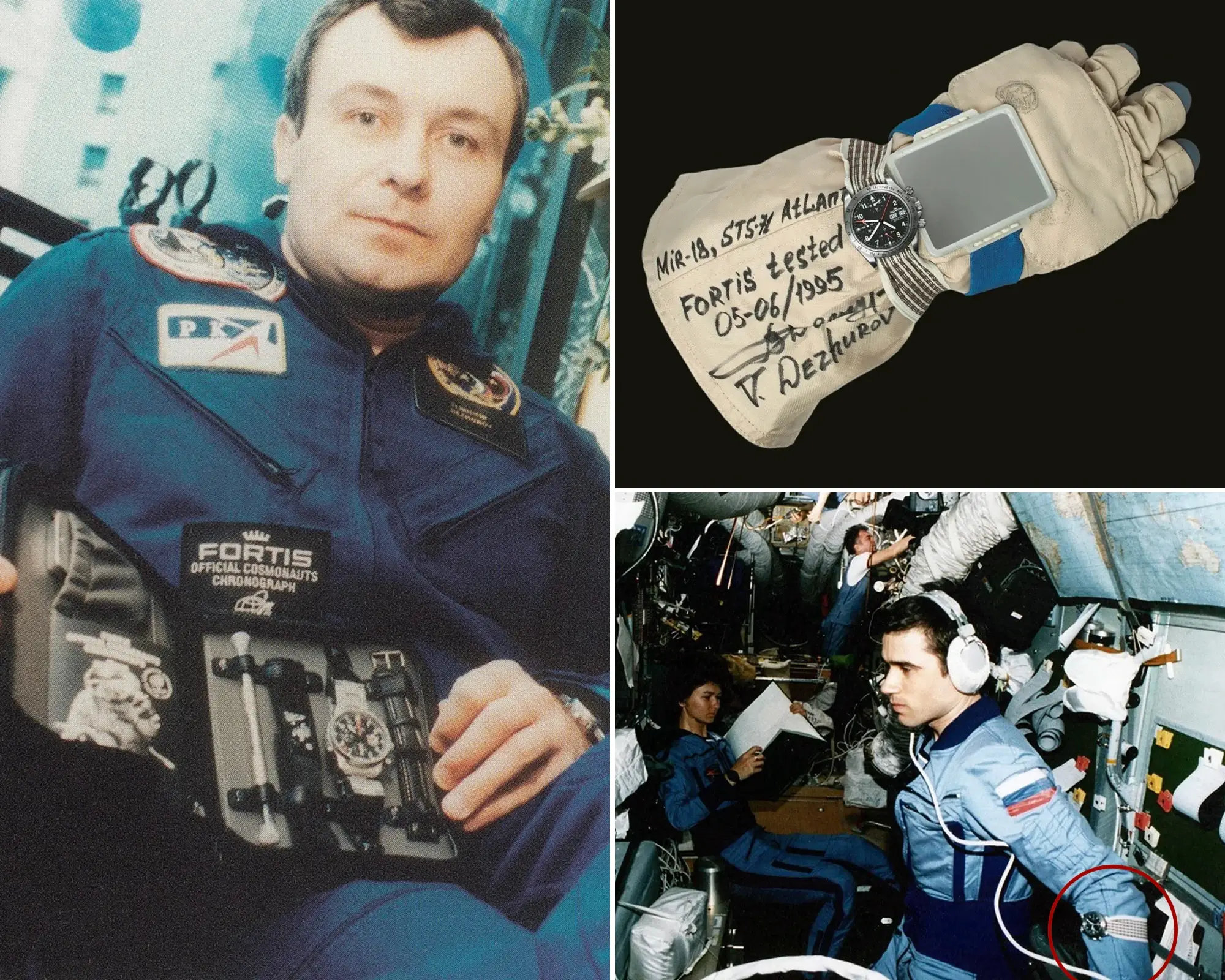
Credit © NASA/RosCosmos / Credit © Fortis/RosCosmos / Credit © ESA
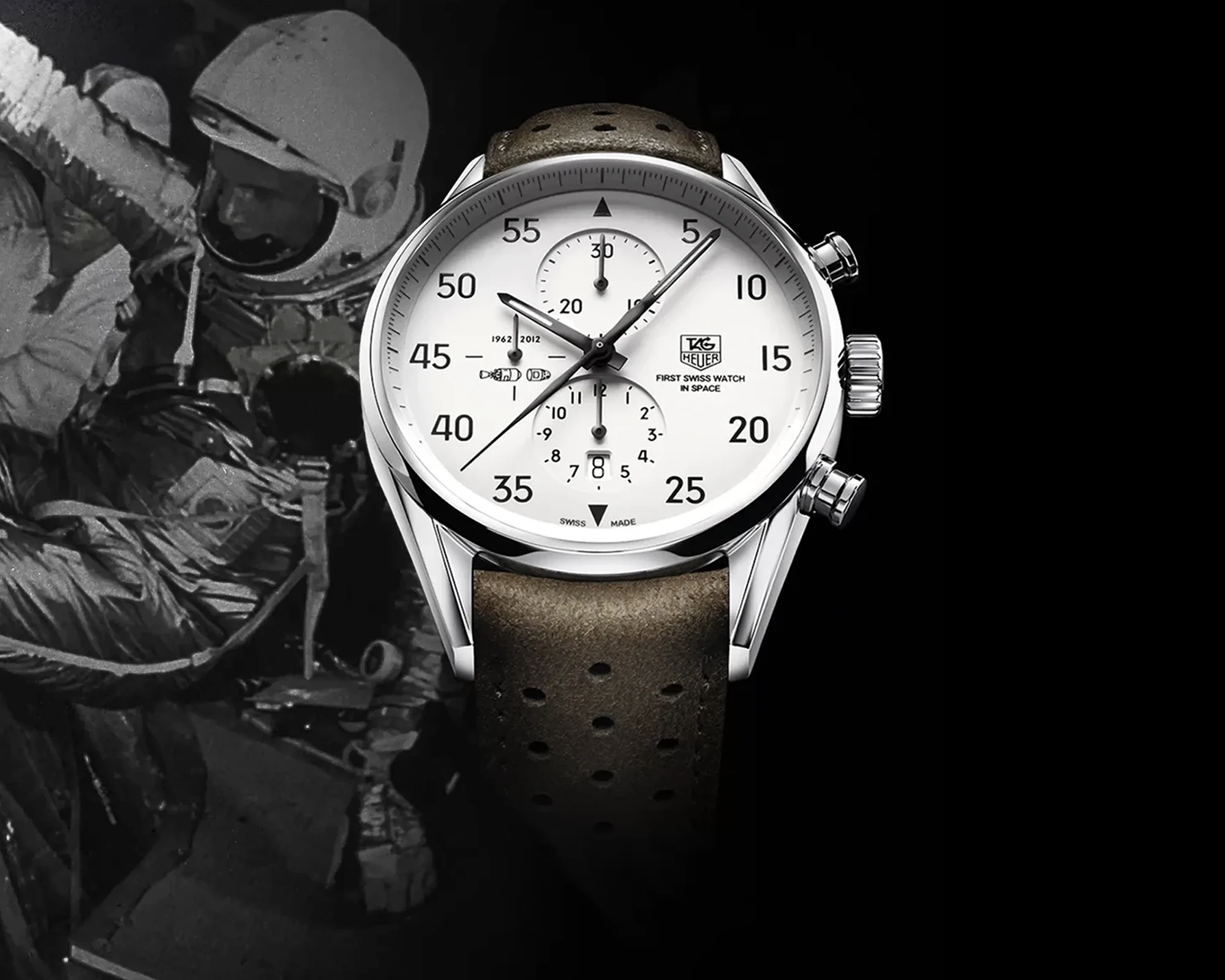
In 2012, a TAG Heuer Carrera Calibre 1887 SpaceX Chronograph travelled into space aboard a SpaceX mission to the International Space Station (ISS) and returned safely to Earth. This edition, limited to 2,012 pieces, was released by TAG Heuer to mark two anniversaries: firstly, 50 years since the first Swiss timekeeping instrument in space — the Heuer stopwatch Ref. 2915A worn by John Glenn in 1962 — and secondly, the first successful ISS resupply mission carried out by SpaceX in 2012. In its dial design, TAG Heuer drew inspiration from the layout of the historic reference 2915A and translated it into the format of a wristwatch. The commemorative model therefore featured a white dial with a 30-minute counter at 12 o’clock and a 12-hour counter at 6 o’clock, housed in a 43 mm stainless-steel case. The triangular markers at 12 and 6 o’clock were also retained, as were the numerals executed in the same typeface. Entirely new, however, were the inclusion of a date window and a graphic at 3 o’clock depicting a SpaceX Falcon 9 rocket with the Dragon capsule in low Earth orbit.
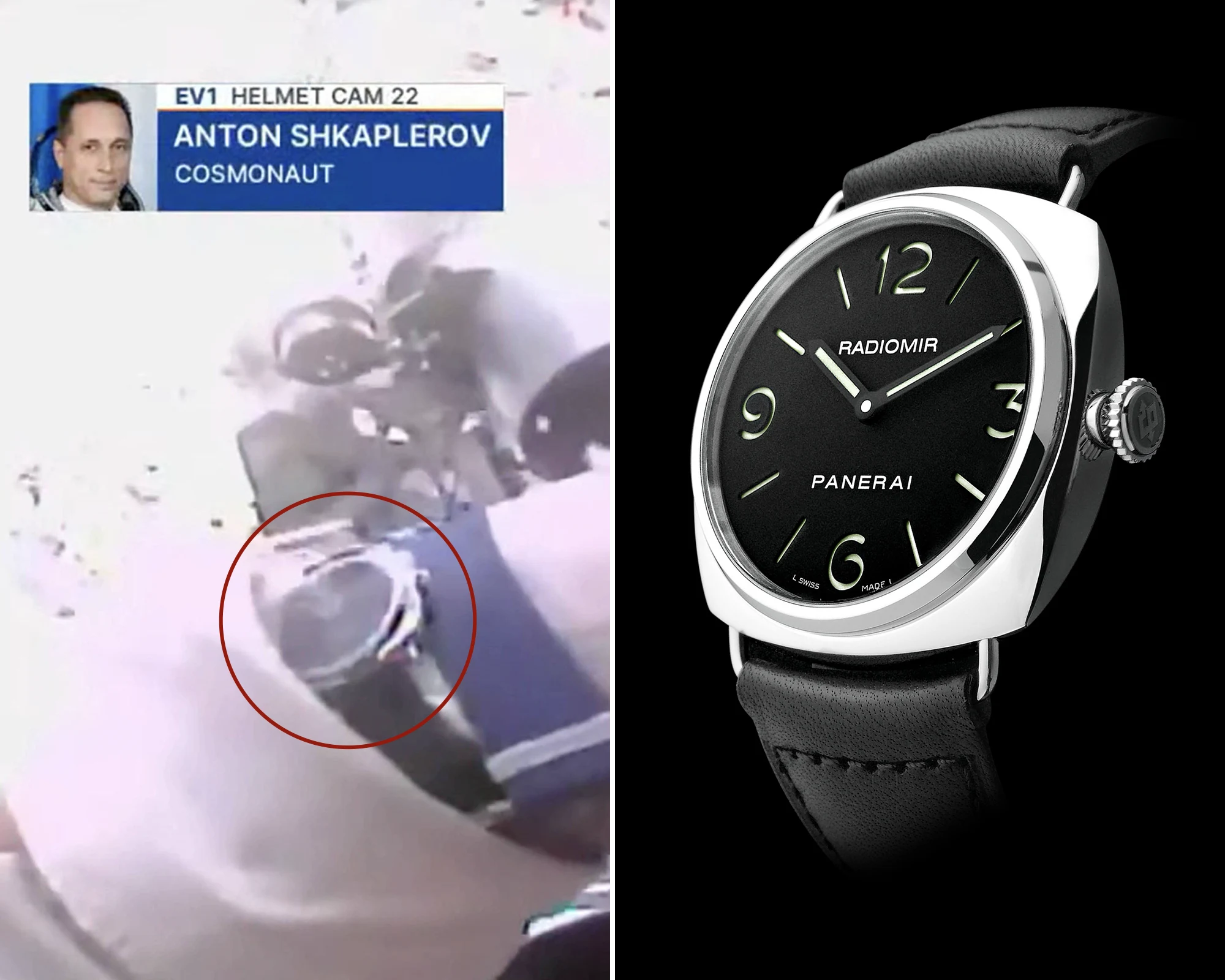
In 2022, cosmonaut and commander Anton Shkaplerov wore a Panerai Radiomir PAM210 aboard the International Space Station (ISS) during Expedition 66 and carried out an extravehicular activity (EVA) while wearing it. The model in question is the steel Radiomir PAM210, originally introduced in 2005. With a case diameter of 45 mm and a height of 14 mm, the watch offers strong legibility — not least thanks to the additional luminous material within the numerals of the sandwich dial. It is powered by the hand-wound calibre OP X, introduced in 2002 and based on the ETA 6497-1 movement.
During Axiom Mission 2 (Ax-2), a crewed flight to the International Space Station aboard a Crew Dragon spacecraft, Saudi Arabian fighter pilot and astronaut Ali Alqarni took his Rolex GMT-Master II into space and captured this striking image.
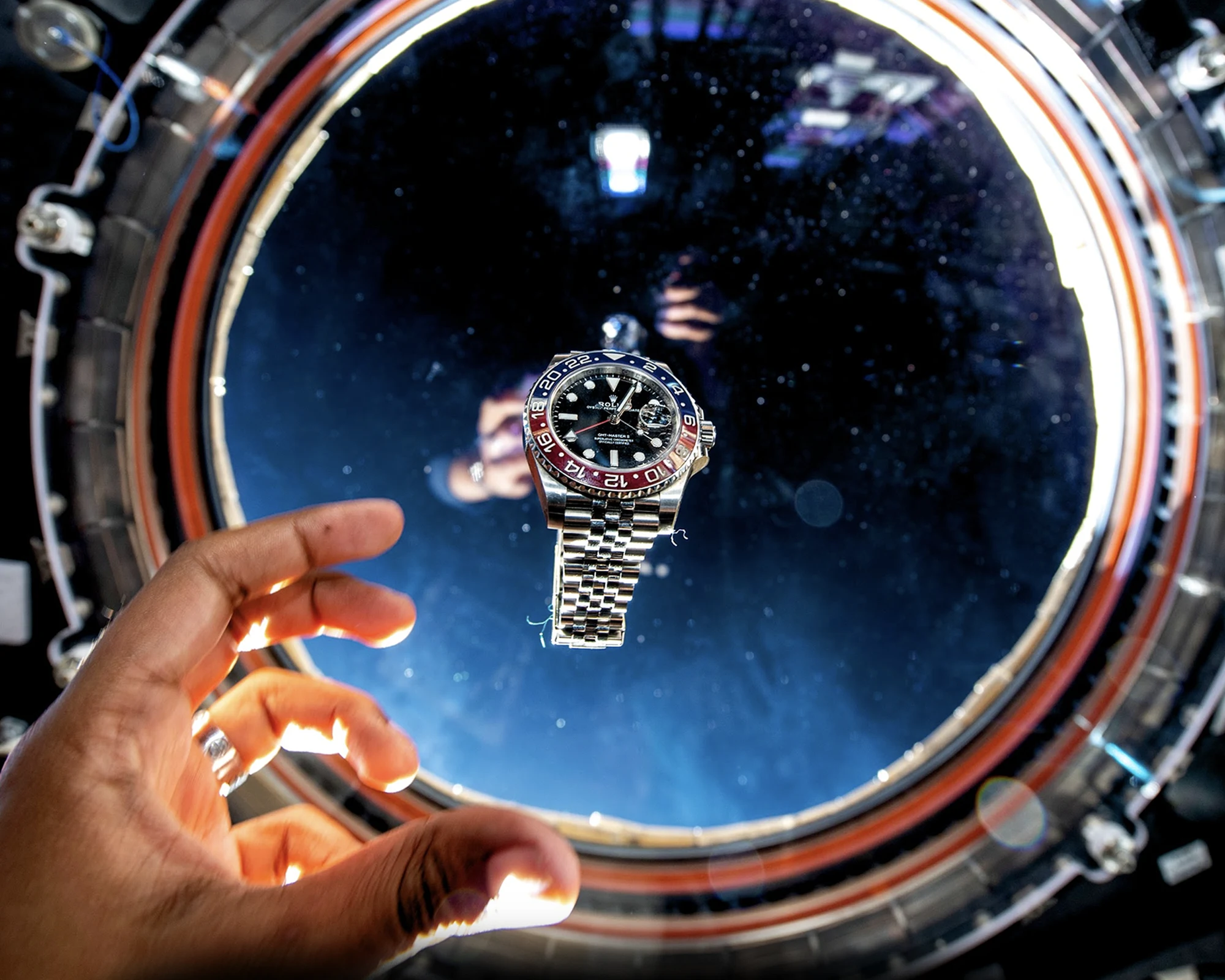
Credit © Ali Alqarni