We talked to Greubel Forsey CEO Michel Nydegger about his vision and the future of Greubel Forsey.

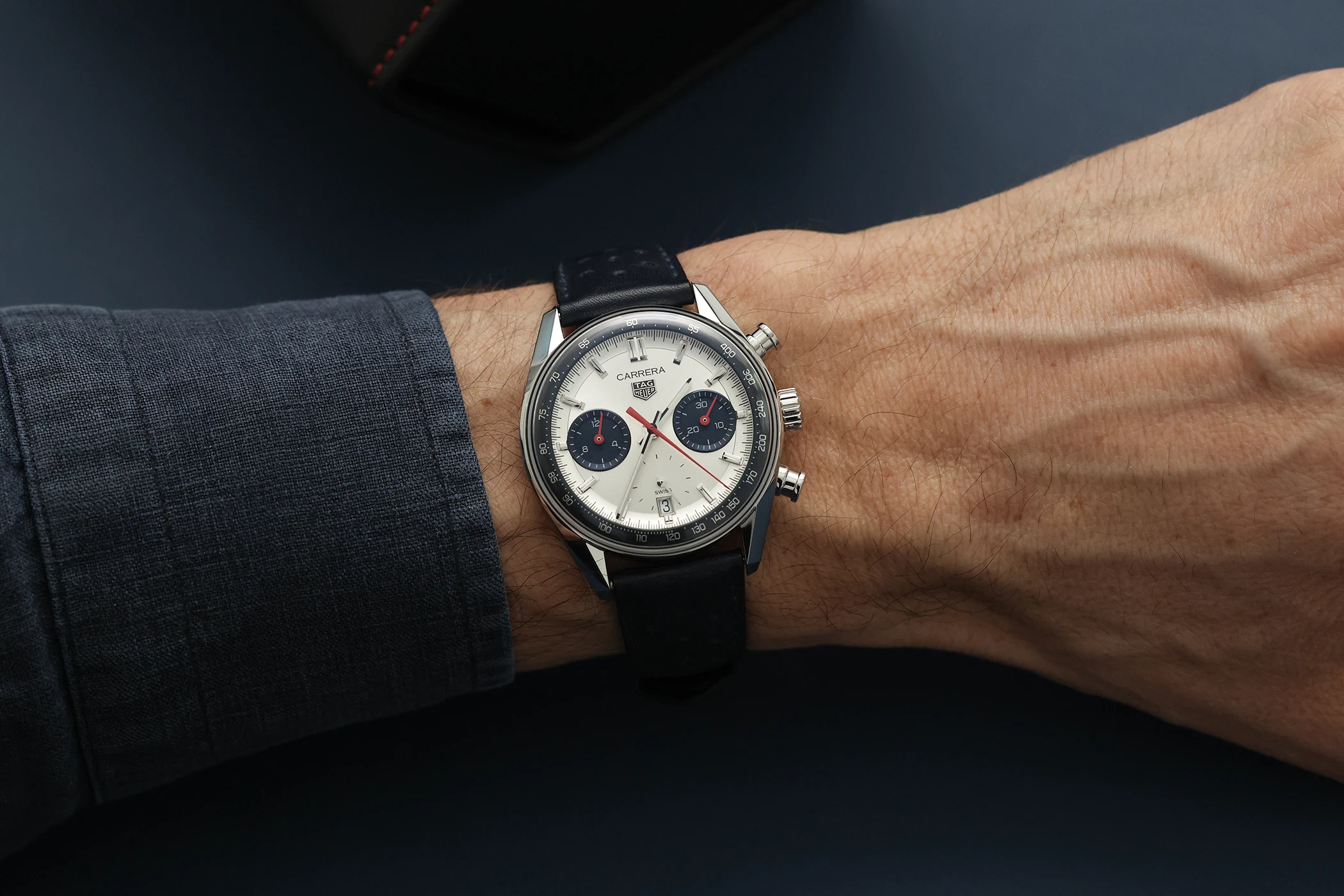
Just as the Daytona is inseparable from Rolex and the Nautilus from Patek Philippe, the Carrera is synonymous with TAG Heuer.
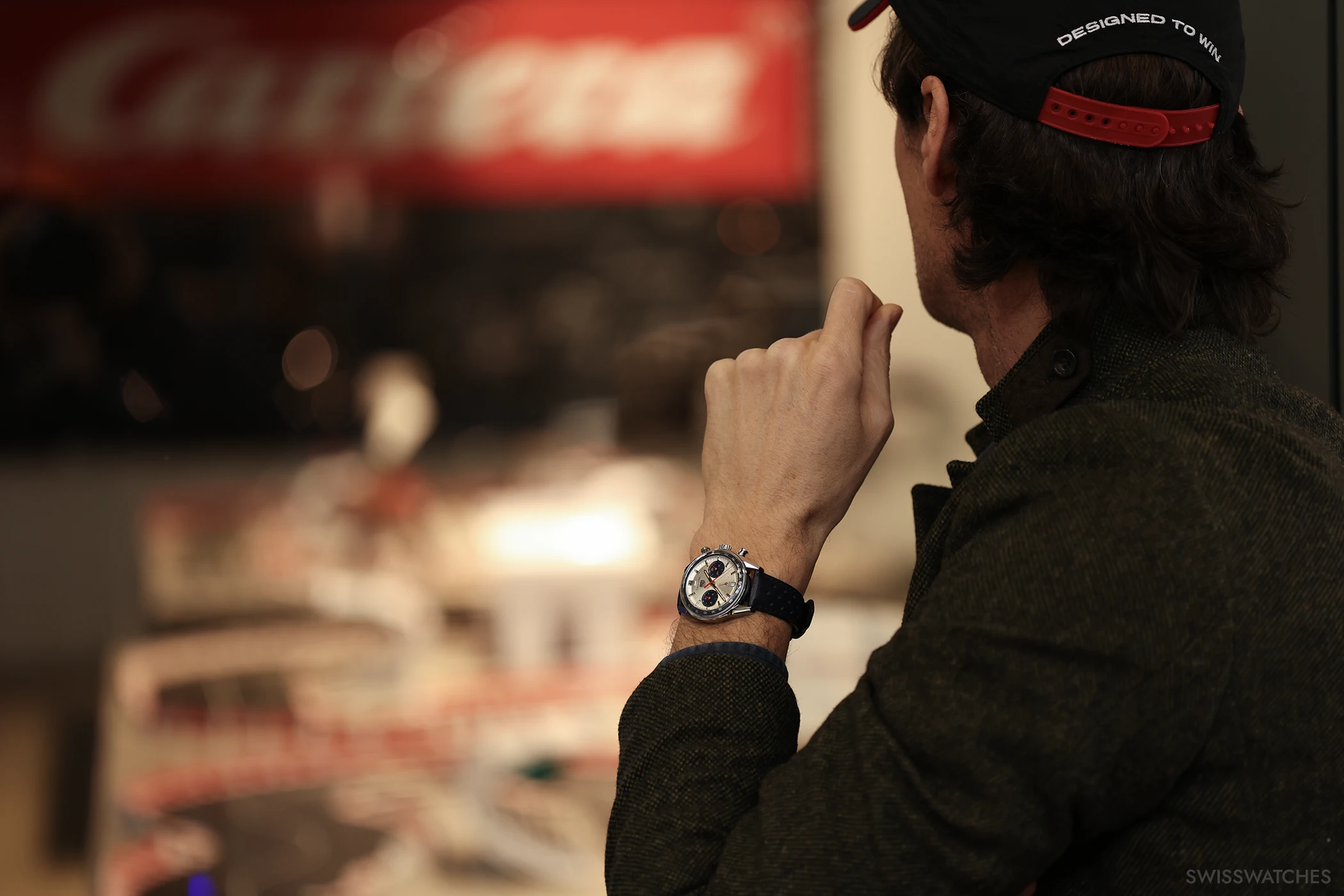
Shortly before the start of the new Formula 1 season, Wempe and TAG Heuer are unveiling their first joint timepiece within the Wempe Signature Collection: the Wempe x TAG Heuer Carrera Chronograph (limited to 50 pieces). In this article, we explore what makes this edition so appealing to collectors, from its rare blue-and-silver Carrera aesthetic and historic motorsport references, to the details of the current ‘Glassbox’ generation and the movement inside.
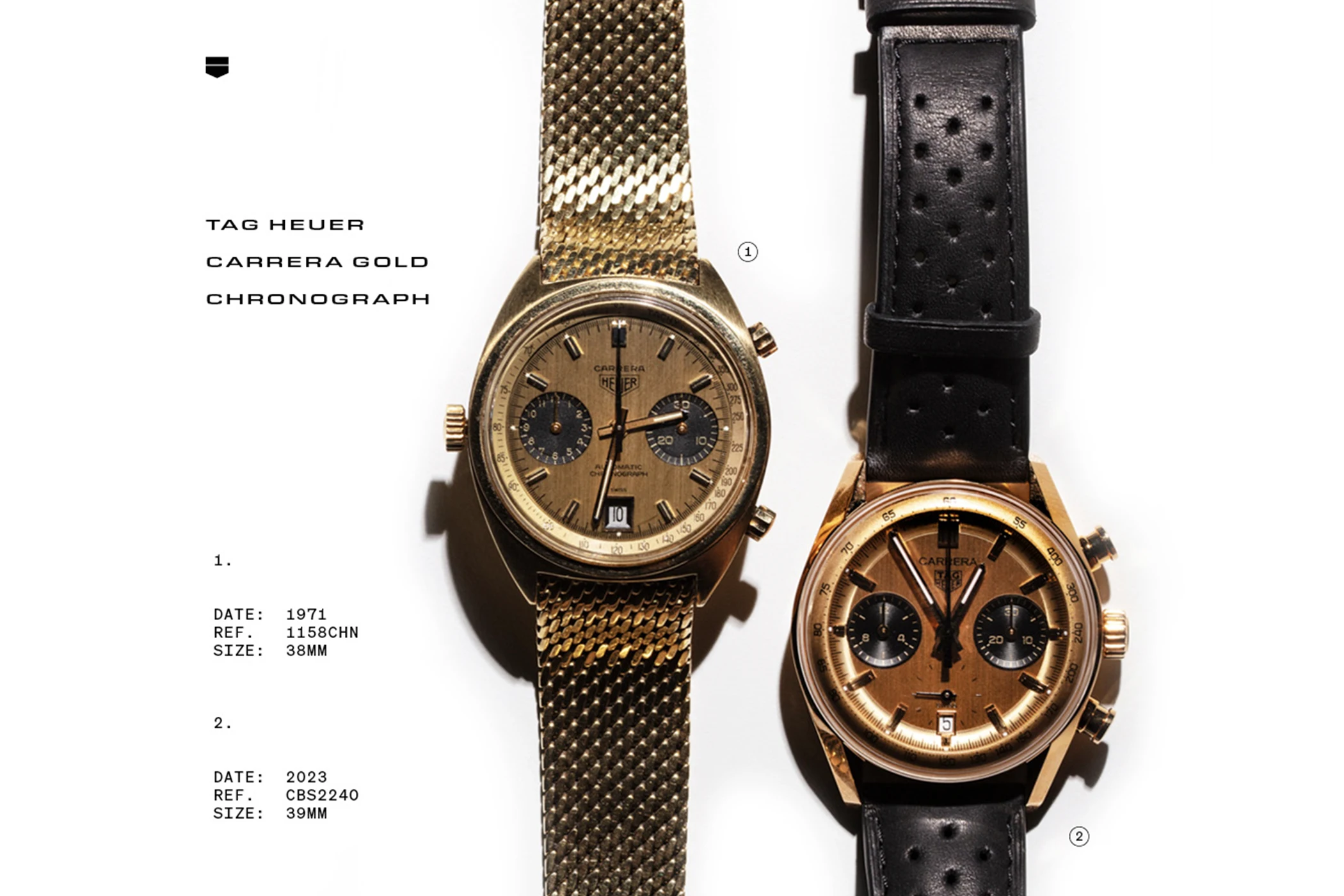
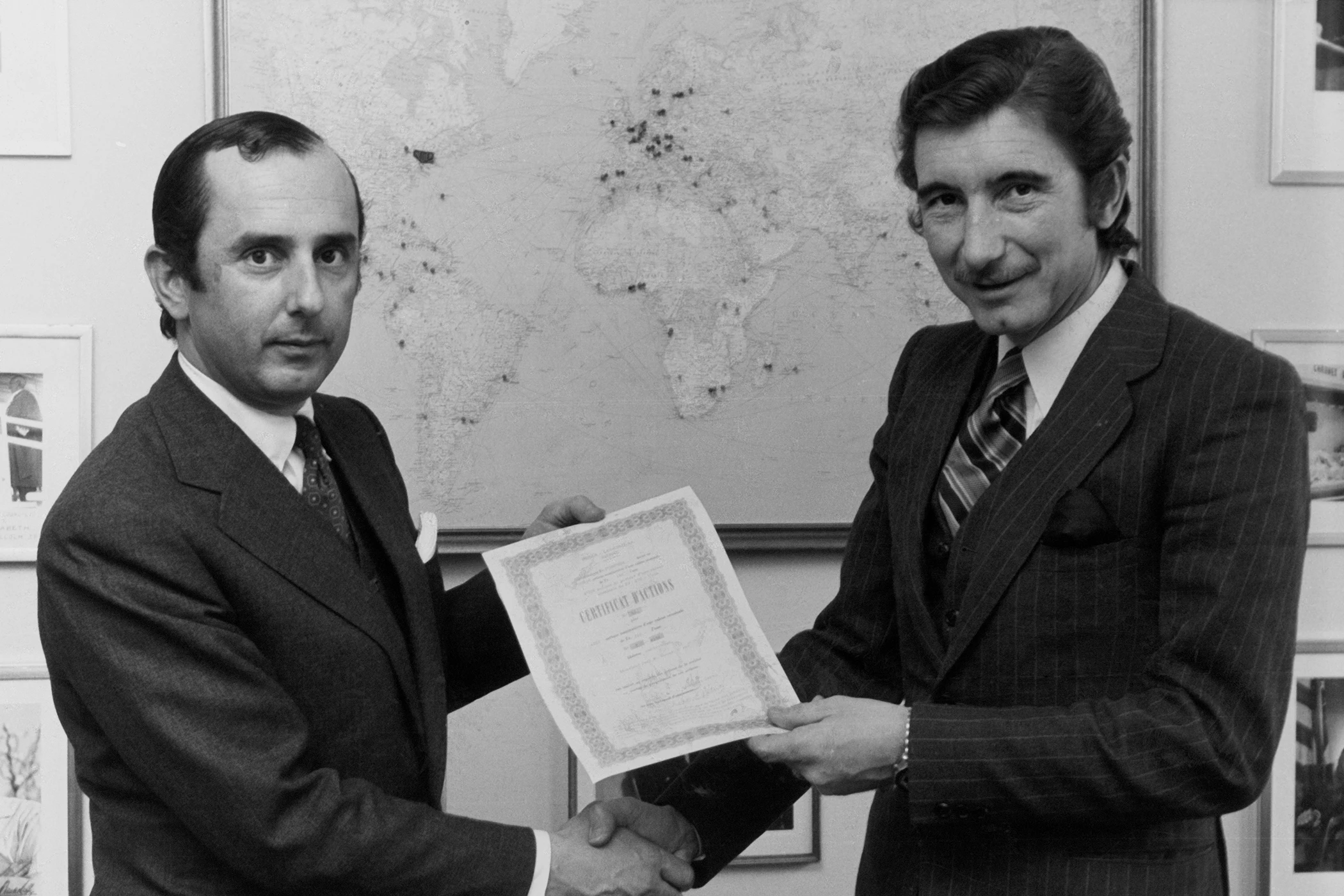
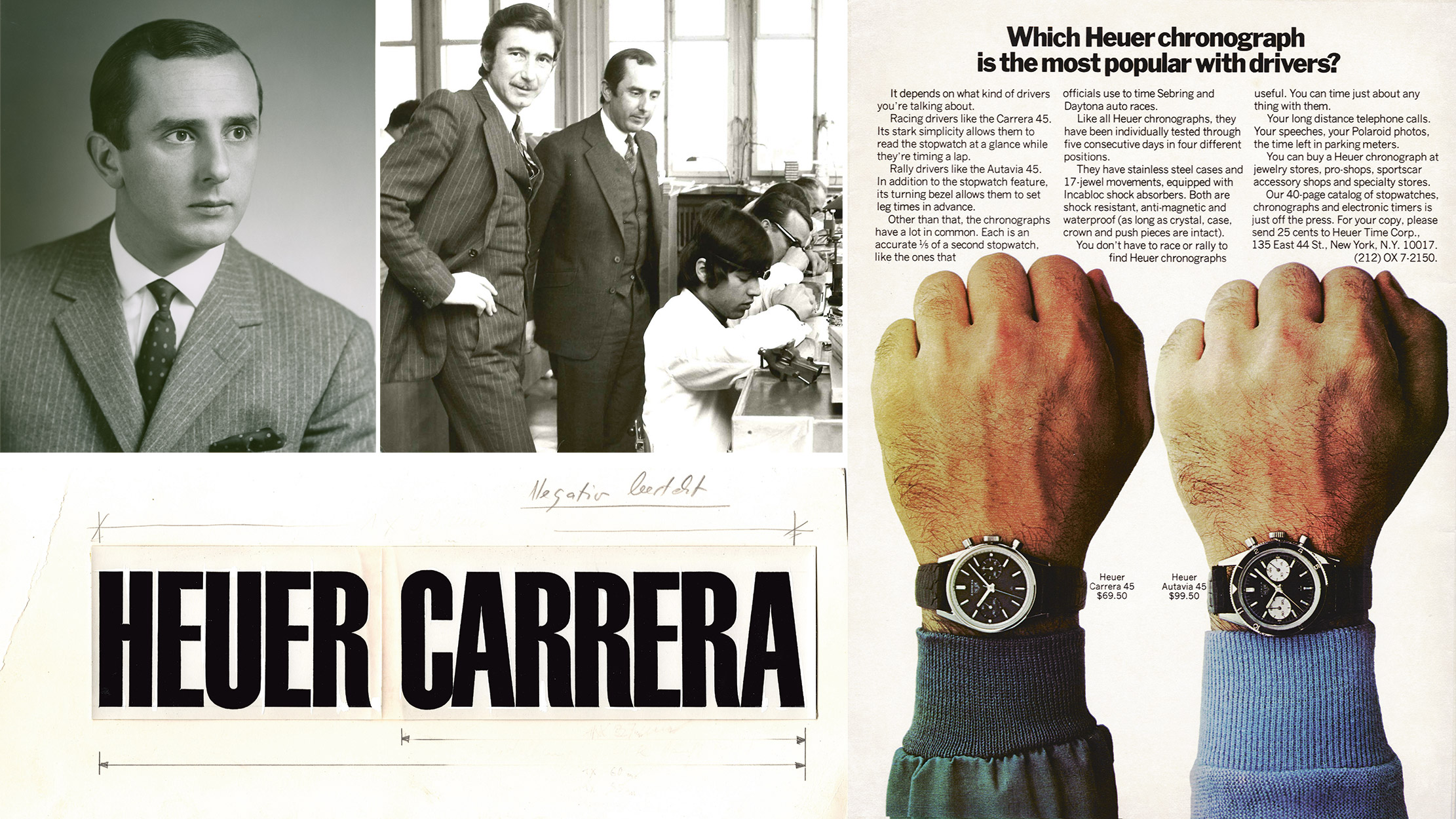
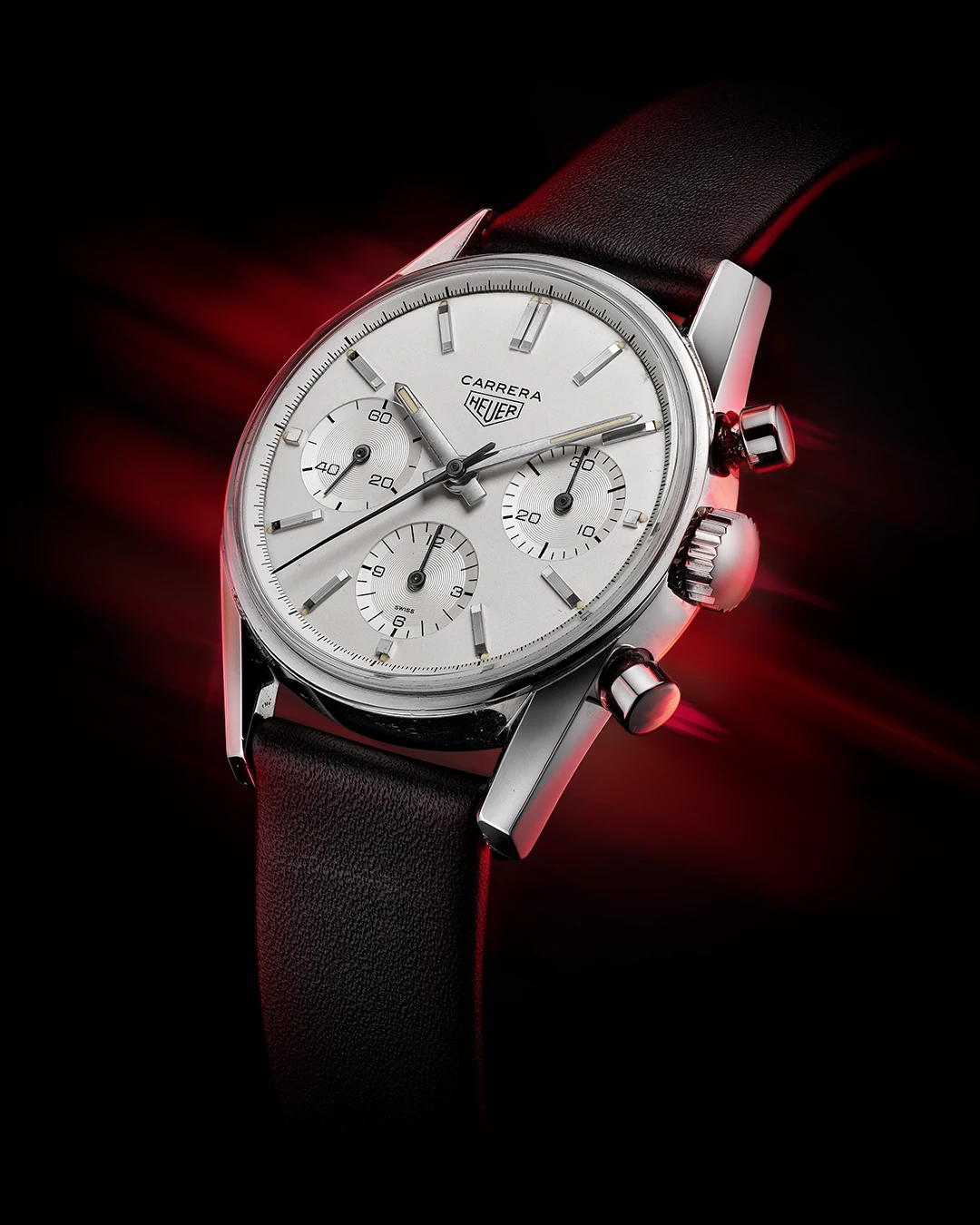
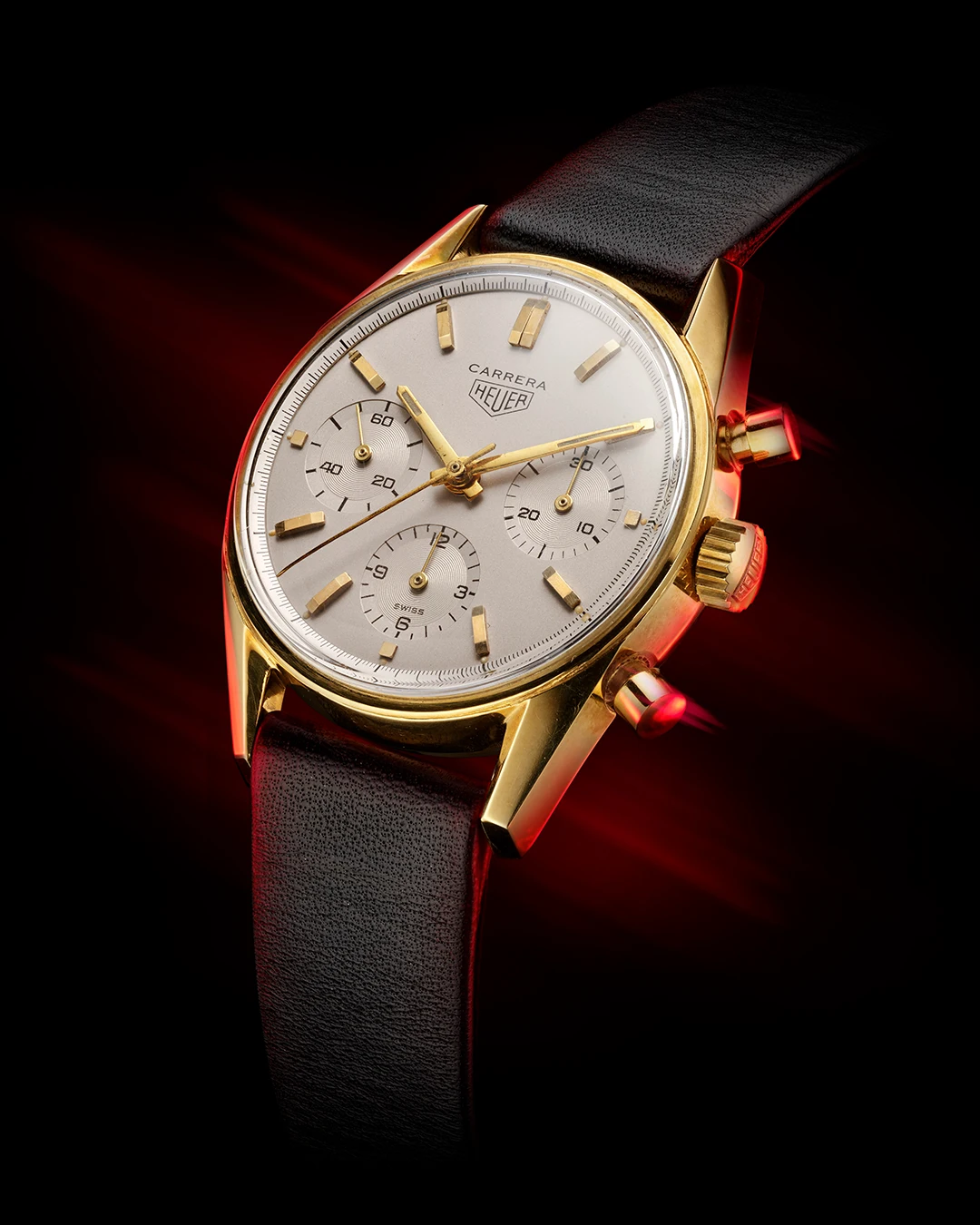
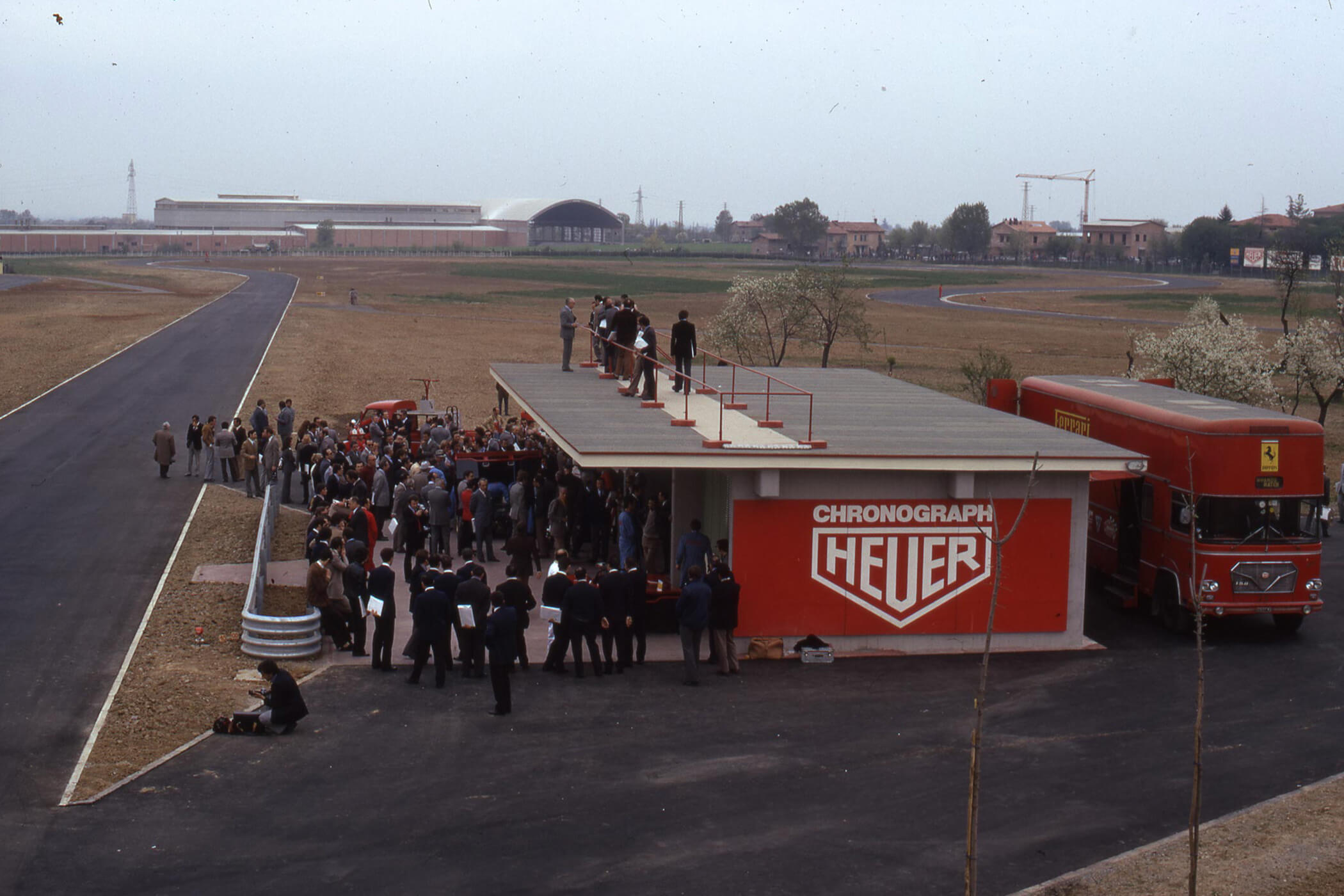
I still vividly recall one of the last interviews given by Jack Heuer. Without a moment’s hesitation, he answered the question of which watch meant the most to him among the many models he created during the exhilarating 1960s and 1970s – an era of explosive innovation and the birth of the great watch icons. Heuer said: ‘It was, of course, the Carrera.’ At the time, he was wearing a gold Carrera chronograph (the original model had a diameter of 36 millimetres) on his wrist. To this day, it remains a beautifully elegant yet distinctly sporty watch. His model closely resembled those collected by Formula 1 legends and Ferrari team drivers during the sport’s first official watch sponsorship. At that time, newly crowned world champions would receive their timepieces at the manufacturer’s premises in La Chaux-de-Fonds, in the canton of Neuchâtel.
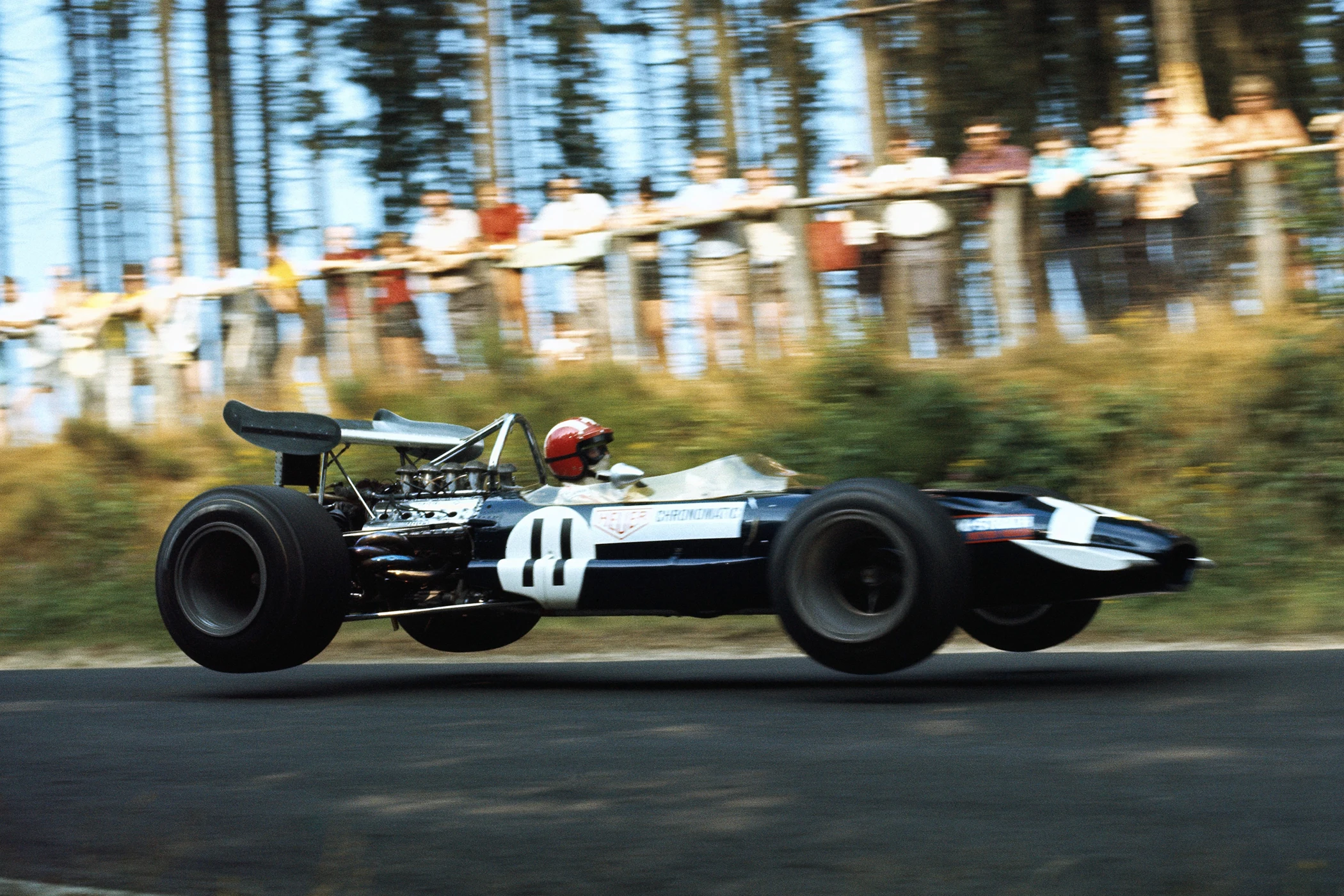
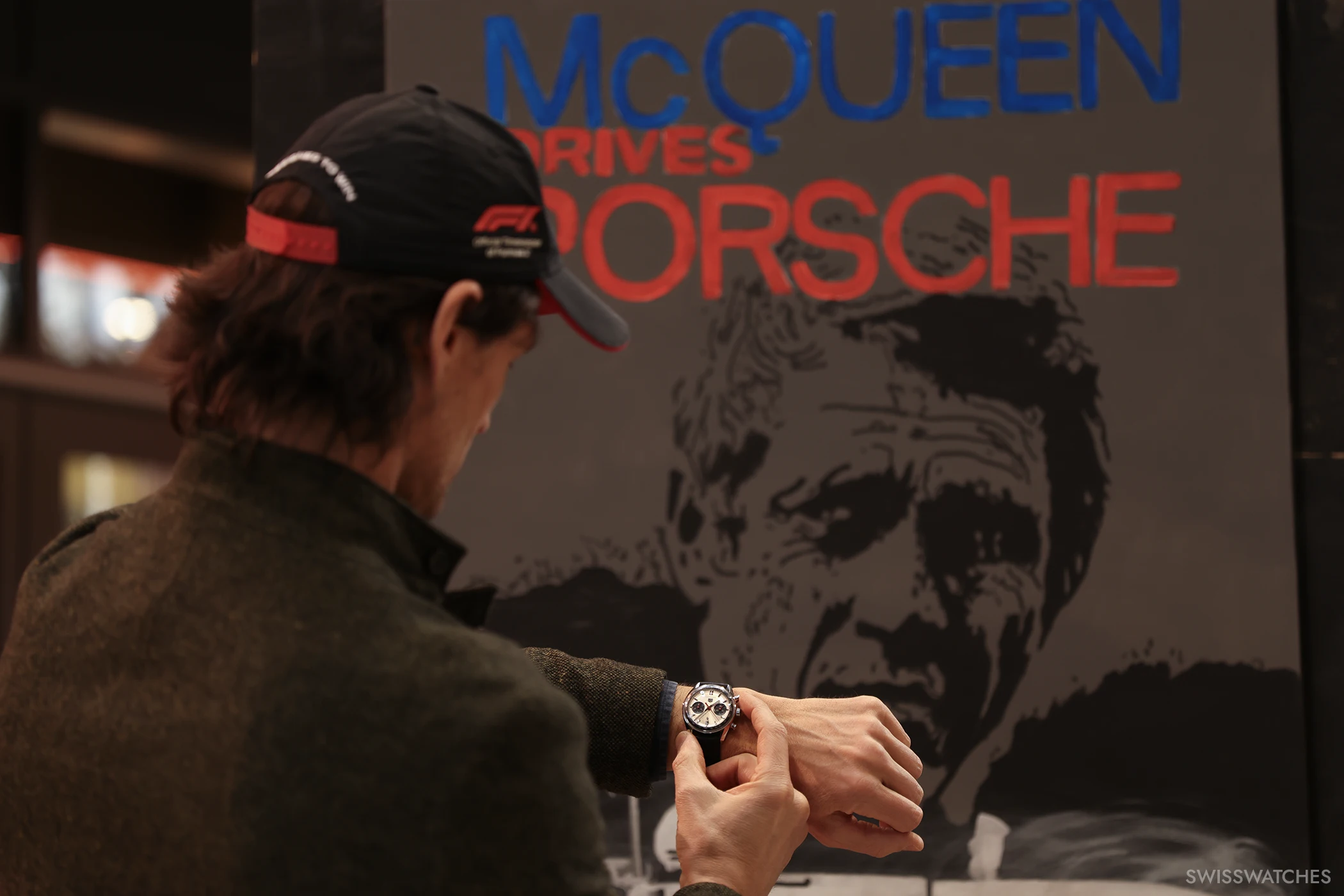
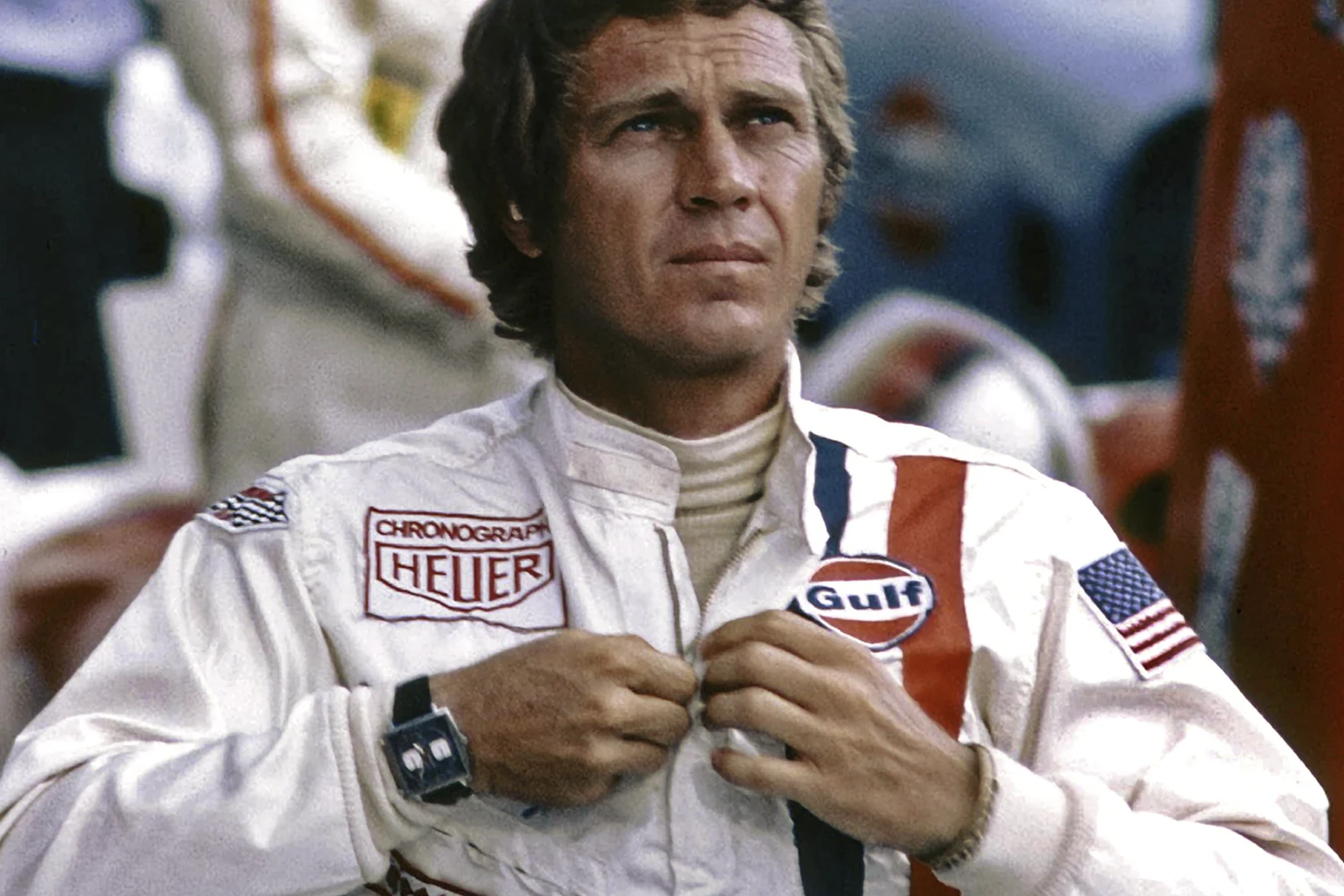
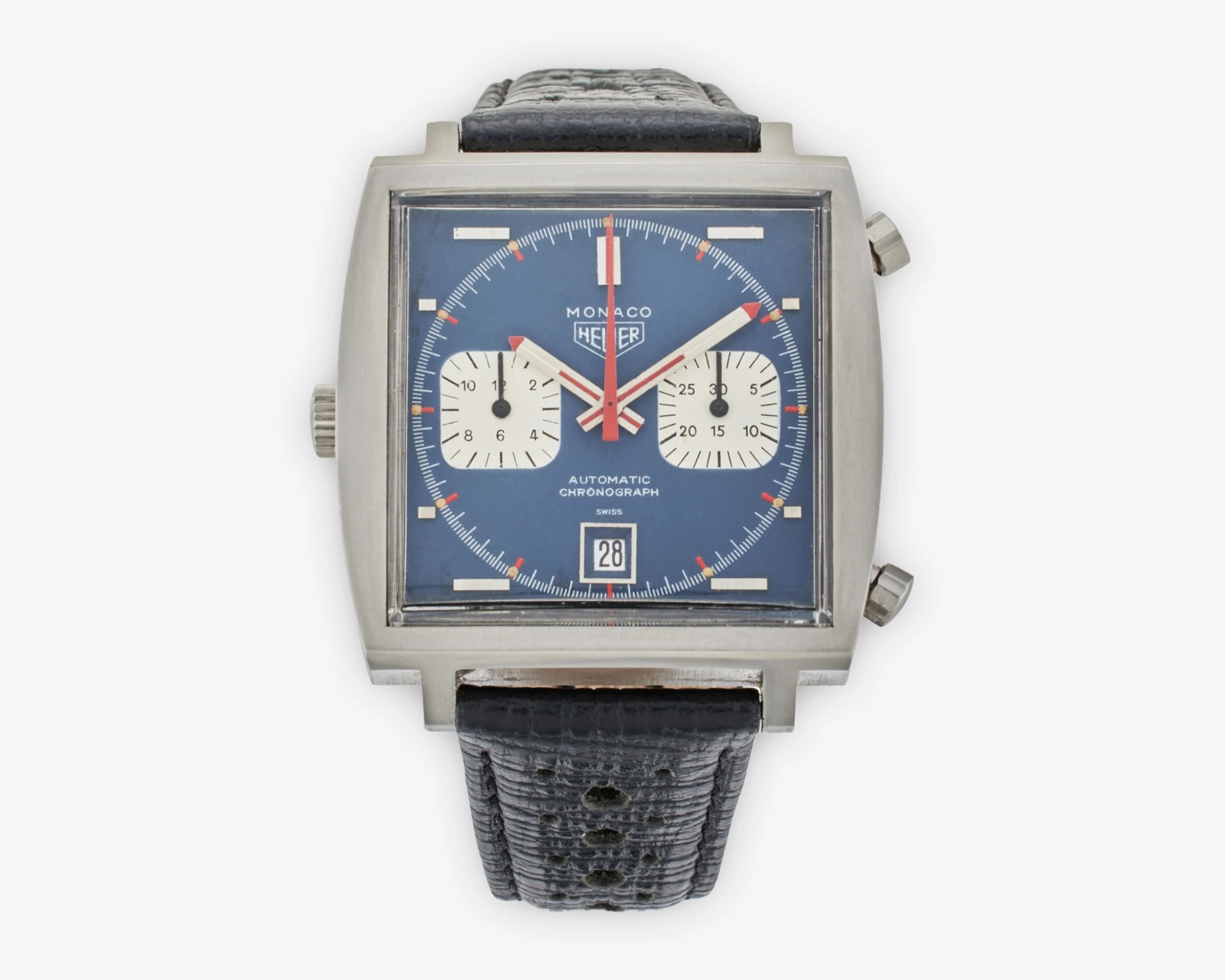
The wrist chronograph has etched itself into motorsport history as indelibly as tyre rubber into the tarmac at a Formula 1 race. As early as 1969, the brand’s logo appeared on a Formula 1 car for the first time, when racing driver Jo Siffert competed wearing Heuer watches – long before formal sponsorship agreements became standard practice. In 1971, Steve McQueen immortalised his racing hero Siffert, who died far too young, in the film Le Mans, complete with racing overalls and Heuer logo.
Therefore, it came as no surprise that TAG Heuer has once again been an official sponsor of Formula 1 since last year, as it was during its previous sponsorship from 1992 to 2003, before Rolex took over. Many legendary Heuer models were named after racing circuits: Silverstone, Monza, and Monaco, to name a few. We delved into this history in our article, ‘The Winning Formula’, which will appeal to motorsport enthusiasts who are also watch collectors. In terms of world championship titles won, TAG Heuer ranks alongside Ferrari as one of the most successful brands in Formula 1 history.
That the German jeweller Wempe is now launching a limited edition of just 50 pieces of this horological classic – only three days before the new Formula 1 season begins on 6 March in Melbourne, Australia – is fitting in several respects. On the one hand, the model effectively crowns the line-up of 13 icons and modern classics with which Wempe introduced its Signature series in 2022. The collection has included, among others, two editions of the Breitling Navitimer (200 pieces and, most recently, 50), the Laureato by Girard-Perregaux (100 chronographs – still my personal favourite), as well as more understated design classics such as two Nomos editions, most recently the Tangente Neomatik 39 (100 pieces).
All of these watches, including the new model, are available through Wempe boutiques or the Wempe online shop and are often virtually sold out by the evening of the launch event.
A closer look at the details reveals the depth of expertise possessed by the Wempe specialists under the leadership of Bernhard Stoll, Managing Director of the watch division. For decades, they have engaged intensively with the finer points of classic timepieces. Swisswatches has covered most of the Signature models in detail – an overview can be found here.
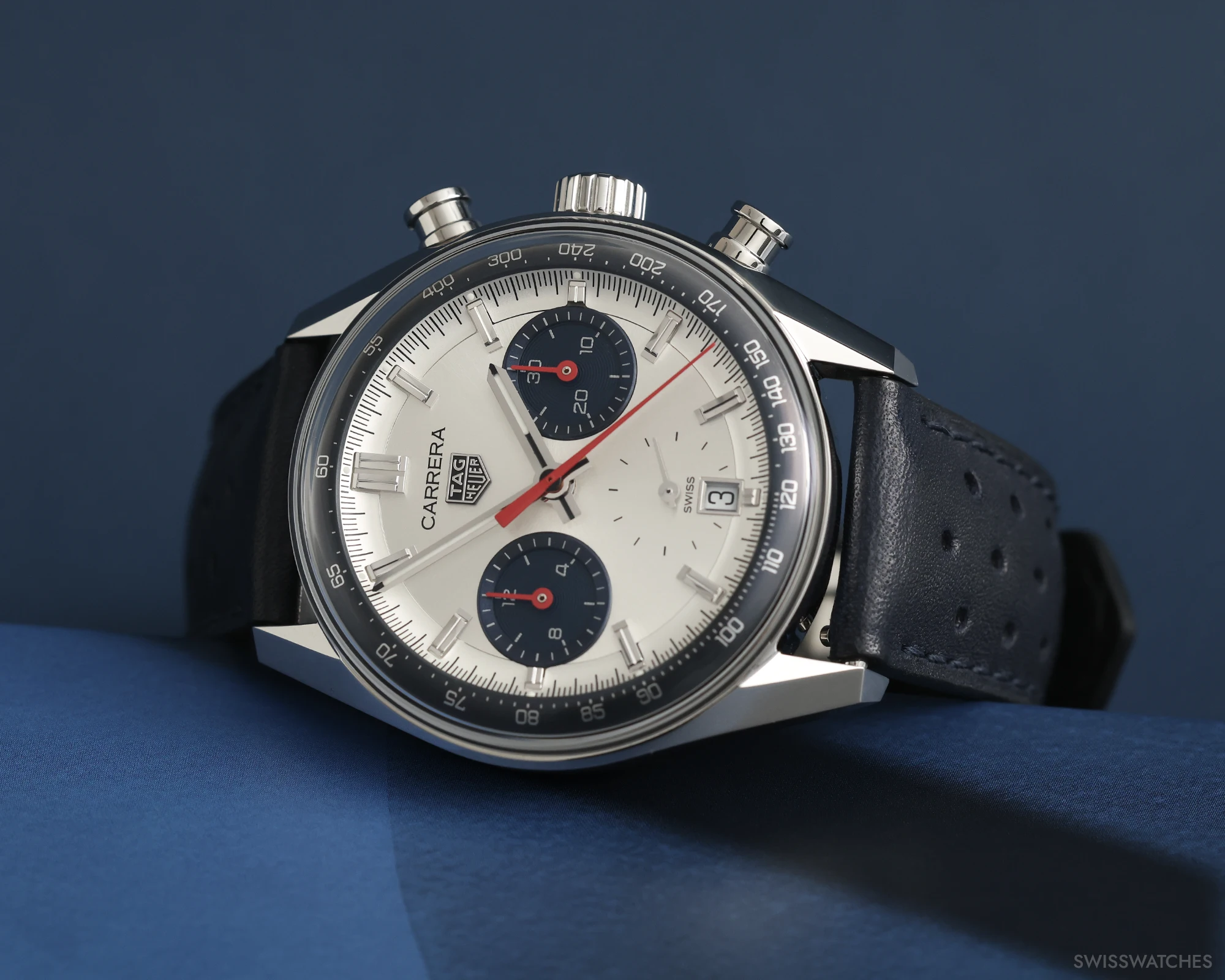
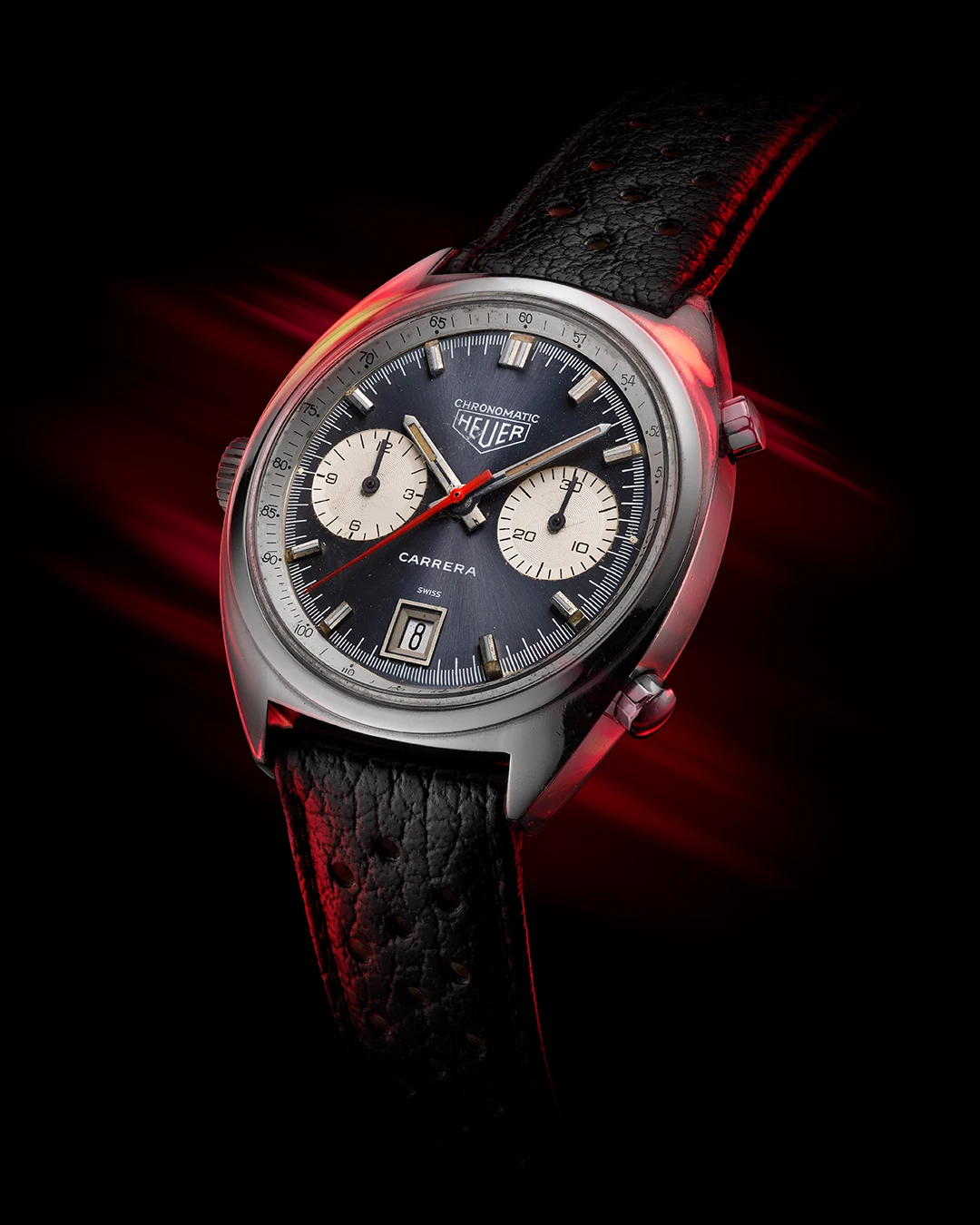
What connoisseurs will immediately notice about the Wempe TAG Heuer model is that blue-and-silver Carrera versions are extremely rare in the watch’s history. As Nicholas Biebuyck, Heritage Director at TAG Heuer, describes in his highly recommended book The Race Never Stops, blue was initially an exceptional colour within a range otherwise dominated by black and silver elements. Among the early pre-Carrera and Carrera models, blue is entirely absent. It only entered the line-up with the Carrera Chronomatic in 1969 and later with the Calibre 12 automatic chronograph in 1971. In 2013, there was a Jack Heuer 81 Boutique Edition in blue and silver with the Calibre 17. In more recent years, blue models have tended to be entirely blue rather than the collector-focused two-tone configuration with contrasting sub-dials that makes this new edition particularly appealing.
On the other hand, the two long-standing companies have a shared history, as succinctly expressed by Kim-Eva Wempe, the 63-year-old managing partner: ‘With its pared-back design language and uncompromising commitment to precision, the Carrera by TAG Heuer is a wristwatch that transcends generations. We have stocked the Swiss watch brand since 1953.’ It was her grandfather who first introduced TAG Heuer to the German market. A particularly formative moment in this long-standing partnership for Wempe was the creation of the Carrera by Jack Heuer, who was inspired to design it as a tribute to motorsport.
The start of the partnership in 1953 says a great deal about Wempe’s ethos. One should not forget that this was not only ten years before the first Carrera came onto the market, but also almost two decades before Heuer appeared in Formula 1 as the first watch sponsor, supporting the racing team of Jo Siffert. Collectors will of course know that the Carrera was unveiled in 1963. It was inspired by the legendary Carrera Panamericana, which continues to this day. At the time, Jack Heuer – not yet Managing Director of the family-owned manufacture – was working as a representative in the US market and searching for a name for this special watch. Above all, it was intended to combine maximum legibility, technical excellence, and a clear design for the racing drivers of that era.
Although Jack Heuer never raced professionally, he was passionate about motorsport and would occasionally ride as a co-driver. After all, Heuer produced stopwatches for motor racing. In 1963, he supplied the Sports Car Club of America (SCCA) with timing equipment for the Twelve Hours of Sebring, thereby becoming the event’s official timekeeper. He personally attended the race in Sebring that year. There, he met the young Mexican racing driver Pedro Rodríguez, who had competed in the Carrera Panamericana and told Heuer all about it. Heuer subsequently registered the name for watches, just as Porsche would later do for cars.
Incidentally, the Carrera Panamericana, which is more than 3,400 kilometres long, was held in its original form for only four years before being discontinued due to numerous fatalities. Since 1988, it has been revived as a classic car rally.
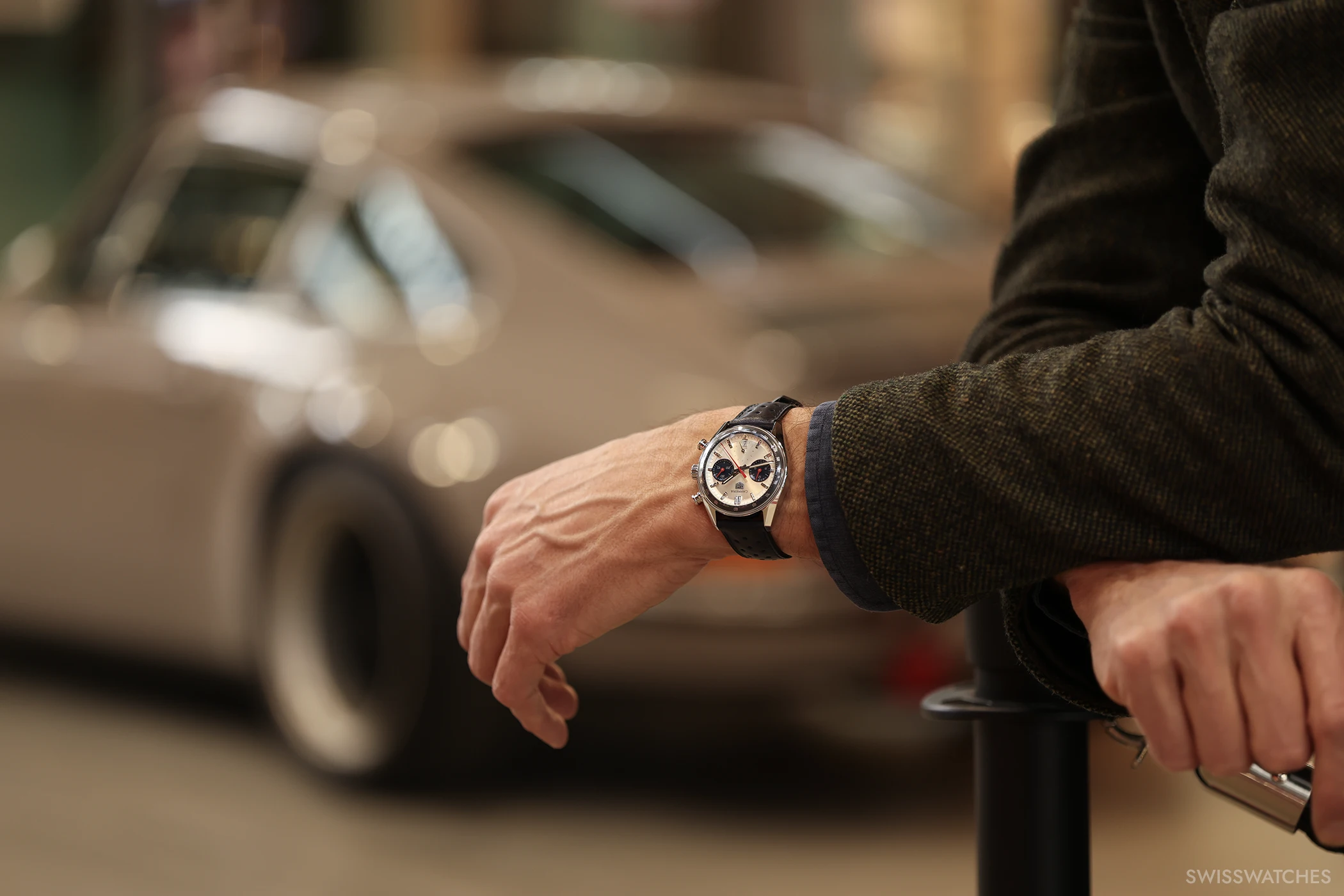
As with the original, the principle behind the new watch remains the same: nothing should distract from its function. It is, of course, no coincidence that Porsche also gave its legendary 911 the name Carrera, as ‘Carrera’ simply means ‘race’ in Spanish. After achieving several class victories, Porsche began using the Carrera designation for the most powerful versions in a series, first seen in the Porsche 356 A Carrera. 1963, the year of the Carrera’s launch, not only marks a key milestone in TAG Heuer’s history, but also the year in which Porsche introduced its most important model: the Porsche 911. This car’s close association with the Carrera name is largely due to the 911 Carrera RS 2.7, presented in 1973 – a particularly powerful and rare Porsche model.
The year 1963 also represents a significant milestone in Wempe’s history, as Hellmut Wempe assumed leadership of the company following the death of Herbert Wempe and developed the vision of an international jeweller with German roots. Thanks to his close connections with Switzerland, Wempe became the first authorised Rolex retailer in Germany that same year.
Over the past 166 years, TAG Heuer has repeatedly demonstrated its pioneering spirit in chronograph technology. Notable milestones include the oscillating pinion for mechanical stopwatches in 1887, the Mikrograph in 1916 and the Calibre 11, the first automatic chronograph movement, in 1969 (the same model worn by Steve McQueen in Le Mans). Put simply, chronographs have been at the heart of the company’s activities ever since Heuer’s founding in the 1880s. Unlike when the brand made a comeback under LVMH leadership in 1996, all Carrera models now bear the famous name on the dial once again. In 2021, TAG Heuer partnered with Porsche to launch special editions.
Credit © Sotheby’s
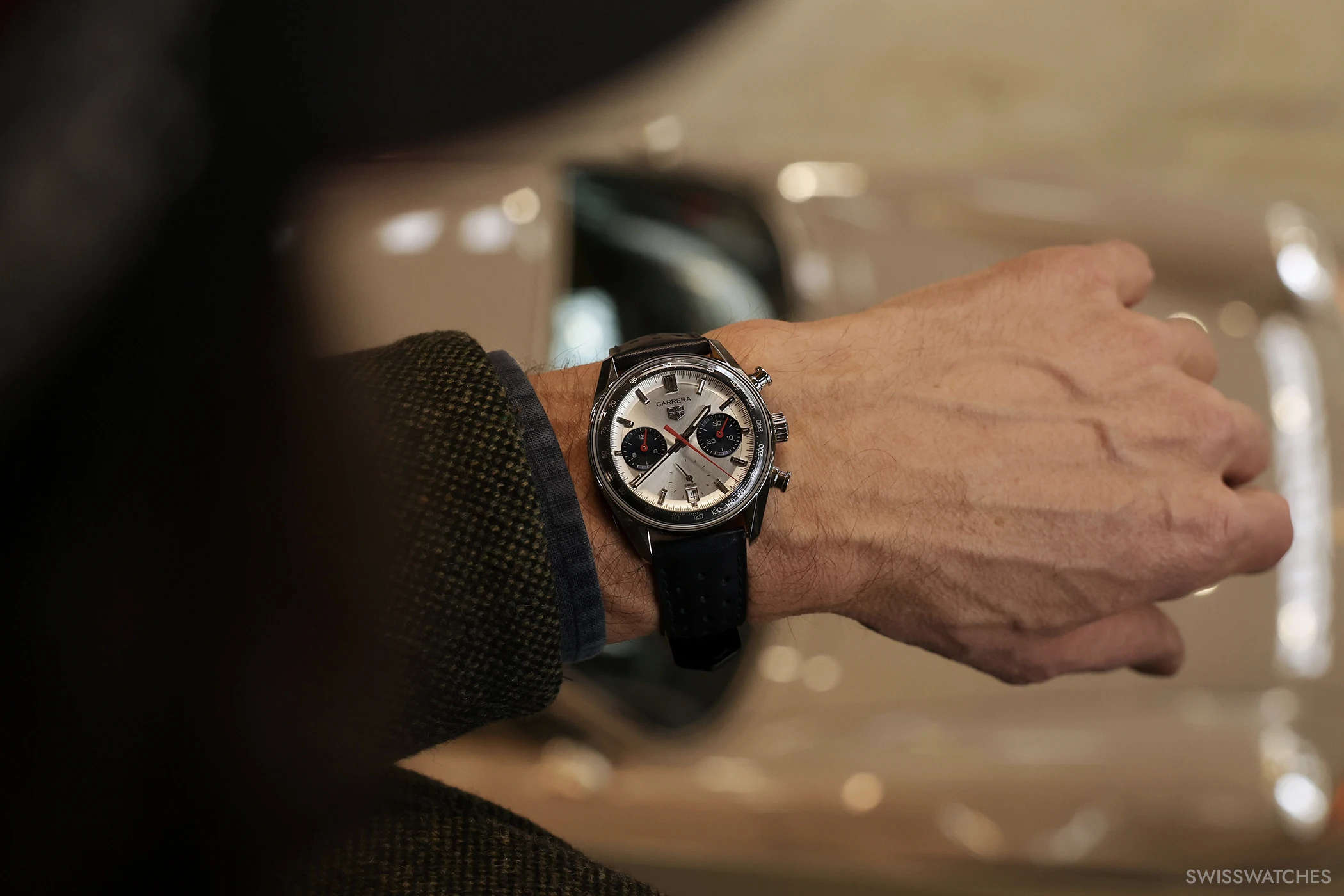
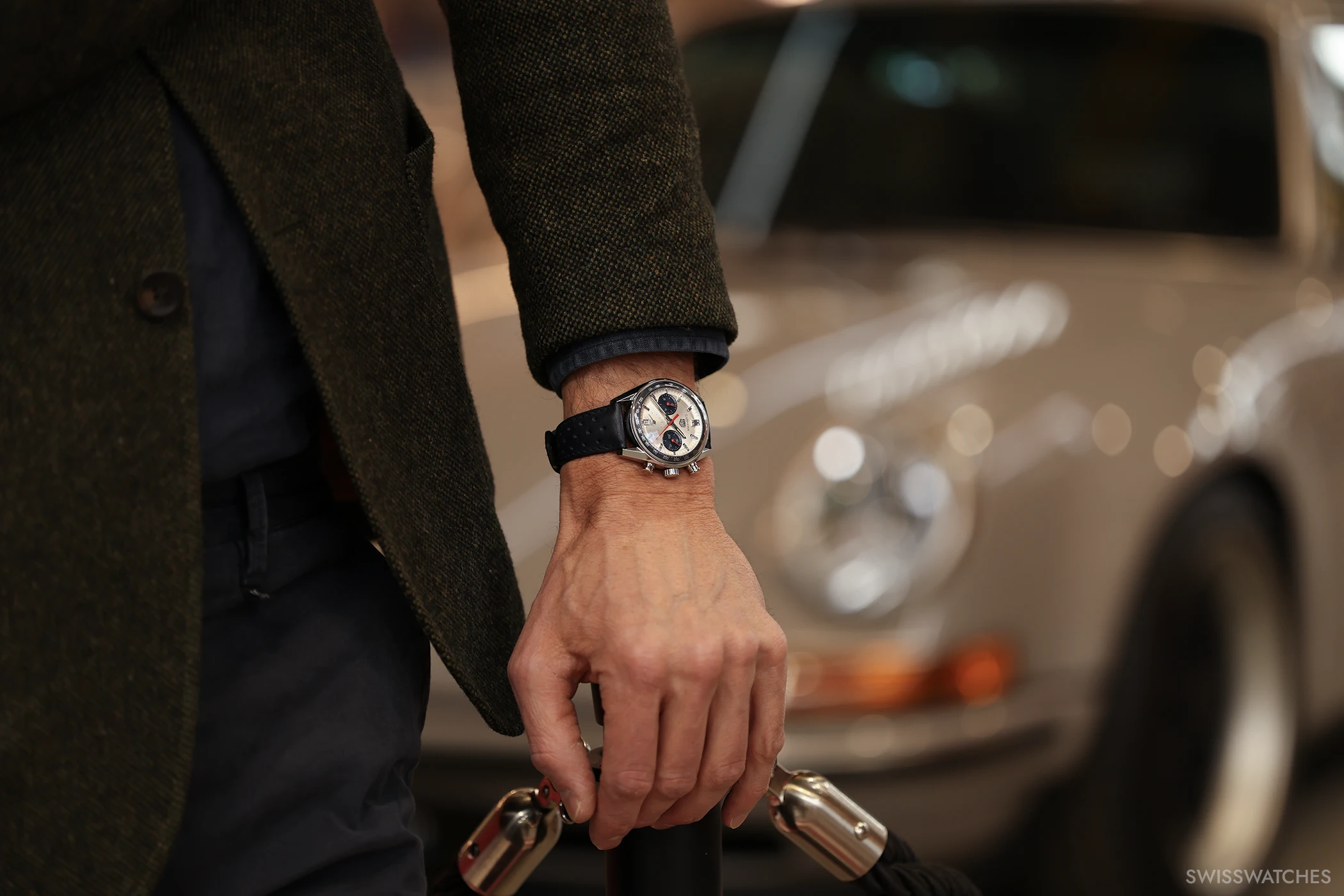
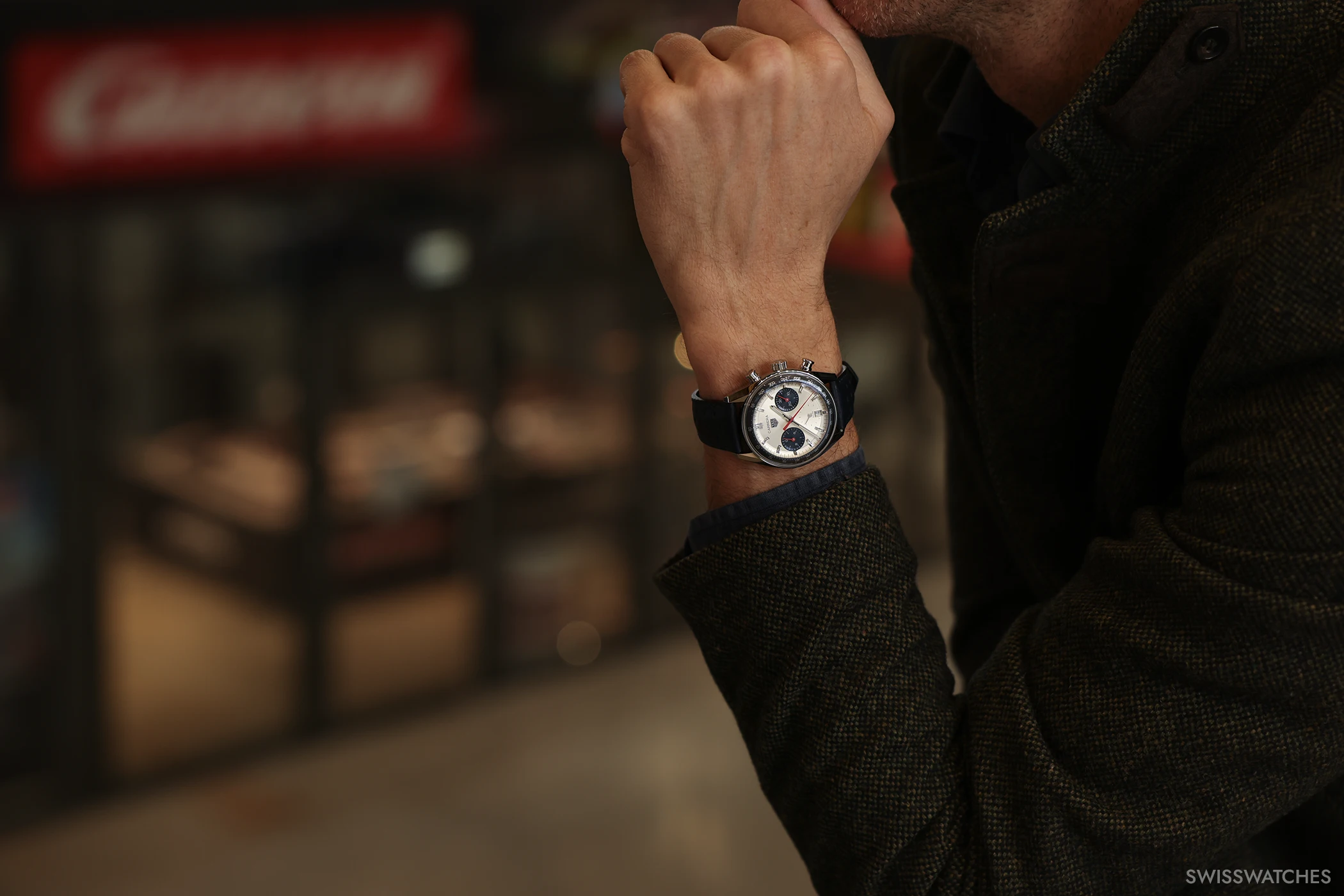
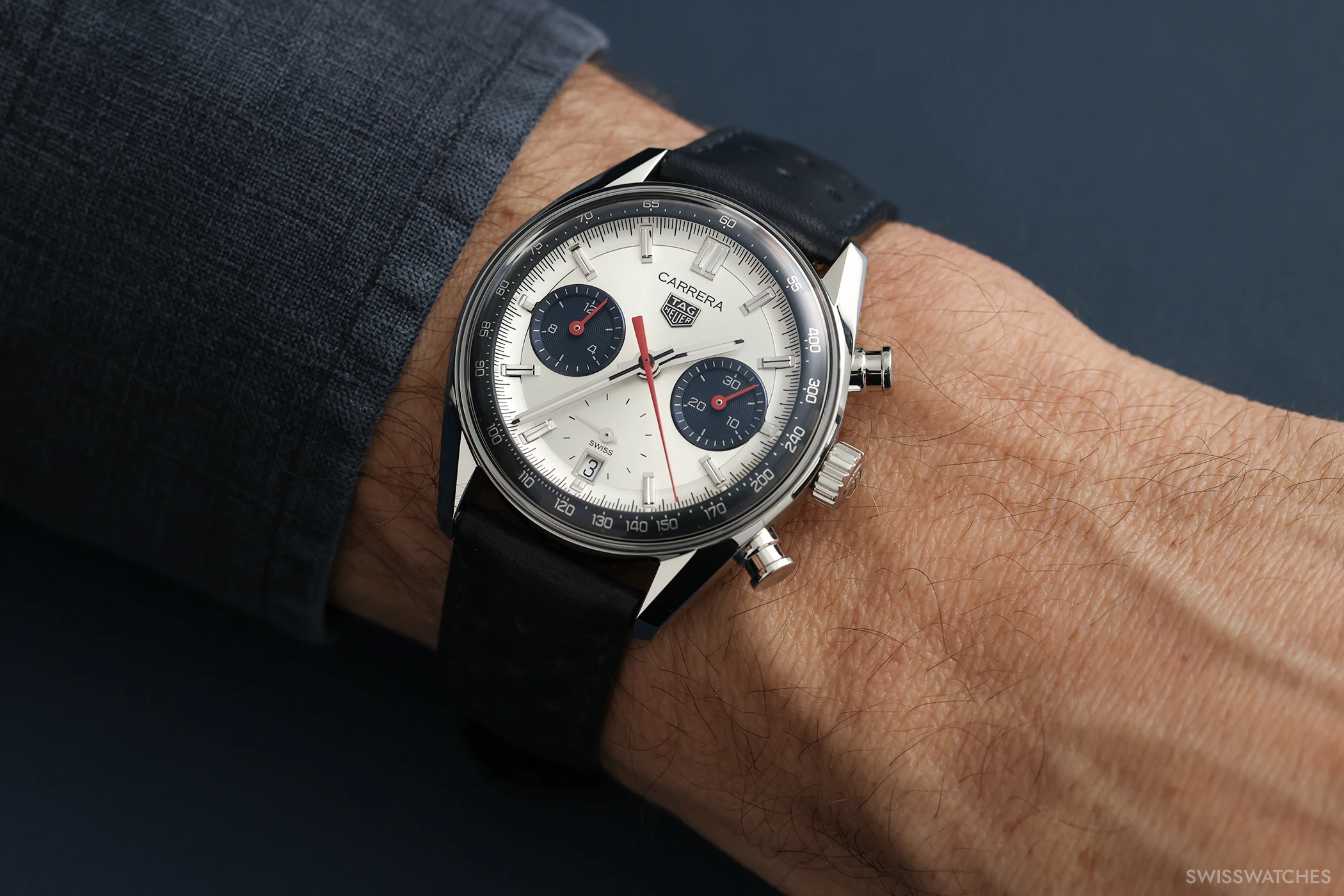
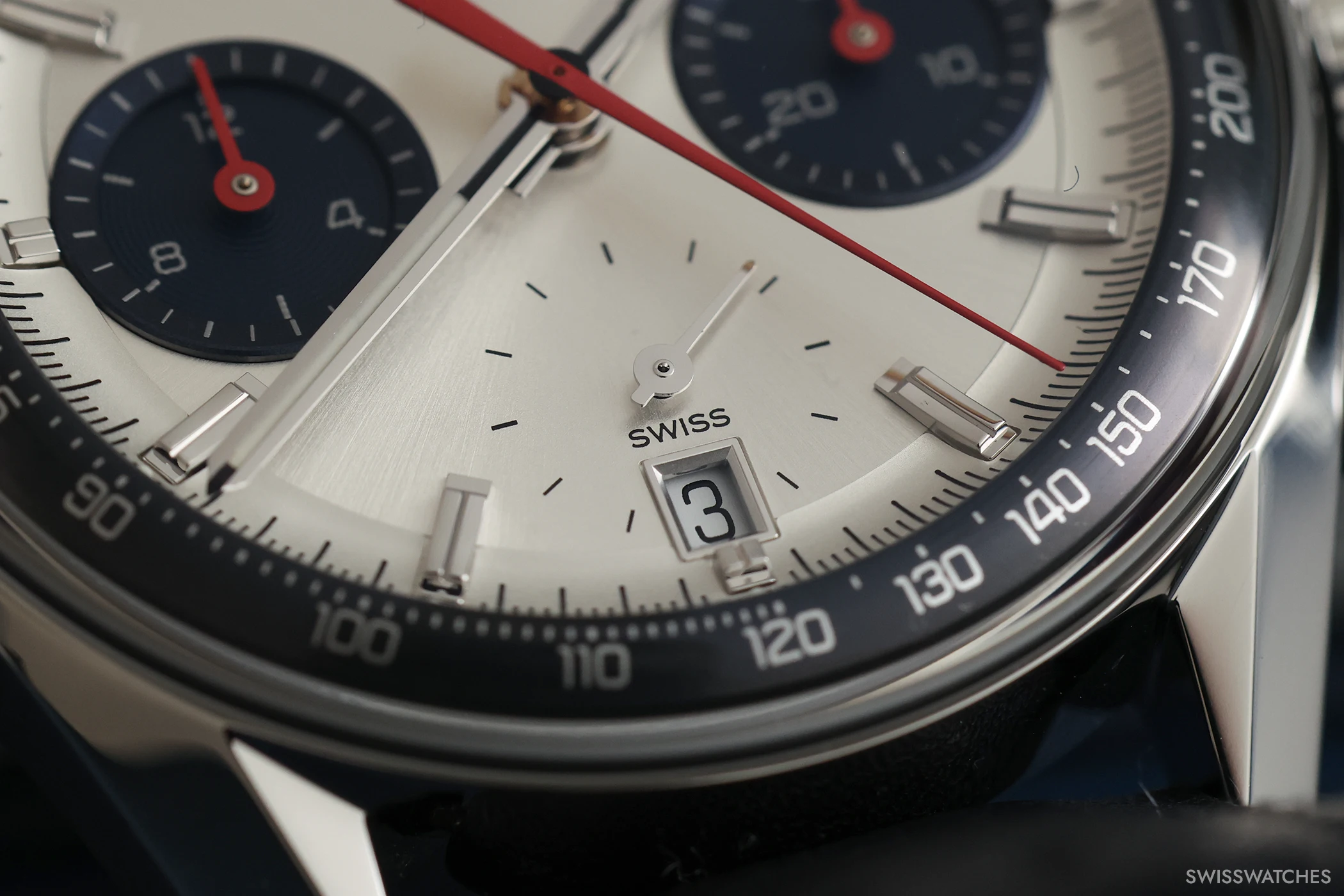
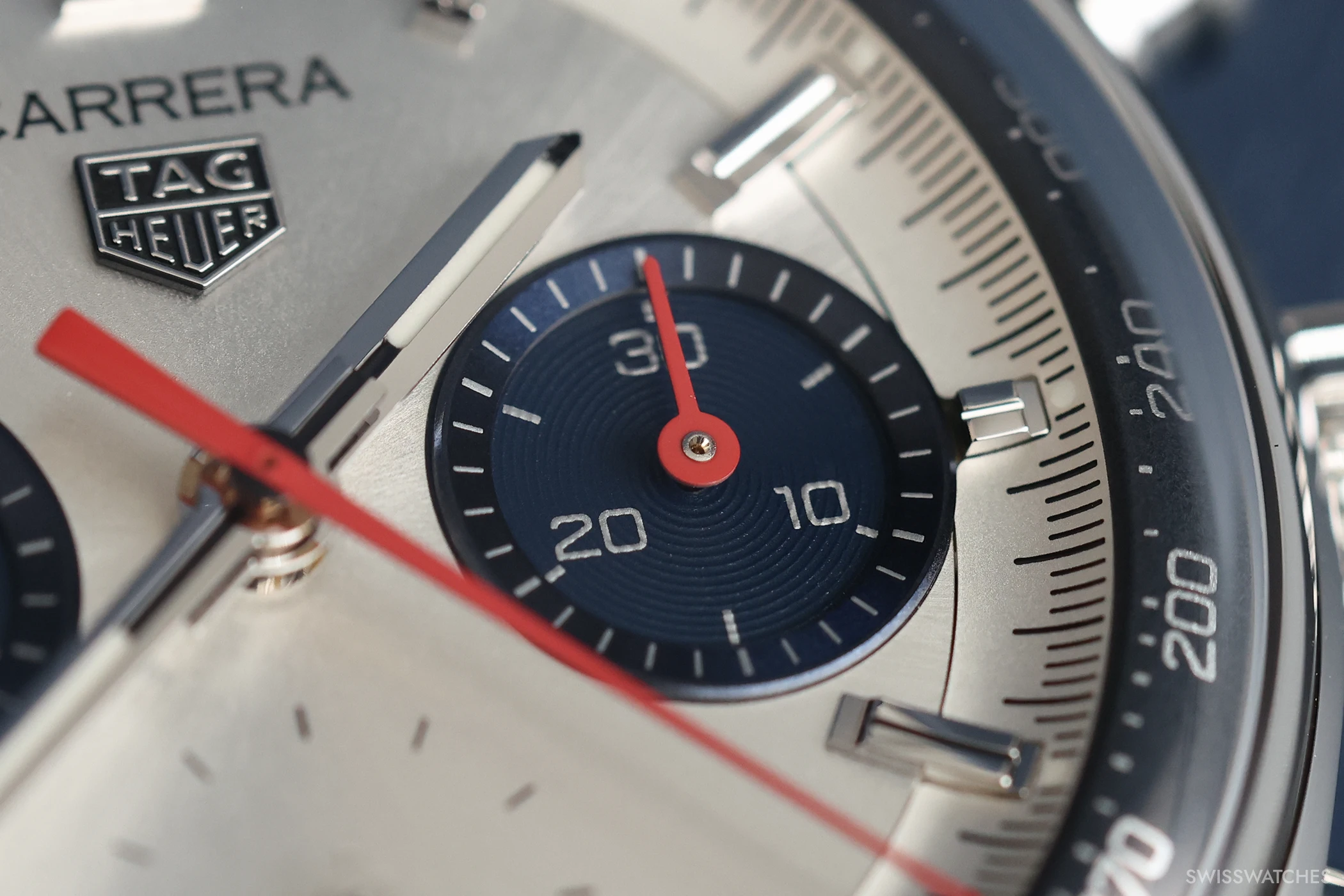
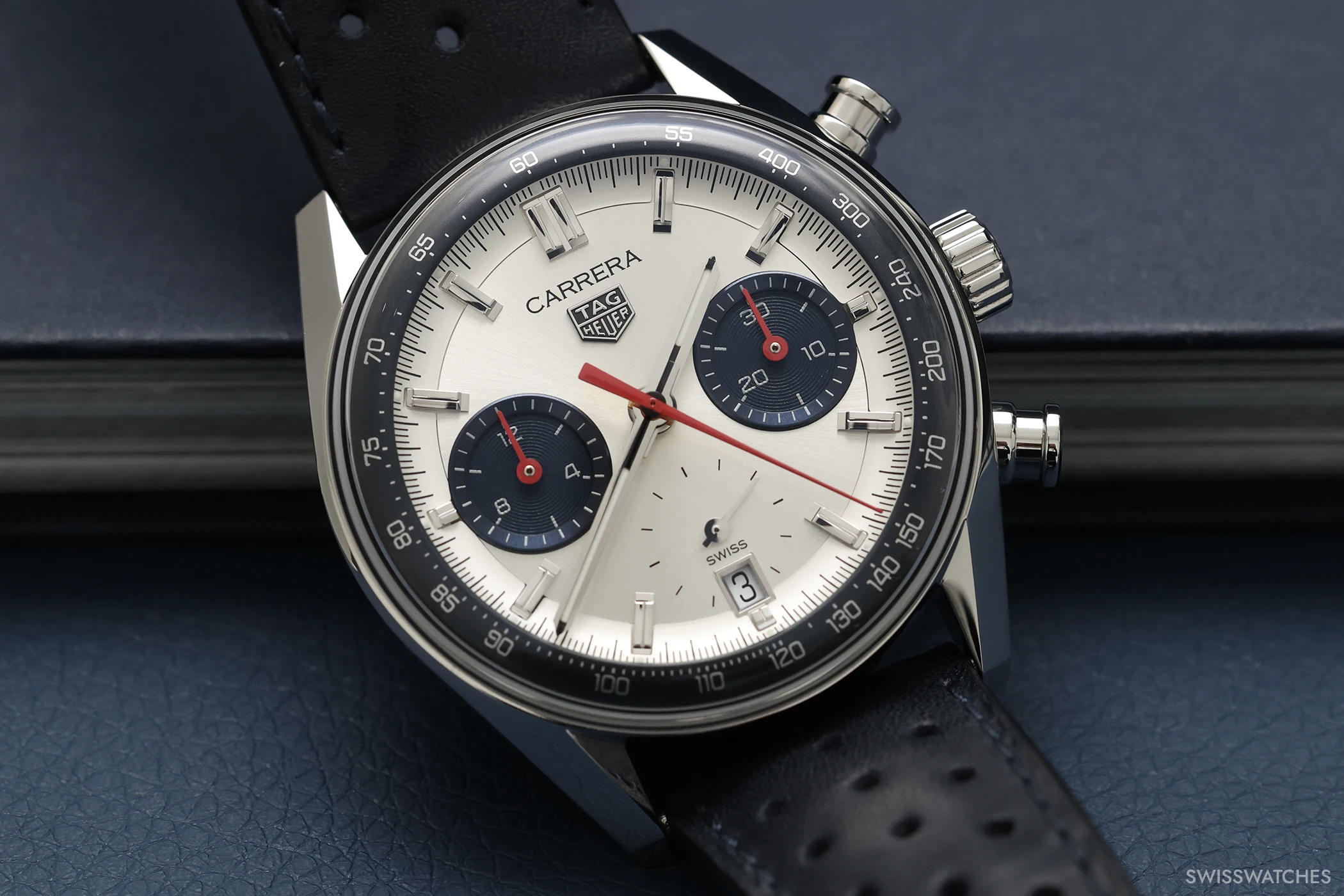
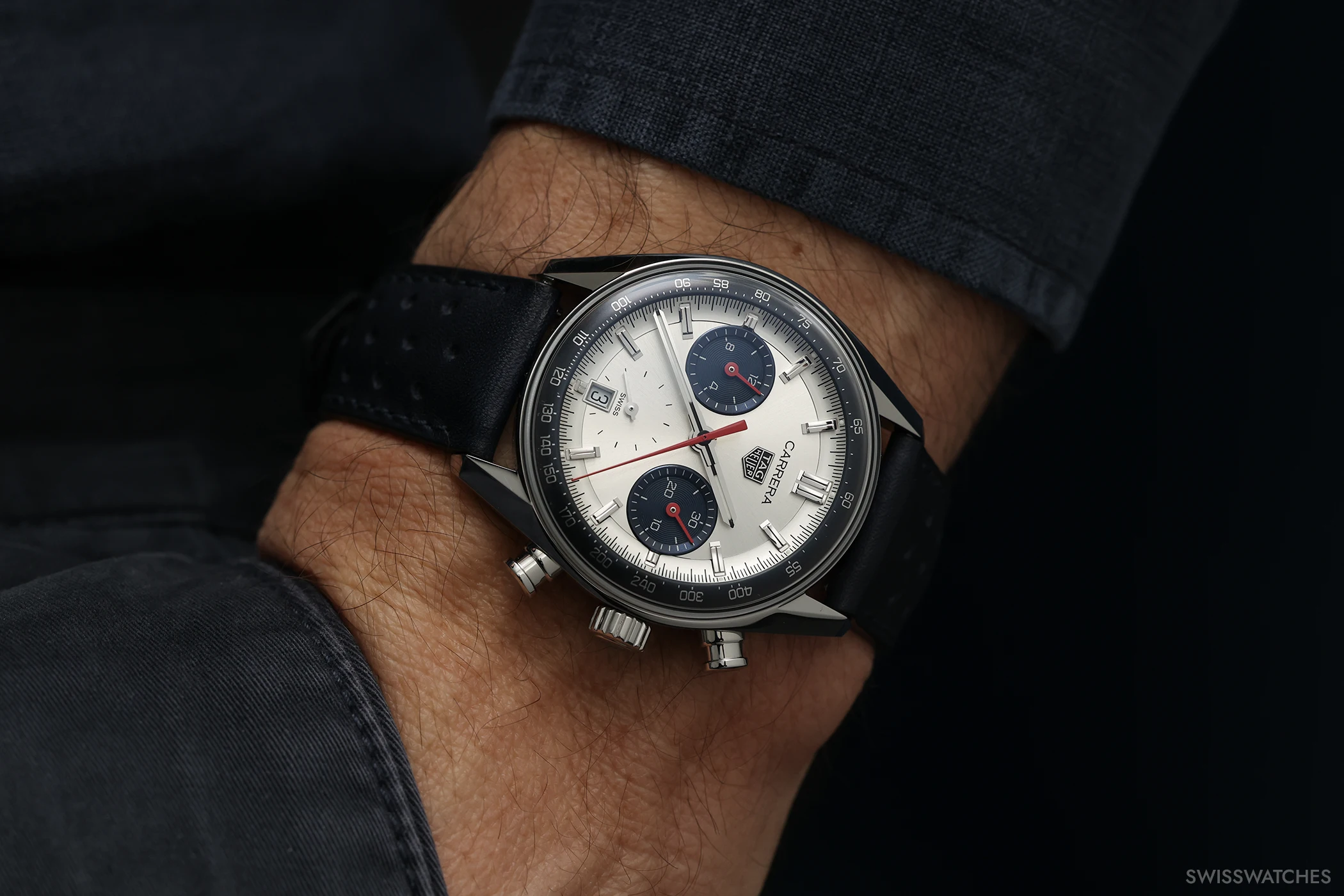
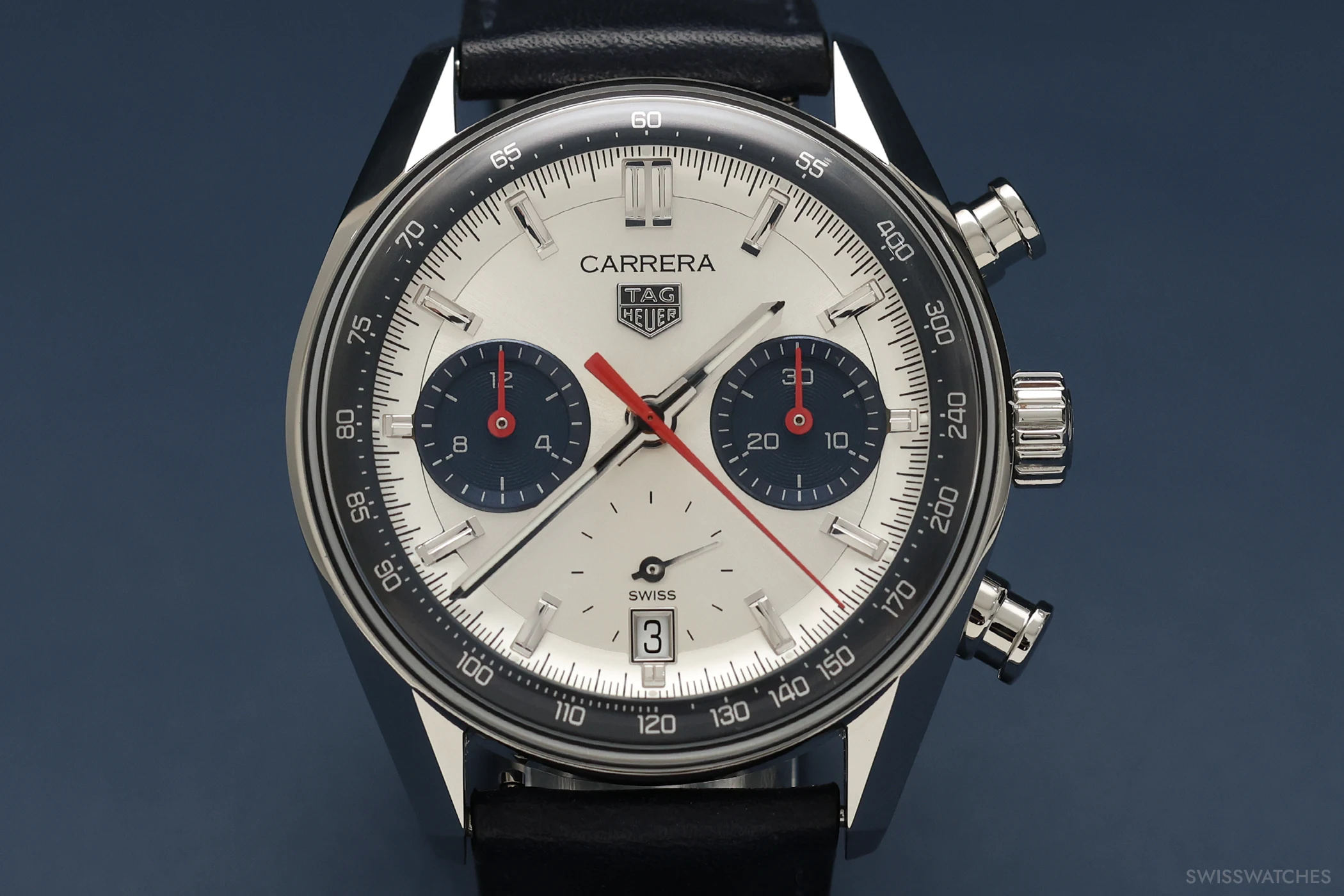
The current TAG Heuer Carrera Chronograph Wempe Signature Collection comes in a comfortably wearable 39 mm stainless-steel case, as used since the major relaunch of the collection in 2023. The silver-toned dial harks back to the original Carrera models of the early years. Red accents on the chronograph seconds hand and the sub-dial hands clearly signal the sporting DNA of the Carrera. The domed sapphire crystal lends the timepiece depth and character, while also serving as a historical reference to the classic convex dials of the original model.
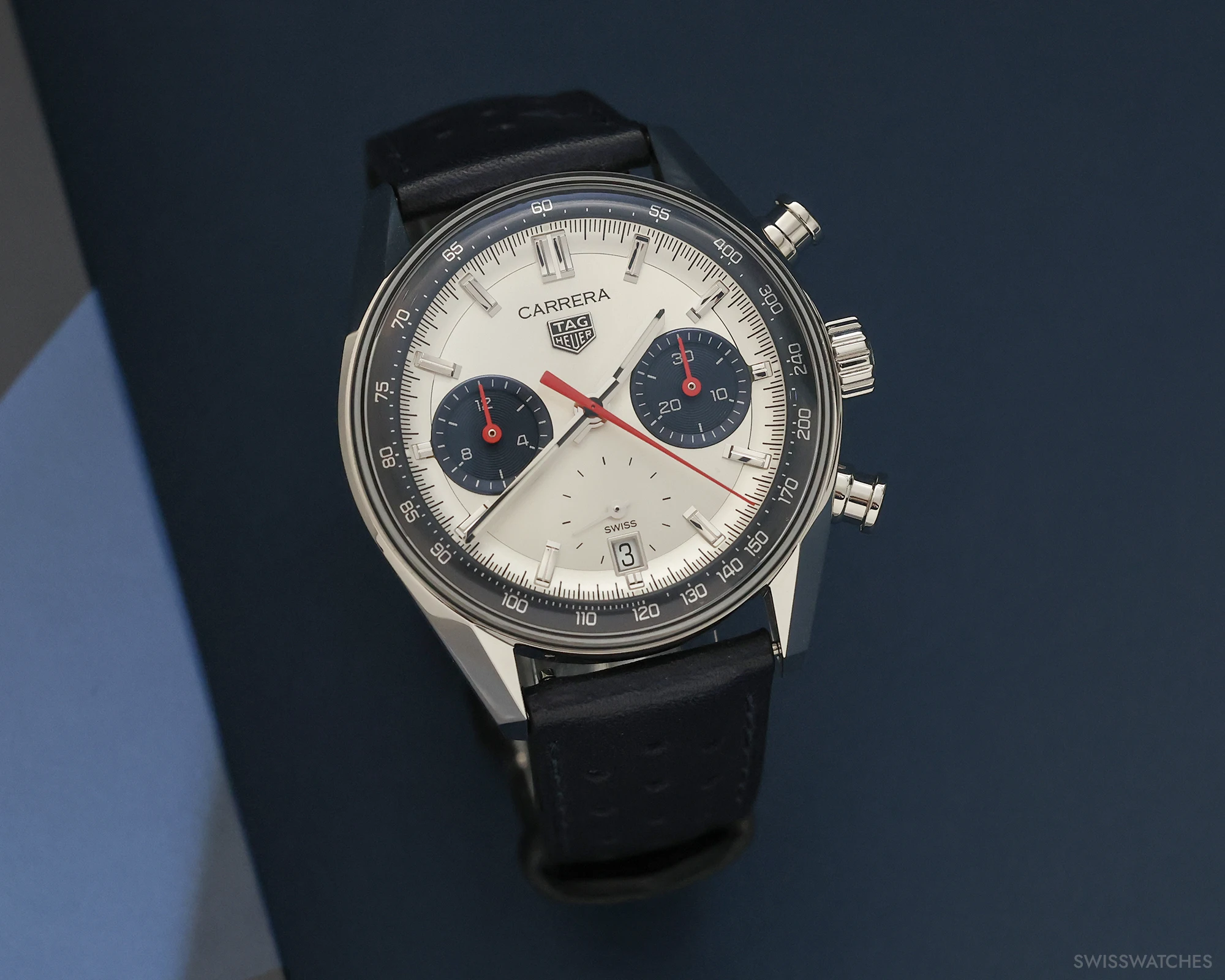
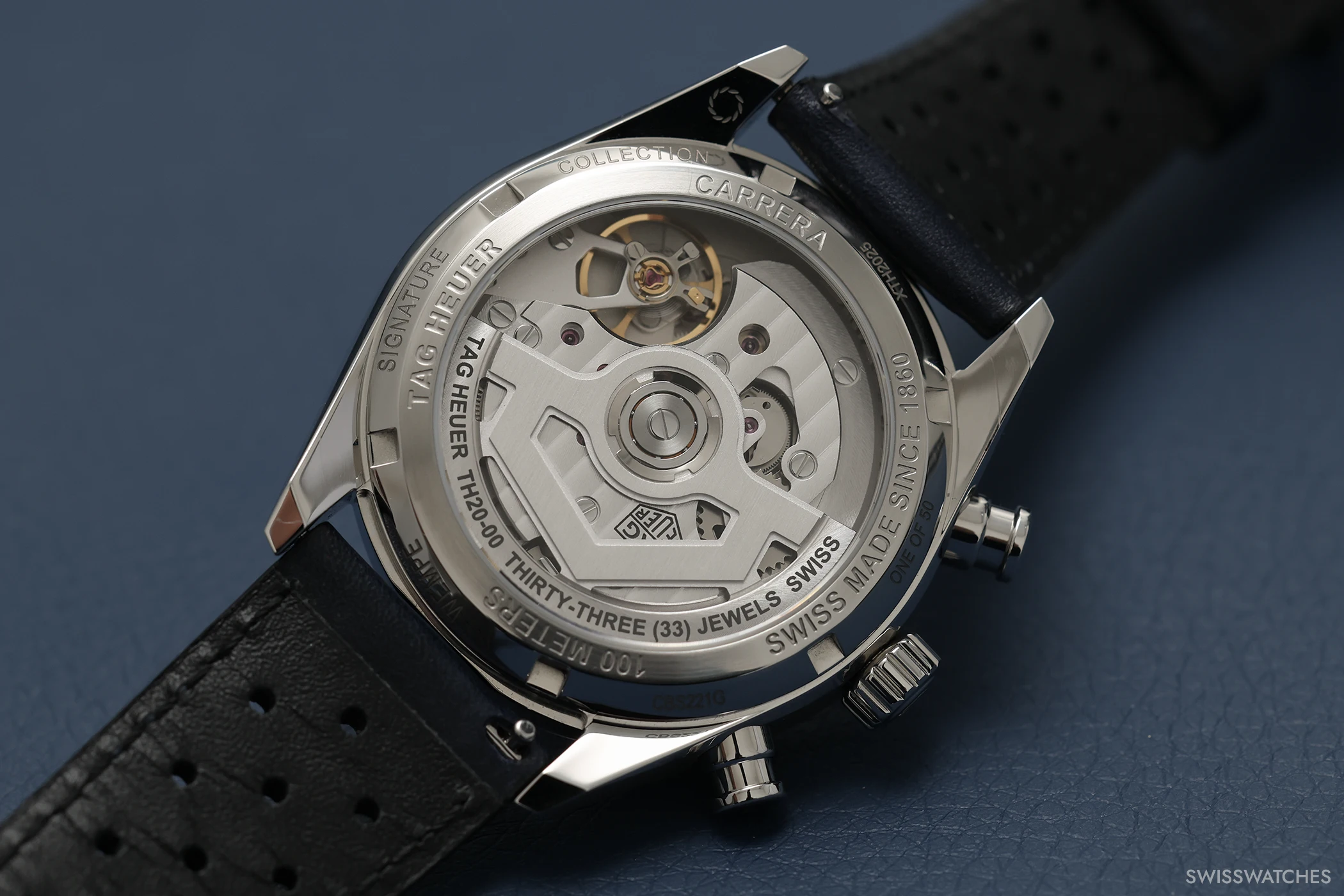
The collaboration between the two houses is subtly indicated – beyond the carefully chosen colour scheme, which is unique to this watch – reflecting a trend among collectors to appreciate discretion. After all, no one needs to know that only 50 pieces of this model exist worldwide. The caseback is engraved with ‘One of 50’ and ‘Wempe Signature Collection’. Simply knowing that you are one of 50 customers worldwide is enough.
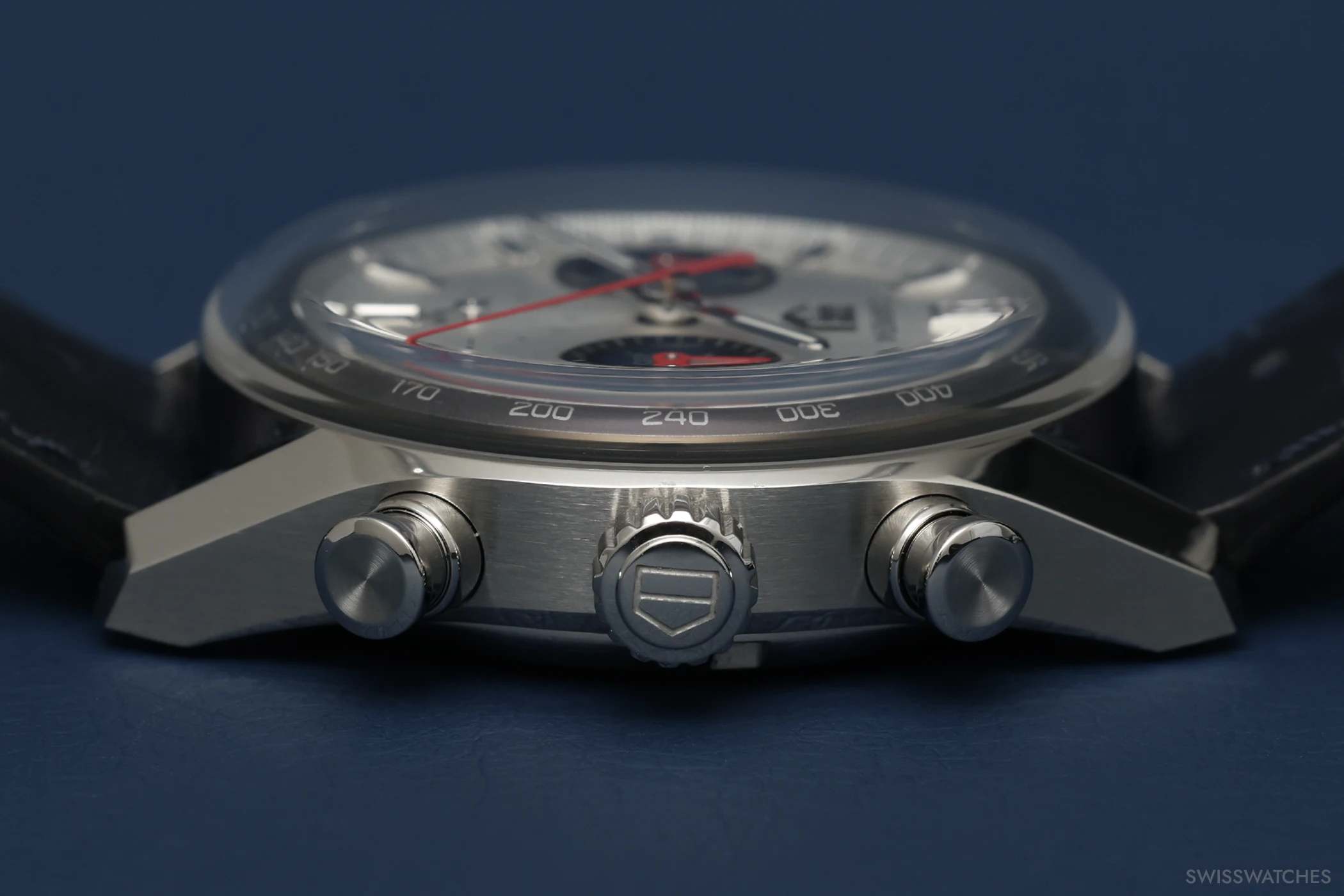
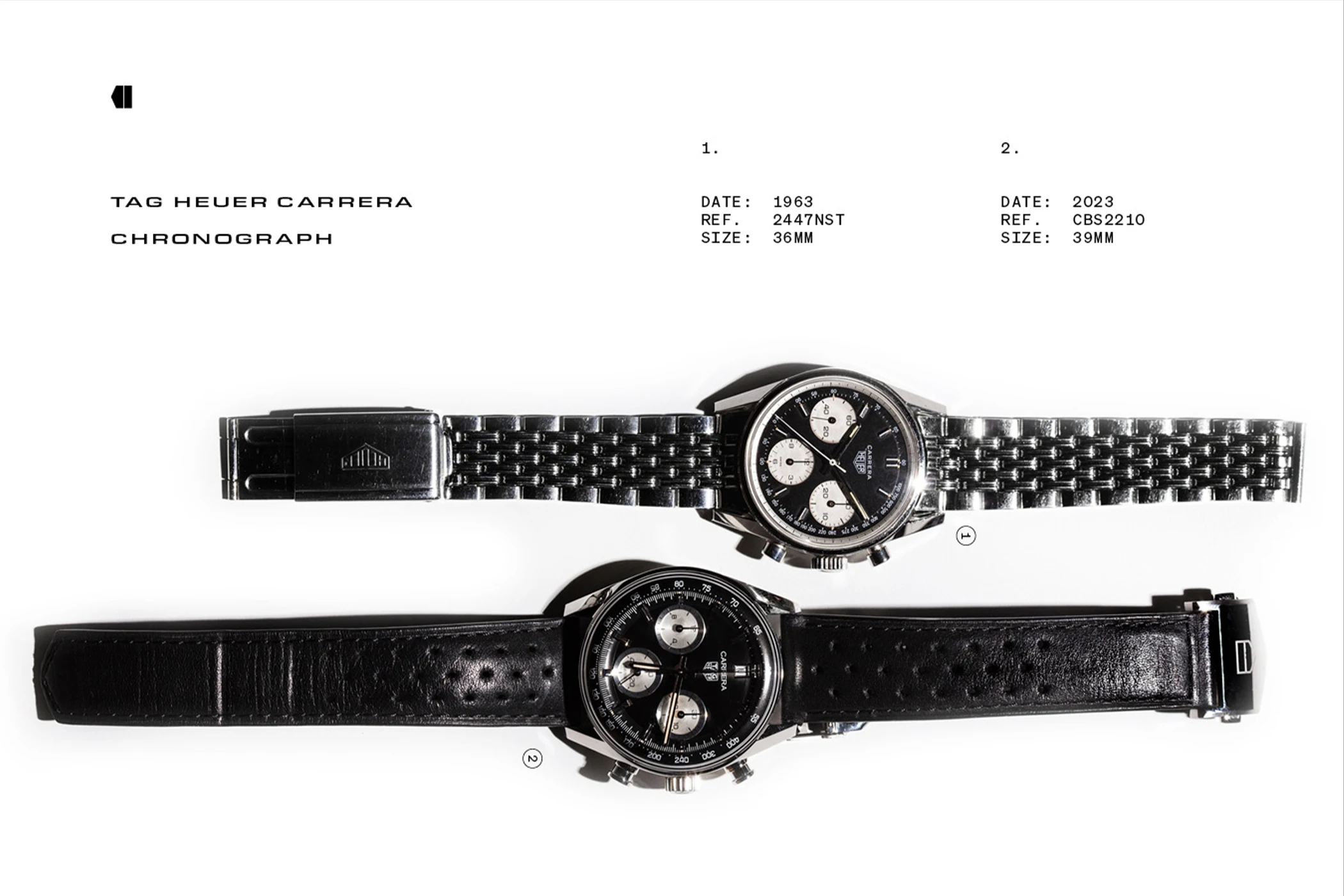
In design terms, the watch draws on the most significant relaunch in its history. To mark the Carrera’s 60th anniversary in 2023, TAG Heuer returned to its roots. The so-called ‘Glassbox’ design featured a strongly domed crystal and a minute track integrated into a dial ring beneath the edge of the glass, just as in the first 36 mm model of 1963. While today’s model features a sapphire crystal, the original used Hesalite plastic. However, unlike the original Carrera, the seconds scale has been replaced by a tachymeter scale for measuring average speeds, which is a logical evolution given the larger case size and is almost indispensable for motorsport enthusiasts in a chronograph.
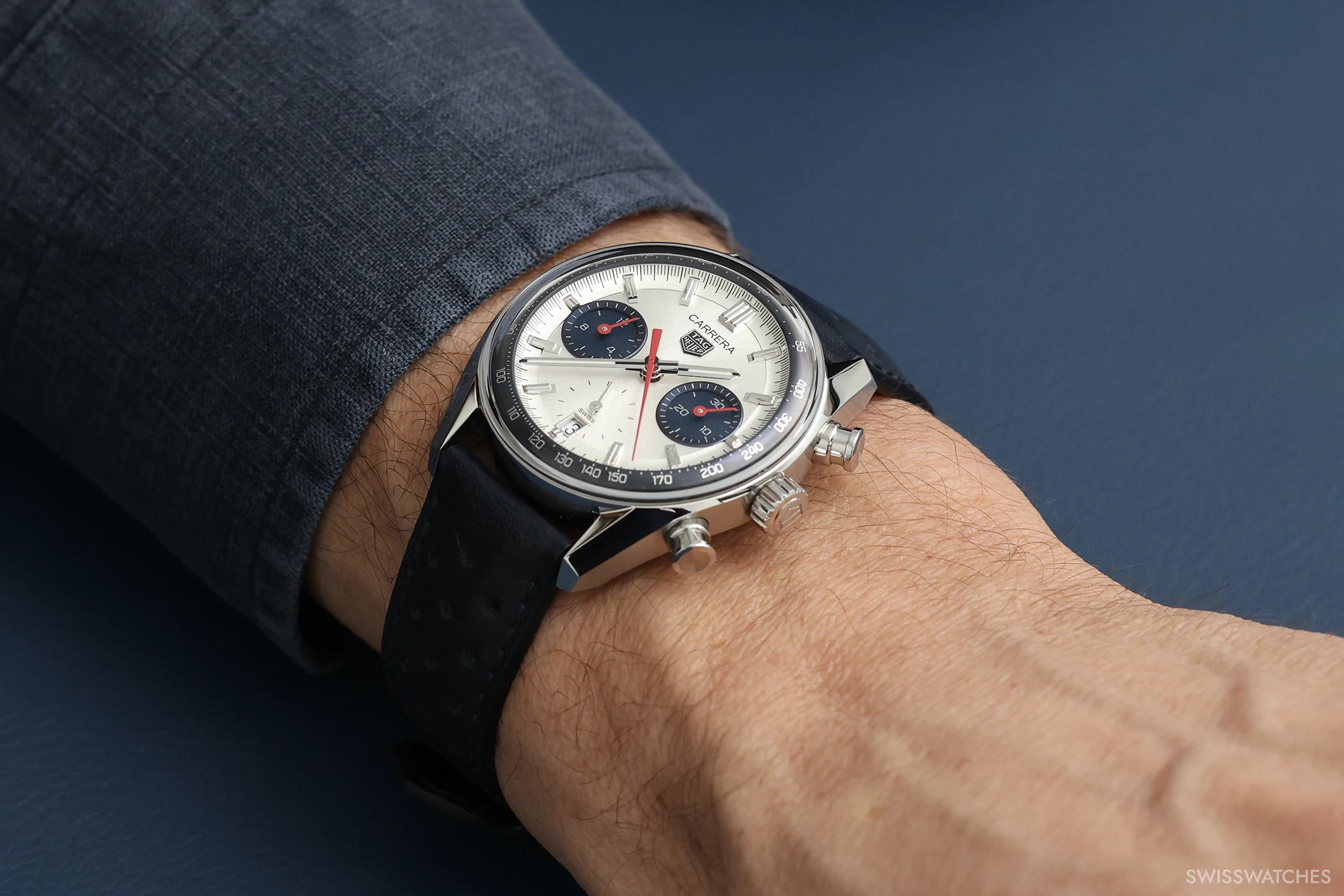
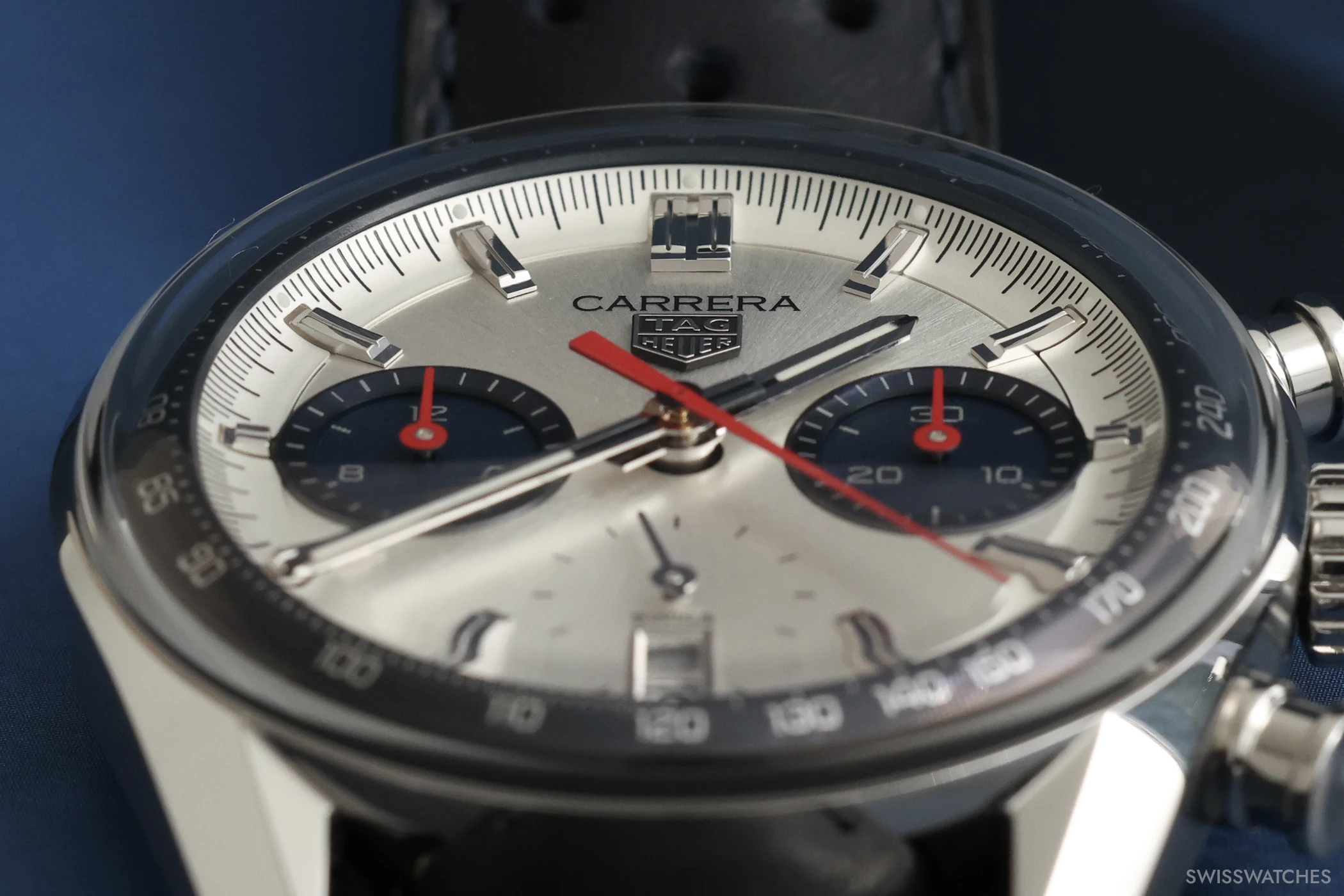
And, of course, the famous Reference 2447S1A – the first wristwatch to bear the Carrera logo – was a hand-wound chronograph powered by the Valjoux 72 calibre without a date display. This differs from the current model, which is an automatic chronograph with a date display. Wempe has also enhanced the legibility of the chronograph function in a clear and elegant way. The seconds and tachymeter scale, along with the two sub-dials at 3 and 9 o’clock for reading the elapsed hours and minutes, are highlighted in blue. In contrast, the small seconds hand at 6 o’clock is silver, like the dial itself. This is to avoid the impression that it forms part of the chronograph display, given that the central seconds hand is used for timing. This logic extends to the hands: red for the chronograph functions and silver for standard timekeeping. It is precisely these details that collectors and enthusiasts of precision timing will appreciate most.
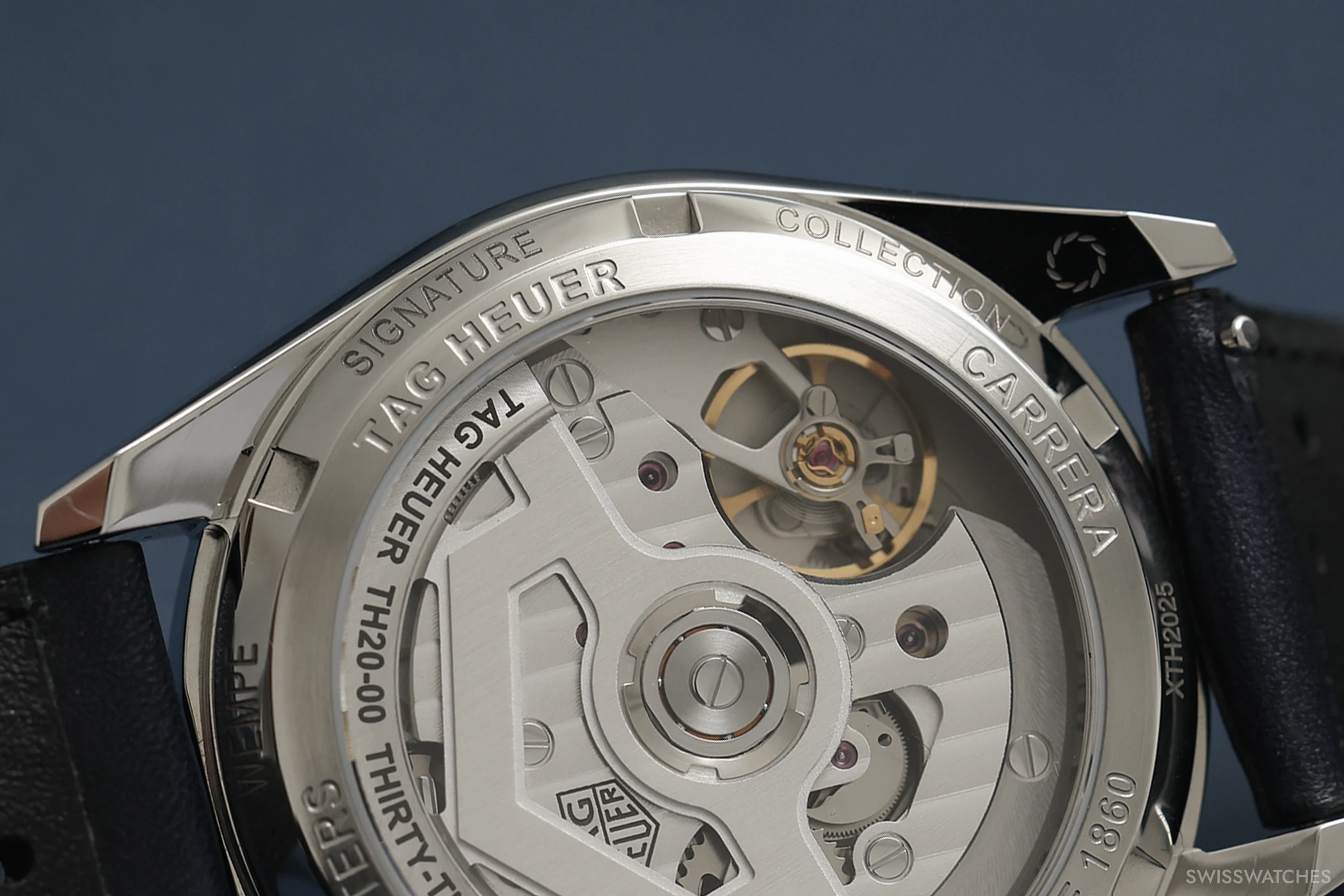
Three years ago, the mechanical chronograph movement TH20-00 was revised by the exceptional master watchmaker Carole Forestier, who moved from Cartier to TAG Heuer. The former Heuer 02 automatic calibre, with its 80-hour power reserve, one-eighth-of-a-second timing precision, column-wheel control, and oscillating pinion coupling, was further optimised thanks to a new bidirectional winding system. Through the sapphire crystal caseback, the movement is now even more impressive to behold: it features higher-grade finishing and a newly designed skeletonised rotor shaped in the form of the TAG Heuer shield.
Connoisseurs will note that the Wempe design – with its dark blue tachymeter scale, blue sub-dials and blue leather strap – strongly recalls the first Carrera Chronomatic automatic from 1969, equipped with the famous Calibre 11 movement mentioned earlier.
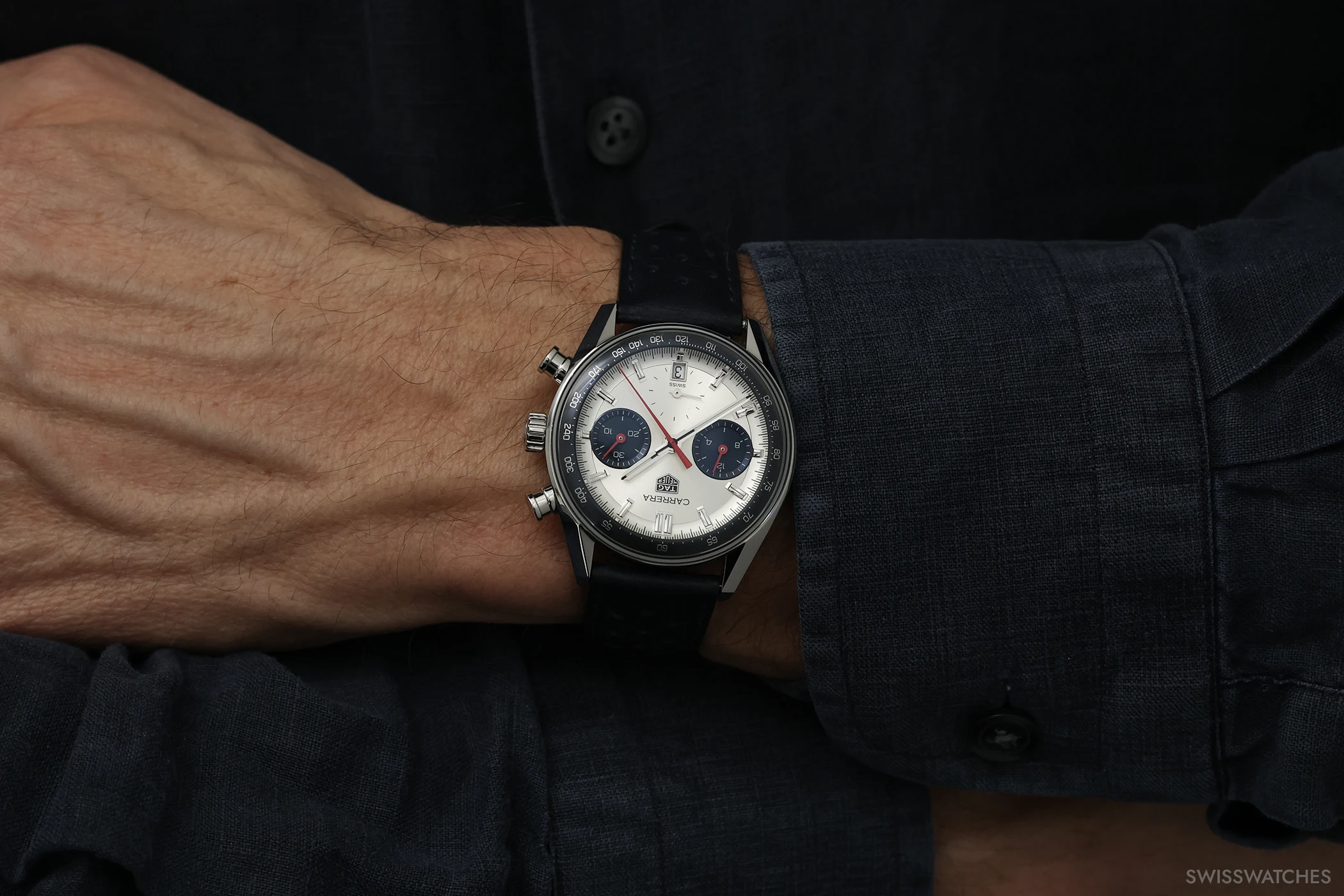
Anyone who loves motorsport will love this watch. It works just as well with a dark blue business suit in the office as it does with jeans and a T-shirt at the circuit. At 7,200 euros, the price is very fair for a manufacture chronograph, particularly given the limited edition. More than with any previous Signature model, securing one in time to wear it at the season opener in Melbourne is likely to require a certain turn of speed.
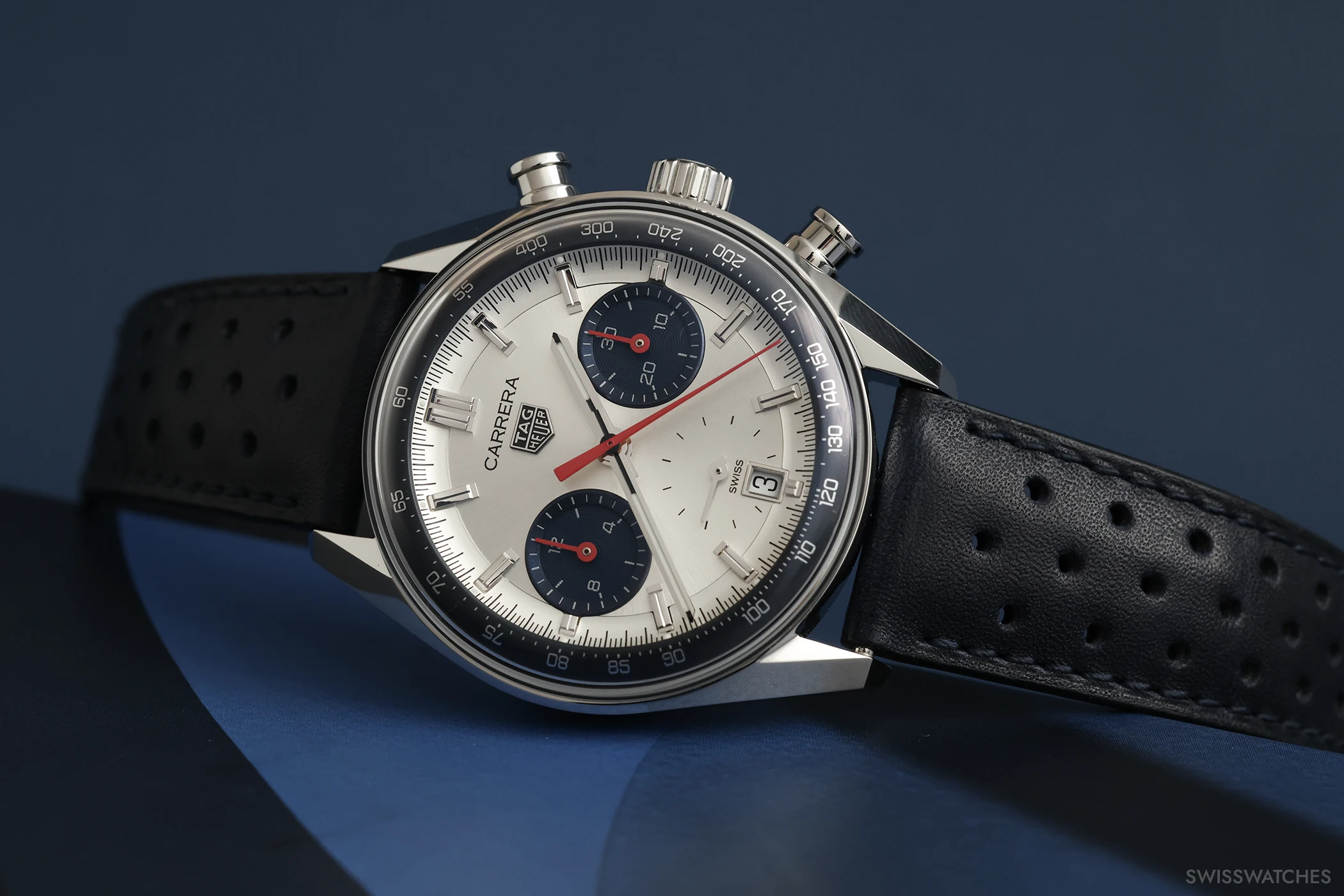
Wempe Signature Collection x TAG Heuer
Carrera Chronograph Wempe Signature Collection
Ref. TH800467
Stainless steel
Diameter: 39 mm
Height: 13.9 mm
10 bar (100 metres)
Silver, circular-brushed dial; blue chapter ring with 60-second/minute scale
At 3 o’clock is the 30-minute chronograph counter, at 6 o’clock the small seconds, and at 9 o’clock the 12-hour chronograph counter.
Blue leather strap with stainless steel folding clasp
TH20-00
Automatic
Approx. 80 hours
28,800 vph (4 Hz)
Chronograph, date
EUR 7,200