For the brands 65th birthday, Sinn is launching the 903 Ti II Jubiläum, limited to 500 pieces.
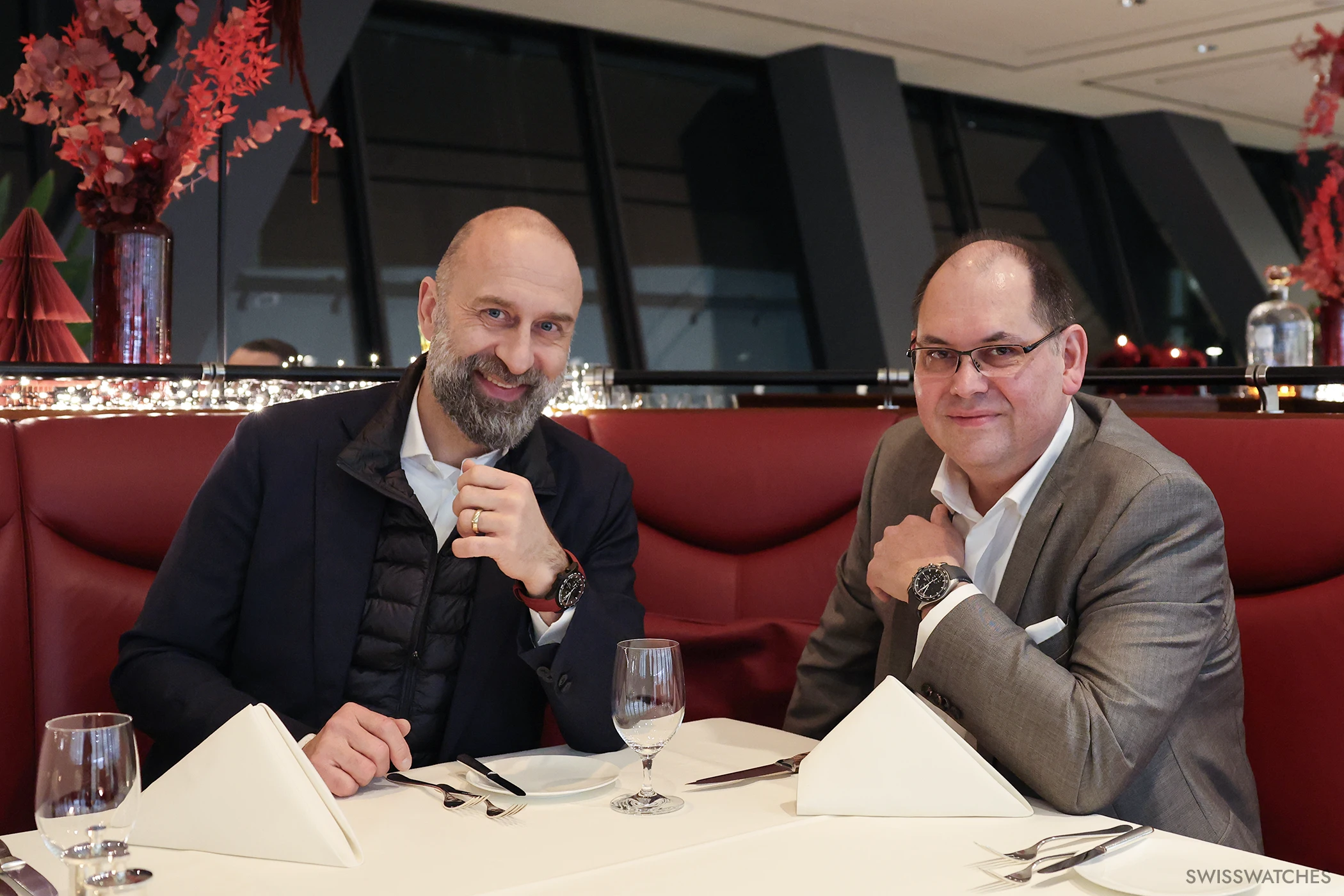
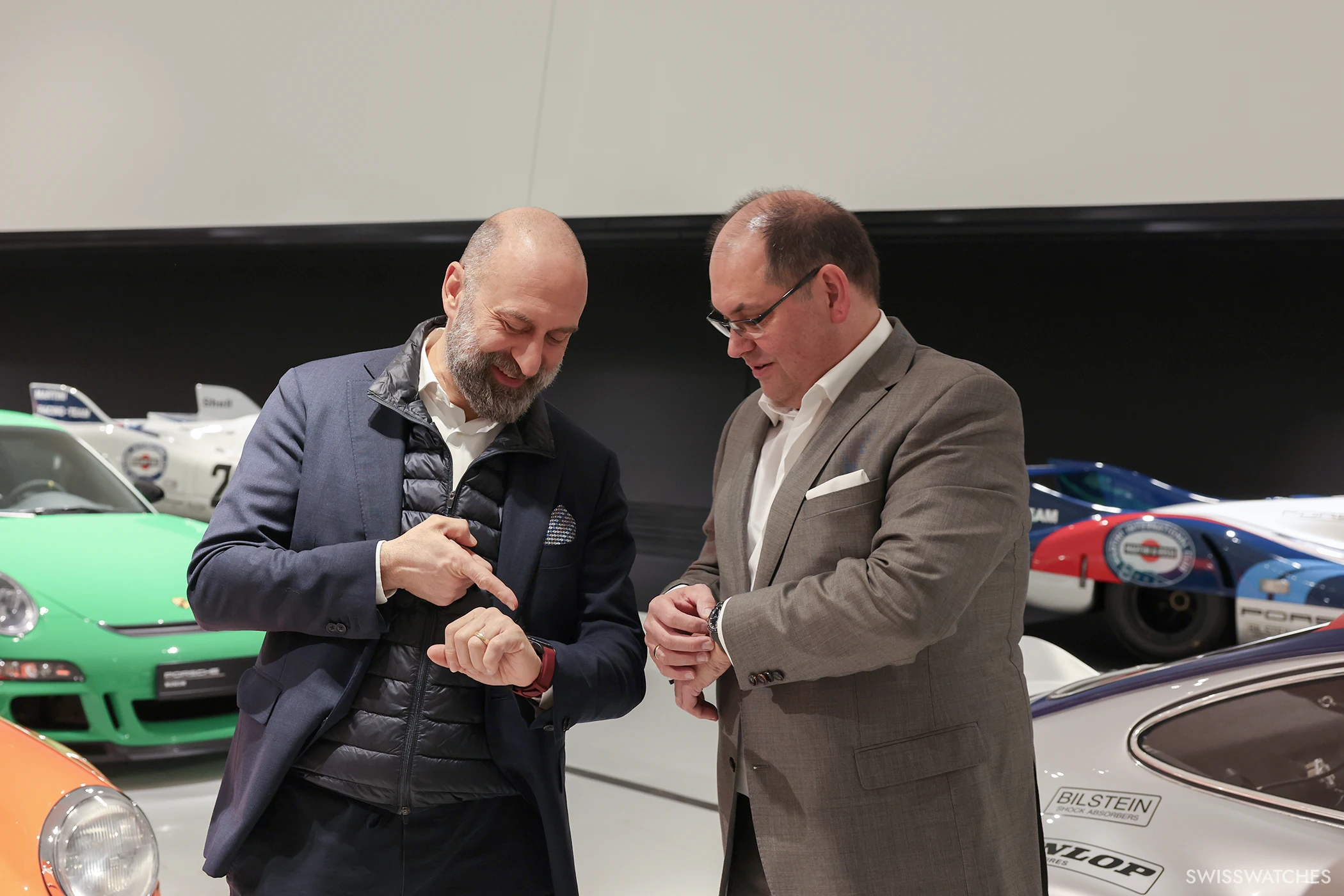
Rolf Bergmann: For me personally, it’s pure passion. And as an engineer, a mechanical movement is a true work of art: a fantastic mechanism that works entirely without a battery. I have great respect for the watchmakers who designed and built this complexity hundreds of years ago without computers.
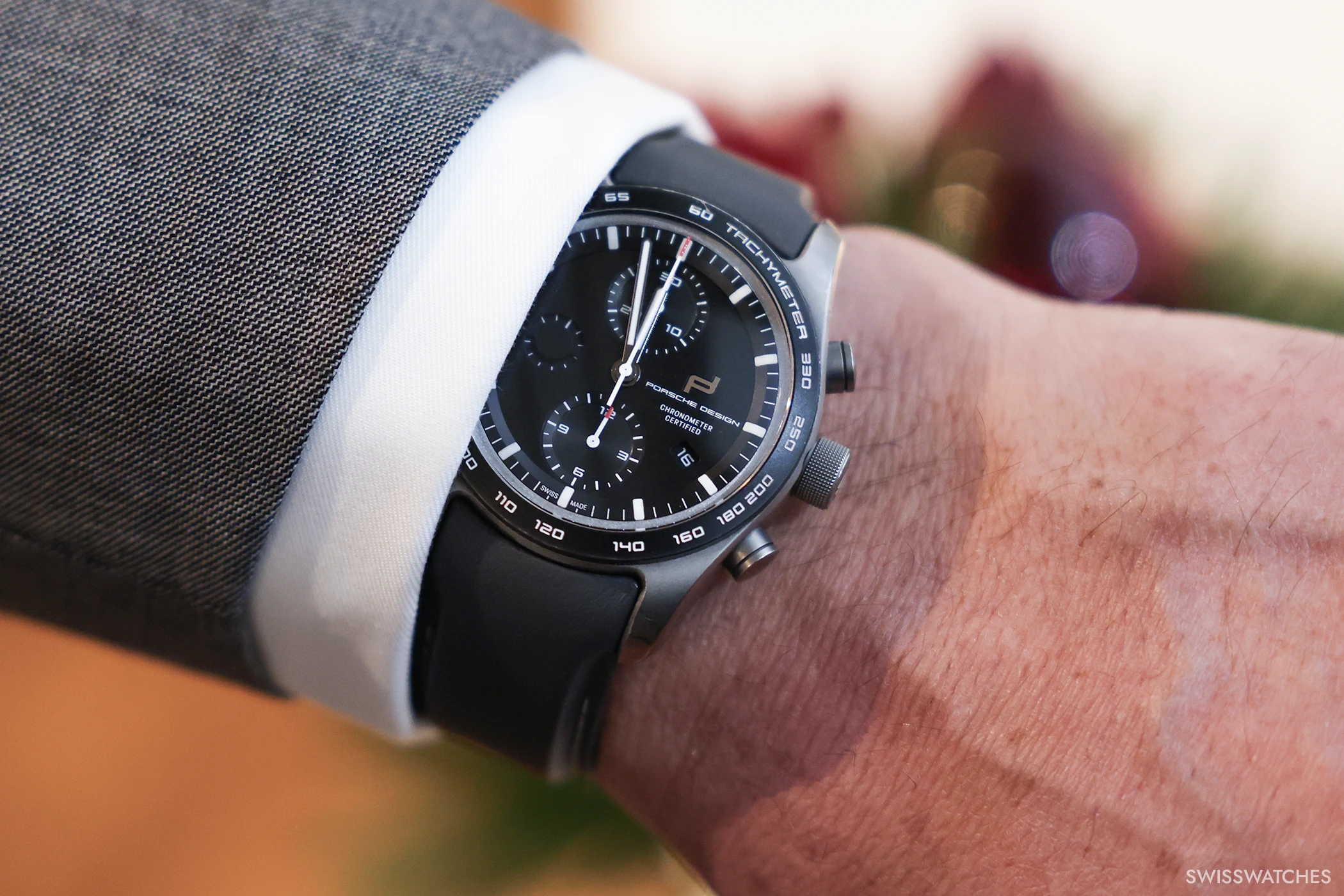
Federico Magno: To me, mechanical watches embody craftsmanship, heritage, and iconisation. They embody the precision, authenticity and uncompromising standards of traditional watchmaking. Wearing such a timepiece means carrying a piece of history on your wrist and making a strong statement. Last but not least, a watch, such as a Porsche Design timepiece, is a true icon that reflects the values you stand for as a brand ambassador.
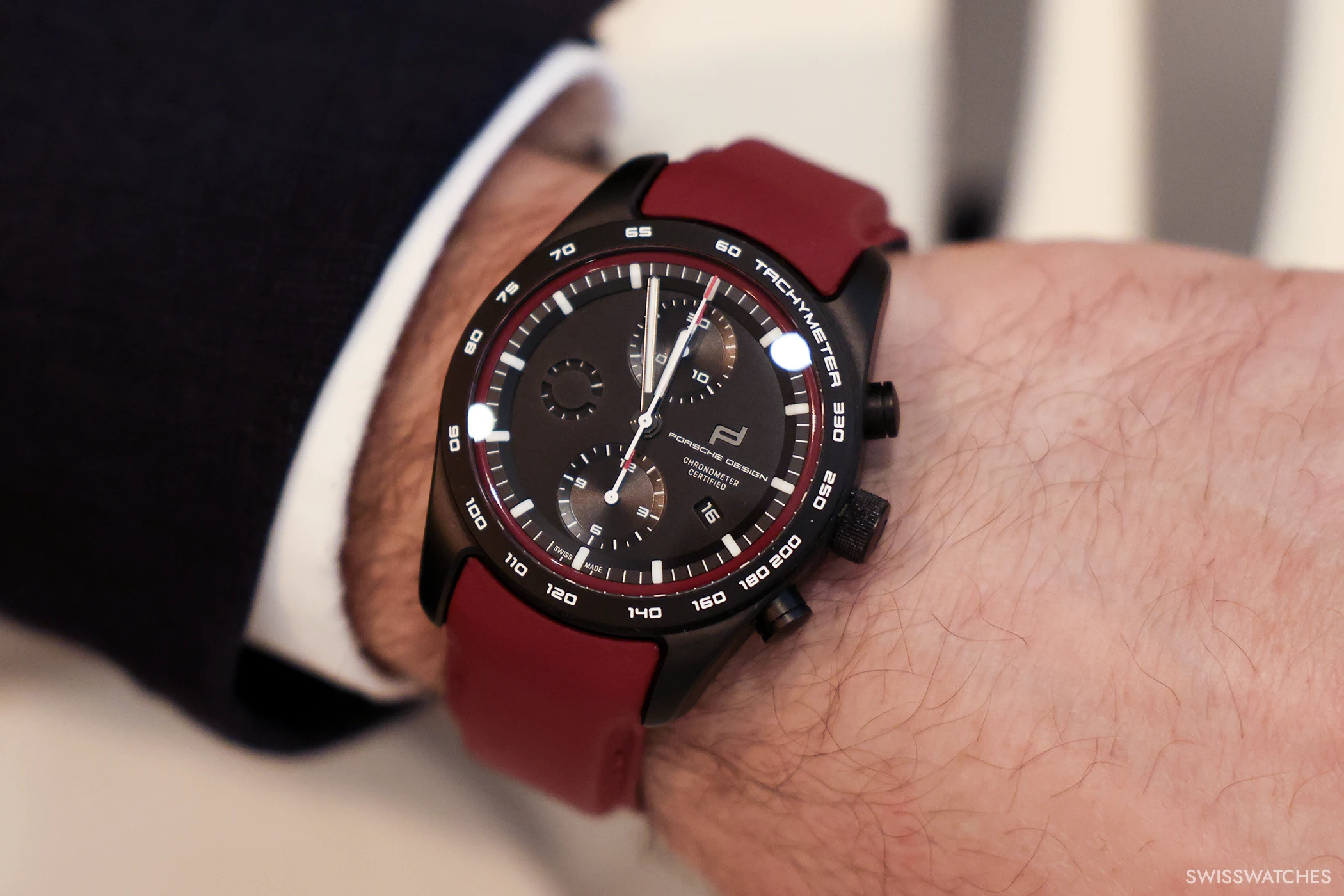
Rolf Bergmann: The reason is that we don’t come from the traditional watchmaking industry; we come from the automotive industry. We have been familiar with Porsche’s automotive division’s configuration principle for a long time, especially with regard to the 911. Customers can design their own vehicle and we then build it according to their specifications. We have consistently applied this Porsche production principle to our watches and custom-built timepieces programme, ensuring horological precision and the usual Porsche quality.
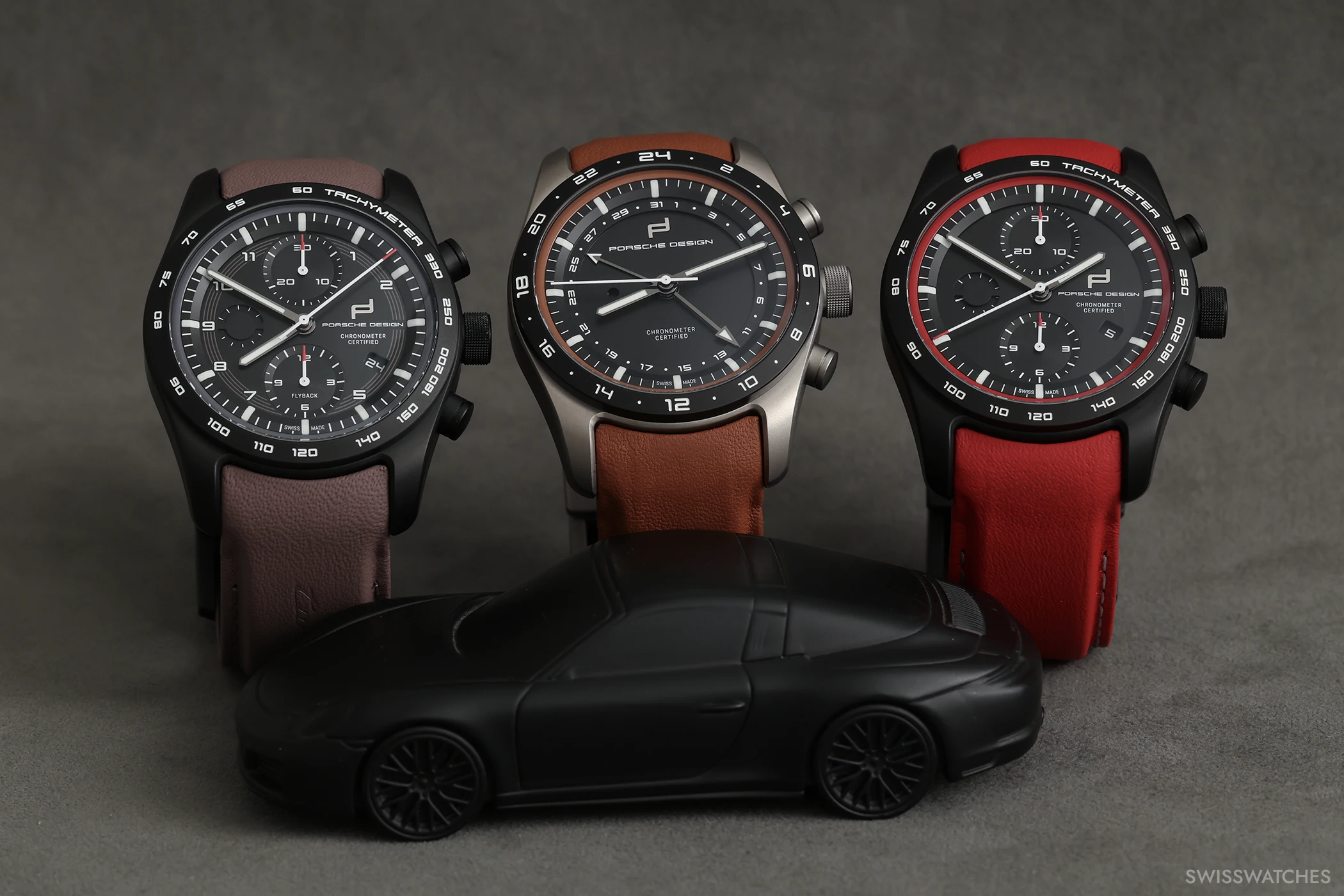
That is why we refer to these timepieces as ‘sports cars for the wrist’. To make this possible, we work with a modular design, which allows us to offer our customers a wide range of variables and, ultimately, extensive configuration options. This includes, for example, the sophisticated transfer of the colour scheme of Porsche sports cars and the wheel rim design to the watch with its completely different dimensions.
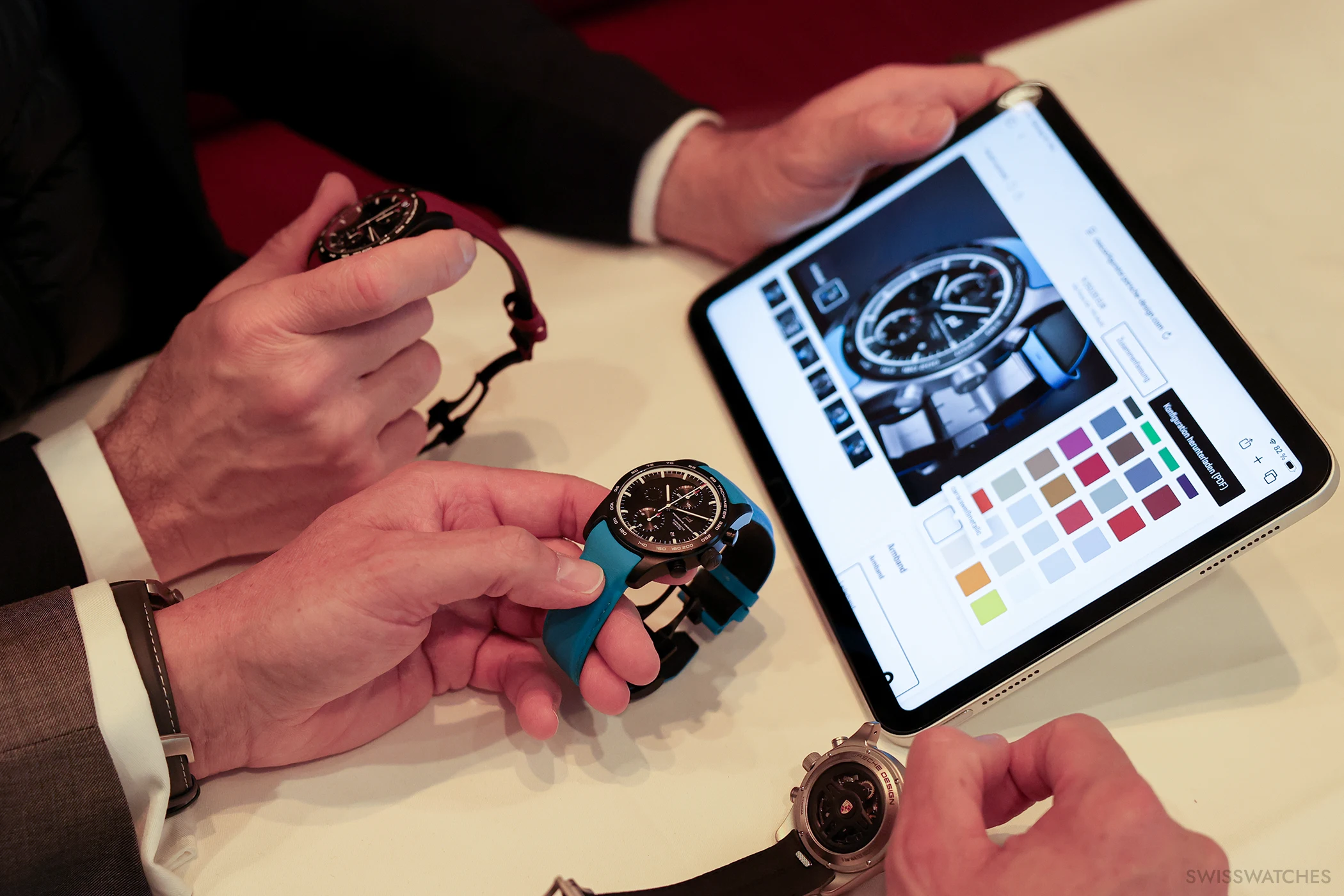
Rolf Bergmann: And that’s not even taking into account the three strap sizes. To be honest, I stopped trying to calculate all the configuration options at some point. It feels like there are an infinite number of them.
Federico Magno: In terms of design, the current version offers several hundred million configuration options. However, it is not the sheer number that is fascinating, but rather the digital experience behind it. The digital configurator provides an intuitive space in which you can explore, discover variants and combine details in new ways, providing a constant sense of surprise.
It is precisely this digital freedom in design that makes the configuration process a real experience – almost like a creative dialogue with the product, made possible by the innovative technology of the custom-built timepiece programme.
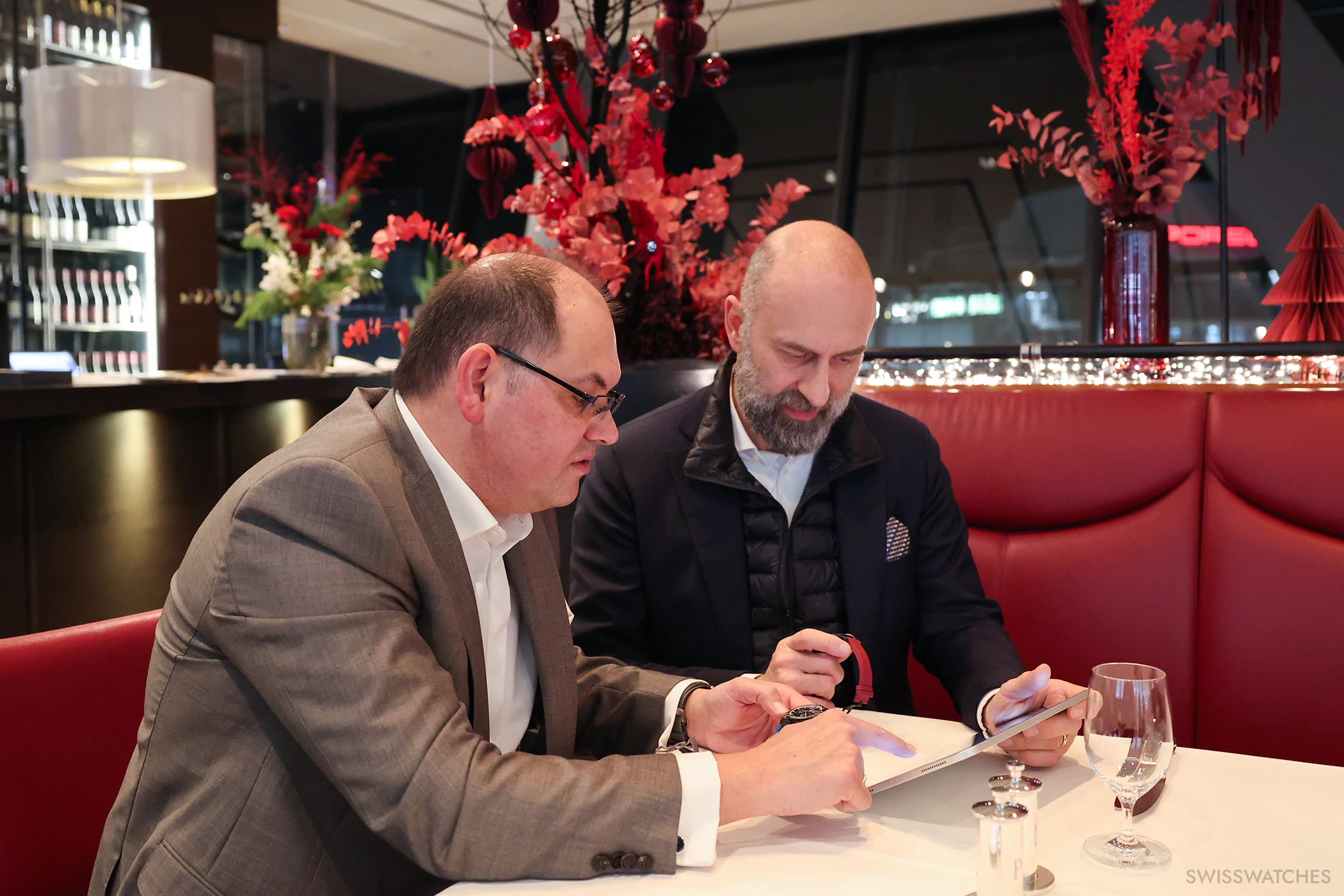
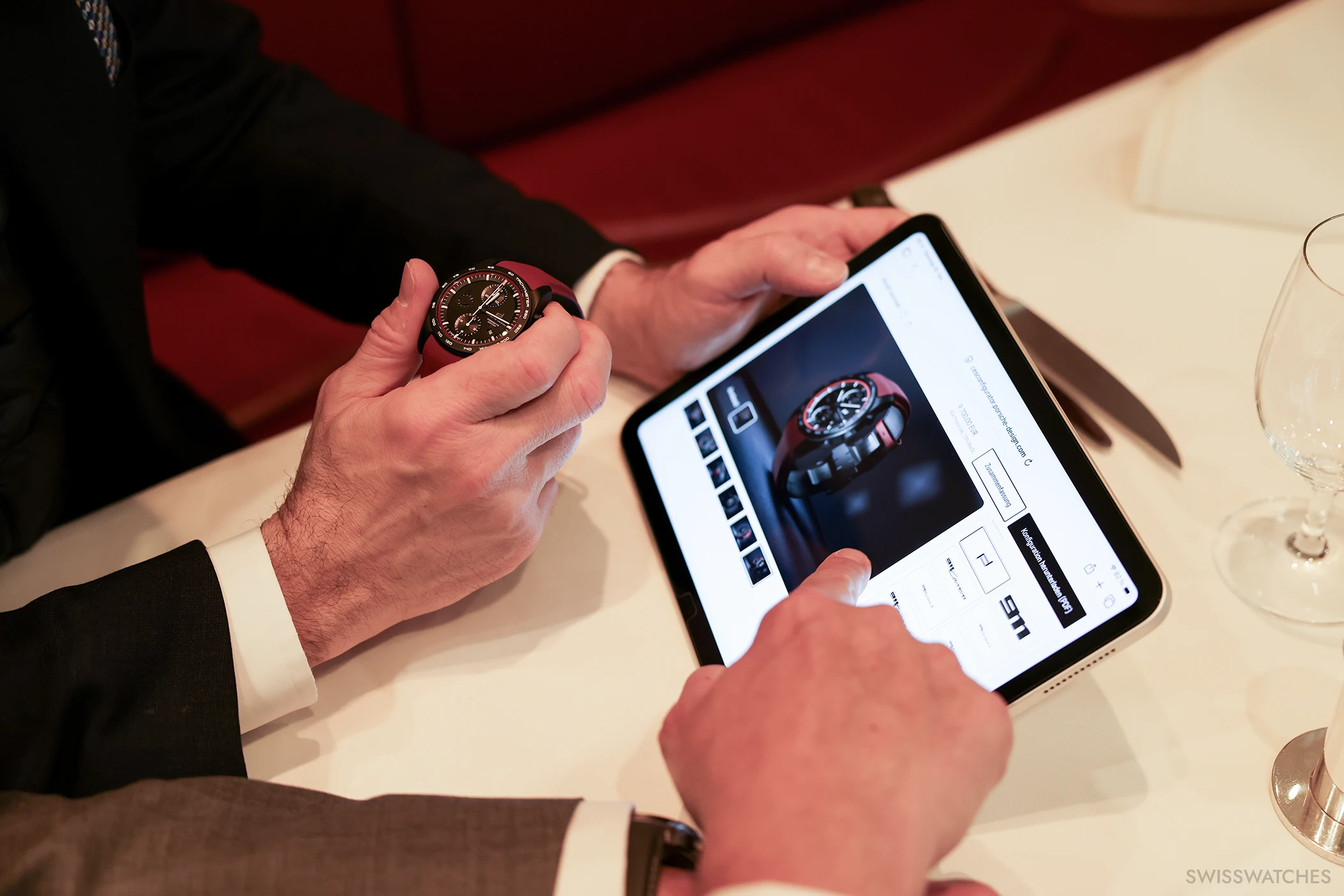
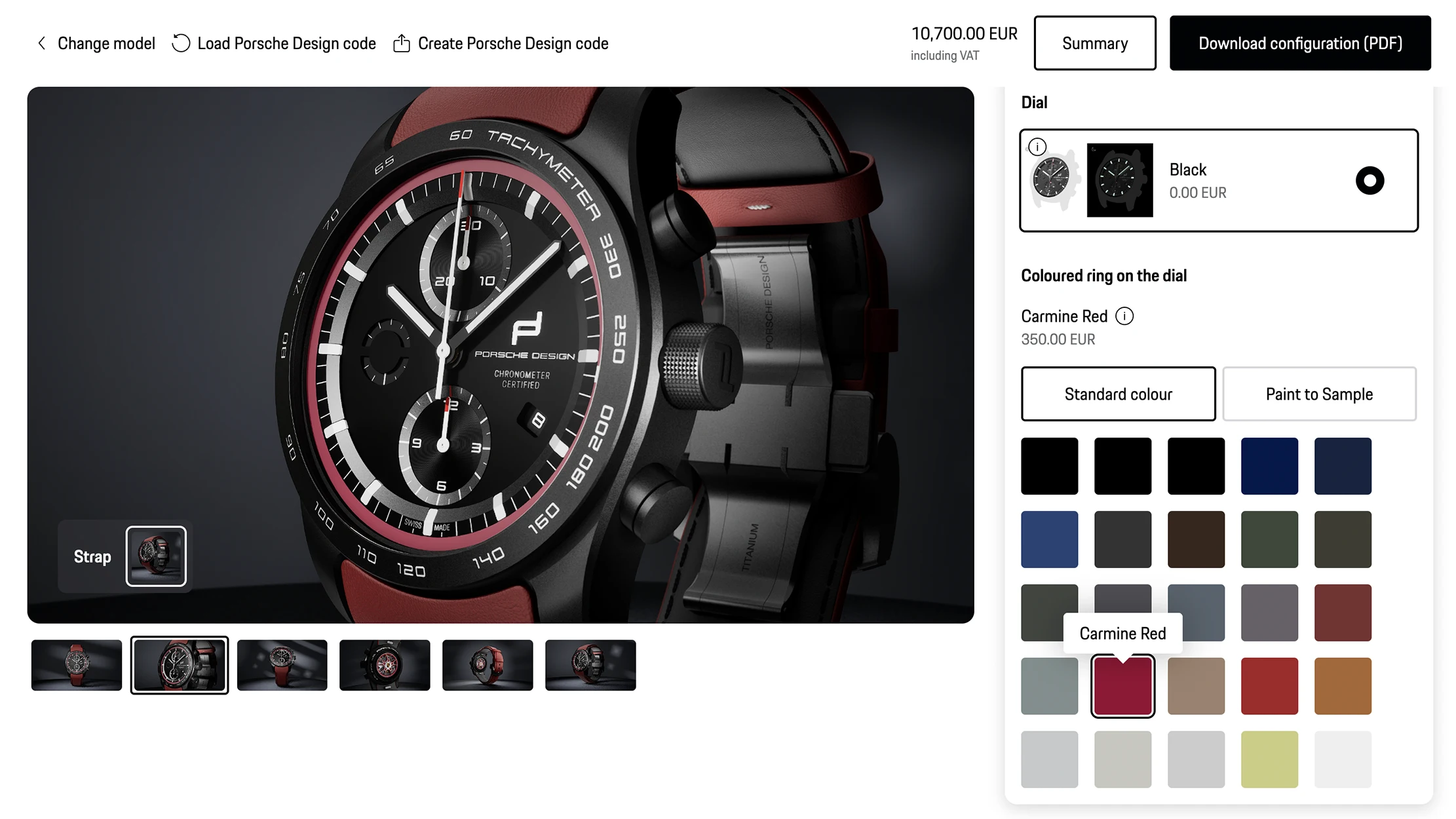
Rolf Bergmann: The number of possible combinations is indeed very large. This makes the selection process complex and difficult for customers to grasp at first. That’s why we use a state-of-the-art configurator to interact directly with customers and visualise the multitude of possibilities in real time. The configurator helps customers design their dream watch with ease. They then send us the ‘assembly instructions’ with a corresponding code, which is automatically generated at the end of the configuration process. We read these instructions and can then manufacture the watch exactly as the customer wants it.
Federico Magno: Creating an exclusive, tailor-made luxury item also requires a special production system. The complexity of a watch, reflected in the multitude of configuration options, can only be achieved through high-precision manufacturing. To achieve this, we require a technological infrastructure that can seamlessly integrate both the supply of components and the customer’s specific configuration into the production systems while ensuring the highest quality standards. Only in this way can individualisation result in a truly unique product. And, of course, all of this must be brought together. We have the technology and the process design.
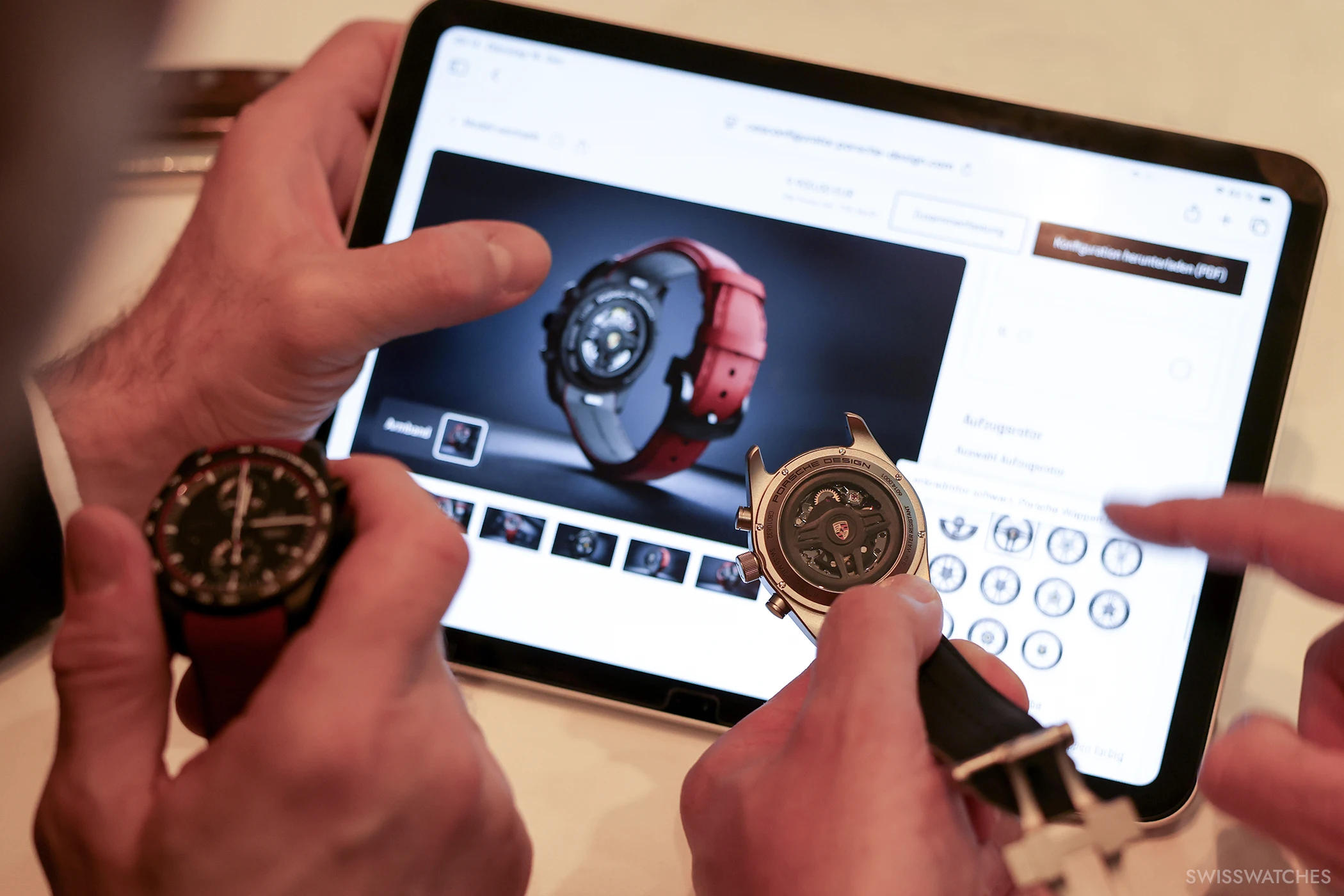
Rolf Bergmann: First and foremost, our custom-built timepieces programme is aimed at Porsche customers. We know that these customers like to customise their vehicles extensively. That’s why we are also showcasing these watches at Porsche Centres and within the Porsche community.
However, the concept is open to anyone who appreciates individuality and exclusivity, and who wants to put together a high-quality, ultra-precise watch. In addition to coloured straps made from original Porsche interior leather, we offer various options that are not vehicle-related. For instance, if someone does not want a vehicle rim as a winding rotor, they can opt for a closed back that can be personalised with a custom laser engraving.
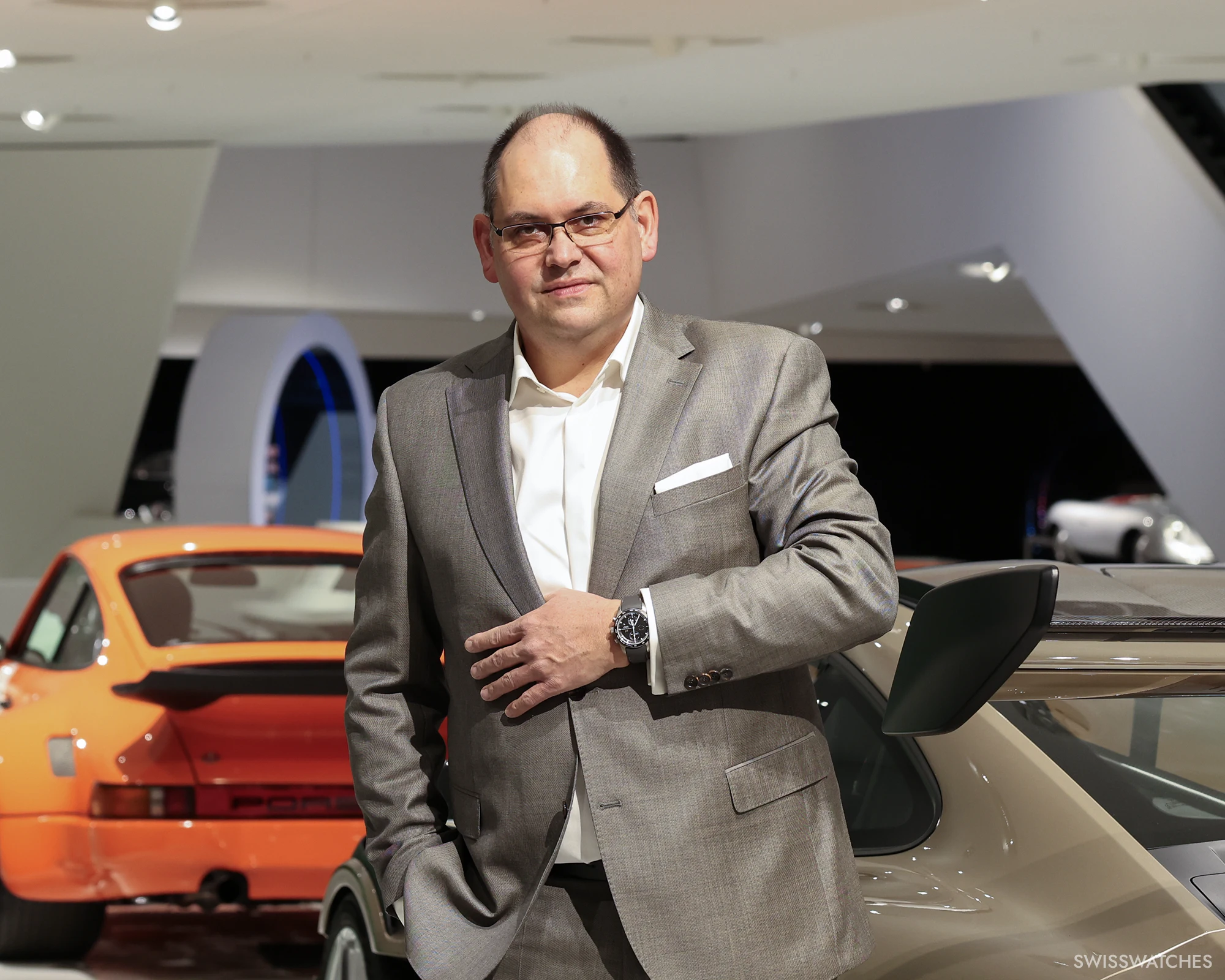
Federico Magno: I always say that innovation happens when the customer cheers. To be honest, I’m also thrilled with the configurator itself. For us, customer focus is not just a principle, but a genuine promise. We are committed to this principle from the initial idea to implementation, based on partnership, technological leadership and uncompromising quality.
Our goal is to showcase luxury and exclusivity in a digital format. To convey this quality experientially, we rely on two technological pillars: our Elastic Content Platform combined with the Unreal Engine for graphic representation. This enables us to achieve image quality that is extremely precise and almost photorealistic – comparable to the level of modern video games.
For speed, simplicity, and scalability, we use Amazon Web Services’ cloud technology. Even complex variants can be customised intuitively and in real time. This combination makes the configurator a digital sales tool that sets new standards for digital excellence at Porsche by combining performance, precision and innovation.
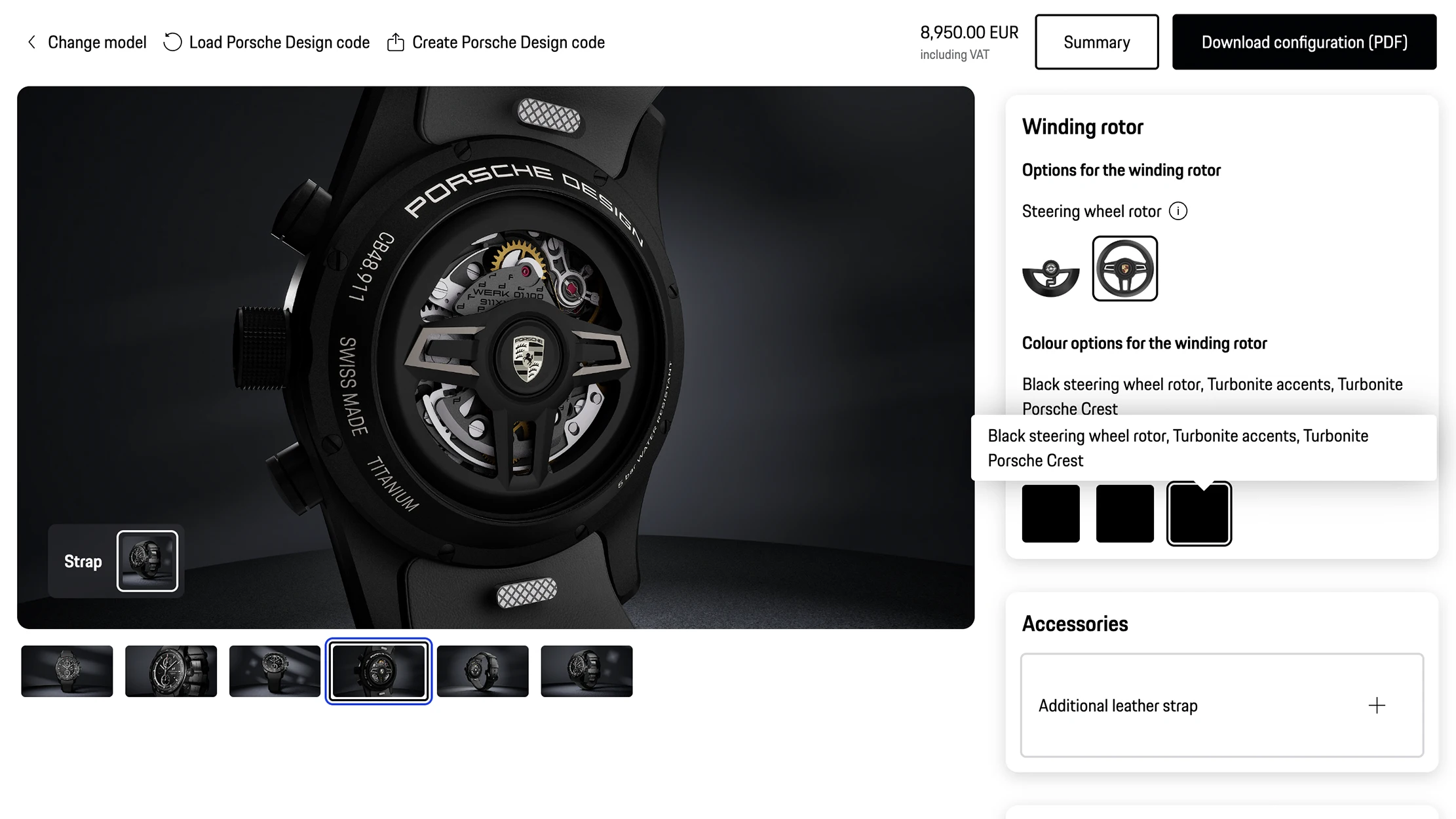
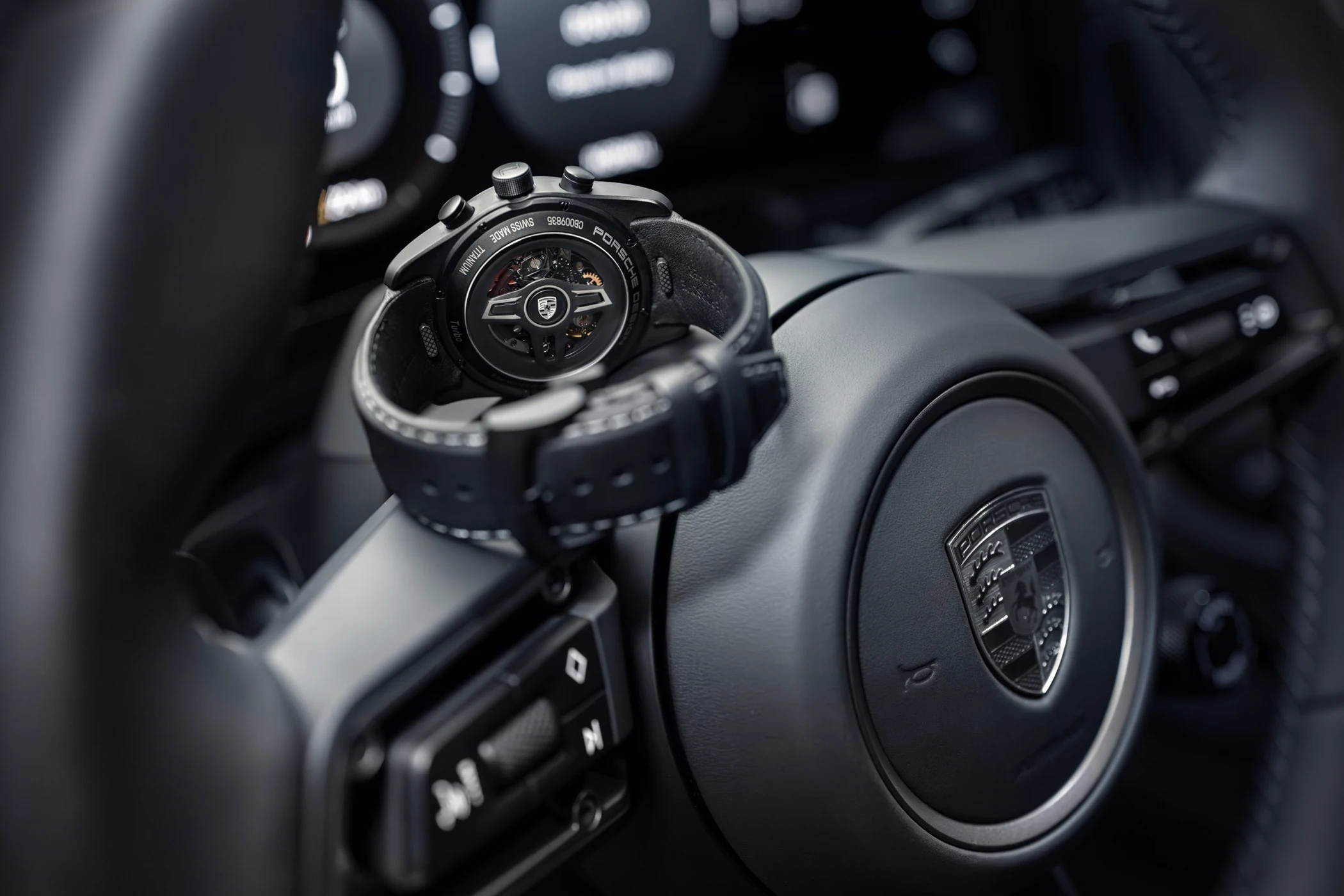
Federico Magno: Essentially, it’s the same ‘configurator factory’. The same principles, technological DNA and uncompromising standards of precision and experience apply. Our goal was to create consistent brand positioning and a consistent brand narrative, spanning from vehicles to watches. Customers should experience the same brand feeling, with the same language, quality, and emotional intensity, whether they are configuring their car or their watch.
Rolf Bergmann: We even use the same technical ‘language’. At Porsche, colours and features are coded with individualisation numbers, or I-numbers. When we talk about the colour black, for example, we always mean colour code A10, for both vehicles and our leather watch straps. This is important so that we don’t have to translate, and so that the systems can ‘talk’ to each other.
Federico Magno: As a management and IT consultancy and as Porsche experts, we are operating on familiar terrain here. For us, it was less of a traditional challenge and more of an expression of our self-conception. The decisive factor is always the experience: the customer should gain a genuine feel for the product – from the vehicle to the watch.
Our ambition is to translate the core values of the brand – performance, technology, innovation, engineering excellence and exclusivity – consistently, precisely and, above all, tangibly into the technological implementation.
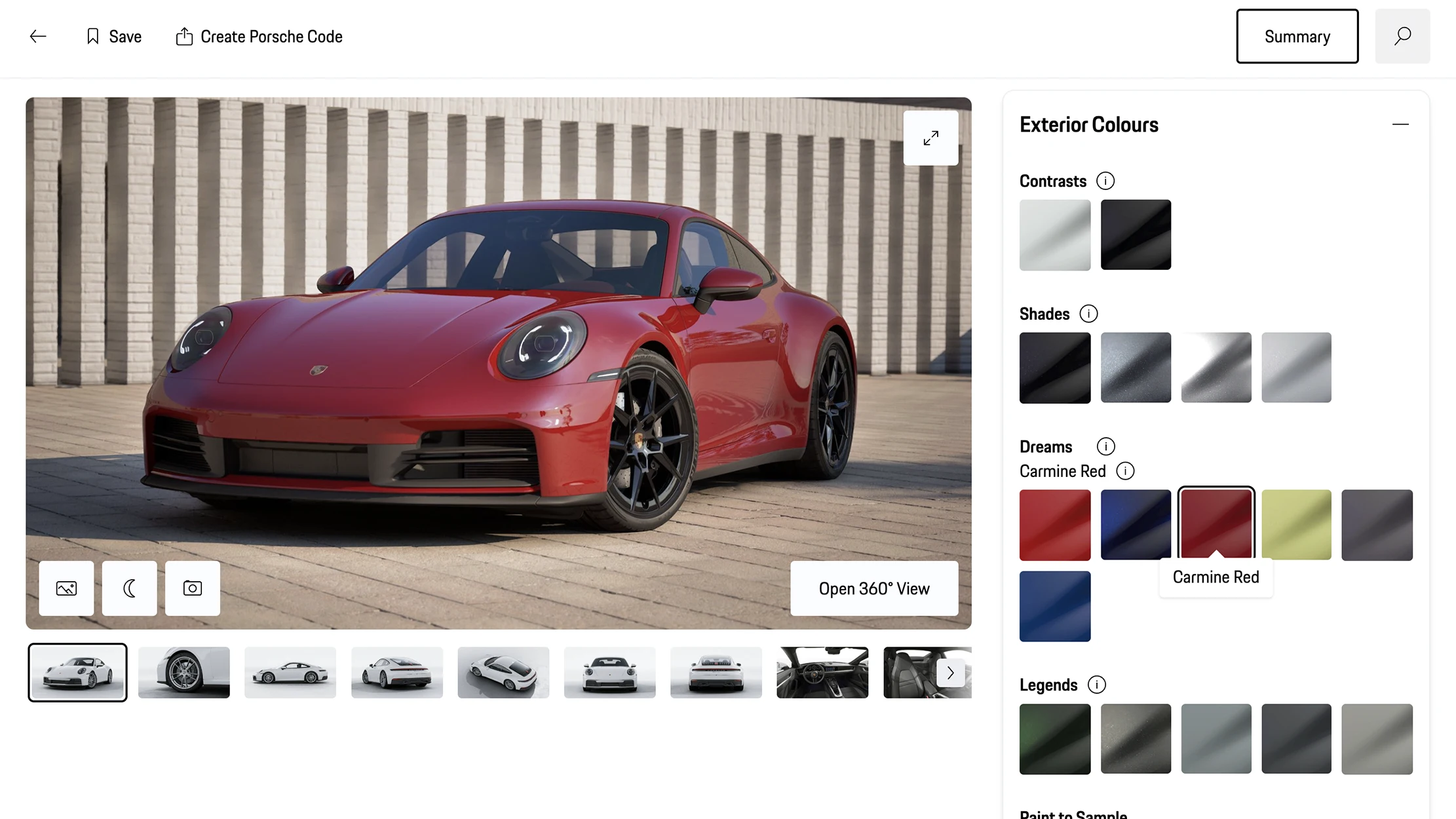
From a technical perspective, we were able to draw on our many years of expertise. Several years ago, with the 360-degree view for the Taycan and Macan, we demonstrated what is possible. We have consistently built on that success story – most recently with the Cayenne Electric and Porsche’s ‘Paint to Sample’ website. Here, too, MHP’s Elastic Content Platform is used: more than 190 colours are available online for the 911, Taycan, Panamera, Macan, and Cayenne models.
The seamless interaction is what makes it special: the configurators are interconnected, enabling customers to transfer their preferred colour not only to their vehicle, but also to the matching watch. The same platform is always at work in the background, reliably linking everything together. For the customer, it feels simple, intuitive and inspiring. This is precisely the parallel with the Porsche vehicle configurator.
They are, in fact, built identically. Porsche sets the highest standards in terms of simplicity and image quality. This means that the customer’s experience with the configurator must give them a real sense of what they are purchasing.
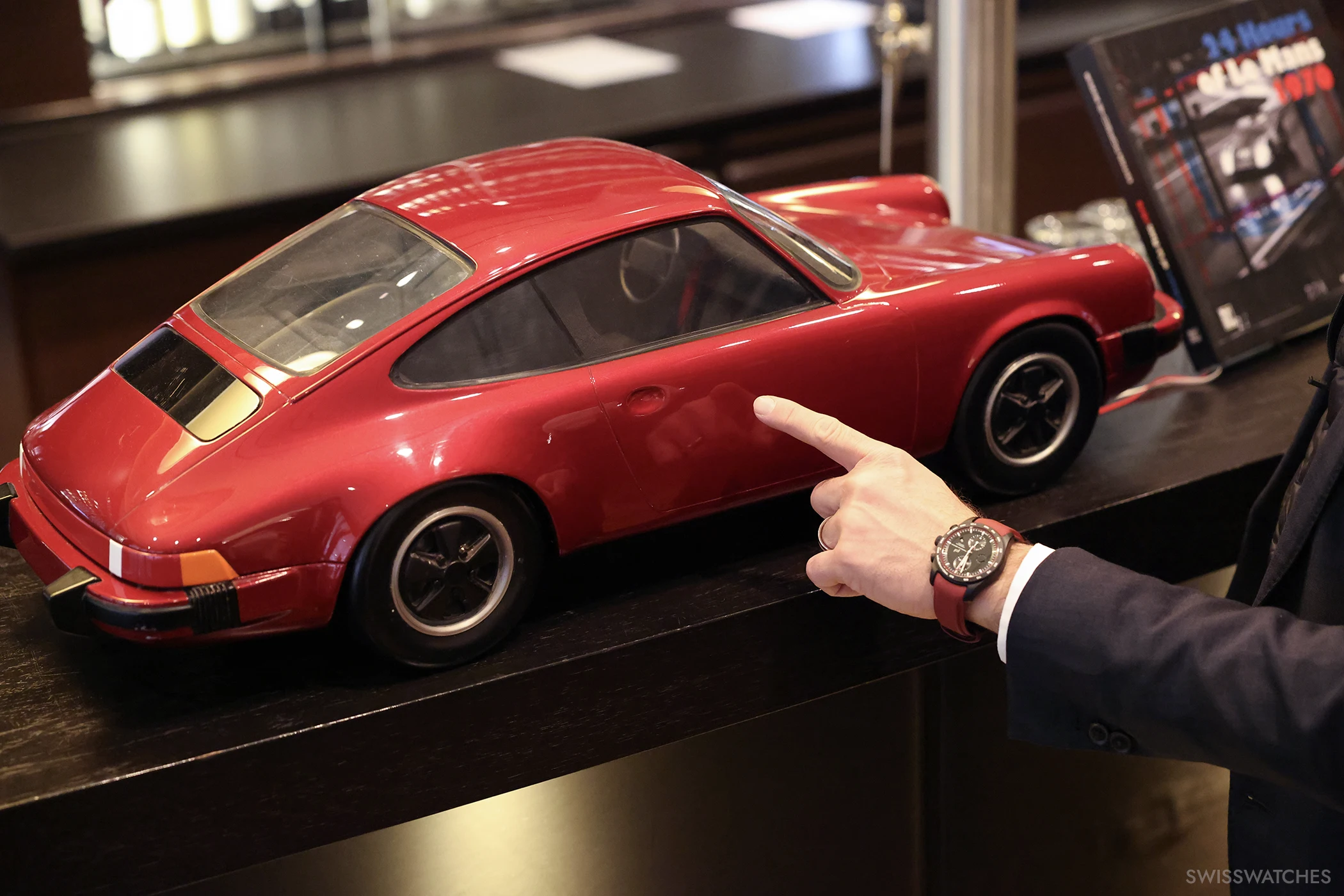
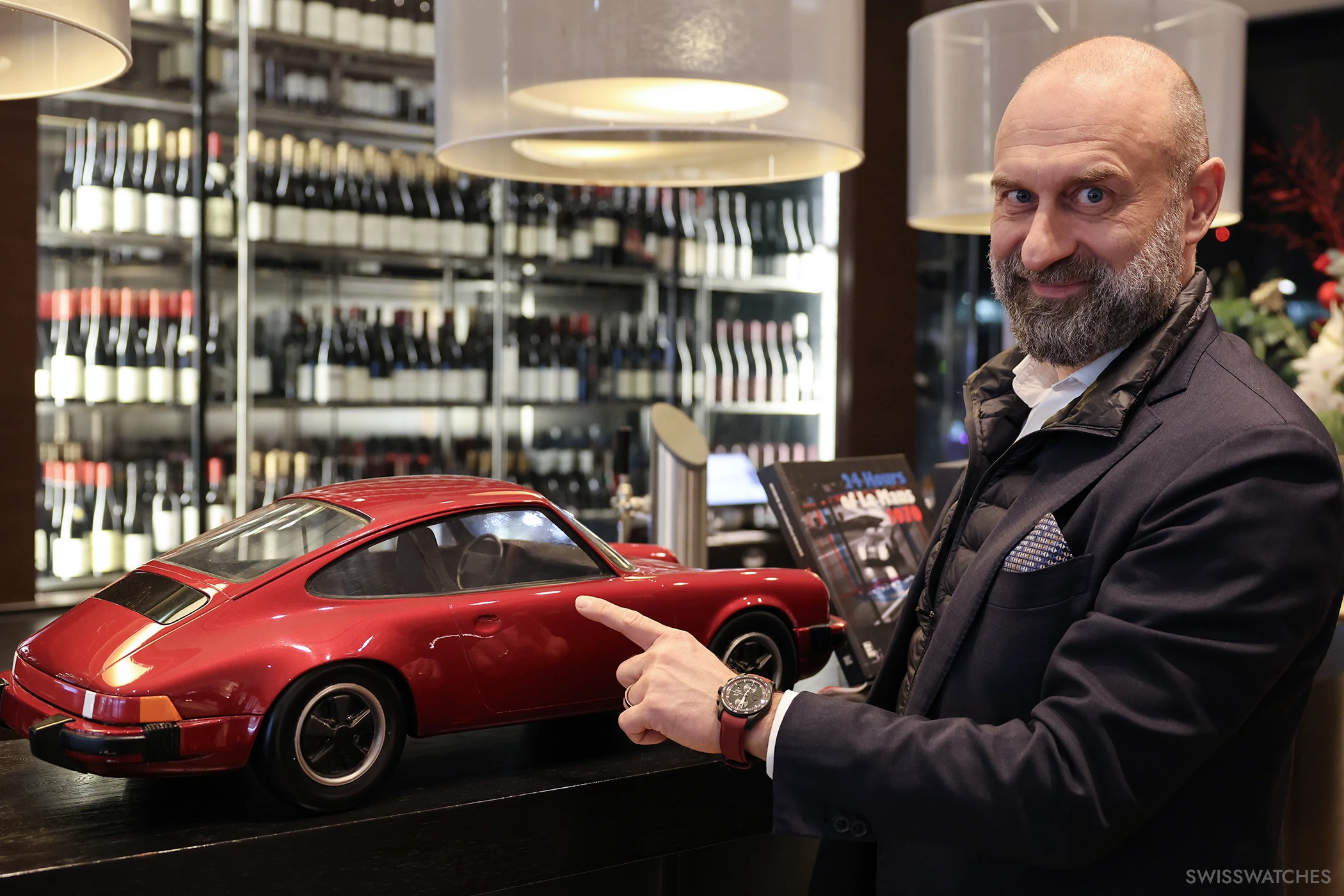
Rolf Bergmann: In fact, not at all – only via the wheels and rotors. The rotor in a 911 wheel design matches the 911. The steering wheel rotor suits the Cayenne, but is also compatible with the 911. There are two key differences compared with the car: firstly, we have not removed previous models from the configurator. A customer who bought their 911 two years ago can still configure the matching watch today. Secondly, if a car ticks, it’s a fault – if a watch ticks, it’s exactly as it should be. (laughs.)
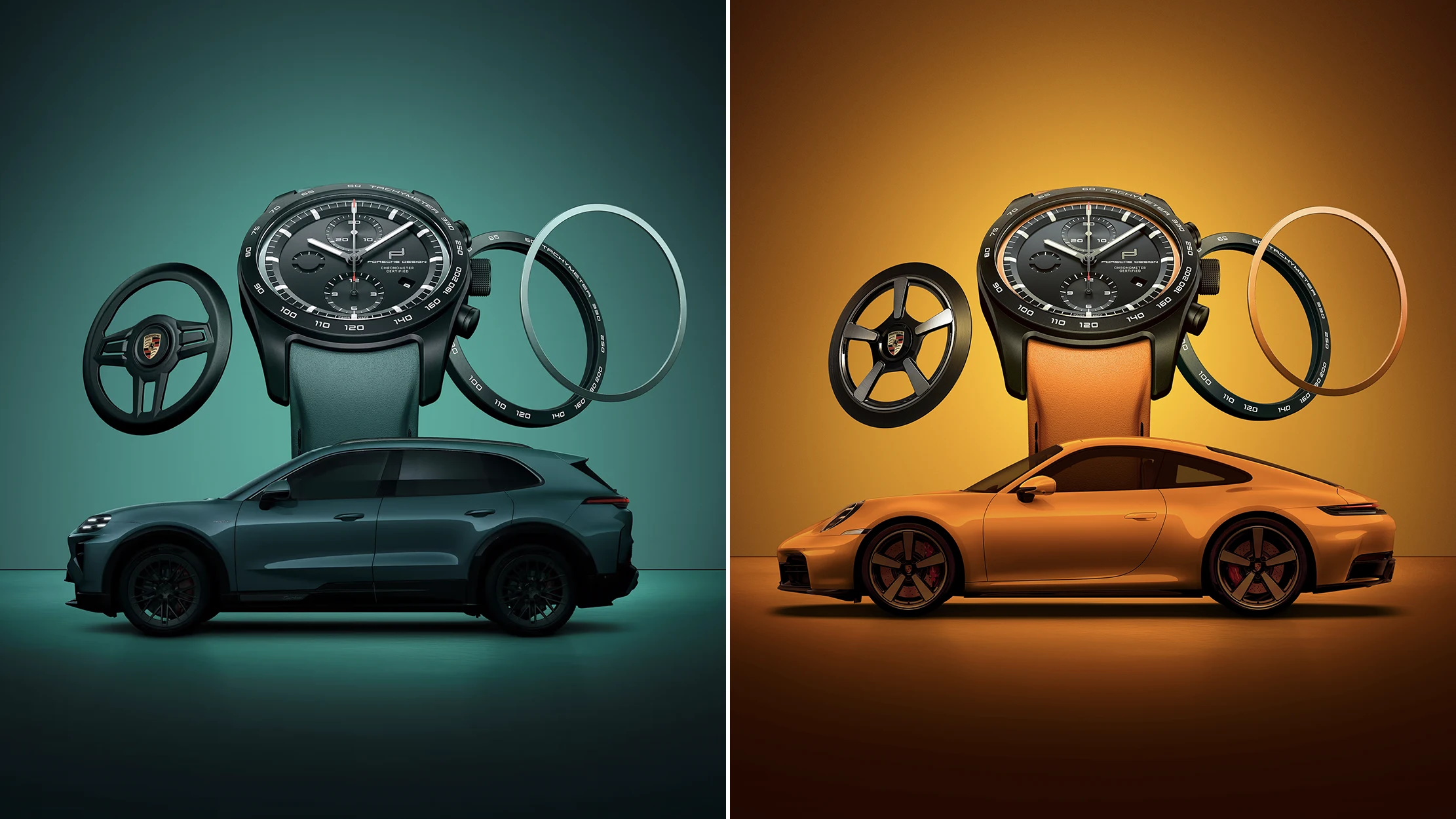
Federico Magno: Our aim is to ensure that complexity is not felt as such, but instead translated into a positive experience. That is why we deliberately design the configuration process to be intuitive, clearly structured, and even playful, so that the many options do not overwhelm but instead create enjoyment.
We continuously test the user experience with real user groups and iterative feedback loops. In this way, we ensure that the configurator remains clear, seamless and inspiring at all times.
Looking ahead, technological trends are clearly moving in the direction of artificial intelligence. An intelligent suggestion engine that accompanies the customer, engages in dialogue and proposes suitable options could further simplify the process and make the experience even more personal.
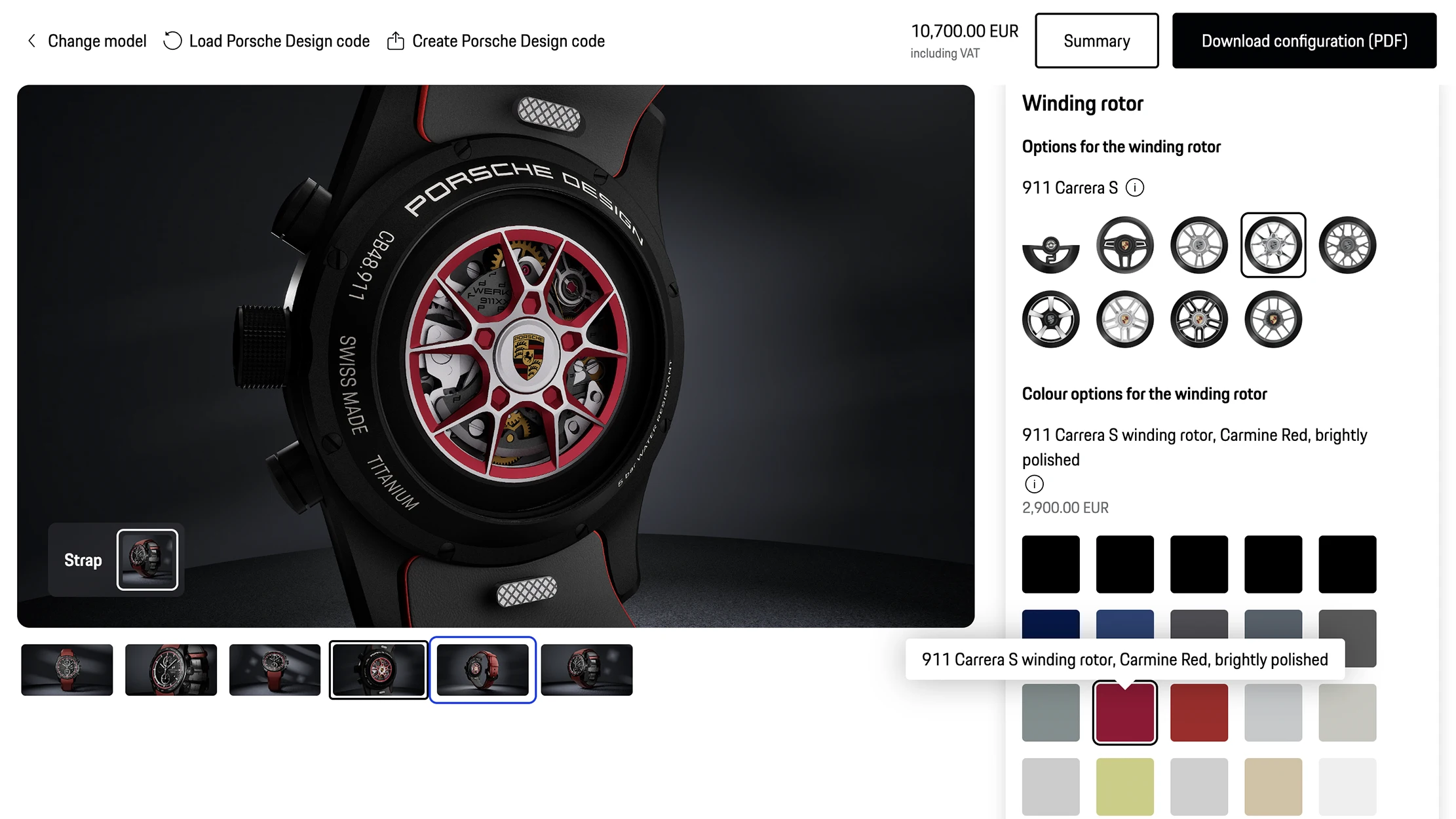
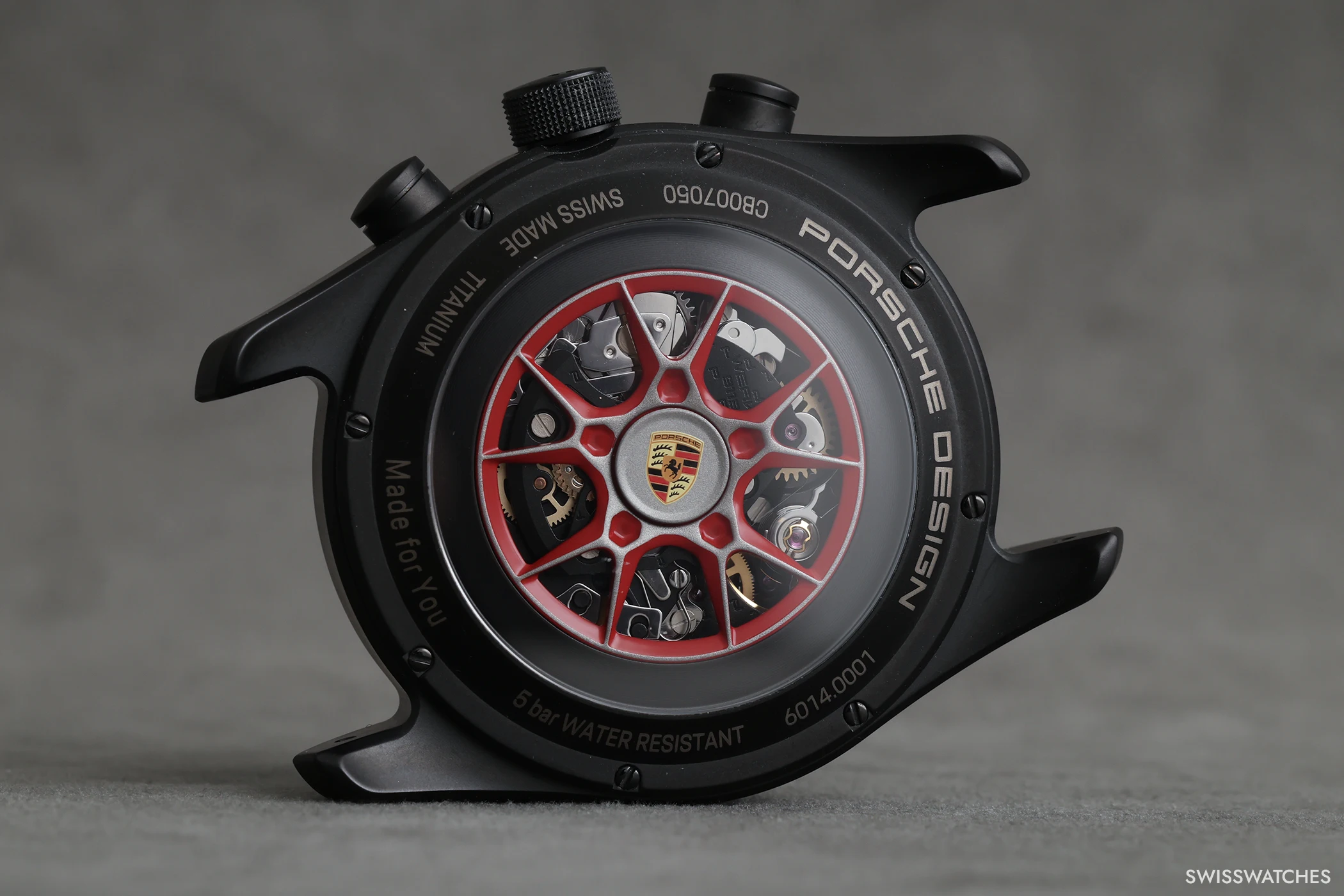
Federico Magno: Features such as this should be considered within the context of the product’s overall strategy rather than from the perspective of a purely configurator-based solution. From a technological standpoint, a virtual fitting room is certainly feasible: modern smartphones can now recognise and display shapes and proportions with great precision. However, whether and when such a feature would be introduced is ultimately a decision for product management. The deciding factor is always the added value for the customer – in other words, whether the function genuinely improves the experience and aids decision-making.
Rolf Bergmann: We give a great deal of thought to how the watch sits optimally on the wrist, for example through the three strap variants M, L, and XL. The selection is based on specifying the wrist circumference. However, electronic assistance is certainly conceivable in the future.
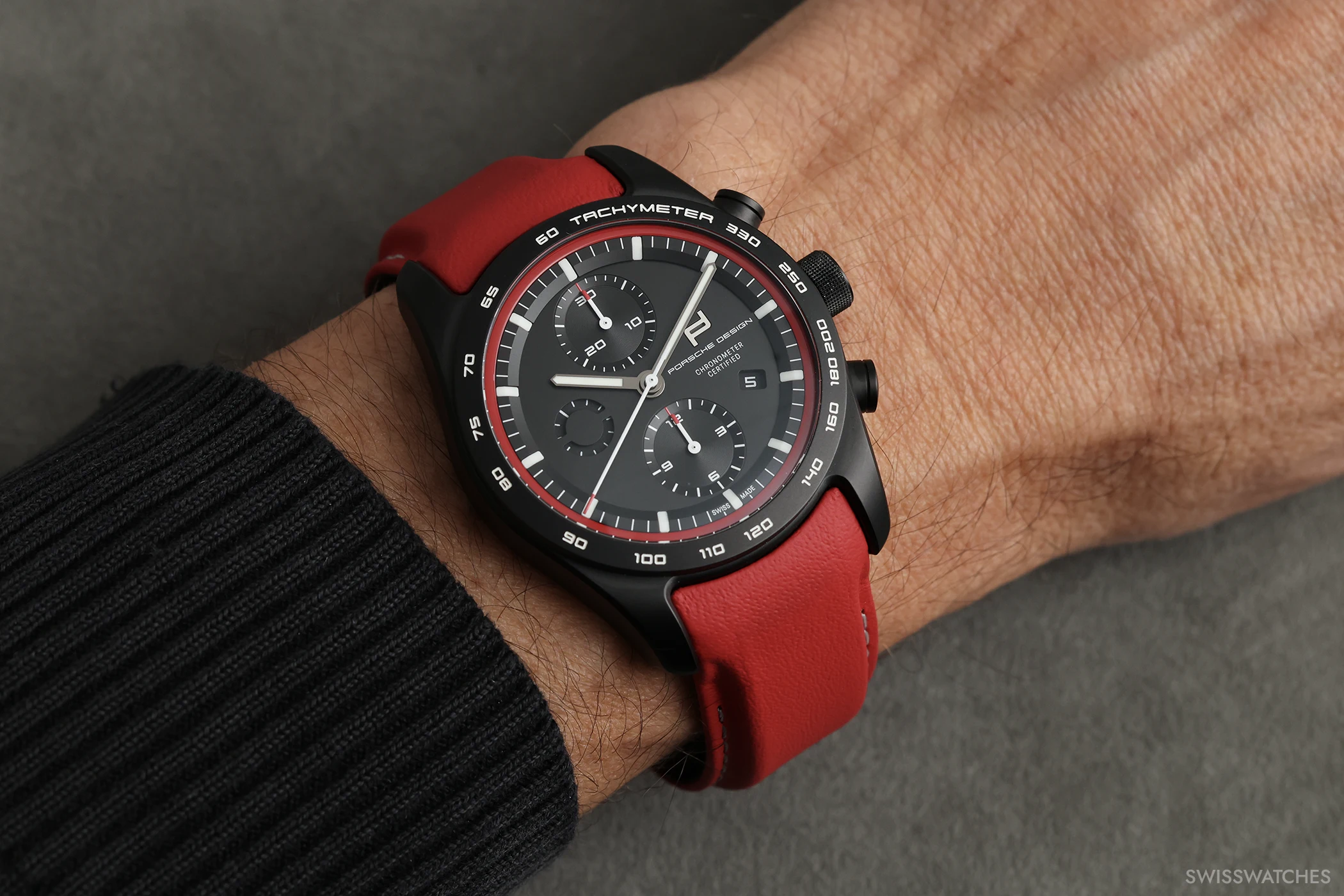
Rolf Bergmann: At present, the configurator offers chronographs – or, in the case of GT vehicles and limited special models, a flyback chronograph – as well as the Globetimer with UTC function. For our customers, these are the two most relevant complications.
On the one hand, our roots lie in motorsport, where timekeeping is essential – which is why the very first Porsche Design watch in 1972 was, logically, a chronograph. On the other hand, our core target group is affluent, cosmopolitan and regularly travels intercontinentally. In that context, displaying a second time zone is particularly useful. And thanks to the ‘repurposed’ chronograph pushers, which adjust the hour hand in one-hour increments – with the date display jumping forwards or backwards accordingly – operation is extremely straightforward.
Within our Sport Chrono collection, we already offer watches that move in the direction of a dress watch. What one is less likely to expect from us, however, is a minute repeater or a perpetual calendar – that would not be Porsche Design. Nevertheless, we continuously assess which complications or variants may be of interest and relevance to our customers, such as a distinctive date display.
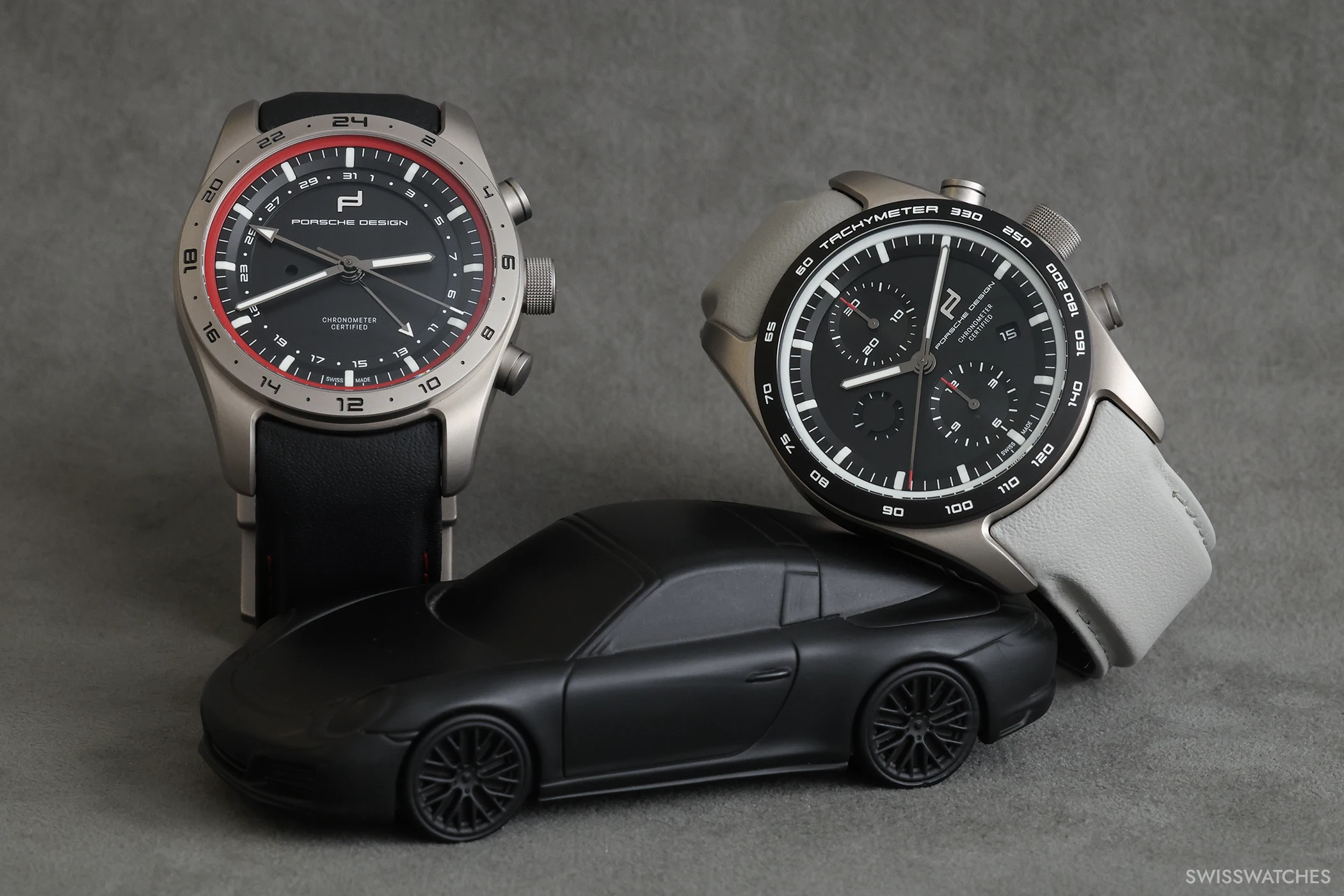
Rolf Bergmann: We use exclusively original Porsche leather. It comes from the same tannery and the same hides as the leather used for the vehicle interior, and it is split to the appropriate thickness so that it is suitable for a watch strap and offers maximum wearing comfort.
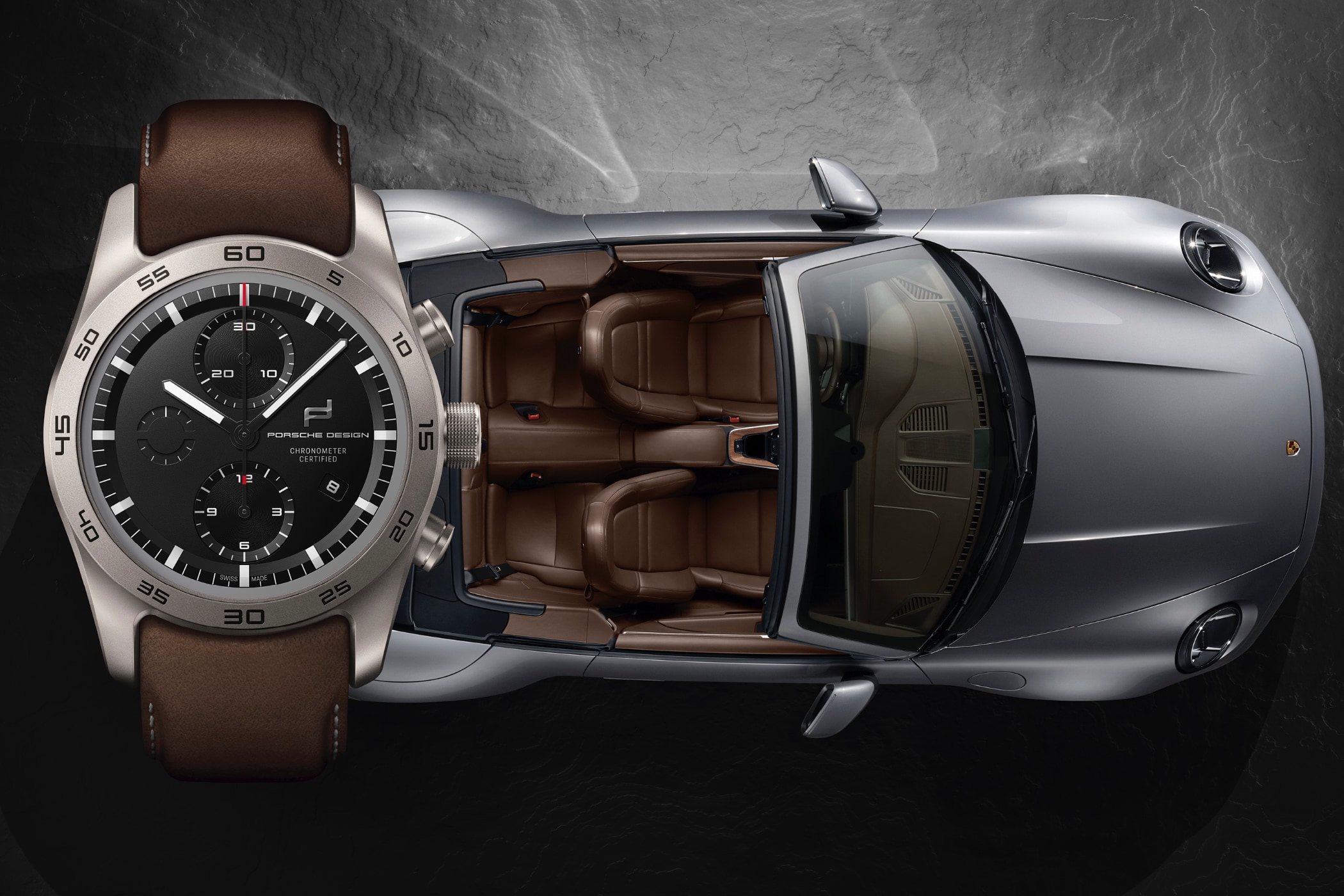
Rolf Bergmann: In the configurator, the case currently always measures 42 millimetres in diameter. This has served us very well as it is an appropriate size for our predominantly male target audience. In the past, we have also offered configurable models with smaller cases. Our standard collections also include models with smaller case sizes. We continuously evaluate our customers’ wishes and preferences in order to provide them with a tailored offering. Therefore, it is entirely possible that we will offer smaller case sizes for our customisable watches in the future.
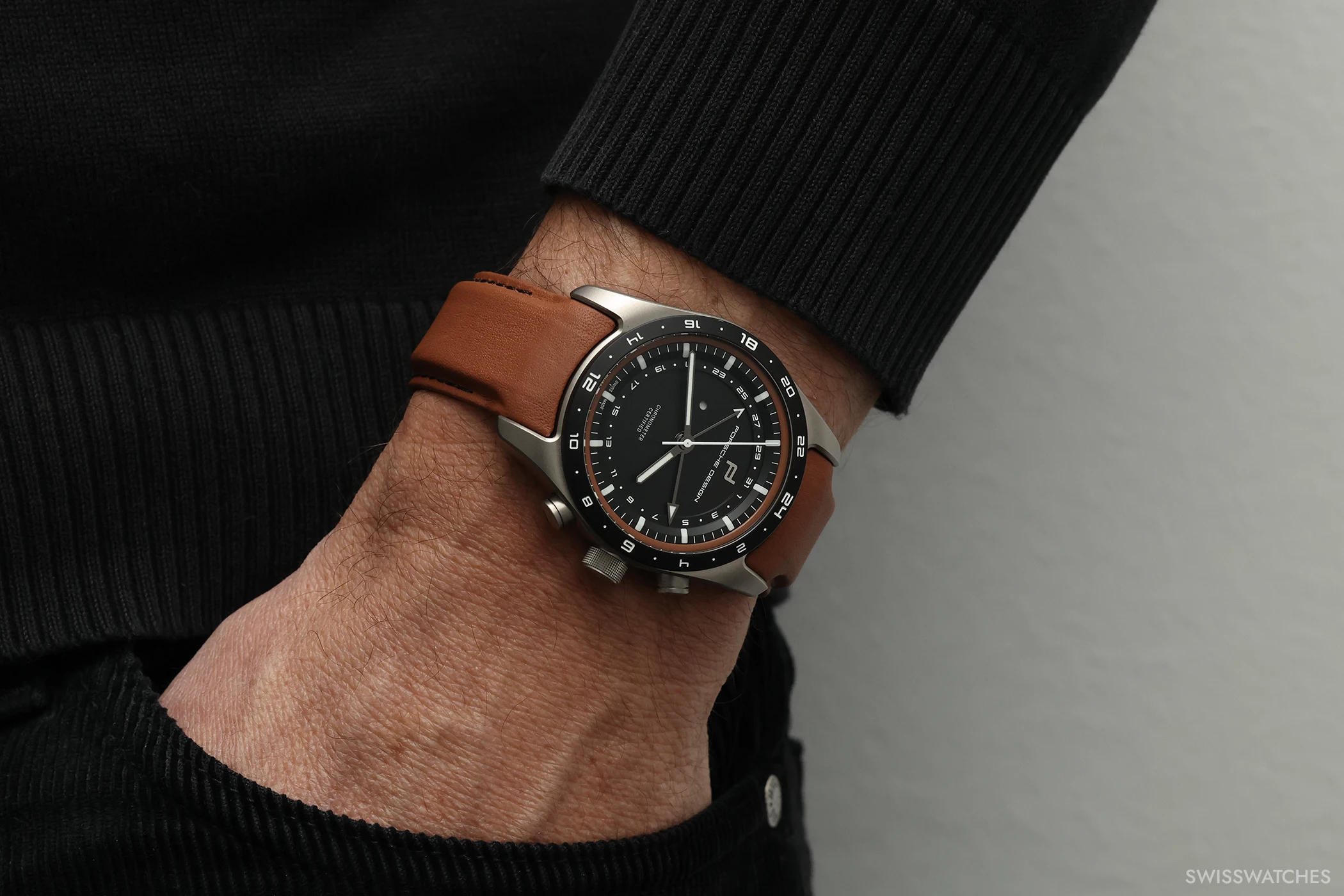
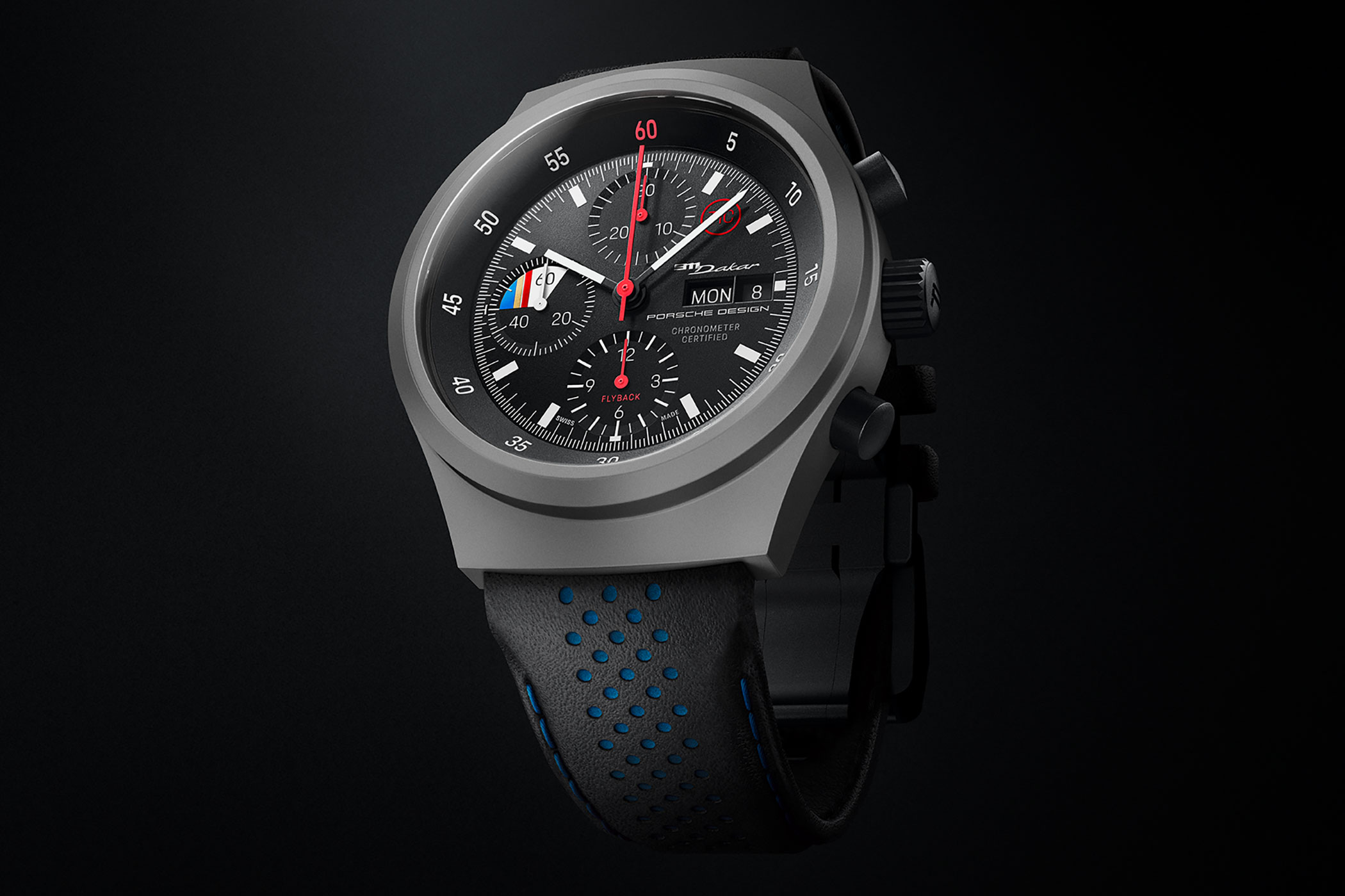
Rolf Bergmann: The idea behind it is the same as with the vehicle: exclusivity. If a special model is limited to 90 units, for example, we offer a watch with a corresponding limited production run that reflects the vehicle’s design and can only be purchased by its owner. For us, this is an expression of luxury, since luxury by definition is not accessible to everyone.
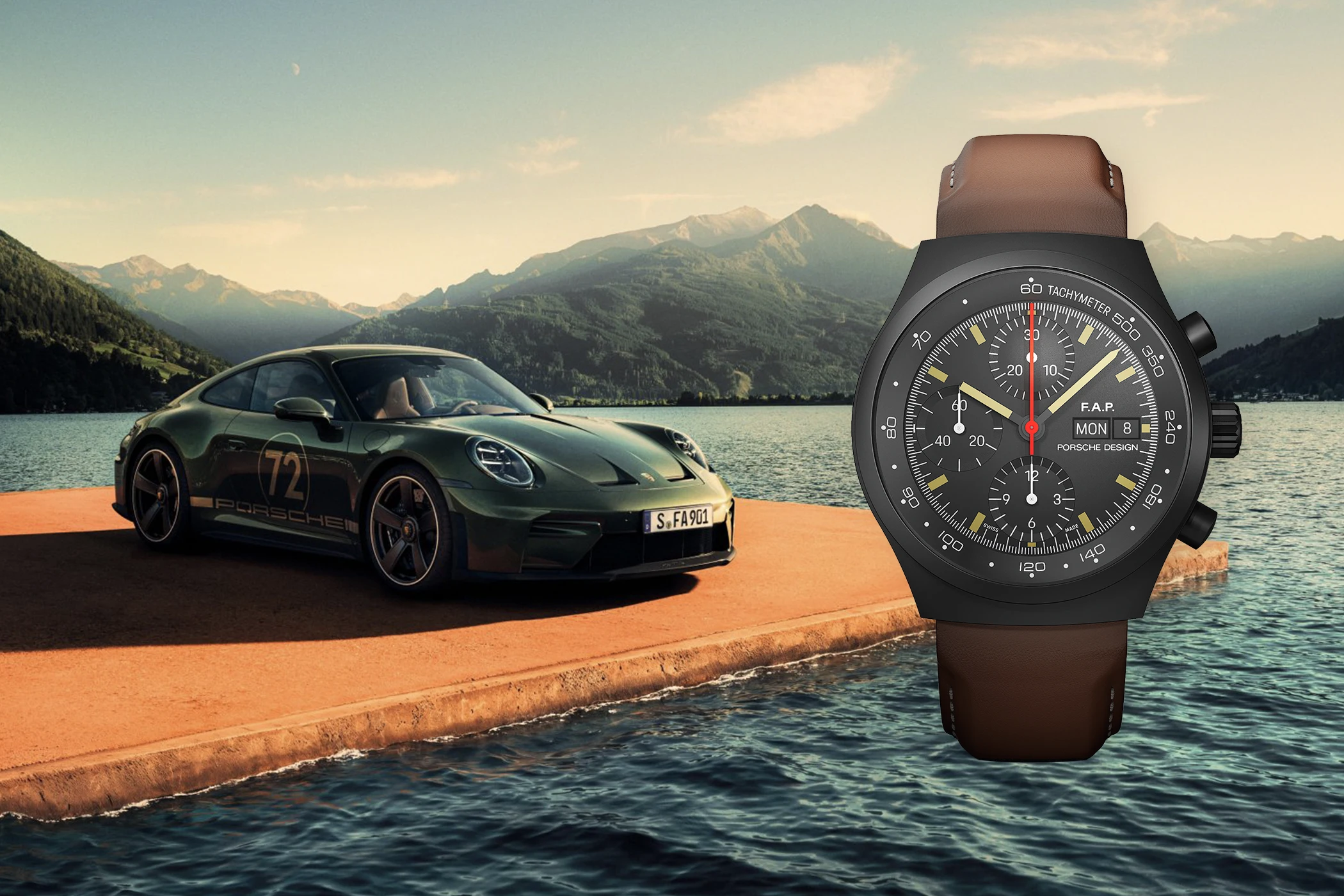
Rolf Bergmann: It varies from model to model. On average, the proportion is above 50 per cent. Over the years, it can even increase, as the second owner of the vehicle may subsequently order the corresponding watch if the original owner did not purchase it.
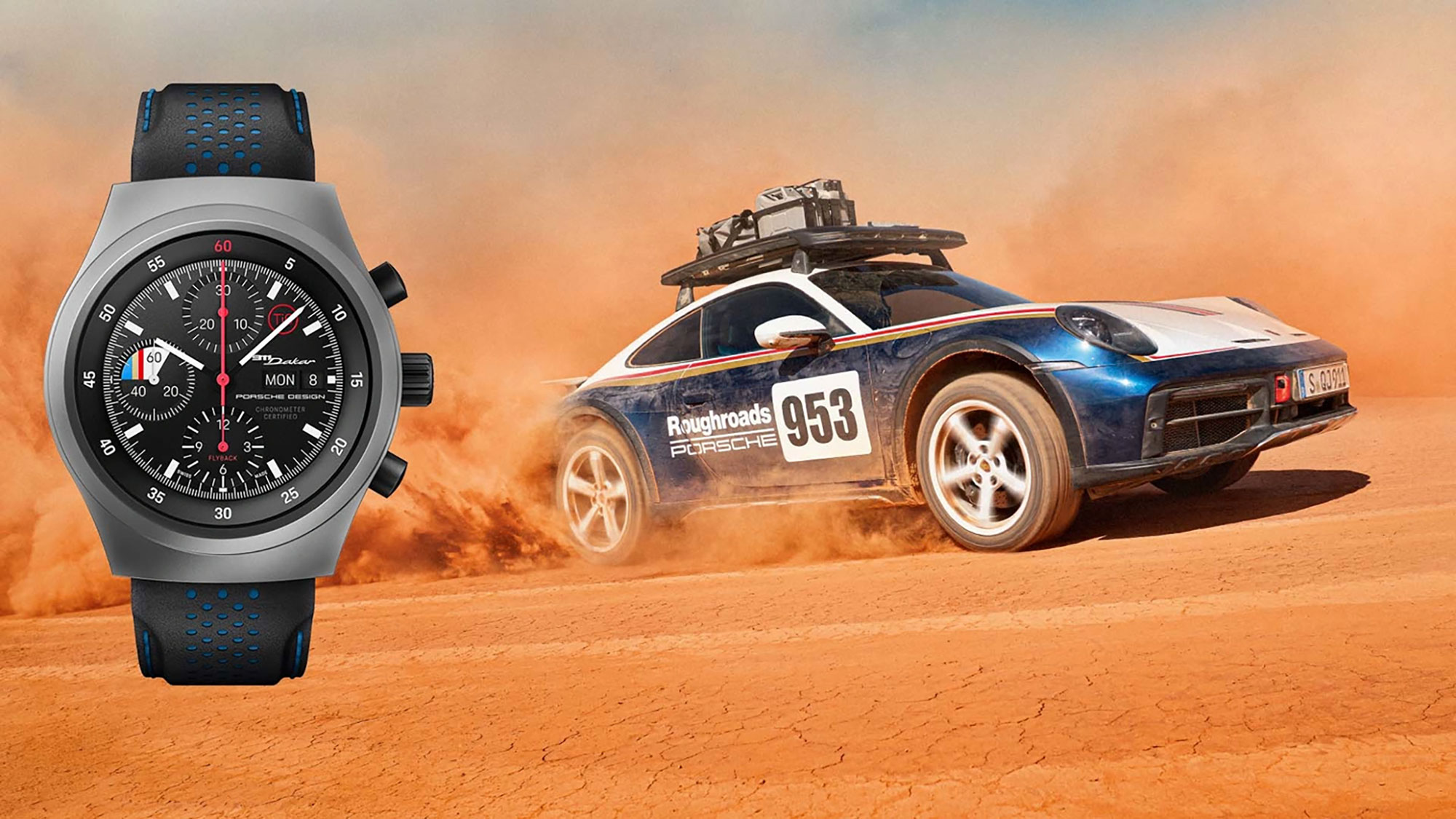
Rolf Bergmann: t is currently available in eleven countries: Germany, Austria, Switzerland, France, Spain, Portugal, Poland, the UK, the USA, and Canada. Additional countries will gradually be added over the coming years.
Rolf Bergmann: That is a very important issue. On the one hand, we keep an appropriate stock of spare parts. More importantly, however, it is about working with suppliers and partners who will be able to manufacture those parts in the future as well. Supplier selection is therefore strategic and geared towards the long term.
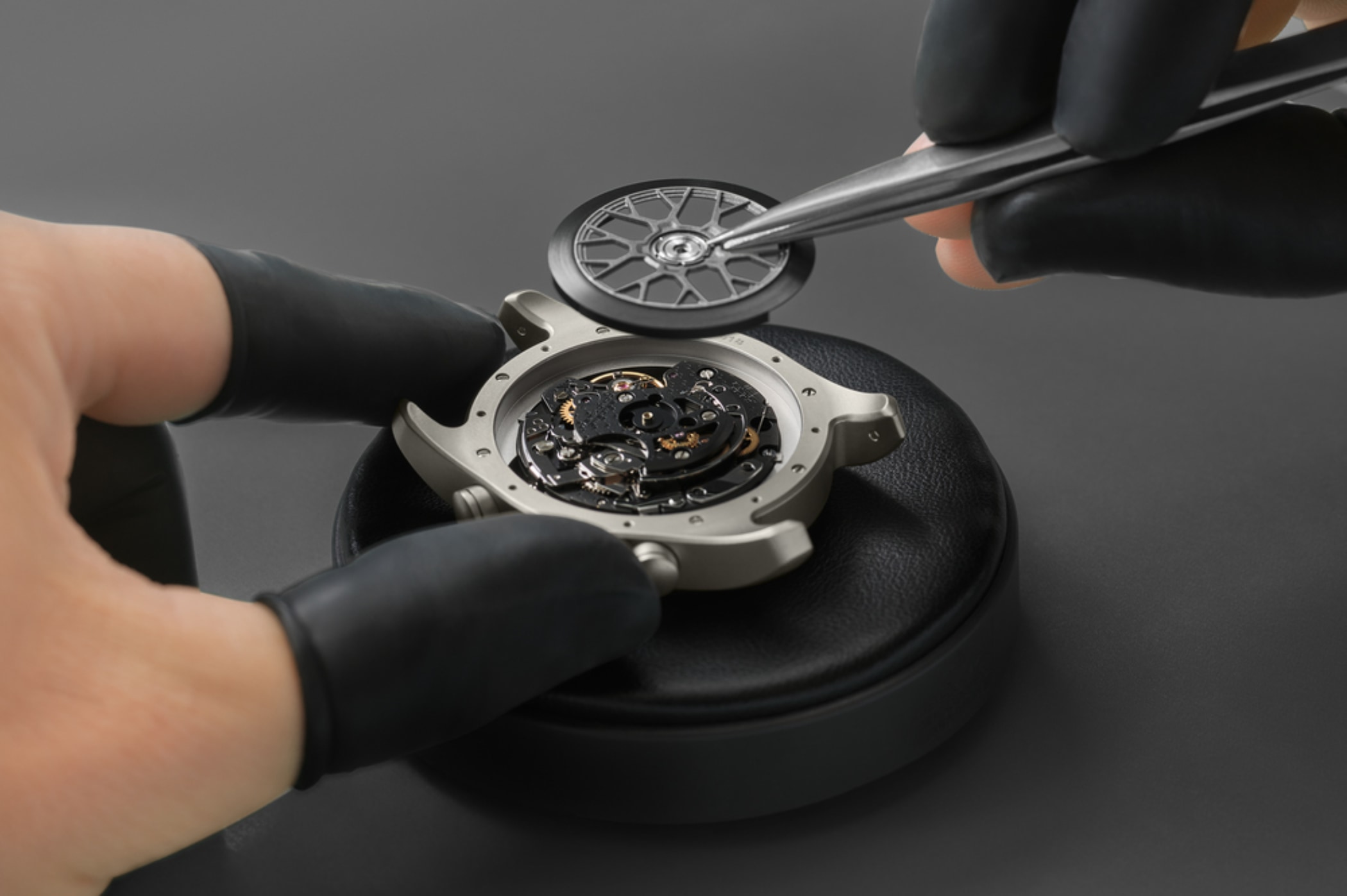
Rolf Bergmann: We don’t impose strict rules. Personally, I would wait until you notice that the watch is no longer running perfectly before taking it in for service. Otherwise, it’s generally good to have a watch serviced after around five years, depending on how often it is worn.
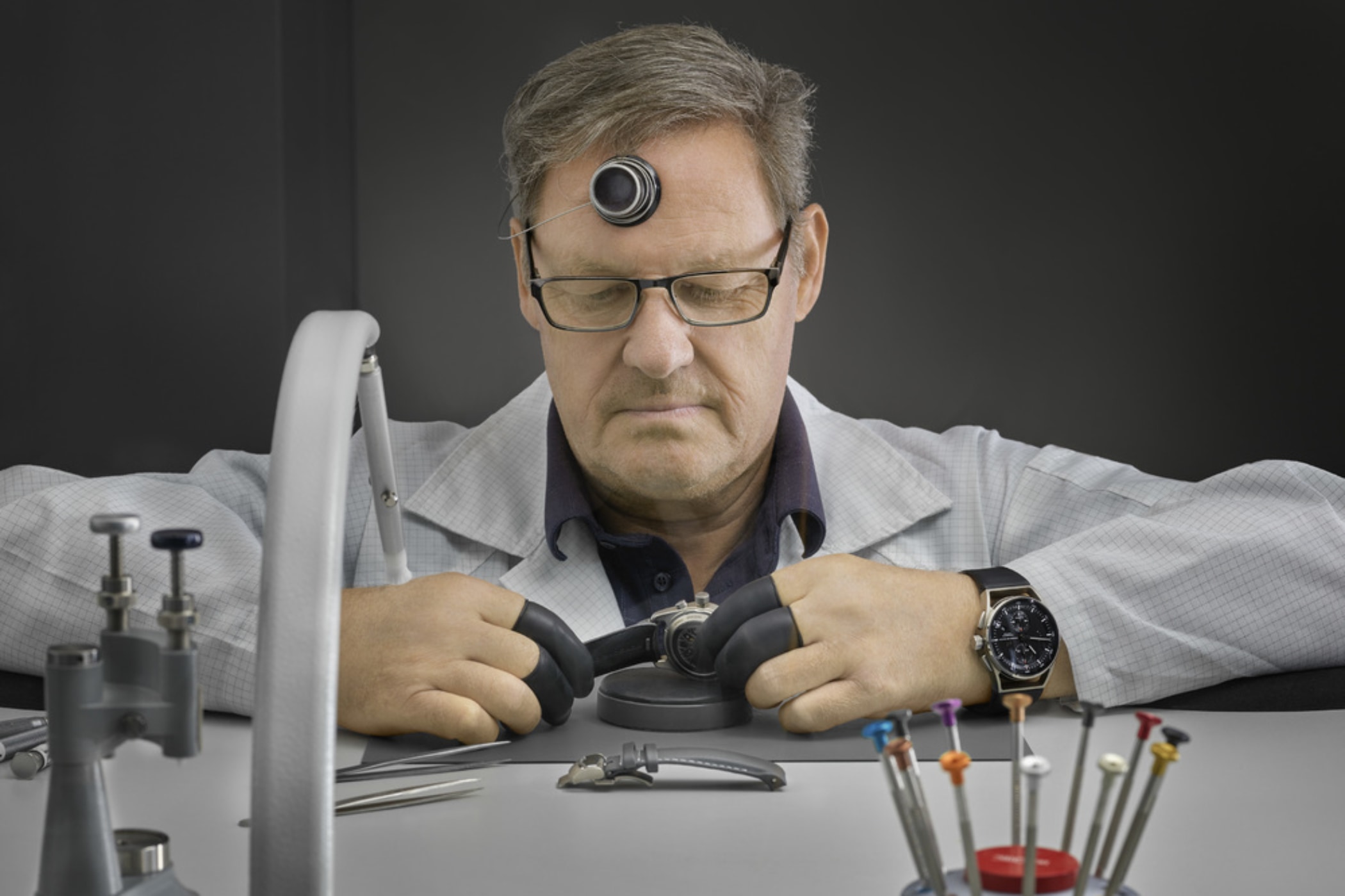
Rolf Bergmann: We purchased the former Eterna building and completely stripped and refurbished it over the course of 14 months. Almost everything was renewed, from the windows to the entire building services, including a highly complex ventilation system.
In production, we have also installed a cleanroom system with a heated/cooled ceiling to maintain cleanliness. We maintain a constant temperature of 22°C and exchange the air five times per hour. The production area, where movements are worked on and watch heads are assembled, is kept under positive pressure to prevent dust ingress and the windows are always kept closed. As a ‘transparent’ manufacturer, we allow our customers to see exactly what we do there.
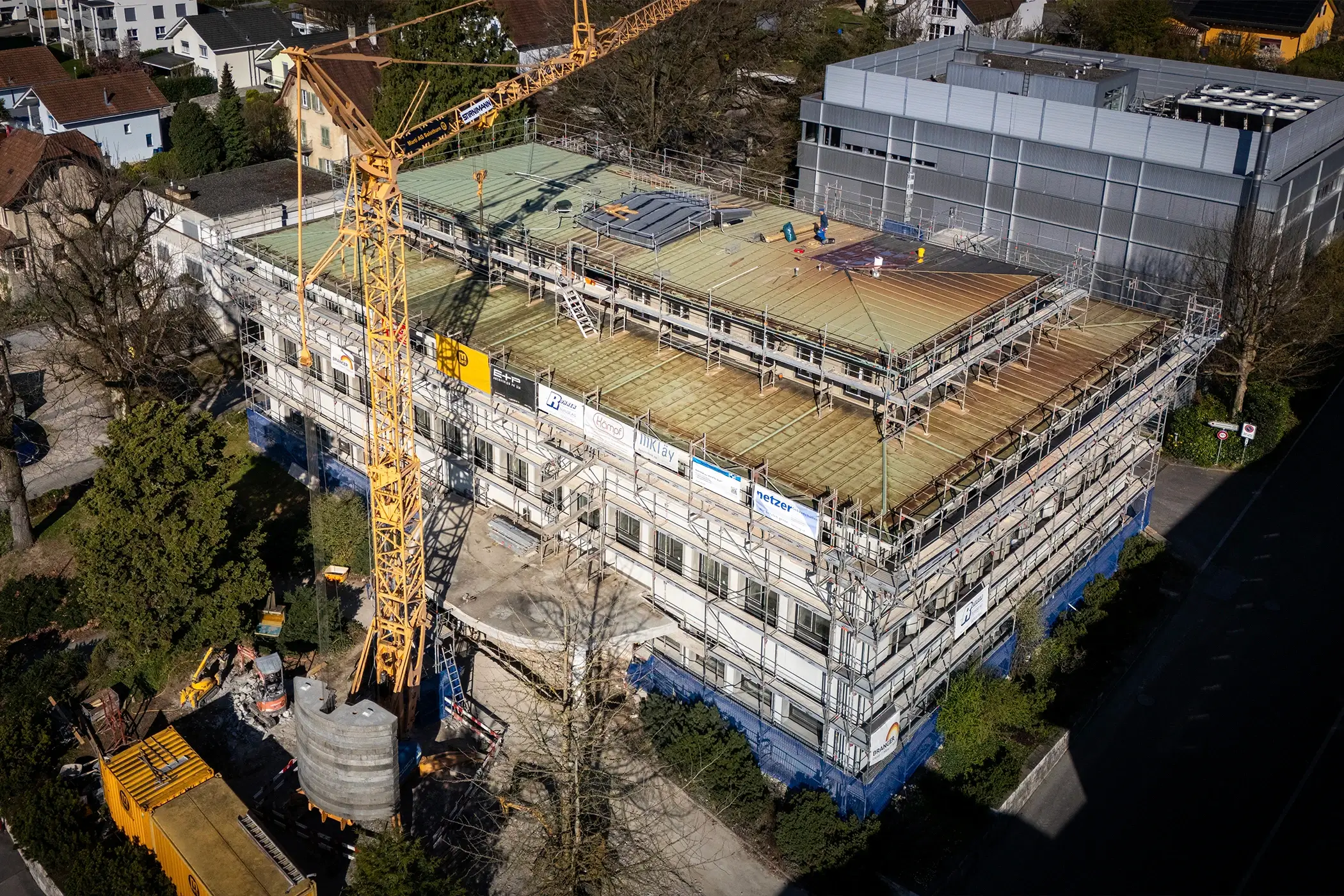
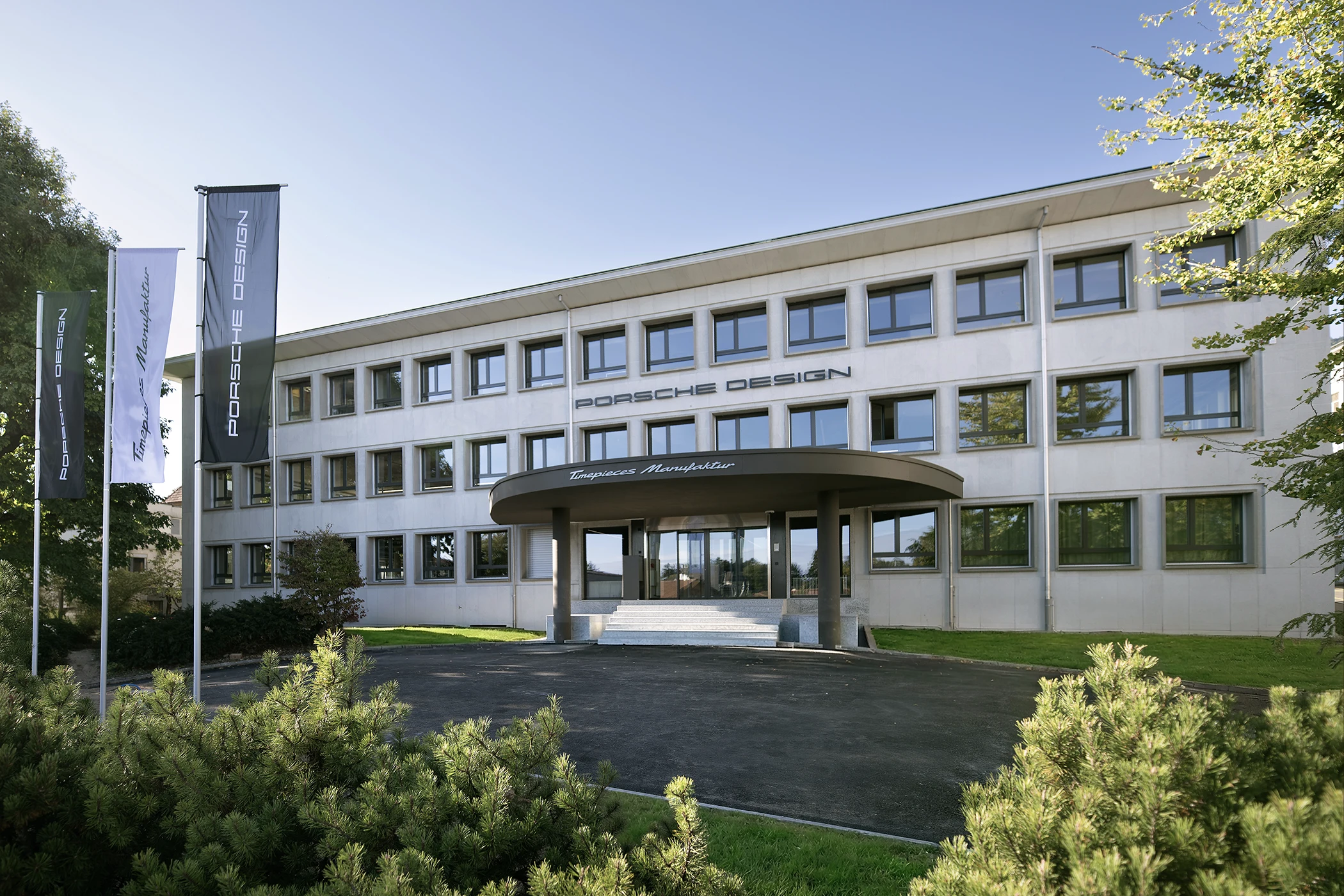
Rolf Bergmann: Currently, we have a team of ten watchmakers who work across multiple disciplines. Depending on the level of complication, this team can produce between 30 and 40 watches per day. Last year, we manufactured around 5,000 watches. The new manufacture’s projected target capacity is approximately 10,000 watches per year.
Rolf Bergmann: Titanium is the perfect material for us. It boasts many excellent properties, and once you grasp how crucial these are for a watch case or strap that comes into direct contact with the skin, working with titanium becomes an obvious choice.
Rolf Bergmann: Titanium is a ductile material, meaning it can deform elastically. The patented titanium carbide that we developed and which was first used in the watch industry in 2022 is a non-oxide ceramic that is pressed and sintered. It is extremely hard, making it completely scratch-resistant, and it can only be worked with diamond tools.
However, like all ceramics, titanium carbide is brittle and can chip if it falls on a hard surface, such as a stone floor. By contrast, titanium would only dent. Both materials are excellent and have their own strengths and advantages, which customers can consider individually.
Rolf Bergmann: A mechanical watch will always have its justification, not least because of its longevity and value retention. It is a masterpiece of engineering and craftsmanship, a collector’s item to be passed down through generations. Over time, it develops patina and a unique aura with a personal story, which increases its desirability.
Although times are currently challenging, I firmly believe that the watch industry has enormous potential and many opportunities for the future. The key lies in combining the highest quality and innovation with traditional watchmaking expertise.
For Porsche Design Timepieces, we have found our place in a highly attractive segment and feel very satisfied and at home in the Solothurn–Grenchen–Biel cluster. Incidentally, we have always been Swiss Made, and we always will be.
Federico Magno: The future of the watch industry is not just in the product itself, but in the experience and the significance a watch conveys. As I said at the start: mechanical watches stand for craftsmanship, heritage, and iconification. These qualities make them timelessly relevant, even in an increasingly digital world.