Chopard Zagato Lab One Concept: Ultraleichte Konzeptuhr mit L.U.C-Tourbillon, Spaceframe-Gehäuse aus keramisiertem Titan, Fuel-Gauge & COSC-Tourbillon.
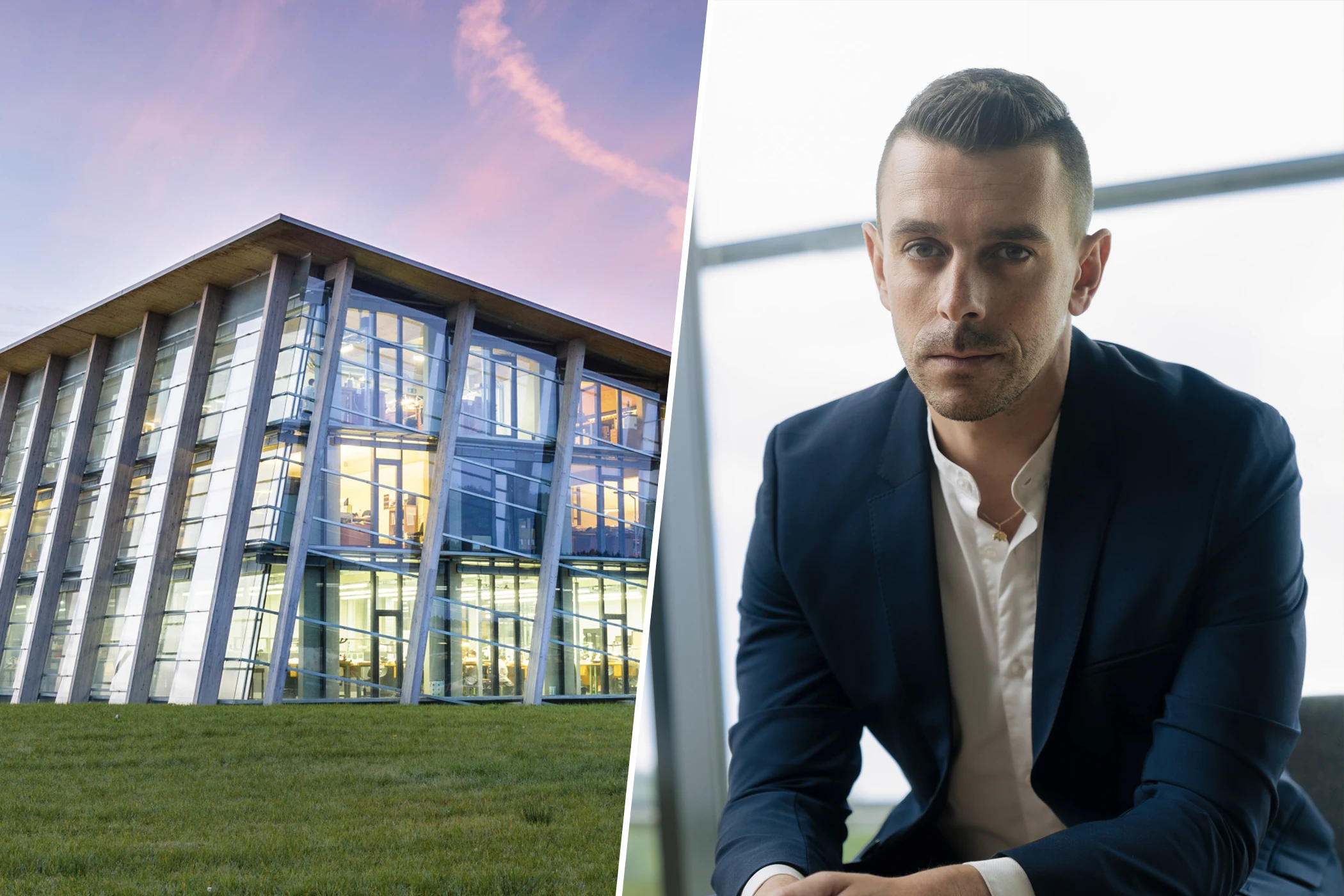
Interview with CEO Michel Nydegger on the future of Greubel Forsey
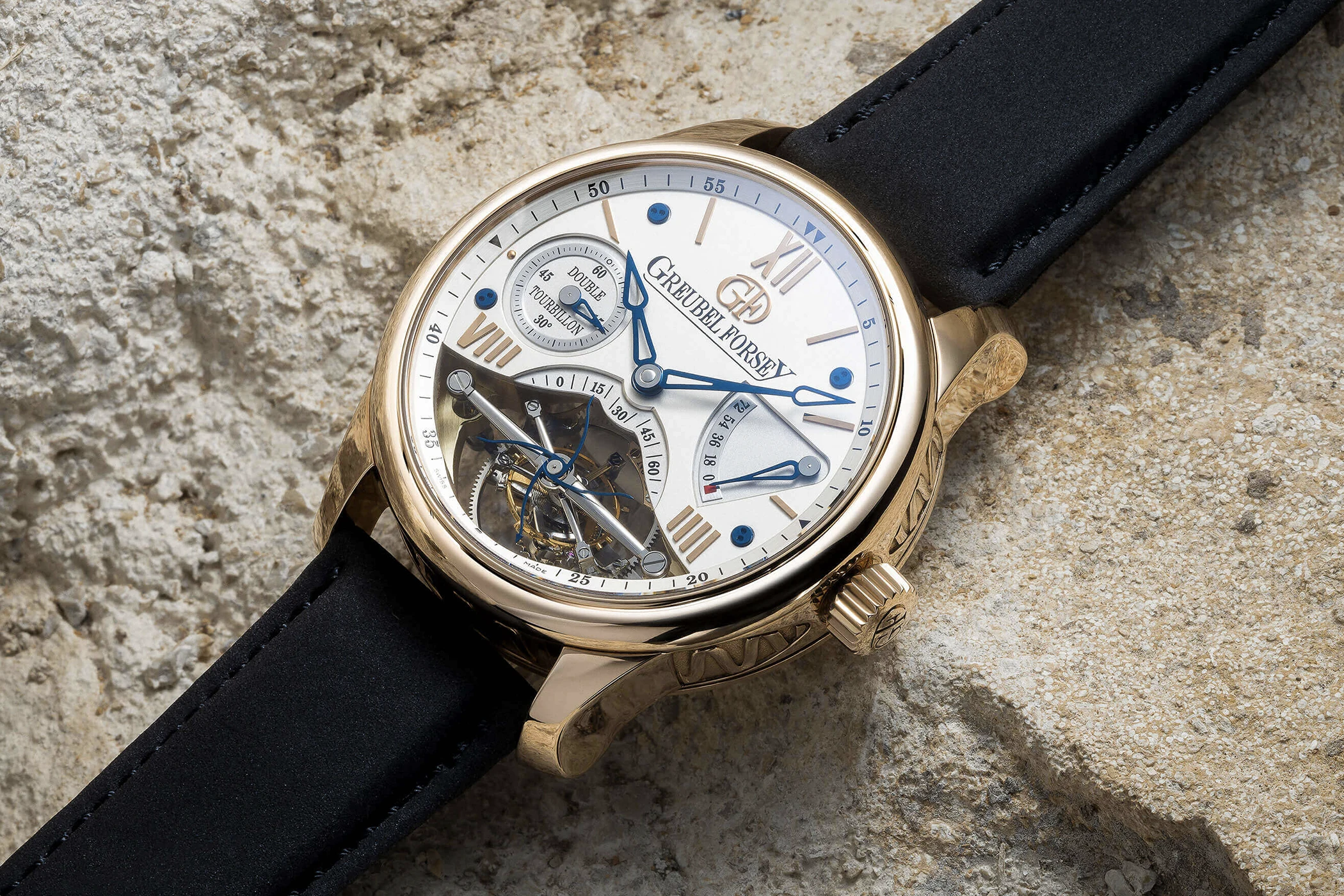
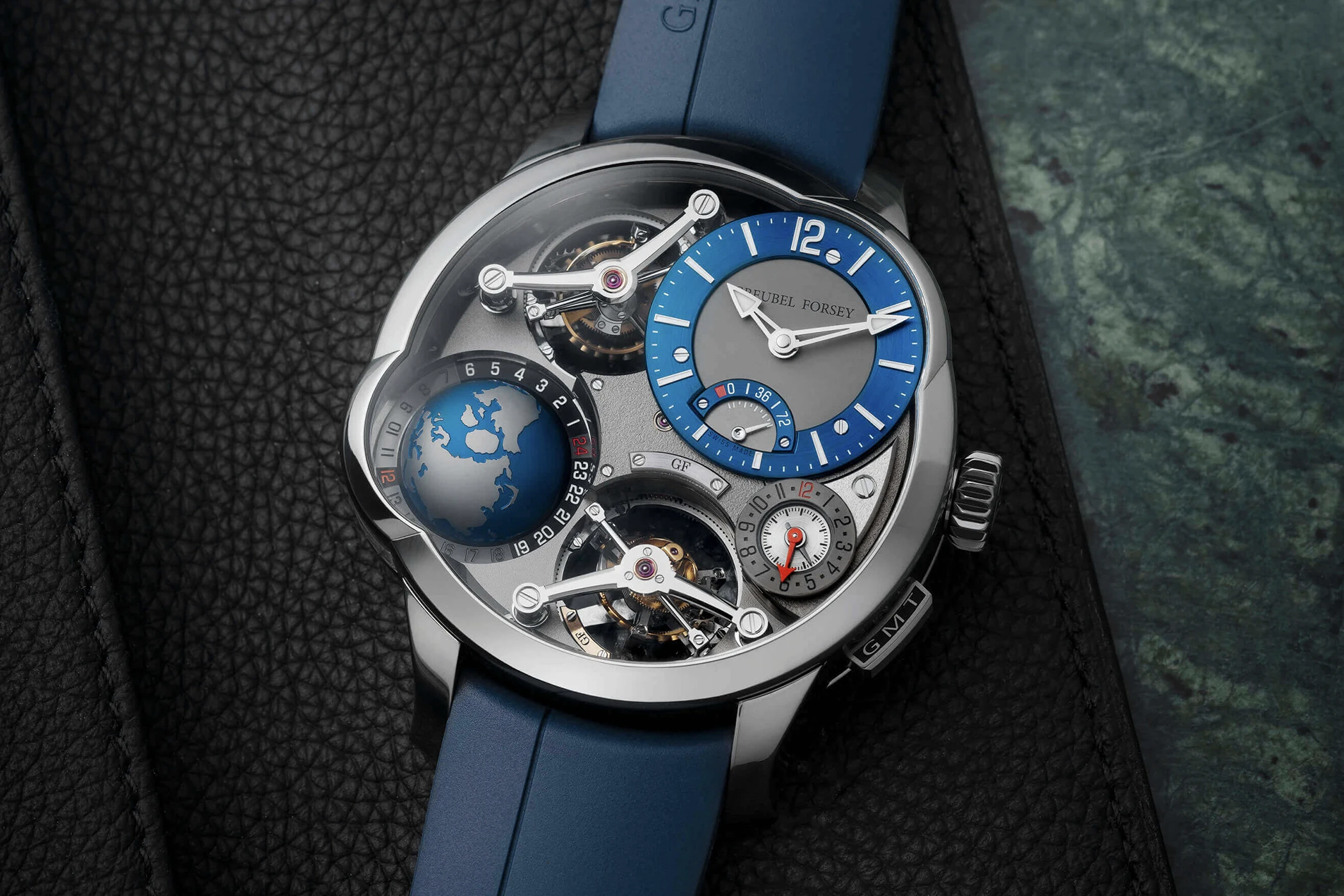
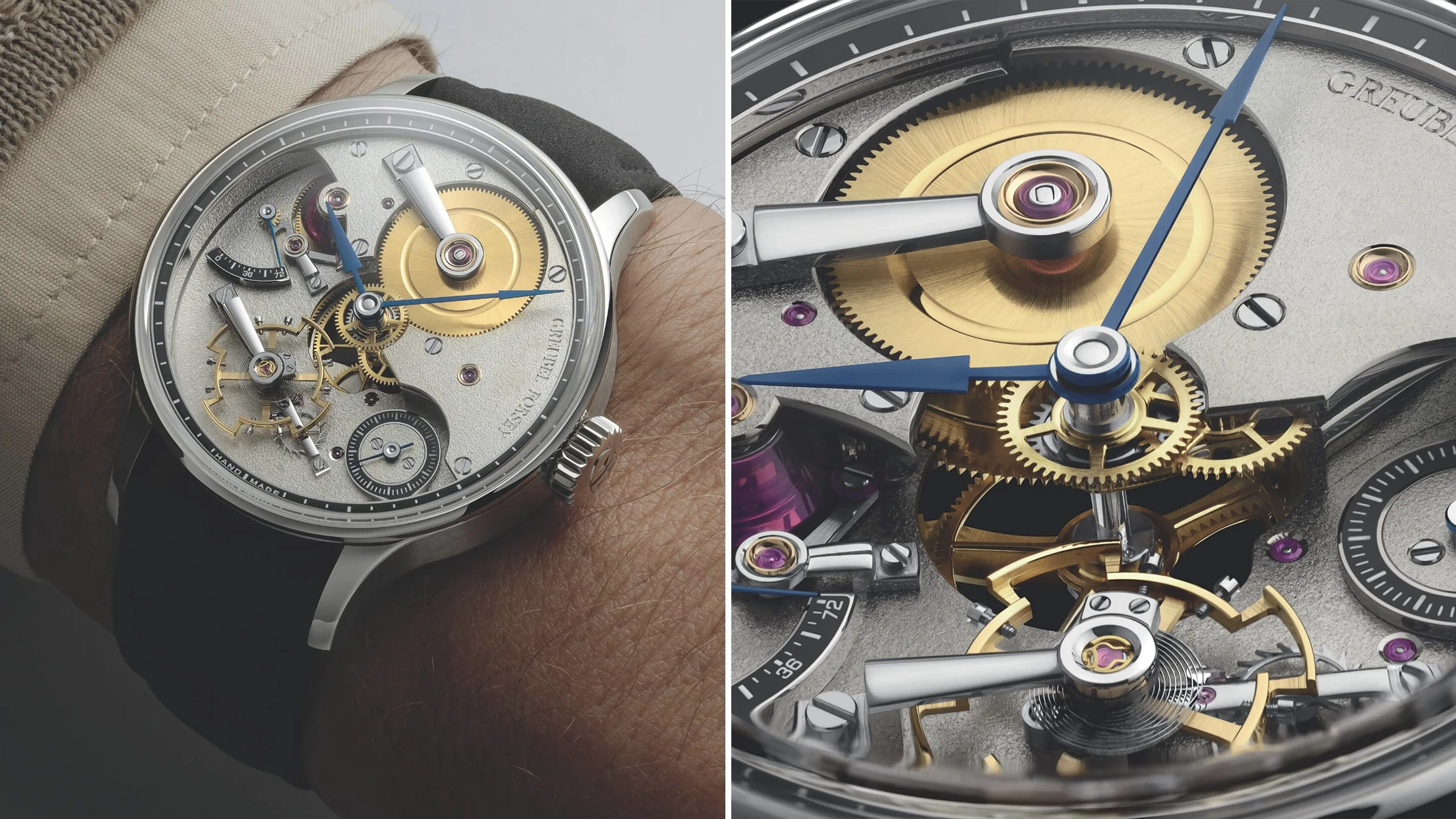
Founded in 2004 by Robert Greubel and Stephen Forsey, the brand was built on a defiant principle: a timepiece must have a reason to exist. This is not watchmaking for the sake of it; it is watchmaking as high-order mechanical architecture. In just over 20 years, the manufacture has registered 34 in-house calibres, 10 major inventions, and 69 patents.
Today, the brand stands at a defining crossroads. Since 2022, Greubel Forsey has returned to being 100% privately owned, reclaiming its independence. This shift is mirrored in the workshop’s leadership; while co-founder Stephen Forsey recently stepped down from the board, Michel Nydegger took the helm as CEO in August 2024 to ensure the brand’s longevity beyond its founders. While the Tourbillon has long been at the centre of innovation, a new collection is on the horizon, alongside a commitment to launching three new calibres every single year.
Among many other things, we talked to Michel Nydegger about the consequences of Stephen Forsey’s departure, why he halted the expansion plans of his predecessor, and why they scrap up to 200,000 Swiss Francs worth of parts every month.
They have changed significantly, though perhaps not as abruptly as I had initially expected. Having been involved since 2016, and having worked closely with the founders and the previous CEO, I was already familiar with many procedures. When I started 10 years ago, I handled PR, communications, and marketing, but because we are a small team, my role always extended beyond that. Today, we are 130 employees, but the team handling non-watchmaking tasks is incredibly lean. My responsibilities now encompass overseeing and steering all operations.
Absolutely, I don’t touch the technical development because it truly is a team effort. I see my role as providing the space where complete creative and technical freedom can flourish. We ask ourselves if a timepiece deserves to exist and whether it adds meaning to what we do, rather than just making watches for the sake of it.
It often shocks people from the outside, but we actually scrap up to 200,000 Swiss Franc worth of parts every single month. These are parts that simply do not meet our aesthetic or technical standards. For an outsider, that is a staggering metric, but for us, it is the cost of maintaining our level of quality.
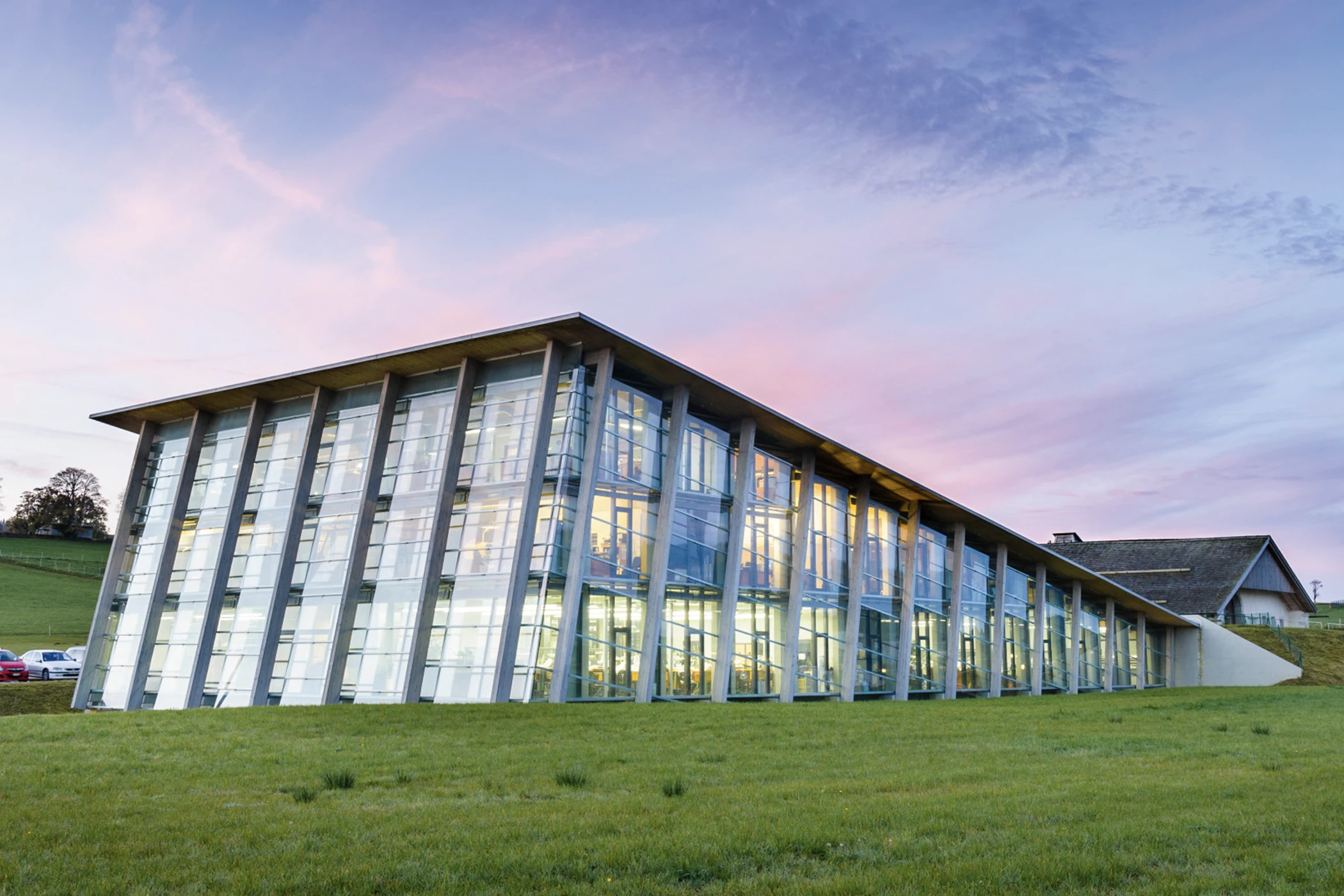
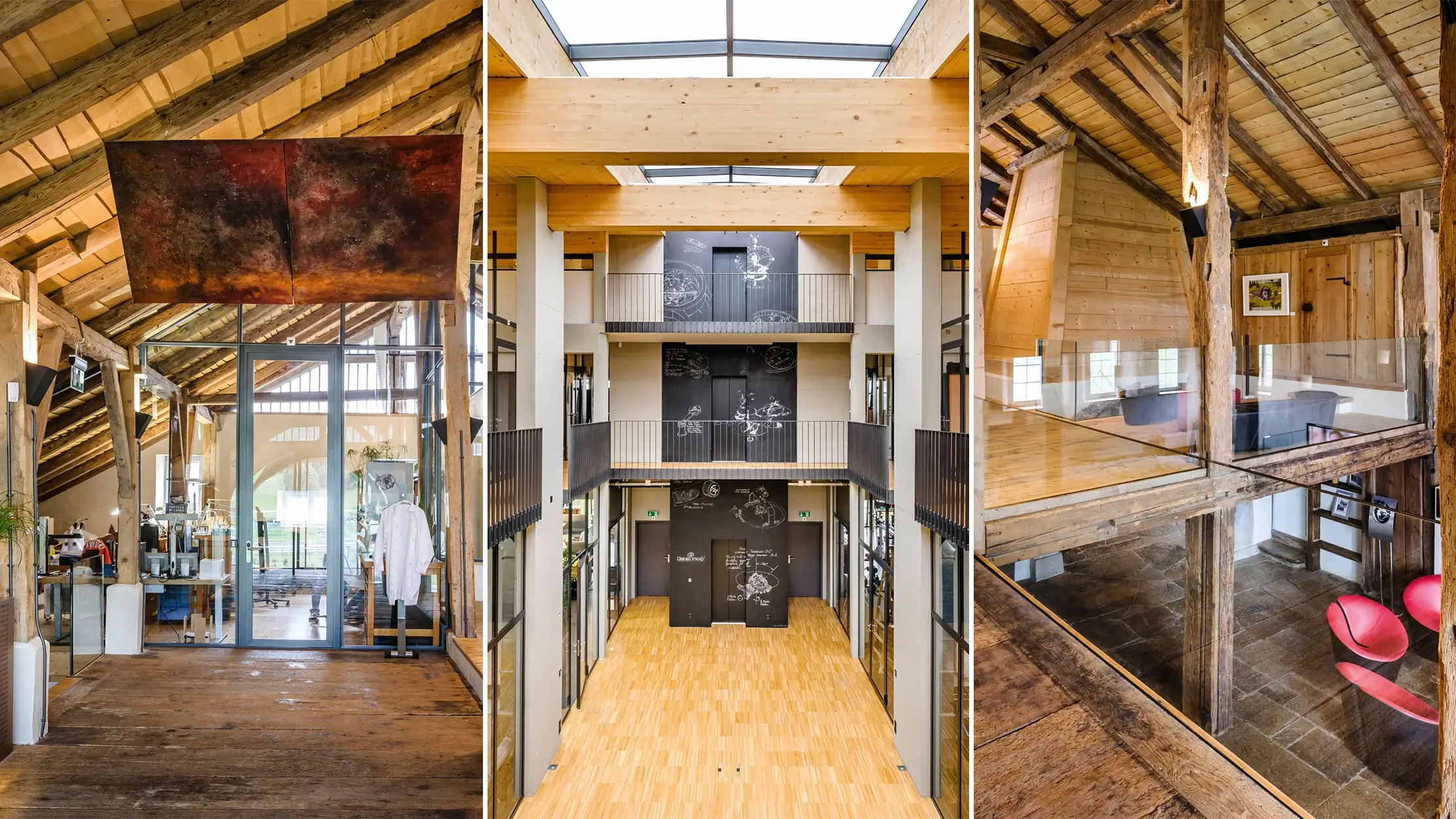
The move from 100 to 200 timepieces was a positive step; having 100 people build only 100 timepieces is a very risky business model given the massive resources we require. However, scaling to 500 would have forced us to compromise. What we do is inherently not meant for mass scale. We are comfortable at the 200-piece mark. Instead of volume, we are focusing on efficiency and incremental quality improvements.
We found that by improving our methodology – for example, accurately estimating that a part takes 30 hours to finish rather than five – we can grow more sustainably. We can do the same thing with fewer people more efficiently. Today, we’re not necessarily seeking growth.
In our day-to-day operations, nothing has changed, as they did not really participate in any kind of activity. The initial investment in 2006 was helpful financial support to get us going, but we felt it was important to be independent. Today, we are 100% privately owned, which is quite rare, and we value having complete freedom.
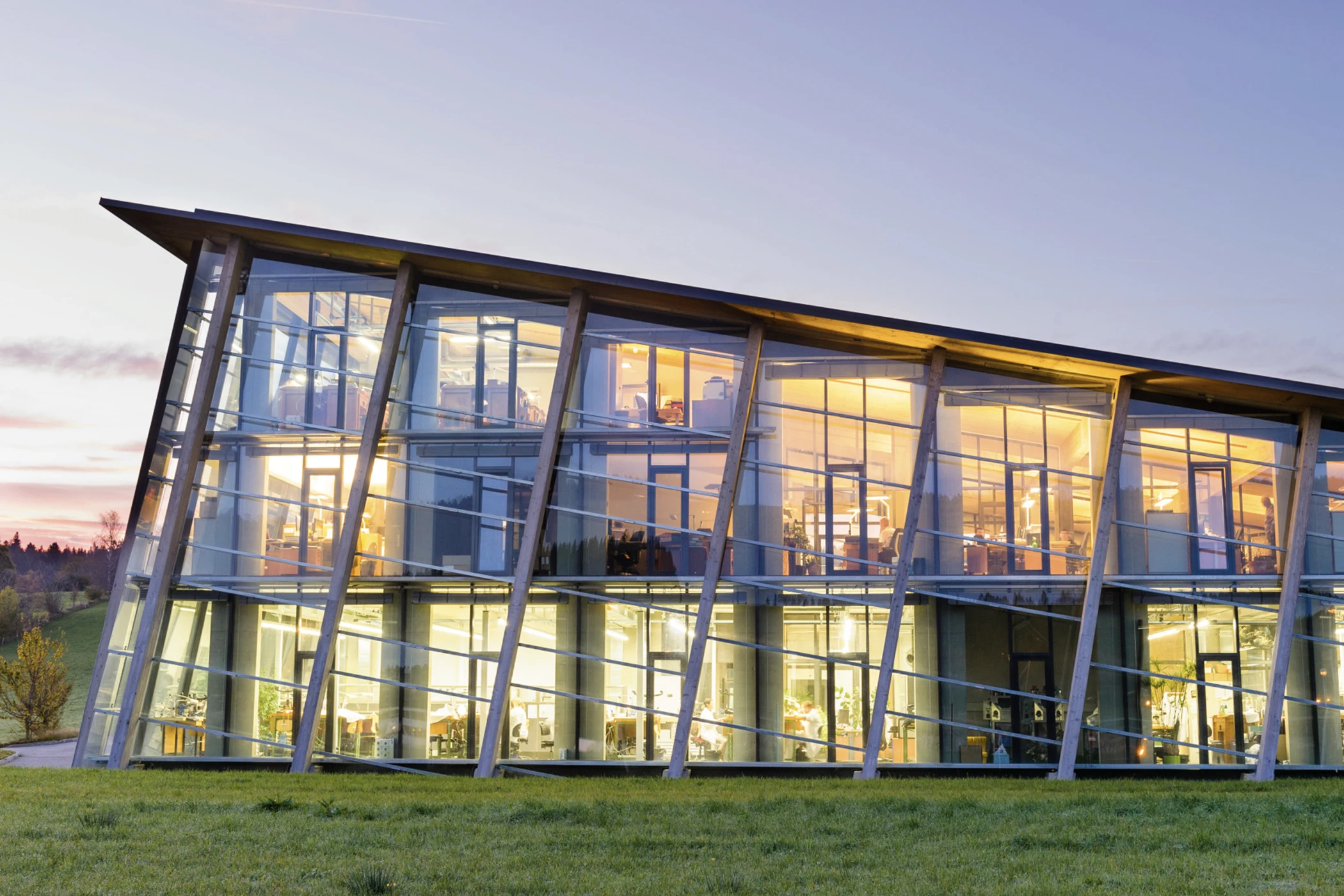

Yes, we’ve had approaches for the last twenty years, I should think. It’s actually rather rare to find a brand that is completely independent, so every eighteen months or so, a rumour circulates that this or that group is set to take over Greubel Forsey. However, we have no ambition to do so; we aren’t in discussions with anyone.
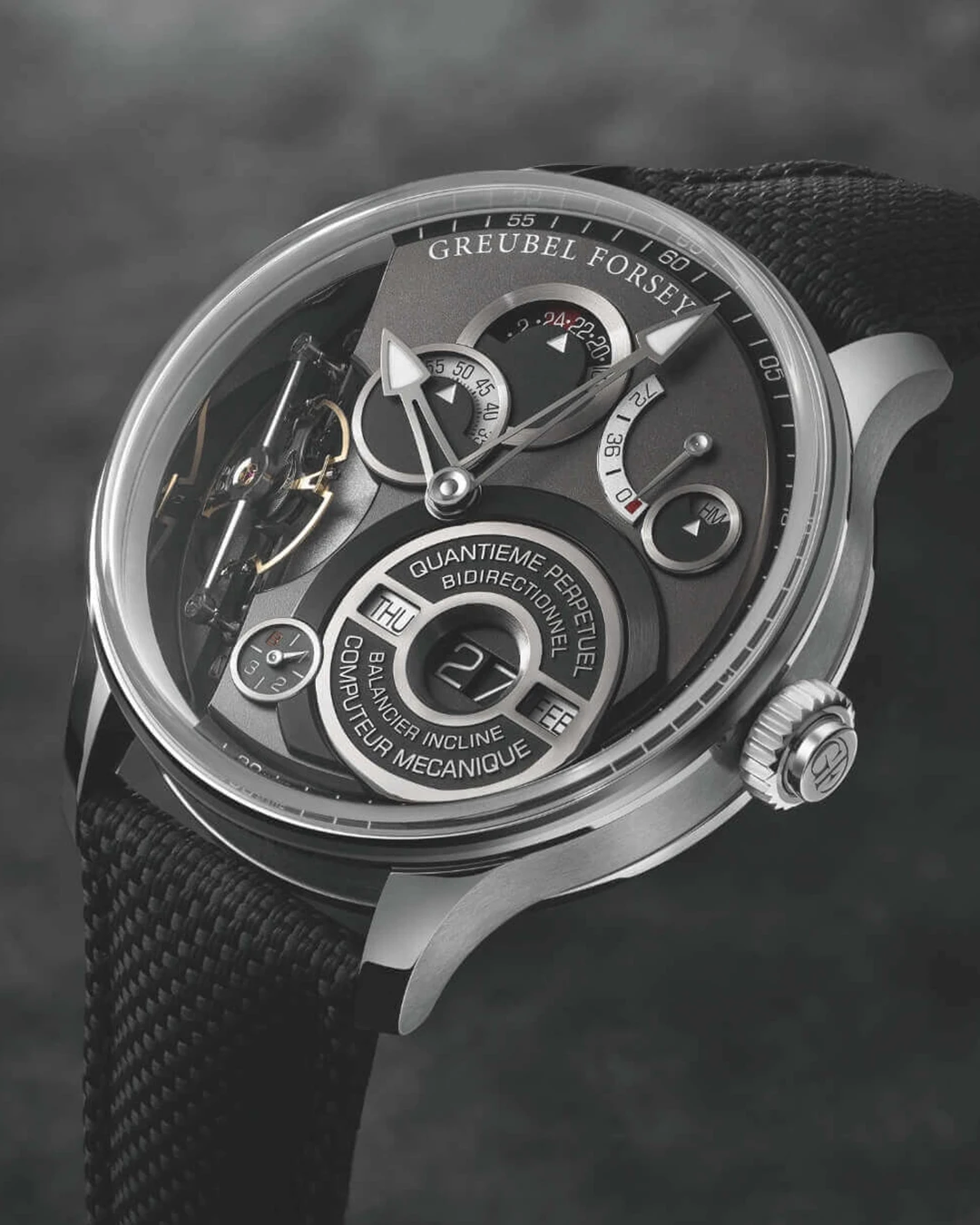
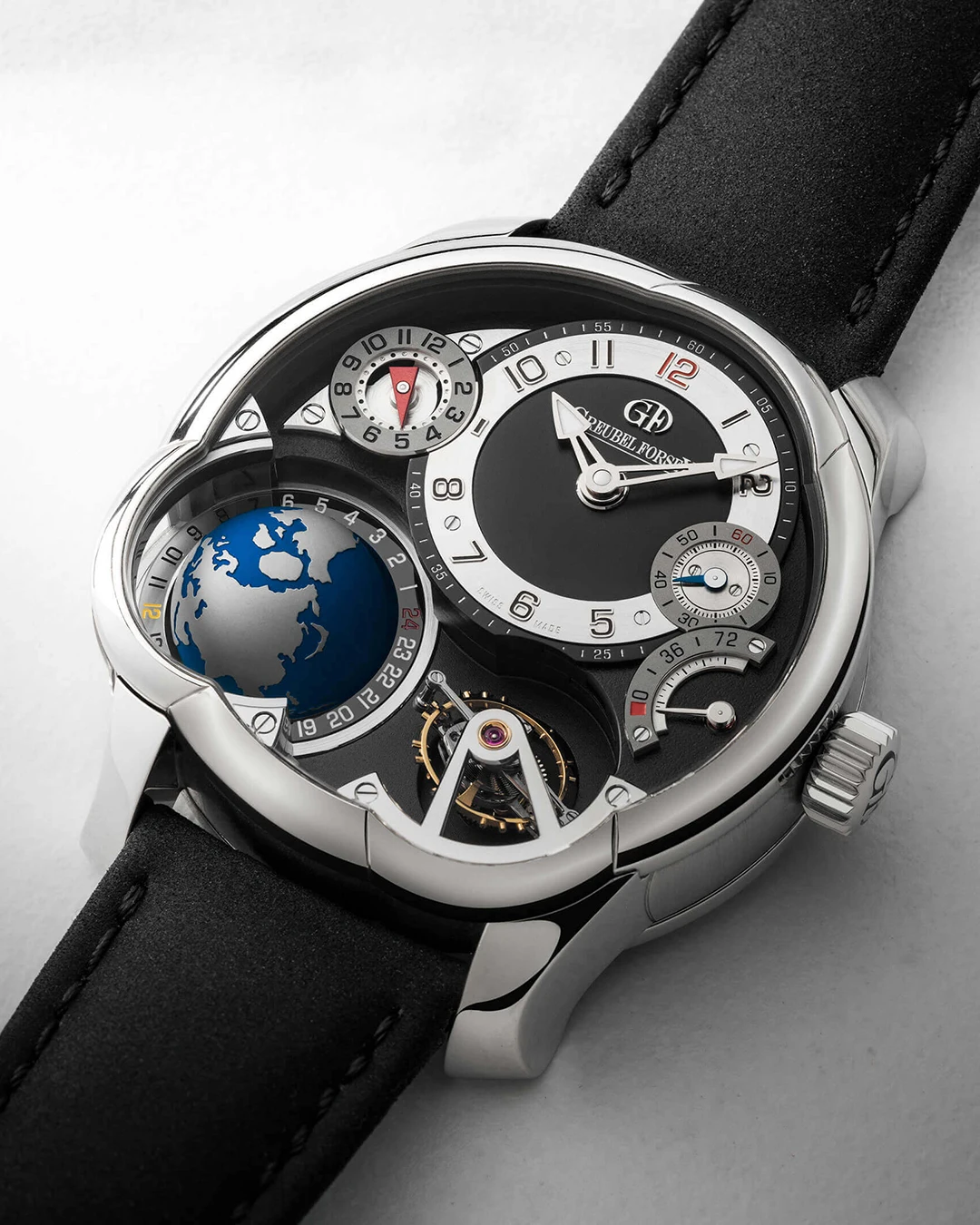
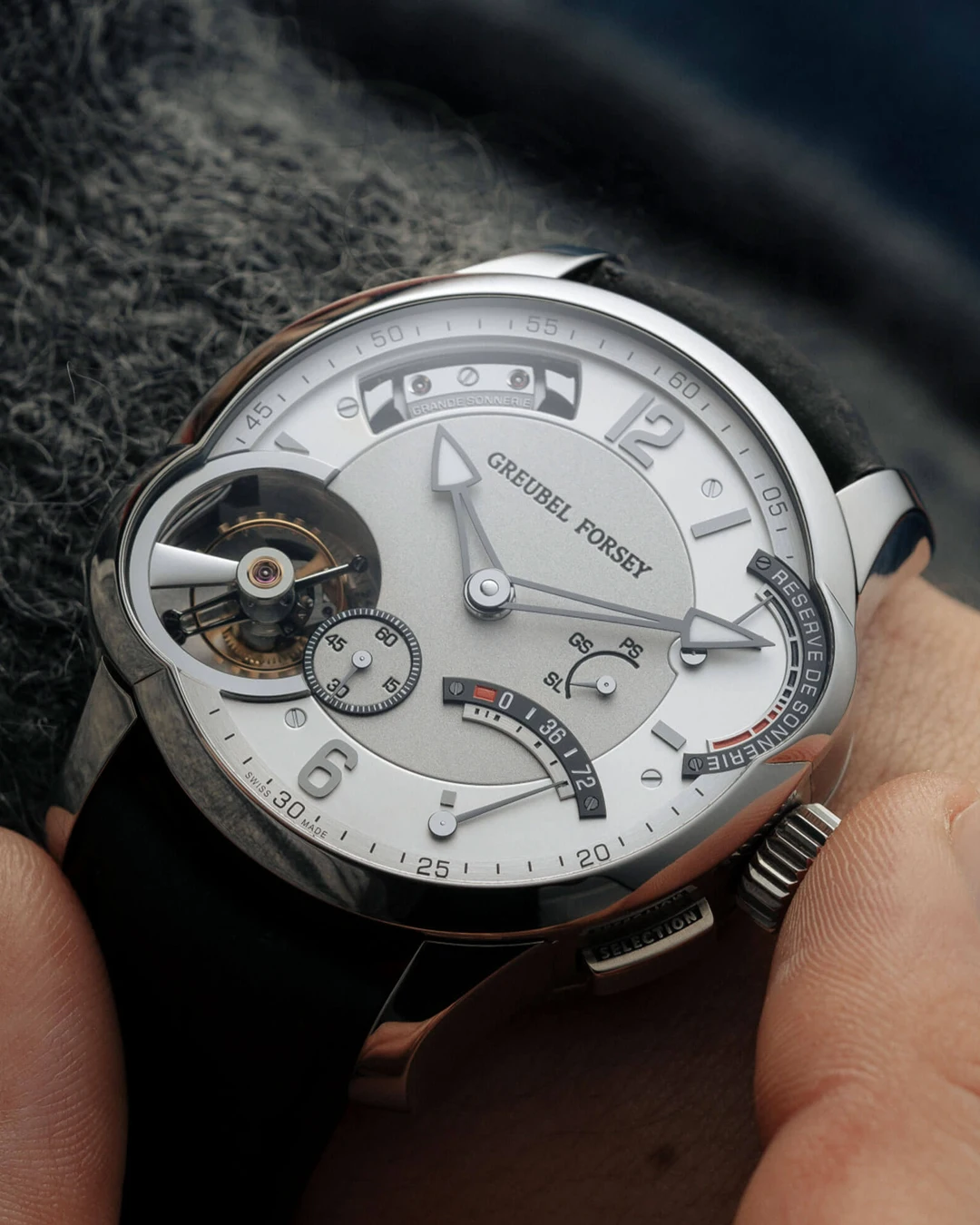
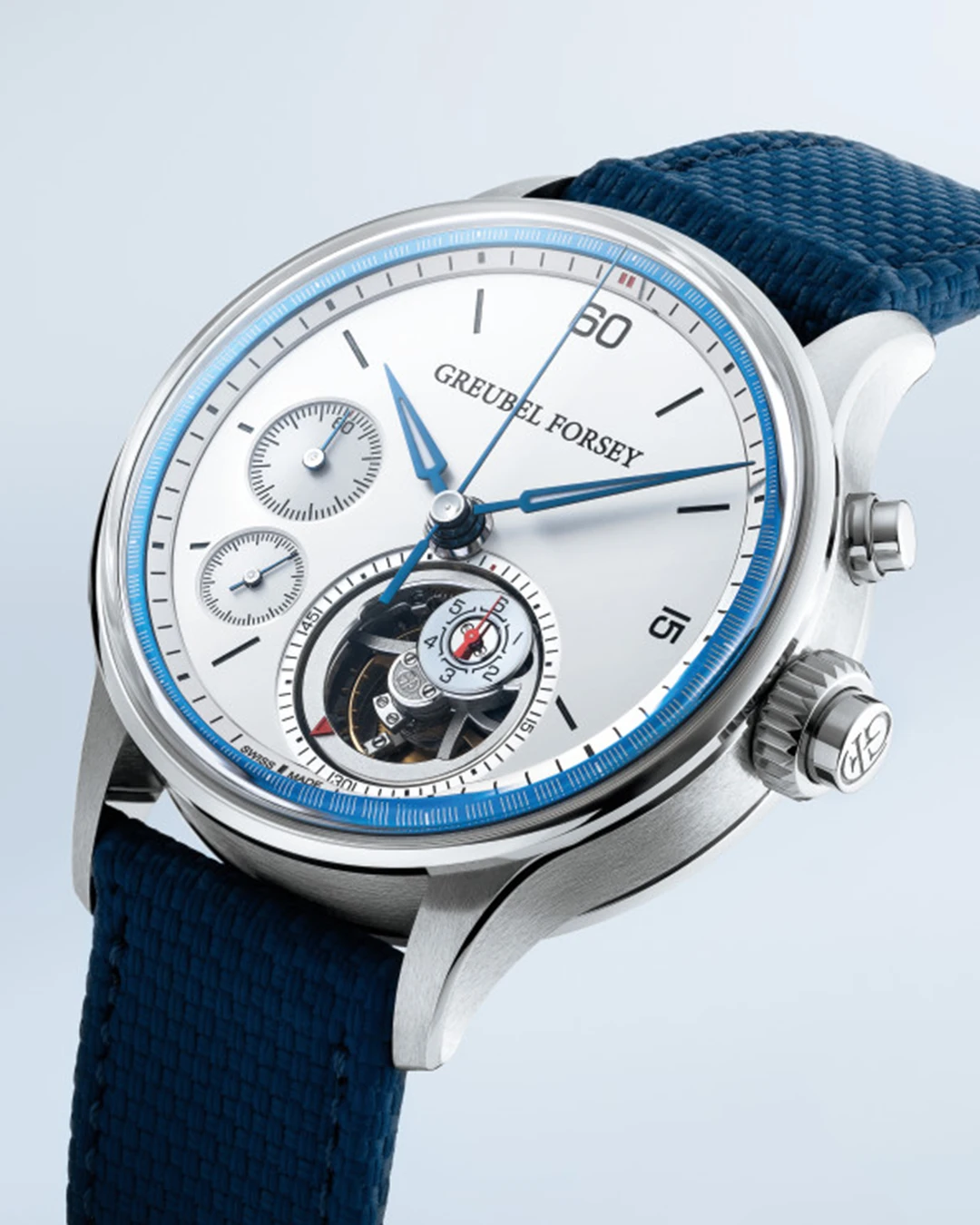
We have 69 patents and 10 major inventions. What is quite incredible is that we have only ever used about half of those patents in our timepieces. Our research isn’t always about a specific product; it’s about driving watchmaking forward. We’ve tackled the Perpetual Calendar, the World Timer, and the Grande Sonnerie. Now, we are increasingly focused on the chronograph.
For the past 20 years, a significant part of our efforts were directed towards improvement of the tourbillon. Now, we are addressing space and energy constraints as our biggest challenges. The Nano Foudroyante, which we started working on in 2014, is a major milestone that we hope will change the way watches are built in general. It also allows us to address the demand for smaller, more wearable timepieces; starting later this year, we will introduce complicated timepieces under 40 mm in diameter.
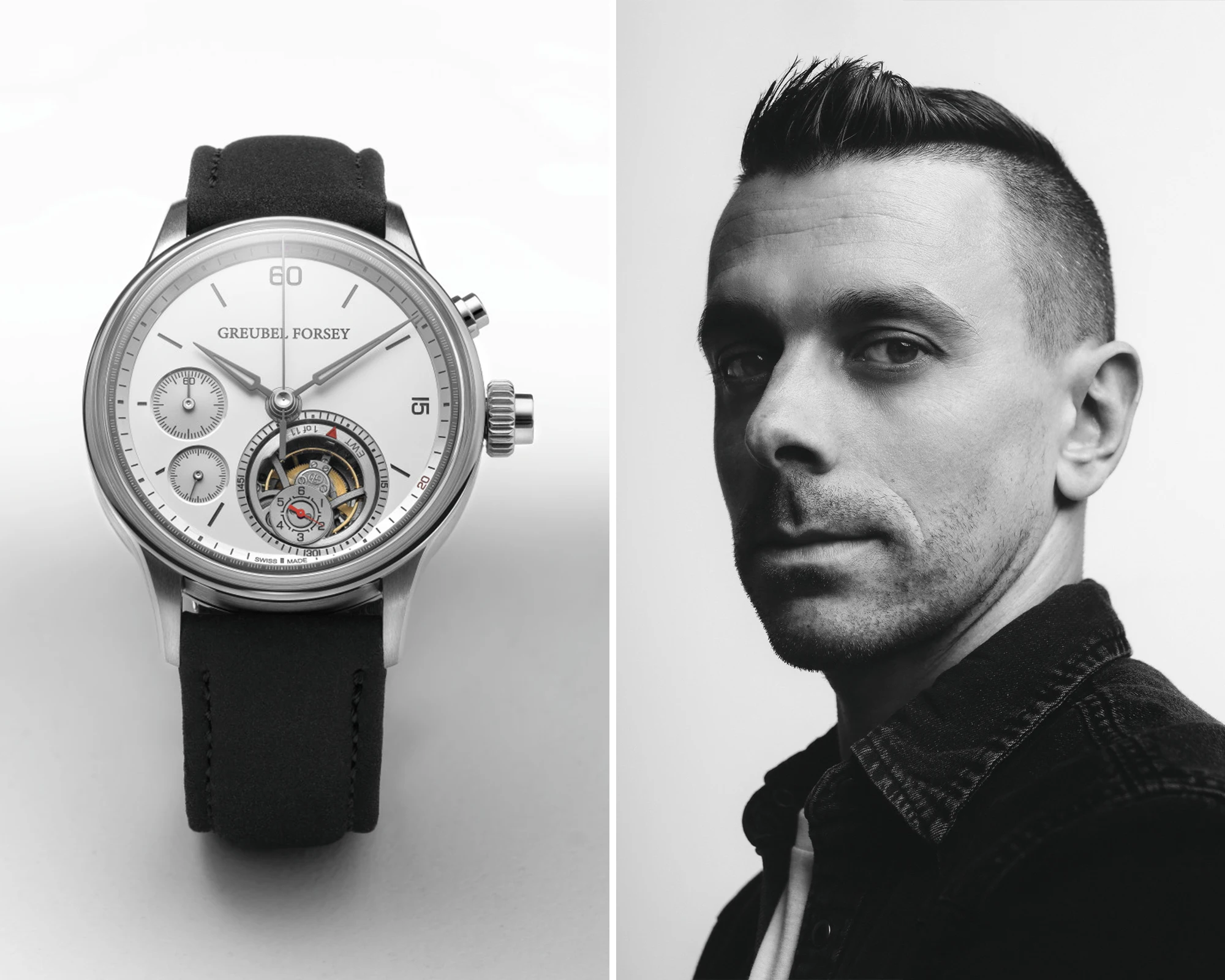
It is a priority. For years, we focused on highly complicated timepieces, which necessitated larger cases. However, we recognise that some collectors find our traditional sizes too large to wear comfortably. Starting at the end of this year, we will be introducing more pieces below 40mm, even including tourbillon complications. The Nano Foudroyante is the ultimate expression of this: exploring energy and space constraints to make complex horology more compact.
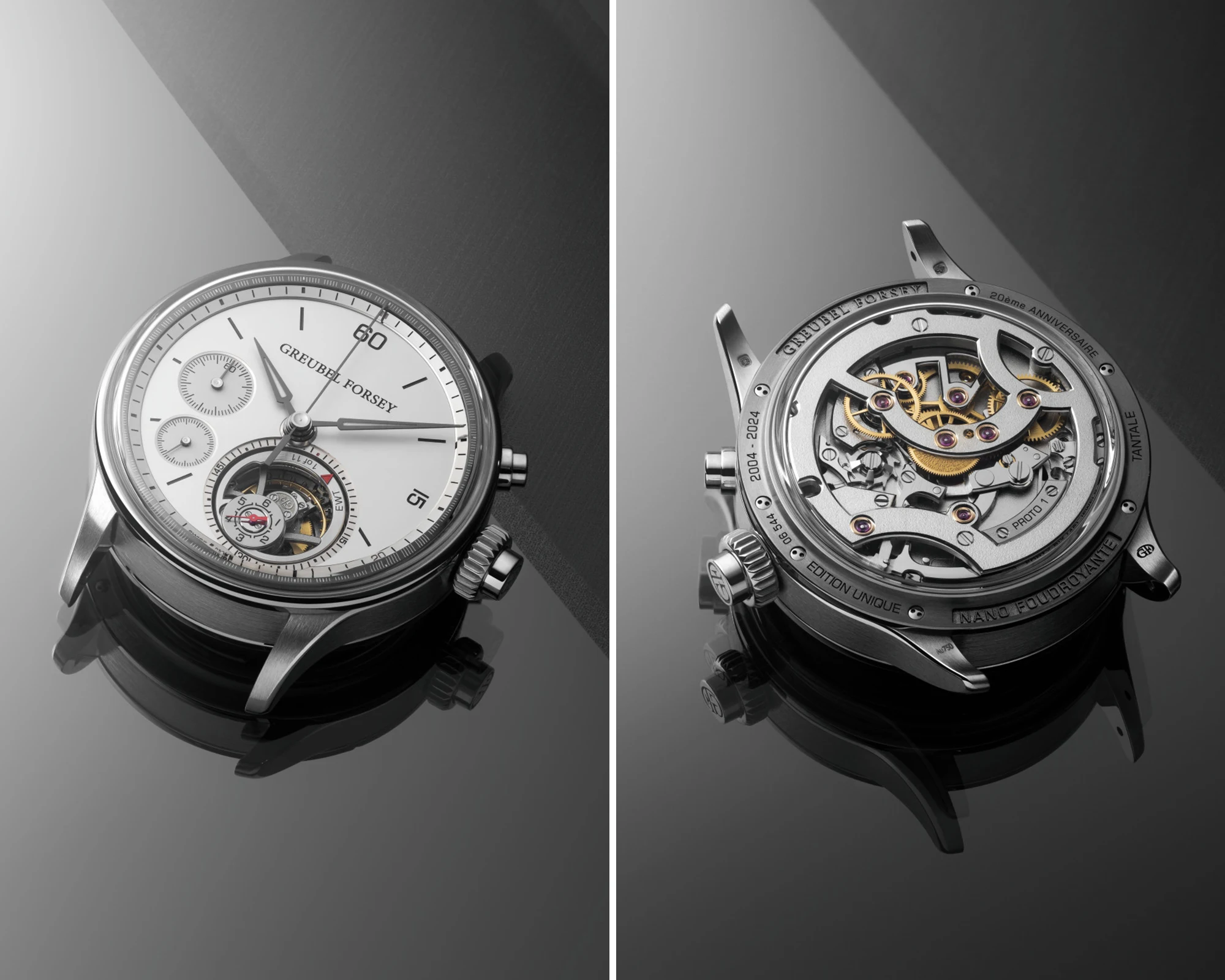
Yes, we have 34 now, and starting this year, we plan to release two to three new movements every single year. I know it sounds ambitious, but we are in a position where we can afford to be creative and push the boundaries of watchmaking. This will culminate in a completely new collection to be fully announced in 2027.
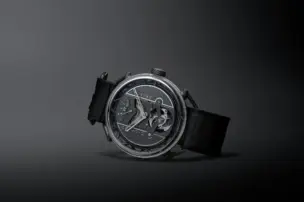
The average age of our 130 employees is only around 38. Many of our watchmakers are in their early twenties. It is actually easier to train someone fresh out of watchmaking school than to retrain someone who has worked a certain way for 20 years. We give them a “proper brainwashing” in the Greubel Forsey way and it still takes around a year of training before they can even work on our simplest movements. We have 20 people dedicated solely to hand-finishing.
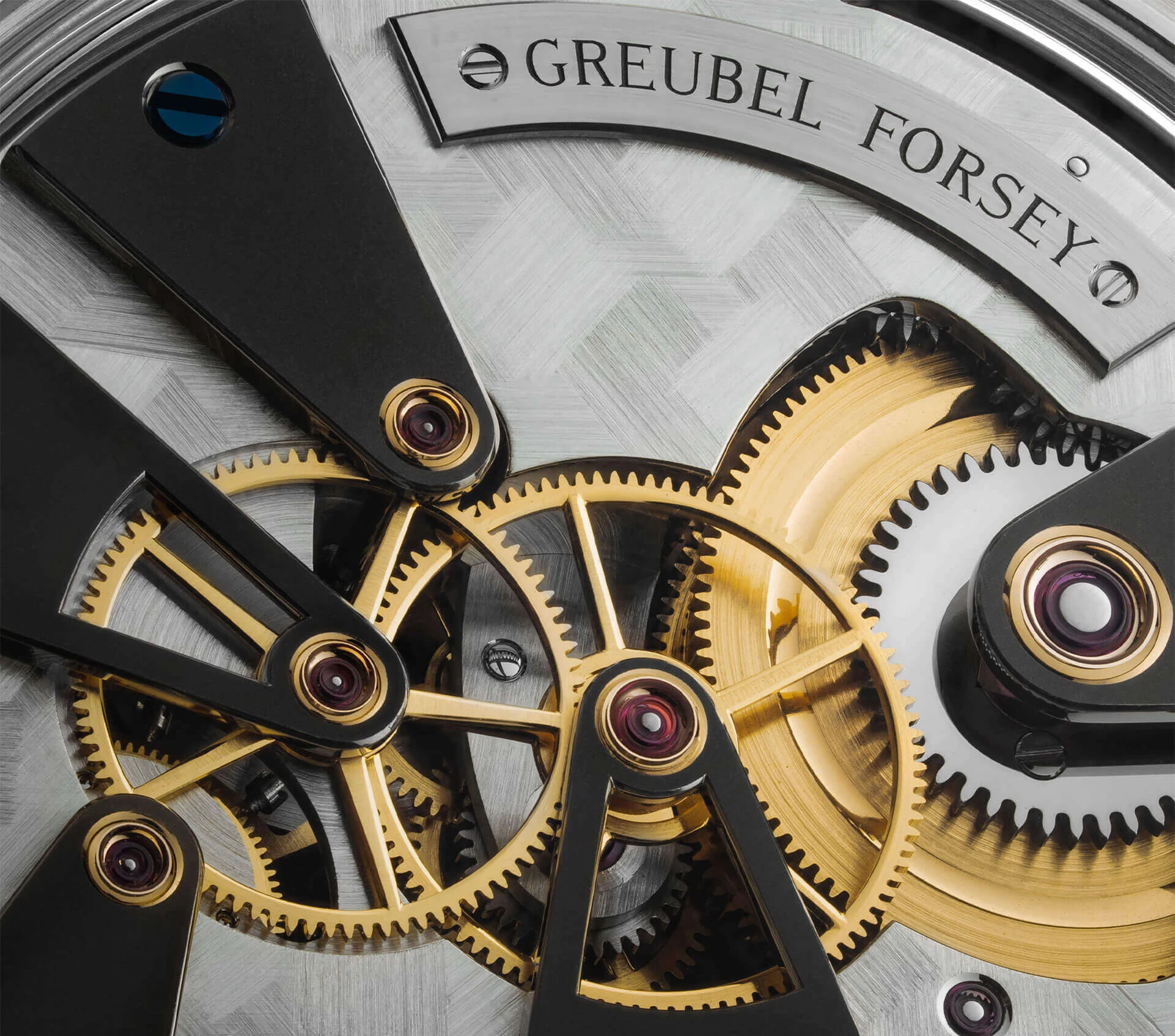
It is an internal, museum-quality standard that we are rolling out to formalise and elevate our already high hand-finishing processes. We will introduce elements like rounded pallet jewels, a new escape wheel architecture, and our own balance wheels across all timepieces.
We have always worked with retail partners because we cannot offer the same kind of service on a global scale ourselves. We currently have about 35 retail partners and are looking to reduce that number slightly so each partner gets a meaningful allocation. We don’t have any large-scale projects for mono-brand boutiques, as we prefer a balanced distribution where no single region is much bigger than any other.
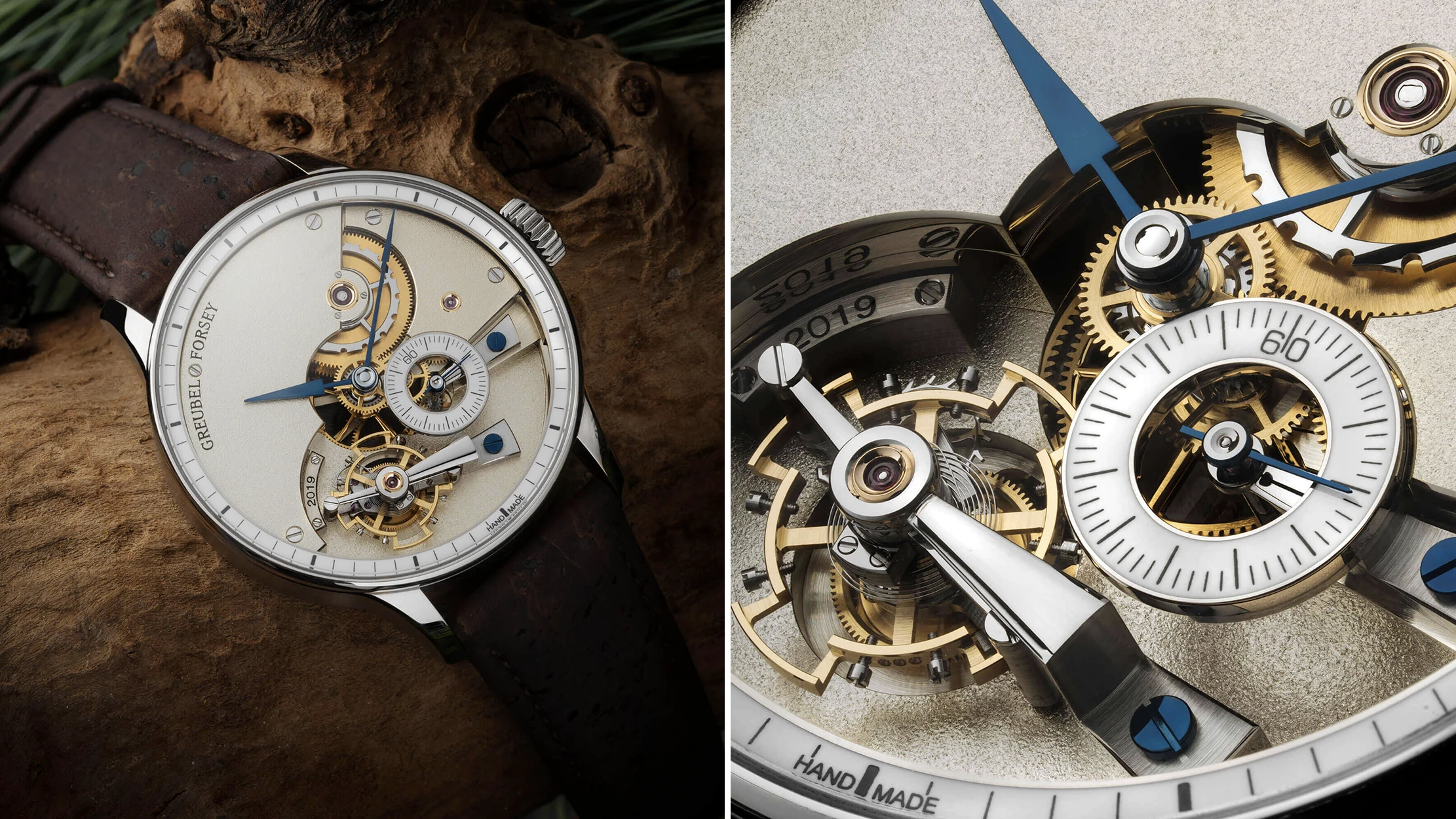
Historically, we only sold through retailers and had little direct contact with our collectors. We are changing that. For a timepiece like the Hand Made 2, the wait time is until 2030. We want to fill those years with engagement, for example with books that document every step of the watch’s production, events, and priority allocations. It’s about sharing the journey, not just delivering a product.
Stephen began stepping back from day-to-day operations around 2020. Today, he has no operational role and serves purely as a shareholder. The transition has been a long-term process, so it has no impact on what we do on a daily basis. The goal was always for the brand to become independent of its founders. Robert and Stephen are inventors; they wanted the brand to survive them. Stephen remains a shareholder, but the brand is now run by people who share their initial vision.
My personal vision is somewhat irrelevant because my job is to bring the founders’ vision to fruition. I see myself as supporting the incredible foundation that has been built over the past 20 years and making it sustainable. Even if I am here for another 30 years, I will continue to fight to keep their unique approach to fine watchmaking alive.