Dress Watches: The history of stylish elegance for the wrist – from Audemars Piguet to Cartier, Patek Philippe, Rolex and Vacheron Constantin.
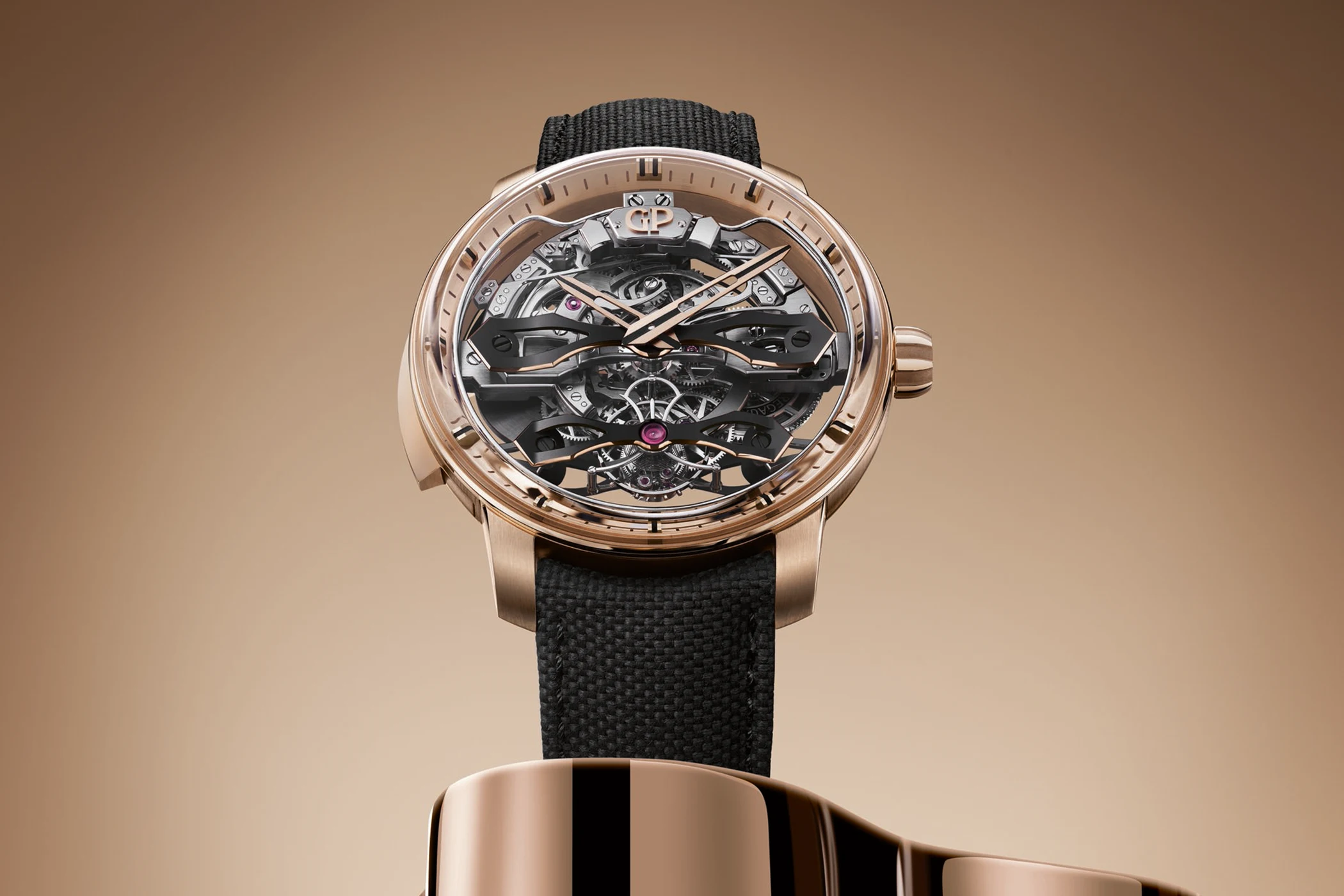
The new Minute Repeater Flying Tourbillon combines a minute repeater and tourbillon with automatic winding. With the calibre GP9530, the La Chaux-de-Fonds-based manufacturer is presenting its third in-house calibre within six months.
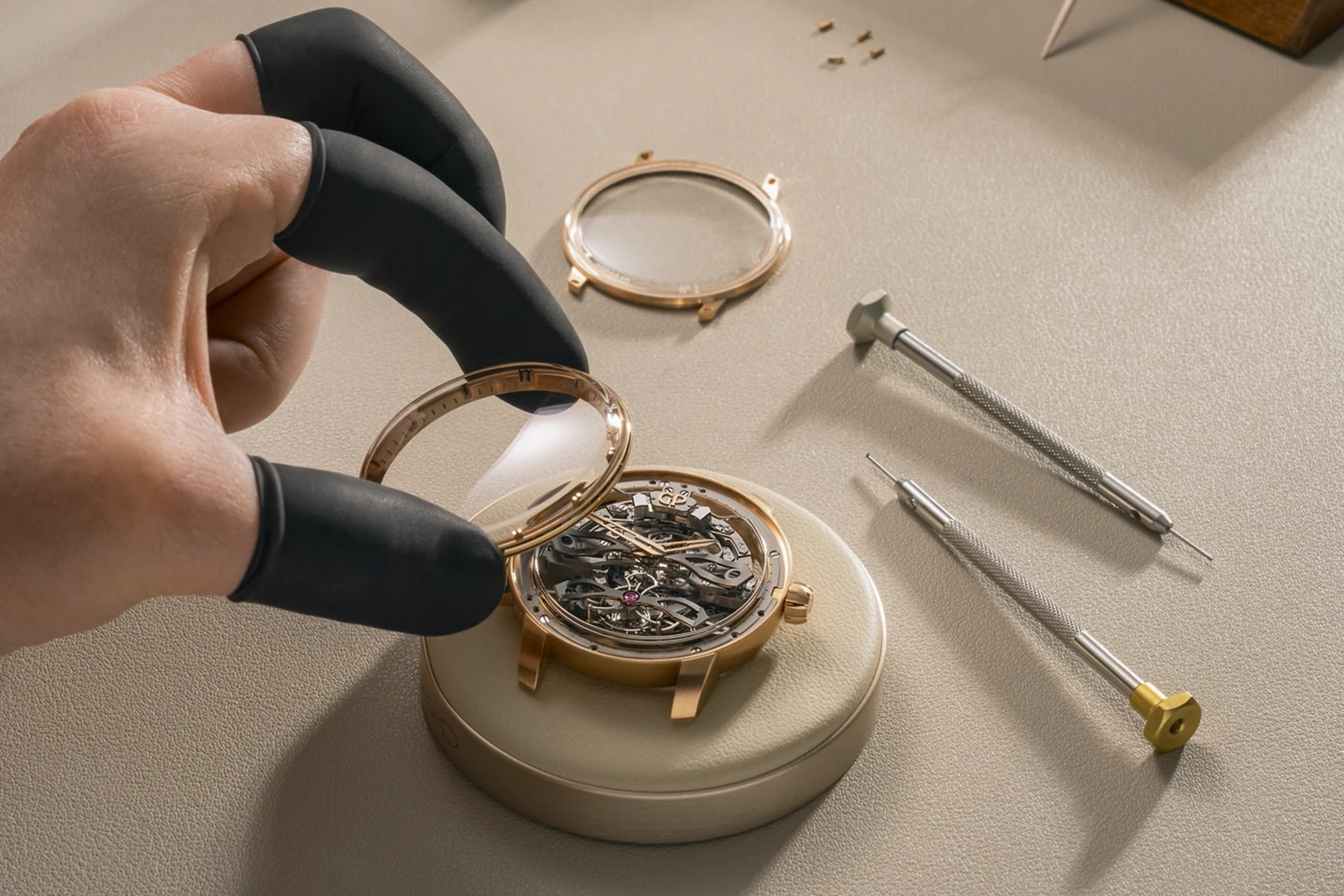
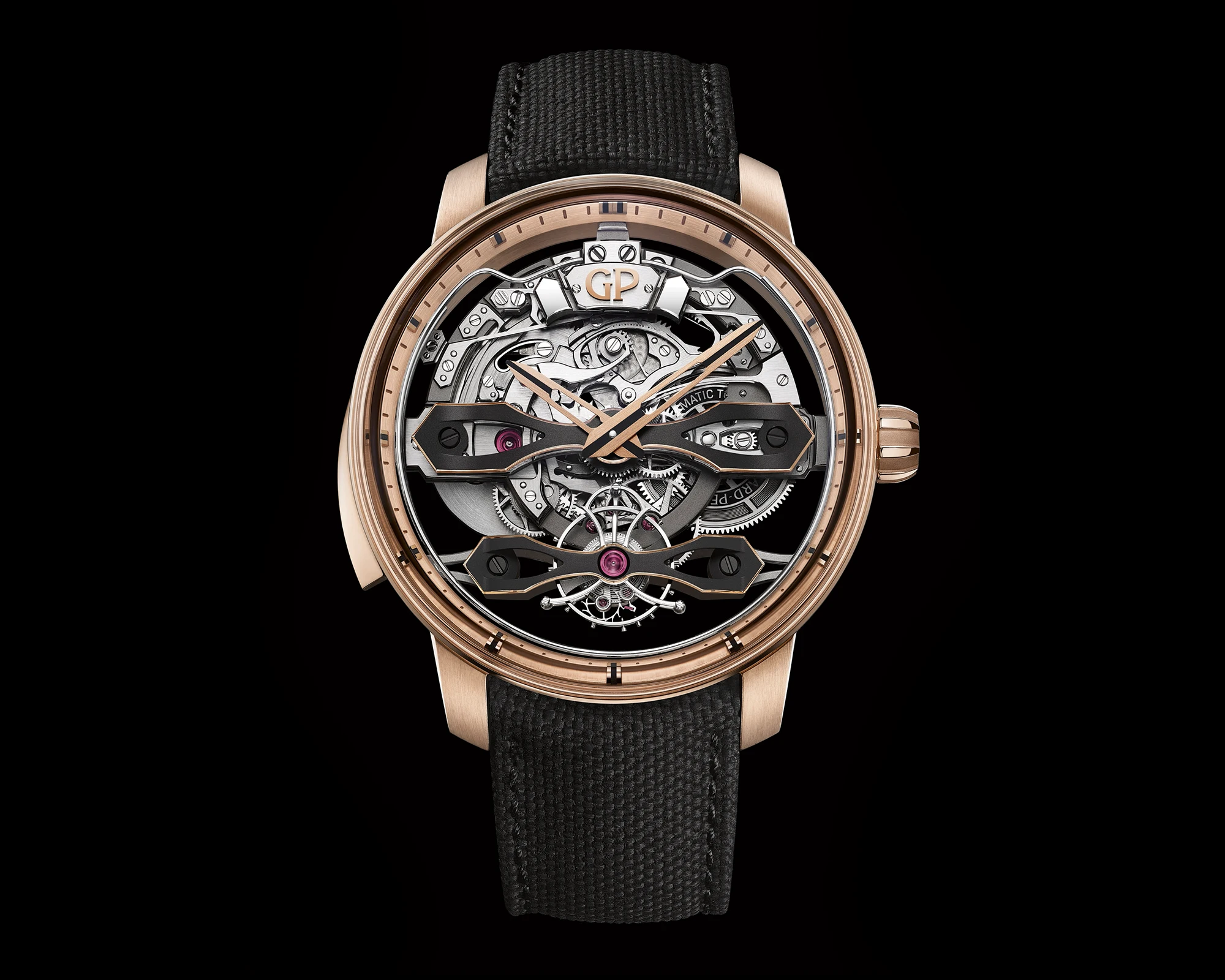
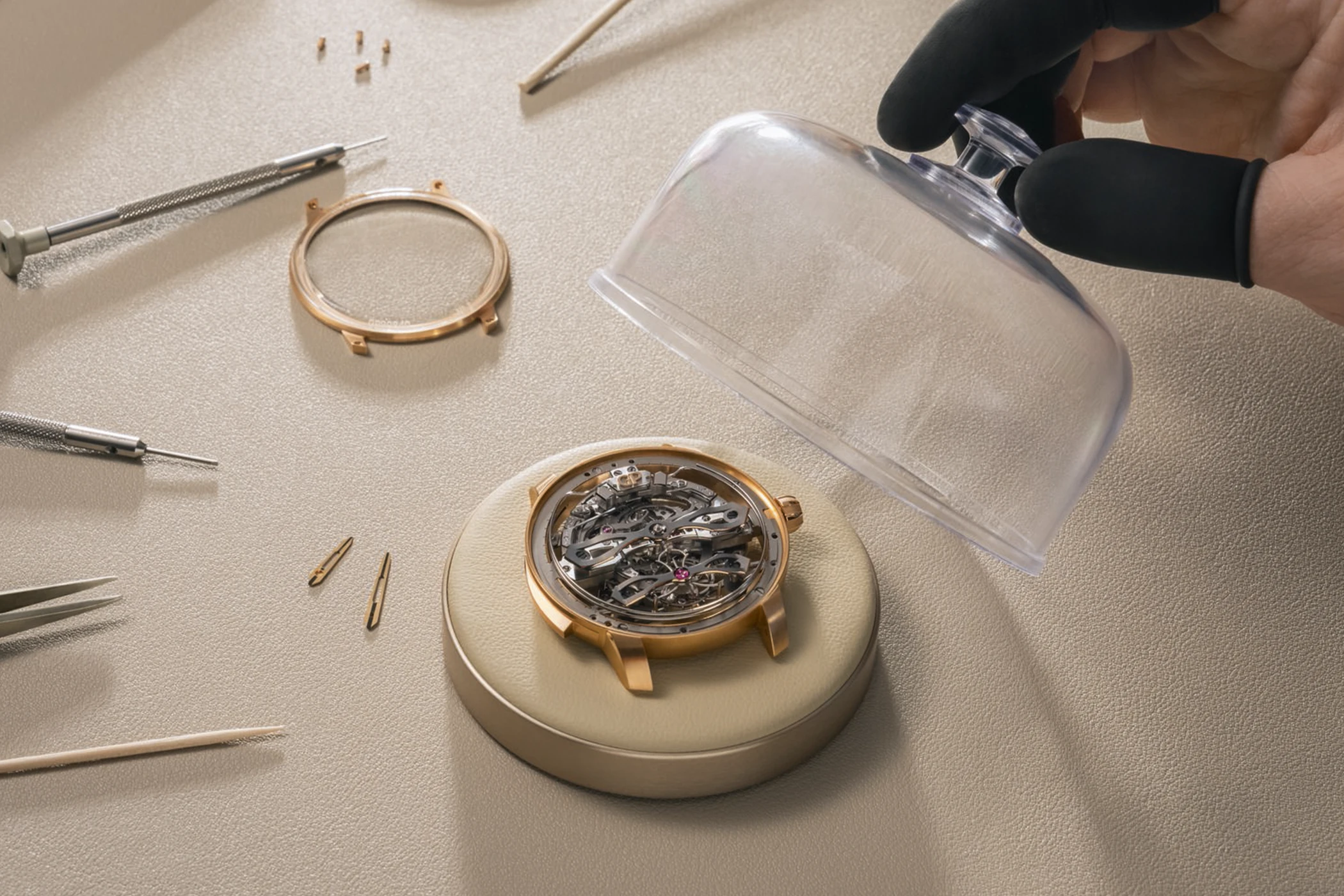
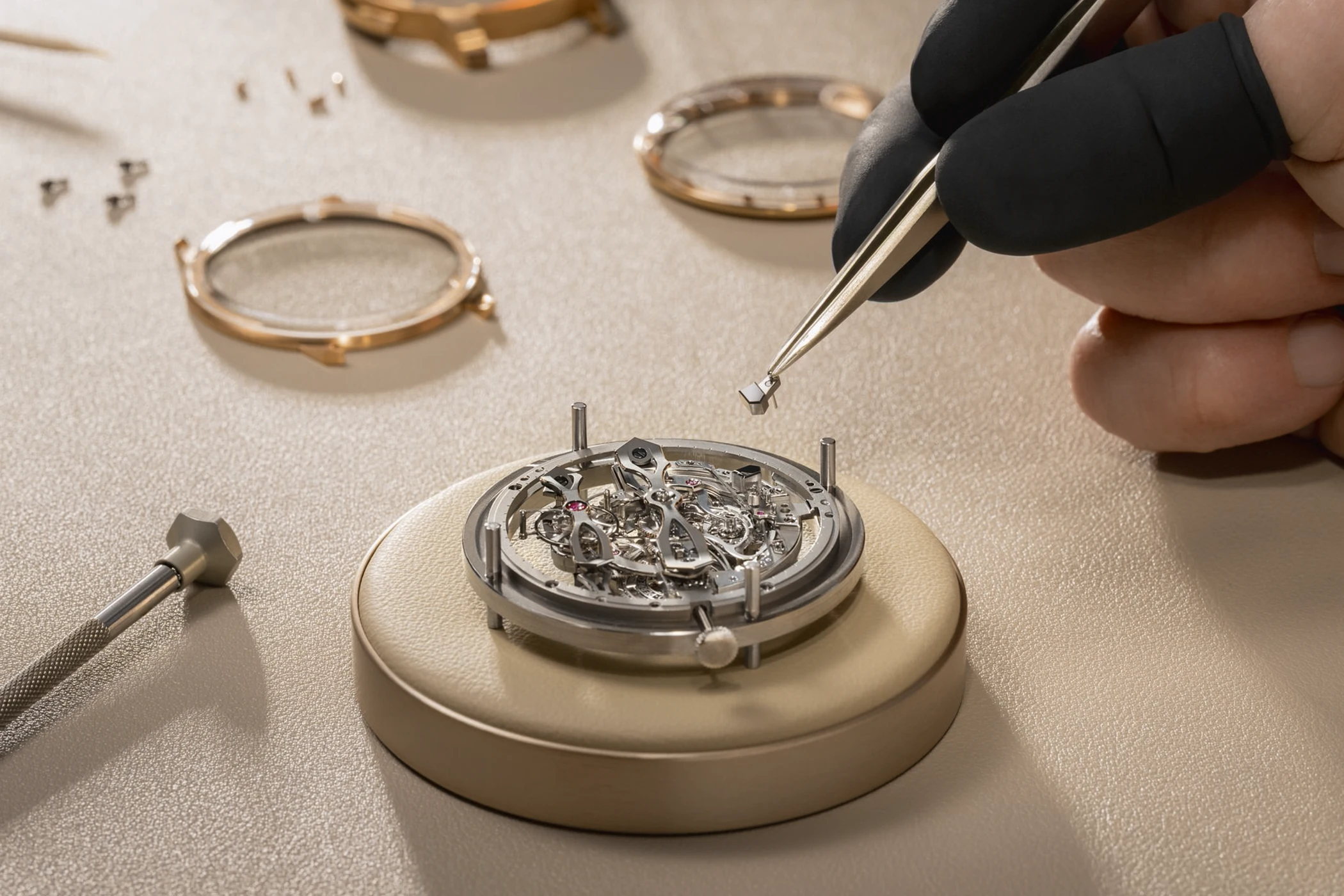
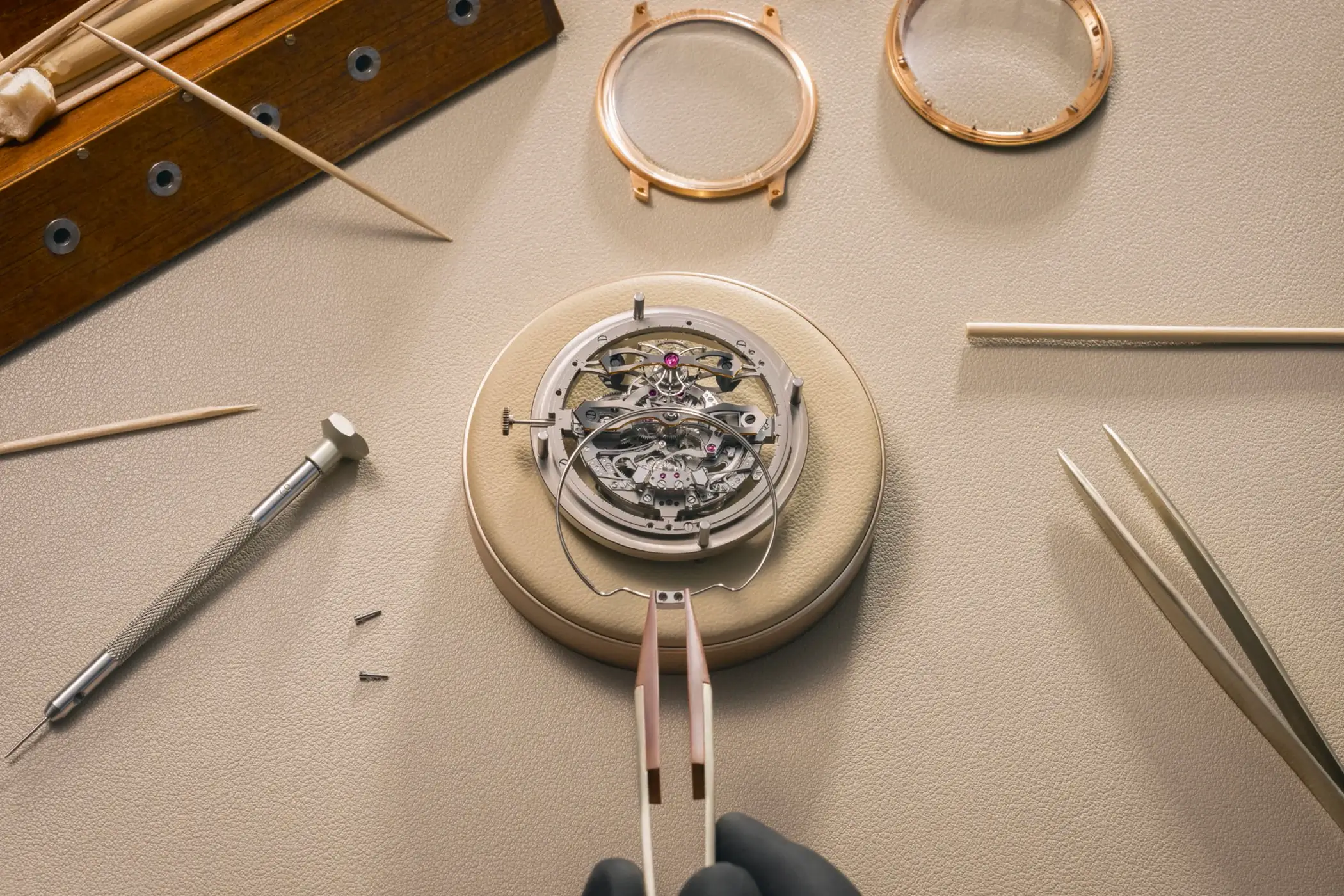
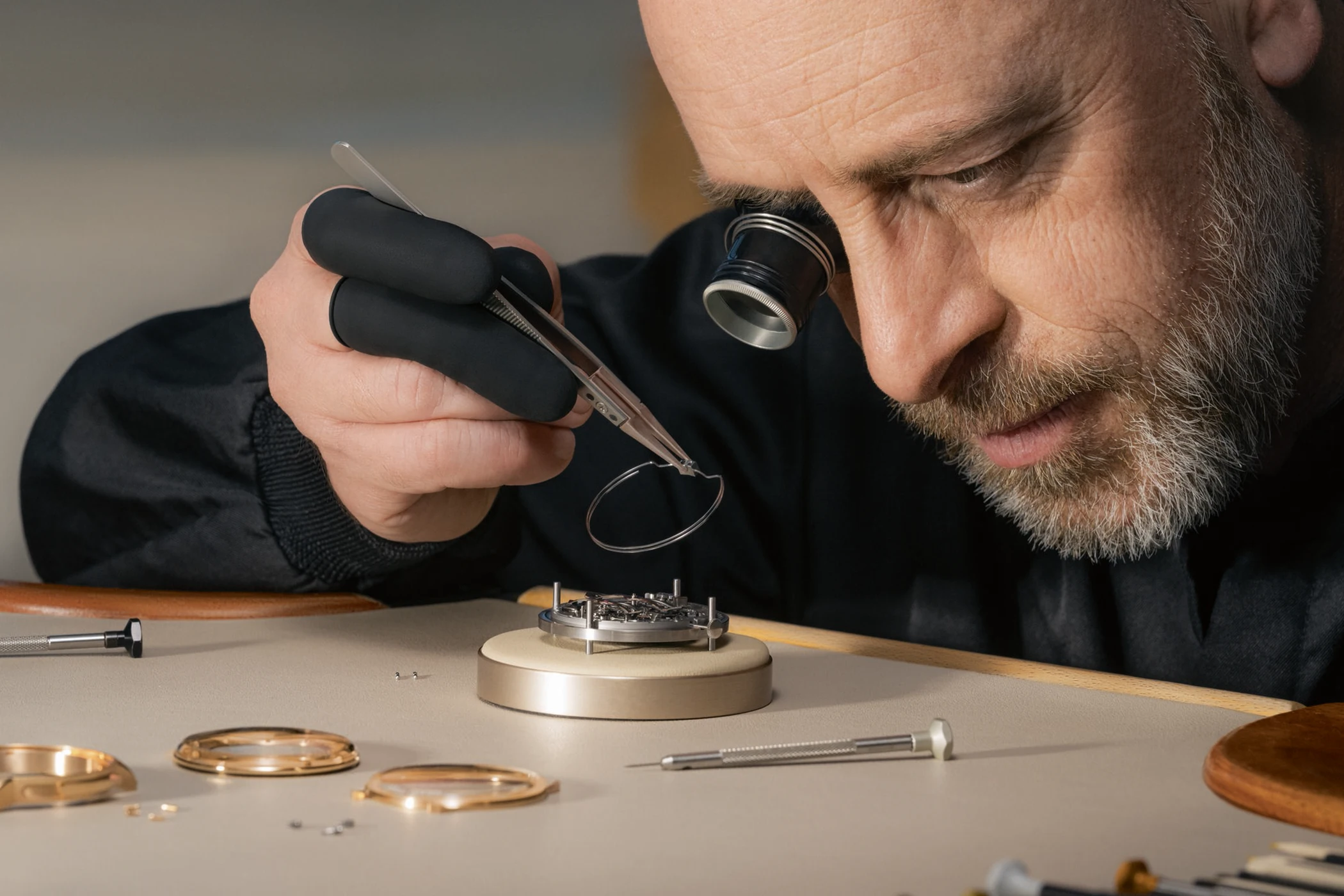
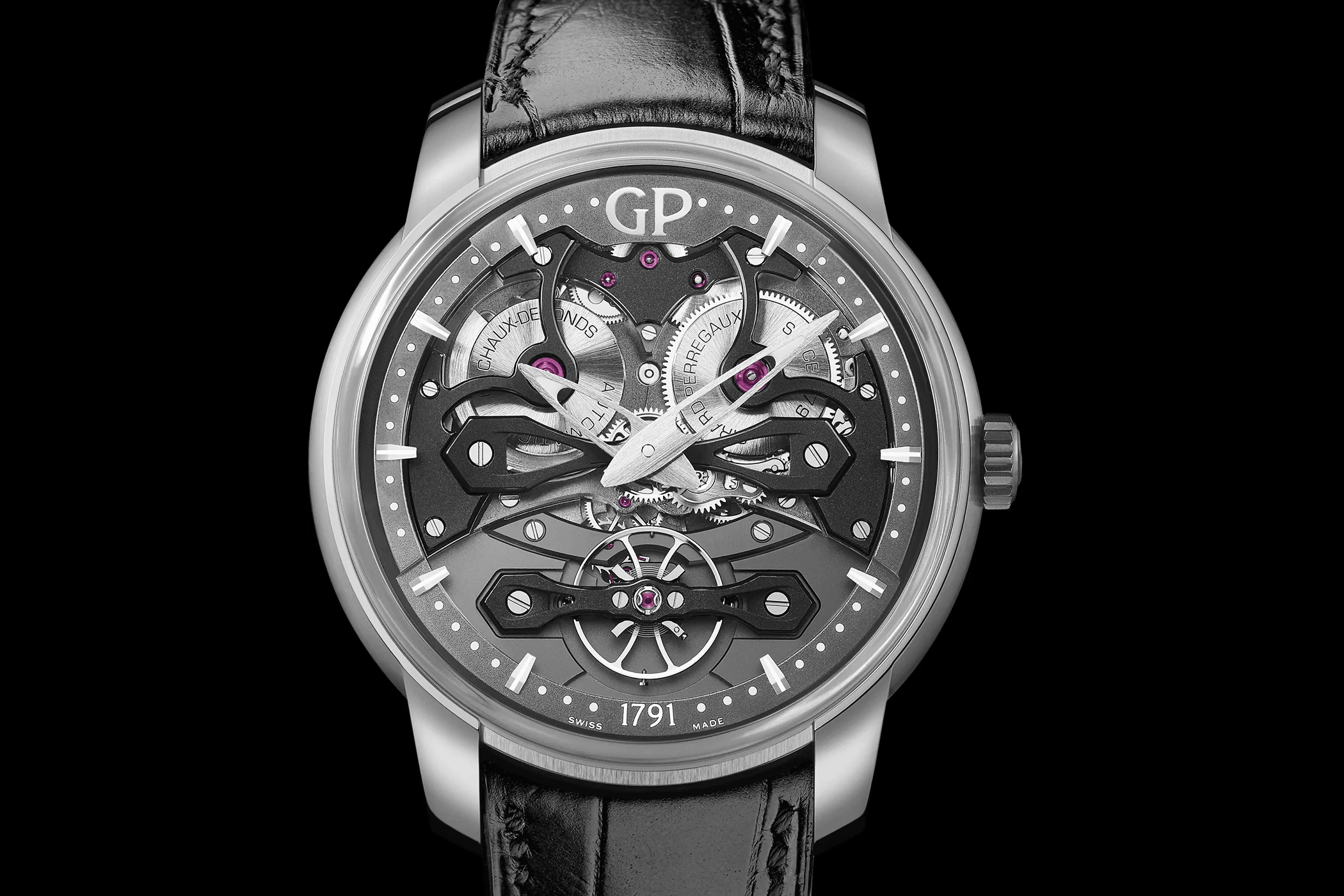
Girard-Perregaux makes itself heard with the Minute Repeater Flying Bridges. The Swiss watchmaker has created a watch where every technical decision is geared towards one goal: optimal sound. The in-house developed and manufactured calibre GP9530 combines a minute repeater, a flying tourbillon, and a new type of self-winding mechanism with a micro-rotor in a skeletonised movement comprising 475 parts. The manufacture estimates that around 440 hours of work are required for decoration and assembly alone.
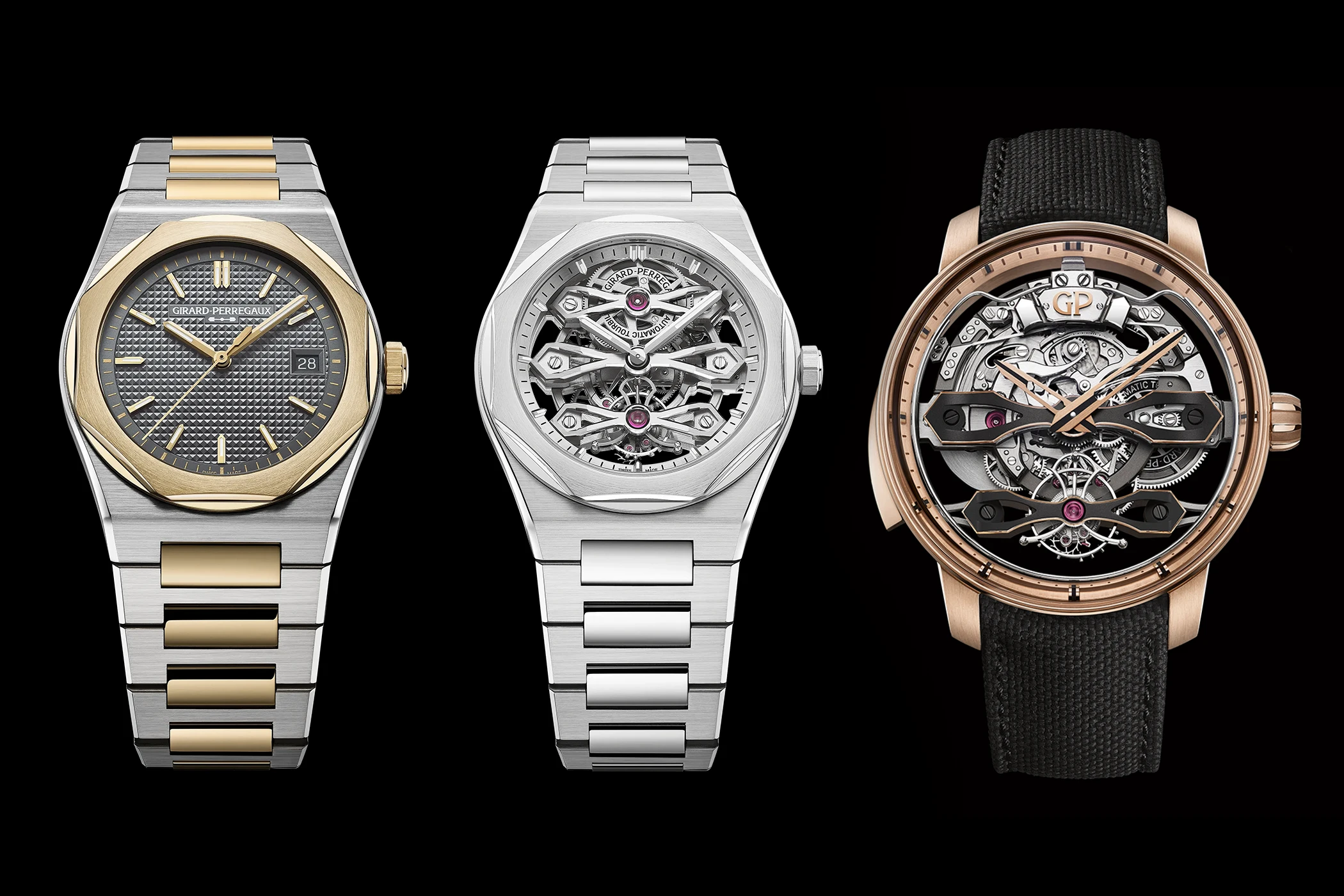
The new calibre is already the third movement that Girard-Perregaux has unveiled in less than six months, following calibres 4800 and 9620. For the La Chaux-de-Fonds-based manufacturer, this is a clear statement: it wants to set the pace in the top league of haute horlogerie.
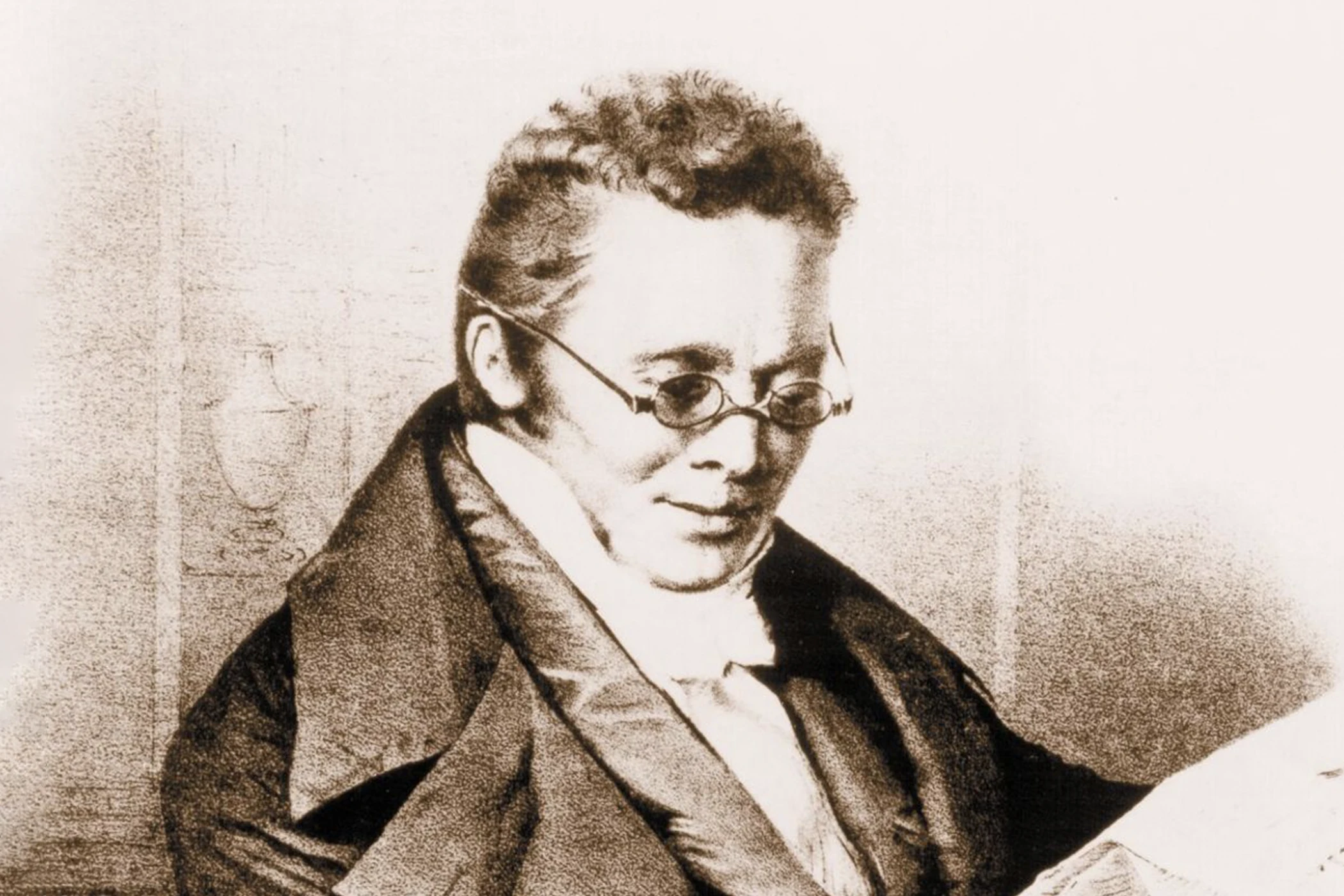
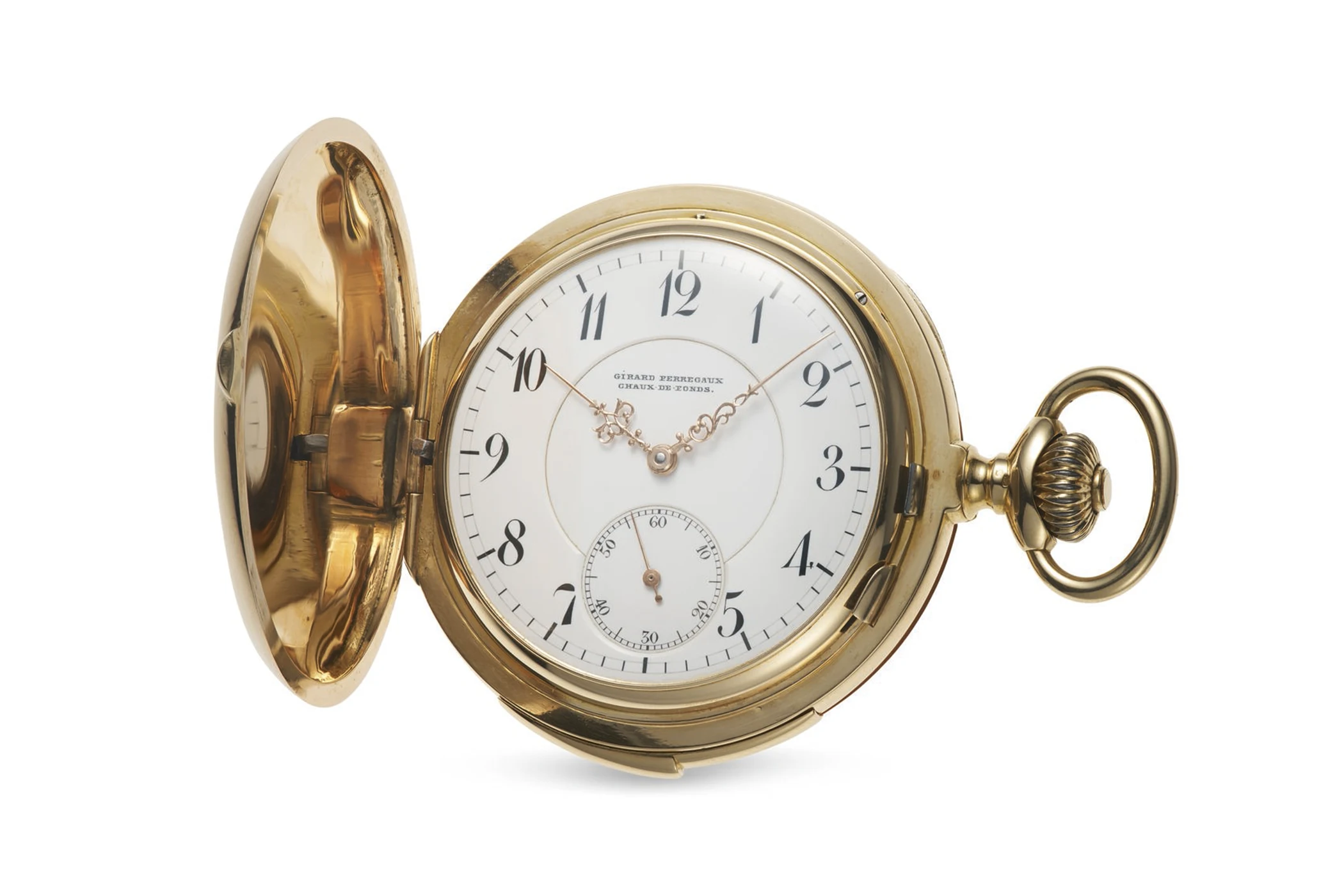
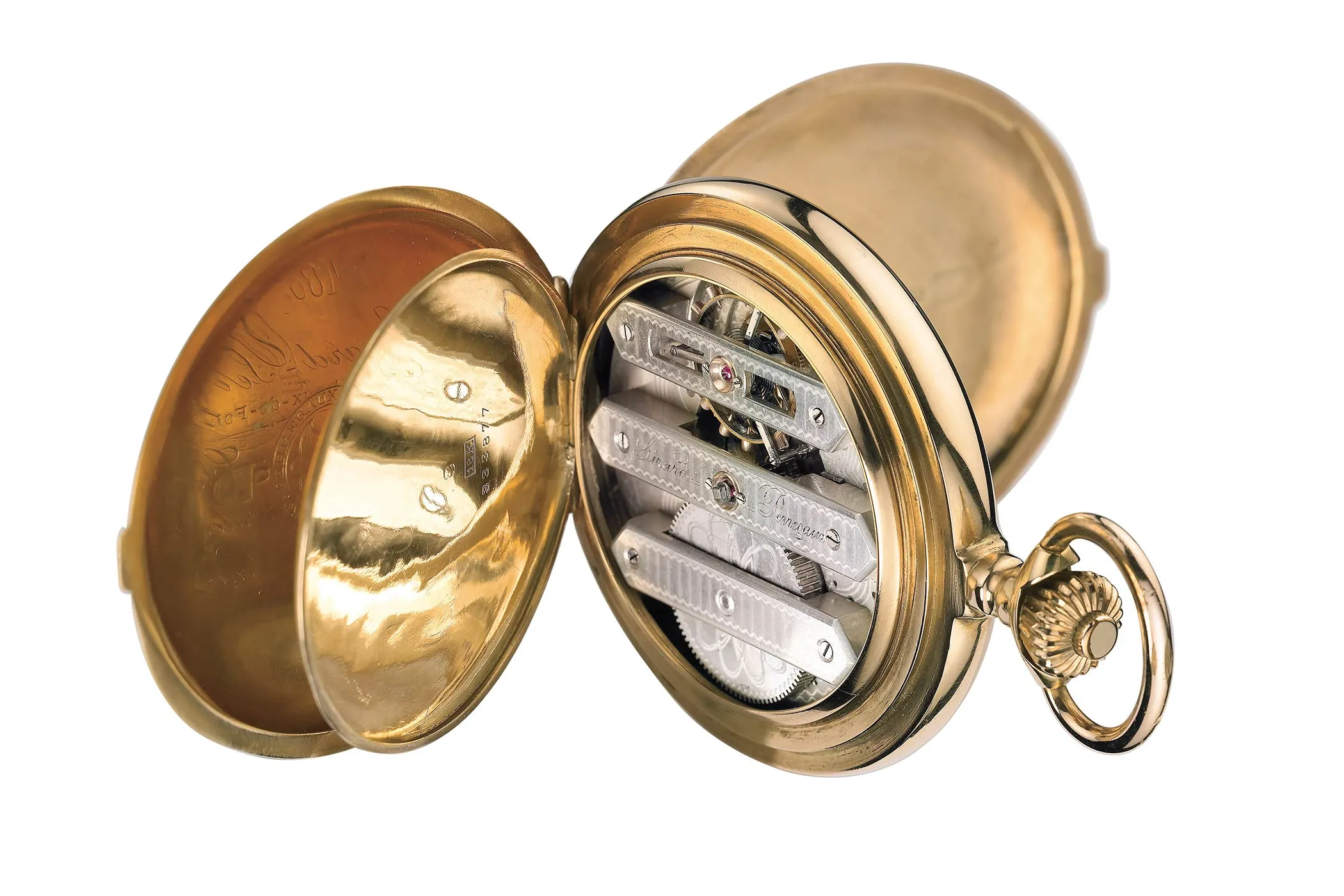
The history of striking mechanisms at Girard-Perregaux reaches back to the very roots of the manufacture. As early as Jean-François Bautte (1772–1837), the founding father of the house, was already deeply engaged with repeater mechanisms. The Geneva watchmaker – who was also trained as an engraver, jeweller, and goldsmith – had a passion for automata, musical boxes, and mechanical singing birds. All of these objects fused watchmaking, the art of jewellery and the design of sound into a single work of art.
Bautte was also a visionary entrepreneur: at a time when production was typically spread across numerous independent craftsmen in the so-called établissement system, he brought all watchmaking trades under one roof, from design and assembly to decoration. In doing so, he laid the foundation for the concept of integrated manufacturing, which continues to shape Girard-Perregaux to this day.
Constant Girard-Perregaux and his son Constant Girard-Gallet built on this foundation in the 19th century. They perfected minute repeaters and developed cathedral chimes and carillons with different tone sequences. They created alarm clocks, models with grande sonnerie and timepieces that combined minute repeaters with chronographs or full calendars with moon phase displays.
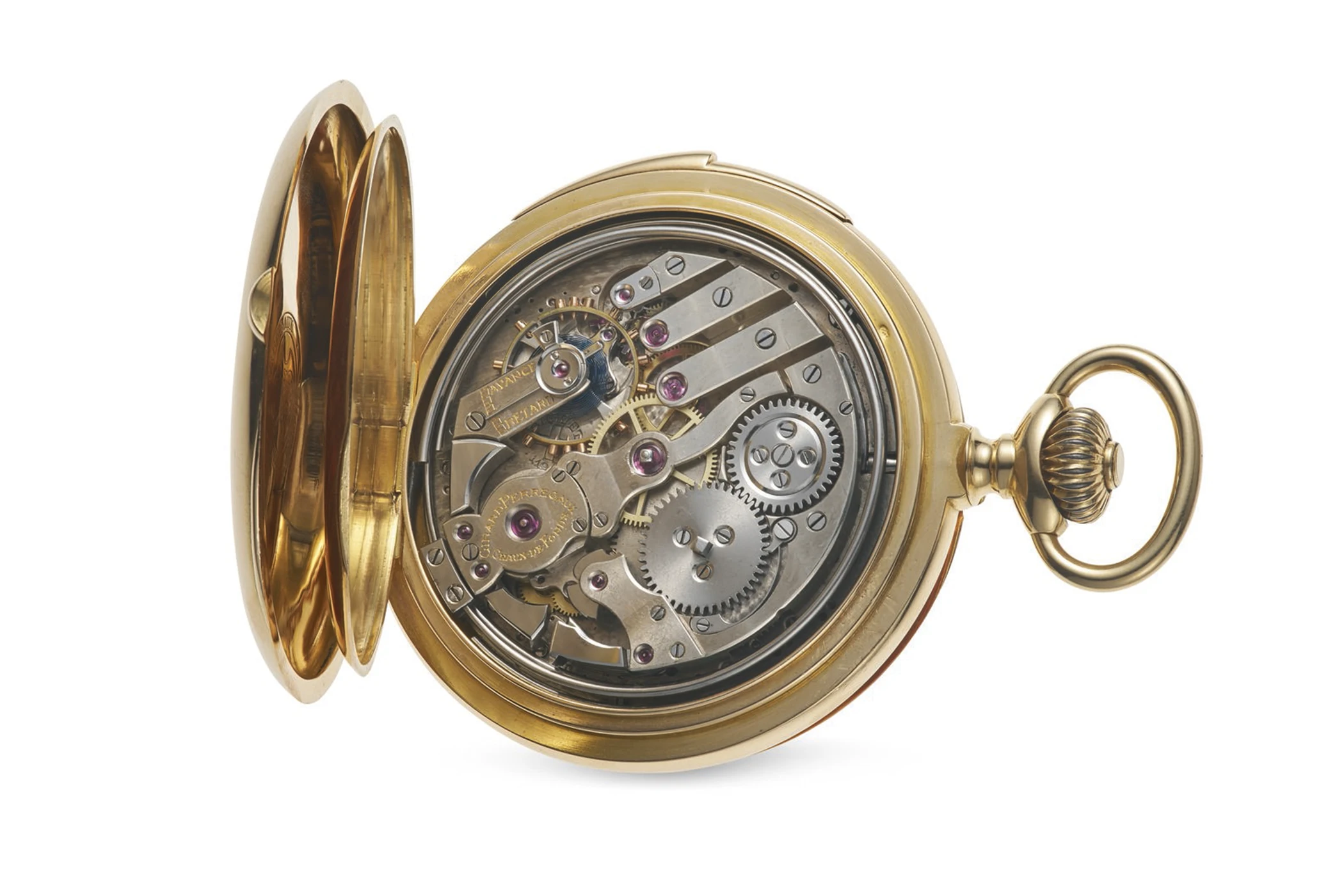
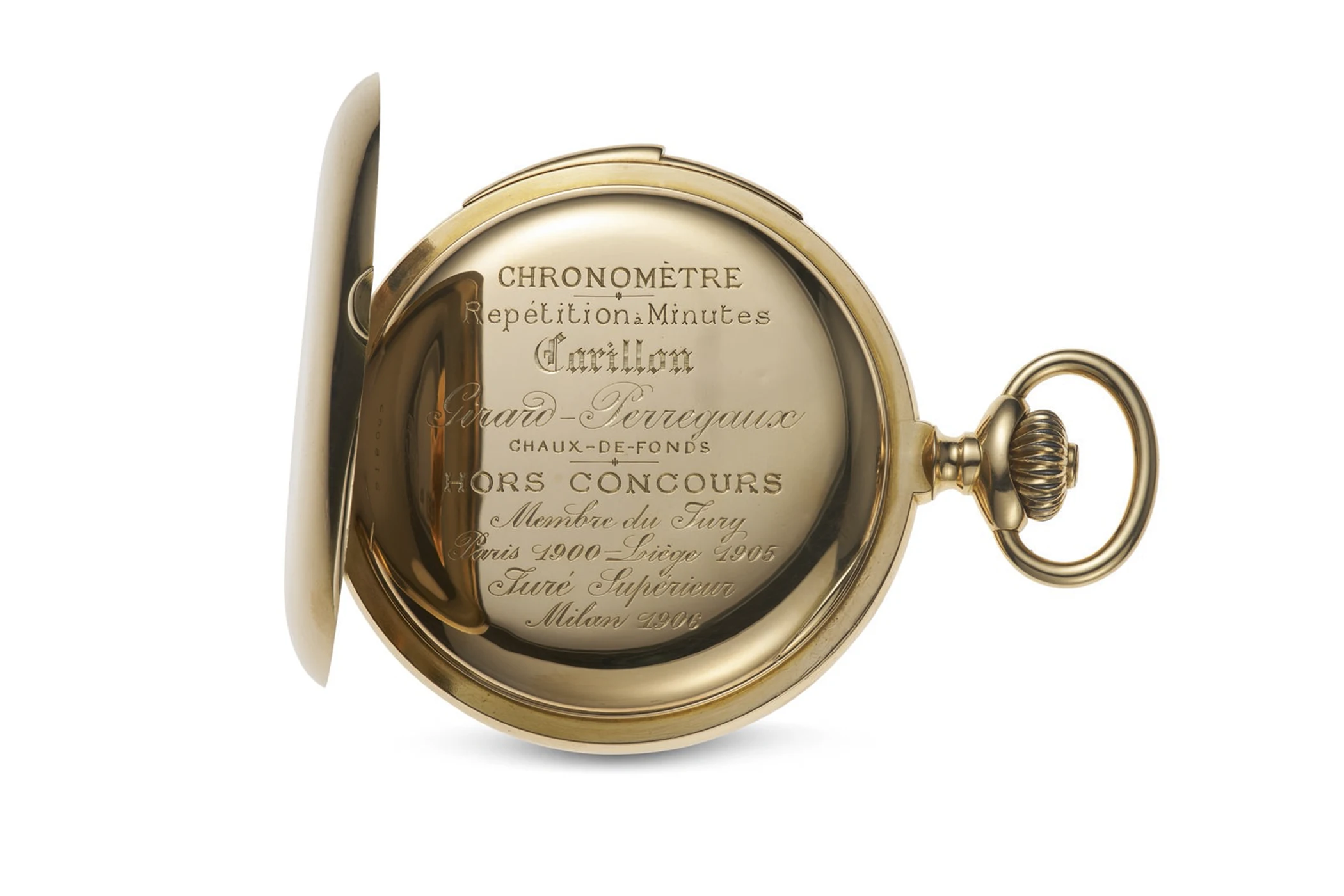
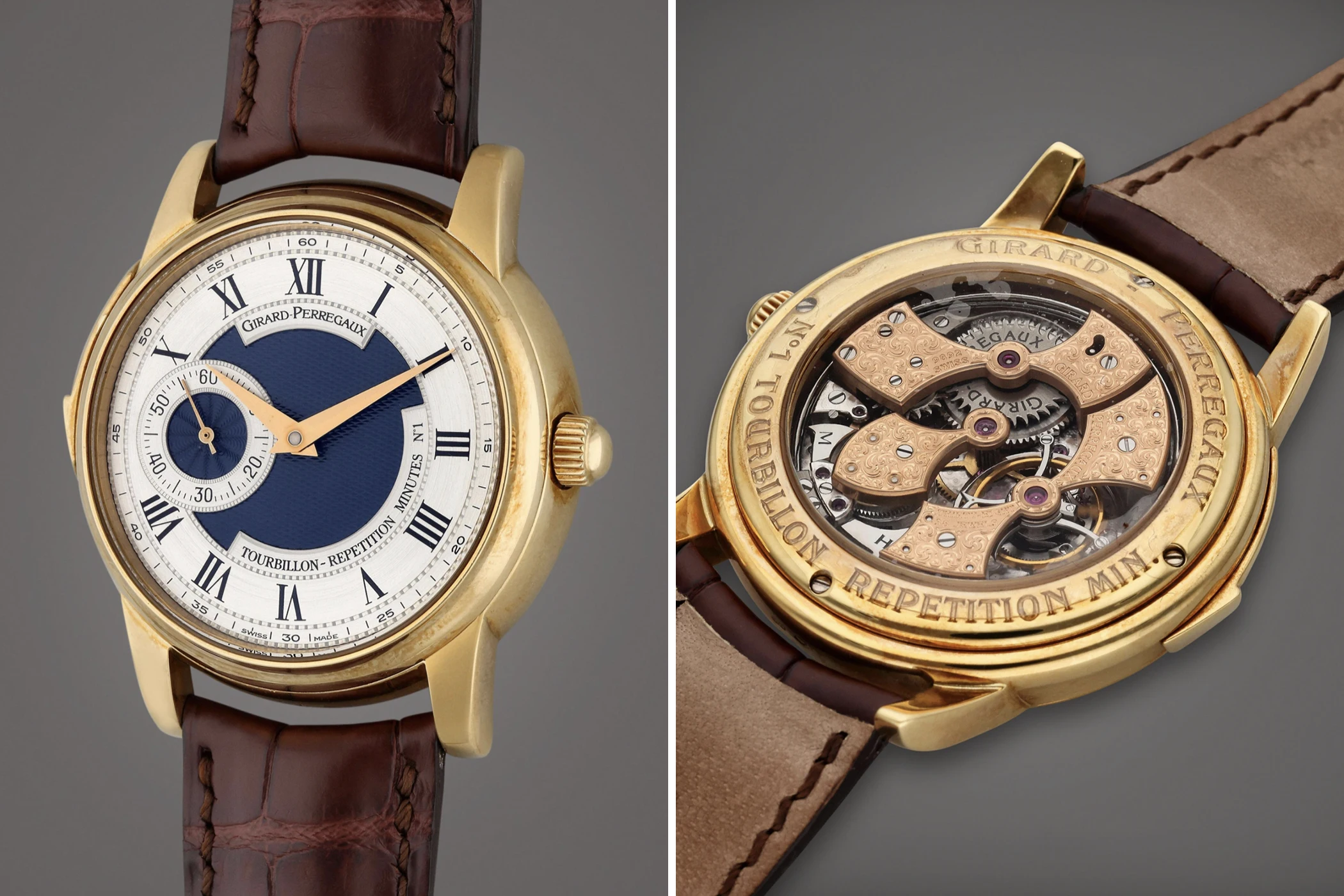
A milestone followed in 1996, when Girard-Perregaux combined a minute repeater with a tourbillon in a wristwatch for the first time in the brand’s history. The later Opera I and II collections even brought a Westminster chime to the wrist, striking a four-part melody – an extremely complex complication that only a few manufacturers in the world have mastered.
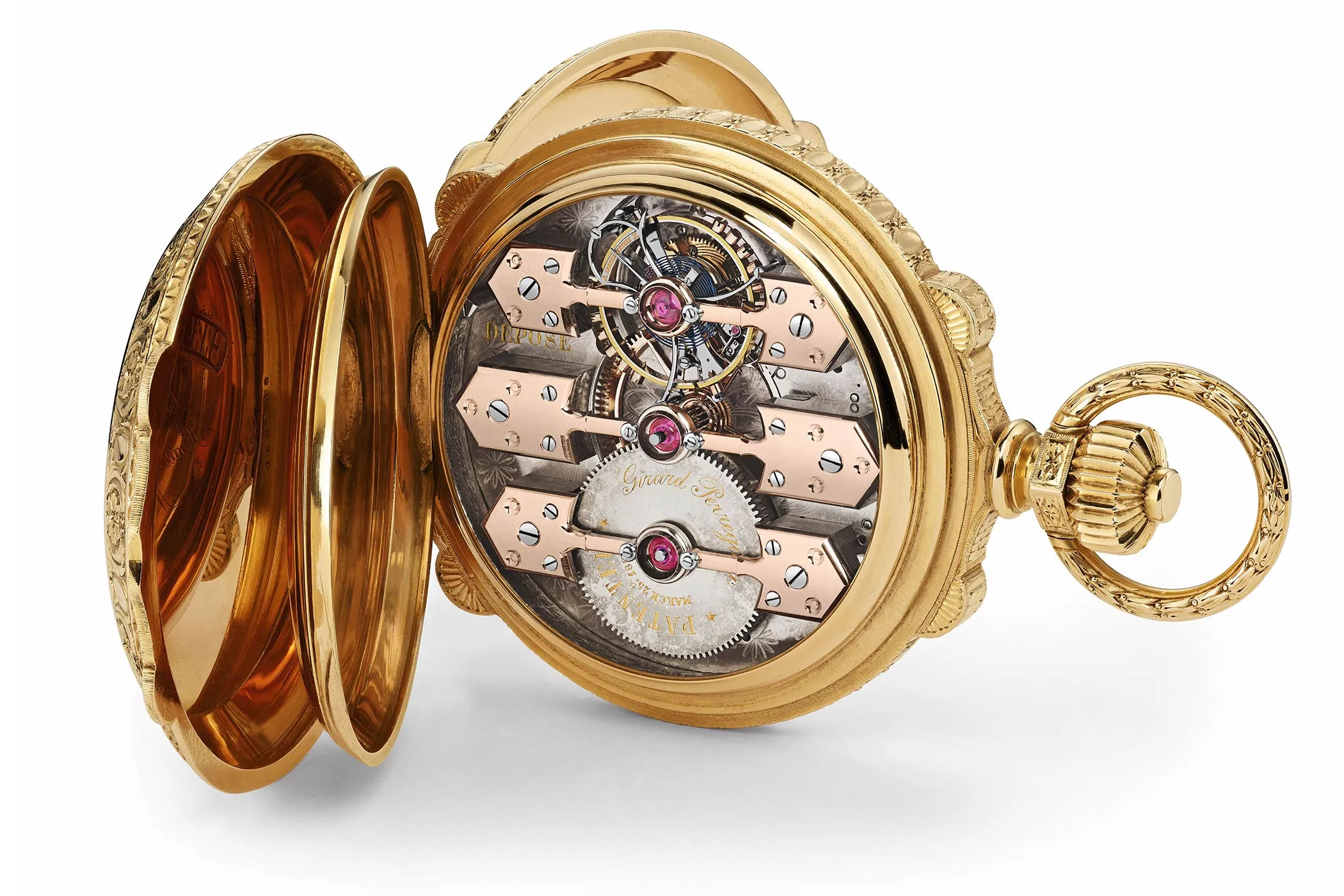
Credit © Sotheby’s
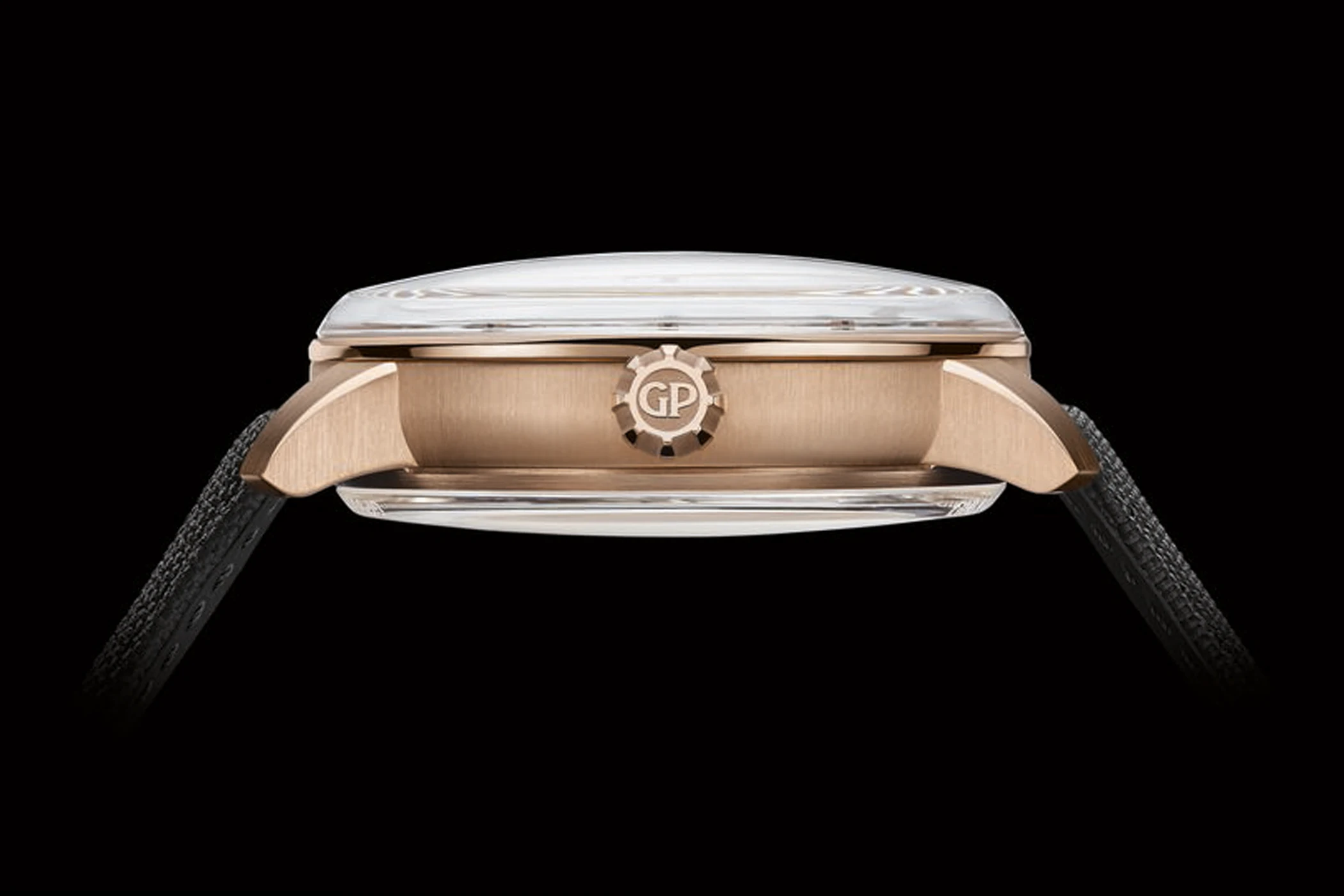
The calibre GP9530 is consistently designed to enhance acoustics. The mainplate and bridges are made of titanium, a light, rigid material that transmits vibrations particularly well. The mainplate itself is screwed directly to the case, allowing the vibrations to be transferred from the movement to the rose-gold case without loss. Domed sapphire crystals on the front and back amplify the melody of the hammers, which strike the gongs on the dial side.
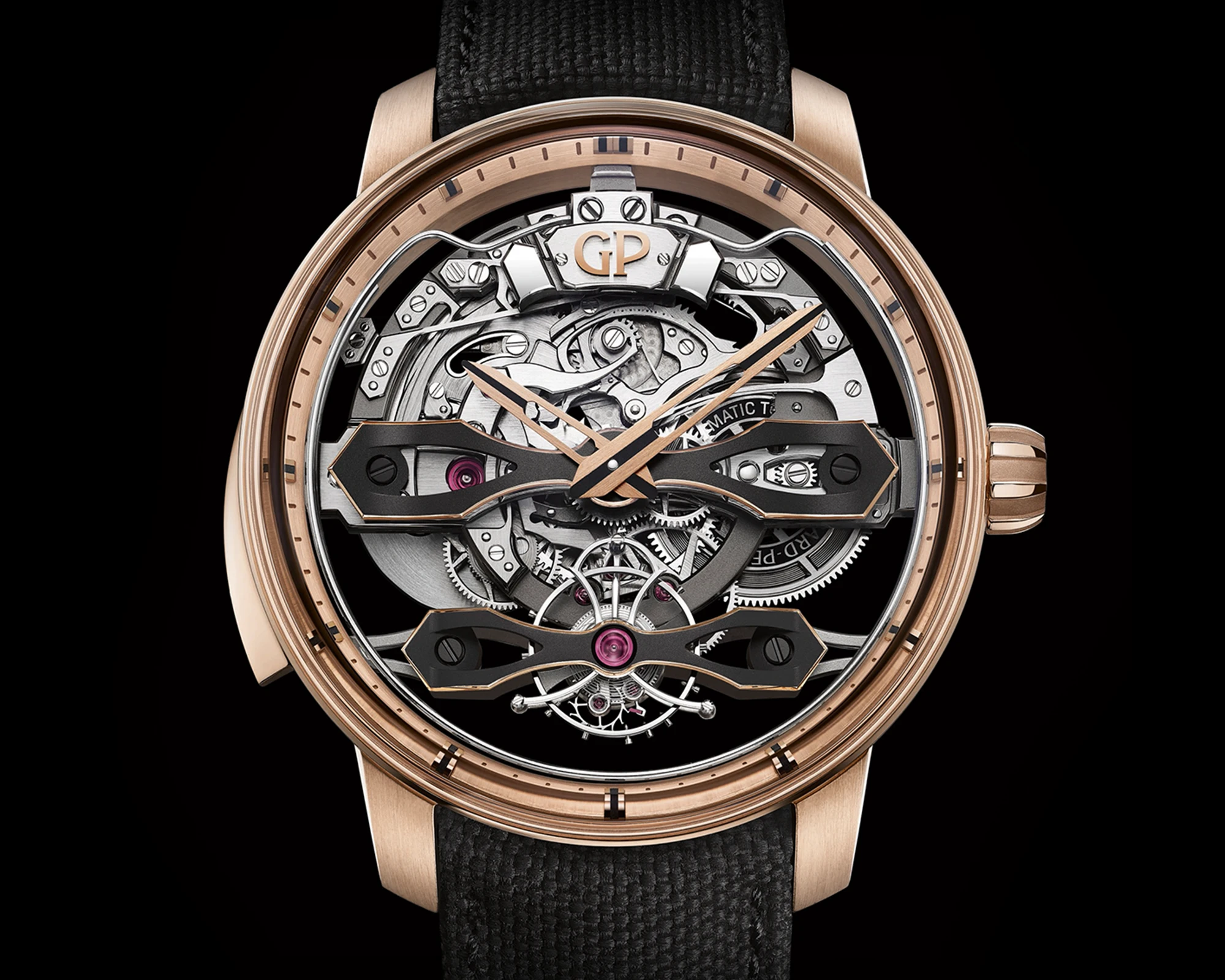
The positioning of the gongs and hammers on the dial side is not merely an aesthetic effect: it prevents the sound from being absorbed by the wrist and allows for a more direct, more powerful projection of sound. The two gongs and their acoustic chamber are crafted from a single piece of hardened and tempered steel. This ensures optimal transmission of sound throughout the movement and into the case.
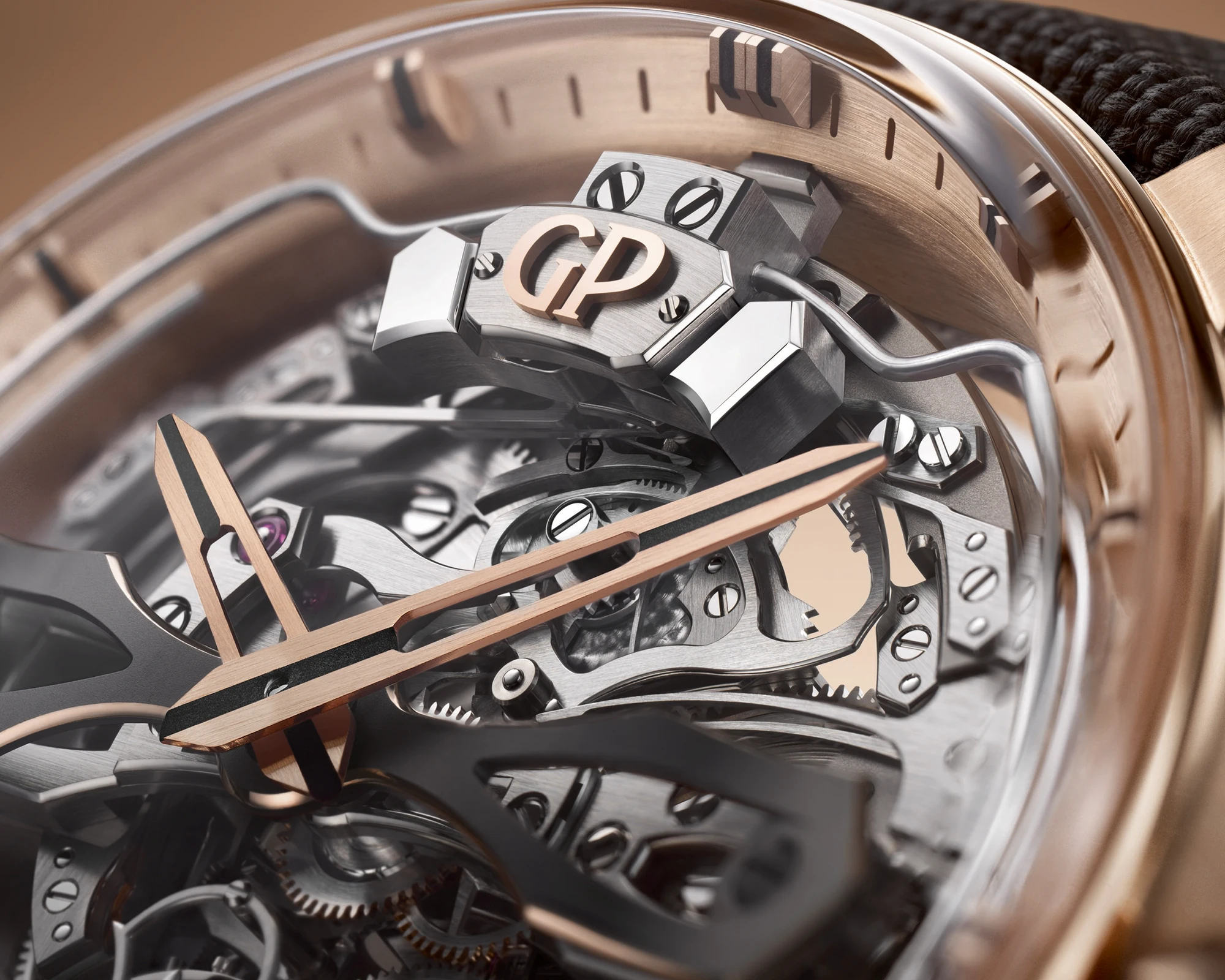
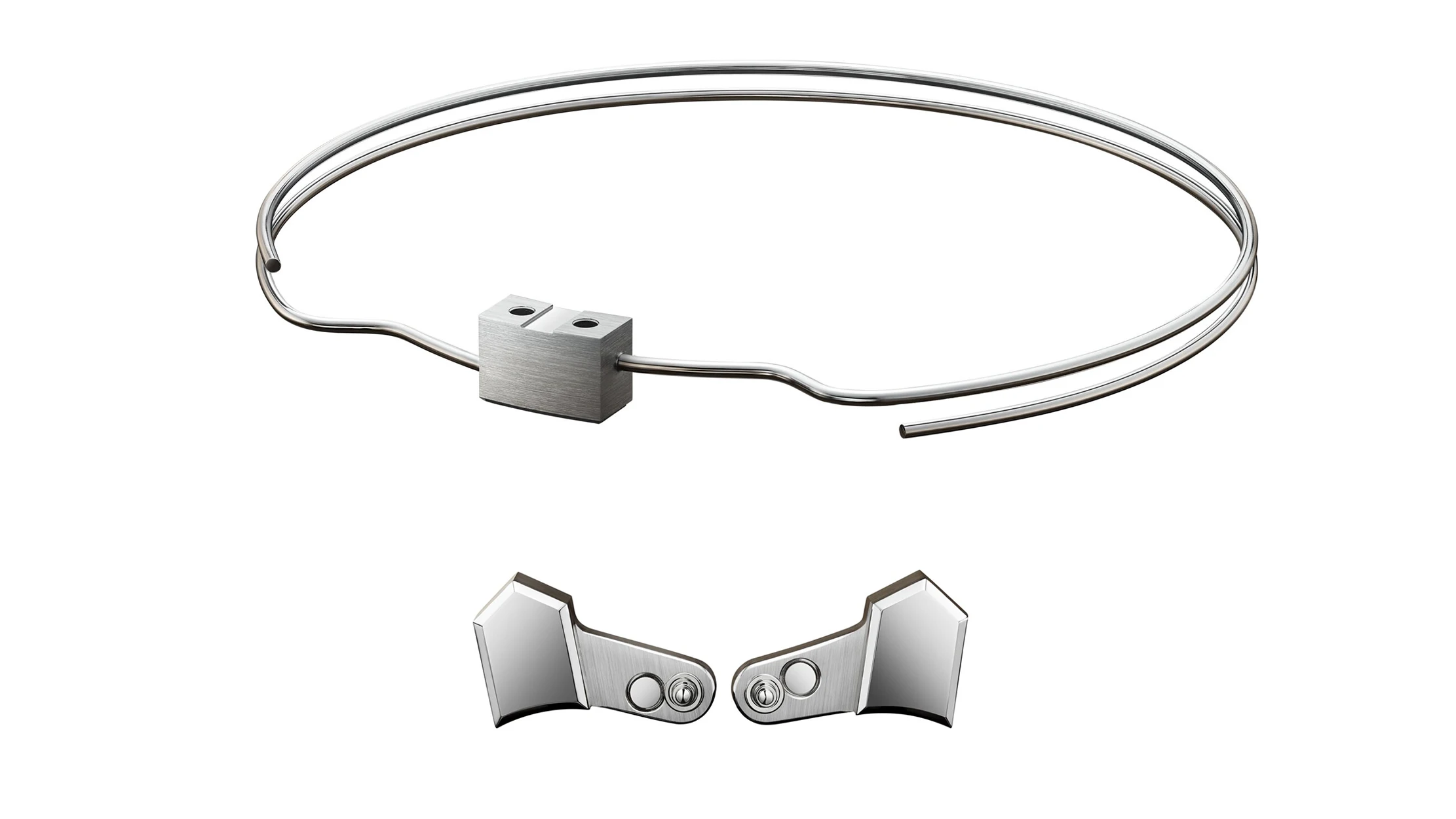
To eliminate any unwanted noise, the centrifugal governor of the striking mechanism has been moved to the back of the movement. The skeletonisation of the calibre also serves more than a purely visual purpose: the open structure allows the sound to resonate almost unhindered within the case, ensuring optimal resonance. It is also advantageous that the case has been designed on a generous scale as a resonating body, measuring 46 millimetres in diameter and 17.9 millimetres in height.
A technical first for Girard-Perregaux: for the first time, a minute repeater from the manufacture is equipped with a self-winding mechanism. The integration of a micro-rotor into a striking mechanism previously designed exclusively for manual winding required a fundamental redesign of the movement architecture in order to make room for the mechanism while maintaining the visual balance and aesthetic symmetry that is so important to Girard-Perregaux.
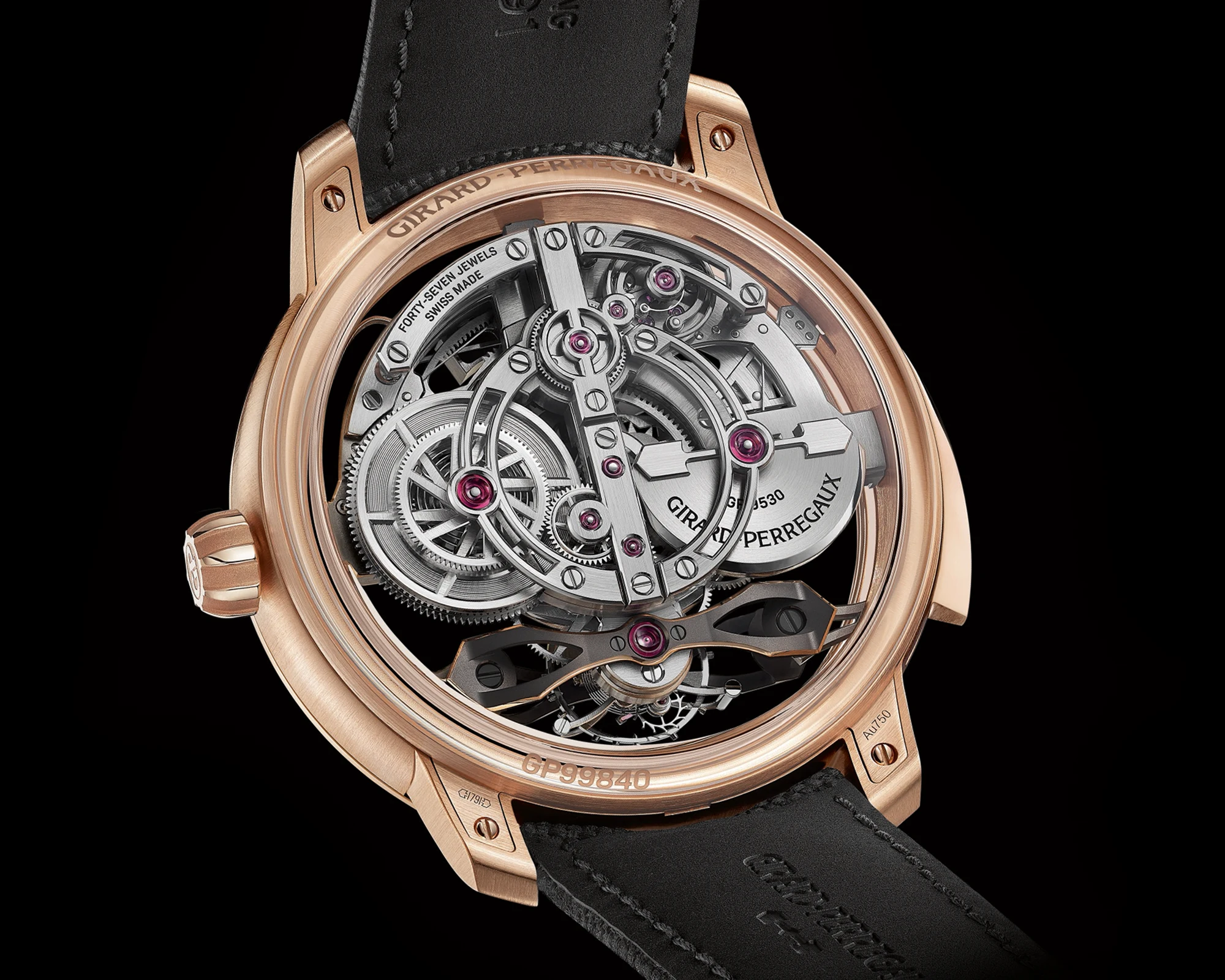
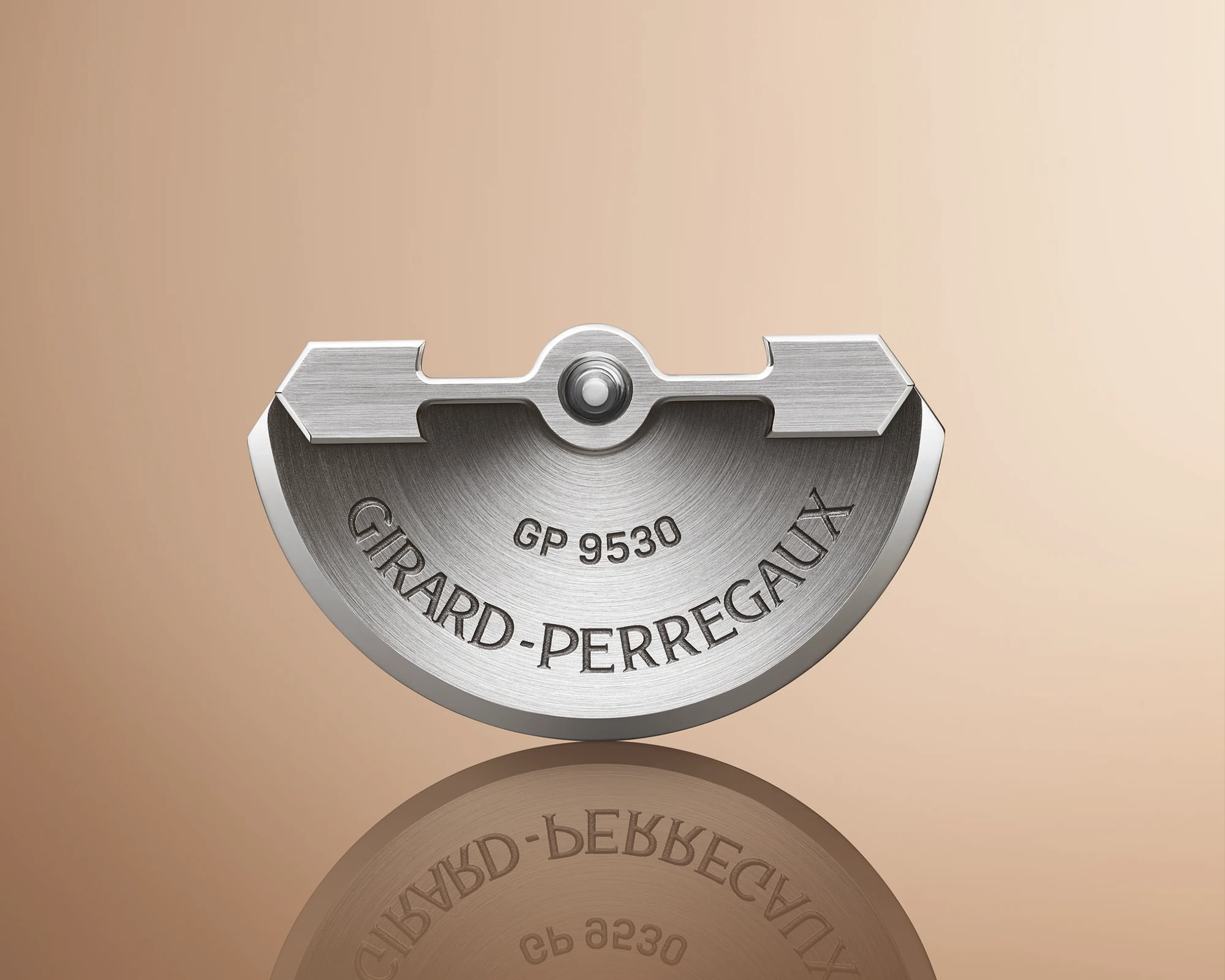
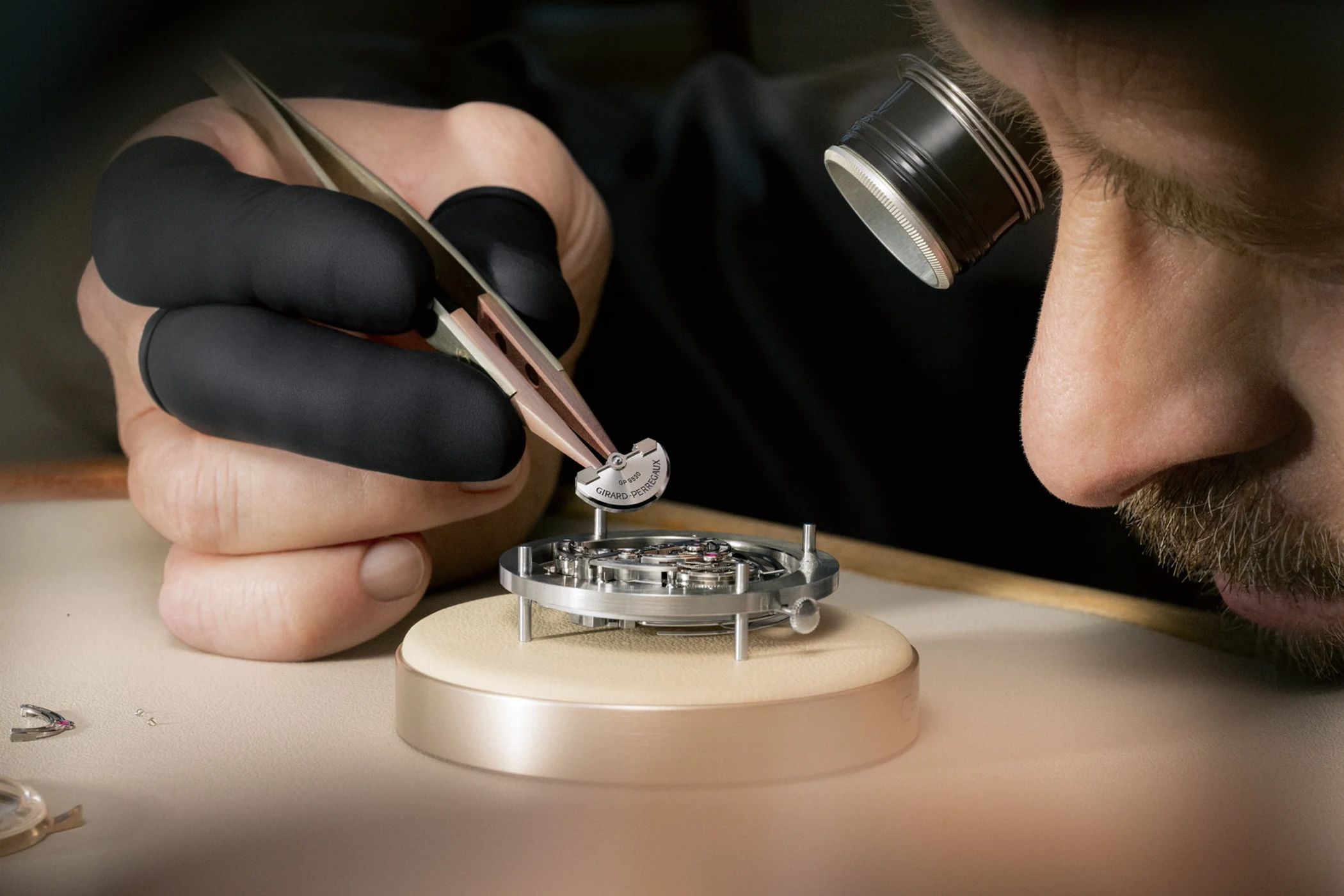
The solution is a solid white-gold micro-rotor that does not obstruct the view of the movement and is positioned opposite the barrel in mirror symmetry, thus ensuring balance on the reverse side of the movement as well. Compared with a central oscillating weight, the micro-rotor also helps limit the overall thickness of the watch. One crucial detail: the rotor is mounted on a jewel bearing rather than a ball bearing, allowing it to run silently so as not to interfere with the acoustic impression of the repeater watch. This design places particular demands on the rotor, requiring two mounting points and a longer pinion to securely support the weight of the oscillating mass. The rotor winds the barrel, storing enough energy for a 60-hour power reserve.
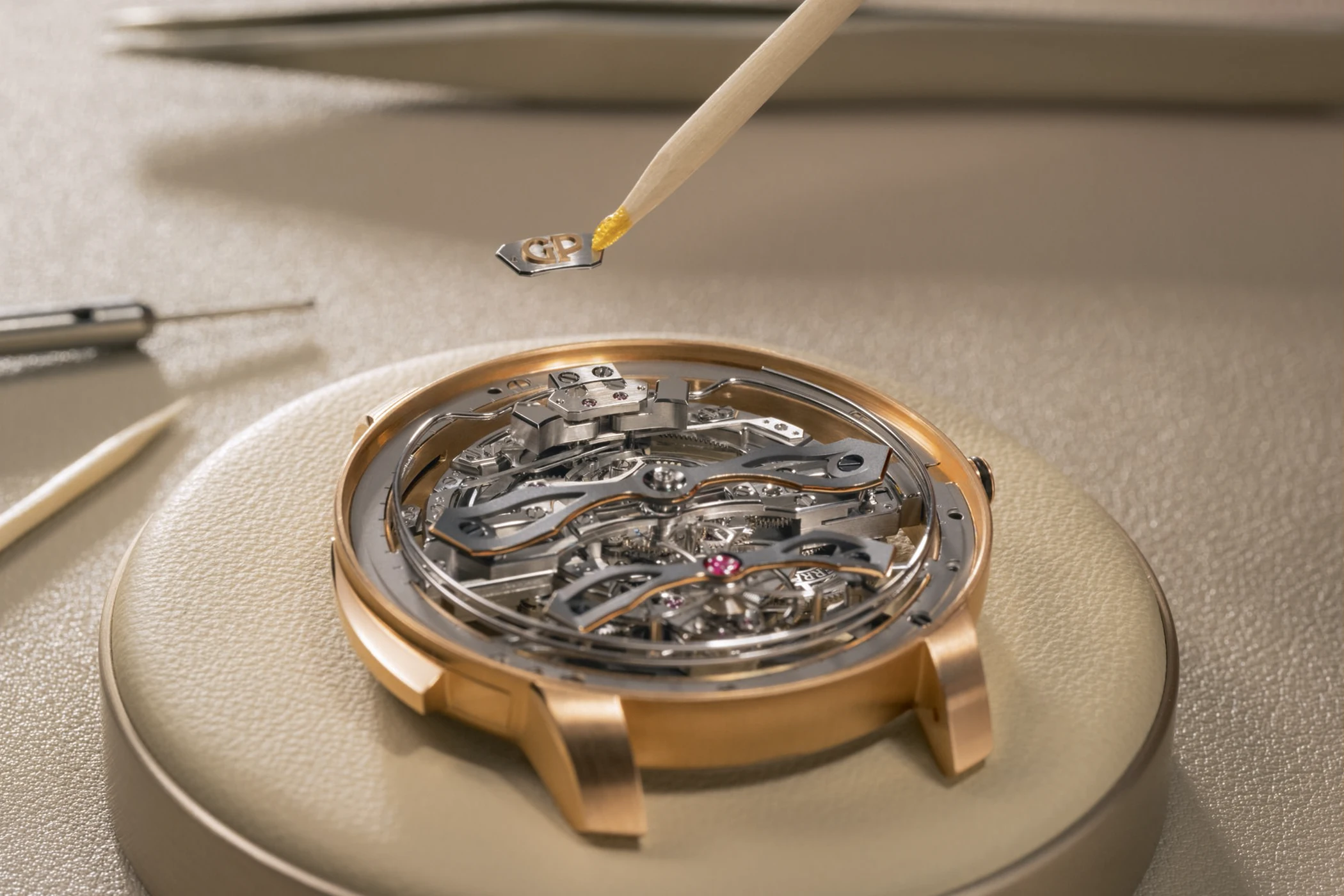
The arrow-shaped bridge ends have been part of Girard-Perregaux’s visual identity ever since Constant Girard’s first three-bridge tourbillon and the patent of 1884. In the new Minute Repeater Flying Bridges, this design element is given a contemporary interpretation as a ‘Neo Bridge’: skeletonised, architectural, and open. This style of bridges was first introduced by the brand in 2017.
The arrow motif runs not only through the three rose-gold bridges (the third being on the reverse side of the movement) but is also echoed in the repeater hammers, the micro-rotor, and the slide that activates the striking mechanism. This slide is an independent construction element: it is integrated and designed within the rose-gold case so that the case aperture remains closed even when the striking mechanism is fully wound. The result is a remarkable 30-metre water resistance for a striking watch.
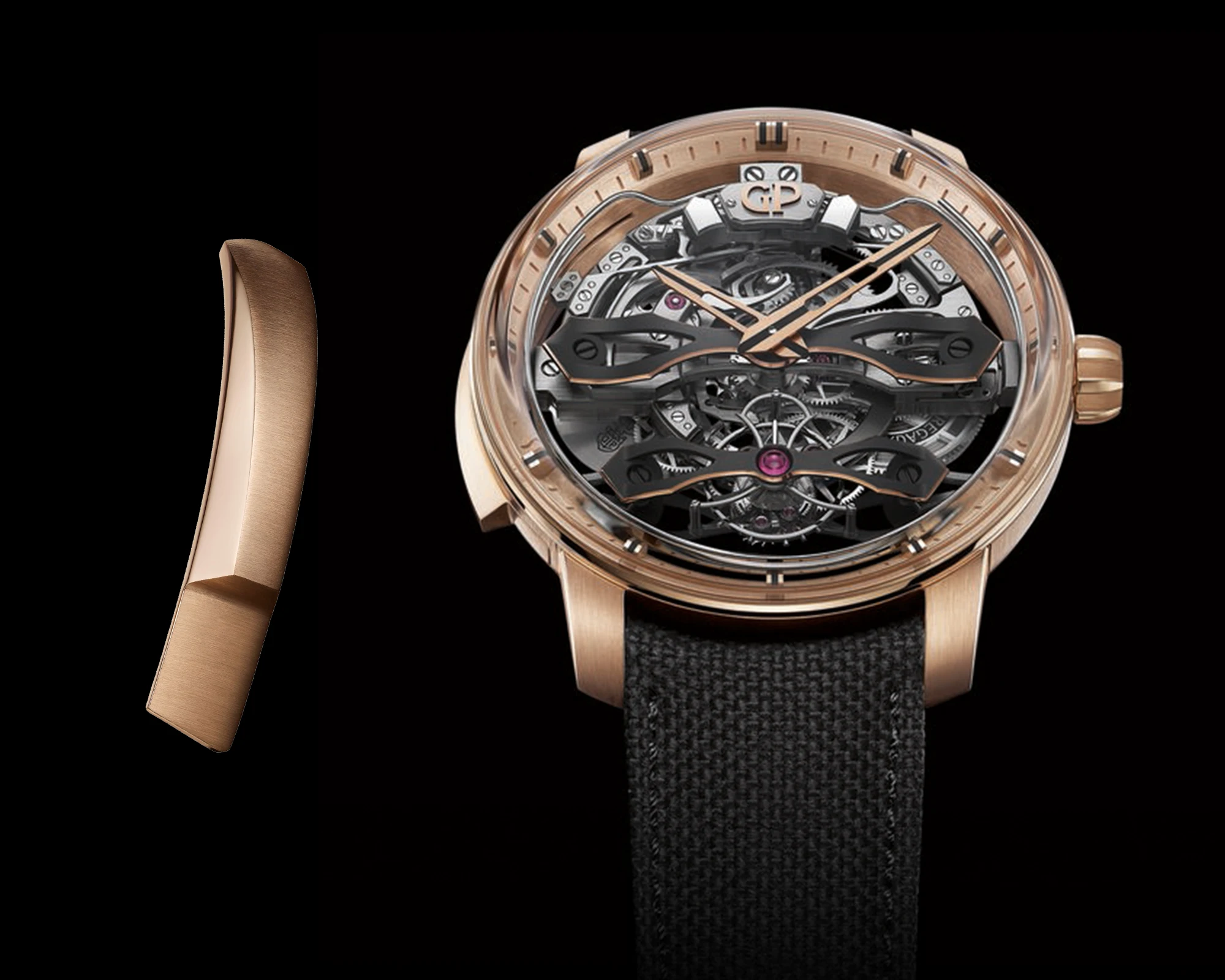
The lyre-shaped tourbillon cage, another hallmark conceived by Constant Girard, also serves as the small-seconds hand. The three stylised rose-gold Flying Bridges display an exceptionally elegant, airy structure in which the striking mechanism and tourbillon appear almost to float weightlessly. The attention to detail is evident in the 1,340 hand-bevelled and polished edges, including 295 interior angles, creating a rich interplay of light. As a tribute to the watchmaker who completed the movement, a small plaque within the calibre bears his initials.
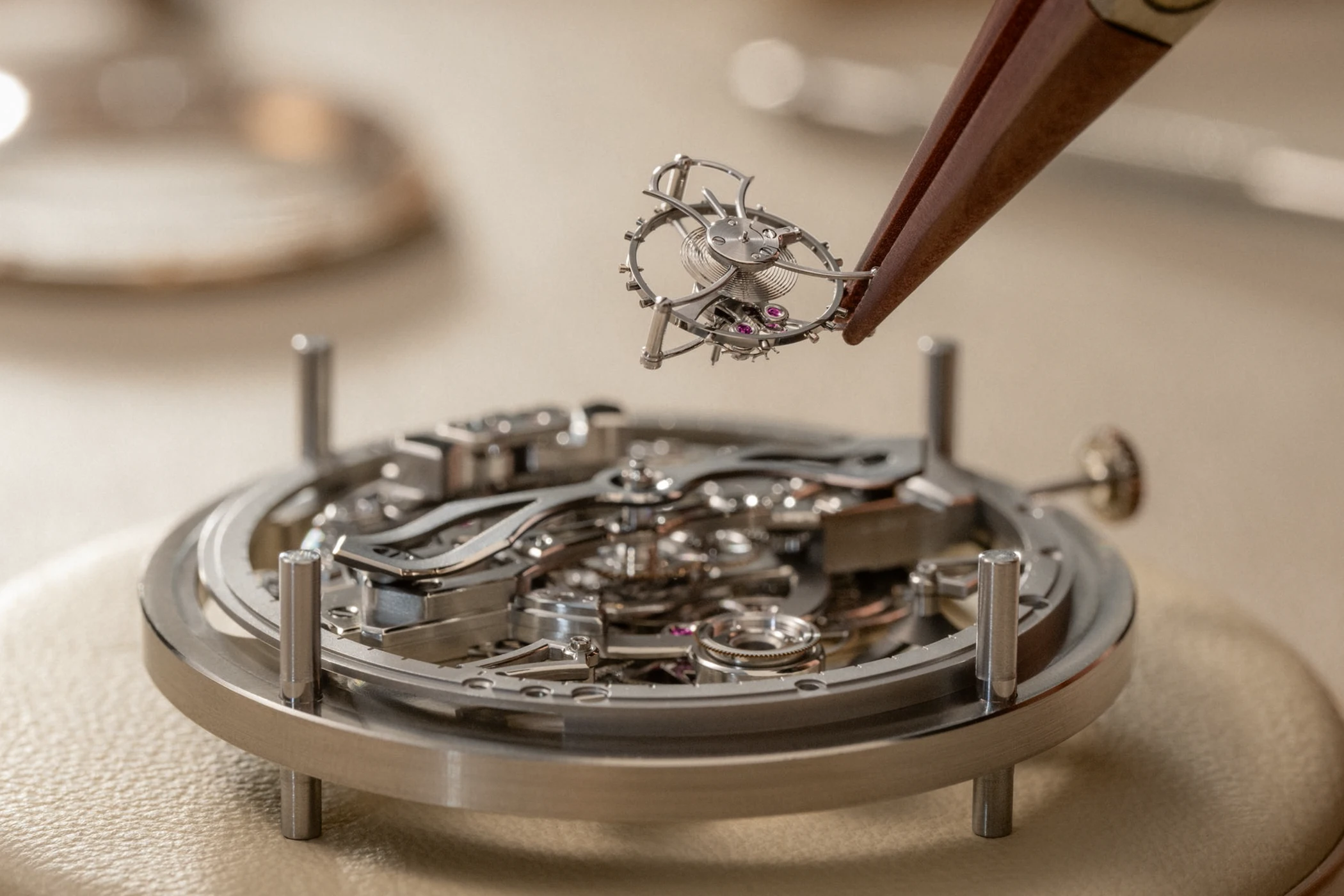
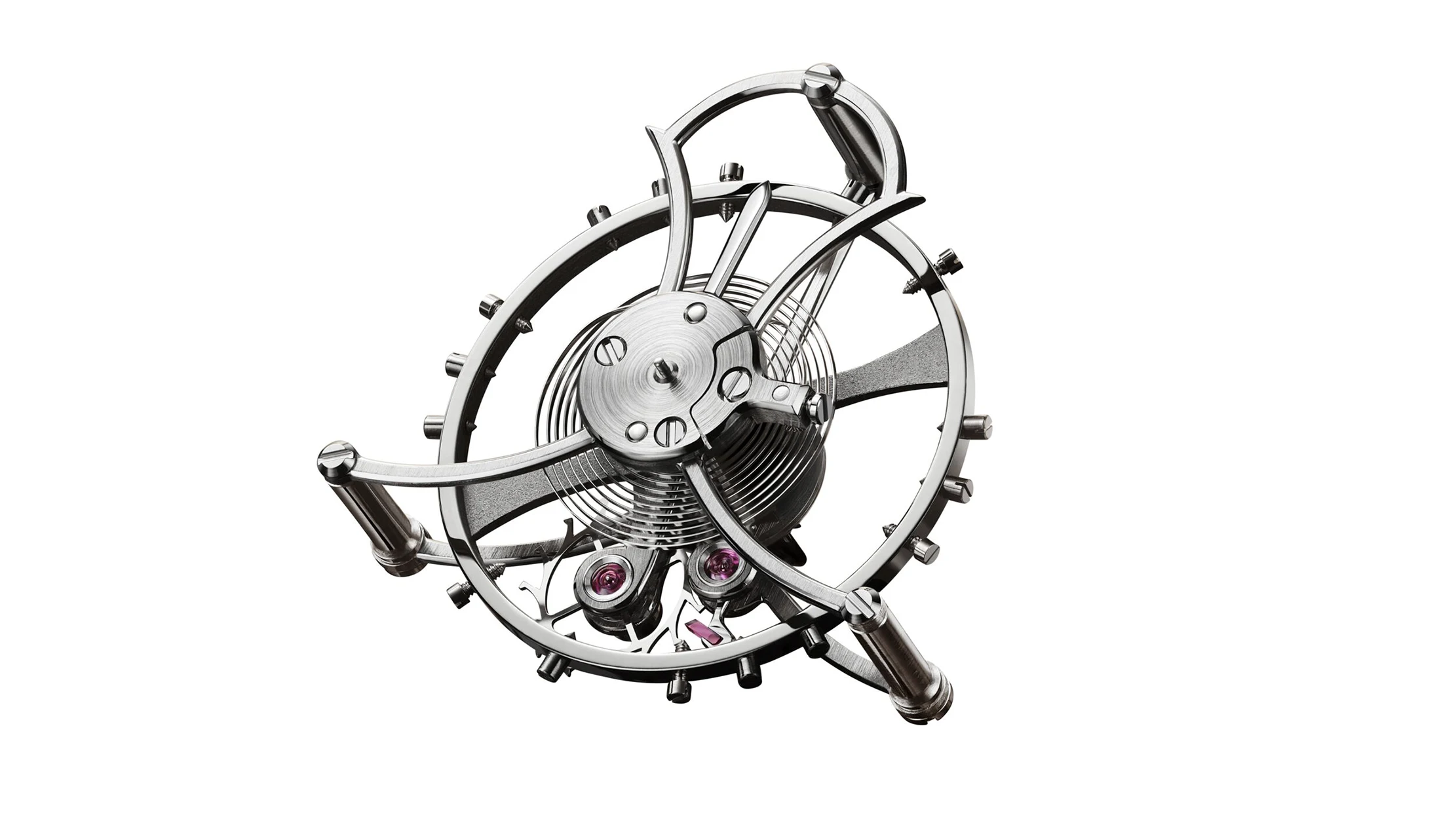
The combination of minute repeater and tourbillon is one of the most sophisticated features mechanical watchmaking has to offer. Accordingly, the circle of manufacturers who dare to tackle this double complication is an exclusive one.
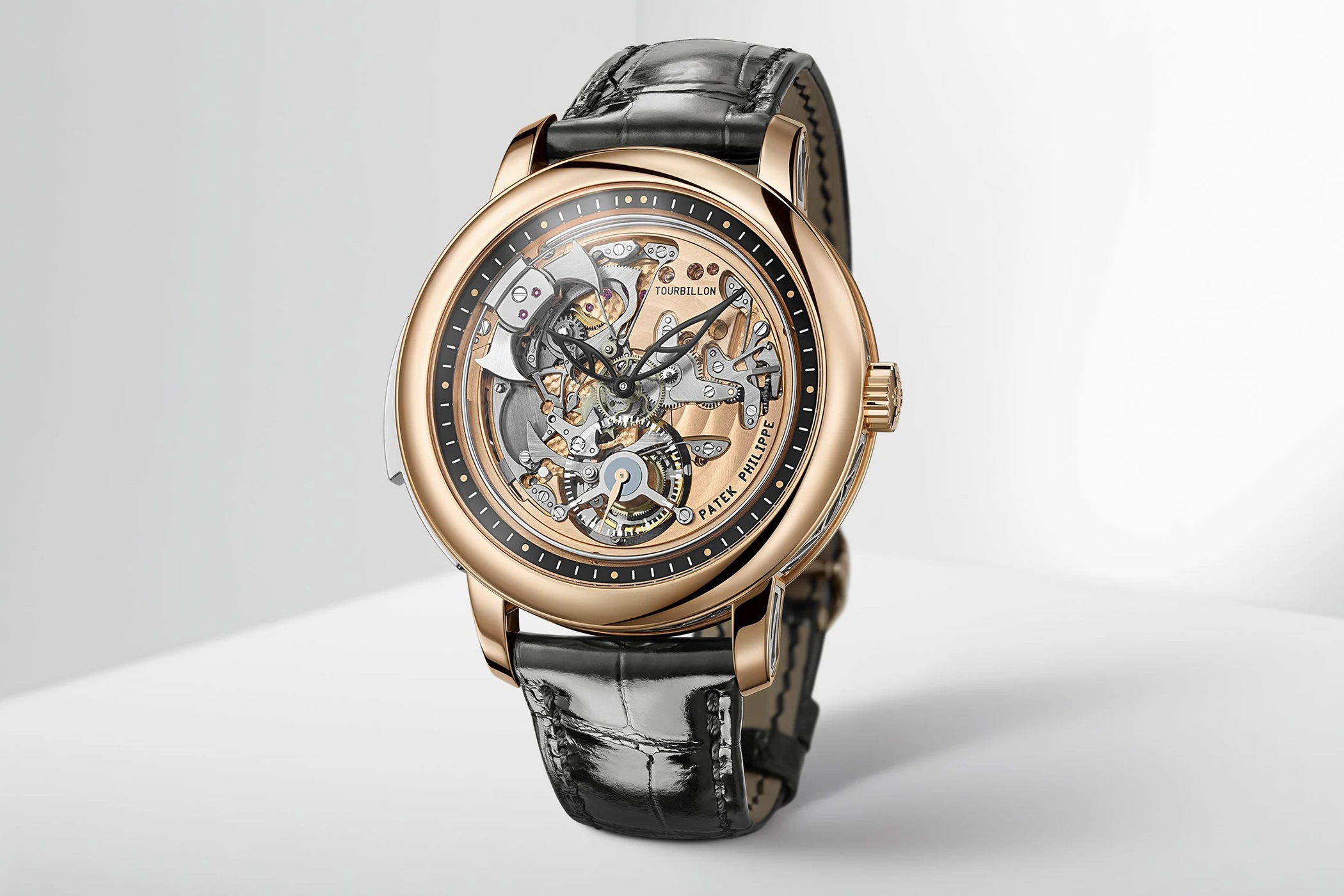
The skeletonised Patek Philippe Reference 5303 is probably the best-known model with minute repeater and tourbillon, albeit with a more traditional aesthetic. Other major manufactures such as Audemars Piguet and Vacheron Constantin have also combined these complications.
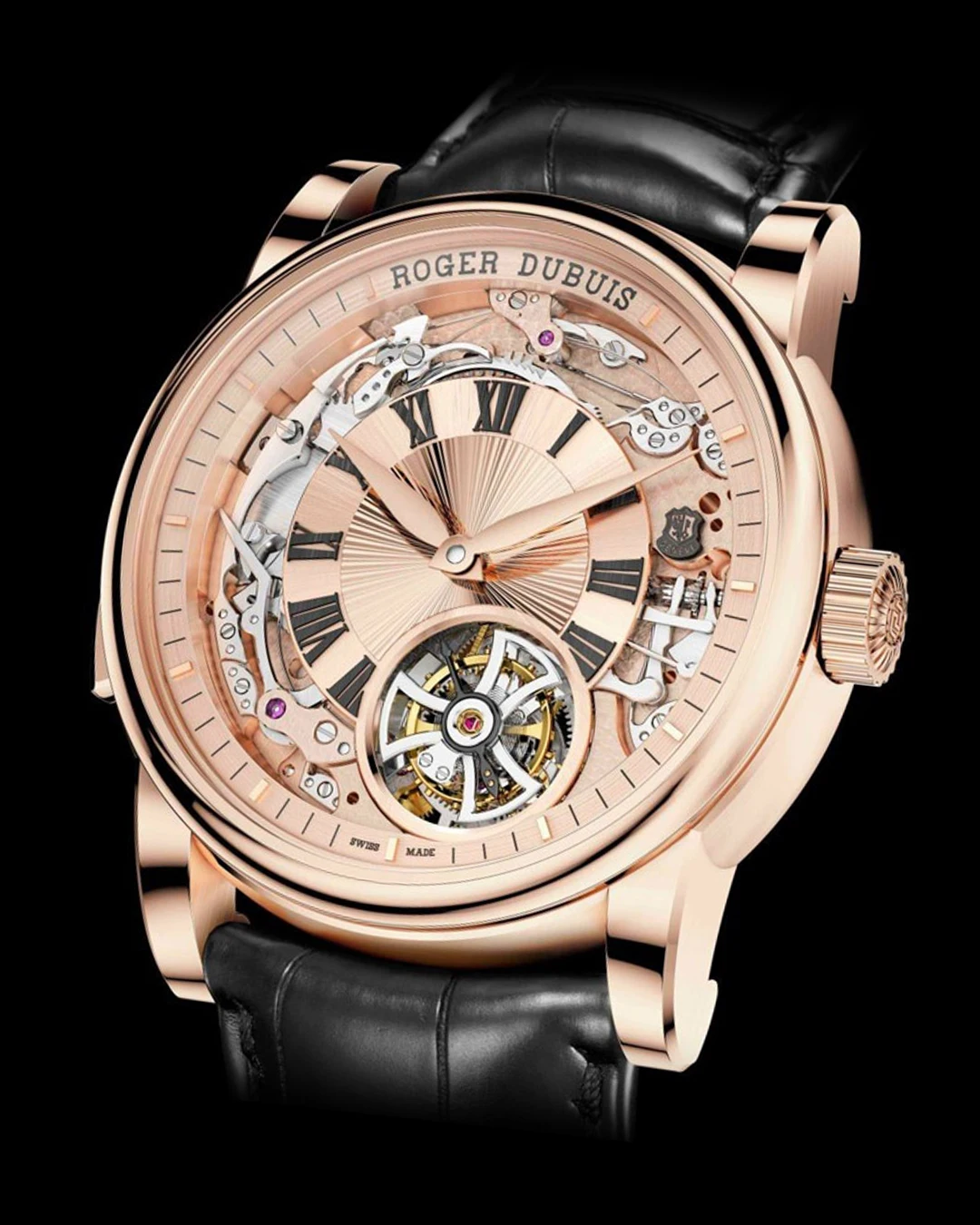
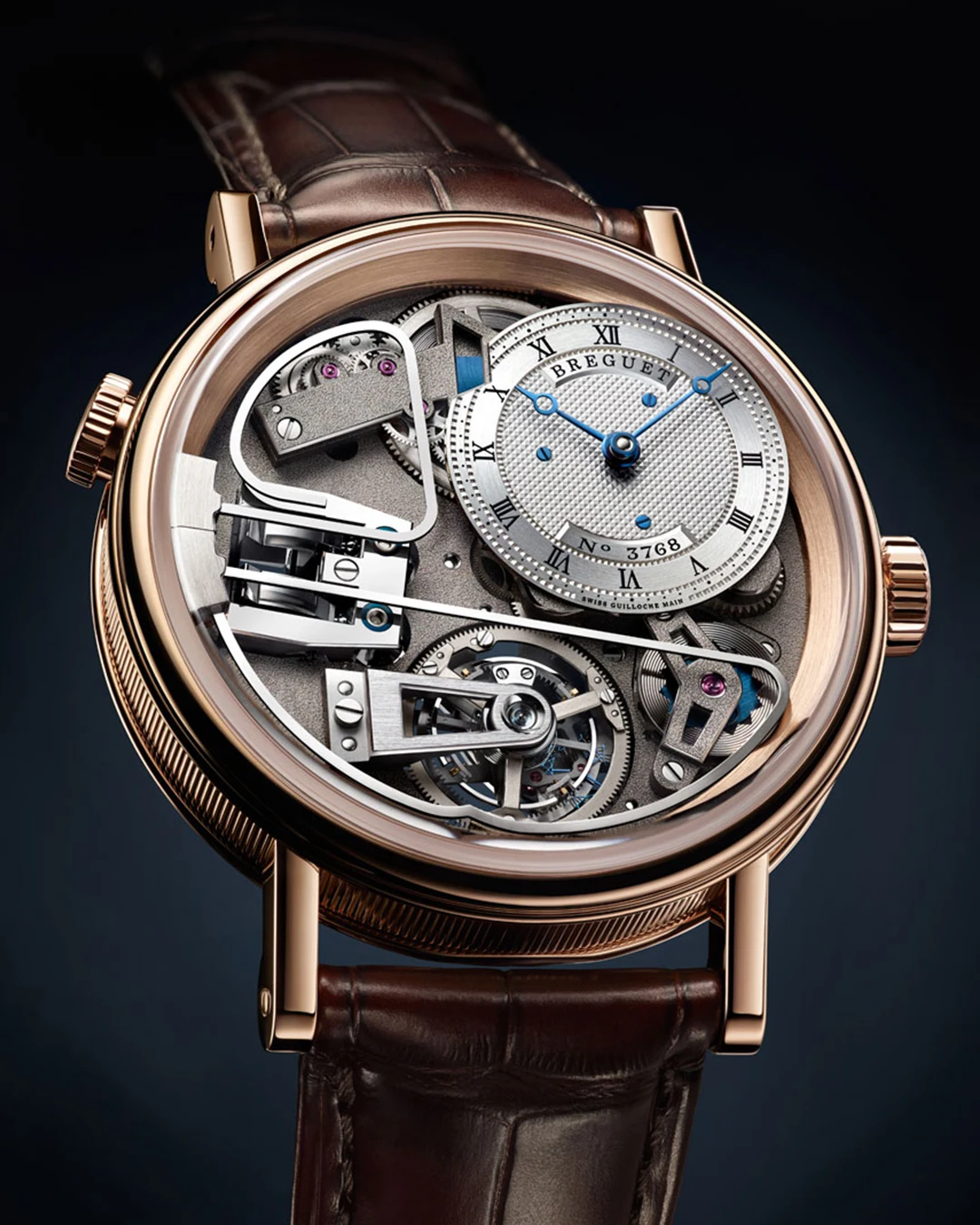
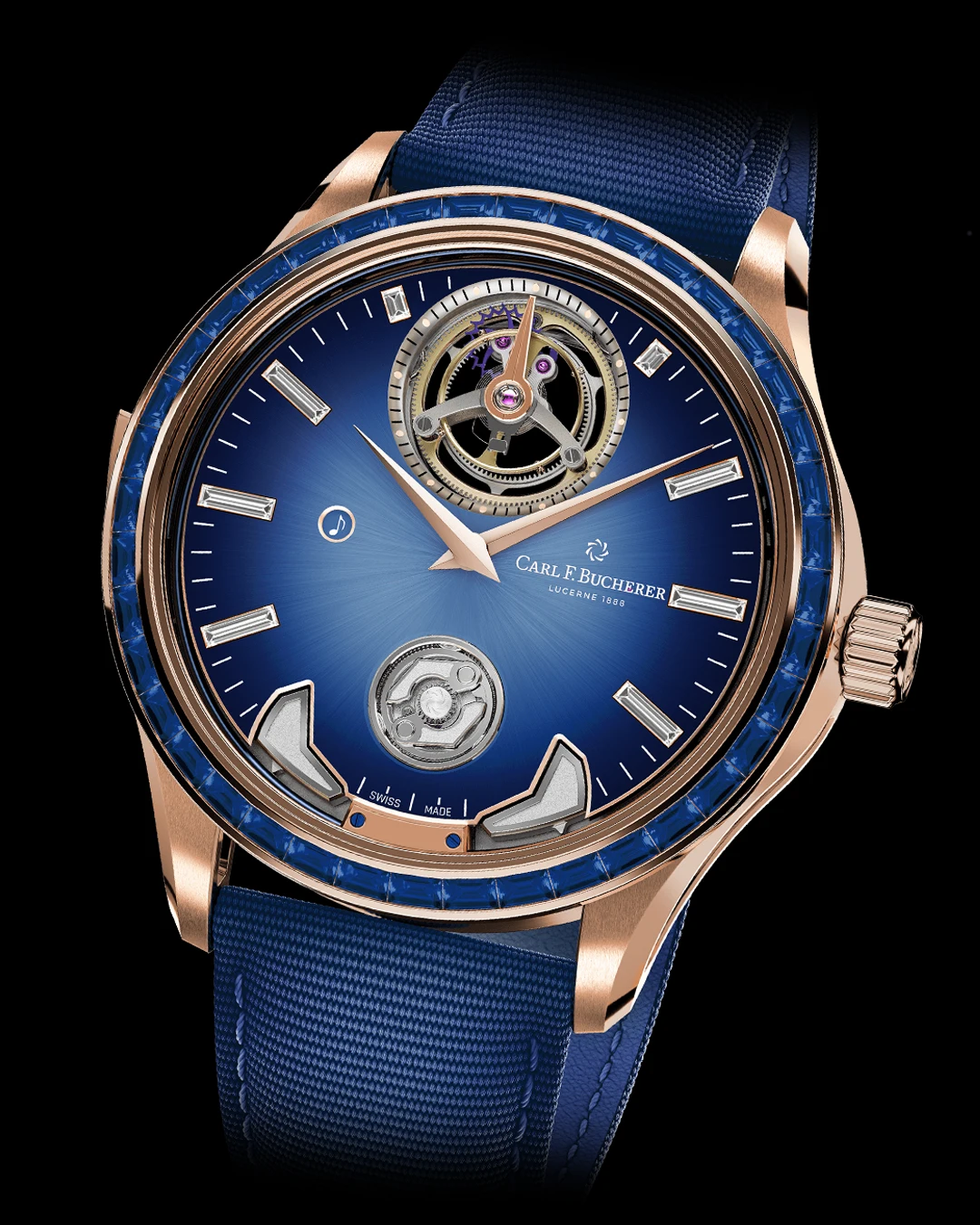
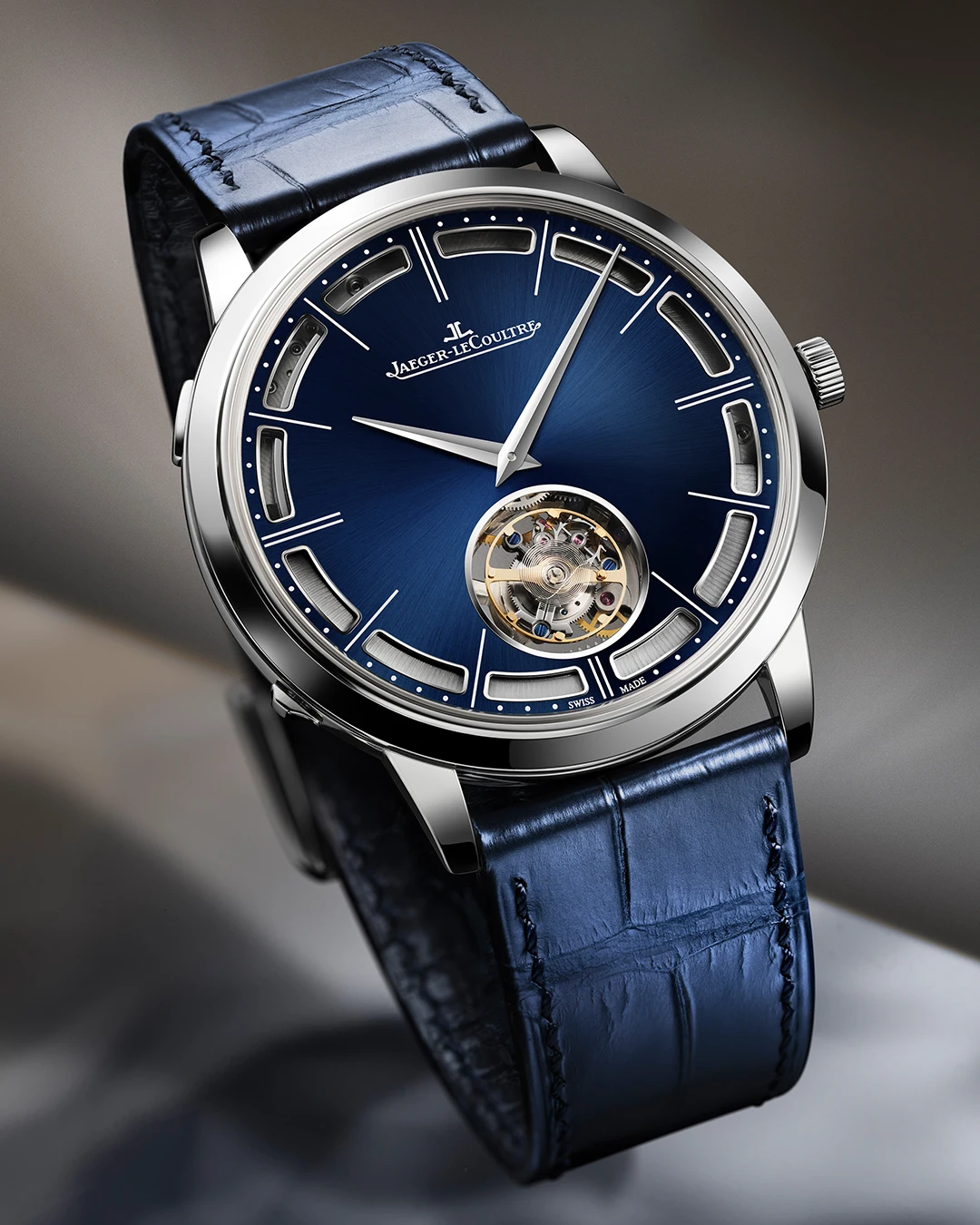
Watches that also feature automatic winding are truly rare. Roger Dubuis achieved this with the Hommage Minute Repeater Tourbillon Automatic (2014), Breguet with the Tradition Minute Repeater Tourbillon (2015), Carl F. Bucherer with the Manero Minute Repeater Anniversary (2023), and Jaeger-LeCoultre with the Master Hybris Mechanica Calibre 362 (2024). However, we are not currently aware of any manufacture that offers this combination in its range, at least if we disregard even more complex grande complications with additional perpetual calendars or chronographs.
Girard-Perregaux also positions itself with a distinctive profile. While competitors focus on classical elegance (Patek Philippe), sporty integration (Vacheron Constantin), or historical tradition (Breguet), the Minute Repeater Flying Bridges places the movement architecture itself at the centre. The construction, consistently designed with acoustics in mind – featuring a titanium mainplate, direct case attachment, and skeletonised structure – follows a holistic approach in which design and function are inseparably fused. The newly developed self-winding mechanism with a silent micro-rotor further sets the watch apart from hand-wound rivals.