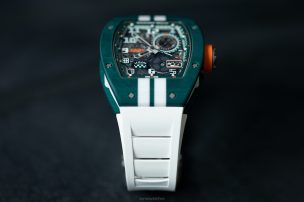
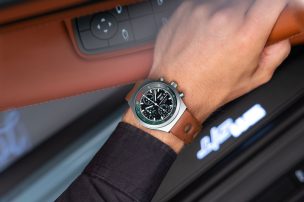
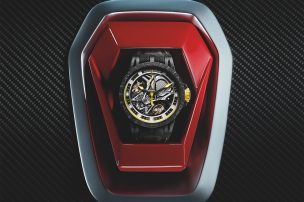
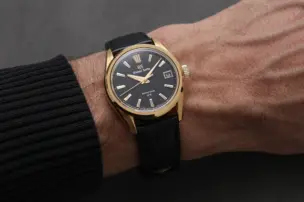
Grand Seiko SLGB006 „Ice Forest at Dawn“ with Calibre 9RB2, 18k yellow gold case and ice forest dial. Limited to 80 pieces.
Stefan Ihnen heads the Research & Development department at IWC. This year, one can imagine the engineer and watchmaker as a particularly fortunate man faced with the difficult question: which of the new models are he and his team most proud of? After all, IWC is tackling this year’s global economic challenges and the resulting consumer fatigue with a wide variety of new releases: There is the Pilot’s Venturer Vertical Drive, which, according to IWC’s own definition, is the world’s first mechanical astronaut’s watch. Furthermore, with the Big Pilot’s Watch Perpetual Calendar Ceralume, the Richemont subsidiary is presenting, for the first time, a limited edition featuring its in-house ceramic that glows in the dark.


And then there are the variants of the Big Pilot’s Watch Perpetual Calendar IWC-ProSet, fitted with the brand’s new perpetual calendar movement. It is a completely new calibre that further enhances the functionality of the Kurt Klaus calibre, which has played a defining role in the brand’s history. Stefan and his colleagues have been working towards this moment for almost ten years. Naturally, he is well aware of what a momentous occasion the launch of these watches represents. But just as a good father has no favourite children, Stefan simply notes that this perpetual calendar alone would actually have been enough for a grand debut at the Geneva Fair. The fact that there is now significantly more to it is testament to the drive in Schaffhausen.
The Perpetual Calendar, conceived by Kurt Klaus and first presented in 1985, is distinguished by the fact that it is set solely via the crown and also features a four-digit year display. Following the quartz crisis, this innovation was the first major success of the ‘International Watch Corporation’, and to this day this movement is not only still in use, but also forms the basis, for example, of IWC’s ‘Eternal Calendar’, which even takes into account the rare non-leap years from the year 2100 onwards.
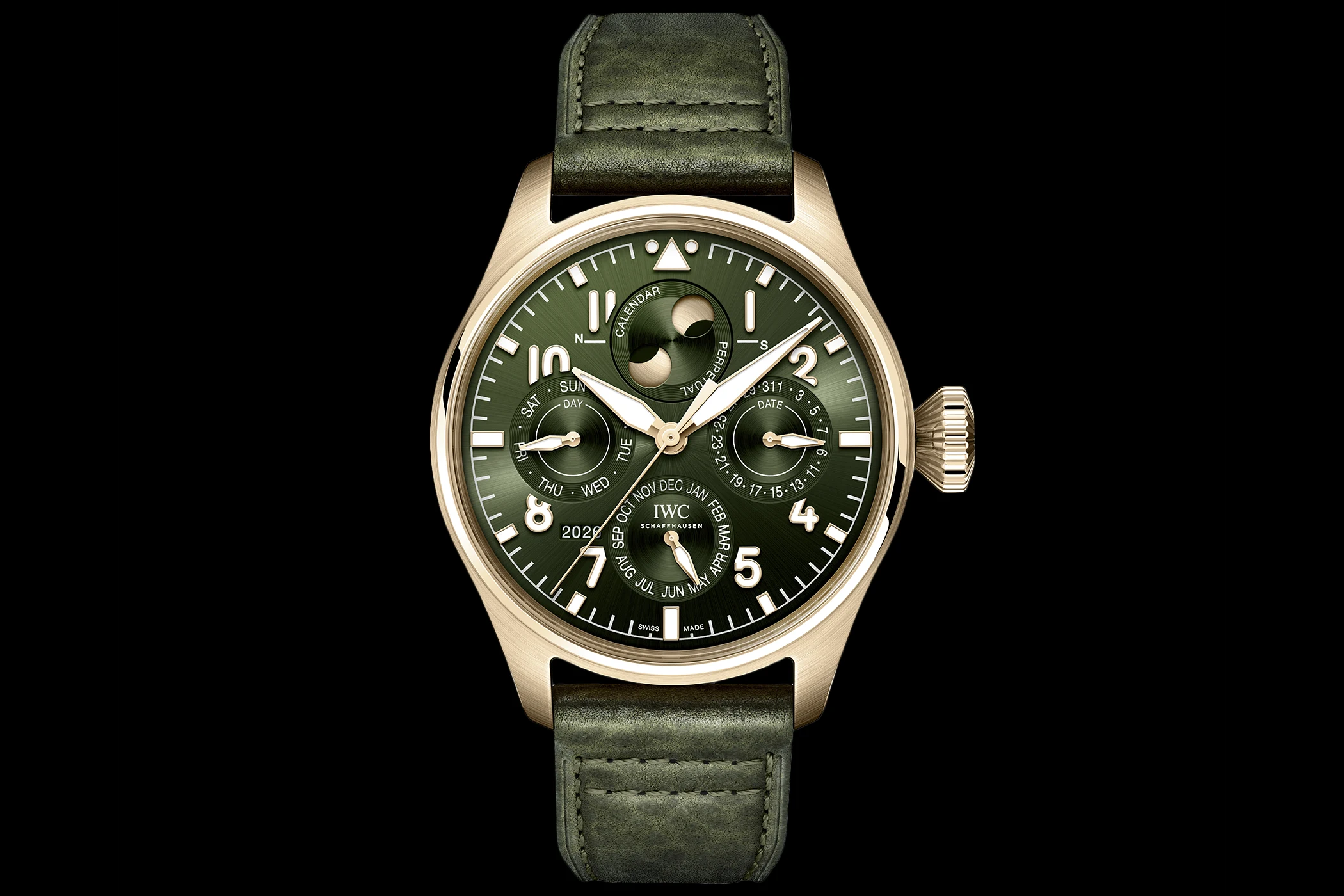
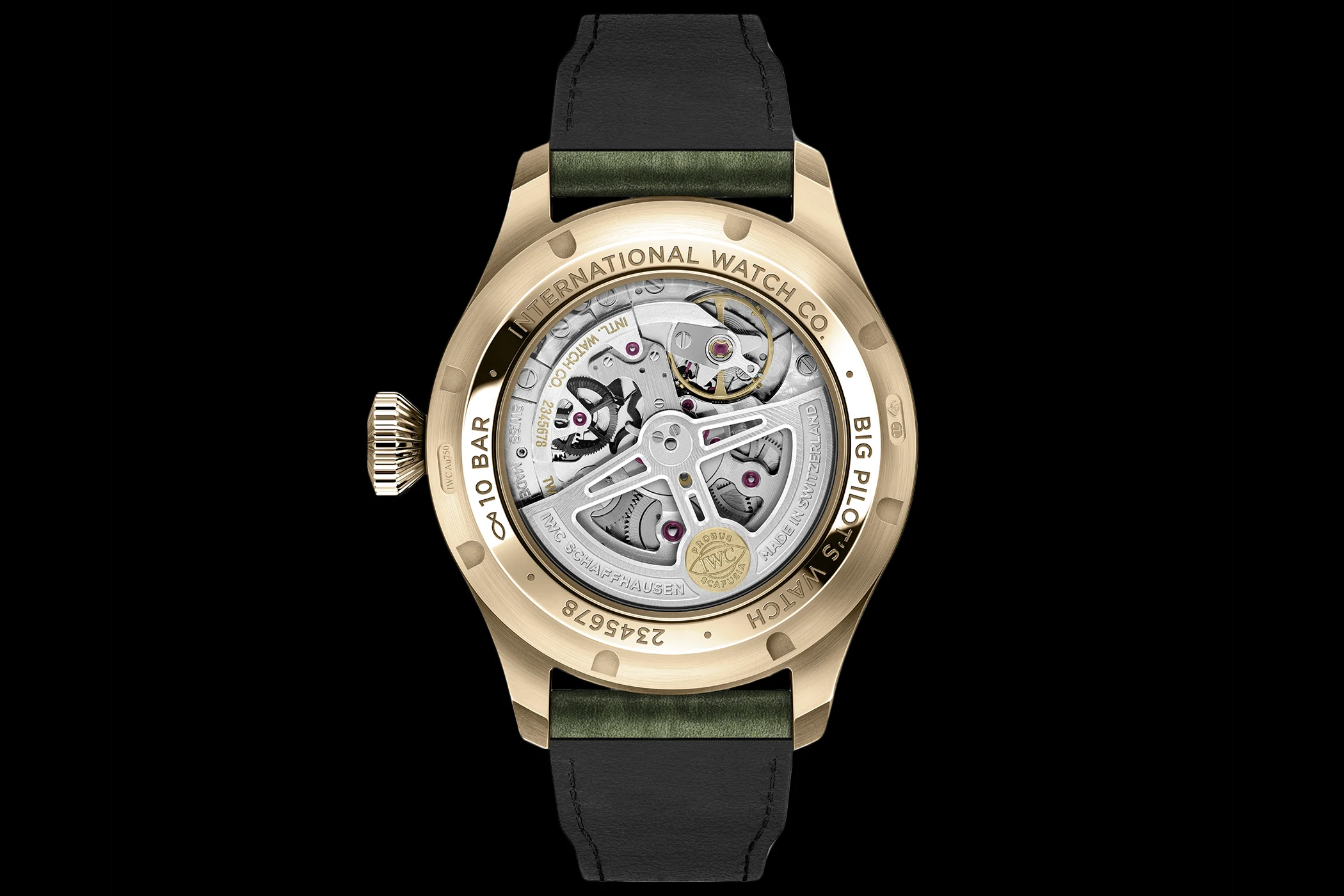
The new Calibre 82665 follows in the footsteps of precisely this historic invention. Chief developer Stefan Ihnen sums up its origins as follows: “We launched the project in 2016 – inspired by the Kurt Klaus calendar, which is actually perfect, except for one thing: it cannot be adjusted backwards.” Customers had repeatedly mentioned that this issue caused problems. Accidentally gone a day too far? Annoying. A whole month too far: even more of a hassle. So at IWC, they set about improving the familiar calibre, but had to admit: it wouldn’t work based on the existing calibre. Ihnen: “With its mechanism, which is based on a combination of date discs and scanning levers, we couldn’t meet our requirements. The prototypes weren’t robust enough.” That is why they took two steps back to look at the issue from scratch. That was in 2021. The result is now a pure gear train with flexible, extendable and retractable fingers, for which five patents have been filed. Ihnen: “Because gears can be turned in both directions, whereas levers, without additional mechanisms, can usually only be clicked in one direction.” The Research & Development department executed the objective flawlessly: it is now possible to jump forwards and backwards with ease. This puts IWC in excellent company: the Calibre 7138, unveiled last year by Audemars Piguet, can also be set, advanced and rewound using the crown alone. Although, in Le Brassus, they operate at a completely different price point.
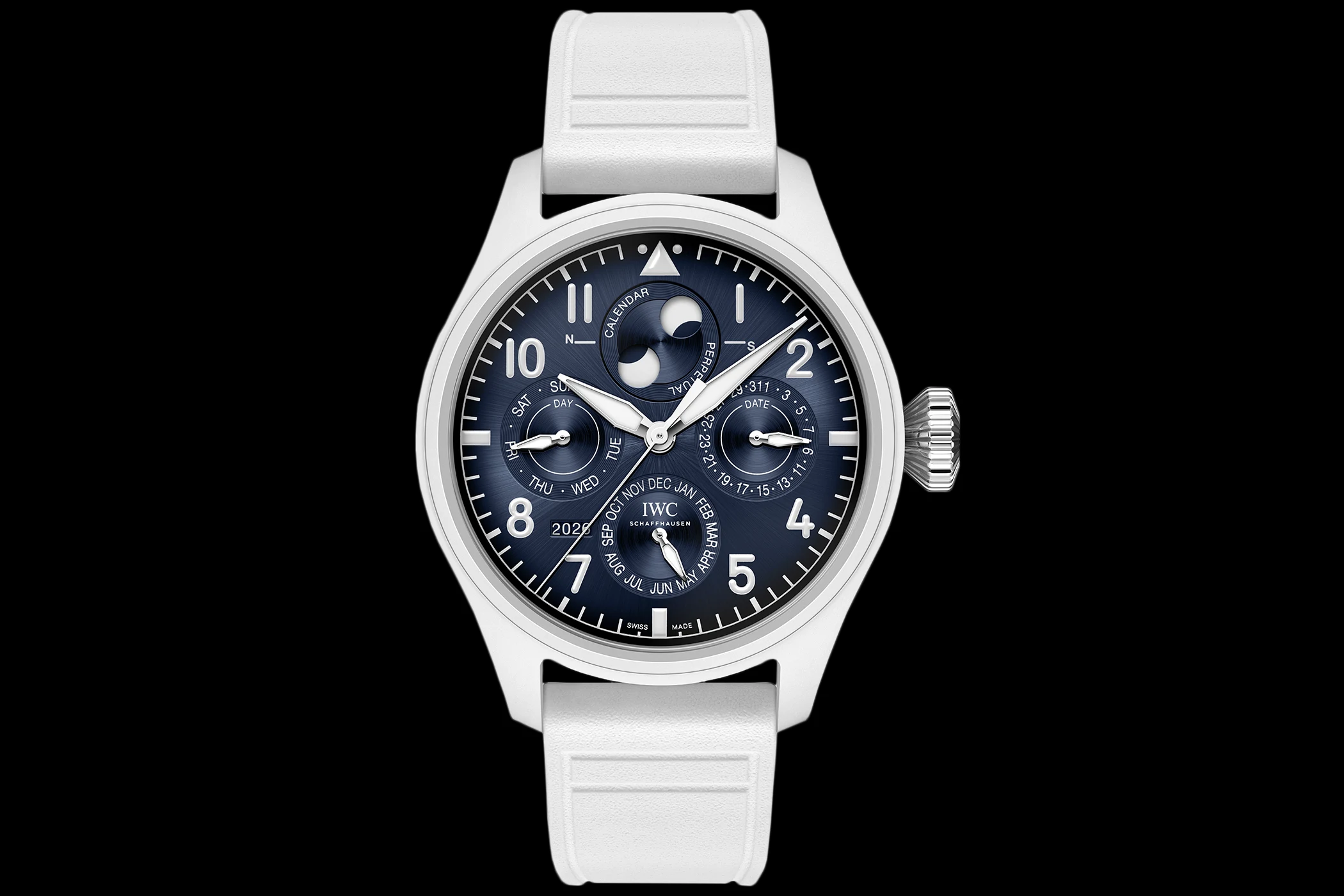
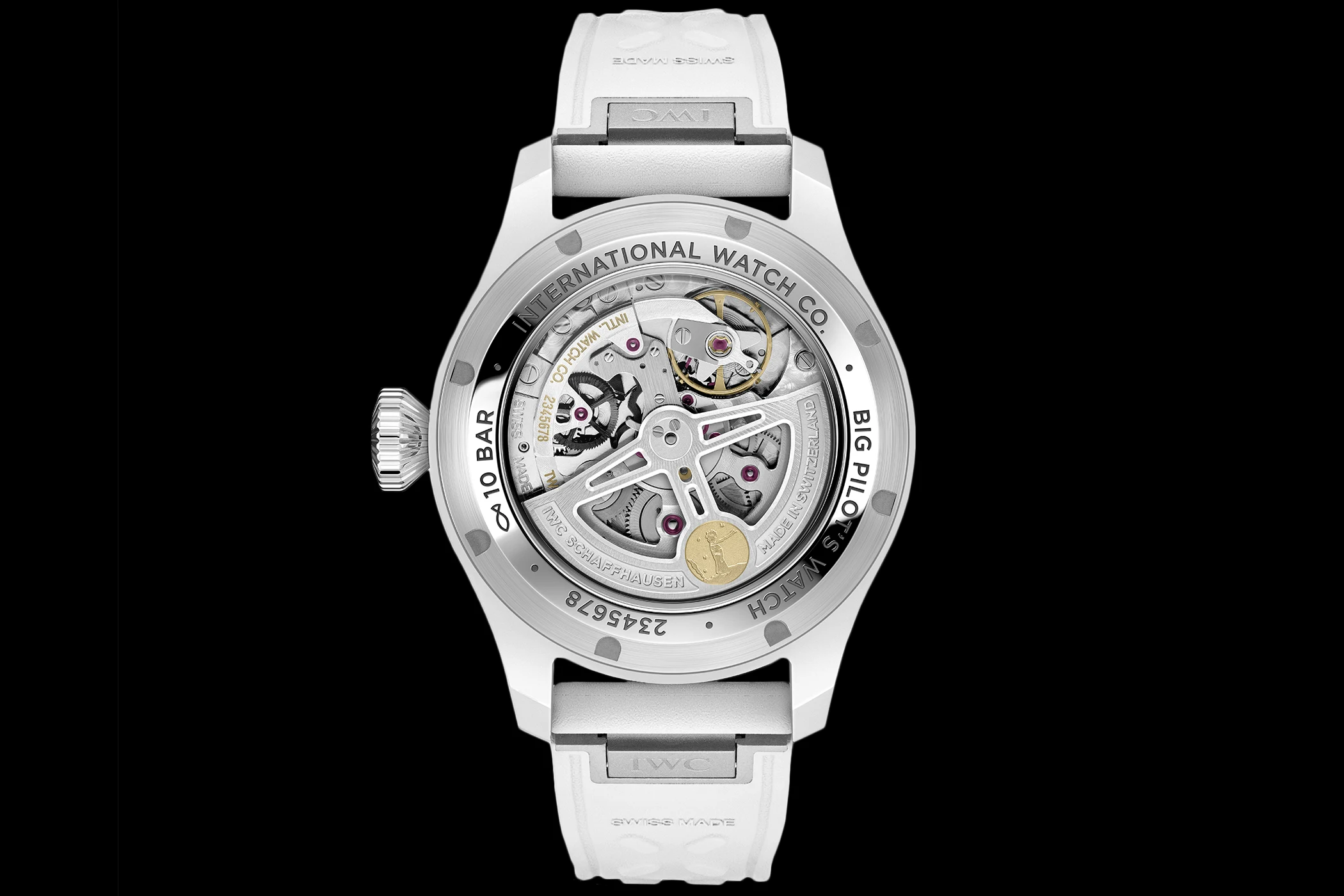
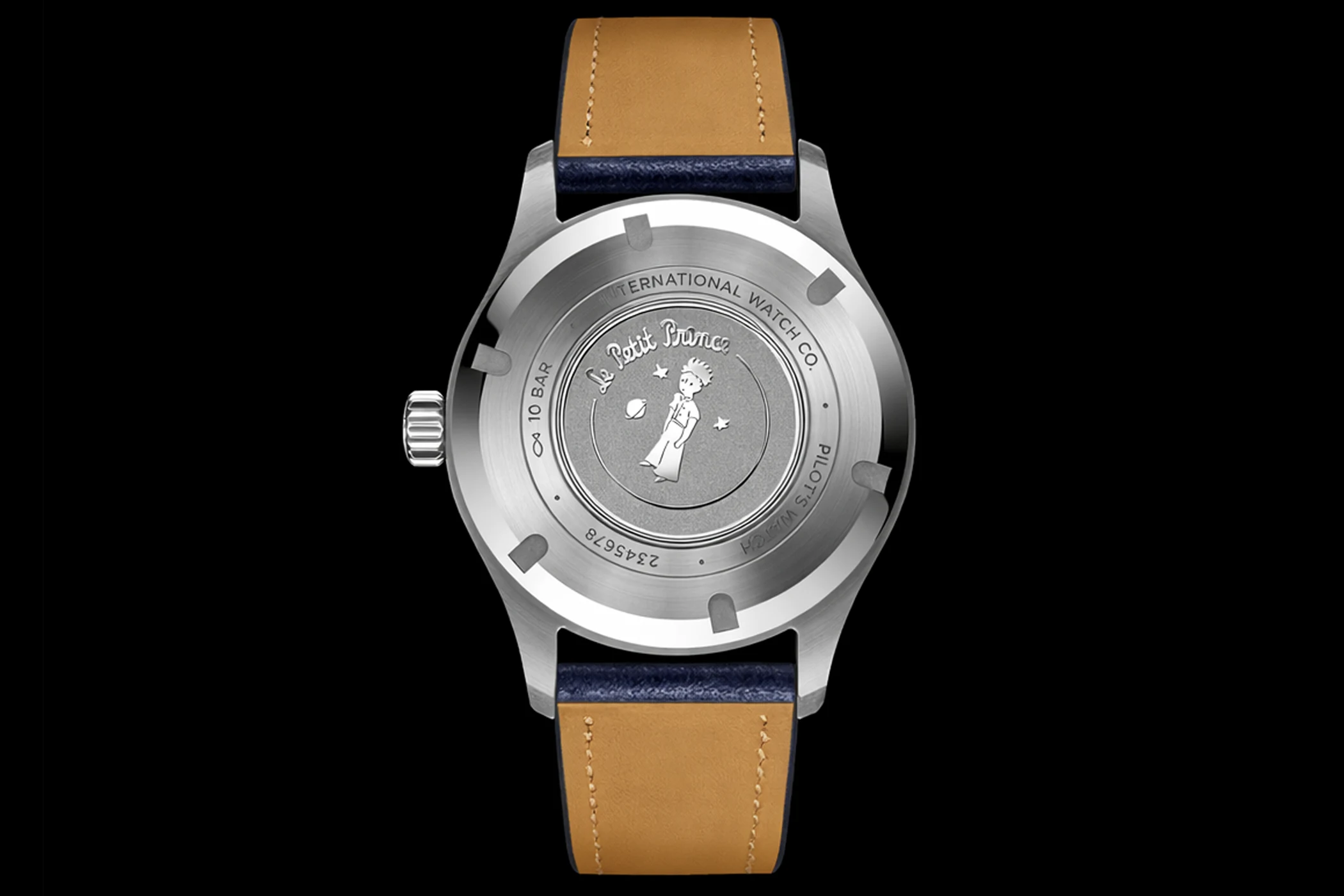
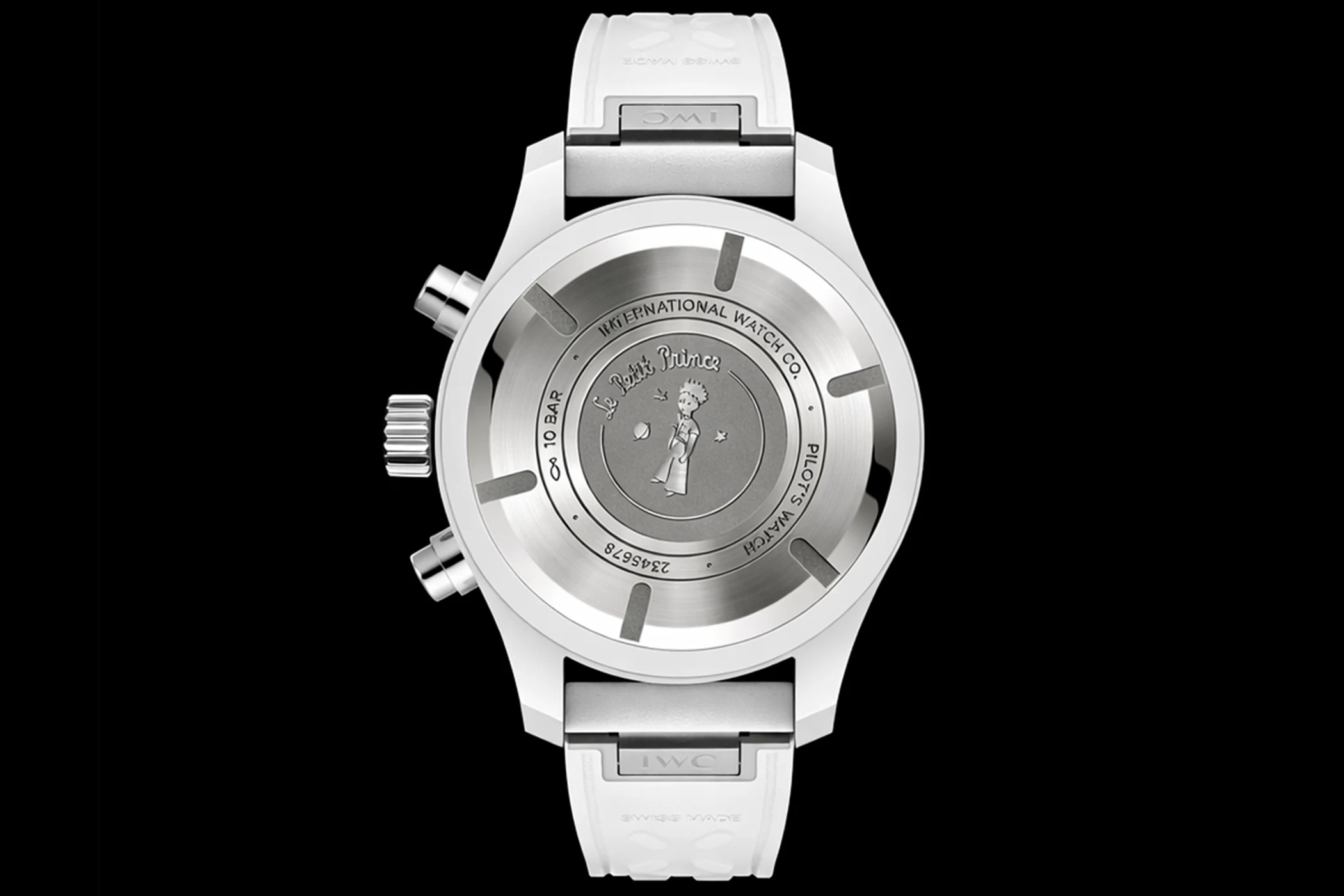
The new movement is making its debut in three different versions: firstly as the Big Pilot’s Watch Perpetual Calendar ProSet Le Petit Prince (reference IW329601, €38,300) in a 42-millimetre steel case with a dark blue dial and a steel bracelet, to which a dark blue rubber strap can also be easily attached thanks to the quick-release clasp. Secondly, as a rose gold version as part of the regular collection with a dark green dial (reference IW329602) and a green leather strap. And last but not least, there is the Petit Prince version with a white ceramic case, which increases the case size to 43 millimetres and, in contrast to the deep blue dial, is a real eye-catcher (reference IW339601, €40,900).
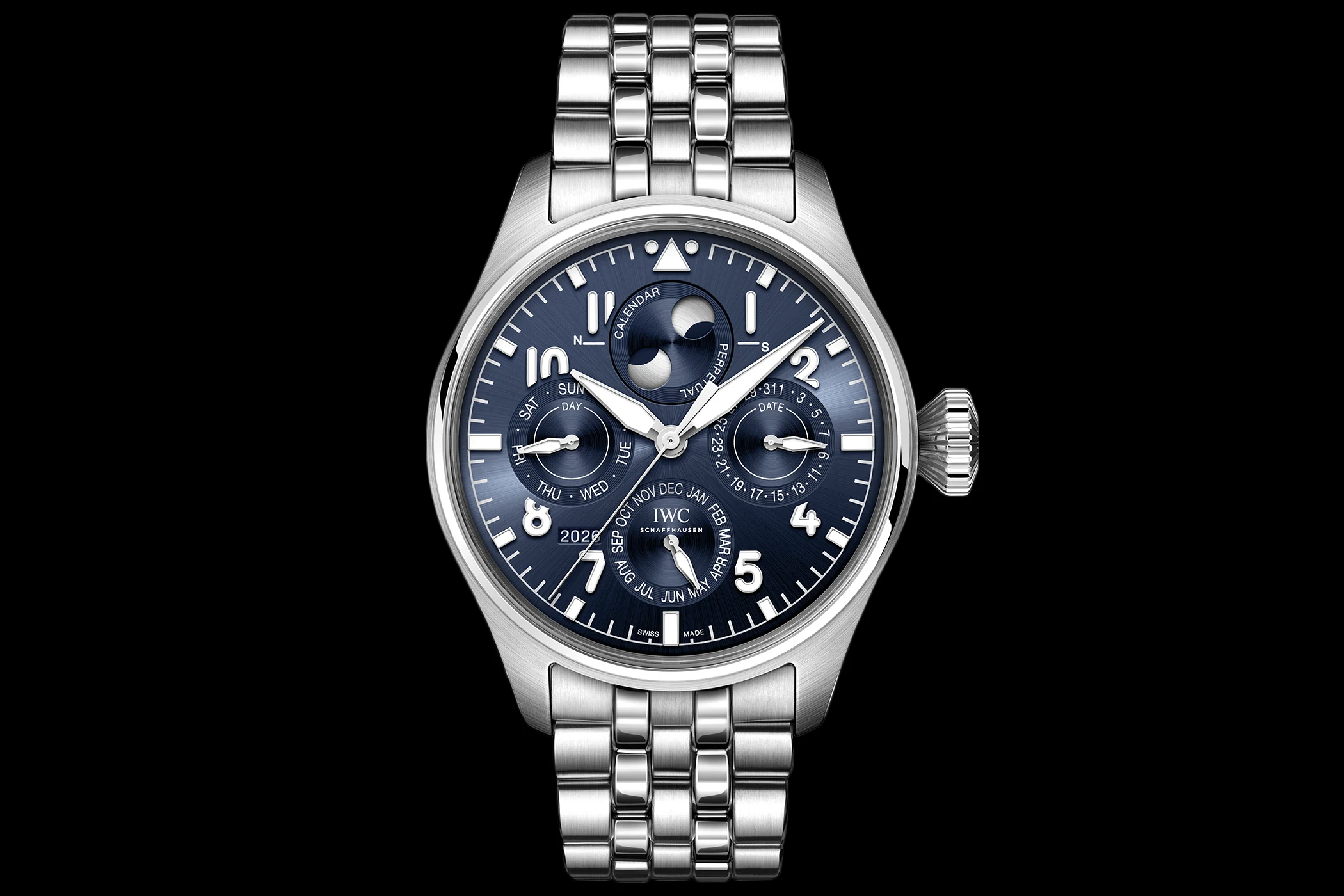
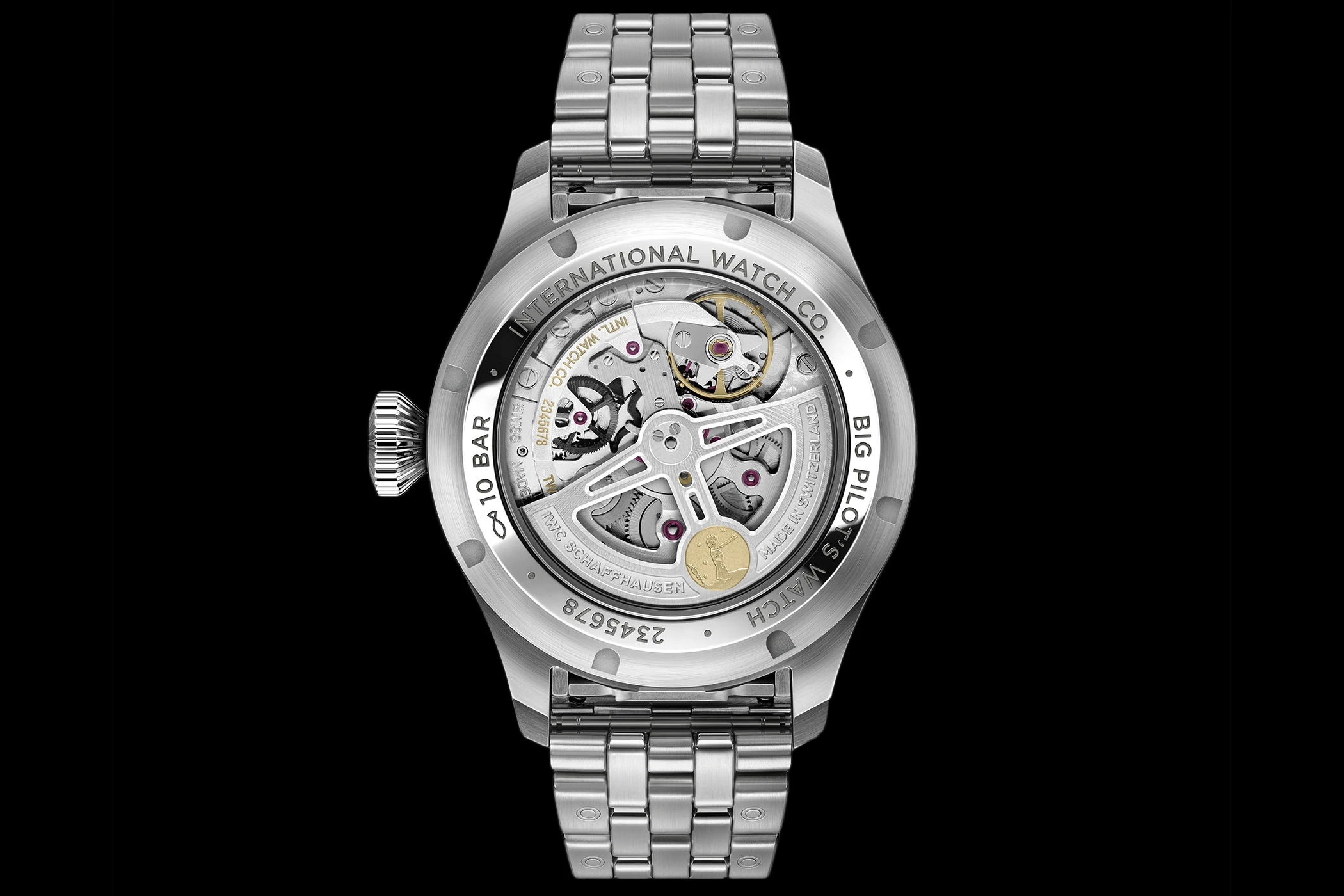
The three models impressively demonstrate just how different a perpetual calendar can look. In steel, the watch has a timeless beauty; in white, it looks very contemporary and cool. The practical pilot’s watch with its distinctive crown quickly becomes a fashion accessory. Above all, they also highlight another advantage: the ProSet calibre fits into smaller case sizes, whereas the predecessor calibre always filled the 46.2-millimetre version of the Big Pilot, and in the past, calibre variants that did without the year display were used for smaller diameters.
The development department at IWC follows a clear innovation strategy. Stefan Ihnen reports: “We certainly invest 90 per cent of our resources in three major areas: firstly, the calendars; secondly, the chronographs; and then, of course, the materials.”
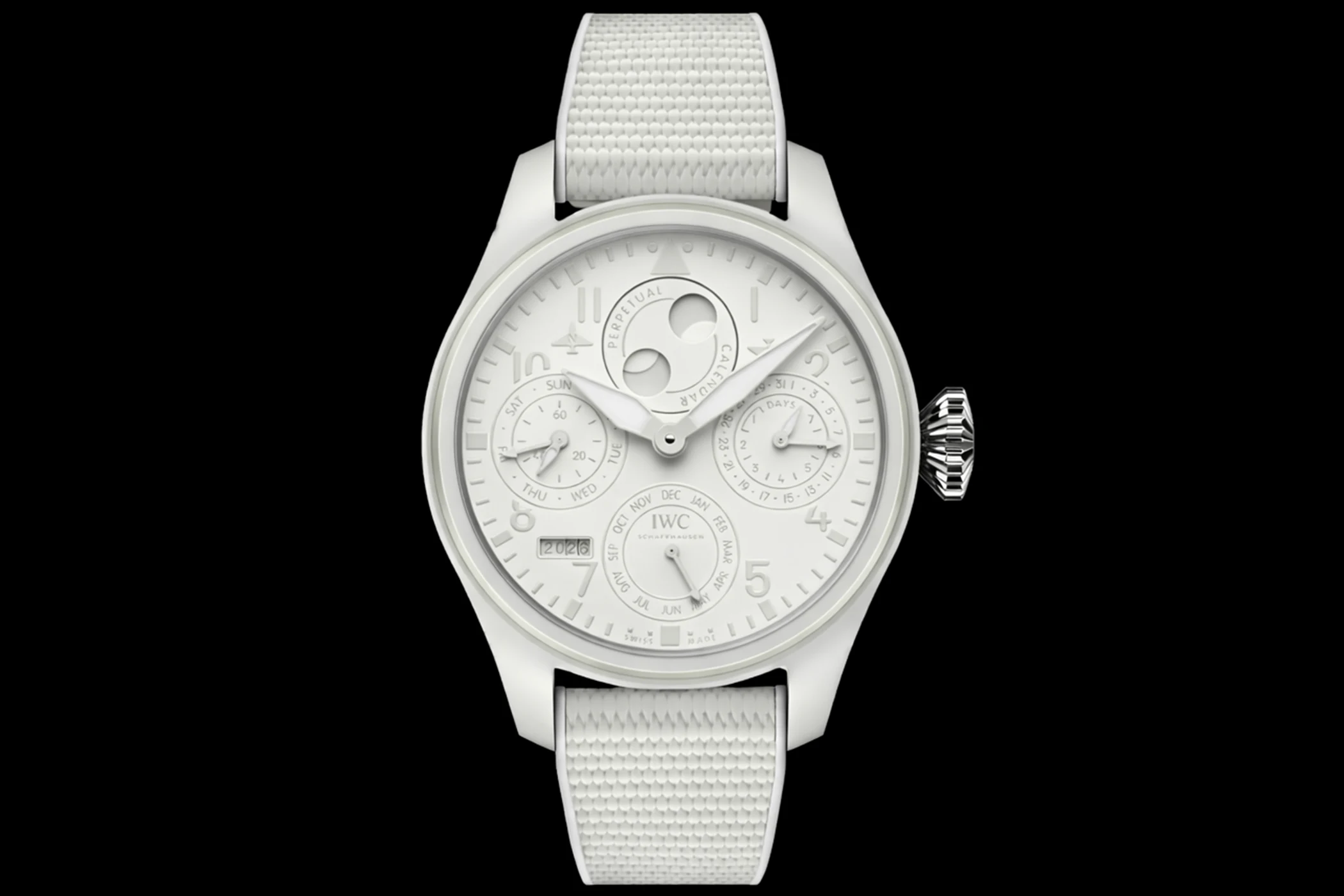
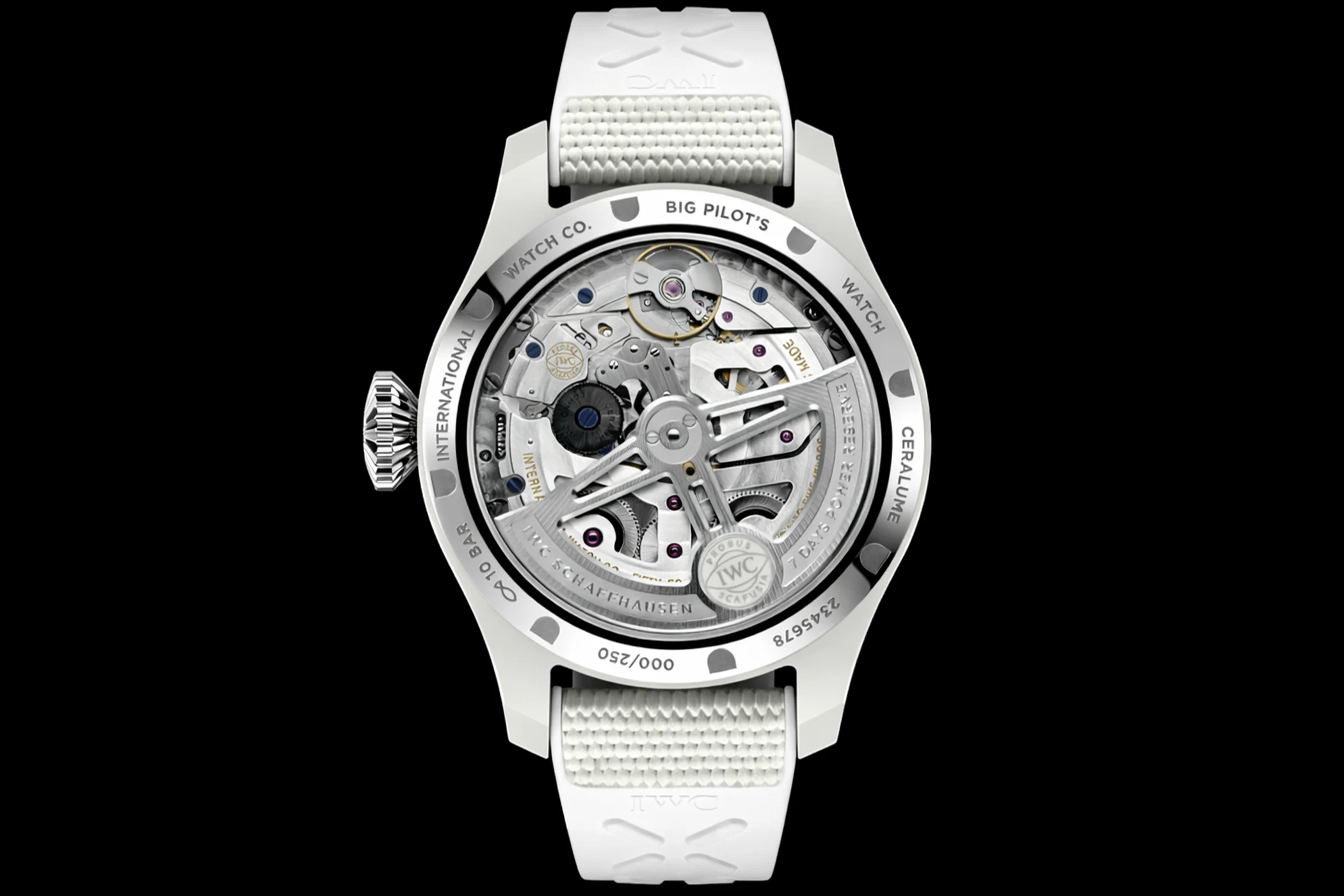
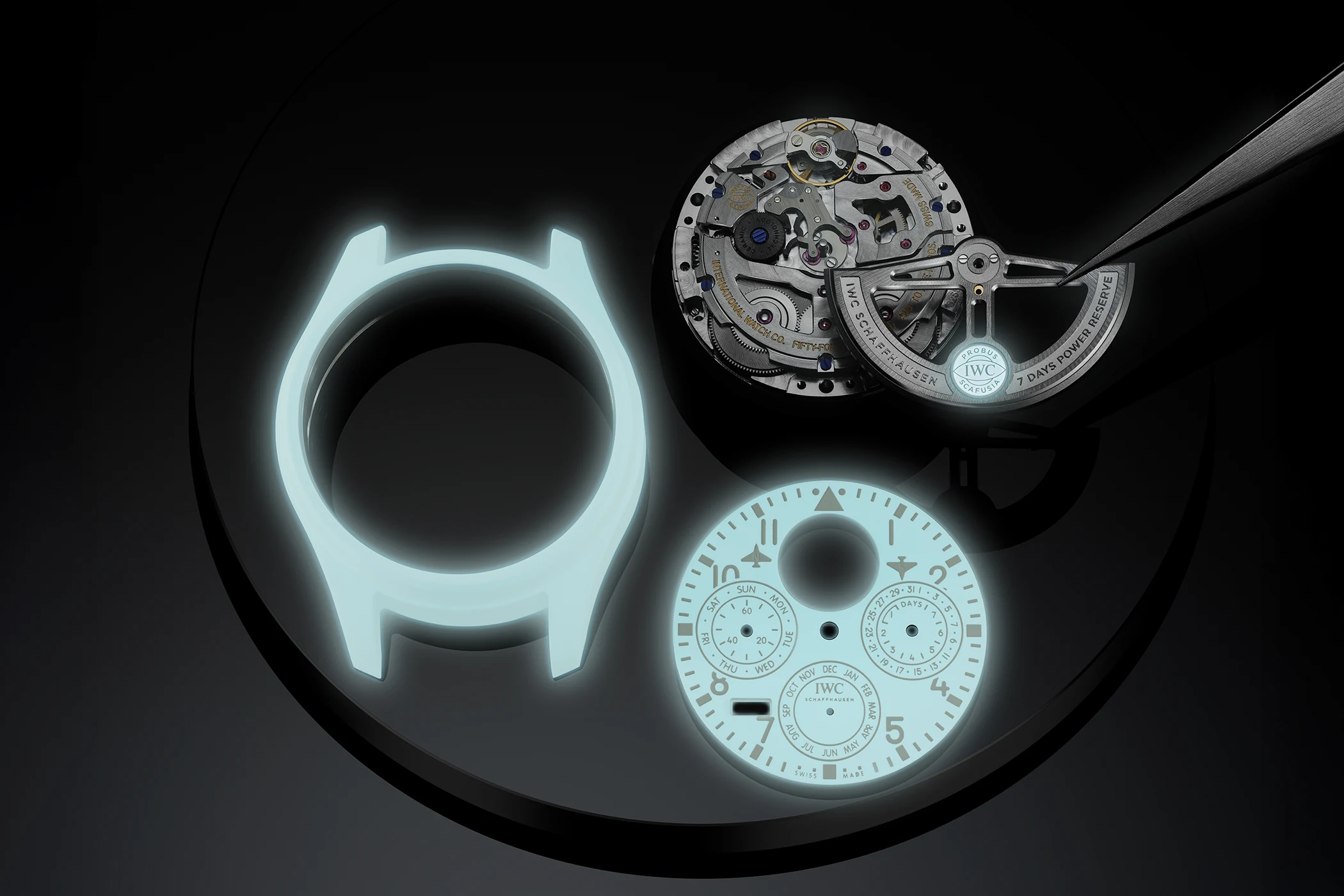
The Big Pilot’s Perpetual Calendar Ceralume (reference IW505801) embodies two of these key features: the perpetual calendar, in the form of the automatic calibre 52616, and the material innovation represented by Ceralume. The arrival of this watch is, in principle, no surprise: two years ago, a one-off model with a case made of glow-in-the-dark ceramic was spotted on the wrist of racing driver Lewis Hamilton. But now, at last, this type of case – fired from a combination of ceramic powder and Superluminova – can also be found in the regular collection, albeit initially only in a limited edition of 250 pieces.
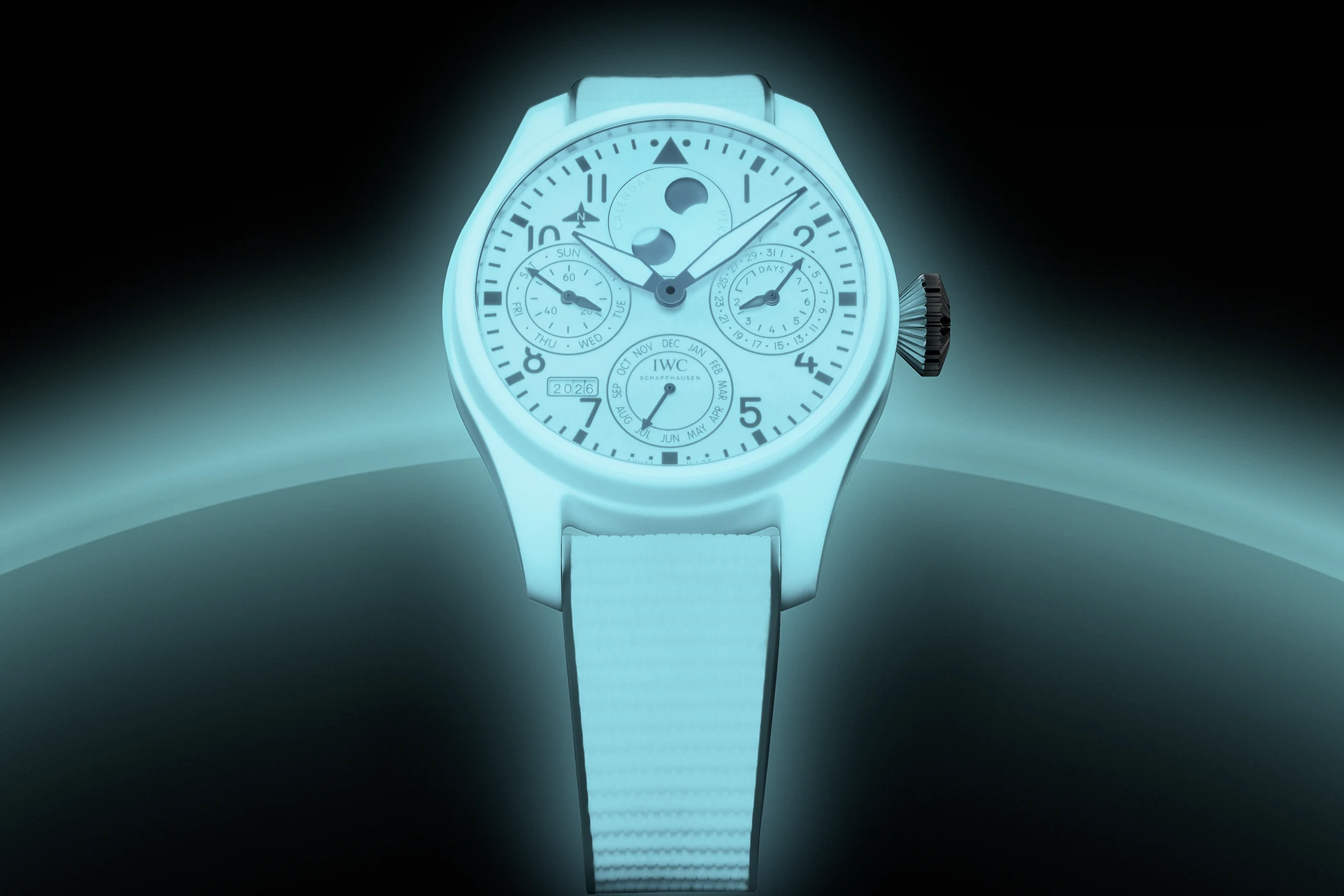
What will provide owners with a first-class party trick in everyday life is the result of intensive material research, with the greatest challenge being to achieve an even glow across the case. In the dark, the snow-white Ceralume now glows like a firefly: case, dial, strap – everything is illuminated. With a diameter of 46.5 millimetres, the watch is hard to miss in any light, day or night, and poses quite a challenge for slender wrists. Fortunately, however, IWC appears to be only at the beginning of a Ceralume story with vast potential for development. Reportedly, smaller cases are also technically feasible, and at least in theory, other ceramic colours could be made to glow, although white naturally produces the most striking effect. Against this backdrop, choosing the Big Pilot for its first major debut seems more than fitting.
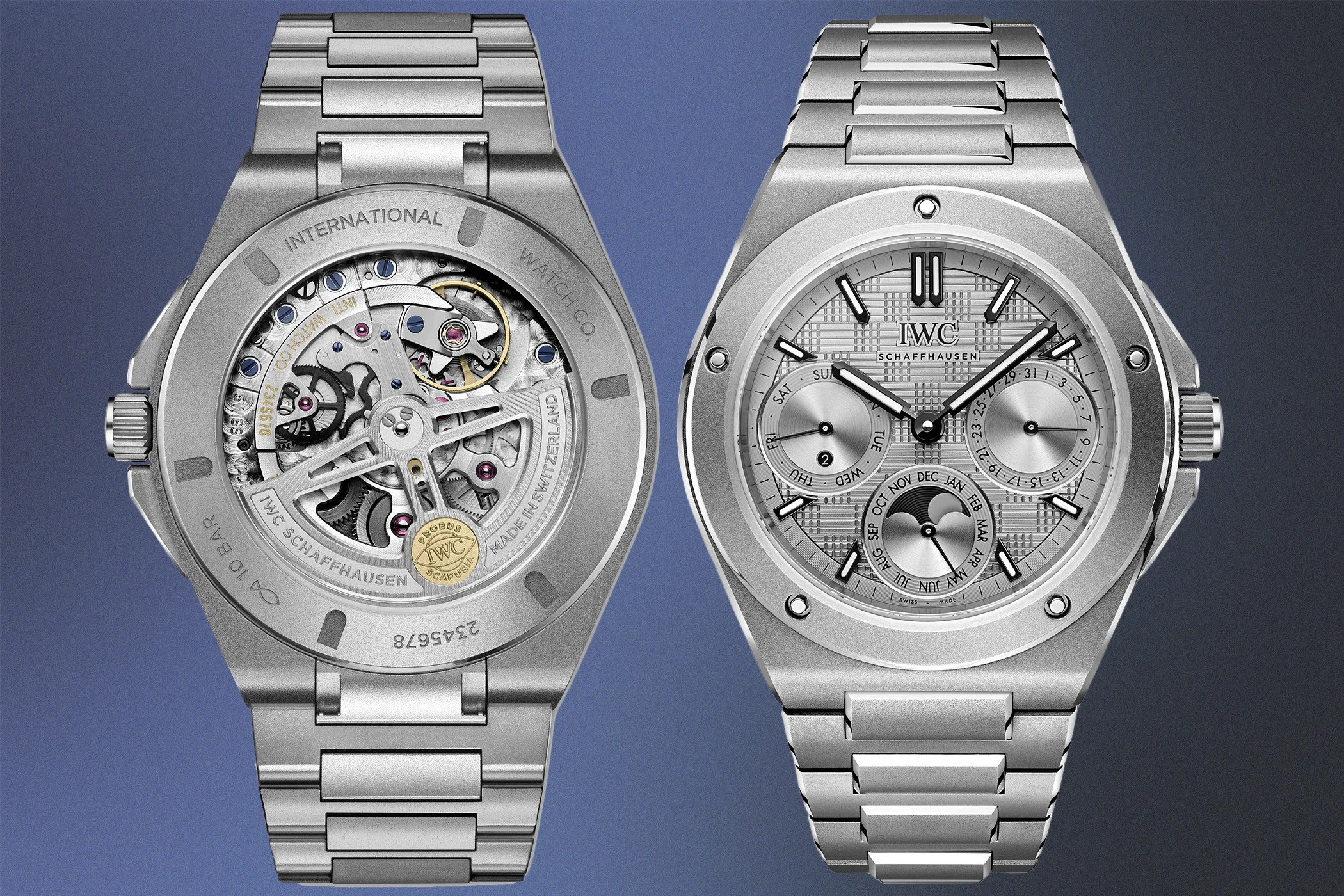
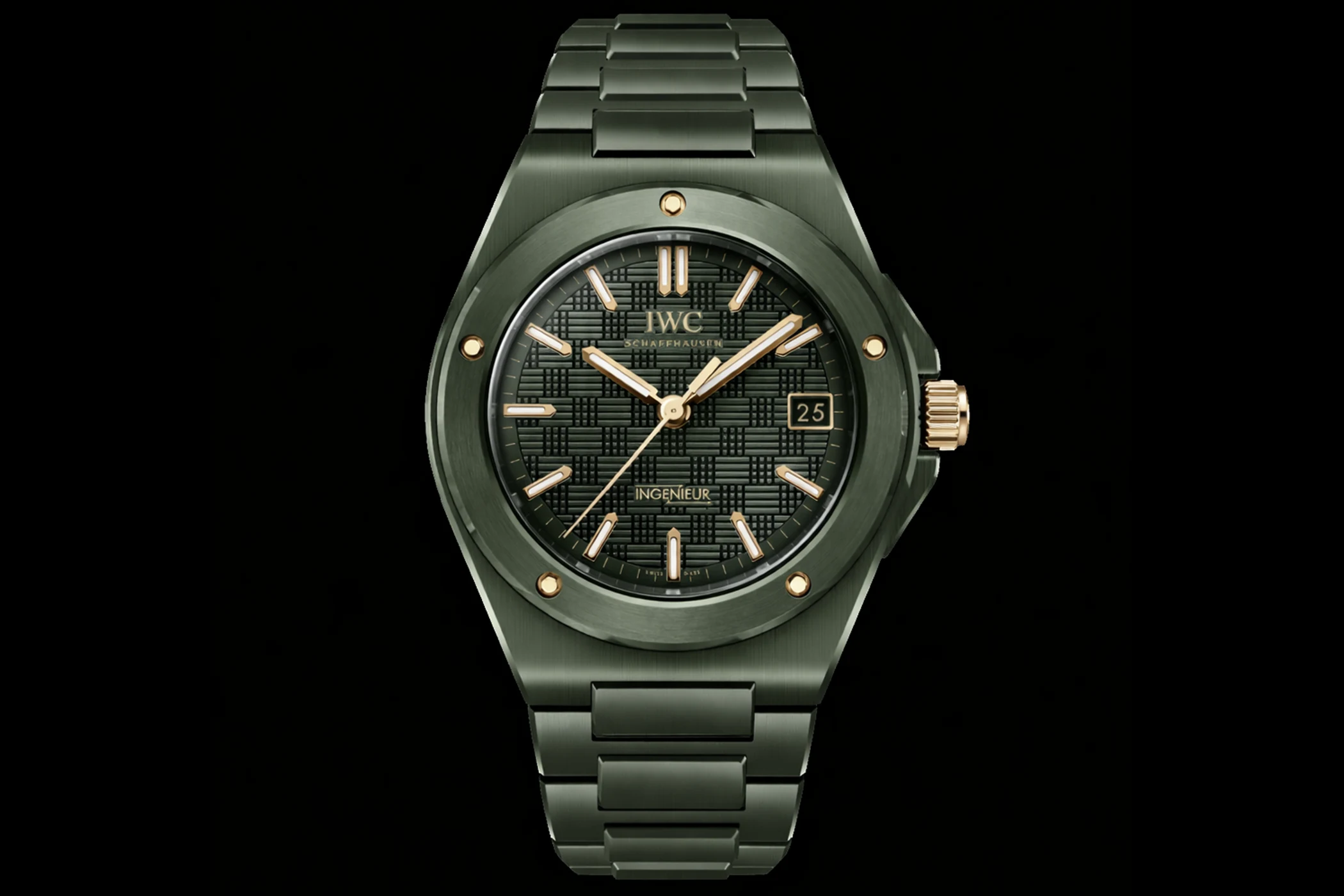
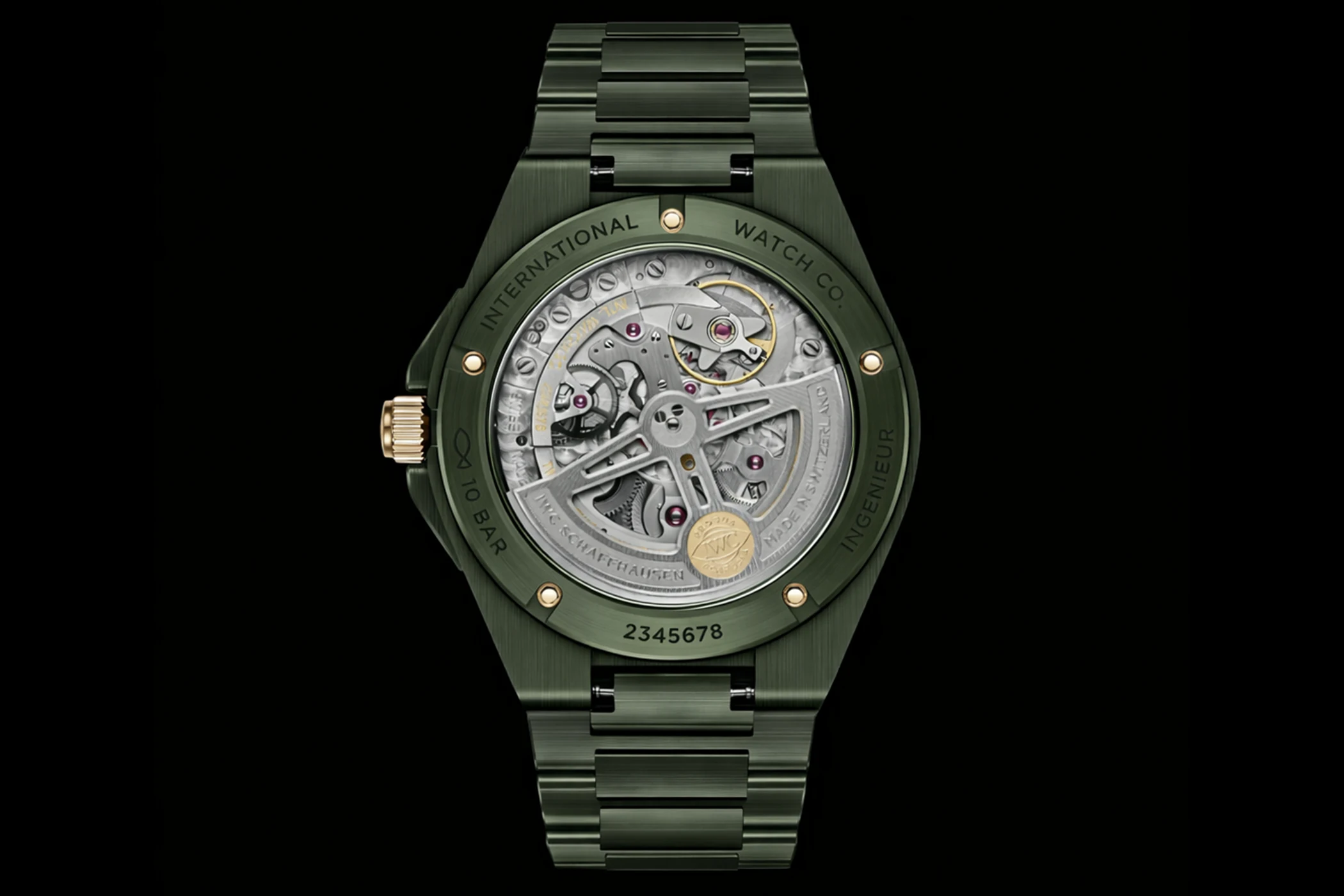
The Ingenieur family, which is being further expanded this year, now features even more dials and materials. A visual highlight is a model crafted from olive-green ceramic with rose-gold accents. It follows on from last year’s black version, and with its gold hour markers, hands, screws and crown, it is anything but a low-key affair (reference IW338902, €23,700). It follows more closely in the footsteps of the rose gold Ingenieur with a flying tourbillon (reference IW345901). However, whilst we have every sympathy for the collection, it must be noted at this point that the latter version is likely to be more of a showcase than a major commercial success. For an IWC, this timepiece is simply unusually loud. The latest version of the Perpetual Calendar Ingenieur is significantly more discreet, and not just in this comparison: crafted from titanium, the 41-millimetre case with its matt grey finish is pleasantly understated – not to mention its comfort on the wrist (reference IW344904, €44,100).


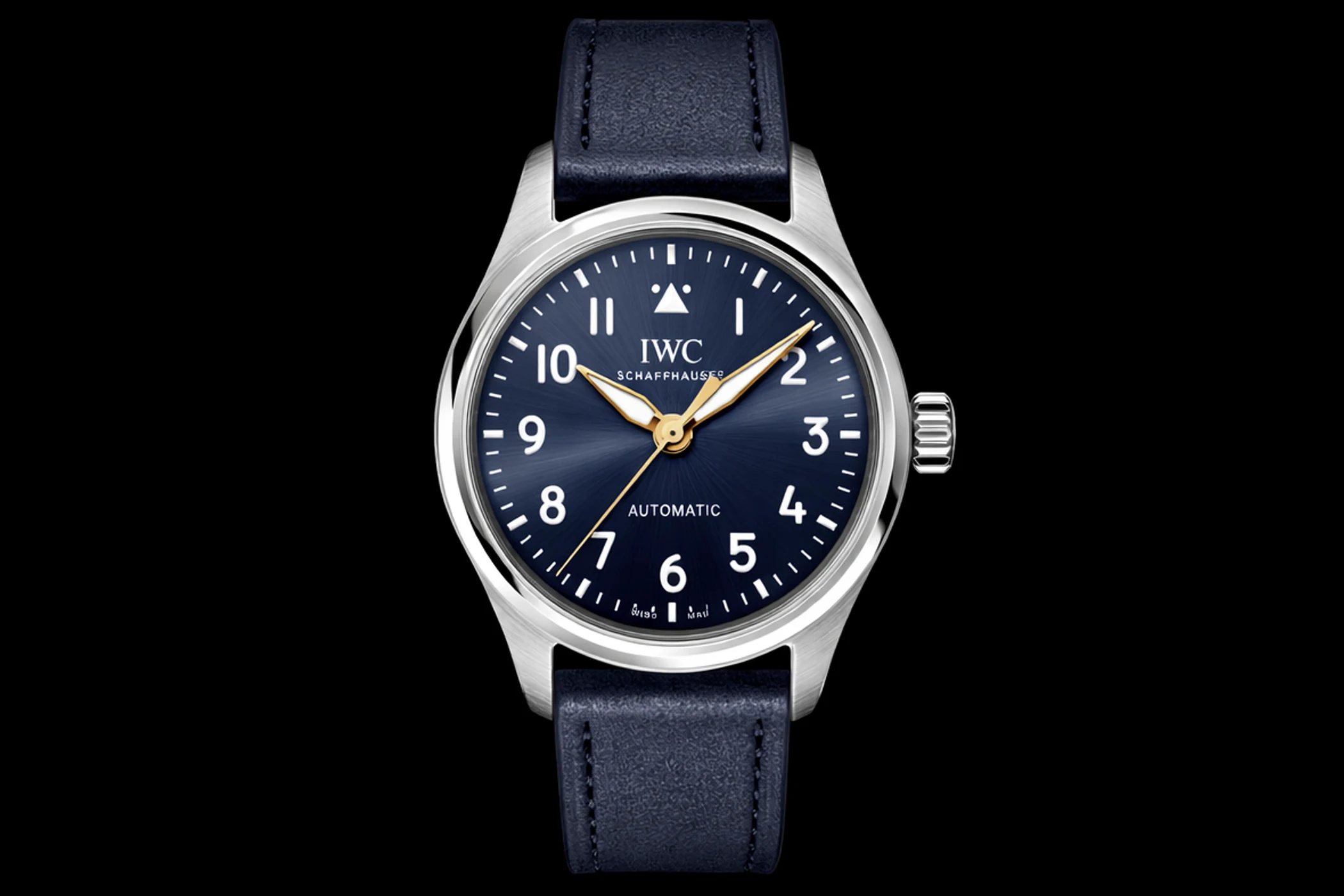
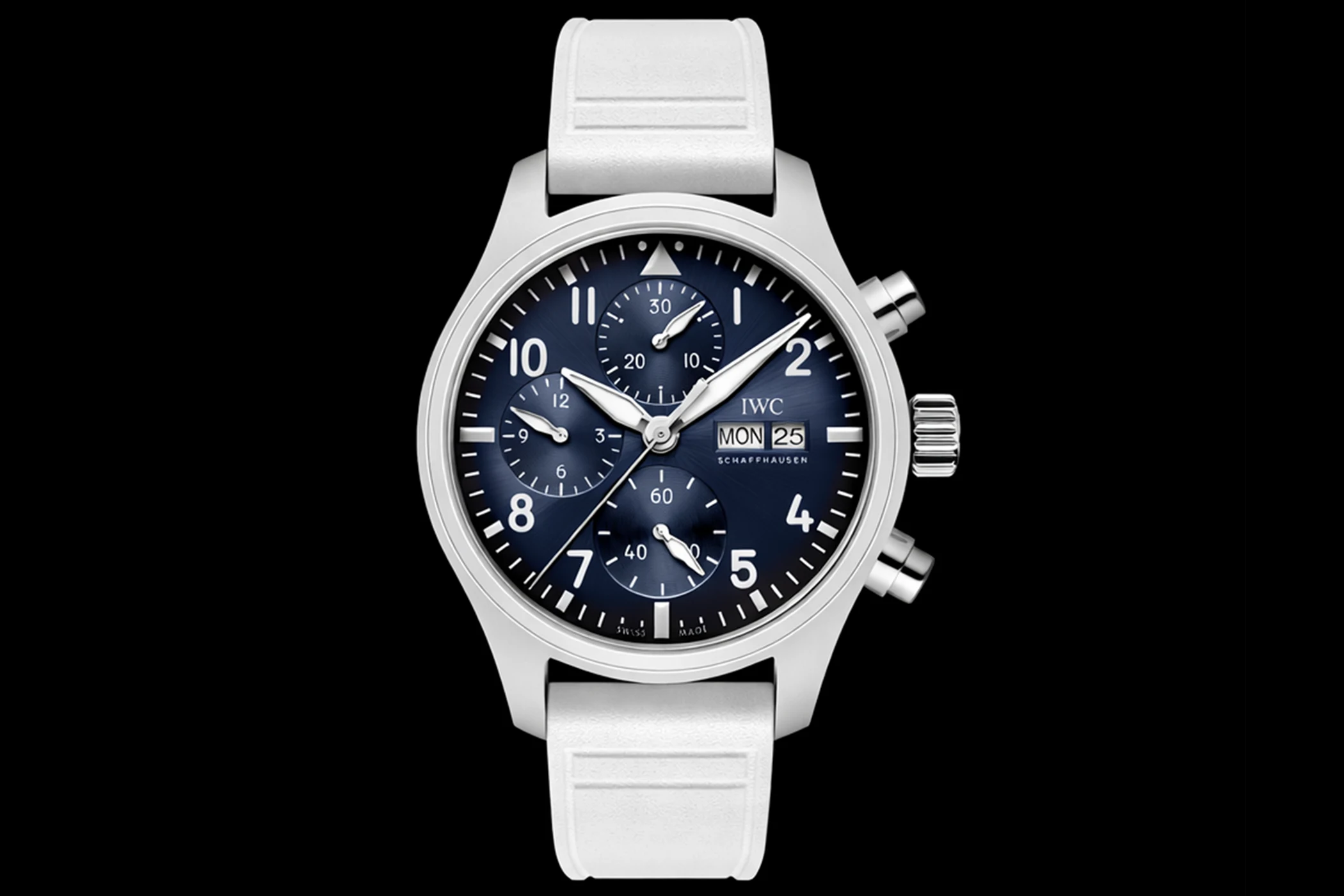
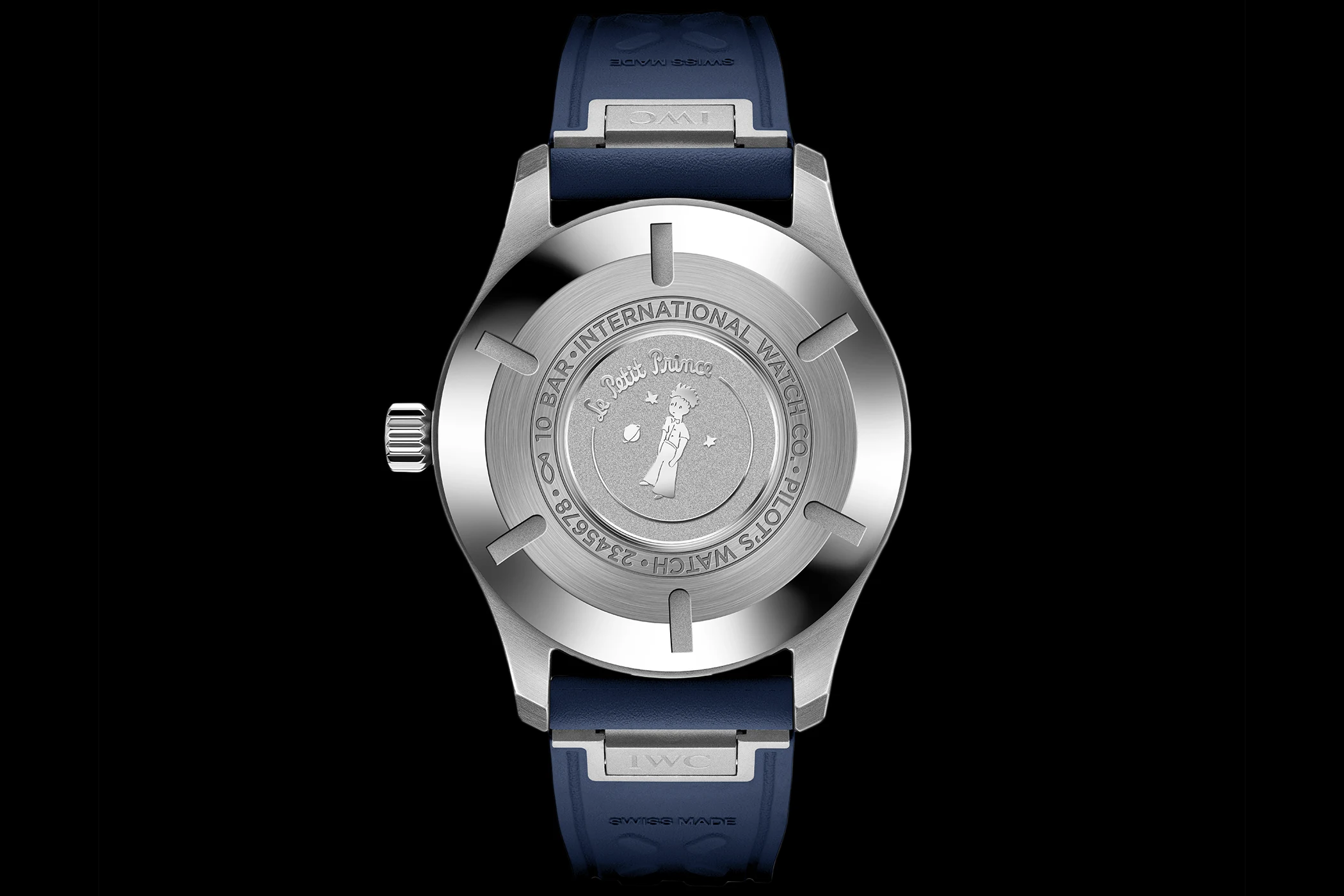
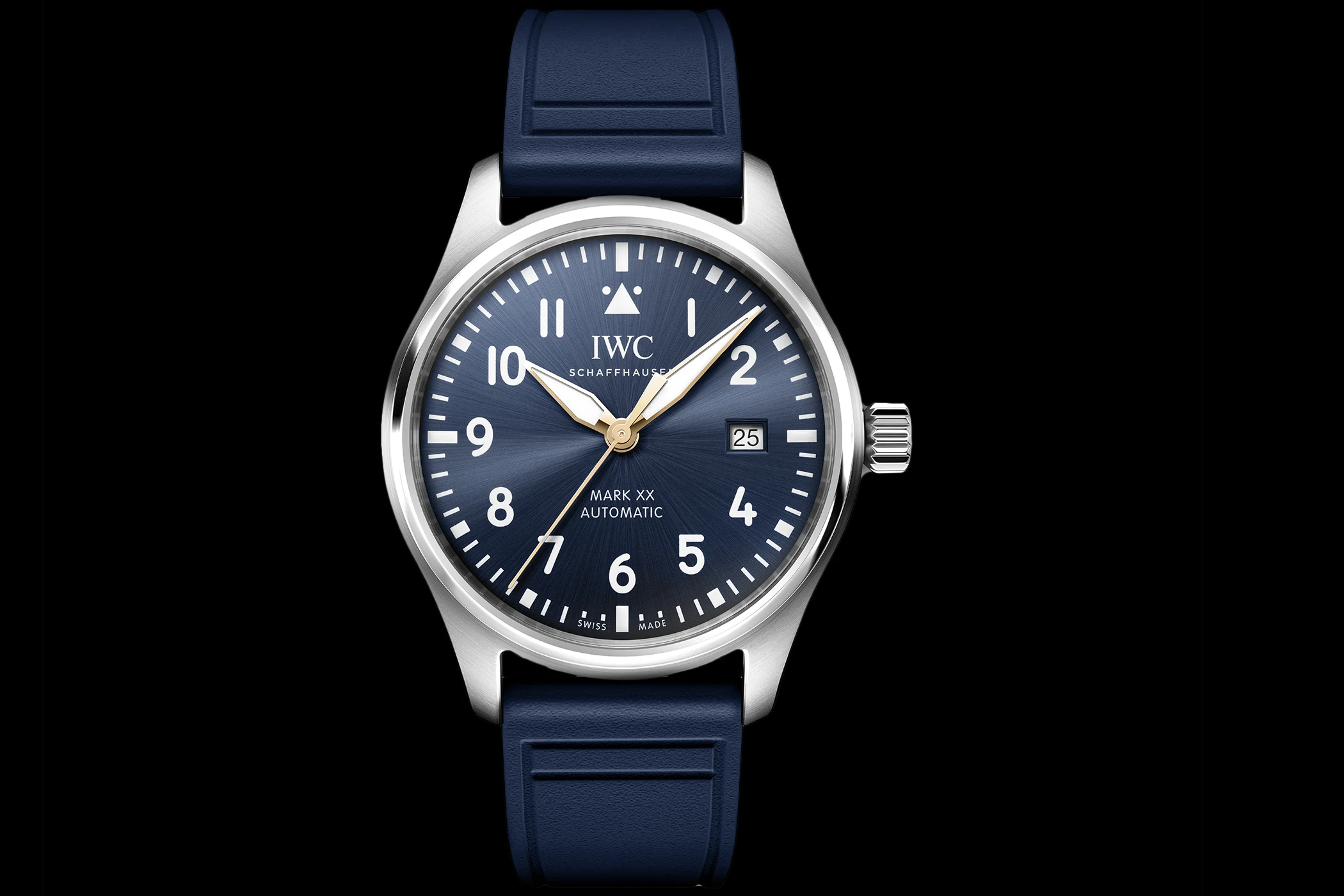
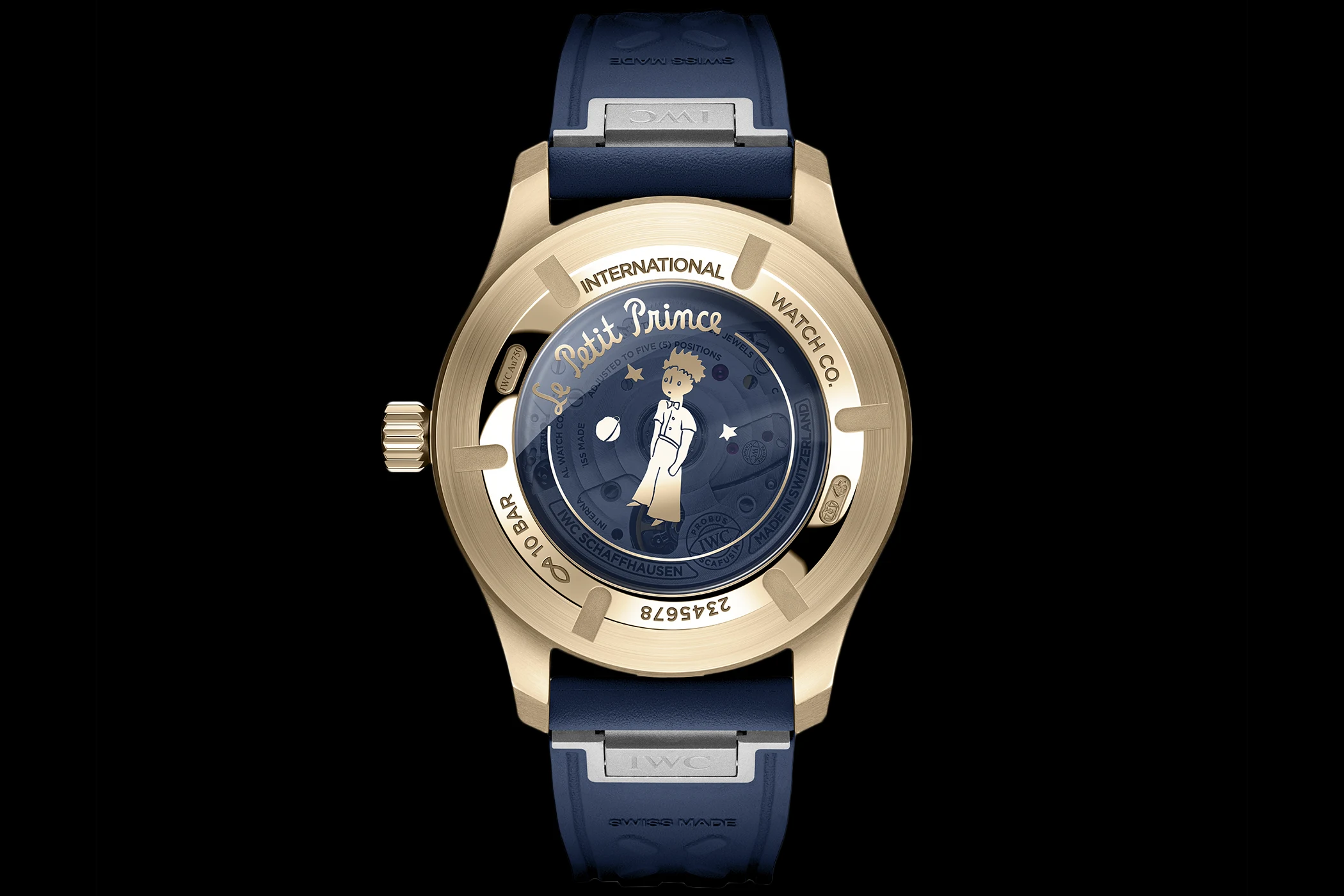
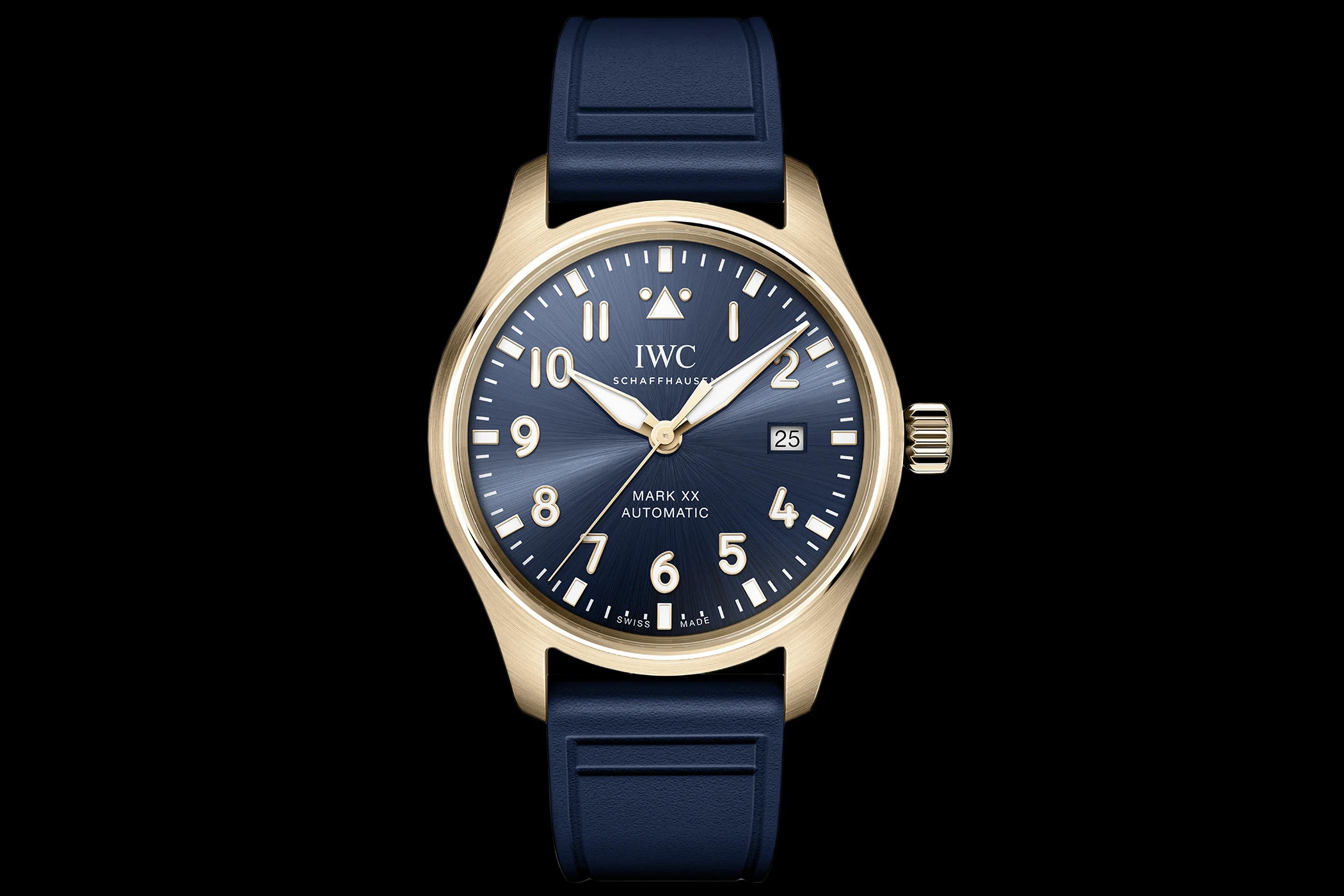
It is considered the best-selling book after the Bible and the Koran. Antoine de Saint-Exupéry’s story of The Little Prince has touched the hearts of people around the world, and IWC’s partnership with the author’s heirs has brought financial success to both parties for two decades now, as well as a range of particularly fine timepieces to the watch world. This anniversary year is no exception; indeed, the Prince and the dark blue dial so closely associated with him are omnipresent. We have already reported here on the two Big Pilot variants featuring the new ProSet calendar. These are joined, among others, by ‘Le Petit Prince’ models of the Mark XX in rose gold (reference IW328301) as well as steel Pilot’s Chronographs with 41- and 43-millimetre cases (references IW388120 and IW378011).
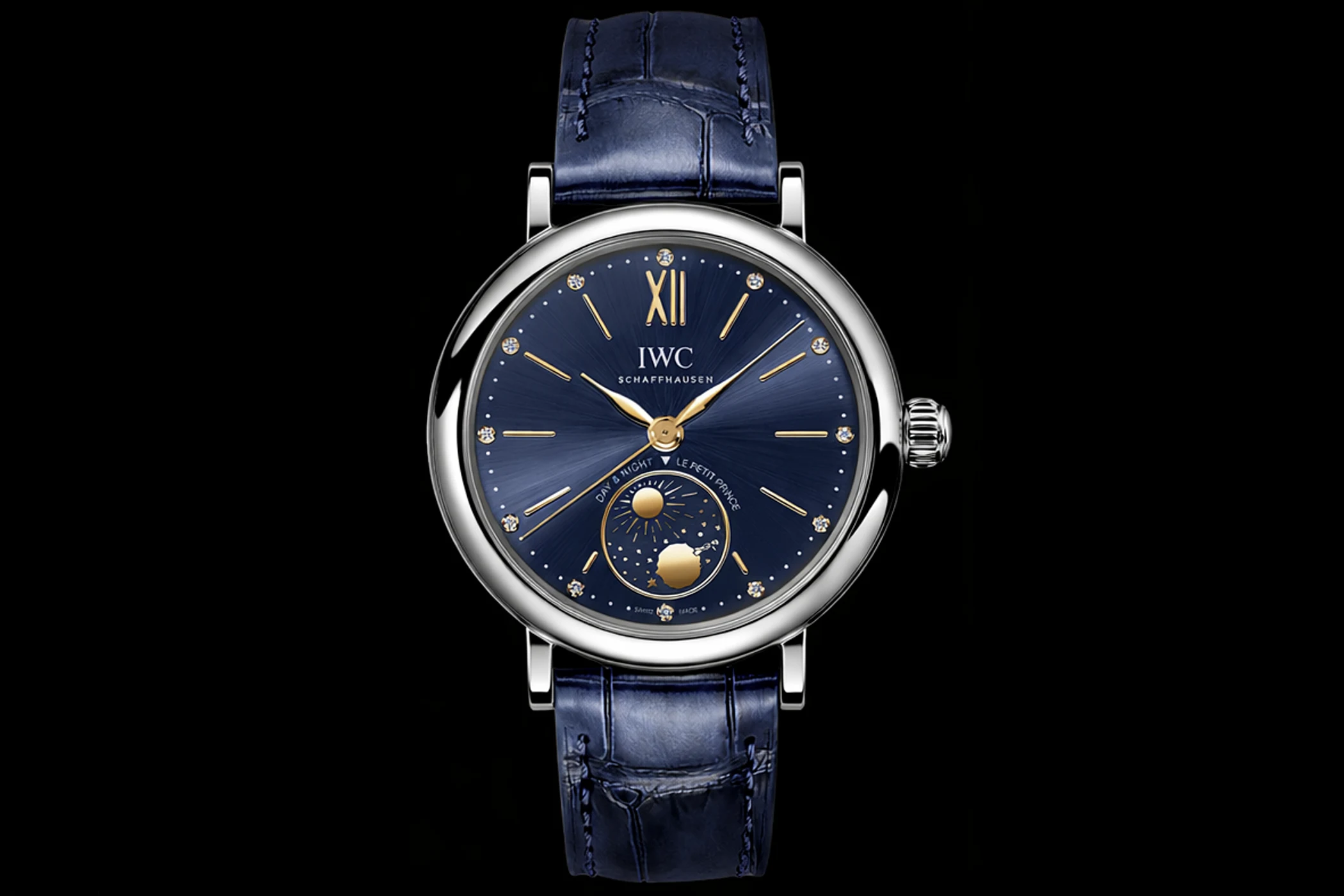
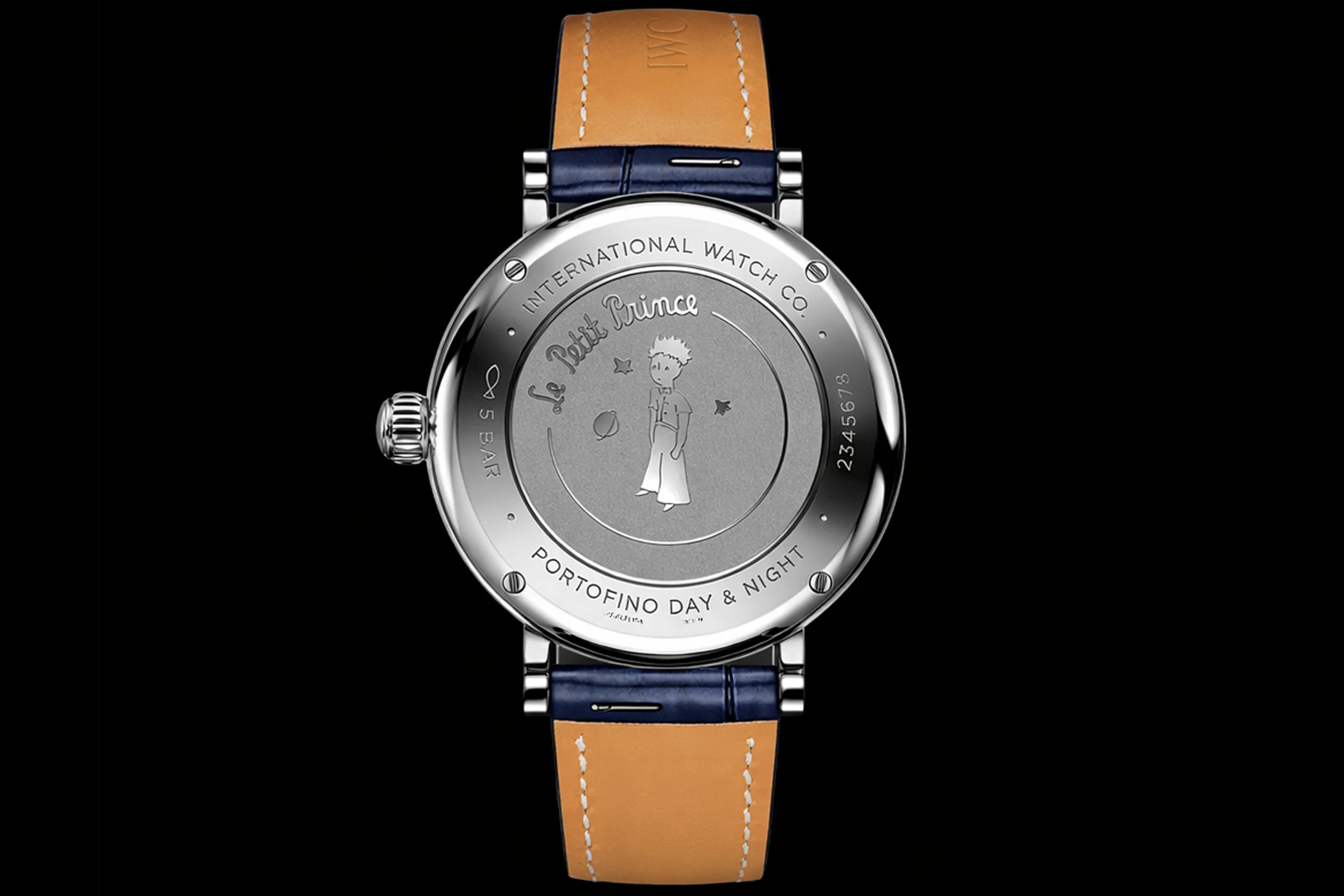
A quiet highlight of this year’s collection, however, is a 34-millimetre Portofino Day & Night (reference IW459806). This steel model with gold accents features a day/night indicator at six o’clock, and it is precisely here that the tiny miniature prince stands on the moon, gazing up at the starry sky. This watch is the most delicate and romantic star of this year’s new collection, a world away from pilot’s chronographs, astronaut’s GMT watches and solid-gold tourbillons. Yet the sight of it makes you pause and smile. And on top of that, it demonstrates just how wide the spectrum of the typical IWC watch world is.