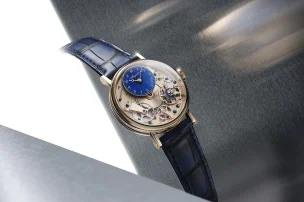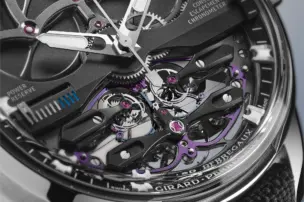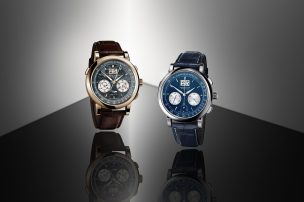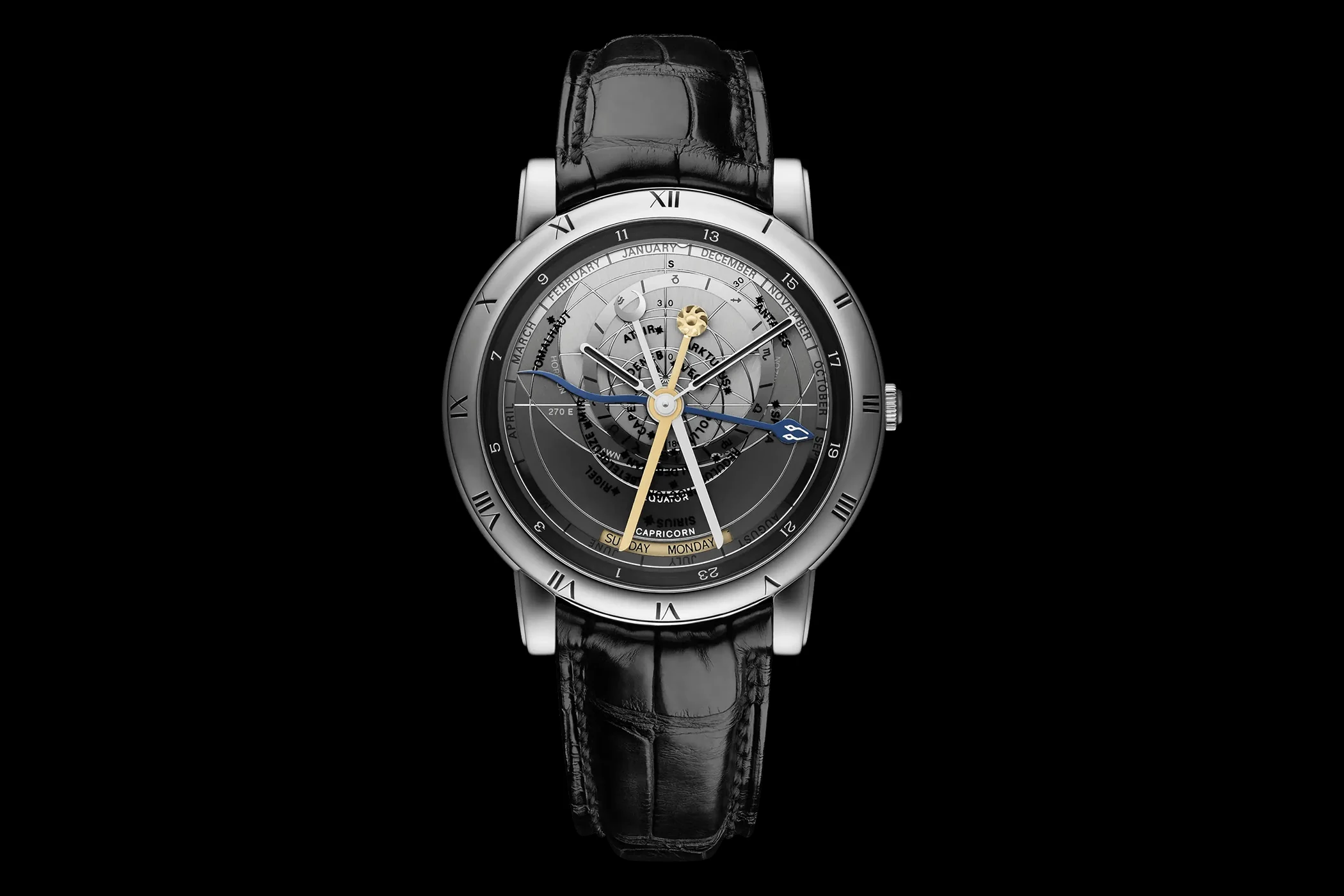
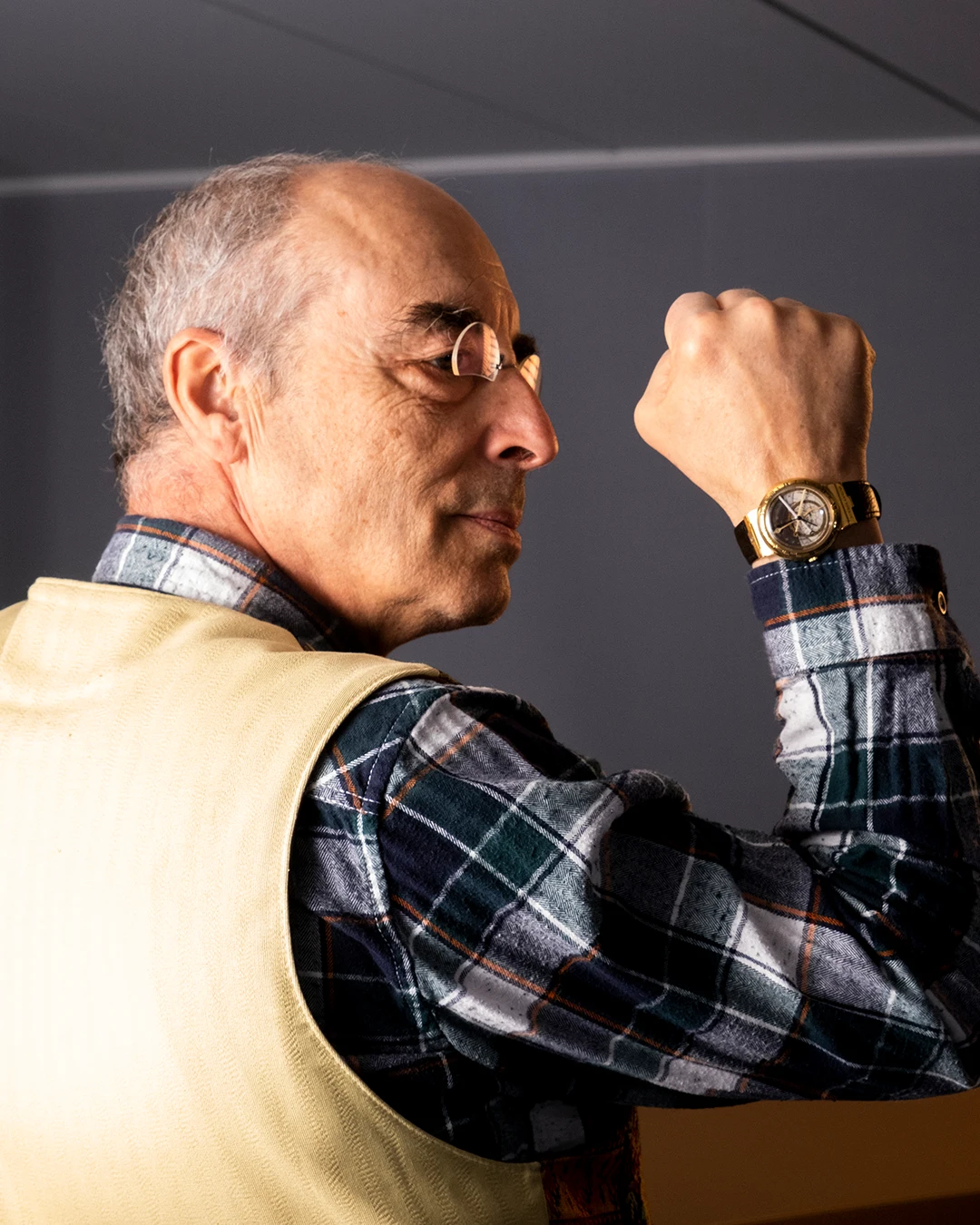
A detailed look at the A. Lange & Söhne Cabaret Tourbillon Honeygold, its stop-seconds tourbillon, Honeygold case and calibre L042.1.
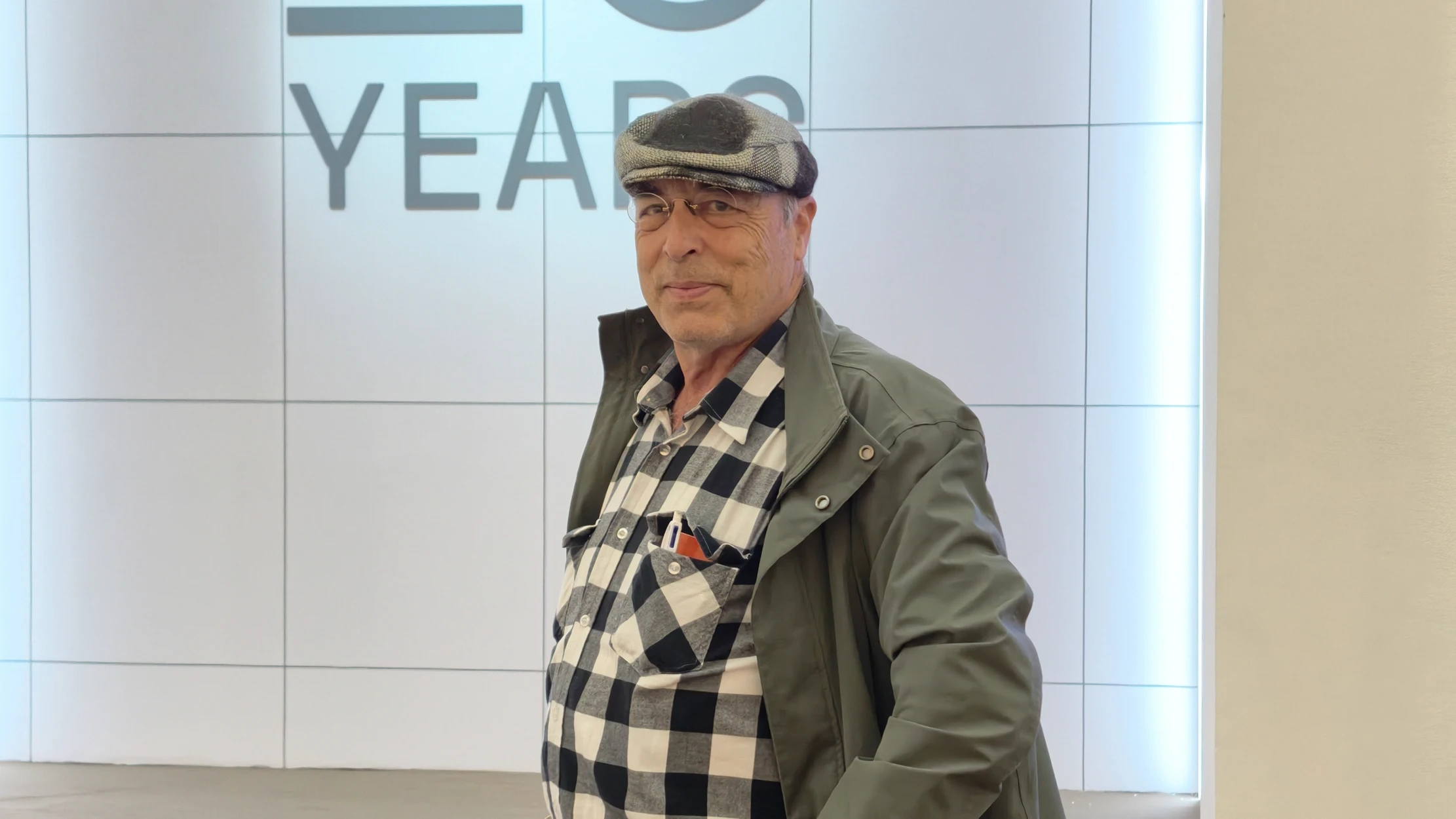
Ludwig Oechslin is an exceptional figure. His biography reads like a journey through the humanities and natural sciences: from archaeology and philosophy to theoretical physics and astronomical watchmaking. A conversation about the nature of complexity, the radicalism of the “Freak”, and why a wristwatch is always also a form of communication.
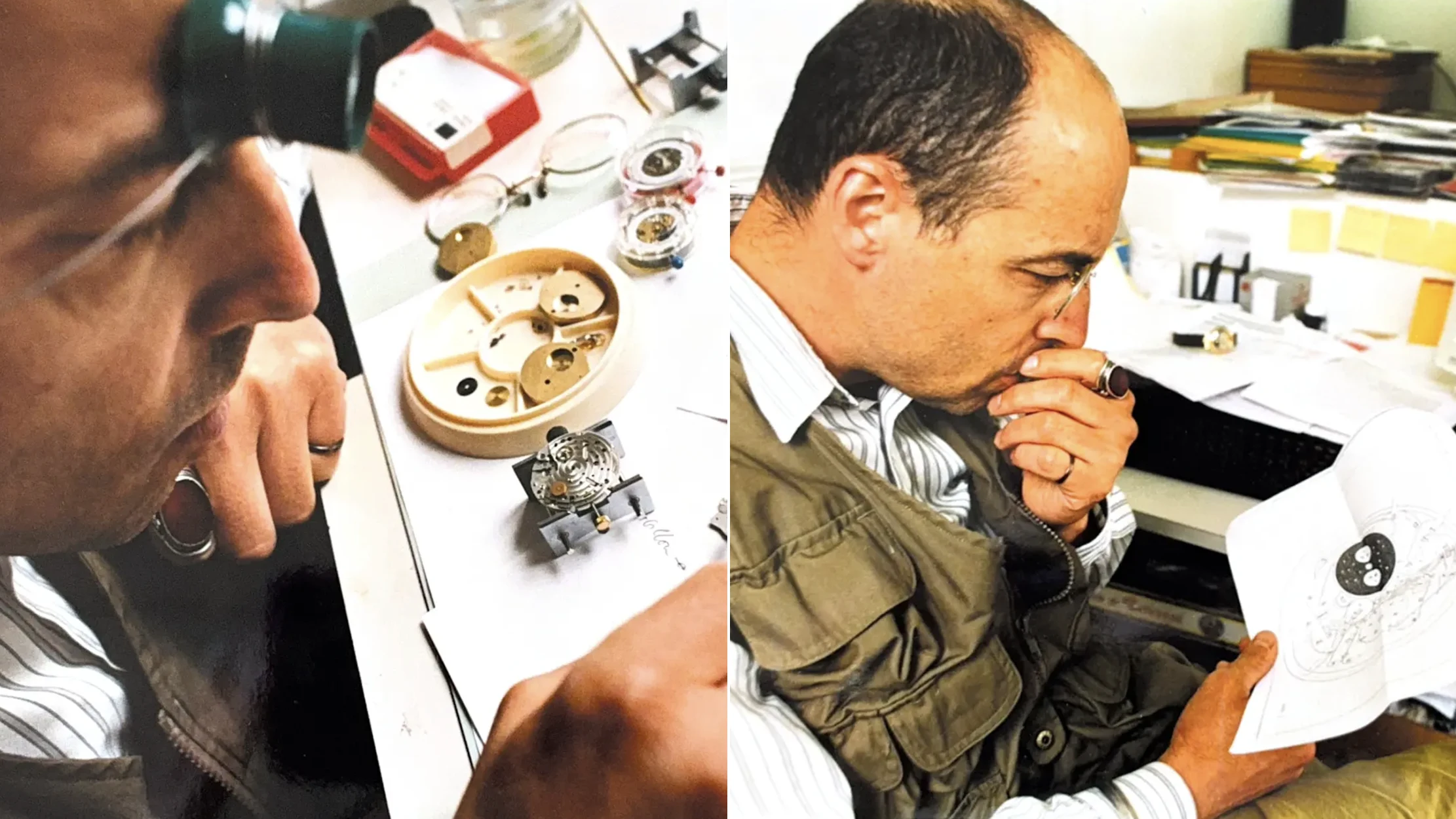
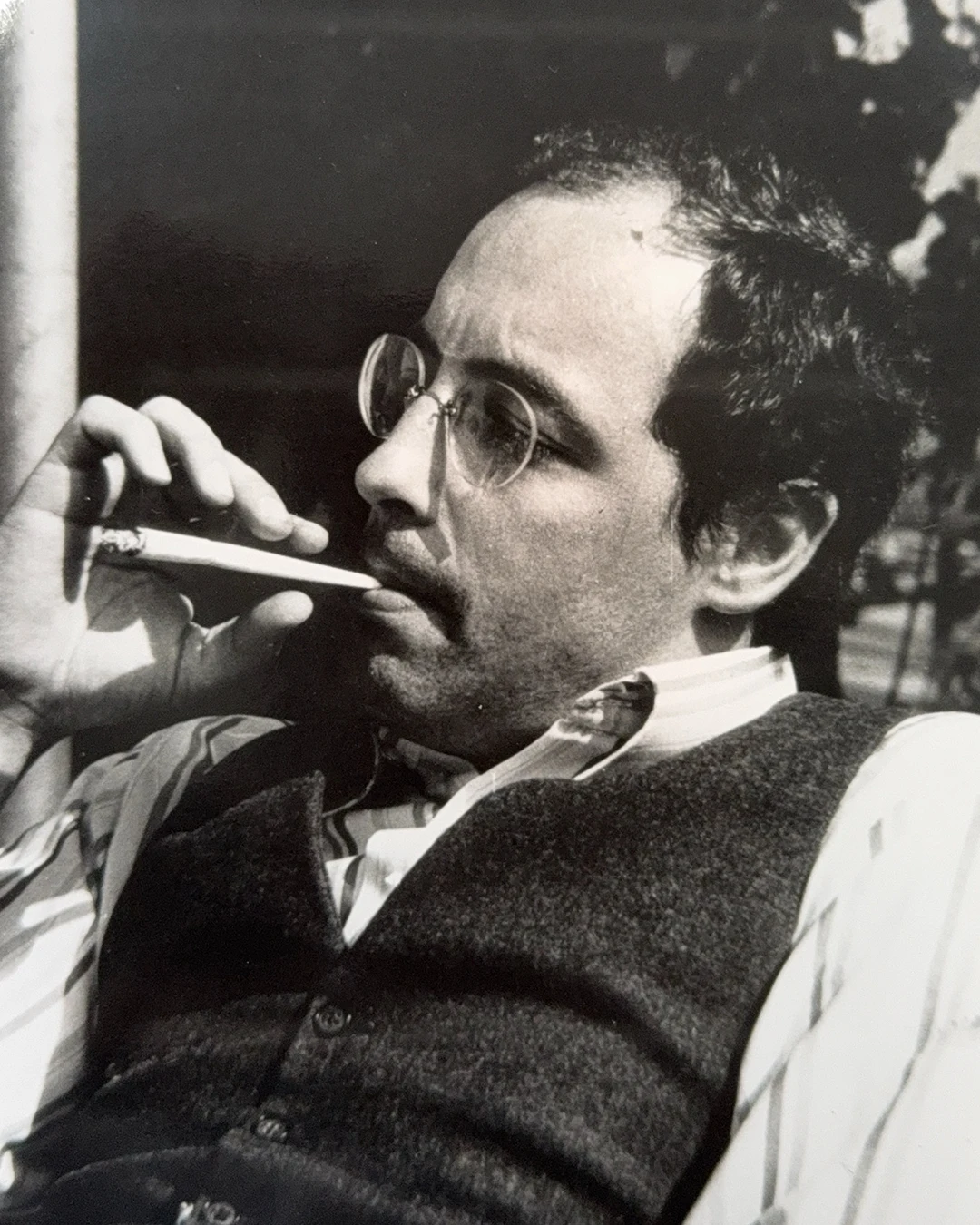
Ludwig Oechslin: It was not a conscious plan. I originally studied archaeology, Greek and Latin. When I initially failed to make progress in my studies, I looked for a practical alternative that would allow me to make a living. As I was good with my hands, I hesitated between goldsmithing and watchmaking. I chose an apprenticeship. Interestingly, my studies suddenly began to go better as soon as I organised watchmaking in parallel. Since then, I have worked on both levels – academically and practically.
I studied in Basel, but travelled to Lucerne every weekend. My master was based there, while I completed the compulsory courses at the watchmaking school in Solothurn.
At the time, the apprenticeship consisted primarily of servicing existing movements. From the outset, however, my aim was to build complete watches myself. That was no longer a matter of course back then. Together with my master, I focused on understanding the requirements for doing so and implementing them step by step.
It is a source of fascination. The fact that small levers can beat time exactly as it is displayed still excites me. For me, however, the real emotion arises at the moment of success: when I have constructed a watch myself and it actually works.
No, it is more a form of tension until it is finished. But of course one can take pleasure in it when the whole thing has succeeded. It is a sense of achievement that, in a certain way, makes life worth living.
Habit is boring. For me, it is essential to do things differently from how they have been done before. The tradition of the craft remains the indispensable basis. Only those who master it can build on it creatively.
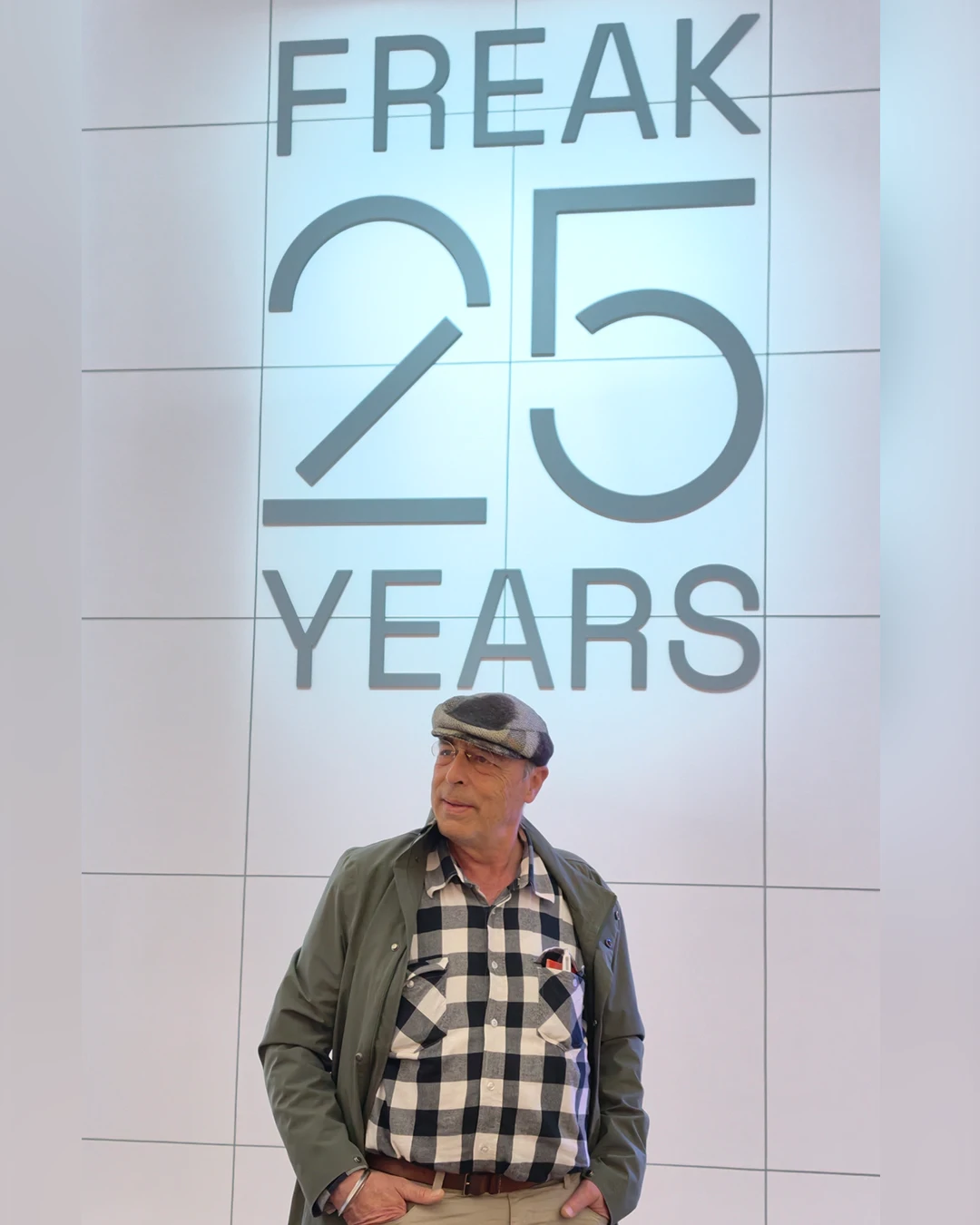
You always set the challenges yourself, through the goals you pursue. The Freak consisted of a wide range of innovations – working on it was simply a great pleasure. What exists today is, in essence, a multiplication of that.
Above all, I believe that it must become increasingly complicated, more diverse and contain more parts. It is like a diamond: when you cut it, you can first give it one surface, then a second – and it already has two reflections. Add further surfaces, and more and more reflections emerge.
The more complex a diamond is, with a wide variety of cleanly cut facets, the more brilliantly it shines. And today’s watches are on the same path: the more parts they have, the more they resemble diamonds – in a figurative sense.
There are two approaches. One can look for a solution to each individual problem and place them side by side – that is an additive solution. I, however, look for synthetic solutions: a single solution which, although intellectually highly complex, solves several problems at once. The result is fewer components. And the fewer parts a watch has, the more reliably it runs. Later on, the intellectual work behind it is no longer visible in the finished component.
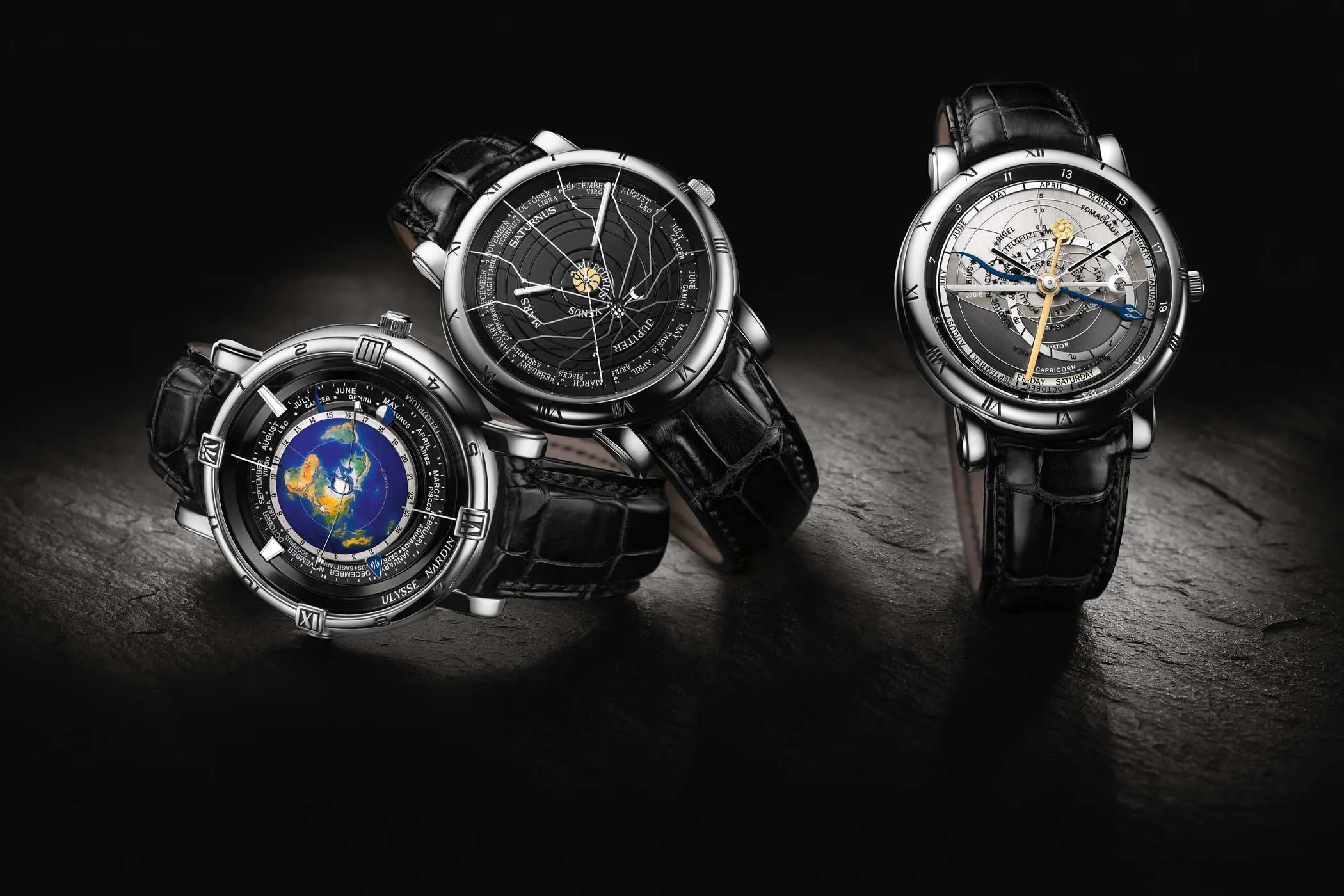
For me, beauty lies in the logic of function. A watch is a tool for information – a small world, a small Earth on the wrist, turning continuously. When a watch displays the time or the calendar clearly and legibly, it is beautiful. If, however, design prevents legibility – black on black, for example – it loses its relevance for me.
No, it is like this: a quartz watch is always more precise than a mechanical one – even the simplest quartz watch. That is why I do not understand why people today develop such complex things, such as a double tourbillon. In the end, that is pure playfulness.
To return once again to the comparison with the diamond: the watch has evolved from a tool, originally intended to coordinate time, into a bijou. In other words, into an object with which one, in a sense, acquires renown by showing what one can afford.
The actual function of the watch has receded into the background – in favour of aesthetics and a beautiful object that conveys statements no longer connected to its original function.
No, quite the opposite: that is precisely why the world is as it should be. If you look at when jewellery first emerged, you see that it already existed among Neanderthals. Evidently, it was almost as important as daily bread.
That shows that jewellery clearly has a fundamental significance. It, too, is a means of communication, albeit a very different one. Through it, one acquires renown, makes a statement or identifies with others who wear the same jewellery – and thereby feels a sense of belonging.
All these are forms of communication. And this communicative form of jewellery, into which the watch has developed far more strongly today than in the past, is therefore absolutely necessary.
No, in fact I never really am. I keep on constructing, because something better always comes to mind. The latest idea is usually the best – or perhaps not, depending on how far I have gone down the wrong path in the process of constructing.
Above all, this work taught me that a great deal of know-how developed at the time had been lost over a certain period because it was no longer needed. It was precisely this knowledge that I reconstructed.
Through these studies, I learned a great deal. The information I gained from them could then, in turn, be translated creatively into new developments.
One example is a perpetual calendar that functions solely with rotating components – something Philipp Matthäus Hahn had already realised. The challenge is to develop such a calendar anew today, while making it even better than his.
That shows that these approaches already existed back then, but had been completely lost. And that was precisely where the challenge lay: to continue working from that point.
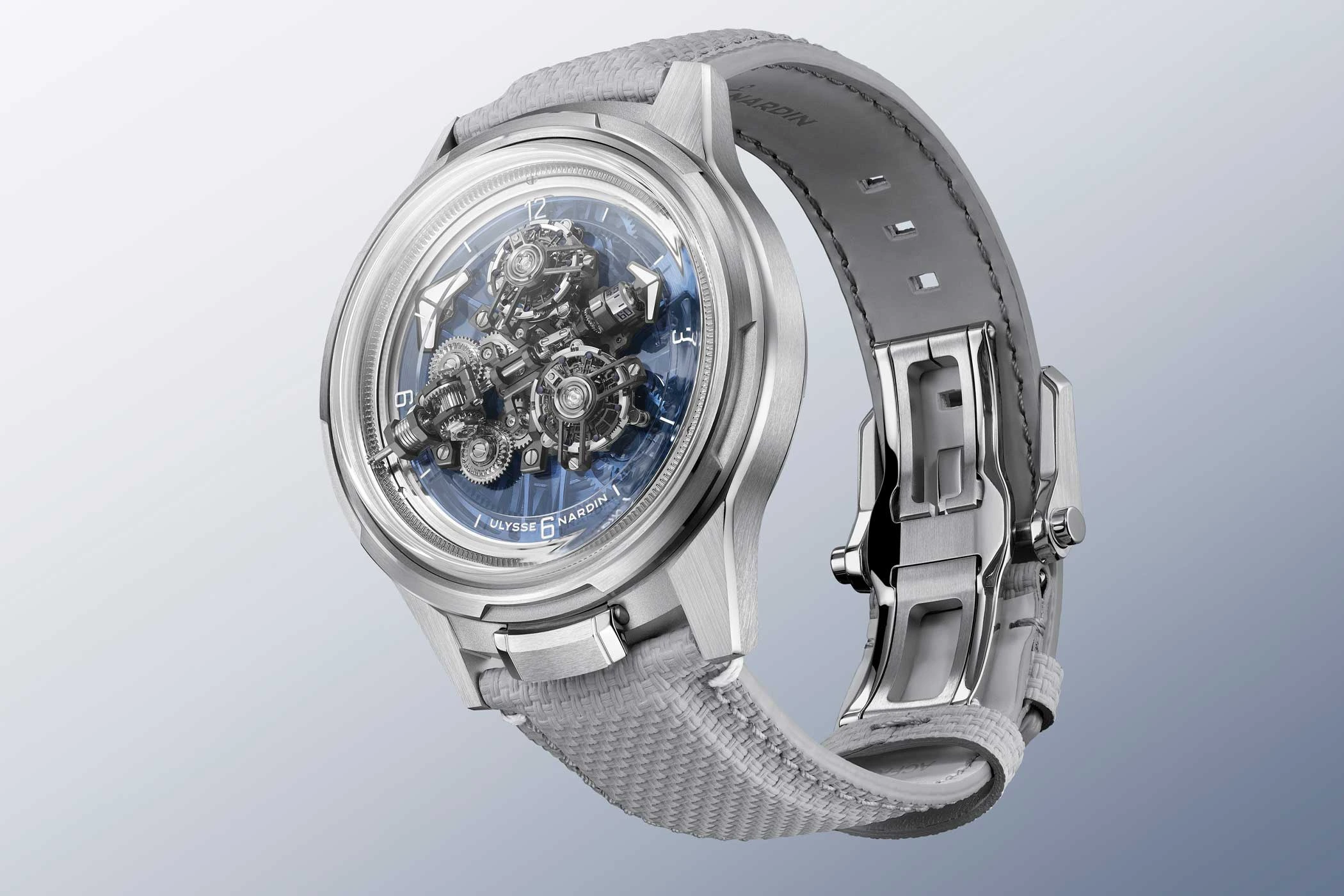
It is like this: in the Freak, there are gears, an escapement and an energy source in the form of a spring – that is all traditional, isn’t it? It was simply assembled differently and reinterpreted.
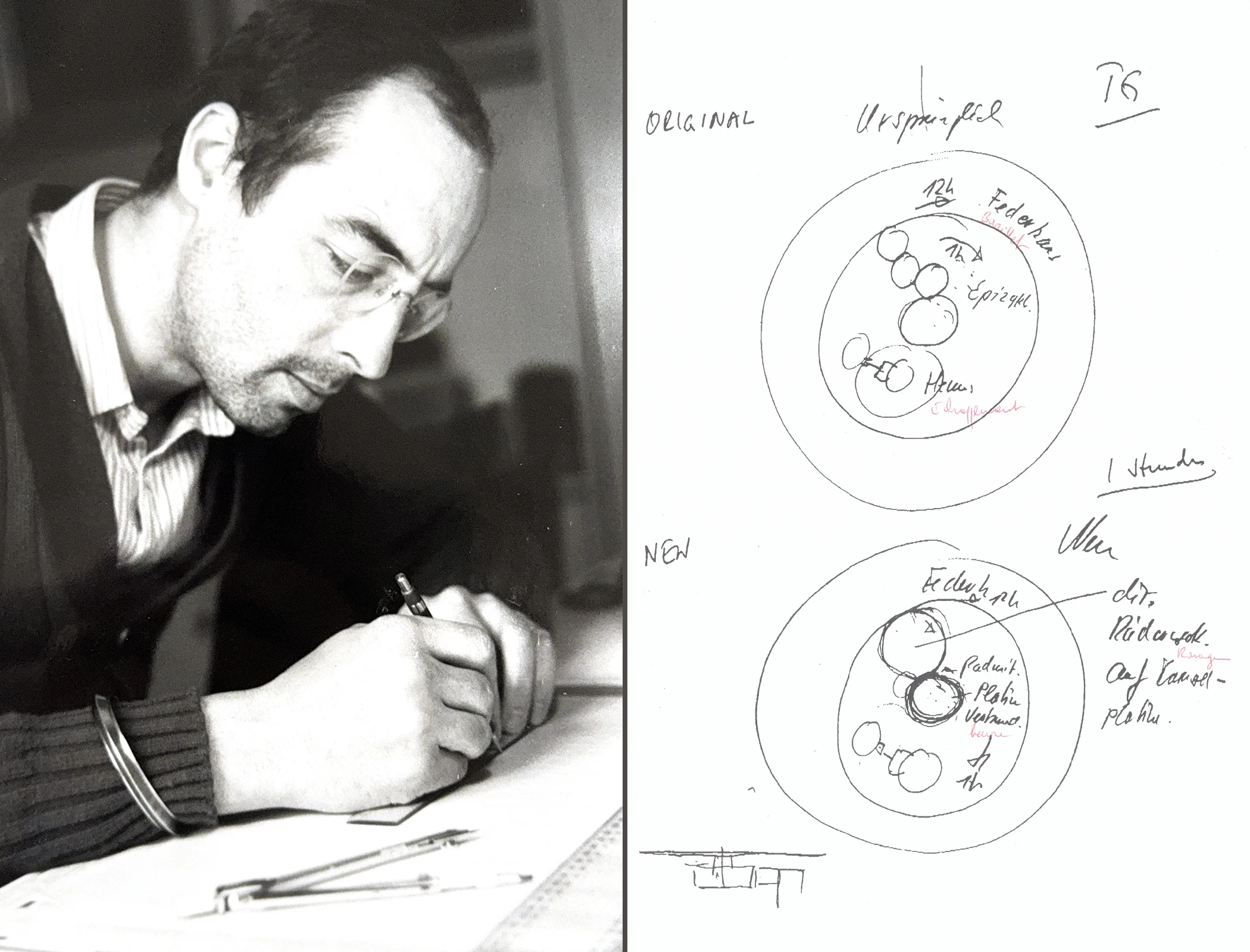
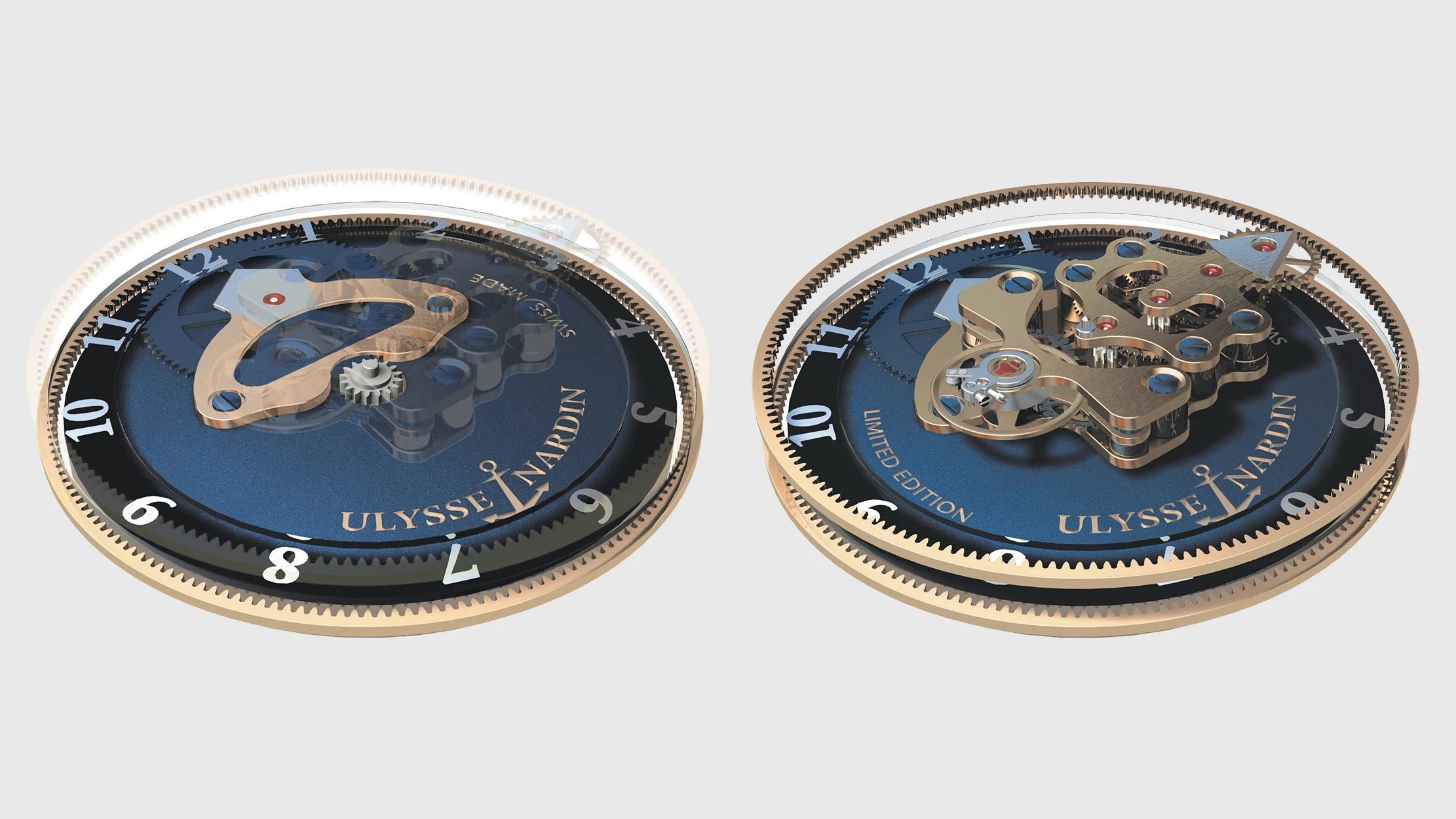
The wheels are no longer there merely to drive hands, but also display the time at the same time, as the movement itself rotates. To achieve this, however, they have to be calculated in an entirely different way, since it is an epicyclic gear train.
The spring, too, which occupies the entire caseback, is unusual in this form – the idea of powering an entire movement in this way had not existed before.
But the fundamental principles of mechanics have been known since antiquity. In the Freak, they were simply recombined and reinterpreted.
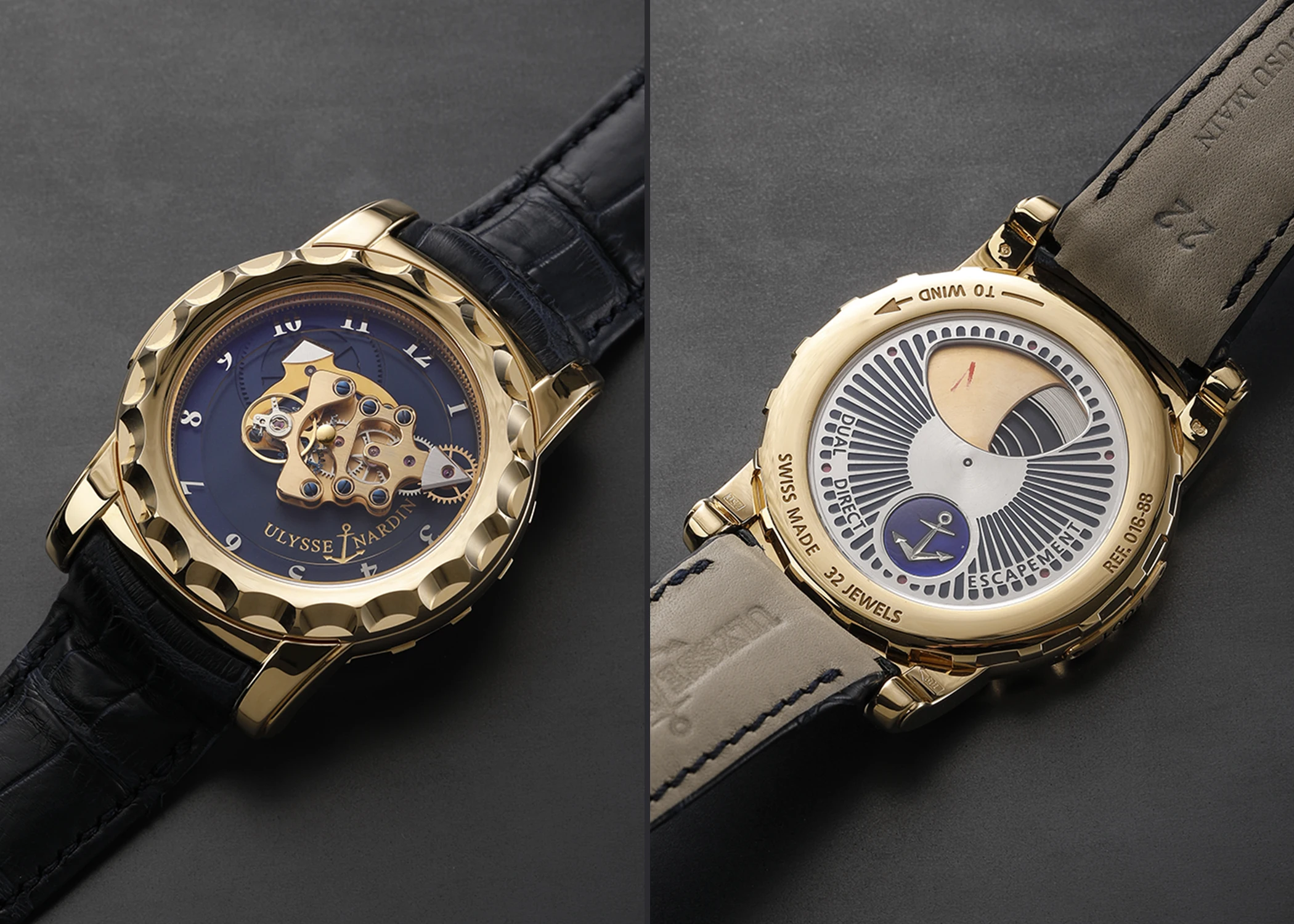
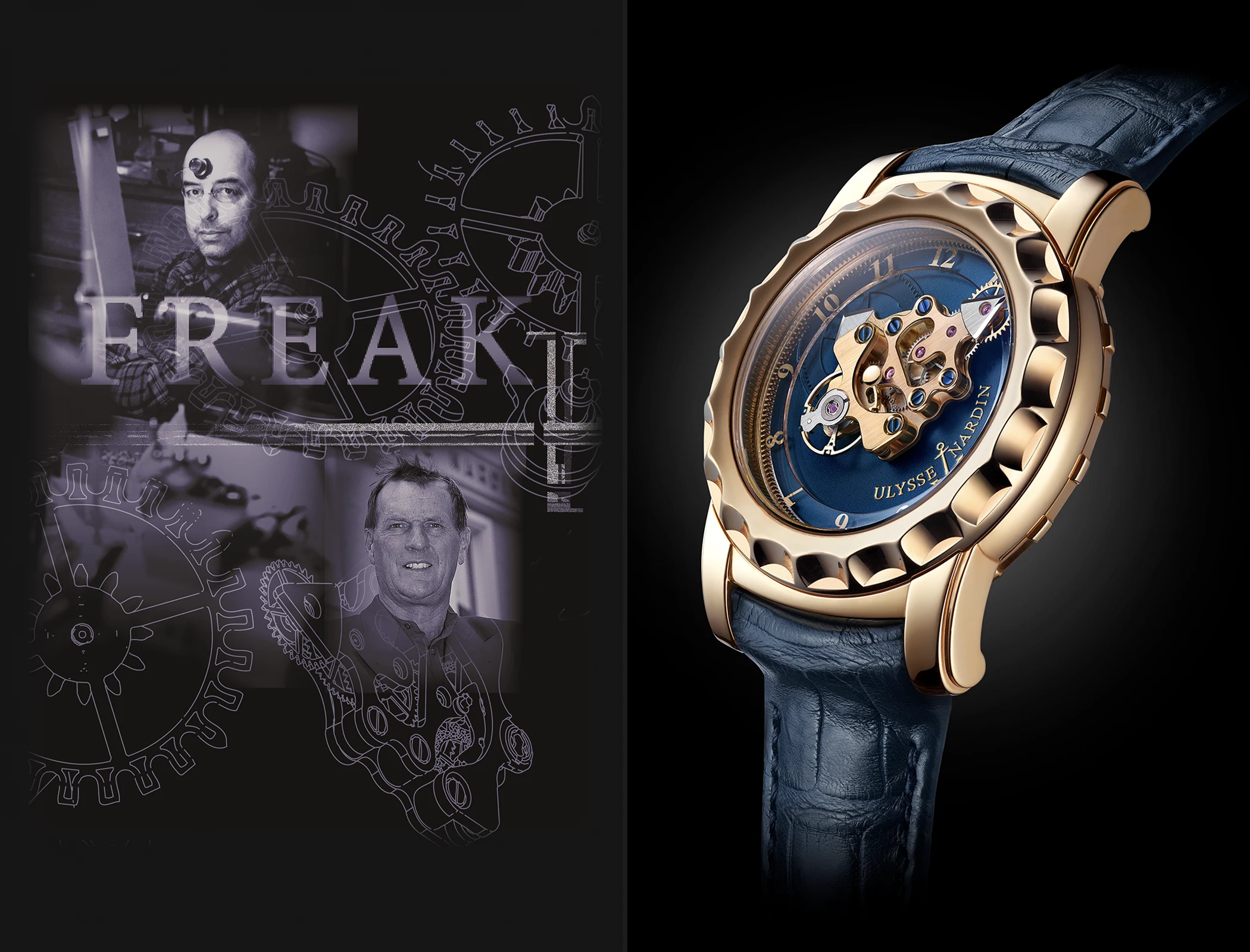
The starting point was that, in 1997, on the 250th anniversary of Abraham-Louis Breguet’s birth, a prize was announced, which Carole Forestier-Kasapi won with a project. The project involved extending the barrel arbor to such an extent that the entire movement could fit inside it, while the spring lay around the outside edge.
It did not work, but it was evidently judged to be the best concept. Rolf Schnyder then bought the project. It did not function, but I was inspired by it.
In that construction, the movement completed one rotation in around 44 minutes. I said to myself: what is the point of that? You could design it for 60 minutes instead – and then you would have a display at the same time.
Of course, I then still had to solve the problem of the spring. But the starting point was essentially that prize-winning movement – with the aim, in a sense, of rescuing what had been done there.
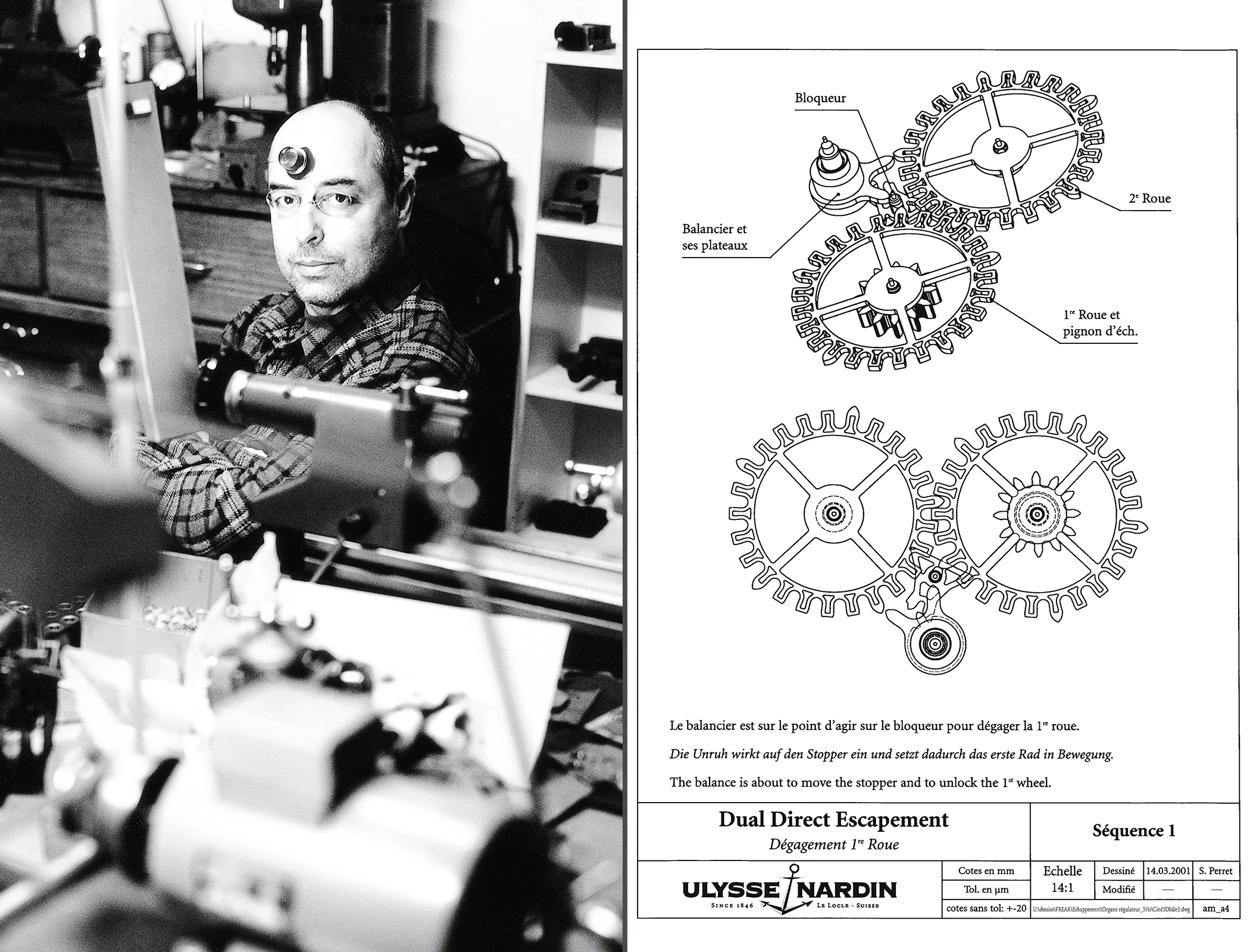
I had designed a dual escapement with two escape wheels and a corresponding need for lightweight construction, but it used traditional metals and was therefore too heavy. Pierre Gygax, the former Industrial Director of Ulysse Nardin, saw this and said that it would work much better if the escapement incorporated lightweight materials. Ultimately, Gygax was the one who brought engineers and scientists together in Le Locle and initiated the research into silicon.
The breakthrough came through various tests and an oxidation process that made the surface smoother and harder. With the Freak in 2001, silicon made its way into the escapement. Looking back, it was an early step: with the Freak, silicon was practically tested and industrialised in the escapement.
No, the problem was that, after the quartz crisis, the mechanical watch was practically on the floor. It essentially had to be reinvented.
In the first ten to twenty years, so roughly until the late 1990s, the focus was primarily on rebuilding the mechanical knowledge of the past. Historical watches served as the reference point, and the aim was to reach that level again.
Over the course of the 1990s, that level was gradually reached once more. It became possible again to build tourbillons and also to realise minute repeaters. Traditional watchmaking had, in a sense, been stabilised.
And with the Freak, something entirely new then emerged. It was essentially the very first concept watch – a watch conceived in a completely different way, yet based on the same fundamental mechanical principles.
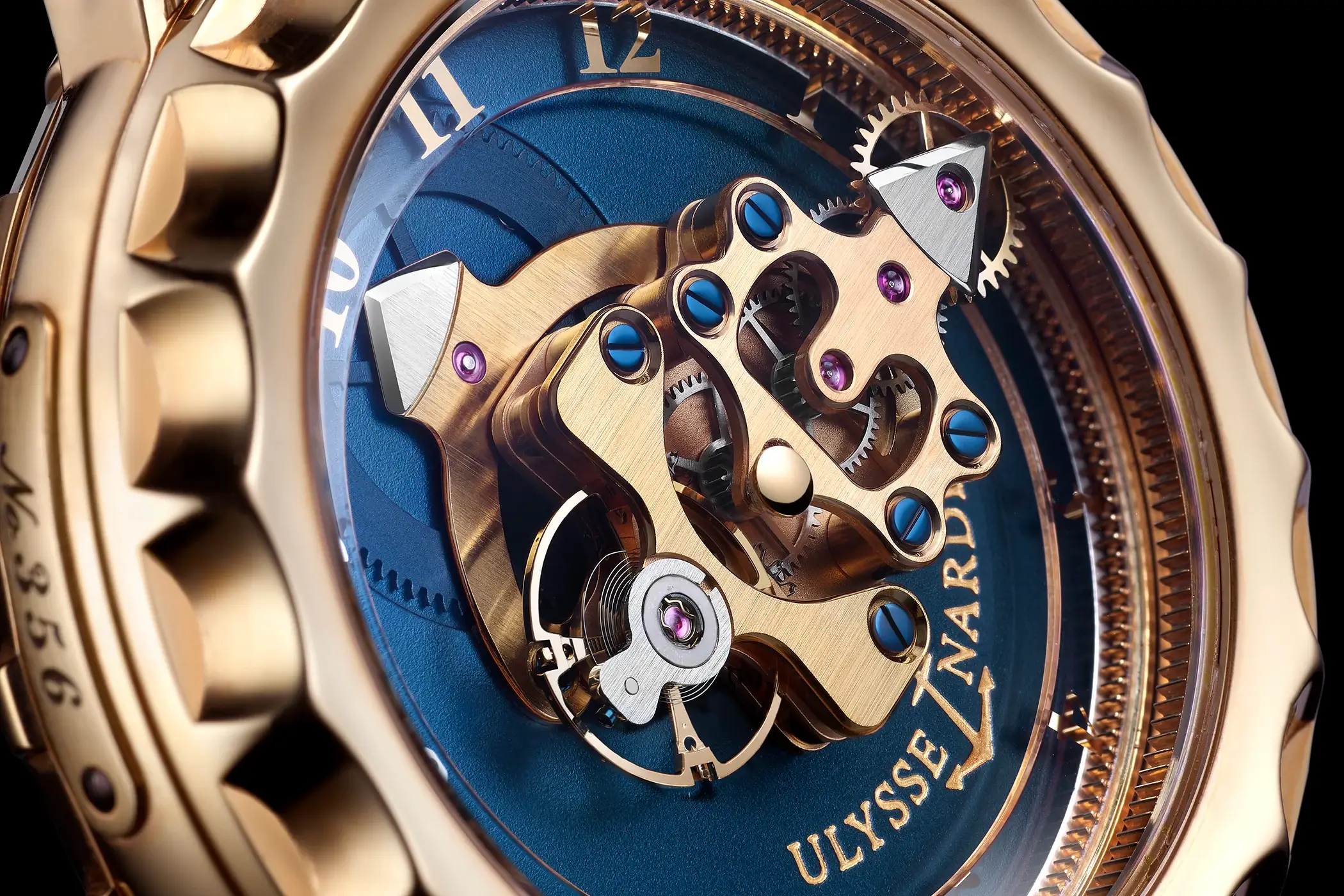
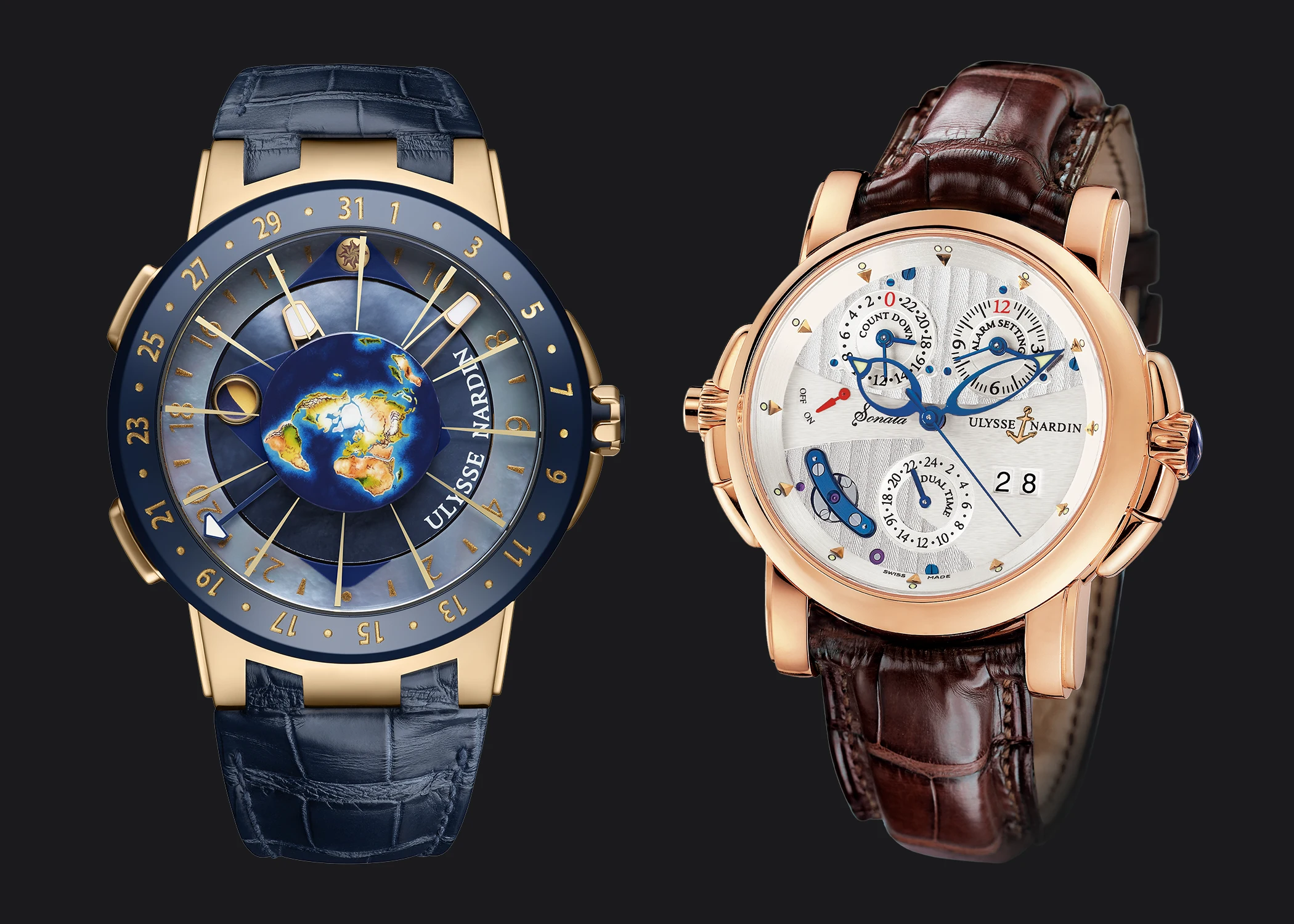
The Sonata and Moonstruck models only came later. They are among the designs that I had already conceived and delivered as complete constructions back in the 1990s. Aside from those, there are further designs that remain tucked away in a drawer to this day. However, when I look at what others have since brought to the market – and the competition certainly had similar, good ideas – those unrealised plans can probably be written off. In terms of innovative strength, I have simply been overtaken by now.
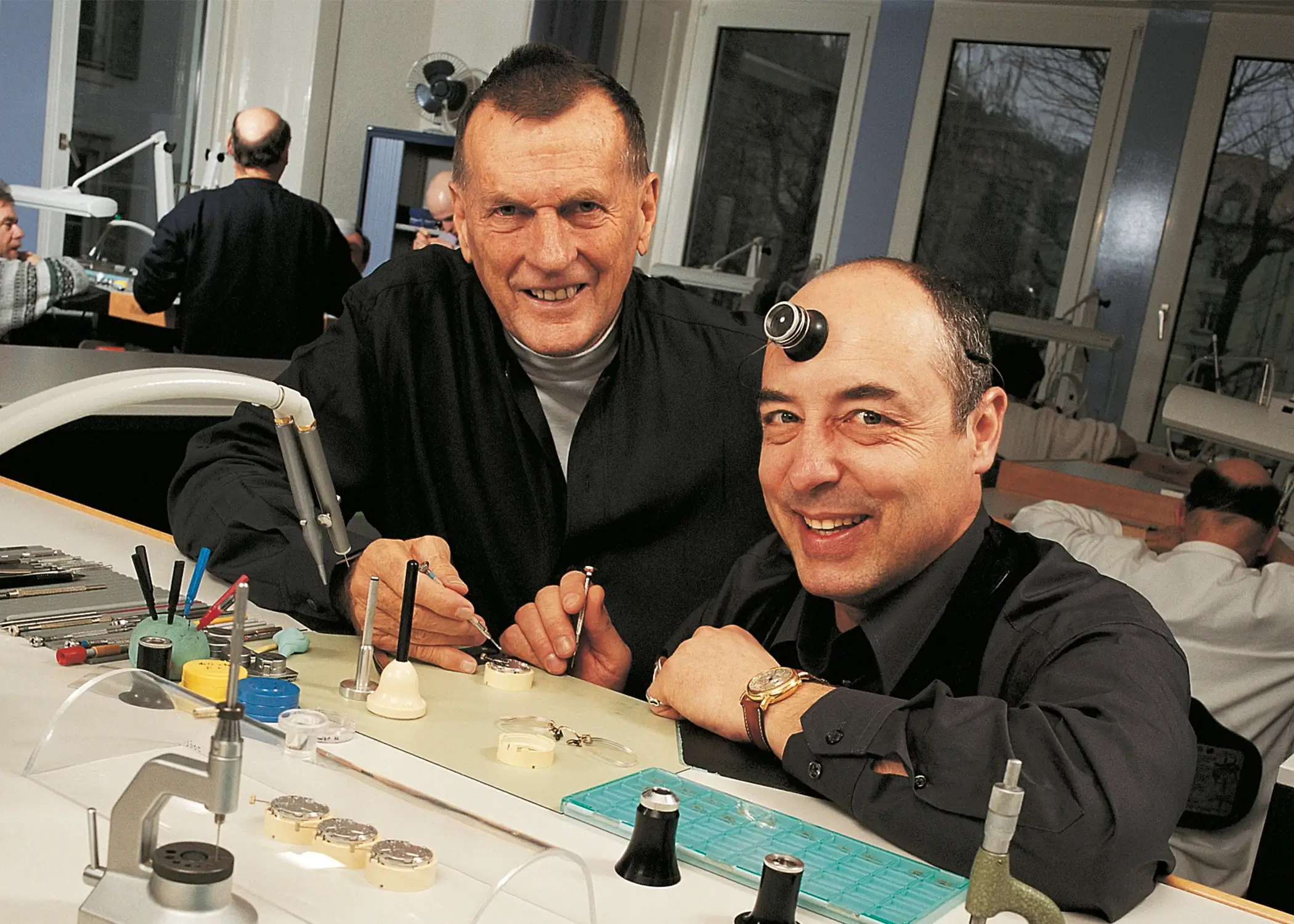
I spend three to four days a week in the workshop and also live there during that time. My permanent residence is in Lucerne, and the workshop is in Renan, in the Bernese Jura, in the canton of Bern.
I also have living accommodation within the workshop itself. On site, it feels less like a traditional watchmaker’s atelier and more like a technical workshop: machines, workbenches and tools define the space. The focus is visibly on construction and prototyping.
I wake up at around 5.30 a.m. without an alarm, drink coffee, smoke a pipe and begin to think things through. When I am solving a technical problem, I often forget the world around me. For me, an idea only has substance once the prototype works. Sometimes that takes 36 attempts.
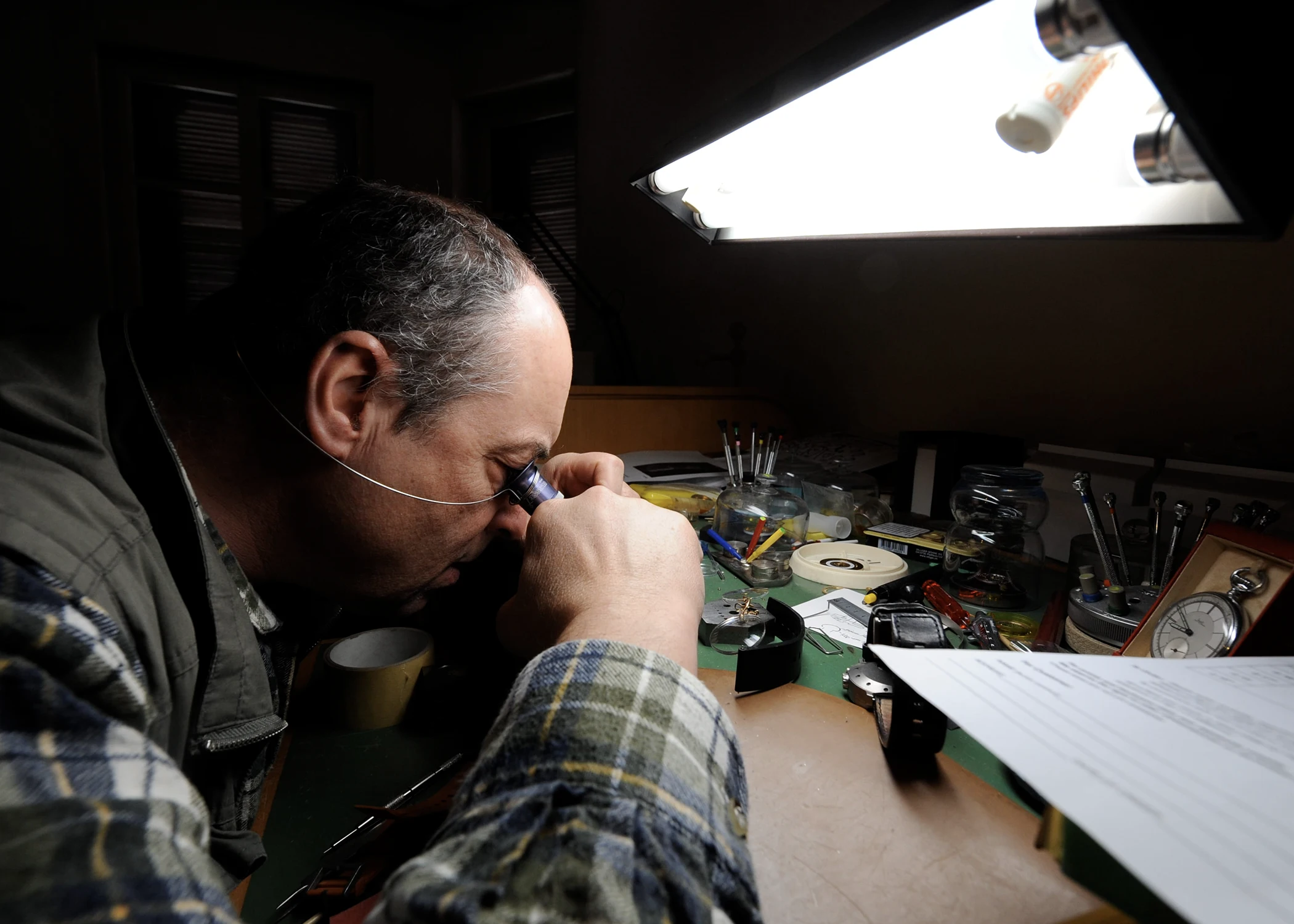
No. I design in 2D and go directly to the CNC machine, which mills the parts in 3D. That way, I immediately understand the critical points, especially friction losses, which simulation often represents only inadequately.
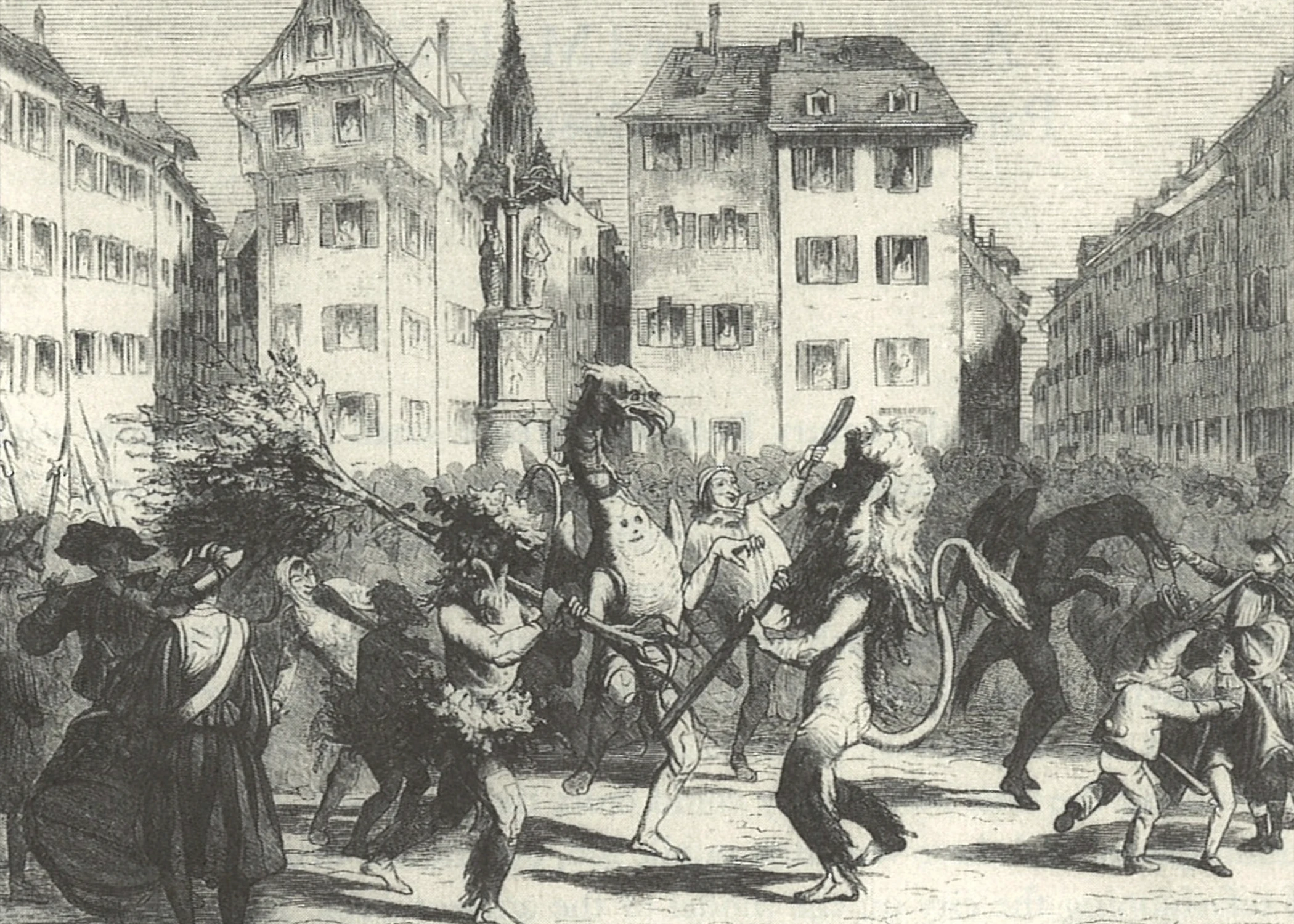
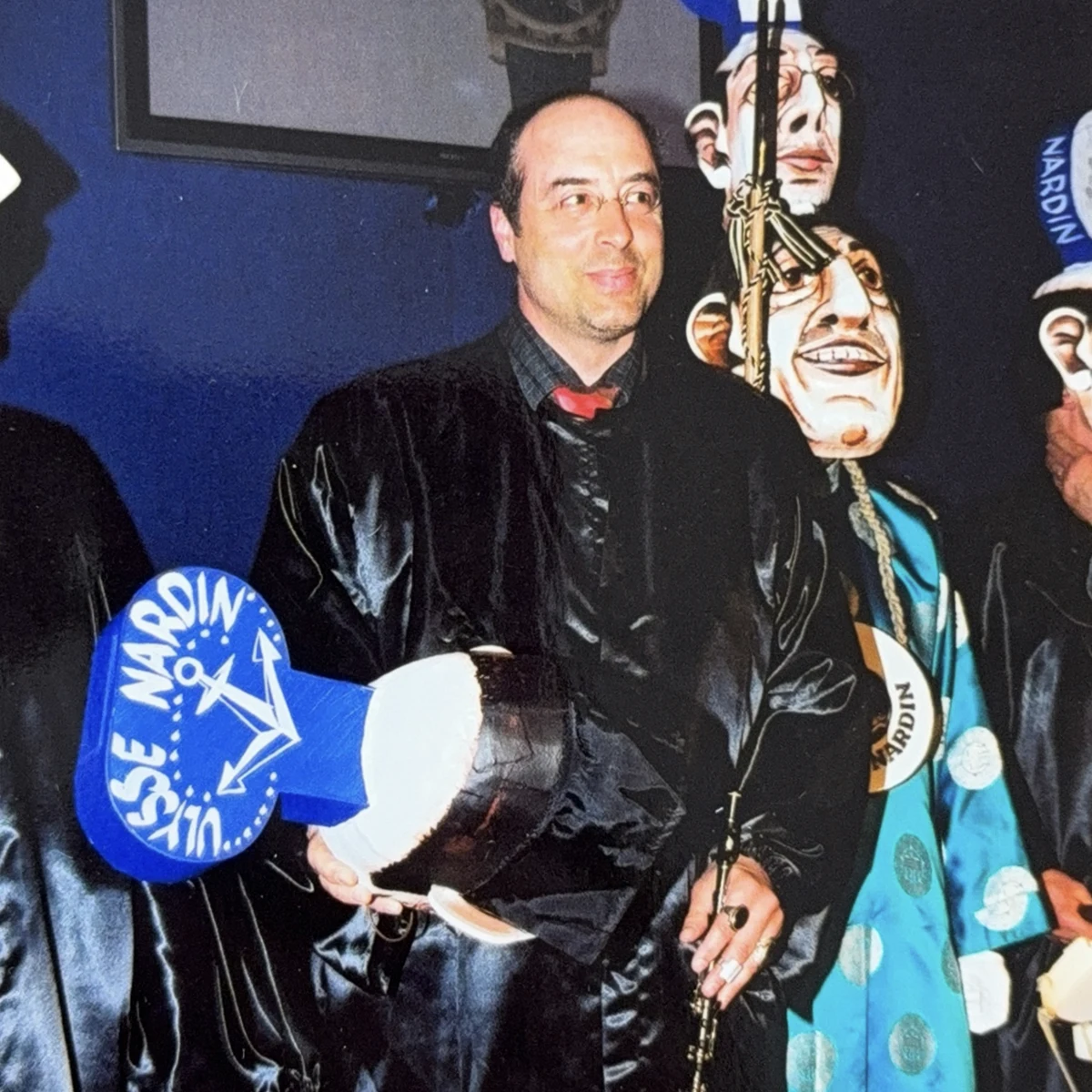
A really good perpetual calendar that is simple to manufacture remains a perennial theme. But my most ambitious project is a “Fastnacht watch”. It is intended to trigger a flag-waver at the start of Lucerne’s Fastnacht carnival. The mechanical challenge is the computus – the calculation of the date of Easter. This requires seven algorithms, which only repeat after 5.7 million years. The calculations are complete; I only still have to mill the parts.