


Hublot presents the fifth edition of the Spirit of Big Bang Essential Taupe in 32 mm and 42 mm – available online, limited to 200 pieces each.

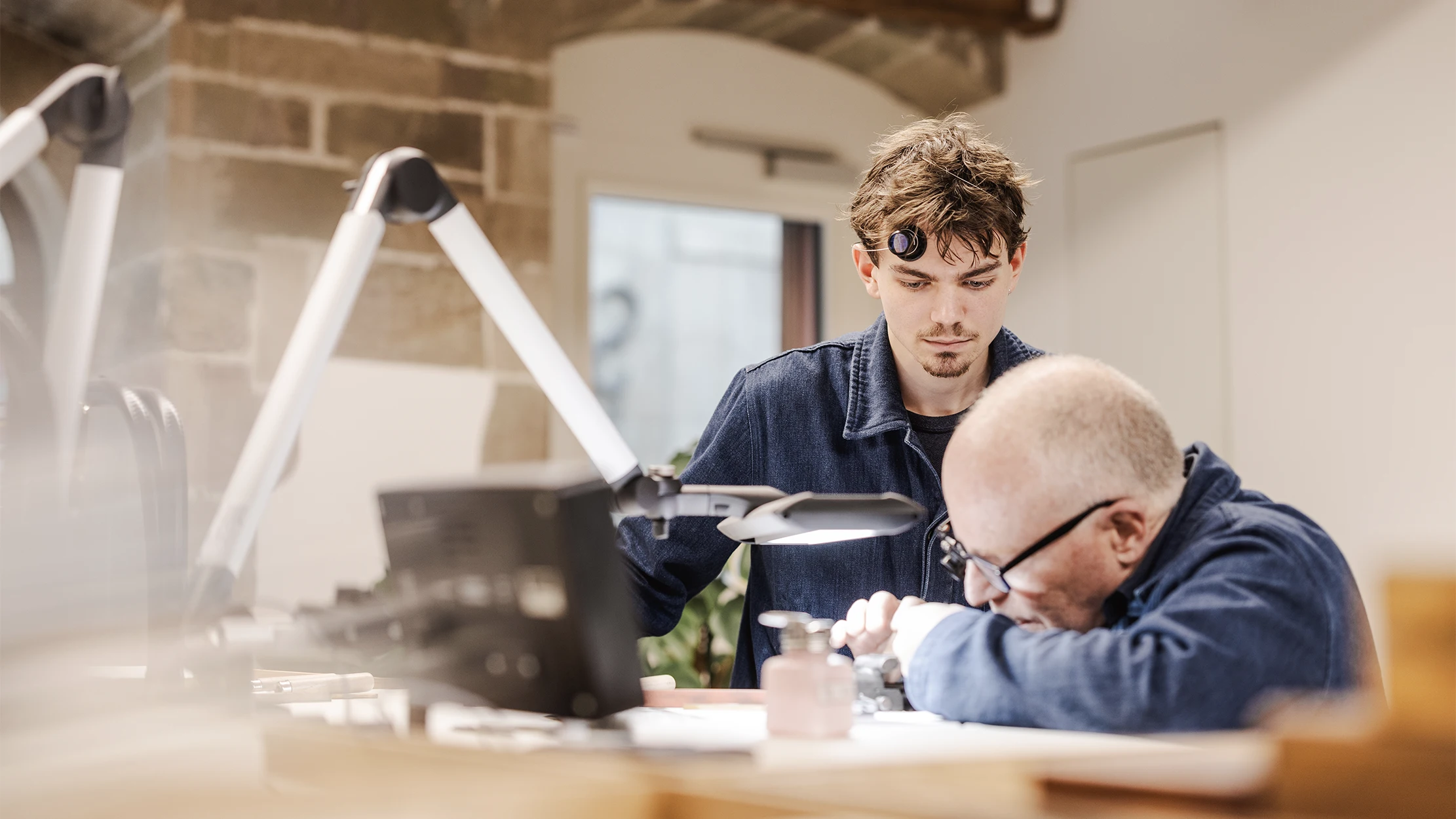
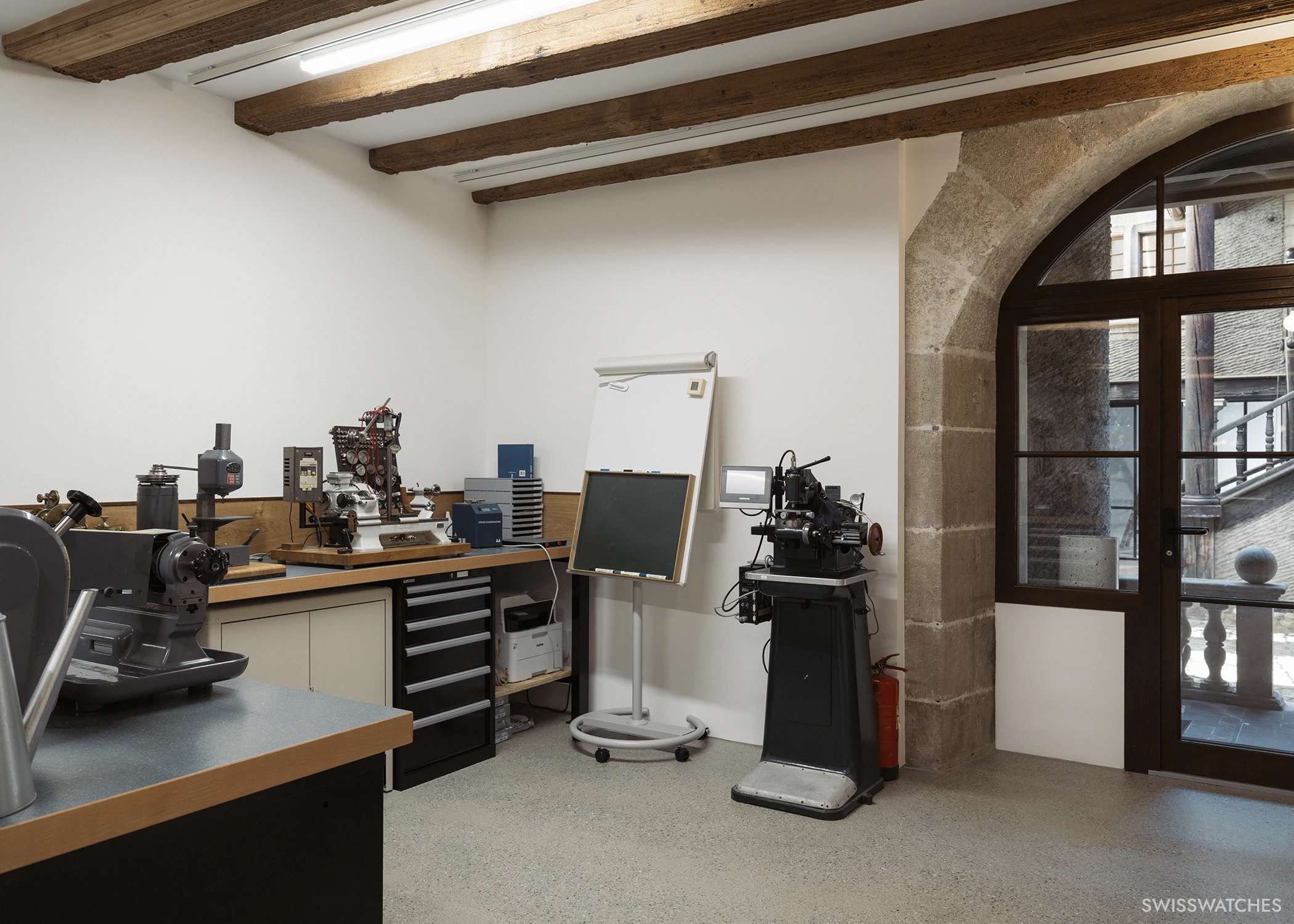
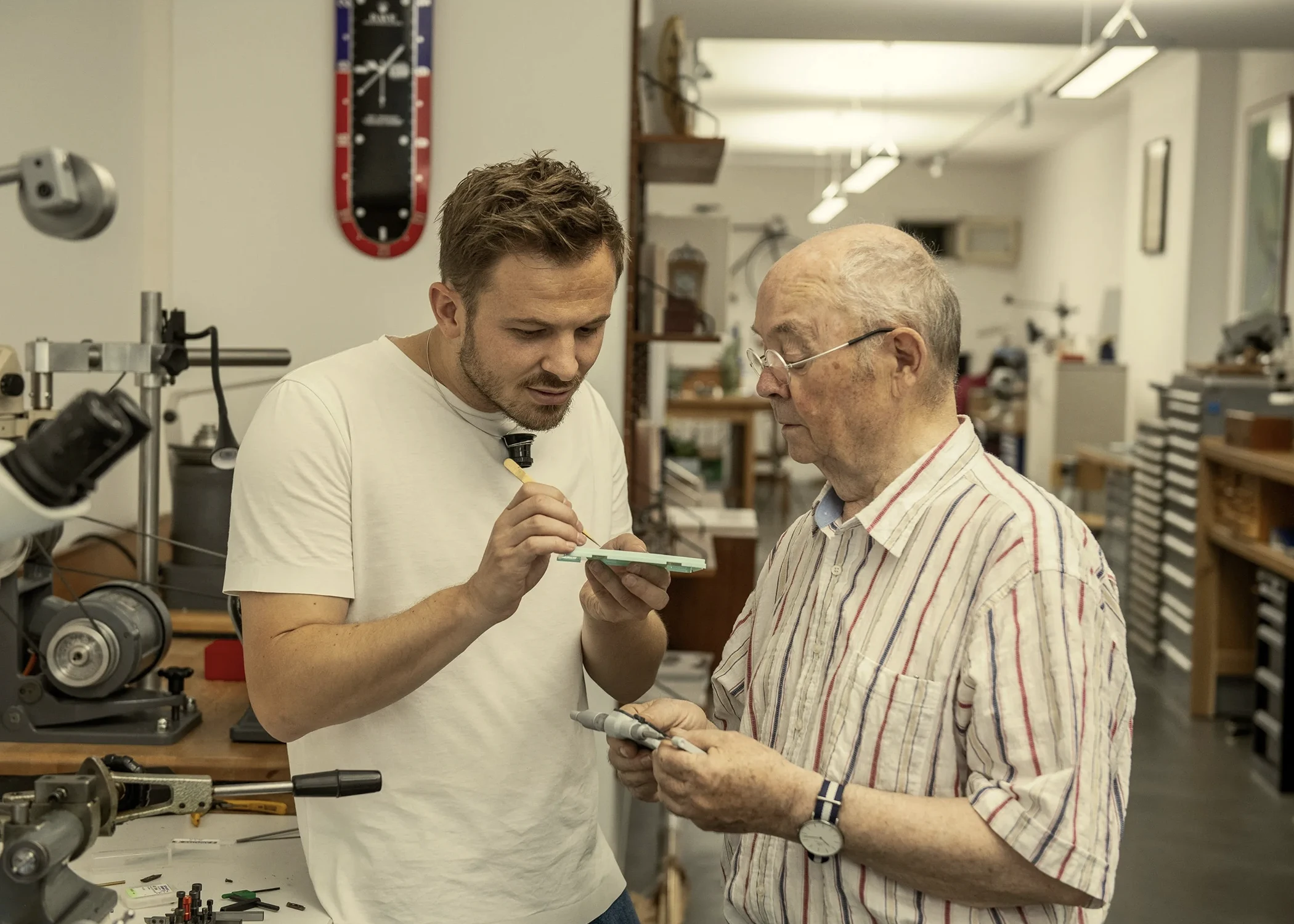
Jean-Marc Figols, the former master watchmaker at Patek Philippe who first mentored Rexhep Rexhepi, joins the new Apprenticeship Workshop. We paid this new atelier a visit and spoke to Jean-Marc Figols about his new role and his former student, who has now become one of the most sought-after independent watchmakers of modern times.
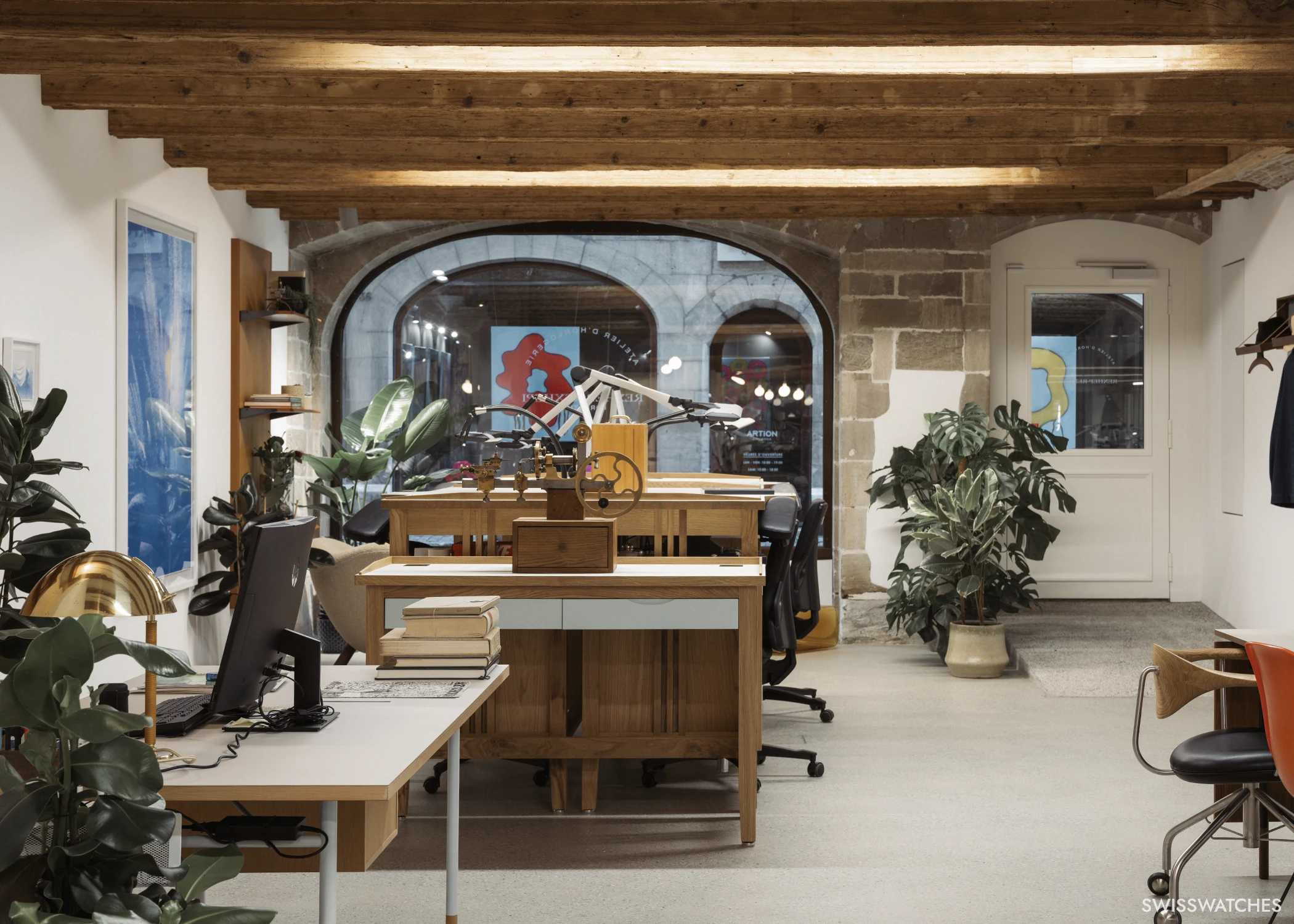
The cobblestoned arteries of Geneva’s Old Town, known historically as the Cité, have long served as the silent witnesses to the evolution of Swiss horology. It is within these compact confines of high-ceilinged ateliers and narrow alleys that a profound transformation is currently taking place, led first and foremost by the independent watchmaker Rexhep Rexhepi. In August 2025, the opening of The Apprenticeship Workshop marked a significant milestone in this journey, representing a calculated effort to institutionalise the transmission of artisanal knowledge.
This facility is not merely an expansion of production capacity; it is a future watchmakers’ sanctuary overseen by Jean-Marc Figols, the master watchmaker from Patek Philippe who first mentored Rexhepi when he entered the industry as a fifteen-year-old apprentice. By reuniting with his former teacher, Rexhepi has established a bridge between the rigorous standards of the 19th-century Genevan tradition and the independent avant-garde of the 21st century. This initiative sits at the heart of a burgeoning network of six specialised ateliers, all located within a four-block radius, creating a vertically integrated urban manufacture. A seventh workshop is located outside the Old Town.
The foundations of Rexhep Rexhepi’s success were laid during a disciplined three-year apprenticeship at Patek Philippe. It was Jean-Marc Figols who first selected the fifteen-year-old Rexhepi for the manufacture’s training programme, noting his “good level of mathematics” and an evident motivation that was clear the moment he began to work. Figols recalls a young man who was “in love with beautifully crafted mechanical watchmaking” and who fundamentally “did not understand that compromises could be made in terms of quality and beauty”.

The seeds of Rexhepi’s independence were sown early. Figols remembers a moment at the end of the young man’s training when, with a small smile, Rexhepi asked: “Why couldn’t we do it ourselves?”. Even then, Rexhepi was dreaming of creating complete movements from scratch, a task Figols describes as “enormous” when not starting from an existing design.
The establishment of The Apprenticeship Workshop in 2025 represents the culmination of this relationship. Now leading the centre, Figols brings the rigour and maturity developed at major manufactures to a more direct, human way of working. For Rexhepi, the workshop is a way of “nurturing the next generation,” a responsibility he feels acutely having achieved success at a young age.
While the trend in Swiss watchmaking has been toward the consolidation of facilities into large, isolated factories, Rexhep Rexhepi has opted for a dispersed model that revitalises the “cabinotier” spirit of the Old Town. By end of 2025, the brand had established six distinct facilities within a four-block radius of the Grand Rue. A seventh workshop is located outside the Old Town.
This vertical structure – covering everything from leather straps to grand feu enamel – is what Figols believes defines modern independence. “Independence is important; it guarantees freedom of choice in terms of design, quality and watch complications,” Figols explains, noting that such a structure forces the team to be “flexible and reactive”.
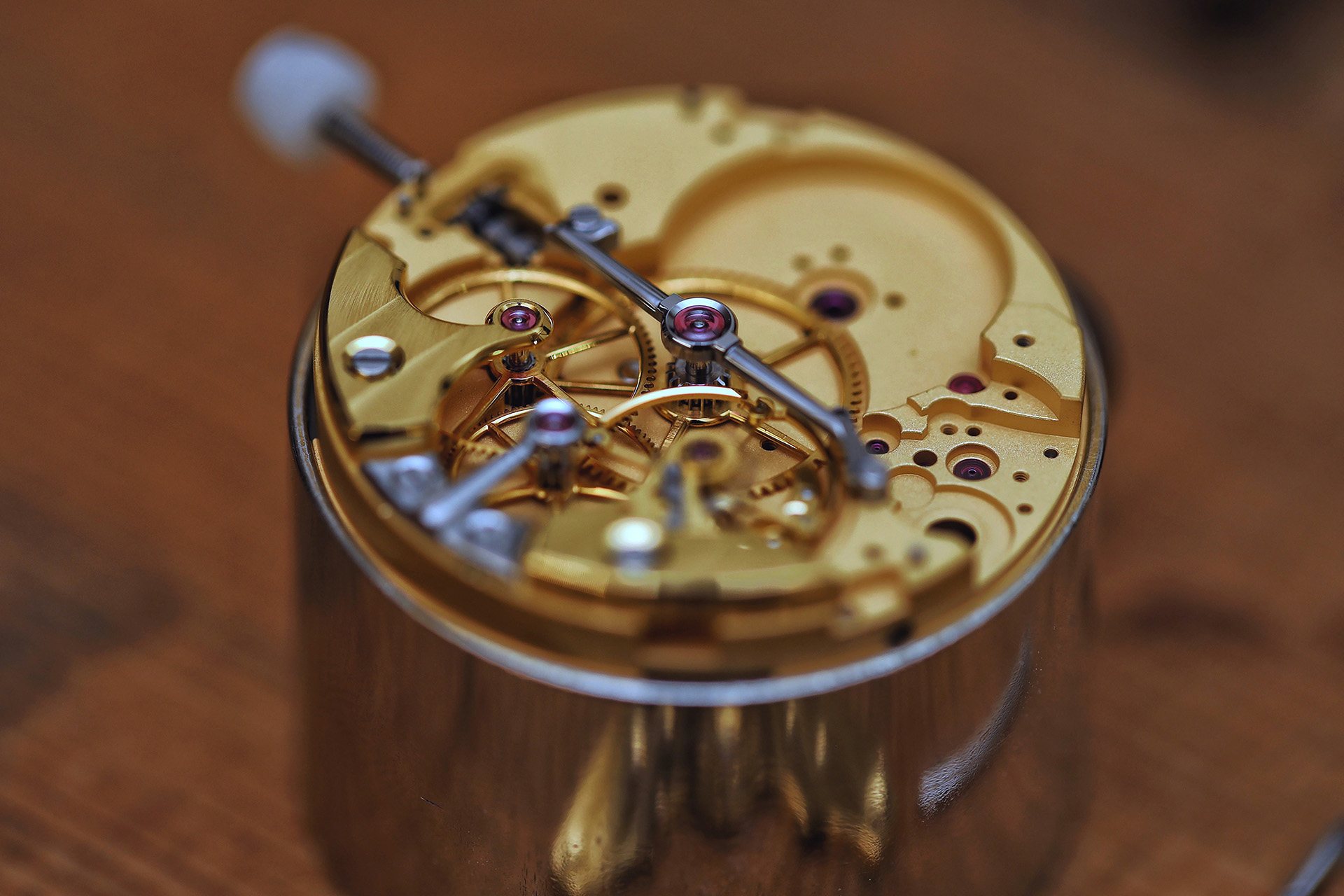
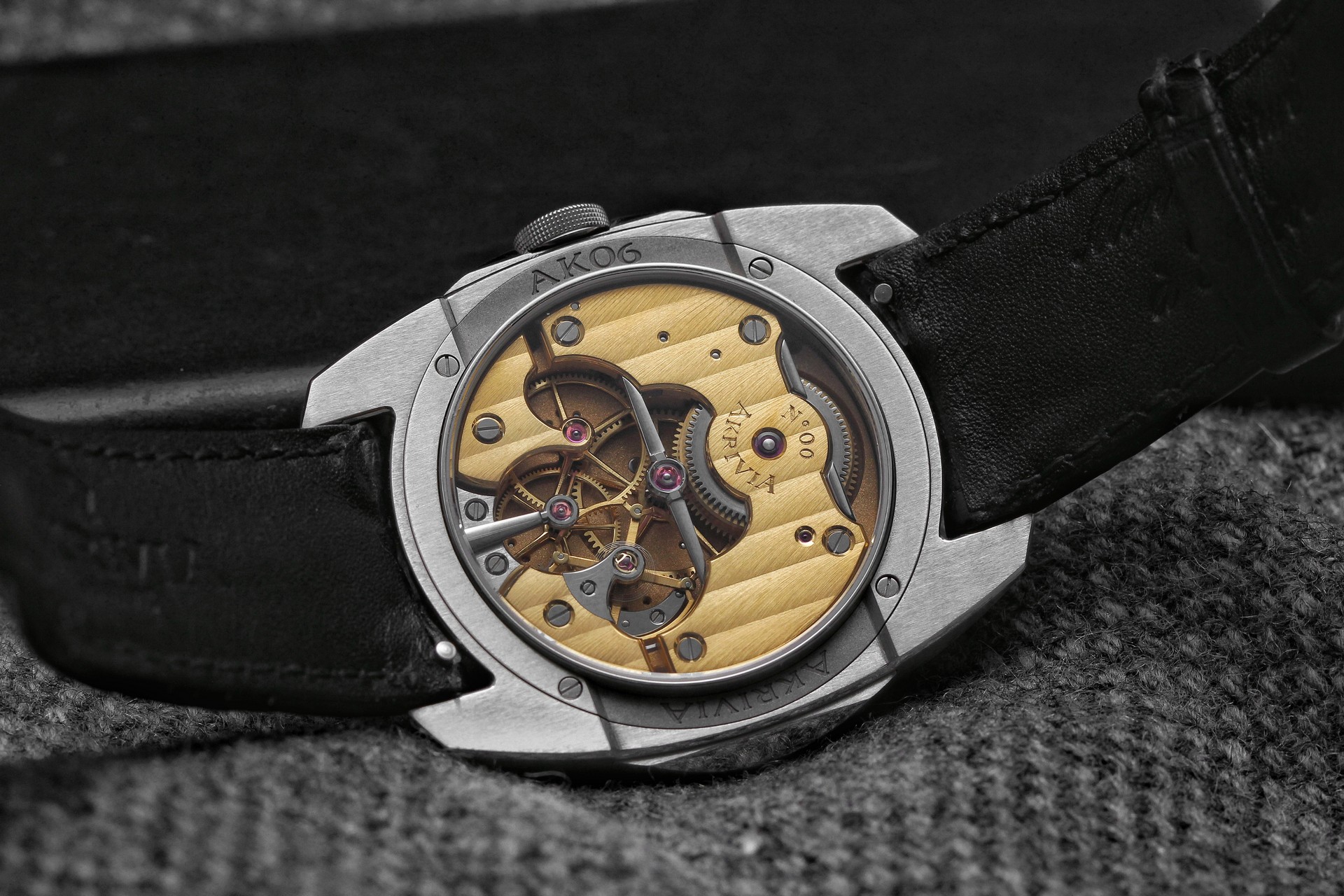
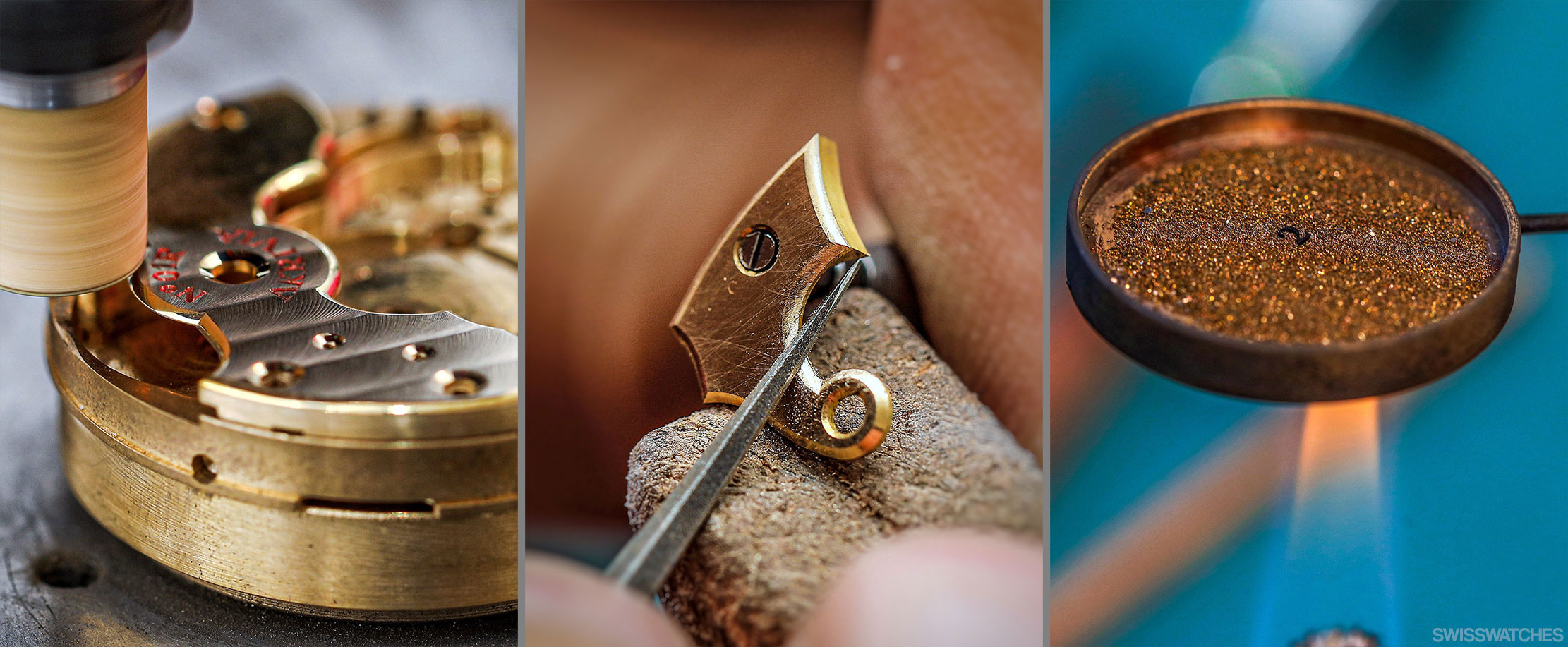
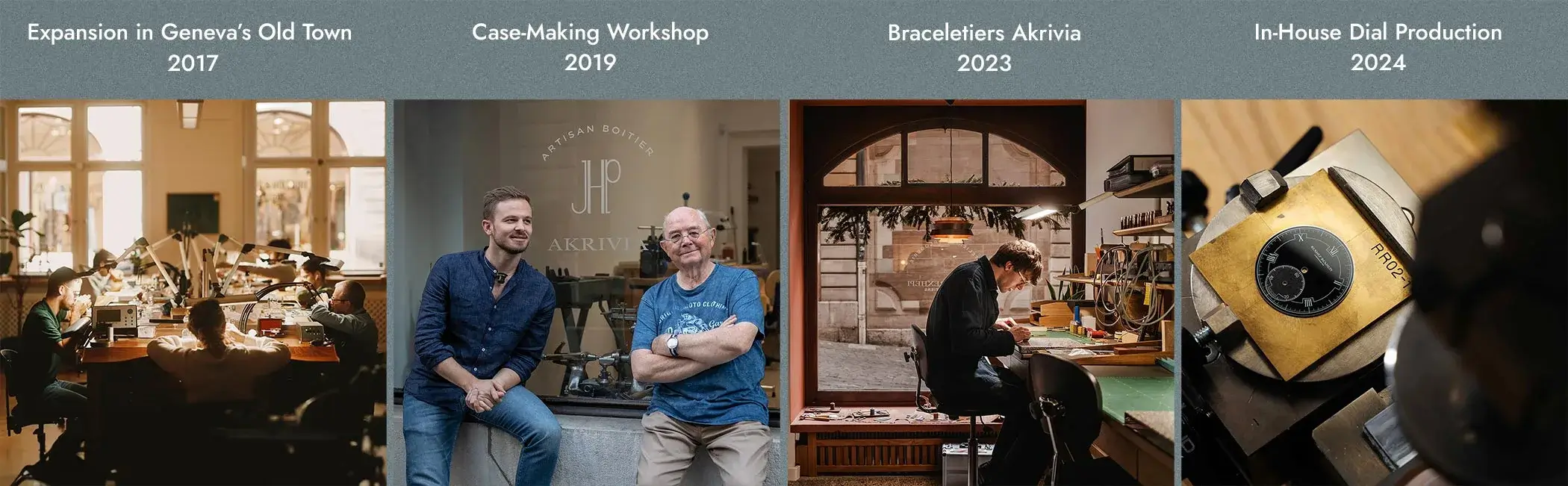
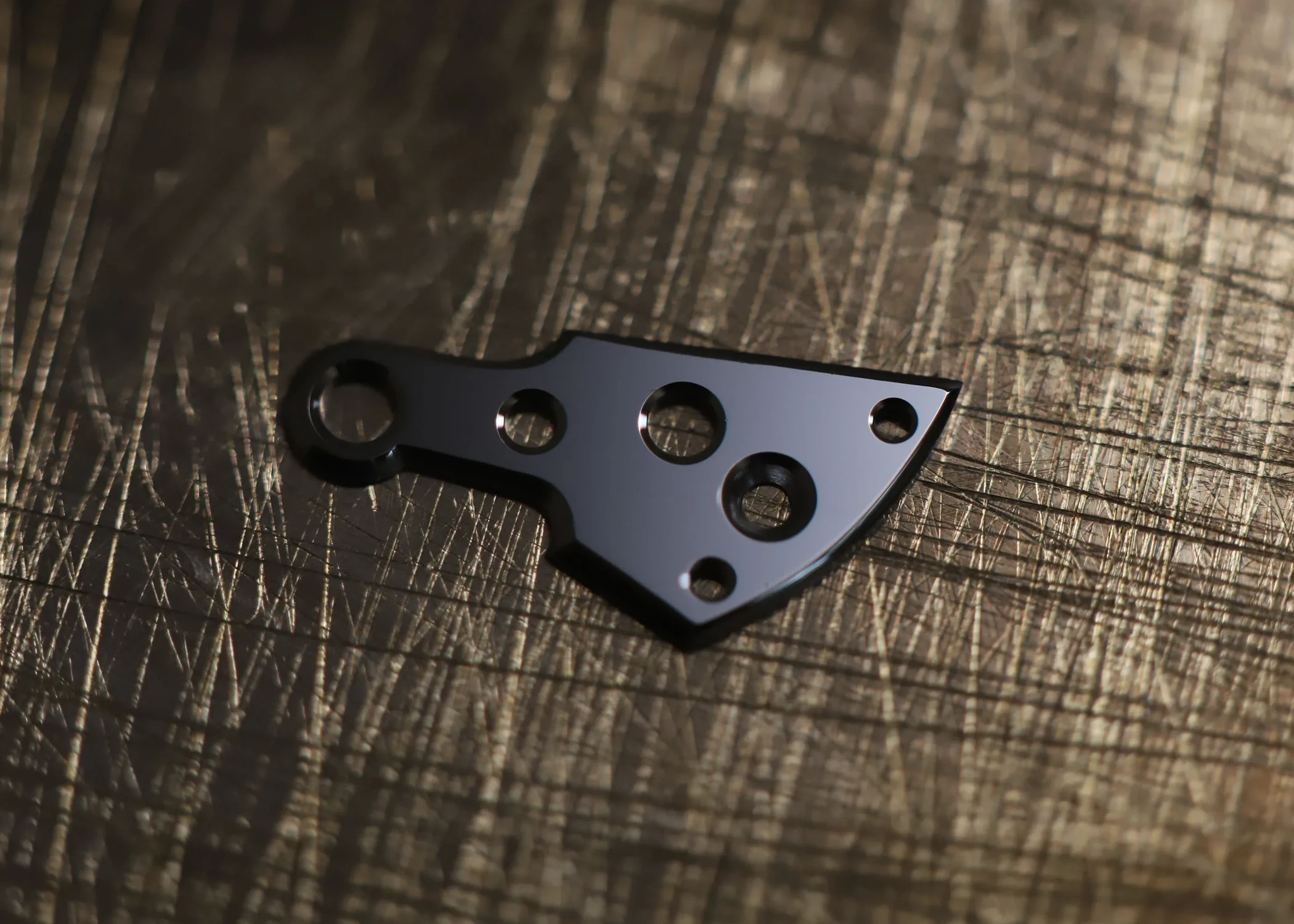
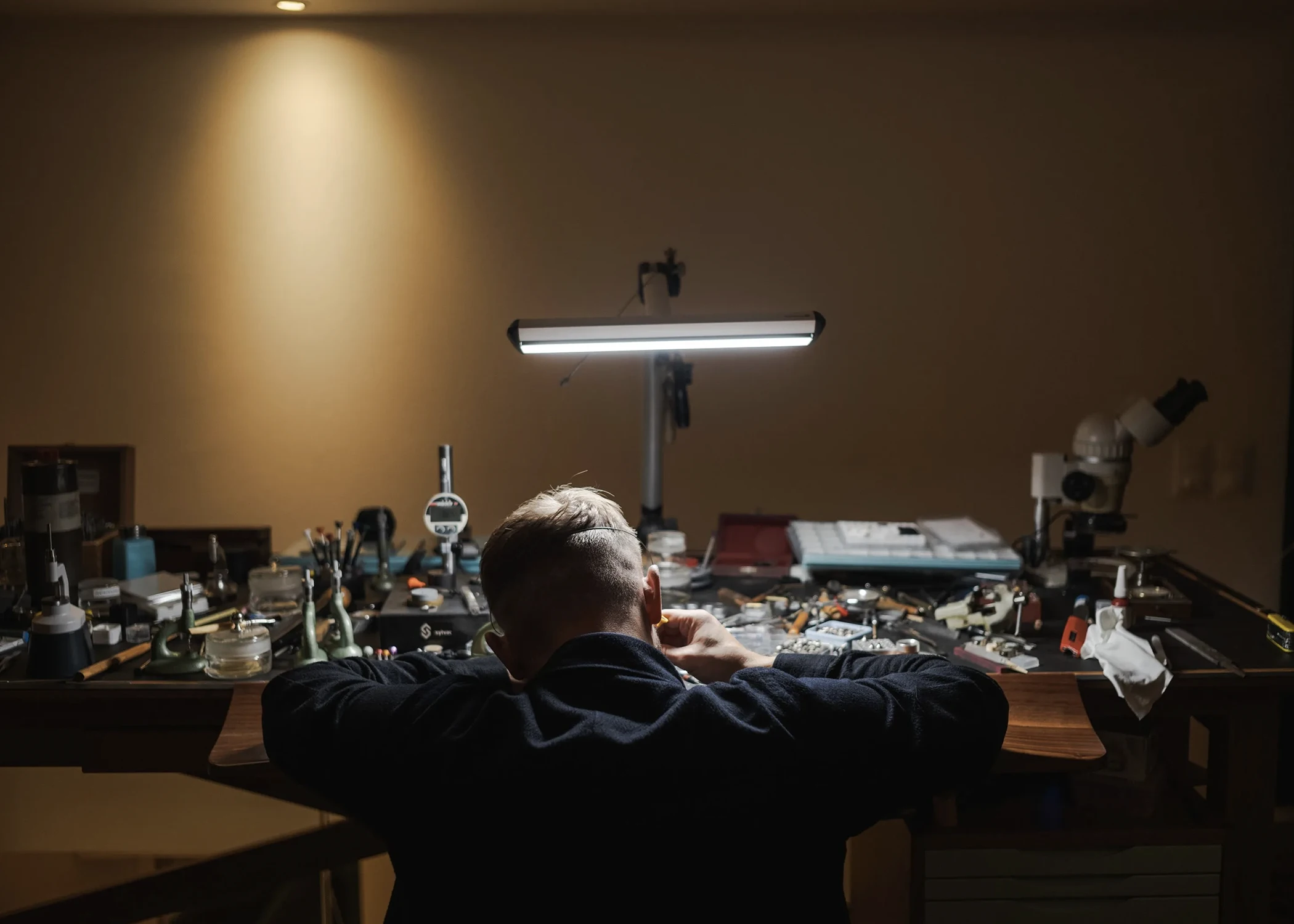
Situated in the heart of Geneva’s Old Town, Rexhep Rexhepi’s horological footprint is defined by six distinct ateliers (a seventh workshop is located outside the Old Town), each dedicated to a specific pillar of traditional watchmaking. The foundation of this artisanal ecosystem began with The Watchmaking Workshop, established between 2012 and 2017. This facility serves as the primary hub for finishing and assembly, where masters of the craft specialise in intricate techniques such as anglage, perlage, and the elusive art of black polishing. By 2019, the operation expanded with the Micro-Mechanics Workshop, an atelier focused on case making through the use of traditional Swiss methods.
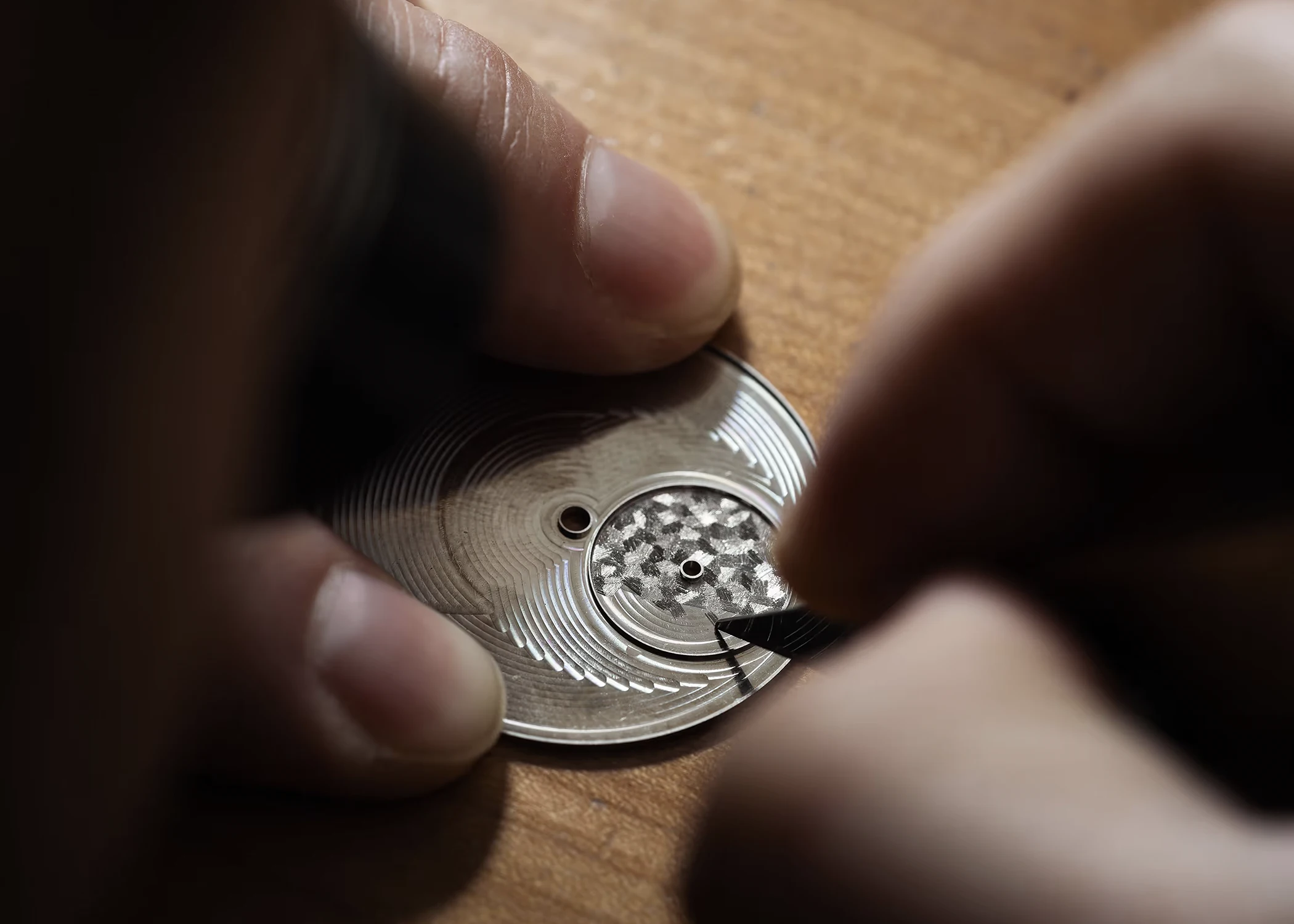
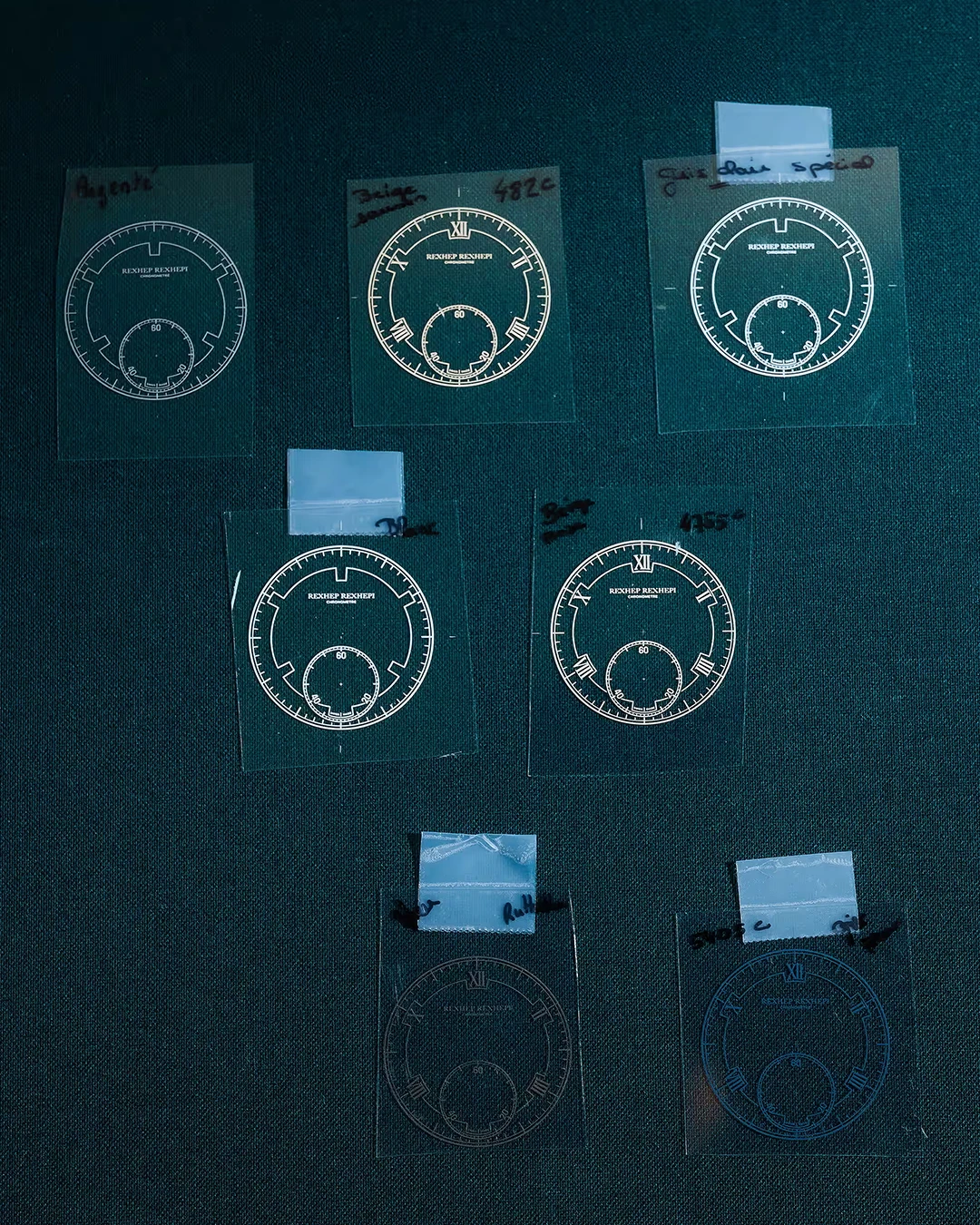
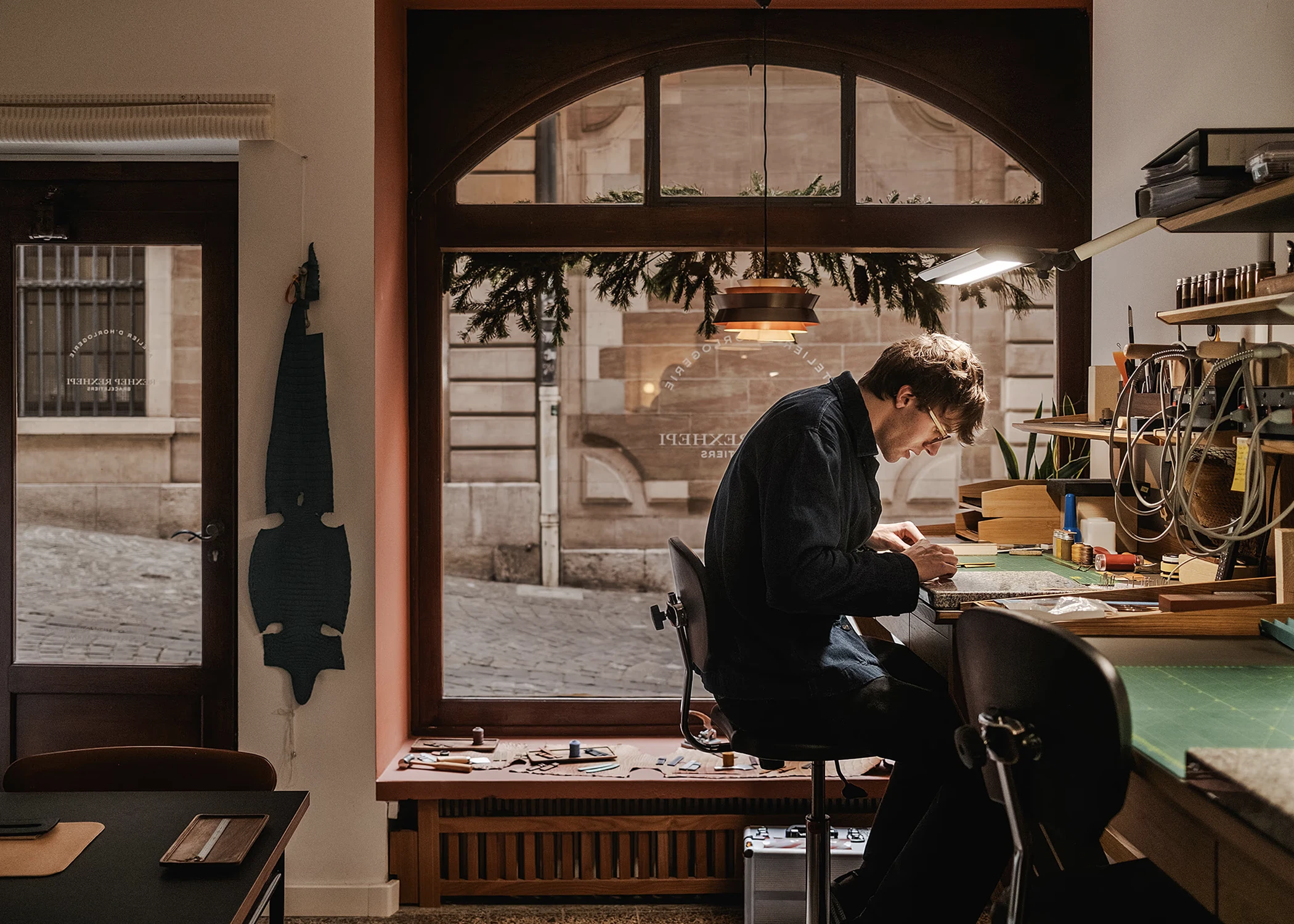
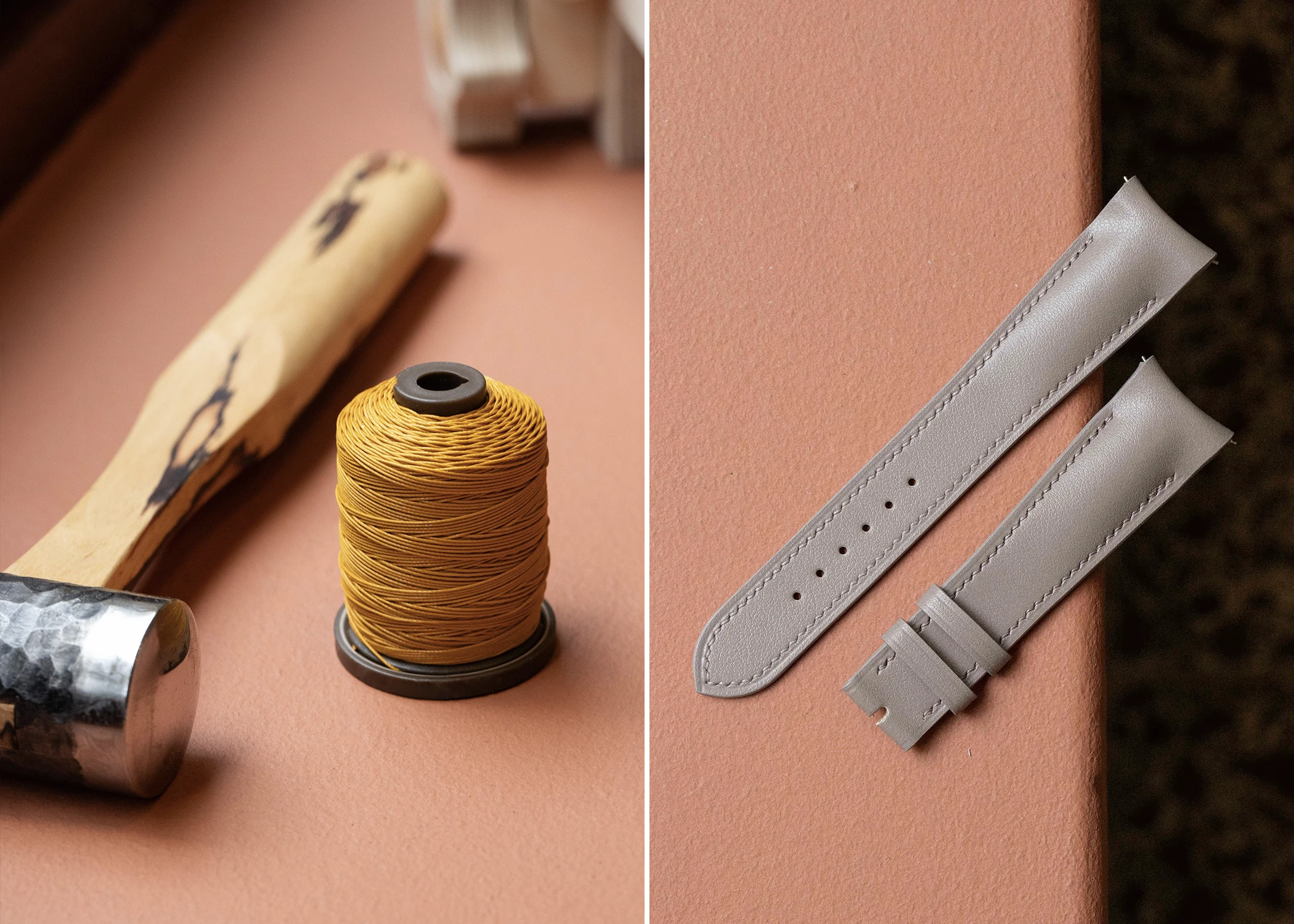
In recent years, the brand has continued to vertically integrate its production to ensure the highest levels of quality. In 2023, Braceletiers Akrivia was established to handle strap production, specifically focusing on bespoke commissions and hand-sewn habillage. This was followed in 2024 by the opening of Les Émailleurs de la Cité, a specialised space dedicated to the mastery of Grand Feu enamel dial production.
The evolution of the manufacture remains an ongoing endeavour, with two further facilities currently in development. The Atelier of Decoration is being established to focus on fine component finishing, specifically manual chamfering, while the Assembly Workshop will soon take over the responsibilities of final casing, integration, and rigorous quality control testing. Finally, looking toward the future of the craft, The Apprenticeship Workshop opened in late 2025 was designed as a centre for training and education to ensure the seamless transmission of these vital artisanal skills to the next generation.
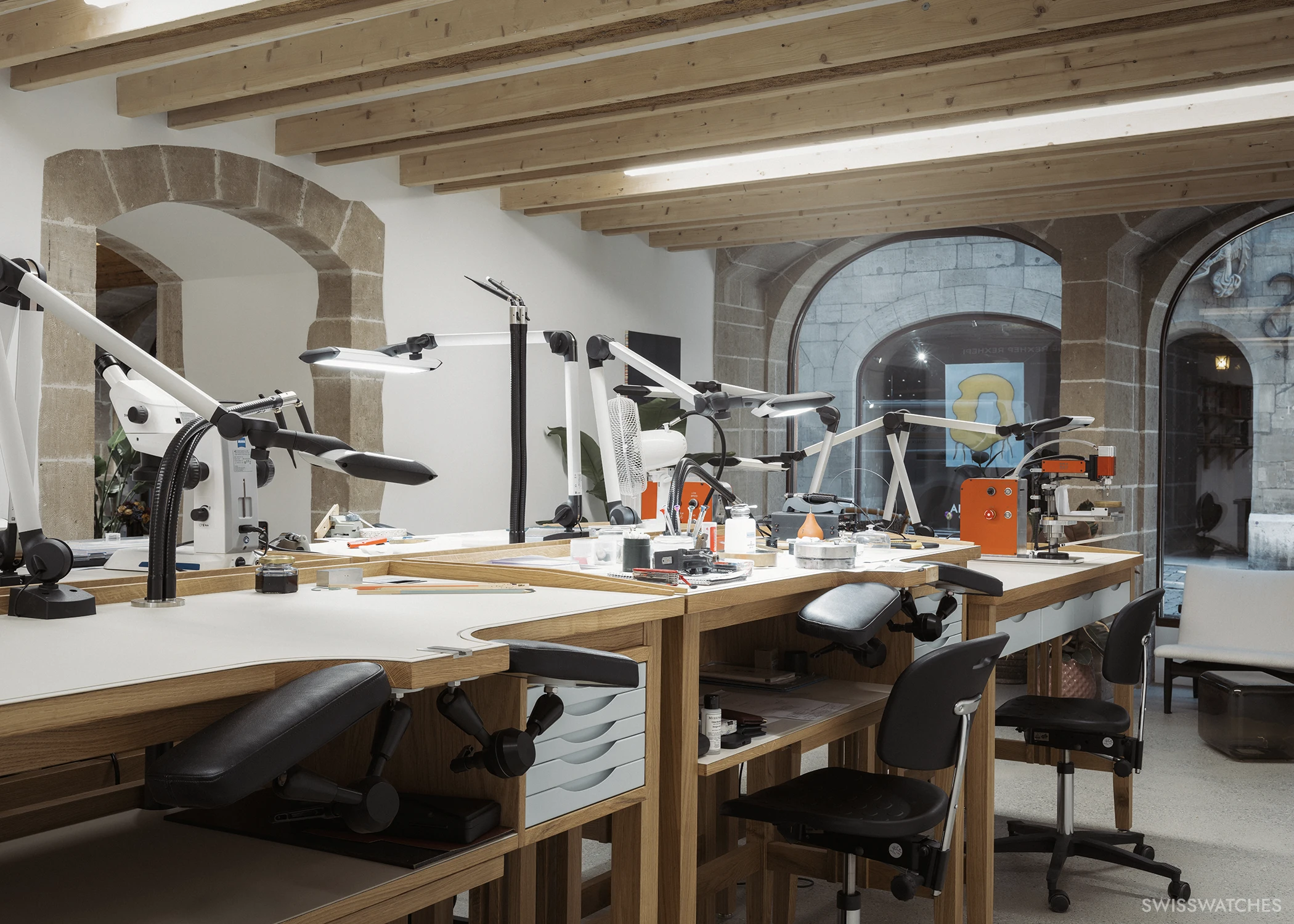
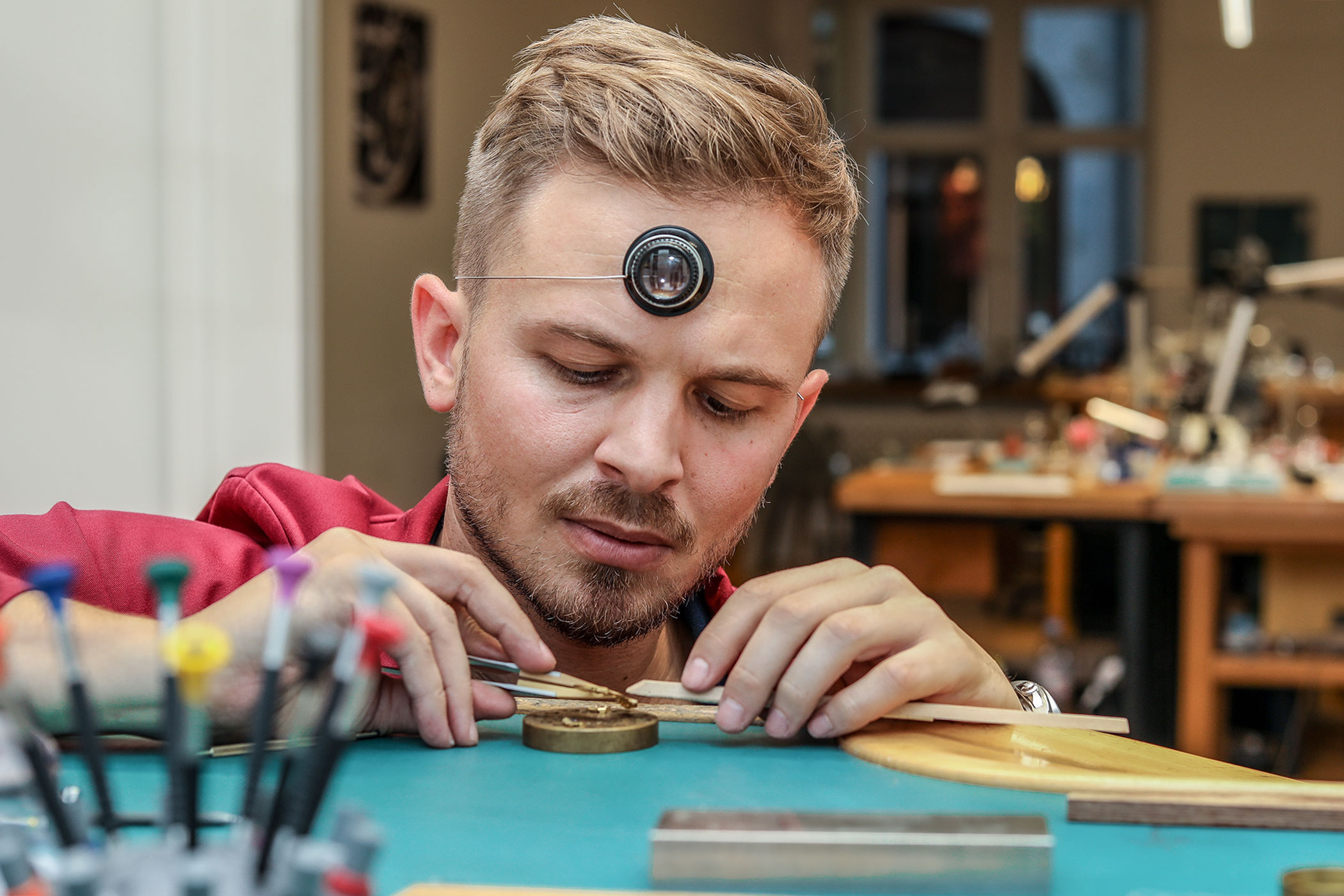
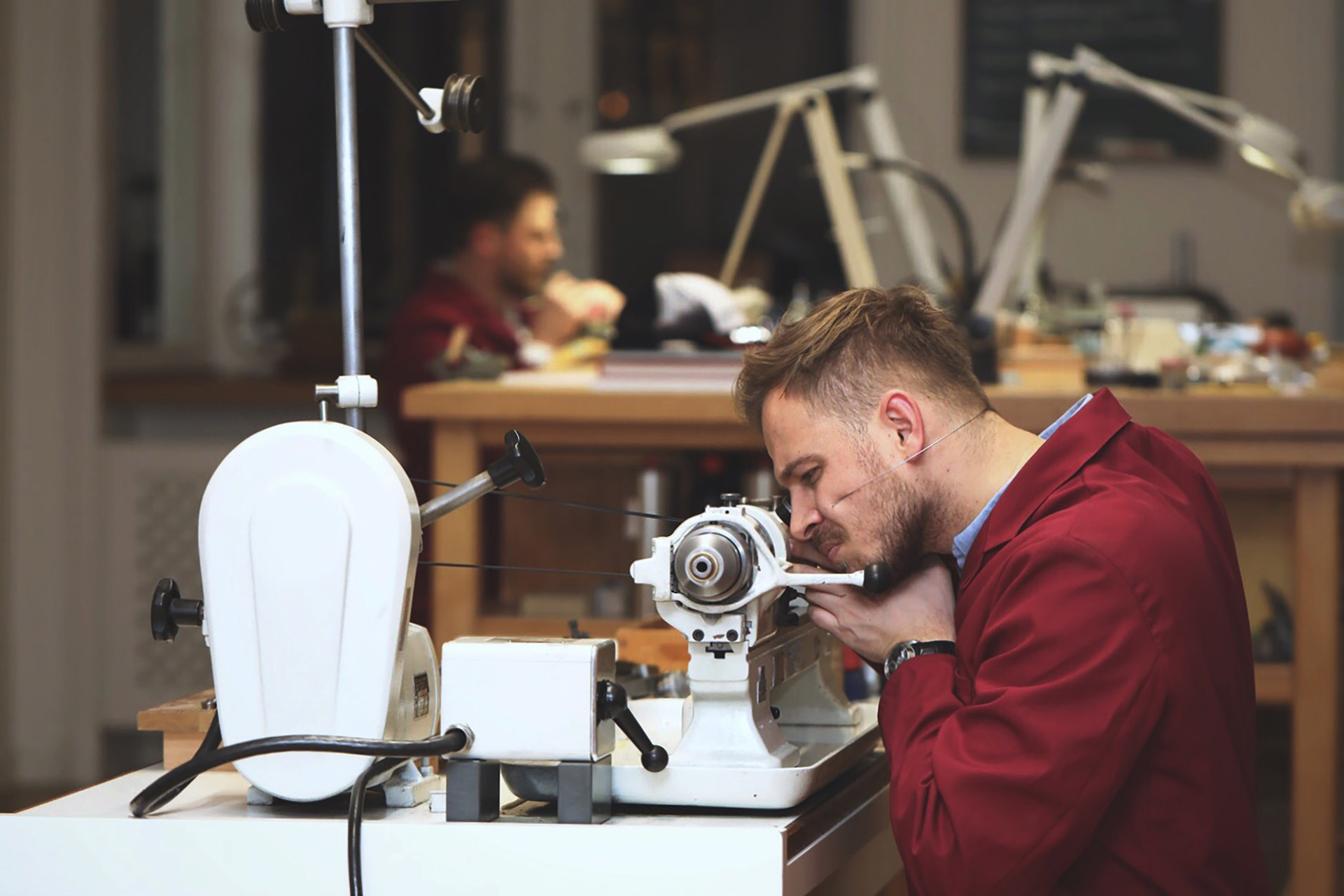
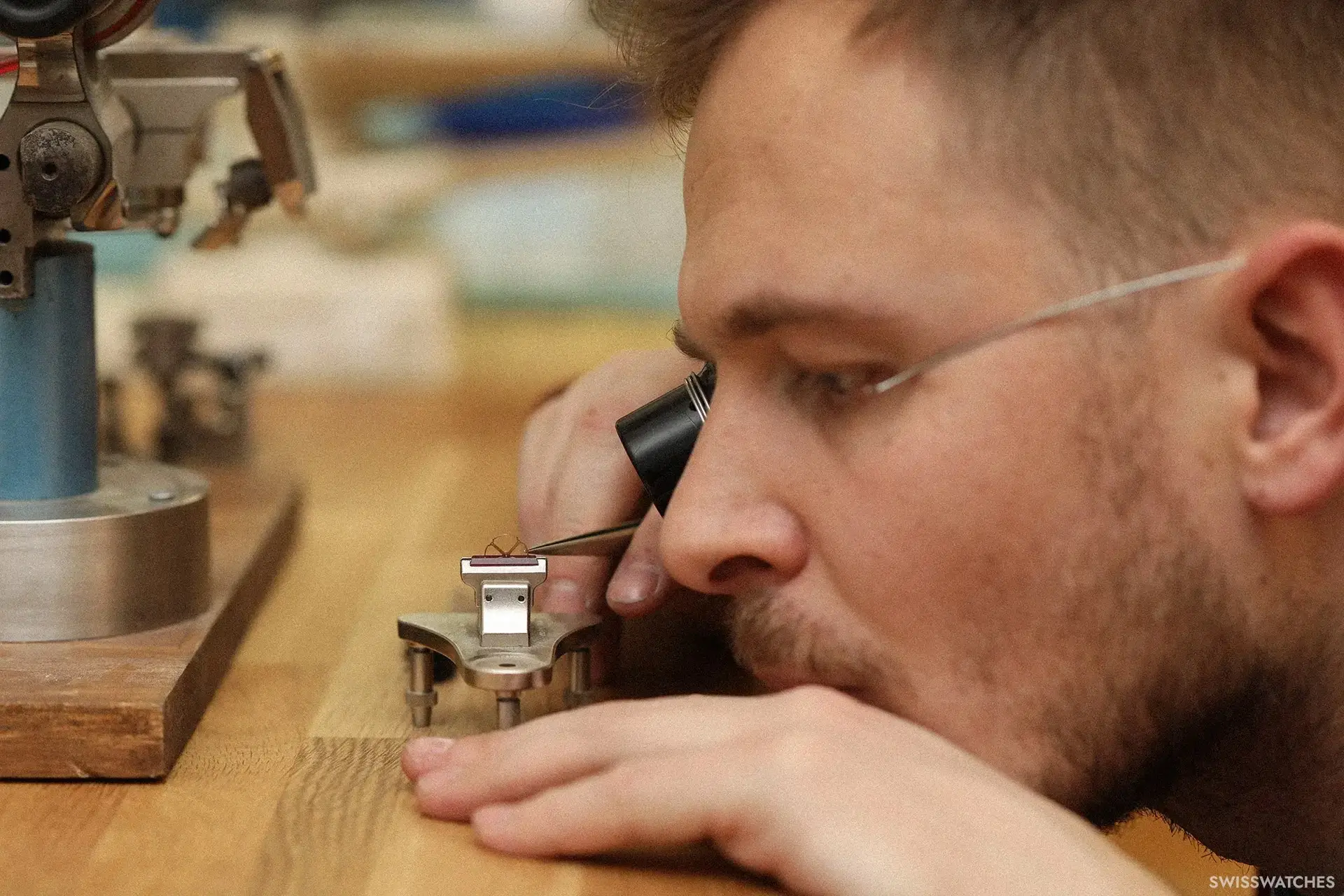
At The Apprenticeship Workshop, the focus is on pure craftsmanship. Jean-Marc Figols manages the entire training centre, from recruitment and monitoring apprentices to liaising with official watchmaking schools. While the training complies with strict Swiss CFC (Certificat fédéral de capacité) regulations, the Akrivia programme goes further into micro-mechanics and specialised finishing.
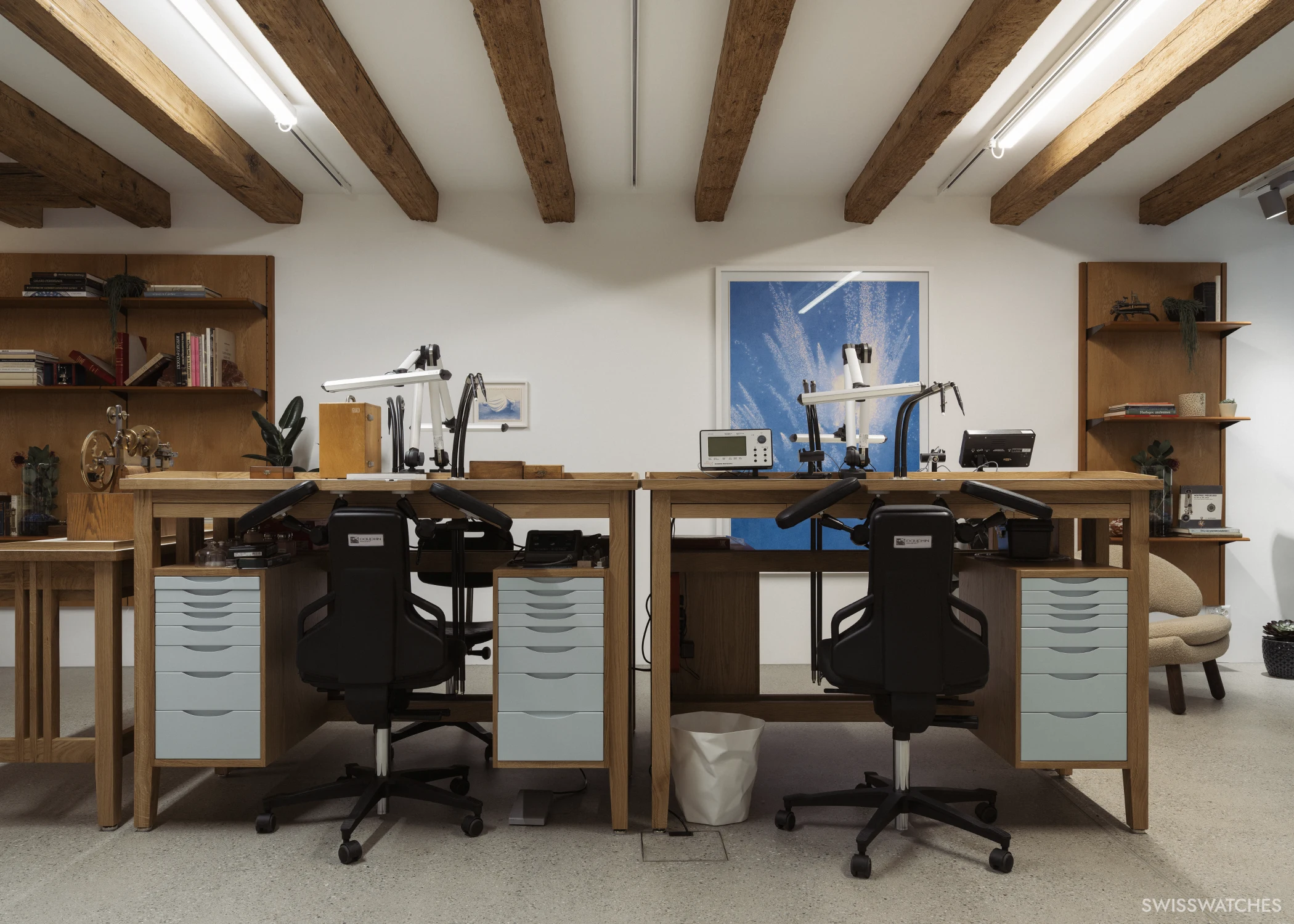
Figols emphasizes that the atmosphere here is a stark departure from large-scale manufacturing. “Here, the human aspect is very important,” he says, “unlike in a larger structure where you can sometimes feel like just another cog in the wheel”. He views his role as coaching practical work and demonstrating the “gestures” of the craft, with a constant focus on the “quality and beauty of what we do”.
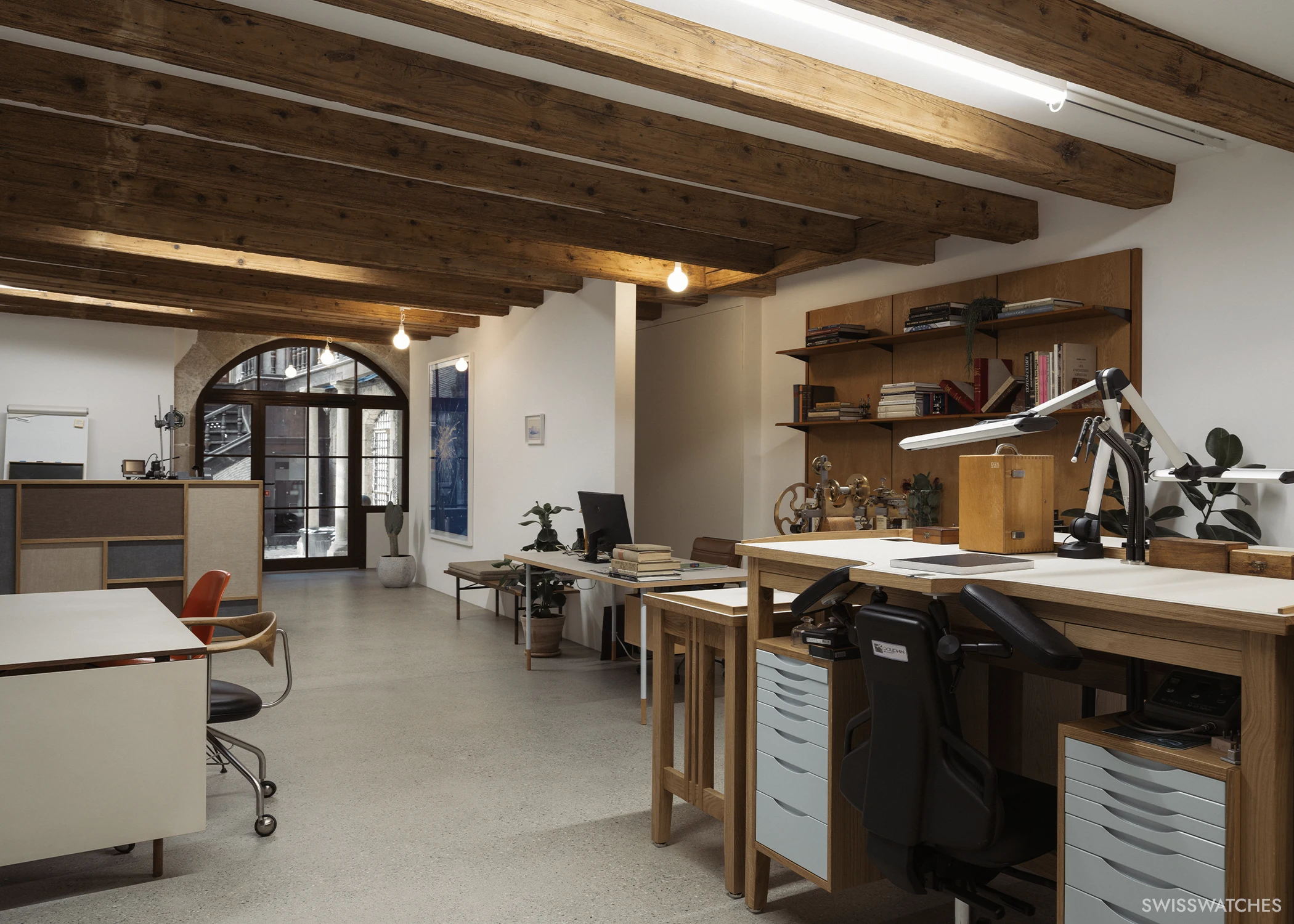
His advice to the young trainees is rooted in the versatility of the profession: “As watchmakers, we are jacks of all trades; we are often described as practitioners of a craft with a thousand tools”. This resourcefulness allows the artisans to master every stage of the manufacturing process – a necessity in an independent company where “every gesture counts”.
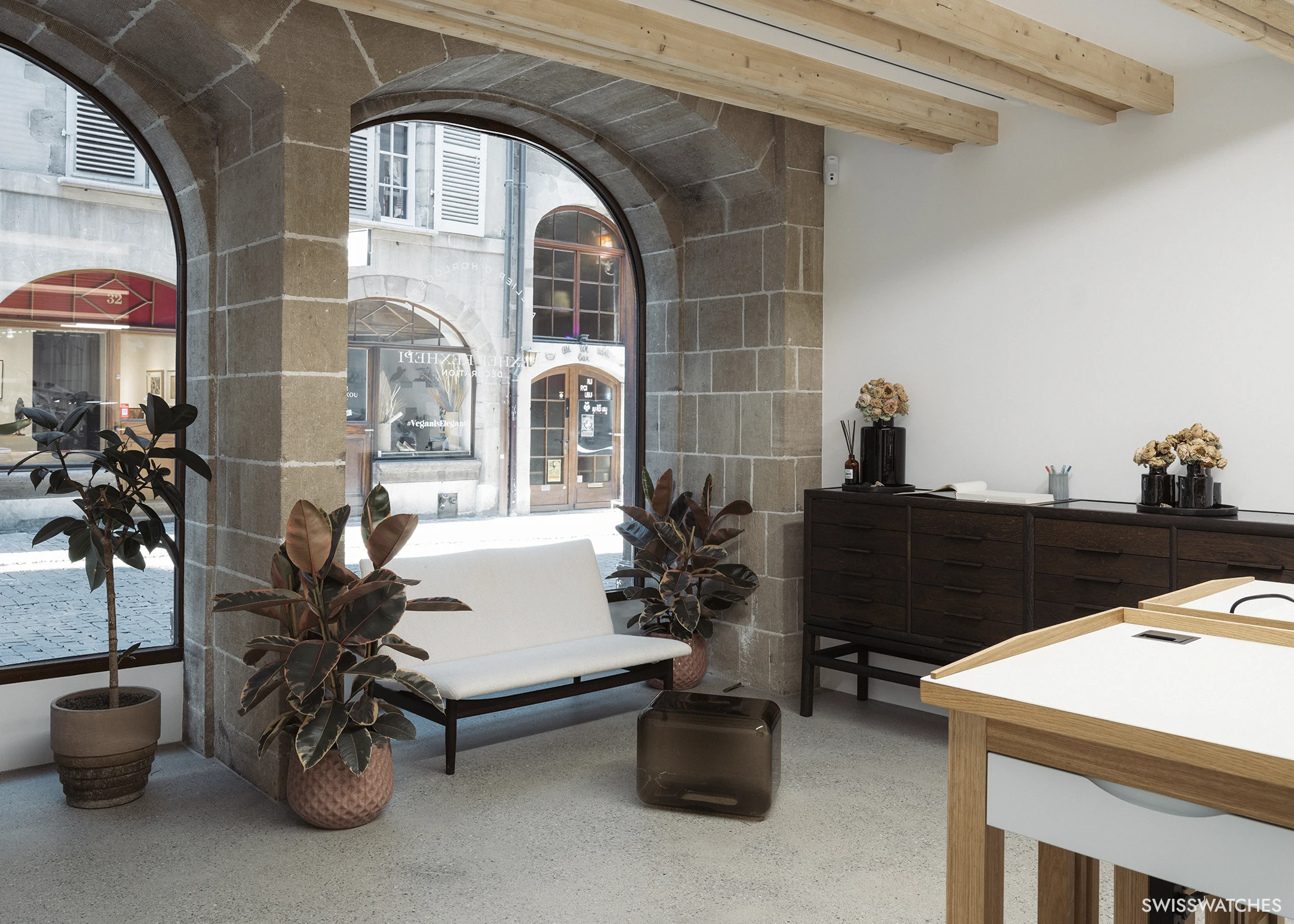
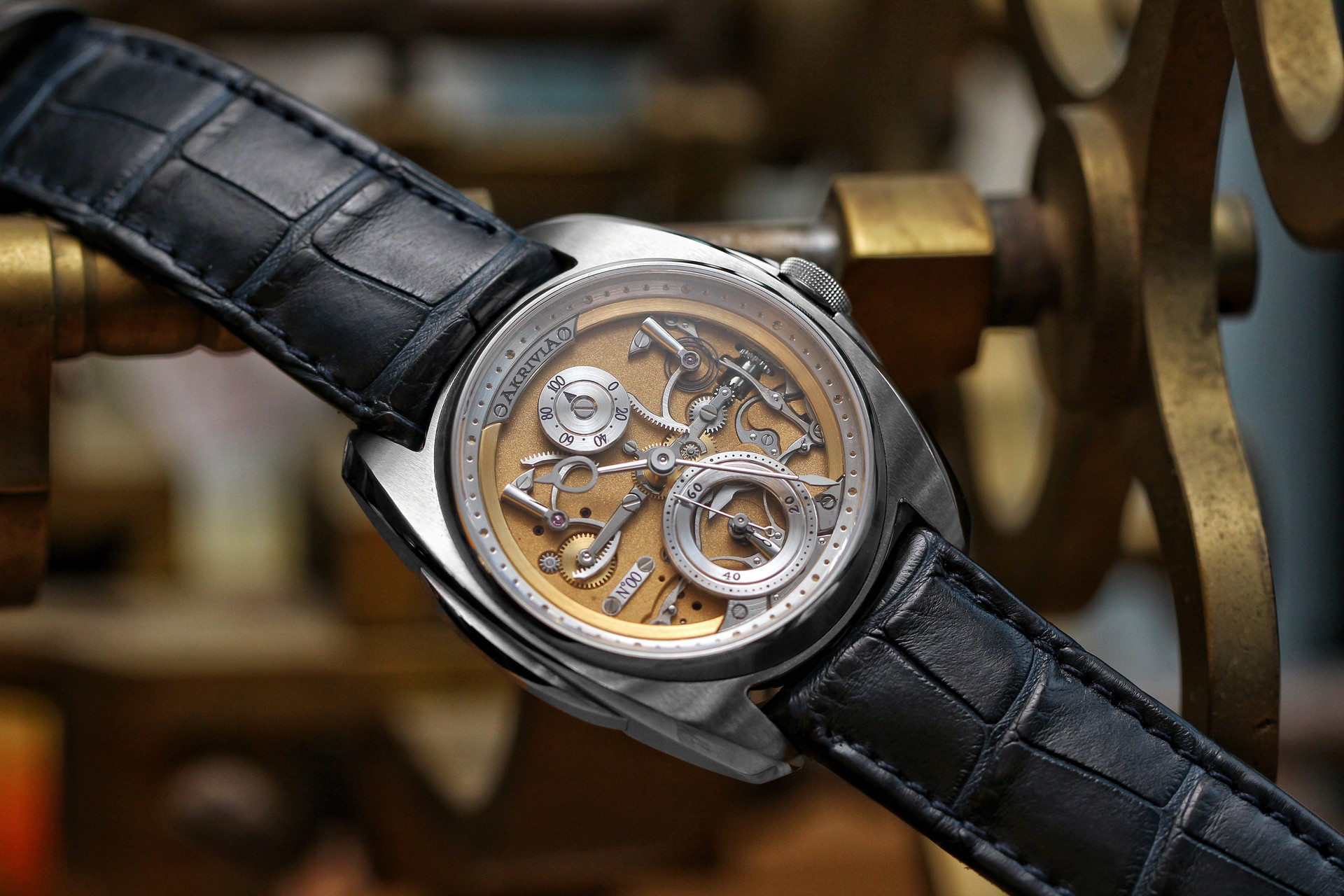
The expansion into in-house case and dial production has been essential to Rexhepi’s “Akrivia” – a Greek term for accuracy and exceptional quality. In 2019, the involvement of the late Jean-Pierre Hagmann brought legendary expertise to the micro-mechanics workshop, ensuring that the manual mastery of metalwork remains a core competency.
Similarly, the opening of “Les Émailleurs de la Cité” in 2024 allowed the brand to internalise the difficult art of Grand Feu enamel. These dials, used in the Chronomètre Contemporain and the new RRCHF Flyback Chronograph, provide a depth and warmth that industrial methods cannot replicate. For Figols, this ability to quickly integrate such diverse skills – leather work, enamel, and casemaking – is the true strength of Rexhepi’s vertical model.
The Apprenticeship Workshop is not just about teaching technical skills; it is about passing on a philosophy. In the heart of Geneva’s Cité, Rexhep Rexhepi and his mentor are ensuring that those dreams – and the manual mastery required to realise them – continue to define the future of haute horlogerie. Through this pedagogy of precision, they are training the next generation of “jacks of all trades” to ensure that the art of the hand remains the heartbeat of the industry.
Jean-Marc Figols: I selected him for Patek Philippe as an apprentice watchmaker. He was young (15 years old) and possessed a strong mathematical aptitude. He was keen to learn mechanics, and his motivation was evident; when you saw him working, he was focused and always searching for solutions.
He was a fast learner, always eager to push boundaries and discover new things. He was in love with beautifully crafted mechanical watchmaking. To him, the idea of compromising on quality or beauty was simply unthinkable.
I remember that at the end of the training course, with a little smile, he said to me: ‘Why couldn’t we do it ourselves?’ Referring to a complete watch movement, this caught my attention, because it is an enormous task when you are not starting from an ébauche or an existing design.
My main task is to run the apprentice training centre (recruitment, programmes, training authorisations, monitoring apprentices, and liaising with the watchmaking school). I also serve as the chief expert for watchmaking operators and CFC qualifications. When things are quiet, I provide my technical expertise on ongoing projects in the workshops as required.
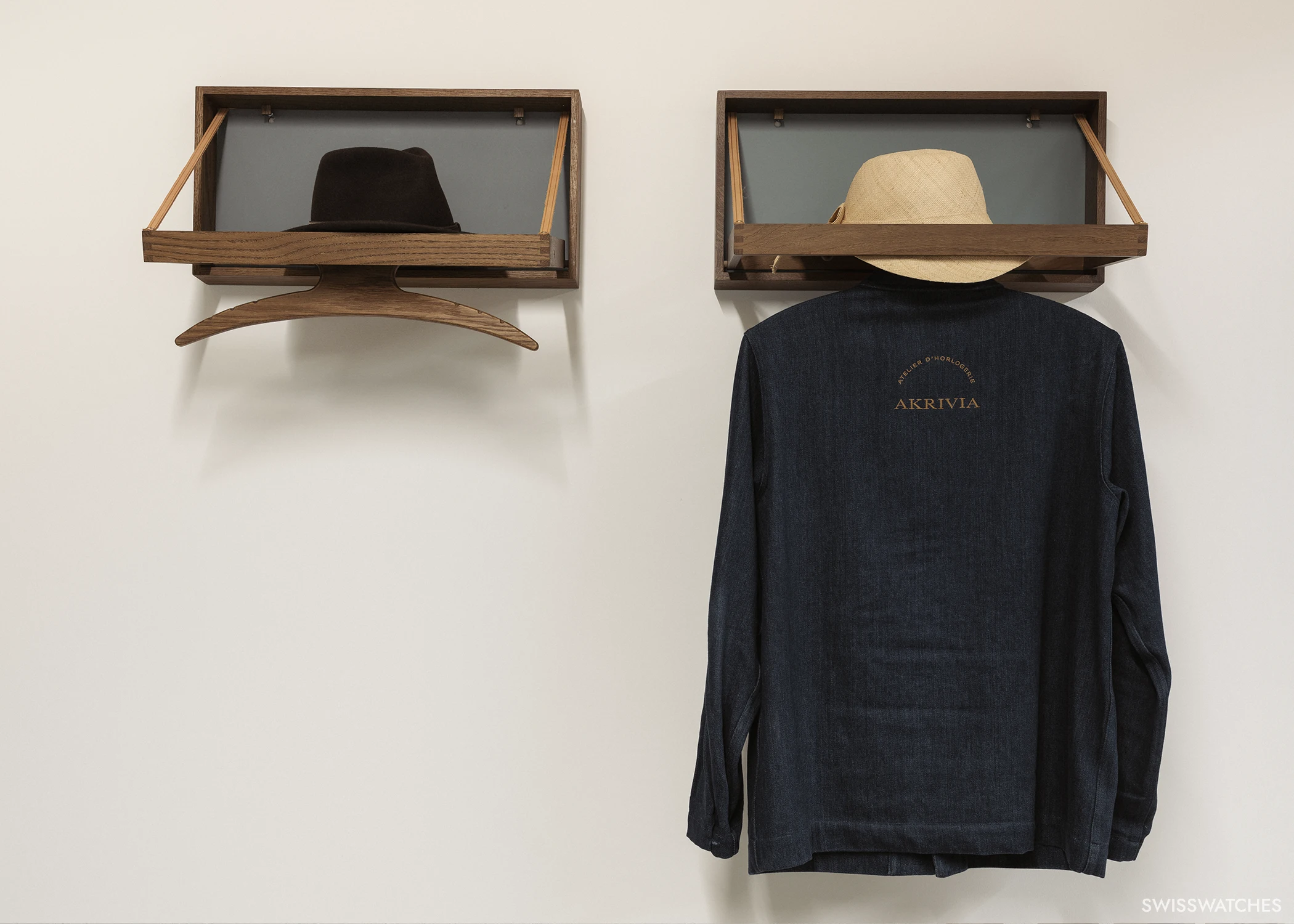
Training courses to obtain CFC qualifications in Switzerland are highly regulated. As Rexhep Rexhepi trains apprentices in accordance with federal regulations, our training programme is based on and complies with these standards. However, this programme allows time to go further into certain watchmaking specialities (micromechanics, parts manufacturing, various finishing techniques, etc.).
I coach practical work, assessing the apprentices by explaining and demonstrating watchmaking techniques and providing workshop theory when needed. I emphasise the quality and beauty of everything we create.
My experience taught me rigour, maturity, and a deep respect for the heritage of watchmaking. Today, I share these values with the Akrivia team, adapting them to a smaller workshop and a more direct, human way of working, focused on learning, sharing, and the transfer of expertise.
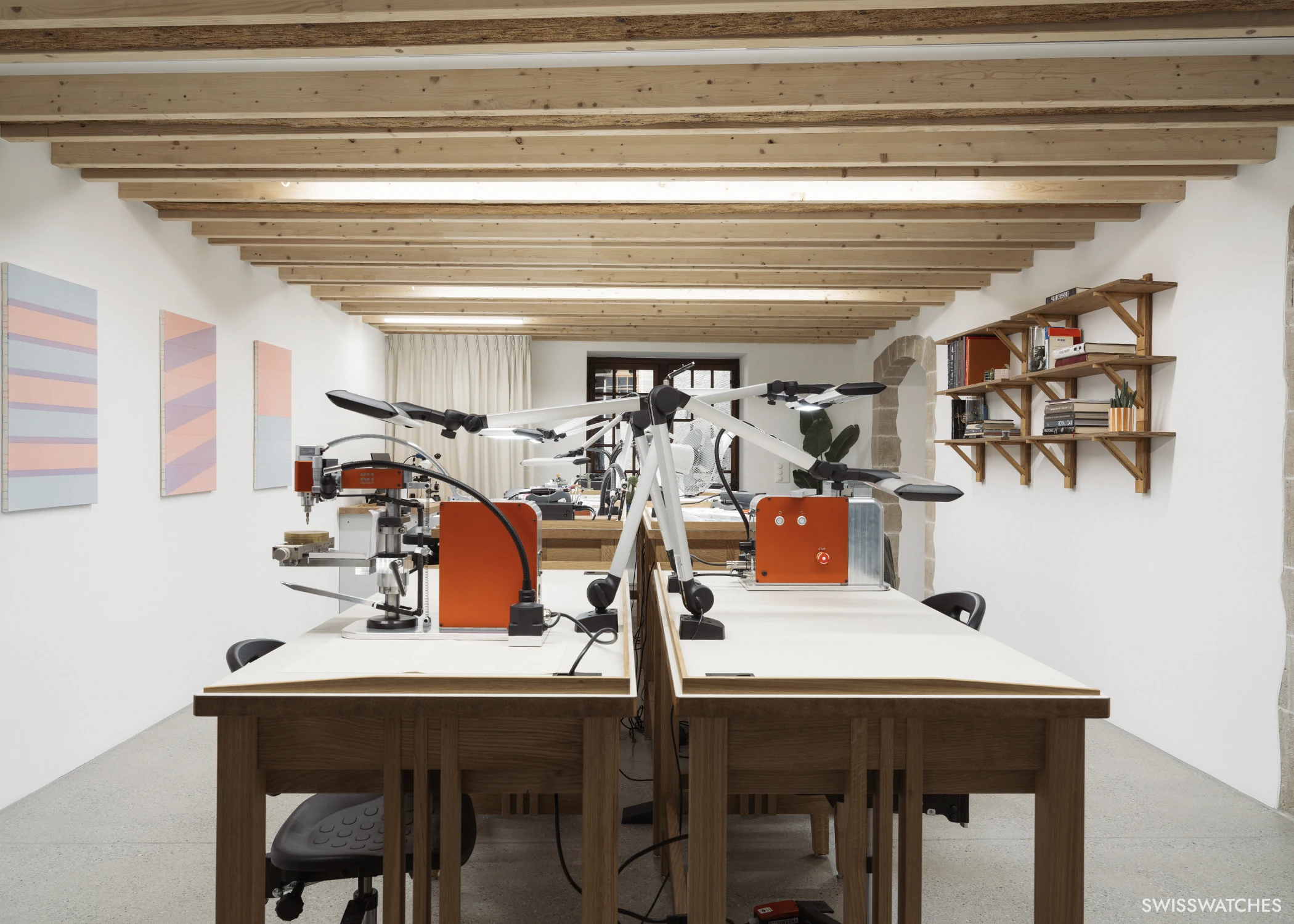
The atmosphere and pace of work in Rexhep’s workshop are very different from those of a large Swiss manufacture. How it operates is more responsive and flexible: things are done differently, with greater autonomy and a heightened sense of responsibility. Here, the human aspect is very important, unlike in a larger structure where you can sometimes feel like just another cog in the machine.
Today, what I find important to pass on to young watchmakers are skills that are often more difficult to develop in large-scale companies. Above all, it is about pure craftsmanship: mastery of finishing, attention to detail, and the use of traditional methods. The aim is to train craftsmen who are able to understand each stage of the manufacturing process and work with the rigour and precision required in an independent company, where every gesture counts and where training is hands-on and personalised.
He provided the resources and impetus to start the training programme, and he is involved in its ongoing development (we will have three apprentices starting in September 2026) and in the progress of our first cohort. We both want to pass on our knowledge and raise the profile of the profession.
Independence is vital; it guarantees freedom of choice in terms of design, quality, and complications, and allows us to quickly integrate new skills (the craftsmanship of leather straps, grand feu enamel dials, watch cases, etc.). This vertical structure, with different skills spanning the entire watch, forces us to be more flexible and responsive.
My main advice is that we must always believe in our dreams and in our profession. As watchmakers, we are jacks-of-all-trades; we are often described as practitioners of a craft with a thousand tools. This versatility allows us to engage in many other métiers beyond watchmaking, such as traditional micro-mechanics or clockmaking, for example. We are resourceful.
That’s an interesting question! As large manufacturers have increasingly adopted production methods such as digital automation, sequential stations, and machine finishing, the landscape of watchmaking has evolved. This shift has broadened the market for collectors and enthusiasts, creating greater visibility and interest in independent makers who emphasise originality and unique pieces through small-batch production and distinctive designs, while maintaining a strong watchmaking identity. Their distinction is achieved by preserving traditions, techniques, and artisanal crafts. In short, the large brands have left room for others, and independent manufacturers have taken full advantage of this.