The Panerai Radiomir Bronzo PAM00760 marks Eilean’s return to classic regattas with a bronze case, shaded green dial and hand-wound calibre P.3000.
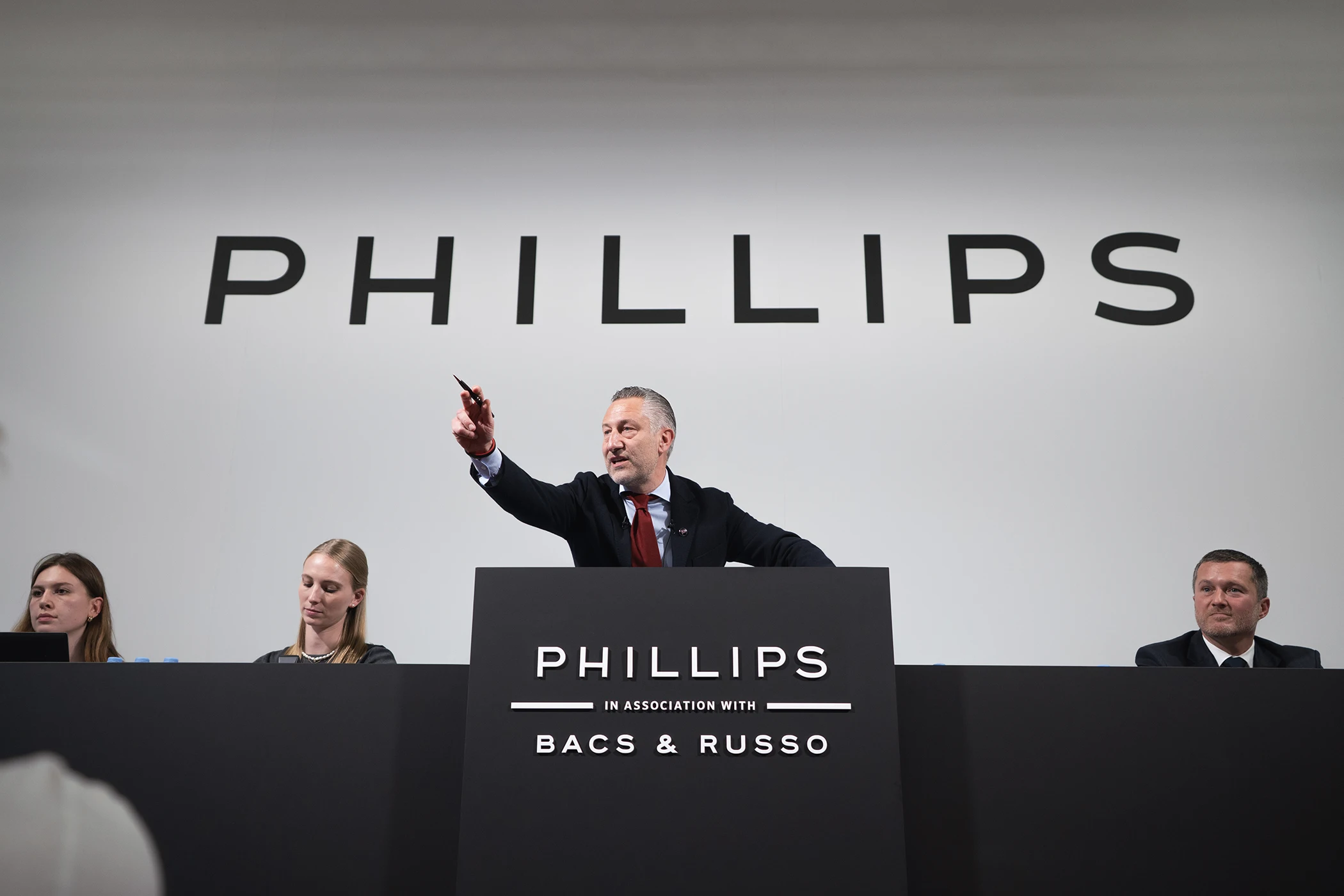
The auction season in Geneva is arguably the best time to visit the city if you’re interested in watches. Unlike events such as ‘Watches & Wonders’ or the ‘Geneva Watch Days’, where ten appointments a day are the norm and you spend most of your time in exhibition halls, the auction season is a completely different affair. The pre-viewing sessions alone are worth the trip: anyone can pop in and spend time with some of the rarest watches in the world, whether to gather information before a purchase or simply out of curiosity and interest. And then there are the auctions themselves. Phillips, Christie’s, Sotheby’s and Antiquorum each conduct their auctions live from Geneva over four days, offering not only a record of the results but also a genuine barometer of the market: the frequency of bids, the atmosphere in the room and the conversations surrounding each lot.
The May 2026 auction season has just come to a close, and the watches that attracted the largest audiences were not always those with the highest estimated prices. Bidders showed great interest in models with striking designs, unusual histories, or a creative mastery that is difficult to replicate today. More than ever, Geneva has confirmed the realisation that modern collecting is fragmenting into increasingly specialised areas of interest.
To understand why this particular week felt different, it is helpful to hear from someone who is at home in both worlds. Robin Mann is a Geneva-based watch dealer who worked in the art market for many years before moving into the watch industry. “What was interesting, perhaps even frightening, was the intensity with which the auctions unfolded in May,” he said. “It seemed almost carefree. Most bidders were on the other end of the phone line; there was hardly any bidding in the room, and they were prepared to bid at any price to win. The sheer tenacity reminded me eerily of the art world’s auction room – truly a battle of egos at any cost, seemingly without regard for current or actual market value. There was a ruthlessness that felt both new and unfamiliar, giving me the impression that the art world’s money was slowly finding its way in and that, in my view, the watch market is only just beginning.”
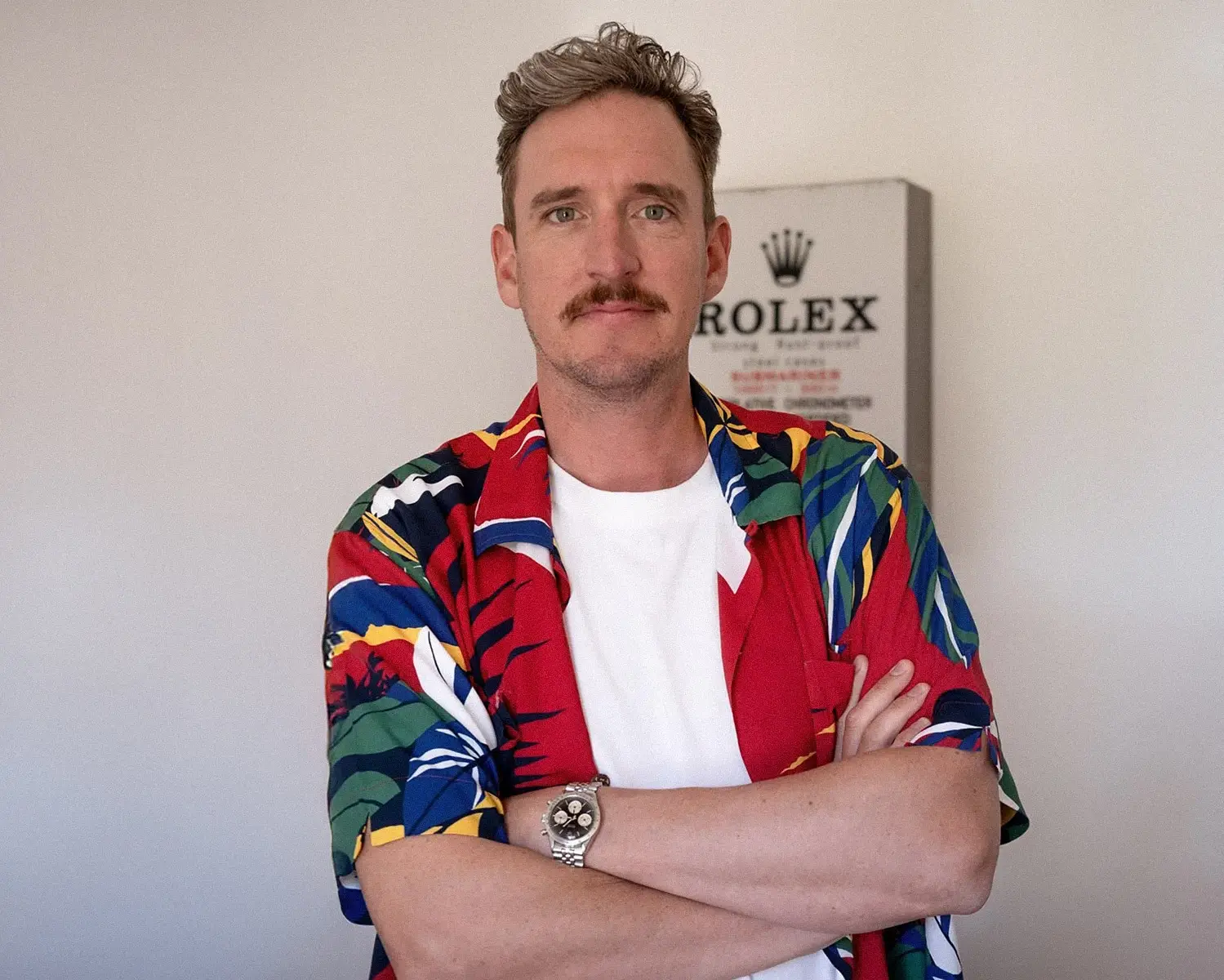
Photo credit © Robin Mann
It was a difficult week for local dealers when it came to buying stock. “I came away empty-handed because I was being outbid not just by double the price, as was the case not long ago, but by five or six times,” said Mann. “I wasn’t the only dealer struggling. Telephone and online bids are covering an ever-wider spectrum, and the new norm of the average ultimately means that the success rate at auctions is falling further and further.”
Cartier was the dominant theme at Sotheby’s, which presented its own collection throughout the year under the title “Shapes of Cartier”, spanning Hong Kong, Geneva and New York. The selection shown in Geneva spoke for itself – better than any individual auction result could have done.
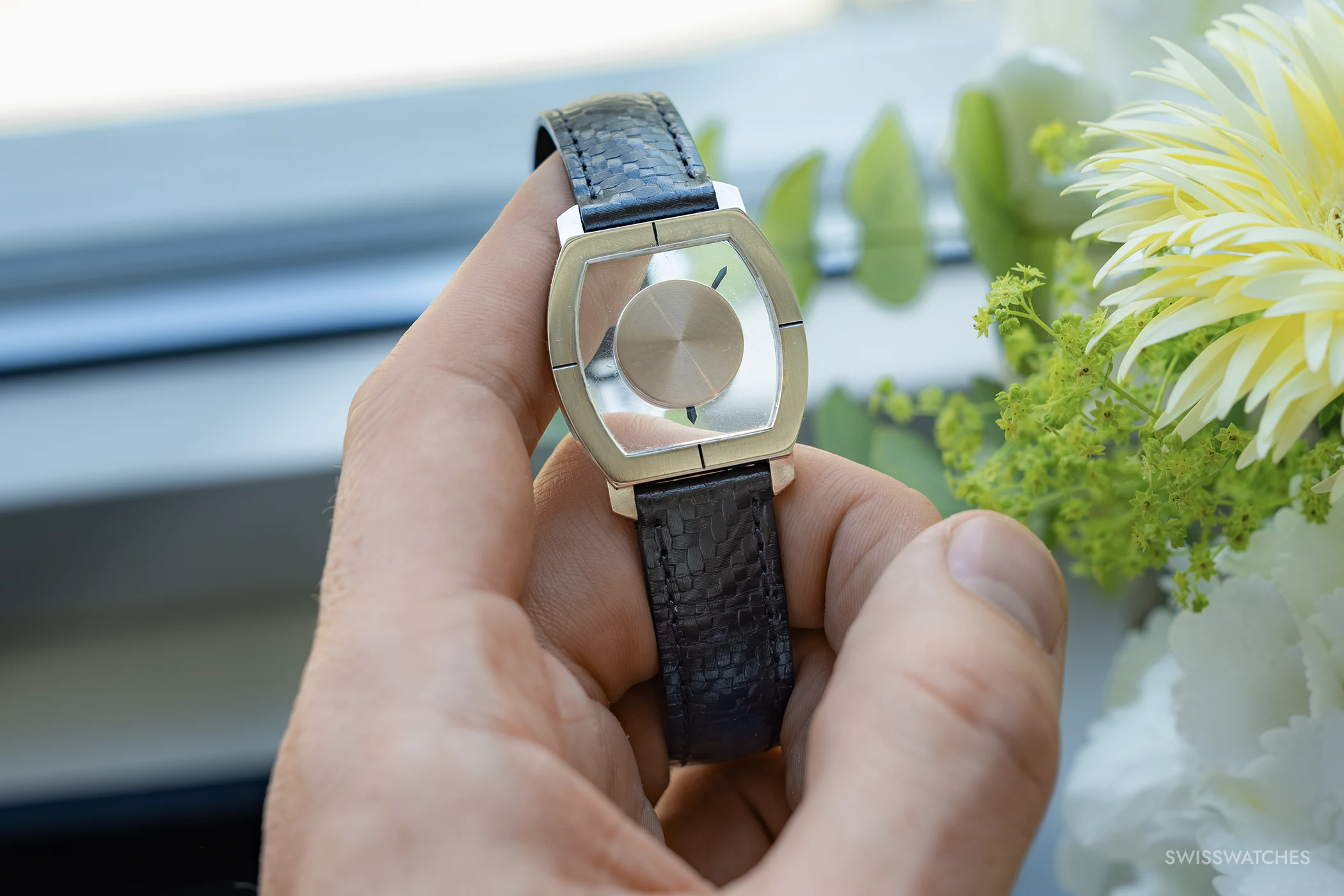
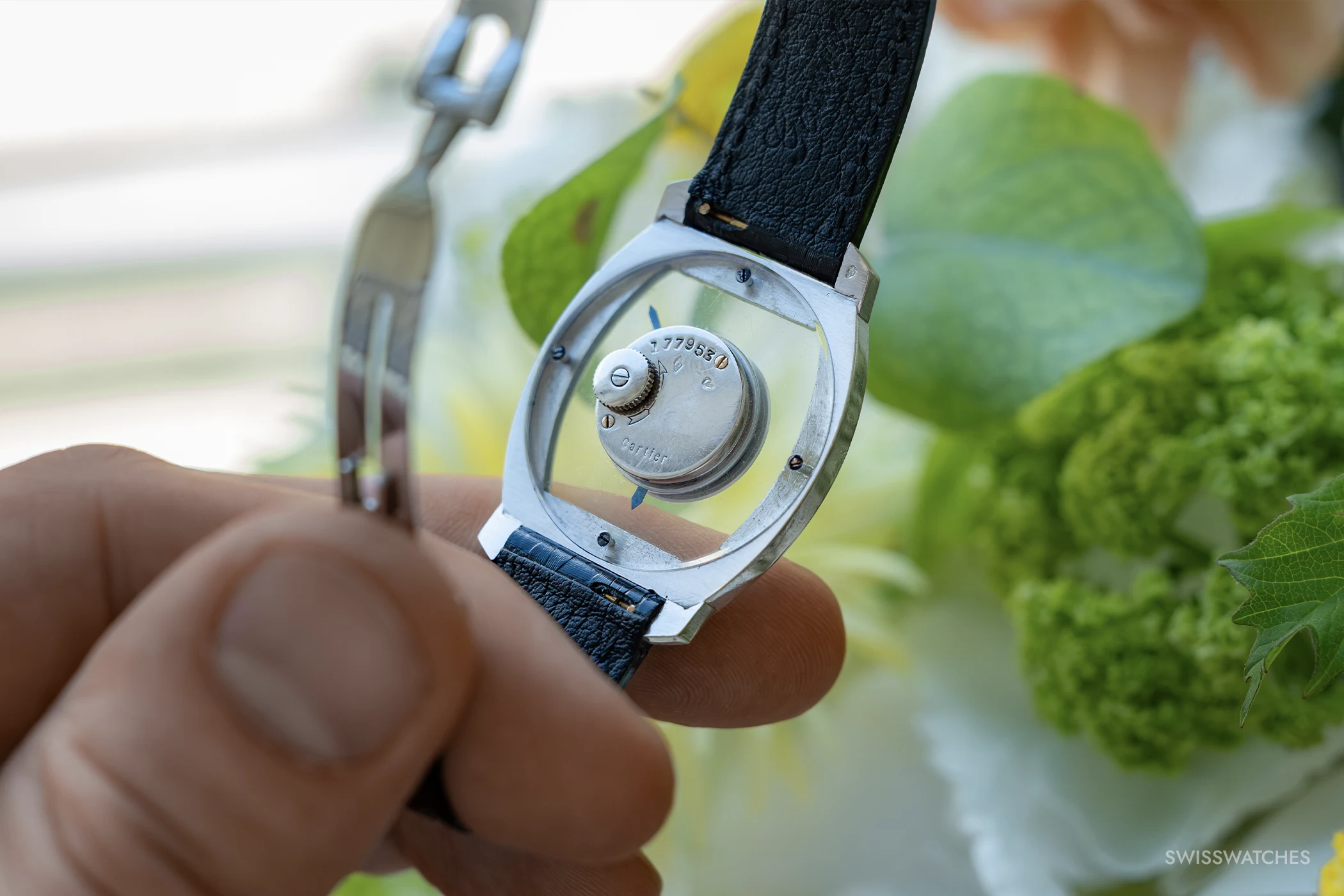
The “Mystère Tortue” was arguably the highlight: its “Tortue” case, its “Mystery” configuration, the white gold finish and its provenance from the 1970s make it a truly unique piece in Cartier research. A final result of CHF 255,999 against an estimate of CHF 40,000 to 60,000 spoke volumes about the current level of demand for truly rare pieces.
The Cartier Paris ‘Parallélogramme’ watch from the late 1930s, featuring a cream-coloured dial with Arabic numerals and baton hour-markers, had an estimate of CHF 55,000 to 80,000 and sold for CHF 121,600.
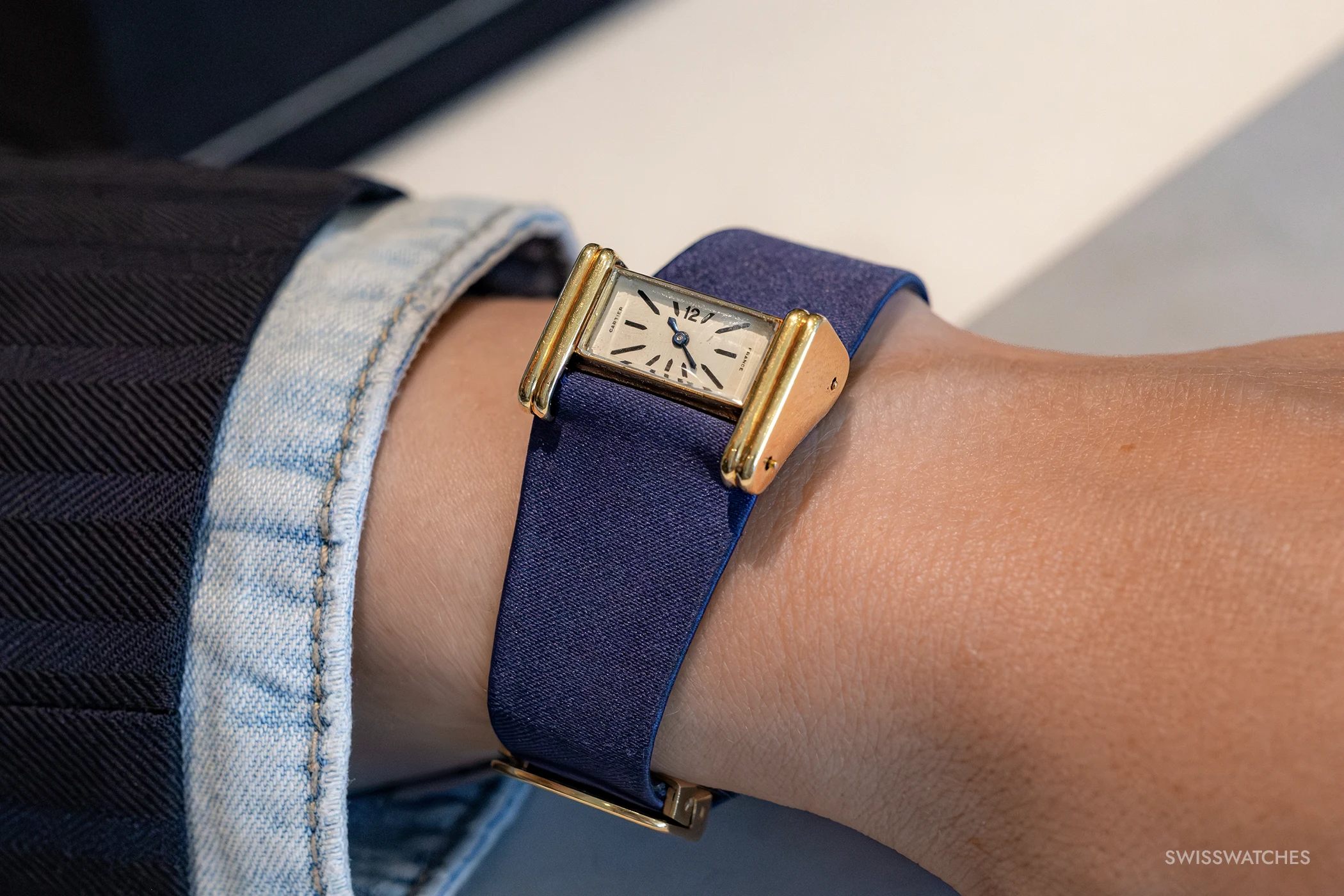
The Driver, known as the Pilote Baguette à cadres incliné and designed for motorists with its distinctive triangular shape, sold for CHF 127,999, exceeding its estimate of CHF 45,000 to 65,000.
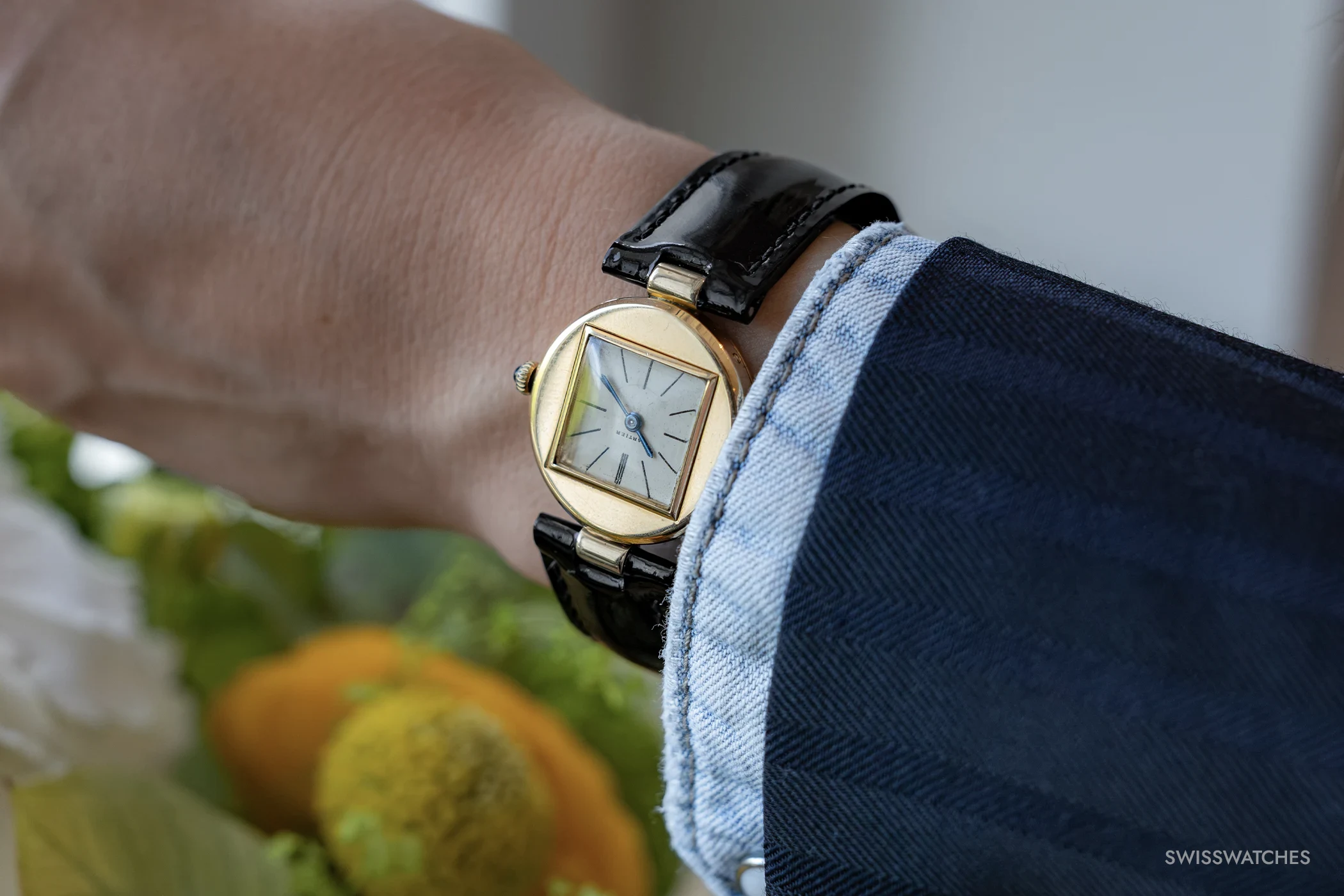
The Pebble, dating from around 1948, with its angular dial and T-shaped Vendôme lugs, sold for CHF 40,959 against an estimate of CHF 10,000 to 15,000.
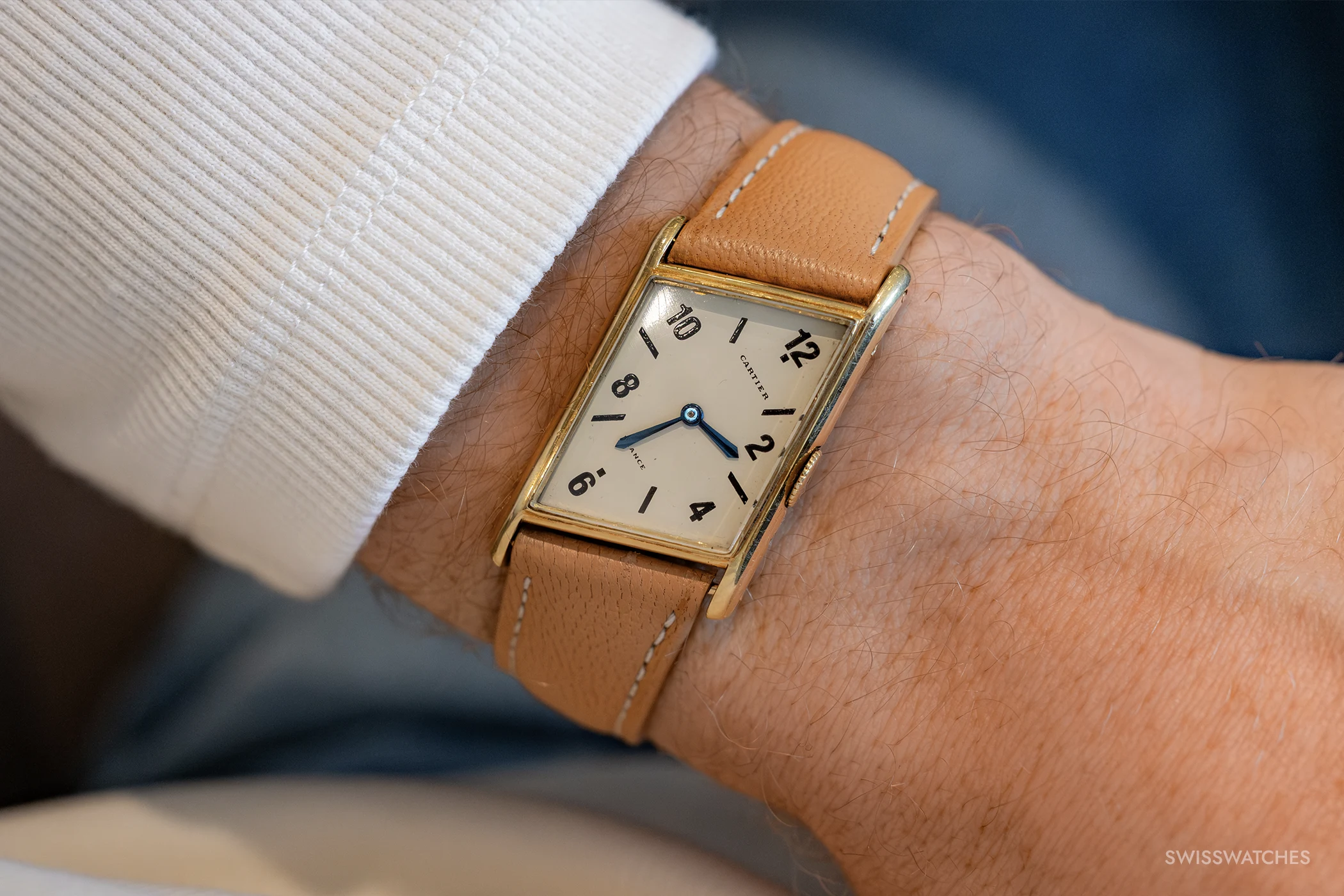
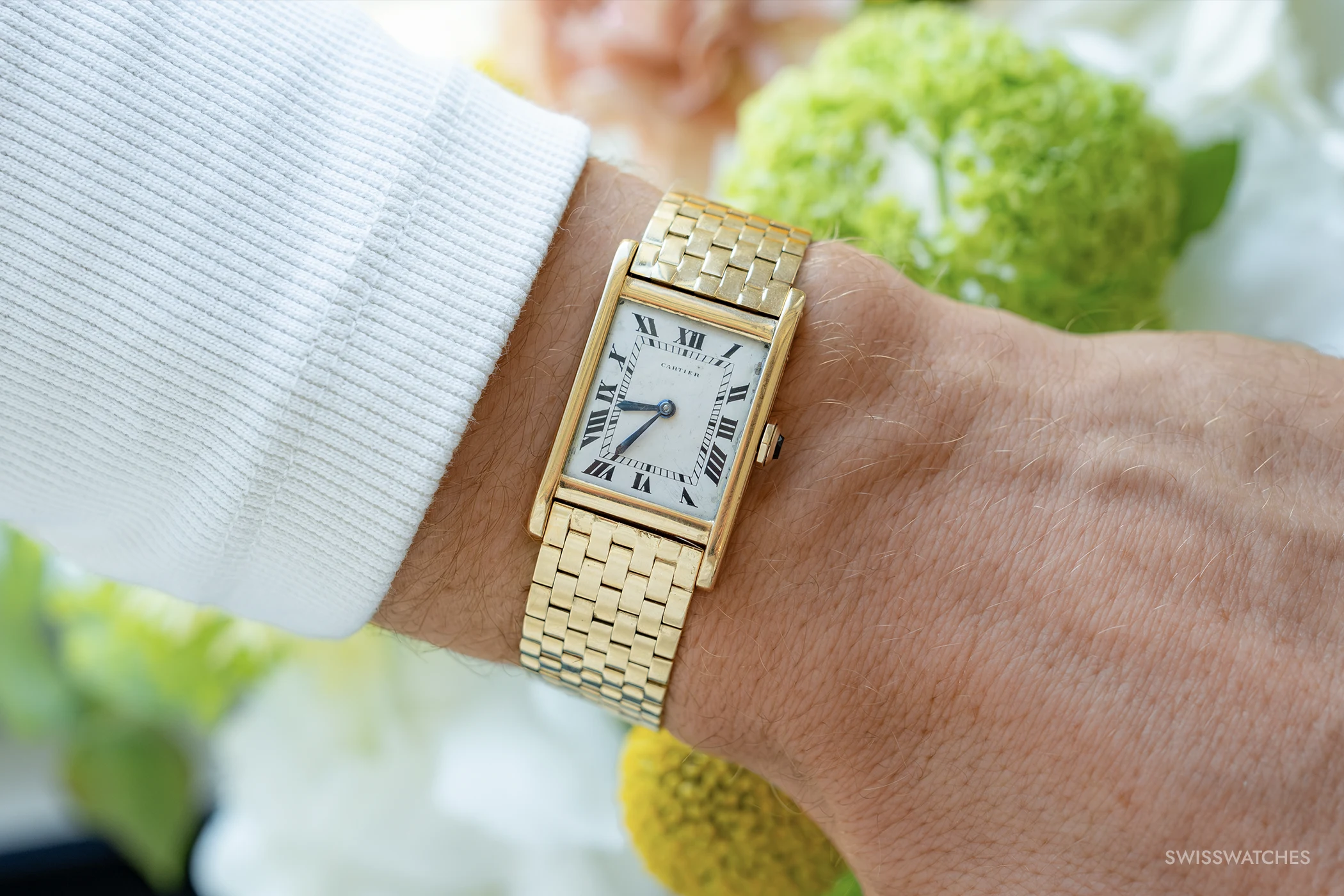
The Tank Bec d’Aigle on a bracelet rounded off the lot at CHF 70,400, more than double its low estimate. Its appeal lies not in its uniqueness, but in its proportions, its flowing form and the natural way it sits on the wrist.
Antiquorum is always the place to go if you’re looking for something that others have missed. Total sales amounted to CHF 9,194,321, with most bids placed online rather than by telephone or in person – further evidence of what became increasingly apparent over the course of the week: the market for high-end watches is no longer confined to a single location.
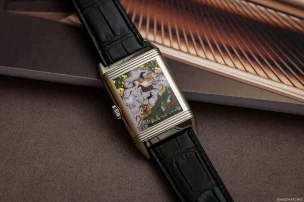
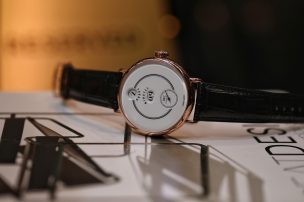
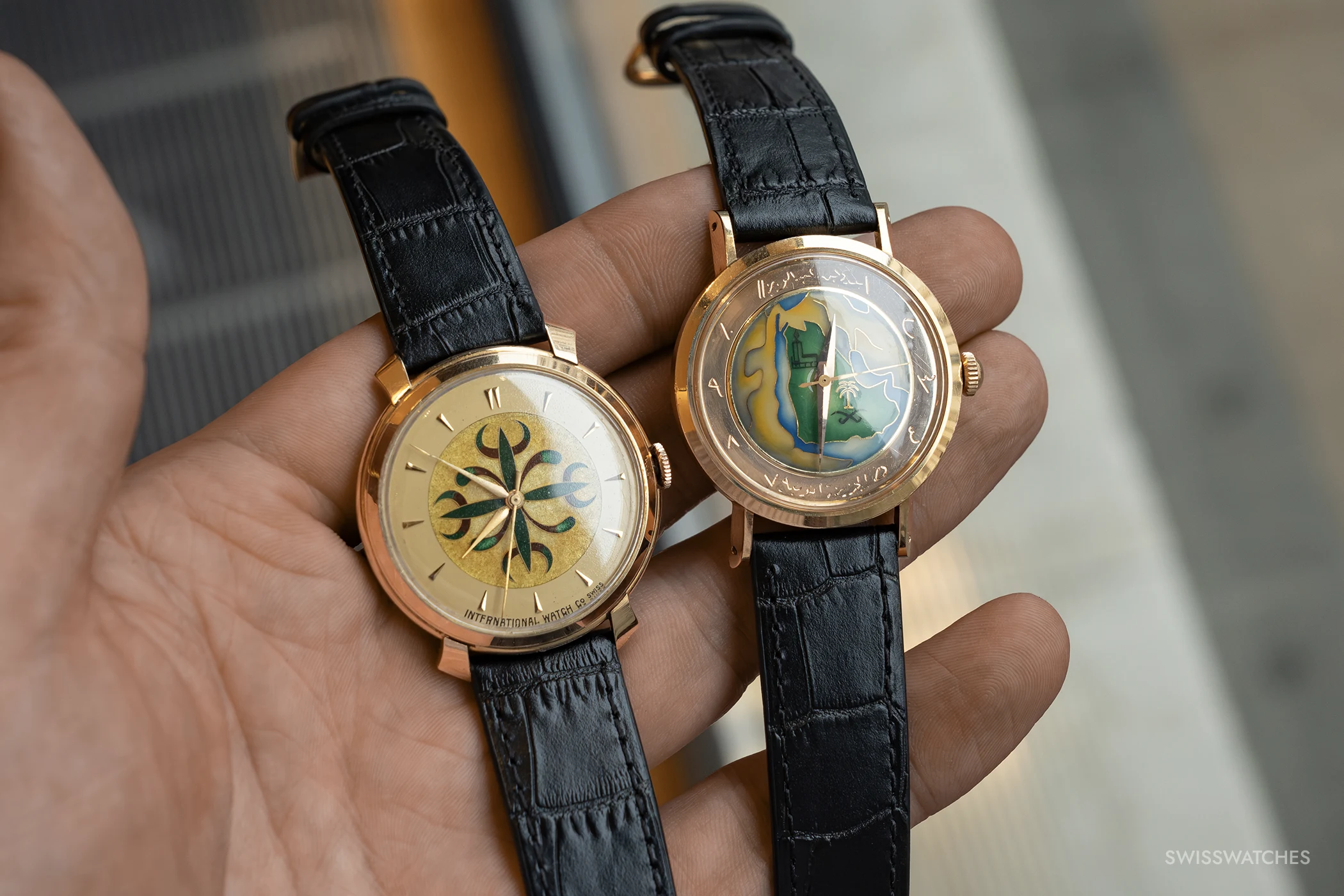
The Universal Genève 10232 and the IWC Flower, both featuring cloisonné dials most likely crafted by Stern Frères SA, represent a curious exception in the collectors’ market, where the brand matters less than the object itself. Both fetched prices in the mid-20,000 CHF range and are perfect examples of niche areas within the collectors’ market that remain unknown to many outside their own circles.
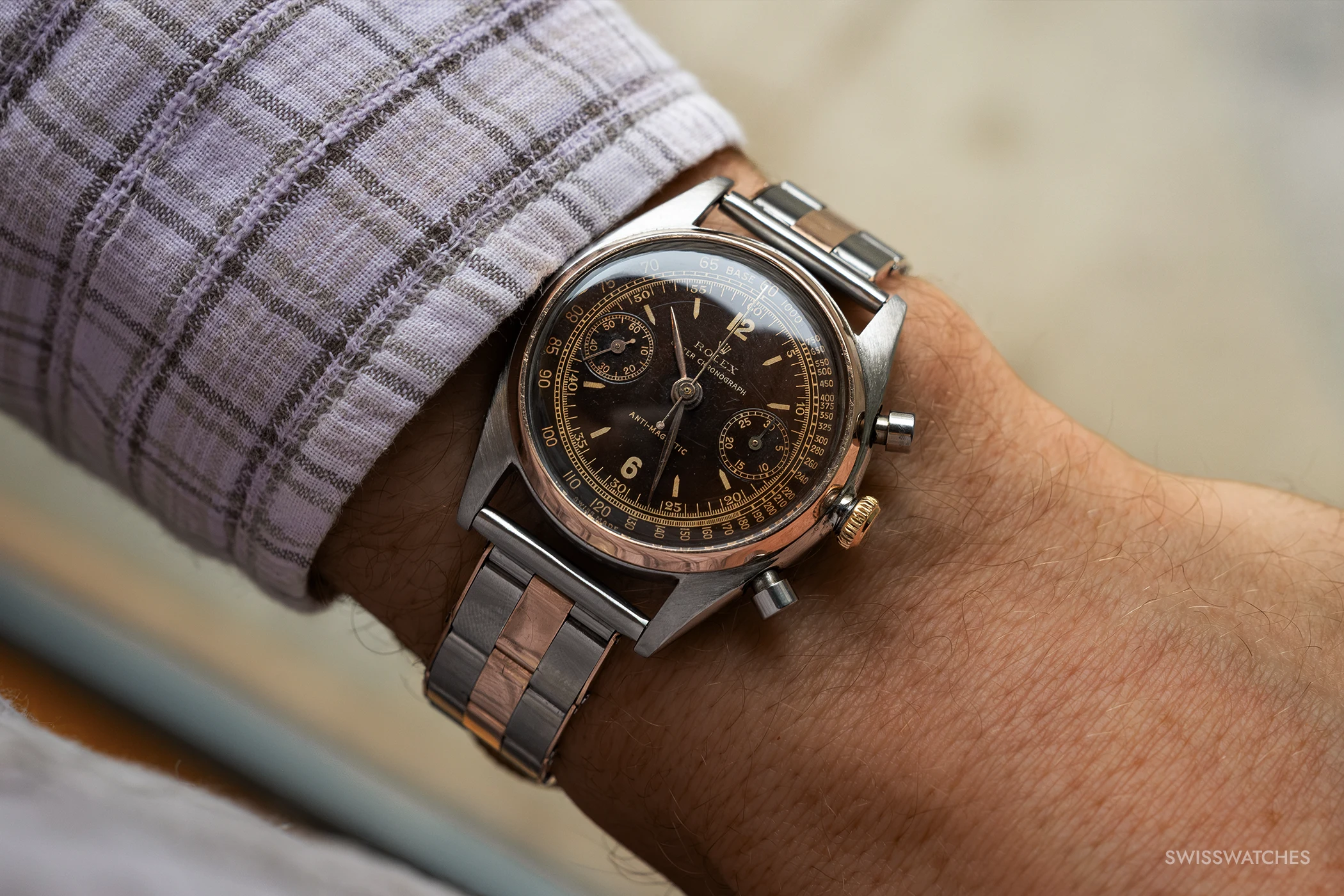
The Rolex 4500, a pre-Daytona chronograph from 1955 featuring a beautiful tropical dial and a two-tone bracelet, sold at the lower end of its estimate range of CHF 30,000 to 50,000. This is a positive sign for collectors that such a stunning yet little-noticed watch was sold to a prospective buyer at the lower end of its estimate.
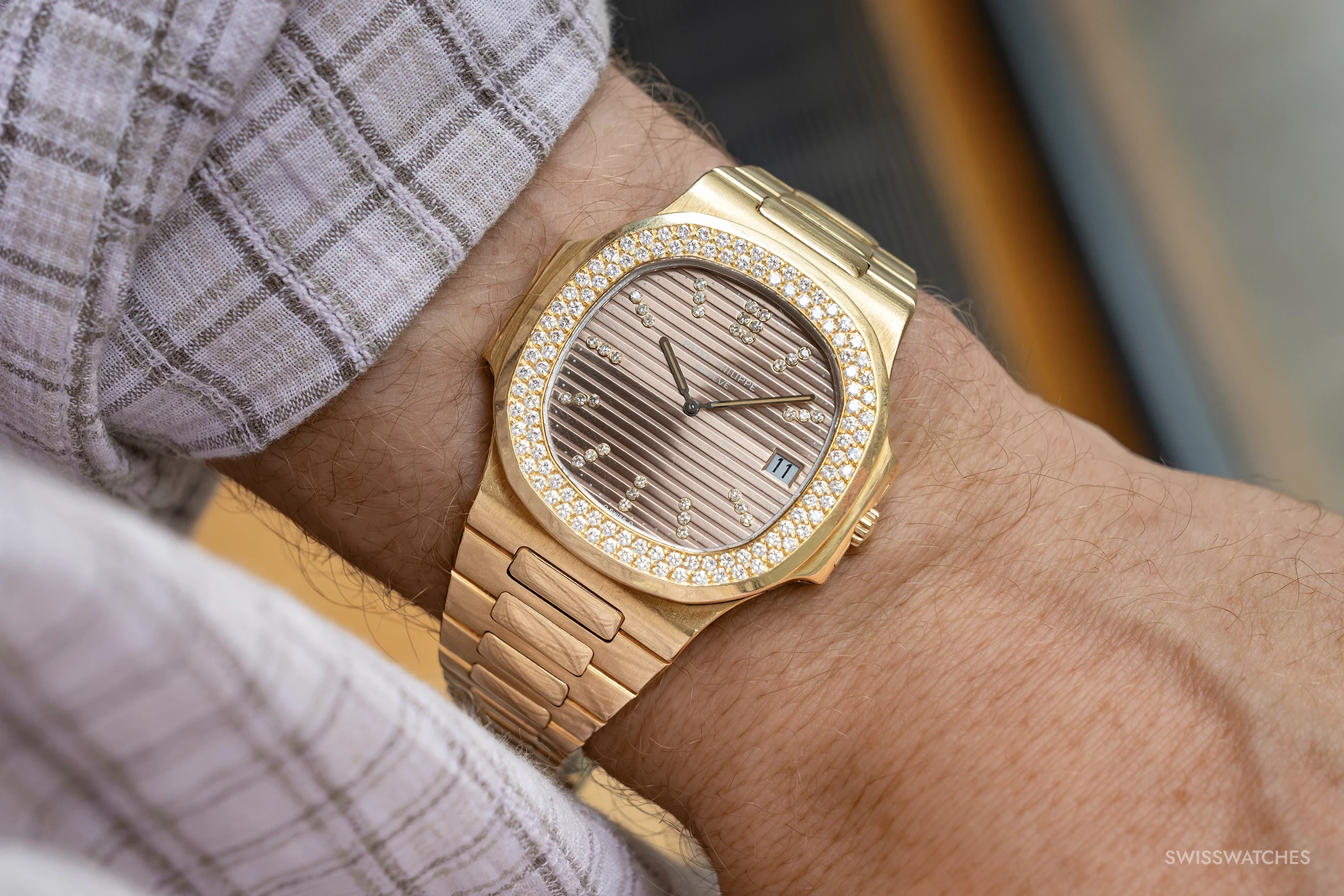
A unique Patek 3700 in yellow gold, featuring a dial and bezel set with rose diamonds, was the talk of the town all week, but ultimately failed to sell as the reserve price of CHF 1,000,000 was not met.
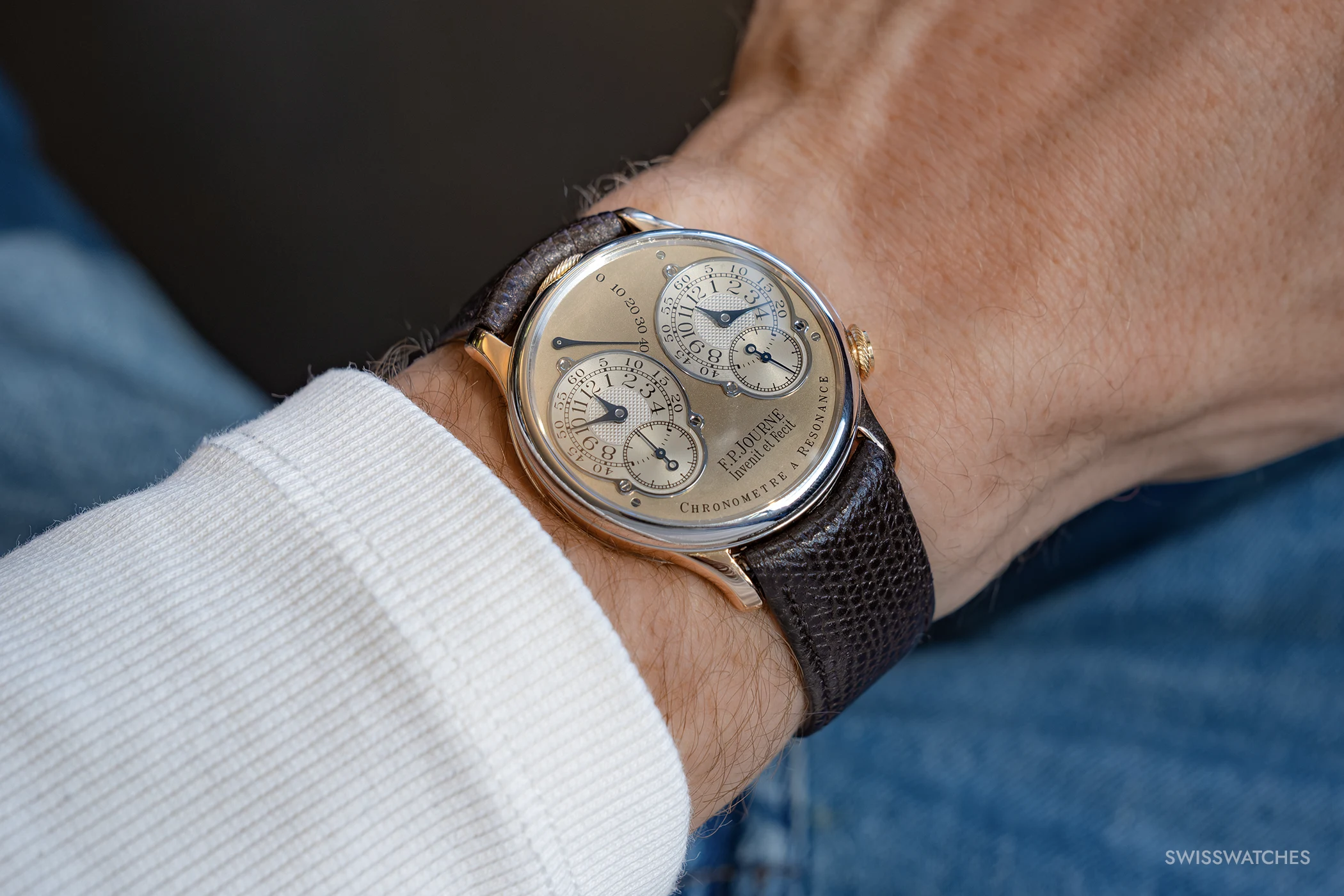
Phillips opened its 23rd Geneva watch auction with the F.P. Journe Chronomètre à Résonance Souscription No. 18, the 18th piece in a limited edition of just 20 examples in platinum and rose gold, created around the year 2000. With an estimate of CHF 450,000 to CHF 900,000, it sold for CHF 4,875,500, confirming what the public had suspected for several auction seasons now: Journe’s earliest work has now reached a level that leaves little room for debate.
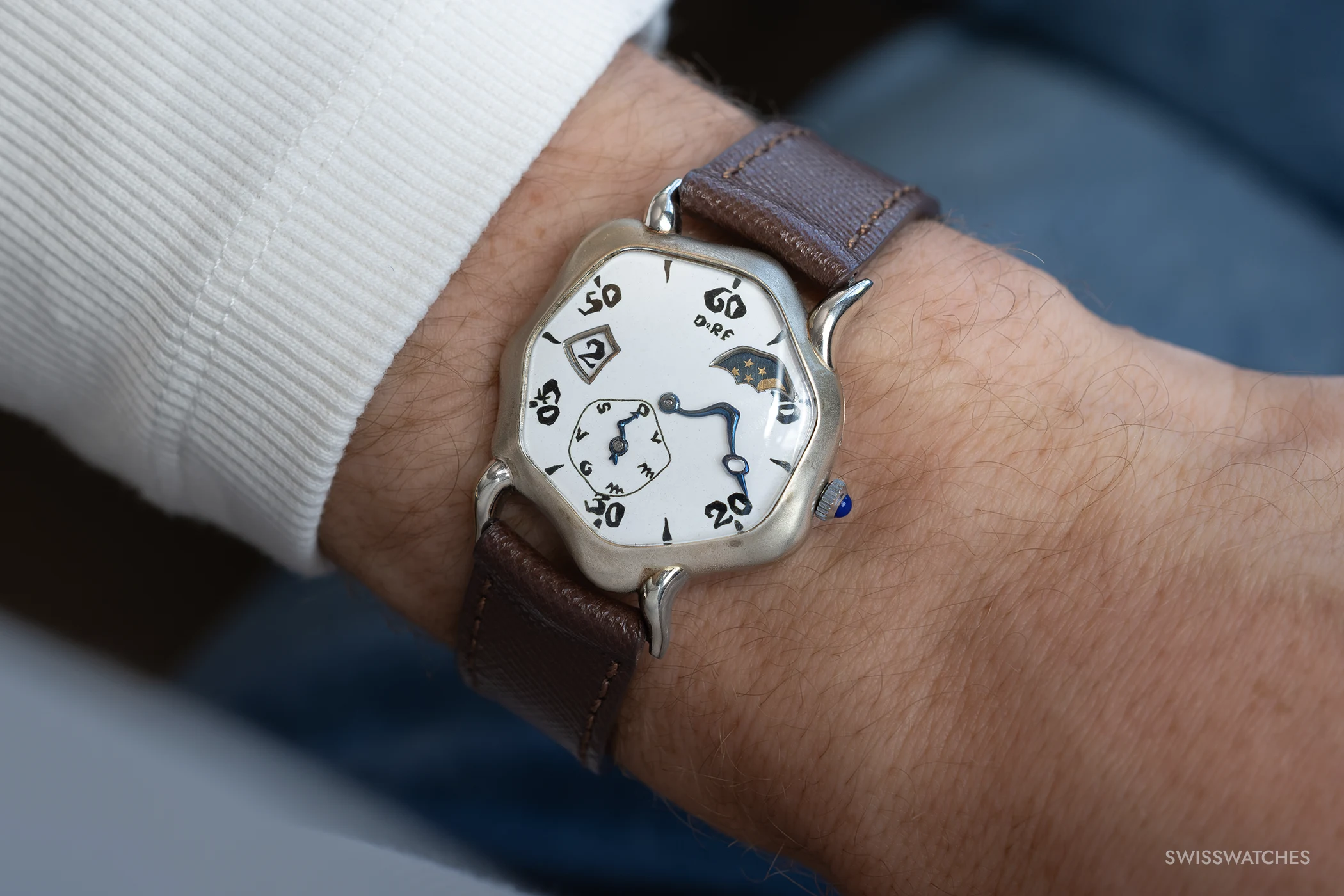
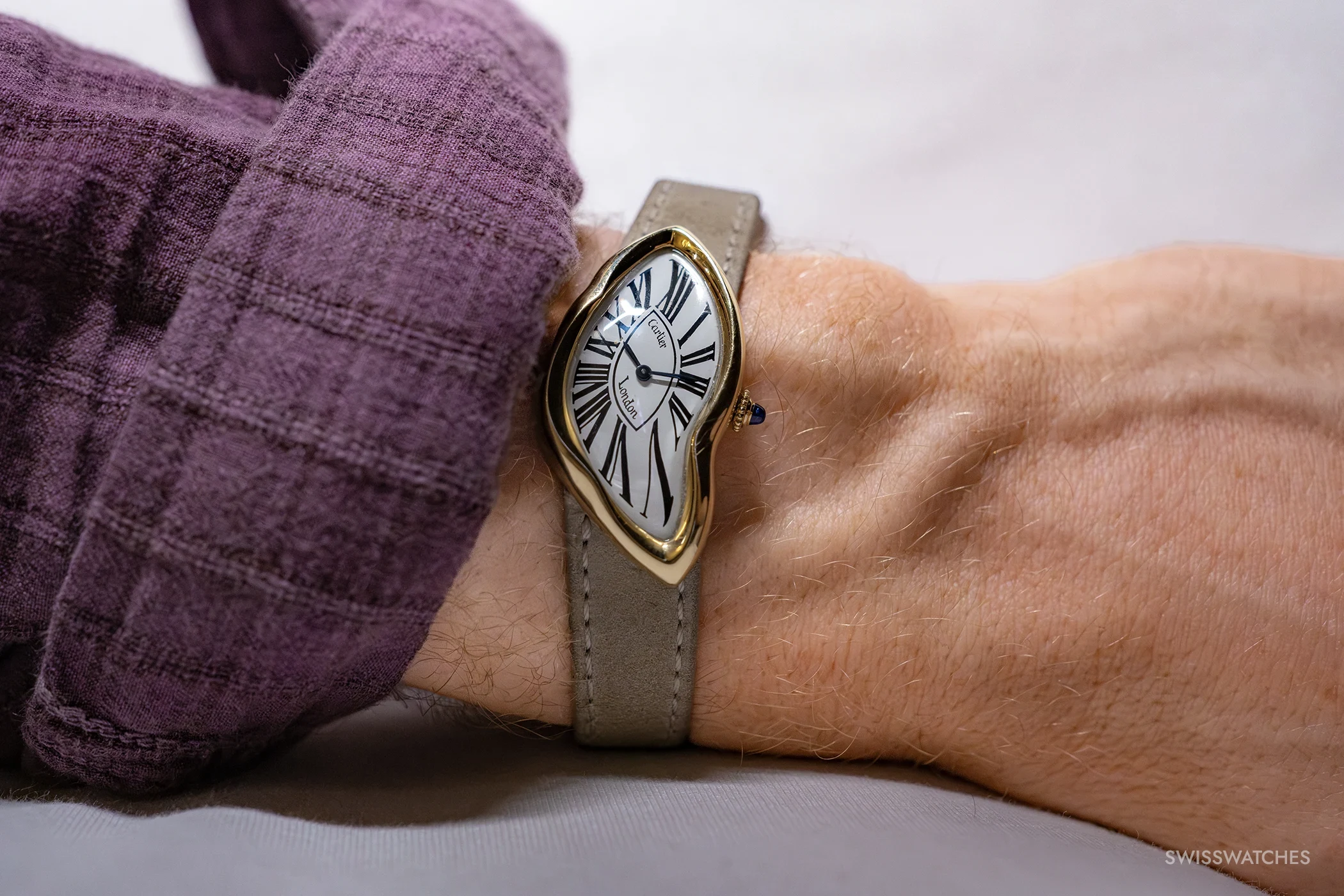
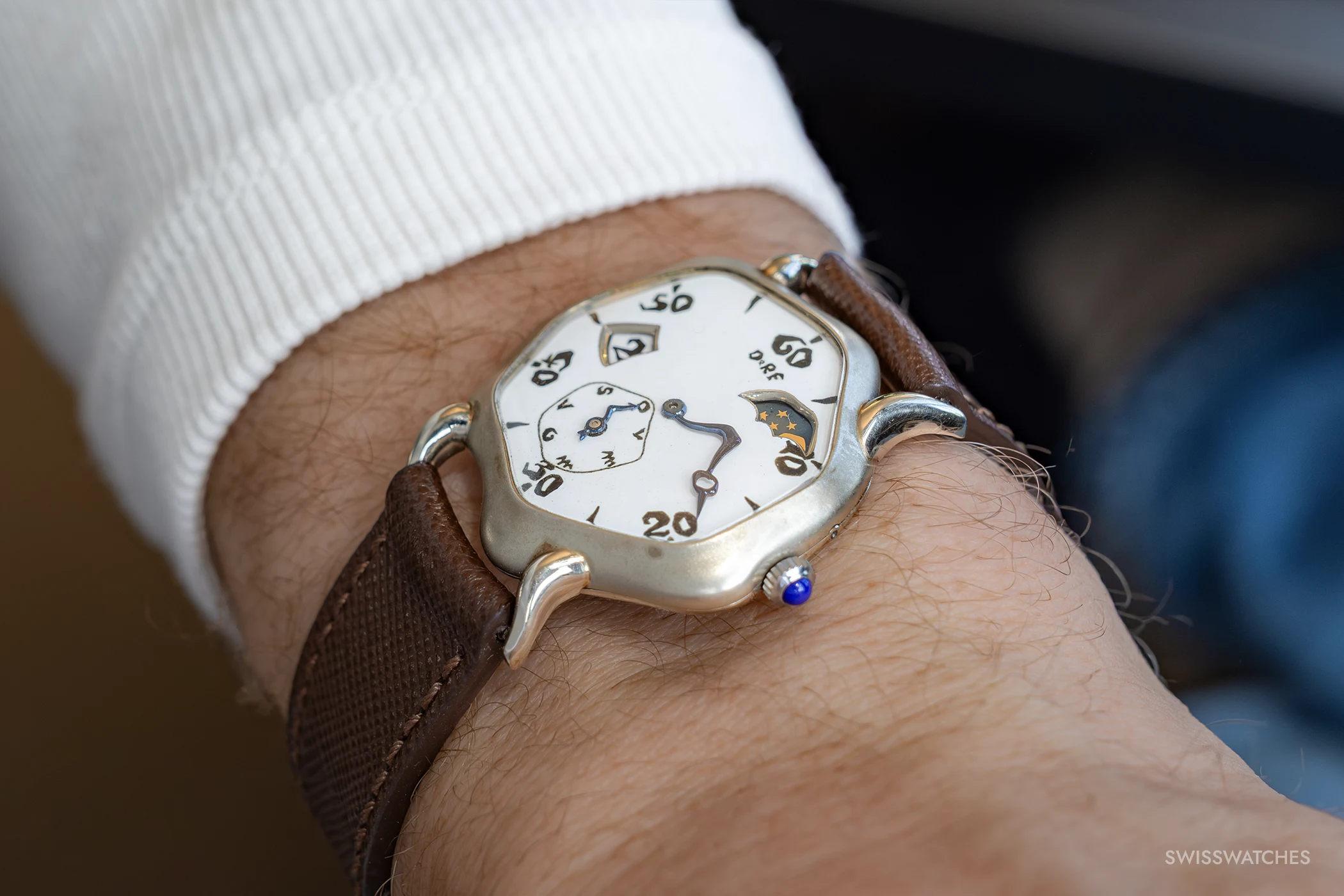
If there was one lot in this auction that best illustrated just how far collecting has moved away from the traditional hierarchy, it was that of Dino and Roberto Falcone. A most likely unique white gold wristwatch with a jumping hour, enamel dial, day-of-the-week and moon phase display, crafted around 1985 by a father-and-son duo from Milan. Its design was clearly inspired by Dalí’s ‘The Persistence of Memory’: a case and lugs that seemed to be melting and sagging, dials on which no display lived up to expectations. With an estimate of CHF 60,000 to 120,000, it sold for CHF 889,000. A result that puts it in the same league as the Cartier Crash London at Christie’s, even though the Falcone is virtually unknown outside a small circle of enthusiasts. This reflects a collecting landscape in which, for some, design has become the primary language. Not provenance, not heritage, not the weight of a famous name.
On this subject, Mann spoke quite openly: “The traditional hierarchy was thrown overboard several seasons ago. Design has come to the fore, and as an aesthete, I have no problem with that. For years, the focus was on sports watches; now we are in an era of form and aesthetics. However, it is a cycle, and I will not stop buying my vintage Rolexes.”
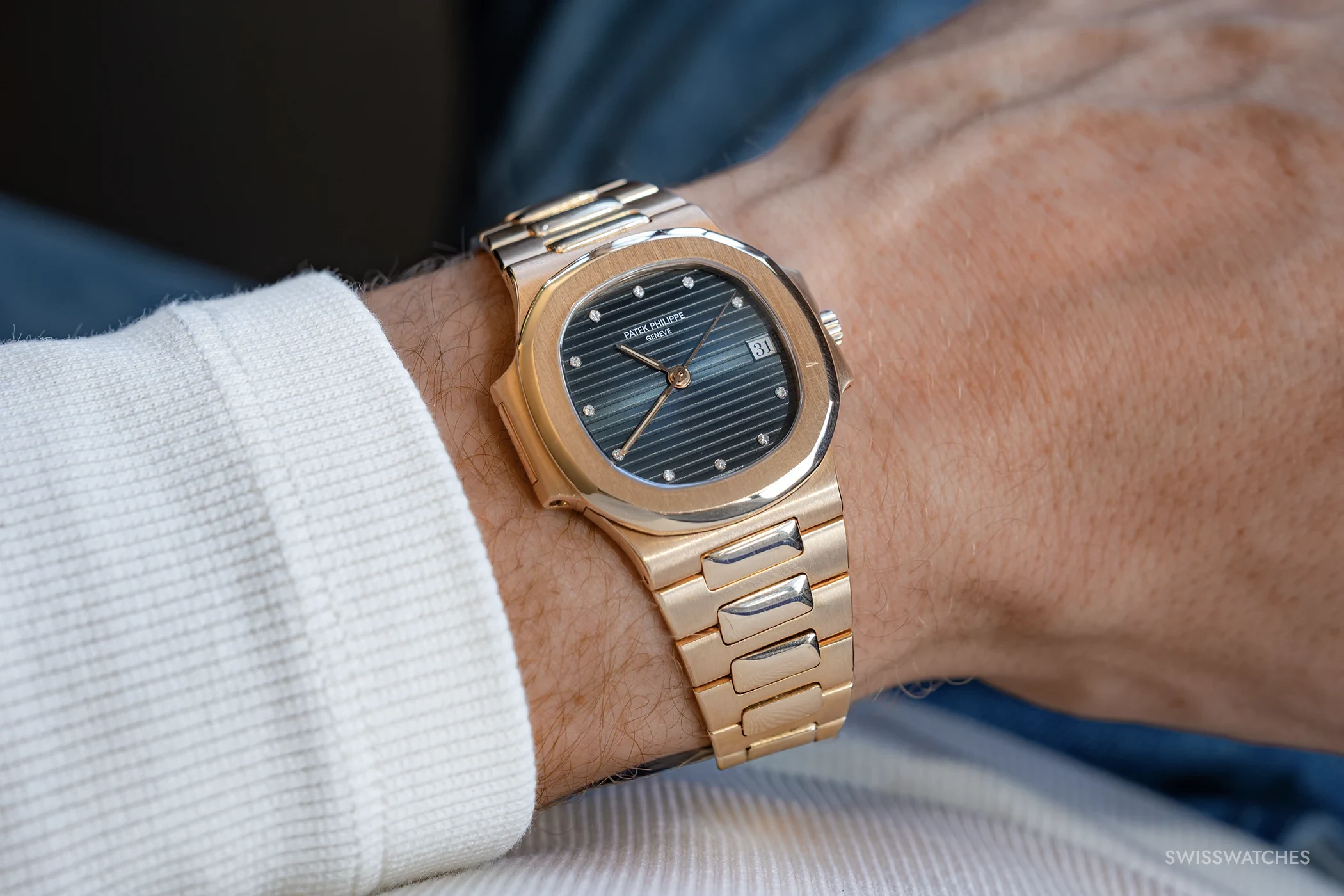
The rose gold Patek 3800/1 Nautilus was one of only four known examples featuring diamond-set hour markers and a matching bracelet, and fetched a staggering price of CHF 304,800.
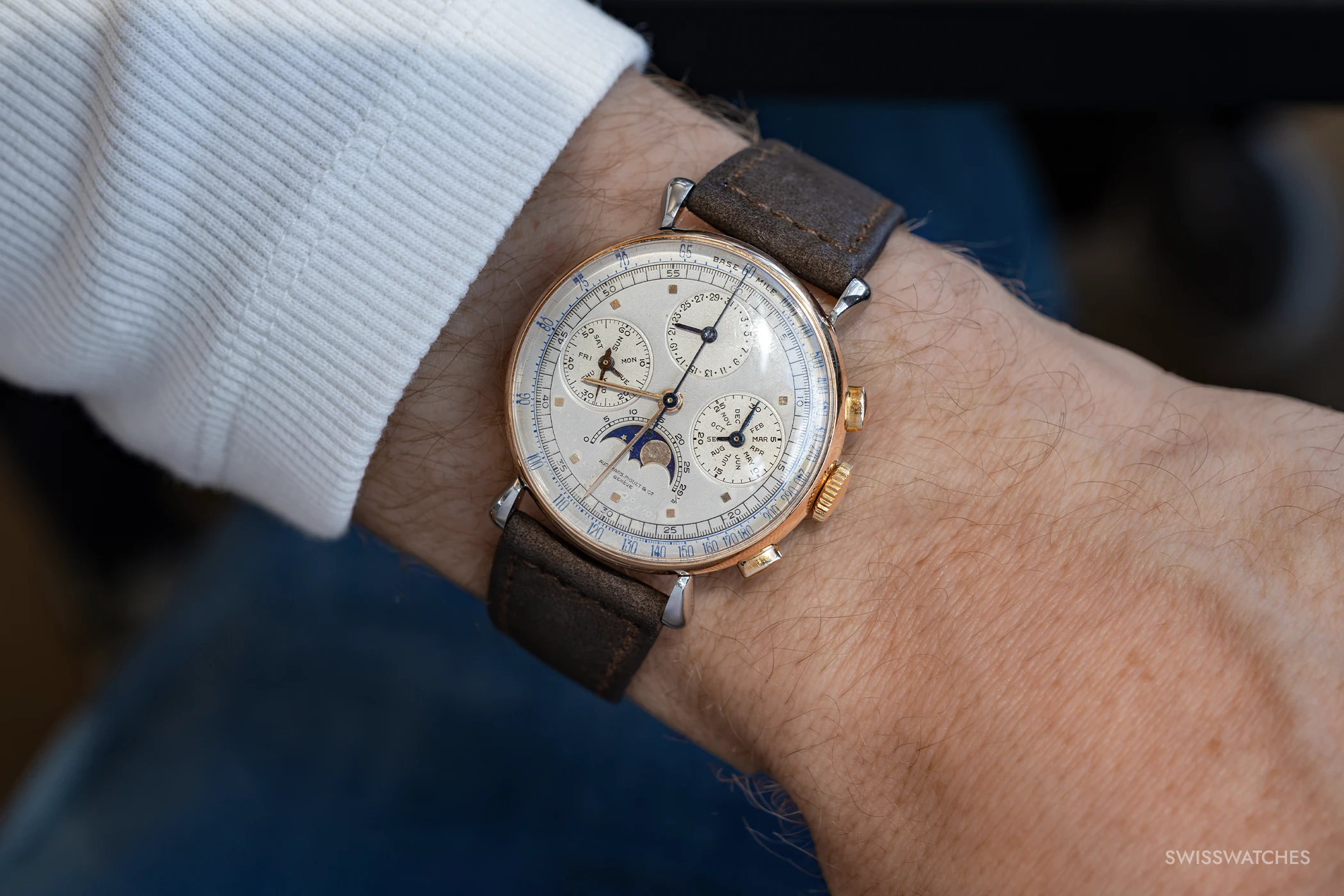
The Audemars Piguet Reference 5503, a triple-calendar watch in stainless steel and rose gold with a moon phase, manufactured in 1942 and one of only five examples, was sold at auction for CHF 1,092,200.
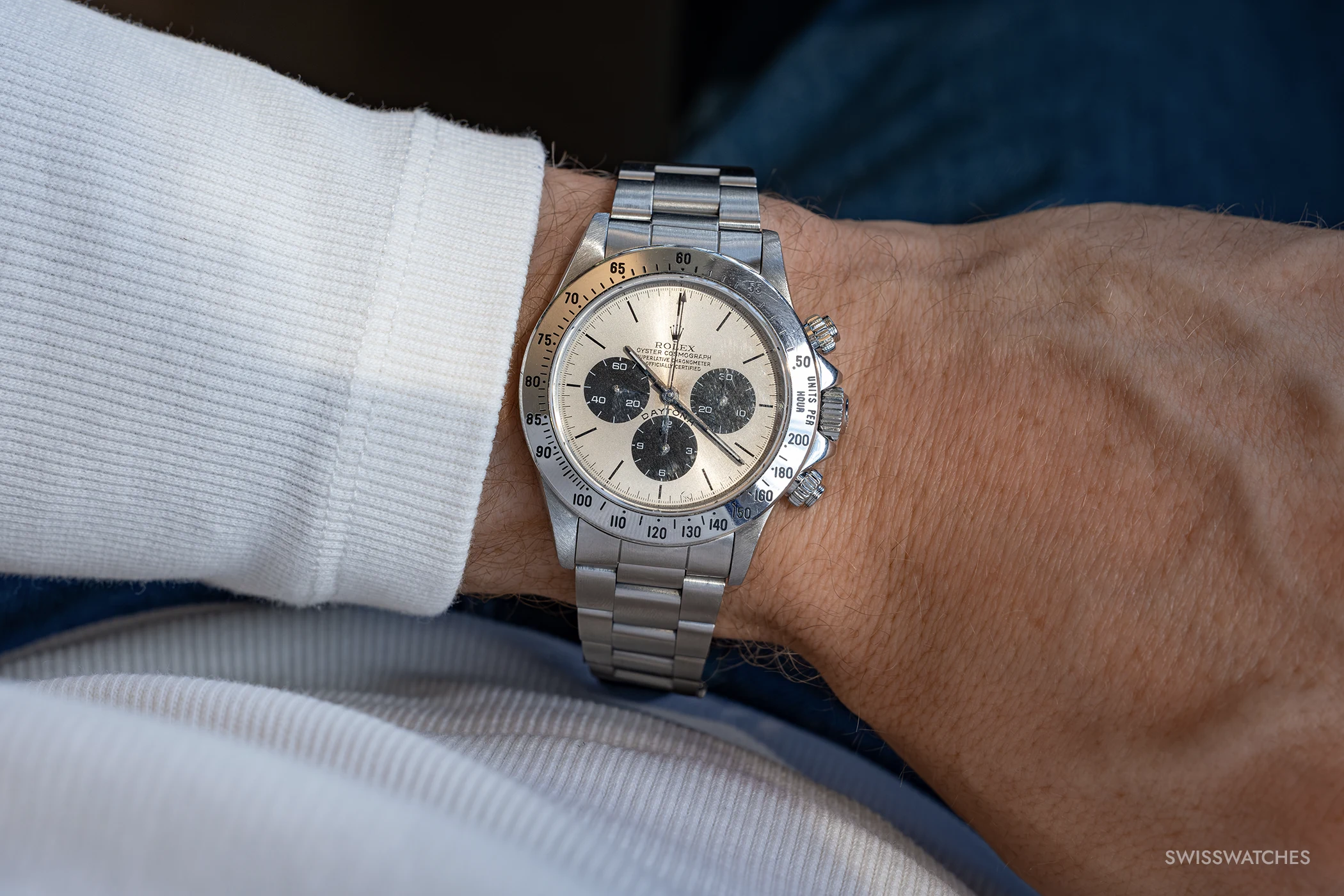
The Daytona prototype dial, a reference 16520 from 1988 featuring printed sub-dials, a sunburst finish and lacquered hour markers – features unique within the entire Daytona production run – sold for CHF 203,200.
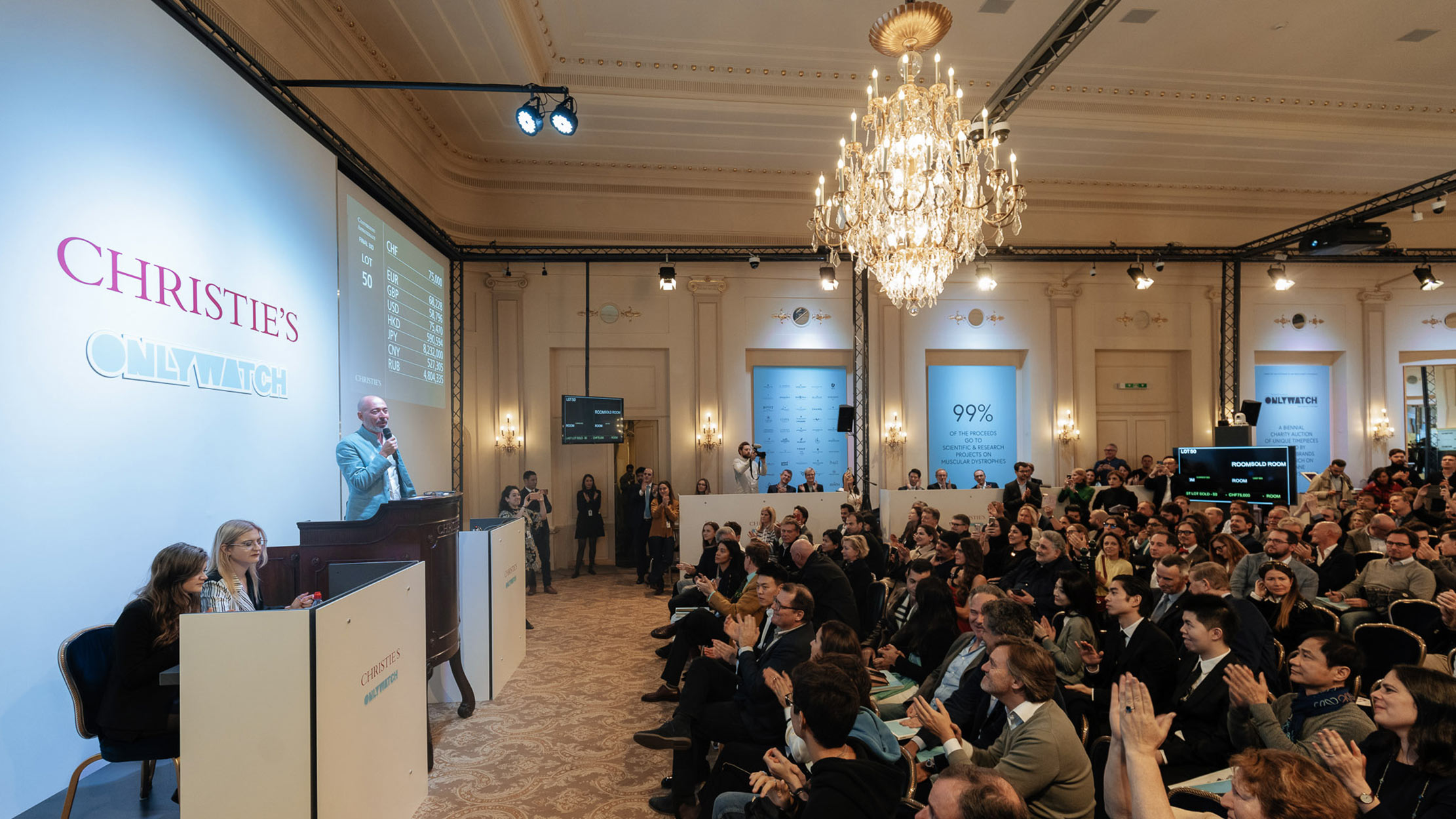
Christie’s concluded its “Rare Watches” auction with total sales of US$42.3 million for 228 lots, a result the auction house described as the best ever achieved for a watch auction featuring pieces from various collections. This was arguably the most exciting event of the weekend, due in part to the attractive estimates, but of course also to the watches on offer.
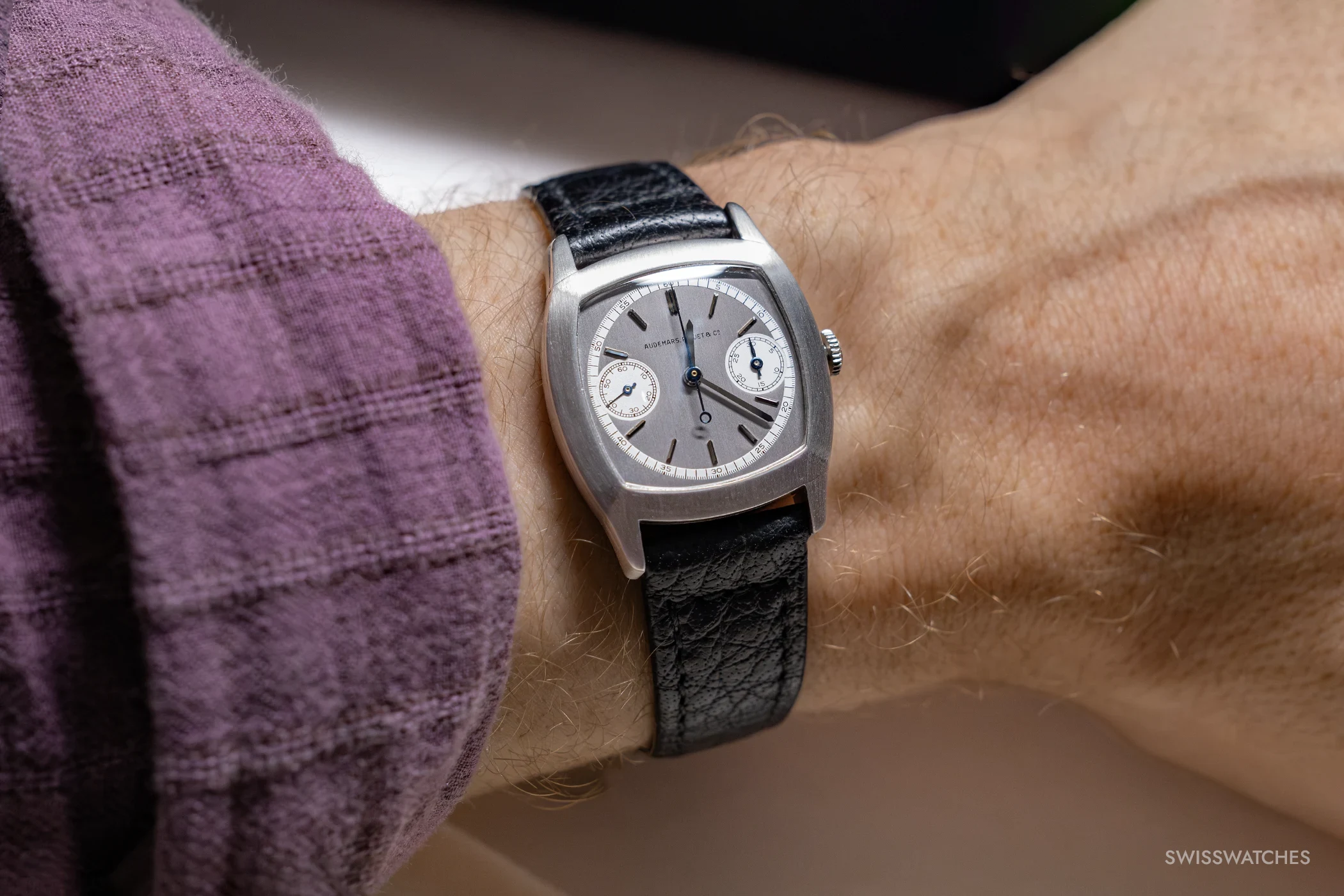
Take, for example, this Audemars Piguet Coussin Tortue single-push-button chronograph from around 1930, one of only two surviving examples from a limited run of three: it sold for over US$2.7 million, more than five times its high estimate, setting a new auction record for any vintage AP chronograph.
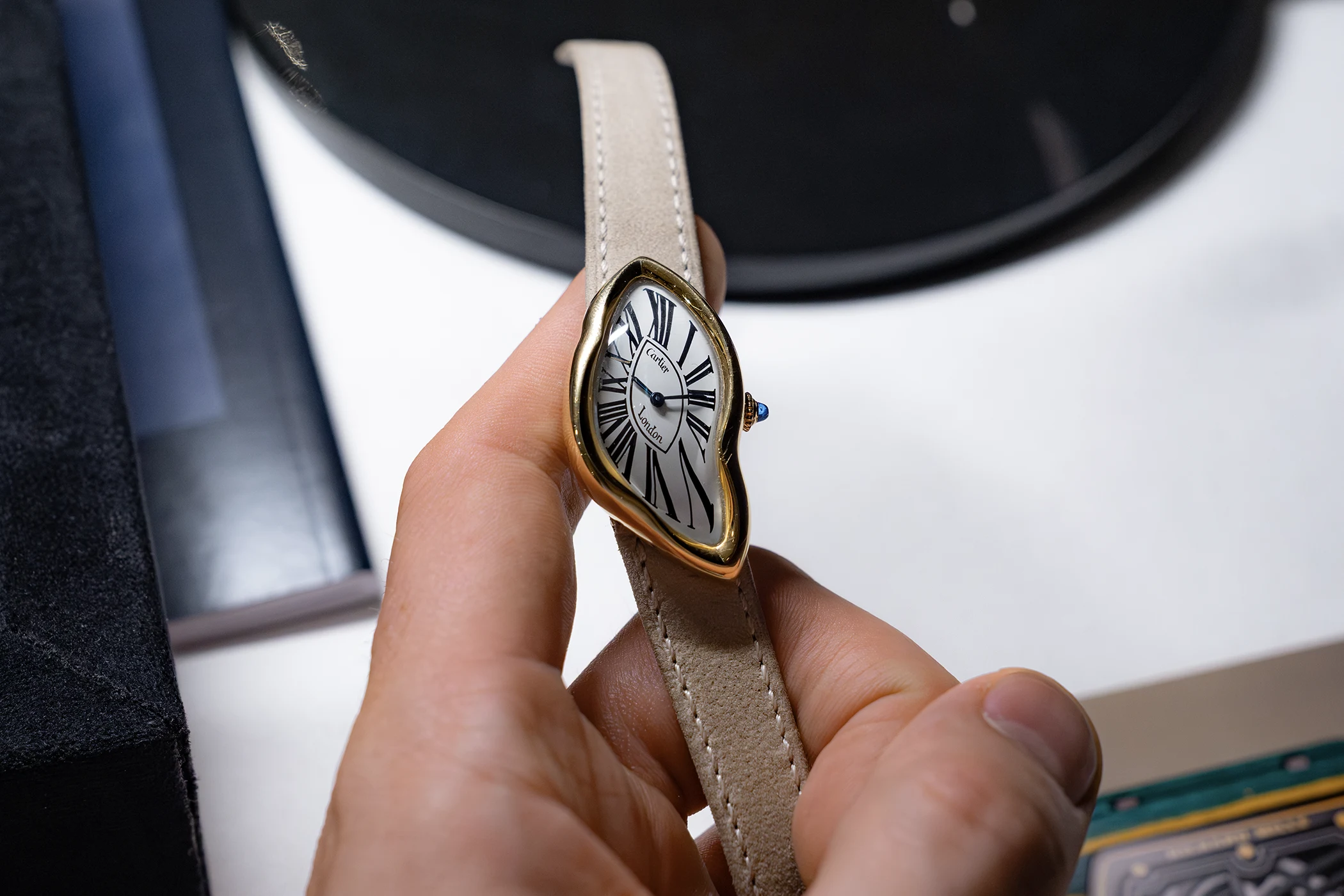
The 1990 Cartier Crash London sold for $2 million, confirming what dealers had long known: a Cartier watch bearing the London signature still commands a significant premium over its Parisian or New York counterparts.
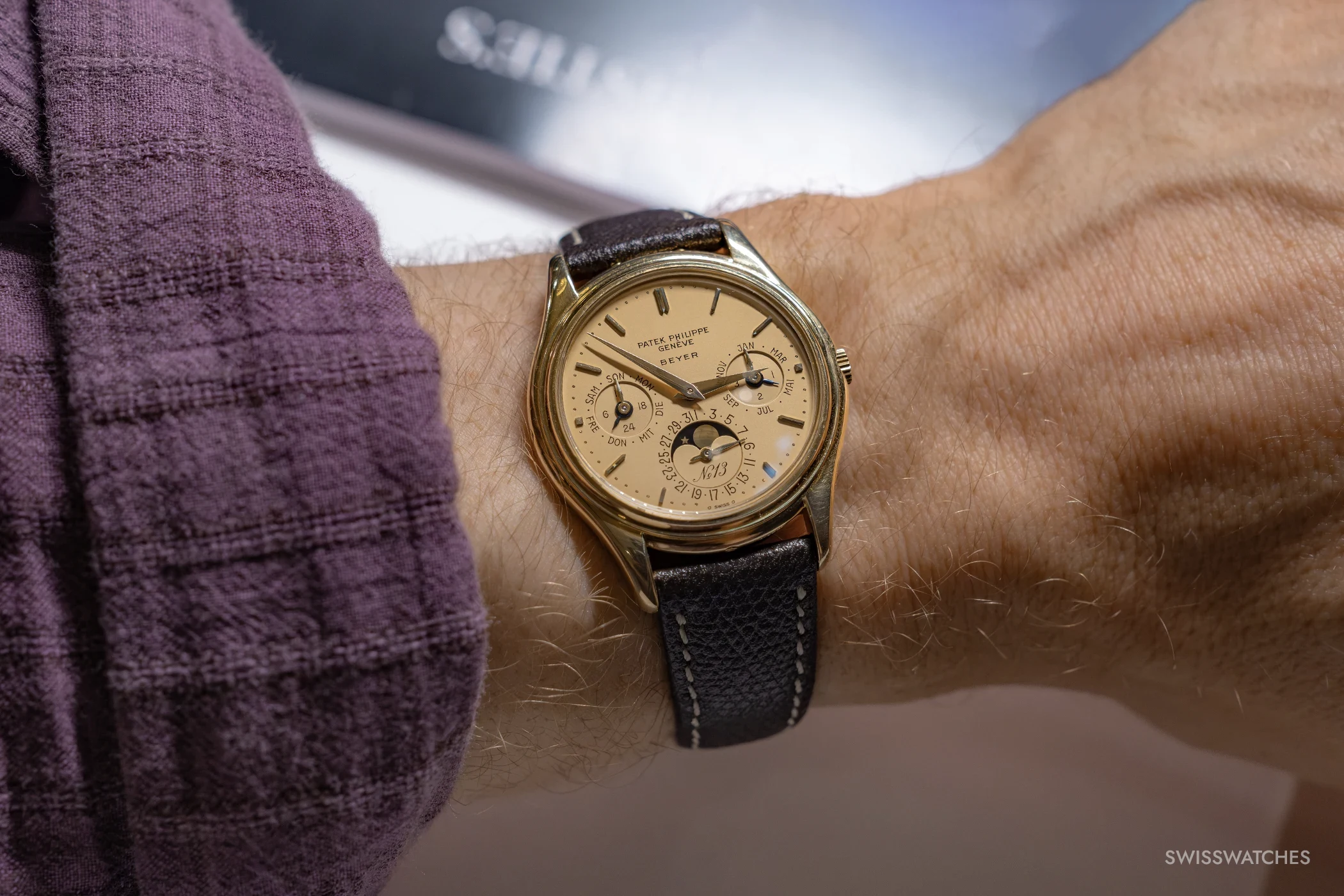
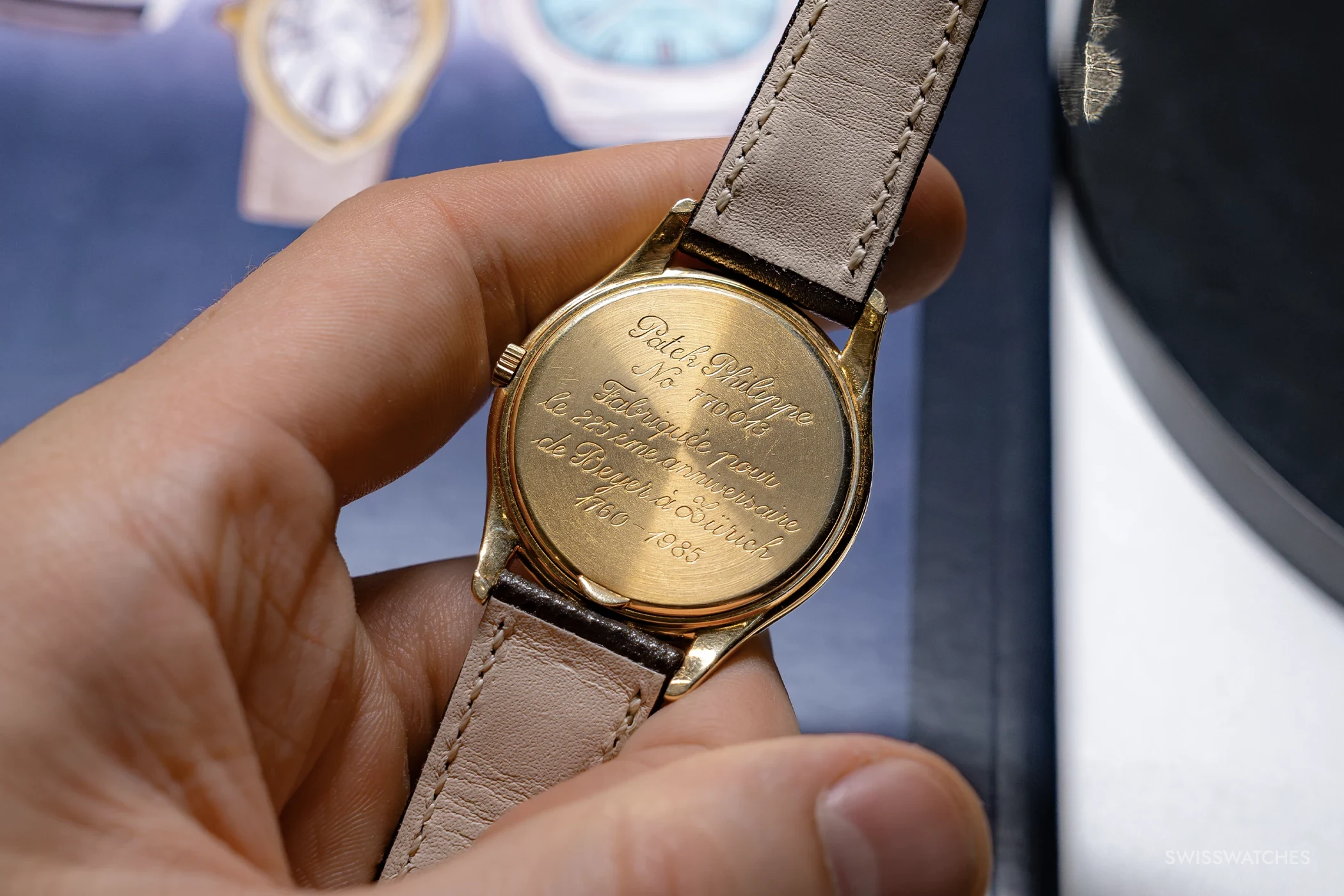
The Patek Philippe Ref. 3940 Beyer, a perpetual calendar with a doré dial, produced in a limited edition of 25 pieces for the Zurich-based watch dealer, fetched a price of CHF 609,600.
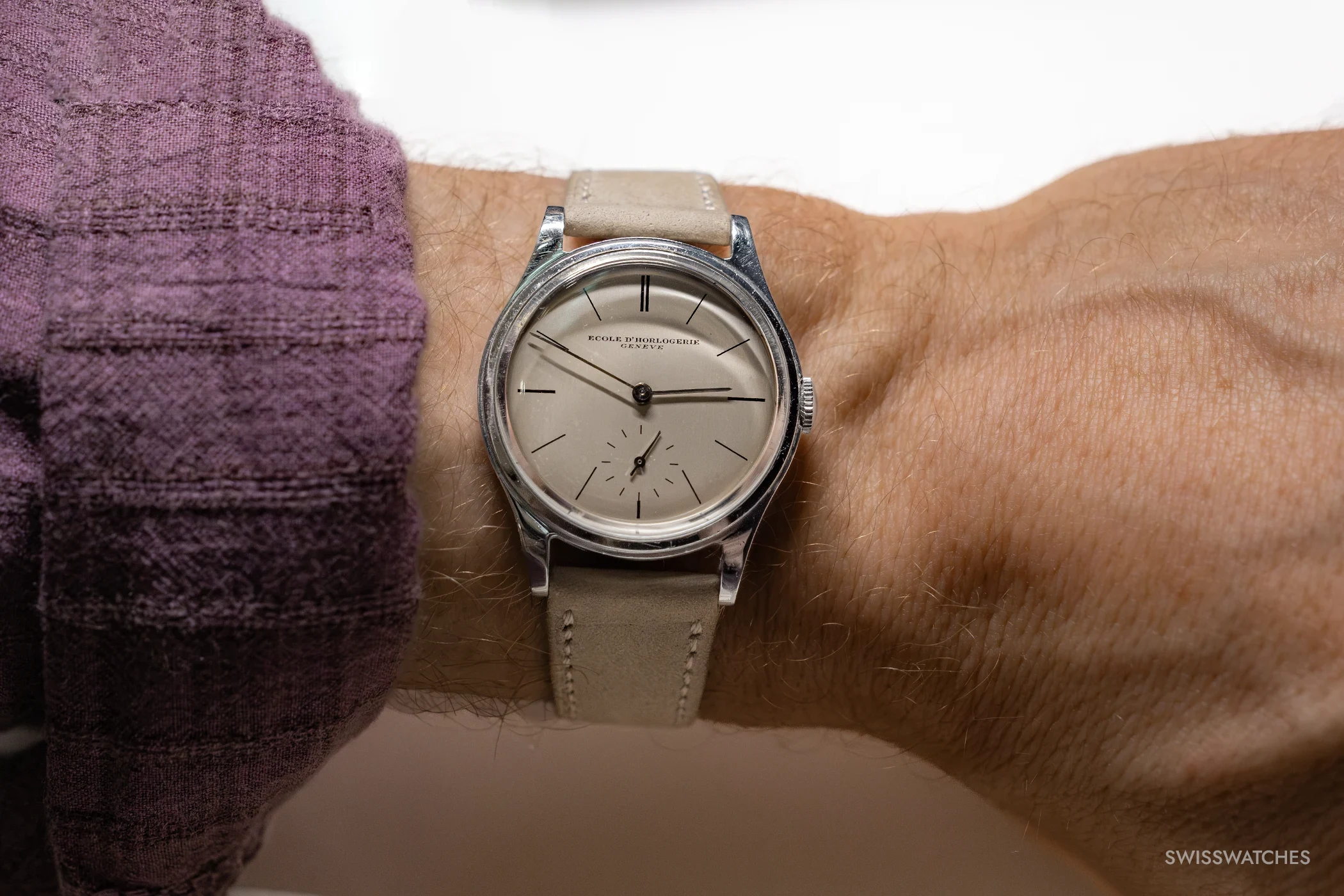
One of the most surprising lots in the auction was a watch from the Ecole d’Horlogerie, reworked by Christian Schaad. This lot attracted considerable interest, as it was essentially an adapted Patek Reference 2509 – not a piece with an obvious auction pedigree, but a piece of horological heritage that is practically irreplaceable. It sold for CHF 91,440, well above the estimate, and its very presence in the auction spoke volumes about how the definition of what belongs in a reputable auction house is constantly evolving.
The overall picture, as Mann sees it, is that the watch market may be on the cusp of something far more significant than just a strong season. “Art collectors recognise the clear added value that watches offer,” he said. “For years, prices for watches sold at auction seemed like child’s play compared to the secondary market for art and cars. A painting has to hang on a wall and can only be admired by those standing in front of it – it is confined to the room in which it is displayed. A classic car needs a garage and a mechanic – a bottomless pit of uncertainties.
A watch, on the other hand, is small, compact and can be worn on one’s wrist to show to anyone one meets. A handmade vintage watch is arguably just as unique as a painting or a production car, each with its own quirks that change over time and require maintenance. I believe that art collectors are finally recognising the beauty and affordability that a watch offers. The danger lies in this: how long will the market remain as we know it, and will it reach such heights that it becomes dangerous at the top?”
Behind this enthusiasm, however, lies a cautionary undertone. Mann concluded by saying: “No one really needs a watch anymore, let alone a vintage watch that requires servicing and maintenance. Much like a Pollock or a Rothko, a Gullwing or a Miura, that is where the true luxury lies. It is not about necessity, but about the desire for it. The only question is: what for?”
All photos by Tim Vaux, exclusively for Swisswatches Magazine