Omega presents two new Speedmaster Moonwatch models with cases made of Moonshine gold and stainless steel and a black and white dial.
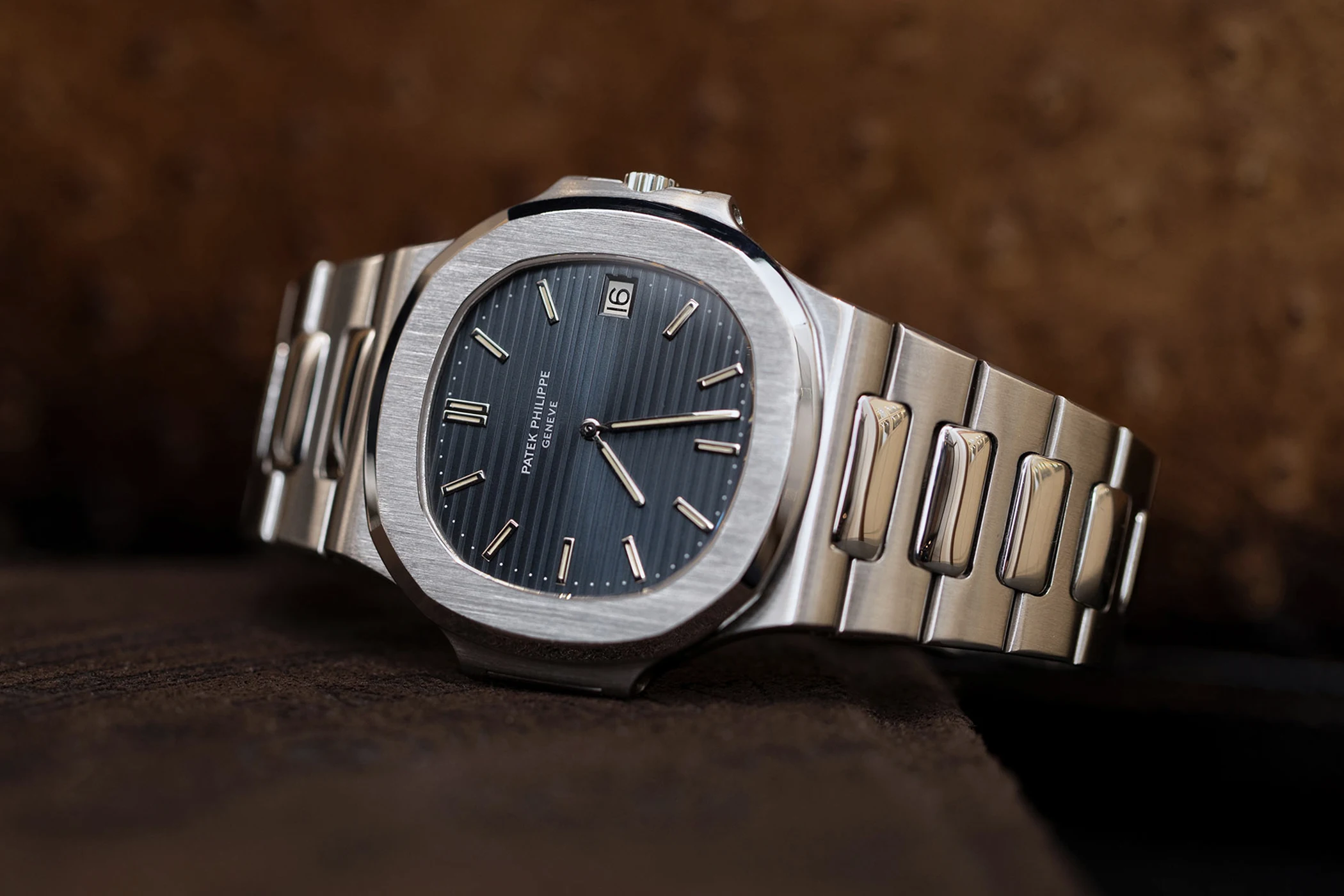
The year 2025 was marked by major anniversaries of leading maisons, including Vacheron Constantin’s 270th anniversary, the 150th anniversary of Audemars Piguet, and Breguet’s 250th year. Looking ahead, 2026 also promises a series of notable milestones for the watch industry. Foremost among them is the 200th anniversary of Gallet, which will coincide with the brand’s revival as part of Breitling SA’s so-called “House of Brands” strategy. Tudor will celebrate its 100th anniversary, an occasion that is likely to be reflected in several commemorative models. In addition, a number of iconic watches will mark landmark birthdays of their own. The Rolex Oyster, first introduced in 1926, celebrates its centenary, while the Rolex Day-Date reaches its 70th anniversary. Both the Patek Philippe Nautilus and the IWC Ingenieur SL will mark 50 years since their respective launches. Completing the picture are the Vacheron Constantin Overseas and Patek Philippe’s Annual Calendar, each of which can look back on 30 years of model history.
Taken together, 2026 promises a wealth of special editions and fresh interpretations of well-known watchmaking icons. Below is an overview of the key watch anniversaries 2026 set to shape the watch industry in the year ahead.
On 19 November 2025, Breitling CEO Georges Kern unveiled a multi-brand strategy at Dubai Watch Week that is set to shape the future direction of Breitling SA: the so-called House of Brands strategy. Under a single corporate umbrella, the brands Breitling, Universal Genève and Gallet are intended to address different entry points into the world of watchmaking at distinct price levels. At the very top sits Universal Genève, positioned at the spearhead of the ultra-luxury segment. Below it, Breitling is tasked with serving a core audience in the mid-price range, while Gallet is designed to cover the entry-level segment. What unites all three, however, is their ability to draw on rich and authentic watchmaking histories.
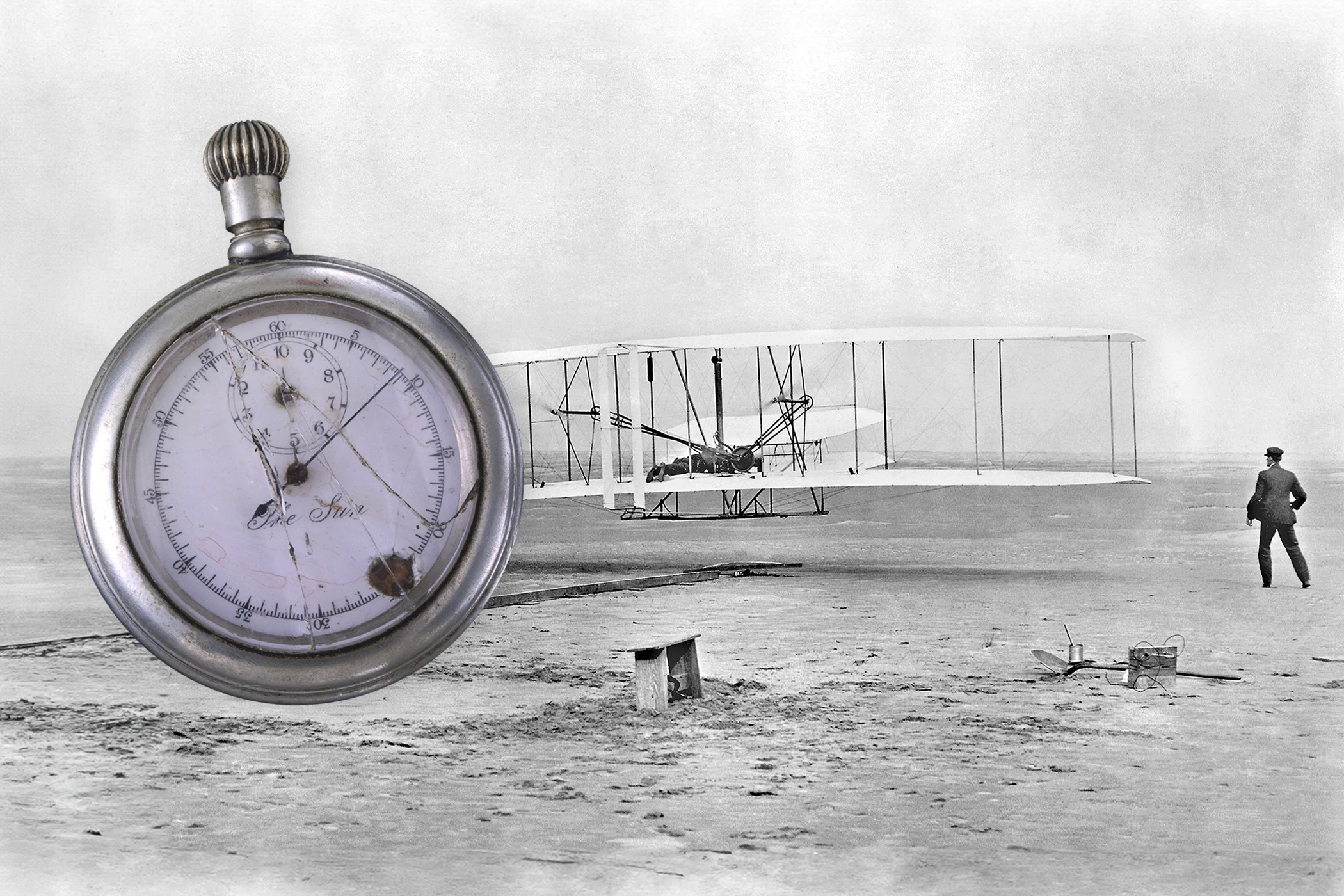
This heritage is particularly evident in the case of Gallet. The brand traces its origins back to 1826, when it was founded by Julien Gallet in La Chaux-de-Fonds. Following the acquisition of Universal Genève in 2023 for approximately CHF 65 million, Gallet represents the second historically significant chronograph specialist to be brought back into the fold after having faded from prominence in the decades following the quartz crisis. Gallet made watchmaking history as early as 1903, when one of its stopwatches was used to time the Wright brothers’ first powered flight. The brand reached the height of its creative output with two particularly important models. The first is the Gallet MultiChron Clamshell chronograph of 1938, widely regarded as a milestone for combining a chronograph with a waterproof case at a time when such construction was still highly unusual, offering protection against dust, moisture and rain. The second is the Flying Officer, introduced in 1939, which became the first waterproof wrist chronograph equipped with a world-time function, featuring city names around the dial and allowing the wearer to track multiple time zones simultaneously.
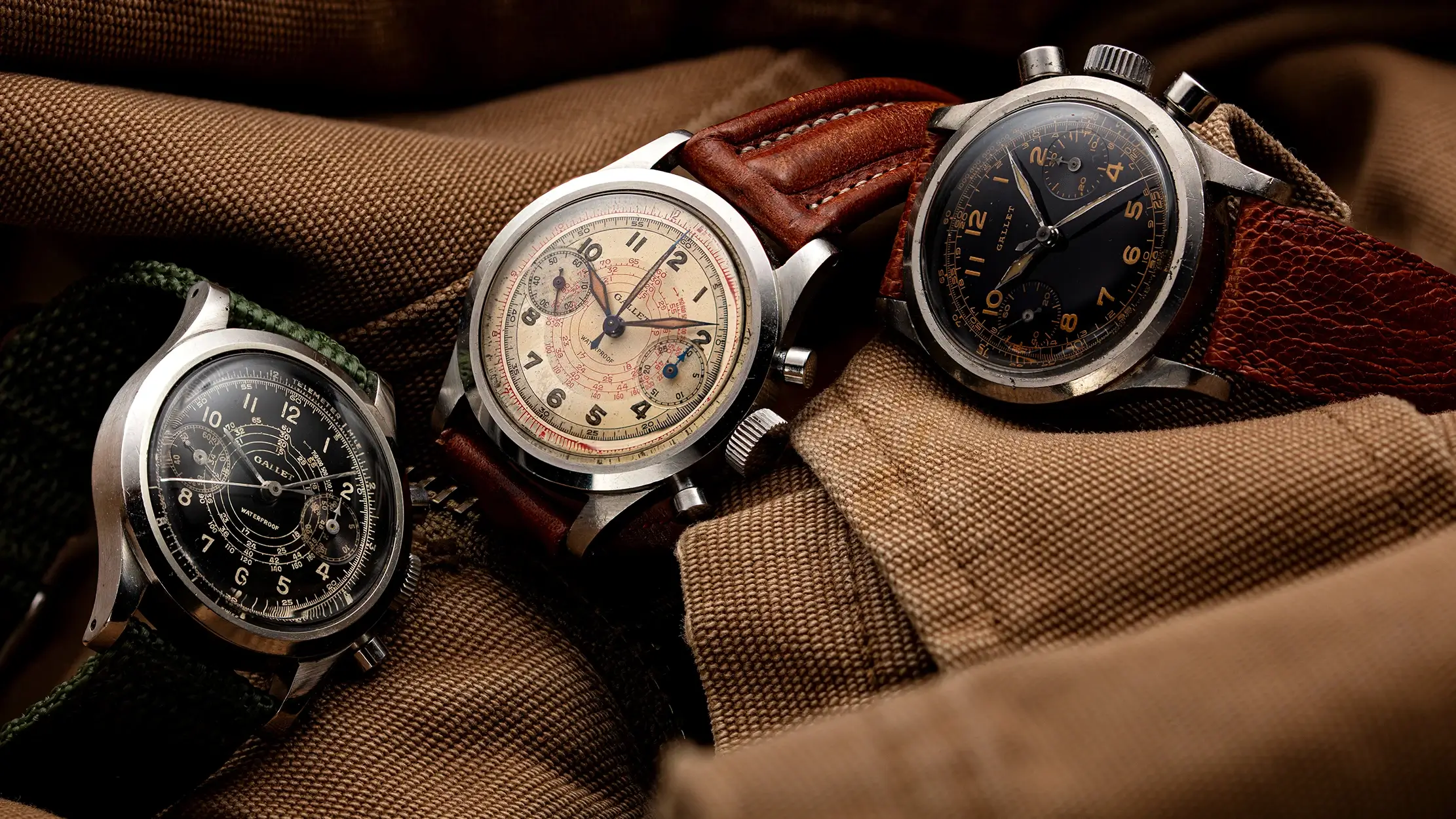
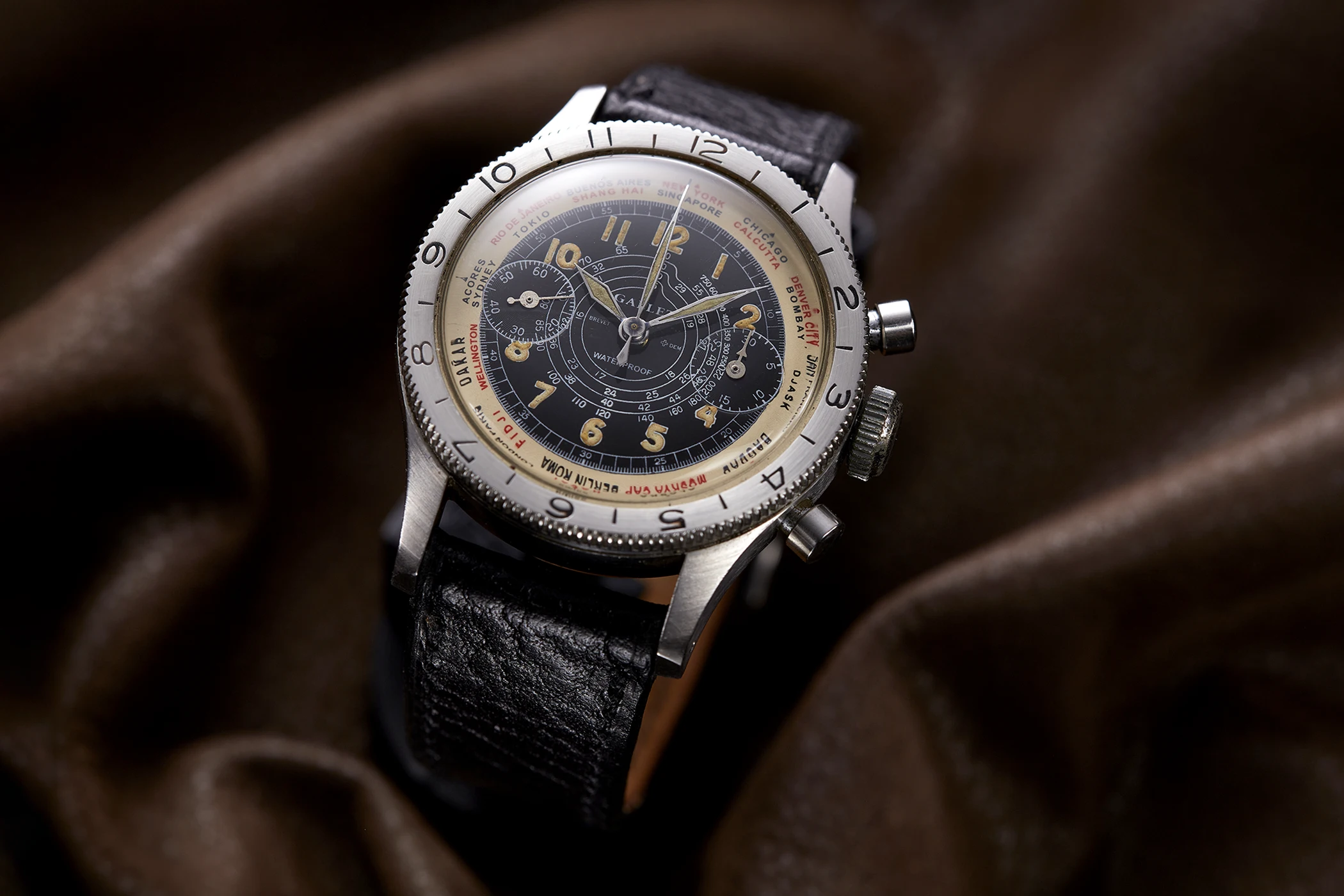
Founded in 1826, Gallet is among the watch anniversaries 2026, marking its 200th anniversary this year. With its official revival under Georges Kern’s House of Brands strategy, the brand is expected to enter a new chapter from the middle of the year onwards. Following its reintroduction, Gallet timepieces will be manufactured by Breitling and distributed through Breitling’s existing retail network, including Breitling boutiques and selected multi-brand retailers.
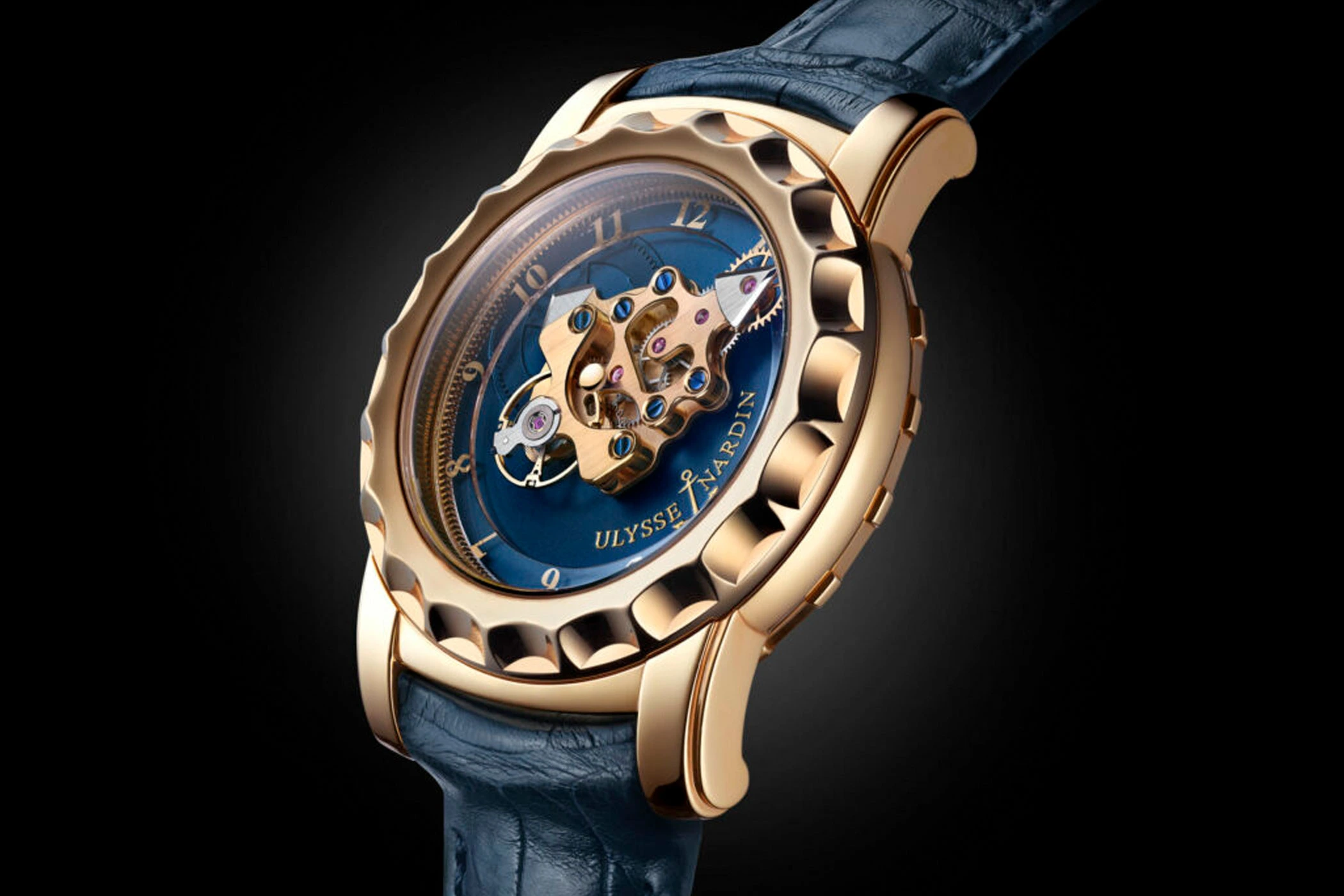
Founded in 1846 in Le Locle, Switzerland, Ulysse Nardin quickly established a reputation as a specialist in highly precise marine chronometers, which were used by naval forces around the world. This maritime heritage continues to shape the manufacture’s identity to this day. At the same time, since the 1980s Ulysse Nardin has been regarded as one of the industry’s most progressive players, attracting particular attention through the consistent use of innovative materials such as silicon in movement technology. Key collections include the Marine line, with its clear references to the brand’s historic marine chronometers; the Freak, introduced in 2001 and marking its 25th anniversary this year, which deliberately dispensed with a conventional dial and hands by using the rotating movement itself to display the time; and the Diver, a contemporary interpretation of the modern dive watch. This year, the brand celebrates its 180th anniversary.
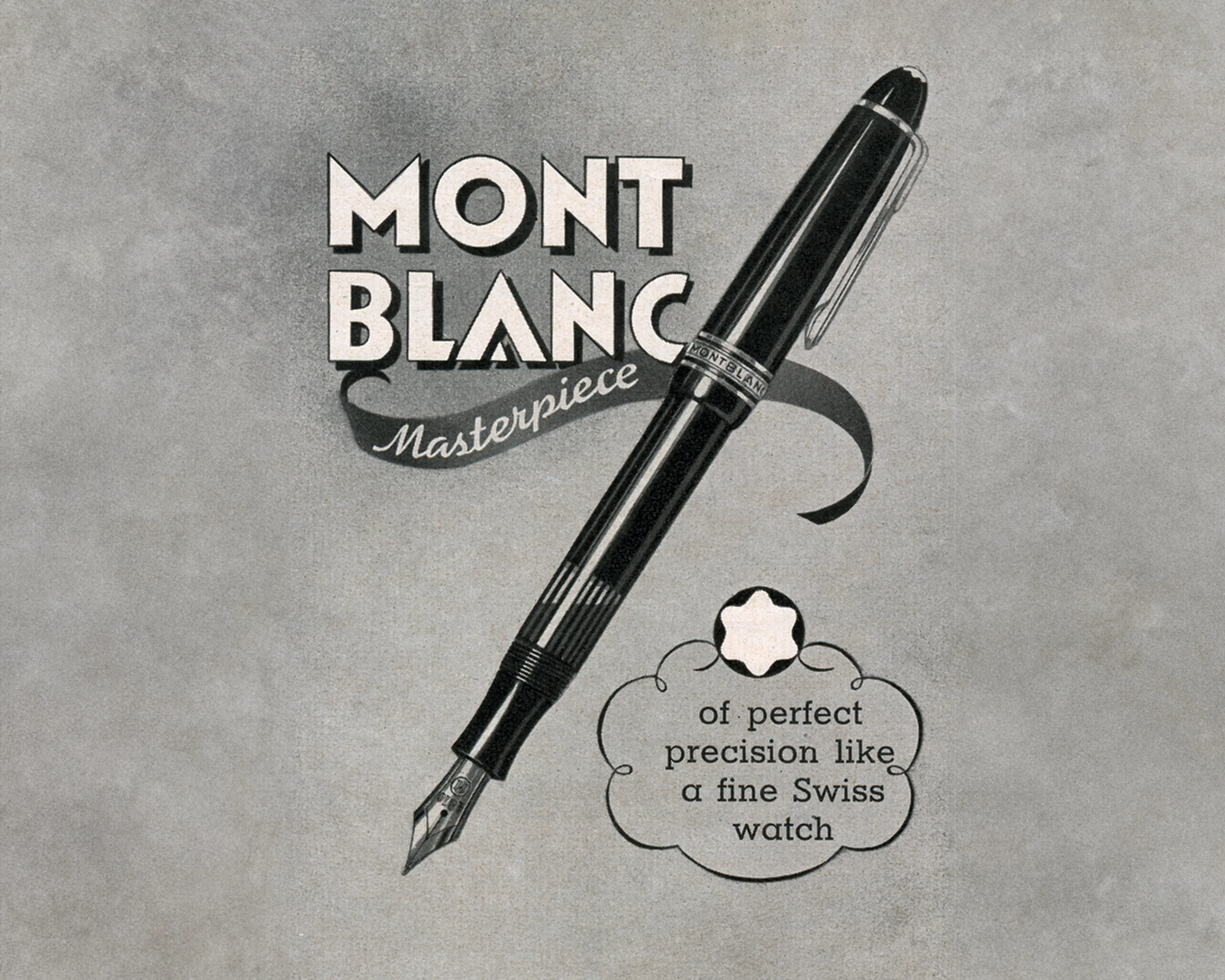
Montblanc’s watchmaking story is essentially the result of the convergence of two very different companies: a manufacturer of writing instruments on the one hand, and the historic watch manufacture Minerva on the other. The origins of the former can be traced back to 1906, when German engineer August Eberstein began producing fountain pens in Berlin. Together with the German merchant Alfred Nehemias, as well as Johannes Voß and Max Koch, Eberstein founded the SIMPLO Filler Pen Co. around 1907, which was officially entered into the commercial register in early 1908. A decisive step towards the iconic Montblanc name and identity followed in 1910, when a fountain pen with a white cap top was first offered under the name Montblanc. As this white cap top could not be legally protected in Germany, the company sought a distinctive trademark that could be registered and defended against competitors. In 1913, the now-emblematic star was registered as a trademark, and in 1914 the stylised summit of Mont Blanc, with its six valleys represented by the star’s points, appeared for the first time on the cap of a Montblanc fountain pen. The rest is history: in 1998, Montblanc was fully integrated into the Richemont Group and is today often described as the Patek Philippe of writing instruments, while also producing leather goods, fragrances and watches.
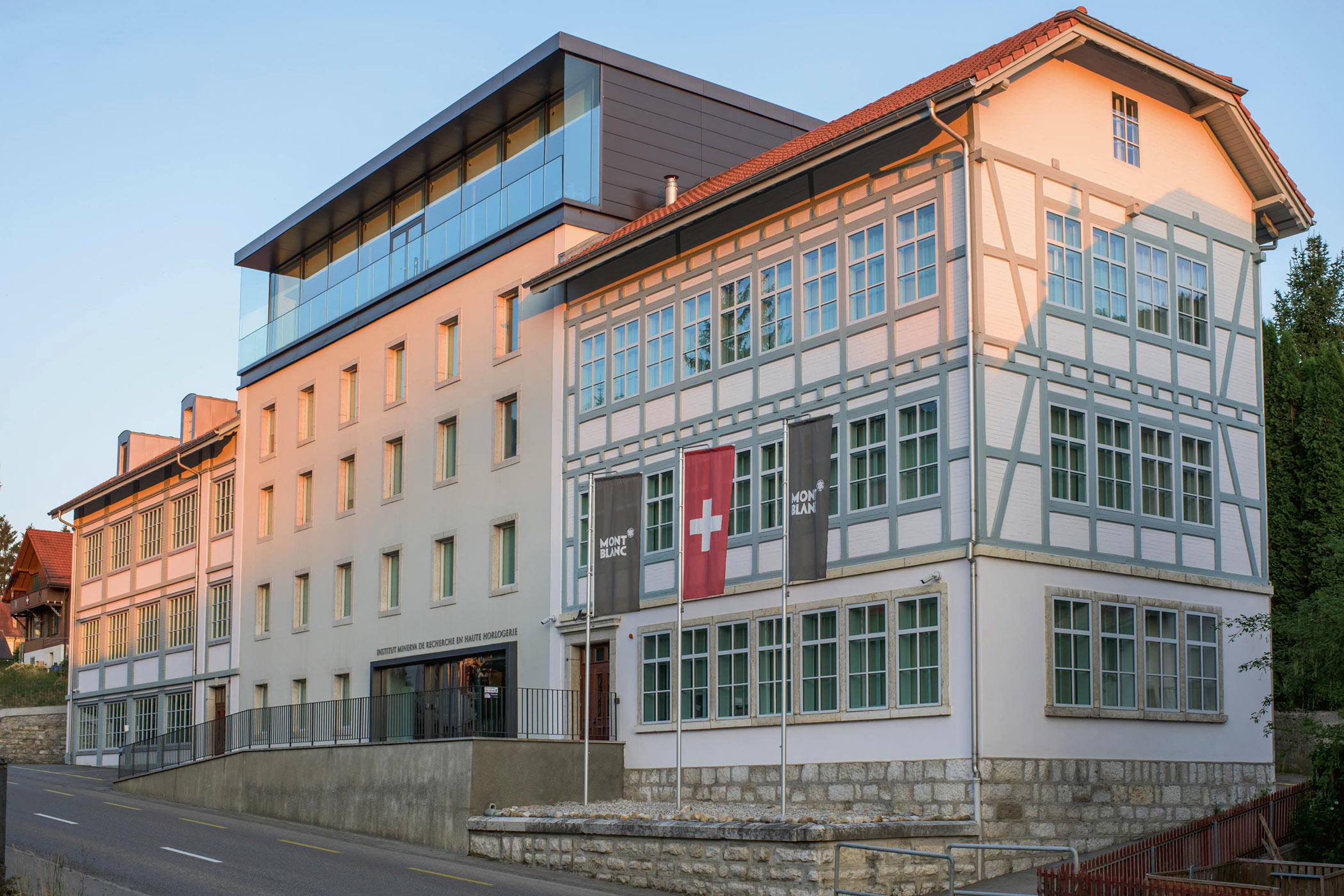
Montblanc’s first foray into watchmaking came in 1997, when the brand presented its “Meisterstück” timepiece at the Geneva watch fair. Although the reaction among collectors was mixed, management remained undeterred. The company invested in its own facilities in Le Locle, in the heart of Swiss watchmaking, and around 2007 followed the next major milestone: Richemont acquired the chronograph manufacture Minerva, founded in 1858 in Villeret, and decided to integrate it fully into Montblanc. This move enabled the brand to develop and produce highly complex chronograph movements, tourbillons and even balance springs in-house.
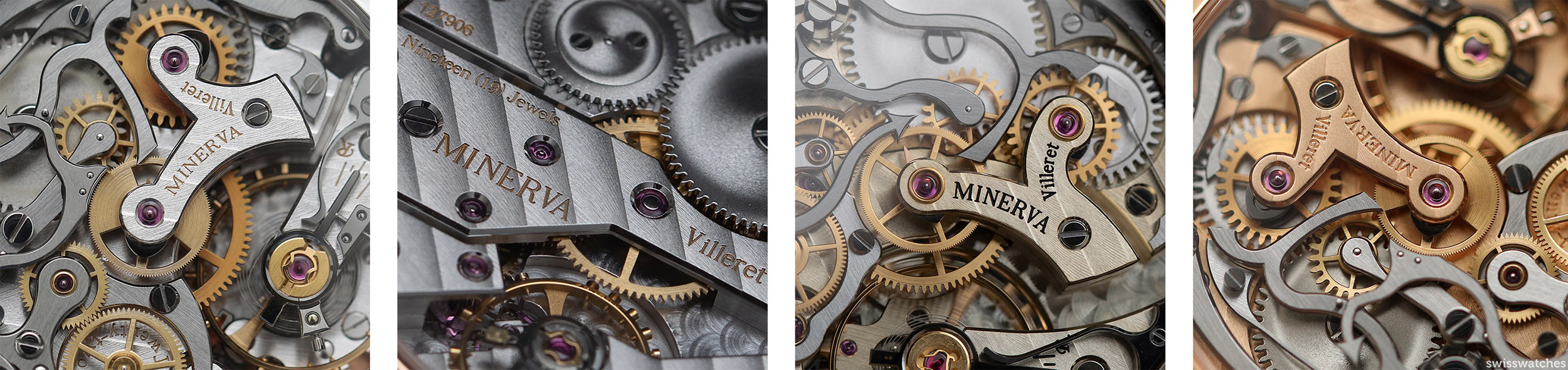
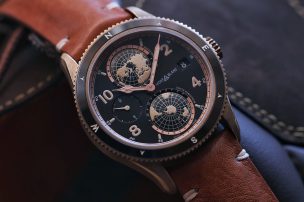
Today, Montblanc manufactures its watches across two locations and in three distinct production tiers. Entry-level models, such as the Iced Sea Automatic Date diver, are fitted with outsourced movements from Sellita or other suppliers and assembled at the Le Locle facility. The second tier comprises flagship models such as the Montblanc 1858 Geosphere, for which all stages of development are carried out in-house, with movements also assembled in Le Locle. This level includes movements such as the MB R200 monopusher chronograph calibre used in the Star Legacy Nicolas Rieussec Chronograph. At the very top sit the high-end collections, including models such as the Montblanc 1858 Split Second Chronograph Limited Edition, whose movements—from tourbillon to balance spring—are entirely manufactured and assembled at the Minerva manufacture in Villeret. This year, Montblanc celebrates 120 years of company history.
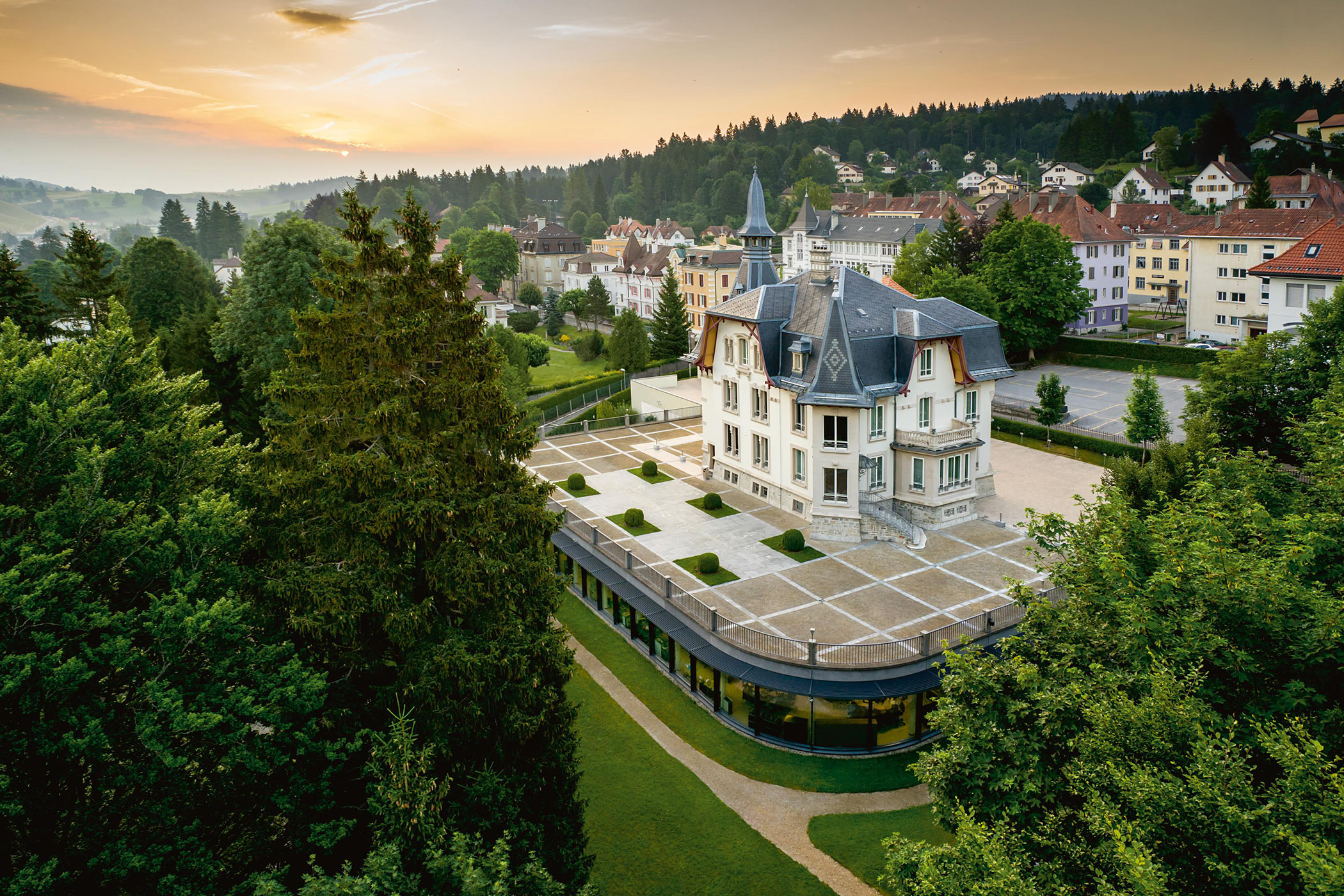
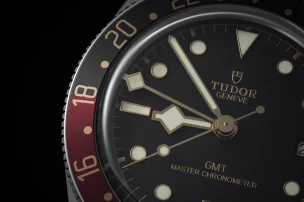
The watch brand Tudor was registered as a trademark in 1926 by the Swiss watch company Veuve de Philippe Hüther in the canton of Neuchâtel, acting on behalf of Hans Wilsdorf, the founder of Rolex. In 1936, Wilsdorf acquired the brand outright. The idea behind Tudor was clear from the outset: to create a more affordable counterpoint to Rolex without compromising on reliability or quality. To achieve this, early Tudor watches were fitted with Rolex cases and crowns, while using simpler, externally sourced movements to reduce costs. In 1946, Wilsdorf officially founded Montres Tudor SA in order to further develop the brand. Over the following years, Wilsdorf translated the aesthetic language established at Rolex into a more geometrically defined and accessible form for Tudor, characterised by sharper edges, reduced detailing and a generally more direct legibility. These design principles remain integral to the brand today and are most clearly reflected in the distinctive Snowflake hands and the boldly executed hour markers. From the 1950s onwards, Tudor adopted elements such as the waterproof Rolex Oyster case and the automatic rotor for models like the Tudor Oyster Prince, introduced in 1952. From the 1960s, Tudor dive watches—most notably the Submariner—gained popularity with military forces; among others, the French Navy and the United States Navy equipped their divers with Tudor Submariner models.

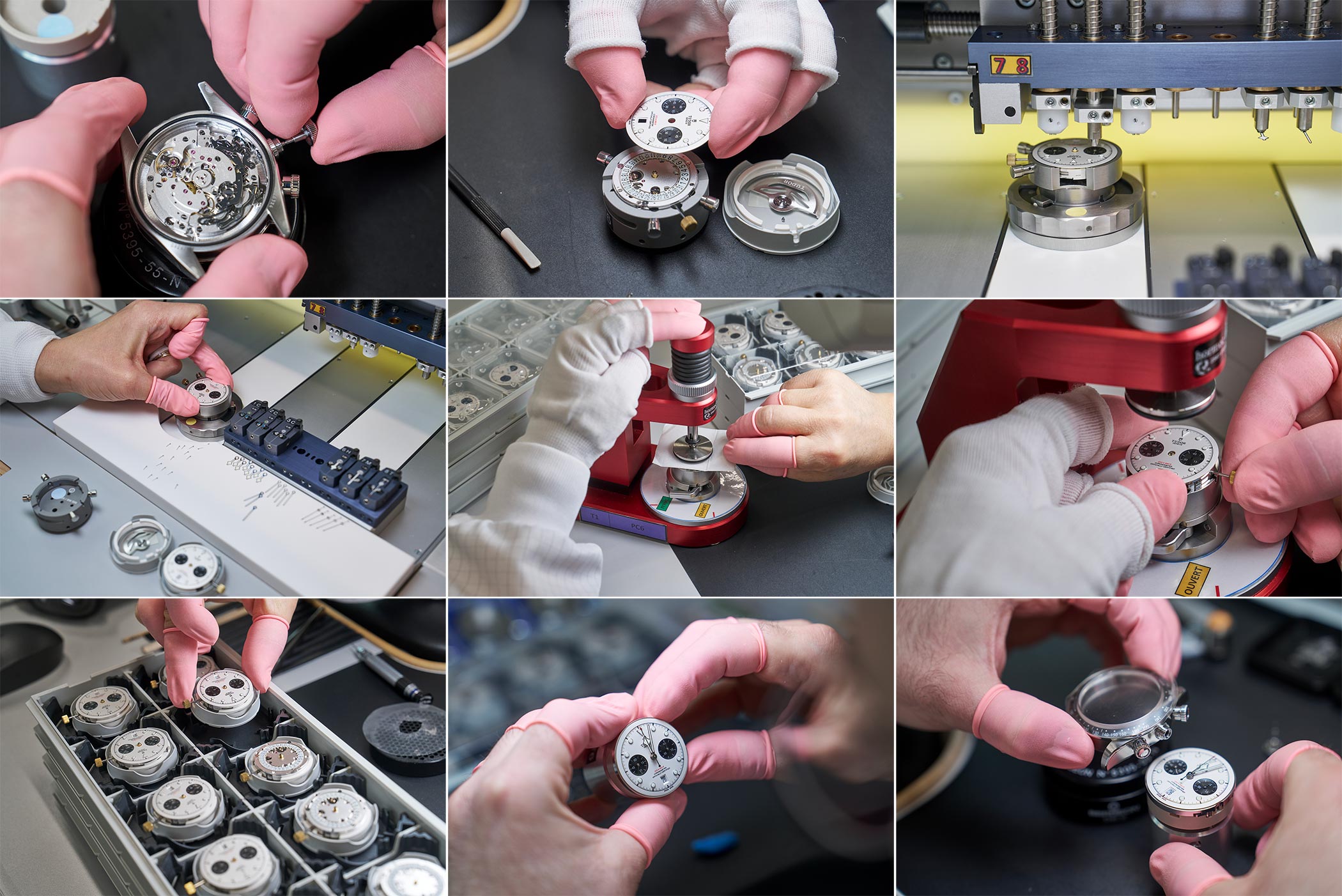
A decisive factor in the development of Tudor’s modern, independent brand identity has been the establishment of its own manufacture. Completed in 2021 after three years of construction and officially inaugurated in March 2023, the striking, entirely red-clad facility extends over five floors, covers a total area of 5,500 square metres and employs around 150 people. Its primary purpose was to bring the assembly departments of Montres Tudor SA in Geneva closer to the company’s subsidiaries and suppliers in the Swiss Jura region. Physically connected to the Tudor manufacture is Kenissi. Founded in 2010, this production facility is where Tudor’s manufacture calibres are developed and assembled. From research and development through to final assembly, all stages of production for Tudor’s in-house movements take place here. Originally conceived as a more affordable alternative to Rolex and today firmly established as a brand in its own right, Tudor celebrates the 100th anniversary of its trademark registration this year.
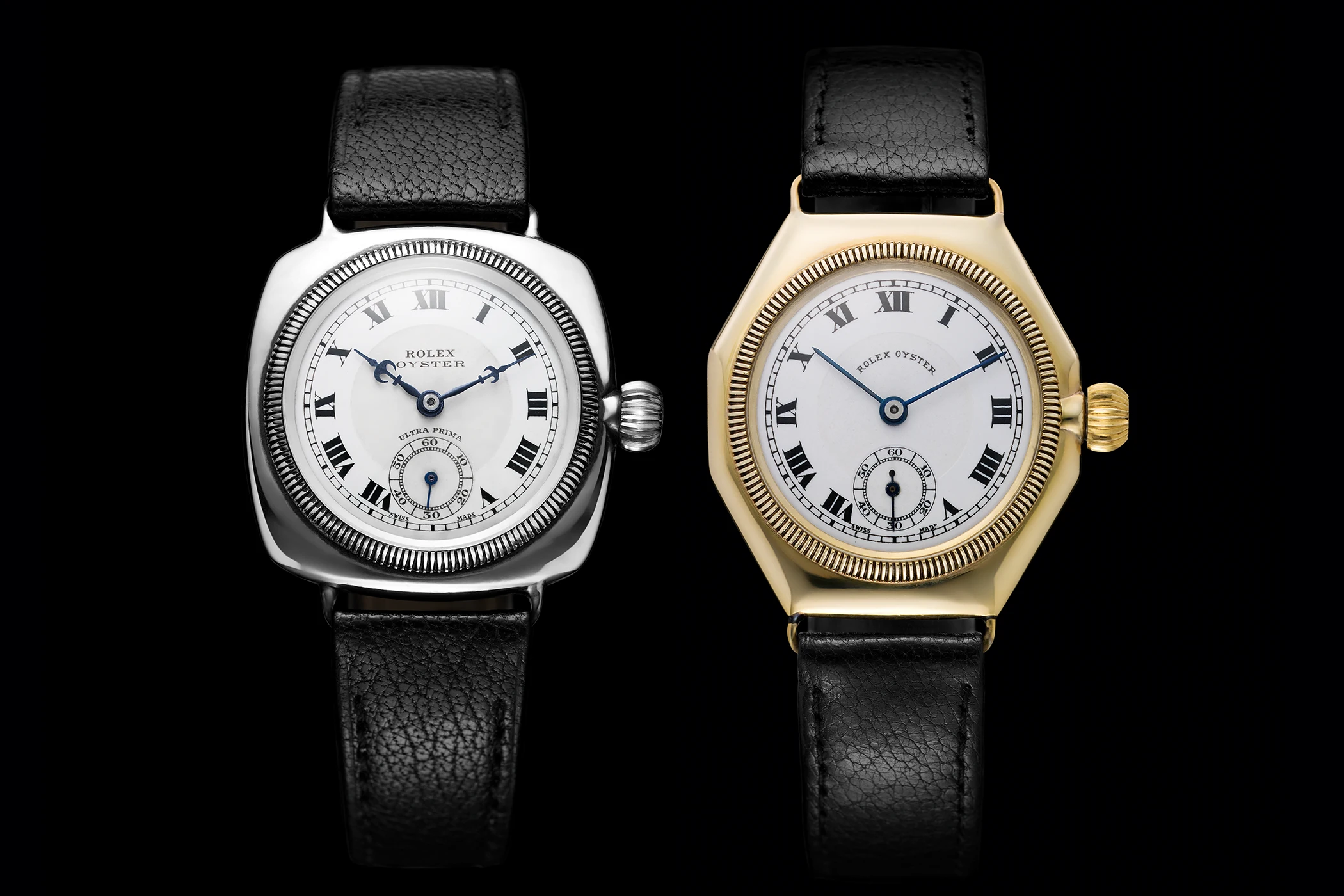
Rolex also marks a centenary this year with the Oyster. Introduced in 1926, it represented a major milestone in the history of the wristwatch. Thanks to a case hermetically sealed by a screw-down crown, case back and bezel, Rolex presented the world’s first waterproof and dustproof wristwatch. The name “Oyster” was derived from the case construction itself, which closed as tightly as an oyster shell and protected the movement from the ingress of water.
Rolex was keen, however, to substantiate its claim of having created the first truly waterproof wristwatch with tangible proof. In 1927, Rolex founder Hans Wilsdorf entrusted an Oyster to swimmer Mercedes Gleitze during her attempt to cross the English Channel. After more than ten hours in the water, the watch was still running perfectly. This event not only cemented Rolex’s reputation for waterproof sports watches, but also effectively laid the foundations for the concept of the brand ambassador—an approach Rolex continues to cultivate today with prominent figures from film, sport and music. The screw-down Oyster case became the cornerstone for numerous later models, including the Rolex Datejust, launched in 1945. With its hermetically sealed Oyster case, the Datejust was the first waterproof, self-winding wrist chronometer to feature a date window on the dial, and it remains a central pillar of the Oyster Perpetual collection to this day.
Celebrating its 70th anniversary this year, the Rolex Day-Date occupies a unique position within the Rolex catalogue from several perspectives. First and foremost, when it debuted in 1956, the Day-Date became the first wristwatch ever to display not only the date, but also the day of the week spelled out in full on the dial. Rolex retained the familiar date aperture at 3 o’clock, while adding a separate window at 12 o’clock for the fully written day. The watch was also introduced on a bracelet developed specifically for the model: the solid gold, three-row President bracelet, whose name would later become inseparably associated with the Day-Date itself.
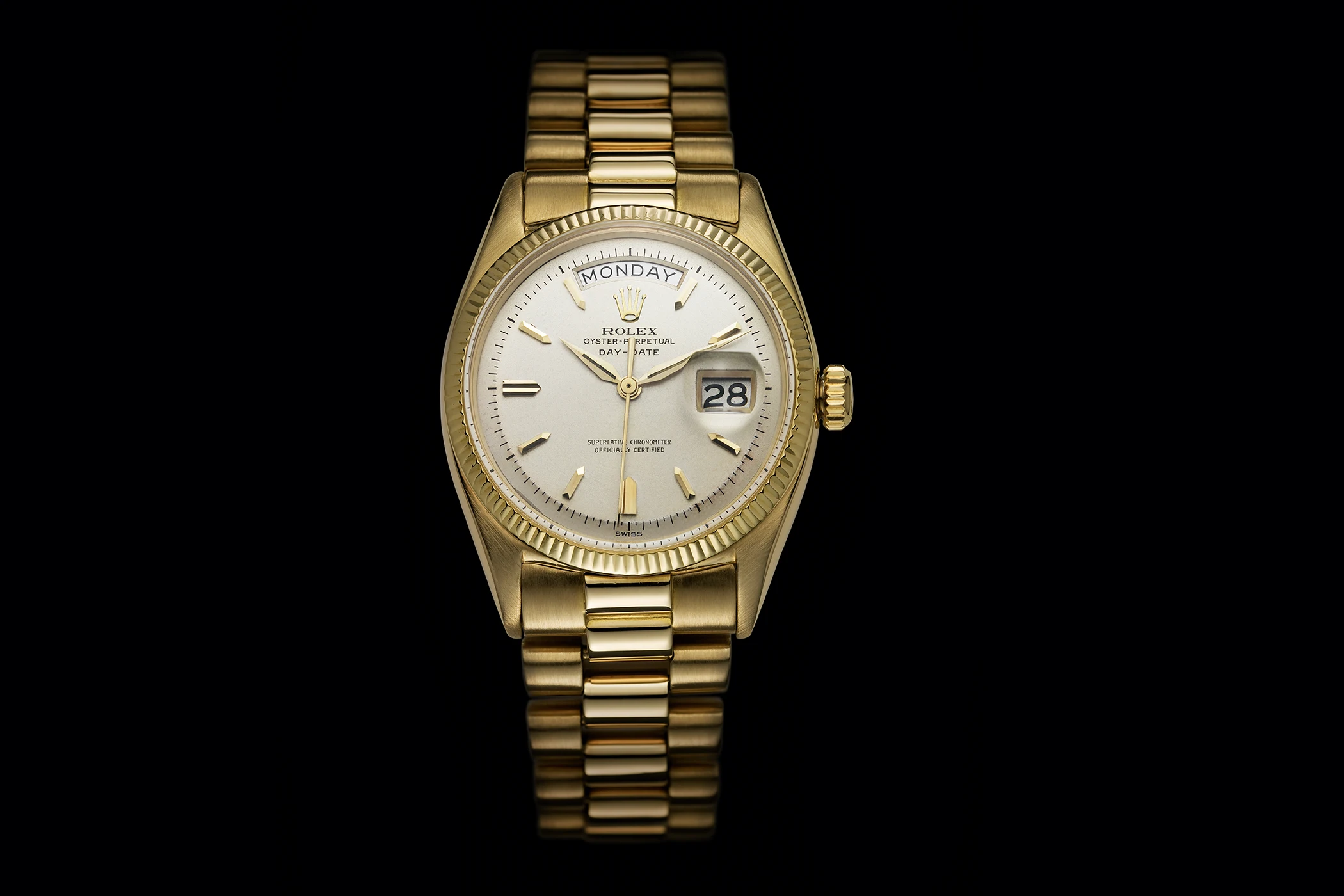
Beyond its technical and design significance, the Day-Date evolved into a symbol of success and prestige, becoming a favourite among statesmen and business leaders alike. US Presidents such as Lyndon B. Johnson, Richard Nixon, Gerald Ford and Ronald Reagan wore the Day-Date during their time in office, earning it the nickname “the President’s watch”. Produced continuously since 1956, the Day-Date has, from the outset, been crafted exclusively in precious metals, including yellow, rose and white gold, as well as platinum.
In the 1950s, the rapid advance of science—now firmly entering the atomic age—created the need for a wristwatch capable of meeting a new and very specific set of requirements. While dive watches demanded water resistance and pilot’s watches prioritised legibility, watches intended for scientists required a high degree of resistance to magnetic fields. To address this demand, Rolex introduced the Milgauss, marking a significant milestone in the brand’s history. The Milgauss was the first Rolex wristwatch whose movement was deliberately protected against magnetic interference. Its name is derived from “Mil” and “Gauss”: “Mil” from mille, the French word for 1,000, and “Gauss”, the unit used to measure magnetic fields. Interestingly, the calibre 1080 used in the first Milgauss reference, Ref. 6543, was technically no different from other contemporary Rolex movements. The defining feature lay instead in the case construction. A soft-iron inner shell—known as a Faraday cage—was integrated into the case, effectively shielding the movement from magnetic fields.
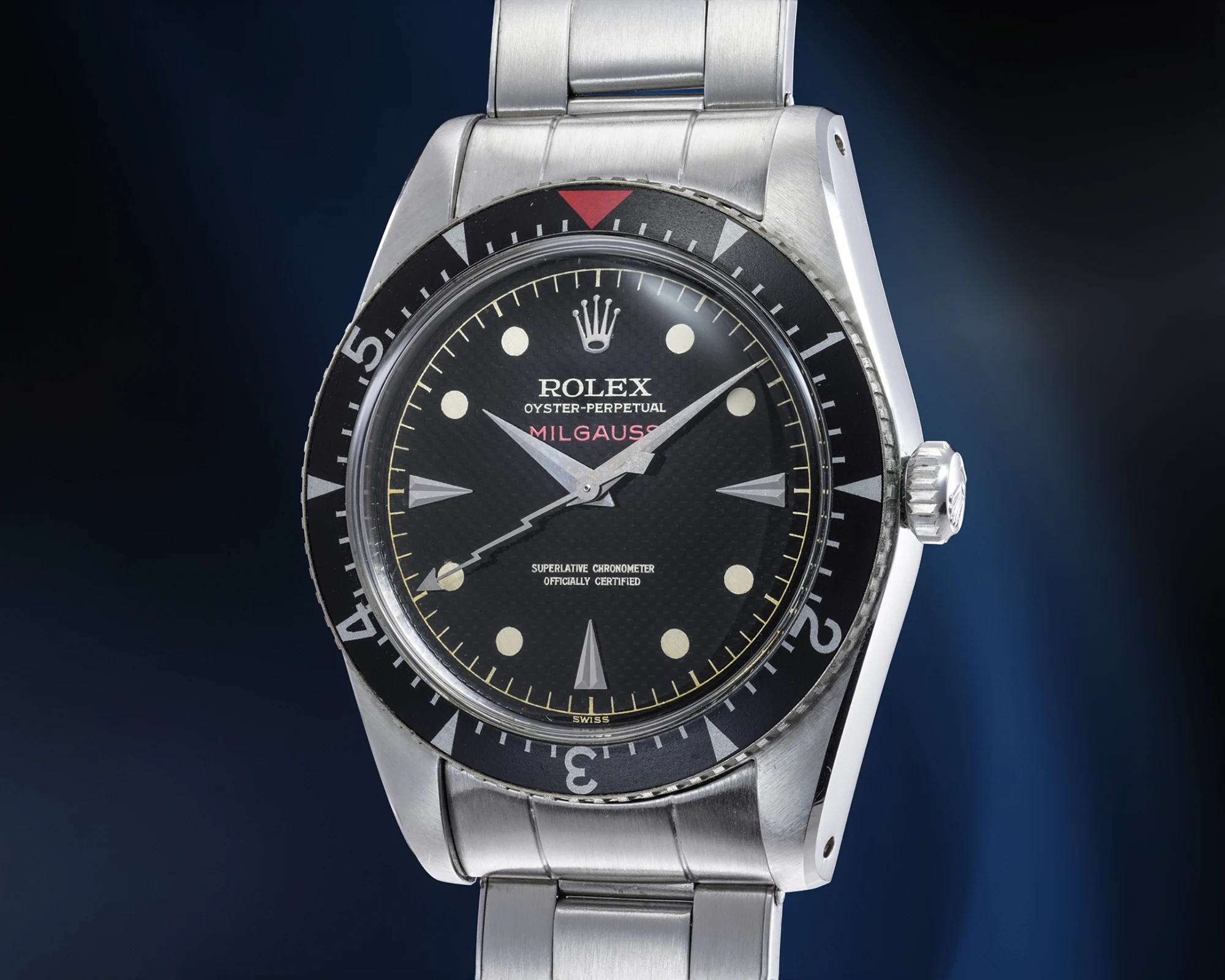
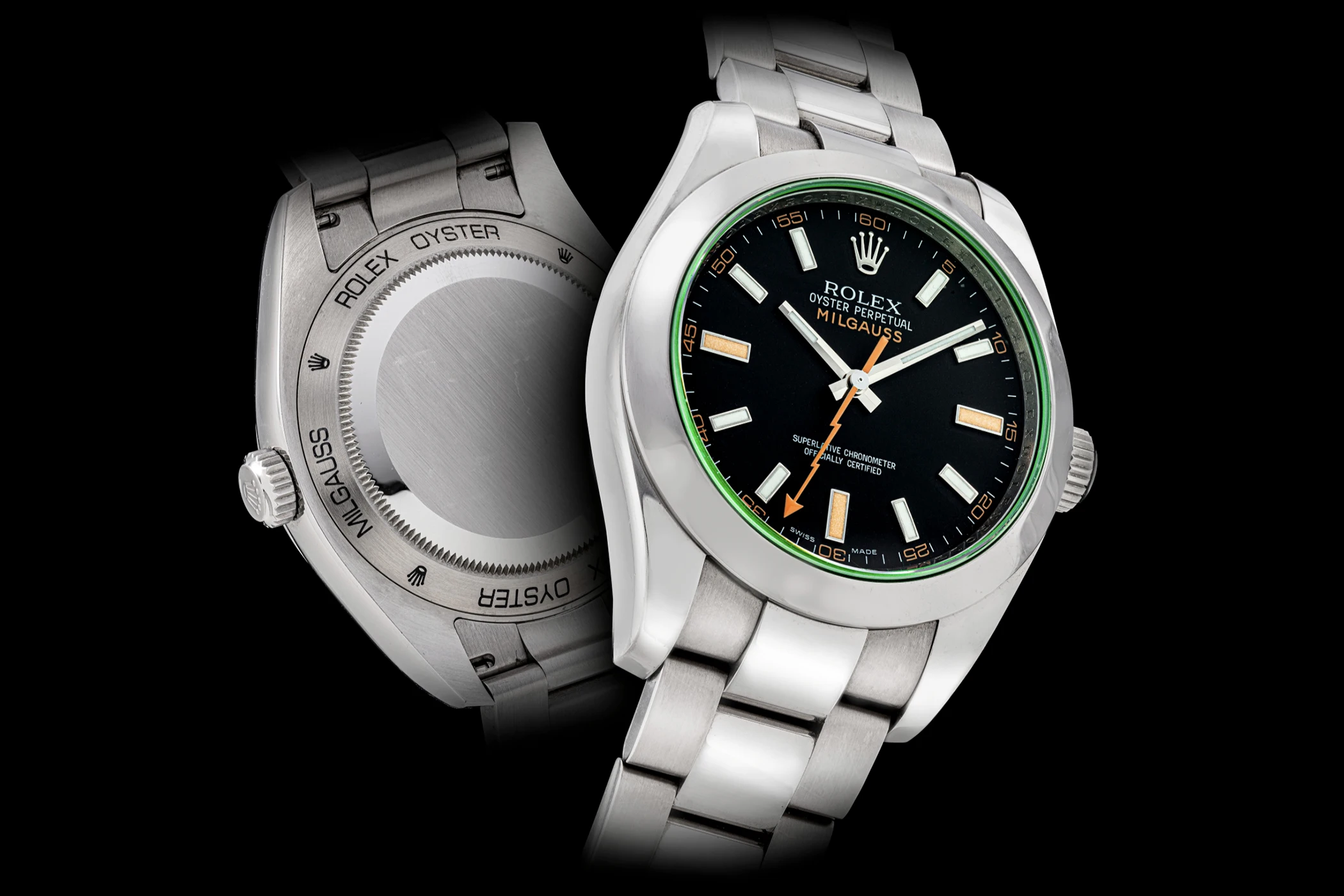
On the dials of the first two Milgauss references, 6543 and 6541, the most explicit visual reference to electricity and magnetic resistance was the lightning-bolt seconds hand, which would go on to make the Milgauss one of the most instantly recognisable models in the Rolex catalogue. Despite these distinctive features, however, the Milgauss failed to establish itself as a long-term commercial success. The initial Ref. 6543 remained in production for just two years before being replaced in 1956 by Ref. 6541, which was itself followed in 1960 by Ref. 6019—a model that abandoned the lightning-bolt seconds hand altogether. In 1988, the Milgauss was discontinued entirely. Almost two decades later, in 2007, Rolex revived the Milgauss with Ref. 116400. This modern interpretation attracted attention through versions featuring a black dial with orange and white accents, as well as a distinctive green-tinted sapphire crystal. It remains the only Rolex model ever produced with a coloured sapphire crystal. Yet even this revival failed to generate sustained demand, and the Milgauss was discontinued once again in 2023.
Credit © Christies
Although Ref. 6543 predates Ref. 6541 by two years, Rolex recognises Ref. 6541 as the first official Milgauss model and therefore considers 1956 to be the year of the model’s launch—hence the celebration of its 70th anniversary this year. This decision may be linked to the very limited production run of Ref. 6543, which remained in production for only two years and was made in extremely small numbers, with estimates ranging from around 88 to 200 watches. The precise reason why Rolex designates 1956 as the official launch year of the Milgauss, however, has never been publicly clarified.
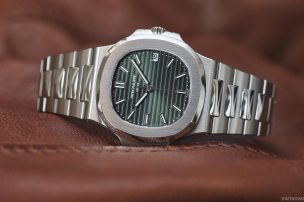
The foundation for the Patek Philippe Nautilus was laid by the Royal Oak designed by watch designer Gérald Genta for Audemars Piguet, unveiled in 1972. With this model, Genta introduced an entirely new concept: for the first time, a timepiece combined robust functionality with the horological prestige of the Vallée de Joux, establishing the idea of the luxury steel sports watch with a fully integrated bracelet. Patek Philippe also collaborated with Genta, resulting in the launch of the Nautilus in 1976. At a time when the vast majority of high-end watches were housed in precious metal cases, Patek Philippe famously promoted the Nautilus with the slogan: “One of the world’s costliest watches is made of steel.”
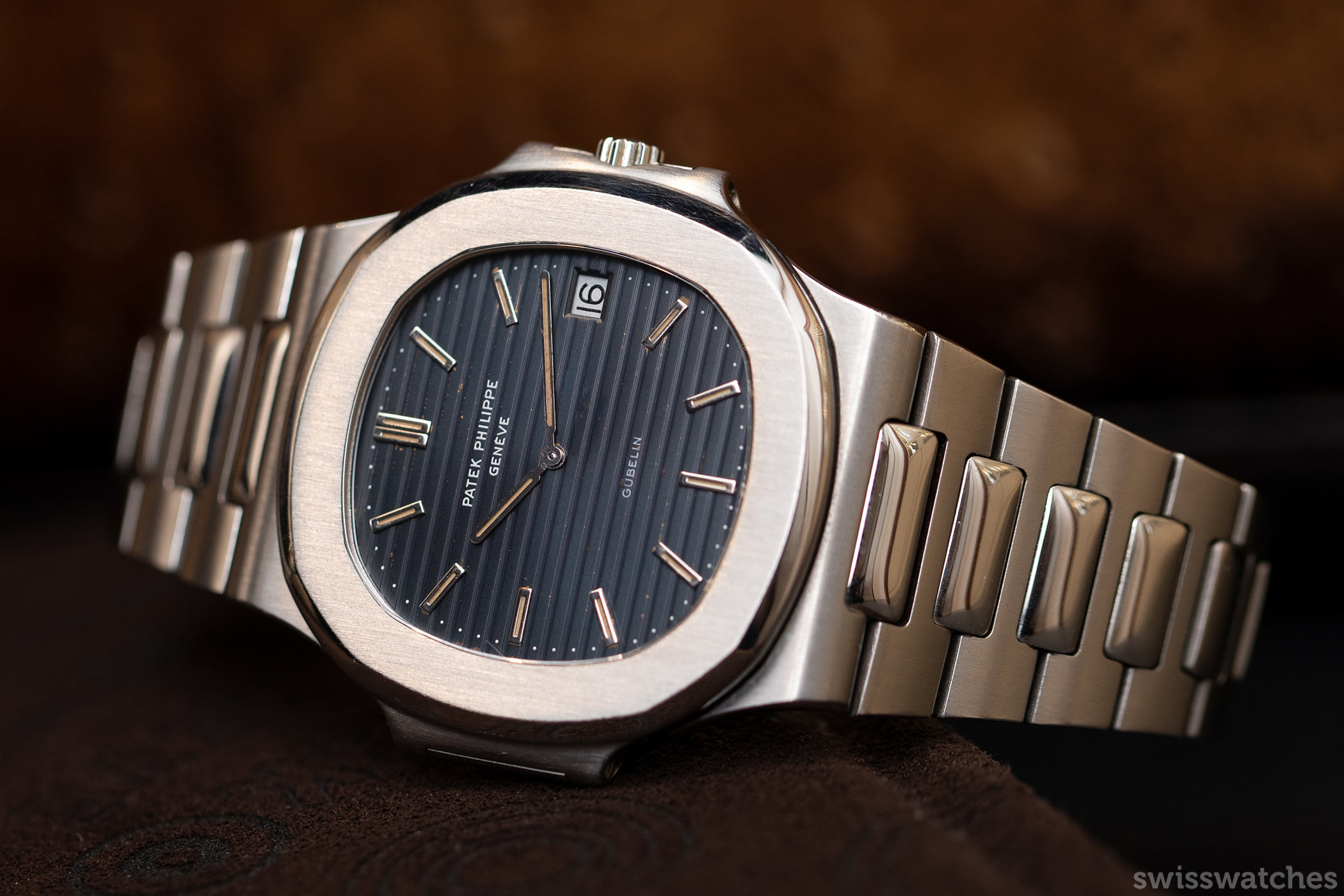
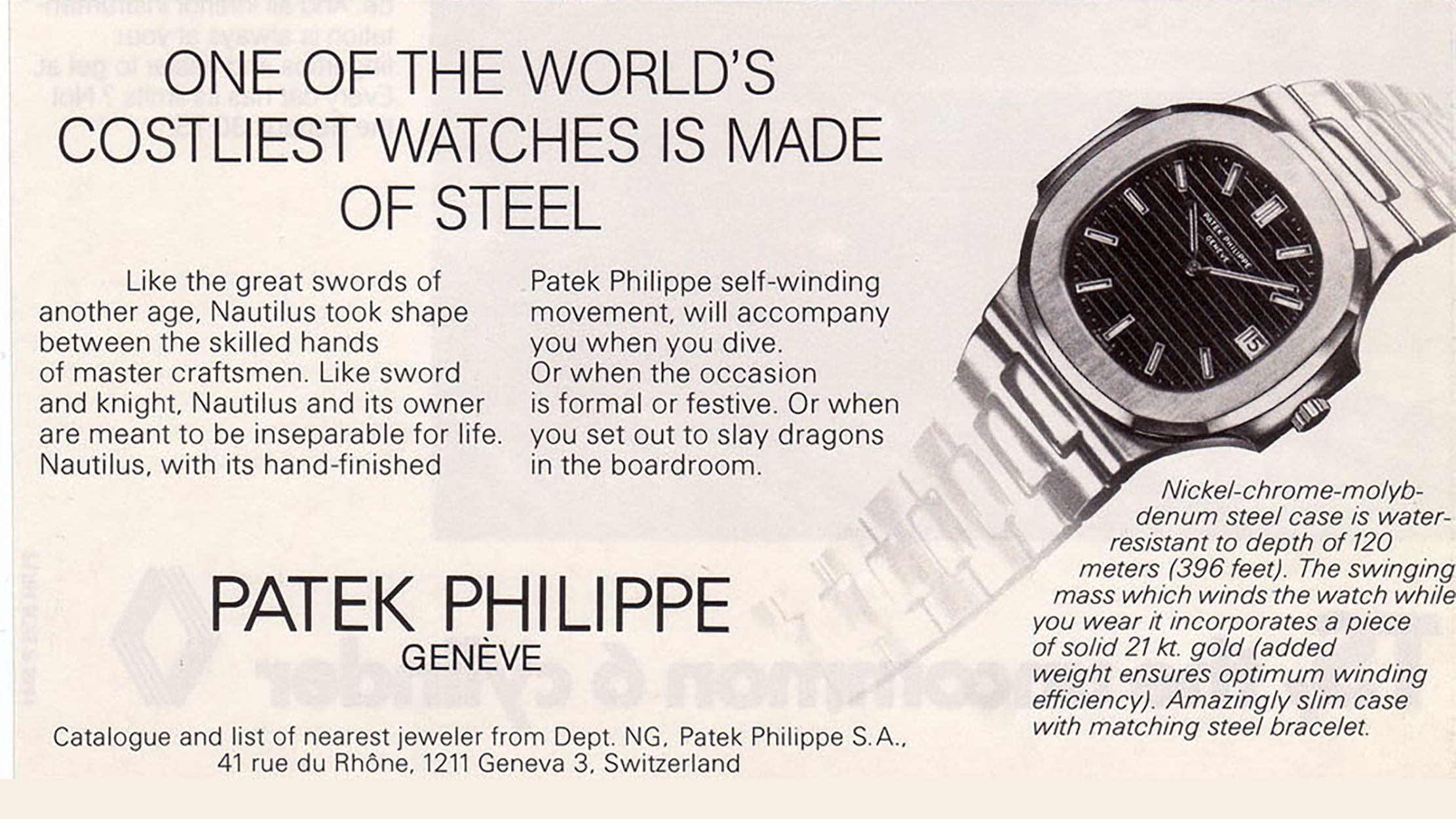
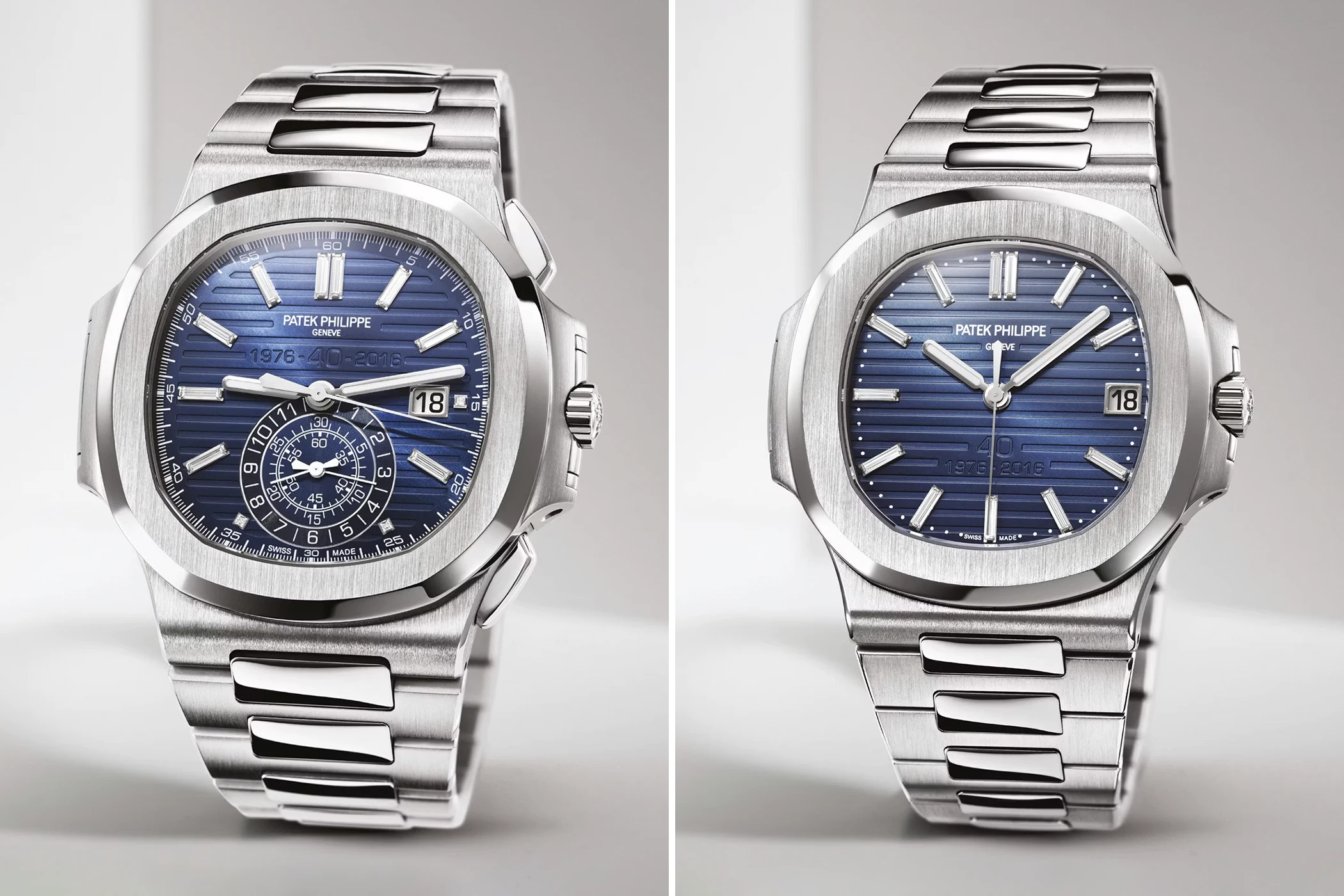
Like the Royal Oak before it, the Nautilus offered several remarkable features at launch. Chief among them was an unusually high water resistance of 120 metres, achieved through a top-down construction. In this design, the case back and middle case are formed from a single piece of steel; aside from the crown gasket, only one additional seal beneath the bezel—shaped like a ship’s porthole—was required to ensure water resistance to 120 metres. Furthermore, with its 42 mm steel case, the original Ref. 3700/1A was considered exceptionally large for its time and remained in the collection until 1990. Now celebrating its 50th anniversary, the Nautilus invites speculation as to what commemorative models Patek Philippe might unveil. Clues can be found by looking back at the anniversary editions introduced for the 40th and 30th anniversaries in 2016 and 2006 respectively. In 2016, Patek Philippe presented two anniversary models with blue dials, Ref. 5976/1G and Ref. 5711/1P. Of particular note was the limited Ref. 5976/1G, produced in 1,300 pieces, which introduced the flyback chronograph for the first time in a 44 mm case crafted from 18-carat white gold. This was a highly symbolic choice, as its predecessor, Ref. 5980, had marked the 30th anniversary of the sporty-elegant Nautilus collection in 2006 as the line’s first chronograph.
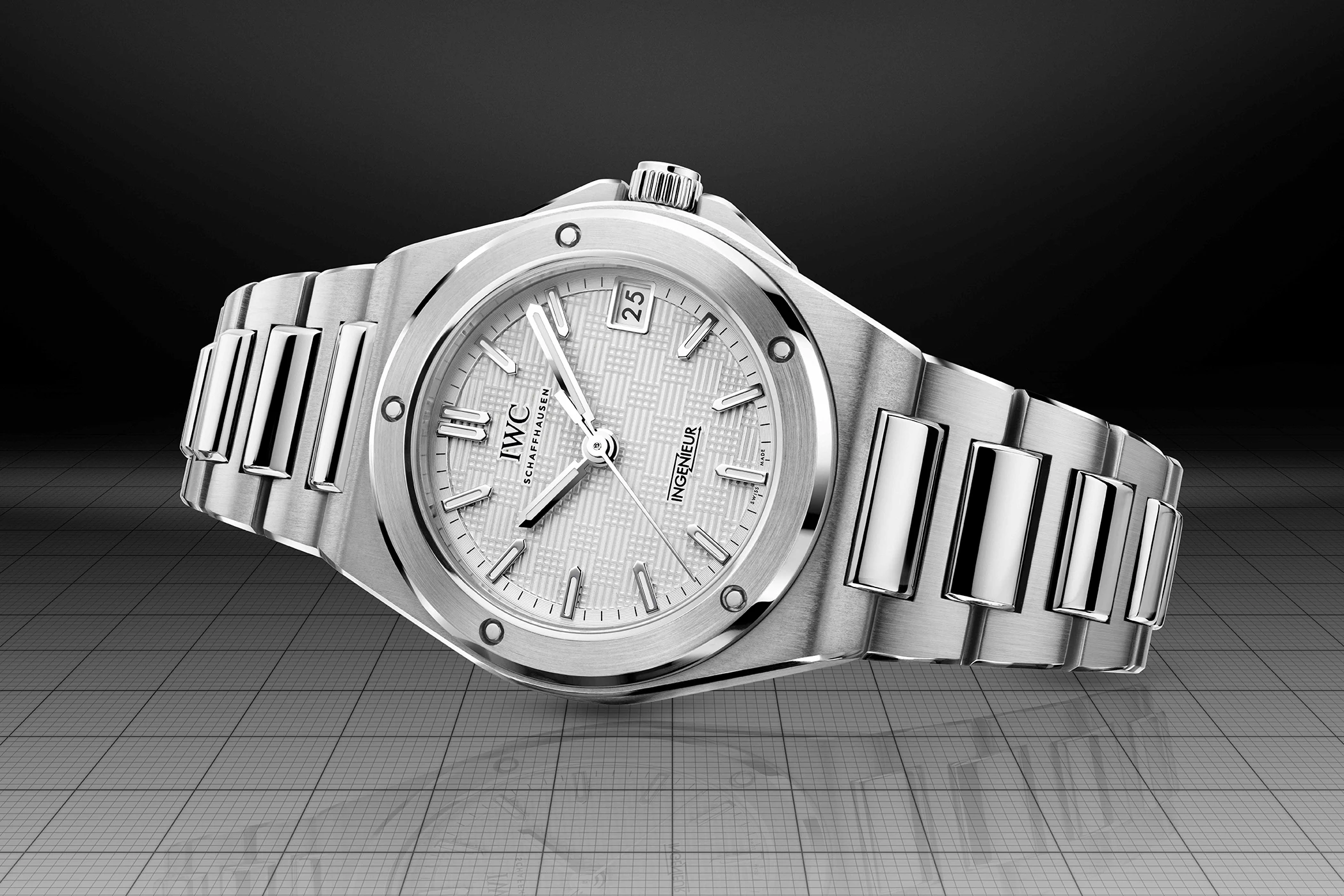
The Ingenieur SL—where “SL” officially stands for “Steel Line”—dates back to 1976, a period when IWC, in the midst of an industry gripped by the quartz crisis, turned to designer Gérald Genta in the hope of harnessing his creative vision. The choice of name was deliberate: while IWC already offered watches for divers and pilots, a model specifically conceived for engineers had so far been absent from the collection. Genta, who had already established his reputation through a series of iconic designs, endowed the Ingenieur SL with the unmistakable characteristics that had defined his Royal Oak of 1972, which laid the foundations for the concept of the luxury sports watch with an integrated bracelet. In keeping with this design philosophy—continued in the same year with the Nautilus—the Ingenieur featured a cushion-shaped case of three-part construction, complete with a screwed bezel and screwed case back. Integrated into the case was a substantial SL bracelet with rounded, rectangular links that flowed seamlessly into the case and lent the watch a considerable presence on the wrist, weighing around 150 grams in stainless steel.
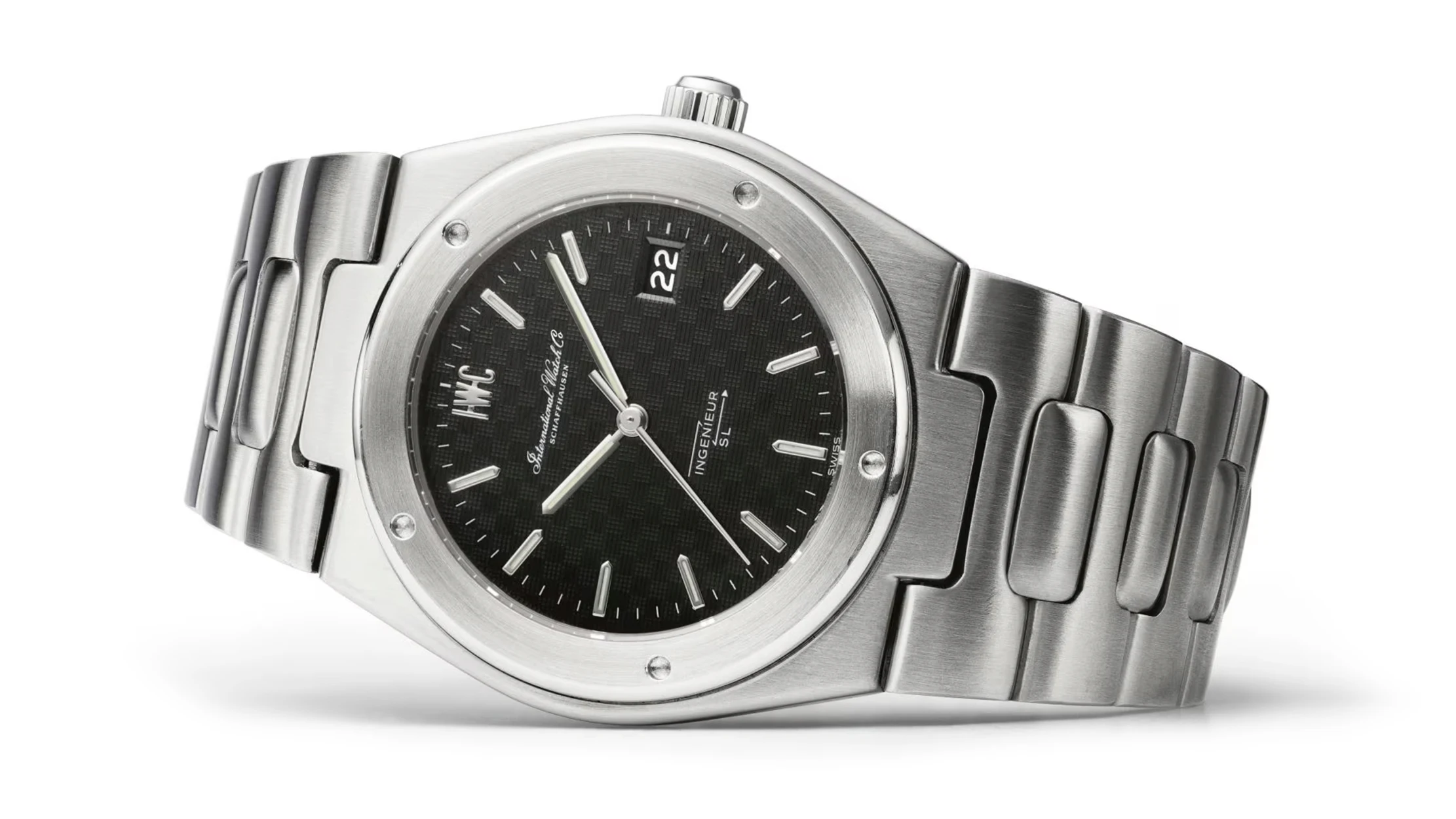
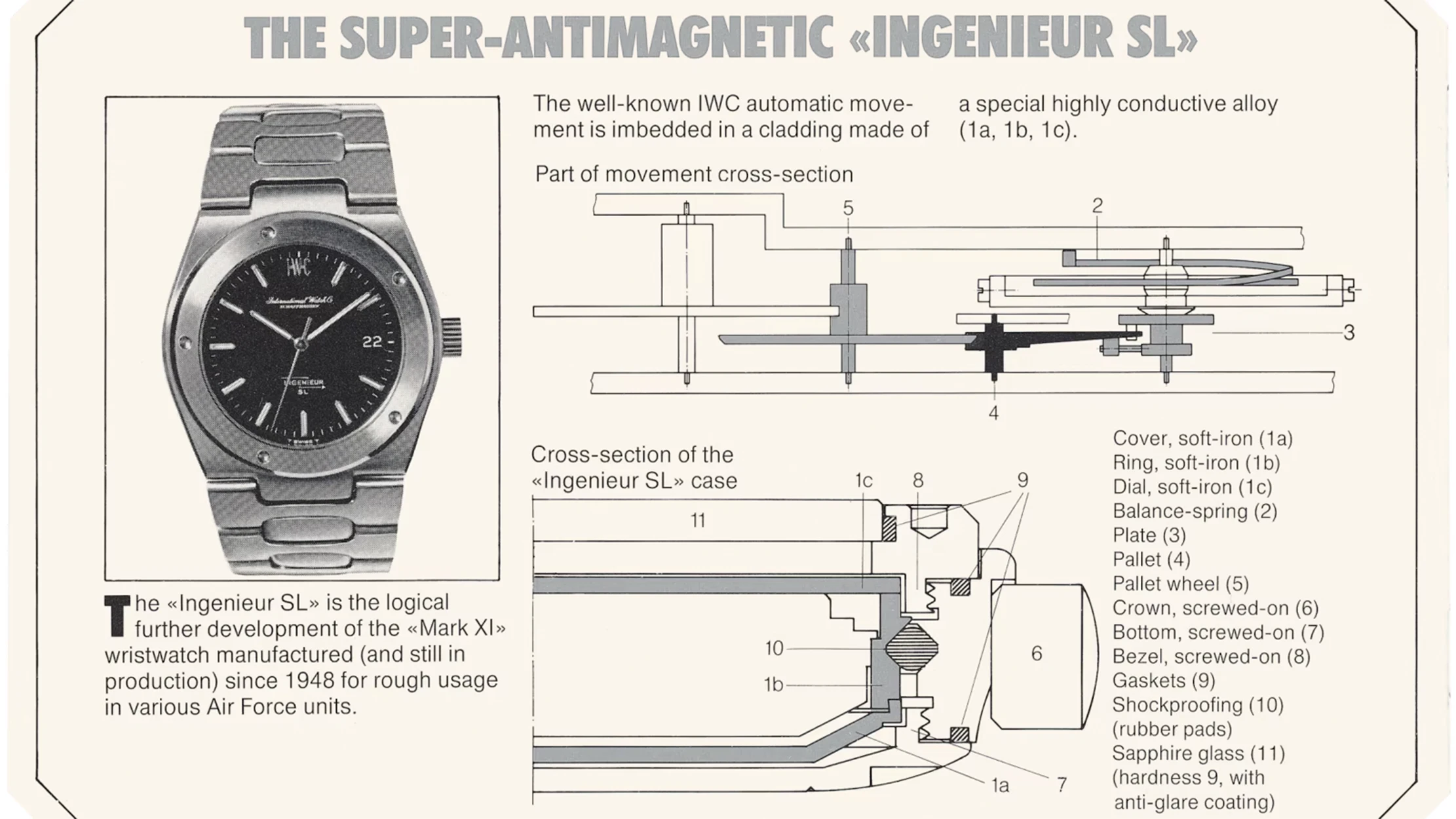
Among the most distinctive visual elements are the five recessed notches in the bezel, created by the screws securing it to the middle case. Inside the Ingenieur, IWC fitted the calibre 8541ES, protected against magnetic fields by a soft-iron inner case and responsible for the model’s technical and anti-magnetic credentials. The calibre designation itself reveals further details: the “E” denotes the use of anti-magnetic materials for the pallet fork, escape wheel and lever, while the “S” refers to the movement’s hacking seconds function. Together, these features allowed the movement to withstand magnetic fields of up to 1,000 gauss, while an additional rubber-ring mounting provided enhanced shock protection. This year, the IWC Ingenieur SL celebrates its 50th anniversary.
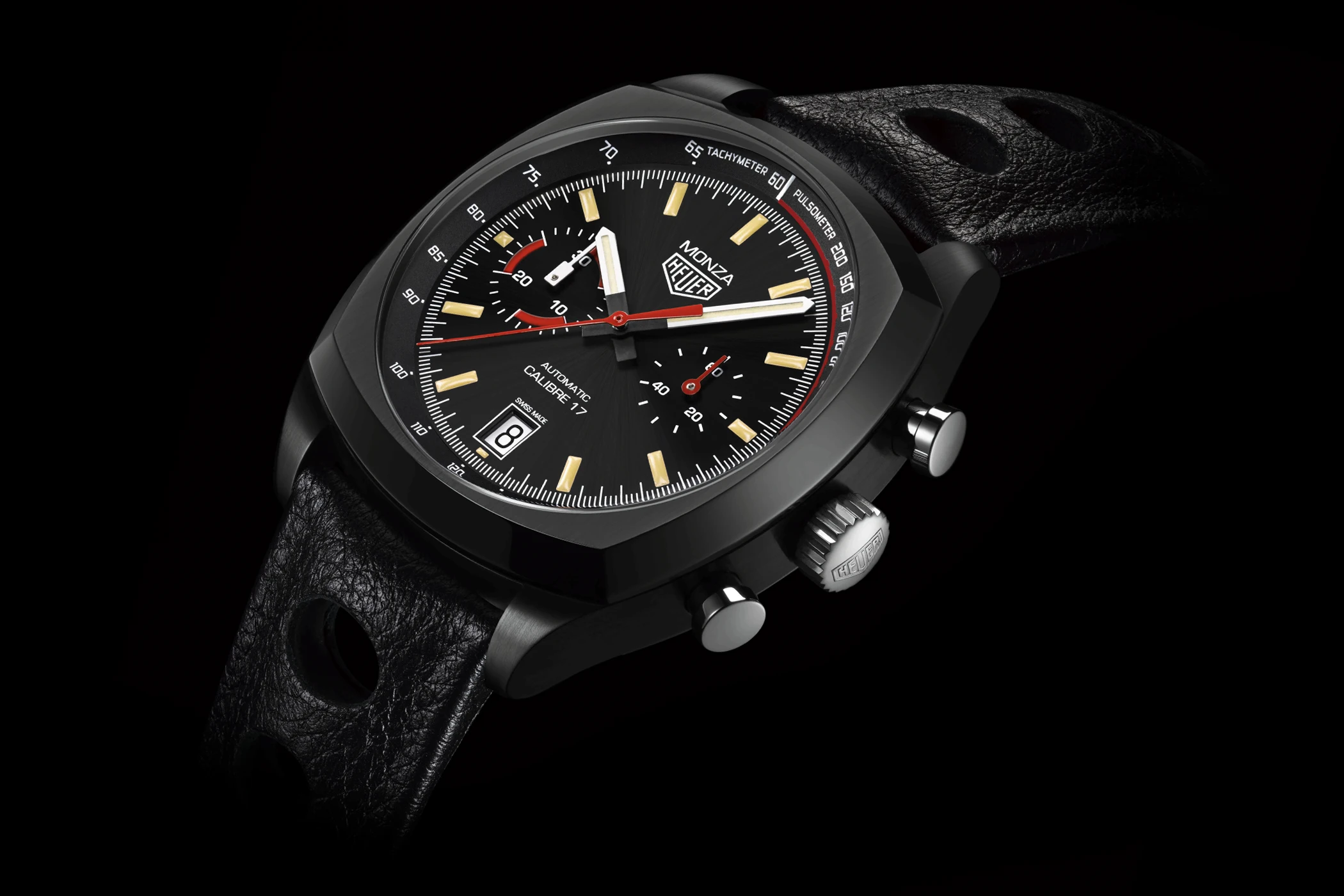
One of two TAG Heuer models celebrating an anniversary this year is the Monza. The Monza was introduced in 1976 to commemorate Ferrari’s historic double victory: Ferrari driver Niki Lauda had secured the Drivers’ World Championship ahead of time at the Italian Grand Prix in Monza, thereby claiming both the Drivers’ and Constructors’ titles. Jack Heuer took this long-awaited triumph—Ferrari’s first since 1964—as the occasion to create the Monza model. With the Monza chronograph, Heuer presented a watch that captured one of the defining chronograph trends of the mid-1970s: black-coated cases paired with black dials and matching black sub-dials. The dial followed a strictly instrumental and functional logic. On all early versions of the Monza, the hours were indicated by luminous markers. The chronograph minute counter featured red “racing” stripes to mark five-minute intervals and was initially positioned off-axis relative to the opposing small seconds. The black inner bezel carried both a tachymeter scale (60 to 220 units per hour) and a pulsometer scale (60 to 200 beats per minute, based on a count of 15 pulsations). The hands were finished in bright white, with black detailing towards the centre at the pinion.
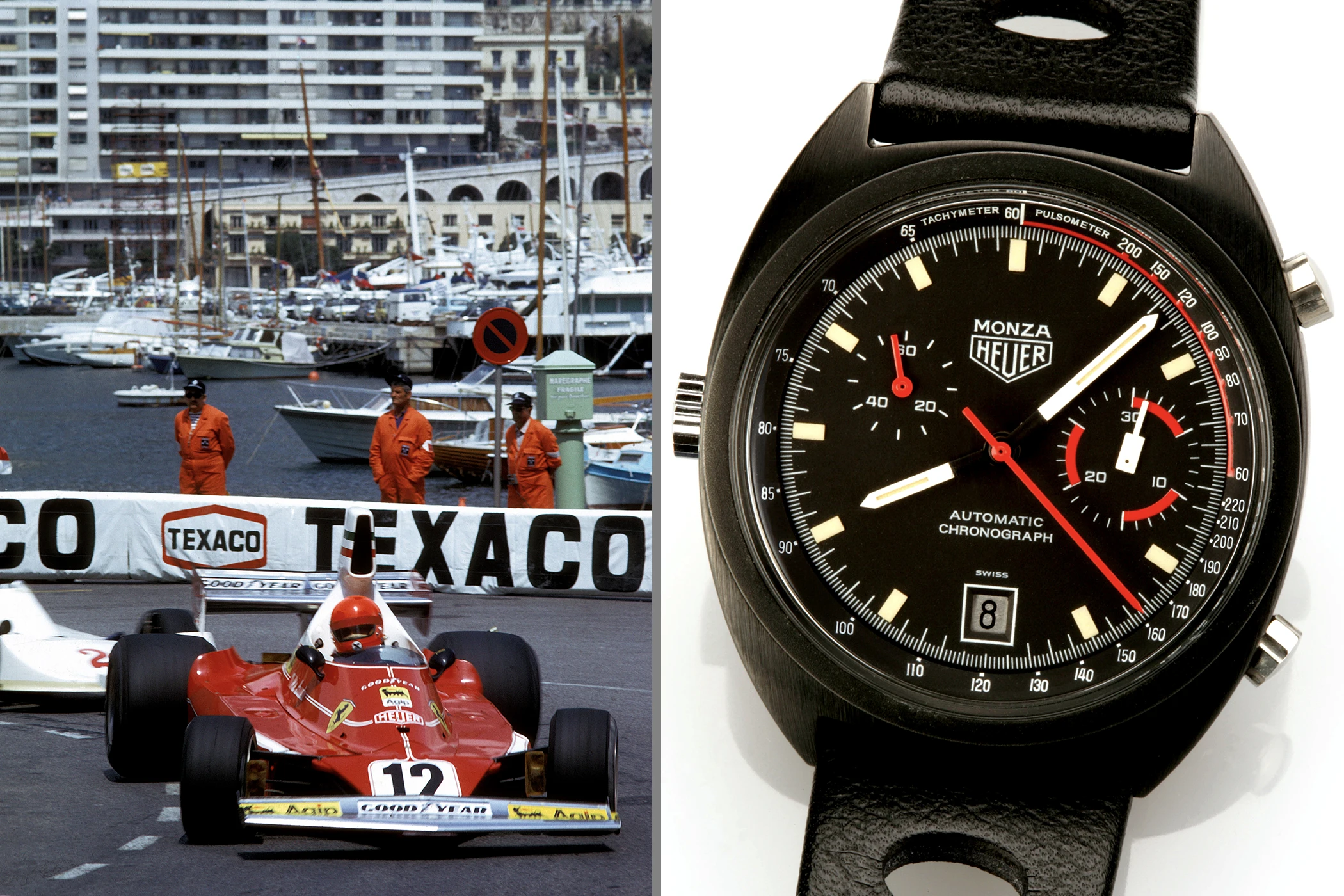
The Monza’s case adopted the cushion-shaped geometry of the first automatic Carrera models introduced in 1969, but was executed with a black-chromium coating applied to a base-metal case. In 2016, to mark its 40th anniversary, the Monza returned in a black titanium-carbide-coated titanium version, this time powered by the Calibre 17.
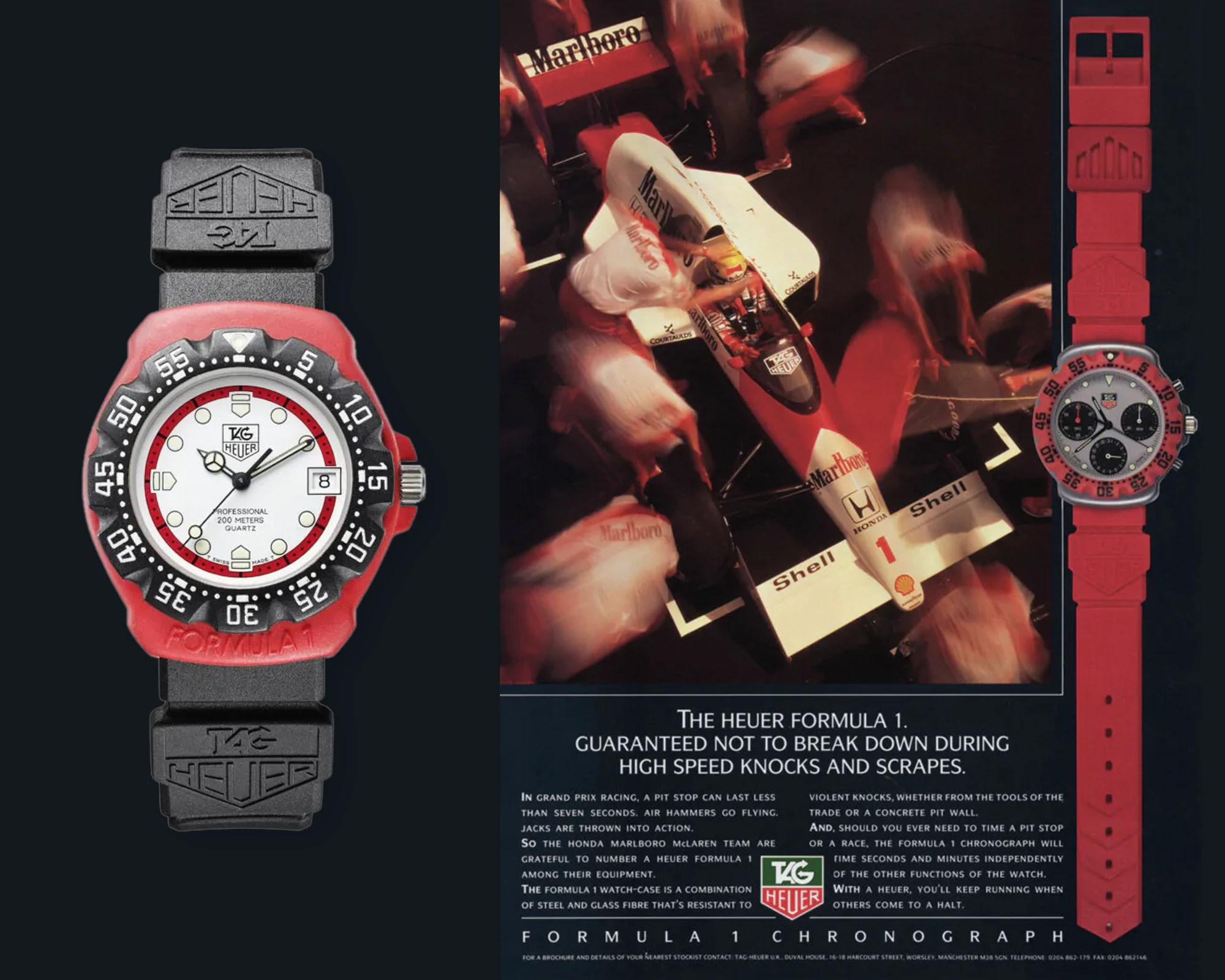
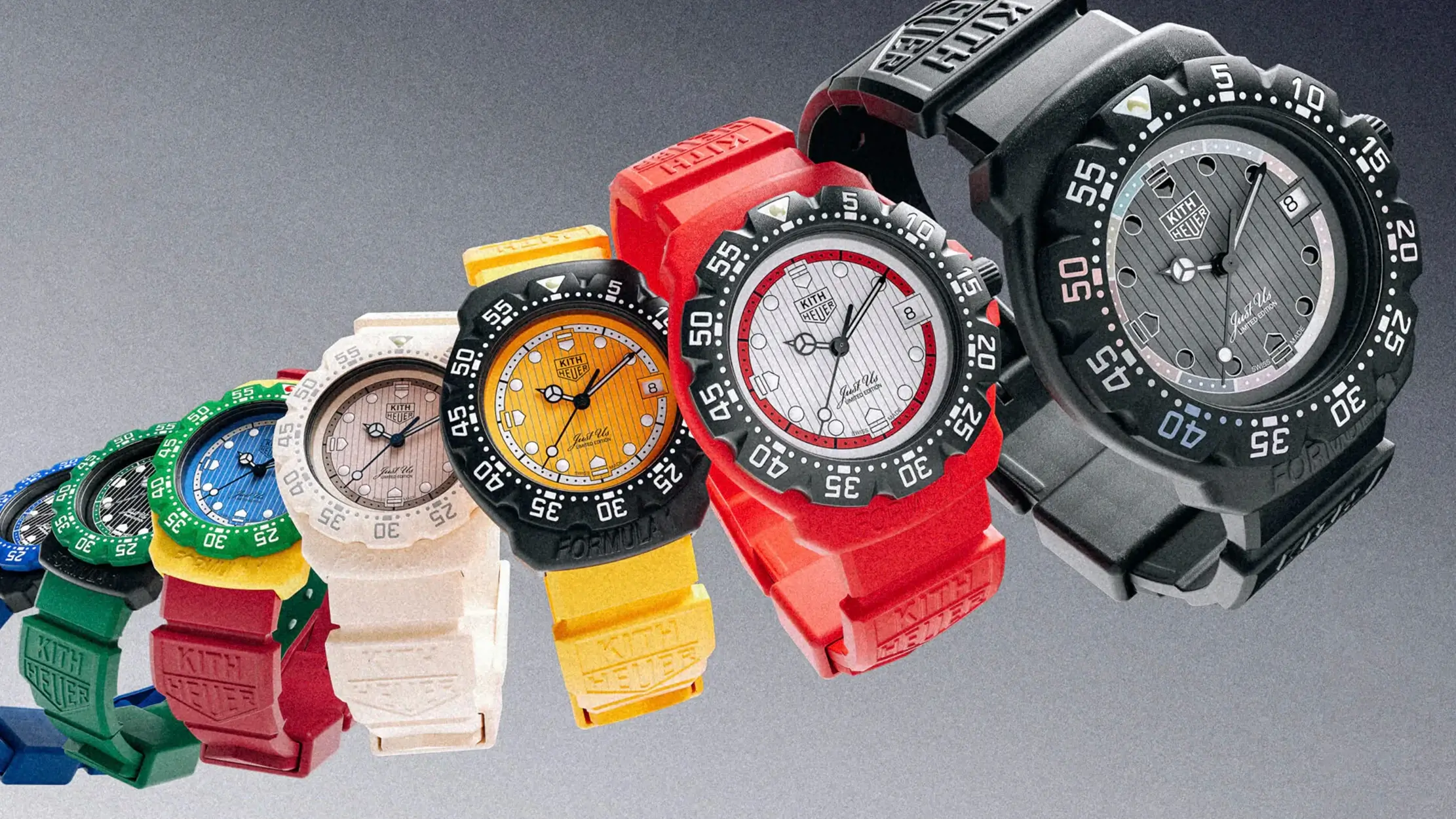
The TAG Heuer Formula 1 collection was launched in 1986 as the first watch line following Heuer’s acquisition by the TAG Group in 1985, and this year marks its 40th anniversary. The watches were TAG Heuer’s response to the prevailing tastes of the mid-1980s: quartz-powered timepieces that combined robustness with bold, colourful design. This approach proved highly successful. With their fibreglass-reinforced plastic cases in vivid colours and accessible price points, the Formula 1 became the most widely produced watch in TAG Heuer’s history, with around three million units sold over the following decade. The name “Formula 1” was chosen in reference to Jack Heuer’s involvement in Formula One sponsorship during the 1960s and 1970s, as well as TAG Heuer’s long-term partnership with McLaren, which began in 1985. From 1989 onwards, the line was expanded to include Formula 1 chronographs—quartz chronographs with three sub-dials. Despite the immense commercial success of the Formula 1, the acquisition of TAG Heuer by LVMH in 1999 led to the collection’s discontinuation in 2000. At the time, the question was whether the Formula 1 was ultimately too casual to fit within LVMH’s luxury strategy. This changed in 2004, when TAG Heuer revived the Formula 1 after a four-year hiatus, introducing an entirely new design and improved materials.
Most recently, in 2024, the Formula 1 was reissued in collaboration with the US fashion label Kith. Today, the collection features updated executions with titanium-carbide bezels and solar modules in contemporary new variants.
The introduction of the Vacheron Constantin Overseas in 1996 coincided with a pivotal moment in the maison’s own history. That same year, the Vendôme Luxury Group—predecessor of today’s Richemont Group—acquired Vacheron Constantin, the world’s oldest continuously operating watch brand. The Overseas was conceived first and foremost as a modern luxury sports watch with an integrated bracelet, designed to compete directly with established rivals such as the Audemars Piguet Royal Oak and the Patek Philippe Nautilus. Unlike its competitors, however, the design of the Overseas did not originate from Gérald Genta. Instead, the watch was designed by a duo consisting of future Vacheron Constantin chief designer Vincent Kaufmann and the external designer Dino Modolo. The distinctive bezel, inspired by the Maltese cross, became a defining element of the model. Conceptually, the Overseas also drew on the Vacheron Constantin 222, an earlier integrated-bracelet sports watch designed by Jörg Hysek.
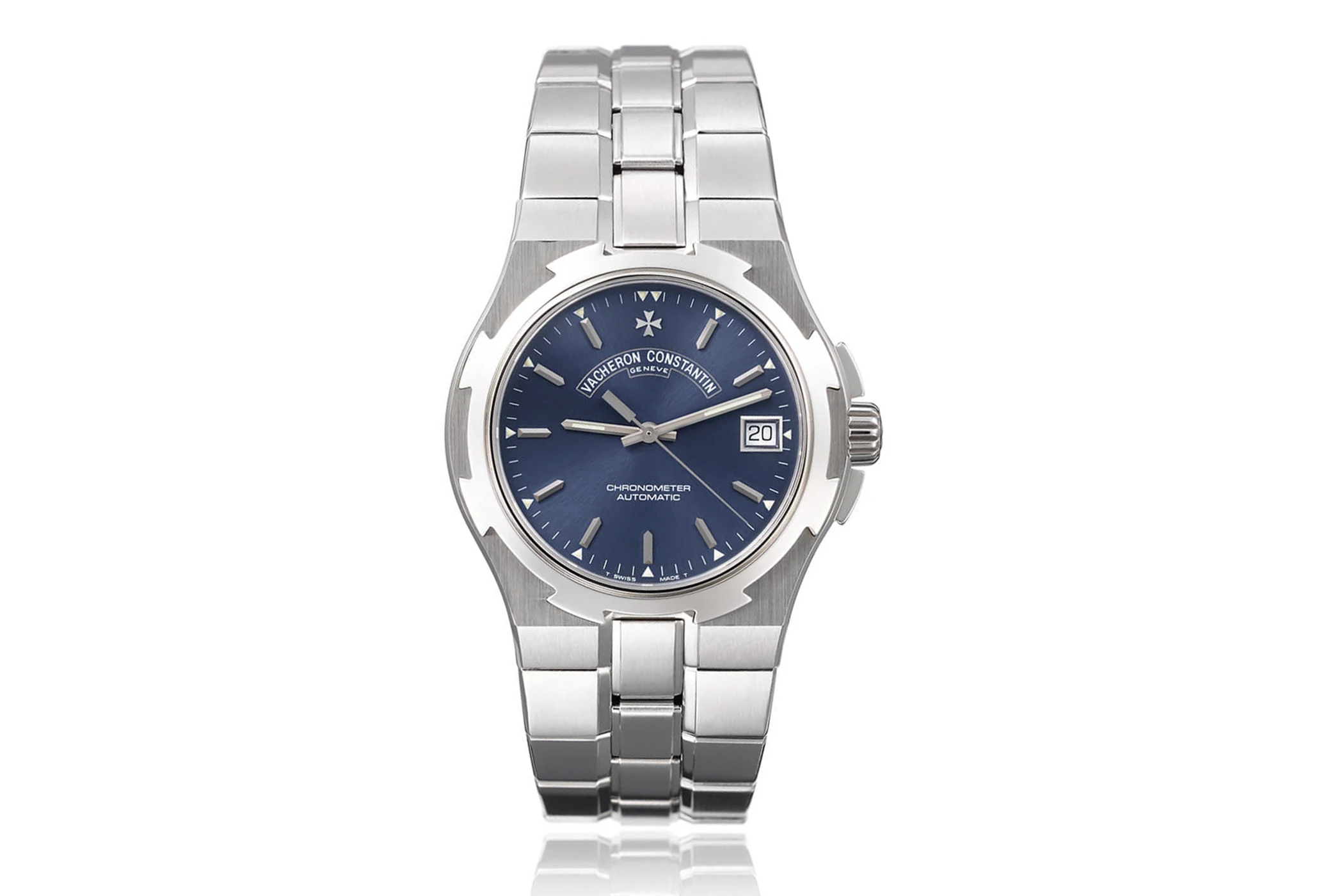
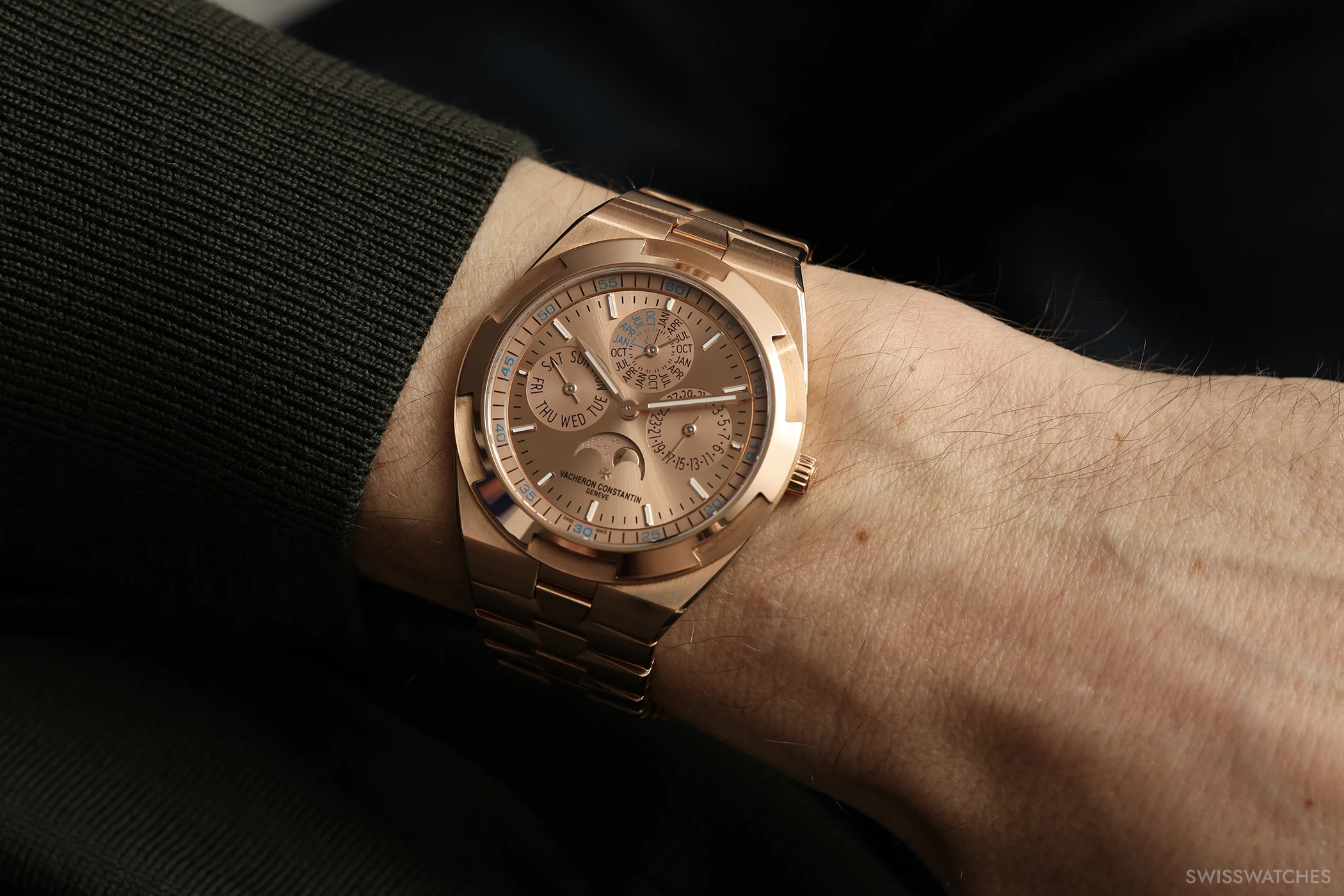
The first Overseas, Ref. 42052, measured 35 or 37 mm in diameter, offered water resistance to 150 metres, and combined a slim automatic movement with a soft-iron inner case to ensure protection against magnetic fields. Visually, it was characterised by its octagonal, Maltese cross-inspired bezel and, in the spirit of the 222, an integrated link bracelet. In the years that followed, the Overseas underwent a series of deliberate evolutions that refined the original concept. In 2005, the second generation introduced a larger 42 mm case, improved bracelet comfort and enhanced magnetic-field protection. The third generation, launched in 2016, marked a significant step forward with the introduction of in-house movements—Calibre 5100 for the time-only models and the column-wheel Calibre 5200 for the chronograph—as well as a patented quick-change strap system. Today, the Overseas collection encompasses a wide range of variants and complications, from perpetual calendars and dual-time functions to tourbillon and chronograph versions, as well as skeletonised and ultra-thin models. With its original launch dating back to 1996, Vacheron Constantin celebrates 30 years of the Overseas this year.
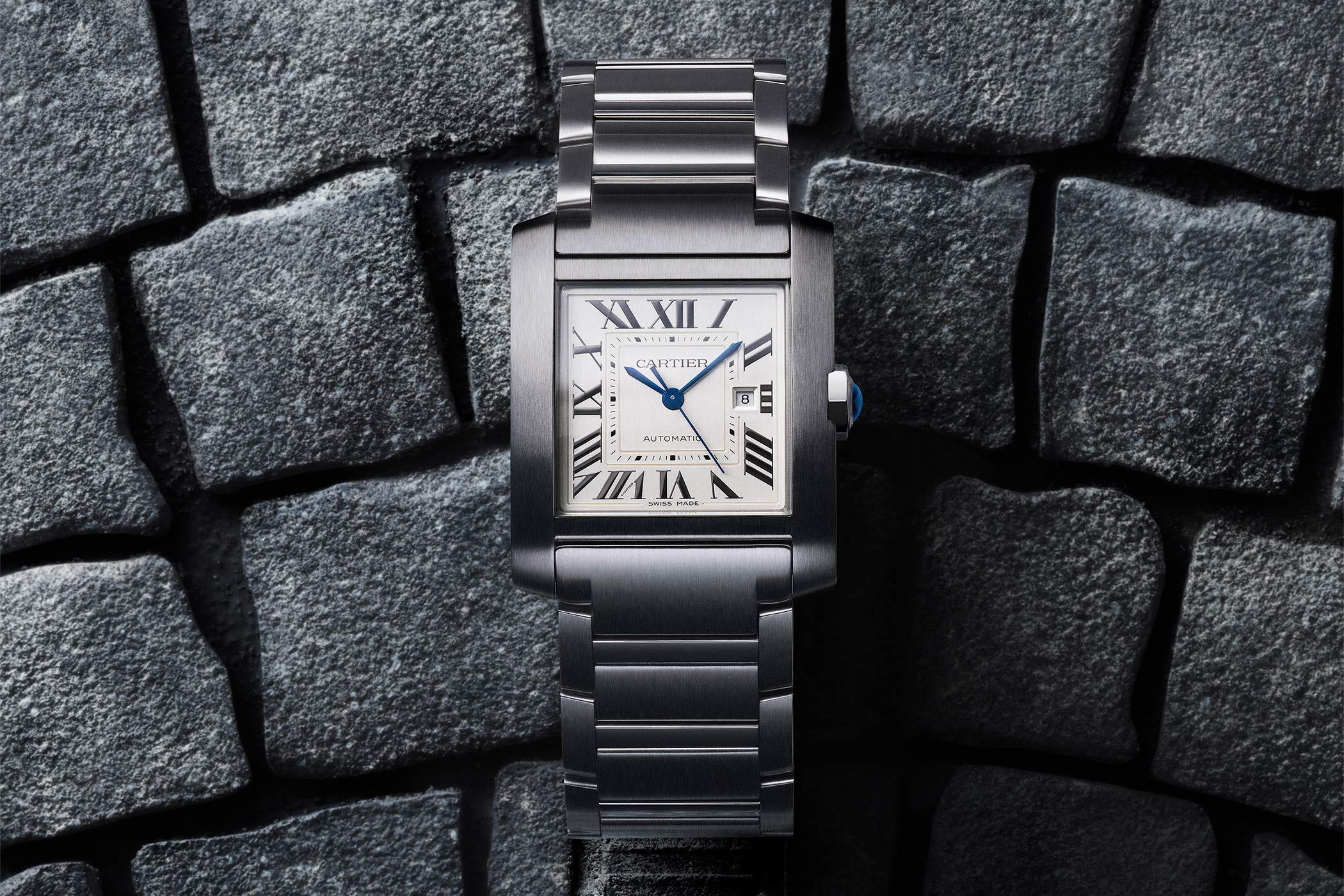
Within the Cartier Tank family, the Tank Française occupied a special position when it was introduced in 1996. Unlike previous Tank models, its bracelet was not conceived as a separate element, but from the outset as an integral part of the case. This resulted in the impression of an almost seamless transition between case and metal bracelet. Key to this effect were the redesigned case flanks, which taper to a point and whose geometry continues clearly into the contours of the bracelet links. Case and bracelet thus form a continuous, flowing line. Less strict and angular than earlier Tank interpretations, the Tank Française presents a softer, more contemporary aesthetic. It proved particularly popular with women, not least because Princess Diana was seen wearing a yellow-gold example in the late 1990s, bringing the model to worldwide attention. In 2023, Cartier subtly revised the Tank Française and reintroduced it in a total of seven versions—four in solid gold and three in steel. Although comparatively young, the Tank Française has already established itself as an icon and celebrates its 30th anniversary this year.
Few complications are as closely associated with Patek Philippe as the perpetual calendar. Not only did the manufacture produce the first perpetual calendar wristwatch in 1925 (No. 97’975), it was also responsible for the first retrograde perpetual calendar wristwatch, Ref. 96 No. 860’182, in 1937. The first perpetual calendar to be produced in a—admittedly small—series, Ref. 1526 from 1941, likewise came from Patek Philippe. The 1990s, however, marked a period of transition for the maison. Its clientele began to change: collectors were becoming younger and, crucially, more likely to return. Until that point, the step from a time-only Calatrava to a complicated Patek Philippe had been a steep one, both technically and financially. Perpetual calendars and grand complications at the top of the catalogue occupied an entirely different price bracket, presenting a significant barrier for younger enthusiasts or those at an early stage of their collecting journey.
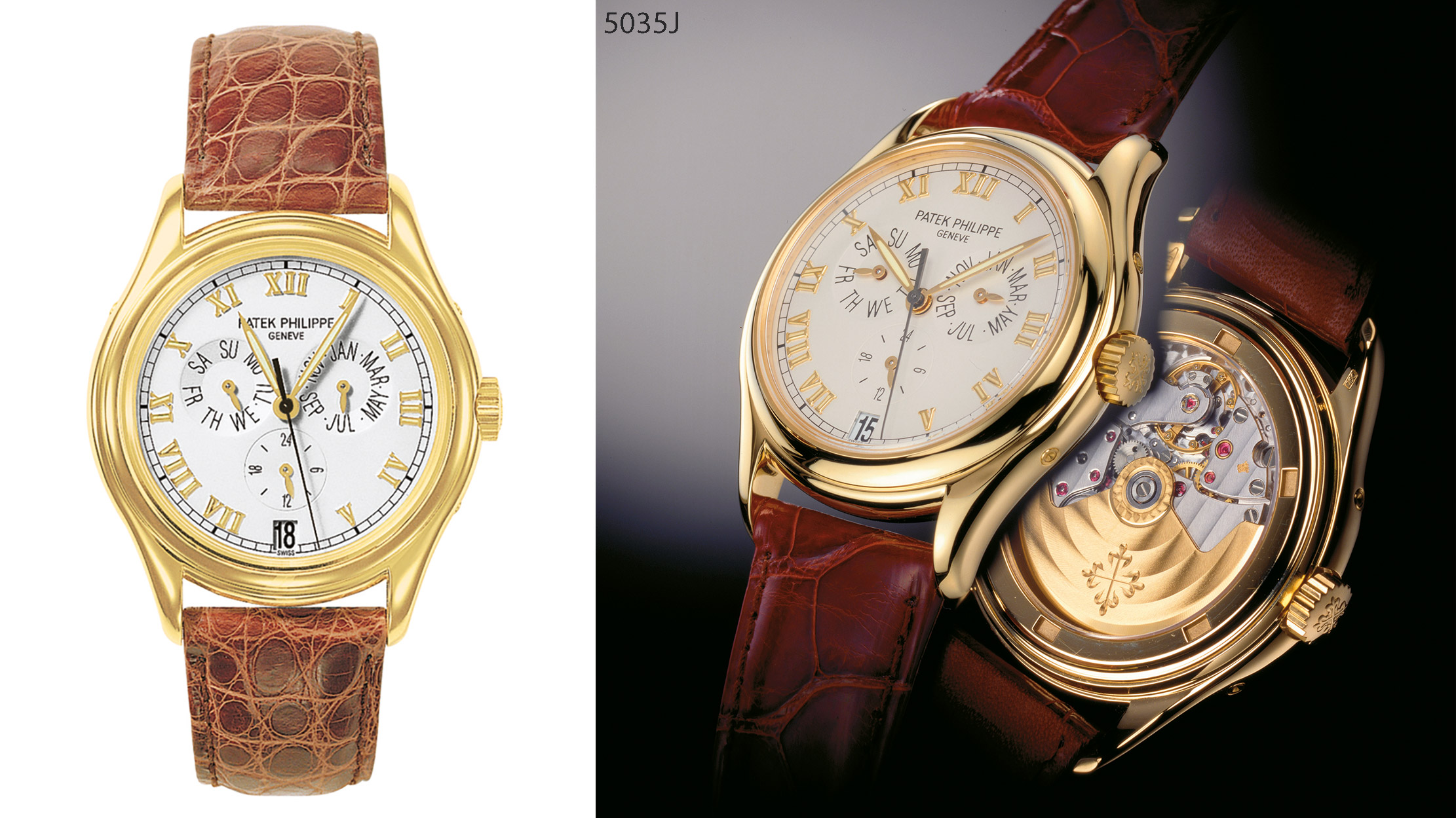
The solution was the invention of a new calendar mechanism designed to bridge the gap between a simple date display and the perpetual calendar: the annual calendar. This construction automatically recognises months with 30 and 31 days and requires correction only once a year, on 1 March. Technically, it sits neatly between simple date calendars—which must be adjusted five times a year for months with fewer than 31 days—and the more complex perpetual calendar, which requires no correction until 2100. The annual calendar made its debut at Baselworld 1996 in the form of Ref. 5035, powered by the Calibre 315 S QA. The watch combined a classically elegant 37 mm yellow-gold case with a clearly laid-out dial, featuring apertures for the day of the week and the month positioned high on the dial, a small 24-hour sub-dial centred in the lower half, and a date window placed at the dial’s periphery at six o’clock. This year, the annual calendar complication celebrates its 30th anniversary, marked by the original Ref. 5035.
Founded in 1996 by Michel Parmigiani in Fleurier, the manufacture ranks among the younger yet highly respected names in the luxury watch segment. Parmigiani began his career as a restorer of historic timepieces before establishing his own manufacture with the support of the Sandoz Family Foundation. Notably, even before founding his brand, Parmigiani was already involved in a significant project: he developed Chopard’s first in-house movement, Calibre 1.96, which attracted considerable attention when it debuted in the Chopard L.U.C 1860 in 1997.
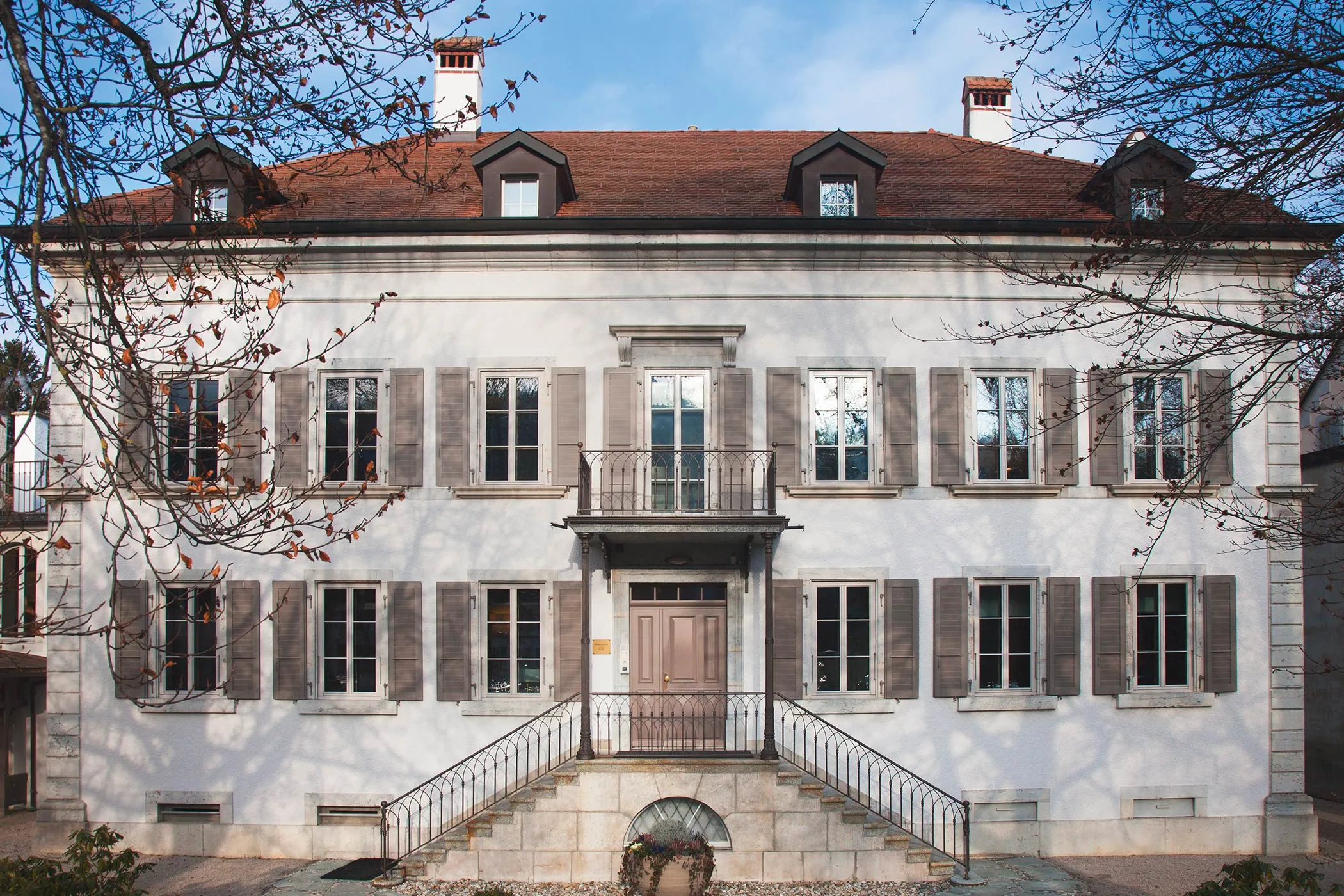
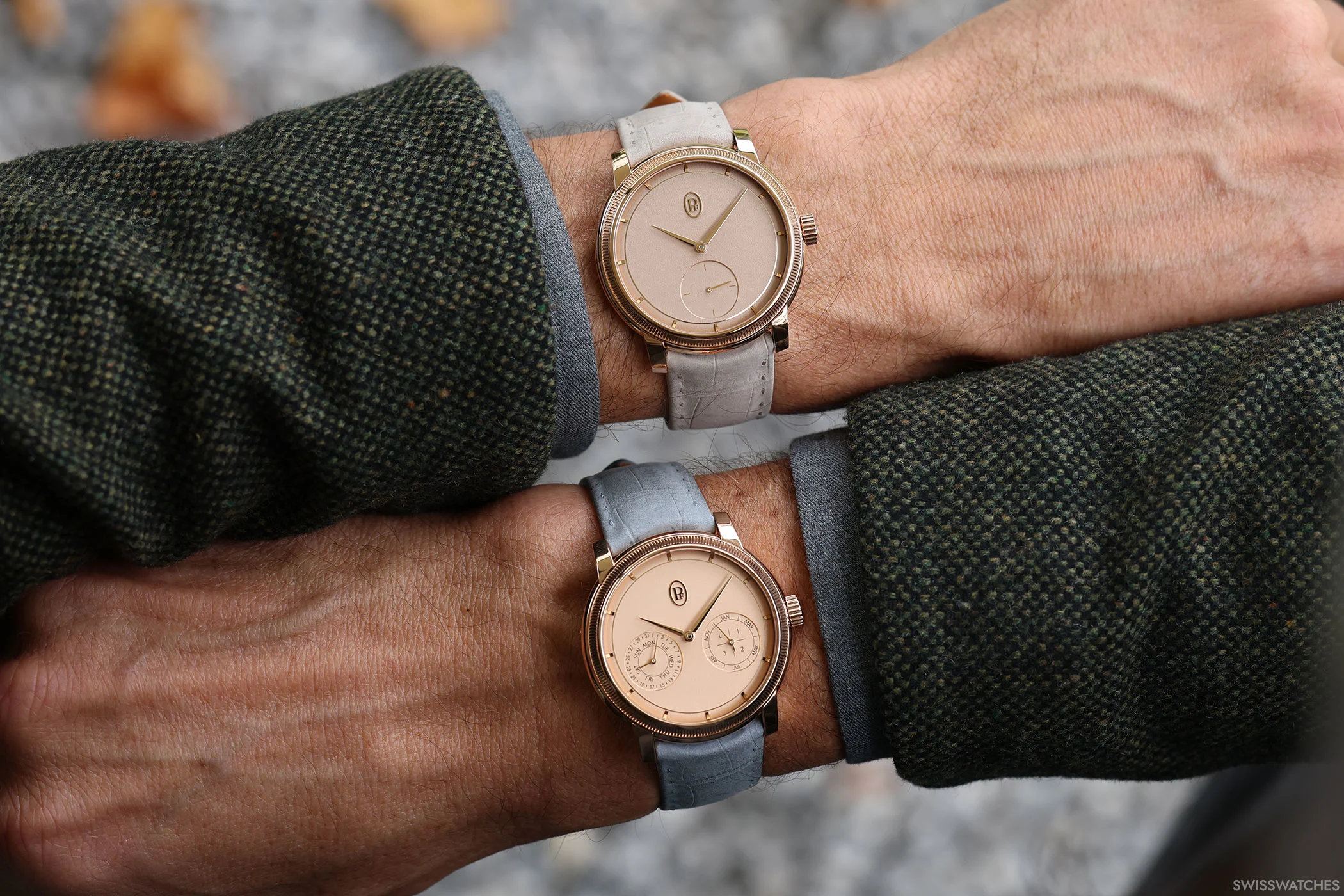
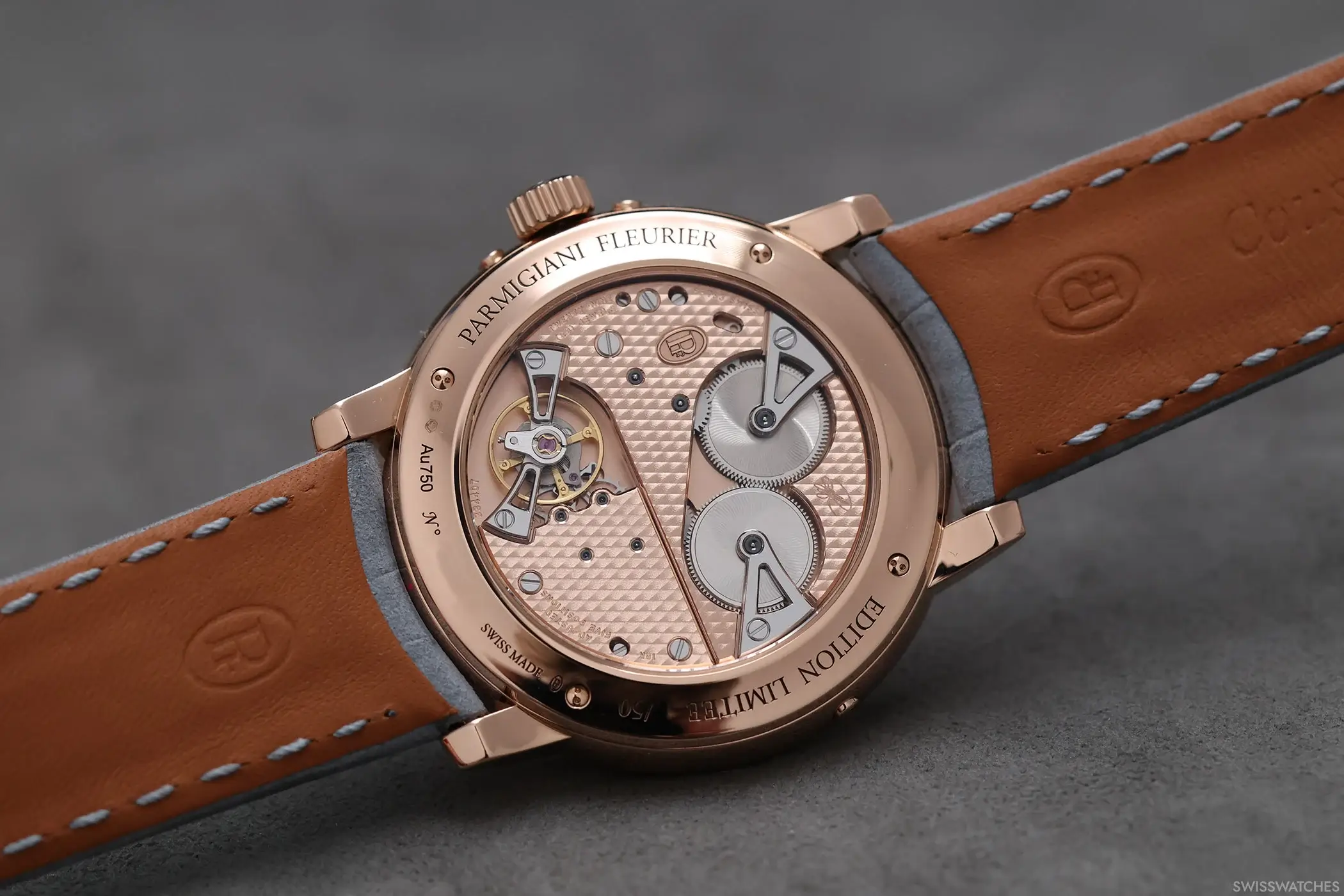
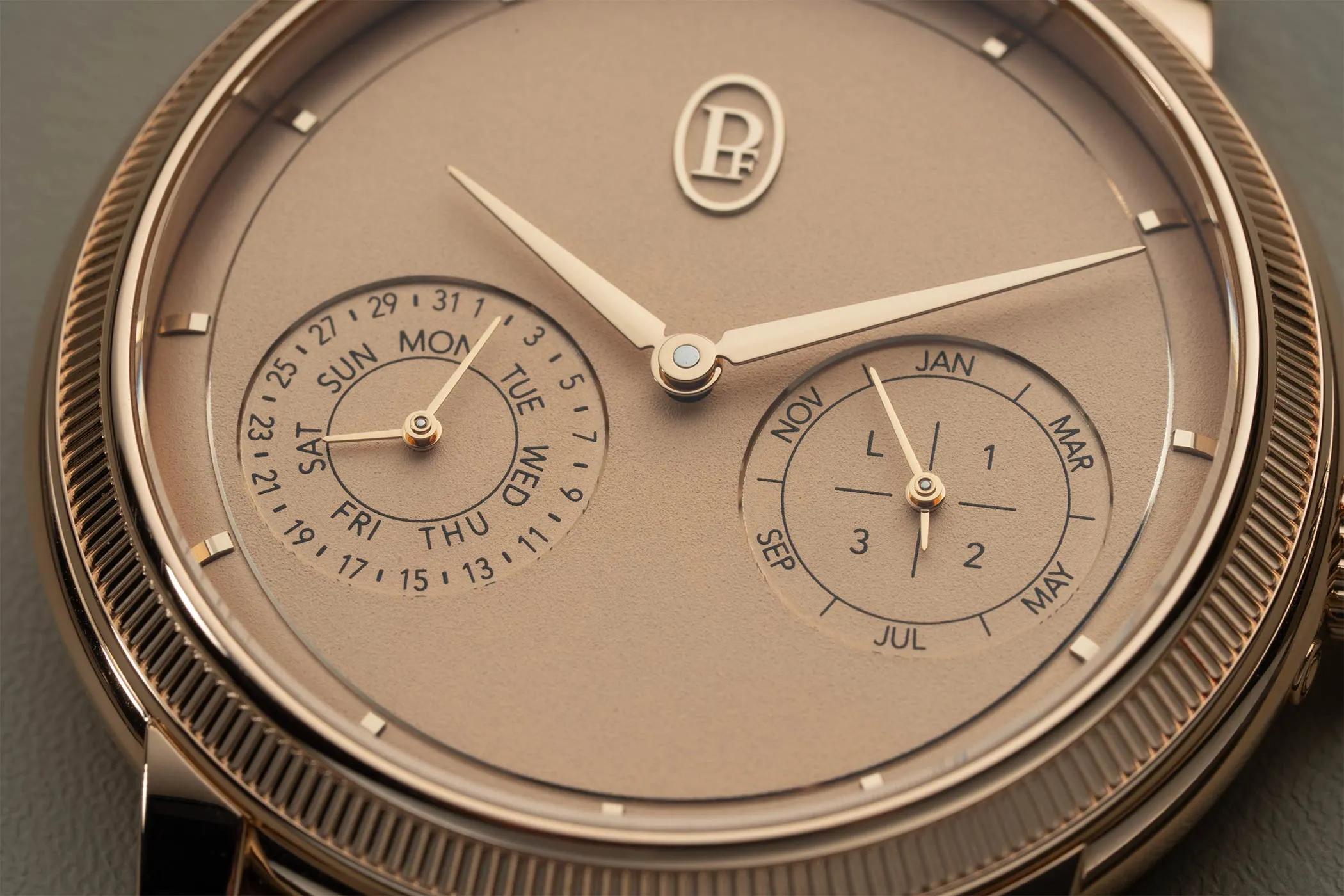
Over the course of three decades, Parmigiani Fleurier has built a reputation for exceptional finishing, classical complications and meticulous craftsmanship. The brand is known, on the one hand, for the Toric collection, which was introduced in 1996 as the manufacture’s first watch, featuring a guilloché dial and a knurled bezel. The Toric is powered by a hand-wound movement and has been offered not only with small seconds, but also with complications such as a perpetual calendar and a split-seconds chronograph. On the other hand, the Tonda PF collection forms a central pillar of the current portfolio. Distinguished by its hand-knurled platinum bezel, it combines ultra-fine barleycorn (grain d’orge) guilloché with a wide range of complications. The Tonda PF is available in versions with a micro-rotor, chronograph, flying tourbillon and skeletonised architecture, as well as in the Tonda PF GMT and Minute Rattrapante variants.
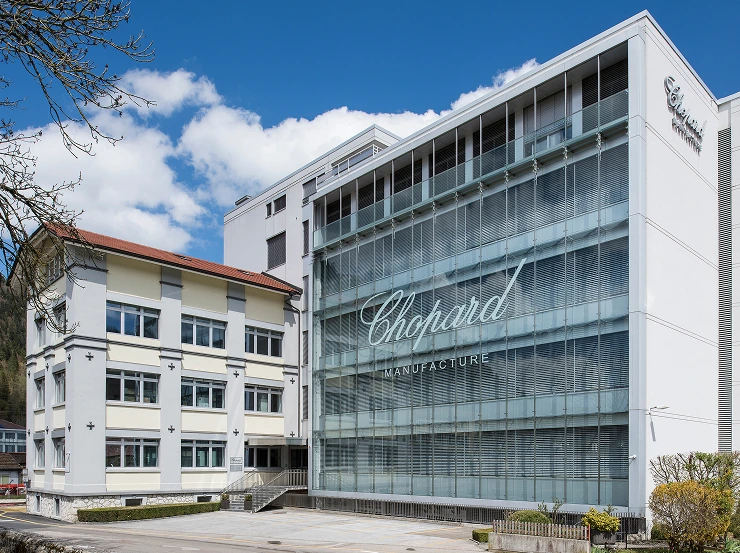
In the world of fine watchmaking, there is always scope to go further—and few manufactures embody this ambition as convincingly as Chopard Manufacture, founded in Fleurier in 1996 by Karl-Friedrich Scheufele. In 1997, the Chopard Manufacture presented the first watch created in its own ateliers: the L.U.C 1860, powered by the L.U.C 96.01-L movement (originally designated 1.96). As one of the earliest automatic calibres to feature two mainspring barrels, it offered a power reserve of 65 hours. Seeking to extend autonomy without compromising the slim profile or carefully considered architecture of the 96.01-L, Chopard developed the first L.U.C Quattro (L.U.C 16/1863), equipped with the Calibre 98.01-L (originally 1.98). With this movement, Chopard doubled the number of barrels, stacking four mainspring barrels vertically to deliver a power reserve of nine days—or 216 hours. Thus, the brand’s “Twin Technology” was born, along with the Quattro line.
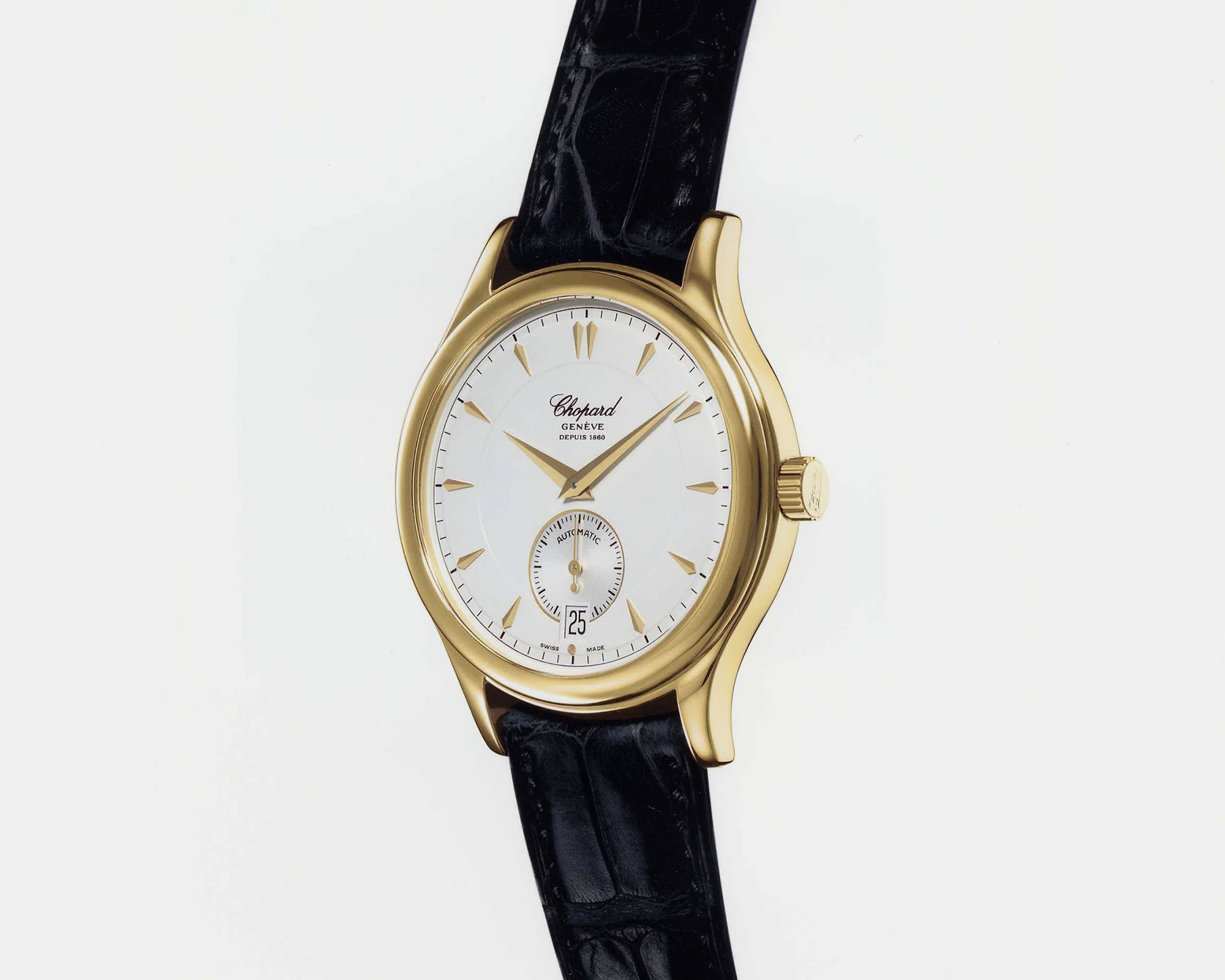
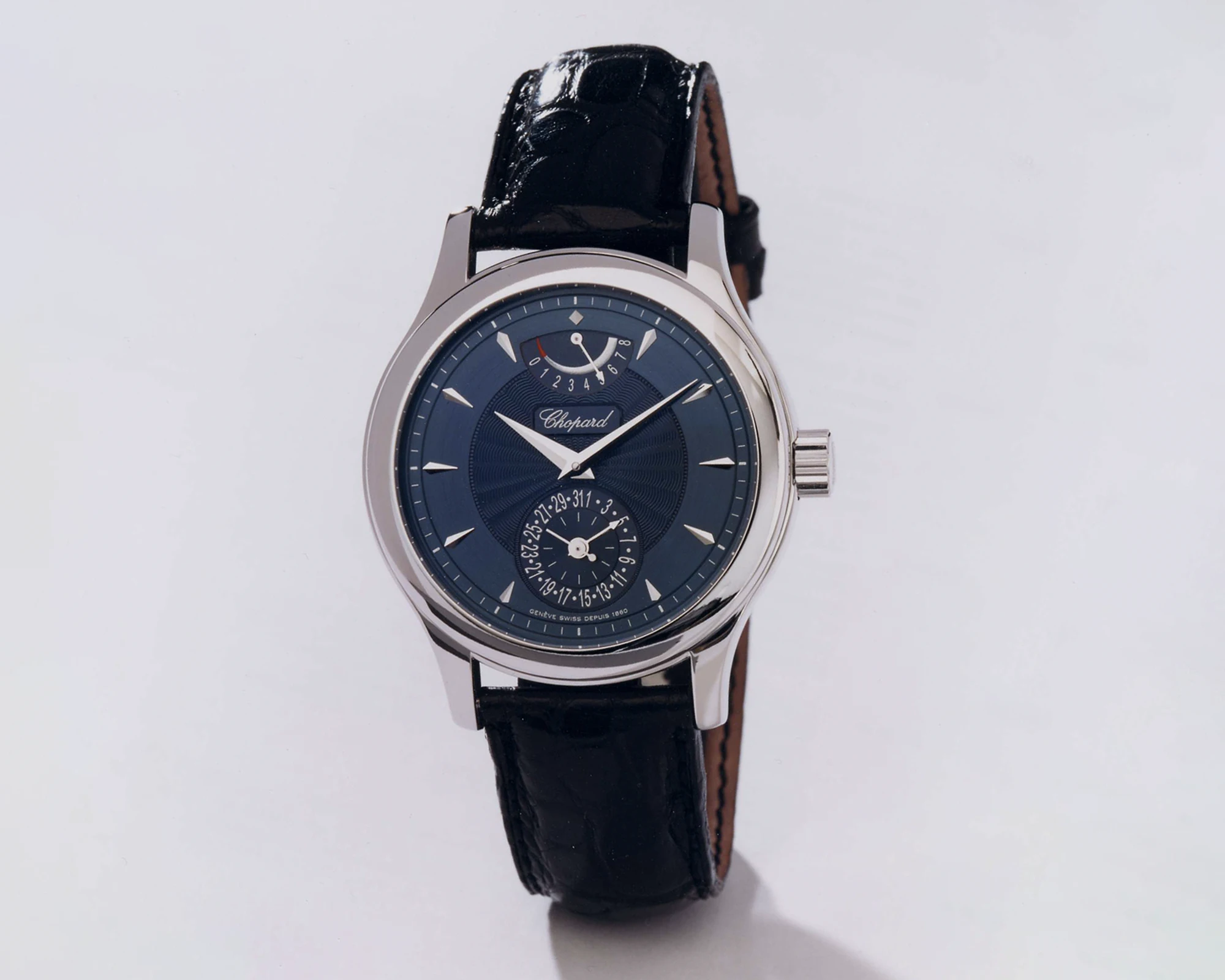
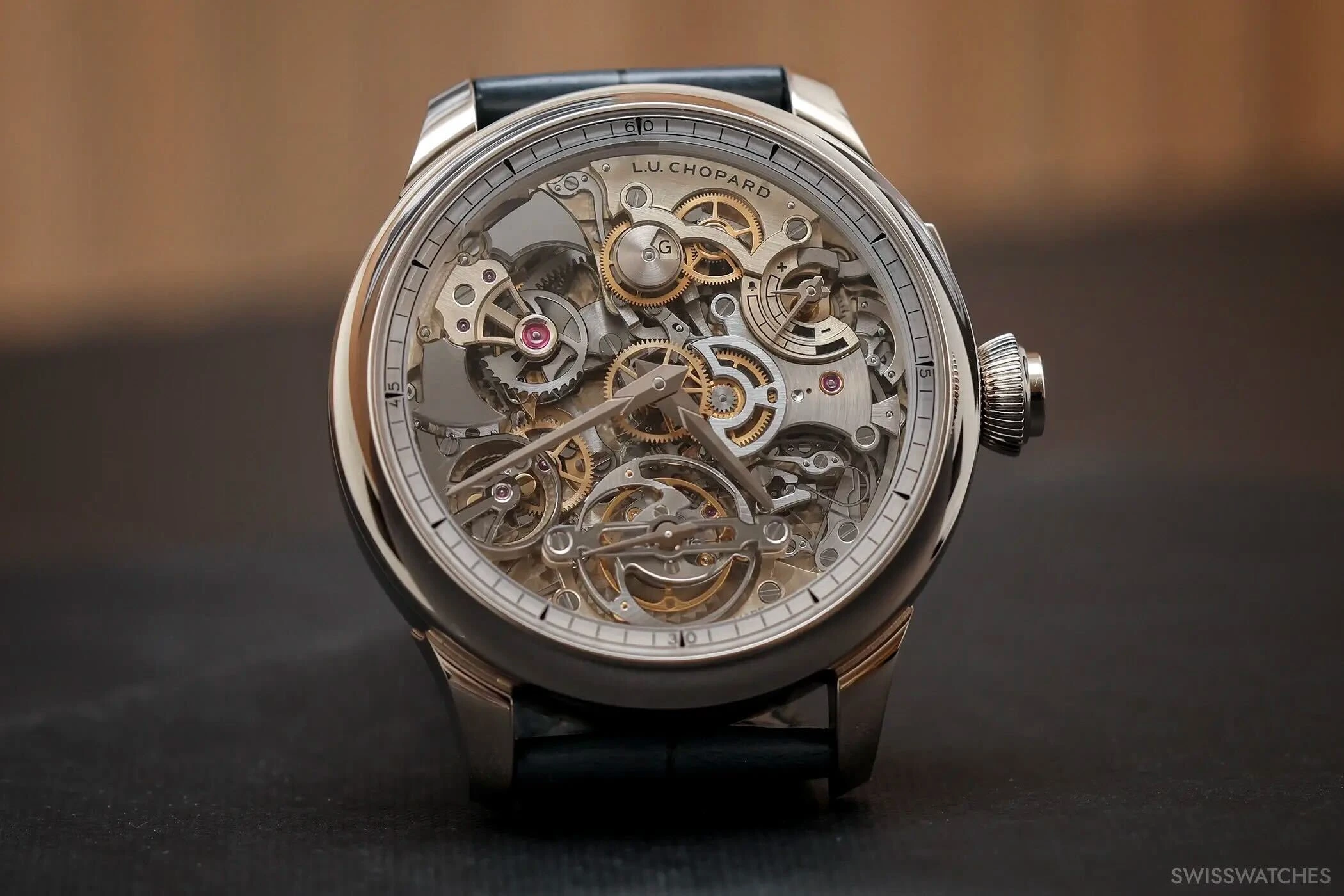
Since then, the L.U.C collection has evolved into a synthesis of innovation and tradition, expressed through continual refinement and a breadth of models ranging from classic three-hand watches and manufacture chronographs to minute repeaters with striking mechanisms. As recently as November 2025, the manufacture unveiled its most complicated watch to date: the L.U.C Grand Strike, which combines grande sonnerie, petite sonnerie, minute repeater and tourbillon in a single timepiece. To mark its 25th anniversary, the manufacture presented no fewer than nine new models, each highlighting a different facet of the collection—including the L.U.C Quattro Spirit 25, its first watch with a jumping hour display. Five years earlier, the introduction of the L.U.C Full Strike—the house’s first minute repeater—in 2016 had marked the 20th anniversary of the manufacture.
The history of Richard Mille tells the story of an ascent that is as unconventional as it is rapid within an industry traditionally defined by heritage and restraint. In 2001, the brand made an immediate statement with its first watch, the RM 001. Featuring a tourbillon regulator and carrying a six-figure price tag, it announced Richard Mille’s arrival with considerable impact. Almost legendary is Mille’s decision at Baselworld 2001 to drop the RM 001 onto the floor in front of prospective retailers and partners, demonstrating its shock resistance in dramatic fashion. With the launch of the RM 001 and its tonneau-shaped case, the brand established the unmistakable design language to which it remains faithful to this day. The origins of Richard Mille can be traced back to 1999, when the creatively driven Frenchman Richard Mille joined forces with the technically minded Swiss watchmaker Dominique Guenat to found what would become one of the industry’s most distinctive marques.

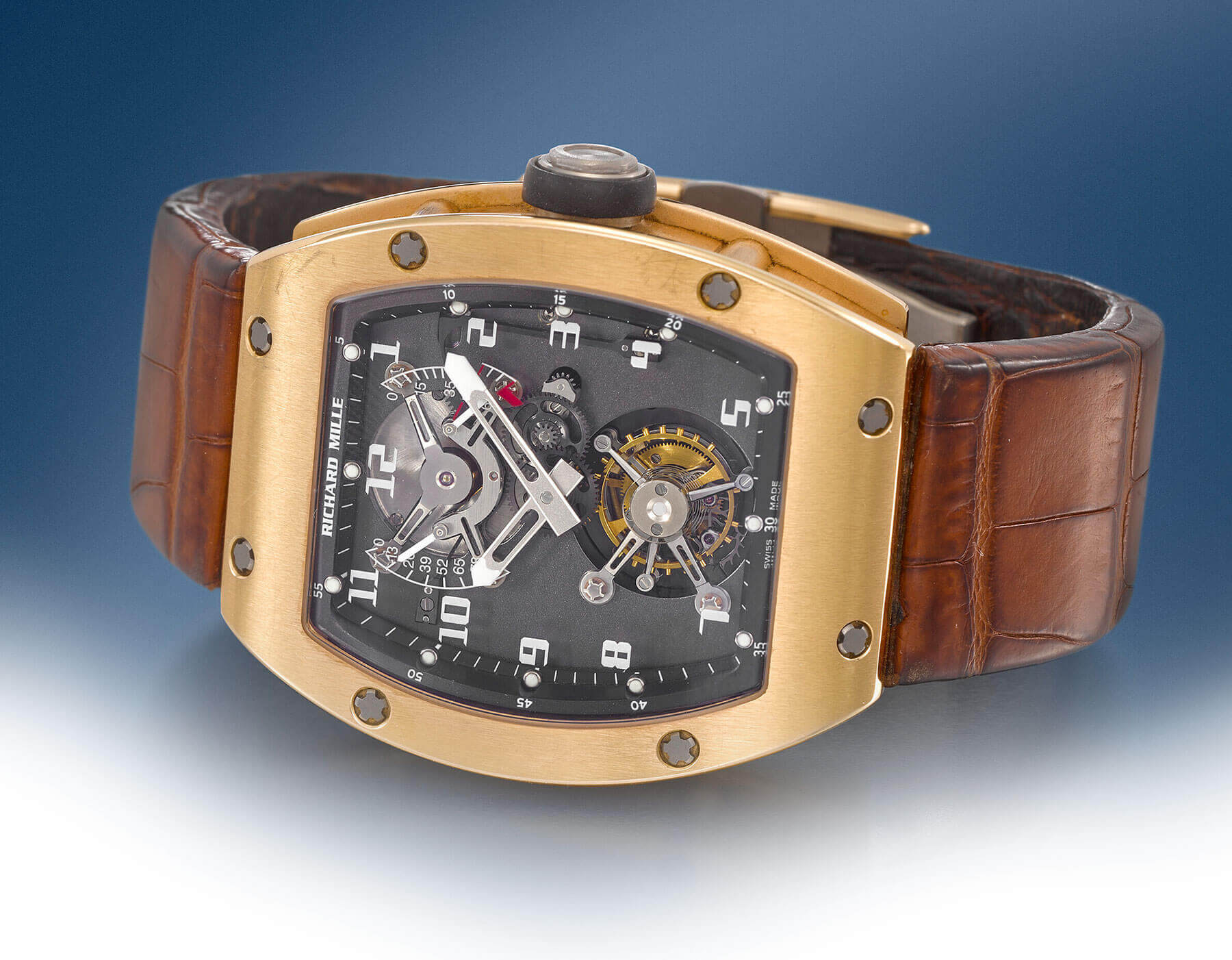
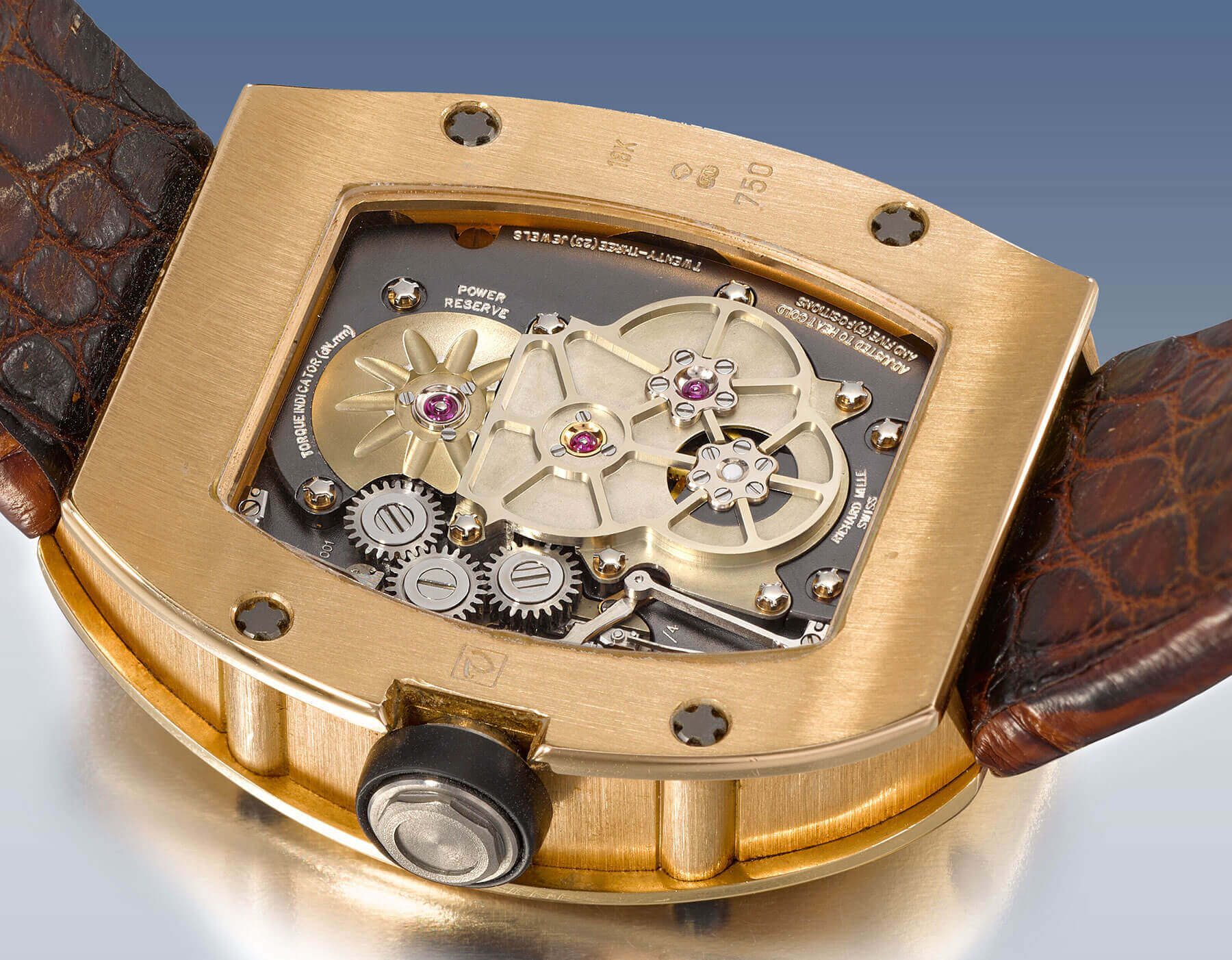
Credit © Christies
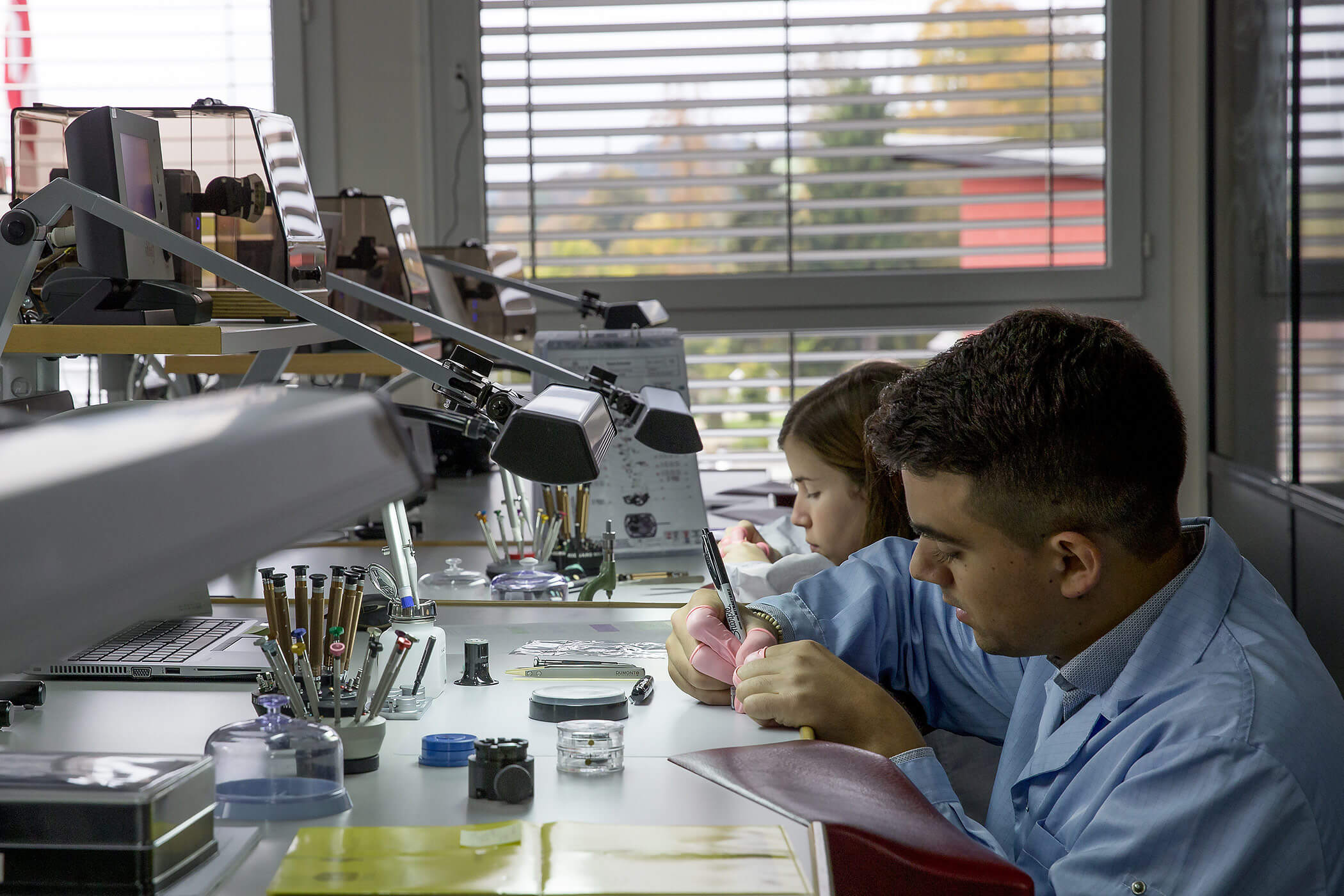
Richard Mille is based in the snow-covered village of Les Breuleux, nestled in the Jura Mountains. Beyond a school, a small railway station and a church, the village conceals a defining feature that sets it apart from others in the Swiss Jura: the Richard Mille manufacture. From this community of just 1,627 inhabitants, an annual production of around 5,700 watches (as of 2024) originates—figures that propelled Richard Mille to sixth place among Switzerland’s highest-grossing watch brands, with total revenues of CHF 1.55 billion in 2024. Approximately 215 employees currently work across two manufacturing facilities: Guenat S.A. Montres Valgine, which has been established in Les Breuleux for 110 years, and Proart Prototypes Artisanals SA, which opened its doors in 2013. Together, they are responsible for the machining, finishing and assembly of the brand’s highly complex in-house movements. This year, Richard Mille is among the watch anniversaries 2026, celebrating its 25th anniversary.

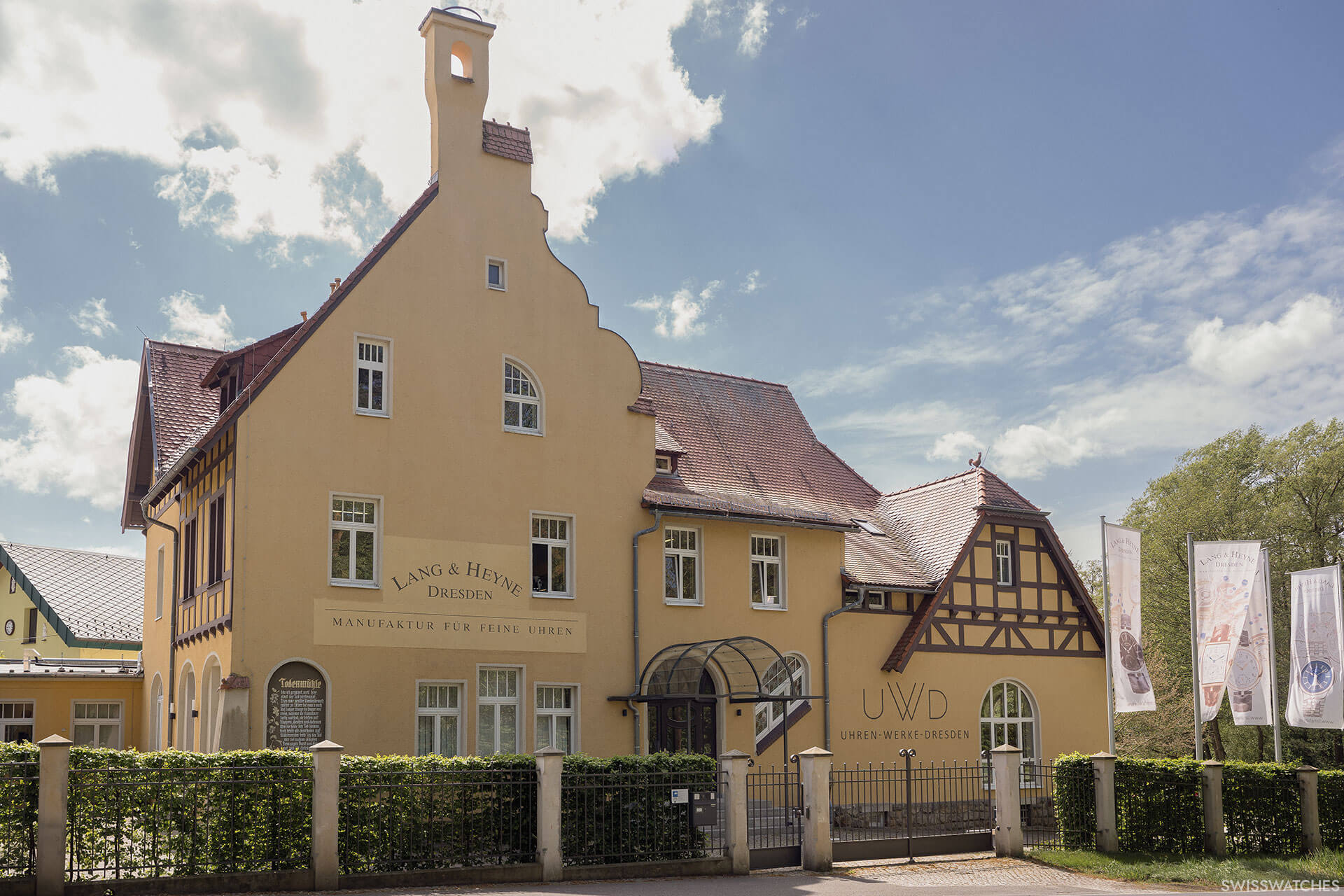
The watch manufacture Lang & Heyne was founded in Dresden in 2001 by watchmakers Marco Lang and Mirko Heyne, the latter leaving the company shortly thereafter. Since 2019, the manufacture has pursued an independent path, developing its timepieces without the involvement of its founders. At the heart of the brand’s philosophy lies a contemporary interpretation of Saxon watchmaking at the highest level of craftsmanship. In Dresden, almost all components are produced through painstaking handwork and in extremely limited quantities, giving each model a distinctly individual character.
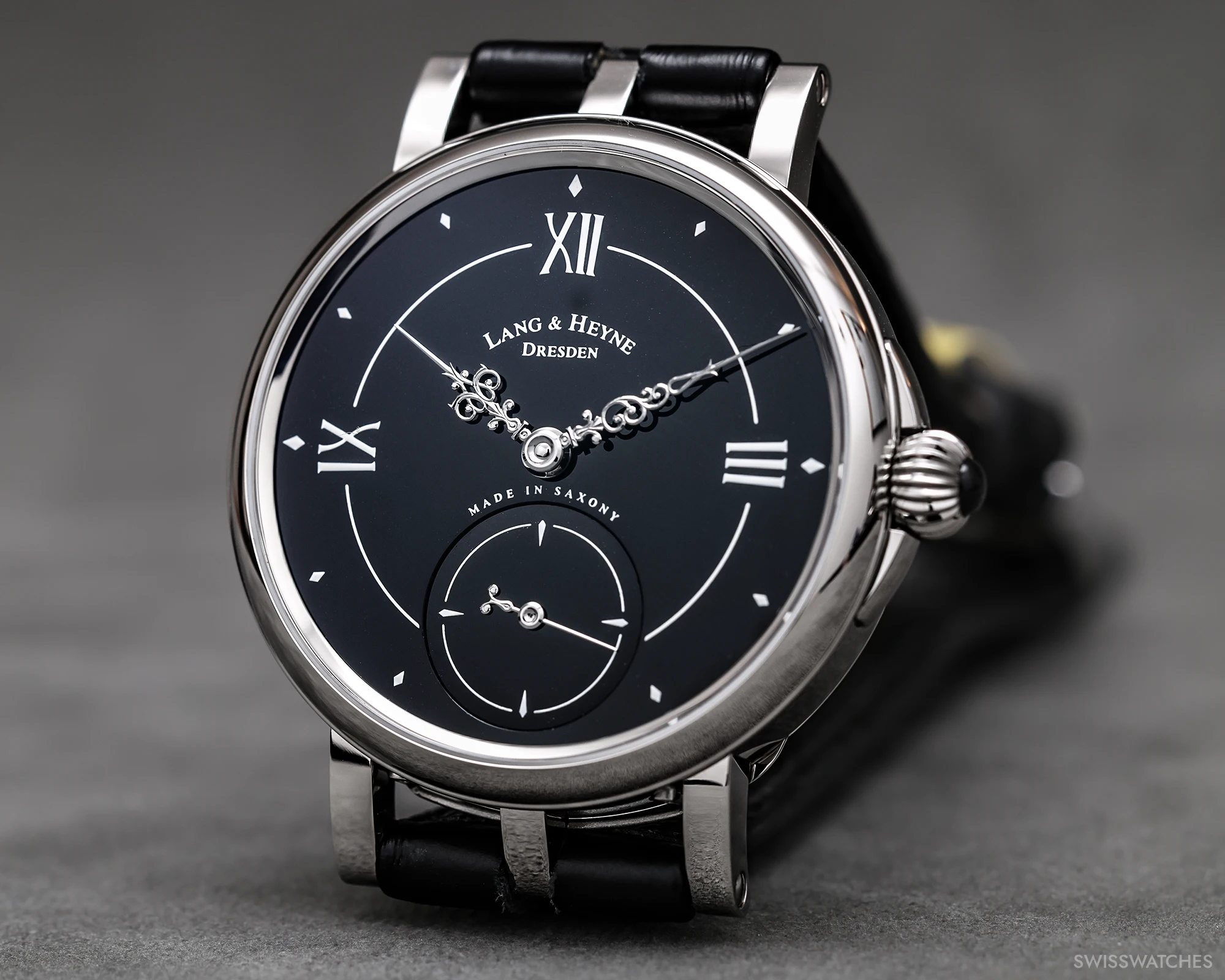
The collections frequently draw on the names of Saxon rulers, such as the classically elegant Friedrich August, the Anton with its rectangular case and tourbillon, or the Hektor Edition II, which combines traditional mechanics with a modern design language through its so-called “petticoat” motif and the use of German silver. Further hallmarks of Lang & Heyne are the finely hand-engraved balance cocks and the elaborately crafted enamel dials.
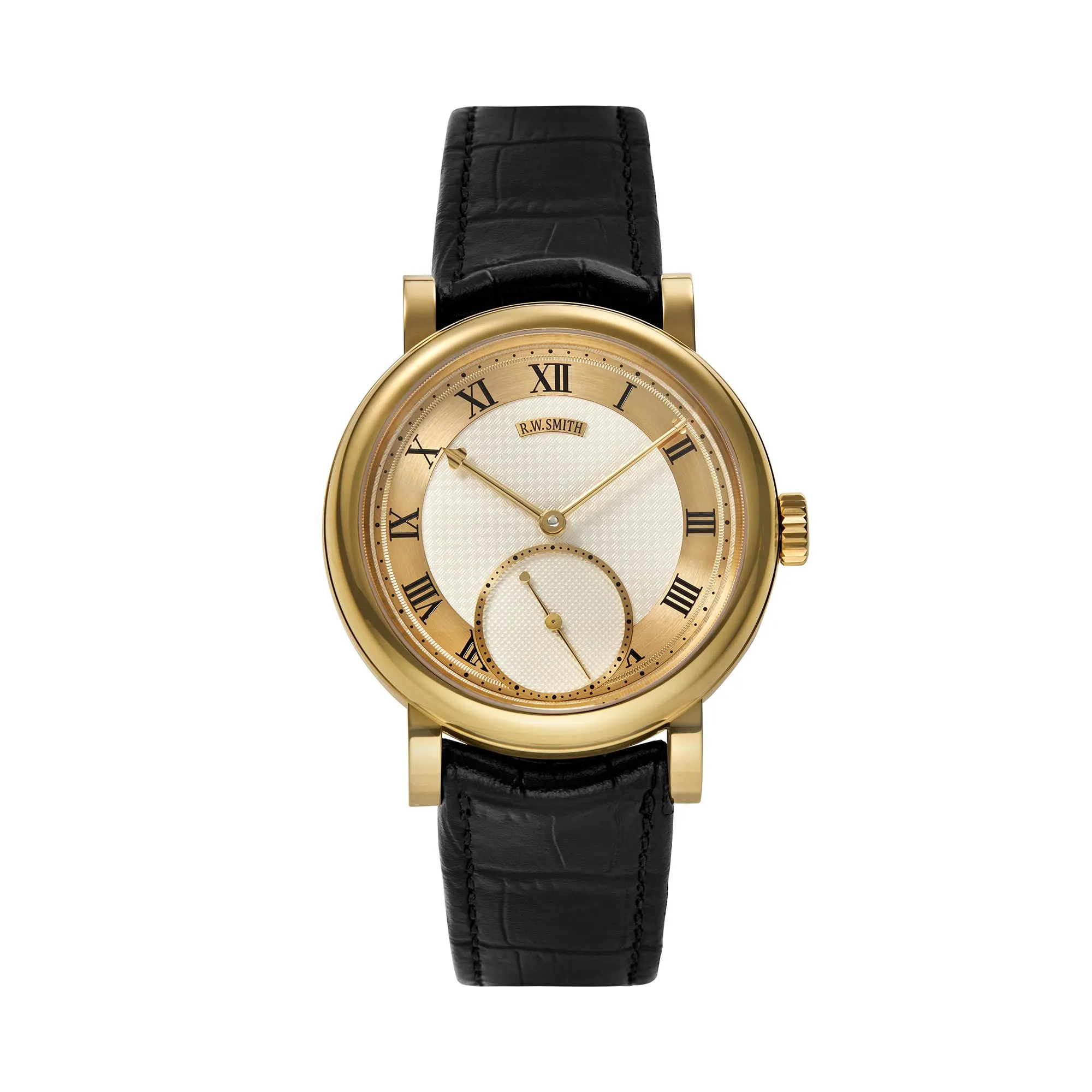
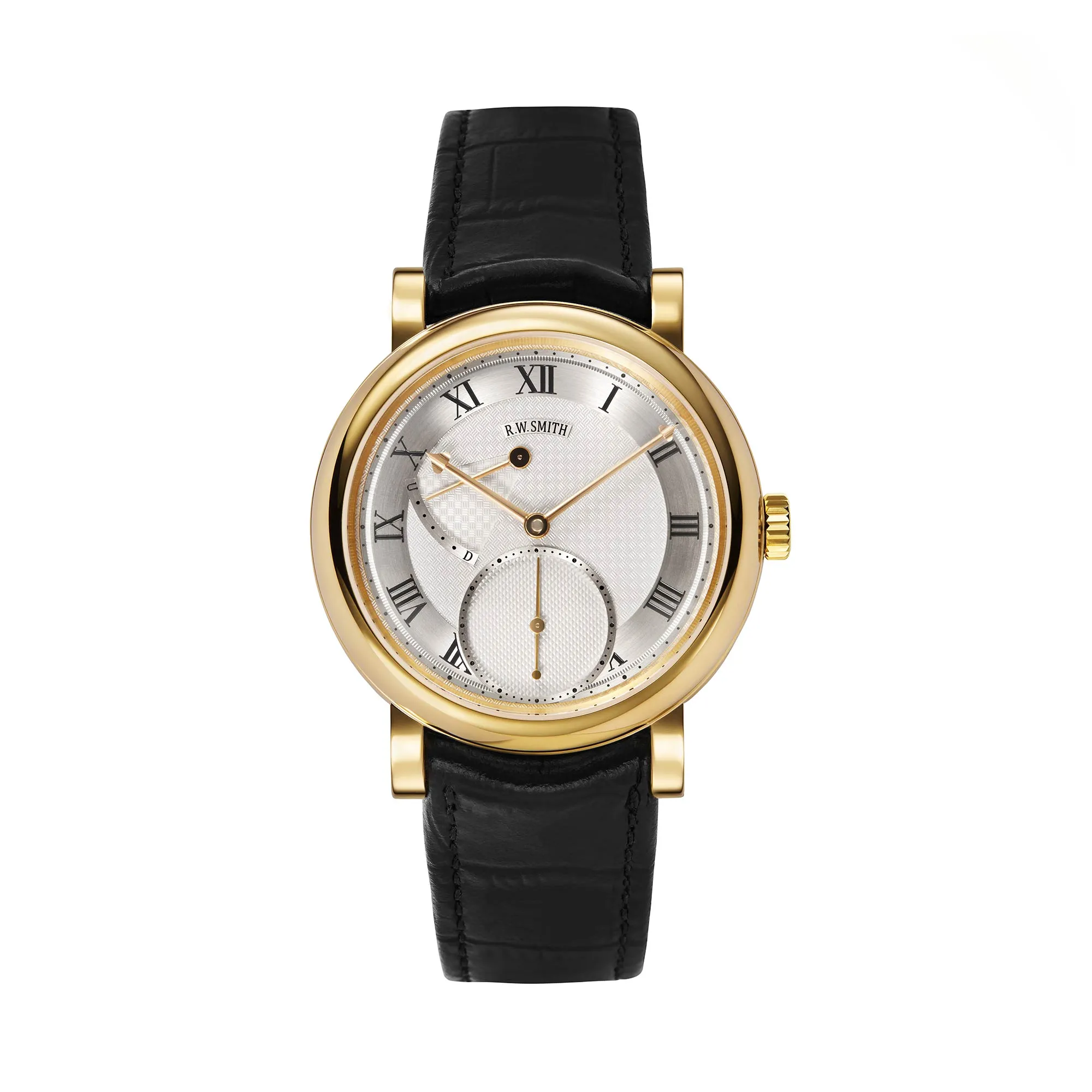
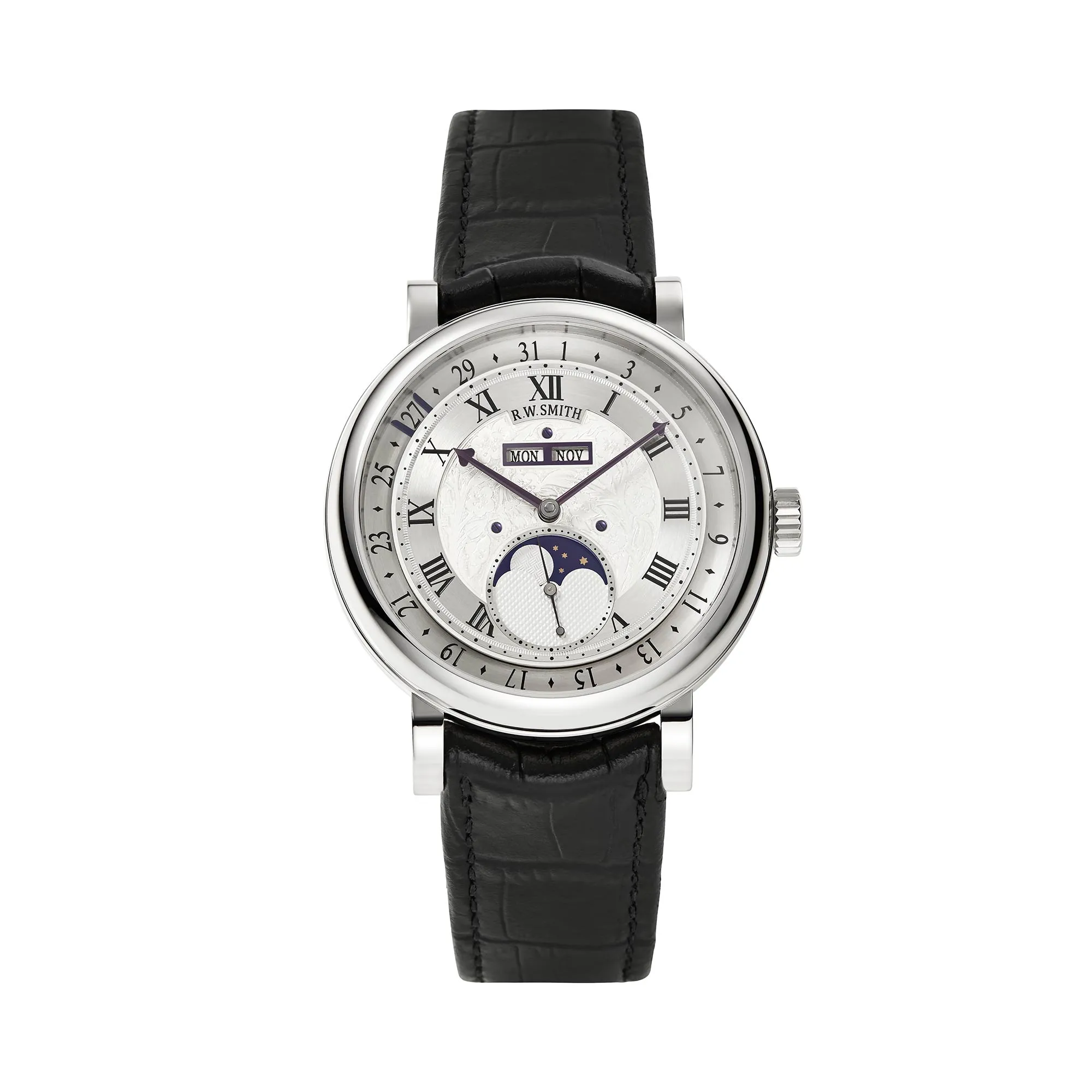
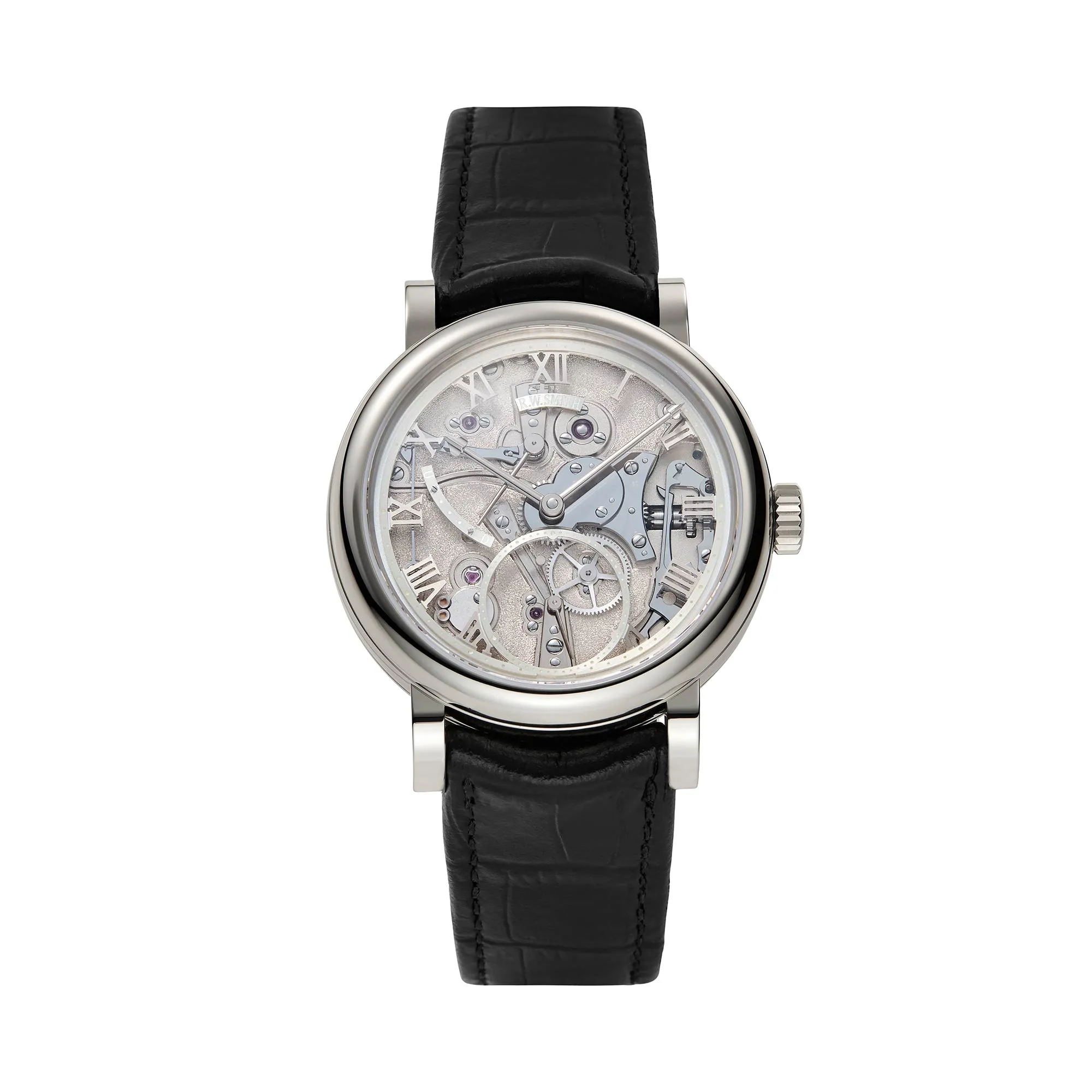
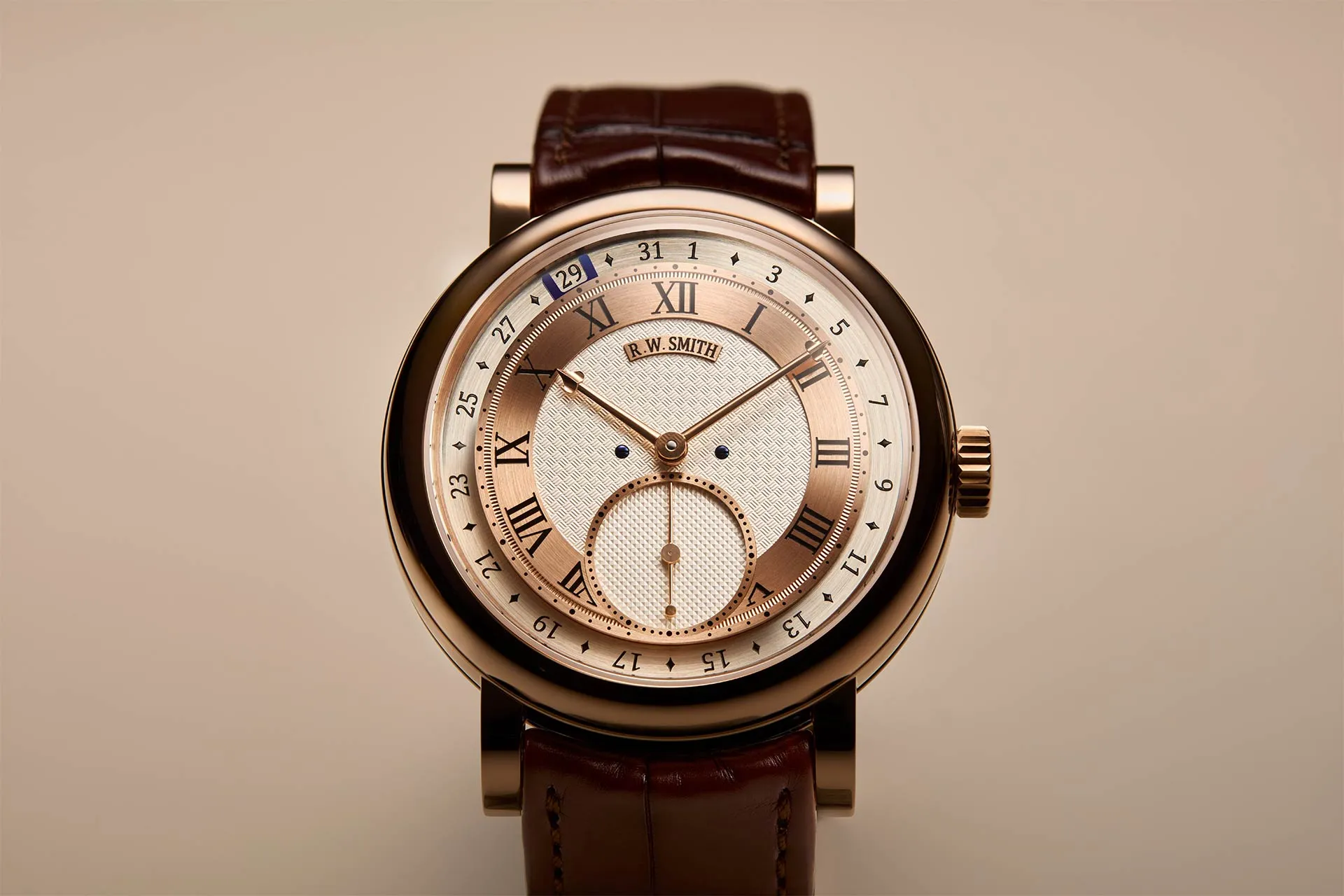
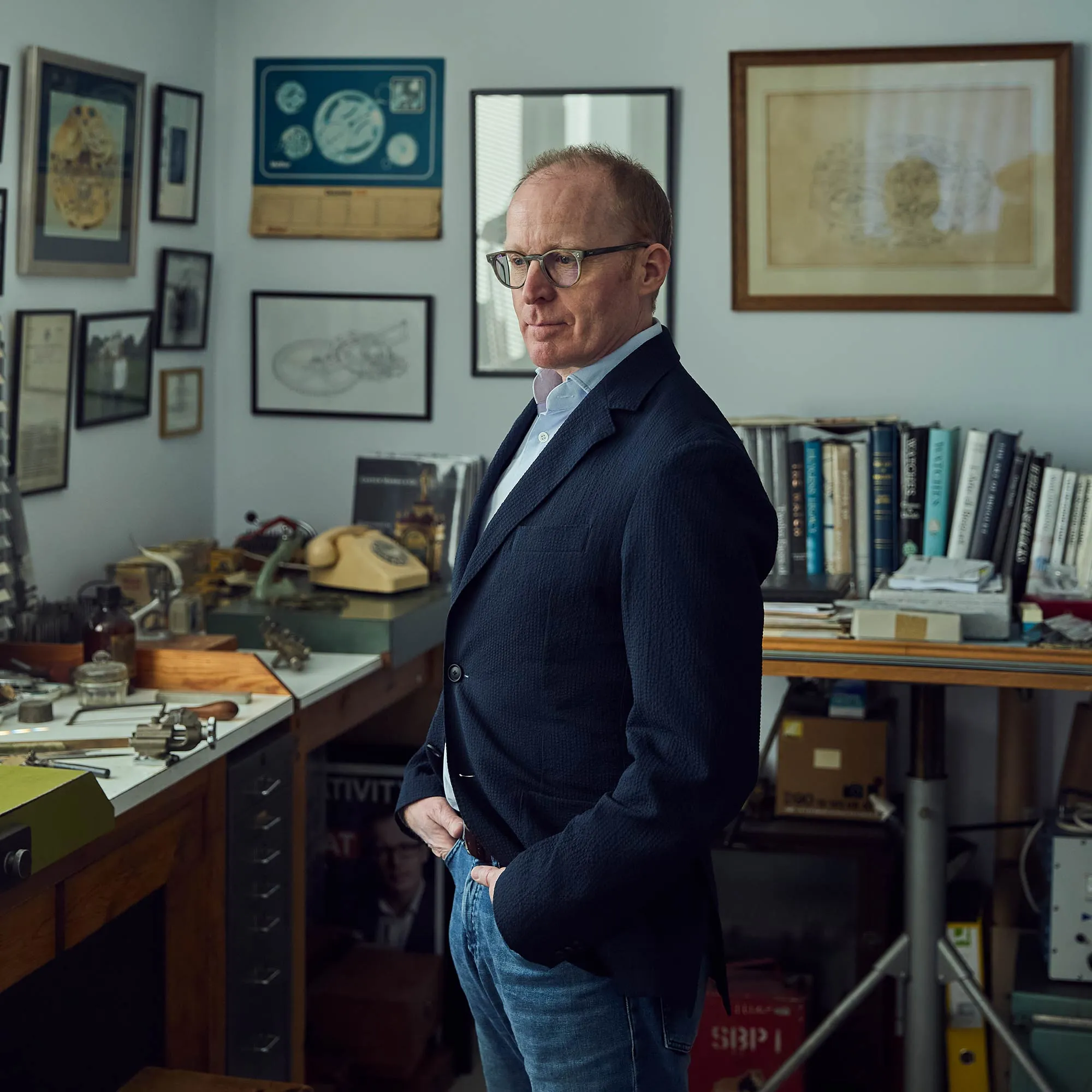
Roger Smith is regarded as one of the leading independent watchmakers of our time and this year marks the 25th anniversary of his manufactory. As the former sole apprentice of George Daniels—the inventor of the Co-Axial escapement, which has been industrially produced by Omega since 1999—Roger Smith consistently carries forward Daniels’ philosophy. Each of his watches is created according to the so-called “Daniels Method”, in which every component is made entirely by hand from start to finish. Since the founding of Roger W. Smith Ltd., fewer than 200 timepieces have been produced in this way. His workshop has been based on the Isle of Man since its establishment in 2001. Located in the Irish Sea, the island is an autonomous Crown Dependency directly under the British Crown, yet it is neither part of the United Kingdom nor a British Overseas Territory.
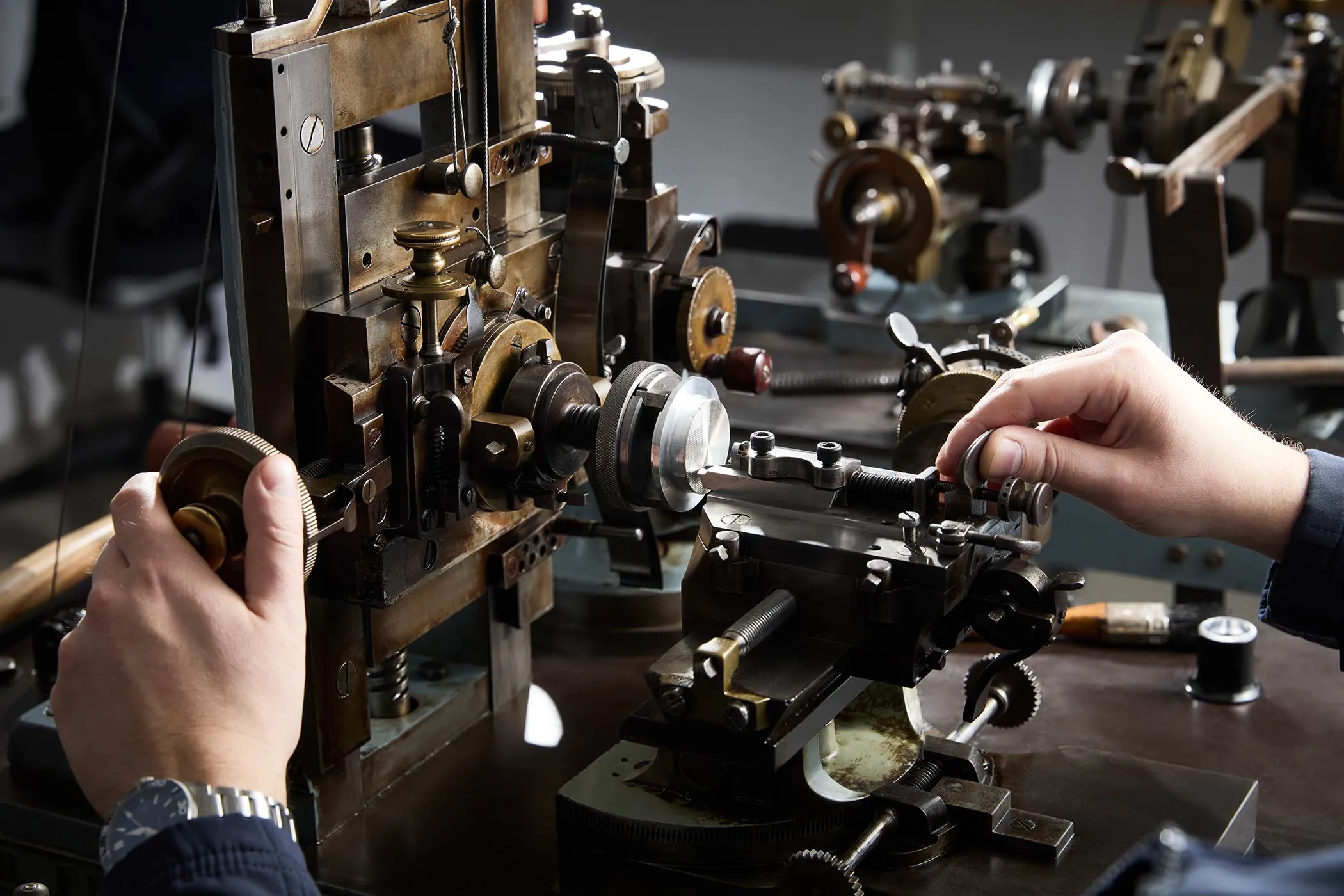
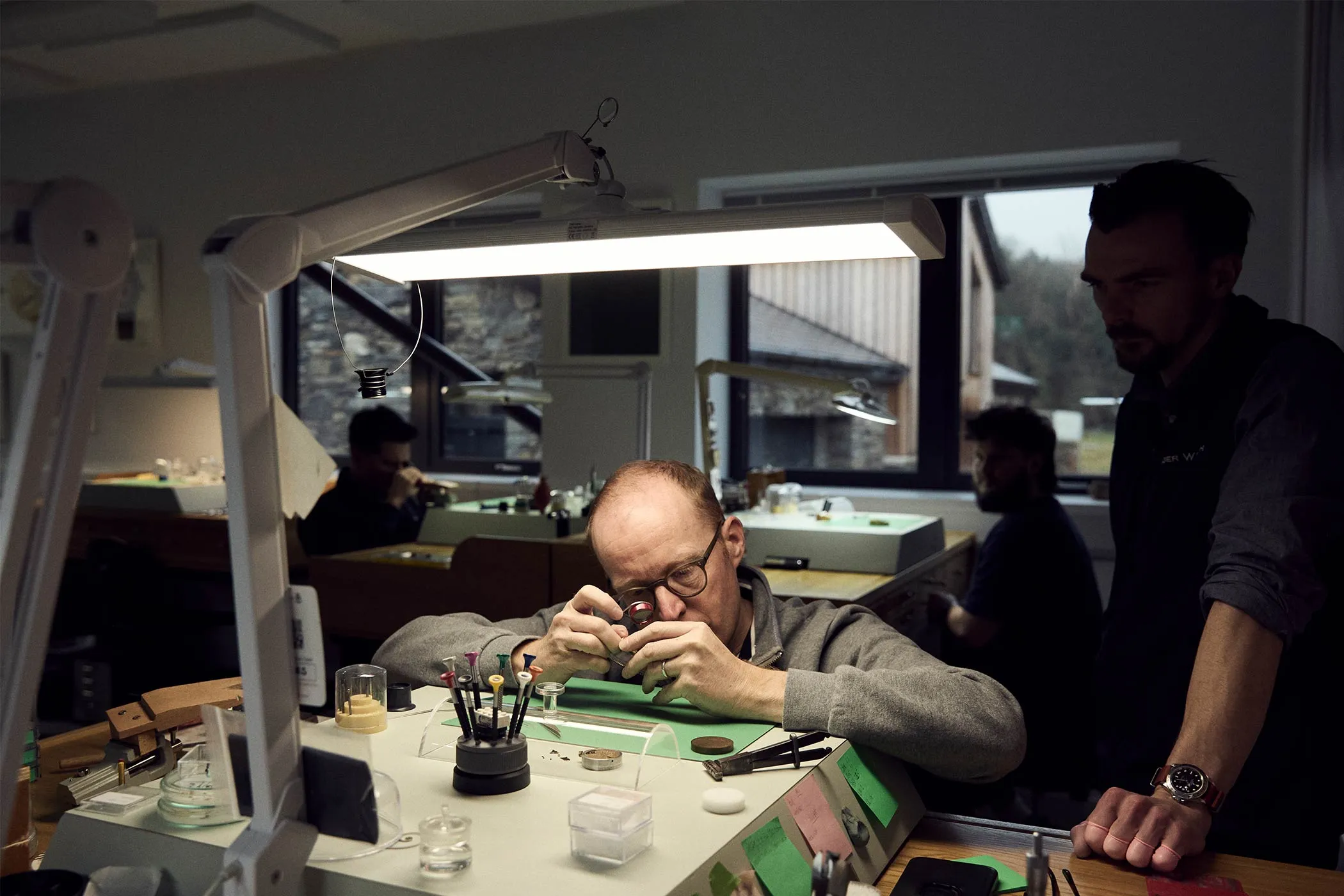
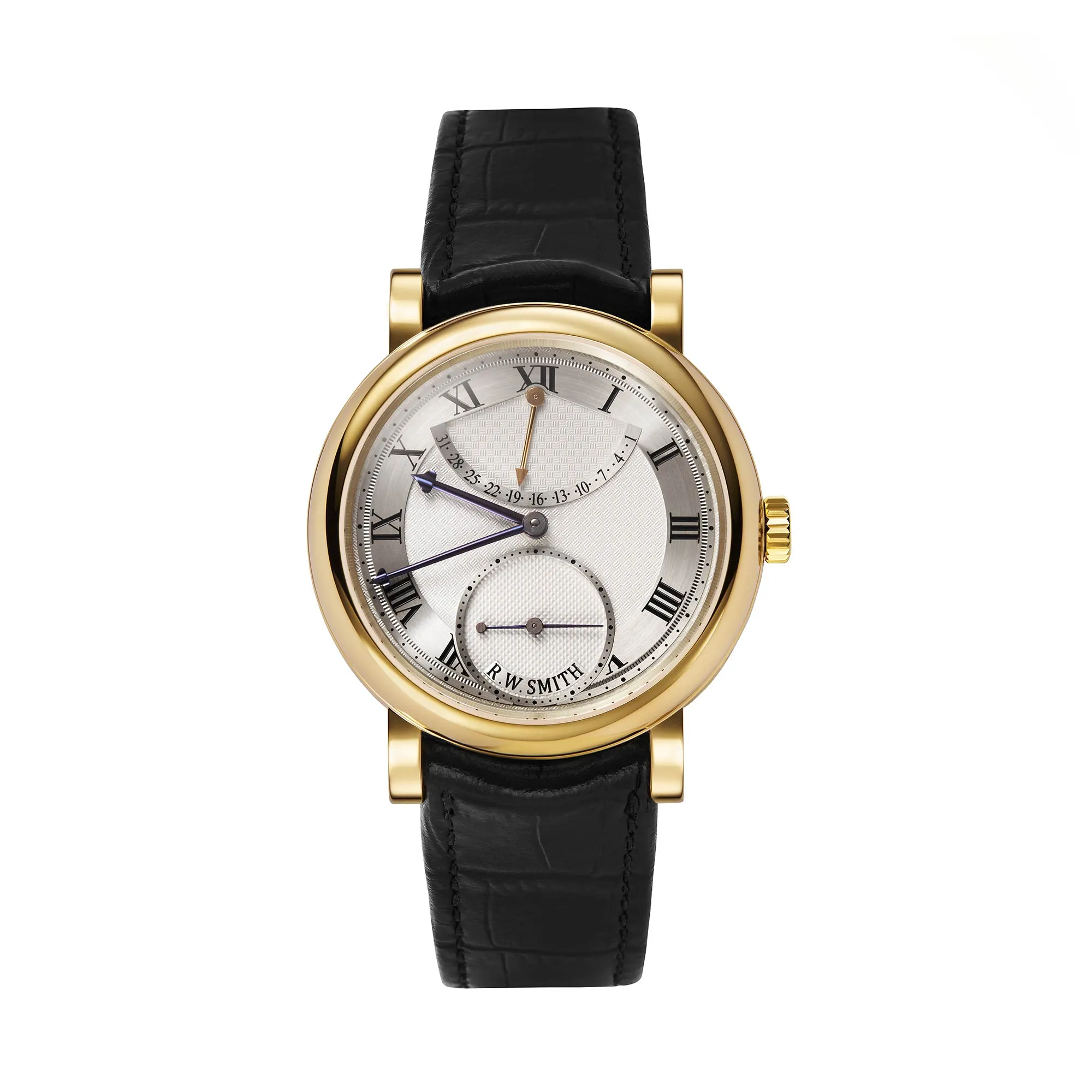
From this workshop, where only 15 to 20 watches are produced each year, Smith now creates timepieces across six series, the most recent of which was introduced in September last year. The innovative design of Series Six is the result of a development process that has evolved over many years. As early as 2014, during work on Series Four, Roger Smith encountered a design and functional challenge: the prominent date hand obscured key information and compromised legibility. In response, he developed the concept of the wandering date aperture, which has since gained recognition within the wider watchmaking community. At the heart of Series Six is the Roger W. Smith Single Wheel movement (Mk2), a further development of the Daniels Co-Axial escapement. It has been specifically engineered for greater efficiency and allows service intervals that extend well beyond accepted industry standards. The free-sprung balance oscillates at a frequency of 2.5 Hz, corresponding to 18,000 semi-oscillations per hour.