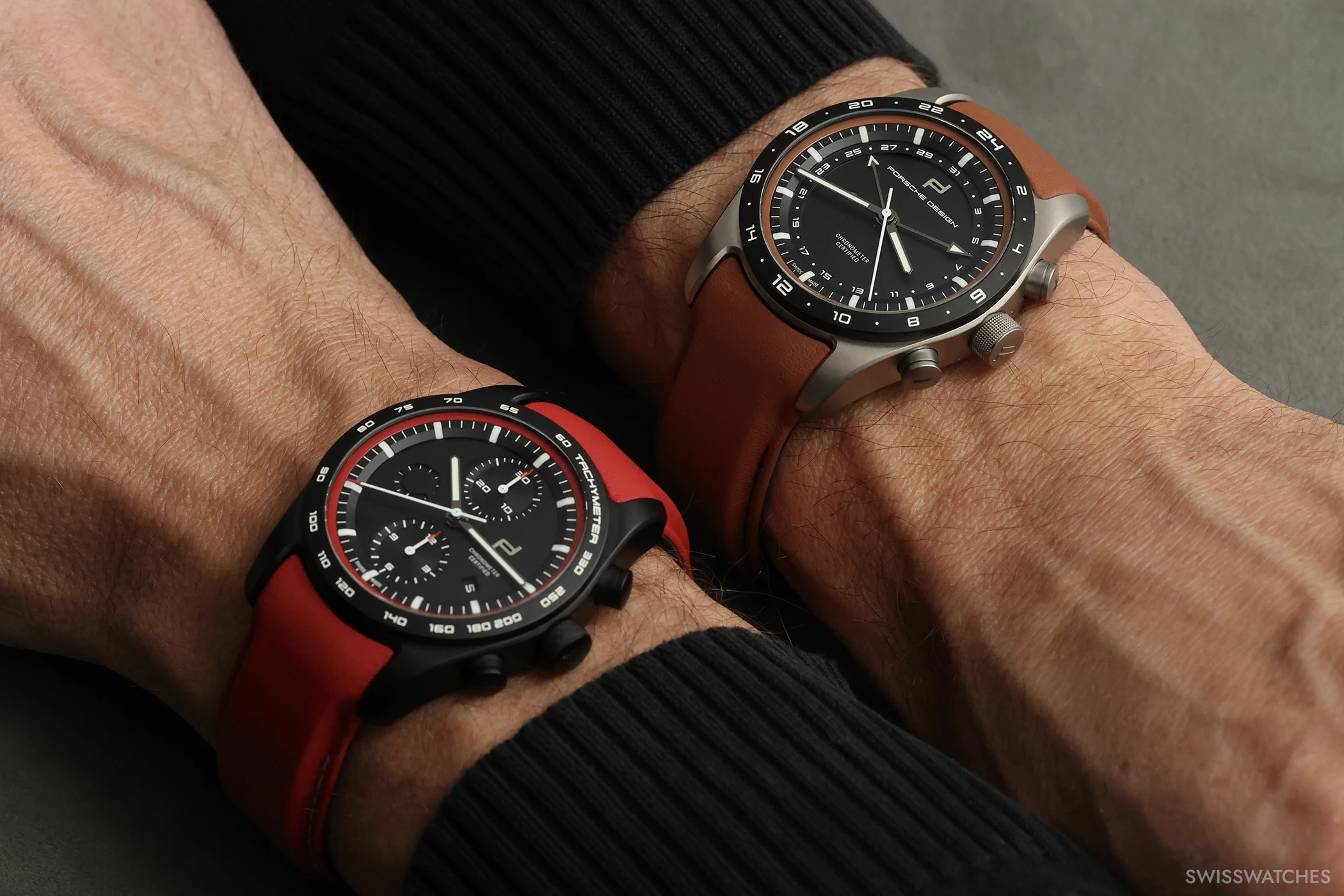
Porsche Design Chronograph 1 – All Titanium Numbered Edition: history, design and technical details of the titanium version of the iconic Chronograph 1.
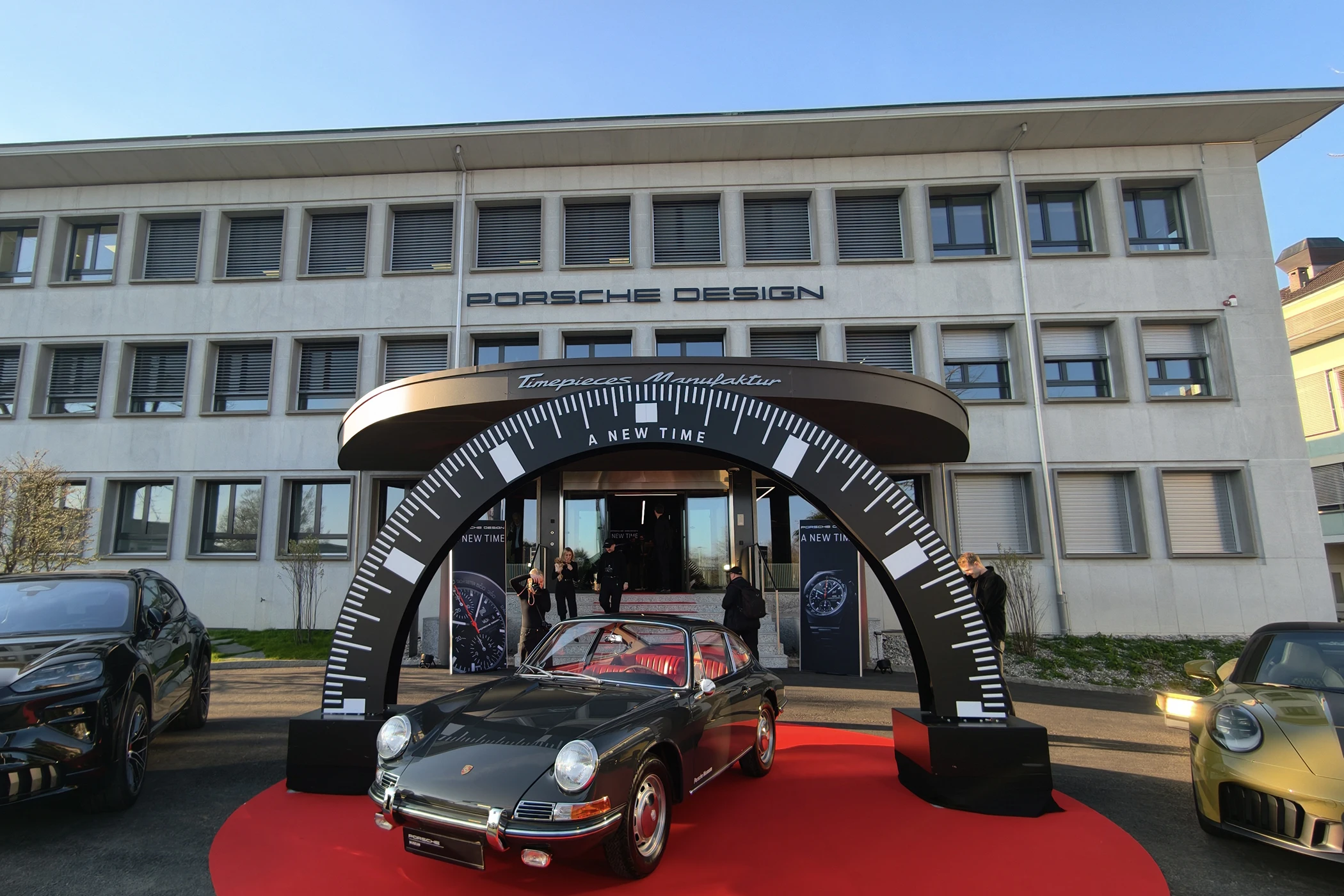
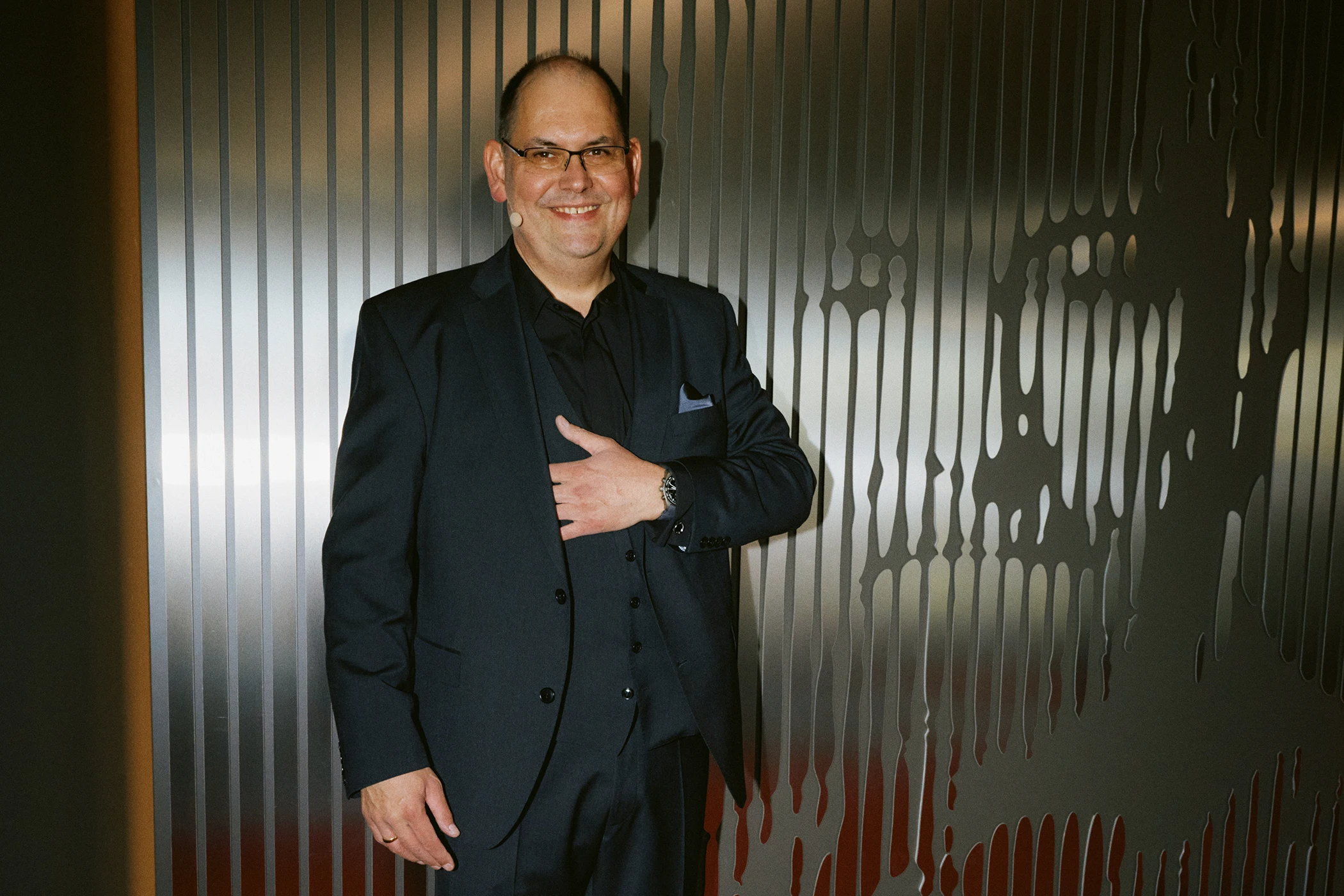
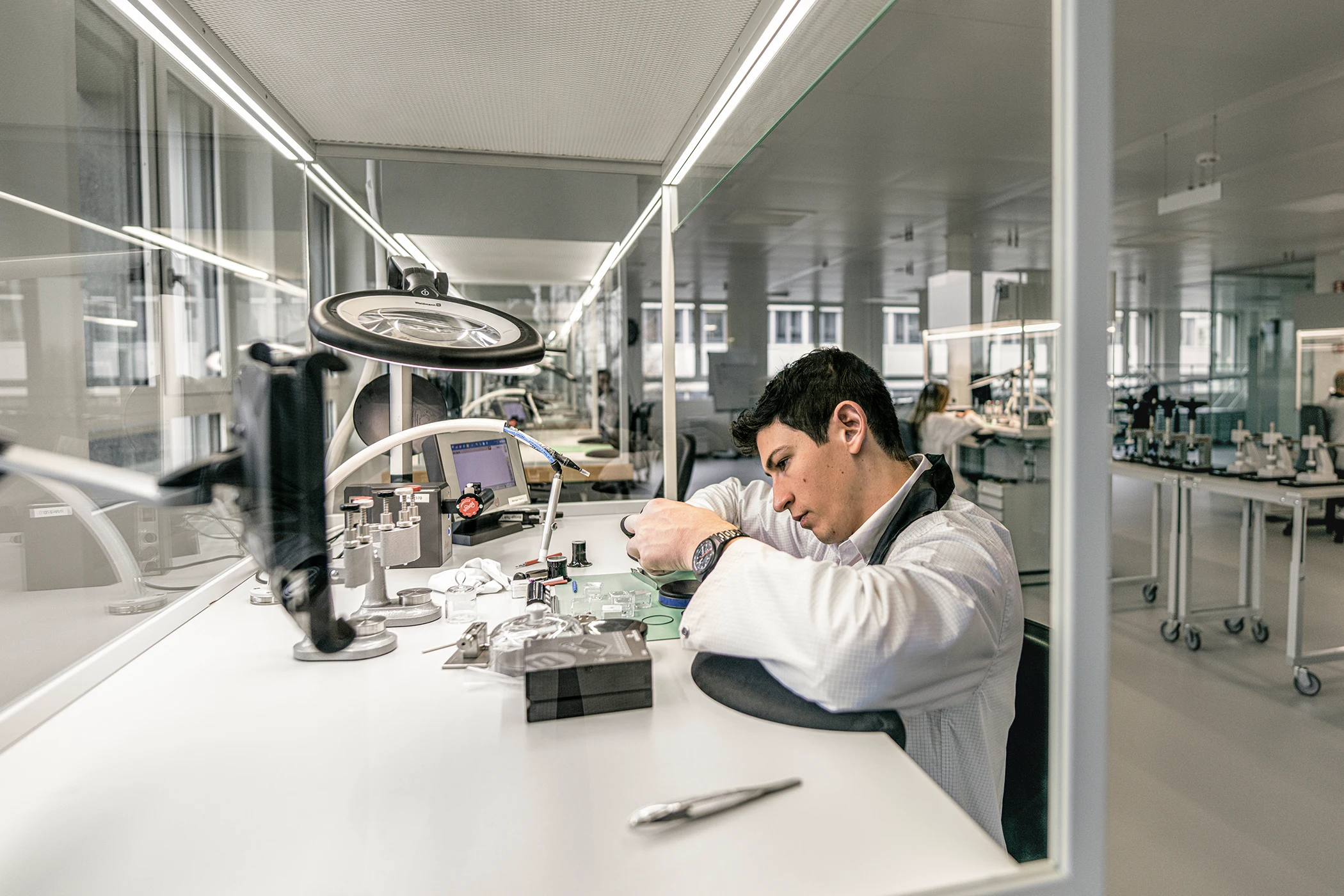
One might call it a healthy sense of self-confidence—yet Rolf Bergmann, Managing Director of Porsche Design Timepieces, is entirely serious: without resorting to grand statements about an in-house “full-throttle mentality”, he presents the new Porsche Design Timepieces manufacture building quite simply as the third official production site of Porsche AG. In doing so, the Grenchen location—where around 40 employees craft the brand’s exclusive timepieces—proudly takes its place alongside the major facilities in Stuttgart and Leipzig, where more than 11,000 employees ensure the production of icons such as the 911 and the Macan.
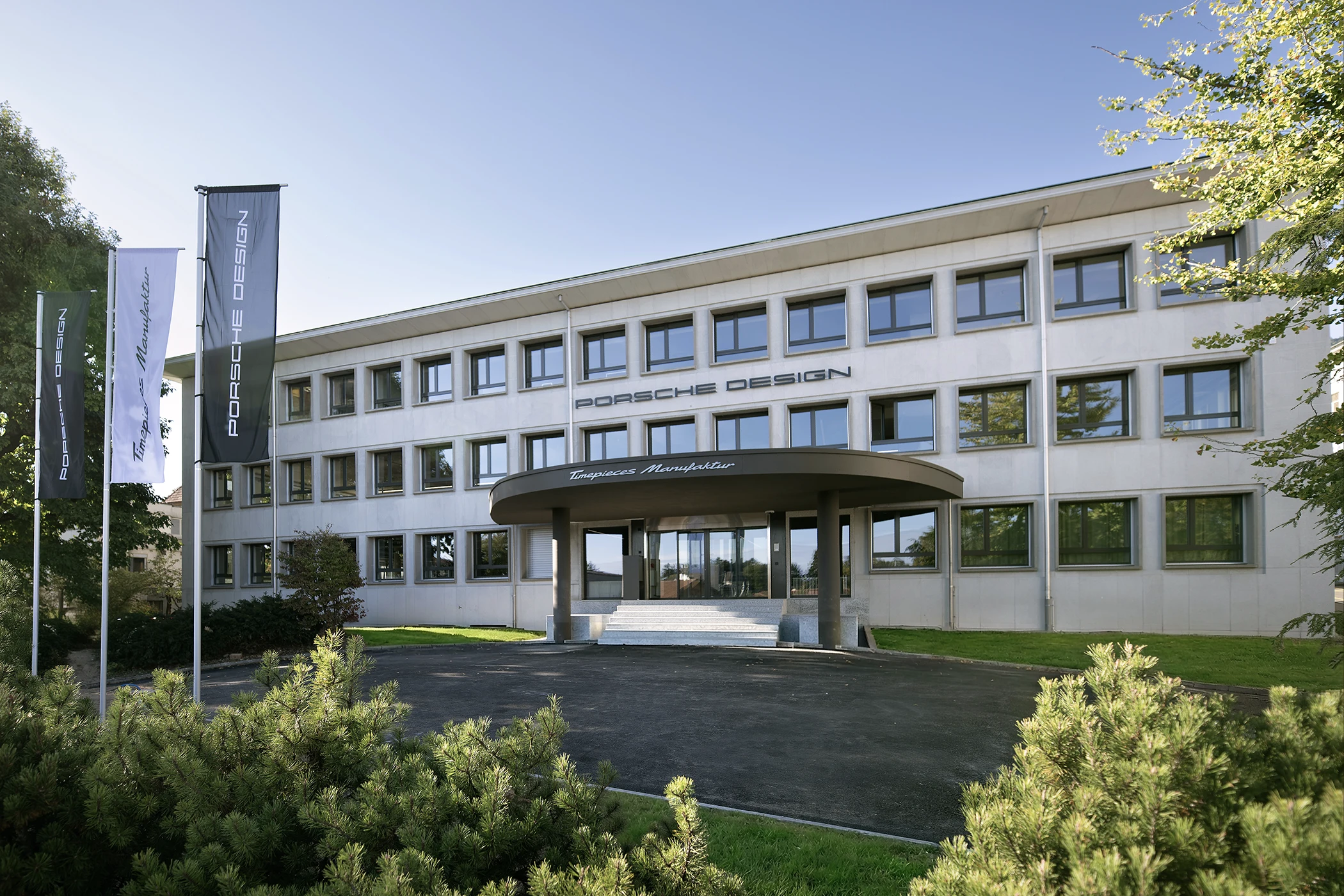
If something is to be done absolutely right, it has to be done in-house. The new Porsche Design Timepieces manufacture building reflects this ambition on the part of the watchmaker’s management, as well as the expectations of its parent company. Grenchen is a centre of watchmaking—Breitling is also headquartered here, while movement manufacturer ETA, part of the Swatch Group, is located just next door. It is a place steeped in history, and both the Porsche family and the new Porsche Design Timepieces manufacture building now form part of that narrative.
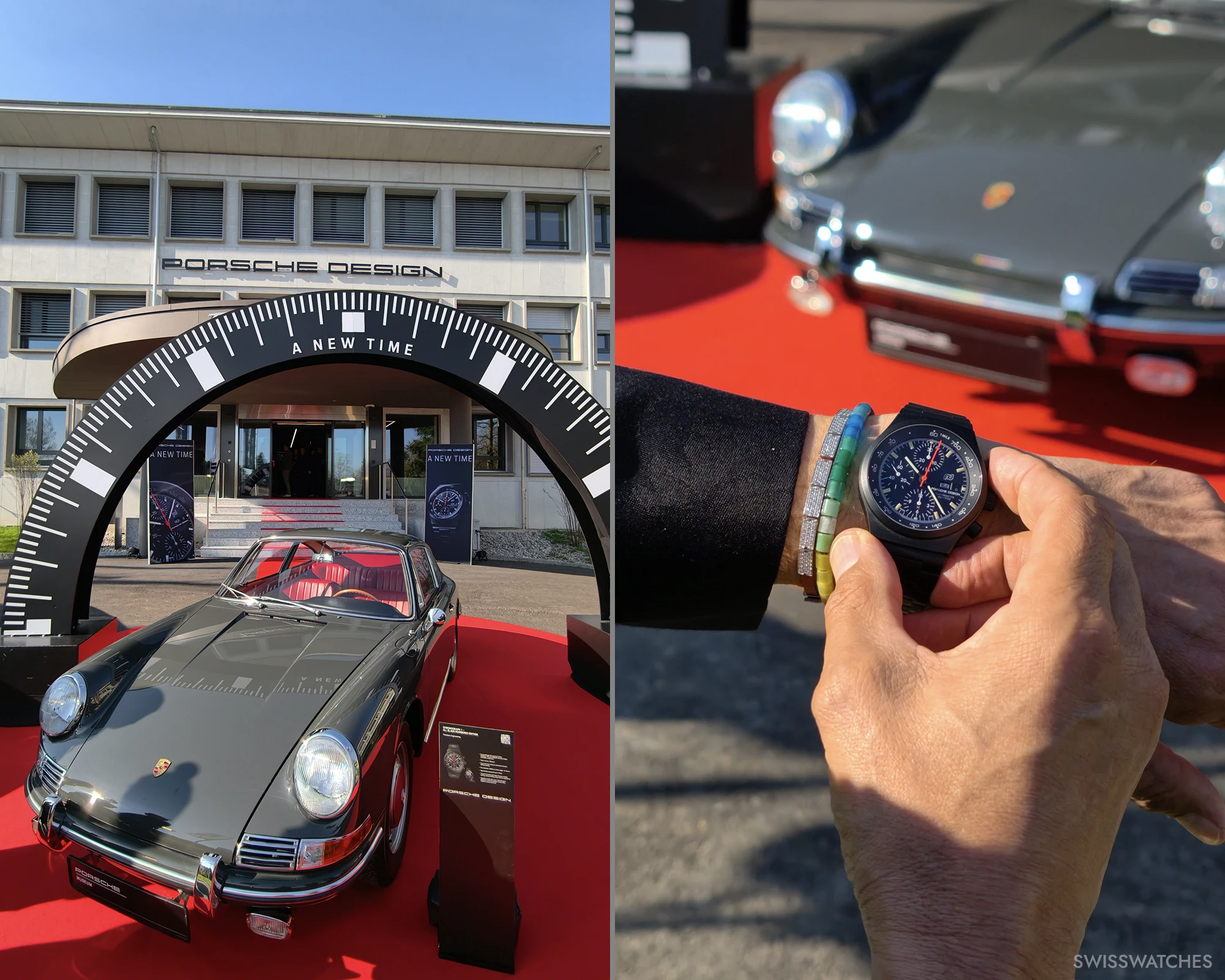
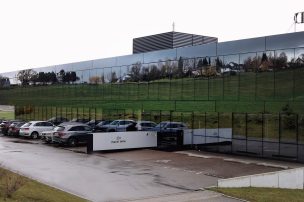
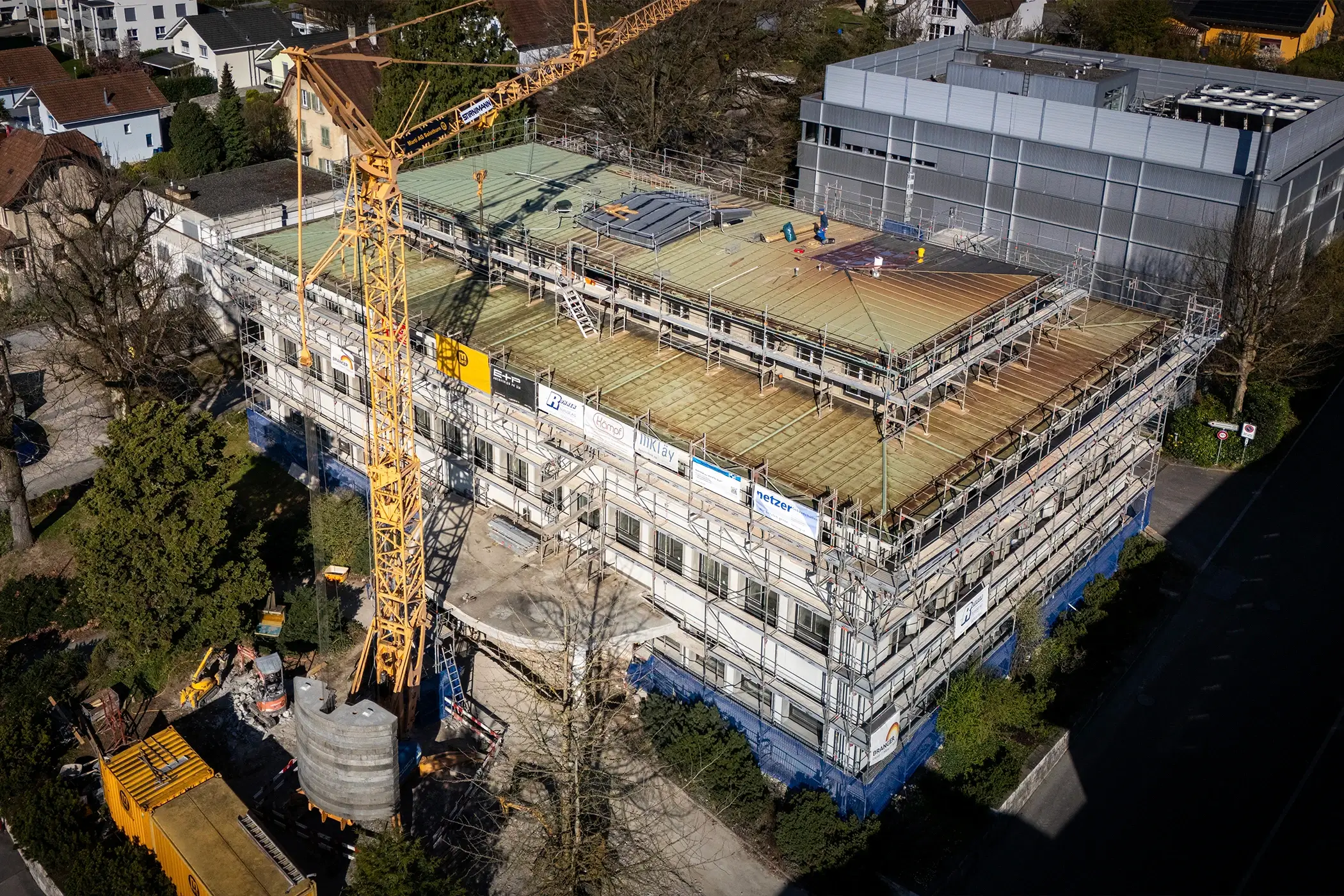
The building itself dates back to 1955 and was once home to the watch manufacturer Eterna. Eterna had previously been responsible for producing Porsche Design models, and as early as 1995, Ferdinand Alexander Porsche acquired the property for precisely this purpose. It was later sold in 2011, only to be repurchased by the Porsche Group. Following three years of planning and 18 months of extensive restoration, Grenchen is now set to become a destination for sports car and watch enthusiasts alike.
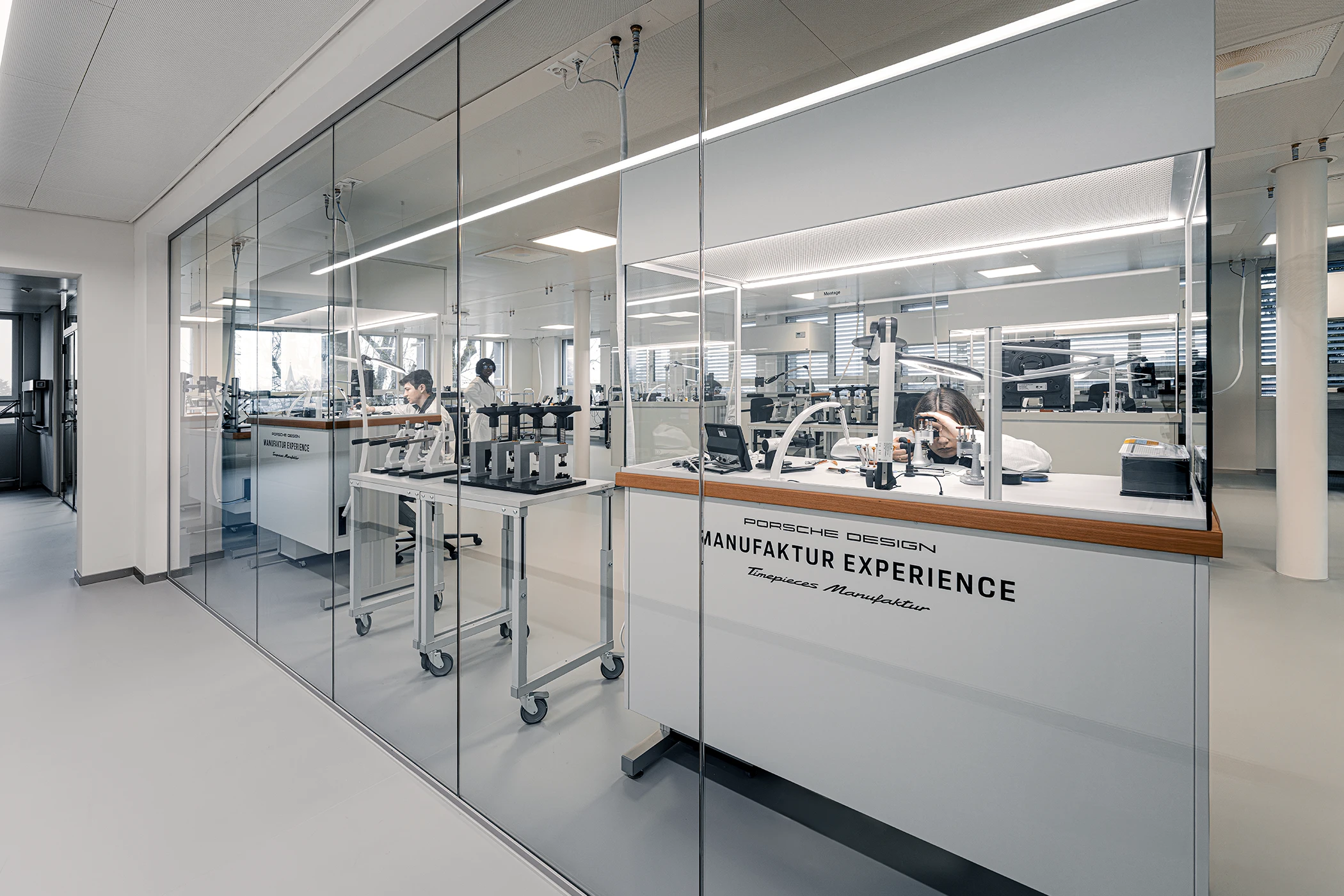
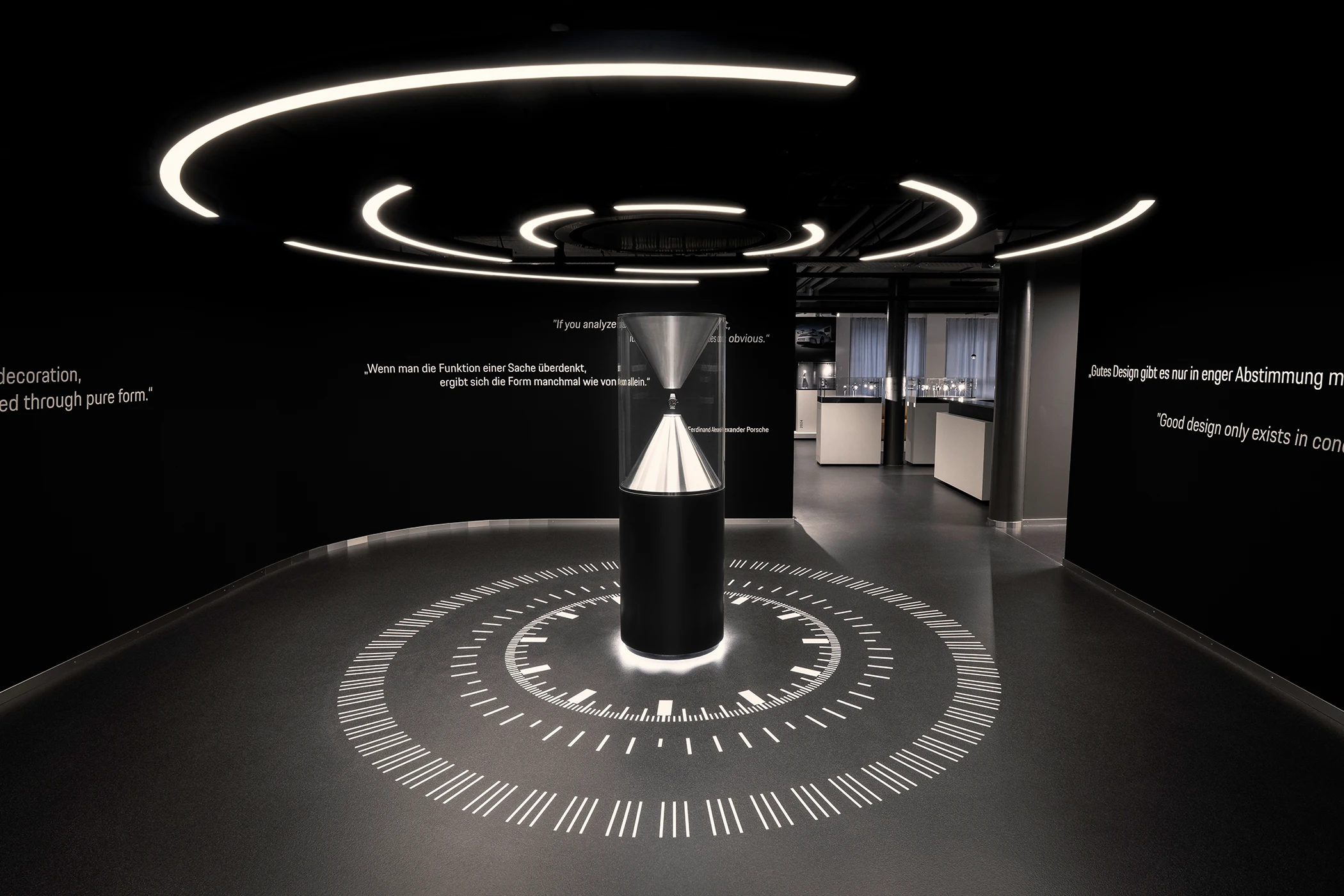
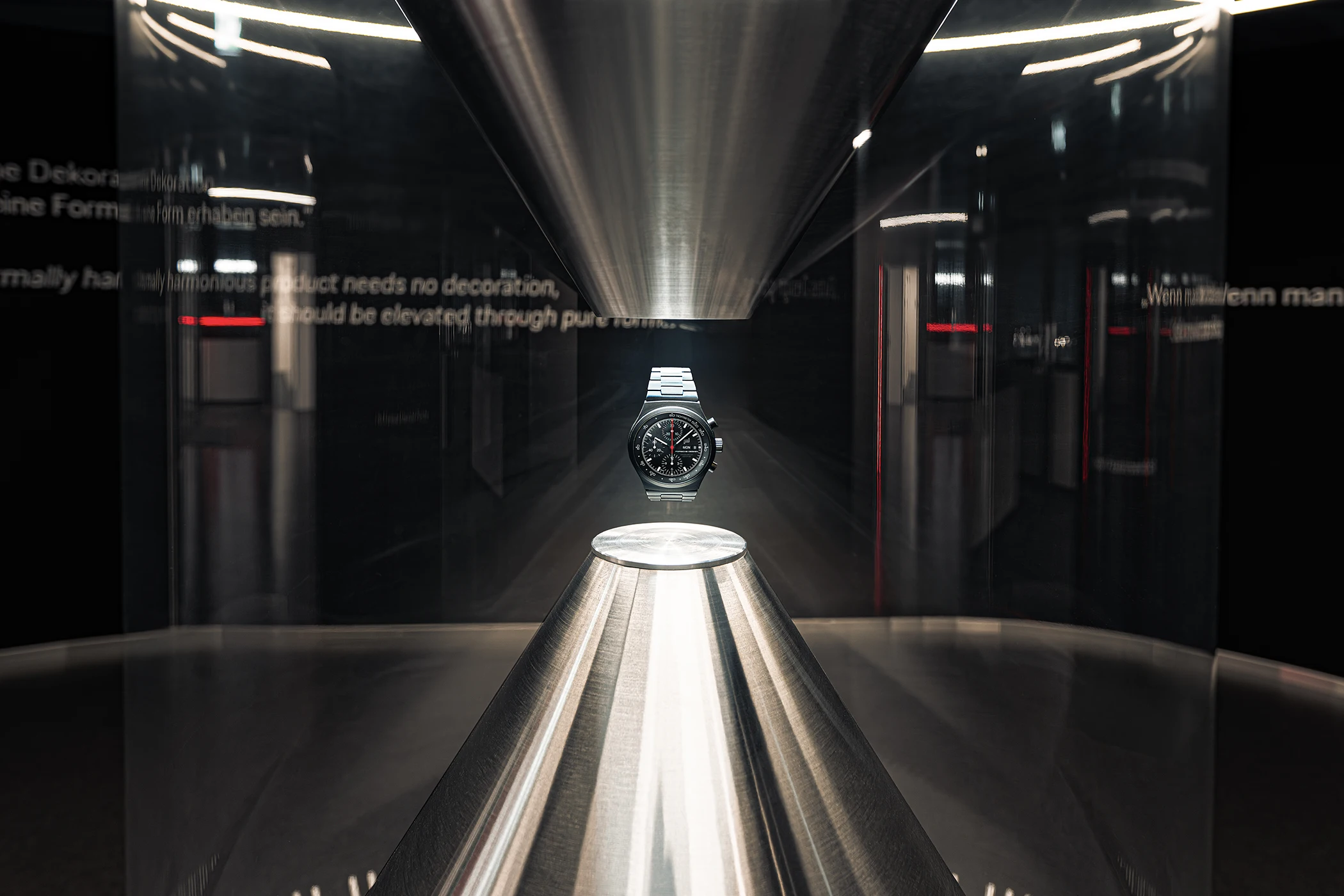
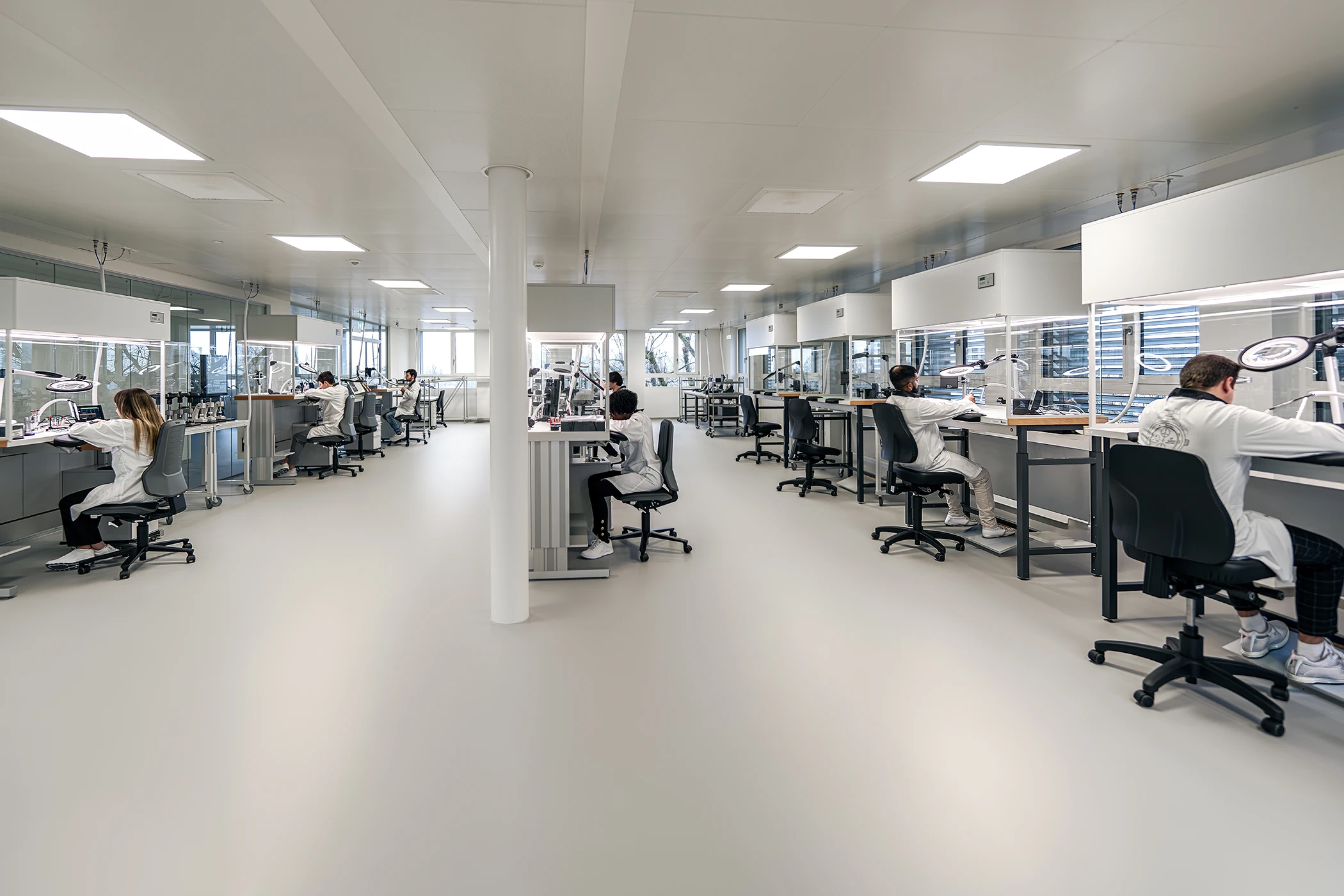
Across 3,600 square metres, there is more than sufficient space for the current ten watchmaking workstations. The building of the Porsche Design Timepieces manufacture has been designed in accordance with the principles of company founder F. A. Porsche. The creator of the 911 was deeply influenced by the Bauhaus principle of “form follows function”, and this philosophy is reflected on the black walls of the ground floor, where several of his statements capture the spirit of the manufacture. Among them: “A formally harmonious product needs no decoration, it should be elevated through pure form” and “If you analyse the function of an object, its form often becomes obvious.”
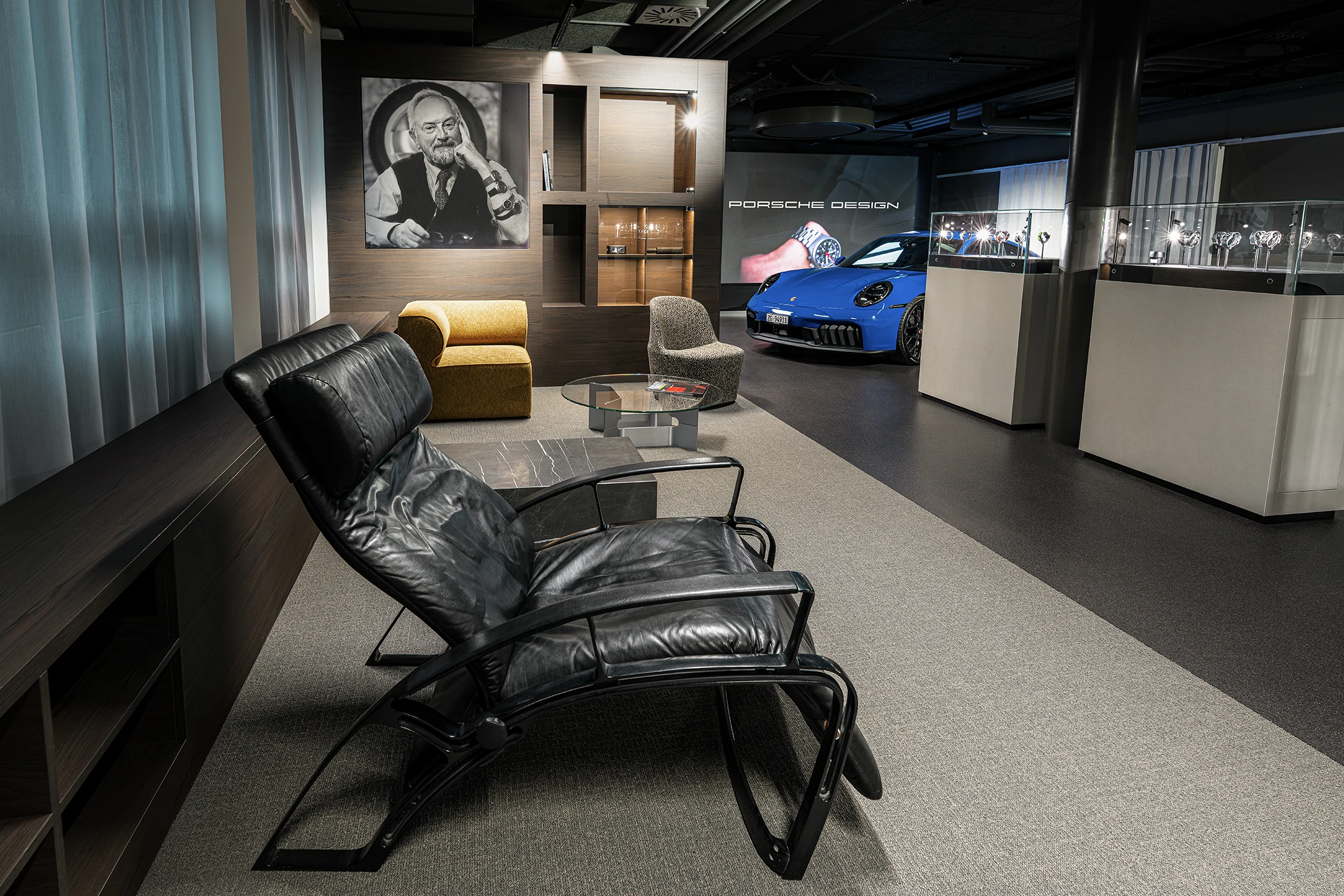
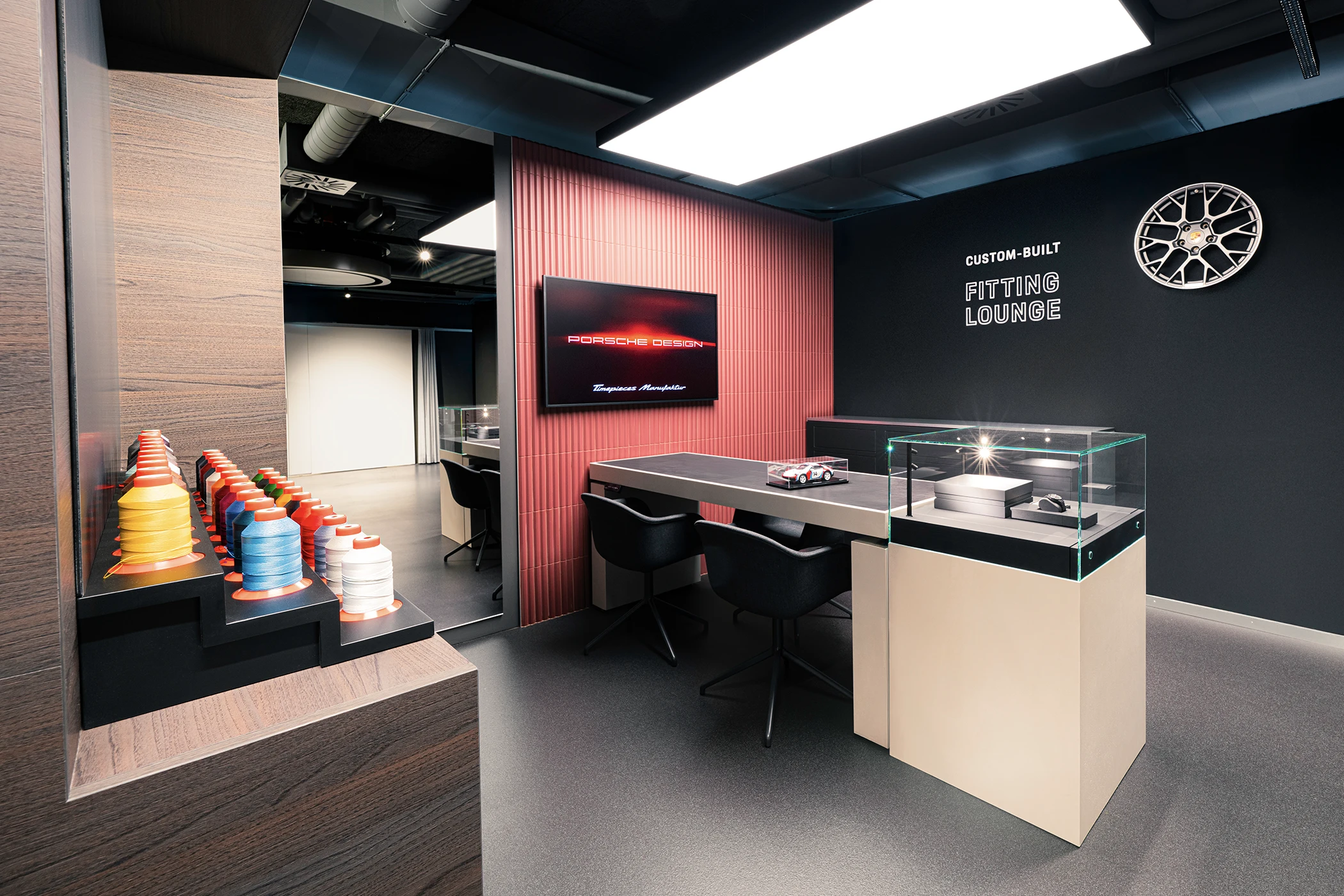
These quotations are intended to convey Porsche Design’s philosophy to future visitors, as regular events and visits by clients and enthusiasts are firmly planned. To this end, the ground floor of the Porsche Design Timepieces manufacture has been conceived as a brand experience space, including a studio where customers can personalise their own timepiece. A first Porsche club has already visited, and General Manager Gerhard Novak reports that demand is already high. For the time being, however, visitor groups will be limited to a maximum of once per week, as the primary focus remains on watch production.
Studio F. A. Porsche was founded in 1972 after the family car brand had grown to such an extent—and become so institutionalised—that family members were no longer intended to hold executive positions, not even Ferdinand Alexander Porsche himself, the creator of the 911. It was from this studio that the Porsche Design brand subsequently emerged. Among Porsche’s earliest and still most iconic designs is the black Chronograph 1, inspired by the cockpit of the 911.
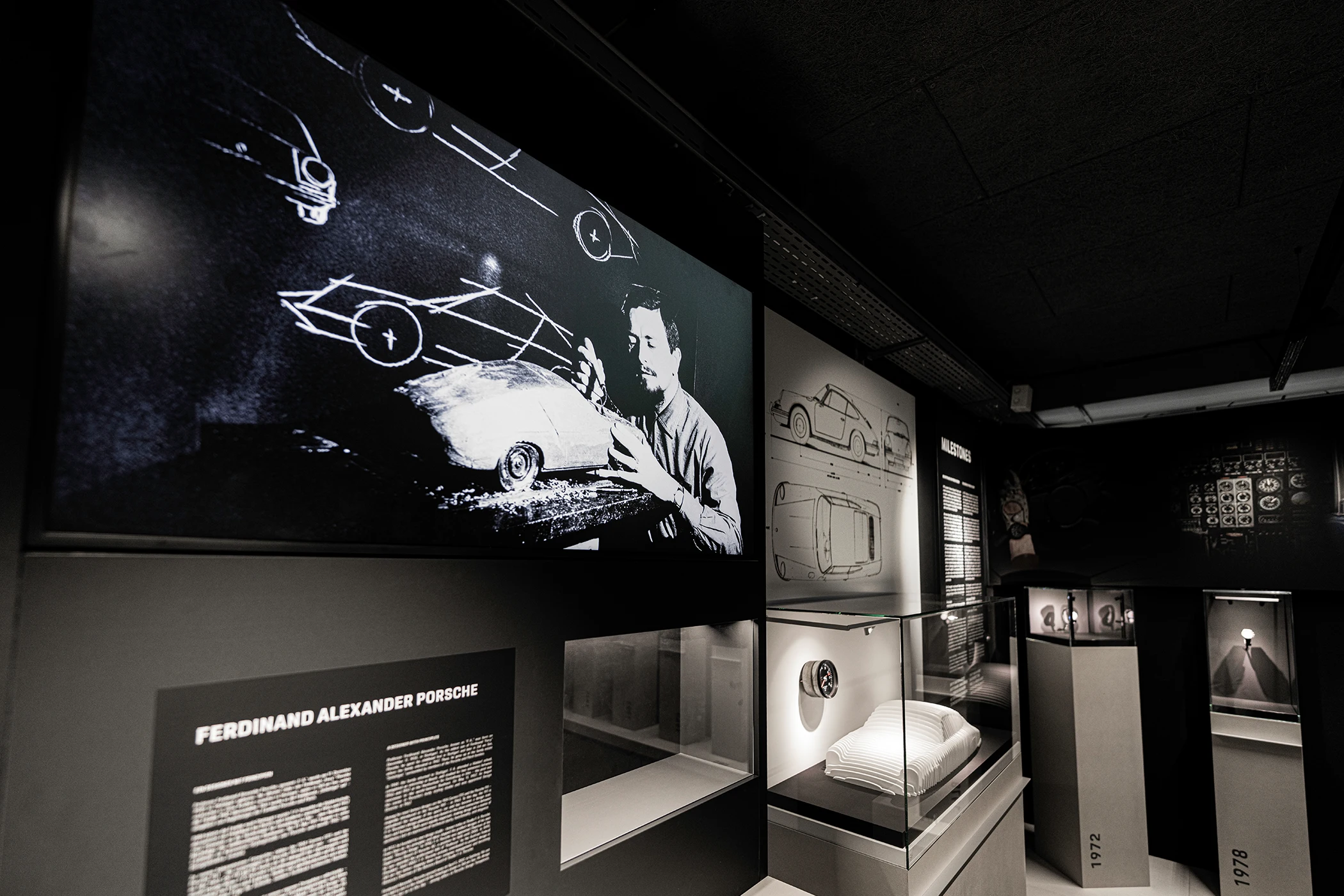
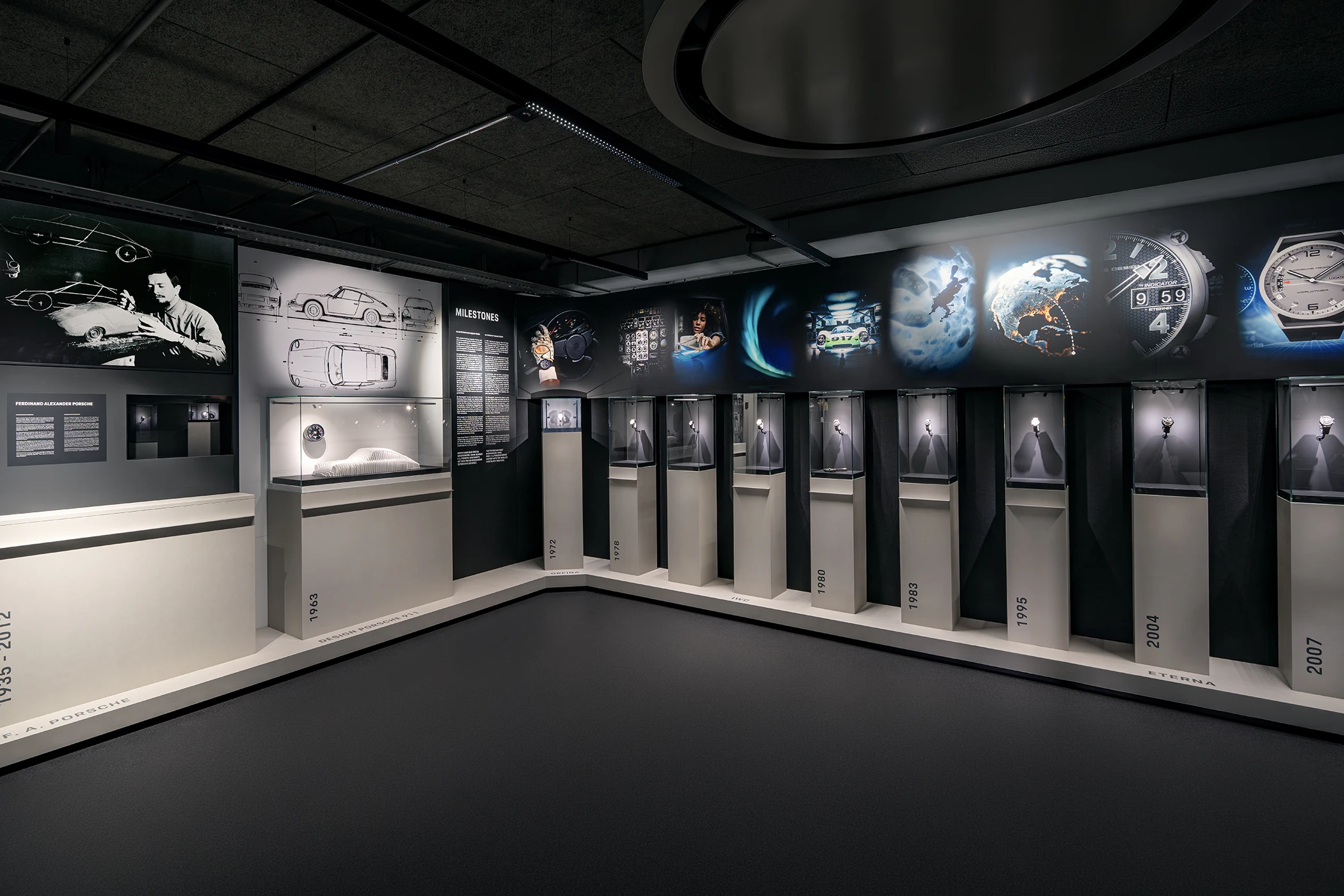
Yet as clear and uncompromising as the founder’s design principles were, the subsequent history of Porsche Design proved far more complex. While the name and its founder closely tied the company to its Stuttgart roots, the shareholder structure was entirely different. This made a consistent collaboration difficult, and even today Porsche Design timepieces can at times appear somewhat out of place in the brand’s own boutiques, positioned alongside clothing, sunglasses, and luggage. The collaboration between Porsche’s motorsport division and TAG Heuer has also repeatedly caused confusion among customers and collectors: which Porsche watch, ultimately, is the most authentic?
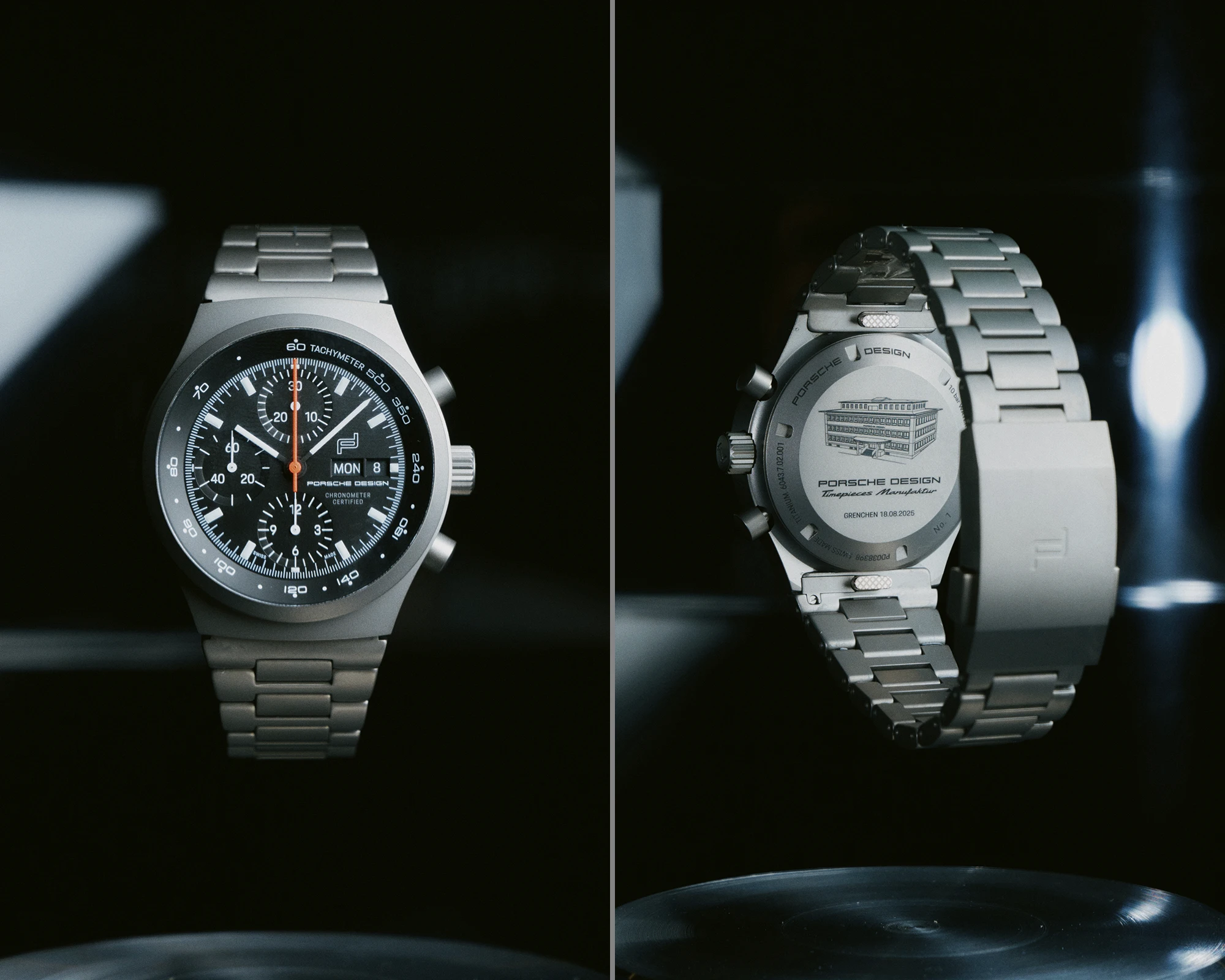
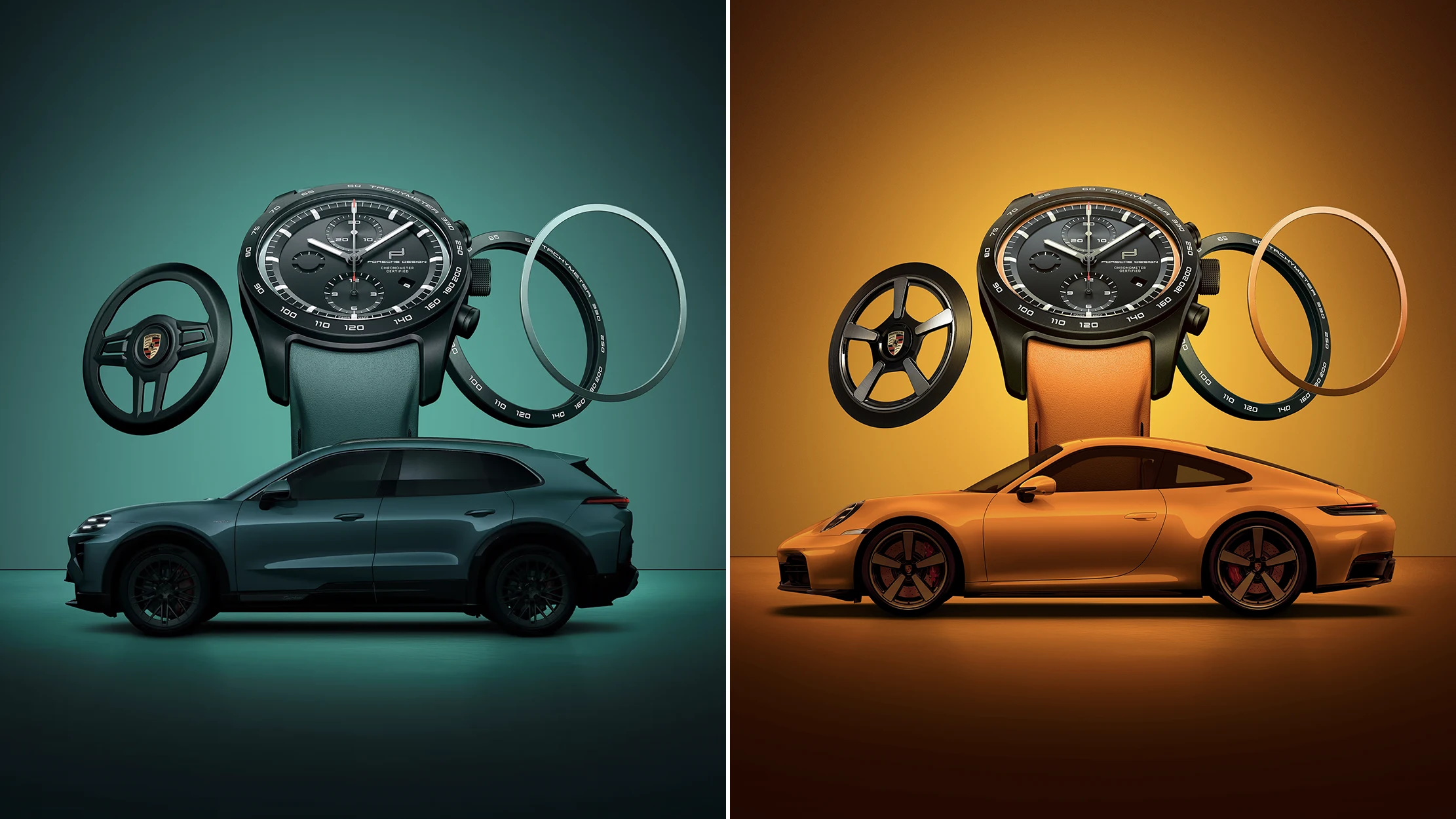
The answer to this question should by now be fairly clear: Porsche Design is today a wholly owned subsidiary of the sports car manufacturer, and the potential for the watchmakers in Grenchen is correspondingly significant. Around 70 per cent of production is now accounted for by customised versions of the Globetimer and Chronograph models, as well as limited editions for special vehicle models, with the remaining share made up by the Chronograph 1.
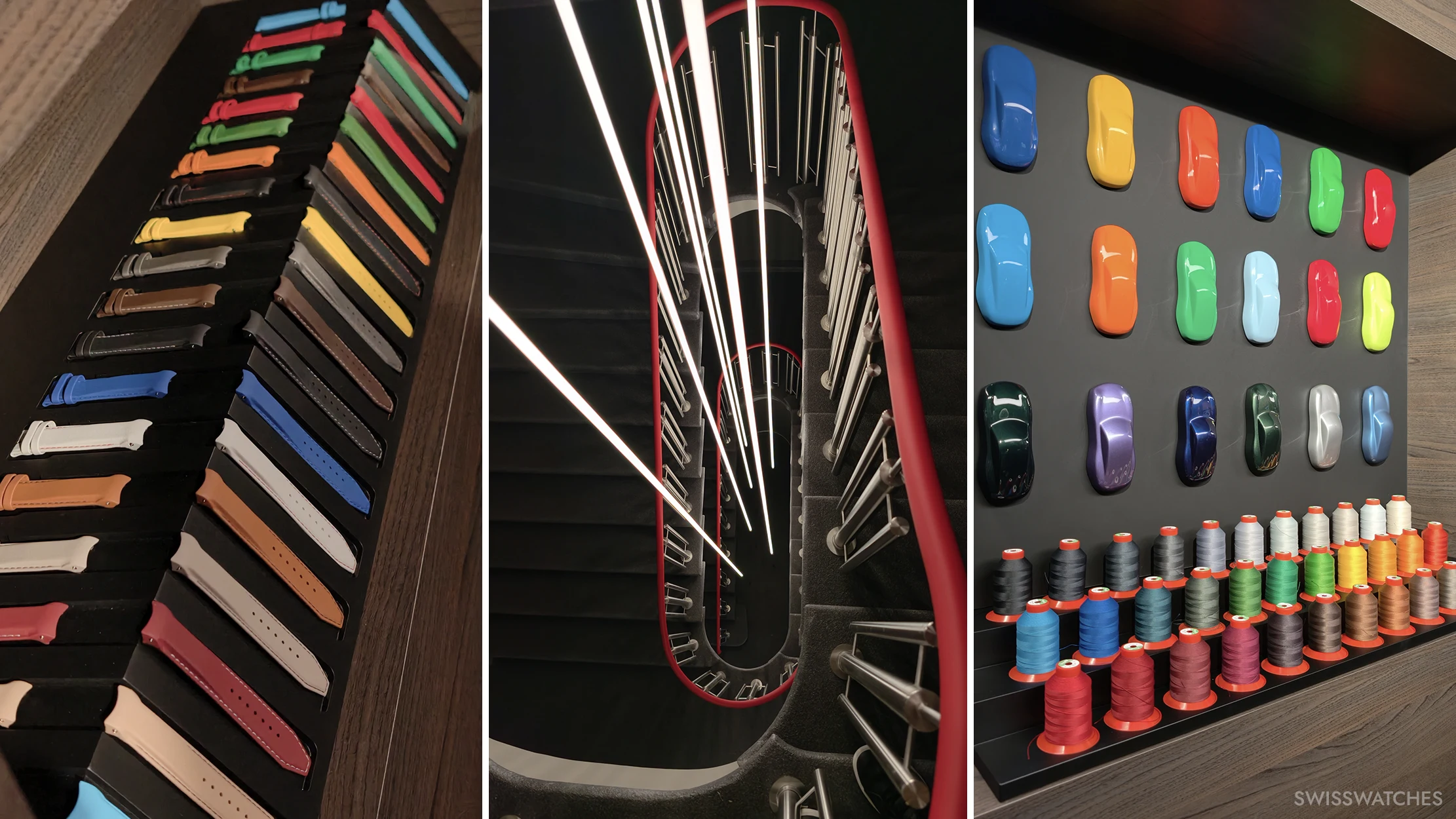
Via the staircase—with its handrail upholstered in Indian Red leather—visitors reach the top floor of the new Porsche Design Timepieces manufacture headquarters. Here, adjacent to the watchmakers, is the logistics area with its system known internally as the “supermarket”, where individual components are stored, ranging from various wheel-inspired rotors and coloured dial rings to cases and straps. The coloured rings alone occupy a substantial section of the wall: from Sternrubin to Gulf Orange, virtually every Porsche special colour is available. If a particular shade has never been ordered before, it is produced specifically for the request—always in batches of at least ten rings. The countless boxes in an array of colour variations illustrate the sheer scale of possibilities: a total of 300 million different configurations can be created.
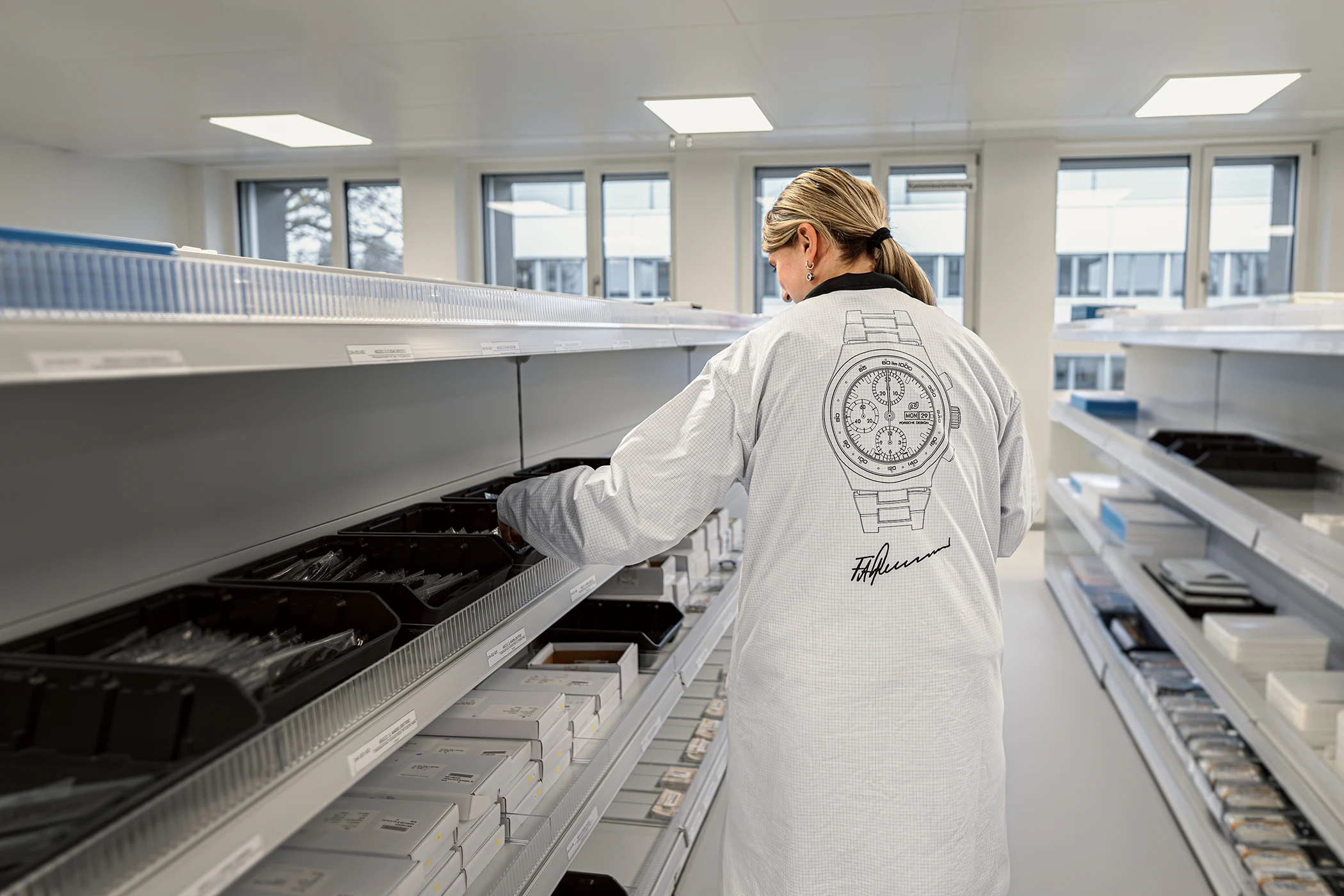
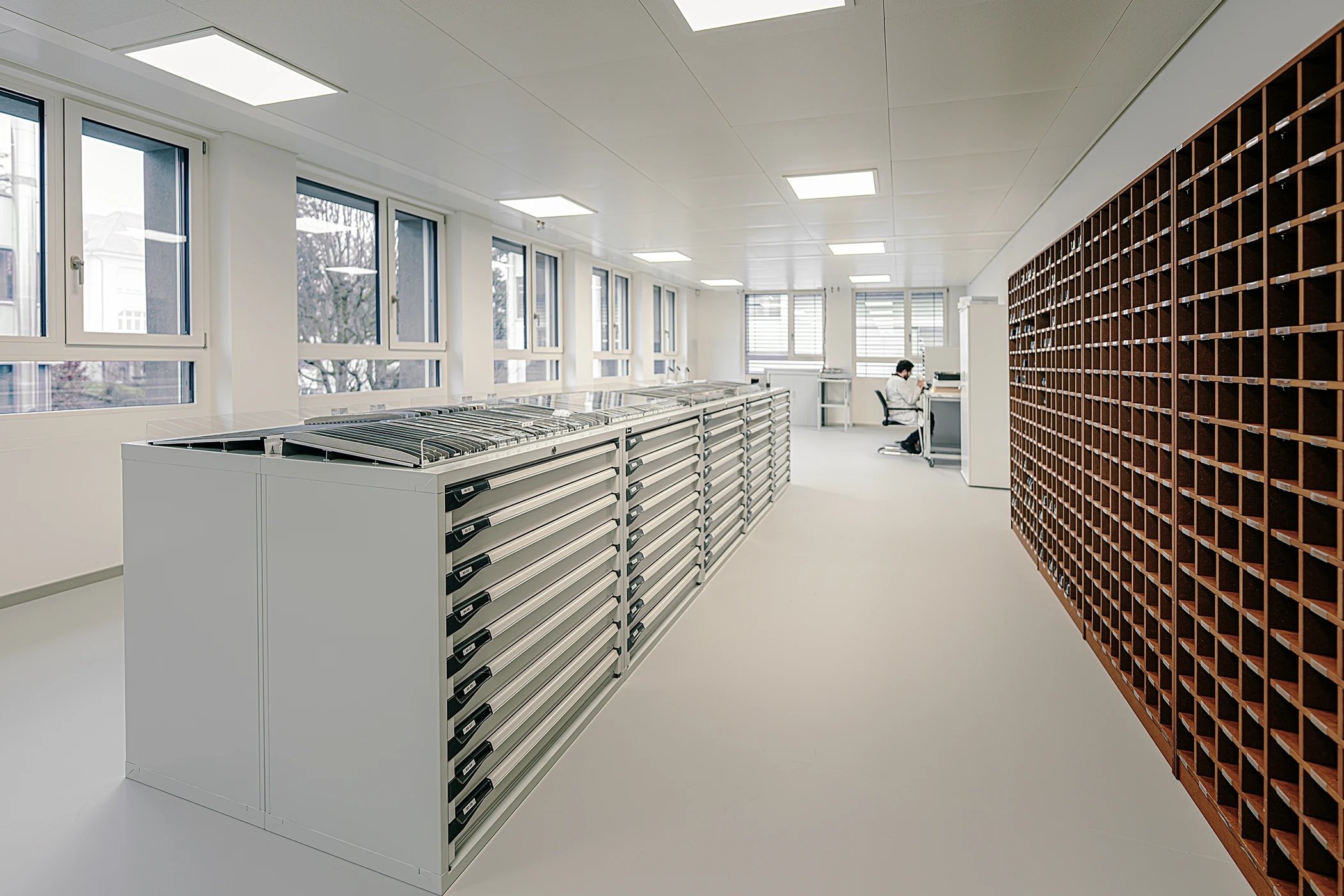
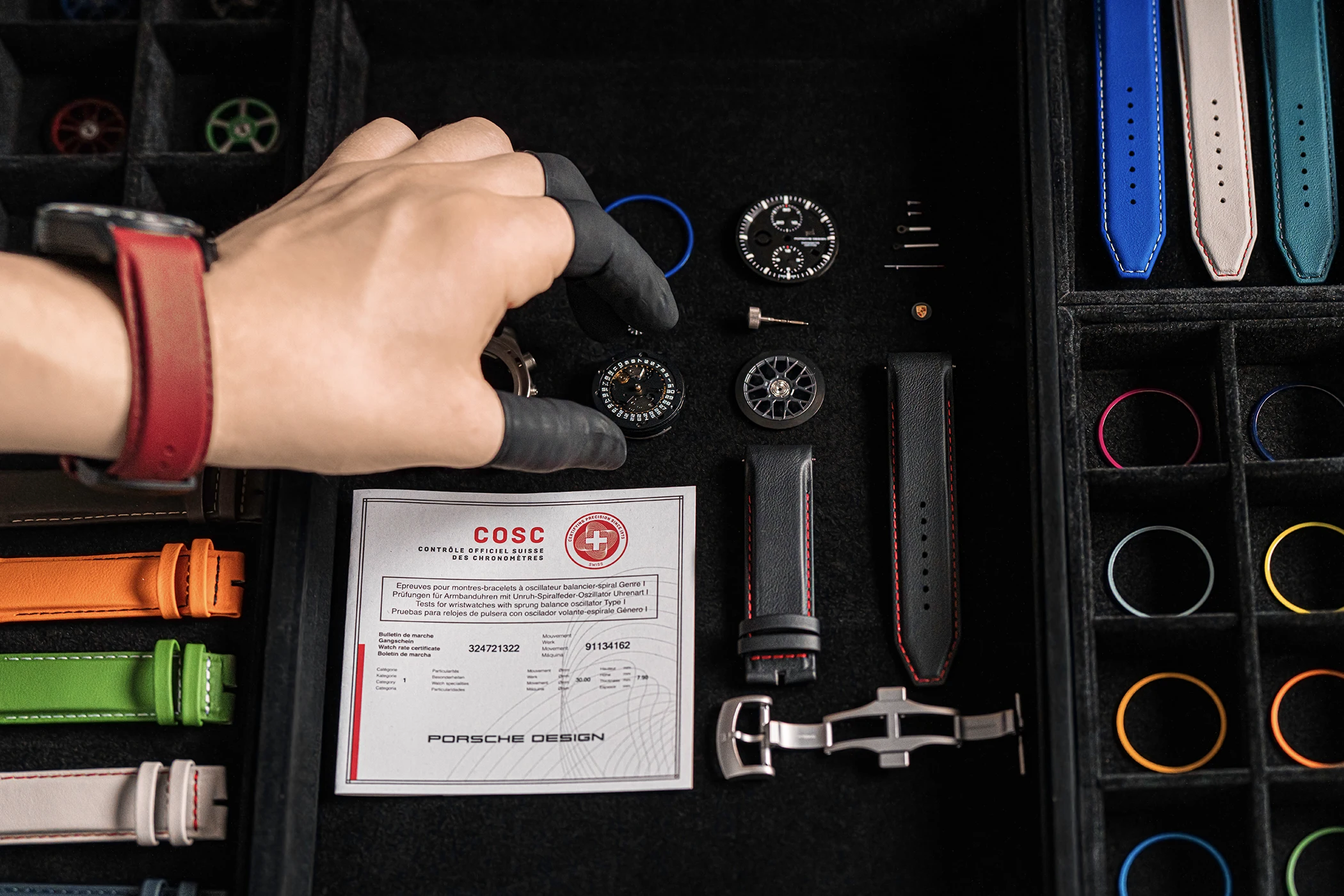
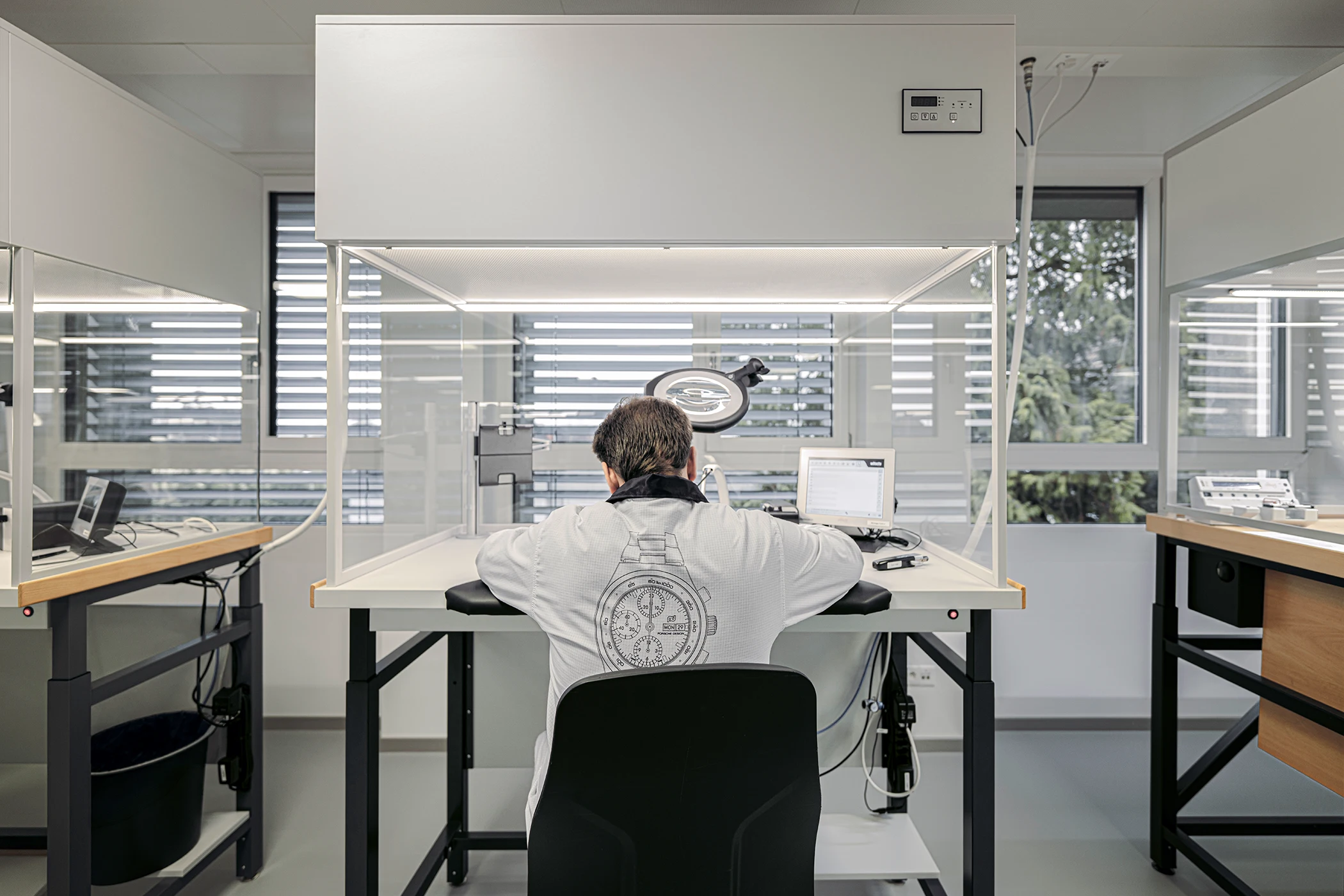
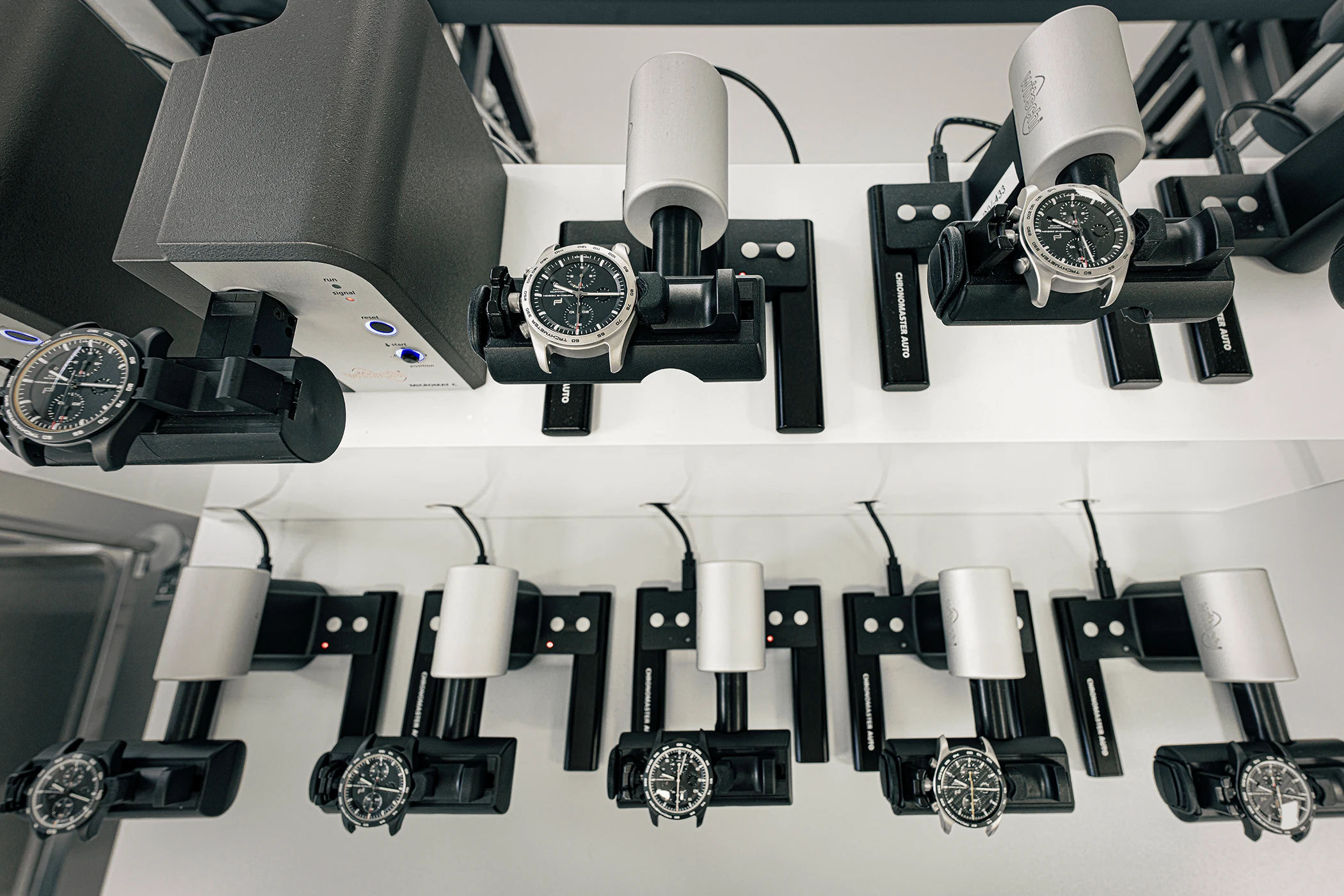
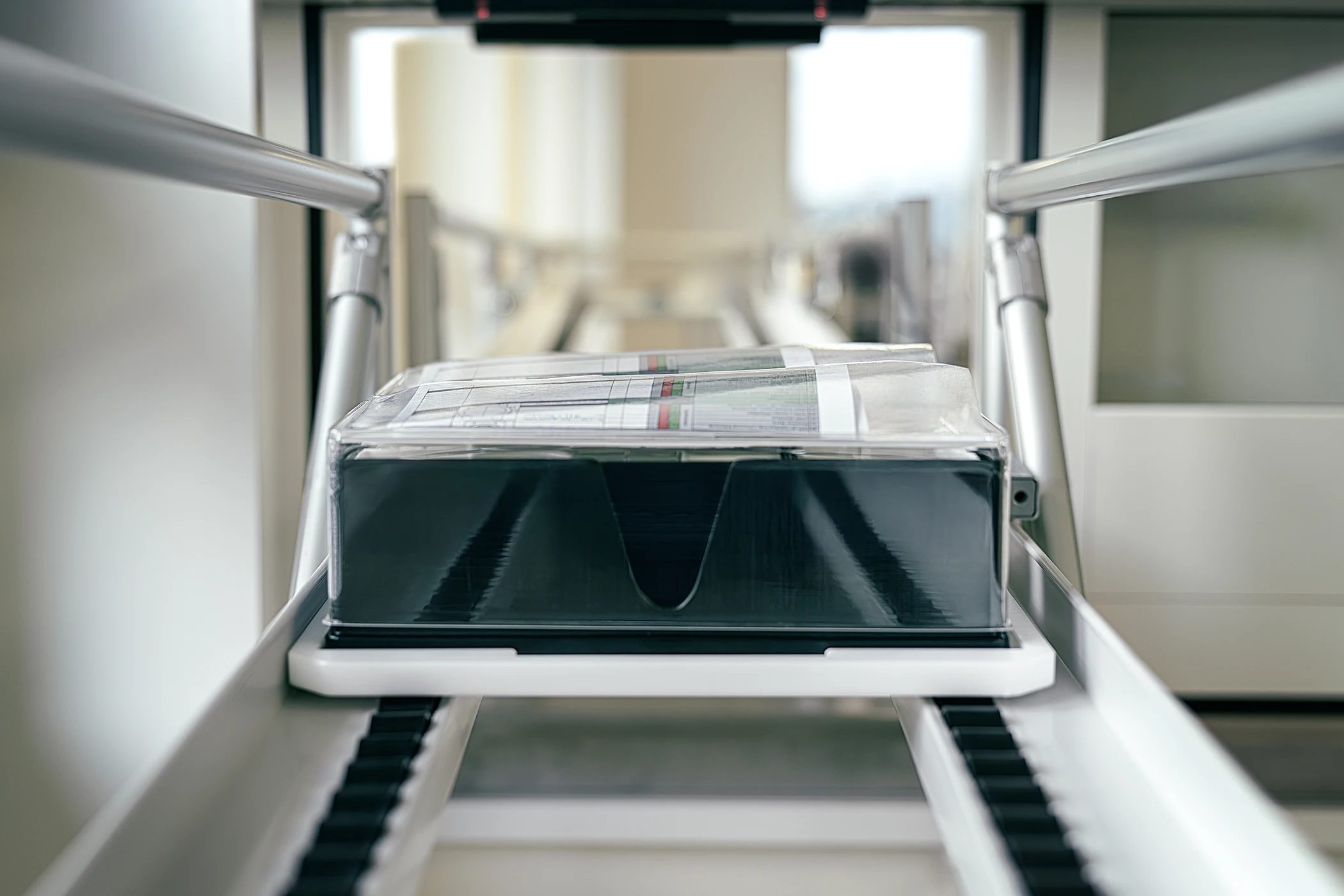
In its production processes, Porsche Design relies on workflows familiar from the automotive industry, combined with a just-in-time logistics system: via a conveyor track, the required components for each new watch are delivered directly to the clean room and the responsible watchmaker.
The people responsible remain discreetly silent on the cost of the new Porsche Design Timepieces manufacture building. There is little doubt, however, that it represents a substantial investment—and that expectations for the growth of the watch division are correspondingly high. With the move from the former functional building in neighbouring Solothurn to the new, third “factory” in Grenchen, Porsche Design proclaims “A New Time”. Even now, timepieces account for roughly half of Porsche Design’s total revenue—achieved with an annual production of only a few thousand watches. Matthias Becker, Member of the Executive Board for Sales and Marketing at Porsche AG, accordingly states: “As the first automobile manufacturer, we operate our own watch manufacture. From this, we derive a clear ambition: to offer our customers exceptional timepieces that combine innovation, precision, and a high degree of personalisation in true Porsche fashion.”
This also makes clear that while Porsche Design does not exclusively target buyers of Porsche vehicles, they remain its primary audience. Alongside sales via the brand’s own website, boutiques, and authorised retailers, Porsche Centres are therefore likely to play a decisive role in future growth. The rationale is straightforward: in 2025, around 280,000 cars were delivered, including more than 50,000 examples of the 911 alone. If even one in ten customers were to order a watch alongside their car, Stuttgart and Grenchen would no doubt be satisfied.
Yet the reality is more nuanced: not every pianist is equally inclined to play the violin. Or put differently, not every car salesperson has a natural affinity for selling watchmaking. Accordingly, the Timepieces team is now travelling between dealerships to build awareness, understanding, and expertise around the brand’s watches. That a passion for automobiles and horology often goes hand in hand is evident not only in the career of Ferdinand A. Porsche, but is also confirmed by many car collectors—and is already part of everyday experience for the team in Grenchen.