At W&W 2026, Zenith launches two new G.F.J. models in tantalum and yellow gold, featuring onyx and bloodstone dials, powered by Calibre 135.

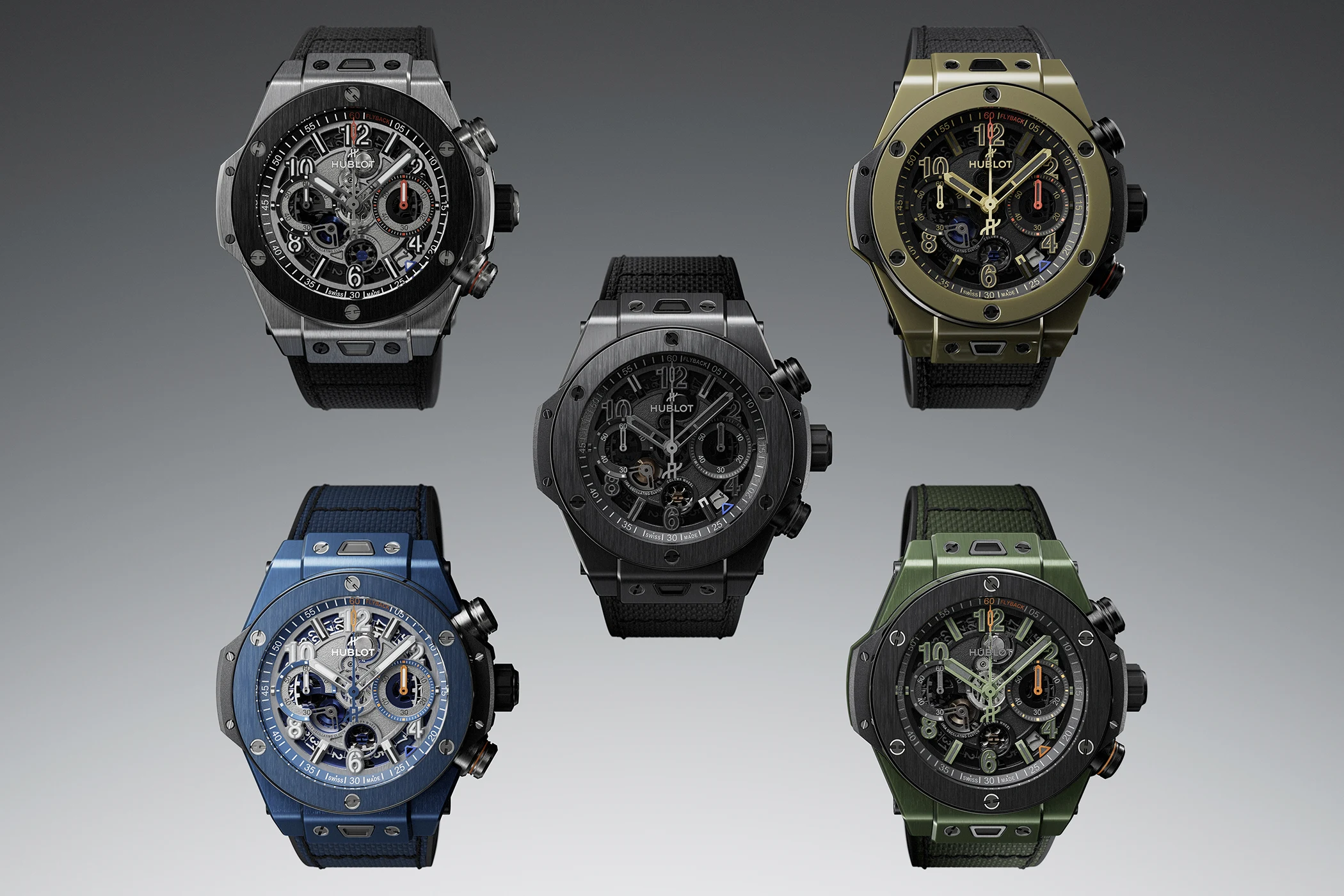
The Big Bang Reloaded will be launched in 2026 in five new versions, all based on the same technical platform but featuring different design elements. The focus is on the redesigned Unico calibre, new material combinations and a revised case.
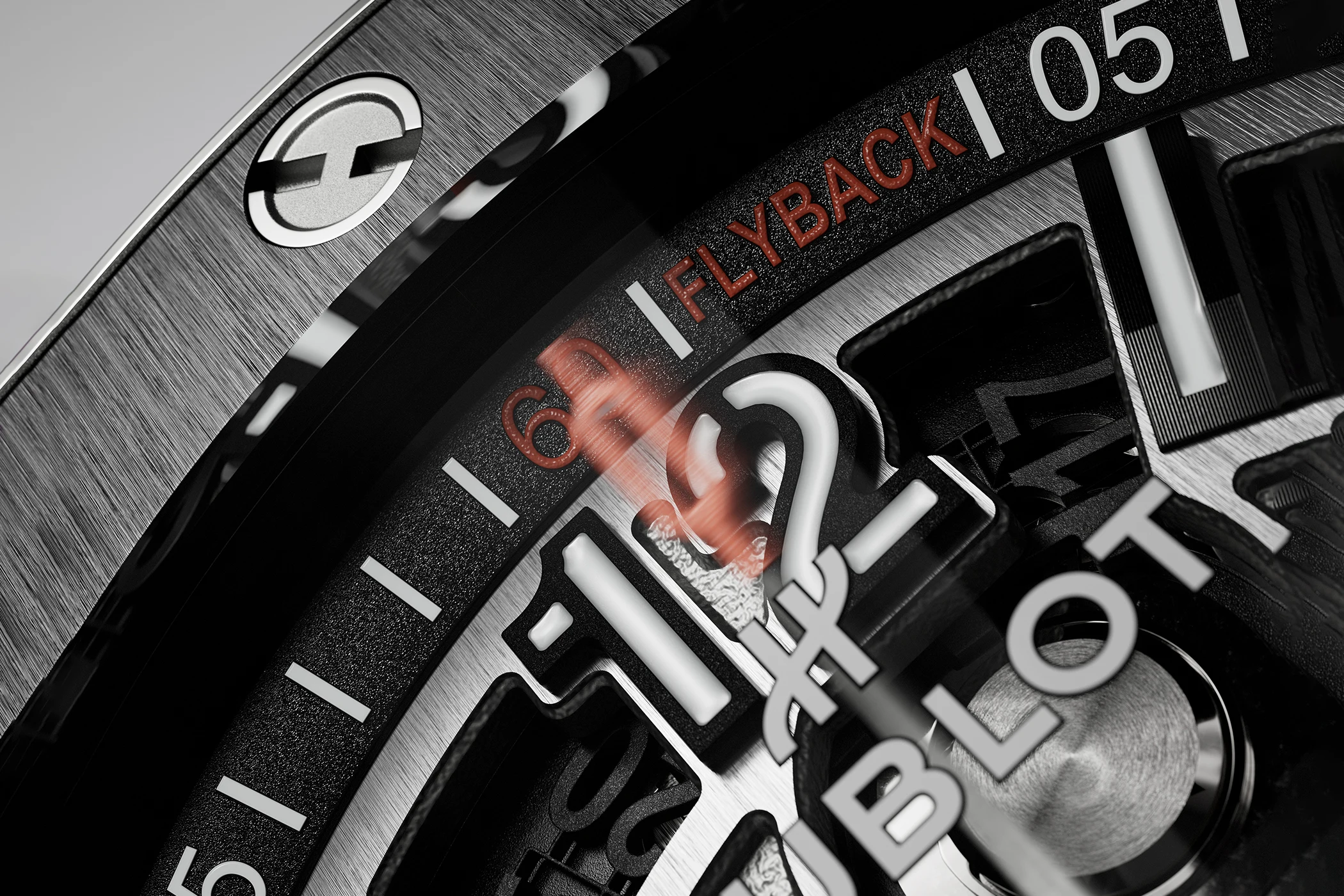
As is well known, Hublot is not one to mark anniversaries with a polite shrug. When the brand revamps a model, it usually does so in a way that’s meant to be noticed. This is precisely what has happened with the new Hublo Big Bang Reloaded, which visibly refines the openworked Unico version. The result is a technically and aesthetically revised evolution of one of Hublot’s most significant models of recent years. Whilst Hublot imbues the Big Bang Reloaded platform in the limited editions featuring Usain Bolt and Kylian Mbappé, launched in parallel, with strong personal codes, biography and symbolism, the regular Big Bang Reloaded models focus instead on what defines the Big Bang as a product family: materials, construction and the visible presence of the Unico calibre. Five versions are available in the following colours: Titanium Ceramic, All Black, Blue Ceramic, Dark Green Ceramic and Magic Gold. All five models measure 44 millimetres and are powered by the HUB1280 Unico, Hublot’s integrated flyback chronograph with a column wheel on the dial side and a 72-hour power reserve.
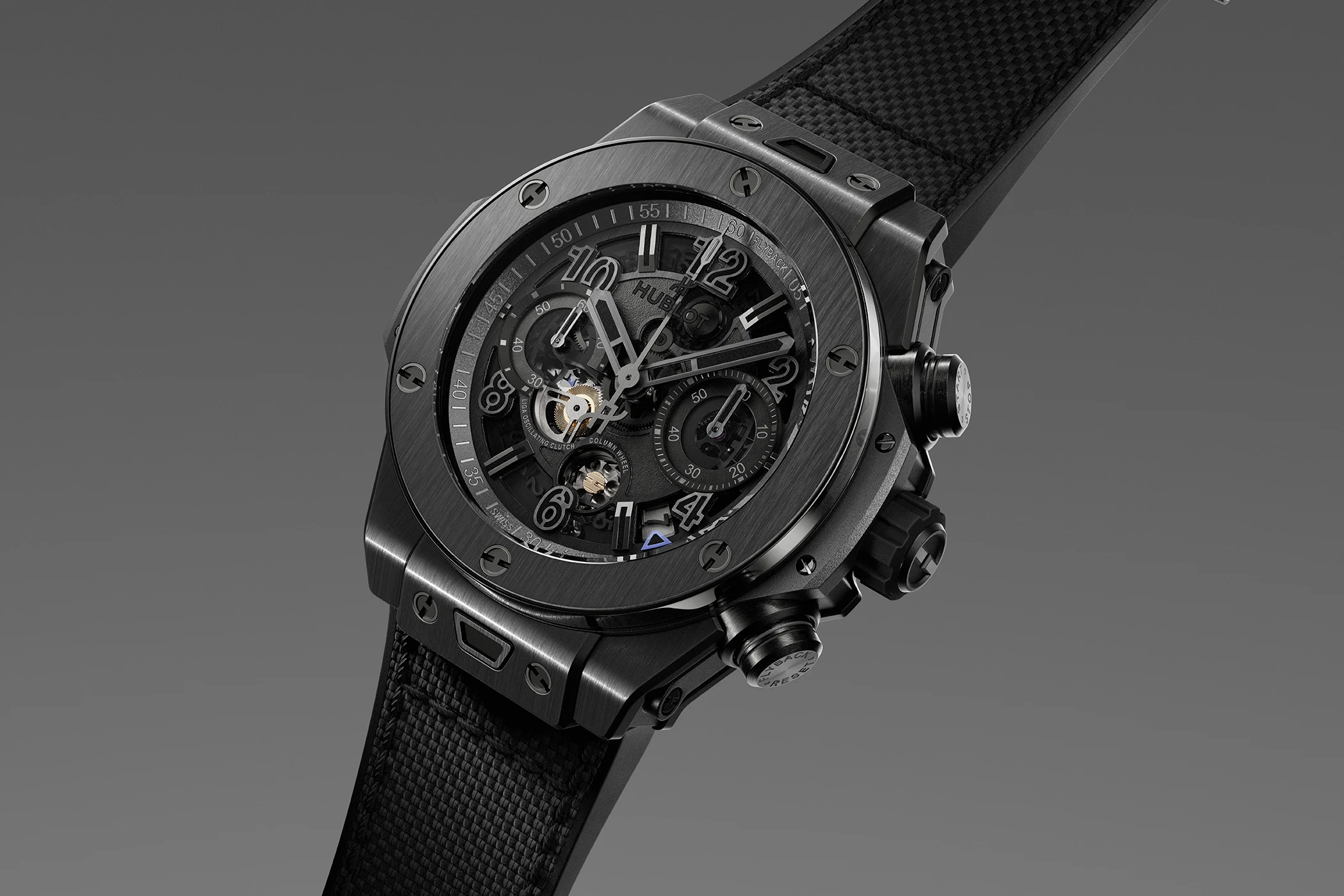
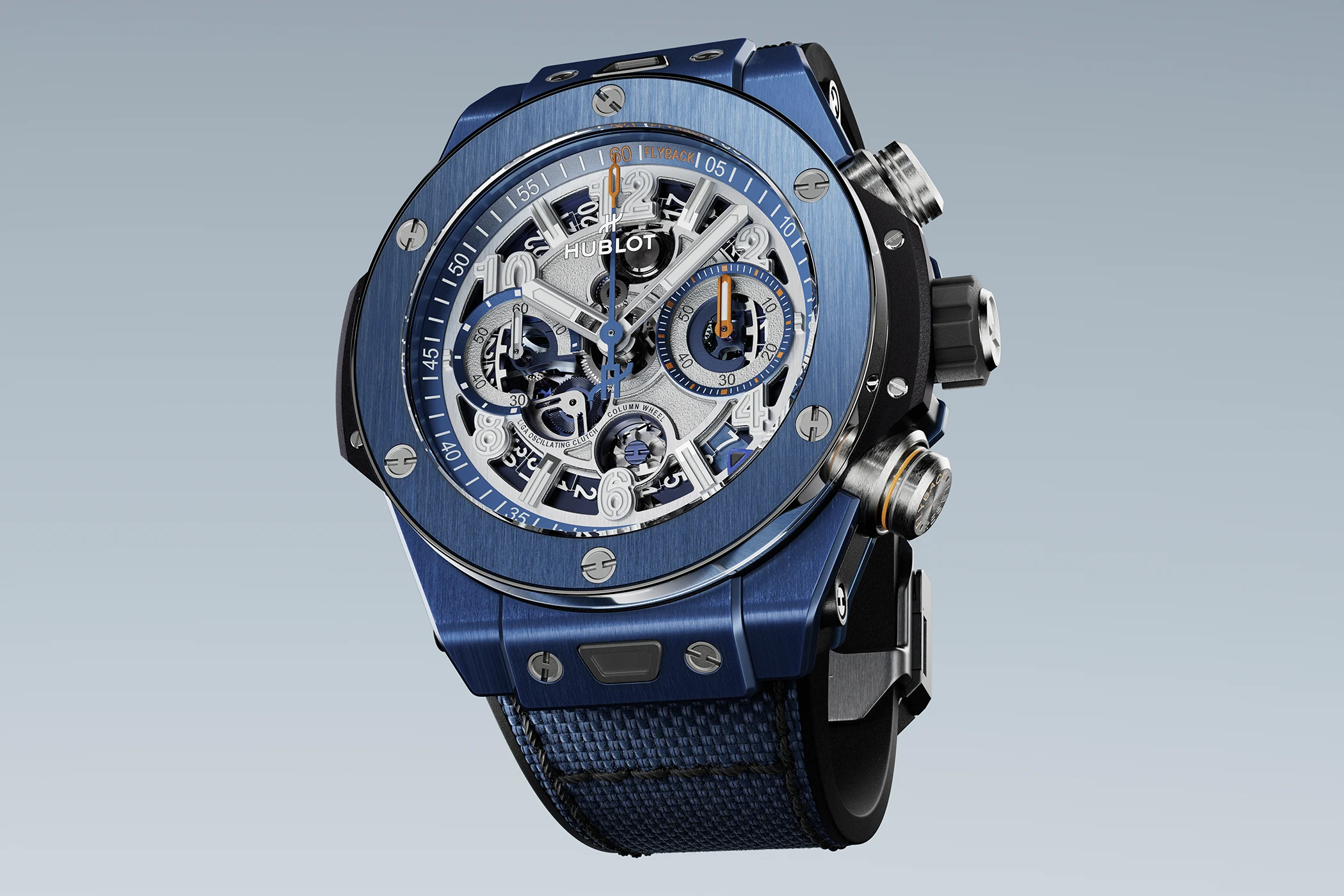
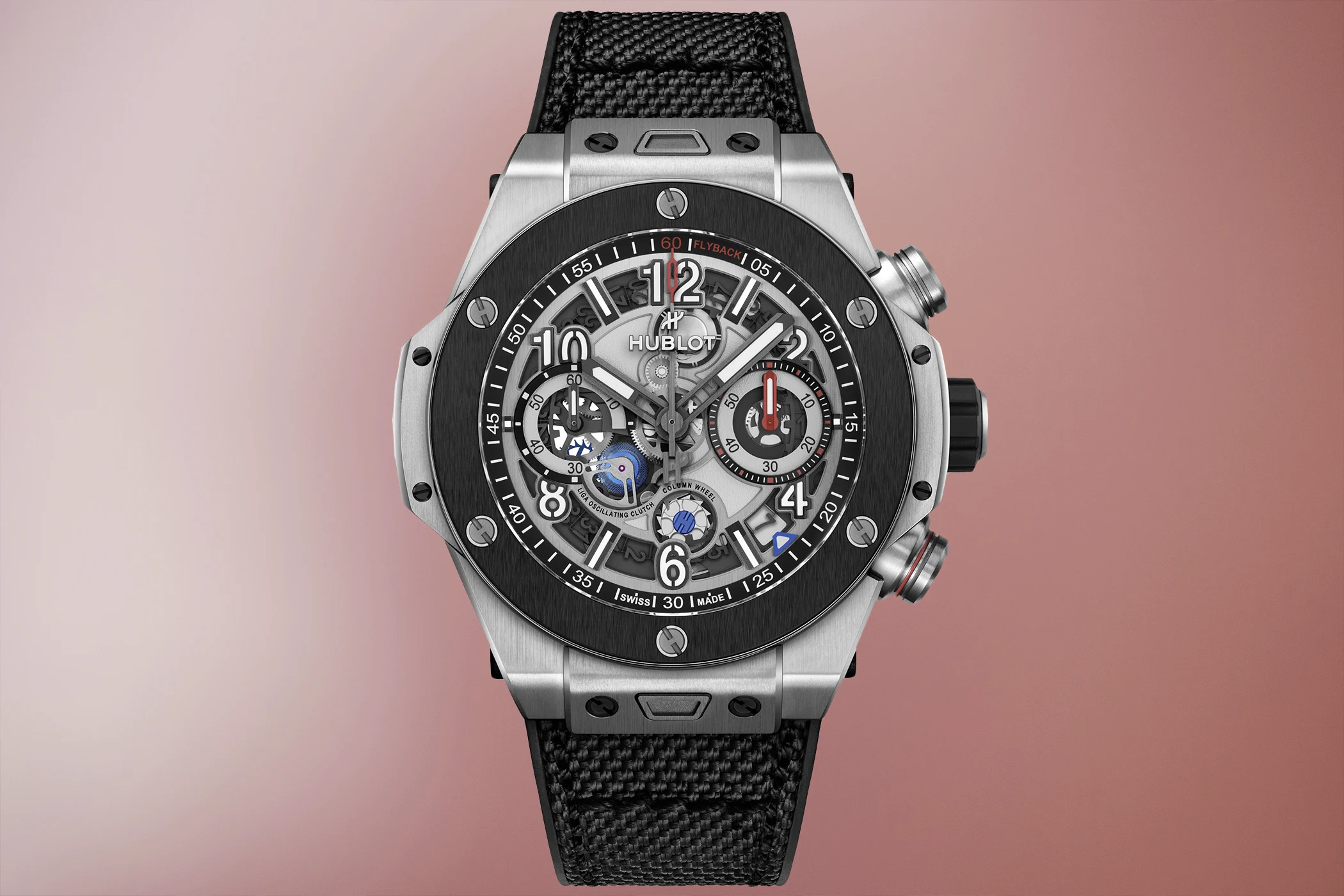
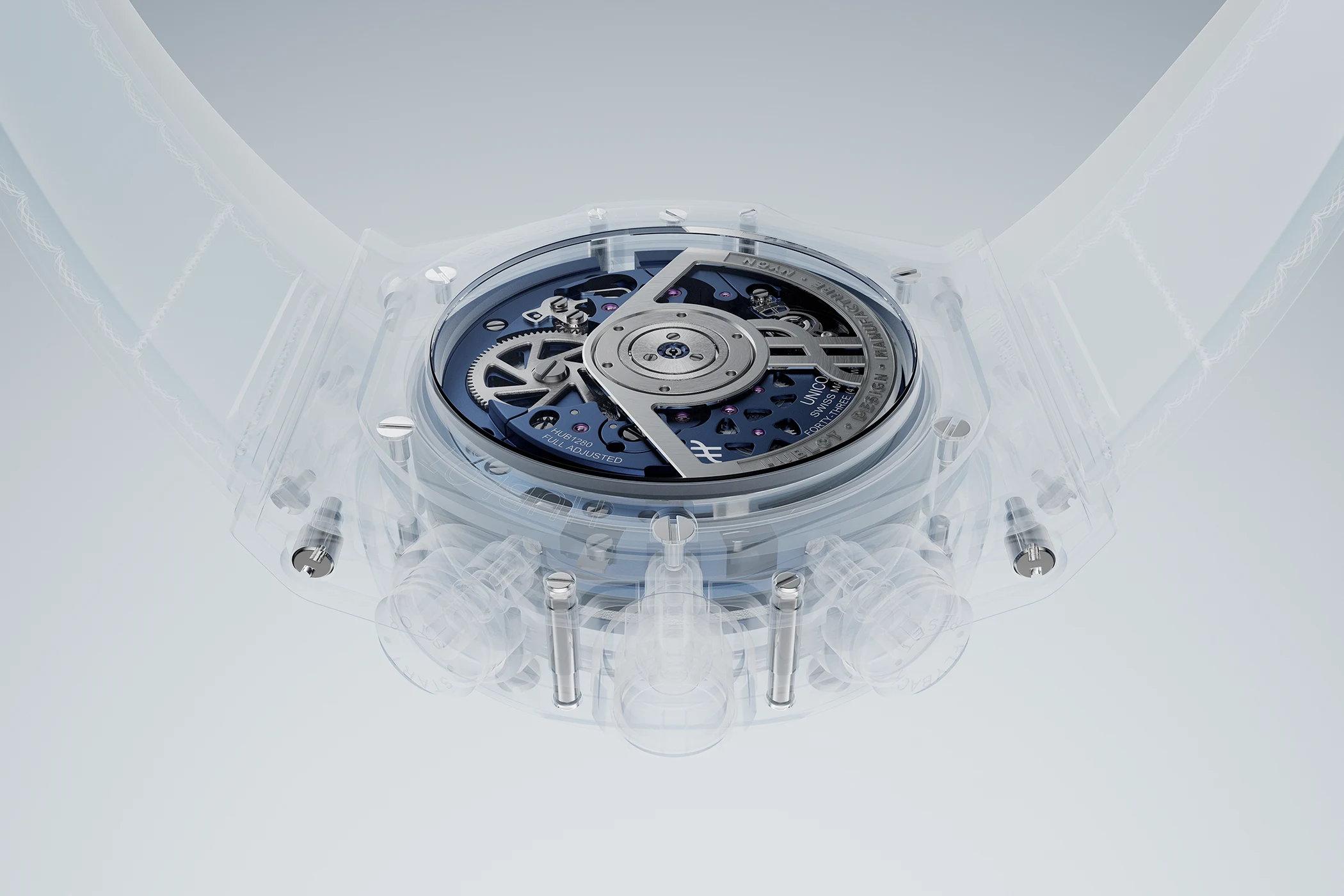
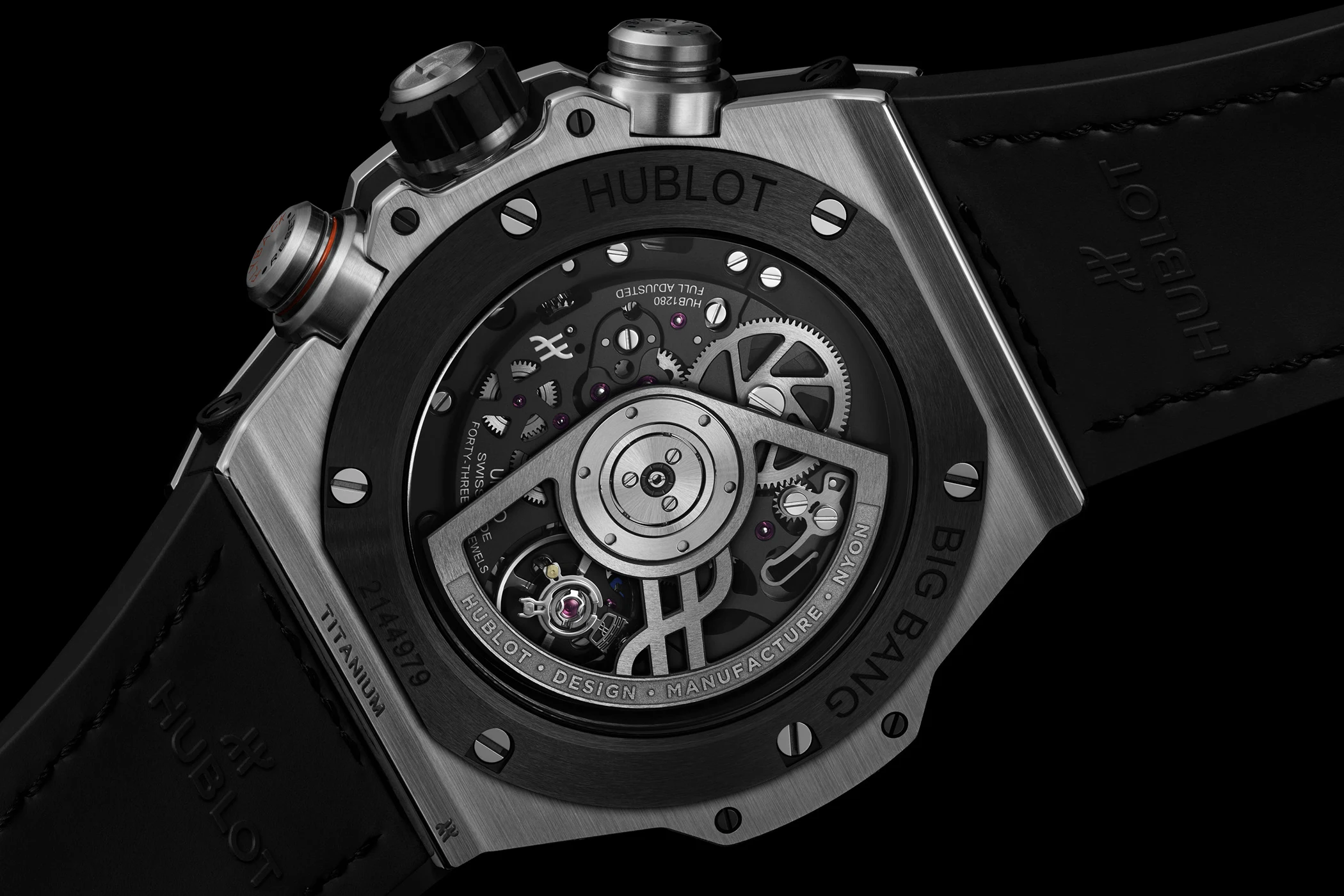
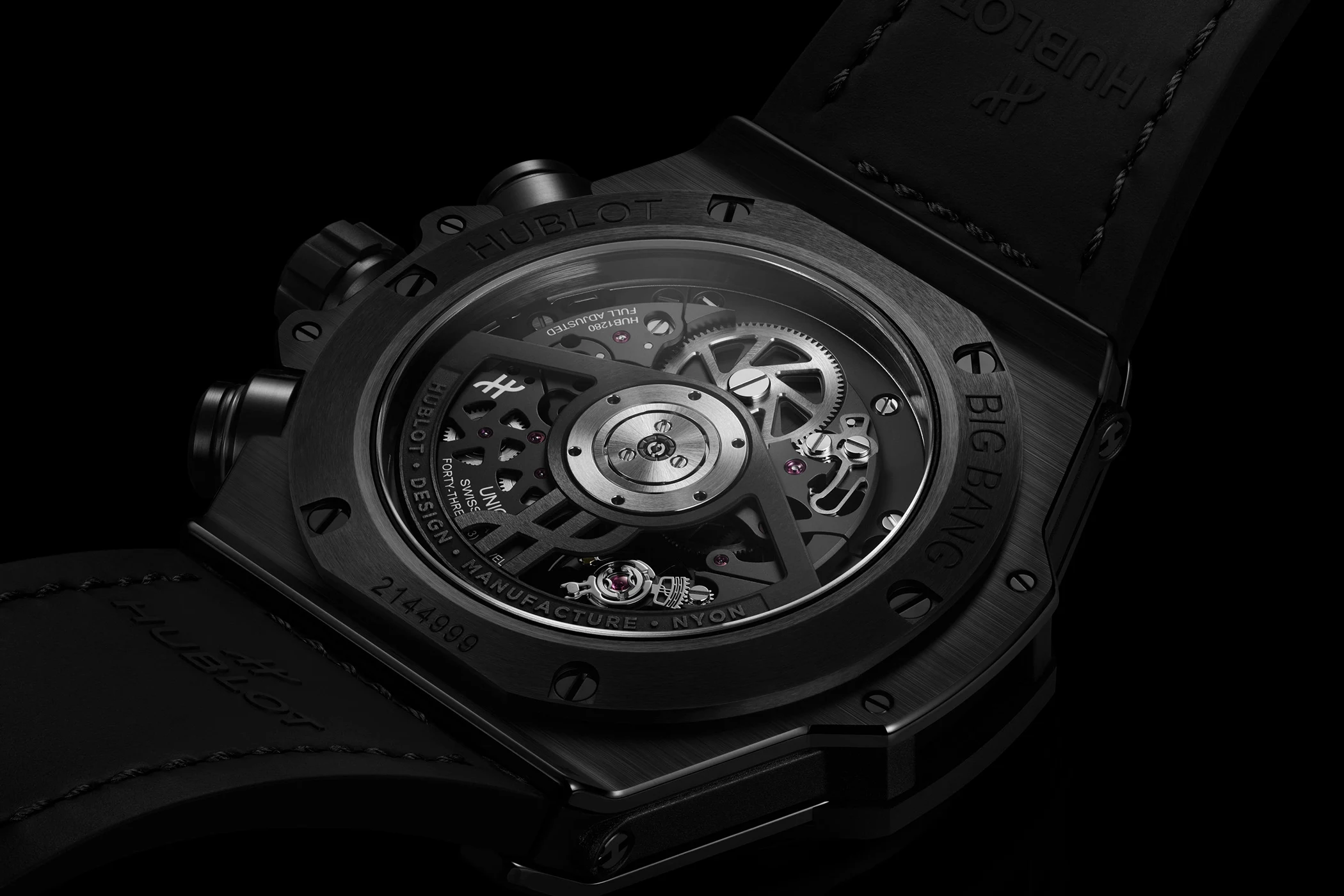
The key to the movement’s redesign lies not in a completely new form, but in the way Hublot now showcases the Unico. The Big Bang Reloaded is intended not merely to display the movement, but to give the impression that it has been designed entirely around the Unico. Consequently, design elements are brought more into focus: the colour-accented column wheel at 6 o’clock, the double clutch at 8 o’clock, the redesigned minute counter at 3 o’clock and the date window positioned between 4 and 5 o’clock give the dial a much clearer structure than before. The chronograph’s flyback function is also emphasised more strongly through small colour accents. On the back sits a newly designed, skeletonised rotor featuring a cut-out ‘H’ and the engraving ‘Hublot. Design. Manufacture. Nyon’. This gives the watch a more open, technical and, overall, more assertive visual appearance.
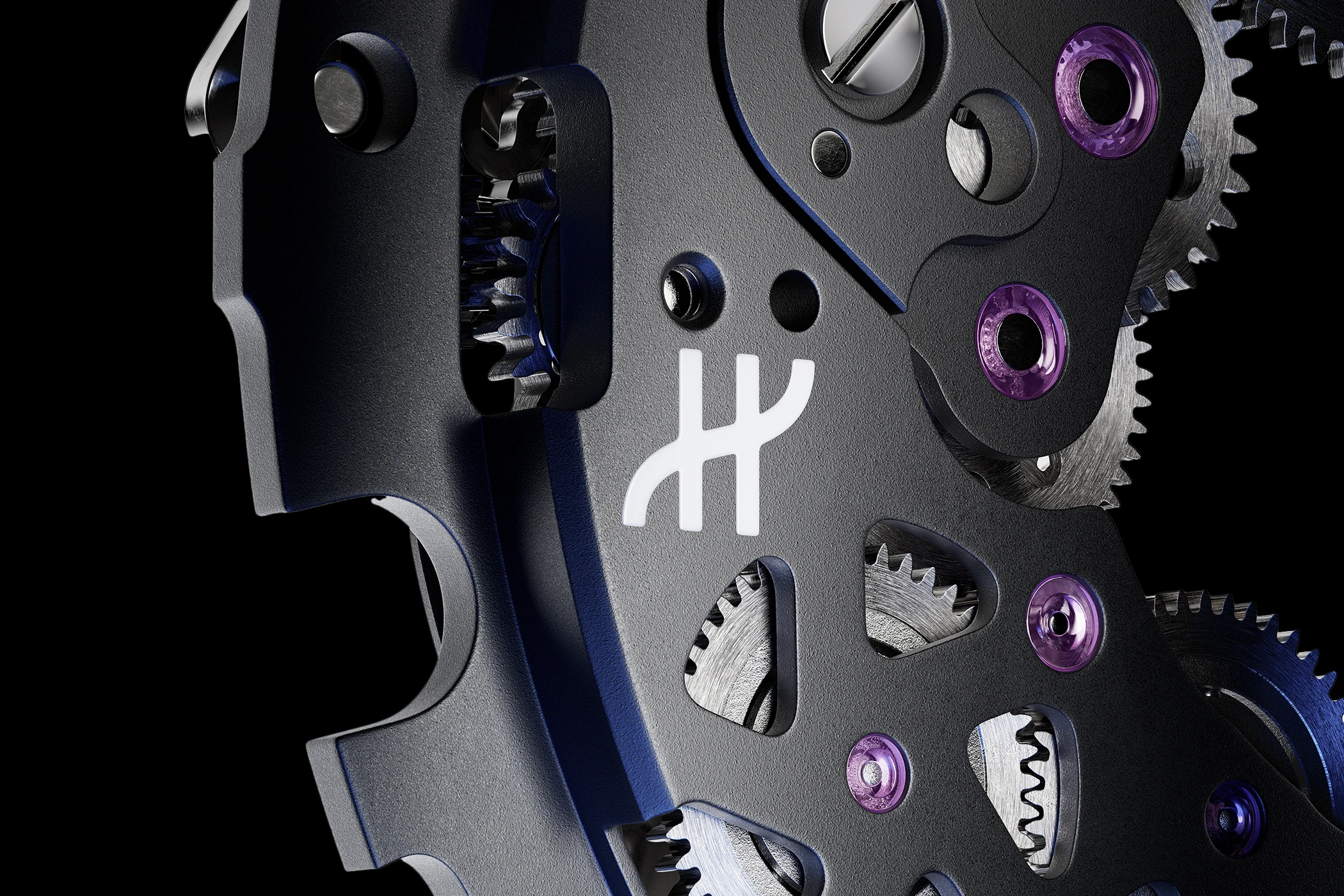
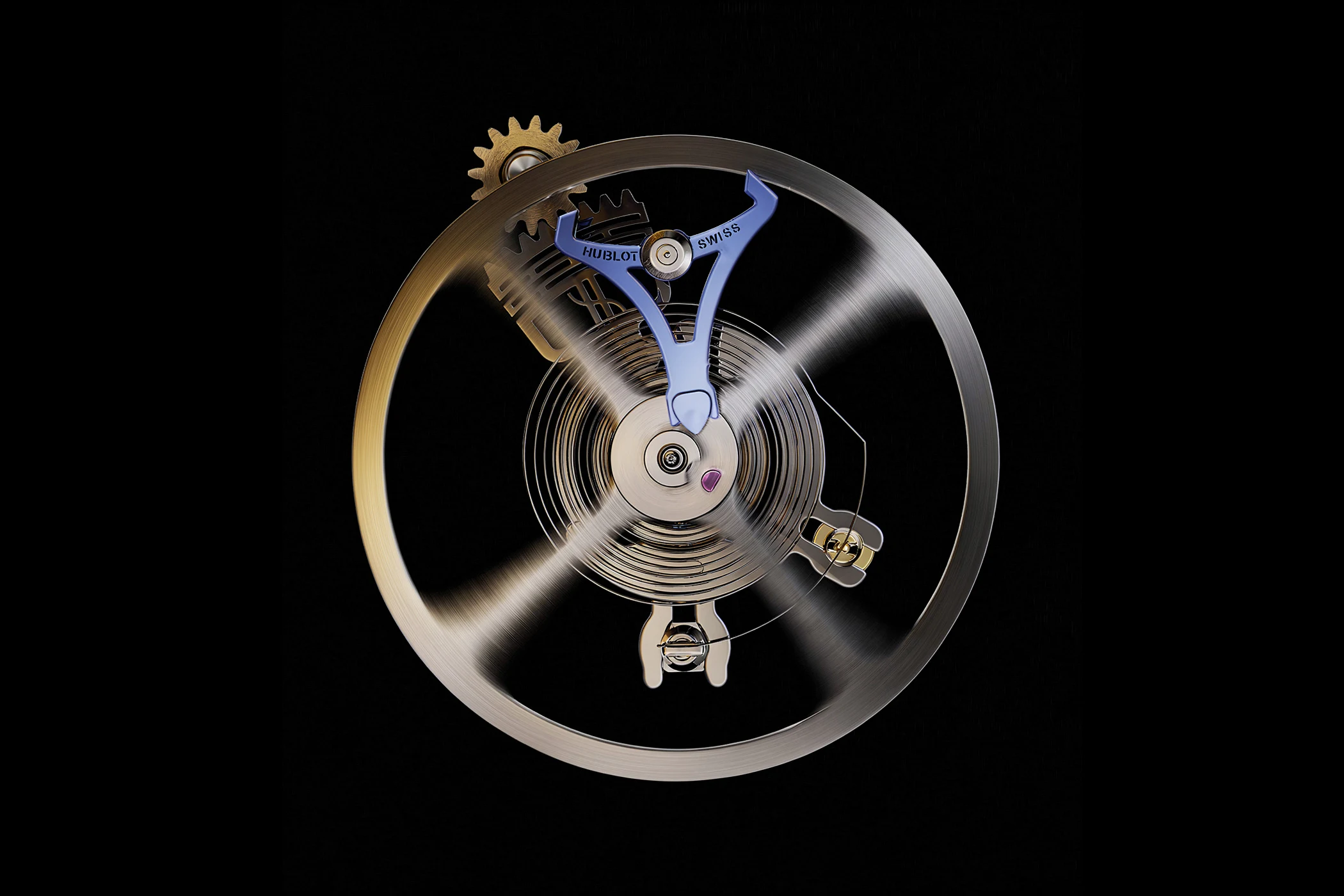
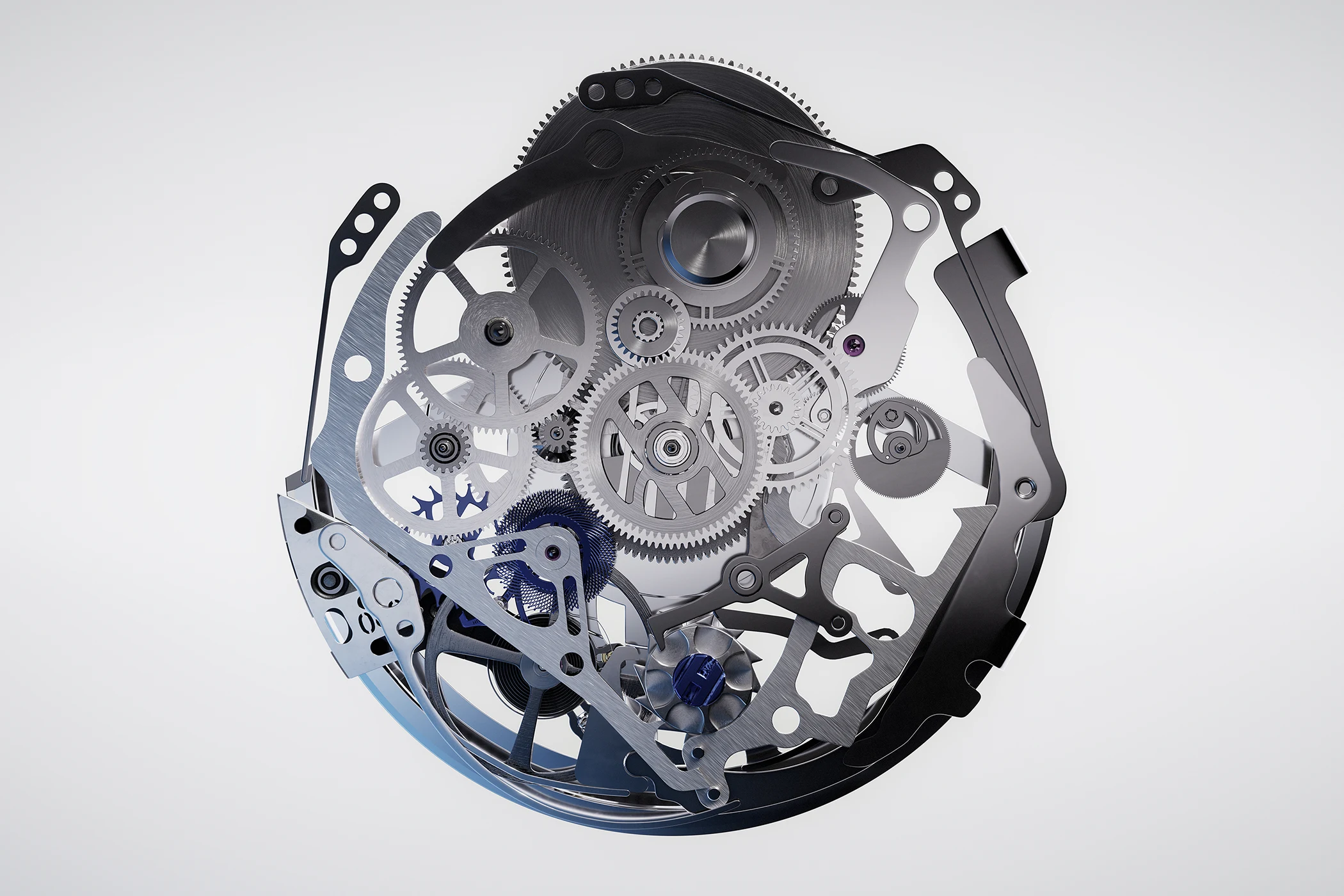
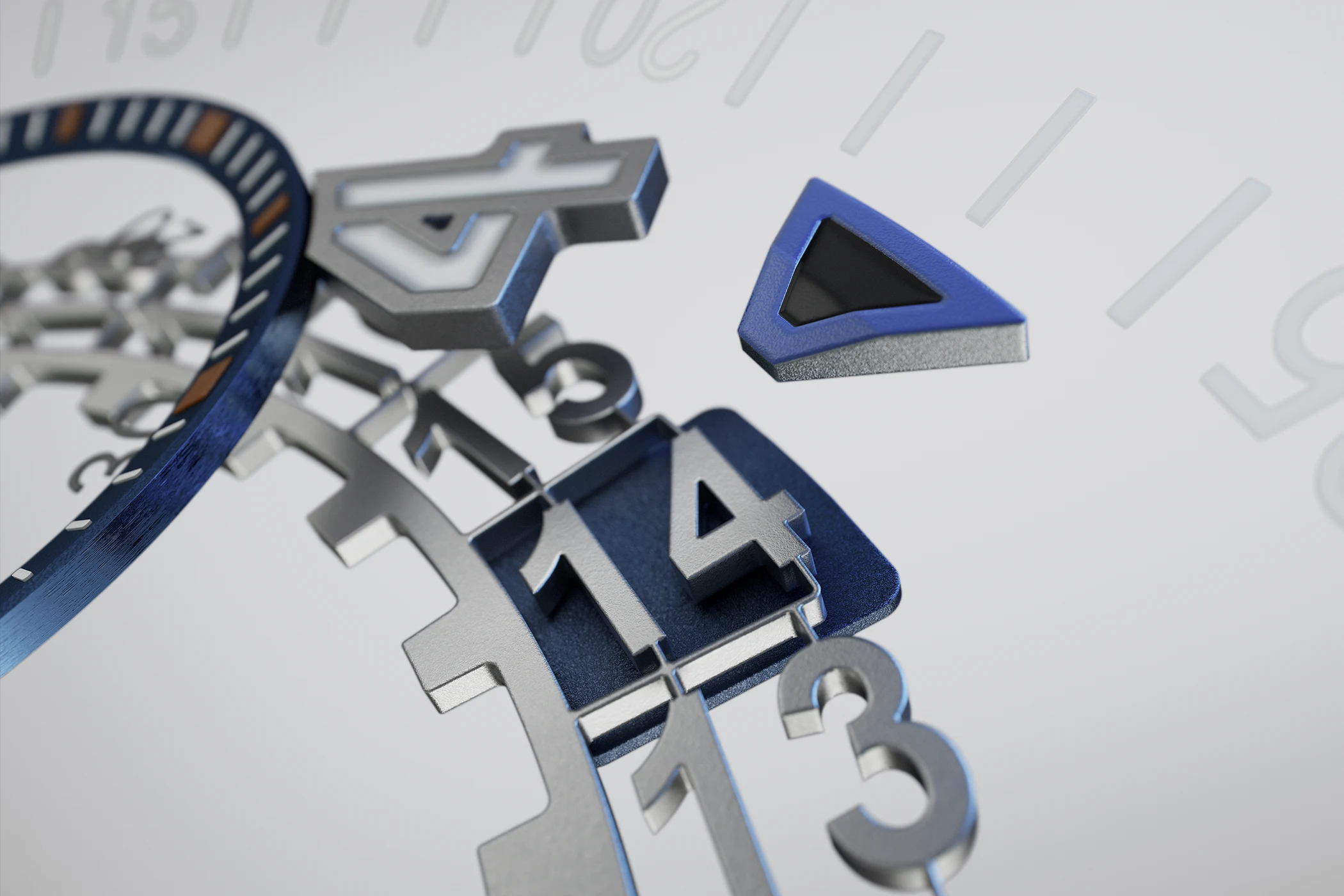
What is particularly interesting here is that Hublot does not merely expose the mechanics, but deliberately highlights them. The openworked case design deliberately draws attention to the chronograph’s architecture. Colour, contrast and layers ensure that the Unico’s construction is immediately legible. It is precisely this that makes the Big Bang Reloaded more impressive than many other skeletonised sports chronographs: it does not merely aim to look complex, but is also able to organise its complexity clearly.
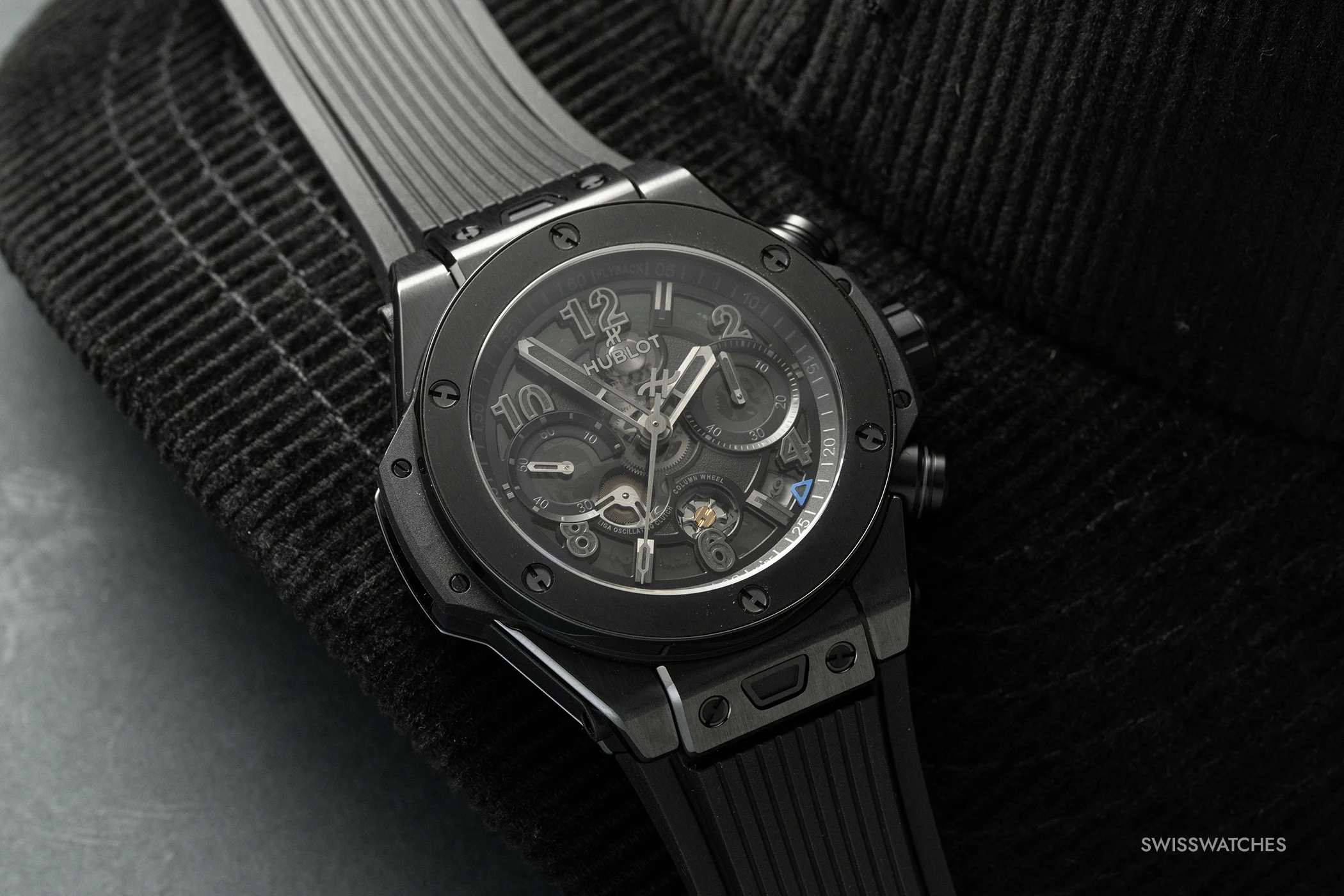
However, the material concept is at least as important as the movement in this new release. The five models differ not only in colour but also in the impression they create. The titanium-ceramic version combines satin-finished and polished titanium with black ceramic, thus drawing on early Big Bang Unico designs. It is likely to be the most understated and technical variant of the range. The All Black, on the other hand, is entirely in keeping with the tradition of the concept with which Hublot introduced the idea of “Visibility through Invisibility” twenty years ago: maximum presence through maximum obscurity.
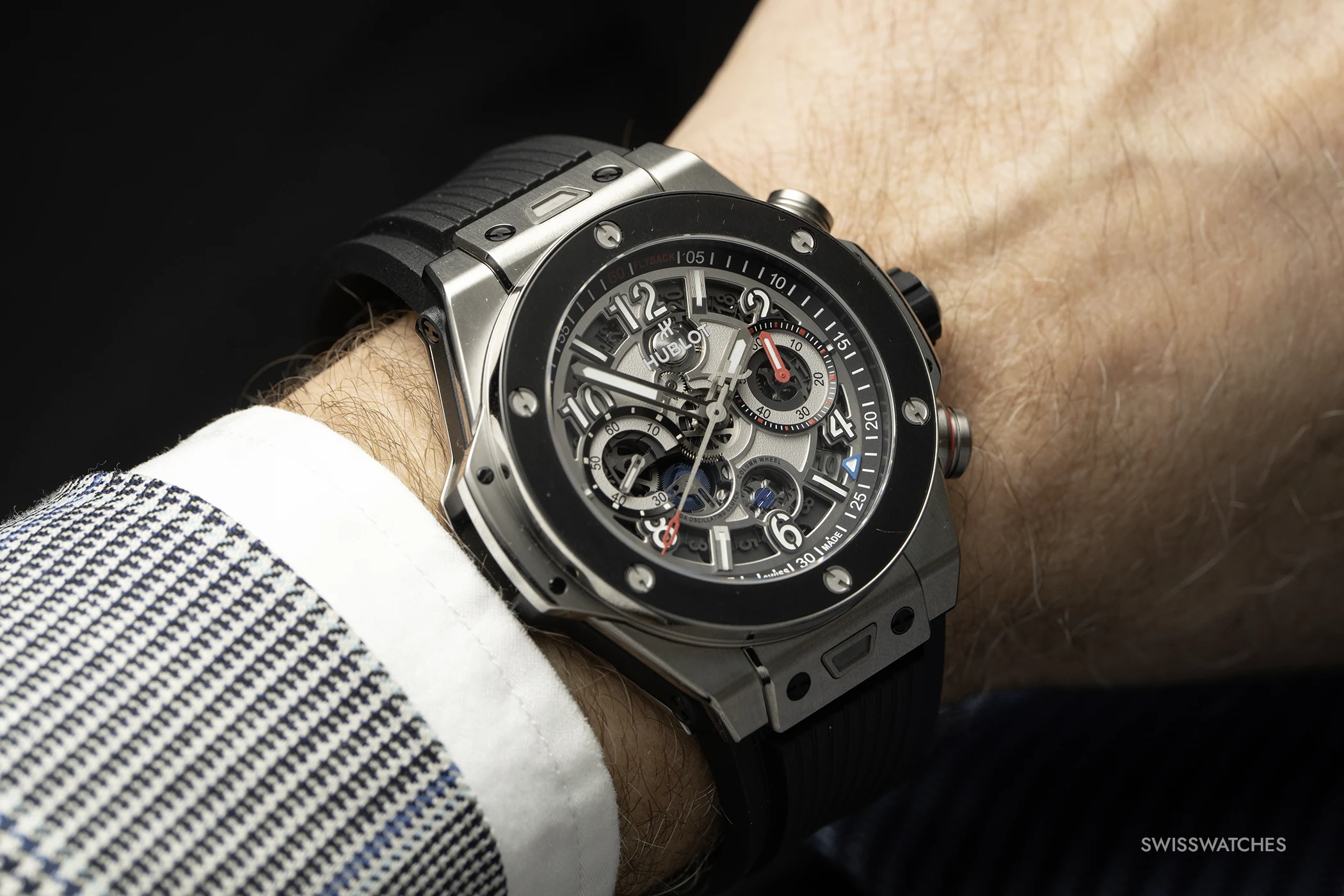
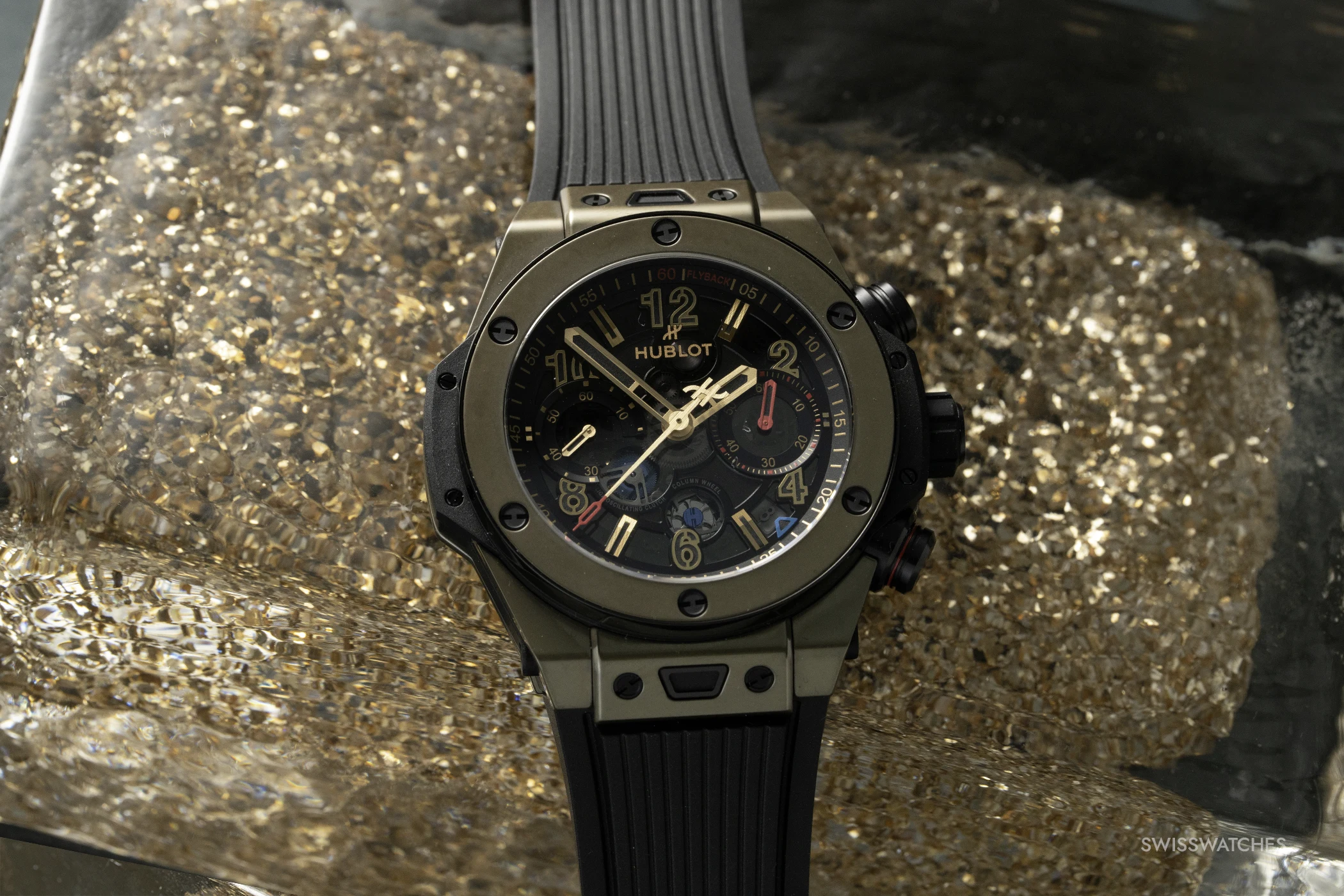
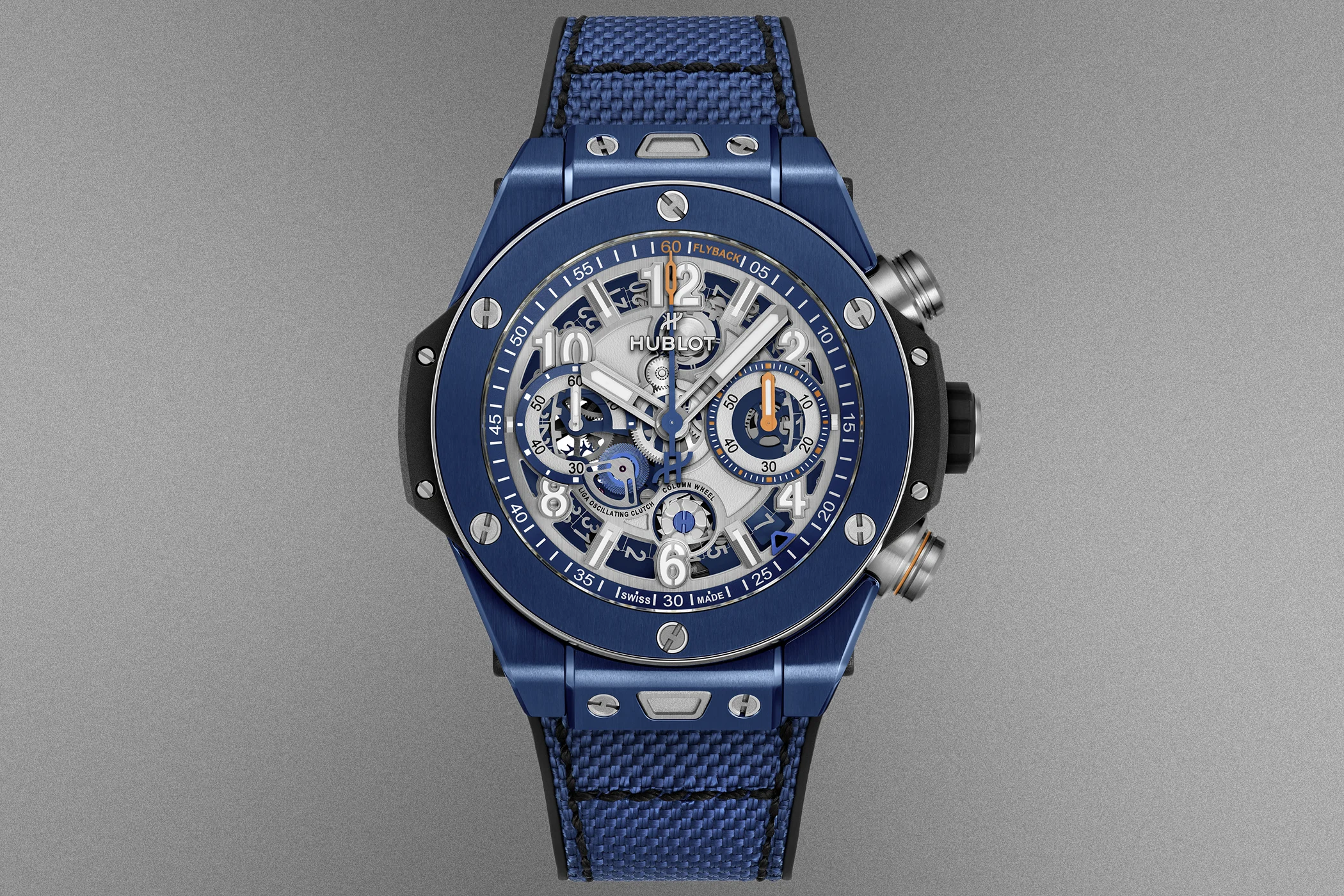
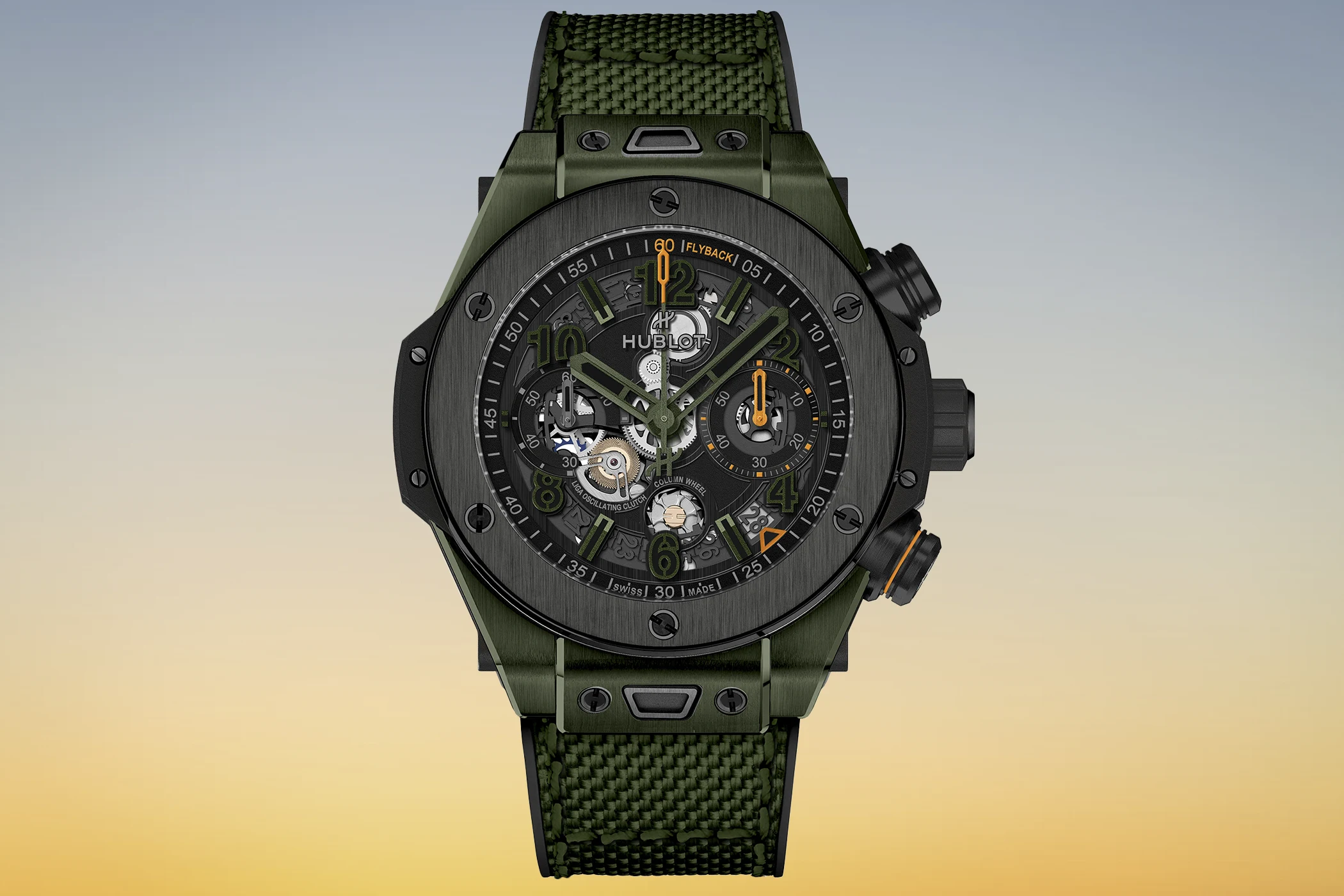
With Blue Ceramic and Dark Green Ceramic, the range takes on a much bolder look. Here, Hublot demonstrates just how confident it has become in working with coloured high-tech ceramics. According to the manufacturer, their hardness is around 300 Vickers higher than that of conventional ceramics, making this choice of material compelling not only visually but also technically. The green version has a slightly more earthy feel, whilst the blue one appears cooler and sportier. The Magic Gold version, however, occupies a special place within the collection. The material was developed in collaboration with the EPFL’s metallurgy laboratory; it is considered the world’s first scratch-resistant 18-carat gold and is manufactured by Hublot itself in Nyon. The fact that this version of the Big Bang Reloaded also marks the 15th anniversary of Hublot’s own Magic Gold alloy makes it the most historically significant watch in the range.
The fact that Hublot does not view the Big Bang Reloaded as merely a colour refresh is also evident in the case and wearing concept. The 44 mm case has been sharpened with a two-piece bezel, which allows the materials and finishes used to interact more effectively with one another visually. Overall, the case appears more angular and the design more sharply defined. In addition, all five models come with two interchangeable straps: one in a fabric-like textured rubber finish with an H-pattern, the other a classic black rubber strap. Thanks to Hublot’s One-Click system, the character of the watch can be changed quite quickly – from sporty to slightly more understated, although ‘understated’ is, of course, always relative when it comes to Hublot.
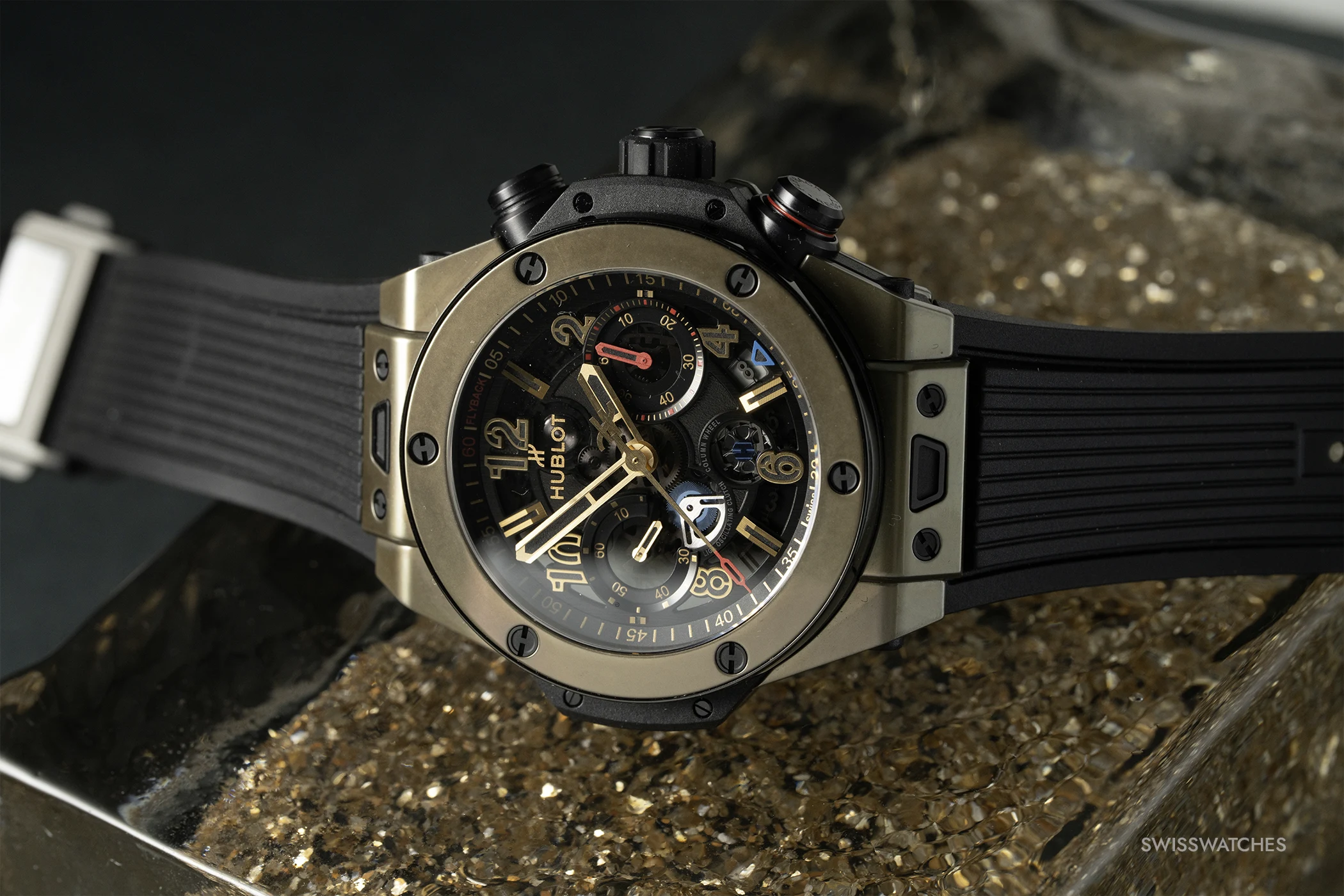
Technically, the range remains firmly rooted in a common foundation. The HUB1280 Unico comprises 354 components, features 43 jewels, operates at 4 Hz and offers a power reserve of approximately 72 hours. Hublot also highlights five patented innovations within the construction, including the dual-clutch system, a ‘Zero Friction’ locking mechanism and fine-tuning mechanisms on the balance wheel. Put simply, the built-in double clutch ensures that the chronograph is engaged and disengaged smoothly, meaning that the stopwatch function can be started, stopped and reset without unnecessary friction, vibrations or loss of accuracy.