11 minute repeater watches from 2026 by Bulgari, Patek Philippe, Hermès and other manufacturers: technology, sound and prices.

At the Geneva Watch Days 2026, Bulgari surprised everyone with two truly extraordinary watches, which were the subject of lively discussion at almost every gathering of watch journalists during the event.
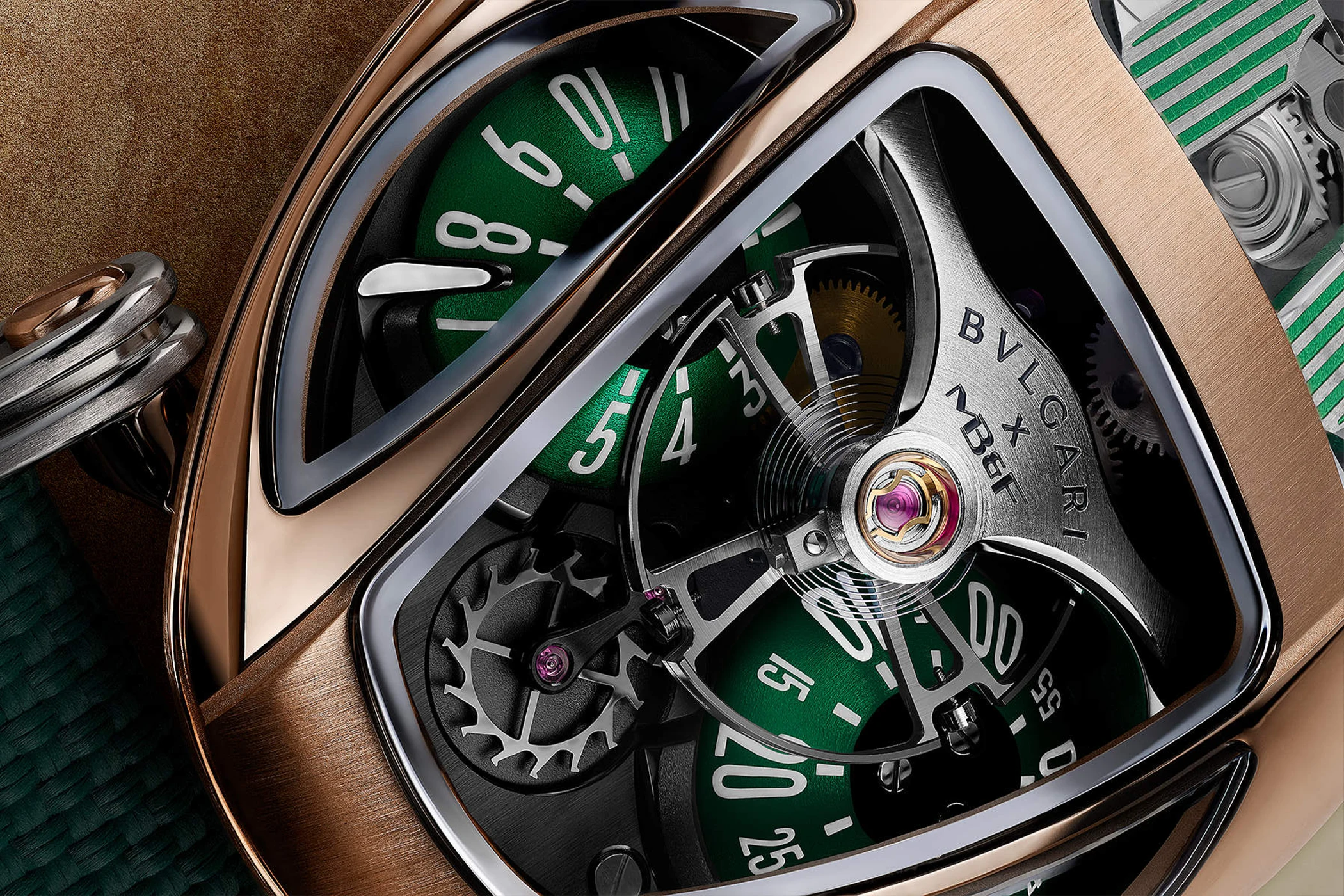
We are talking about the Octo Finissimo Dual Time x Vianney Halter, whose steampunk look was created in collaboration with the independent watchmaker and designer Vianney Halter, and the Octo Finissimo Dazzle in its ‘Erlkönig’ design.
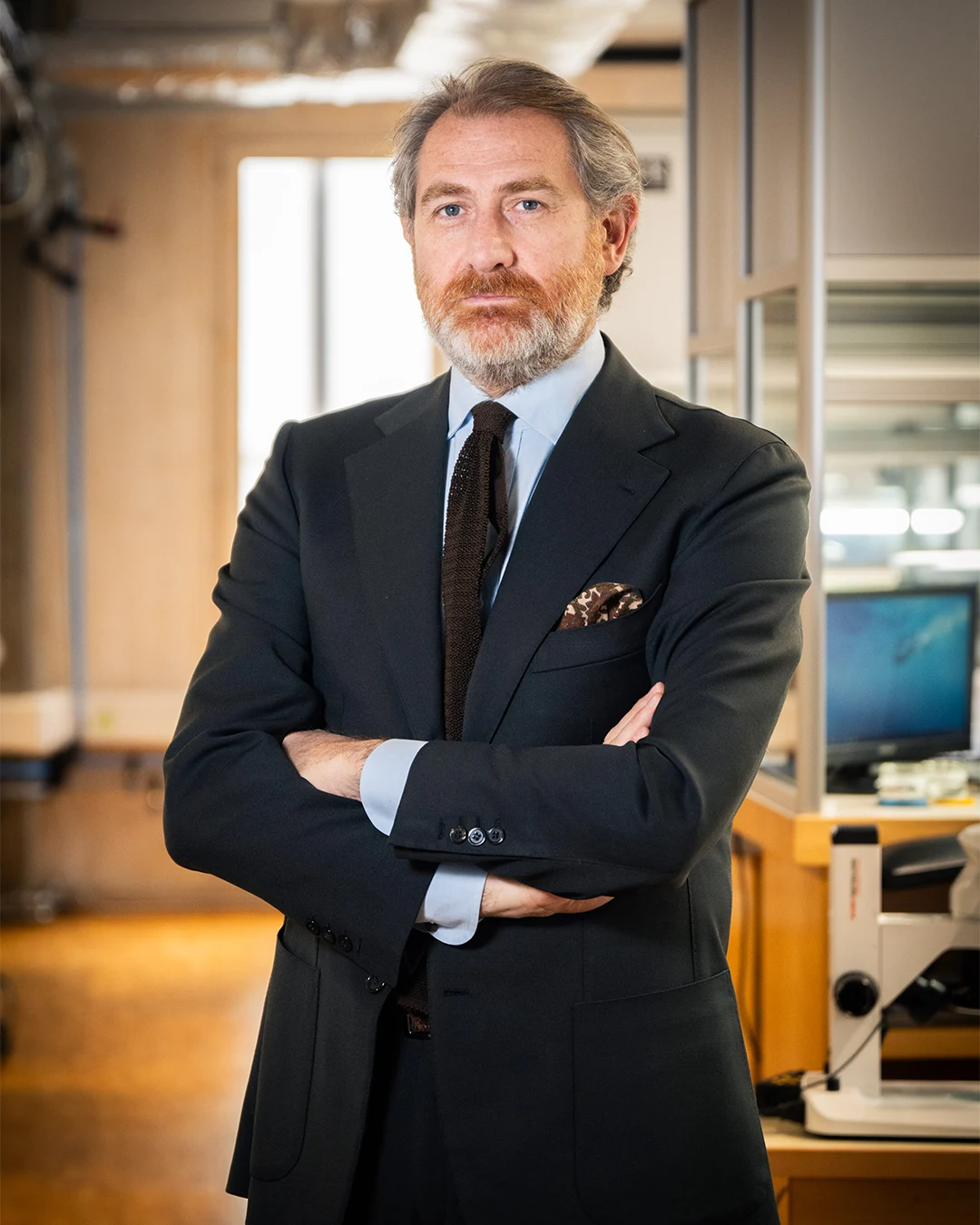
Fabrizio Buonamassa Stigliani, Executive Director of Product Creation at Bulgari Watches, is responsible for the design of these two new models. He was born in Naples in 1971 and studied industrial design in Rome. After working at the Fiat Style Centre, he joined Bulgari in 2001. He has headed the brand’s Watch Design Centre since 2007. The Octo Finissimo is among his best-known creations.
His design philosophy is guided less by the principle of ‘form follows function’ than by the conviction that technology is a tool for creating beauty. For him, true icons are also characterised by the fact that their distinctive DNA allows sufficient freedom for ever-new interpretations.
In Geneva, Fabrizio Buonamassa Stigliani spoke to us about the new releases, iconic pieces, the extraordinary collaboration with MB&F, and cooking – in particular, the preparation of pasta and soufflé and their parallels with watch design and the Italian understanding of good design.
Fabrizio Buonamassa Stigliani: Originally, we were a jewellery manufacturer that also produced watches. However, the world of independent watchmakers remains something of a clan unto itself. With the Octo Finissimo, people began to view us differently – as a watch manufacturer in our own right.
We are able to develop and manufacture our own movements – very interesting movements, ultra-thin movements. This has opened many doors for us.
It’s a fascinating thing. These days, with every new interpretation of the Octo, we create a new watch – and yet it always remains an Octo. Not because we’re particularly good at coming up with new designs and generating hype. But because the Octo’s aesthetic DNA has become so well known and is, so to speak, second nature to watch enthusiasts.
It is exceptionally unique in terms of its design and instantly recognisable. These days, you could even cover the dial – as soon as you see that shape, you know it’s an Octo.
After 15 years of breaking the mould in various categories, working with different materials and collaborating with artists, architects and watchmakers, I know that the most interesting feature of the Octo is its fundamental DNA rather than its specific aesthetic in any given model.
Unfortunately, I don’t know. If I did, I could create one iconic design after another. But I can tell you that one of the most important things at Bulgari is the brand’s eclecticism. We can do very different things in different ways, and yet you always recognise the same DNA: courage, pushing boundaries and bold creativity.
Ultimately, however, only the market can decide whether a product becomes an icon. Timing also plays a role. You can design a product as well as possible. But if the timing isn’t right, you don’t stand a chance.

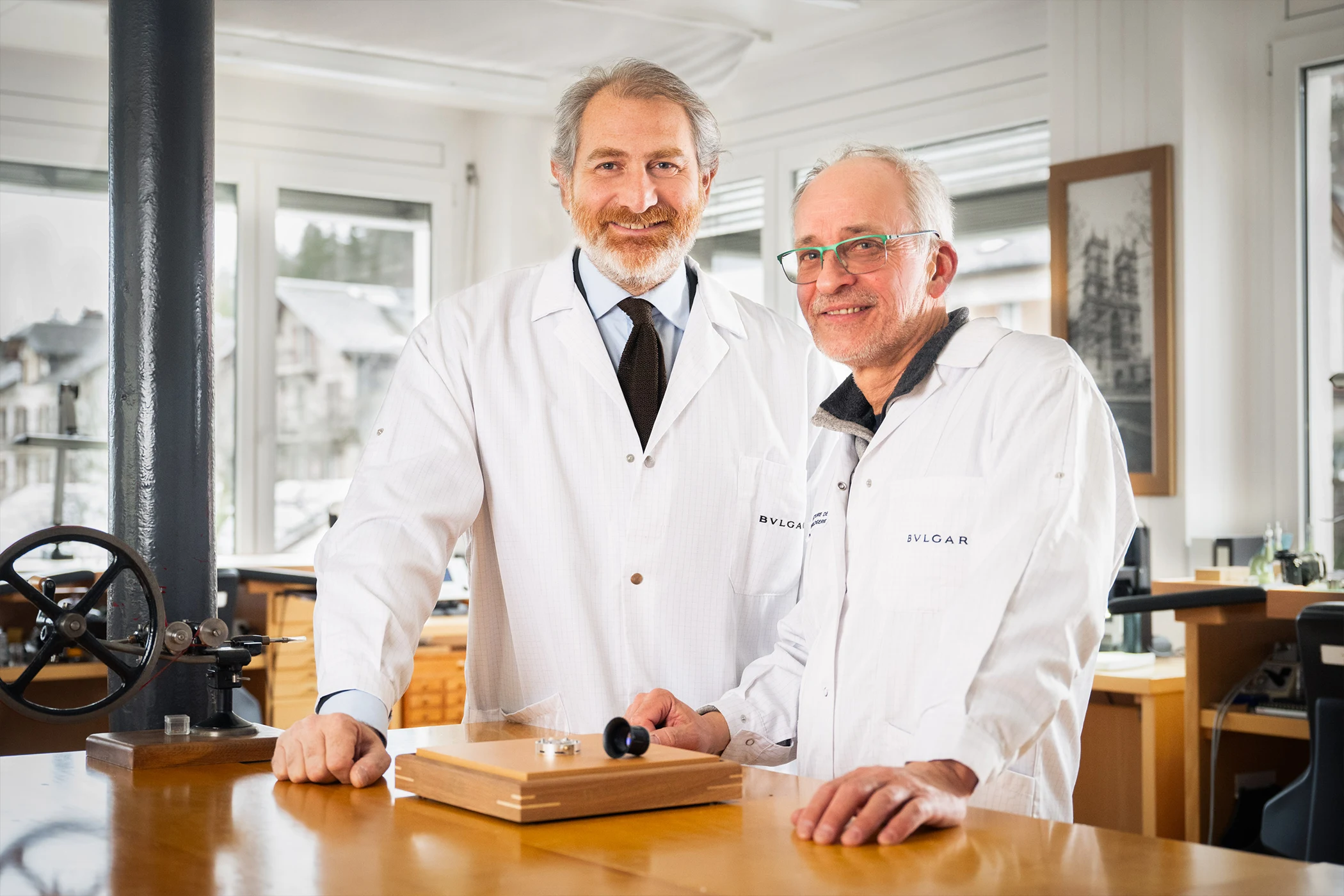
Following numerous collaborations with artists and architects that had focused more on aesthetic or philosophical concepts, this time the focus was to be on the movement and the horological DNA of the Octo. That is why we sought to collaborate with Vianney Halter.
He is a truly extraordinary individual and a fantastic watchmaker. But I had never met him in person before. Our first meeting was therefore like a blind date: you meet someone you don’t know yet and want to find out whether a collaboration might work. I didn’t have any concrete ideas at that stage.
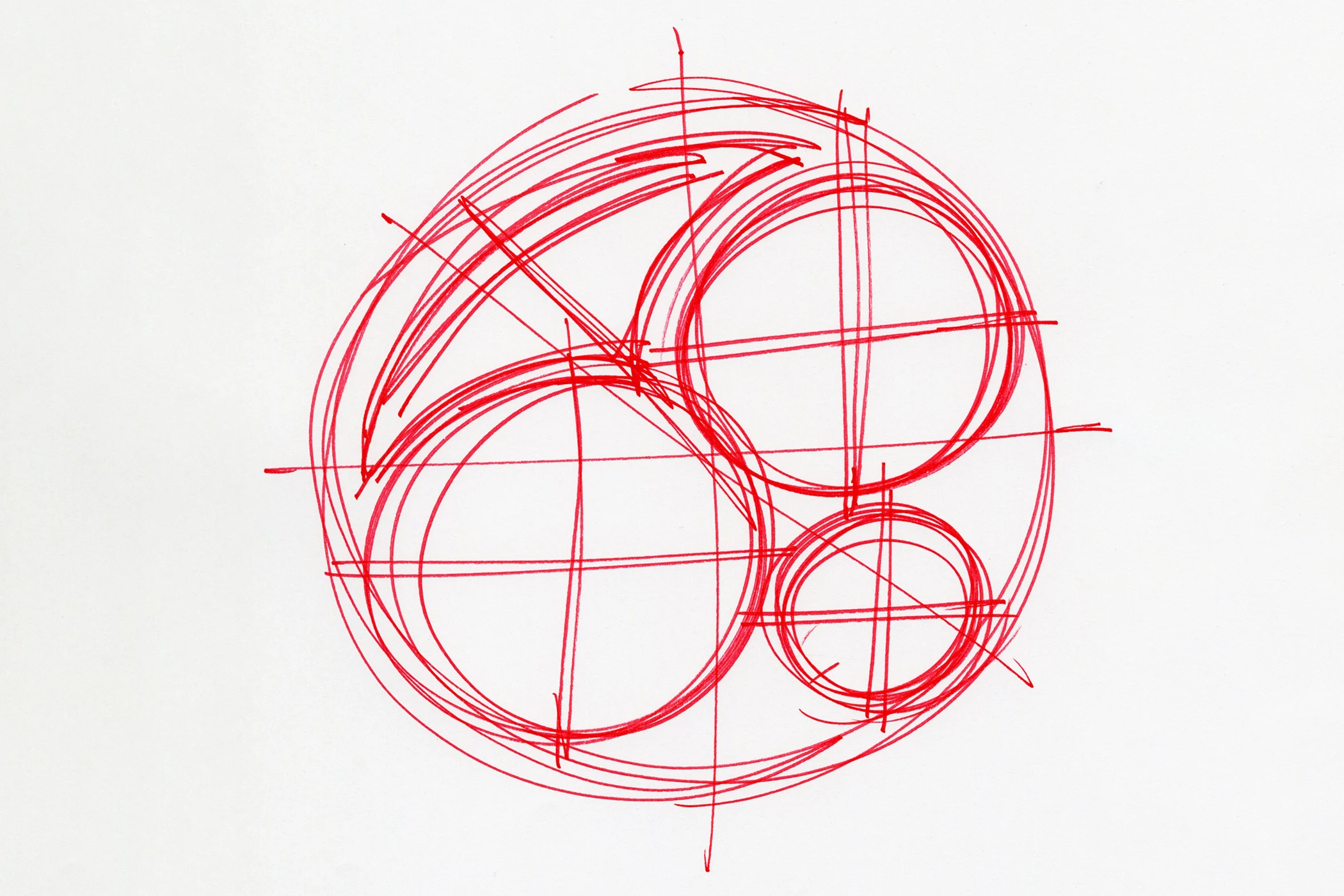
By not talking about watches at all to begin with. Instead, we chatted about the things we love. A few months later, we met up a second time, and he was ready to develop something together with us.
This was followed by three years of conceptualisation and creation, during which the idea for this watch developed quite naturally. We never said: ‘This is our brief; we have to do it exactly like this.’
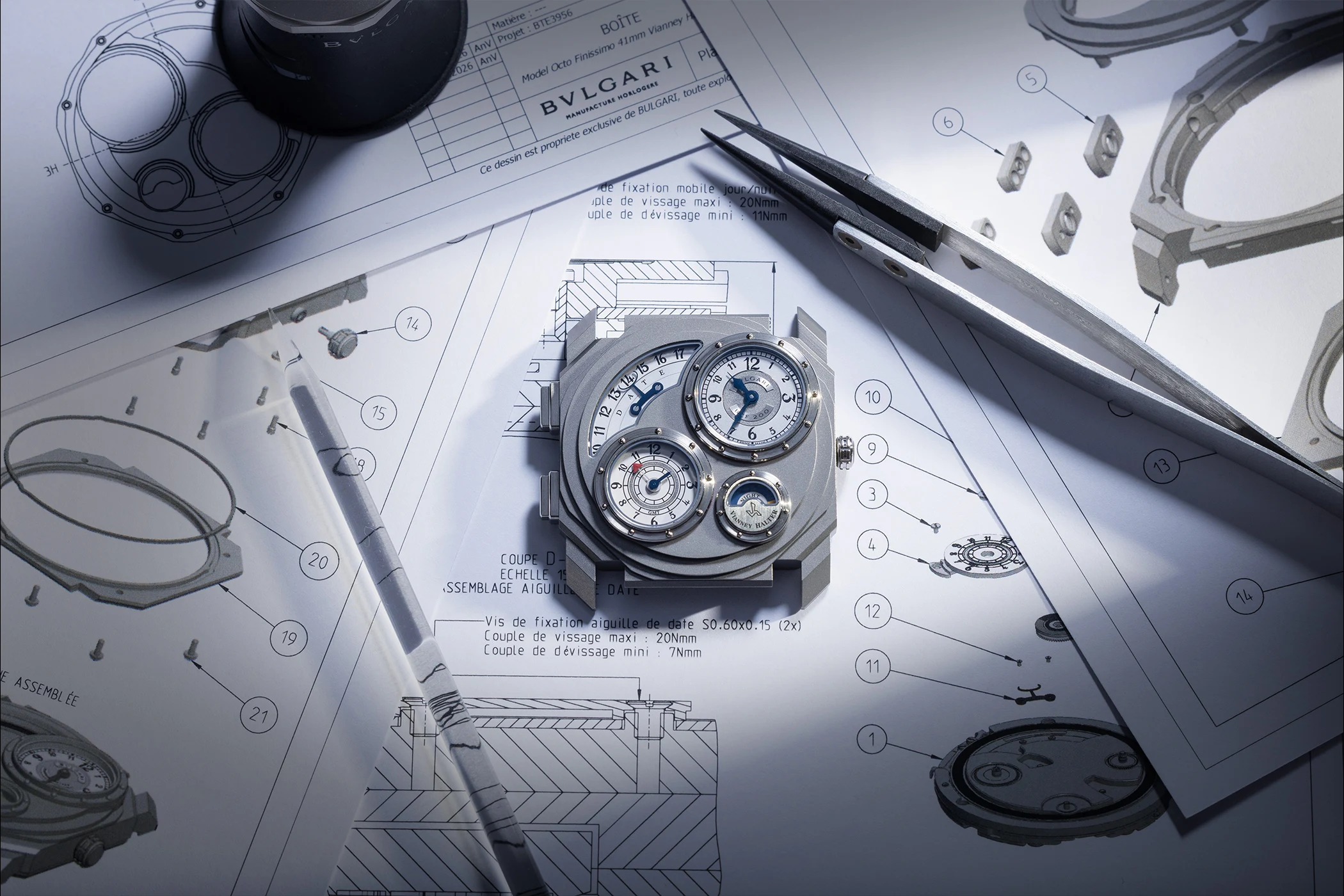
Once the concept was finally in place, the task was to develop a module that would work with the Octo Finissimo’s base movement, so that Vianney’s vision could be brought to life. The aim was to create something truly watchmaking in nature, not just another design variation.
For our watchmakers and me, collaborations like this are always a particularly exciting learning experience. And working with Vianney was truly wonderful.

We’ve heard that a lot. And we, too, initially thought: ‘That can never work.’ Vianney is well known for his unique way of thinking and his very personal perspective. And in exactly the same way, the Octo has its very own DNA and design philosophy.
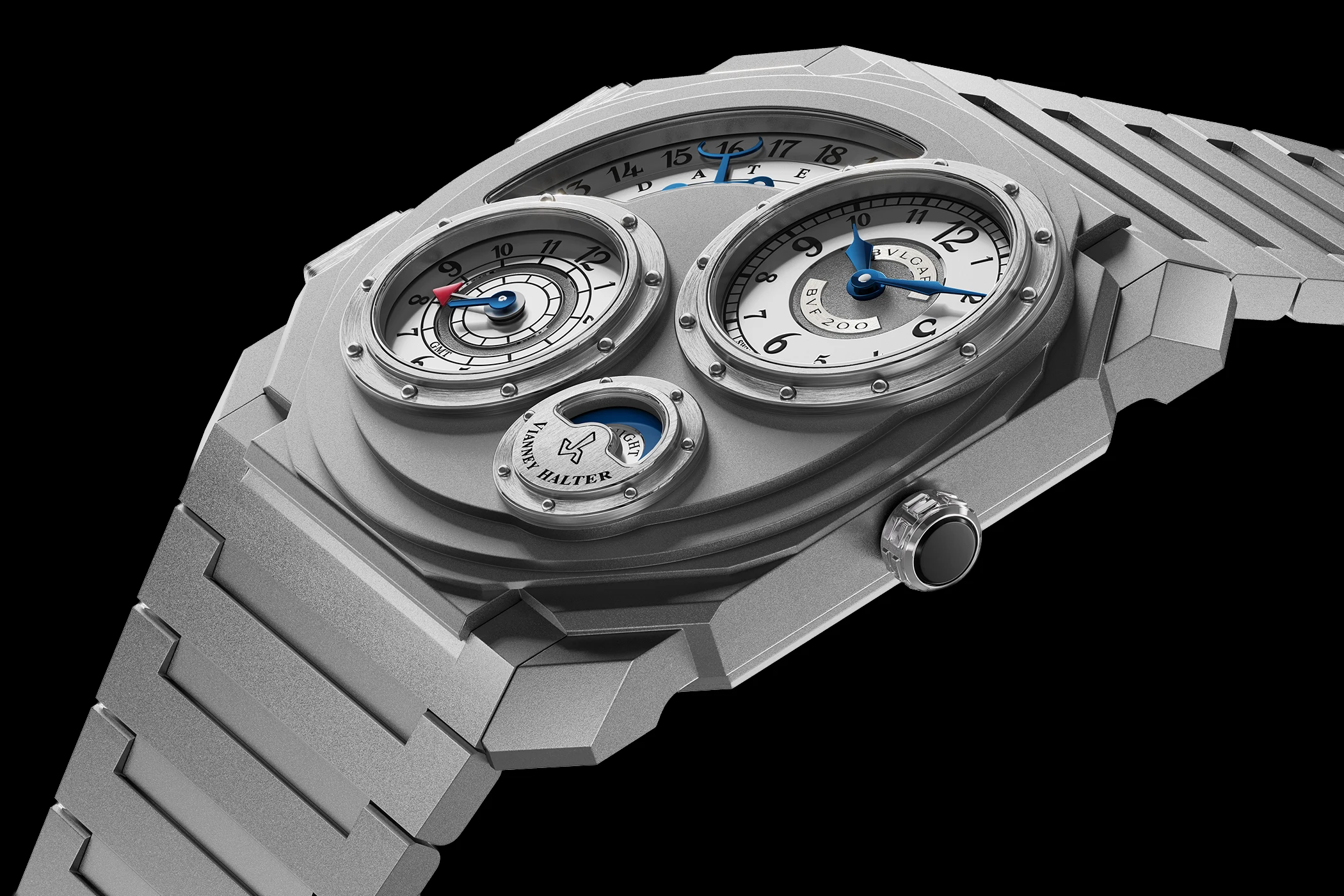
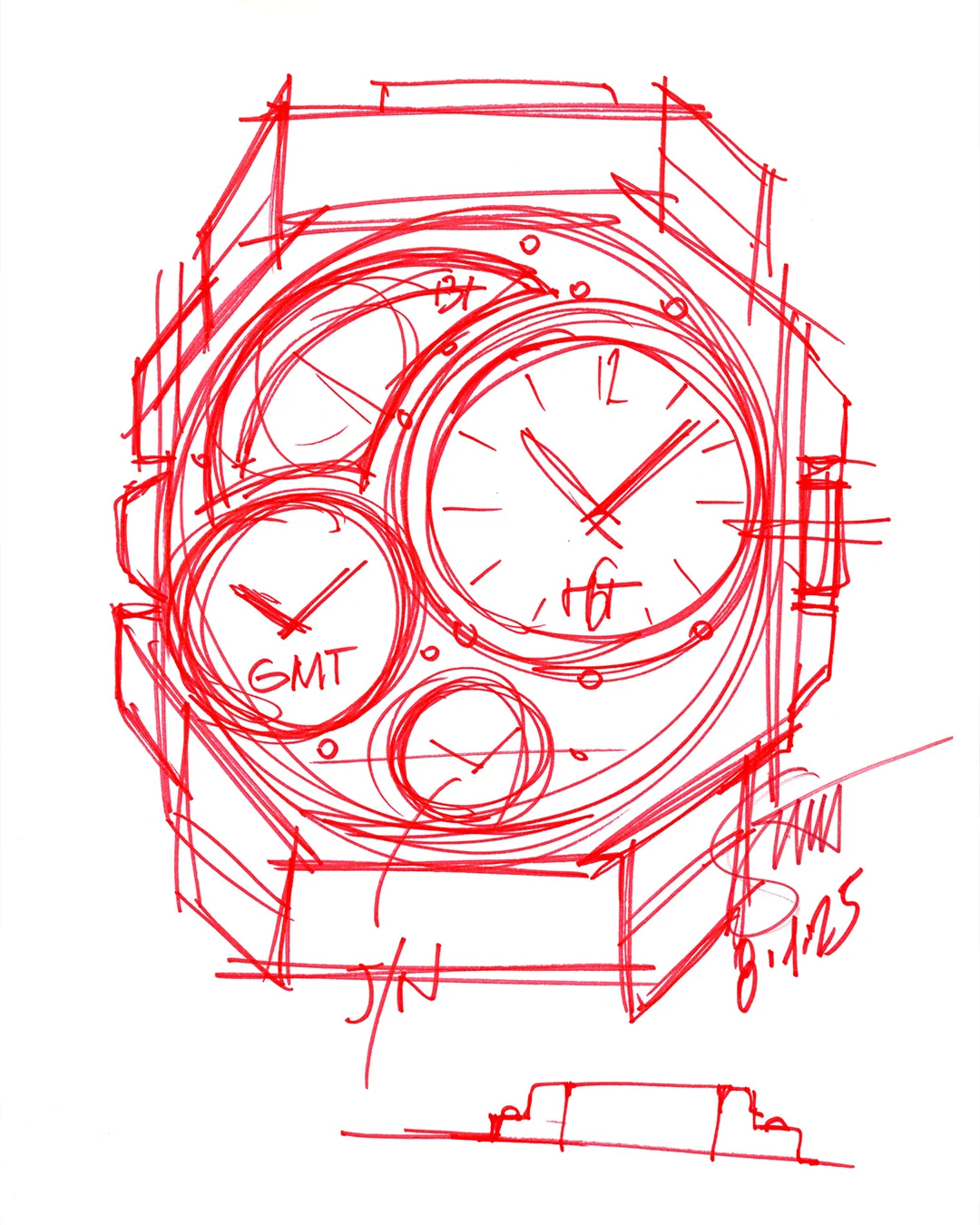
If you place the Octo Finissimo Dual Time x Vianney Halter next to a well-known Octo Finissimo, at first glance you’ll only notice the differences. But if, for example, you look at it alongside the Octo Finissimo Ultra with its engraved escape wheel, you’ll notice something very interesting. Namely, a striking similarity: the unusual four-display architecture, featuring four clearly distinct display elements arranged asymmetrically.

However, whilst the Octo Finissimo Ultra is extremely flat, Vianney’s watches are very three-dimensional, partly because they are fitted with extremely complex movements. When you see how the Octo elements stand out from the flat base, it is truly fascinating. It is almost as if the watch comes to life.
That’s right. When you look at the Vianney Interpretation and the Octo Finissimo Ultra, you quickly realise that they are based on the very same concept. Both feature a dial that divides the functions and positions them unconventionally, rather than in the centre of the watch. At the same time, the two watches actually have nothing in common. And that is precisely why they are so unique.
Incidentally, for a designer, the finest quality of an icon is that one is not compelled to use the same decorative elements in every new interpretation.
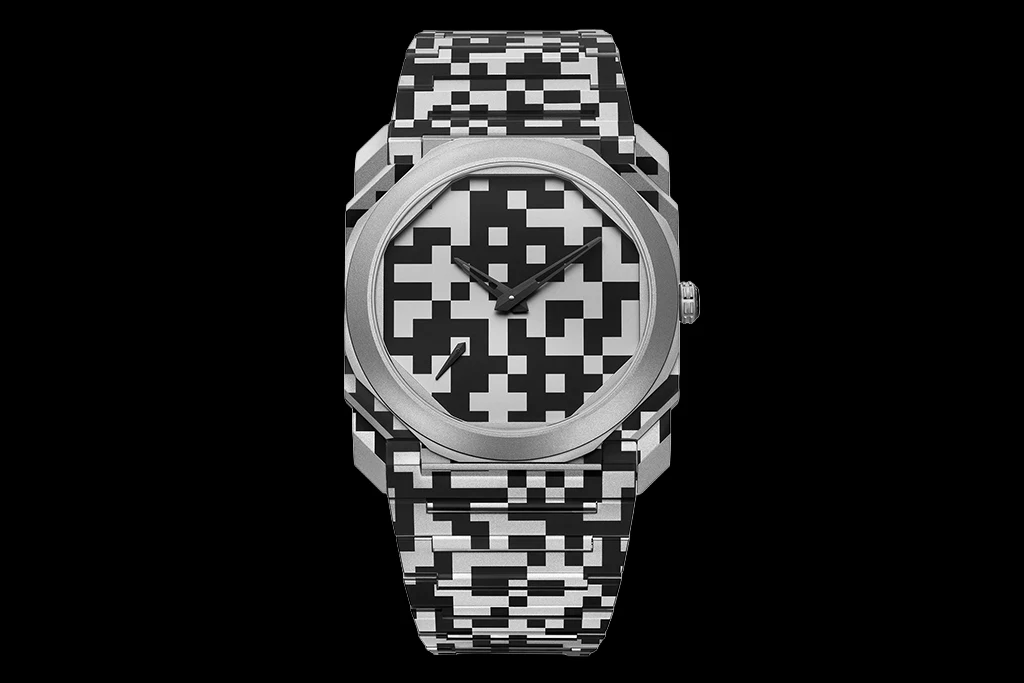
Essentially, it’s exactly what we’ve just been discussing. Because of the pattern, the shape of the watch recedes completely into the background to the eye. Yet you know straight away that it’s an Octo. The source of inspiration was the bewildering, almost psychedelic ‘Erlkönig’ patterns used in the automotive industry, which are applied to prototypes during test drives on public roads. This is less about camouflage and more about creating an optical illusion. It makes it difficult for the eye to discern the actual contours of the bodywork, the edges and the curves of the surfaces.
When I was young, these prototypes were completely covered with large bumpers and plastic parts so that their shape could not be recognised. Today, the vehicle is simply covered with one of these patterns, so that the eye can no longer make out the shape. The brain perceives almost nothing but the pattern, and the shape is no longer clearly recognisable. Yet you still recognise an Octo immediately – that is what sets it apart as a true icon.
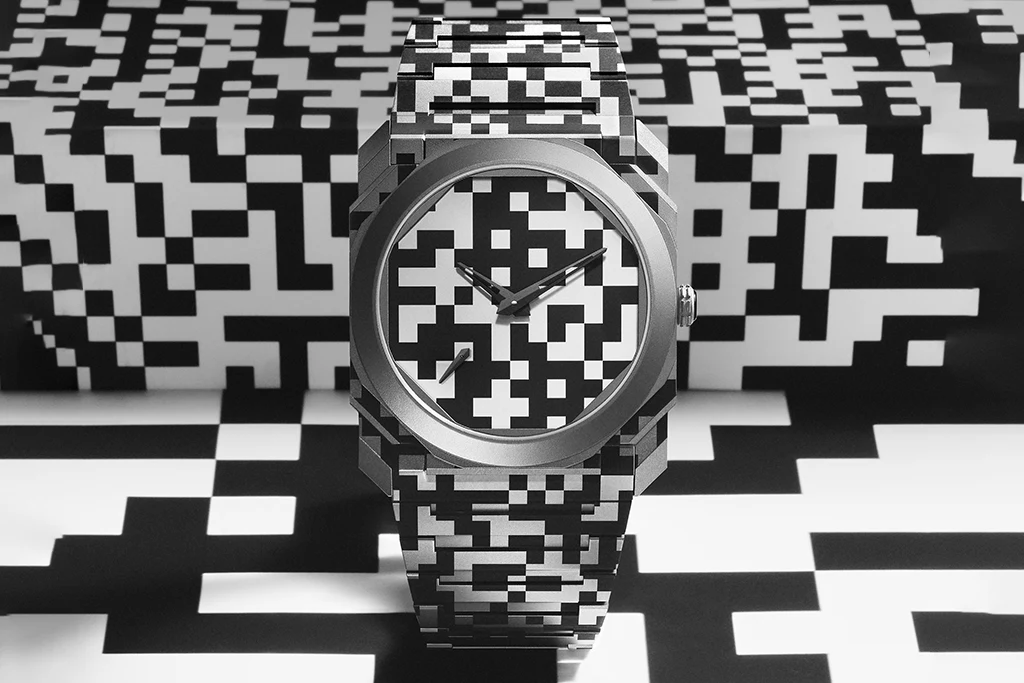
Yes, and we’ve used it quite deliberately – with watch collectors in mind, too. They might own 40, 50, 100, 200 or even 500 watches. They don’t simply need yet another watch to tell the time.
To be honest: I, too, look at a watch because it’s beautiful. I check the time on my mobile phone. We don’t really need a watch on our wrist any more to know what time it is. We buy a watch because we love watches and the idea behind them.
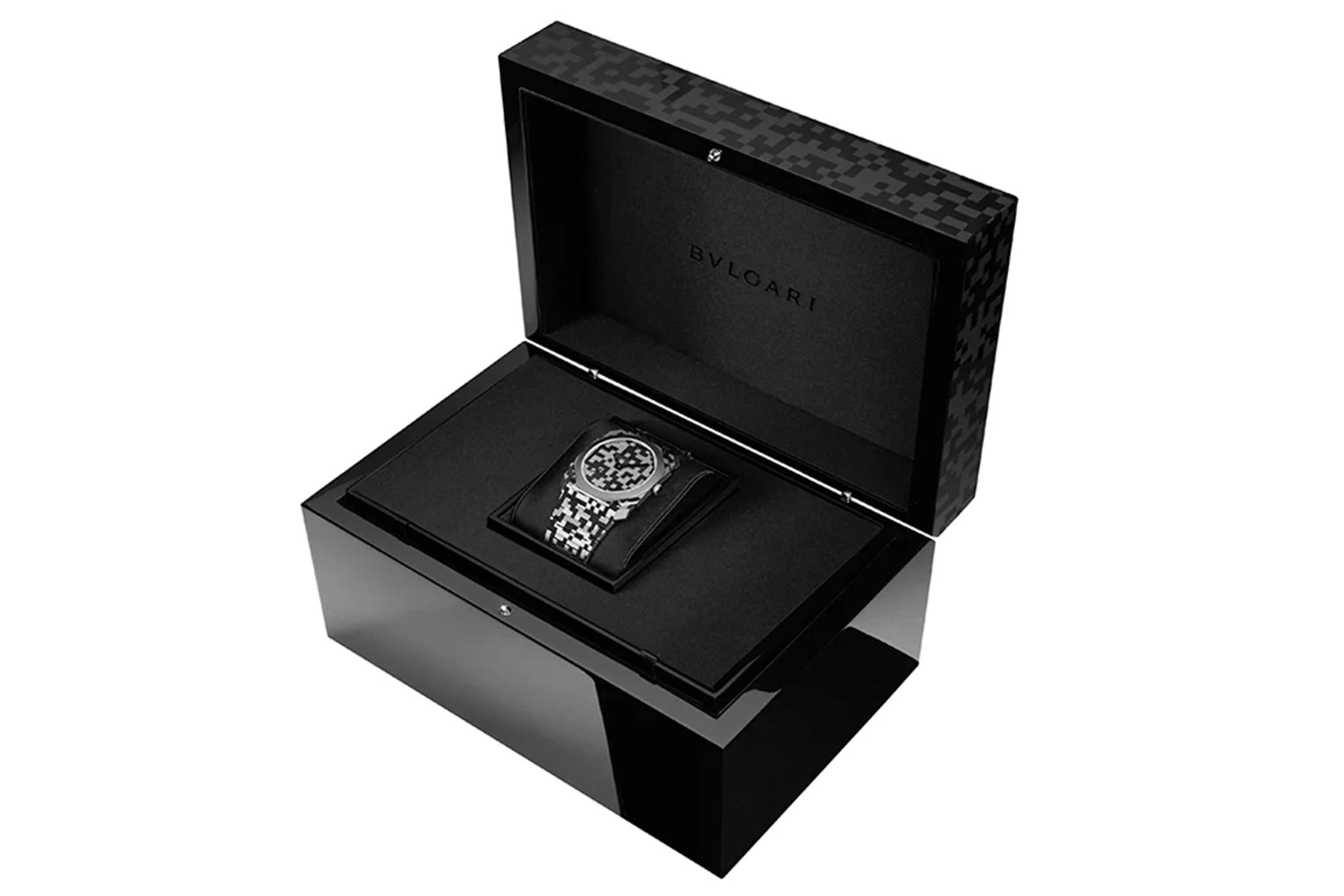
Exactly. With the Dazzle, we want to offer collectors and watch enthusiasts something that isn’t really a watch any more, but rather an idea. It was made for someone who already owns a great many watches. It’s so different, and I’ve even had people say things like: ‘To be honest, I don’t understand it.’
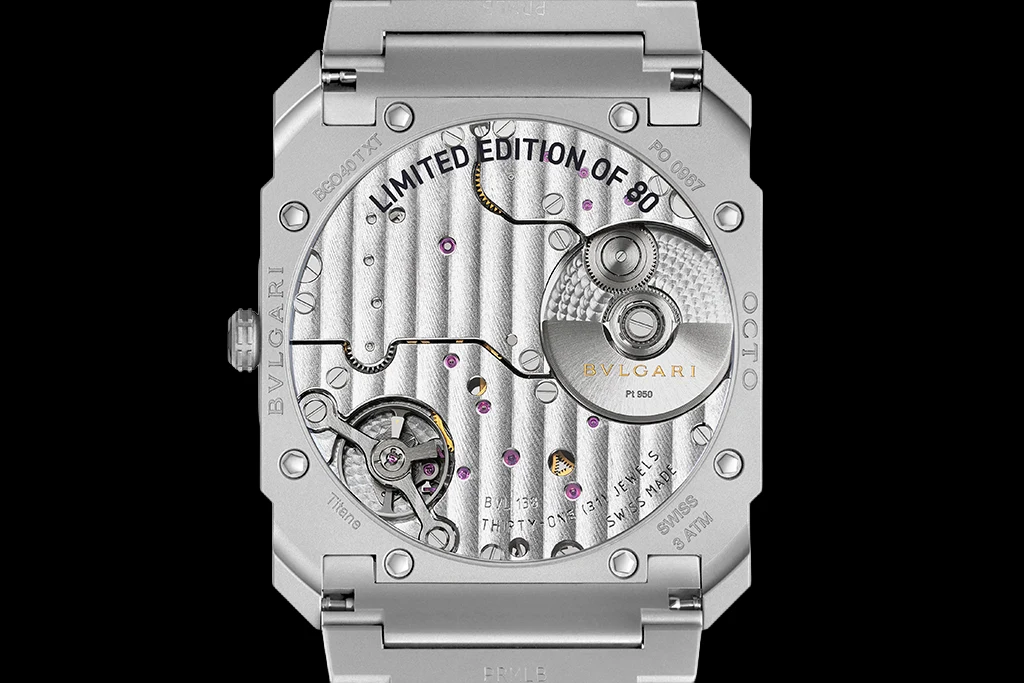
Yes, it appeals to you in a very subtle yet very direct way. Because it’s not simply about a brown or green dial, or any other new colour. It’s about a concept. And the Octo is perfectly suited to such a design study because it’s flat and has a relatively large surface area to play with.
Yes, of course. We Italians have an interesting perspective on this. German and Italian design philosophies are similar in some ways, yet very different at the same time. For Germans, the rule is usually: ‘Form follows function’. Dieter Rams, the long-standing chief designer at the electronics manufacturer Braun, is a good example of this.
When I was young, it was a dream of mine to meet Dieter Rams or to work with the Braun design studio. I’ve read many books about his work. In one of these books, there’s a photograph of his own studio. In it, you can also see his desk – and on it lies a Bulgari pen. I thought that was really cool.
For Italians, however, ‘form follows function’ means something different. We tend to say: beauty follows function. Technology is a tool for overcoming potential limitations and creating something aesthetic. For Italians, technology on its own is never an achievement in itself. We use it to create beauty.
We love, for example, the engine of a Ferrari, because that’s where engineering becomes aesthetics. The engine, the sound – its beauty is only made possible by technology.
That’s right. You see, in Italy we don’t so much talk about ‘design’ – the word does come from English, after all – but rather about ‘arte applicata all’industria’, that is, applied art for industry. I really like this expression, because it captures the Italian understanding of good design.
For us, any activity in which a craftsman creates something beautiful with his hands is applied art. The French call this ‘métiers d’art’. When combined with industrial production, it then becomes applied art for industry.
This illustrates well how we Italians – and how I – think about good design for functional objects: engineering alone is too cold, and a work of art alone is merely beautiful. A pure work of art cannot really be used.
But if a watch works perfectly yet evokes no emotion, it is a cold object. You might say, ‘Wow, that’s brilliant.’ But you’ll wear it for a few weeks and then put it in the safe.
I try to combine both aspects in my designs. Technology plays just as important a role as beauty. So technology can be beautiful, and beauty can be technological.
I did at first, because I love large objects and watches are so small. I did sometimes ask myself: why am I actually doing this? But when I look at the automotive industry today, it has become very boring for designers. Certain shapes of radiator grilles or headlights, for example, have to be kept more or less unchanged so that a car model can be recognised immediately.
With the Octo, it’s different. Even when I combine materials or alter the finish, you can still tell: that’s an Octo. That’s exceptionally unique. That’s why, with every new collaboration, you can change the character of the watch, and yet it remains an Octo – and not just because of the logo on the dial.
As a designer, I consider this to be one of the most difficult tasks of all. And I’m particularly proud of it. Not just because we’ve broken technical records, but because we’ve changed our customers’ perception. Today, with the Octo, we have a timepiece that is highly recognisable – not just because of its aesthetics, but because of its soul.
It depends. Sometimes I design a timepiece that has to be very highly integrated – it’s meant to be a single, cohesive product.
Integrated design is very interesting and offers plenty of scope for beautiful sketches and ideas. But it can also become a bit tedious. It can be too close to perfection. And for us Italians, perfection can also be a little boring.
For example, I love things that aren’t symmetrical at first glance, such as the Octo Finissimo Dual Time x Vianney Halter. You might ask yourself: why isn’t this bezel positioned exactly in the centre? The answer is that this allows you to see that the movement is inside, dictating certain proportions. This creates an interplay between technology and beauty.
Sometimes, however, I also prefer the classic approach, where the functions are considered separately: the strap should be a strap. The case should be a case.
I think it begins in my head. At a certain moment, I see a feather or a leaf moving in the wind, and then, quite unconsciously, a creative process begins – for me, one of the most mysterious processes of all. Sometimes, however, I’m actively looking for a specific idea, and all the information that comes together in the process helps me to arrive at a result.
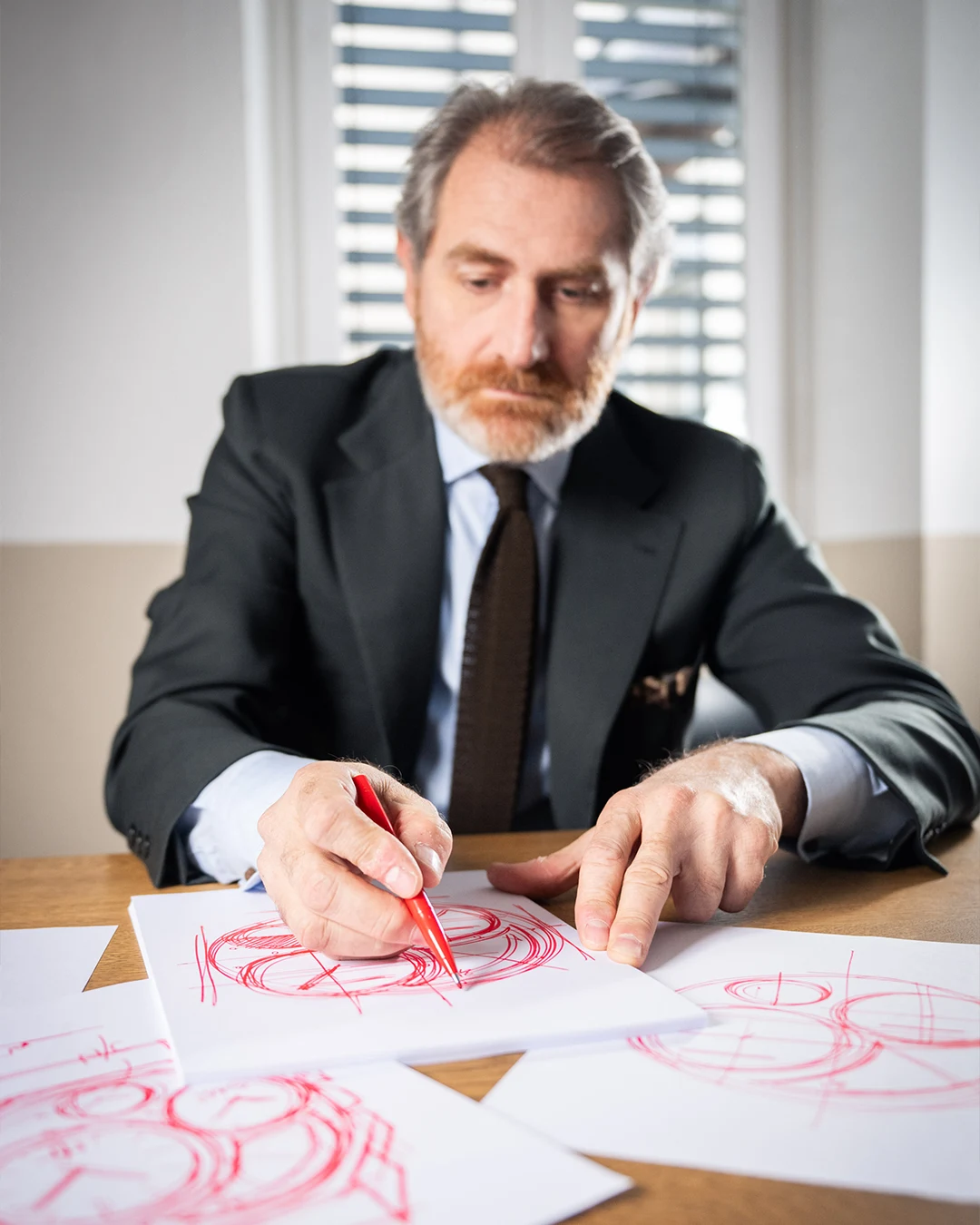
Often, something then pops into my head quite suddenly. I see images and start to draw. Even today, I still draw on paper – using felt-tip pens, ballpoint pens or fountain pens.
That comes with experience. At some point, you recognise the moment when you have to say ‘stop’ and call it a day. Otherwise, you end up tweaking something that shouldn’t be tweaked any further. When you’re young, there’s often a risk of over-designing something.
In interviews, I always like to tell the story about pasta in Italy. There’s exactly one moment when the pasta is perfect. If you take it out of the water too early or too late, it’s no longer perfect.
Designing a watch is, in a way, comparable to the work of a chef developing a new recipe. The ingredients are on the table, but every chef conjures up something different from them. In the watch industry, it’s basically the same. We all have the same ingredients: movement, case, dial, hands, strap, wheels, springs and levers. But everyone can create their own watch from them.
The chef has to master many things at once: the ingredients, the timing and also the way in which he presents the dish. This, too, is an interesting parallel to the creation and manufacture of watches.
There’s always that one moment when the pasta – or the watch – is perfect, and I say to the designers in our studio: ‘Right, now it’s time to turn the page.’ If you don’t catch that moment, the idea starts to collapse like a soufflé.
At the beginning, an idea is always wonderful. But if you work on it for too long and, at the same time, keep finding more and more solutions, it starts to become boring and arbitrary. You lose your momentum and the idea loses its appeal.
We unveiled the Serpenti Tubogas in Basel in 2010. When I designed it, I combined two elements that had always been part of the brand’s DNA: the flexible Tubogas bracelets and the Serpenti snake motif. That sounds simple. But sometimes something is so simple that you don’t see it.
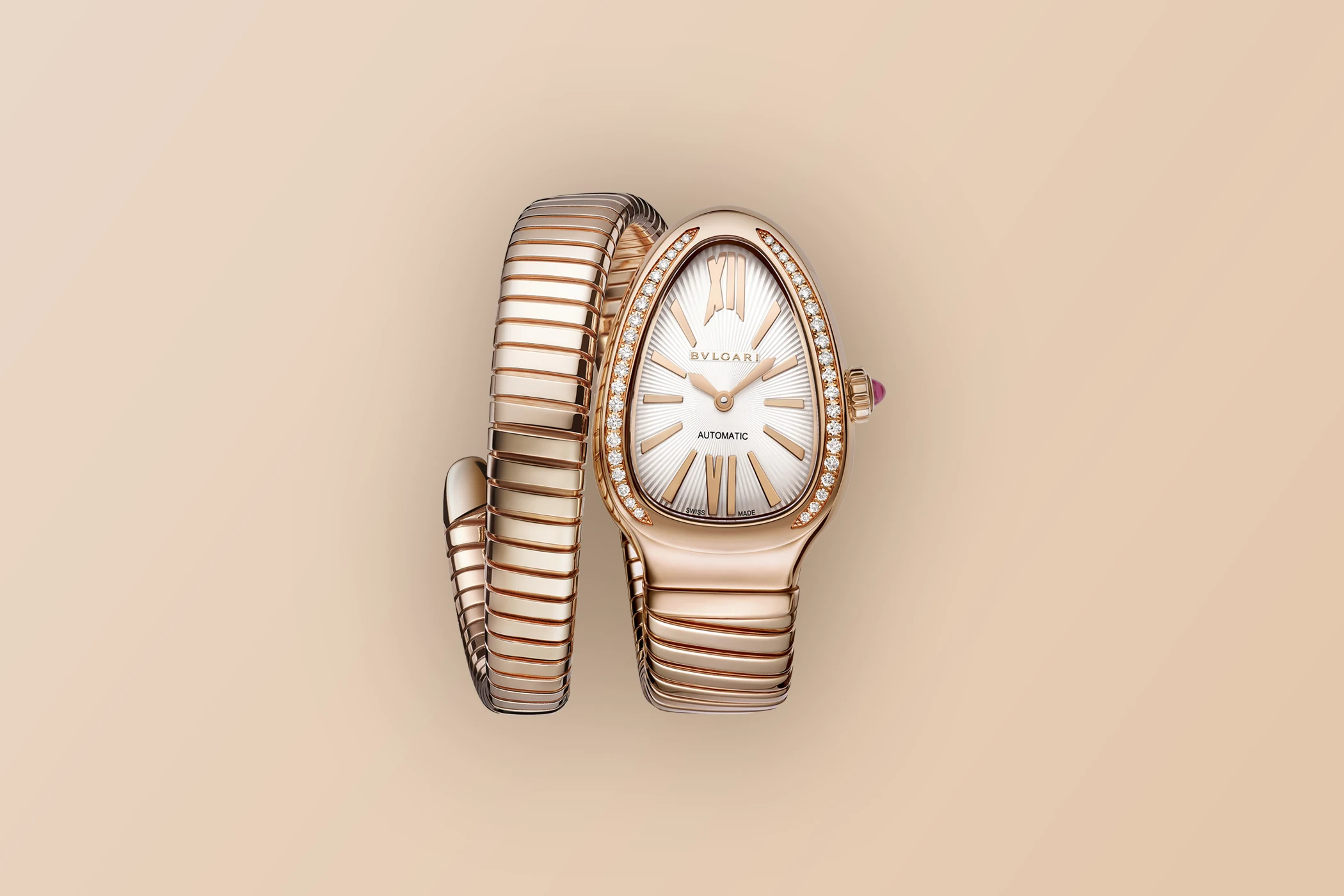
The Serpenti Tubogas in its current form actually came about by chance. We had a meeting, and the brief was to redesign the Bvlgari Bvlgari. After six meetings, I said: “Guys, to be honest, we’re wasting our time. The watch is perfect. I can’t design the Bvlgari Bvlgari any better than the watch that’s already in the boutique.”
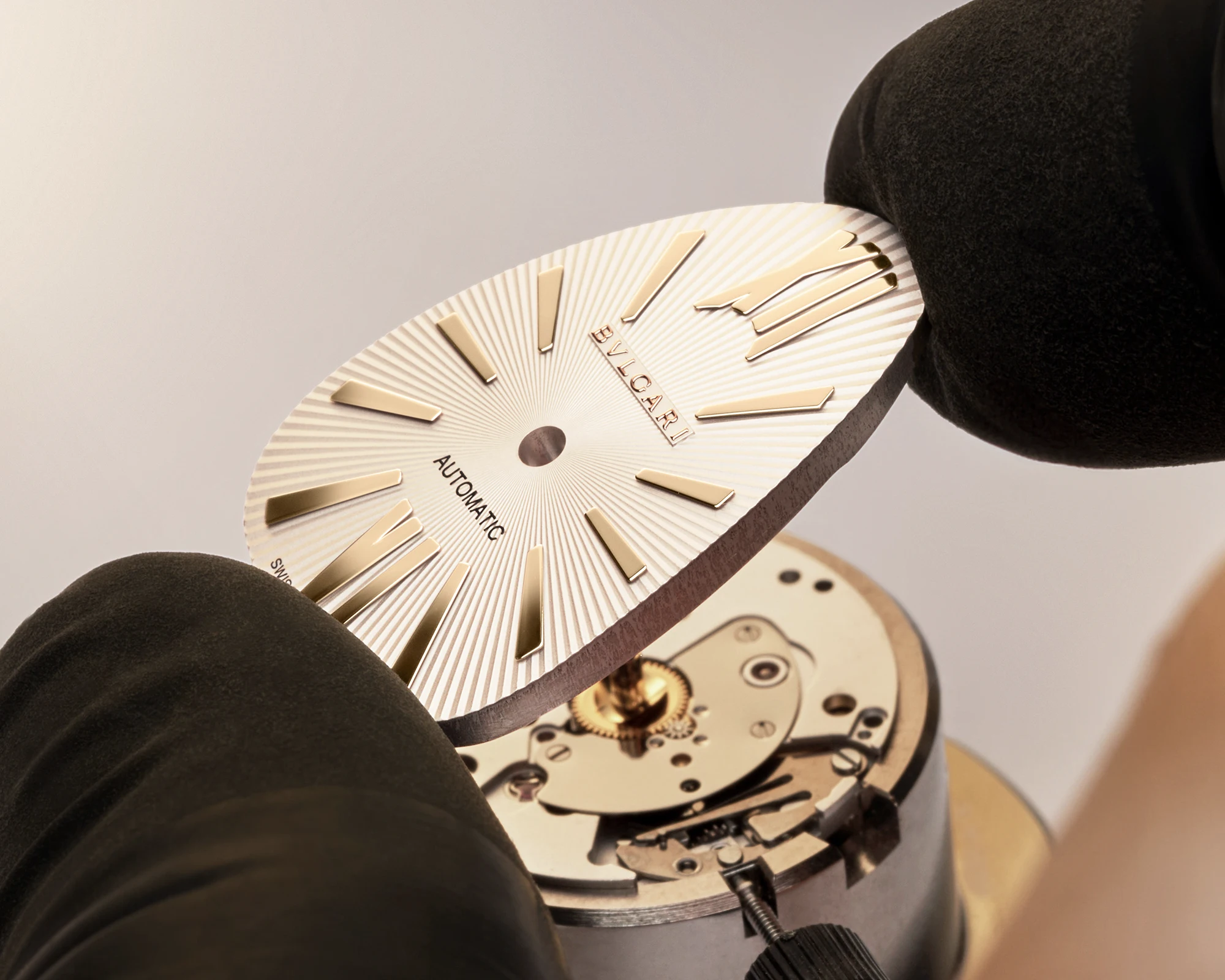
The CEO looked at me and asked, “What should we do, then?” And I said, “Why don’t we combine the two things – the Tubogas bracelet and the Serpenti head, but without the cover and without the eyes? Simply to turn it into a watch.”
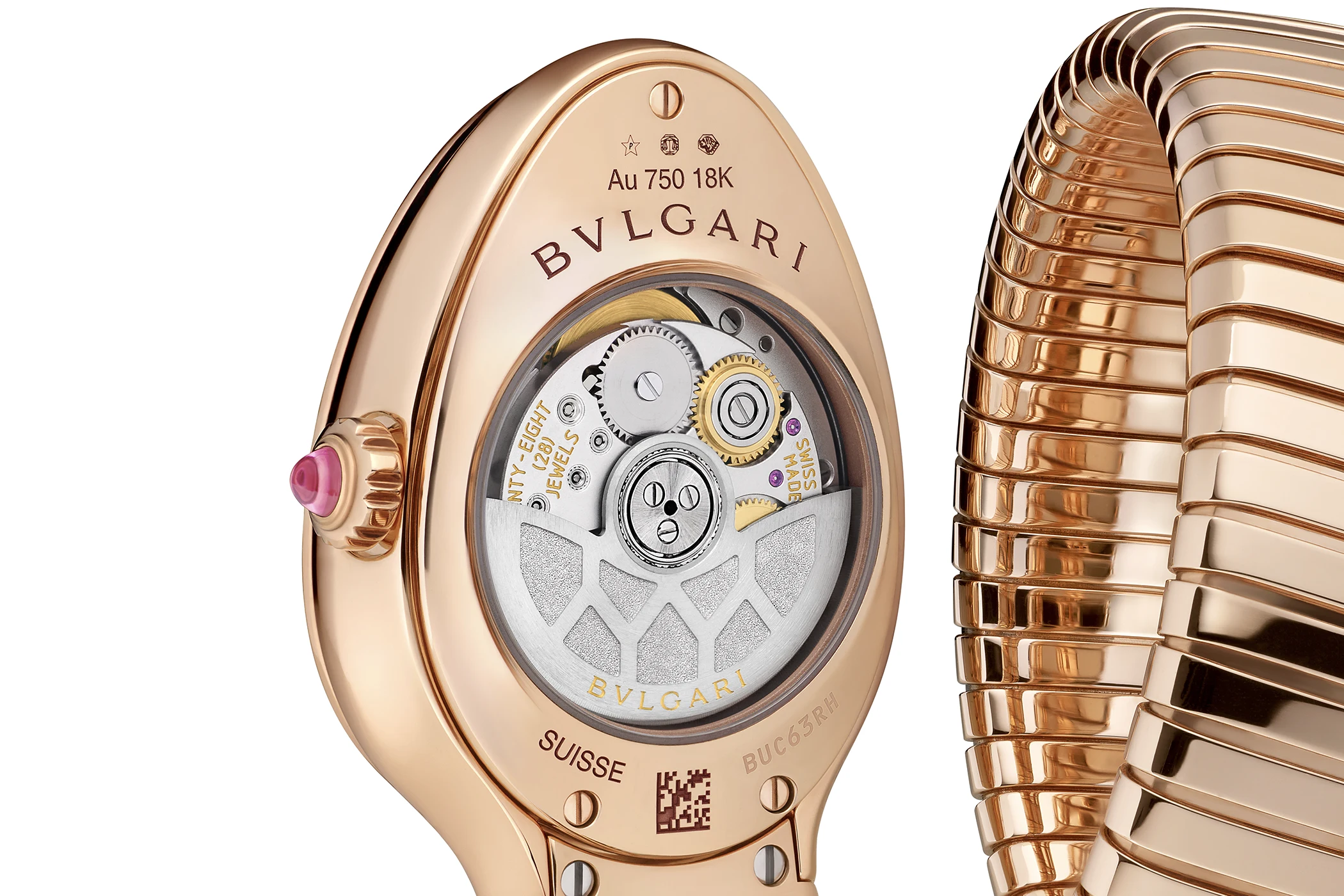
He asked, “Are you sure? A Serpenti?” At Bulgari, we were launching perhaps ten or 15 Serpenti models a year back then, so quite a few. Nevertheless, he said, “All right, let’s give it a go.”
At Baselworld, the watch was an incredible success. To this day, it remains our most important product line. Thanks to the Serpenti Tubogas, the company realised the true potential of the entire Serpenti range.
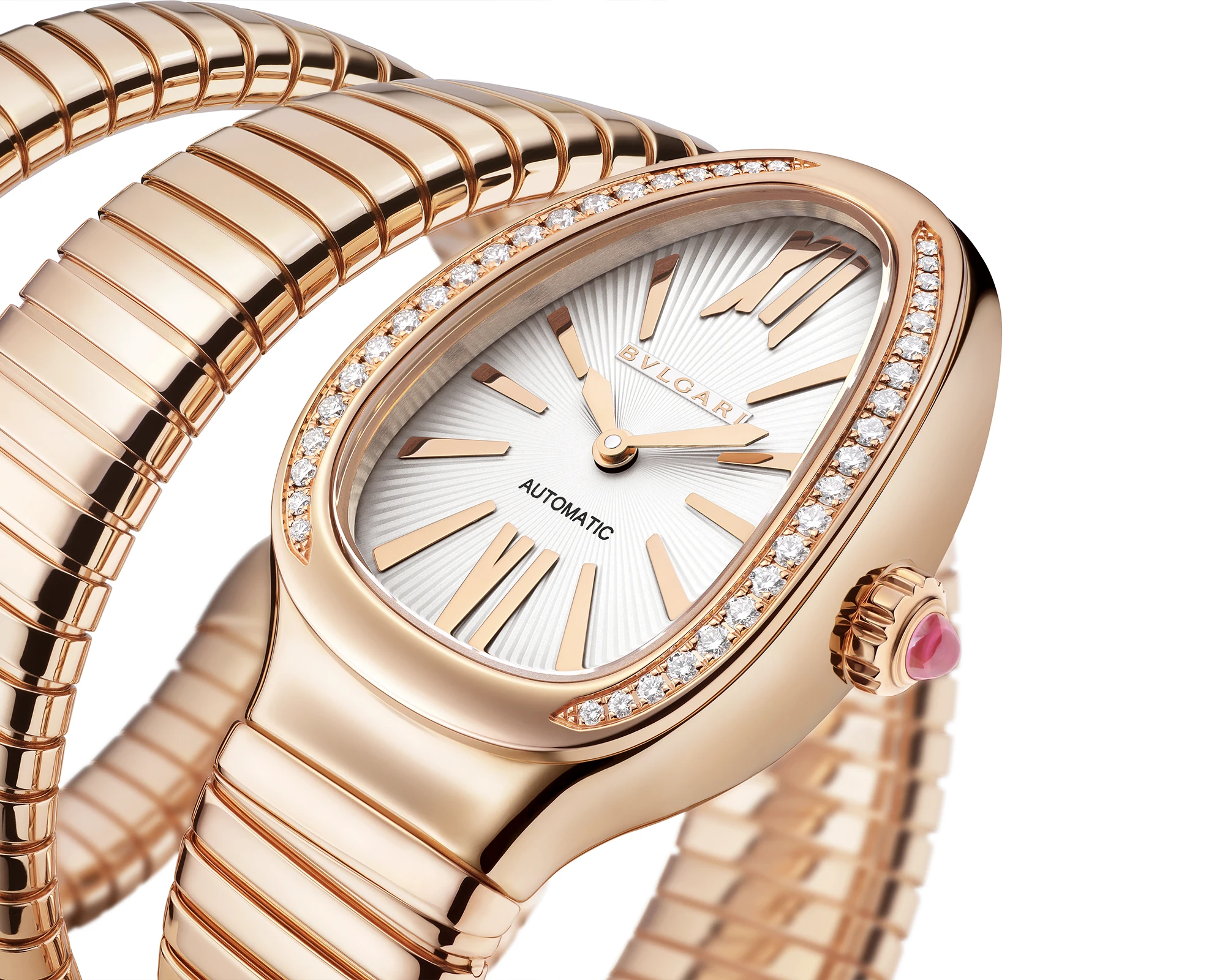
Thinking outside the box. That is the very DNA of the brand: the ability to combine things that seemingly don’t go together. That is exactly what it’s all about.
That’s right, back in 2021 we had already unveiled the Legacy Machine FlyingT Allegra together. Nobody would have thought at the time that we could create a second watch together that might be even more incredible than that one. But everyone kept asking: “What comes after the Allegra Flying Tourbillon?” And we said: “We don’t know.”
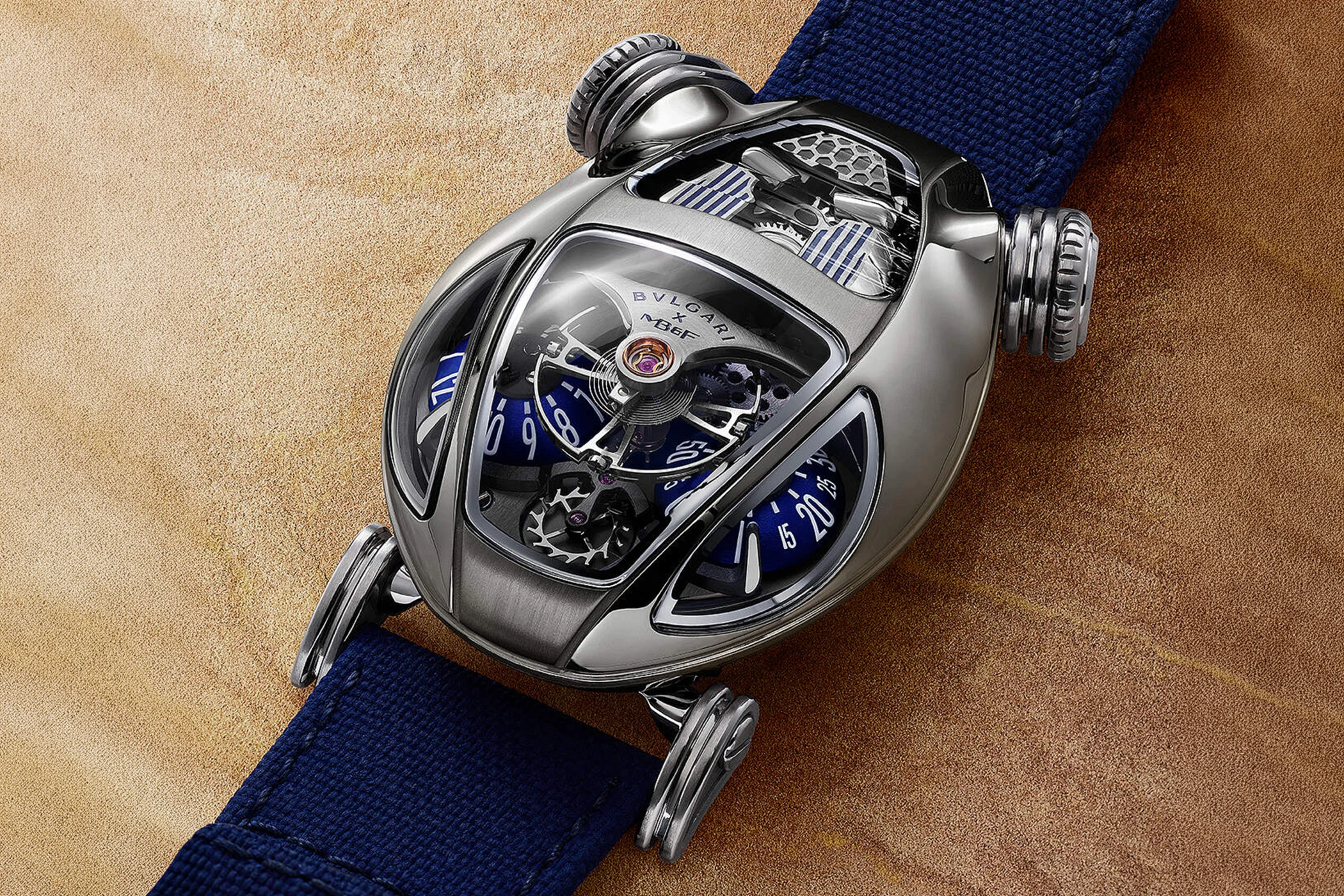
If we come up with an idea, we can bring it to life. If not, we don’t go ahead with it. Because expectations had become so high by then that it would have been risky to rush into designing a new collaborative watch simply because of the demand. We gave this idea time to develop, and the result is, as you say, spectacular.
The original idea was to design a Serpenti for men. But to be honest, I wasn’t particularly keen on that. We’ve spent 15 years showing men that we’ve mastered watchmaking in a certain way. If we were simply to take an Octo Finissimo movement and put it into a Serpenti case right from the start, we’d be undoing 15 years of work.
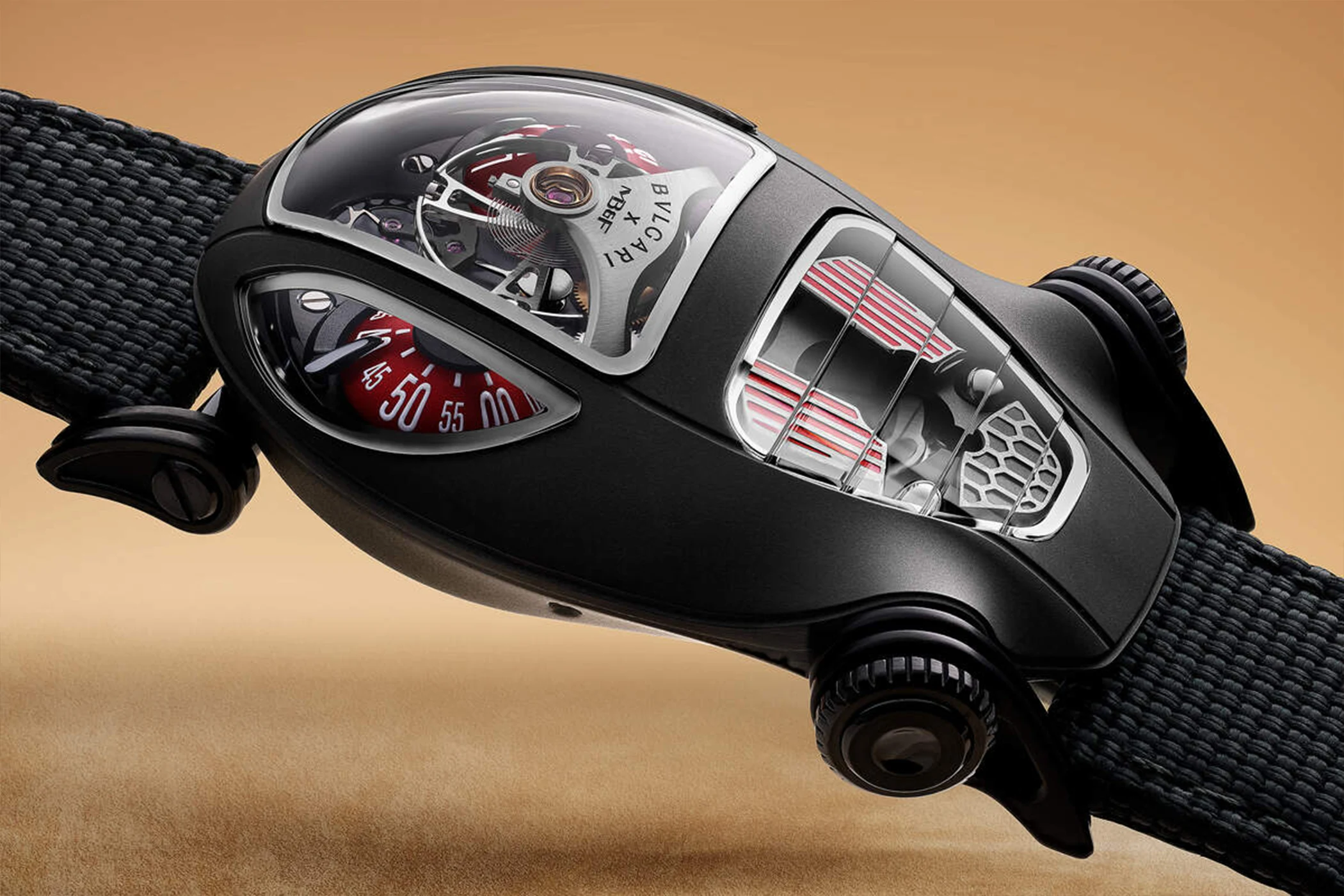
Perhaps certain collectors might be interested in a Serpenti like this for men. But we wanted to find a better way. And to do that, you have to give it time so that an idea can develop. I then had the idea of making the movement visible through the eyes of the snake – which, in the ladies’ models, are often hypnotically set with gemstones. But there was no movement that was suitable for this.
I don’t know why, but suddenly the HM10 Bulldog by MB&F popped into my head. And then I knew: that’s it. I looked at this watch with its domed shape, the central balance wheel and the two cones, and thought: I’ve found a movement.
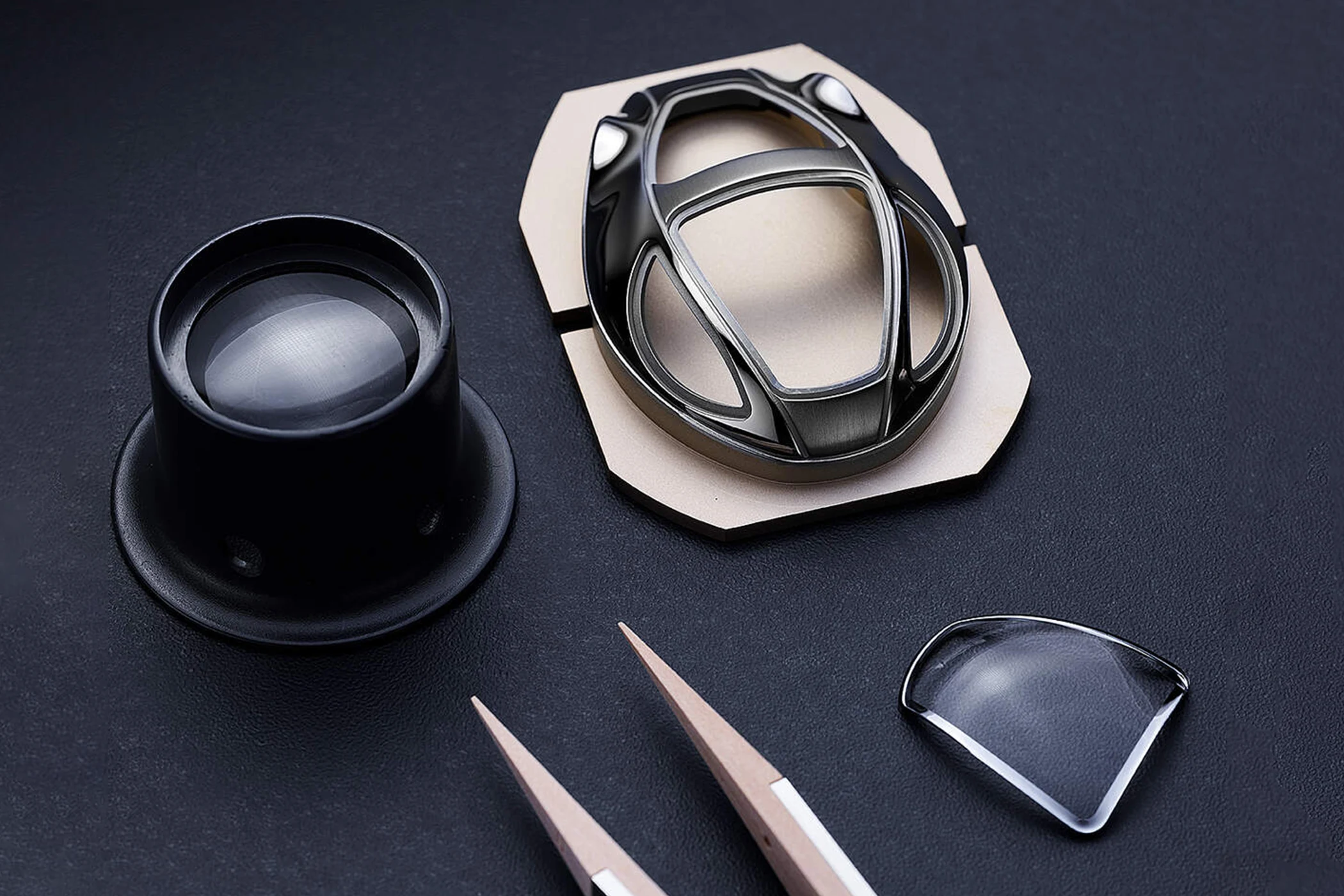
I then drew about 30 sketches within an hour, took photos of them and sent Max Büsser a message: “Max, I’ve got an idea. I’m sending you a few sketches. Let me know what you think.” His reaction was: “That’s incredible. We’ve got to do this.”
You have to get the timing right for the right product. Sometimes I think we’ve discarded some very interesting ideas simply because the timing wasn’t right.
To come back to the analogy of cooking pasta: in Italy, we don’t like it when people put cooked pasta in the fridge to reheat it the next day. For us, it doesn’t taste quite the same then. It’s the same with ideas: they rarely work out when they’re rehashed.
At Bulgari, we have another obsession: we’re never satisfied. We’re always on the lookout for the very best ideas. That can be frustrating at times. You have to put in a great deal of energy and come up with a huge number of ideas. But that’s precisely why we end up with something different and fantastic every single time.