
Hermès unveils the Cape Cod Titanium, the collection's first model in titanium. Discover its H1912 manufacture movement, design, price and specifications.
Five thousand euros is an interesting price threshold in the world of mechanical watches. Not because everything below that figure is reasonable and everything above it is excessive, but because very serious models can already be found in this price range: with robust movements, finely finished cases, well-established brands and enough design substance to be more than just a short-term impulse buy. Anyone looking for their first high-quality mechanical watch is entering a segment that offers plenty of possibilities, but which also sometimes requires a closer look.
After all, the choice doesn’t automatically become easier simply because the budget is more generous. Below 5,000 euros, you’ll find sporty everyday watches, dress watches, GMT models, divers’ watches, chronographs and integrated steel watches. Many of these are objectively good. But not every good watch is also a good first watch. A first serious mechanical watch should not only impress on the day of purchase, but become second nature in the weeks and years that follow: in the office, whilst travelling, at the weekend, over dinner, and in everyday life with a desk edge, a rain jacket and shirt cuffs.
The following selection is therefore not a definitive ‘best of’ list, but a deliberately curated editorial selection. It addresses the question of which watches, priced at or just under the €5,000 mark, make the most sense for beginners. Consequently, this selection does not include watches that merely look good in a shop window. What matters is what happens after the first impression: how naturally a watch sits on the wrist, how well it works in everyday life, and whether it has enough substance to be seen, in hindsight and in the long term, as a good choice.
A good first mechanical watch in this category should be mechanically sound, robustly built, reasonably water-resistant, easy to read and, above all, serviceable. Sapphire crystal is usually standard in this segment. Furthermore, the movement should function reliably, be well-finished and be easy to service in the future. Proportions matter too: a watch may appear understated on paper, but ultimately still look too imposing on the wrist; others, by contrast, may be smaller yet still appear perfectly harmonious. What matters, therefore, is not the figures in the technical specifications, but the overall interplay between the case shape, height, lugs and your own wrist.
Find out here what criteria and requirements your first high-quality mechanical watch should meet
The key point is not how much a watch can theoretically do, but what role it is actually intended to play in your everyday life. If you want to wear it every day, you’re often better off with a robust sports watch than with a refined dress watch. Conversely, a simple three-hand watch can often be a more suitable choice than, say, a GMT watch, if second time zones play hardly any role in your life. And sometimes the smaller, more understated watch ends up being the better choice, because it doesn’t constantly demand attention but is simply worn.
An all-rounder isn’t the watch that can theoretically do everything, but the one that makes as few mistakes as possible in everyday life. It must fit well, be robust, not look too specialised, and yet have enough character so that you don’t find it boring after a few months. This is a particularly difficult requirement for a first high-quality mechanical watch: too many functions can quickly make a watch feel cluttered, too much elegance makes it more delicate, and too much sportiness robs it of its versatility.
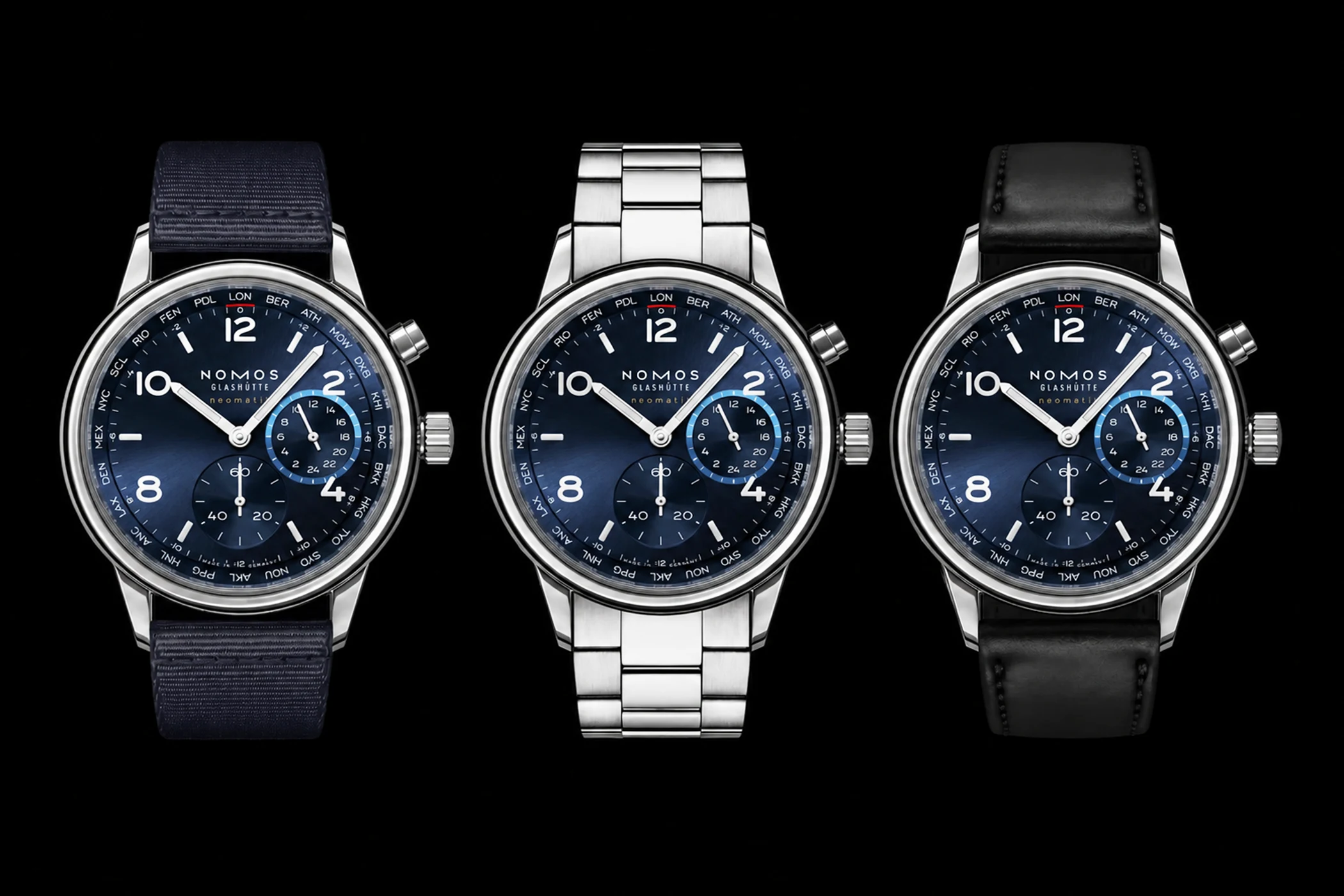
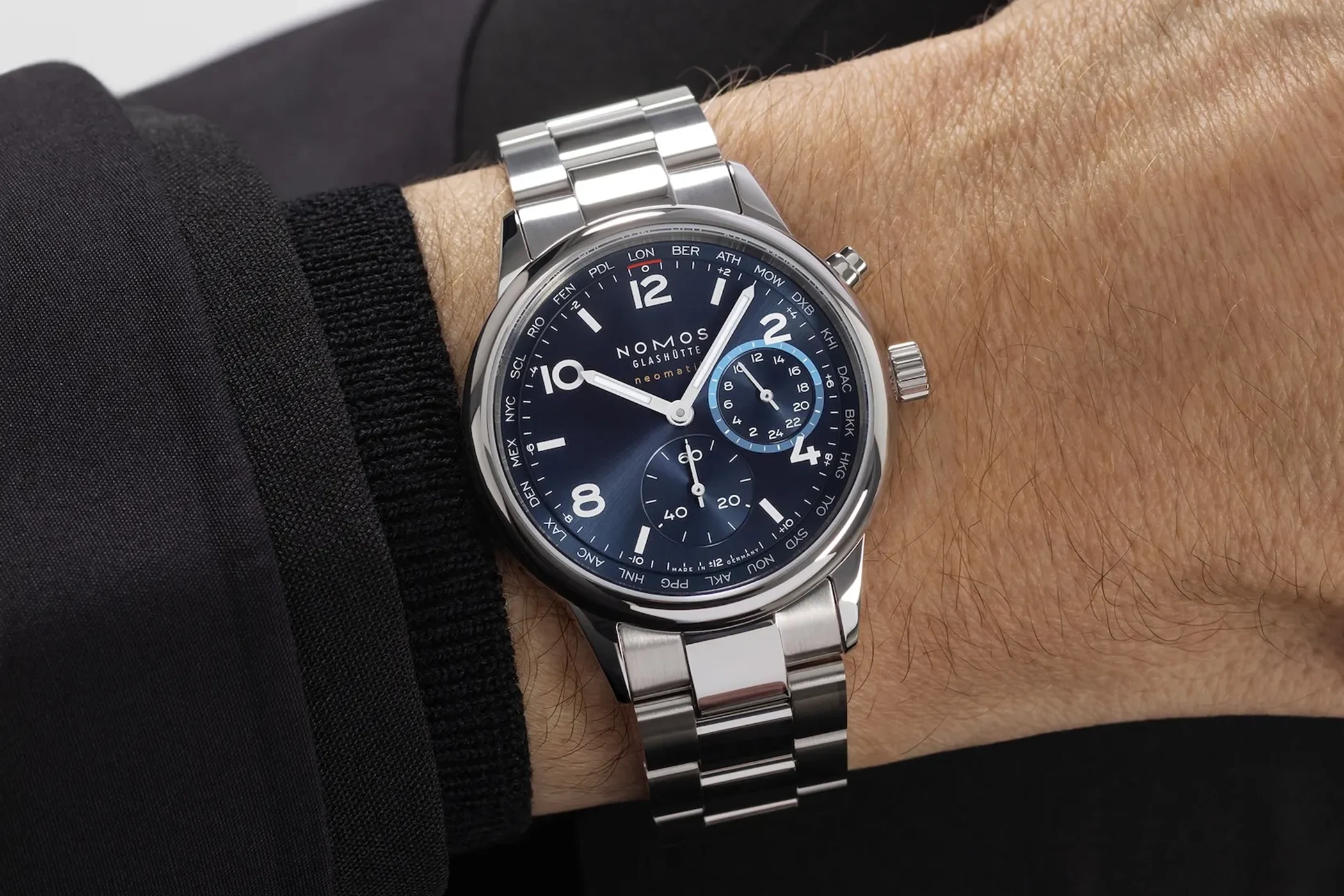
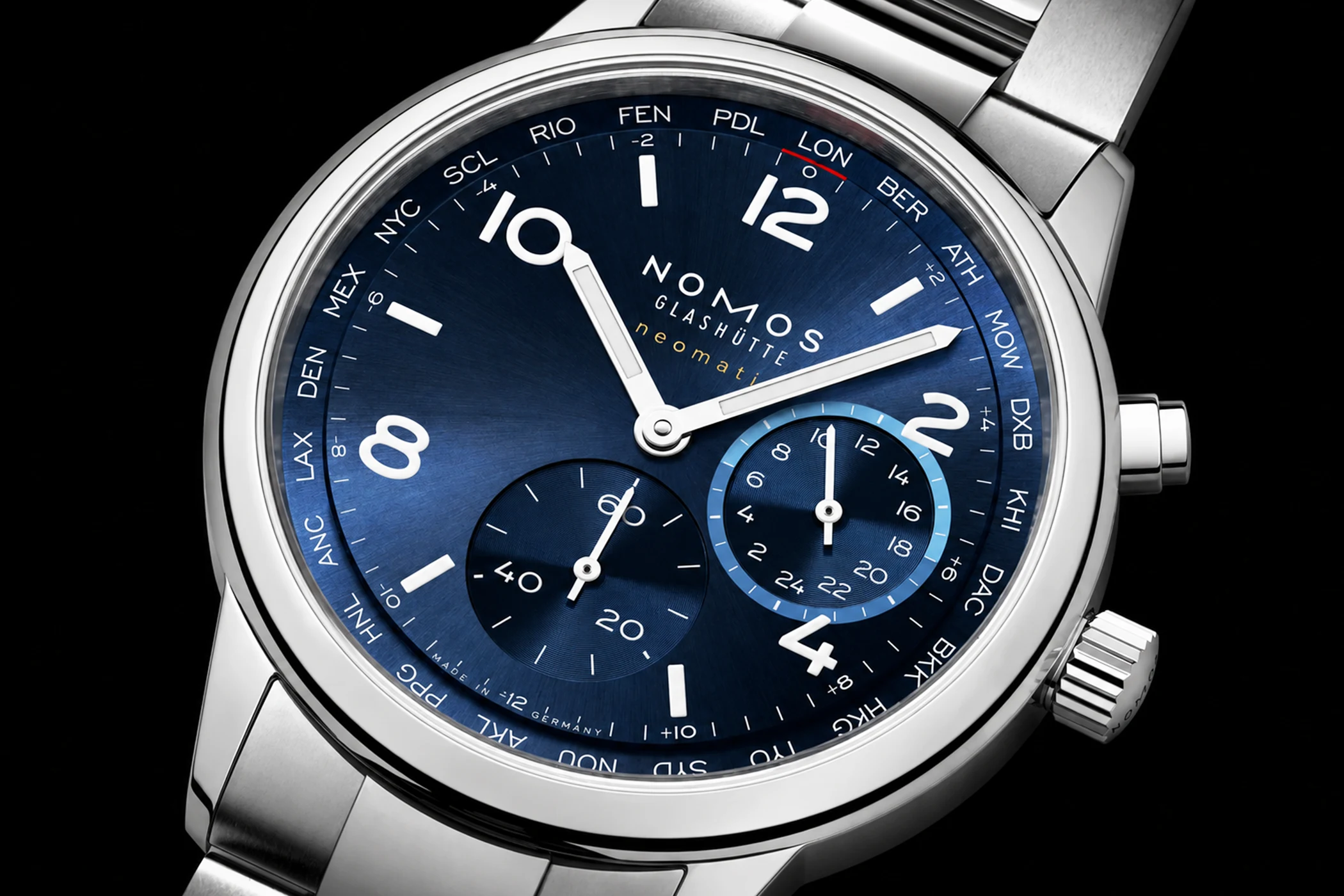
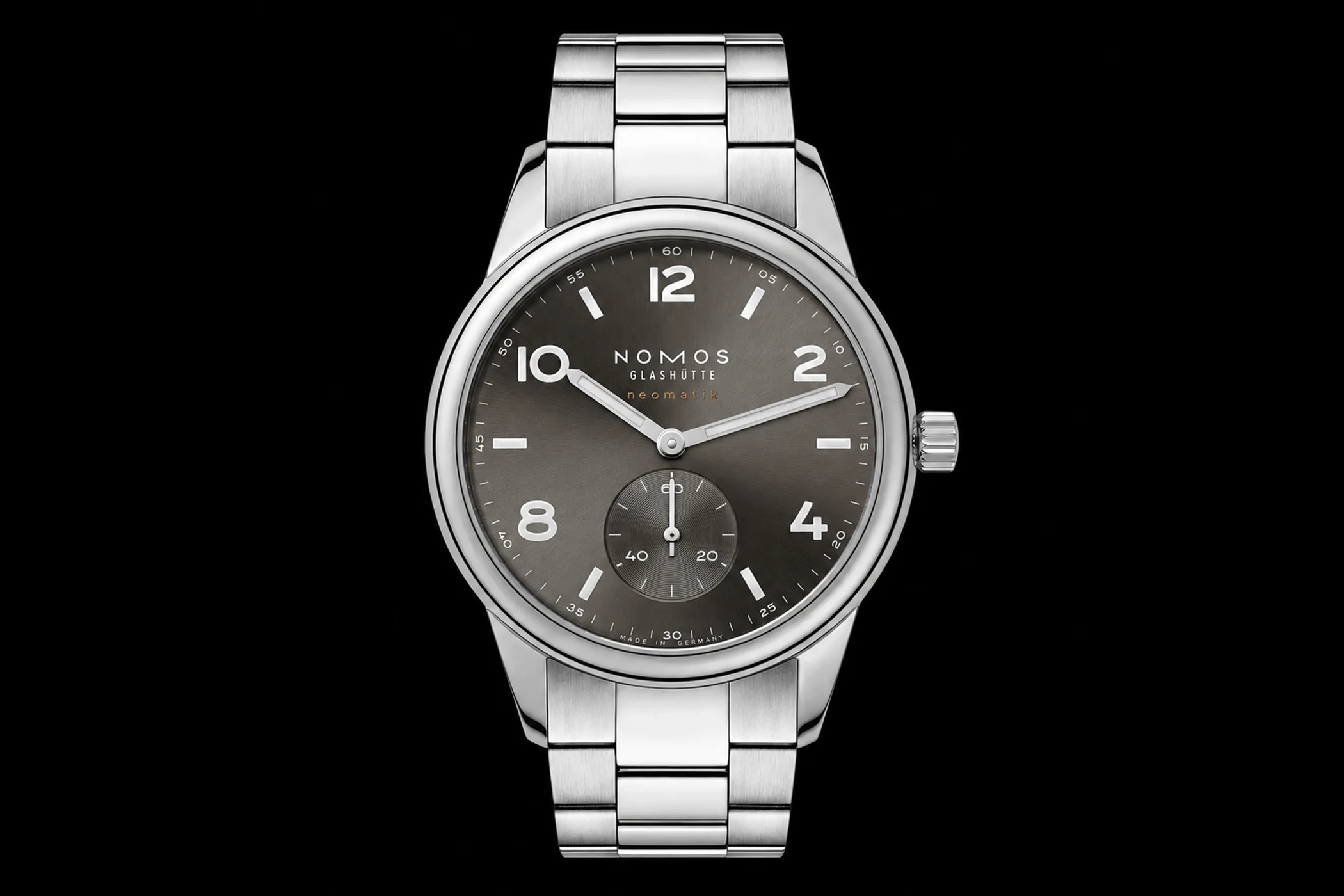
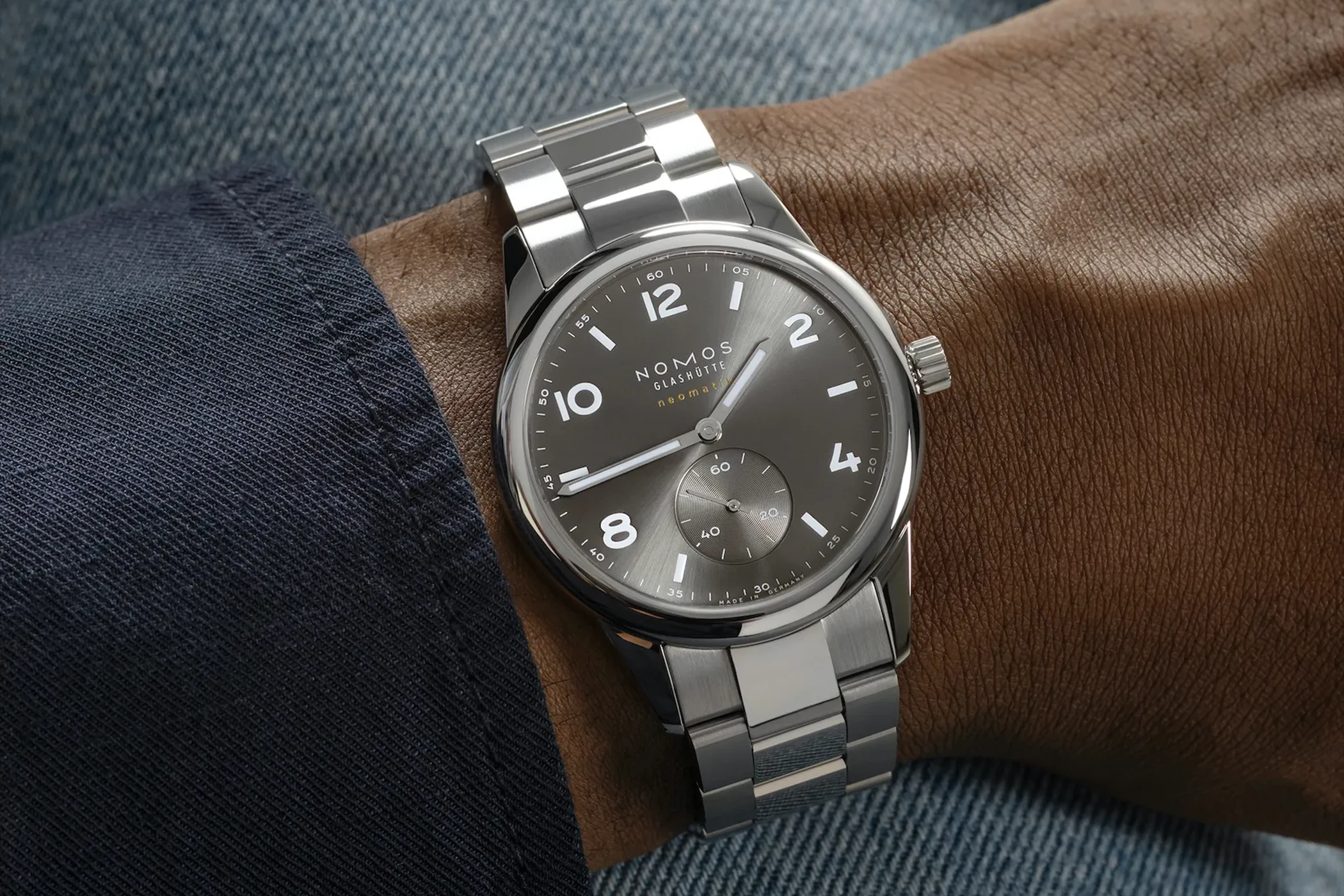
The NOMOS Club Sport Neomatik 40 World Time is therefore one of the most interesting watches in this category. It is not a classic world time watch that immediately looks like a travel complication, but rather a sporty NOMOS with an additional function. The 40-millimetre steel case, 200-metre water resistance and the DUW 3202 automatic calibre make it far more suitable for everyday wear than one might initially expect from watches featuring this complication. Its case thickness is also surprisingly slim compared to many other Swiss watches in this and even higher price brackets. By way of comparison: at 9.9 millimetres, the Club Sport World Time is thinner than the Patek Philippe Ref. 5231G-001 (10.23 millimetres) and the Omega Seamaster Aqua Terra Ref. 220.12.43.22.03.001, which measures 14.12 millimetres in height. The fact that the NOMOS, priced at 4,100 euros, is significantly cheaper than the Omega Seamaster Aqua Terra Worldtimer at 10,600 euros – and certainly cheaper than the Patek Philippe World Time Ref. 5231G-001 at 99,539 euros is, of course, down to completely different brand positioning, movement architectures, levels of finish, materials and production philosophies, and is not intended as a direct comparison of value; however, it does demonstrate very clearly just how remarkably compact, well thought-out and cleanly NOMOS has designed this world time watch. This is precisely why one should not mistake it for a simple everyday watch. The world time function gives the watch additional depth and makes it more distinctive than a standard three-hand Club Sport, but it also requires an eye that can cope with a little more information on the dial. Anyone looking for precisely this combination of technical functionality, a slim profile and sporty everyday practicality will find here one of the most compelling watches in the price range up to €5,000.
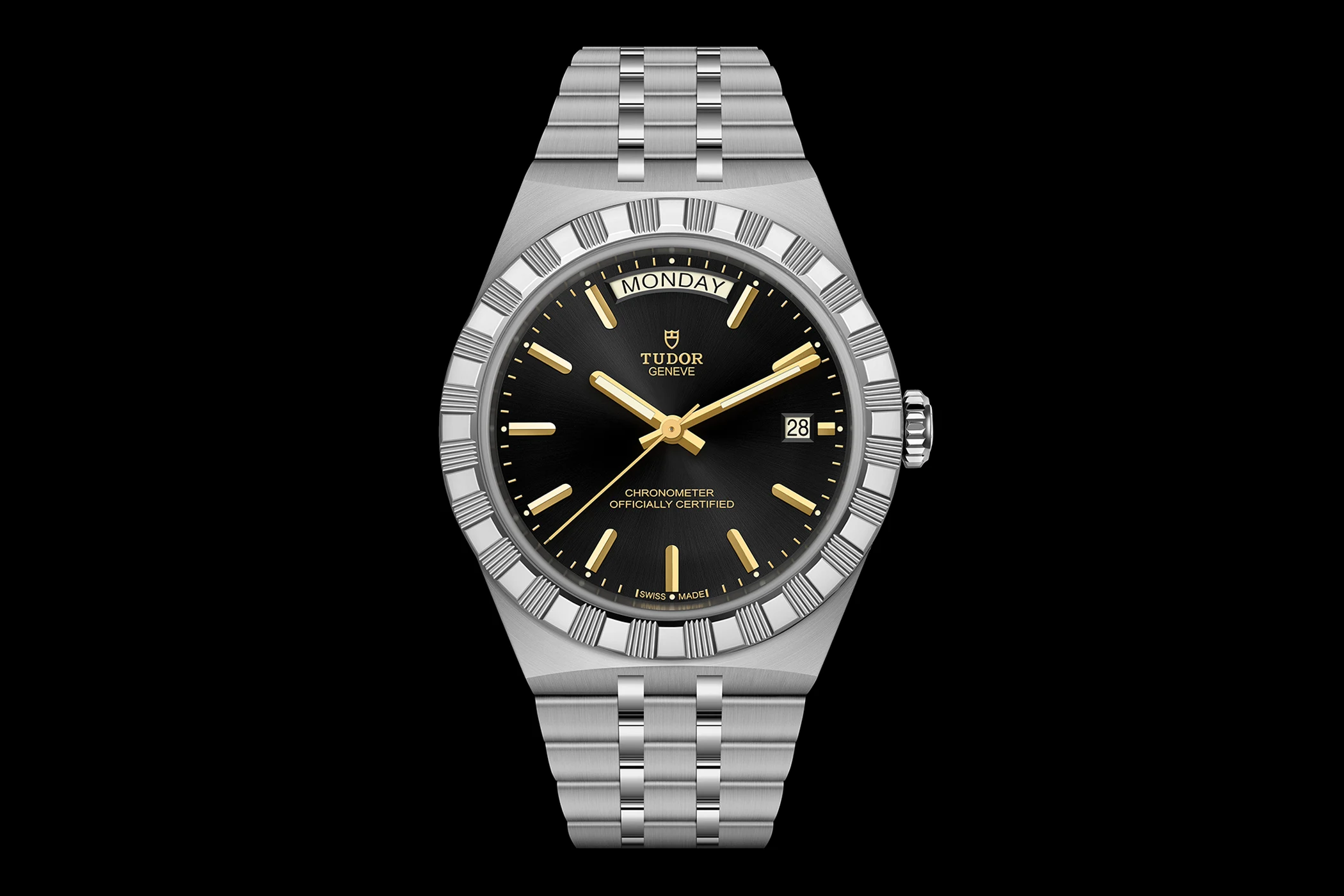
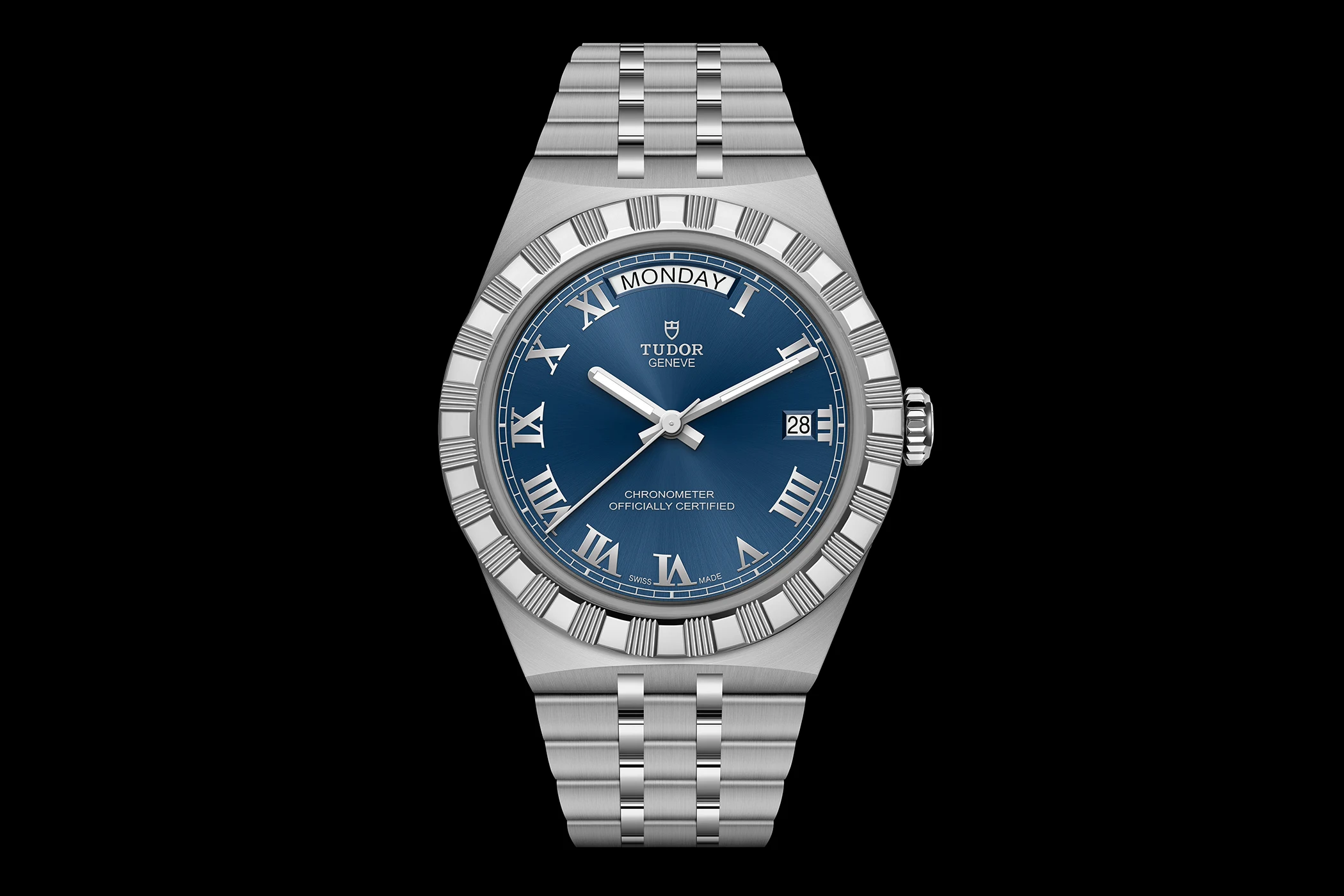
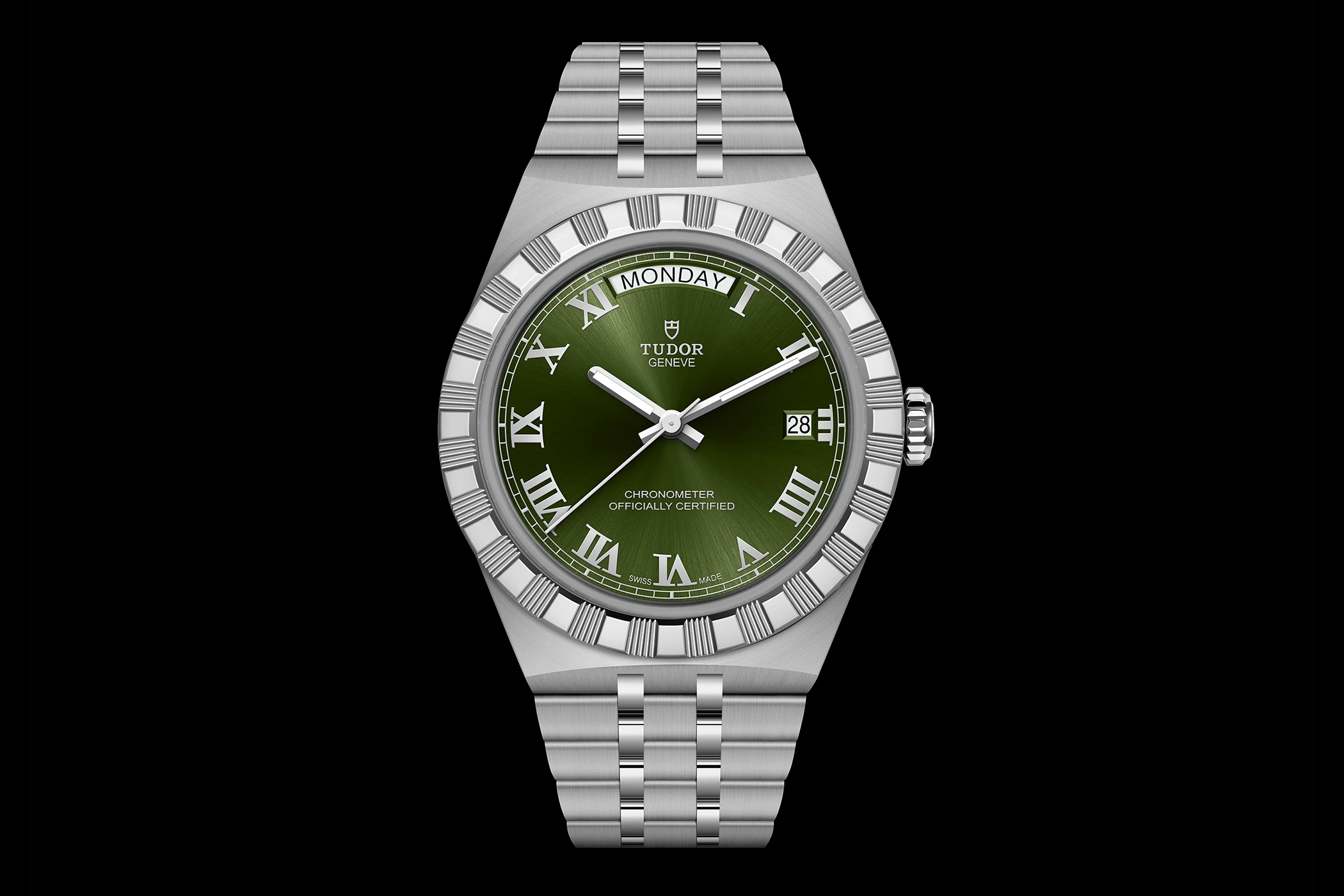
The Tudor Royal Day-Date, reference M2840D1A0-0001, is the ideal choice for buyers looking for a little more style, shine and presence on the wrist with their first mechanical watch. It functions more as a sporty yet elegant timepiece for someone who deliberately wants a little more presence without having to resort to a tool watch. The 40-millimetre case, at 11.4 millimetres thick, remains comfortable to wear, and its 100-metre water resistance makes it more suitable for everyday use than its elegant appearance might initially suggest. Featuring the new in-house calibre MT5633, unveiled at Watches & Wonders 2026, which is COSC-certified, offers around 70 hours’ power reserve and comes with a five-year Tudor warranty, it is technically far more competitive than earlier Royal models. The Day-Date display also gives it a practical use that is more tangible in everyday life than many rarely used complications. Its character lies precisely between a business watch, an integrated steel-strap watch and a sporty dress watch. Anyone looking for a simple, completely unobtrusive first watch is unlikely to be happy with it, but for those who want a mechanical watch that works just as well with a shirt as it does with casual wear, it’s well worth trying on. The list price is €3,340.
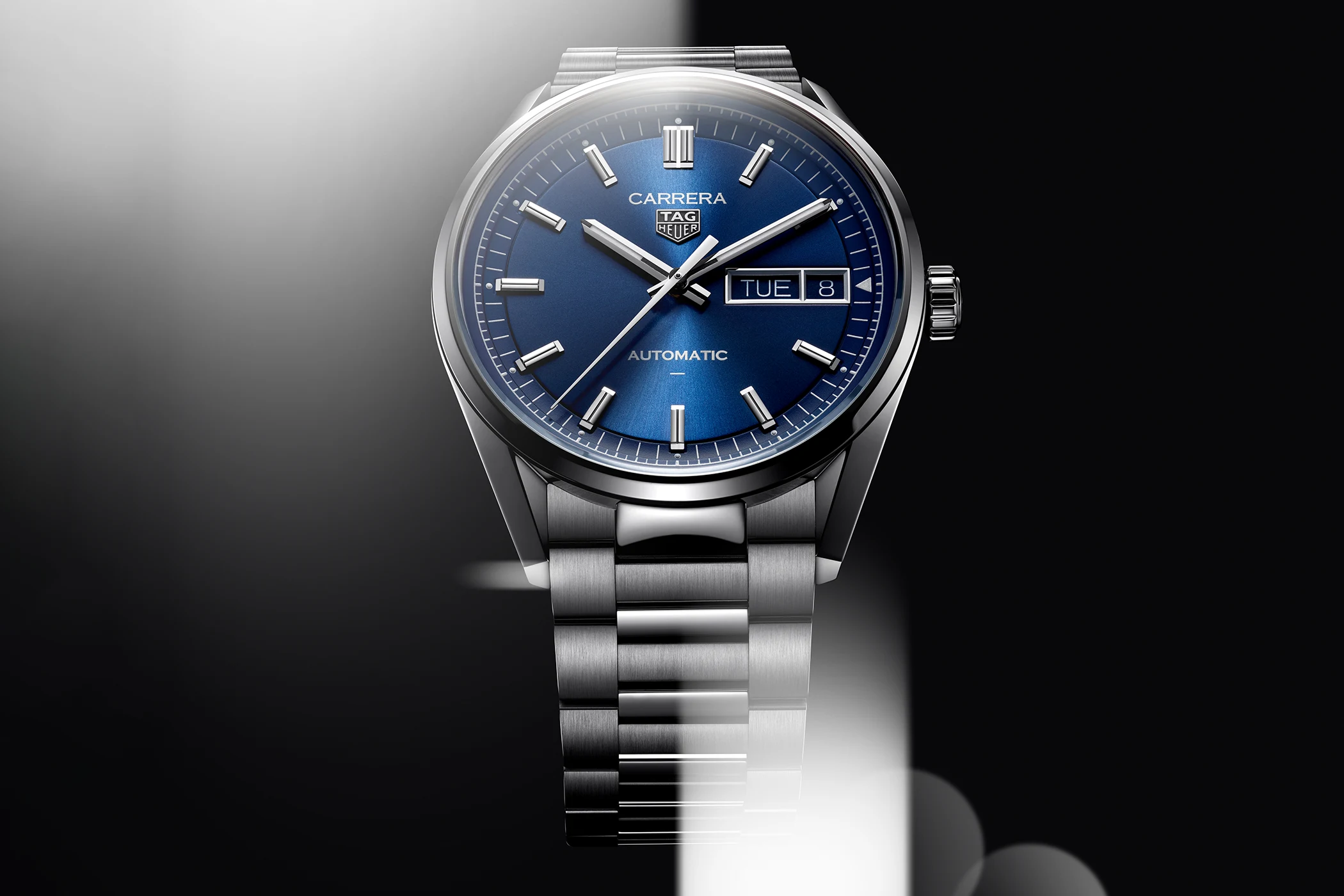
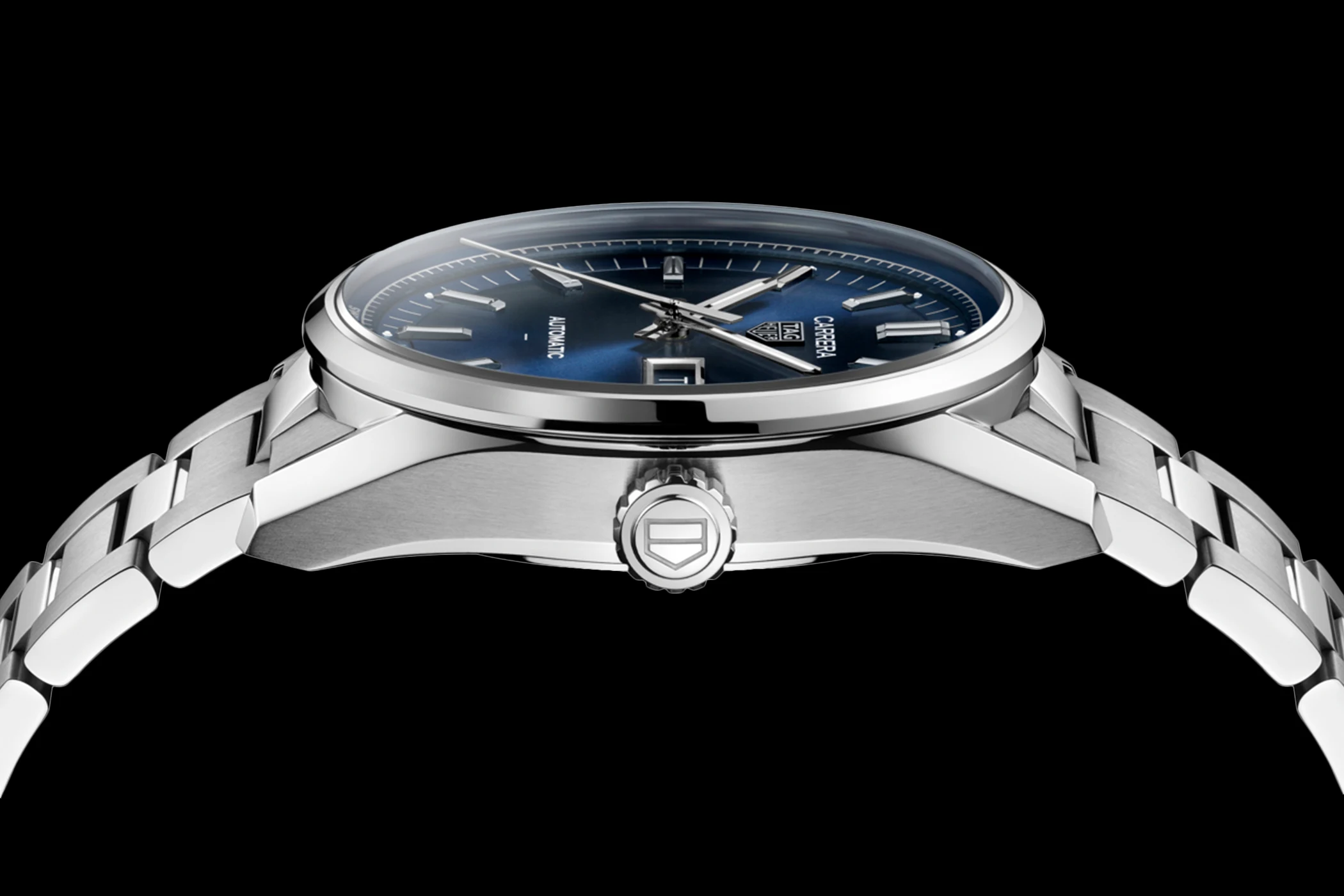
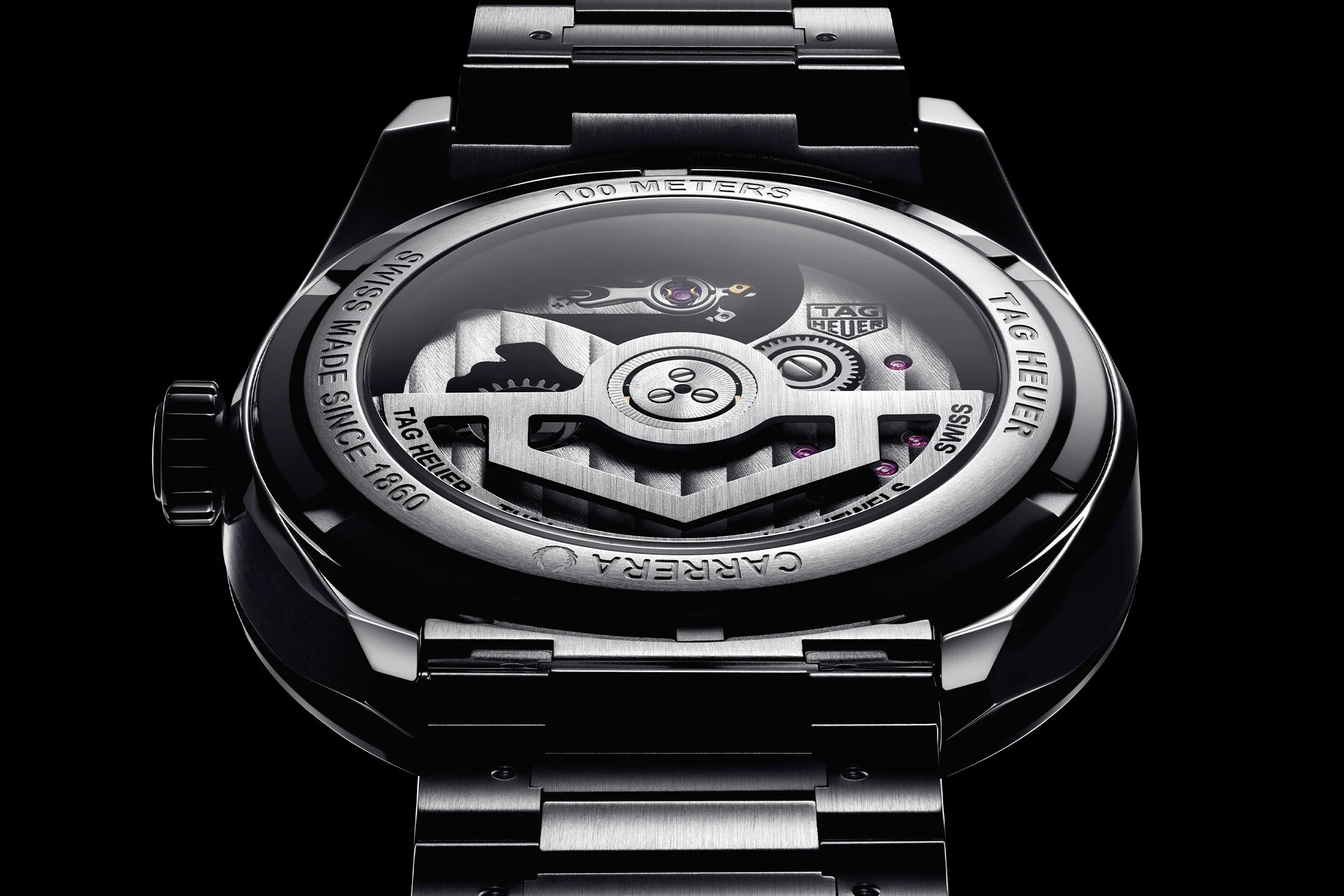
The TAG Heuer Carrera Day-Date, reference WDA2112.BA0043, is the more streamlined alternative to the Tudor Royal in the all-rounder category. It appears less ornate, less integrated and more like a classic, sporty everyday watch suitable for business wear. At 12.7 millimetres thick, the 41-millimetre case is not ultra-thin, but remains comfortable to wear for a watch featuring a Day-Date display, an automatic movement and 100-metre water resistance. The in-house calibre TH31-02 offers an 80-hour power reserve, runs at 4 hertz and thus provides exactly the practical reserve that is welcome in a first mechanical watch for everyday use: you can take it off on Friday evening and put it back on again on Monday without having to reset it. At around €4,450, the Carrera is clearly at the higher end of this selection, but in return you get a beautifully crafted, modern everyday watch from a traditional manufacturer, featuring a in-house calibre and a five-year international warranty.
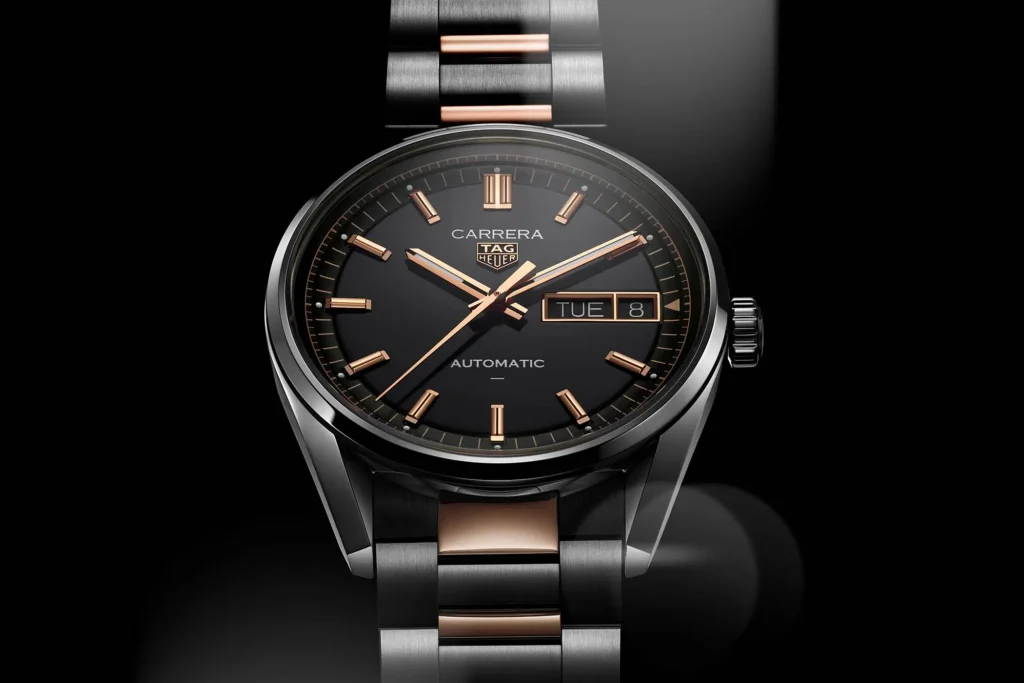
You can find all the information about the Tag Heuer Carrera Day-Date with in-house calibre here in our article
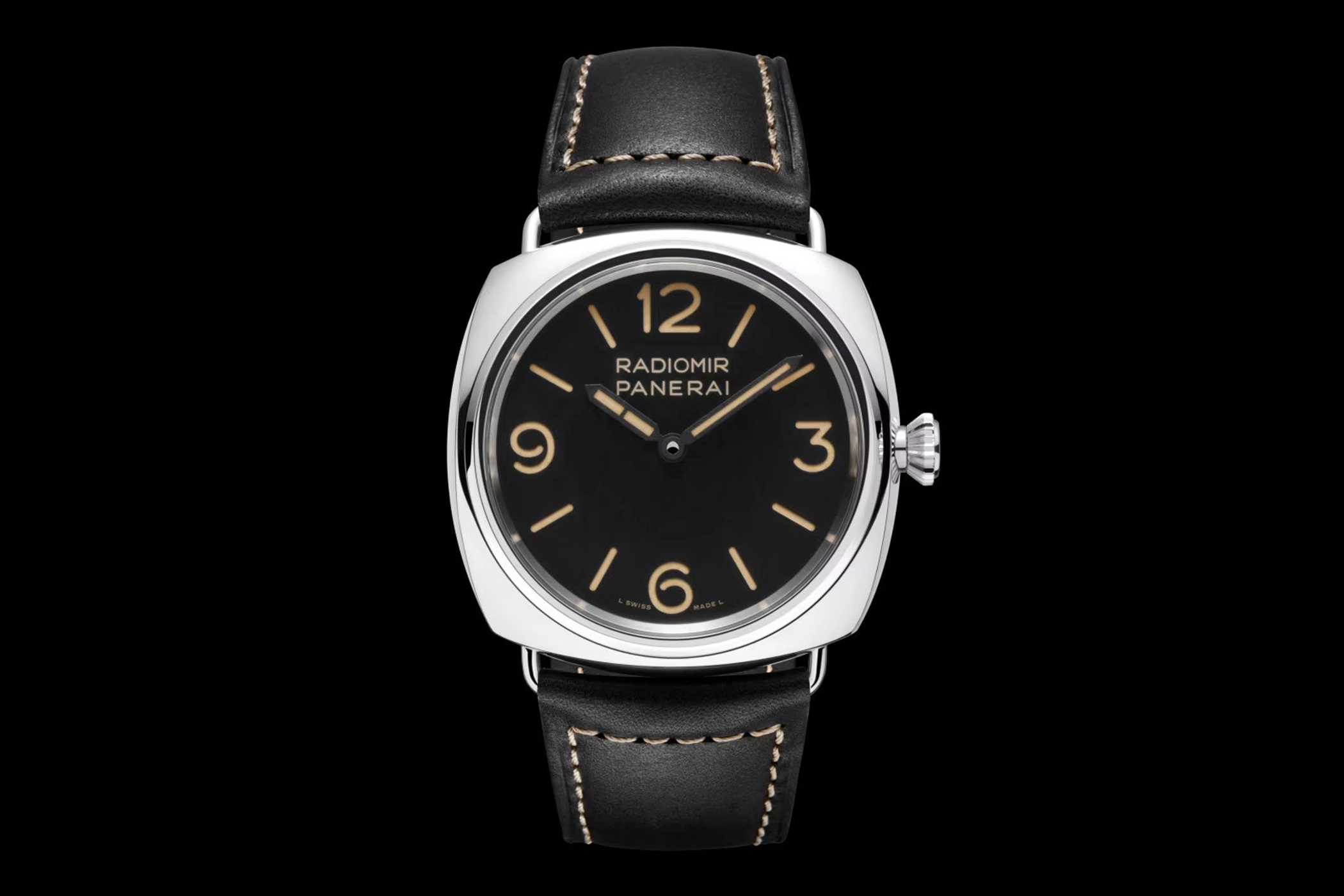
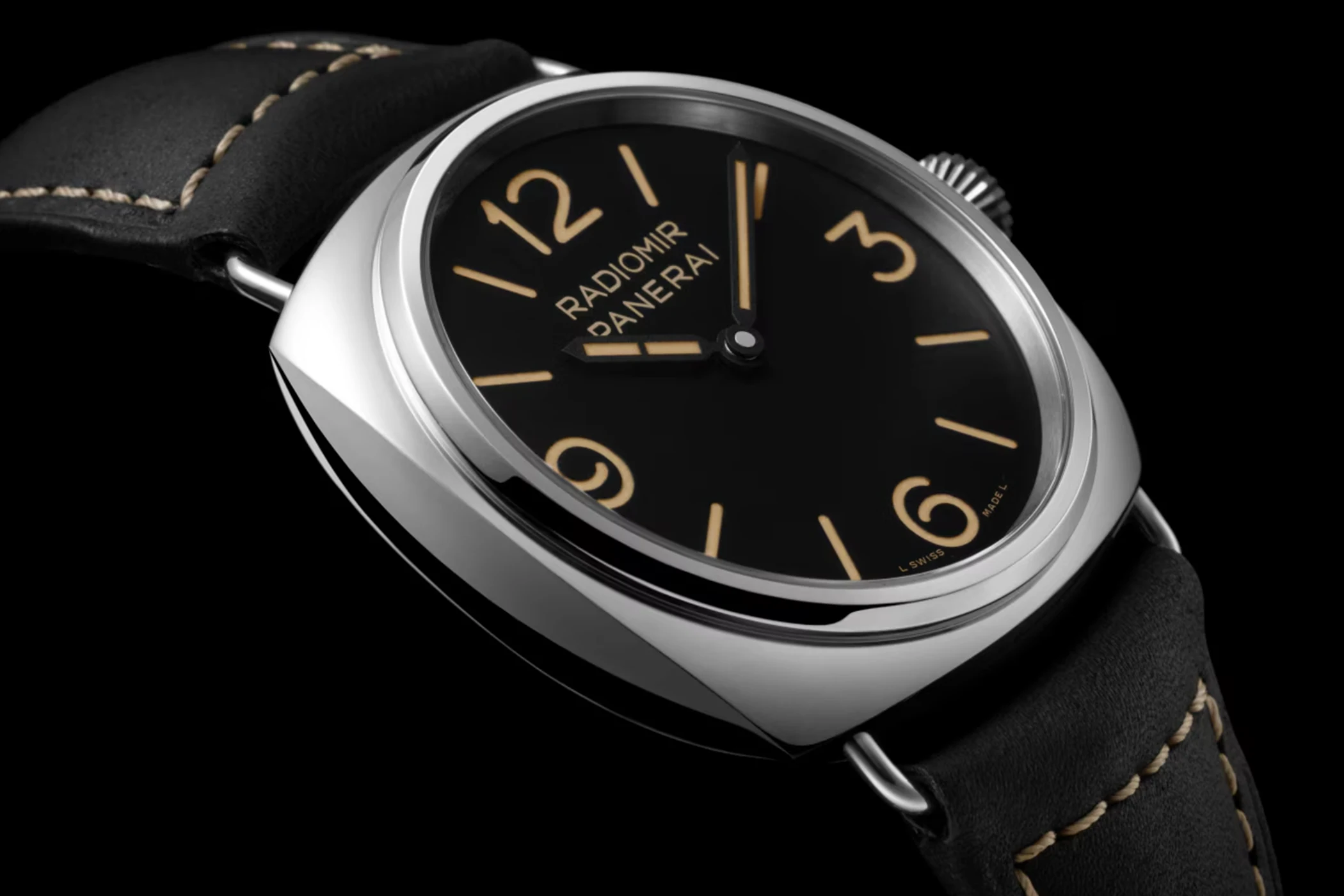
The Panerai Radiomir Officine, reference PAM01382, is perhaps the most distinctive choice in this range. It features a 45-millimetre polished stainless steel case, is water-resistant to 100 metres and comes on a calfskin strap with a pin buckle. Inside, it is powered by the in-house P.6000 calibre, which is hand-wound and offers a three-day power reserve. Panerai also offers an extended warranty of up to eight years upon registration. This means the Radiomir is not technically complex; it features no automatic movement, no date display and no sporty strap versatility, but rather a large, cleanly designed hand-wound watch with a very distinctive look. Anyone who truly appreciates the typical Panerai design language – and can pull it off – will most likely find exactly what they had in mind in the Radiomir Officine. In terms of price, the Radiomir makes full use of the budget, with a list price of exactly €5,000.
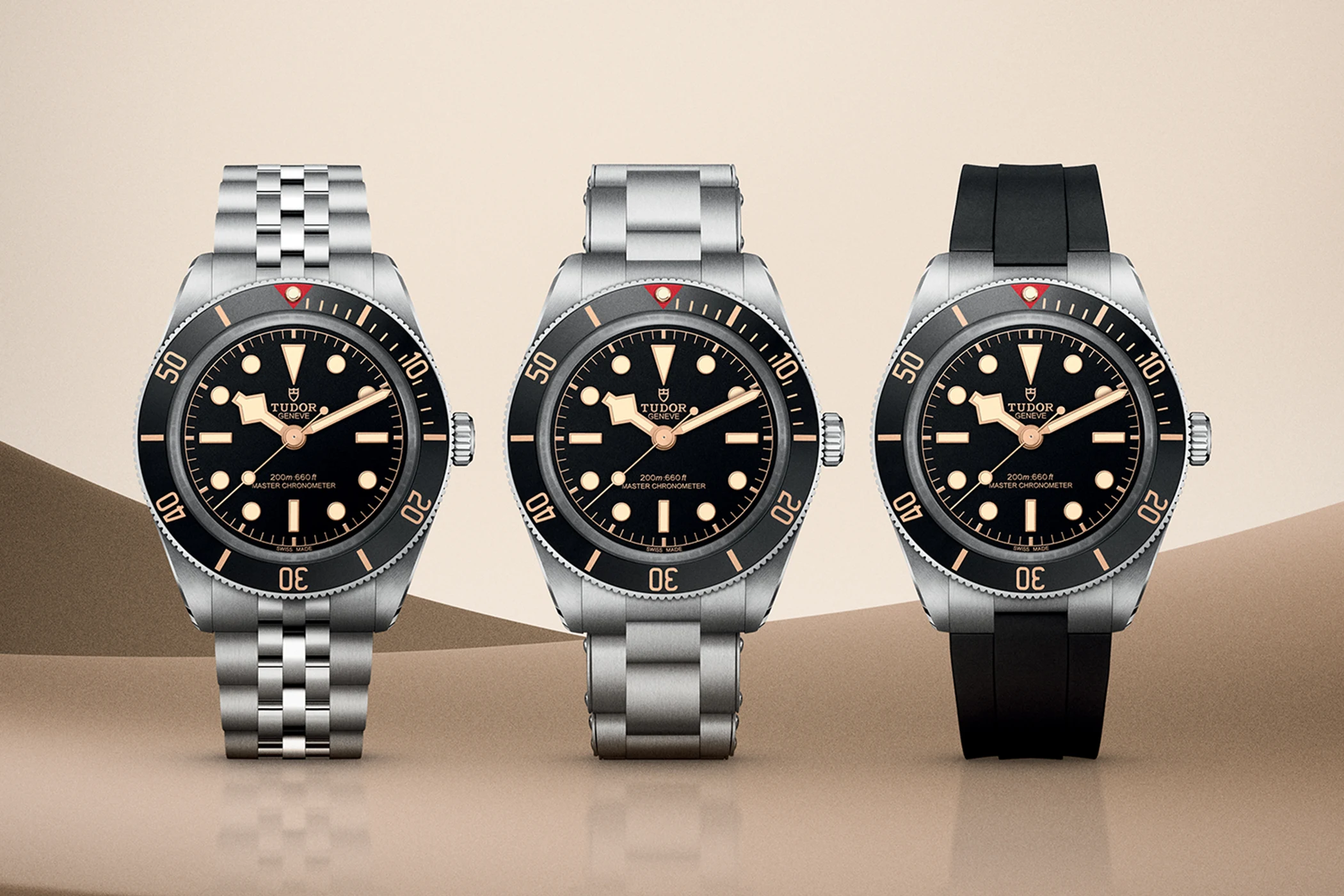
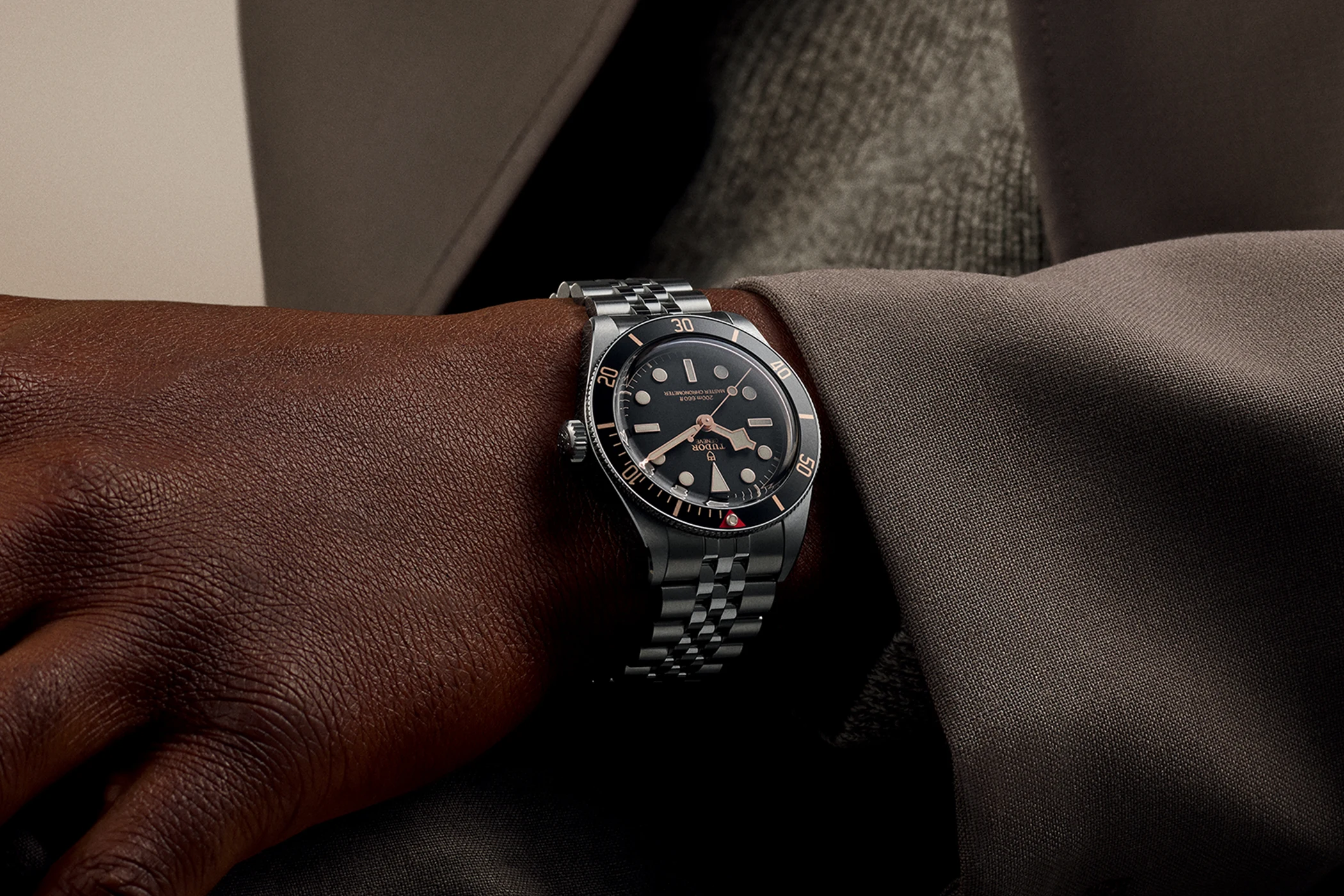
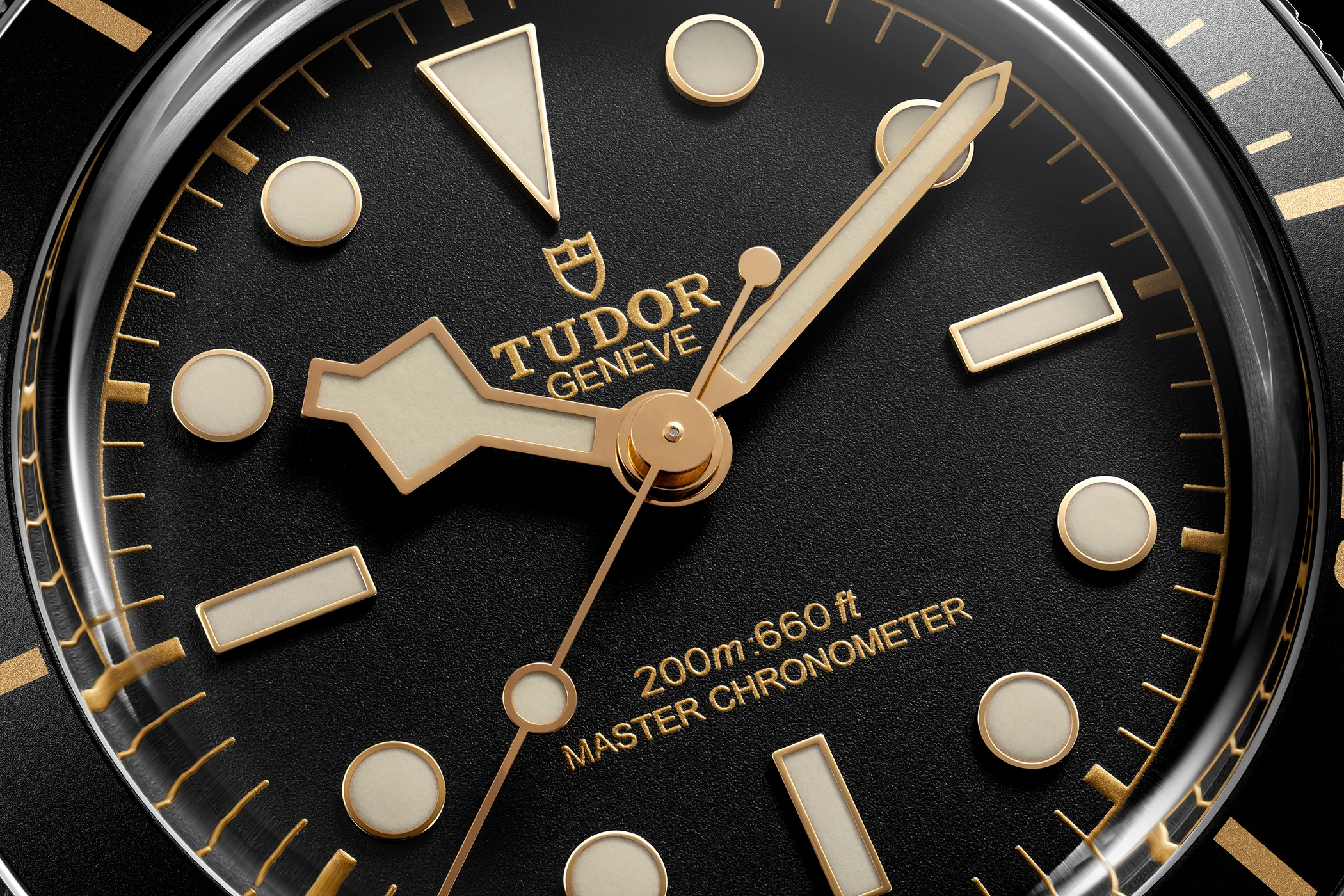
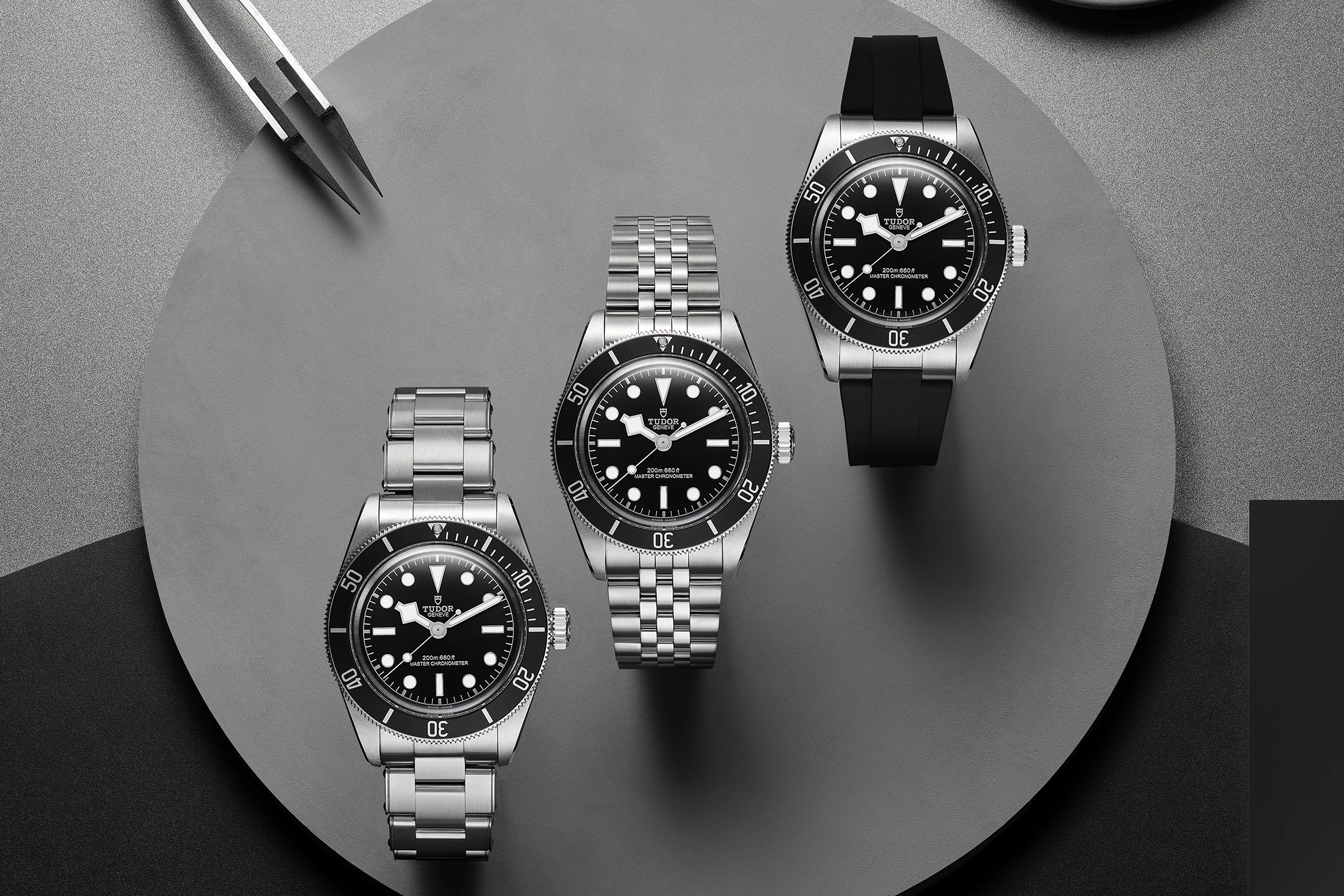
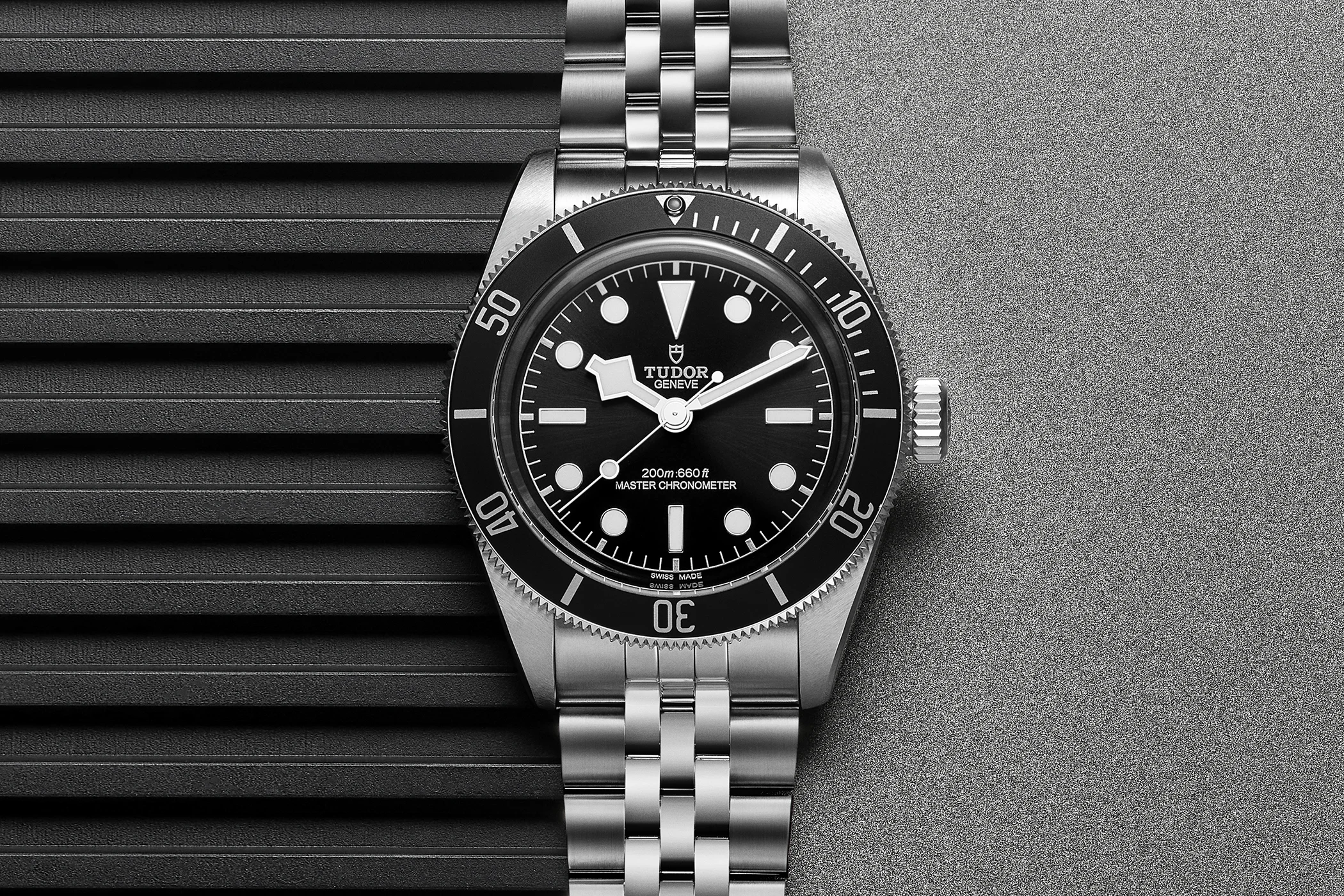
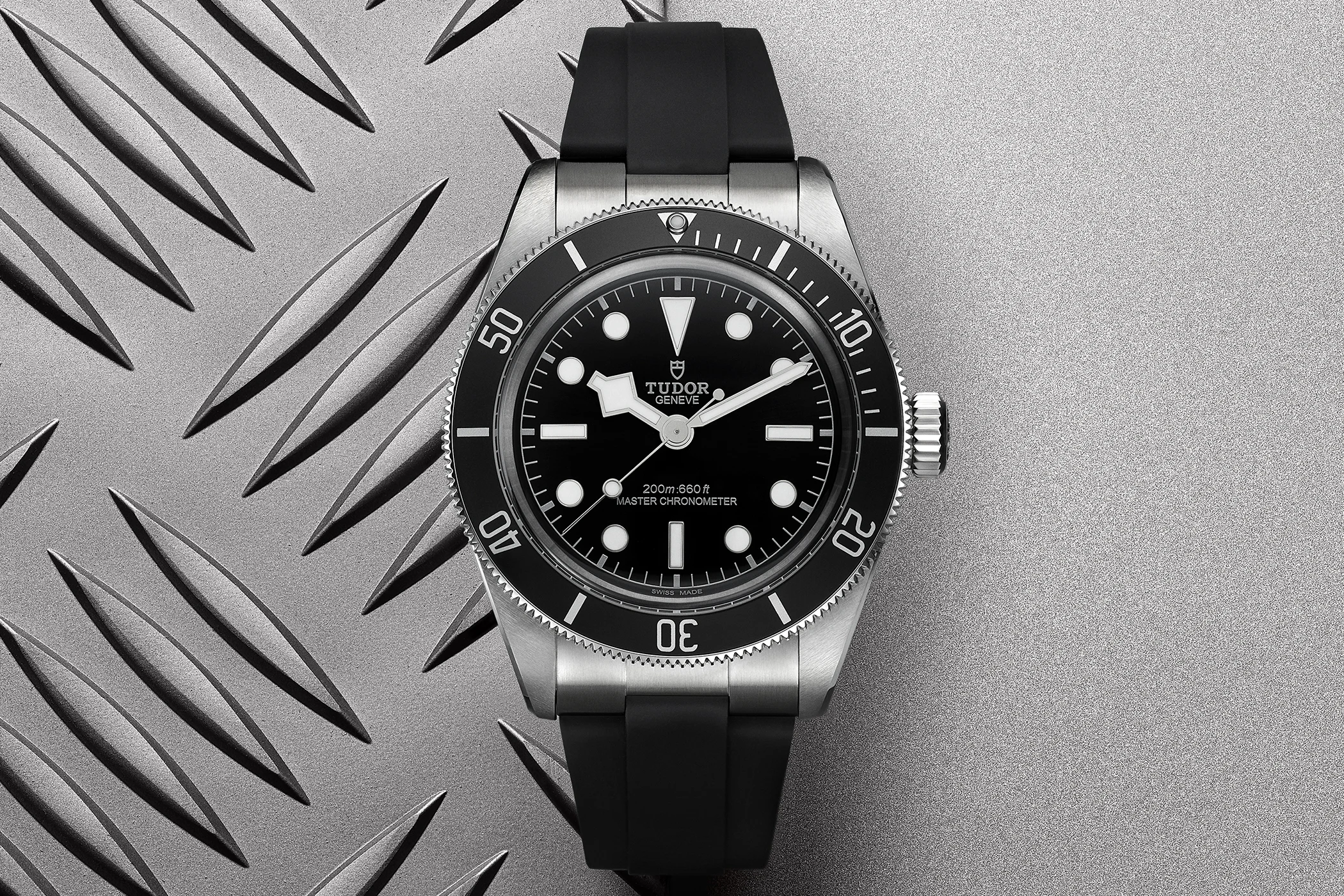
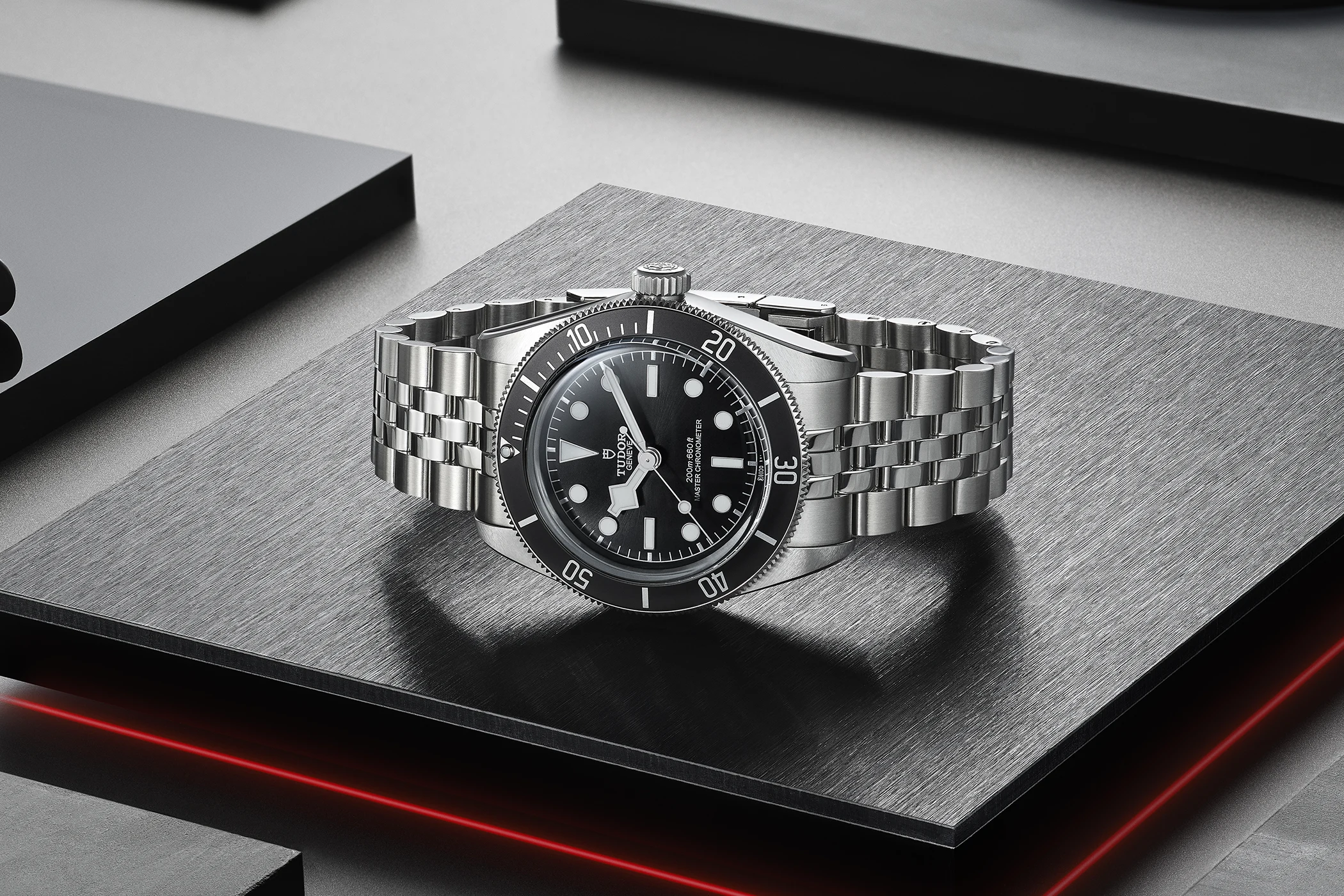
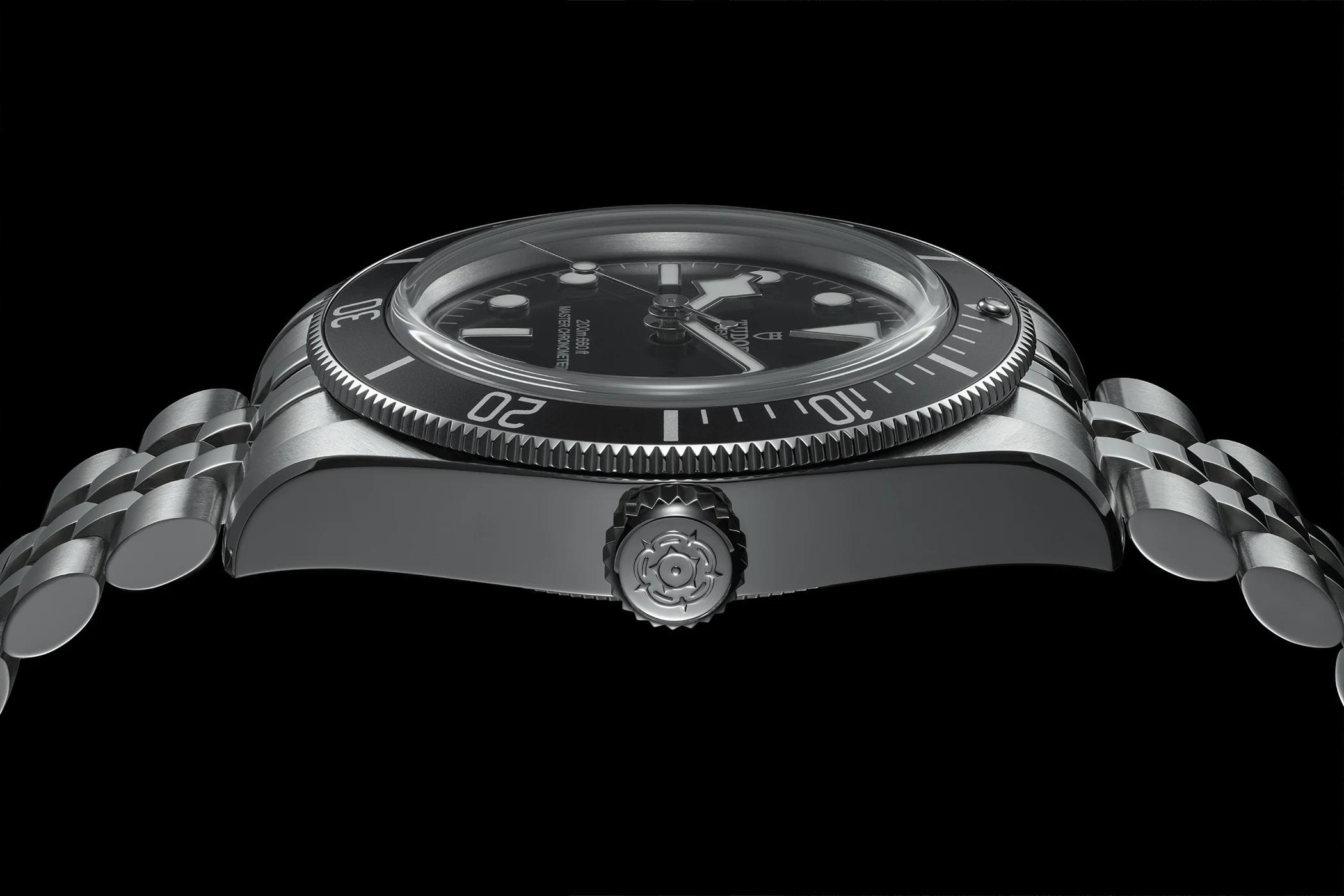
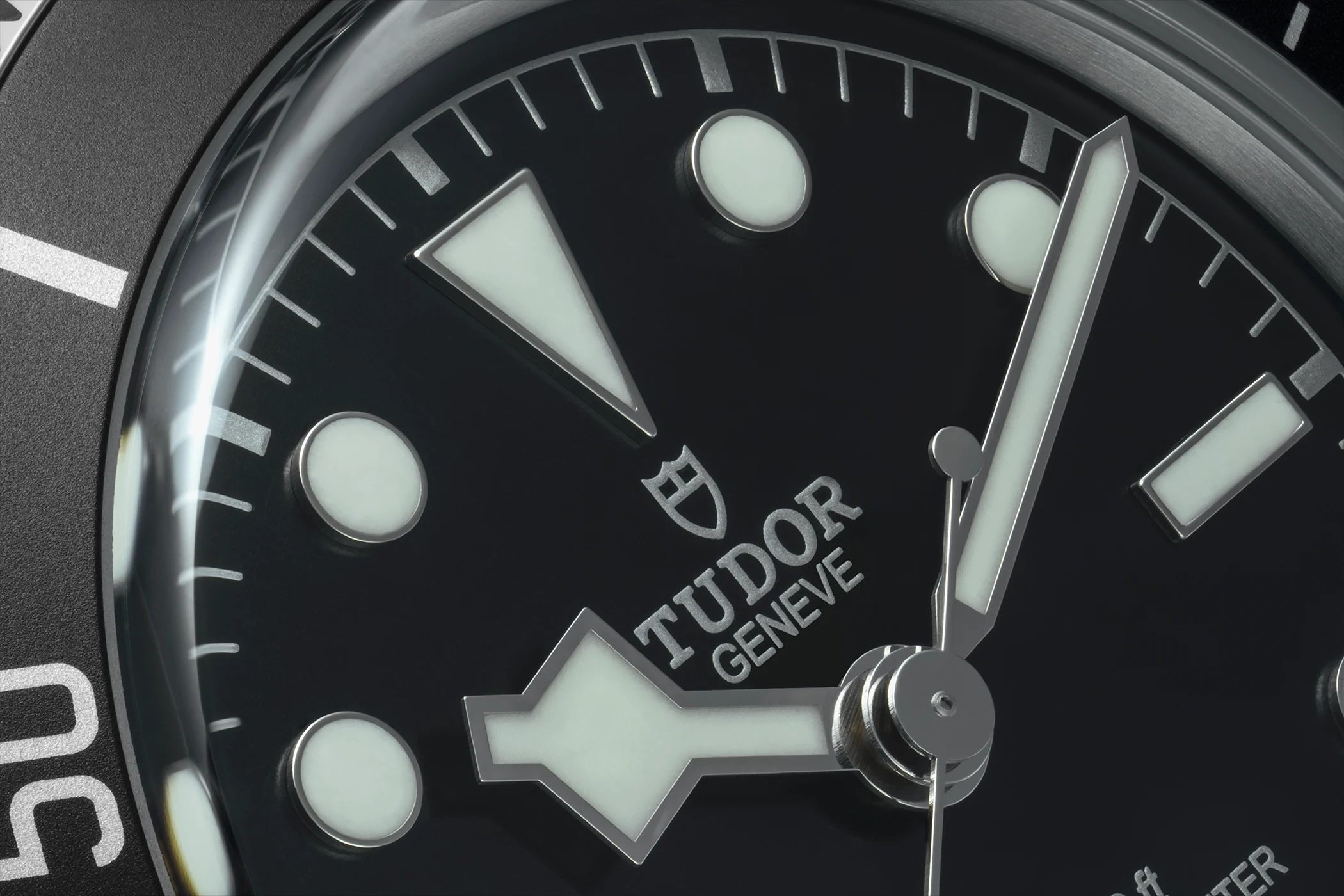
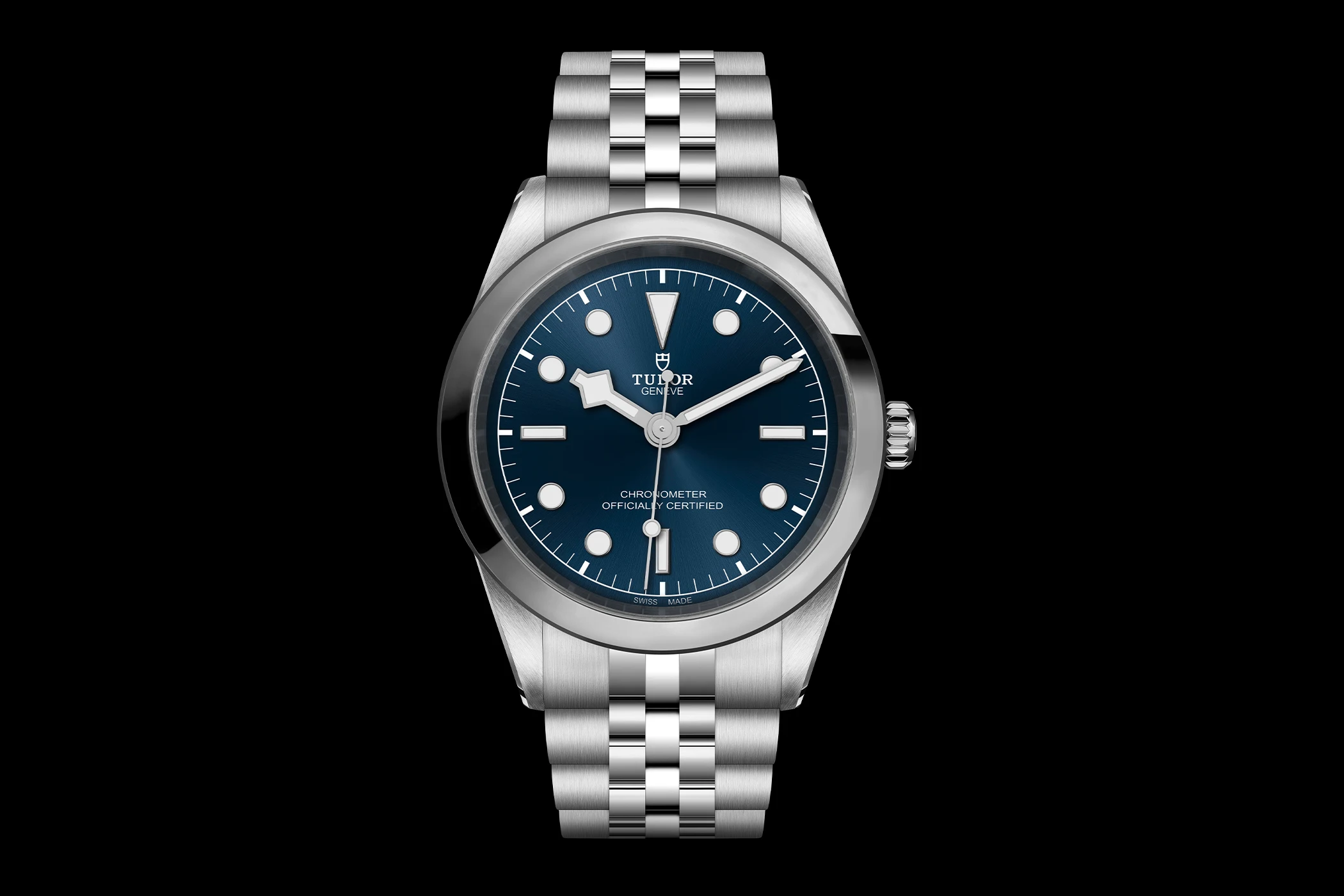
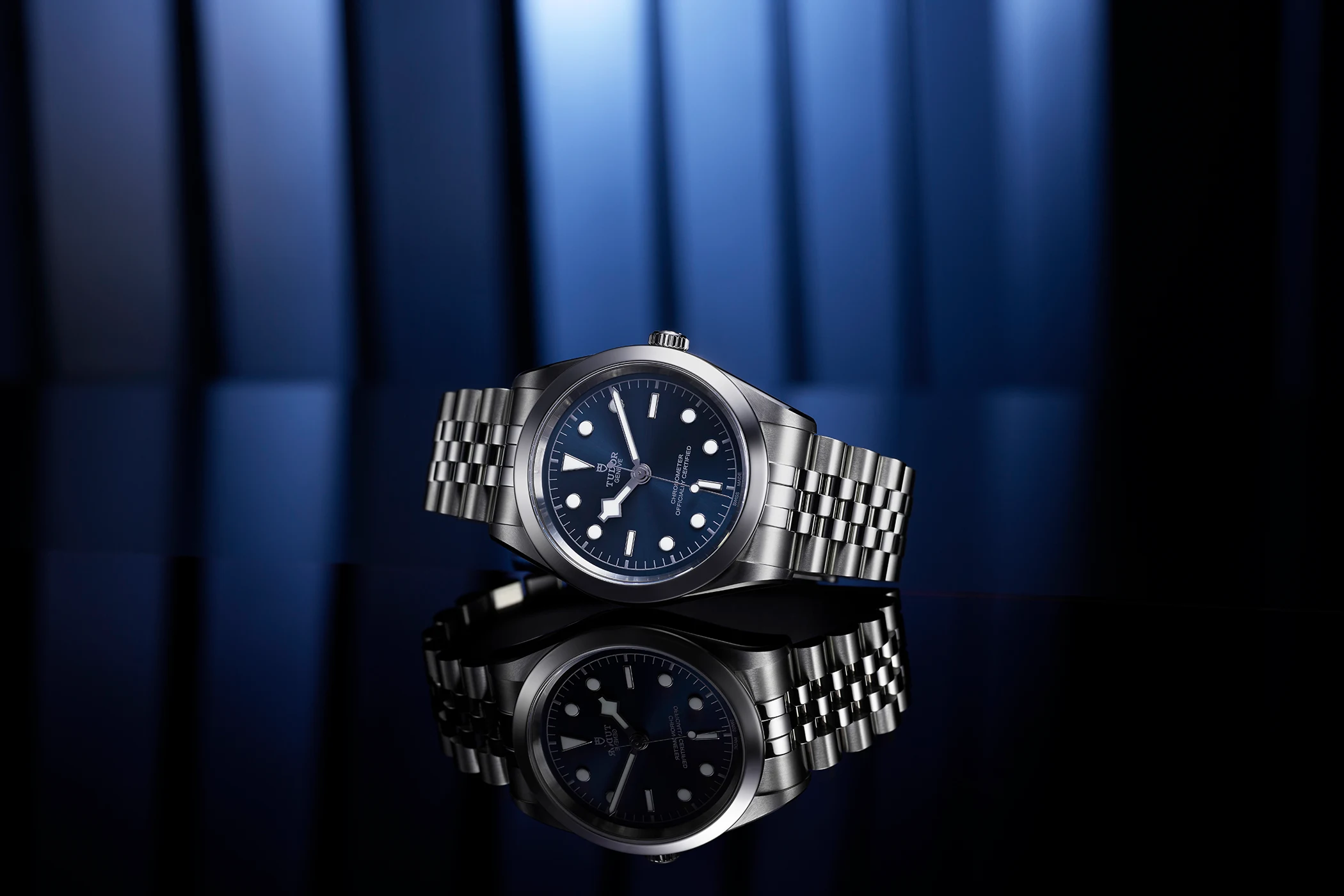
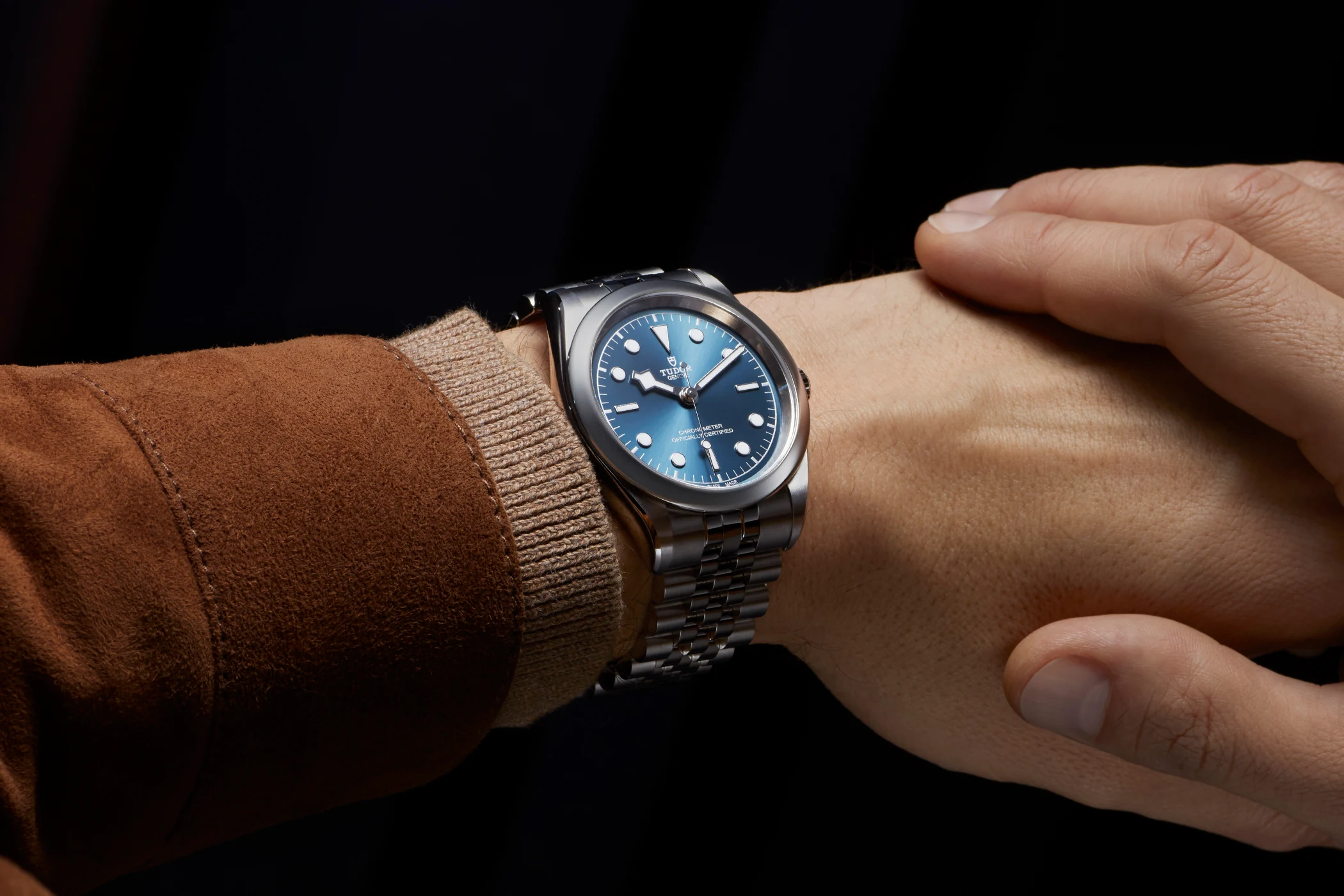
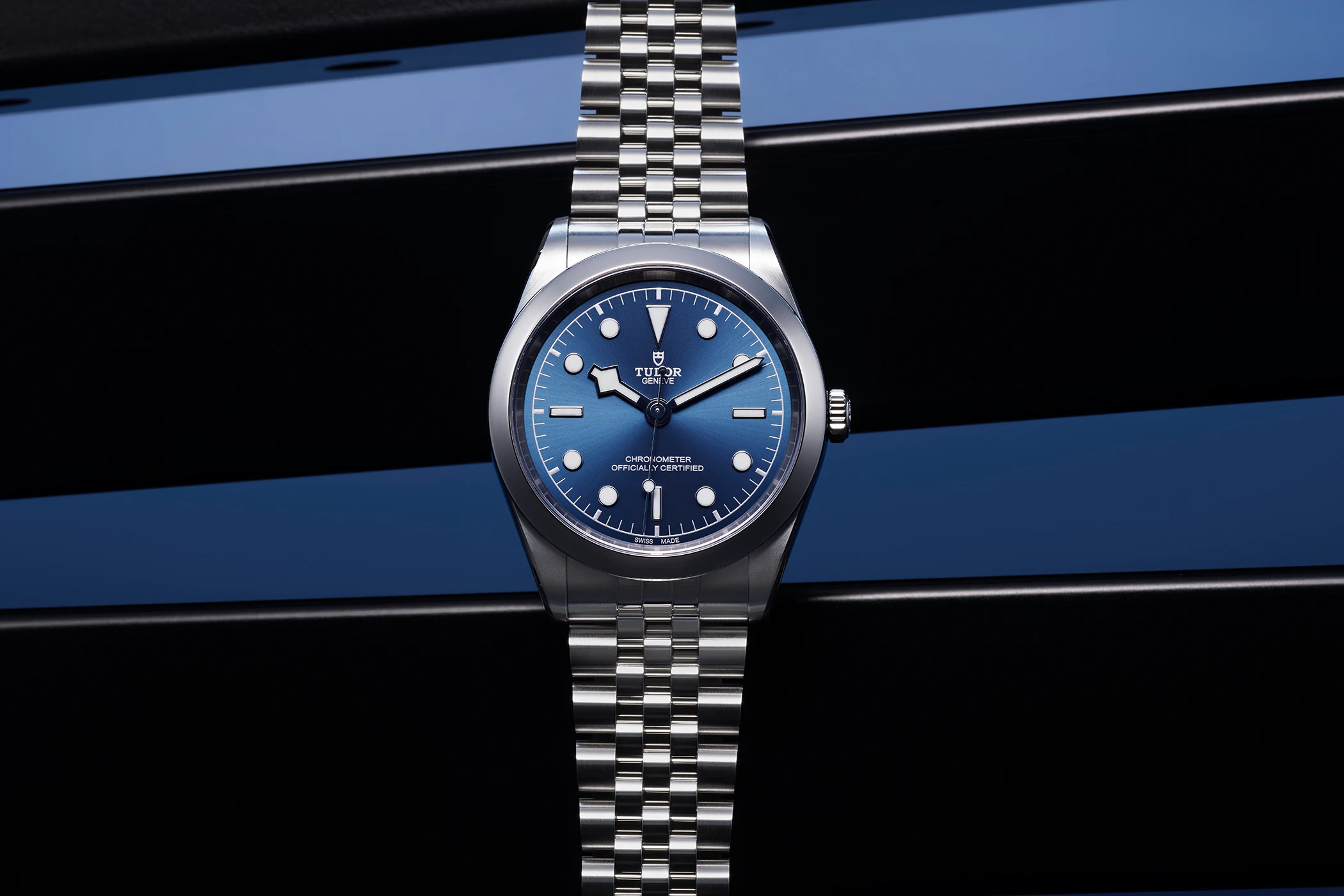
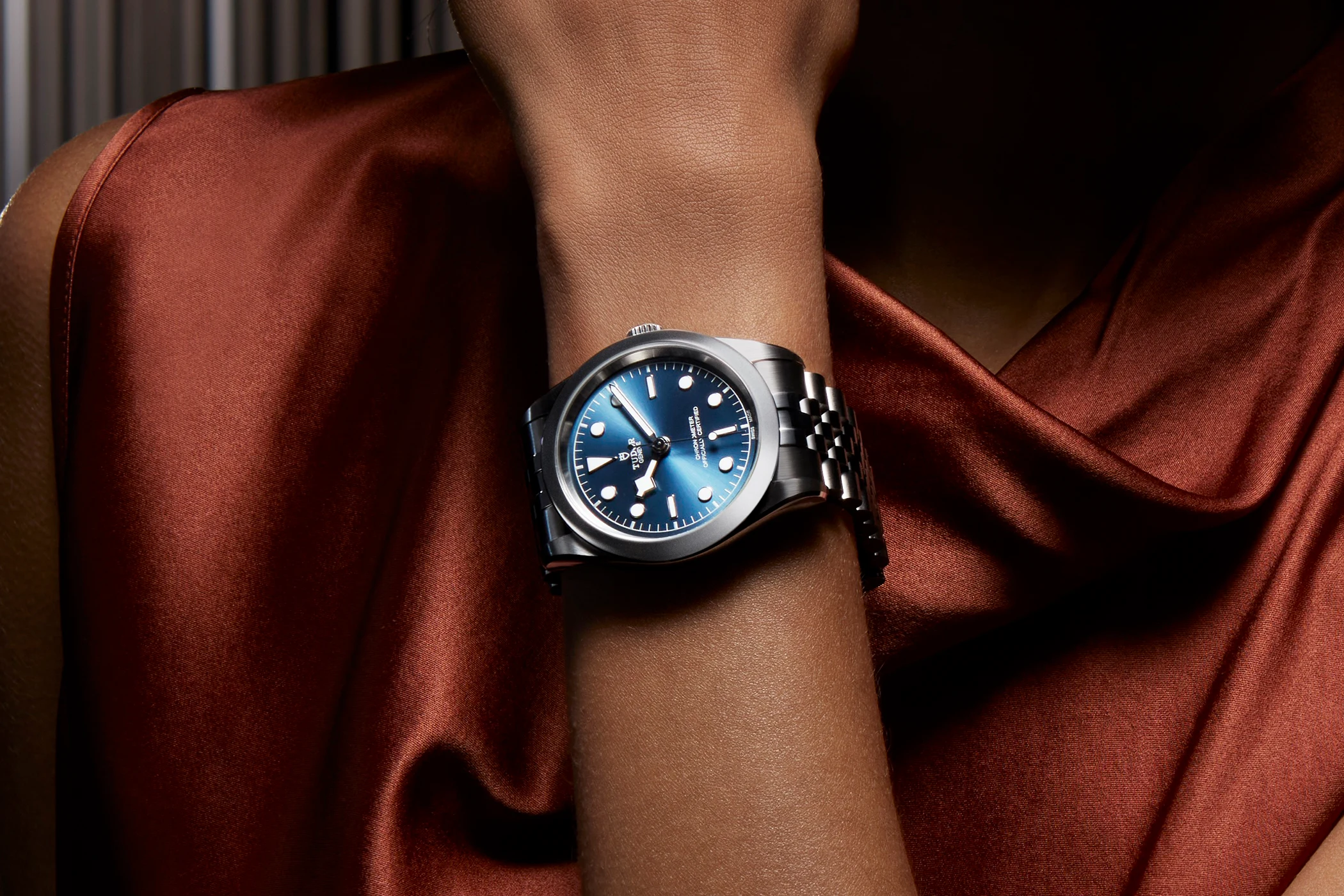
The Tudor Black Bay 58, reference M7939A1A0NU, is the best choice if your first mechanical watch needs to be sporty but not too large. With a 39-millimetre diameter, 200-metre water resistance, a steel bracelet and the Master Chronometer calibre MT5400-U offering a power reserve of around 65 hours, this is a watch that is technically very well-equipped and requires virtually no compromises in everyday use. Compared to the larger Black Bay, it appears more refined and sits more harmoniously on many wrists than its bigger brother. Above all, the build quality and the calibre of the materials used really stand out across almost all Tudor model ranges. The design of the Black Bay 58 deliberately incorporates historic Tudor elements and, as a result, appears less modern than some other alternatives in this category. Anyone who appreciates precisely this classic sports watch aesthetic can purchase the version on a five-row metal bracelet for €4,830, the variant on a three-row metal bracelet for €4,720, and the model on a rubber strap for €4,500 – and, in addition, one of the most compelling sporty everyday watches that can accompany you for a lifetime.
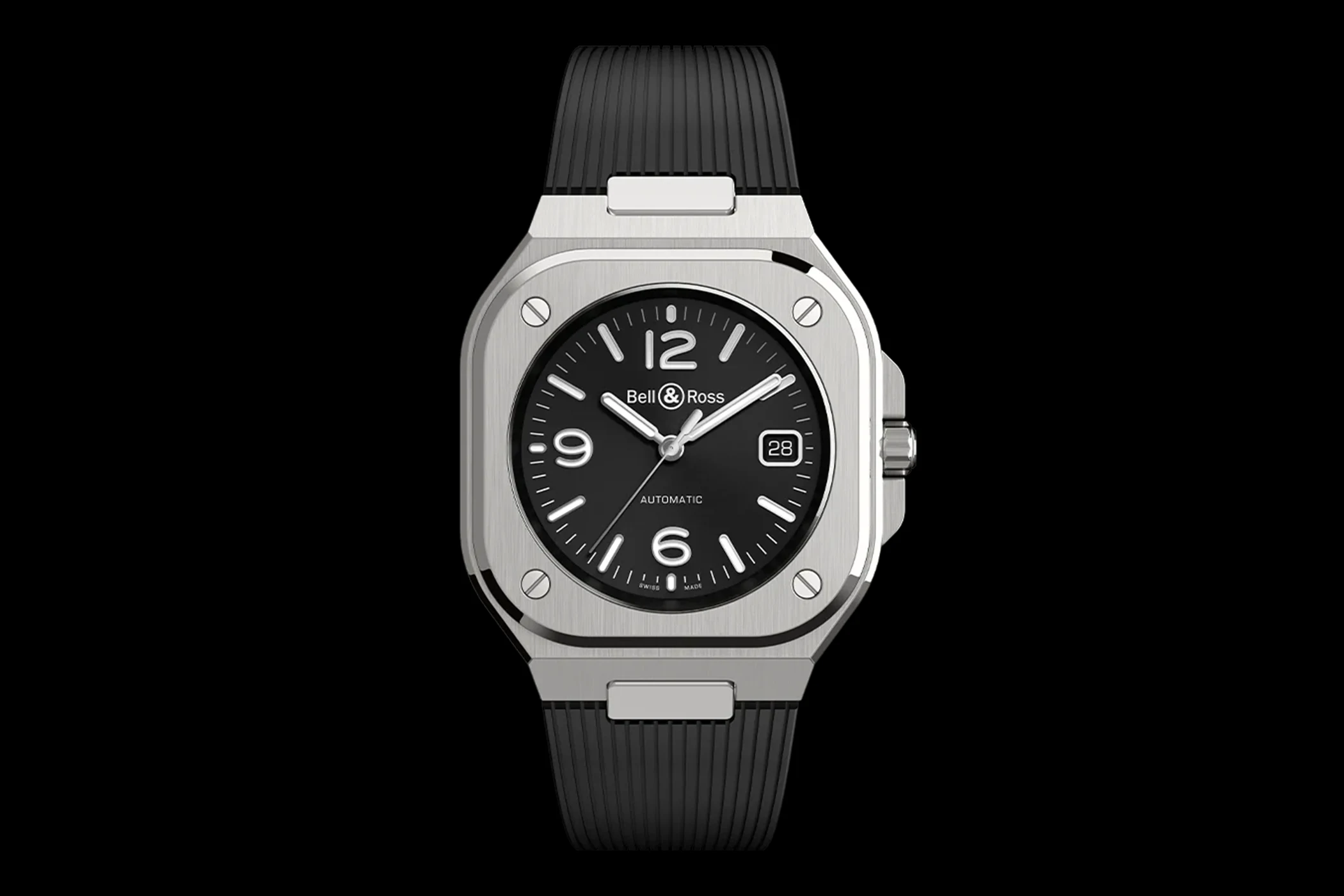
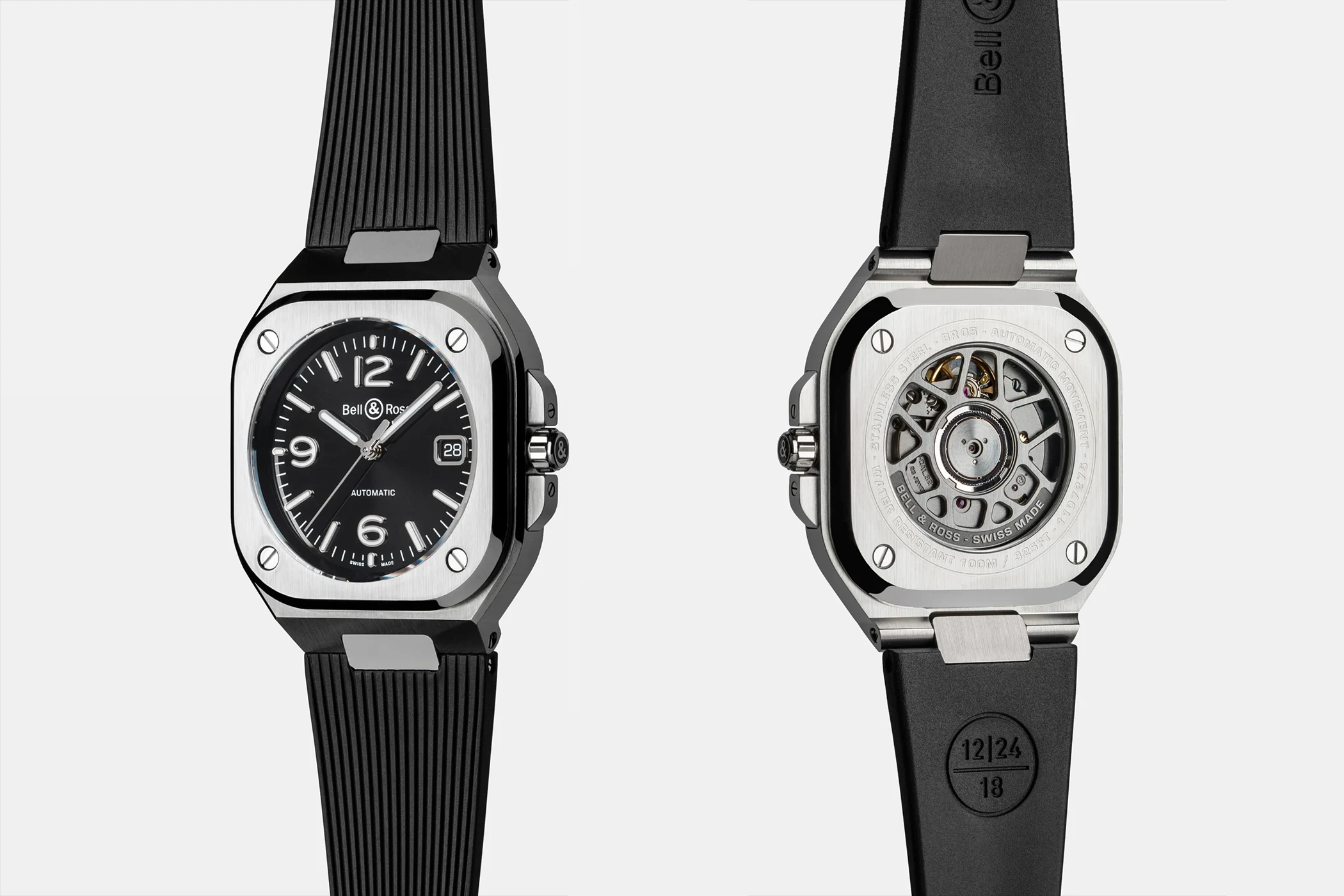
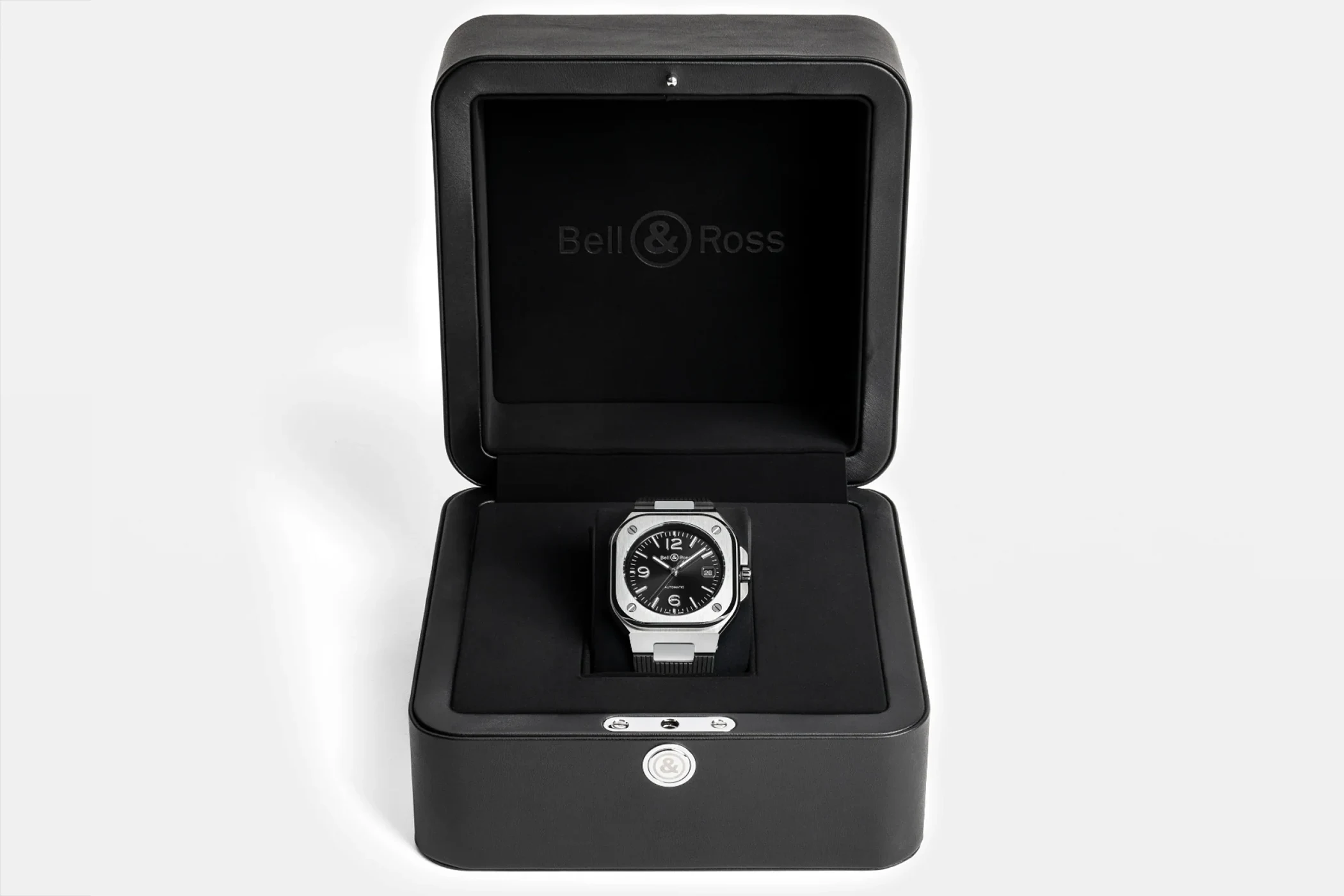
The Bell & Ross BR 05 Black Steel, reference BR05A-BL-ST/SRB, stands out not through classic sports watch proportions, but through the shape of its case. The 40-millimetre steel case is square in design, the strap appears seamlessly integrated, and its styling is clearly inspired by the brand’s signature instrument-inspired design language. With 100 m water resistance and the modified BR-CAL.321 automatic movement, based on the Sellita SW300-1, it is well equipped for everyday use. On a rubber strap, it makes a more understated impression and also costs slightly less than the version on a steel bracelet. This should not be underestimated, as the BR 05’s shape makes it appear more prominent than many round watches of a similar diameter anyway. Those looking for a sporty watch that is as unobtrusive as possible are likely to find what they’re after with Tudor or NOMOS, but anyone specifically seeking a modern, angular sports watch should definitely take a look at the BR 05. Its price: €4,900.
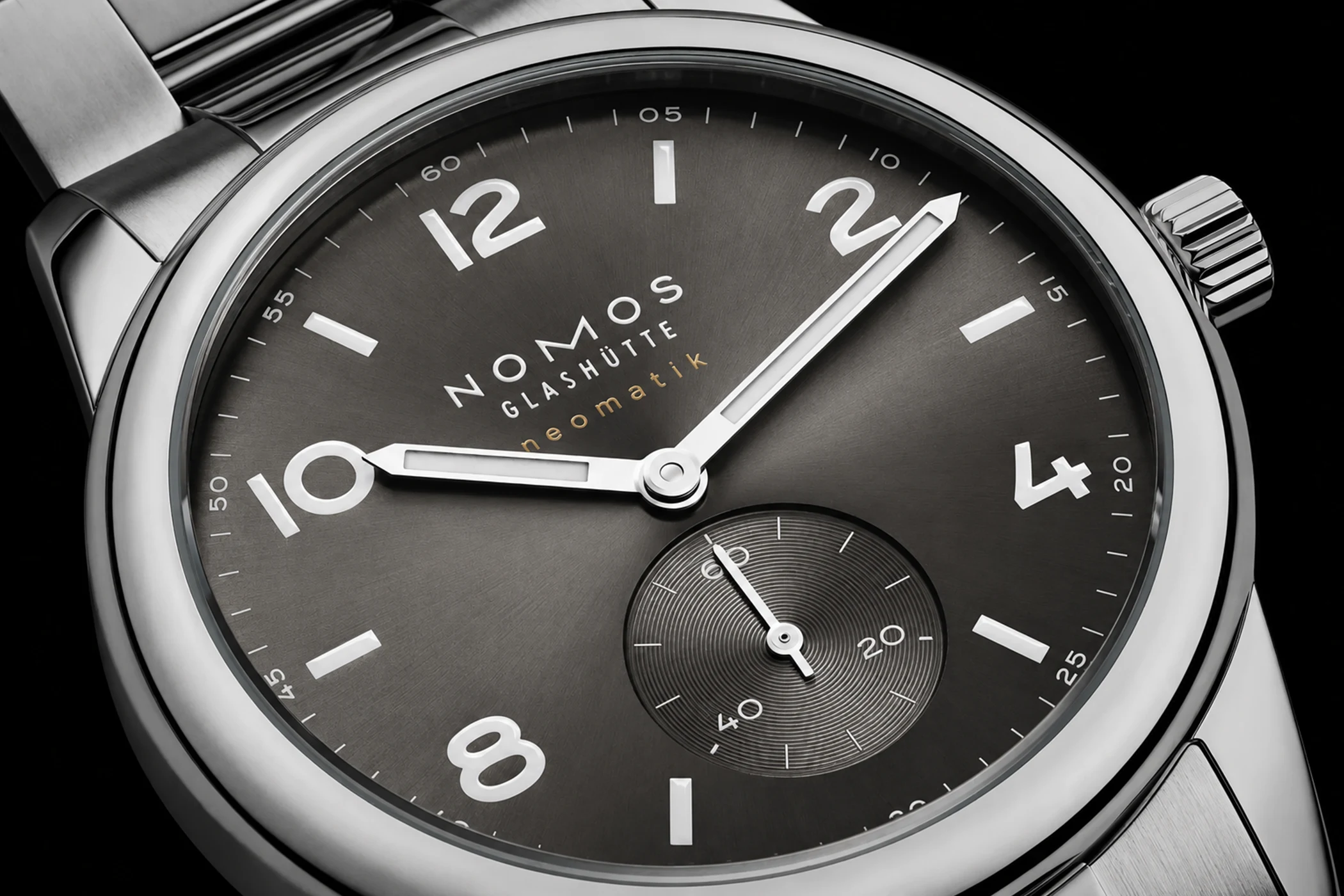
The NOMOS Club Sport Neomatik 39 smoke, reference 764, is the more refined sports watch in this category. Its stainless steel case measures 39.5 millimetres in diameter, is just 8.5 millimetres thick and yet is water-resistant to 200 metres; it also features sapphire crystal, a screw-down caseback, a steel bracelet with quick-release spring bars and the automatic in-house calibre DUW 3001 with a 43-hour power reserve. What makes it special is not just that the watch is slim, but how unusual this combination of a low case height and high water resistance is in a mechanical sports watch. It feels significantly slimmer on the wrist than many competing models, yet remains practical enough for everyday use, including swimming, holidays and daily wear. One should pay particular attention to the lug-to-lug measurement of 49.5 millimetres: whilst the watch is thin, its long lugs – typical of NOMOS – mean it does not automatically appear small on the wrist, which is why you should definitely try it on beforehand. The Club Sport Neomatik is priced at €3,300.
The Tudor Black Bay, reference M7941A1A0NU-0003, is not so much the better option as the larger and slightly more striking alternative to the Black Bay 58. With a case diameter of 41 millimetres, a height of 13.6 millimetres, water resistance to 200 metres, a steel bracelet and the Master Chronometer calibre MT5602-U with a power reserve of around 70 hours, it offers everything one would expect from Tudor in this price range in terms of technical specifications. The Black Bay appears more robust, wider and closer in style to a modern diver’s watch, whilst the Black Bay 58, with its 39-millimetre case diameter, sits more compactly and in better balance on the wrist. Those with larger wrists or who deliberately wish to wear a large watch will find the Black Bay, with a 41-millimetre case diameter, available for €4,940 on a five-row metal bracelet, for €4,830 on a three-row metal bracelet and for €4,610 on a rubber strap. For many buyers, however, the Black Bay 58 remains the simpler first choice, as it offers the same fundamental character in a size that is more wearable for most people.
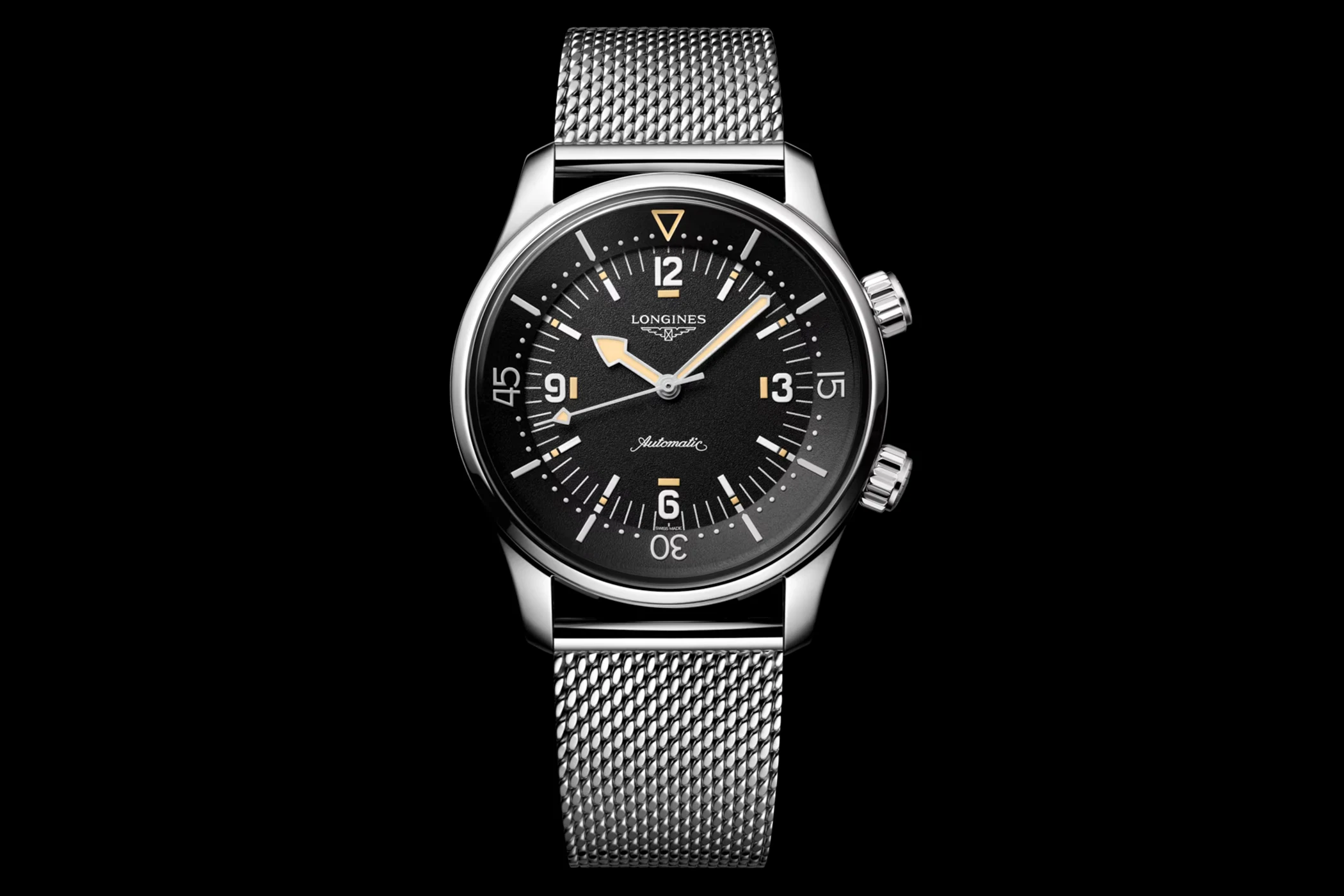
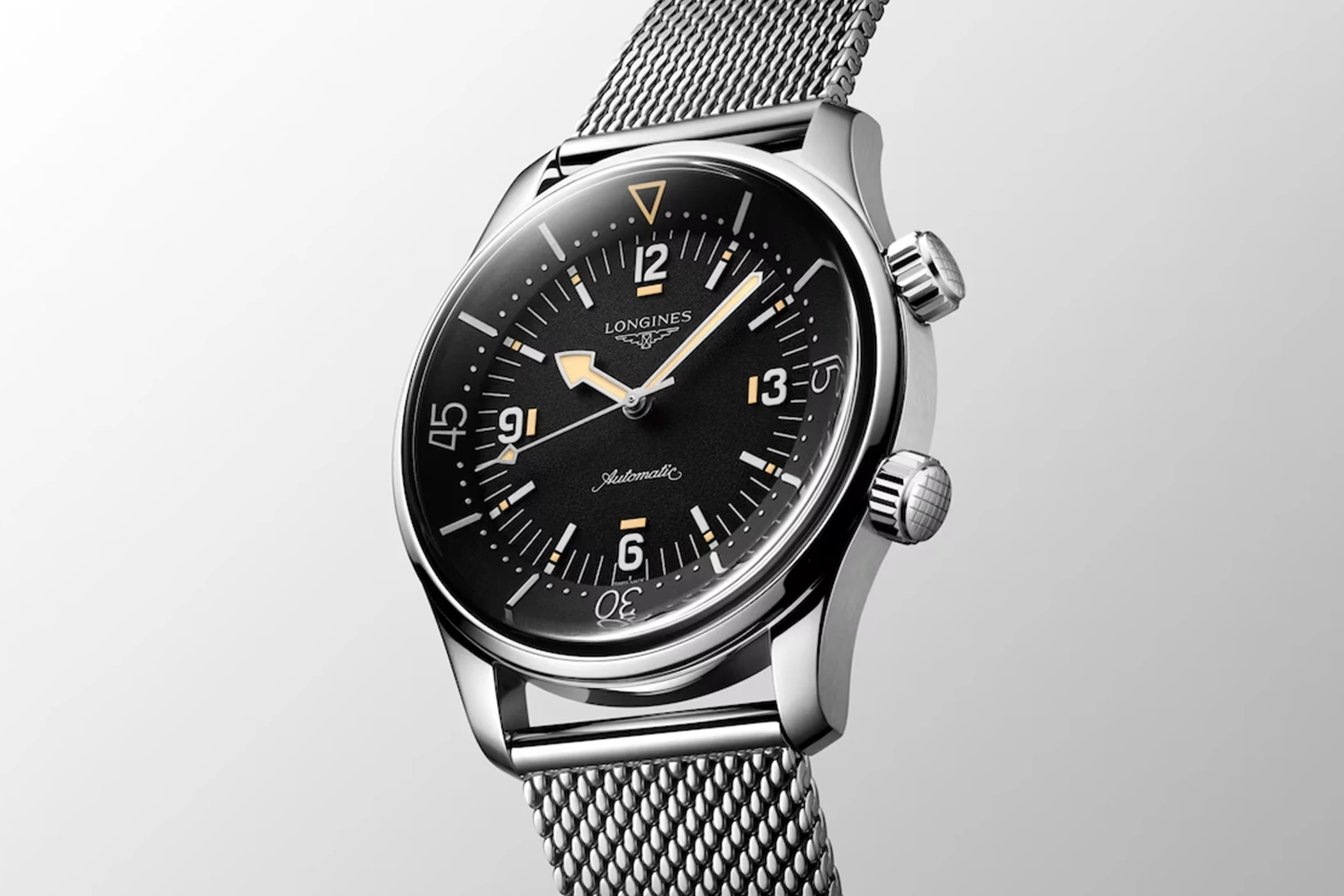
The Longines Legend Diver 59, reference L3.795.4.59.9, is not a modern sports watch in the style of a Tudor Black Bay or Bell & Ross BR 05, but clearly draws its inspiration from its vintage diver’s design from the late 1950s. The 42-millimetre stainless steel case, the two crowns and the internal rotating diving bezel immediately give it a distinctive look. At the same time, it is technically more suited to everyday use than its vintage-inspired exterior might initially suggest: 300 m water resistance, sapphire crystal, a stainless steel bracelet with micro-adjustment and an automatic movement with a power reserve of around 72 hours make it a mechanical watch suitable for everyday wear with a sporty yet understated appearance. Inside, a modified Longines calibre L888.6 – based on the ETA A31.L1 – is at work, featuring an anti-magnetic balance spring made of monocrystalline silicon, which suits the watch’s aspirations well. Its greatest advantage is its originality: it doesn’t look like just another classic diver’s watch, but brings together history, distinctive character and everyday practicality. Anyone looking for a sports watch that is as slim, understated or modern as possible is likely to find what they’re after more quickly at NOMOS. However, anyone seeking a sporty everyday watch with a distinctive vintage character and significantly more personality should definitely consider the Legend Diver. The price is €3,950.
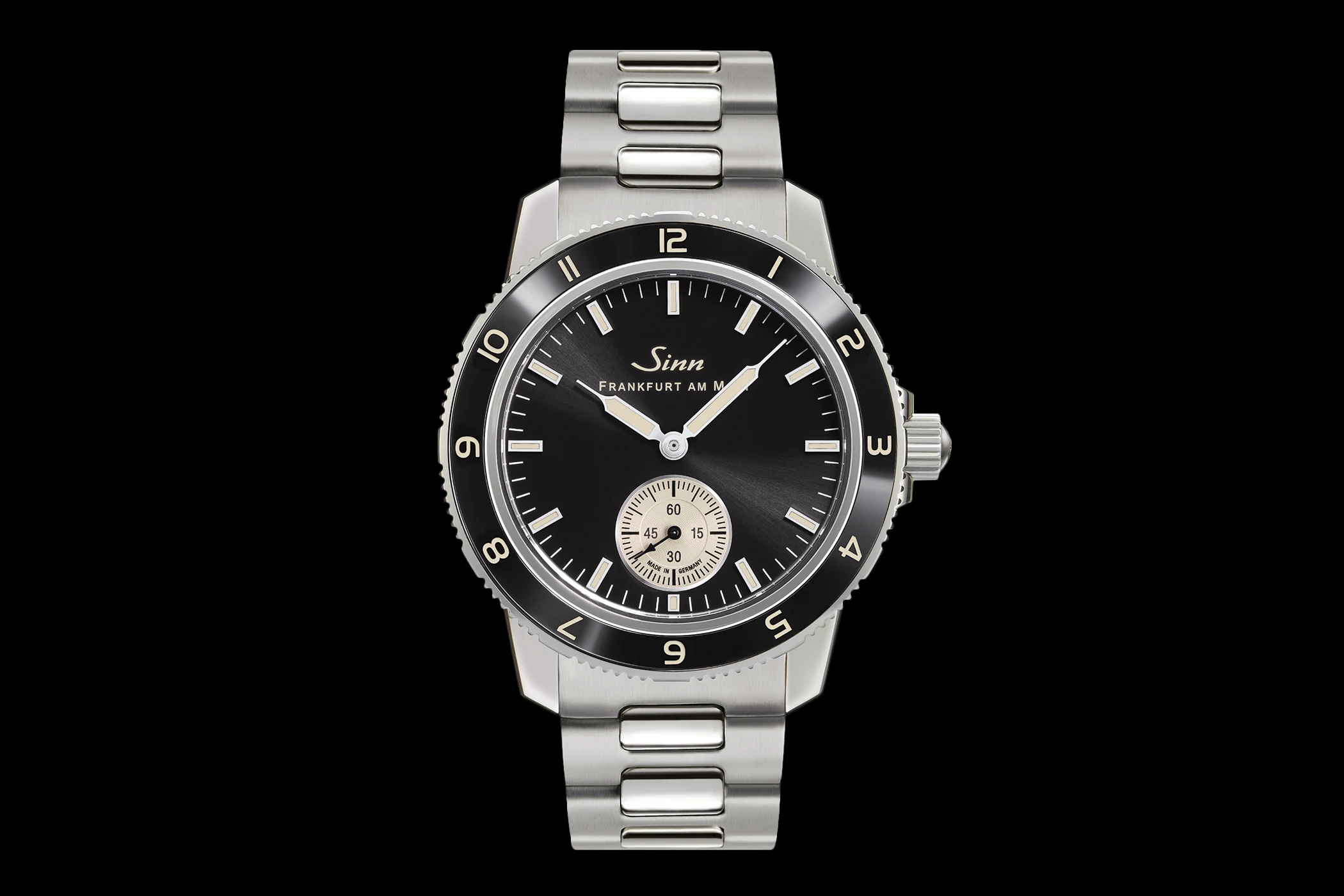
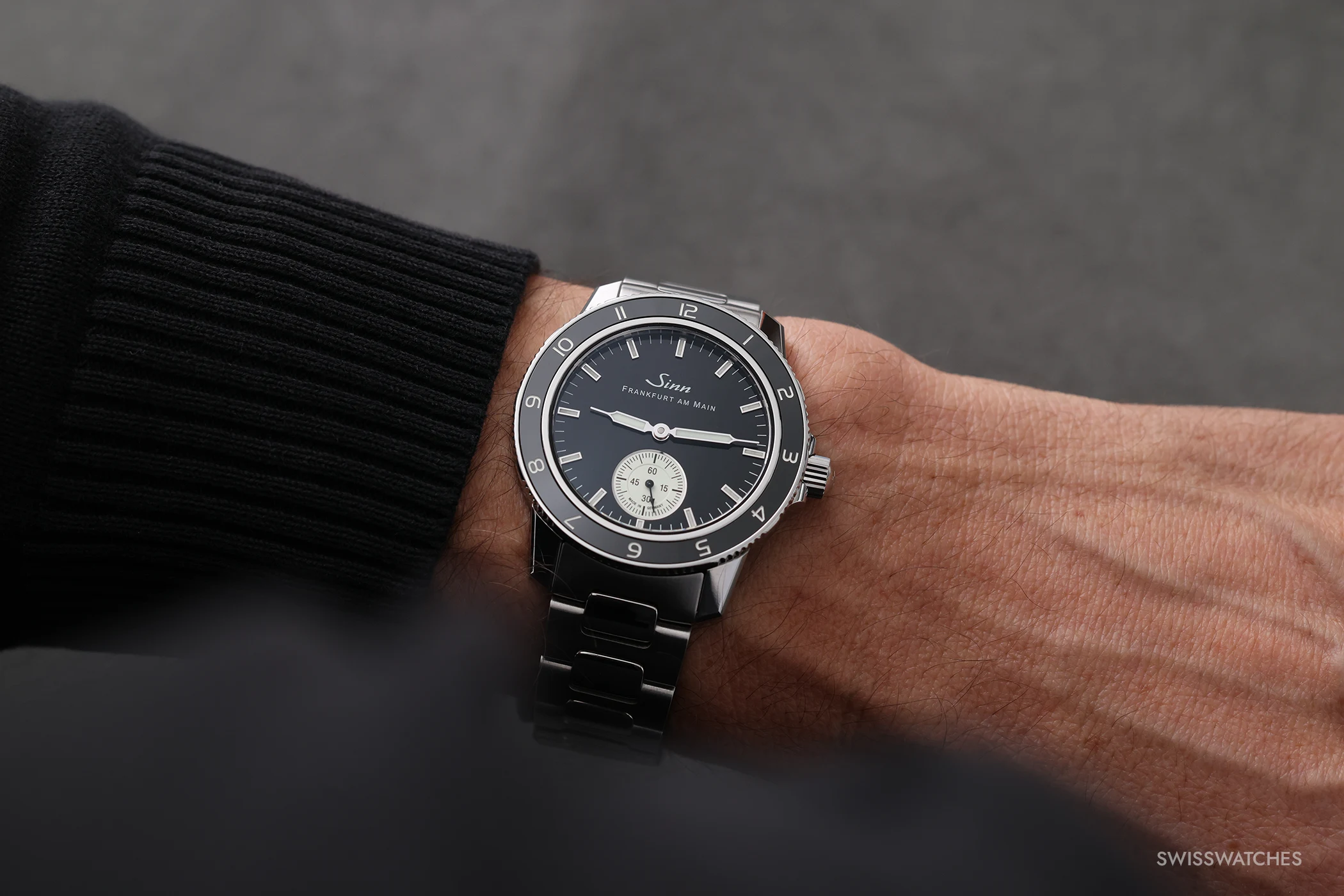
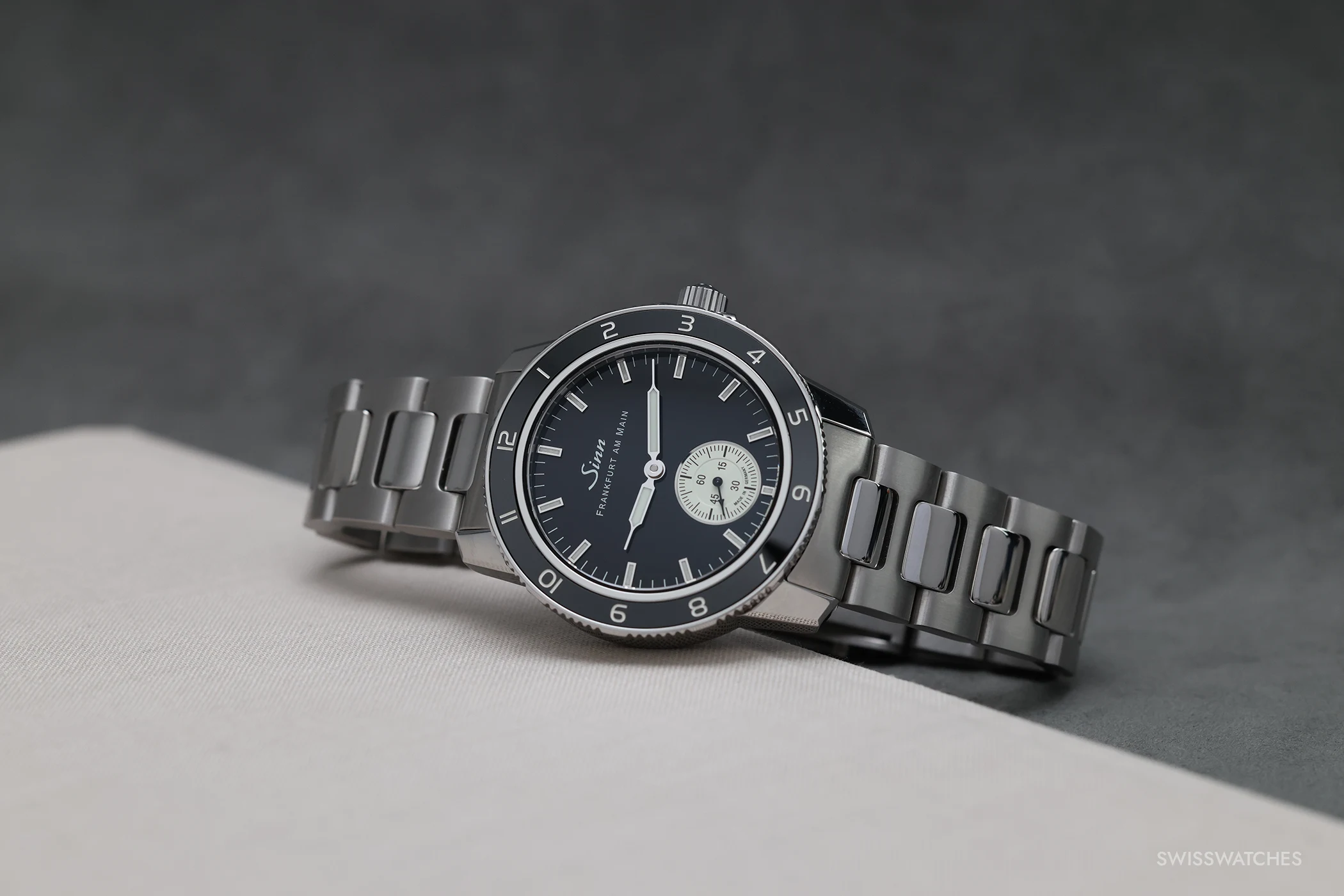
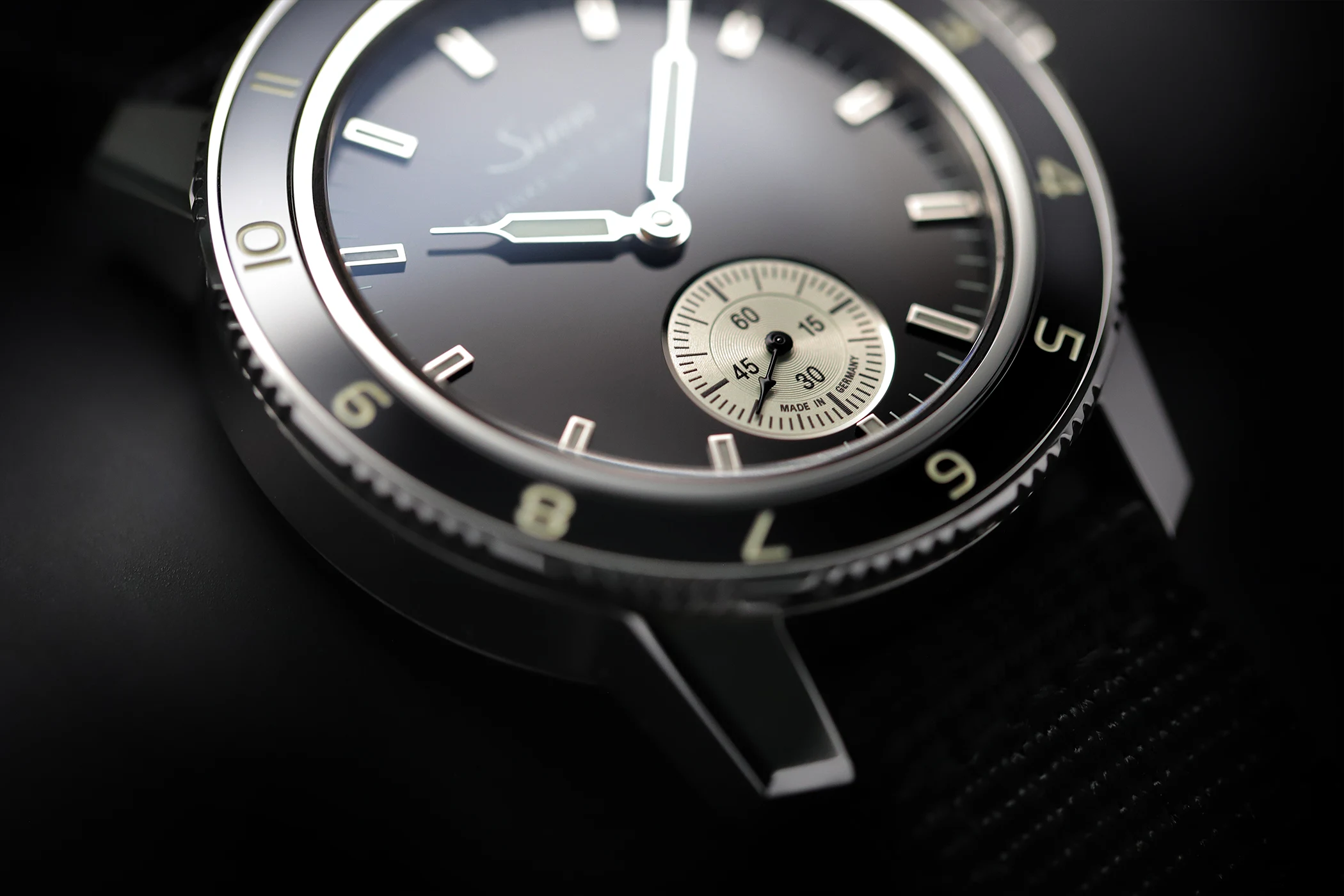
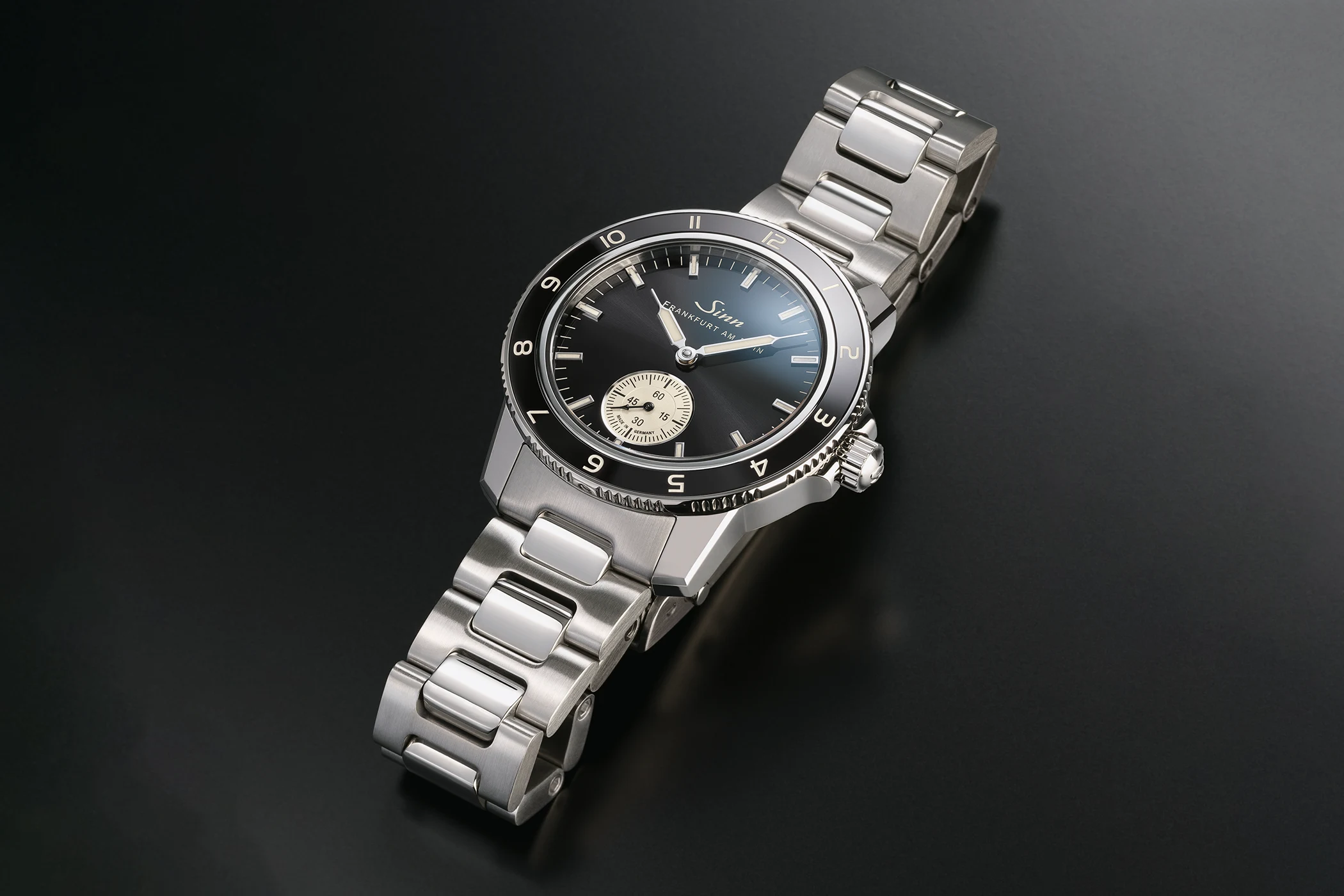
The Sinn 104 Klassik 12 is the final contender in this selection of sporty everyday watches. Despite its robust case, it is not a classic diver’s watch, but rather a versatile sports watch with a pilot’s watch feel. It fits perfectly into this selection because, with a case diameter of 41 millimetres, 200 m water resistance, a screw-down crown, sapphire crystal and a rotating bezel, it offers much of what one would expect from a functional everyday watch. Its unique selling point: the bezel does not display diving minutes, but rather a second time zone via a 12-hour scale, making it extremely practical. Visually, it is unmistakably a Frankfurt original: clean, technical and uncluttered, yet slightly more refined than many of the brand’s other models thanks to the black sunburst dial and small seconds hand. Inside, it is powered by the Sellita SW 261-1, a tried-and-tested automatic movement that suits Sinn’s understated and functional ethos. The Sinn 104 Klassik 12 is therefore the right choice for anyone looking for an honest, robust and versatile sports watch that is reliable for everyday use yet has enough character to avoid looking run-of-the-mill. Prices start at €1,690; with a three-link steel bracelet, it costs €2,040.
When it comes to a dress watch under €5,000, it’s not just about the watch looking elegant. Especially as a first high-quality mechanical watch, it needs to offer more: it should be flat enough to sit comfortably under a shirt or jacket, have clean proportions, and yet not be so delicate that you only wear it on special occasions. A dress watch is therefore not automatically the most delicate watch in the range, but rather the one that looks more formal without becoming impractical for everyday wear.
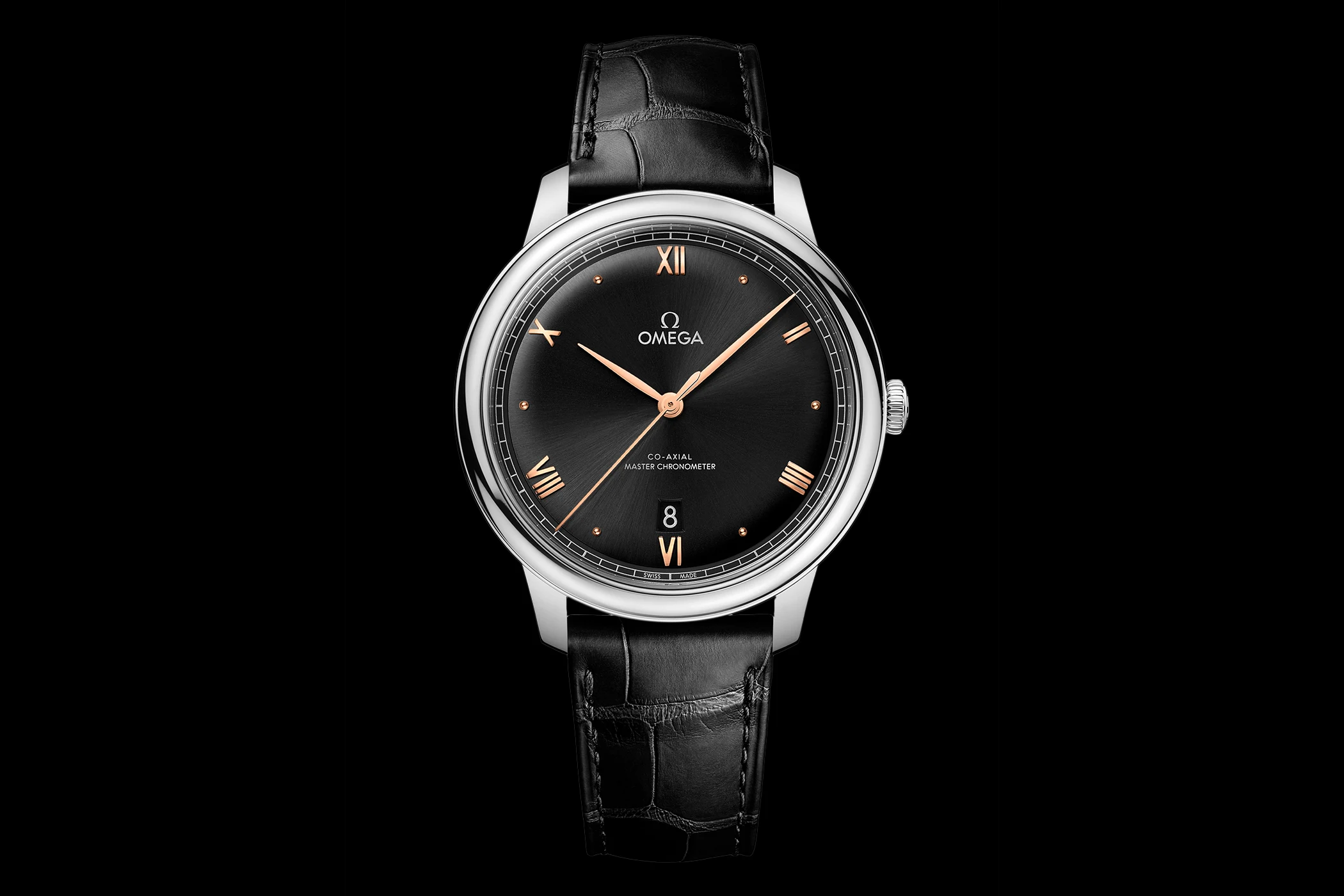
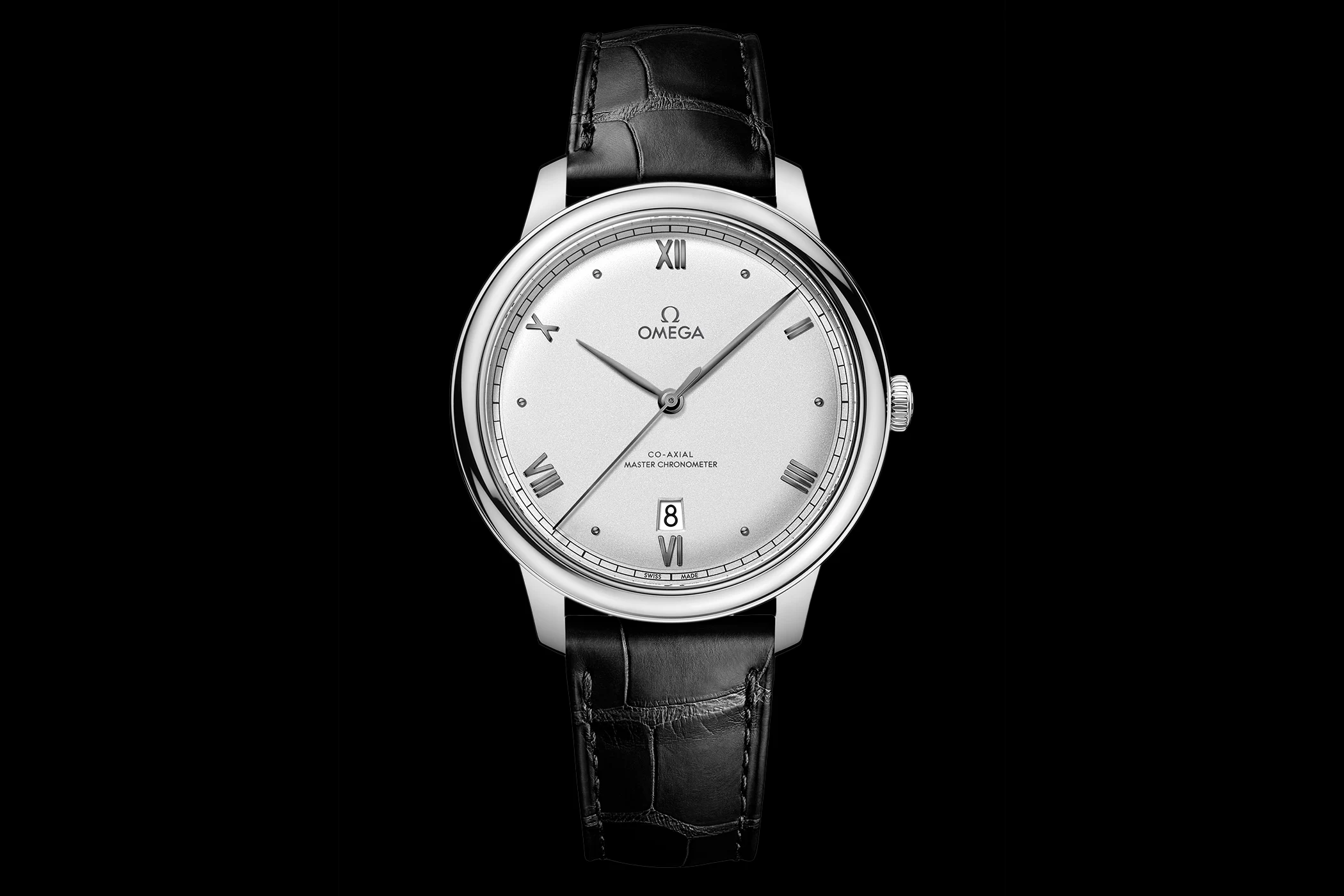
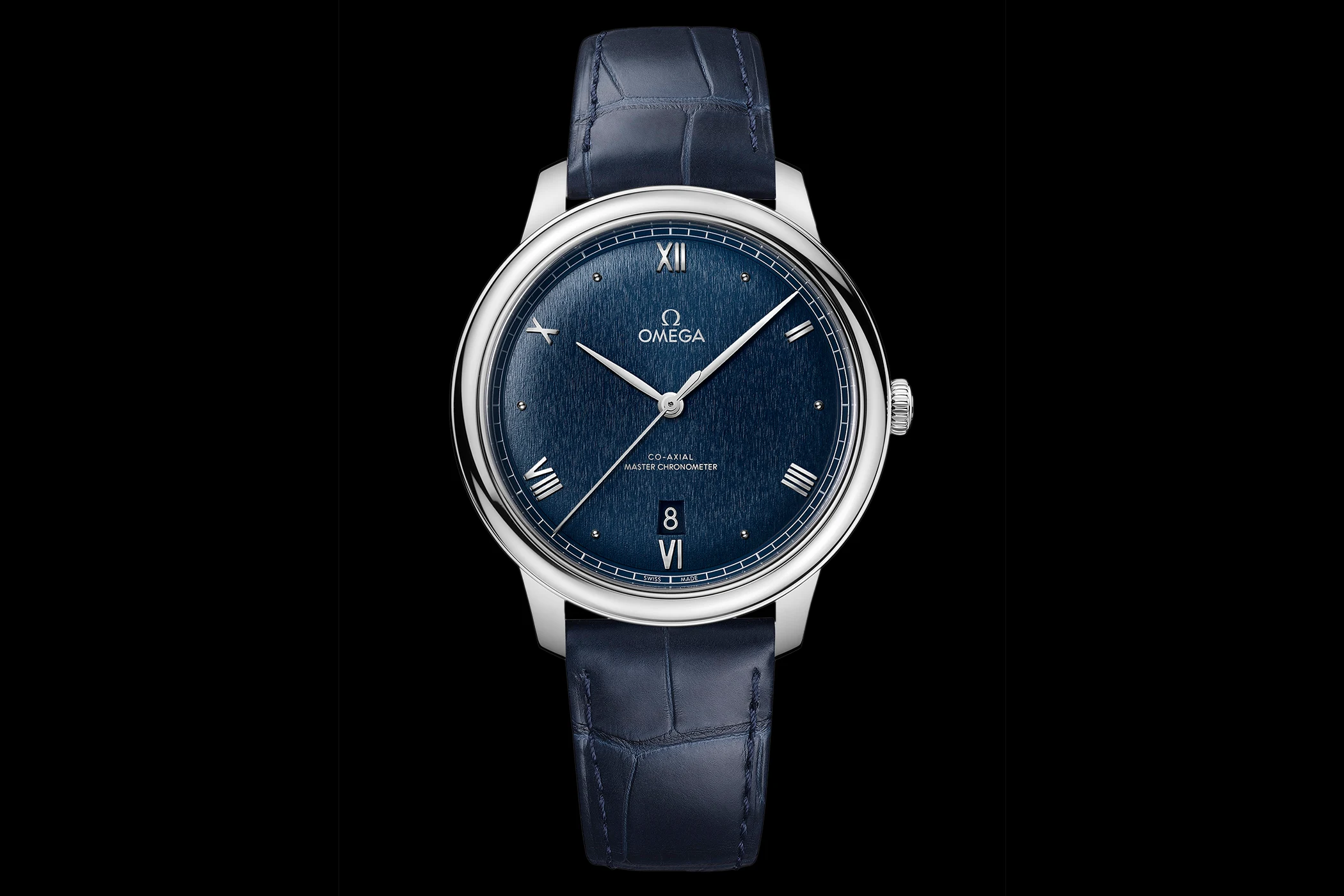
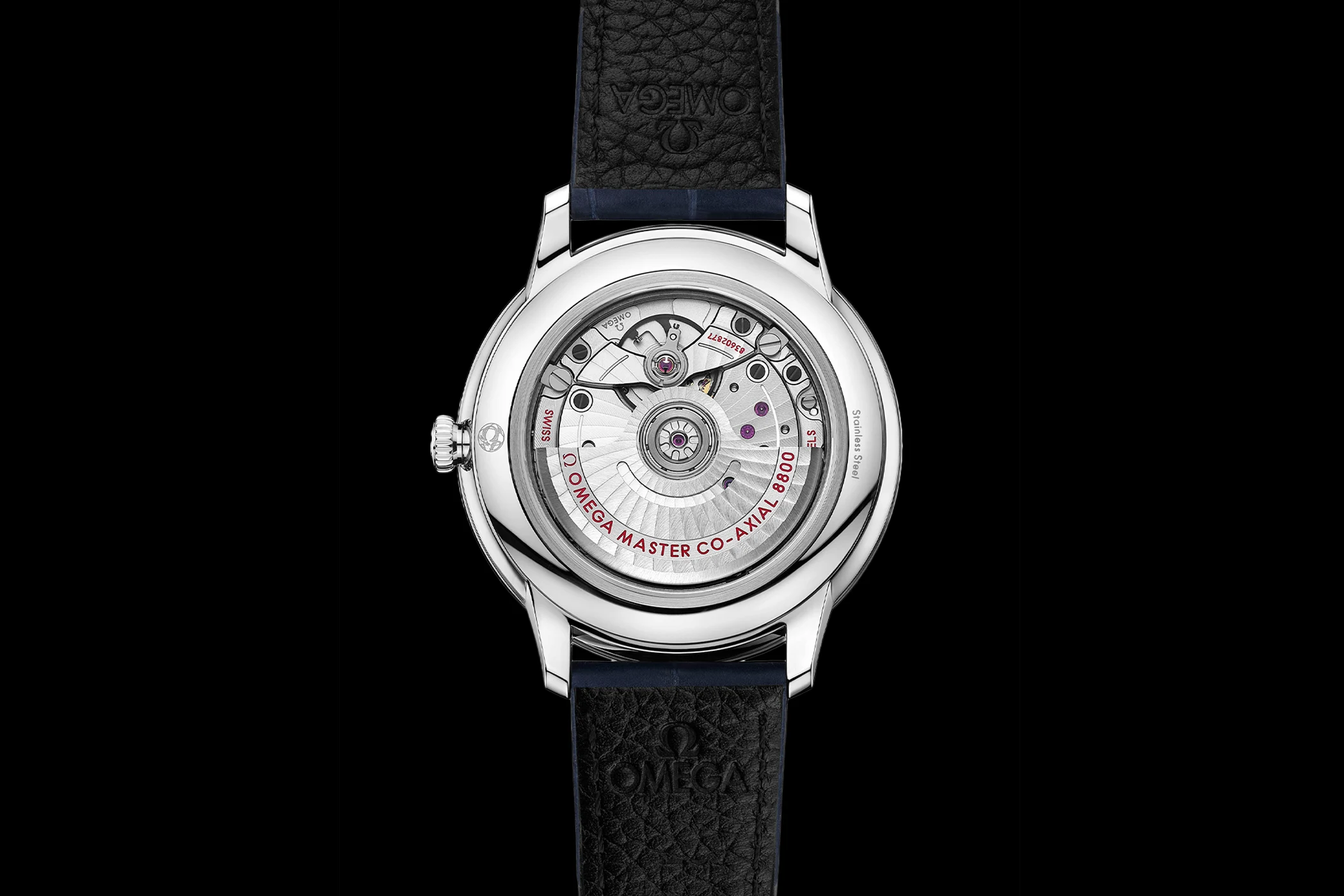
The Omega De Ville Prestige Co-Axial Master Chronometer 40 mm, reference 434.13.40.20.03.001, is, strictly speaking, the most impressive dress watch in this selection. With a diameter of 40 millimetres, a leather strap and a blue dial, it has a very formal and elegant appearance, yet technically it offers much of what modern Omega watches are prized for: the Co-Axial Calibre 8800 with Master Chronometer certification, a 55-hour power reserve and magnetic resistance of up to 15,000 gauss. This means it is not a delicate watch that merely looks good, but a classic dress watch with very modern technology. This is particularly appealing for a first high-end watch purchase, as it means you don’t have to choose between a formal appearance and robust movement technology. Priced at exactly 5,000 euros, it makes full use of the set price range, yet it also ranks among the kind of dress watches that combine formal restraint with genuine technical prowess.
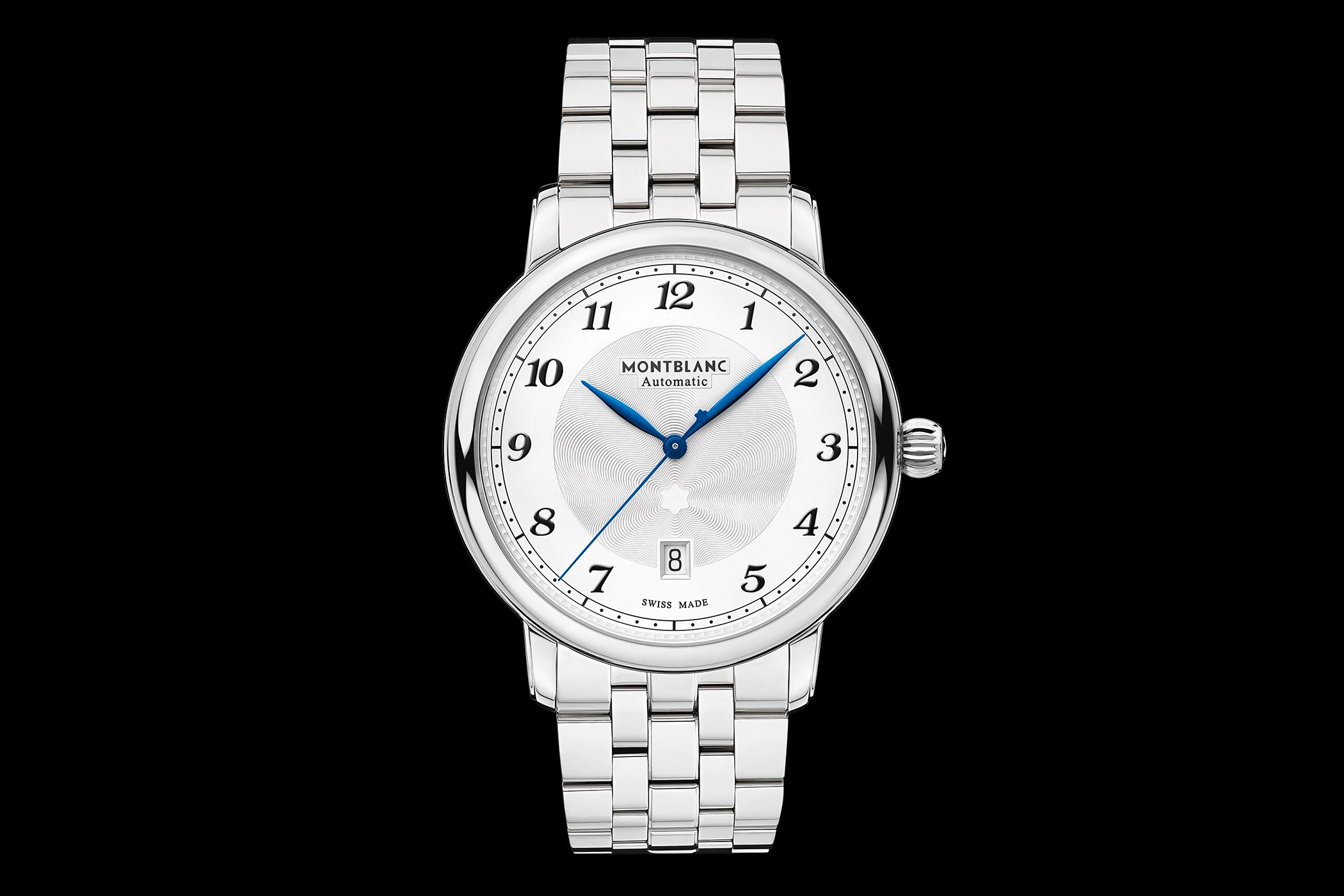
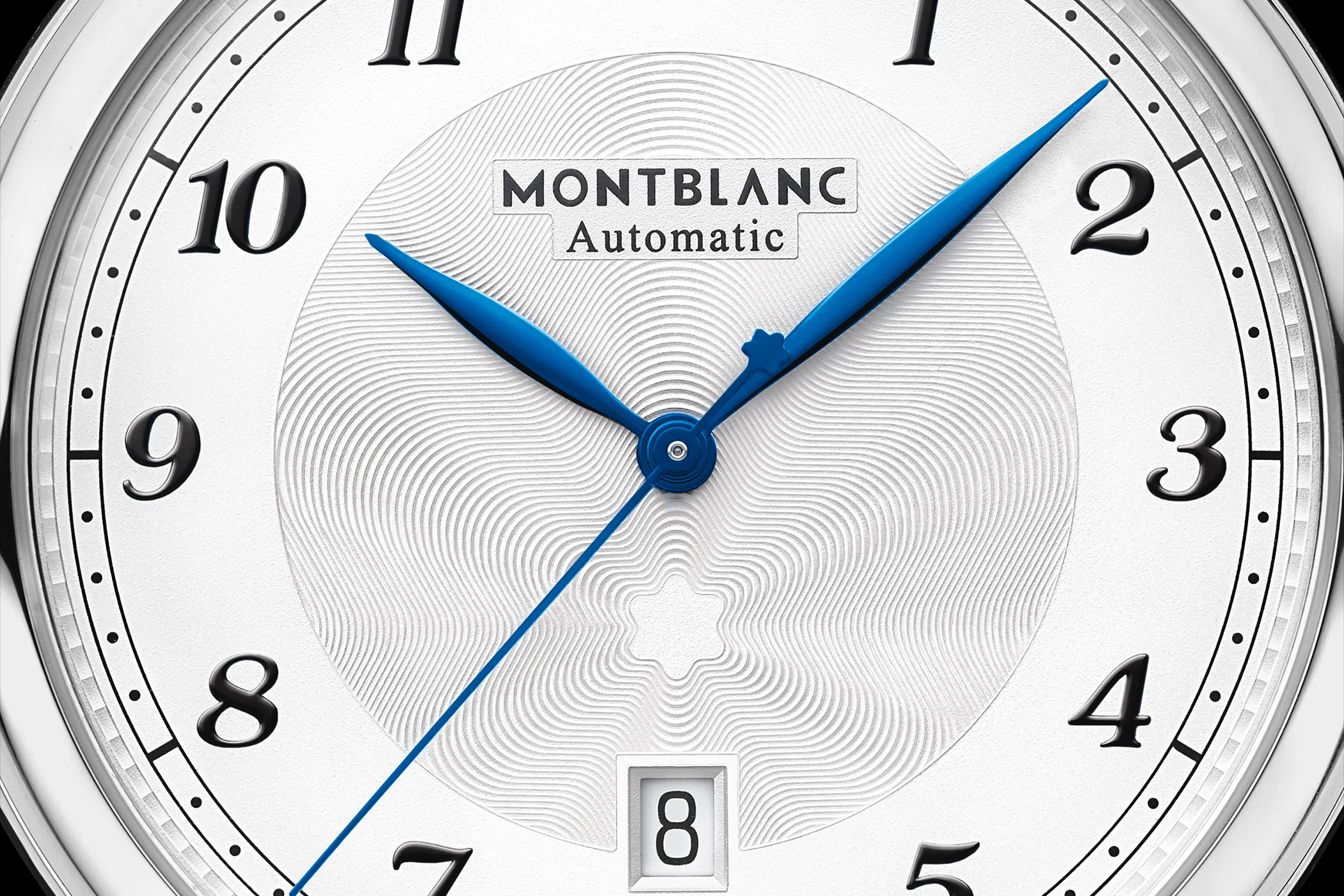
The Montblanc Star Legacy Automatic Date 42 mm, reference MB117324, is a classic, rather formal three-hand watch with a date display. The stainless steel case measures 42 millimetres and, at 9.58 millimetres in height, remains relatively slim; however, thanks to the light-coloured, uncluttered dial, the watch appears larger on the wrist than its height would initially suggest. Arabic numerals, blued hands, a railway-style minute track and guilloché finishing clearly give it the Montblanc Star Legacy look, without any additional displays disrupting the balance of the dial. Inside, the watch is powered by the MB 24.01 automatic movement, modified by Montblanc and based on the ETA 2892-A2, offering a 42-hour power reserve. It also features sapphire crystal, a see-through case back, a stainless steel bracelet and water resistance to 30 metres. For €3,150, you get an elegant Montblanc that really comes into its own in formal everyday settings: slim enough to wear under a shirt, with a classic appearance and, thanks to its steel bracelet, slightly more practical than many other dress watches on leather straps.
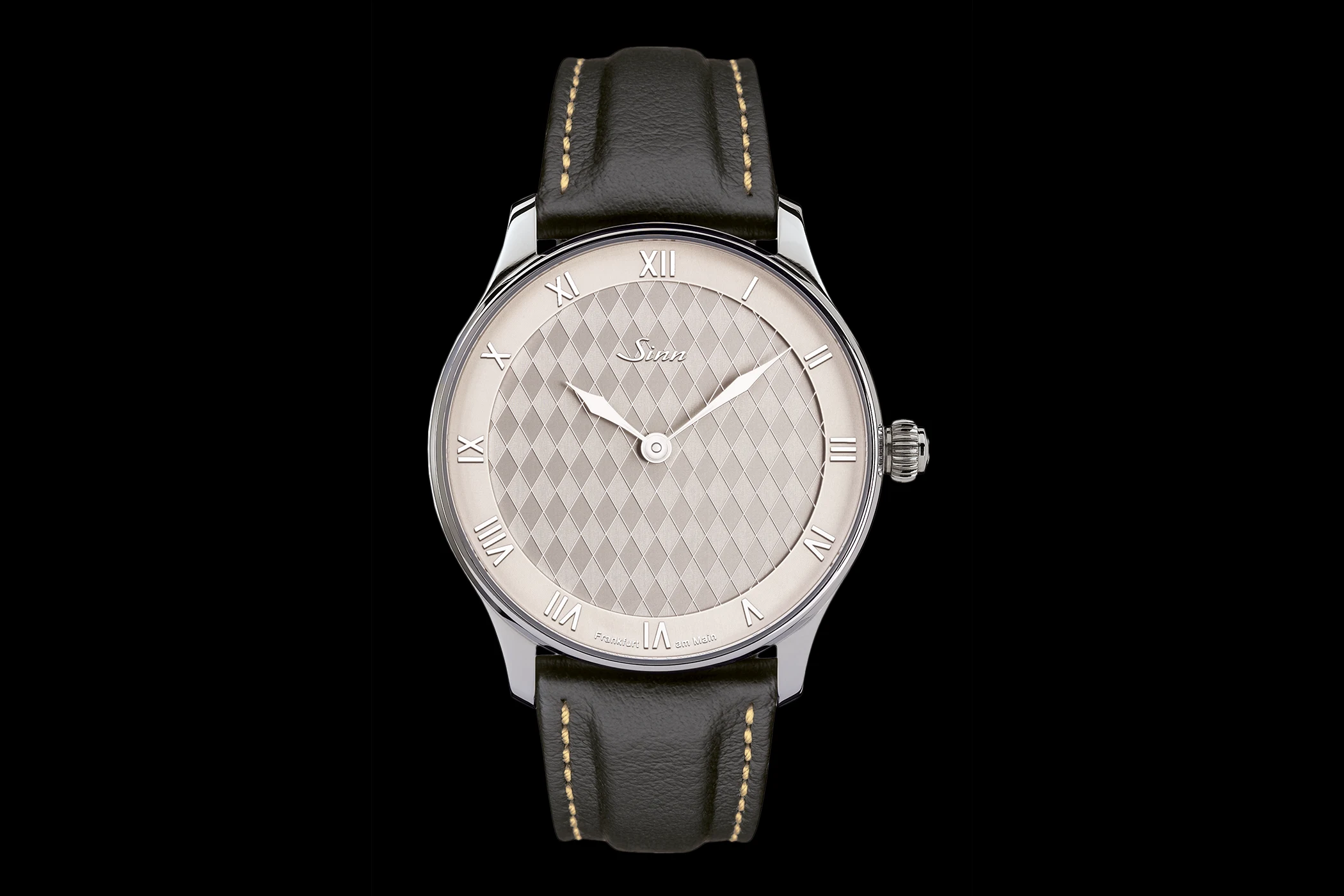
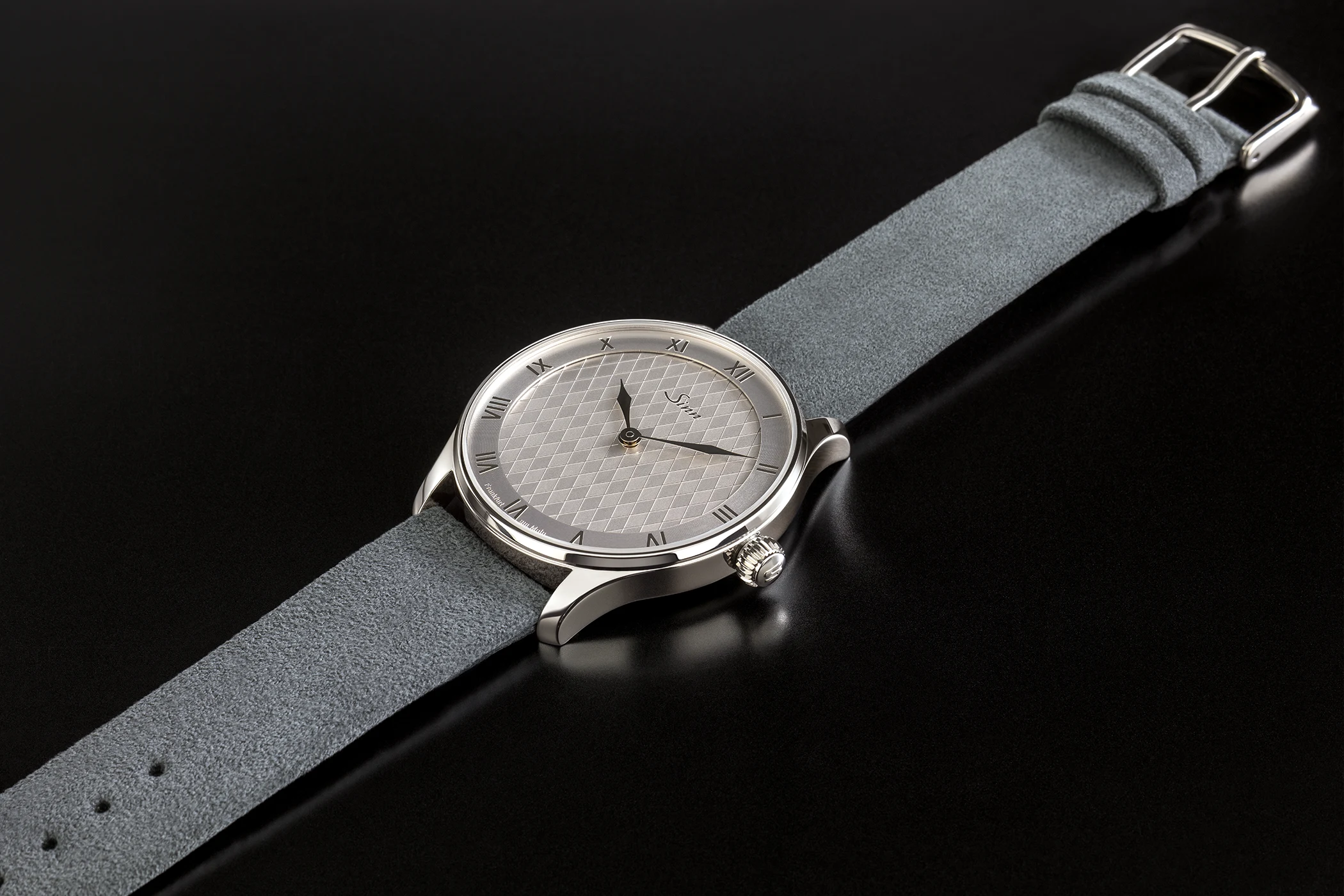
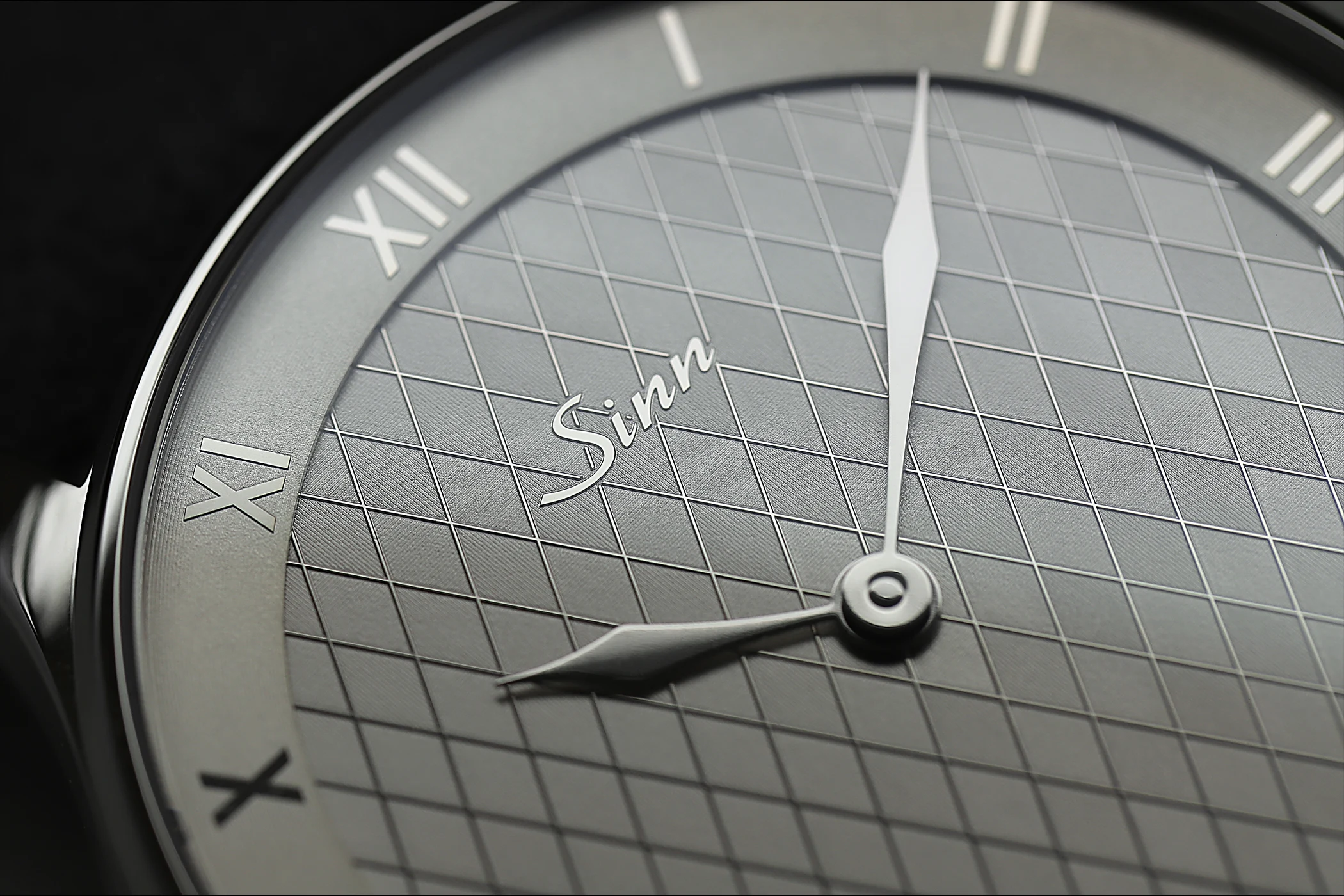
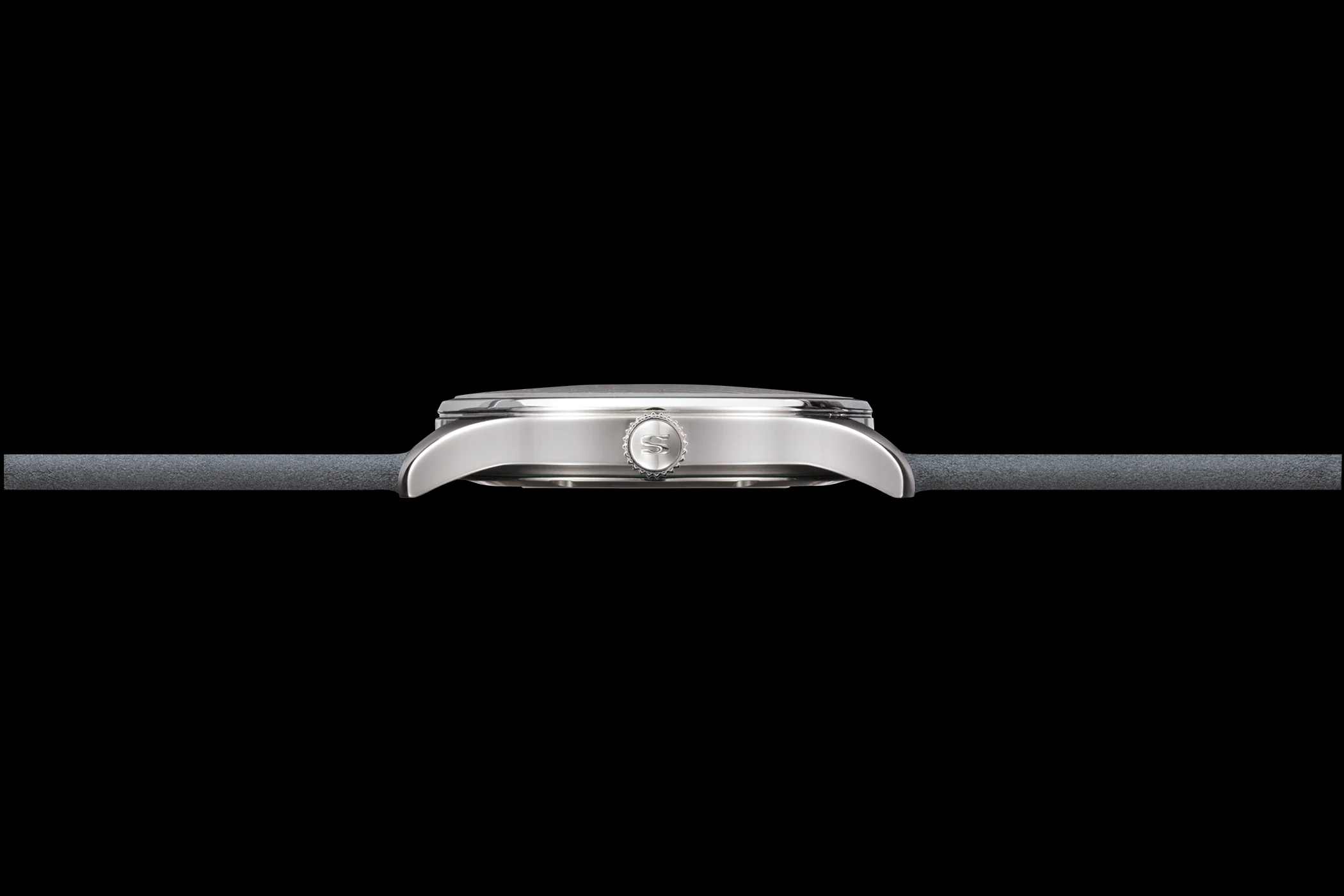
The Sinn 1746 Heimat is perhaps the most unusual dress watch in this selection. It measures 42 millimetres in diameter, has a slim profile of 9.4 millimetres, and, thanks to its water resistance of up to 100 metres, remains more suitable for everyday wear than many classic dress watches with leather straps. The shiny silver-white, rhodium-plated embossed dial is inspired by the diamond pattern found on Frankfurt apple wine glasses. This gives the watch a very distinctive look without being too flashy. Inside, it is powered by the Sellita SW300-1 movement, which is visible through the sapphire crystal caseback. Anyone looking for a slightly more unusual, slim, elegant watch of German origin, with a distinctive dial and greater suitability for everyday wear than usual, will find this a very interesting timepiece for €2,200.
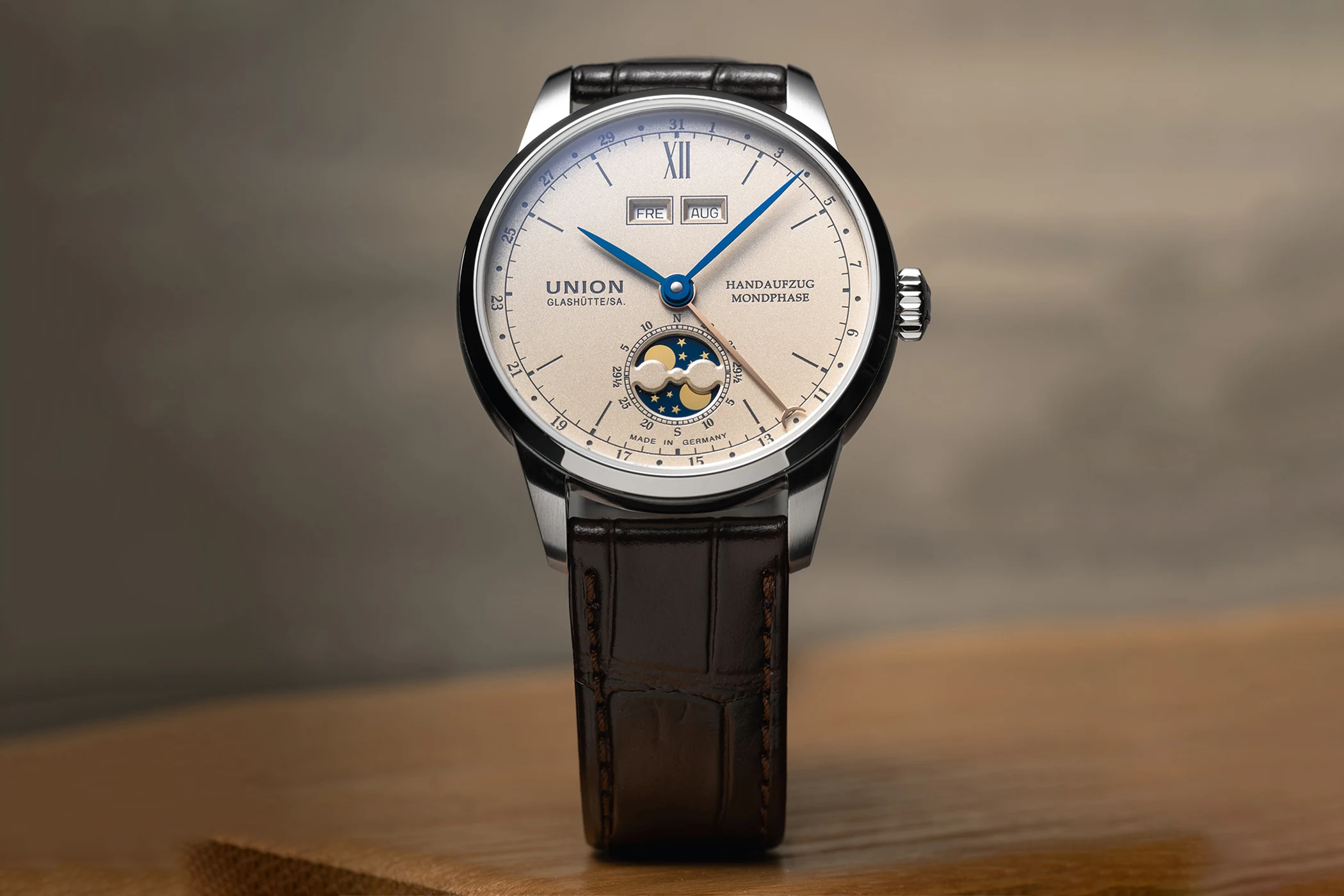
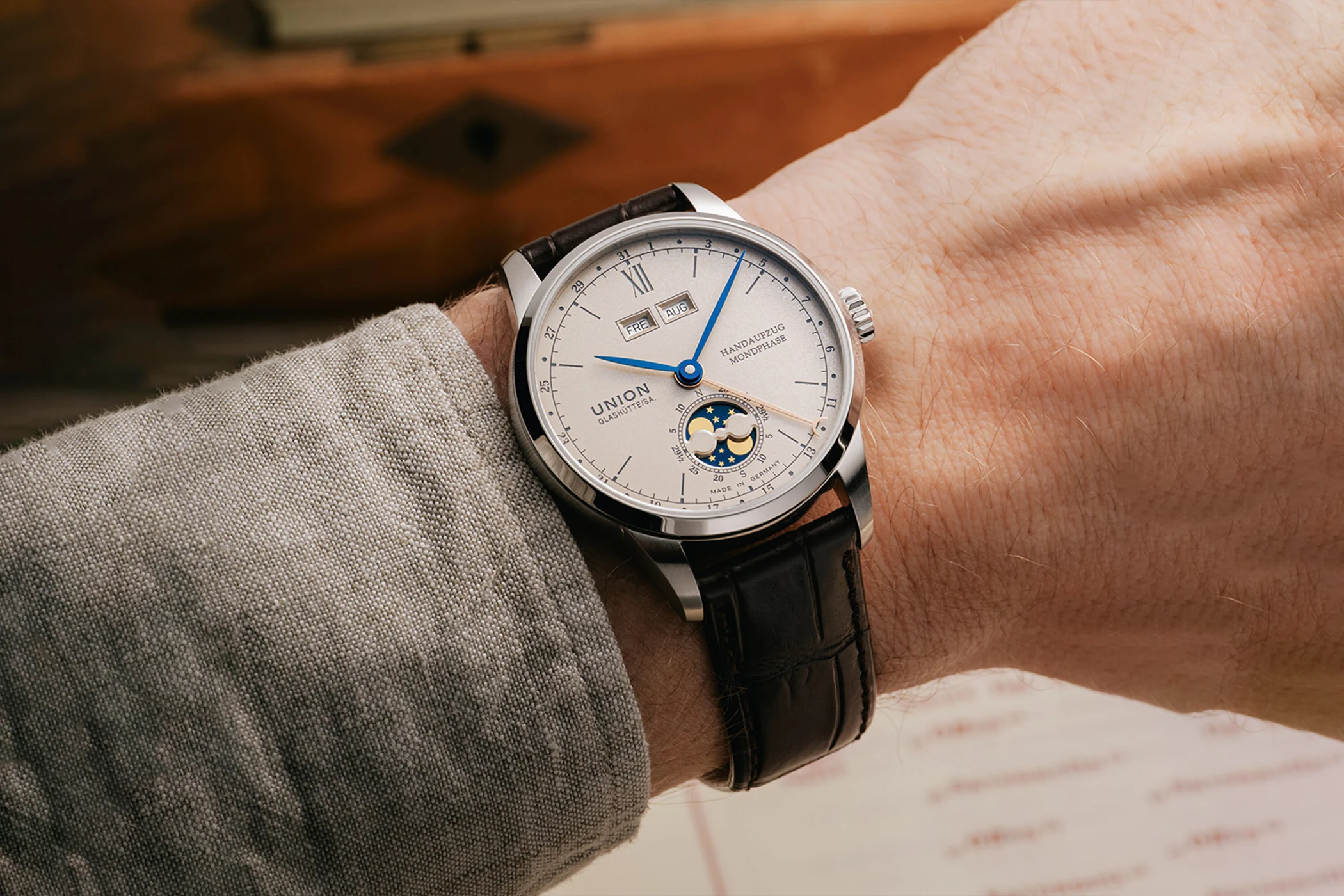
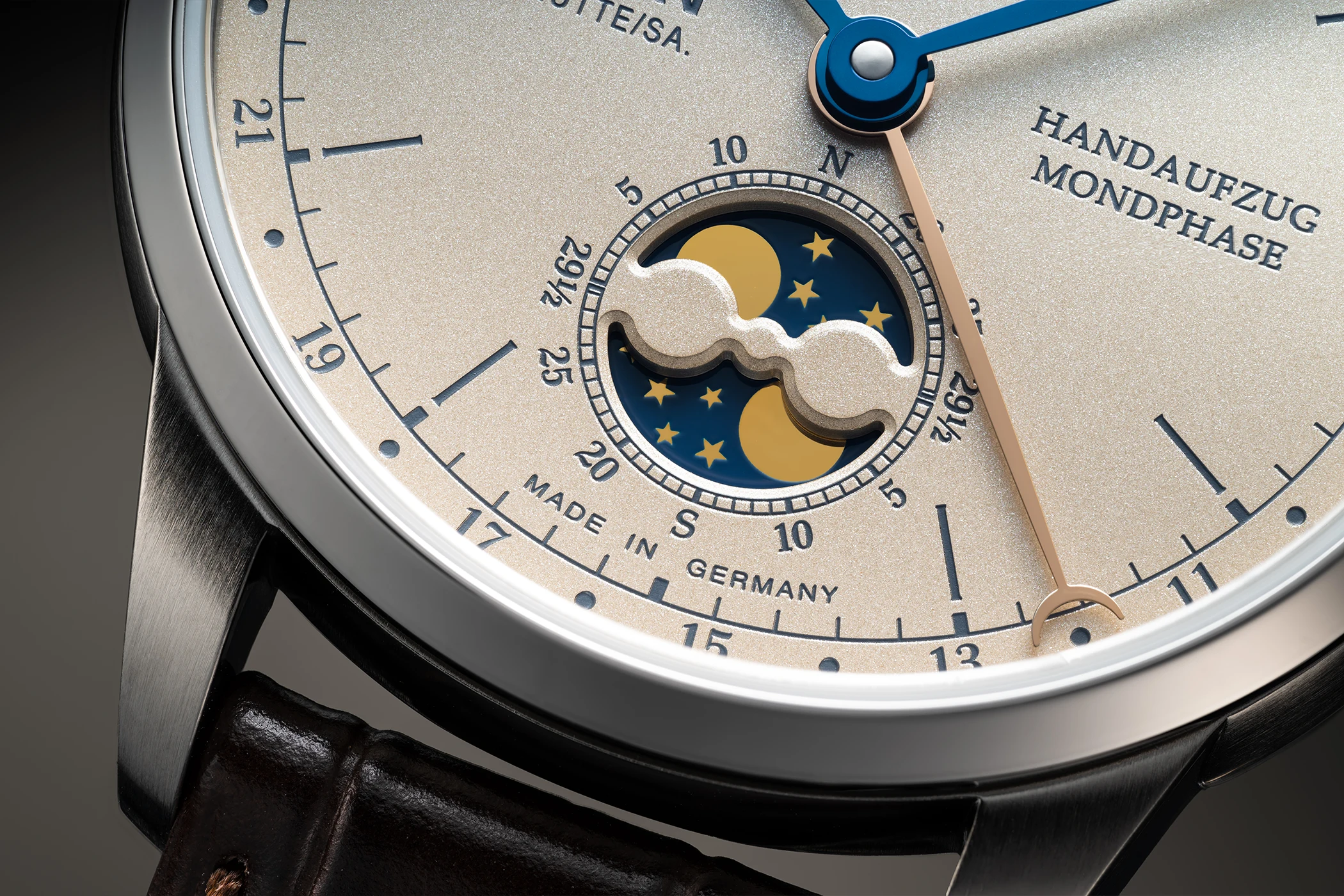
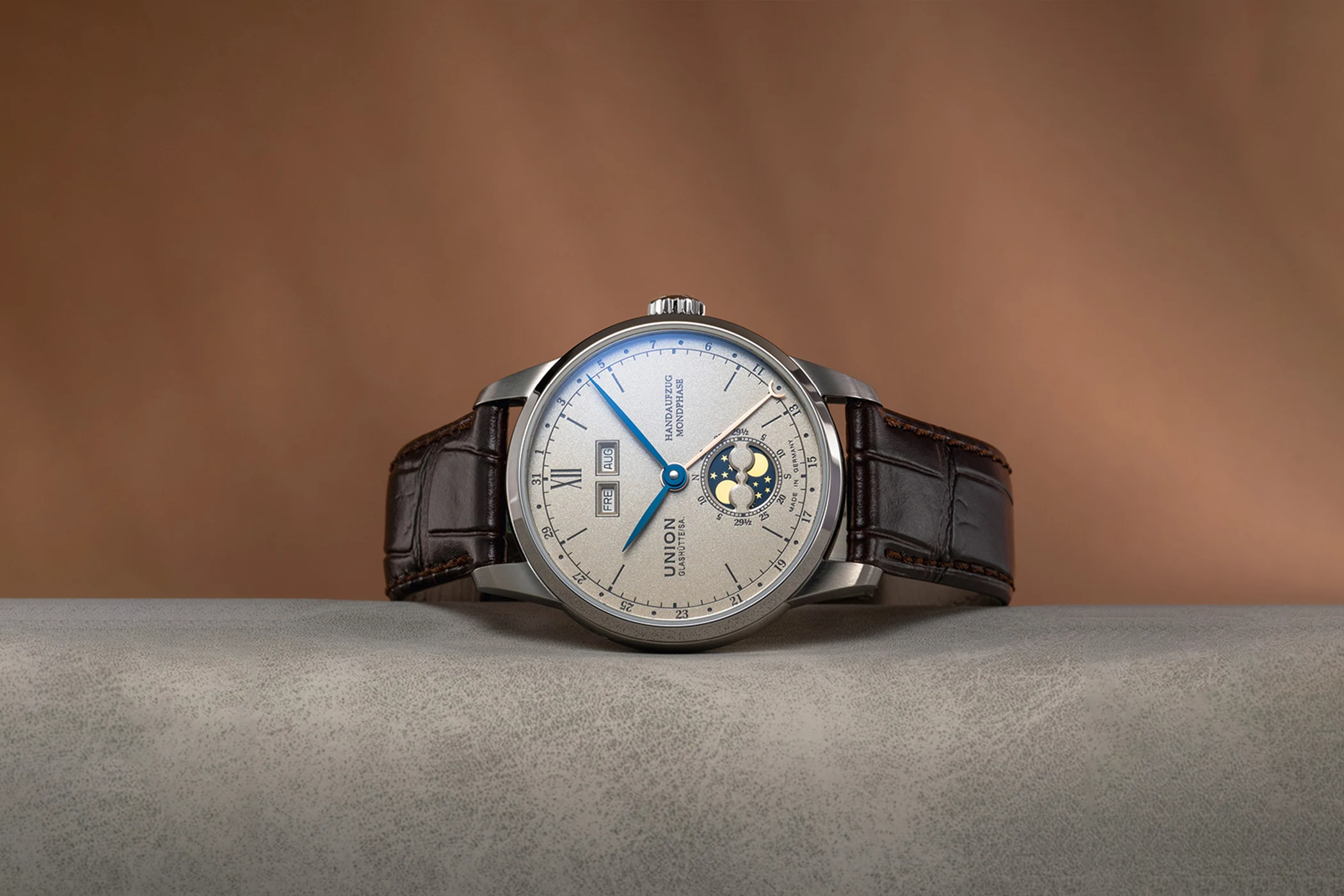
The Union Glashütte 1893 Johannes Dürrstein Edition ‘Double Moon Phase’, reference D007.458.16.039.00, is arguably the most technically unusual dress watch in this selection. Although its 41-millimetre stainless steel case, at 12.23 millimetres thick, is more substantial than that of many flatter dress watches, its balanced design and warm, champagne-coloured dial nevertheless give it a very stylish appearance. Engraved Roman numerals, the finely grained surface and the brown leather strap with crocodile embossing deliberately echo the aesthetics of historic pocket watches. The centrepiece is the so-called Double Moon Phase, which simultaneously displays the lunar cycles of the northern and southern hemispheres. This is complemented by a full calendar with a pointer date, day of the week and month. Inside, the newly developed hand-wound UNG-58.S2 calibre operates, featuring a silicon balance spring, a stop-seconds mechanism and a power reserve of at least 60 hours. The three-quarter plate, manufactured and finished in Glashütte, underlines the watch’s traditional heritage, whilst the regular hand-winding remains a deliberate part of its character. Despite its formal design, with sapphire crystal featuring anti-reflective coating on both sides and water resistance to 100 metres, it is significantly more suitable for everyday wear than many classic calendar watches. It is particularly worth noting the lug-to-lug measurement of 50.05 millimetres, as the watch may appear larger on slimmer wrists than its diameter would initially suggest. For €3,100, it offers a rare combination of a full calendar, a dual moon phase display, a traditional hand-wound movement and a distinctive Glashütte design.
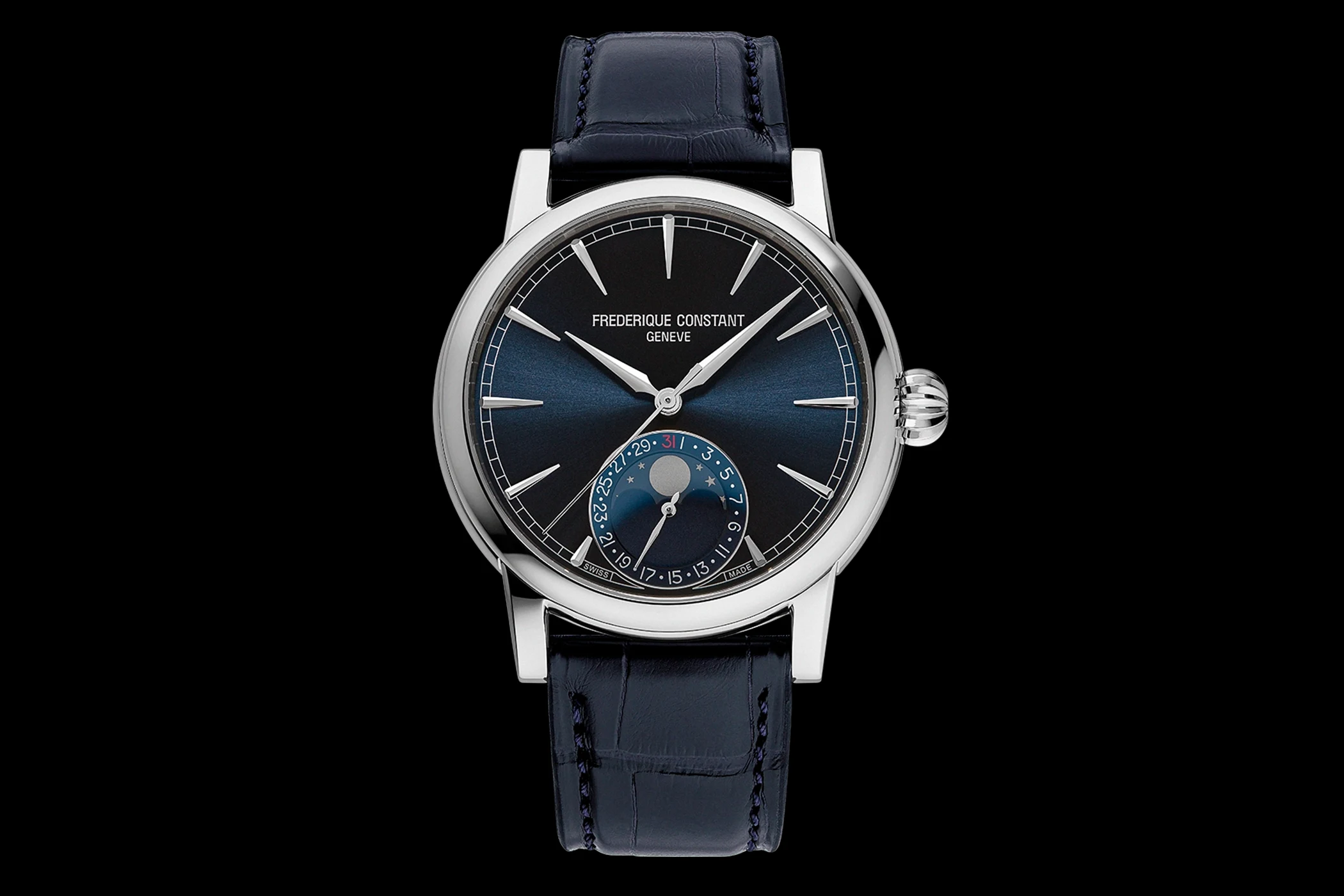
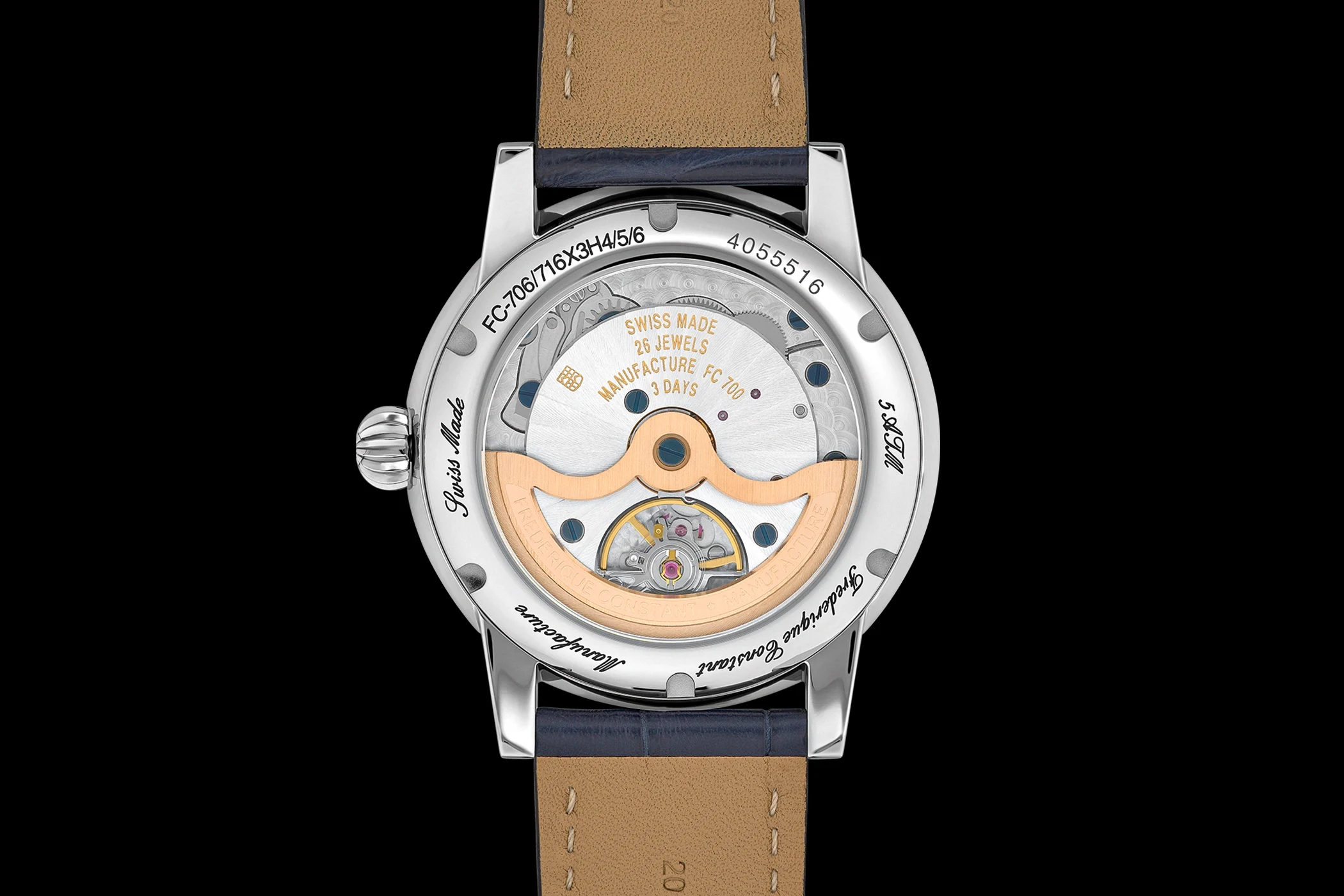
The Frederique Constant Manufacture Classic Moonphase Date, reference FC-716N3H6, is just as interesting, if not more so, because it offers a classic complication and an in-house movement at a still reasonable price. It is currently priced at €3,995. For this, you get a 40-millimetre stainless steel case, a blue sunburst dial, applied hour markers, a moon phase display, a pointer date and the automatic in-house calibre FC-716 with a 72-hour power reserve. A particularly successful feature is that the moon phase and date are positioned together at six o’clock, and the dial remains uncluttered and easy to read despite the complication. The package is rounded off by 50 m water resistance, a sapphire crystal case back, an alligator leather strap and a five-year warranty.
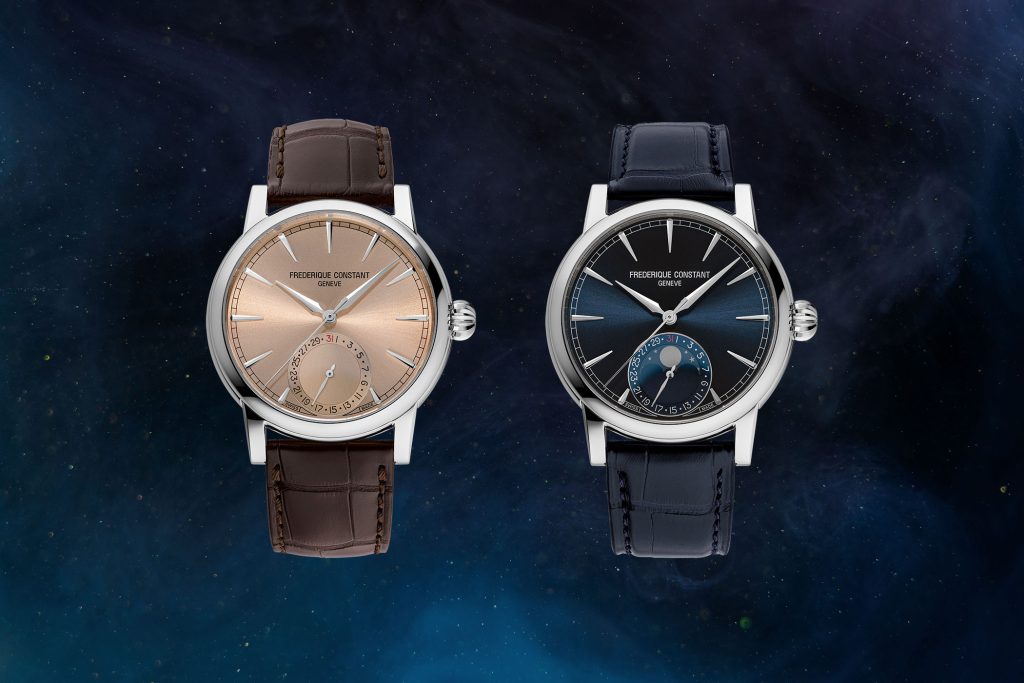
You can find all further details about the Frederique Constant Manufacture Classic Moonphase Date in this article
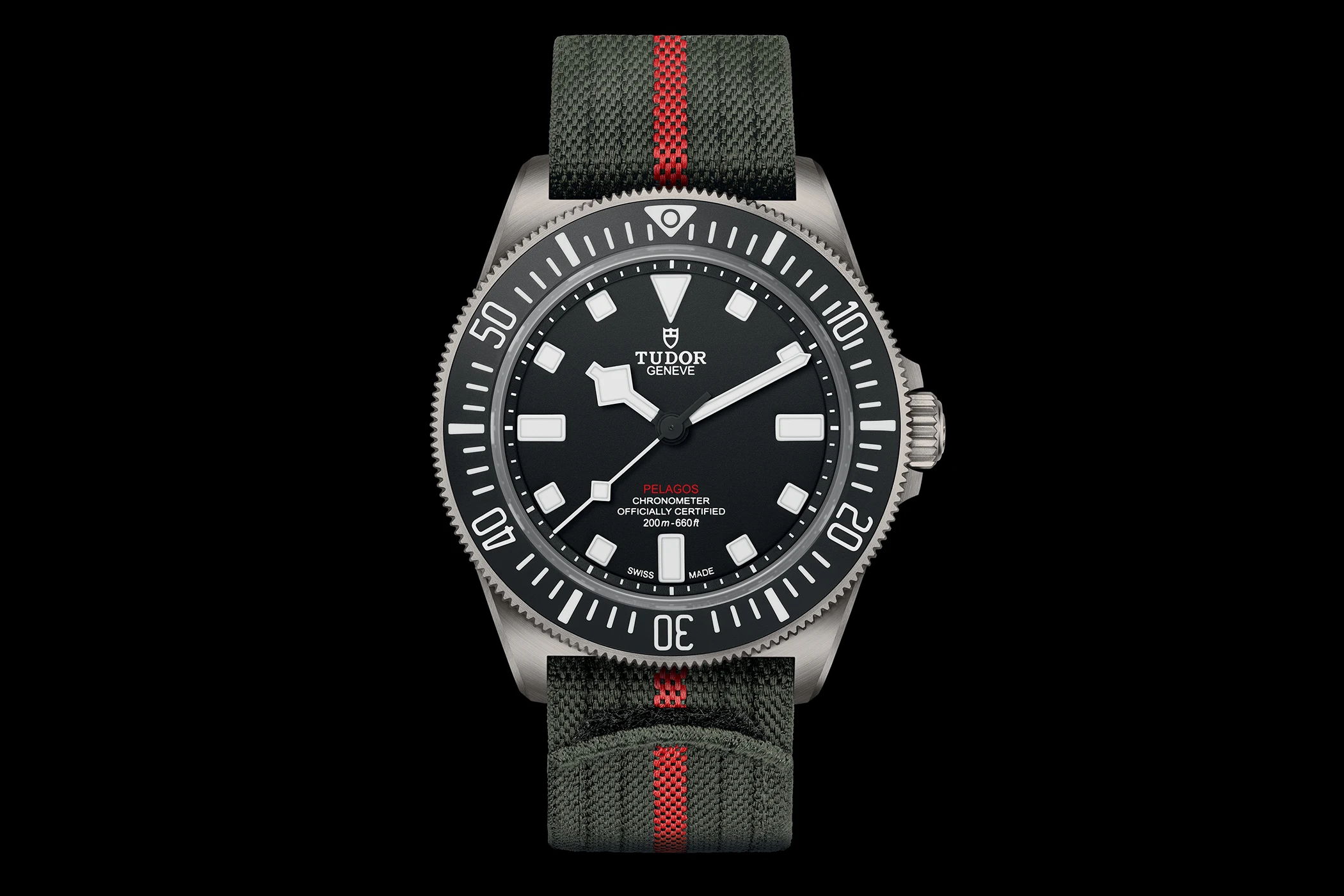
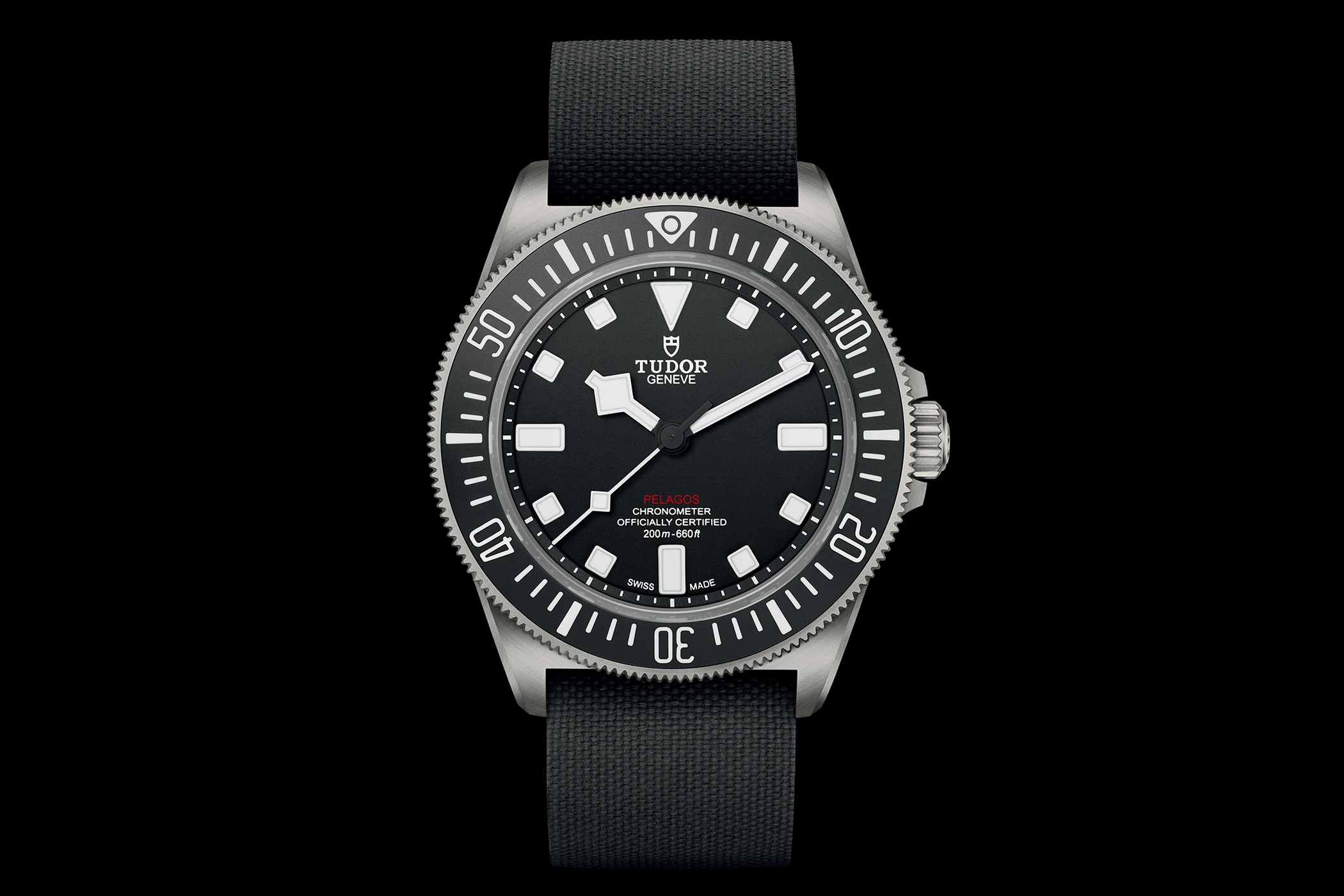
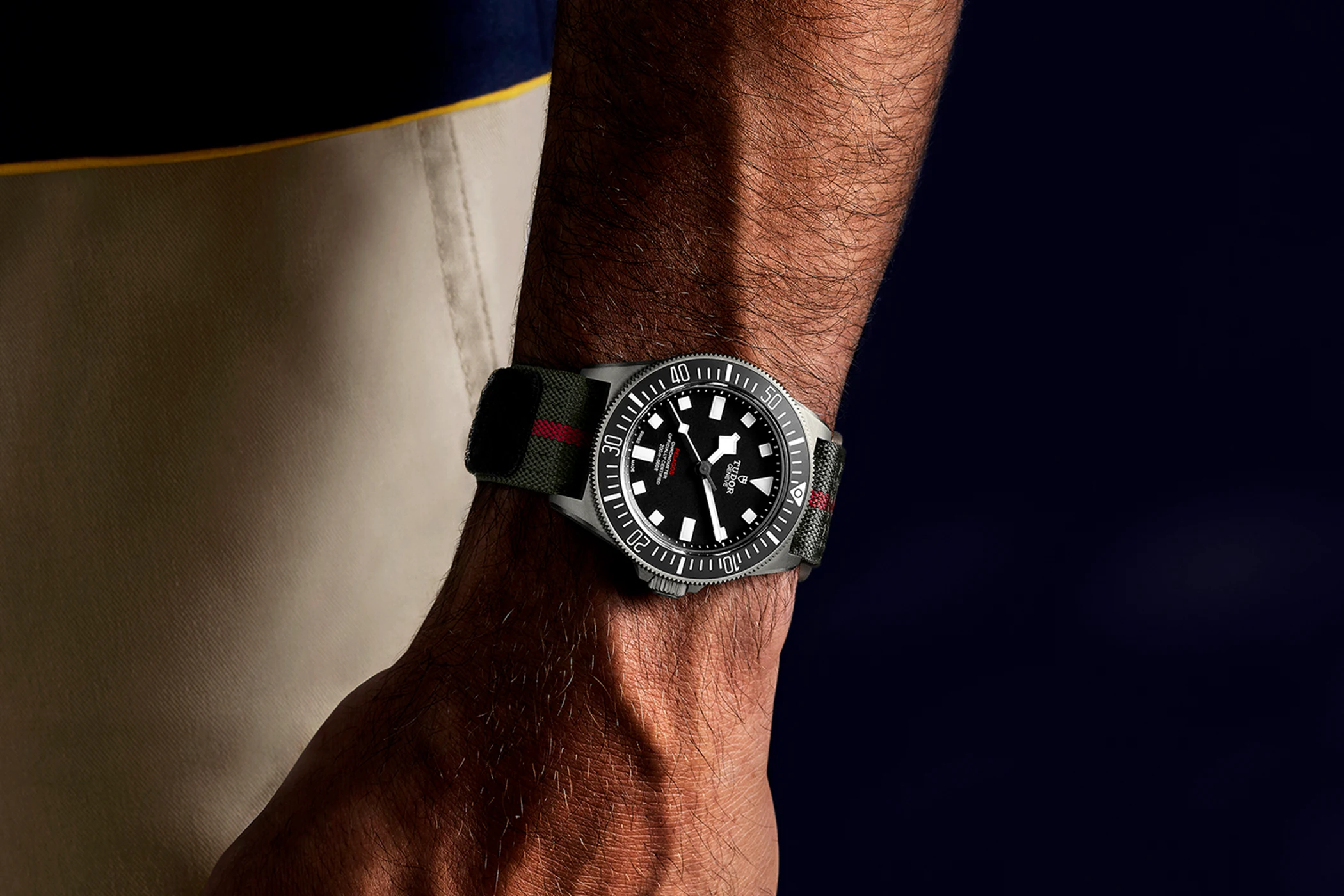
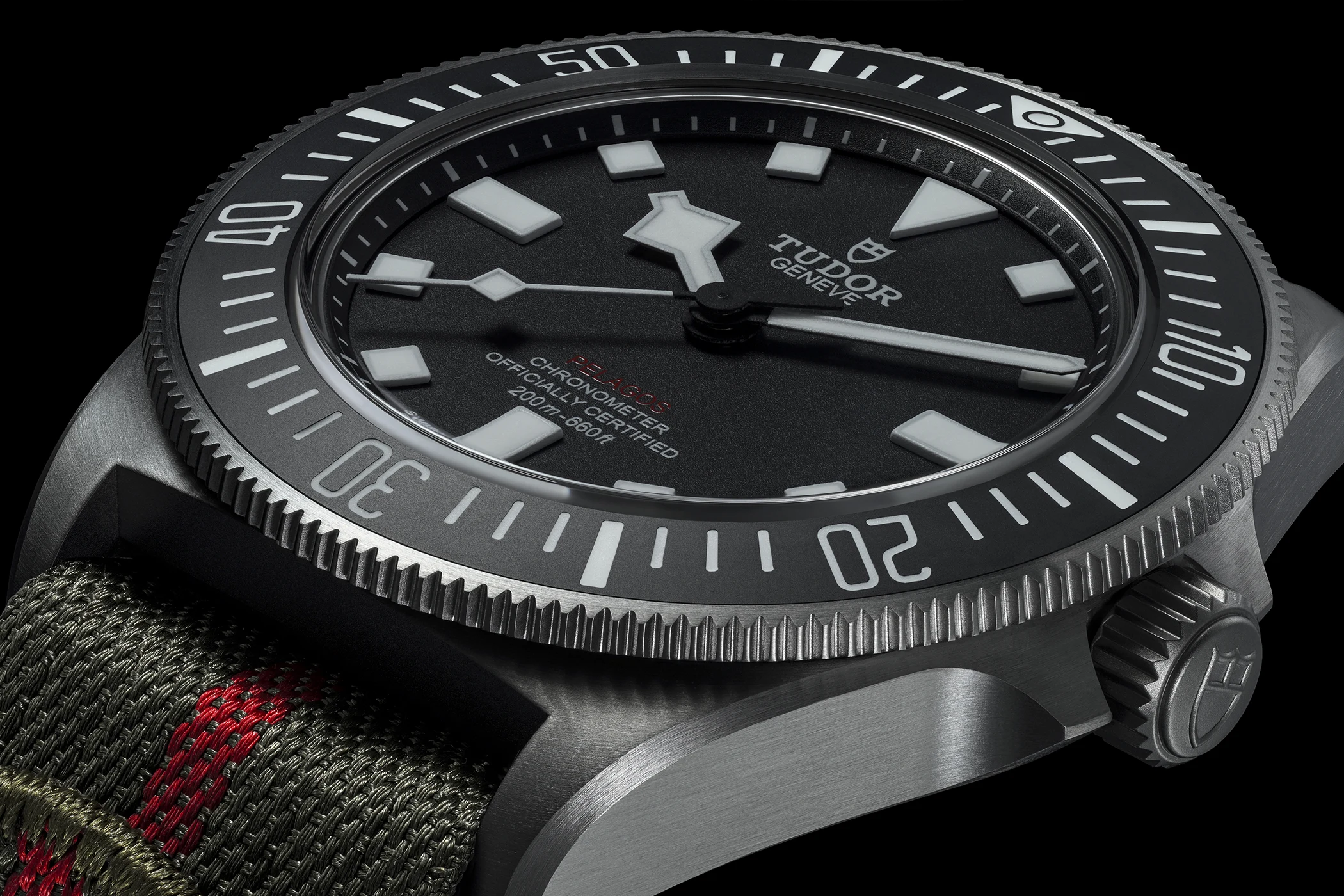
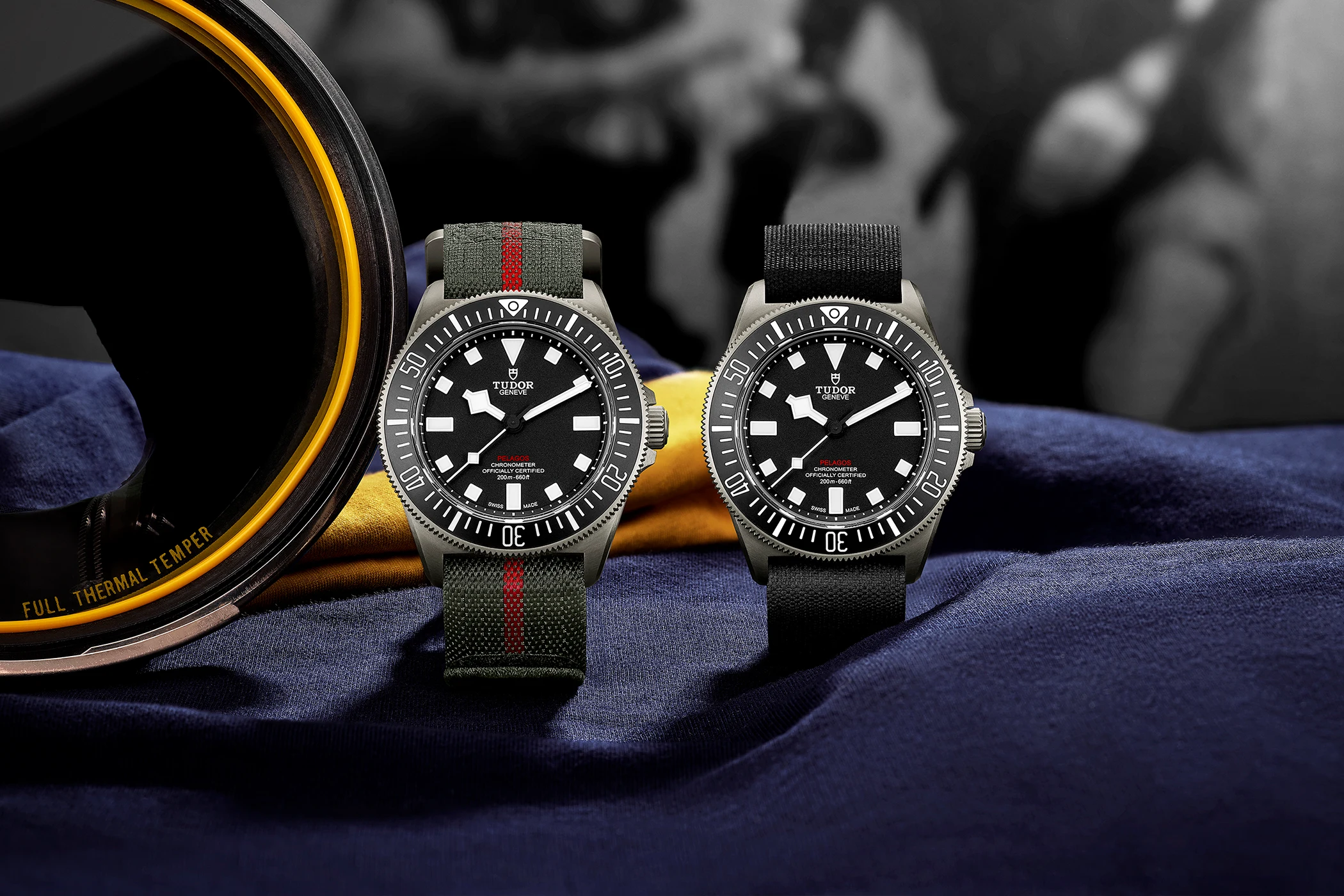
The Tudor Pelagos FXD, reference M25717N-0001, is arguably the most uncompromising tool watch in the category of the best diving watches under €5,000. Its 42-millimetre titanium case makes it pleasantly light despite its sporty design, whilst the solid lugs clearly emphasise the watch’s functional character. It is not intended as an elegant luxury watch, but as a professional-looking diver’s watch with a military-inspired design. With 200-metre water resistance, a ceramic bezel, a screw-down crown and the in-house MT5602 calibre, it offers the most robust overall technical package. Particularly impressive is the power reserve of around 70 hours, meaning it will still be running even after a weekend without being worn, for example. Its biggest drawback is also part of – and a hallmark of – its instrumental design concept: Due to its fixed lugs, it is designed for textile, pull-through or rubber straps. Those seeking the flexibility of a classic steel bracelet will not find it here. However, anyone looking for a lightweight, robust and extremely reliable tool watch may well find the Pelagos FXD to be the right choice. The list price of the Belags FXD is €4,560.
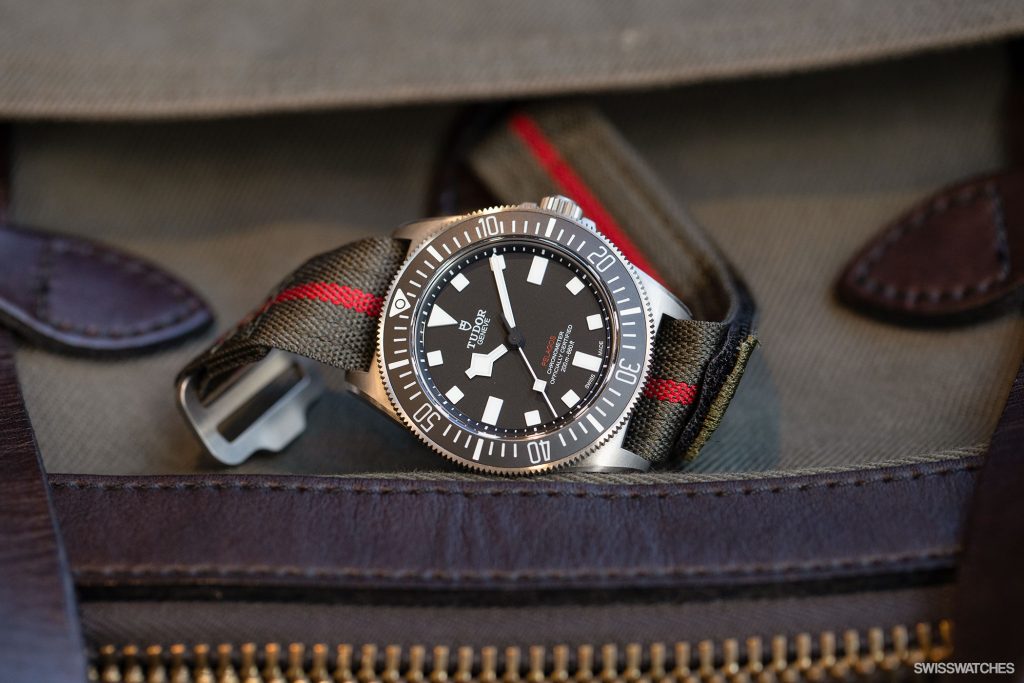
You can find even more background information and details about the Tudor Pelagos FXD here
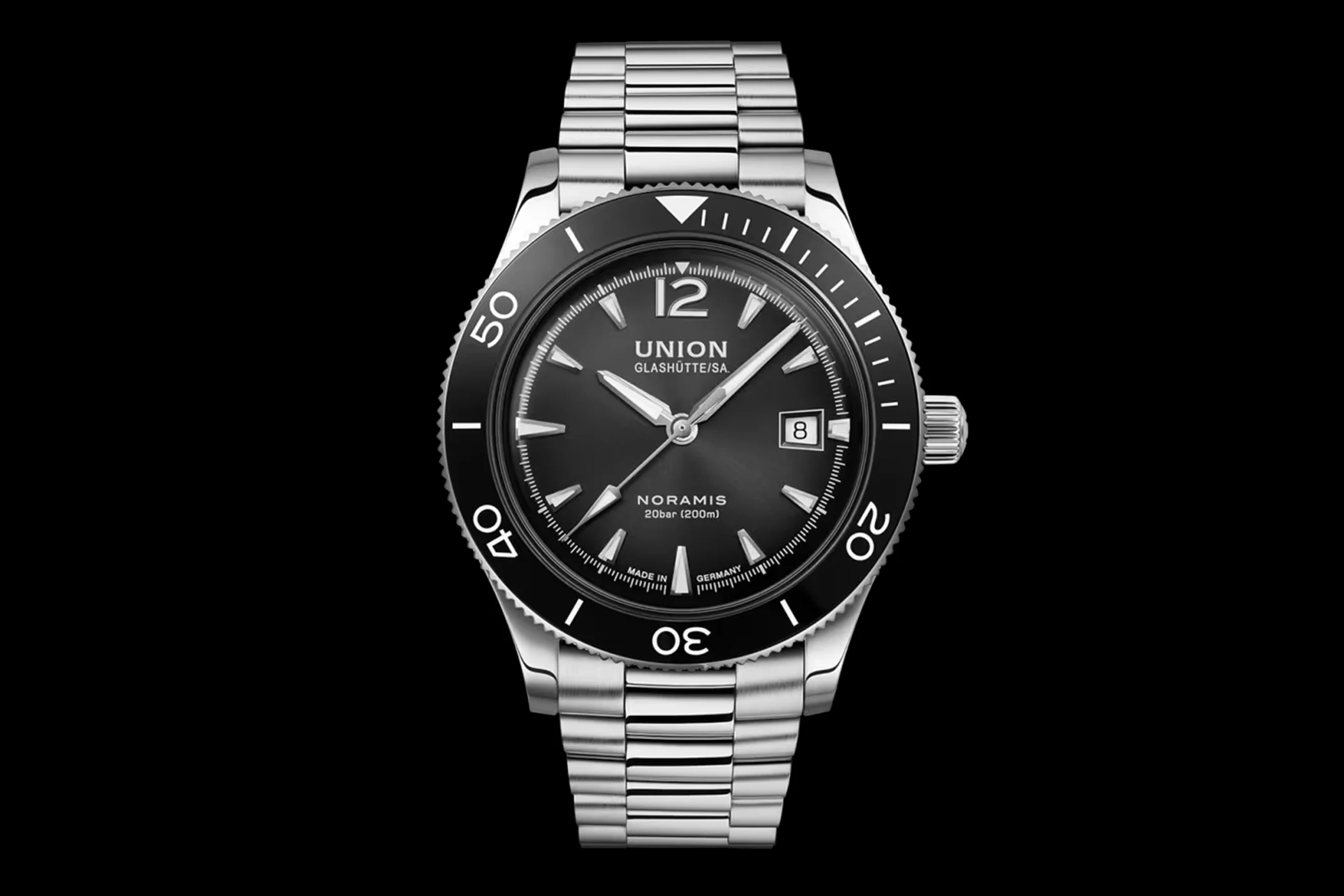
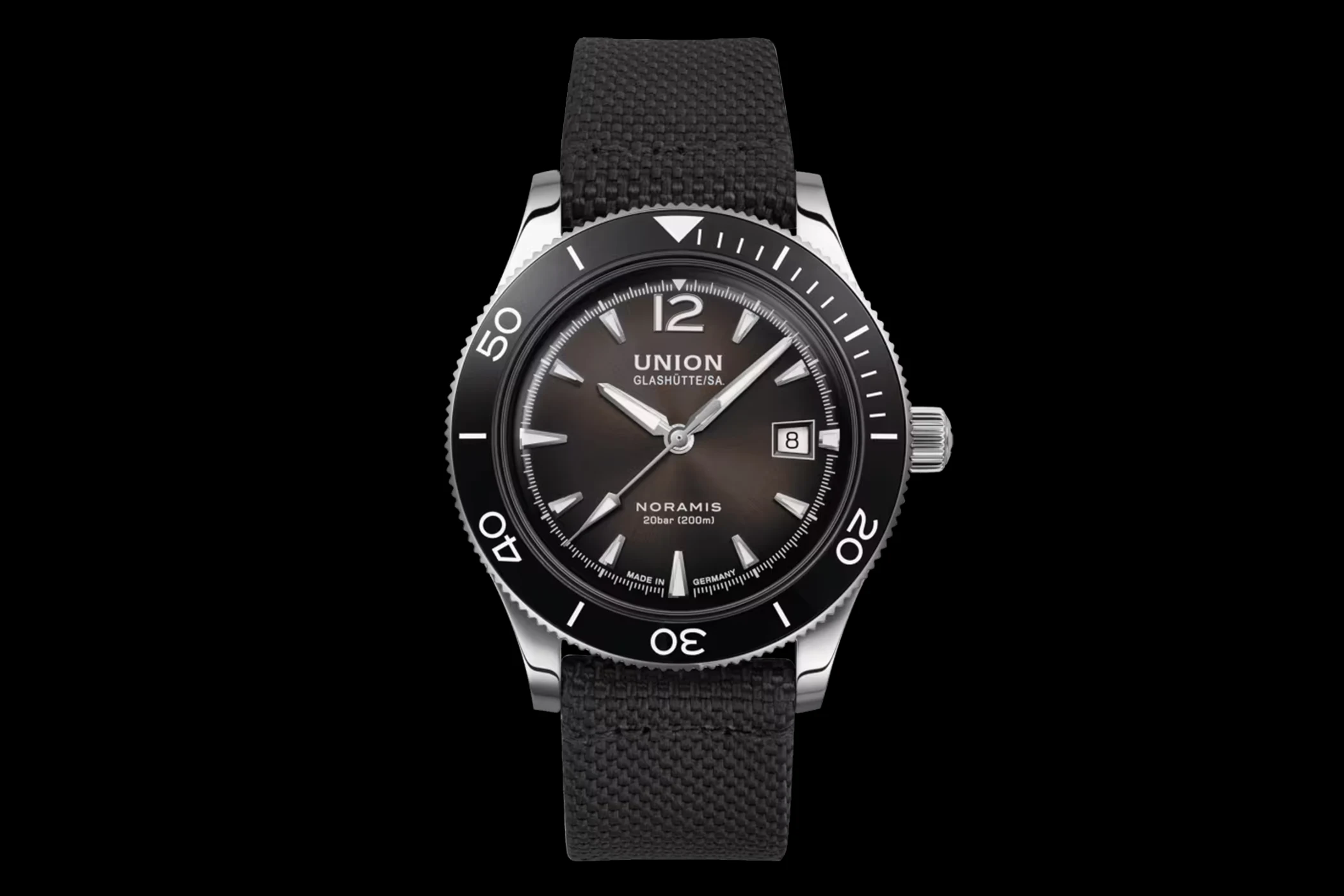
The Union Glashütte Noramis Datum Sport is not a chunky diver’s watch in the traditional sense, but rather a sporty timepiece with a touch more elegance. It measures 42 millimetres in diameter, is water-resistant to 200 metres, and features a ceramic bezel and a stainless steel case; yet, overall, it looks considerably more refined than a Tudor Pelagos FXD or a Bell & Ross BR 03 Diver. This is mainly down to the retro design, the domed crystal and the dials, which give the watch more character than many of the more instrument-like diver’s watches. Inside, it is powered by the UNG-07.SI calibre, which is based on the ETA 2892-A2 platform. With its silicon balance spring, it stands out technically from many standard movements and underlines the watch’s slightly higher-end appeal. The Noramis Datum Sport is therefore not only visually interesting but also mechanically more than sound. Anyone looking for a diver’s watch that is as robust as possible, with a military-inspired feel, will probably opt for the Tudor Belags FXD. However, anyone wanting a sporty watch that also looks a little more elegant and isn’t seen on every other wrist should take a closer look at the Noramis Datum Sport. Depending on the version, it is priced between €2,400 and €2,780.
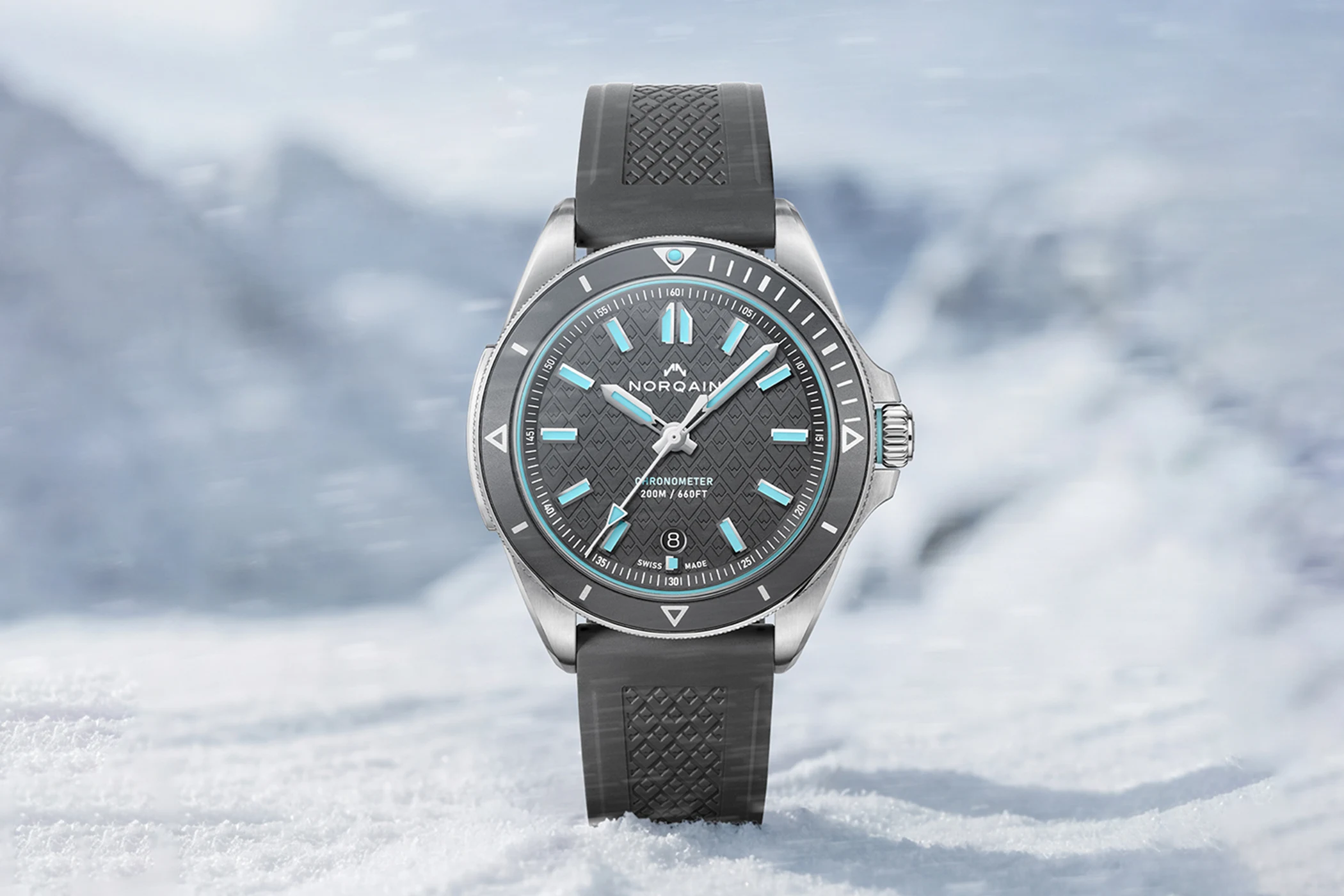
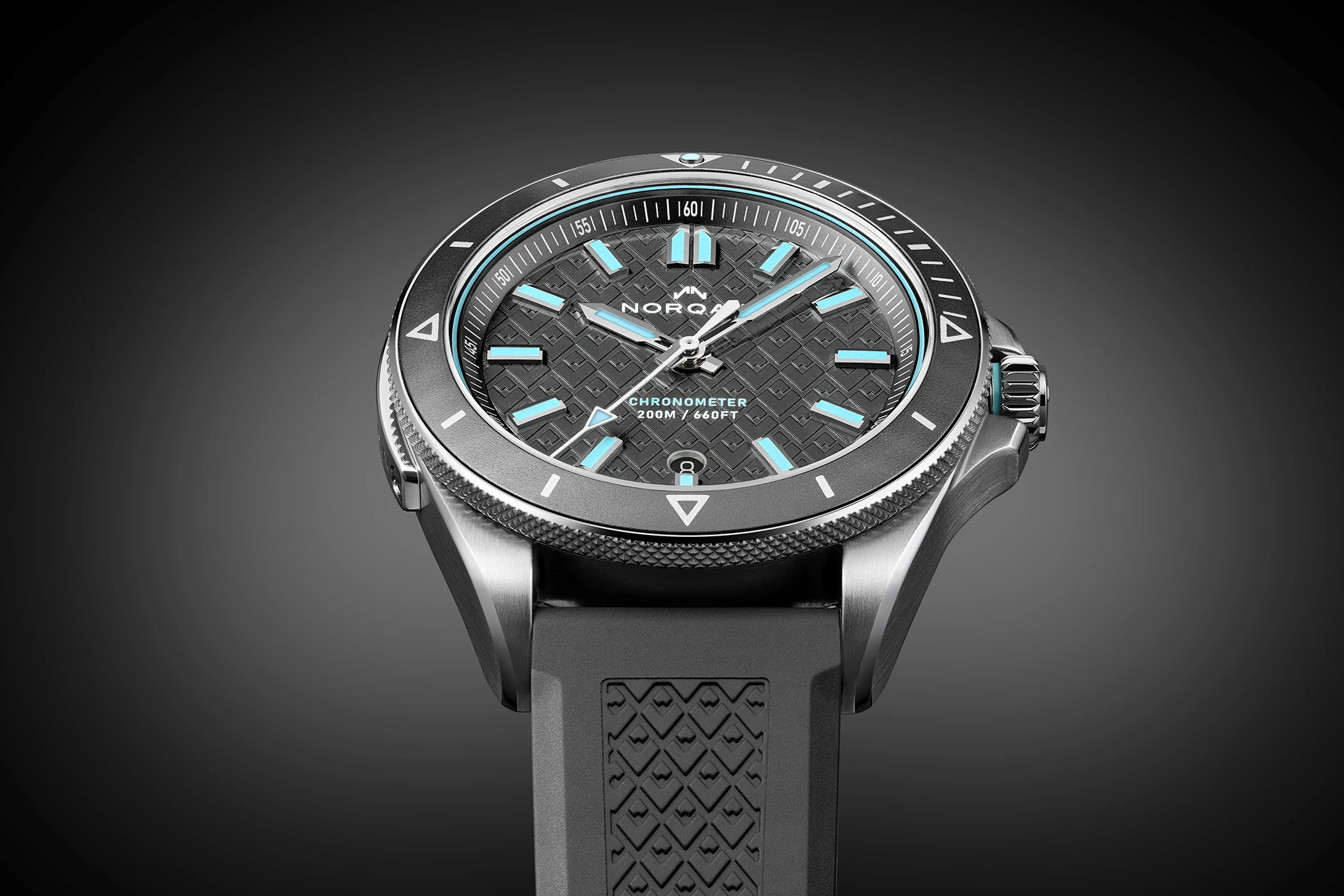
The NORQAIN Adventure Grey, reference N1300.08S01.G01, is the newer and less obvious choice. It is precisely for this reason that it piques the curiosity of many prospective buyers. At 40 millimetres, it feels more compact and slightly more suited to everyday wear than the Tudor, yet remains clearly positioned as a sports watch thanks to its steel case, rotating bezel and 200-metre water resistance. Its movement, the Calibre N08, is based on the Sellita SW200-1, is COSC-certified and offers a power reserve of around 41 hours. Technically, this is solid but not exceptional. In a direct comparison with the Tudor, it lacks the inherent superiority of the movement and historical depth in the broader sense. On the other hand, the NORQAIN feels fresher, more modern and less predictable; at €3,450, it also costs over a thousand euros less than Tudor’s Belags FXD. It is a good choice for someone who deliberately chooses not to buy the obvious classic, but instead wants to stand out from the crowd with a clear conscience. As a first high-quality sports watch, it works particularly well if you value more compact dimensions, a distinctive design and a young brand with a dynamic appeal.
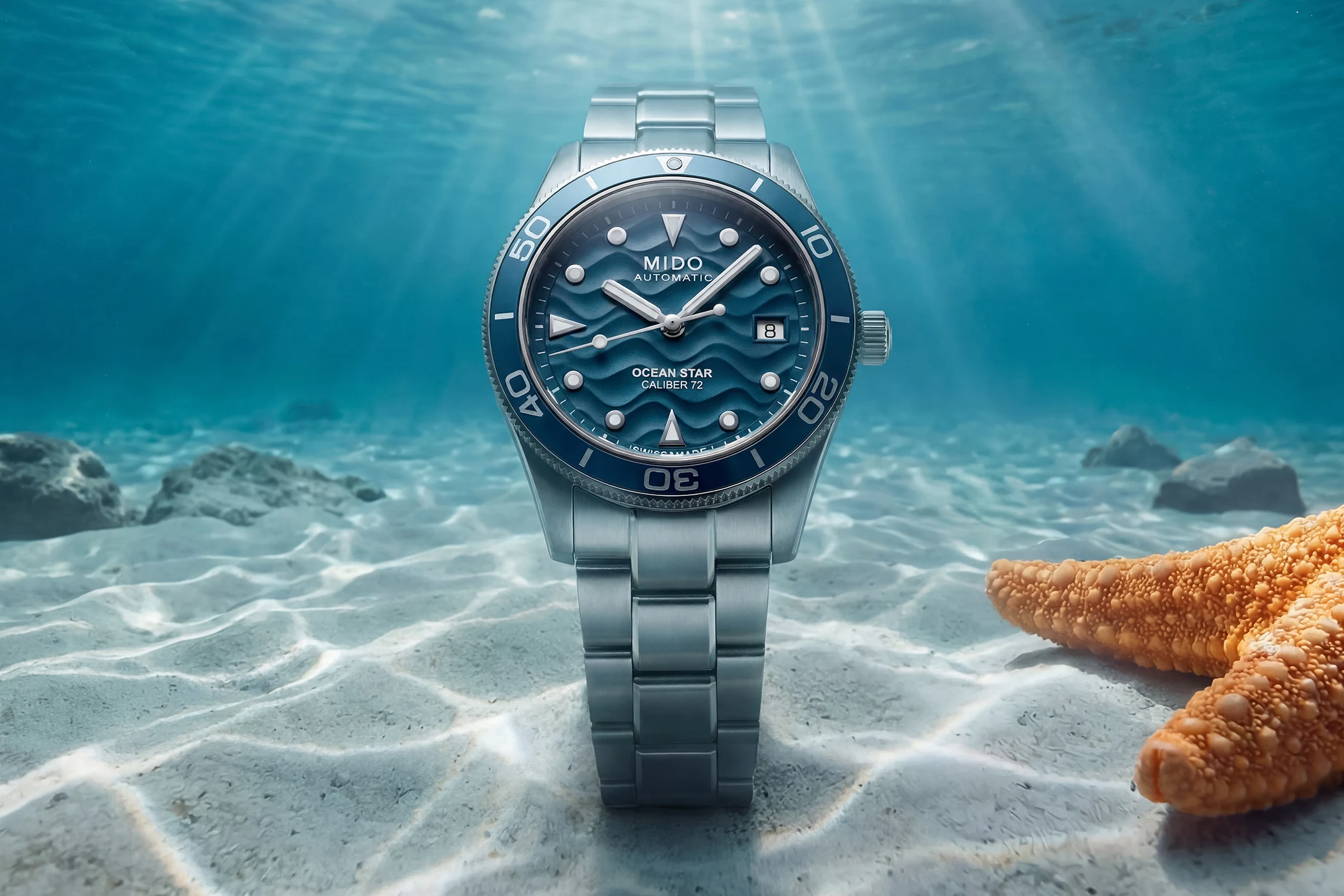
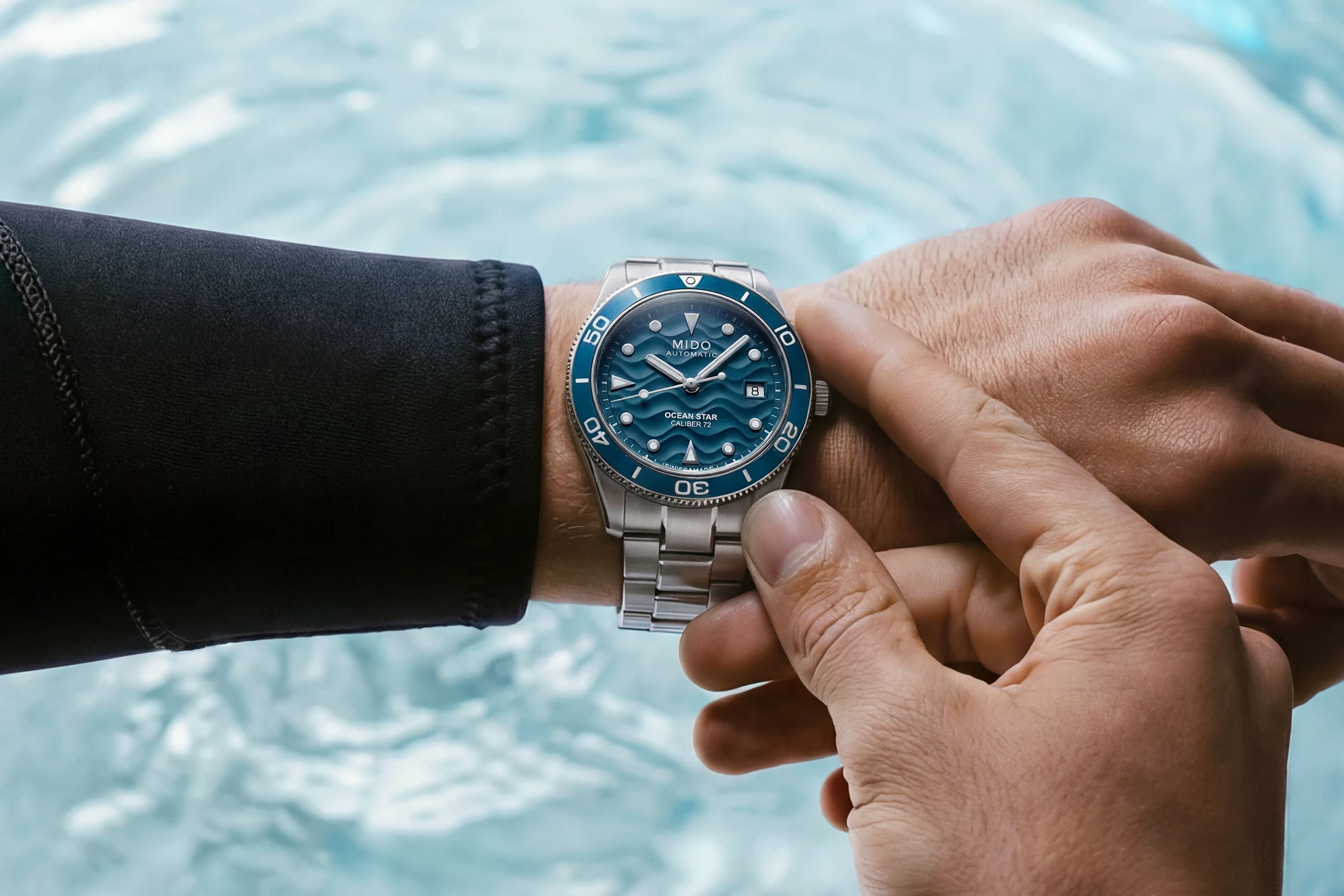
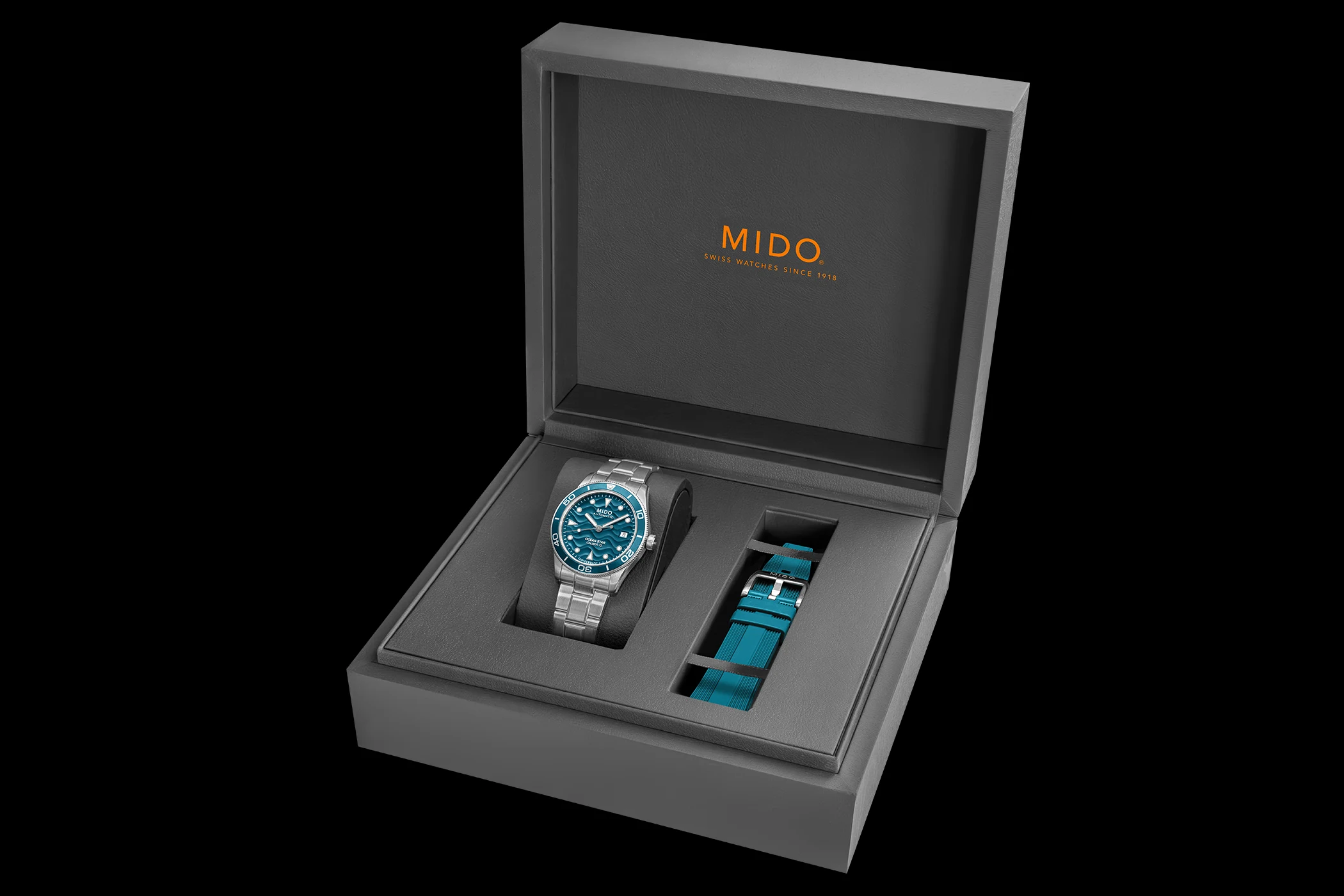
The Mido Ocean Star 39, reference M026.907.11.041.01, is probably the most sensible watch in this selection from a purely financial point of view. It is smaller, more affordable and less conspicuous than most other models, yet still offers everything one would expect from a sporty diver’s watch: a 39-millimetre case diameter, 200-metre water resistance, a screw-down crown, sapphire crystal and an automatic movement based on the ETA A31.111, with up to 72 hours of power reserve. It is precisely this size that makes it interesting, as it doesn’t look as bulky as many classic diver’s models. It blends in very well visually in everyday life without constantly seeking attention. Of course, it doesn’t have the same prestige as a Tudor or Bell & Ross, and emotionally speaking, it’s more of a rational, no-nonsense choice. In return, however, you get a well-built, robust and very wearable diver’s watch at a significantly lower price. If you’re looking for your first mechanical sports watch and don’t want to spend over €4,000 straight away, you can’t go far wrong with the Ocean Star 39. It costs around €1,300.
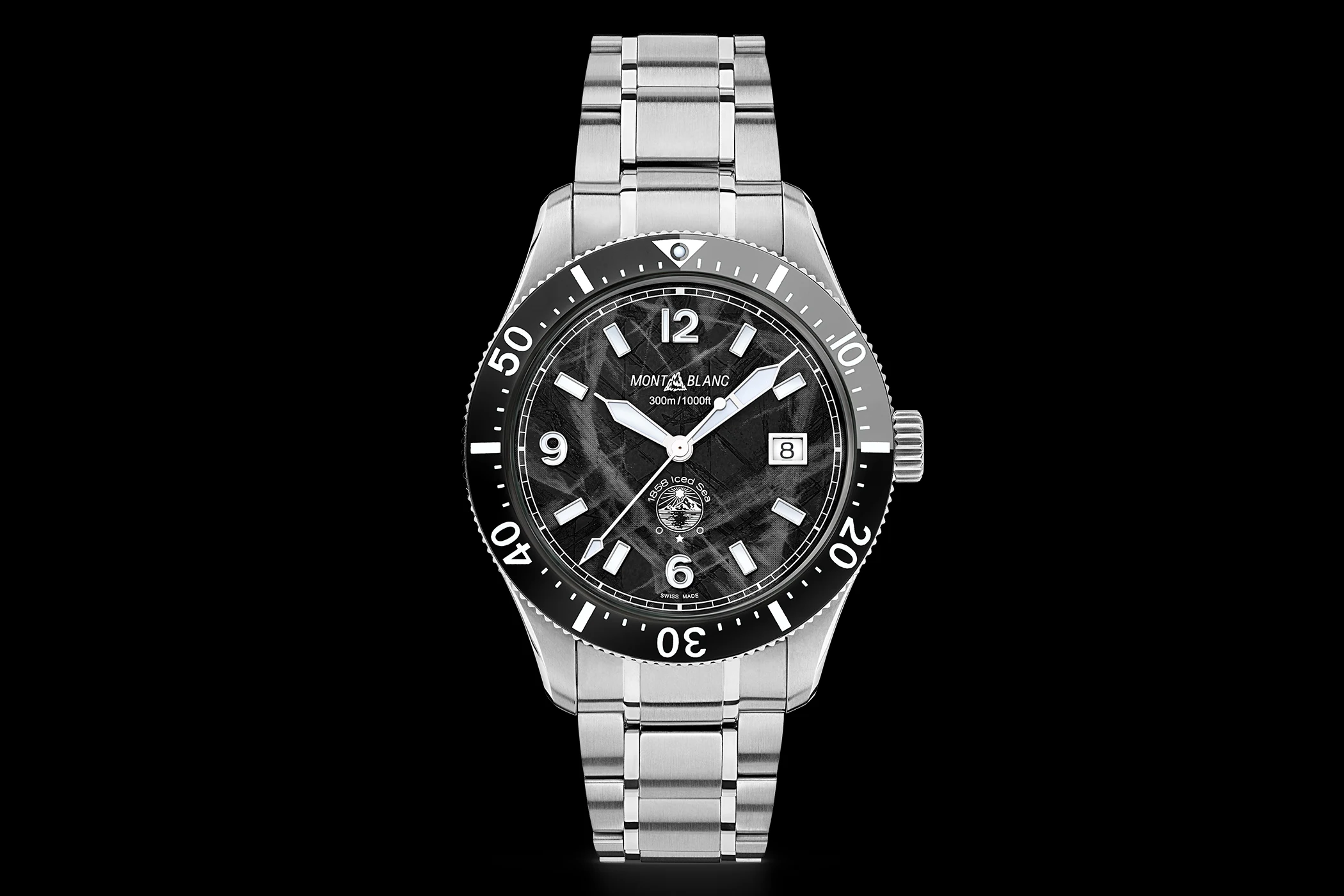
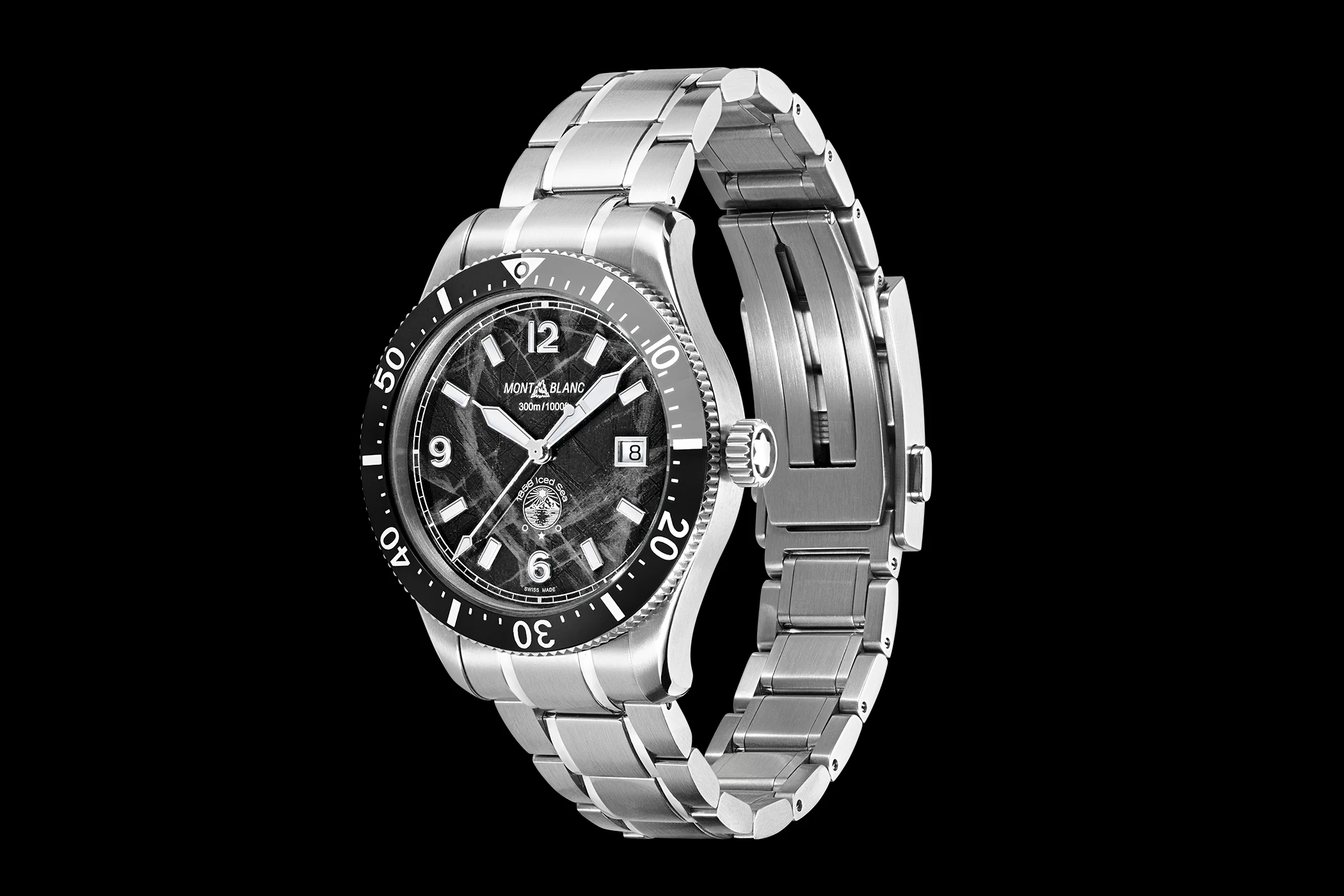
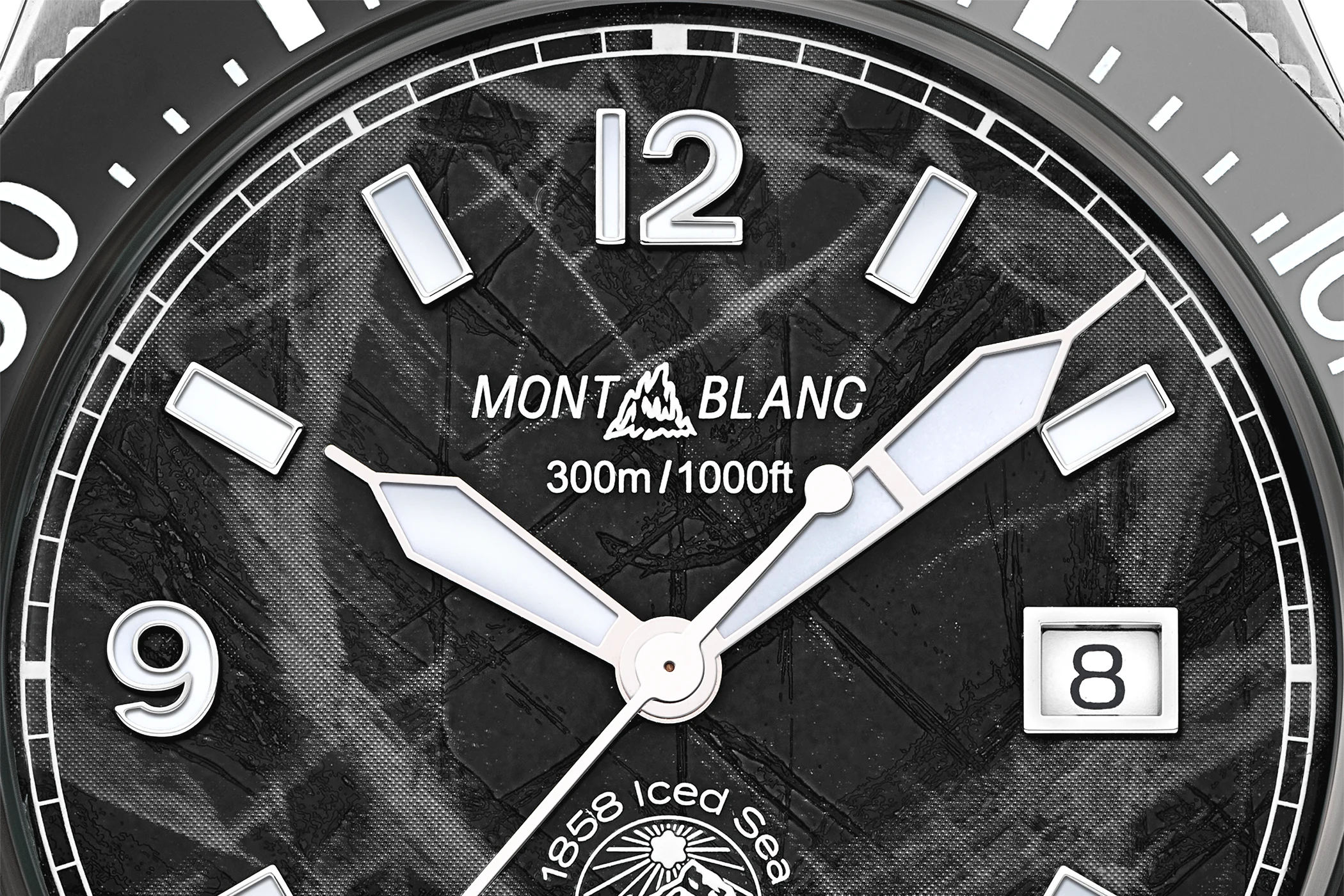
The Montblanc Iced Sea Automatic Date, reference MB129371, is probably the most versatile option in this selection. At 41 millimetres, its size sits very comfortably between NORQAIN and Tudor, yet with a water resistance of 300 metres, it offers the greatest technical diving depth in this comparison. Added to this are a ceramic bezel, ISO 6425 compliance and a steel bracelet with micro-adjustment, making it particularly practical for everyday wear. Its strongest selling point, however, is the textured dial, which is reminiscent of glacial ice and gives the watch a distinctly more individual look than is usual for many classic diving watches. The MB 24.17 calibre is technically based on the Sellita SW200 and offers a power reserve of around 38 hours. This means that, in terms of the movement, it is not the strongest watch in the field. Nevertheless, it impresses as an overall package because it combines sporty robustness with a certain level of design sophistication. Only the striking dial is a matter of personal taste: it lends the watch plenty of character, but in the long run might appear less understated and timeless than a classically minimalist diver’s design. The Iced Sea is priced at a round €4,000.
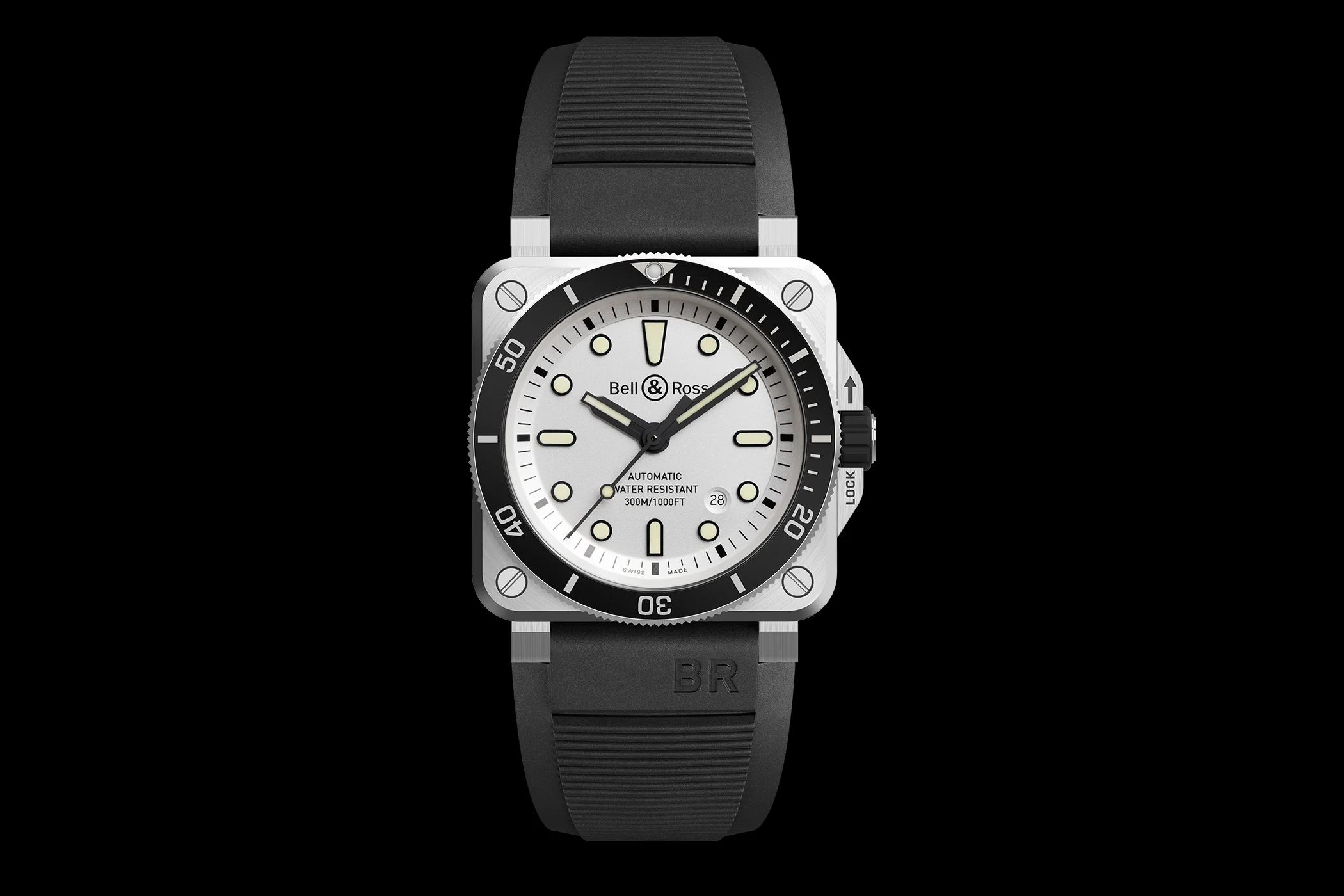
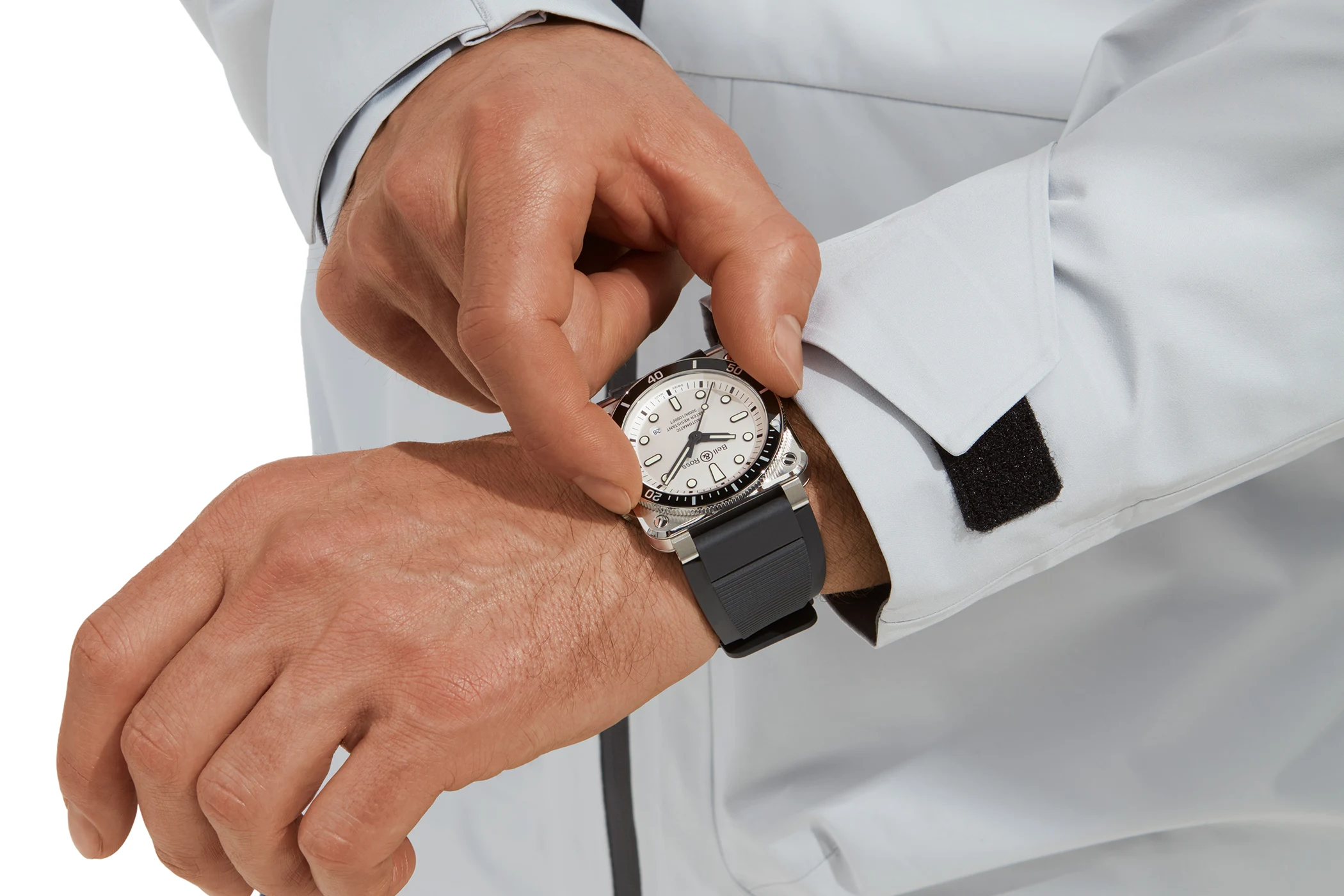
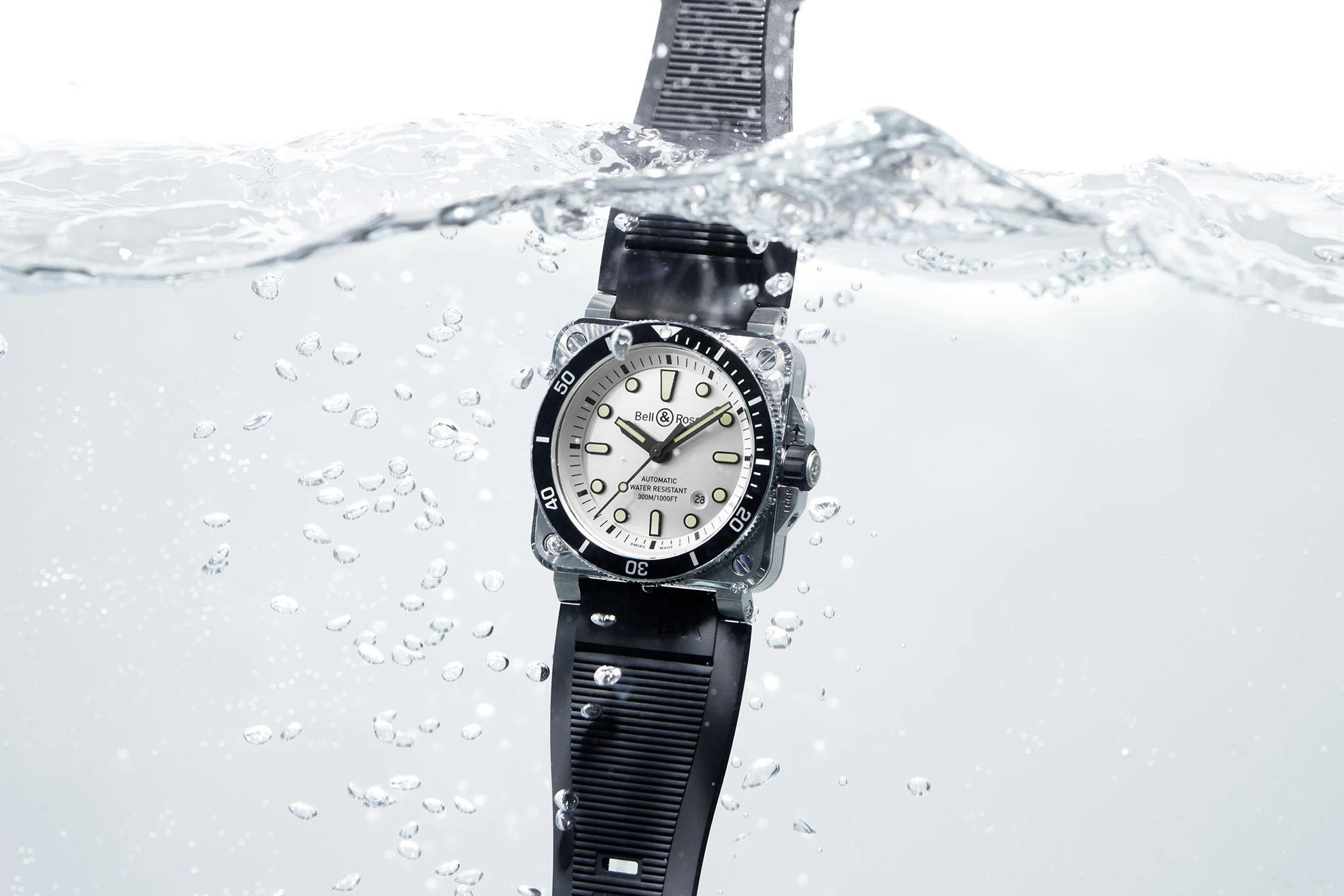
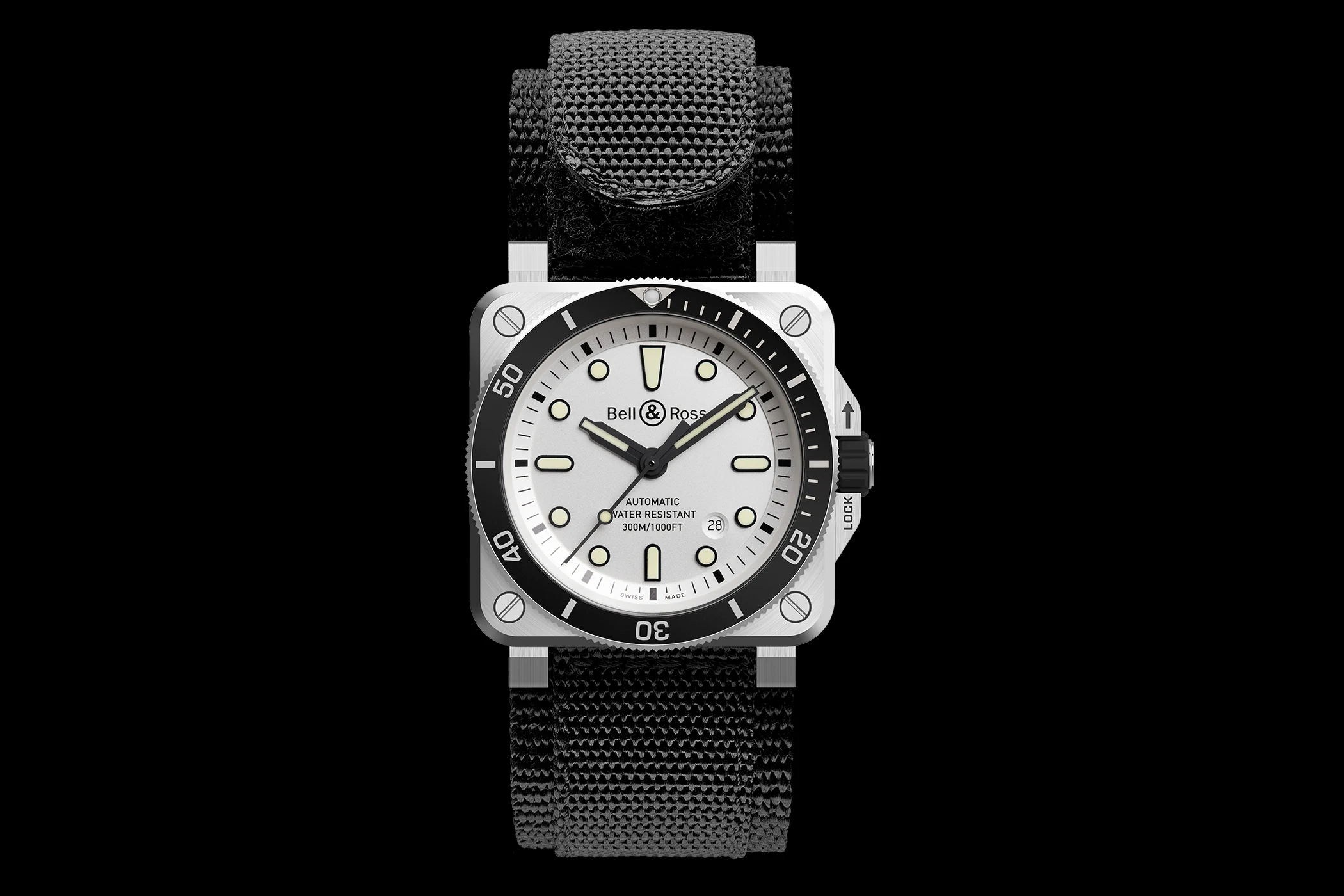
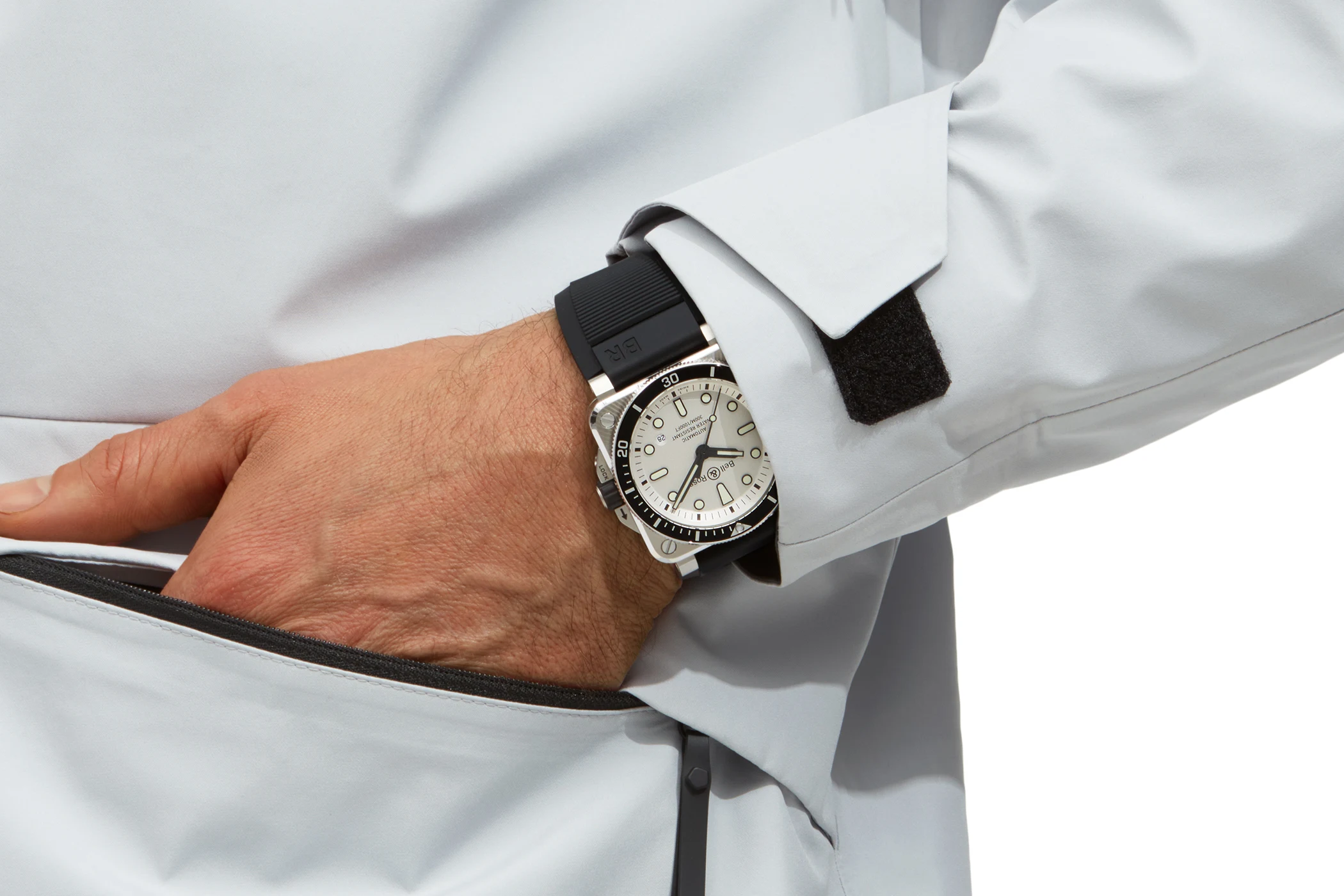
The Bell & Ross BR 03 Diver White Steel, reference BR03A-D-WH-ST/SRB, is the most distinctive and daring watch in this selection. Its square 42-millimetre case immediately sets it apart from almost all classic diver’s watches, making it a true design statement. At the same time, with 300-metre water resistance, a ceramic bezel, a screw-down crown and excellent legibility, it offers serious diving capabilities. The BR-CAL.302-1 calibre offers a power reserve of around 54 hours; it is based on the Sellita SW300-1 and thus sits technically between Tudor and the Sellita-based alternatives from NORQAIN and Montblanc. For buyers seeking maximum versatility and understated elegance, it is not the most obvious choice. Its strength lies elsewhere: it offers a distinctive design language, a strong visual presence and a level of recognisability that hardly any other classic diver’s watch in this selection can match. The price is €4,500.
A good GMT watch is more than just a watch with a second time zone. It must be intuitive to use, robustly built and just as impressive on the wrist as it is technically. Key factors therefore include the movement, power reserve, proportions, strap, comfort and design balance. This is precisely where the models in this selection differ: some models clearly prioritise function and robustness, others versatility and suitability for everyday wear, whilst a few watches stand out above all for their distinctive design language.
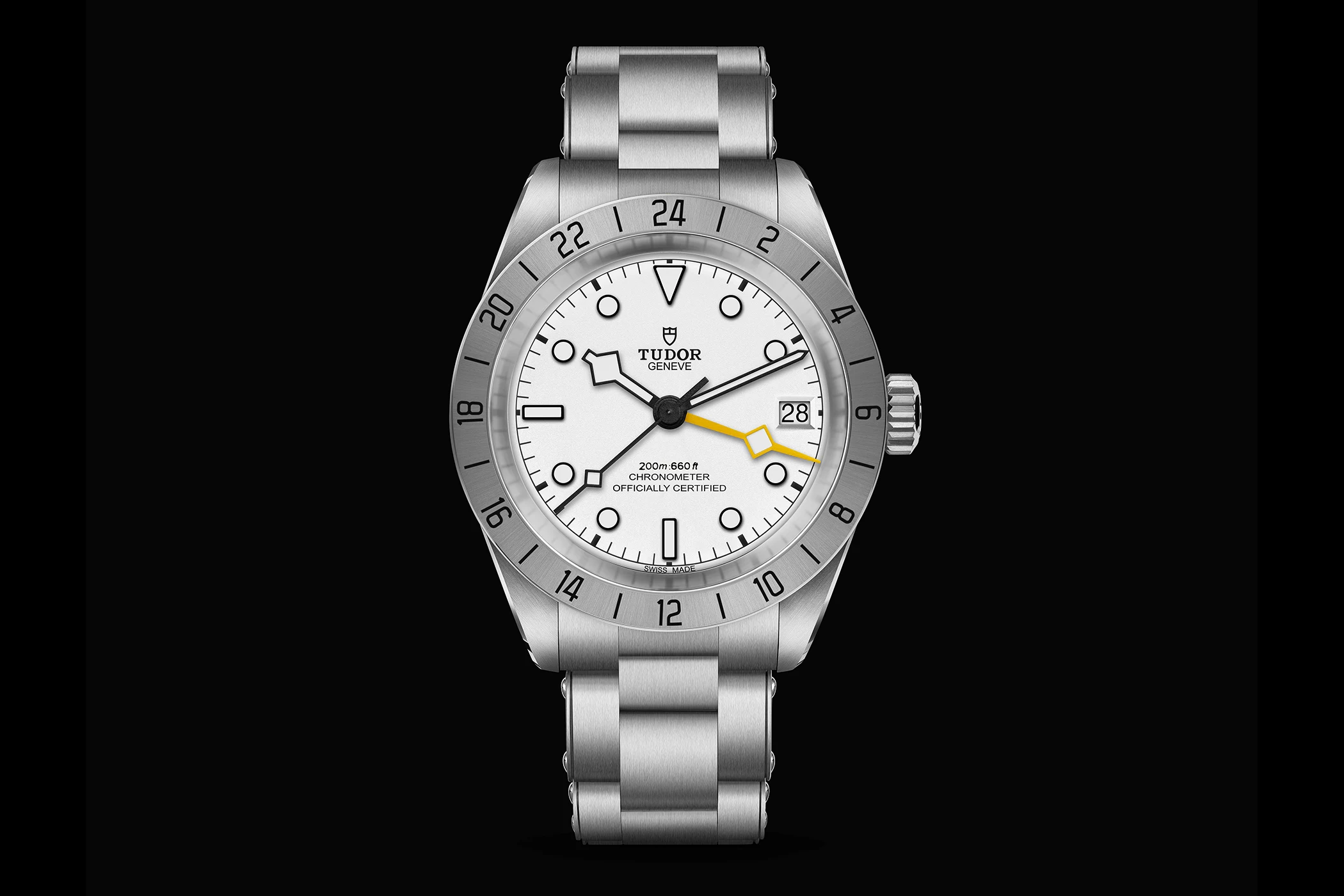
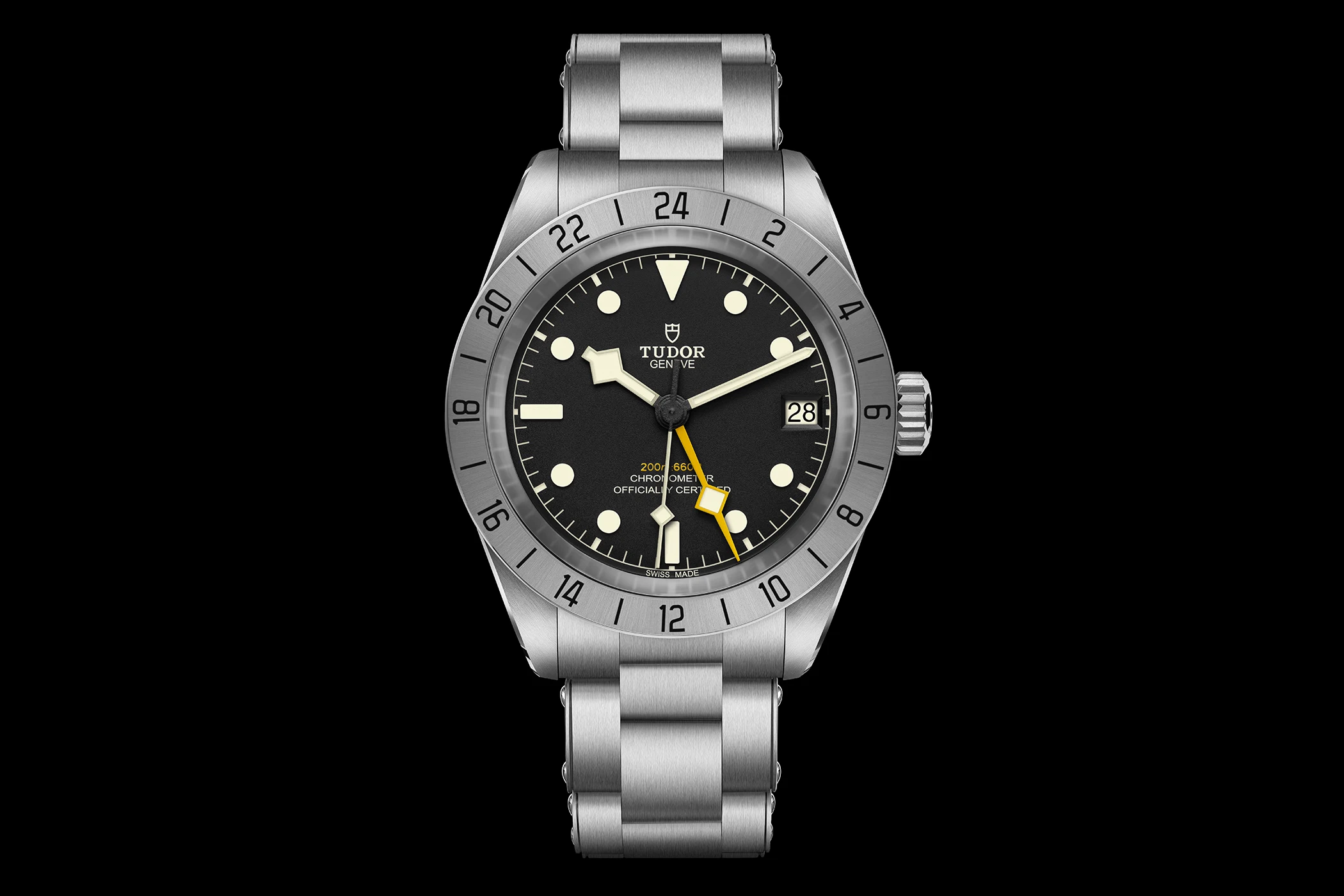
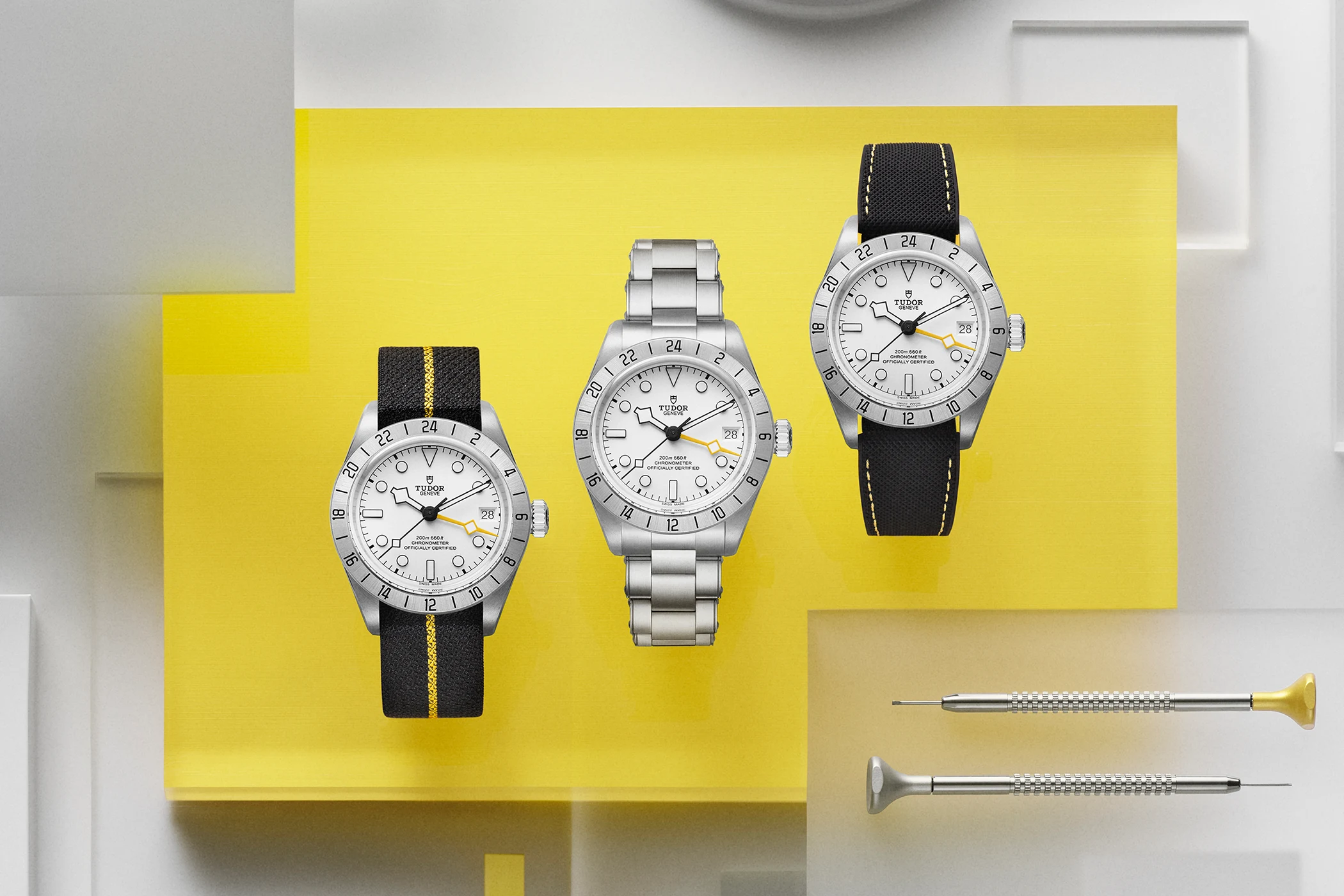
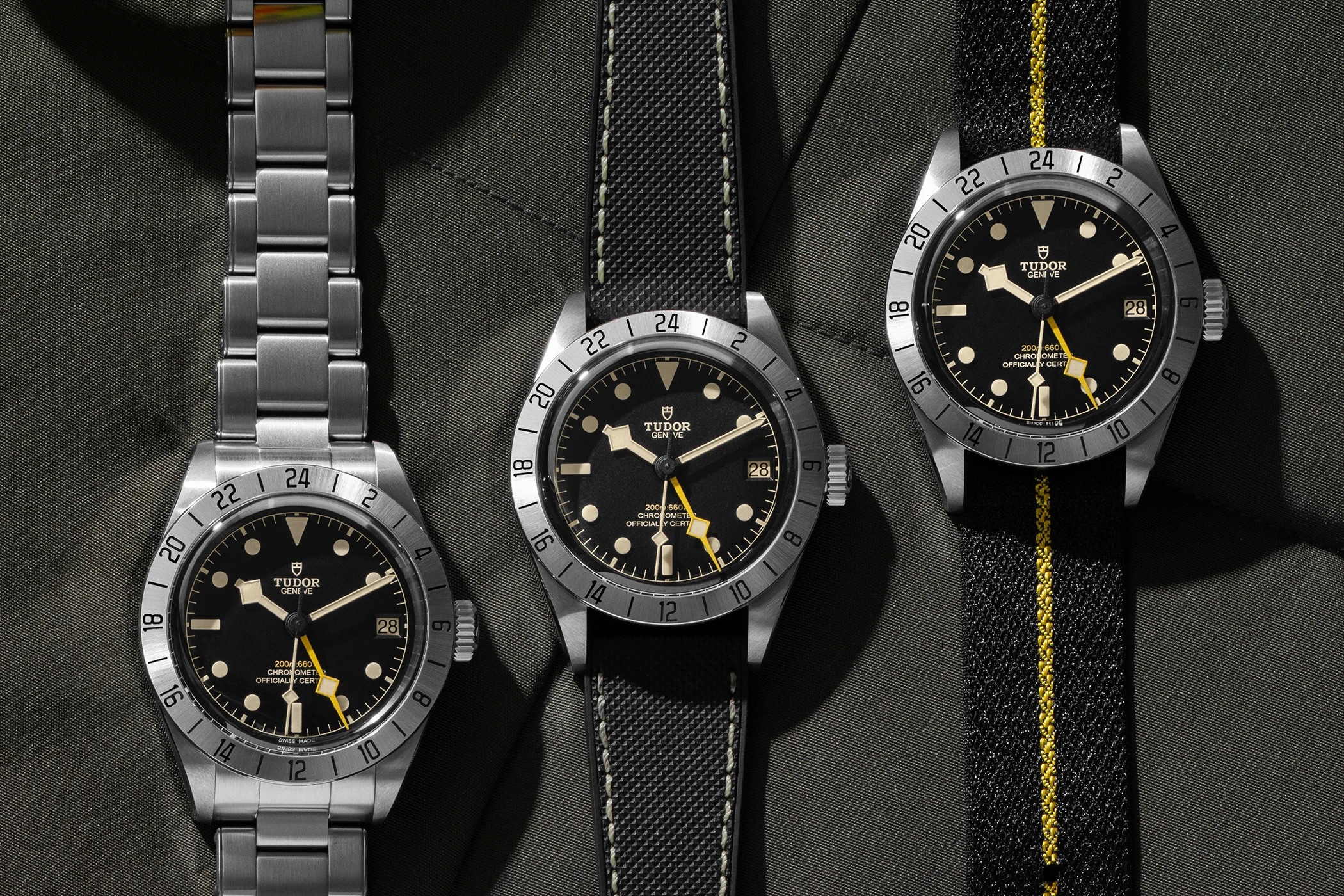
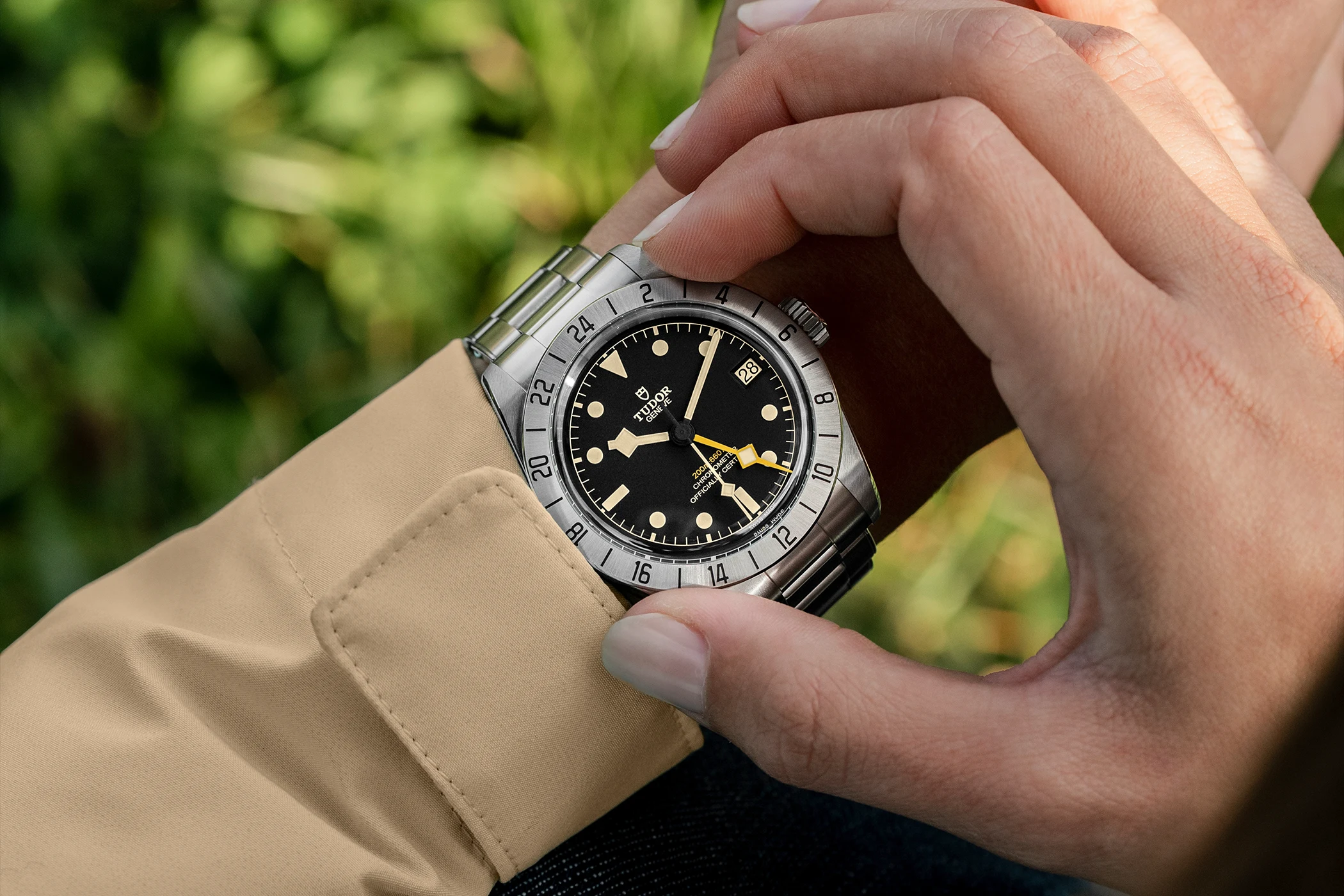
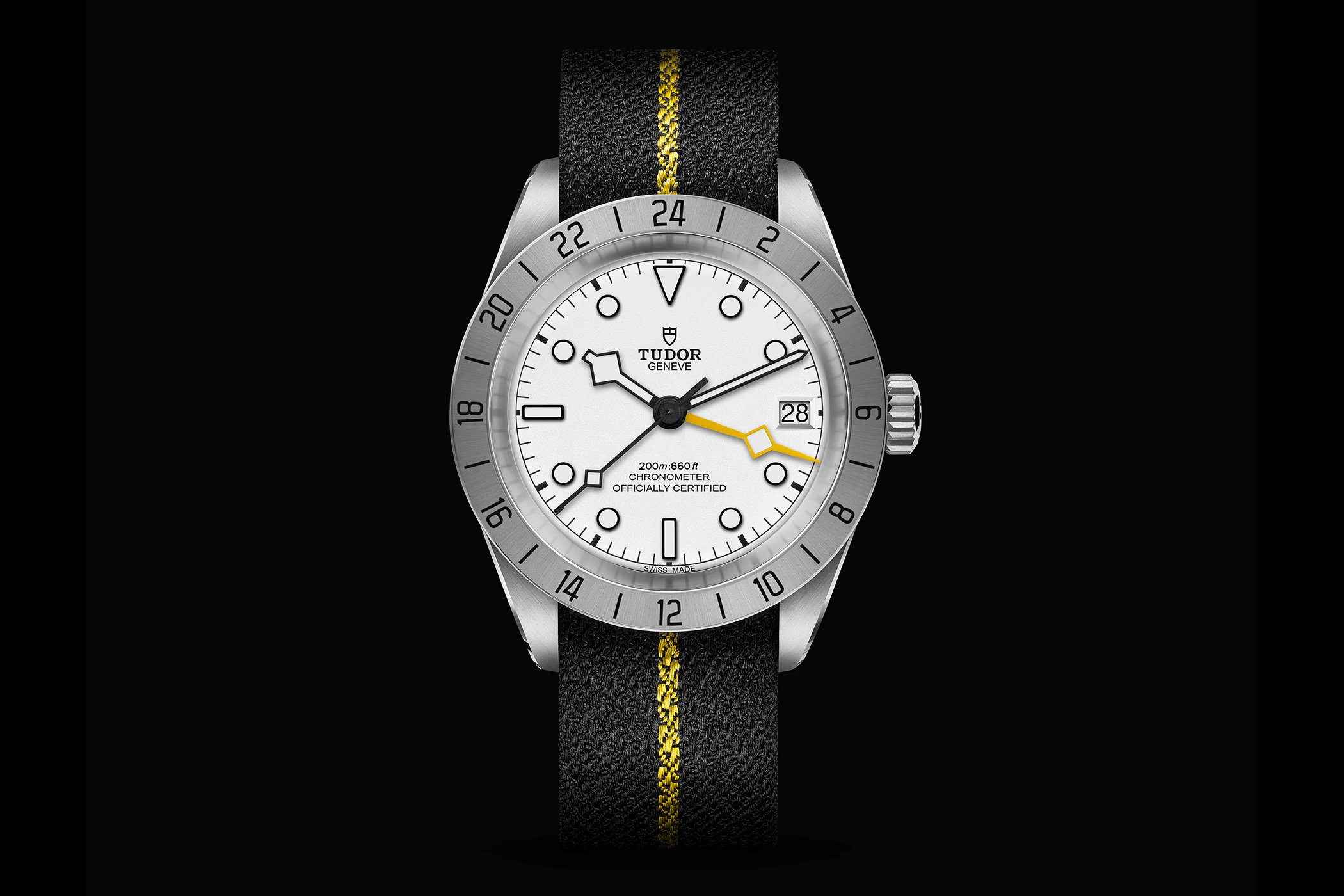
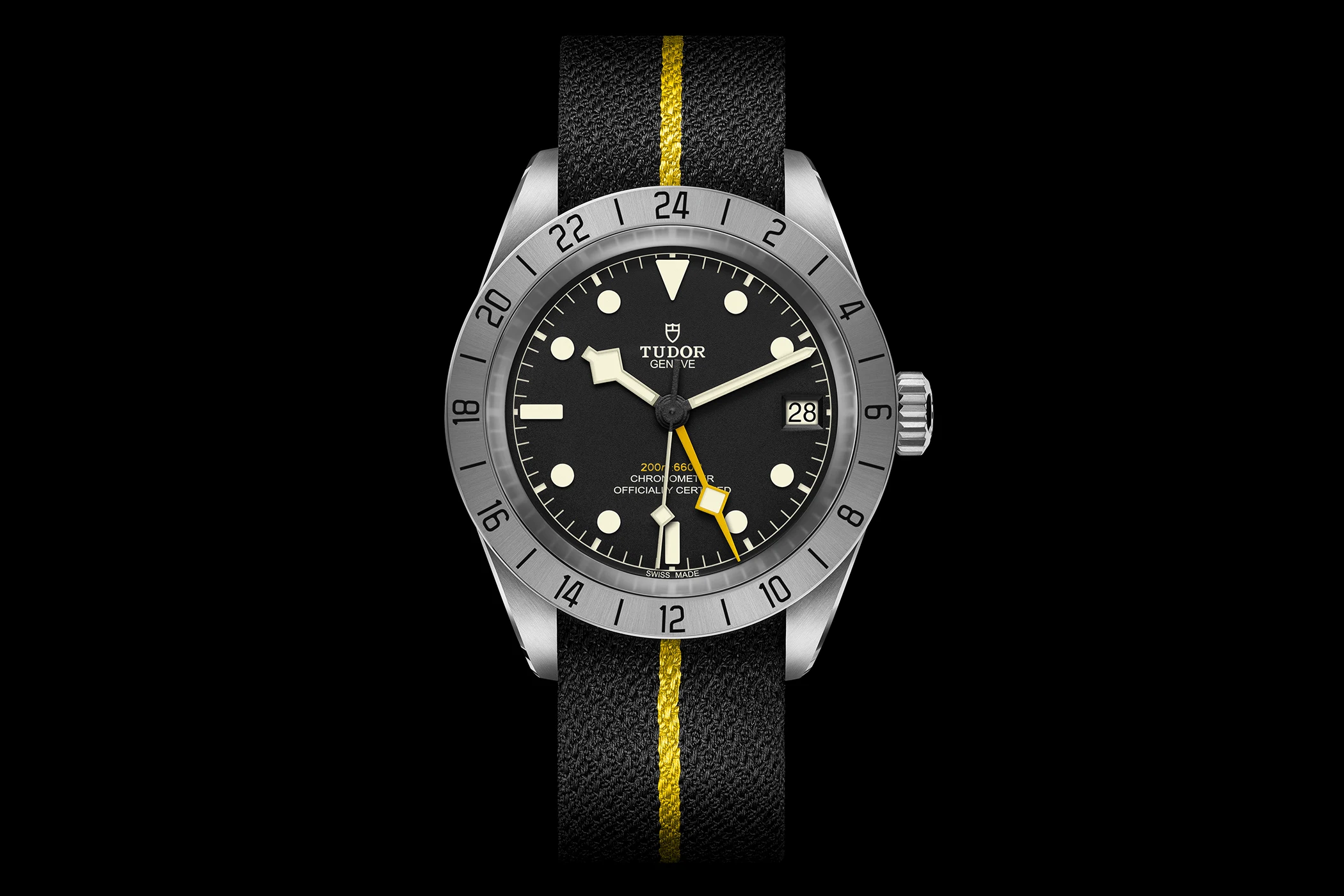
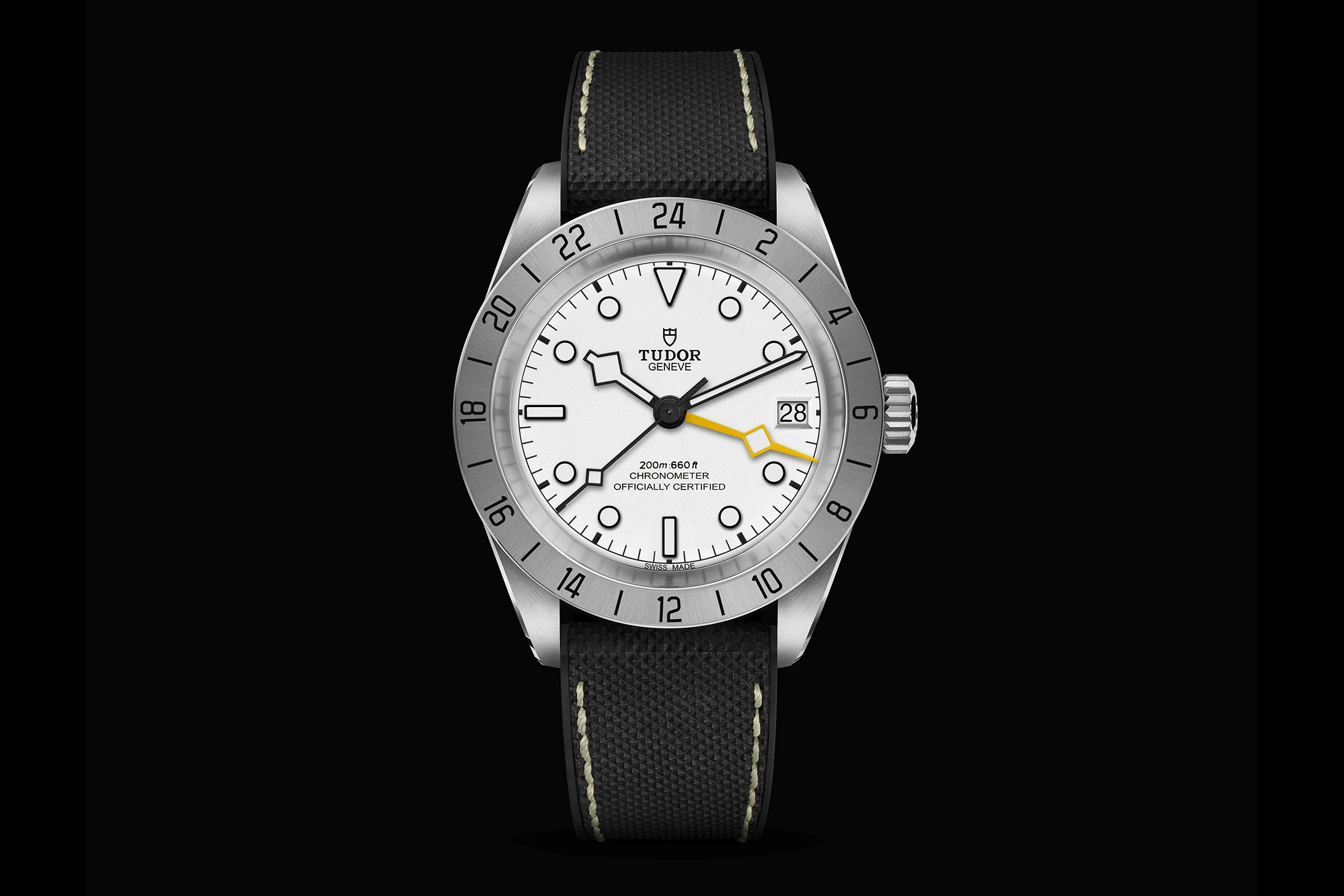
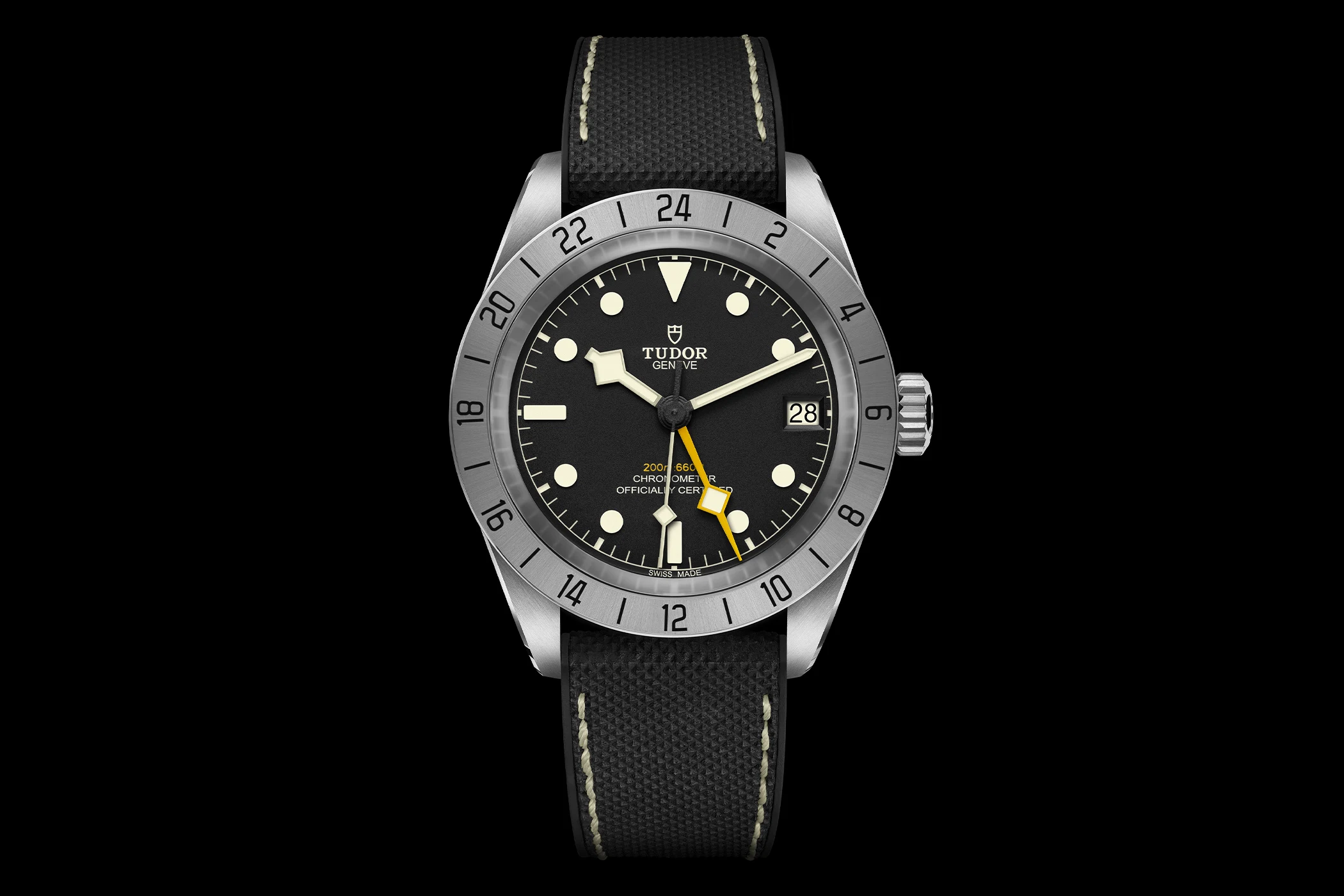
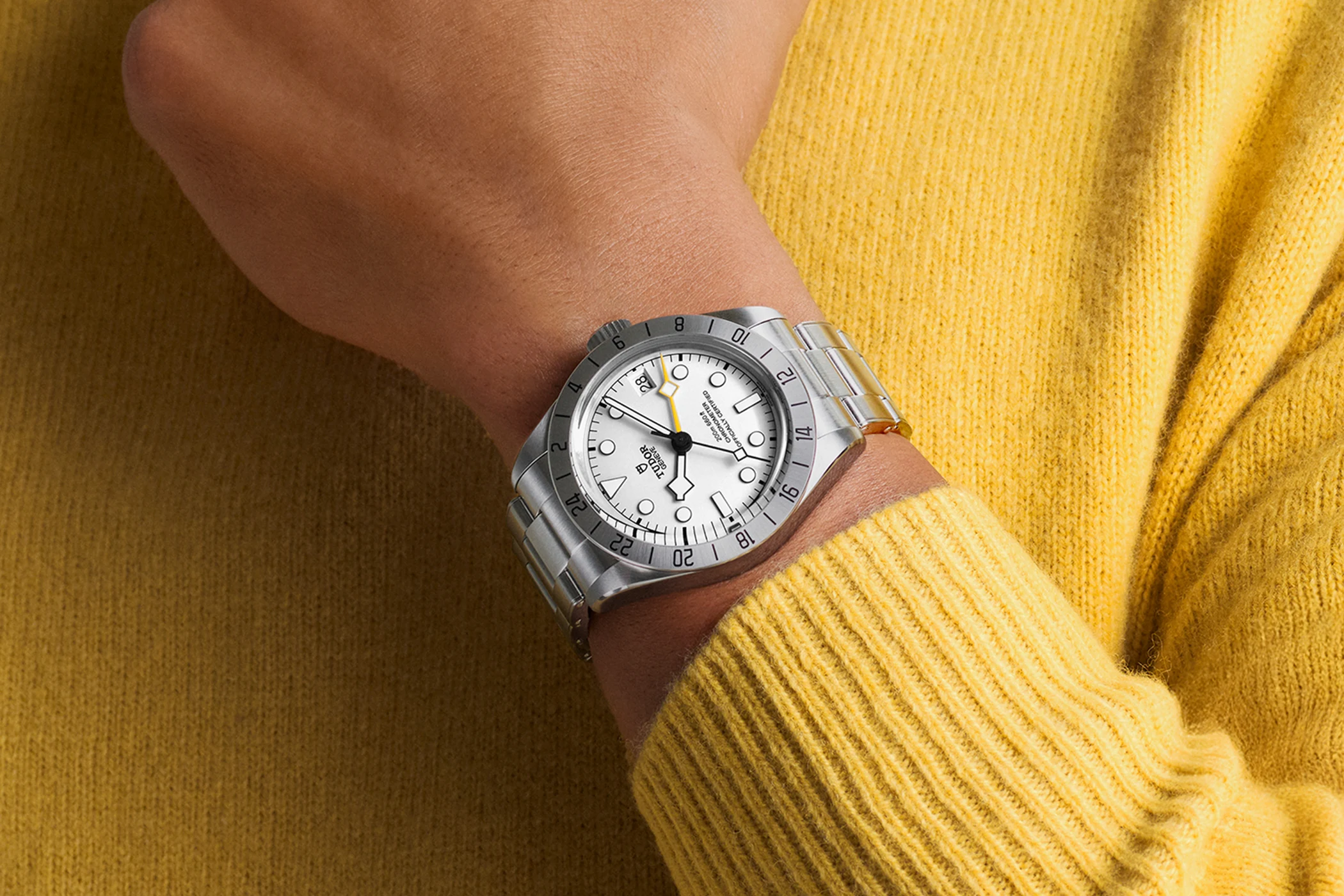
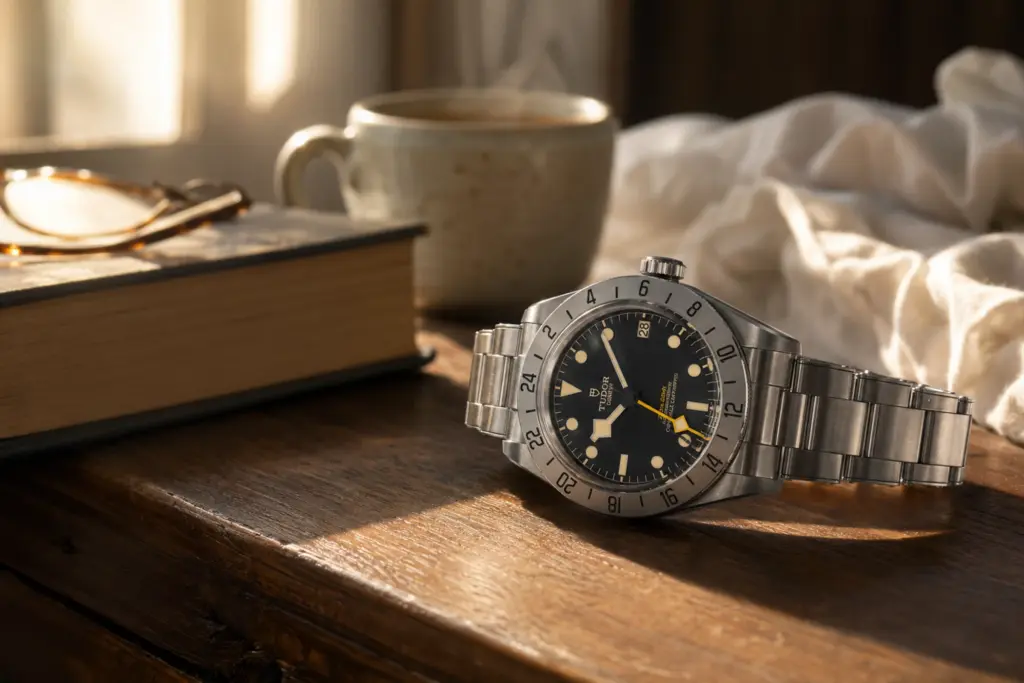
The Tudor Black Bay Pro, reference M79470-0004, comes across as a modern interpretation of the classic tool GMT: functional, resilient and deliberately less elegant than it is purpose-built. With a diameter of 39 millimetres, its dimensions may seem compact at first, but thanks to its case height of 14.6 millimetres, it feels significantly more substantial on the wrist than its diameter would initially suggest. Its stainless steel case, fixed 24-hour bezel, 200 m water resistance and the in-house calibre MT5652 make it a true tool GMT watch. The power reserve of around 70 hours is particularly impressive, meaning it can easily be left off for one to two days without stopping. The independently adjustable local time is particularly practical, as the hour hand can be quickly adjusted when changing time zones without having to stop the watch or reset the exact time. The Black Bay Pro is, above all, a very good, functional GMT watch with a distinct Explorer character, available with both a white and a black dial: On a three-row metal bracelet for €4,610, or on a black textile strap with a yellow contrast stripe, or on a black hybrid strap made of rubber and leather for €4,280. Its only potential drawback is the case thickness, which you should definitely check on your own wrist before purchasing.
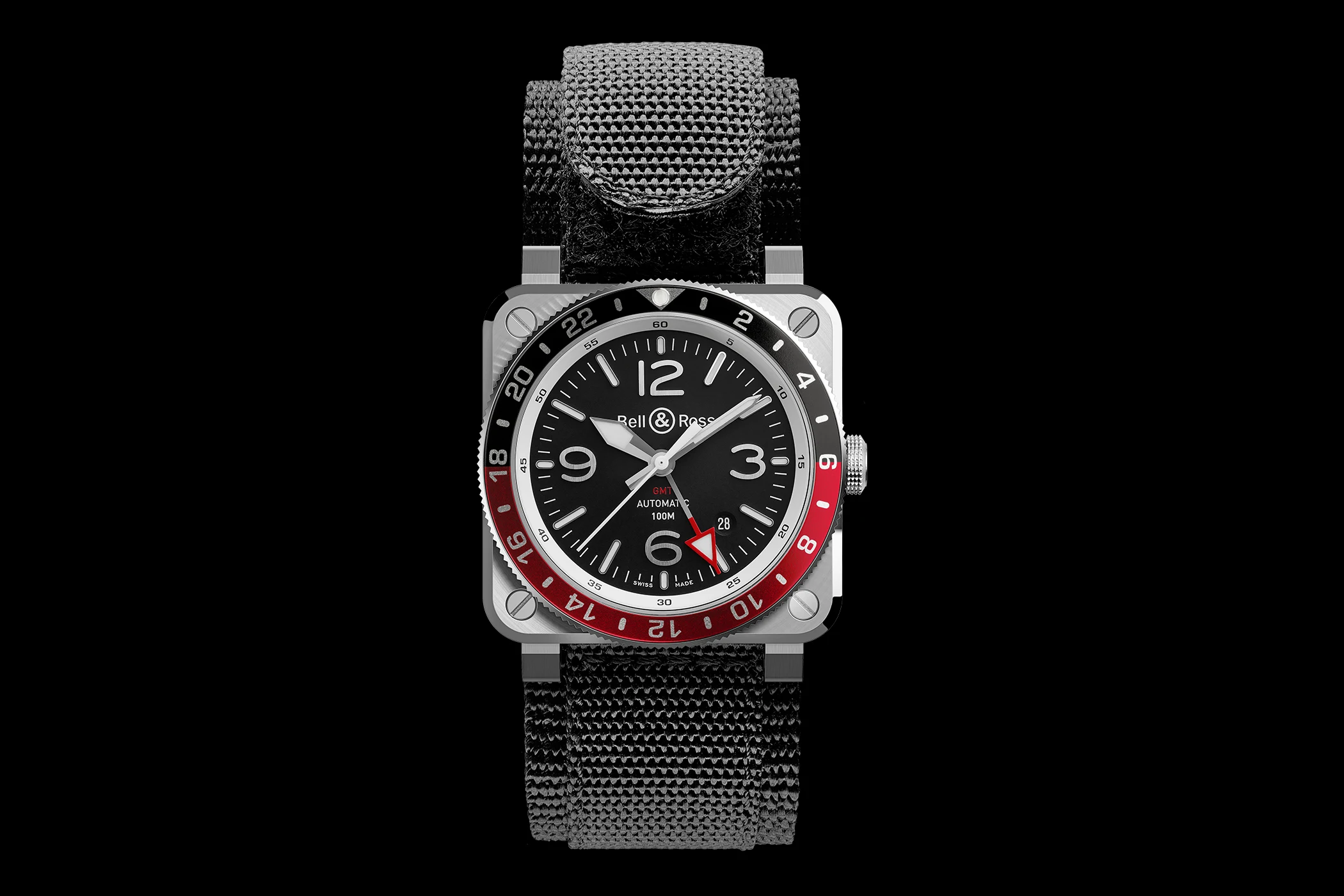
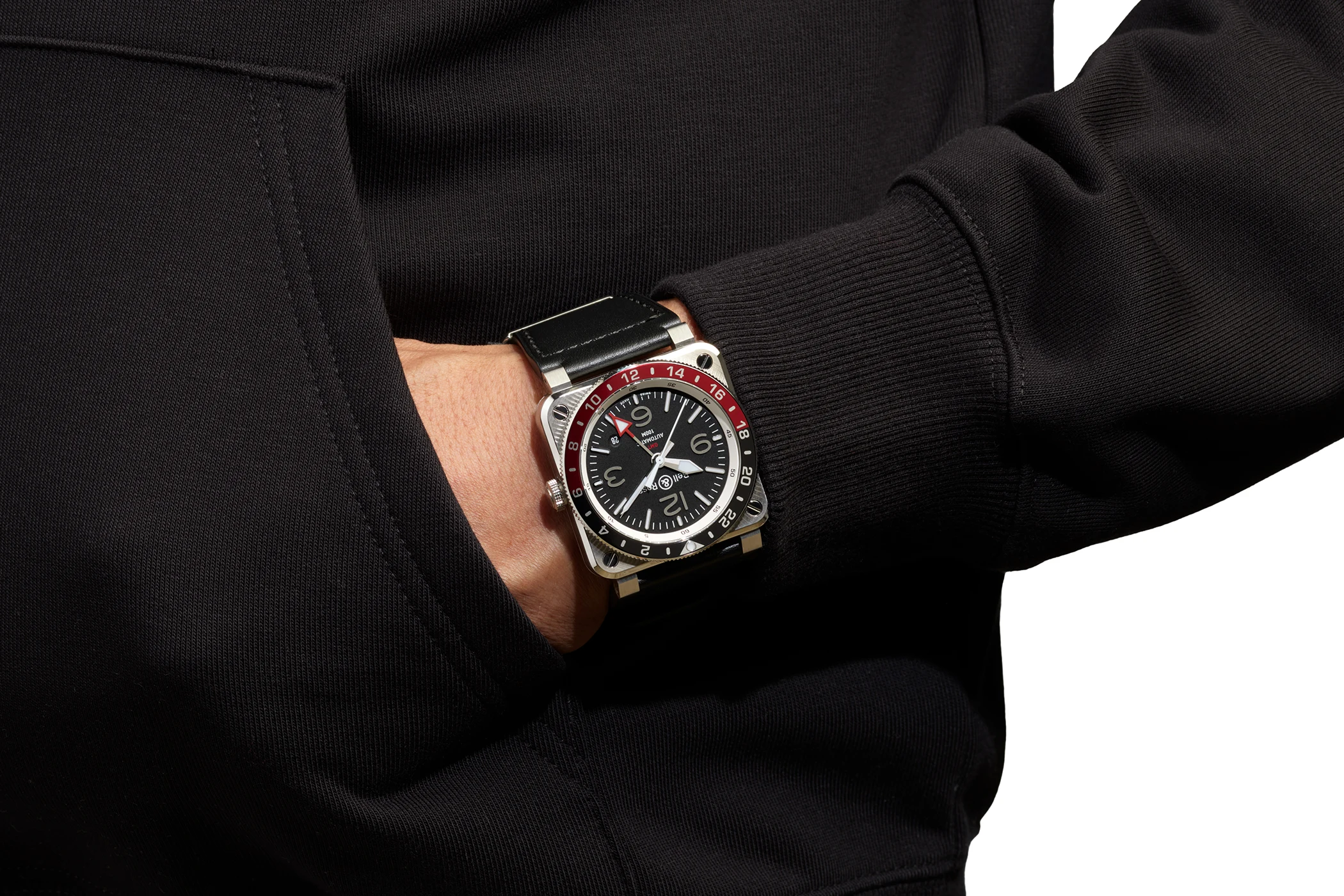
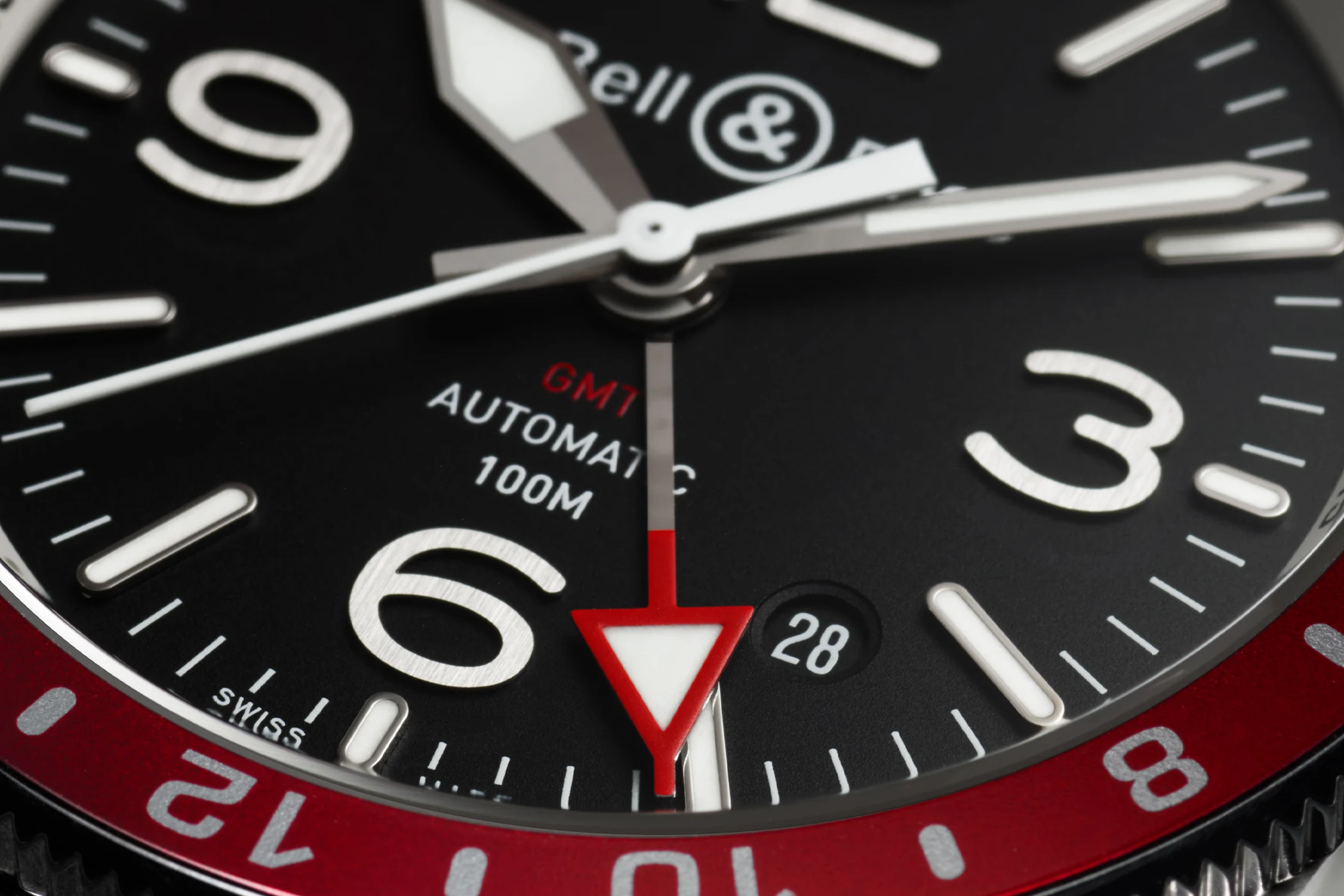
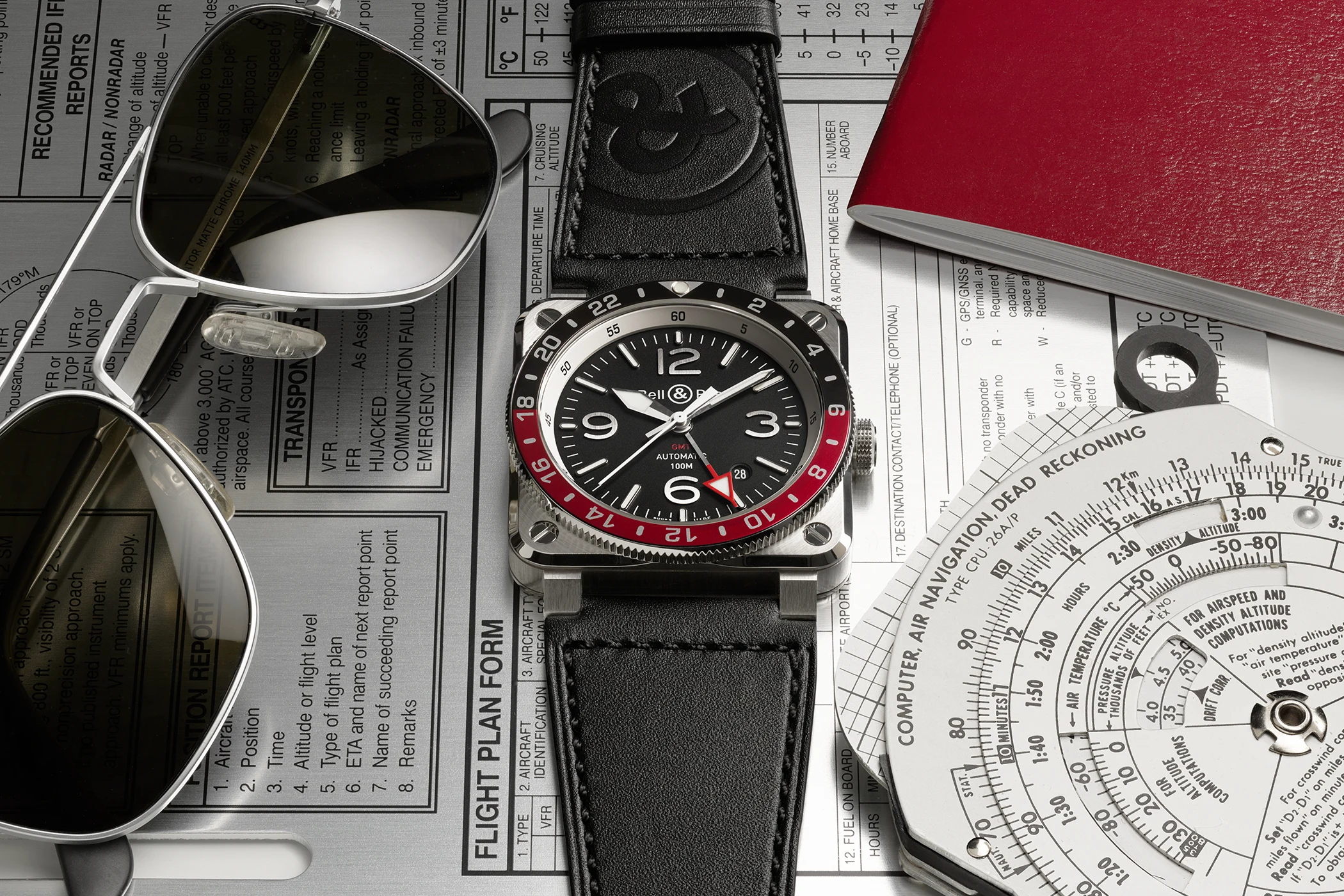
The Bell & Ross BR 03-93 GMT Black, reference BR0393-BL-ST/SCA, is arguably – both visually and, to some extent, in the previous categories – the most distinctive GMT in this selection. The square 42-millimetre stainless steel case, the red and black 24-hour bezel and the clear instrument-style design give it an unmistakable look. With a water resistance of 100 metres, it is suitable for everyday use, but less suitable for strenuous sporting activities than Tudor’s 200-metre models, as whilst you can swim with it without worry, you should not dive particularly deep. Inside, it is powered by the modified Calibre BR-CAL.303, which is based on the tried-and-tested Sellita SW330 and offers a power reserve of around 42 hours. This makes it technically sound, but not quite on a par with Tudor or TAG Heuer movements. Its real strength therefore lies not in cutting-edge movement technology, but in its design identity. It is the right choice for buyers looking for a GMT watch with high recognition value, a clear design language and an instrument-like character. The watch costs €4,500 and comes with a two-year manufacturer’s warranty from the date of purchase.
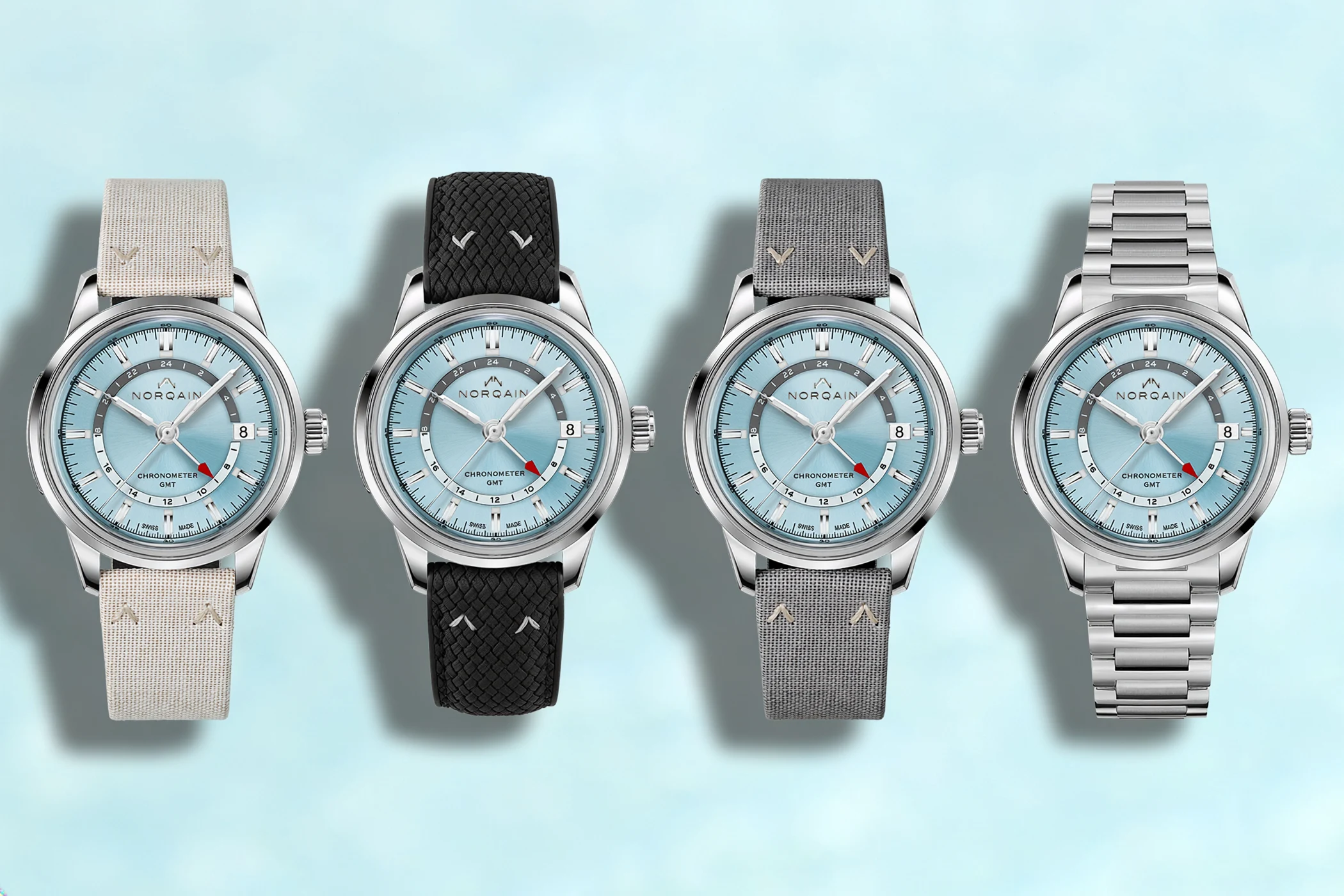
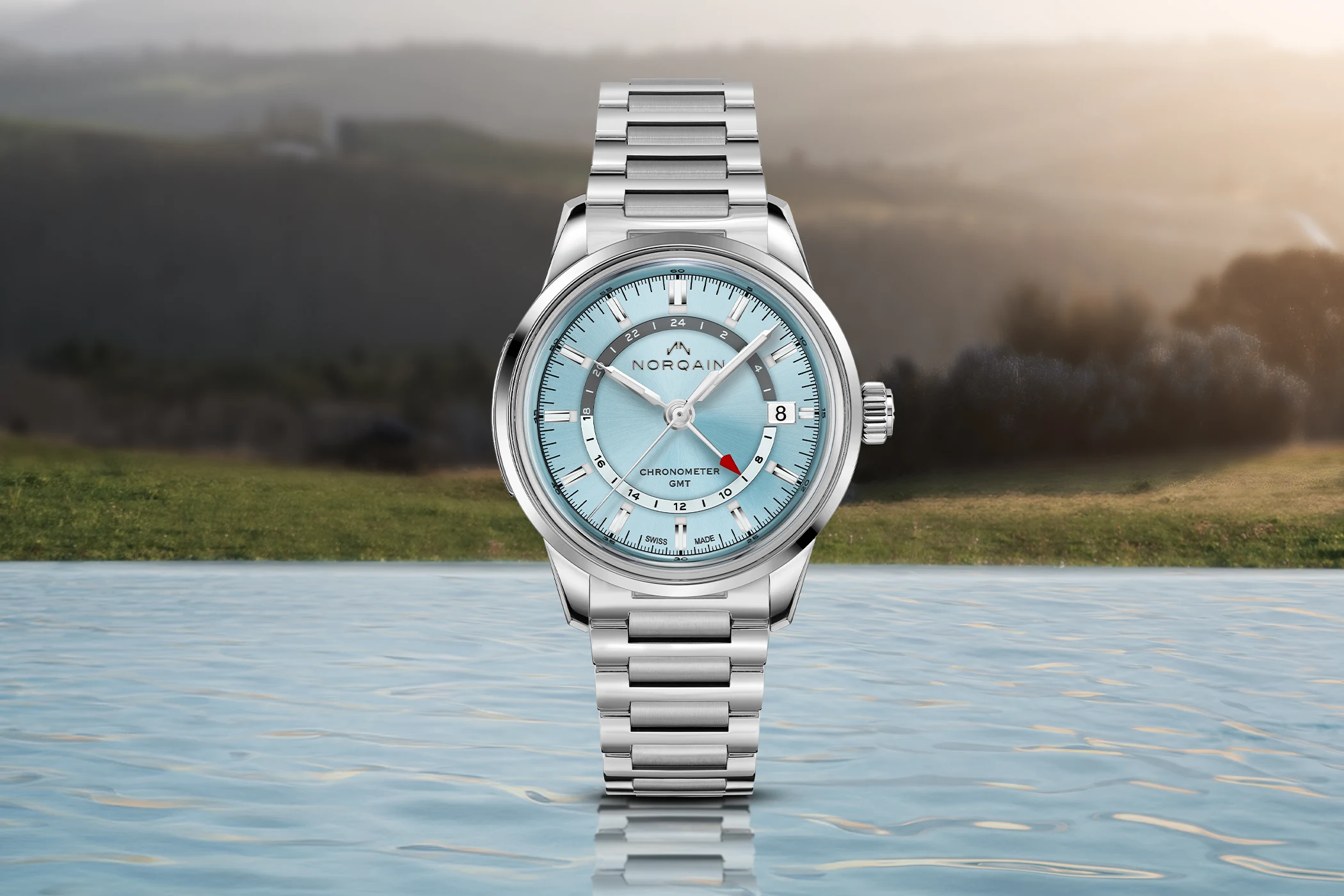
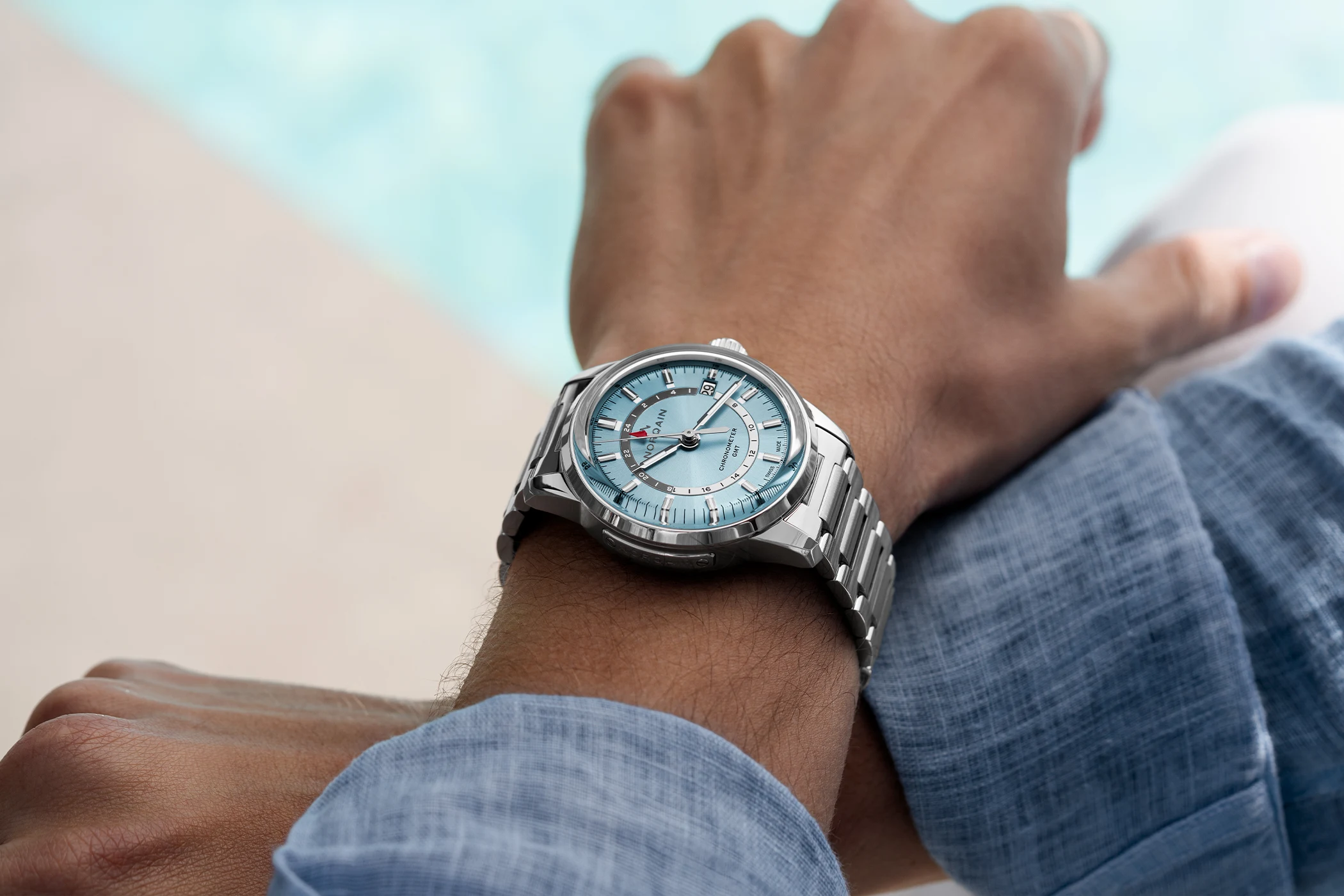
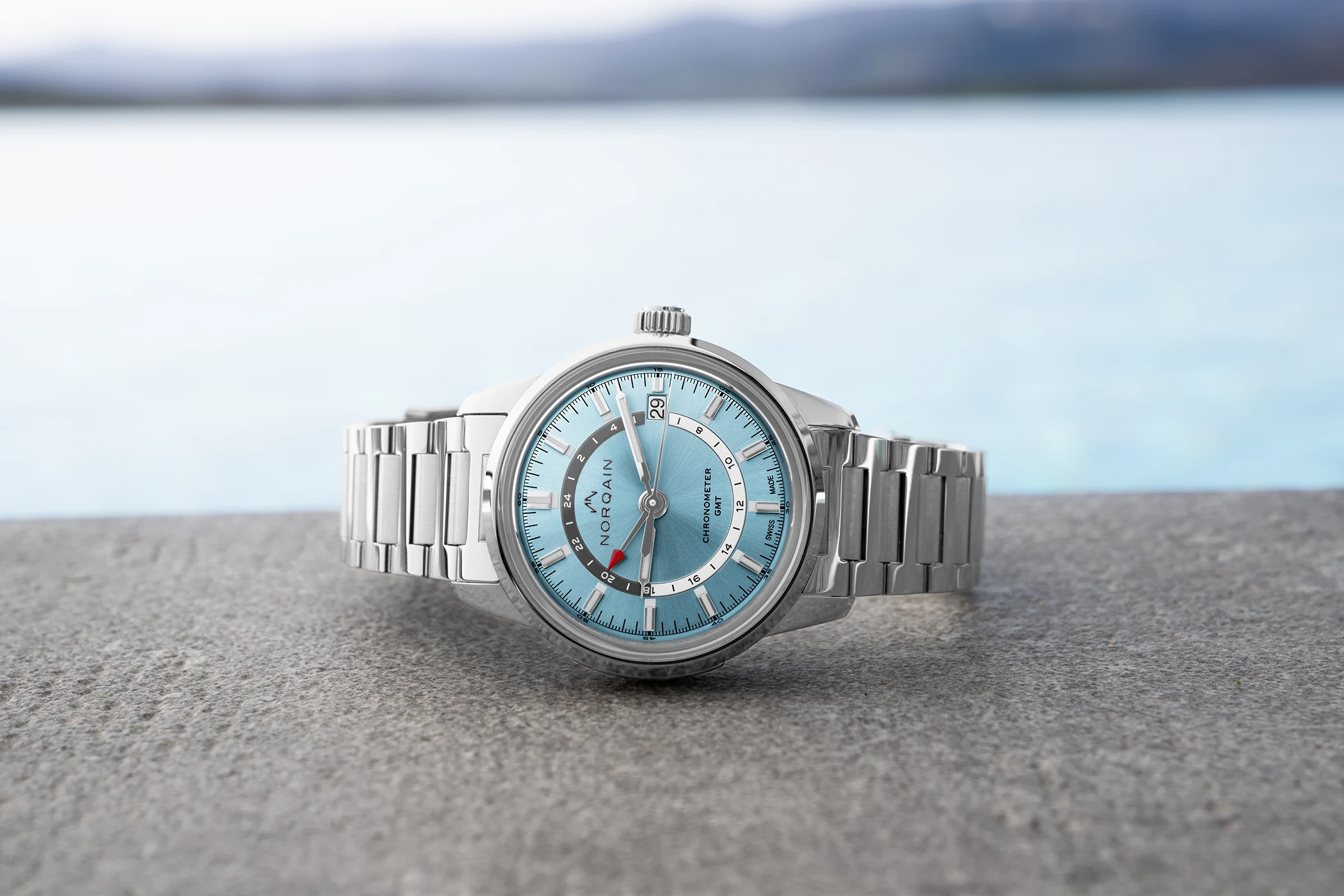
The NORQAIN Freedom 60 GMT Ice Blue is the most visually striking GMT in this comparison. With a 40-millimetre diameter, a stainless steel case, 100-metre water resistance and an eye-catching ice-blue dial, it appears more approachable and emotive than many strictly functional ‘tool’ GMTs. However, the dimensions should not be taken lightly here either: with a case thickness of 14.5 millimetres and a lug-to-lug width of around 49.3 millimetres, it has a more substantial presence on the wrist – just like Tudor’s Black Bay Pro – than the 40-millimetre figure might initially suggest. It is no coincidence that both watches are mentioned in this context: the Calibre NN20/2 fitted in the NORQAIN Freedom 60 GMT is technically closely related to Tudor’s MT5652, which is also used in the Black Bay Pro. As a result, the Freedom 60 GMT offers both independent local hour setting and a power reserve of approximately 70 hours. Technically, the NORQAIN Freedom 60 GMT is more impressive than one might initially expect from such a young brand. Nevertheless, it combines a compelling movement with a fresh colour scheme, vintage charm and a brand choice that is less obvious than Tudor or TAG Heuer. The main reservation here remains the case thickness: Much like the Black Bay Pro, the watch has a slightly more imposing presence, which is why you should try it on your own wrist before buying. The Freedom 60 GMT is priced at €4,350 on a stainless steel bracelet, €4,250 on a braided Perlon-rubber strap, and €4,090 for each of the versions on a fabric strap.
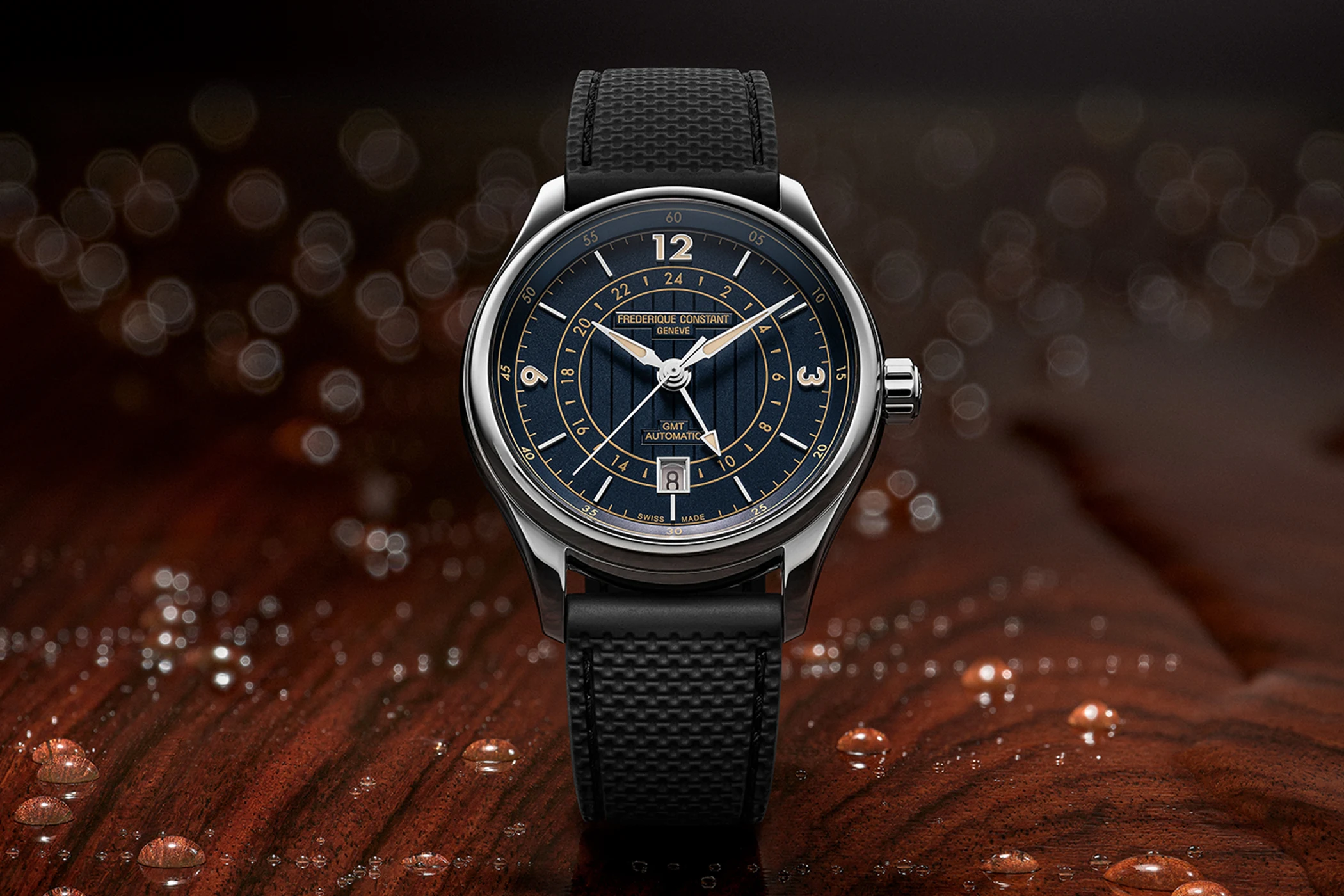
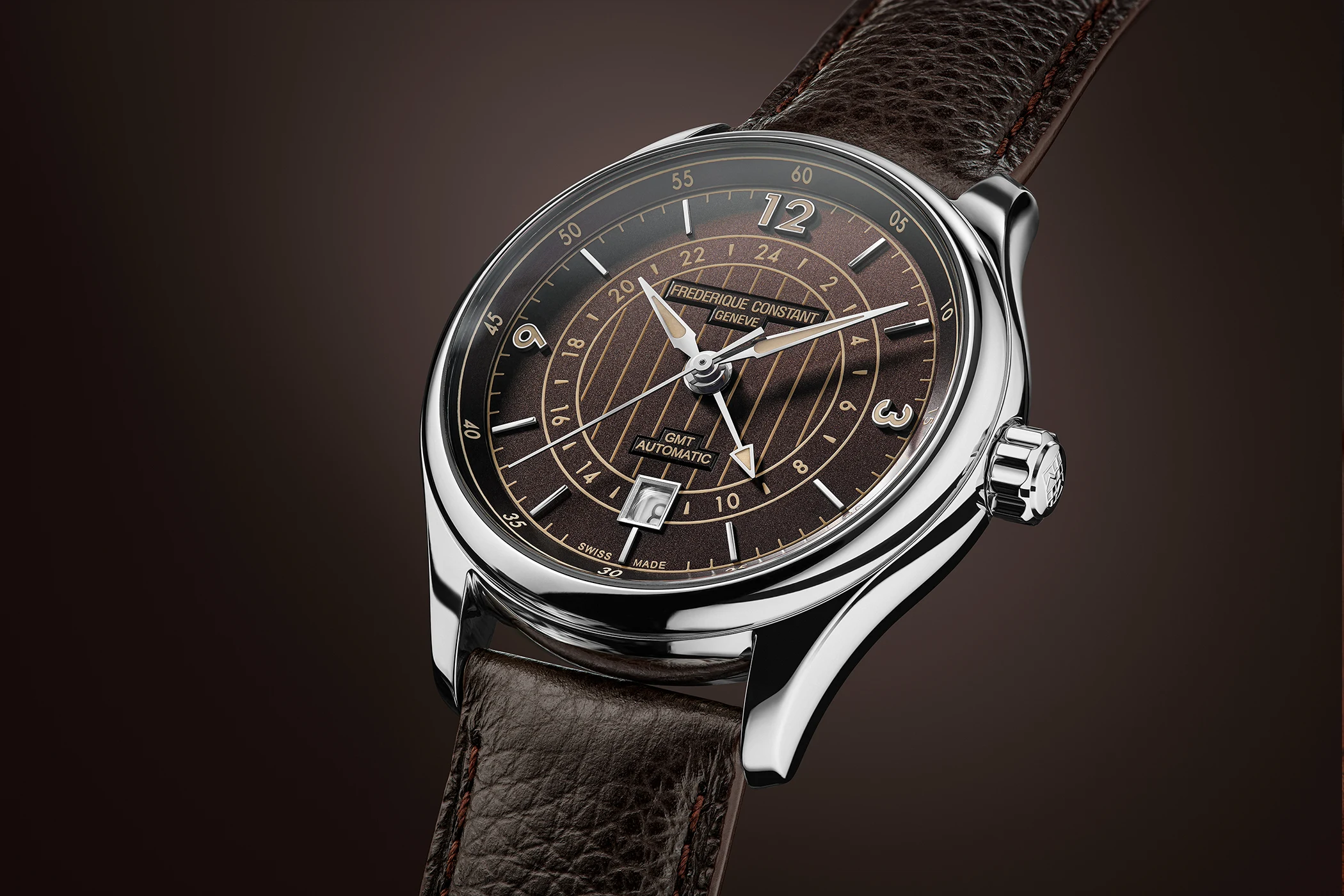
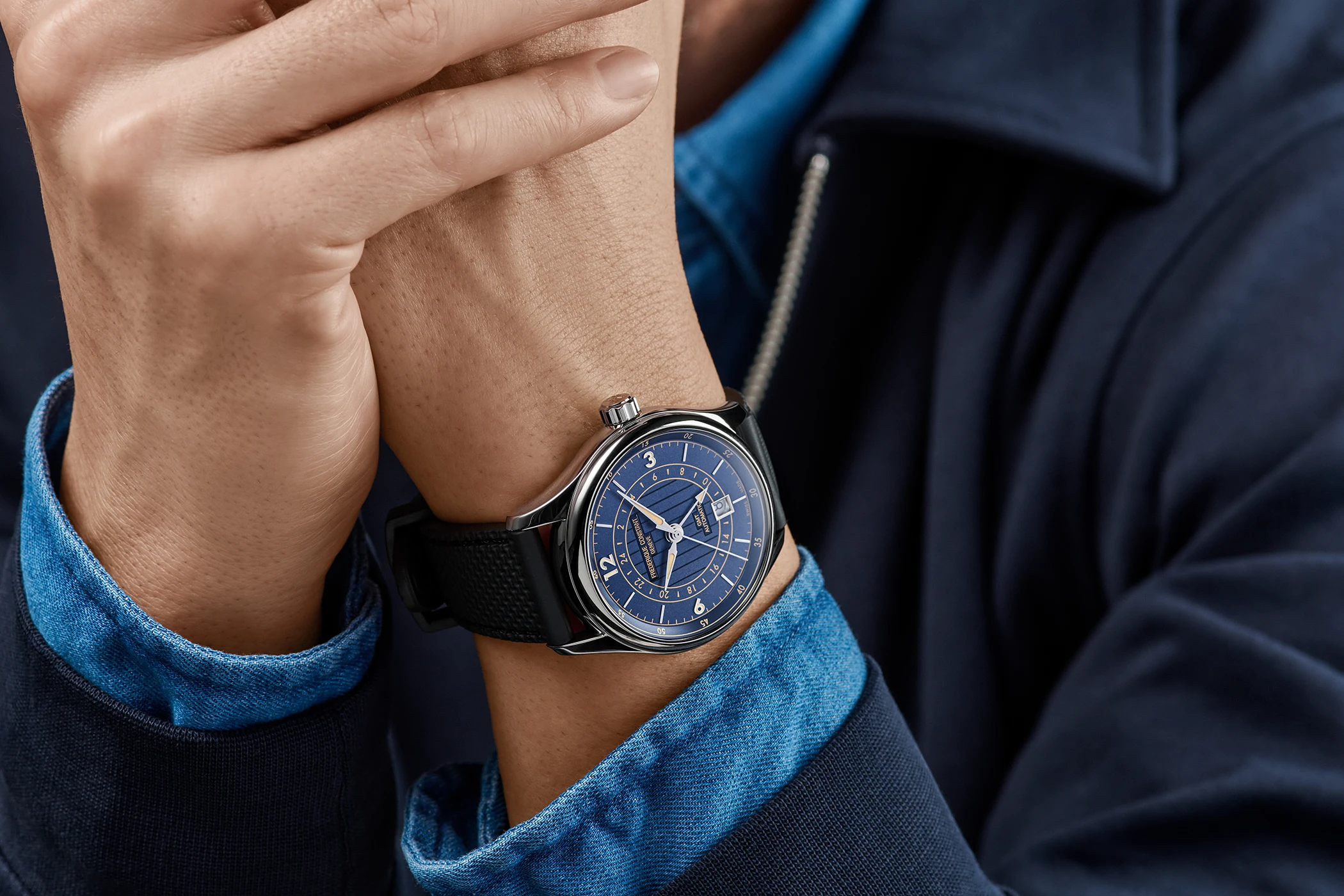
The Frederique Constant Classics Runabout Automatic GMT, reference FC-350RN5B6 or FC-350RBR5B6, is the classically elegant alternative to the sportier GMT watches in this selection. Its polished stainless steel case measures 42 millimetres in diameter and 12.85 millimetres in height, making it appear significantly more prominent on the wrist than a Tudor Black Bay 58 GMT or a more compact tool watch. At the same time, the domed sapphire crystal, the applied hour markers and the choice of a navy blue or teak-brown dial emphasise its rather maritime, vintage character. The centrally positioned 24-hour scale is read by an additional GMT hand, whilst the date is situated at six o’clock. Inside, the automatic Calibre FC-350 operates at 28,800 vibrations per hour and offers a power reserve of around 38 hours. Whilst this power reserve is significantly shorter than that of the GMT models from Tudor or NORQAIN, it remains sufficient for everyday use. The water resistance of 50 metres also indicates that the Runabout is intended less as a robust travel or sports watch and more as an elegant GMT watch for the office, dinner and occasional travel. Both versions are limited to 888 pieces each and are supplied in a special presentation box containing a miniature replica of a classic Runabout boat. The blue version comes on a black rubber strap, the brown version on a leather strap, and both cost €1,995. However, those who prioritise independently adjustable local time, high water resistance or maximum power reserve will find technically superior alternatives from Tudor or NORQAIN.
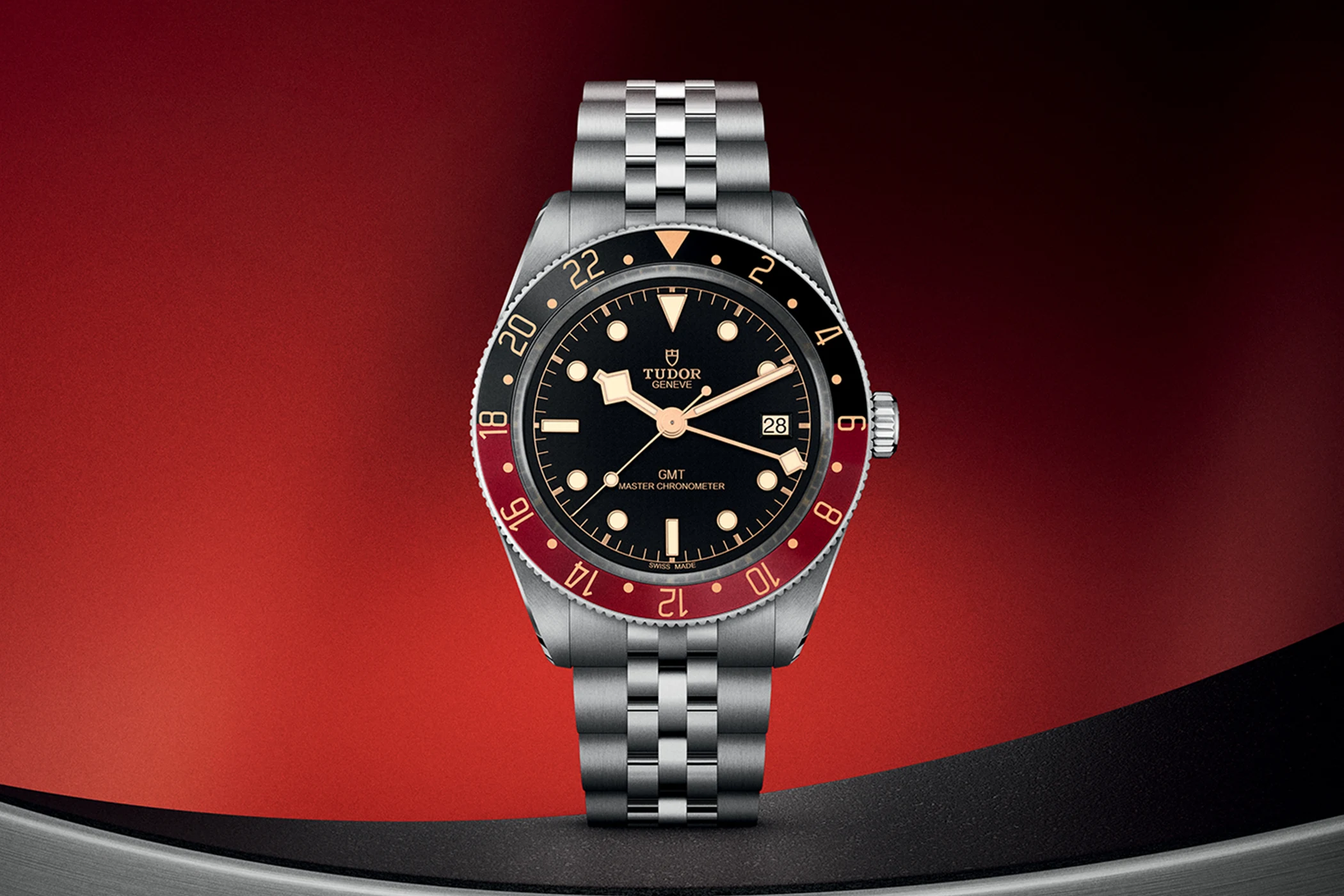
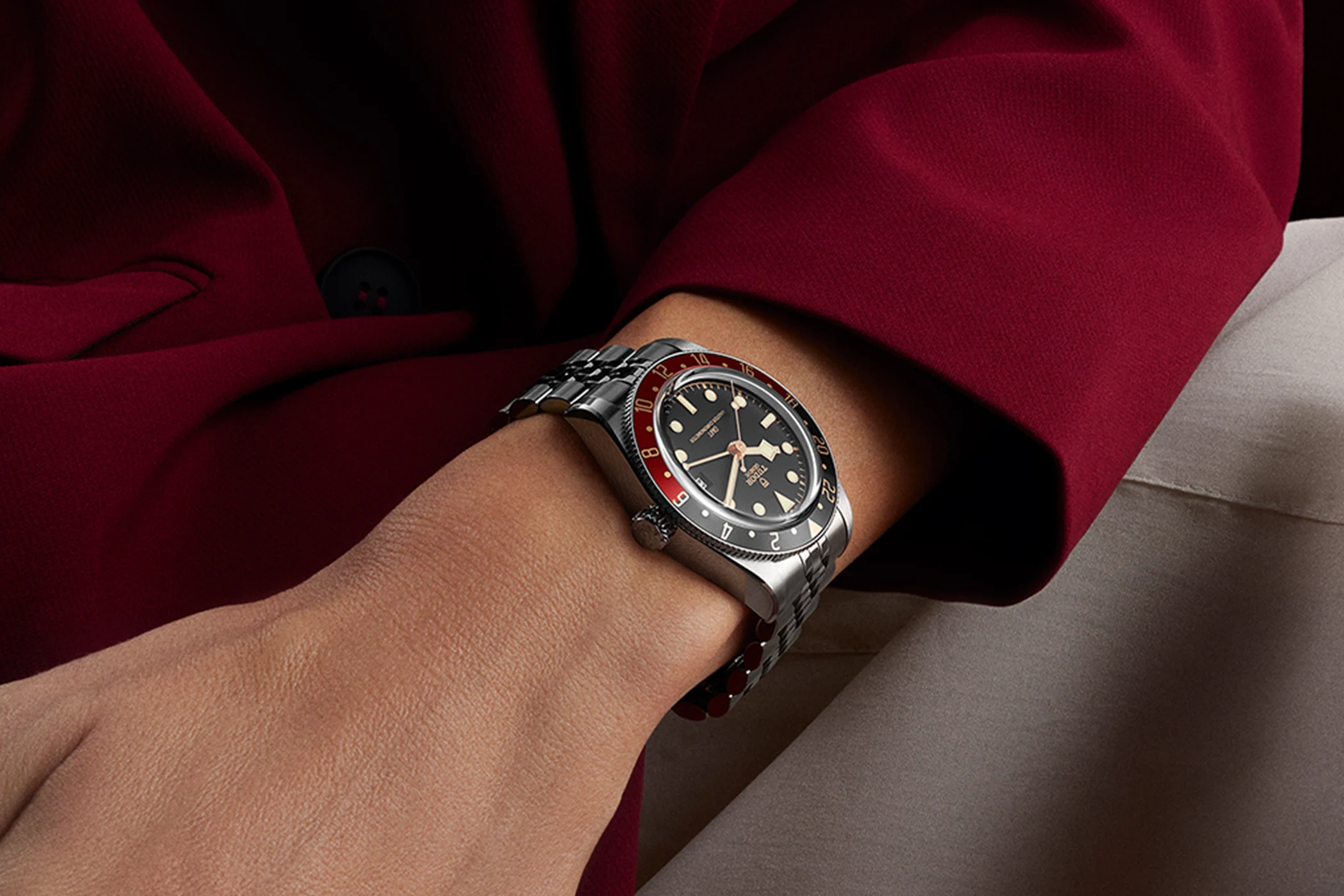
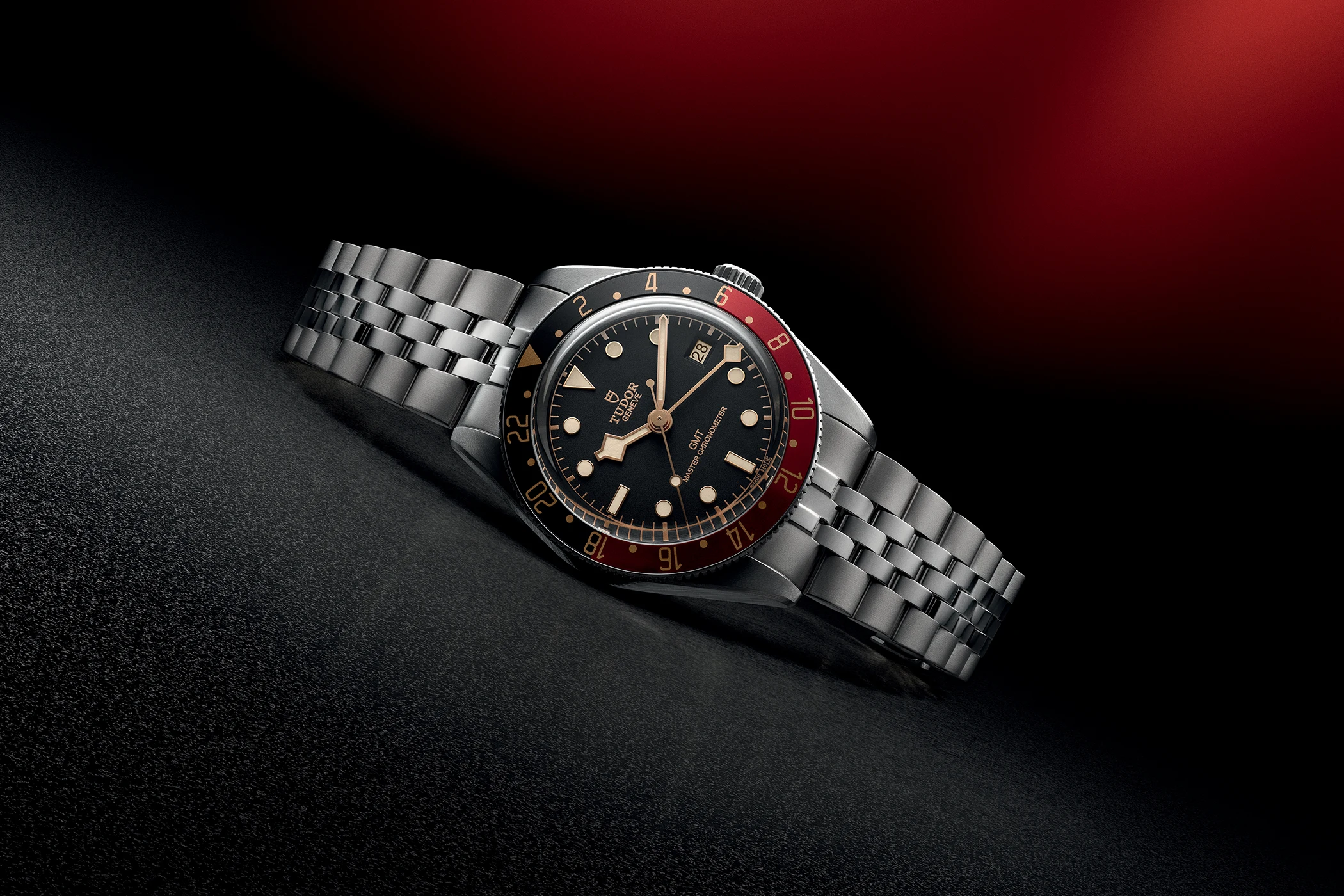
The Tudor Black Bay 58 GMT, reference M7939G1A0NRU-0001, is probably the most harmonious GMT among the Tudor models in this selection. True to the brand’s 58 models, it retains a case diameter of 39 millimetres, but at 12.8 millimetres it is significantly flatter than the Black Bay Pro and therefore looks more balanced on the wrist. It also features 200-metre water resistance, a bidirectional 24-hour bezel with a black and burgundy aluminium inlay, and the modern in-house calibre MT5450-U. This movement is COSC- and METAS-certified and offers a power reserve of around 65 hours. This makes it technically very strong, whilst at the same time being more wearable for most people and less bulky than the Black Bay Pro. It probably offers the most harmonious overall package in the GMT category, as it convincingly combines genuine travel functionality, a robust in-house calibre, good water resistance and comfortable proportions. The only possible reservation lies in its vintage look with gold accents and the ‘Coke’ bezel: you have to like that, but it’s all a matter of personal taste. The watch is priced at 4,990 euros; a five-year manufacturer’s warranty applies from the date of purchase.
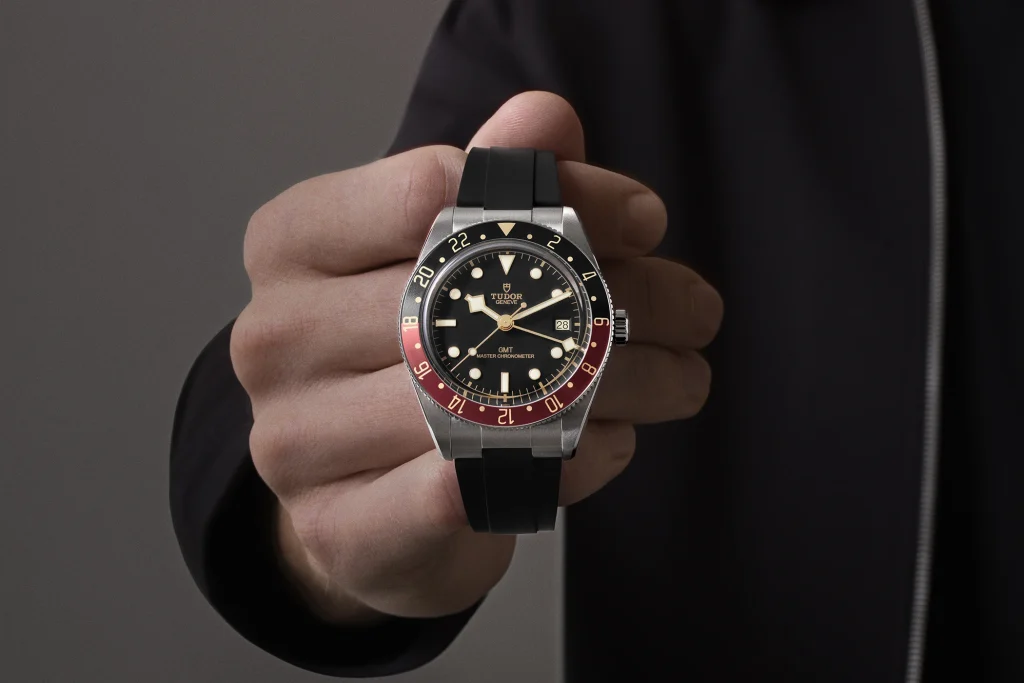
Read our guide to find out what really matters when it comes to GMT watches
Watches for slenderer wrists need not, by any means, be hidden away or appear small. A watch does not automatically look right on a slender wrist simply because it has a smaller diameter. What matters is whether the case, strap, thickness and dial create a harmonious overall look, both visually and when worn. A good, compact watch does not feel like a compromise, but rather like a deliberately chosen size; it should be comfortable to wear, visually balanced and versatile enough for everyday use so that it is not confined to specific occasions.
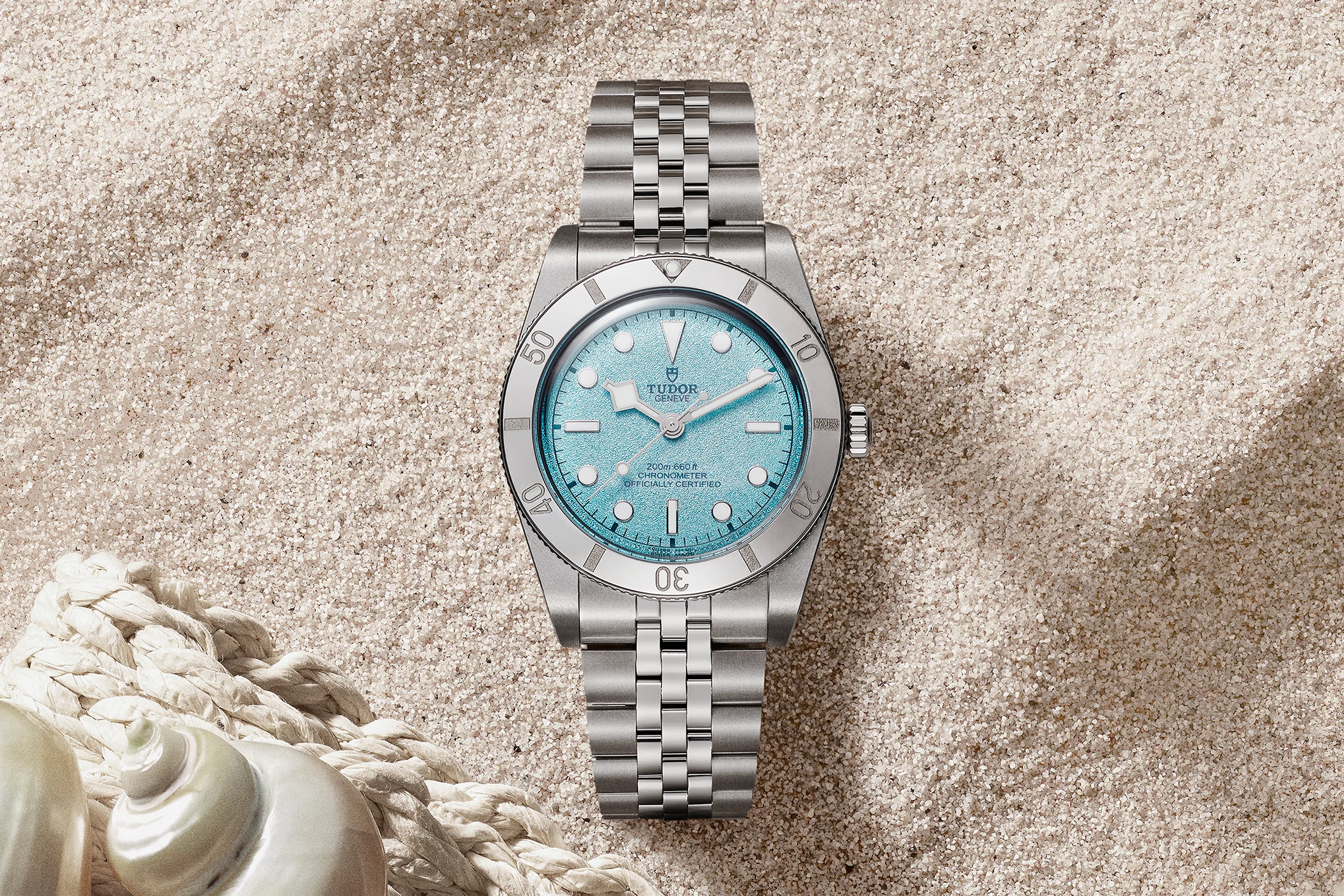
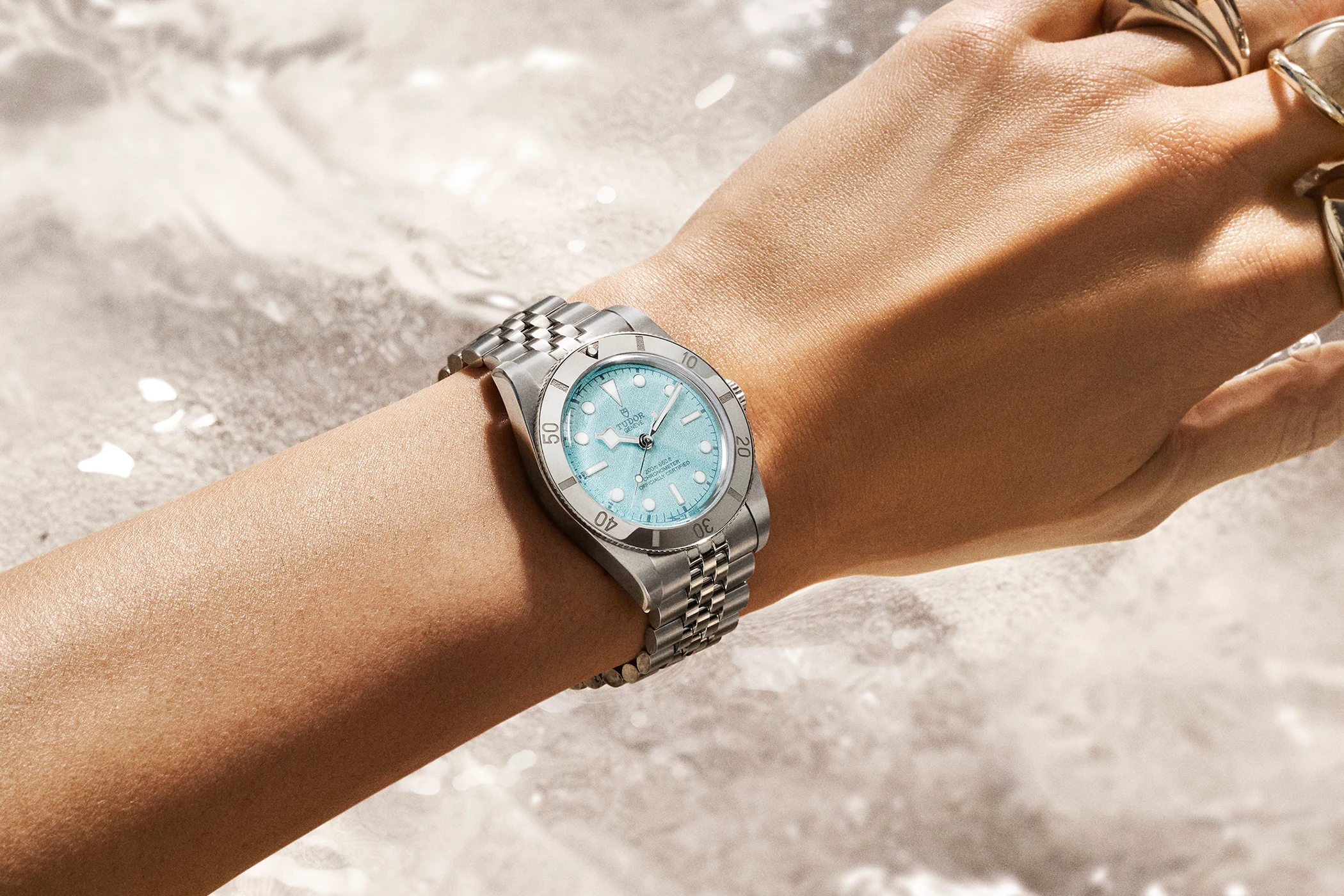
The Tudor Black Bay 54 Lagoon Blue, reference M79000-0001, demonstrates in an unparalleled way just how sophisticated a sporty watch with a relatively small diameter of 37 millimetres can look. It embodies the sporty essence of the Black Bay range, yet appears significantly more compact, lighter and more elegant on the wrist than many larger diver’s watches. Its compact dimensions are by no means at the expense of substance: with 200 metres of water resistance, a screw-down crown, sapphire crystal and the in-house calibre MT5400, it remains a fully-fledged sports watch. The movement is COSC-certified and offers around 70 hours of power reserve, which clearly sets it apart from many more compact everyday watches on a technical level. The case proportions are particularly well-balanced: at around 11.2 millimetres in height and approximately 45 millimetres lug-to-lug, it remains flat enough not to look too bulky, and short enough to sit harmoniously even on slimmer wrists. Added to this is Tudor’s T-fit clasp, which allows tool-free length adjustment across five settings and significantly enhances everyday comfort. The list price is €4,450.
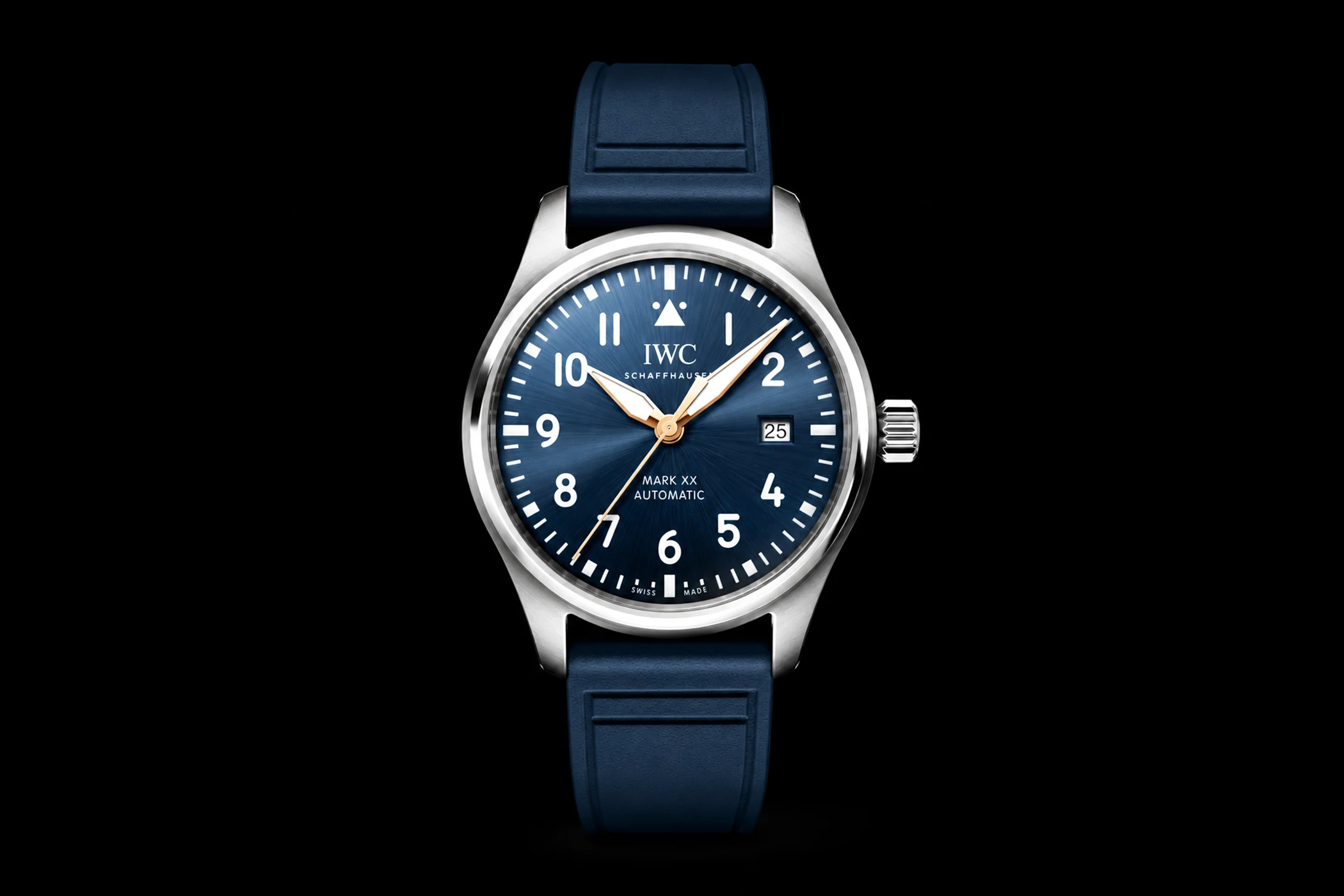
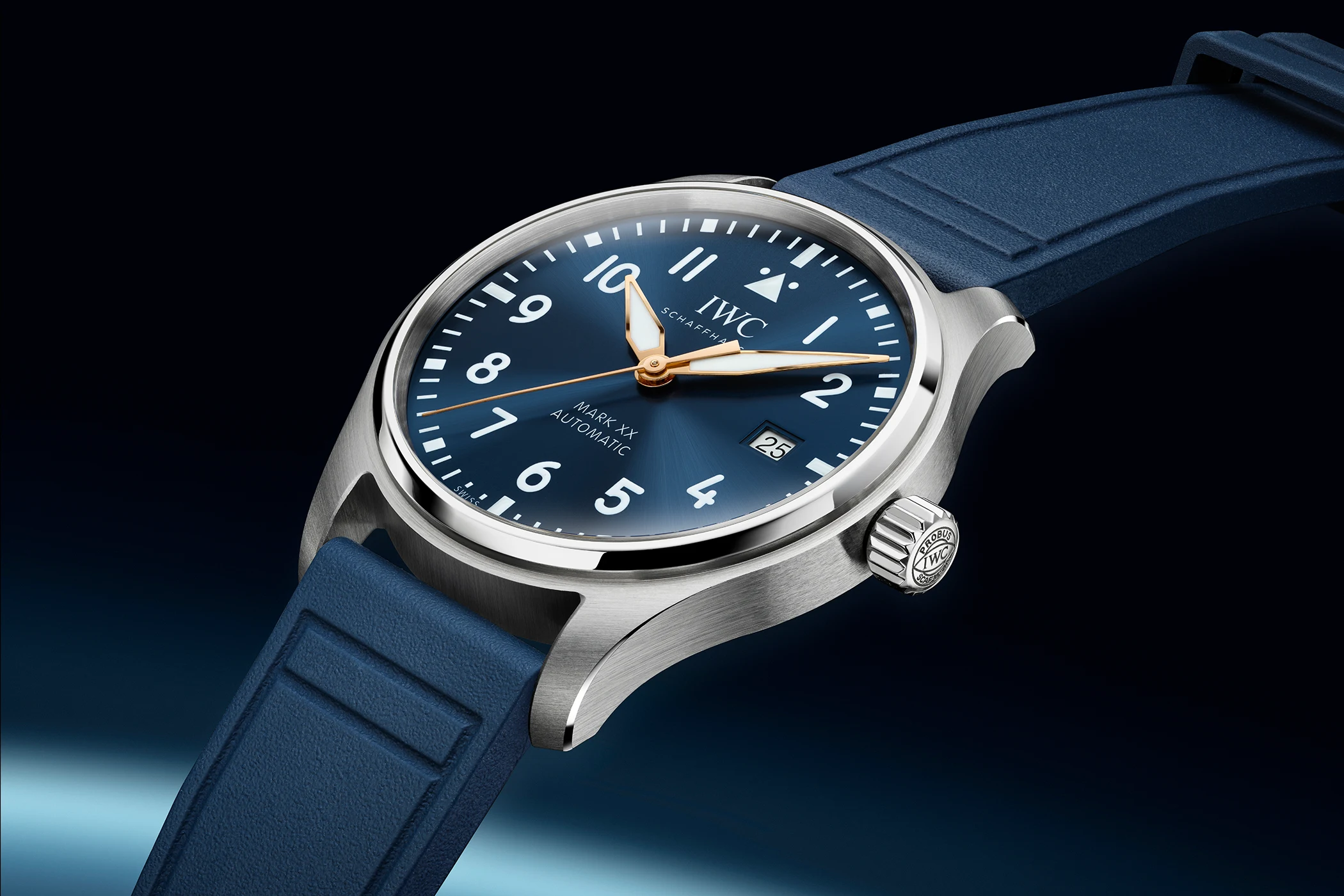
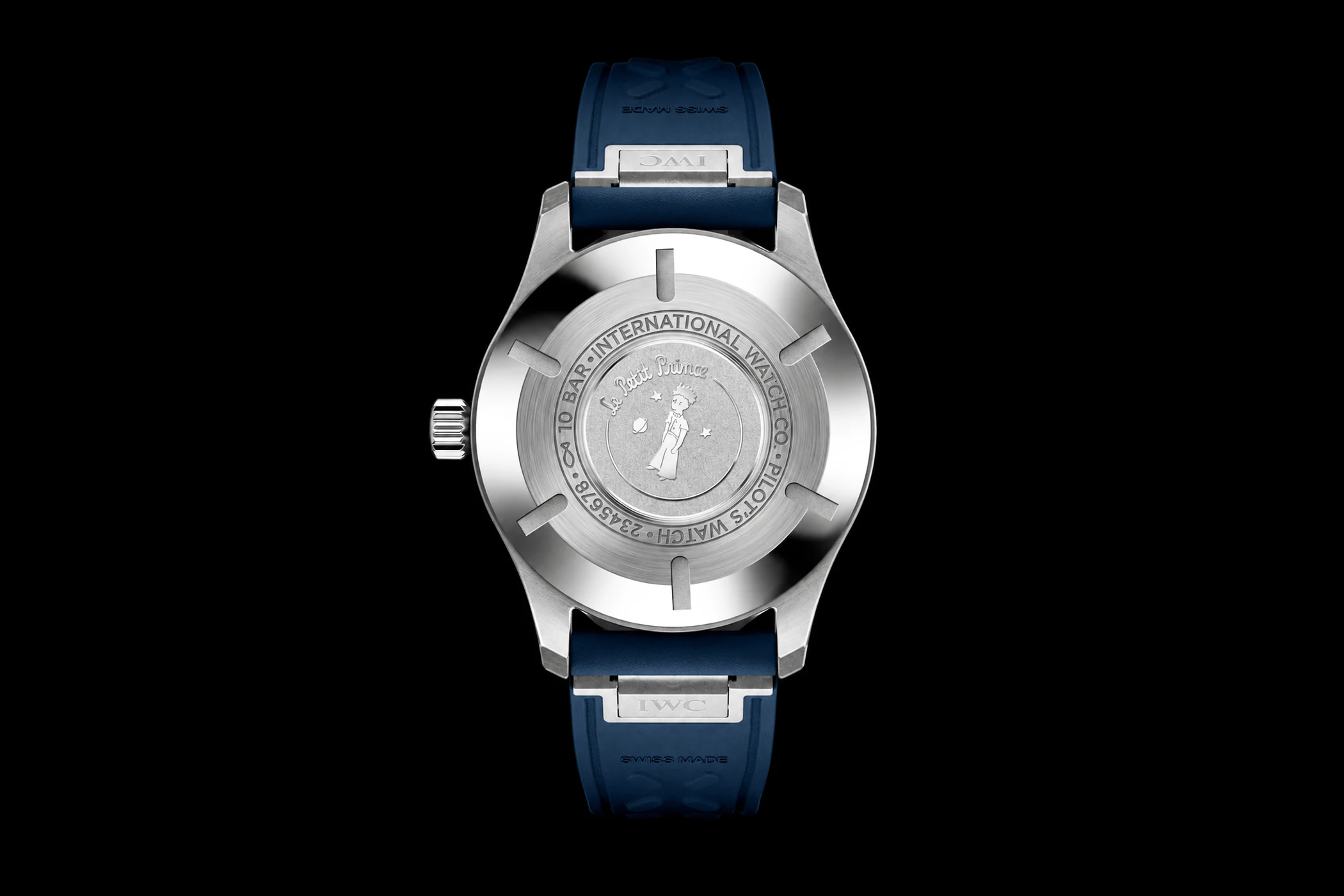
The IWC Pilot’s Watch Automatic 36 Le Petit Prince, reference IW458802, adds a compact pilot’s watch with a distinct brand identity to this collection. With a case diameter of 36 millimetres, it sits particularly comfortably on smaller wrists, yet appears far more striking than its size would suggest, thanks to the deep blue ‘Le Petit Prince’ dial, the Arabic numerals and the classic Pilot’s Watch design. Particularly impressive is its slim profile of around 9.9 millimetres, which makes it appear flatter and more elegant than many classic pilot’s watches, which tend to be slightly thicker. Technically, it is one of the most robust watches in this selection: the IWC in-house calibre 32102 features automatic winding and an impressive 120-hour power reserve. It also features a stainless steel case, sapphire crystal with anti-reflective coating on both sides, and water resistance to 10 bar. Its appeal lies in the combination of compact dimensions, robust technology and the familiar instrument-style design of Schaffhausen’s pilot’s watches. Although it is priced around 100 euros above the actual budget ceiling, it should nevertheless not be missing from this selection. Precisely because many buyers particularly appreciate the design, the collection and the IWC brand, it remains a viable option at €5,100 despite the small premium.
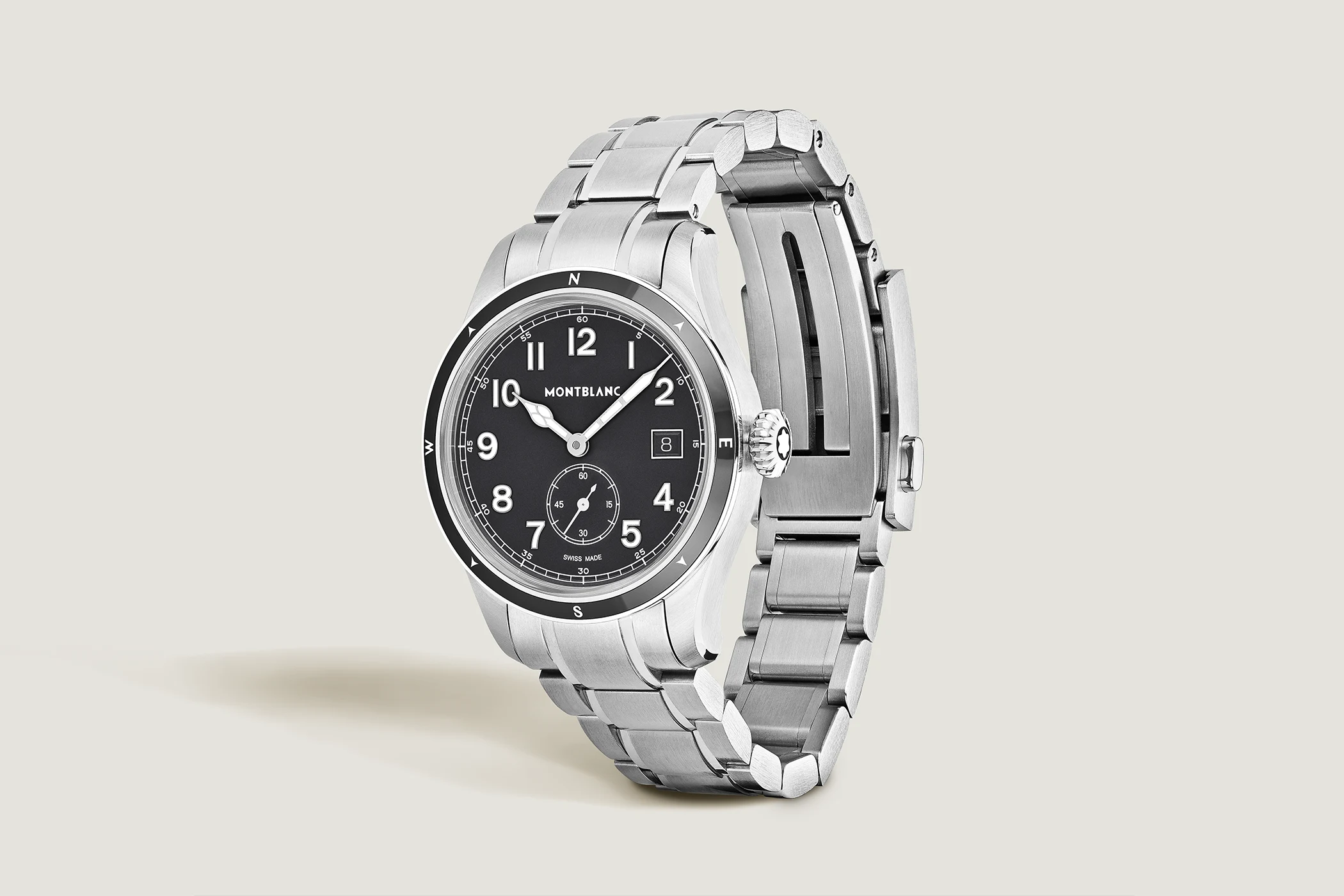
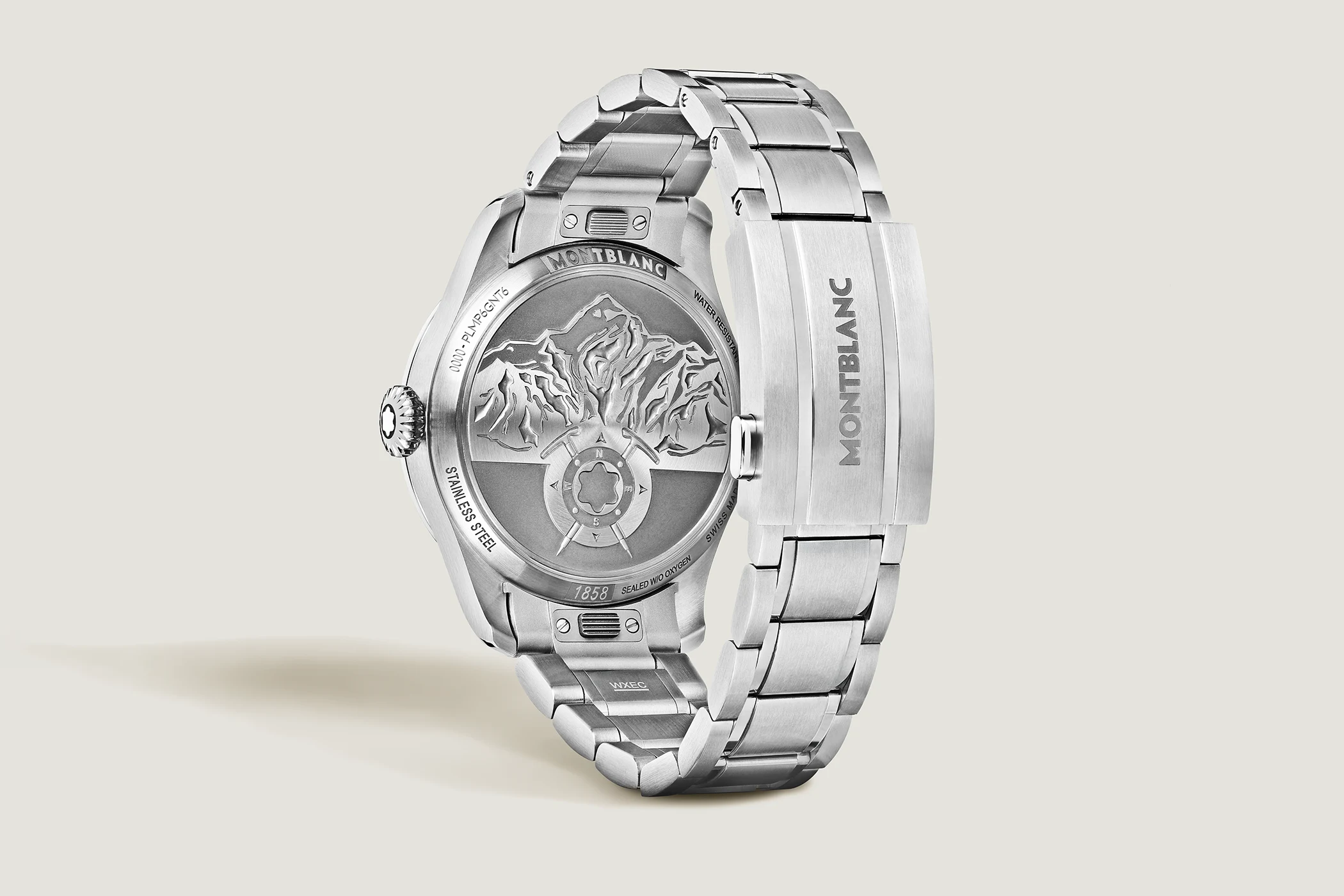
The Montblanc 1858 Small Second 0 Oxygen, reference MB136355, is the sportier Montblanc in this selection. At 38 millimetres, it remains pleasantly compact, yet its design makes it appear significantly more striking and outdoor-oriented than a classic dress watch. The small seconds hand, the fixed bezel with a black ceramic insert and the luminous details give it a distinctive blend of vintage character and modern adventure watch appeal. Technically, it features an oxygen-free case, 100-metre water resistance and the automatic MB 24.16 calibre with a power reserve of around 38 hours. This makes it solidly equipped, without surpassing Tudor or IWC in terms of the movement. The ‘0-Oxygen’ concept makes the watch more special, but in everyday use it is more of a nice detail than the decisive reason for purchase. Its strength lies in the combination of compact size, sporty presence and distinctive Montblanc aesthetics. The price is €4,000.
The Tudor Black Bay One 36, reference M79640-0002, is probably the most sensible and versatile choice for smaller wrists. With a diameter of 36 millimetres, a height of just 10.5 millimetres, water resistance to 100 metres and the in-house MT5400 calibre offering around 70 hours of power reserve, it combines impressive technical specifications with a highly wearable design. Added to this are sapphire crystal, a screw-down crown and a steel bracelet, giving it a significantly more robust appearance than many elegant watches of a comparable size. Its strength lies in its balance. It is sporty enough for leisure and everyday wear, yet understated enough to pair with a shirt, jumper or jacket. The smooth bezel gives it a more elegant look than a compact diver’s watch, whilst its water resistance and steel bracelet ensure it remains fully suitable for everyday use. For €4,280, the Black Bay One offers a very well-balanced three-hand watch that won’t get in the way in virtually any everyday situation.
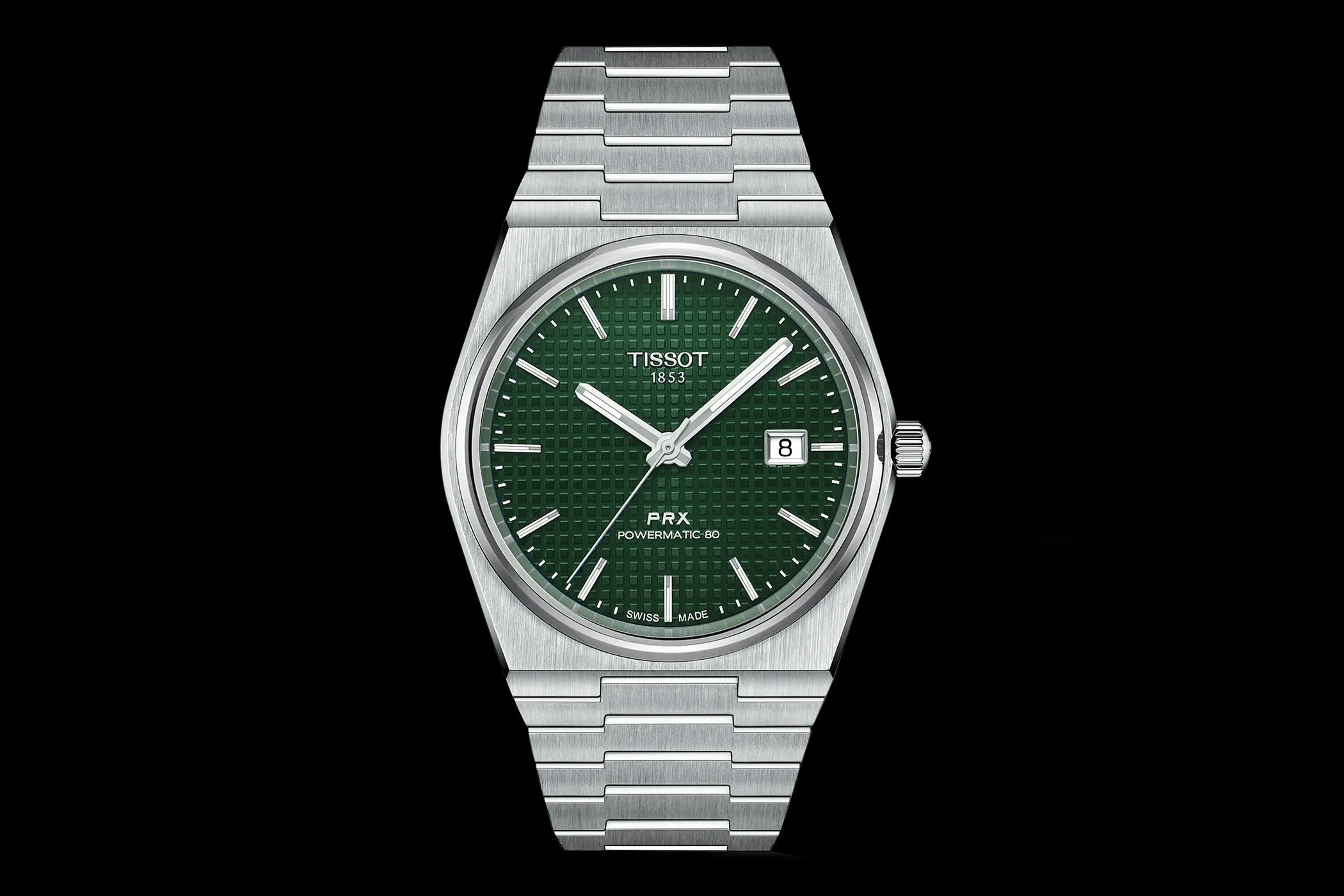
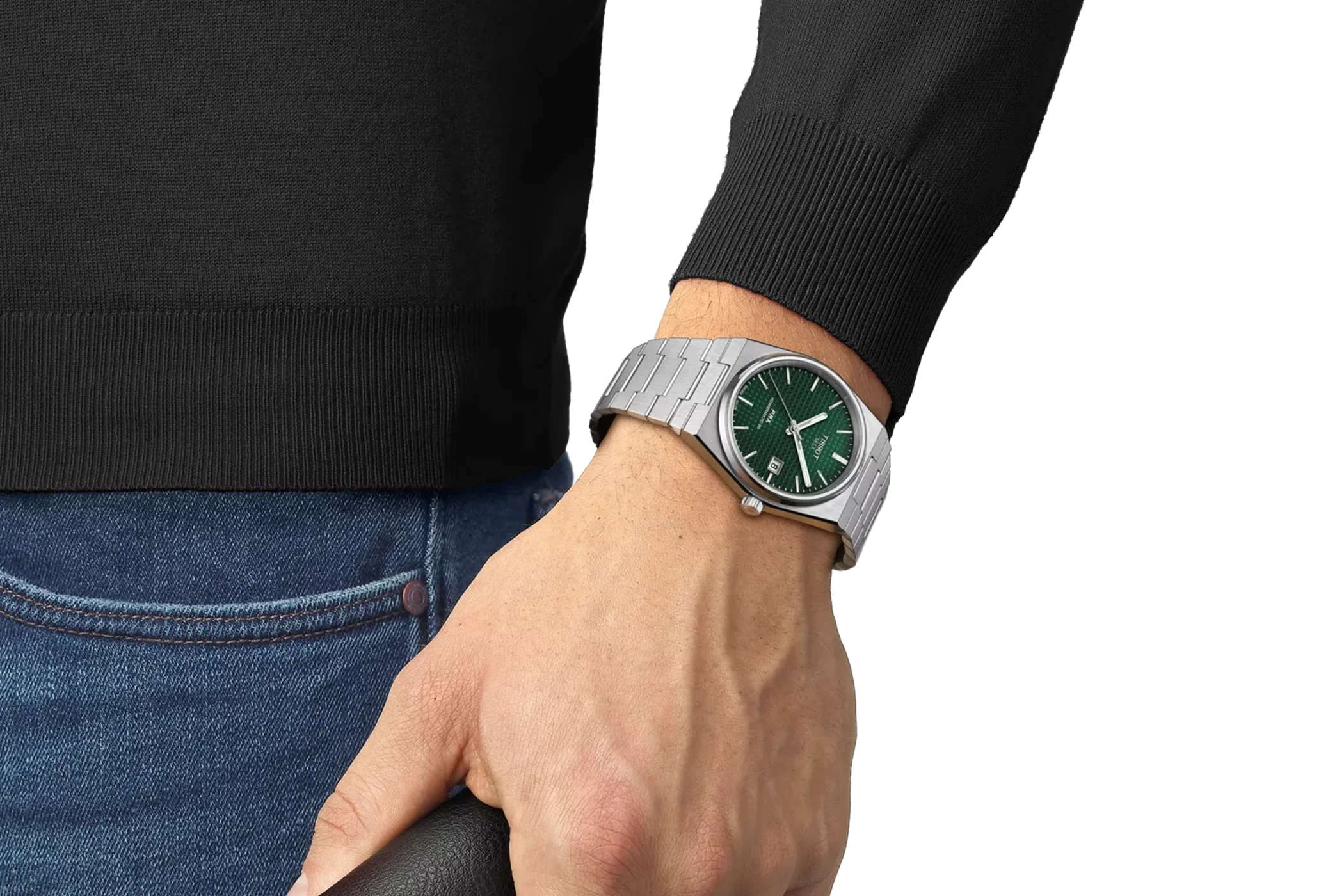
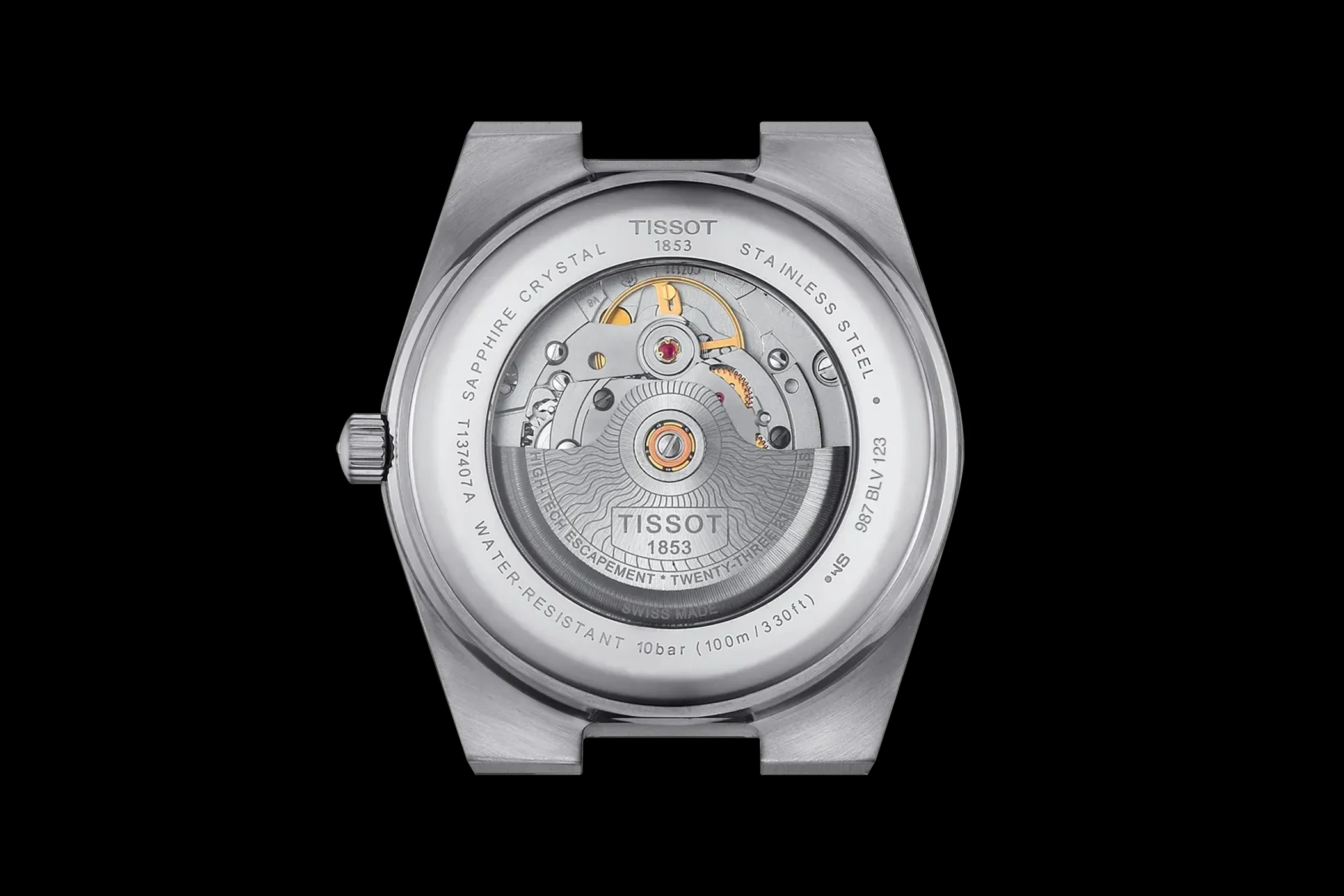
The Tissot PRX Powermatic 80, reference T137.407.11.091.00, isn’t the most exclusive watch of them all, but it is perhaps one of the most sensible choices. It demonstrates very convincingly just how much mechanical watch you can get today for well under €1,000. With a 40-millimetre diameter, an integrated steel bracelet, sapphire crystal, 100-metre water resistance and the Powermatic 80 movement offering around 80 hours of power reserve, it offers a technical package that is unrivalled in this price range. The integrated bracelet and angular case in particular ensure that it looks far more striking and high-quality than its price would suggest. At the same time, you do need to like this particular design, as it has a very distinct aesthetic and appears less neutral than a classic three-hand watch. Priced at €775, it is virtually unbeatable in this category and offers value for money that no other manufacturer in this class can match.
Not every exciting watch under 5,000 euros has to be an obvious classic. It is precisely in this price range that you can find models which offer a great deal technically, have a distinctive design, or feature complications that would often be significantly more expensive with better-known brands. The following watches are therefore not standard recommendations, but rather deliberately more exciting alternatives for buyers seeking a little more character or something a bit special.
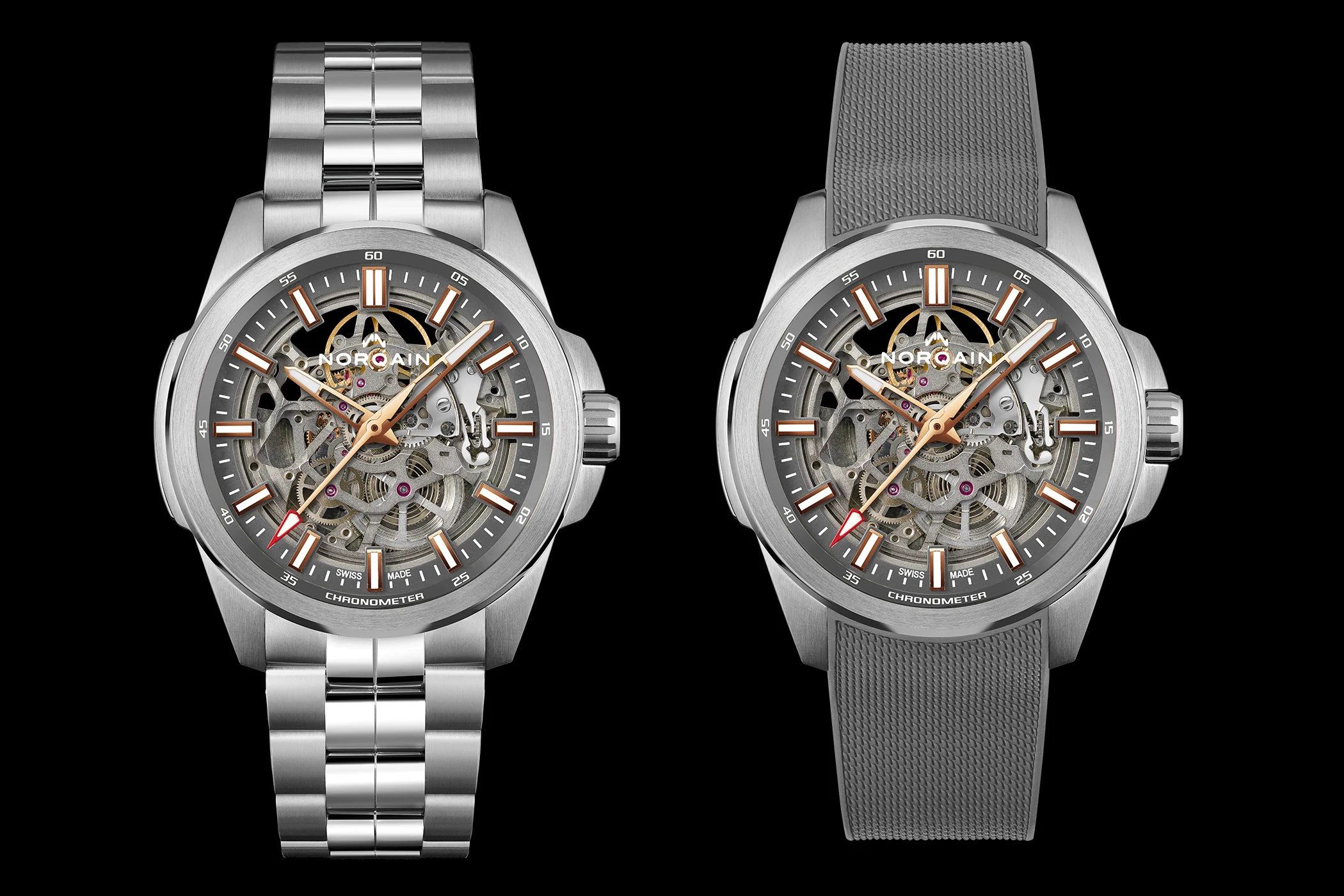
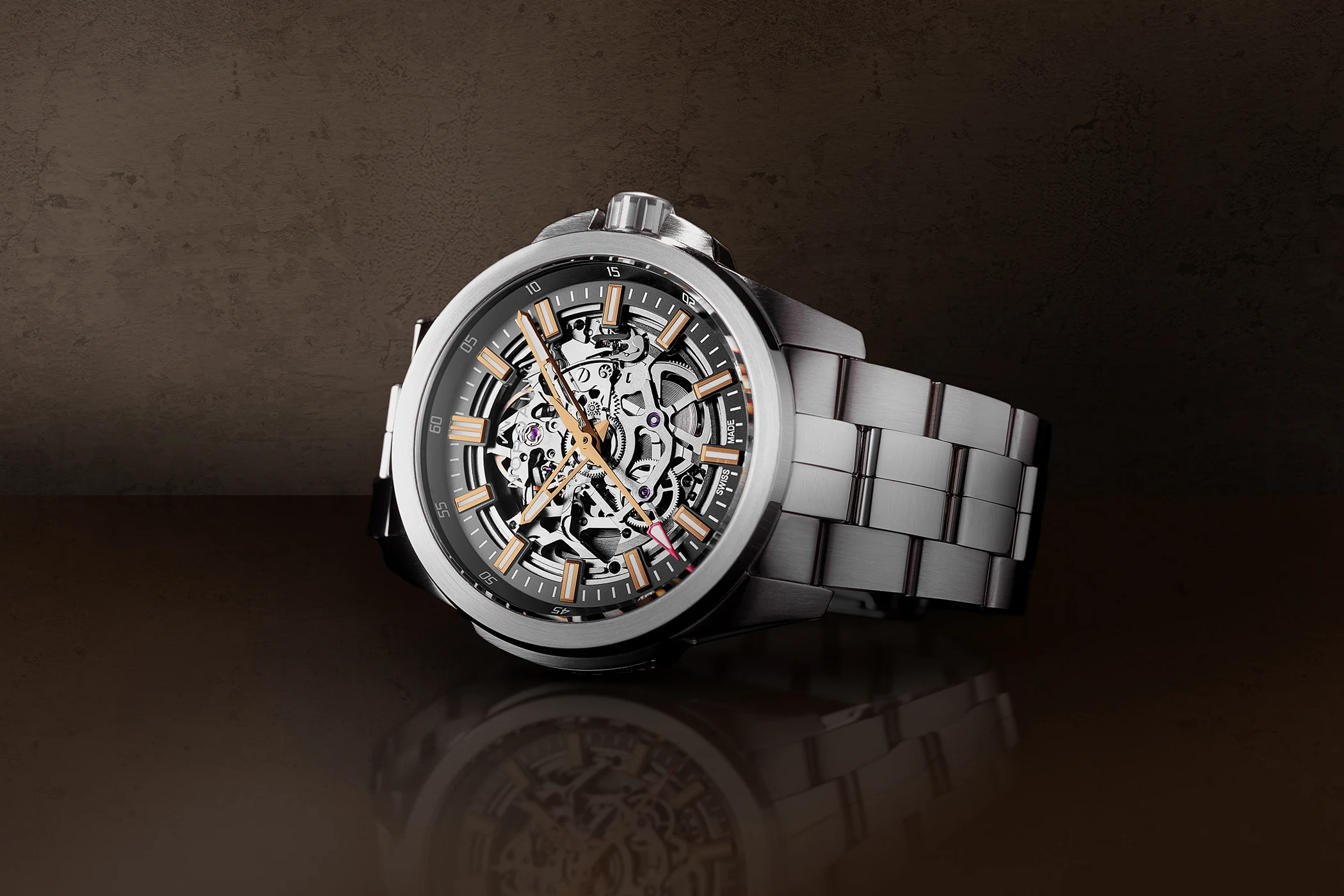
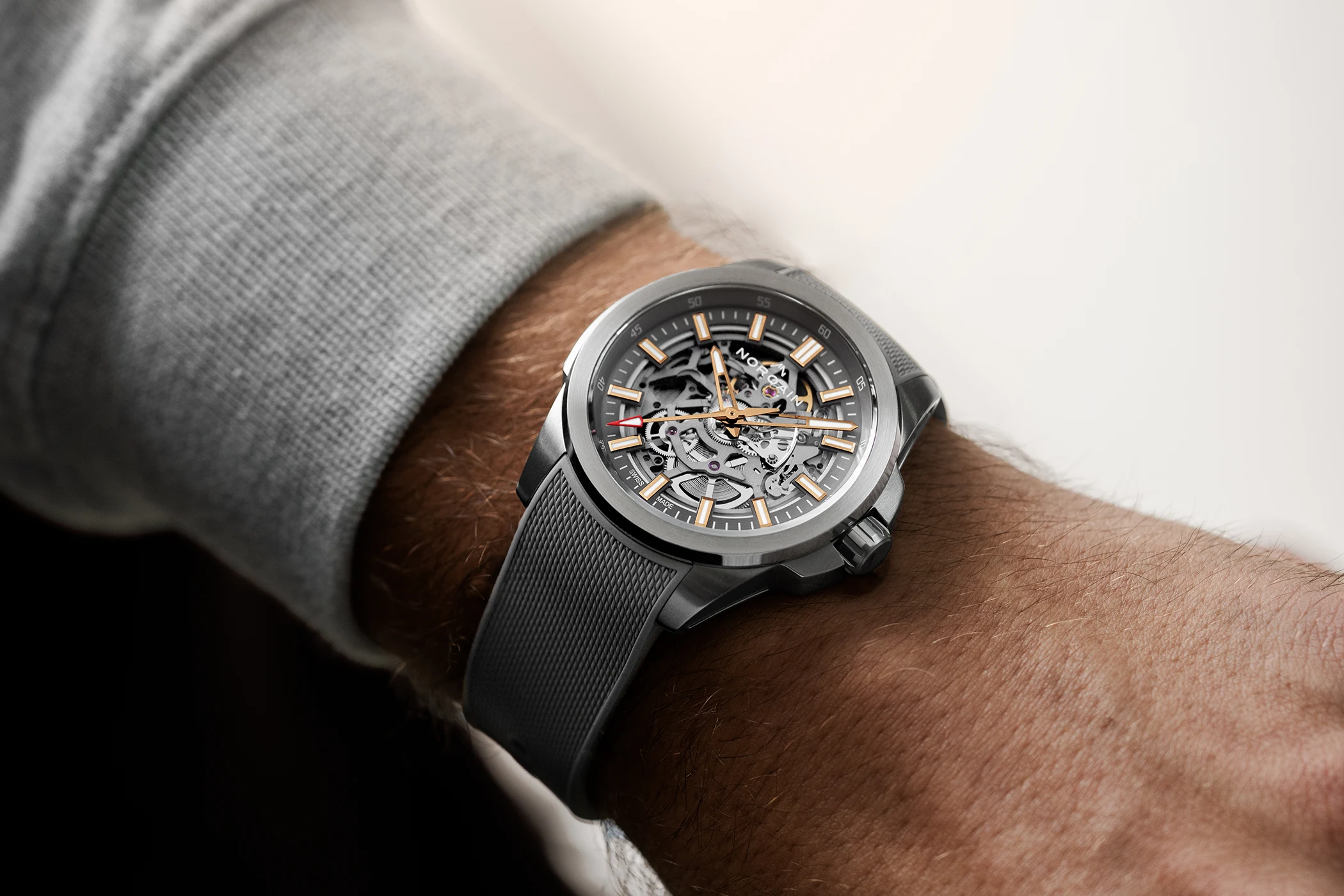
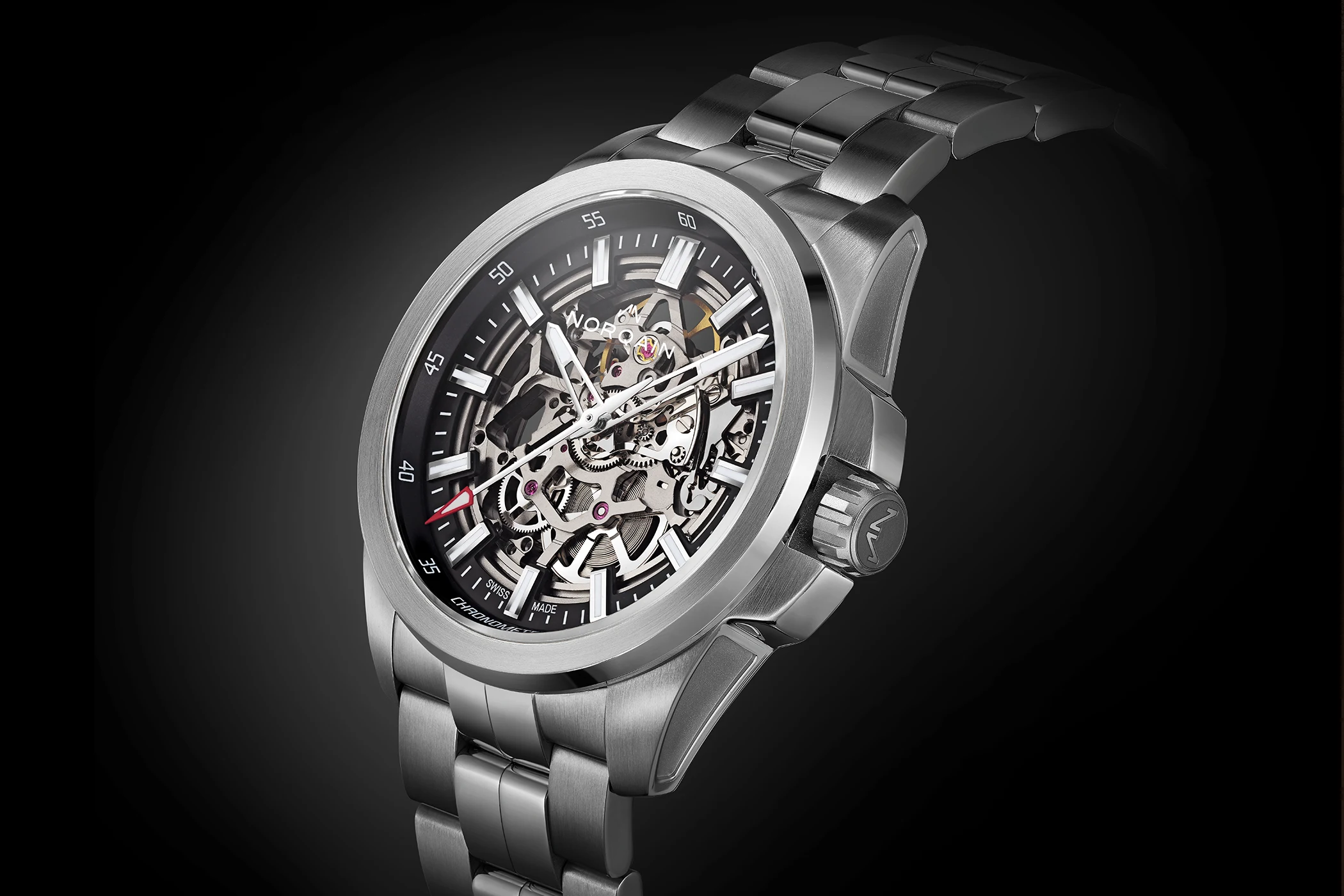
The NORQAIN Independence Skeleton, reference N3008.07B01.G01.R01, is a watch for someone who wants to see the mechanics at work. The skeletonised dial is completely open and intricately finished, defining the watch’s entire character. However, with a diameter of 40 millimetres, a height of around 12 millimetres, 100 metres water resistance, sapphire crystal and a screw-down crown, it is nonetheless built to be highly suitable for everyday use. Inside, the Calibre NB08S – based on the Sellita SW200-1a – powers the watch and offers a power reserve of around 41 hours. The key feature, however, is not so much the movement itself as its open design. This gives it a more technical and modern look than many classic sports watches in this price range, although the Independence Skeleton is priced at €4,400 on a metal bracelet or €4,150 on a Milanese-style rubber strap. At the same time, it is visually much less versatile: whilst it can add an exciting touch to simple outfits, it can quickly appear too eye-catching on more formal occasions. As a first high-end watch, it is therefore particularly suited to someone who is specifically looking for this visible, mechanical look. Those who, on the other hand, want a discreet watch for everyday wear should look for a more understated alternative.
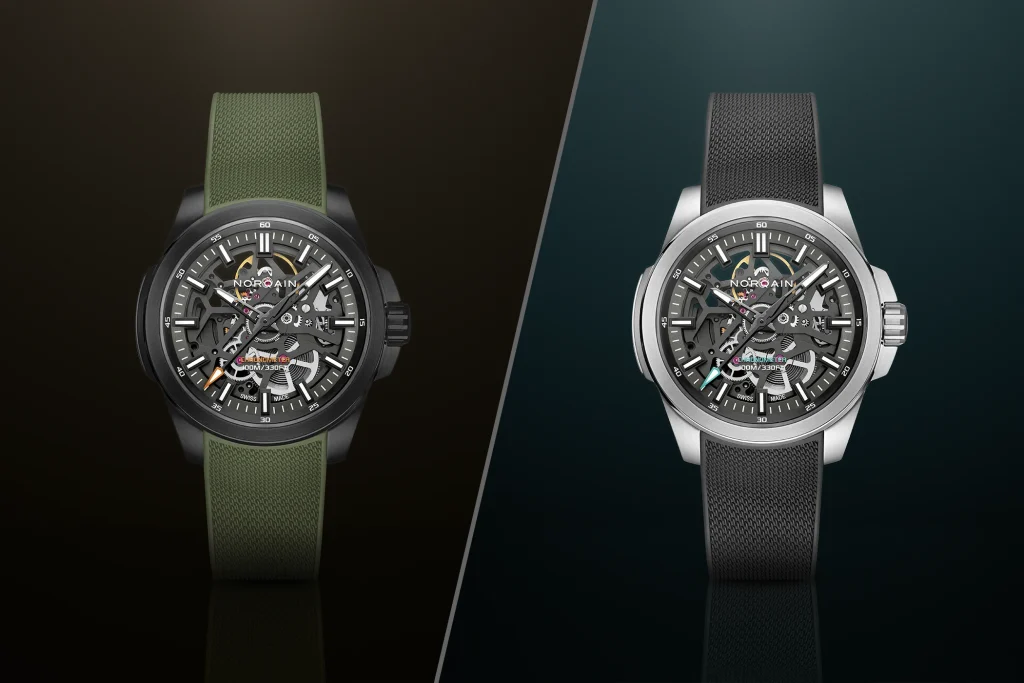
Read on to find out what the 40 mm Norqain Independence Skeleton has to offer
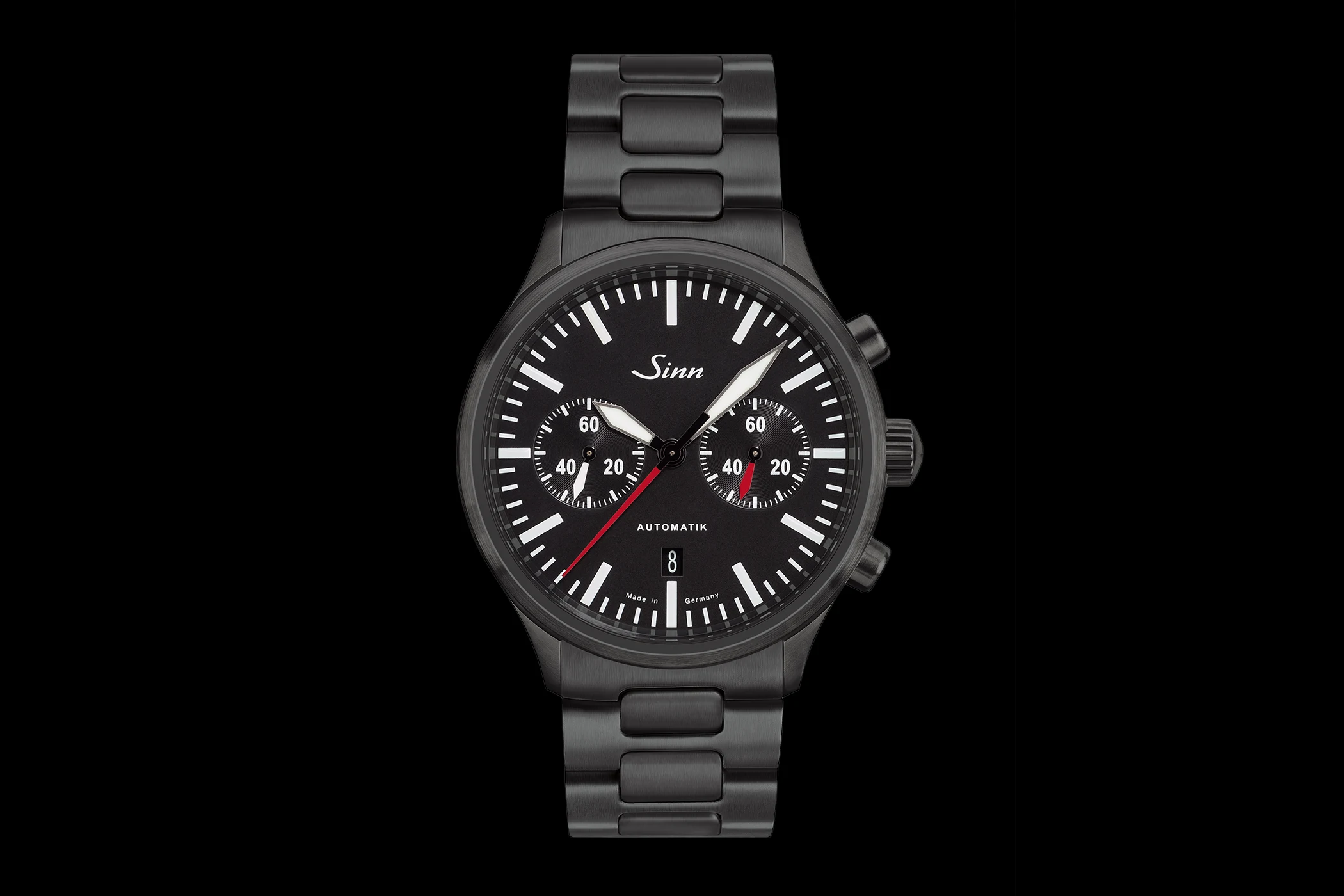
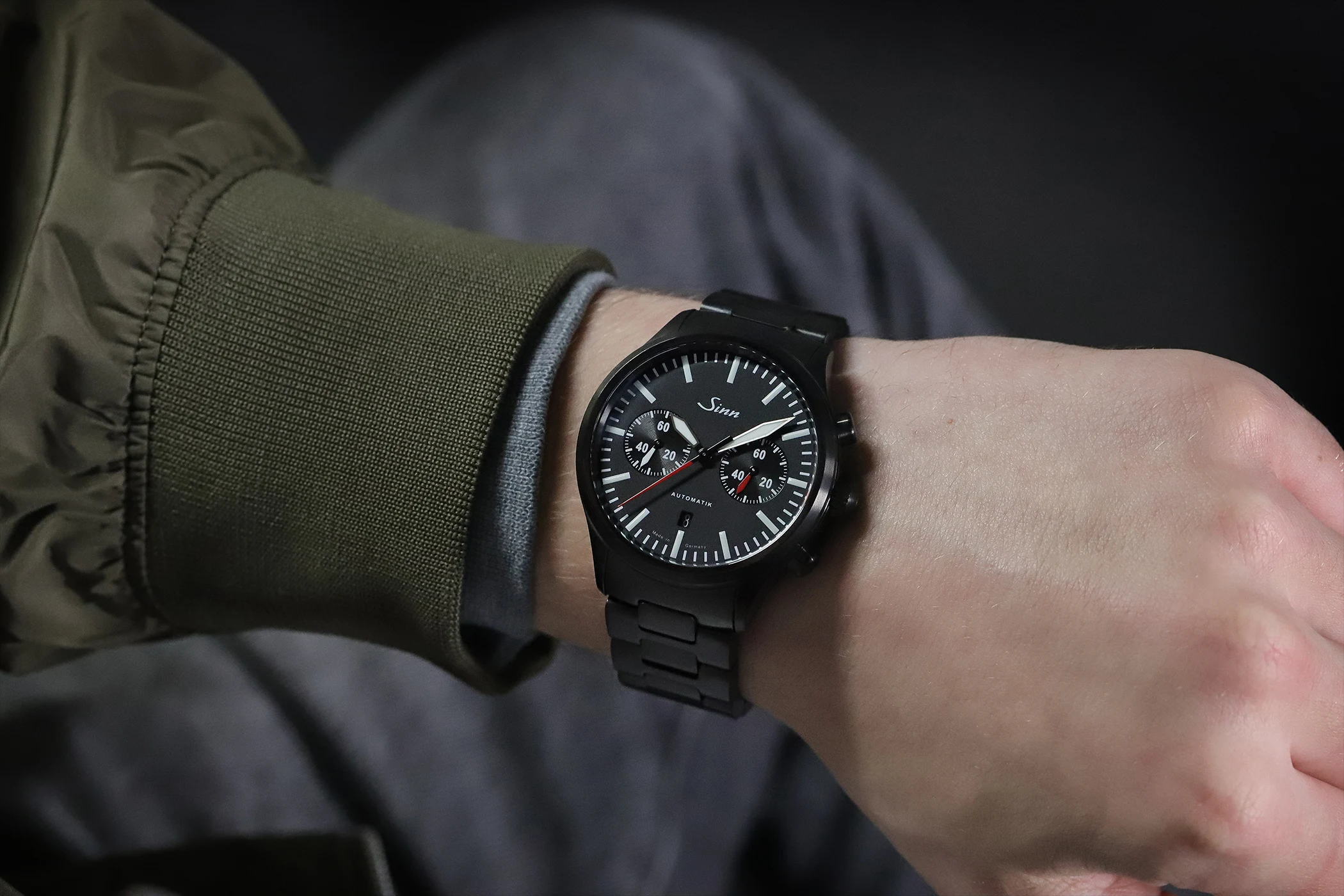
The Sinn 936 S is a functional chronograph for connoisseurs. With a diameter of 43 millimetres, a black hard-coating on tegimentised stainless steel, water resistance to 10 bar, resistance to negative pressure and Sinn’s characteristic focus on functionality, it has clearly been designed as an instrument watch. Inside, the automatic chronograph calibre SZ05, based on the Valjoux 7750, powers the watch. What sets this movement apart is the central 60-minute stopwatch display, which allows for a significantly more intuitive and quicker reading of the elapsed time than is the case with many classic chronographs featuring a small 30-minute counter. However, the trade-off is obvious: A chronograph is larger, more complex and more labour-intensive to service than a simple three-hand watch. As the first high-quality watch of its kind, the 936 S therefore demands a greater willingness to prioritise functionality. However, anyone looking for a distinctive, technically sophisticated watch with practical utility will find here one of the most interesting alternatives below the usual luxury brands. The 936 S is priced at €4,150.
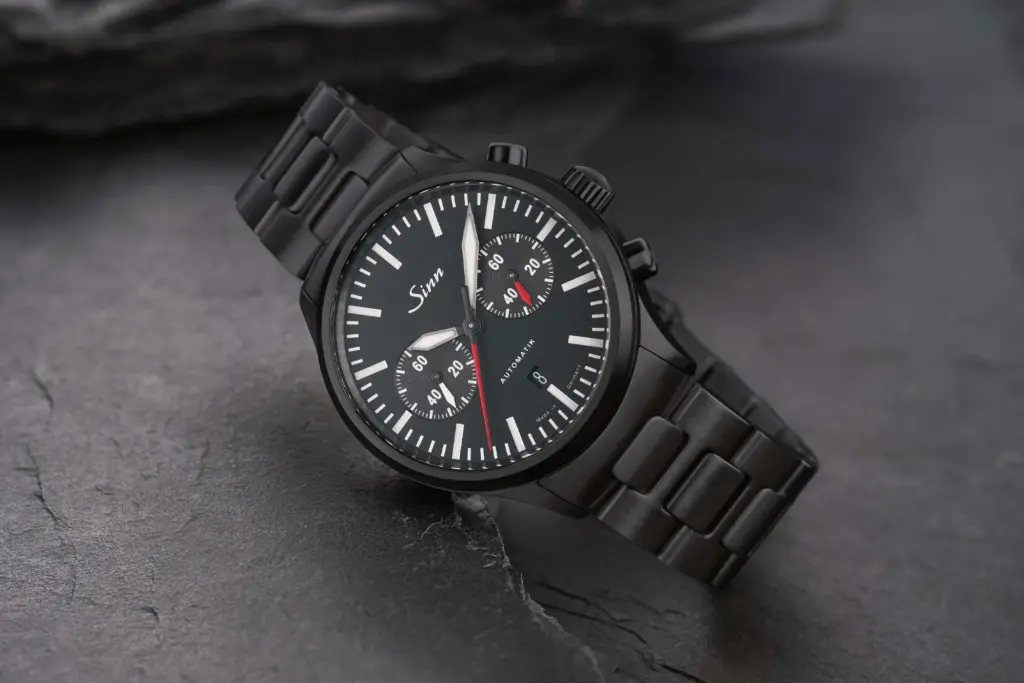
You can read all about it in our in-depth article on the Sinn 936 S
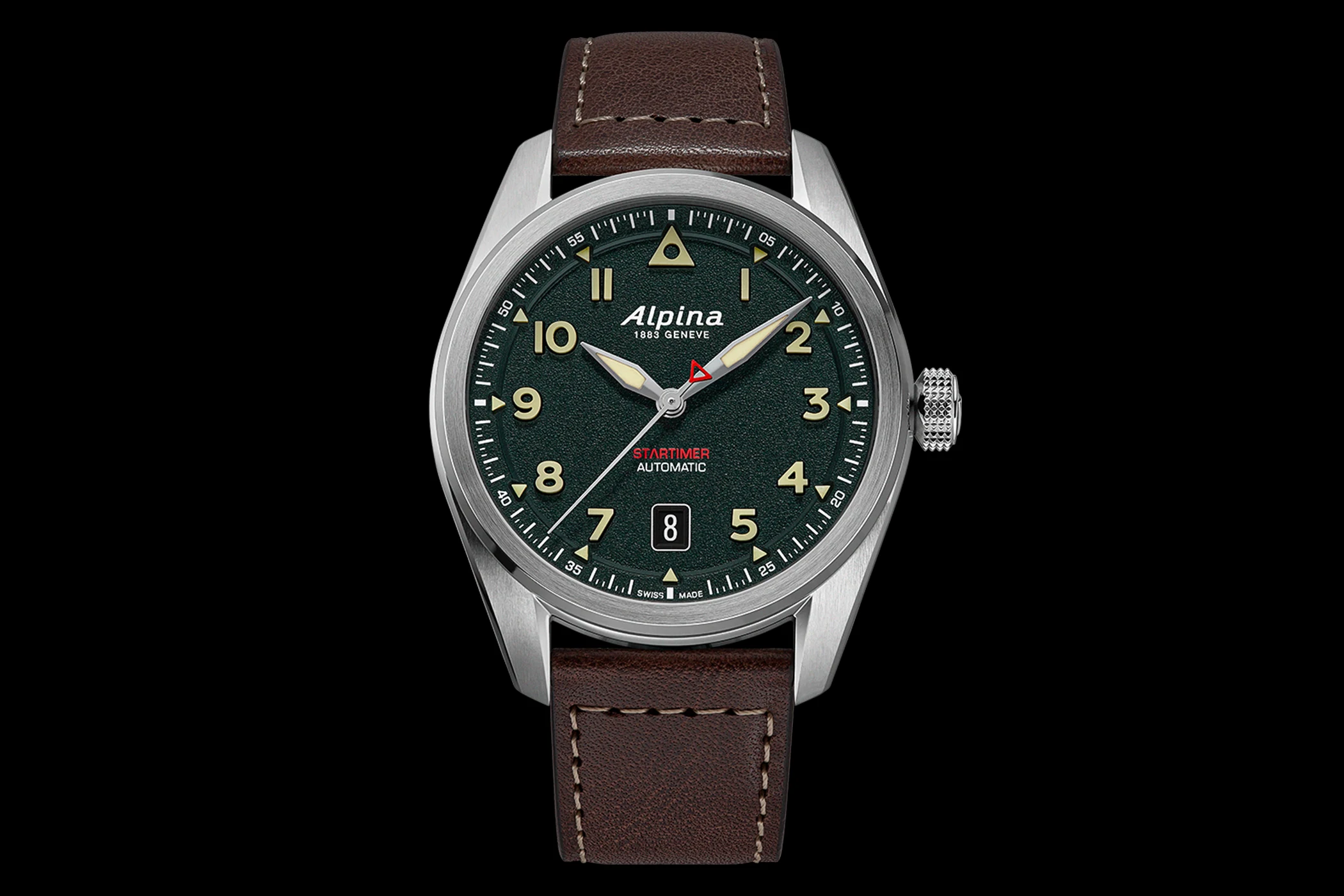
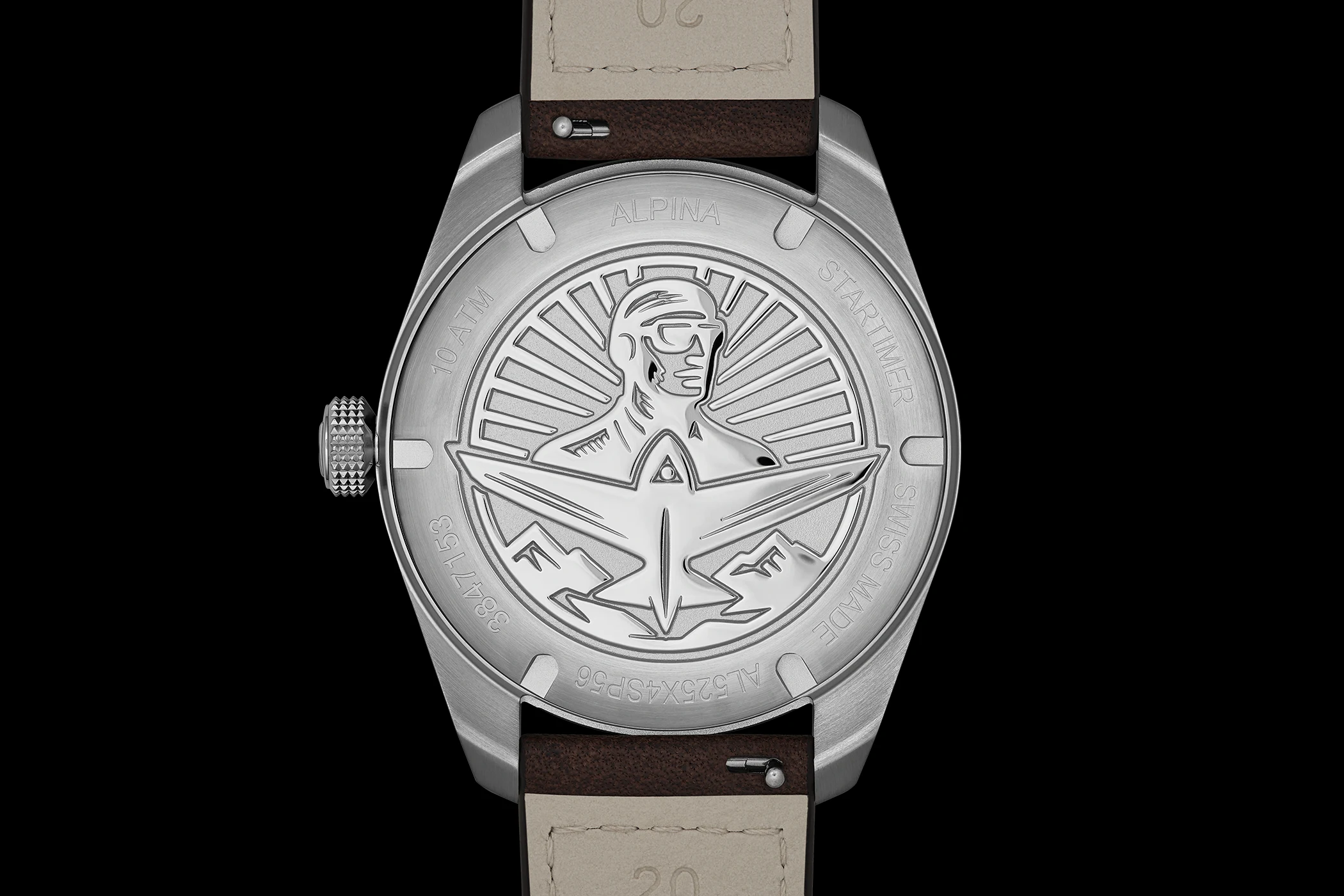
The Alpina Startimer Pilot Automatic, reference AL-525NW4S36, is one of the best-value hidden gems in this selection. Completely redesigned for 2026, this pilot’s watch measures 40 millimetres in diameter and remains pleasantly slim with a case thickness of 10.14 millimetres. This makes it far more suitable for everyday wear than many classic pilot’s watches, which can quickly become rather imposing due to their large diameters, long lugs or bulky crowns. At the same time, it retains sufficient instrument-style character thanks to its large Arabic numerals, broad luminous hands and the redesigned aviation crown. The anti-reflective sapphire crystal, 100-metre water resistance and screw-down steel caseback also make it robust enough for everyday use. Inside, the automatic AL-525 calibre, based on the Sellita S-200-1, keeps time. It is known to run at four hertz and offers a power reserve of around 68 hours, meaning the Startimer does not necessarily need to be reset even after a weekend without being worn. The date at six o’clock blends in relatively unobtrusively with the matt-finished, grained green dial, whilst the applied luminous numerals ensure good legibility. Its main compromise lies less in the technology than in its clean design: as a distinct pilot’s watch, it is not as versatile in appearance as a neutral three-hand watch on a steel bracelet, and looks significantly sportier than formal when worn on a leather strap. The version with a green dial in stainless steel costs €1,295.
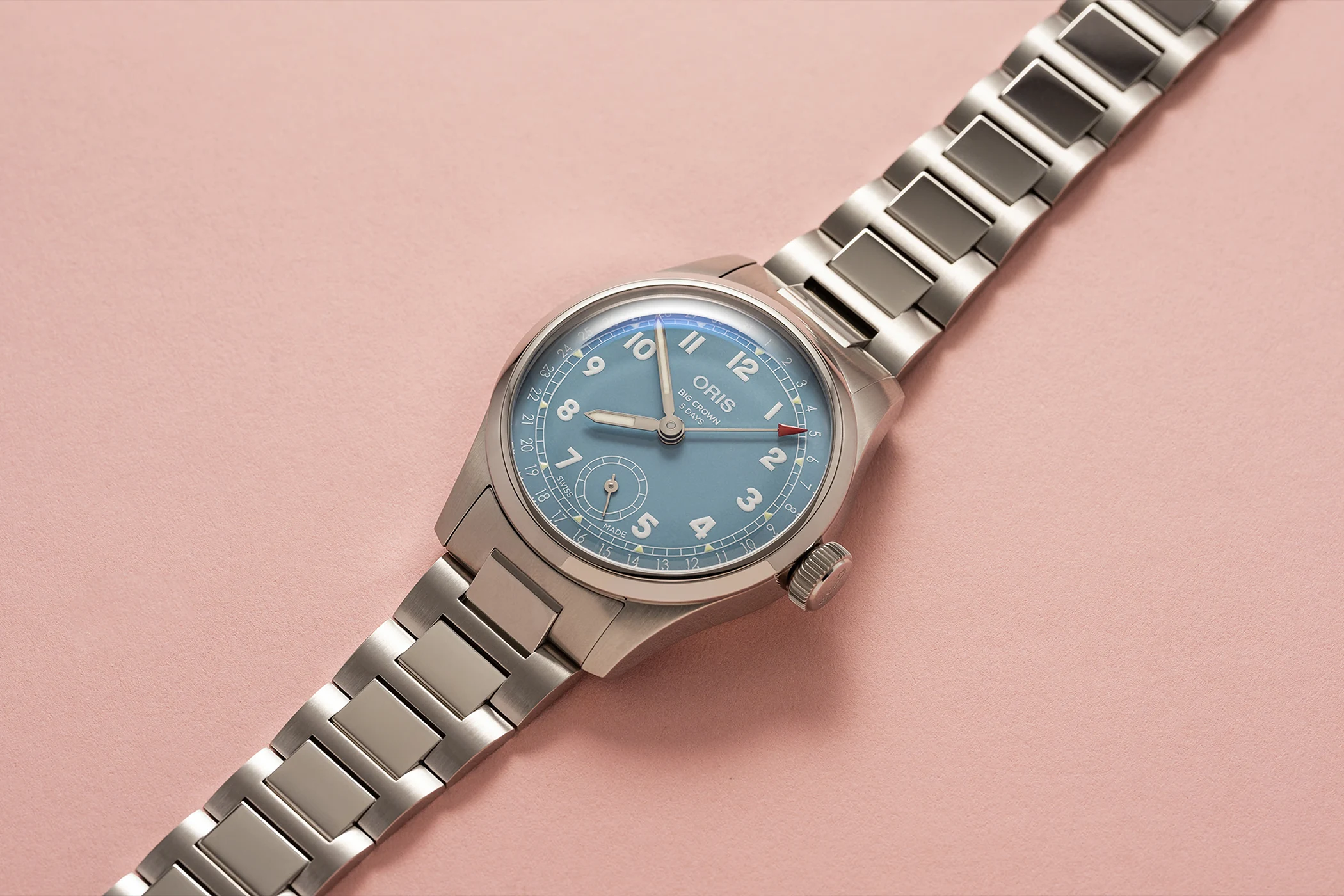
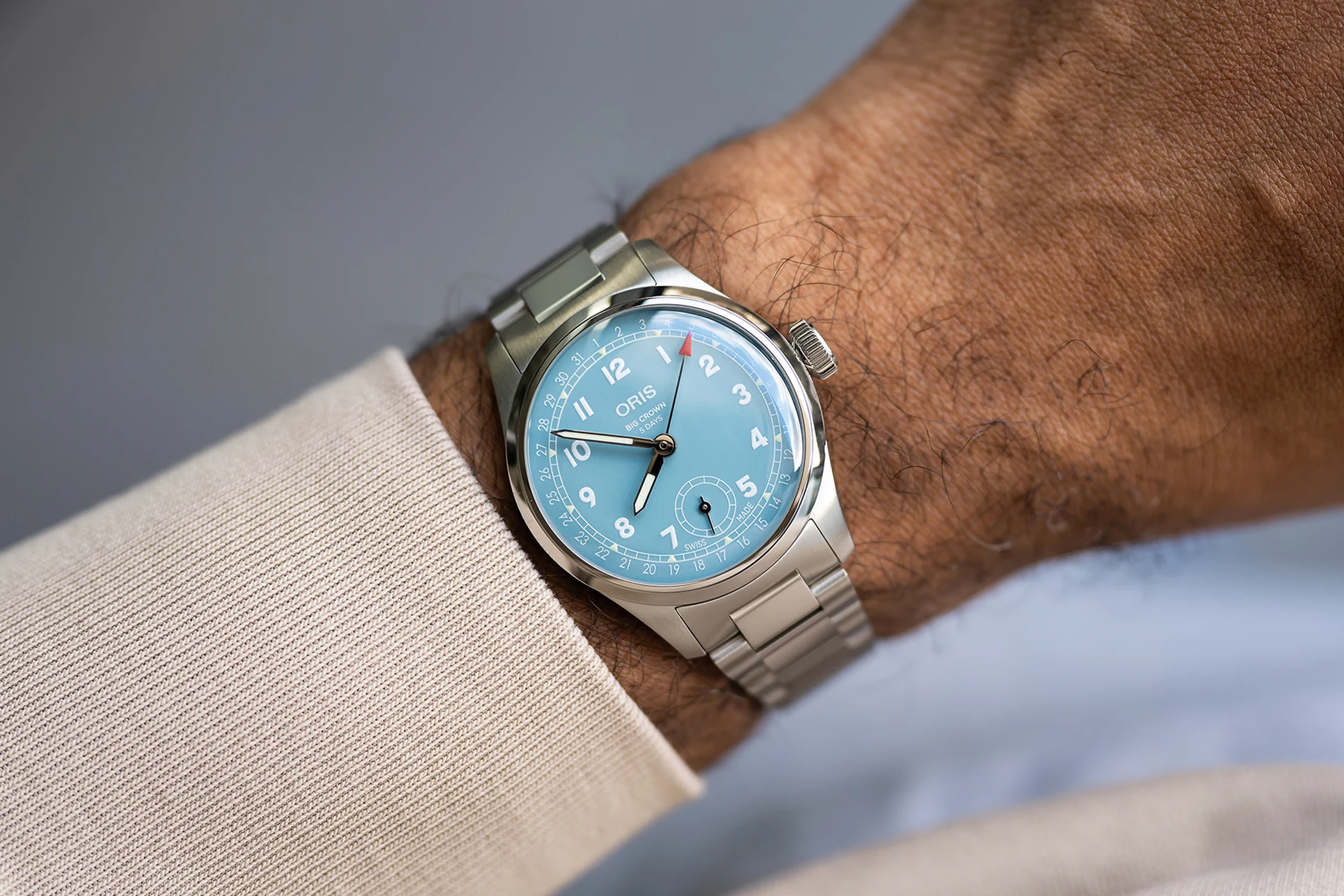
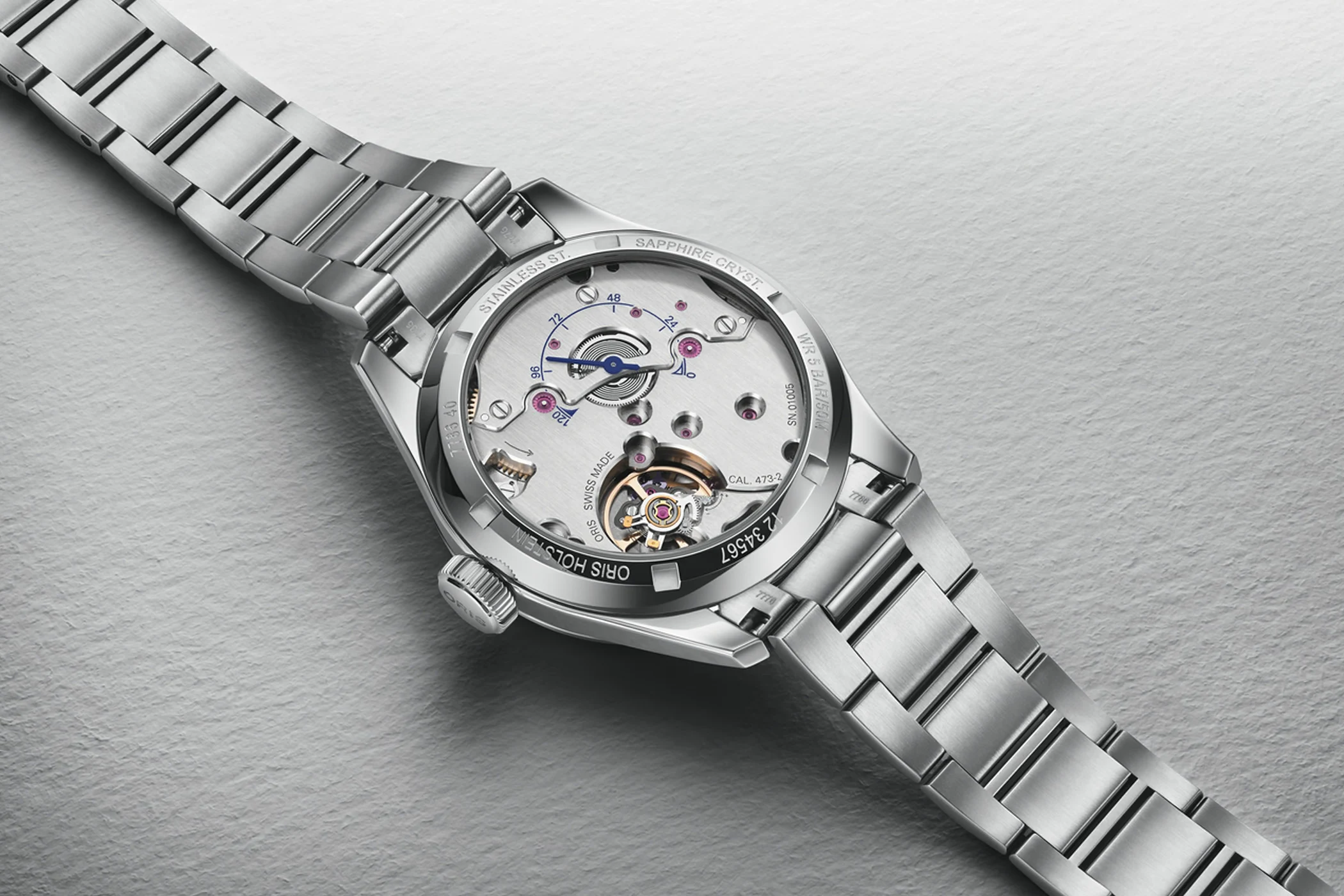
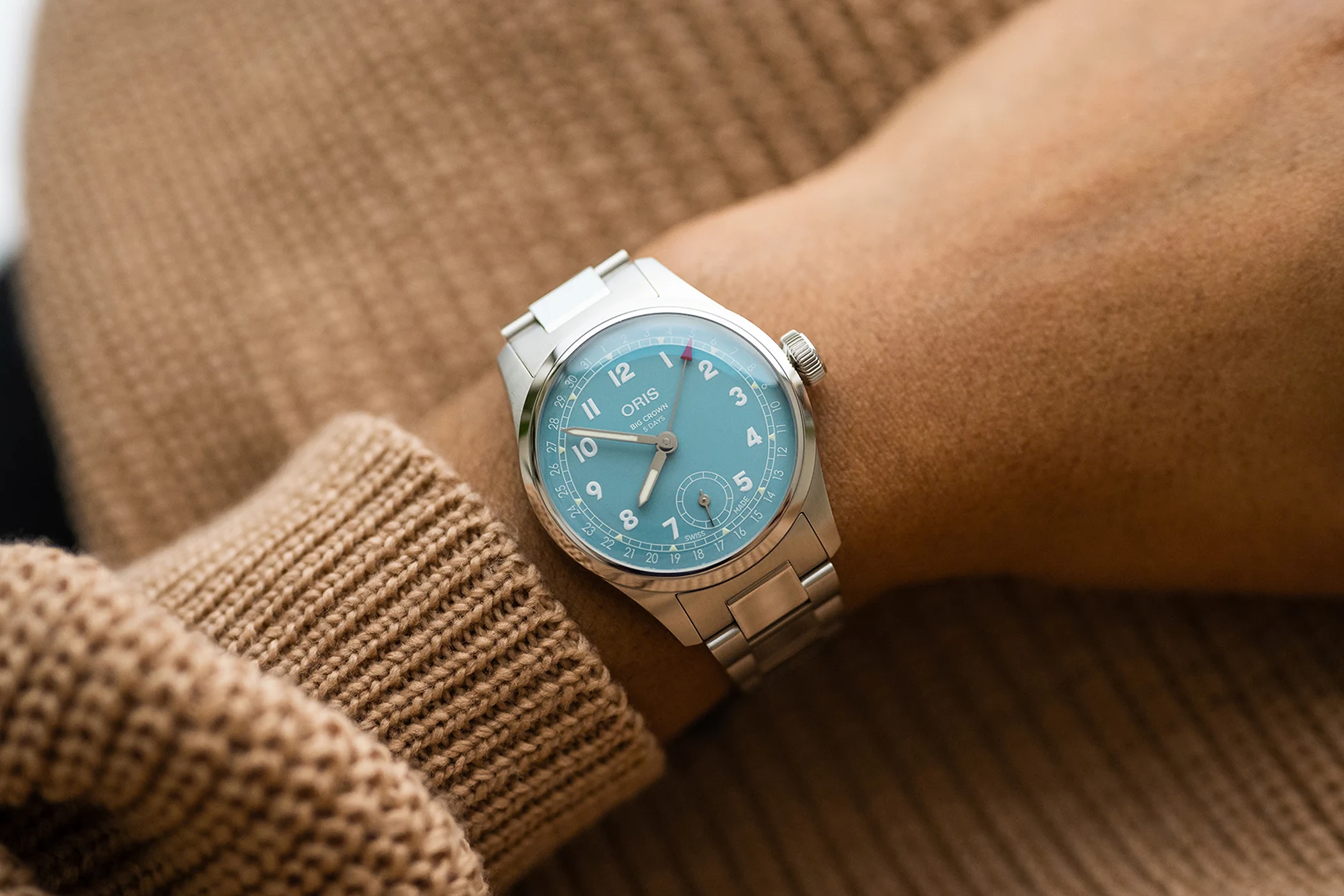
The Oris Big Crown Pointer Date Calibre 473, reference 01 473 7786 4065-07 8 19 06, is also well worth a mention. With a diameter of 38 millimetres, manual winding, a pointer date and the Oris Calibre 473, it has a classic look but is technically far more modern than its appearance might initially suggest. Particularly impressive is the five-day power reserve, complemented by enhanced magnetic resistance of 2,250 gauss, a 10-year warranty and a power reserve indicator on the case back. Furthermore, the pointer date mechanism has long been part of Oris’s design language: the date is not displayed in a window, but is indicated by an additional hand on the outer edge of the dial. Whilst this is less immediately legible than a large date window, it creates a more balanced look on the dial. The main caveat remains its water resistance of 5 bar or 50 metres. It is therefore more of a watch for everyday use, the office and leisure than a true sports watch. The Big Crown Pointer Date is priced at €4,300.
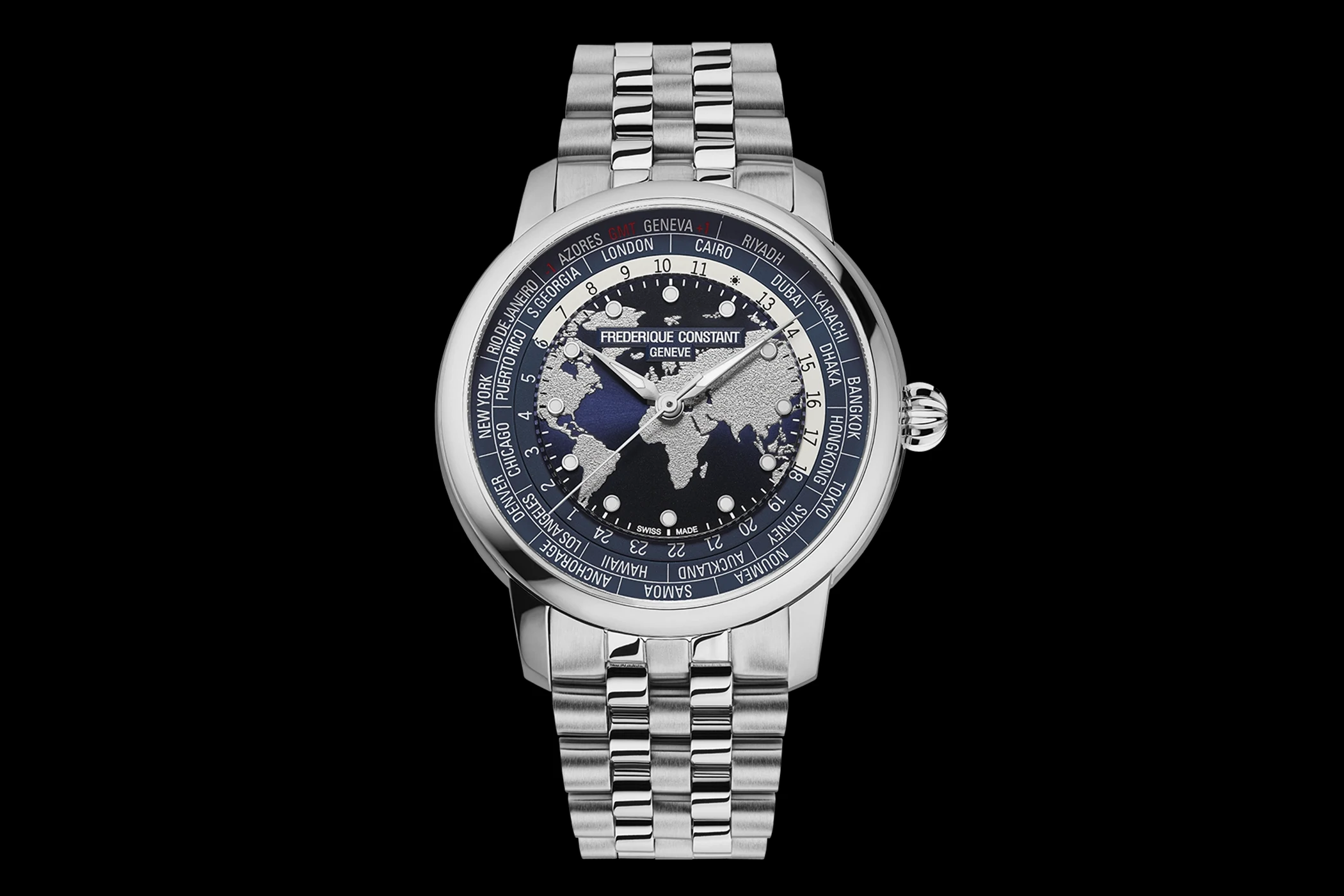
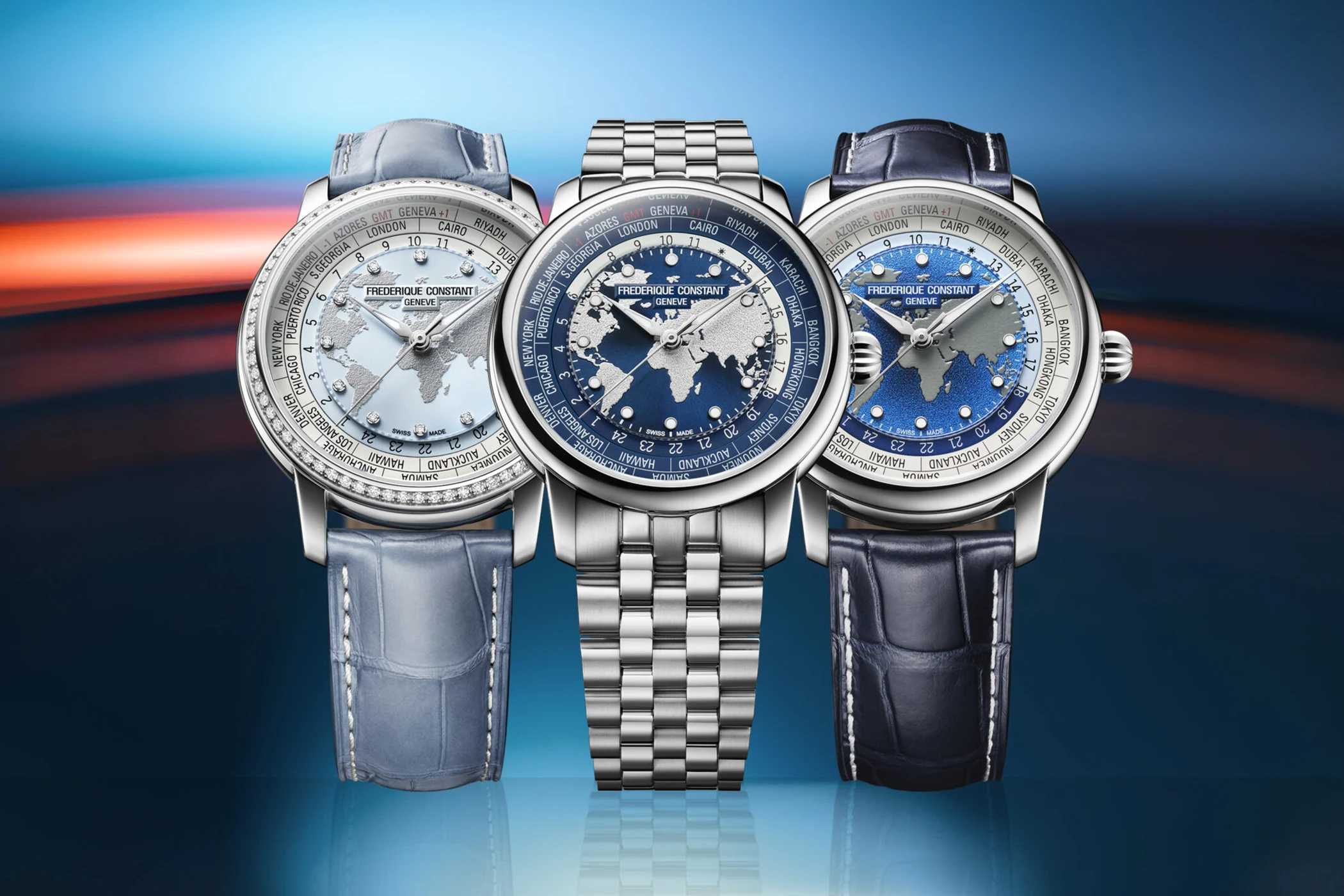
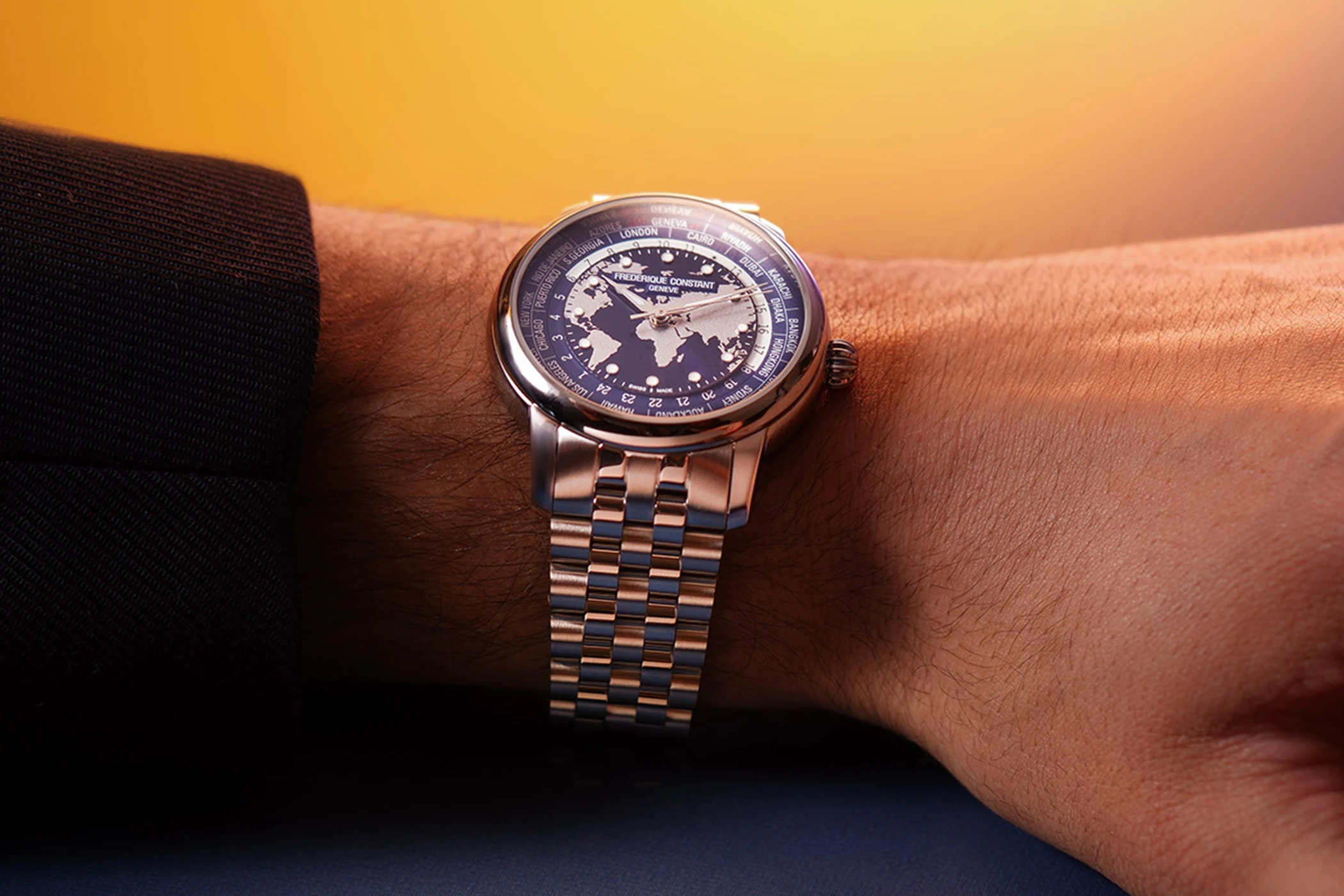
The Frederique Constant Manufacture Classic Worldtimer, reference FC-719NN3H6B, is probably the most complex watch in this selection. Its stainless steel case measures 40 mm in diameter and 12.53 mm in height, making it more compact and somewhat more understated than many world time watches with similarly complex displays. The navy blue dial features a three-dimensional world map, a circumscribed city disc and a two-tone 24-hour ring, allowing the times in 24 time zones to be read simultaneously. A date display has been deliberately omitted from this generation, which enhances clarity and gives the already information-rich dial a slightly calmer appearance. Inside, the automatic in-house calibre FC-719 operates at 28,800 vibrations per hour – that is, four hertz – and boasts a significantly extended power reserve of 72 hours. All functions of the world time display can be adjusted via the crown, meaning no additional pushers interrupt the classic case design. Compared to the older Highlife Worldtimer, which featured the FC-718 and a power reserve of around 38 hours, this represents a significant technical advancement. At the same time, thanks to its five-link stainless steel bracelet with a quick-release system, the Classic Worldtimer offers a more practical and modern look for everyday wear than earlier versions on a leather strap. However, the water resistance of 50 metres remains the most significant compromise: It is sufficient for the office, travel and normal everyday use, but it is not intended as a particularly robust sports or tool watch. Readability also takes some getting used to due to the many displays. However, anyone looking for a genuine world time complication, an in-house movement and a more classic design will find this to be one of the most technically interesting watches just below the set price limit. The list price is 4,995€.
There is no such thing as the best first mechanical watch under 5,000 euros. There is only one watch that suits a particular person, a particular wrist and a particular way of life better than others. For some, that will be a Tudor Black Bay 58, because it appears robust, familiar and well-balanced. For others, an Omega De Ville is more appealing because it exudes greater elegance. Still others will find greater individuality in NOMOS, or a stronger connection to the mechanics in Oris and IWC.
The important thing is not to avoid every compromise. What matters more is accepting the right compromises. A large Panerai is not a bad choice if you deliberately like large watches and can wear them; likewise, a Tissot PRX is no less worthy of consideration simply because it costs less. A dress watch doesn’t have to replace a diver’s watch, nor does the latter have to disappear beneath every cuff. What really matters is that the watch doesn’t clash with your everyday life.
A good first mechanical watch is therefore rarely the best-known, most expensive or technically impressive option within your budget. What matters far more is which watch truly impresses on the wrist and suits your own personality. It should be a watch that you don’t constantly have to explain or justify, but one that is simply a natural part of who you are. The best first watch is the one you look forward to putting on every morning and, looking back after a few months or years, still feel was the right choice.