







Norqain Freedom GMT Enjoy Life ‘Holiday’: 500 limited-edition GMT watches, a colourful travel-inspired design and a Golden Ticket to the Maldives.


WATCH ART Milan 2026: Patek Philippe Presents Its Largest Exhibition To Date
From 2 to 18 October, Patek Philippe – the last independent family-owned watch manufacture in Geneva – will hold its seventh Grand Exhibition, entitled “WATCH ART Milan 2026”. The manufacture has chosen Italy as the host country for the Patek Philippe Grand Exhibition 2026, one of its most historically important markets. Covering around 2,900 square metres, it will be the largest edition of the Grand Exhibition to date. Alongside numerous timepieces and objects from the Patek Philippe universe, the exhibition will also present a specially created Rare Handcrafts collection as well as selected exhibits from the Patek Philippe Museum, the highlights of which we will take a closer look at in this article.
The concept of the Grand Exhibitions – large-scale public exhibitions with free admission, designed to introduce the creations and philosophy of the Patek Philippe manufacture to a broader audience around the world – was launched fourteen years ago. Across the six editions held to date, the events have attracted a total of 165,000 visitors. Following Dubai in 2012, Munich in 2013, London in 2015, New York in 2017, Singapore in 2019 and Tokyo in 2023, Patek Philippe has now chosen Milan as the venue for its seventh Grand Exhibition.
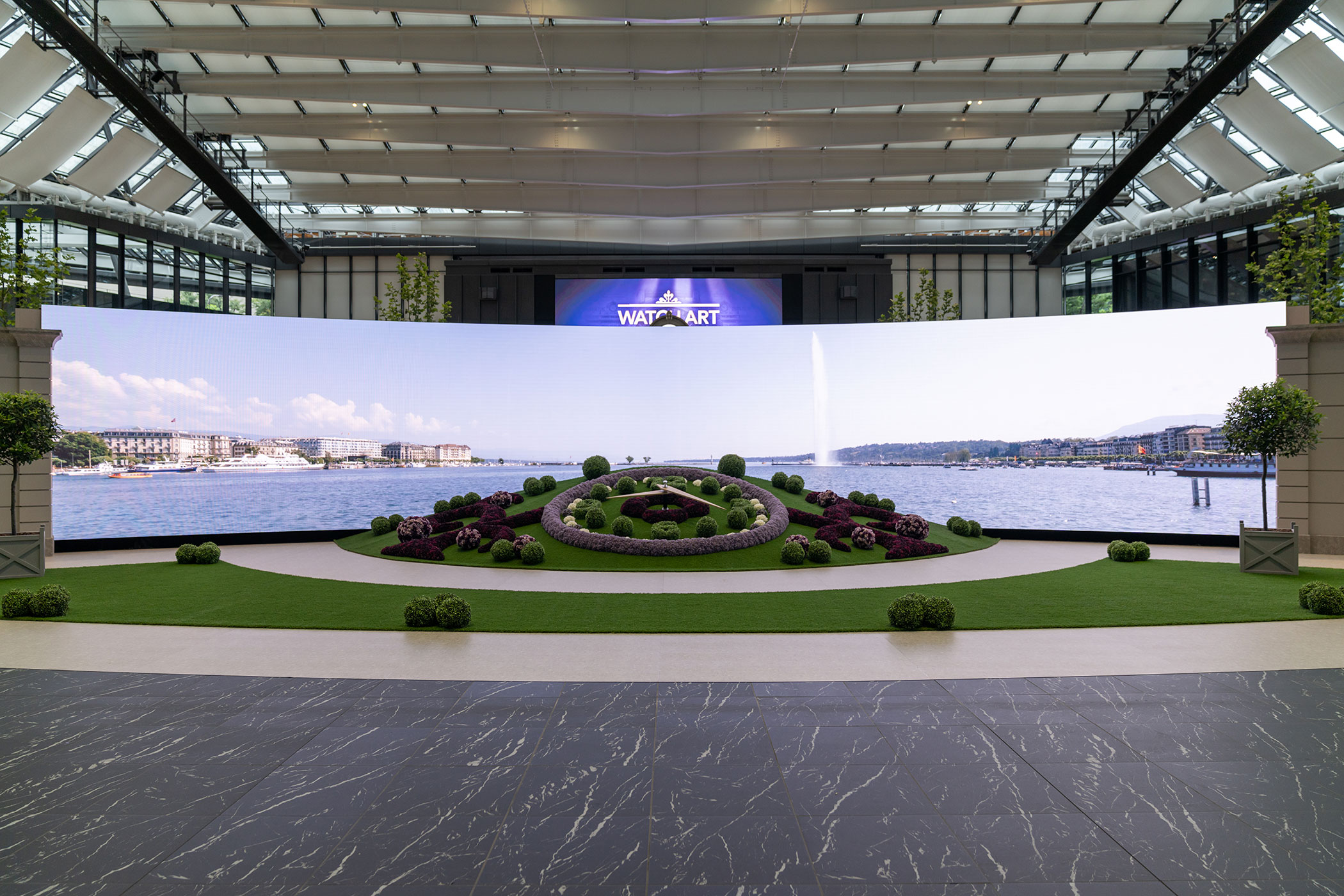
The sixth Patek Philippe Watch Art Grand Exhibition took place in Tokyo in 2023.
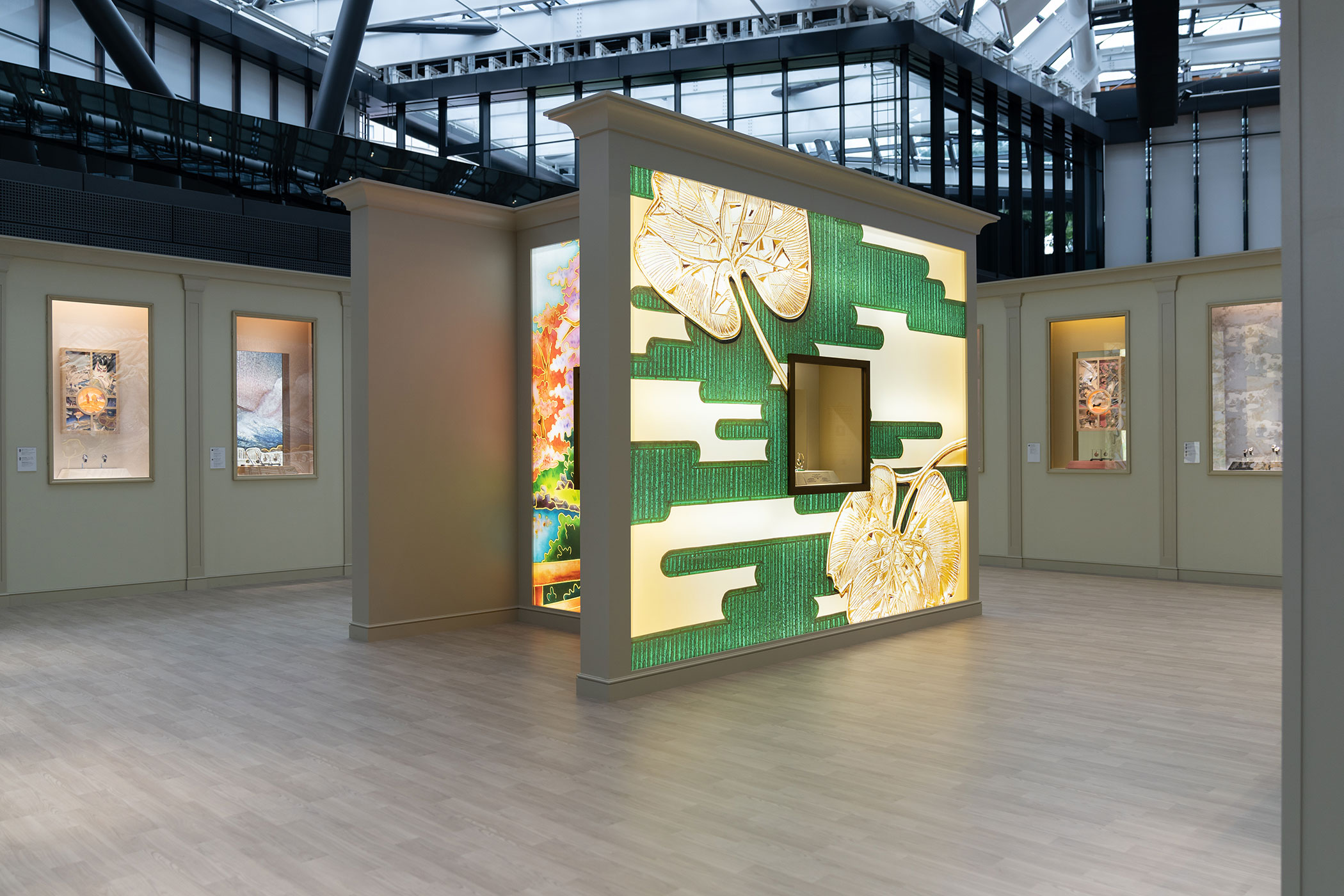
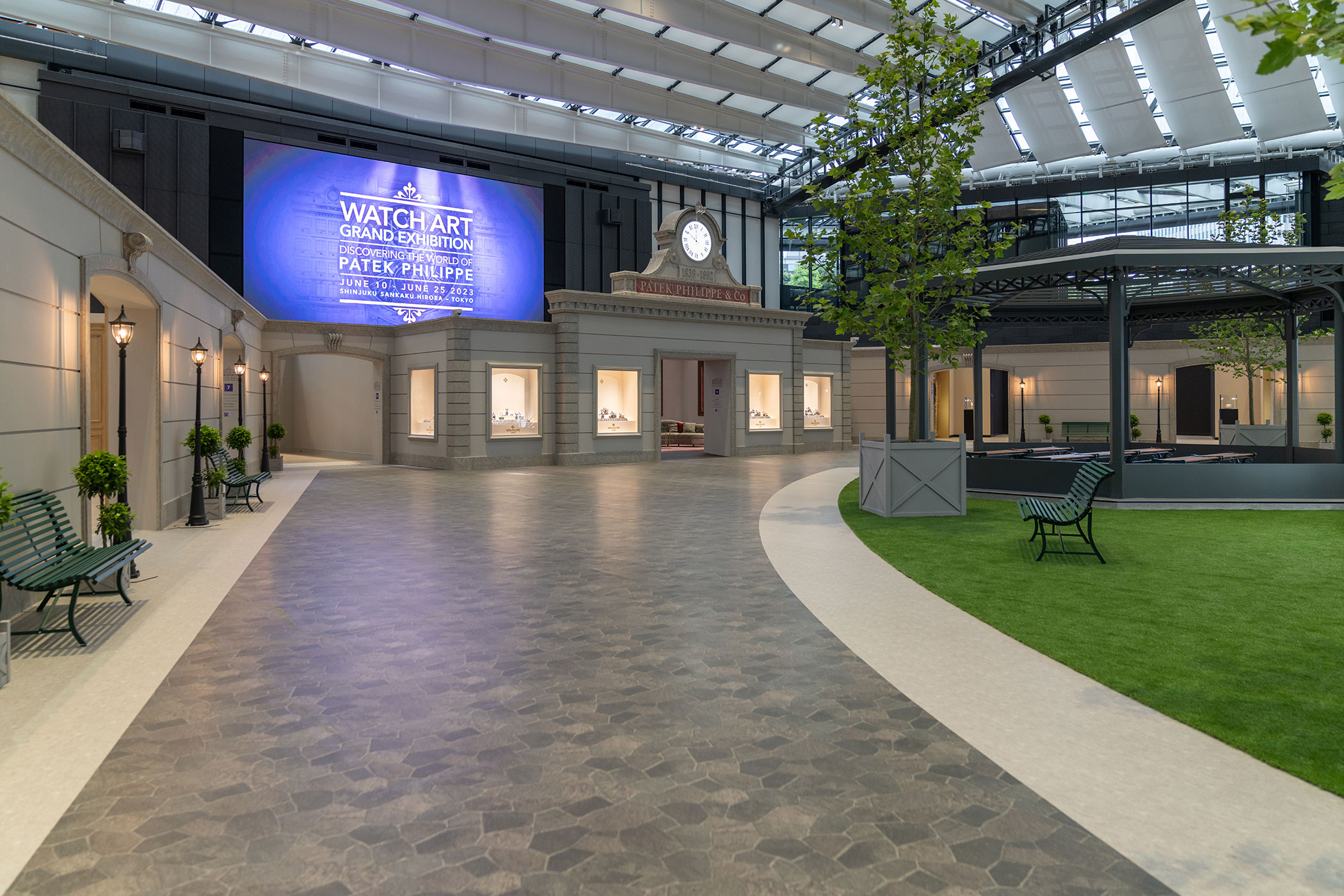
That Italy, of all places, has been selected as the location for the largest Grand Exhibition to date is no coincidence: historically, the country has been one of the manufacture’s most important markets – with a collector base that continues to this day, made up of connoisseurs who are fascinated by the craftsmanship and technical complexity behind its timepieces.
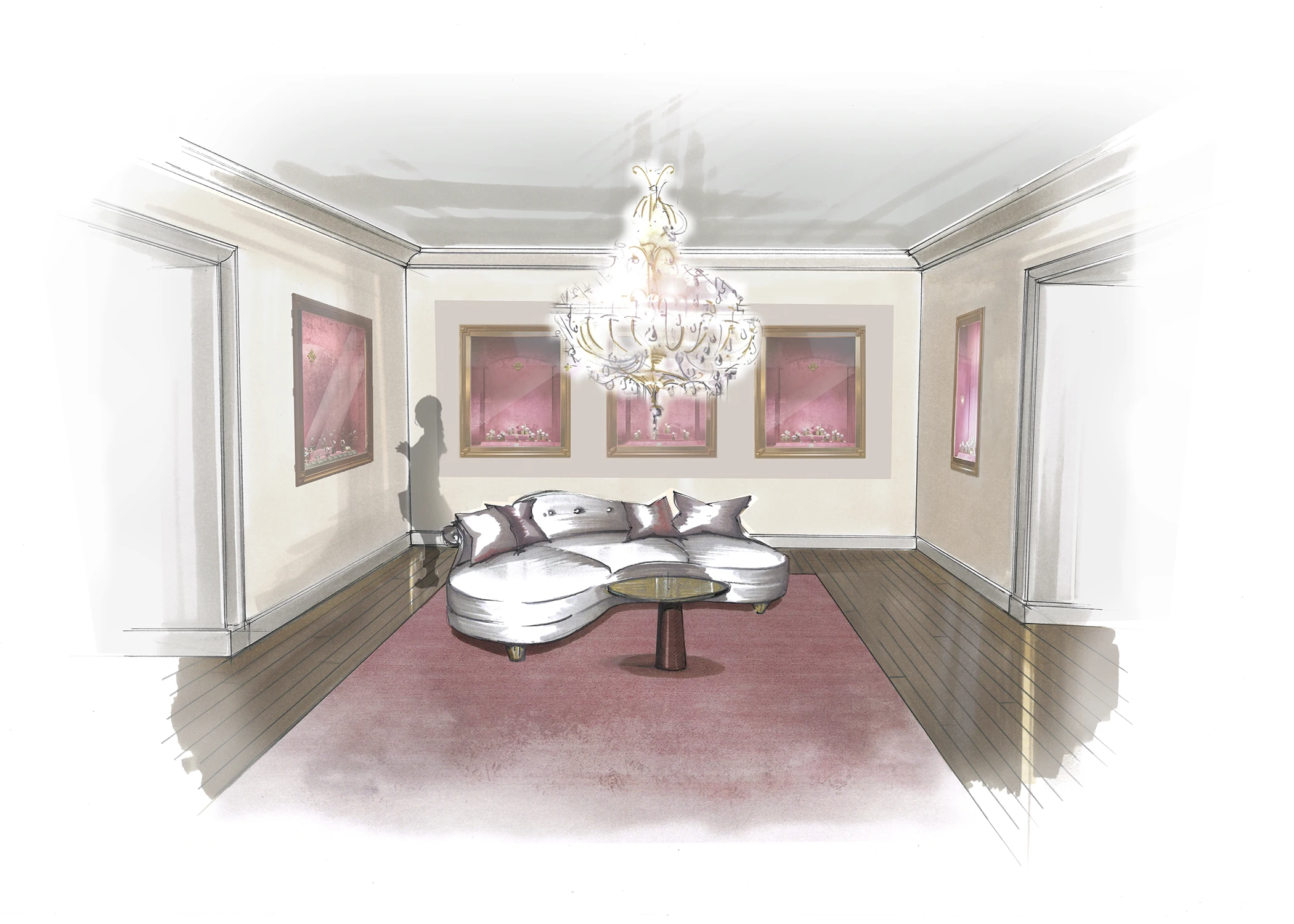
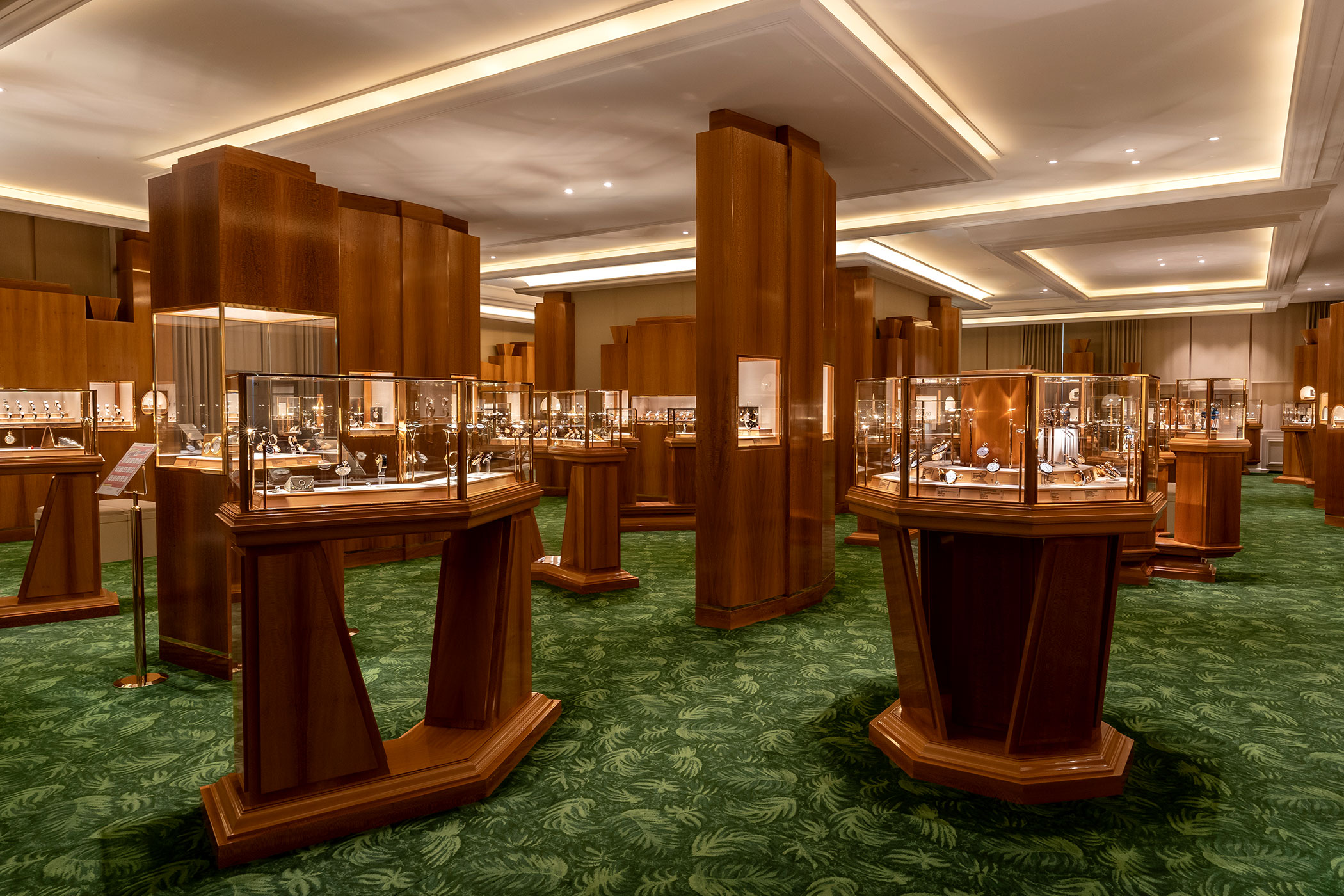
Illustrations show what the seventh Patek Philippe Watch Art Grand Exhibition in Milan is set to look like.
The Patek Philippe Grand Exhibition 2026, which will be open from Friday, 2 October to Sunday, 18 October 2026, will take place at the Palazzo delle Scintille, recently renamed CityOval, located in the heart of Milan’s new CityLife business and residential district. As one of the last historic buildings in this newly developed quarter, the Palazzo delle Scintille was extensively renovated as part of the urban regeneration project. Beneath its 30-metre-high dome, the exhibition will occupy around 2,900 square metres of the total 4,000 square metres of available space.
“WATCH ART Milan 2026” is divided into 15 different themed areas and will bring together almost 500 timepieces and objects. According to Patek Philippe, these sections are intended to allow visitors not only to discover numerous new releases, but also to embark on a journey through the world of Patek Philippe – from its historic headquarters on Rue du Rhône and the manufacture in Plan-les-Ouates to the Patek Philippe Museum.
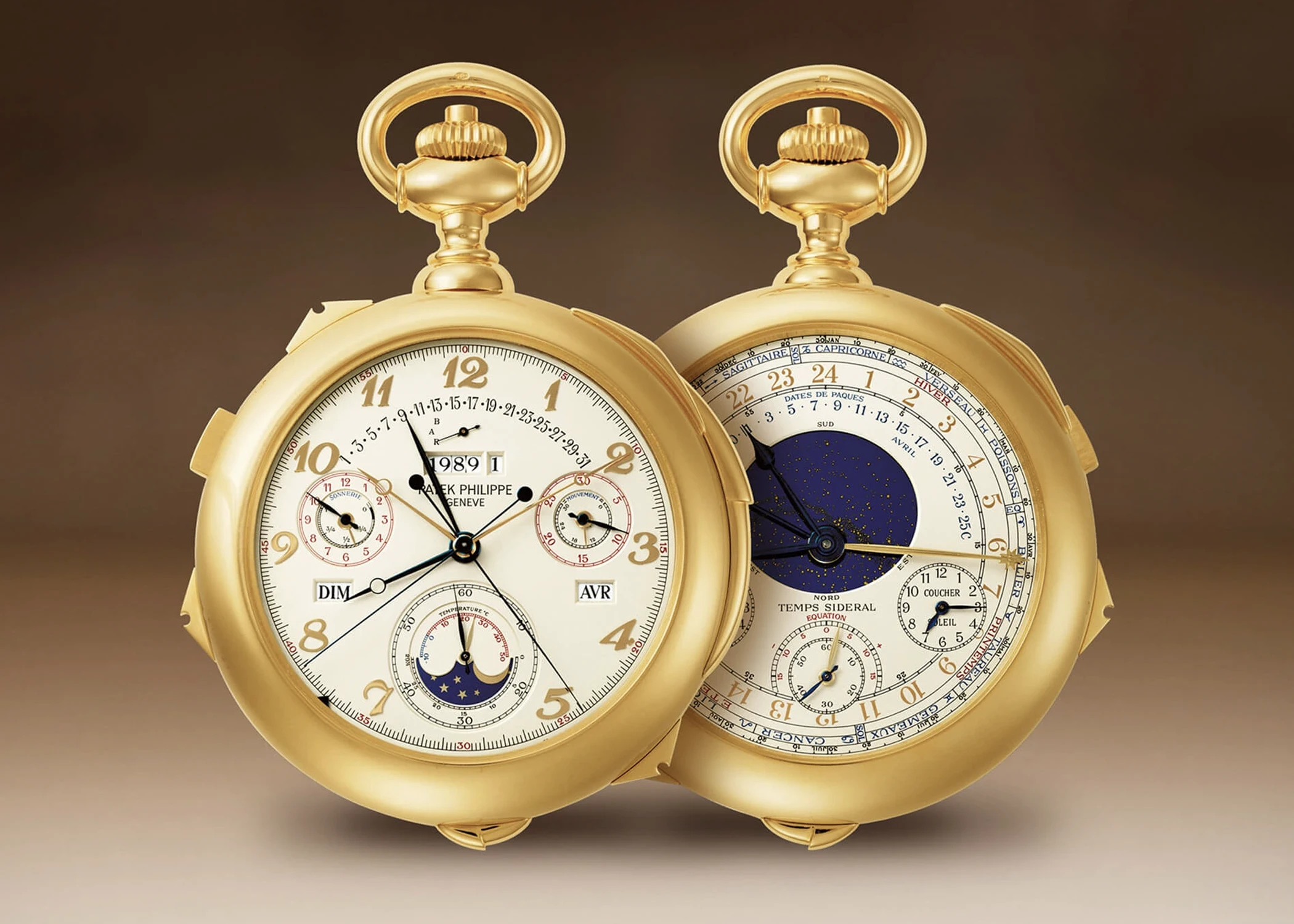
The exhibition will present the most prestigious pieces from Patek Philippe’s history. Among them is, in particular, the Calibre 89 with 33 complications, created in 1989 to mark the manufacture’s 150th anniversary, which for 25 years was regarded as the most complicated portable watch in the world. Also on display will be the Patek Philippe Grandmaster Chime Ref. 5175, whose 20 complications make it the manufacture’s most complicated wristwatch, created in 2014 to celebrate its 175th anniversary.
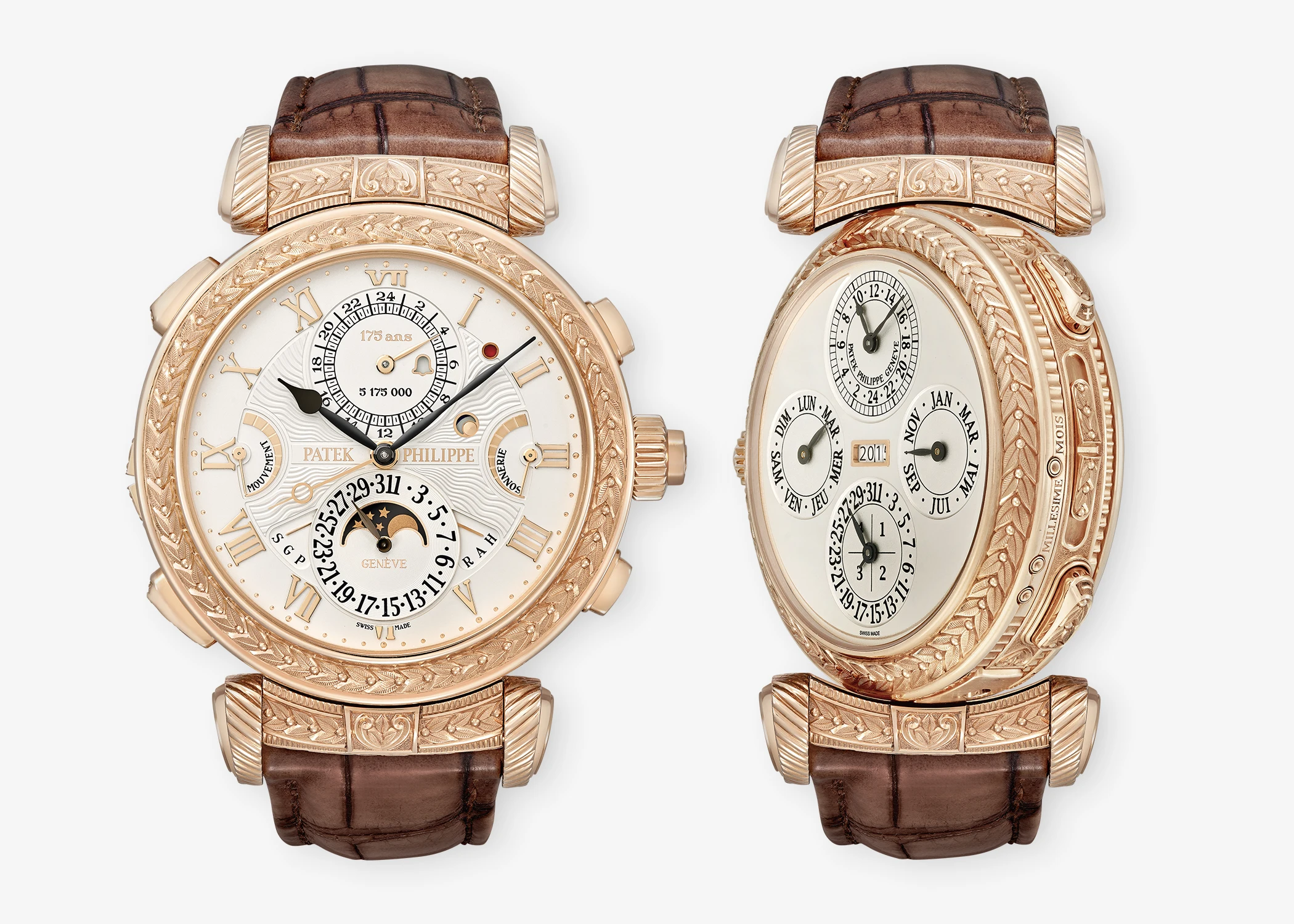
Among the almost 500 timepieces on display will also be a Rare Handcrafts collection comprising 27 pieces, created exclusively for this exhibition, as well as more than 90 exhibits from the collection of the Patek Philippe Museum in Geneva, the highlights of which we will now take a closer look at.
The Rare Handcrafts collection created for the exhibition comprises 27 creations, including dome table clocks, pocket watches and wristwatches, all of which have been enhanced with artisanal techniques that have become increasingly rare. These include, in particular, miniature painting on enamel, cloisonné enamel, hand engraving, wood micromarquetry, hand-guilloché work and gemsetting.
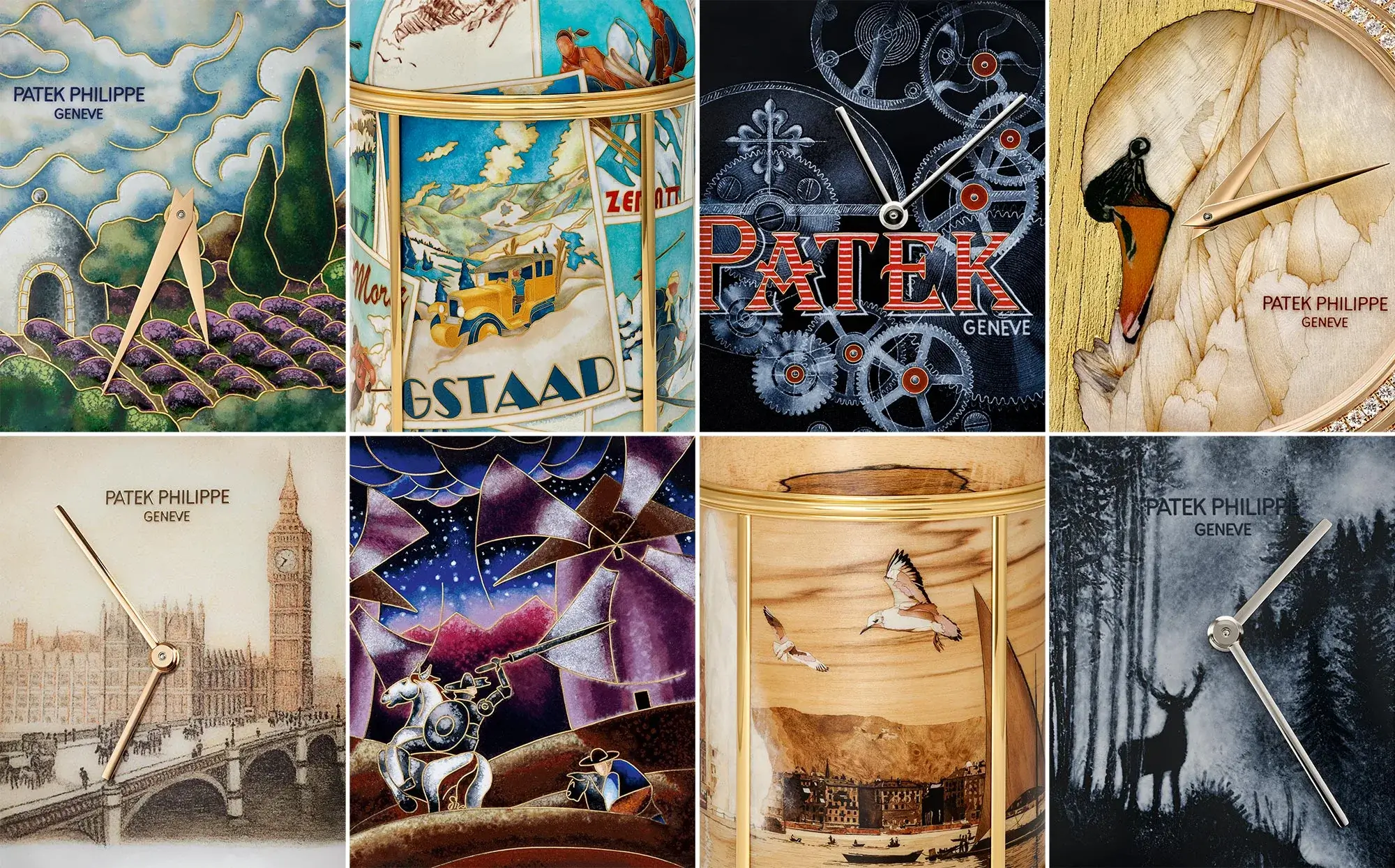
Highlights from Patek Philippe’s 2025 Rare Handcrafts collection
Among the exhibits, two unique pieces stand at the heart of the collection: the “Burano” pocket watch (Ref. 992/193J-001) and the “Sicilian Oranges” dome table clock (Ref. 20179M-001). Both unite numerous artisanal techniques, yet it is cloisonné enamel in particular that defines their character.
Cloisonné enamel is a traditional enamelling technique in which fine metal wires are applied to a base and shaped into small cells, known as cloisons. These cells are then filled with coloured enamel powder and fired at high temperature, causing the glass-like material to fuse with the underlying surface. Since enamel tends to sink slightly during firing, the application of the enamel paste and the firing process must be repeated several times before the surface can be ground and polished. The particular difficulty lies in the precise control of colour and heat, as well as in the risk of cracks, bubbles or uneven surfaces.
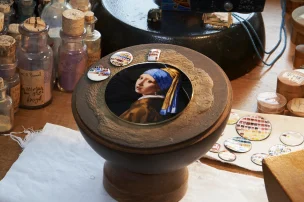
The production process behind Patek Philippe’s cloisonné enamelling.
Often combined with other artisanal techniques such as miniature painting or hand engraving, the fascination of this craft lies in the fact that the resulting motifs are not painted in the conventional sense, but built up through contours, layers of enamel and repeated firings.

On the yellow-gold “Burano” pocket watch (Ref. 992/193J-001), cloisonné enamel is combined with flinqué and paillonné enamel decoration to create a motif paying tribute to the Venetian island of Burano, famous for its canals lined with brightly coloured houses. To realise this scene on the pocket watch, the case back of the unique piece was decorated with 70 different enamel colours using the cloisonné technique and hand-guillochéd with a wave pattern.
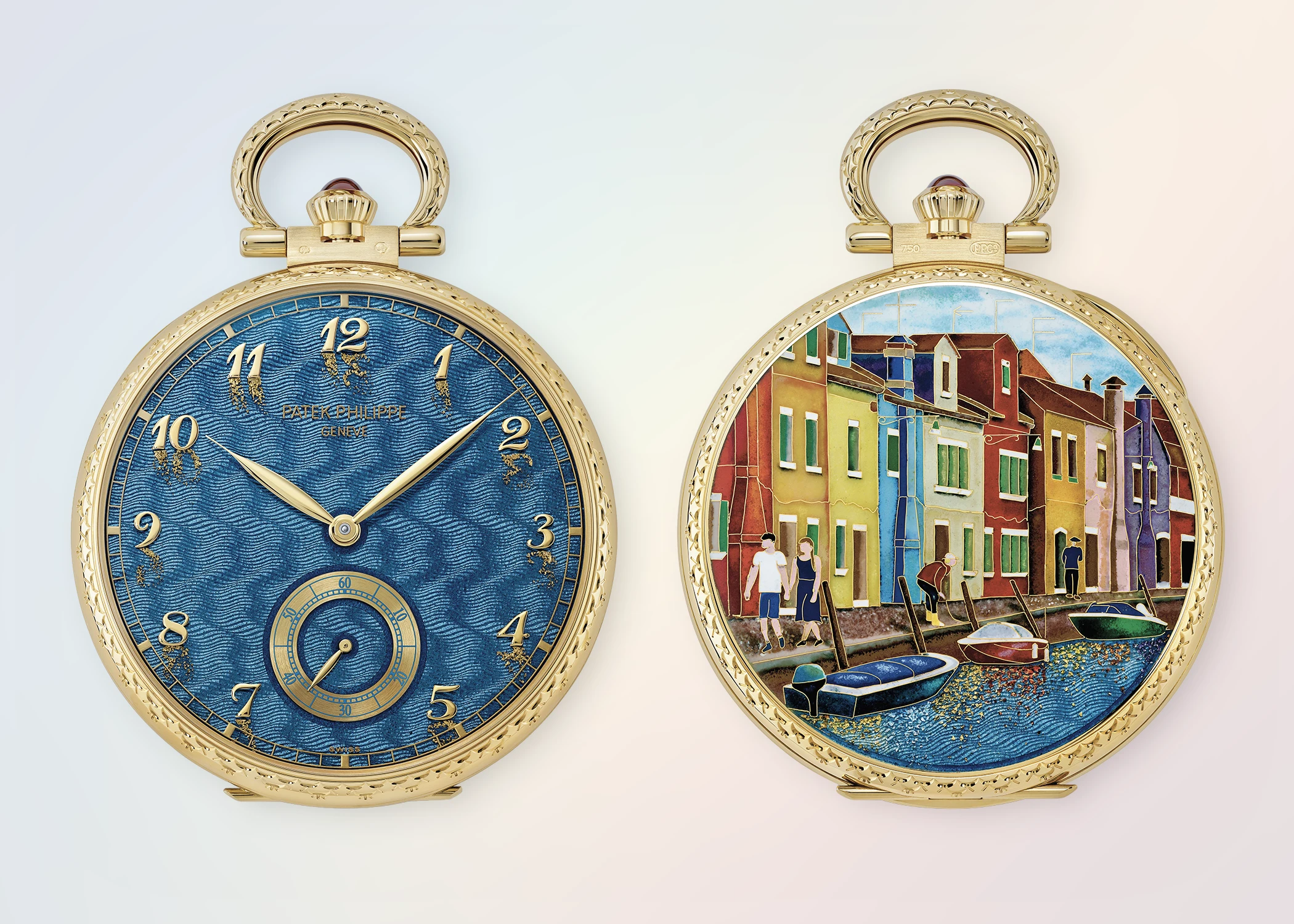
The colourful shimmer of the water was created using the paillonné technique, in which gold and silver particles were embedded in transparent enamel. The watch is framed around the edge of the case back, the bezel and the bow by hand engraving inspired by the lace-making tradition for which Burano is known.

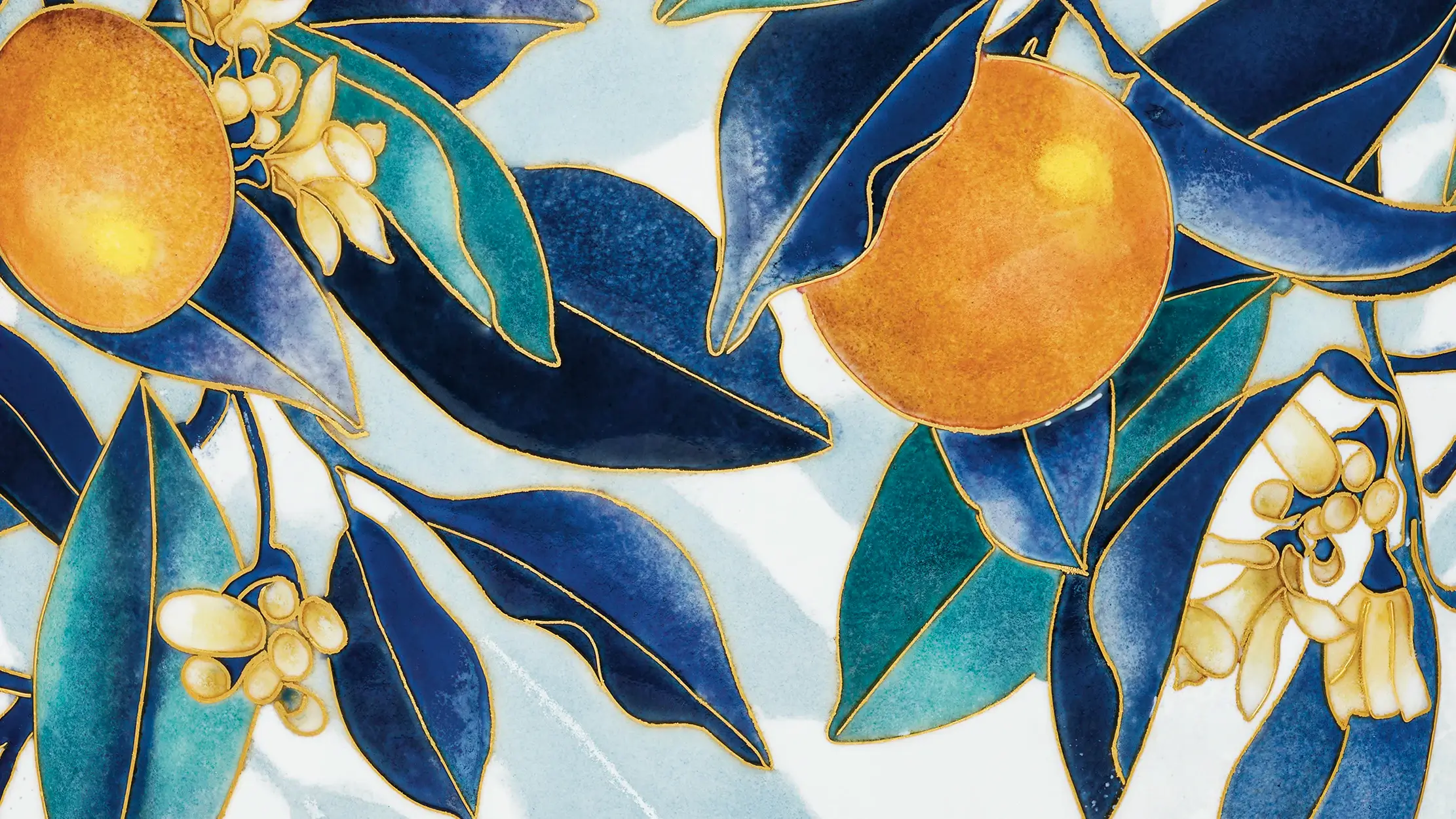
In the second unique piece, the “Sicilian Oranges” dome table clock (Ref. 20179M-001), the outlines of trees and fruit made from around 15 metres of flat gold wire combine with a palette of 49 enamel colours to create a scene across two pictorial planes: on the dial side, the fruit-laden branches of orange trees can be seen, while the reverse is adorned with a depiction of the city of Palermo in miniature painting on enamel.
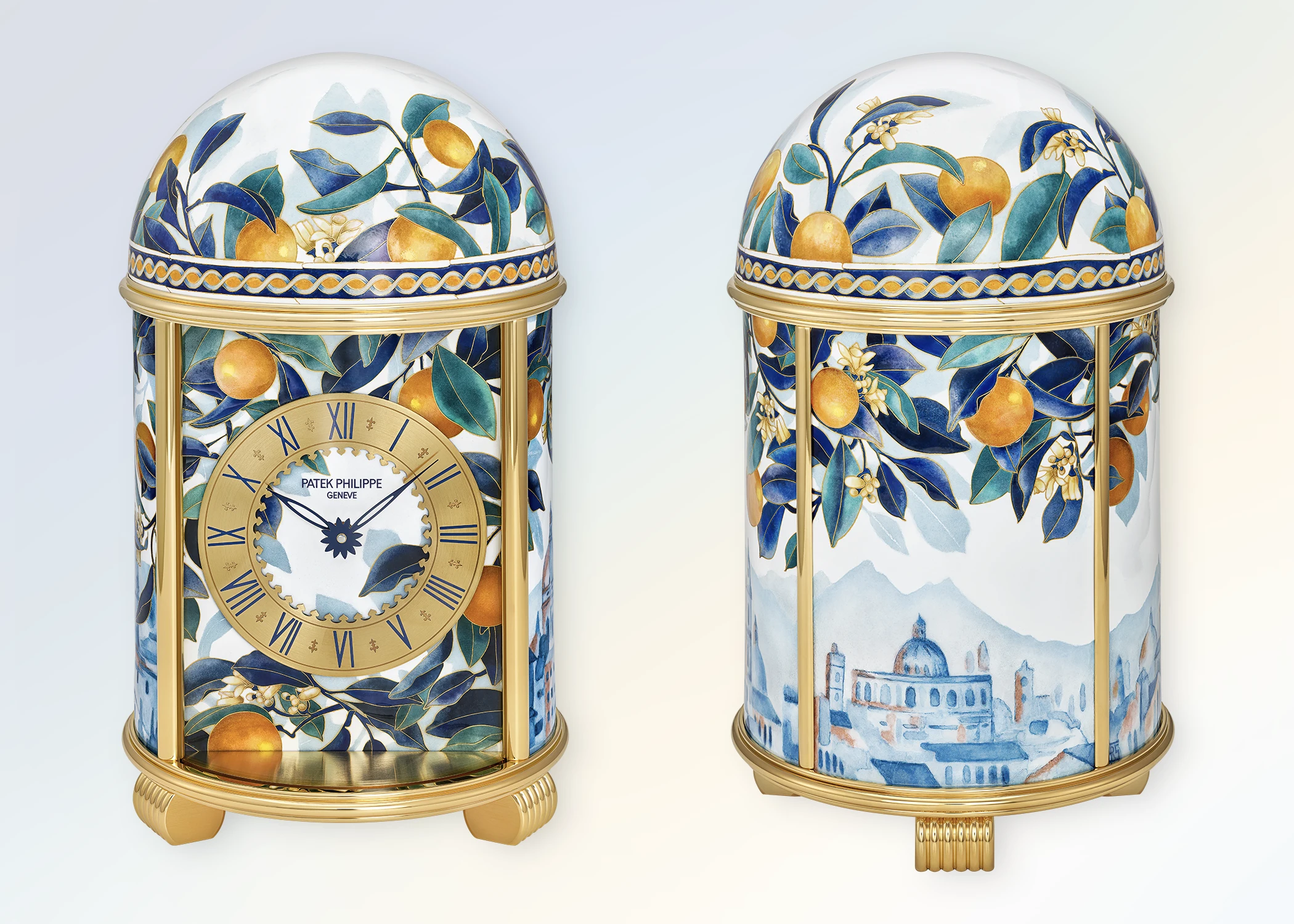
The 49 enamel colours – including transparent, opalescent and opaque shades – are combined with four to five pastel colours for the miniature painting on enamel in order to create deliberately applied effects of soft focus and shading. Crafted in grand feu cloisonné enamel, each enamelled plate of this unique piece requires between 9 and 11 firings at temperatures of 900°C to 910°C.
Among the 90 exhibits from the Patek Philippe Museum in Geneva are some of the oldest mechanical watches in the world. These include timepieces from the museum’s Antique Collection, which spans the period from the 16th century to the early 19th century, as well as selected pieces from the Patek Philippe Collection, tracing the manufacture’s work since its founding year of 1839. For the Grand Exhibition in Italy, three particularly notable exhibits have been selected, among others.
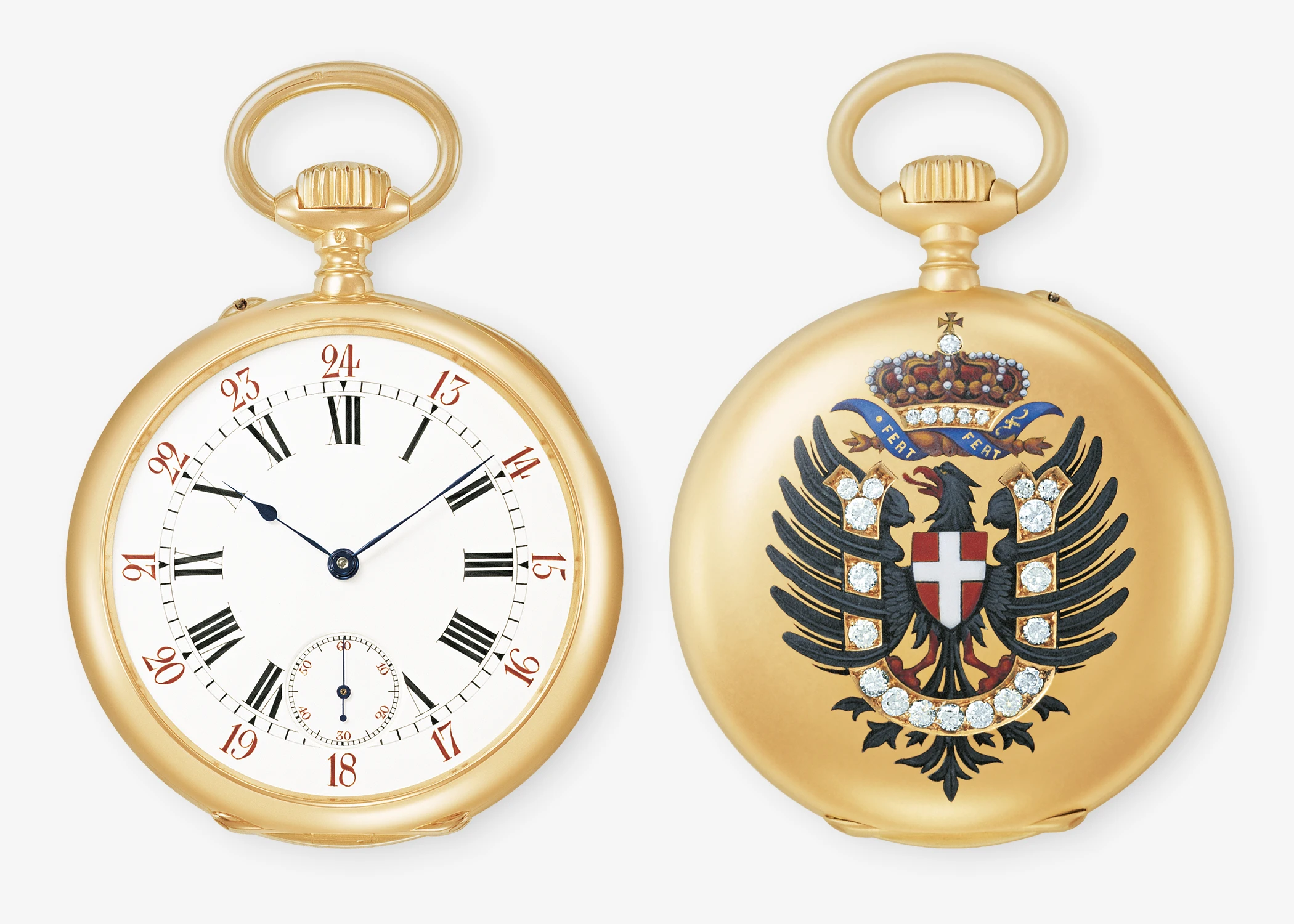
One of the highlights is the pocket watch of King Umberto I of Savoy (Inv. No. P-1235), which was delivered on 4 August 1897 to Musy Padre e Figli, purveyors to the court in Turin. It is a Lépine watch in a yellow-gold case, equipped with crown winding and a time-setting mechanism operated by a pusher.
Its white enamel dial features two concentric numeral scales: the inner scale, with black Roman numerals, indicates the daytime hours from 1 to 12, while the outer scale, with red Arabic numerals, displays the night-time hours from 13 to 24. It is complemented by a subsidiary dial for the small seconds at 6 o’clock. The case back is enamelled with the coat of arms of King Umberto I and set with rose-cut diamonds.
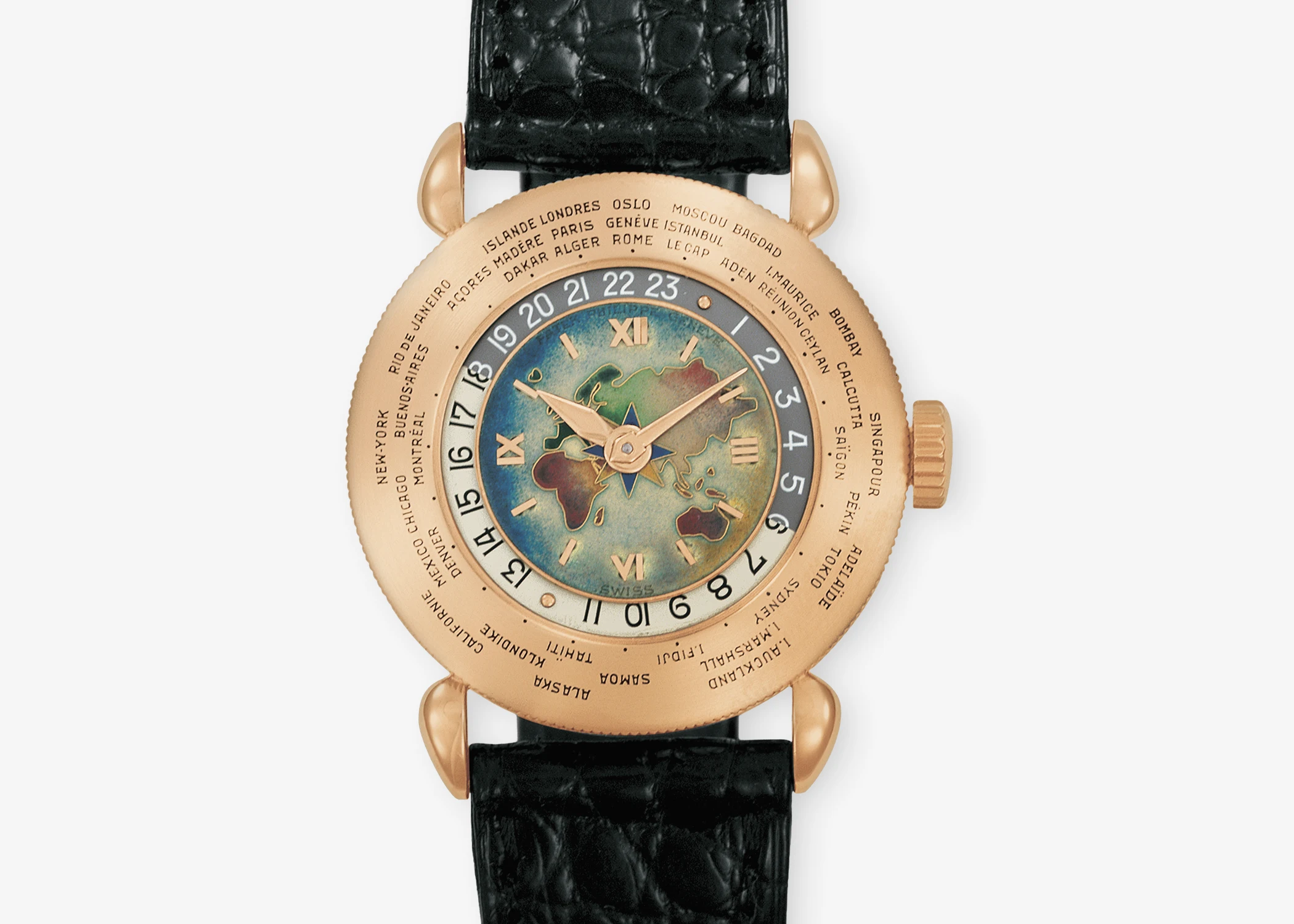
Patek Philippe world time wristwatches with cloisonné enamel dials are among the manufacture’s most coveted wristwatches and regularly rank among the most expensive Patek Philippe wristwatches ever sold at auction. The watch shown here, depicting the Eastern Hemisphere – also referred to as “Vieux Continents” or the “Old World” – dates from 1948 and is distinguished in particular by its rotating bezel, on which the names of 41 cities represent the world’s 24 time zones. This display is complemented by a rotating 24-hour disc, whose Arabic numerals make it possible to read the daytime and night-time hours in the respective time zones.
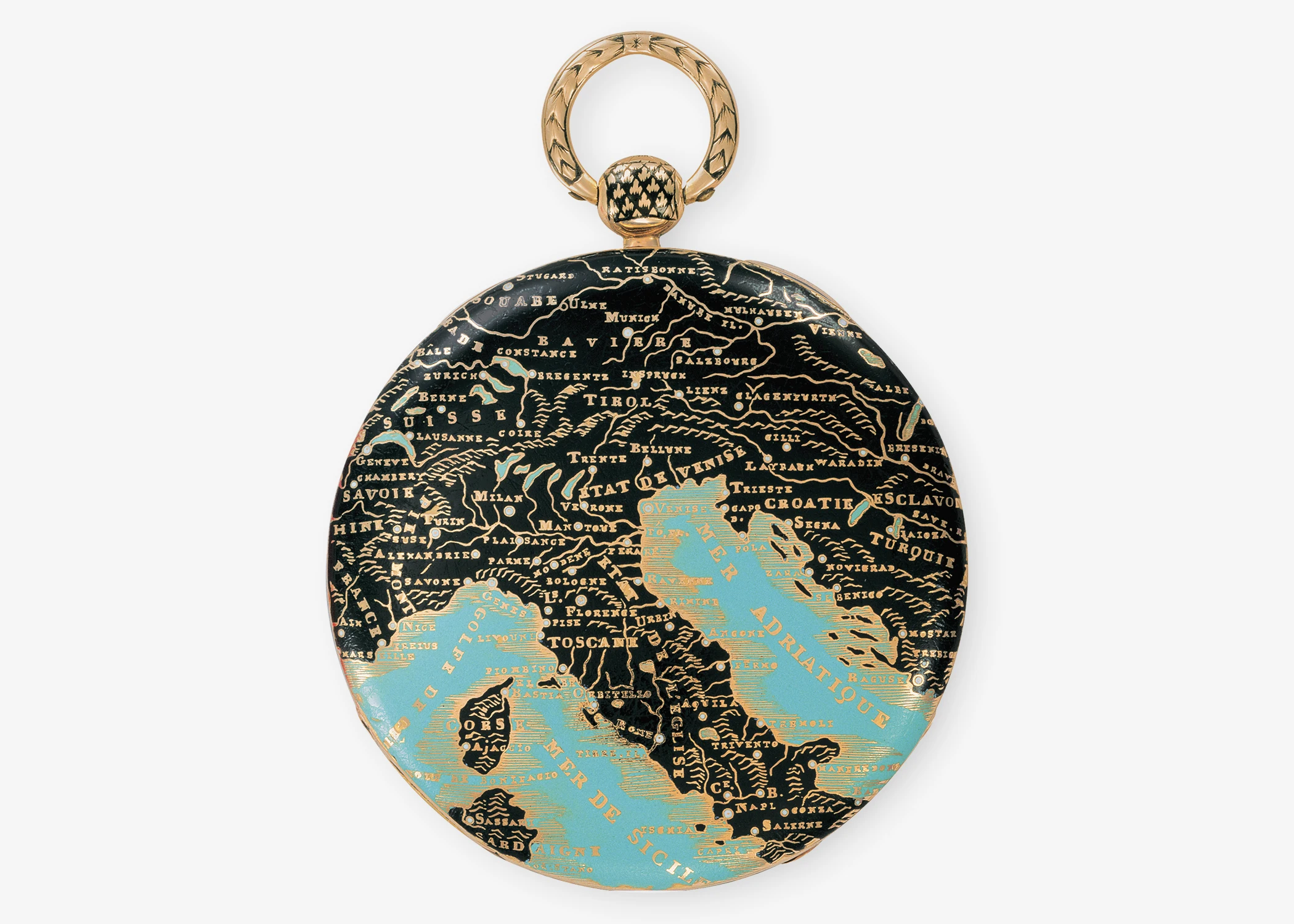
A third highlight is a pocket watch dating from circa 1830 (Inv. No. S-563), made for the Italian market and equipped with key winding and a cylinder escapement with ruby cylinder. Its guilloché silver dial displays the hours and minutes from the centre. The case is made of engraved gold and champlevé enamel, while the case back features a map of northern Italy executed in the same enamelling technique.