


Minerva is now an independent company within Montblanc and is set to prove itself as a brand in its own right.
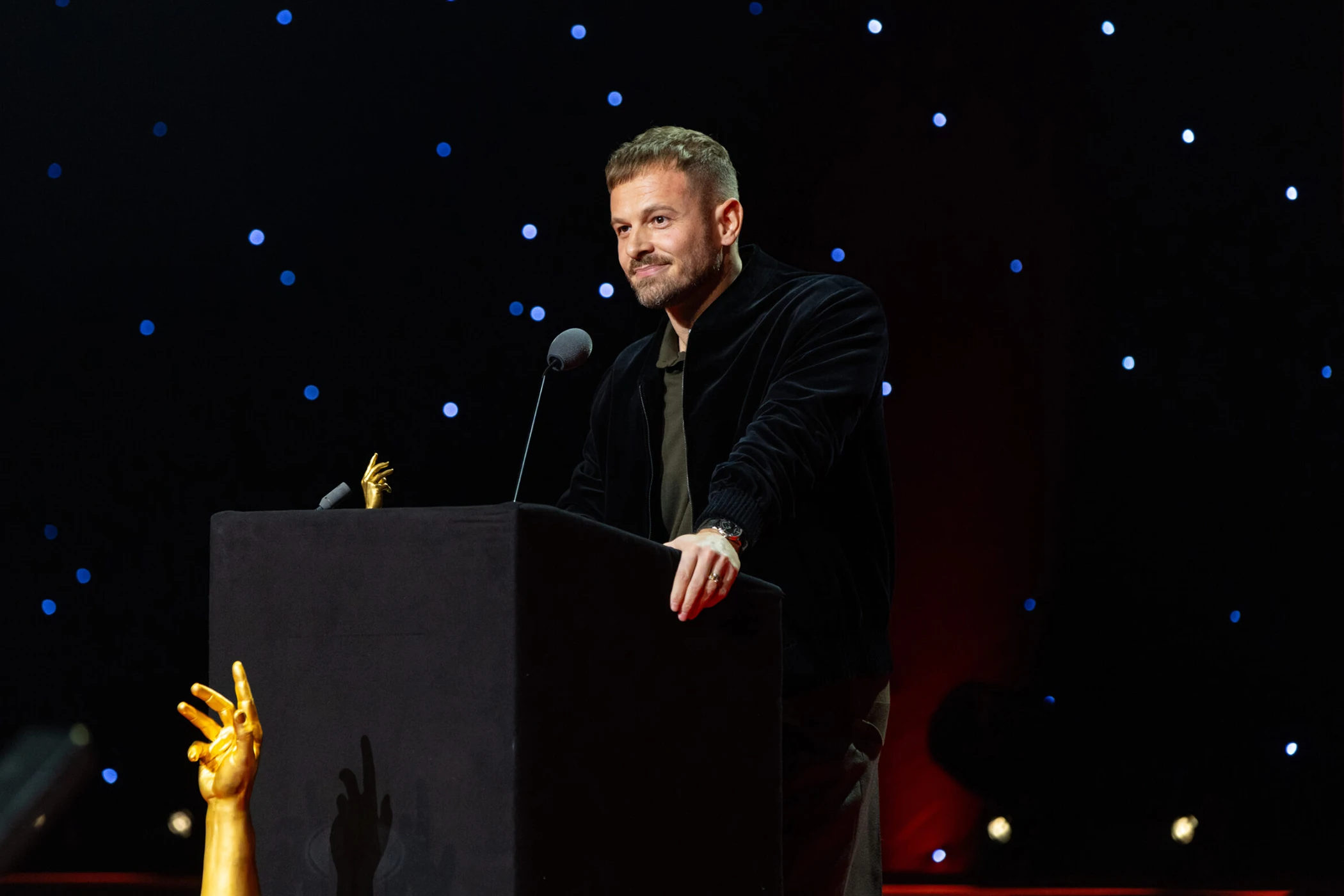
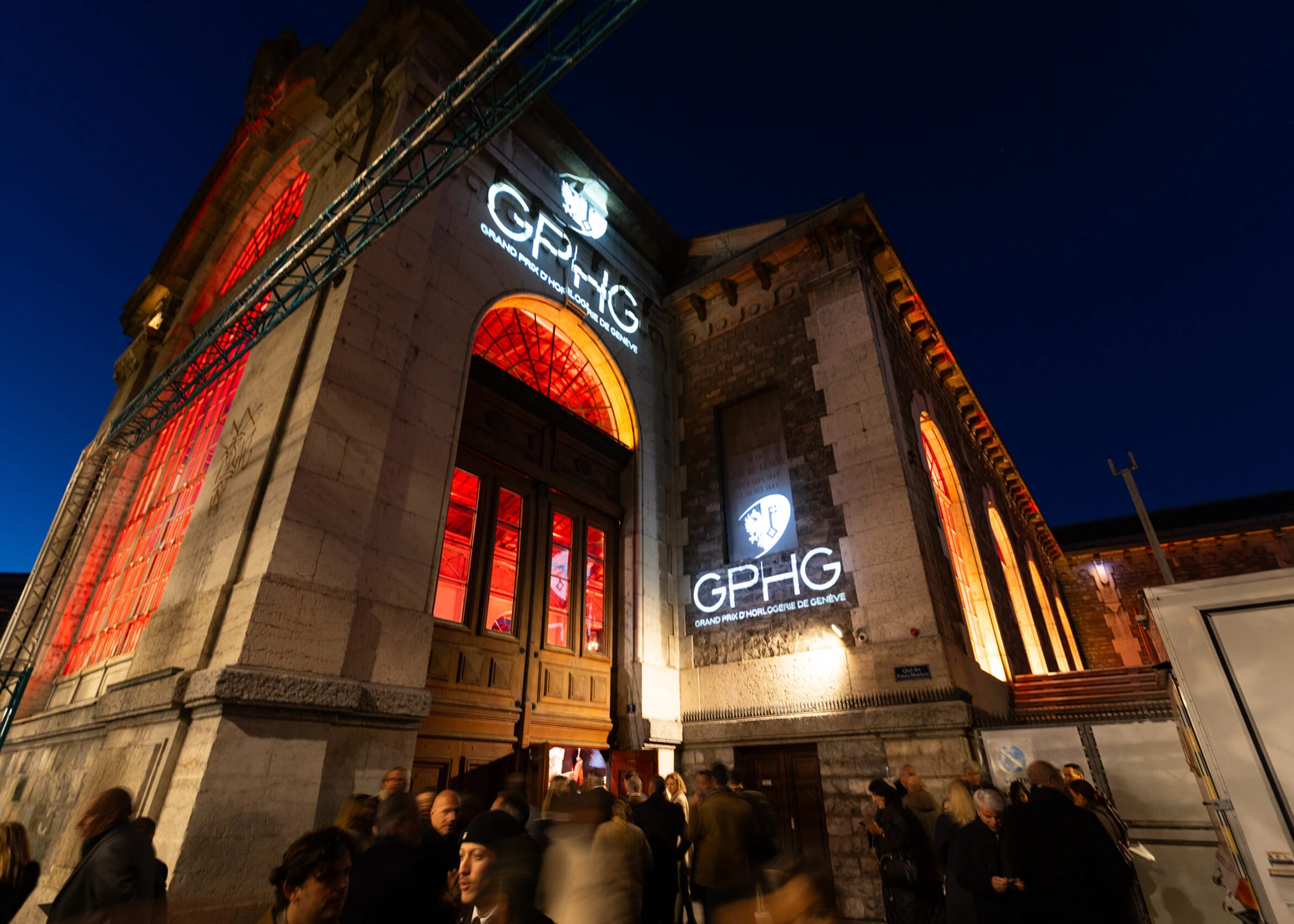
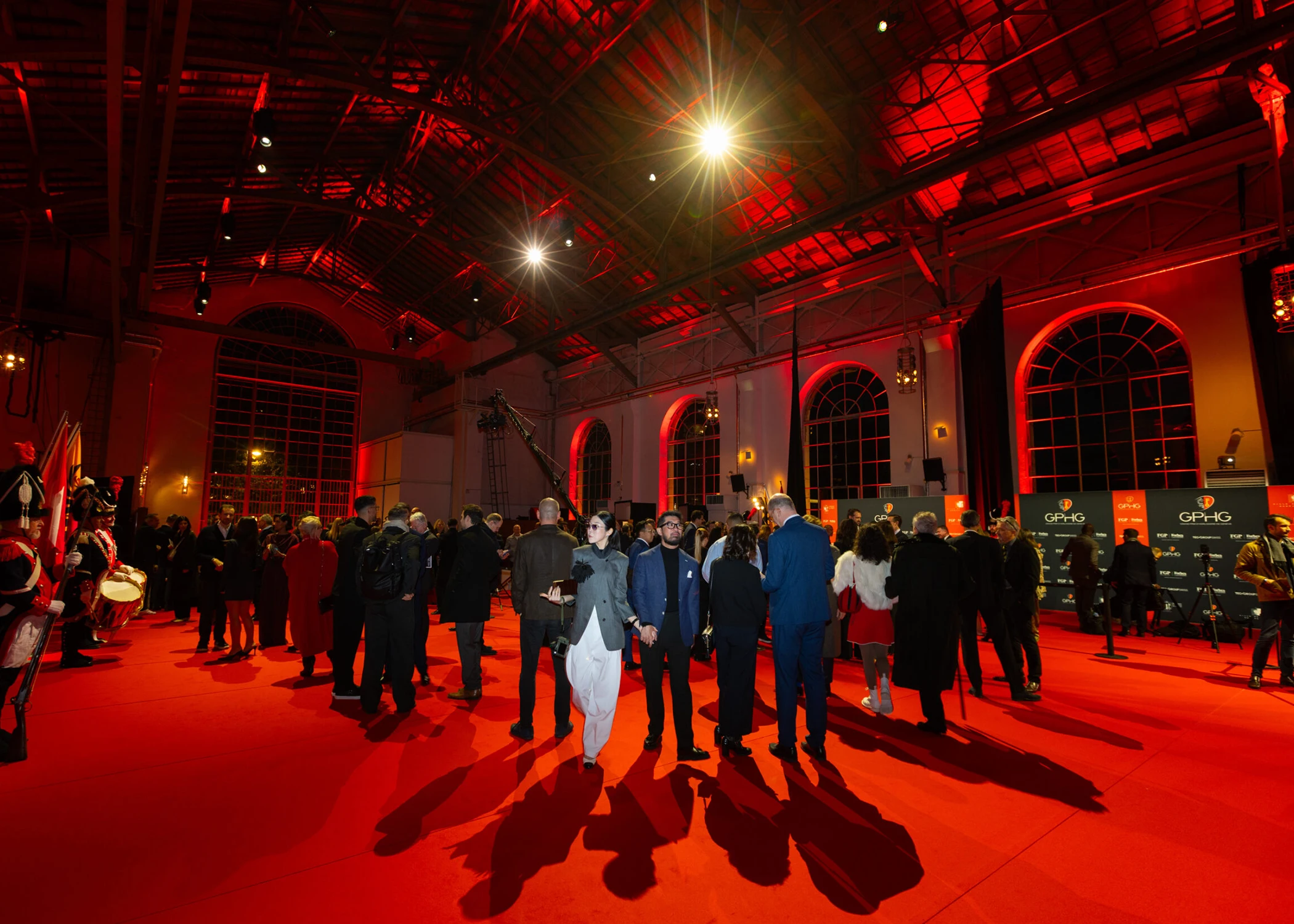
At the 26th edition of the Grand Prix d’Horlogerie de Genève (GPHG 2026), held at the Bâtiment des Forces Motrices, the international jury honoured the most outstanding watches of the year on Saturday evening. The ceremony once again highlighted the tension between traditional manufacture watchmaking and the continuing pressure to innovate within independent watchmaking. Here is an overview of the key categories:
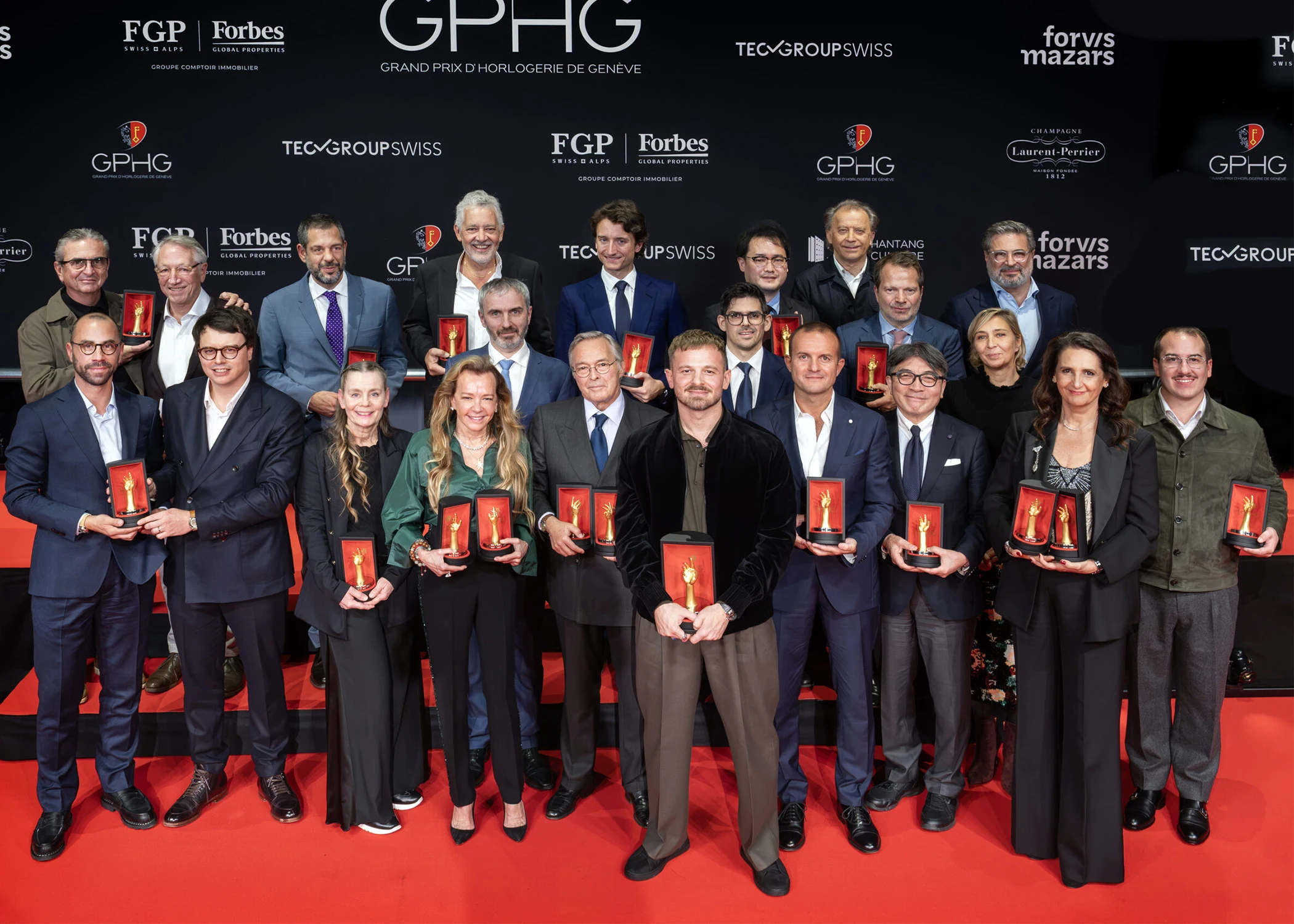
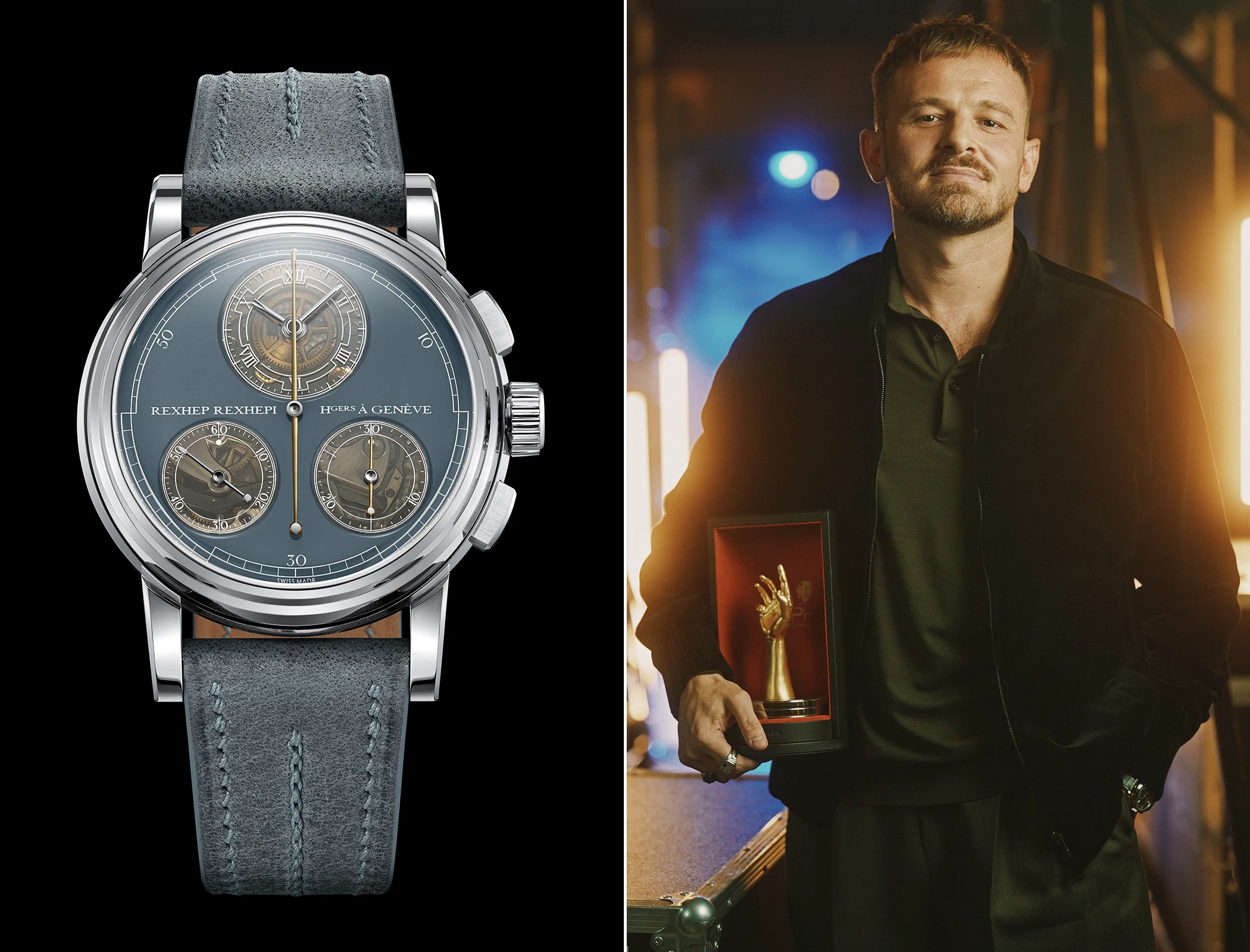
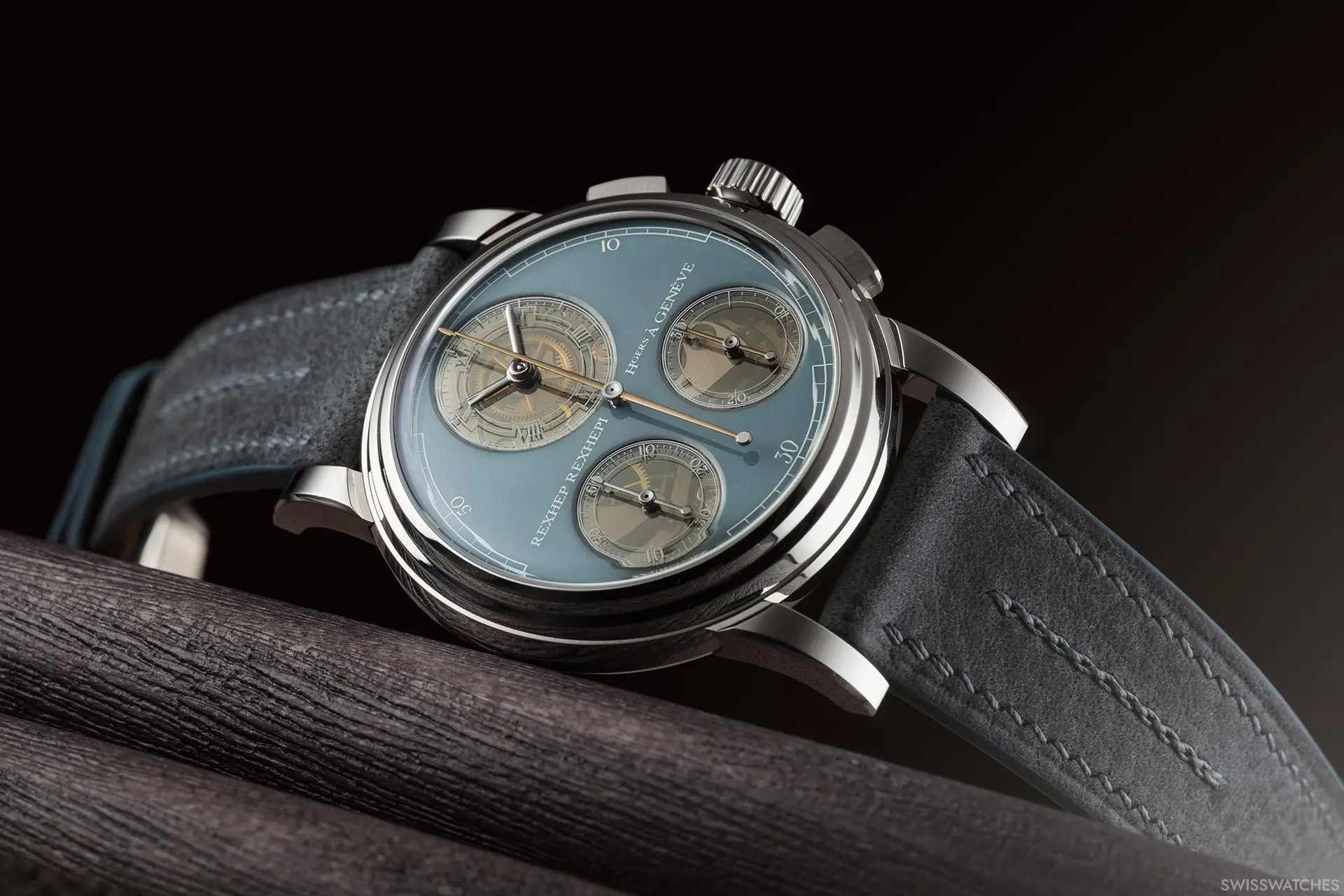
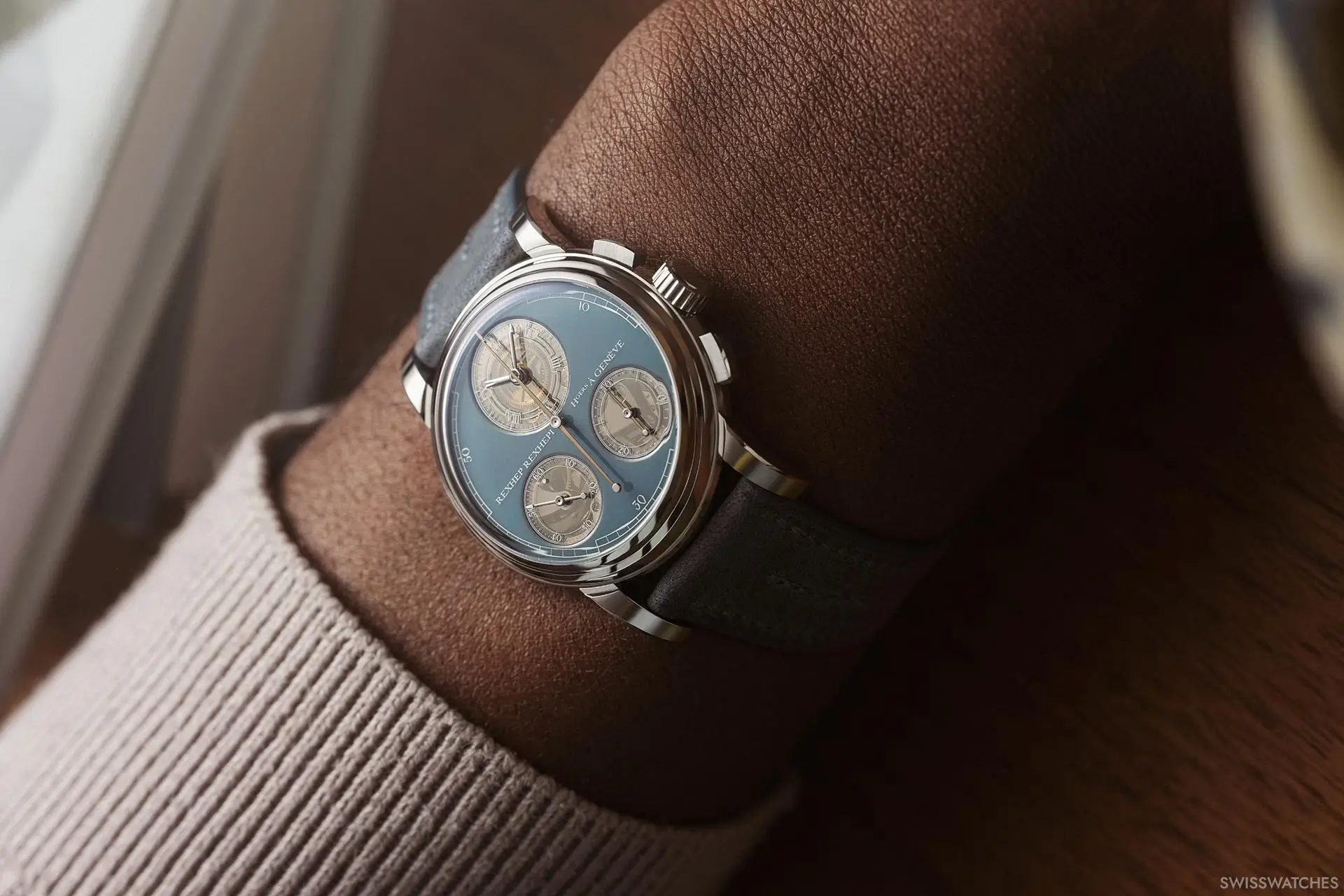
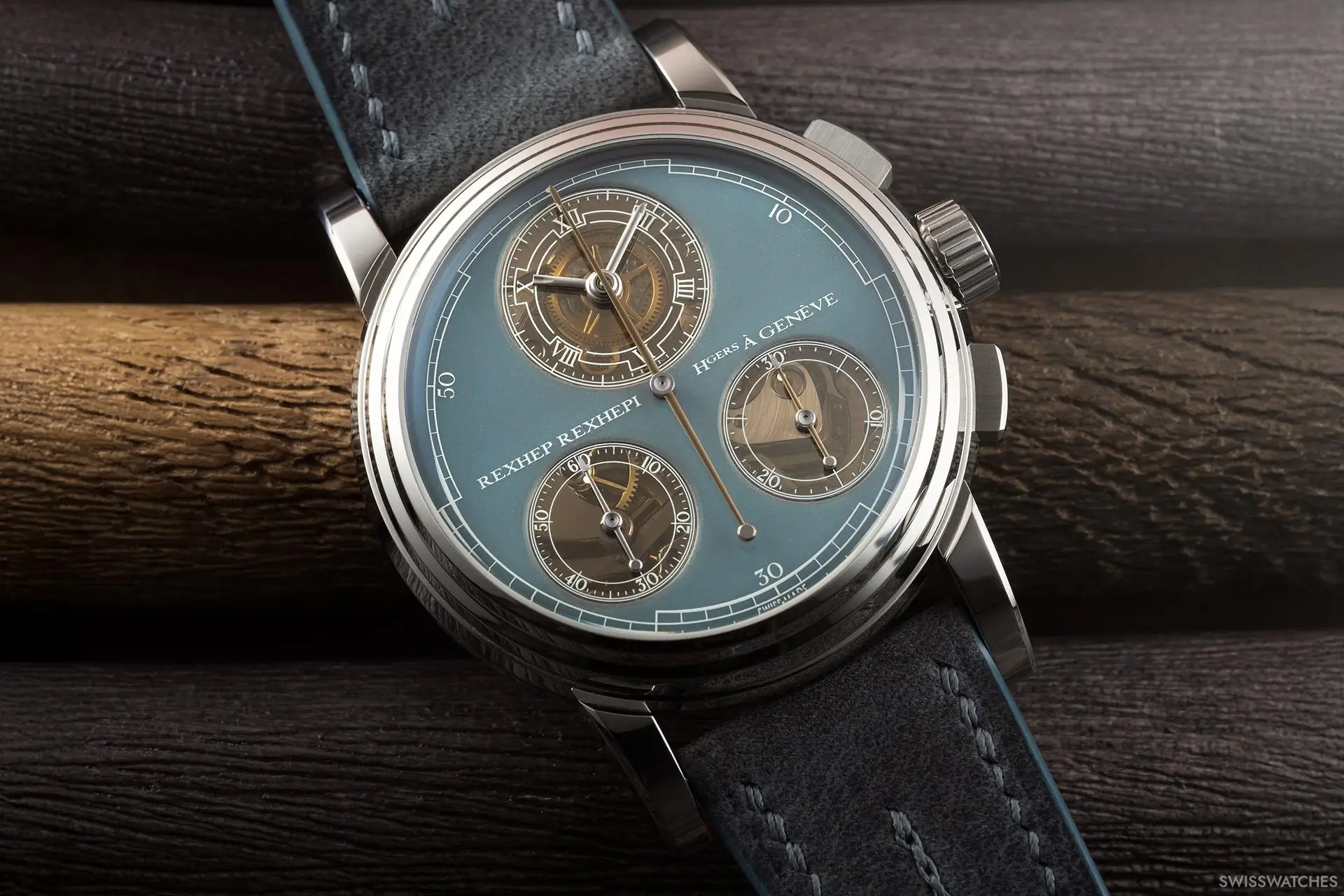
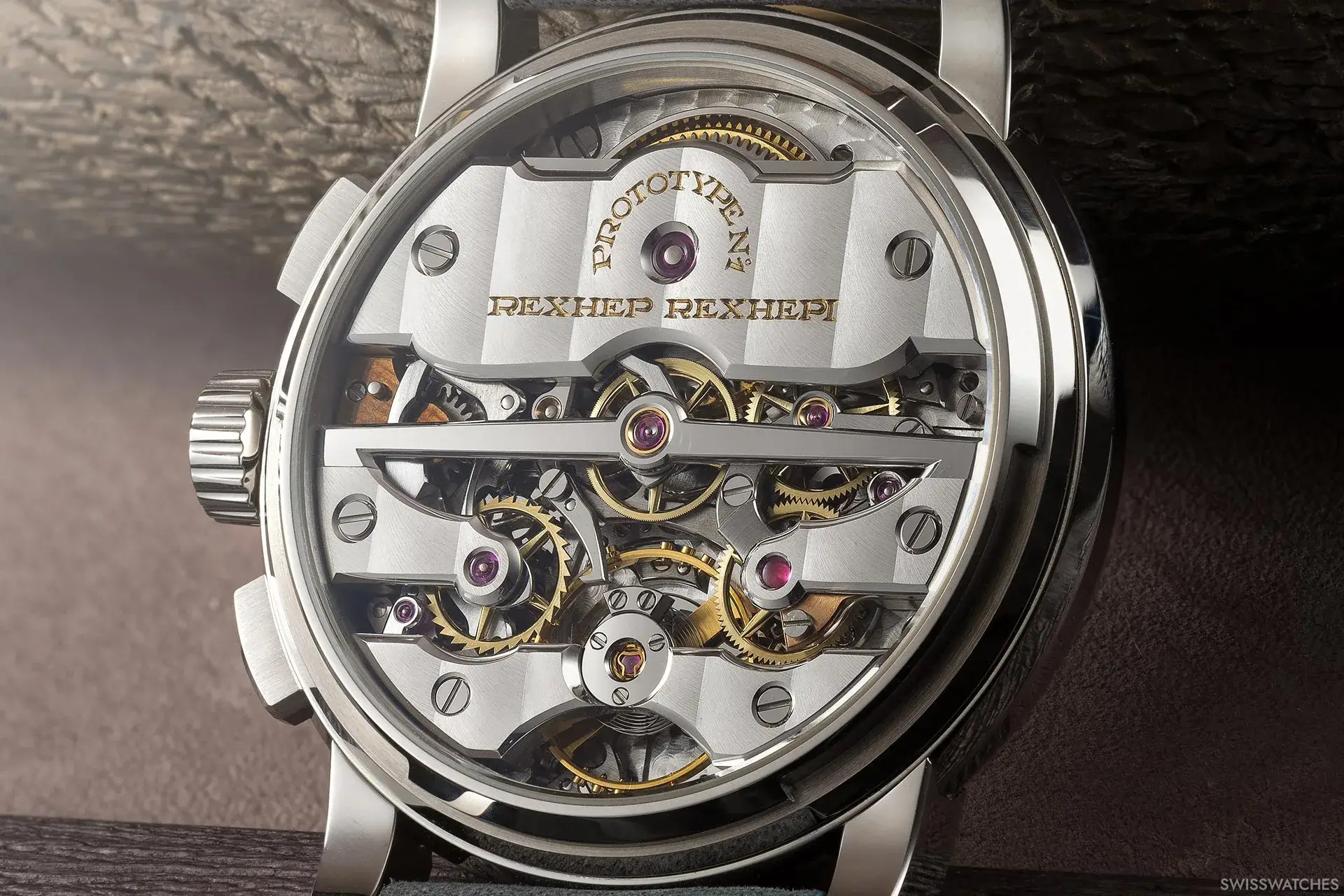
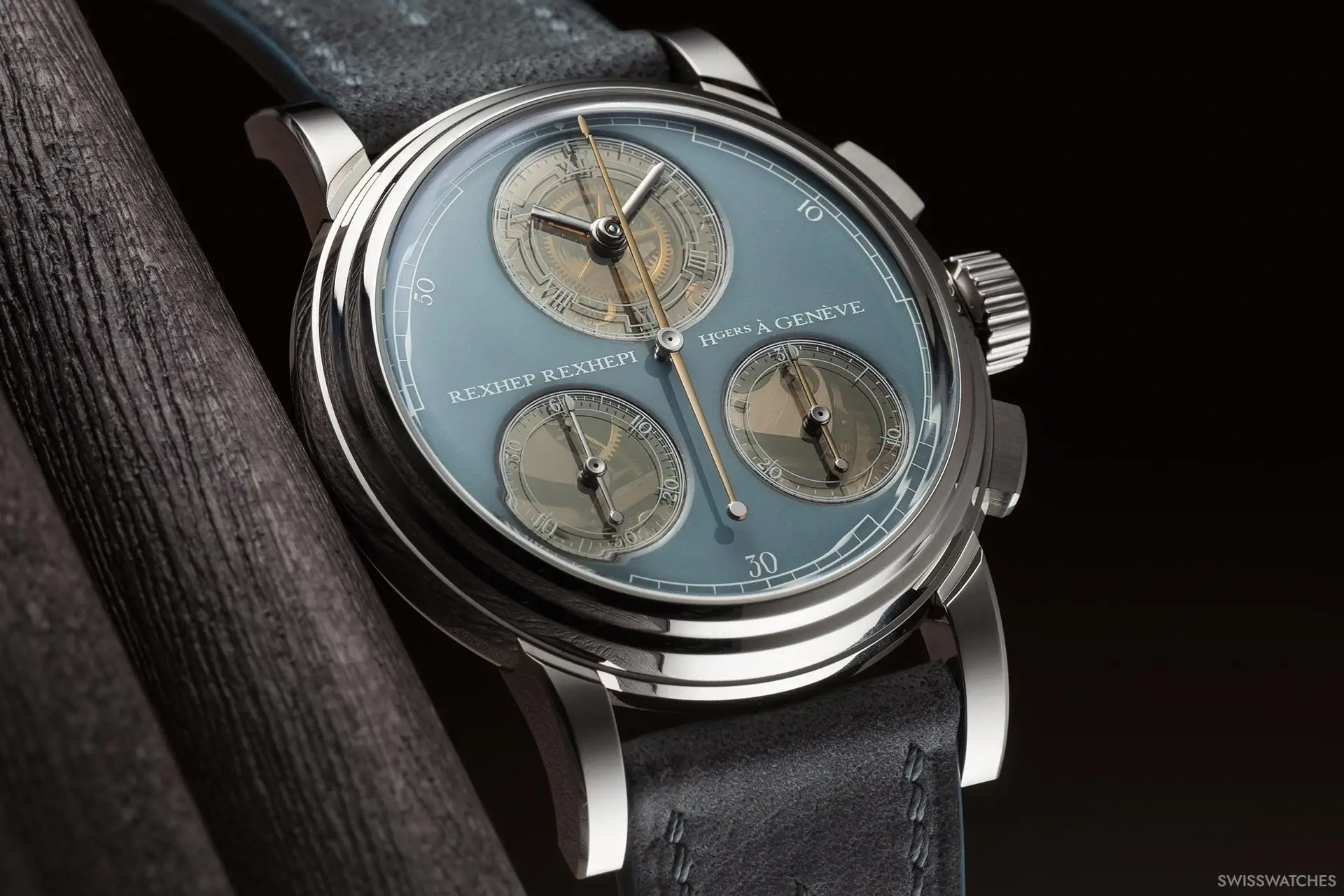
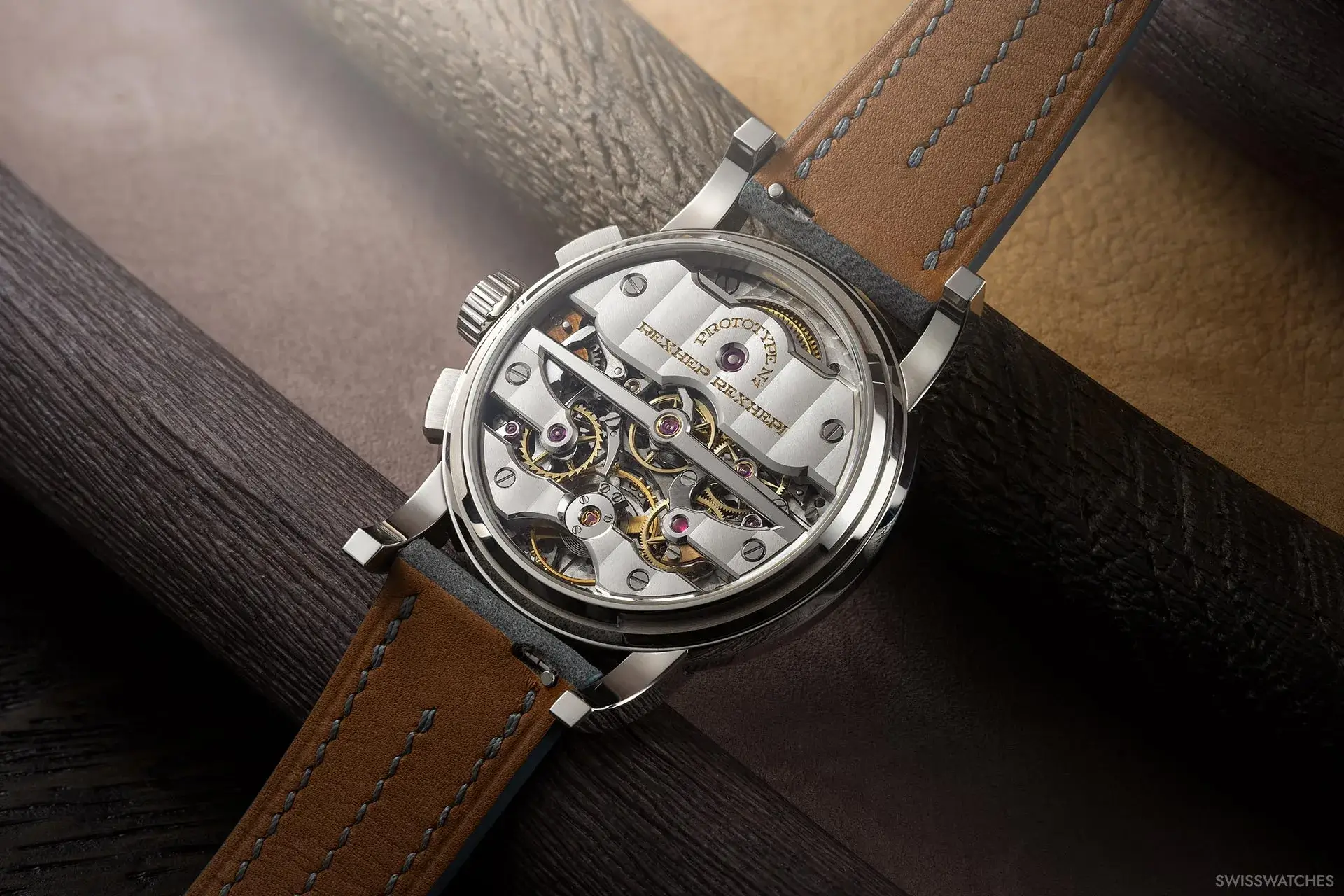
The highest accolade in the watch industry went this year to Geneva-based independent watchmaker Rexhep Rexhepi. His manually wound flyback chronograph impressed the jury with its restrained profile, classical proportions and a level of movement finishing that would be difficult to reproduce on an industrial scale.
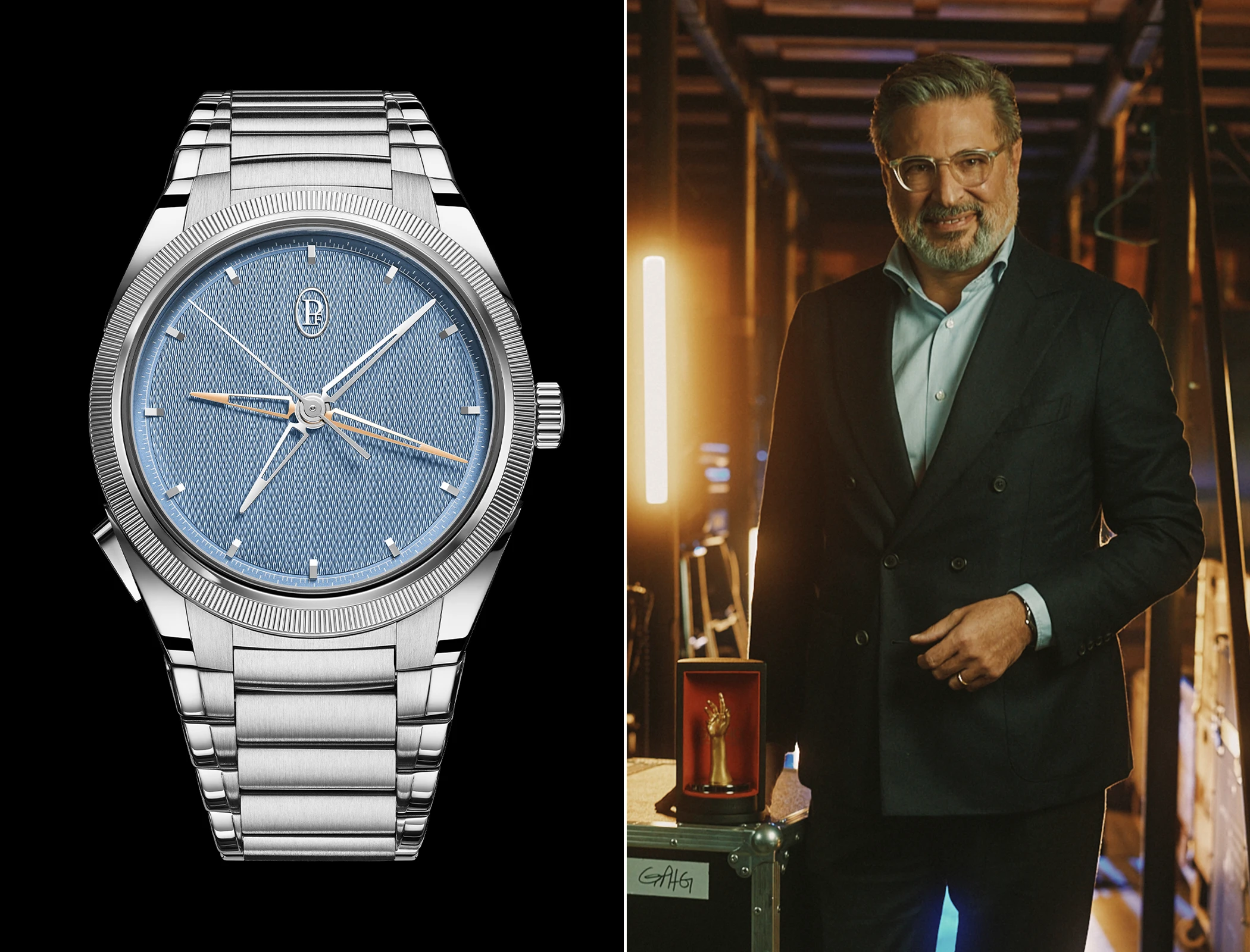
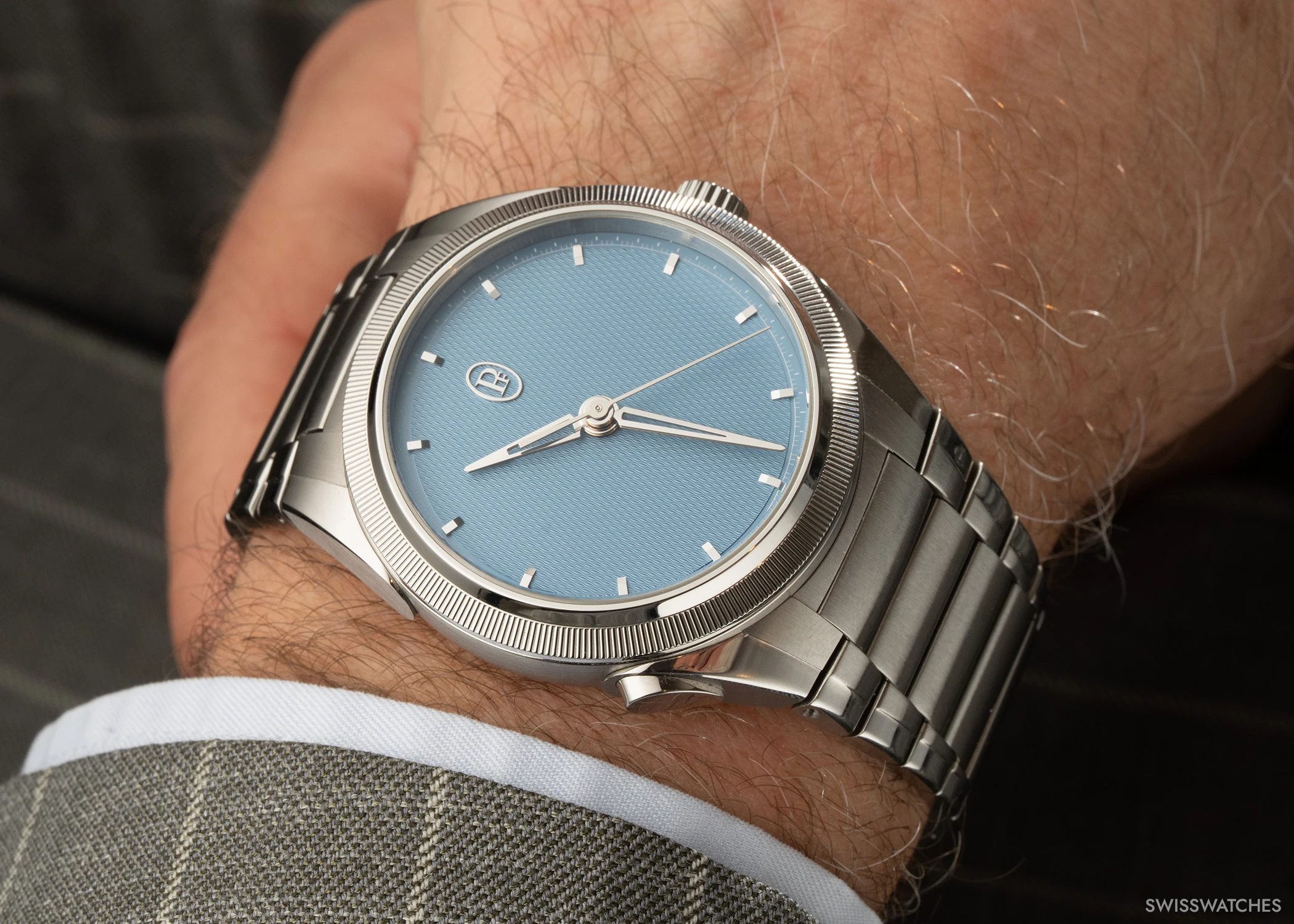
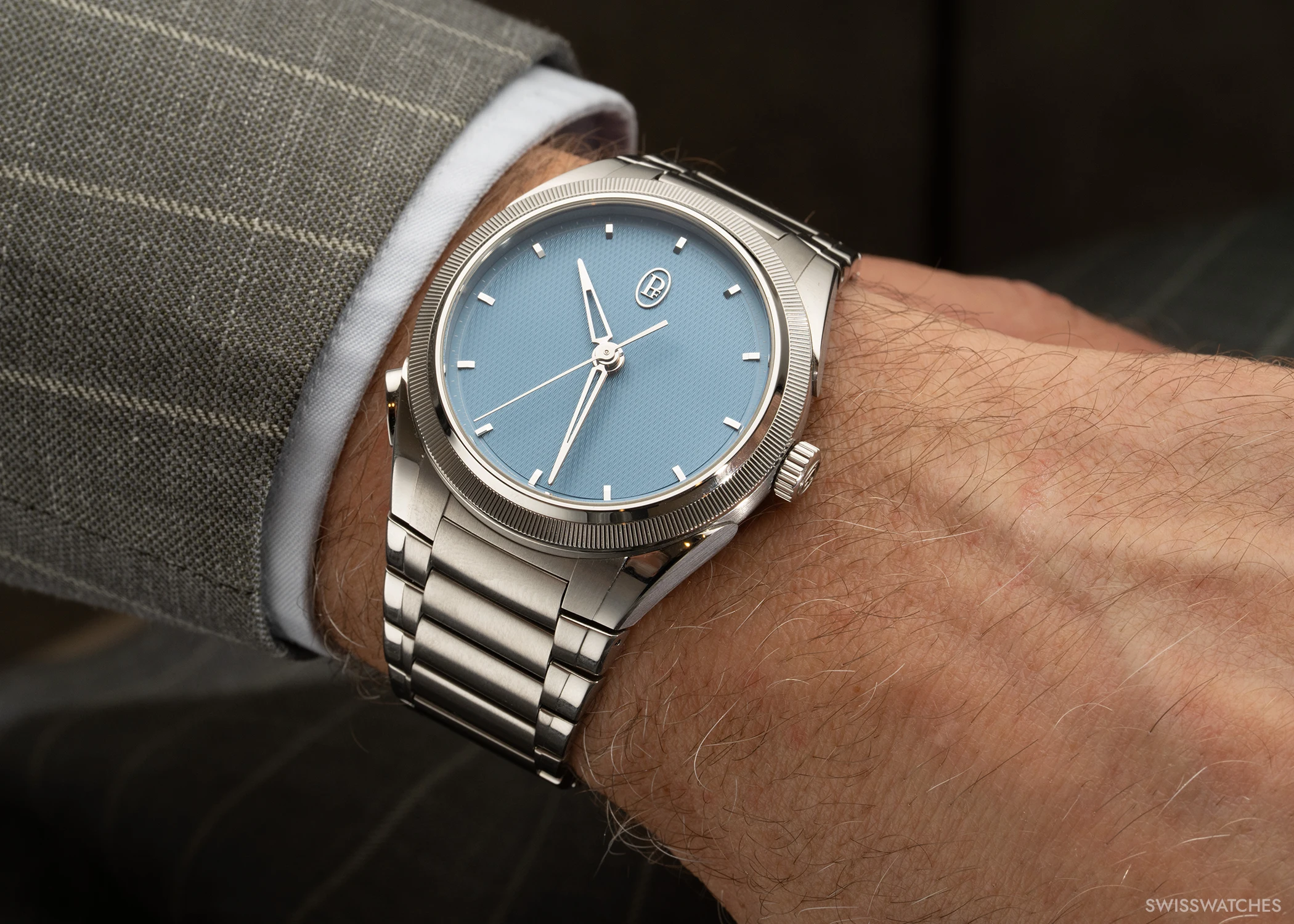
Parmigiani Fleurier secured the Chronograph Watch Prize with an unusual construction: when the chronograph is not running, the dial resembles that of a simple three-hand watch. Only when timing begins do the three coaxially arranged chronograph hands for seconds, minutes and hours come into action – all operated by a single monopusher.
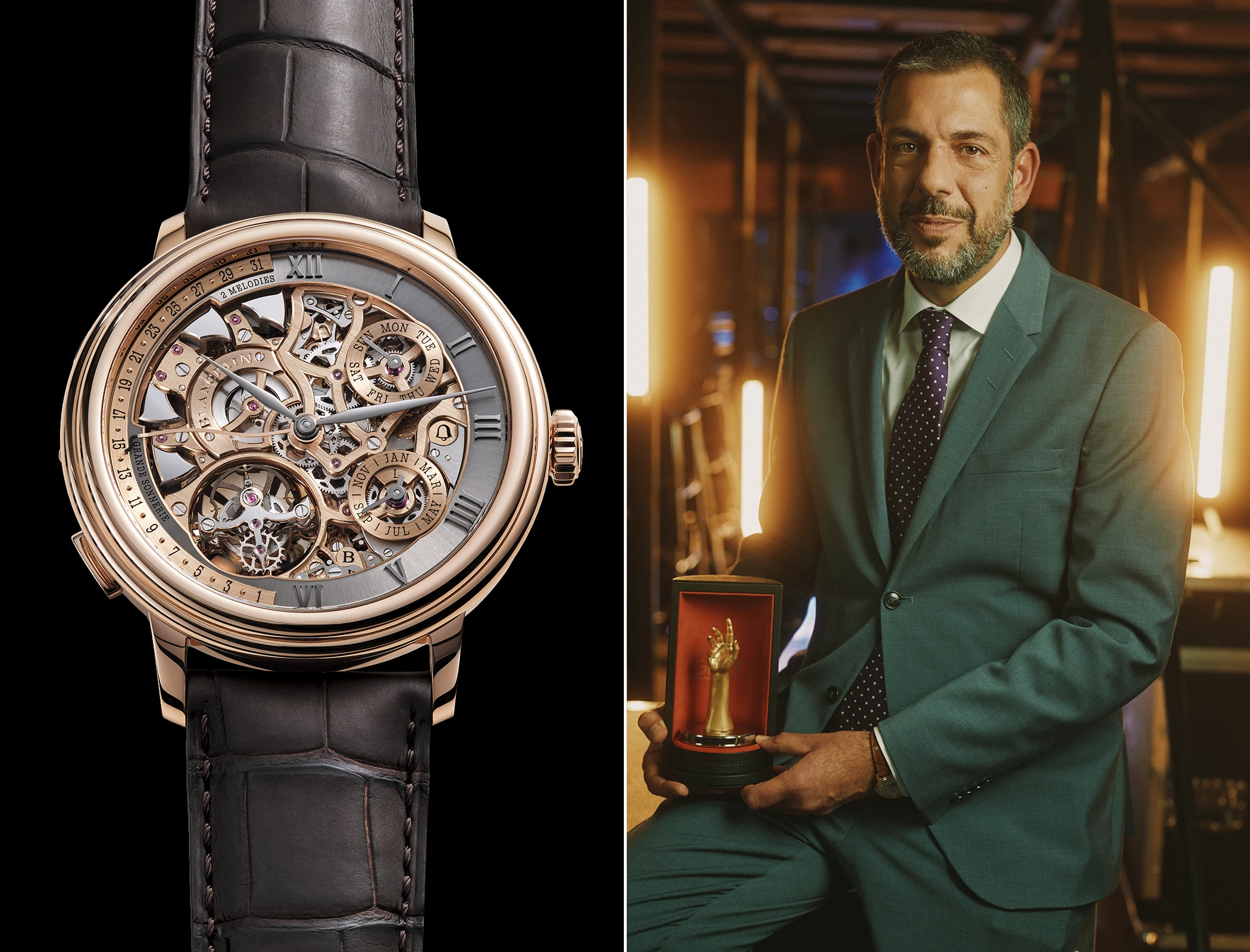
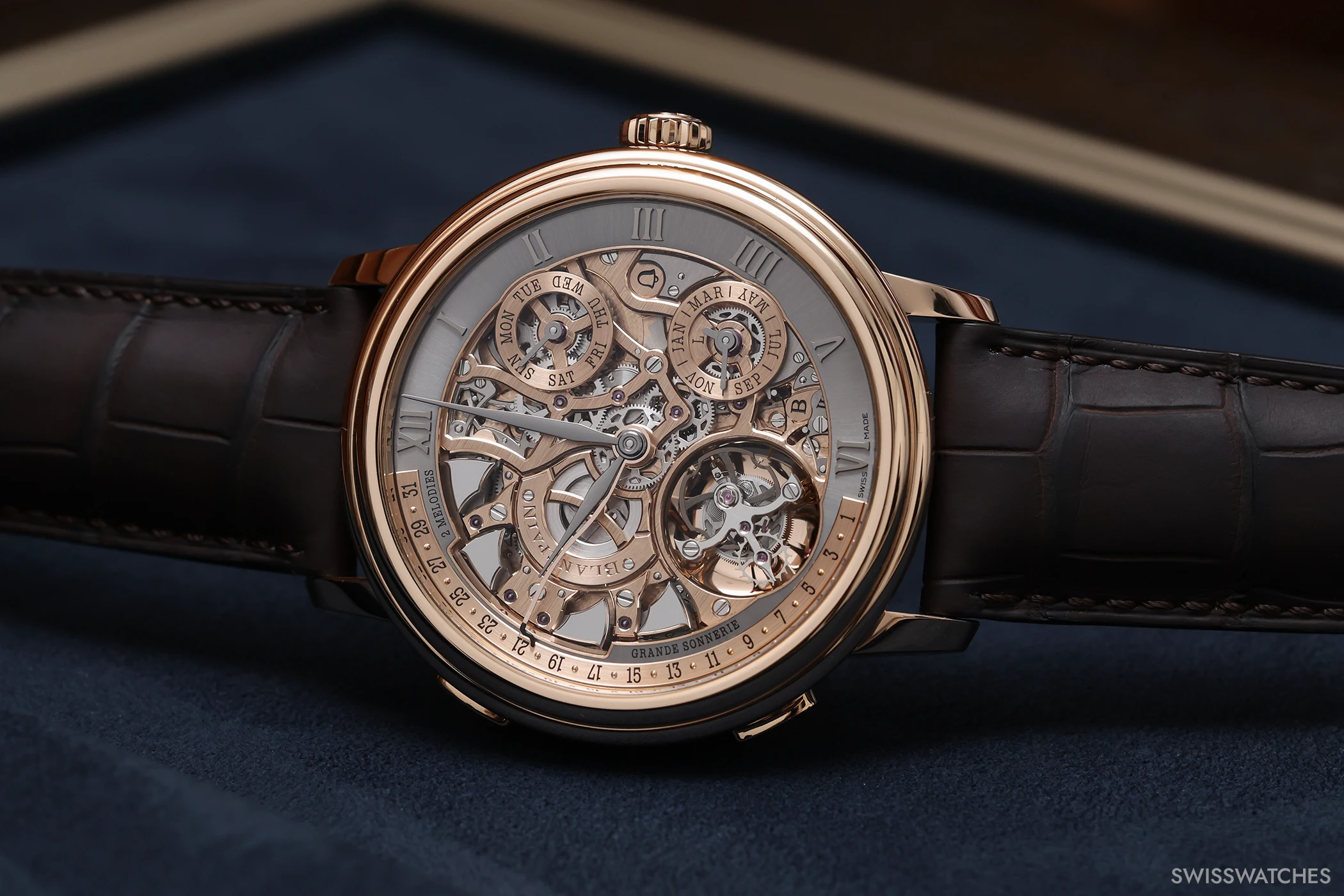
Blancpain prevailed in the category devoted to the highest levels of watchmaking complexity. Comprising more than 1,000 components, the calibre combines a four-tone chiming mechanism (grande sonnerie, petite sonnerie and minute repeater), a flying tourbillon and a perpetual calendar with a retrograde display.
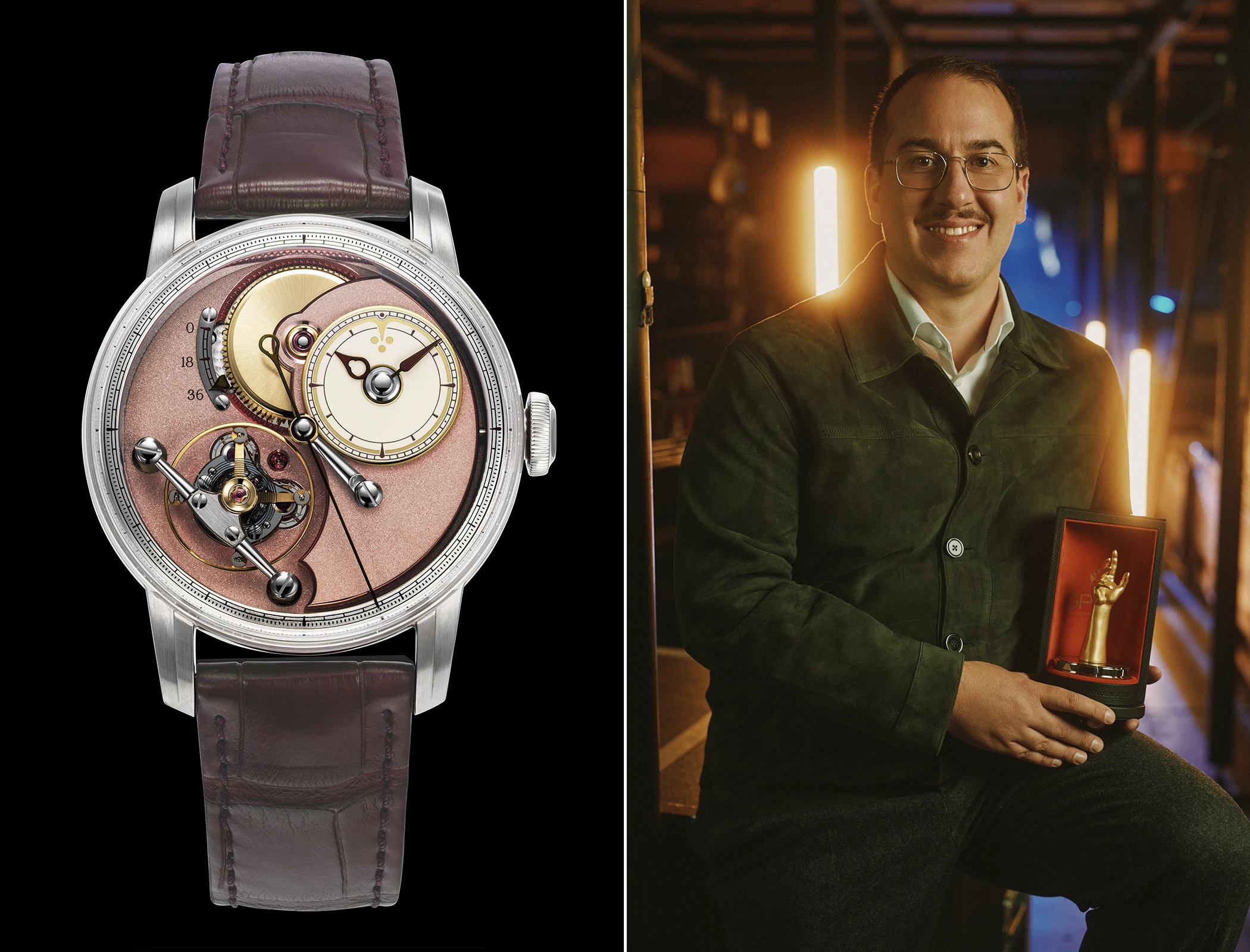
The debut of Mathieu Cleguer came as a surprise. The award in the complication category primarily recognises the escapement he developed, featuring two escape wheels that act directly on a large balance wheel and ensure that the movement starts running by itself immediately and reliably after winding.
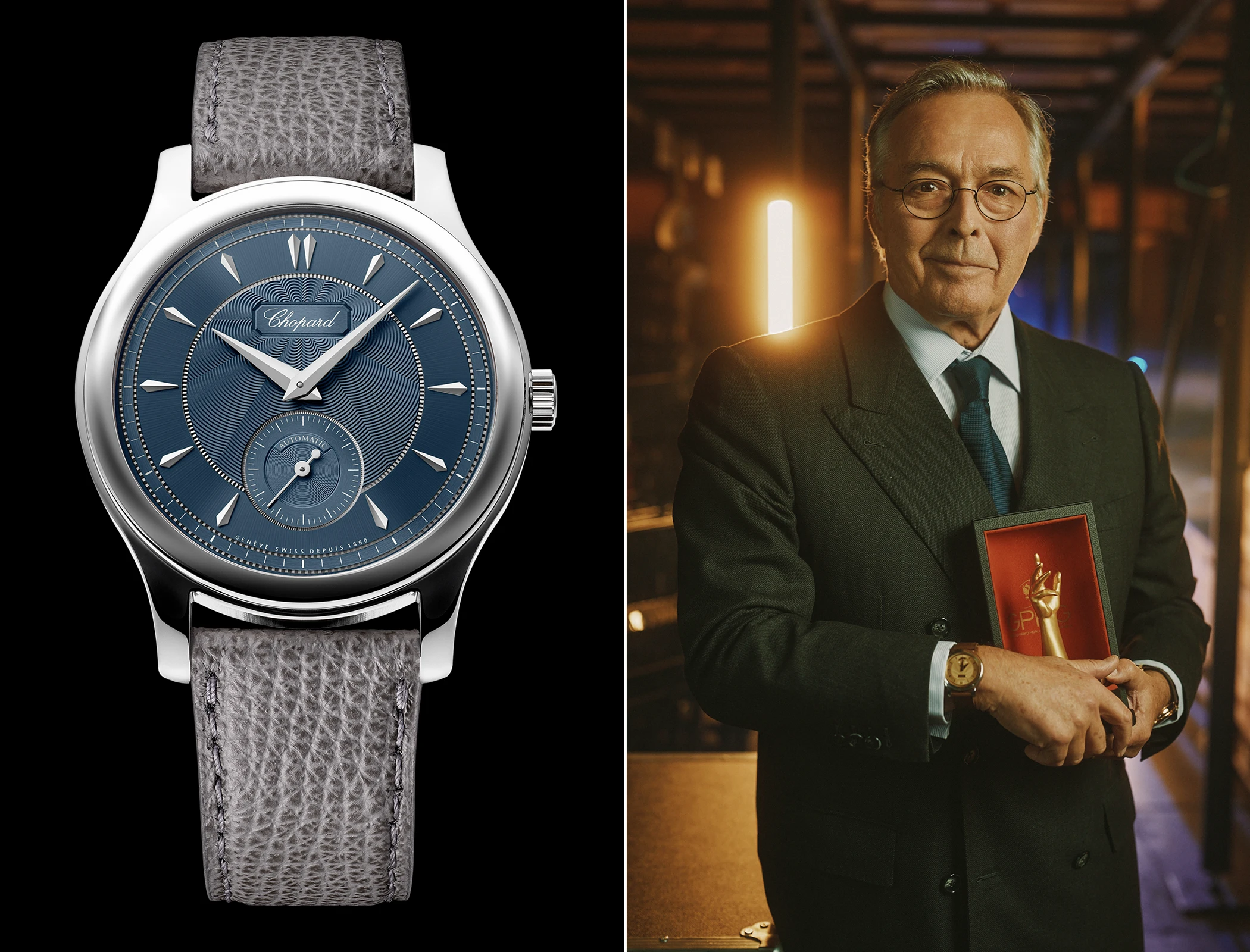
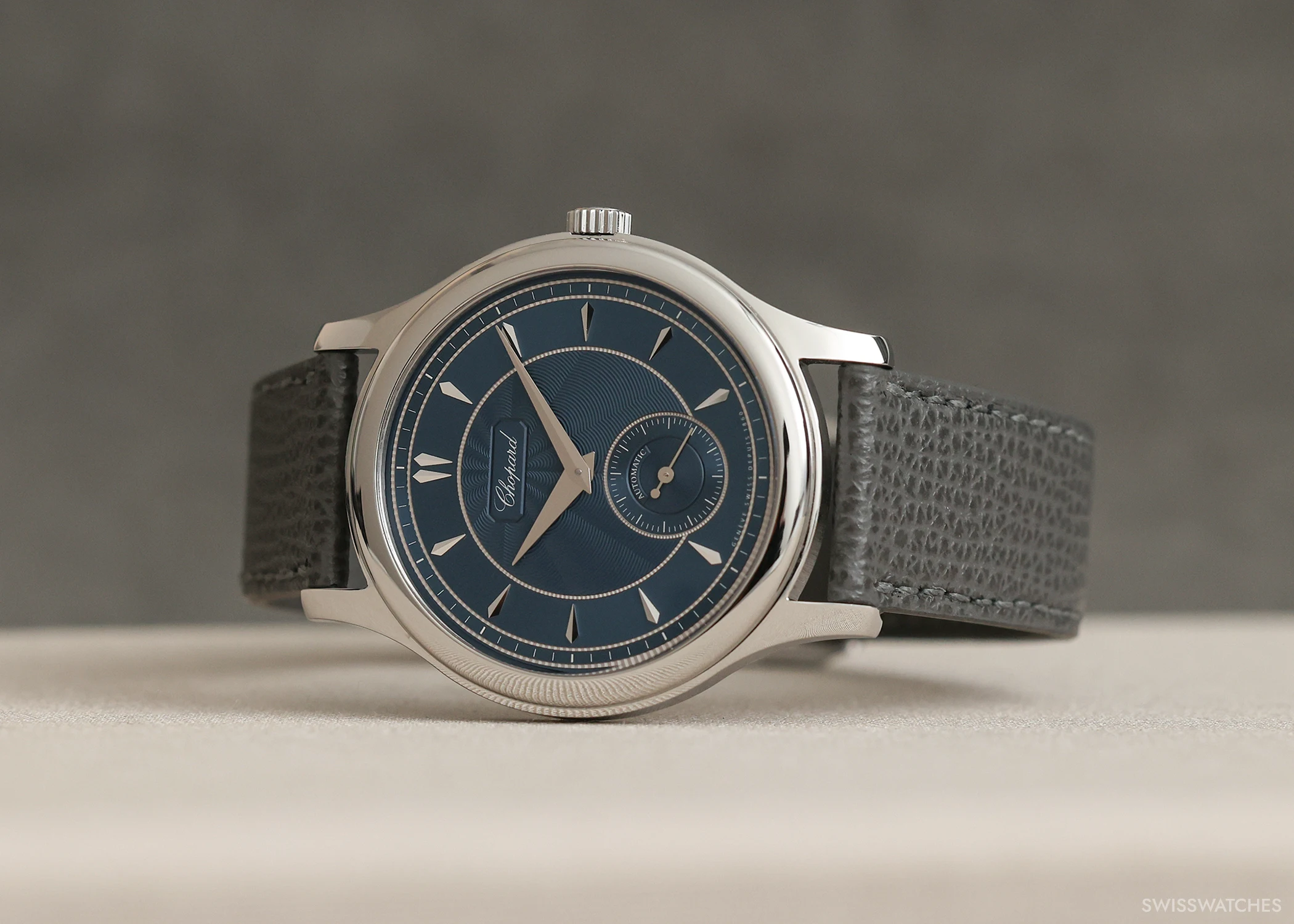
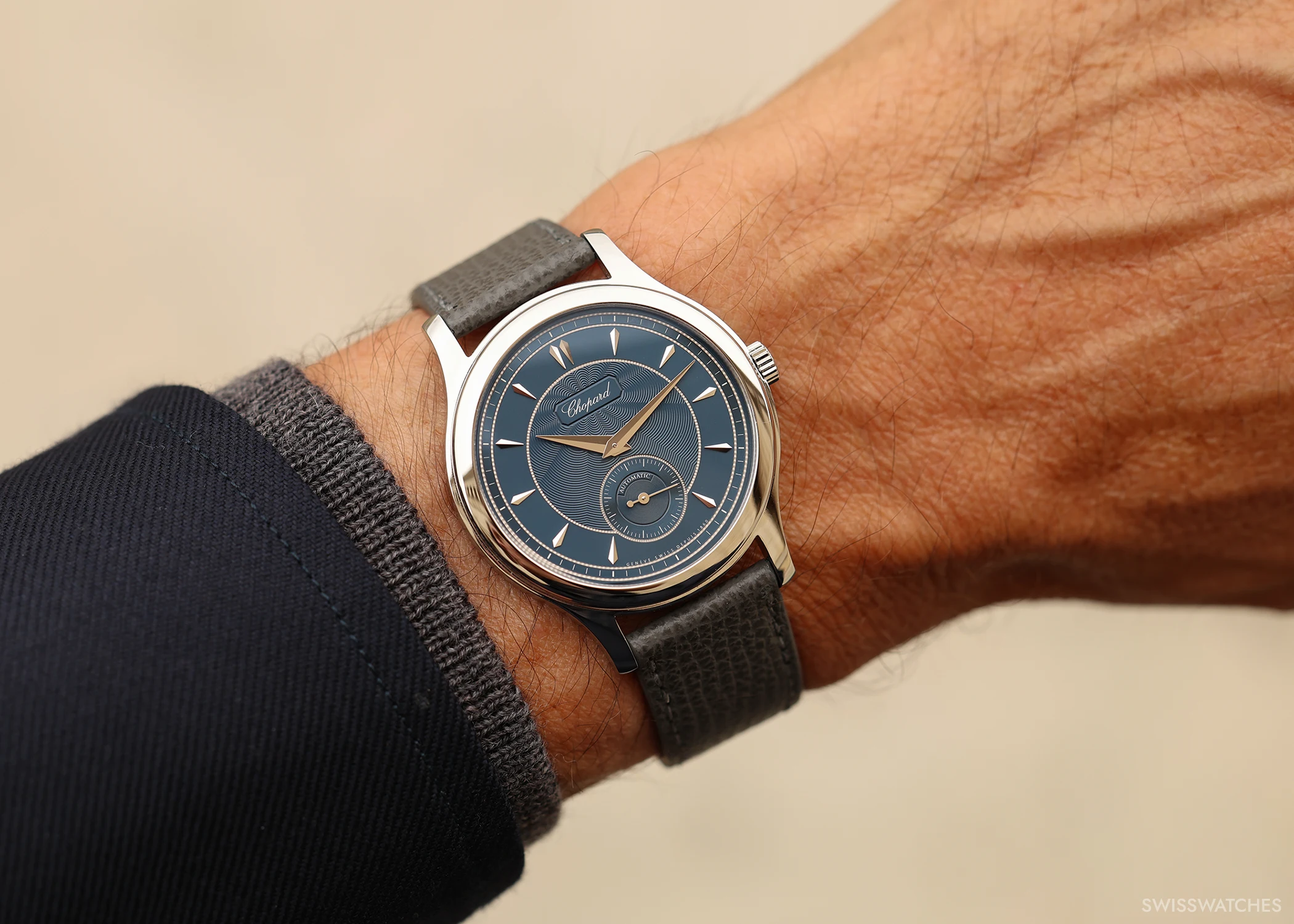
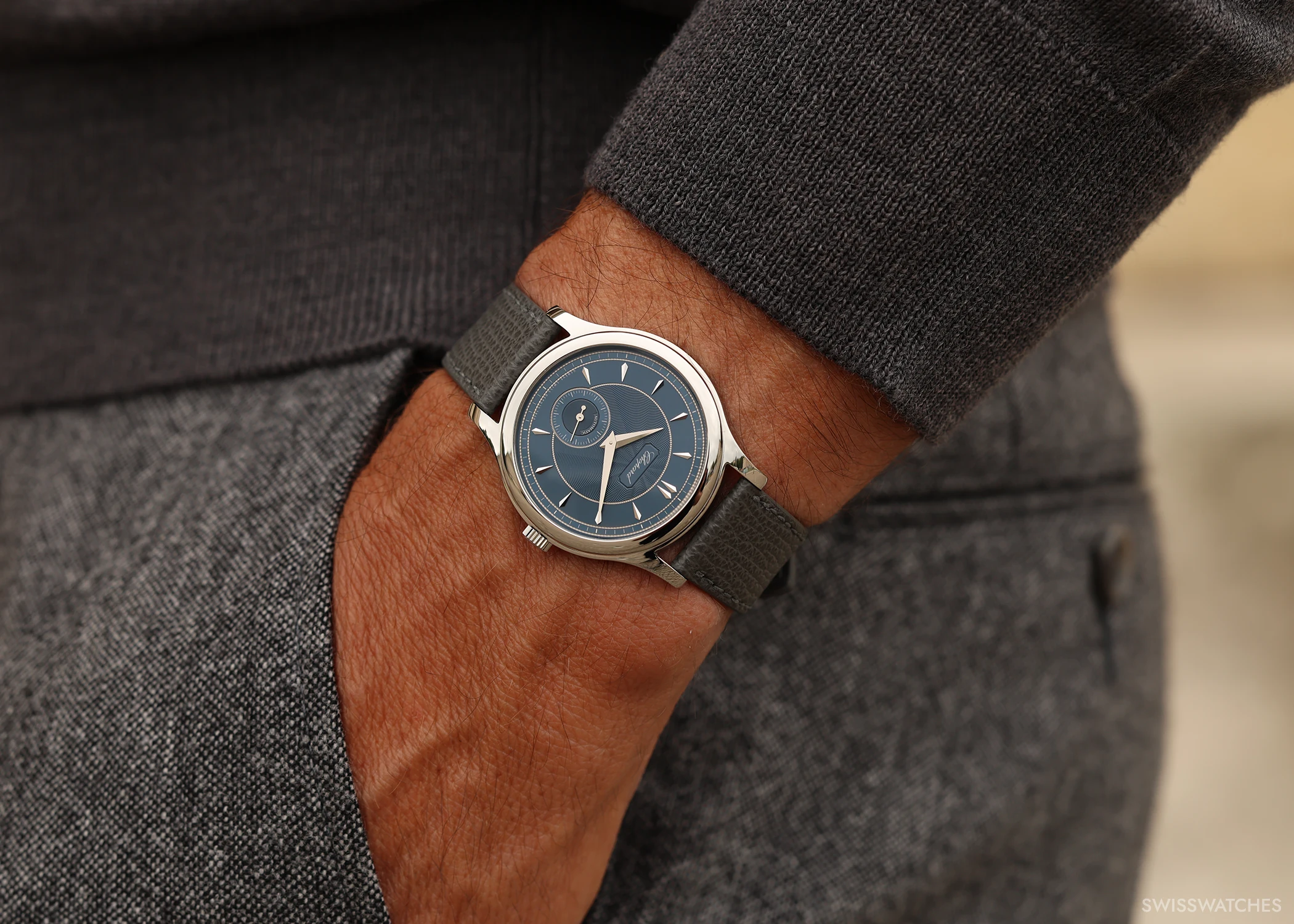
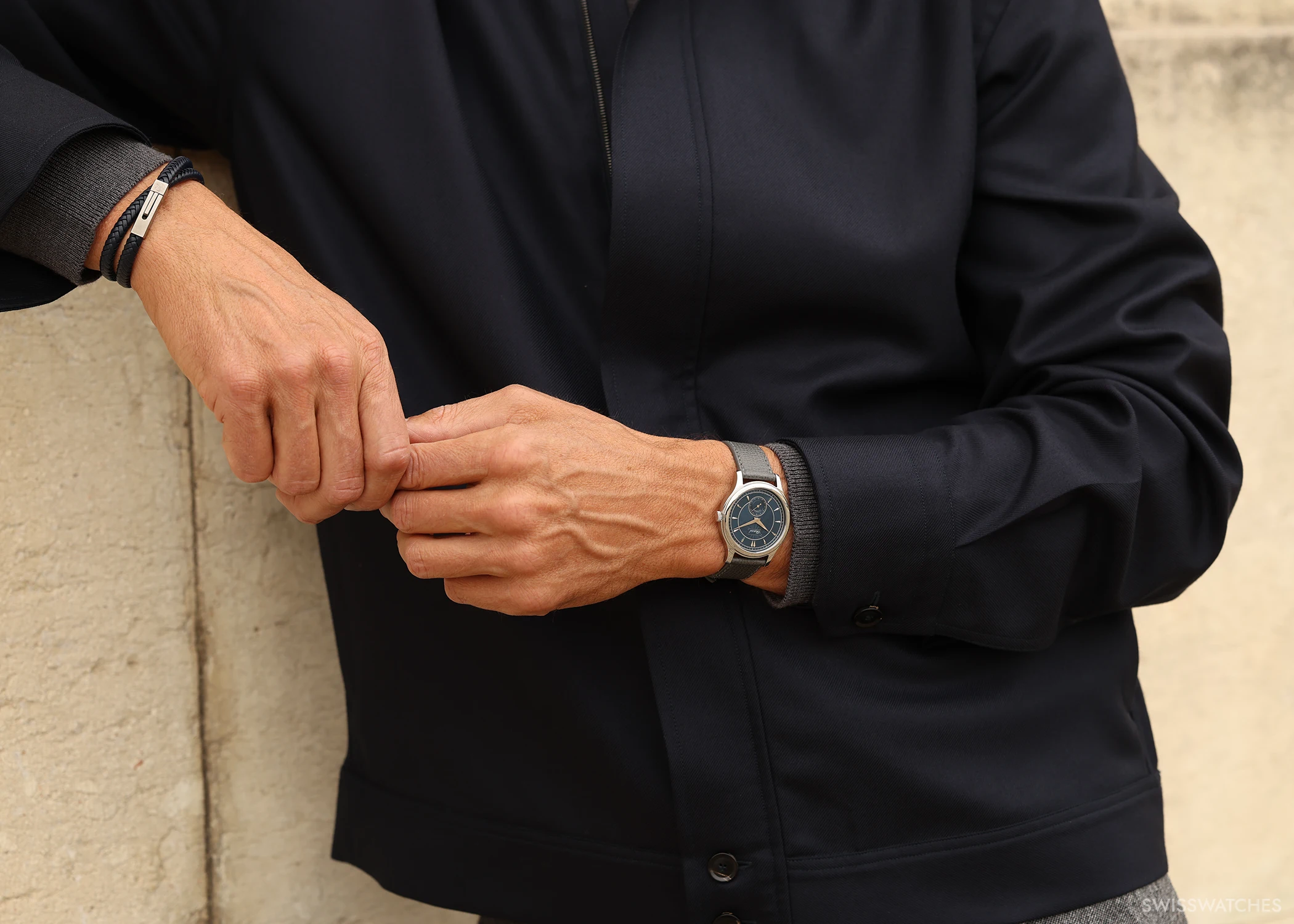
Chopard won the category for watches without additional functions. The 36.5 mm Lucent Steel case houses the slim self-winding calibre L.U.C 96.40-L, equipped with a 22-carat gold micro-rotor. A date window has been omitted in favour of a symmetrical, guilloché dial.
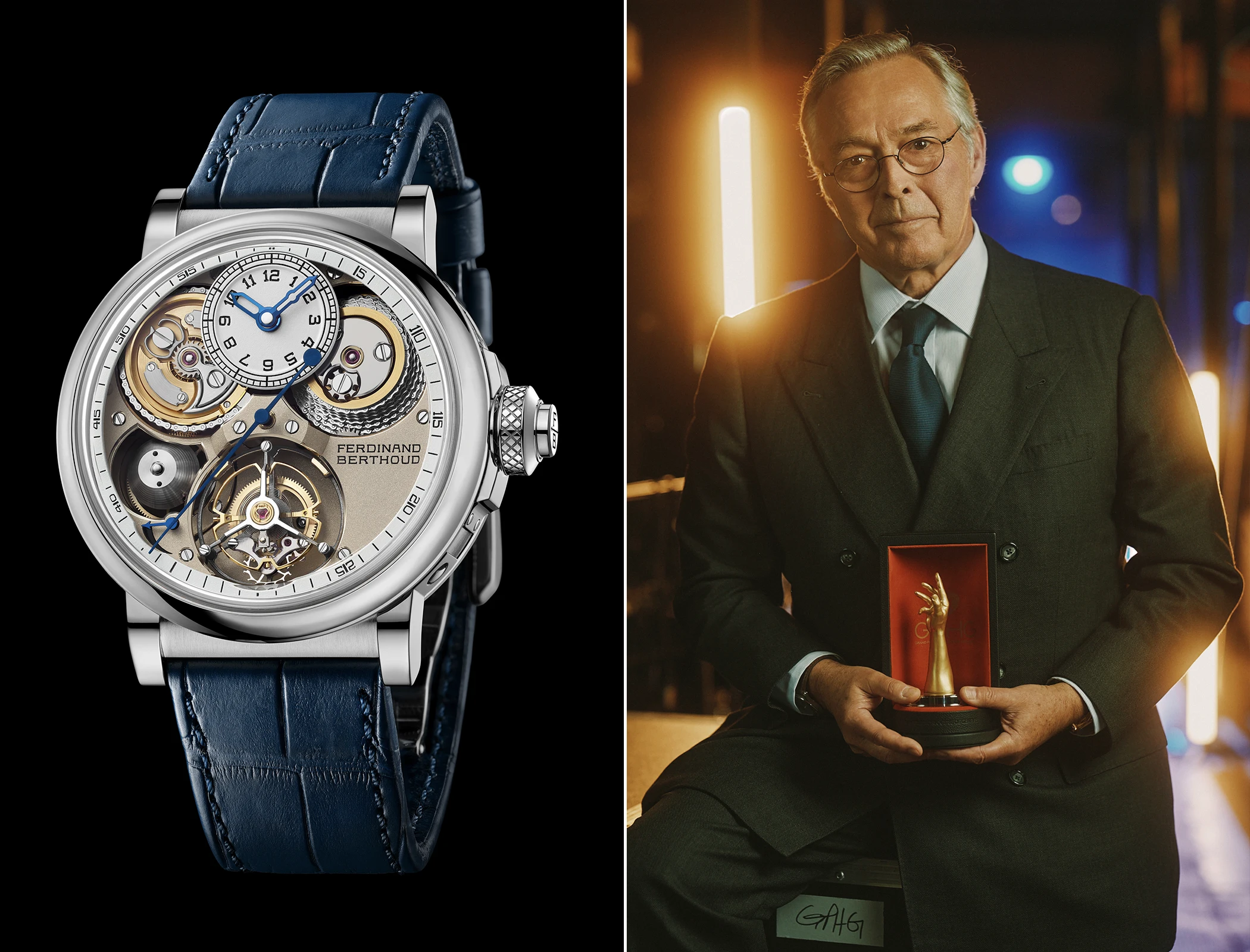
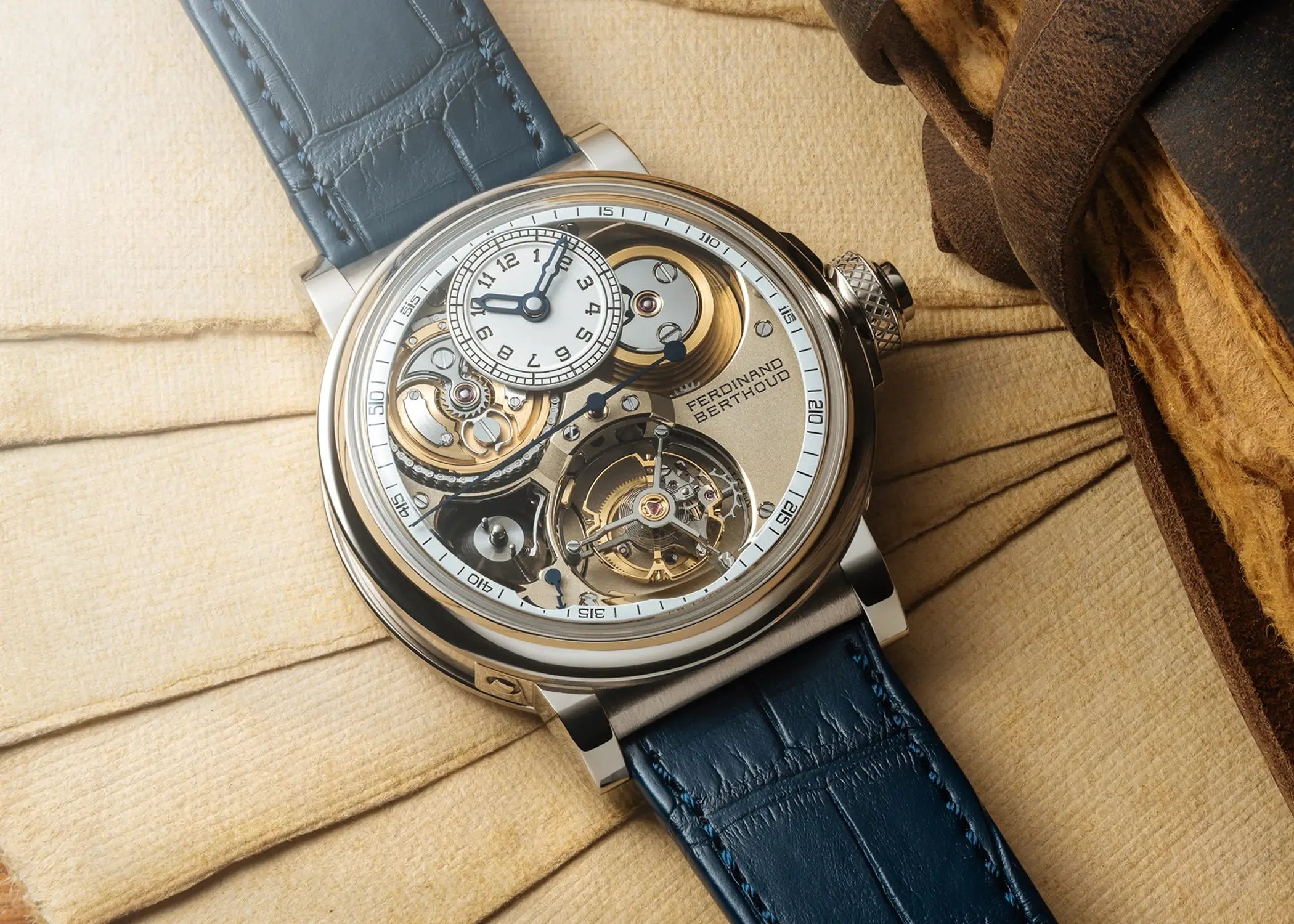
Ferdinand Berthoud secured the Tourbillon Watch Prize. The model combines a flying one-minute tourbillon with a fusée-and-chain transmission that ensures a constant delivery of force to the escapement throughout the power reserve. Both mechanical assemblies are visible from the front of the case.
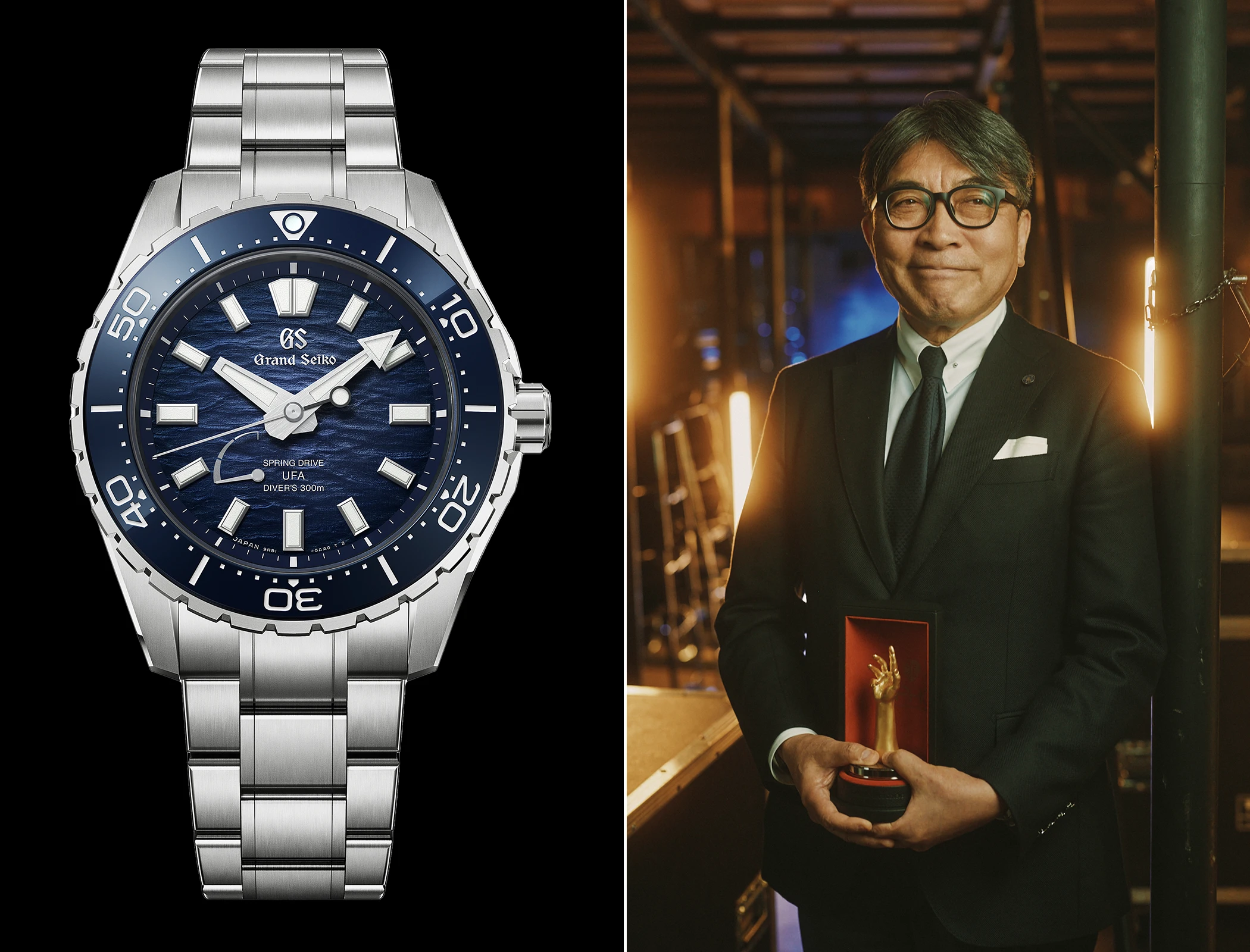
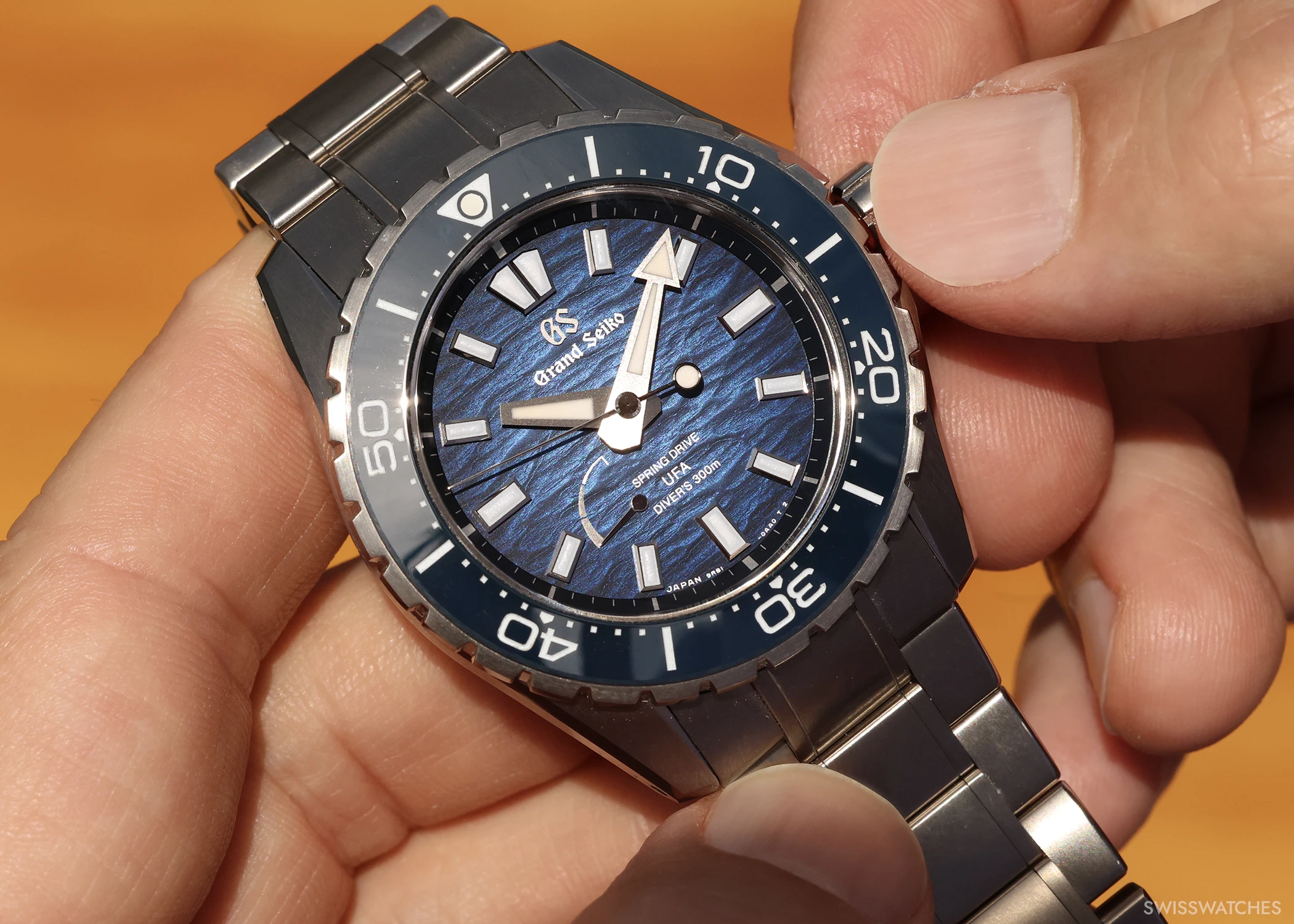
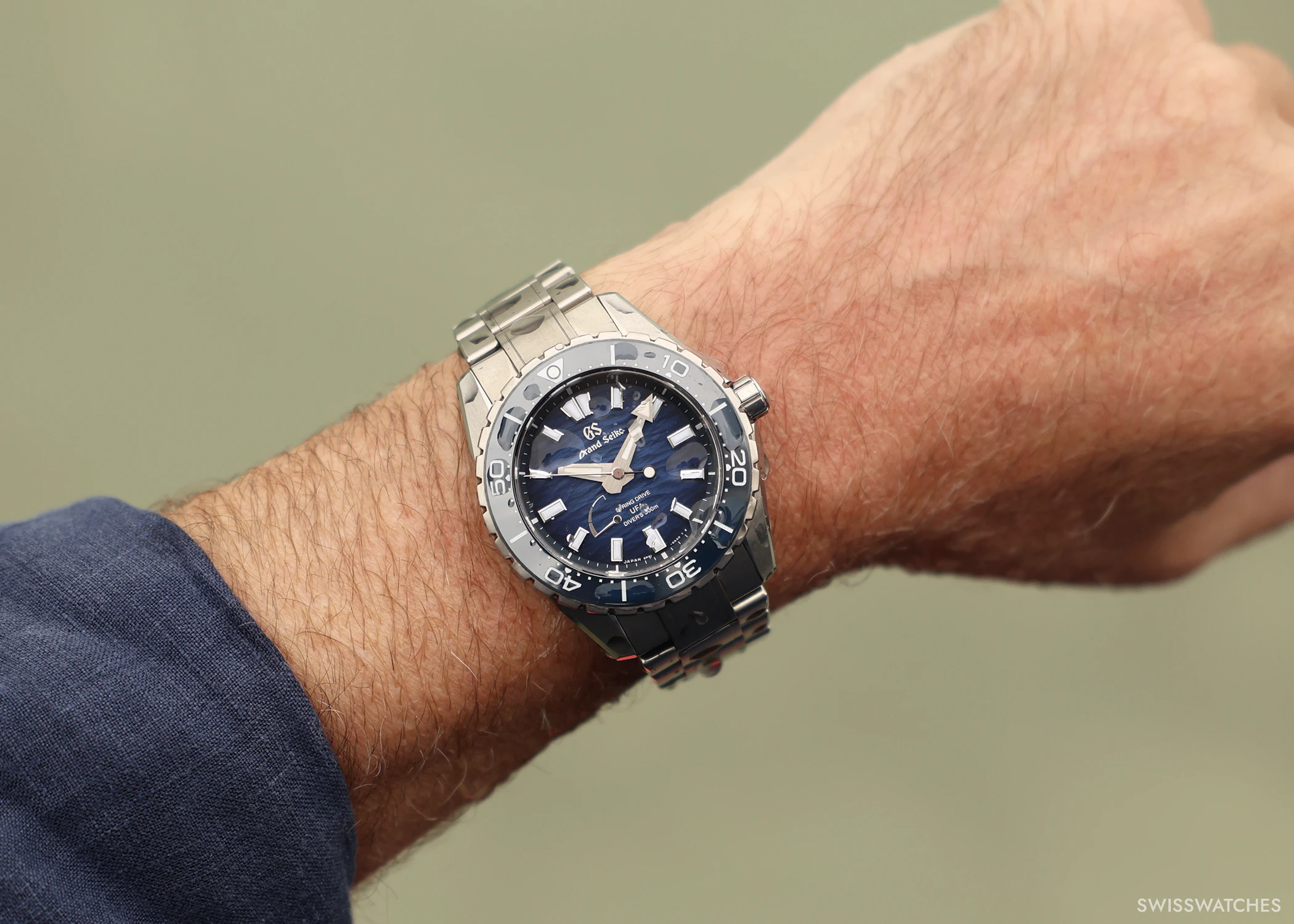
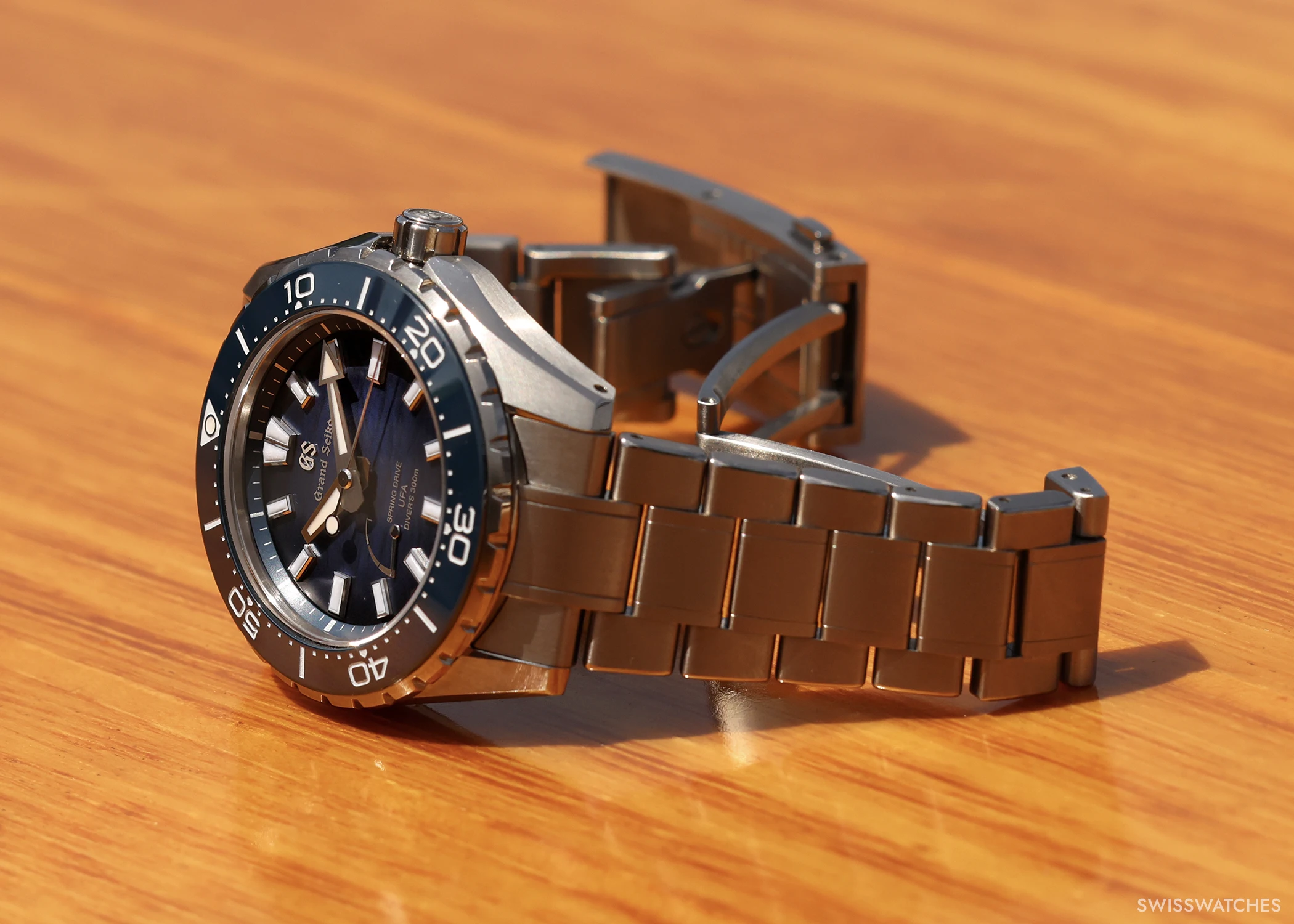
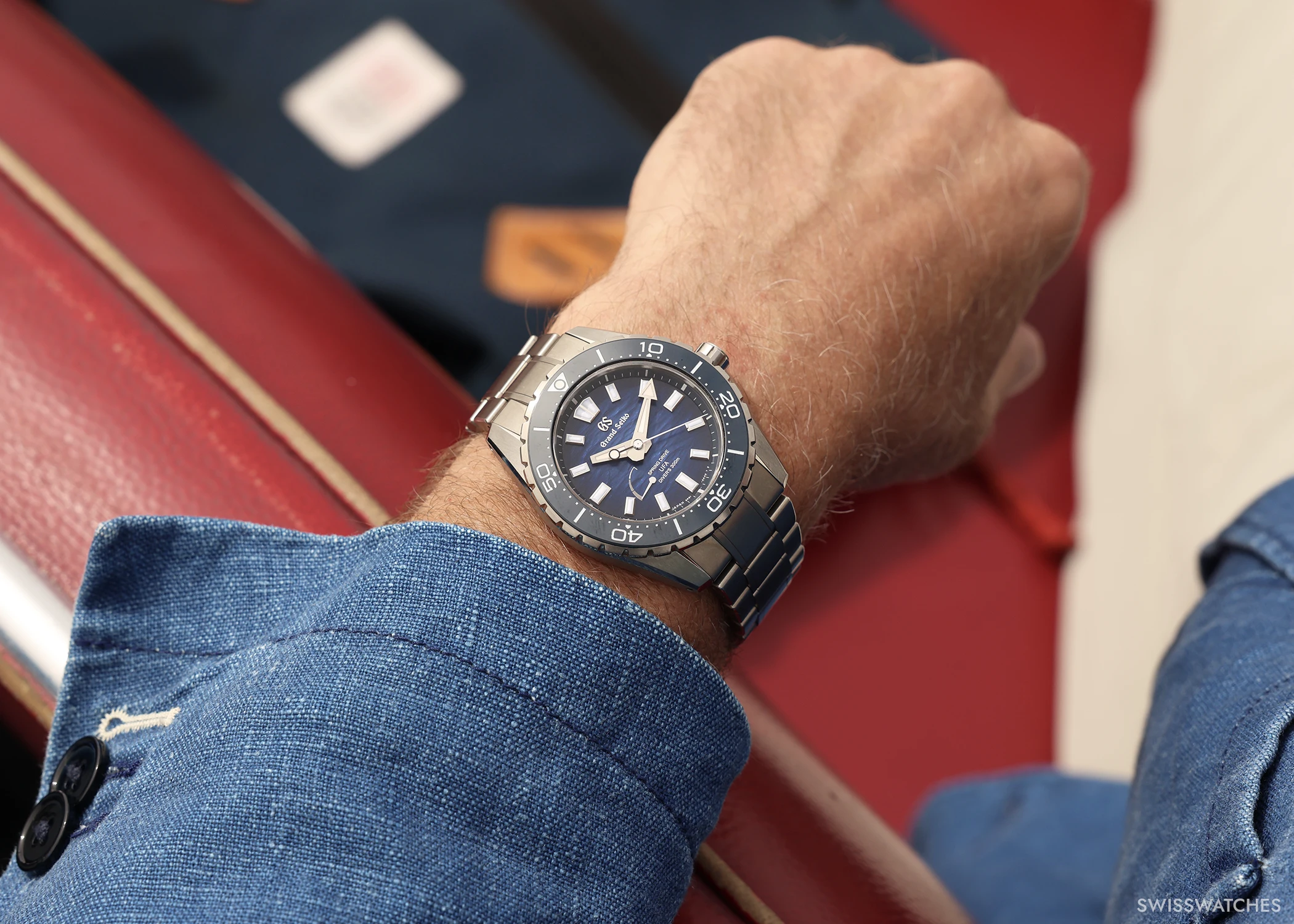
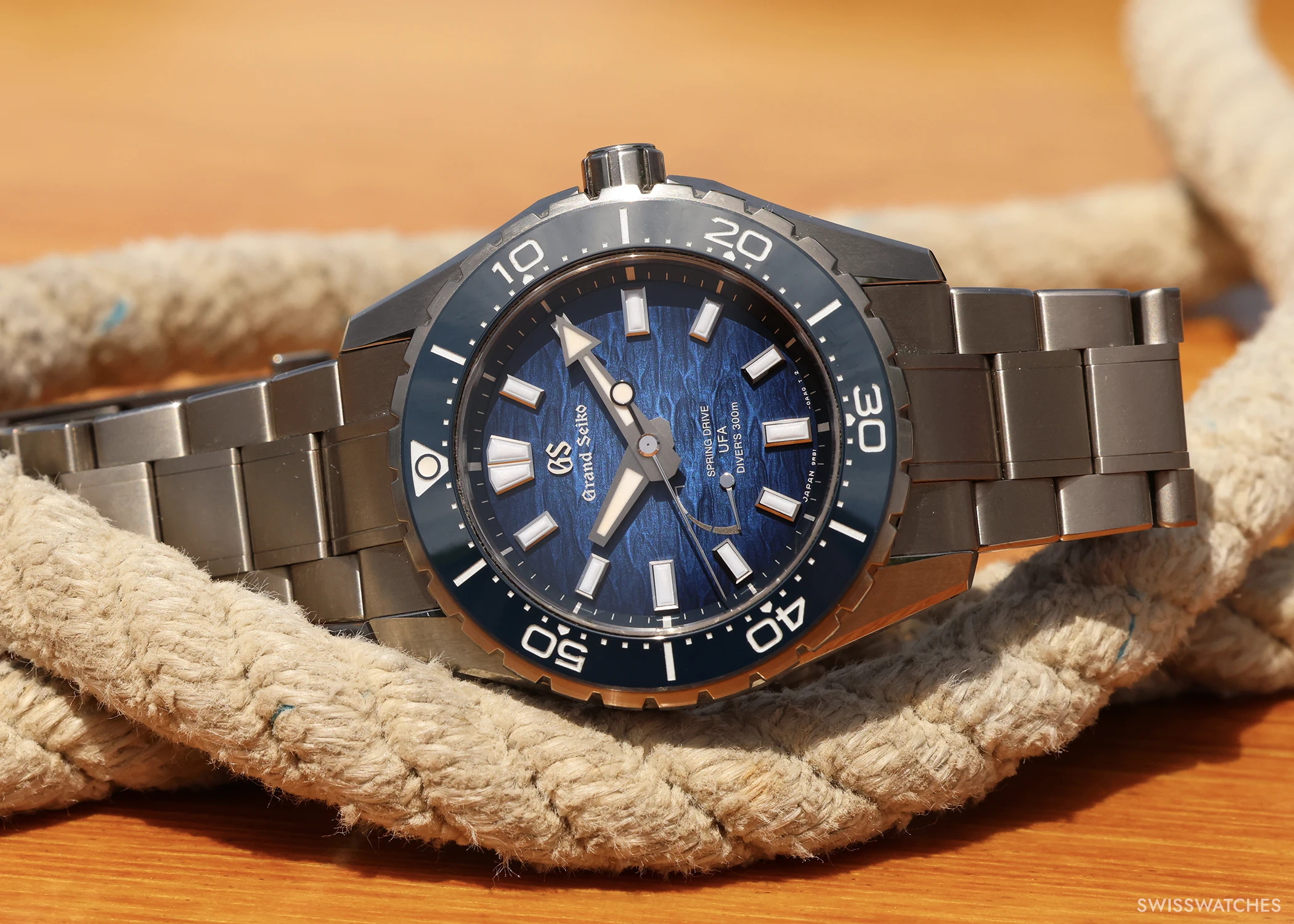
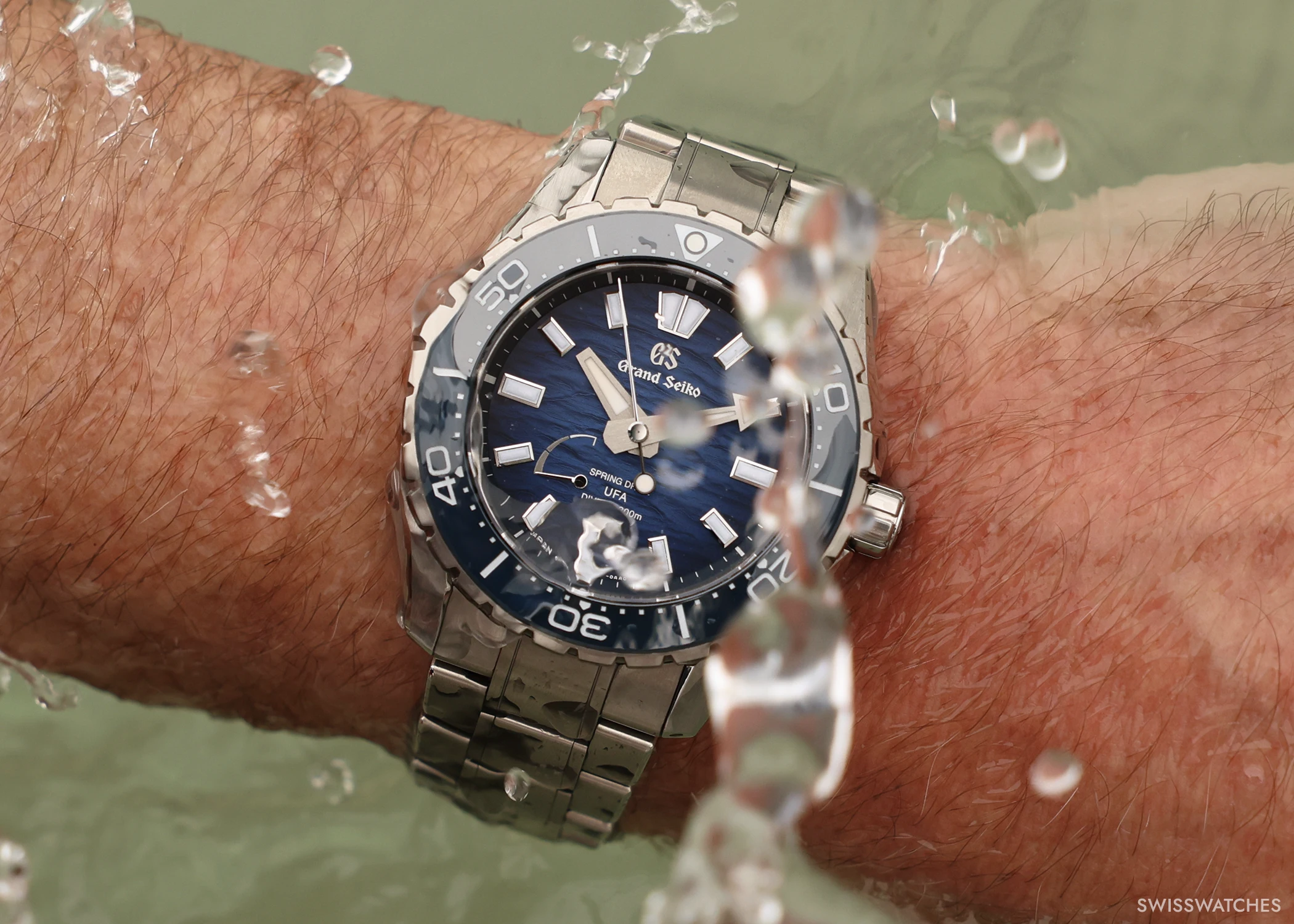
The trophy for sports watches went to Japan. Grand Seiko impressed with a diver’s watch powered by a highly precisely regulated Spring Drive movement (U.F.A.), combining a robust case with the distinctive dial texture for which the brand is known.
“Aiguille d’Or” Grand Prix: Rexhep Rexhepi, Chronograph Flyback
Iconic Watch Prize: Audemars Piguet, Royal Oak “Jumbo” Extra-thin Selfwinding Flying Tourbillon Chronograph RD#5 “150th Anniversary”
Special Jury Prize: Patek Philippe, Watch Art Grand Exhibition
Audacity Prize: Konstantin Chaykin, ThinKing Mystery
Chronometry Prize: Ferdinand Berthoud, Naissance d’une Montre 3
Horological Revelation Prize: Dominique Renaud, Pulse60 Titanium Black
Mechanical Exception Watch Prize: Blancpain, Grande Double Sonnerie
Complication Watch Prize: Cleguer, Inspiration One
Chronograph Watch Prize: Parmigiani Fleurier, Tonda PF Chronographe Mystérieux
Tourbillon Watch Prize: Ferdinand Berthoud, Chronomètre FB 2TV
Sports Watch Prize: Grand Seiko, Spring Drive U.F.A. Ushio 300 Diver
Calendar and Astronomy Watch Prize: Audemars Piguet, 150 Heritage
Essential Watch Prize: Daniel Roth, Extra Plat Rose Gold Skeleton
Time Only Watch Prize: Chopard, L.U.C 1860
Jewellery Watch Prize: Chopard, Mystery Nut
Artistic Crafts Watch Prize: Louis Vuitton, Tambour Taiko Arty Automata
Gemset Watch Prize: Piaget, Swinging Pebble
“Petite Aiguille” Watch Prize: Otsuka Lotec, No.8
Challenge Watch Prize: SpaceOne, SpaceOne X Baltic – Seconde Majeure
Mechanical Clock Prize: La Vallée, Cosmo