
Panerai Luminor 31 Giorni: How is a 31-day power reserve achieved? We explain the technology and compare it with long-runners from Lange, Hublot and Vacheron.
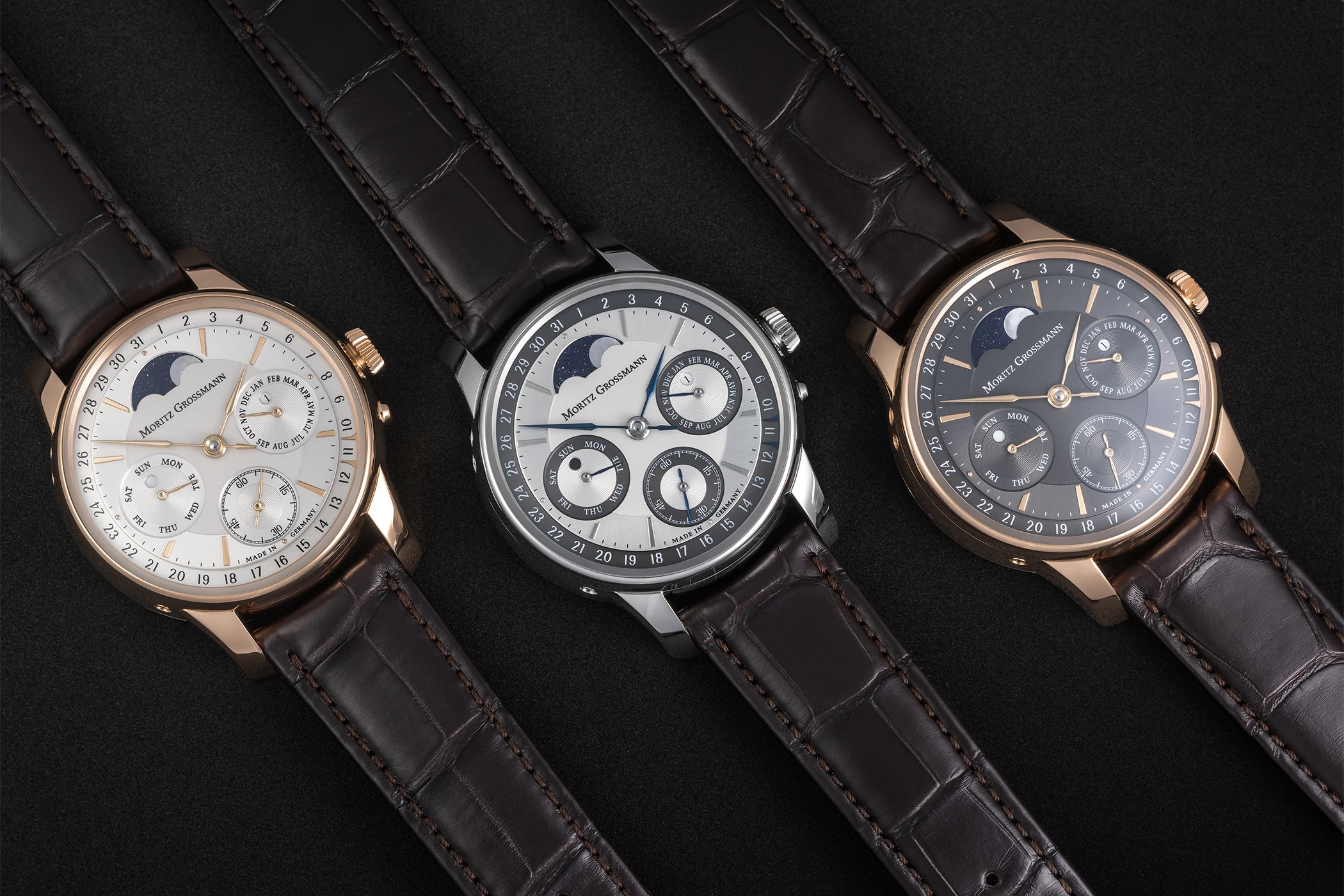
The Moritz Grossmann watch manufacture is celebrating the 200th anniversary of its namesake’s birth with a special exhibition. On a recent visit to Glashütte, we discovered the technical and aesthetic features of Grossmann watches that every connoisseur and collector of fine watchmaking should be familiar with.
Christine Hutter is visibly moved when, at one point in her speech to the invited guests, she speaks of her team’s tireless dedication. Yet everything we are about to see today would not have been possible without Hutter’s own passion and vision when, in 2008, she decided to revive the Moritz Grossmann name with a team of enthusiasts.
In fact, no one had secured the trademark rights to the name Moritz Grossmann after he died unexpectedly in 1885 and his workshop was closed down. The name lay dormant for over 120 years until Christine Hutter – herself a qualified watchmaker – became aware of Grossmann’s untapped potential through her research. Having held senior positions at Glashütte Original and A. Lange & Söhne, she was thoroughly familiar with the history of Glashütte.
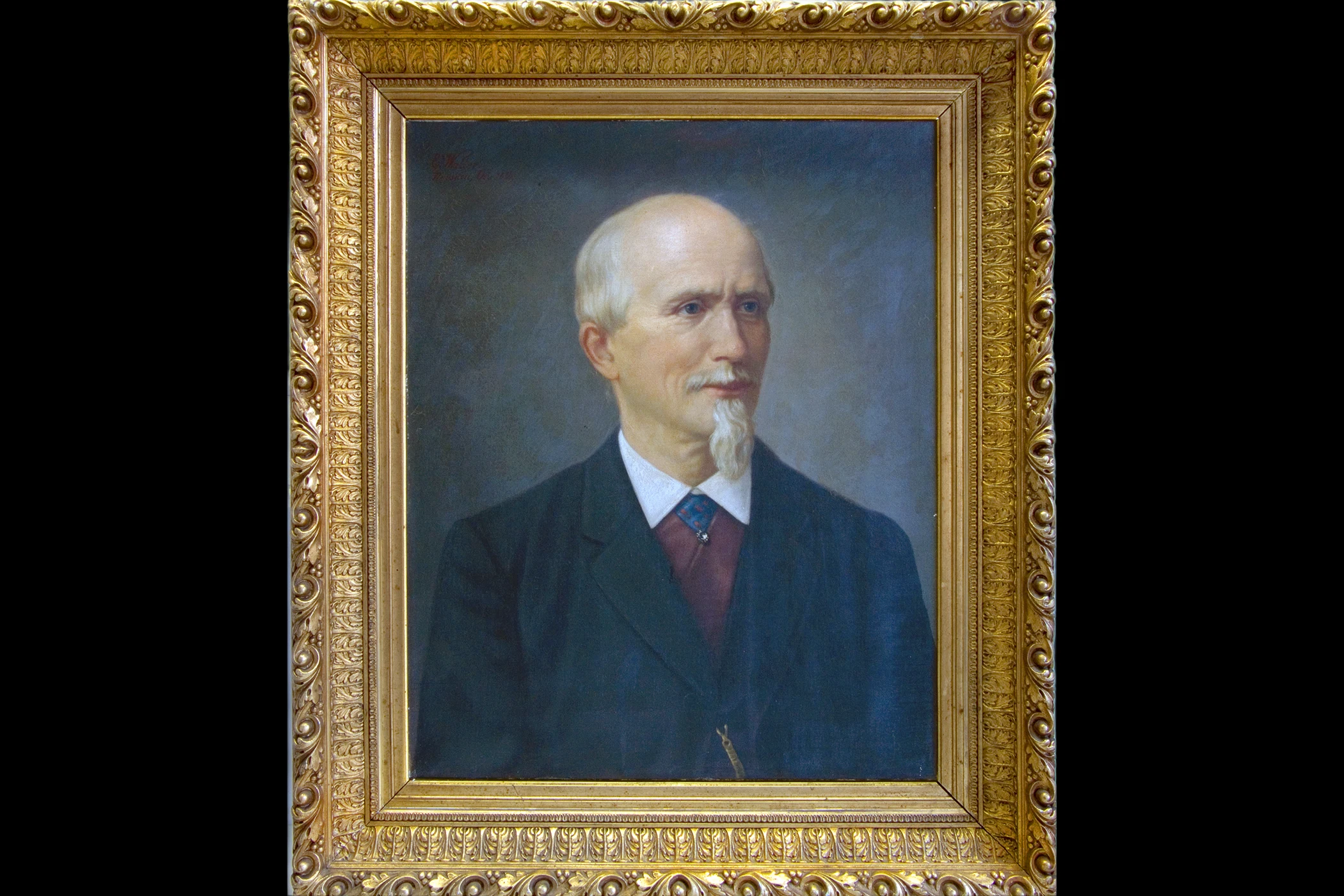
Moritz Grossmann is regarded as one of the four great founding fathers who transformed the remote Saxon village of Glashütte into a world-renowned centre of fine watchmaking. Grossmann was a versatile genius: not only was he a gifted watchmaker who produced outstanding pocket watches, but he was also a forward-thinking inventor. Among other things, he further developed the metric system in watchmaking and designed special swivel chairs for watchmakers.
However, his most enduring legacy for the region was the founding of the German School of Watchmaking in 1878. Grossmann was the initiator and co-founder of this institution, for which he also devised the entire teaching programme. In addition, he was passionately involved in the town’s social life, serving as mayor, founding the voluntary fire brigade, the local gymnastics club and the savings bank association, and playing an active role in the Dresden Chamber of Crafts. Five years before his death, in 1880, he left his theoretical legacy to posterity in the form of the book The Construction of a Simple but Mechanically Perfect Clock.
Christine Hutter initially oversaw the first conceptual steps from Dresden, but by 2009 the young company had already relocated entirely to Glashütte. An office and a retail outlet were rented, and work began on setting up the company’s own workshops in the summer of that same year. This marked the start of a development phase lasting around five years, during which the site that now houses the manufacture was also acquired.
The first milestone of the modern era came in 2010 with the unveiling of the very first watch, named ‘Benu’. The definitive breakthrough towards independence came in 2013, when the newly constructed, striking manufacturing building was officially opened and three new watch models were unveiled at the same time.
From then on, the brand’s international success took off rapidly: in 2015, it made a successful entry into the demanding Asian market, starting with Japan. Today, in 2026, this visionary project has grown into a well-established company with 74 employees. The fact that the Grossmann name once again carries real weight in the watch world is demonstrated not least by the international auction houses, where the brand’s historic and modern timepieces are now achieving considerable increases in value.
What sets the brand apart from many other watchmakers is its radical independence in production. From the very beginning, the aim was to achieve a vertical integration rate of over 90 per cent in the movement. With the exception of a few components such as the jewels, the balance spring and the mainsprings, the manufacture produces virtually every part of a movement itself. In doing so, it maintains a traditional ‘high finish’ that extends down to the smallest detail: wheel lugs are chamfered by hand, balance cock plates are artfully engraved and the surfaces are elaborately finished. When machining the plates and bridges, the use of diamond-tipped CNC machines is deliberately avoided for the final finish – instead, the fine smoothing of the edges is carried out by hand over many hours.
The last 18 years have shown that independence also leads to enormous creative freedom. To date, the small design team has developed 15 original calibres and protects its inventions with 12 patents.
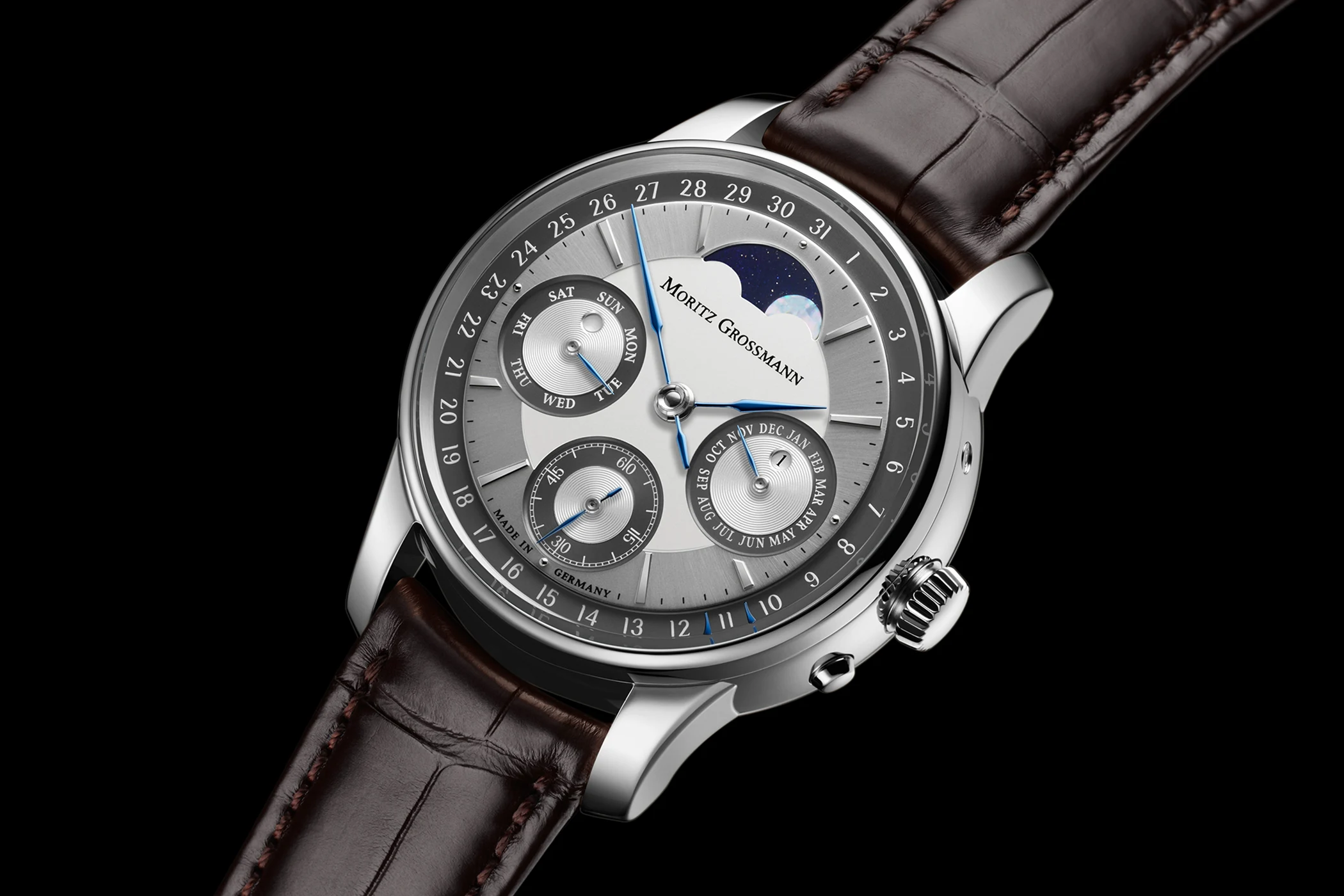
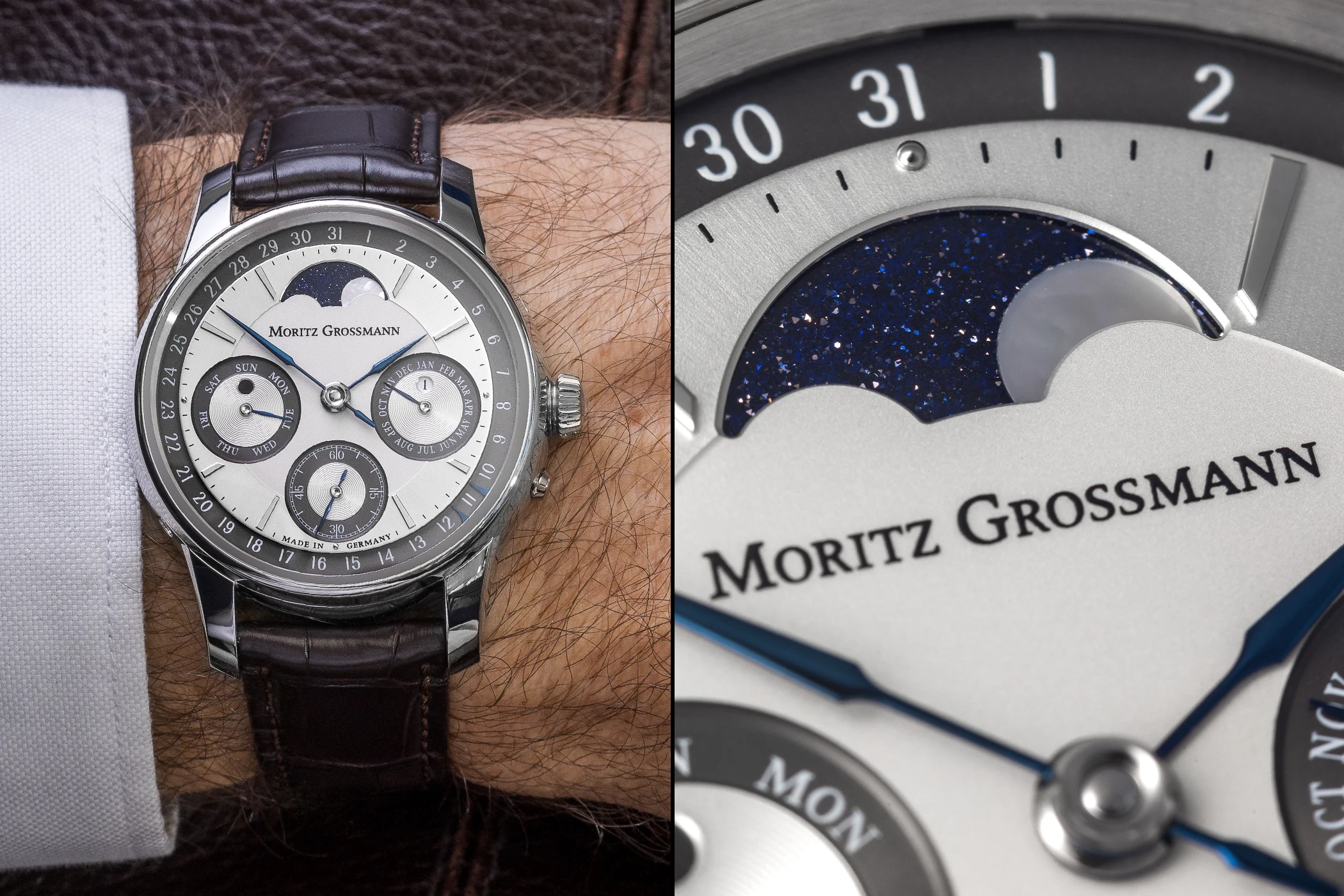
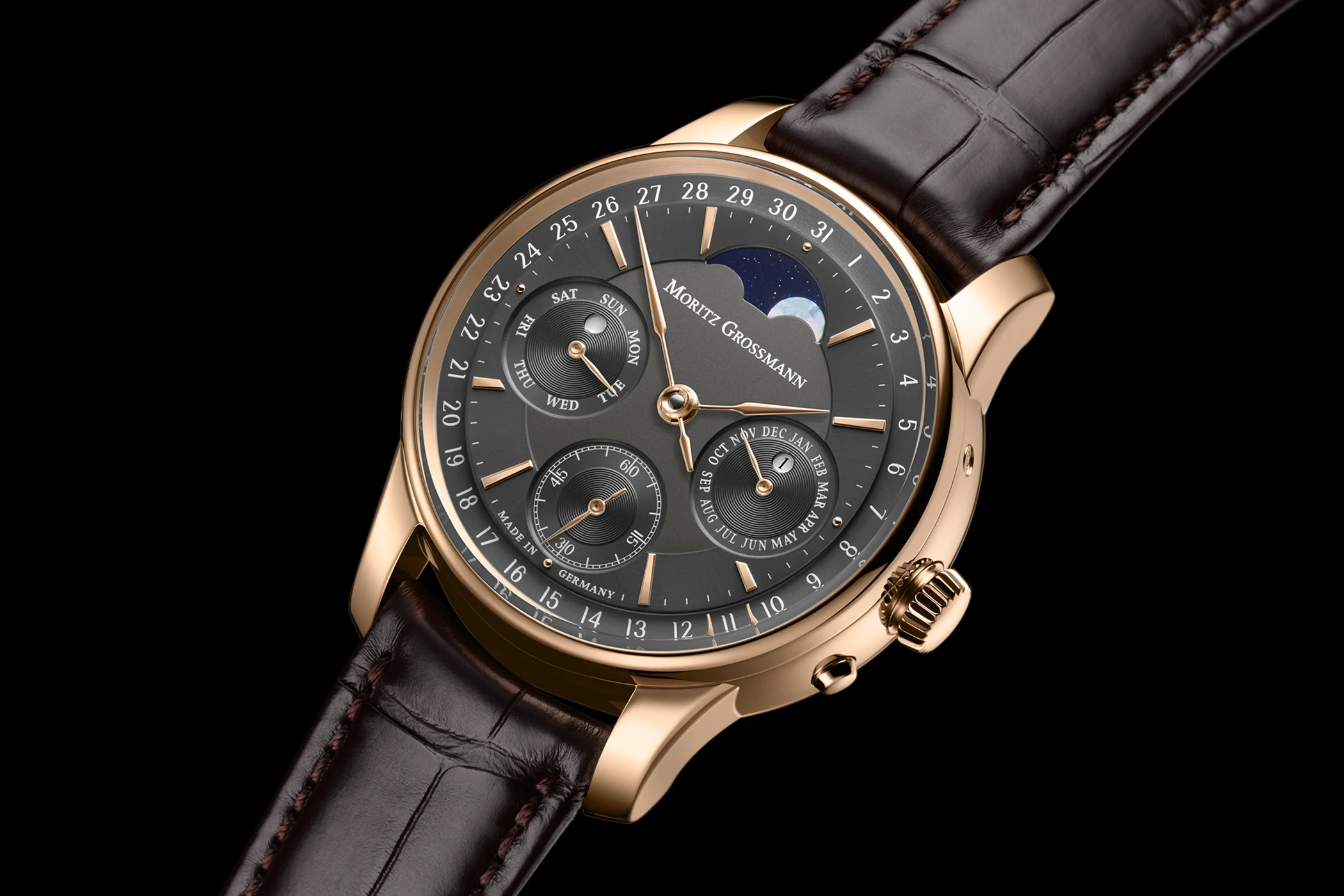
With the arrival of its anniversary year, Christine Hutter sees the brand as having reached the end of its extended ‘start-up phase’. Production of around 400 watches is planned for the current year, 2026. However, the brand’s long-term and deliberate growth target is capped: in order to maintain the exceptional quality of craftsmanship and exclusivity, annual production is never to exceed 800 to a maximum of 1,000 watches, with the manufactory eventually employing around 120 staff. At that point, however, the manufactory would also be operating at full capacity.
With the Hamatic watch collection, Moritz Grossmann revived the hammer or pendulum winding mechanism. Instead of a conventional rotor rotating through 360 degrees, a distinctive openwork swinging hammer powers the automatic Manufacture Calibre 106.0.
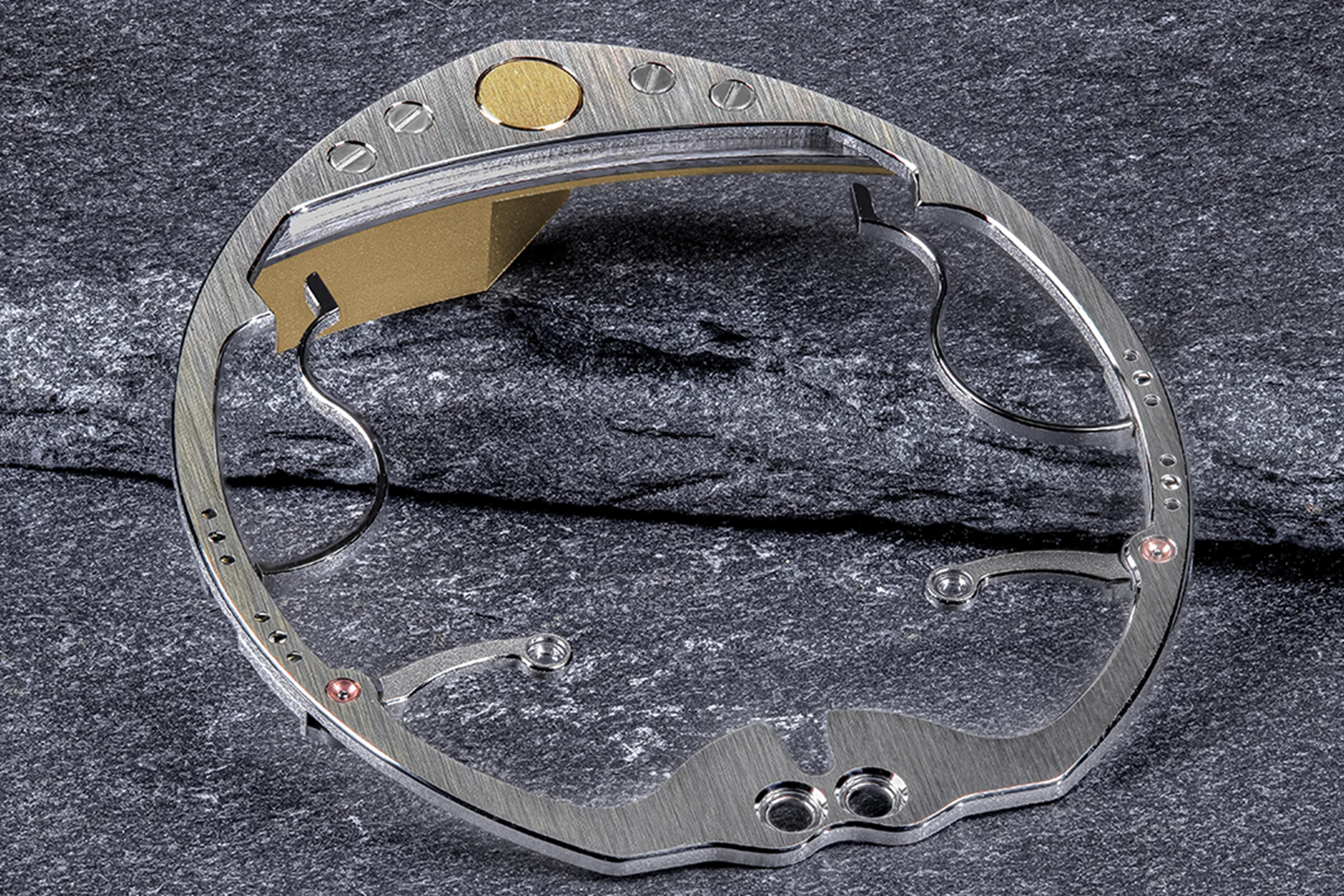
Every movement made by the wearer sets the heavy pendulum in motion. This kinetic energy is converted in both directions via two ratchet wheels and efficiently transferred to the mainspring barrel, where it provides a power reserve of up to 72 hours. The winding mechanism responds with absolute smoothness to even the slightest nuances of arm movement. This means that hammer movements of 5 degrees or more can be used to wind the mainspring.
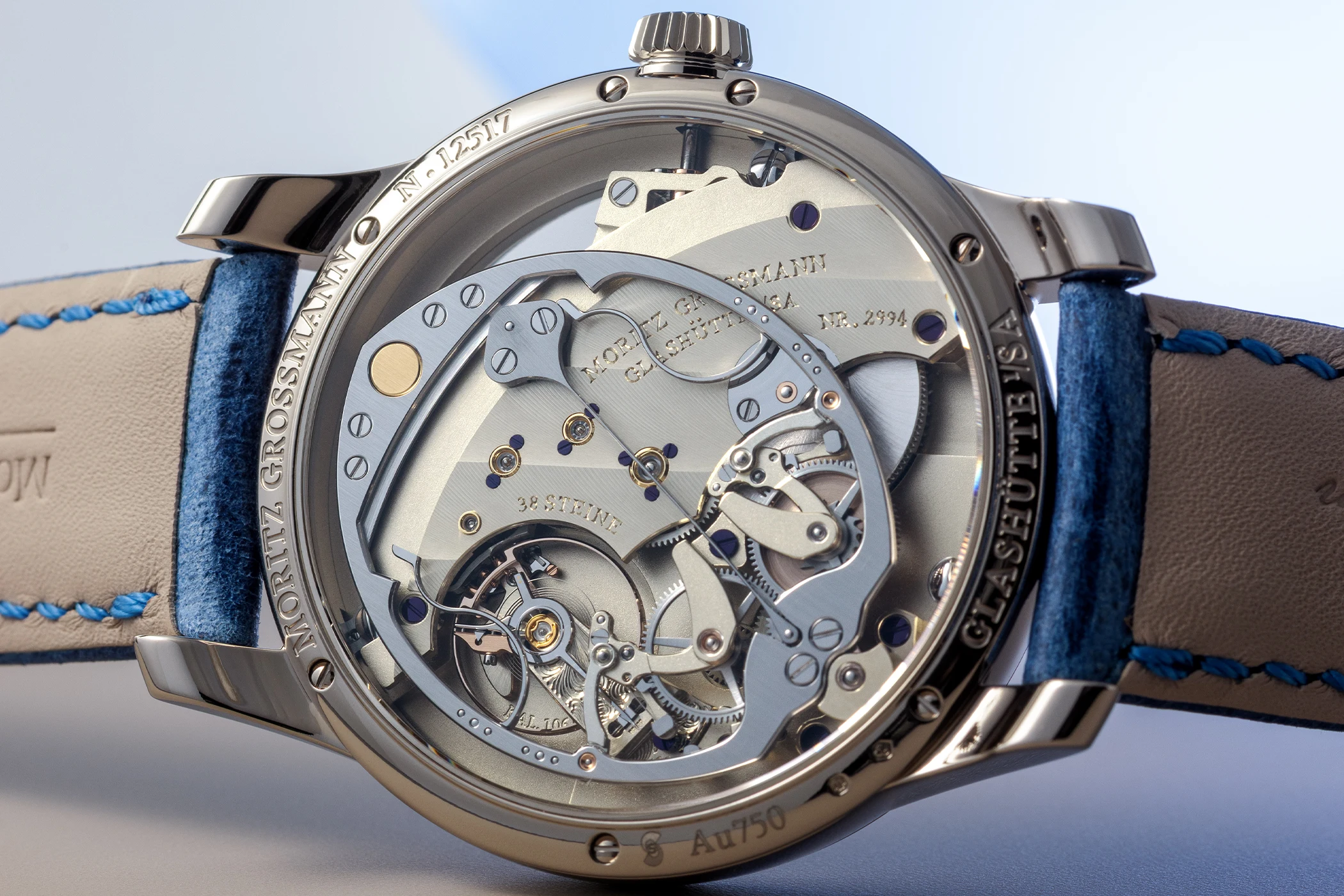
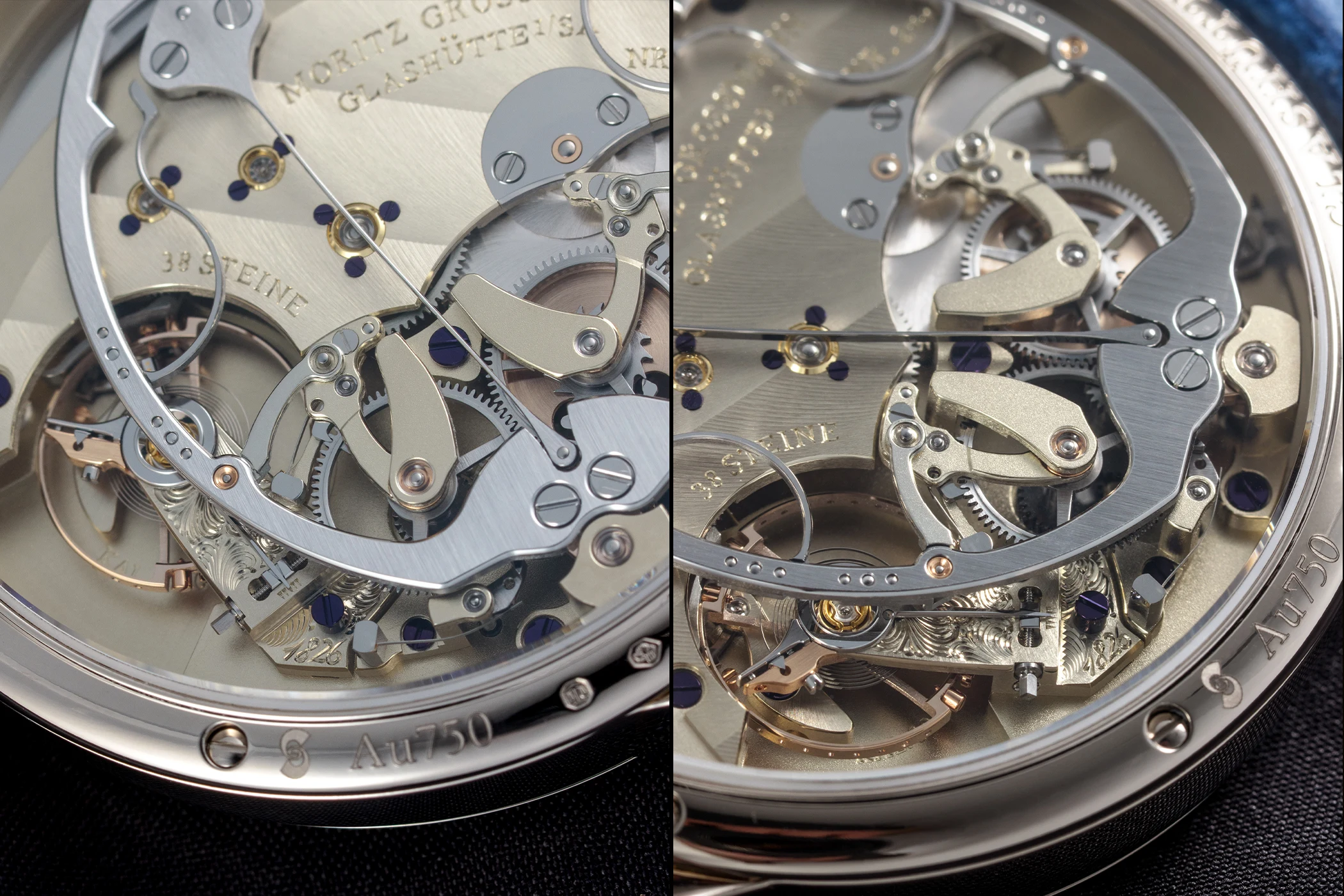
Visually, the hammer-swing system offers unique added value: as the skeletonised hammer never completely obscures the movement, the beautiful architecture of the movement remains almost entirely visible through the sapphire crystal caseback.
Stopping a rotating tourbillon to set the time precisely is one of the trickiest tasks in watchmaking, as rigid stop levers could damage the sensitive mechanism. For the Benu Tourbillon, Moritz Grossmann developed a patented solution that is as poetic as it is effective: the hairbrush second-stop mechanism.
When the crown is pulled out to the setting position, a lever mechanism guides a fine, highly flexible brush made of real hair through the delicate pillars of the tourbillon cage.
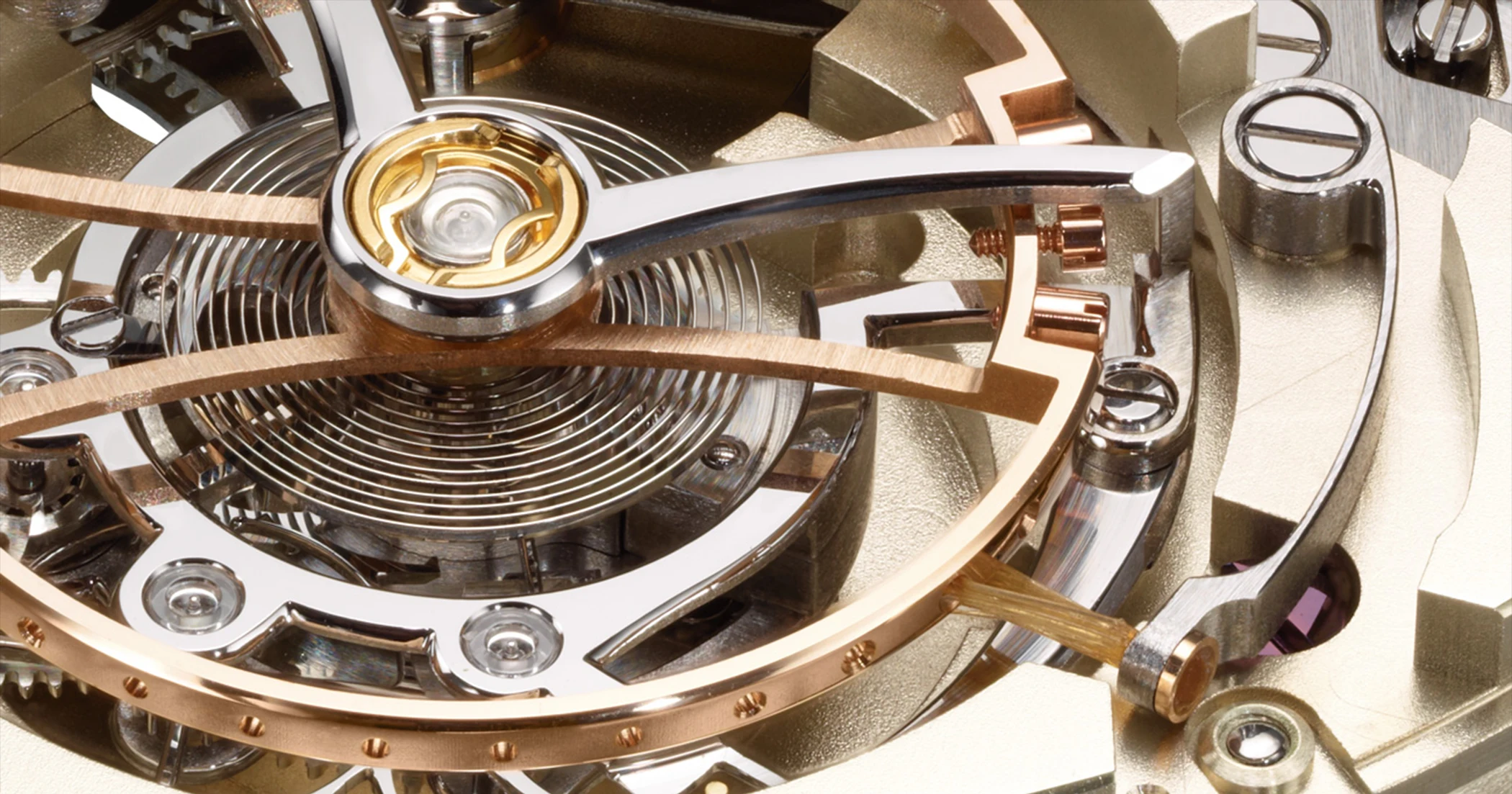
The delicate hair fibres nestle gently against the circumference of the balance wheel, bringing the balance wheel to a halt extremely gently and with minimal friction. In fact, human hair has proven to be more durable and stable than synthetic hair. Mrs Hutter’s own real hair has even been used for this mechanism, but customers can also submit their own hair for their very own personalised watch.
Grossmann’s manual-winding mechanism with a pusher elegantly resolves a long-standing weakness of traditional hand-setting mechanisms. When the crown is gently pulled out, the mechanism switches to setting mode and instantly stops the balance wheel. The key feature is that the crown immediately springs back to its original position.
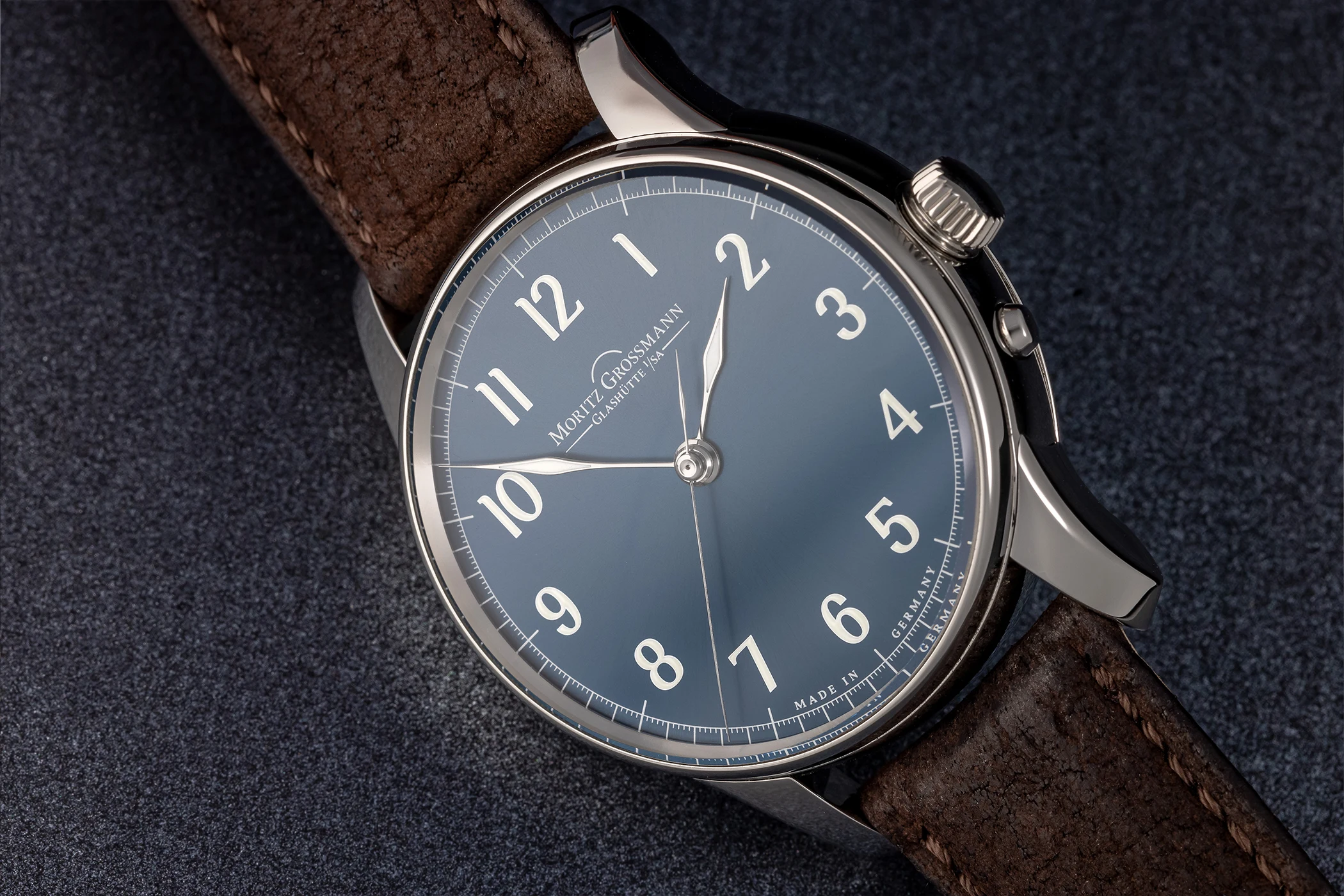
Thanks to this automatic reset mechanism, the case remains perfectly watertight during the setting process, preventing dust or moisture from entering in the first place. It also ensures that the meticulously aligned hands do not shift unintentionally when the crown is pushed back in.
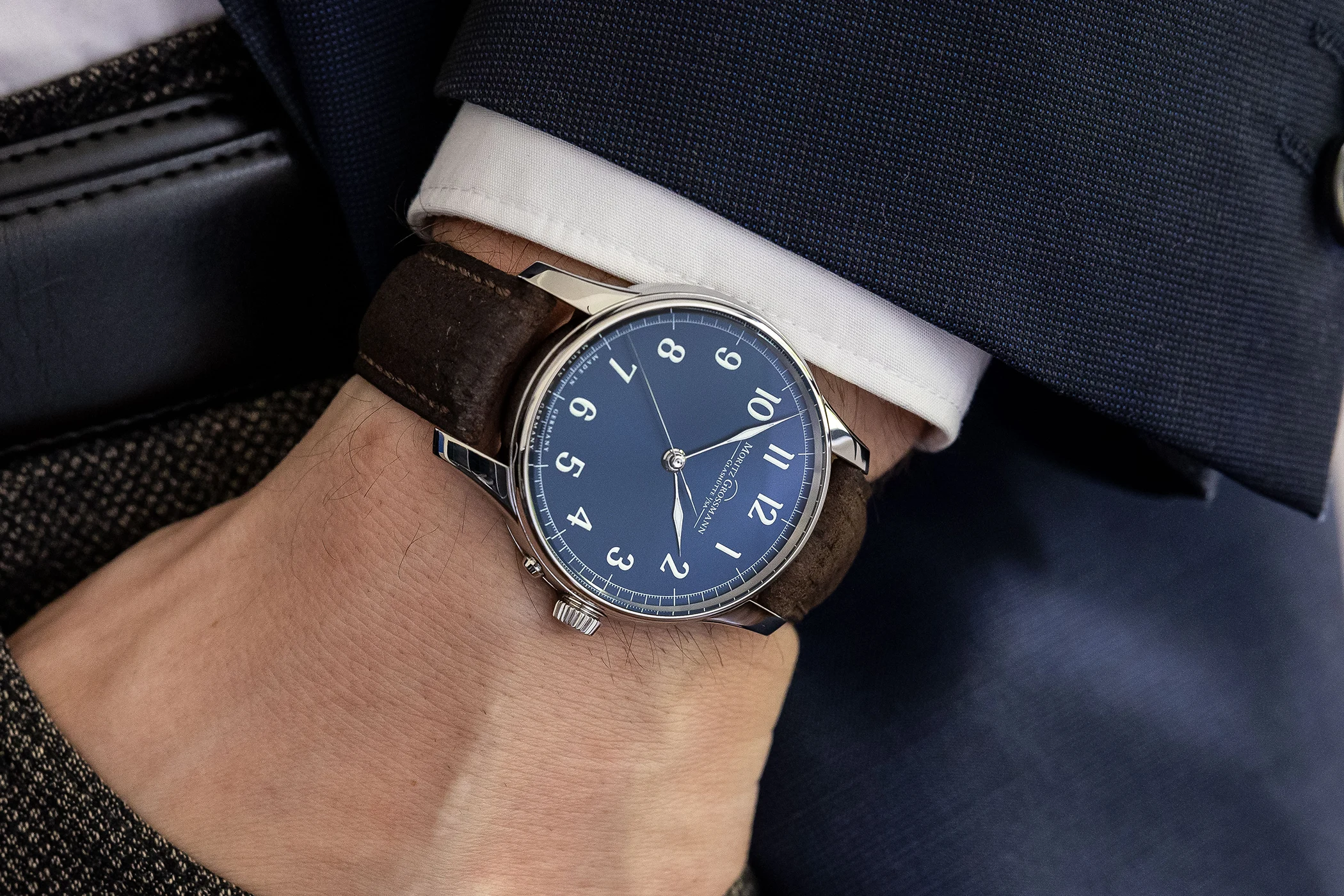
Once the watch has been aligned precisely, the movement is restarted using the pusher at 4 o’clock. The movement starts running smoothly, and the system immediately returns to normal winding mode.
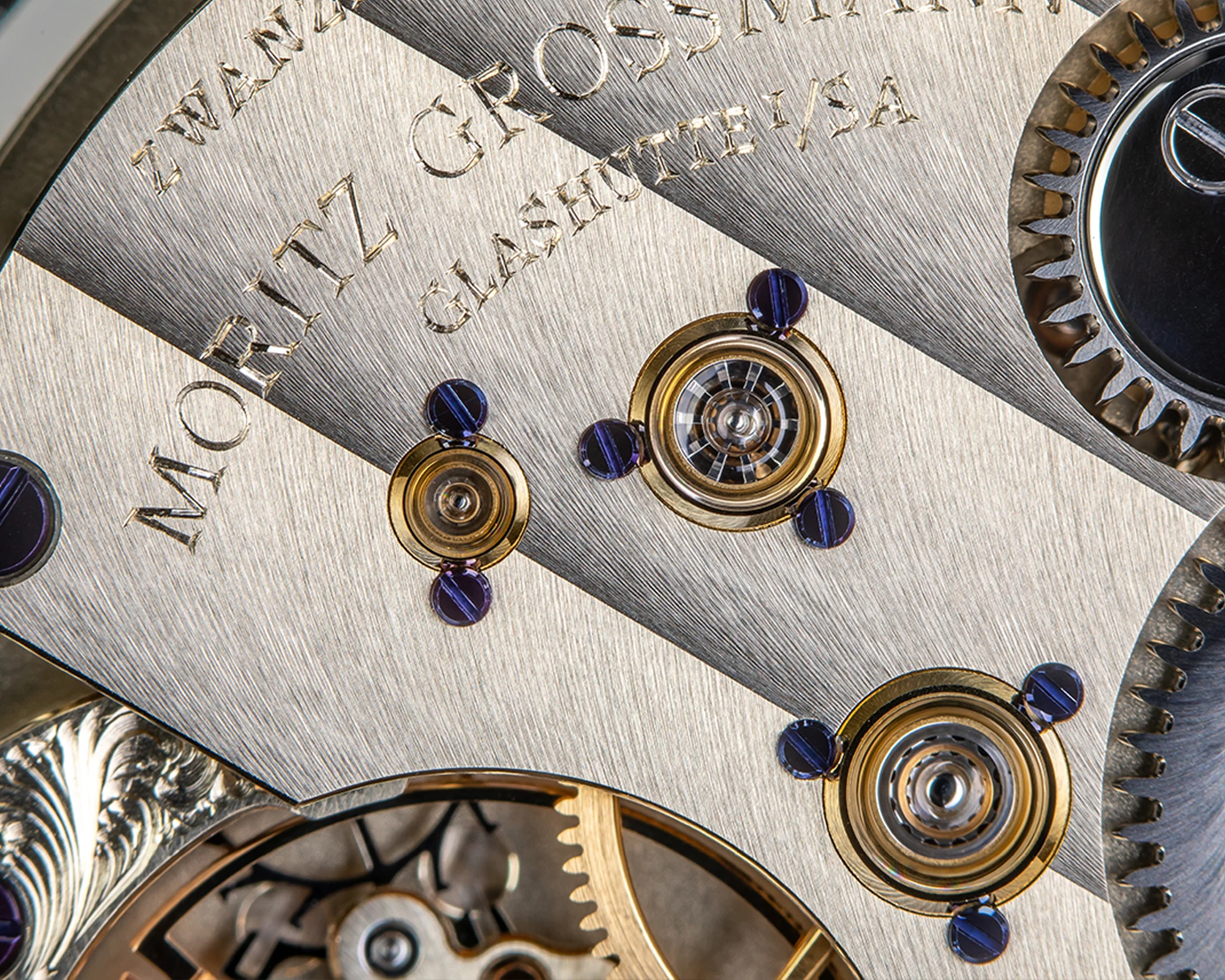
In traditional Glashütte fine watchmaking, screw-mounted gold chatons are among the hallmarks of sophisticated horological craftsmanship. Whilst the classical craft typically relies on dark red rubies as bearing stones, Moritz Grossmann takes an aesthetically distinctive approach: the manufacture uses brilliant white, transparent sapphires.
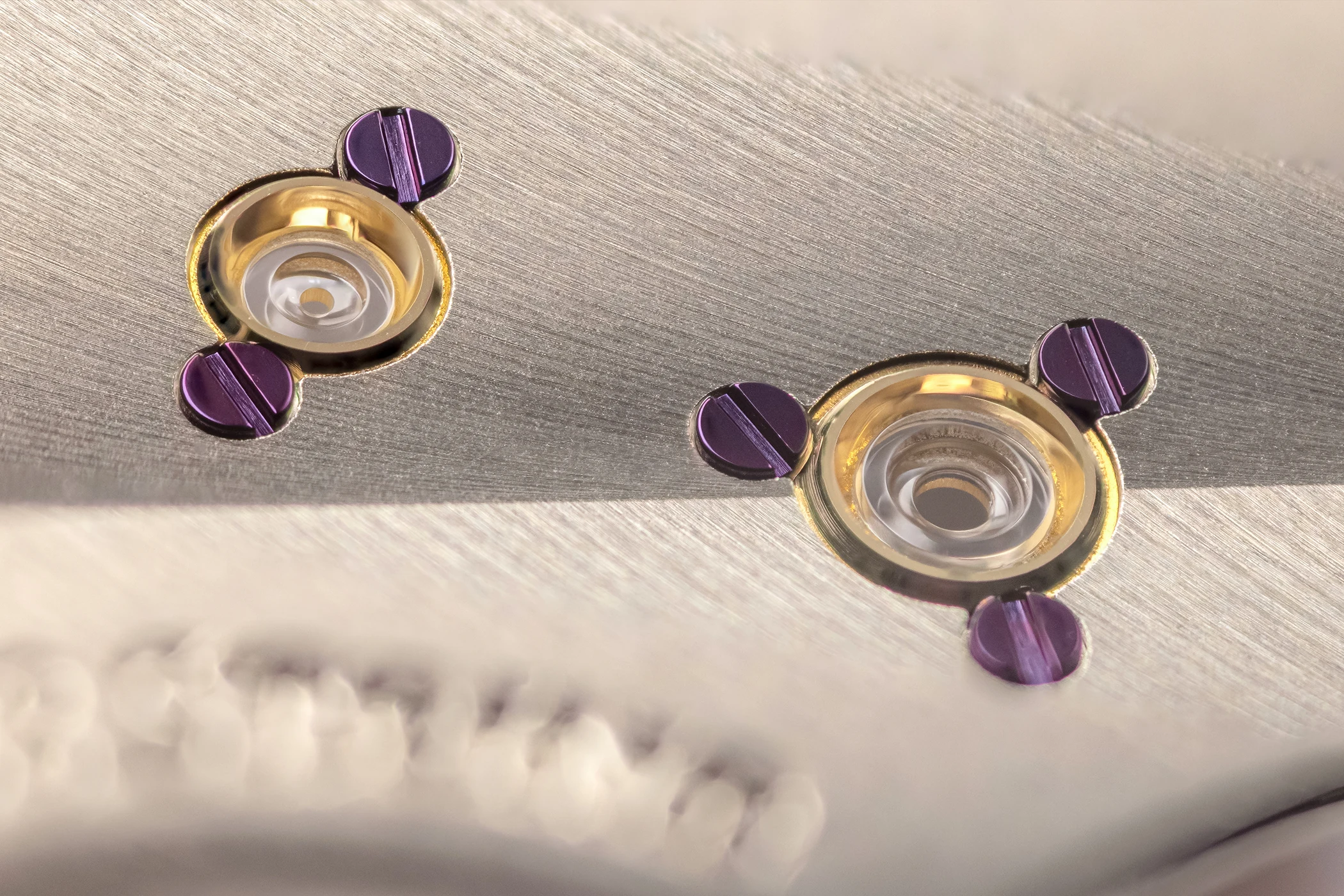
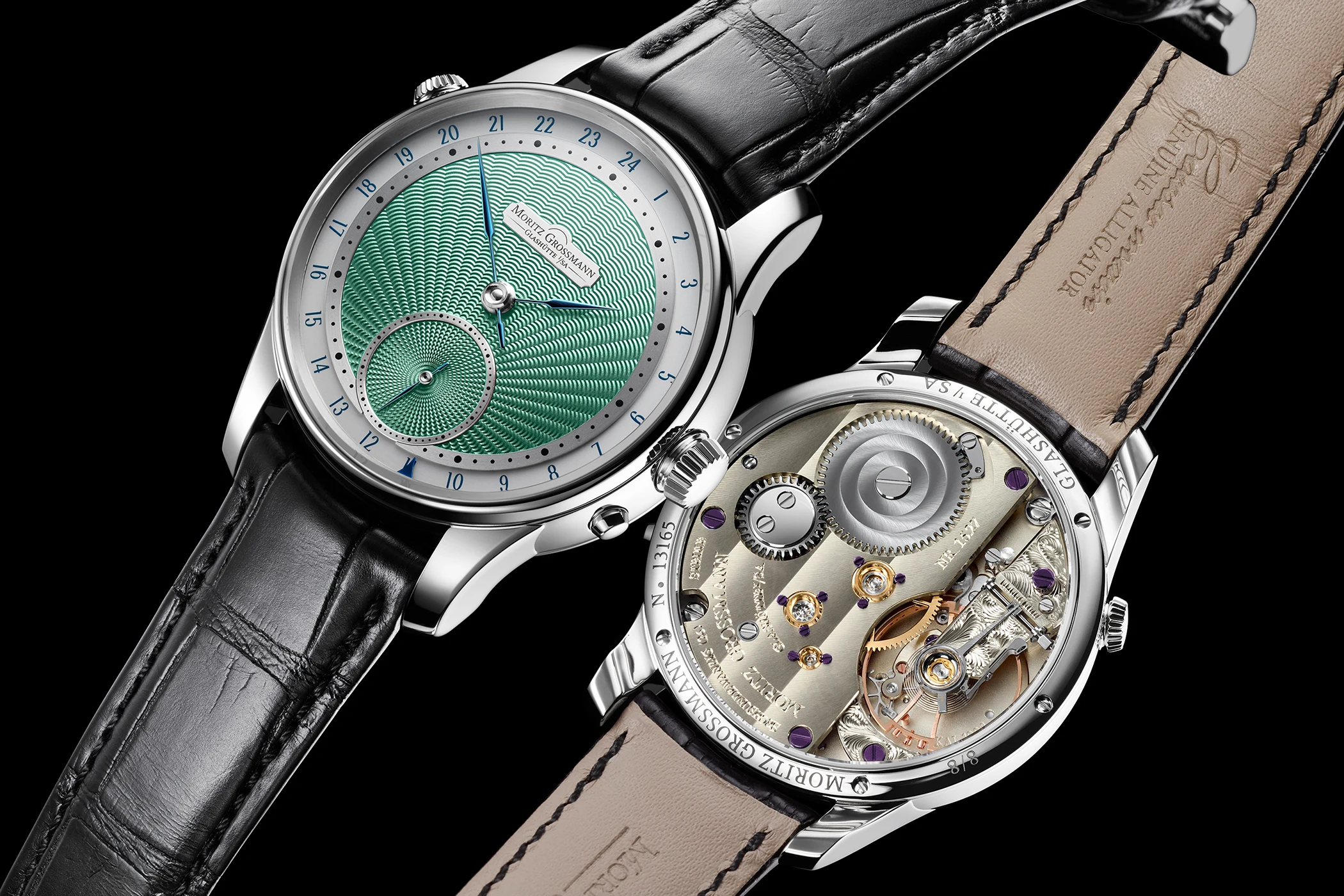
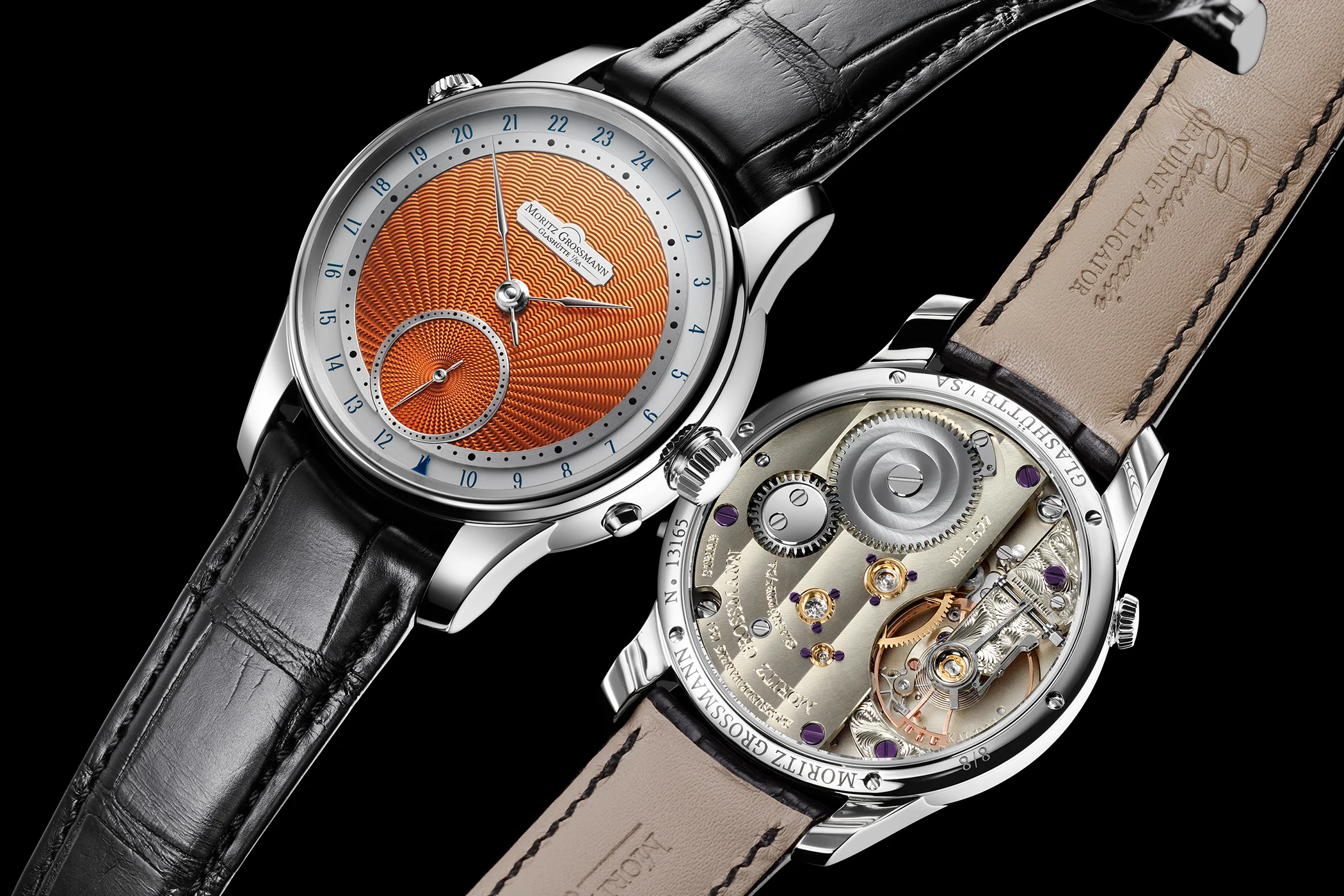
These jewels are individually set into hand-polished gold settings and secured to the plates with the finest thermally tempered screws. Combined with the warm hue of the untreated nickel silver, the white sapphires create a distinctive overall appearance within the movement that is unique to Moritz Grossmann.
Whilst even renowned manufacturers nowadays purchase oscillation systems as ready-made components, Moritz Grossmann manufactures the balance wheel rim entirely in-house.
The Grossmann balance is characterised by a mass-optimised ring. To minimise air resistance during oscillation, the recesses for the fine-adjustment screws are deeply recessed into the ring. In addition, two opposing adjustment screws facilitate precise balancing.
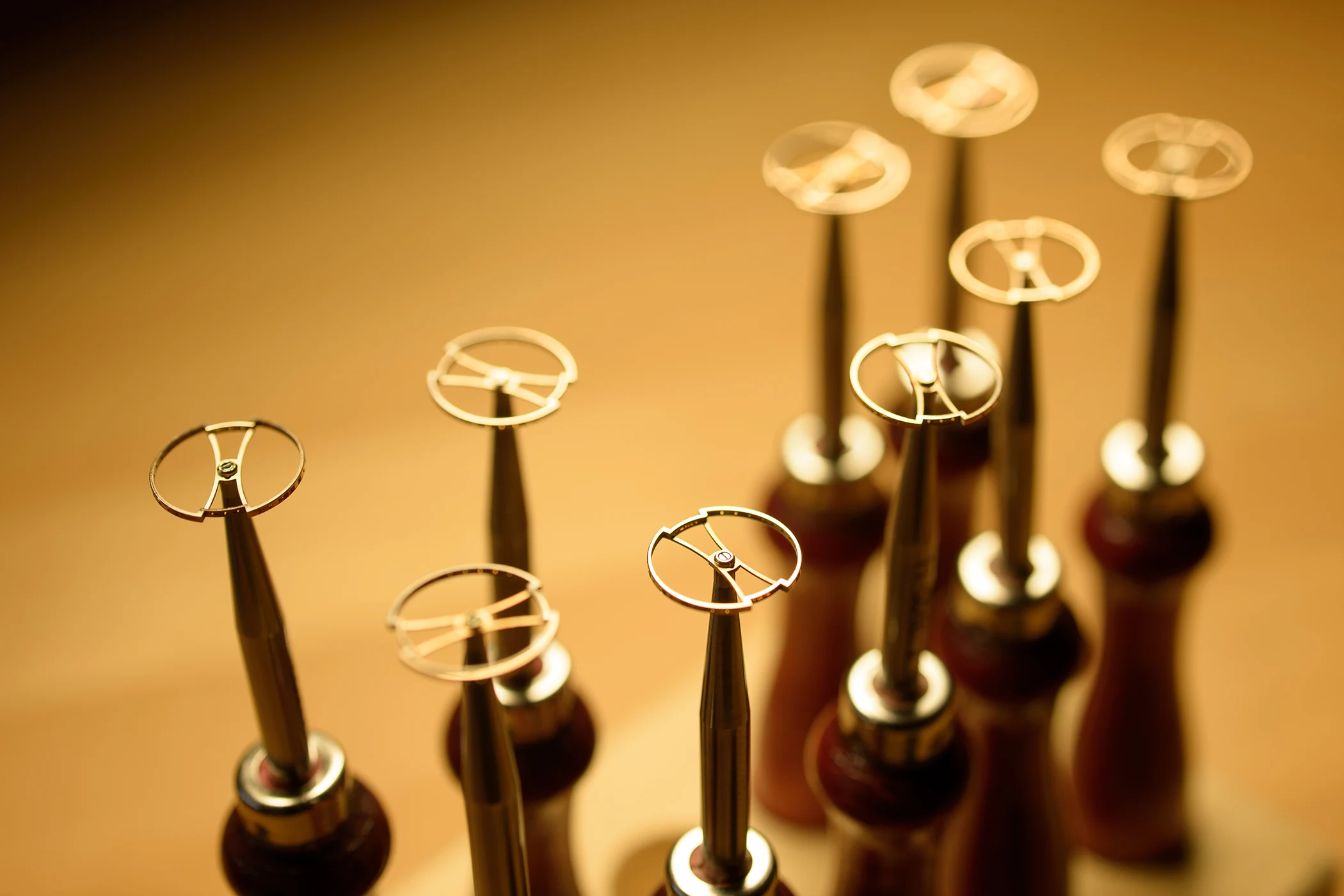
Even such a tiny component takes a great deal of time to produce. From rough machining, through precise balancing on the balance wheel balance, to applying the finest decorative finishes, it takes more than a full working day to complete a single balance wheel.
A perfectly crafted balance wheel only reveals its full precision when combined with a balance spring that functions optimally. At Moritz Grossmann, the delicate balance spring is bent and shaped by hand in the company’s own workshops.
Watchmakers manually shape the delicate final curve of the balance spring – often in the form of a classic Breguet curve or a special Grossmann curve – under a microscope. Thanks to this three-dimensional curvature, the spring expands perfectly centrally with every oscillation and contracts just as evenly. This traditional craftsmanship prevents any shift in the centre of gravity during the oscillation process.
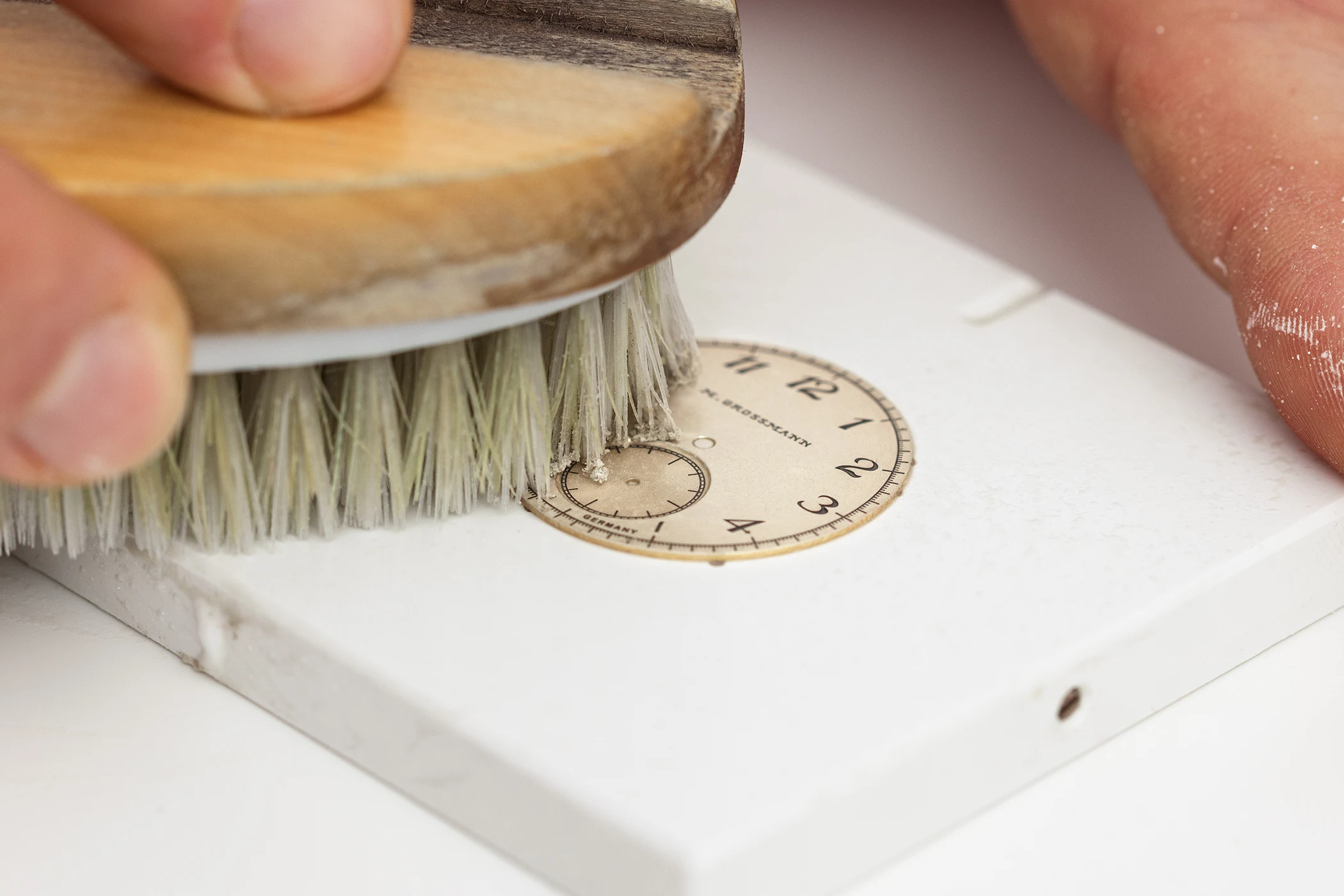
Rubbed silver plating is a historic finishing technique for dials dating from the 19th century, which requires an extremely delicate touch and is now used only very rarely.
In this process, a powder mixture consisting of ultra-fine silver, machine salt, tartar and water is rubbed manually onto a brass plate using a special brush in circular movements. The mechanical friction causes the silver to bond permanently with the substrate.
The result is a velvety-matt, fine-grained surface with a unique visual depth. Unlike modern electroplated finishes, a rub-silvered dial gently captures the light and lends the watch an elegant, vintage-style character.
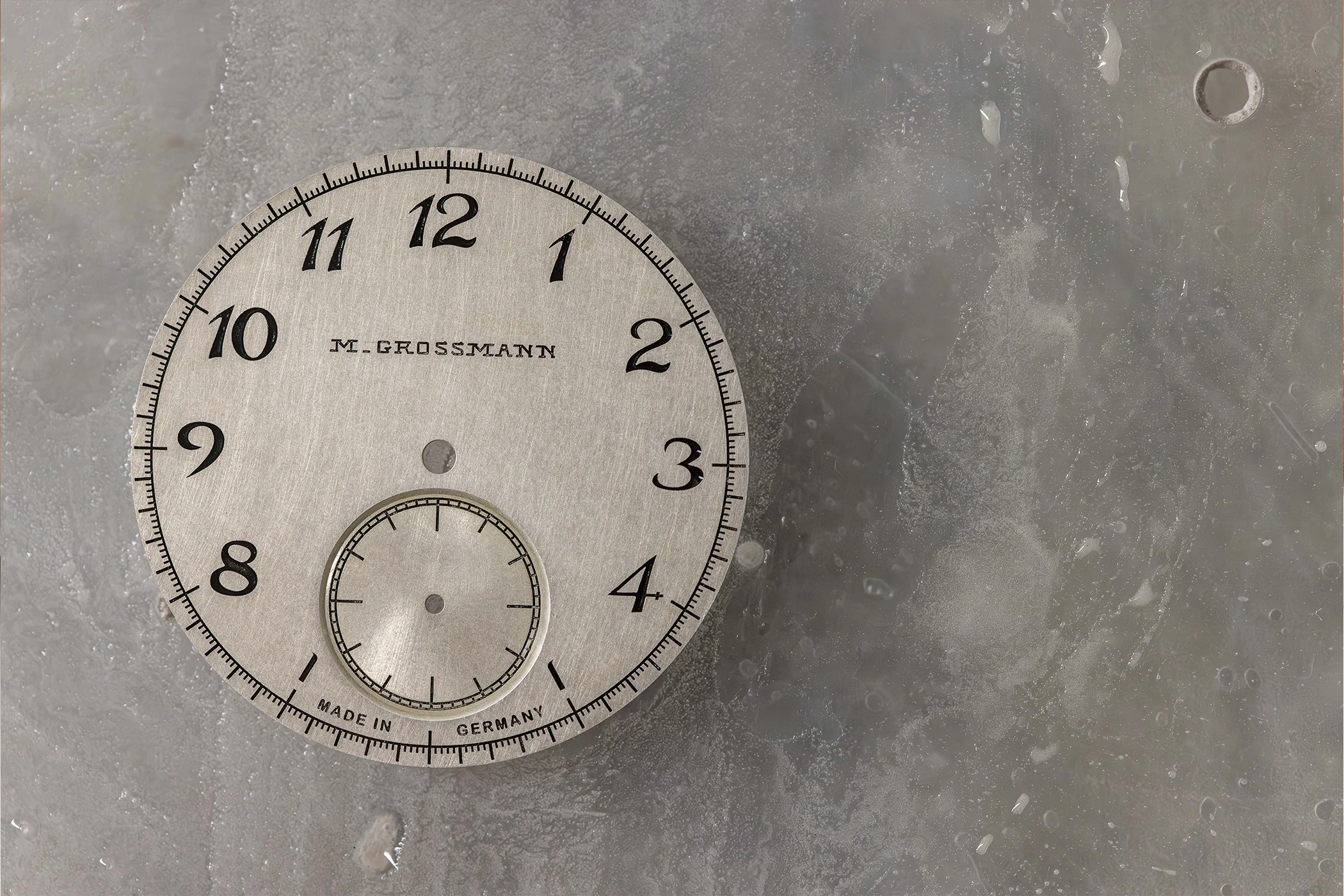
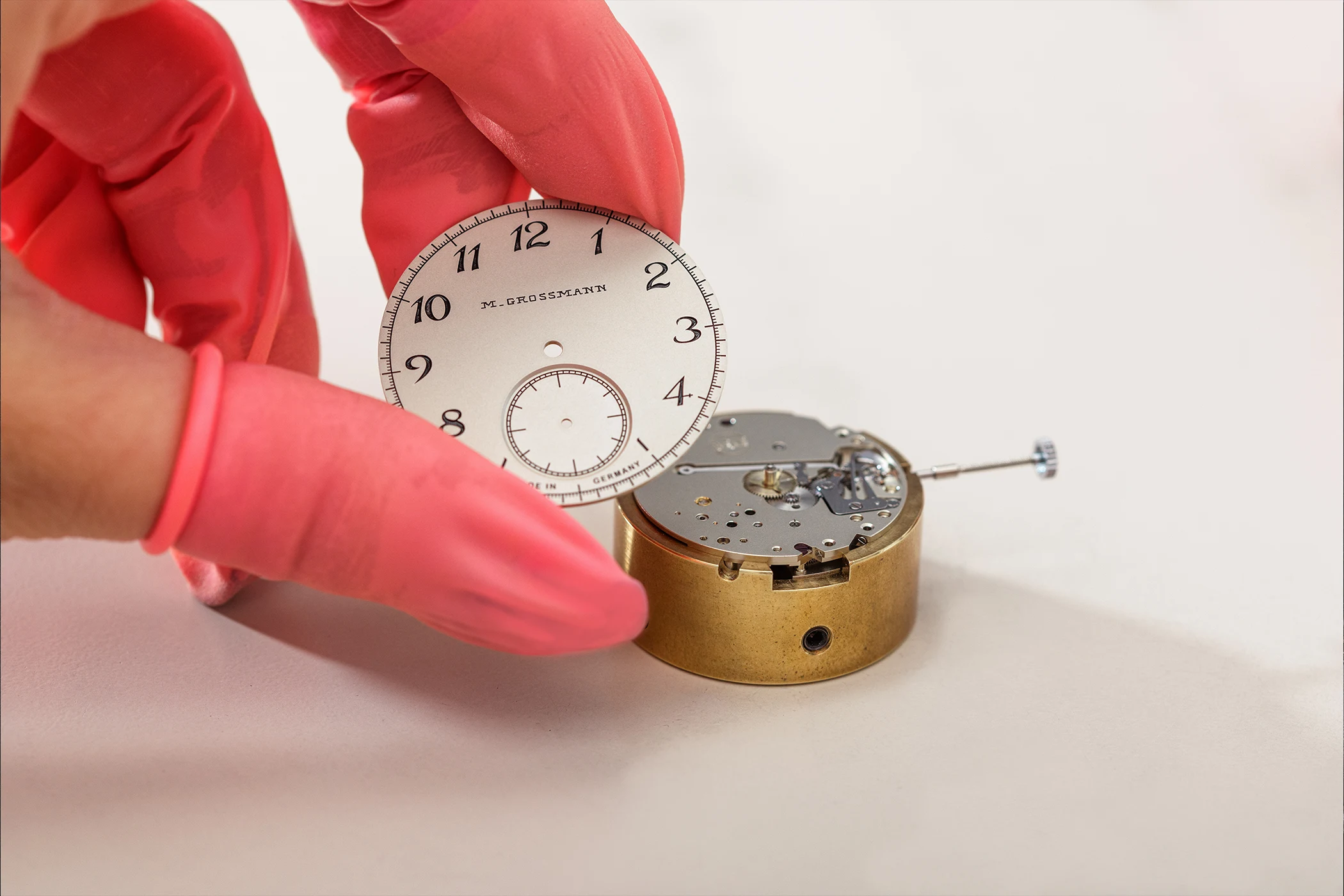
At present, there is only one employee at Grossmann who has mastered this craft. Another is currently being trained.
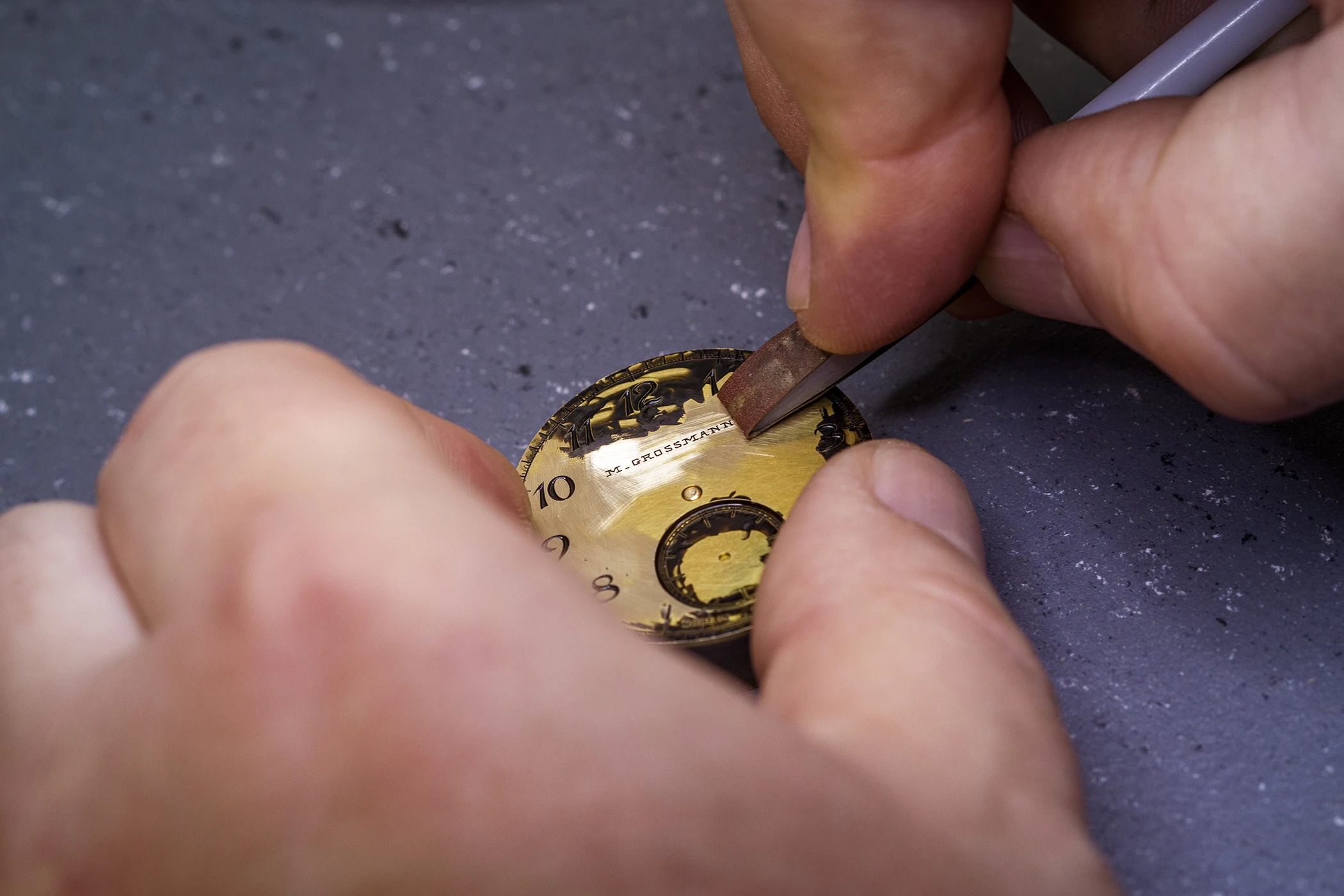
With Tremblage engraving, Moritz Grossmann brings a centuries-old art of engraving to the dial. The name is derived from the French word ‘trembler’ (‘to tremble’) and describes the characteristic manufacturing process.
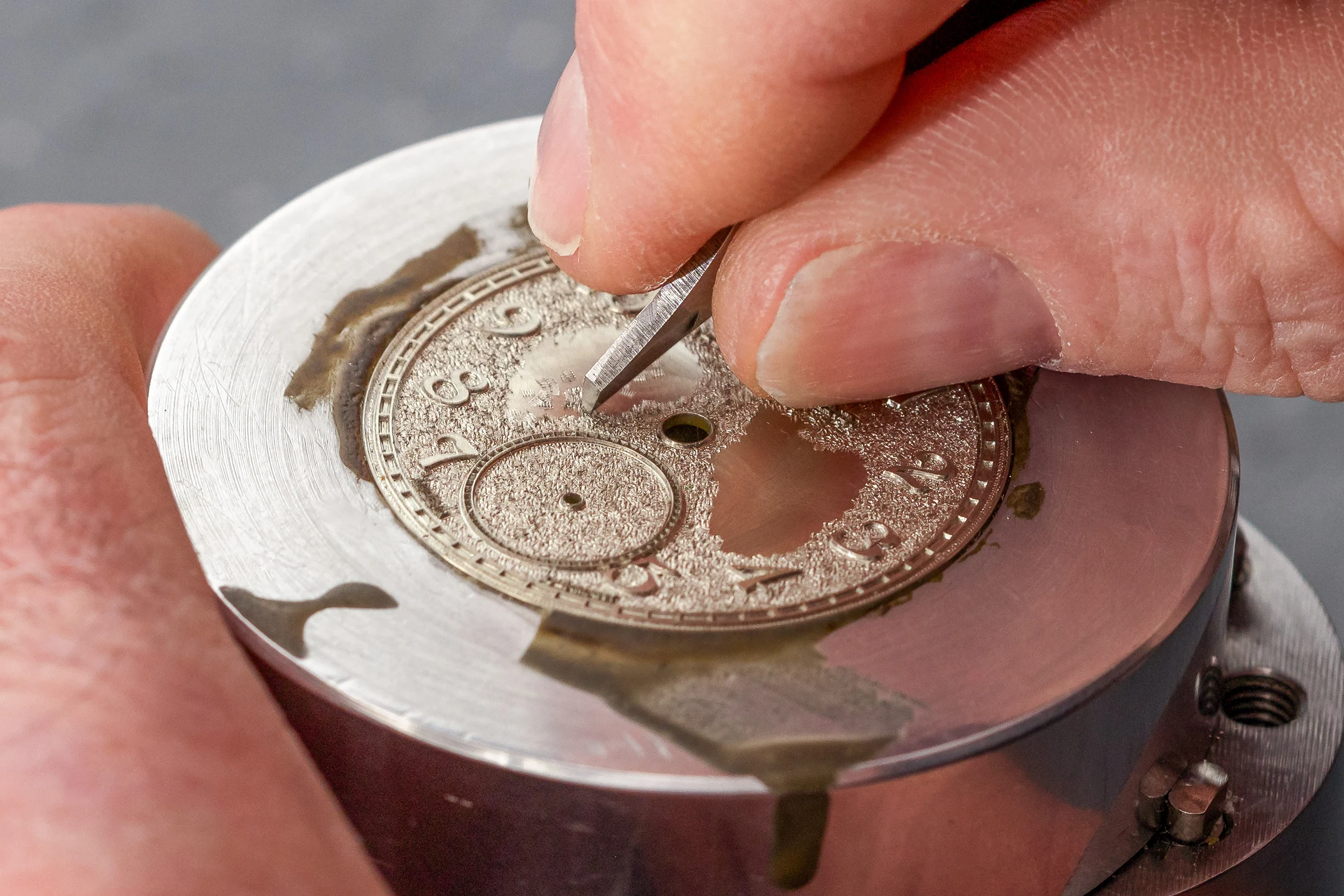
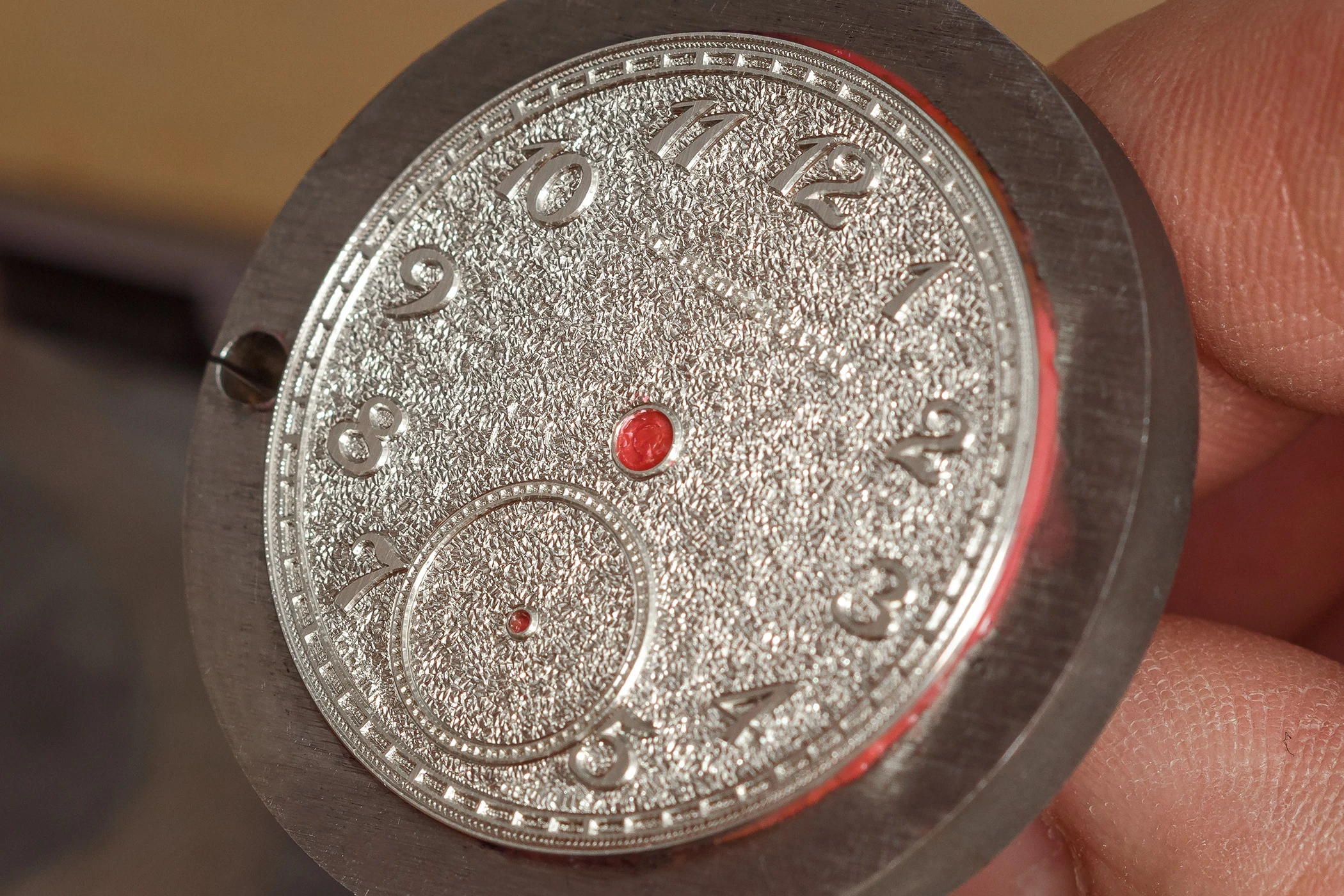
An engraver guides various specially crafted burins across the nickel silver dial with rhythmic, trembling hand movements. Thousands of tiny dots and indentations create a delicate, three-dimensional texture. Applying the tremblage around the numerals is particularly tricky, as the engraver must take care not to accidentally scratch them whilst still achieving an even finish all around them.
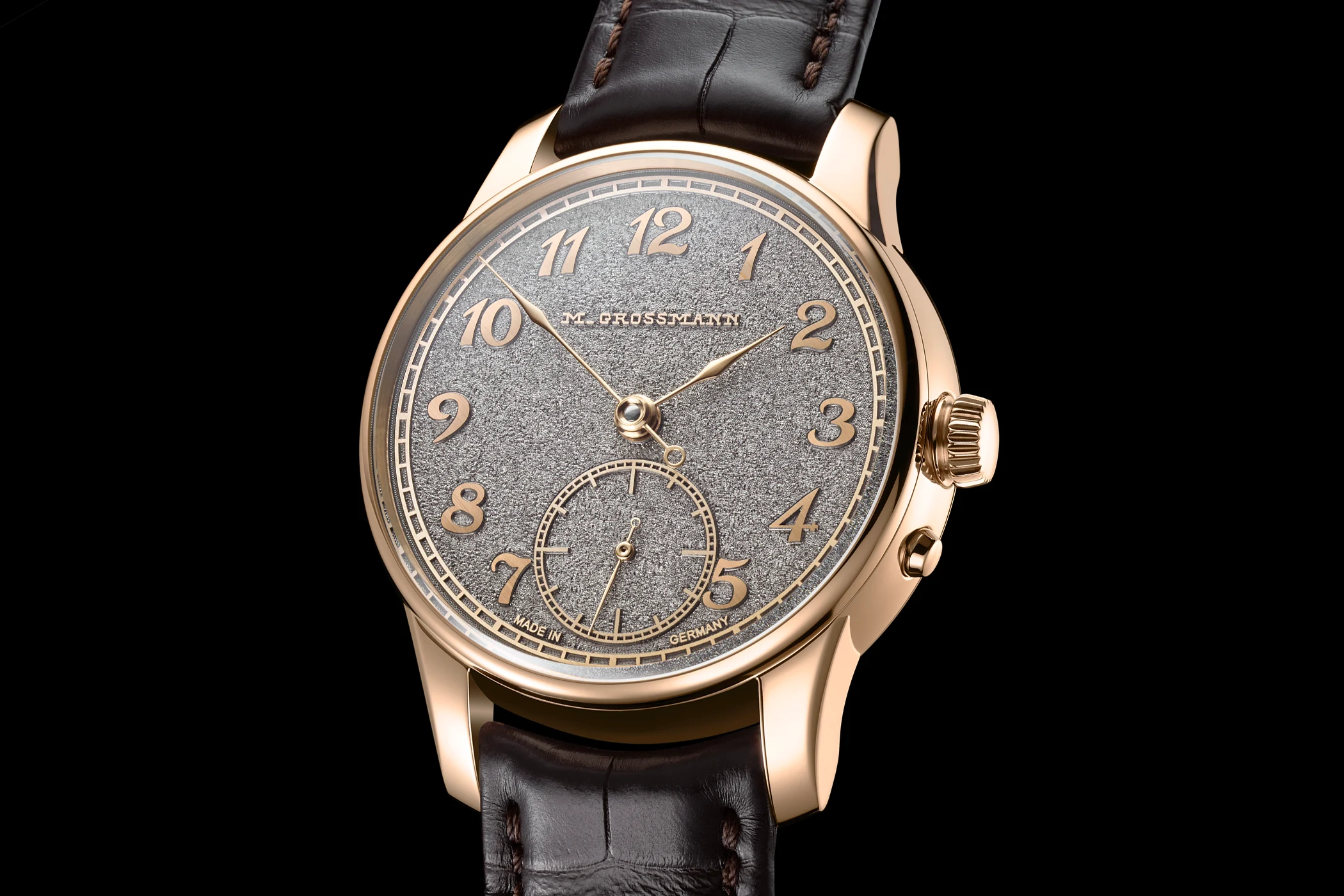
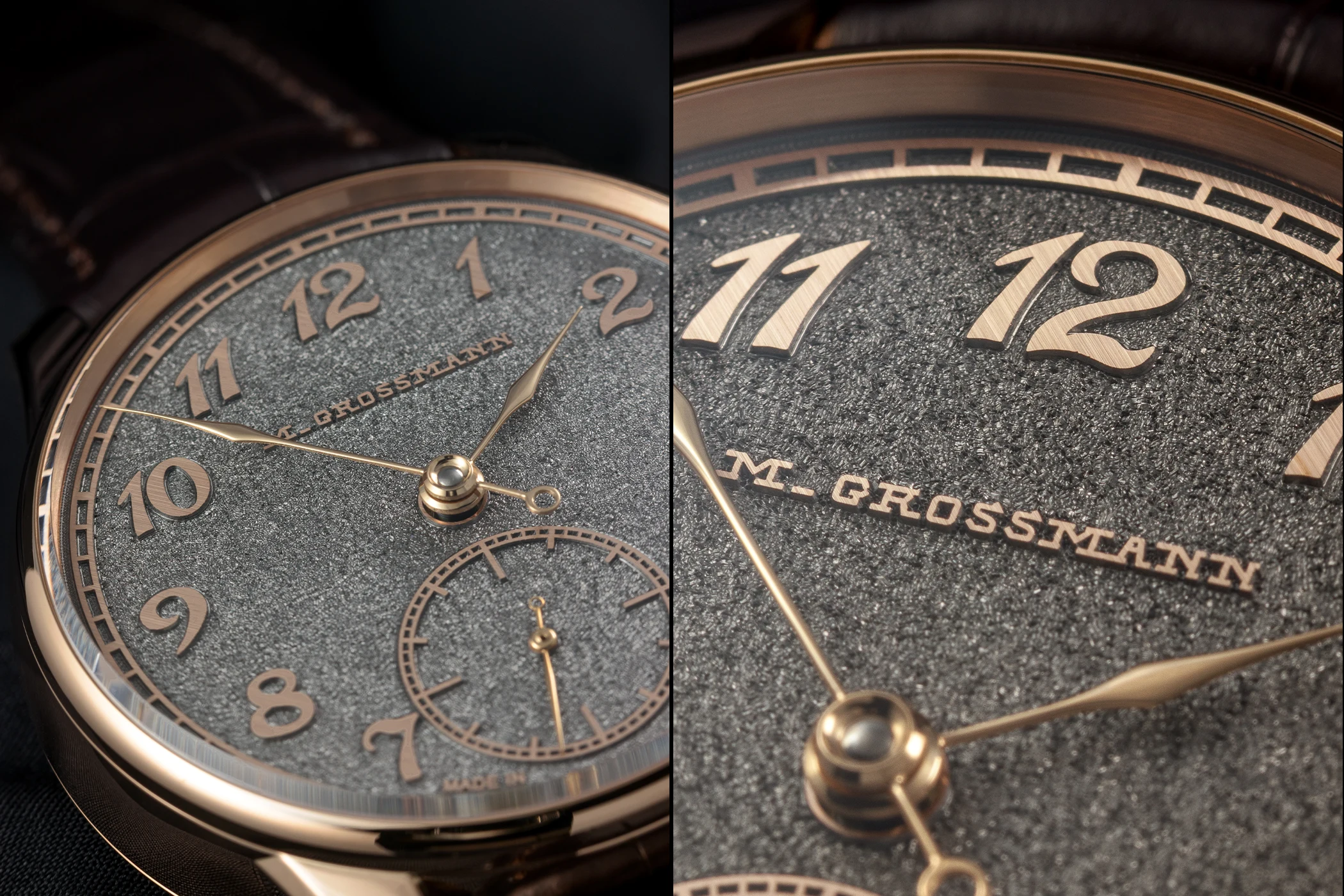
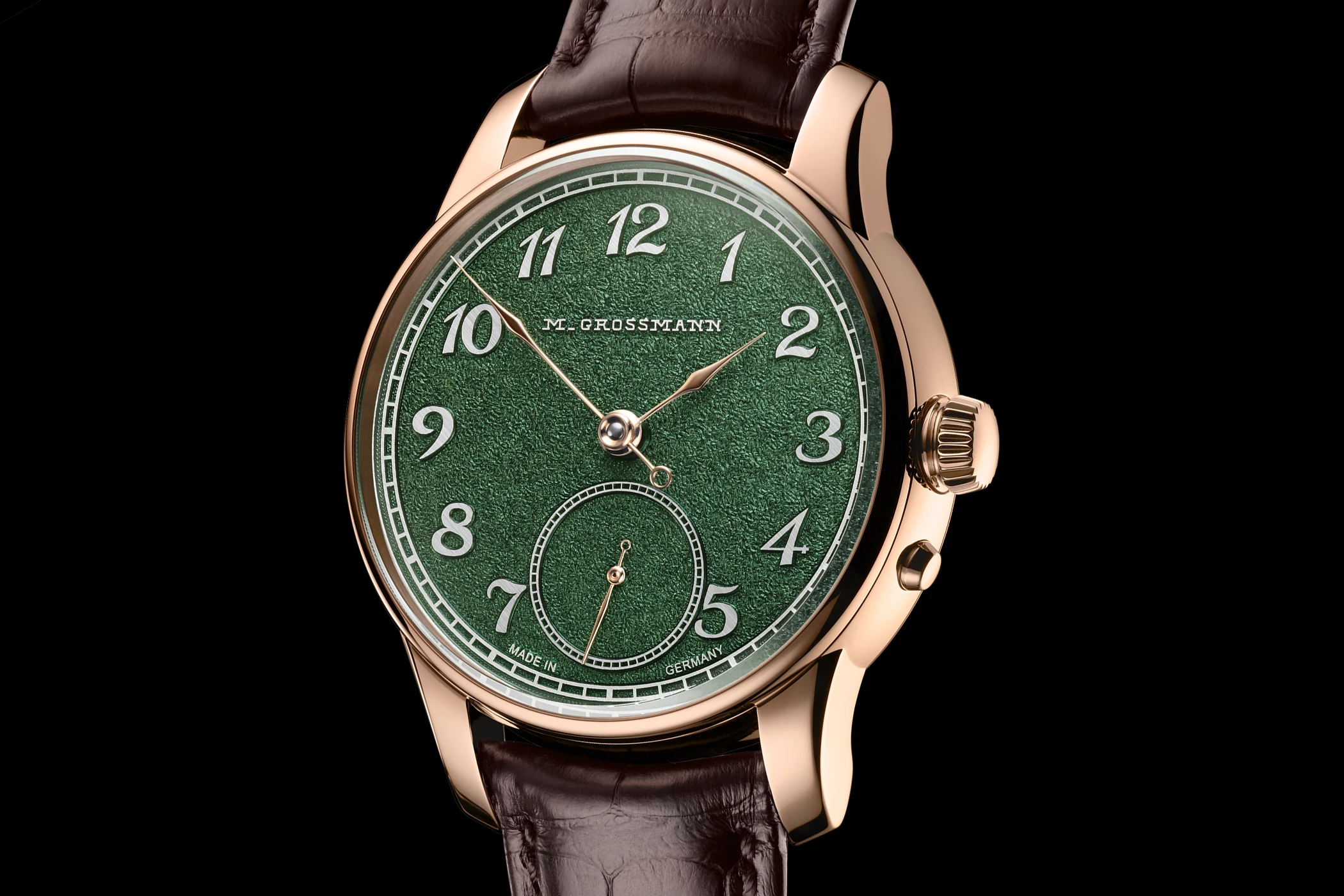
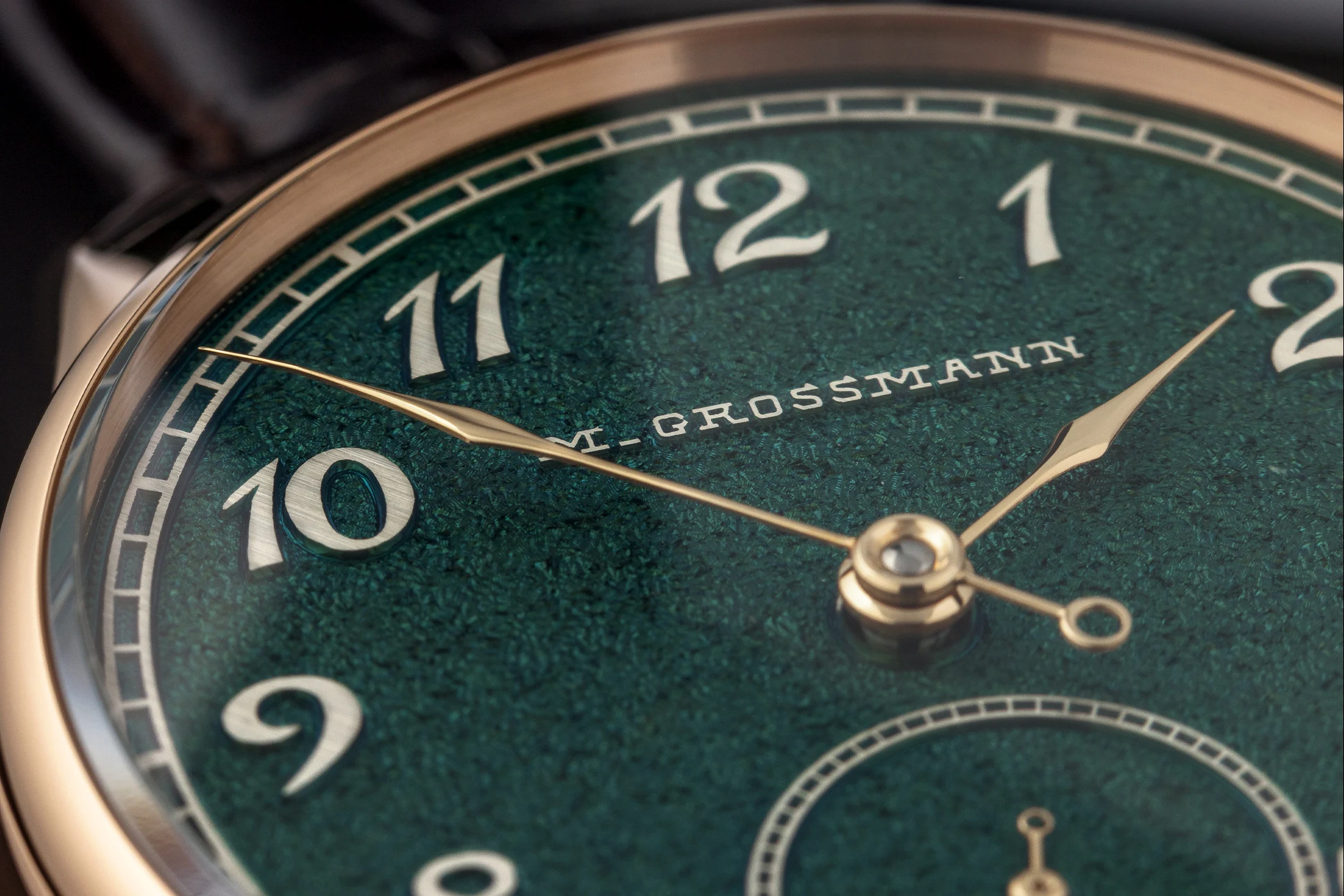
The production of a single Tremblage dial requires hours of intense concentration. The result is a rough, matt-shimmering texture against which the polished hour markers and hands stand out in spectacular contrast.
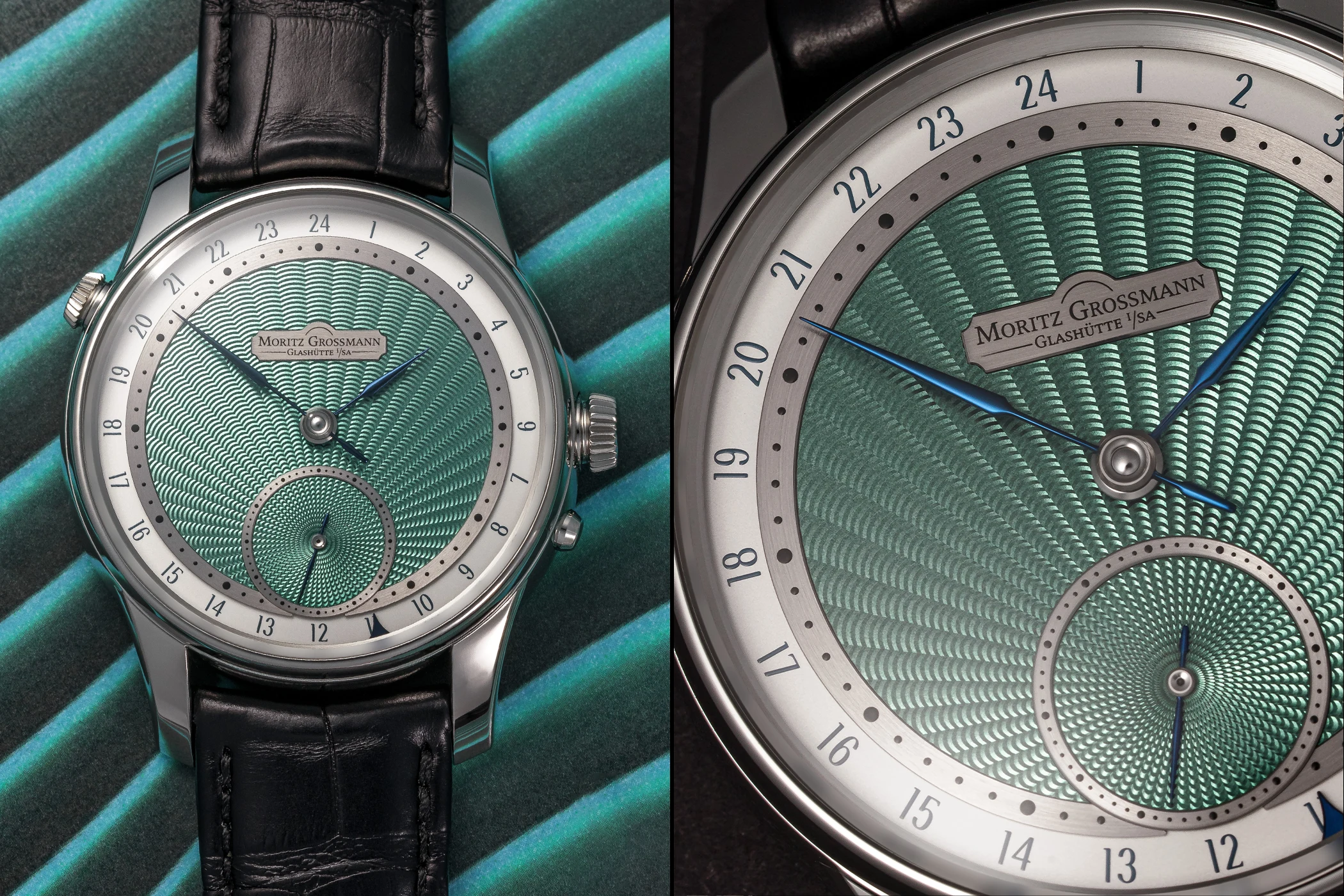
The hands on a Moritz Grossmann watch are among the finest and most intricately crafted in the entire watch industry. Whilst even luxury brands source their hands from specialist suppliers, in Glashütte they are manufactured entirely in-house from scratch.
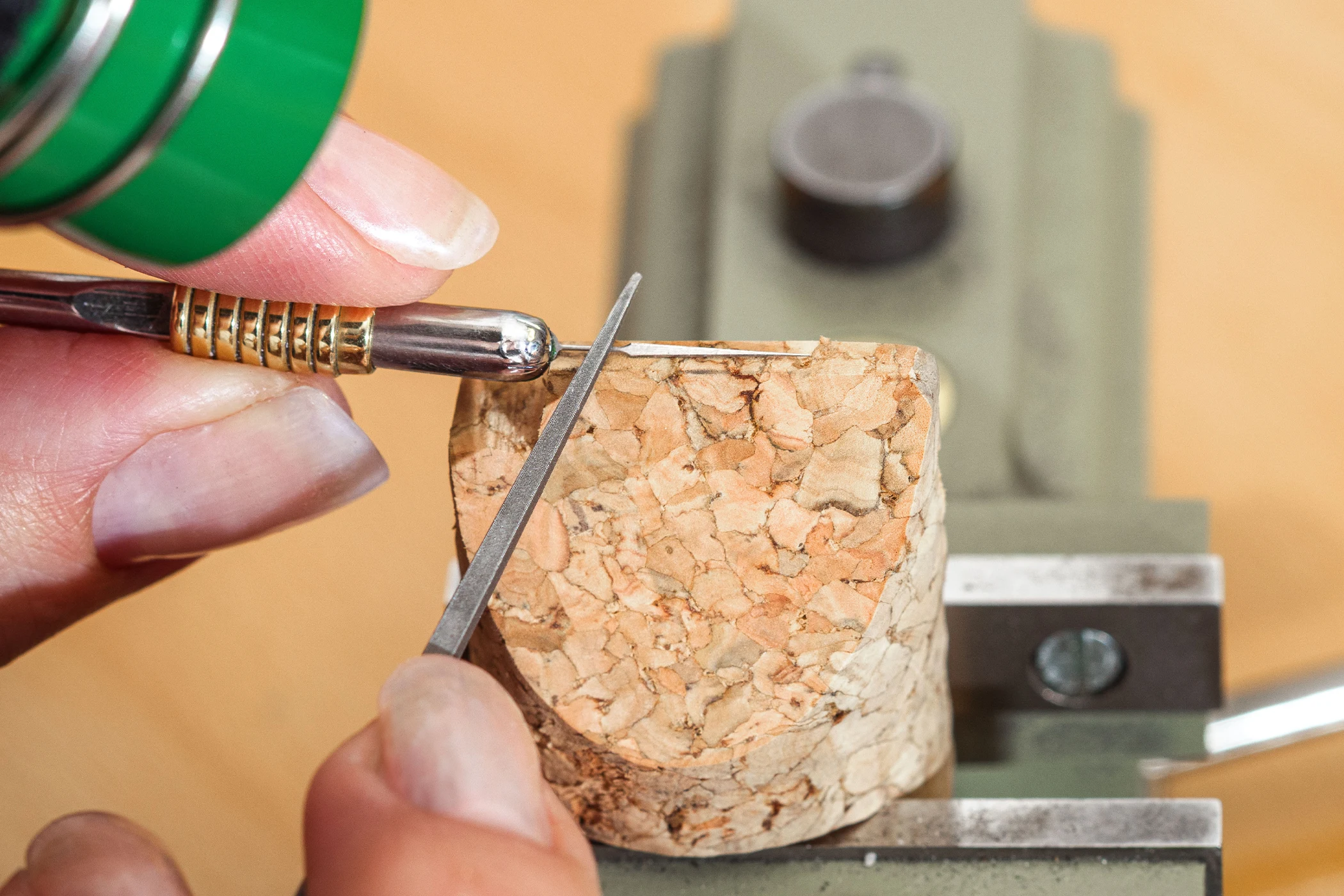
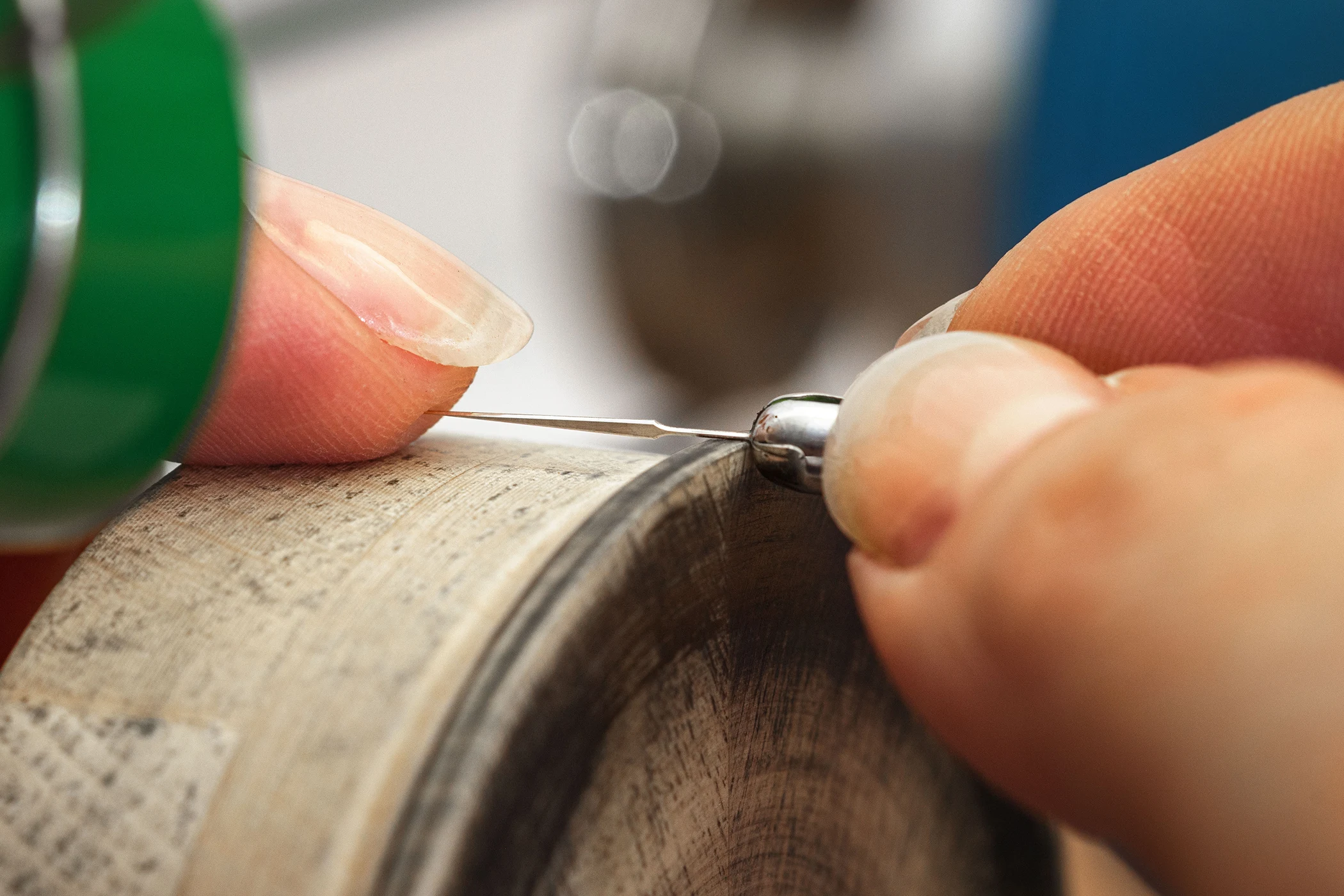
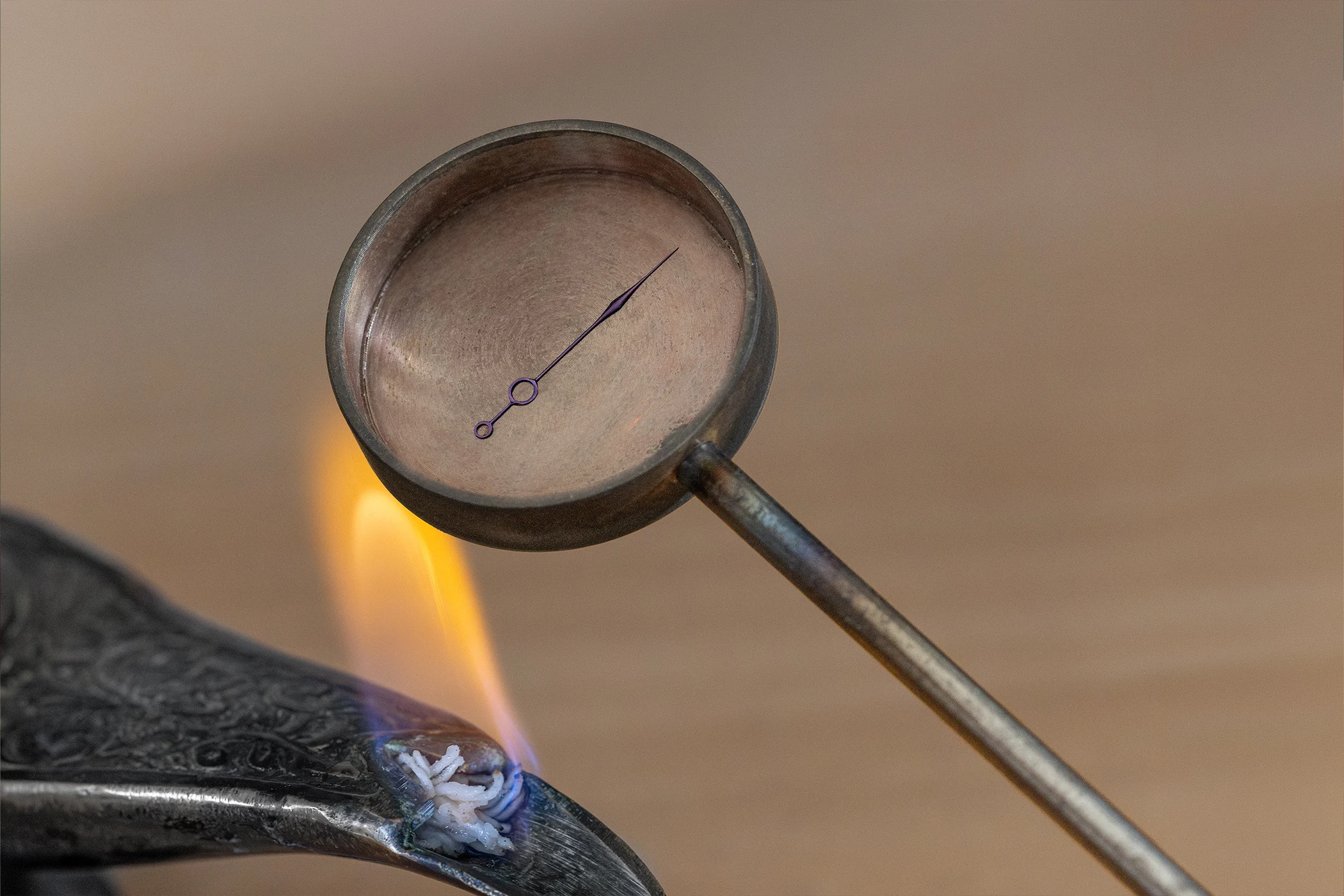
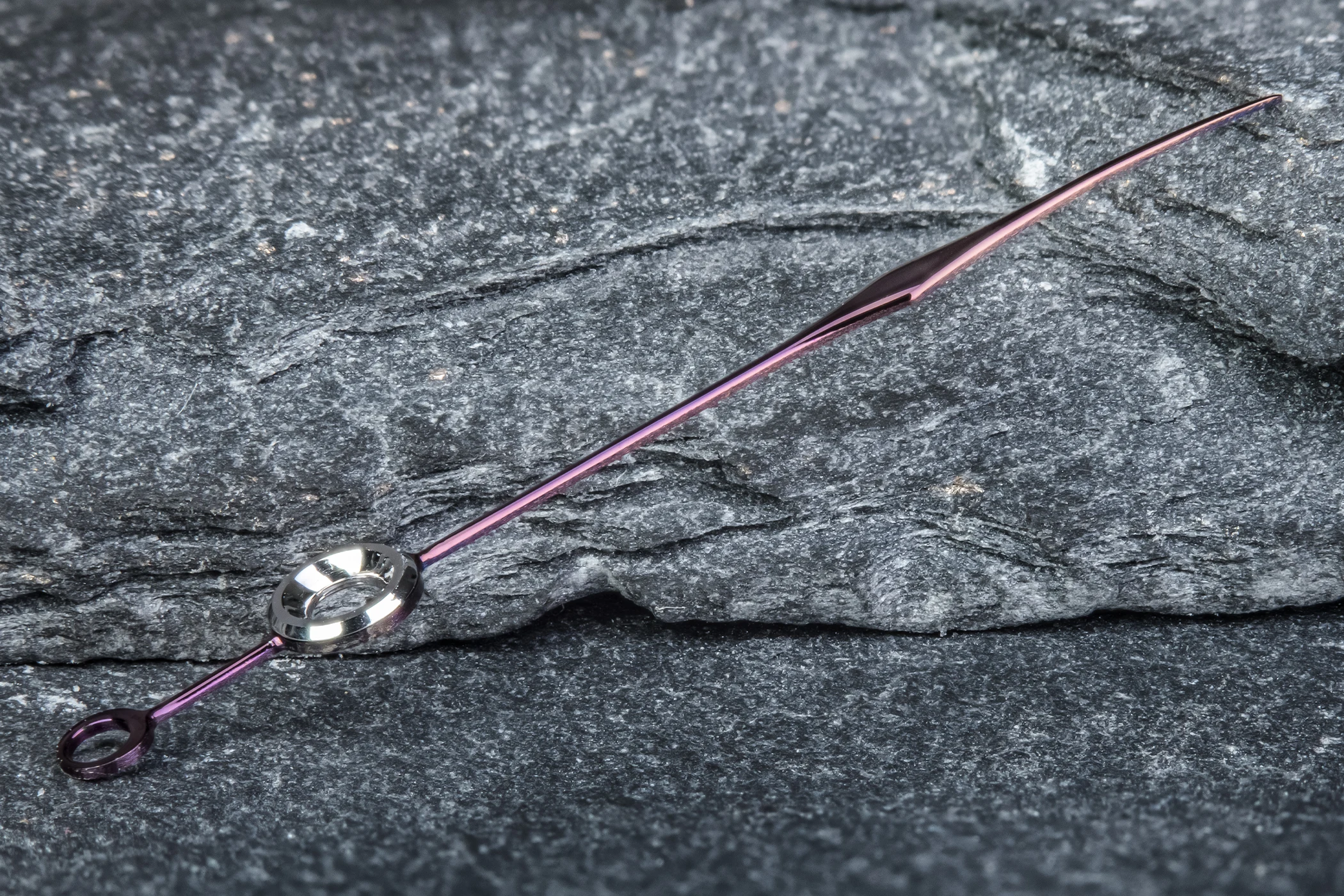
Craftsmen carve, file and polish delicate hand shapes from the finest steel or gold. Their tips taper to a wafer-thin point, reminiscent of the hands found on historic precision instruments. The edges are facetted by hand and polished to a high gloss.
A distinctive hallmark is the thermal tempering process: in addition to the deep Glashütte cornflower blue, Grossmann often matures steel hands over an open flame to achieve a subtle, warm brown-violet hue. A single three-piece set of hands requires six to eight hours of the most intensive handcrafting.
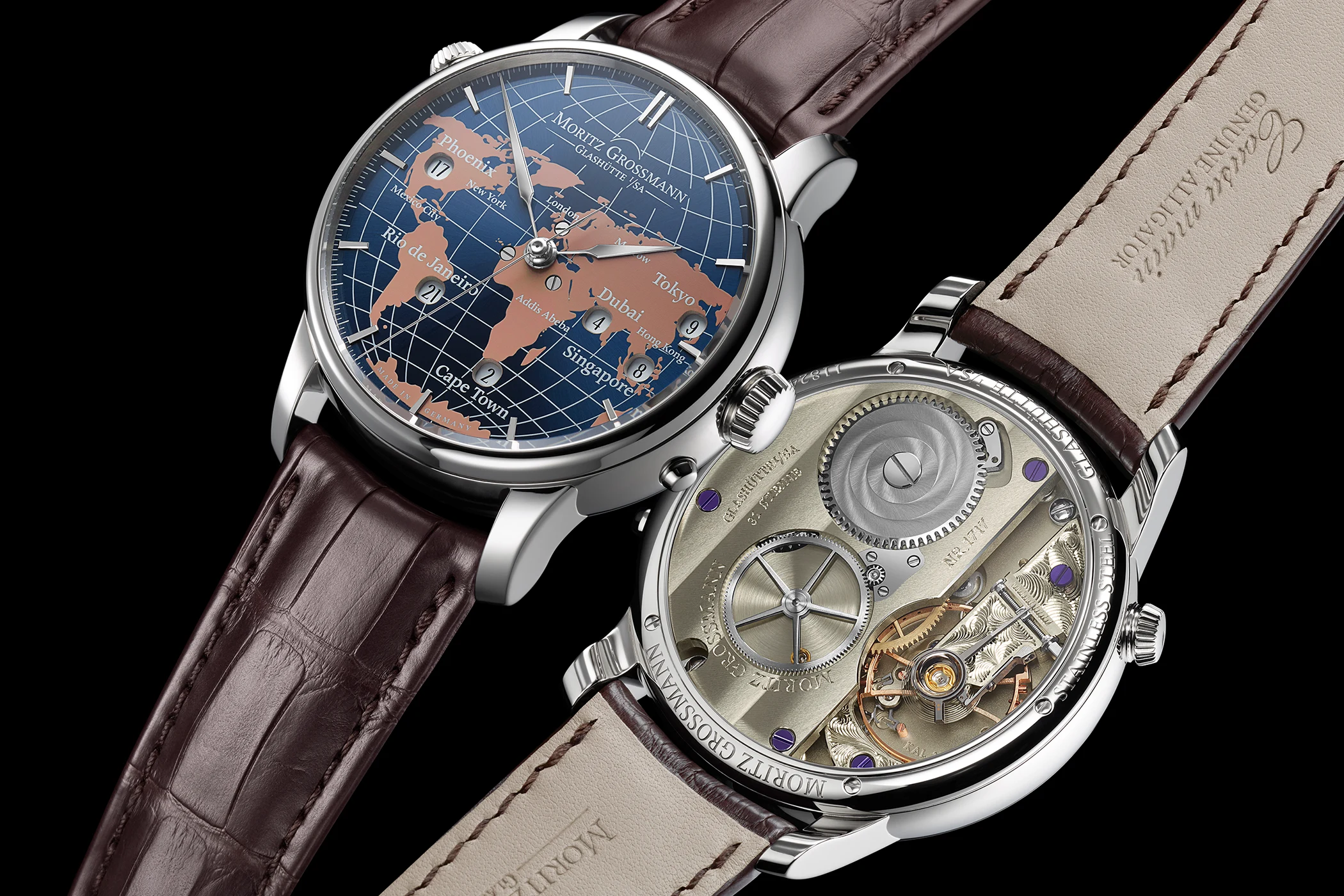
Looking through the open case-back of a Grossmann watch, one’s gaze is immediately drawn to the stepped balance cock made of natural nickel silver. It is hand-engraved with delicate floral and vine motifs and features a distinctive, recessed design.
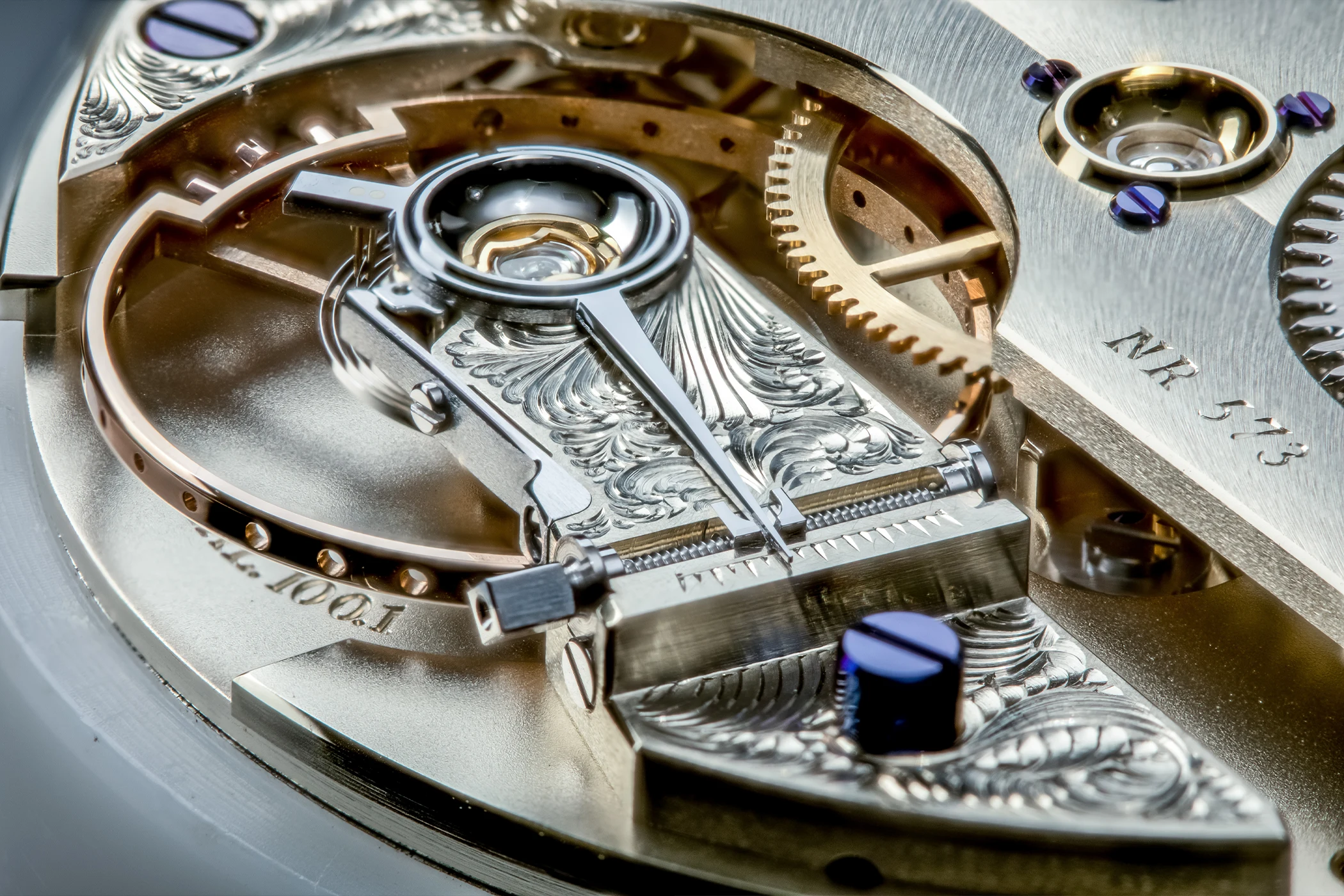
The Grossmann regulating screw (also known as the regulator screw) is situated on this level. A fine-adjustment screw with a scale allows the regulator hand to be adjusted without any play and with accuracy to a fraction of a millimetre.
The combination of three-dimensional architecture, exquisite hand engraving and this highly functional micrometre screw perfectly embodies the spirit of the company’s historic founder, Moritz Grossmann.
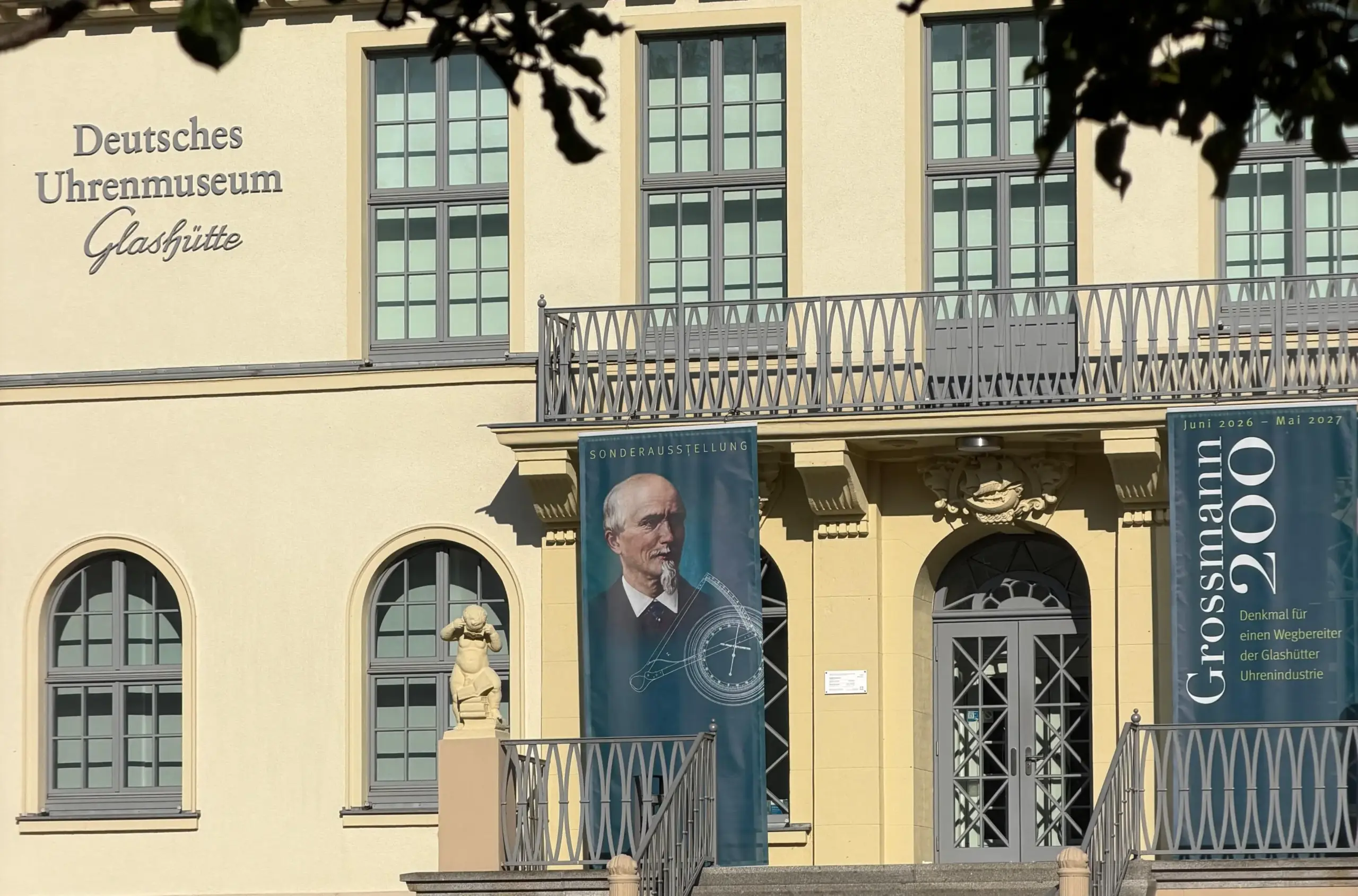
To mark the 200th anniversary of Moritz Grossmann’s birth, a special exhibition featuring historical clocks and documents is currently on display at the German Watch Museum in Glashütte. The exhibition runs until 31 May 2027.