The most expensive F.P.Journe watches ever sold at auction, including rare prototypes, Souscription pieces and historic one-offs.
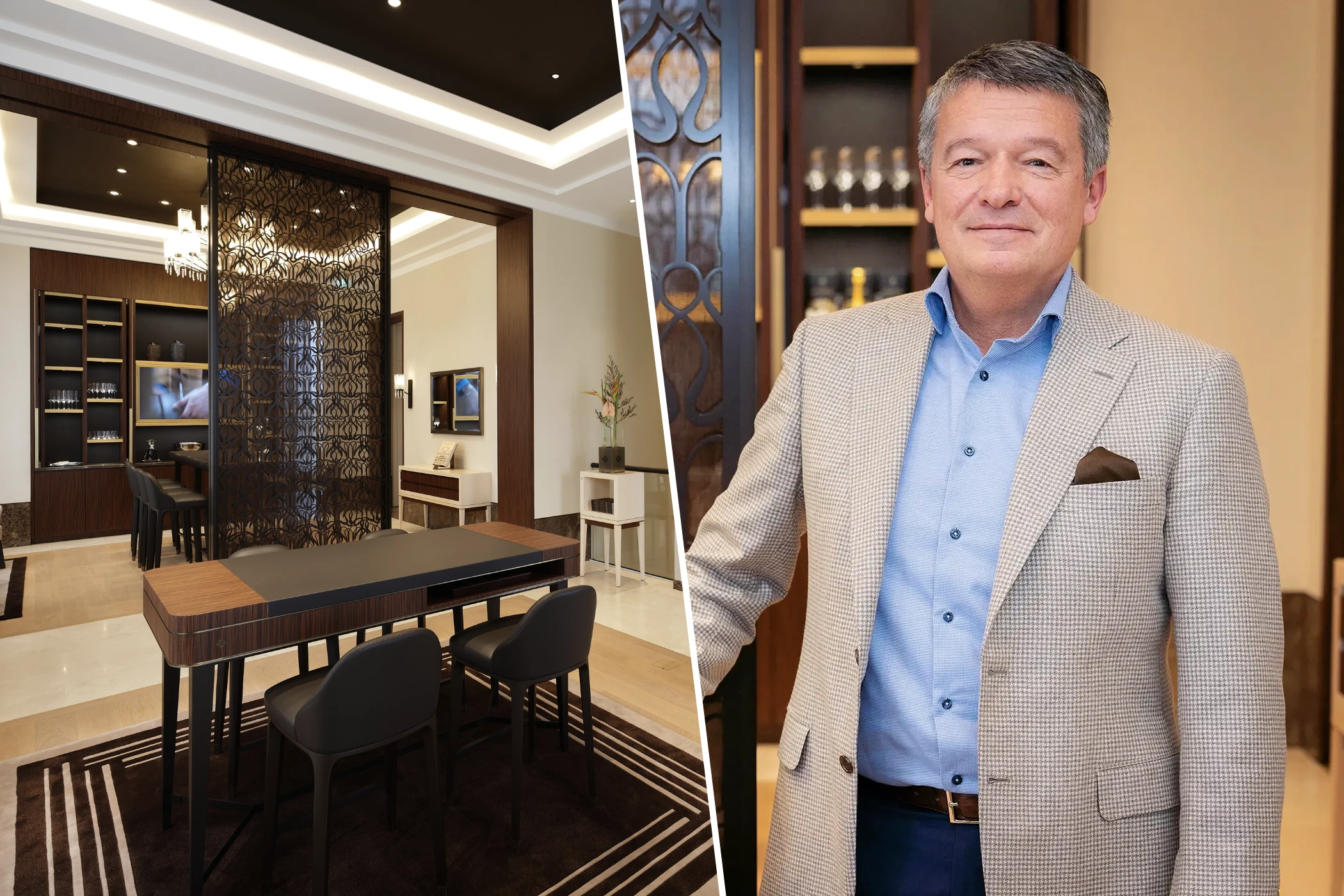
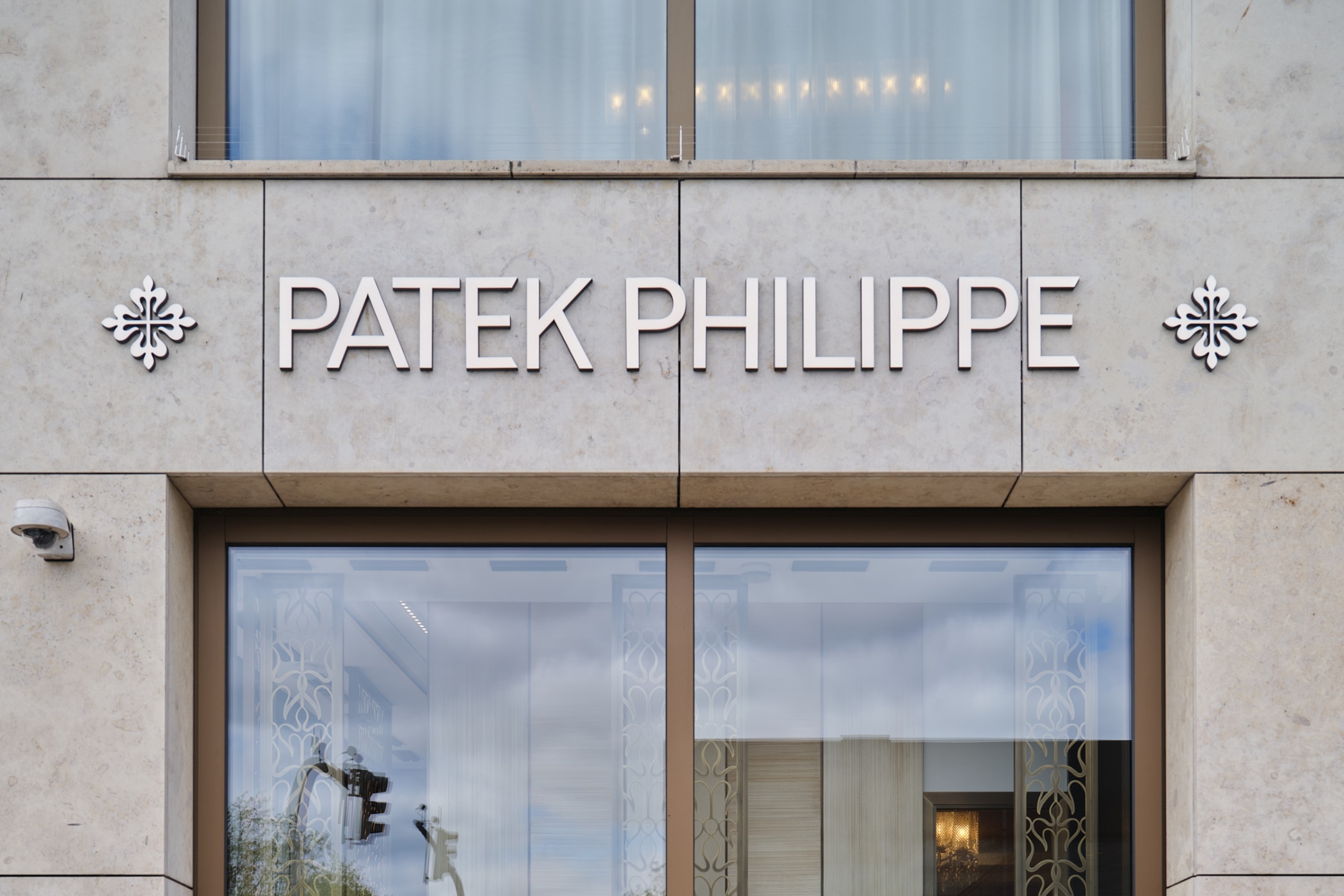
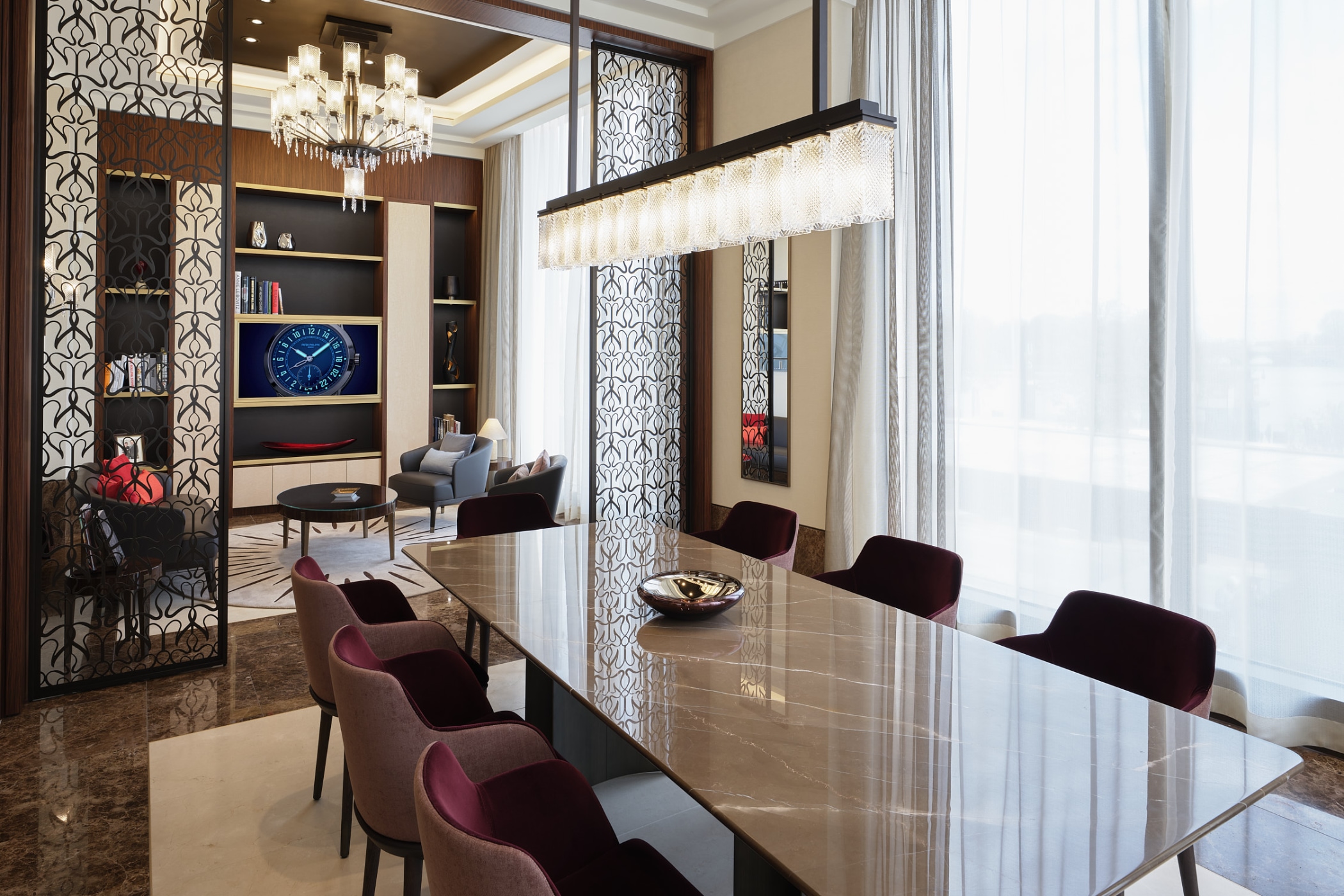
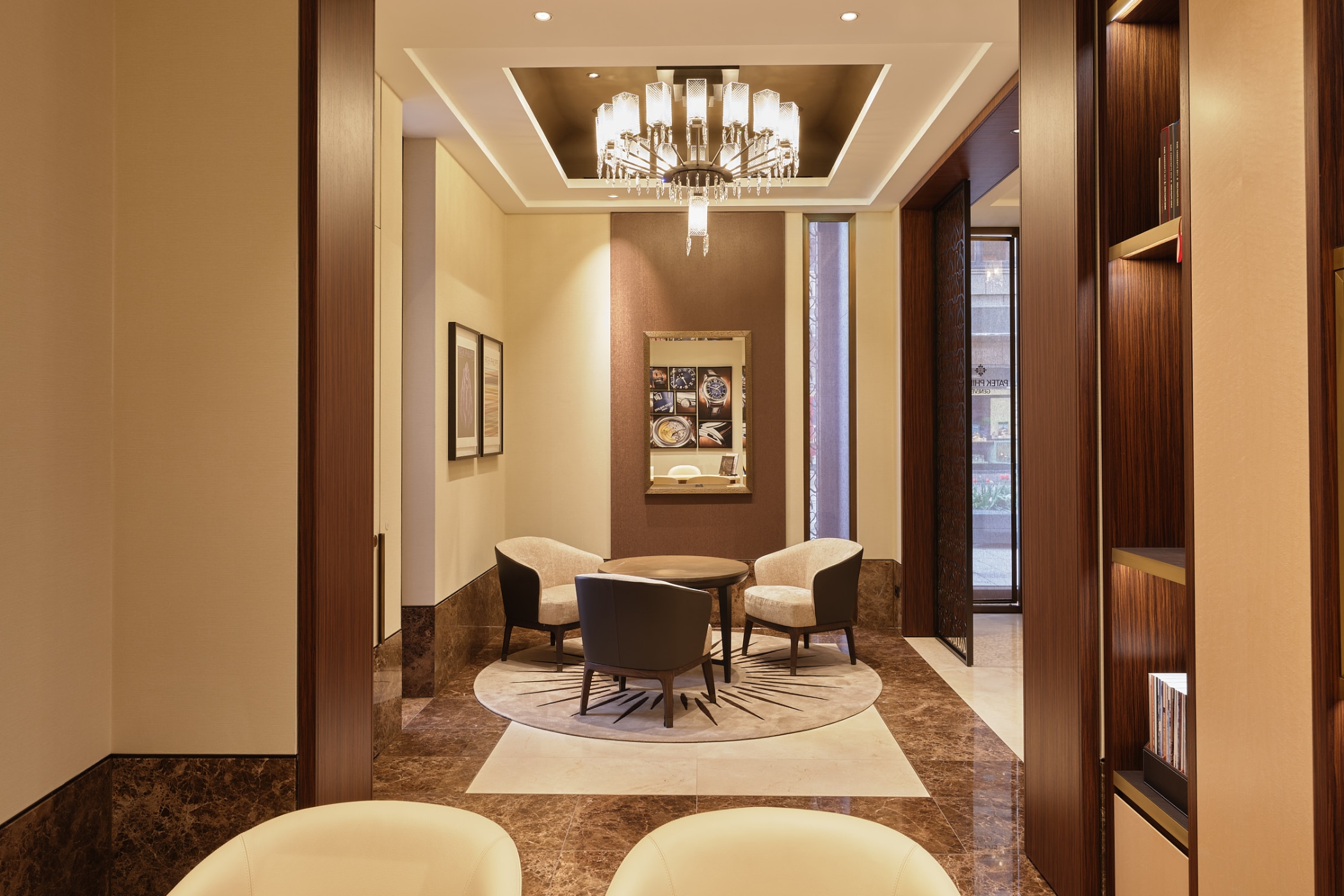
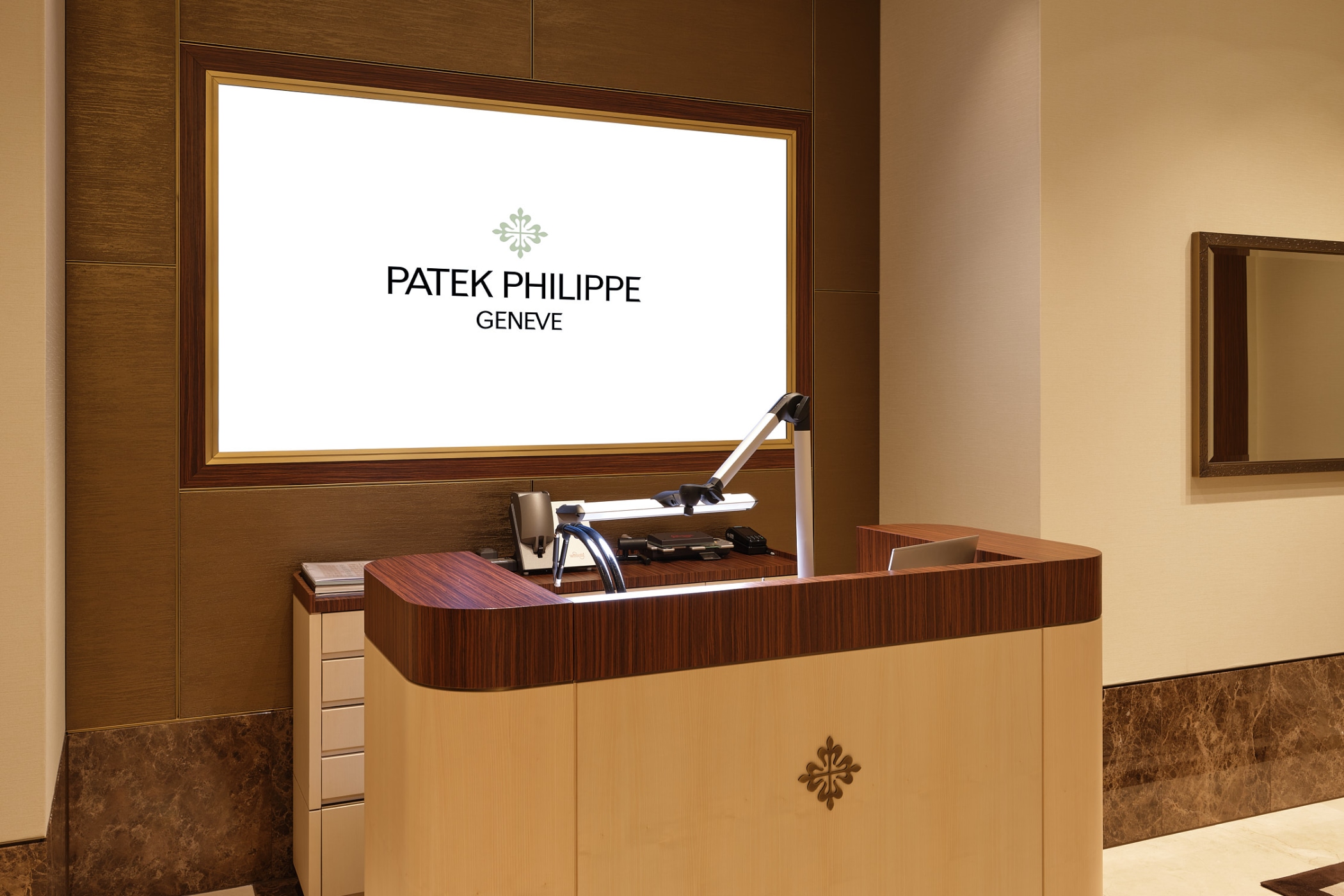
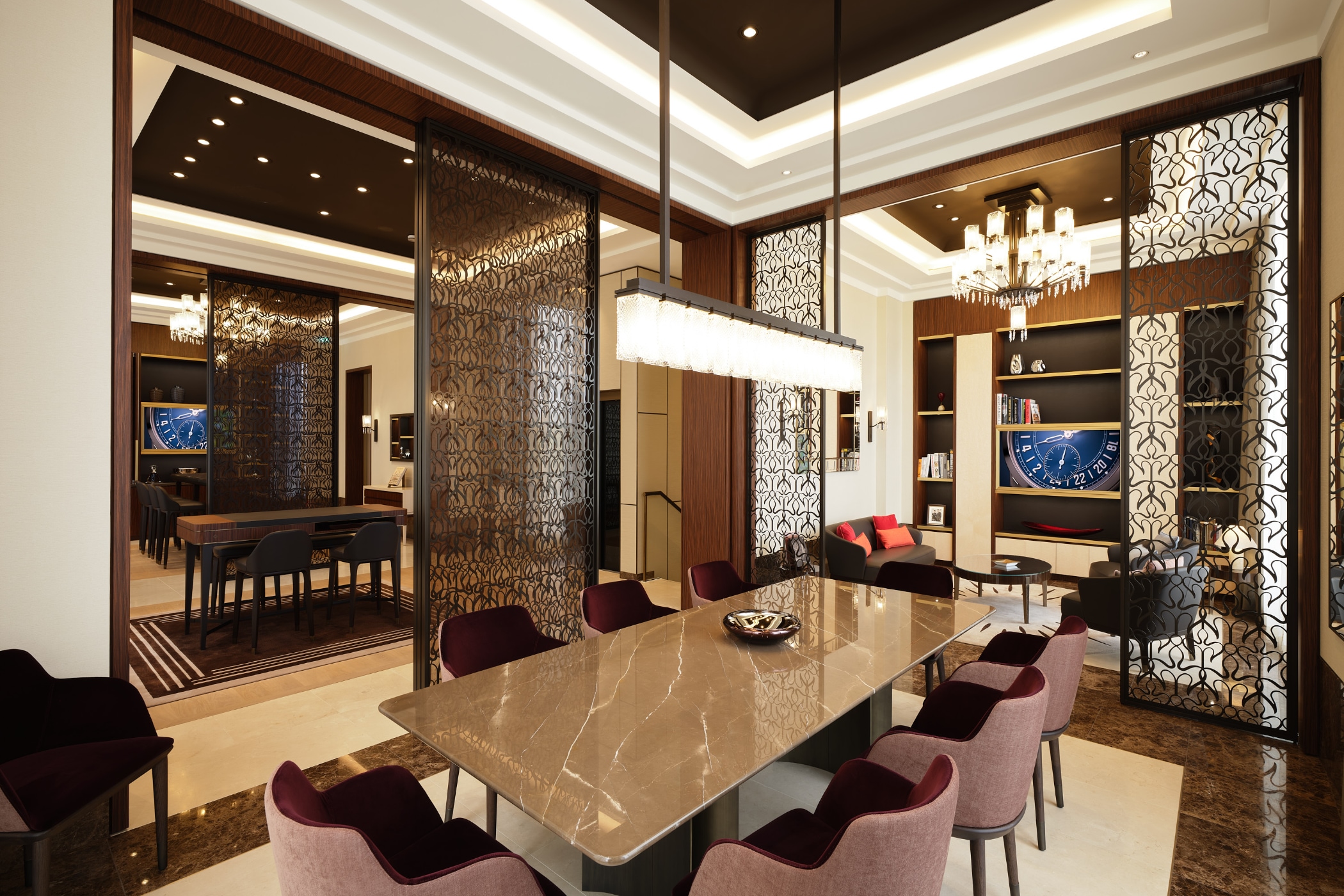
On Neuer Wall in Hamburg, at the corner of Jungfernstieg, lies one of the most exclusive addresses for watch enthusiasts in Germany. Three years have passed since the opening of the Patek Philippe boutique run by Wempe, which was personally attended by Thierry Stern, CEO and President of the watch manufacturer. Insiders have long known that it is in fact the largest Patek Philippe boutique in the world, apart from the three Patek-operated salons in Geneva, Paris, and London. Spanning 230 square metres, the boutique features an Art Deco interior created specifically for this location and therefore entirely unique: fine woods such as rosewood, palisander, steamed beech, and bird’s-eye horn meet burnished brass and mosaic marble. The furniture consists of bespoke pieces crafted in Geneva and Italy.
©Patrick Möckesch
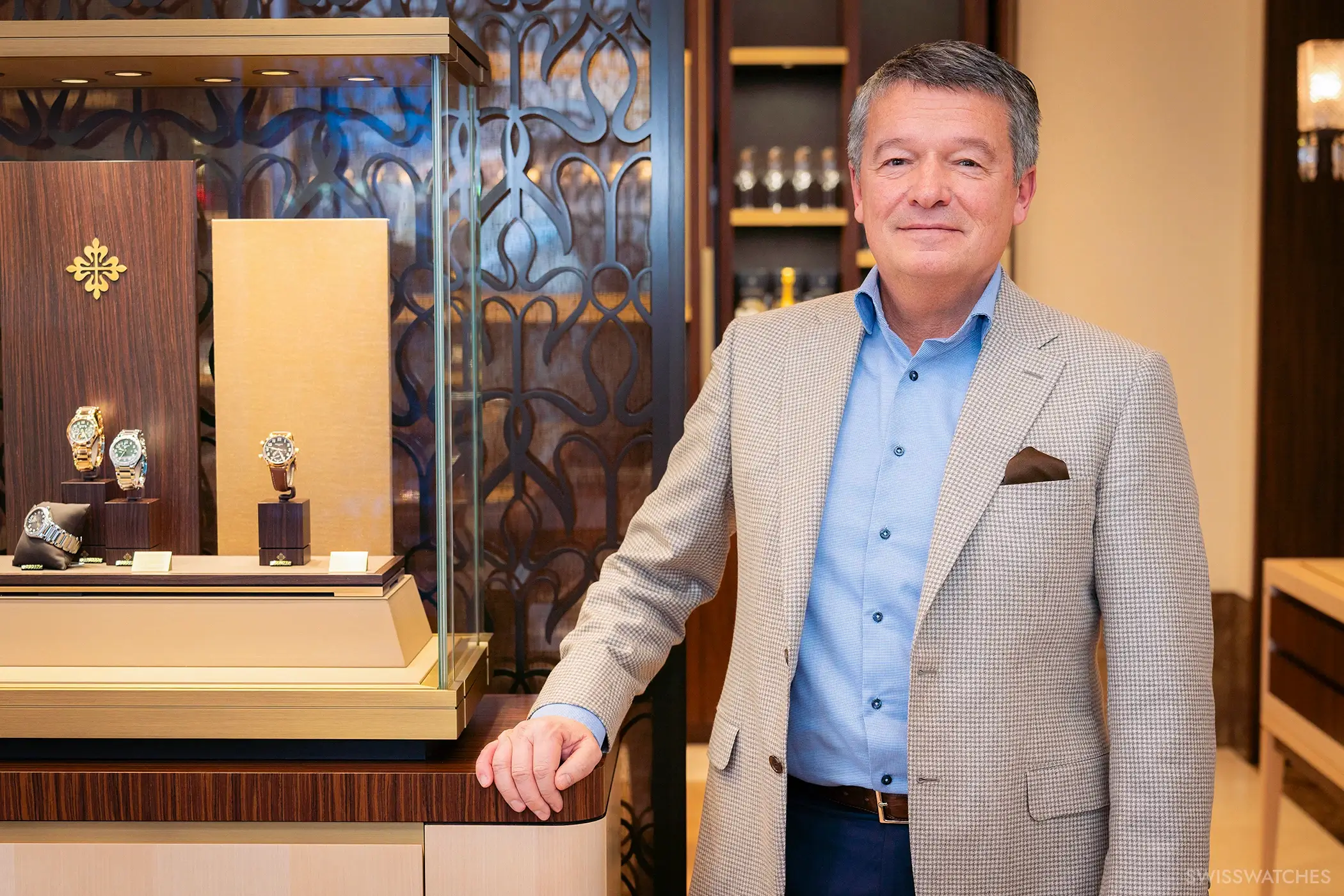
One man you should know if your heart also beats for Patek Philippe timepieces is Karl Heinz Peters, who manages the boutique and, together with his seven-strong team, decides which watch is sold to which customer. However, certain criteria are irrelevant to Peters, ‘Anyone who comes into our boutique is, first and foremost, the right person for the brand.’ We met the highly experienced and exceptionally personable Managing Director at the Hamburg boutique to talk about his path into the watch industry, a memorable encounter with Thierry Stern, and a suitcase full of historic horological treasures – and we also learned the best way to get hold of his business card.
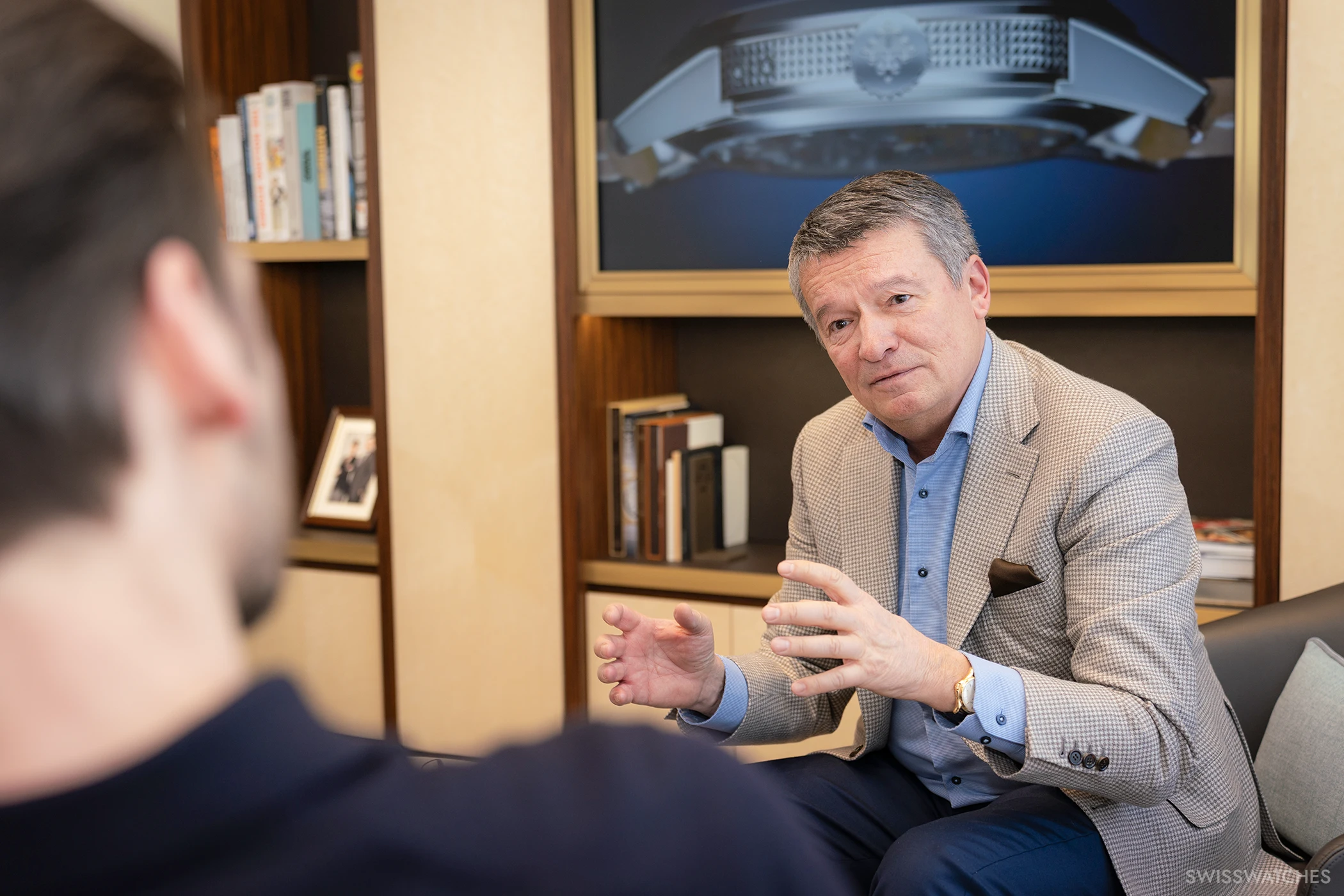
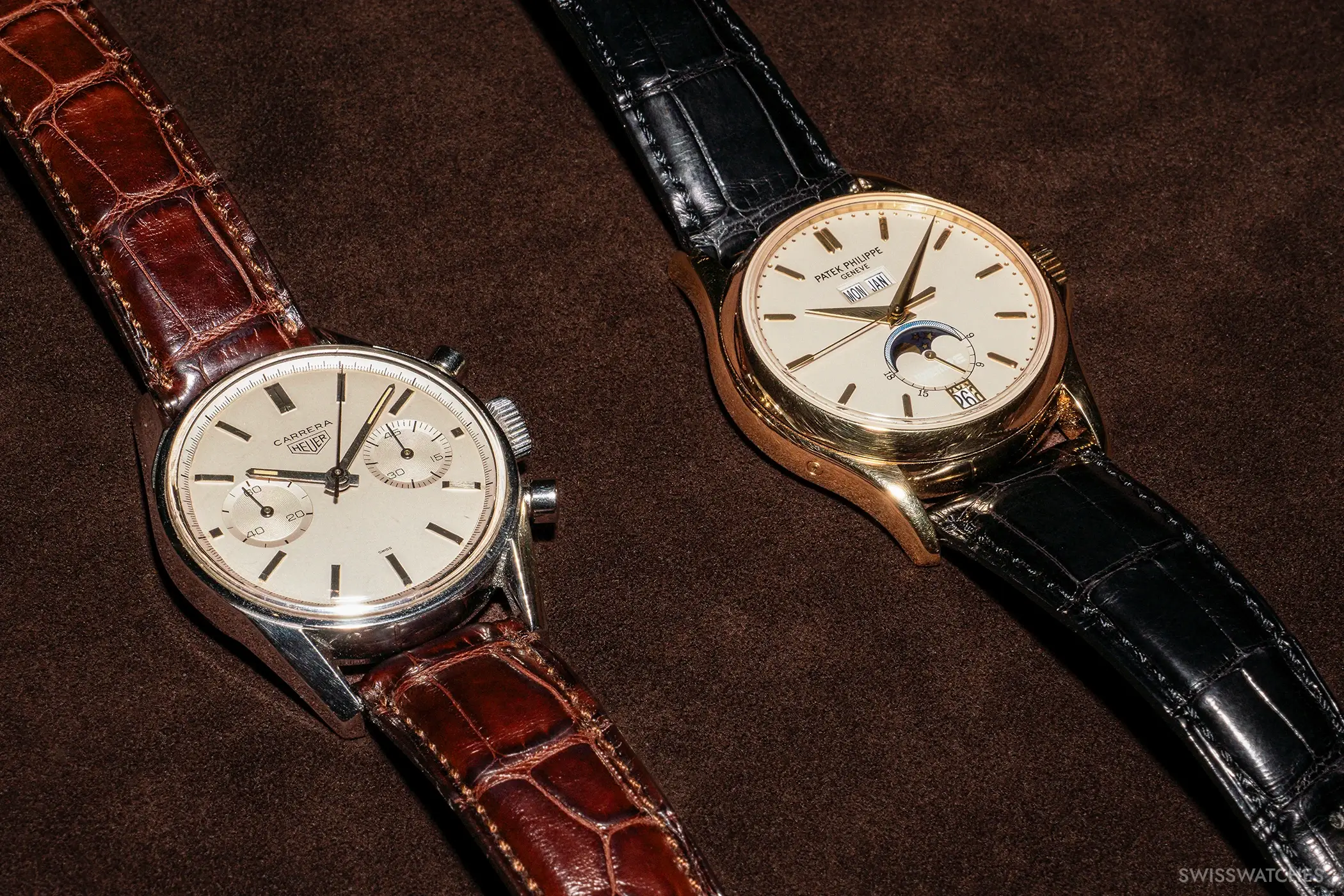
Karl Heinz Peters is not a trained watchmaker, but rather what one might call a passionate career changer. His path took him from the fashion industry in Aachen to Hamburg, where he came across a job advertisement from Wempe and eventually applied for a sales position at the Jungfernstieg branch. That was around 25 years ago. ‘My colleagues looked at me at first as if I’d come from another planet,’ he says today with a smile, recalling his early days as a sales associate. Yet his fascination with mechanical watches had long been established, sparked by his father’s 1965 Heuer Carrera, which he received as a gift 30 years ago.
Peters brought it along especially today and insists that it be wound up before we take a closer look at it together. ‘Many people just wear their precious watches without even setting them.’ And just like that, I realise the passion and appreciation Peters has for these delicate and elaborate creations.
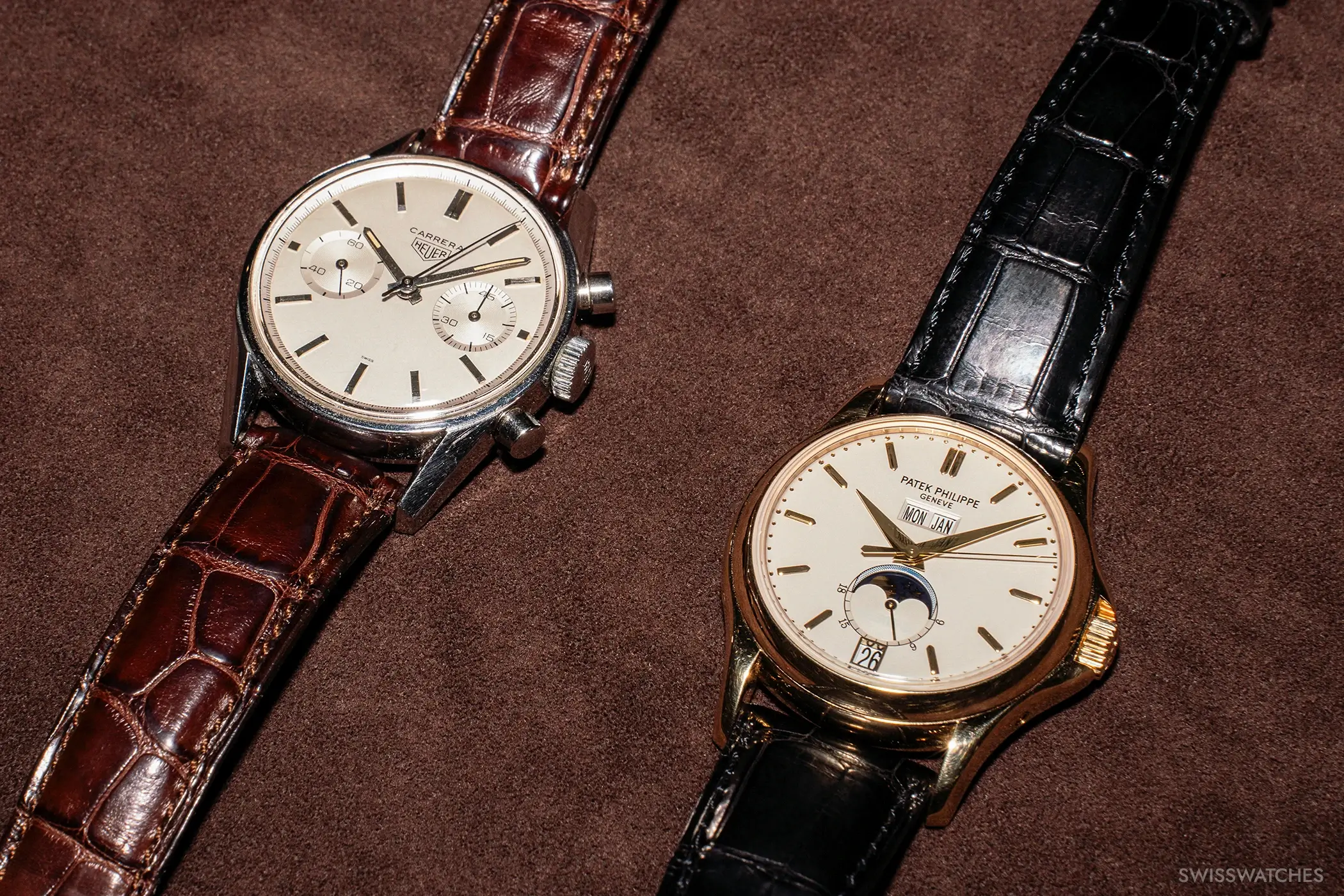
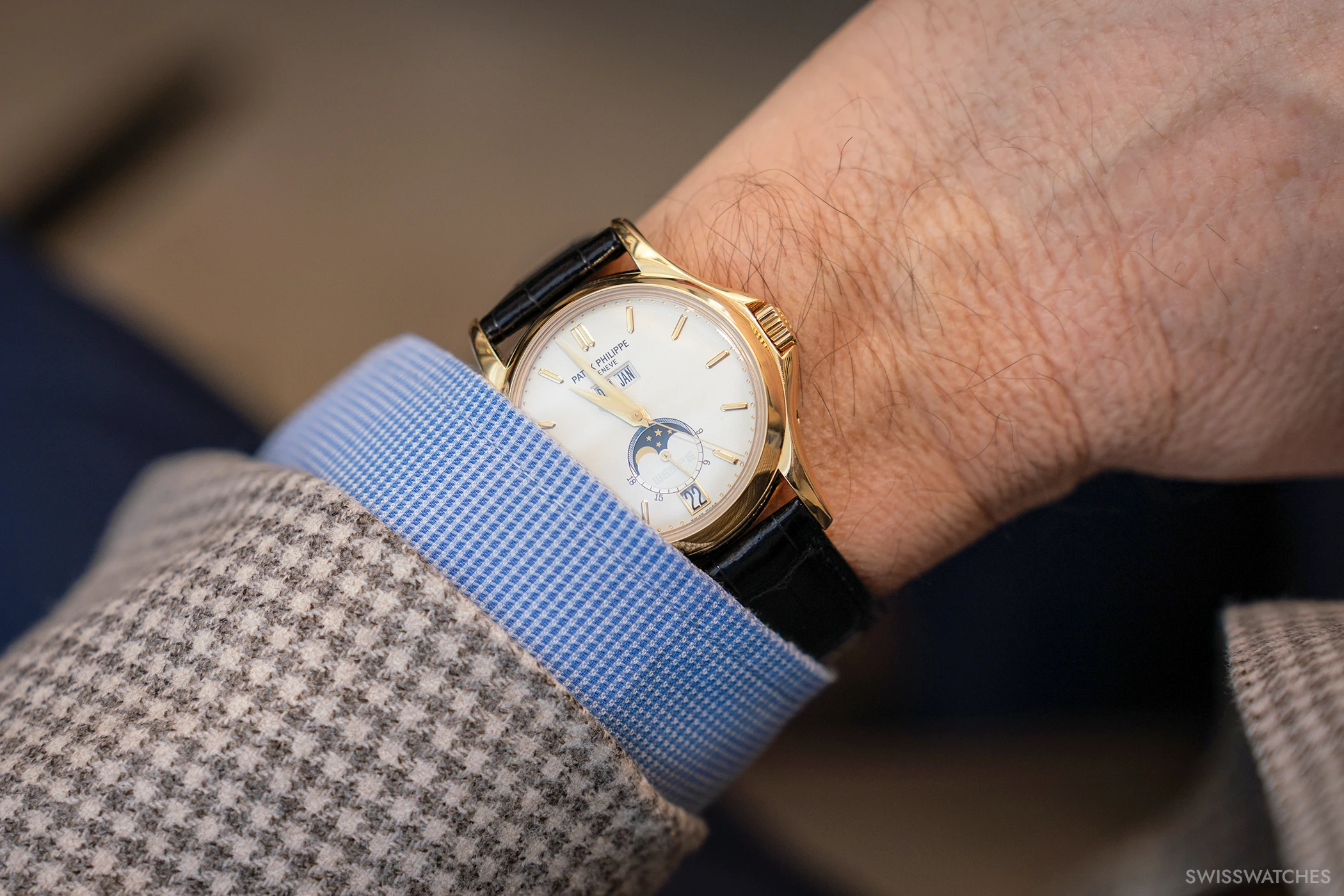
The watch he received three decades ago continues to shape his understanding of aesthetics to this day: ‘When I see these vintage watches, I simply find them beautiful, especially as I have slimmer wrists myself.’ For our conversation today, however, Peters is wearing a Patek Philippe: the Annual Calendar Reference 5125, the anniversary watch marking Wempe’s 125th anniversary.
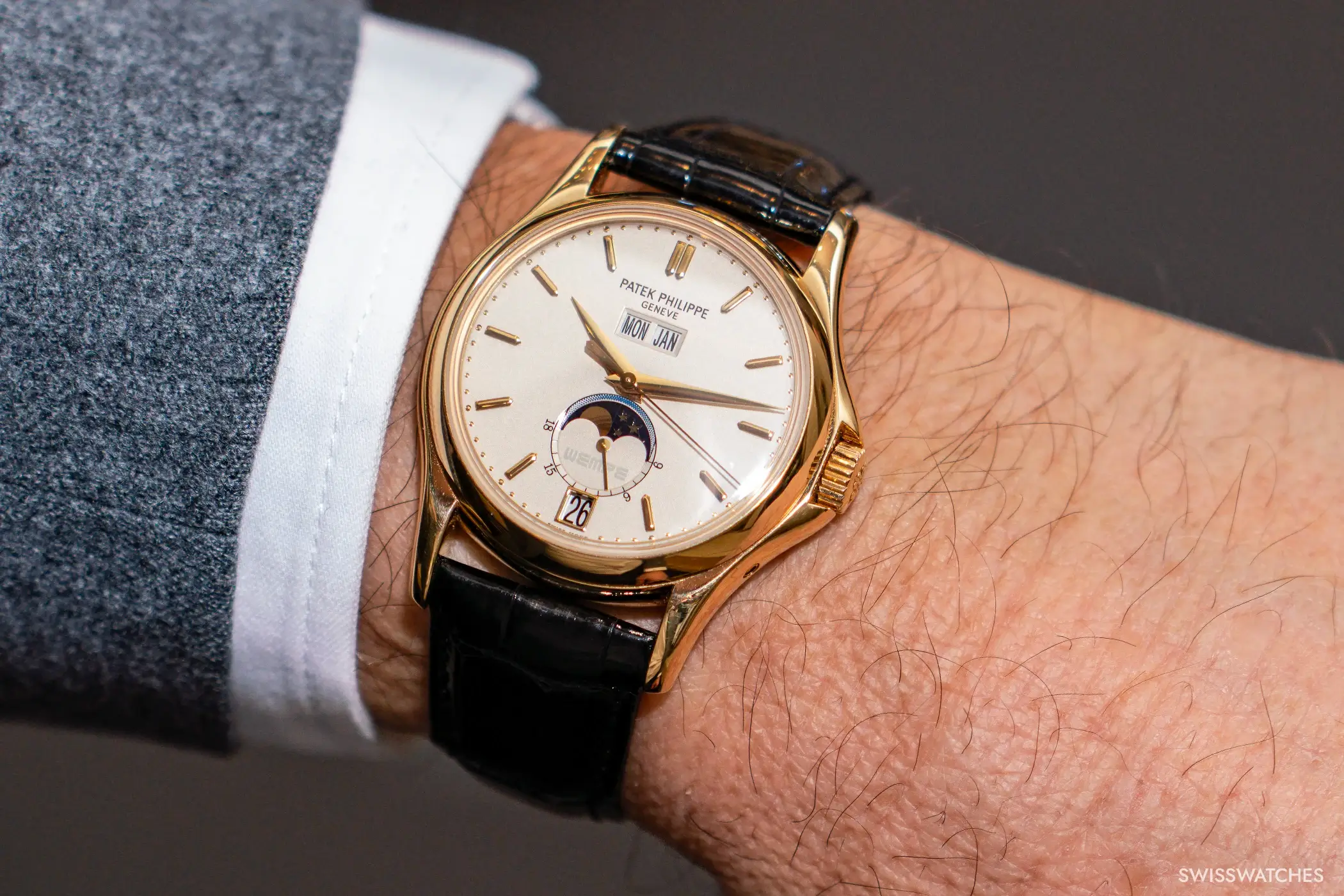
When Wempe was set to take over management of the first Patek Philippe boutique in Hamburg in 2015, the Wempe family approached Karl Heinz Peters and offered him the position of managing director. Peters did not hesitate for a moment. ‘For me, Patek Philippe has always been the benchmark. It was the only single-brand in Wempe’s range for which I would have taken on this role,’ says Peters today.
The collaboration between Wempe and Patek Philippe dates back almost 100 years. In 1927, Herbert Wempe was granted the exclusive concession to sell Patek Philippe watches. Peters describes the special nature of the relationship between the Hamburg-based family business and the Geneva manufacture as ‘a family relationship on equal footing. Decision-making paths are extremely short – if there’s an issue, it’s often resolved within an hour, regardless of whether I call Kim-Eva Wempe or someone at Patek Philippe.’
The move in 2022 from the former, smaller boutique to the current 230-square-metre space naturally drew even more attention to Patek Philippe in Hamburg. ‘We wanted to create a place that is elegant without being loud.’ The architecture serves as the framework for a distinctive philosophy: ‘We consider our customers as guests. It’s about hospitality on an equal footing.’ In the VIP lounge or at the in-house bar overlooking the Binnenalster, the boundaries between professional consultation and personal exchange begin to blur. Although the new premises have increased visibility, the number of watches available has remained almost unchanged. The goal was never to create more space for higher sales volumes, but rather to give clients the opportunity to immerse themselves in the world of Patek Philippe – to drop by for a conversation, a coffee or a glass of champagne with Peters and his team. The special customer experience is also found in the details: the coffee comes from a local roastery in Blankenese; the chocolate and biscuits are supplied by a small manufacturer in Hanover – ‘almost better than Swiss chocolate,’ Peters says with a grin, having worked closely with the producer on the recipe until he was fully satisfied. To this day, customer events are held here every month, focused less on selling watches and more on sharing a passion for horology with like-minded enthusiasts.
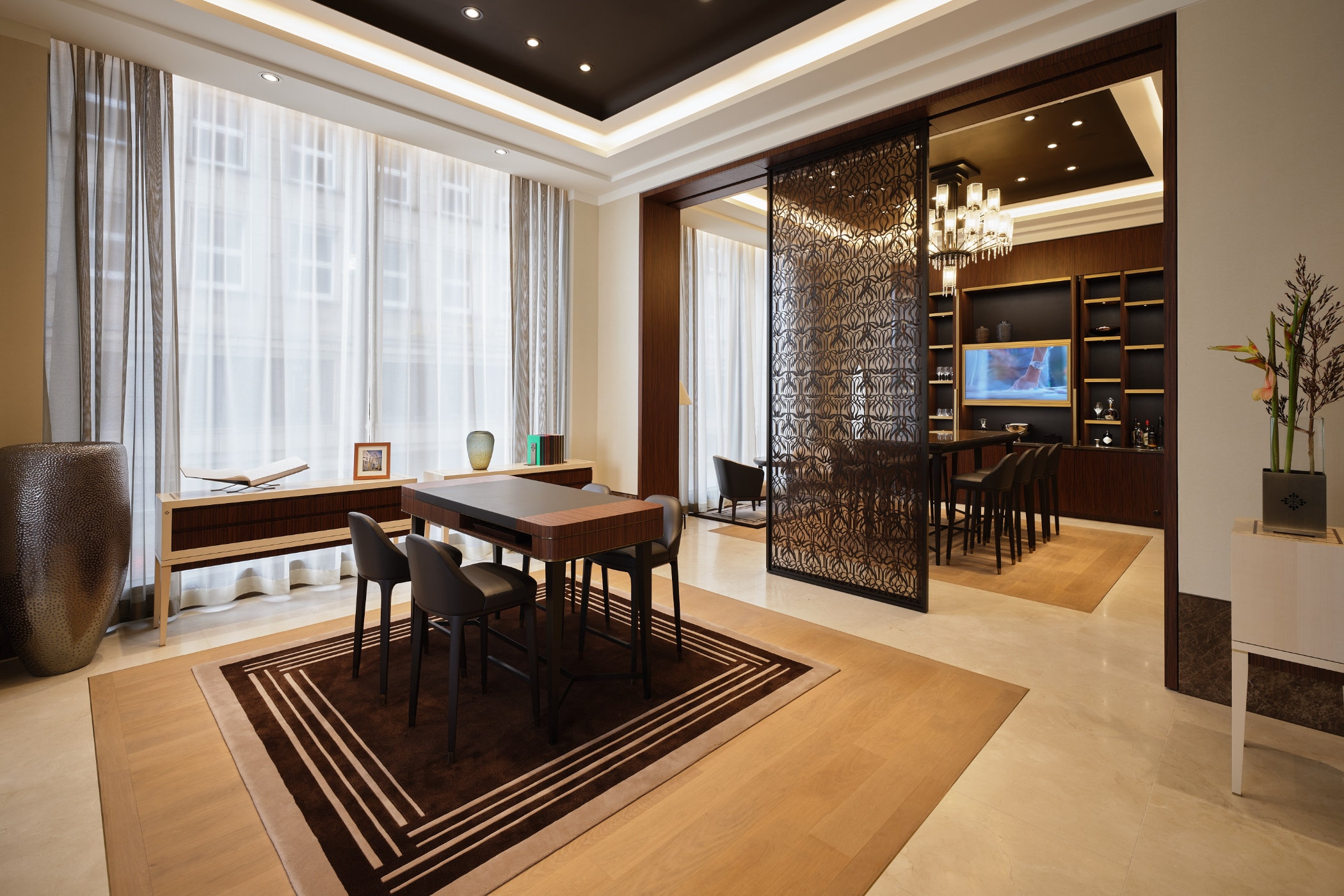
©Patrick Möckesch
Availability is, of course, a topic that concerns many people. Here, Peters relies on Hanseatic honesty rather than artificial scarcity. Patek Philippe produces around 72,000 watches each year, distributed across 273 points of sale worldwide. Only a small proportion of these are stainless-steel models. ‘When you break it down, it quickly becomes clear to the client: a boutique might receive just one such watch per year,’ he explains.
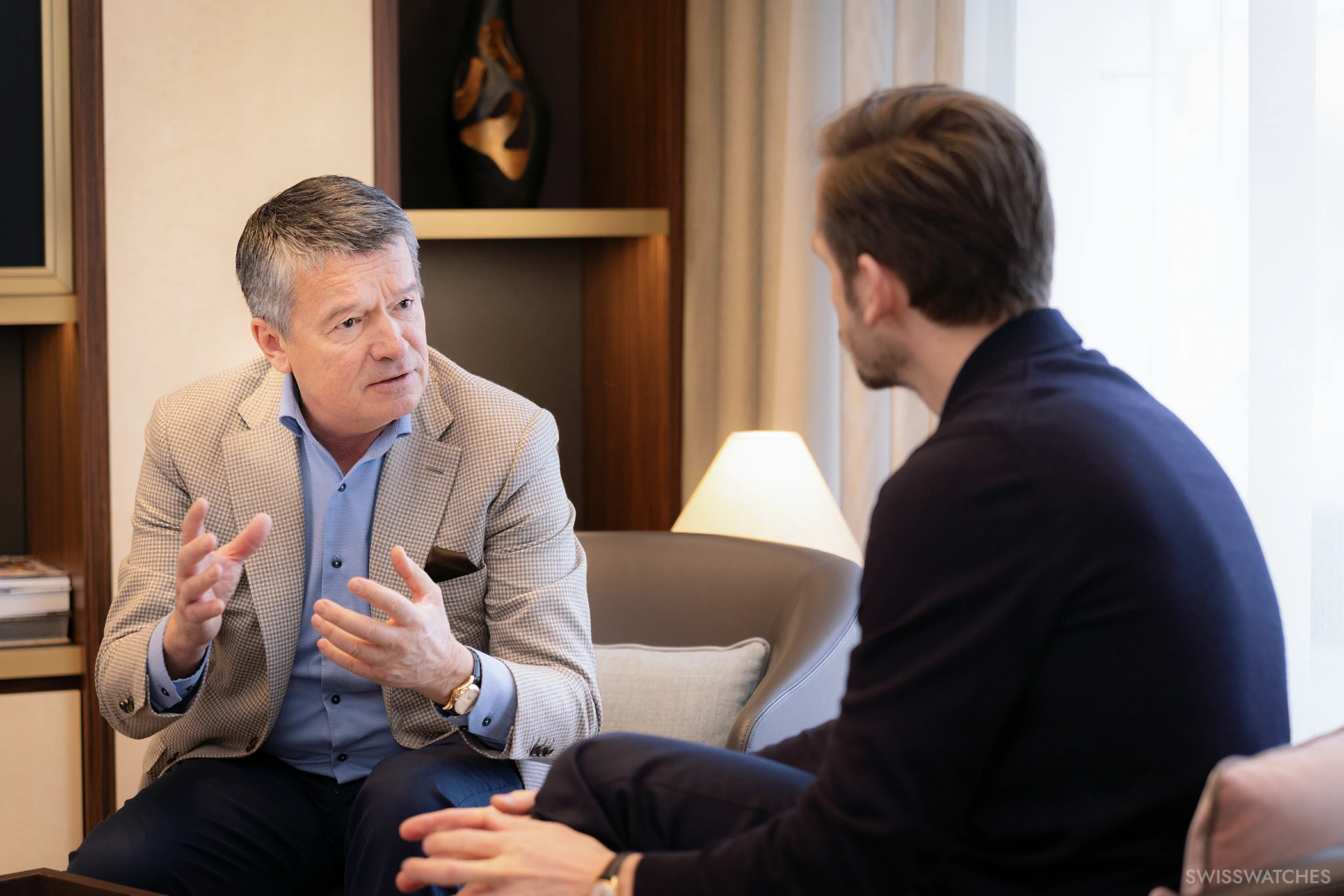
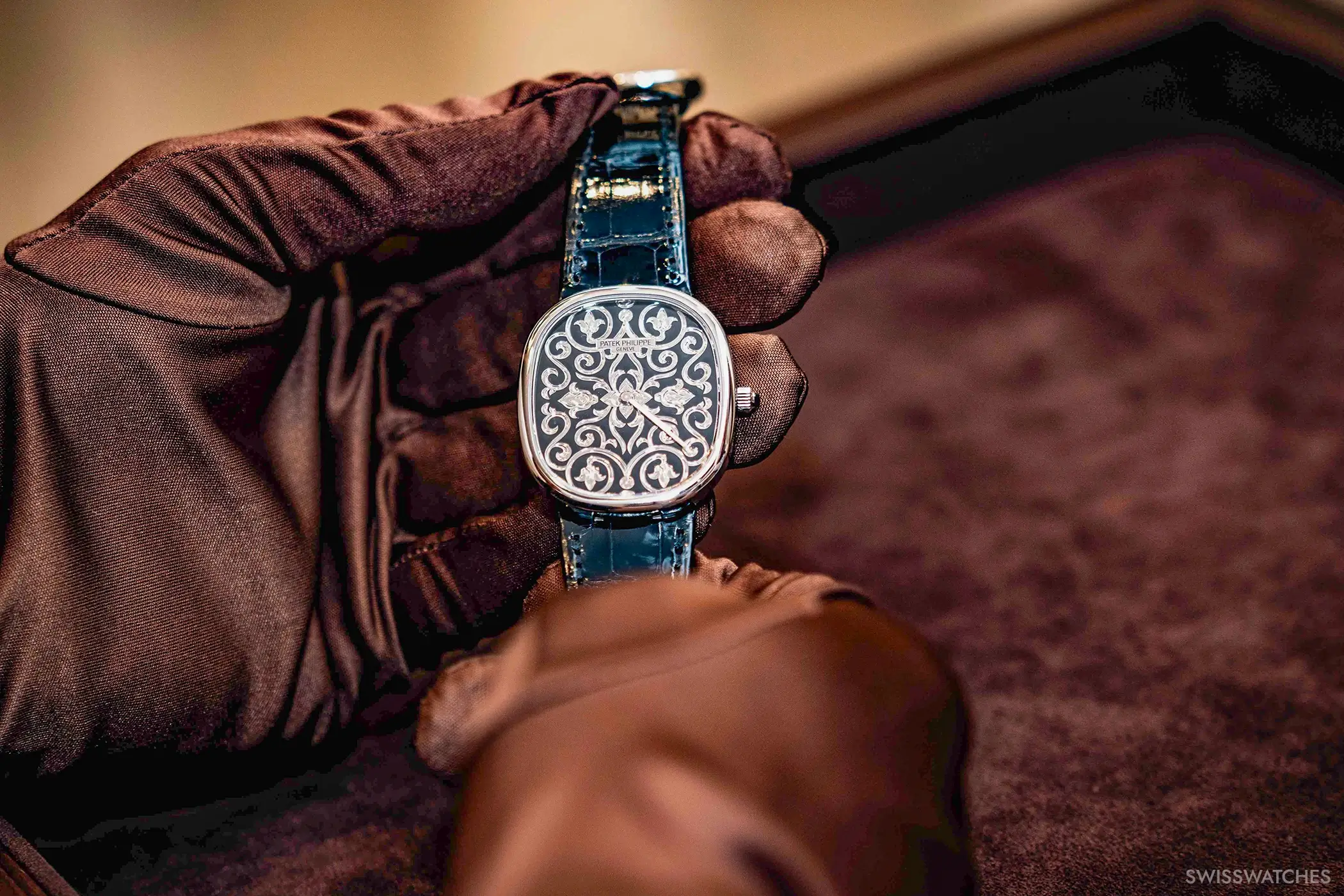
Despite high demand, there are no display items in Hamburg – i.e. watches that are only on display for viewing. ‘Everything we have here is also available for purchase,’ Peters emphasises. If a display is temporarily empty because a client has collected their long-awaited Calatrava, then so be it. Occasionally, however, when Peters receives a particularly special piece and the client agrees, a watch may remain in the boutique for a few days or even weeks to be shown to guests. These are usually Rare Handcrafts models, or exceptional pieces such as an Ellipse with hand engraving on the dial, as can currently be admired in the boutique.
When asked about his personal favourites, Peters’ eyes light up. Alongside Reference 5125, the anniversary watch for Wempe, he enthuses about vintage perpetual calendars such as References 3970 or 5140. But ultimately, it is always about emotion: ‘For most people, a love of watches ends here at Patek. It’s the knowledge of wearing something on your wrist that has been created with such passion and excellence.’
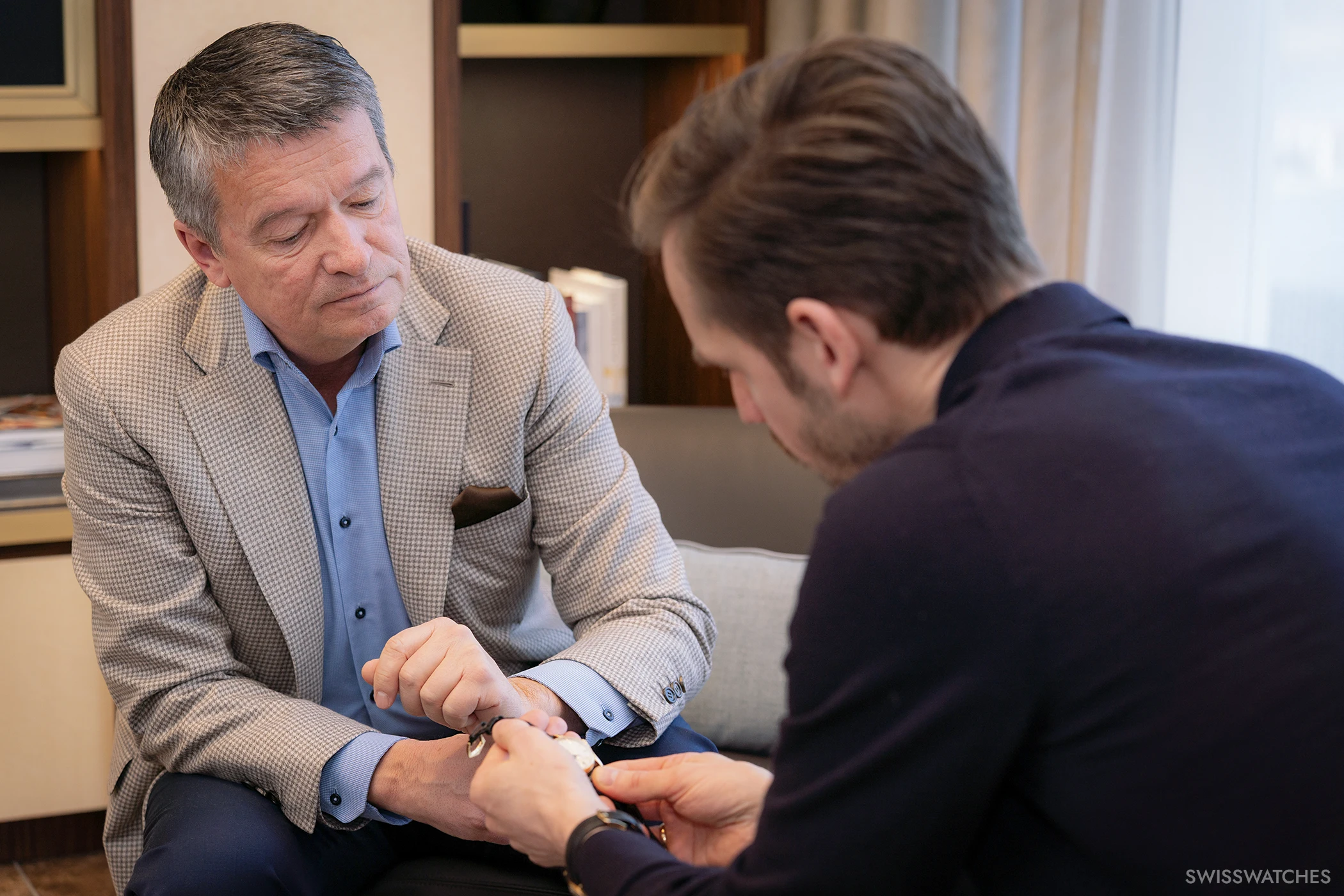
Under the leadership of Karl Heinz Peters, one thing becomes clear at the Hamburg Patek Philippe Boutique: time is not a scarce commodity here, but the most valuable ingredient of genuine Hanseatic hospitality.
Read the full interview with Karl Heinz Peters, Managing Director of the Patek Philippe Boutique in Hamburg, here.
Through my father’s 1965 Heuer Carrera. At the time, my father was looking for a watch and had three models to choose from: a manually wound Rolex Daytona, an Omega Speedmaster, and this Heuer. He set the Omega aside because it looked too large on his slender wrist. The Rolex cost more than twice as much, so he opted for the Carrera. I was given the watch by him 30 years ago, even though he is still alive – we celebrated his 98th birthday in December. I have a particular fondness for vintage watches, partly because I also have rather slim wrists.
No, I’m a career changer. I originally worked in the fashion industry and ran a shop in Denmark with my wife. We actually wanted to bring the concept to Hamburg, but we couldn’t find a suitable location – the rents were too high or the location wasn’t right. When our savings were running low, I saw an advertisement for Wempe on Jungfernstieg and applied for a job as a salesperson, even though I’m not a watchmaker. At first, my colleagues looked at me as if I’d come from another planet. But since watches had always fascinated me and I enjoy working with people, I was able to establish myself and eventually took on responsibility for 22 watch brands. When Wempe later planned to open the Patek Philippe Boutique next door, they asked whether I would be interested in taking on the role of Managing Director.
For me, Patek Philippe has always been the benchmark. It’s the only mono-brand for which I would have done this. The brand is truly special, with an incredible depth, excellence, and passion.
©Patrick Möckesch
The move was an emotional moment. Architecturally, the new boutique represents a major step forward: it’s welcoming and elegant without being loud, and it feels timeless. Our clients appreciate this retreat. It’s an environment that some guests even compare to an apartment overlooking Central Park. We have become better known due to our location and size, which has led to significantly more enquiries, even though the number of watches we receive has remained almost unchanged.
©Patrick Möckesch
It’s a family relationship on equal footing. Thierry Stern does what he believes is right – no bank interferes – and in a slightly different form, the same applies to Wempe. Decision-making processes are extremely short. If there’s an issue, it’s often resolved within an hour, regardless of whether I call Kim-Eva Wempe or someone at Patek Philippe.
Training is very intensive. There’s a multi-stage e-learning programme that culminates in a week at the manufacture in Geneva. One particular highlight is the Patek Philippe Masters, a global annual quiz competition in which all employees can take part. Teams compete worldwide and answer more than 3,000 questions on the history and technology of Patek Philippe. We actually won once. That made me particularly proud, because a colleague – also a career changer – knew the most answers to the many questions in the final. In the past, the winner even received a watch, but today it is an unforgettable weekend in Geneva.
You can’t become blind to what’s going on around you. You have to be aware of the ‘background noise’ every day: What do the tables look like? Are the floors clean? Do we have enough chocolate and biscuits? You have to feel the passion. When I unlock the boutique in the morning, I realise again and again that I couldn’t imagine a more wonderful job.
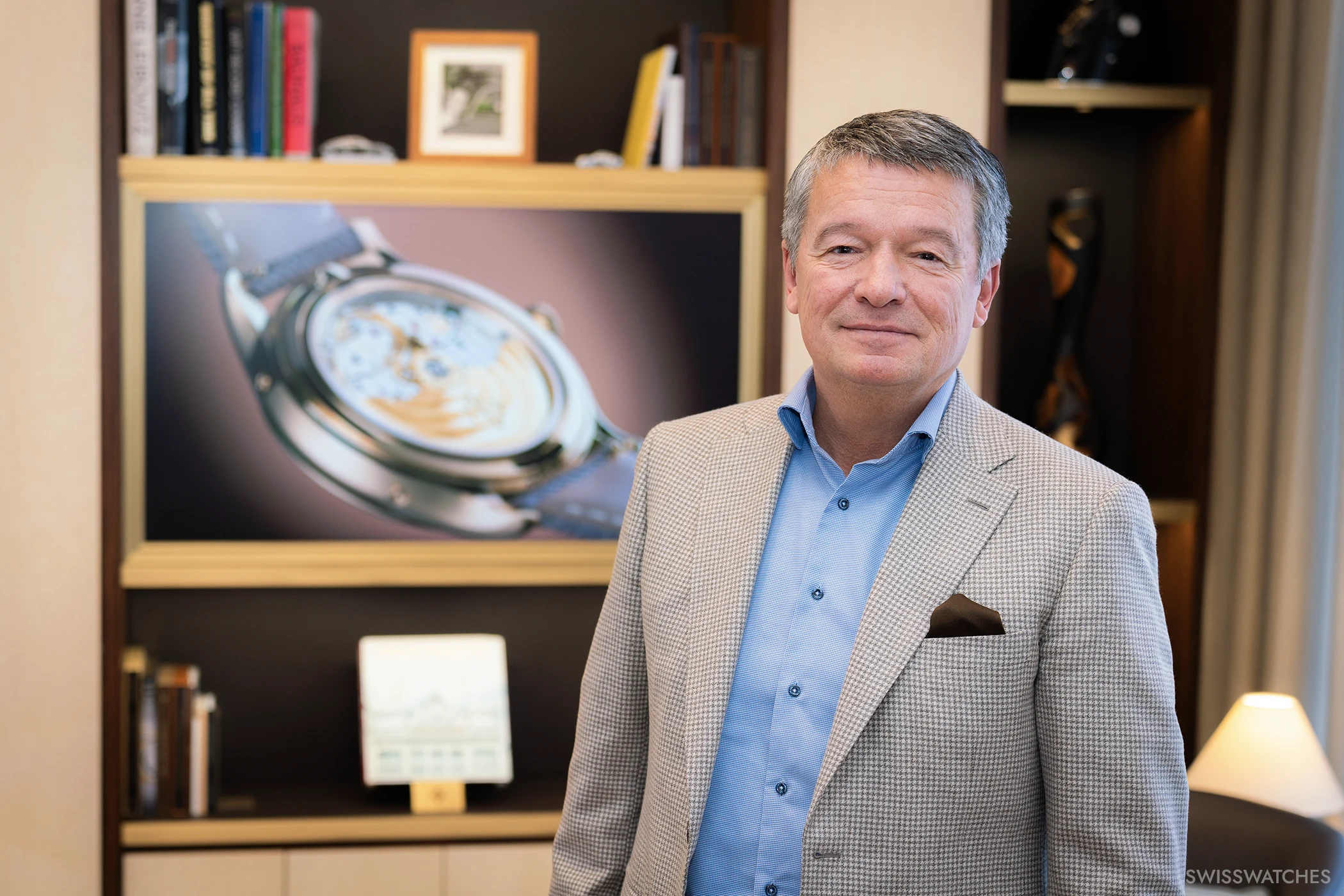
Since 2015, we’ve been constantly looking for new team members. Now, after ten years, I feel like the team is complete. You have to be a bit of a ‘nerd’ and genuinely love the products. After about six months, you can tell whether it’s a good fit. Those without true passion may be able to memorise facts, but they’ll never speak the right language with a collector who has loved the brand for 40 years.
Anyone who walks into our boutique is, first and foremost, the right person. We try to understand their needs. We consider our customers as guests. Sometimes, for half an hour, the conversation is only about the coffee or about life in general before we even start talking about watches.
Discretion is paramount, but over the years, genuine friendships have developed as well. I’ve been with Wempe for over 25 years, and there are clients who have even invited me to family celebrations.
As I said, we see our customers as our guests. Often, the conversation only turns to the watch later on. We have our own bar, serve coffee from a roastery in Blankenese, and celebrate the moment of purchasing a watch together with the guest. Sometimes, even at eleven in the morning, a bottle of champagne is opened if there’s a special occasion to celebrate.
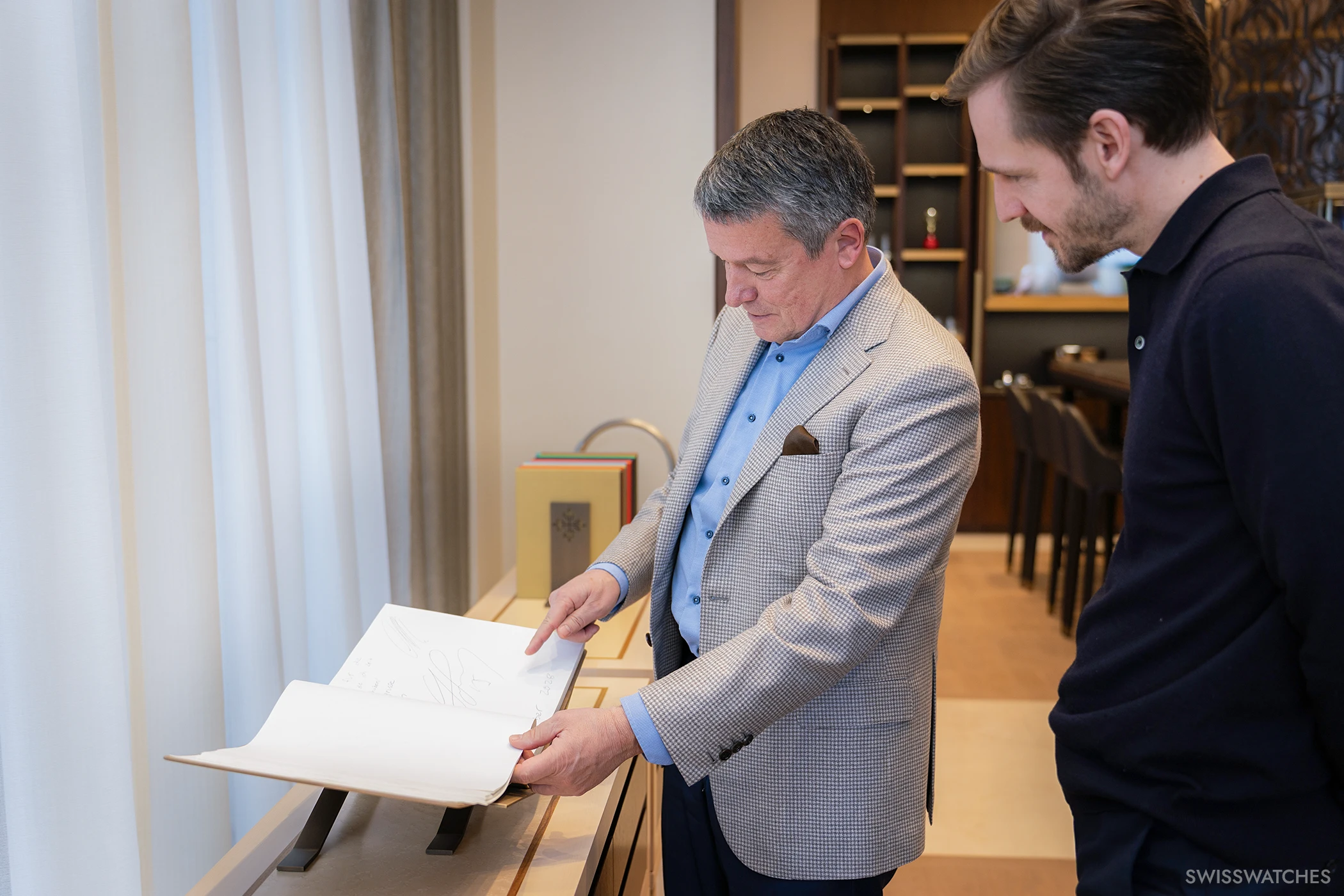
You have to be honest and transparent. Patek Philippe manufactures around 72,000 watches per year at 273 points of sale worldwide. Thierry Stern only allows a small portion of the production to be made in stainless steel – that’s around 23 references, 15 of which are ladies’ watches. When you break it down, it quickly becomes clear to the customer: a boutique may only receive a single watch of this type per year.
We decide on the allocation ourselves here on site, but we try to use common sense and avoid offending anyone. However, the total number of pieces we receive depends on many factors that are controlled by Geneva and Patek Philippe Germany, such as market performance and collector support.
No, not at all. I have been with Wempe for 25 years, so my customer base has naturally grown accordingly, and I should really hold back a little, but when I start a conversation with a potential customer, I see it through to the end (including giving them my business card).
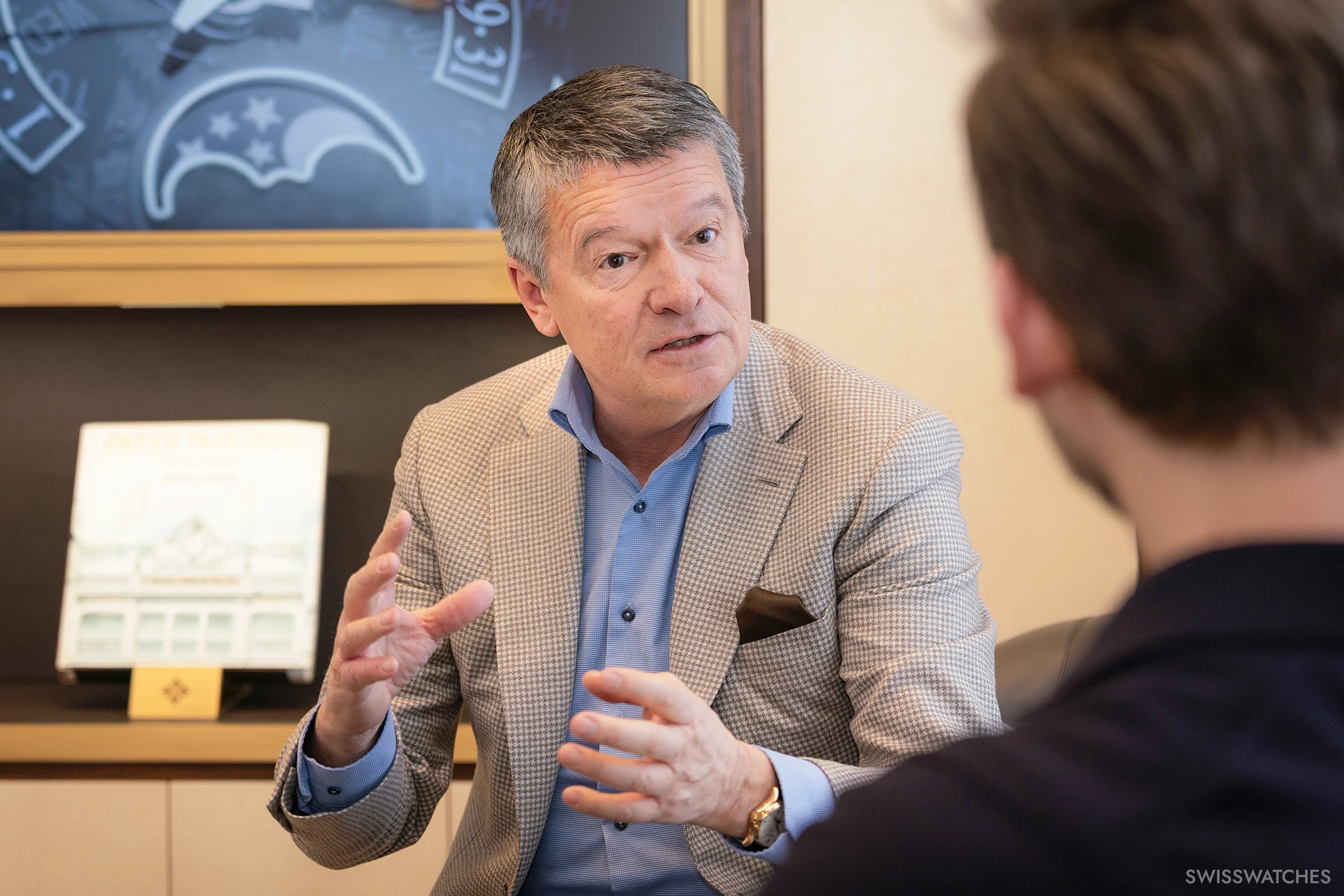
No. Everything we have here is for sale. That’s why we always ask clients to wear gloves – the watches must remain flawless. We do keep a minimum stock to demonstrate complications, but if a client has been waiting a long time for a Calatrava, we deliver it. Then, of course, the display is empty. Occasionally, we’re fortunate to receive a special piece that has already been sold, which we can keep in the boutique for a few days or even weeks to show our guests. Of course, it’s always with the buyer’s consent. Currently, for example, we have a beautiful and rare Ellipse with a hand-engraved dial on display in the boutique.
As a big fan of the Rare Handcrafts models, my personal highlights were the Cuban Double Bassists, In Tribute to the Pioneers of Aviation, and The Conquest of the Air models. These were on display in the boutique for eight weeks shortly after its opening in 2022.
There is no such thing as an average customer; every customer is unique. In the north, we are perhaps a little more conservative than in Munich, for example. People’s relationship with gold has changed; platinum is no longer so popular, and people are venturing back into rose or yellow gold. Young people are also very interested in the brand, particularly the Nautilus and the Aquanaut models. However, when we engage with them and explain the history of the brand, they often develop a desire for complicated watches or classic Calatravas.
During lunch one day, he told us that he had personally driven to the Petrus winery to meet the owners. He wanted to create a limited-edition ‘Petrus watch’ featuring a special Rare Handcrafts dial for 20 close friends. However, the owners declined, saying, ‘Monsieur Stern, we make wine – watches aren’t really our thing.’ He had to drive back without achieving anything. This shows that even at this level, things can be down-to-earth and humorous.
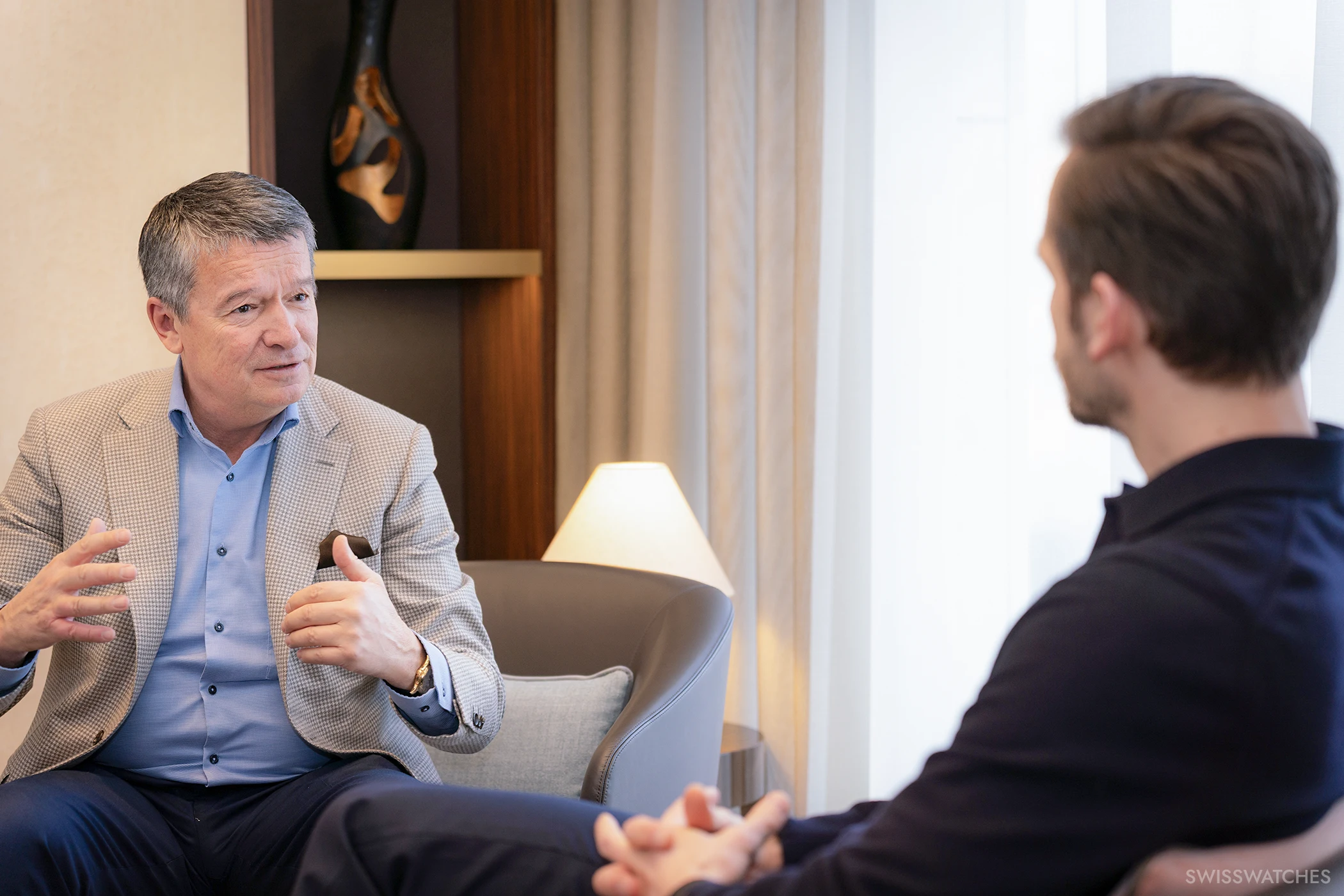
One collector brought us a suitcase containing 12 watches for servicing. Among them was the very first pure perpetual calendar that Patek Philippe ever produced as a series-production wristwatch – a piece from the 1940s, still without a leap year indicator. Holding such historical pieces in your hands is certainly fascinating.
A good example is the ‘breakaway torque’. If I move an automatic Calatrava just slightly, it starts running immediately because the polish on each individual gear is so extremely high. The grooves of the gears are polished by hand with a wooden disc, which alone adds ten hours to the power reserve. This is craftsmanship that you can really feel at Patek Philippe.
I love the reference 5125, the anniversary watch celebrating 125 years of Wempe. Otherwise, I am a big fan of the reference 3970 and the ultra-thin perpetual calendar, the reference 5140. As I said, I have slim wrists, and these watches are simply perfectly proportioned.