
In this article, we take a look at Mark Zuckerberg's watch collection, which includes both rare and intricate timepieces.

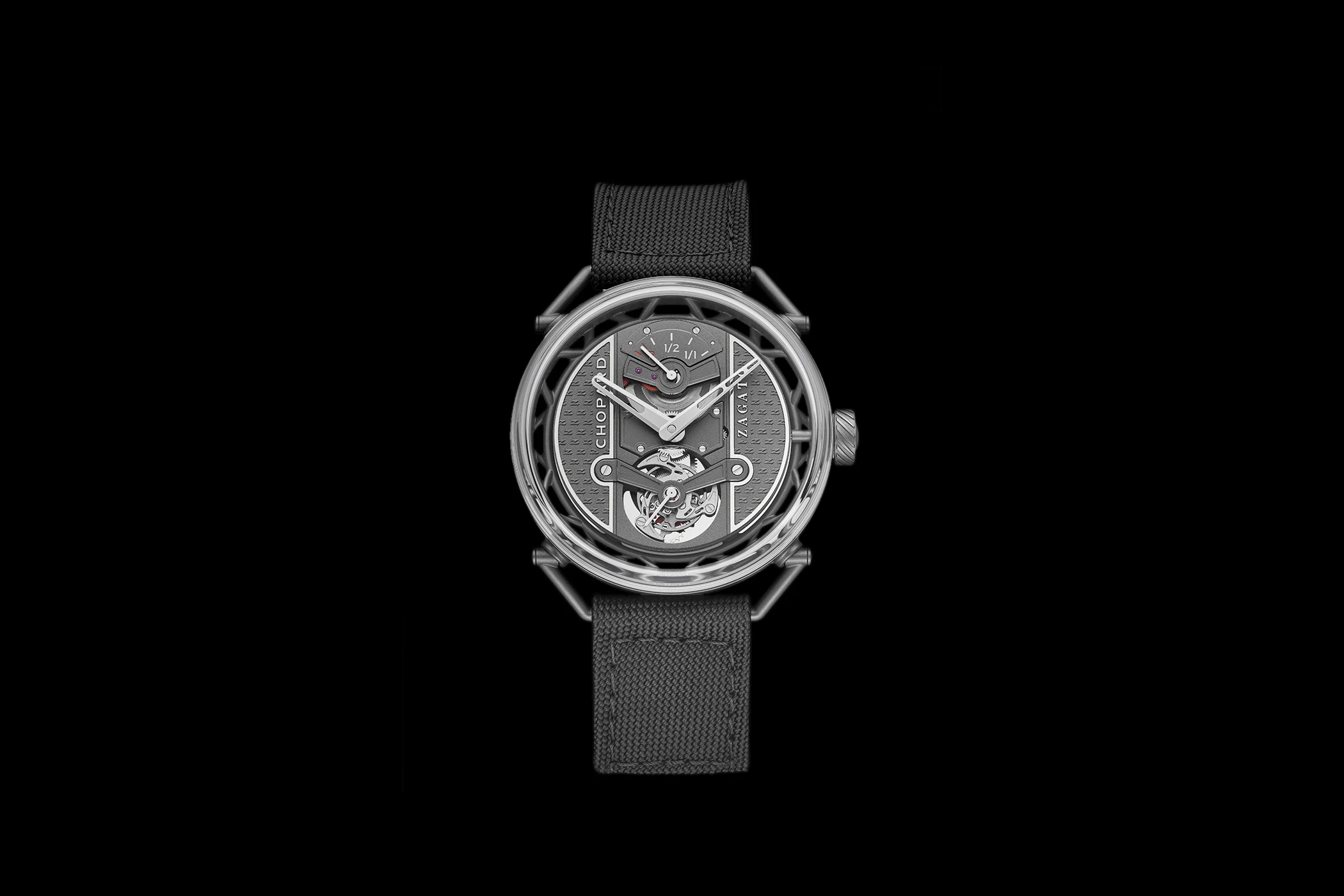
The Chopard Zagato Lab One Concept is built like a racing car: extremely light, stable, and designed entirely for functionality. Weighing just 43.20 grams including the strap, with an open frame made of ceramic-coated titanium and an integrated L.U.C tourbillon, it demonstrates how consistently Chopard translates motorsport principles into watchmaking: no showmanship, just Konstruktion.
There are watches that showcase motorsport. And there are those that construct motorsport. The Chopard Zagato Lab One Concept undoubtedly belongs to the second category. With a total weight of only 43.20 grams including the strap, its extraordinary construction and the use of ceramicised titanium, it is not a watch that reflects the racing spirit – but a one that is built like a racing car.
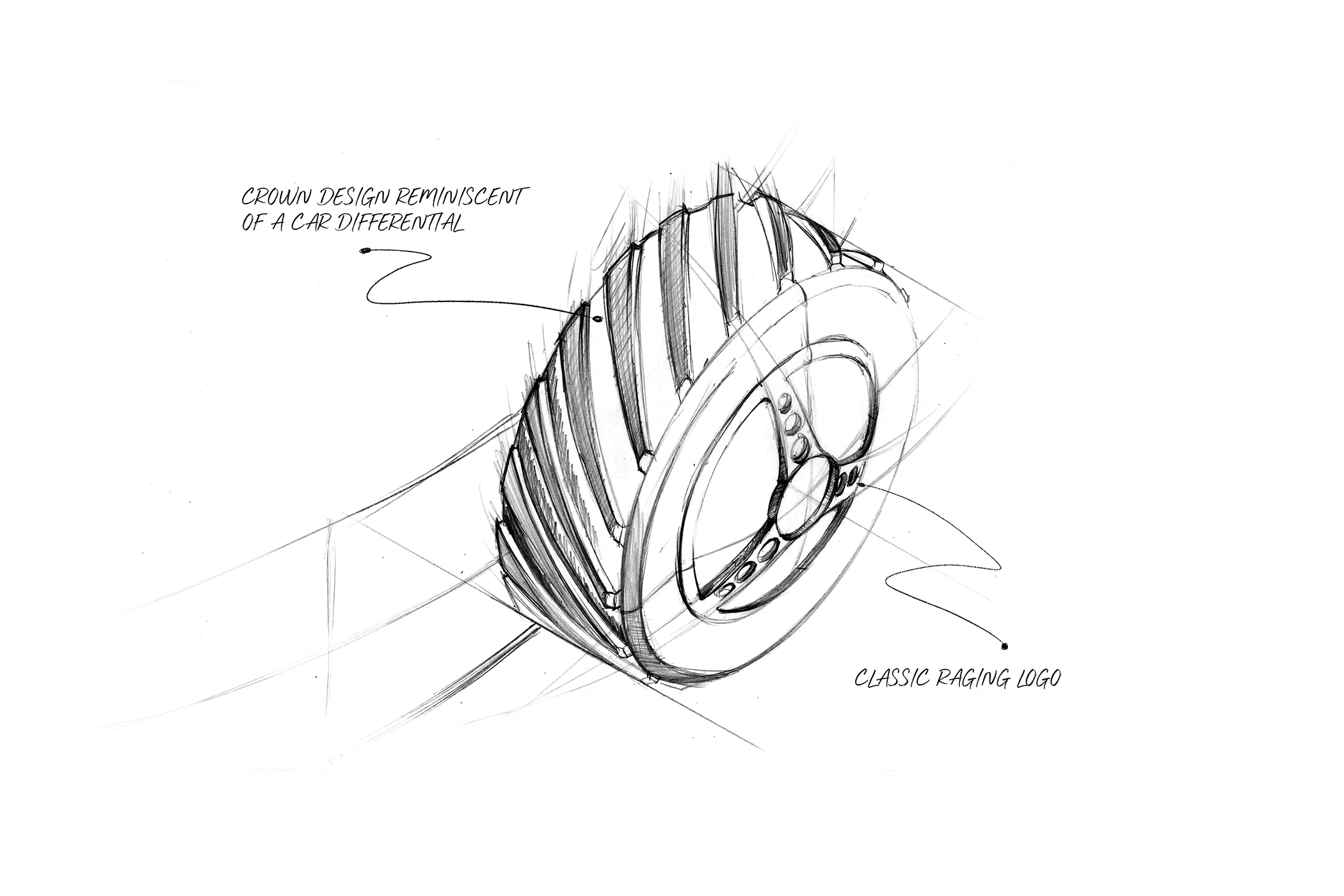
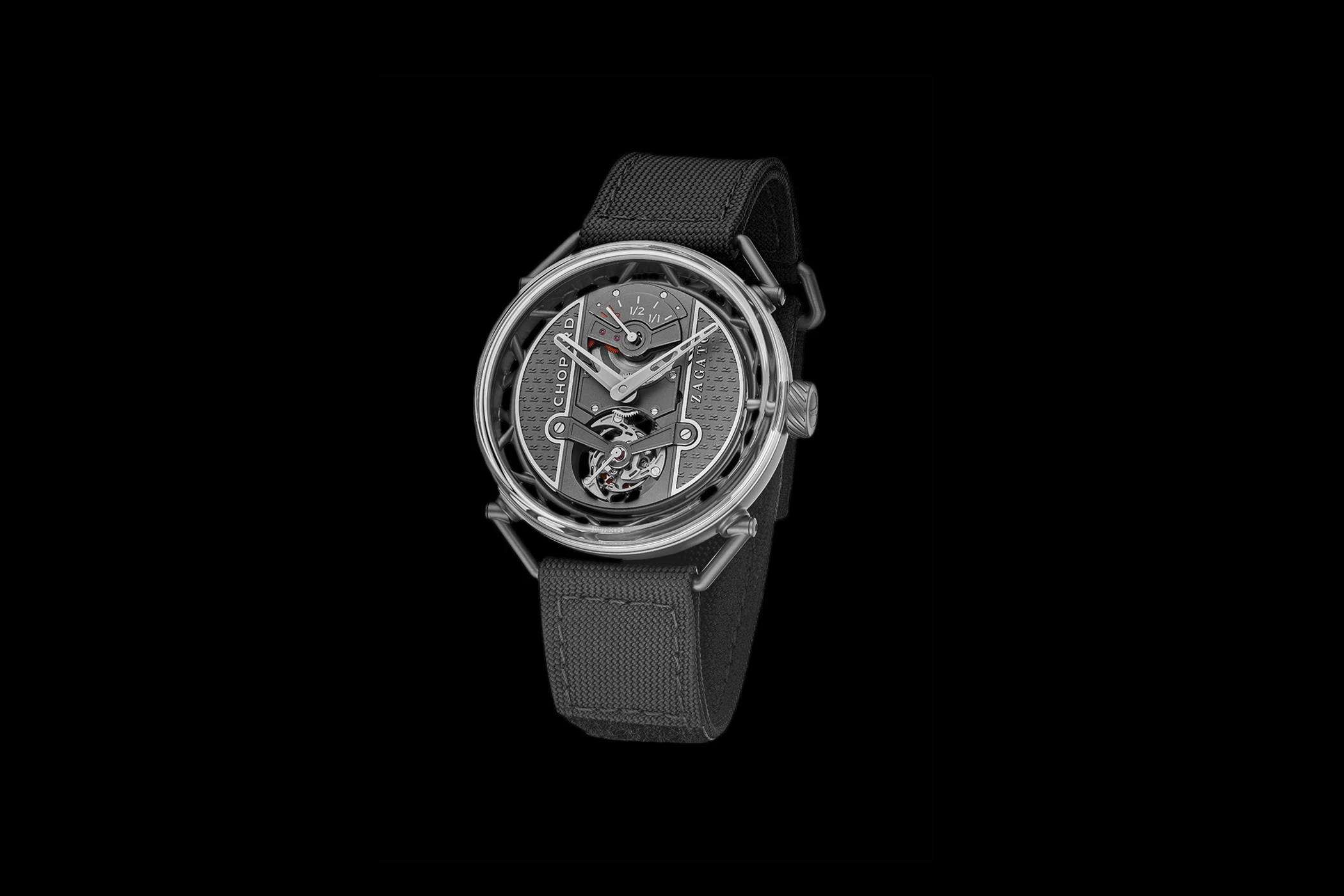
What makes the Zagato Lab One Concept truly special is not that it references motorsport, but rather how it does so. It doesn’t just look like motorsport. The Lab One is built according to motorsport principles: It is as light as possible and as stable as necessary, with all components designed for functionality. This approach is not reflected in thematically appropriate details, but rather in the overall construction. An open frame made of ceramicised titanium serves as the central structural element, and the movement and case combine to form a unified, logical system.
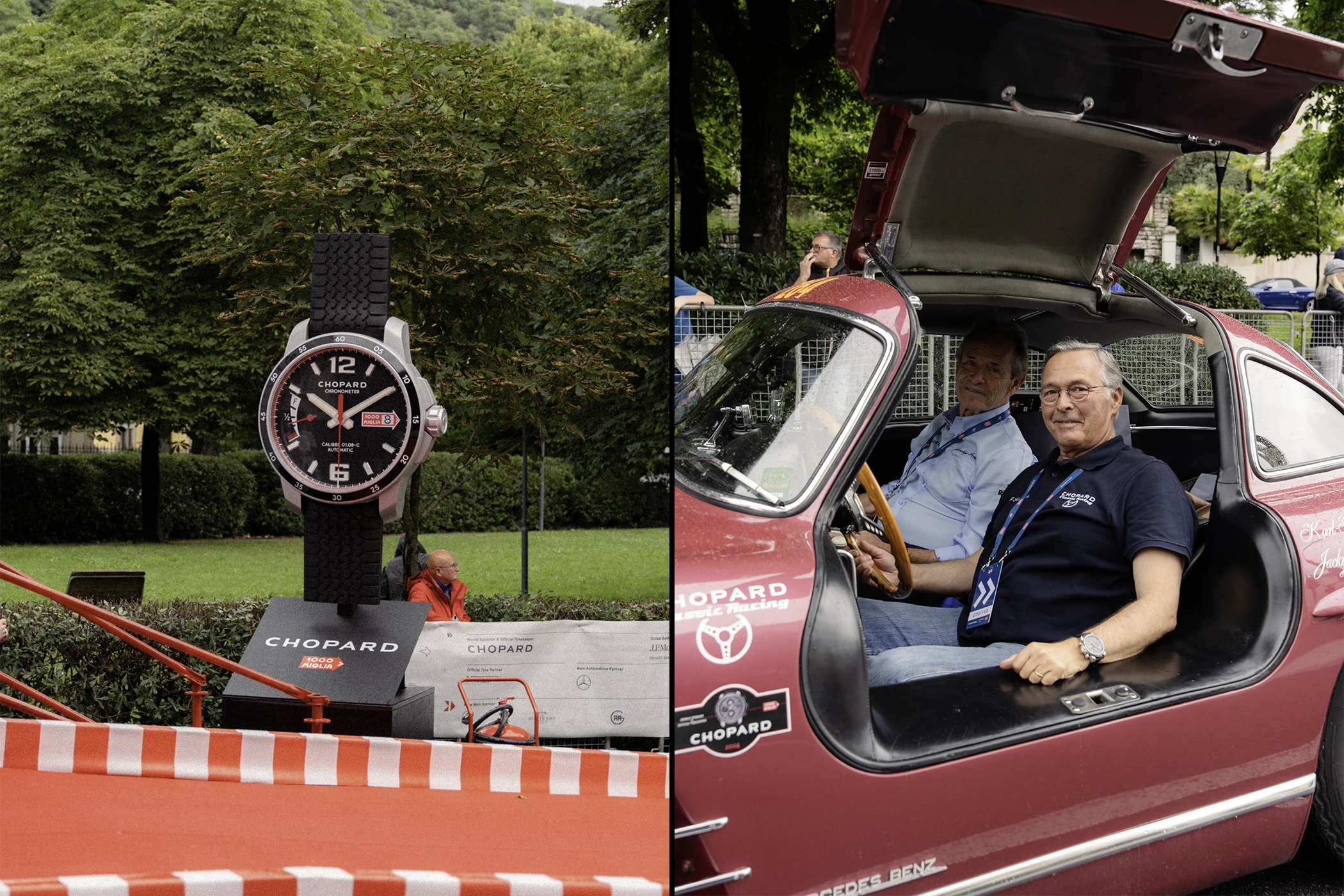
This approach makes sense when you understand its origins. After Karl-Friedrich Scheufele himself took part in the Mille Miglia in the late 1980s, Chopard soon became the official timekeeper of this classic race. Since then, motorsport has been more than just a sideline at Chopard; it is a living reality. The Lab One Concept embodies this philosophy: It is not a nostalgic reference to motorsport, but rather a watch that consistently incorporates racing principles into its design.
‘Lab One’ is not a model name in the conventional sense, but rather a mindset. While most timepieces are created within clearly defined collections and refine existing design concepts, Chopard’s Lab One series pursues a different goal. It is a testing ground that clearly focuses on innovative and experimental approaches to watchmaking.
On 18 October 2020, Chopard unveiled the Mille Miglia Lab One Automatic Tourbillon, the first Lab One ever. Rather than being a ‘new model’, it offered a completely different perspective on watches. It was not the next variant of a well-known collection, nor was it the next dial update – but rather a step back to the fundamental question of what happens when you start with the construction: How does the case sit on the wrist? How is the movement integrated? Which materials add value to the construction? Reliability, lightweight construction and an open design were not secondary considerations, but rather the starting point for the concept.
The Zagato Lab One Concept adopts this approach, but in collaboration with a partner for whom structure has always been the starting point rather than the end result. The L.U.C Manufacture in Fleurier contributes its watchmaking expertise, while Zagato brings its perspective from the world of car body construction. Here, function comes first, then form – and every gram of additional weight is taken seriously. That’s why the watch doesn’t come across as a ‘new model’, but rather as a statement about construction. It is not a series product in the classic sense, but rather a deliberate concept piece that shows what is possible when you set aside the usual case and movement manufacturing techniques and focus on the architecture itself.
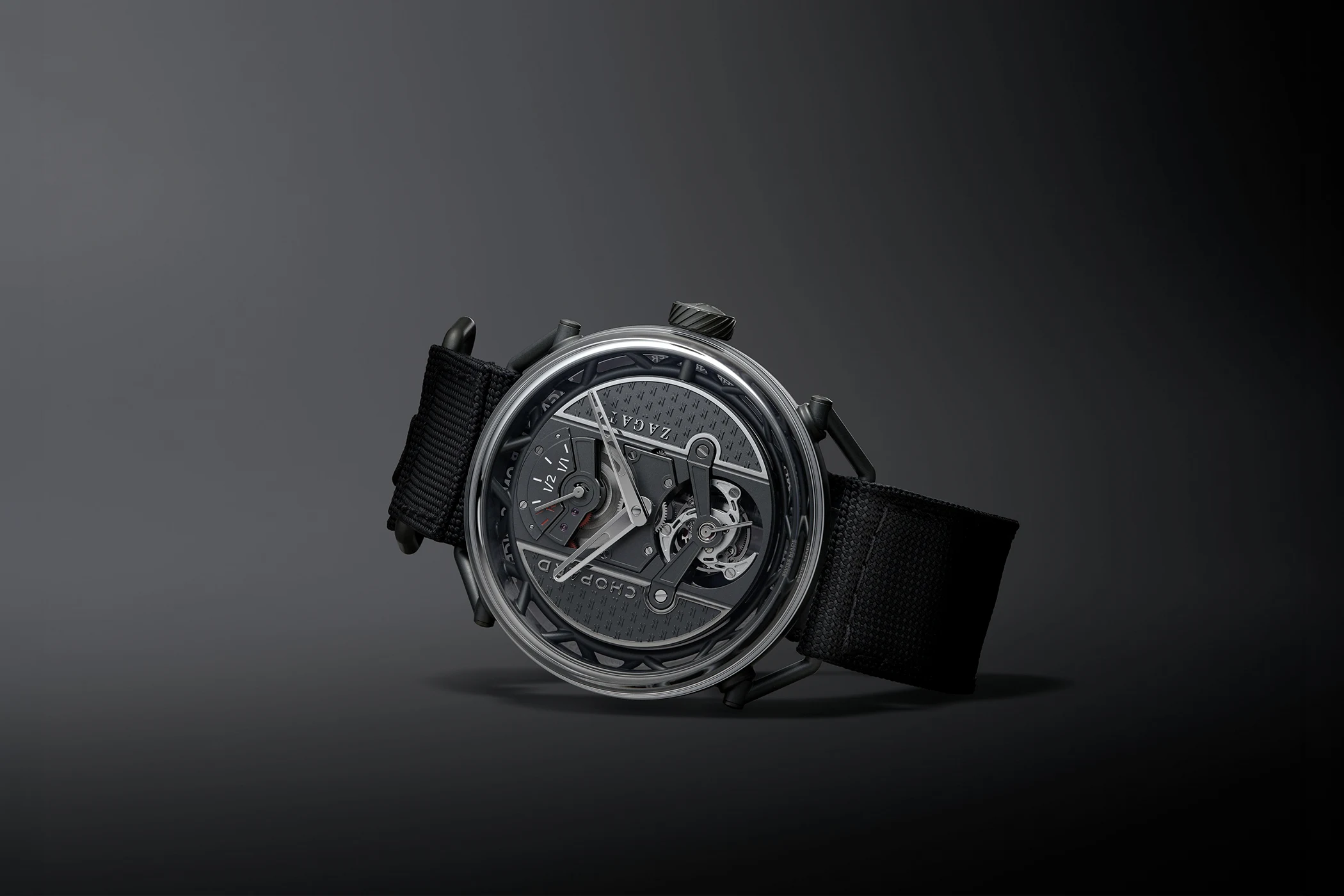
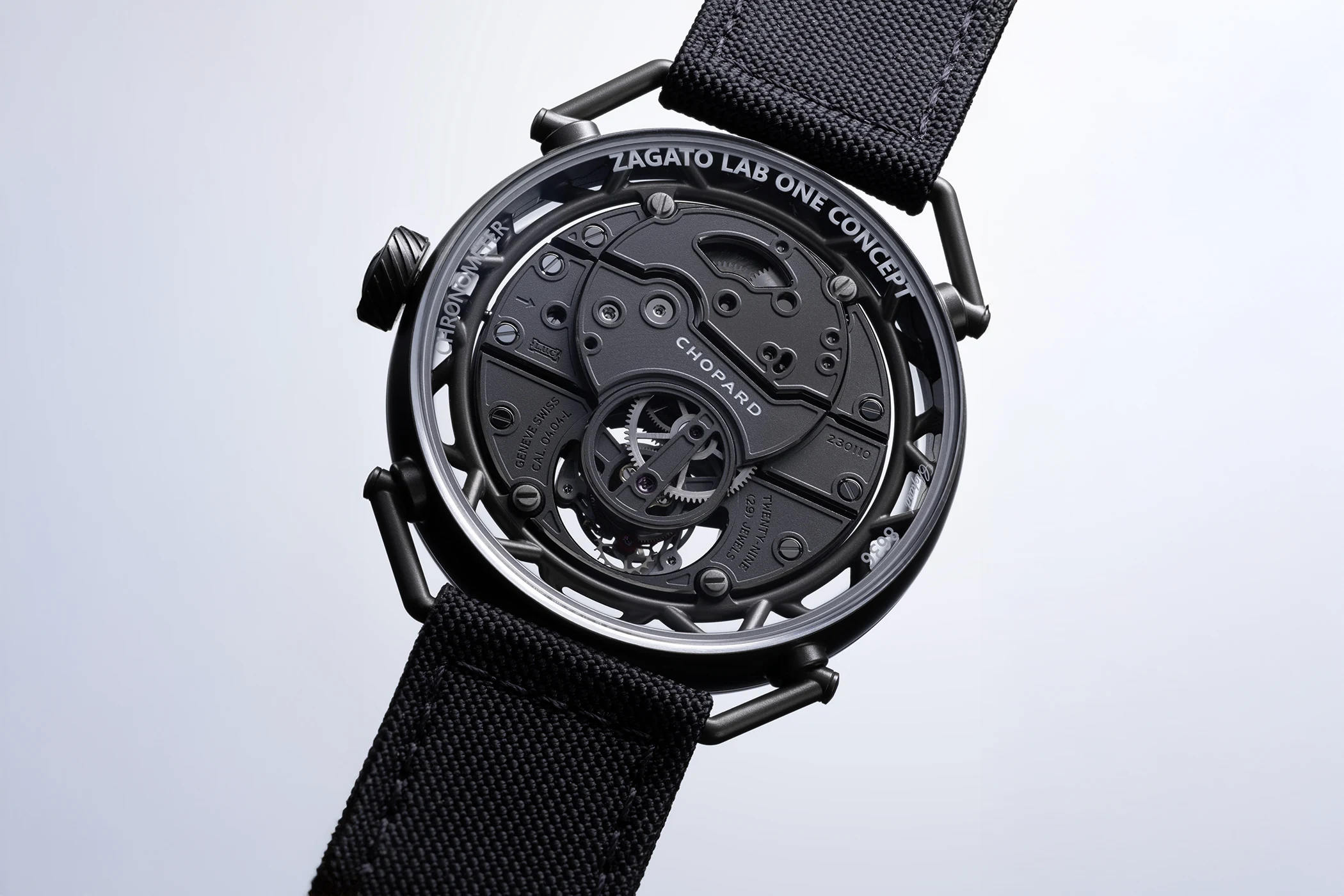
The watch’s design is as simple as it is radical. The classic case is replaced by a tubular frame structure made of ceramicised titanium. That may sound bulky at first, but it simply means that a system of tubular, open-ended supporting elements forms the actual ‘skeleton’ of the watch. Like a spaceframe chassis in motorsport, this frame takes on a load-bearing function, i.e. a frame construction made of interconnected ‘struts’ that distributes the loads in a racing car via a light, rigid lattice structure. Applied to the watch as a load-bearing architecture, this increases stability and distributes mechanical loads directly across the structure. The movement is not inserted into the case as is usually the case, but is structurally integrated and stabilised and protected by four lever arms anchored in the middle section of the case.
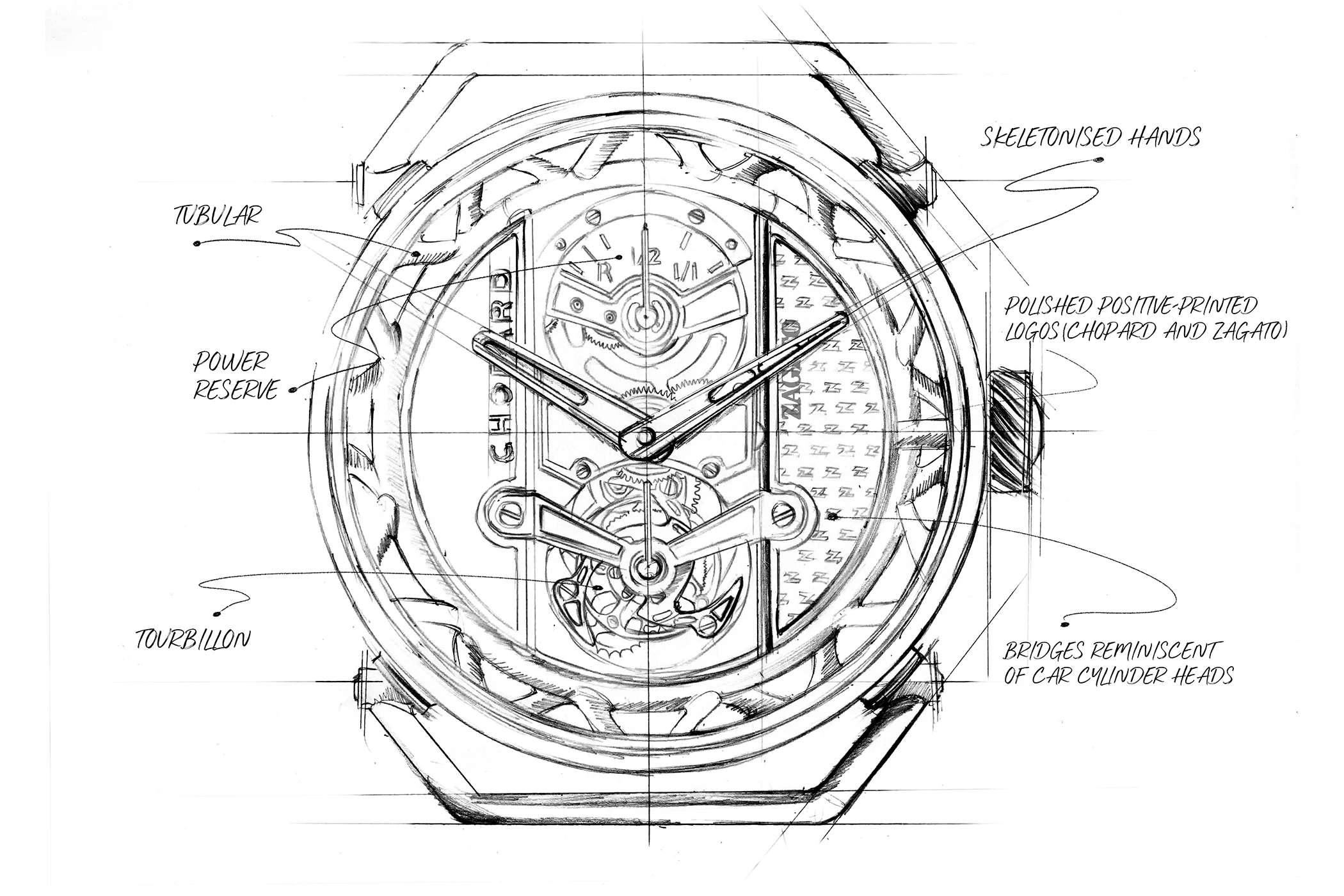
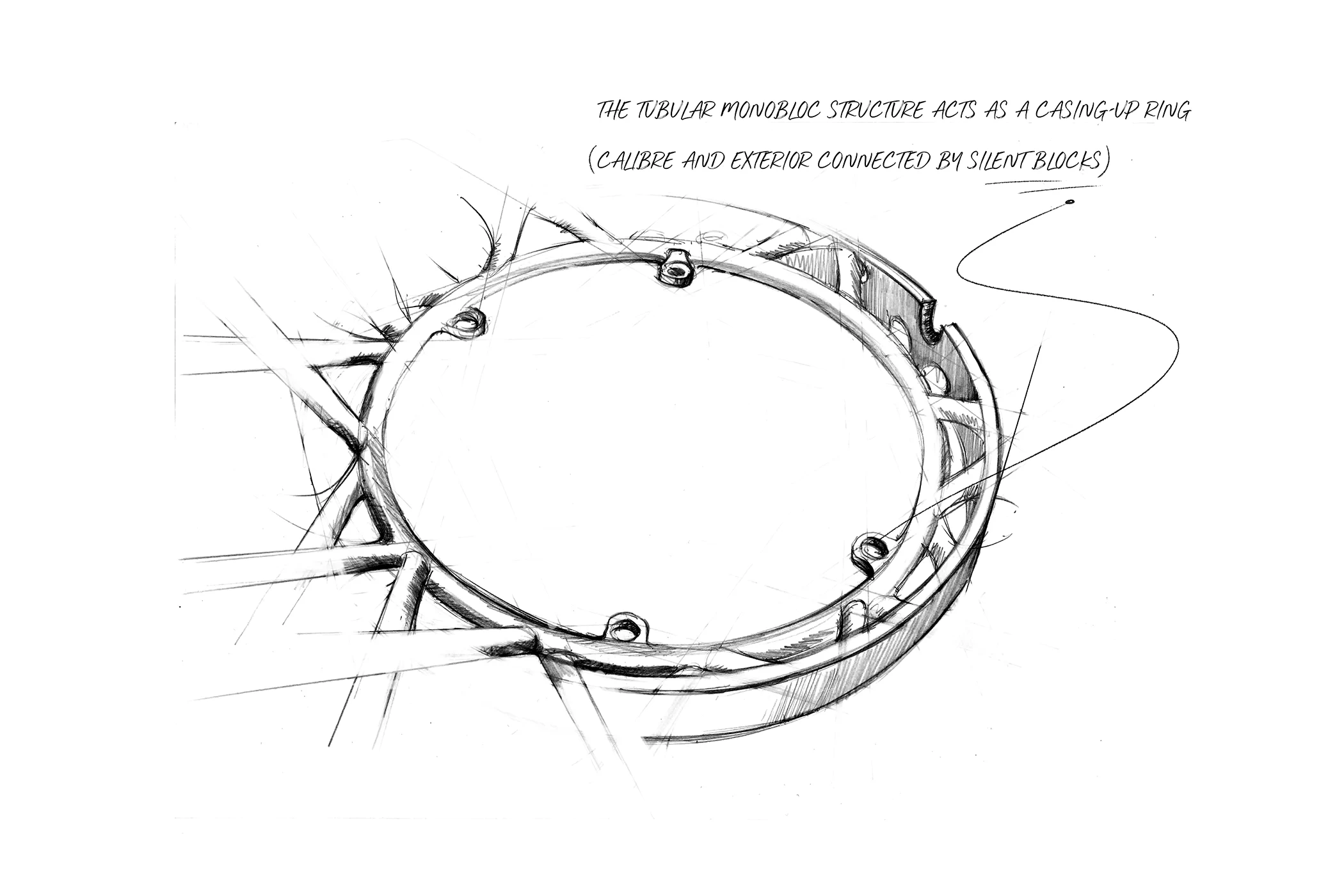
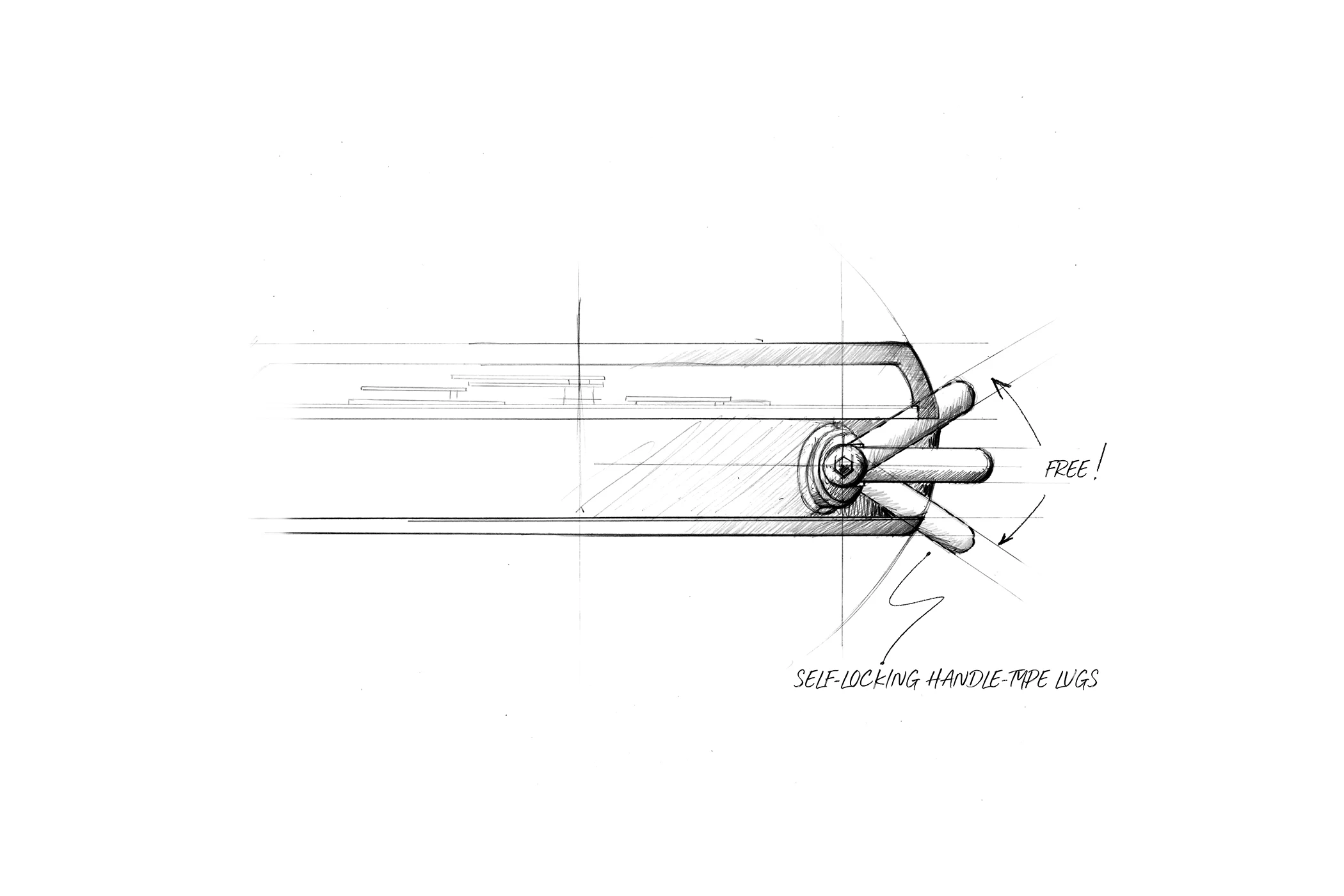
This architecture reveals what normally remains hidden. Accordingly, the watch dispenses with a classic dial. The main circuit board itself functions as a display surface and bears the Zagato Z motif, protected by a flush-integrated glass box sapphire crystal. Even the open, swivelling ‘tubular loops’, i.e. tubular strap loops integrated into the frame structure, which replace classic lugs and structurally guide the strap to the frame, are part of the supporting structure. Function, structure, and design coincide completely here – with the aim of maximum efficiency with minimum use of materials.
Lightweight construction begins with the choice of material. Titanium has been renowned for its strength-to-weight ratio for decades, but Chopard goes one crucial step further by using ceramicised titanium – a material that, through electroplasma oxidation, achieves a hardness of around 1000 Vickers, comparable to ceramic. The result is a surface that is significantly more resistant to scratches and impacts without losing the key advantage of titanium: its exceptionally low mass. Developed for use in aviation and automotive engineering, this material combines high resistance to external influences with maximum weight efficiency and wearing comfort.
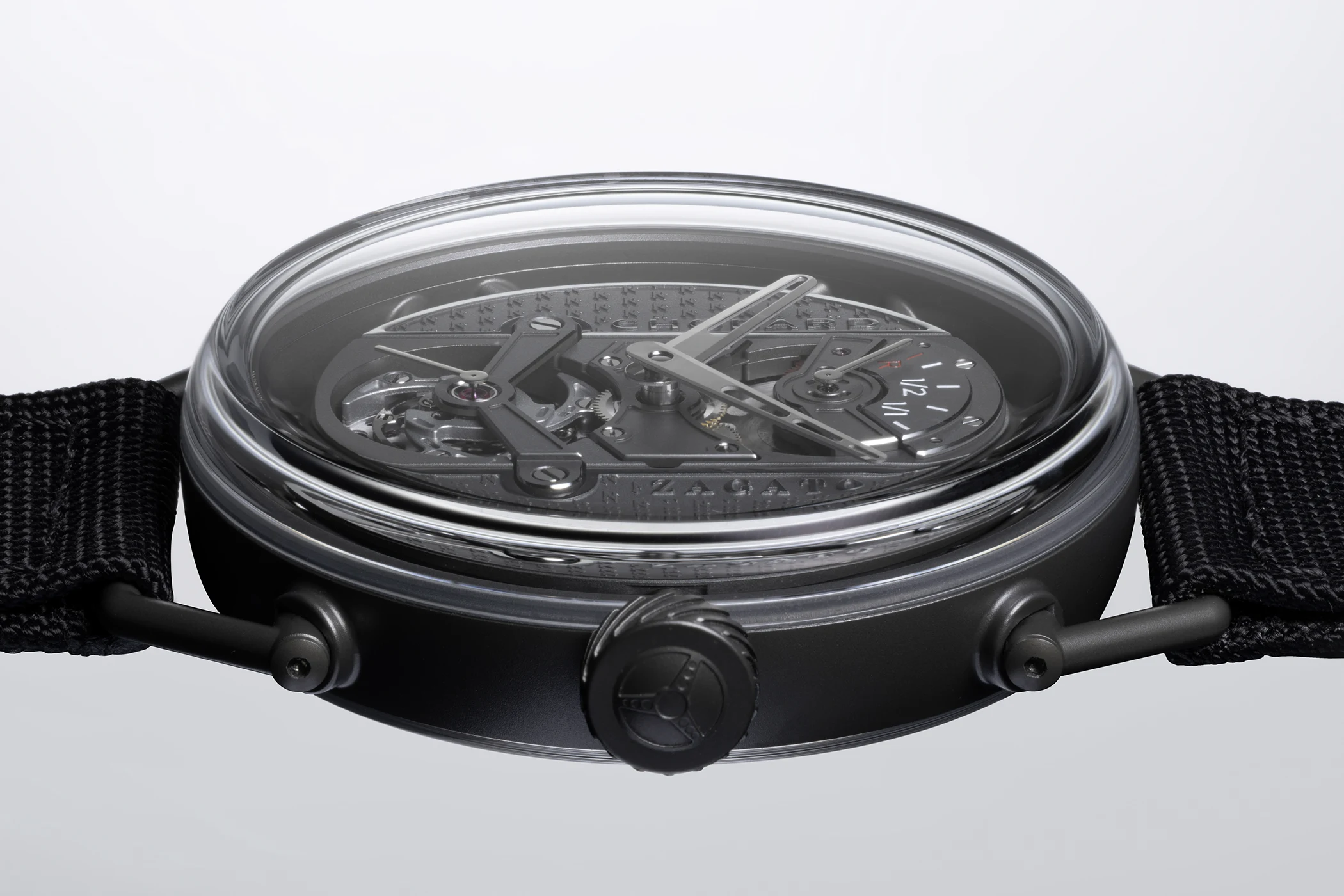
Ceramicised titanium is not only used for the case, but also for the mainboard and bridges of the manufacture calibre. This results in a consistent construction in which the case structure and movement components are manufactured from the same base material. This not only reduces the overall weight, but also increases the structural integrity of the entire watch.
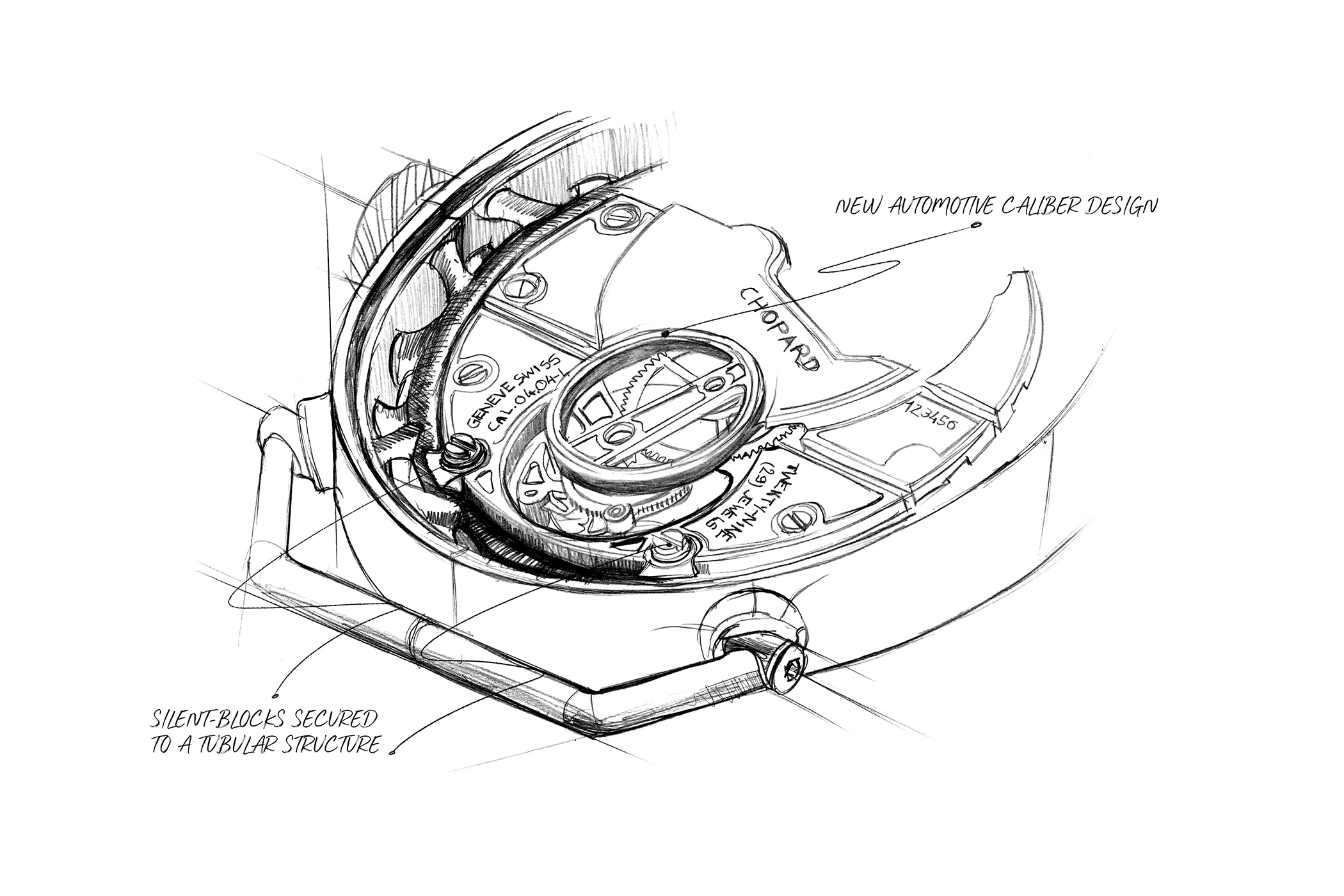
The calibre itself is not inserted into the case as a separate element, but has been fully integrated into the supporting architecture. The L.U.C 04.04-L is visible, structurally integrated, and mechanically protected at the same time. Four lever arms integrated into the frame stabilise movement, while a specially developed silent block system absorbs vibrations. This principle is familiar from car engines and has been implemented with precision engineering in the Lab One. This is a first for Chopard: This is a first for Chopard: motorsport technologies of this kind have never before been transferred directly into watchmaking. The movement serves not only as the engine, but also contributes significantly to the watch’s overall structure and stability.
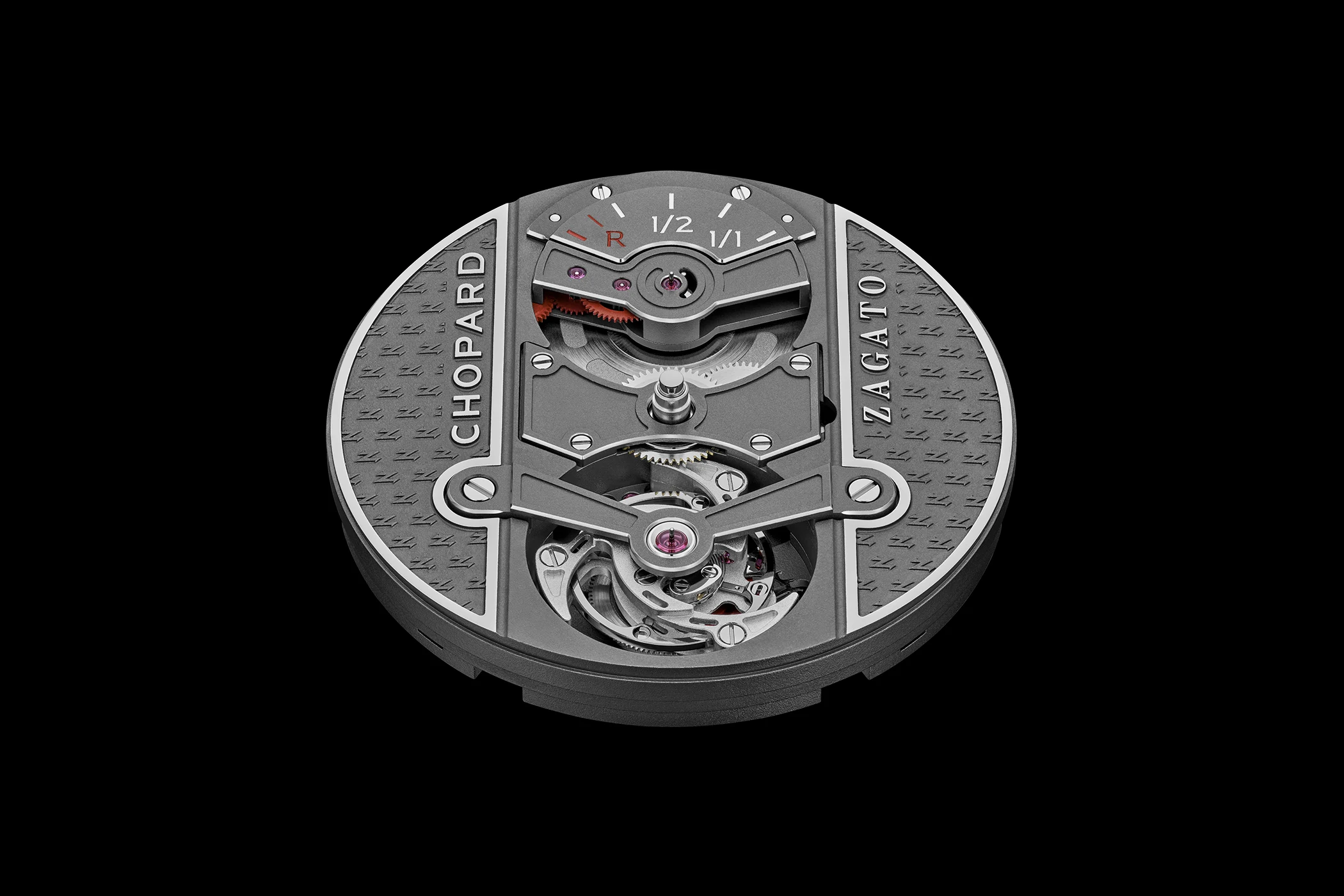
The movement has been designed with lightweight construction in mind. The main plate and bridges are made of ceramic-coated titanium instead of classic nickel silver (an alloy of copper, nickel, and zinc) or brass. The tourbillon is housed in an aluminium cage to further reduce its mass. At the centre of the dial is the aforementioned 60-second tourbillon with Variner balance wheel and Phillips end curve, which has been designed entirely for precision and stability. The architecture is deliberately exposed as every functional level is visible and part of the watch’s visual language. With 207 components, COSC chronometer certification, and a fully integrated titanium structure, the calibre is a prime example of Chopard’s L.U.C manufacture as a technical platform.
The display also follows this mechanical logic. The power reserve is interpreted as a ‘fuel gauge’, a direct reference to automotive instruments and a deliberate reference to the Engine One Tourbillon, from which this calibre was further developed (Engine One Tourbillon first launched in 2010 to mark Chopard’s 150th anniversary as a manufacturer). Time, energy, and regulation are not only attractively packaged here, but also displayed directly via the mechanics. The movement is not just ‘installed’ to make the watch run; it is also the part where the concept is most clearly visible: a focus on function and performance without any detours.
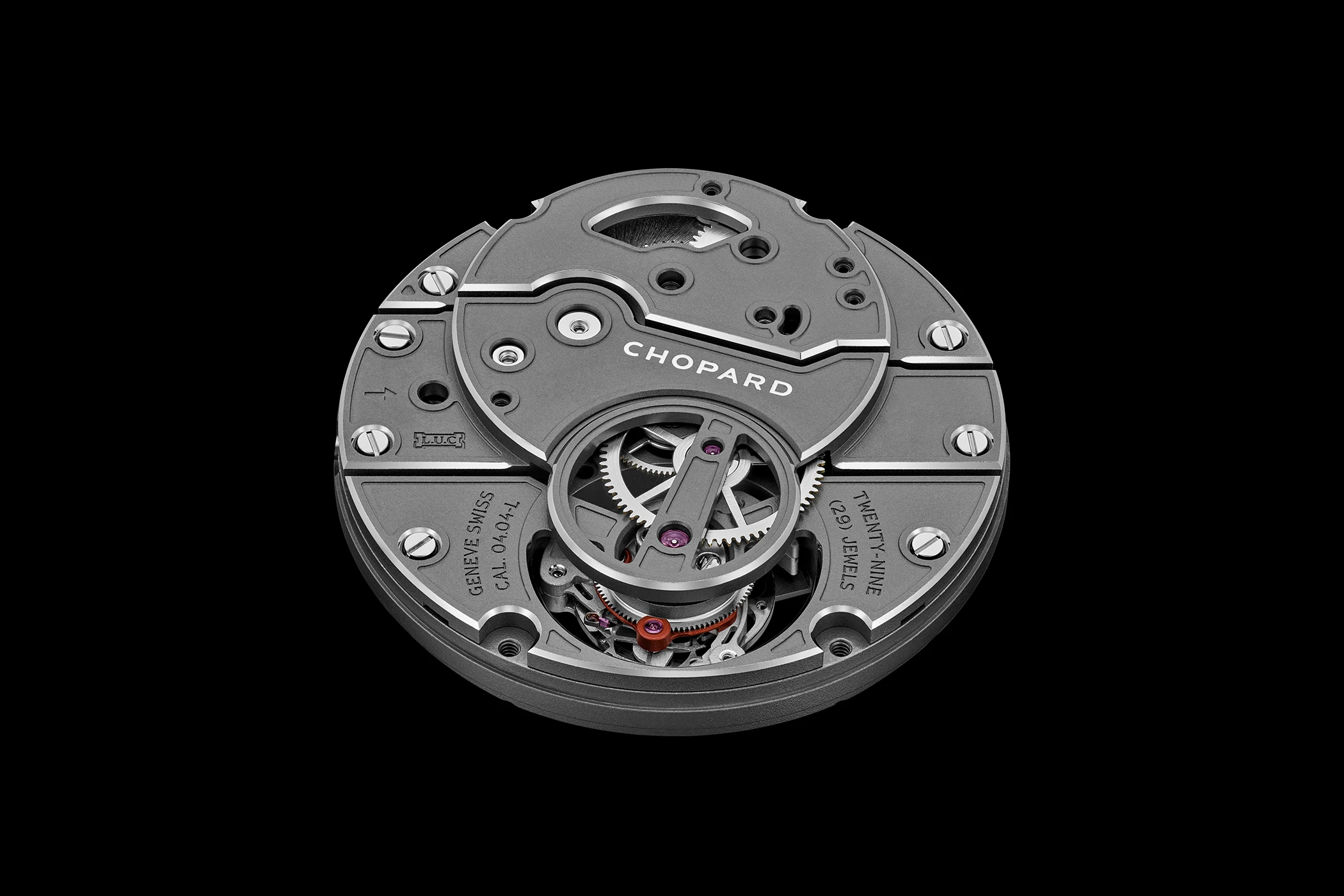
With a diameter of 42 mm and a height of 11.15 mm, the Zagato Lab One Concept resembles a modern sports watch in terms of its design. However, its actual feel when worn is defined by its extremely low weight of just 43.20 grams. This is due to the tubular frame architecture and the use of ceramicised titanium: the watch has a physical presence, but remains very light. Instead of classic lugs, open, swivelling ‘tubular loops’ are used, which are integrated directly into the structure and adapt to the wrist by approximately 45 degrees. This improves load distribution and ensures a stable, balanced position.
The connection between Chopard and motorsport has existed for decades. Less sponsorship, but all the more genuine passion for the sport, which has continued to grow over the last few decades and now shapes how the brand positions itself in this context. It did not originate from a marketing concept, but from a personal experience: in 1987, Karl-Friedrich Scheufele, co-president of Chopard and a passionate collector and driver of classic cars, took part in the Mille Miglia together with his father. The experience of this legendary 1,000-mile rally from Brescia to Rome and back clearly left such a lasting impression that fascination quickly turned into a desire to become a permanent part of this world.
Just one year later, in 1988, Chopard consistently pursued this ambition and became the official sponsor and ‘Official Timekeeper’ of the Mille Miglia Rally. This partnership has now lasted for almost four decades and is one of the longest-standing partnerships between a luxury watch manufacturer and a motorsport event in the industry. In the same year, the first ‘Mille Miglia Chronograph’ was launched, a 32-millimetre mono-pusher that marked the start of a collection that transferred the spirit of motorsport to watchmaking in terms of style, content, and functionality, and was to become one of the company’s most successful collections in the future.
Scheufele’s long-standing friendship with racing legend Jacky Ickx has also had a lasting influence on his enthusiasm for motorsport. Among other achievements, Ickx won the 24 Hours of Le Mans several times. Scheufele and Ickx first met at the 1989 Mille Miglia; this encounter developed into a deep friendship that continues to this day and is regularly evident in their joint participation in racing adventures. Ickx has long been part of the ‘Chopard family’ and has supported the Maison for years both as a brand ambassador and as a figurehead for the passion for watches and motor racing.
At the same time, Chopard has continuously developed and expanded its Mille Miglia watch line over decades. Its timepieces not only feature motorsport-inspired design elements such as tachymeter scales and racing flag colour accents, but also incorporate functional aspects of watchmaking. These include precise, reliable chronographs and robust sports watches, some of which are modified for special occasions and released in limited editions.
Another milestone in this history is Chopard’s projects in collaboration with Italian coachbuilder Zagato. The first result of this cooperation, the Mille Miglia Zagato Chronograph from 2013, was a tribute to the connection between classic racing cars and innovative watchmaking. This was followed in 2019 by the ‘Mille Miglia Classic Chronograph Zagato 100th Anniversary Edition’ to mark the centenary of the Italian coachbuilder. The Zagato Lab One Concept is thus the third collaboration between Chopard and Zagato – the continuation of a partnership that has developed across several projects from their shared affinity for automotive culture, design and technology.
And that is precisely what makes it authentic: At Chopard, motorsport is not a decorative source of inspiration or a short-lived trend, but has been an integral part of the brand’s DNA for decades. The connection to the sport is based on genuine passion, the cultivation of deep friendships and participation in races that are not staged, but lived. At the same time, the company’s affinity for racing is repeatedly underlined by the transfer of technical thinking from motorsport to watchmaking itself.
Zagato (ZED Milano s.r.l.) is not a classic vehicle refiner. Founded in Milan in 1919 by Ugo Zagato, Carrozzeria is one of the most influential institutions in Italian coachbuilding. It is a studio whose roots lie not in design, but in construction. Ugo Zagato came from the aviation industry and consistently applied the relevant principles, such as low weight, structural efficiency, and aerodynamic clarity, to racing and sports cars. What began as a small body shop developed exponentially into a creative and technical partner for brands such as Alfa Romeo, Lancia, Fiat, Maserati and Aston Martin. To this day, Zagato is still an independent family business, now in its third generation.

Their approach was always functionally motivated. Lightweight construction did not mean reduction for the sake of aesthetics, but performance through design. As early as the 1920s and 1930s, aerodynamically optimised racing cars were developed that celebrated successes at the Mille Miglia and exemplified the combination of technology and form. Later, characteristic proportions, clearly defined surfaces and the famous ‘double bubble’ roof shaped the company’s design language. Thus, a solution that arose from practical necessity became an iconic trademark.
Even in the modern era, Zagato remains true to its DNA. A striking example is the Aston Martin Vanquish Zagato. This elaborate small series was produced in collaboration with the British car manufacturer and was first unveiled in 2016. Here, British engineering and Italian coachbuilding merge to create a vehicle that is not retro, but deliberately sculptural in design: a unique body, striking rear design, and consistent lightweight construction extend across the car’s clearly structured aerodynamics. The Vanquish Zagato is a prime example of how the Italian studio continues to combine concept car logic, structural clarity, and emotional design language.


At the heart of this century-long history lies a simple but effective principle: ‘Less weight, more speed’. Less mass, more power – not as a slogan, but as a constructive credo. This is precisely where Zagato’s true identity lies: form follows function, performance arises from structure, and design is always the visible result of technical conviction.
The collaboration between Chopard and Zagato was never a spontaneous branding project, but rather the result of a convergence of interests between the two companies. Zagato’s creative language comes from the world of concept and competition vehicles, i.e. projects in which the aim is not simply to vary series designs, but to seek fundamental solutions. This fits perfectly with Chopard’s lab philosophy, which also focuses not on evolutionary fine-tuning, but on experiments in which construction and ideas take centre stage. Added to this is a shared focus on lightweight construction and structural thinking. At Zagato, this is part of the company’s DNA and is also plausibly implemented in the Zagato Lab One – from the ultra-light frame to the way the movement is integrated into the overall architecture. Finally, the corporate organisation also plays a role. Both companies are family-run and have a long history, developing their culture over generations. This makes their collaboration less interchangeable, setting it apart from those that only aim for short-term attention.
2013 Mille Miglia Zagato Chronograph (Ref. 168550-3004): The first jointly developed timepiece that thematically links Chopard’s partnership with the Italian coachbuilder, as Zagato always built bodies for Mille Miglia vehicles and Chopard’s watch model had now established itself.
2019 Mille Miglia Classic Chronograph Zagato 100th Anniversary Edition (Ref. 168589-3020): A special edition marking Zagato’s centenary, combining motorsport and design history.
2026 Zagato Lab One Concept: The third collaboration between Chopard and Zagato, in which the two companies combine their philosophies not only visually, but also in terms of design and technology for the first time. It serves as a concept watch that transfers motorsport architecture to watchmaking.
Chopard
Chopard Zagato Lab One Concept
168636-3001 – Limited to 19 pieces
Anthracite-coloured, sandblasted, ceramicised titanium with a hardness of 1000 Vickers
Diameter: 42 mm
Height: 11.15 mm
Weight: 43.2 g (36.5 g without strap)
5 Bar (~50 m)
Anthracite-coloured, ceramic-coated titanium with Zagato ‘Z’ motifs (relief) as well as rhodium-plated details and lettering
Black textile strap with titanium pin clasp
Chopard L.U.C 04.04-L
Hand-wound movement
60 hours
28.800 A/h (4Hz)
Power reserve indicator, hours and minutes, small seconds, tourbillon
Price on request