Why the Patek Philippe 3448G is more than just a reference: 15 variants, rare dials, different languages and price differences.
When Aston Martin unveiled the DB5 in 1963, it struck a balance between sportiness and refinement: on the outside, a sleek aluminium body, complemented inside by the warmth of leather and wood, and precisely placed metal accents. With its long bonnet, taut side lines and carefully structured interior, the DB5 embraced a typically British, more understated design language than many of its Italian rivals of the time.
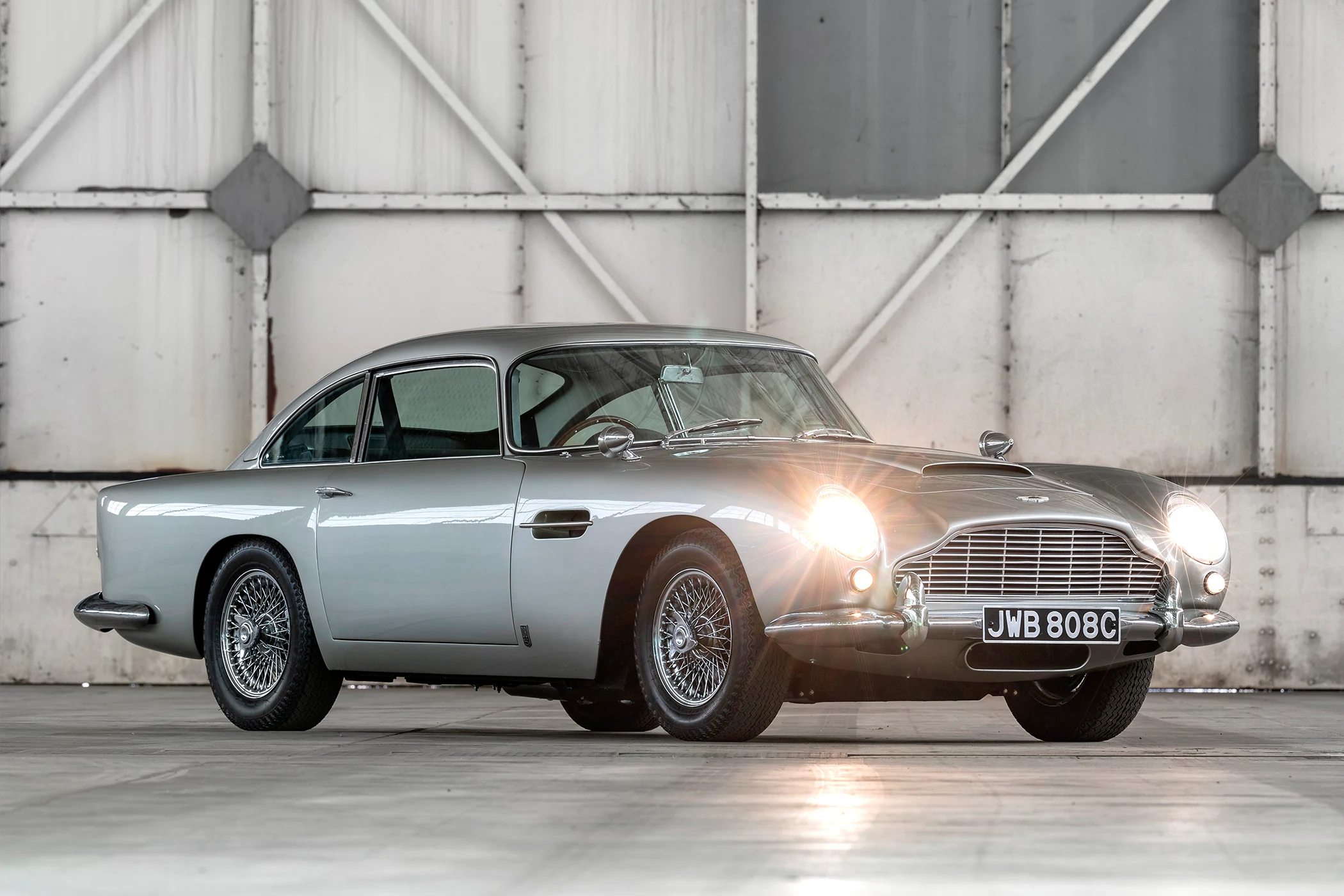
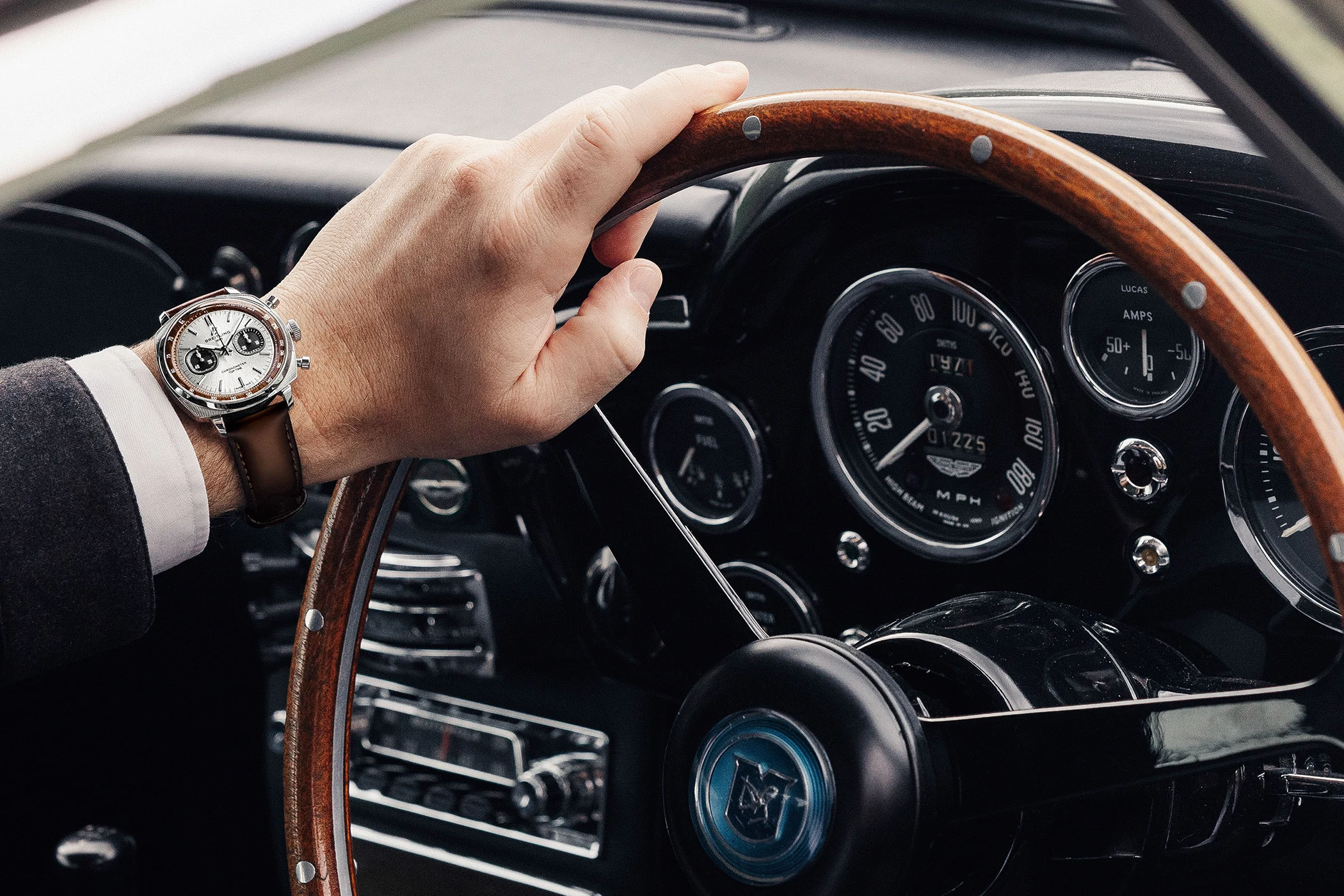
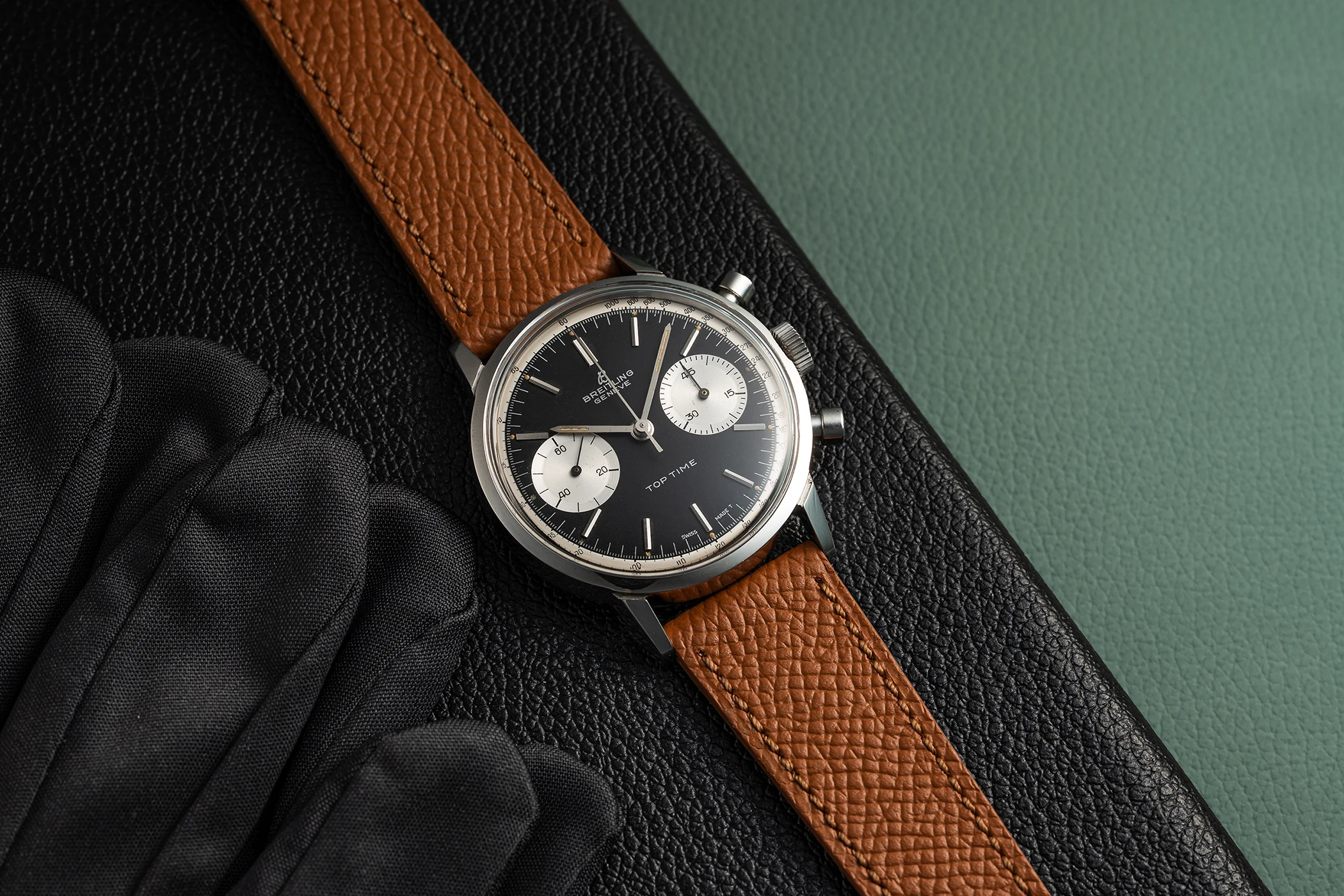
In 1965, just two years after its launch, this car appeared in the fourth James Bond film, Thunderball, alongside a watch that deliberately broke with familiar conventions within the Breitling collection: the Breitling Top Time, reference 2002. The watch was worn on Sean Connery’s wrist and was the first watch in the James Bond series to be modified by Q. The history of the collaboration between the two brands therefore does not begin with a mere marketing idea, but with a classic film whose roots stretch back 61 years. The fact that Aston Martin and Breitling had already appeared together in that film removes from the collaboration the sense of arbitrariness that characterises many of today’s watch manufacturers’ partnerships with car manufacturers.
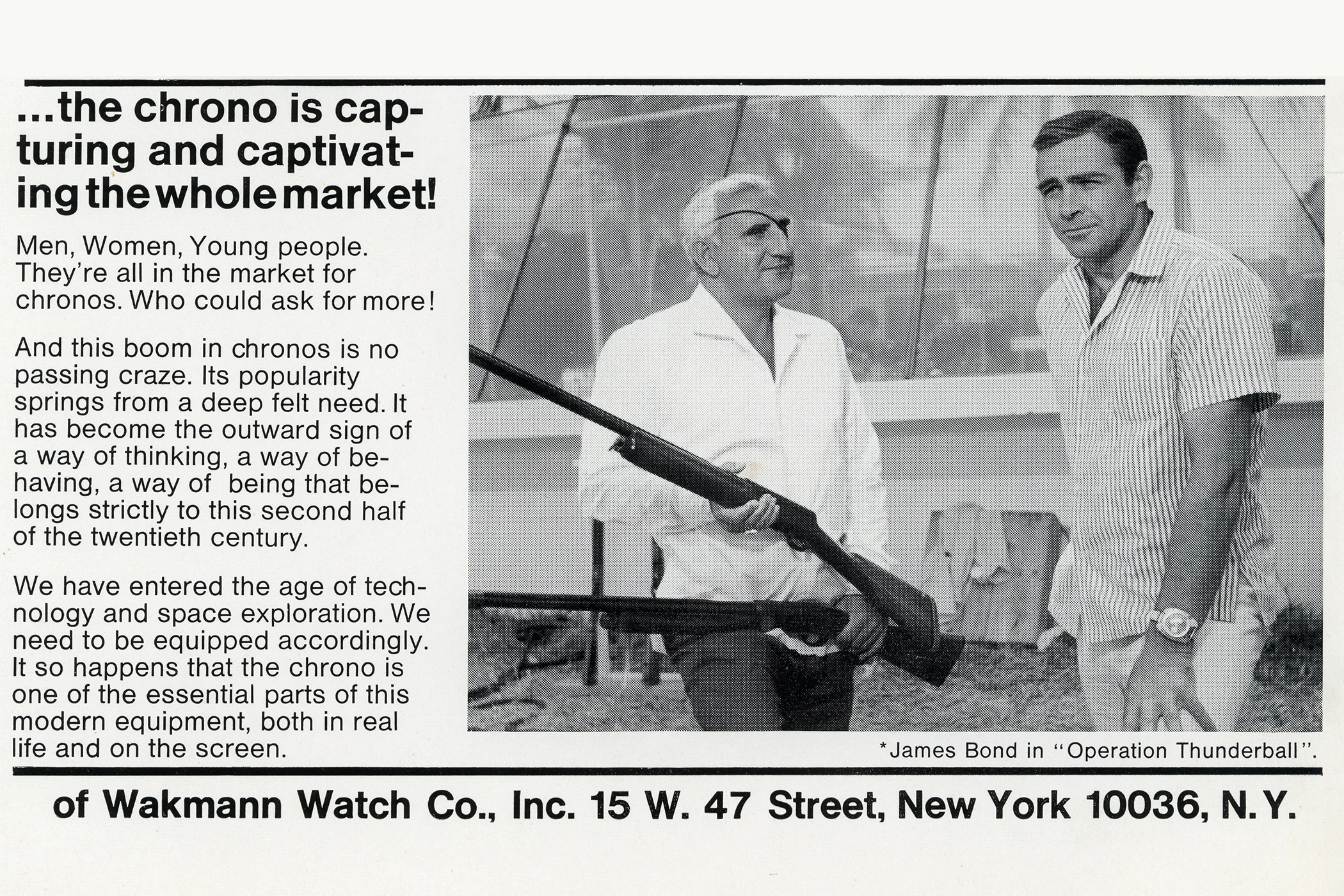
In the 1960s, the Top Time was Breitling’s attempt to free the chronograph from the realm of the purely functional wrist instrument. Aimed at a younger audience, it stood in contrast to the more austere tool watches of its time with its unusual dials, striking case shapes and a visibly more playful attitude. This is also where the similarity to the DB5 lies: in both cases, technology was inseparable from the design, but rather part of a carefully developed concept intended to evoke a noticeably different feeling among their respective target audiences than the products of other manufacturers.
Credit © Watches of Knightsbridge
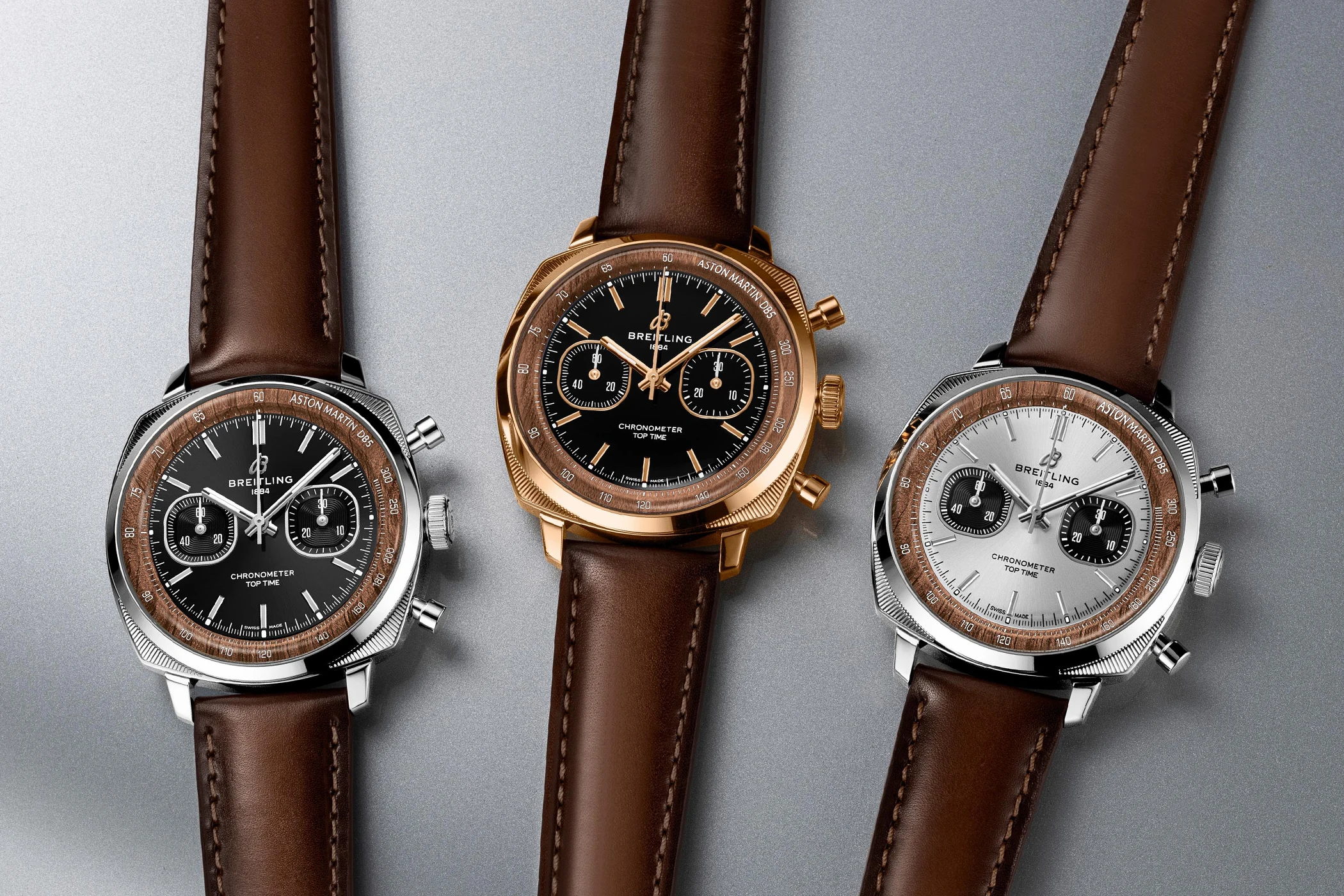
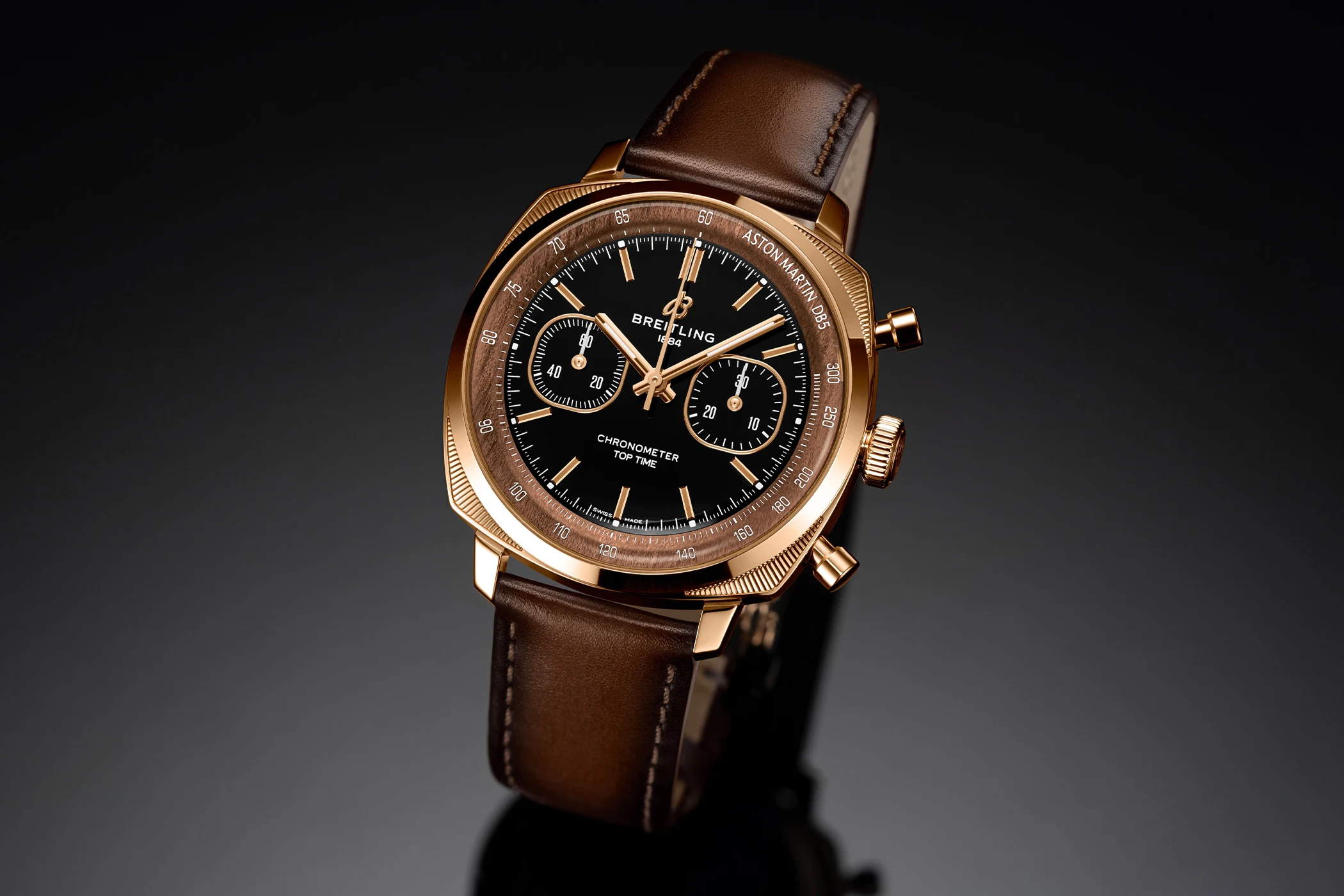
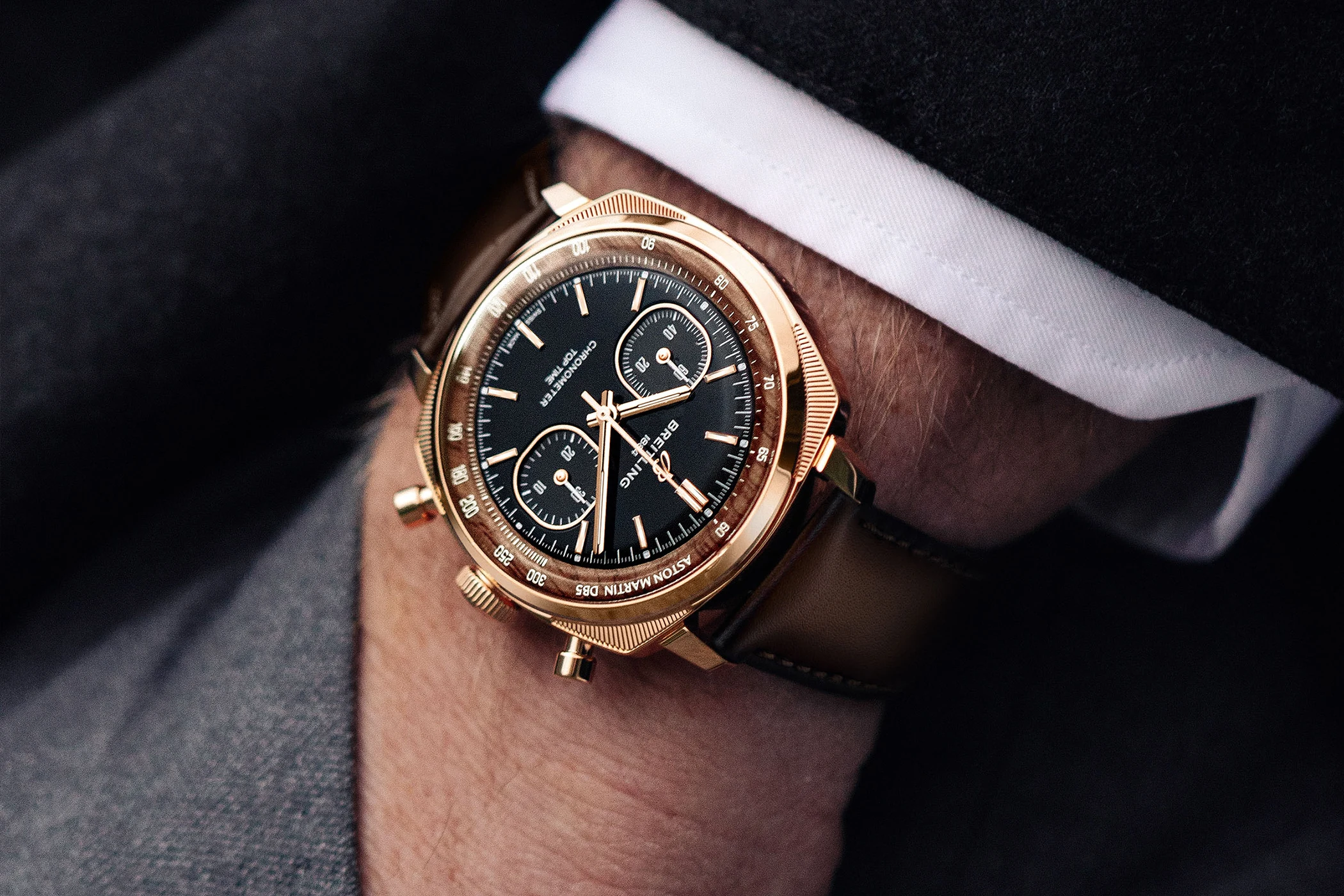
The Breitling Top Time B01 Chronograph 41 Tribute to Aston Martin DB5 draws on individual design principles of the British sports car. With its cushion-shaped case, fluted corners, mushroom-shaped pushers and slightly rounded, rectangular sub-dials in a so-called ‘squircle’ shape, it draws on the design language of the earlier Top Time models. Breitling thus translates the characteristic elements of an Aston Martin DB5 dashboard into the design language of its own watch case.
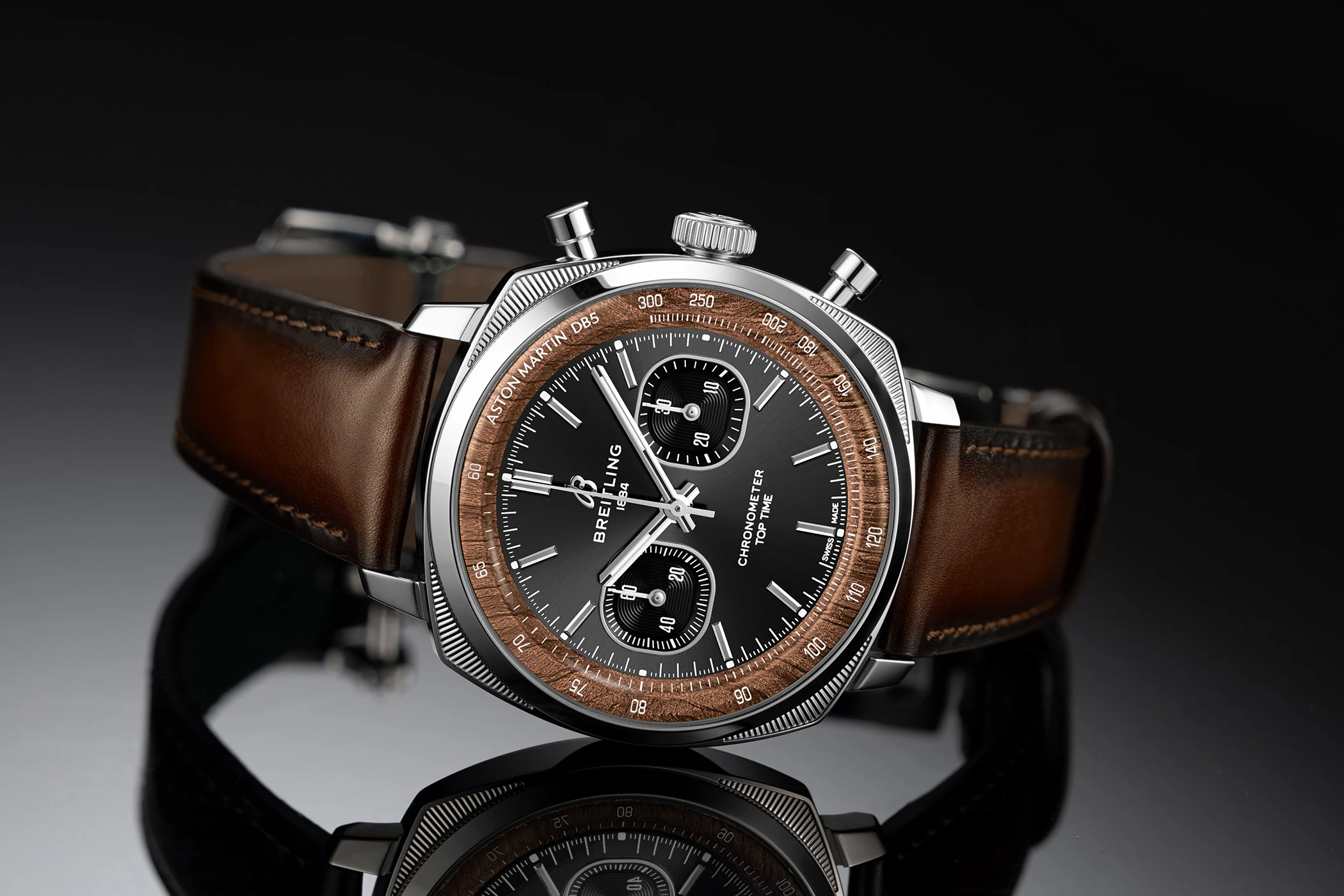
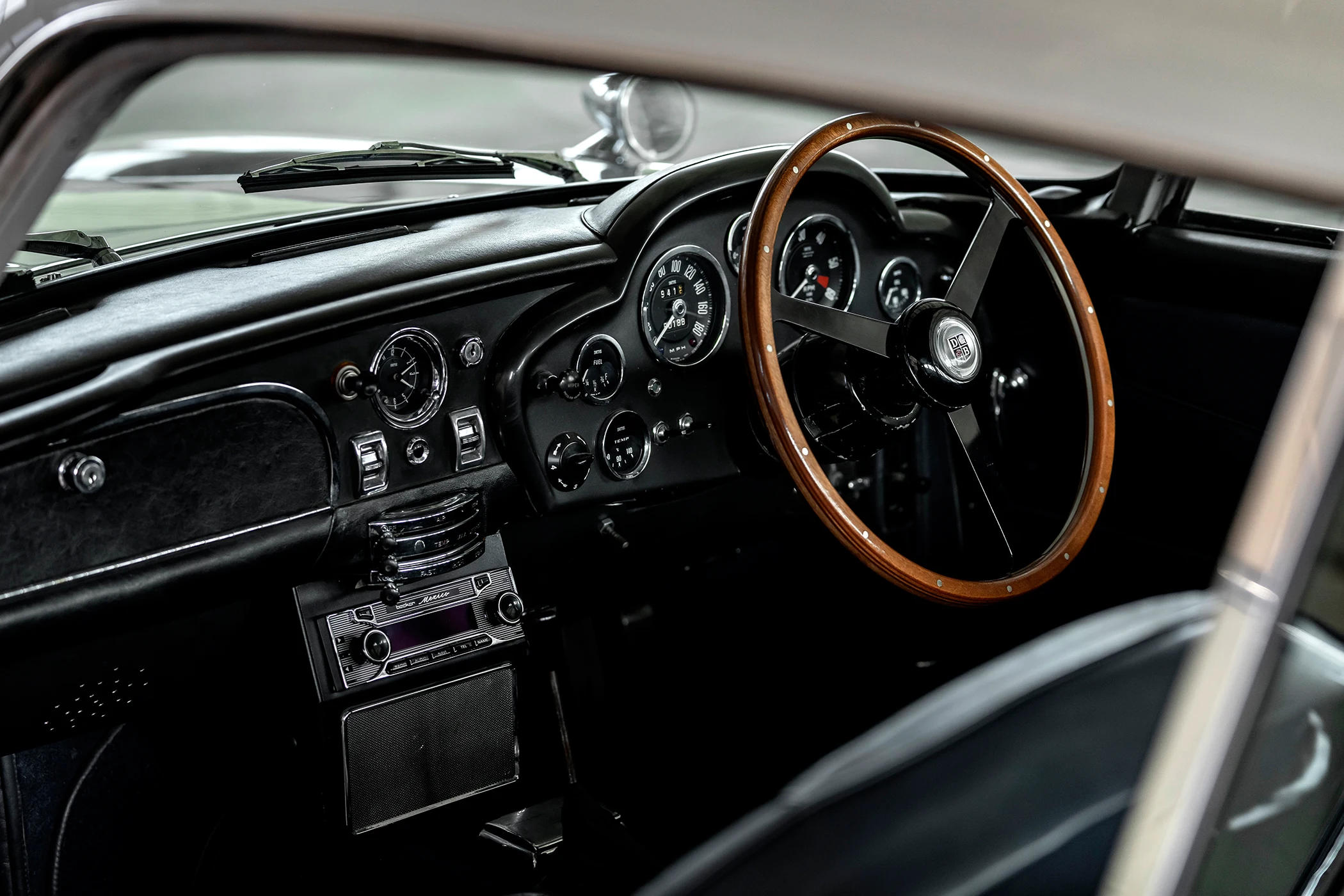
This intention is particularly evident in the wooden rehaut ring. It echoes the steering wheel of the DB5 and creates a visually warm contrast to the metal, the lacquered dial and the sapphire crystal. Precisely because this surface is relatively small yet extends all the way round the dial, the wooden finish brings a warm, natural touch to the comparatively technical-looking arrangement of steel, sapphire crystal and displays. This is complemented by a brown calfskin strap, which has been hand-coloured. Its colour gradient lends the leather depth, whilst the beige lining reflects the lighter tones of classic interiors.
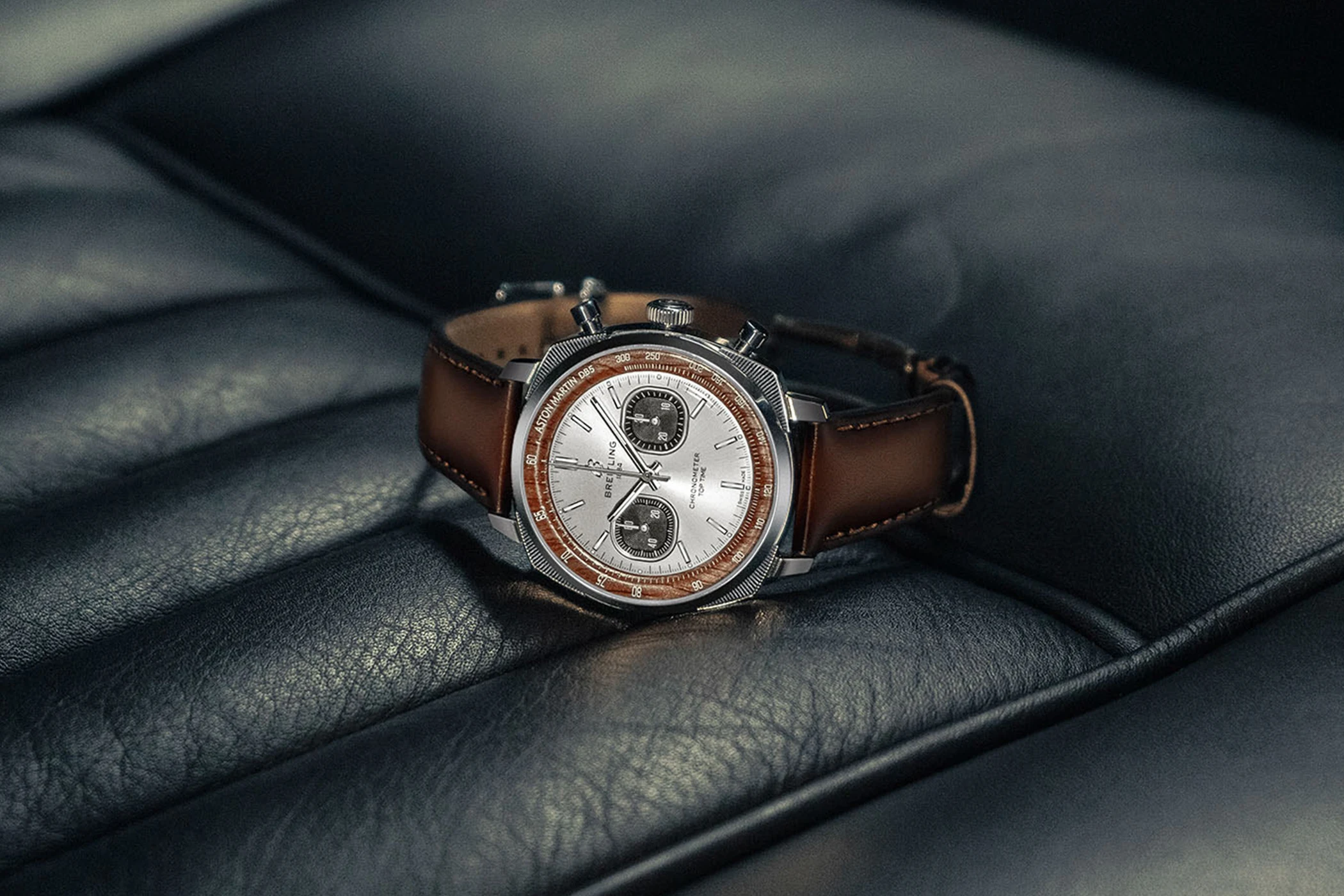
The stainless steel version, with its silver, brushed sunburst dial and black sub-dials, is likely to be the most understated variant of this design. The light-coloured dial allows the wooden ring and the black markers to stand out clearly, whilst the contrasts are reminiscent of a classic instrument panel. It bears the reference AB0178121G1X1 and is limited to 1,022 pieces.
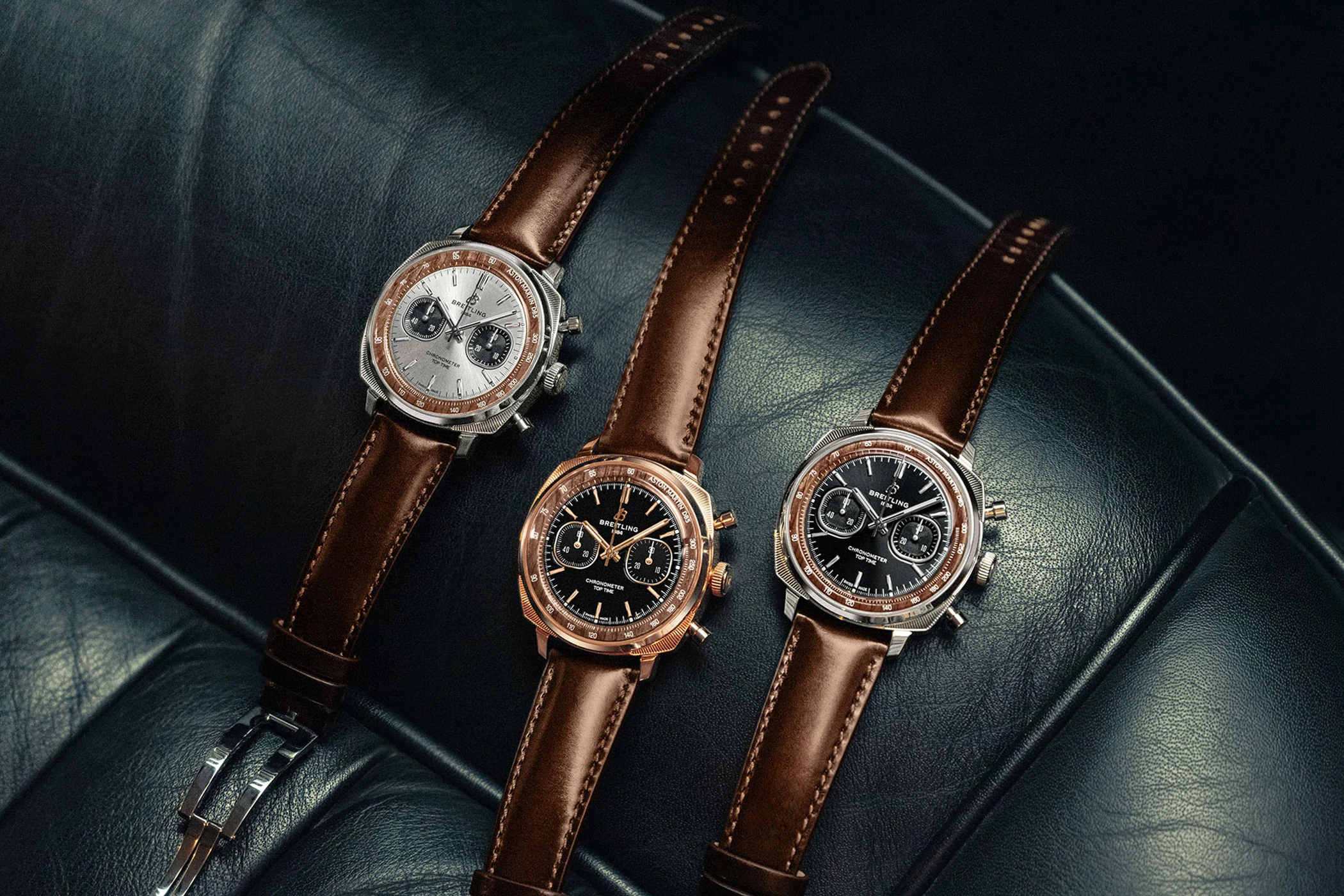
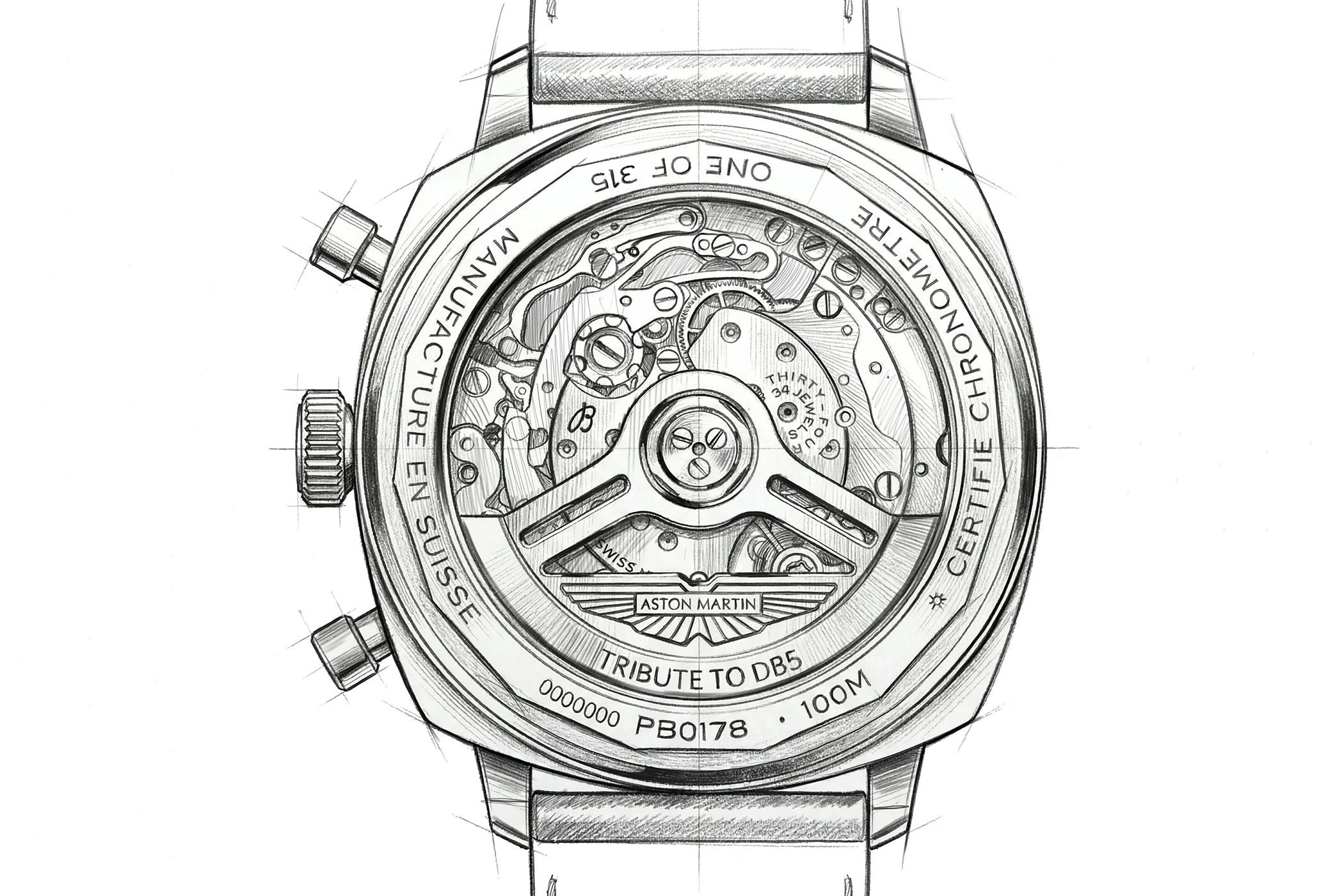
The stainless steel version with a platinum bezel has a darker, more substantial appearance. The black lacquered sunburst dial reflects the changing light more effectively, whilst the platinum bezel of this version provides a high-quality, understated frame around it. The reference PB0178121B1X1 is available in a limited edition of 315 pieces.
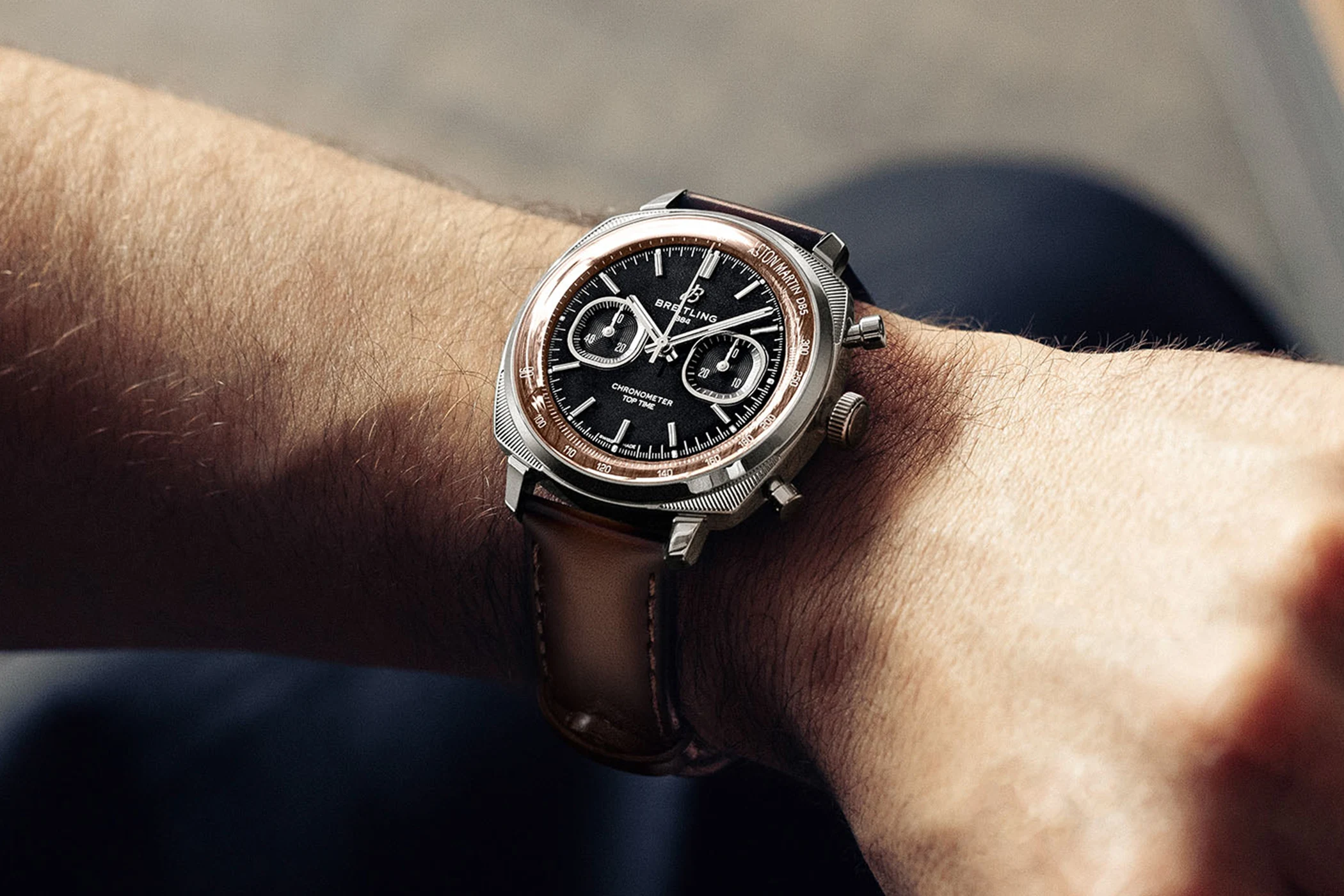
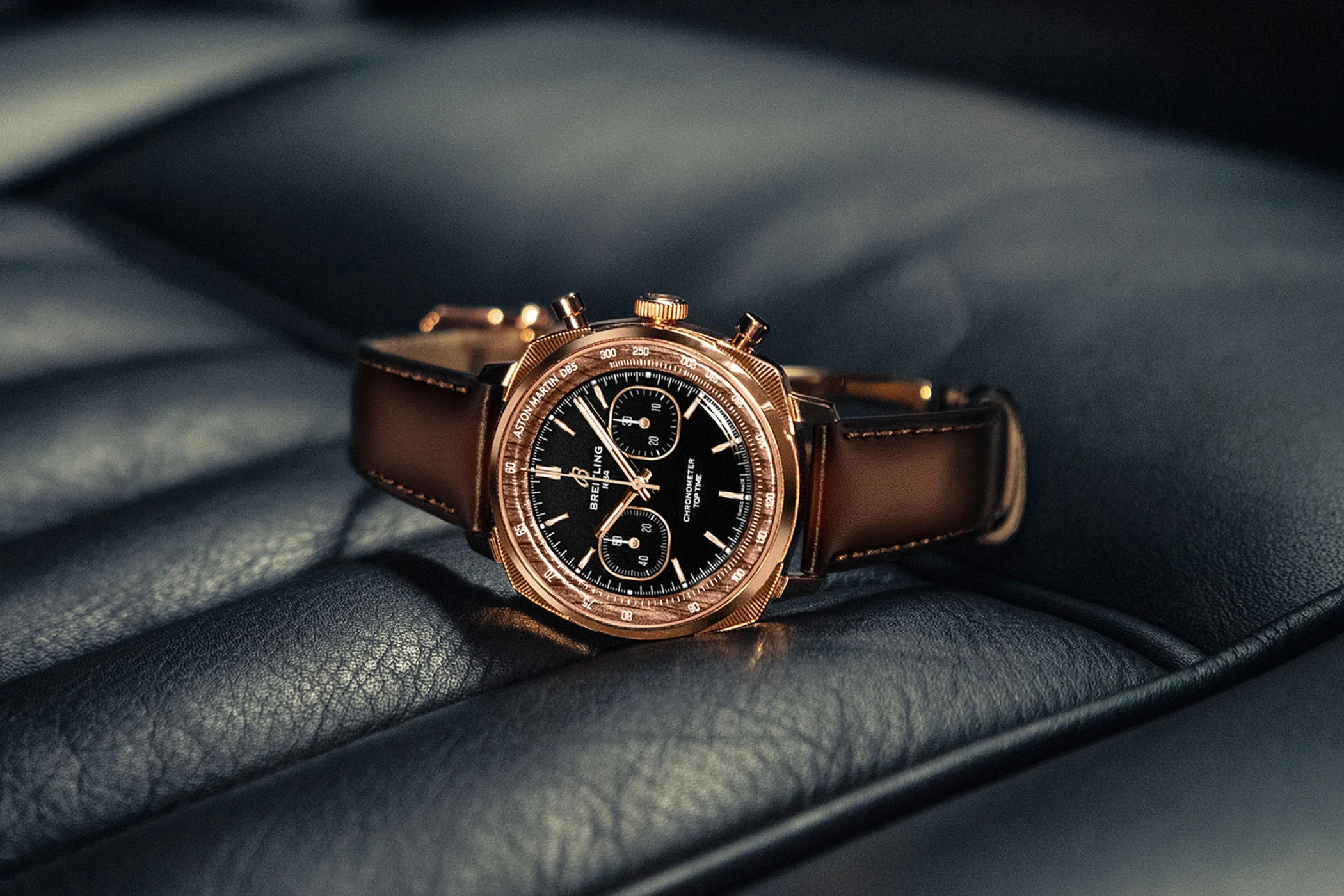
The rose-gold model is the furthest removed from the conventional image of a vintage Breitling chronograph. Its 18-carat 5N rose-gold case is paired with an onyx dial, whose black surface is broken up by golden rings around the onyx sub-dials. This is generally the first time Breitling has used onyx for a dial. The black stone, which appears almost completely solid, draws the eye primarily to its material texture and the way it reflects light, rather than to any striking contrasts. The reference RB0178131B1X1 is limited to 250 pieces.
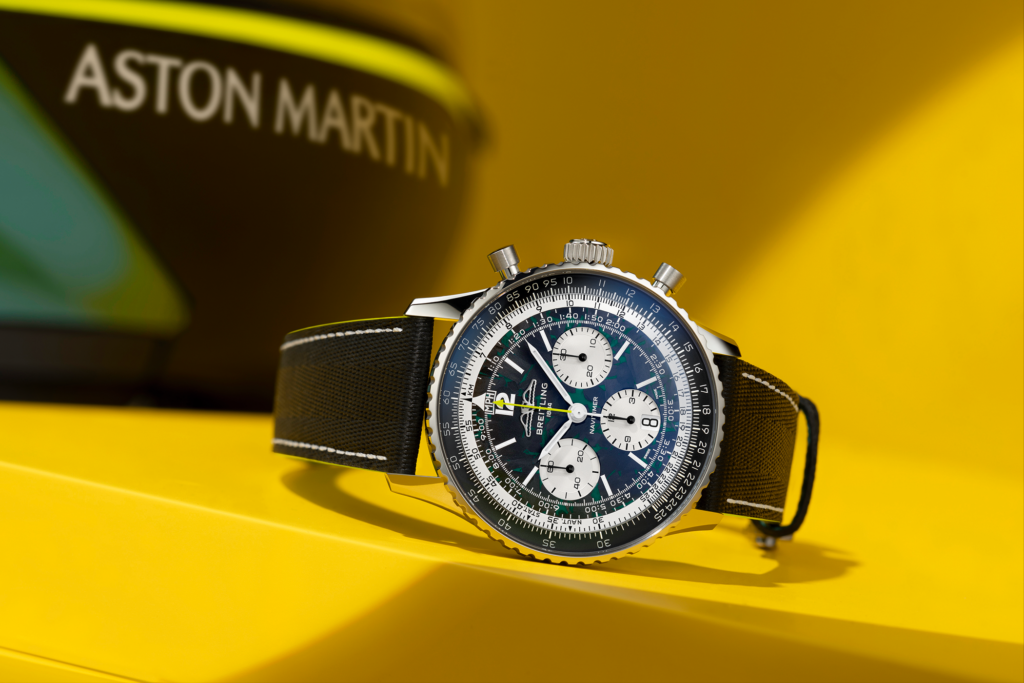
You can find out more about how Breitling and Aston Martin are also collaborating in Formula 1 here in our article
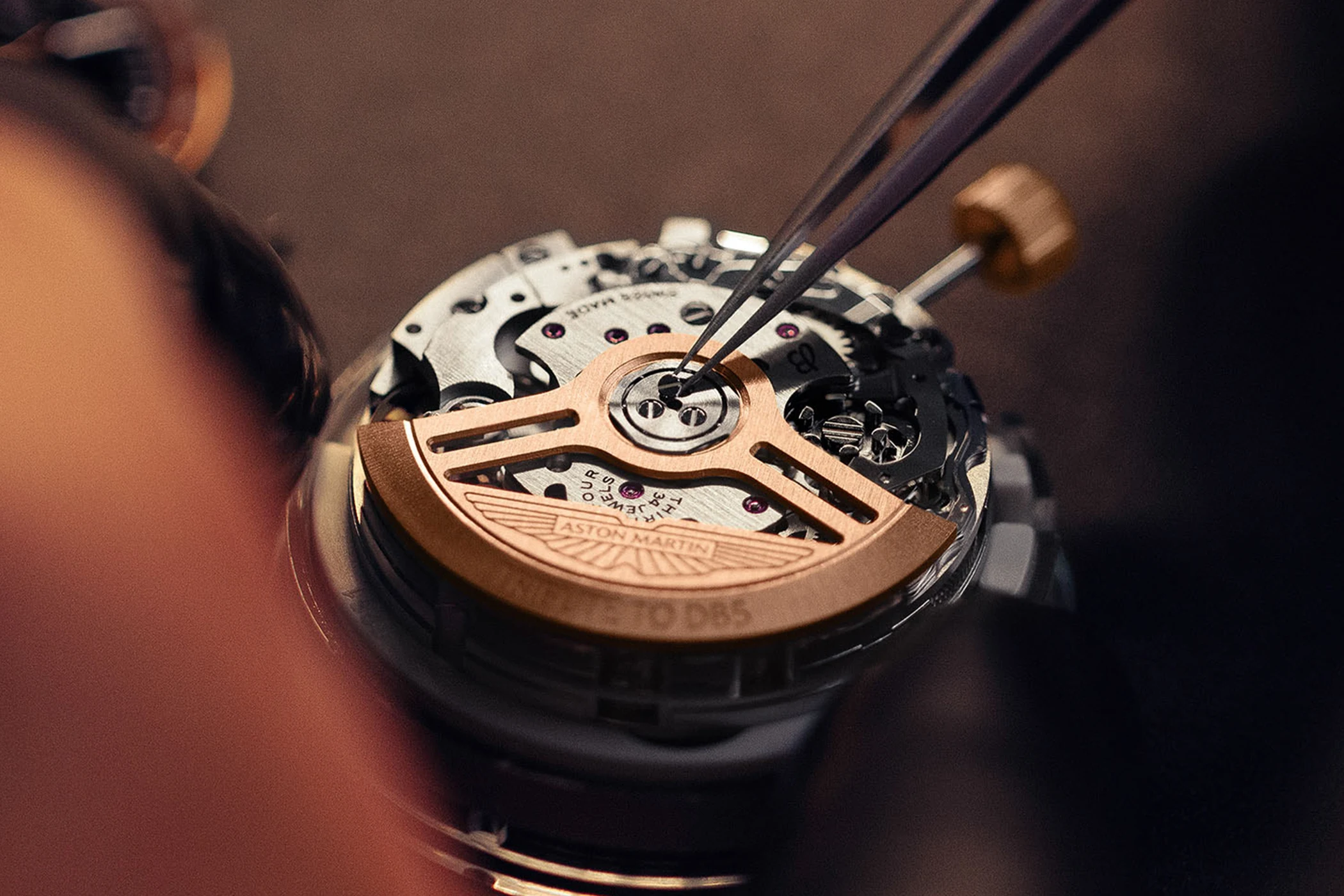
As the name suggests, the Breitling Top Time B01 Chronograph 41 Tribute to Aston Martin DB5 is powered by the Breitling Manufacture Calibre 01, an automatic column-wheel chronograph with a vertical clutch. The column wheel controls the individual switching operations of the chronograph mechanism and ensures that start, stop and reset functions mesh precisely. The vertical clutch connects the chronograph function directly to the running movement, thereby enabling the chronograph hand to start smoothly.
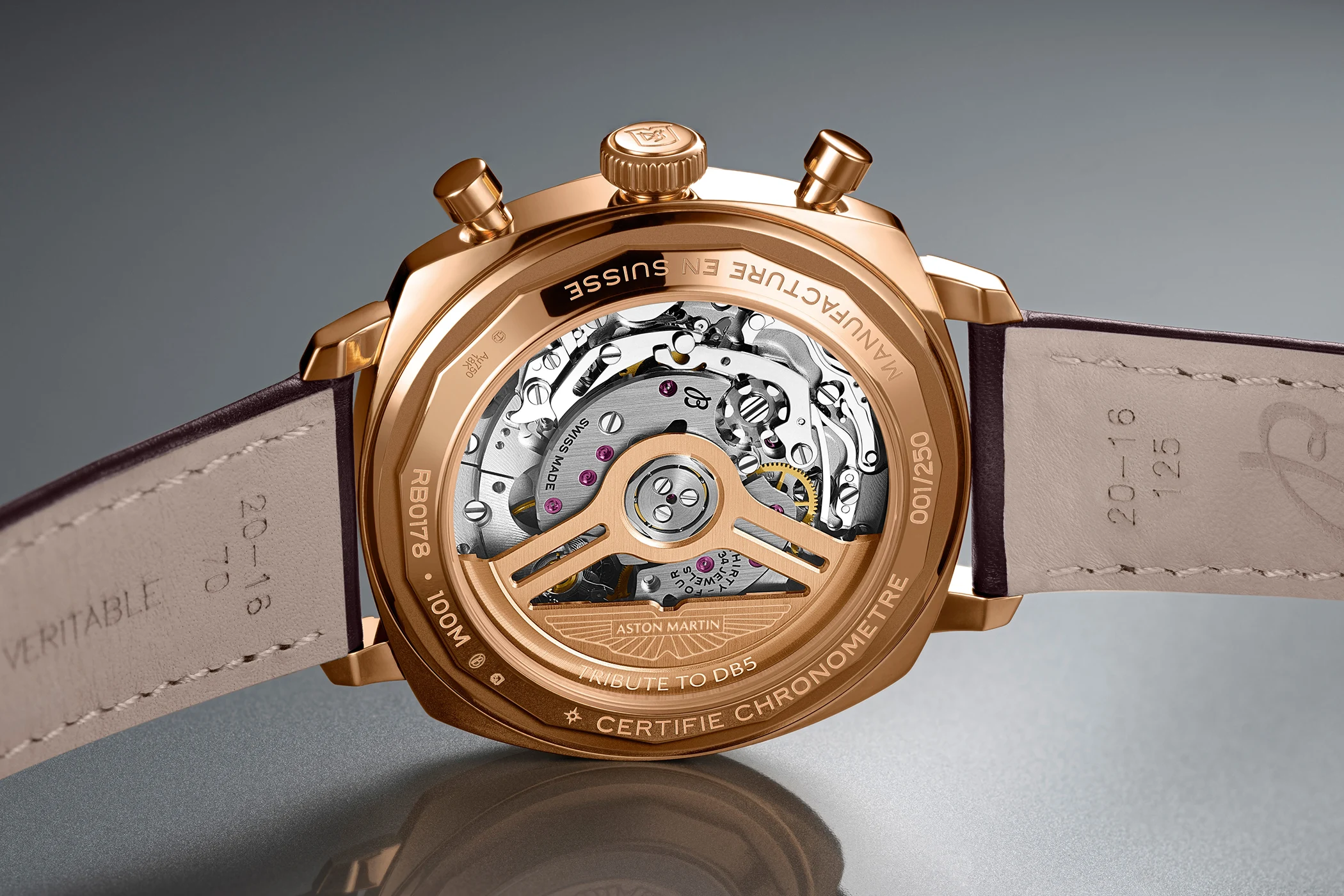
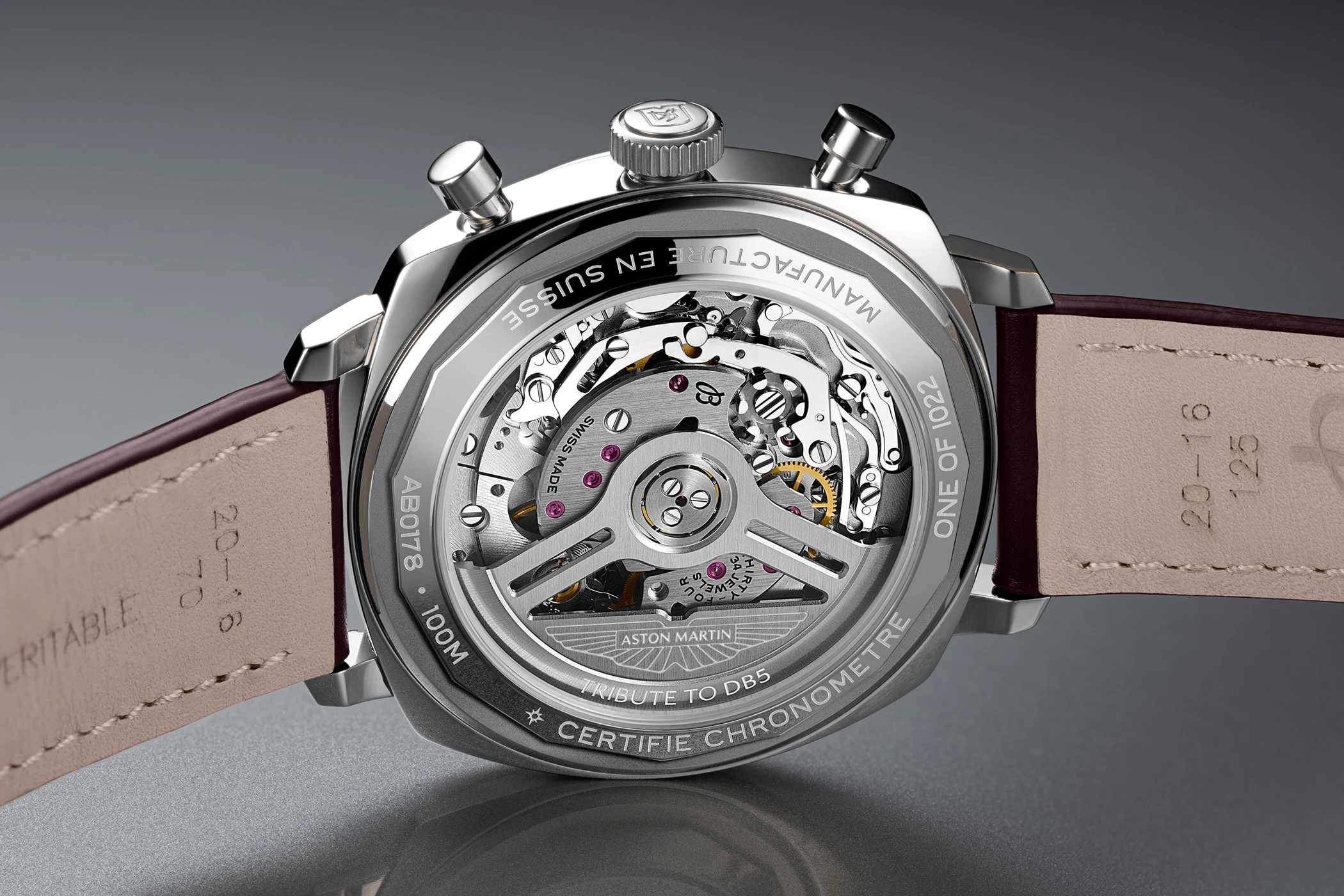
The calibre is COSC-certified, offers a power reserve of around 70 hours, operates at 4 hertz and comprises 284 components. Through the sapphire crystal case back, a rotor featuring an Aston Martin motif can be seen: in the steel version, the automatic rotor is rhodium-plated; in the variants that incorporate at least some precious metal, it is always made of 18-carat gold.
All three models measure 41 millimetres in diameter, 13.8 millimetres in height and 47.9 millimetres from lug to lug. The domed sapphire crystal, with anti-reflective coating on both sides, emphasises the depth of the dial variations, and all models are water-resistant to 100 metres.
The three limited-edition versions of the Breitling Top Time B01 Chronograph 41 Tribute to Aston Martin DB5 are priced differently depending on the materials used: The gold model, reference RB0178131B1X1, costs 40,500 euros; the stainless steel version with a platinum bezel, reference PB0178121B1X1, is priced at 16,500 euros; whilst the stainless steel model, reference AB0178121G1X1, is available for 10,500 euros.
breitling.com / astonmartin.com