The TAG Heuer Carrera Chronograph x Team Ikuzawa in detail: Roadmaster design, TH20-10, three straps – price, release date and all the details.

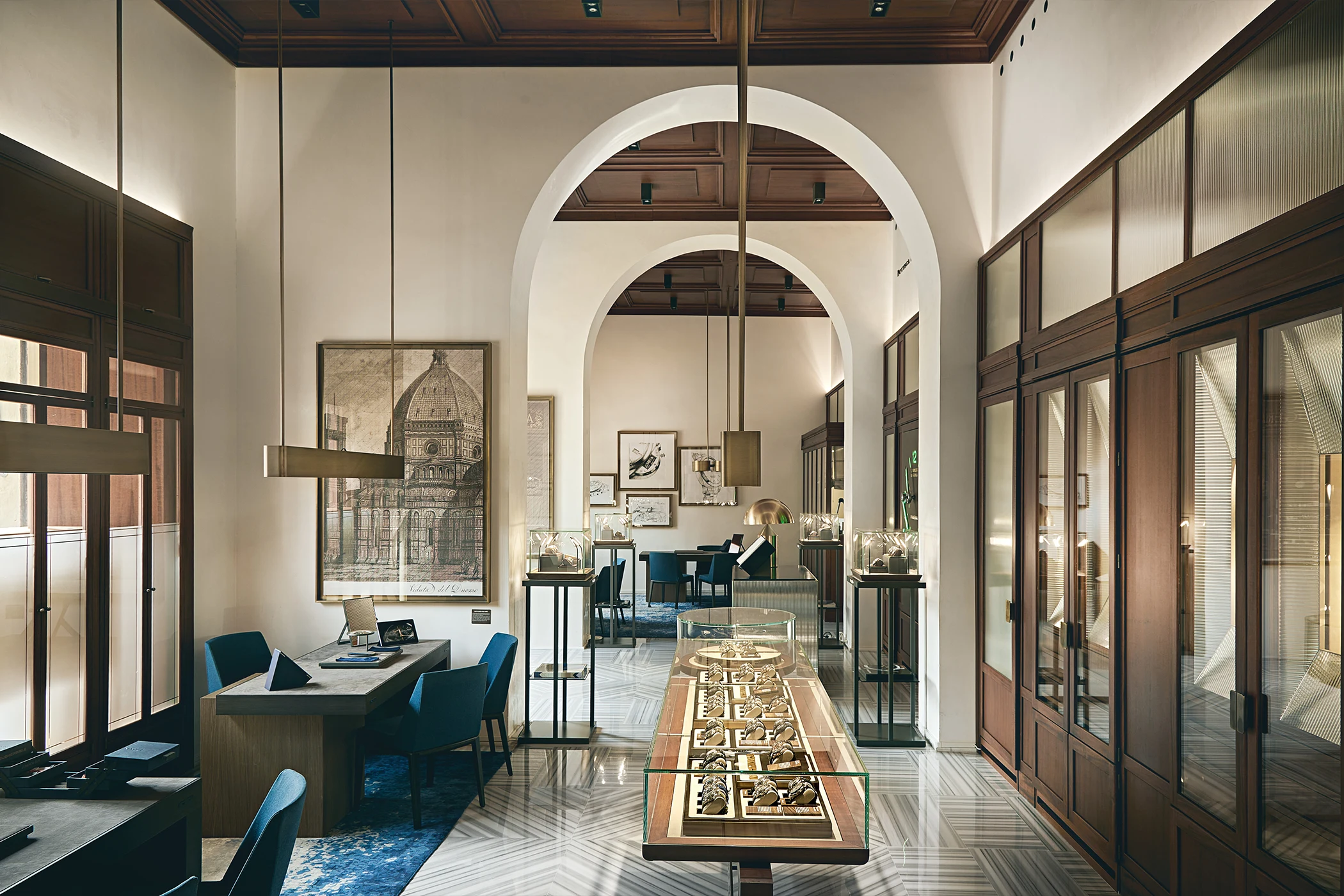
Since 1926, the Panerai boutique has been located in the Palazzo Arcivescovile on Piazza San Giovanni in Florence. It offers a distinctive reflection of the company’s history – a history which, however, began much earlier.
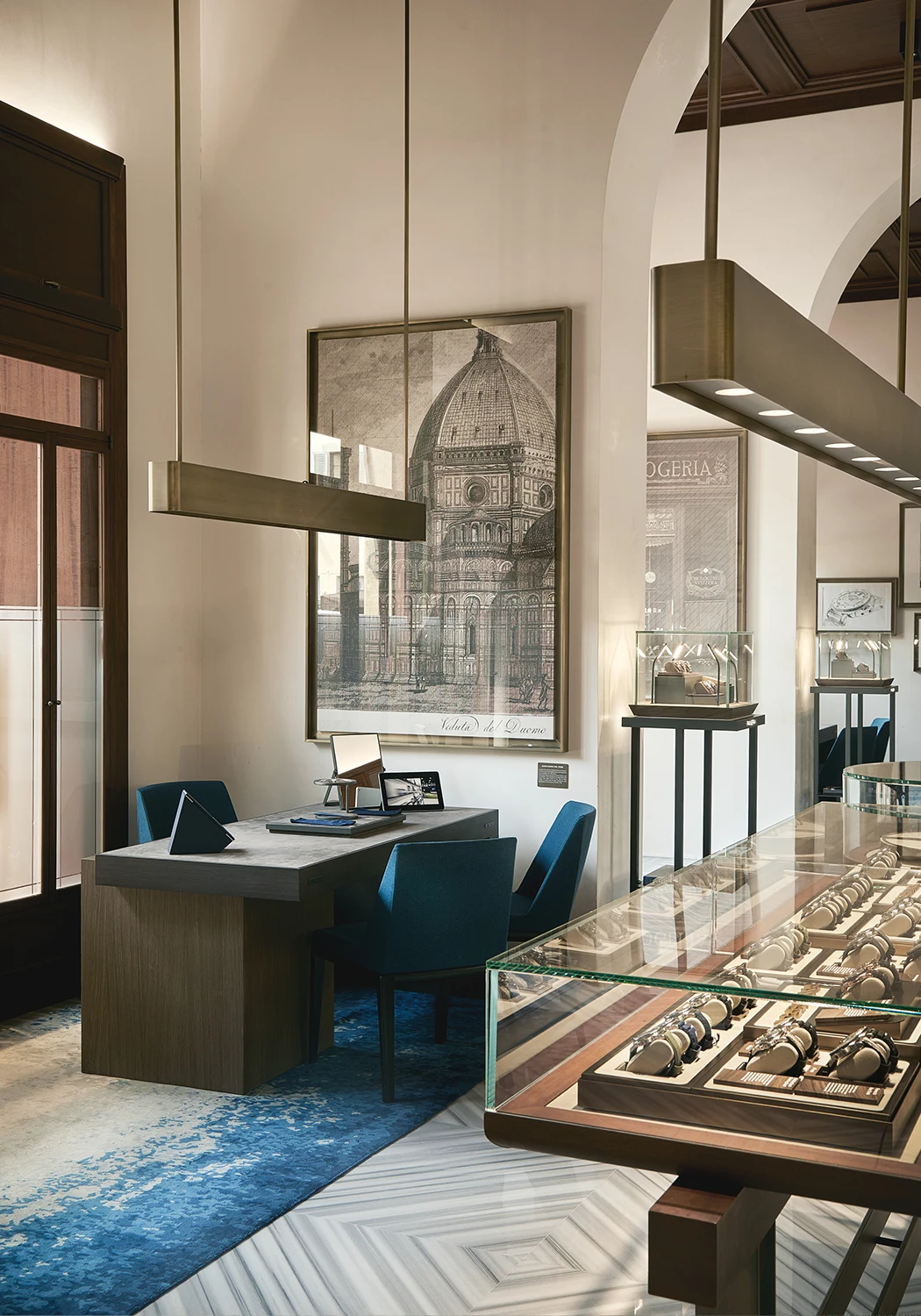
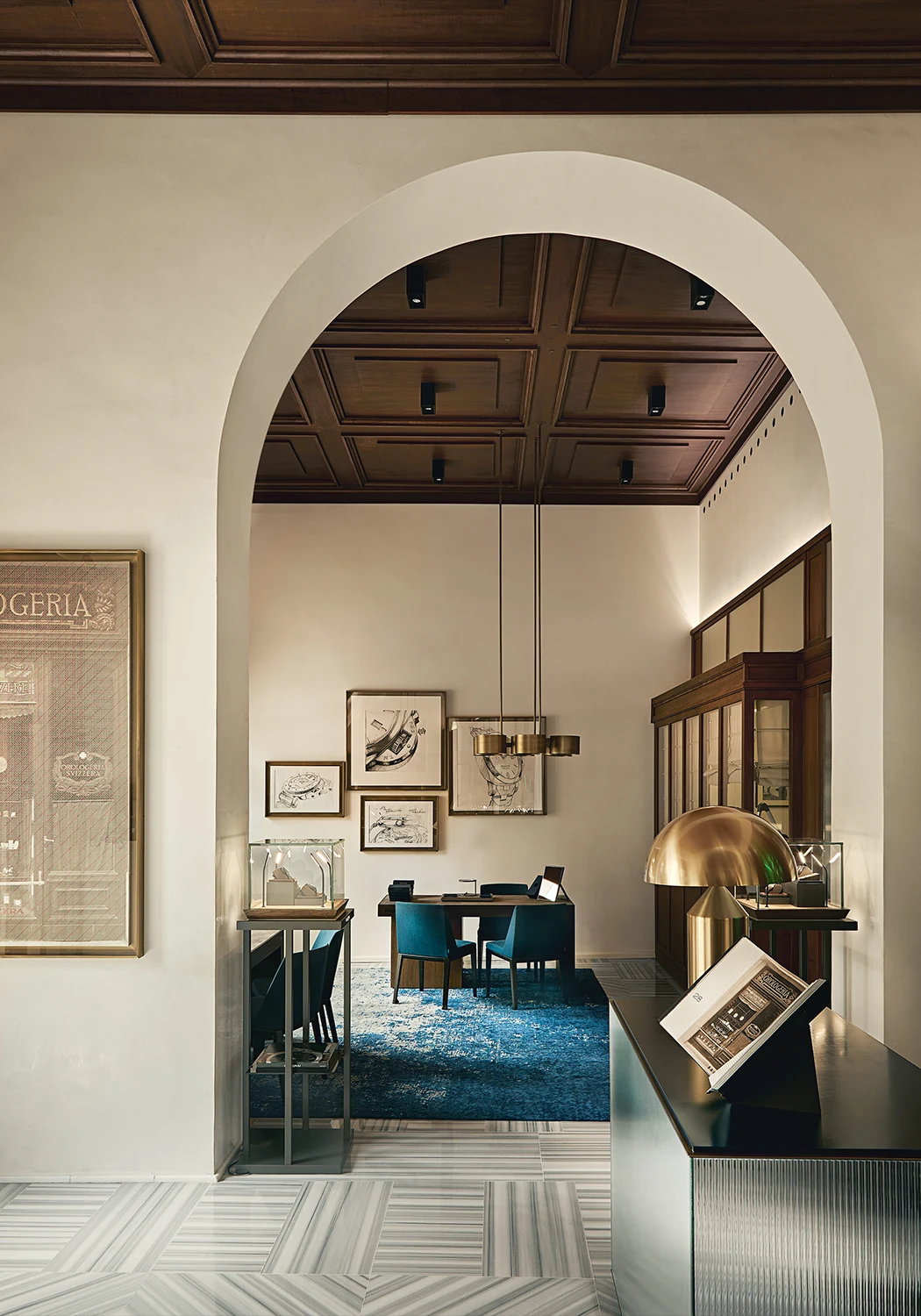
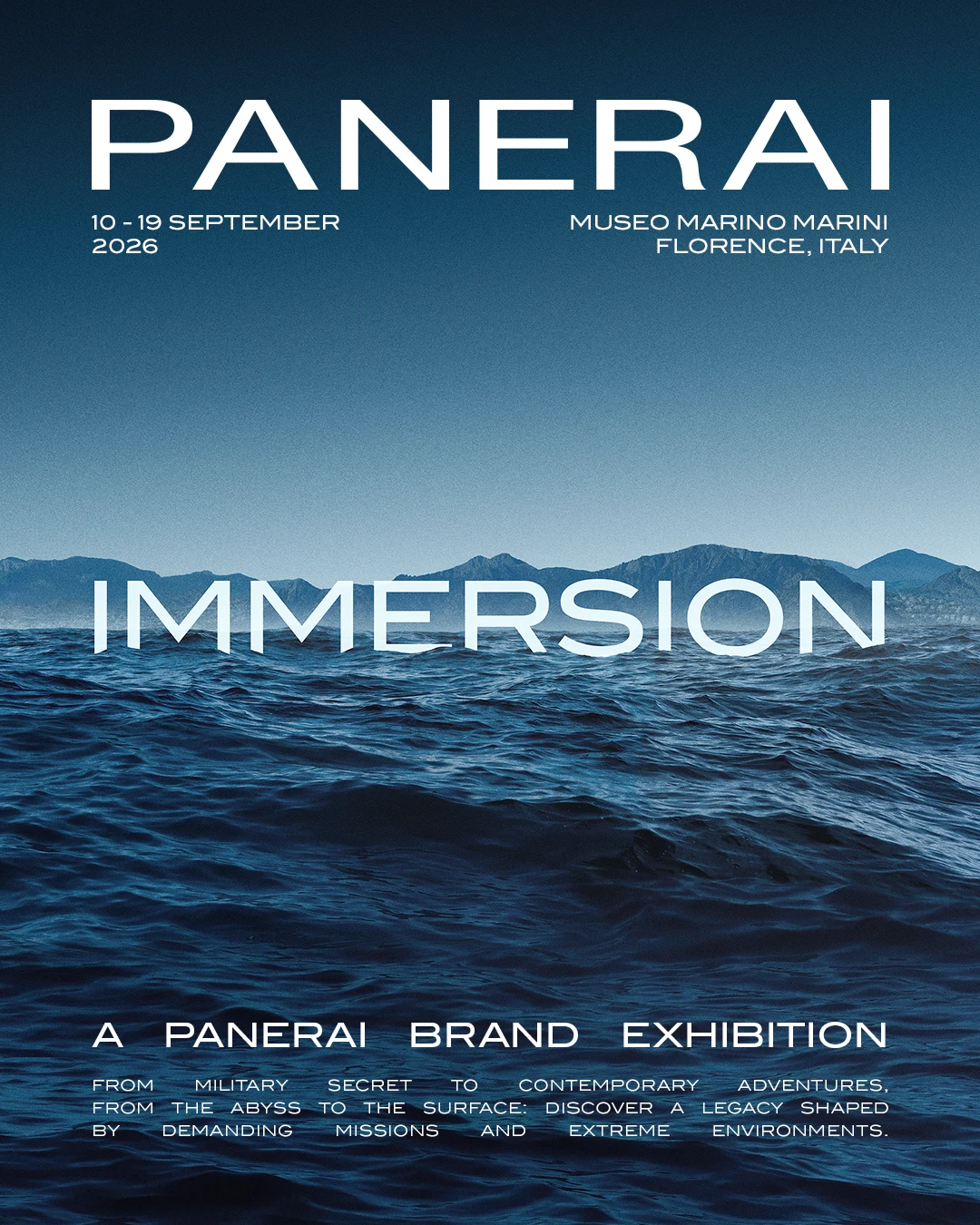
To mark the 100th anniversary of the former Orologeria Svizzera (‘Swiss Watchmaking’) in the Tuscan capital, special events will be held throughout the year at the current boutique. In addition, from 10 to 19 September 2026, the Museo Marino Marini will be hosting the ‘Immersion’ exhibition – a journey through the brand’s identity, in which historic timepieces, instruments and archive material trace Panerai’s evolution from a military supplier to a luxury manufacturer.
You can book your visit via this link.
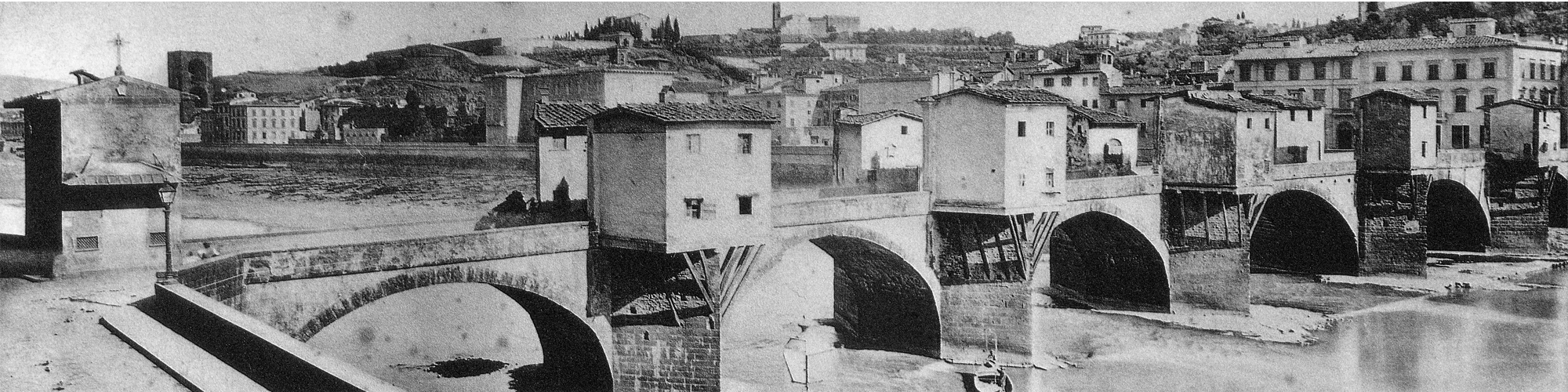
Before the family-run business moved into its historic premises within sight of Florence Cathedral in 1926, Giovanni Panerai – after whom the company is named – had already established his first watch shop and workshop on the Ponte alle Grazie back in 1860. However, he was forced to give this up in 1876 following the reconstruction of the bridge.
After several relocations within the city centre, the company finally settled in 1926 at the location where it remains to this day. At that time, however, Panerai was not yet a watch brand in the modern sense.
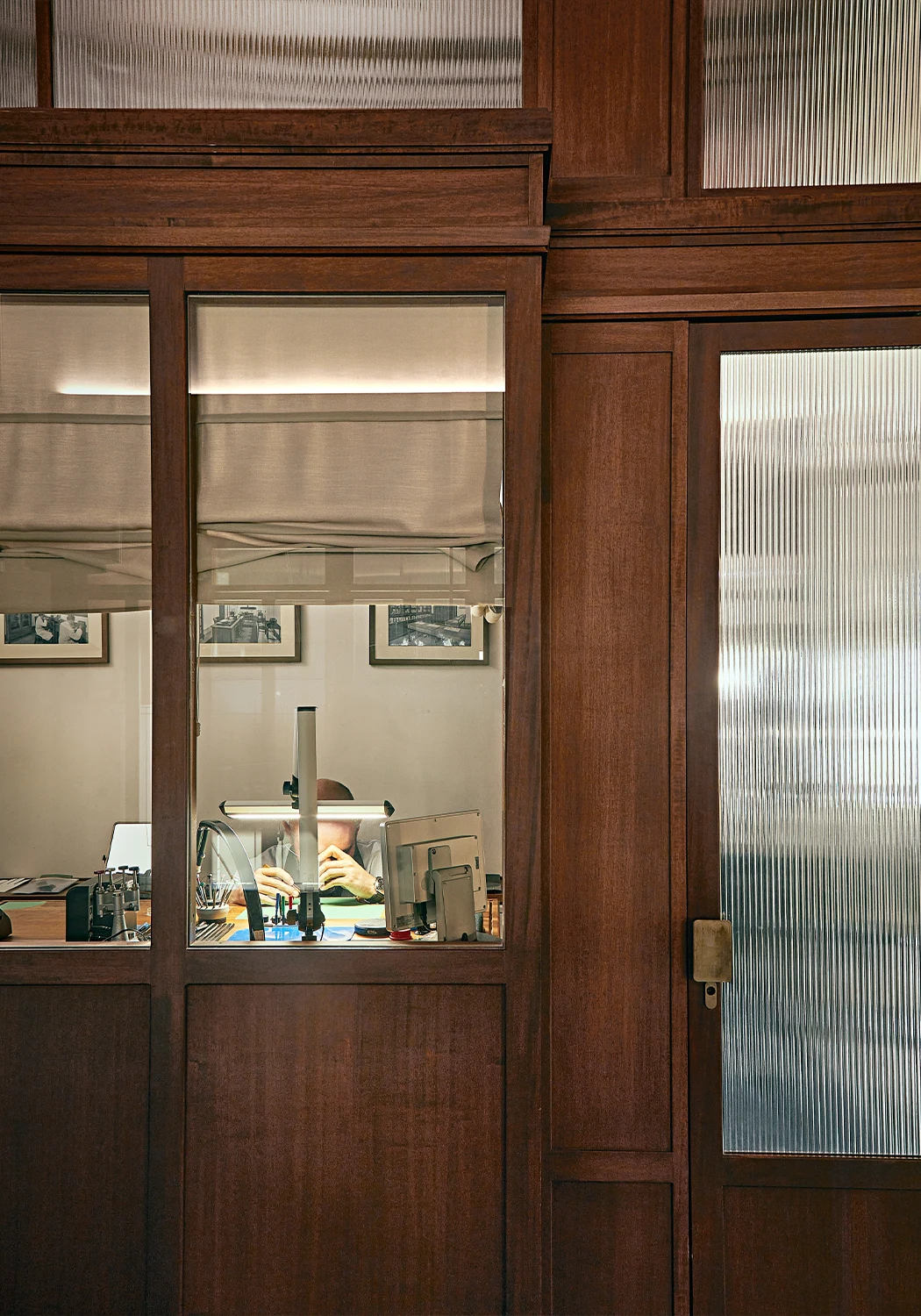
For the Panerai family, the boutique in Florence was always much more than just a watch shop. They ran not only a workshop there, but also a watchmaking school. Thanks to its close ties with leading Swiss watch manufacturers, the company also gained valuable insights into various technical solutions and continuously expanded its own watchmaking expertise. In doing so, Panerai laid the foundations for its later transformation from a retailer into an independent watch manufacturer.
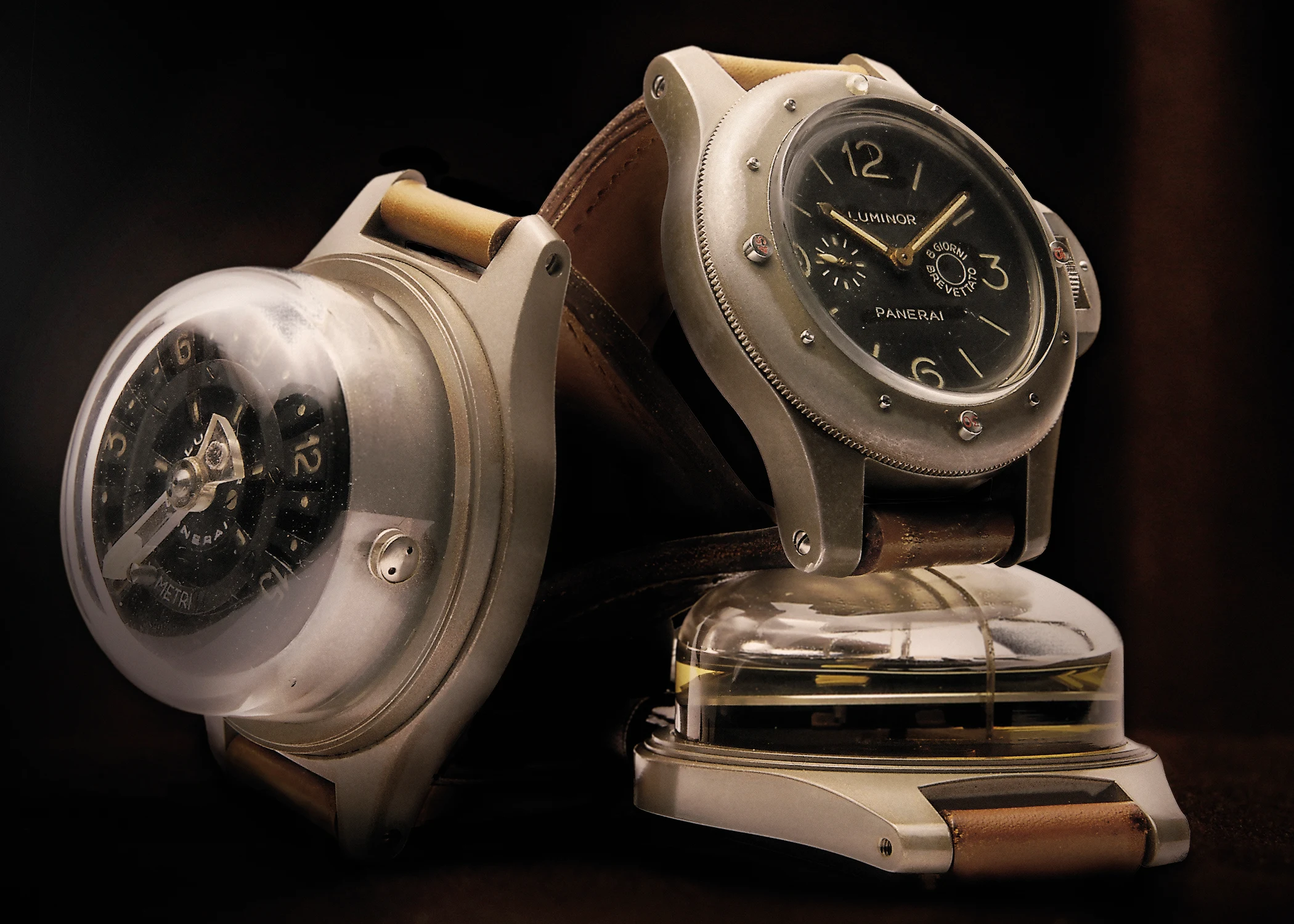
Initially, however, Panerai made a name for itself as a manufacturer of precision instruments such as compasses and depth gauges for the Italian Navy. From 1935 onwards, Panerai began developing specialised operational wristwatches on behalf of the Regia Marina. These early timepieces were created in close collaboration with Rolex. According to Panerai, the first documented prototype, the Ref. 2533, was based on a movement supplied by Rolex Geneva (in particular the famous Rolex Calibre 618, which was based on Cortébert movements), which was then modified by Panerai. The later Ref. 3646 and 6152/1 were also based on watches and components manufactured or supplied by Rolex. Panerai contributed, in particular, its Radiomir luminescent technology and the corresponding dials, and further developed their design for military use. This involved the use of the Radiomir luminescent compound, patented as early as 1916, which initially improved the readability of military precision instruments and, from 1936, also illuminated the dials of Panerai’s first wristwatches. In 1949, Panerai then registered the term ‘Luminor’ as a trademark for luminescent materials.
In the 1950s, Rolex ceased supplying watches because exclusive contracts prohibited the export of Rolex models to third countries. The year 1956 therefore marked an important milestone in Panerai’s history, as the GPF-2/56 – developed for the Egyptian Navy – was no longer based on a Rolex watch but was fitted with the Swiss Angelus SF240 calibre. To this day, outstanding legibility in the dark and the distinctive crown guard – patented in 1956 – remain among the brand’s most important features. These features continue to characterise the Radiomir and Luminor collections to this day.
For decades, Panerai developed its timepieces exclusively for military clients. It was not until 10 September 1993 that the company unveiled its first collection for civilian customers – naturally, this was also showcased in its own boutique in Florence. Following its acquisition by Richemont in 1997, the historic shop was extensively restored and reopened as the Panerai boutique in 2001.
Just one year later, Panerai opened its manufacture in Neuchâtel, Switzerland – marking the beginning of a new era. Three years later, the brand unveiled its first in-house movement developed entirely in-house: the hand-wound calibre P.2002. Since then, it has developed a wide range of its own calibres – from classic hand-wound movements to tourbillons, minute repeaters and perpetual calendars.
“Our boutique in Florence is a cornerstone of Panerai’s history. Here, we introduce customers from all over the world to the art of watchmaking, the heritage and the innovative spirit that characterise our timepieces. We are proud to celebrate its 100th anniversary in 2026 in Piazza San Giovanni, in the heart of Florence,” explains Emmanuel Perrin, CEO of Panerai.
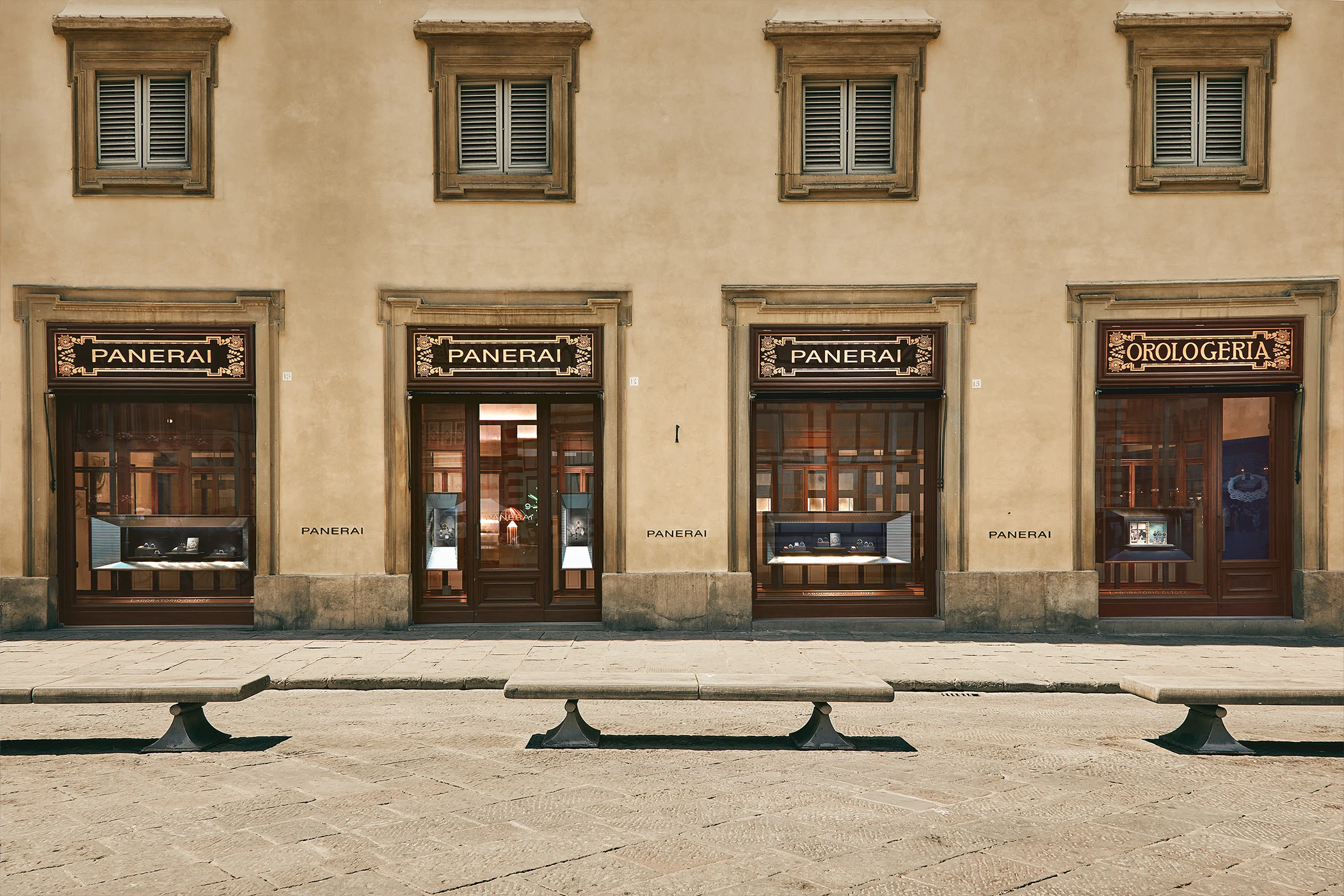
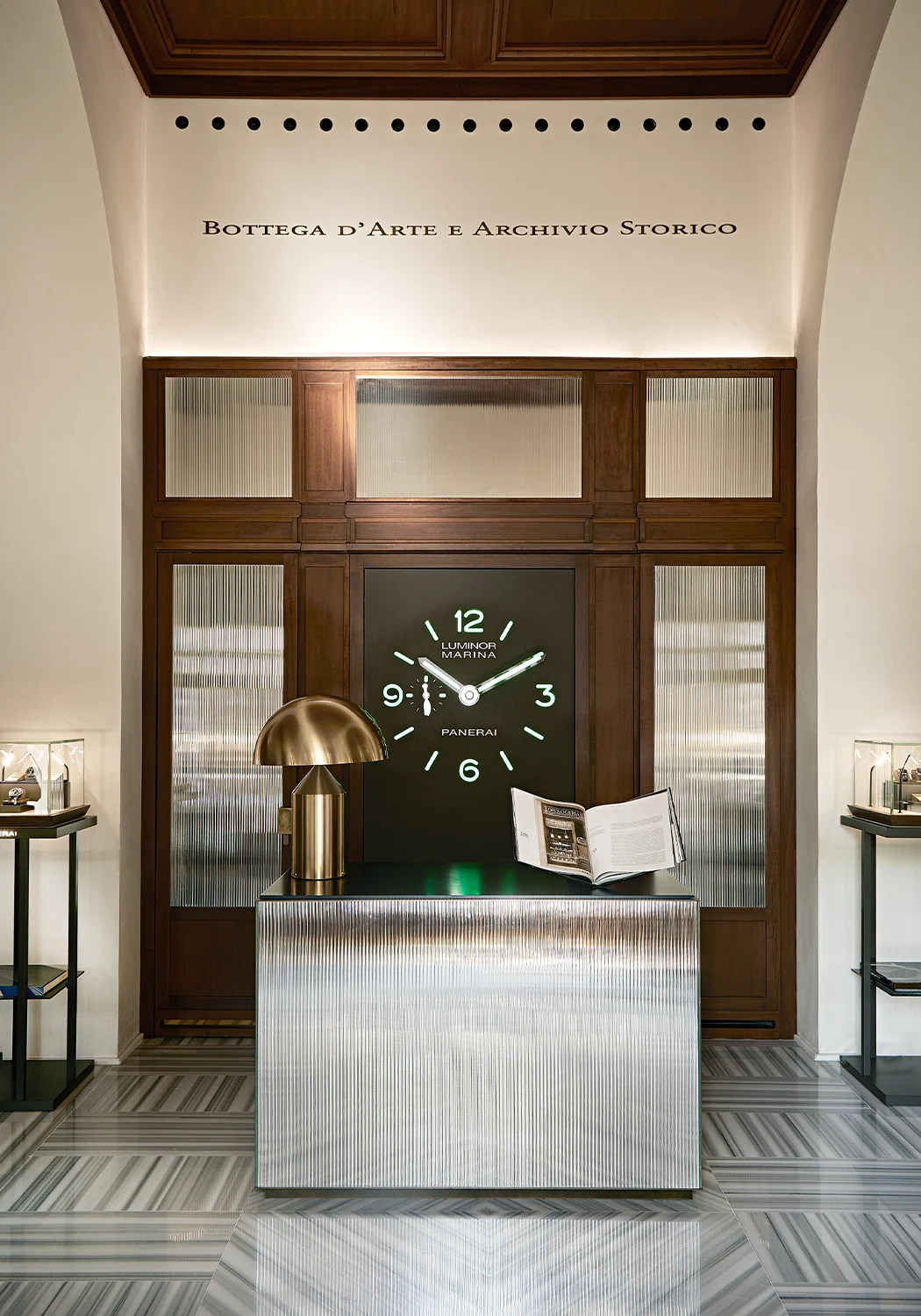
Panerai has preserved the boutique’s historic character to this day. Among other things, the original wooden shop windows have been retained. Alongside the current collections, visitors can discover historic instruments and timepieces from the brand’s rich heritage. On the first floor, a stylish lounge also invites guests to linger and enjoy a chat – whilst taking in an impressive view of Florence Cathedral.