Bulgari designer Fabrizio Buonamassa Stigliani talks about the Octo Finissimo, Serpenti, Vianney Halter, MB&F and Italian watch design.

Given that watches with a minute repeater are extremely labour-intensive to manufacture and consequently very expensive, the current year, 2026, has already produced a surprising number of models featuring this highly complex function. Here we present 11 exciting examples. Also read our article on the history of minute repeater watches.
The name of this new model from the independent Swiss manufacture, founded in 1967, piques one’s curiosity. This is because the longest sequence of chimes in a minute repeater occurs at 12:59. However, this is the case with every timepiece featuring this complication. So why should this be mentioned in the name?
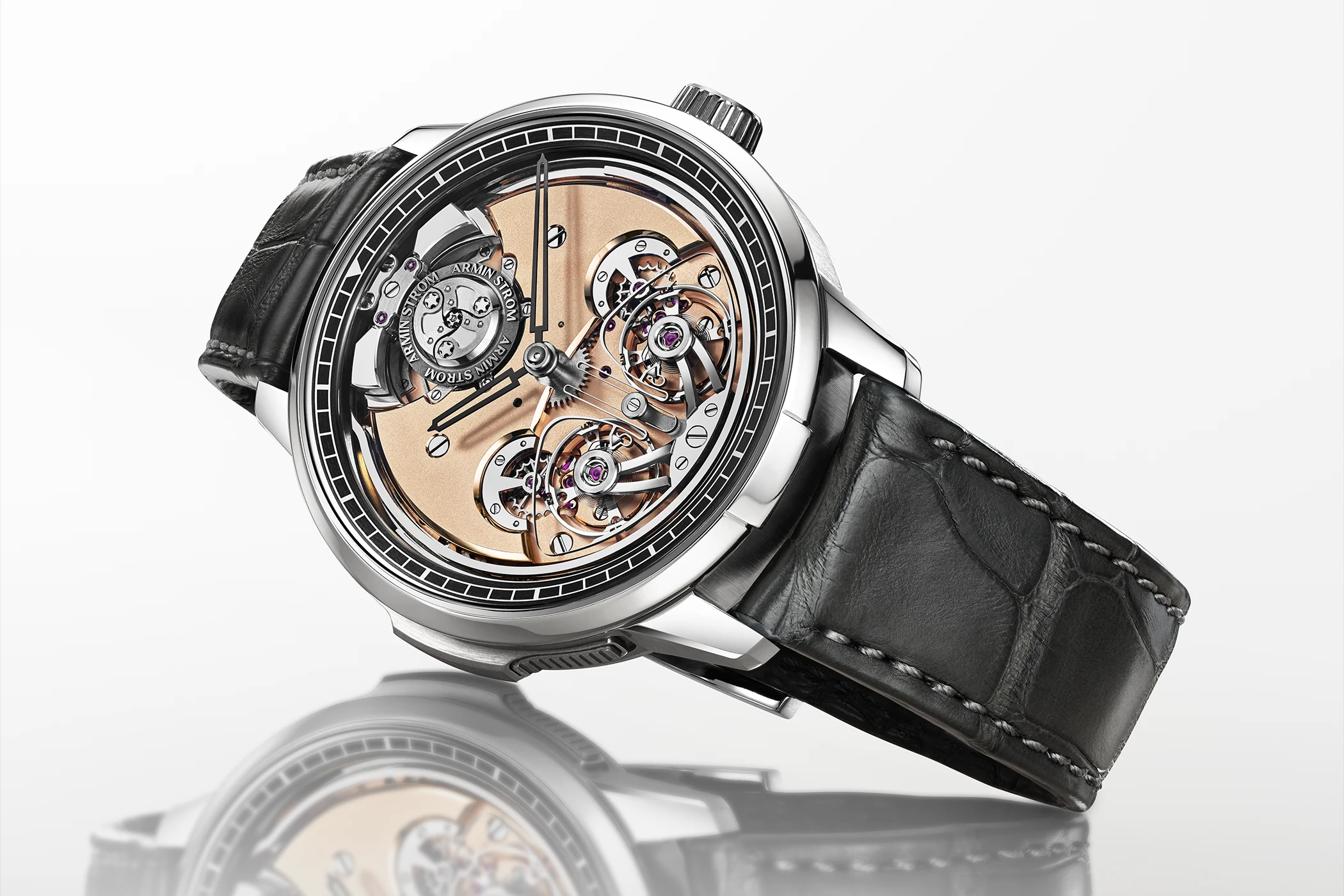
The answer lies in a functional extension of the Masterpiece 2 Minute Repeater Resonance inspiration model. Armin Strom has expanded the striking mechanism from two to four hammers and four gongs. This enables the movement to produce the full Westminster chime. The system can also distinguish between two striking modes: the classic minute repeater, which repeats the time currently displayed, and the 12:59 sequence, which can be activated at any time: 12 hours, three quarters of an hour and fourteen minutes.
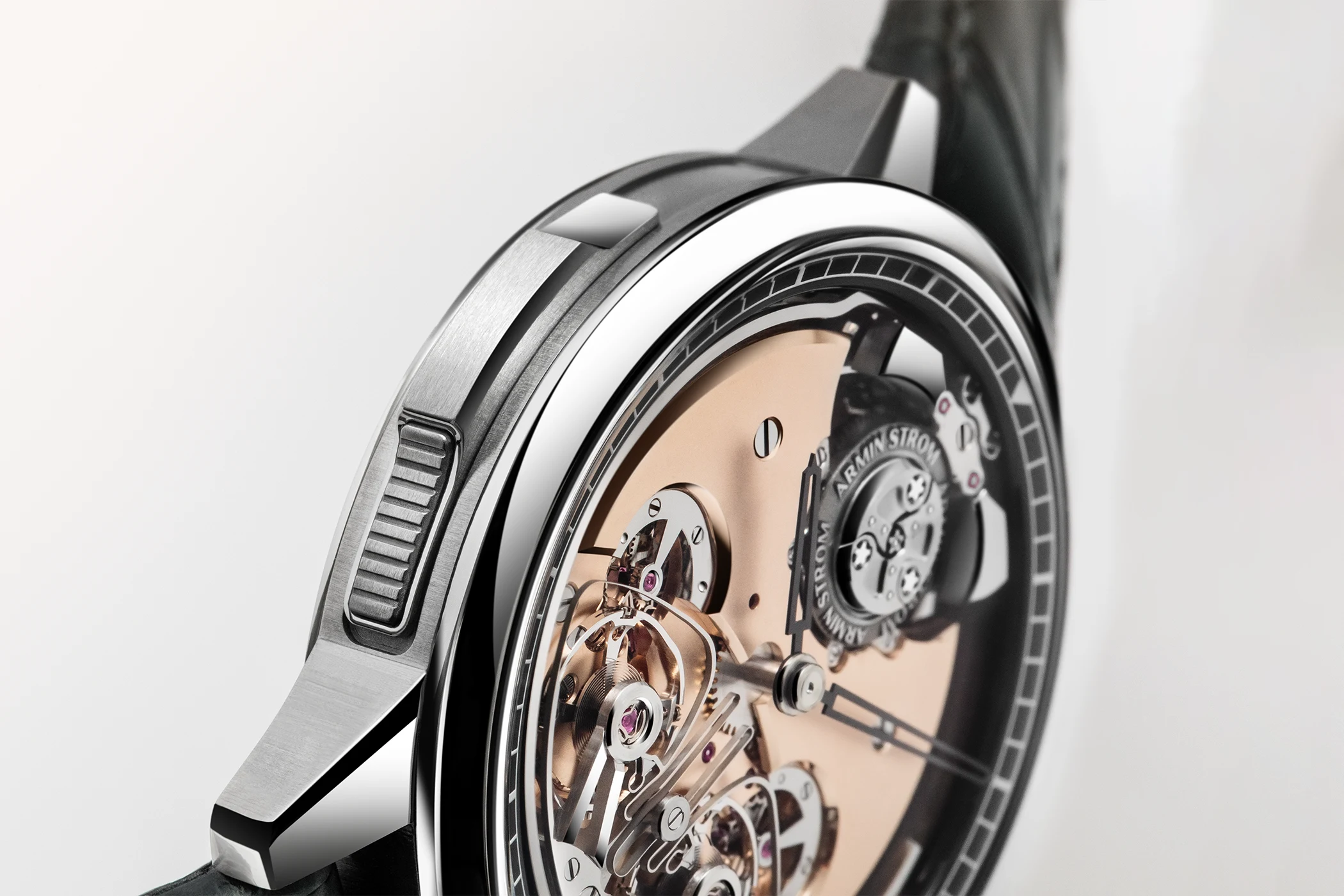
The selection is made using the slider at 9 o’clock: slide it up – when triggered, the clock strikes the time actually displayed. Slide it down – when triggered, it plays the longest possible sequence of chimes. The selected setting is shown in the tiny white-and-red display window near the centre. Technically, the switch is controlled by a column wheel.
This playful haute horlogerie complication has no purely practical use. However, one can experience the exquisite art of watchmaking embodied in the Minute Repeater Resonance 12:59 First Edition – limited to 25 pieces – in all its acoustic splendour at any time.
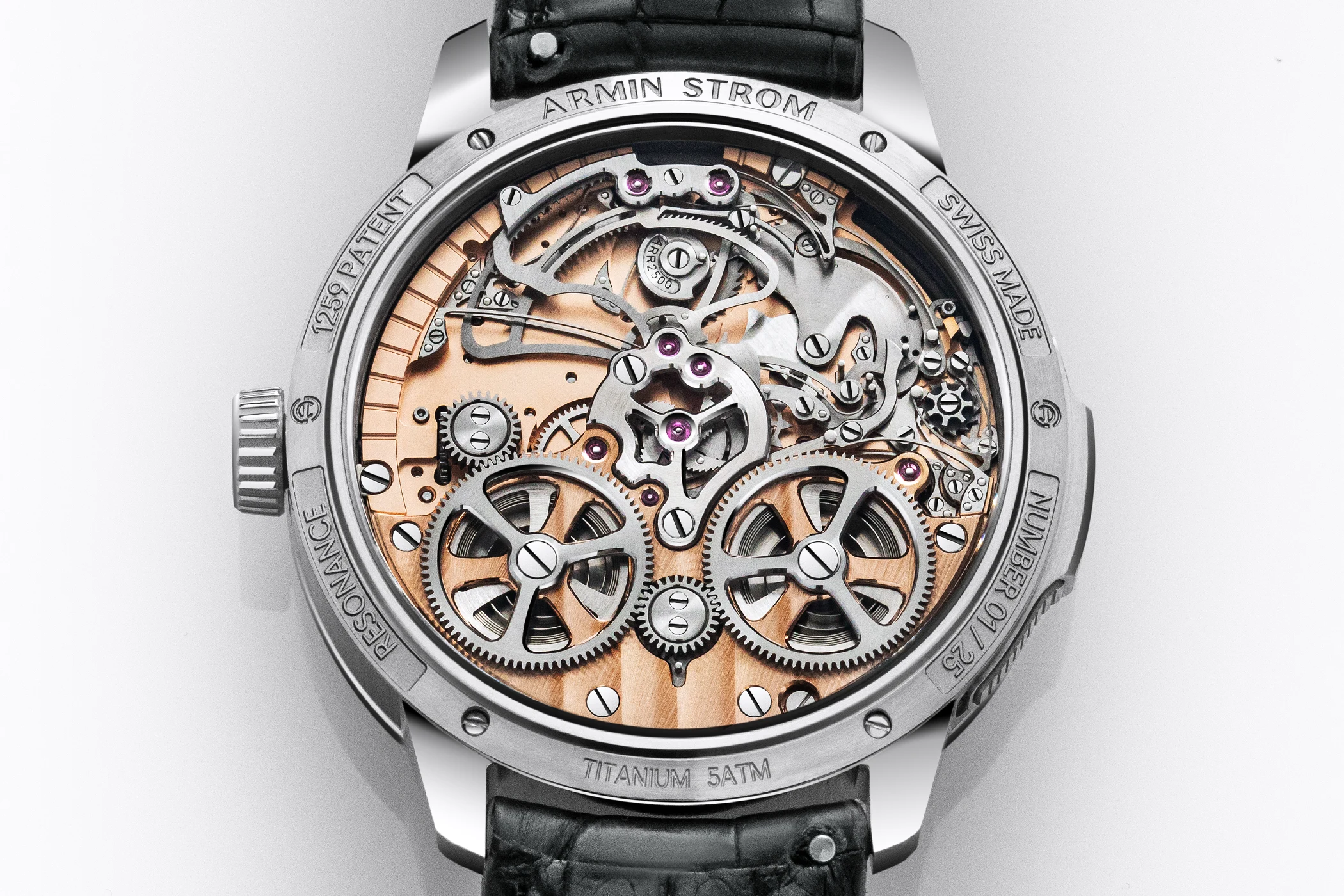
This is made possible by the newly developed ARR25 hand-wound calibre. It is based on Armin Strom’s patented resonance coupling, which synchronises two independent regulating systems – each with its own mainspring barrel, gear train, escapement and balance wheel. The in-house movement offers a power reserve of 40 hours and is protected by a titanium case (42 x 11.7 mm) that is water-resistant to up to five bar.
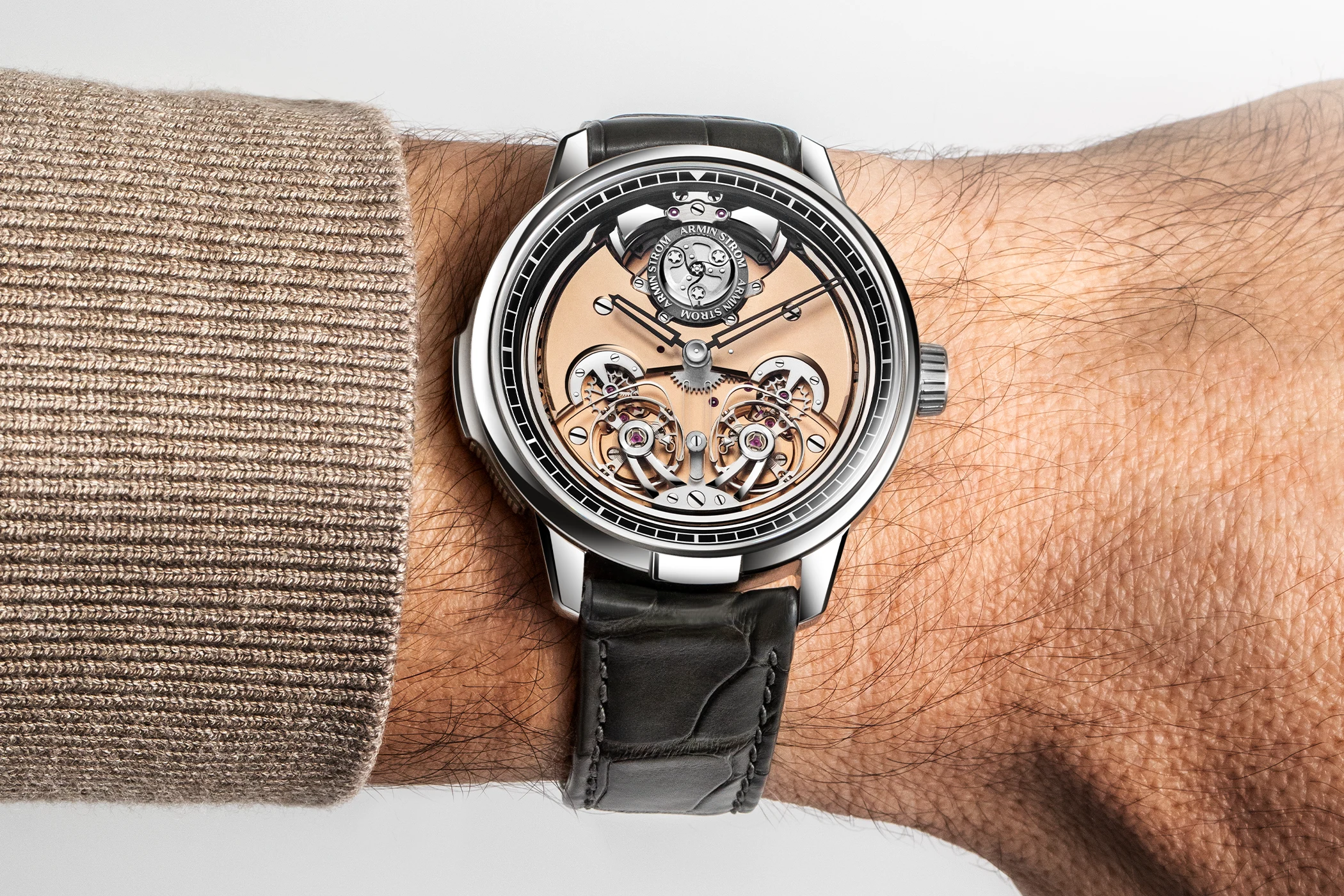
The dial reveals much of this watch’s technical sophistication. Among other features, the hammers and the centrifugal regulator bearing the ‘Armin Strom’ inscription, which ensures a constant sequence of chimes at 12 o’clock, are clearly visible. The lower half of the dial reveals the two balance wheels and the resonance coupling. Meanwhile, the hour and minute hands are arranged in a classic central layout. The price is CHF 390,000.
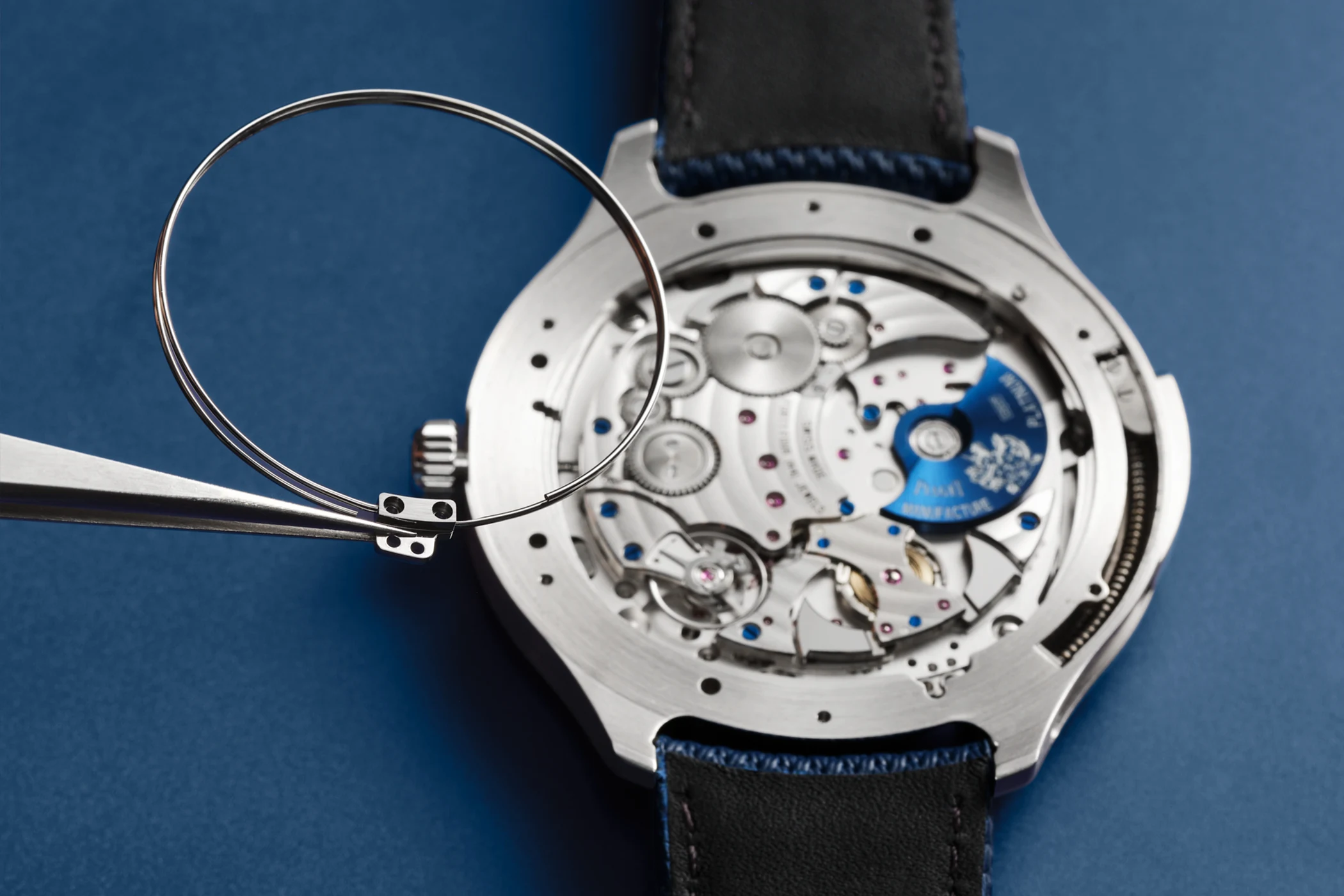
The minute repeater version is one of four new Octo Finissimo models that Bulgari unveiled at Watches & Wonders 2026. Housed in the characteristically ultra-thin, water-resistant to three bar, scaled-down case made of sandblasted titanium (37 x 6.85 mm) with an octagonal shape, the hand-wound BVL 362 calibre, featuring two hammers and gongs, ensures melodious precision.
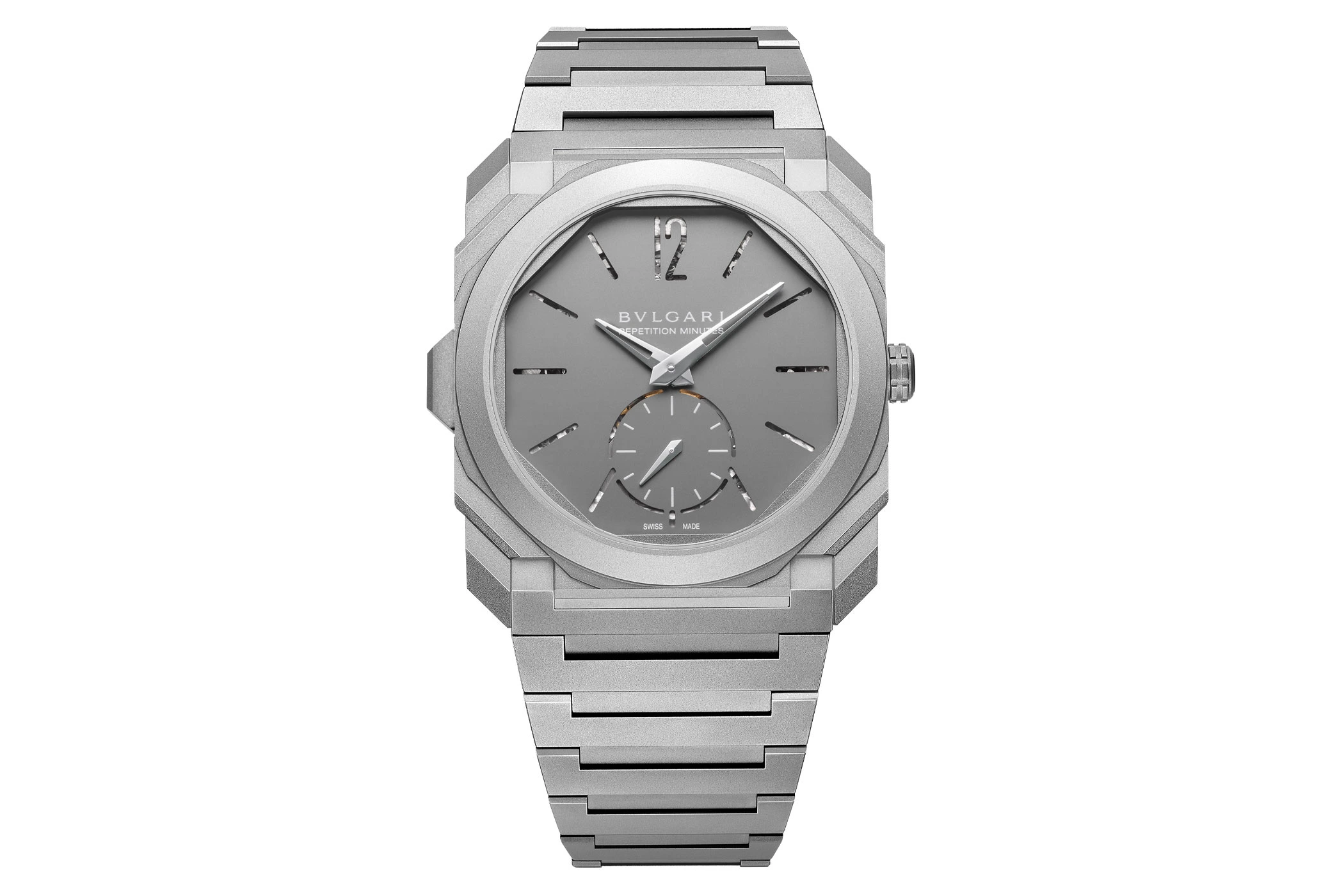
Titanium is an attractive choice for a minute repeater for more than just its light weight. It has a significantly lower density than steel, gold or platinum. As a result, less vibrational energy is ‘absorbed’ by the mass of the case, which helps to ensure a clear transmission of the sound.

The BVL 362 offers a 42-hour power reserve and is the thinnest wristwatch with a minute repeater currently available; the calibre is just 3.12 millimetres thick. It also features the classic functions of hours and minutes in the centre, and a small seconds dial at 6 o’clock. The dial is also made of titanium and features cut-out hour markers and rhodium-plated hands.
The more compact design is combined with an integrated titanium bracelet, which is attached to the case via a new screw-fastening system. The Octo Finissimo Minute Repeater Limited Edition is limited to 20 pieces and costs €195,000.
The Minute Repeater Flying Bridges combines a minute repeater and a tourbillon with an automatic winding mechanism. In the new Calibre GP9530, developed entirely in La Chaux-de-Fonds, everything revolves around one question: how can the sound of a mechanical watch be presented in the most impressive way possible?
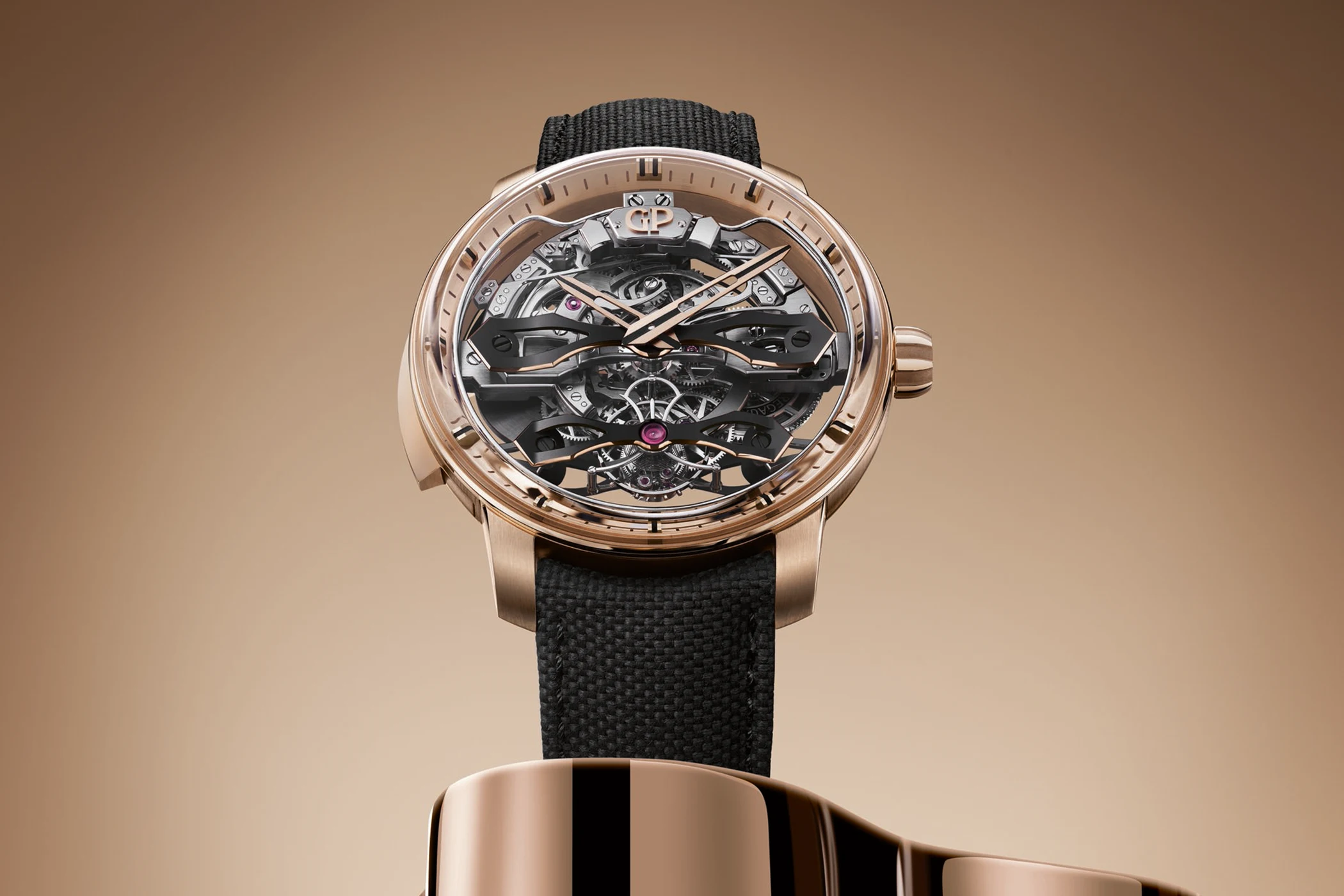
The solution starts with the materials. The mainplate and bridges are made of titanium, which transmits vibrations particularly well. The mainplate, which is screwed directly onto the 46 x 17.9-millimetre rose gold case – which is water-resistant to three bar – transmits the vibrations with virtually no loss. The hammers and tuning forks are positioned on the dial side and can radiate the sound directly from there.
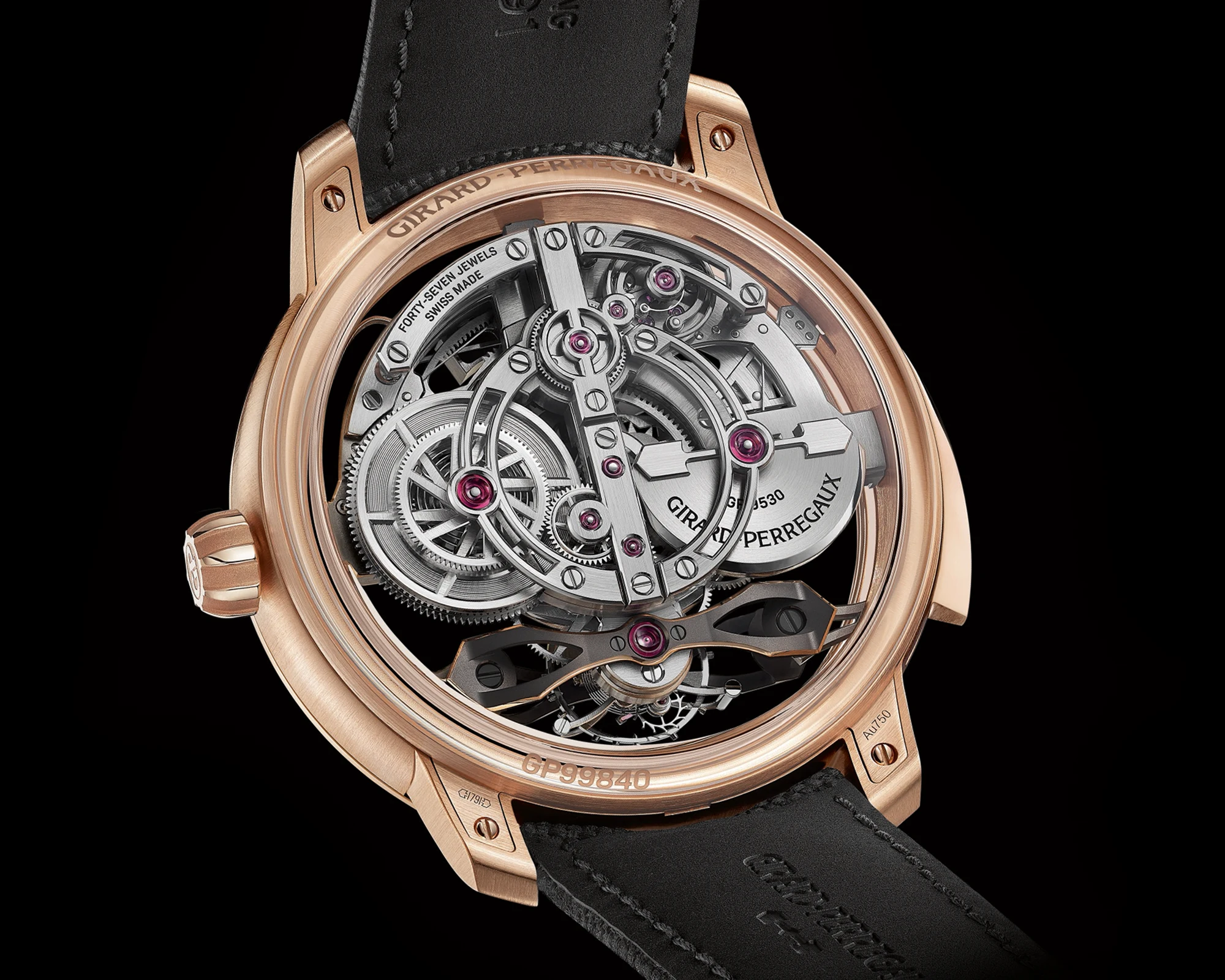
The tone springs and acoustic chamber are crafted from a single piece of hardened and tempered steel, which allows for particularly direct sound transmission through the movement into the case. Even the centrifugal regulator is positioned on the back, ensuring that the sound is allowed to unfold as unimpeded as possible.
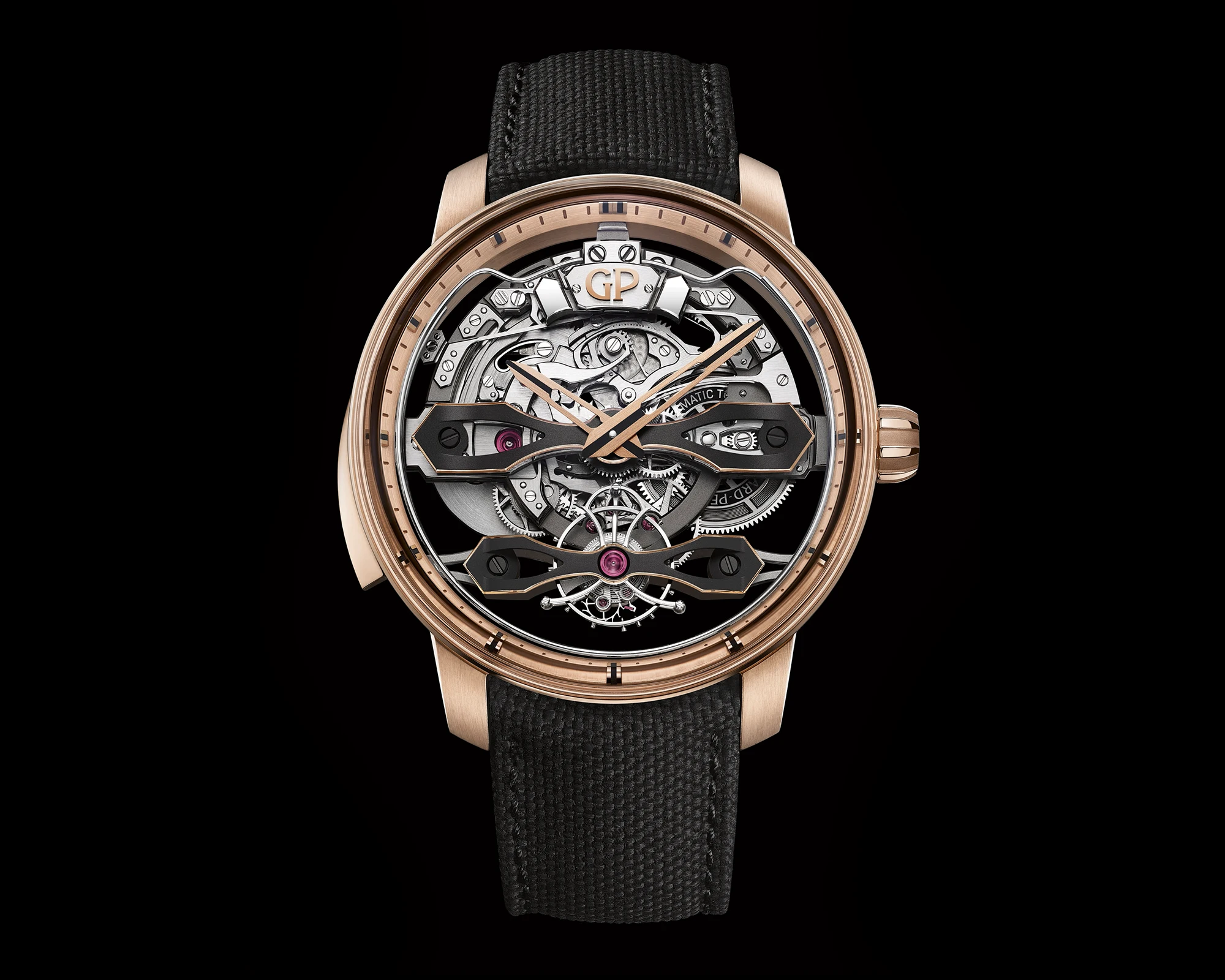
This marks a first for Girard-Perregaux: an automatic winding mechanism combined with a minute repeater. A solid white gold micro-rotor is mounted on a jewel rather than a ball bearing, enabling it to operate almost silently. It provides energy for a 60-hour power reserve and powers the displays for hours, minutes and the small seconds on the tourbillon cage. The price is €579,000.
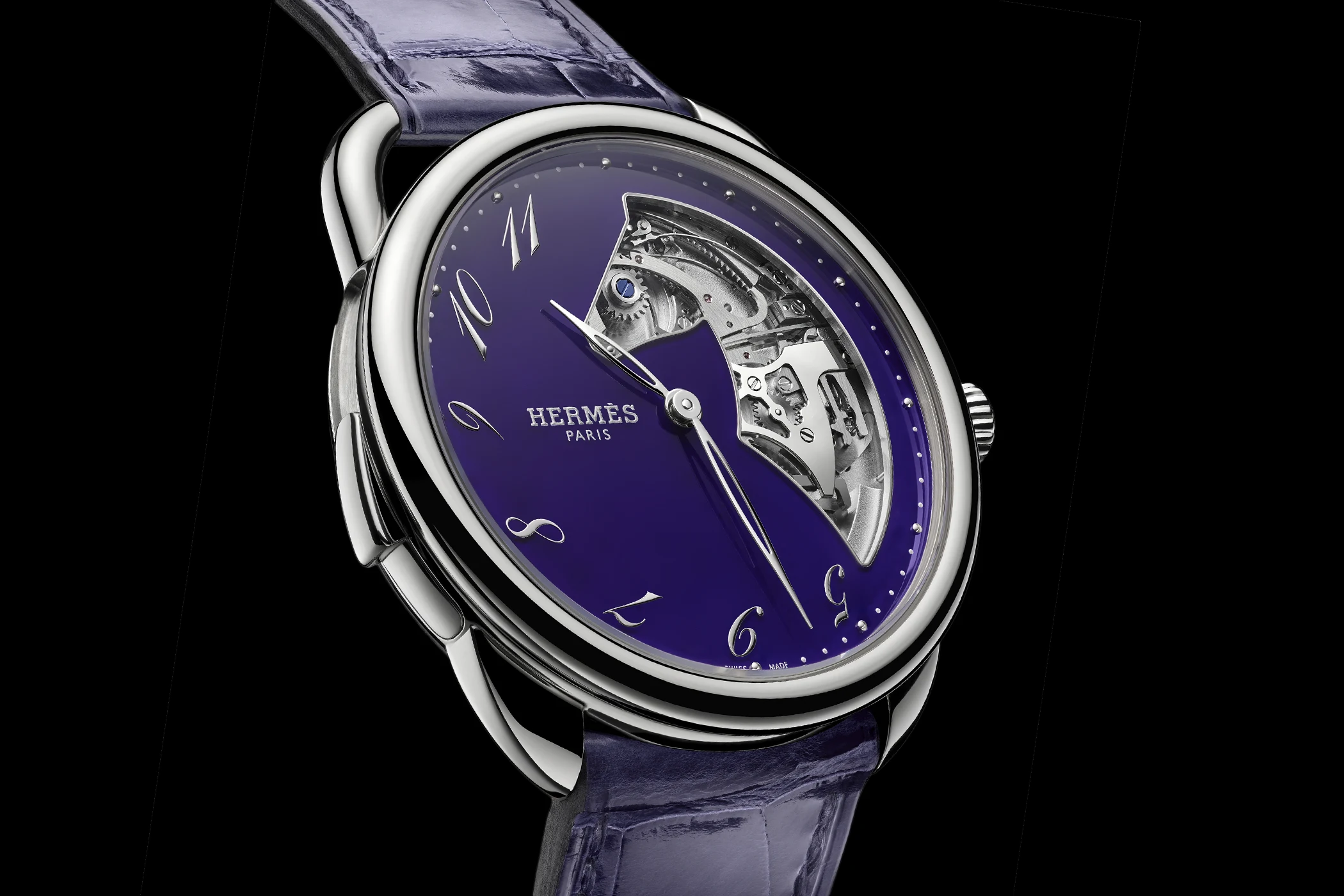
With the new Arceau Samarcande Minute Repeater, Hermès combines the minute repeater with a motif deeply rooted in the brand’s history: the horse.
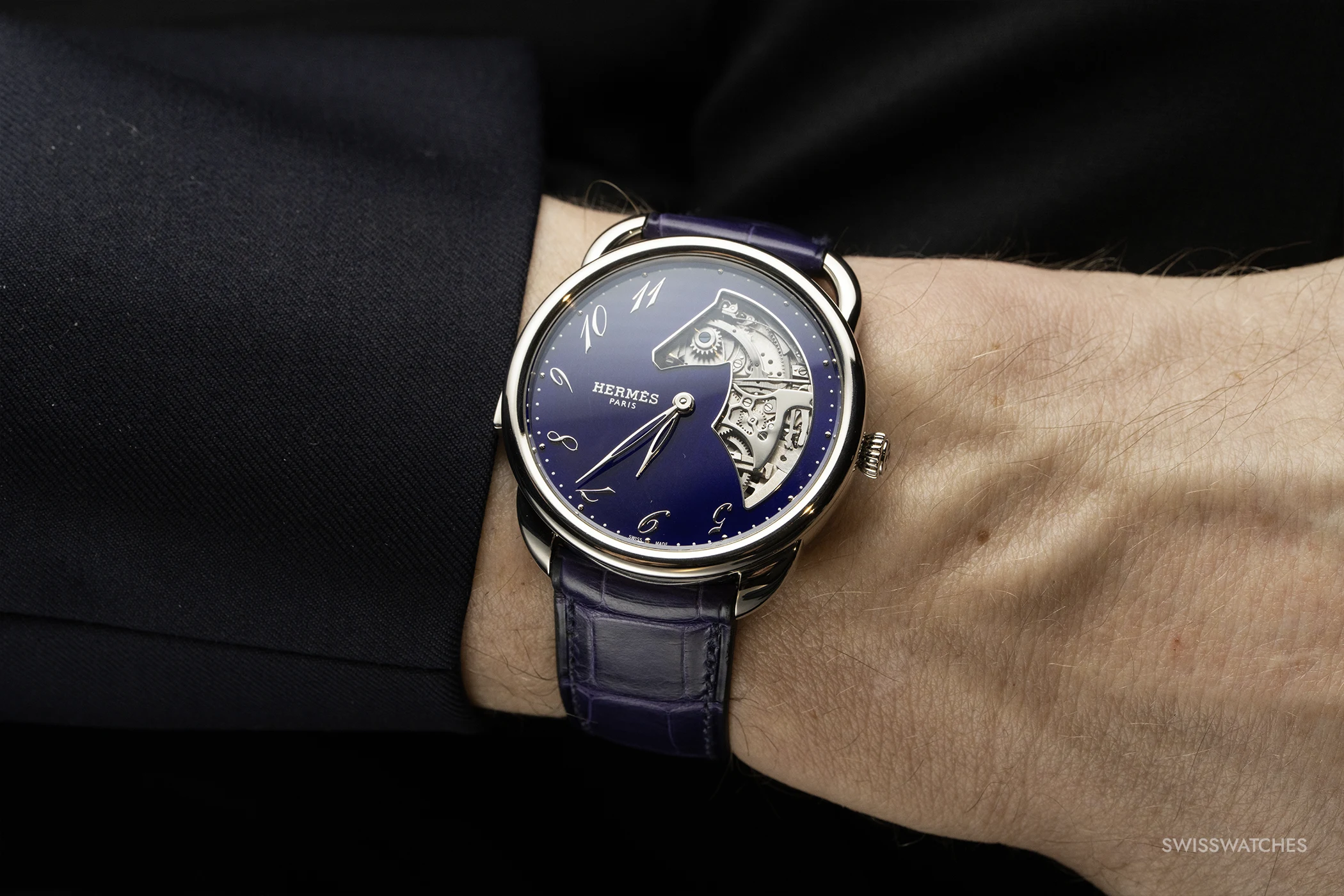
Designed by Henri d’Origny in 1978, the Arceau remains instantly recognisable to this day thanks to its round case and asymmetrical lugs, which are reminiscent of stirrups. With the Arceau Samarcande, this connection becomes even clearer: the blue or white crystal dial is created in collaboration with Cristallerie Saint-Louis, part of the Hermès group. A horse’s head is incorporated into the crystal surface, with the cut-out revealing the skeletonised movement.
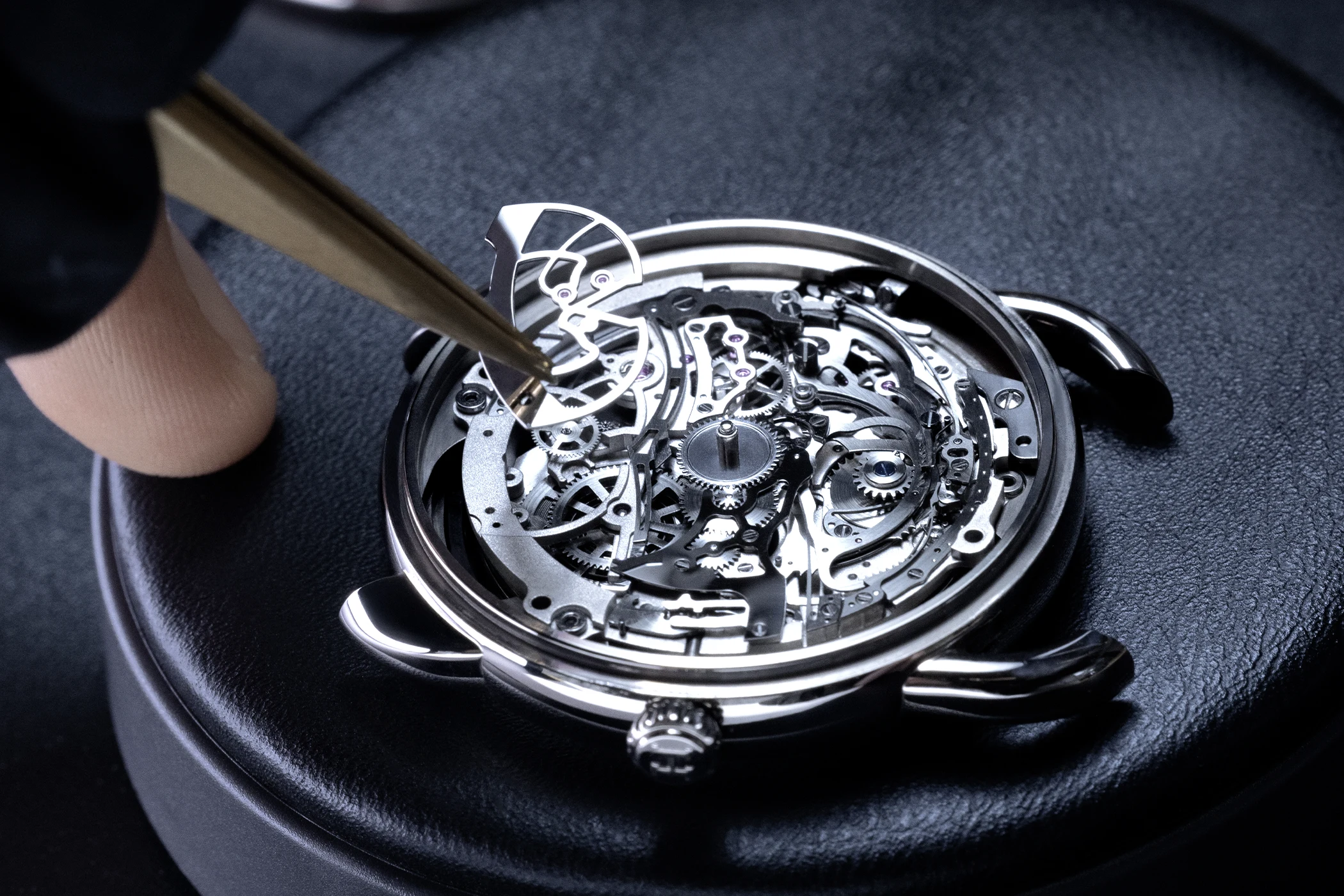
Inside, the new automatic calibre H1927 features a micro-rotor and a 48-hour power reserve. It is developed and manufactured exclusively for Hermès. It is housed in a 38-millimetre case in white or rose gold – with or without diamond setting – which is water-resistant to three bar. The sapphire crystal caseback offers a view of the movement, the hammers and the micro-rotor. The latter features the Duc attelé motif – a horse-drawn carriage – which is characteristic of Hermès. The Arceau Samarcande Minute Repeater is available from €280,000.
The design of the Master Hybris Mechanica Ultra Thin Minute Repeater Tourbillon, limited to ten pieces, focused on the efficient use of space. The result is a 41.4-millimetre rose gold case, water-resistant to three bar, with a height of just 8.25 millimetres. Whilst this makes it taller than the Octo Finissimo with chime, it is flatter than most other minute repeaters. Furthermore, the automatic Calibre 362 features a flying tourbillon. With this combination, it is the world’s flattest watch of its kind.
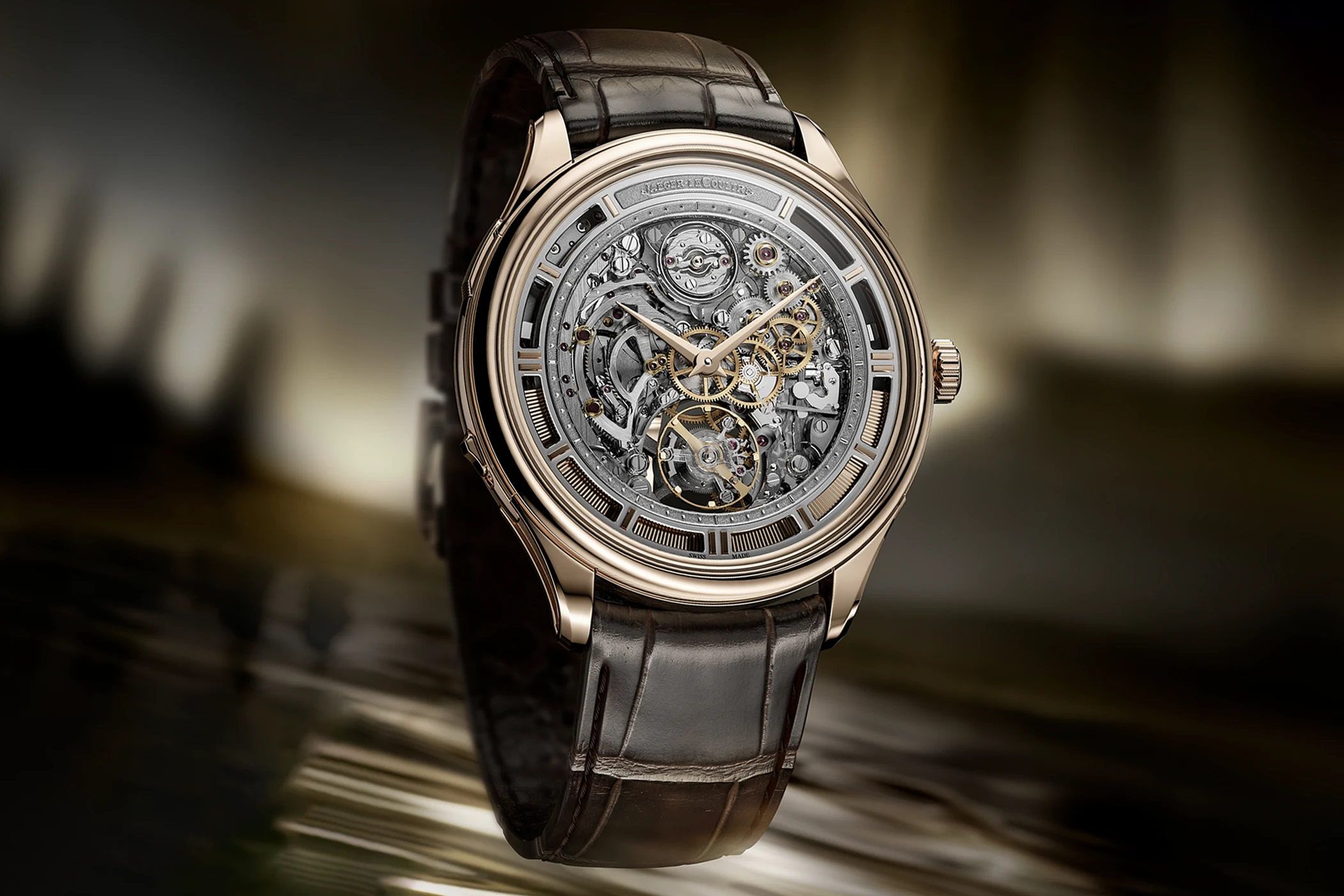
The decisive factor here was not so much the miniaturisation of individual components as their arrangement. The minute repeater is integrated into the design rather than being built upon a base movement. The winding mechanism also follows this logic: a peripheral rotor moves along the edge of the calibre, which has a 42-hour power reserve, and requires no additional level above the movement.
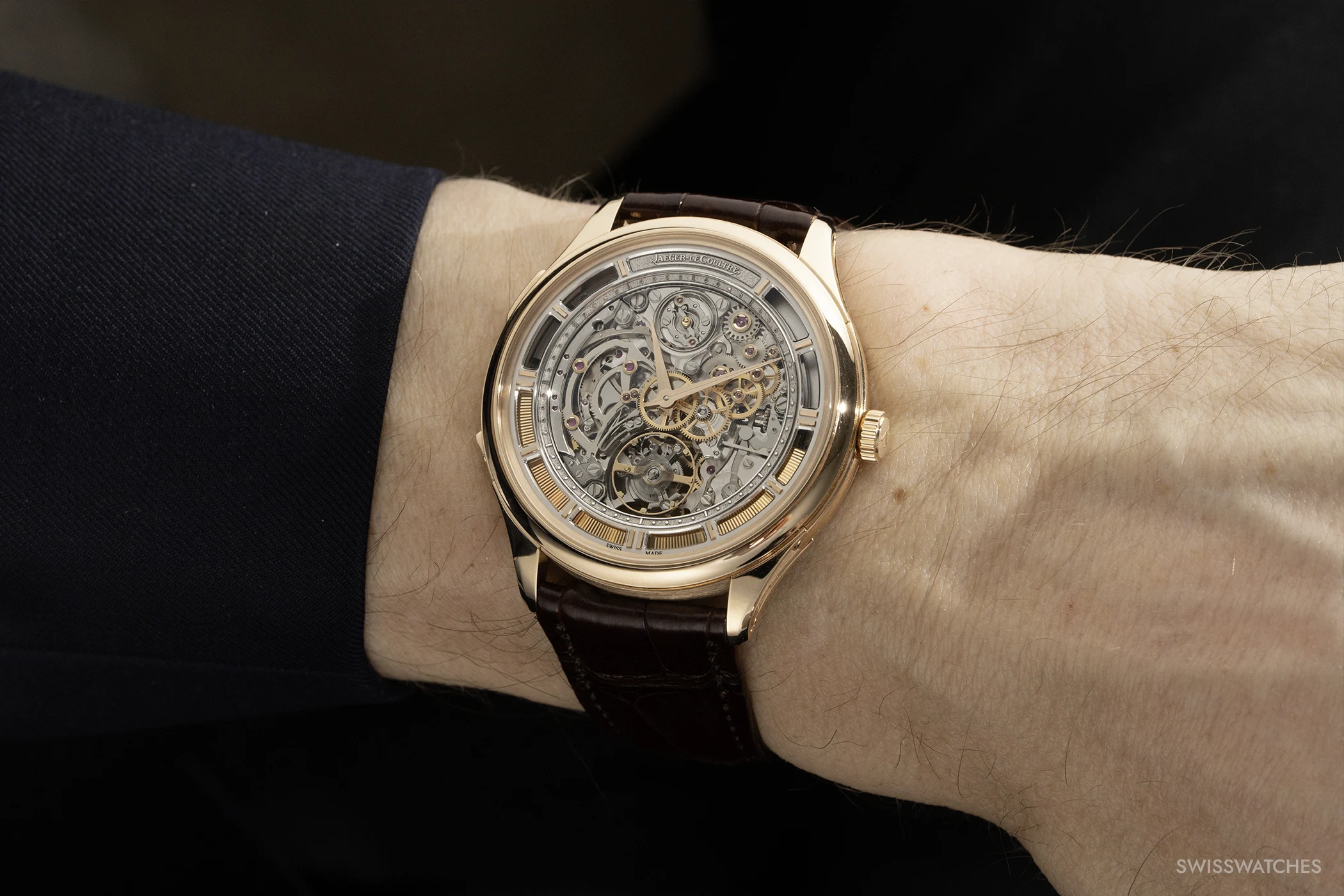
Around a third of the movement’s volume is taken up by the striking mechanism. The 187 components of the minute repeater are arranged in such a way that no additional movement level is created. One-piece gongs with a square profile and trebuchet hammers ensure the acoustic function. Due to their articulated design, the latter are reminiscent of the principle of a catapult and strike the gongs with precision and power.
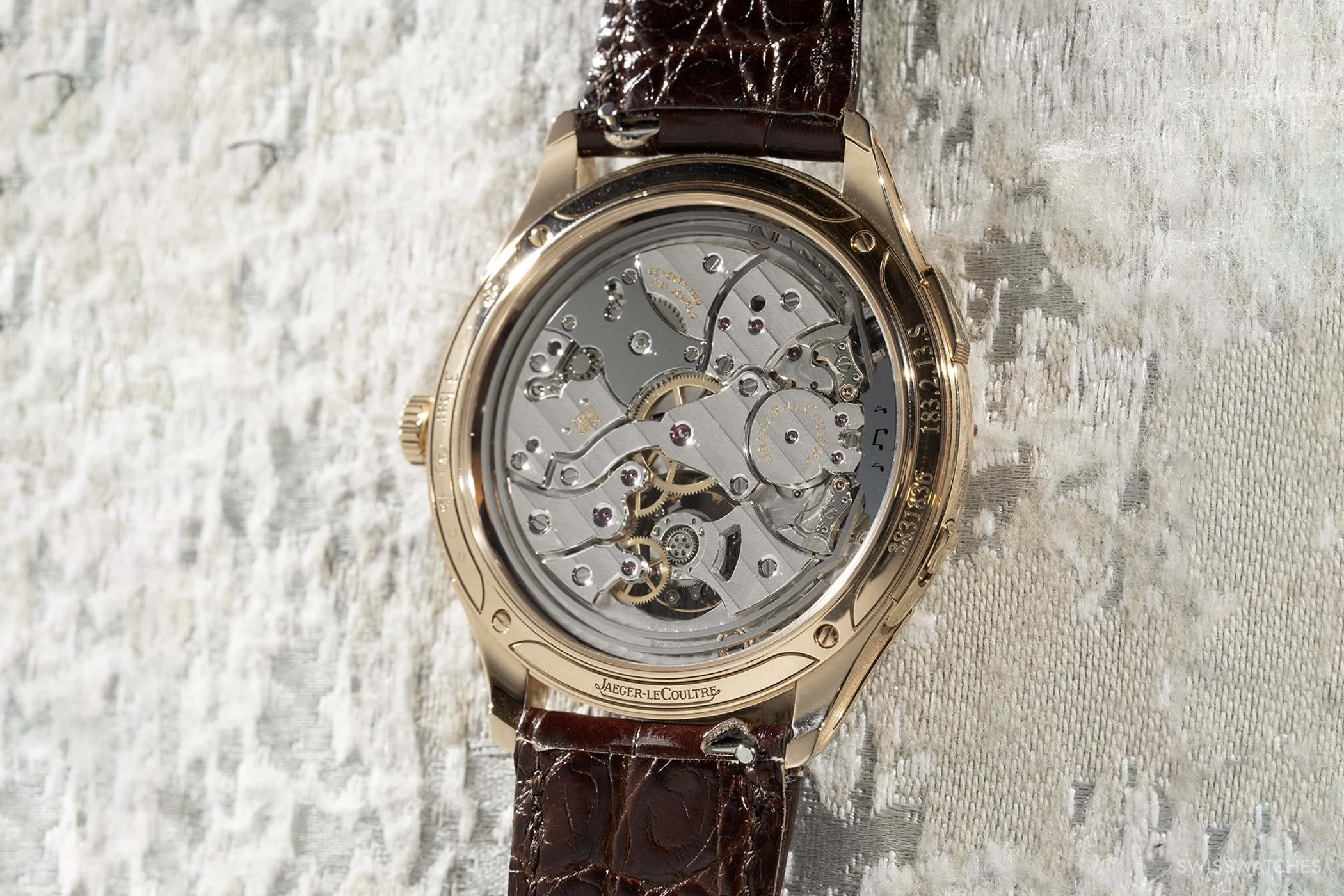
Thanks to the watch’s high level of transparency, the entire minute repeater mechanism is visible, from the silence regulator to the snail cams and hammers. The silence regulator has a specific function: it shortens the pause between the hour and minute strikes when no quarter-hour is being struck. At 3.07, for example, the watch first strikes three times for the hours and then seven times for the minutes. The silence regulator bypasses the quarter-hour mechanism, which is not required, and ensures a smoother transition.
The Master Hybris Mechanica Ultra Thin Minute Repeater Tourbillon costs €765,000.
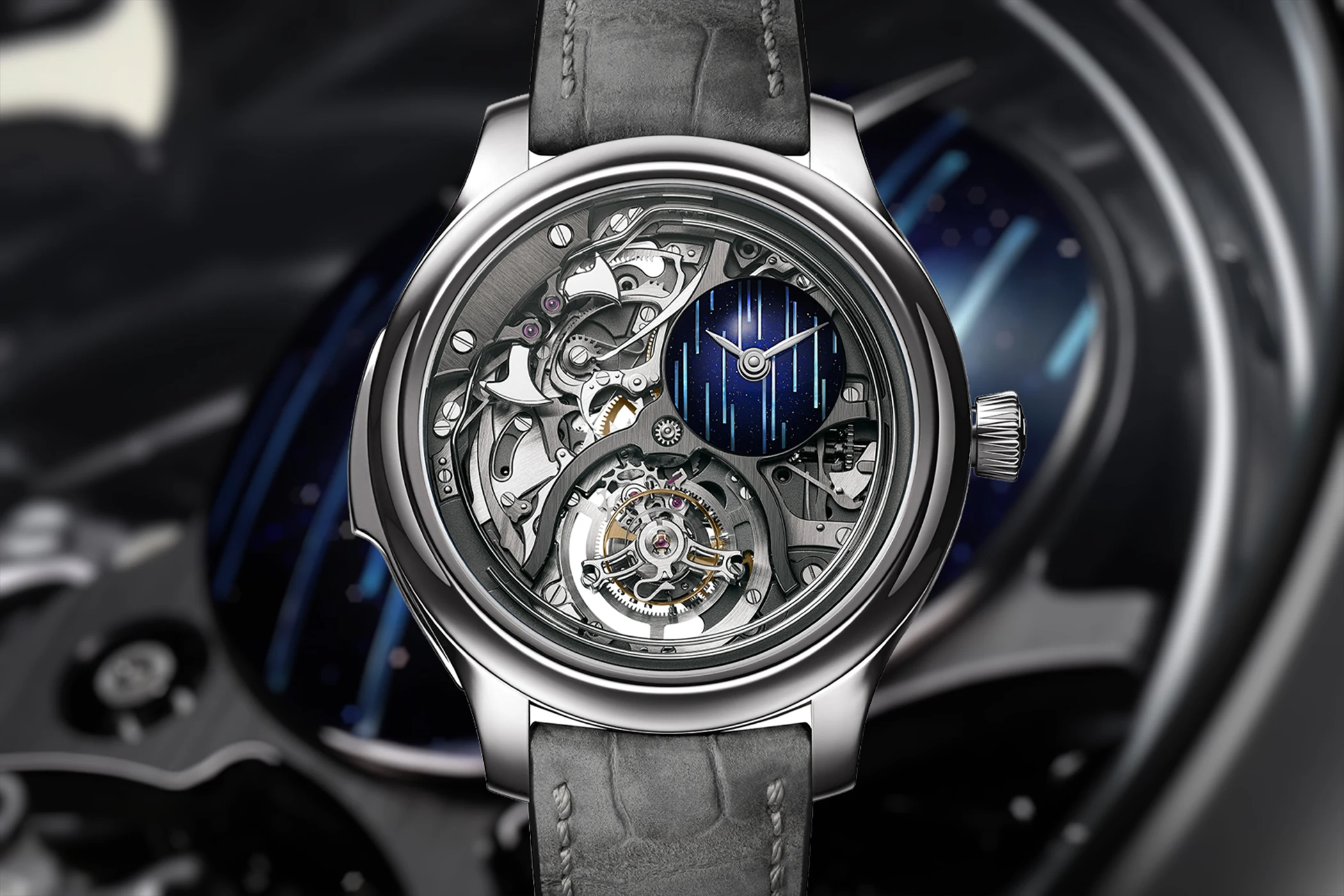
For the Endeavour Minute Repeater Cylindrical Tourbillon Skeleton Cosmic Rain, the Schaffhausen-based manufacturer has devised an exceptionally long name for a timepiece with a melodious sound. And this name reveals a great deal about the model, which is limited to 20 pieces.
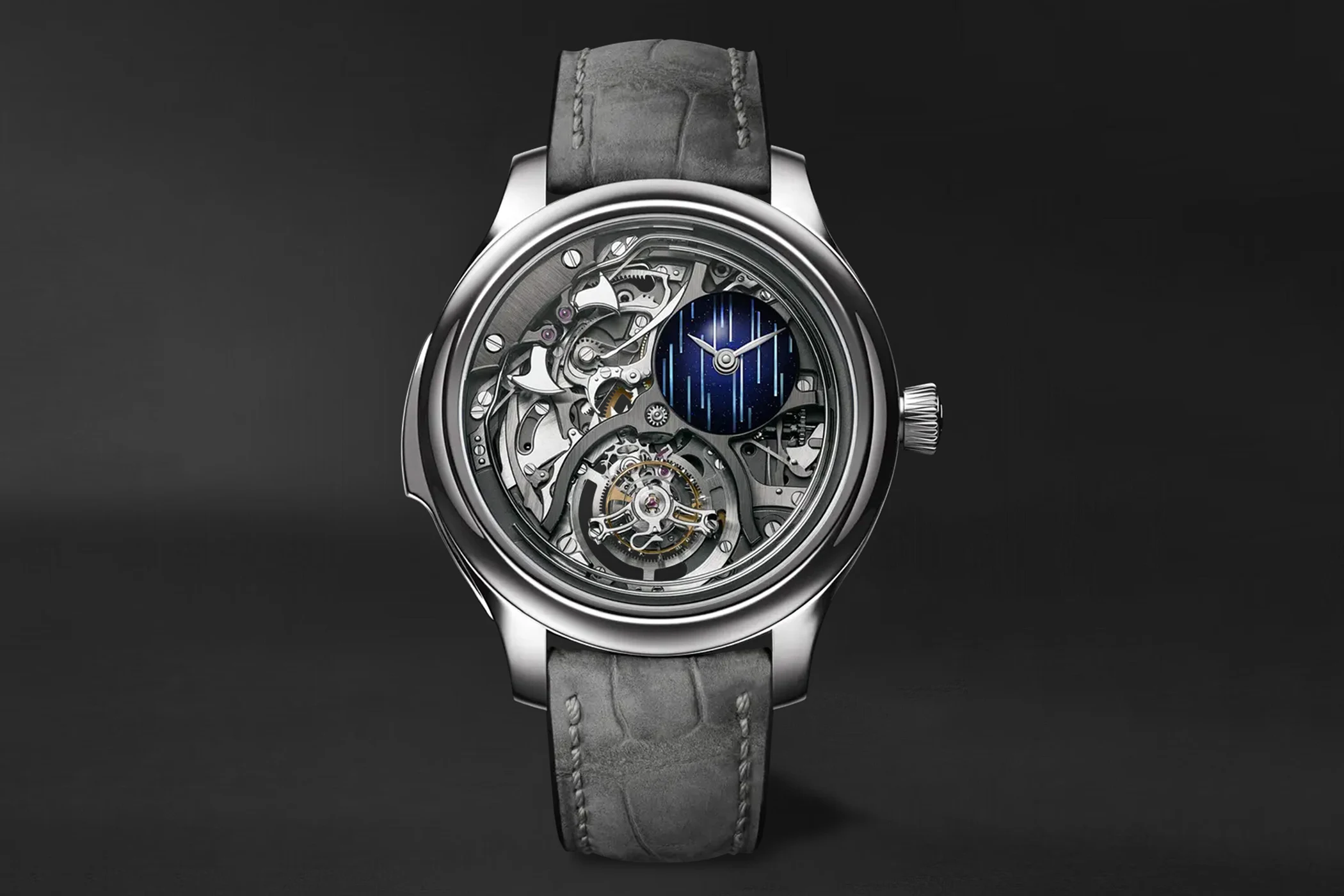
Featuring a 40 x 14.4-millimetre titanium case that is water-resistant to three bar, the watch combines a minute repeater positioned on the dial side, a flying tourbillon with a cylindrical balance spring, and a fully skeletonised hand-wound movement. At 2 o’clock, the miniature aventurine dial for the hours and minutes, featuring delicate mother-of-pearl inlays and a fumé colour gradient, adds an artistic touch.
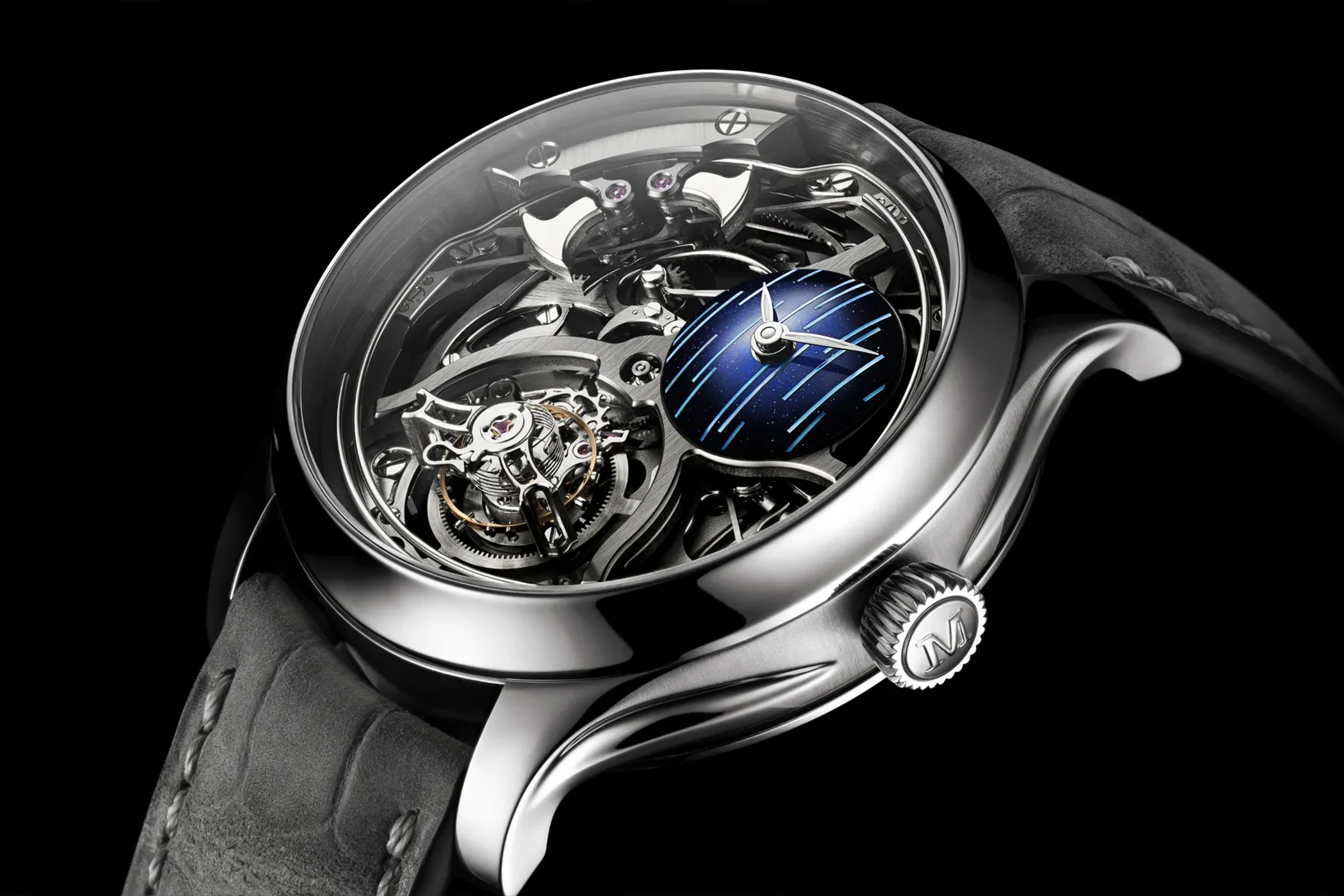
The Endeavour Minute Repeater Cylindrical Tourbillon Skeleton Cosmic Rain is powered by the fully skeletonised in-house calibre HMC 909, which is hand-wound and boasts an impressive 90-hour power reserve. The gongs are integrated on a single plane, which demands the utmost precision in shaping, aligning and tuning them. The price is CHF 378,350.
The new Calatrava (Reference 7047G-001) features a 38 x 10.24-millimetre white gold case and a navy blue dial with orange accents and a carbon-fibre pattern in the centre. The latter lends a surprisingly sporty and modern feel to such a traditional complication as the minute repeater.
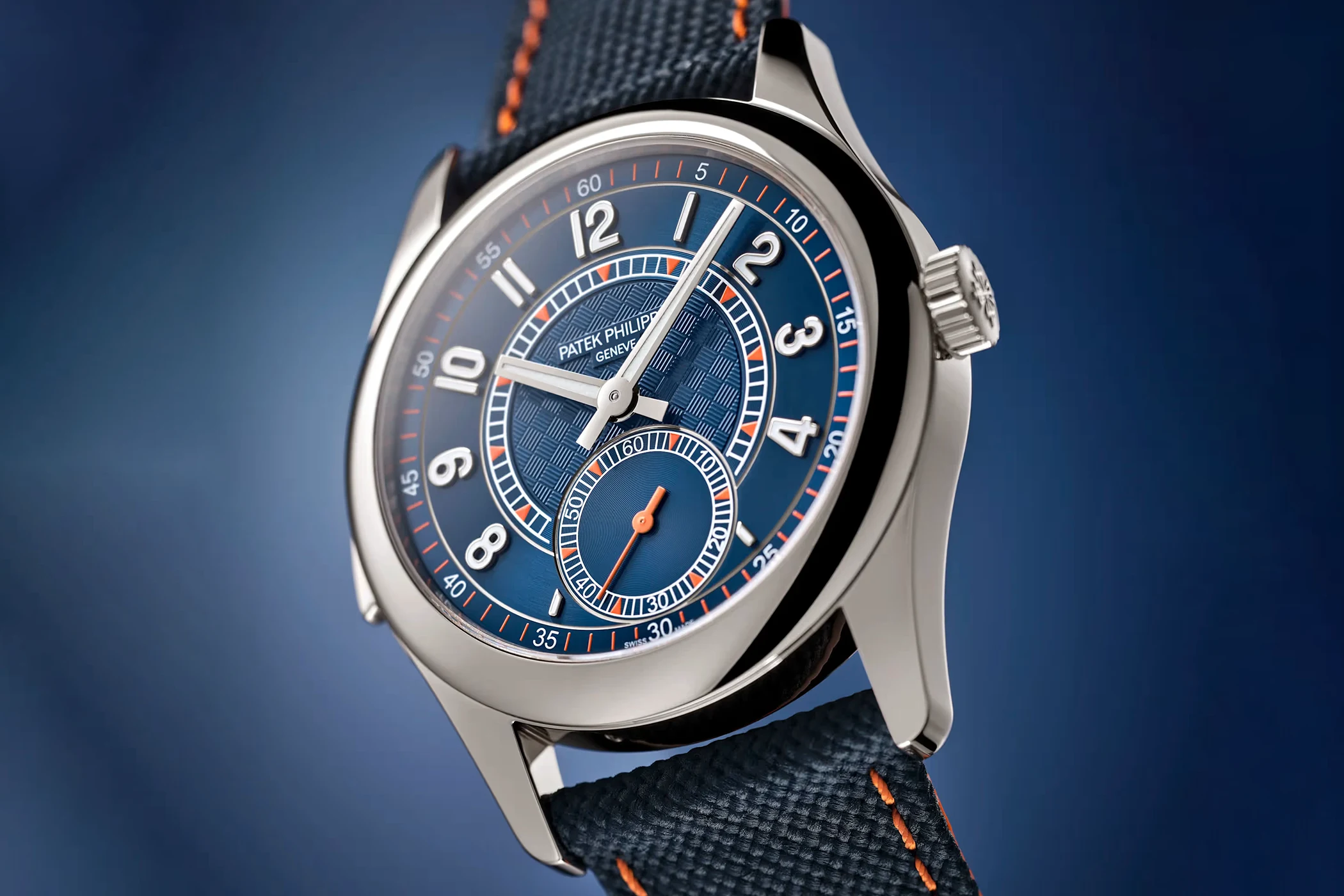
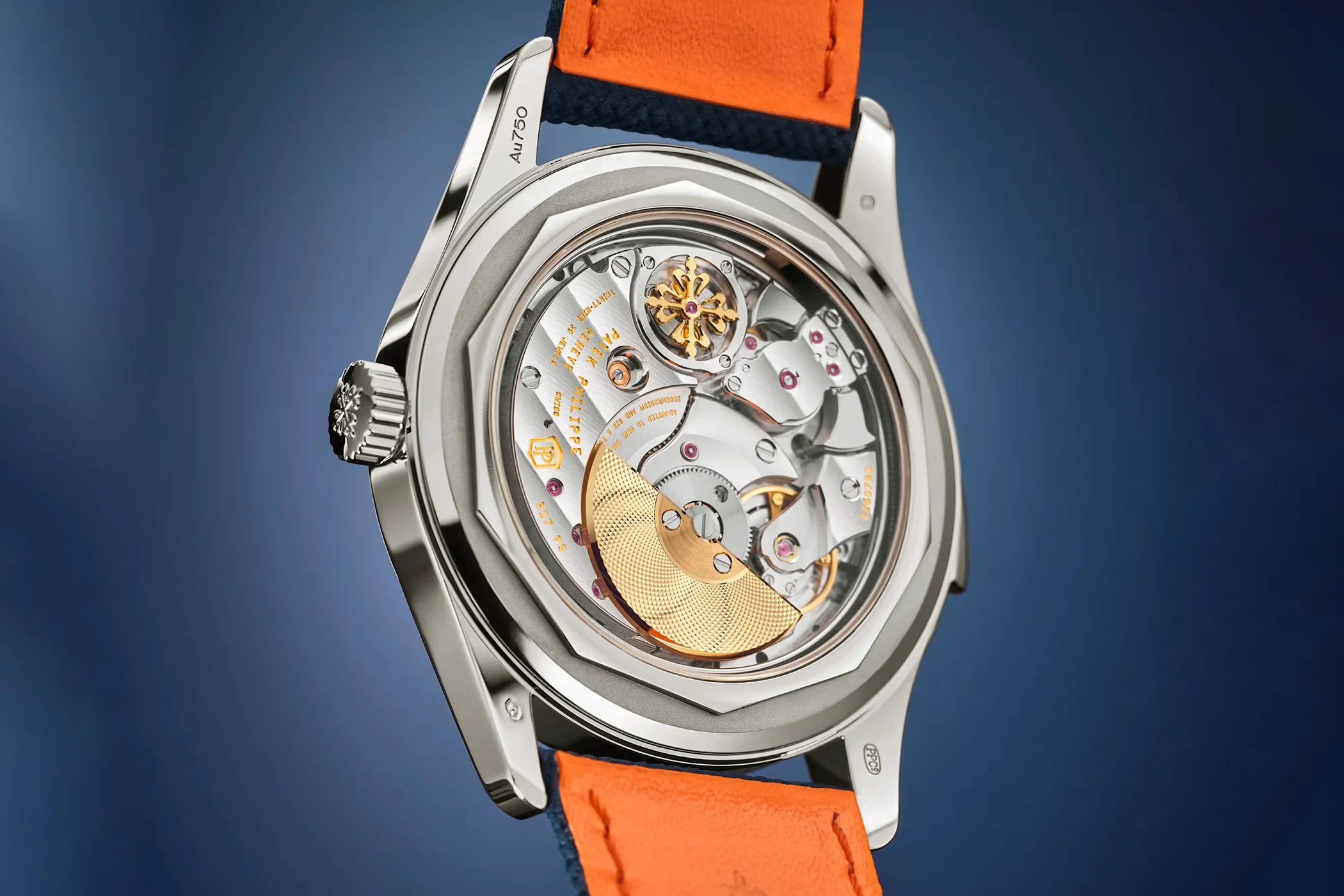
Behind this façade lies the flat automatic calibre R 27 PS, featuring two classic gongs, a guilloché gold mini-rotor and a power reserve of up to 48 hours. It can be viewed through the sapphire crystal case back. In addition to the melodious minute repeater, it offers hour, minute and small seconds functions. The reference 7047G-001 requires particular care, as whilst the case is protected against dust and moisture, it is not water-resistant. The chiming Calatrava costs €515,654.
To mark its 30th anniversary, Parmigiani Fleurier is presenting the Carillon Tourbillon, limited to five pieces – a tribute to founder Michel Parmigiani and, at the same time, to the brand’s tradition and minimalist design language.
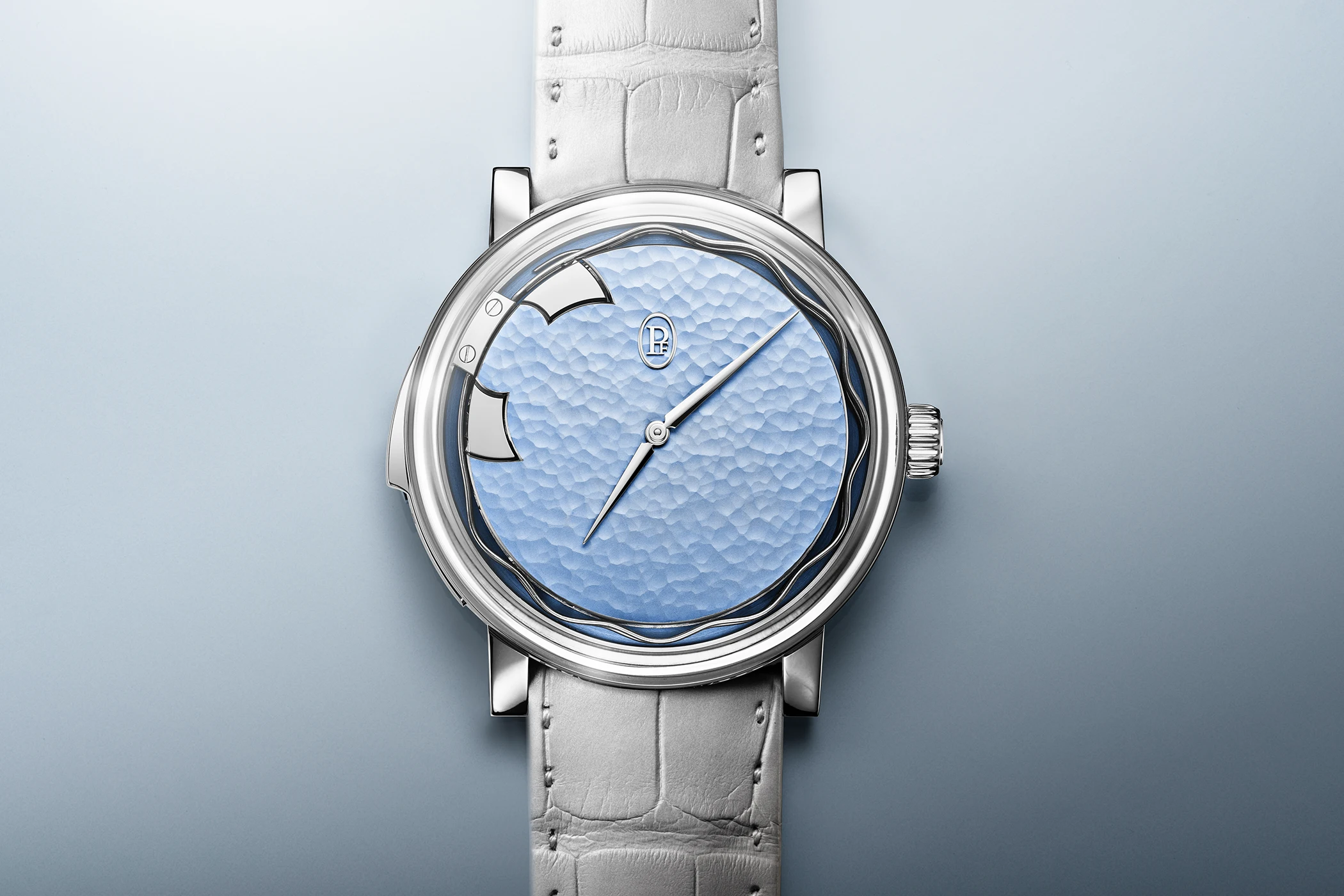
The design was inspired by a pocket watch by Perrin Frères from the early 19th century, which was restored in 2000 at the Parmigiani Fleurier workshops. Its serpentine-shaped clay springs now take the form of contemporary waves, visibly encircling the dial, serving as hour markers and producing a particularly nuanced sound.
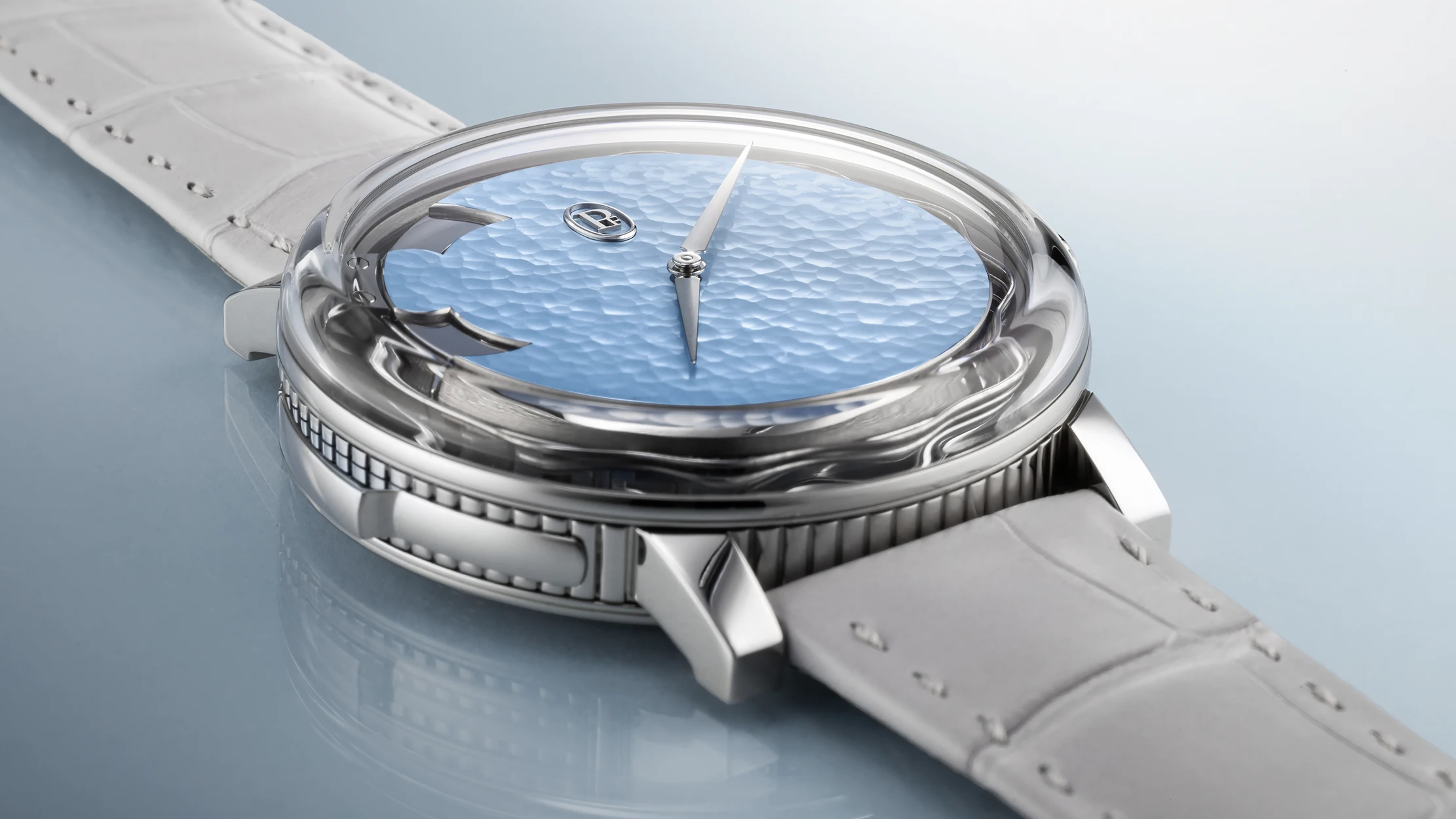
The 41.6 x 12.6-millimetre white gold case, water-resistant to 1 bar, is complemented by a hand-hammered dial in Morning Blue. The hammers and the hour and minute hands are visible on the front, whilst the tourbillon and power reserve can be viewed through the sapphire crystal caseback.
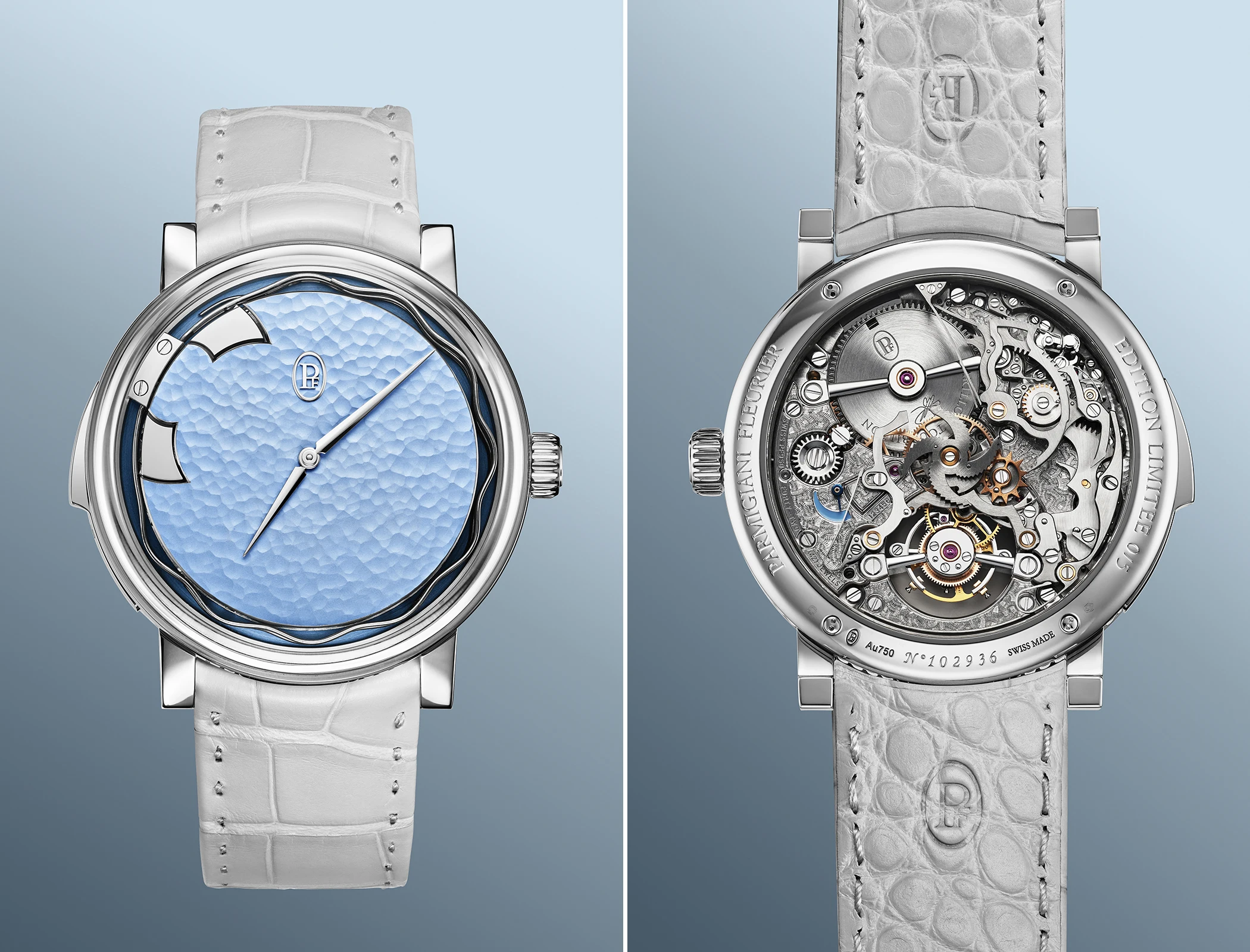
Inside, the in-house calibre PF950, comprising 456 components, is at work. Two mainsprings power the movement, providing a generous power reserve of twelve days. A third mainspring is dedicated exclusively to the striking mechanism and is automatically wound when the minute repeater is activated. The Carillon Tourbillon is priced at CHF 490,000.
It is well known that the pursuit of slimness is part of Piaget’s DNA. Back in 2013, the manufacture presented the Polo Emperador Coussin – at the time, one of the world’s slimmest watches featuring automatic winding and a minute repeater. The new Polo Minute Repeater also boasts a case thickness of just 9.3 millimetres, combined with a diameter of 48 millimetres.
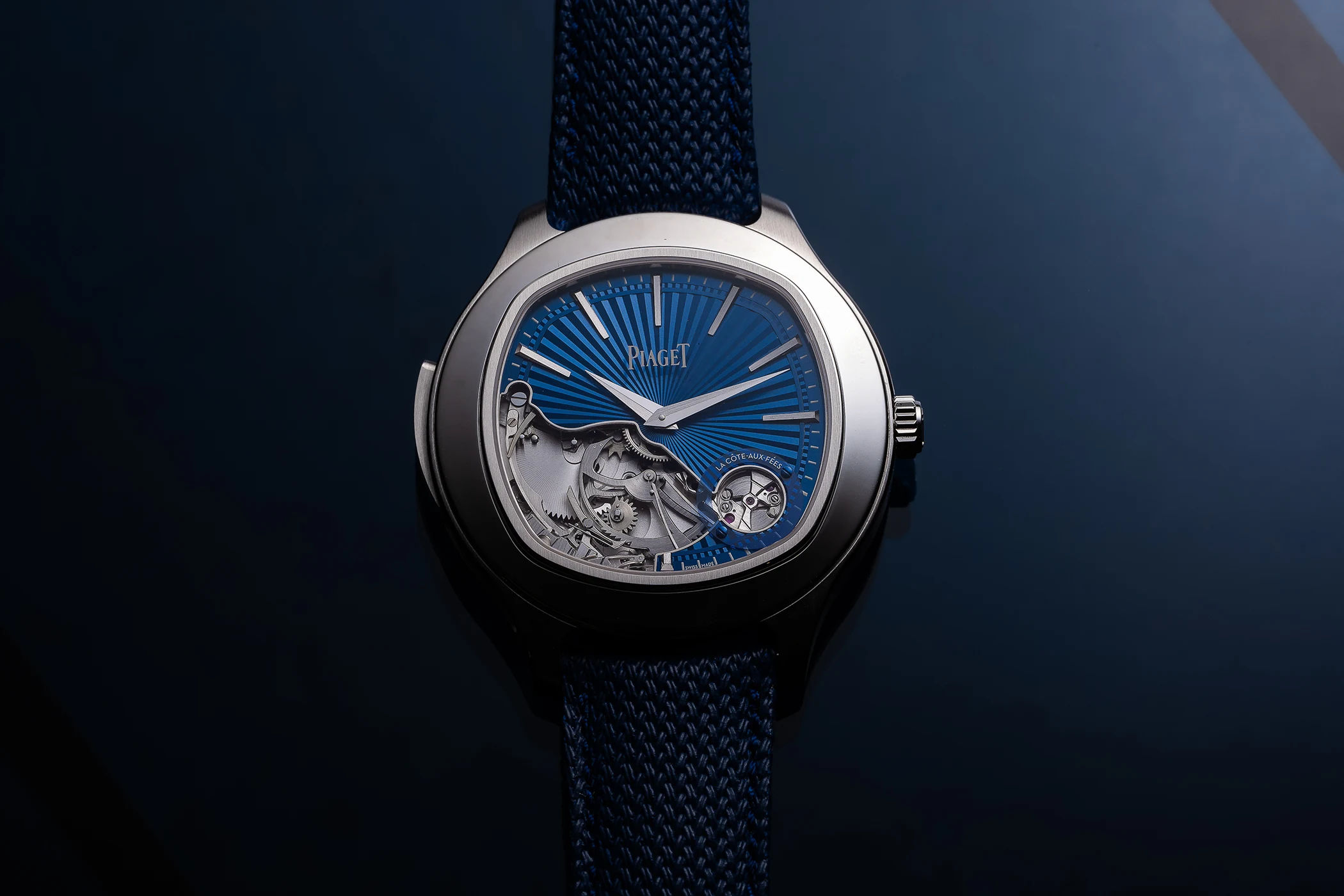
The white gold case, water-resistant to three bar, houses the in-house calibre 1290P with automatic winding, a platinum micro-rotor and a power reserve of around 40 hours. At 64 decibels, the repeater’s chime is powerful and has a long reverberation. The hours are struck in G sharp, the minutes in A sharp; together they form the double tone for the quarter hours.
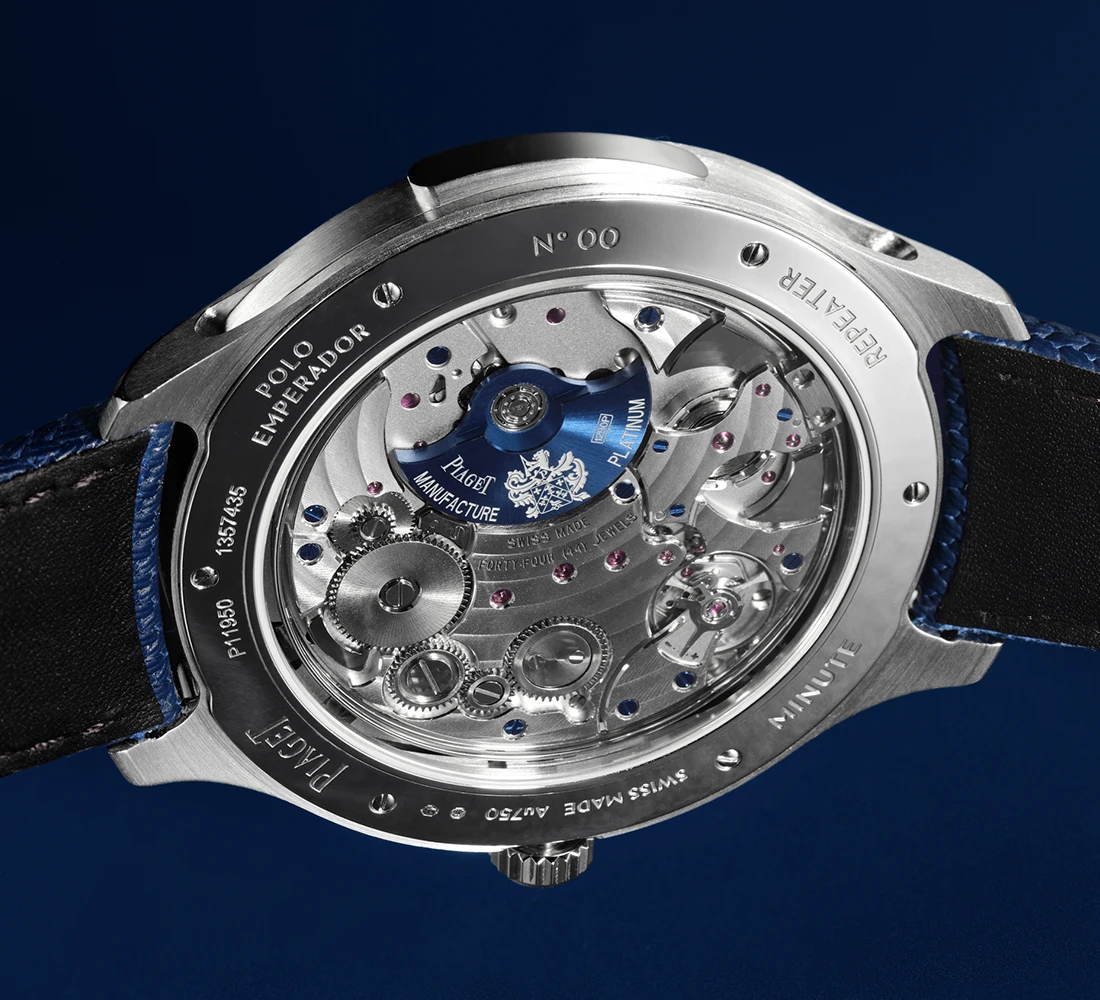
The blue PVD-coated, hand-guilloché gold dial is partially open-worked, revealing the hammers, levers and wheels of the minute repeater. A smoky blue sapphire ring at four to five o’clock frames the striking mechanism’s regulator. It takes around 50 hours to craft a single dial. This year, only five examples of the Polo Minute Repeater will be produced; it costs €417,000.
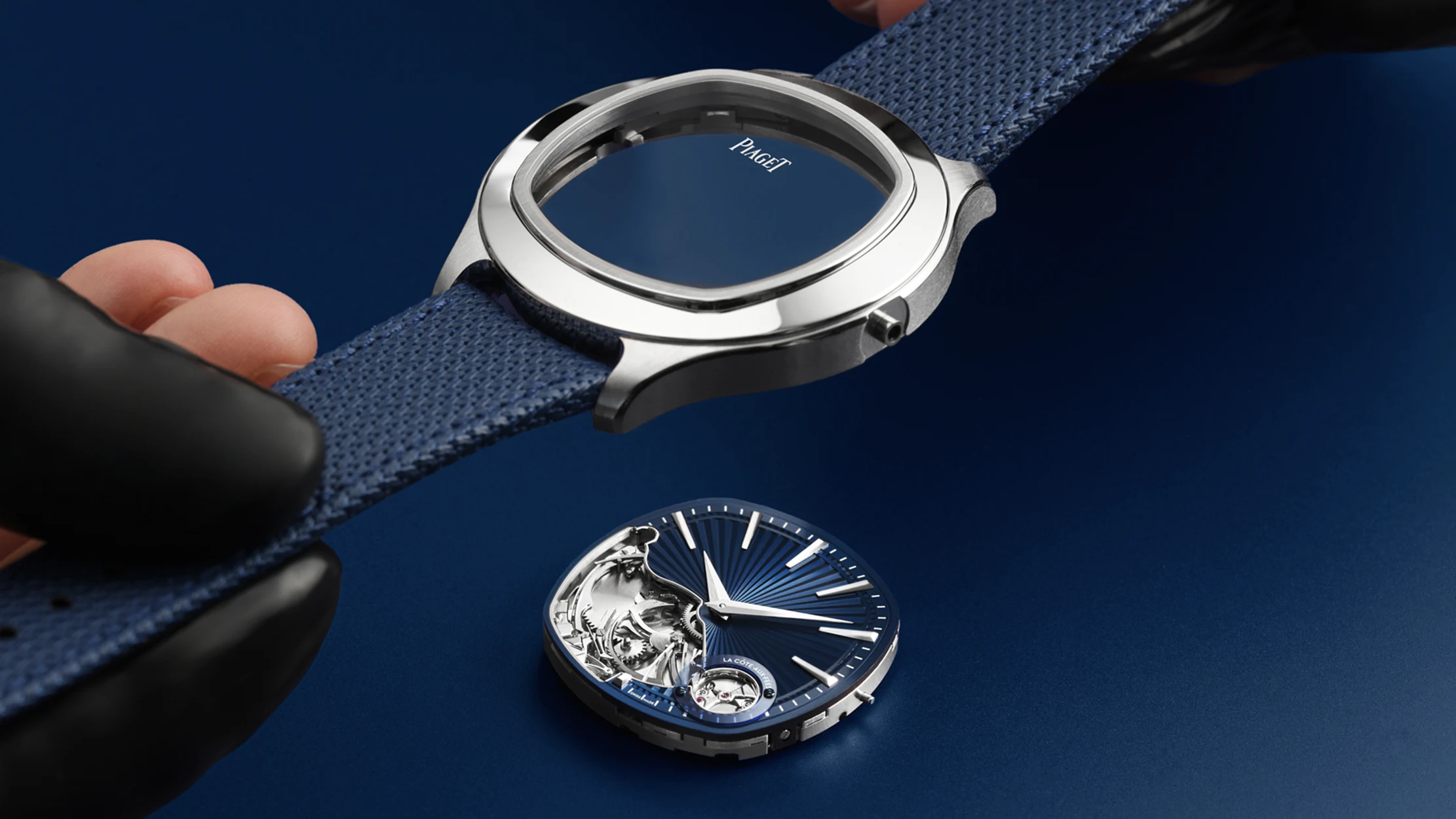

You can find our in-depth article on the Piaget Polo Minute Repeater here.
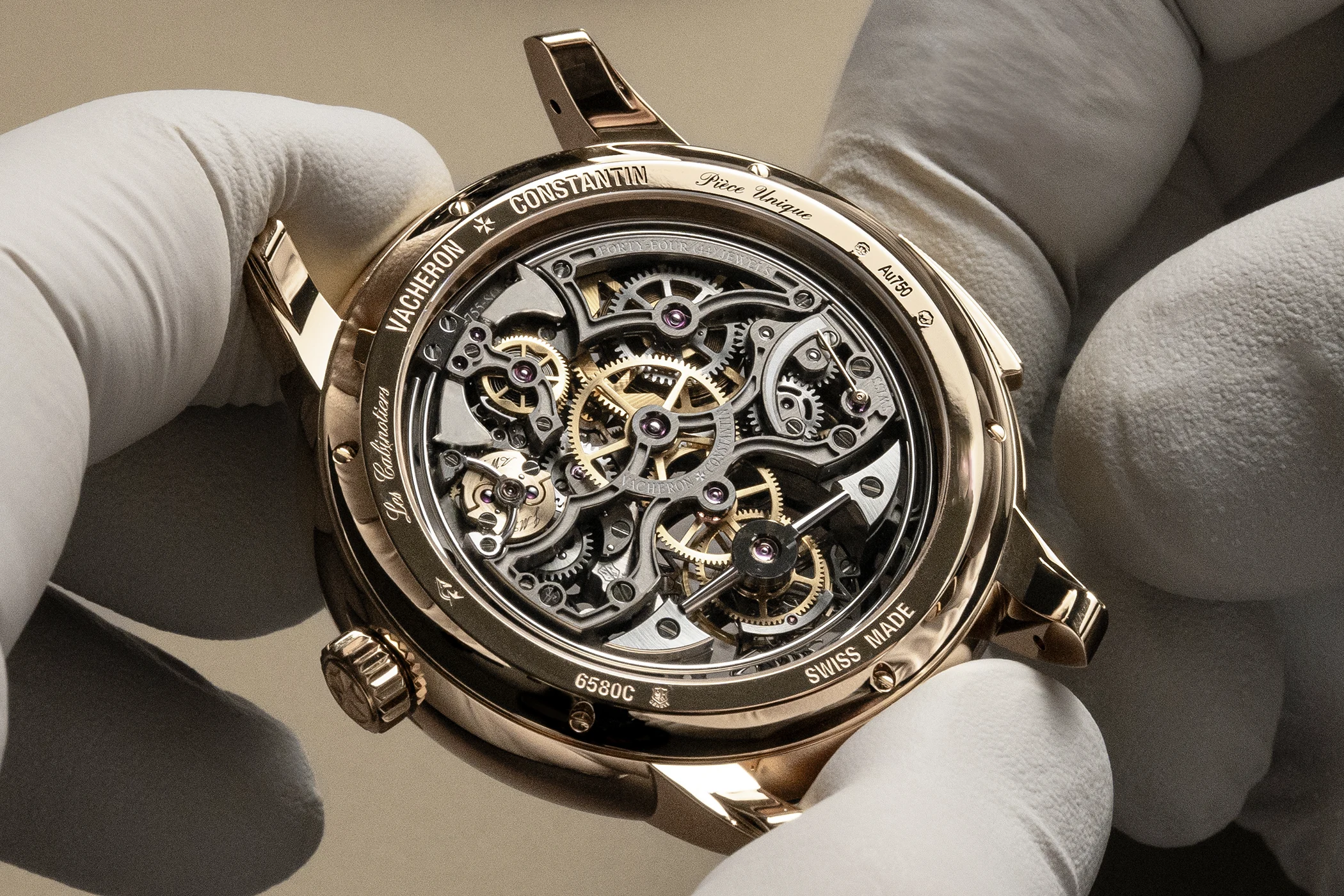
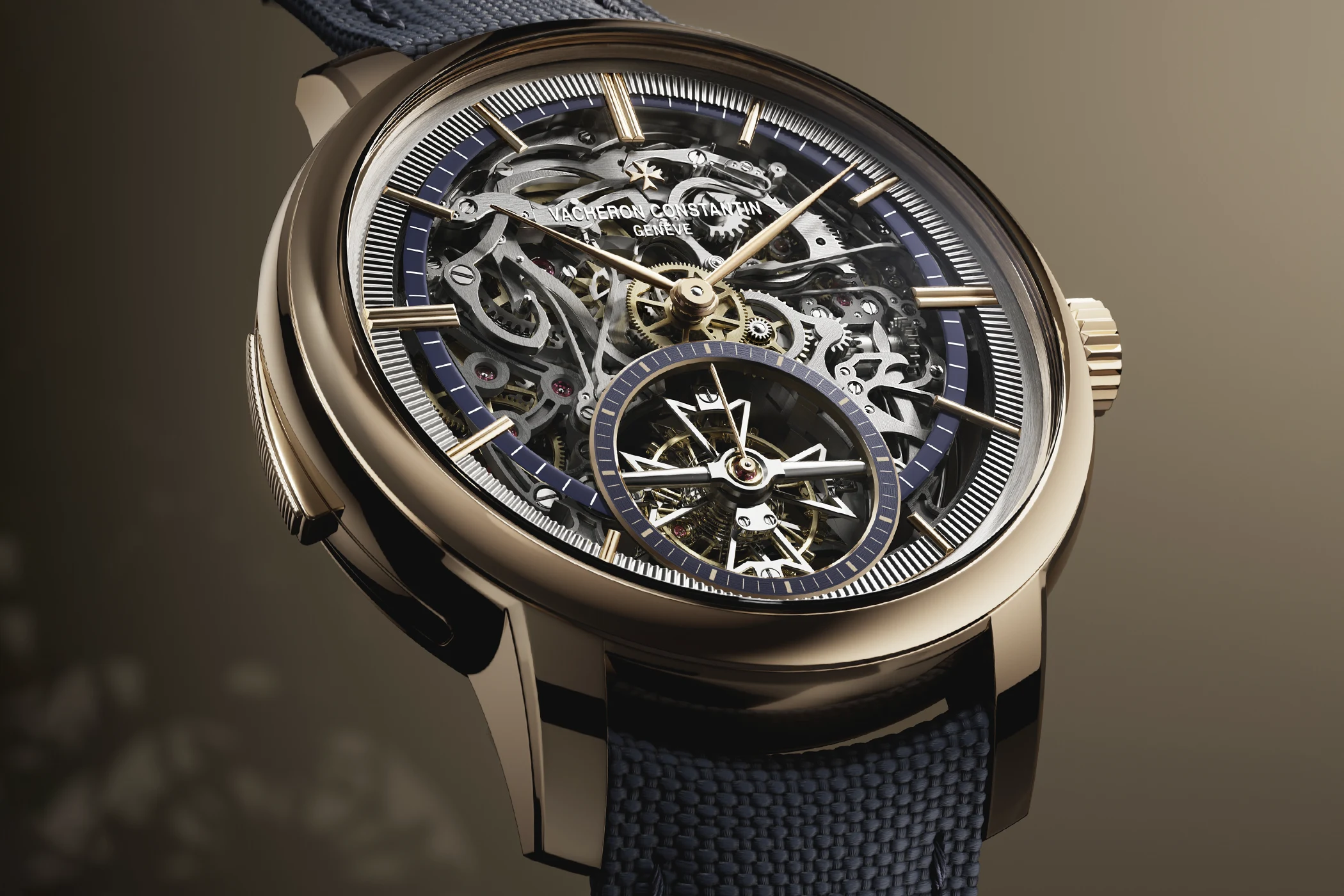
The Les Cabinotiers Minute Repeater Tourbillon Skeleton is a one-off piece. Its 45-millimetre-wide and 12-millimetre-high rose gold case houses the hand-wound Calibre 2755 TMR SQ, which offers a power reserve of approximately 58 hours. For this skeletonised version, the calibre has been structurally redesigned and the movement plate reduced to 40 per cent of its original volume. This is particularly challenging in the case of a minute repeater, as the movement must accommodate not only the wheels and bridges but also the forces and vibrations generated by the striking mechanism.
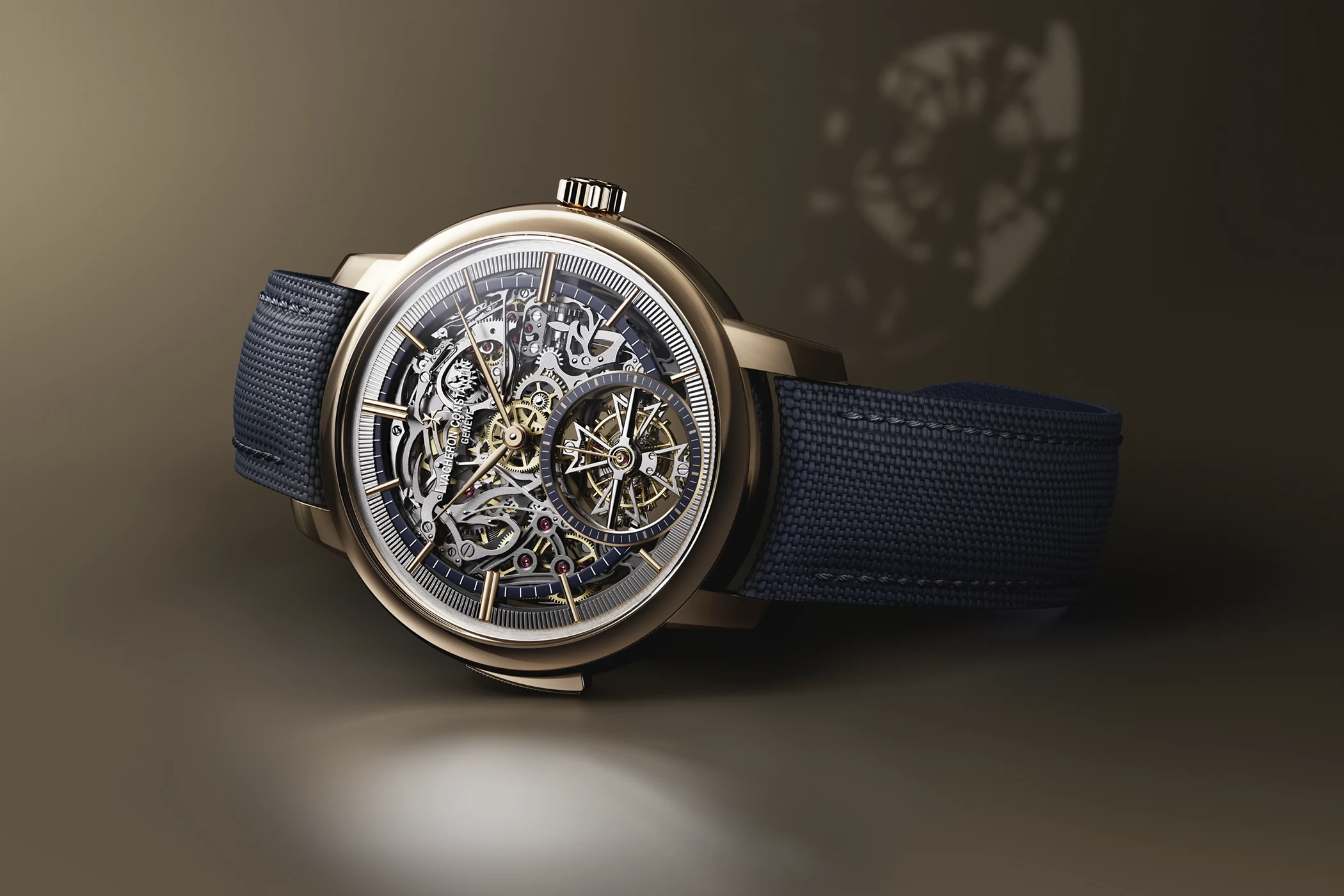
The striking mechanism itself is based on the Calibre 2755, introduced in 2007, which features a silent, so-called centripetal striking regulator that ensures a controlled rate of sound production. This replaces the conventional, noisier and more friction-prone anchor system. Two weight blocks act as a brake on the regulator’s axis of rotation, absorbing the energy released by the mainspring barrel.
A sapphire dial with a blue minute track and two silver-plated rings frames the openwork movement, allowing the hours and minutes to be read. The small seconds hand is positioned on the tourbillon cage. Vacheron Constantin combines this intricate technology with an equally complex finishing process, comprising nine different finishing techniques. Price on enquiry.
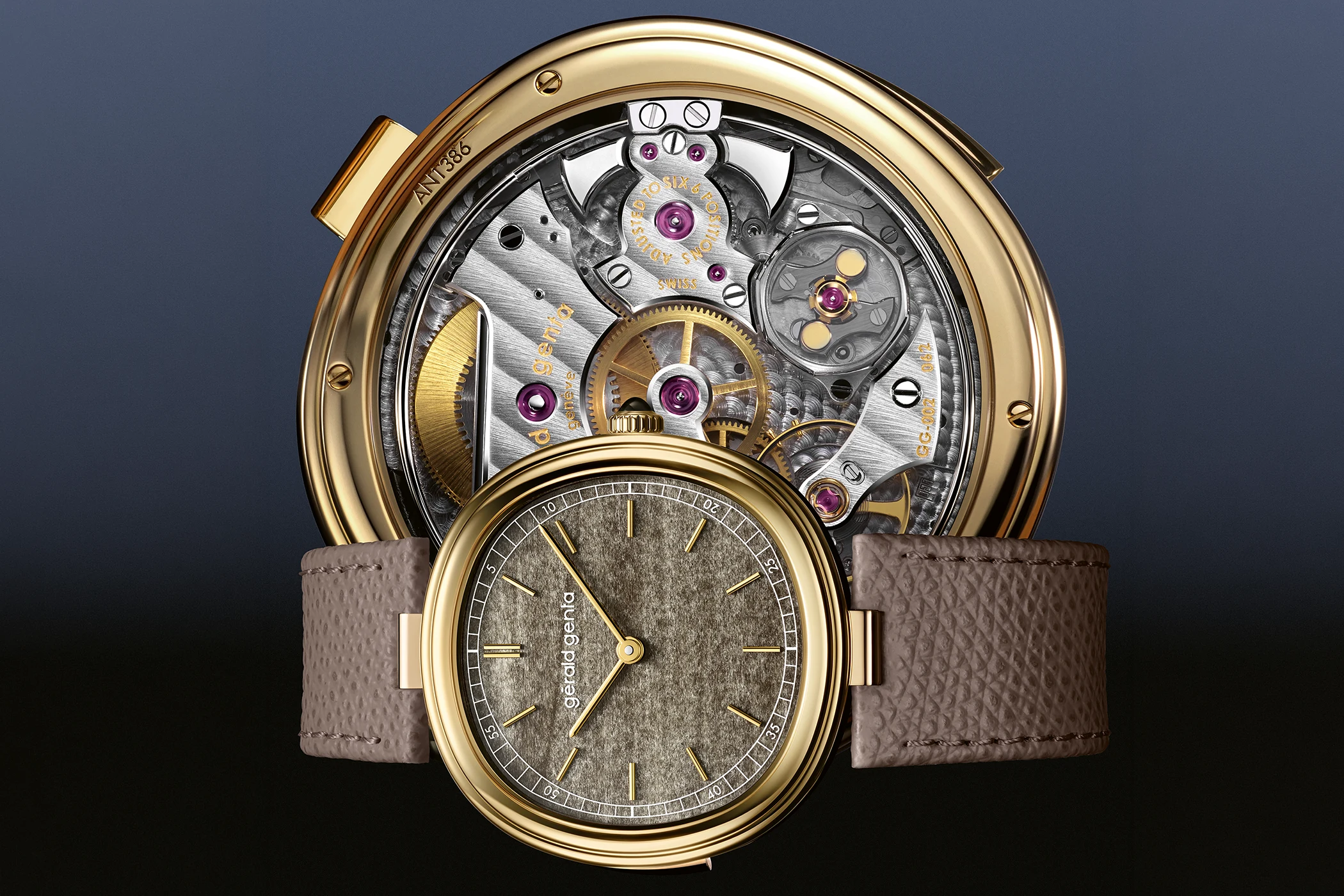
The Gérald Genta Geneva Minute Repeater Golden Obsidian combines Gérald Genta’s favourite complication with a dial made of golden obsidian. This volcanic glass displays shifting shades of brown and gold depending on the angle of the light; natural inclusions make each dial unique.
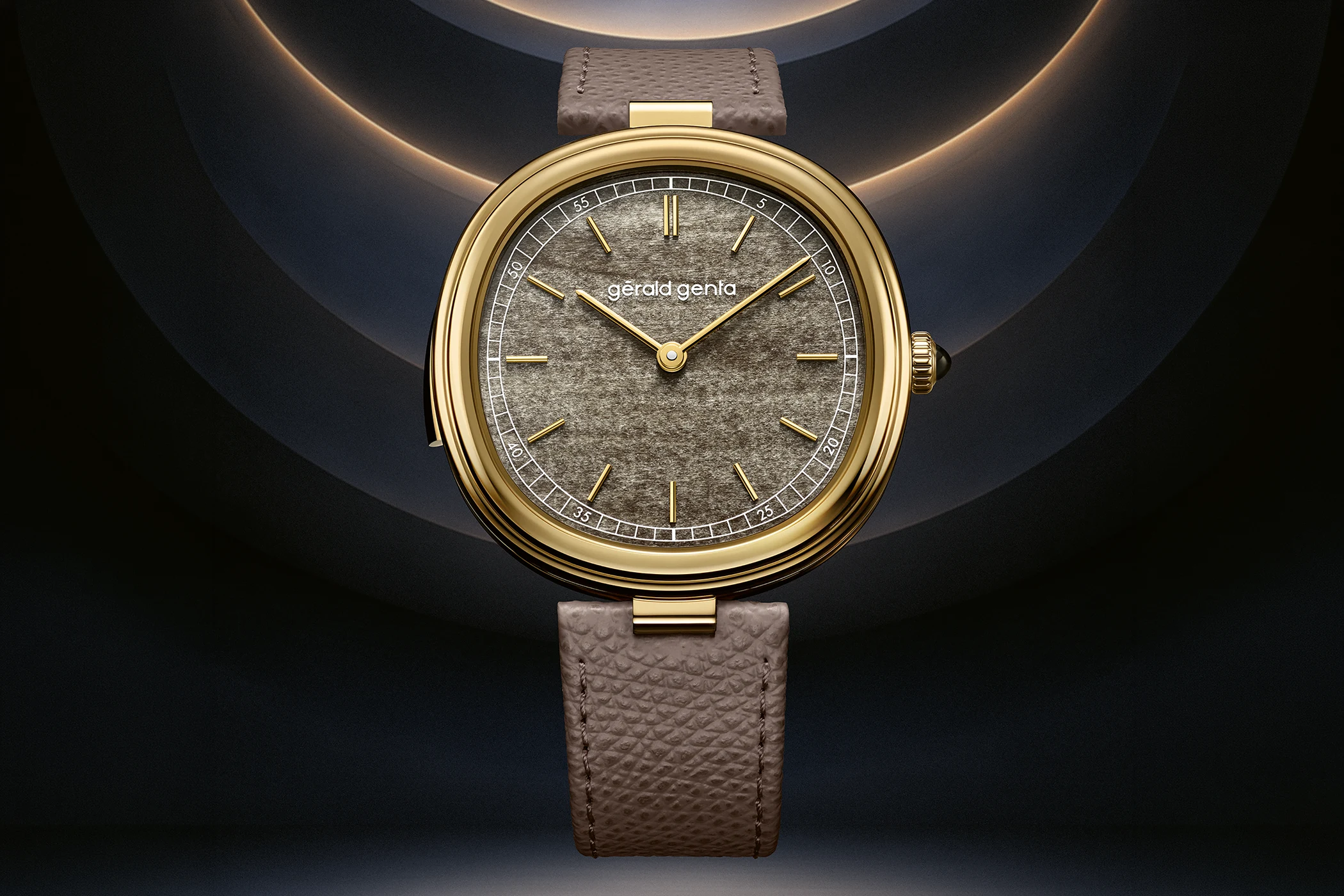
The cushion-shaped case, crafted from 3N yellow gold, measures 40 x 9.6 millimetres and is designed from the ground up to allow the sound to resonate as freely as possible. At its thinnest point, the case wall is just 0.6 millimetres thick. The bezel and case back have been hollowed out on the inside and screwed directly together; even the sapphire crystal is exceptionally thin at 0.8 millimetres. Finally, a slide integrated into the left side of the case triggers the minute repeater.
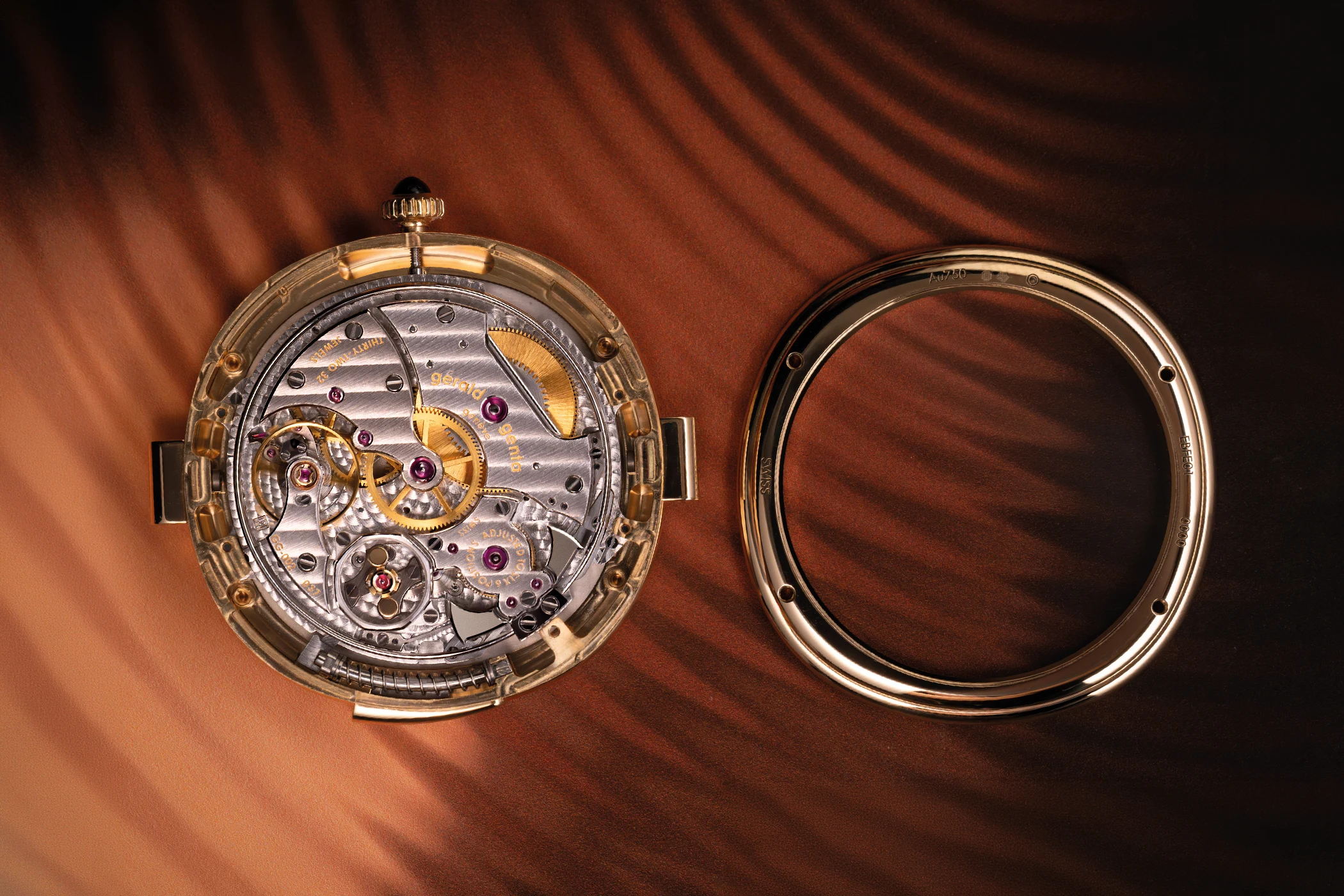
The sound is produced by individually cut and hand-tuned gongs, as well as black-polished hammers. Inside, the hand-wound GG-002 calibre – developed at La Fabrique du Temps Louis Vuitton – features 316 components, 32 jewels and a power reserve of 80 hours. Through the sapphire crystal case back, the hand-finished movement and the octagonal balance wheel are visible – a geometric reference to Gérald Genta’s design language. The price is available on request.