Richard Mille is only 25 years old. How has this “new” brand managed to amass so much success and, yes, power in the watch industry in only a quarter of a century?

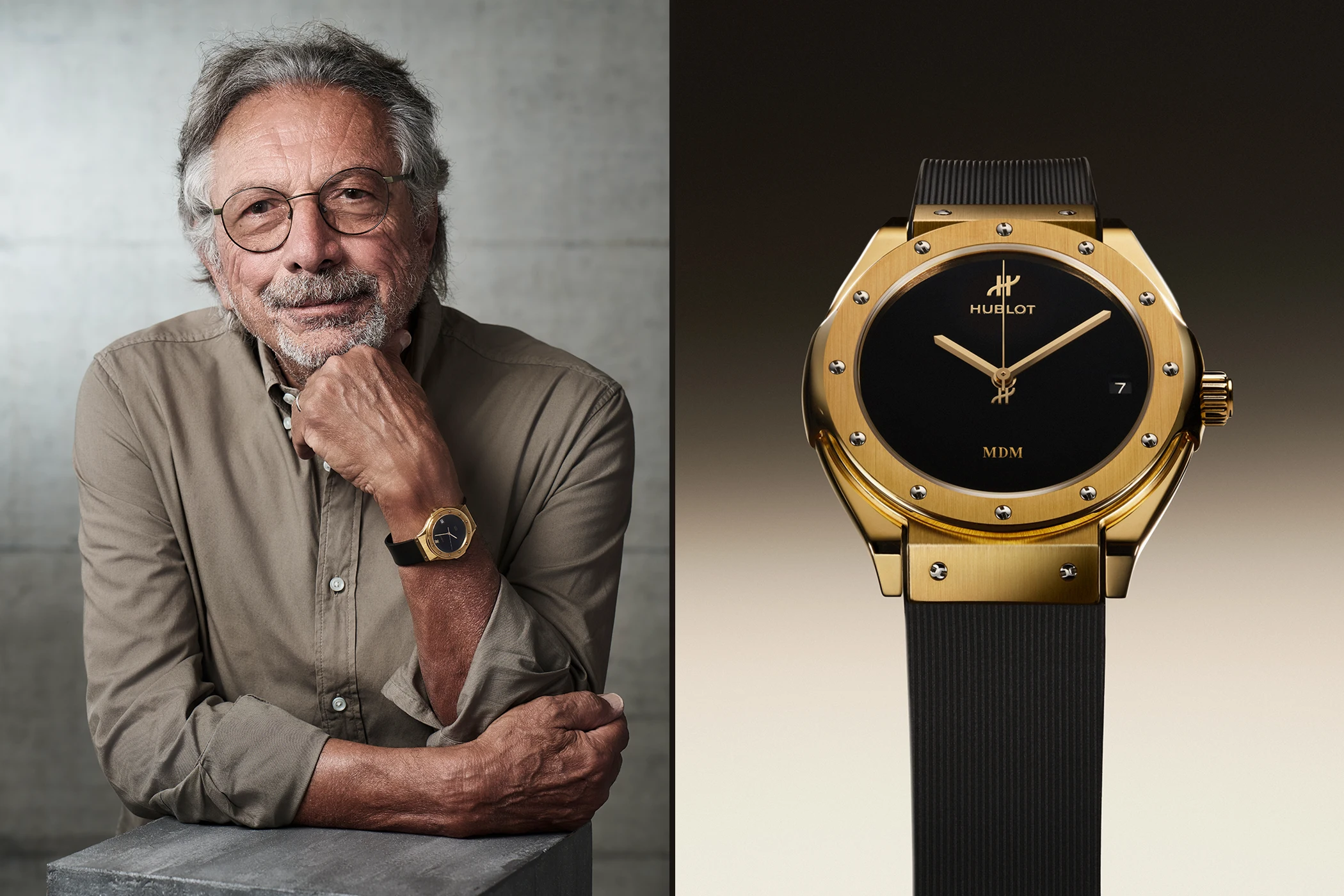
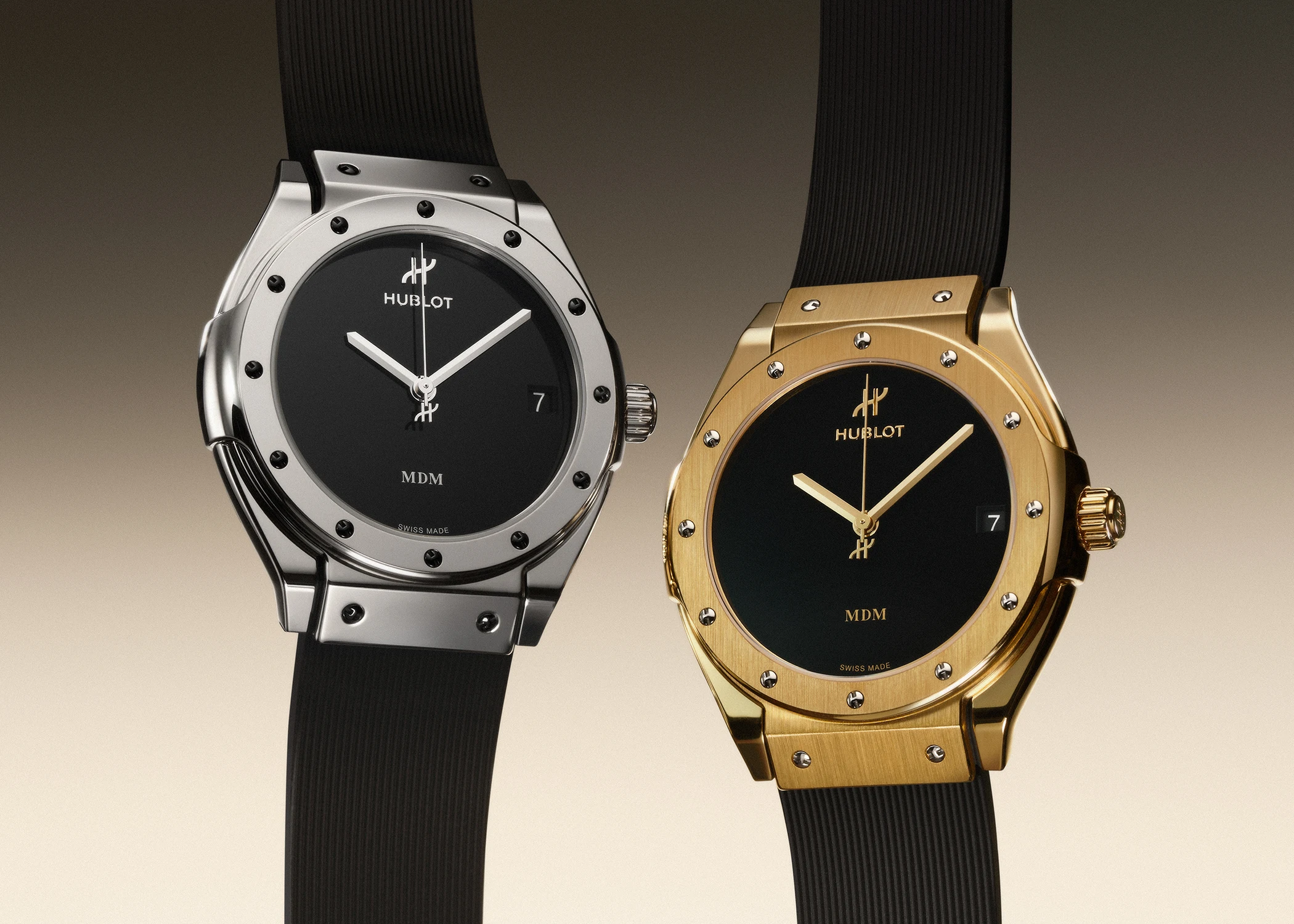
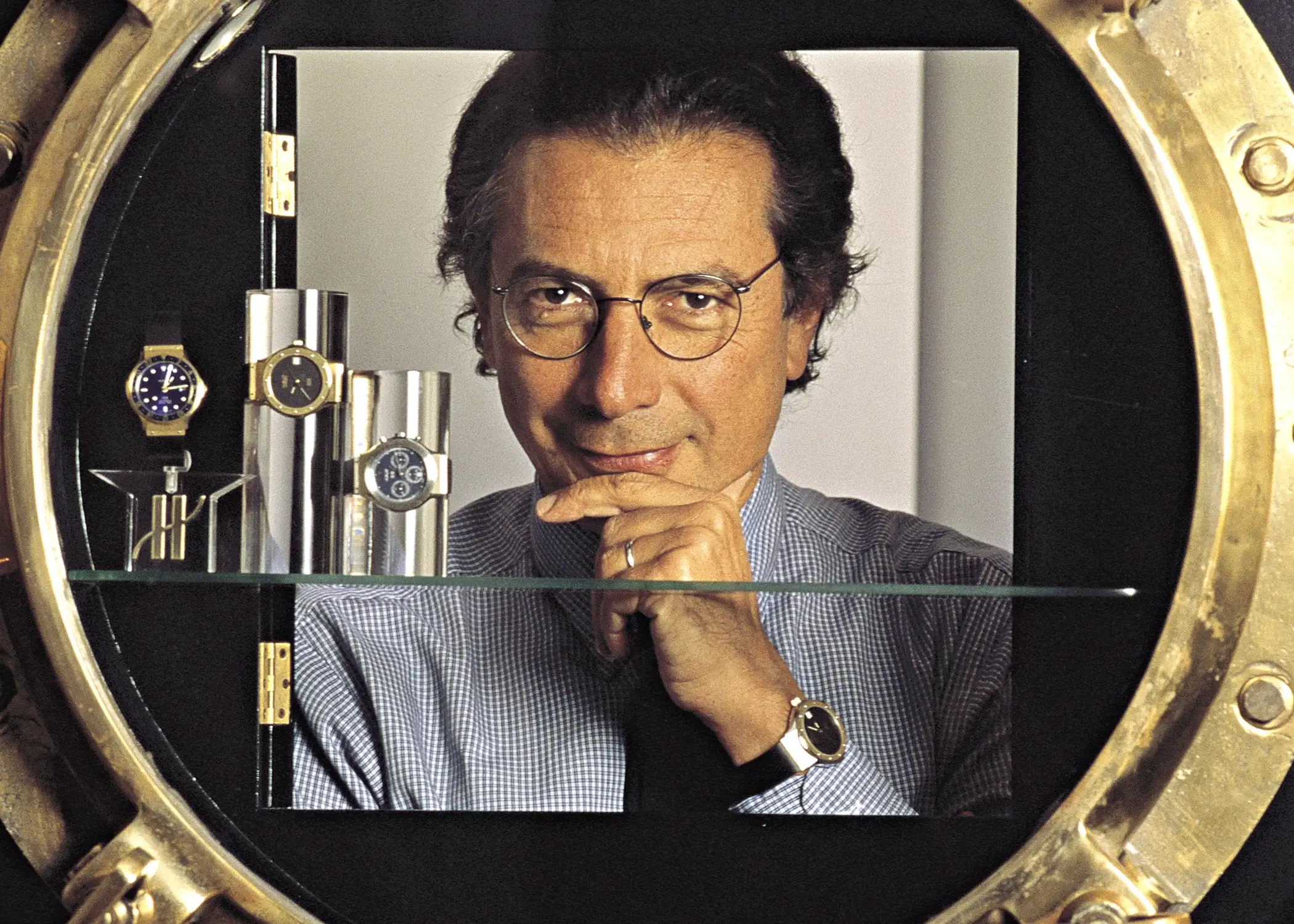
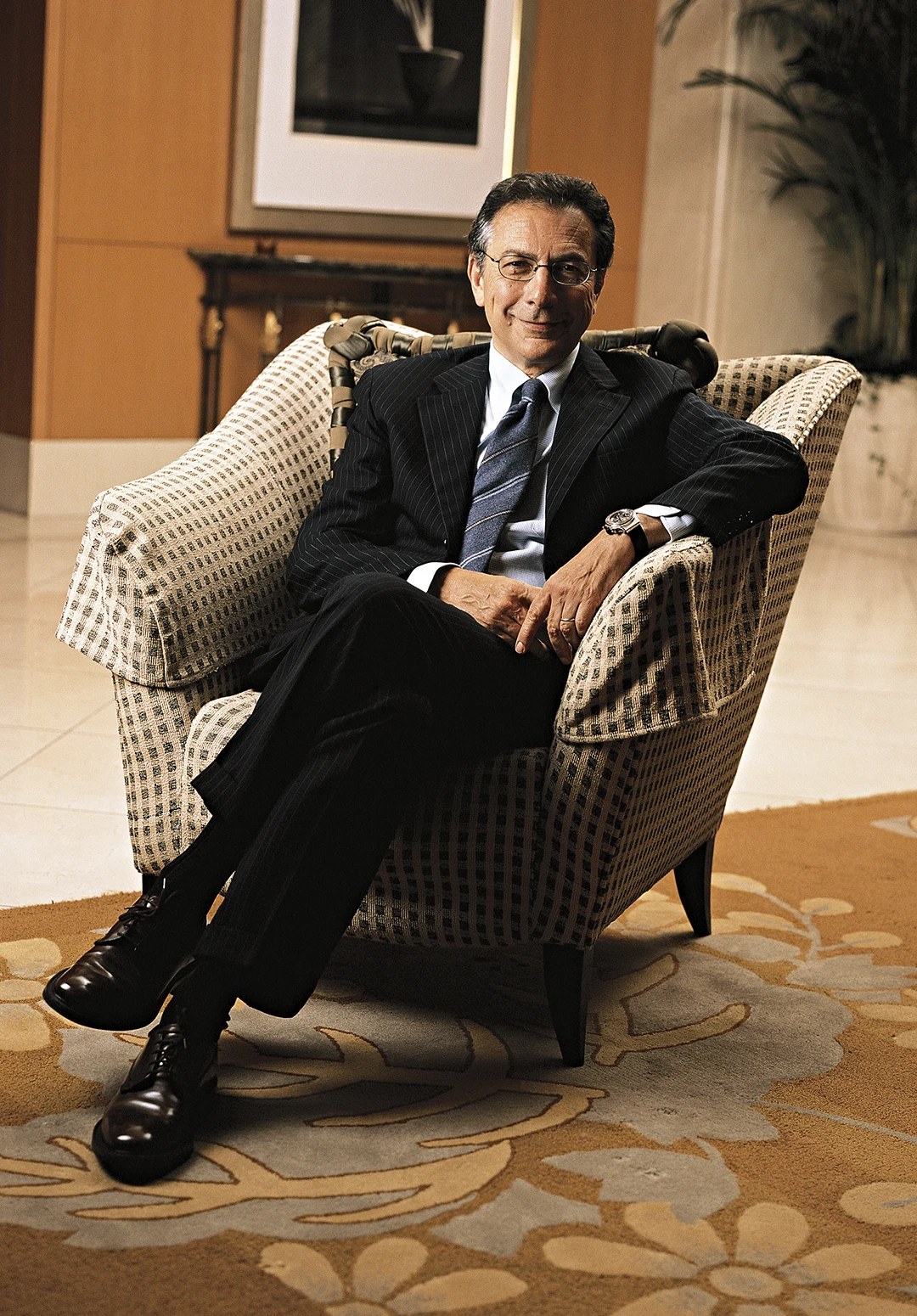
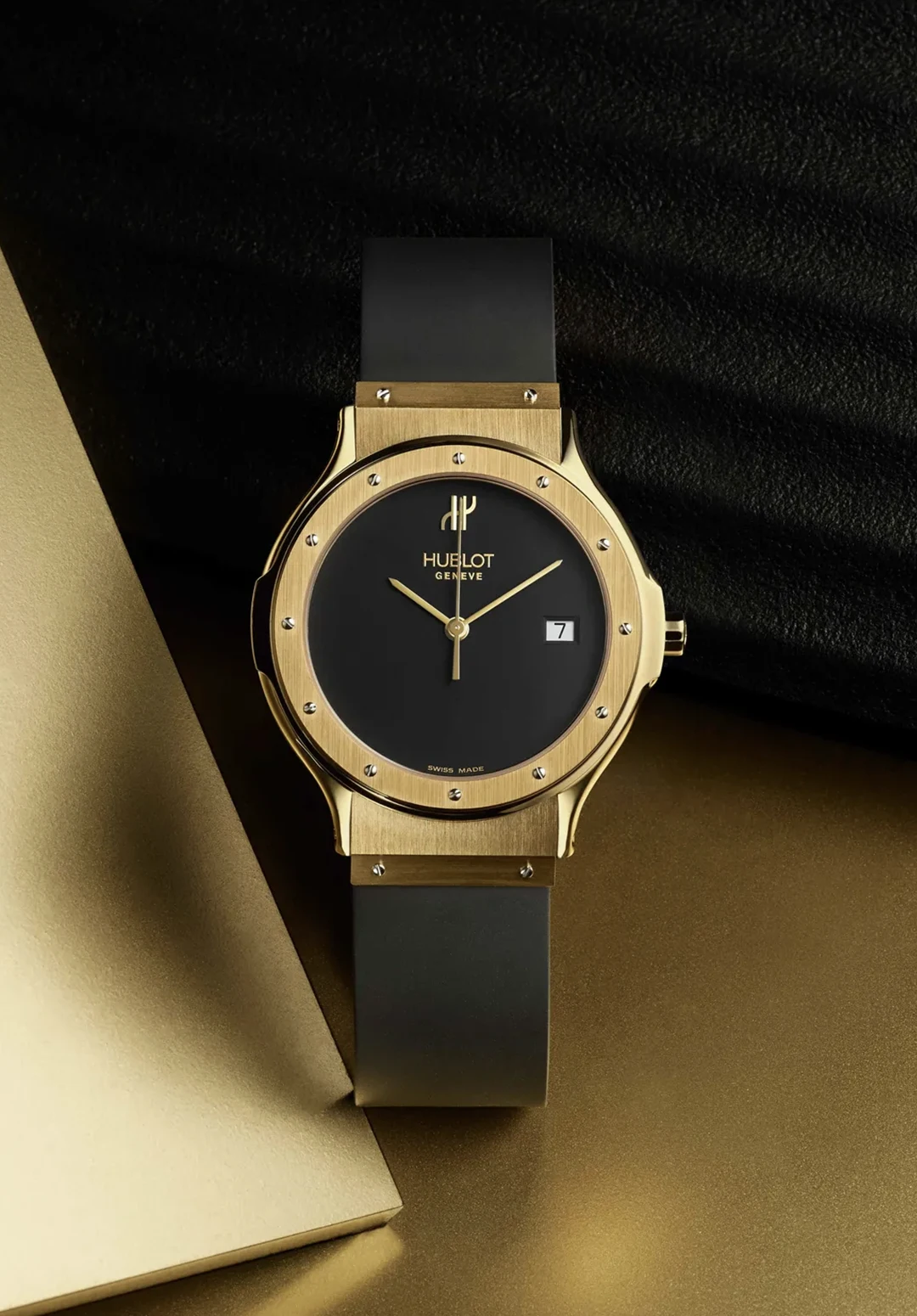
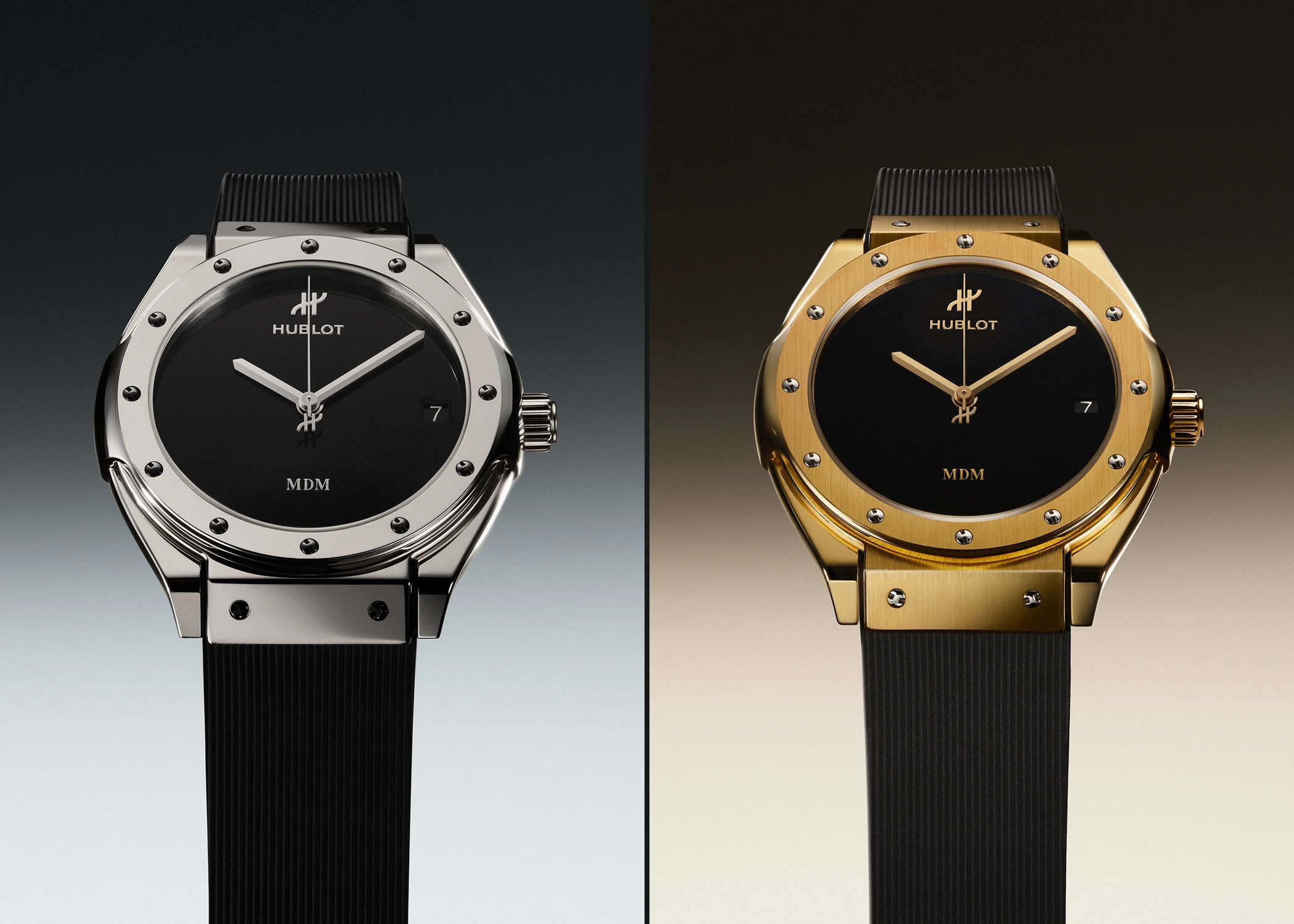
Hublot presents the Classic Fusion Tributo, a new watch that reinterprets Hublot’s very first timepiece launched 46 years ago. Back in 1980, the watch created by Hublot founder Carlo Crocco caused something of a sensation in the then conservative Swiss watch industry because it combined precious metal with a rubber strap. The Classic Fusion Tributo revisits the sleek, polished design of the original while introducing barely noticeable upgrades that continue the classic watch’s legacy of great design. A chat with Crocco shed some light on its beginnings.
In the 1970s, Carlo Crocco was working in his parents’ watch distribution business in Italy. At that time, the Italian market was the absolute tastemaker in the watchmaking world. So, it wasn’t a stretch to understand that young Carlo wanted to develop a bold idea growing within him – despite the growing concerns in the industry regarding the crisis enveloping it. This was a crisis born of a perfect storm consisting of global financial stressors and the Japanese quartz movement taking over the world of timekeeping. Collectively, this time was known as the quartz crisis, and it lasted until about 1983.
By 1976, Crocco was raising money to found his new watch factory in Switzerland, and in 1980 he launched his first watch at the Basel Fair. “We wanted to create something new using all the expertise of the Swiss watch industry while adding a touch of Italian design with a sense of reality,” is how Crocco describes the original Hublot watch today. At the time, “Hublot” – which is French for “porthole” – was the model name, and the brand Crocco founded was called MDM, which stood for “Montre des Montres.”
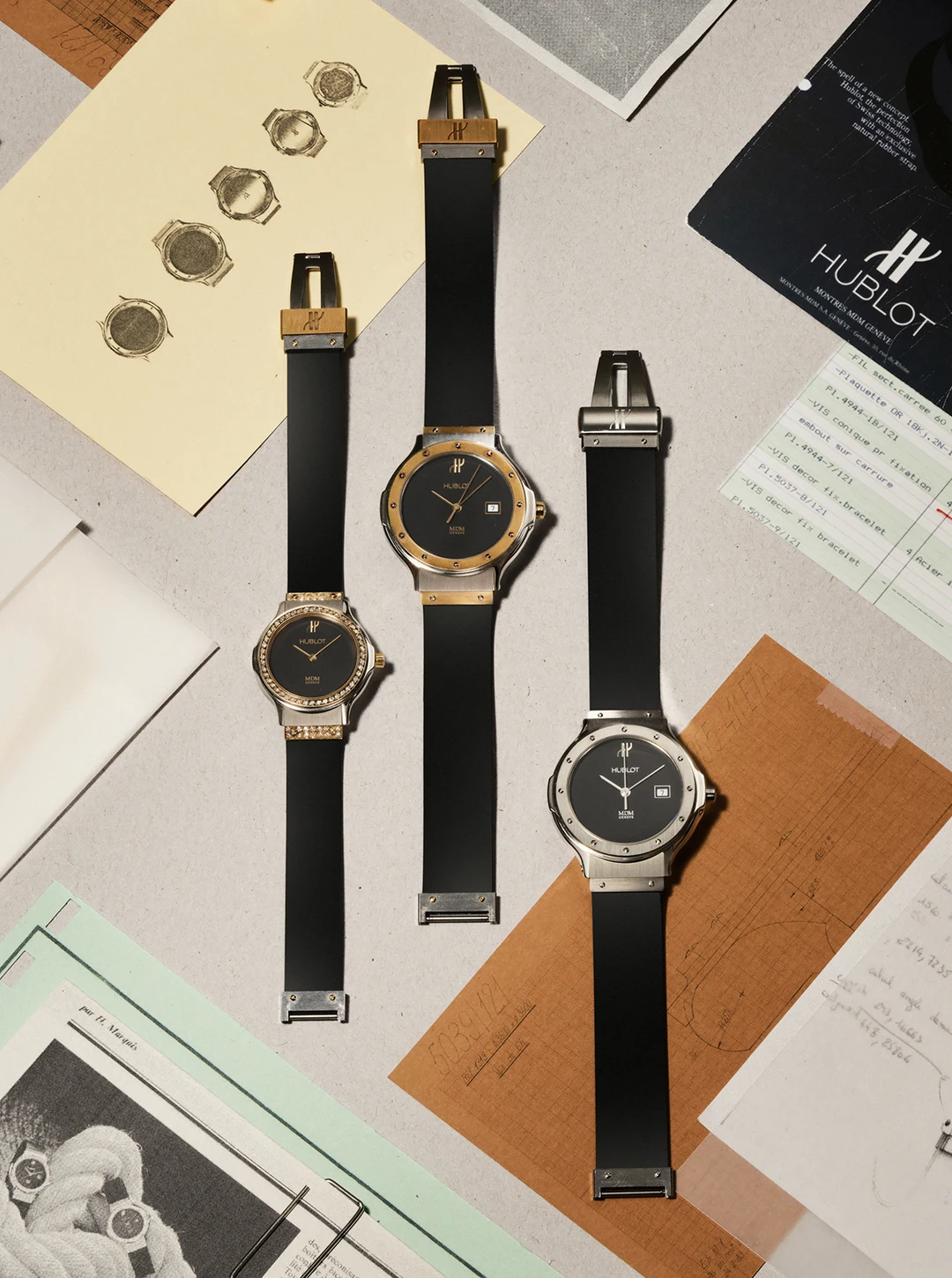
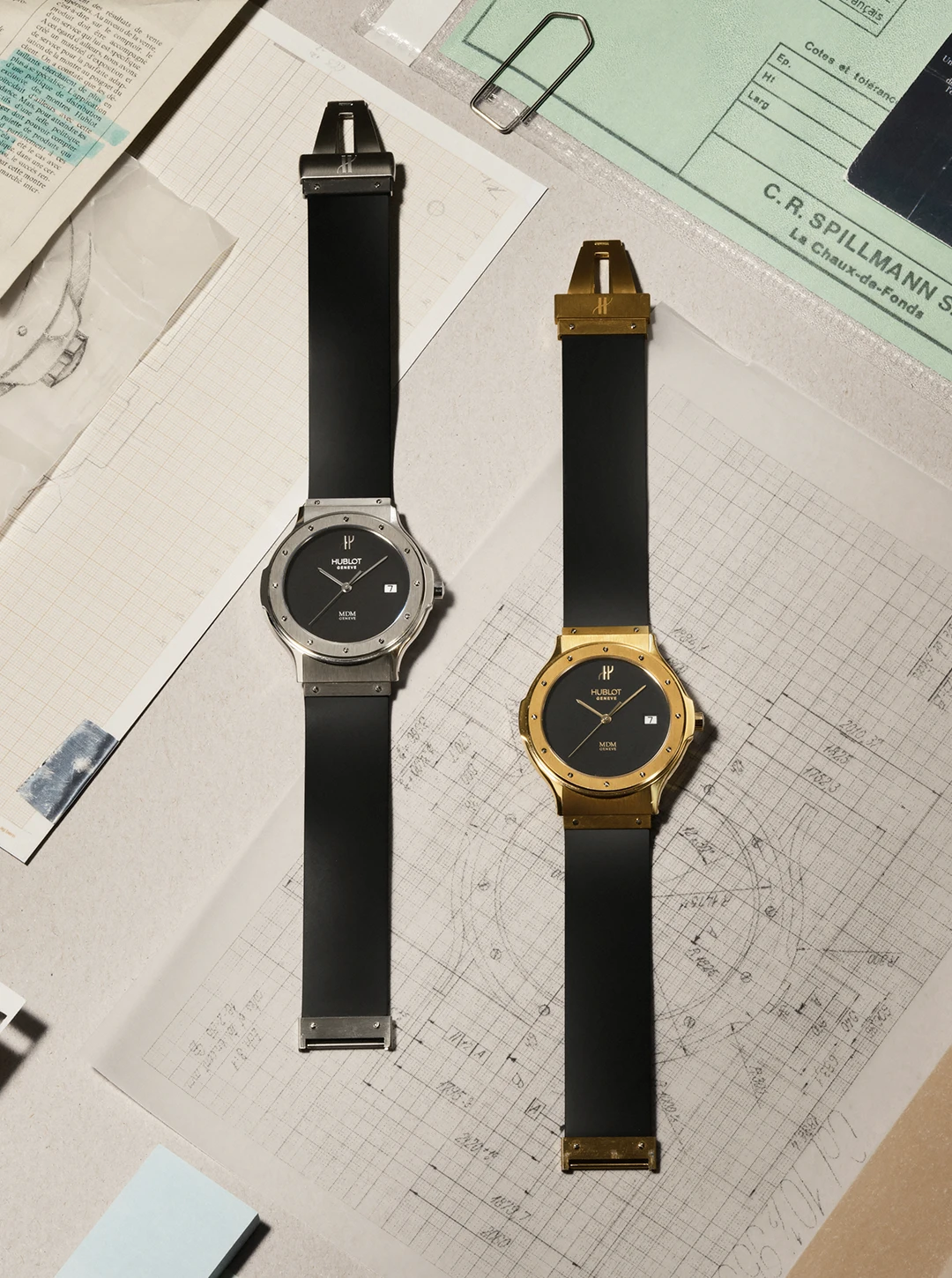

Both were set to have a strong identity, combining classic watchmaking with something revolutionary. Crocco’s goal was for it to last over time. He kept the brand name MDM because he thought that after 20 or 30 years they might create other models. But he realized after a few years that “MDM” was no longer necessary because Hublot by itself was so strong.
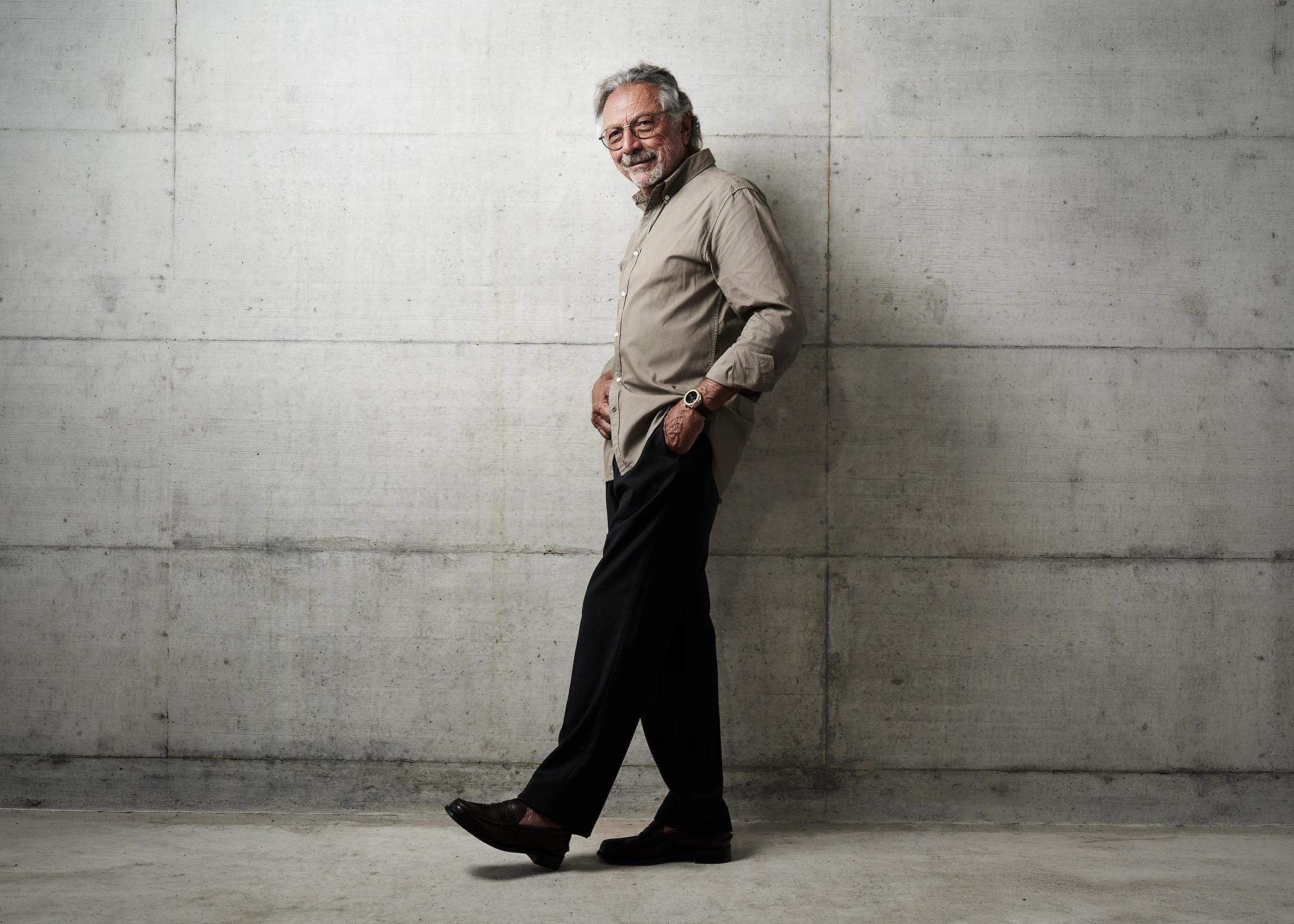
“The idea was to come up with something new, something different from the others, not what everyone else was doing,” the now 80-year-old Carlo Crocco said during a recent in-person interview. He wanted to specifically use Italian design.
He realized gold and black were a powerful combination. He also understood that natural rubber was still noble even if it was less expensive and seemingly less luxurious. It was a practical and elegant material. “It was ideal,” he punctuated.
It took years for Crocco to get all his ducks in a row – the Swiss industry isn’t known for quick actions – and suppliers for rubber products were at the time tire manufacturers. “It was difficult to convince them to work with tolerances on the order of one-tenth of a millimetre,” Crocco remembered. The straps had steel inserts, which complicated their manufacture even more, and creating the rubber strap for the first Hublot became a long development process. Crocco also met with much scepticism: suppliers kept telling him everything was impossible. And not just the manufacturers of the rubber straps, also the case manufacturers who needed to figure out how to attach the straps to the precious metal cases – something that had not been done to that point in time.
Asked why he went to all this trouble, he responded with a knowing smile, “Because we didn’t want to do what everyone else was doing.”
“I specifically wanted to do something different, bold, and risky,” he reminisced. “By taking risks, you can achieve success.” Crocco’s company took a risk, did no market research, and in the end came out with a complete success – the Hublot watch was revolutionary at a time when other brands were conforming to the traditional. “We were very lucky to arrive at the right time, when the Swiss industry was going through a crisis…the very idea of putting rubber on gold was unthinkable at the time.”
The rubber strap allowed for a minimalist design that perfectly matched the case, and Crocco’s MDM even developed a special clasp for it. They offered different strap sizes, which were the result of a special study on straps, because at that time straps couldn’t be individually adjusted. And they even thought to add a subtle vanilla fragrance to the rubber so the straps didn’t smell like tires, which made it feel more sophisticated.
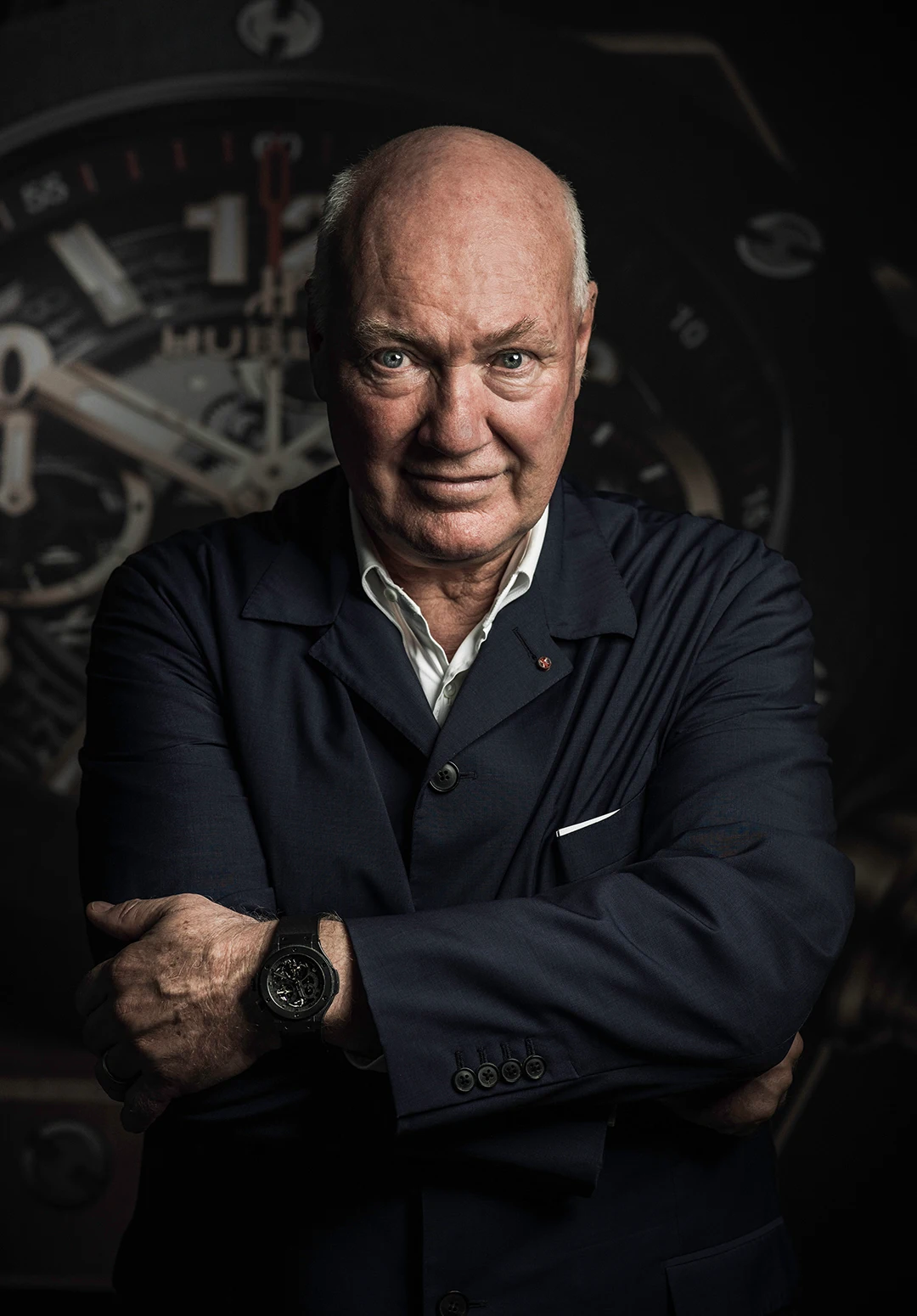
In 2004, Crocco hired the larger-than-life Jean-Claude Biver to help him bridge the distance between Lugano, where he lived, and his workplace in Geneva. He felt very alone with the company as his family didn’t want to leave the Italian-speaking part of Switzerland. Crocco knew Biver from the latter’s time at Blancpain as the Crocco family’s distribution did business with him. “I knew him well and had enormous respect for him,” Crocco confirmed.
Additionally, Crocco was having health problems at that time, and he knew Biver as a man with ideas. Crocco’s four children were not in a position to take over the company, and he felt Biver could grow the brand, which had become a bit stagnant as the novelty had worn off. “It was quite a difficult decision for me because at that point I had to step back because Biver was too strong.”
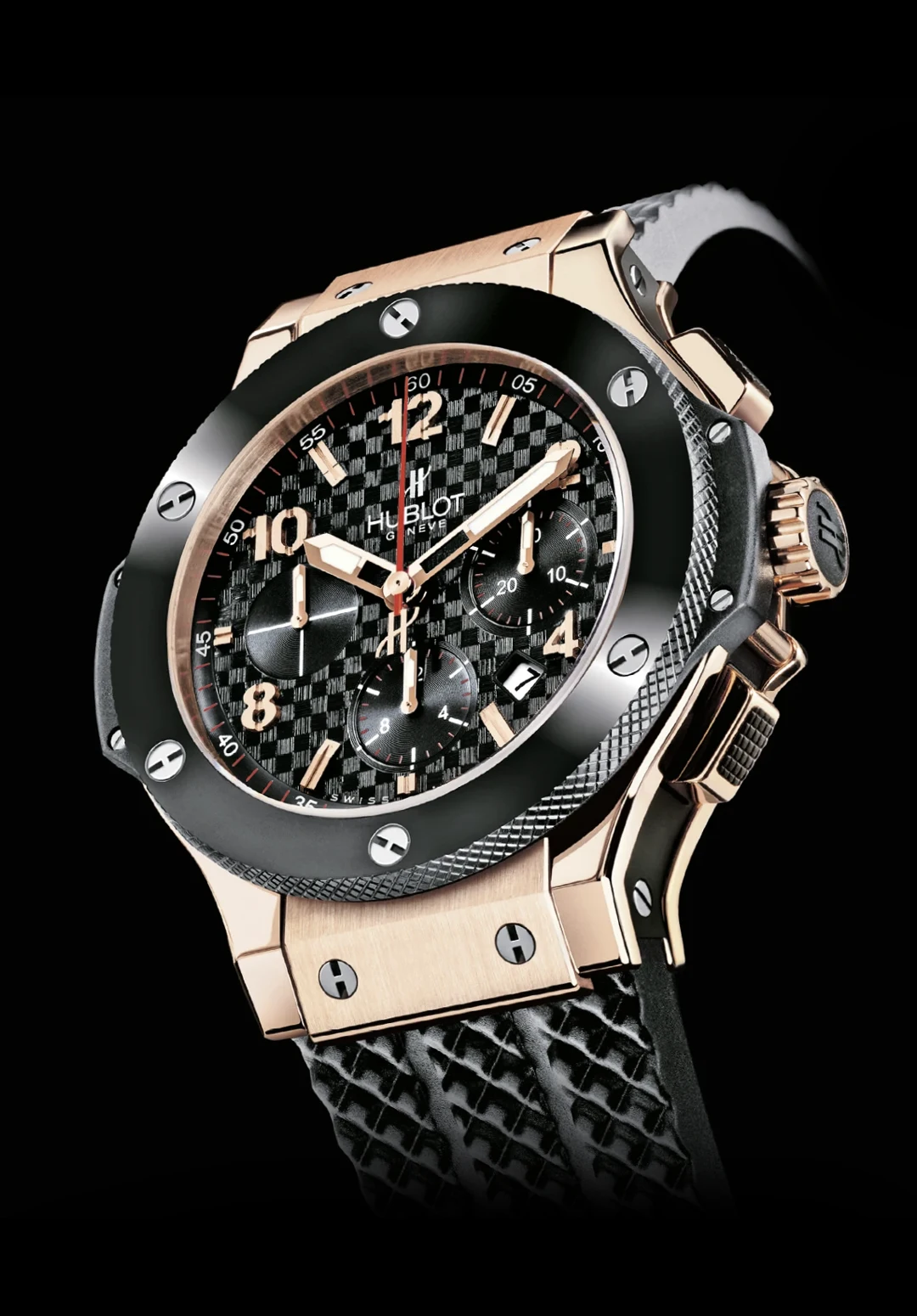
Crocco, however, gave him a blank slate, a decision that truly turned into modern success thanks to the Big Bang model that Biver invented. Luxury giant LVMH acquired Hublot in 2008.
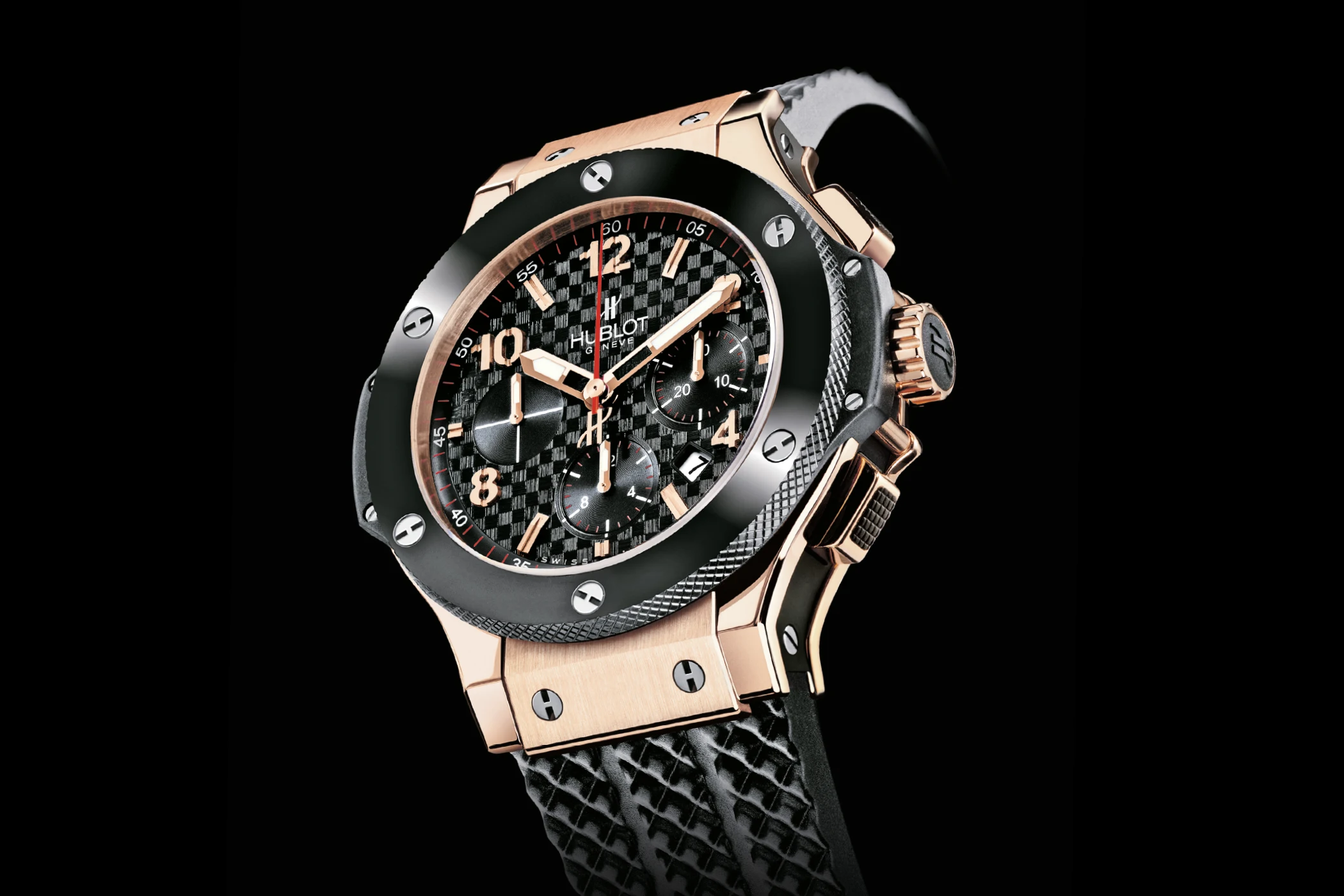
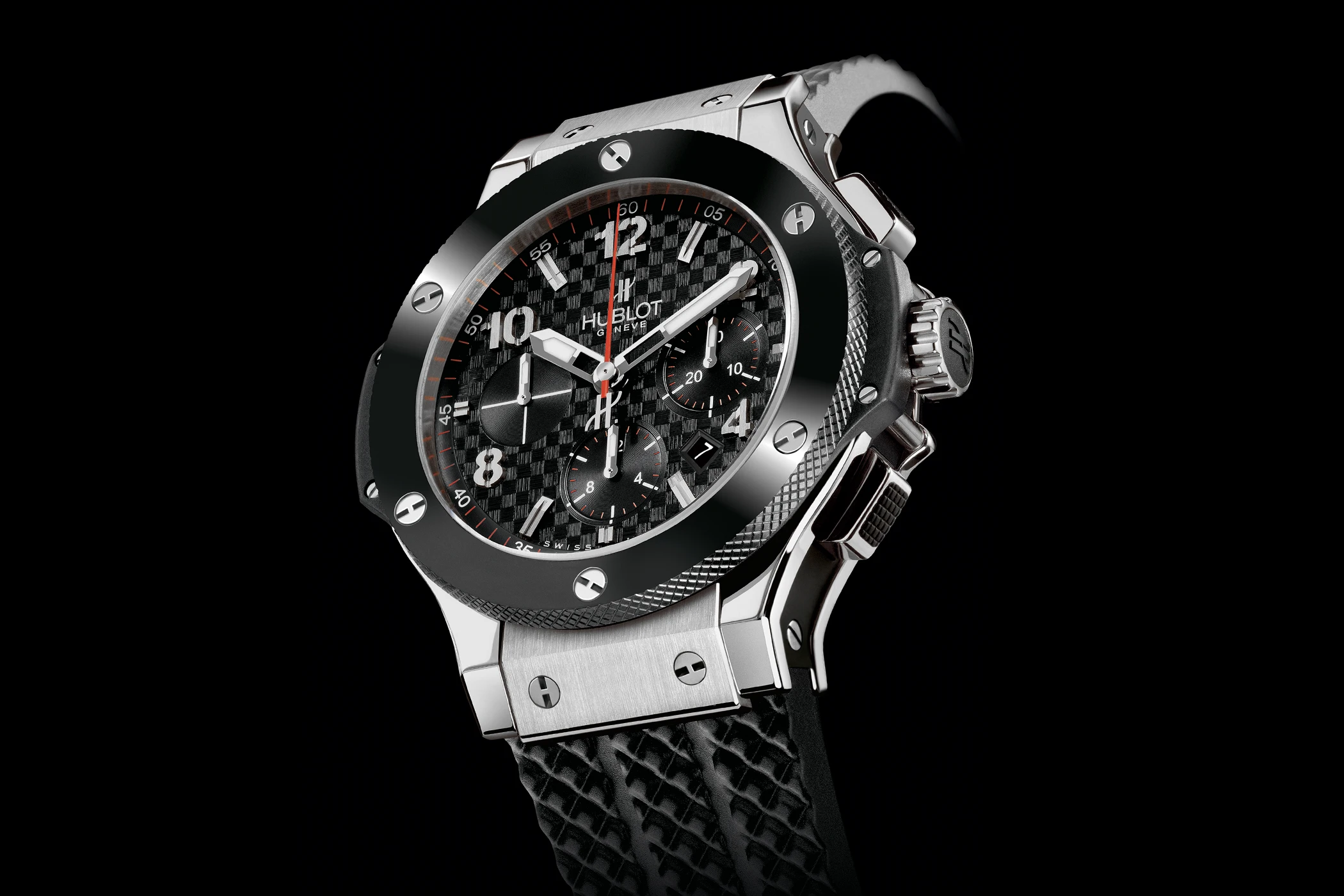
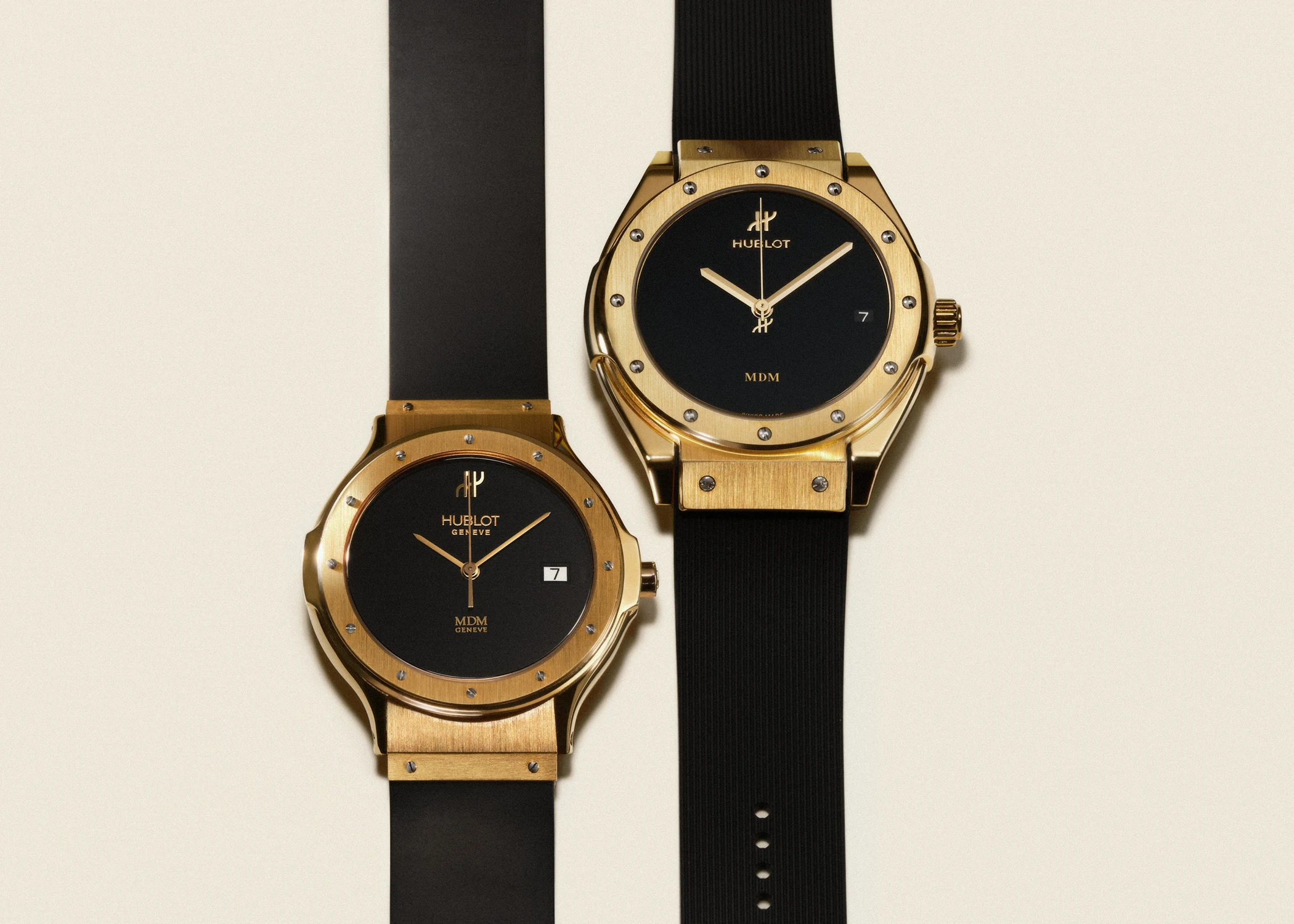
Now, 46 years after the revolutionary high-end quartz watch was first launched, Hublot introduces a modern version of Crocco’s original 1980 watch called the Classic Fusion Tributo.
“I am very happy because they thought of going back to the foundations of the original model; it is very, very similar…it takes up exactly the aesthetic of the original watch,” Crocco said when I asked how close it comes to his design. “My idea was to have something that would truly stand the test of time.”
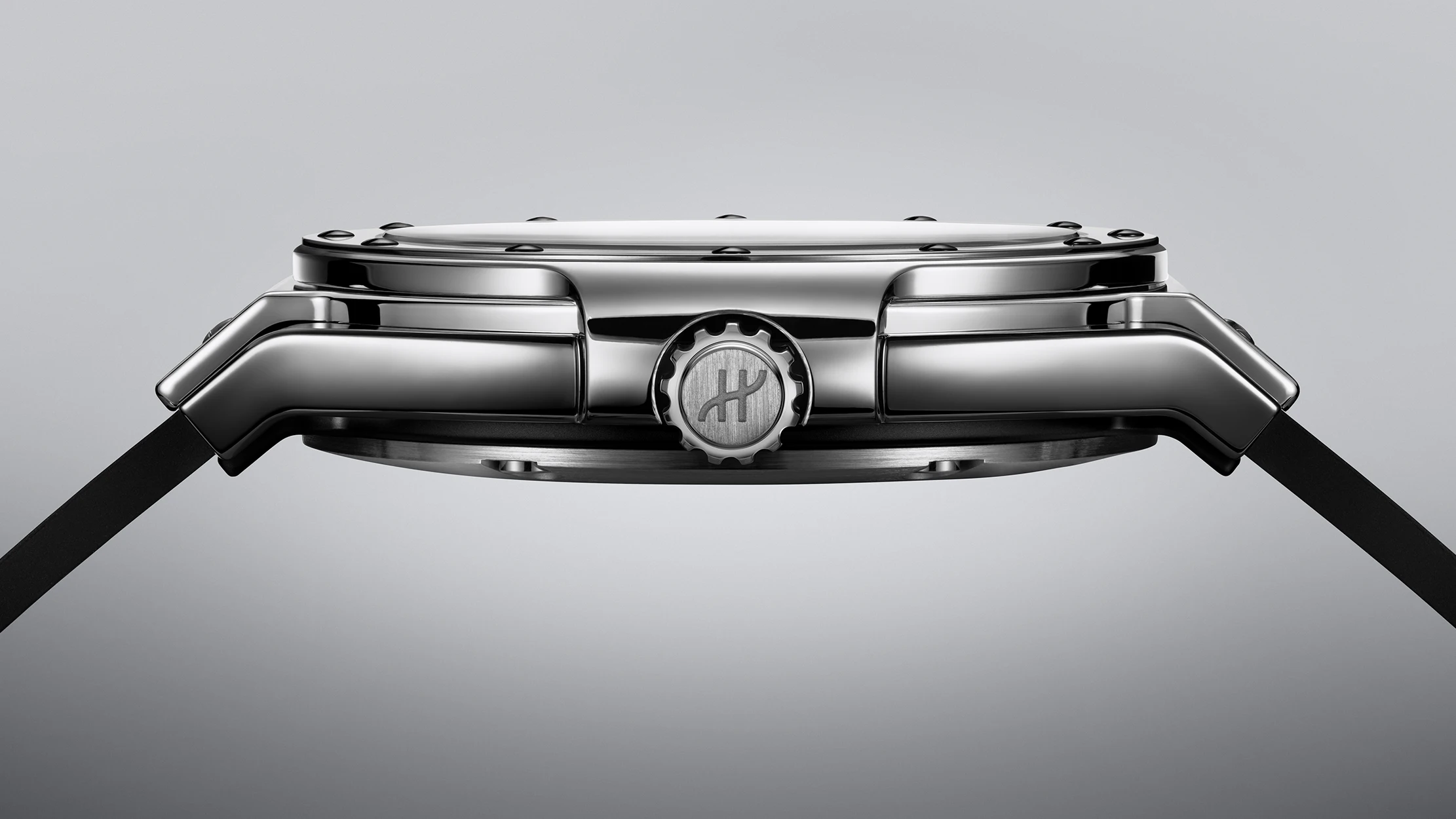
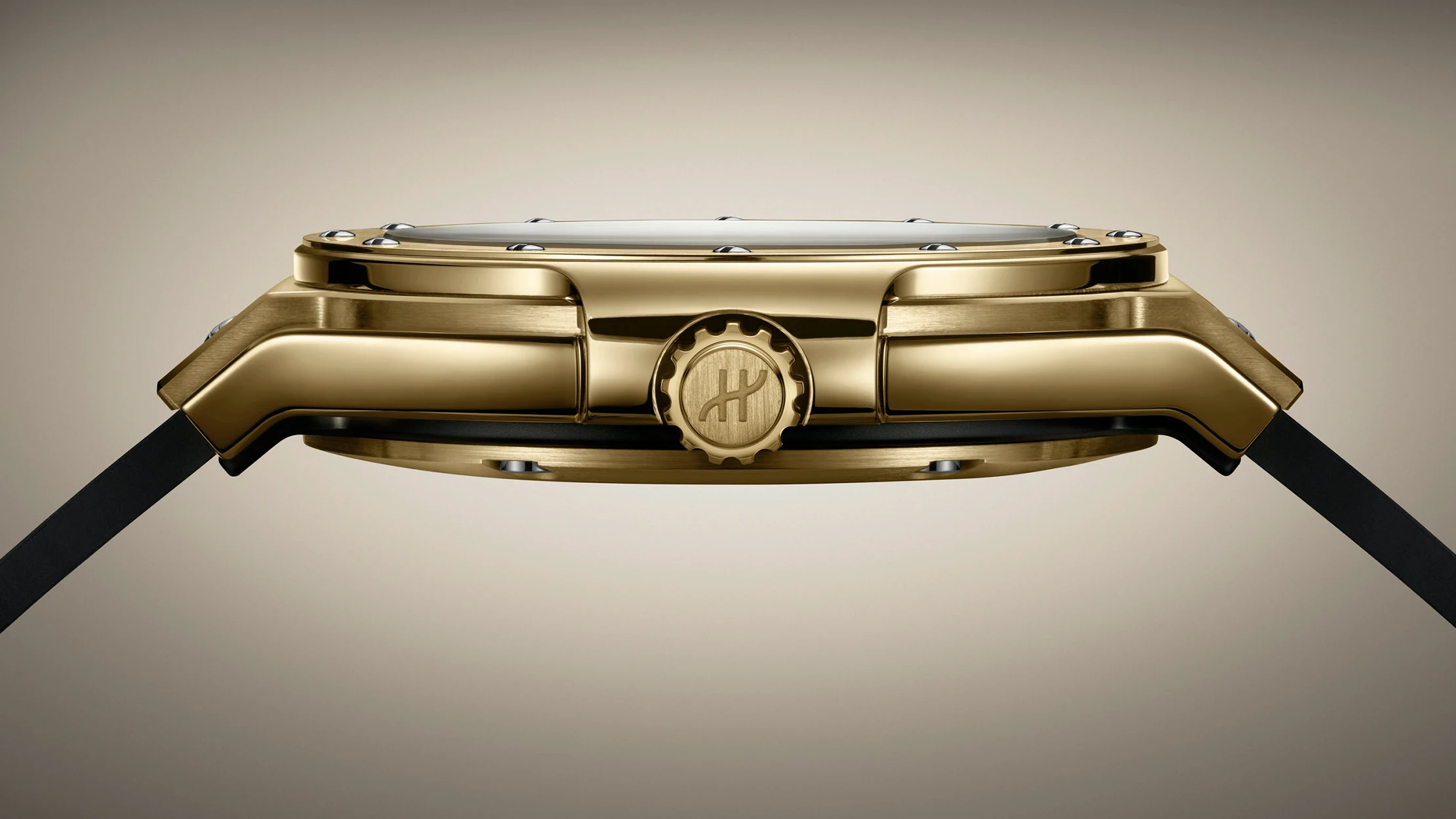
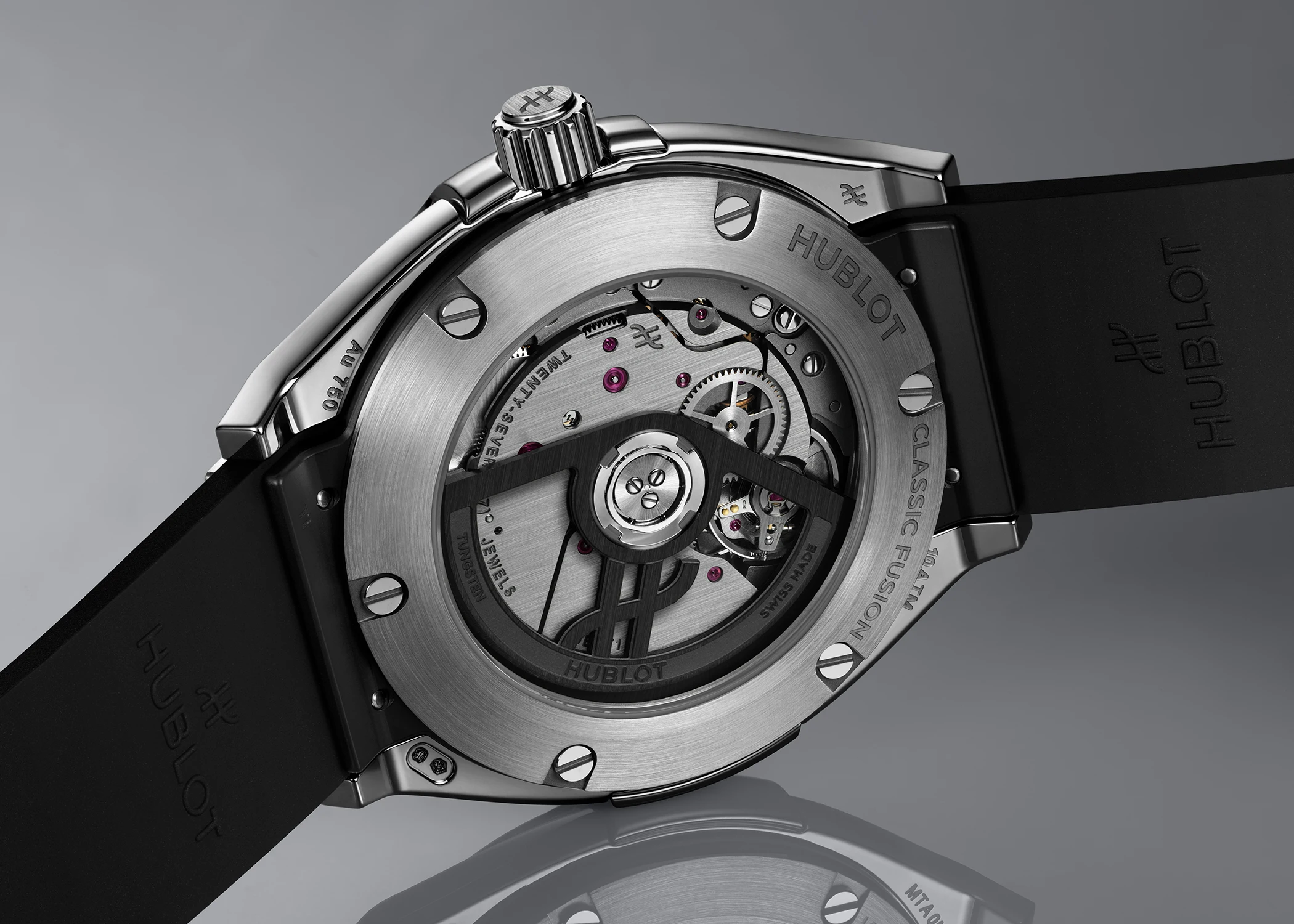
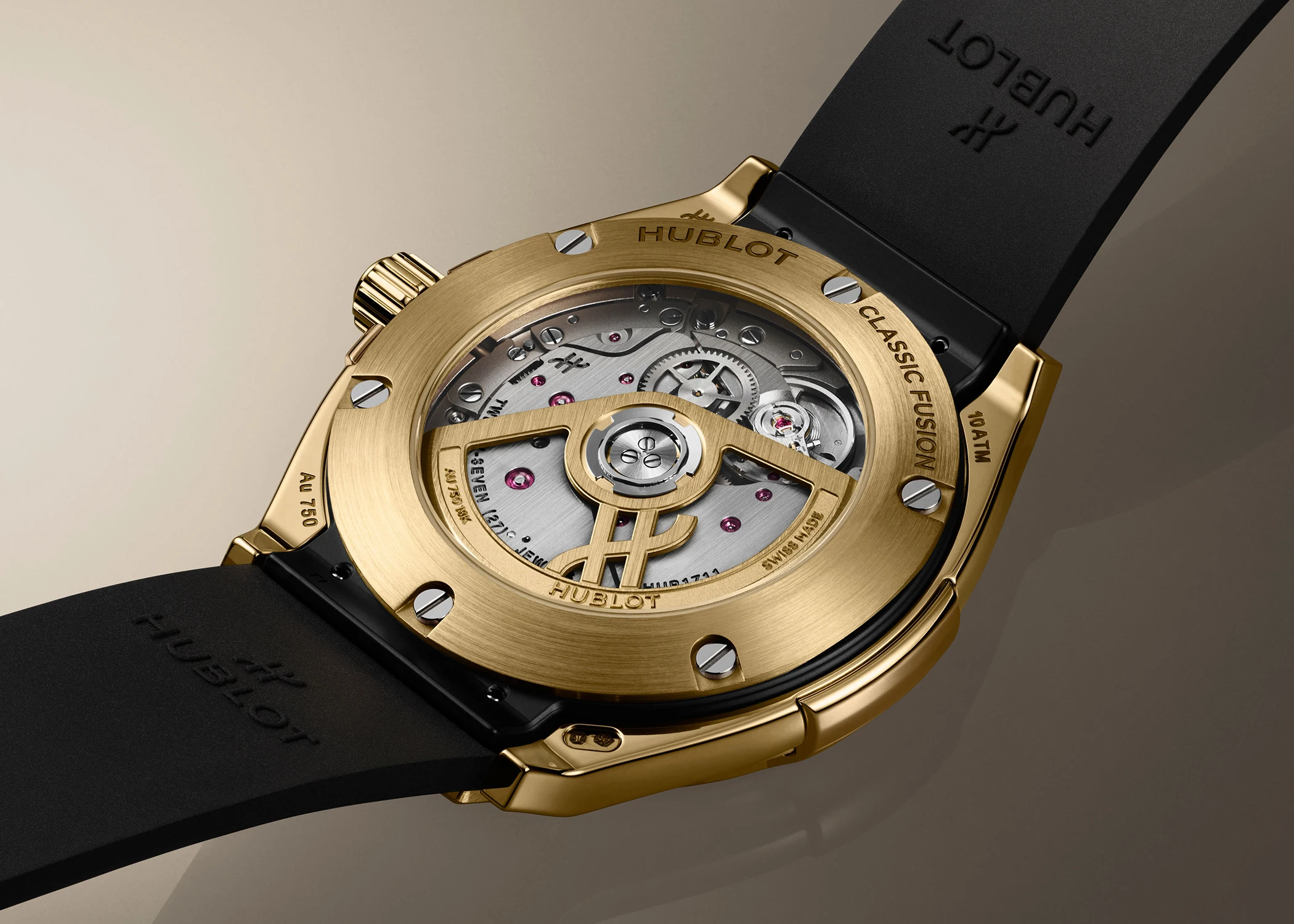
Hublot launches the new watch in a 38 x 9.5 mm case in both white and yellow gold – yellow being not only nostalgic but the coming trend wave. And the watch naturally features the “porthole” aesthetic with 12 screws around the bezel – for a modern touch, the screws on the white gold model are in contrasting black-plated titanium. Powered by an automatic Zenith Elite calibre (called HUB1711 here) with a 22-karat yellow gold oscillating weight and a power reserve of approximately 60 hours, it also features the same style of sleek black dial.
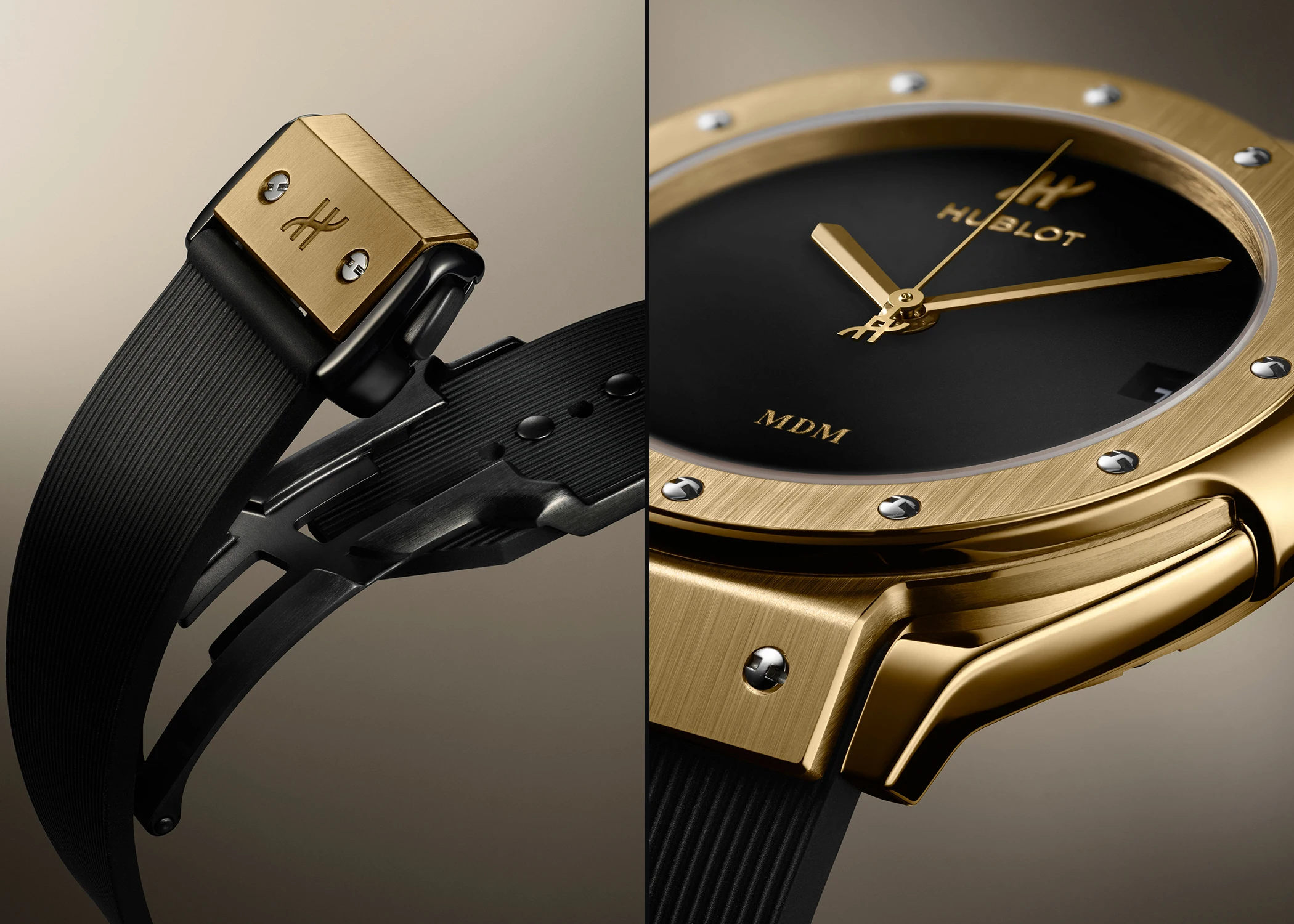
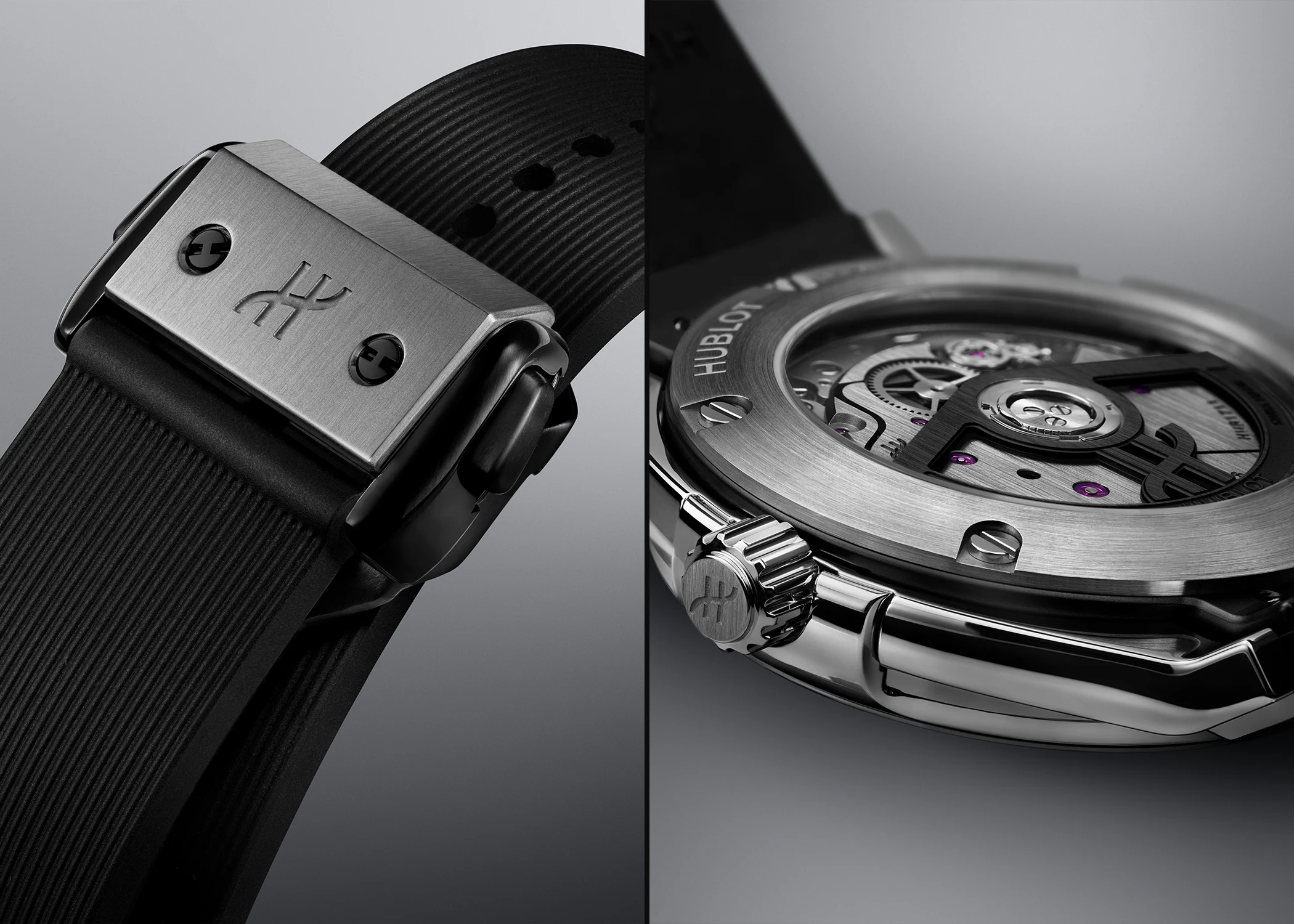
Everything has been noticeably reworked for the modern luxury era: the automatic movement period, correct as it may be, is not the quartz movement with which Crocco brought his model to life. Then the case made of five parts has different layers and finishes, including angles that have been “edged” to reflect light off the curves more vividly. Water-resistance was also improved to 100 m thanks to a screw-down crown, which the original did not have. And this dial is made of black onyx instead of lacquer and includes a black date window instead of the white date window of earlier times.
“Additionally, Hublot made a donation to the foundation where I take care of children, so that makes me very happy,” added Crocco. You can follow Hublot’s lead and donate to mdm.org. to help young people in need.