
Patek Philippe’s Watch Art Grand Exhibition includes a Rare Handcrafts collection created especially for Italian clients.
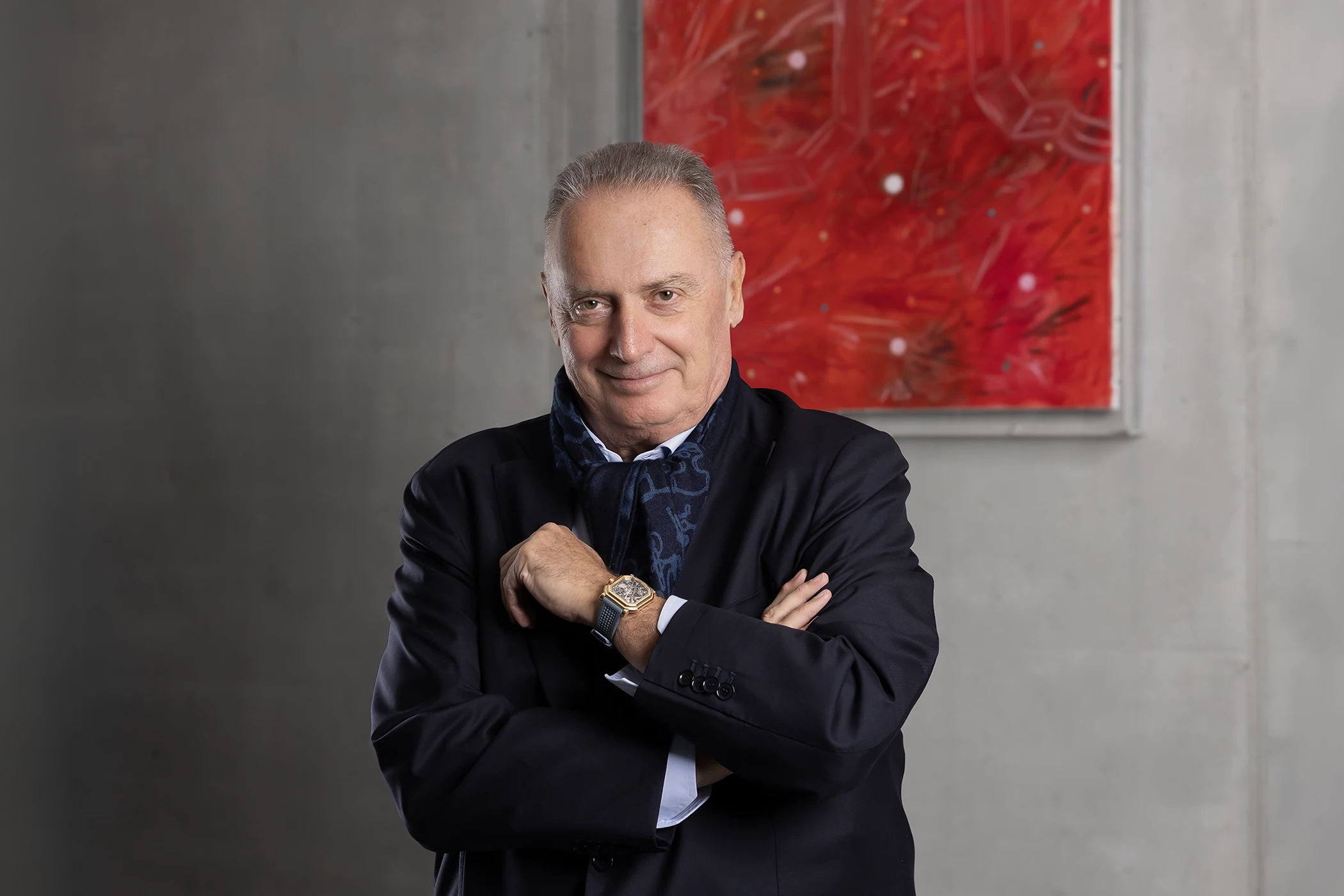
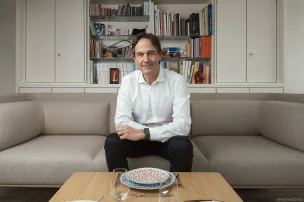
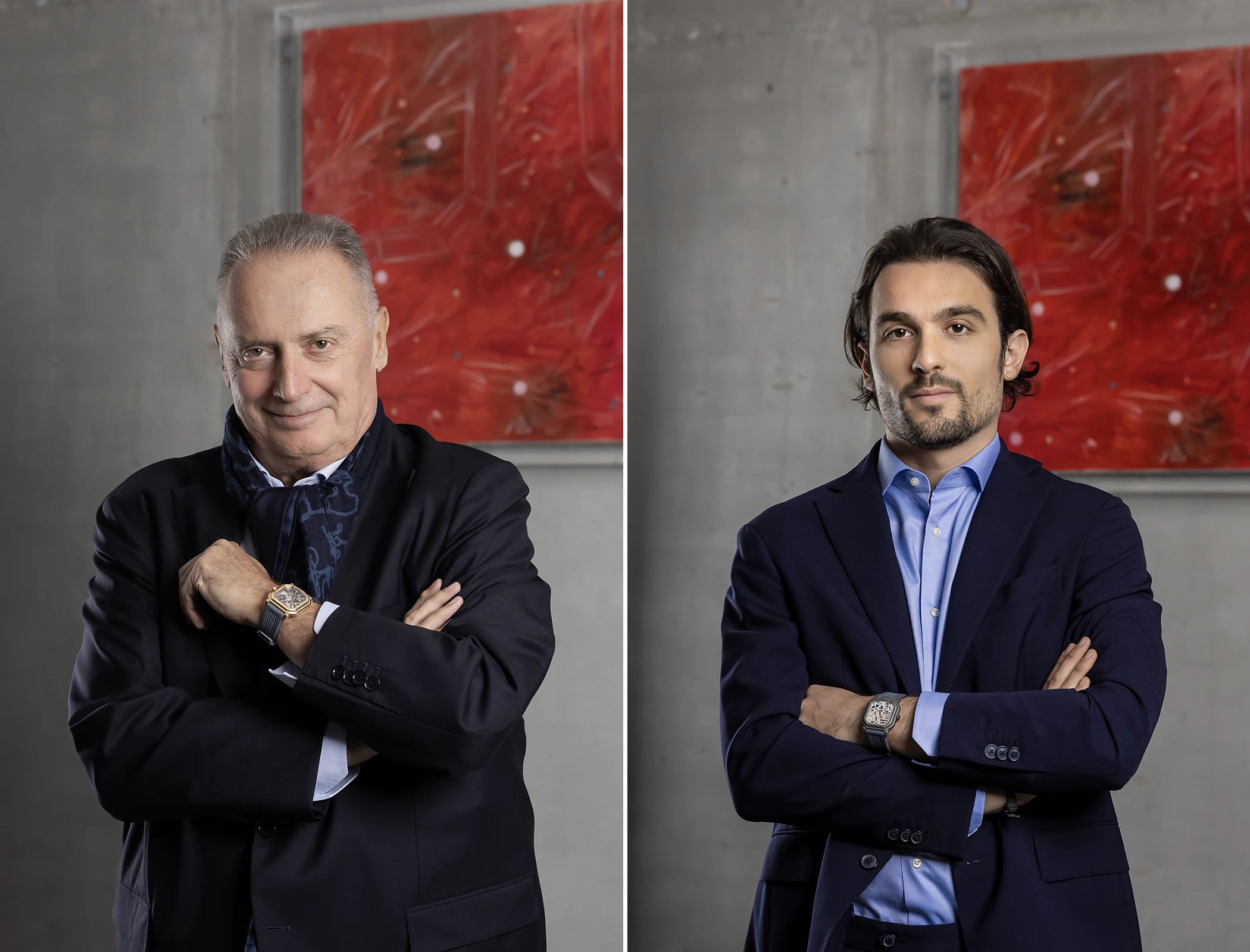
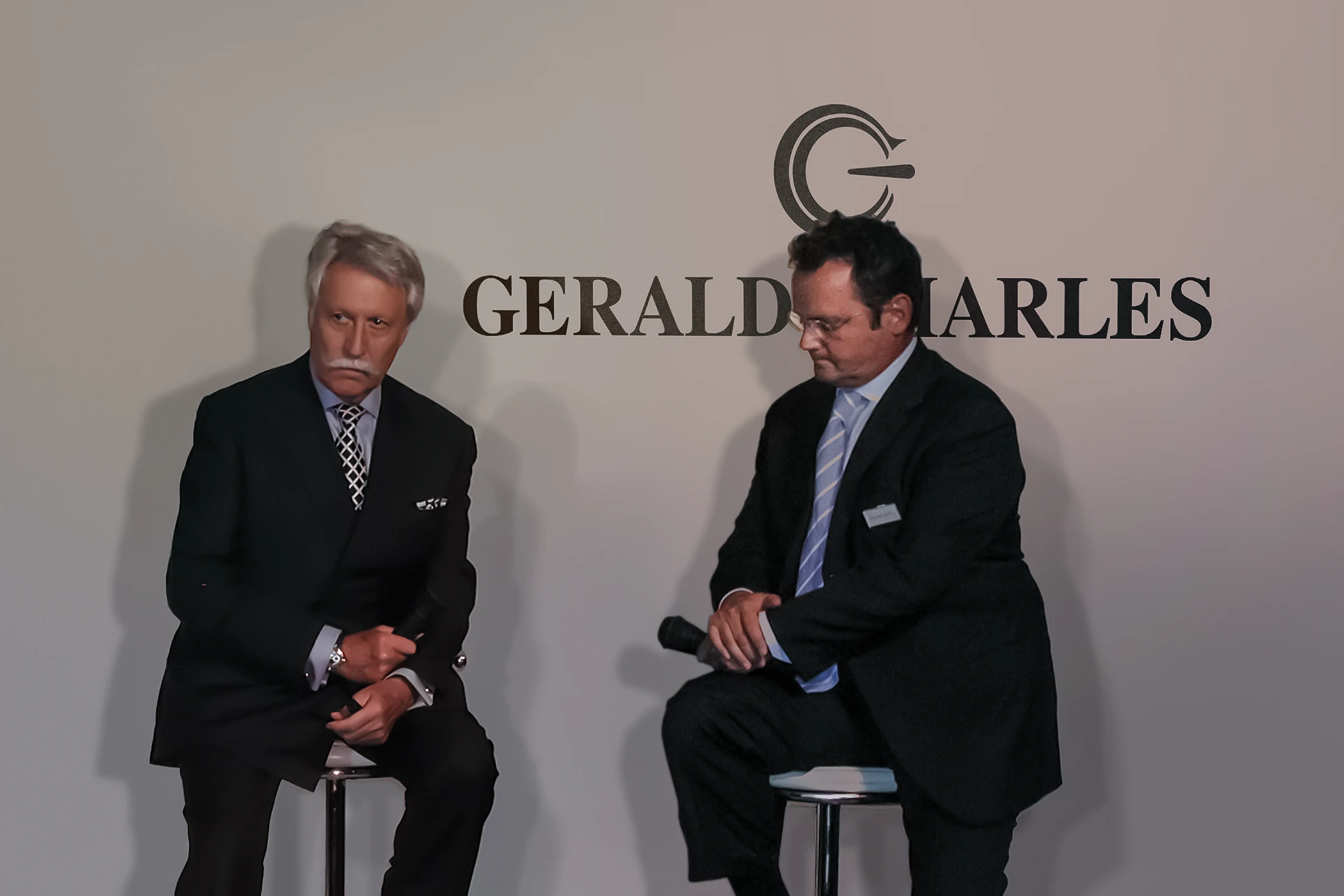
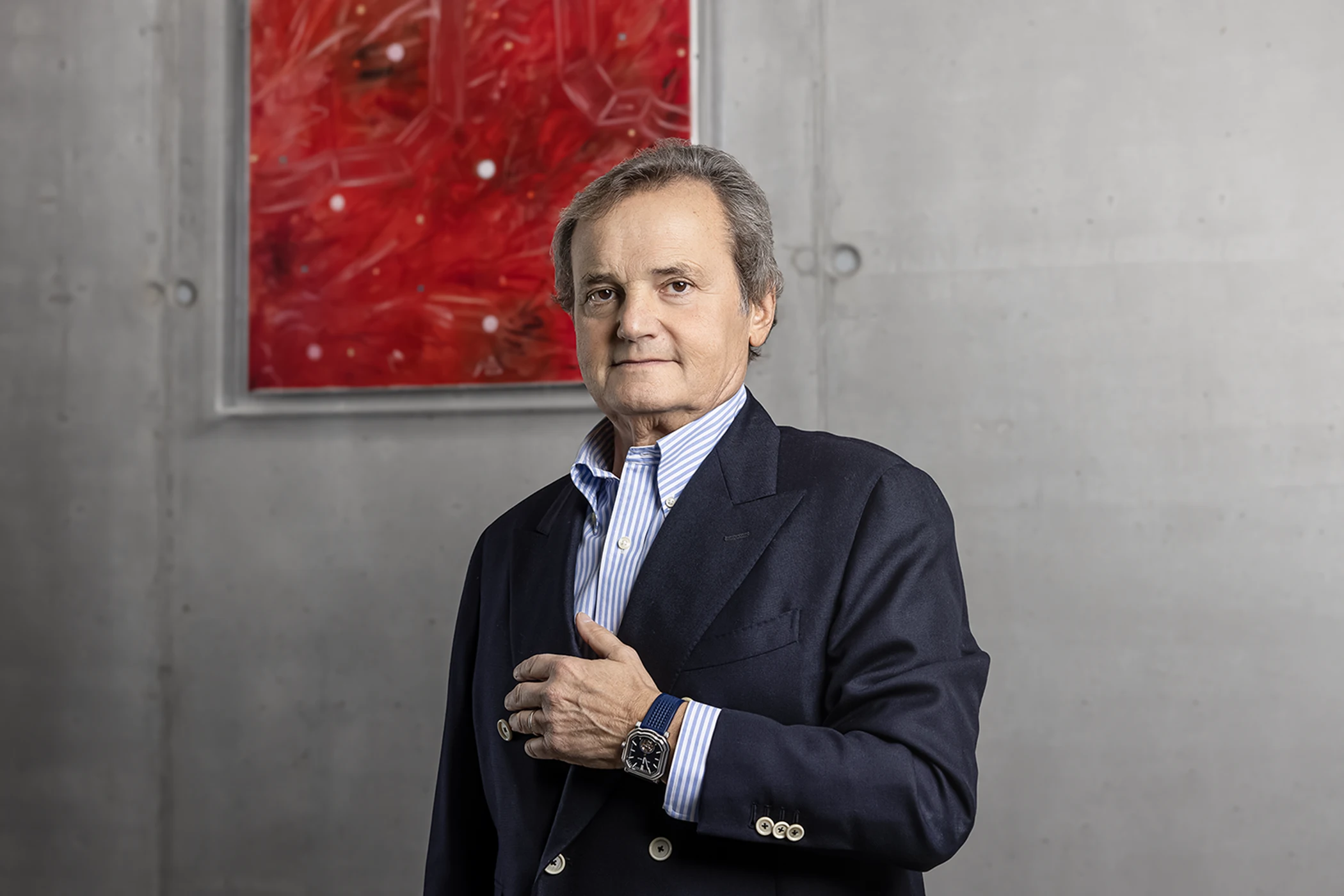
“It’s actually quite simple.” This is a phrase Franco Ziviani, Chairman of Gérald Charles, repeats during our conversation in Hamburg. We meet at Juwelier Becker, which has been stocking the Swiss watch brand since 2023.
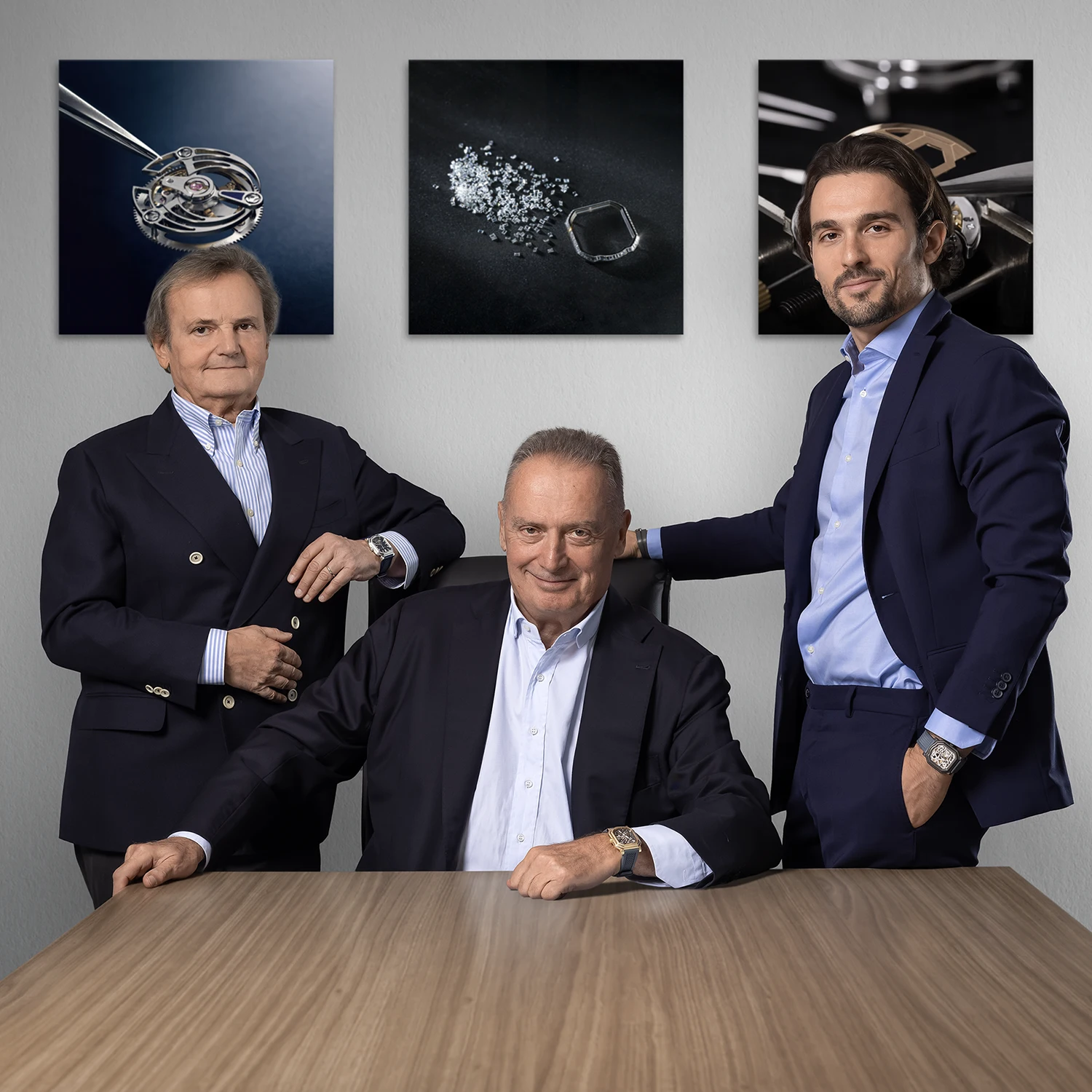
The statement reflects not only the Italian’s la dolce vita attitude, but also his clear perspective on the watch industry. Yet there is nothing frivolous about his zest for life. Rather, his self-assurance stems from almost 40 years of experience in the watch sector, nearly 30 of them with Audemars Piguet Italy. At Gérald Charles, dolce vita meets Swiss precision—and has done so since 2003. That is how long the Ziviani family has been guiding the fortunes of the brand founded by Gérald Genta.
In 2003, Franco’s brother Giampaolo became CEO, followed by his son Federico in 2023. Franco himself took over as Chairman in 2024—at a stage in life when many others would be considering retirement. However, there is no sign of him slowing down; standing still simply is not his style. That is another trait he shared with Gérald Genta, with whom he was friends from 1982 until Genta’s death in 2011. Together with his son, he is now carrying Genta’s legacy at Gérald Charles into the future.
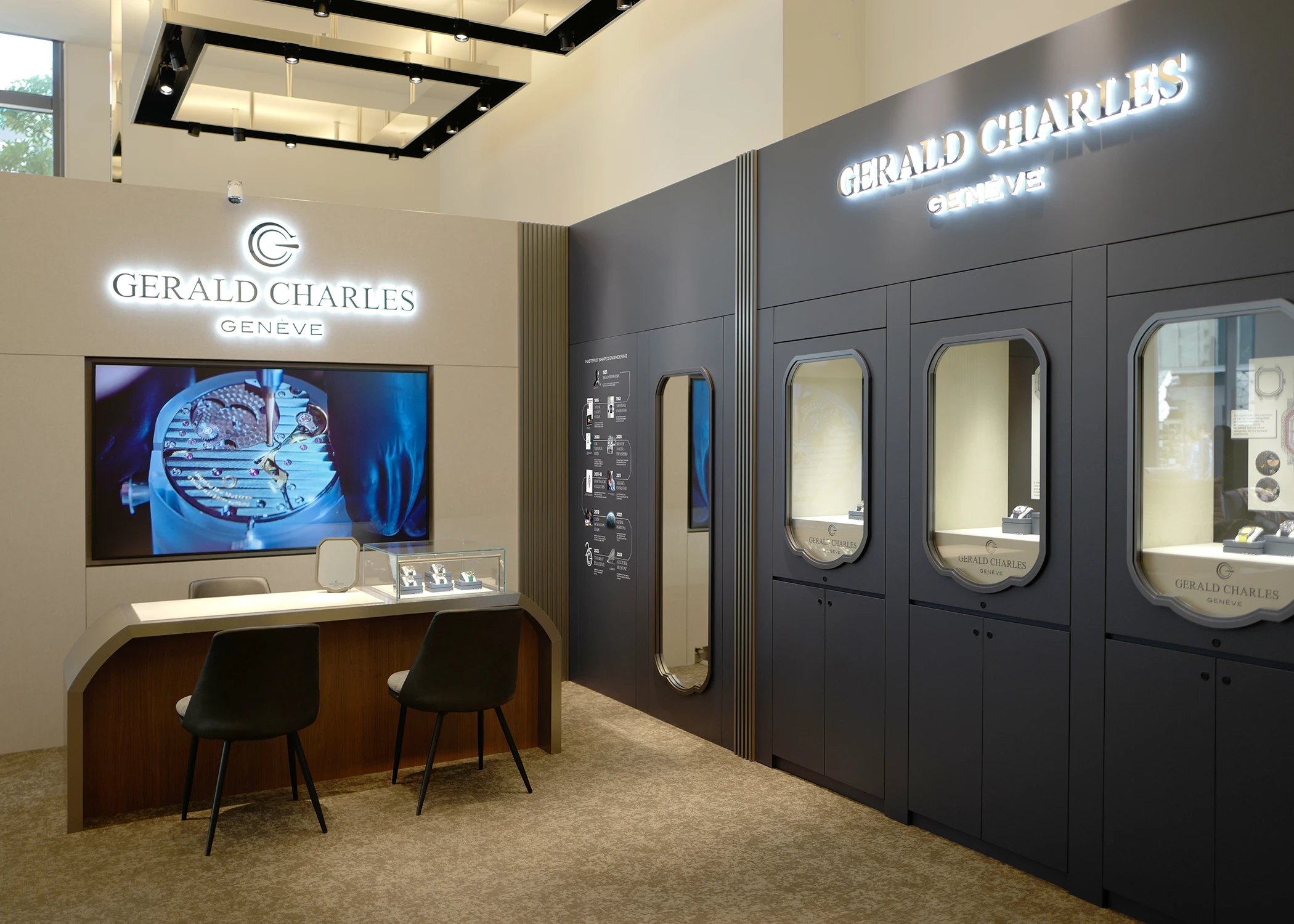
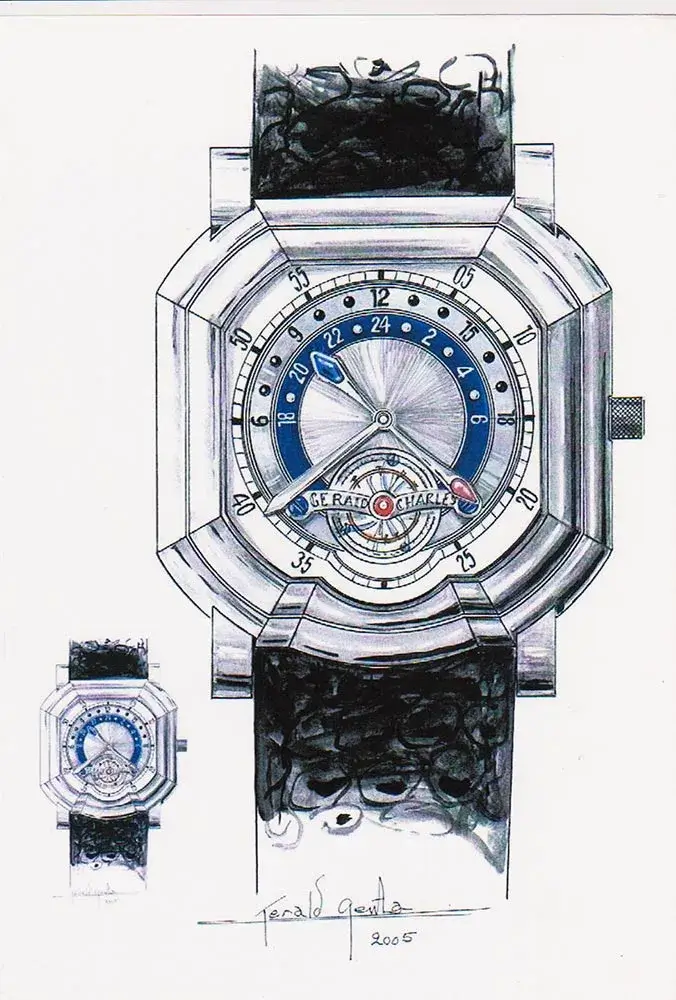
I met Franco Ziviani at Juwelier Becker on Hamburg’s Gänsemarkt, right in the heart of the Hanseatic city and just a short distance from Jungfernstieg and the Binnenalster. Becker is also a family business and celebrated its 150th anniversary last year – with a Gérald Charles watch. “For our anniversary, we wanted a watch that would stand out and spark conversation. That’s why we chose Gérald Charles with its classic Maestro case and characteristic smile,” says Jan Giercke, the fourth generation of Juwelier Becker.
Franco Ziviani: Yes. When you can feel them, you can genuinely experience them. They only truly come to life when worn on the wrist. That is also when you first appreciate the remarkable comfort of our watches. This is a crucial aspect for us—one that goes hand in hand with our strong design language.
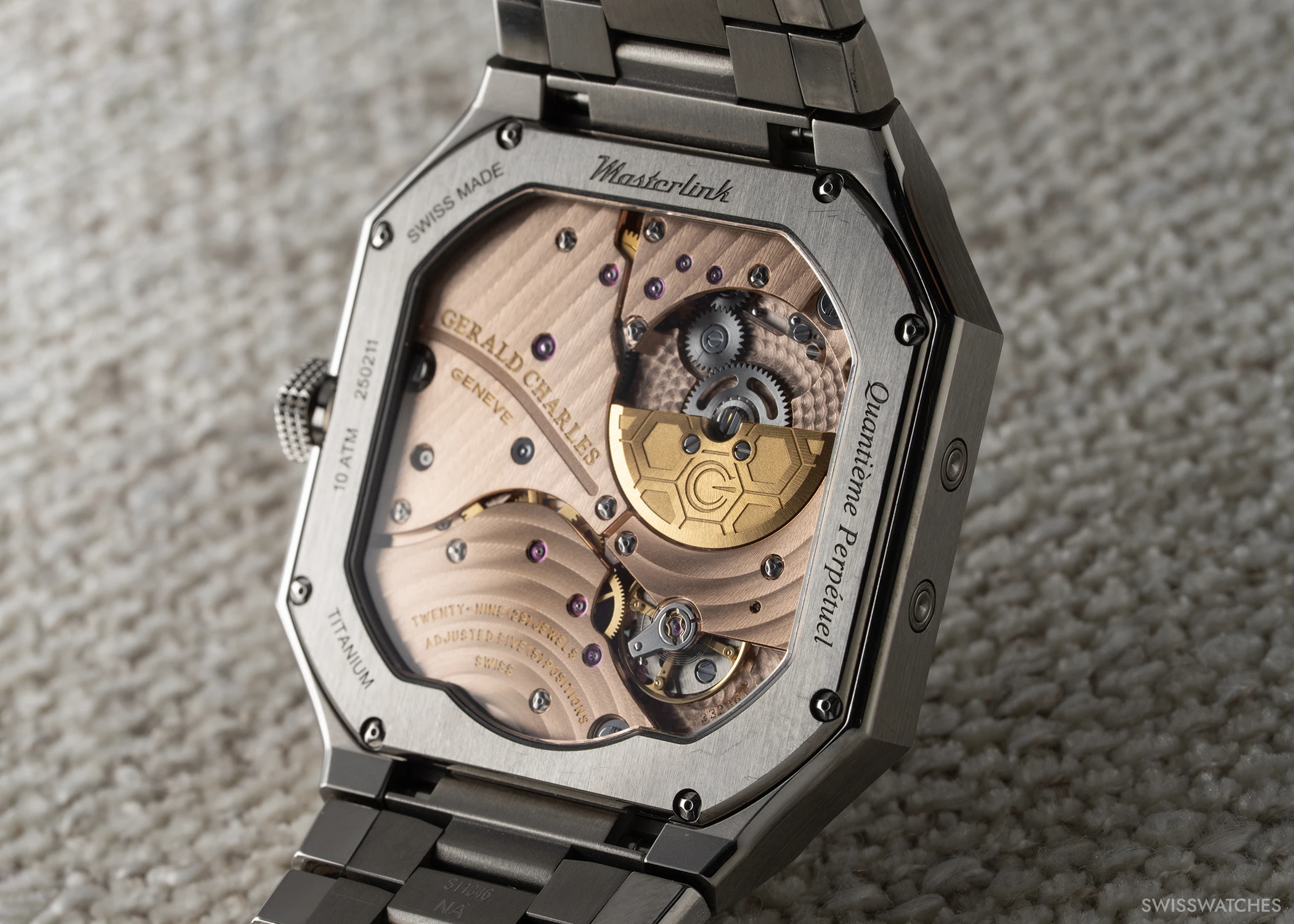
Take our Masterlink, for example. What makes it special is its integrated bracelet. Gérald Genta originally developed it in 2004 for a very special timepiece for the Sultan of Brunei, which was set with numerous diamonds. The bracelet is exceptionally comfortable and also suits slimmer wrists.
Normally, you would need to create a smaller case for a women’s watch to achieve a good fit on the wrist. With this bracelet, that isn’t necessary; you simply adjust the length. That is a major advantage. This was one of the things that mattered most to Gérald: creating something comfortable that brings people joy and makes them feel good when wearing his watches.
Exactly. Customers have the opportunity to actually try the watches on and feel them. But there is another reason: we are a niche brand and produce only around 1,500 watches a year. We cannot spend millions on global marketing.
That makes the jeweller all the more vital to us, as they support us in building brand awareness. Of course, the retailer has to be the right fit. Juwelier Becker, for instance, is a family business that shares a similar mindset to ours. Family businesses are characterised by immense passion—something that isn’t just maintained for a few years, but cultivated across generations. It’s not unusual for the grandfather to step back into the shop when needed, simply because you genuinely love what you do. It isn’t just about money.
That’s right. Germany is an important yet challenging market where we are establishing ourselves step by step. We look very carefully at which investments make sense. Our top priority is to build deeper knowledge about the Gérald Charles brand. In the long term, I won’t be satisfied if people look at our watches, say, “I like that one, I’ll buy it,” and only then ask what Gérald Charles is actually all about.
At the same time, Germany offers the opportunity to build a very strong distribution network because it has a well-developed, nationwide culture of specialist retailers, similar to Italy and Switzerland. You don’t find this to the same extent in many other European countries.
In Germany, there are small towns with 50,000 inhabitants that host fantastic retailers carrying top-tier brands. That is ideal for establishing a nationwide presence—something that isn’t possible in the same way in France or the United Kingdom.
Yes, I would like to take Gérald Charles on a similar journey. One major advantage is that we operate with complete independence. But we are not one of those brands that produce three watches for €300,000 for three specific collectors and consider the job done.
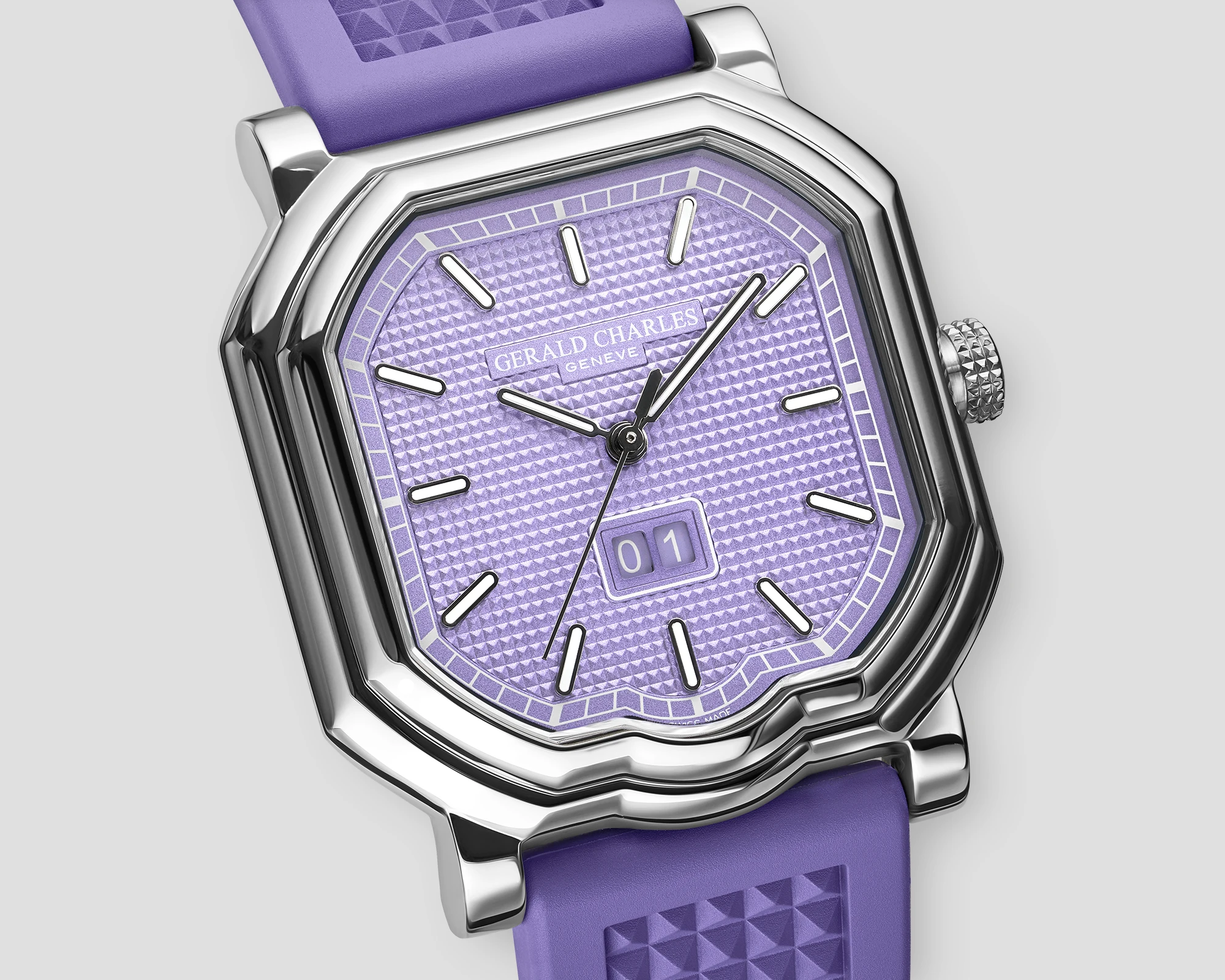
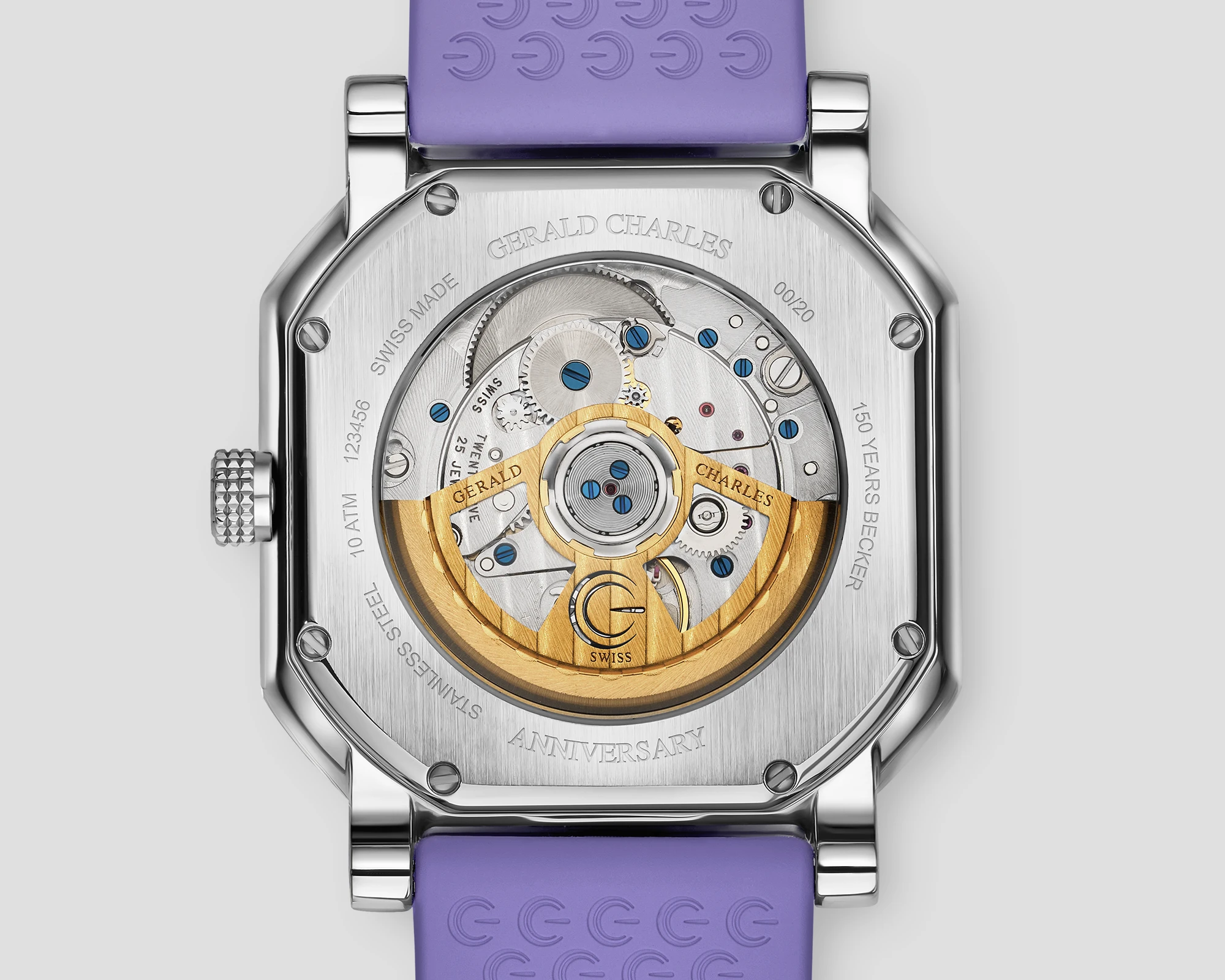
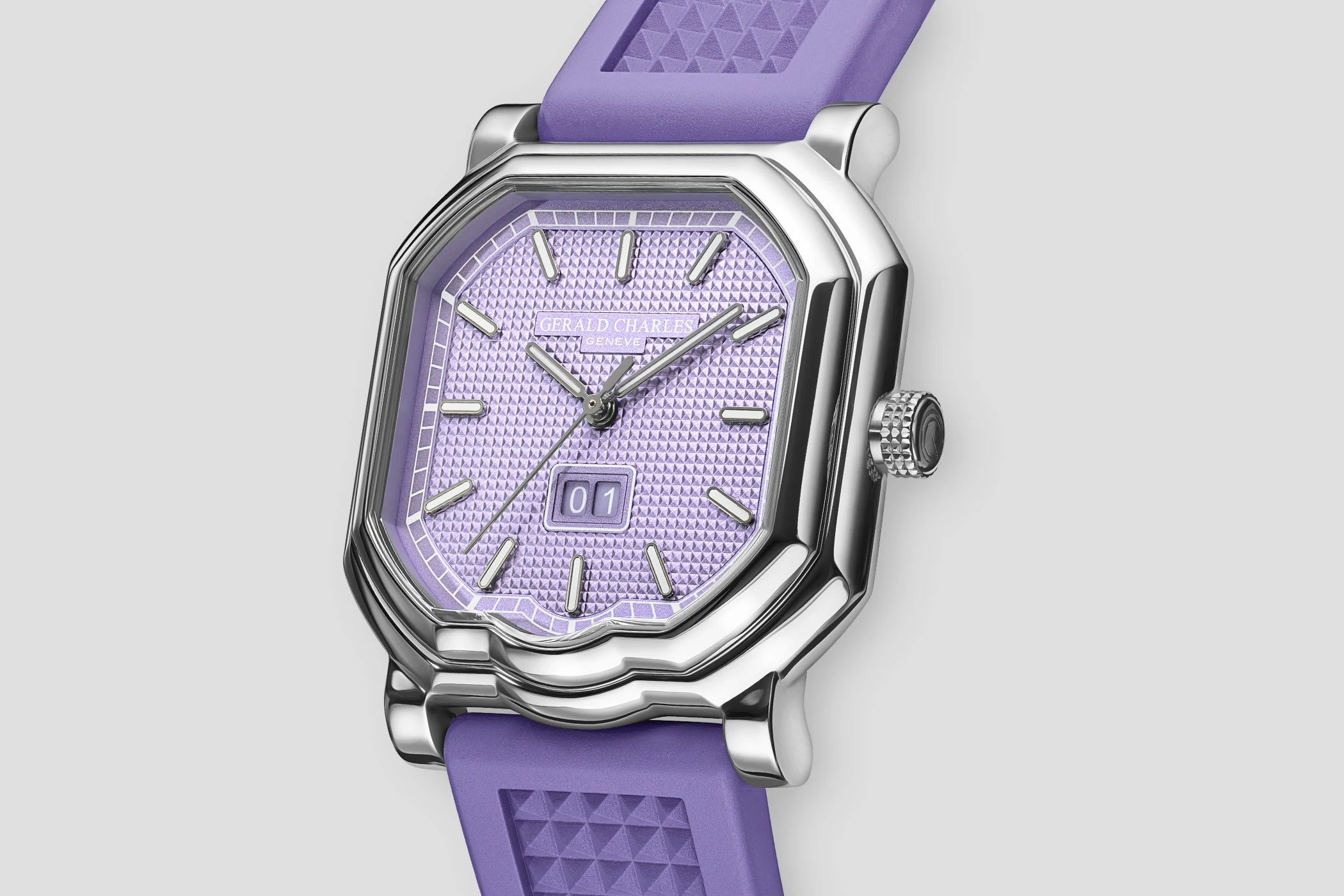
We have a great deal still ahead of us and carefully consider which investments make sense. Thanks to our independence, we can implement them quickly and without complications. Such as the joint event with Becker in Hamburg. It marked the jeweller’s 150th anniversary and Gérald Charles’ 25th anniversary. For the occasion, we created the Maestro GC19 Becker Anniversary Edition with a lavender-coloured dial.
Of course, people still ask us: “Why Gérald Charles, and what exactly do you do?” That is precisely where we have a huge advantage: we have a rich, authentic story to tell. That helps enormously when building a brand as young as ours.
Our goal is to grow steadily, perhaps by ten per cent a year. But the crucial question is: what does “big” mean for us? For us, the target is around 5,000 watches a year.
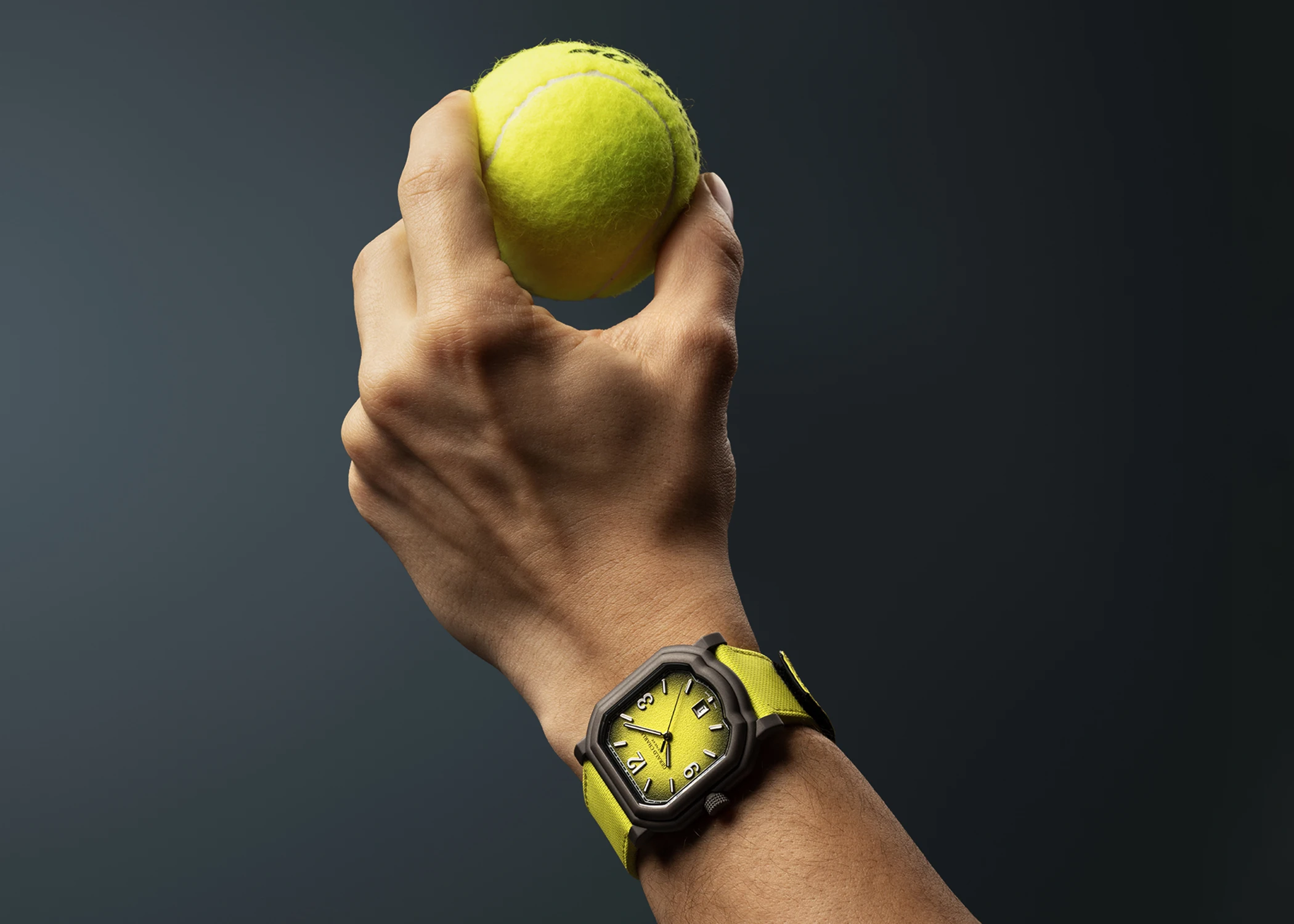
We know our global client base very well and are proud to count some of the world’s top collectors among them. They know our brand, see the watches, like them and buy them—because they are beautiful, robust and comfortable. You don’t necessarily have to play tennis wearing a €200,000 watch (laughs). You can do that with the Gérald Charles Maestro GC Sport Tennis.
Then there is a second important group: younger enthusiasts aged between 20 and 35, who are generally more open to emerging brands and simply appreciate our design language. We take this into account in our pricing strategy.
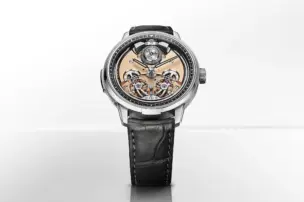
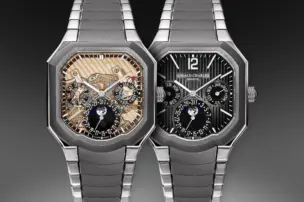
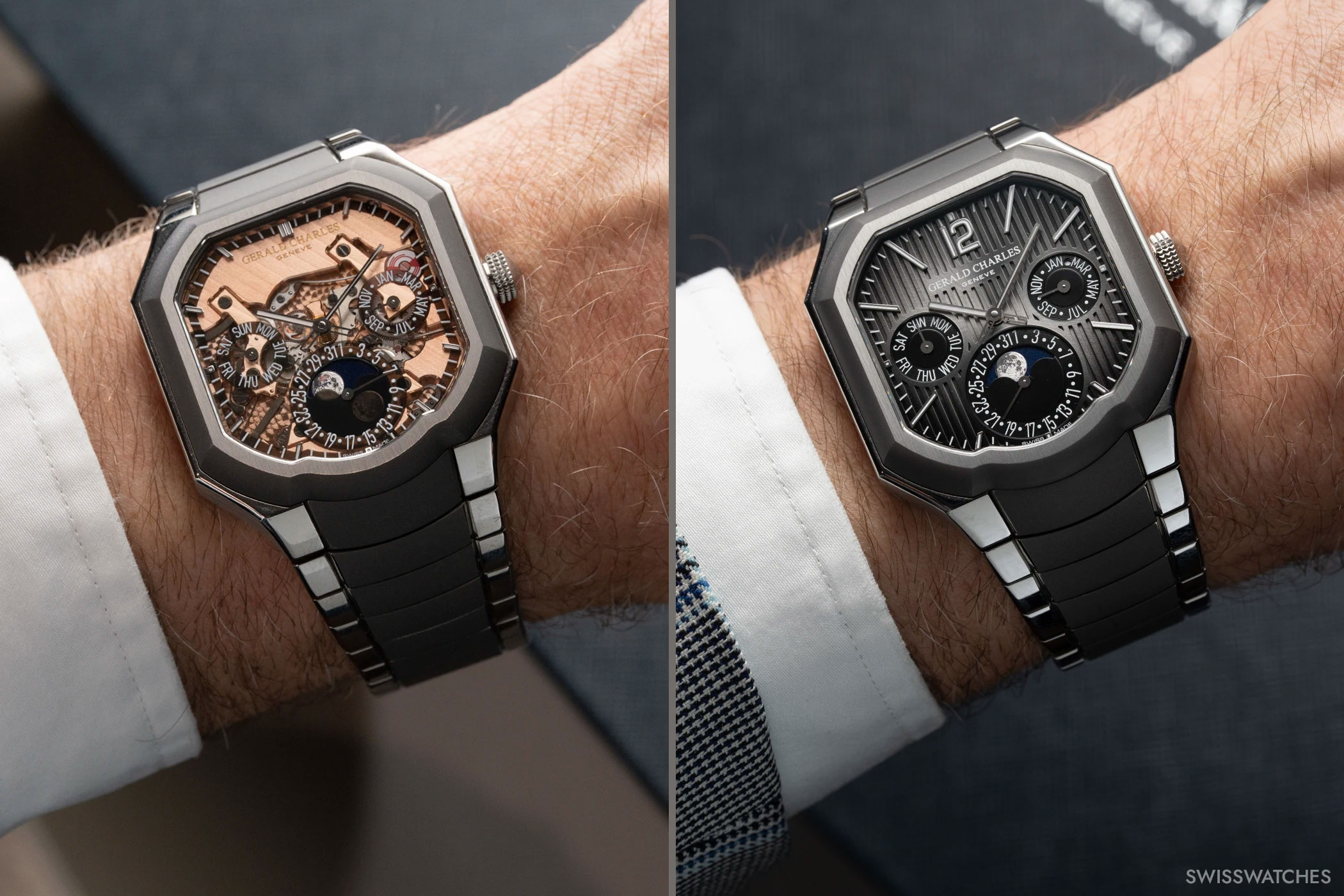
Our Perpetual Calendar model is truly something special, and we are very proud of it. We plan to present complications like this regularly in the future. But we will also retain our existing positioning between classic elegance and sporty performance. After all, it takes time to develop an understanding of Haute Horlogerie and the prices associated with it in the market.
It is essential to first communicate what makes a timepiece special—its intricate development, technology, watchmaking heritage and our expertise—before expecting clients to understand a price tag of €75,000 or more.
With our Masterlink Perpetual Calendar, which we unveiled at Watches & Wonders 2026, this approach worked very well. We have already delivered 70 pieces. However, we don’t intend to expand massively in this direction; rather, we prefer a measured approach, perhaps introducing a new complex movement every one or two years.
It is equally important for us to reach broader target groups with our other offerings. I see significant potential among female clients in particular. That is why we launched the Mini Maestro for women this year. This quartz model has been a huge success and is currently sold out. Next year, we will introduce new dials, a new bracelet and a mechanical version. This will give us a diverse selection in the women’s segment, catering to different tastes and regional markets.
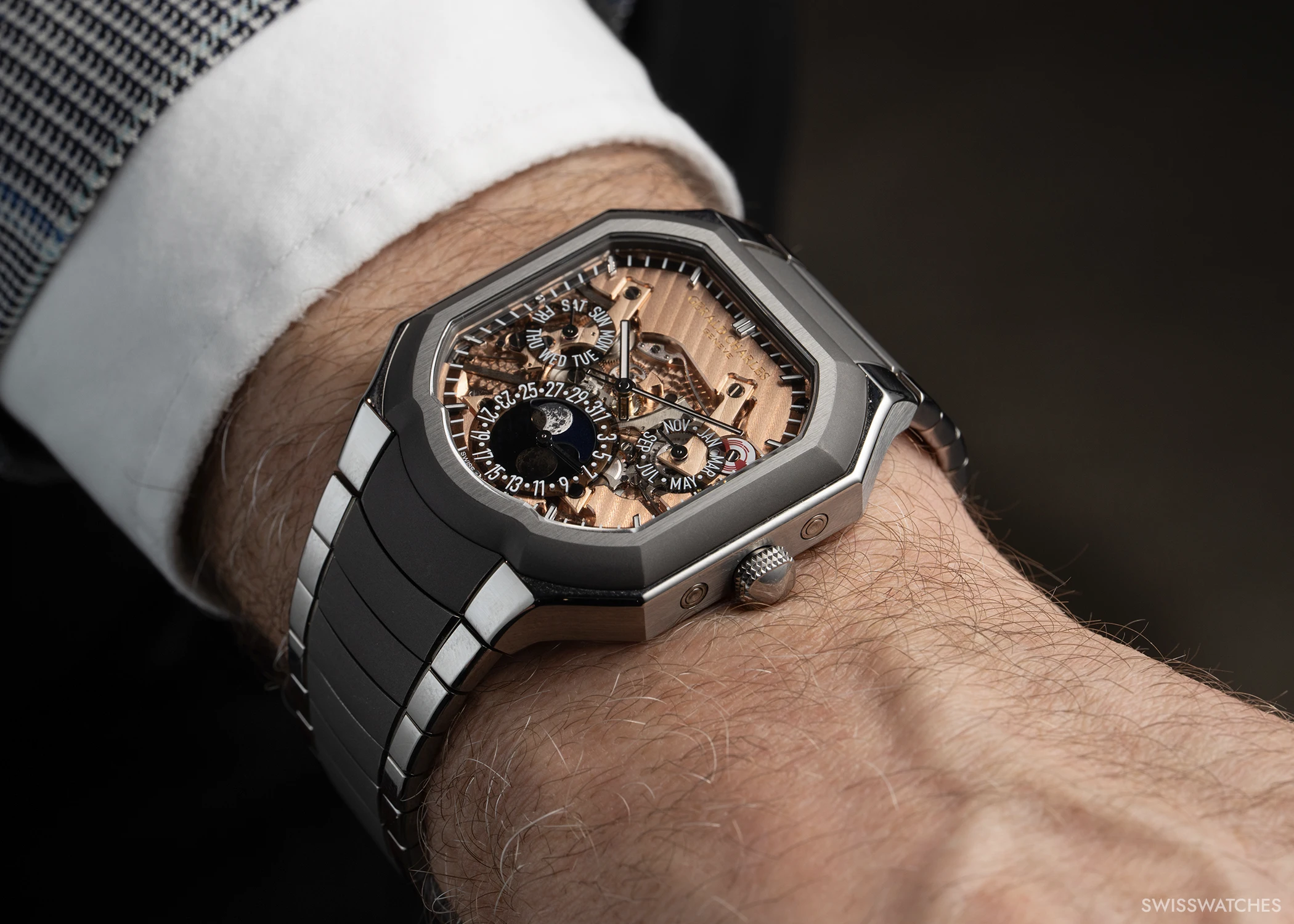
Yes, we are talking about a substantial investment. Financially, however, we are in a very solid position. We want to make our production more independent of supply chain risks, which can now cause disruption even for major industry players. Conversely, smaller yet critical suppliers can run into financial difficulty or vanish during crises. For us, the primary focus is on in-house movements. This is a vital differentiator when distinguishing ourselves from other manufactures.
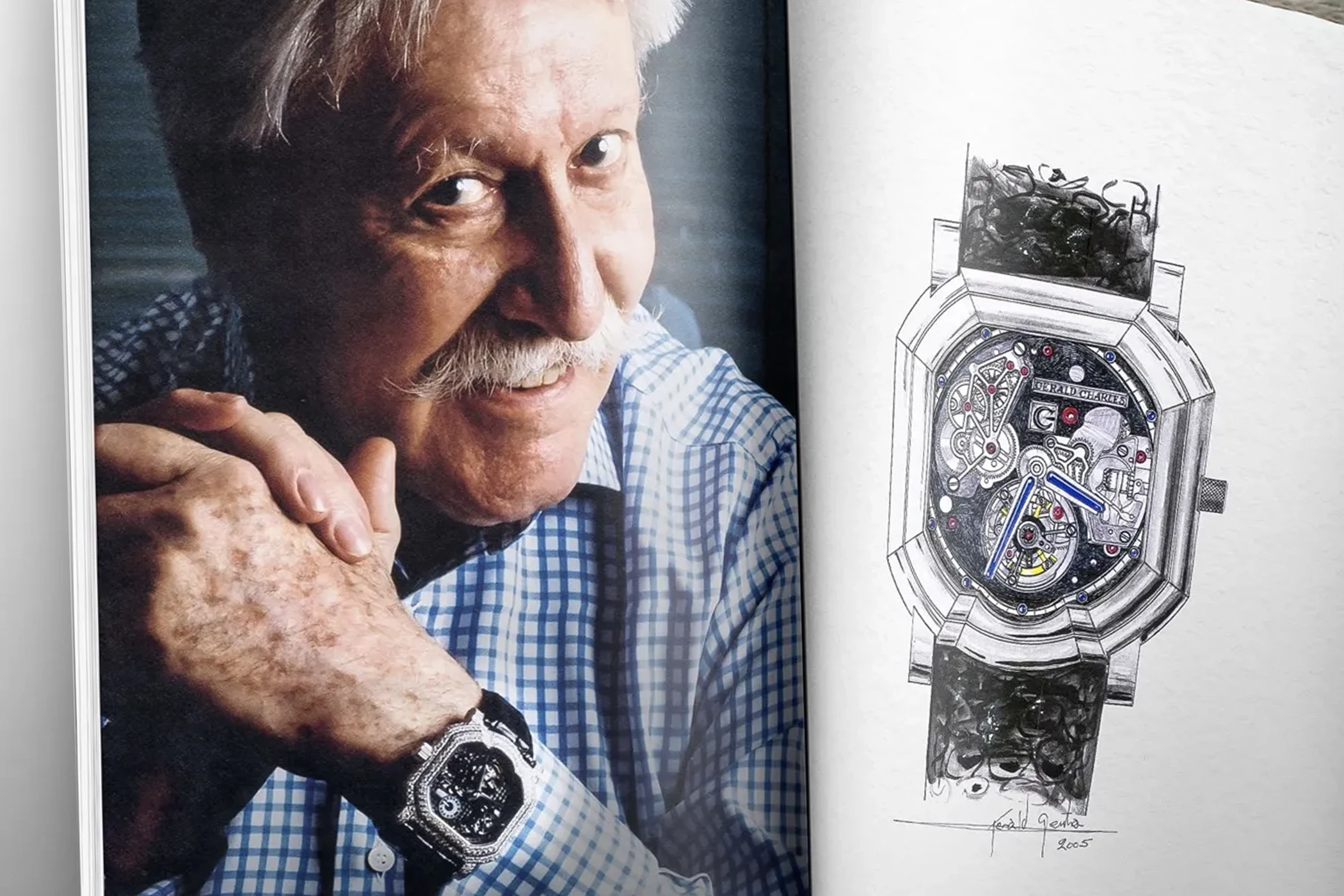
He simply couldn’t. I felt similar when I joined Gérald Charles at the start of 2024. By then, I had spent 37 years in the watch industry – and Gérald Genta was actually the person who introduced me to it.
That was back in 1982. When I first met him, I ran a marketing agency. He was organising a major event in Milan for leading watch brands, and I was helping prepare the presentation. On that occasion, he said to me: “Why don’t you come and work for me?”
That was my entry into watchmaking and eventually led me to Audemars Piguet in 1995. Now, in the latter stage of my career, I am here safeguarding Gérald’s legacy.
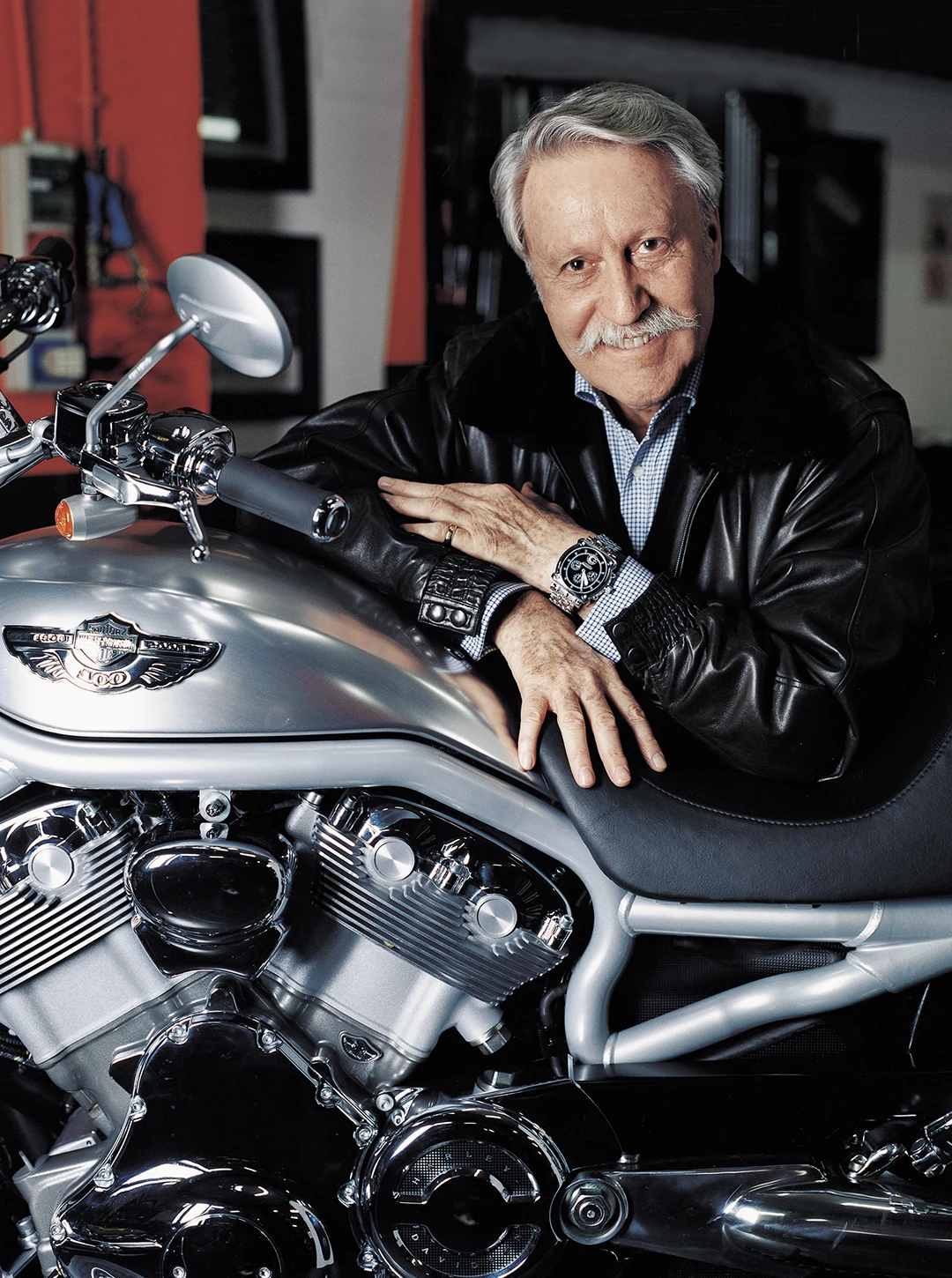
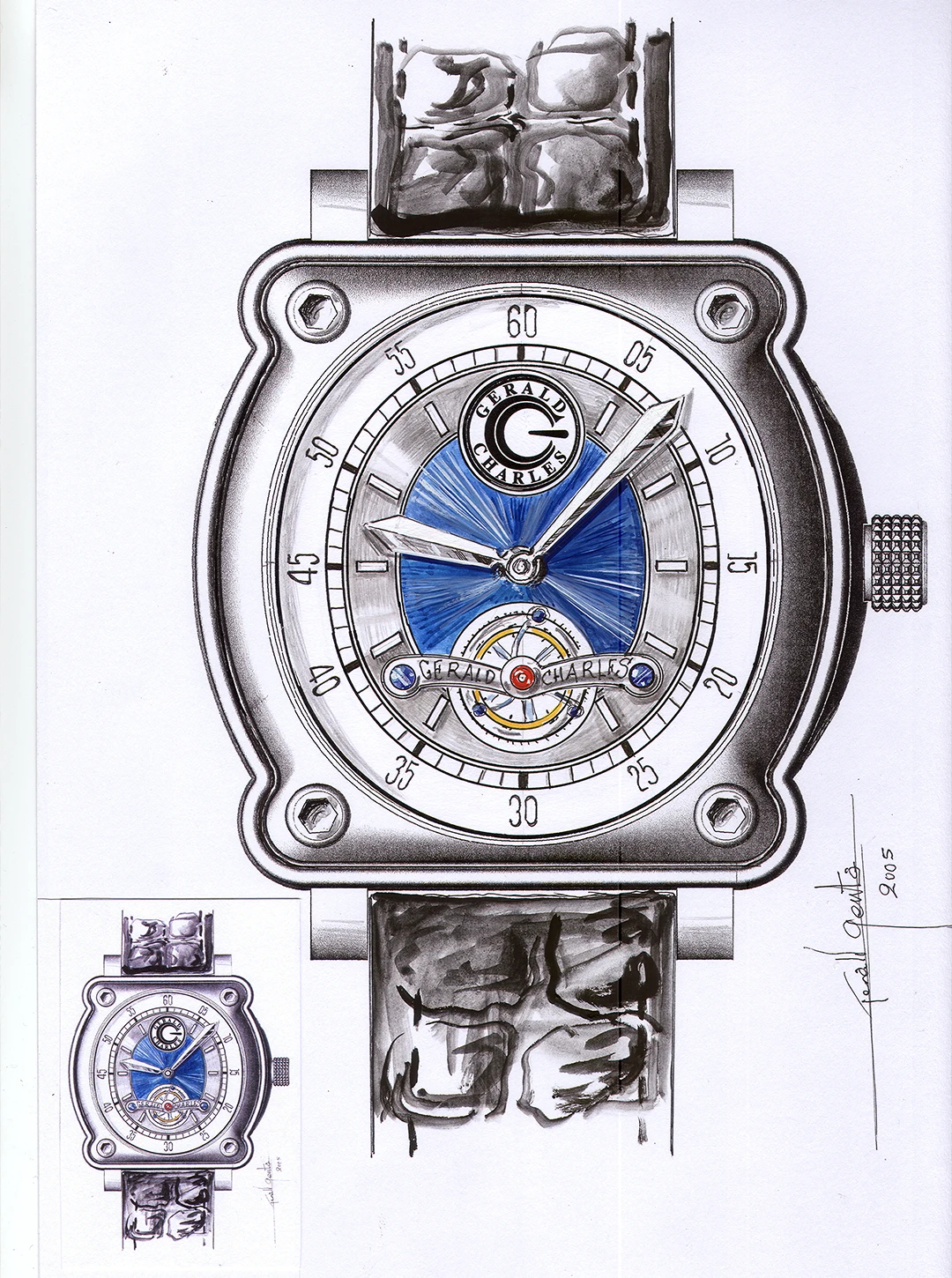
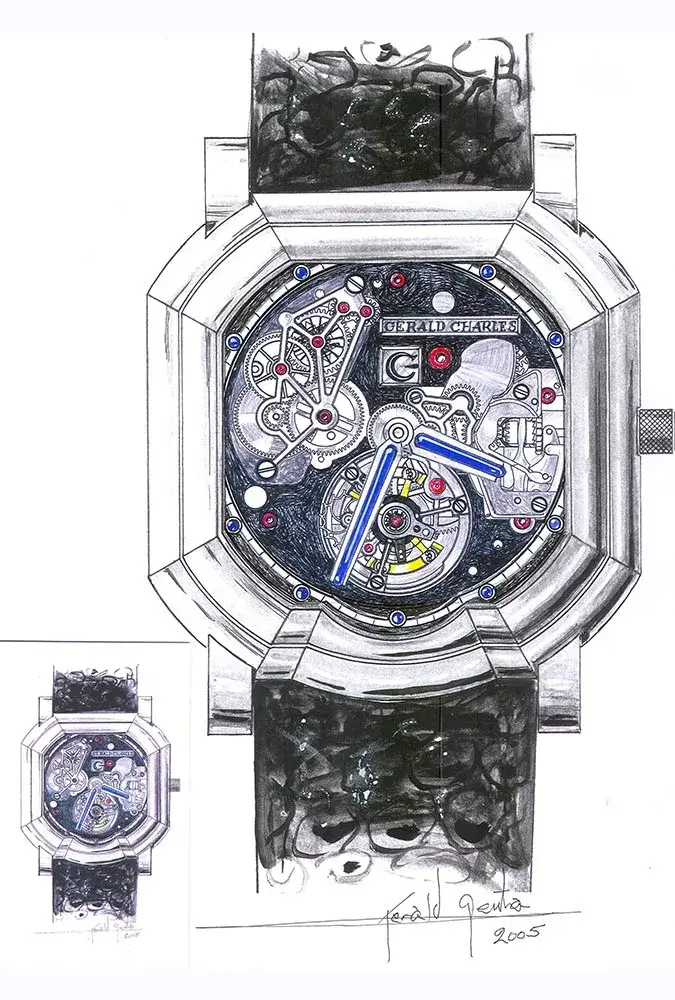
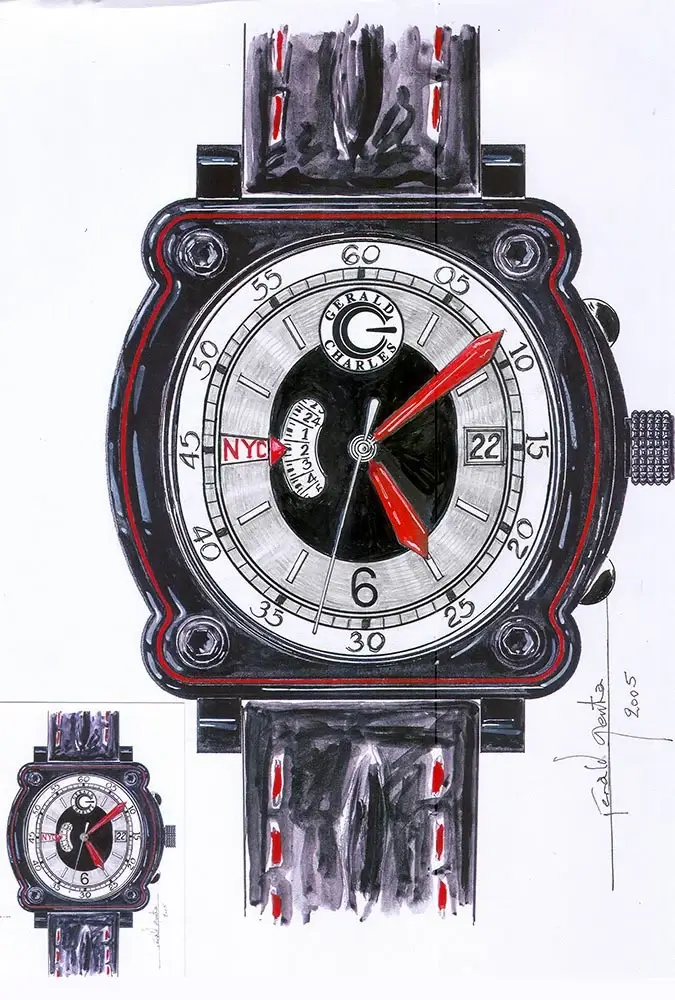
I think designing watches was an absolute necessity for him. When he sold his company Gérald Genta to The Hour Glass in the 1990s, he initially intended to spend more time with his family. But after about a year, he realised that didn’t suit him. He simply had to design watches.
That is why he founded Gérald Charles in 2000 – Charles was his middle name. In 2002, he called me and said: “I need help, I’m losing money. Do you want to buy the company?” For Gérald, designing watches came naturally; the challenge was commercialising them at the right price point. So, in 2003, I ultimately acquired the business.
That decision was rooted in my personal bond with Gérald. He remained our head designer until his passing, despite never having been an employee anywhere in his entire life. That was a extraordinary mark of trust.
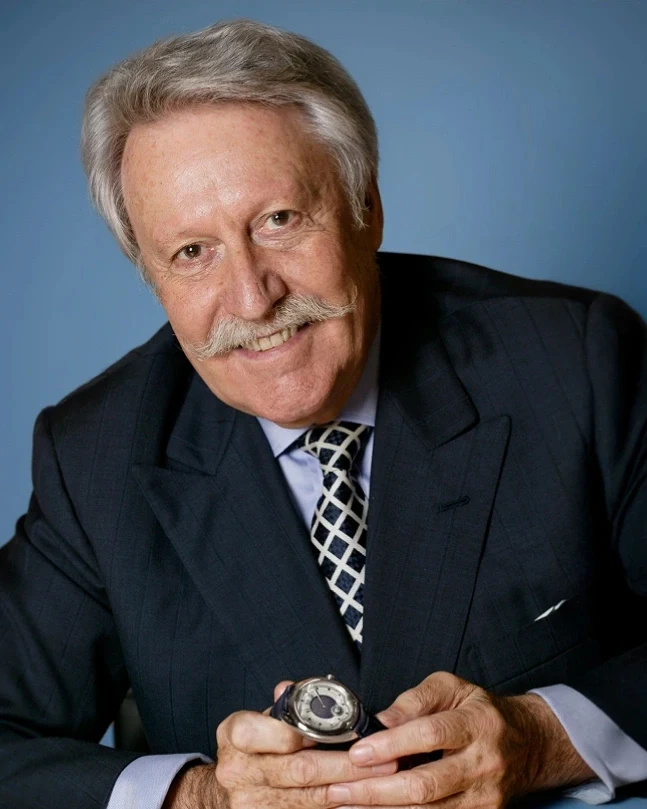
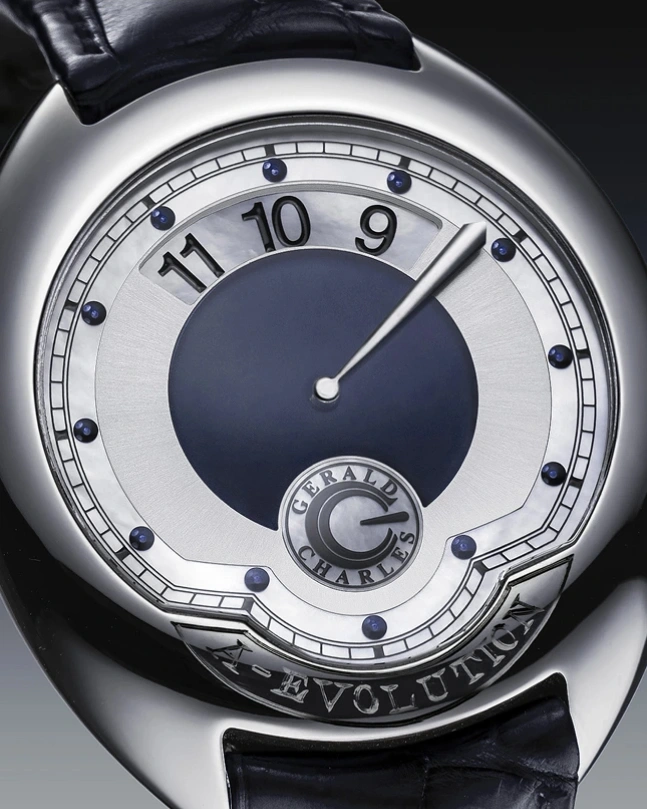
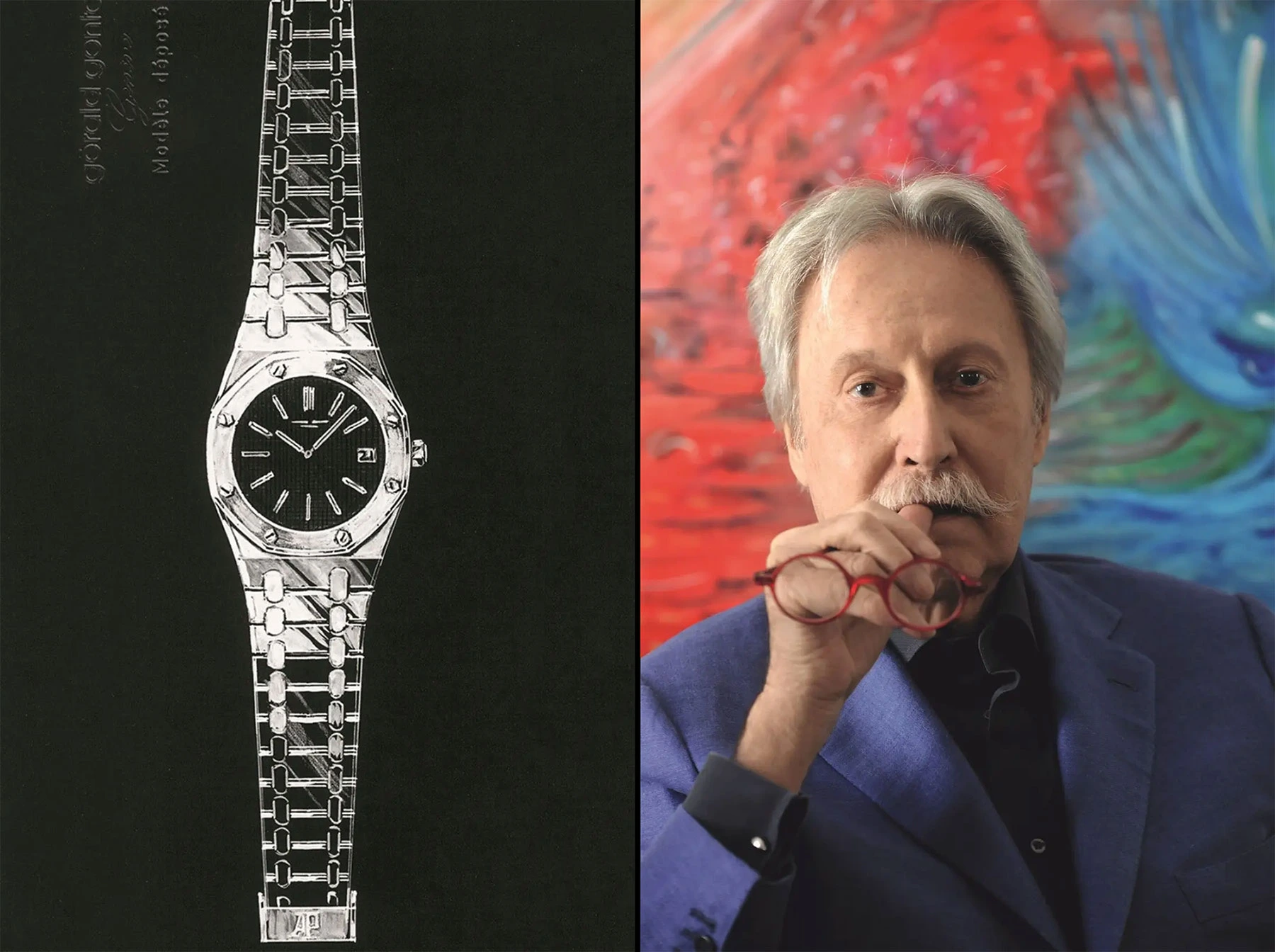
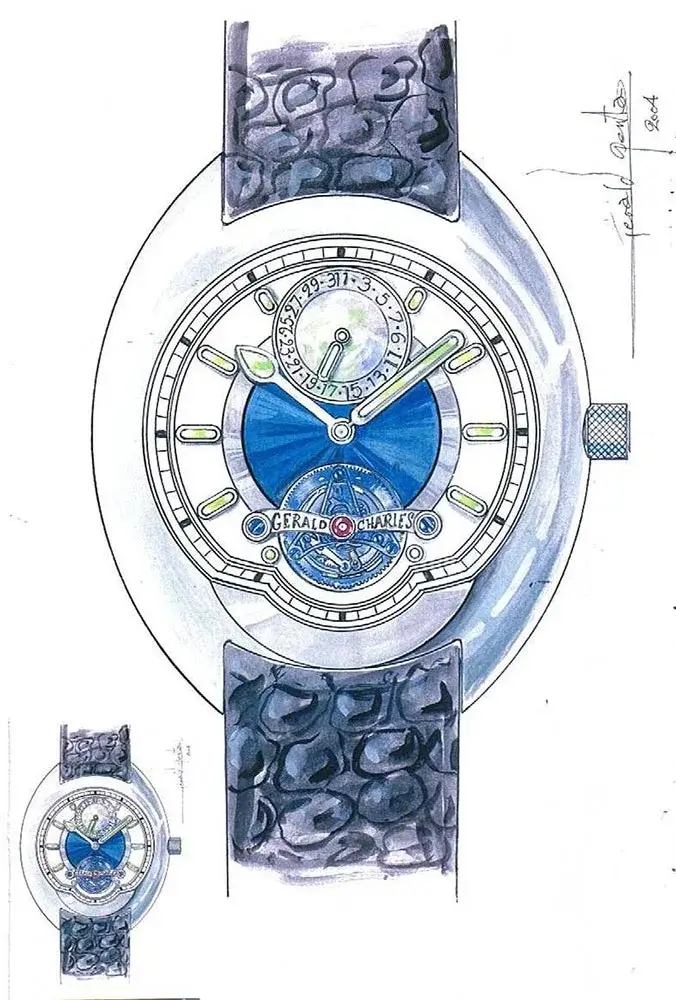
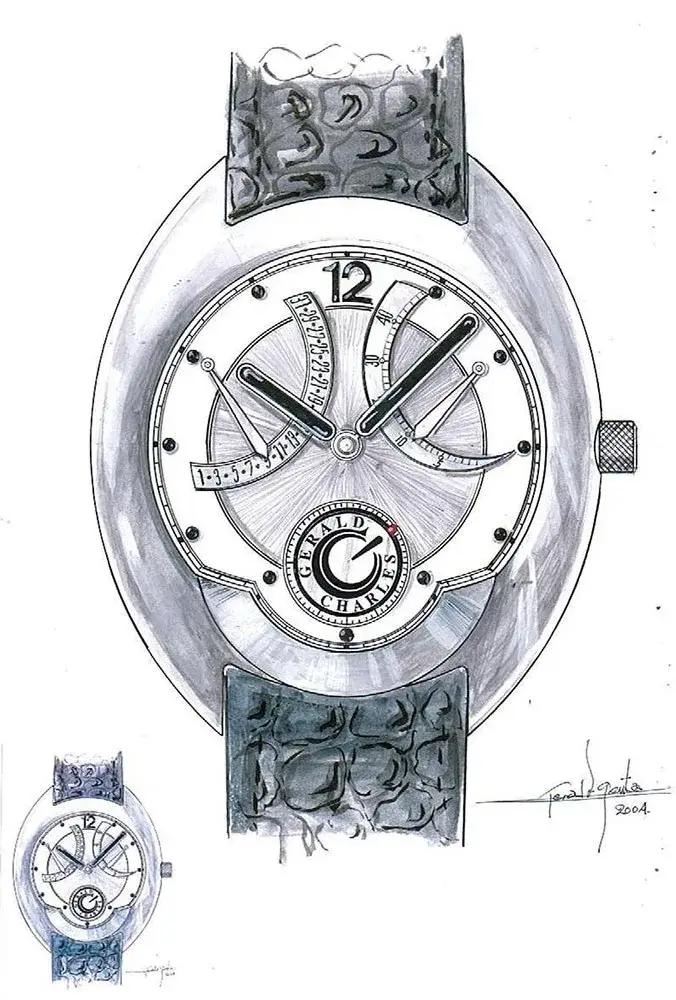
A brand must evolve; that is never easy. But if you look at the eleven years during which Gérald designed for Gérald Charles, alongside the evolution of the Royal Oak and Nautilus which he also created, you understand how icons are forged.
Gérald Charles undoubtedly has the potential to cultivate its own icon. But we cannot afford mistakes. We must honour Gérald’s design codes – his philosophy on aesthetics, movement integration and complications – while continuously refining them. We have an extraordinary foundation and a profound responsibility.
Exactly. Working alongside our Creative Director Octavio Garcia, who joined Gérald Charles in 2020, we manage to respect Genta’s design ethos without losing momentum. Sometimes it’s a matter of subtle nuances, but those nuances make all the difference.
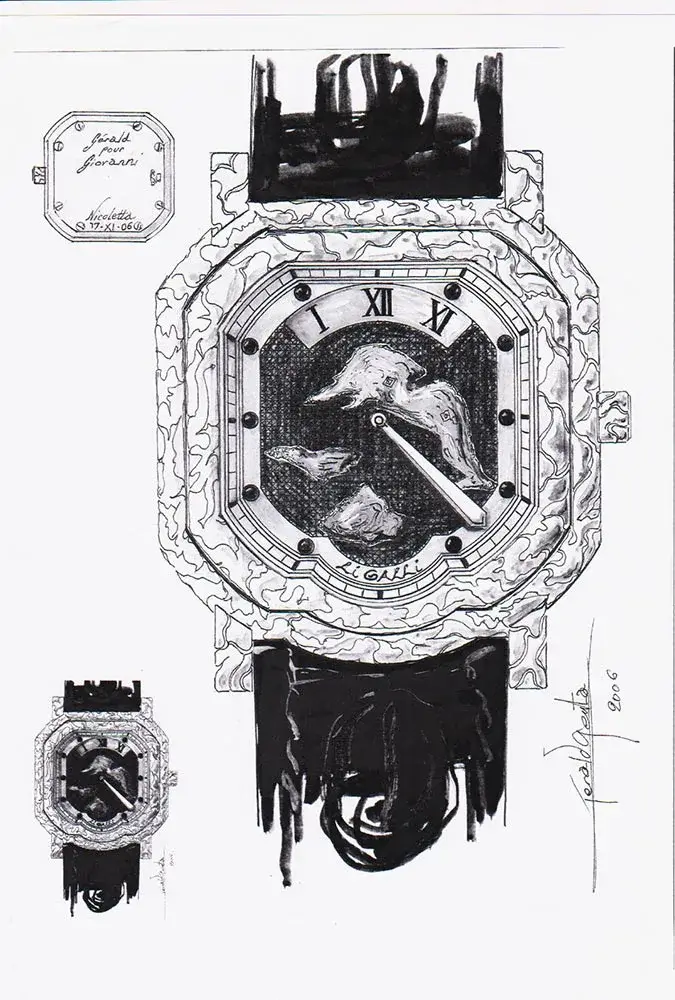
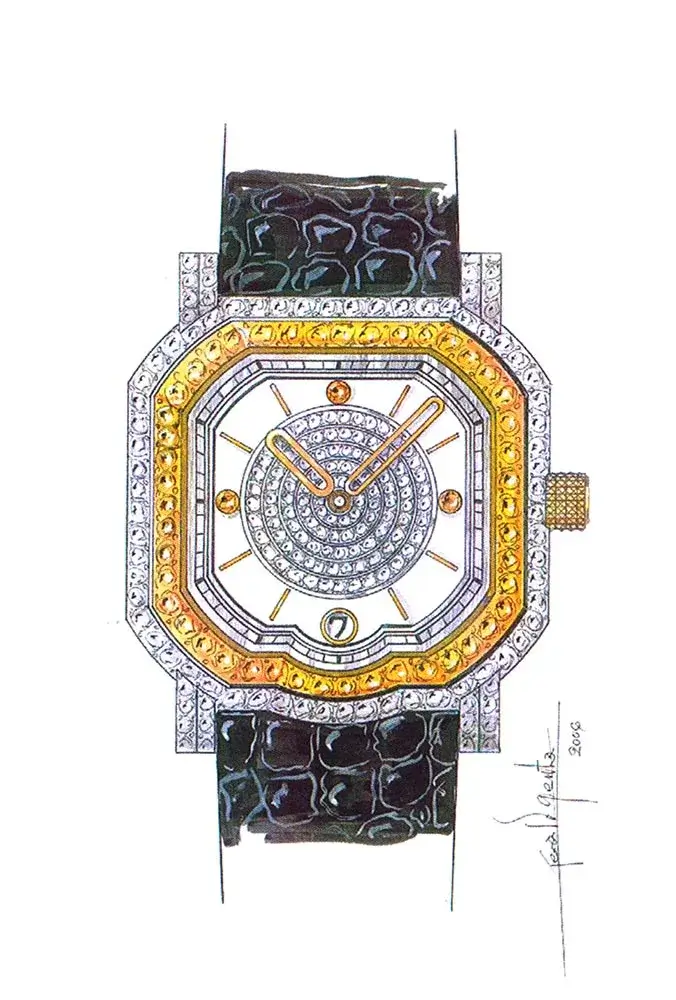
If I show you the very first Maestro case, the difference compared to today’s silhouette is subtle yet distinct. The watch is more refined and immensely comfortable. Yet it remains unmistakably a Maestro. We are fortunate to have a designer like Octavio, who possesses the sensitivity to respect the original design while advancing it.
(Laughs) He’d probably start by saying: “Franco, you’re crazy! You sold my best pieces far too cheaply!” He was always very direct. But he was my dear friend.
One thing is certain: there will always be market cycles, even among established manufactures like Patek Philippe. I intentionally exclude Rolex, because Rolex operates in a category of its own due to its massive scale and volume. Rolex is essential to retailers. But other top-tier brands with lower production figures experience noticeable fluctuations, just like boutique independent watchmakers.
Some legacy brands currently seeing a downturn might contract by ten per cent. However, authentic manufactures with a distinct identity and true heritage will endure. One brand may fade and another take its place, but authentic watchmaking will always survive.
When I mention 5,000 watches a year as a target for Gérald Charles, I am looking towards 2031 or 2032. My vision is to roughly triple our current output over the next five years. Having spent decades in the industry, I know how enduring brands are built. We can achieve this because our foundational structure and brand DNA are right.
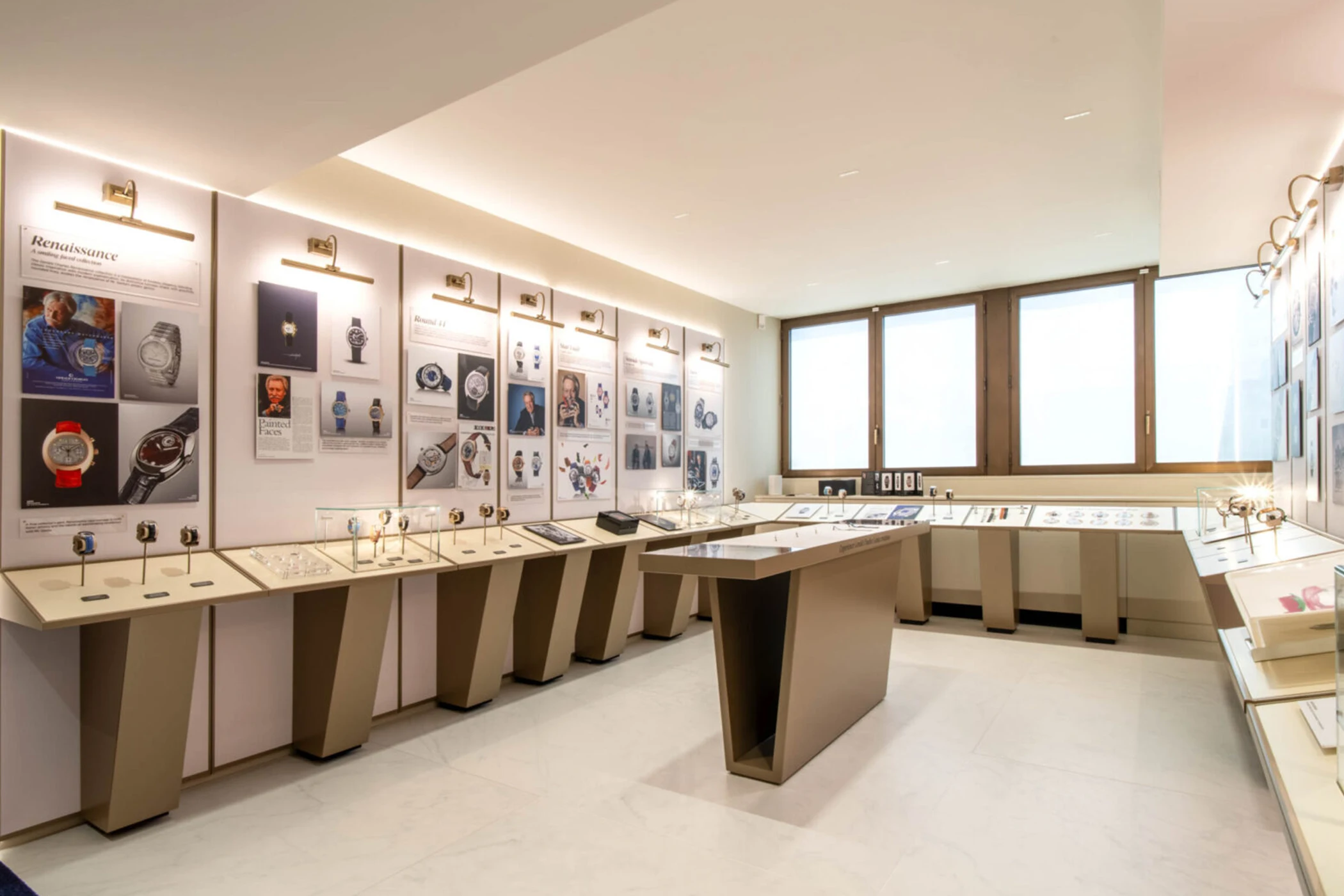
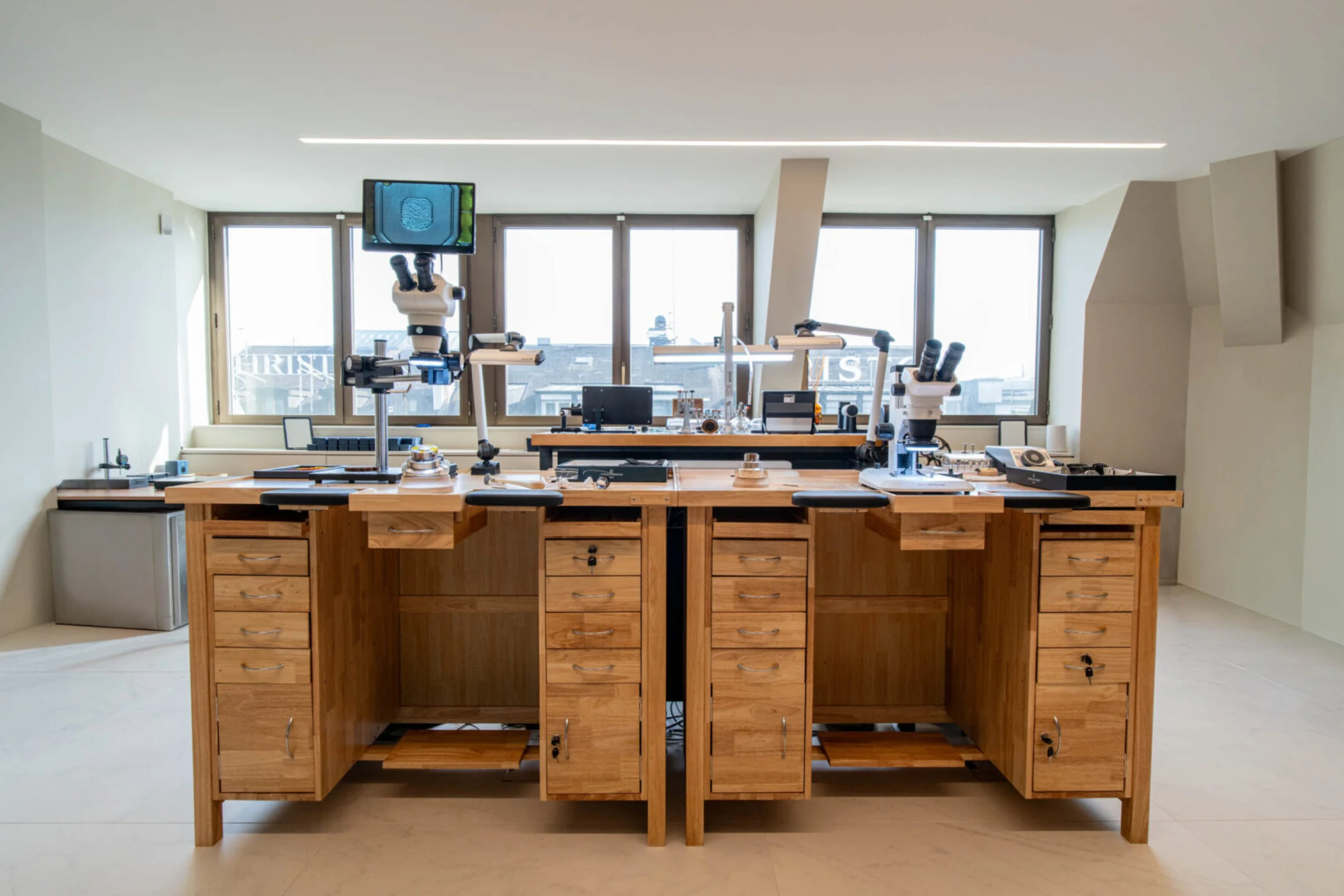
The advantage is agility and close communication. In a family, discussions happen constantly—often over dinner! (laughs)
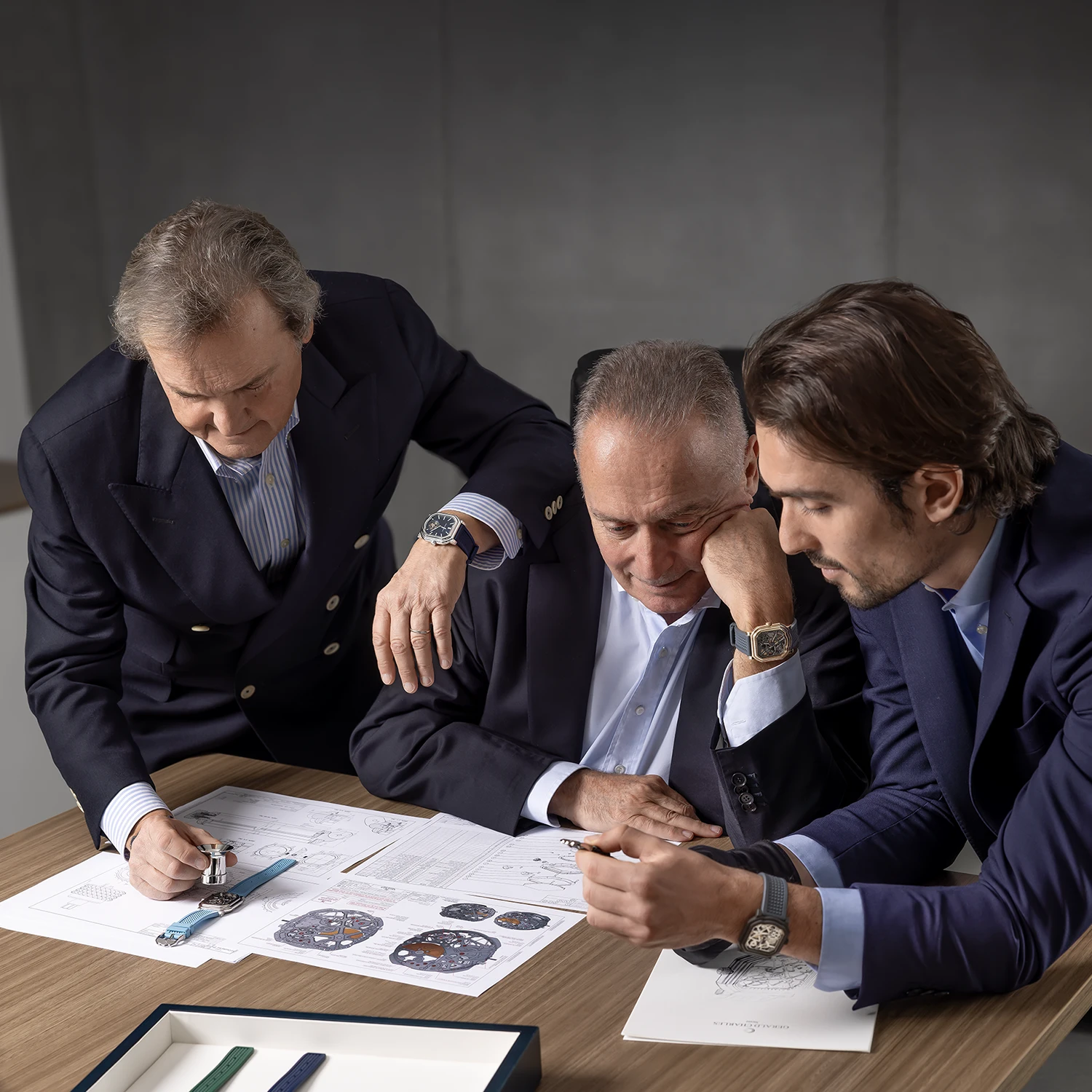
It really is quite simple. When my brother Giampaolo took over as CEO, I told him: “You make the call.” When I speak to my son Federico, who assumed leadership in 2023, I say: “You’re the boss. I’m your advisor. If you disagree, let’s discuss it.” If you make a decision and it turns out to be a mistake, that’s fine – you learn from it. And if you’re right, I’m the first to say: “Bravo!”
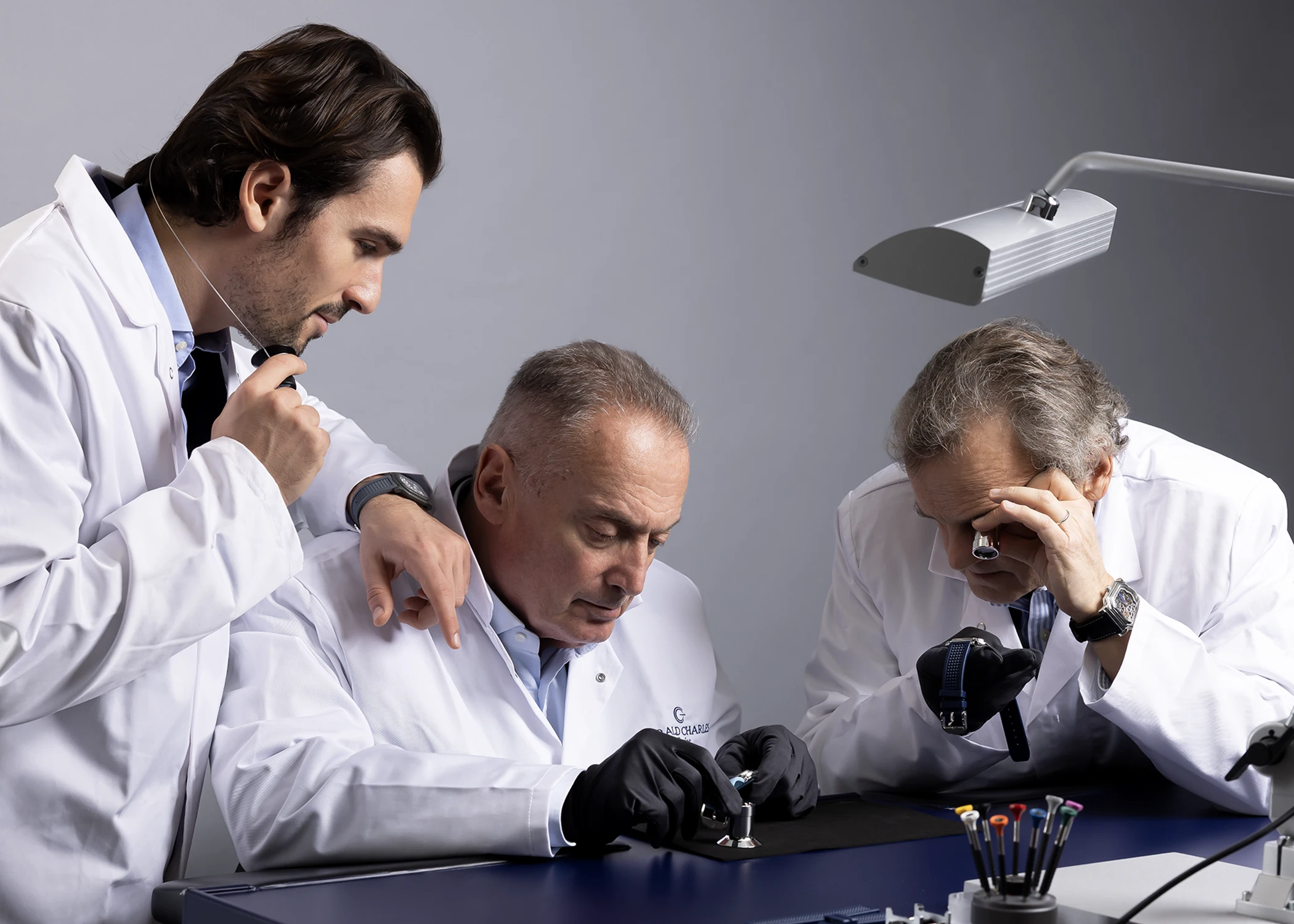
I would be very happy about that.