Grand Seiko has revamped the Evolution 9 and is introducing nine new models – five with Spring Drive and four with a mechanical high-beat calibre.

On 26 June 1801, Abraham-Louis Breguet secured a patent for one of watchmaking’s most celebrated inventions: the tourbillon. Conceived to improve the precision of pocket watches by counteracting the effects of gravity on the regulating organ, the mechanism has since evolved into one of horology’s most revered complications.
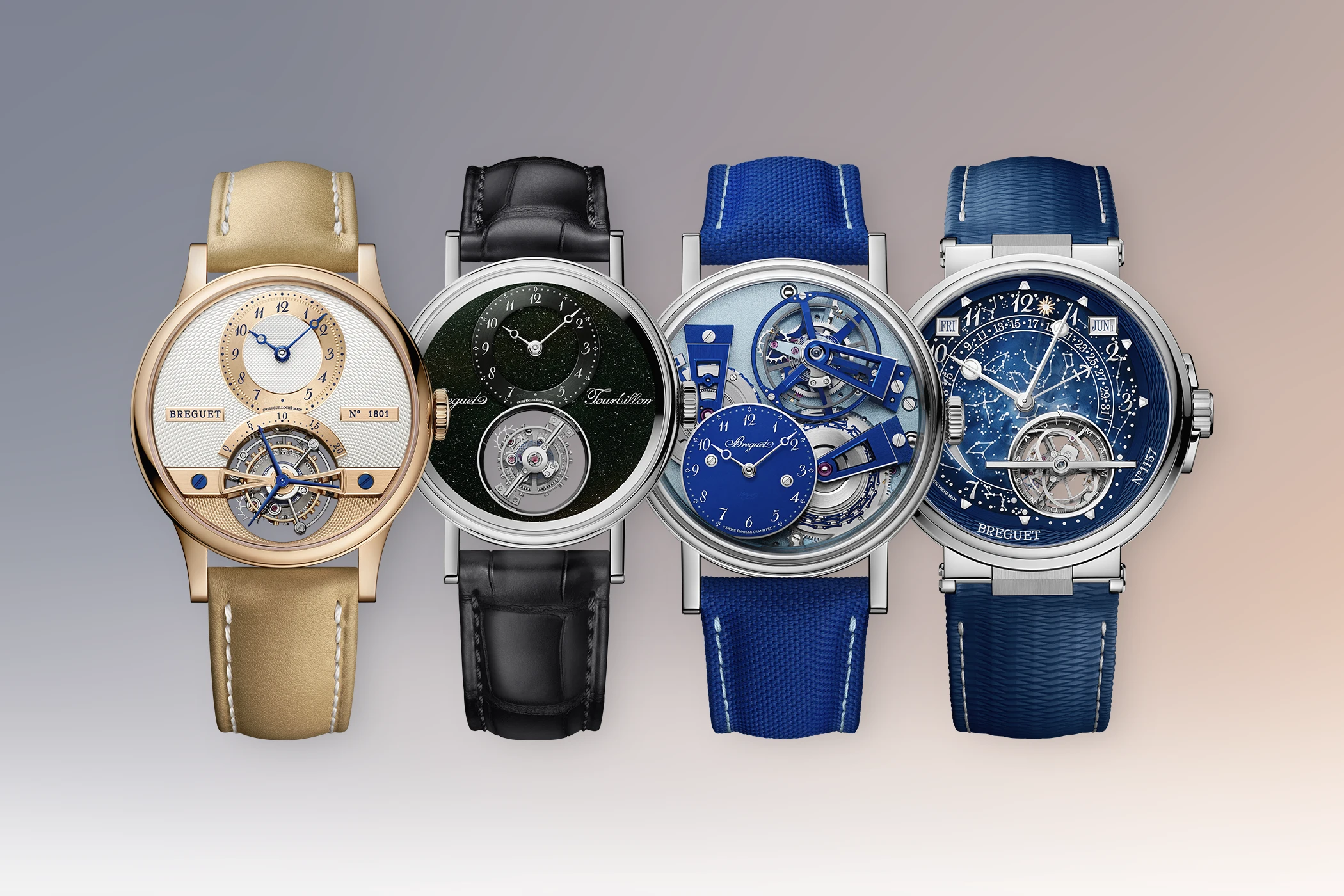
To mark the 225th anniversary of this groundbreaking invention, Breguet has unveiled four new tourbillon timepieces that pay tribute to its founder’s enduring legacy while showcasing the maison’s contemporary approach to haute horlogerie. We begin by taking a closer look at these latest creations before exploring the remarkable history of the tourbillon, its evolution over more than two centuries, and the watchmakers – from Breguet to some of today’s most innovative brands in the field – who, from Richard Mille to Gruebel Forsey, have reinterpreted and advanced the complication in their own distinctive ways.
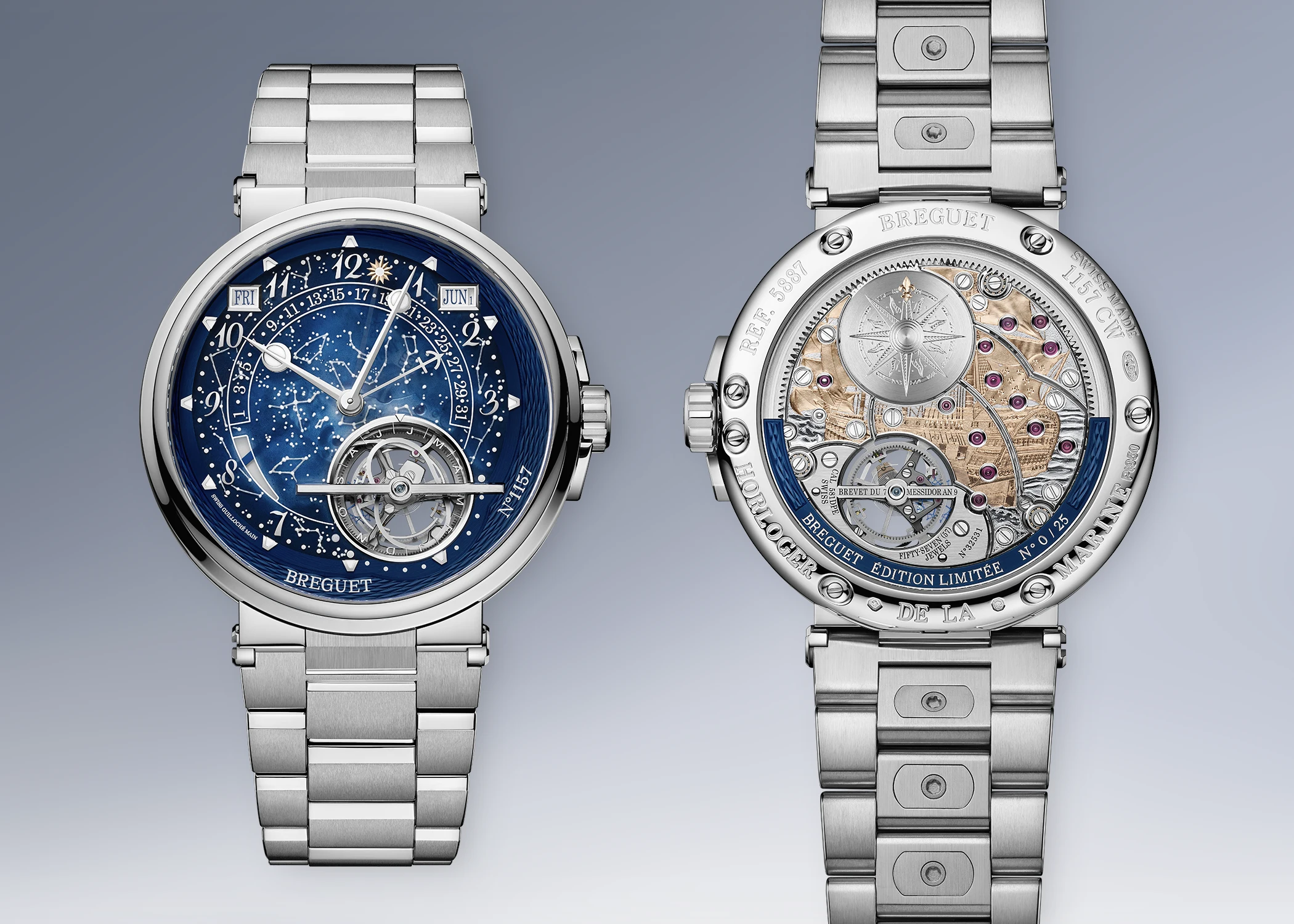
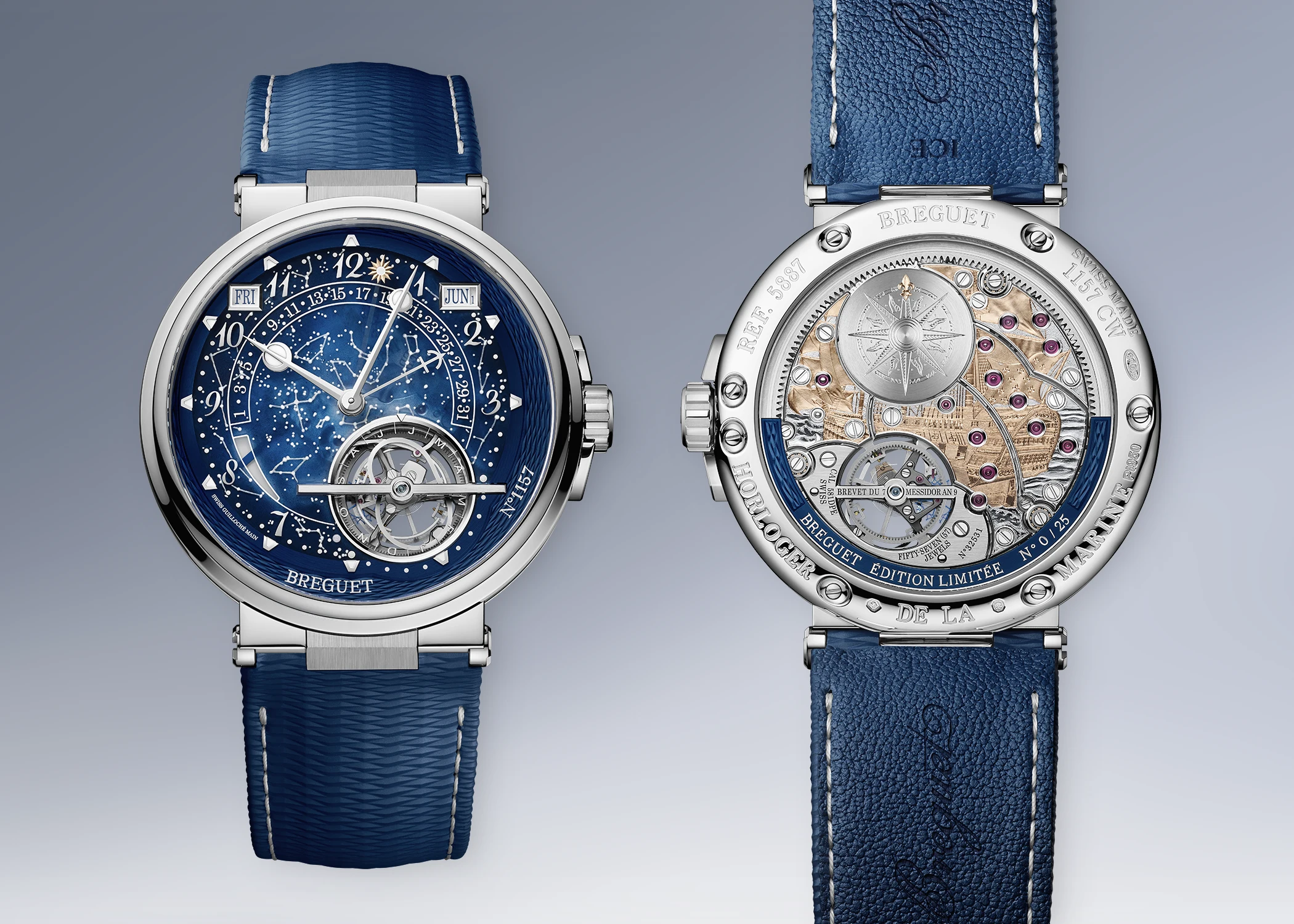
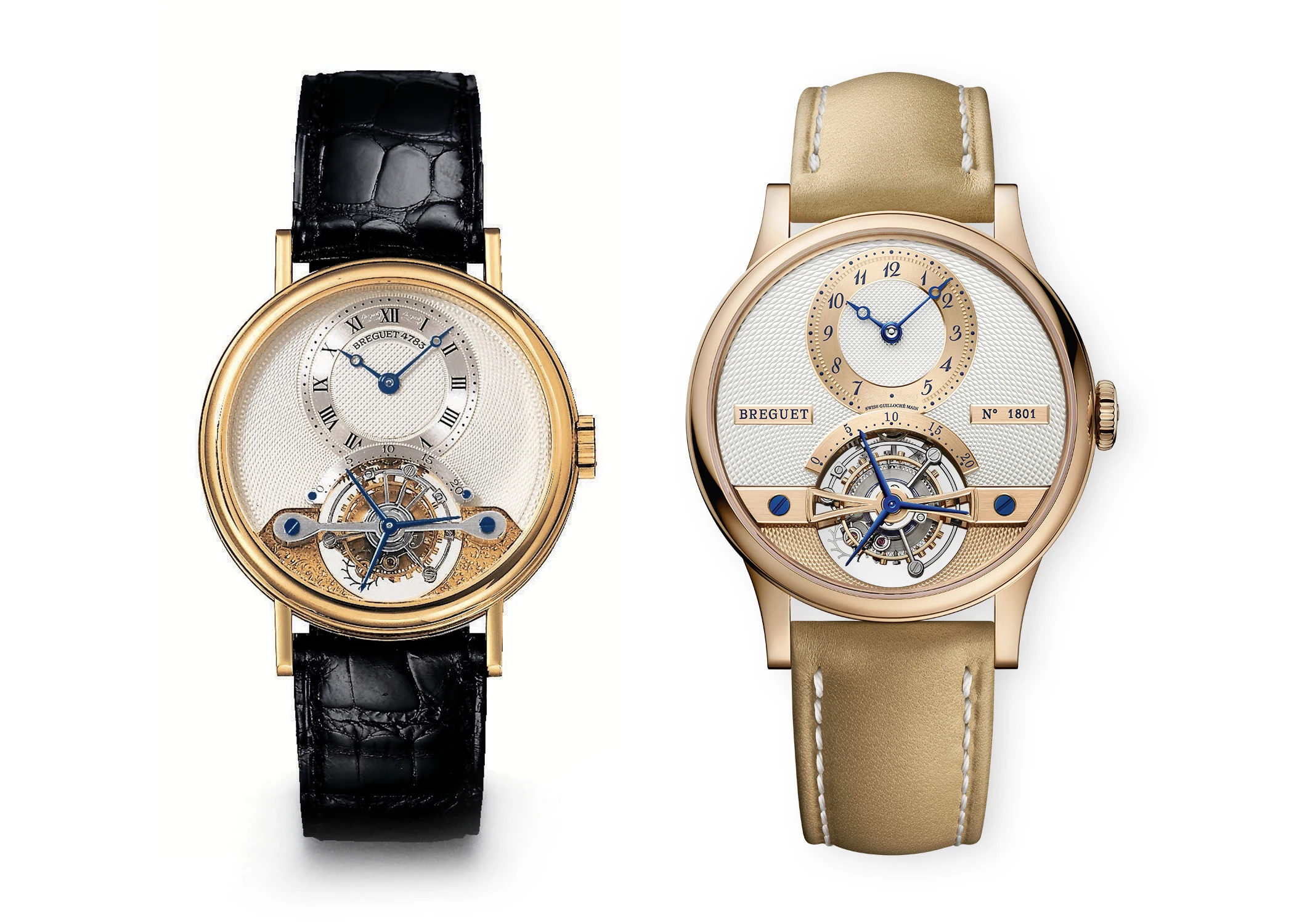
Following on from last year’s incredible Expérimentale 1, introduced to mark 250 years of the brand, Breguet is now launching four commemorative pieces to celebrate 225 years since the invention of the tourbillon. This includes two new Classique Tourbillon 7357 editions integrating a new calibre, the Classique Tourbillon Sidéral 7255 featuring the Maison’s flying tourbillon, the Tradition Tourbillon 7047, which uses a fusee-and-chain device, as well the Marine Tourbillon Équation Marchante 5887, displaying a dial lit up at night by a depiction of the sky as seen in Paris on 26 June 1801.
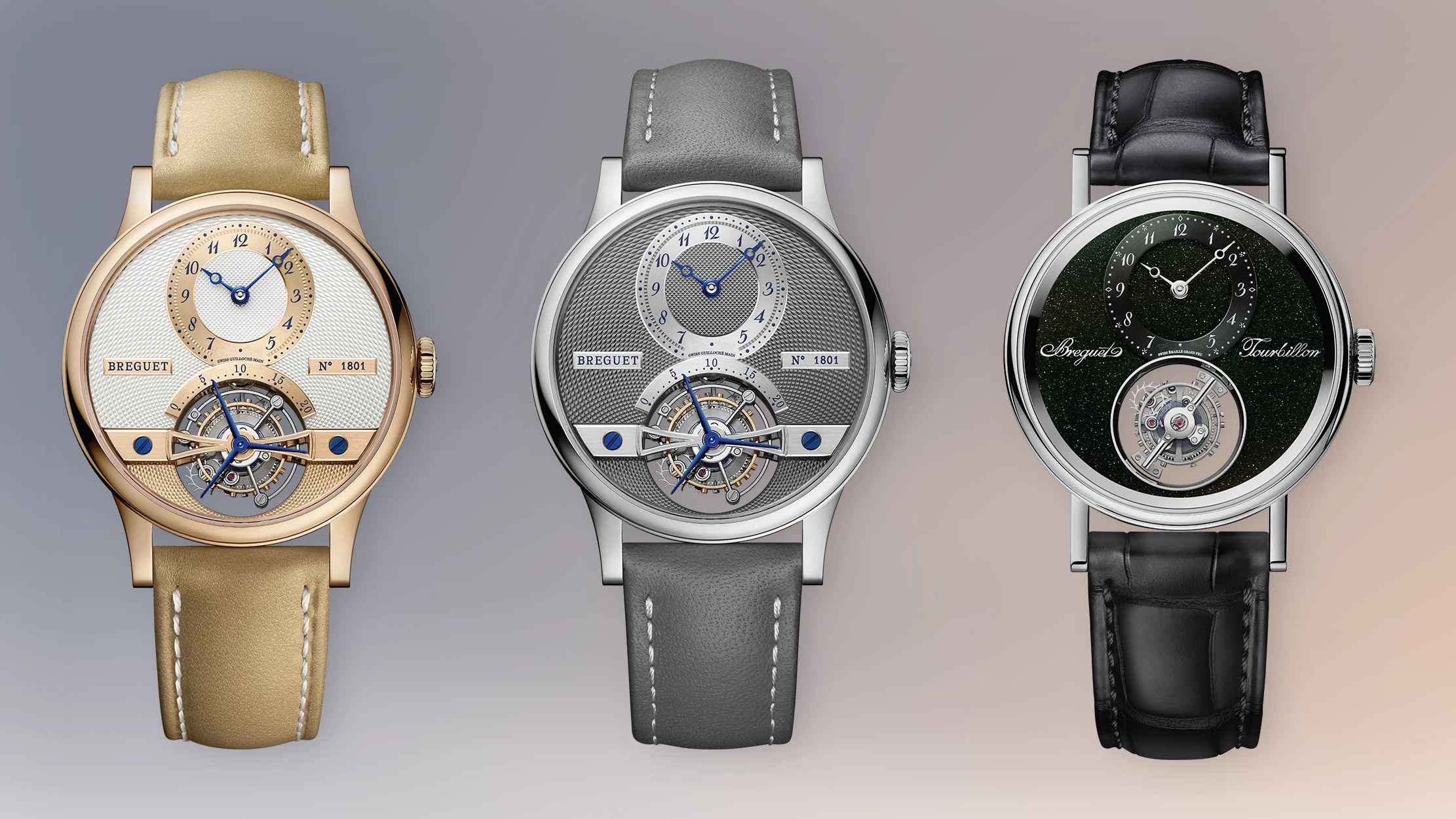
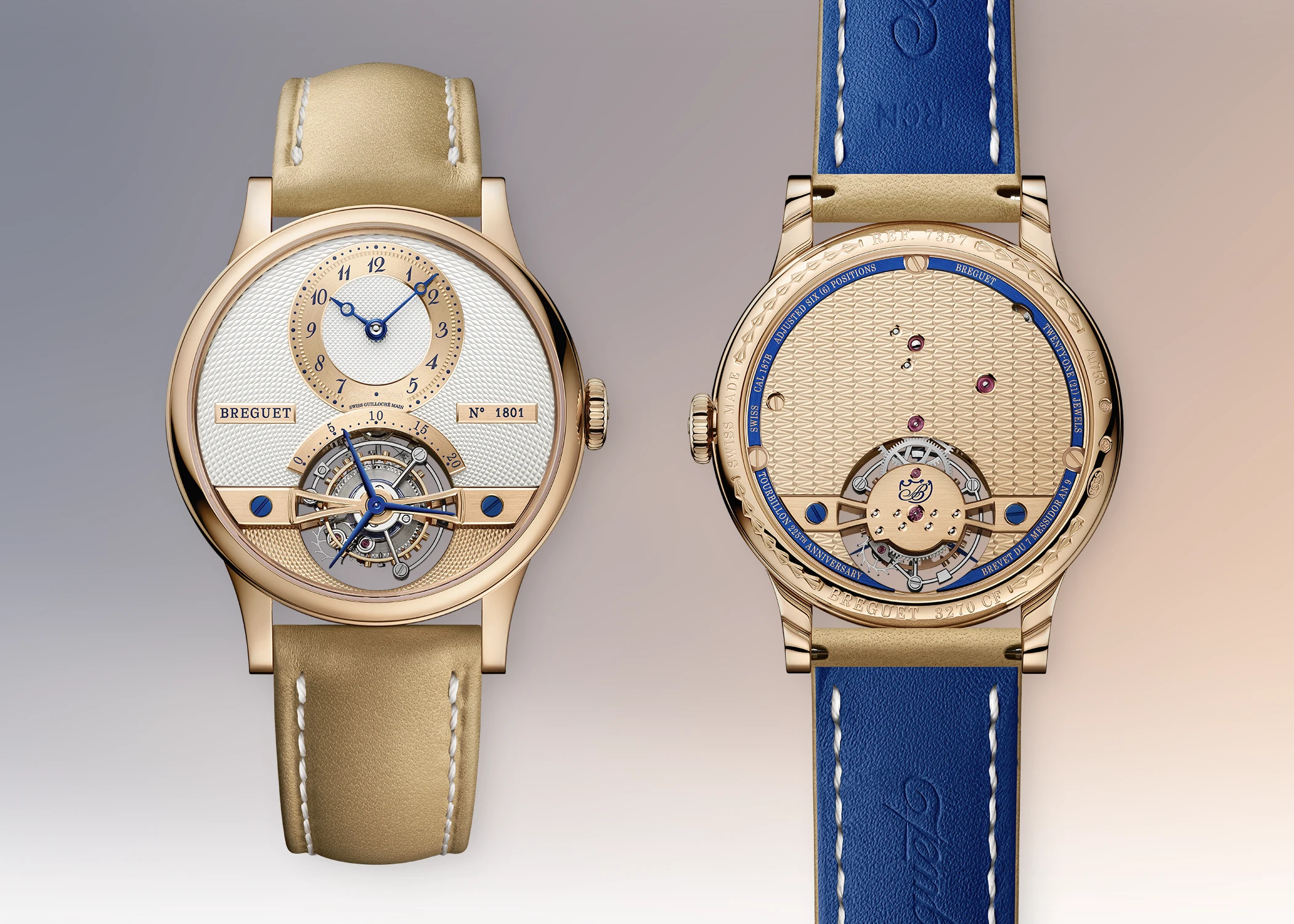
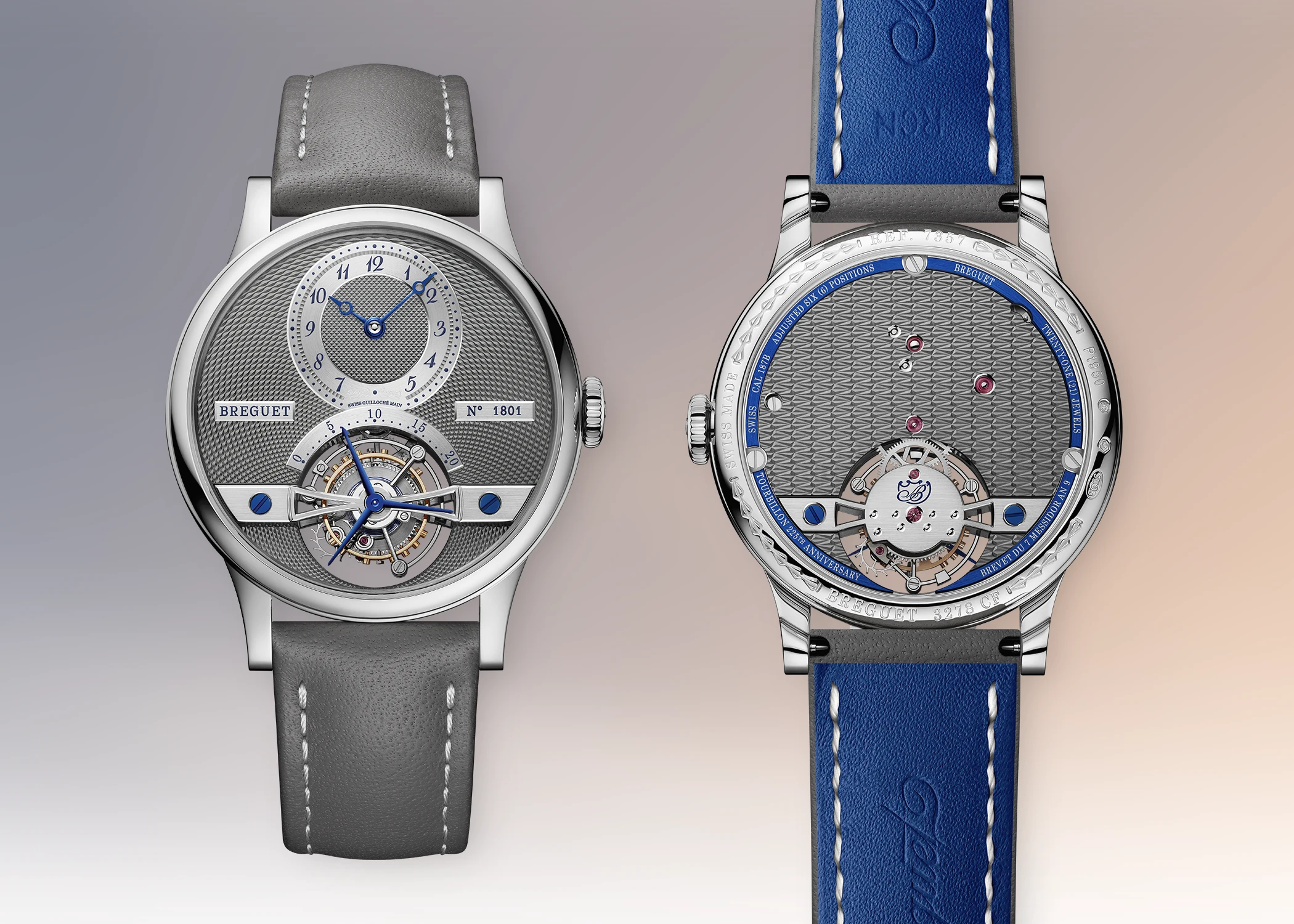
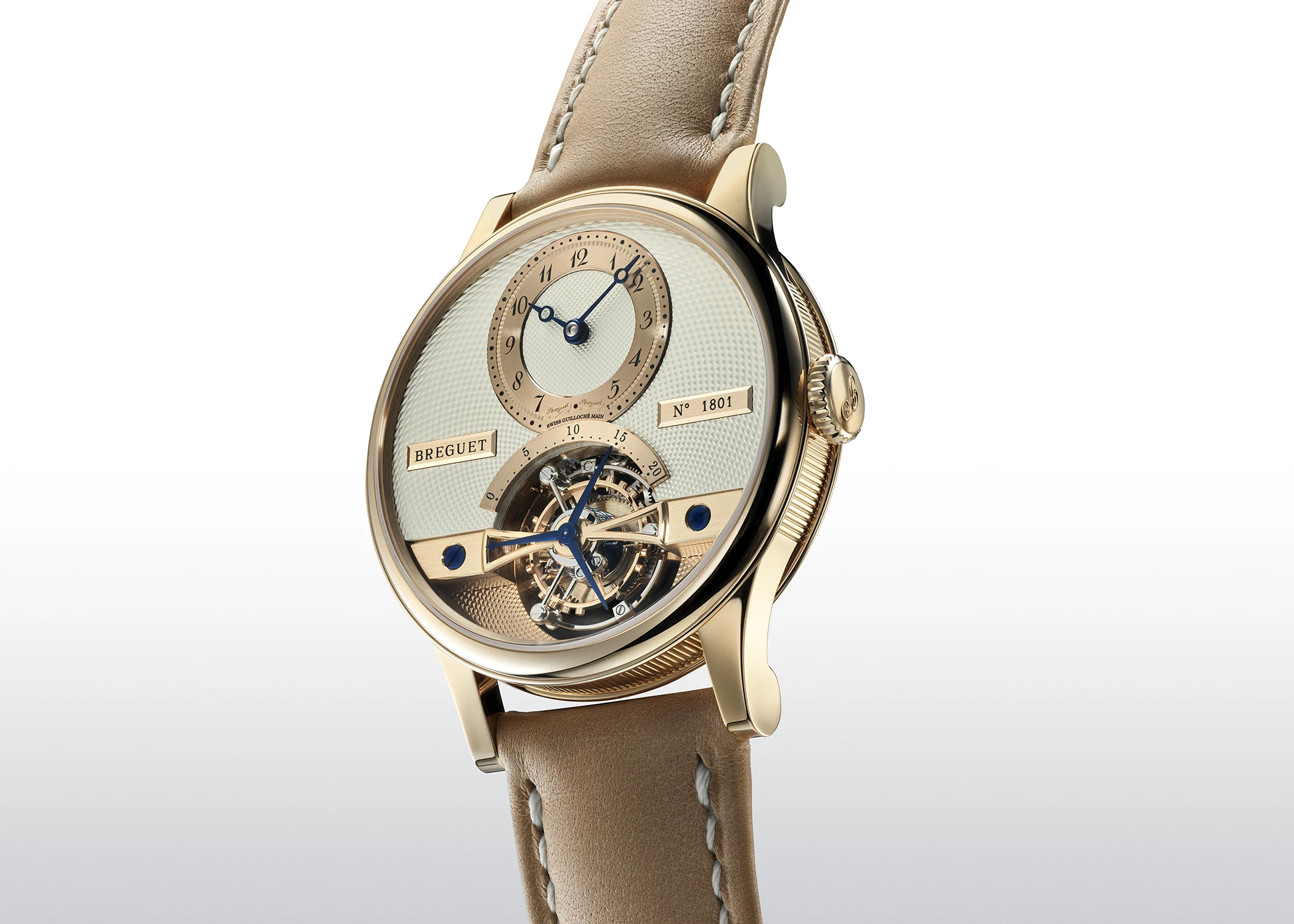
The first of the anniversary releases comprises two versions of the Classique Tourbillon 7357, one in platinum and the other in Breguet’s proprietary 18-carat Breguet gold. Both are direct descendants of the historic Ref. 3350, introduced in 1989 as the first tourbillon wristwatch produced by the modern Breguet manufacture. Measuring 35 mm in diameter, the watches deliberately retain the restrained proportions of the original model while adopting the redesigned case architecture introduced with the Maison’s 250th anniversary collection in 2025. Unlike the other anniversary models, the Classique Tourbillon 7357 is not a numbered limited edition, making it the most accessible expression of the commemorative collection while remaining highly exclusive through its precious-metal construction.
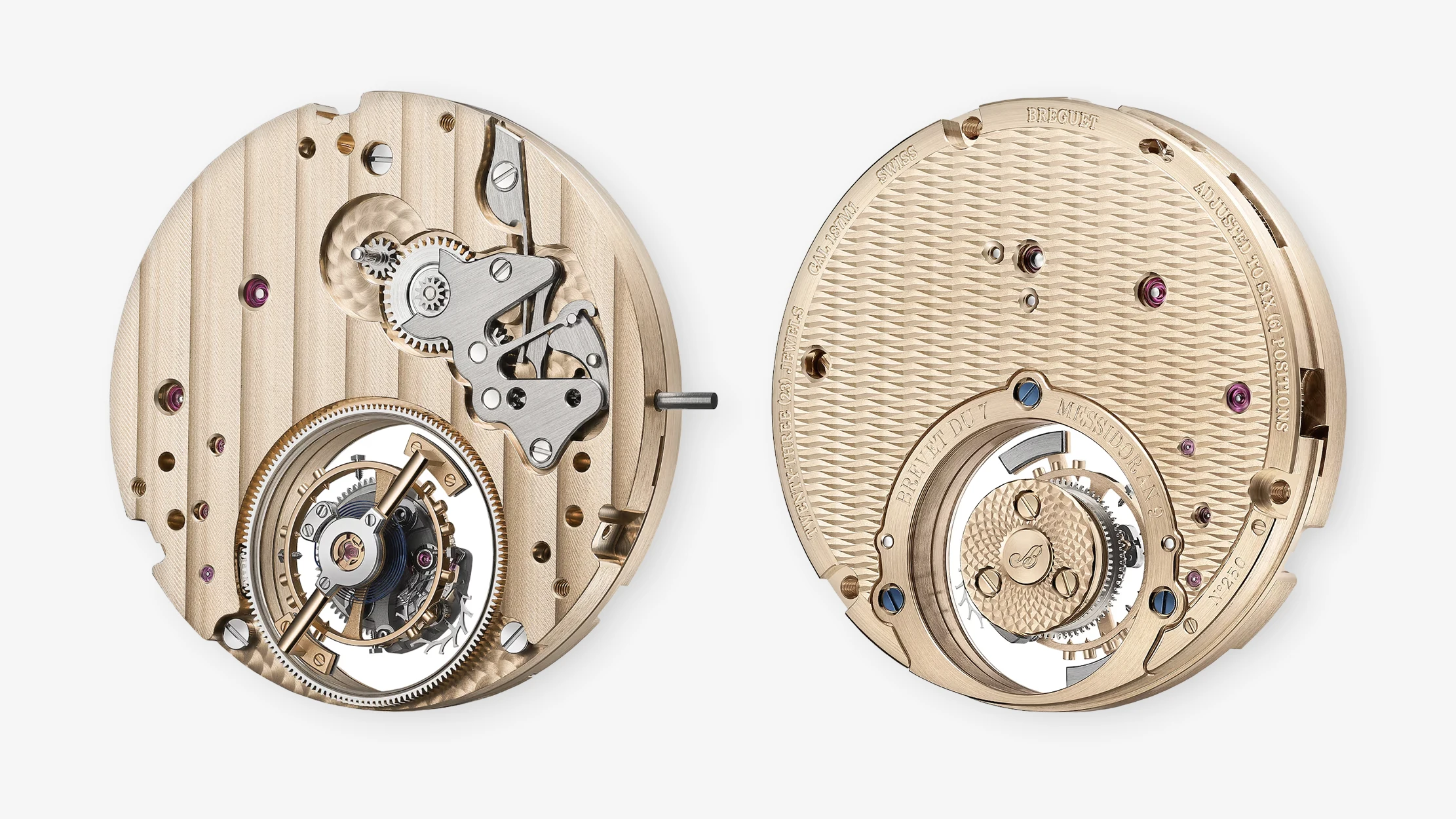
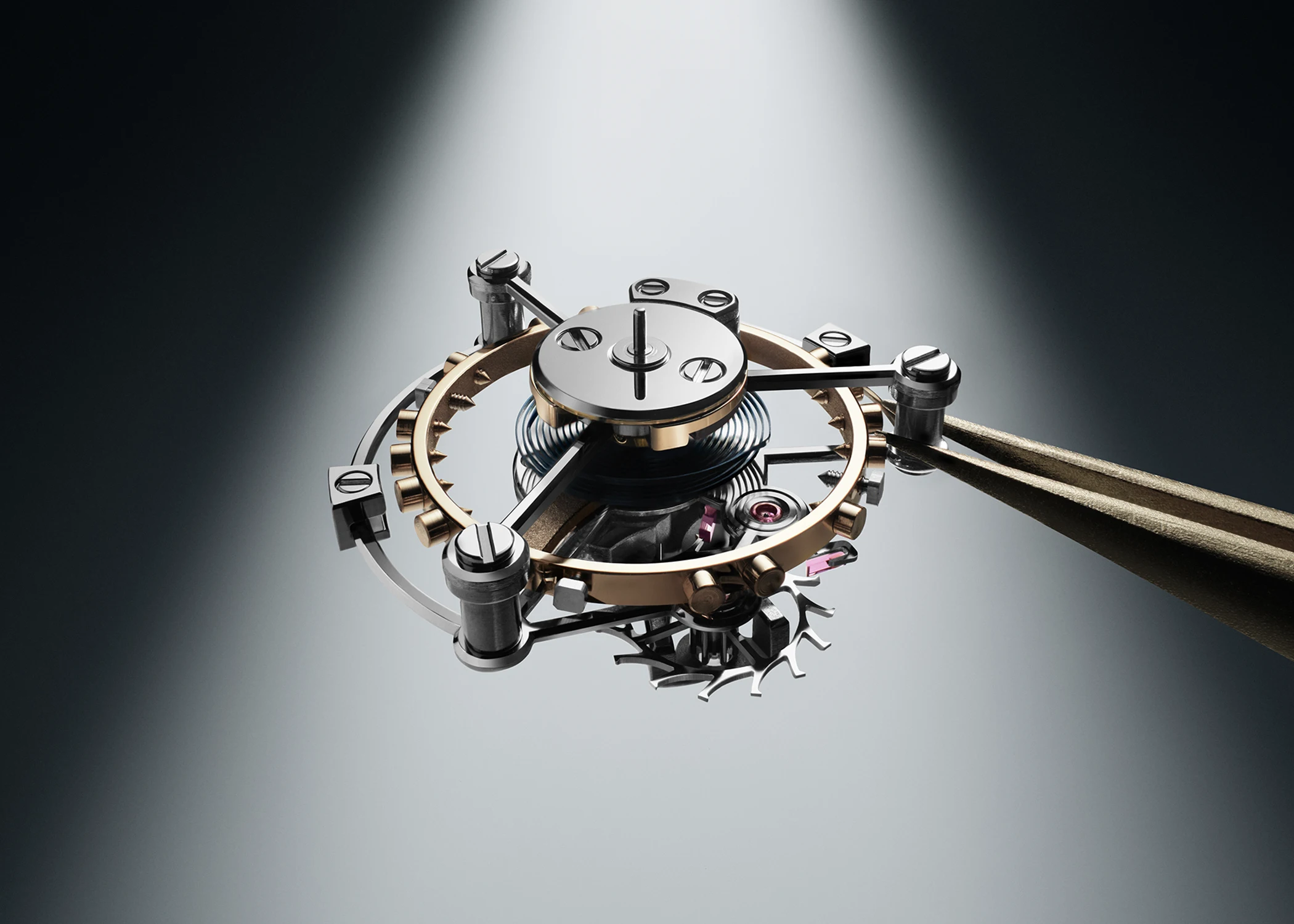
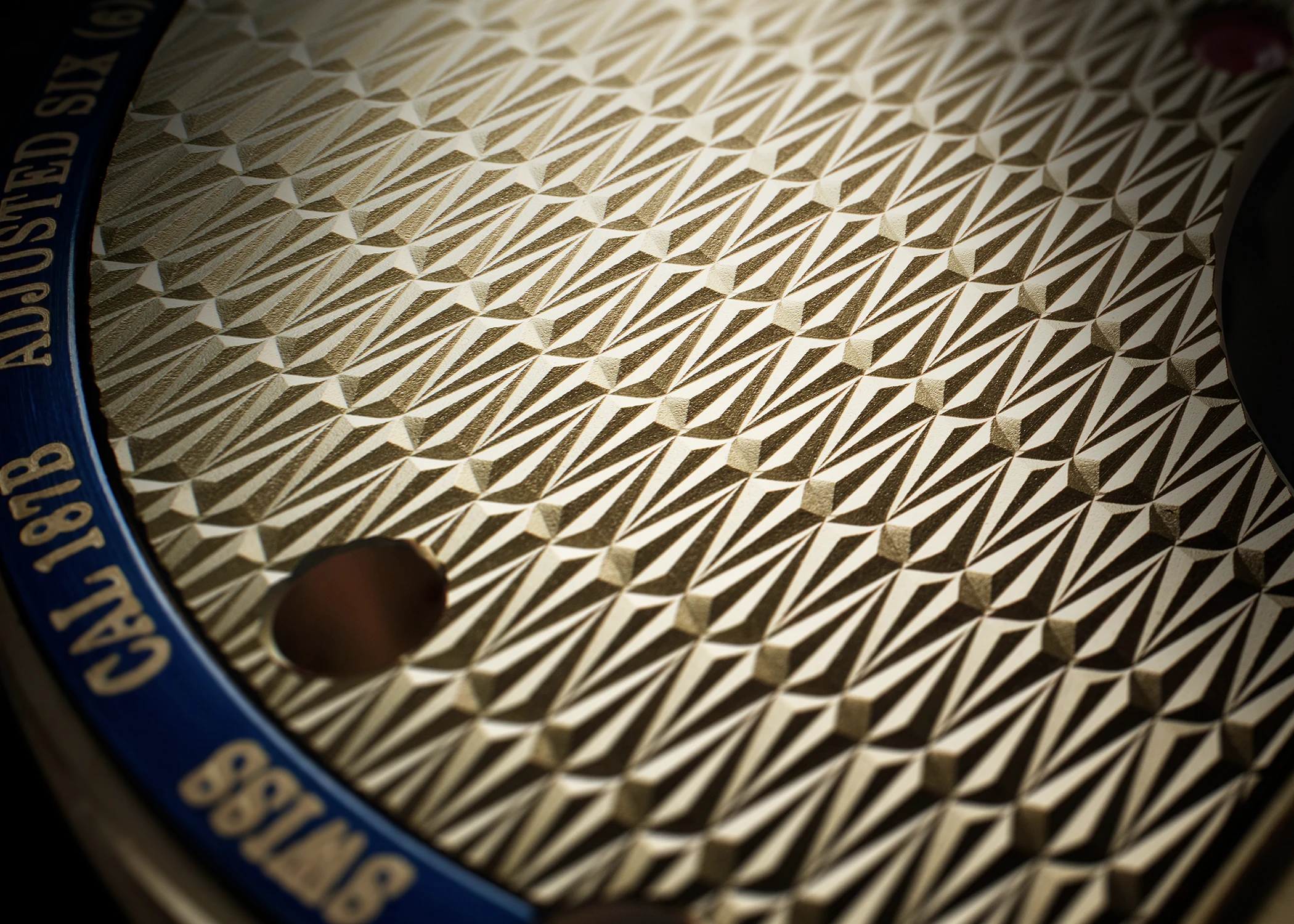
Powering both models is the newly developed manually wound calibre 187B, an evolution of the historic calibre 558 that defined the original Ref. 3350. The movement preserves its predecessor’s historically significant operating frequency of 2.5 Hz (18,000 vibrations per hour), a cadence also favoured by Abraham-Louis Breguet himself, while increasing the power reserve to 60 hours. Modern technical refinements include a patented Breguet Nivachron balance spring and silicon pallet lever, providing enhanced resistance to magnetism without compromising the historical architecture of the movement.
The dial reflects Breguet’s longstanding decorative traditions, featuring an 18-carat gold base with an anthracite finish, Clous de Paris guilloché at the centre and barleycorn guilloché around the chapter ring. Traditional Breguet Arabic numerals and blued Breguet hands are complemented by four Bleu de France inlays commemorating the 225th anniversary. The tourbillon is positioned slightly below the dial surface at six o’clock to create greater depth, while the watch is completed with a hand-stitched alligator leather strap fitted with a matching precious-metal folding clasp, reinforcing its classical aesthetic.
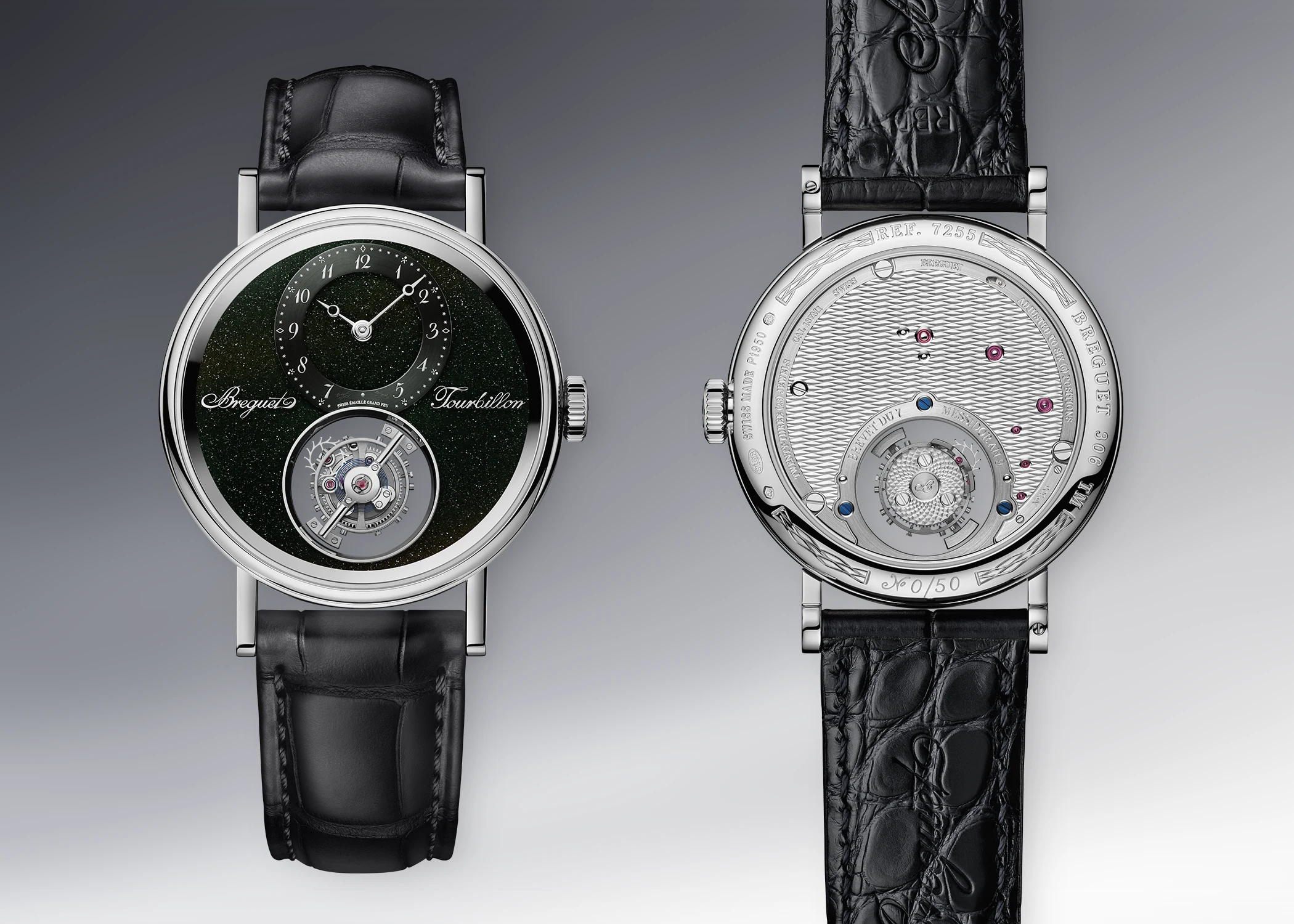
The second anniversary model, the Classique Tourbillon Sidéral 7255, introduces a new version of Breguet’s flying tourbillon wristwatch. Unlike the traditional tourbillon patented by Abraham-Louis Breguet, which is supported above and below the rotating cage, the flying tourbillon is supported only from beneath, creating the illusion that the mechanism is suspended in space. This visual effect is enhanced through a mysterious display in which the drive system is concealed behind anti-reflective sapphire components, giving the impression that the tourbillon rotates without visible mechanical support.
Produced as a numbered limited edition of just 50 pieces, the watch is housed in a 38 mm platinum case with Breguet’s signature fluted caseband and welded lugs. The black aventurine Grand Feu enamel dial, highlighted with subtle green reflections, evokes the night sky and reinforces the model’s astronomical inspiration, while rhodium-plated Breguet gold appliqués, Arabic numerals and hands complete the display.
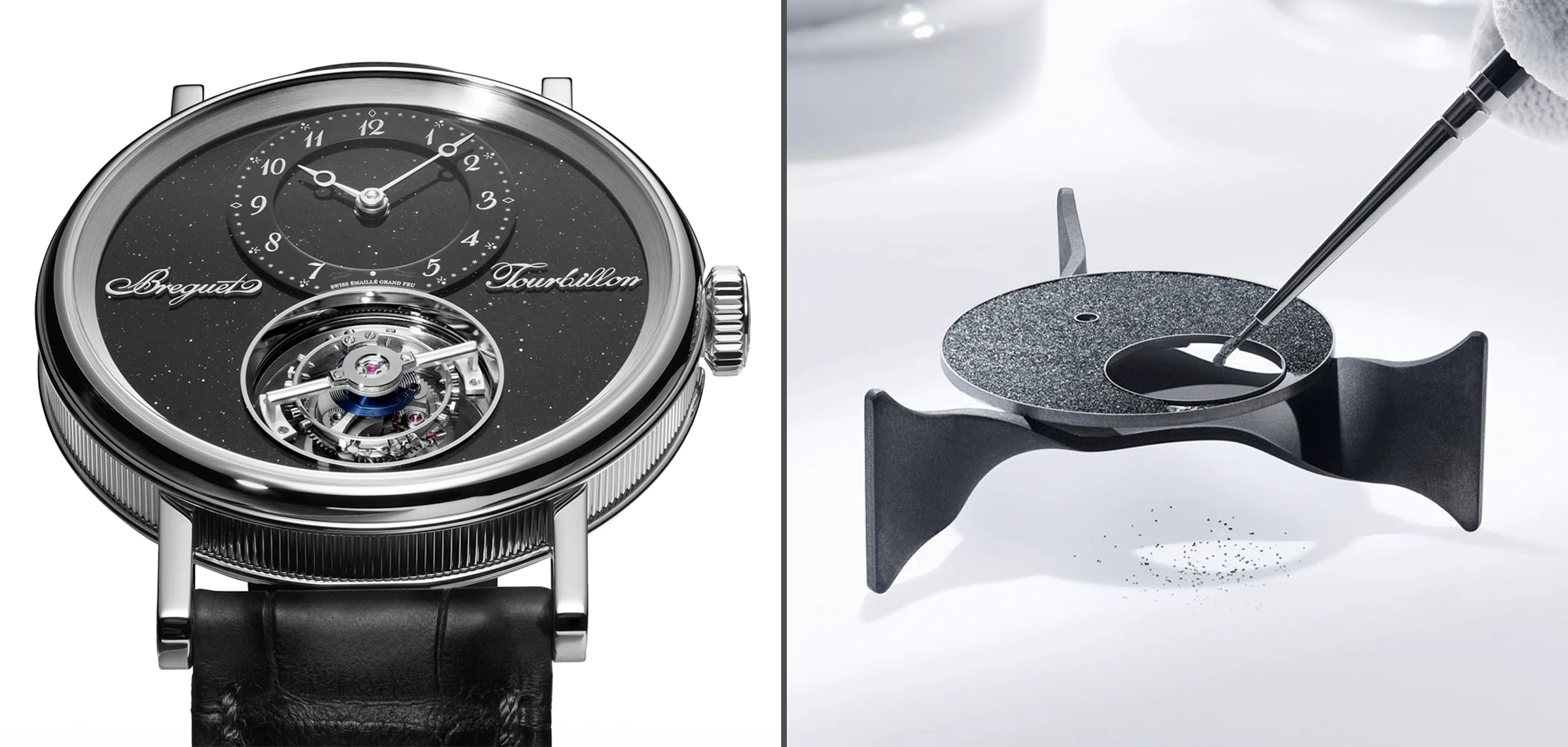
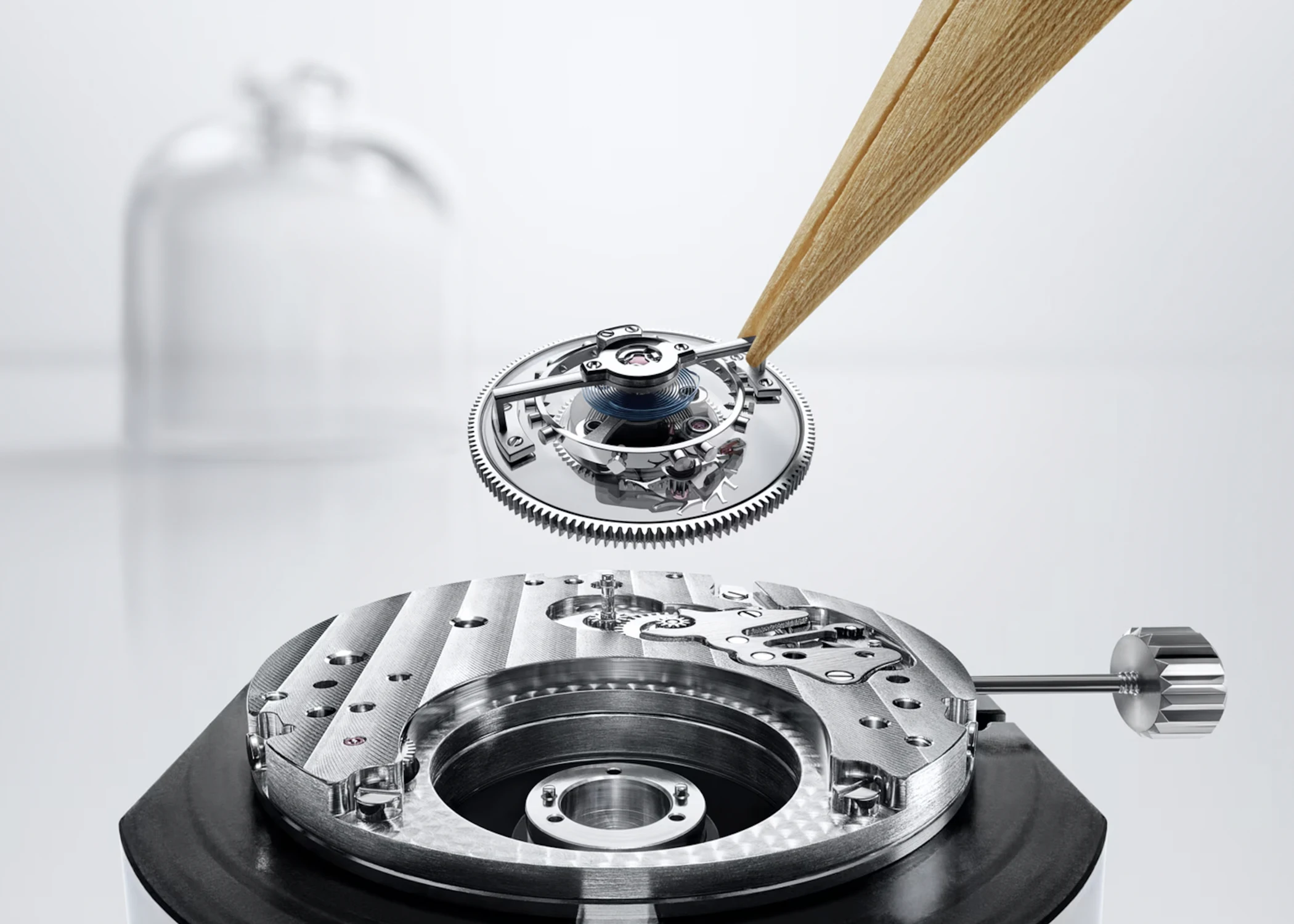
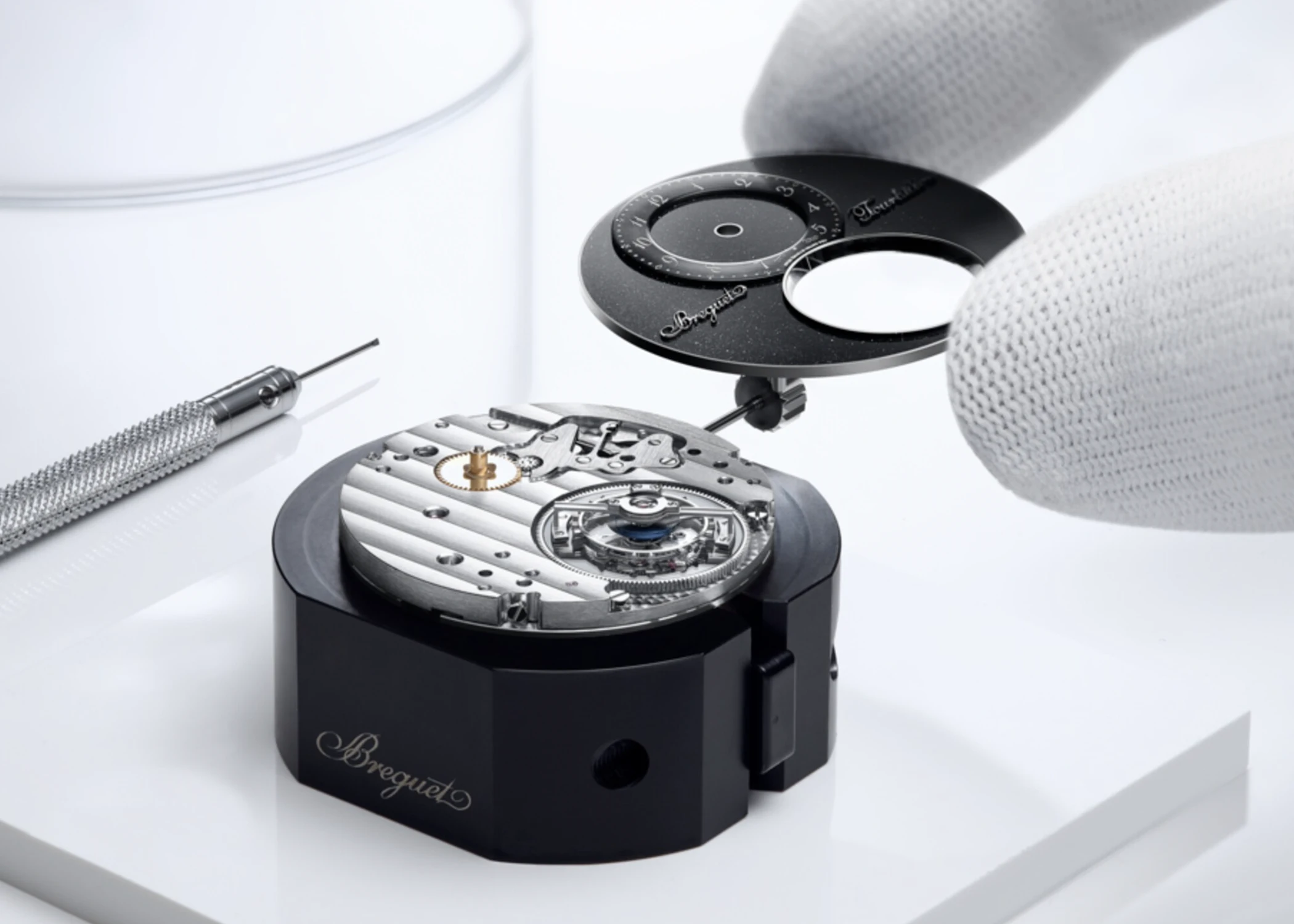
The manually wound calibre 187M1 operates at the same historically faithful frequency of 2.5 Hz (18,000 vibrations per hour) as the Classique Tourbillon 7357 but provides a 50-hour power reserve. The movement incorporates a patented blue Breguet Nivachron balance spring and is visible through a sapphire caseback decorated with the new Quai de l’Horloge guilloché motif. The watch is paired with a black large-scale alligator leather strap secured by a platinum triple-blade folding clasp.
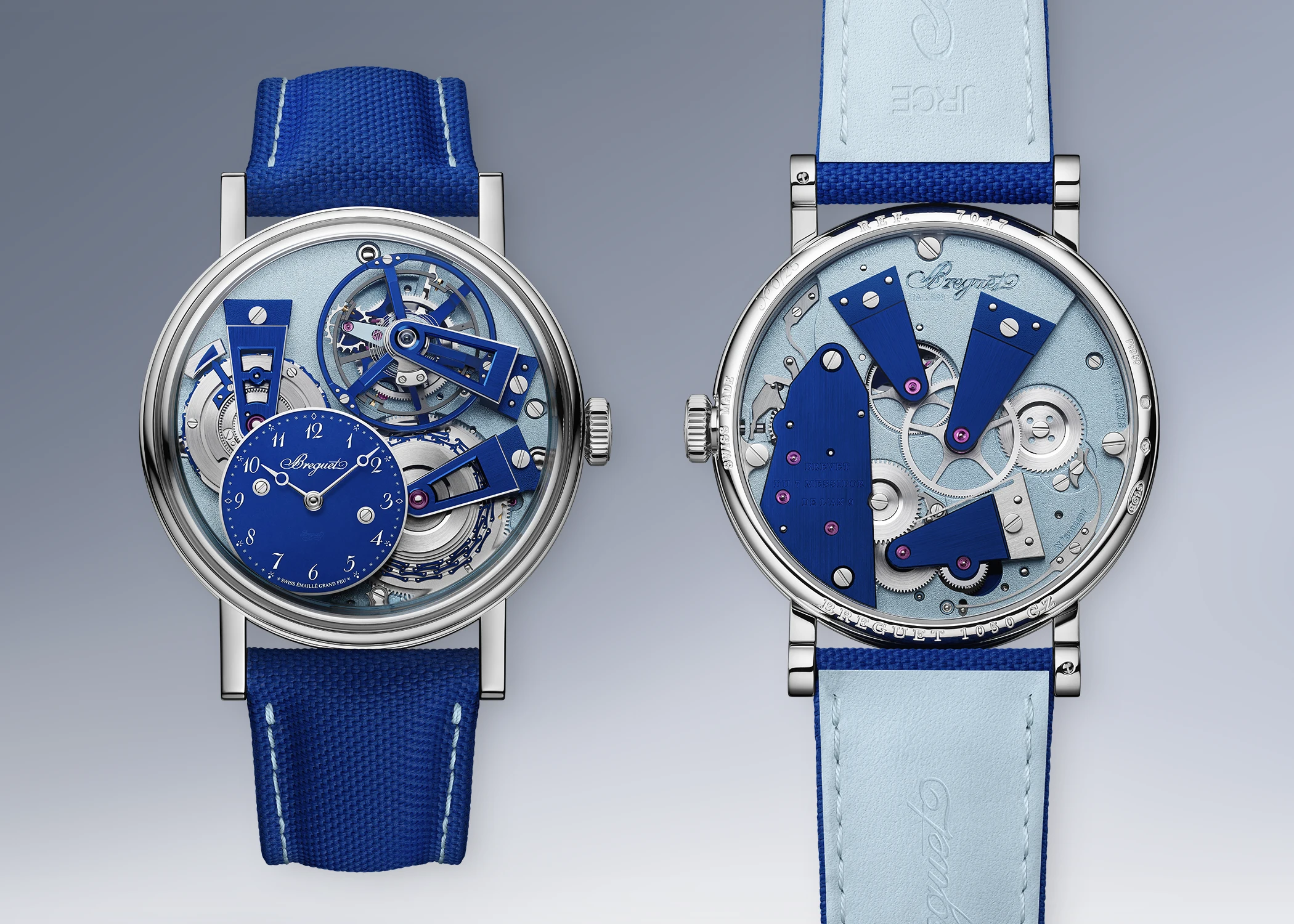
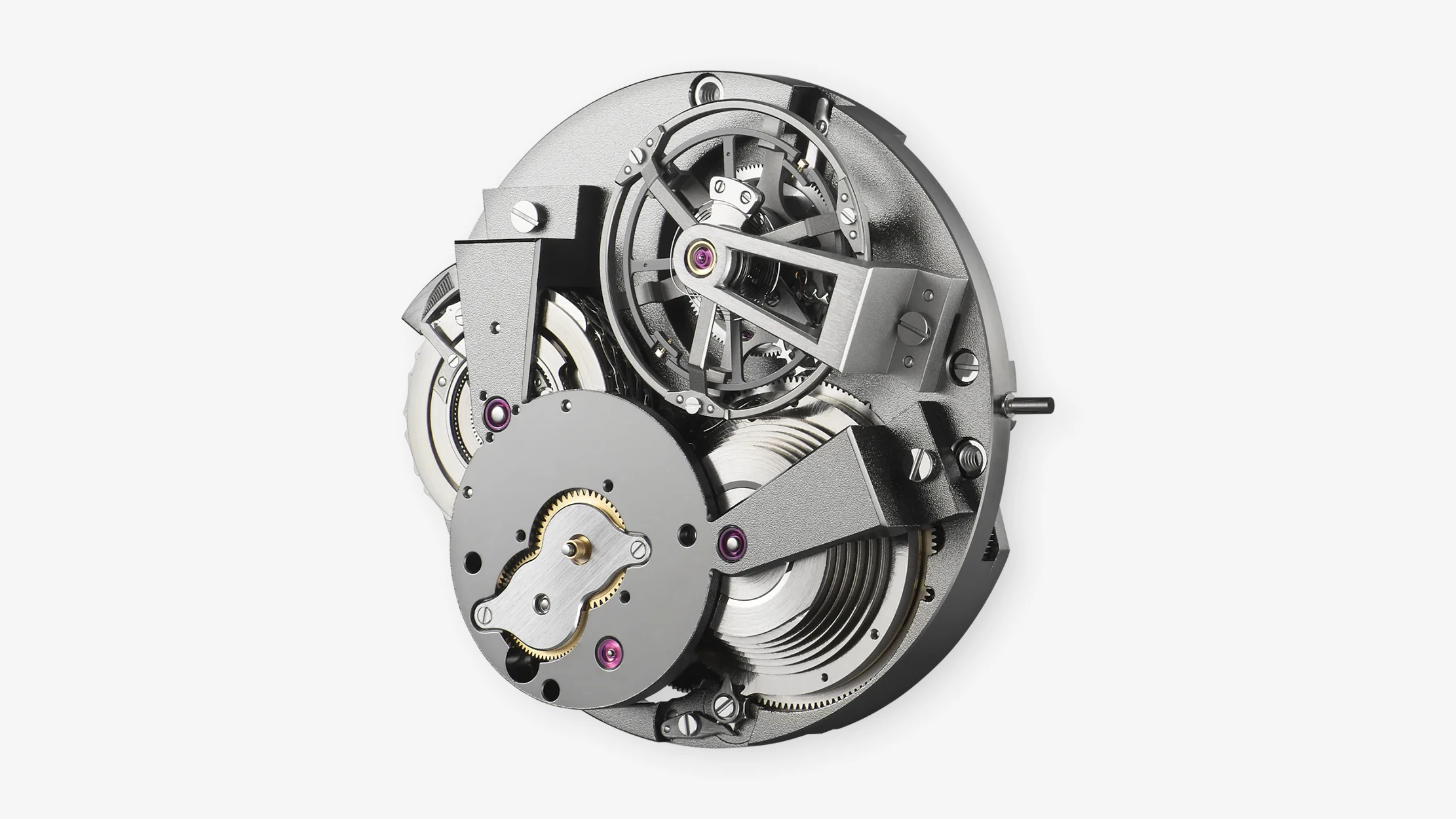
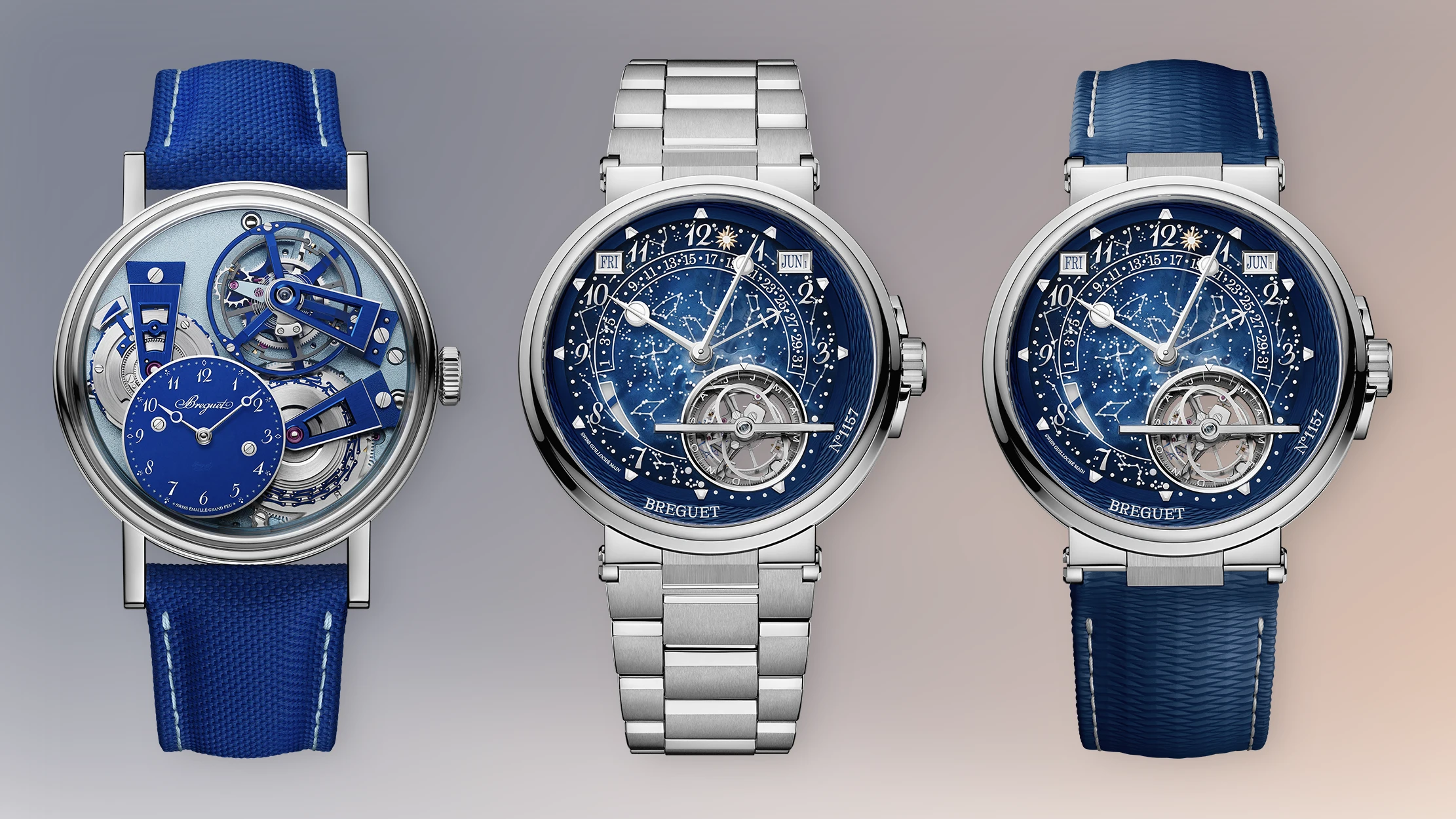
The third commemorative model, the Tradition Tourbillon 7047, celebrates another of Abraham-Louis Breguet’s most important contributions to precision timekeeping by combining the tourbillon with a fusee-and-chain transmission. Originally designed to compensate for the declining torque delivered by a mainspring as it unwinds, the fusee-and-chain mechanism delivers a more constant force to the escapement, complementing the tourbillon’s own objective of improving chronometric stability. By uniting these two historically significant mechanisms within a single movement, Breguet presents one of the most technically sophisticated watches in the anniversary collection.
Limited to just 25 numbered examples, the Tradition Tourbillon 7047 is housed in a 41 mm platinum case and features the open-worked architecture that defines the Tradition collection, allowing the fusee-and-chain transmission, tourbillon regulator and gear train to be viewed directly from the dial side. The dial itself is crafted from 210-carat palladium gold and finished with Grand Feu Bleu de France enamel, a colour reserved for the manufacture’s most exclusive creations. Hours, minutes, power reserve and the seconds displayed on the tourbillon cage are complemented by traditional Breguet Arabic numerals and rhodium-plated Breguet hands. The watch is completed with an alligator leather strap and matching platinum folding clasp, while each example bears Breguet’s secret hand-engraved signature.
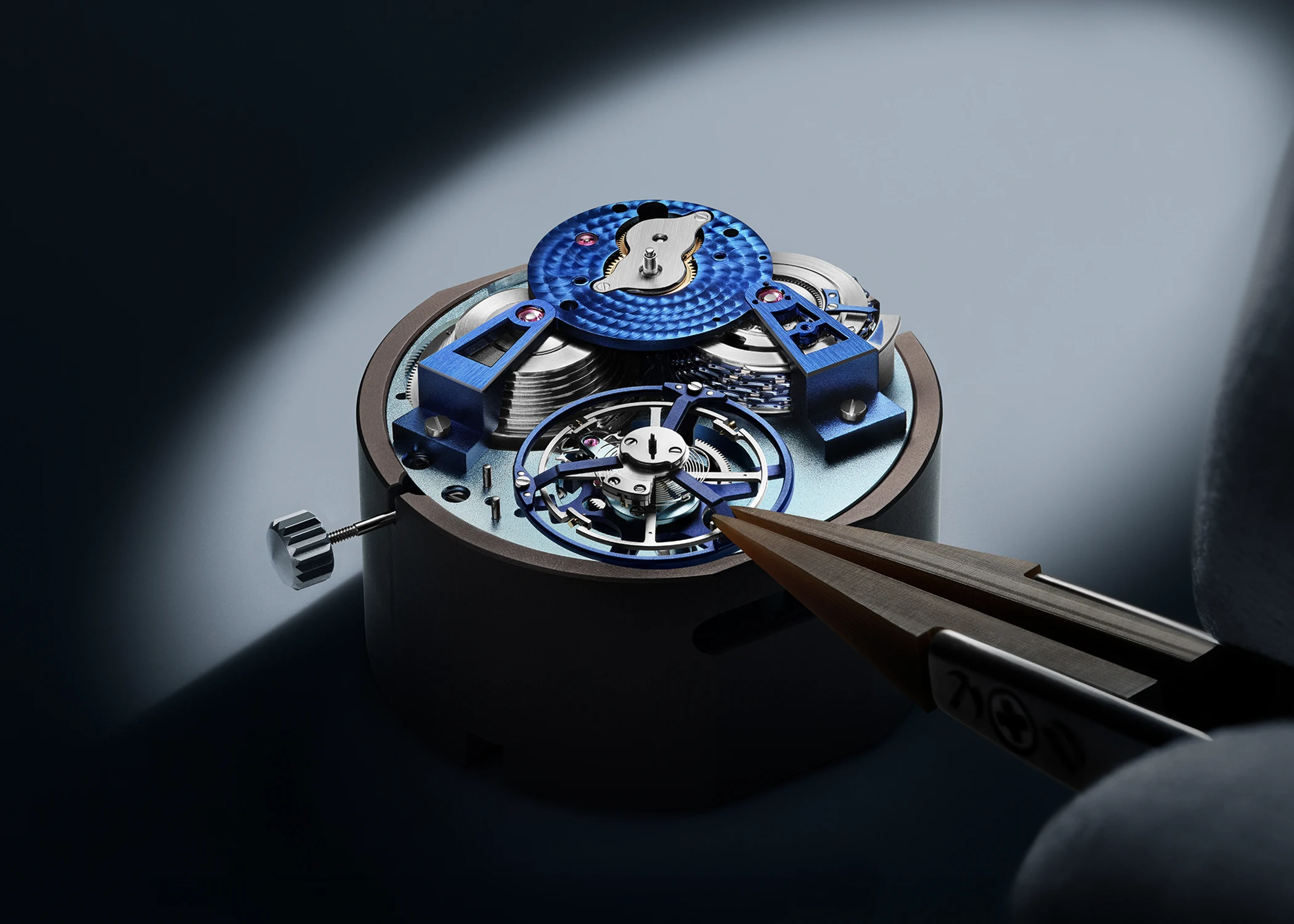
Mechanically, the manually wound movement continues Breguet’s emphasis on chronometric performance by combining the one-minute tourbillon with the constant-torque fusee-and-chain system. Like the other anniversary models, it beats at a traditional frequency of 2.5 Hz (18,000 vibrations per hour), preserving a direct connection to Abraham-Louis Breguet’s original practice while integrating modern finishing techniques and contemporary manufacturing precision.
The final anniversary model is the Marine Tourbillon Équation Marchante 5887, a 25-piece limited edition that connects the tourbillon not only to Breguet’s watchmaking legacy, but also to Abraham-Louis Breguet’s historic role in marine chronometry. In 1815, Breguet was appointed Horloger de la Marine Royale by Louis XVIII, one of the most prestigious titles a watchmaker could receive at the time. The Marine collection honours this chapter of the Maison’s history, while the 5887 remains the most complicated wristwatch in Breguet’s contemporary catalogue.
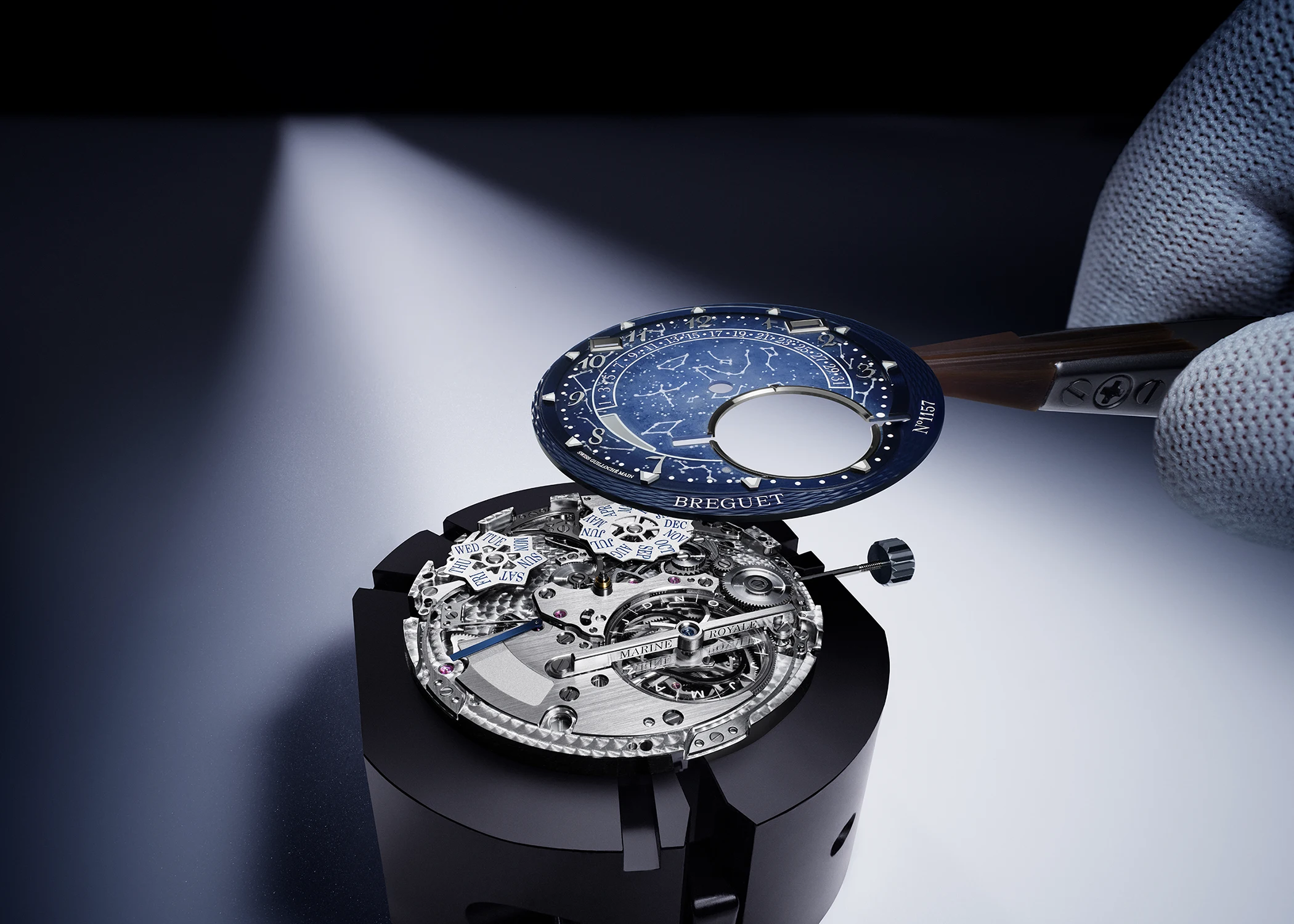
For the 225th anniversary of the tourbillon patent, the Marine Tourbillon Équation Marchante 5887 appears in a 43.9 mm platinum case with a dial depicting the sky over Paris at midnight on 26 June 1801, the date on which Breguet received his patent. The dial combines blue-gradient translucent Grand Feu enamelled sapphire with a hand-painted miniature in luminescent enamel showing the constellations and the Moon. Breguet Arabic numerals in applied 18-carat gold reinforce the historical link, while the watch may also be personalised with the sky of a location, date and time chosen by the owner.
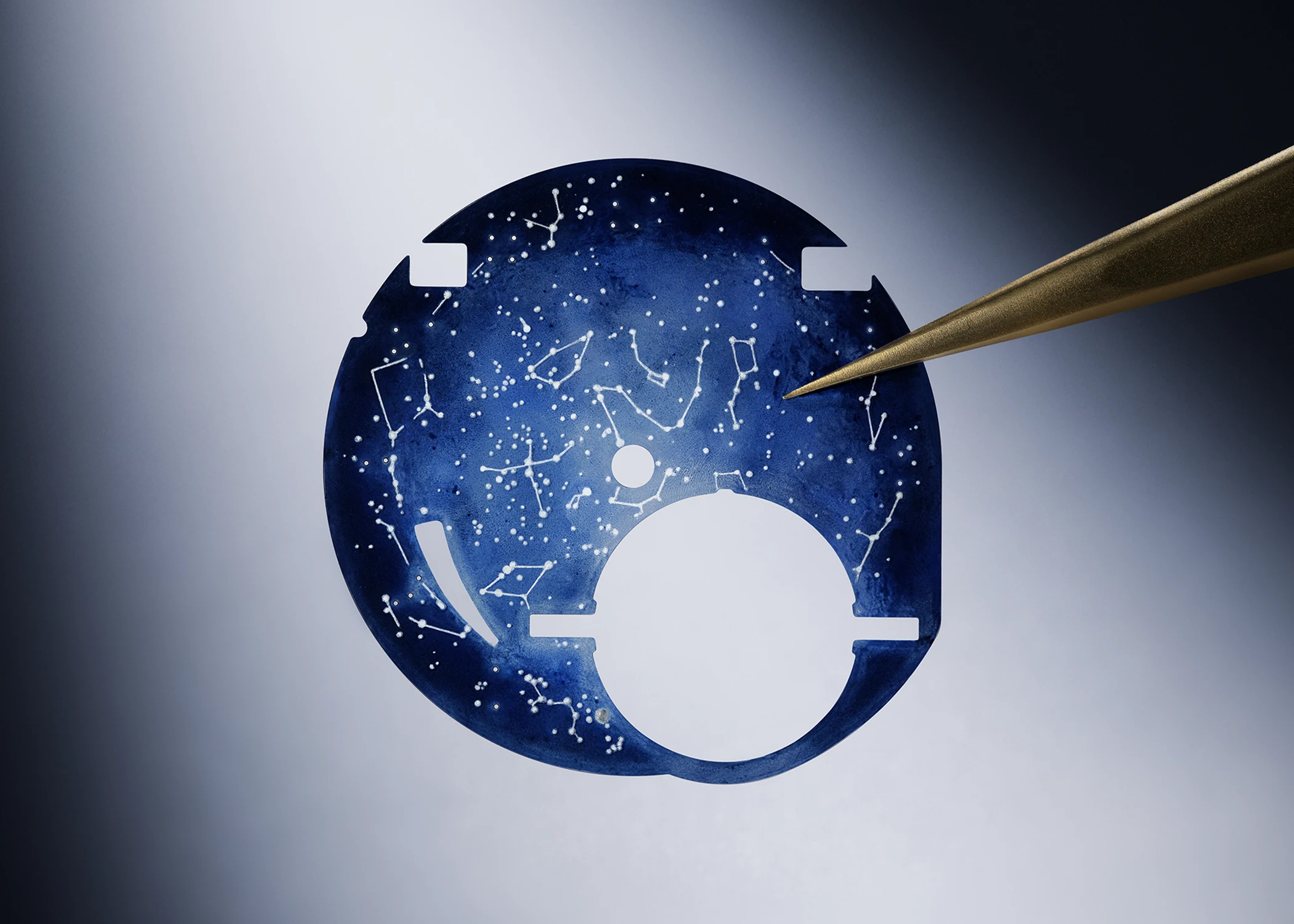
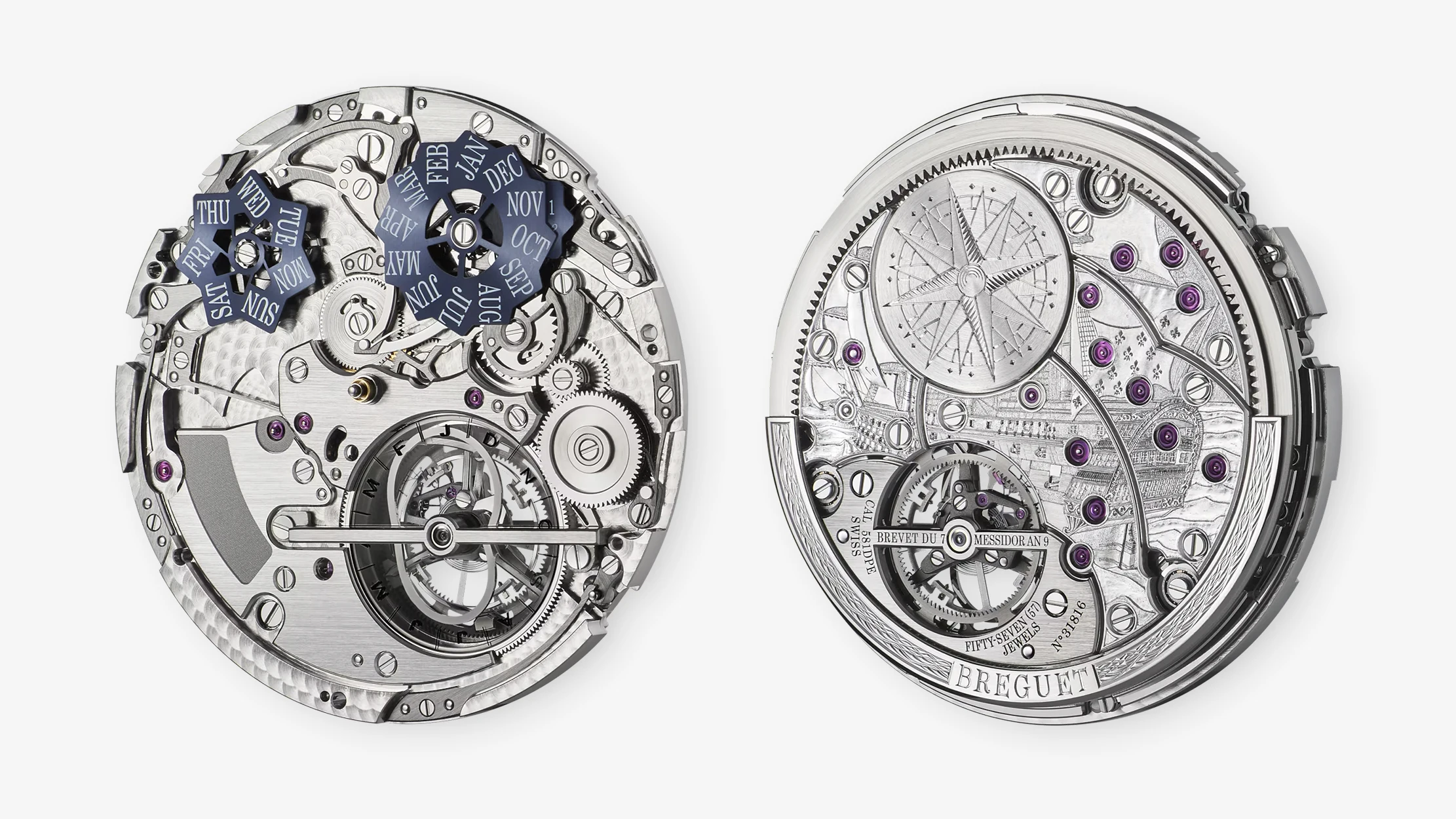
The watch is powered by the self-winding calibre 581DPE, a one-minute tourbillon movement measuring 37 mm in diameter and 5 mm thick. Beating at 4 Hz, or 28,800 vibrations per hour, it offers an 80-hour power reserve and comprises 563 components and 57 jewels. Its indications include hours, minutes, seconds on the tourbillon cage, a perpetual calendar, running equation of time and power reserve. Visible through the caseback, the movement features a platinum peripheral rotor engraved with a blue Quai de l’Horloge guilloché motif, while the caseback is decorated with a hand-engraved depiction of the 18th-century ship Royal Louis.
The 950 platinum case measures 43.9 mm in diameter, 11.8 mm thick and 51.5 mm from lug to lug, with a fluted caseband, sapphire crystals front and back, and water resistance to 10 bar, or 100 metres. The dial-side sapphire crystal has a double anti-reflective coating, while the caseback crystal has a single anti-reflective coating. The watch is delivered on a ‘Bleu de France’ rubber strap with a Quai de l’Horloge motif and a platinum triple-blade folding clasp, while a platinum bracelet variant is also available. Each of the 25 pieces is numbered and hand-engraved on the peripheral rotor.
Having taken a good look at the anniversary editions introduced by Breguet in 2026, it’s time to delve into the past and take a closer look at the story behind the tourbillon’s invention.
Pocket watches have long been admired for their elegance, but beauty did not always translate into precision. Because they were typically carried vertically on a chain or laid flat on a table, gravity acted differently on the balance wheel and balance spring depending on the watch’s position. These positional changes affected the regulating organ, causing small variations in the rate of the watch. As a result, even a well-made pocket watch could lose or gain time unless its owner regularly corrected it.
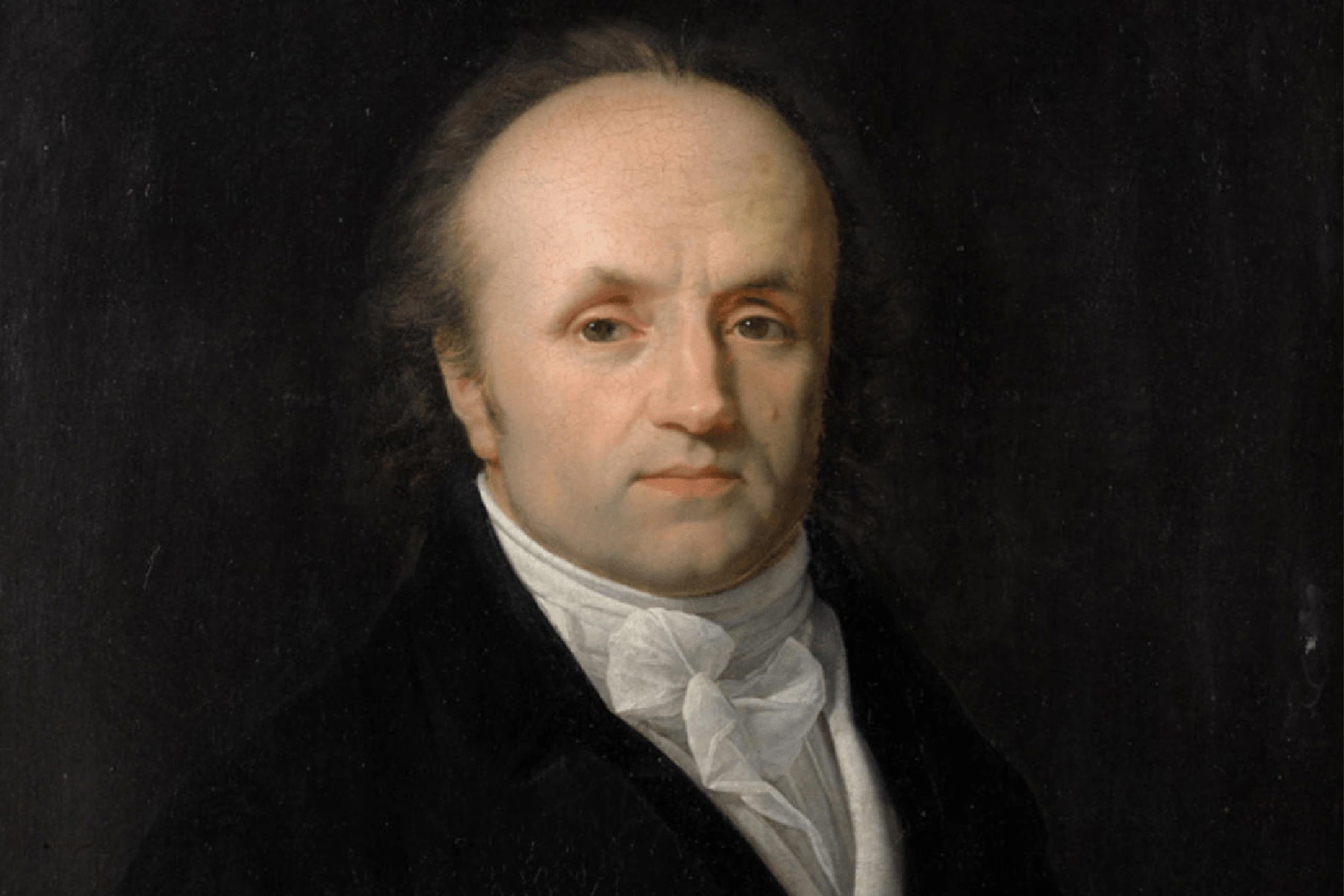
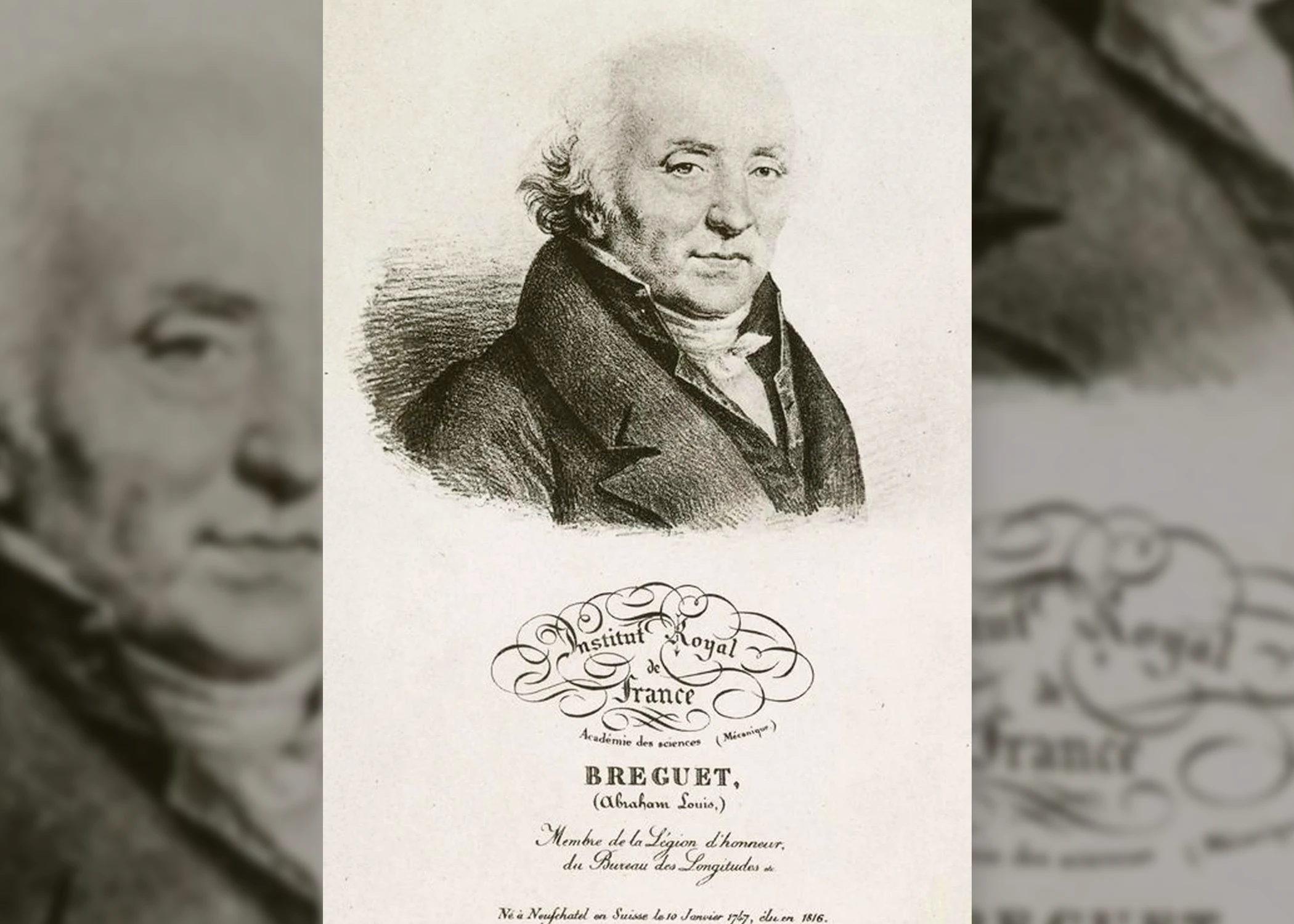
Enter Abraham-Louis Breguet, one of Paris’ most revered watchmakers. Hailing from the Swiss town of Neuchâtel, he possessed not only exceptional technical skill but also a profound understanding of mathematics and physics. Through years of observation and experimentation, Breguet identified gravity as the principal obstacle to greater precision in portable timekeeping.
As explained, the challenge of countering gravity to improve precision lay in the very nature of the pocket watch. Unlike a modern wristwatch, a pocket watch typically remained in a limited number of positions throughout the day. In each position, gravity exerted a slightly different influence on the regulating organ, creating small but measurable variations in the watch’s rate. Determined to minimise these deviations, Breguet turned his attention to the component most vulnerable to gravitational effects: the balance wheel. If the influence of gravity on the balance could be equalised, he reasoned, the watch would maintain a more consistent rate regardless of how it was positioned. This pursuit of positional accuracy remains relevant even today, which is why collectors may still encounter references to mechanical watches being ‘adjusted to multiple positions’.
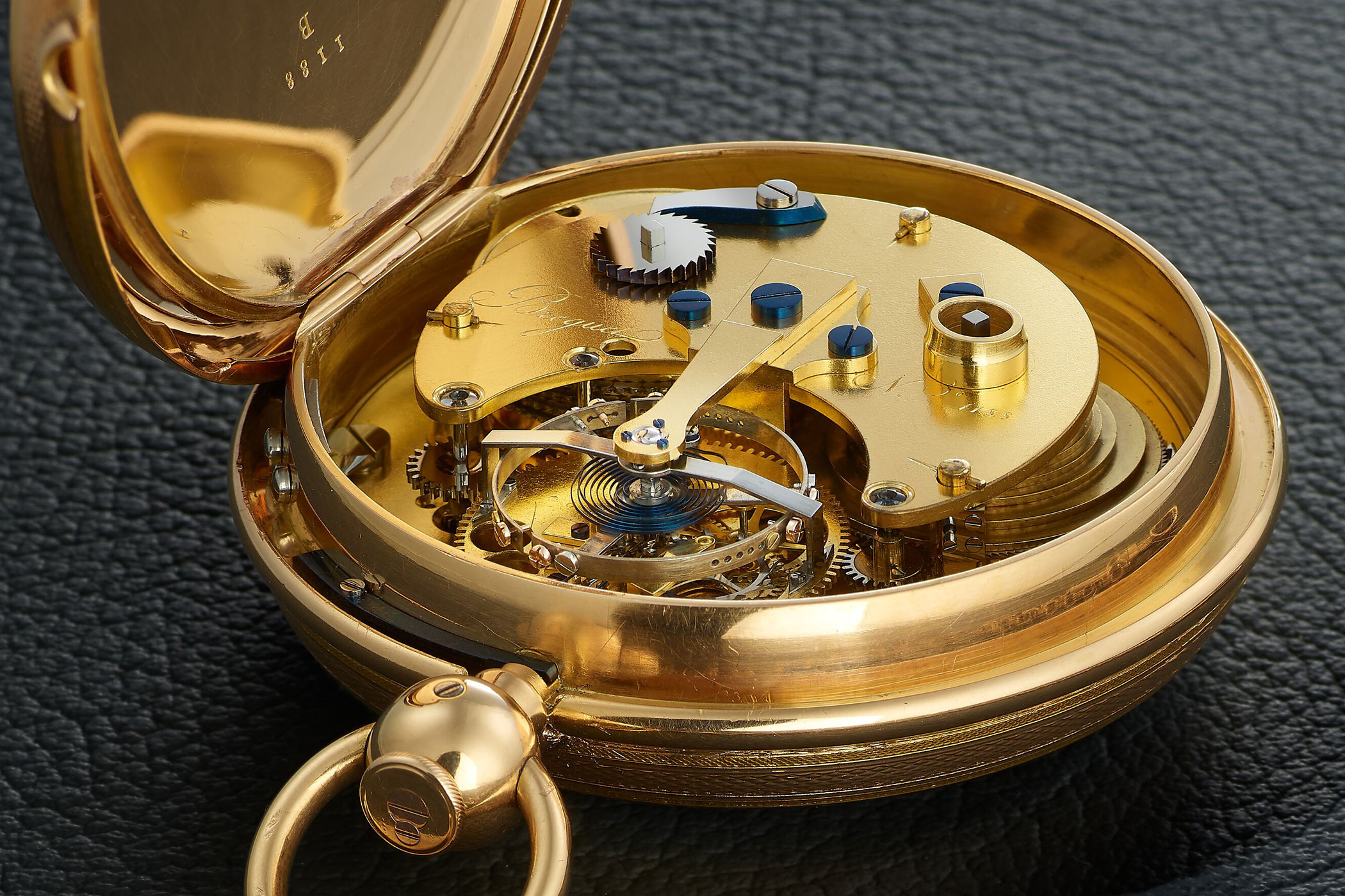
Breguet’s solution was as ingenious as it was revolutionary. Rather than attempting to eliminate gravity’s effects, he sought to average them out. He mounted the balance wheel, balance spring and escapement within a rotating cage that completed a full revolution around its own axis, traditionally once every minute. As the cage turned, positional errors that occurred in one orientation were counteracted by those occurring in another, effectively distributing the influence of gravity evenly over time.
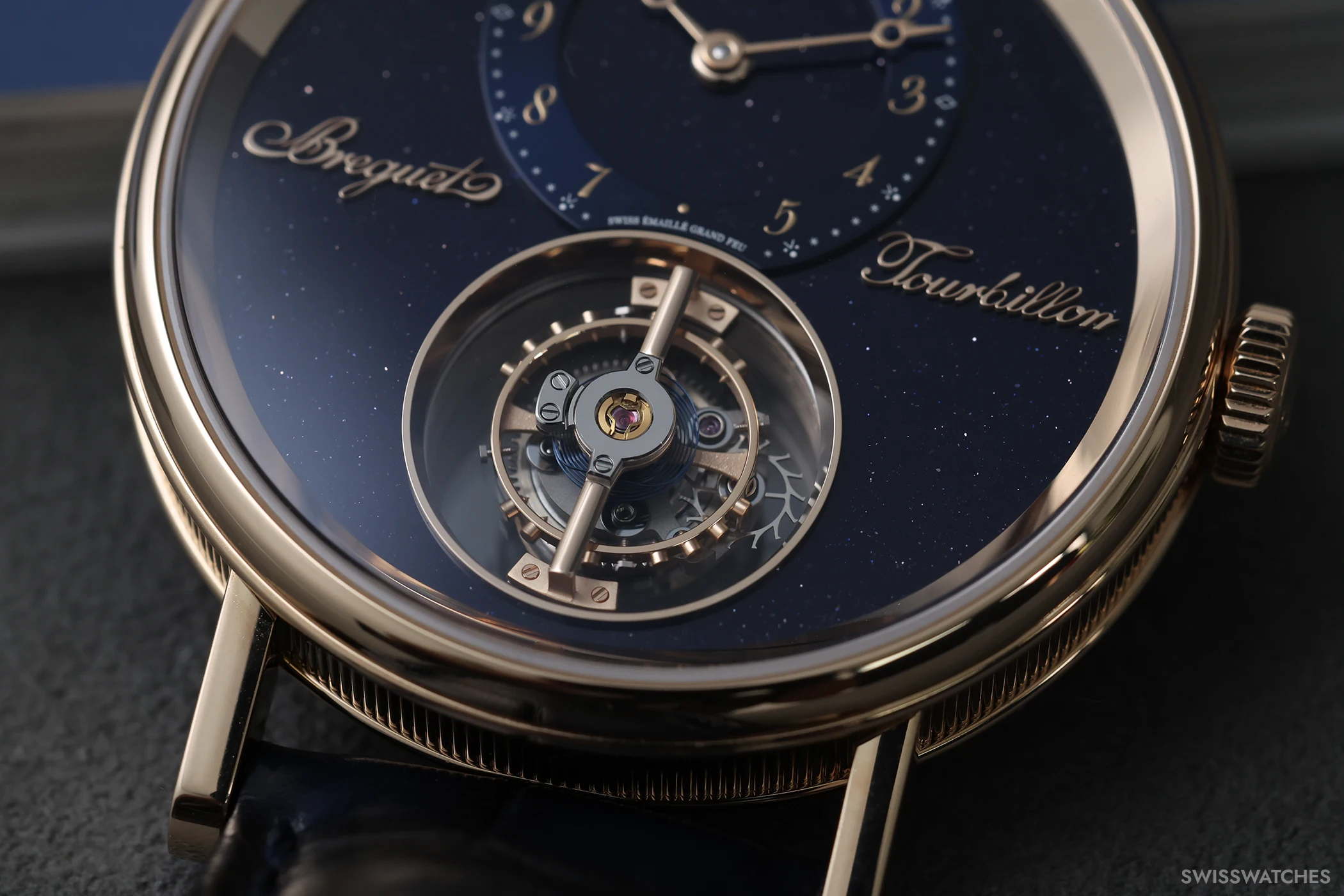
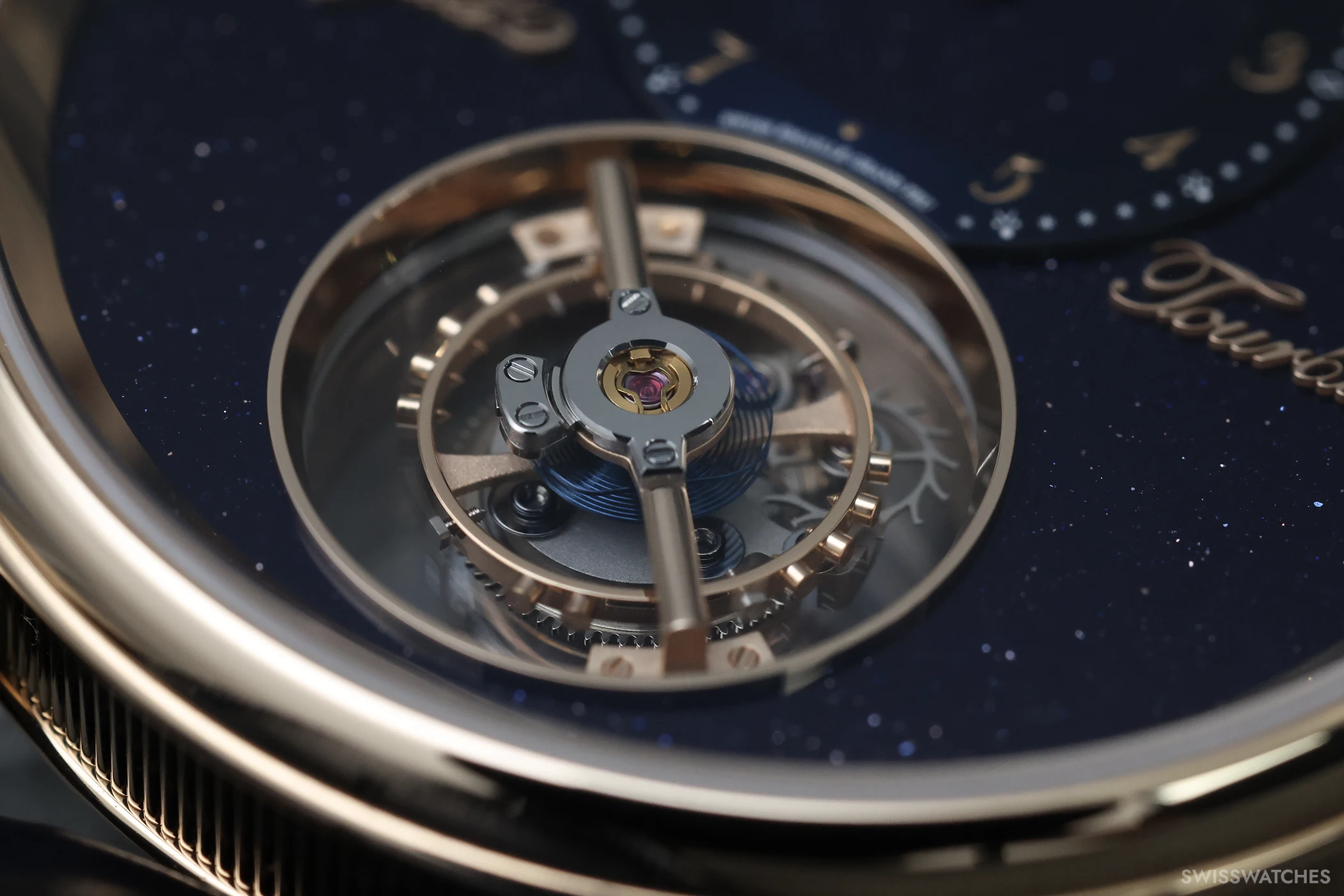
In practical terms, the mechanism works as follows. The rotating cage houses the balance wheel, balance spring, pallet fork and escape wheel, and is driven by the going train, completing one full revolution per minute. As the cage rotates, it continuously carries the balance wheel through every vertical orientation, causing its axis to describe a full circle and ensuring that gravitational influence is distributed evenly rather than allowed to act persistently in any single direction. Remarkably, despite the sophistication of its design, the tourbillon is an extraordinarily delicate and lightweight construction. Some contemporary examples weigh as little as 0.3 grams, a fact that only underscores how refined and intricate the mechanism truly is.
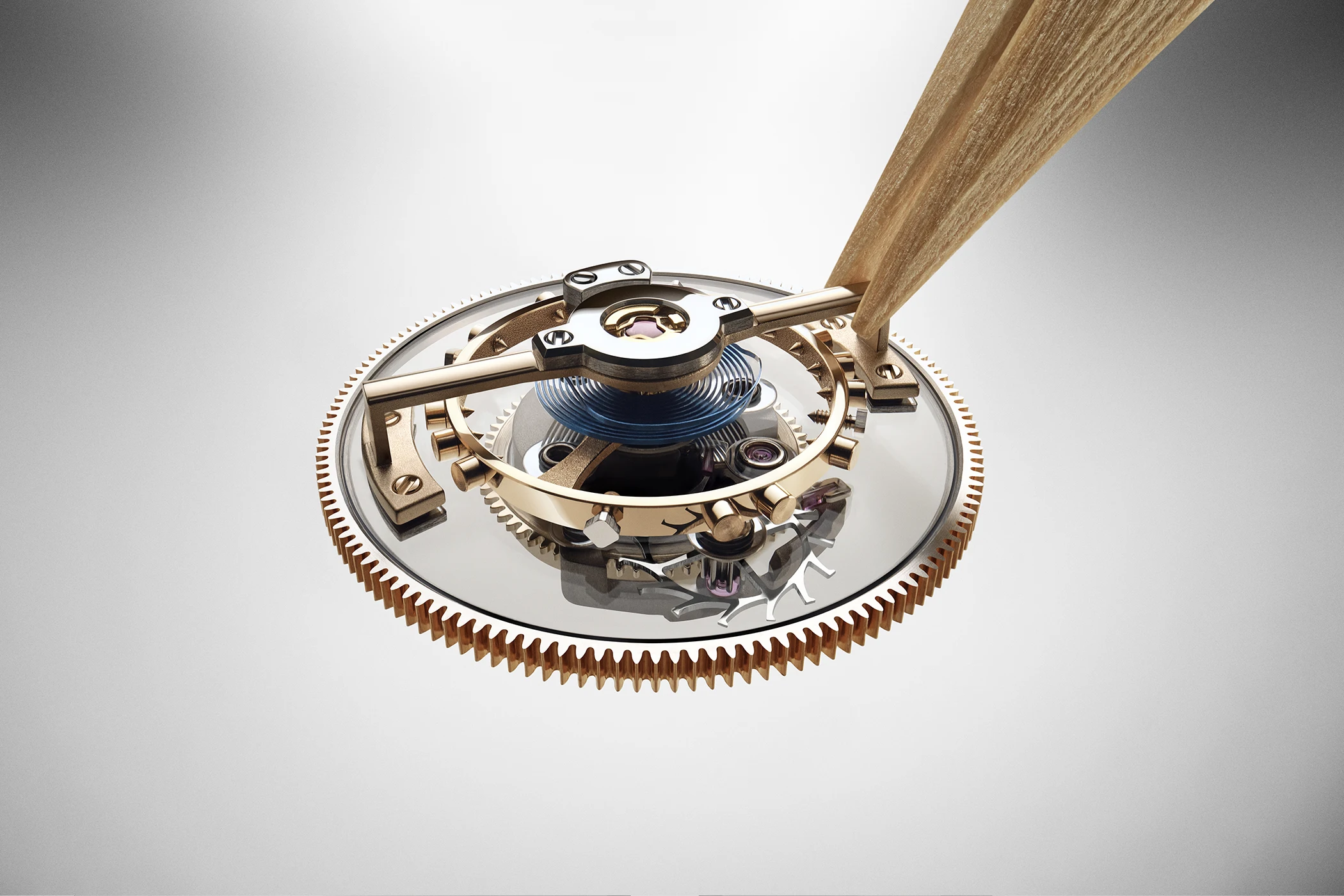
On 26 June 1801, exactly 225 years ago, Breguet formally secured a patent for the tourbillon: a mechanism that transformed a fundamental challenge of physics into one of watchmaking’s most celebrated achievements. More than two centuries later, it remains a testament to Breguet’s extraordinary ingenuity and his relentless pursuit of precision.
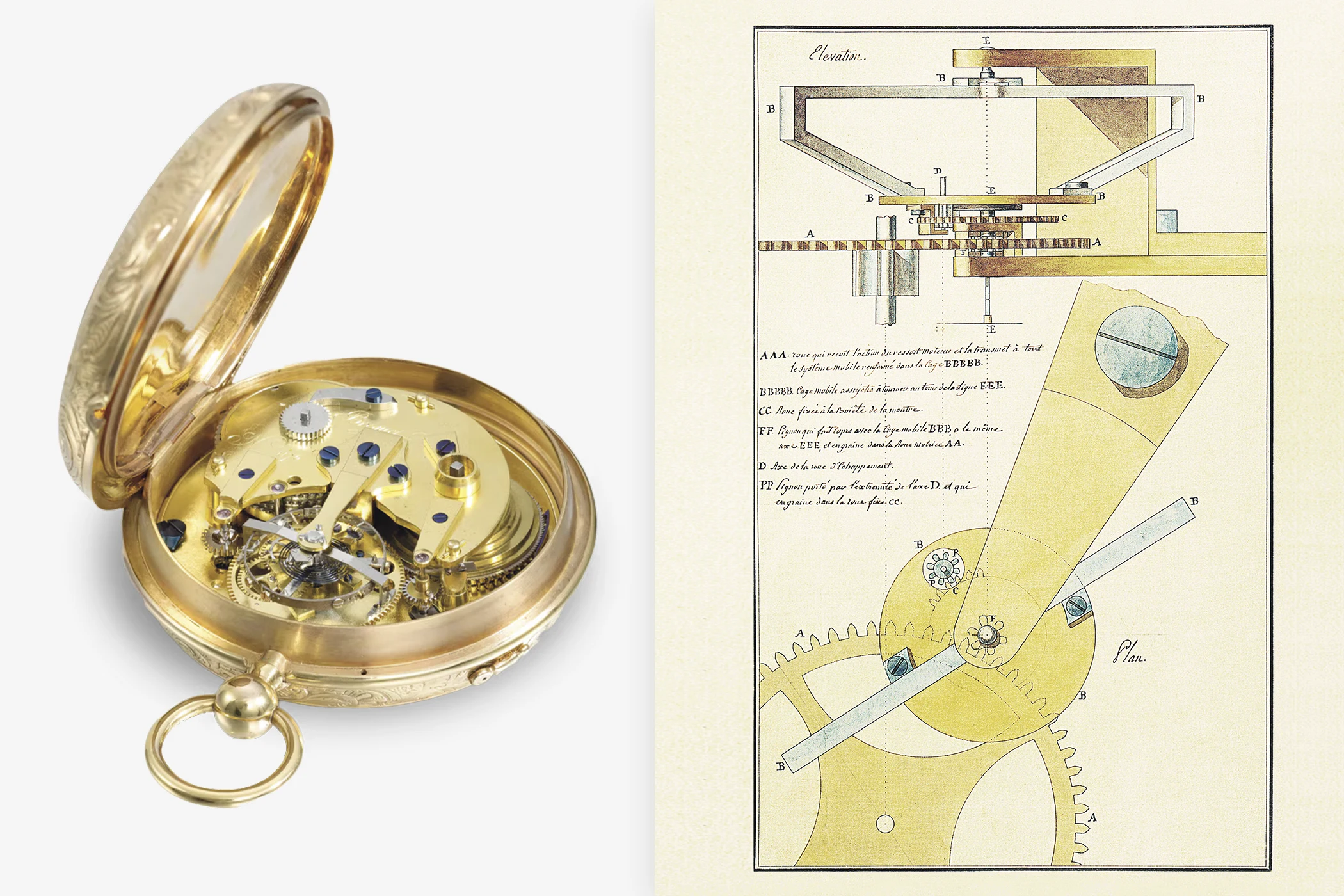
Despite its revolutionary nature, the tourbillon (French for ‘whirlwind’) was not an immediate commercial success. Although Breguet’s patent remained in force for only ten years and was never renewed, widespread adoption came slowly. The watchmaker spent years promoting the invention, showcasing it at French industrial exhibitions in Paris and championing its ability to maintain accuracy whether a watch was held upright, inclined or in motion.
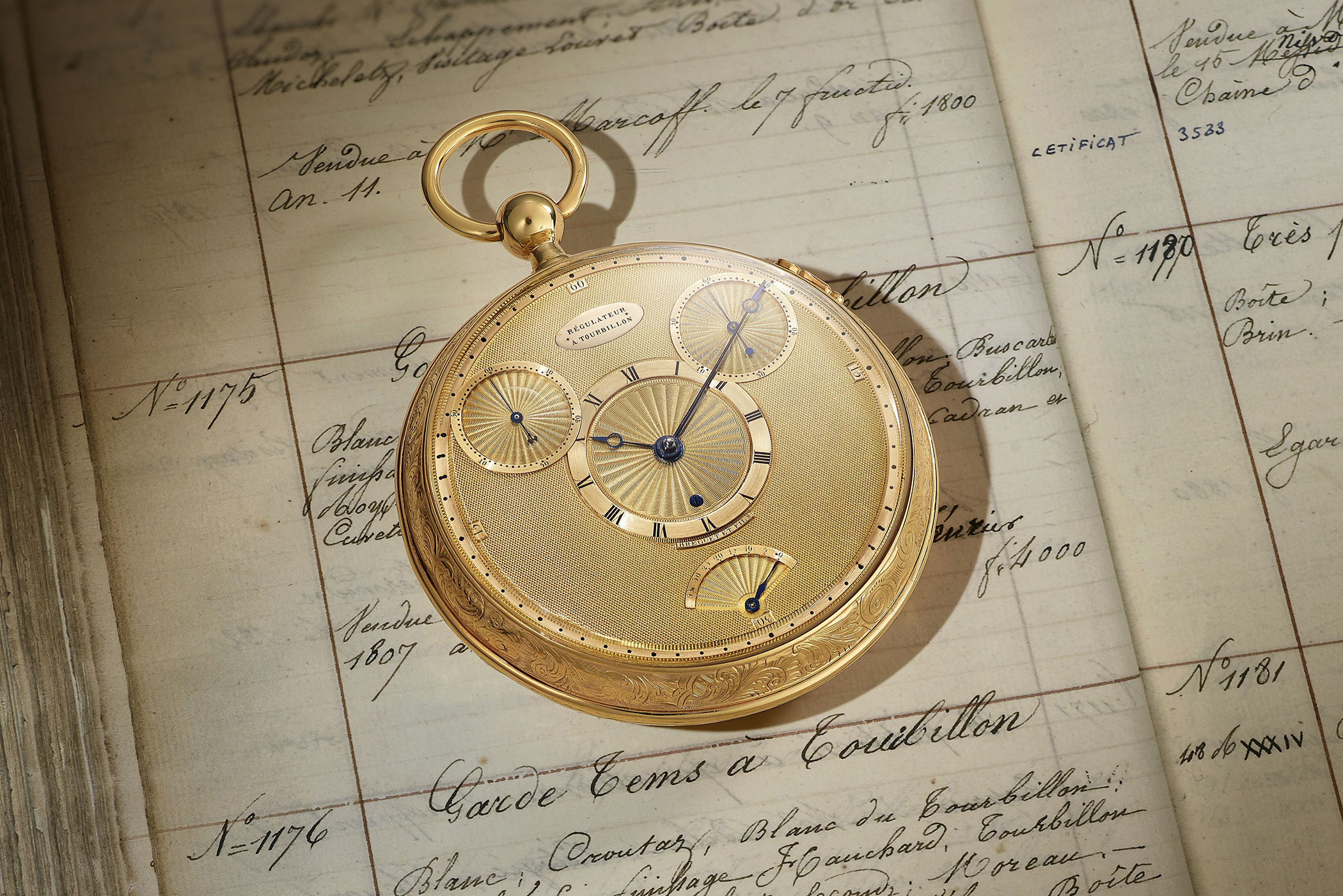
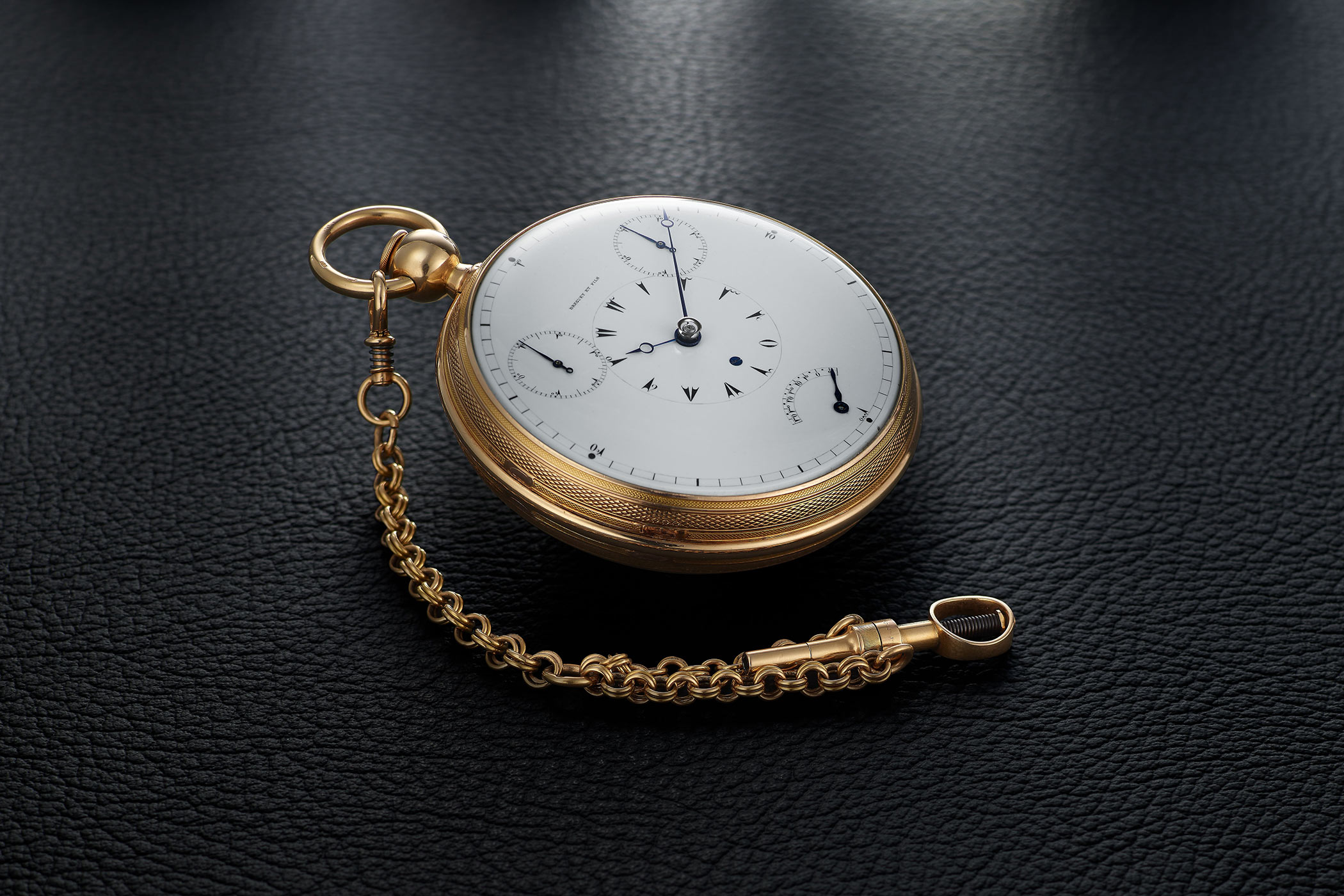
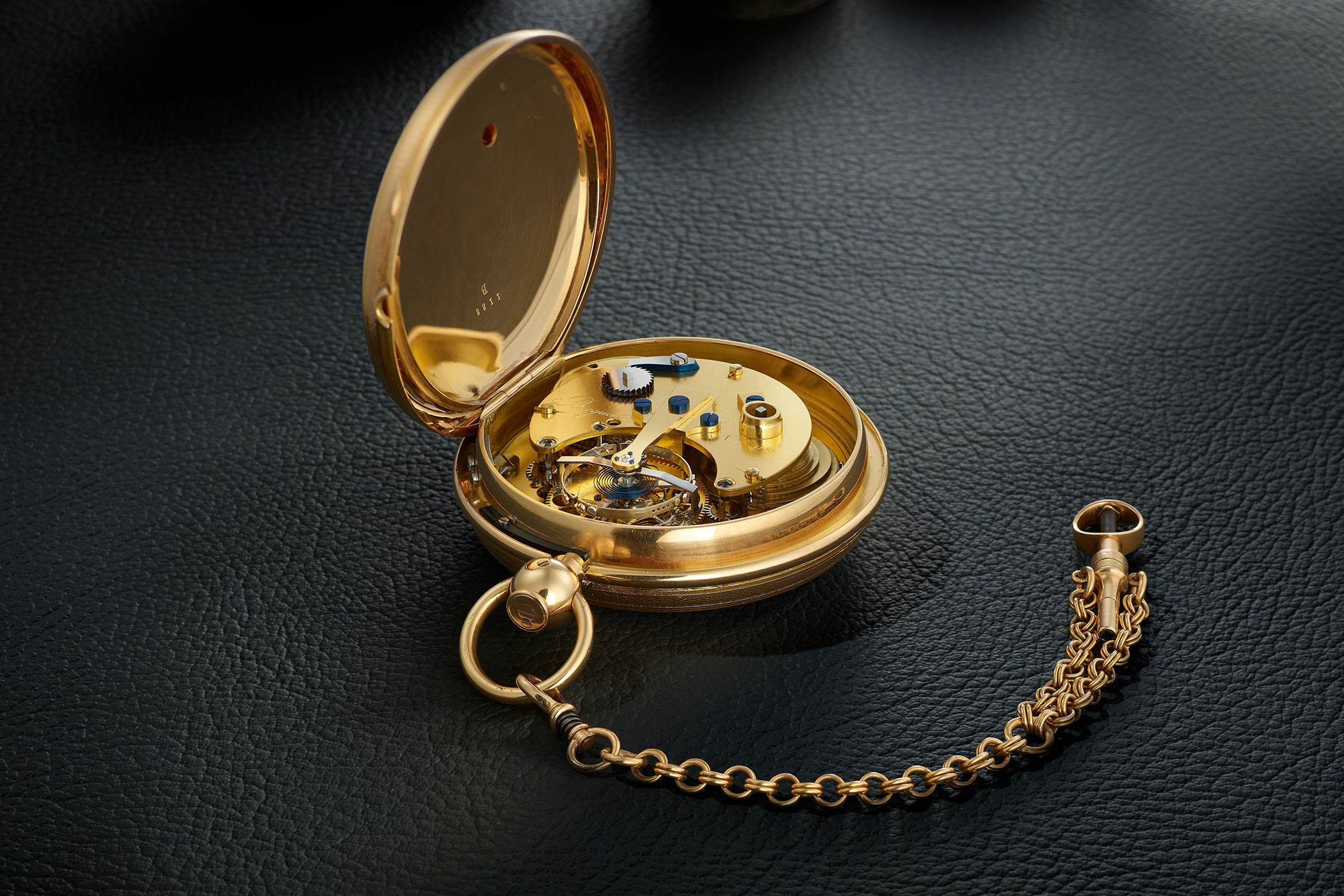
The complexity of the mechanism meant that production remained extremely limited. Between 1796 and 1829, Breguet and his workshop completed 40 tourbillon-equipped timepieces. About thirty-five were pocket watches, while the remaining mechanisms were integrated into clocks. In today’s world, the output seems small, yet the work that went into one tourbillon timepiece – on top of the highest level of attention paid to every component and decoration – was phenomenal. Take the tourbillon No. 1176, one of Breguet’s earliest tourbillon pocket watches to appear. Phenomenally large by today’s standards at 64 mm in diameter, the manufacturing of this particular piece commenced in July, 1802, and would take seven years to complete. Despite the huge amount of time and craftsmanship that went into the timepieces – qualities which now are the drivers of defining objects as ‘luxury’ – these early creations were less luxury objects than instruments of scientific ambition, demonstrating the extraordinary lengths to which watchmakers would go in pursuit of precision. Yet their influence far exceeded their numbers. More than two centuries later, the rotating carriage conceived by Breguet remains one of horology’s most celebrated inventions, serving as both a monument to technical innovation and a lasting symbol of watchmaking excellence.
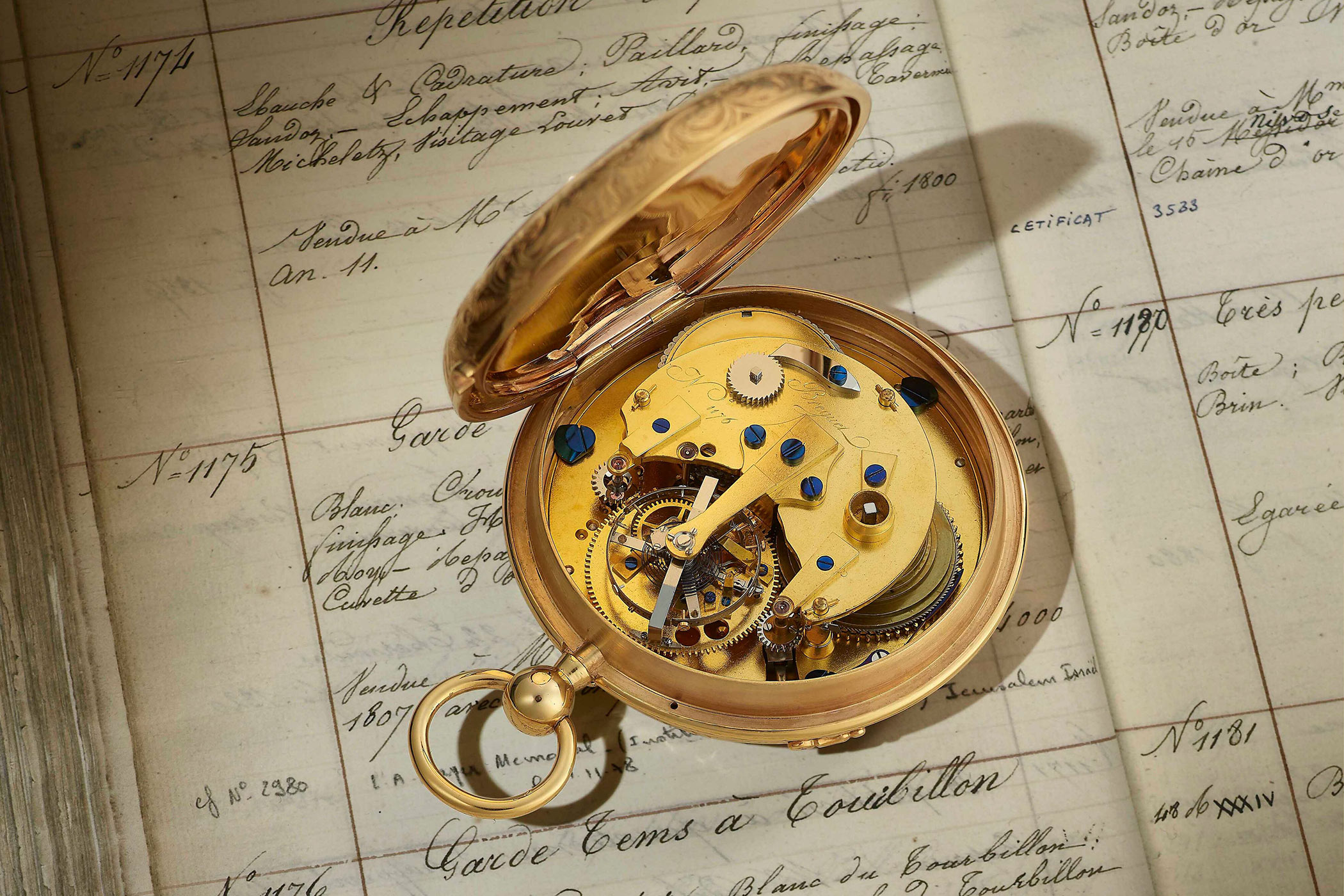
Due to the complexity of manufacturing and the sheer amount of time required to produce a tourbillon, its adoption throughout the nineteenth century remained extremely limited. The complication was reserved almost exclusively for the most accomplished watchmakers and was typically employed in observatory chronometers or other experimental precision timepieces rather than commercial production. Although Breguet’s workshop also produced a significant number of marine chronometers, intended for navigational use, the tourbillon was almost never incorporated into these instruments. Of the numerous marine chronometers bearing Breguet’s signature, only a single example is known to have combined marine chronometer construction with a tourbillon regulator. This exceptional rarity demonstrates that, despite the tourbillon’s potential chronometric advantages, its complexity made it impractical for widespread maritime application.
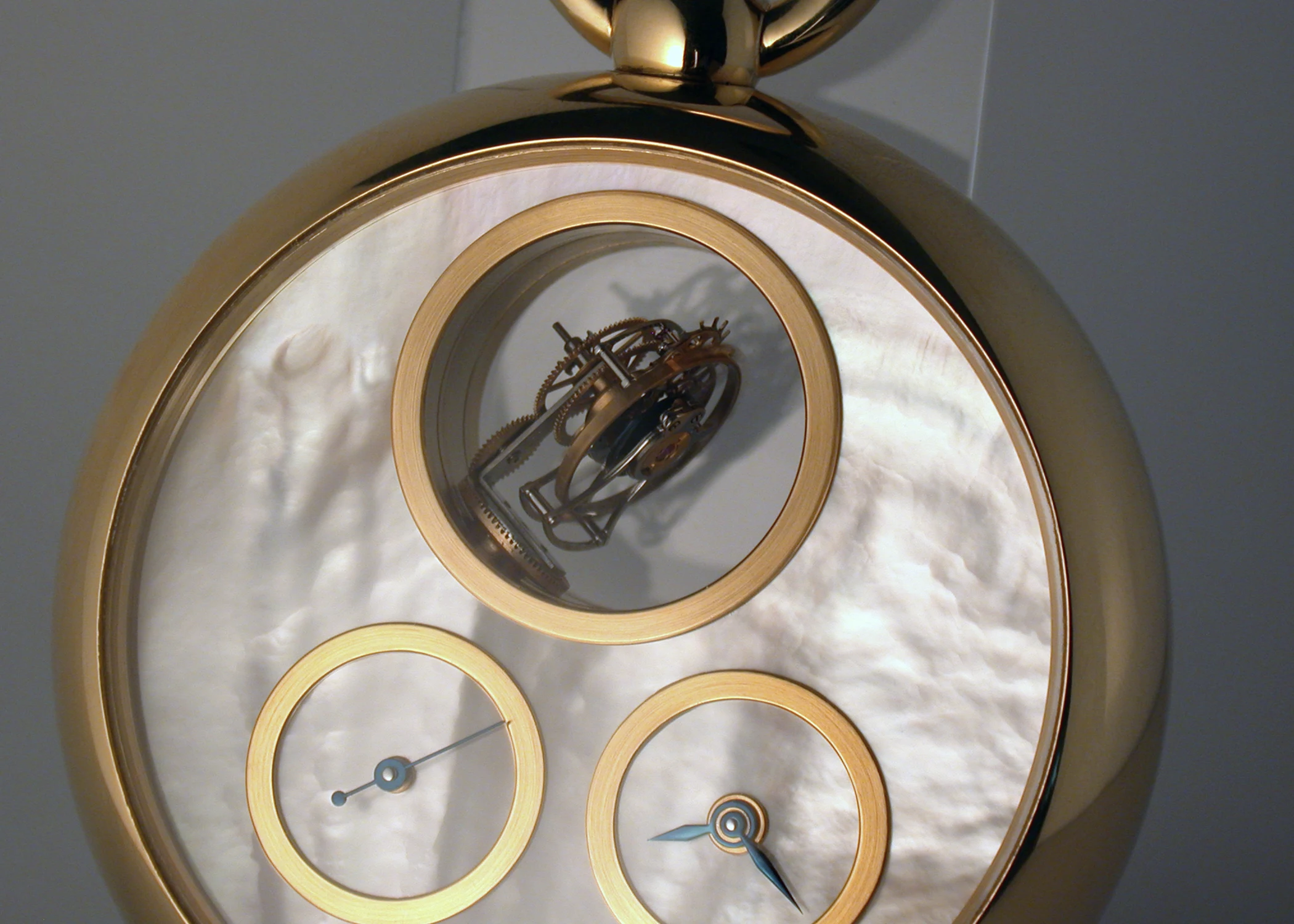
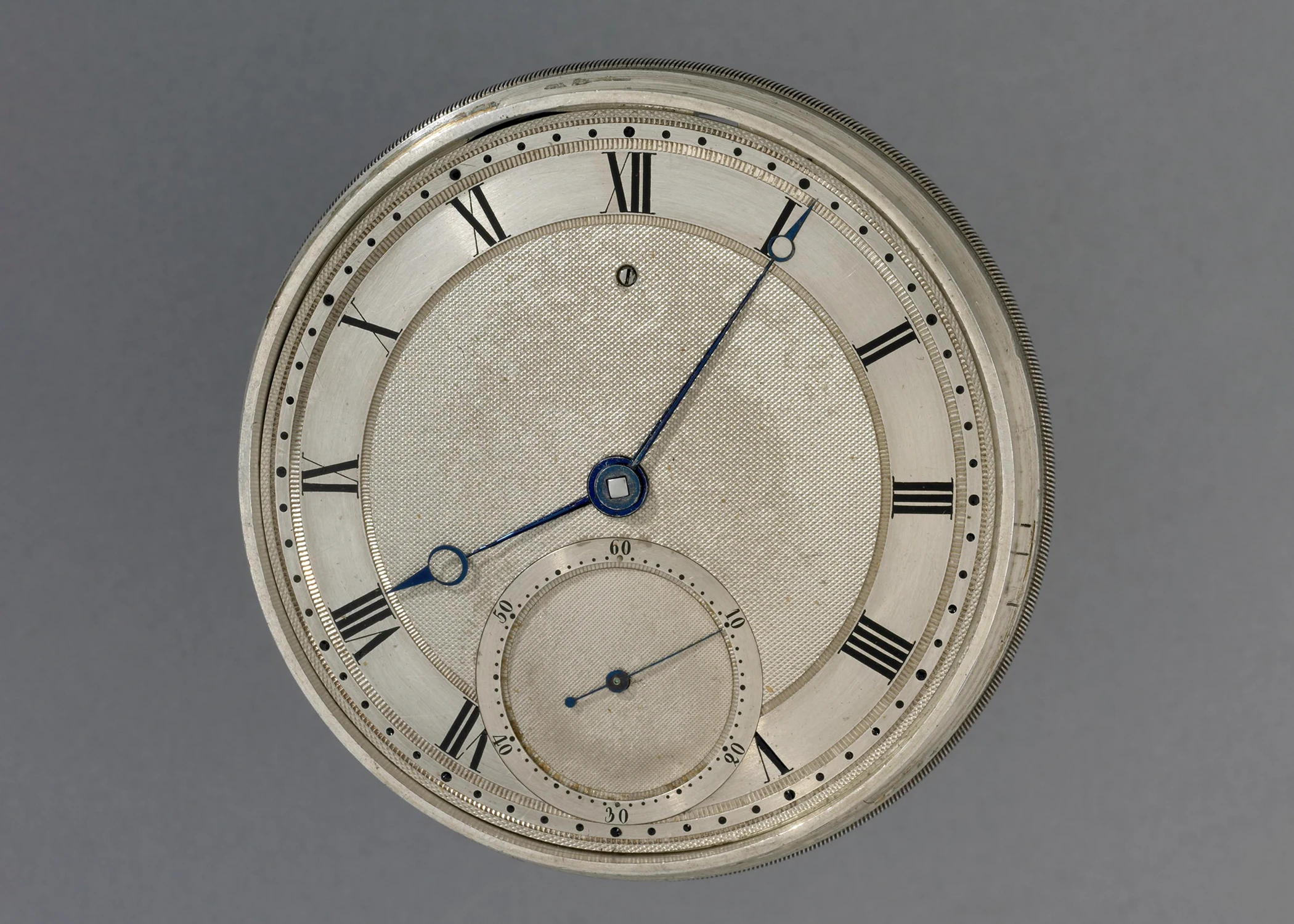
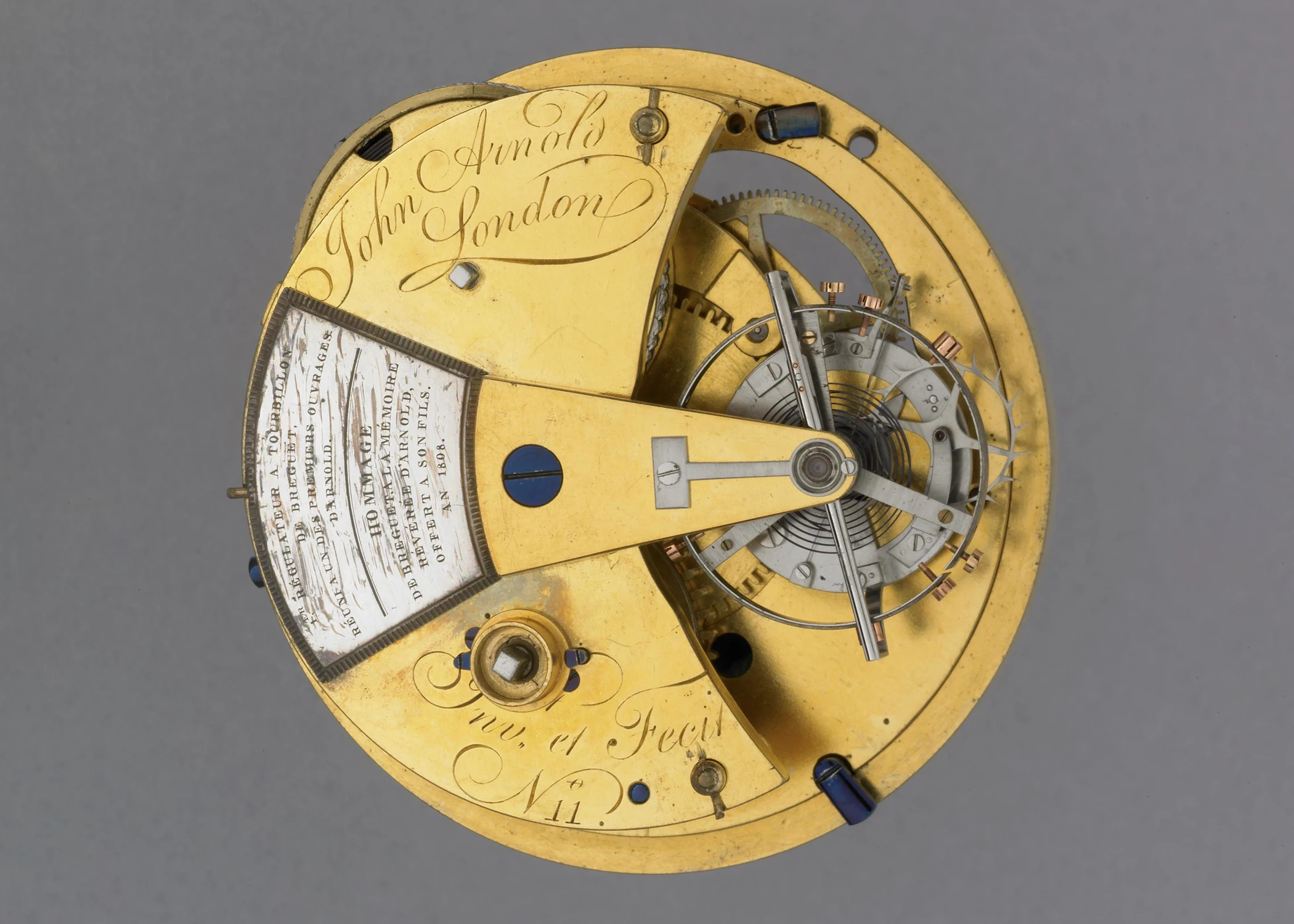
Yet Breguet’s tourbillon found its way beyond France. One remarkable example, now housed in the British Museum in London, is the celebrated pocket chronometer No. 11, originally made by the British watchmaker John Arnold, one of Britain’s foremost chronometer makers of the eighteenth century. Although constructed in England, the watch would later become a symbol of the close friendship and mutual respect shared by Arnold and Breguet. During a visit to London in the 1780s, Breguet recognised in Arnold a fellow innovator of exceptional ability, and the two men developed a lasting friendship. Their professional relationship became so close that each entrusted his son to apprentice in the other’s workshop. Arnold’s son subsequently trained under Breguet at the Quai de l’Horloge in Paris between 1792 and 1794.
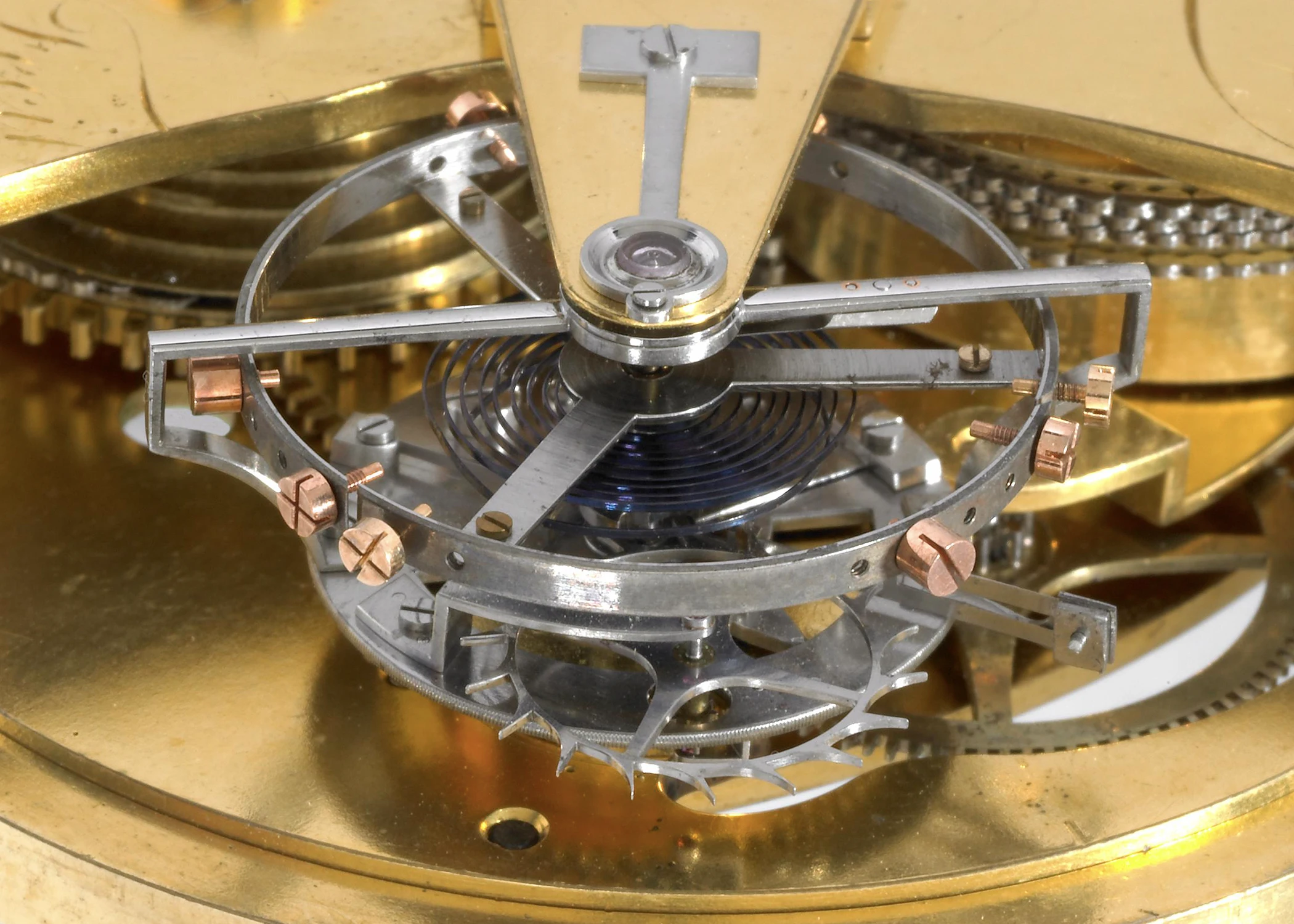
Credit © The Trustees of the British Museum. Shared under a Creative Commons Attribution-NonCommercial-ShareAlike 4.0 International (CC BY-NC-SA 4.0) licence.
Although the chronometer had originally been made by Arnold around 1774, Breguet extensively reworked it following Arnold’s death. In addition to fitting his newly invented tourbillon regulator, he replaced the original escapement with a Peto cross-detent escapement – one of the rarest and most highly regarded chronometer escapements ever produced, often described by collectors as the ‘purist’s choice’ for precision timekeeping. Breguet then presented the transformed watch to Arnold’s son in 1808 as a tribute to his father’s achievements. The movement bears the inscription: ‘The first tourbillon regulator by Breguet incorporated in one of the first works of Arnold. Breguet’s homage to the revered memory of Arnold. Presented to his son in 1808’.
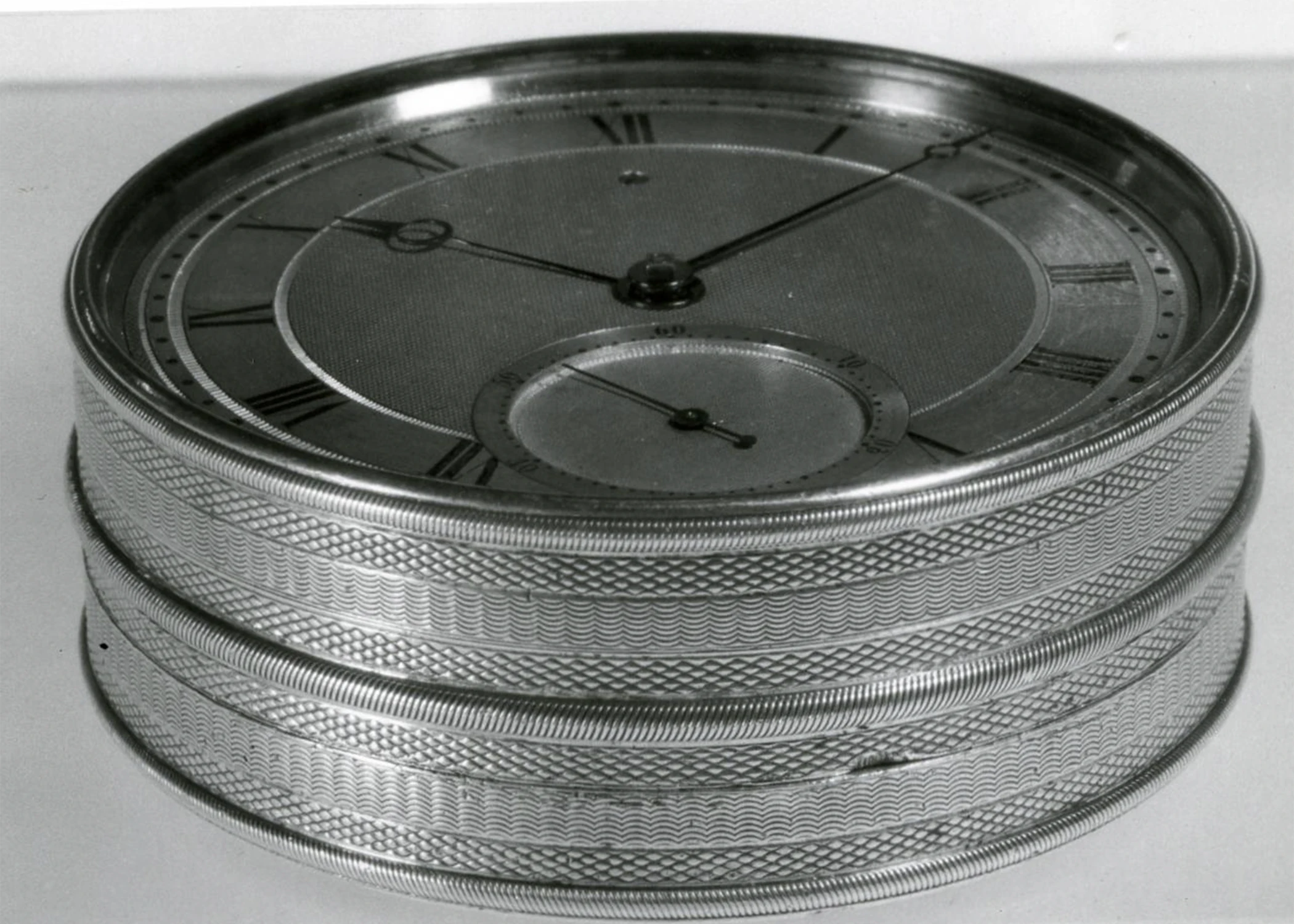
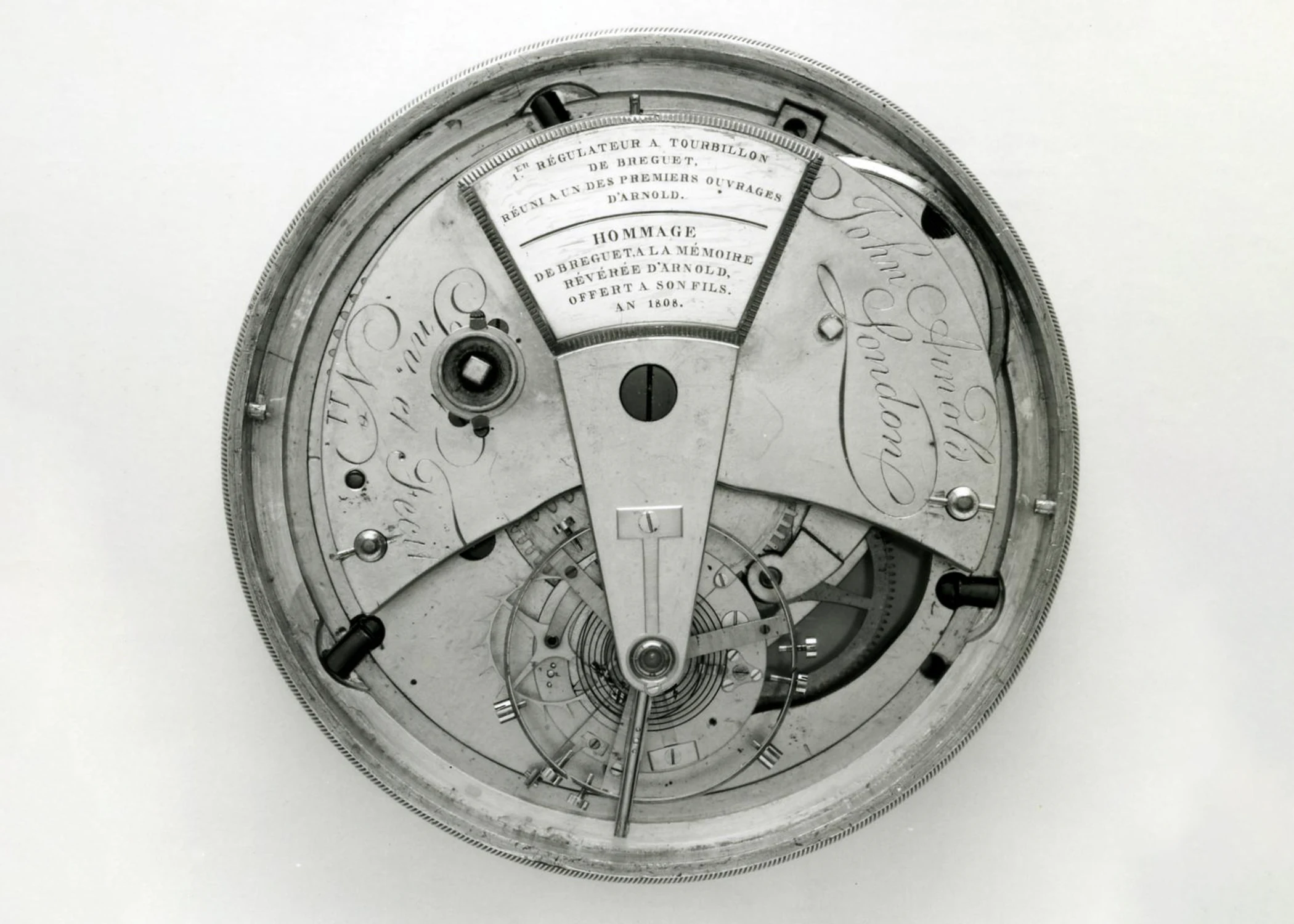
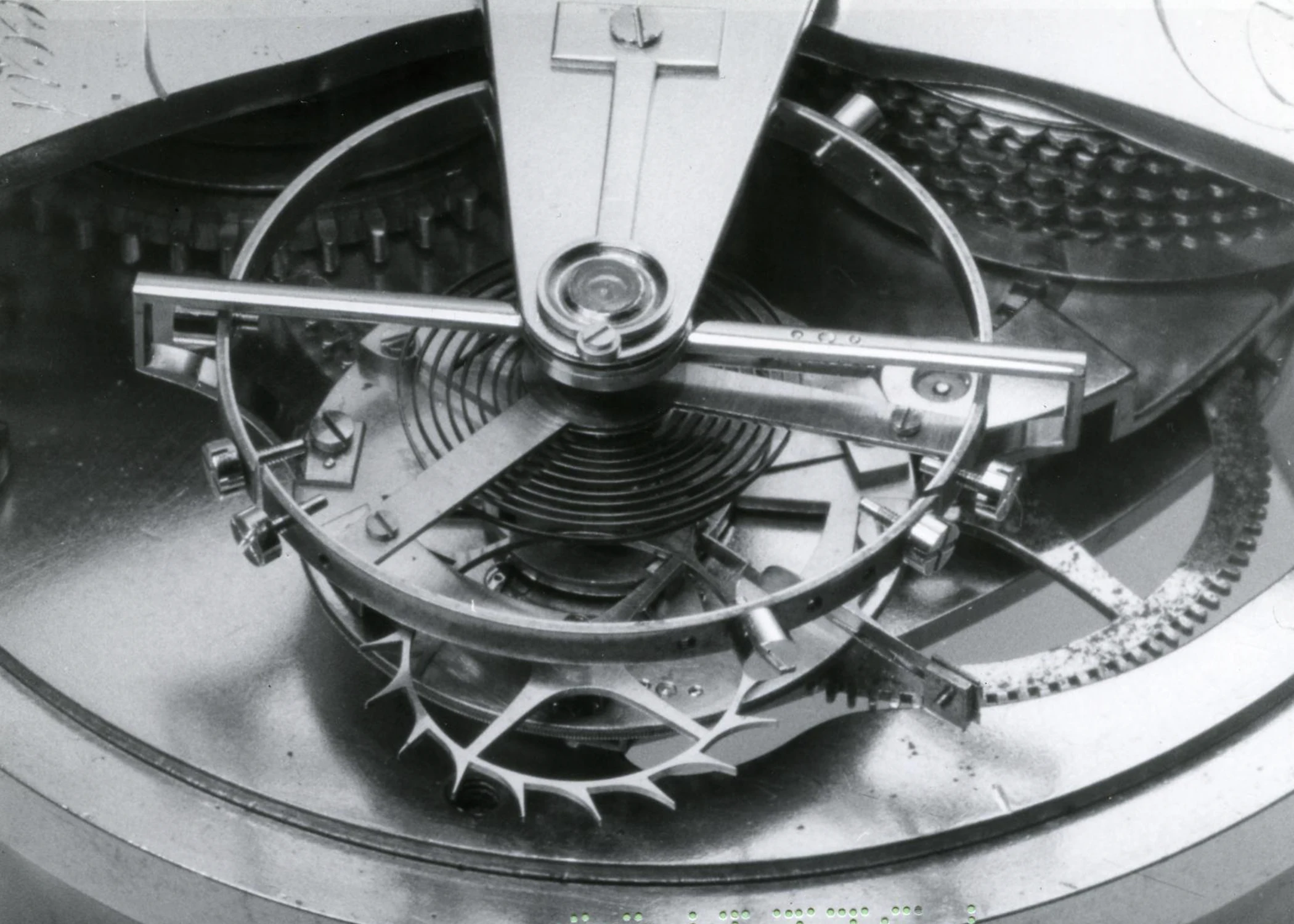
Credit © The Trustees of the British Museum. Shared under a Creative Commons Attribution-NonCommercial-ShareAlike 4.0 International (CC BY-NC-SA 4.0) licence.
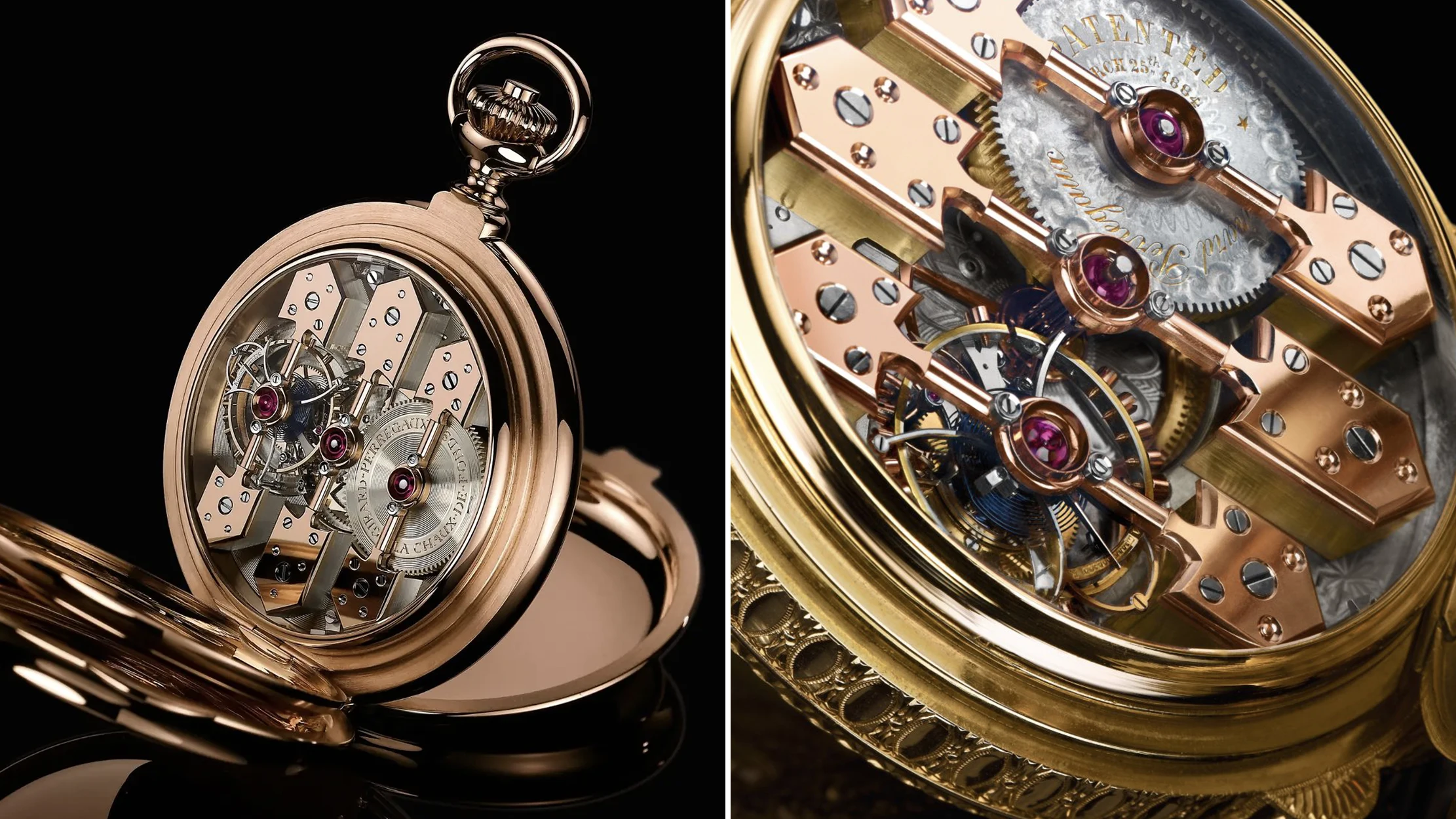
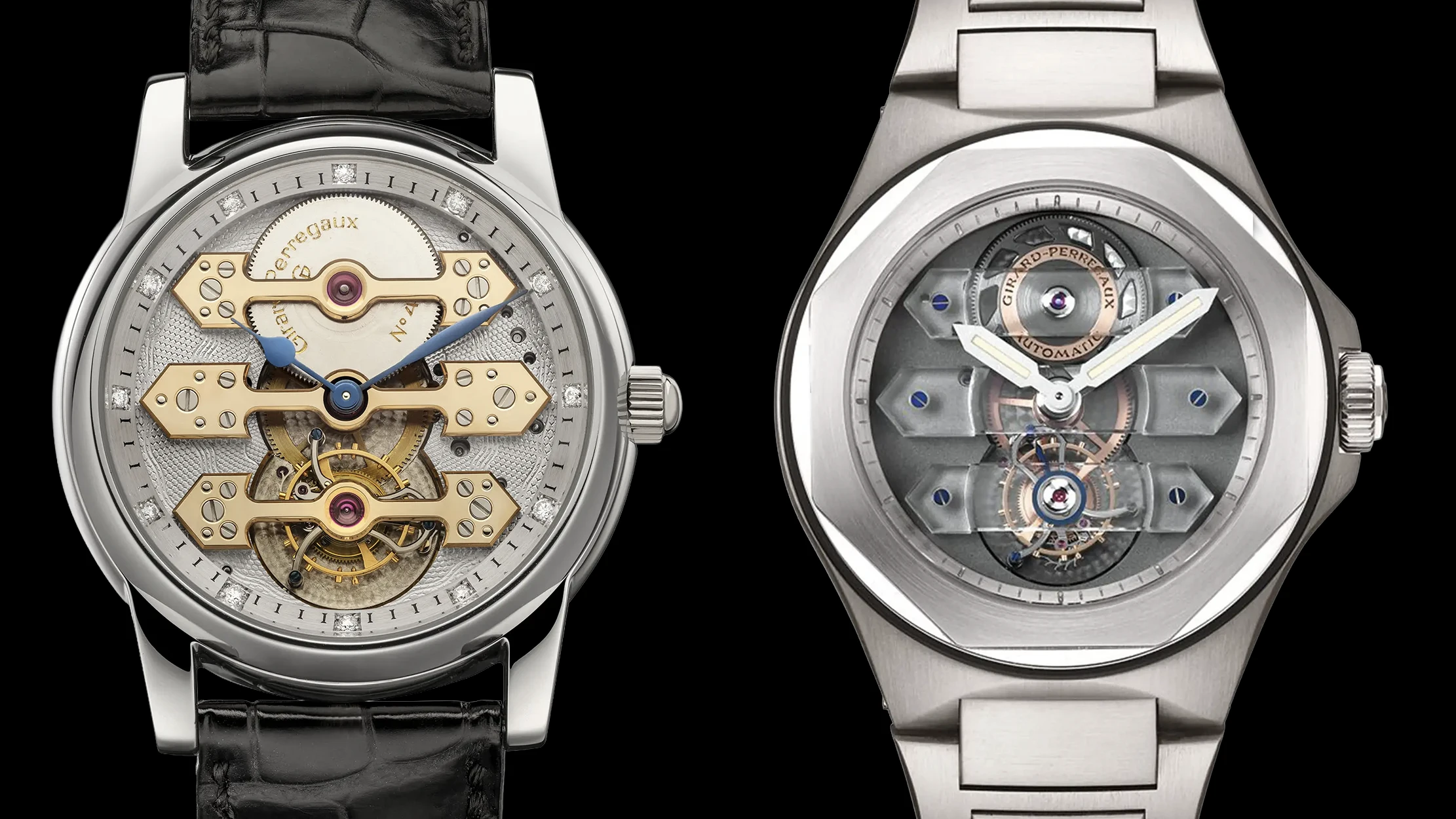
Throughout the 19th century, the production of tourbillons belonged to a very select number of watchmakers. One key player was Girard-Perregaux. From the mid-1800s onwards, the watchmaker resolved to focus on chronometers and tourbillons, proceeding to create one of the most iconic tourbillon designs ever conceived: the tourbillon under Three Gold Bridges, with the debut pocket watch christened ‘La Esmeralda’. The tourbillon pocket watch chronometer won the Gold Medal at the Paris Universal Exhibition in 1889, alongside an out-of-competition ranking and a permanent seat as a jury member of subsequent World’s Fairs from 1901 onwards. Ever since, the watchmaker has produced numerous three-bridge tourbillon editions that have become a hallmark of the brand.
Credit © Girard-Perregaux
The tourbillon’s technological prowess came at a considerable cost. Manufacturing one demanded a level of skill and a great investment of time that placed it far beyond the reach of most workshops, and production throughout the 19th century reflected this reality. Between 600 and 900 tourbillons are estimated to have been made between 1801 and 1945, most of them built for observatory competitions or scientific application.
Credit © Girard-Perregaux
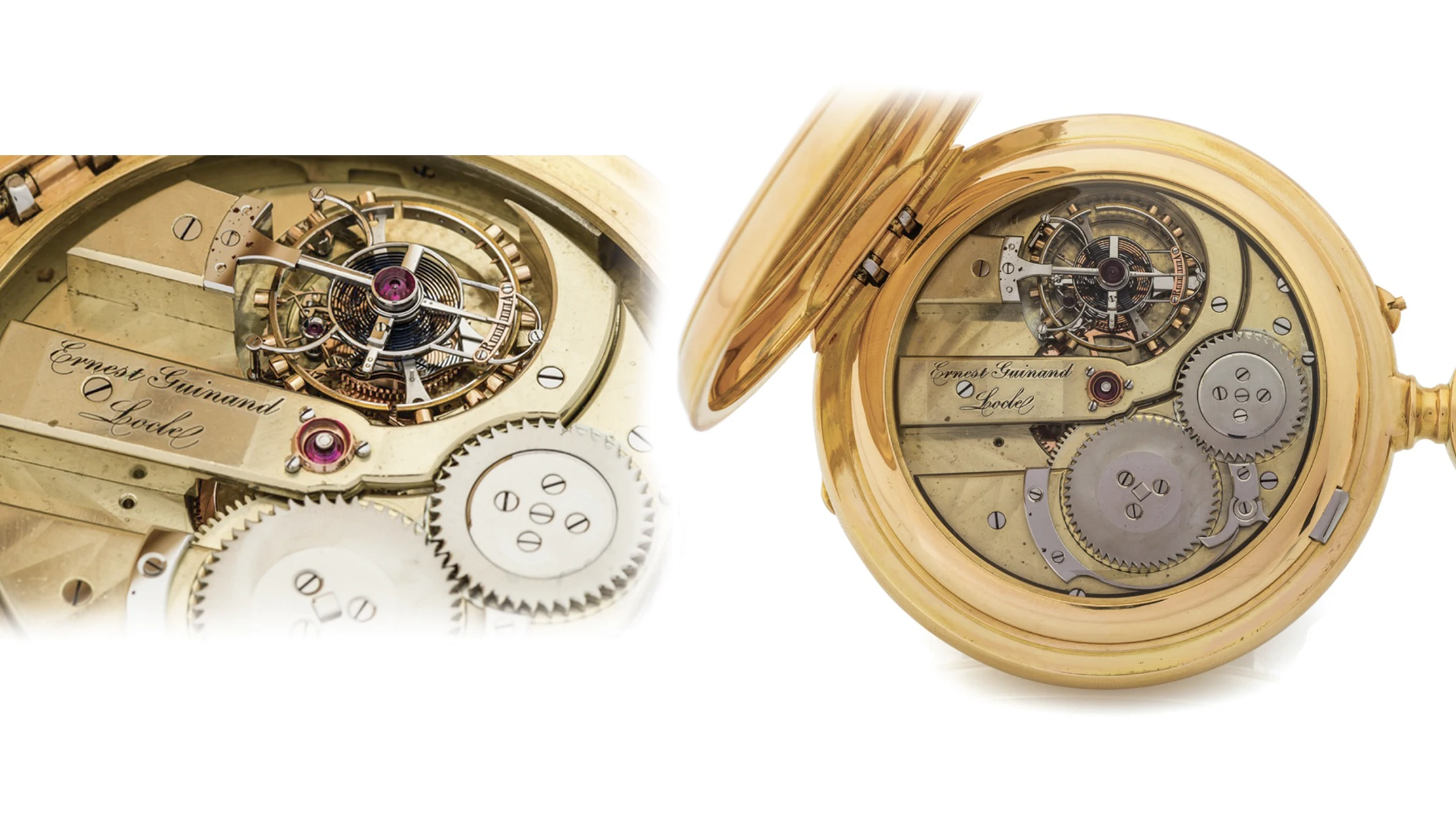
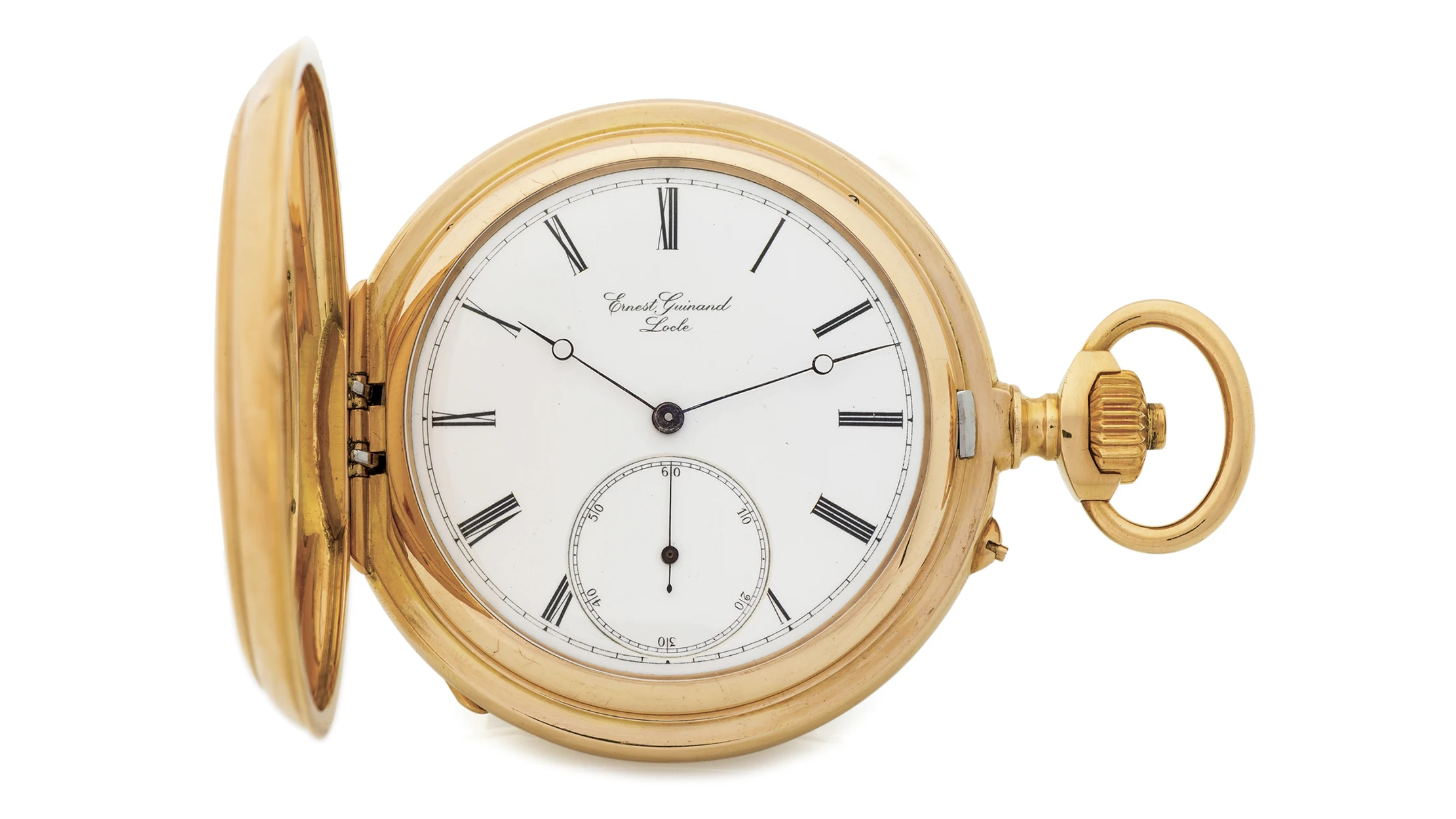
During the late 19th and early 20th century, manufactures and their master watchmakers had expended significant time and resources preparing for observatory trials held throughout Europe. These events were not trade fairs or showcases in the modern sense; they were rigorous tests of chronometric precision, and submitting a tourbillon-equipped piece was a declaration of serious intent. In England, Frodsham, Smith & Sons and Dent both offered tourbillons, with many movements produced by Nicole Nielsen and subsequently submitted to Kew Observatory chronometry trials. On the continent, results were equally impressive: the Ernest Guinand Pocket Chronometer No. 1060 from 1867, for example, showed a maximum daily gain of just 0.15 seconds, with no deviation whatsoever across a varied temperature range.
Credit © Antiquorum
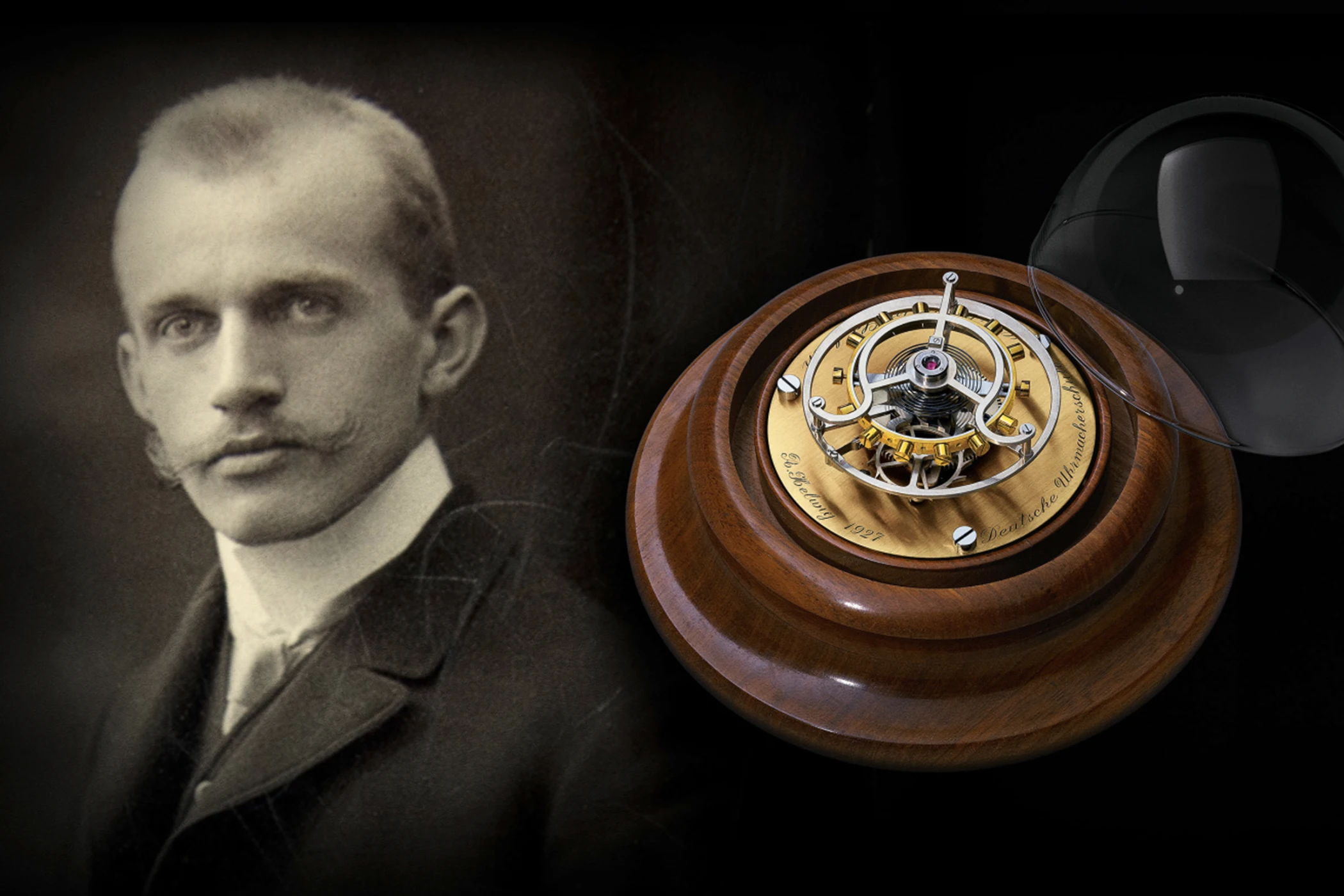
Some three decades after Girard-Perregaux’s landmark contribution to the history of the regulation mechanism, Alfred Helwig, then instructing at the German Watchmaking School in Glashütte, turned his attention to tourbillon design. Where the conventional tourbillon had until then relied upon visible supporting bridges to hold it in place, Helwig envisioned a more dynamic mechanical interpretation, one that dispensed with these entirely in favour of a single bridge attached directly to the movement by means of a concealed link. Helwig unveiled the first flying tourbillon in 1920, a design that went on to earn widespread admiration and continues to be celebrated by prominent mechanical watch manufactures to this day.
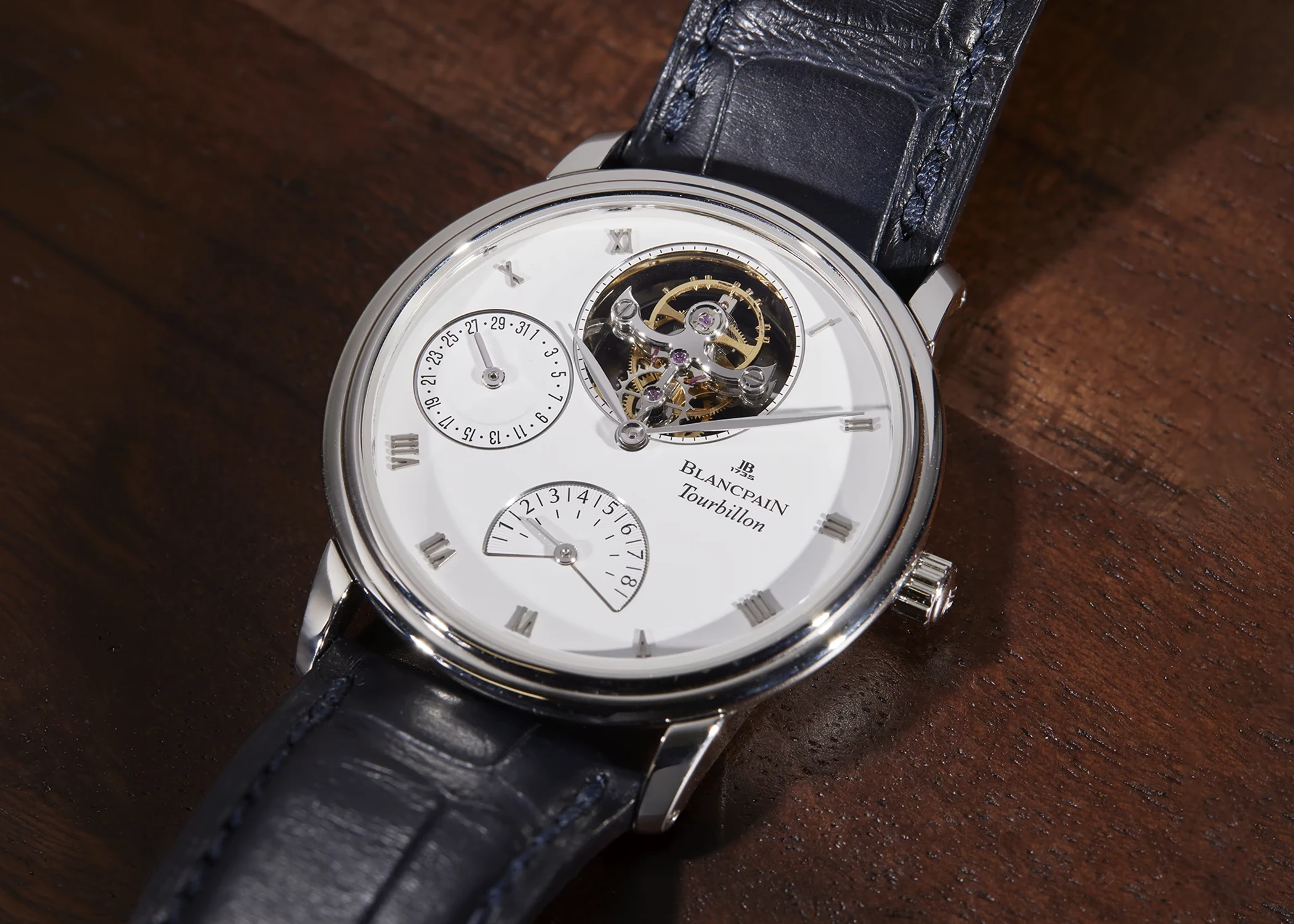
It was Swiss horology house Blancpain, however, who would produce the serially produced first flying tourbillon in a wristwatch many decades later, in the form of the Ref. 0023 introduced in 1989. Interestingly, while the quartz crisis raged into the early 1980s, Blancpain under Jean-Claude Biver and Jacques Piguet pledged itself solely to mechanical watchmaking. From this philosophy emerged Blancpain’s celebrated Six Masterpieces programme, with six complications introduced individually throughout the 1980s before being united as a collection in 1991. This included an ultra-thin, calendar moonphase, perpetual calendar, minute repeater, split seconds chronograph, and, of course, the flying tourbillon.
Credit © Bucherer
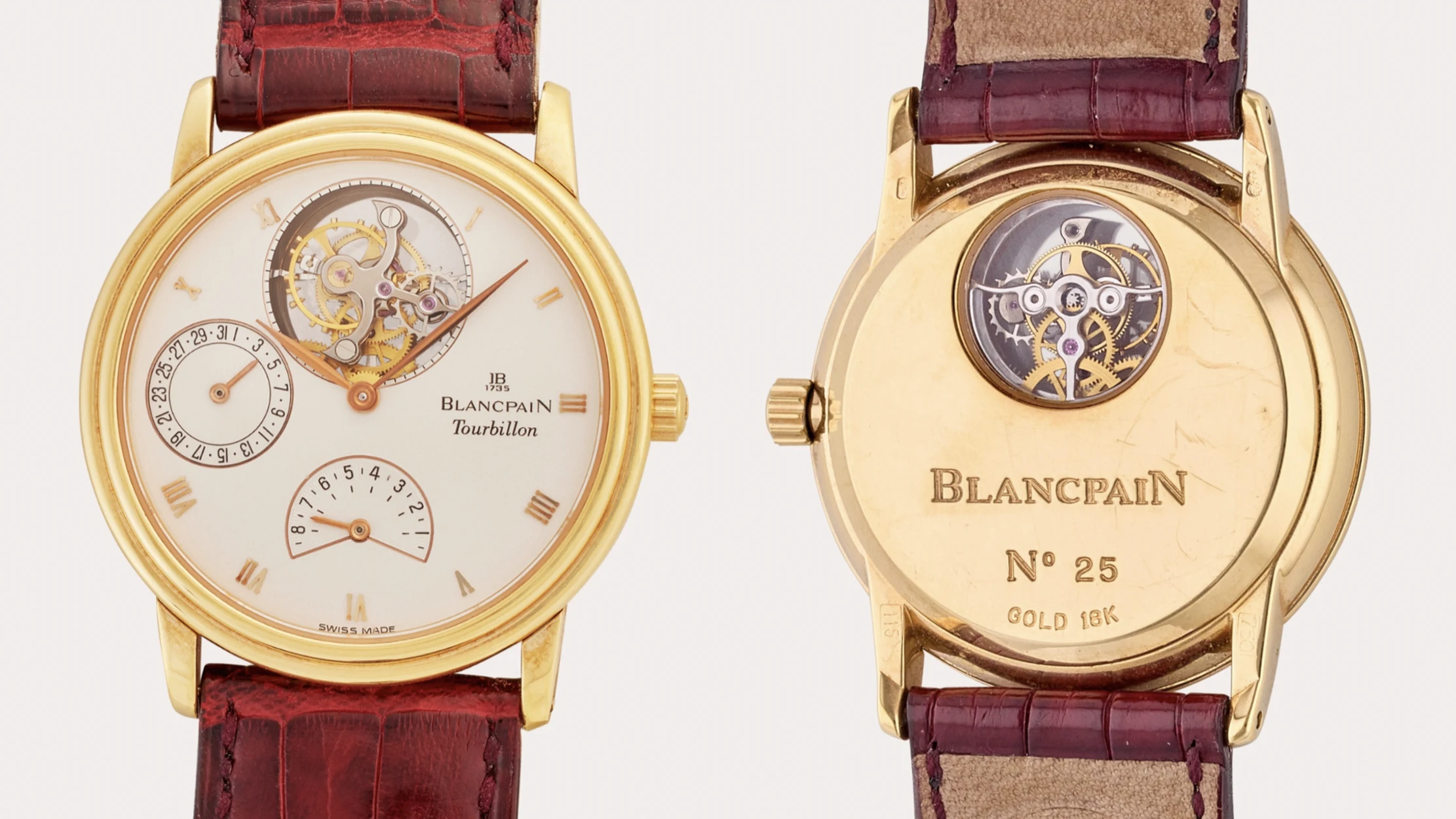
The Flying Tourbillon Ref. 0023 (full reference: Ref. 0023-1418-55) appeared in a run of 99 platinum pieces. Various versions would later emerge, including in yellow- and white-gold – as well as a second version with a rare ‘military’ dial, and even gem-set versions of the flying tourbillon wristwatch.
The watch was developed in collaboration with independent watchmaker Vincent Calabrese (co-founder of the Académie Horlogère des Créateurs Indépendants), who created the prototype in 1986, before it was manufactured by Frédéric Piguet and introduced by Blancpain in 1989. The world’s first flying tourbillon wristwatch featured a new construction, integrating a miniature ball-bearing assembly, capable of supporting the rotating tourbillon cage from below. More specifically, it used ceramic micro ball bearings, providing similar radial and axial stability, placed on the cage arbor between the cage and the fourth wheel pinion. This placement, together with the off-centre position of the balance arbor, allowed Calabrese to further reduce the height of the cage, significantly lowering the overall thickness of the tourbillon module. At the time, it is also said to have marked the thinnest tourbillon cage in history. Interestingly, Calabrese actually presented the first world’s flying tourbillon wristwatch at Baselworld in 1988, however it was not a serially produced piece.
Credit © Sothebys
Featuring a classic 34 mm Villeret-style case with a double-stepped bezel, the Ref. 0023’s clean dial aesthetic with Roman numerals had an unusual layout, with the flying tourbillon positioned at 12 o’clock. Meanwhile, a date subdial sat at 9 o’clock and a power reserve indicator at 6 o’clock. A subsidiary seconds display was integrated into the tourbillon aperture, allowing the rotating mechanism to serve both a technical and visual function. The watch’s manual winding calibre also offered an impressive 8-day power reserve while remaining housed within a rather slim case of 7.55 mm – making it the slimmest hand-wound tourbillon watch at the time of launch.
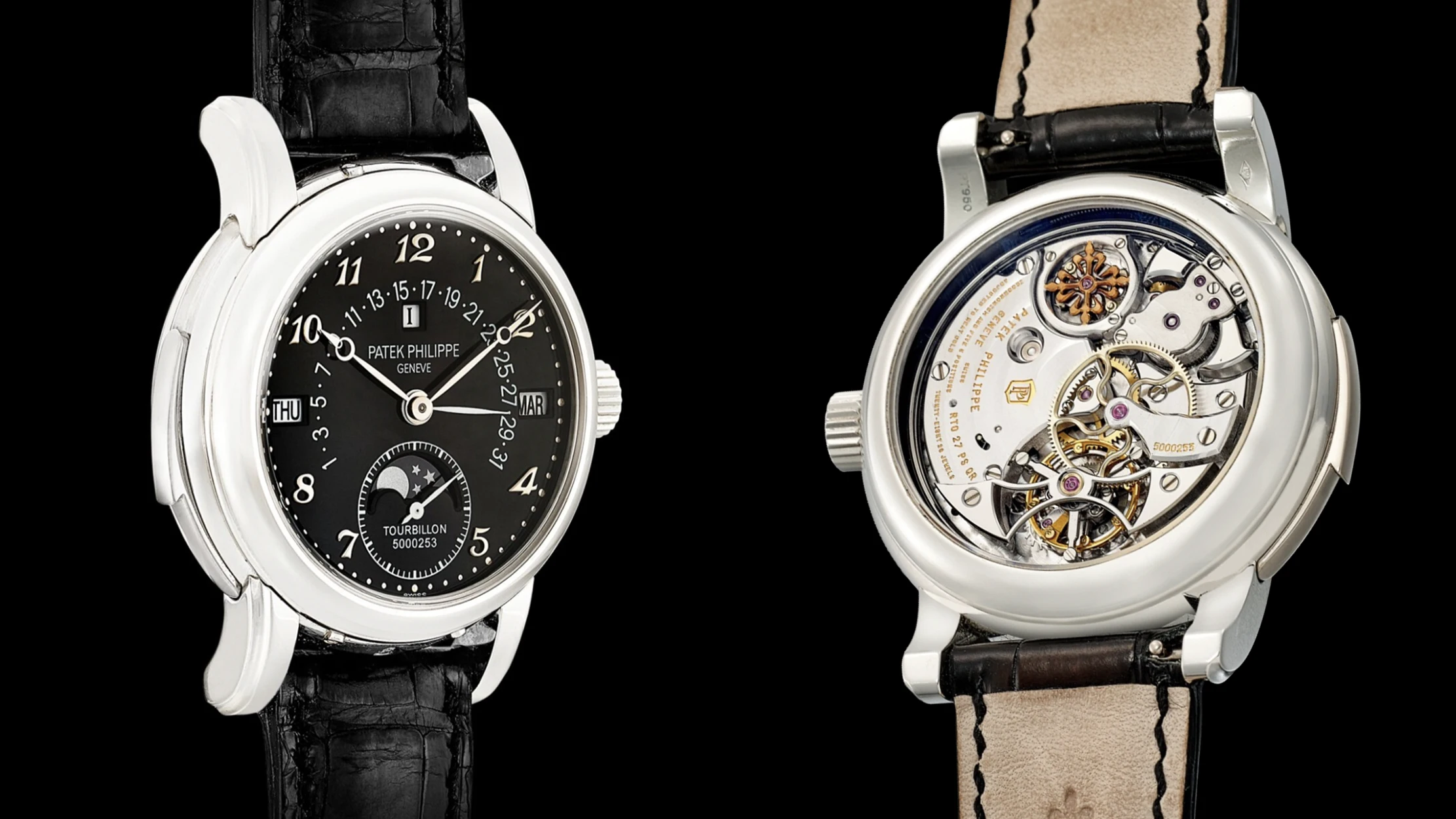
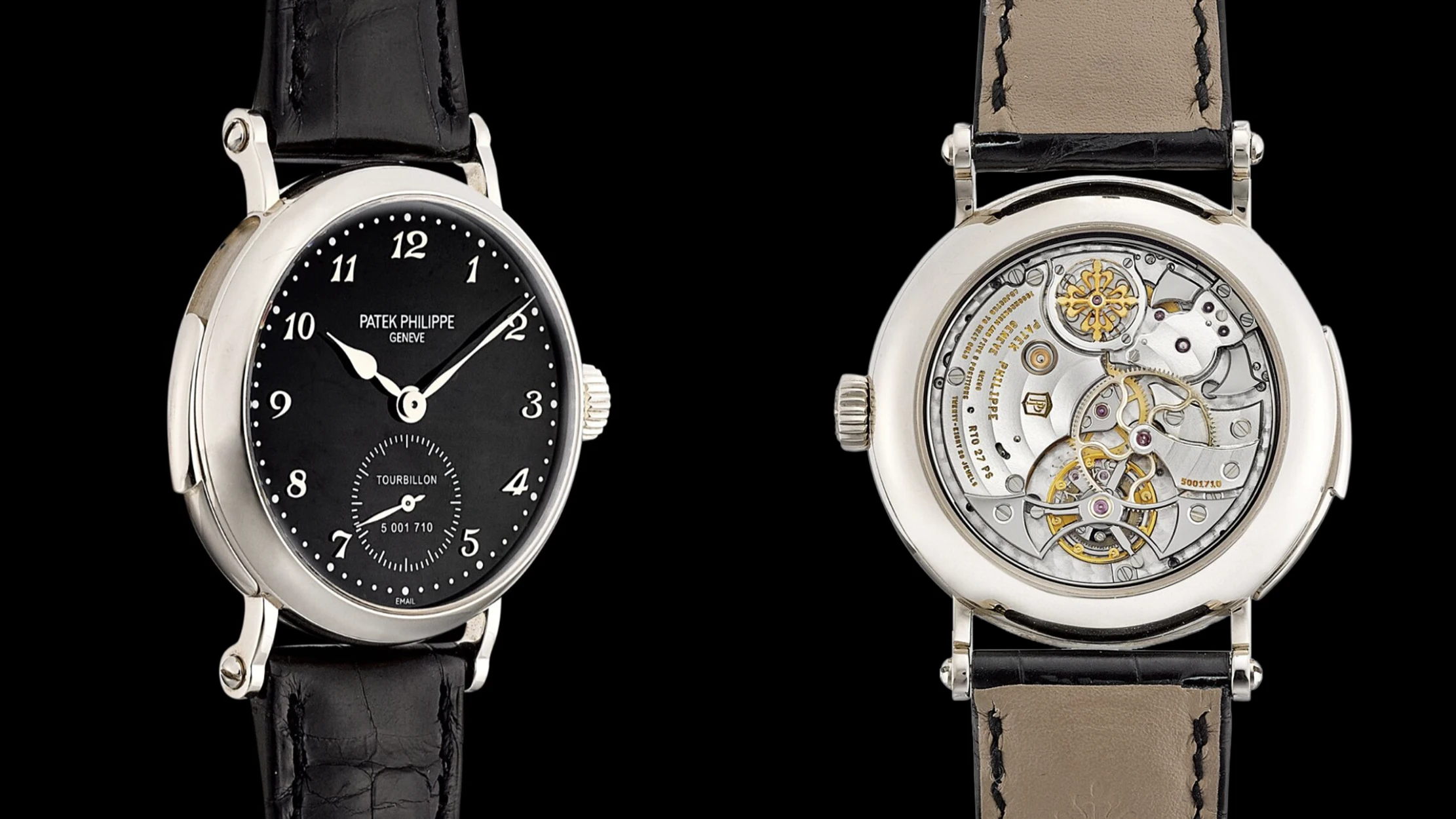
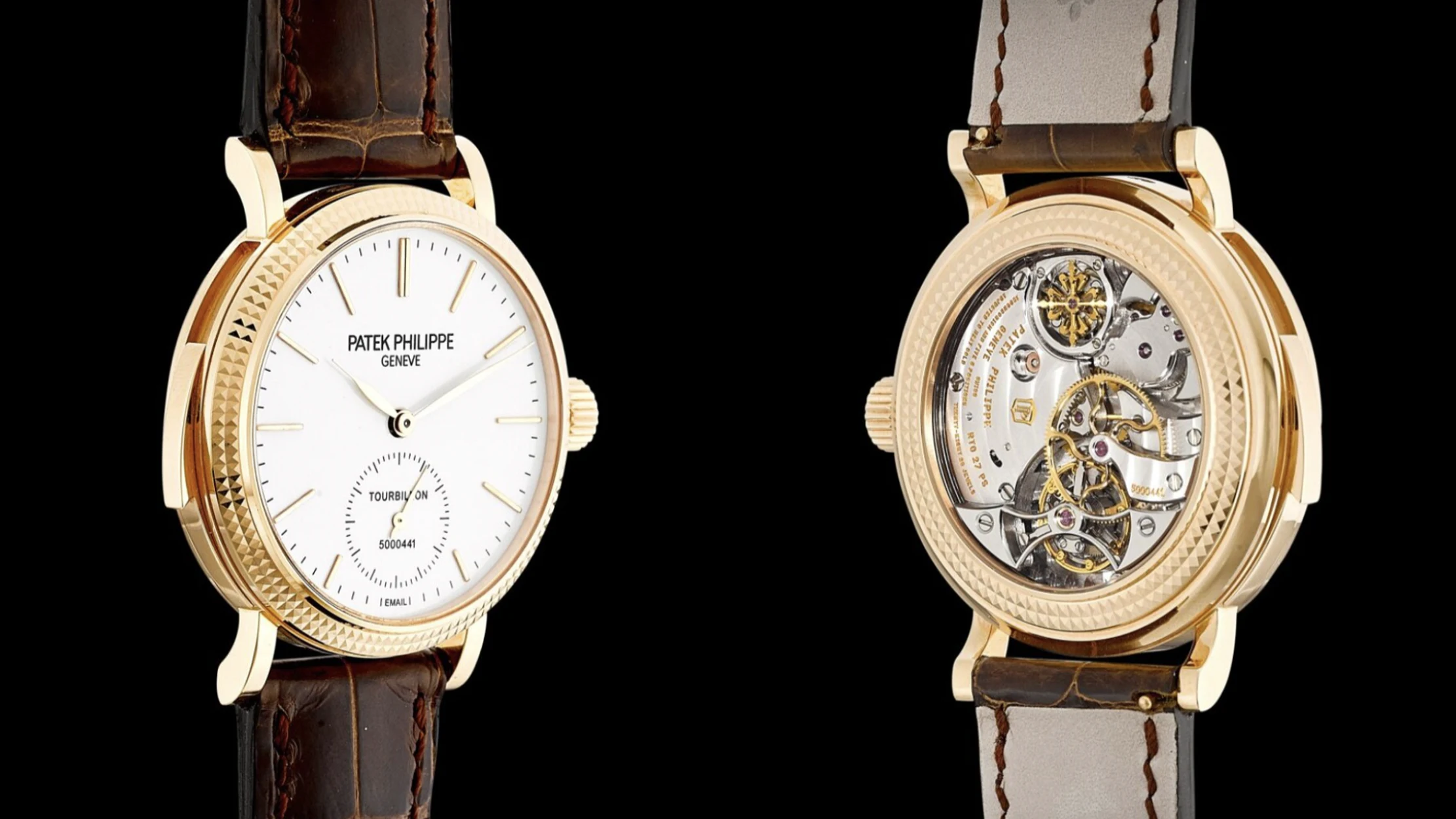
By the mid-20th century, tourbillons became less a commodity and more a measure by which manufactures could compete for the utmost technical mastery, resulting in milestone pieces such as Omega’s ’30 I’ tourbillon movement. Patek Philippe, on the other hand, rarely strayed into tourbillon territory at this point, but occasionally produced tourbillon movements, explicitly for special customers and observatory competitions.
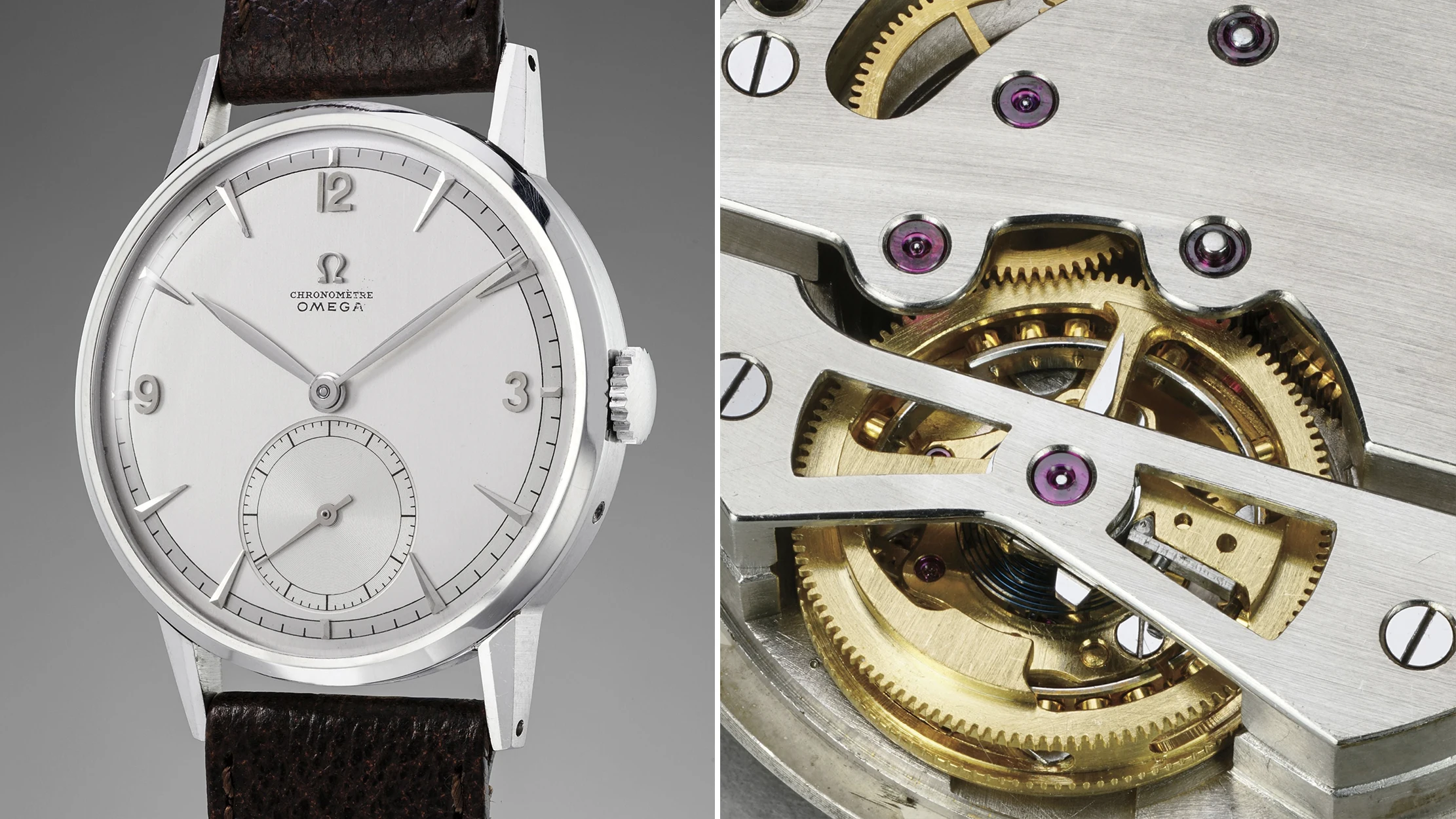
Credit © Phillips
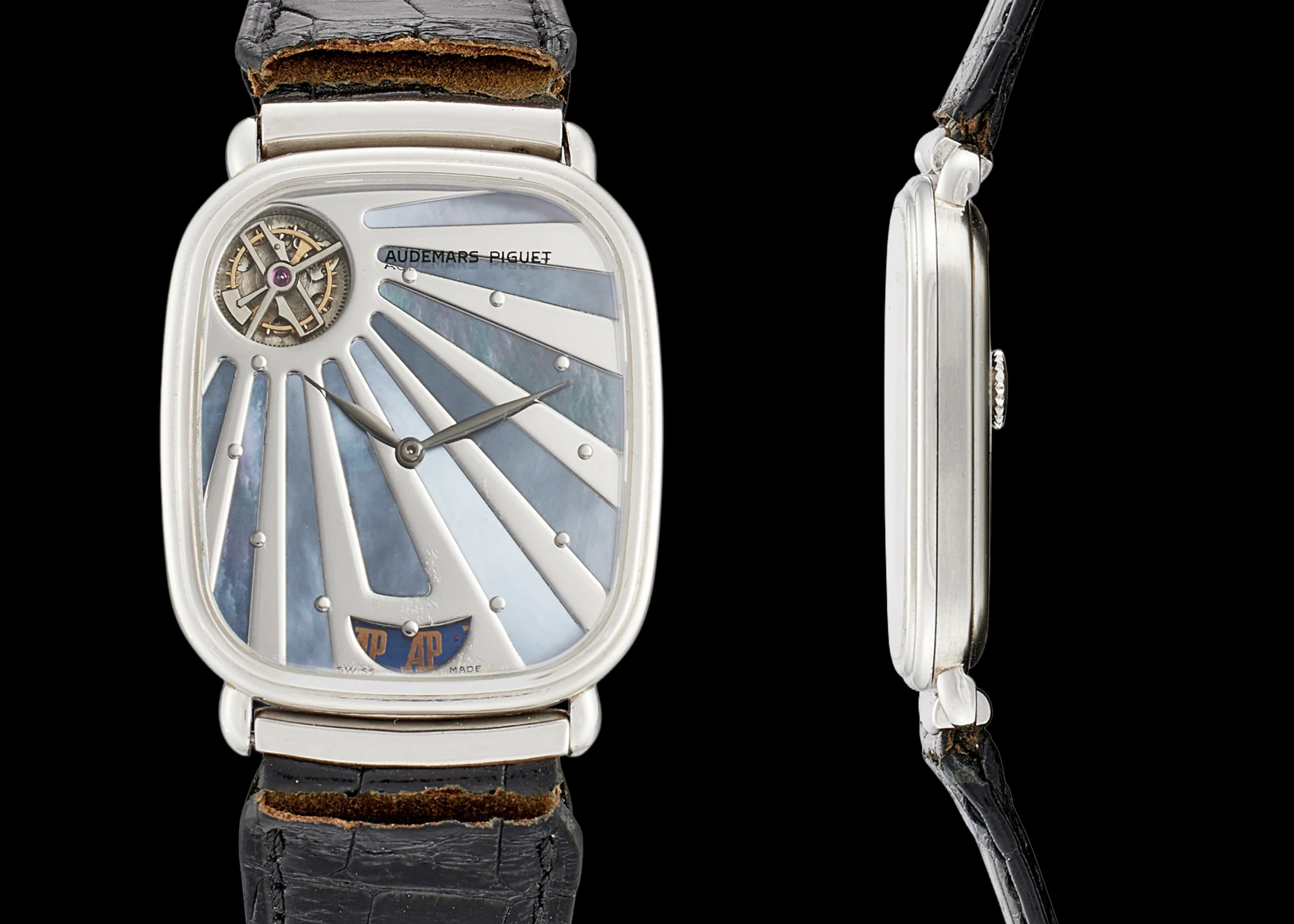
Yet the true resurrection of the tourbillon, when it came, was heralded by a single watch. In 1986, the Audemars Piguet reference 25643 became the first series-produced automatic tourbillon, and for decades, the world’s slimmest tourbillon movement at just 4.8 mm. Powered by the calibre 2870, it was at that time the lightest tourbillon ever made (although eventually surpassed by the likes of Bulgari’s Octo Finissimo Tourbillon Automatic in 2018, and more recently Richard Mille’s RM 27-05), with a tiny titanium carriage leading to a weight of just 0.134 grams. It was a watch that proved the tourbillon could live on the wrist, in a serially produced form, without sacrificing any of the elegance that had always defined it.
Credit © Sothebys
Through the 1990s and into the early 2000s, the tourbillon’s new purpose became clear. It was no longer primarily a precision instrument, but rather the ultimate expression of what human hands and mechanisms could achieve in a world of mass industrialisation. Offering a tourbillon became a benchmark for most watch manufactures with serious ambitions in haute horlogerie, and the complication transformed from a rarefied rarity into one of the most aspirational symbols in watchmaking.
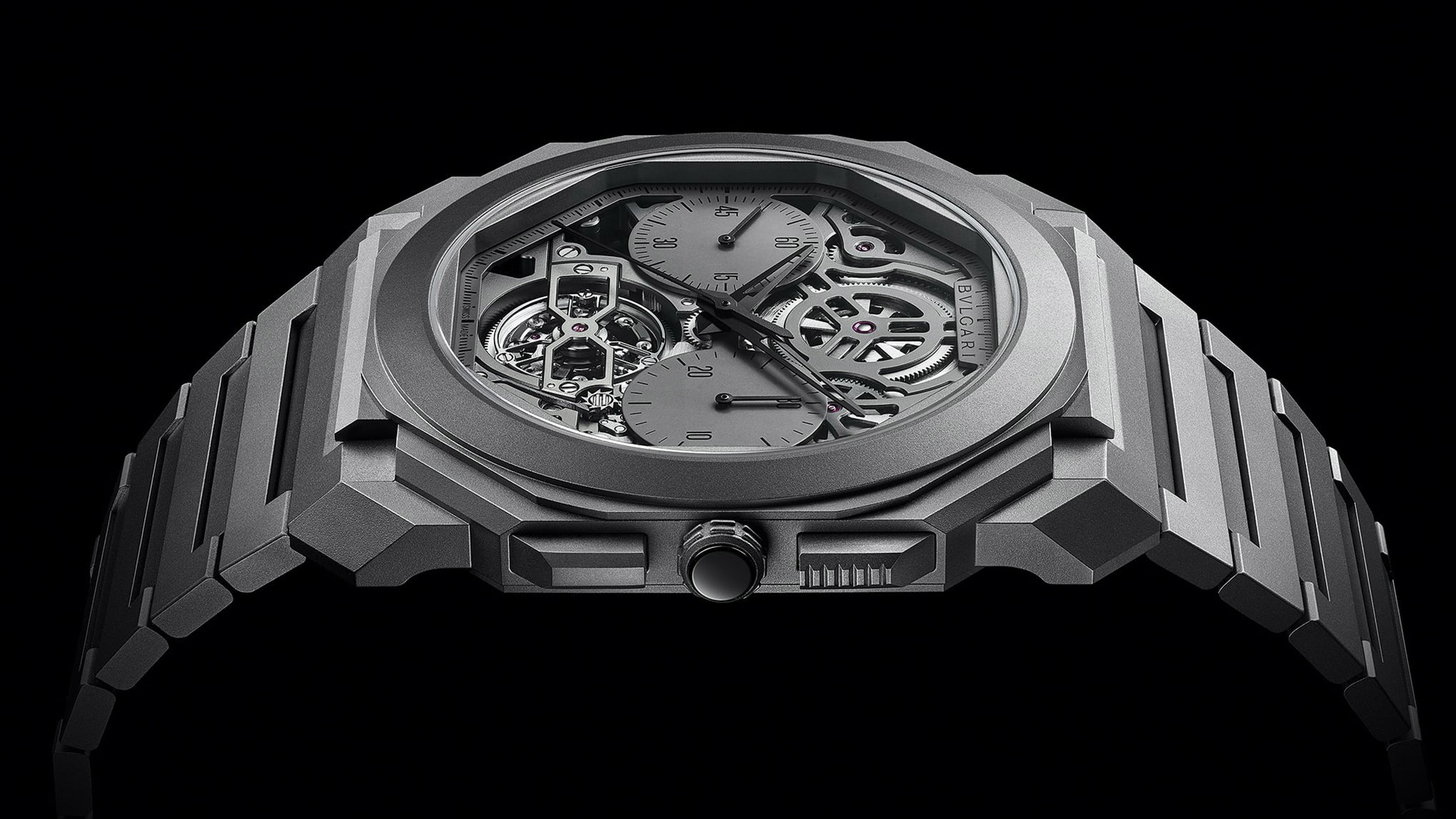
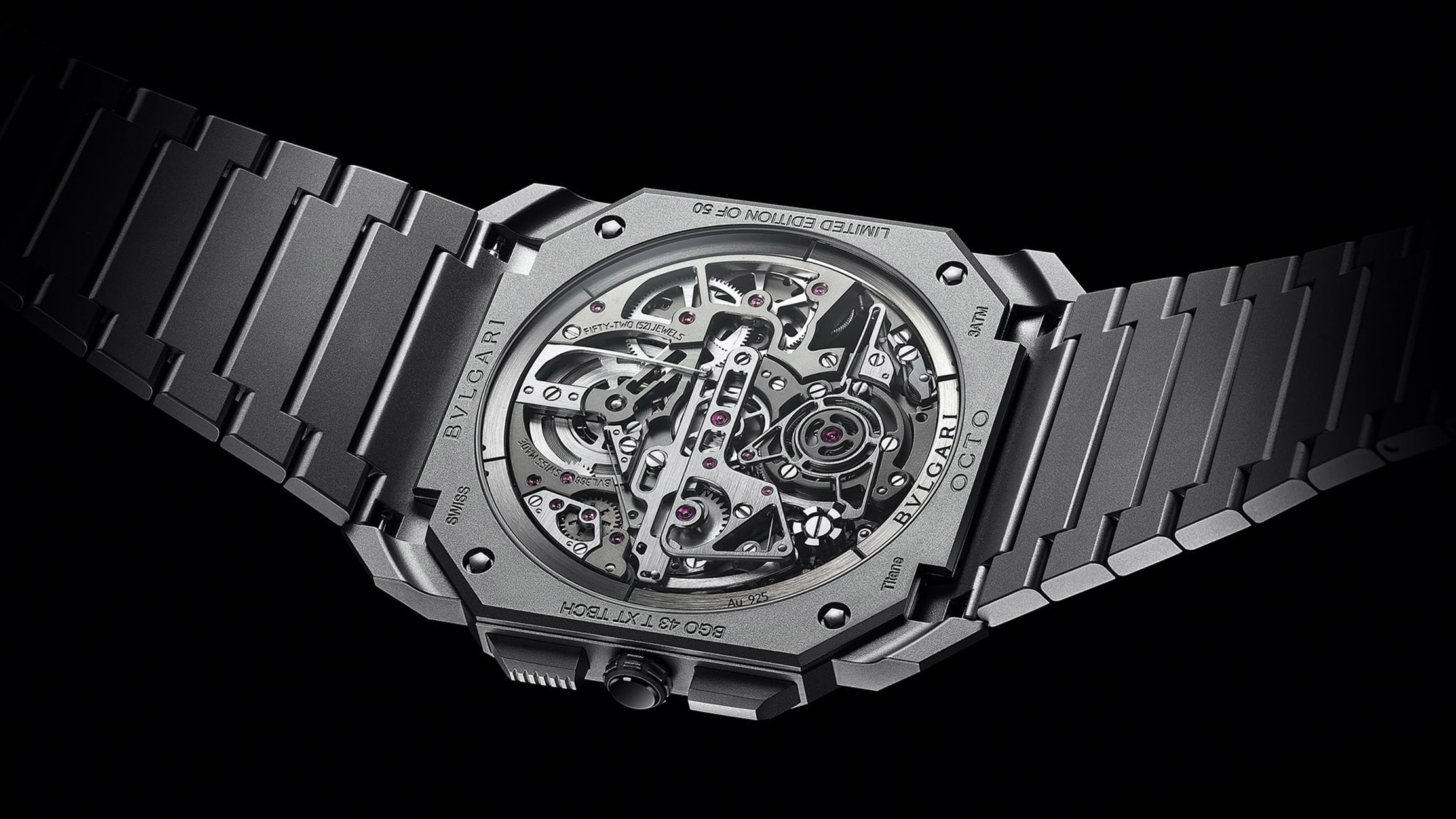
With that in mind, it is interesting to observe how the presentation of the tourbillon has evolved: in the 1990s, for example, Patek Philippe was still concealing its tourbillon from the dial, meaning models such as the legendary Ref. 5016, Ref. 5539, and Ref. 5339 could only be viewed via the caseback, alongside the word ‘TOURBILLON’, subtly printed on the closed dials. By contrast, the vast majority of horology houses have now long regarded the tourbillon as the ultimate show of craftsmanship and something to be proudly exhibited.
Credit © Sothebys | Sothebys | Sothebys
Revival inevitably led to reinvention. As watch brands returned to Breguet’s invention with fresh eyes and big ambitions, many began asking not only how the tourbillon could be miniaturised or refined, but how it could be fundamentally reimagined. Among the most significant developments in this pursuit was the multi-axis tourbillon, an idea with roots stretching back to 1977, when English horologist Anthony Randall patented a double-axis design, subsequently built into a carriage clock by his compatriot Richard Good in 1978. For decades the concept remained the preserve of clockmaking, until watchmakers of the early 2000s finally succeeded in bringing it to the wrist.
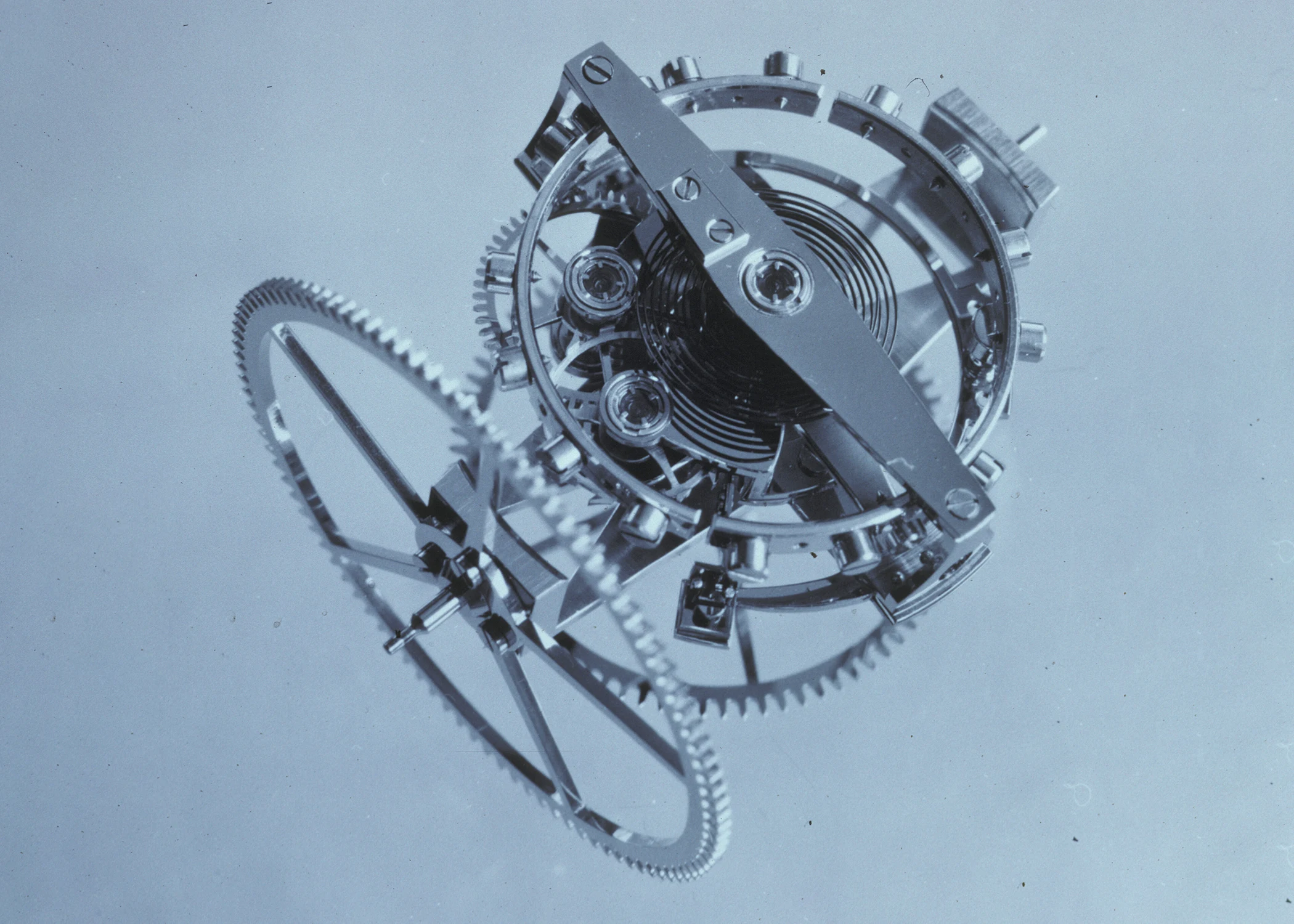
The multi-axis tourbillon addressed a problem that Breguet’s original invention was never designed to solve. A single-axis tourbillon, rotating on one plane, was conceived for the pocket watch, which spent most of its life in a small number of fixed positions. A wristwatch is in constant flux; tilting, rotating, and shifting in three dimensions throughout the day. Where Breguet’s tourbillon compensated for gravitational error along a single axis, the wristwatch inhabits a far more chaotic environment, and a single plane of rotation can only do so much to address it.
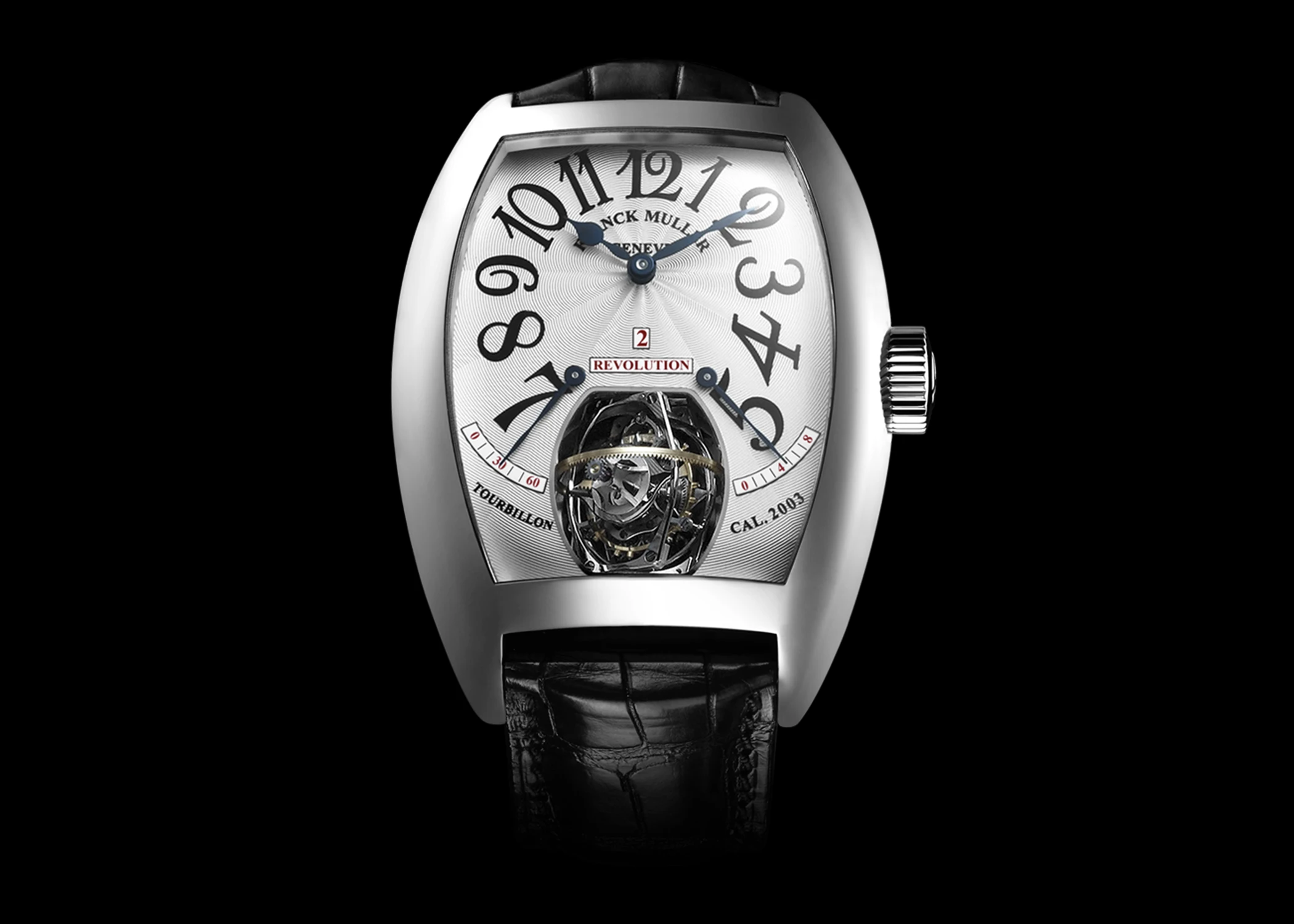
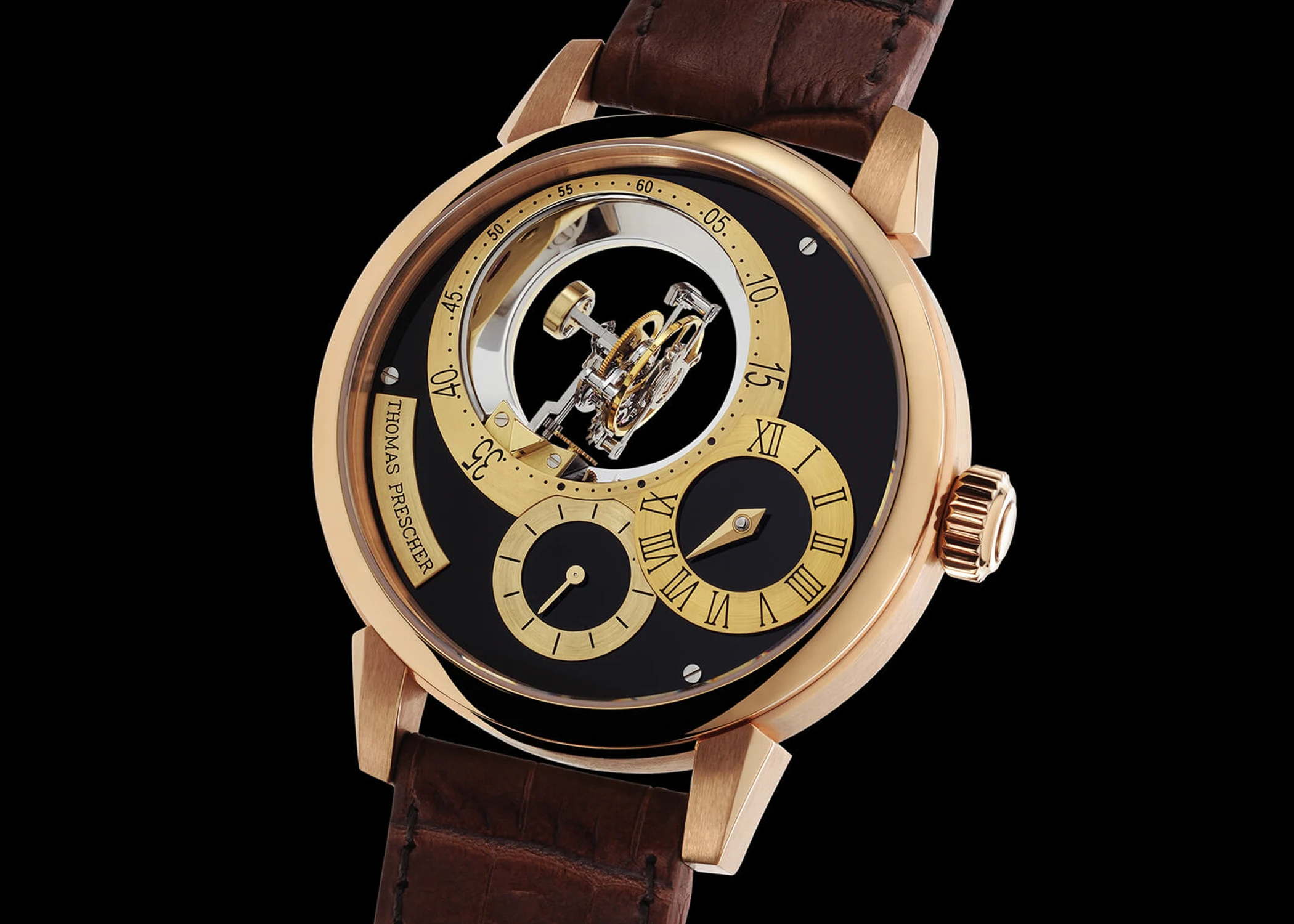
2003 marked a turning point. Independent watchmaker Thomas Prescher produced the first double-axis tourbillon in a pocket watch, while Franck Muller unveiled the Revolution 2, widely credited as the first double-axis tourbillon in a wristwatch, drawing directly on the foundational work of Randall and Good.
Credit © H. Prescher, licensed under CC BY-SA 3.0 | Credit © Franck Muller
Credit © Thomas Prescher
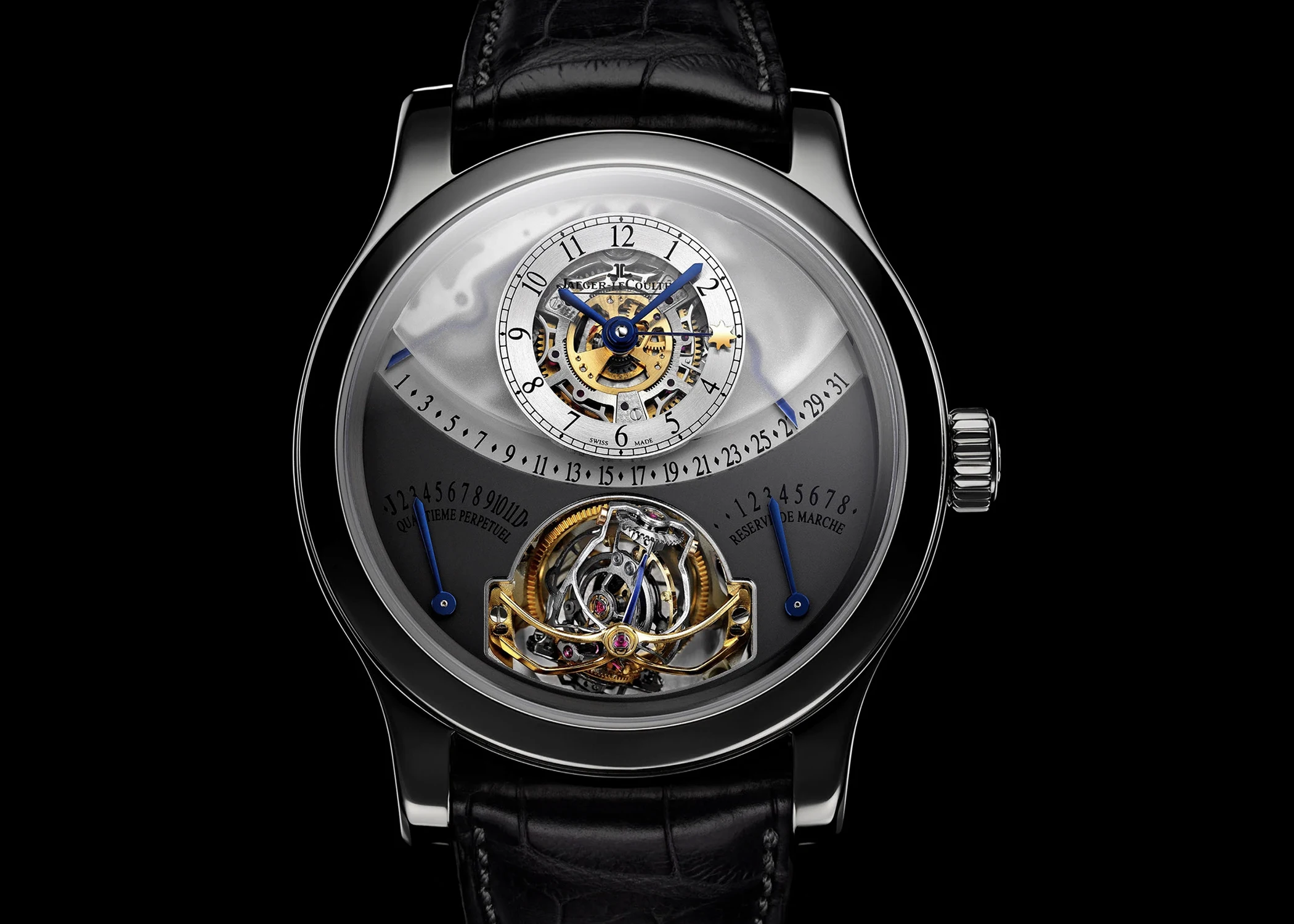
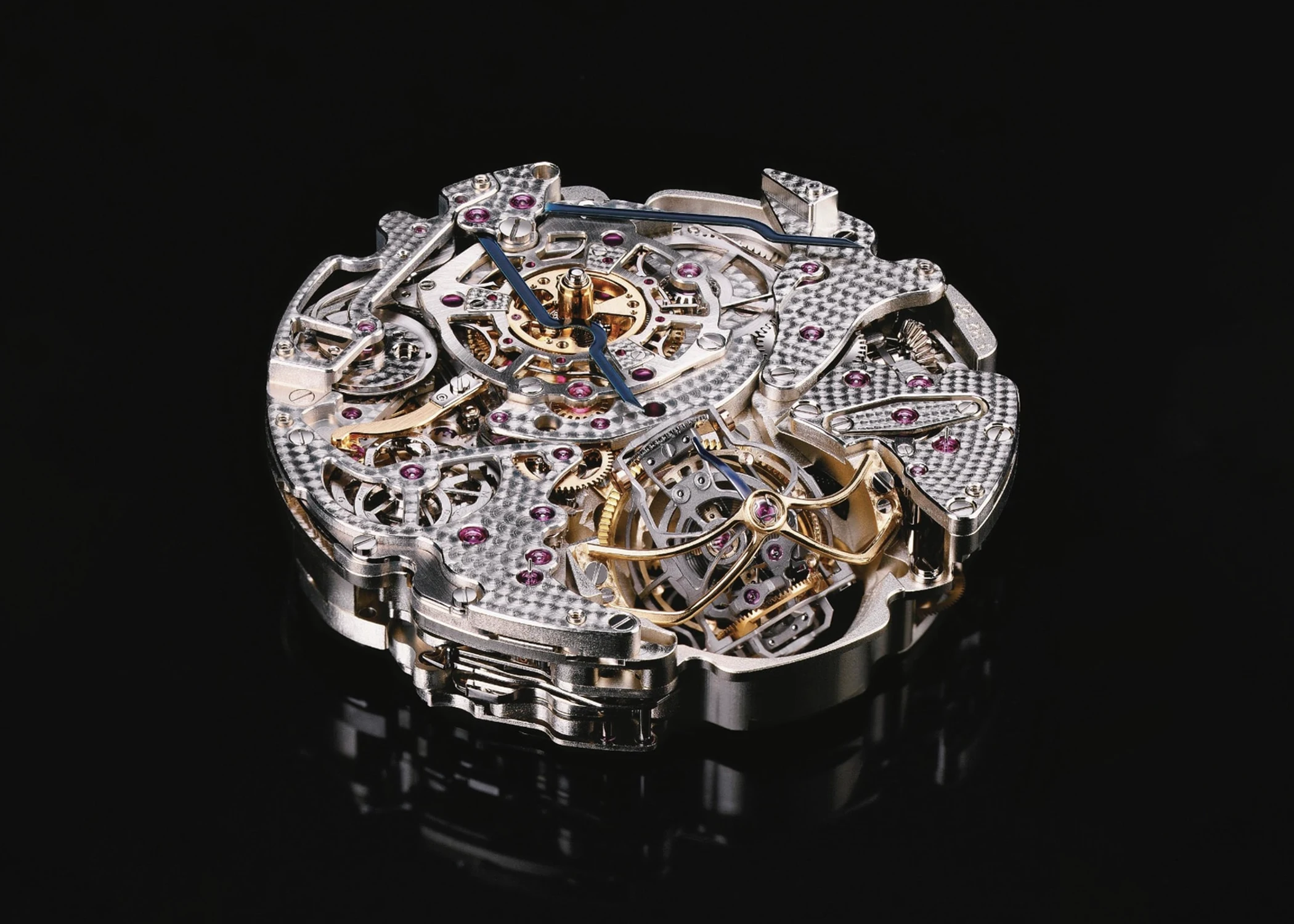
The following year saw a remarkable convergence of multi-axis ambition. At Jaeger-LeCoultre, master watchmaker Éric Coudray, who had been developing the concept independently for nearly two decades, unveiled the Gyrotourbillon I, a spherical multi-axis tourbillon in which the balance and escapement were mounted in a cage rotating on two axes simultaneously, with an inner cage completing a circuit in 24 seconds and an outer cage rotating once per minute. It remains one of the most visually spectacular and technically ambitious complications in modern watchmaking, and the brand has continued to develop the concept ever since, most recently with a triple-axis version covering 98 percent of all possible positions.
Credit © Jaeger-LeCoultre
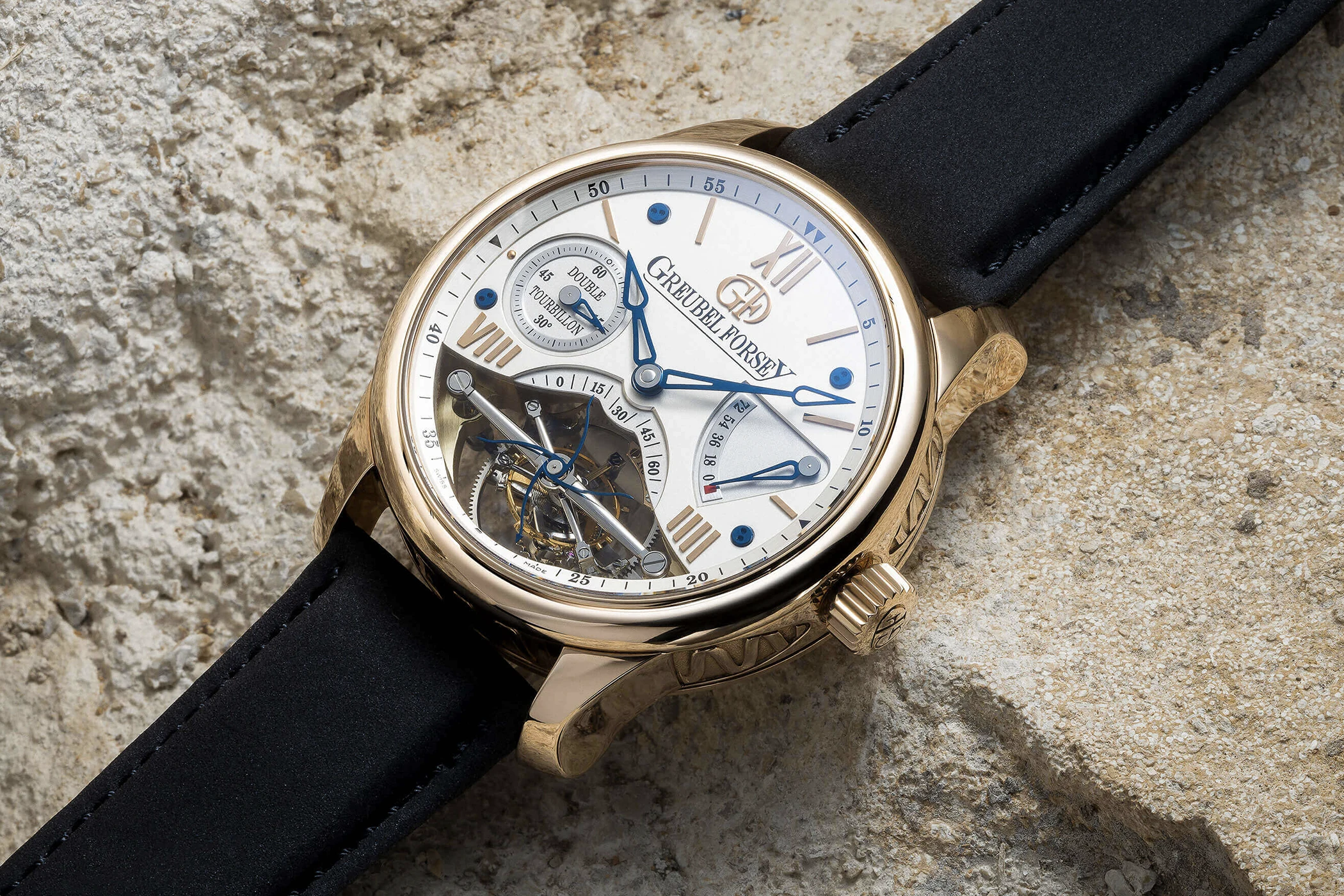
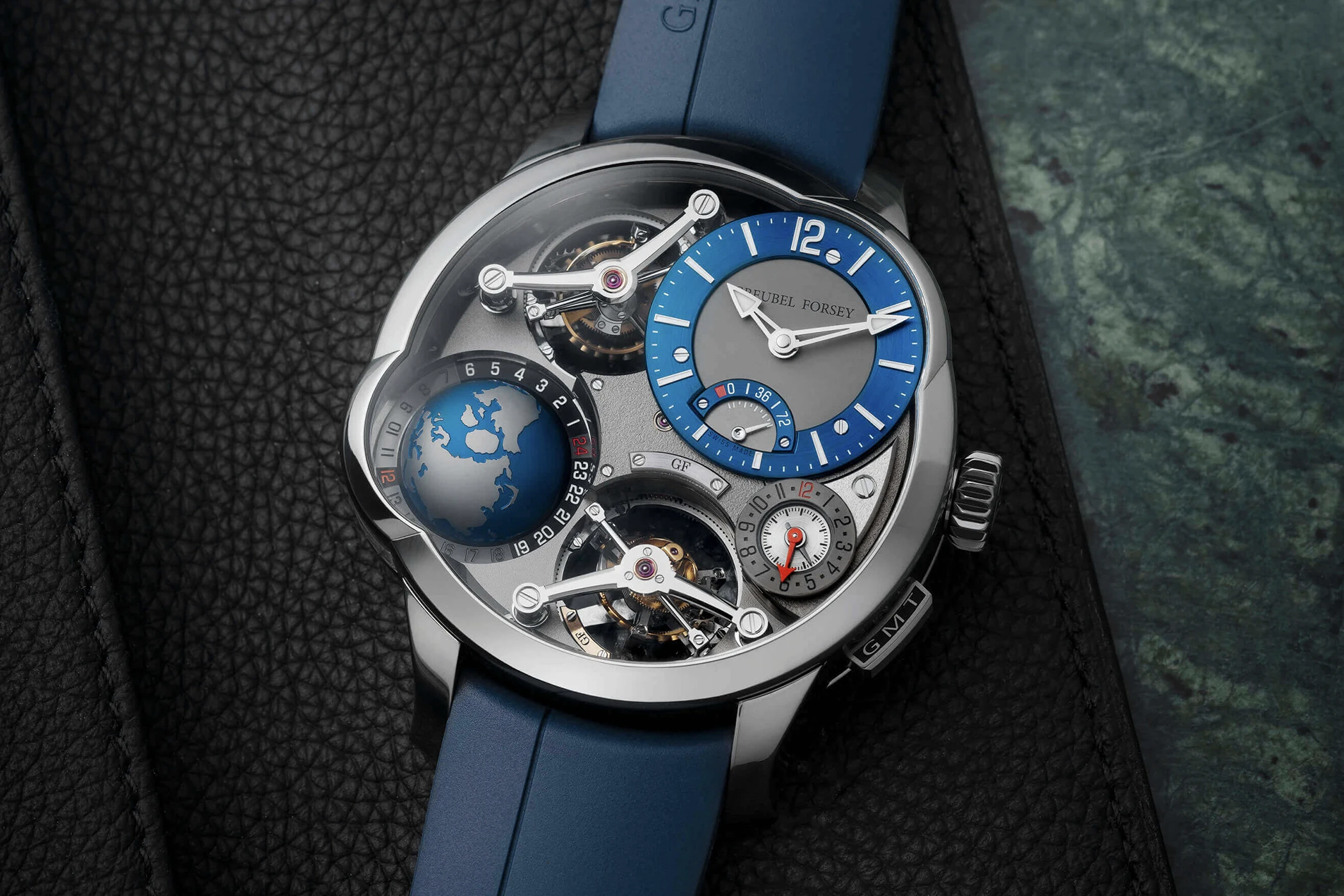
Also debuting at BaselWorld in 2004, Greubel Forsey launched the Double Tourbillon 30°, conceived by Robert Greubel and Stephen Forsey during their years working together at Renaud & Papi, and developed further after they founded Complitime SA in 2001 before launching their own brand. Their approach was different in character: rather than rotating the escapement across multiple planes, they placed one tourbillon cage inclined at 30° and rotating in one minute inside a second cage completing a full rotation in four minutes, averaging out gravity-induced errors across a far wider range of positions than a conventional single-axis design could achieve. The brand has since expanded its tourbillon work to include the Quadruple Tourbillon, and remains the most uncompromising voice in the ongoing pursuit of both chronometric and aesthetic perfection.
Credit © Greubel Forsey
The boundary-pushing Richard Mille represents an entirely different philosophy. Where Greubel Forsey and Jaeger-LeCoultre approached the tourbillon as an instrument of precision, Mille approached it as an exercise in material innovation and radical architecture. Employing aerospace-grade materials, carbon composites and titanium, RM tourbillons are designed to withstand extraordinary physical stress while remaining almost impossibly lightweight: watches conceived for the wrist of an athlete as much as a collector. Meanwhile, A. Lange & Söhne brought the German tradition of meticulous hand-finishing and disciplined engineering to the complication. The brand’s approach prioritises the quality of execution above all else, with every component finished to a standard that makes the movement as much an object of beauty as the dial above it.
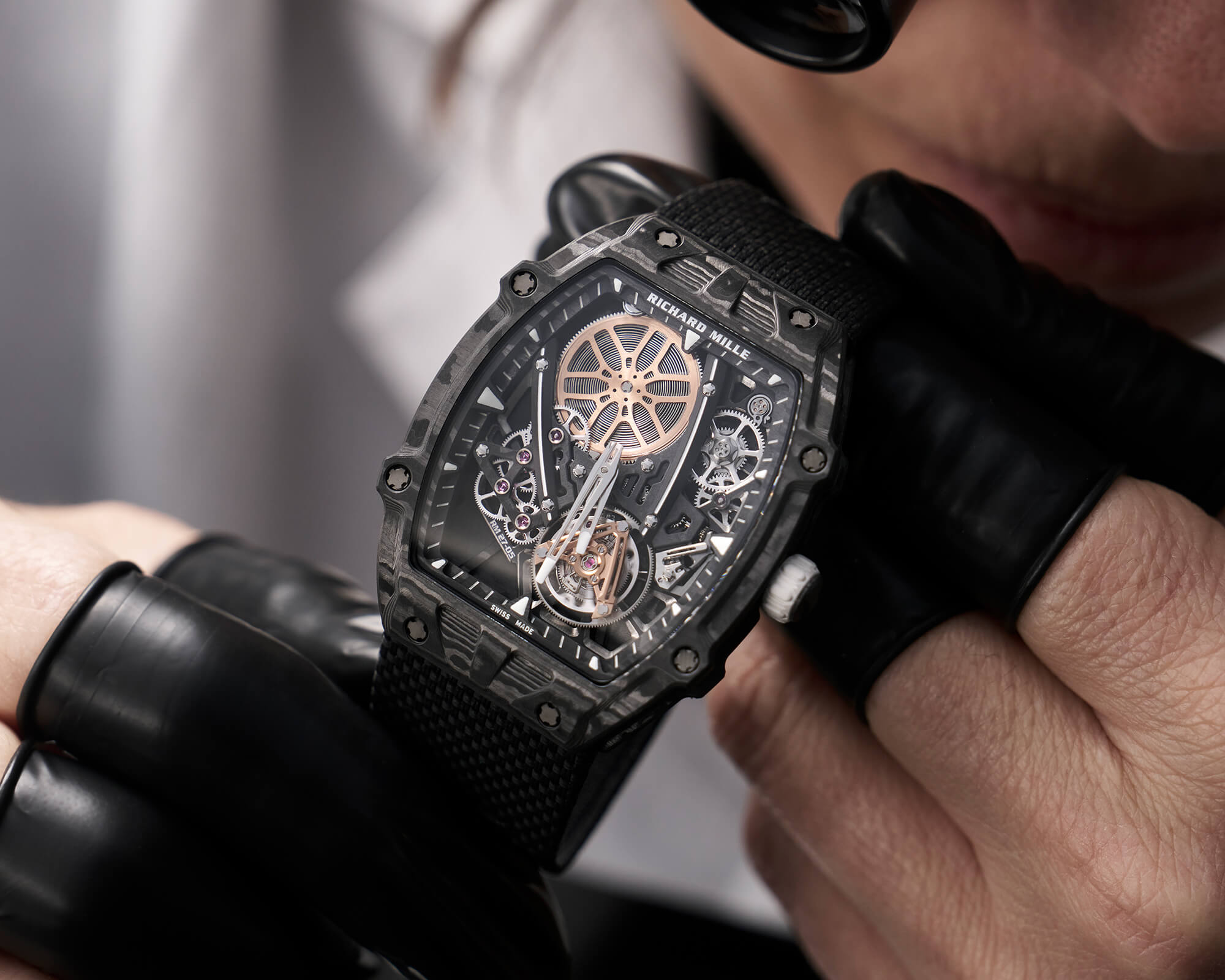
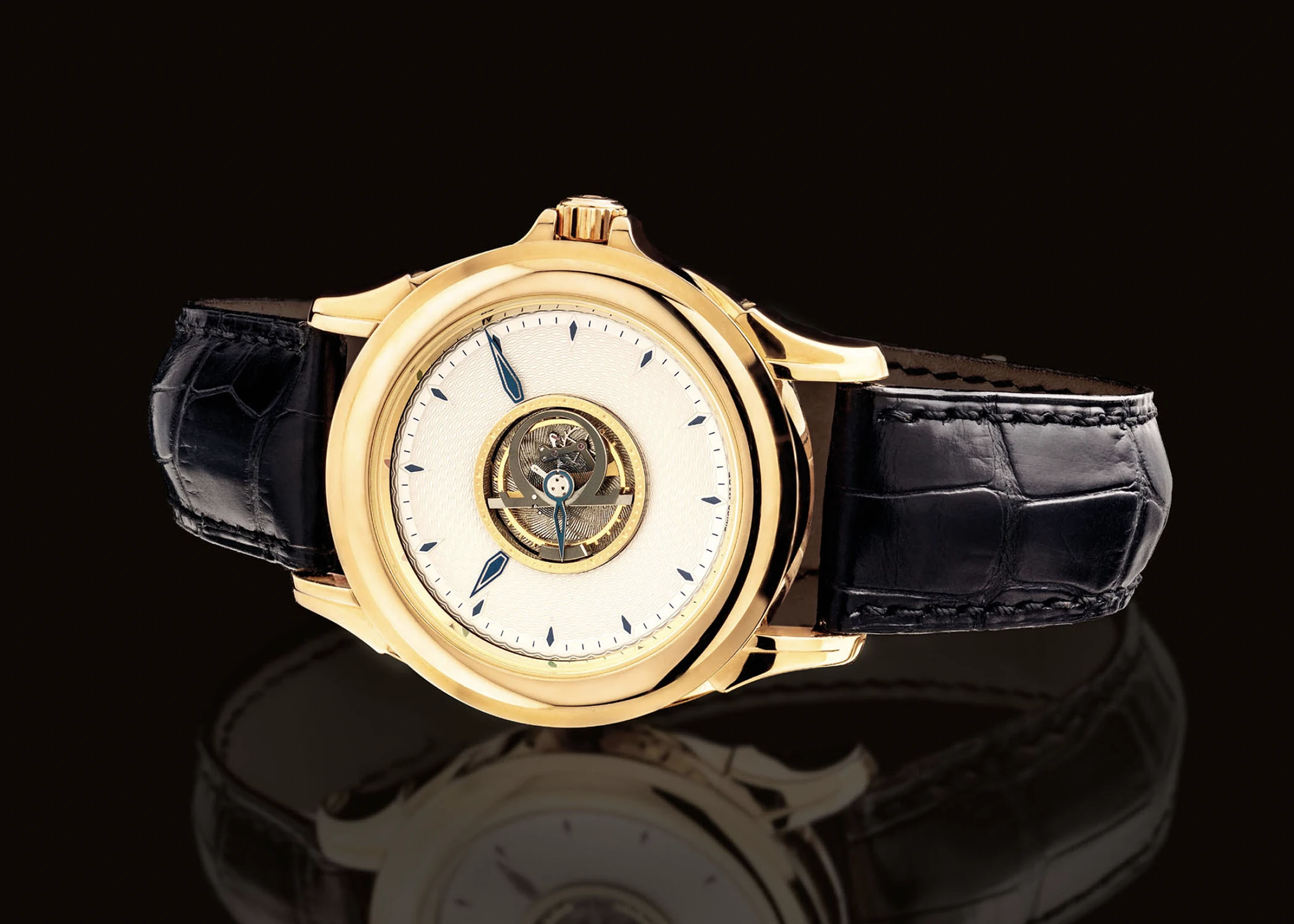
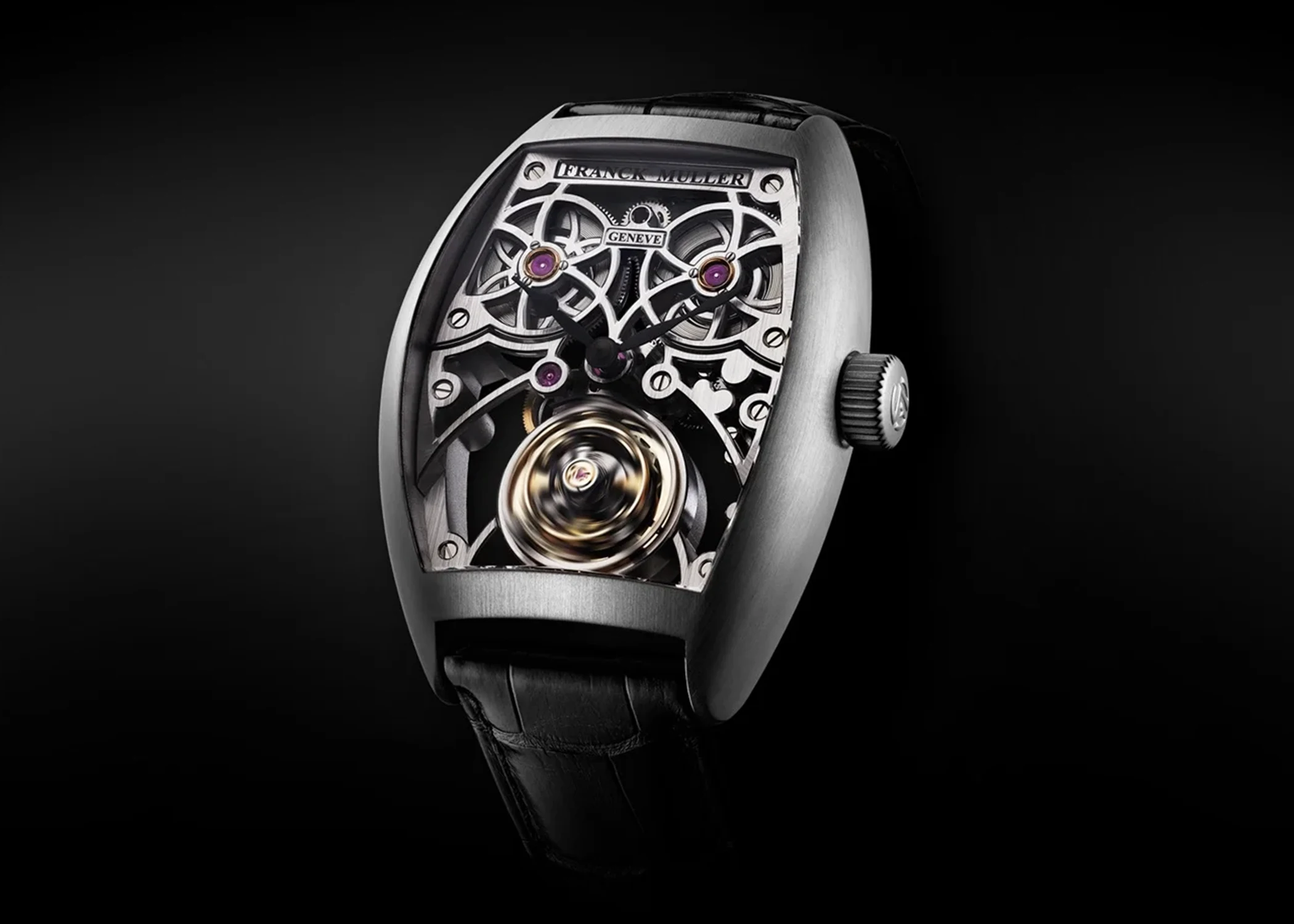
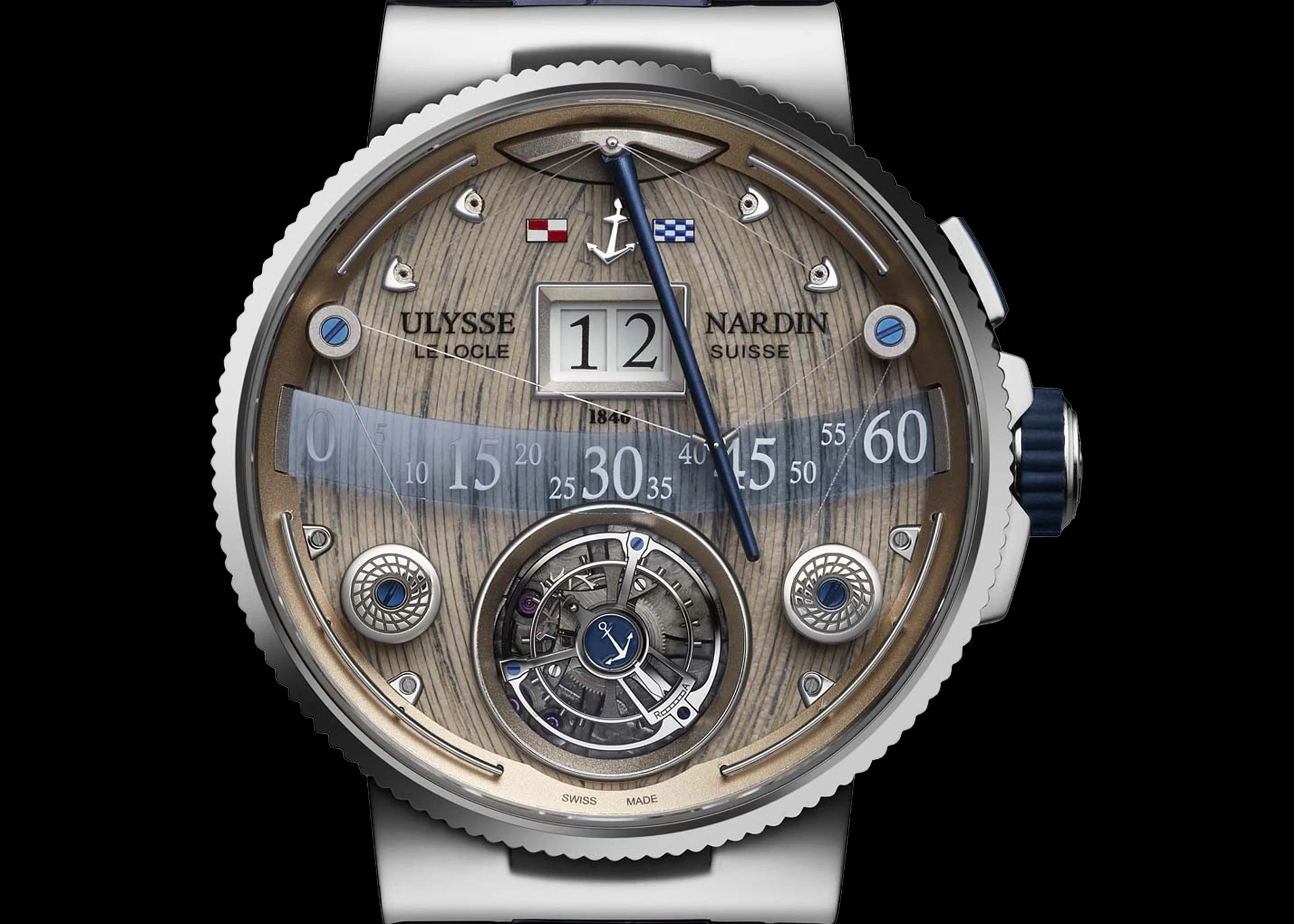
Among the other makers who have shaped the modern tourbillon, several deserve particular mention. Omega patented the debut ‘central tourbillon’ in 1995; Franck Muller went on to excel in high speed tourbillons, with its ‘Thunderbolt Tourbillon’ rotating once every five seconds; F.P. Journe has brought his characteristic independence and technical rigour to the complication. Vacheron Constantin, whose relationship with the tourbillon stretches back to the early 20th century, has combined it with some of the most complex grand complication movements ever made. Blancpain, Girard-Perregaux, whose Three Gold Bridges design remains one of the most iconic tourbillon presentations ever conceived, and Ulysse Nardin, with its long history of precision marine timekeeping, have each contributed their own distinct chapter to the story.
Credit © Christies | Franck Muller
Credit © Ulysse Nardin
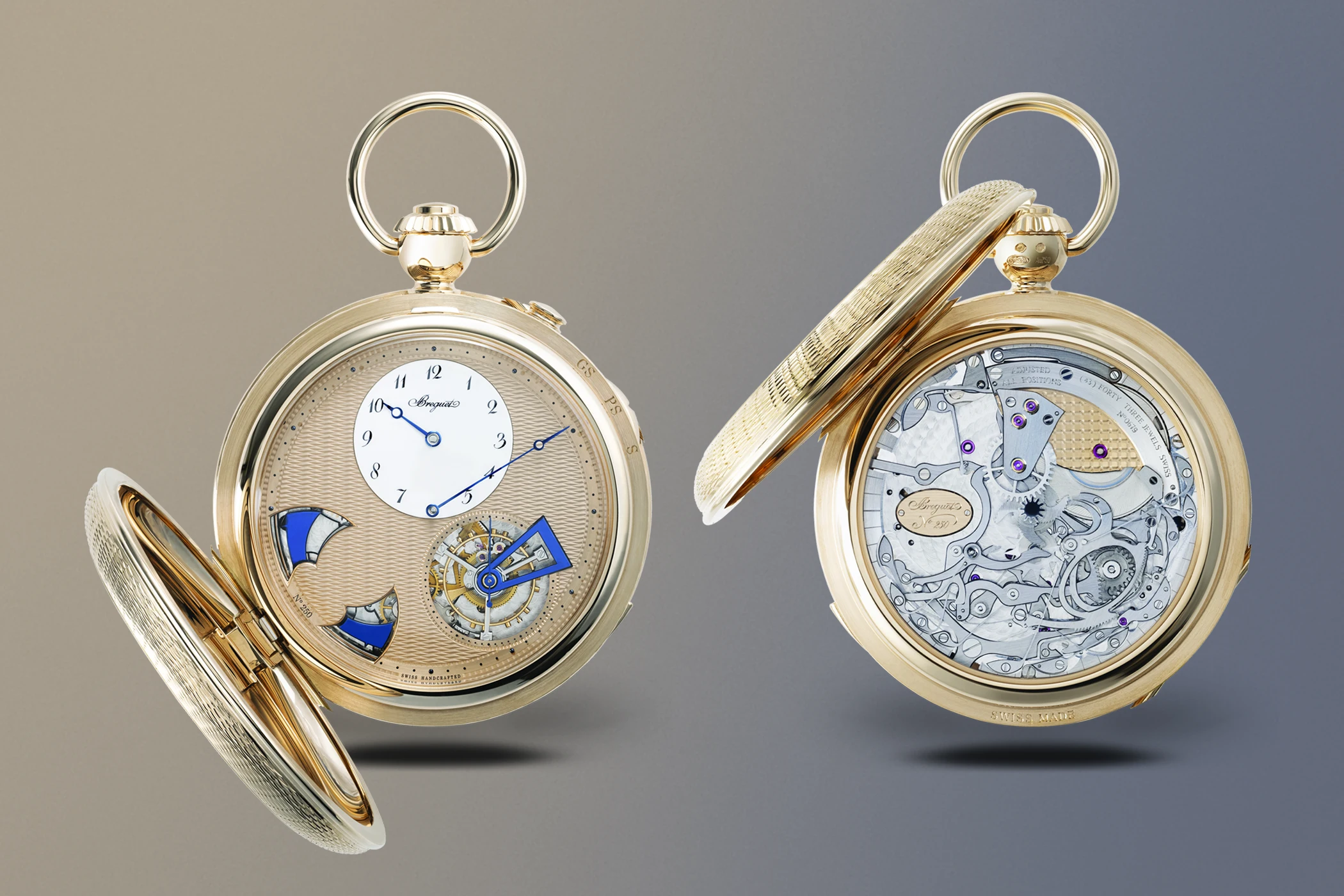
And what of Breguet, the Maison responsible for the innovation 225 years ago? The tourbillon unsurprisingly plays a vital role across the Breguet watchmaking portfolio, appearing in the Marine, Tradition, and Classique collections. True to its roots, the horology house still produces phenomenally complicated, not to mention beautiful pocket watches, such as the new Classique Grande Sonnerie Métiers d’Art 1905 (1905BH/2H), which combines grande and petite sonnerie, a minute repeater with a magnetic regulator for all striking scenarios, and, of course, a tourbillon. Driven by a movement comprising 532 components and requiring six months to build, this pocket watch features a regulator-style display that underscores Breguet’s quest for precision.
Of course, the problem Abraham-Louis Breguet set out to solve no longer exists in the same form. Modern manufacturing techniques, improved materials, and the constant motion of the wrist have largely rendered the tourbillon’s original practical function redundant. Nevertheless, the tourbillon has never been more relevant. What changed, of course, was not the mechanism but its meaning. The tourbillon today is proof that watchmaking is as much an art as a science, and there remains a community of watchmakers willing to invest thousands of hours in a mechanism that weighs less than half a gram, as well as a community of collectors willing to treasure it. For those collectors, the appeal is layered: the visible animation of a rotating cage on the dial; the knowledge of the hand-finishing concealed within; and the connection to a tradition stretching back to Breguet’s workshop on the Quai de l’Horloge over two centuries ago.
Few inventions have enjoyed the longevity of the tourbillon. Breguet set out to solve a practical problem – gravity’s unwanted influence on the pocket watch – and in doing so, created something that would outlast the problem itself by centuries. The rotating cage he patented on 26 June 1801 has survived the quartz crisis, the rise of the wristwatch, and the age of automated timekeeping. Thanks to the innovative and ambitious watchmaking brands of today, it has been miniaturised, multiplied, inclined and reimagined in materials that didn’t even exist during Breguet’s lifetime.
As we mark 225 years since that patent was filed, the tourbillon’s story remains unfinished. Watchmakers are still asking what it can become; still building prototypes from the ground up, l filing patents, and meticulously finishing bridges by hand. The whirlwind that defied gravity, it seems, shows no sign of slowing down.