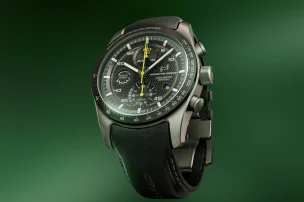
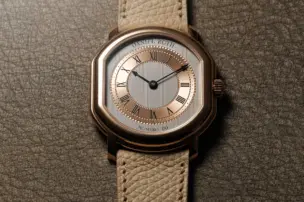
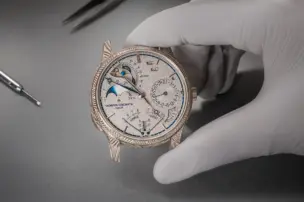
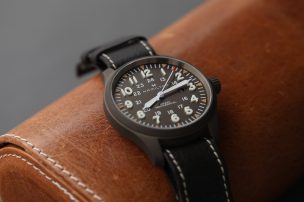
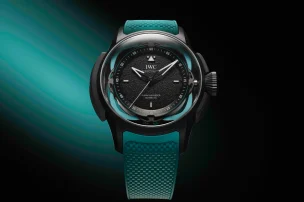
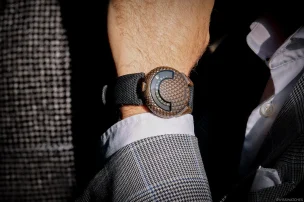
We have brought together some of the most beautiful dress watches currently available for a photoshoot, and with them we are celebrating this newly rekindled passion for stylish elegance on the wrist.
Whenever I visit Geneva, sooner or later I find myself at Patek Philippe’s flagship store, the Salon on Rue du Rhône. At Watches & Wonders, my annual visit to the Stern family’s exhibition stand is a highlight. I have also visited and toured the manufacture in Plan-les-Ouates on several occasions. My office is also littered with countless magazines and books about the brand.
So I’m quite familiar with it. This isn’t meant to be a show-off. There are many watch enthusiasts who study the brand in depth and follow its progress closely. Patek Philippe is, for many reasons, a guiding light in this industry – a matter of faith. This introduction is simply intended to provide some context. Finally, one must be allowed to ask the following question: why on earth should one set off for Italy by 18 October and travel to Milan to gain an even better understanding of Geneva watchmaking? My answer: because here, and over the course of these few days, the brand is presenting itself in a way that offers even seasoned connoisseurs of the house new insights.
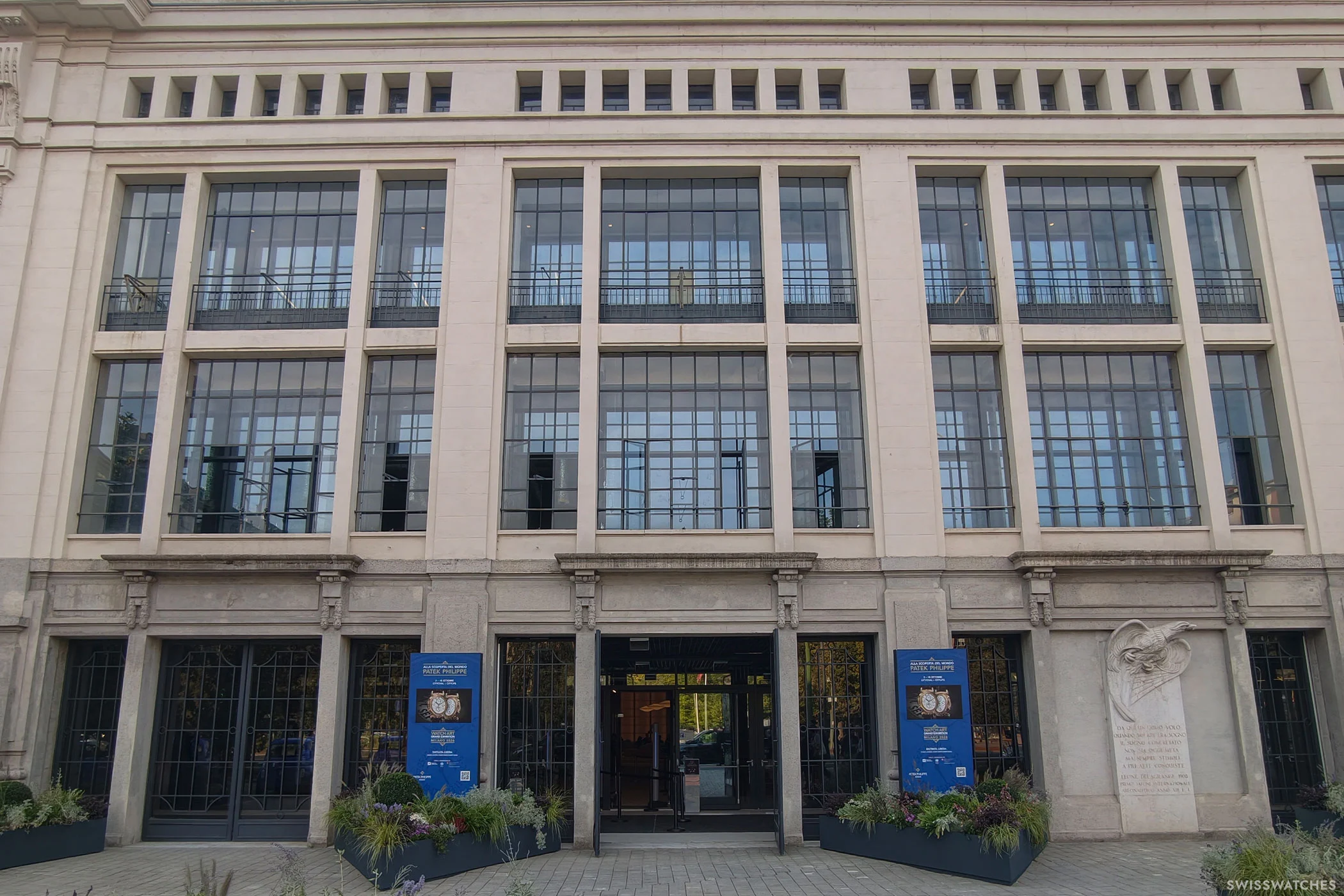
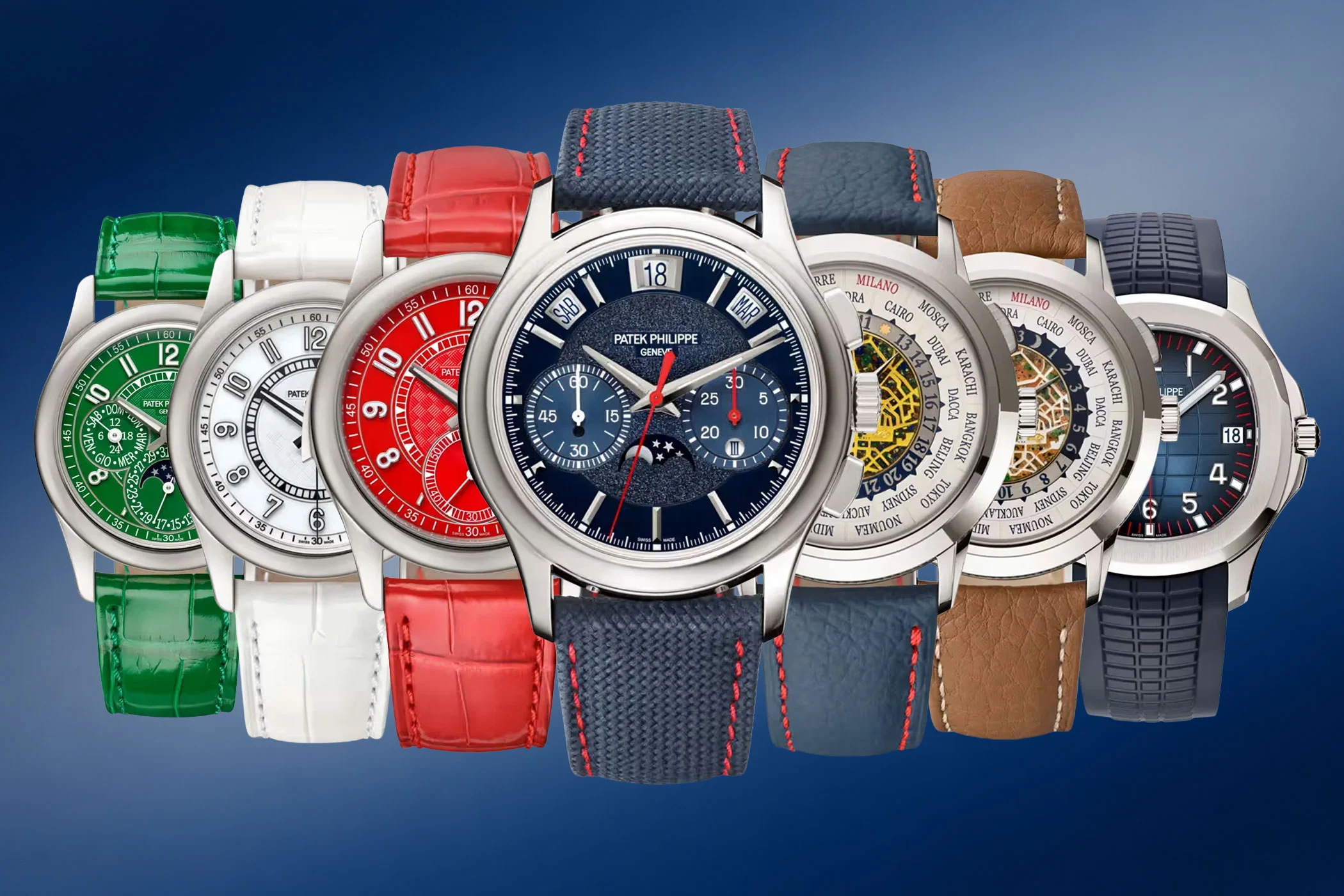
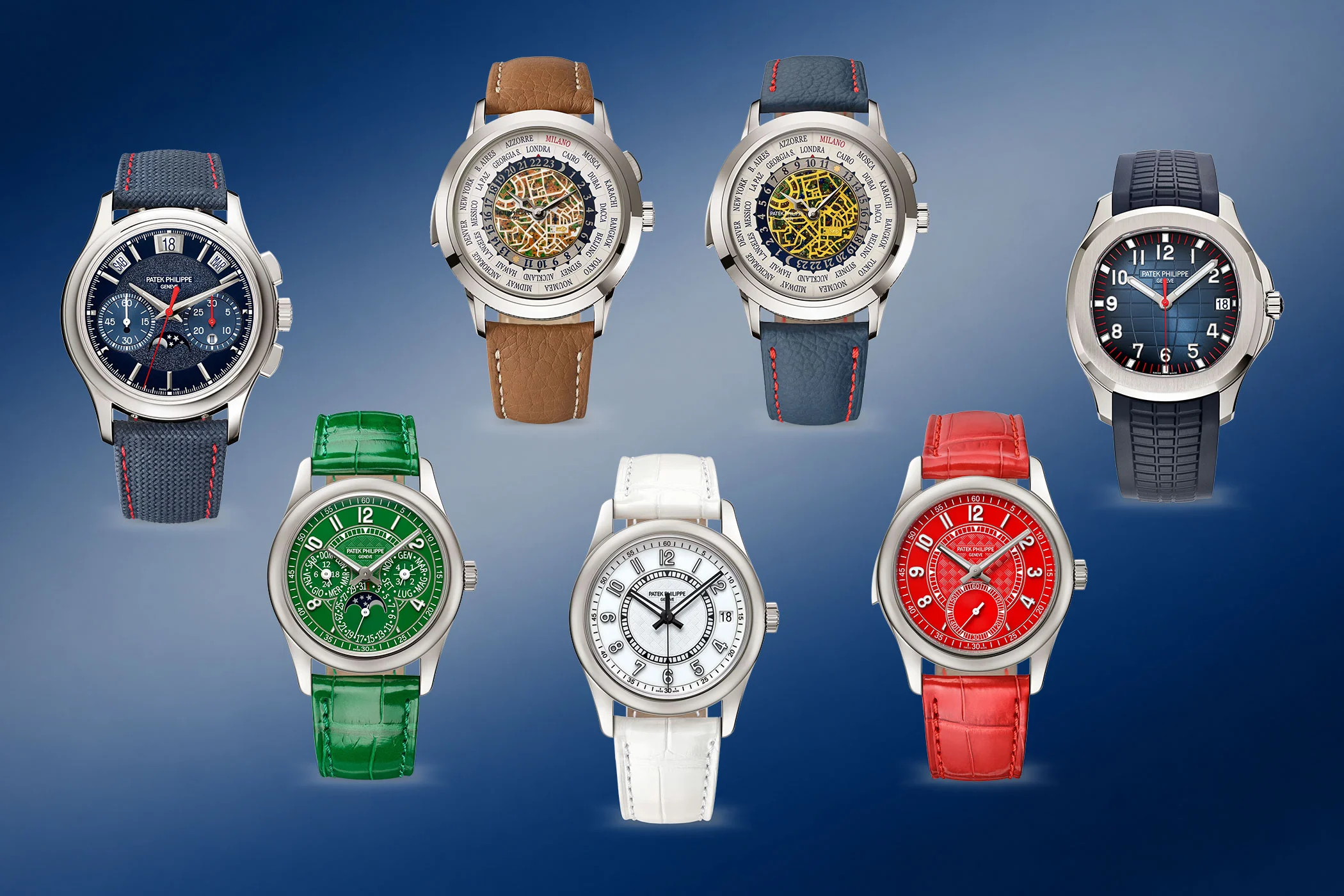
Spanning over 2,900 square metres, the Watch Art Grand Exhibition 2026 has been set up across 15 different rooms at the ‘CityOval’, for which the archives were thoroughly researched and curated; yet the exhibition also offers a glimpse into the future of the manufacture. Not least because there are new models on display, designed exclusively for the Italian market. A variant of the Aquanaut, a Calatrava, but above all: a glimpse into the future of the chronograph with a perpetual calendar – arguably the most famous combination of complications at Patek Philippe.
Speaking in Milan, Thierry Stern, the owner and president of Patek Philippe, stated: “I have no intention of copying our museum.” New models must always represent a meaningful addition and enhancement, as when creating new models he is guided first and foremost by his own strategy of “always enhancing the entire collection.”
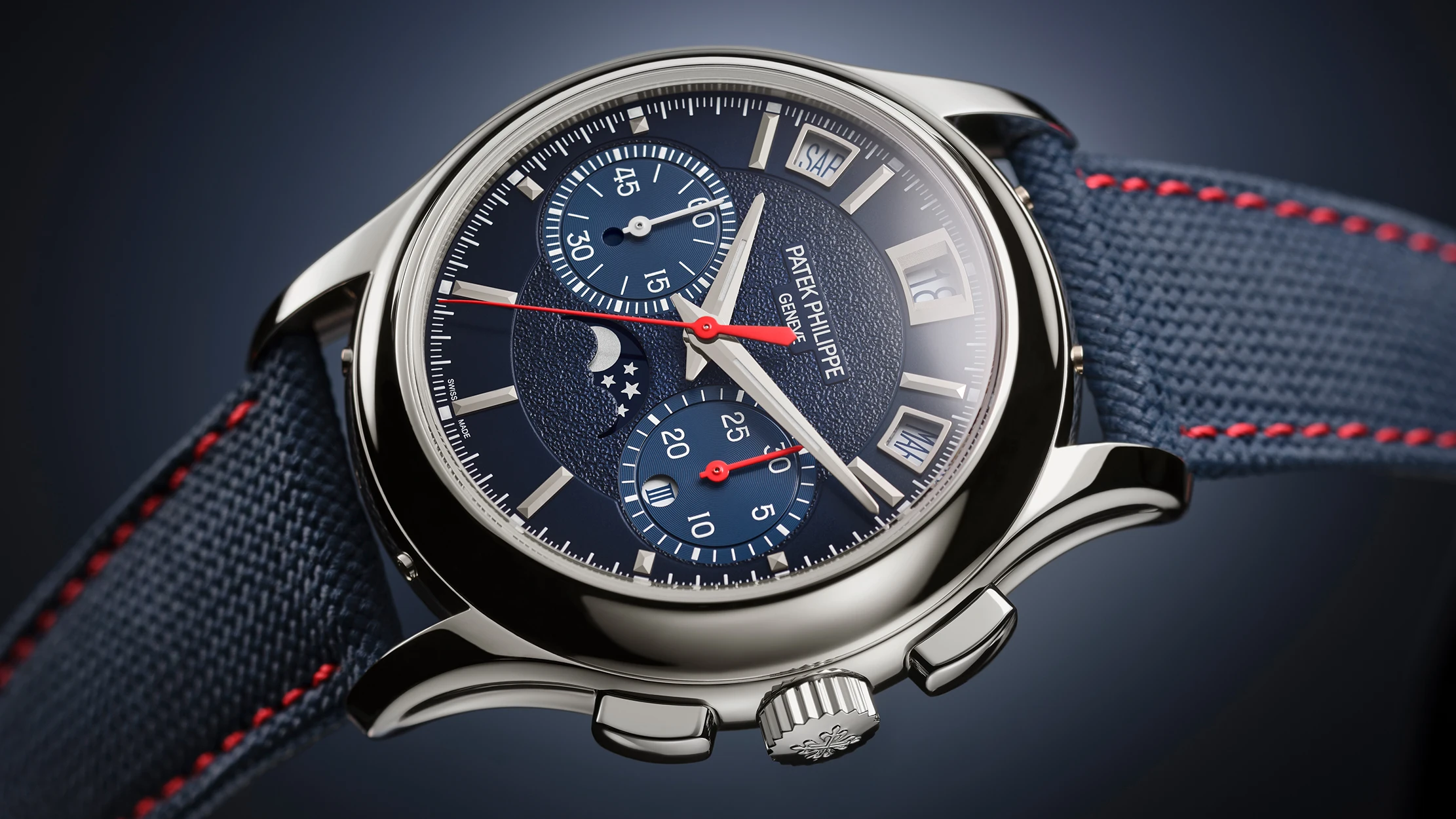
The new reference 5978P-010 is arguably the best example of this. The combination of a chronograph and a perpetual calendar is part of the brand’s DNA. It stands alongside predecessor models that have all truly earned the term ‘icon’ – a term that is sometimes overused: 1518, 2499, 3970, 5970, 5270 – these numbers and the timepieces named after them have shaped the company’s history.
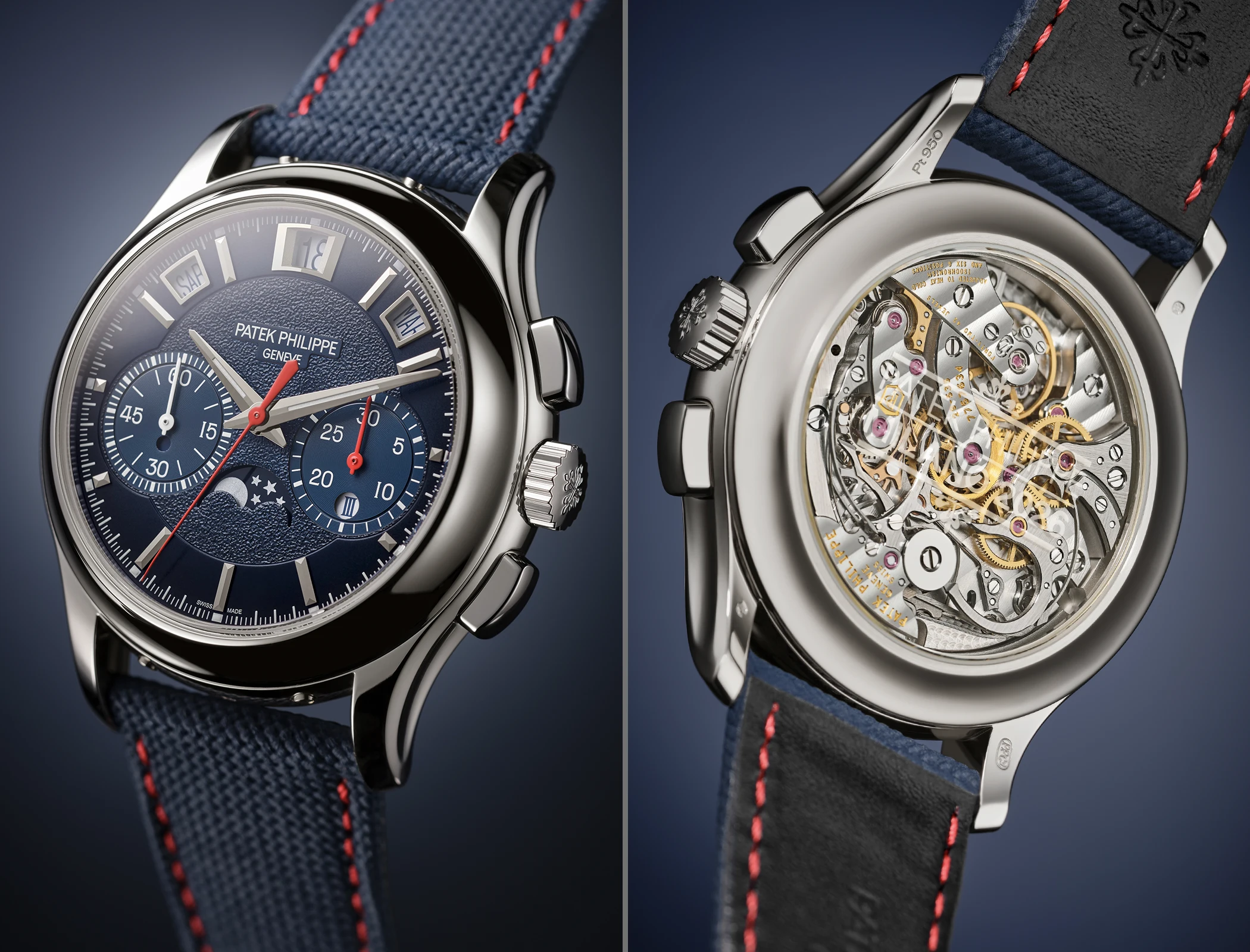
And so, here it is: the 5978, limited to 120 pieces here and for Milan, though it is safe to assume that it will find a permanent place in the regular collection in other versions in the future. Visually, it draws on a familiar design seen in annual calendars (reference 5205 and 5905) and minute repeaters (reference 5308). The dial is deep blue, with a sunburst finish and a black gradient towards the outer edge. The centre of the dial is slightly recessed and textured. The minute scale and the scales on the sub-dials are white; only the central chronograph hand and the hand of the 30-minute counter on the right-hand sub-dial are red, adding a sporty touch.
The technical innovation – the date display that advances by 30 milliseconds at midnight – is made possible by the new calibre development, the CH-29-535 PS QI, which is based on the CH-29-535 chronograph calibre introduced in 2009. This has since served as the basis for all hand-wound chronographs and has been enhanced with features such as split-seconds functions and perpetual calendars, amongst others. However, until now, the calibre with an instantaneous calendar function has only been available in a particularly complex version at the very top of the collection: as reference 5308, the ‘Quadruple Complication’ comprising a minute repeater, perpetual calendar, split-seconds chronograph and moon phase.
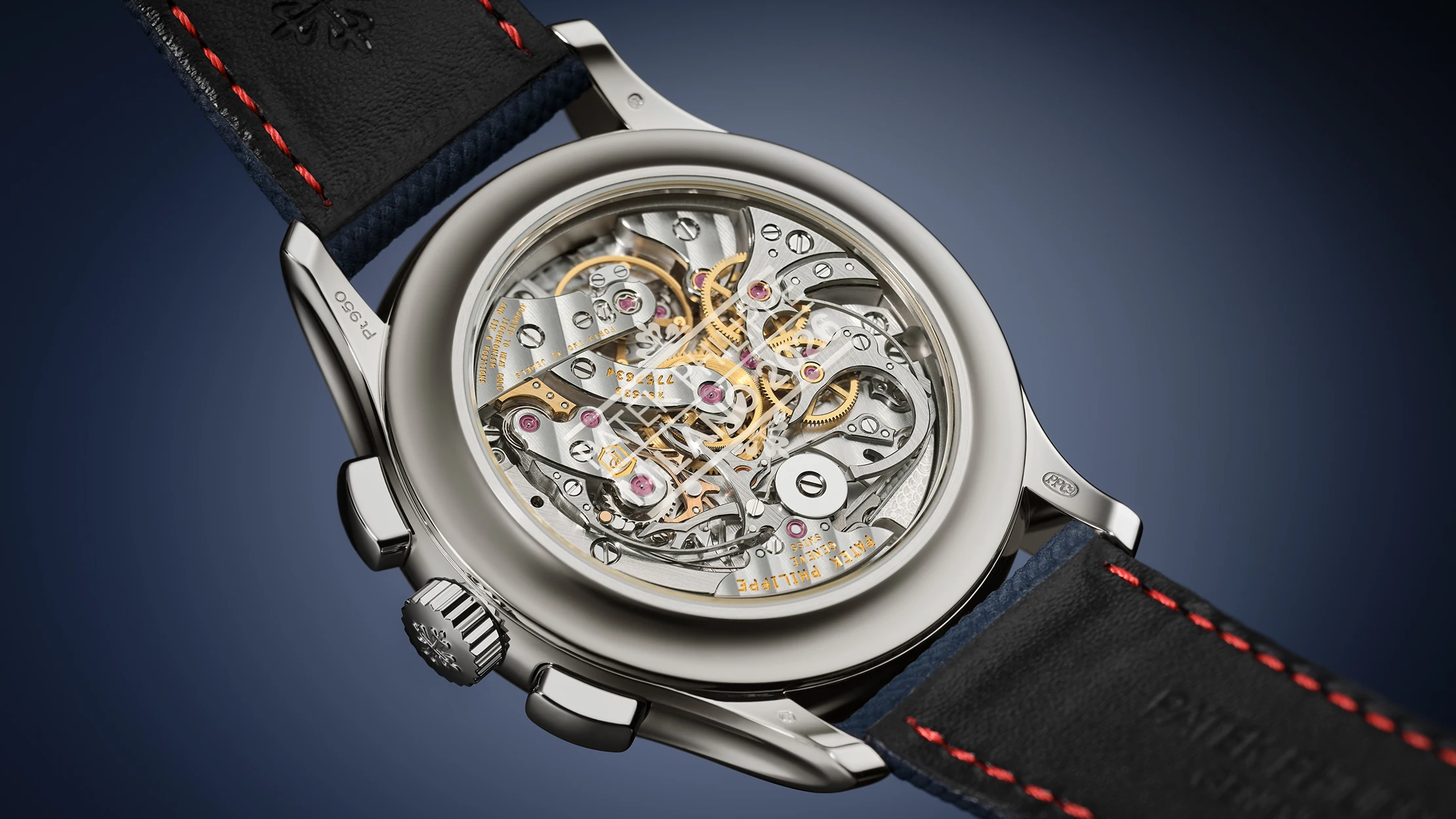
Now ‘the little brother’ is also getting this feature, which gives collectors a rush of excitement once a day, always late at night: at midnight, the date display jumps forward in just 30 milliseconds. This instantaneous date change requires extra energy; after all, it involves moving four window displays with four number discs simultaneously, and their mass is significantly greater than that of slender hands.
To make this possible, energy must first be stored over a period of hours, which can then be rapidly released at the change of date. To this end, a rocker mechanism comprising 15 individual parts has been developed and patented. An additional mechanism featuring two tension springs ensures that the energy required for the change is maintained at a constant level, even though the date disc must be rotated by very different angles depending on the length of the month.
Looking to the future of Patek Philippe, this Milan Edition is undoubtedly by far the most significant. Aesthetically, the interplay of dark blue and red is already familiar from other chronographs by the brand, but in the display case, this new 42-millimetre model presents itself as exceptionally harmonious and distinctive. Is this new 5978 superior not only technically but also visually to the 5270 reference, which lacks an instant-jump calendar function? Opinions on this varied in the showrooms. Ultimately, the two models complement one another, and with this new model, Thierry Stern is consistently pursuing his aim of continually enhancing the collection. Whilst the price of a platinum 5270 currently stands at 230,596 euros, the 5978 is priced at 312,869 euros in Italy.
At the same time, it is fascinating to hear what Mr Patek Philippe has to say in Milan about the Italian market and its significance: “Our Italian customers have a distinct taste and a special expertise. It is a mature market. Interestingly, the trend amongst our Italian clientele is increasingly towards vintage watches. The younger generation have seen their parents collecting our watches and wearing beautiful vintage models. Whilst the new generation may well compete for a new Aquanaut, they also wear a vintage watch passed down from their father or from the family. And I’m really talking about some stunning pieces here. I believe it’s a sort of competition; they’re measuring themselves against one another. To me, this shows that it might be time to return to more traditional designs. I’ve worked hard to develop Patek further, to surprise people with open-worked movements and many other innovations. But I never forget where I come from. The opportunity to offer a 5970 with an exceptional case – that’s something I’d love to do again today.”
What sets a visit to the exhibition apart is the pervasive sense that you are not experiencing a brand here, but a family business. A company that interprets marketing differently from its competitors, or as Thierry Stern puts it: “Too many brands – and by that I don’t just mean the watch industry – sell dreams rather than realities.” He is joined for the interview by his eldest son, Adrien.
The 25-year-old is currently rotating through various departments within the company as part of a training programme carefully tailored for him, and his younger brother Tristan will be joining him at the end of next year. Here in Milan, he is to accompany his father, listen, observe and learn – just as Philippe Stern once gradually introduced his son Thierry to the world of business, a world shaped by experience.
Adrien explains that his first Patek Philippe, given to him on his 18th birthday, was an Aquanaut, bearing the engraving: “From your father”. At the time, he hadn’t even begun to understand the brand’s more mechanically sophisticated models; that particular model was also far more age-appropriate, and given the already huge demand for Nautilus models back then, he ultimately opted for an Aquanaut.
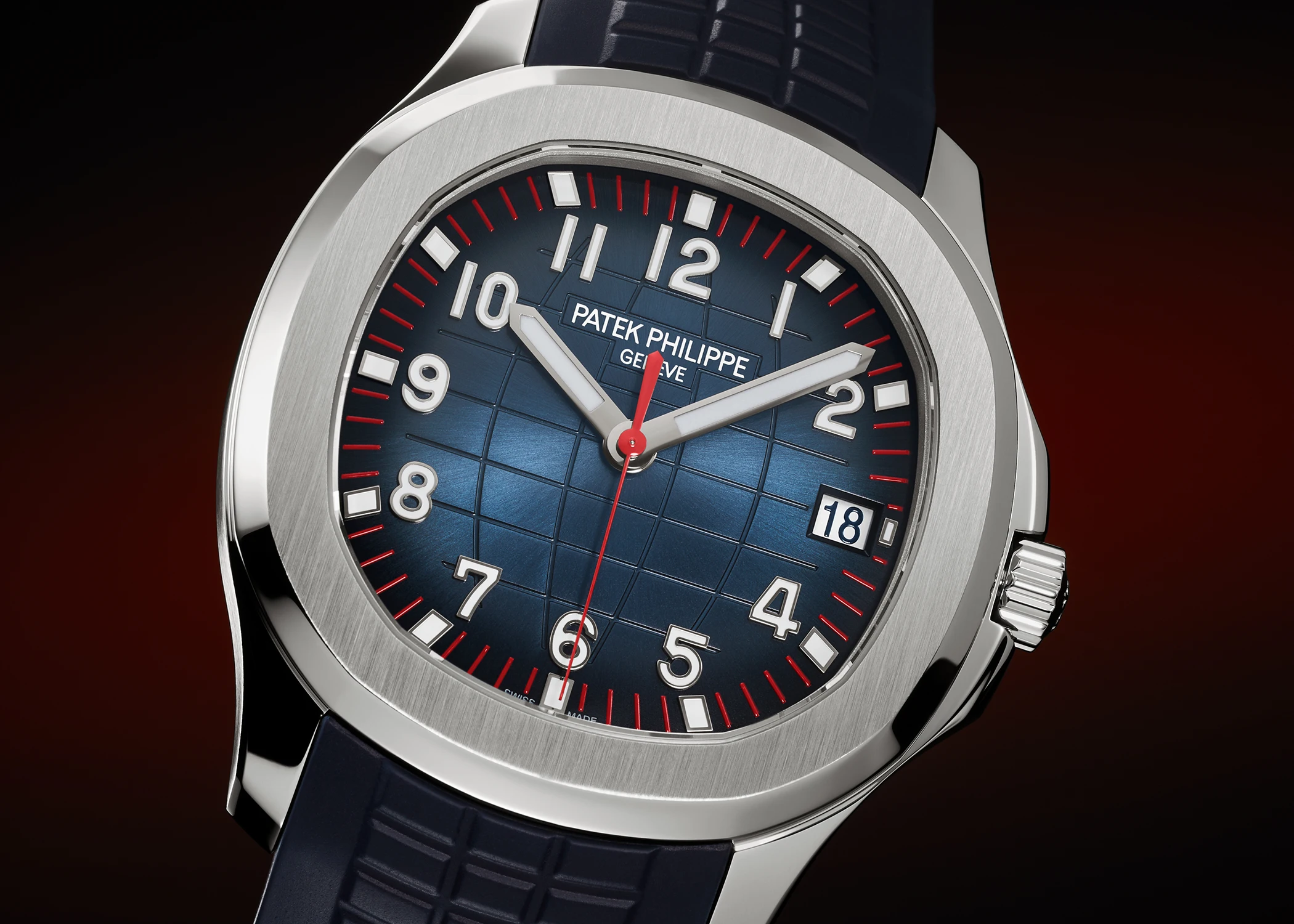
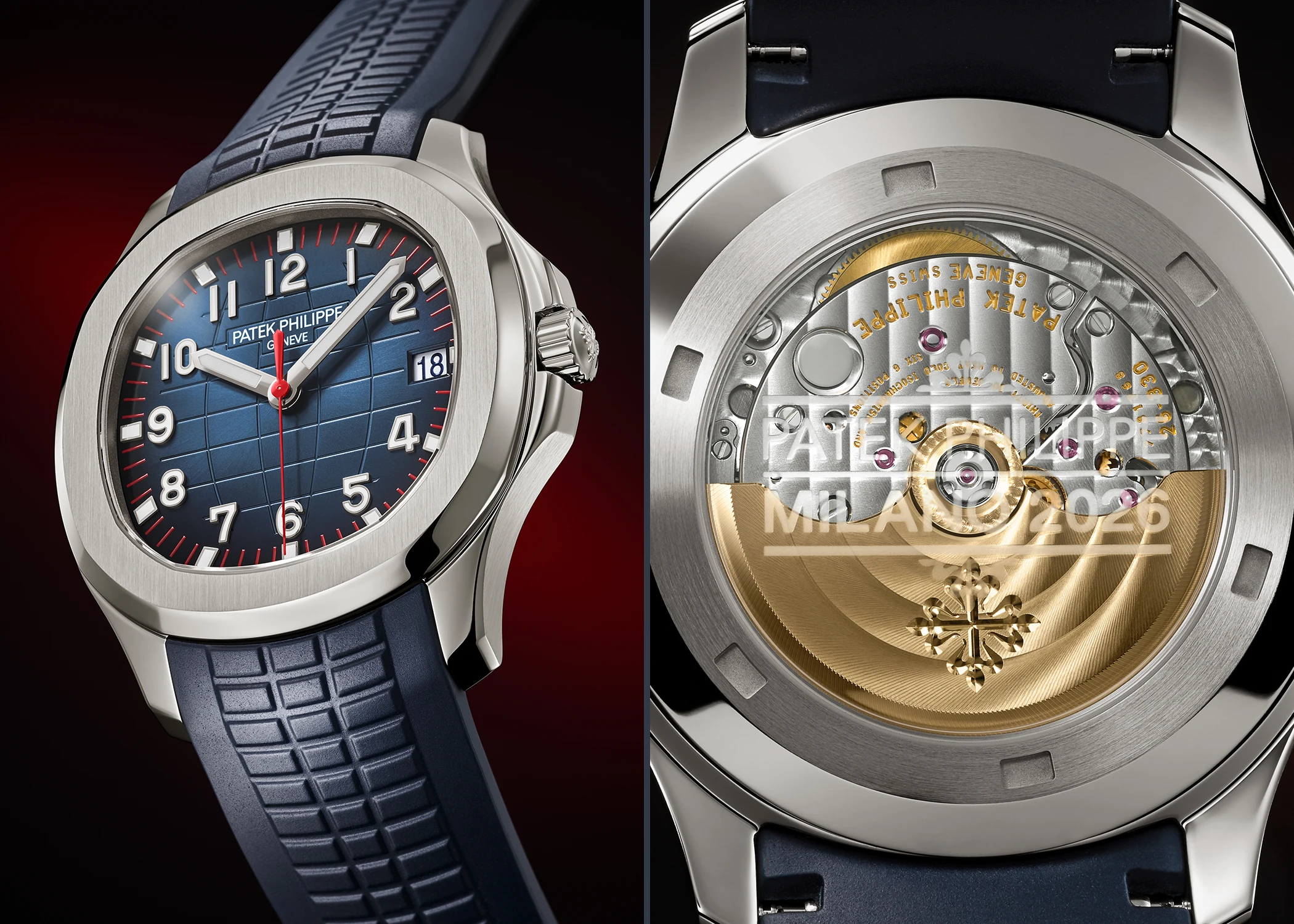
Times have changed, and the Aquanaut collection has now become more or less as popular as the Nautilus models. It is therefore safe to assume that the 250 pieces of the reference 5167A-014 are likely to be in greatest demand amongst Italian customers. On paper, it is ‘merely’ another variant of the Aquanaut. But it is, after all, a steel Aquanaut – and a particularly successful one at that. The blue sunburst dial with a black outer rim lends the timepiece a sense of depth and elegance, whilst the red seconds hand adds a touch of dynamism. At 40,557 euros, it is also one of the most affordable ways to acquire a memento of this special exhibition – complete with a sapphire crystal case back bearing the inscription ‘Patek Philippe Milano 2026’.
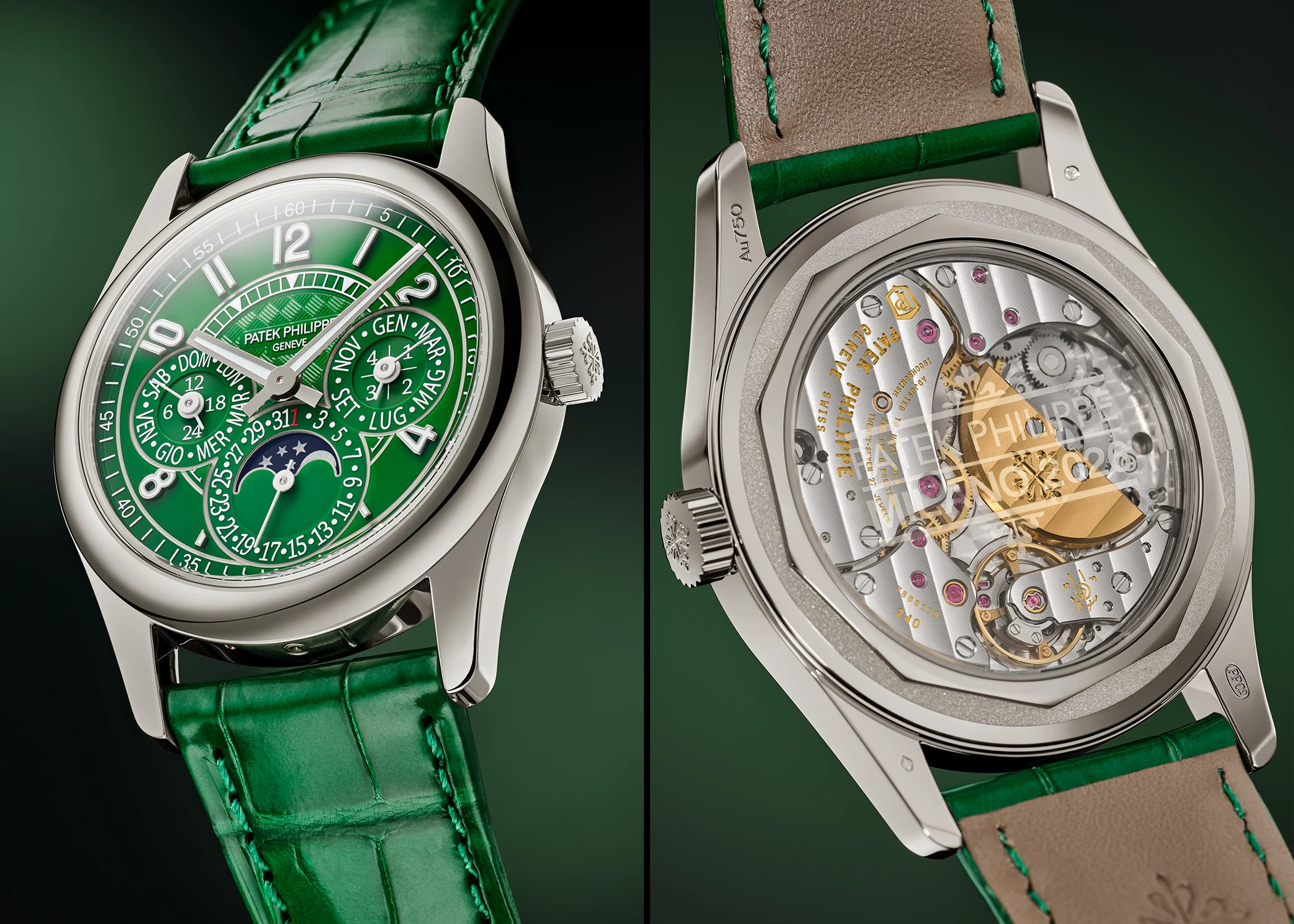
Whilst the two dark blue editions mentioned earlier are comparatively classic in appearance, the designers have taken a bolder approach with the following three models. Reference 7147G-010 is a white gold Perpetual Calendar. The dial features the familiar carbon pattern in the centre, though its green colour gives it a completely new look.
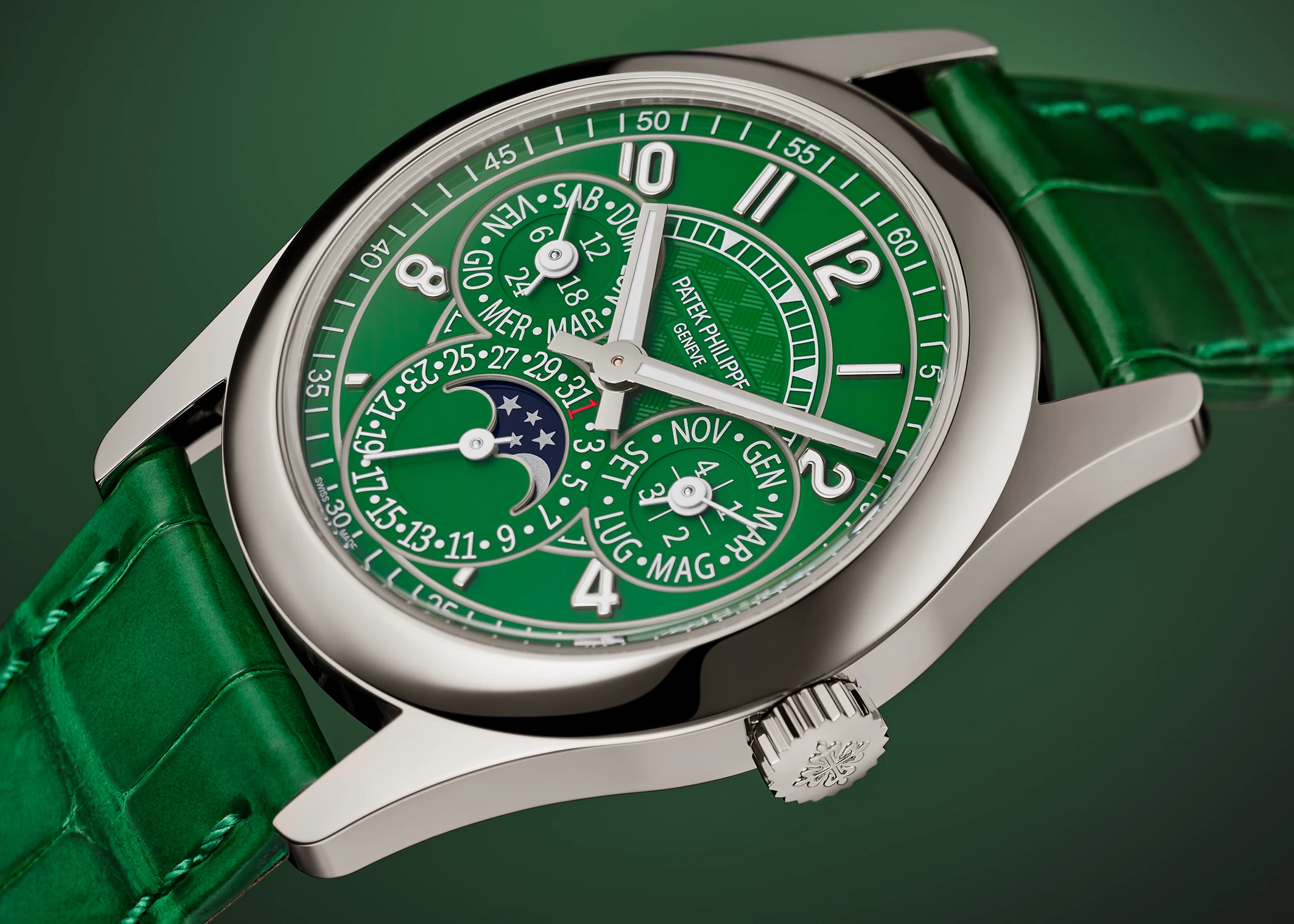
The shade is clearly inspired by the green of the Italian flag; it is anything but understated, instead beaming at the viewer with a colour that is both striking and pleasing. As is always the case in life, tastes vary, and in its own right, the model has a certain charm. Yet one is left with the feeling that the colour on the flag simply has a different impact than it does on the dial. 100 examples of this watch will be made available to Italian customers at a price of 127,465 euros.
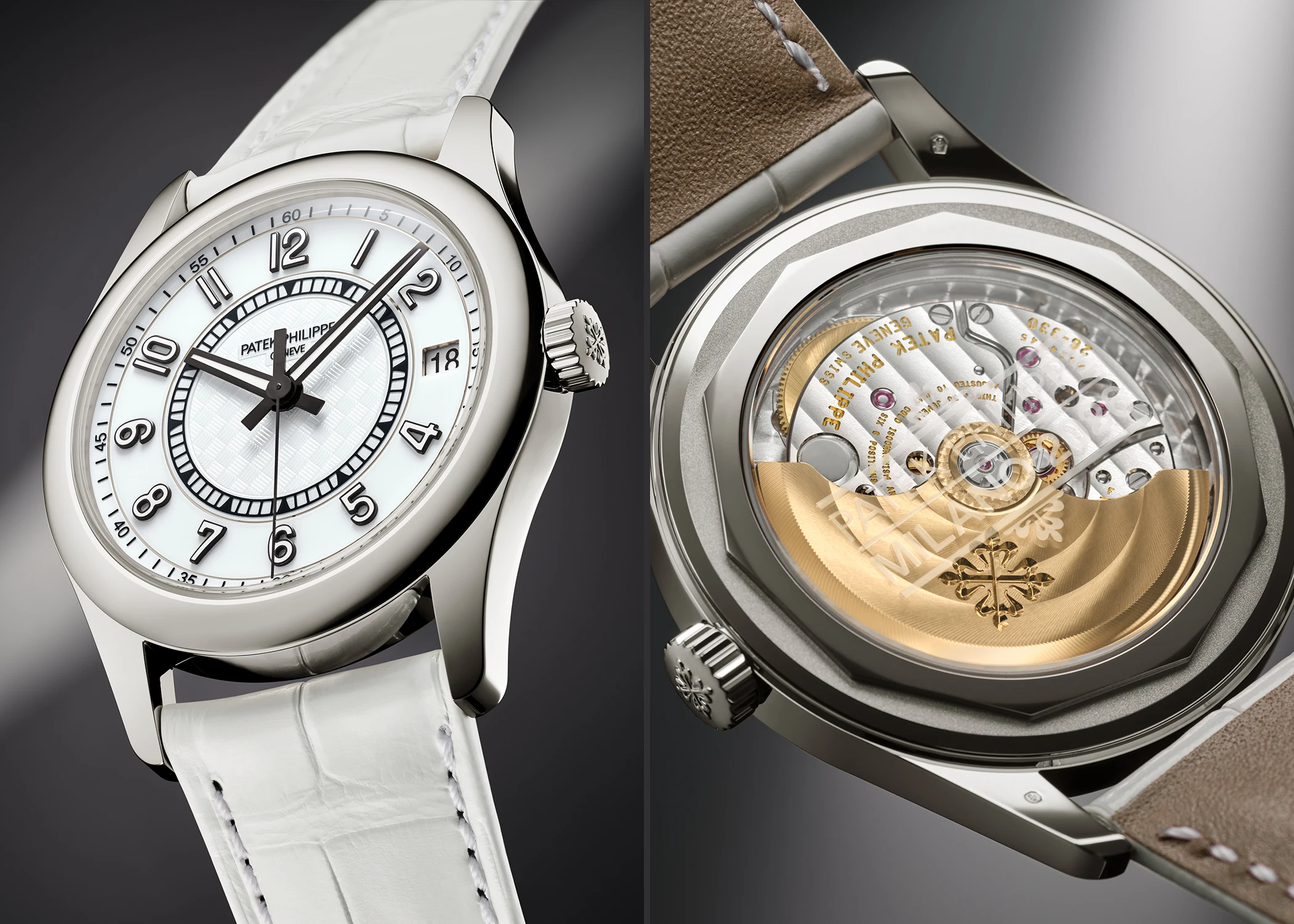
At the exhibition, one often hears international visitors joking that one would probably have to take up genealogy to trace any family line leading back to Italy. And Italian acquaintances are suddenly elevated to the status of best friends. Reference 7007G-010, ultimately a simple white gold Calatrava with a white lacquered dial also featuring a carbon design, is partly to blame for this.
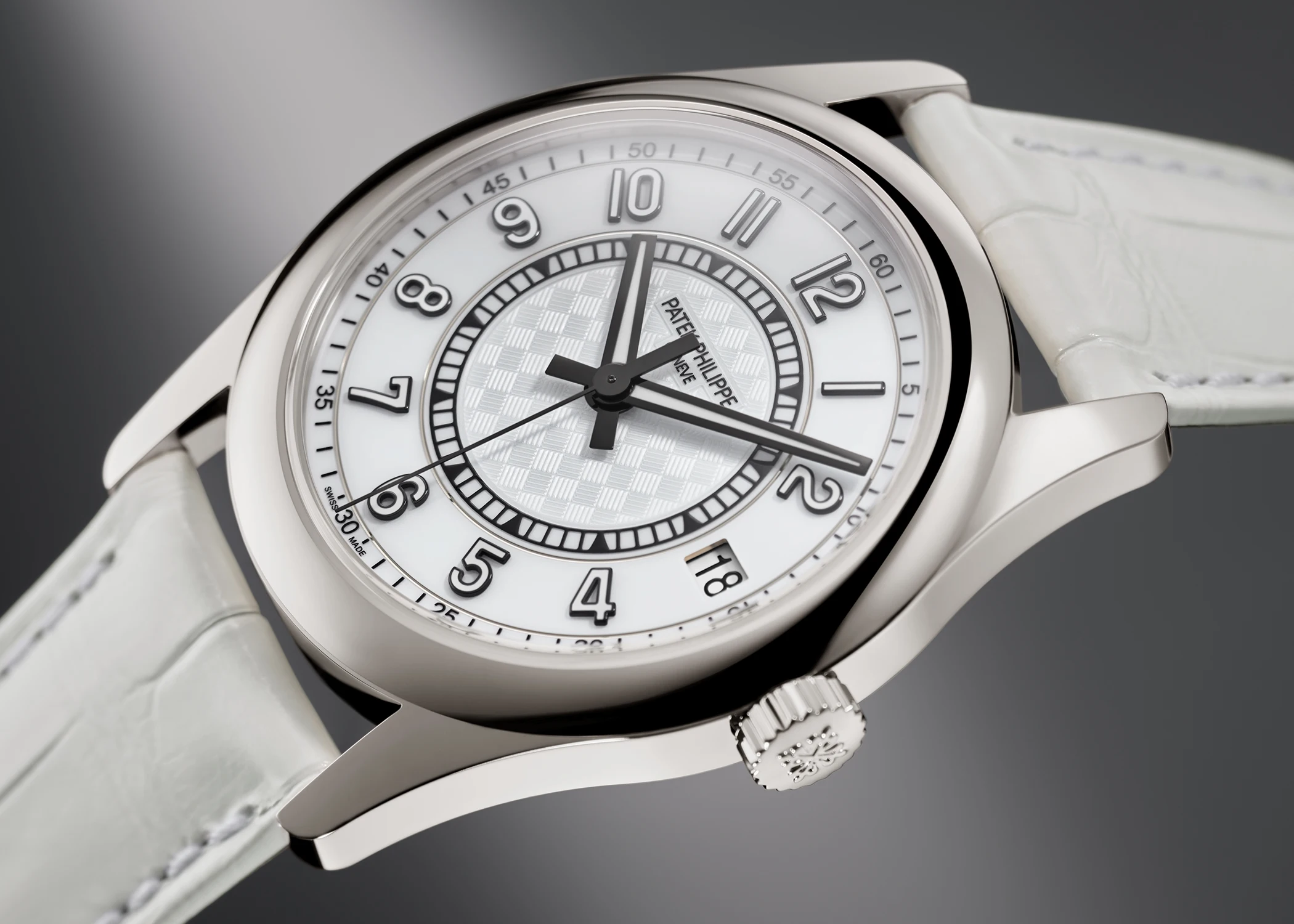
The 38-millimetre model quickly became the secret star of the show in the opening days. So simple, so understated, so beautiful. Fashionable? Yes. Will it still be a classy piece in twenty years’ time? Once again: yes! It too is limited to 200 pieces, is powered by the familiar Calibre 26-330 S C, and will be sold for 44,034 euros.
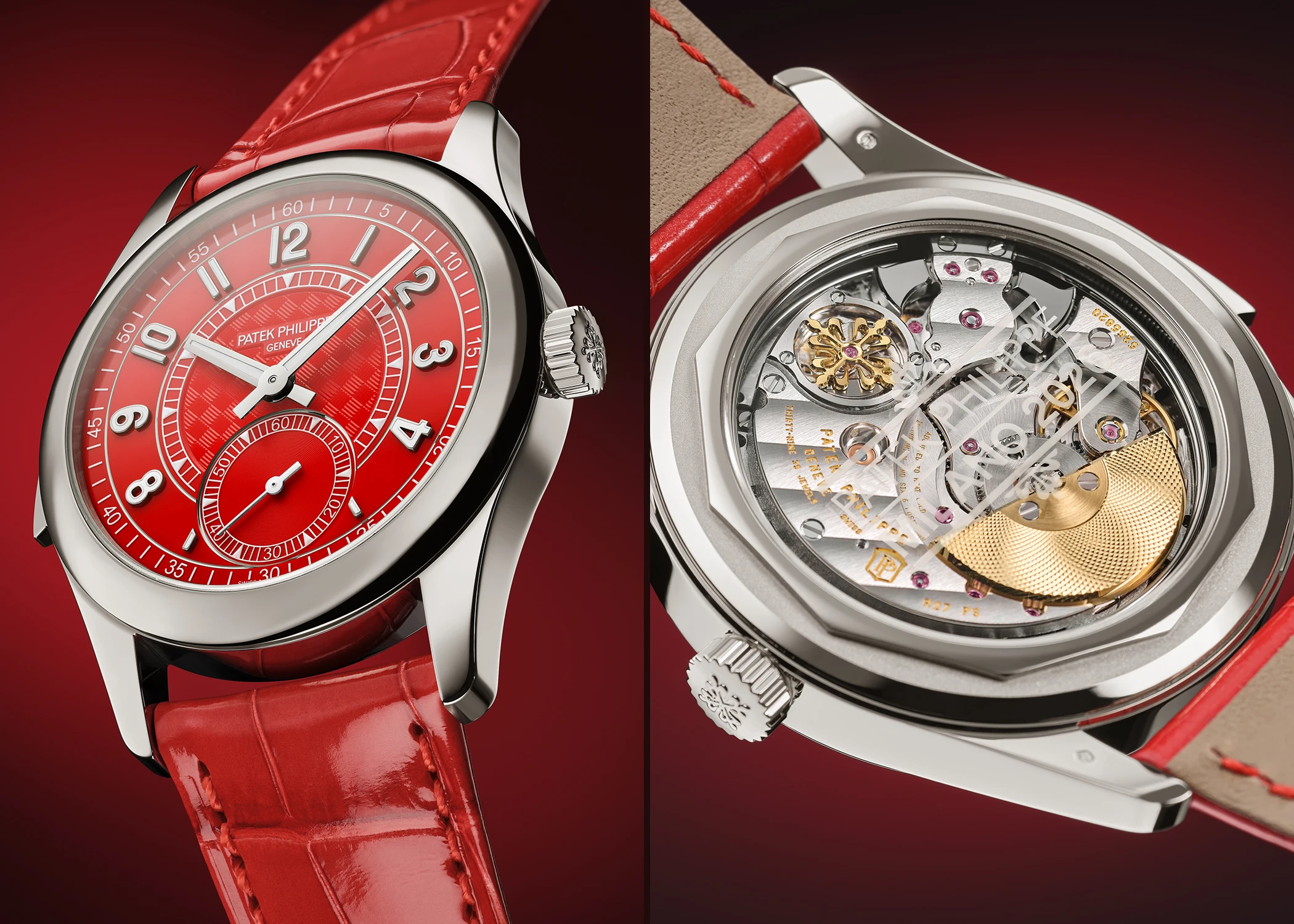
The Tricolore is complemented by a striking red detail. Only five examples of the 7047G-010 will be produced, as it is a minute repeater with two tones. Its dial, once again featuring a central carbon motif, is lacquered in red. The watch is a fascinating hybrid: on the one hand, if one considers the basic design alone, there is probably no more understated way to wear such an exclusive timepiece.
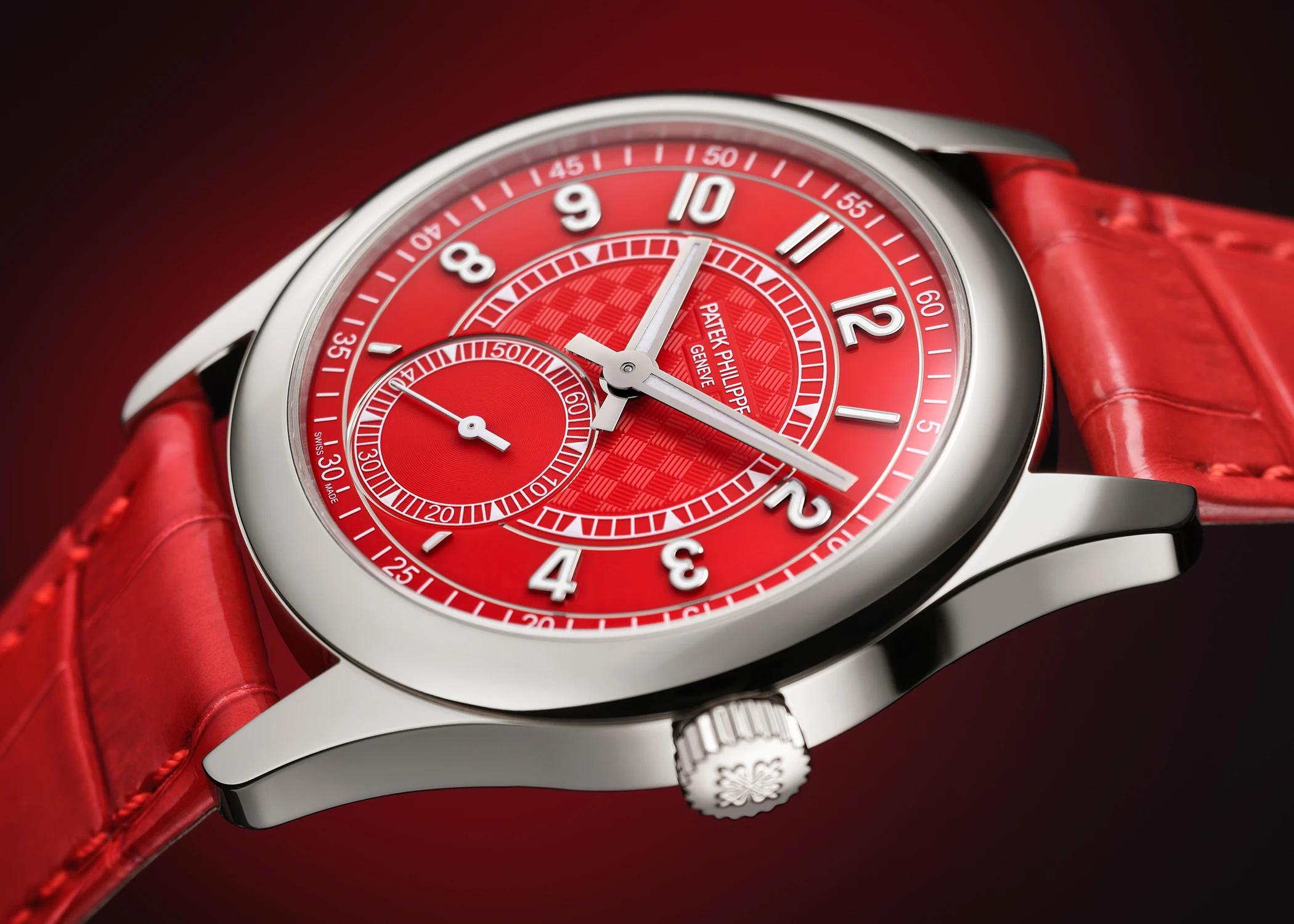
Three hands, a small seconds sub-dial at twelve o’clock – were it not for the slide to activate the striking mechanism, the model would pass for a simple Calatrava. On the other hand, there is that red, that ‘wow’ colour, which automatically draws the eye. It is a combination that provokes and may not be to everyone’s taste, but certainly deserves respect. Especially as it carries a price tag of 637,325 euros.
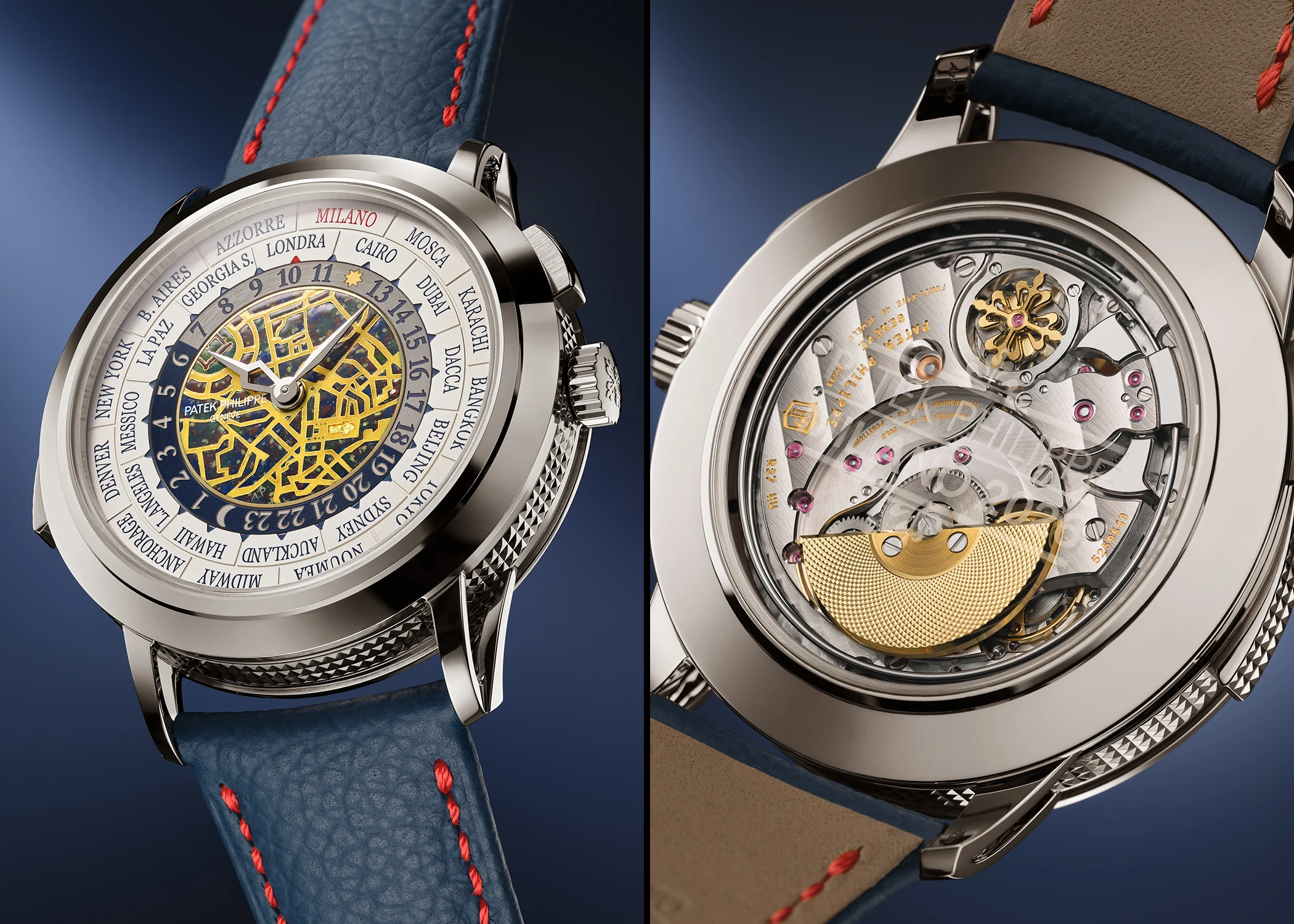
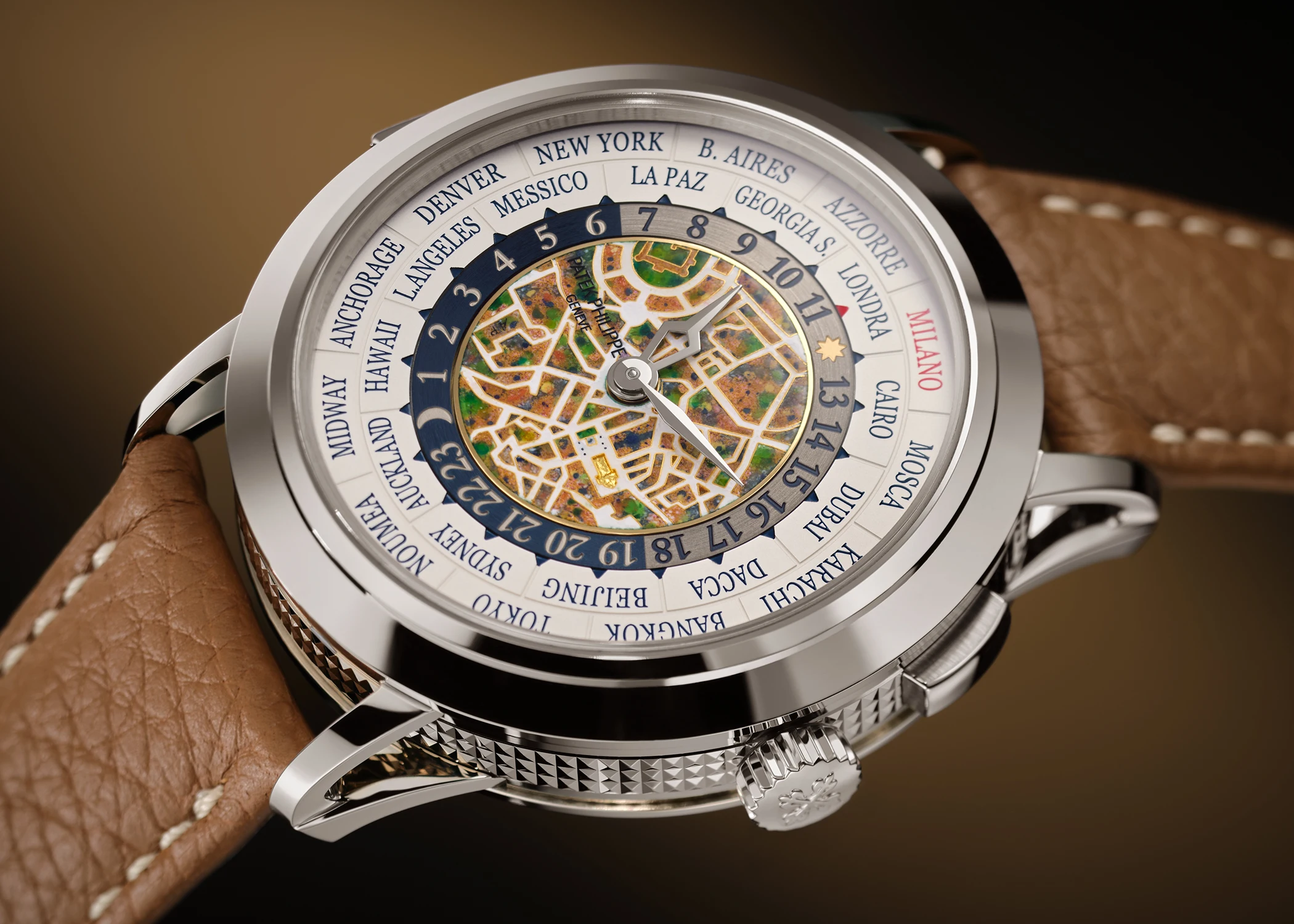
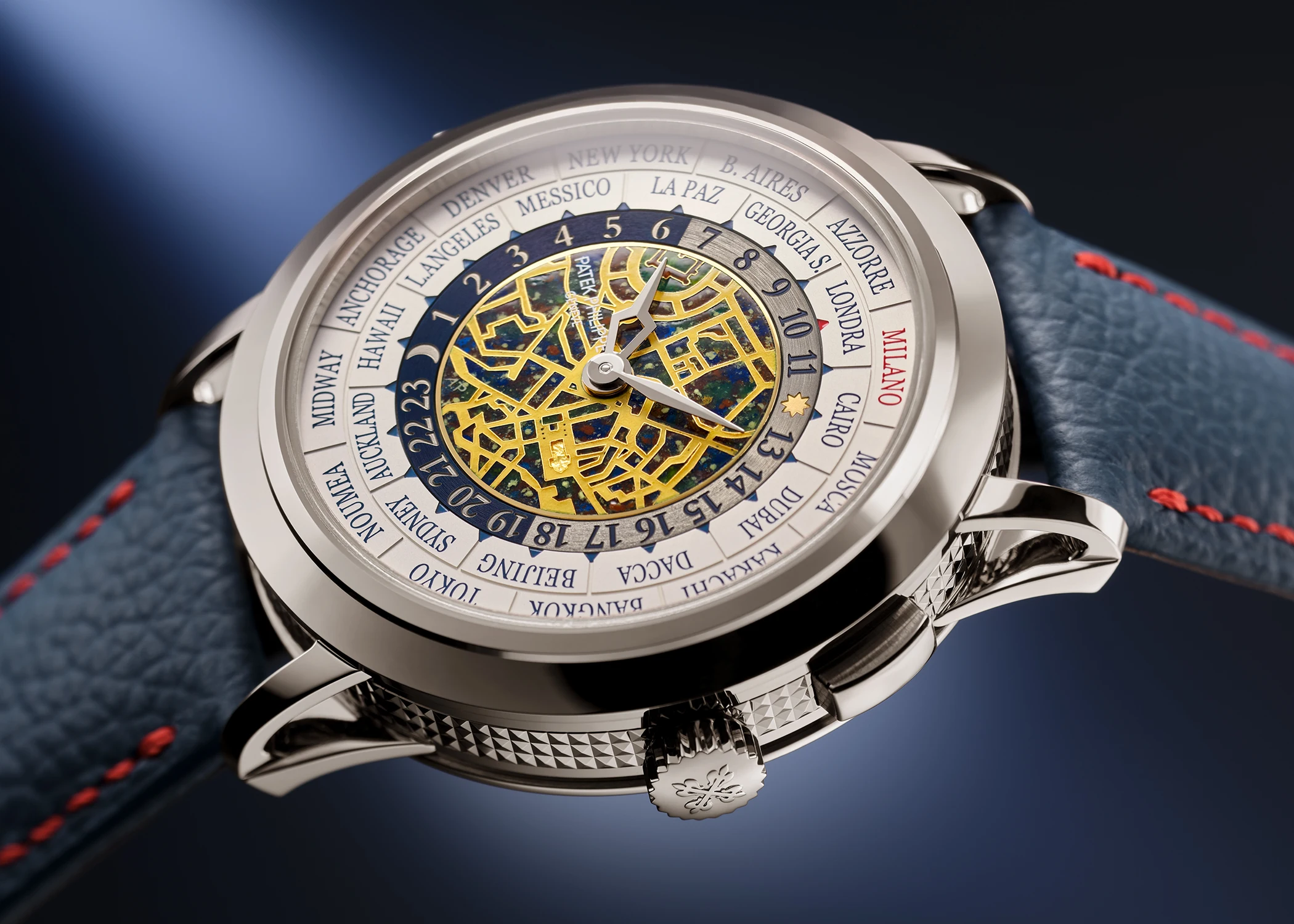
That leaves references 5331G-012 and 5331G-013. Both are minute repeaters with a world time function, both housed in white gold cases. They differ only in the cloisonné enamel motif at the centre, which depicts the centre of Milan in a sort of city map style – once by day and once by night. Milan is also highlighted in red amongst the city names in the world time function.
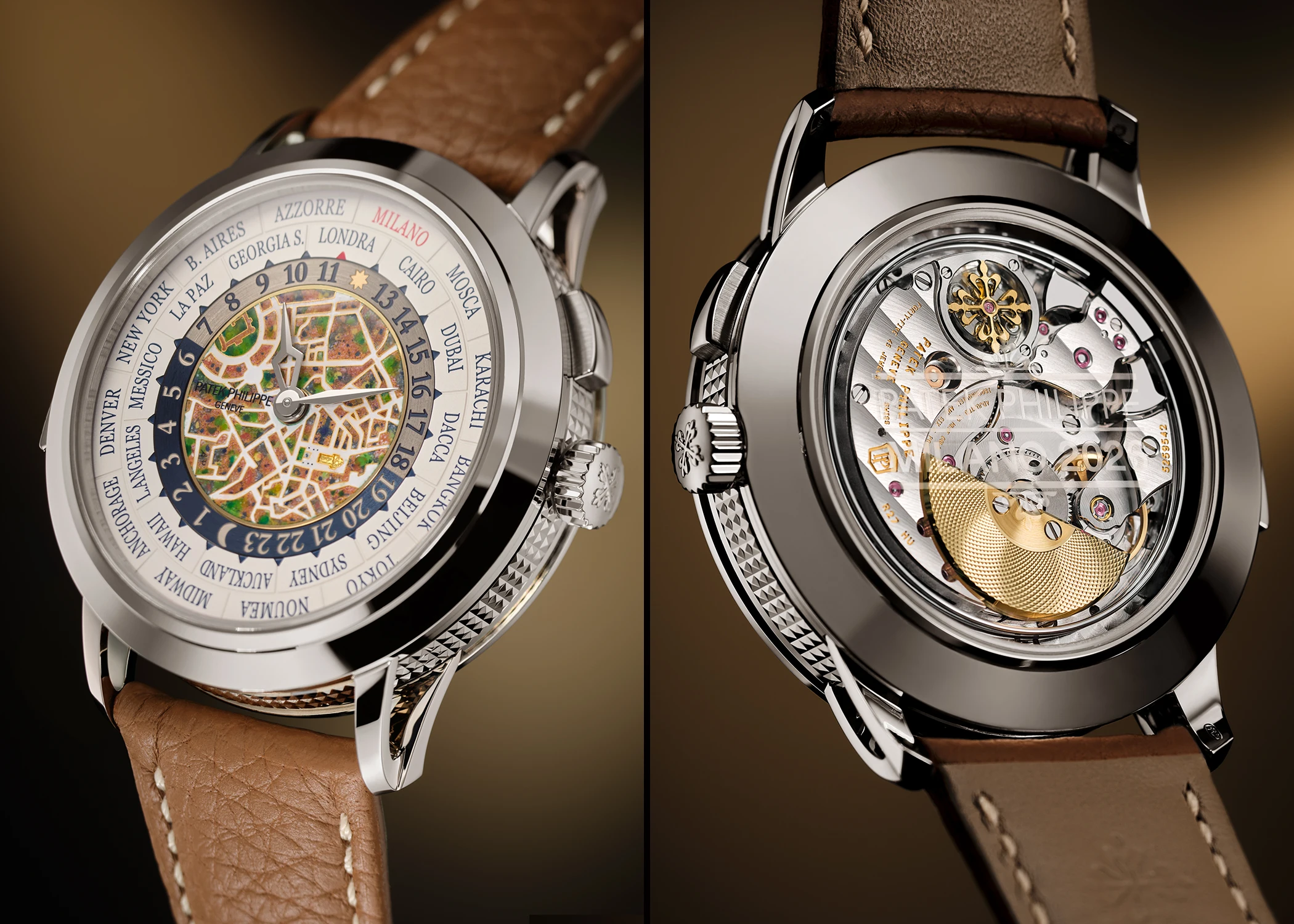
The enamel work was carried out by none other than the workshop of Anita Porchet, who is regarded as the finest in her field. Consequently, these two watches – of which five examples of each will be produced at a price of 787,965 euros – actually belong to the ‘Rare Handcrafts’ collection, which will be covered separately in a future article.
Yet these two models embody everything that defines Patek Philippe: a love of craftsmanship and of the extraordinary. A commitment to genres that are important to the profession, yet too niche for the majority of watch enthusiasts. A precision and beauty in craftsmanship that sets the standard. And an appreciation for their clientele, which is constantly growing but is never taken for granted by the Stern family.
As you leave the exhibition, you cannot help but think of Thierry Stern and his observation regarding the widespread disconnect between dreams and reality. Everything on display here inevitably inspires dreams. But Thierry Stern is right to say: “Everything here is very real and tangible. It is far more than just an advert. Yes, of course it helps Patek Philippe. But it will also support other brands. We offer credibility.”