Discover Patek Philippe’s Watch Art Grand Exhibition 2026 in Milan, showcasing exclusive Italian limited editions, technical innovations, and rare handcrafts.

The history of the dress watch is closely linked to the general rise in popularity of the wristwatch, the origins of which date back to the 19th century. As early as 1810, Abraham-Louis Breguet crafted an early wristwatch for the Queen of Naples, and in the 1880s, Girard-Perregaux reportedly supplied the navy with the first wristwatches.
As men in the early 20th century initially still preferred classic pocket watches, the wristwatch first established itself primarily as a fashion accessory for women and as a practical, functional instrument for military personnel and pilots. However, the purist and minimalist design of today’s dress watch was still a long way off at that time, as watchmakers initially experimented with unconventional, creative cases and dials in order to attract new customer groups.
Today, the classic dress watch is characterised by specific formal criteria that distinguish it from sportier models. Typically, it features a simple, uncluttered dial, often with only hour and minute hands and no additional complications, in order to maintain legibility and elegance. The case size tends to be moderate and slim, allowing the watch to slip effortlessly and discreetly beneath a shirt cuff. The look is traditionally complemented by an elegant leather strap, whilst solid metal bracelets are rather uncommon in this category.
Having been heavily dominated by sports models and divers’ watches since the 1950s and 1960s, the watch market is now undergoing an exciting turnaround. There is currently a clear trend towards the return of the elegant dress watch. The younger generation, in particular, is rediscovering this classic understated style and is increasingly seeking out models with smaller diameters. Numerous renowned watch brands are embracing this development. We have brought together some of the most beautiful dress watches currently available for a photoshoot, and with them we are celebrating this newly rekindled passion for stylish elegance on the wrist.
Whilst Blancpain was best known in recent decades for its Fifty Fathoms diver’s watch, the foundation of the modern brand, from 1983 onwards – in the midst of the quartz crisis – was a return to elegant, highly complicated mechanical wristwatches. Today, this heritage perfectly captures the spirit of the times: the watch market is shifting away from bulky sports watches towards understated, smaller ‘neo-vintage’ dress watches that can be worn stylishly beneath a shirt cuff.
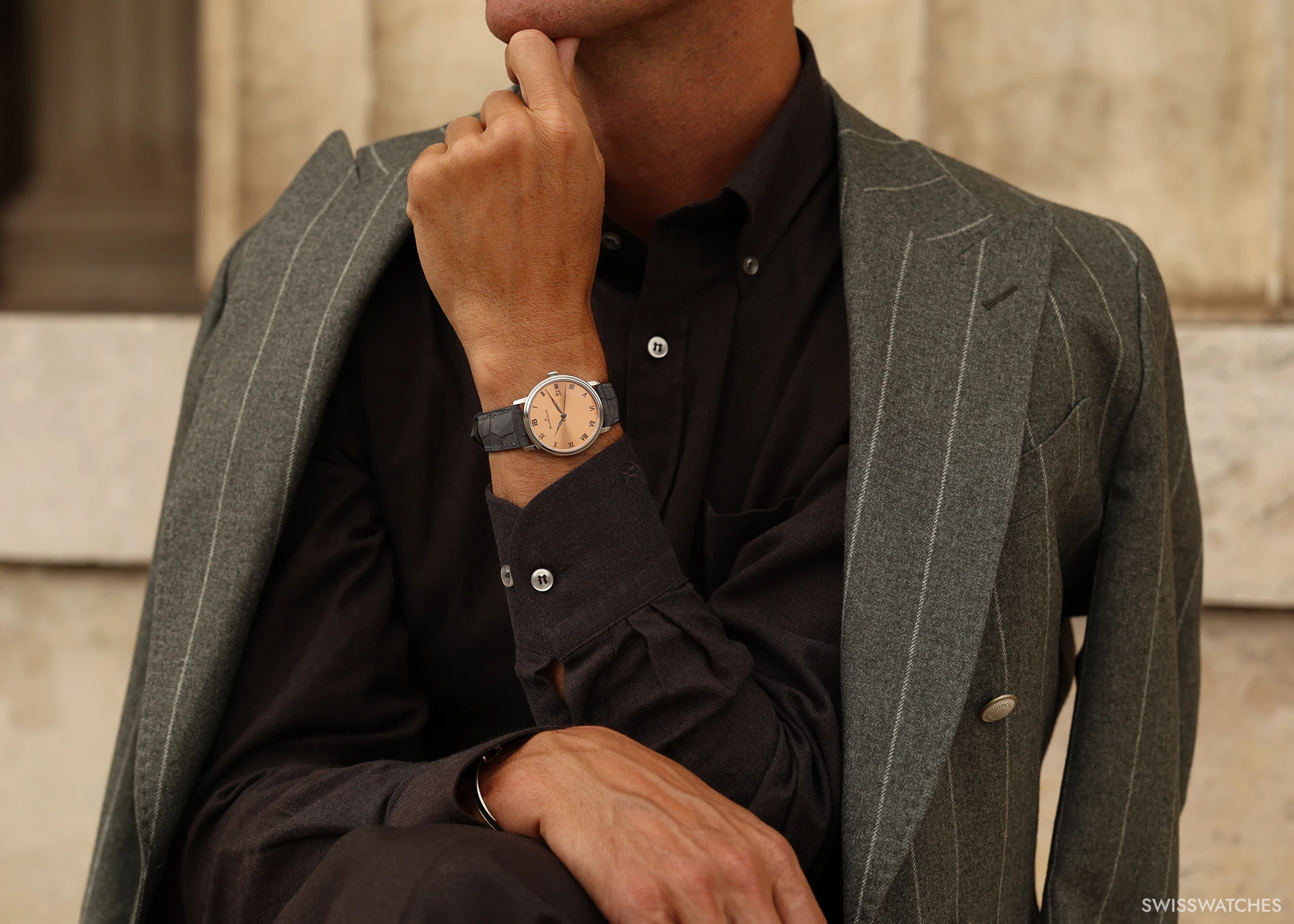
The new Villeret Ultraplate 38 mm fits perfectly with this trend as the collection’s modern flagship model. It complements the existing 40 mm model with a classic, ideal size and features a slim profile measuring just 8.35 mm in height. A particular highlight is the newly designed range of dial variations: alongside a champagne- or gold-coloured opaline dial paired with an olive-green alligator strap, one variant in particular stands out – featuring a warm, salmon-coloured sunburst dial in a stainless steel case. Both models are powered by the in-house automatic calibre 1150, which is just 3.25 mm thick, features a silicon balance spring and offers a power reserve of 100 hours; the movement can be viewed through the sapphire crystal case back.
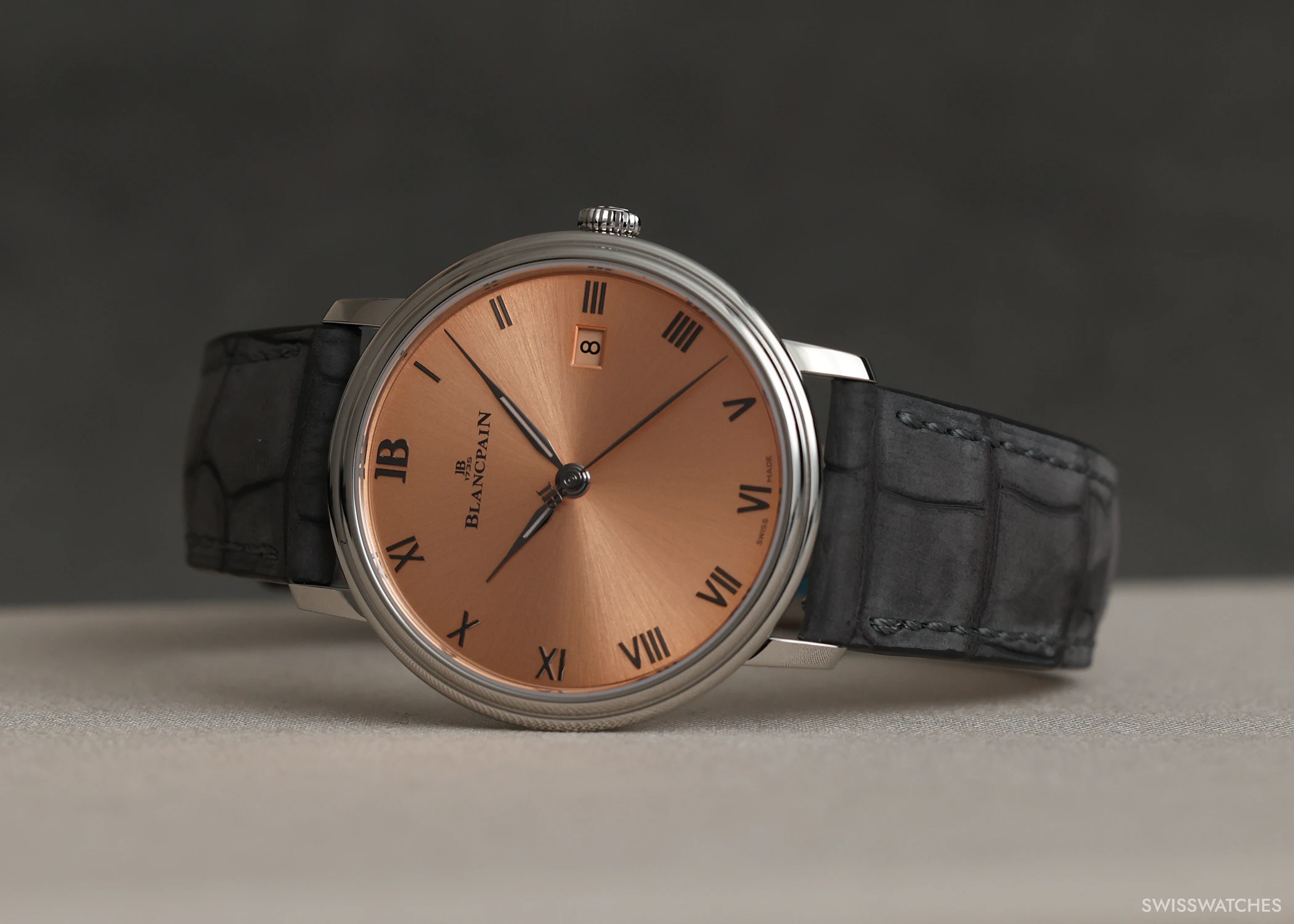
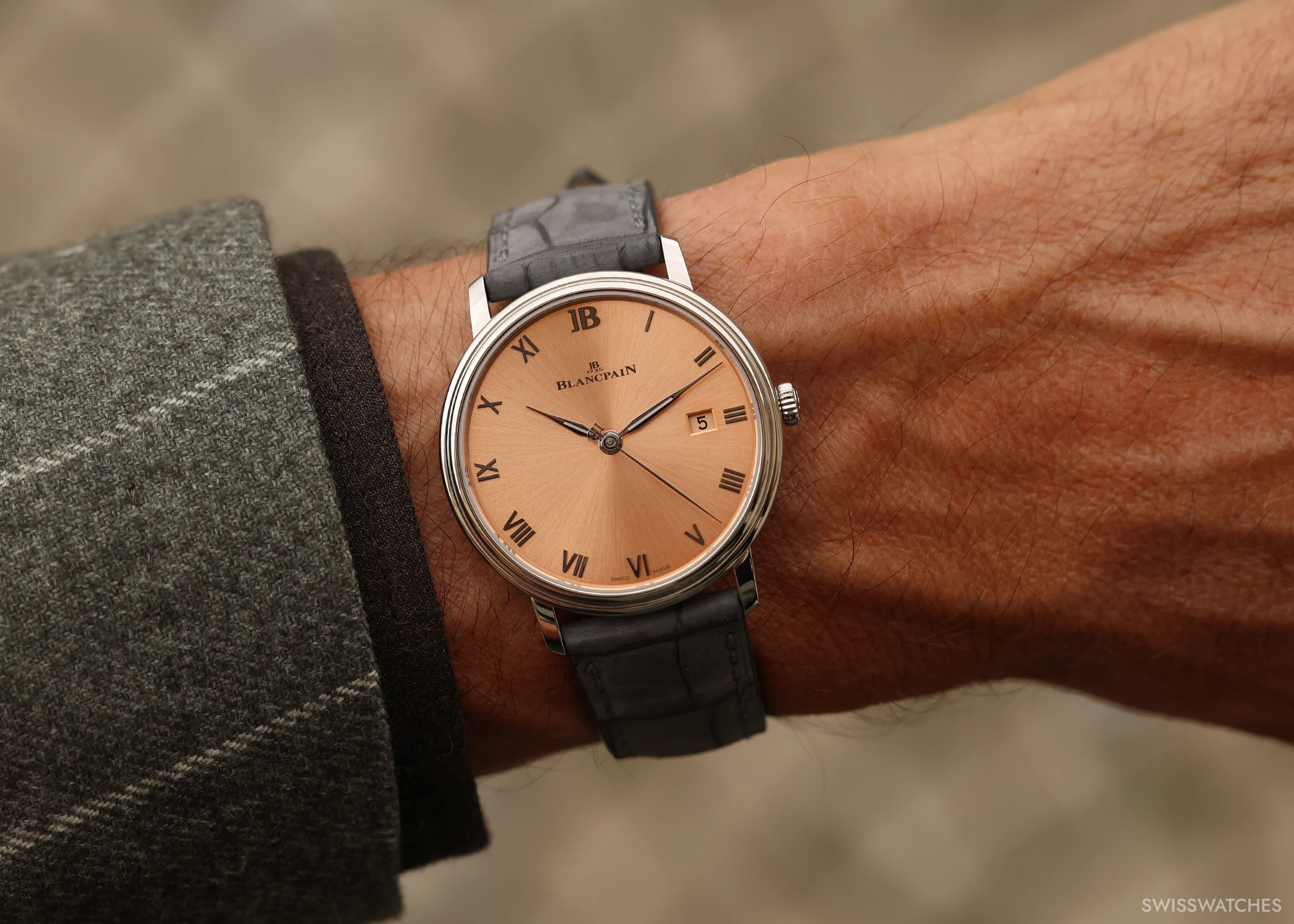
Instead of a smooth bezel, it features Blancpain’s signature double-stepped bezel, boasts solid gold Roman numerals (including the ‘JB’ monogram at the 12 o’clock position) and incorporates an enlarged date window at 3 o’clock. The steel model is priced at 11,200 euros, whilst the 18-carat red gold version is available for 23,000 euros – a timeless, undervalued alternative for collectors who appreciate understated elegance and a rich history of watchmaking.
The Historiques American 1921 traces its origins back to a model that Vacheron Constantin produced in 1921 as a Driver’s Watch for the American market. Even back then, the dial was set at a 45-degree angle within the case, whilst the crown was unusually positioned between one and two o’clock. When the driver keeps their hands on the steering wheel (in the typical 10 o’clock and 2 o’clock positions), the dial is positioned exactly upright thanks to the 45-degree rotation. This meant the time could be read at a glance, without having to twist the wrist or take the hand off the steering wheel.
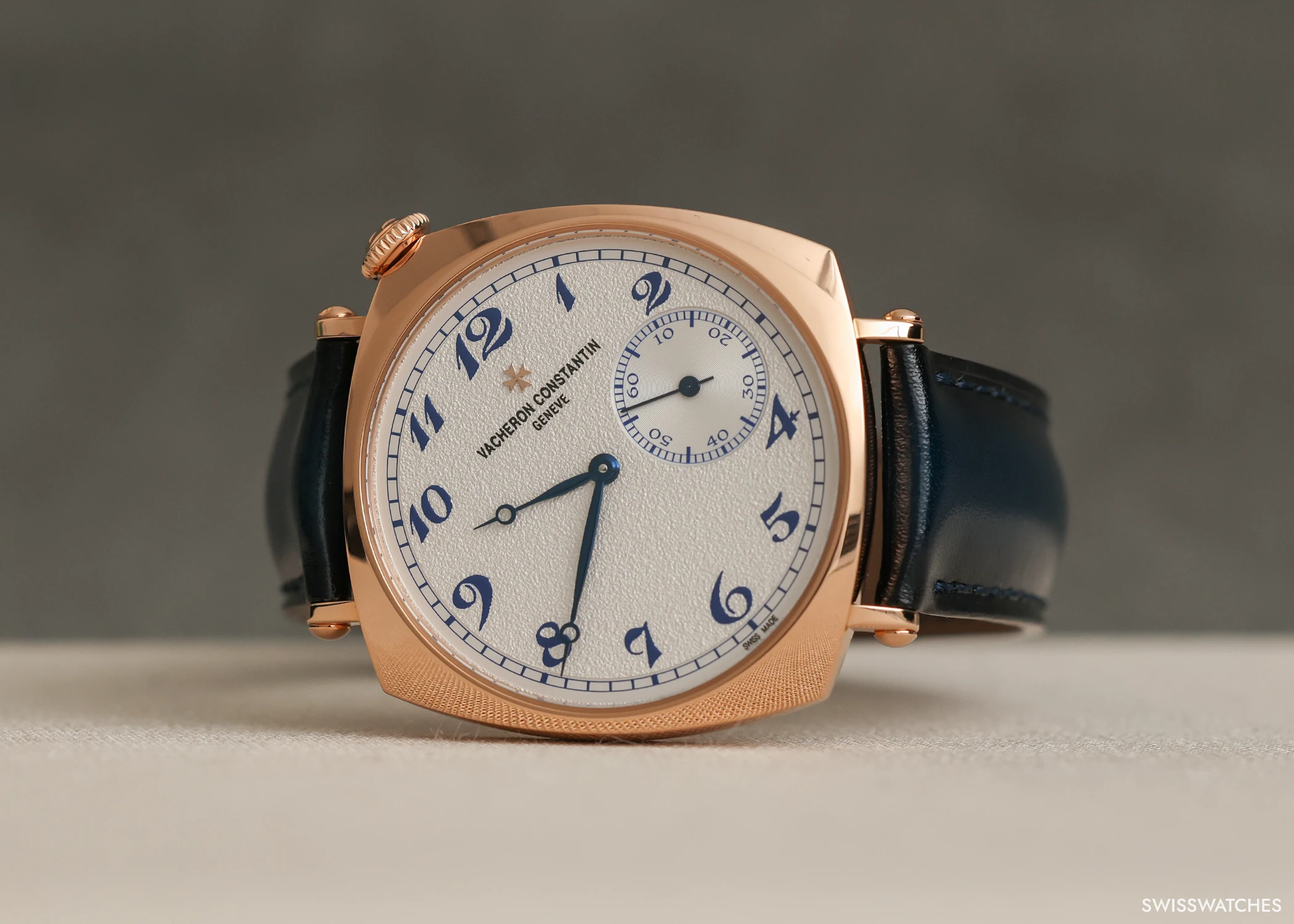
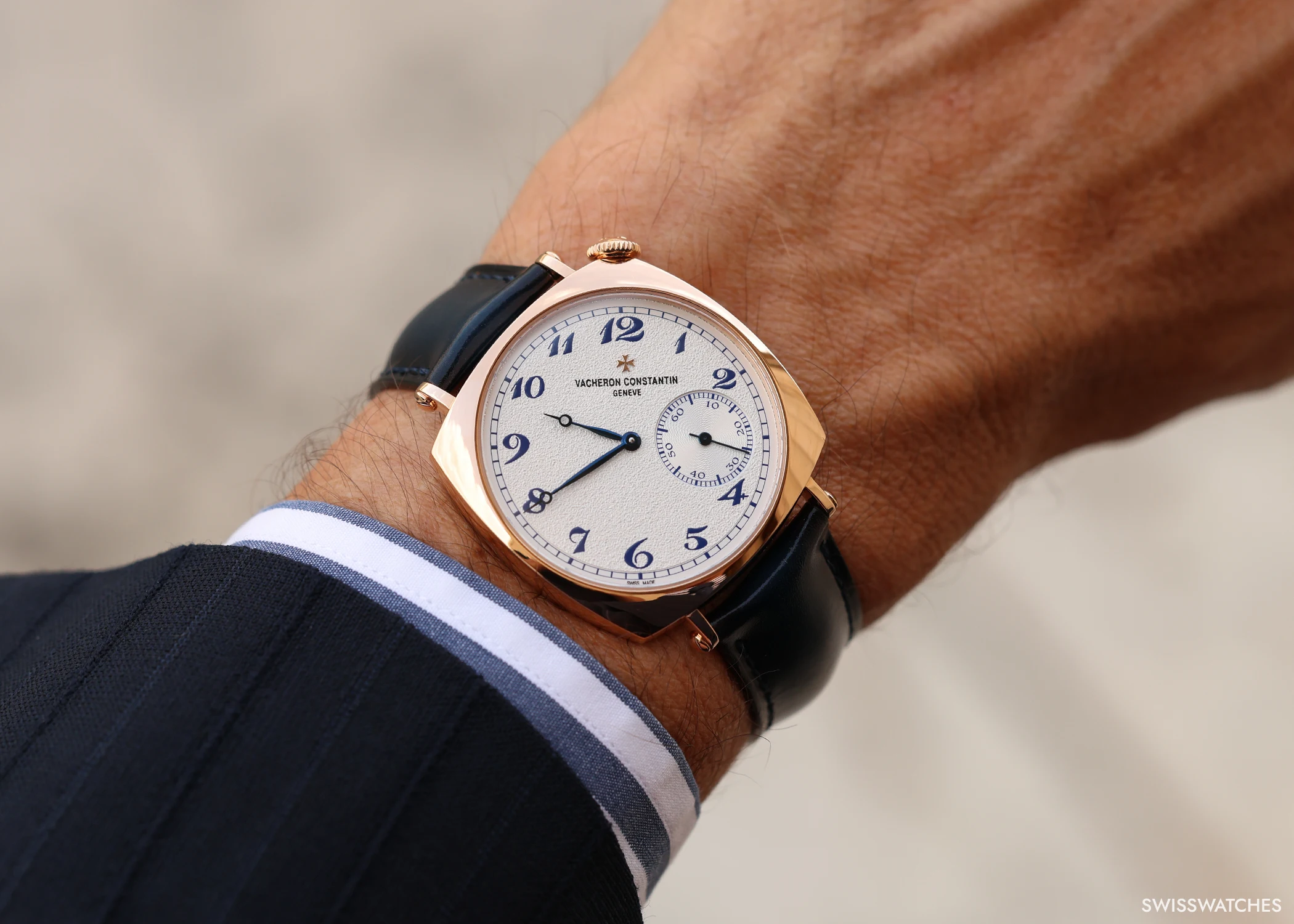
The current model, reference 1100S/000R-H115, adopts this principle and houses it in a 36.5 × 36.5 mm cushion-shaped case in rose gold. The silver-coloured, grained dial features blue Arabic numerals, blued hands and a small seconds sub-dial at three o’clock. The sapphire crystal caseback offers a view of the hand-wound Calibre 4400 AS, which bears the Geneva Seal and offers a 65-hour power reserve.
The Classique 5177 combines the design features that remain inextricably linked with the Breguet name to this day. These include the fluted case rim, the welded lugs and the characteristic ‘pomme’ hands. In the 5177BR/2N/9V602 model, these features are set against a black Grand Feu enamel dial with a fine minute track and a central seconds hand.
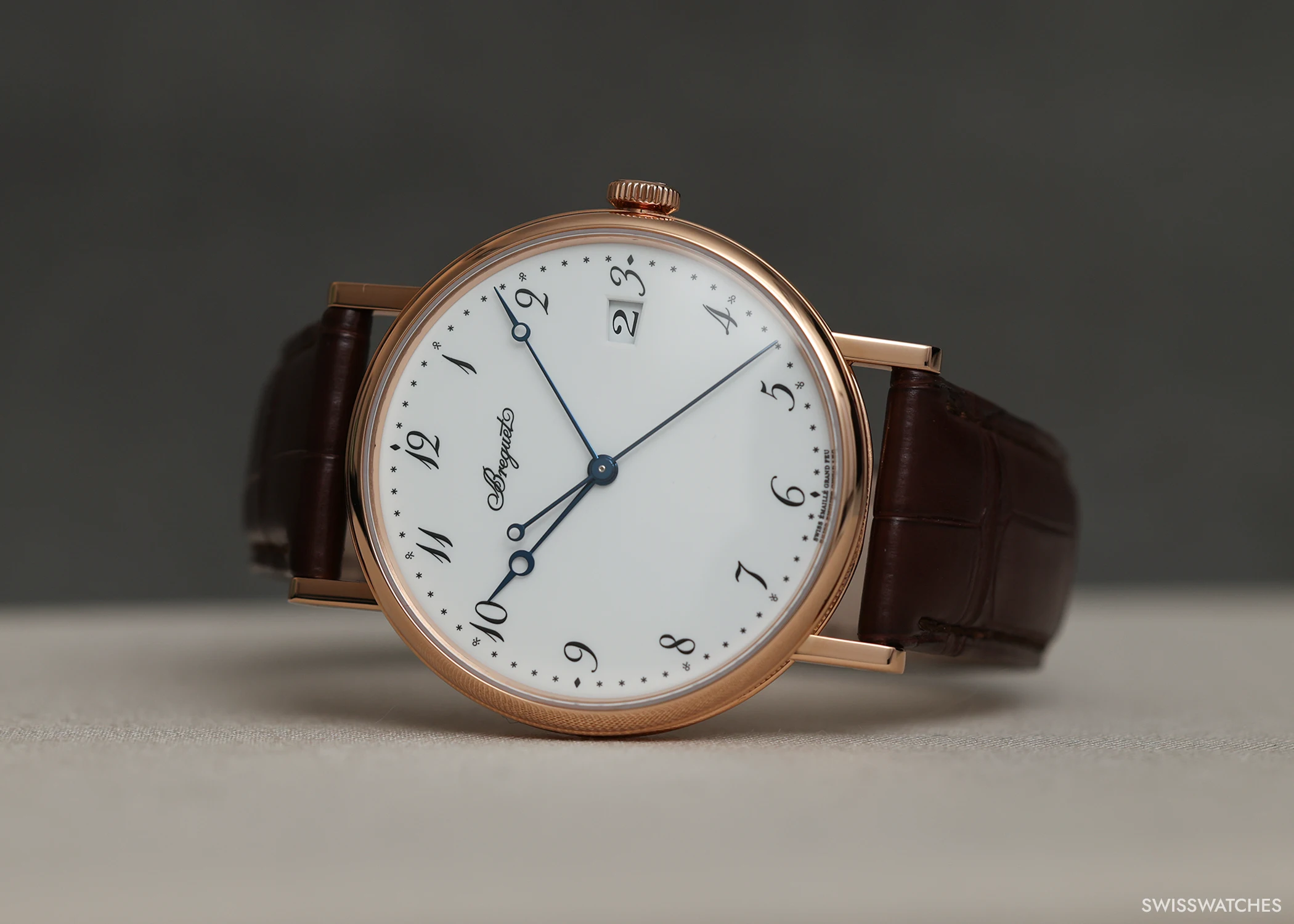
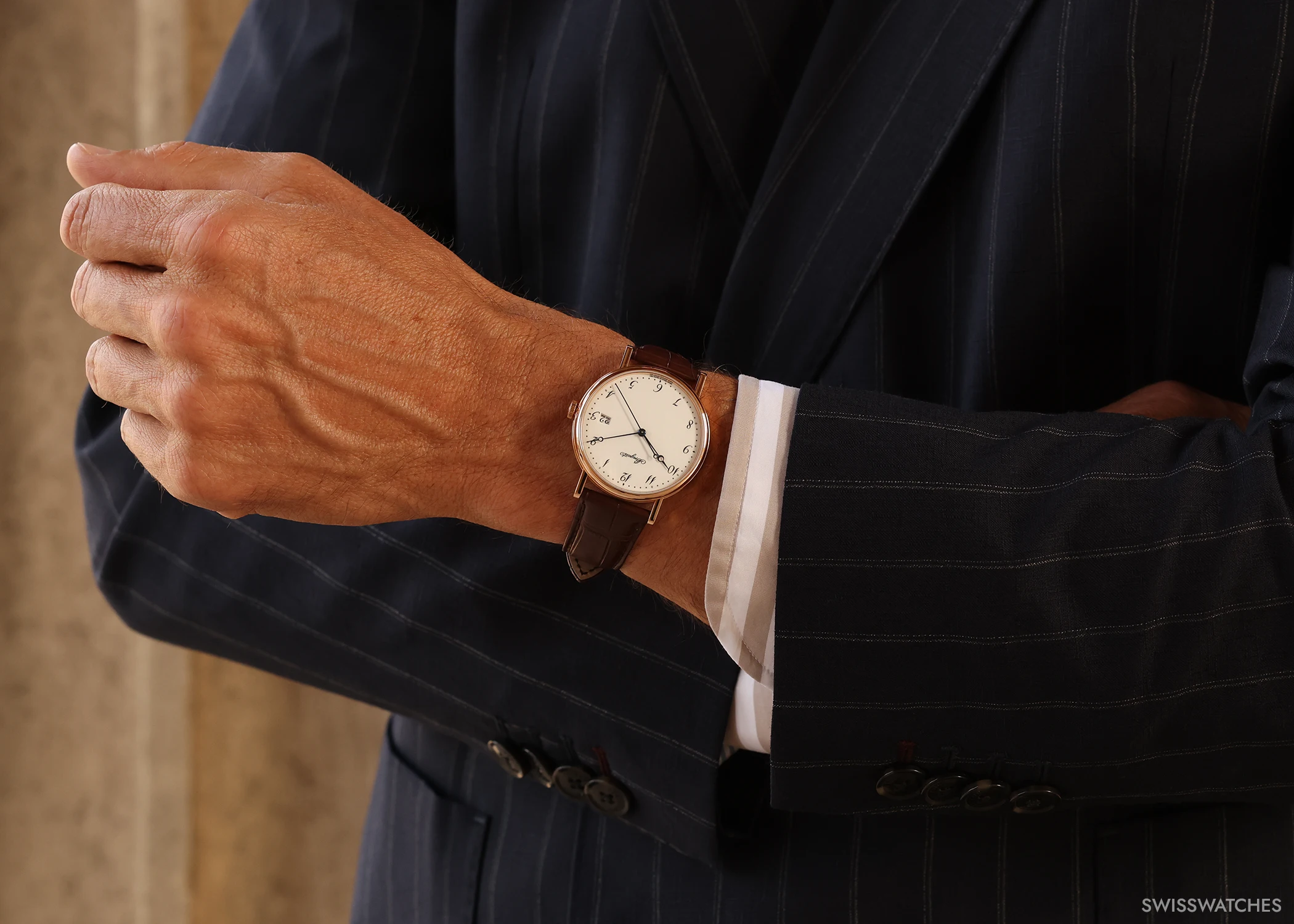
The 18-carat rose gold case measures 38 millimetres in diameter and is 8.8 millimetres thick. On the reverse, a sapphire crystal caseback offers a view of the in-house Calibre 7775. The movement operates at 4 hertz, features a flat silicon balance spring and offers a power reserve of 55 hours.
Since its debut in 1952, the Constellation has epitomised Omega’s chronometer tradition, which the new Observatory model continues with its dog-leg lugs, twelve-sided pie-pan dial and the familiar Observatory medallion. Both the case and the hand-guilloché dial of reference 140.53.39.21.99.001 are crafted from 18-carat Moonshine gold; the case diameter is 39.4 millimetres.
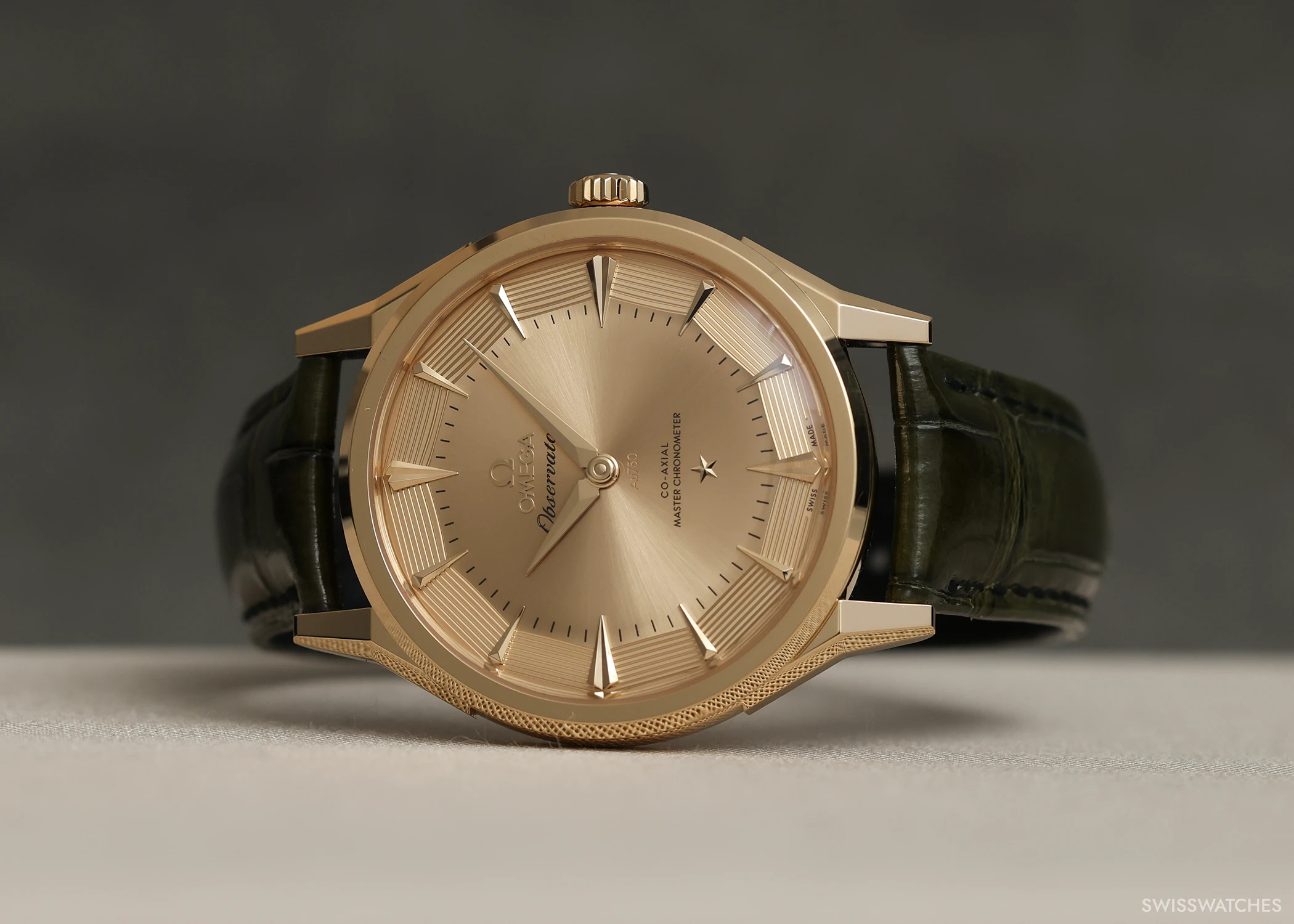
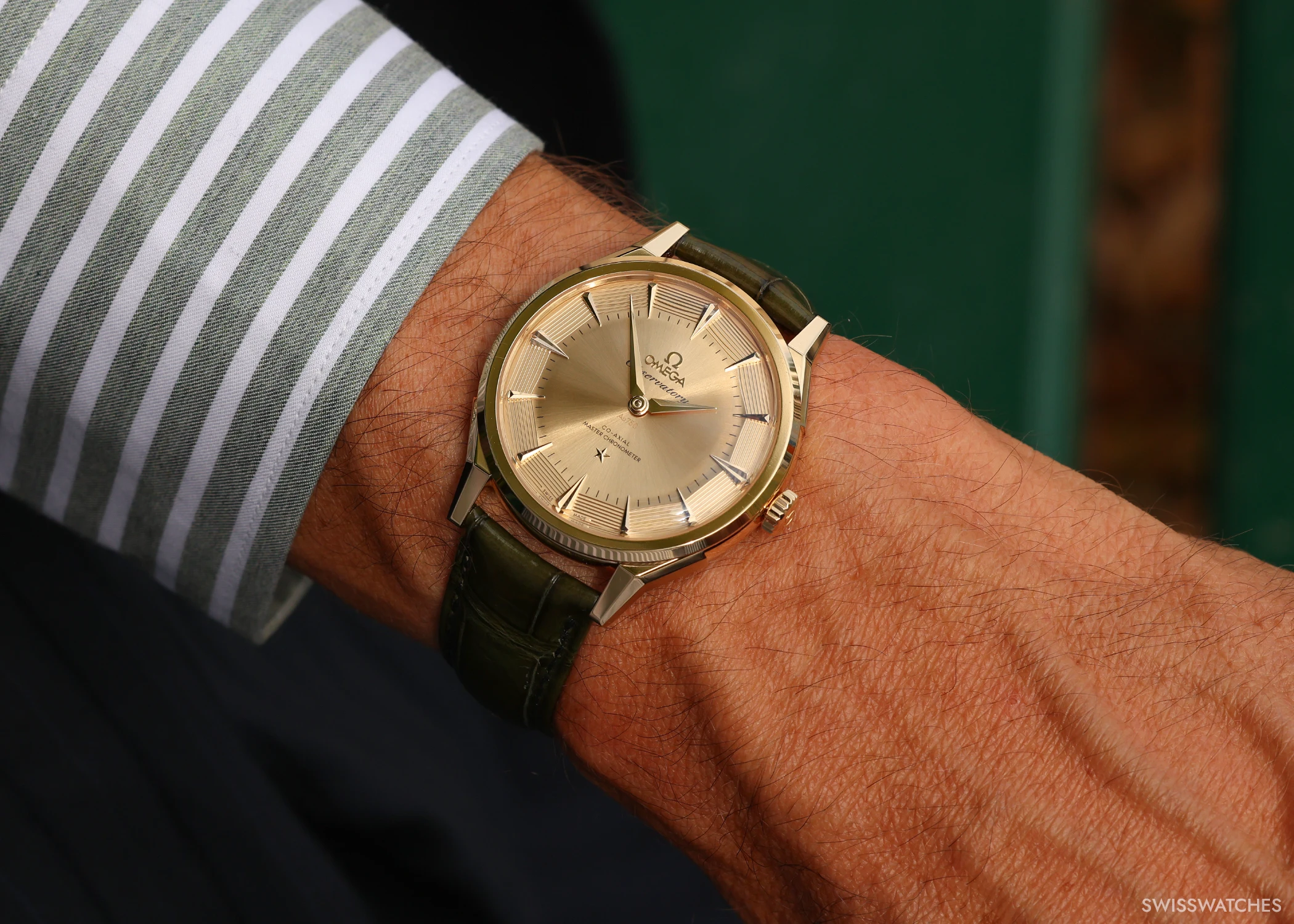
Inside, the automatic Co-Axial Calibre 8915 features a 60-hour power reserve and resistance to magnetic fields of up to 15,000 gauss. This also makes the model the first two-hand watch to be certified as a Master Chronometer by METAS.
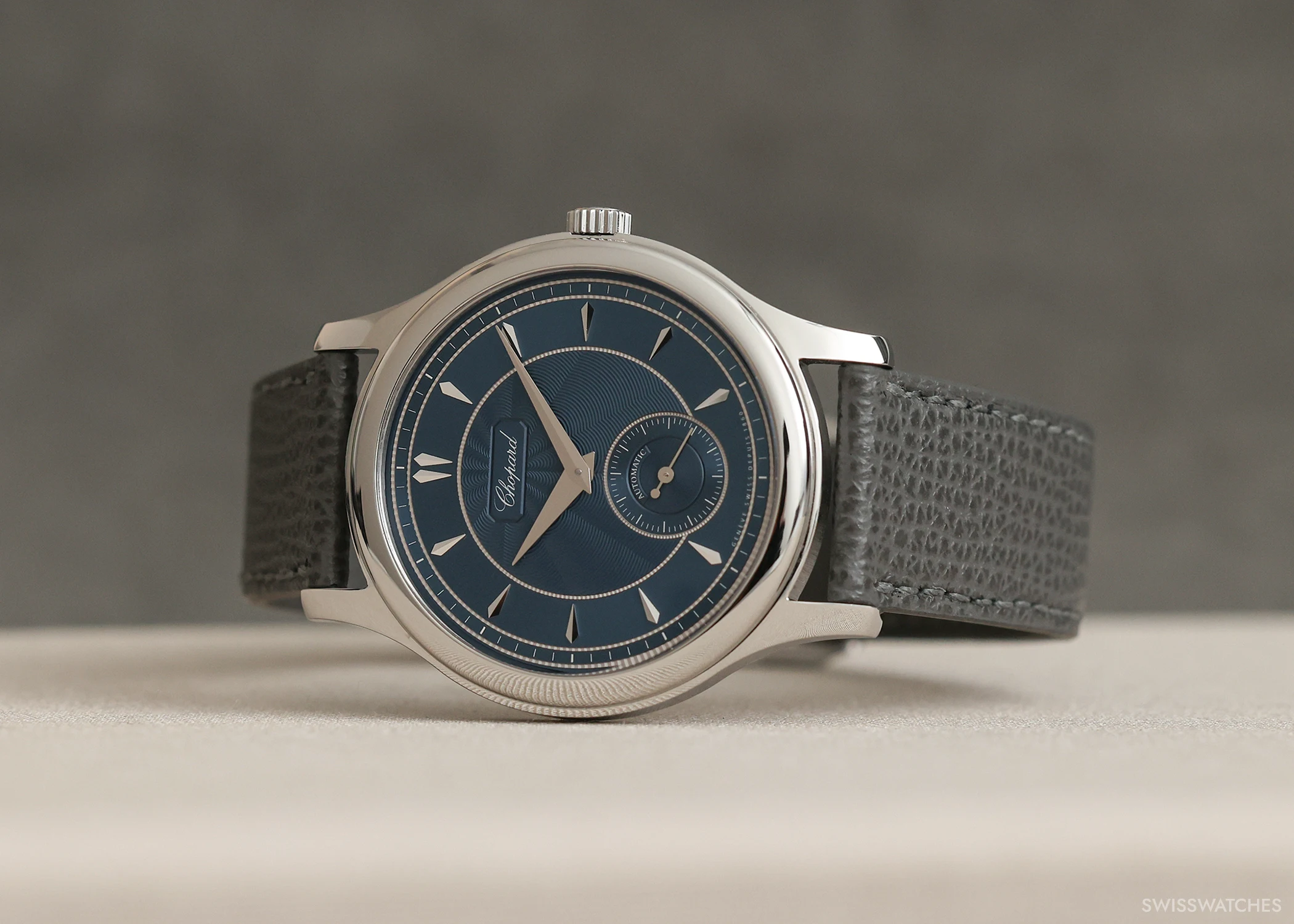
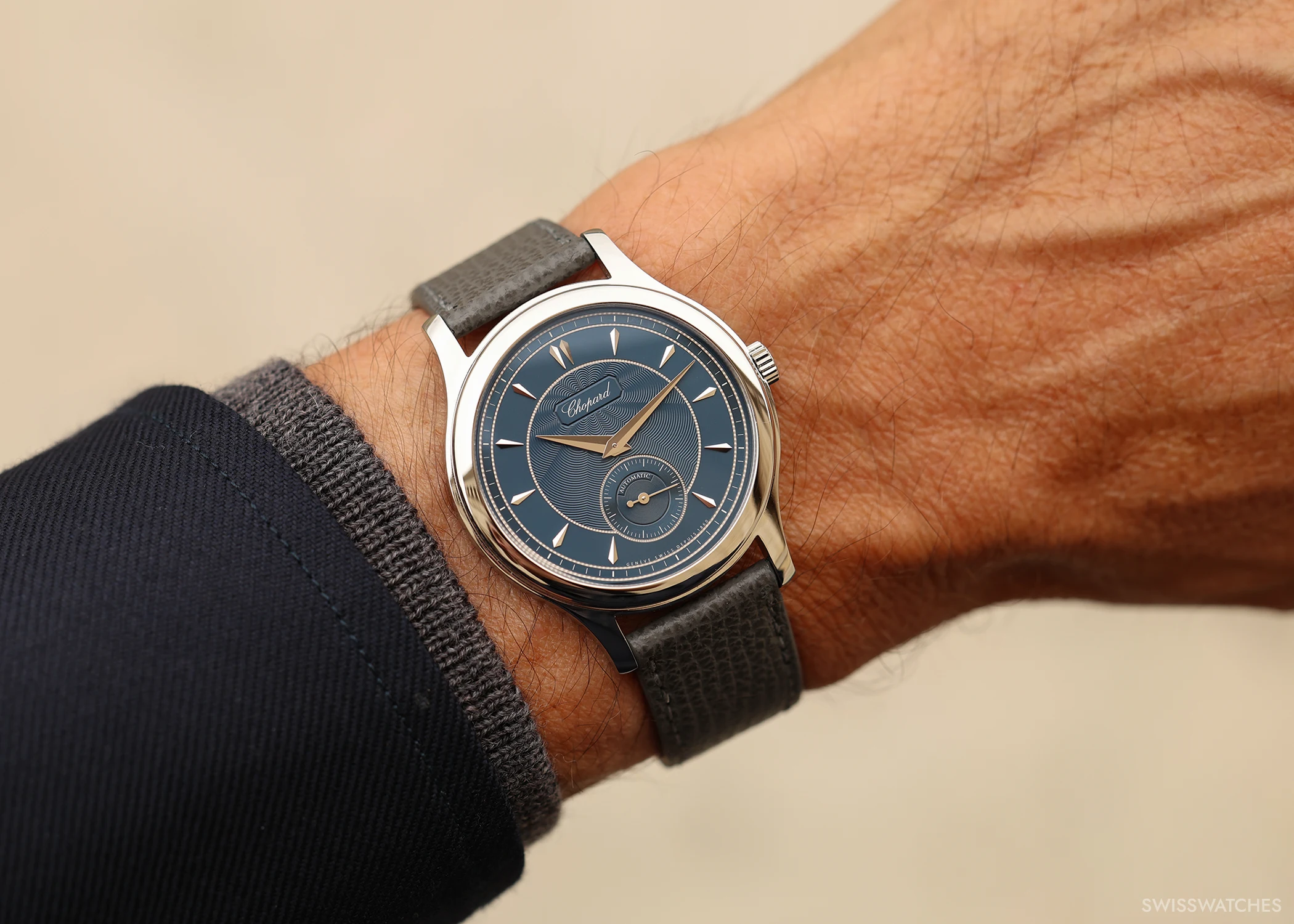
Chopard’s modern history as a manufacture began with the original L.U.C 1860, as it marked the debut of the Maison’s first movement developed in Fleurier. Reference 168860-3005 draws on the proportions of its historic predecessor with a 36.5-millimetre-wide and 8.2-millimetre-high case crafted from Lucent Steel, complemented by a hand-guilloché white gold dial in the ‘Areuse Blue’ shade.
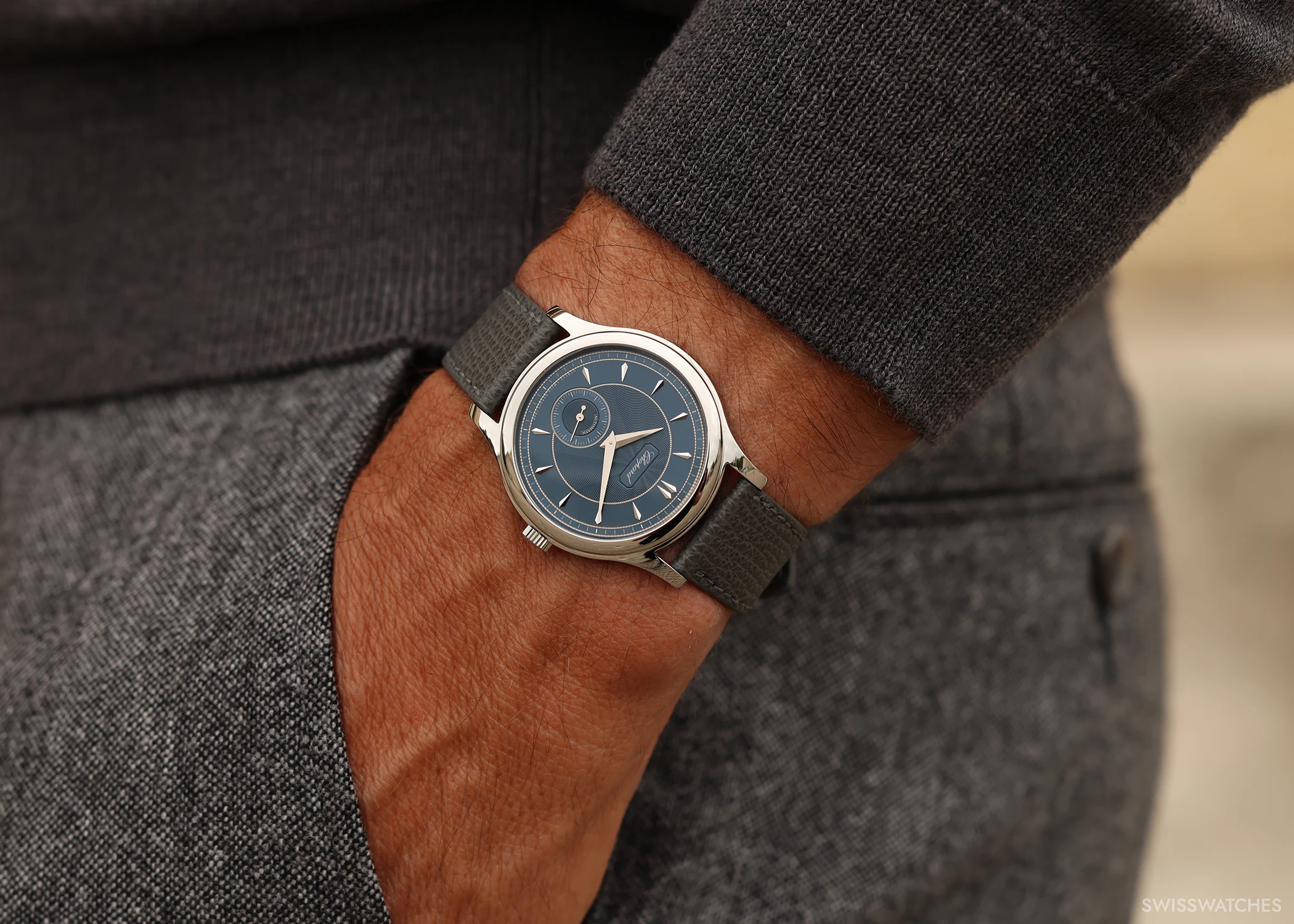
The L.U.C 96.40-L automatic calibre, just 3.3 millimetres thick, features a micro-rotor made of 22-carat gold, two mainsprings and offers a 65-hour power reserve; it is also COSC-certified and bears the Geneva Seal.
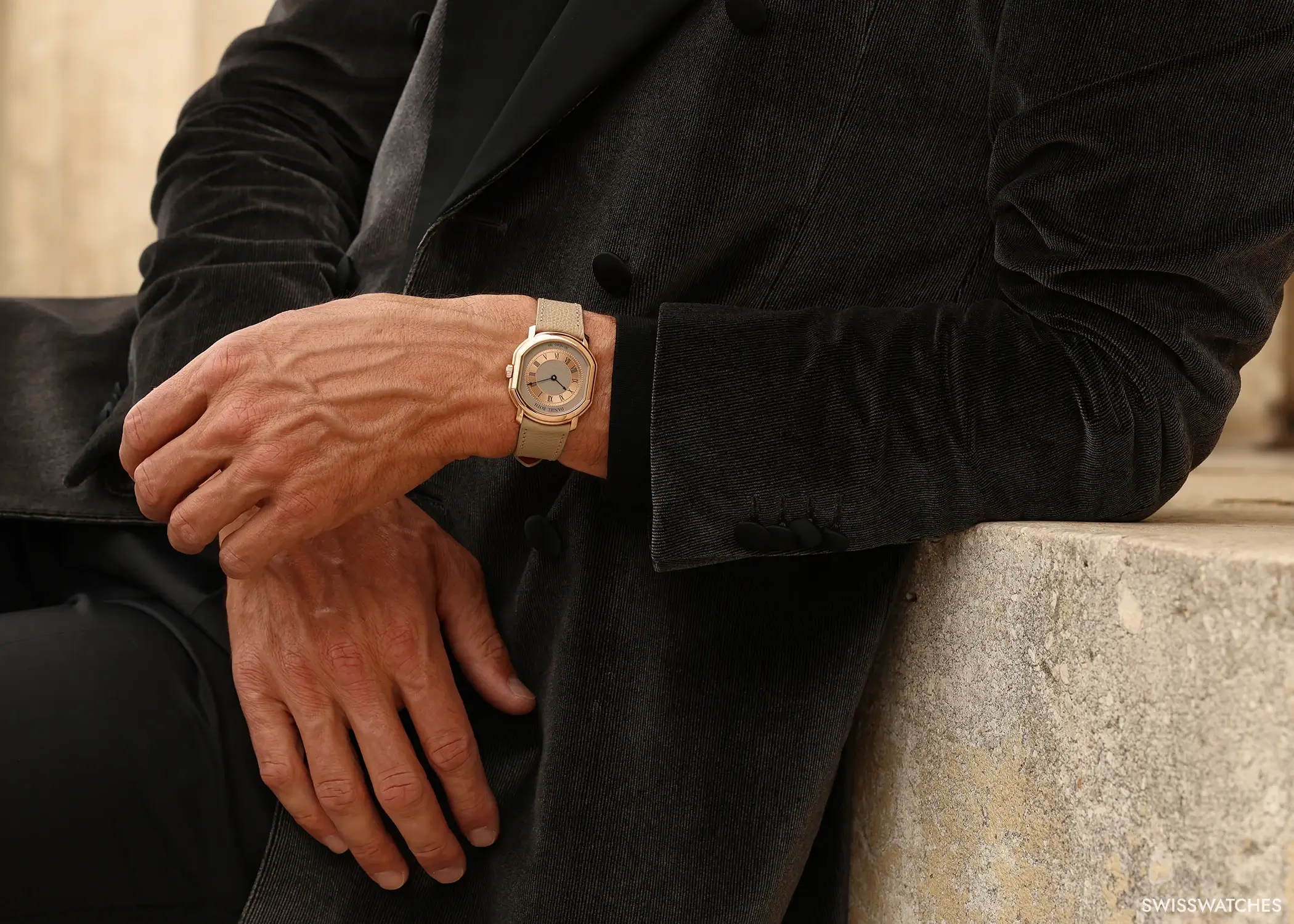
Ever since Daniel Roth founded his own brand in 1988, the distinctive double-ellipse case has been its design hallmark. This design language is now carried forward at La Fabrique du Temps Louis Vuitton under the leadership of master watchmakers Michel Navas and Enrico Barbasini, with the Extra Plat specifically drawing on the ultra-thin models of the early 1990s.
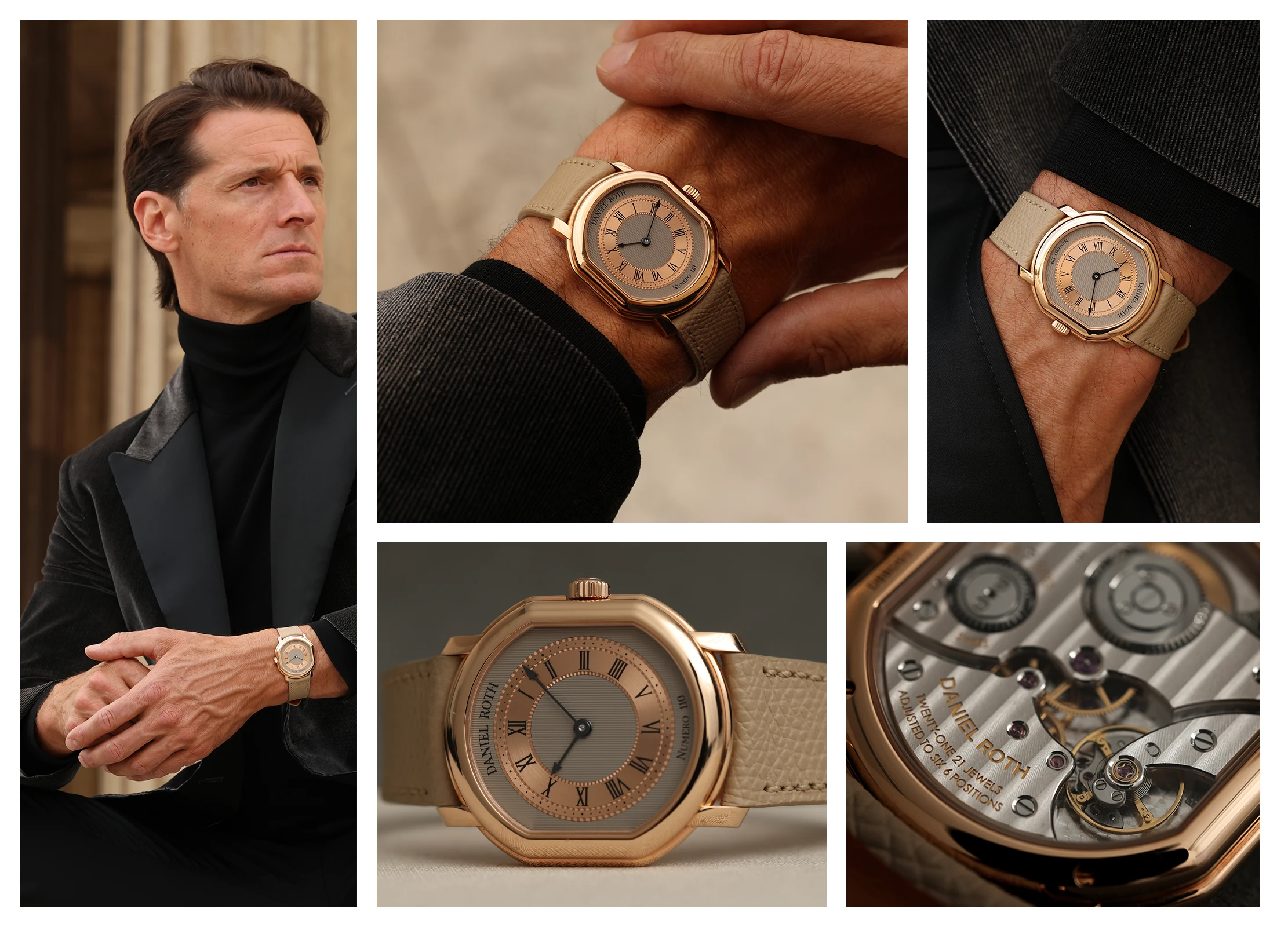
Its 5N rose gold case, measuring 38.6 × 35.5 millimetres and 7.7 millimetres high, frames a two-tone, hand-guilloché gold dial, whilst inside, the newly developed DR002 hand-wound calibre – just 3.1 millimetres thick, operating at 4 hertz and offering a 65-hour power reserve – keeps time.
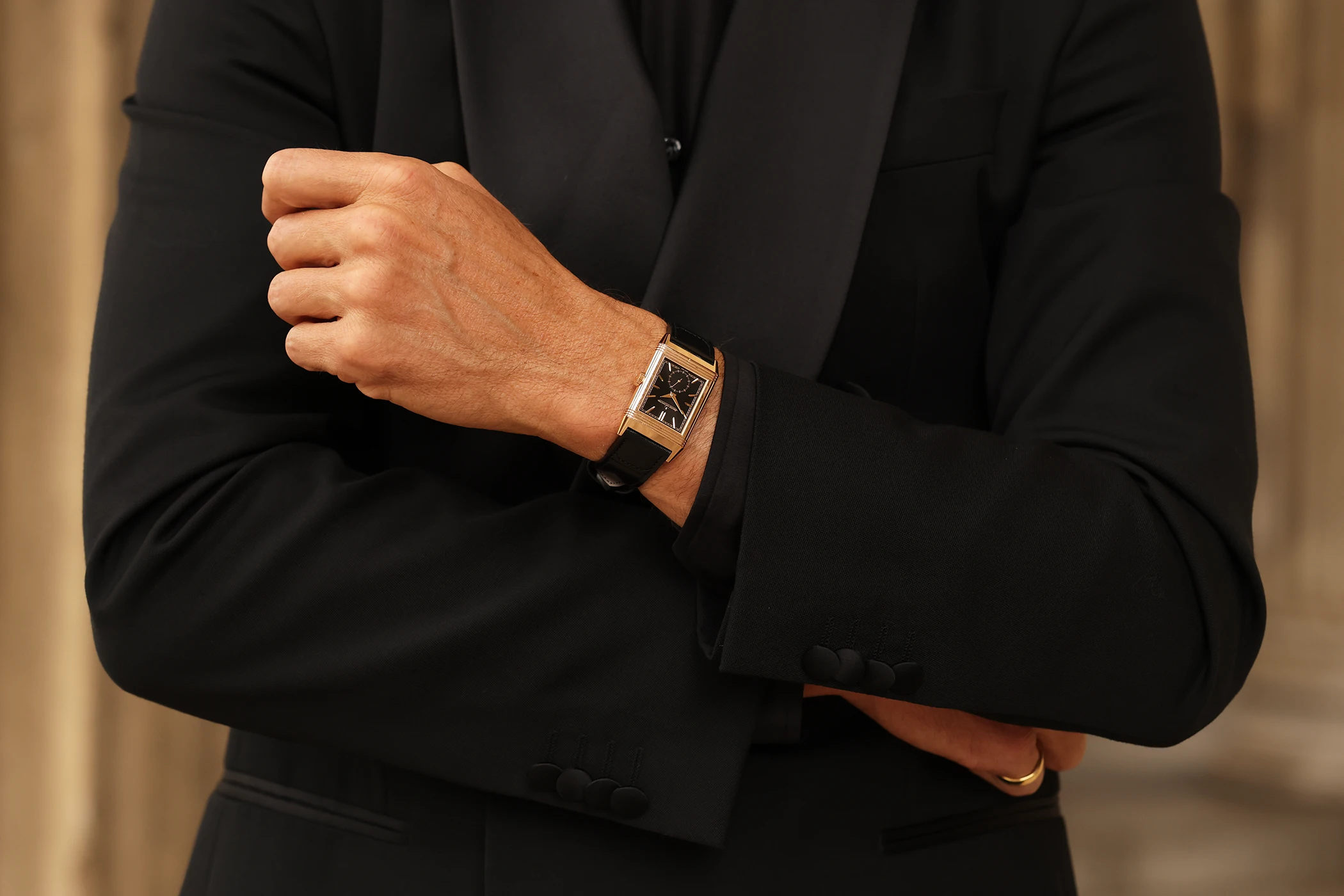
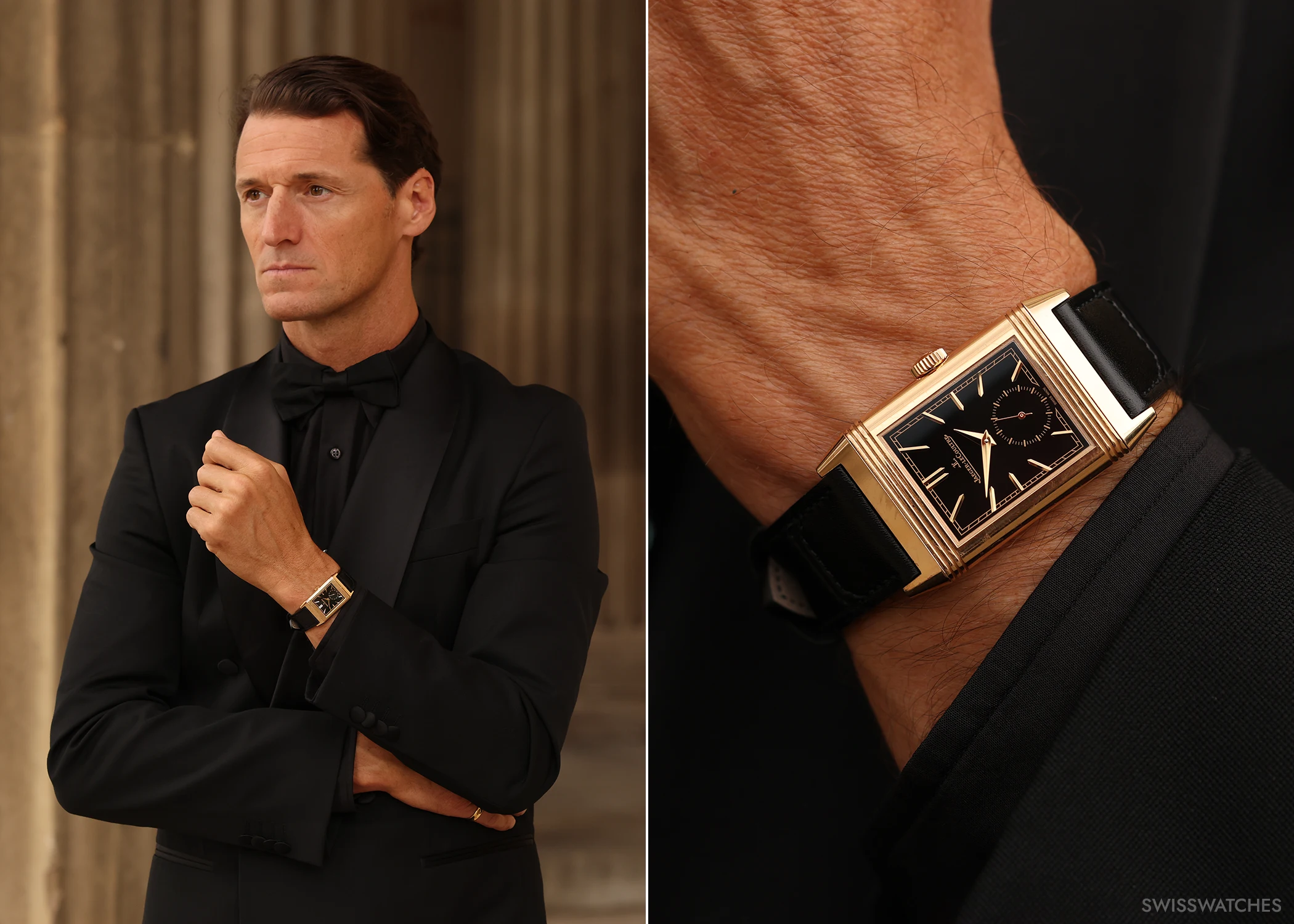
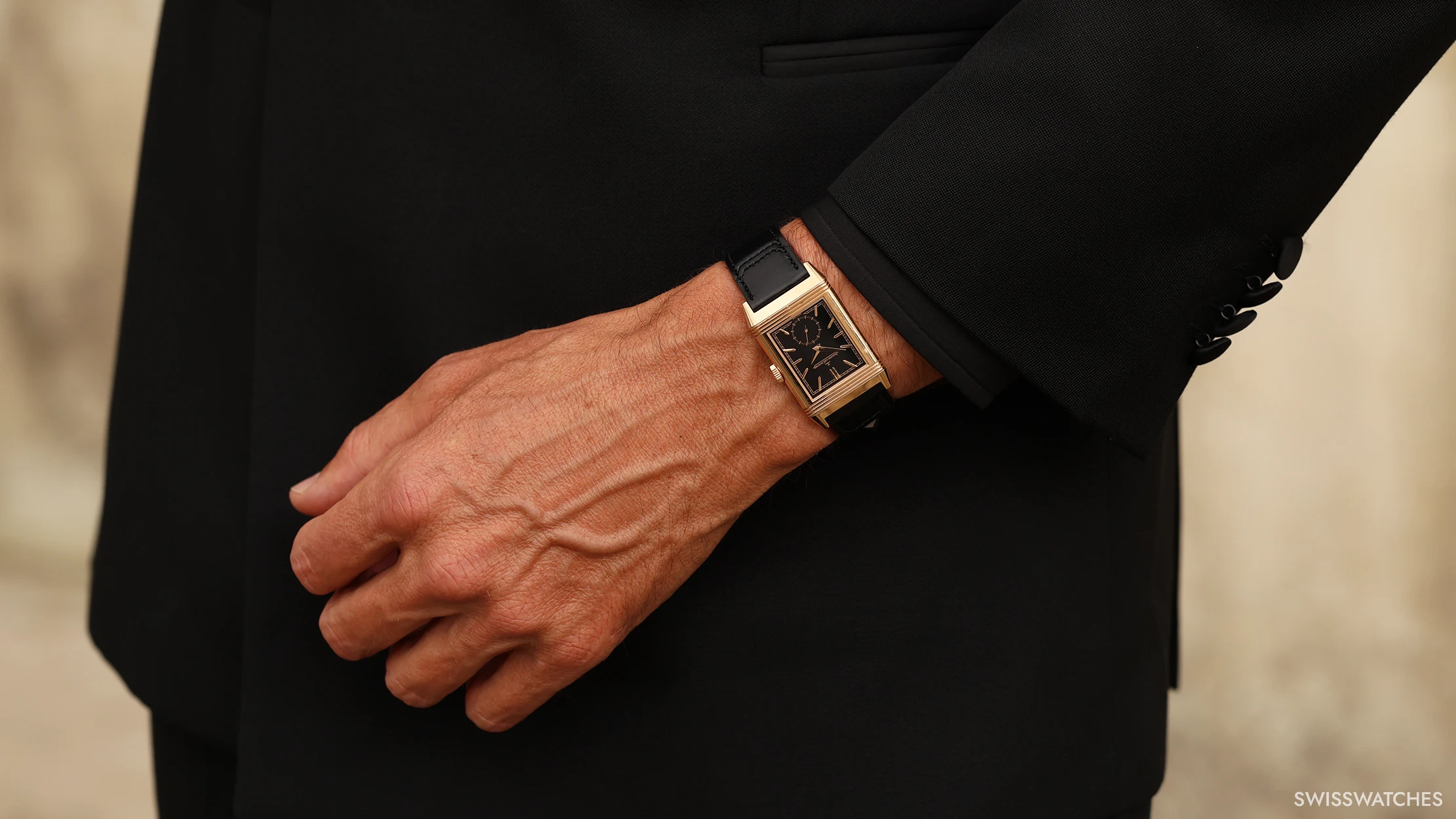
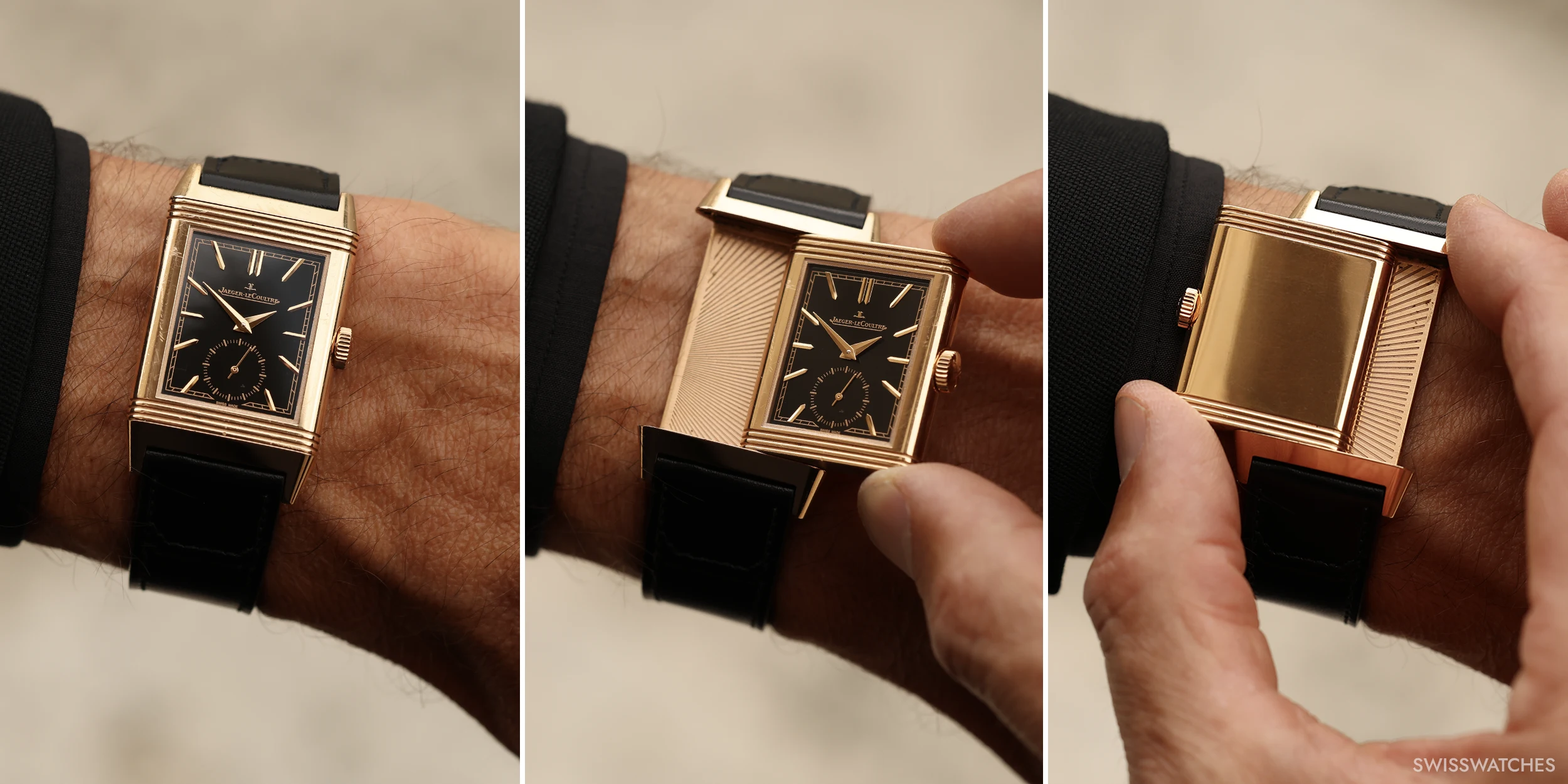
When Jaeger-LeCoultre developed the Reverso in 1931 for polo players, its reversible case was initially designed to protect the watch crystal, but it quickly became an Art Deco icon. The Q713257J model echoes this clean design language with a black sunburst dial, applied hour markers, Dauphine hands and a small seconds sub-dial. Its rose gold case measures 45.6 × 27.4 millimetres and is 7.56 millimetres thick; it houses the rectangular hand-wound Calibre 822 with a 42-hour power reserve. The Jaeger-LeCoultre Reverso Tribute Monoface Small Seconds comes as standard with straps from the renowned Argentine boot and leather craftsman Casa Fagliano.
The Toric is closely linked to the early days of Parmigiani Fleurier, as it was with the Toric QP Rétrograde that Michel Parmigiani unveiled his brand’s first wristwatch in 1996. The collection has been extensively revamped for this new edition, though its characteristic, such as the finely knurled bezel has been retained.
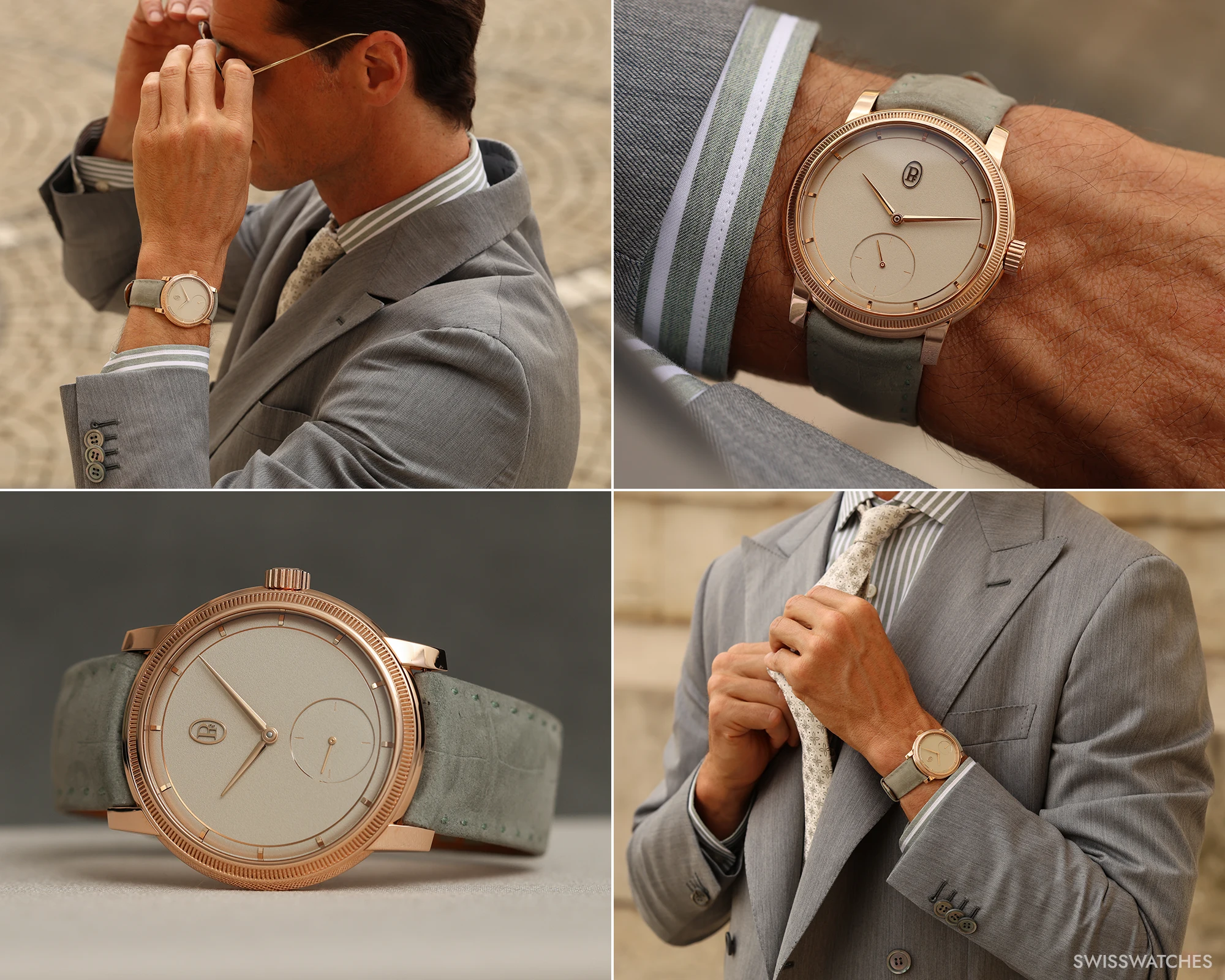
The Toric Petite Seconde ‘Dune’ features a 40.6-millimetre-wide, 8.8-millimetre-high rose gold case, paired with a hand-grained dial crafted from solid gold. Through the sapphire crystal caseback, the hand-wound PF780 calibre is visible, featuring two barrels and a 60-hour power reserve, with its open bridges also crafted from rose gold.
With the G.F.J., Zenith pays tribute to its founder, Georges Favre-Jacot, on the occasion of the manufacture’s 160th anniversary in 2025; the anniversary model takes its name from his initials. Technically, the G.F.J. builds on the Calibre 135, which Zenith produced between 1949 and 1962. The 135-O version, developed specifically for chronometer competitions, won a total of 235 prizes in the observatory tests of the time.
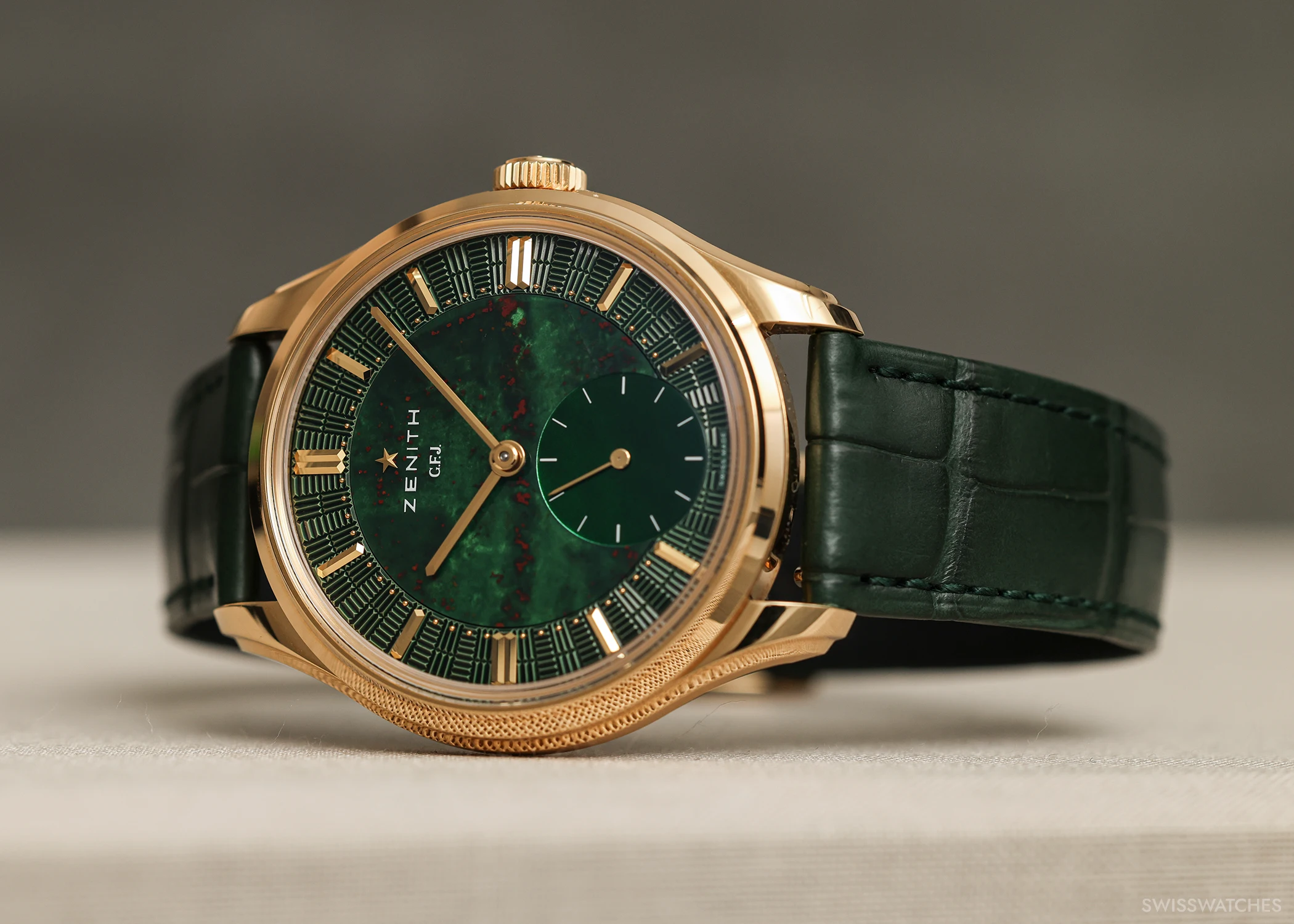
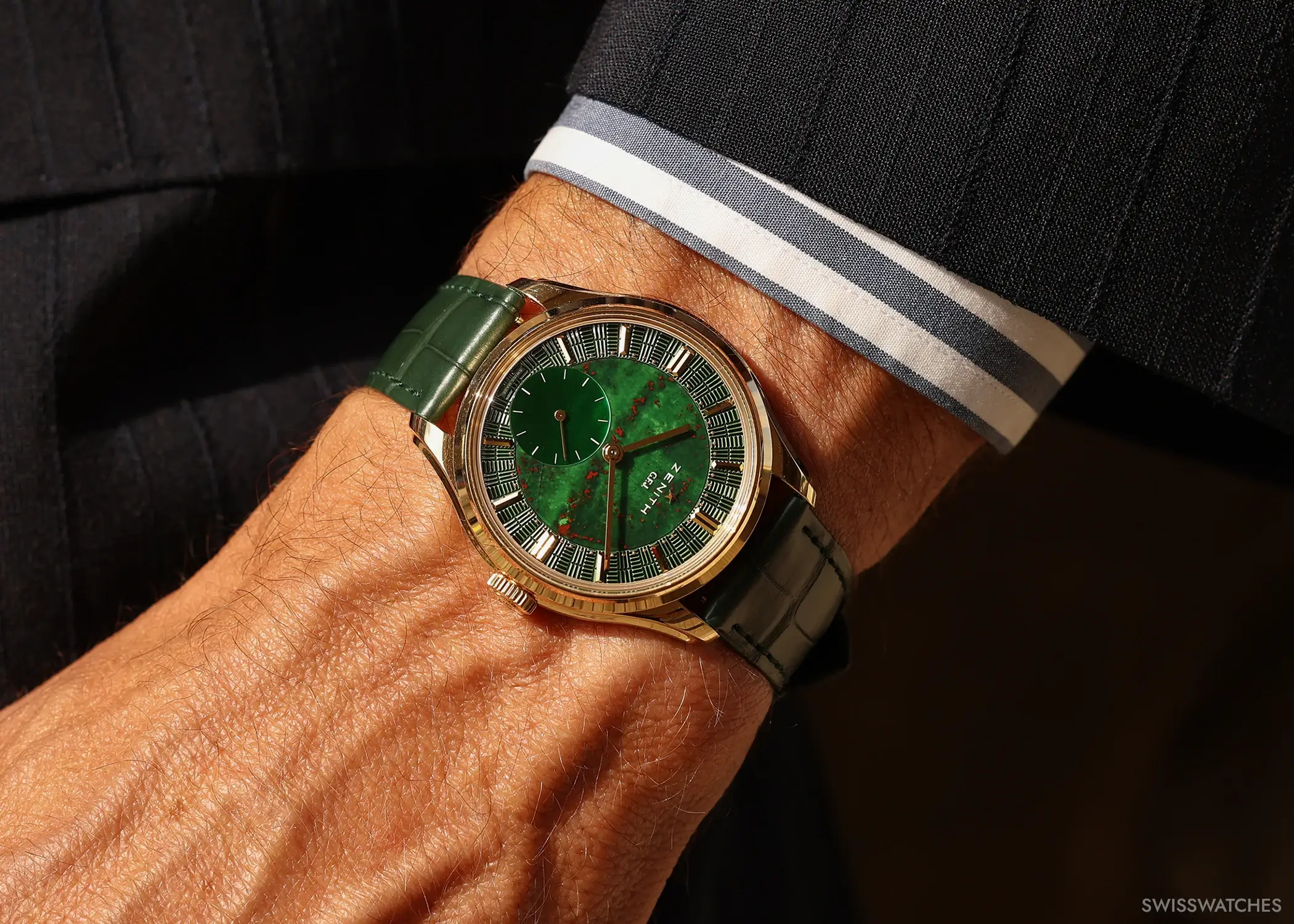
Unveiled at Watches & Wonders 2026, the Zenith G.F.J. Bloodstone edition presents a classic, warm interpretation of the historic Calibre 135. Limited to 161 pieces, this model pairs an 18-carat yellow-gold case with an eye-catching bloodstone dial—a green jasper punctuated by red inclusions. A mother-of-pearl sub-dial for the small seconds adds a visual lightness, whilst a brick-patterned guilloché outer ring pays homage to Zenith’s historic Le Locle manufacture, rounded off with yellow-gold hands and hour-markers.
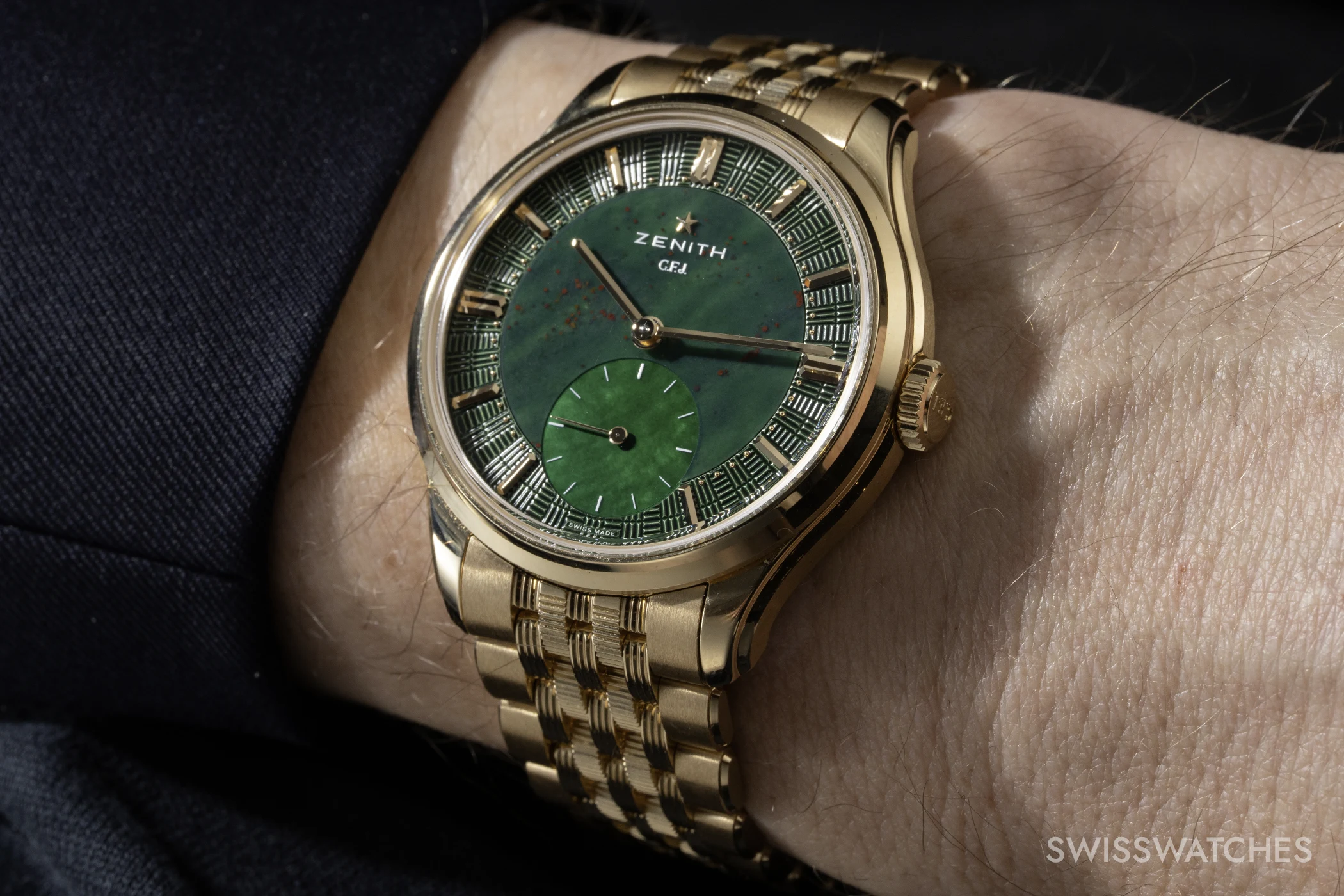
At the heart of the timepiece is the legendarily precise Calibre 135 movement, subtly updated for contemporary wear with a 72-hour power reserve, a rate of ±2 seconds per day, and COSC certification. Visible through the sapphire crystal caseback, the movement features yellow-gold-coloured engravings that complement the case’s traditional aesthetic.
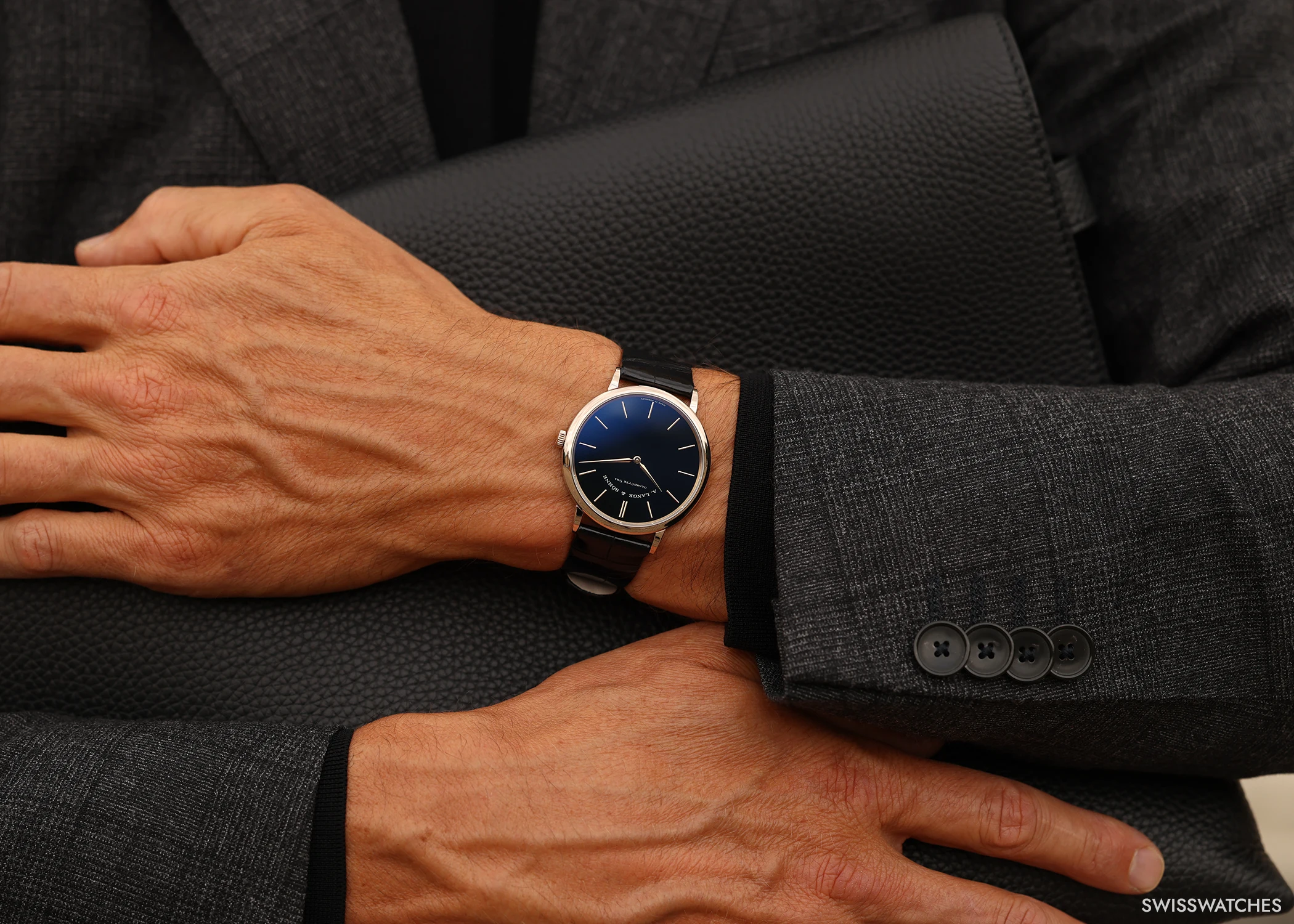
The Saxonia Thin, launched in 2011, is one of A. Lange & Söhne’s most minimalist watches. In the new versions, a deep black dial made of solid onyx is paired with slender gold hands and baton hour markers, set within a 40-millimetre case – just 6.2 millimetres high – crafted from platinum or honey gold.
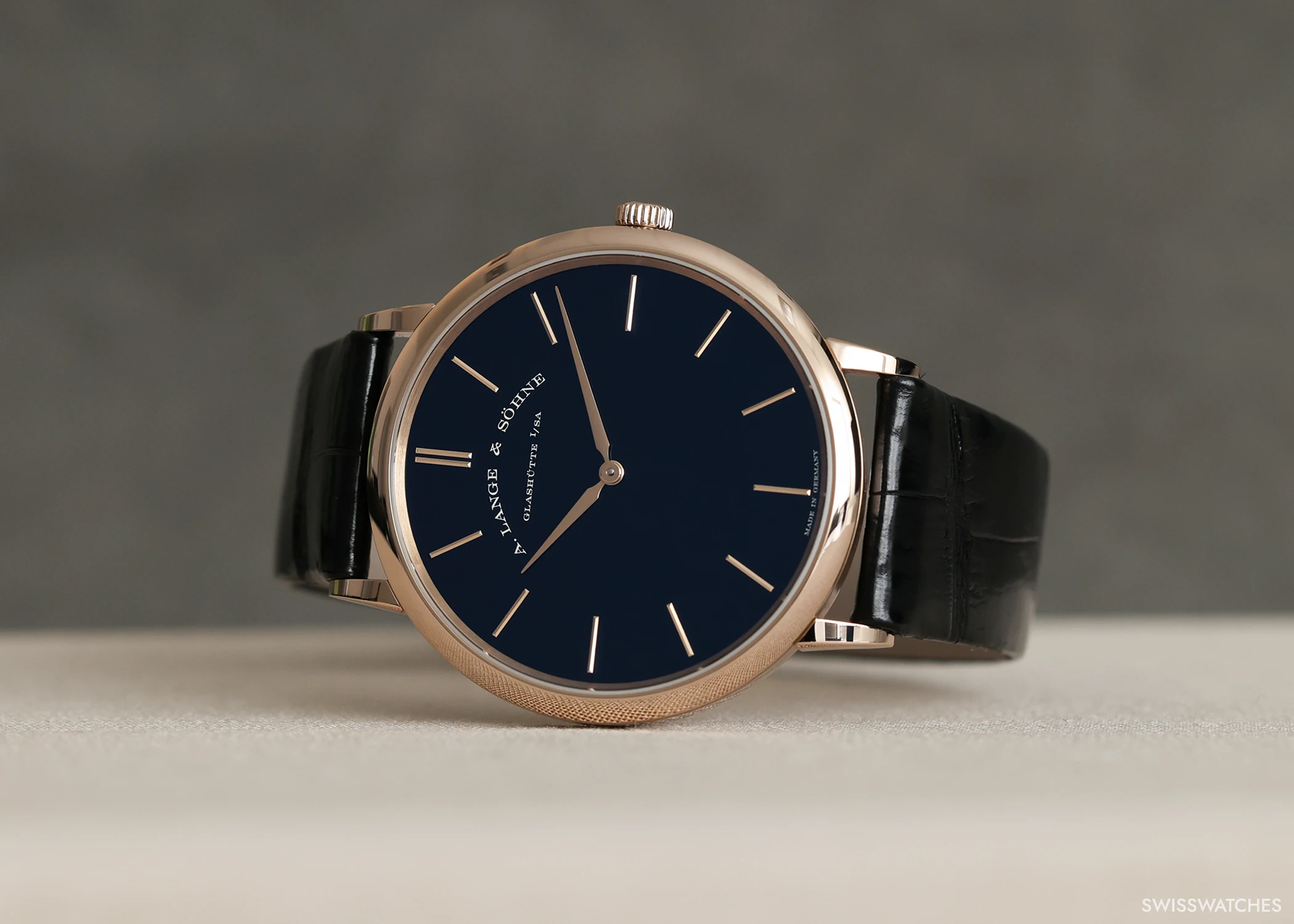
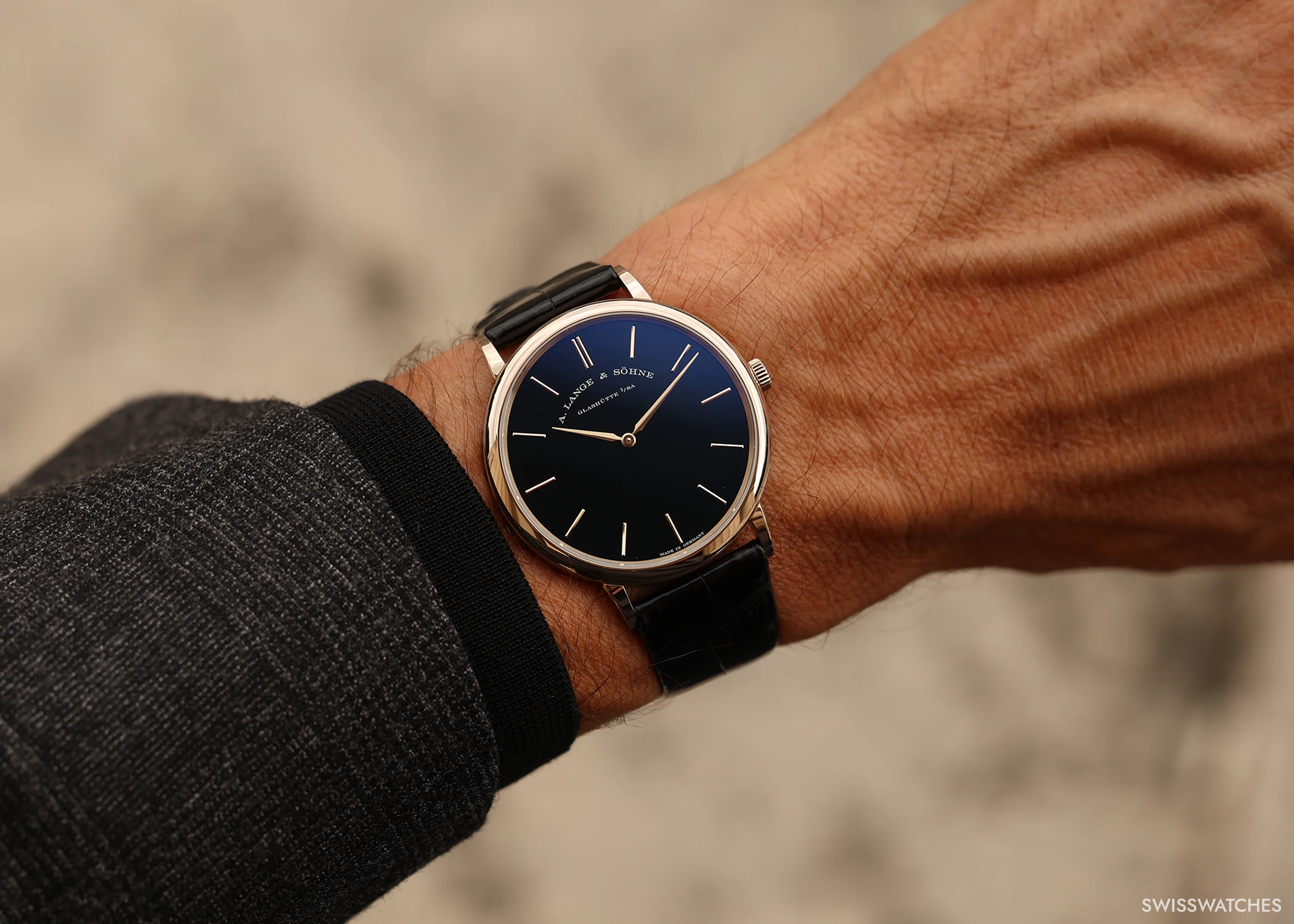
The watch is powered by the hand-wound calibre L093.1 with a 72-hour power reserve; its three-quarter plate made of nickel silver and hand-engraved balance cock are visible through the sapphire crystal case back. Both versions are produced in a limited edition of 200 pieces each.
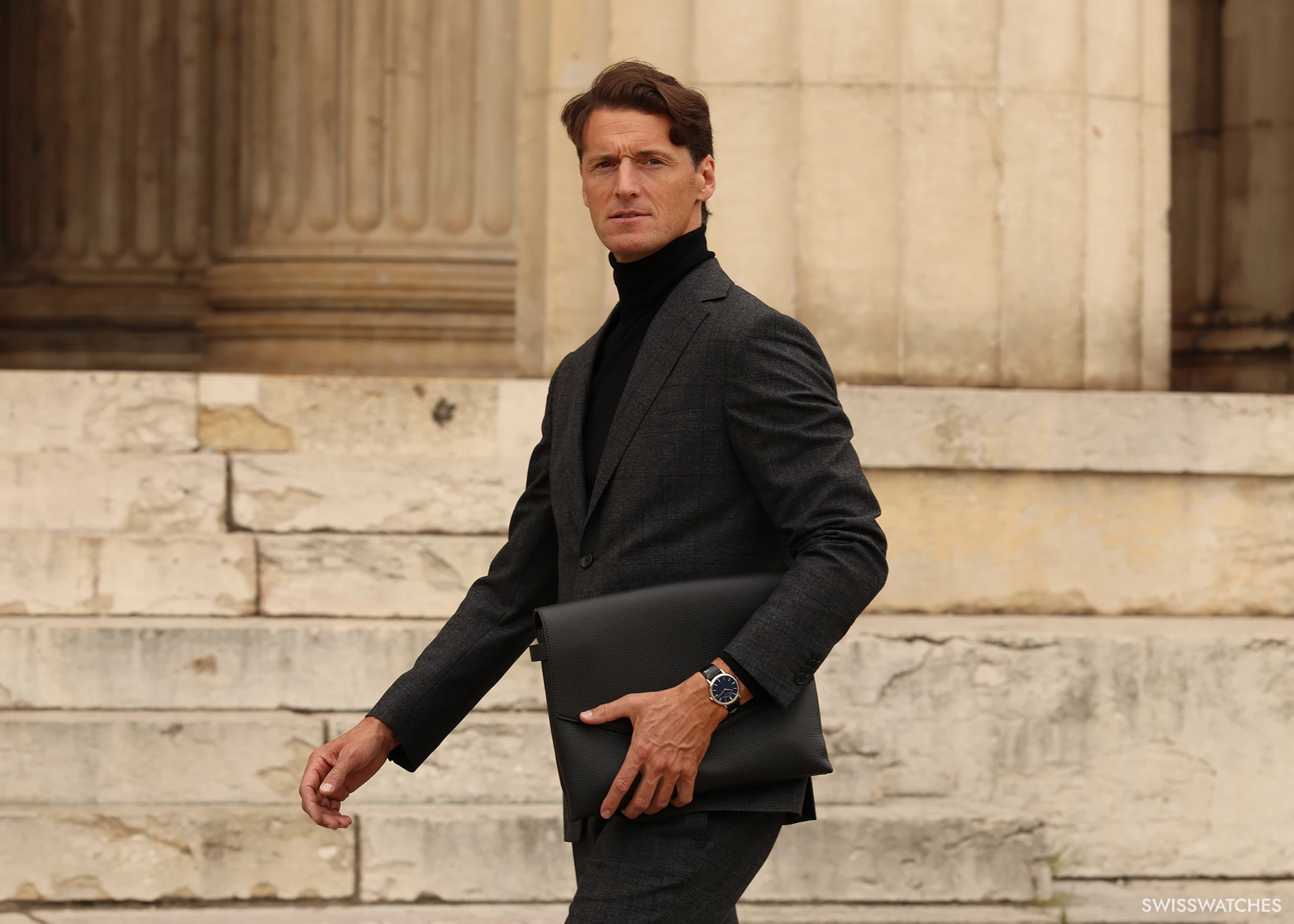
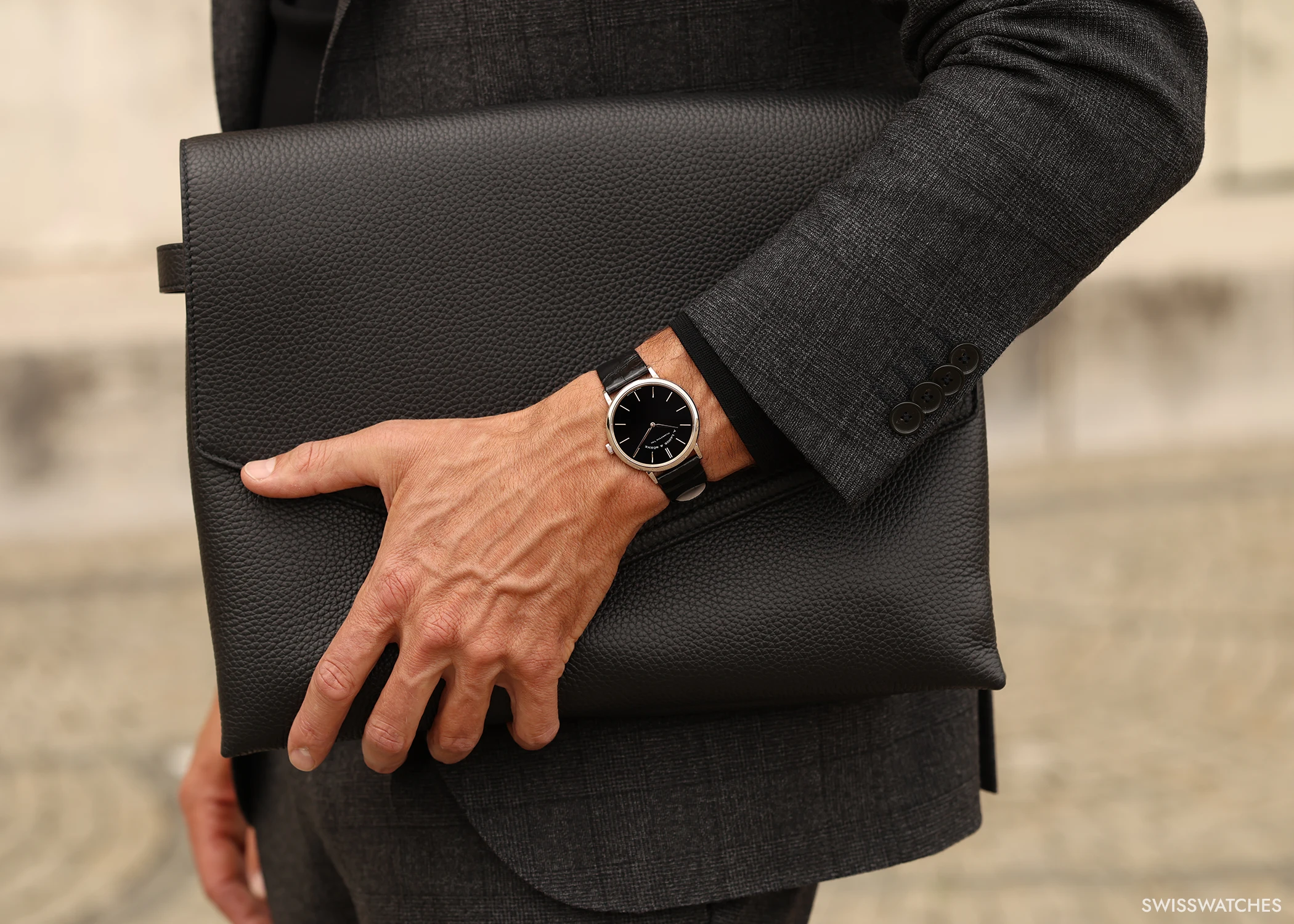
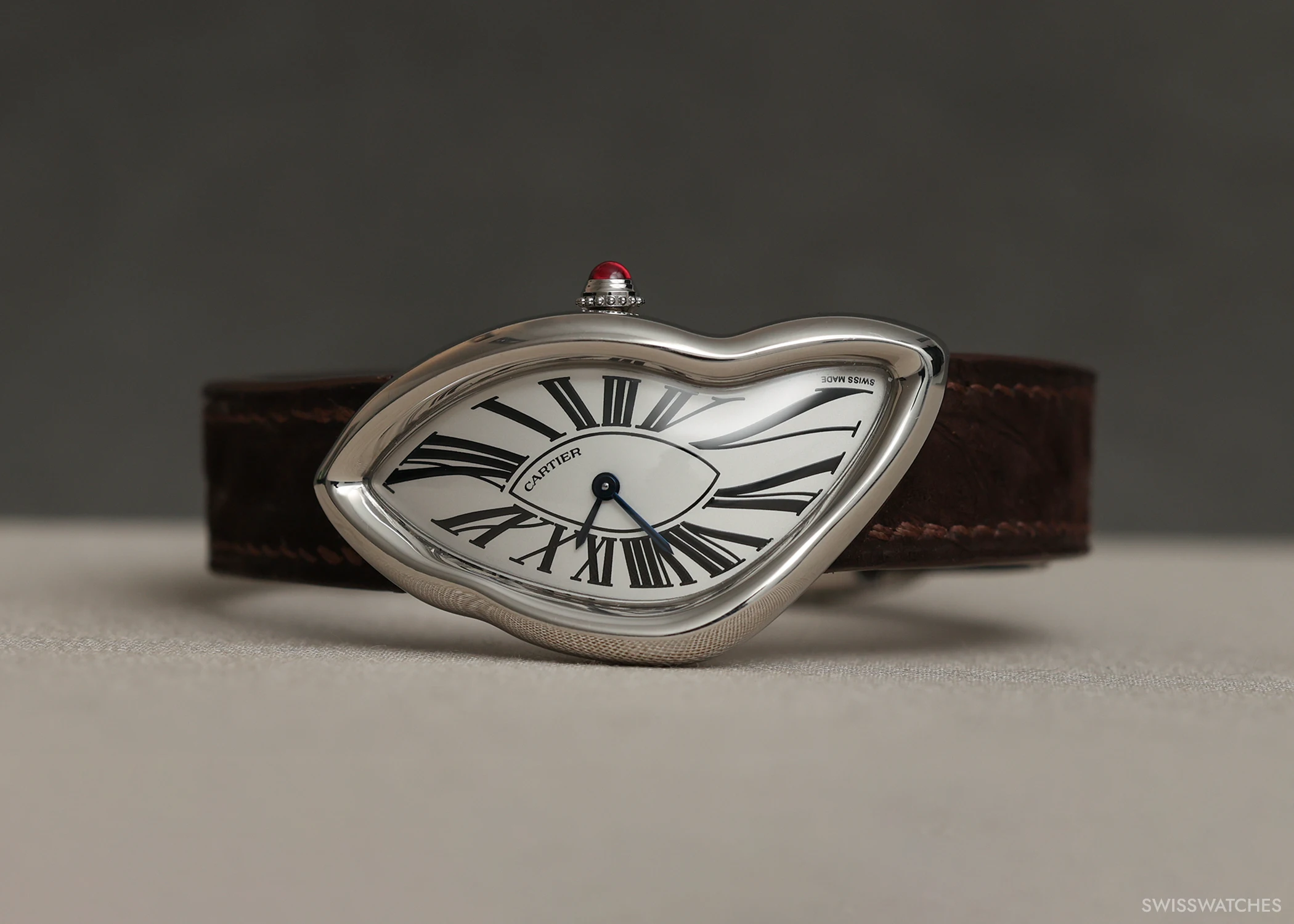
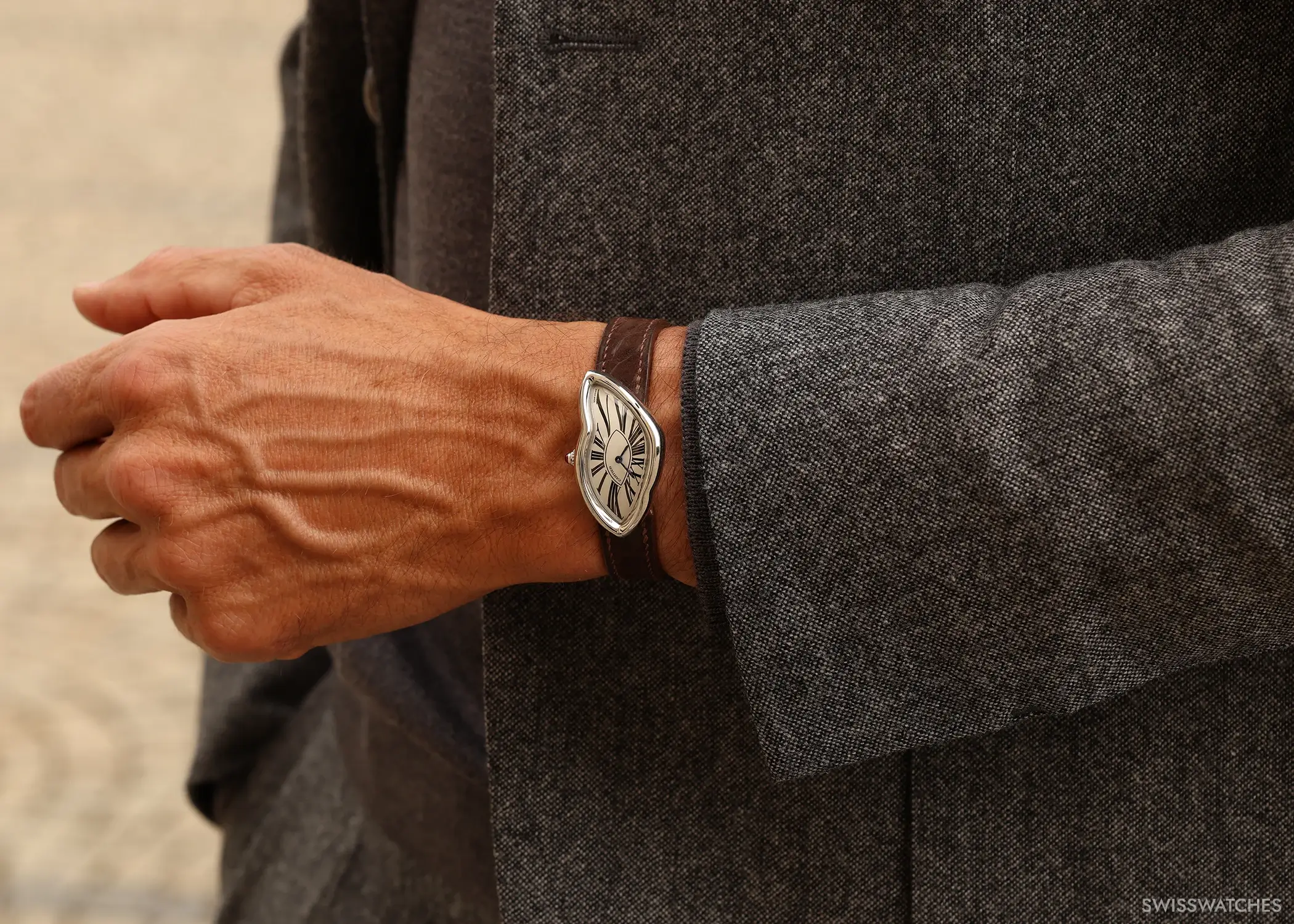
The Cartier Crash was created in 1967, presumably not – as is often claimed – from a watch that had been deformed in an accident, but rather from the creative experimentation of Jean-Jacques Cartier and his London team. The CRWGCH0050 model, launched in 2023, reinterprets the characteristically distorted shape in platinum and is available exclusively at the New Bond Street boutique.
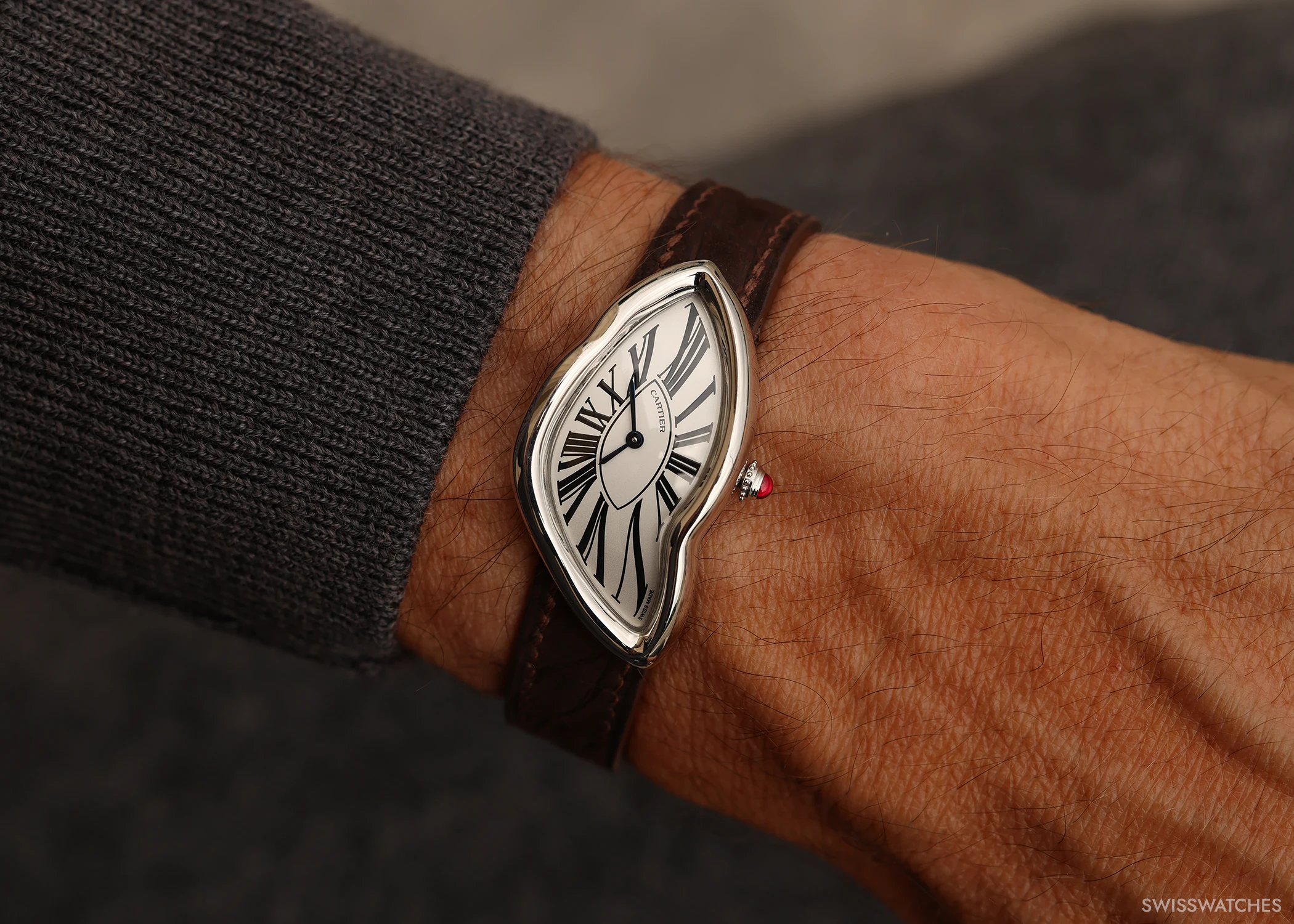
The white dial echoes its elongated shape with correspondingly elongated Roman numerals, whilst blued sword-shaped hands add a classic Cartier touch. Inside, the hand-wound Calibre 1917 MC offers a 38-hour power reserve.
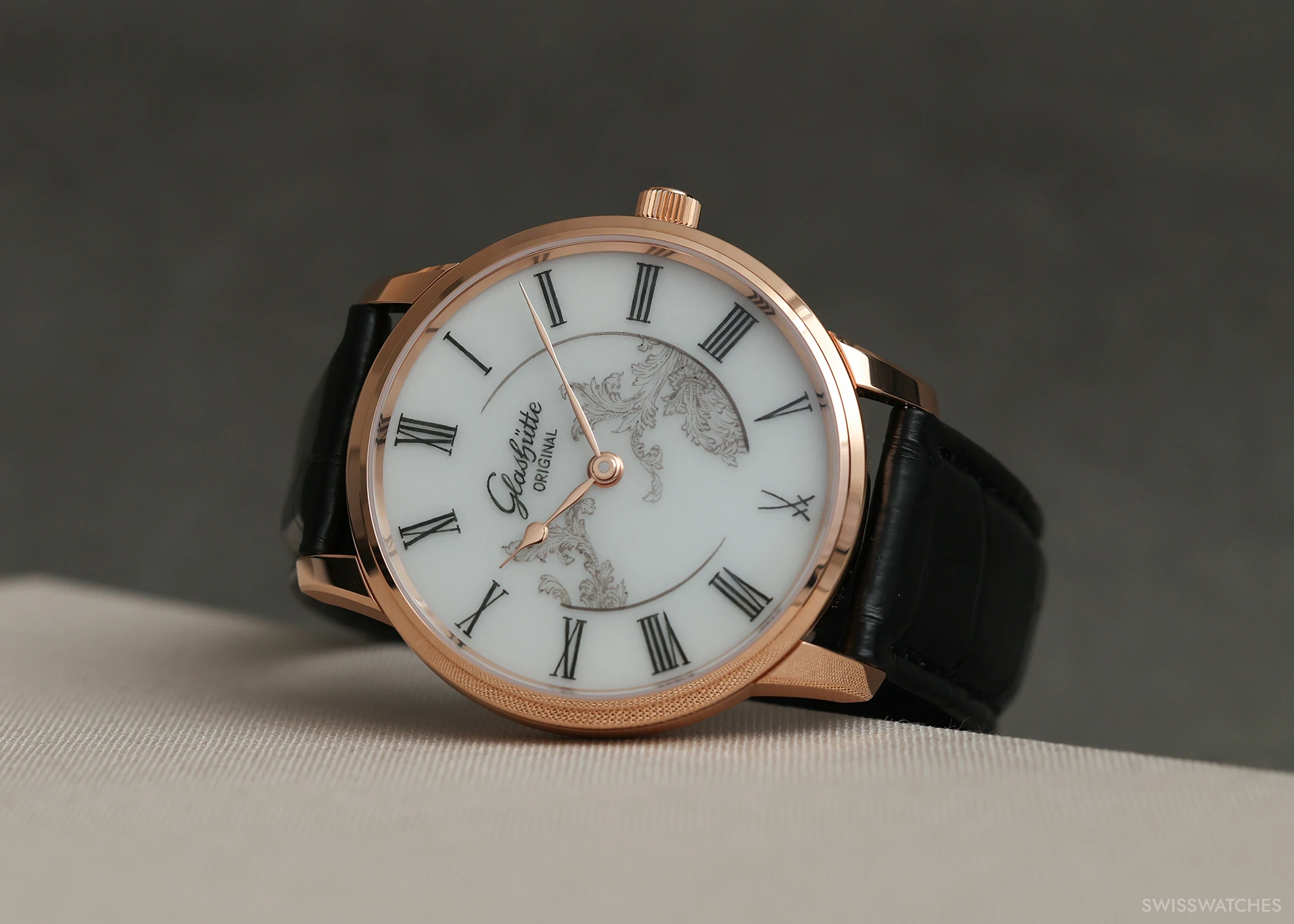
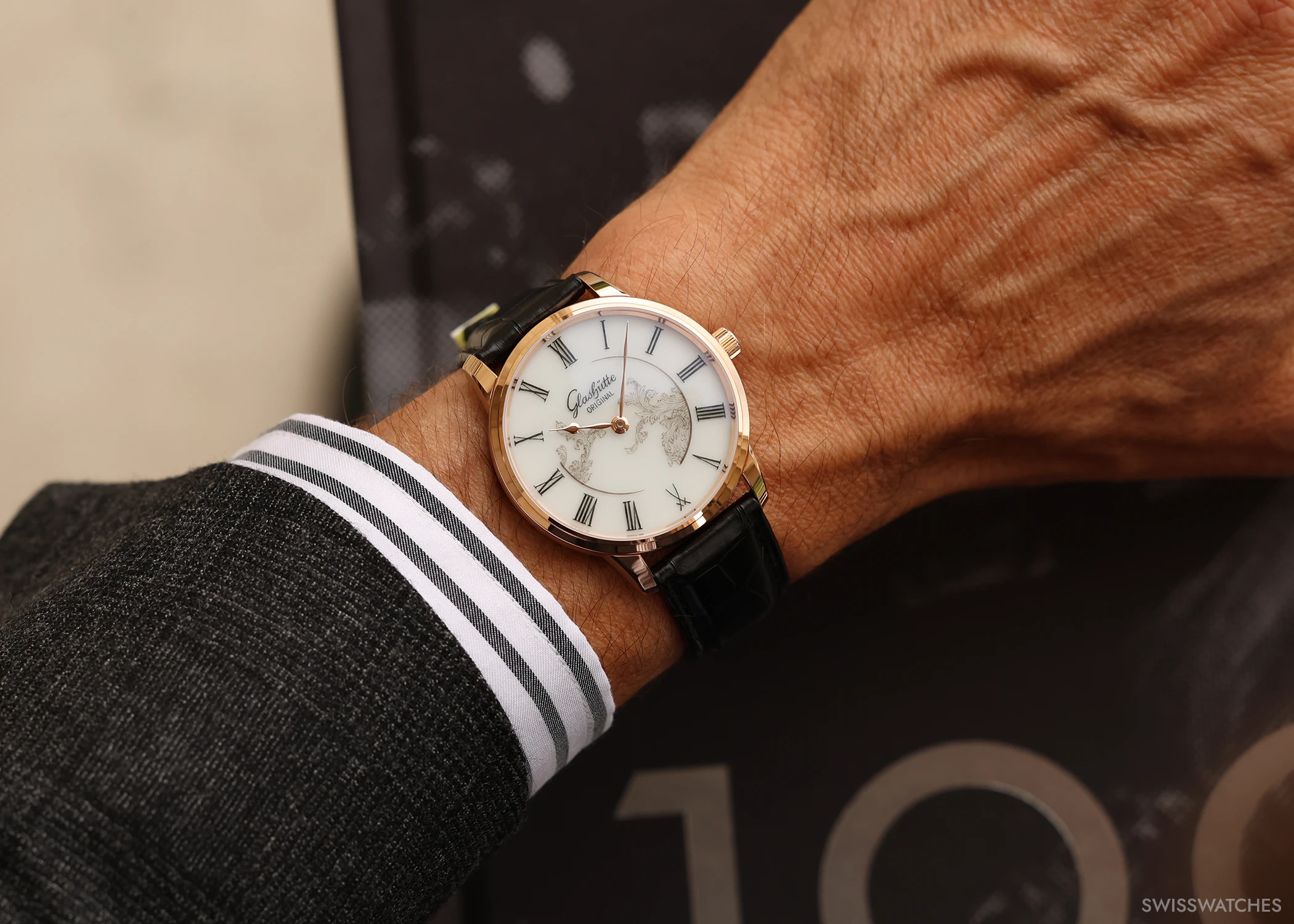
Unveiled in 2025, the Senator Meissen brings together Glashütte Original’s watchmaking craftsmanship with Meissen porcelain painting for the first time, whilst also marking 180 years of watchmaking in Glashütte and the 315th anniversary of the porcelain manufactory. The collection comprises two ‘Mystic Maison’ variants with hand-painted dials, each limited to 150 pieces, as well as the colourful ‘Collage’, produced in a run of eight pieces.
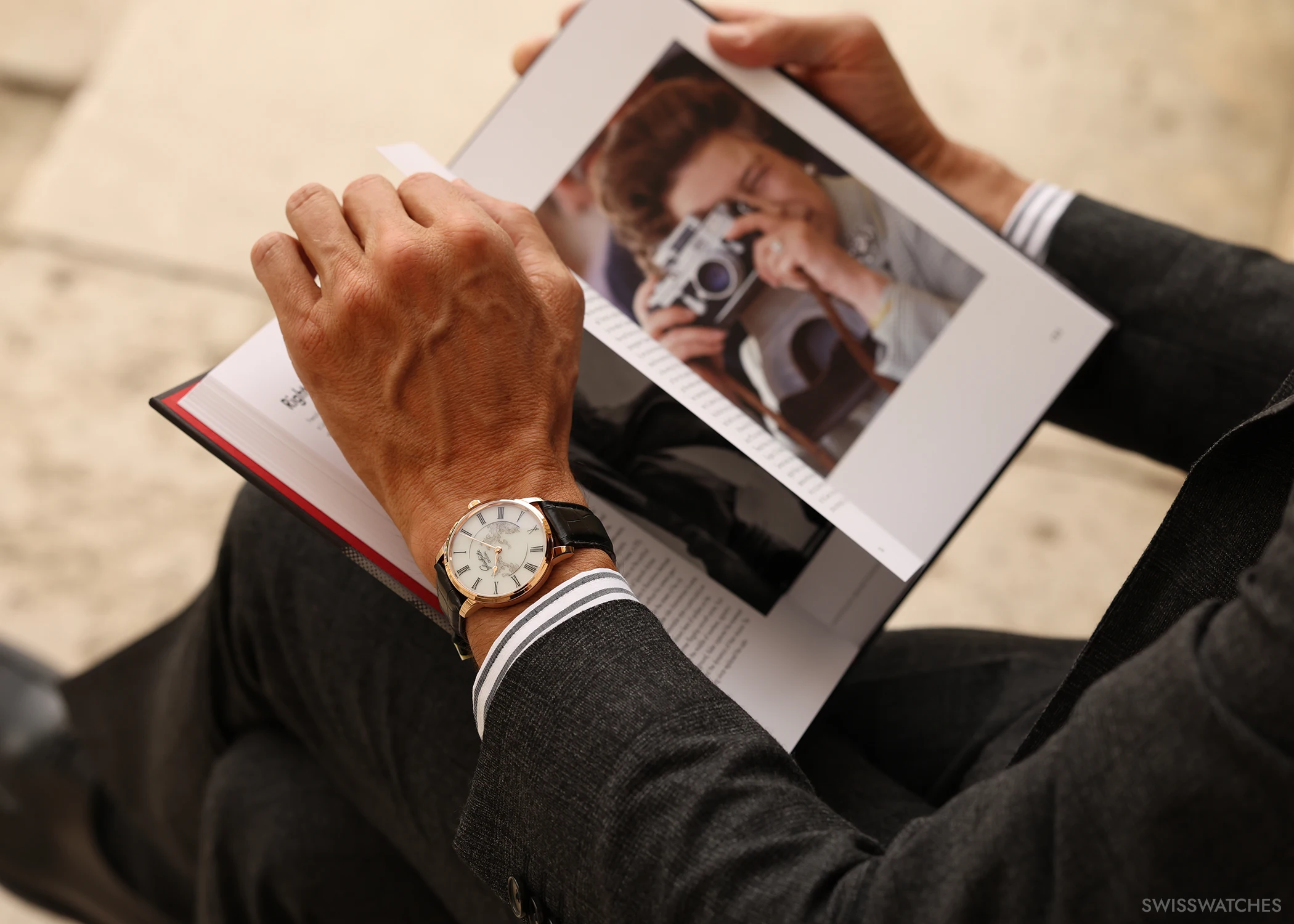
A common feature of all models is the 40-millimetre-wide and 10.23-millimetre-high rose gold case, housing the automatic Calibre 36-16 with a silicon balance spring and a 100-hour power reserve. The sapphire crystal case back reveals the three-quarter plate, the skeletonised rotor and the hand-engraved balance cock.
With the Reference 96, launched in 1932, Patek Philippe established the Calatrava as a classic round wristwatch, whose clean design adhered to the Bauhaus principle of ‘form follows function’. The Reference 6196P-001 builds on this legacy with a 38-millimetre-wide, 9.33-millimetre-high platinum case, in which polished surfaces meet satin-finished sides.
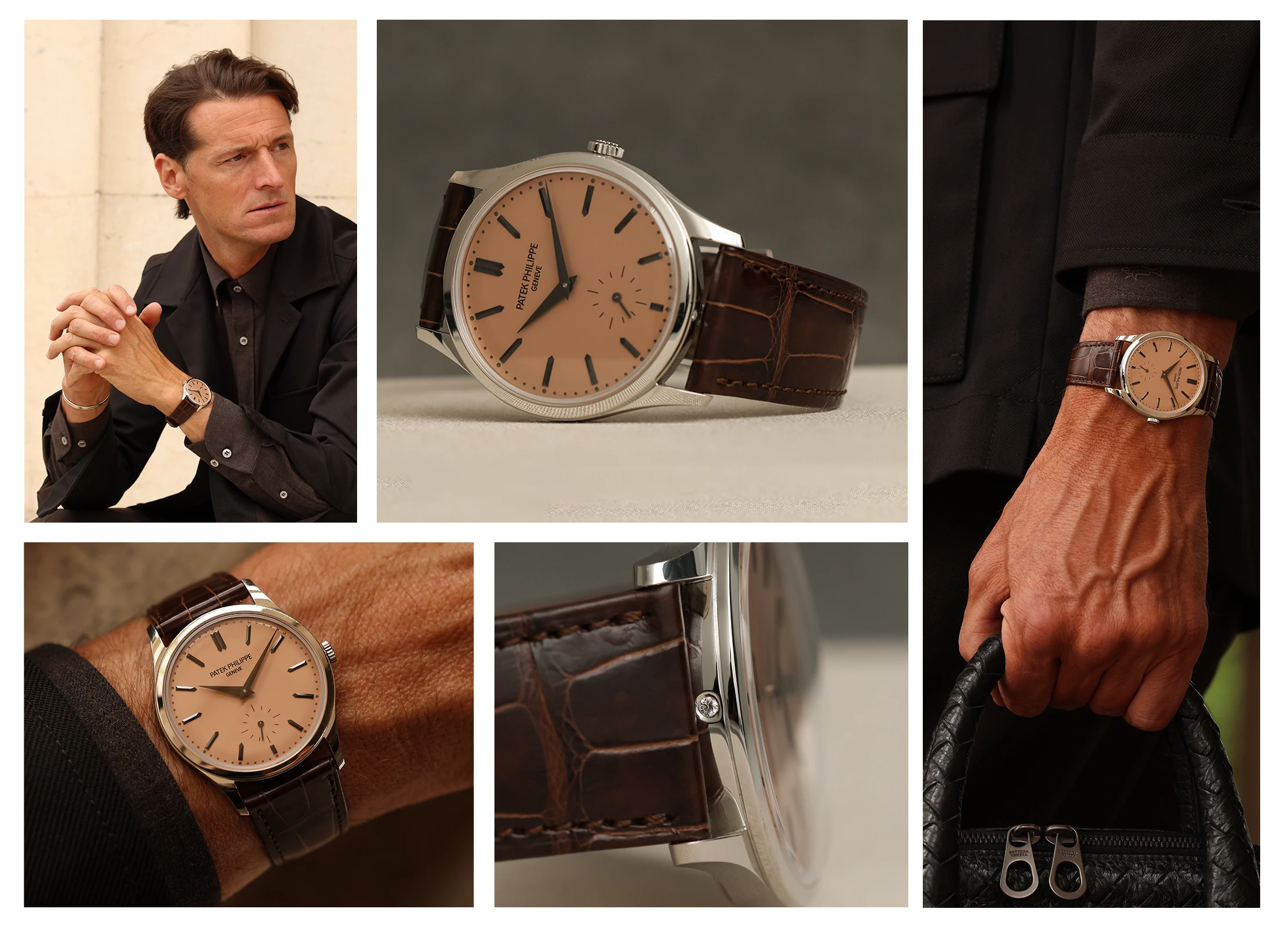
The rose-gold-plated opaline dial takes on a salmon hue depending on the angle of the light and features facetted Obus hour markers and Dauphine hands in anthracite-coloured white gold, whilst the diamond at six o’clock – a hallmark of Patek Philippe – references the case material. Inside, the hand-wound Calibre 30-255 PS features a small seconds dial, a stop-seconds mechanism and a power reserve of at least 65 hours.
With the Twice Unique Tangente 33 Auric, Nomos Glashütte combines its design icon, established in 1992, with intricate dial artistry. Each version is produced exclusively as a numbered pair: one in stainless steel and one in 18-carat gold. The dial is covered with gold leaf in several stages, then torn, layered and partially removed again. This creates a textured surface that requires no numerals, hour markers or logo.
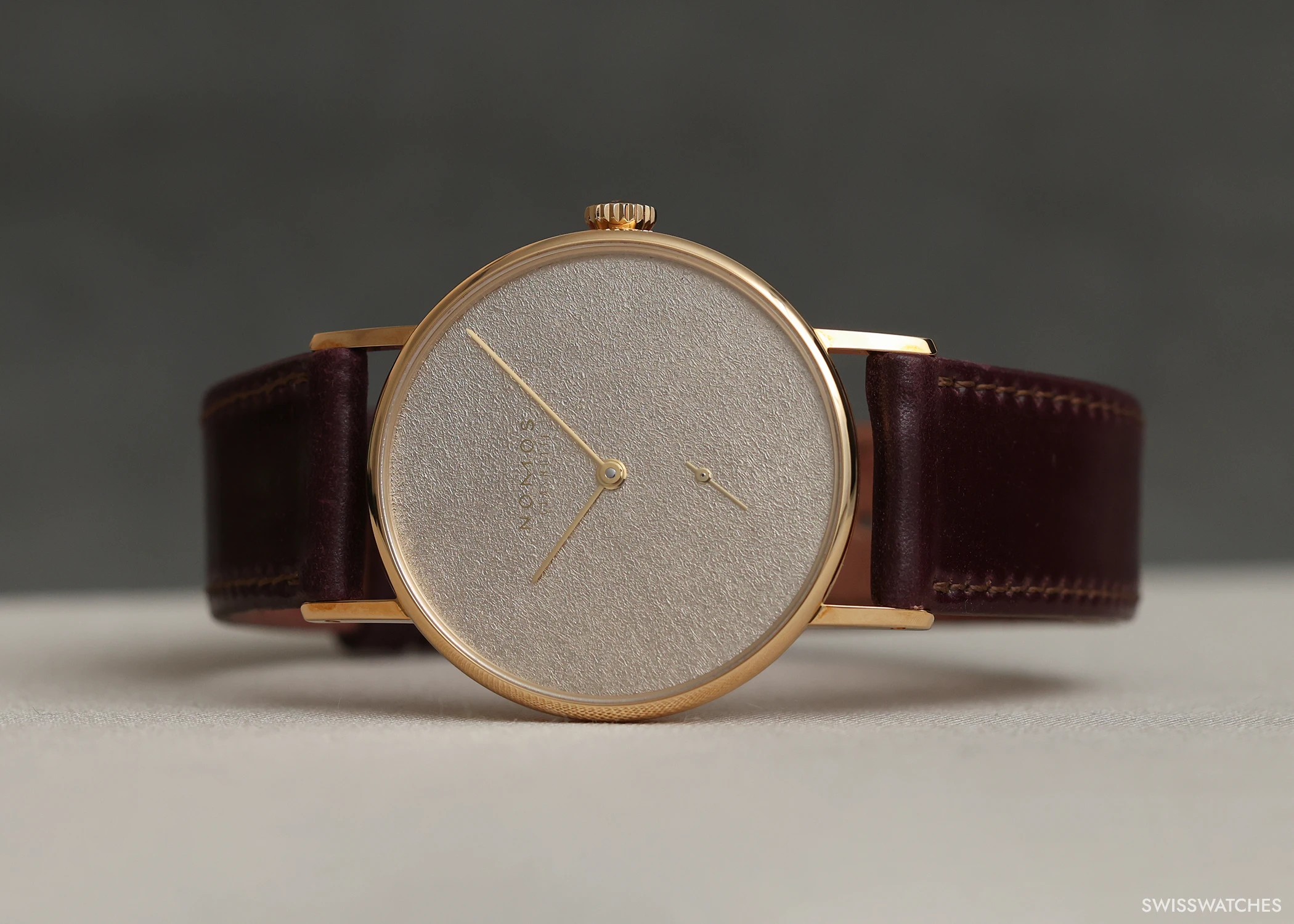
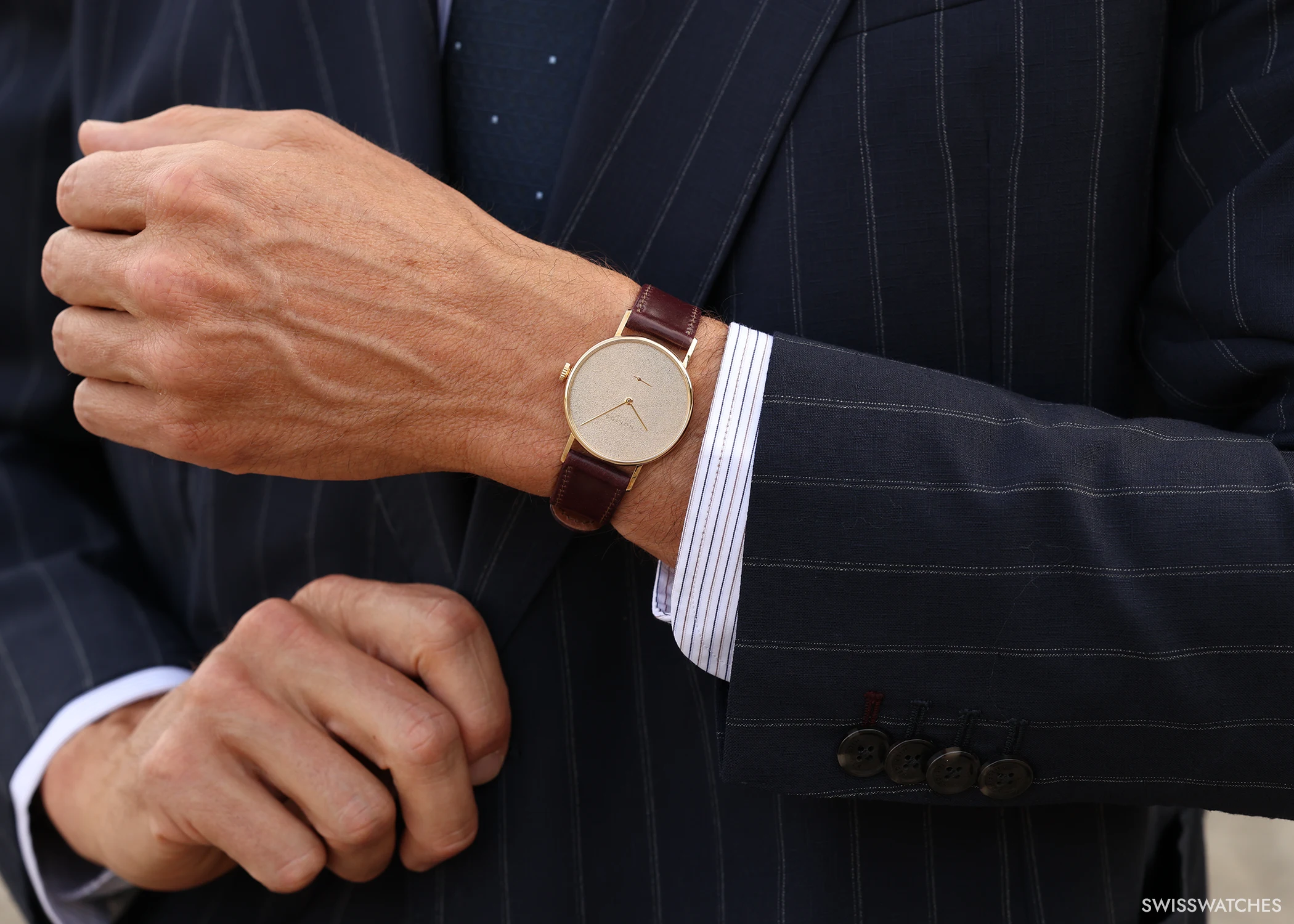
The Tangente 33 measures 32.8 millimetres in diameter and is approximately 6.5 millimetres thick. The sapphire crystal case back reveals the in-house hand-wound calibre DUW 4001. It features the Nomos Swing System, a seconds stop and a power reserve of approximately 53 hours. The Auric pair is manufactured exclusively to order.