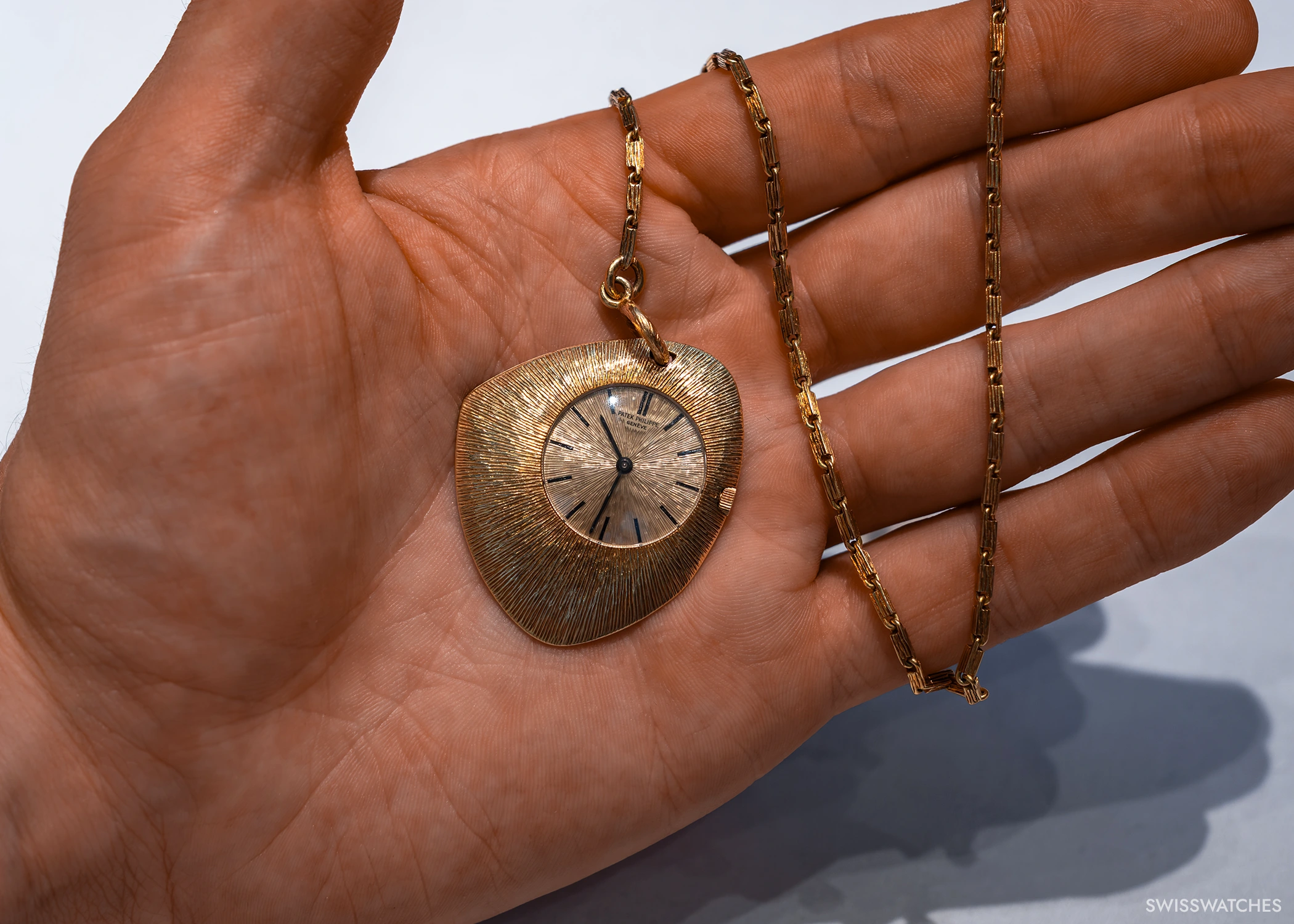
Interview with Anthony de Haas, Head of Product at A. Lange & Söhne, on the Idea behind the new Platinum Bracelet – and the comparison with the early Wellendorff era.
Another auction season in Geneva has just wrapped up, and once more, the numbers across Phillips, Christie’s, Sotheby’s and Antiquorum went further than many of us expected. Phillips became the first house ever to take a live watch auction past US$100 million, with CHF 92 million from 217 lots, all of which sold. Over at Christie’s, they had the best watch sale in its history at CHF 47.8 million, Sotheby’s added CHF 26.3 million, and for Antiquorum, they finished the week on CHF 9.4 million from just over 600 lots.
Back in May, I went through each auction house one by one to highlight their most talked-about lots, but this time I want to do things a little differently and follow the themes that kept cropping up in every saleroom. Certain watches, and even entire categories, kept appearing in conversations throughout the week. By the time the last auction had finished, a few themes were hard to ignore.
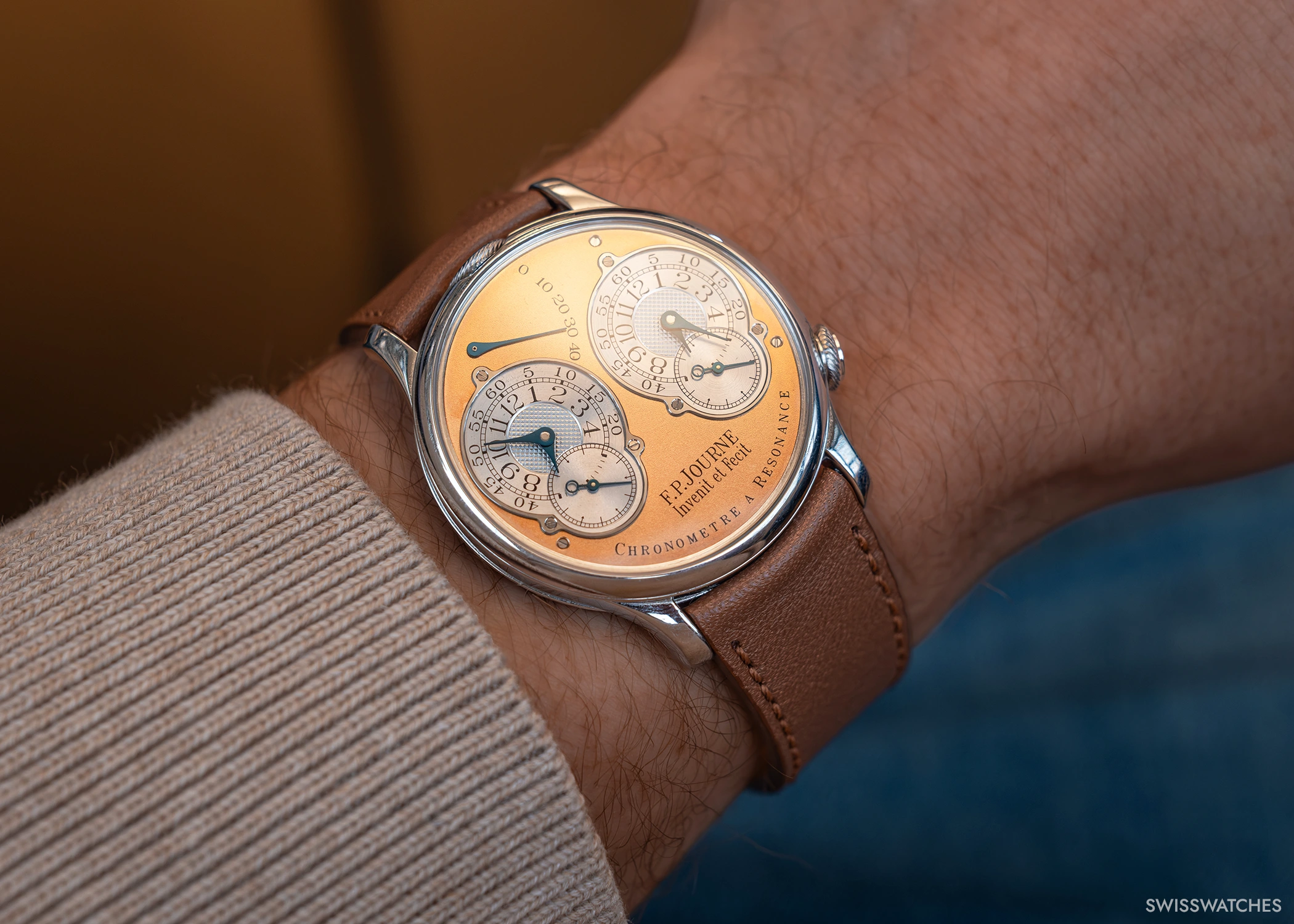
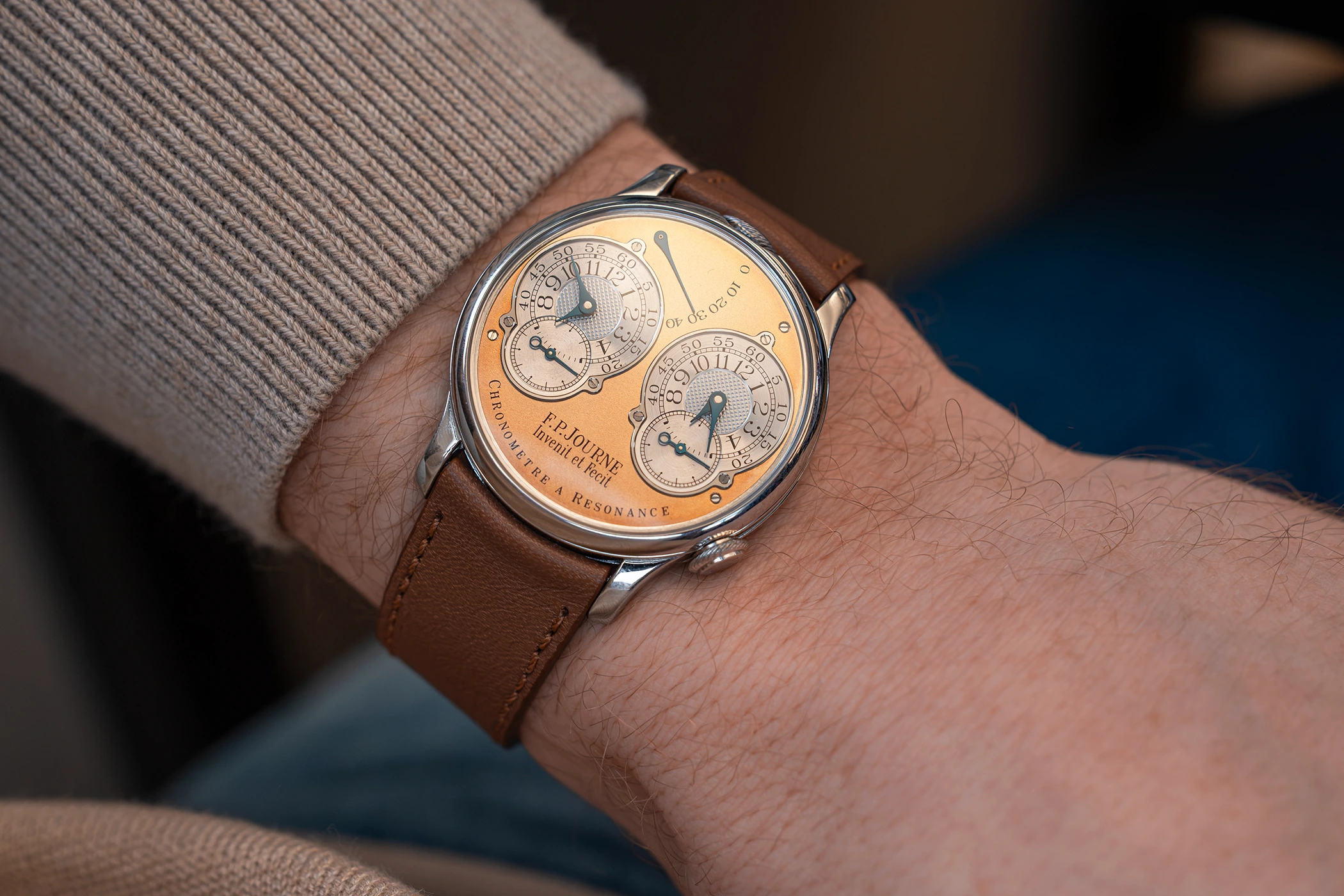
There is no other way to describe it: the market for F.P.Journe has gone galactic. For context, thirteen Journe watches accounted for CHF 31.8 million at Phillips, more than a third of the entire sale.
What led the way was a platinum Chronomètre à Résonance “Régence”, whose pink gold hand-engraved dial carried it to CHF 8,680,500, a record for the brand. It was followed by the titanium Tokyo Boutique Résonance at CHF 6,146,000, a diamond-set Vagabondage III at CHF 5,057,000 and the pre-production Résonance 022/99, which reached CHF 4,936,000 against an estimate of CHF 500,000 to 1,000,000, with bids arriving from the room, the phones and online alike.
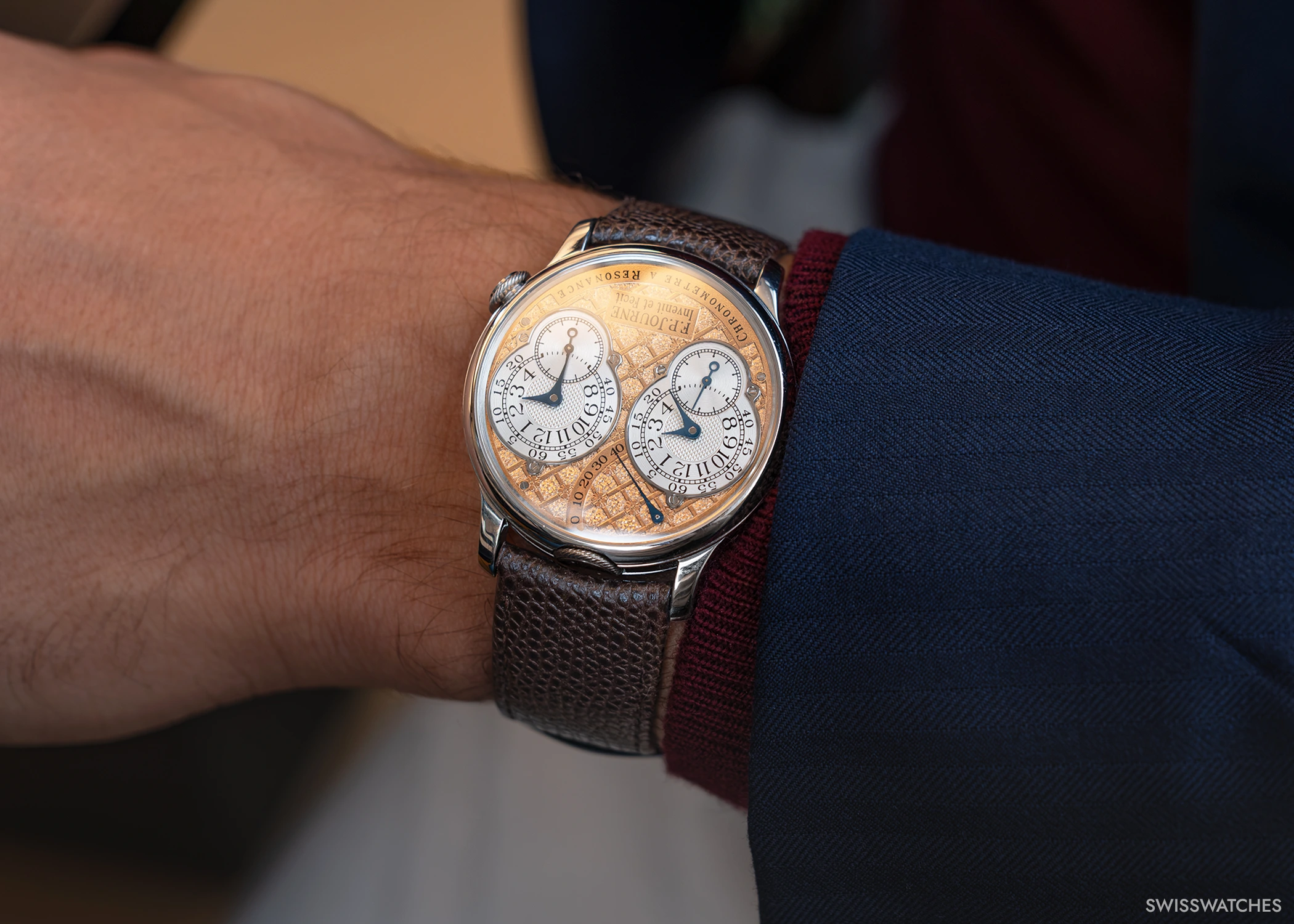
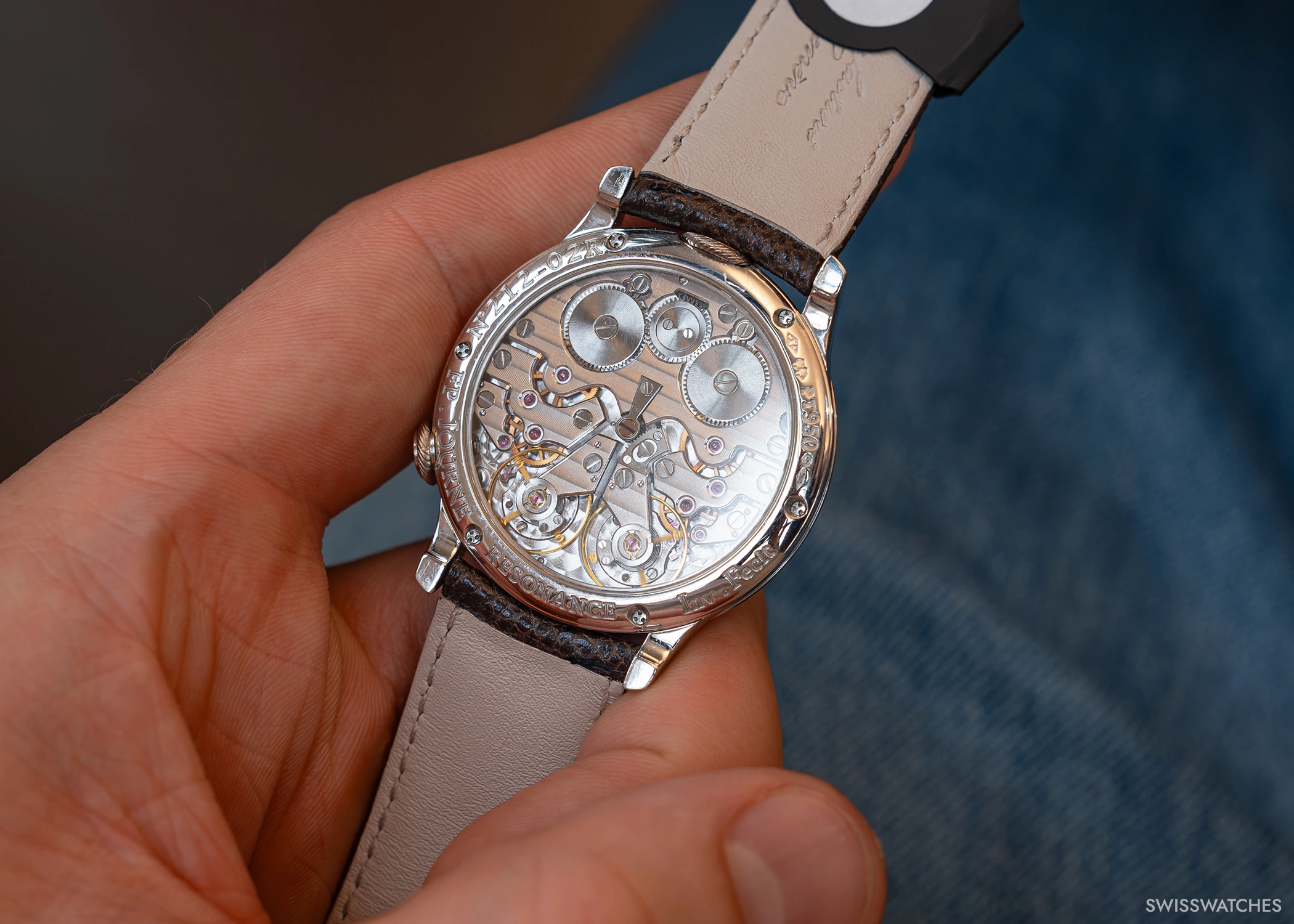
Christie’s answered with a matching pink gold Vagabondage I, II and III trilogy, all numbered 36/68, which went to a single private collector for a combined CHF 6,709,200, alongside five Ruthenium pieces from the collection of Michael Schumacher, of which the Tourbillon Souverain and the Chronomètre à Résonance each made CHF 1,536,000. Sotheby’s set a record for the Octa Chronographe in Ruthenium at CHF 1,216,000, and at Antiquorum the top lot was a Journe, an early Octa Calendrier that sold for CHF 781,200.
Perhaps the best measure of the fever, though, came in the room at Christie’s, where a battery-powered boutique wall clock from 2003 depicting the Octa Réserve de Marche sold for CHF 140,800.
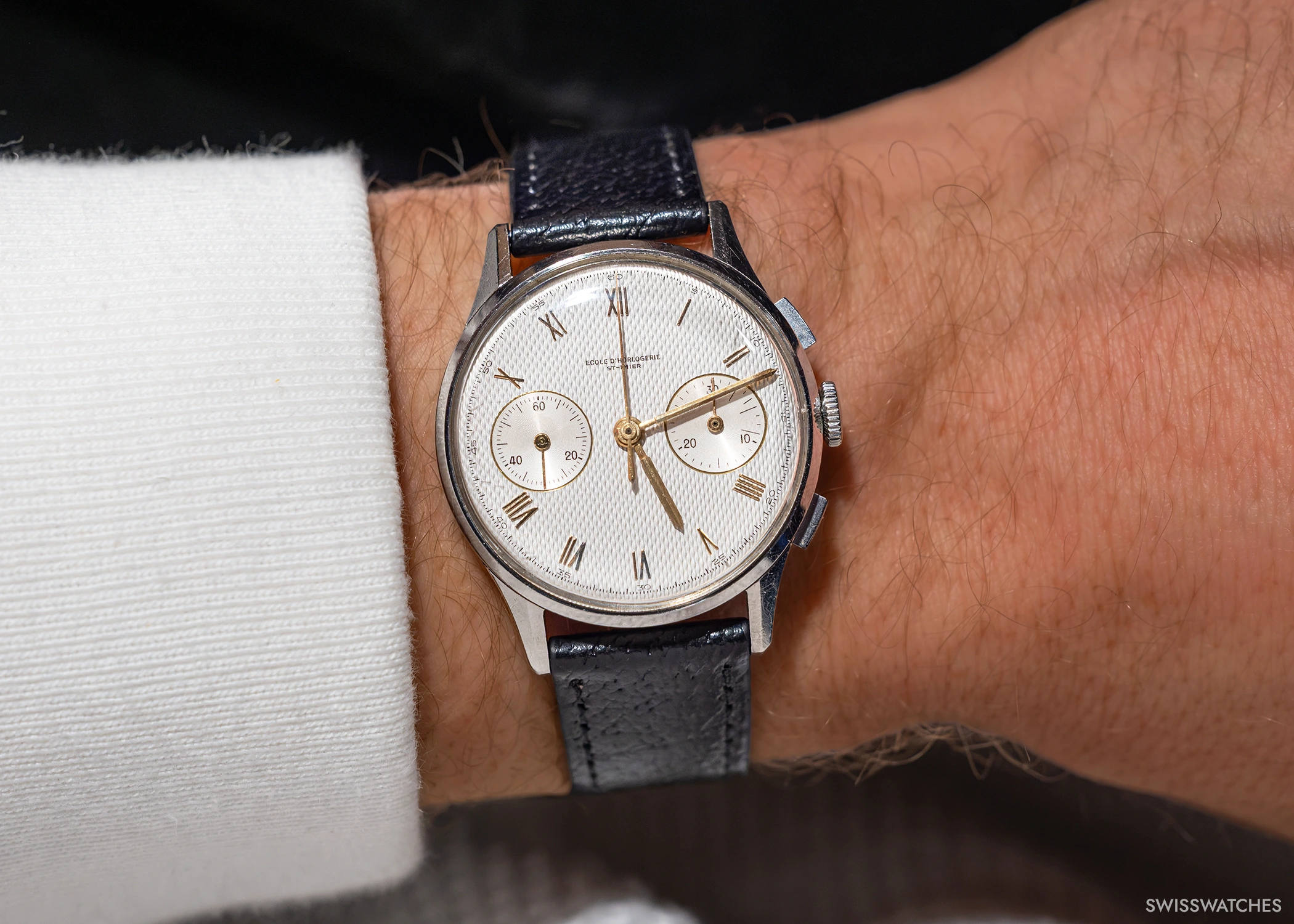
In May, one of the most surprising lots at Christie’s was a piece from the École d’Horlogerie de Genève reworked by Christian Schaad around a Patek Philippe Ref. 2509, which sold for CHF 91,440 and drew a great deal of attention.
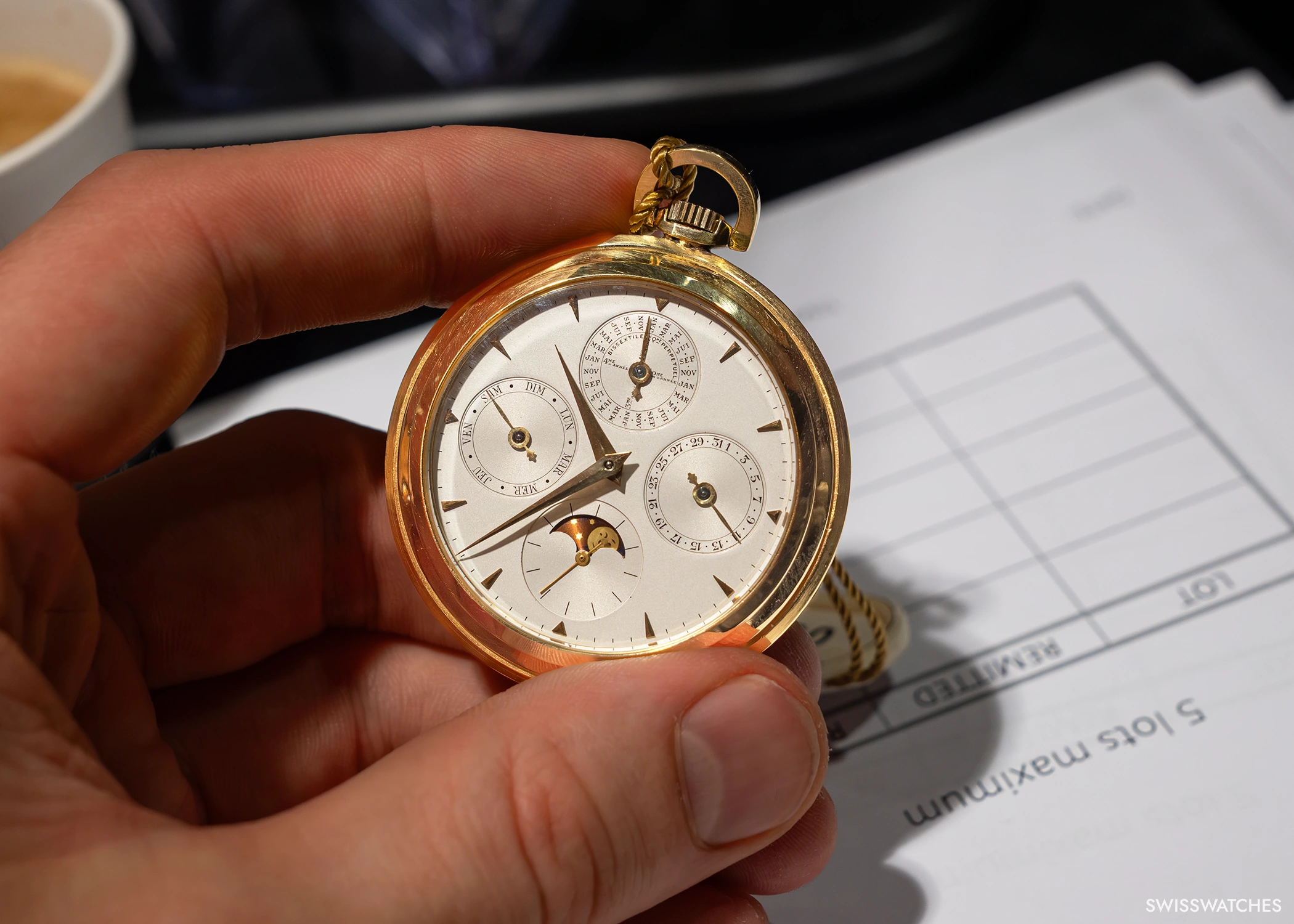
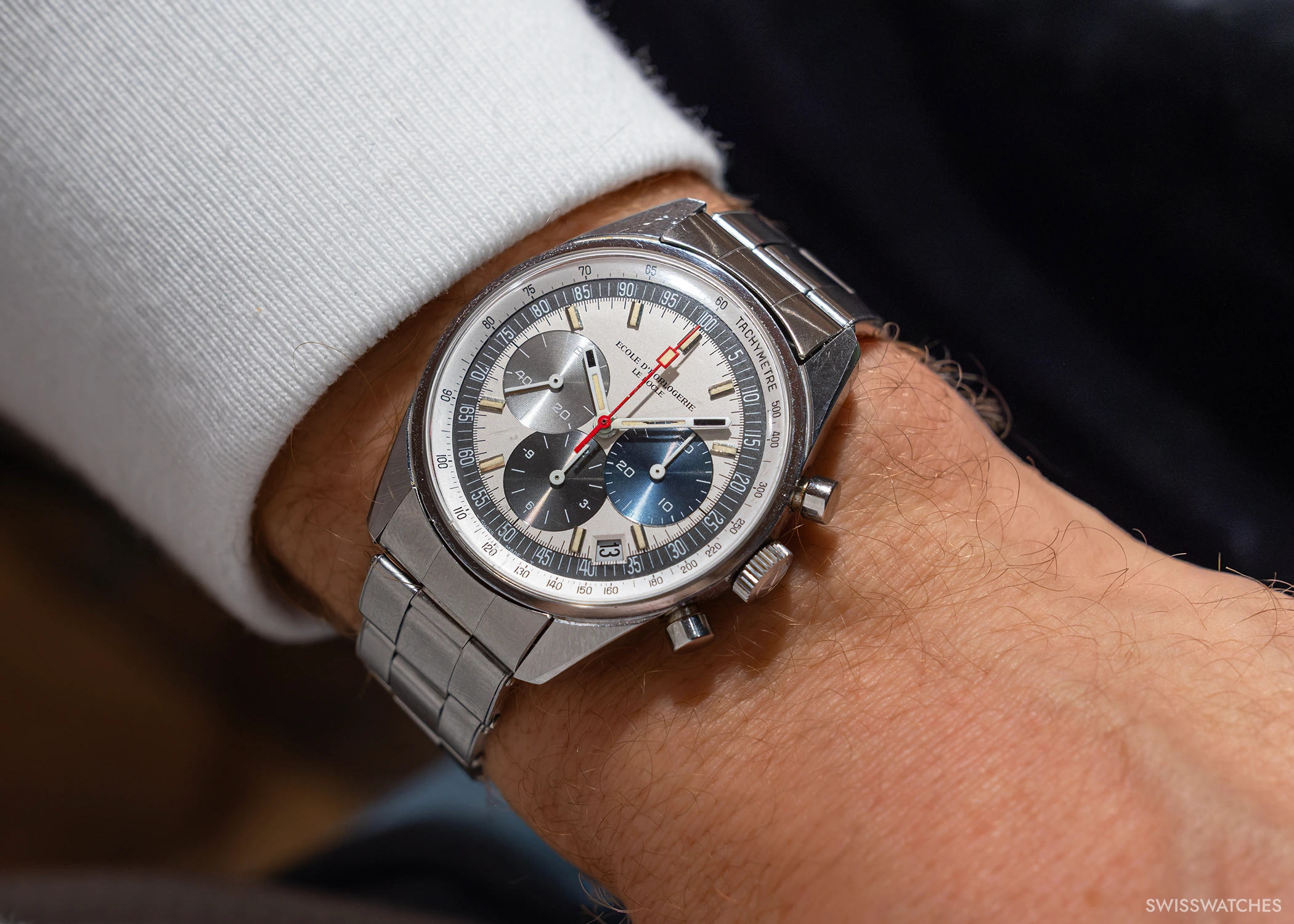
This season it seems other owners of school watches decided the time had come to sell. For those who aren’t aware, school watches, or “pièces école”, are the examination watches that advanced students make, finish and adjust themselves under the eye of their instructors, often as the final test before graduating. They don’t carry a brand name, though they often use cases and dials from well-known houses, as Antiquorum showed when it opened its sale with a run of twenty school watches from across Switzerland.
A perpetual calendar moonphase pocket watch by Edouard Falcy from the École Professionnelle de la Vallée de Joux, with its original box and 1961 rate certificate, sold within estimate at CHF 20,160, while an extraordinarily rare steel El Primero chronograph made at the Le Locle school around 1971 made CHF 21,420, more than double its high estimate. Those twenty lots made a little over CHF 173,000 in total.
For the longest time, watches from the late 1980s and 1990s sat in an awkward middle ground, not quite reaching vintage status in many collectors’ eyes, typically resulting in it being an overlooked era of watchmaking. The signs that this was changing started in May, but now I think it’s fair to say this segment of the market is now established, with some of the season’s strongest results coming from exactly this period.
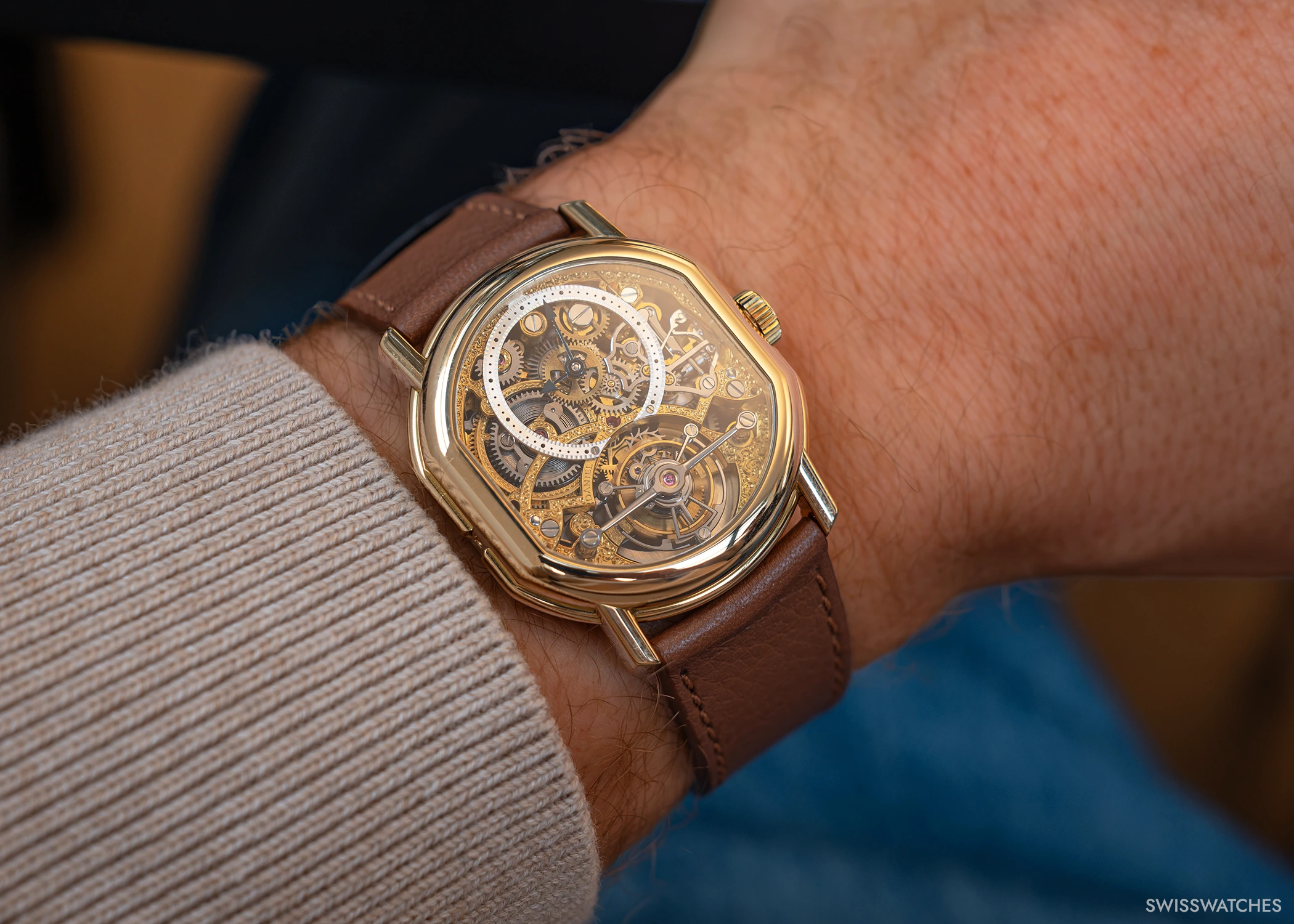
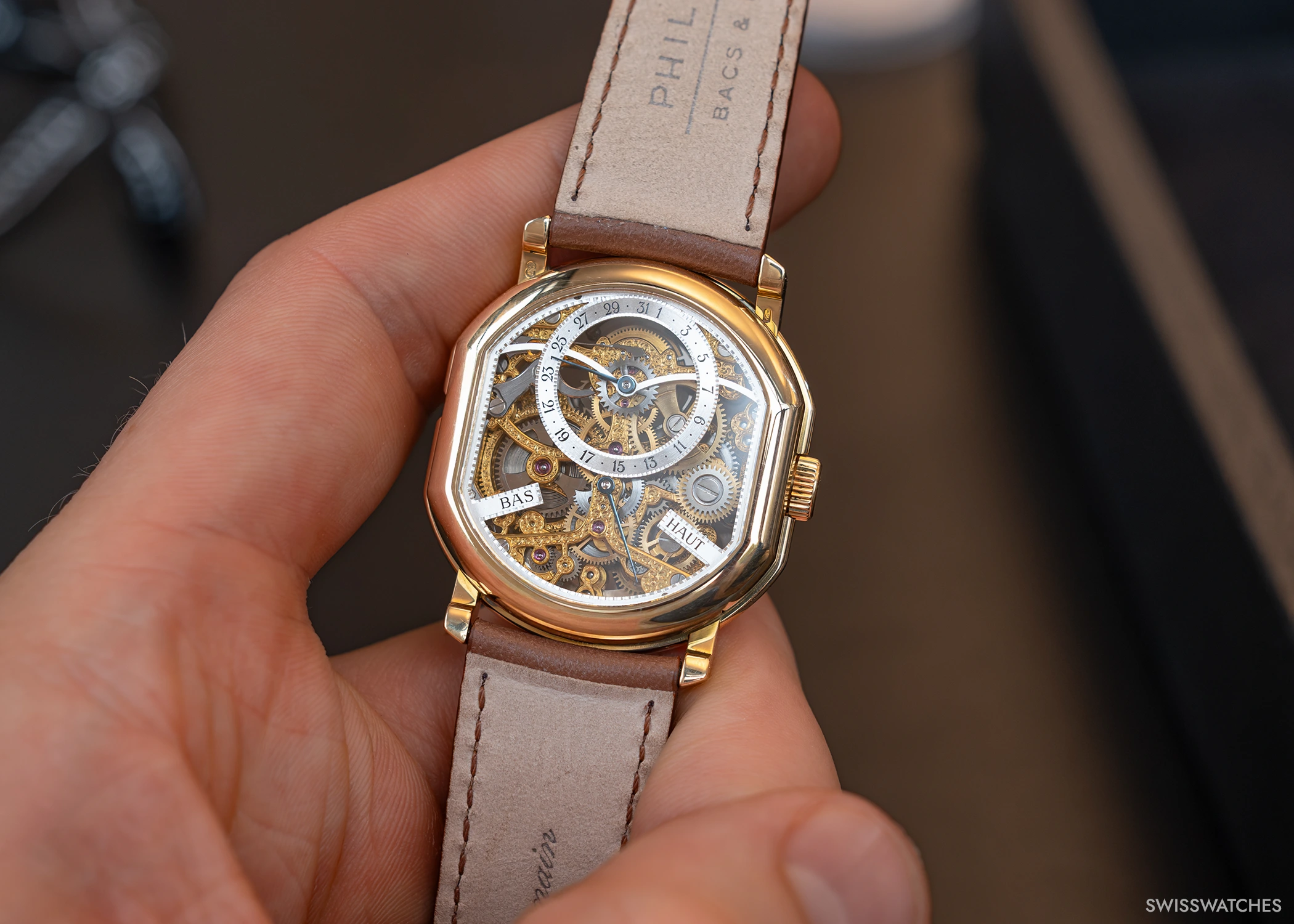
Take Phillips, for example, who sold a skeletonised Daniel Roth Ref. 2187 tourbillon for CHF 431,800 against an estimate of CHF 120,000 to 240,000, and an early Ref. C147 made CHF 177,800, roughly three and a half times its high estimate.
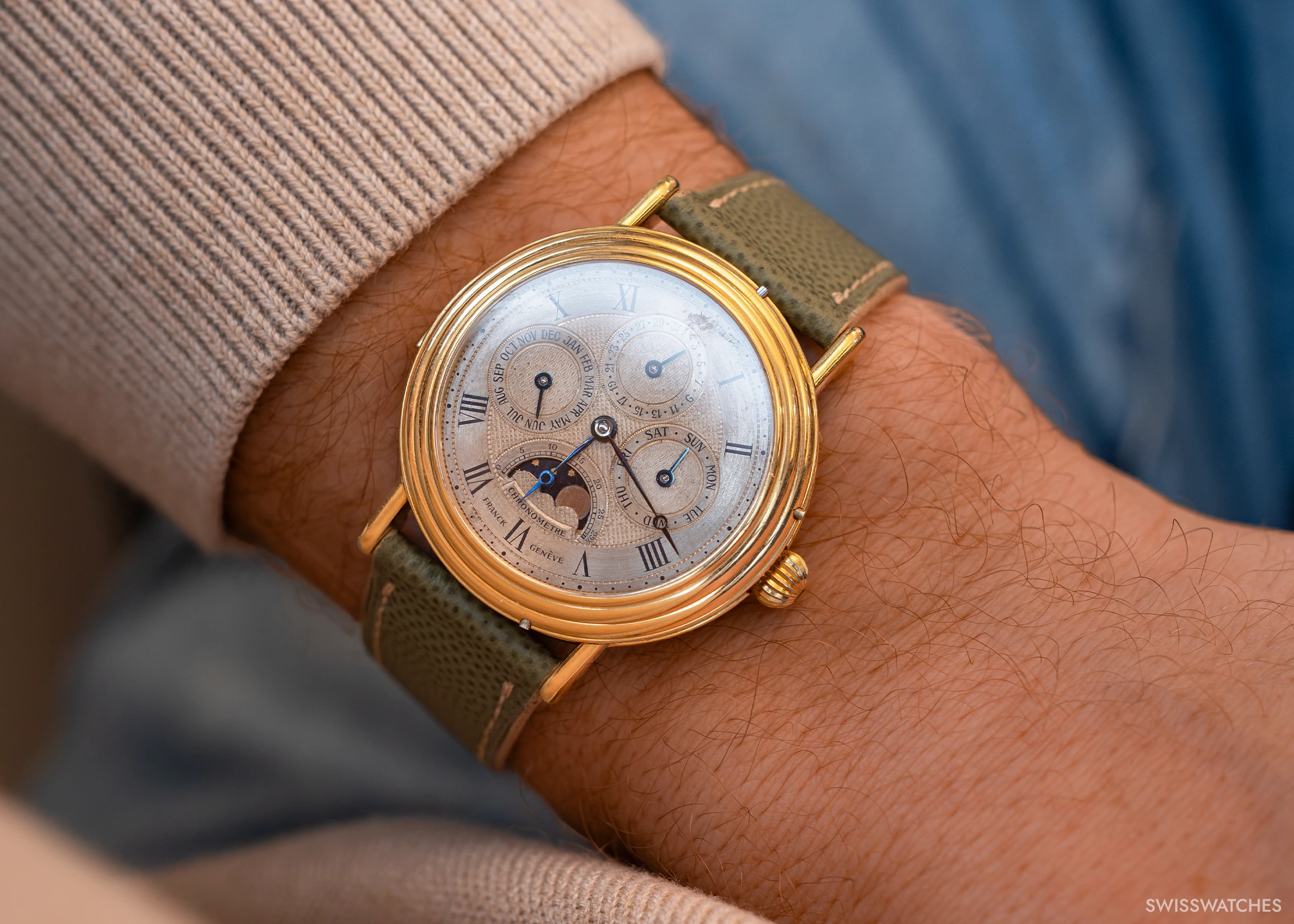
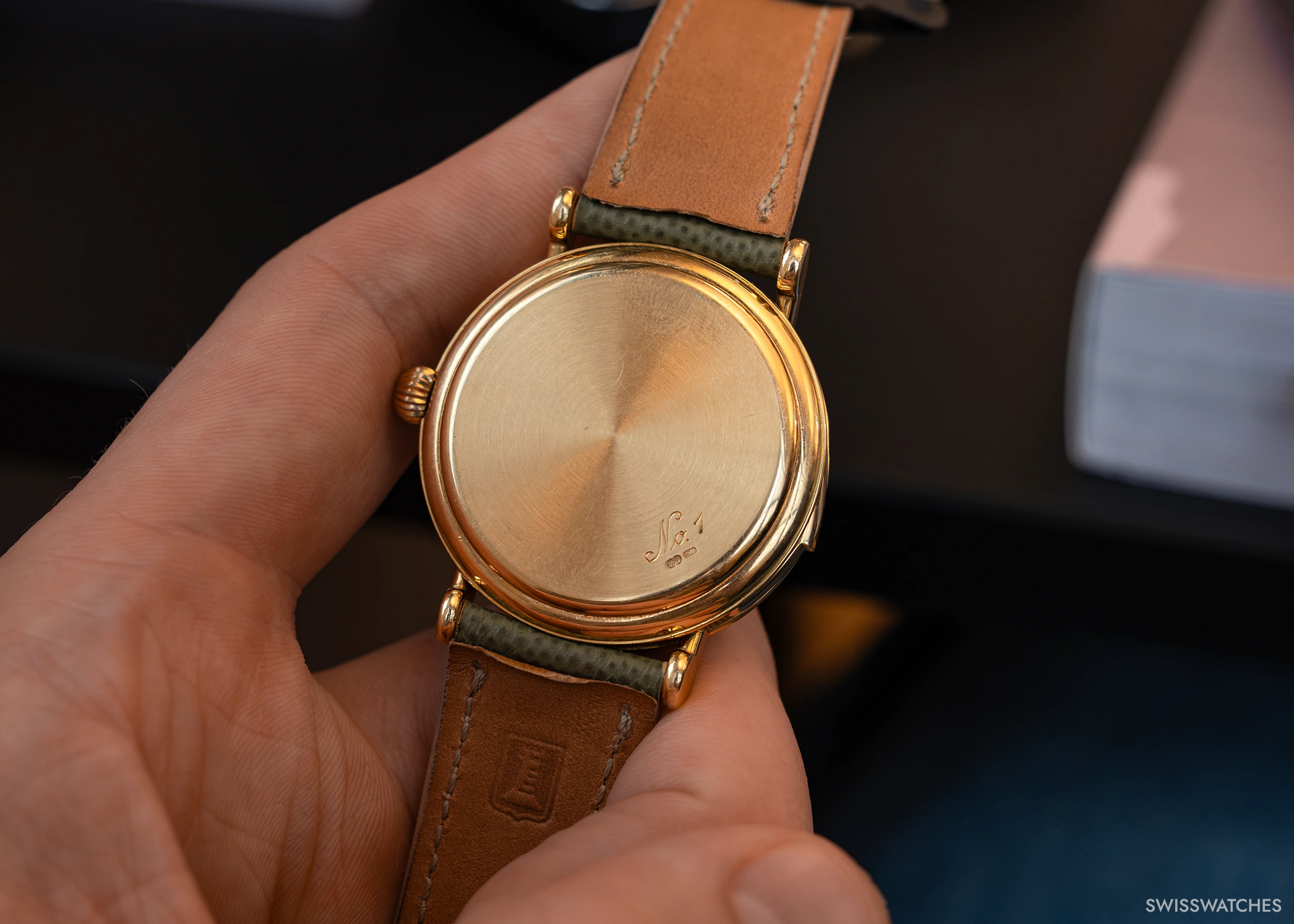
Roth was far from the only name of that generation to be appreciated, as Phillips also sold a yellow gold perpetual calendar minute repeater from around 1992, signed “Franck Genève” from the years before Franck Muller’s name became a brand. Engraved N°1, believed to be unique and housed in a triple-step case by J.P. Hagmann, for CHF 381,000, nearly double its high estimate.
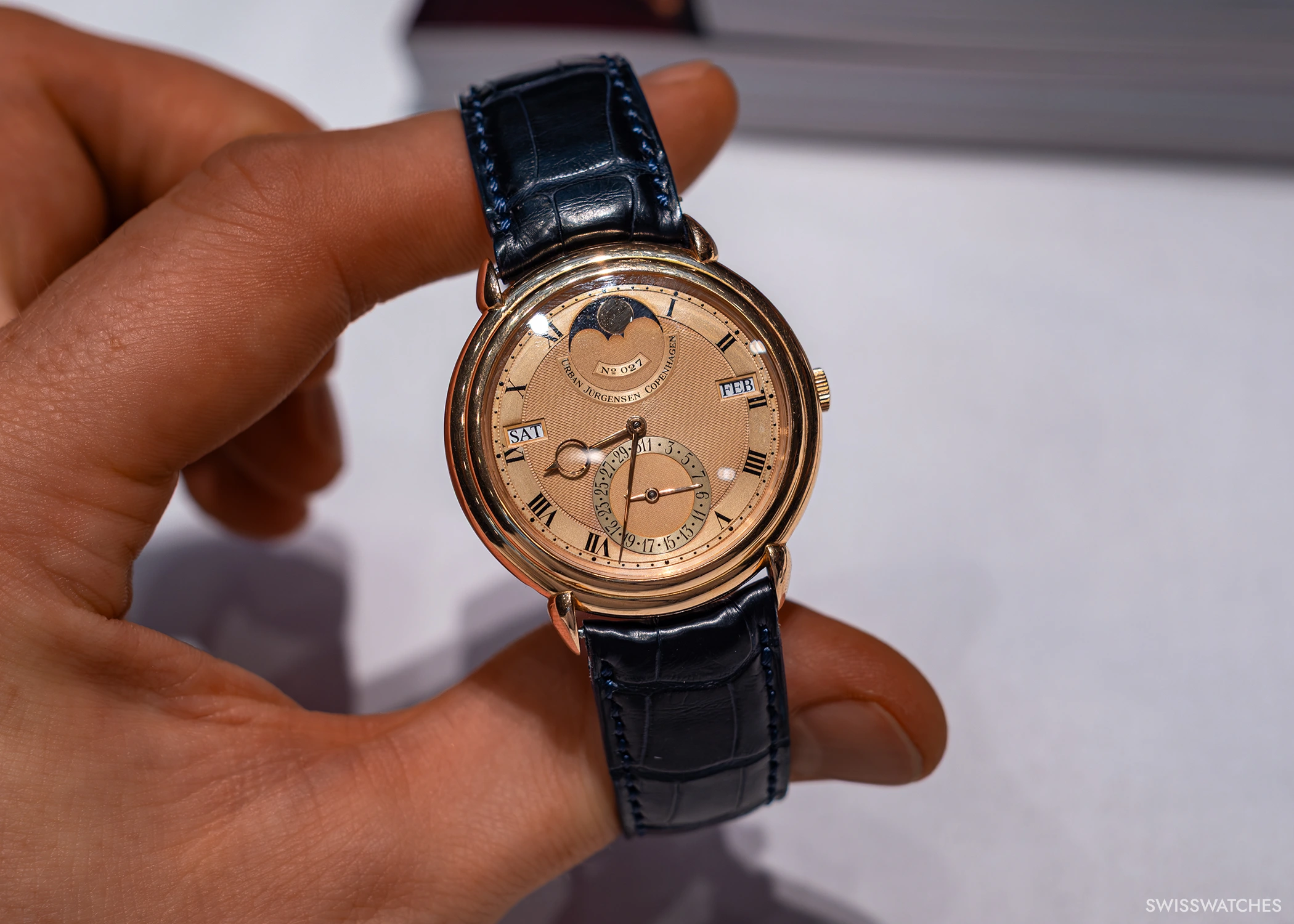
At Sotheby’s, a pink gold Urban Jürgensen Reference 2 perpetual calendar from the brand’s 1980s revival sold for CHF 358,400, the sixth-highest price of the sale, and with Phillips having sold a pink gold Reference 2 for CHF 26,250 in 2015.
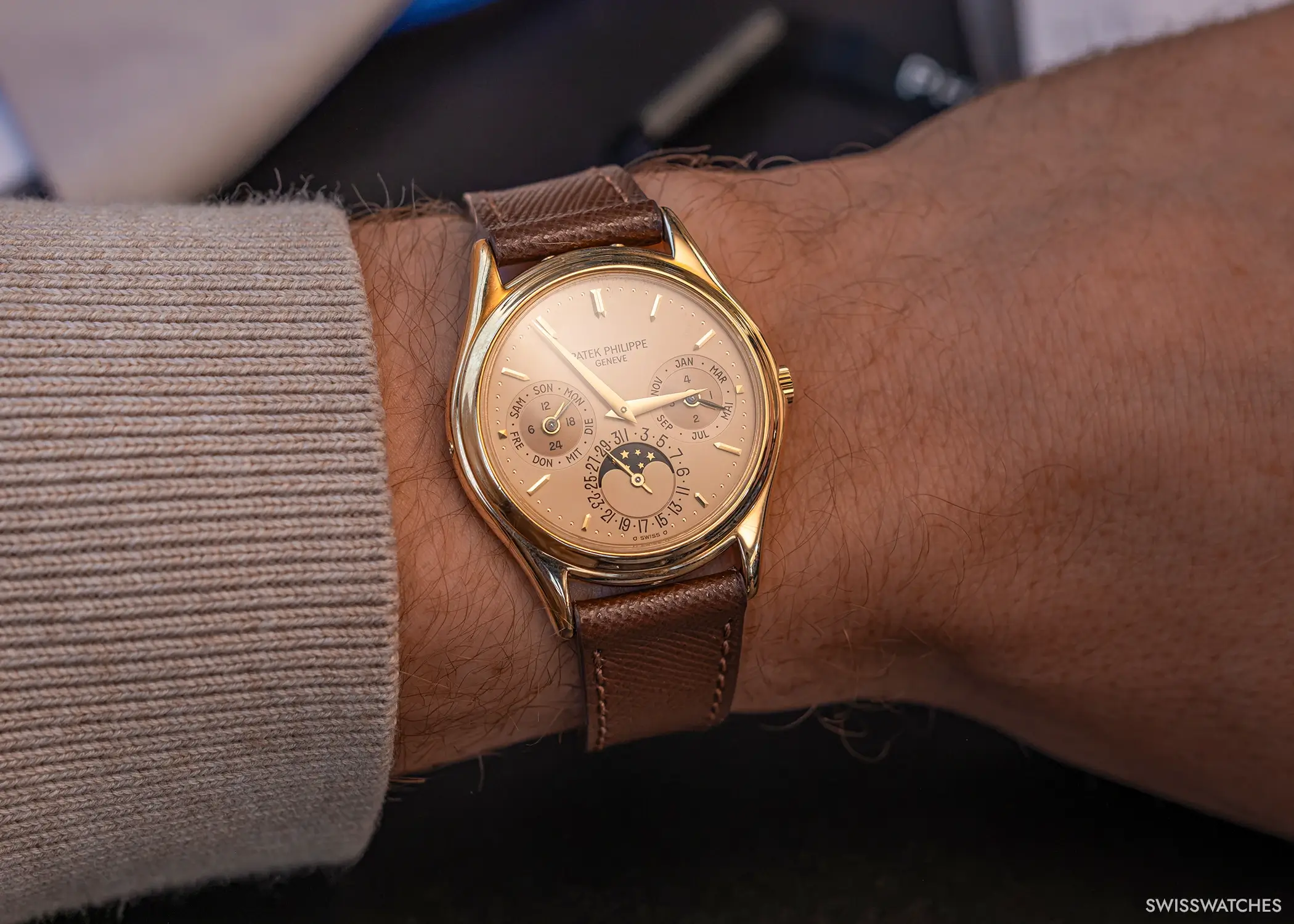
Sotheby’s was busy with the first Patek Philippe Ref. 3970J, which set a record for the reference at CHF 2,048,000, and at Phillips, an early 3940J with a warm doré dial, a combination Phillips believes survives in only around ten examples, sold for CHF 444,500.
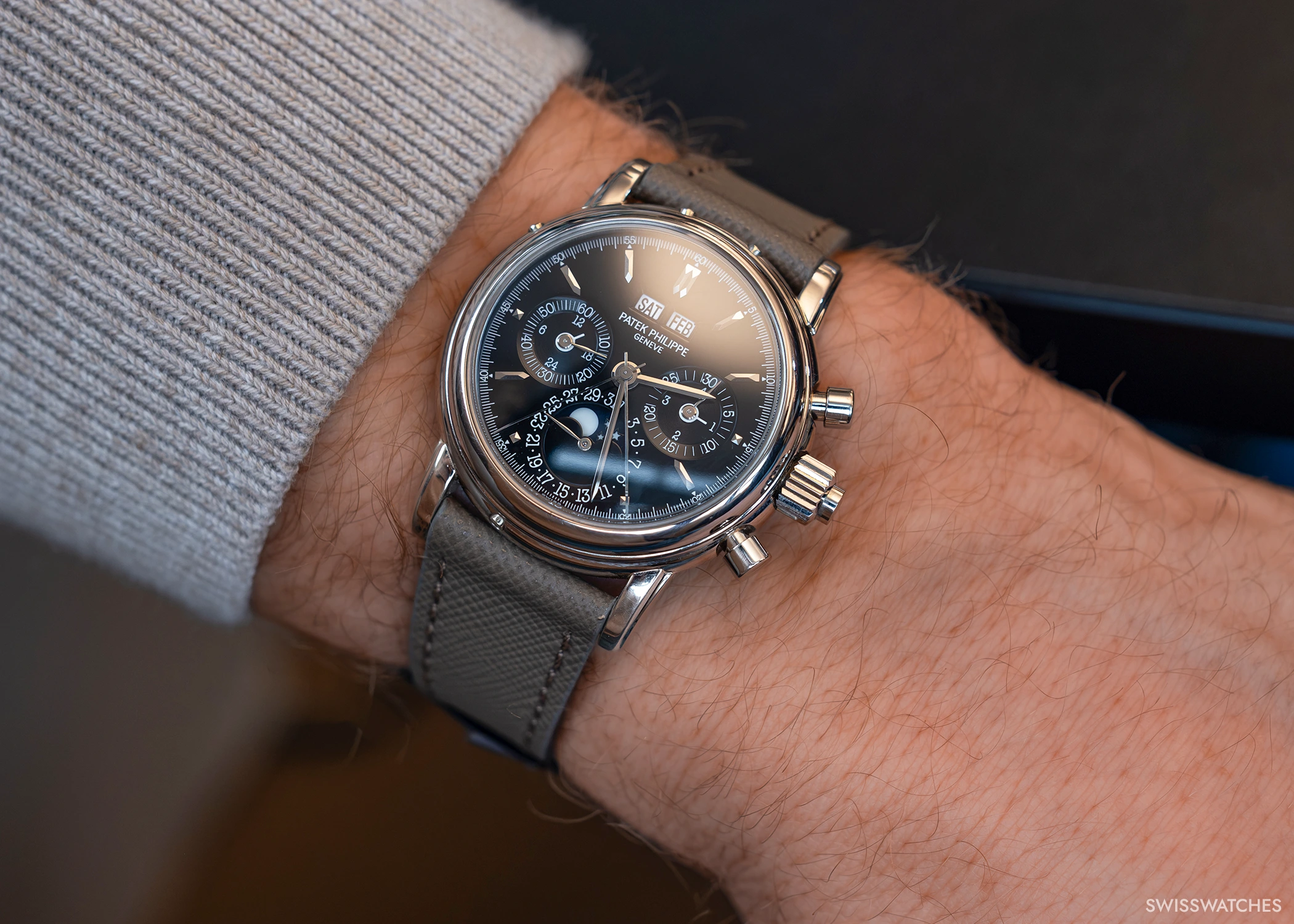
Similarly, there was an early white gold ref. 5004G from 1997, Patek’s first serially produced perpetual calendar split-seconds chronograph which made CHF 457,200, only modestly ahead of the CHF 431,800 achieved by a later example a year earlier. These results point to a category maturing on firm ground now that it has finally been taken seriously, rather than one carried along by speculation.
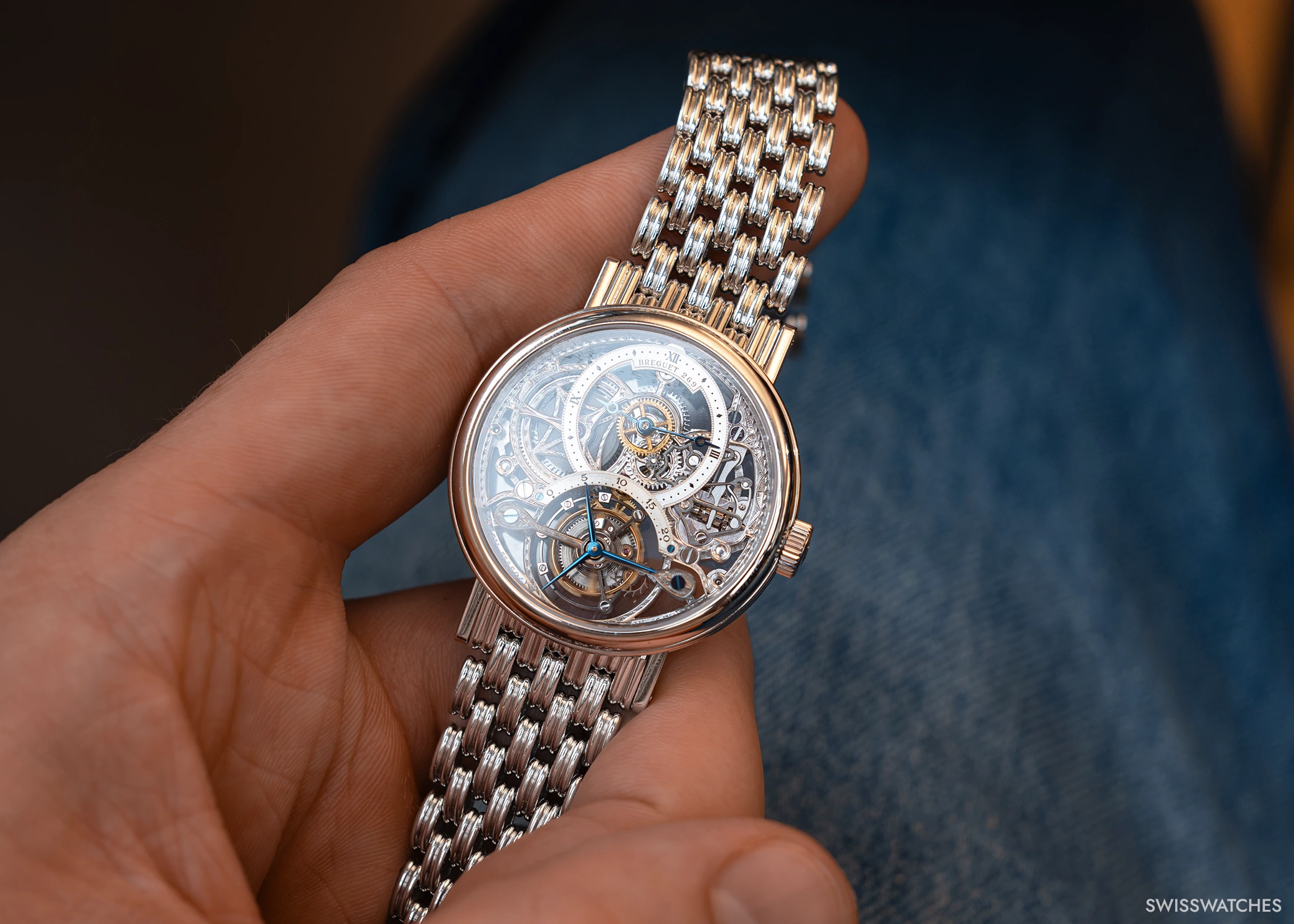
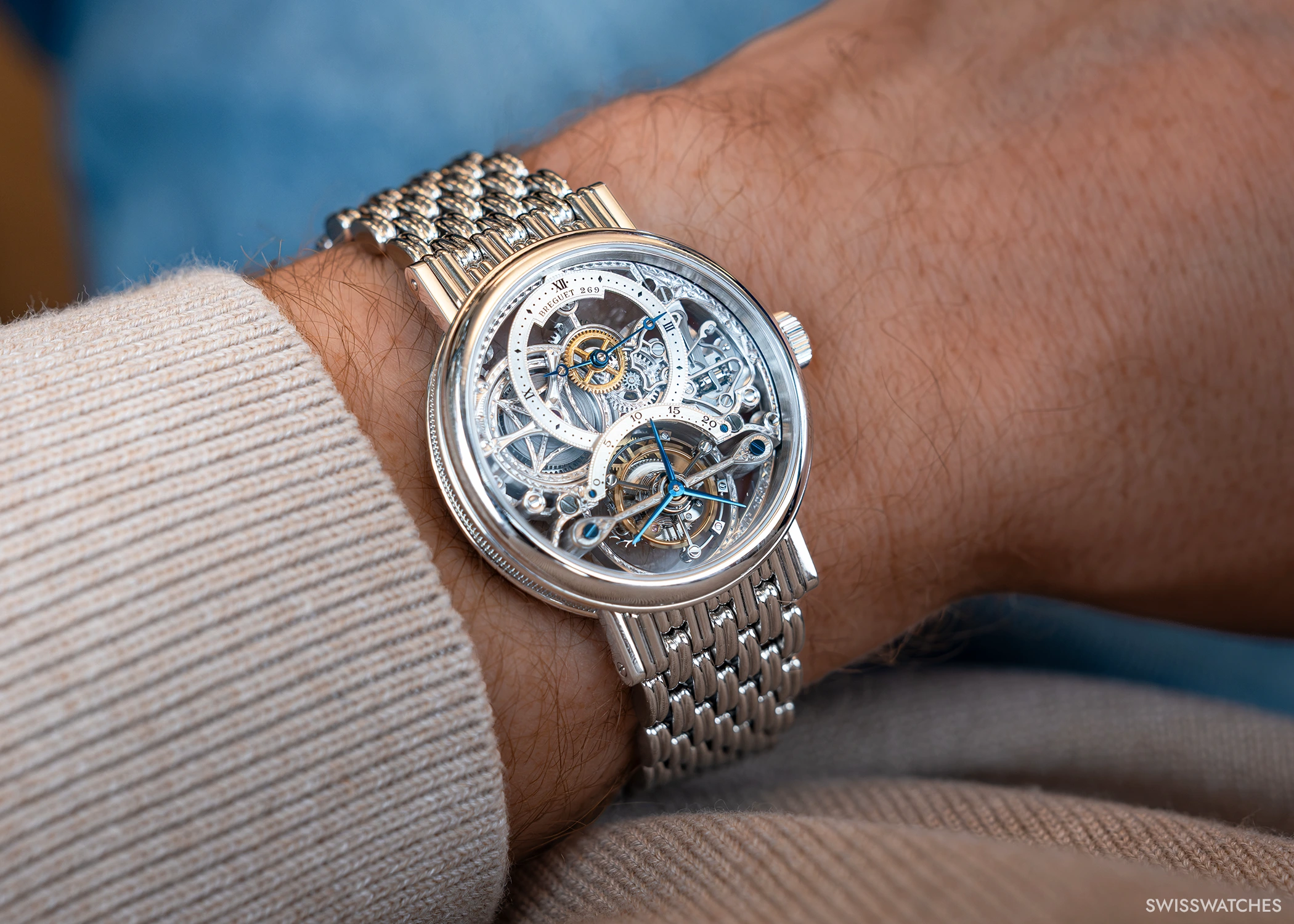
The neo-vintage story leads naturally to Breguet, and specifically to the Breguet of the 1980s and 1990s, when the house rebuilt its wristwatch identity around the coin-edge cases, hand-guilloché dials and pomme hands that Daniel Roth had done so much to define, and went on to produce some of the finest complicated watches of the period. Every Breguet in the Phillips sale sold above its high estimate, with several selling many times over, led by the platinum Classique Complications Tourbillon Ref. 3355PT on its Wellendorff bracelet, which made CHF 317,500 against an estimate of CHF 30,000 to 60,000.
The pattern held elsewhere, as Antiquorum’s diamond-set Ref. 3356 skeleton tourbillon sold for CHF 176,400 against an estimate of CHF 80,000 to 130,000, and Sotheby’s sold a Classique Tourbillon with a George Daniels presentation box and correspondence with David Roscoe for around US$116,000.
Although FP Journe was the talking point for most conversations throughout the weekend in Geneva, thankfully there was plenty of truly great vintage watches from all houses and all makers. Crucially though, they were all receiving plenty of attention from those in the know.
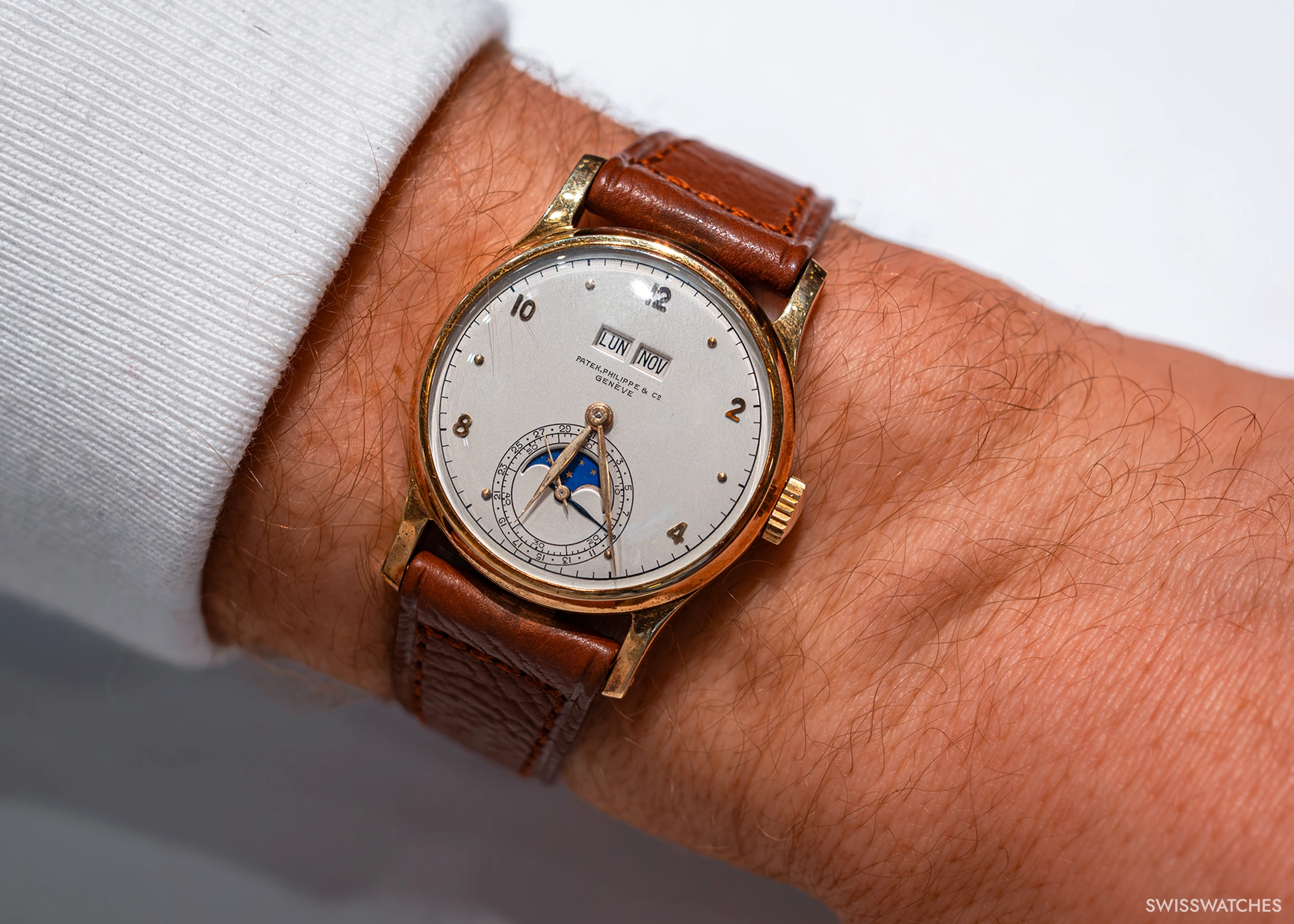
The headline came at Phillips, where a steel Patek Philippe Ref. 1436 split-seconds chronograph from 1945, one of only two known in its original steel configuration, sold for CHF 6,267,000, a world record for any split-seconds chronograph, while at Sotheby’s a first series yellow gold Ref. 1526 from 1943, Patek Philippe’s first serially produced perpetual calendar wristwatch, made CHF 512,000.
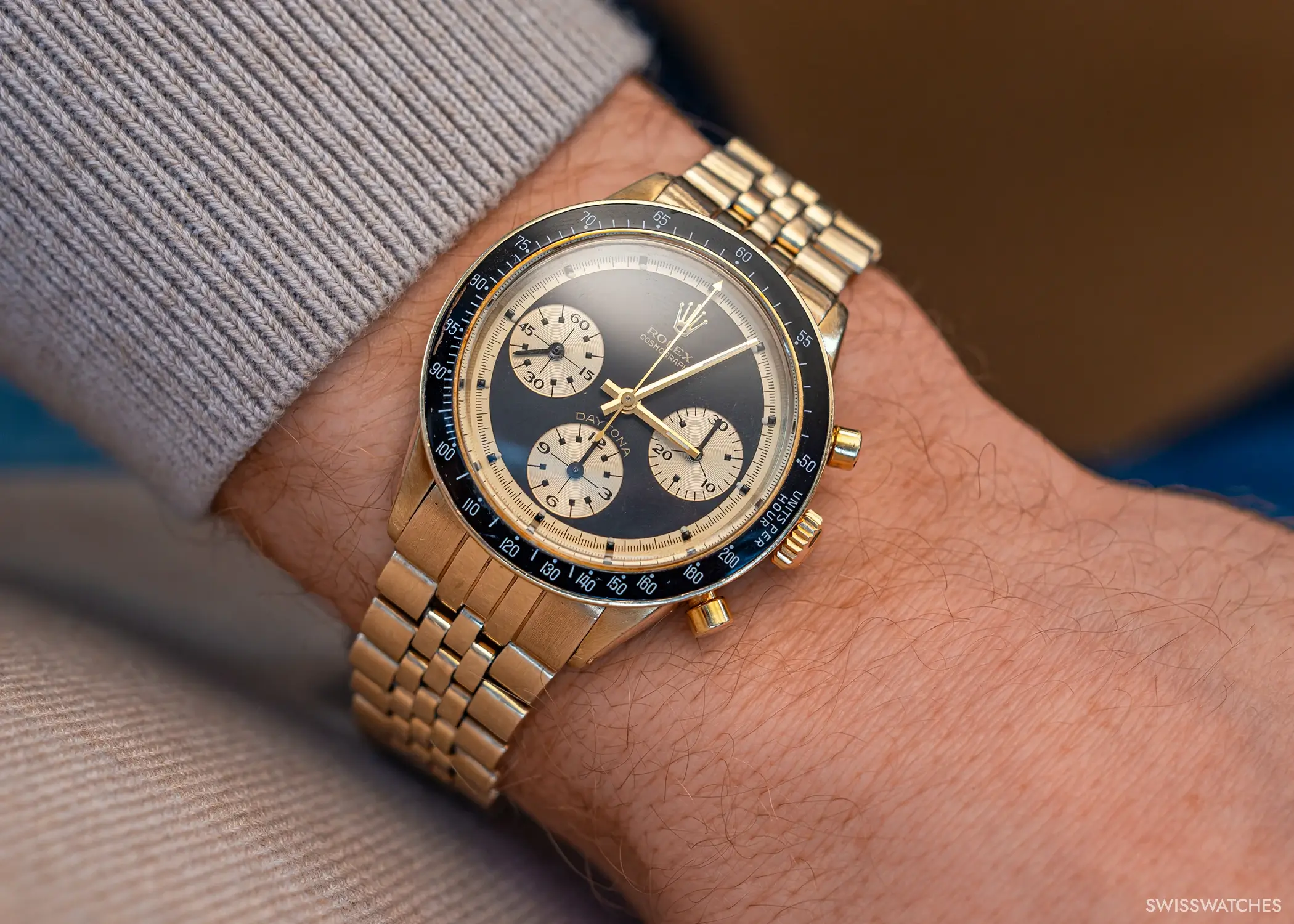
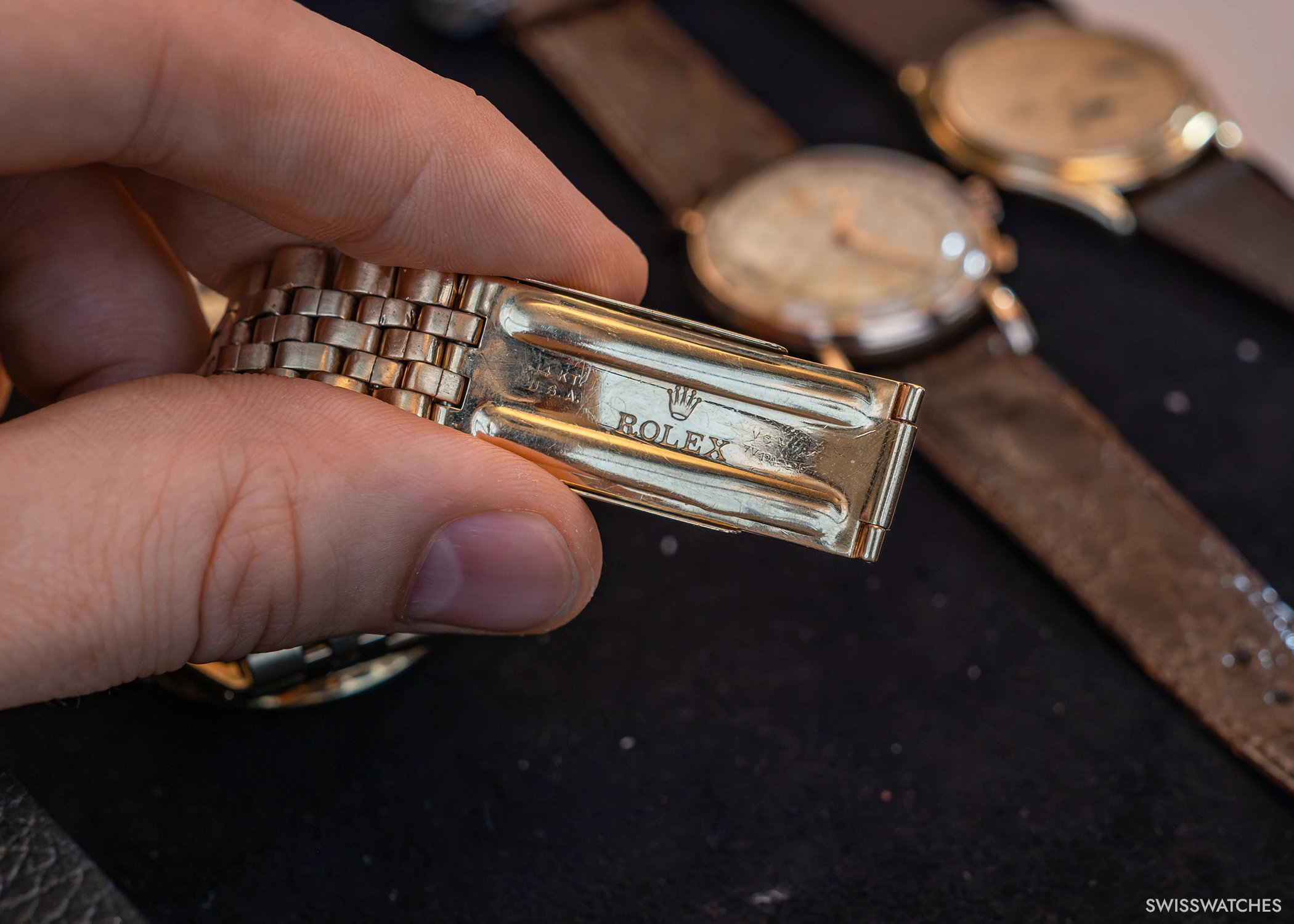
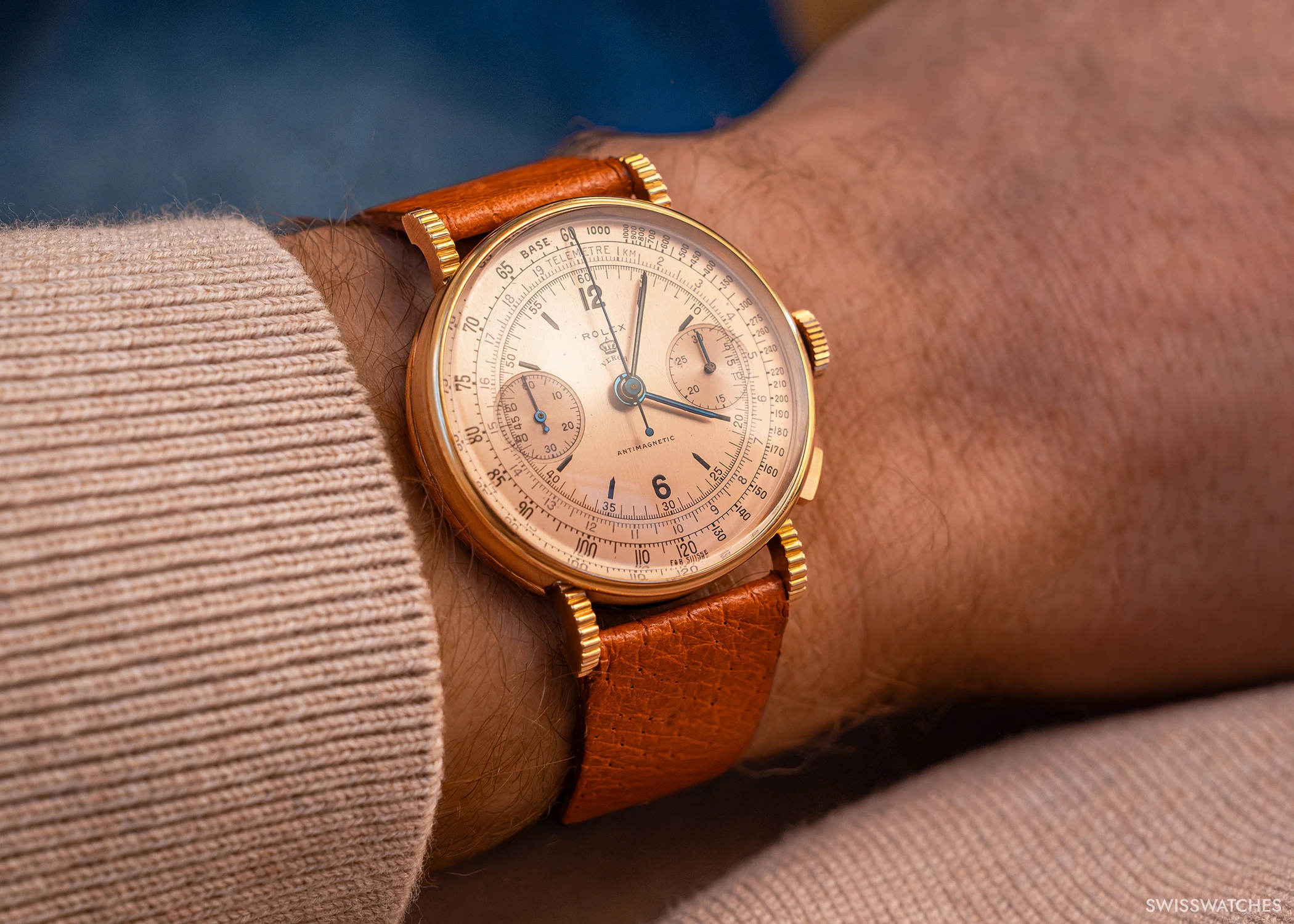
Vintage Rolex had one of its strongest weekends in years, with Phillips selling the Ref. 6062 “Stelline” for CHF 2,334,500 and a 14k gold “John Player Special” Van Cleef signed on the clasp Daytona for CHF 1,905,000. The first part of Pucci Papaleo’s collection of Rolex chronographs was led by a most probably unique square Ref. 3830 “Verga”, which set a record for a non-Oyster Rolex chronograph at CHF 1,270,000, while a pink gold Ref. 3335 with a Monetti-signed pink dial and a case believed to be unpolished made CHF 355,600.
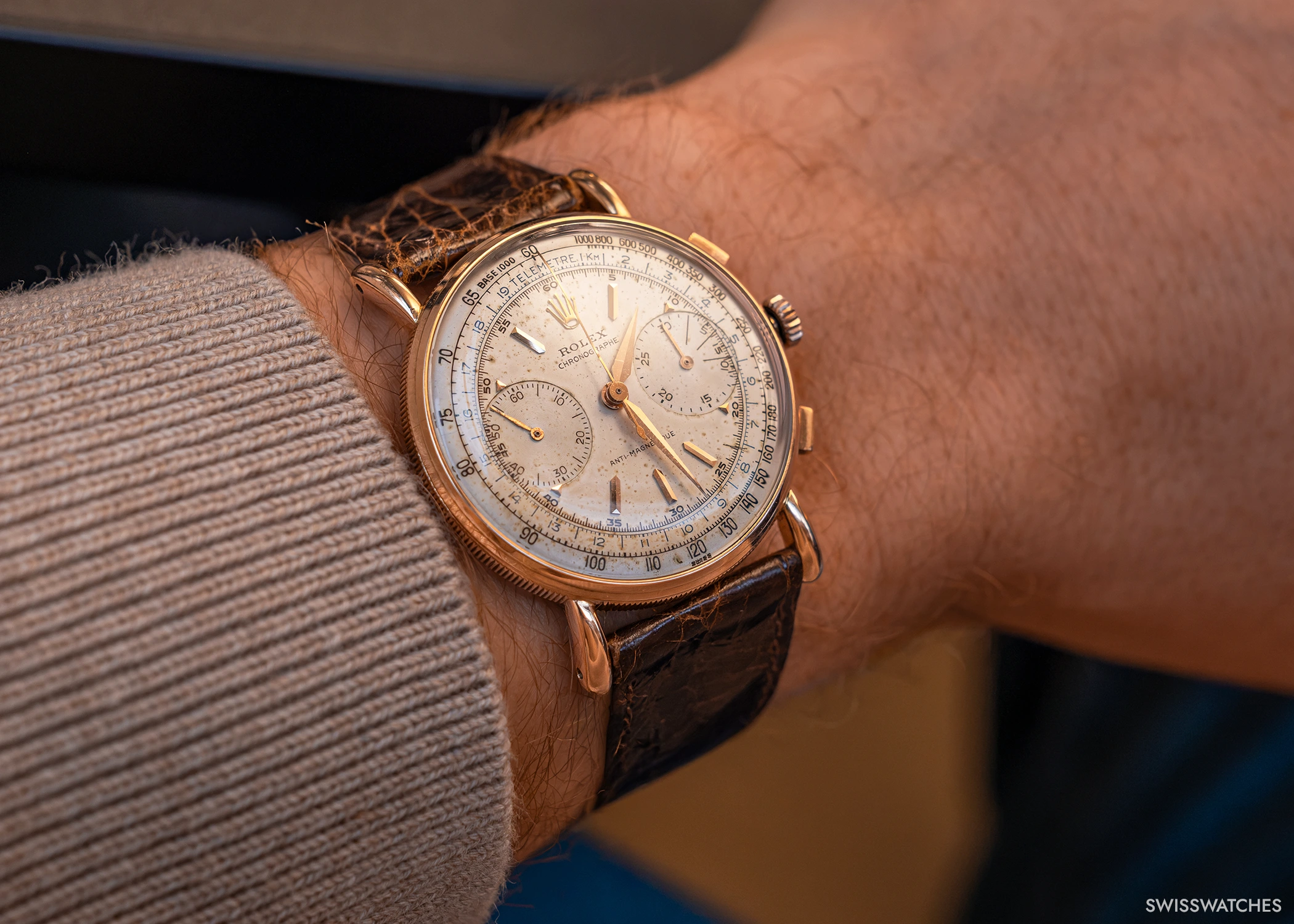
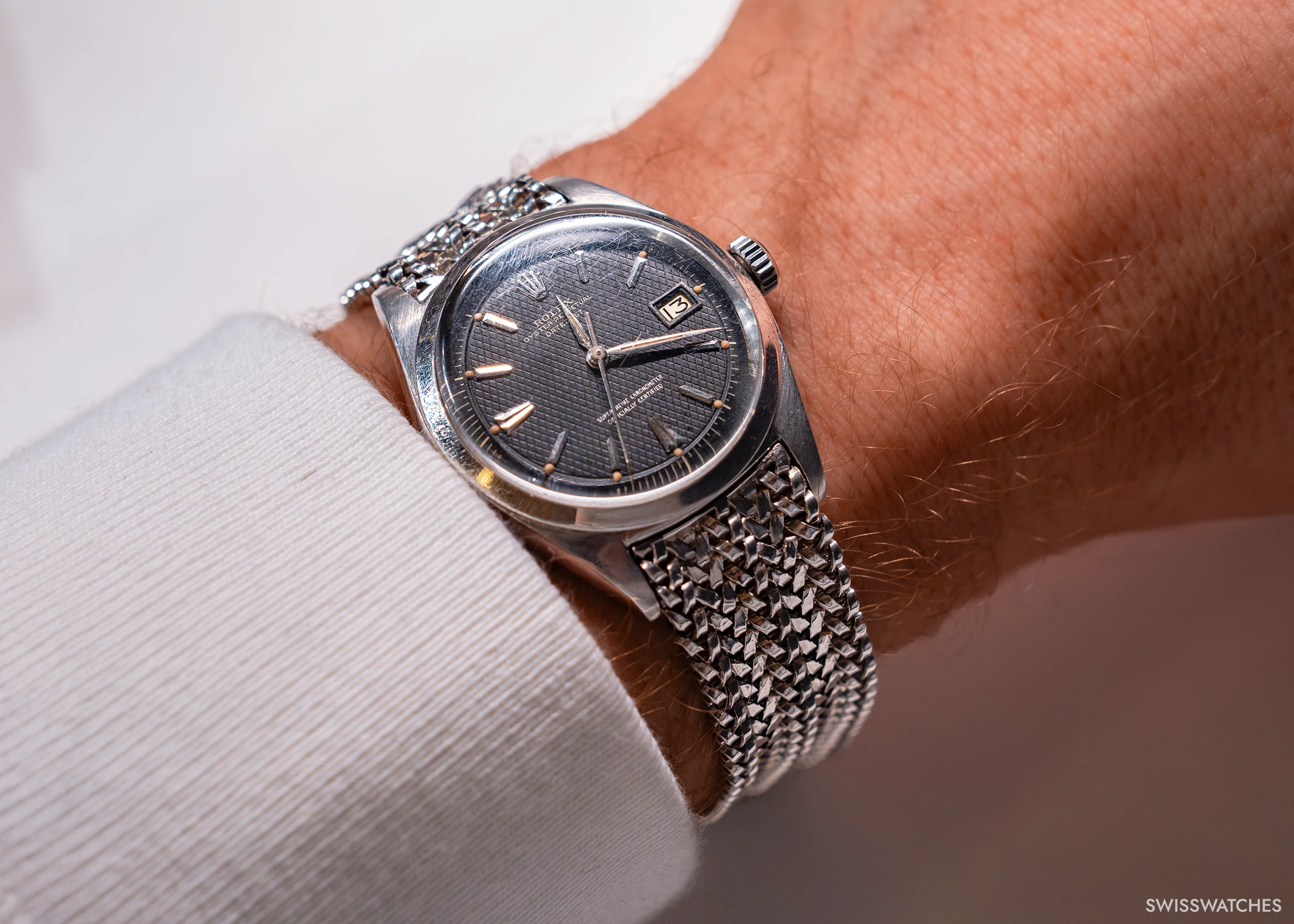
An early Ref. 3761 reached CHF 266,700, more than six times its high estimate, yet a pink gold Ref. 4062 with elongated teardrop lugs sold within estimate at CHF 53,340, and at Christie’s a platinum Datejust Ref. 6604 with a black honeycomb dial and full platinum bracelet made a measured CHF 192,000.
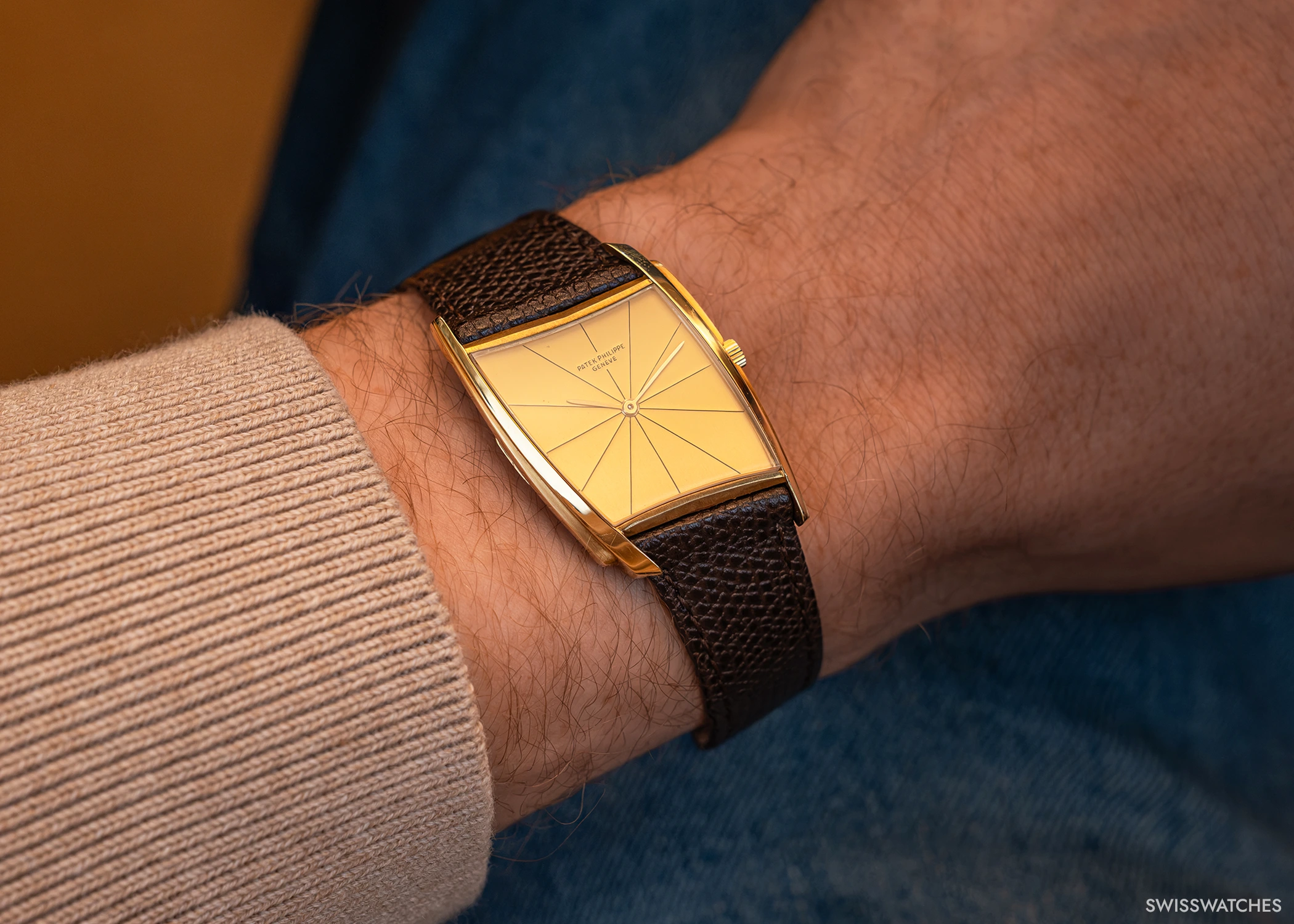
Patek Philippe’s 1959 3424 “Gilbert Albert” at Phillips with an engraved and enamelled champagne dial, believed to be the only example of the reference with the calibre 99P, sold for CHF 736,600 against an estimate of CHF 80,000 to 160,000.
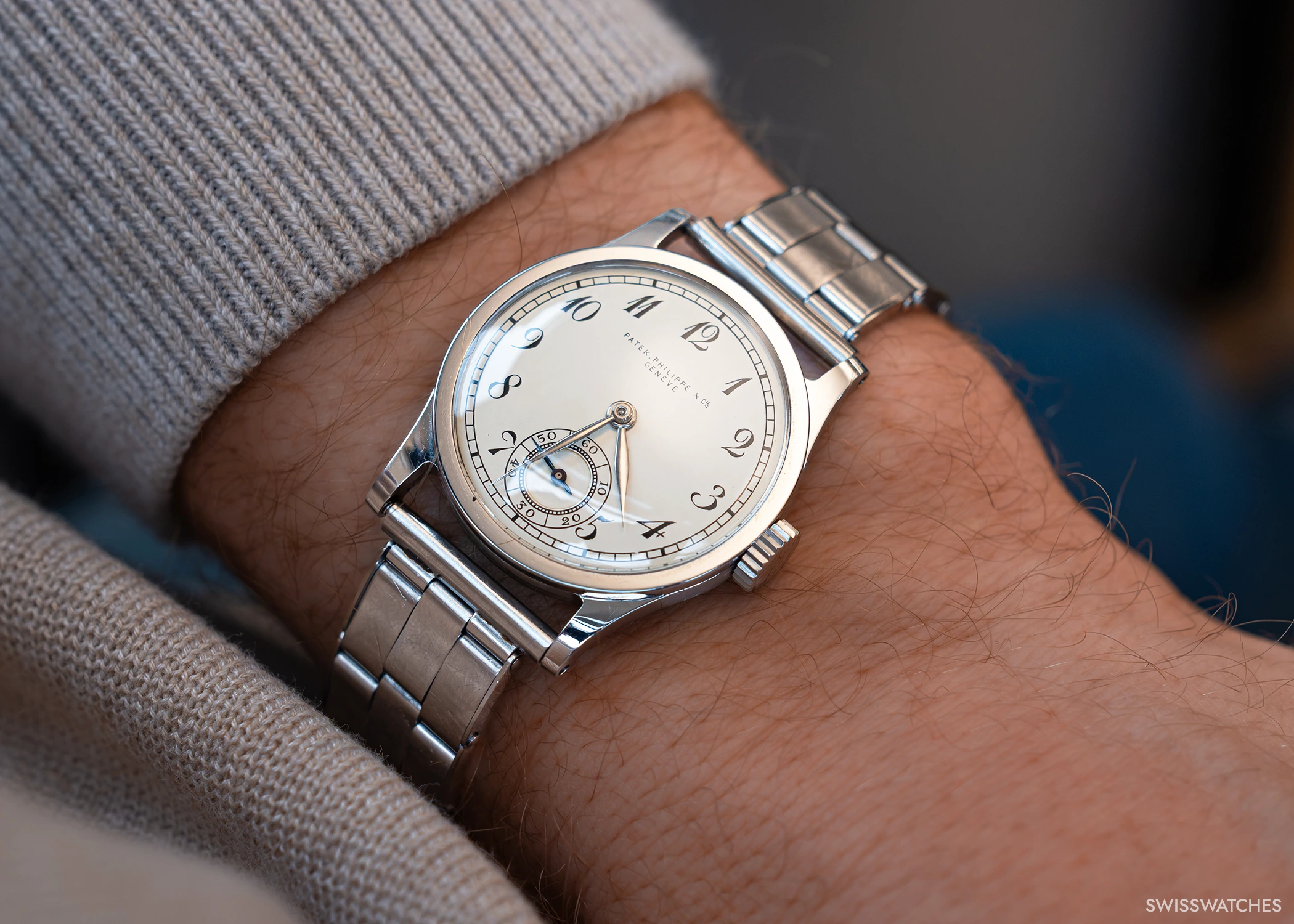
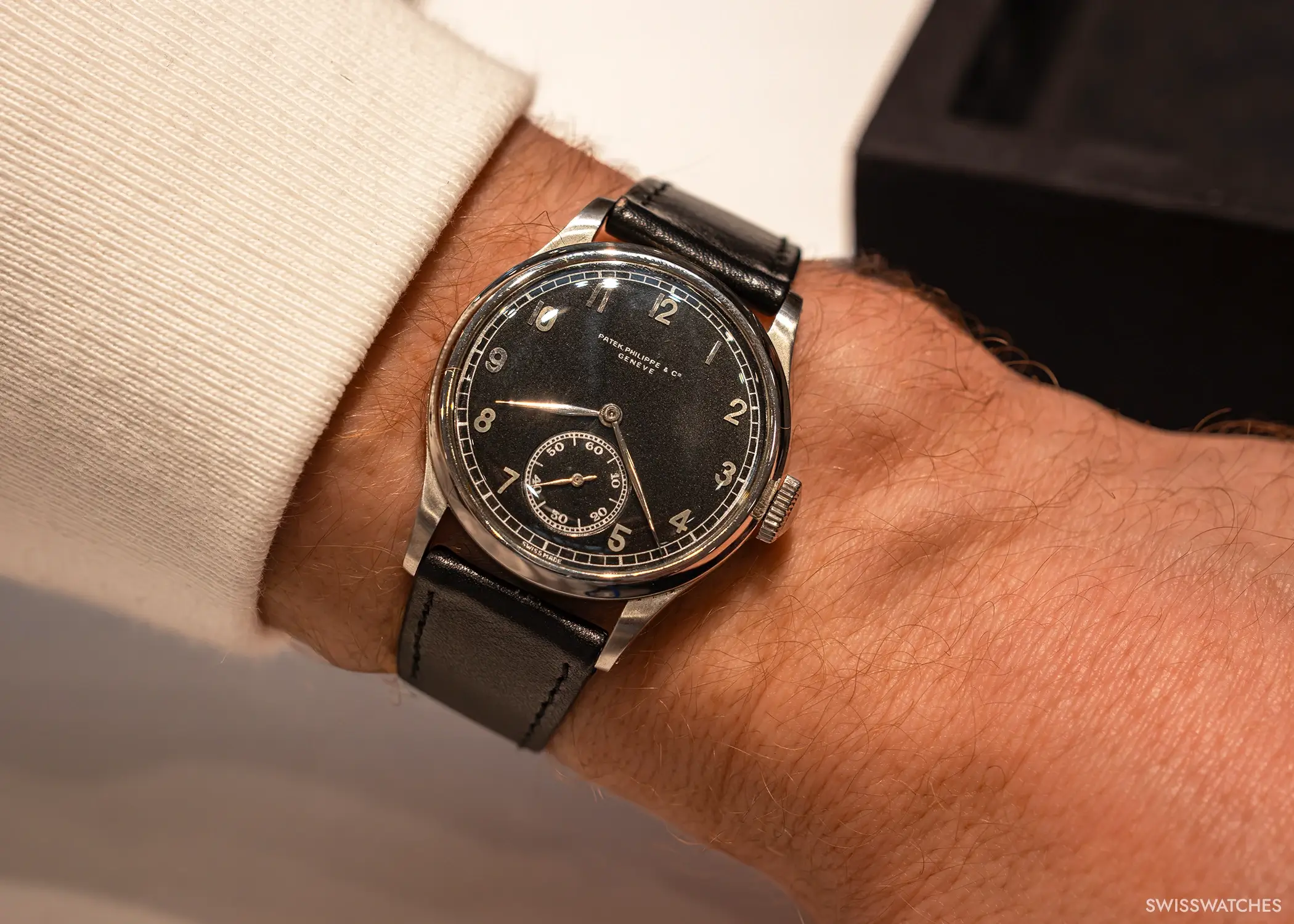
For the Calatrava, meanwhile, a steel Ref. 530 at Phillips with its silvered dial and applied Breguet numerals made CHF 1,117,600, while a black-dial 530 at Sotheby’s, sold for CHF 179,200. Phillips also sold a beautifully charming steel Ref. 96 from 1941 with engraved and enamelled Breguet numerals confirmed by its Extract, on a Gay Frères expandable bracelet, for CHF 63,500.
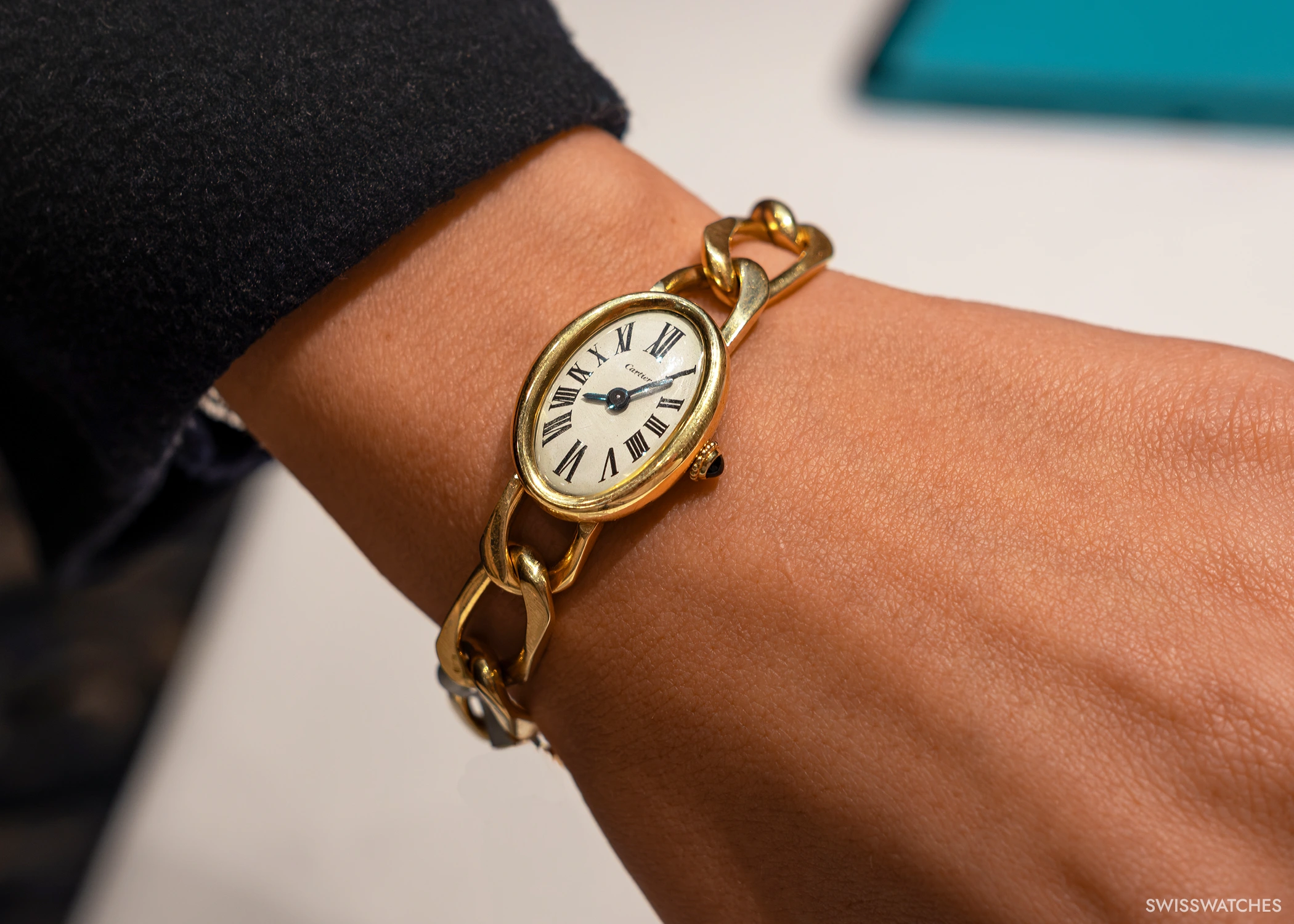
A Cartier London Baignoire from around 1975 on a yellow gold chain bracelet sold for CHF 48,640 against an estimate of CHF 15,000 to 30,000 over at Sotheby’s, and for me, although not a top lot, it was easily one of the most charming results of the week.
If we zoom out from specifics for a second and take a look at these watches and results, they highlight a market that is anything but indiscriminate; and that’s hugely important. The auction market is as hot right now as it has ever been, and rare/collectible watches are doing exceptionally well, but what makes this season exciting rather than simply impressive is that the heat was not confined to one corner of the room.
The Journe frenzy, the rise of school watches, the acknowledgement of neo-vintage, the return of Breguet, and the enduring pull of great vintage are five distinct trends, suggesting a market with real, exciting depth right now. For a market at these levels, that breadth of interest is the healthiest sign of all, because a market that keeps finding new things to love has plenty of road ahead of it.
Enter your email address and we'll send you a link to reset your password.
We have sent a confirmation link to . Open it to activate your account.