Christian Selmoni explains how Vacheron Constantin keeps métiers d’art alive by balancing heritage, innovation and understated design.
On this hot summer’s day, we stand in front of the former watchmaking school in Fleurier and squint up at the sky, or more precisely at a castle perched on the mountain peak above the town. What a fantastic view you must have from up here, we wonder, and a little later in the day we will have the pleasure of finding out for ourselves. For a lord of the manor has now moved in up there, one who has shaped watchmaking in the region like no other. And while we are still lost in thought, the tranquility of this rural idyll is suddenly interrupted by the roar of an engine.
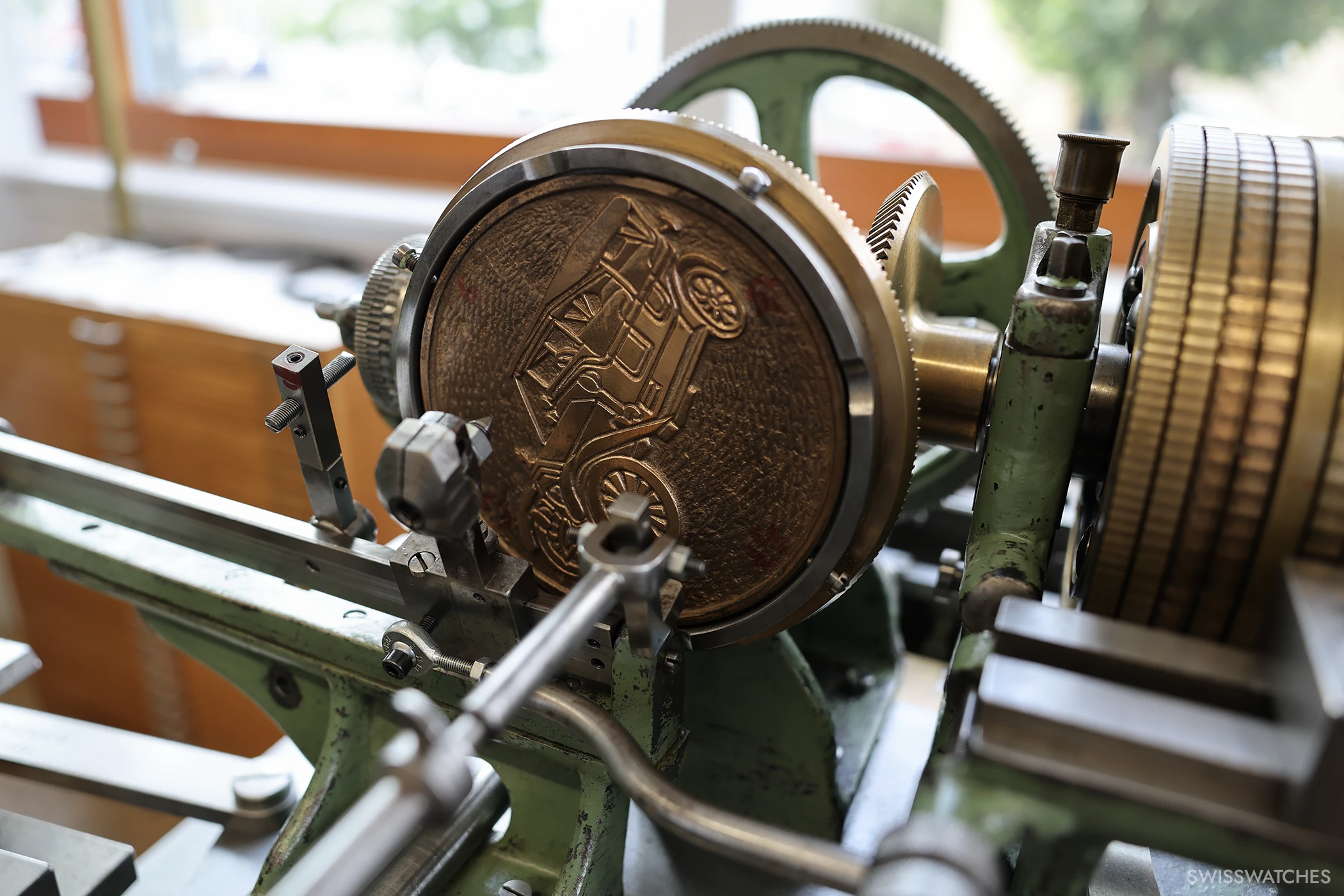
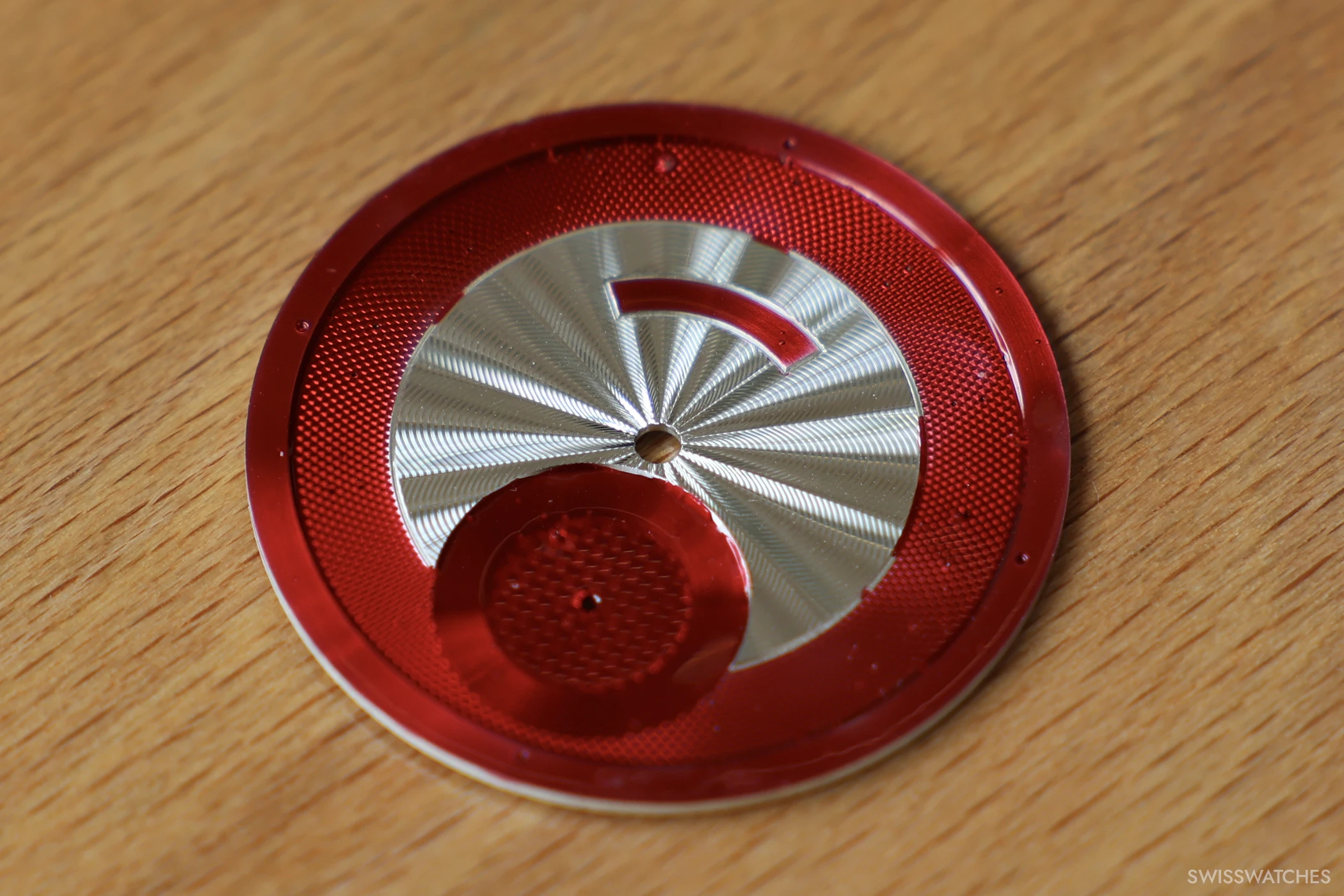
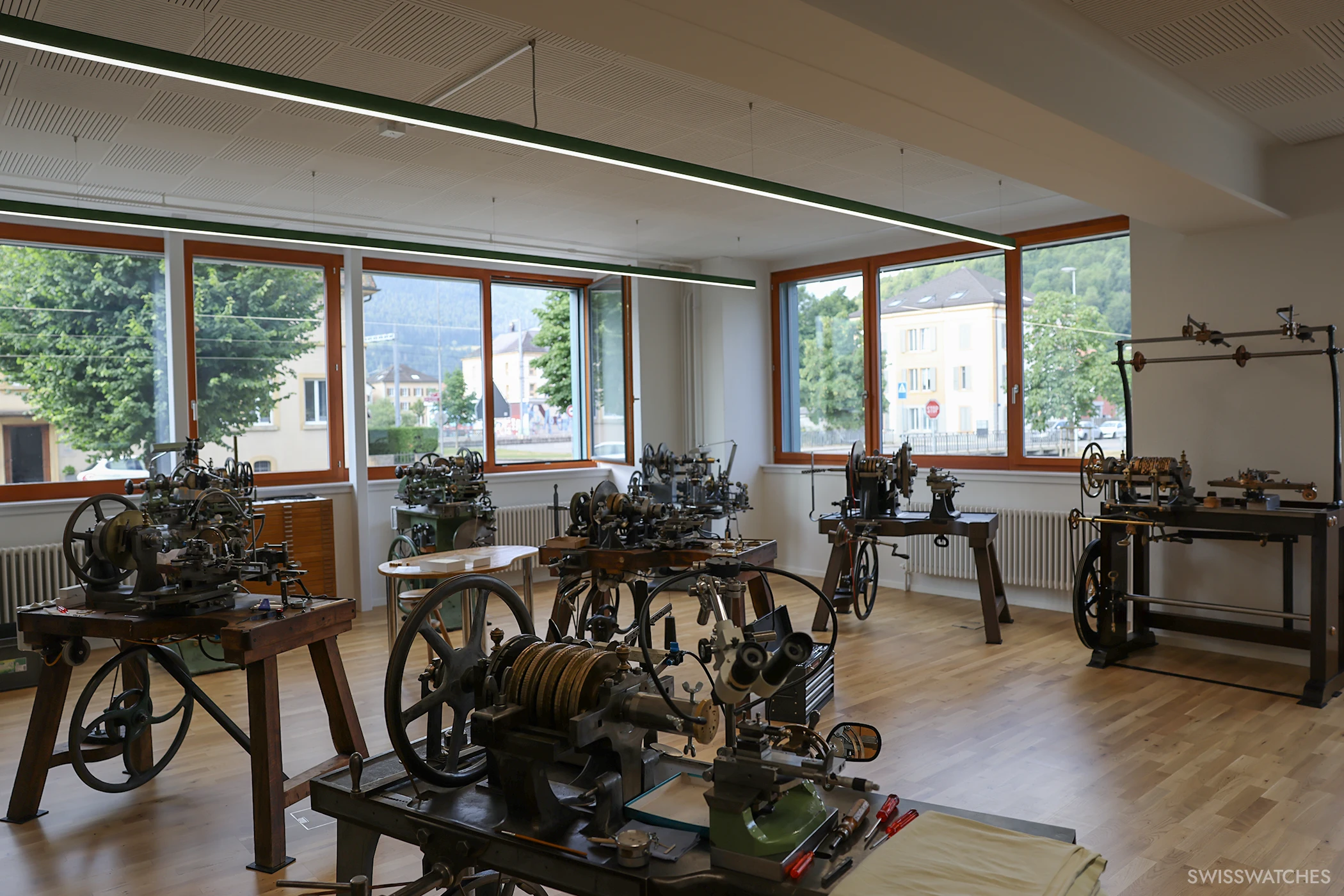
We have an appointment with Kari Voutilainen, who arrives at that moment in his vintage 1979 Jaguar J12. For the first stop of our meeting, he has not chosen his mountain atelier, but one of his latest projects, which he is equally proud of. In 2022, Voutilainen took over Brodbeck Guillochage, originally created by Georges Brodbeck who had been collecting, restoring, and putting historic machines back into use for over 20 years. Here, dials are made by hand, as has been the practice in this region for centuries.
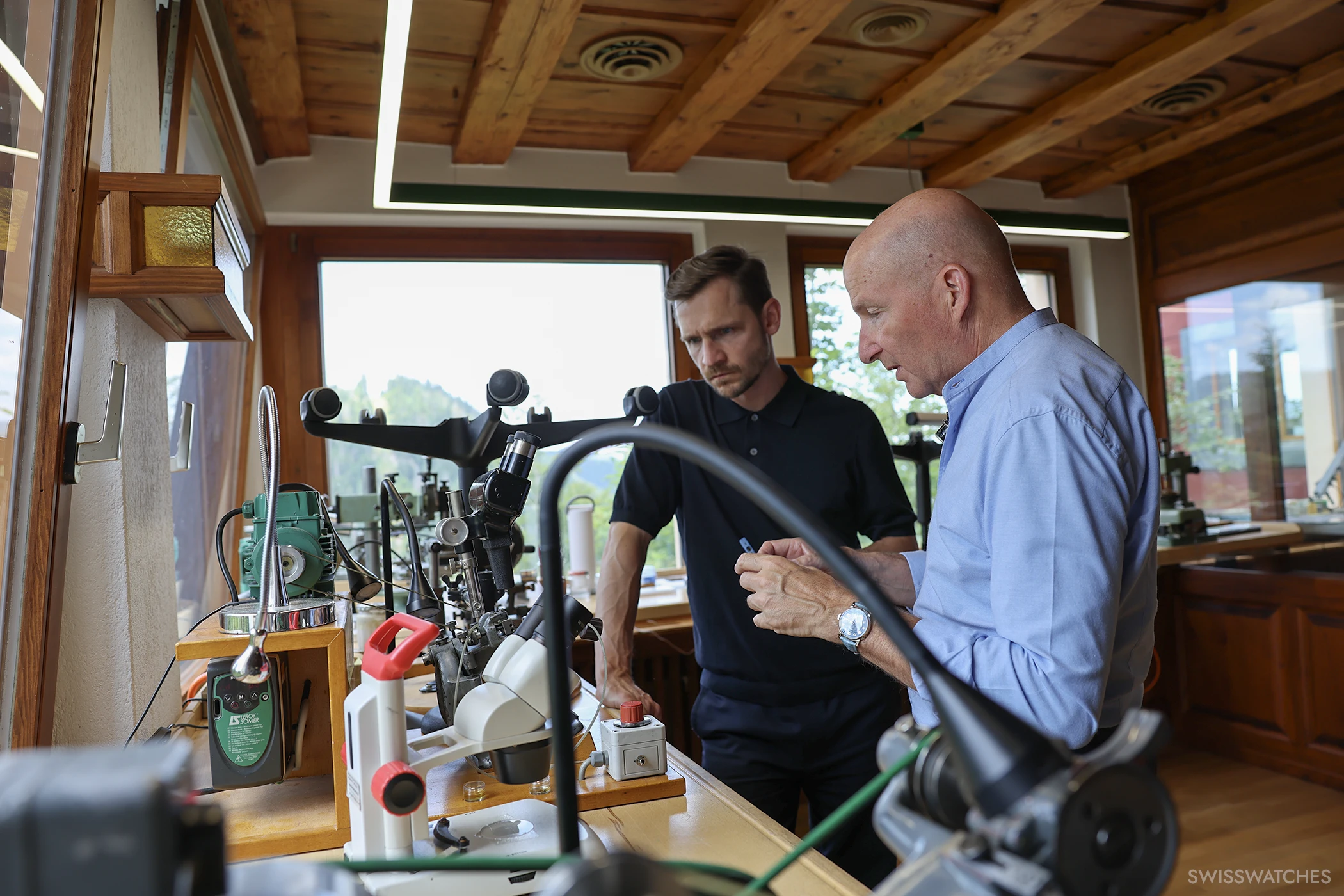
Kari Voutilainen generously spent far more time with us that day than we could have expected from someone so highly sought-after and deeply respected among serious watch collectors. He personally guides us through his various workshops – from the artistic world of guillochage to high-precision mechanical manufacturing and final assembly in his mountain atelier. On this day, we are introduced to a philosophy that fills the word ‘manufacture’ with life in its most original meaning.
Kari Voutilainen was born in Finland in 1962. It was a two-day internship in the workshop of a friend of his father’s that sparked an almost religious revelation in the young Voutilainen. This early experience shaped his respect for mechanics and led him to the Kelloseppäkoulu watchmaking school in Helsinki, from which he graduated in 1986. However, his thirst for knowledge quickly drove him beyond the borders of Finland to Switzerland.
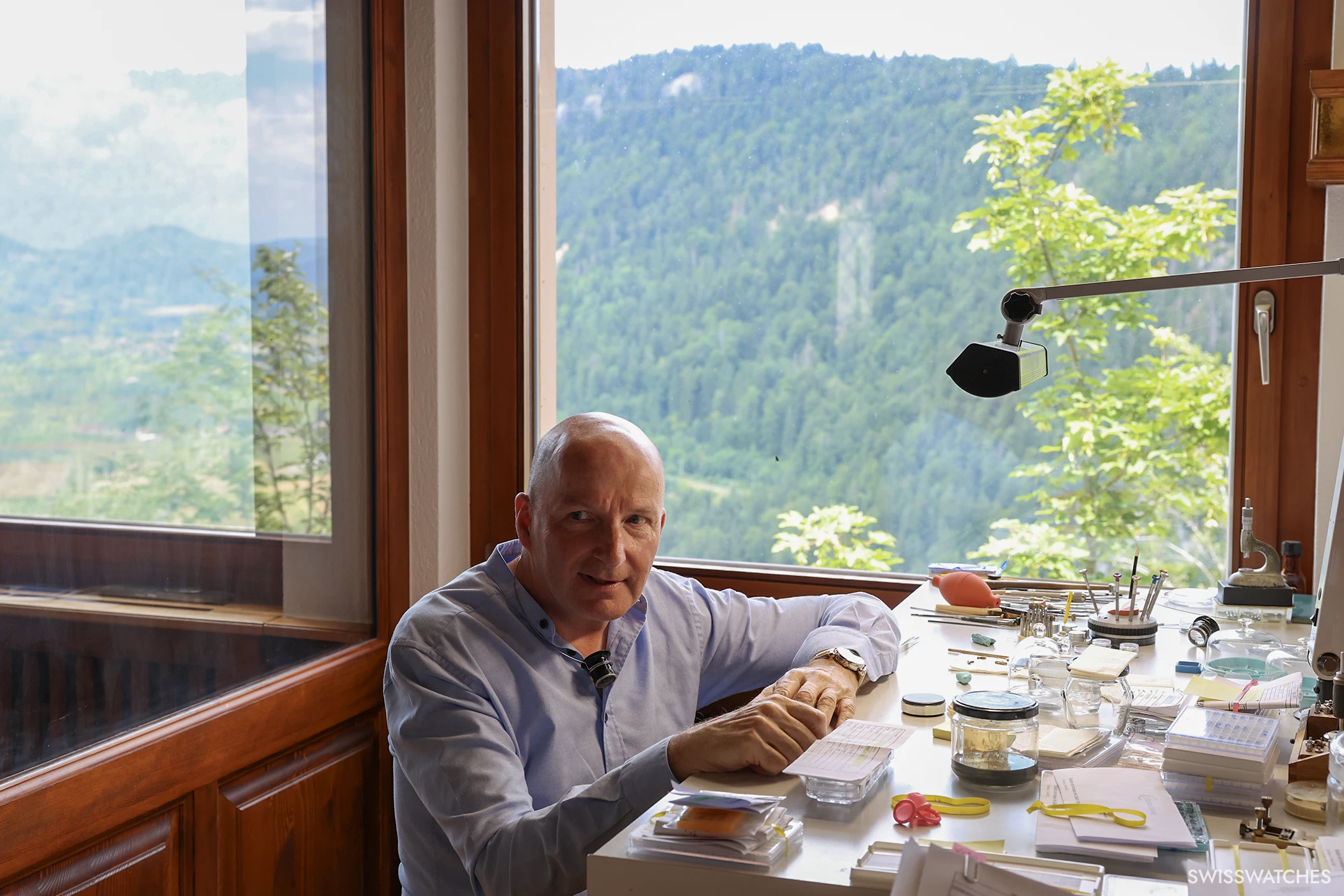
In 1988, he began his specialisation at WOSTEP (Watchmakers of Switzerland Training and Educational Programme) in Neuchâtel, where he focused on complicated watches and the art of restoration. This training laid the foundation for his later career, as it not only taught him technical skills, but also offered him a deep insight into horological history. The ability to understand and repair the work of past centuries is a prerequisite for being able to innovate and develop it further in the future. His ten years at Parmigiani Mesure et Art du Temps, where he was the 17th employee under Michel Parmigiani and restored some of the world’s most important watch collections, cemented this status. There, Voutilainen dismantled and studied masterpieces by Breguet and other titans of watchmaking history down to the smallest detail.
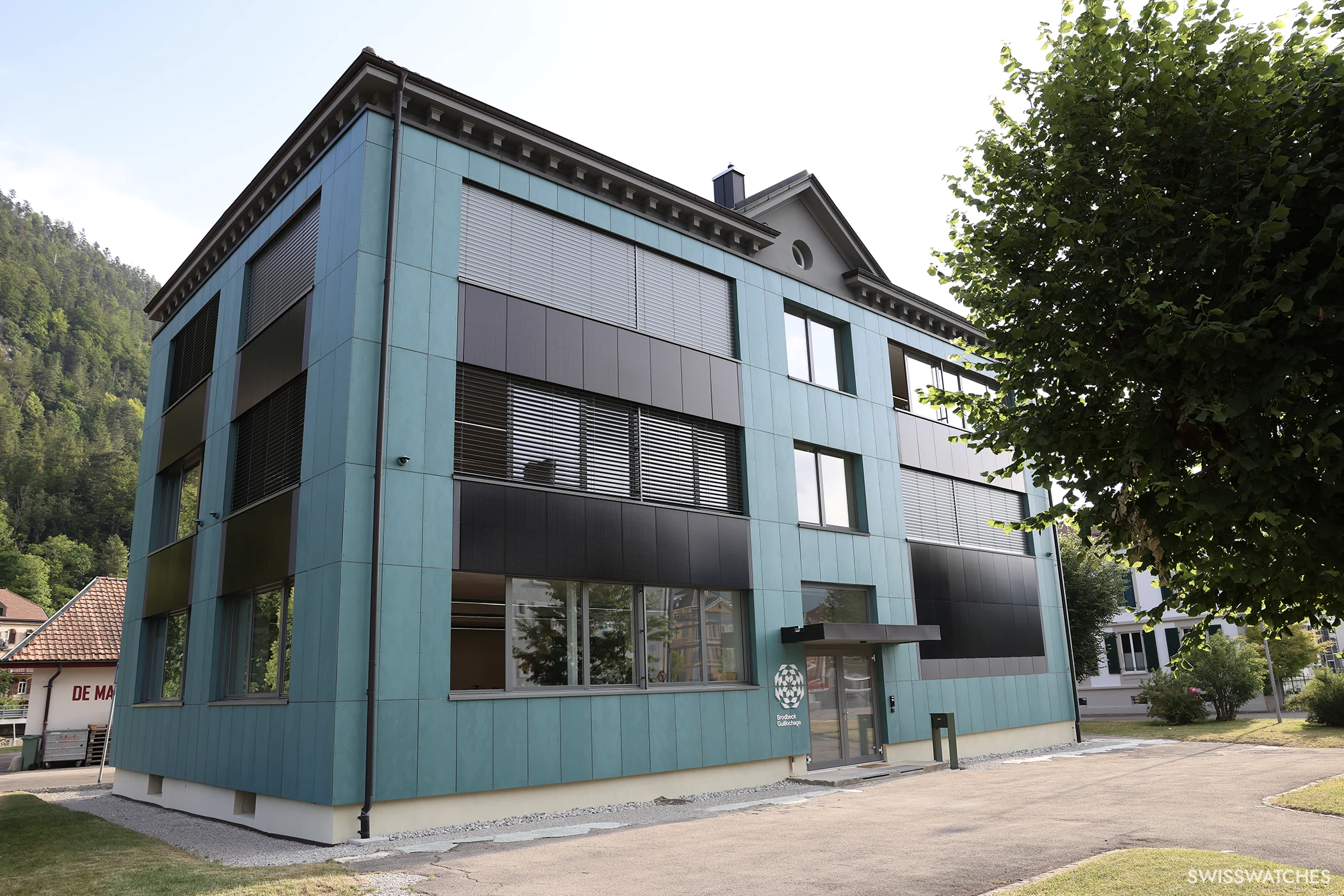
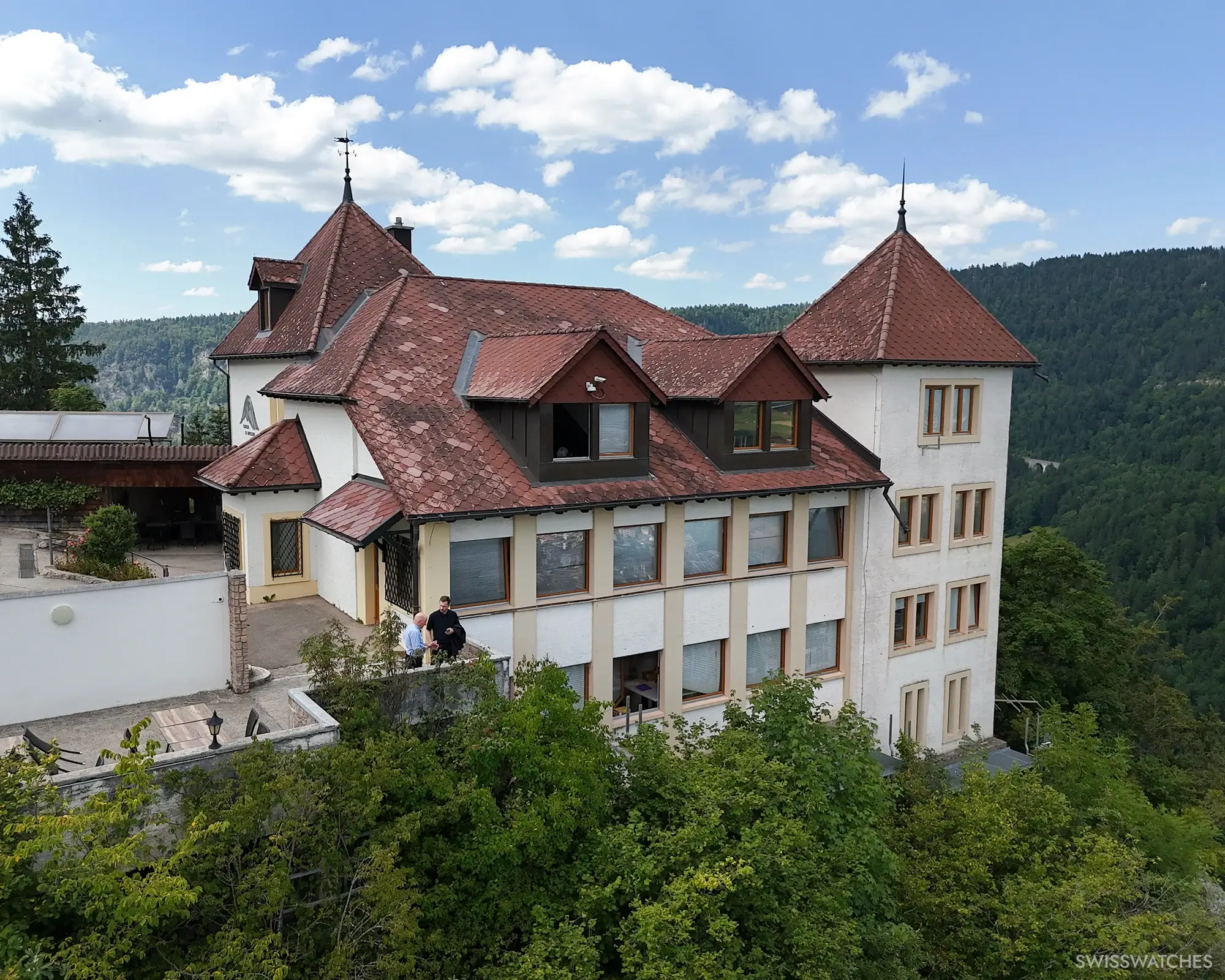
The first stop on our tour of Voutilainen’s workshops takes us to Fleurier, to the Brodbeck Guillochage Manufacture. This facility is much more than a production site; it is a Centre of Excellence dedicated to preserving the almost extinct art of hand guilloché. Kari Voutilainen acquired the company, founded in 2004 by Georges Brodbeck, in 2022 to ensure that the knowledge and historic machines would not be lost. The studio is located in the former watchmaking school of Fleurier, a magnificent building dating from 1896 that has been extensively renovated.
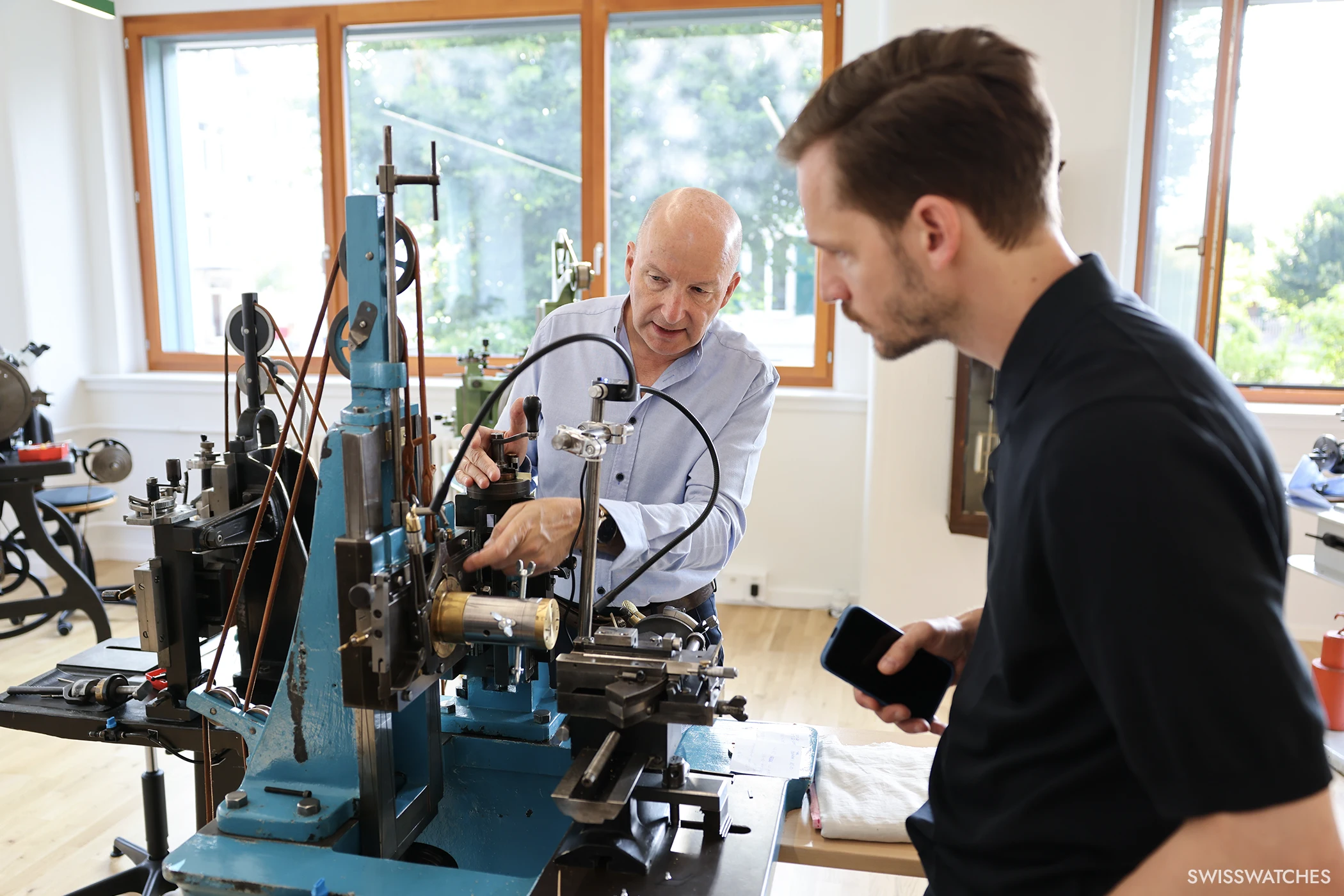
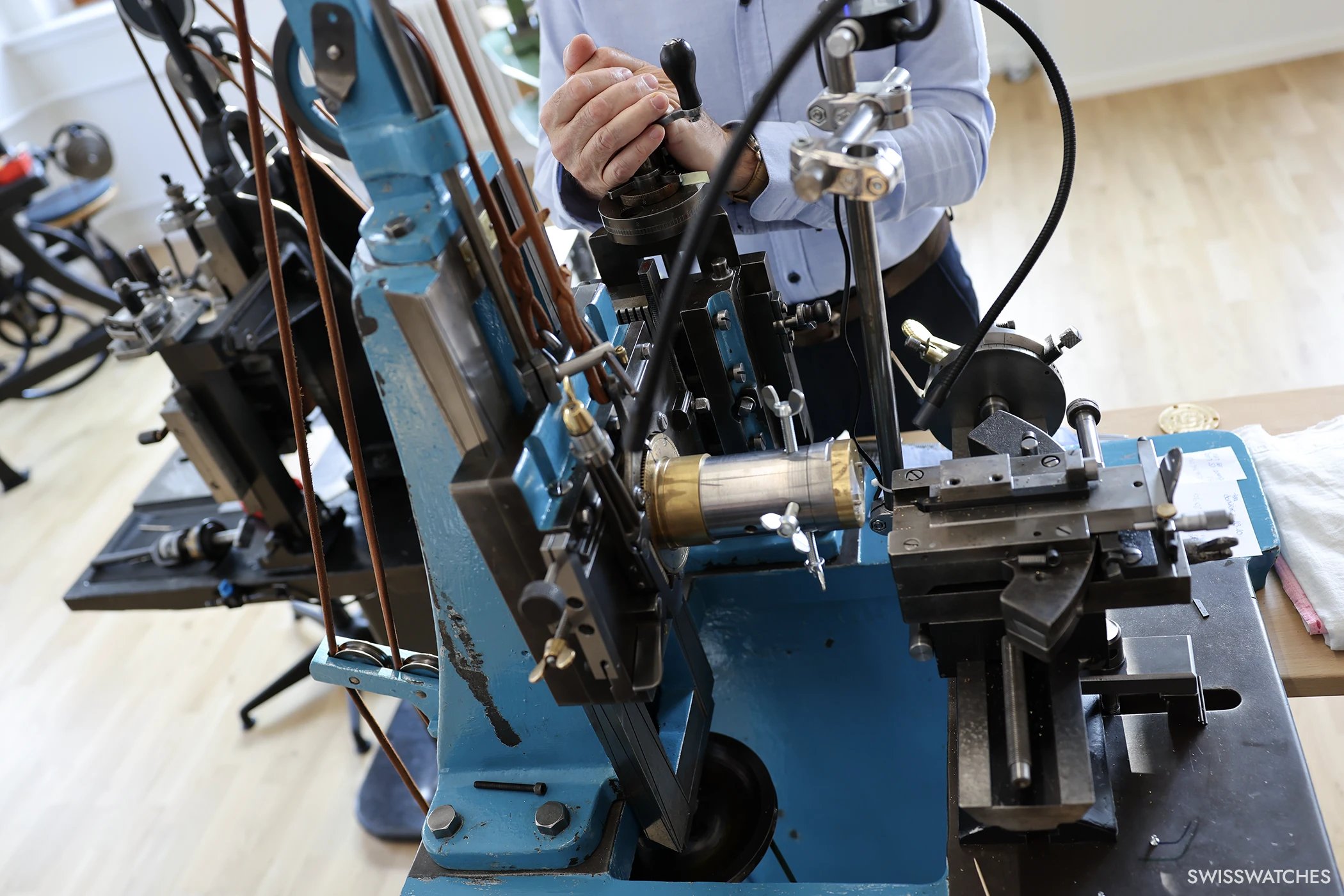
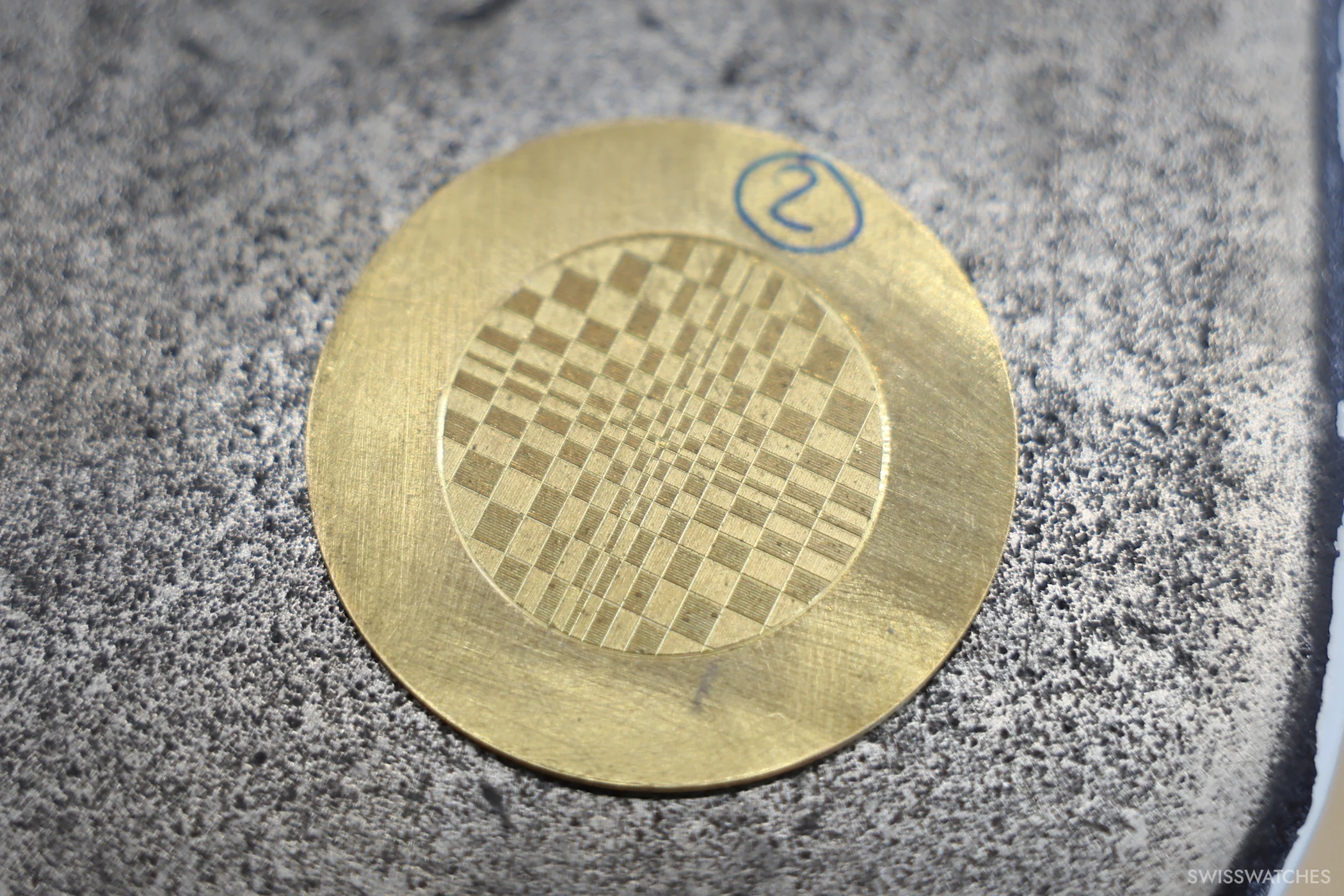
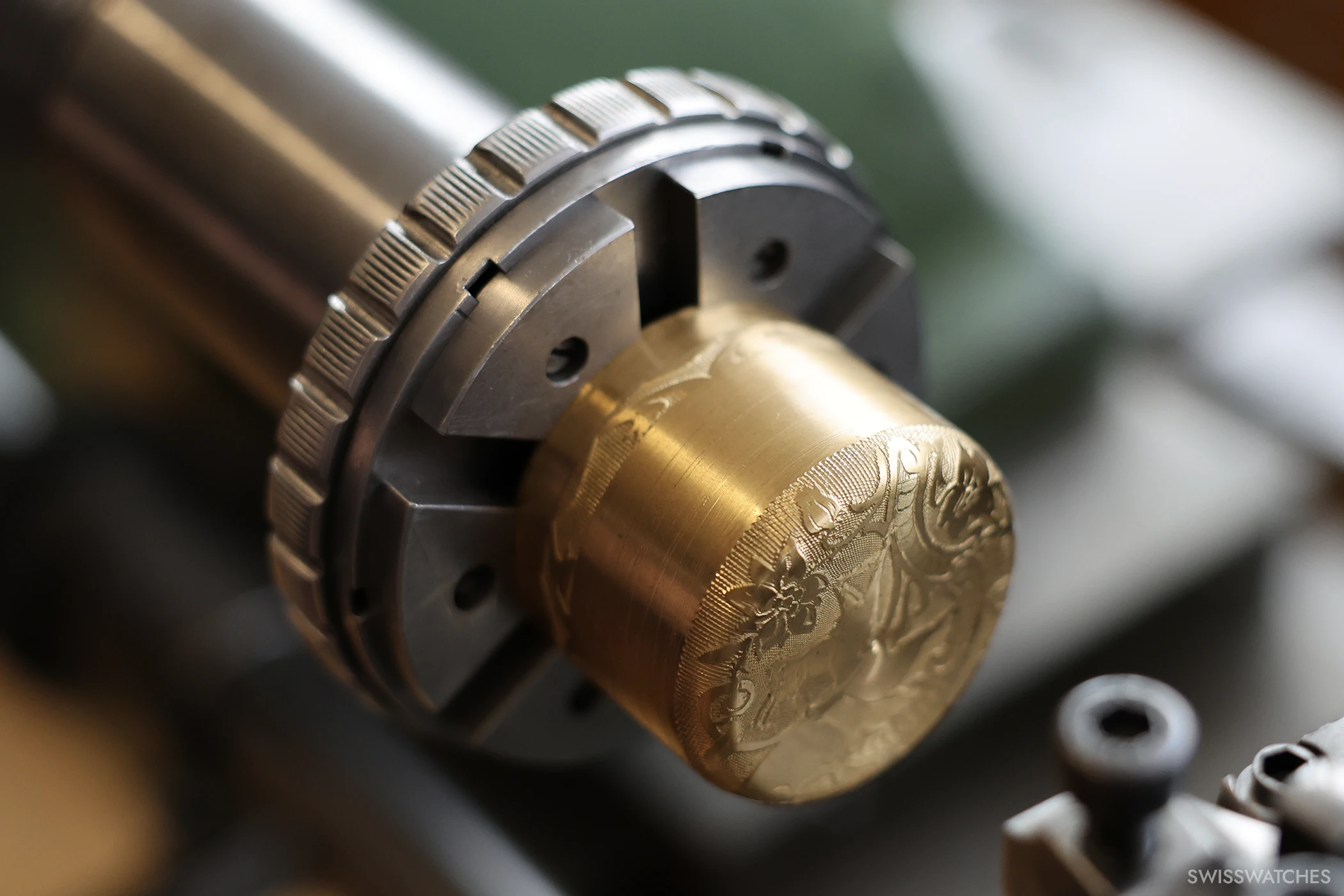
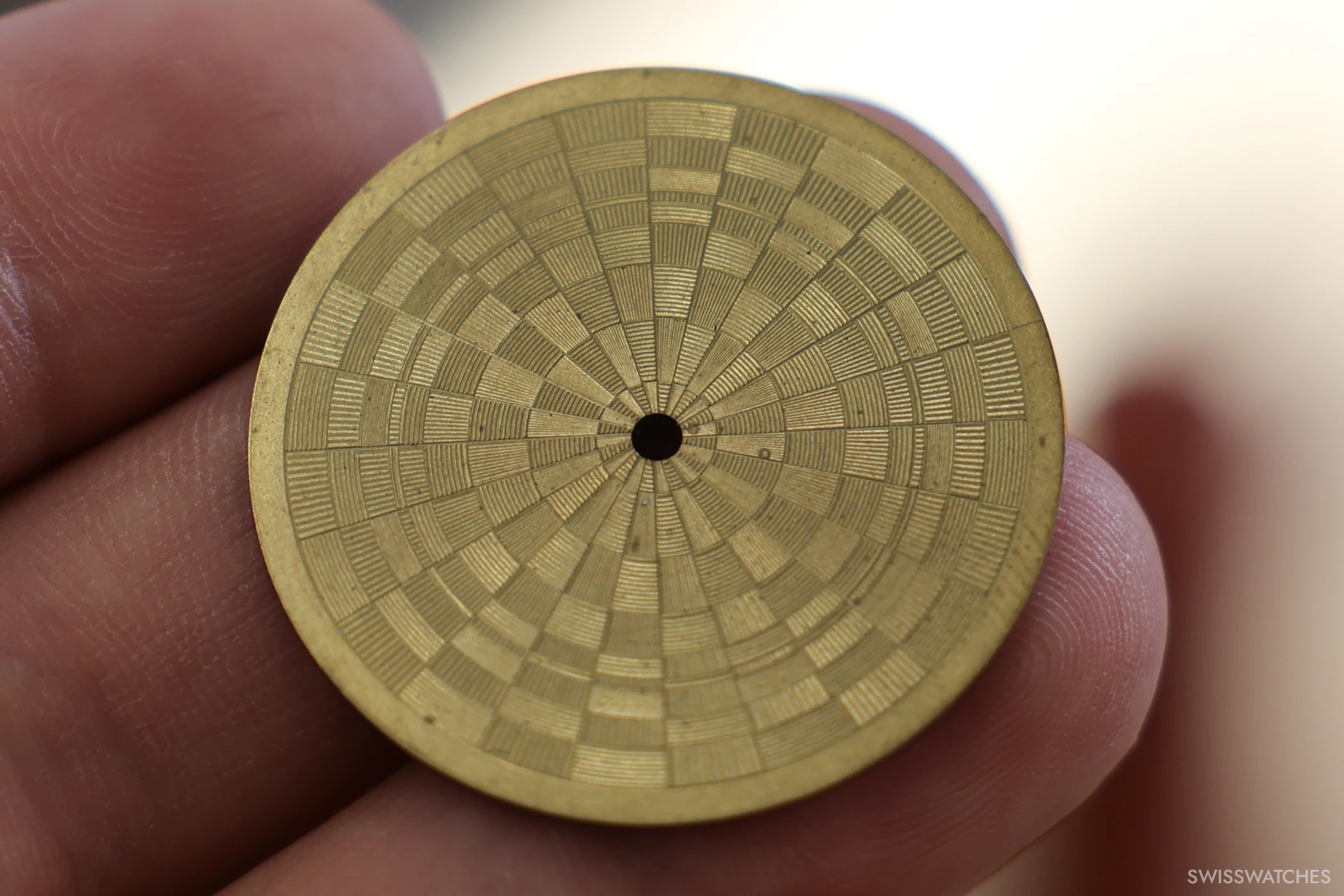
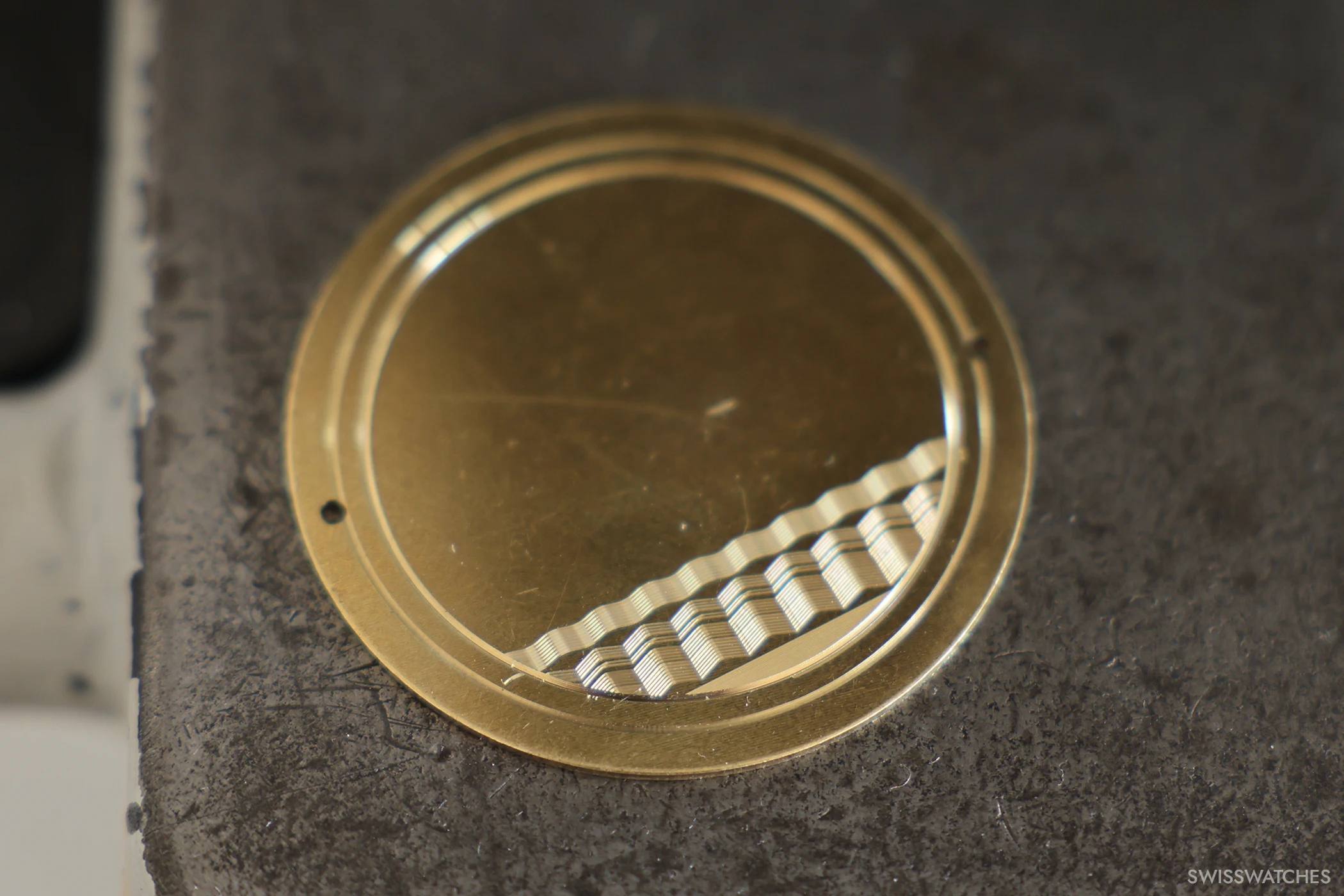
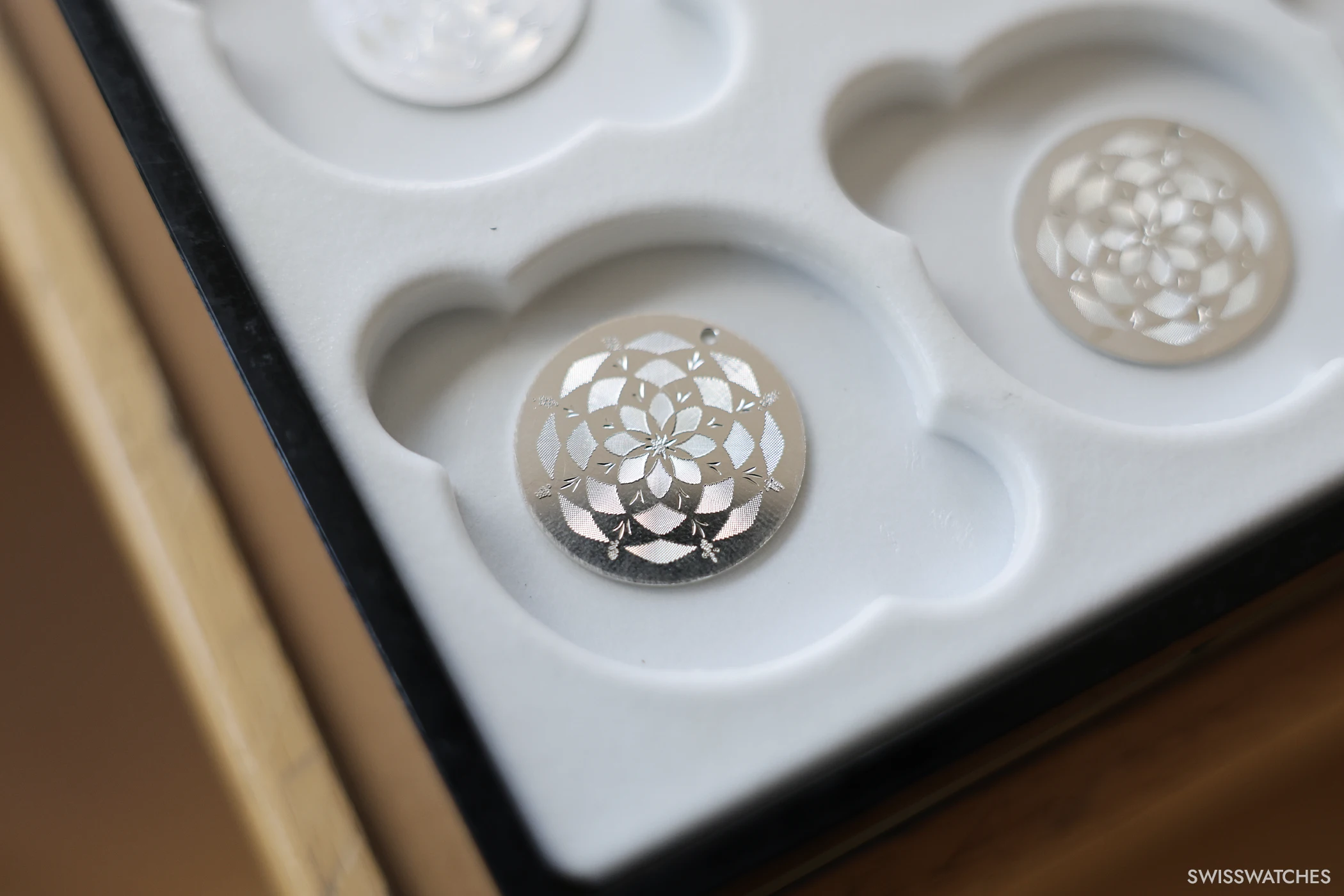
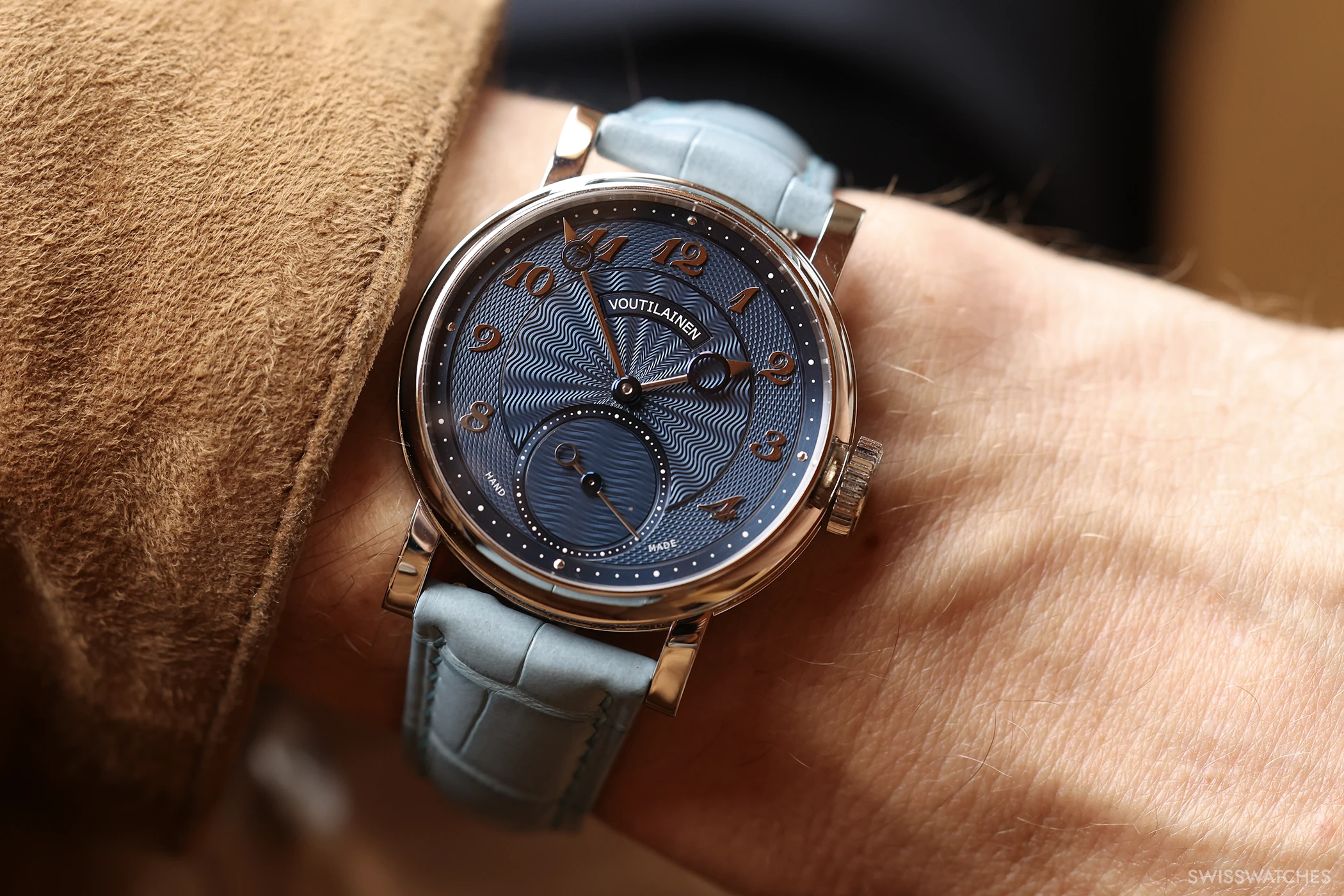
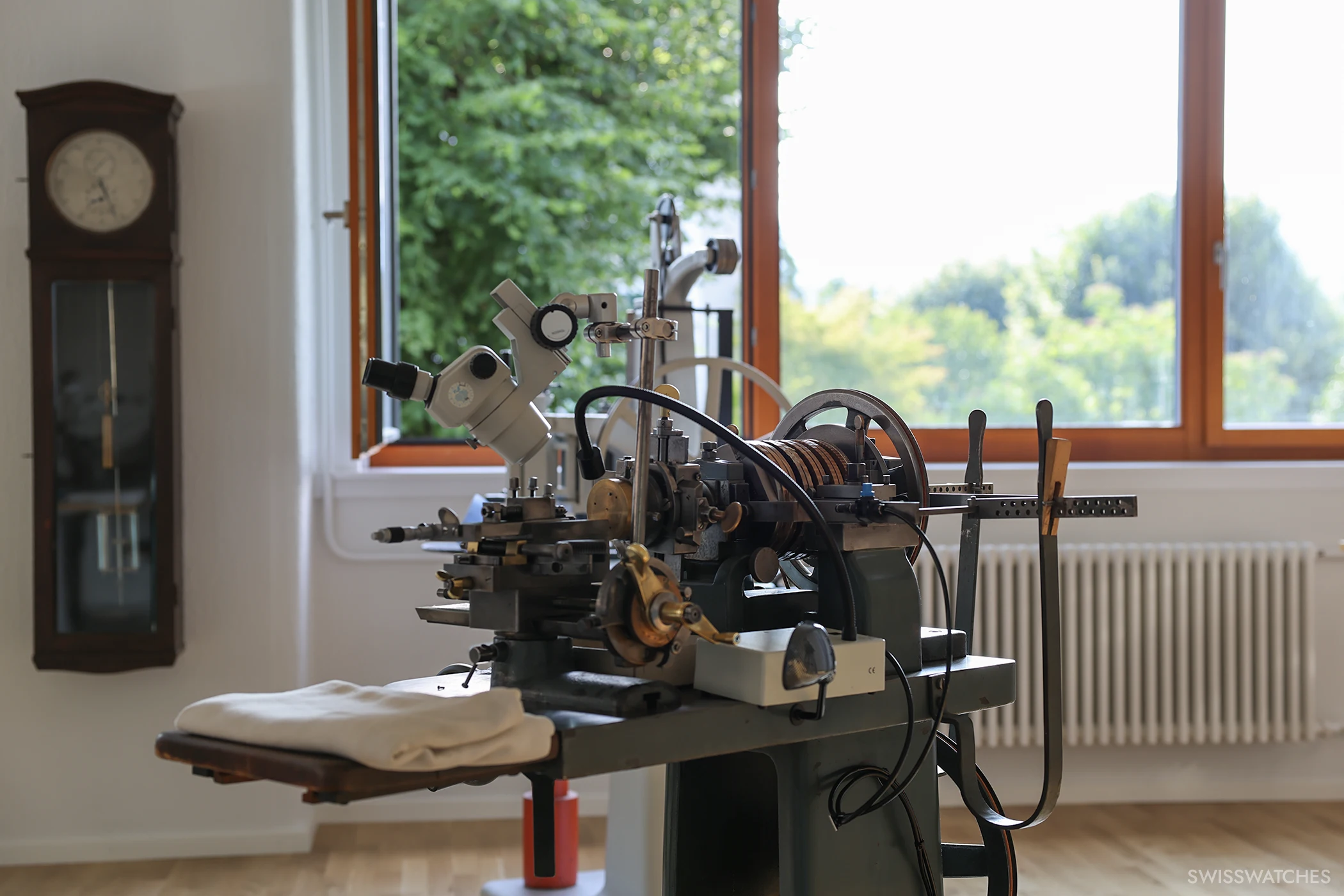
The building, now resplendent in a modern turquoise, houses over 30 antique guilloché machines, including ‘Tours à guilloché’, lining machines, and the extremely rare tapestry machines. Georges Brodbeck, a self-taught genius in precision engineering, spent decades tracking down and restoring some of the machines throughout Europe, as they have not been manufactured industrially since the 1950s. For Voutilainen, the significance of this atelier lies in the distinctiveness of its results: while patterns produced by machine or laser can appear sterile, a hand-guided graver brings the precious metal to life, creating light reflections of such depth and vibrancy that no modern machine can replicate them.
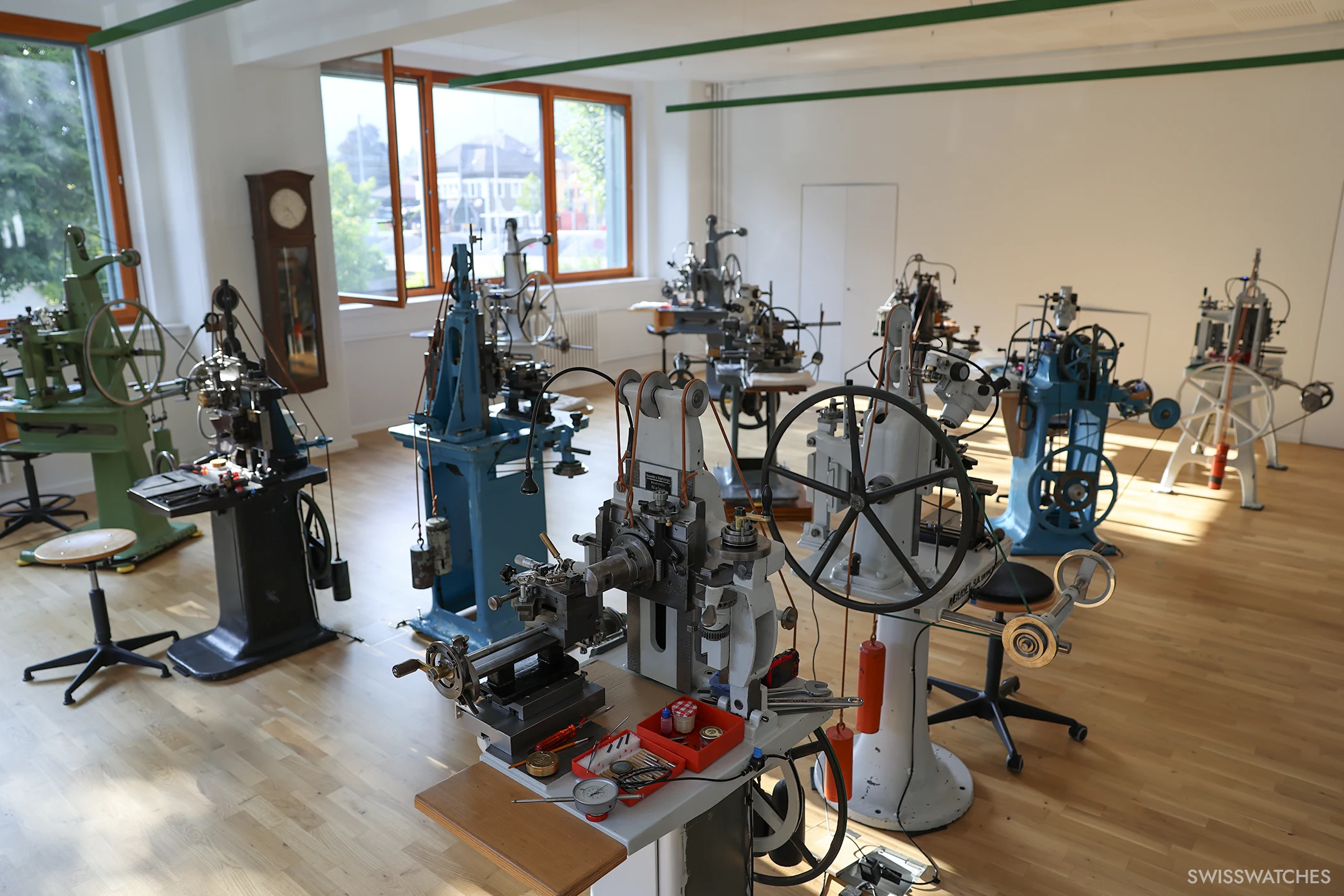
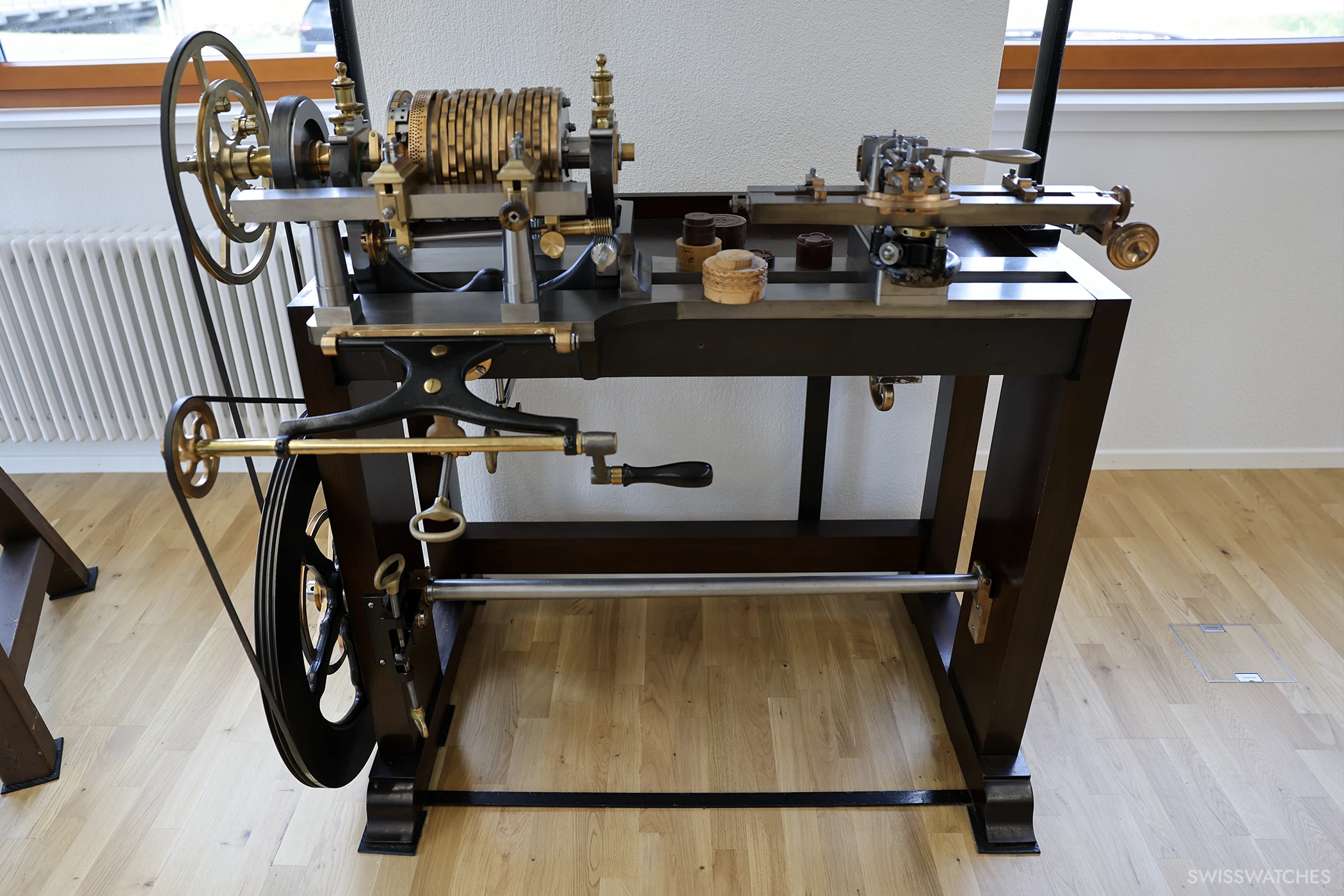
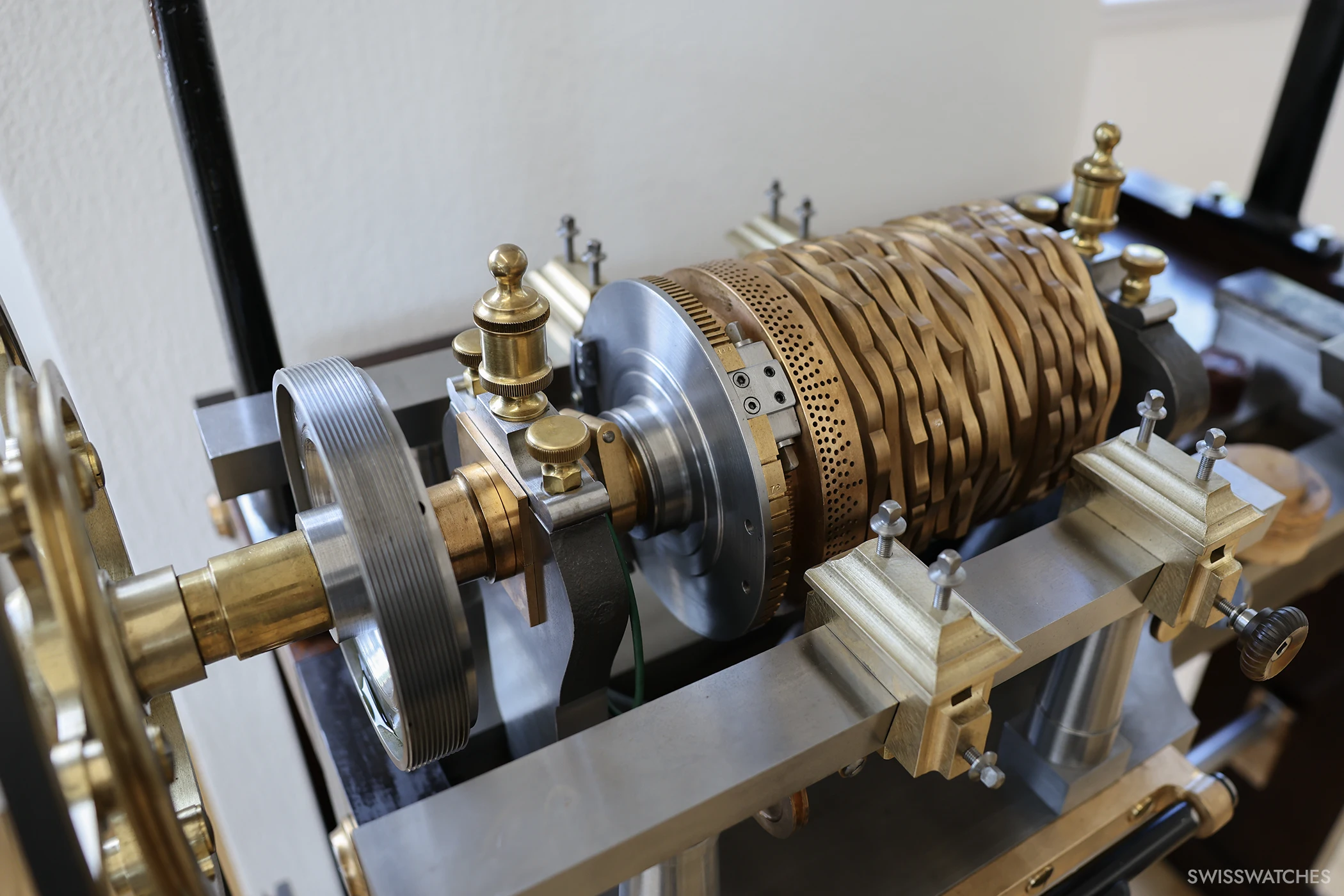
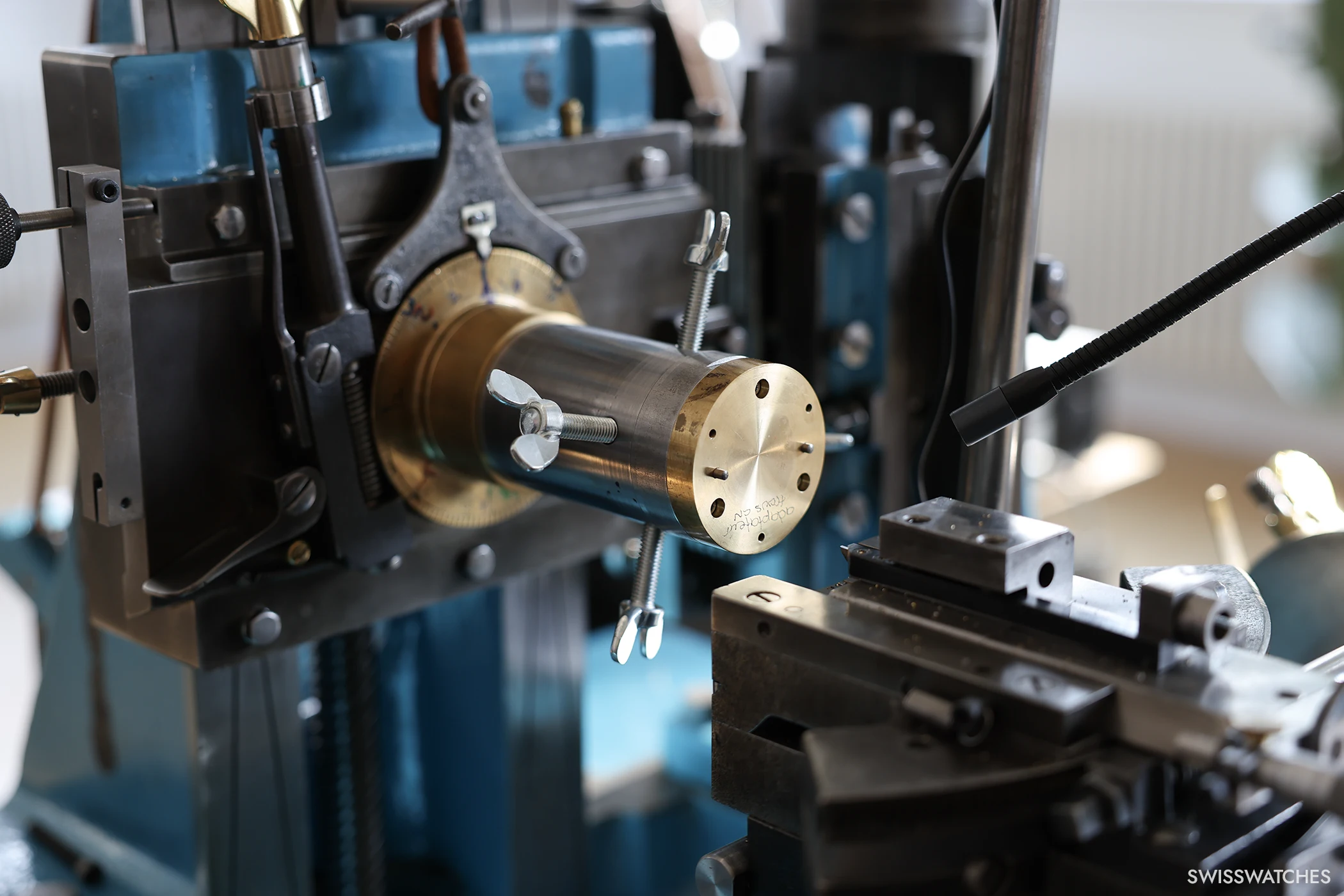
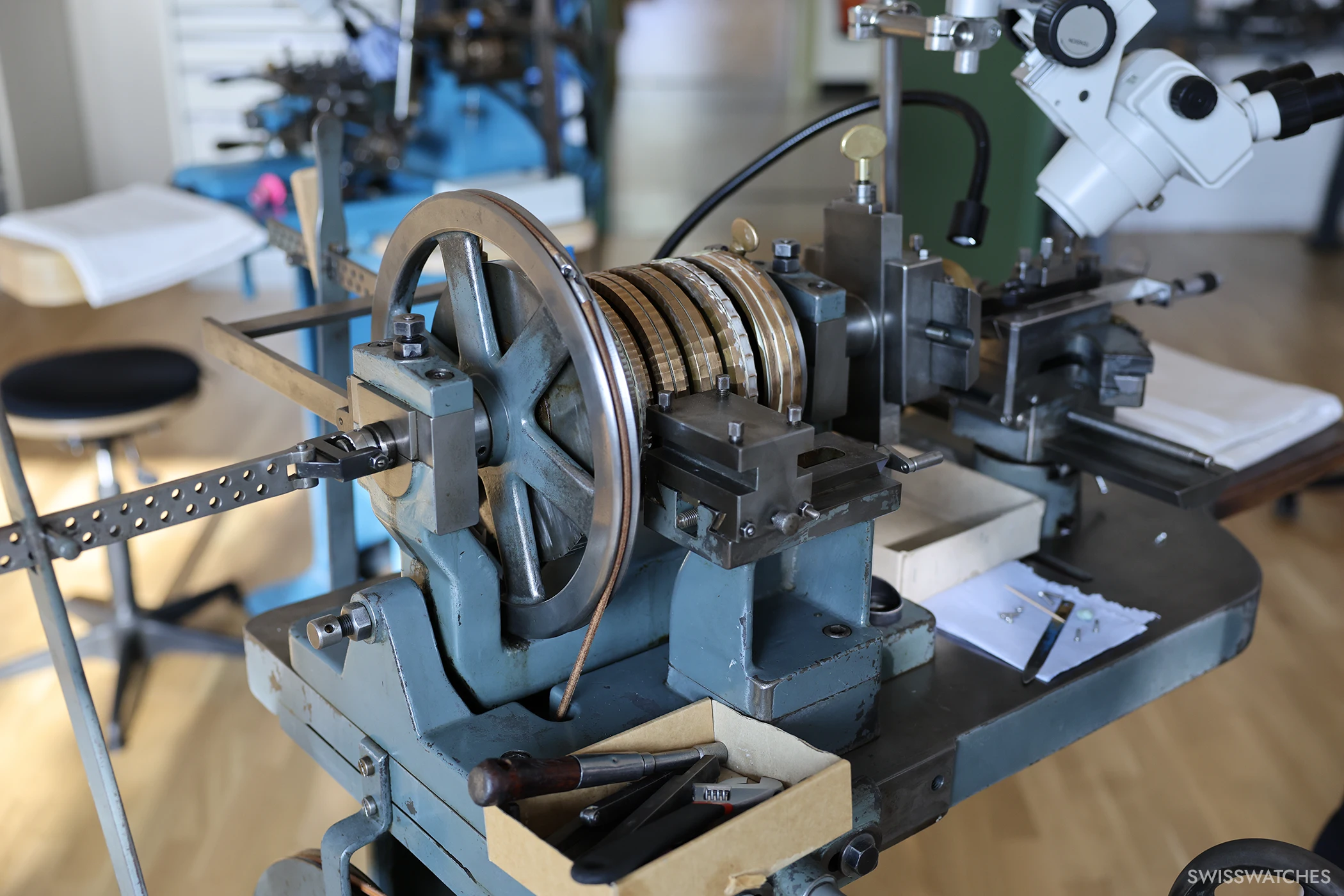
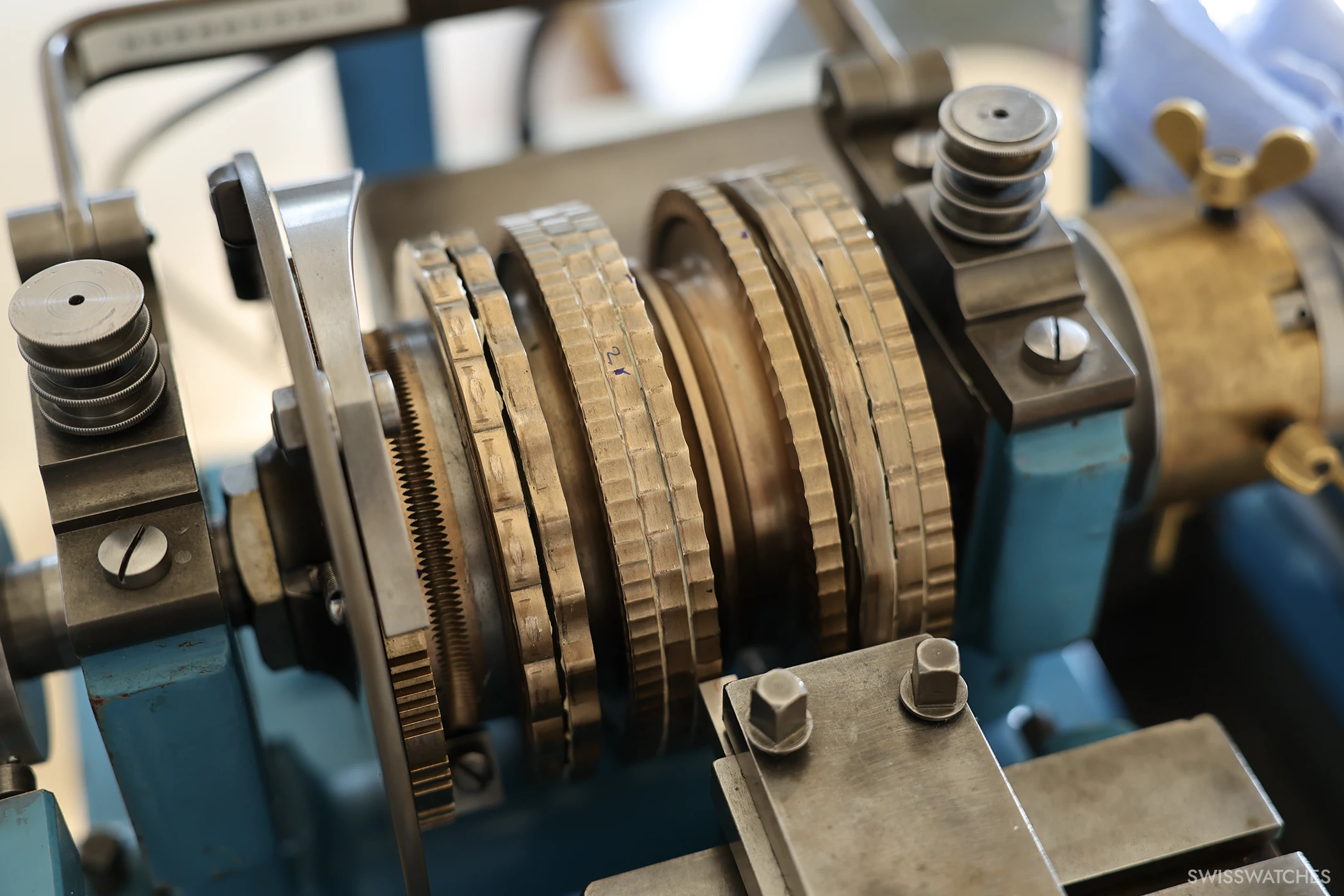
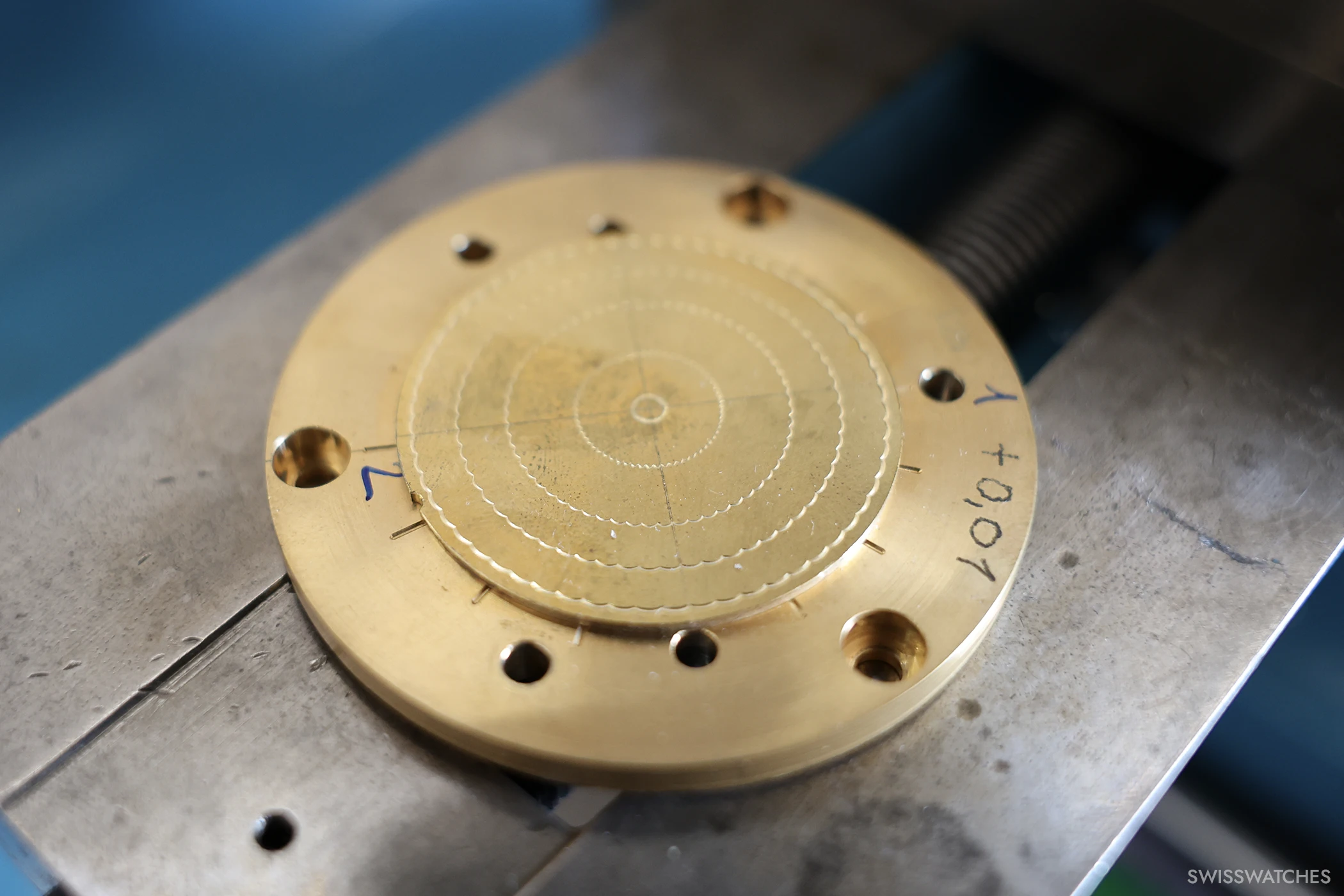
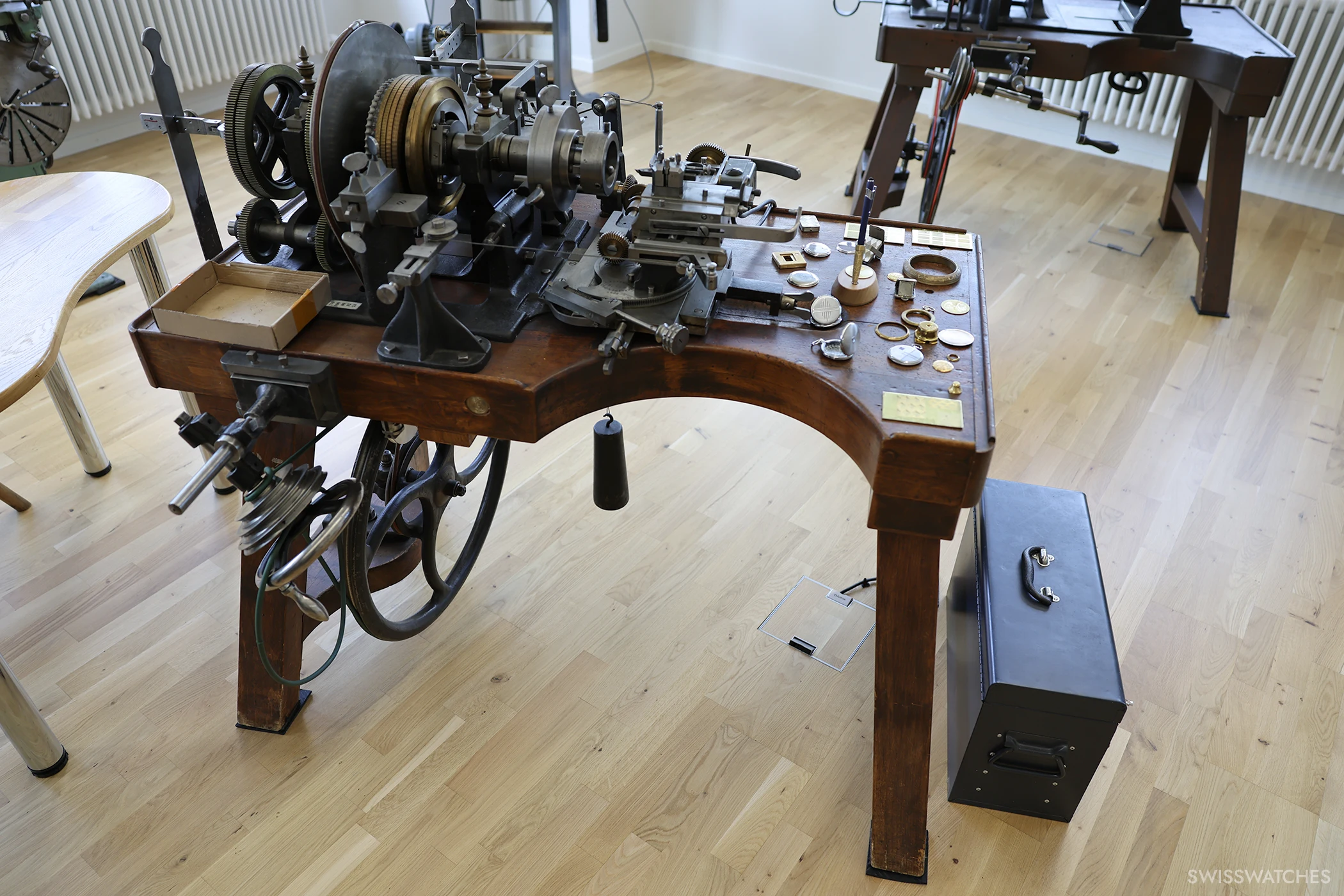
Anyone who has ever seen a guilloché machine in action knows that the process of guilloché engraving is a symbiosis of mechanical precision, human intuition, and creativity. At the centre of a rose engine are the so-called rosettes – cam discs with different profiles that determine the desired pattern. A feeler follows the raised and recessed areas of the rosette, while the guillocheur rotates the workpiece and simultaneously presses the graver against the surface with absolutely even pressure. Any irregularity in the pressure or rotation speed would result in a visible disturbance in the pattern, making the work extremely demanding both mentally and physically.
One of the highlights of the workshop are the tapestry machines. One of these machines, dating from 1913 and patented by Lienhard & Cie, is the last functioning example of its kind in the world. It works on the principle of a pantograph: a feeler arm reads a large model (the matrix) and transfers the movement to the dial on a greatly reduced scale. This enables the creation of complex, three-dimensional patterns, such as those used for the famous dials of the Audemars Piguet Royal Oak.
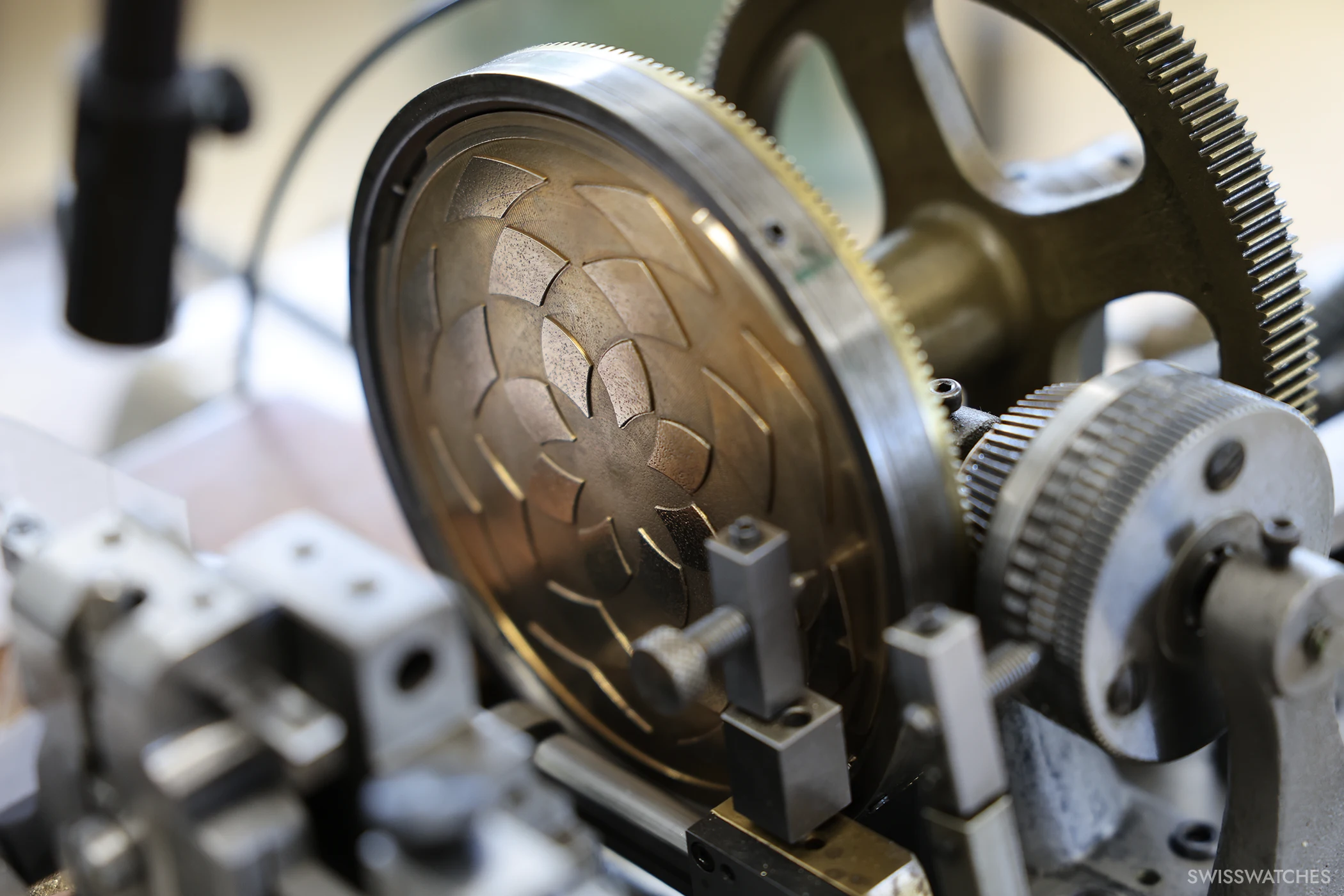
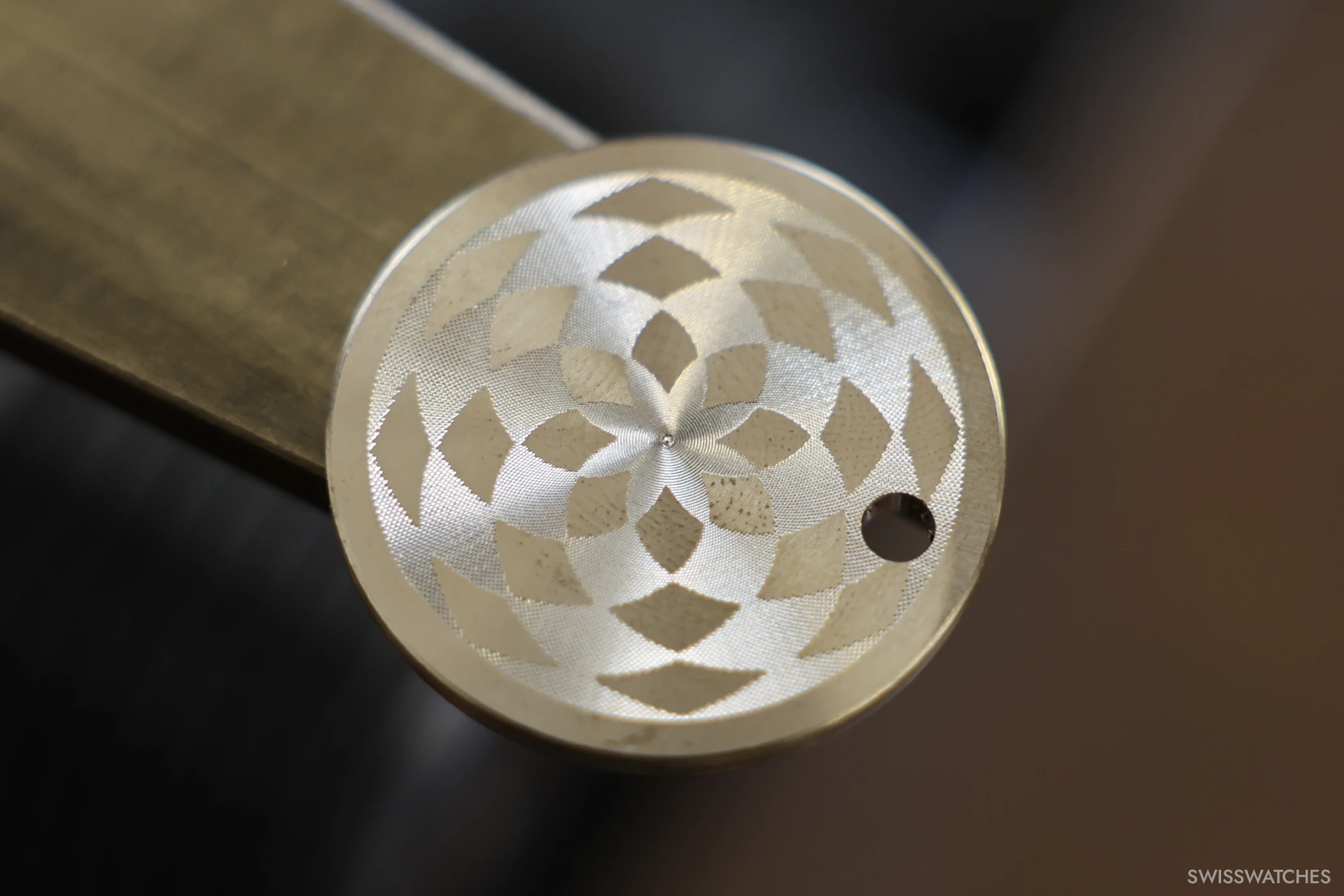
A handful of guillocheurs currently work at Brodbeck Guillochage in Fleurier, creating pieces not only for Voutilainen, but also for other prestigious brands. This openness to other manufacturers forms part of the company’s business strategy, which aims to maintain the economic viability and independence of the craft while strengthening its reputation as a centre of excellence for guillochage.
After the historic guilloché machines, our next stop takes us to the Mechanical Workshop. This is where the movement components for the extravagant timepieces are created: plates, bridges, wheels, pinions, and levers are crafted from raw materials here. Over the years, Kari Voutilainen has achieved a remarkable level of vertical integration. Today, he produces approximately 98 % of the components for his watches himself – the only exceptions being the jewels, the mainspring, and the balance spring.
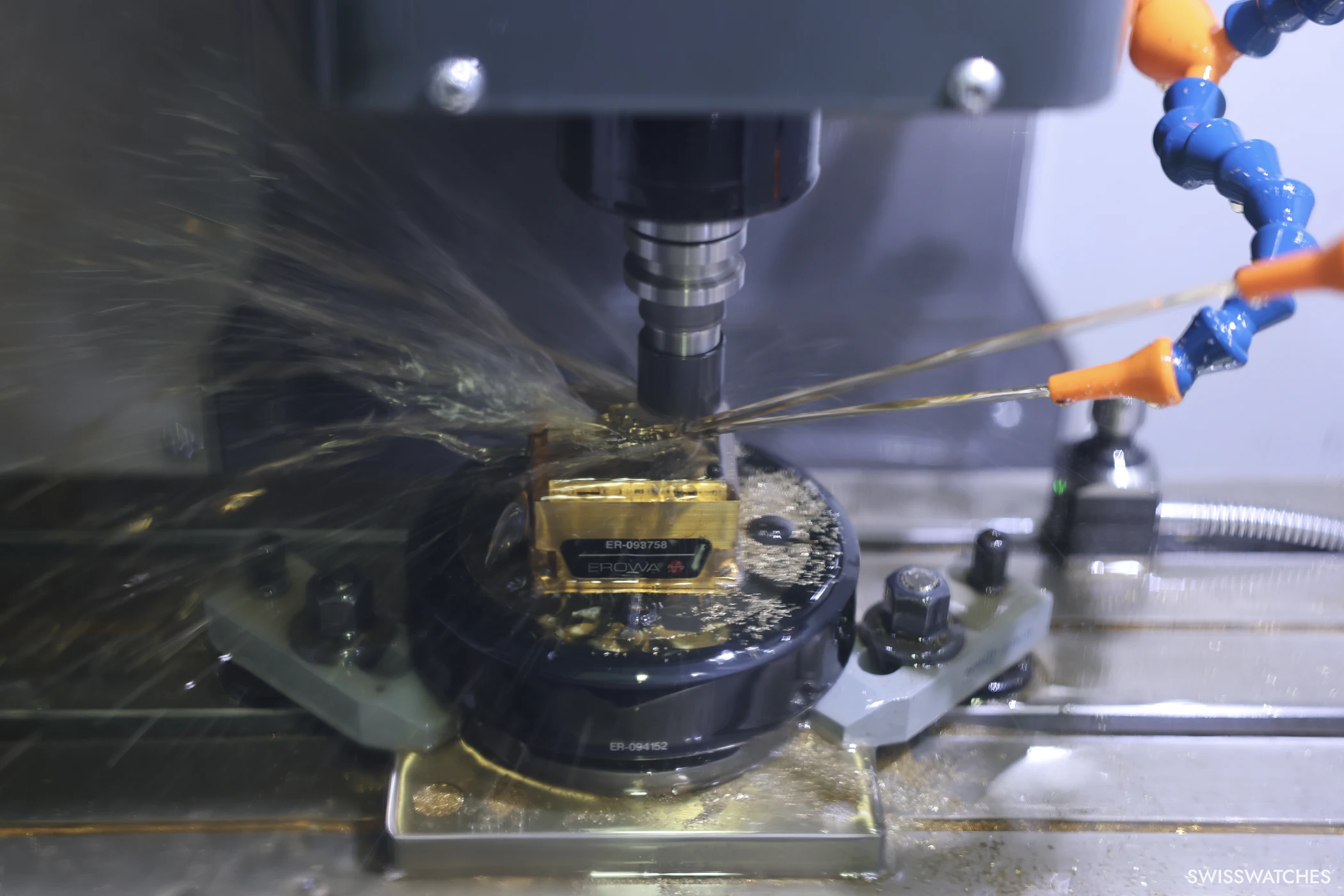
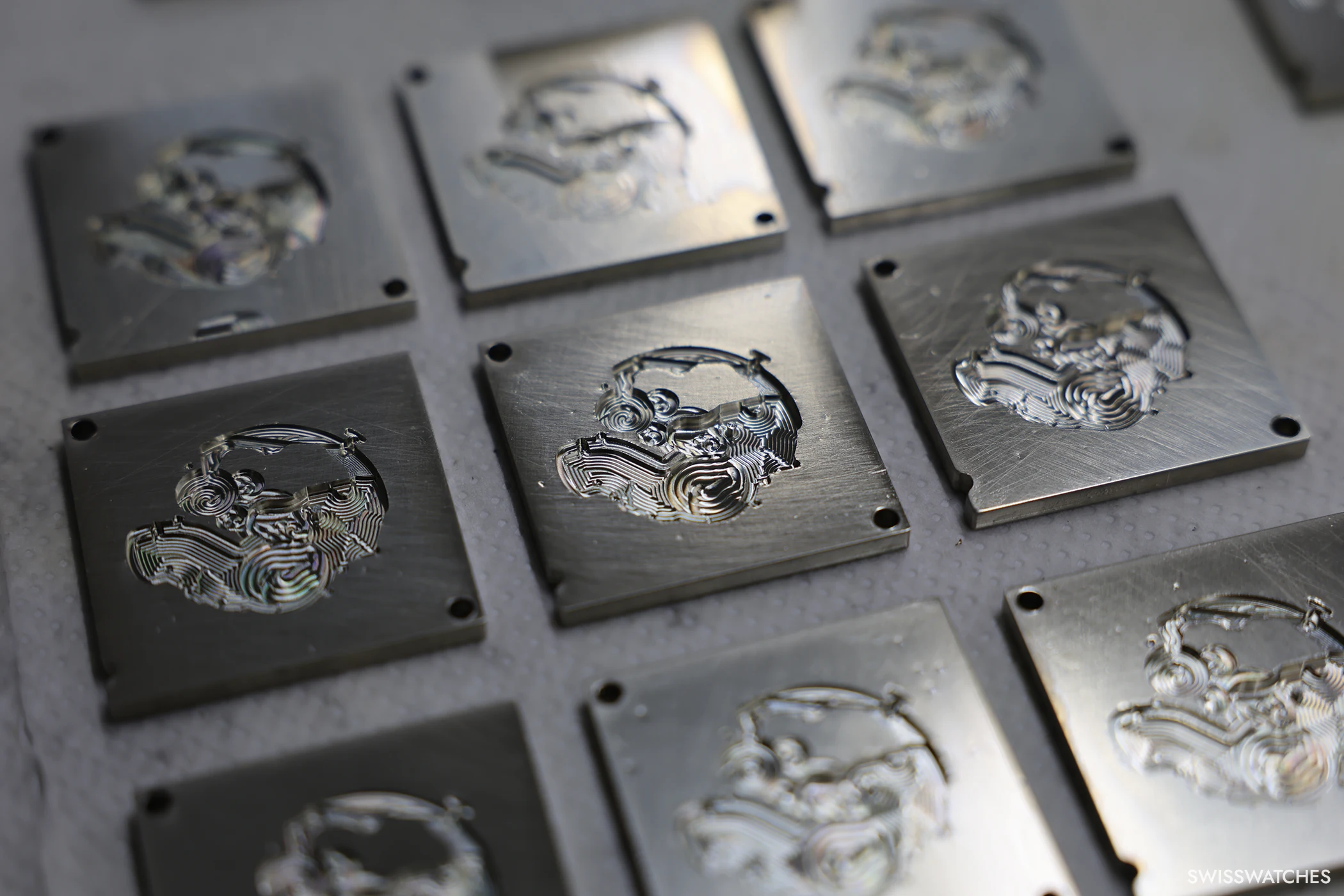
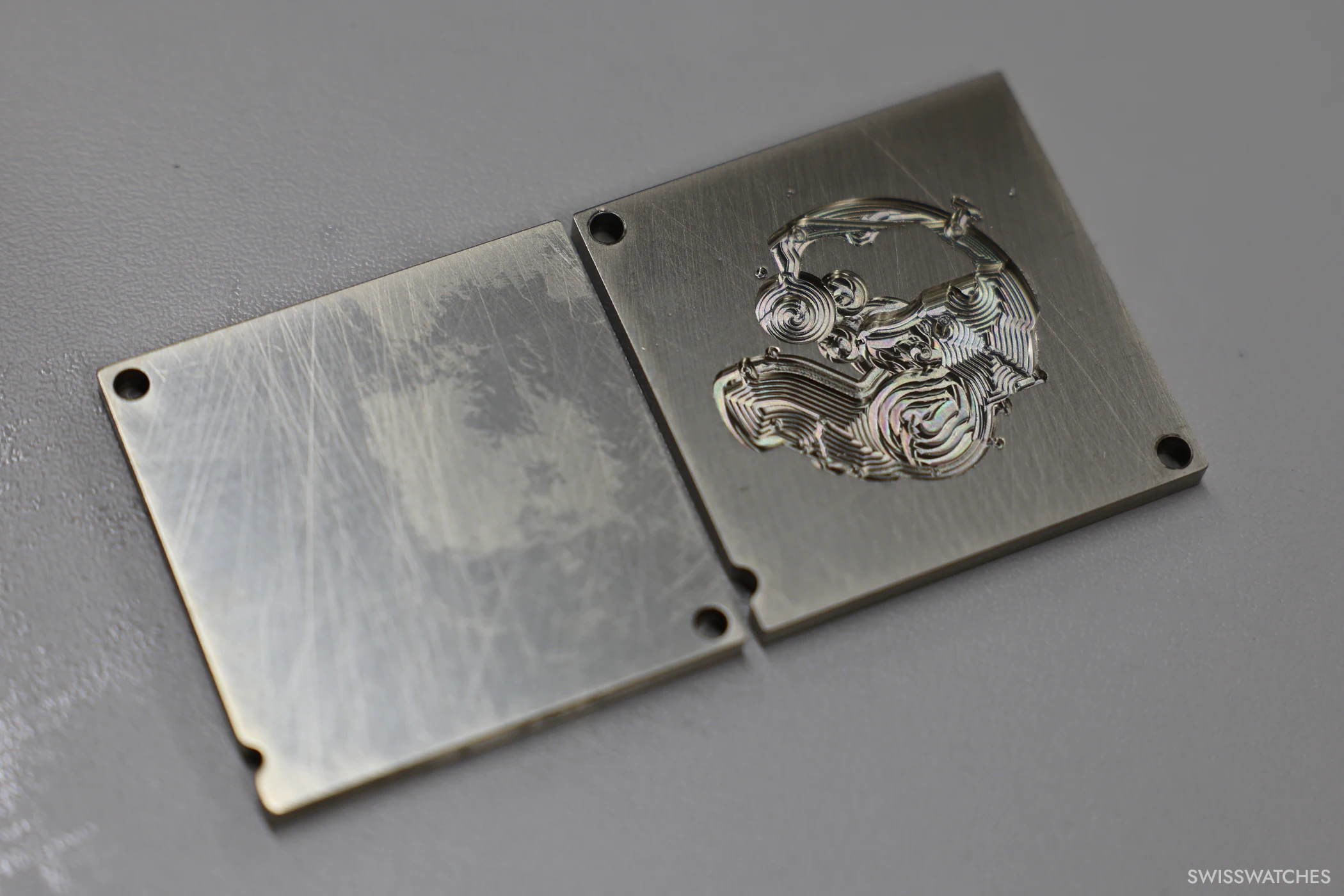
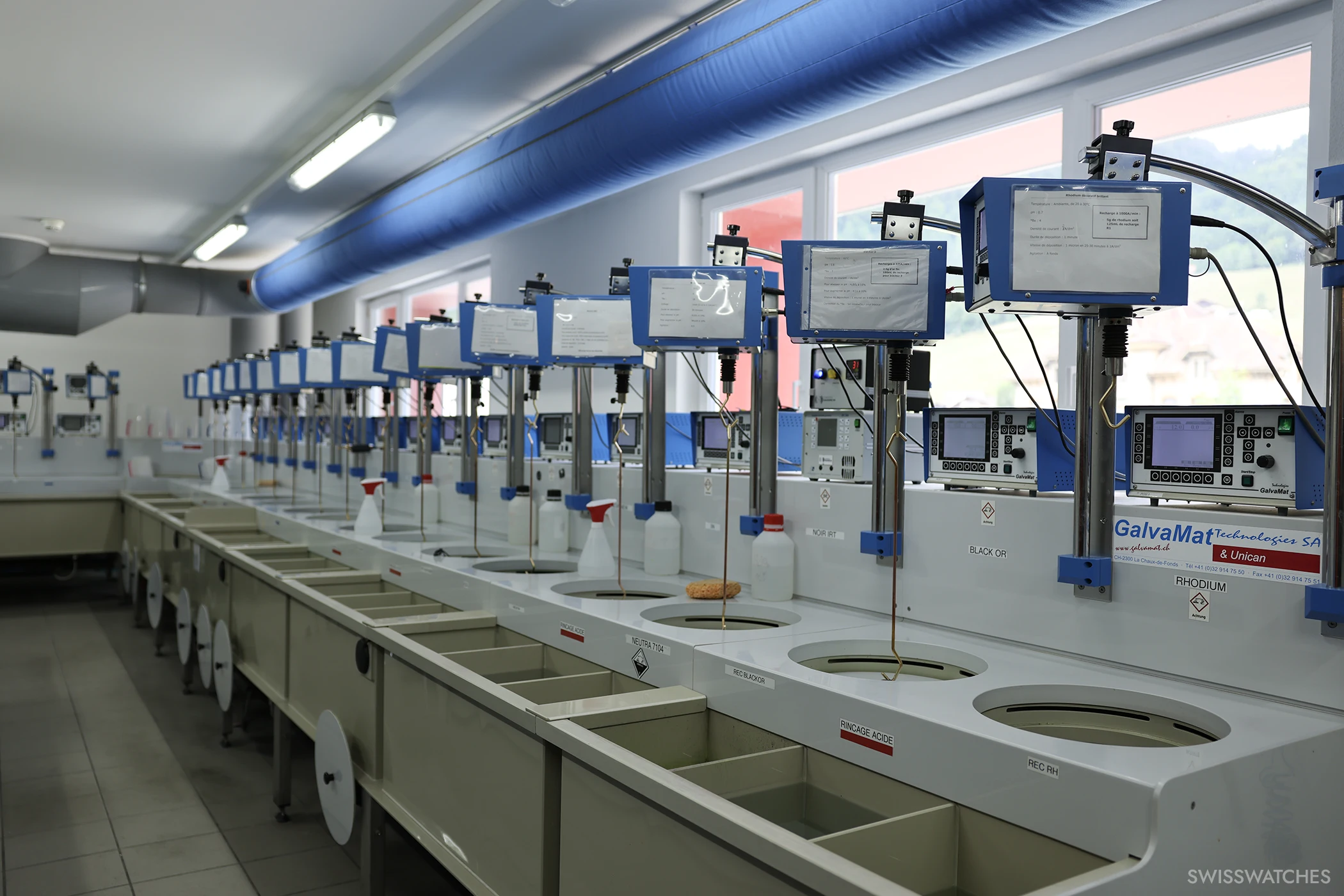
The Mechanical Workshop uses a fleet of state-of-the-art CNC machines and precision lathes, including those from manufacturers such as Tornos. These machines achieve tolerances of less than 2 micrometres, which is essential for the functionality of highly complex movements such as the Calibres Vingt-8, KV20 or the Tourbillon TBL22. But despite the computer-controlled precision, the approach remains artisanal: the machines are programmed for extremely small series of 10 to 50 pieces, which requires a high level of manpower for setup and monitoring.
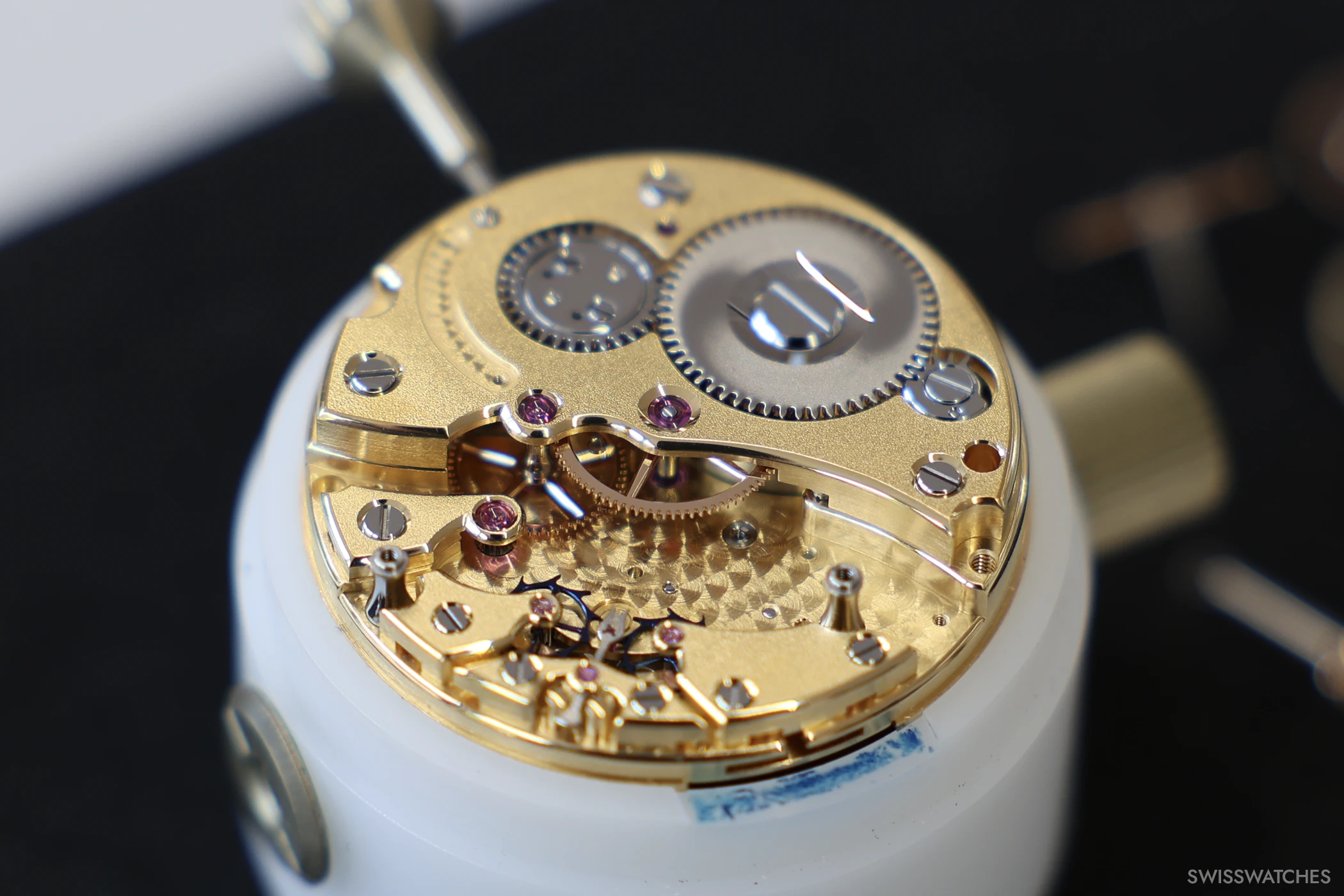
A key feature of Voutilainen movements is the use of German-silver (Maillechort) for plates and bridges. This alloy of copper, German- and zinc is significantly harder and more resistant to corrosion than the brass commonly used in the watch industry. German-silver also has the property of developing a warm, slightly yellowish patina over time, giving the watches a timeless, antique character. However, working with German-silver places high demands on the tools in the Mechanical Workshop, as it is more brittle and requires more precise cutting.
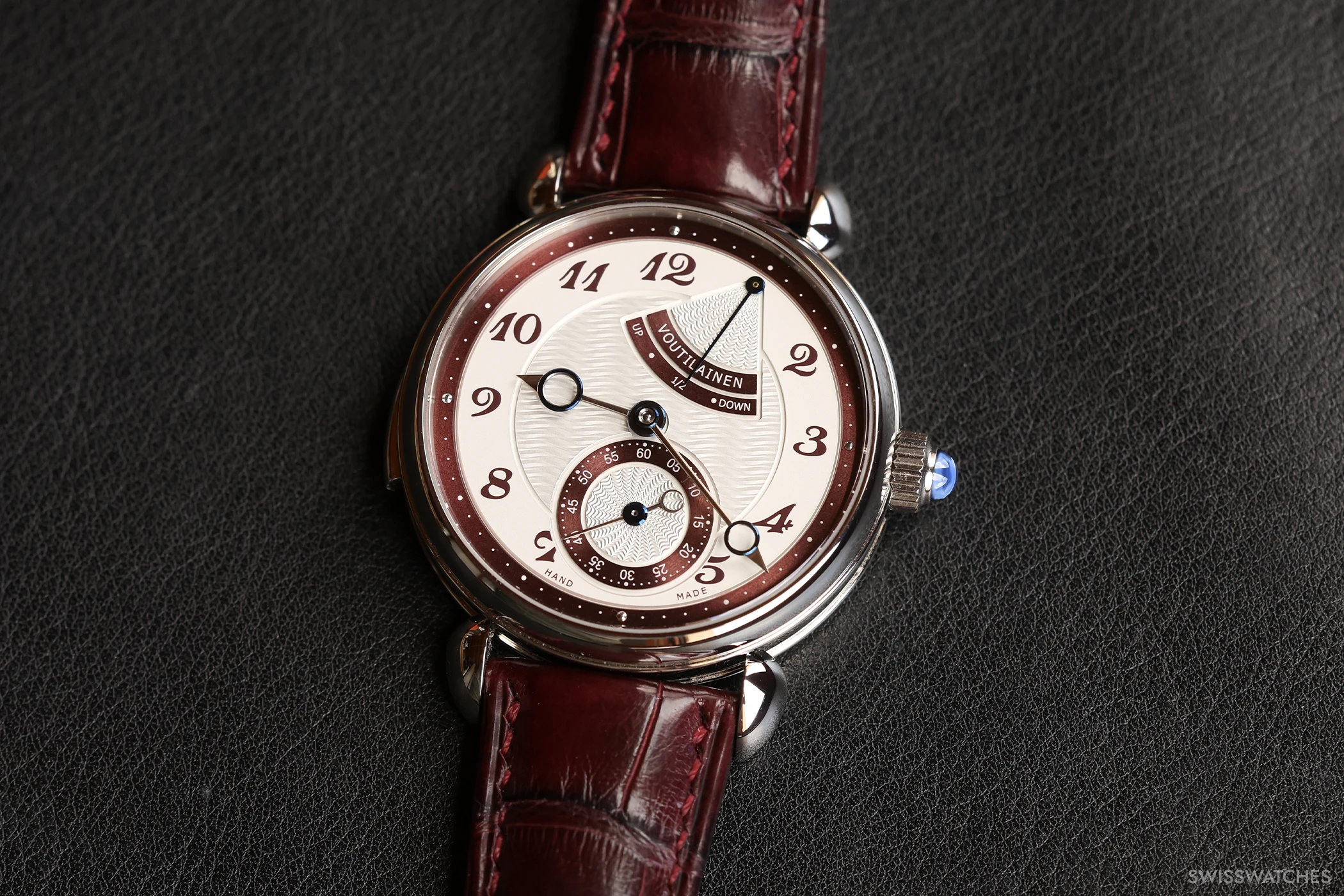
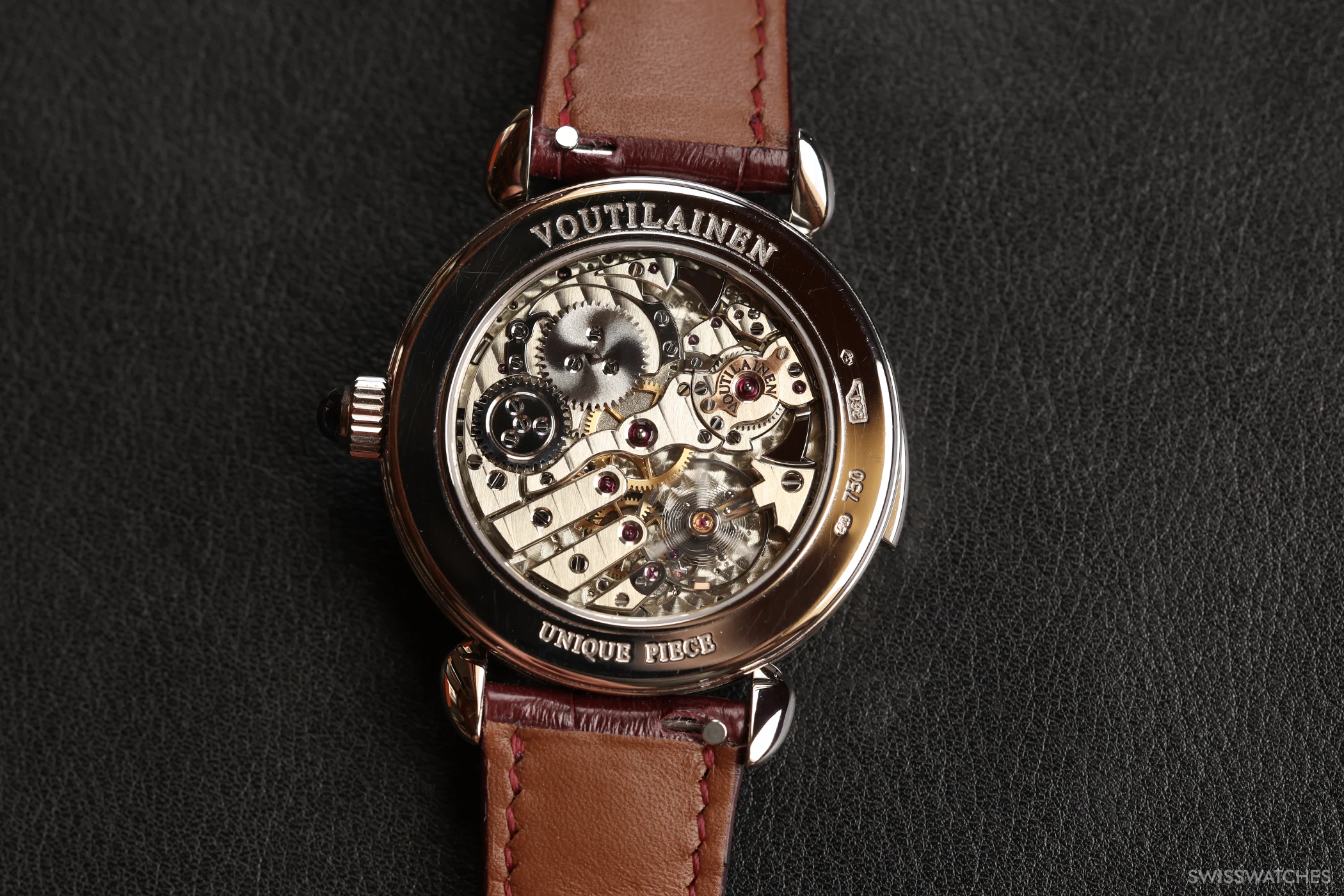
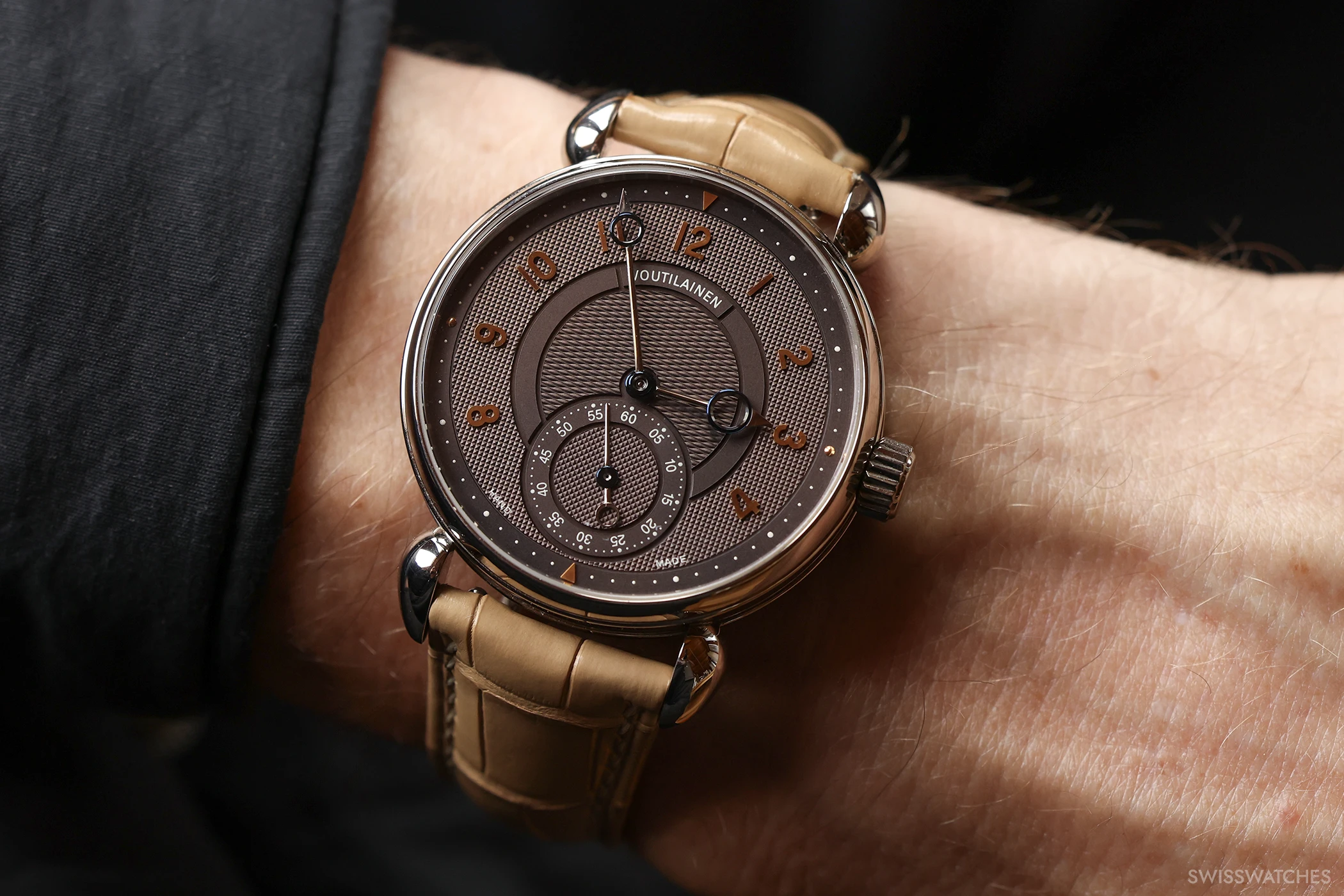
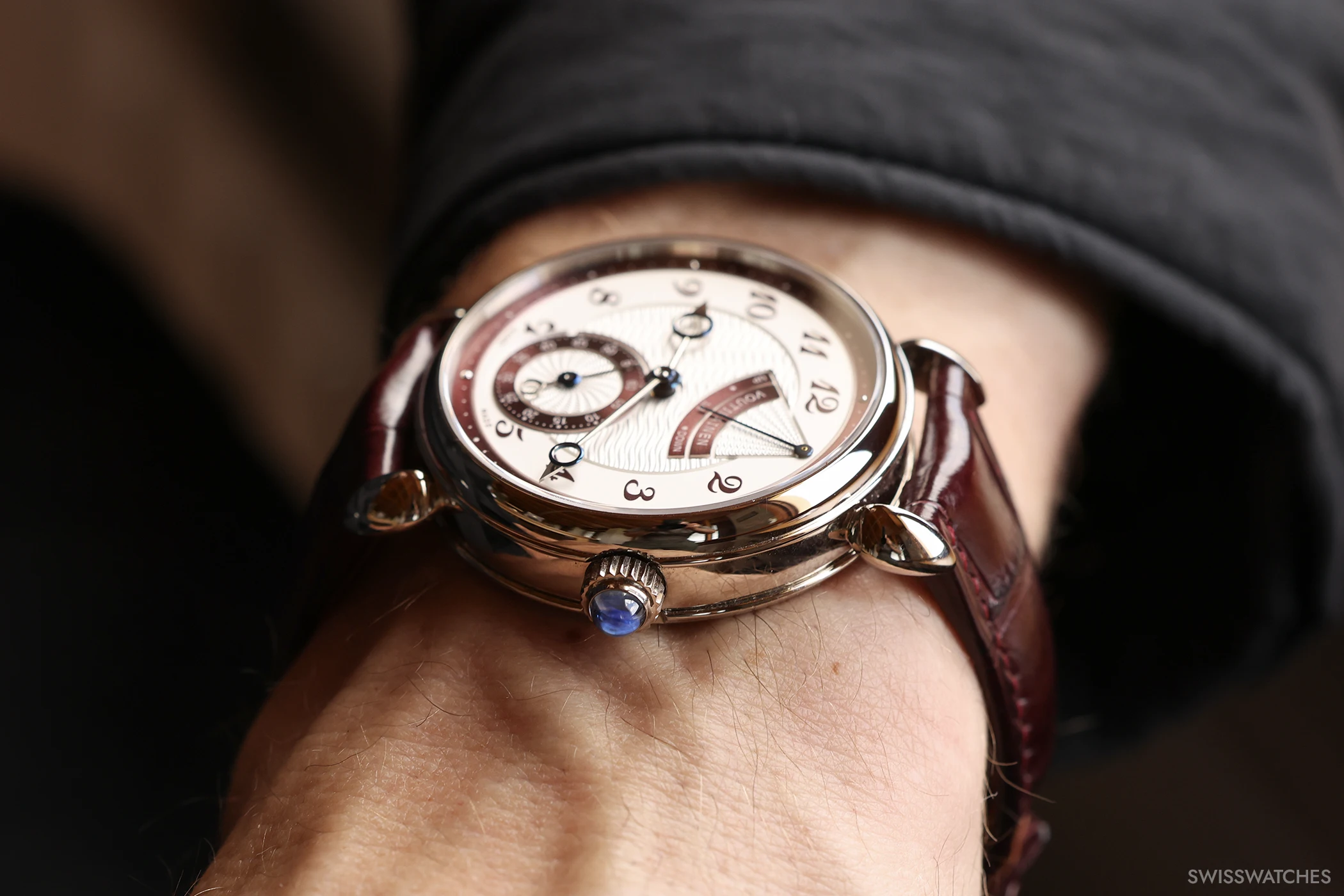
Gold, platinum, steel, tantalum, and, increasingly, titanium are used for case production, which takes place in the in-house manufacture Voutilainen & Cattin SA. The production of the characteristic ‘tear-drop’ lugs (drop-shaped strap attachments) is a particular speciality of Voutilainen. These are individually milled from solid metal and then soldered to the case by hand. This process is significantly more complex than simply punching out a complete case, but it allows for much sharper lines and greater structural integrity.
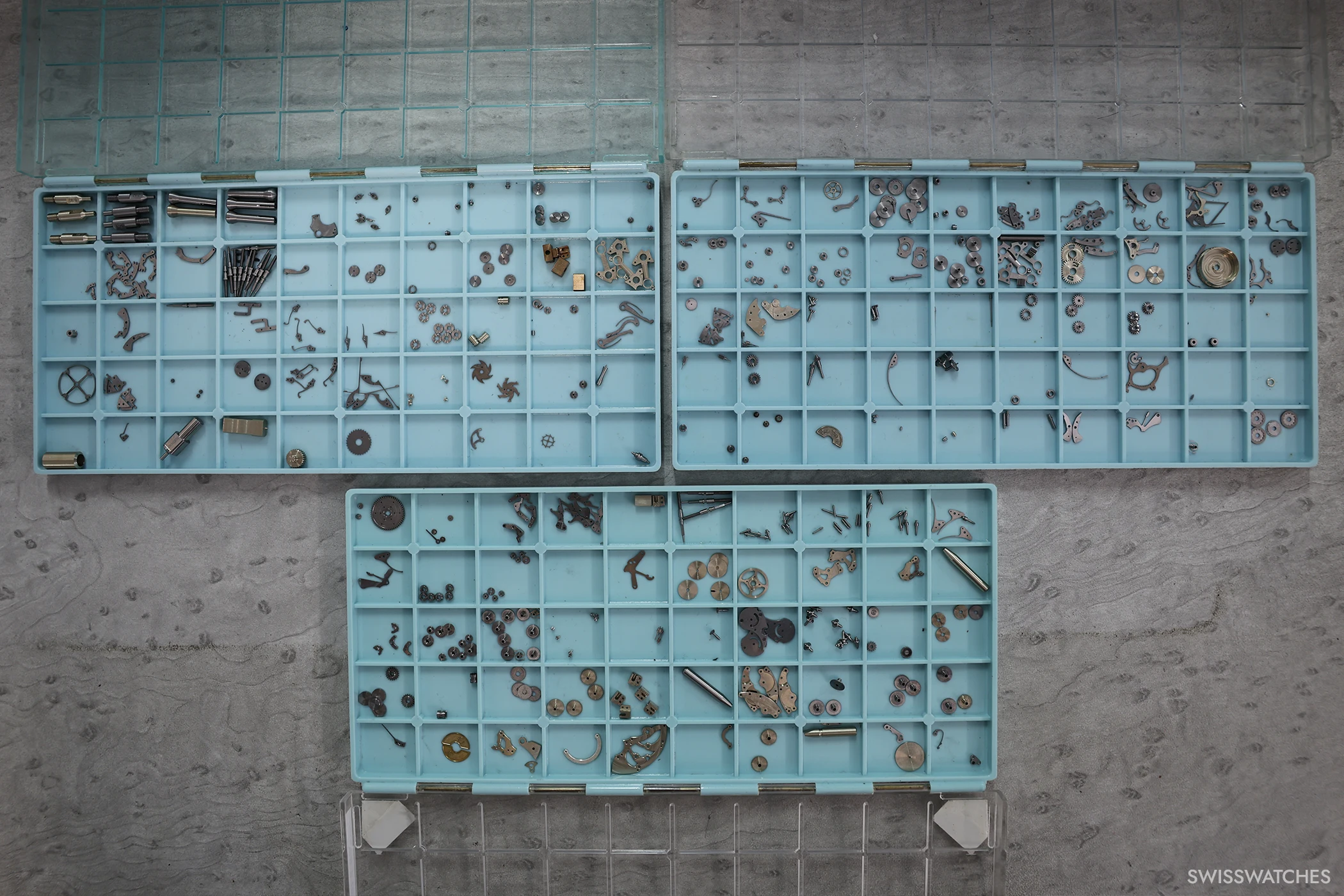
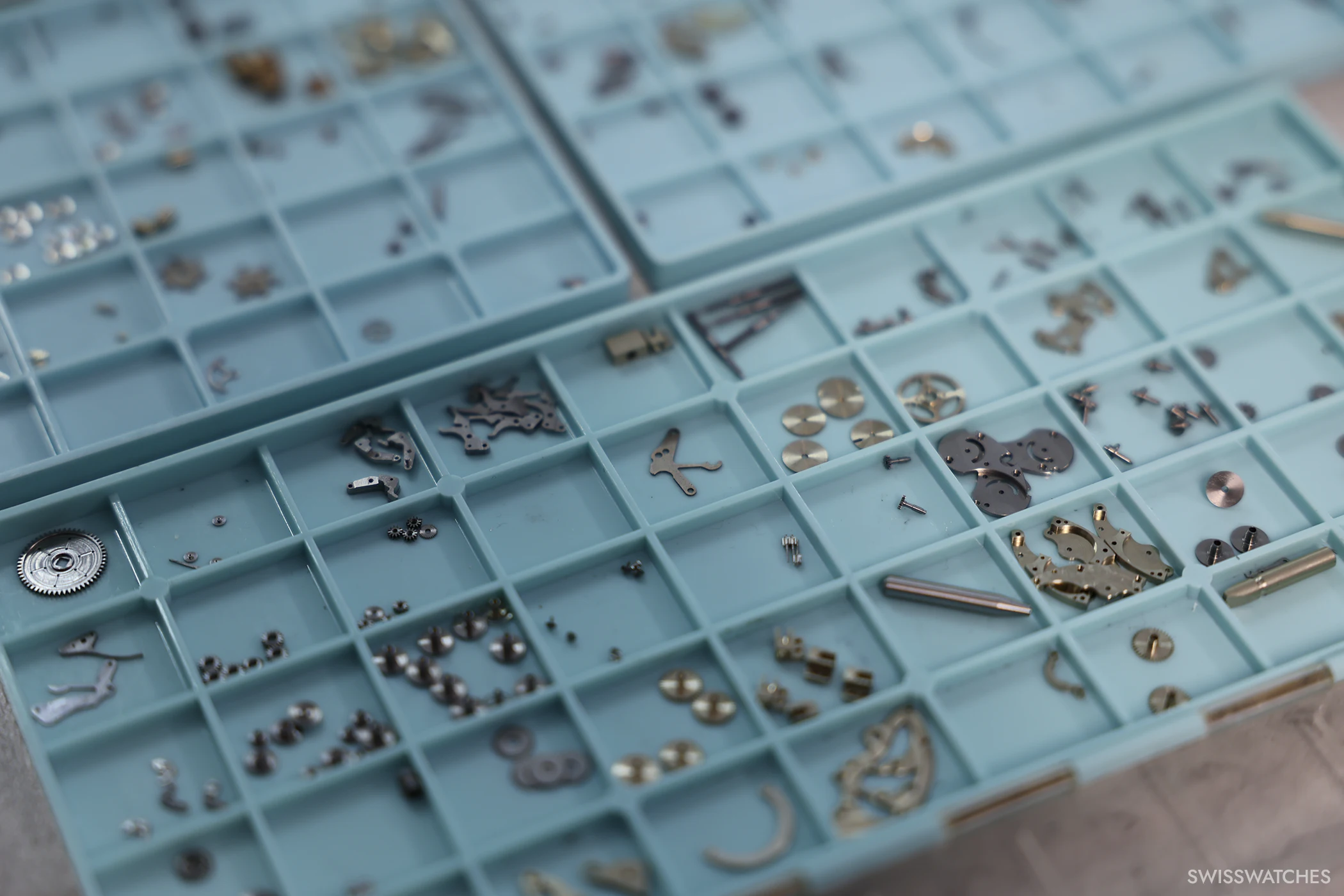
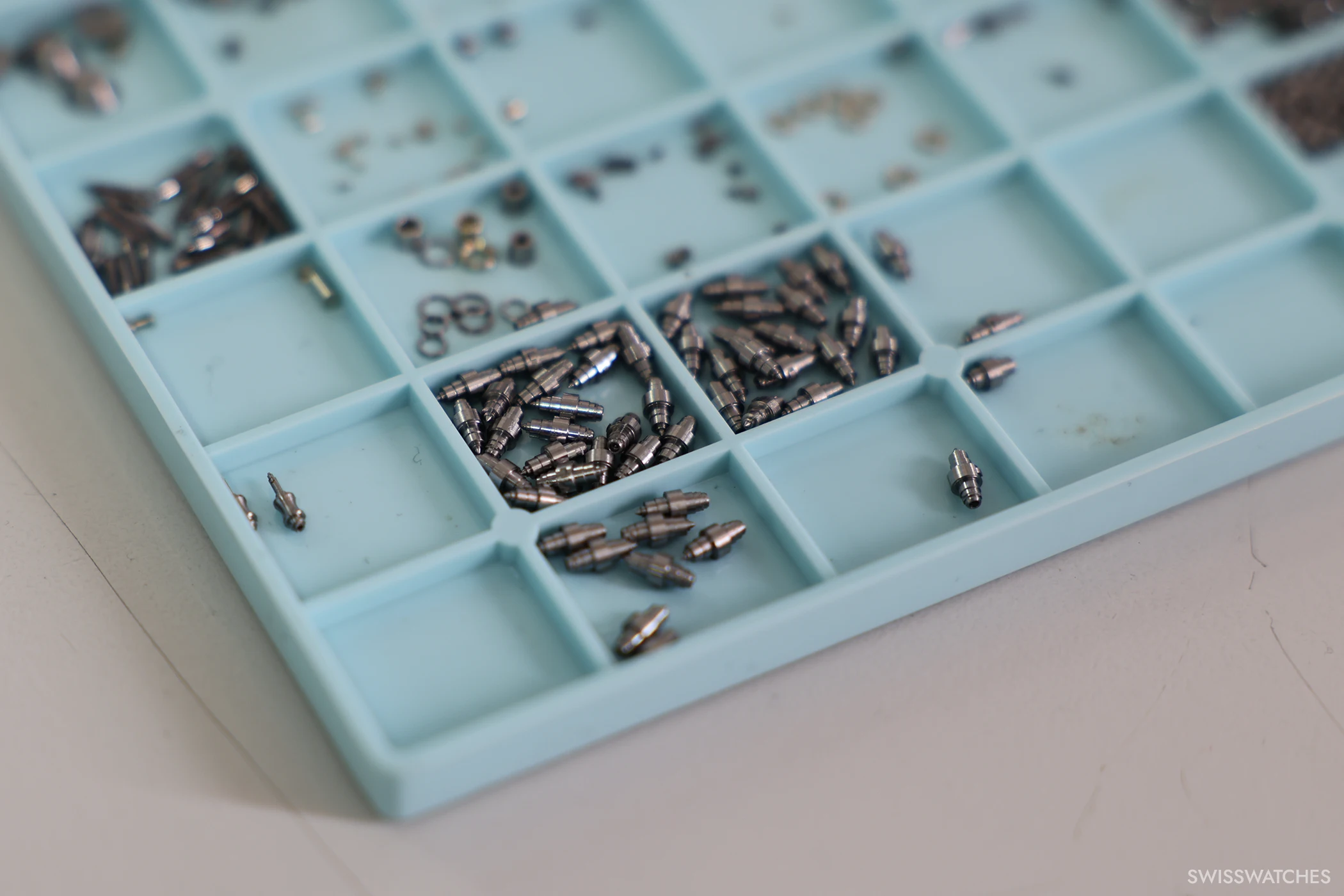
Every year, over 16,000 precision mechanical components leave the Mechanical Workshop. Each of these parts undergoes strict quality control before being passed on for finishing. The integration of this process allows Voutilainen to respond to even the most unusual customer requests and to produce prototypes of new mechanisms internally within a very short time.
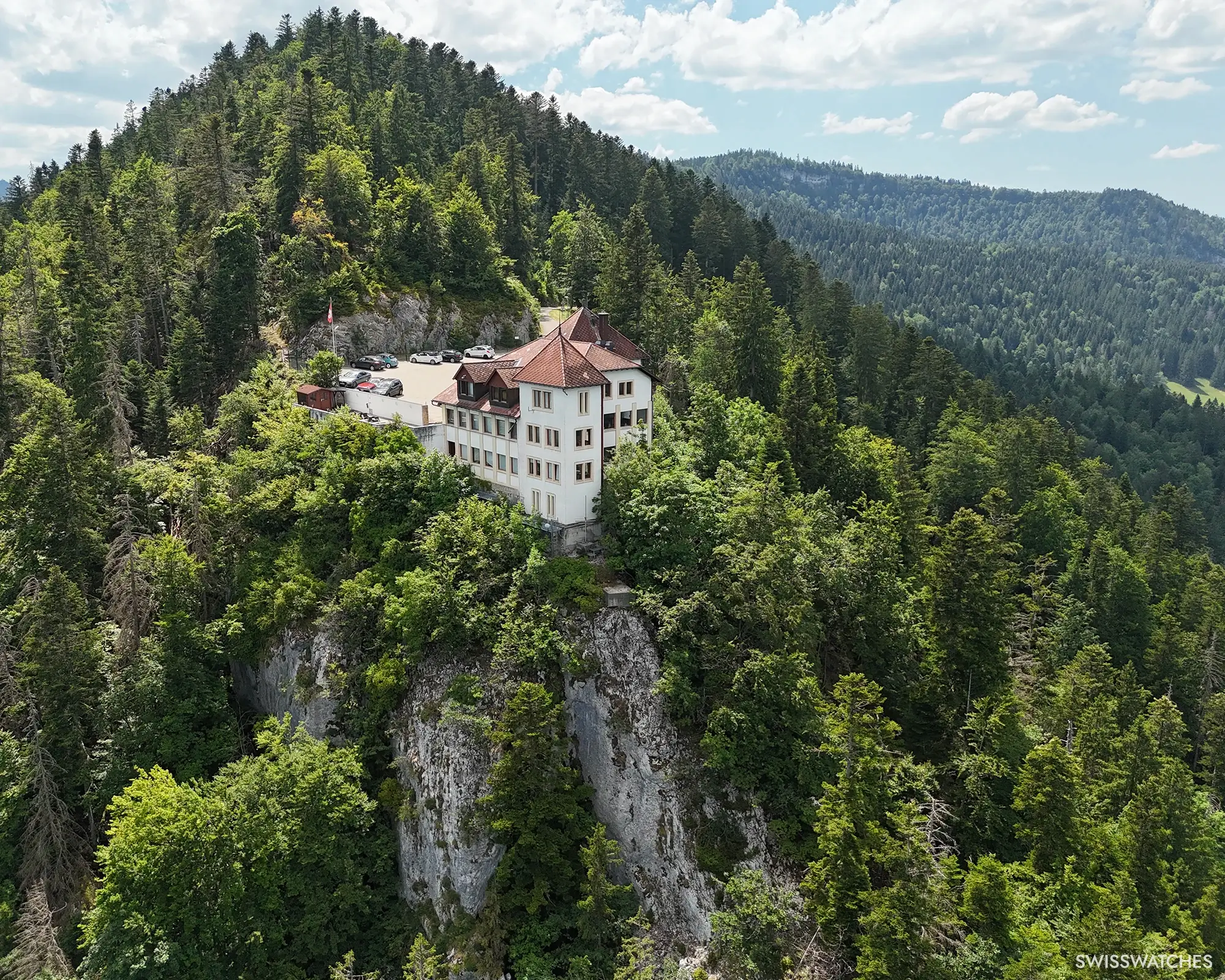
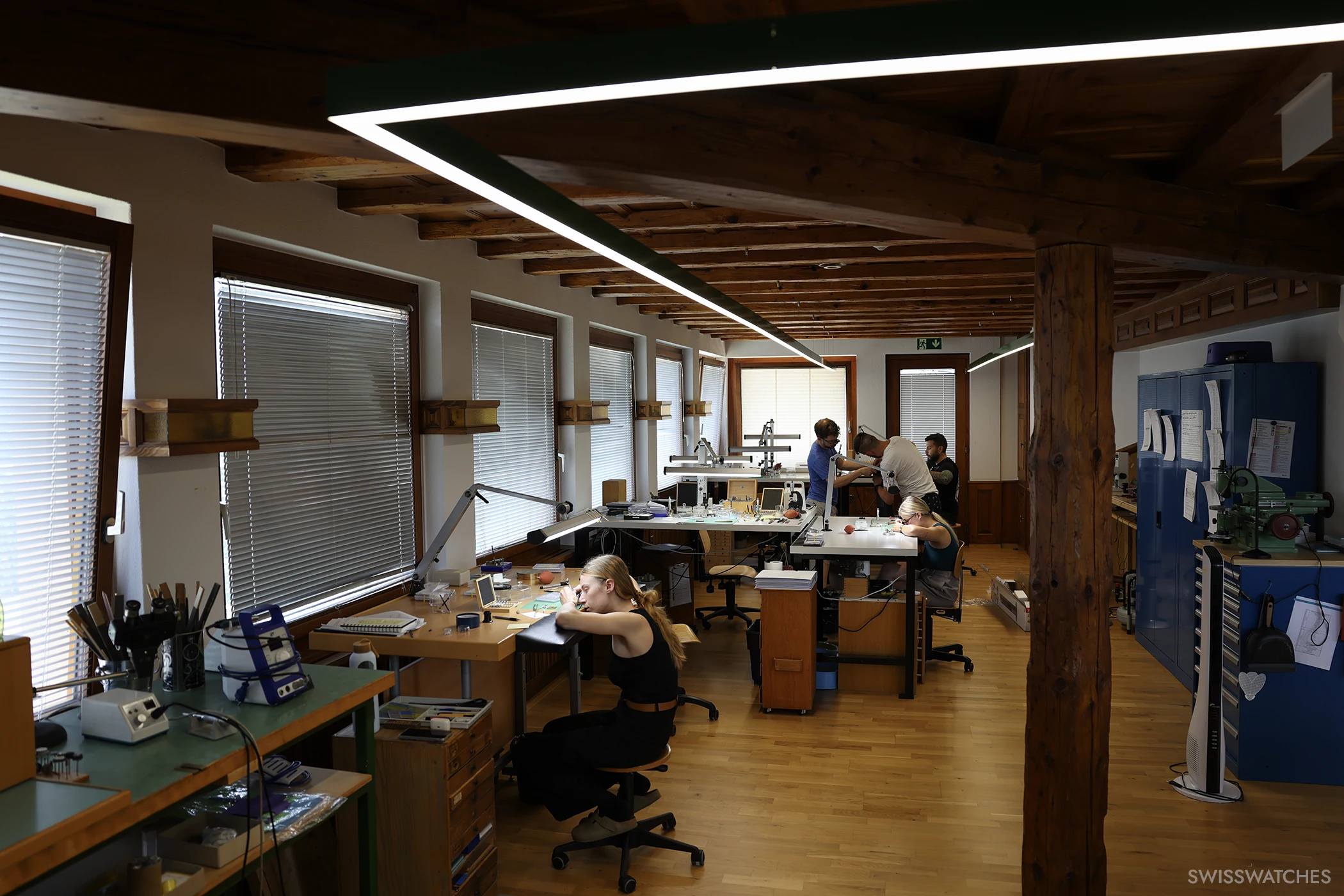
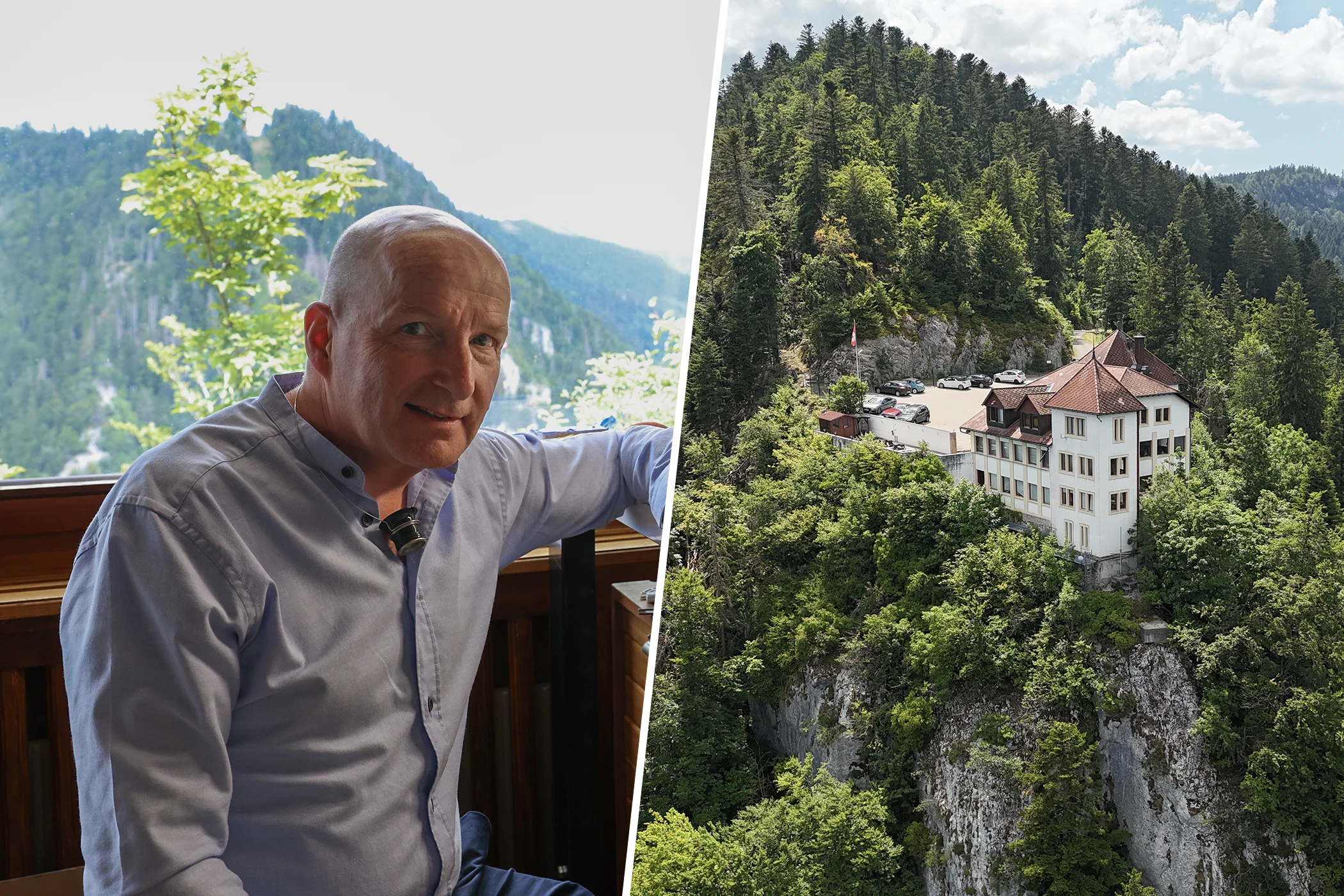
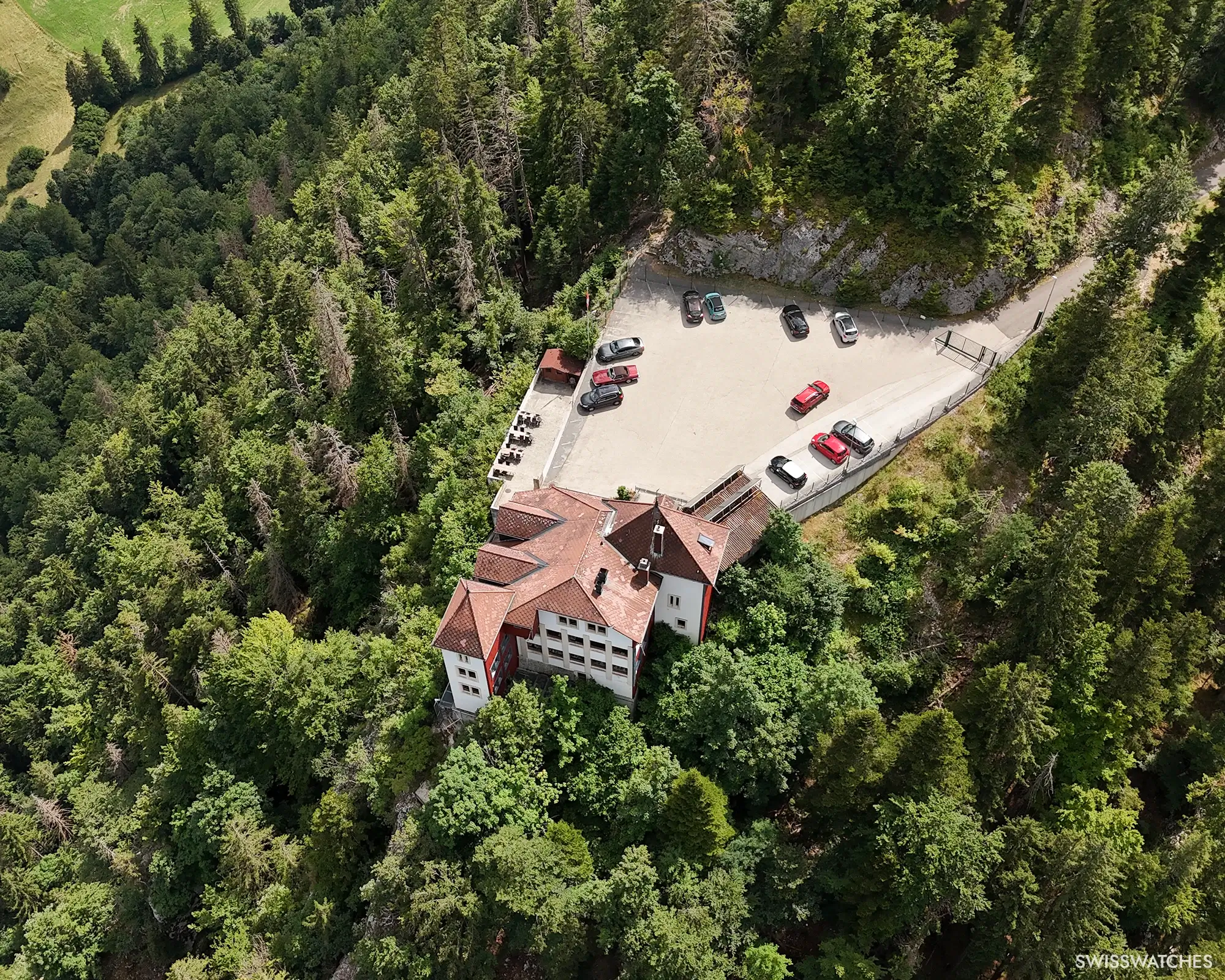
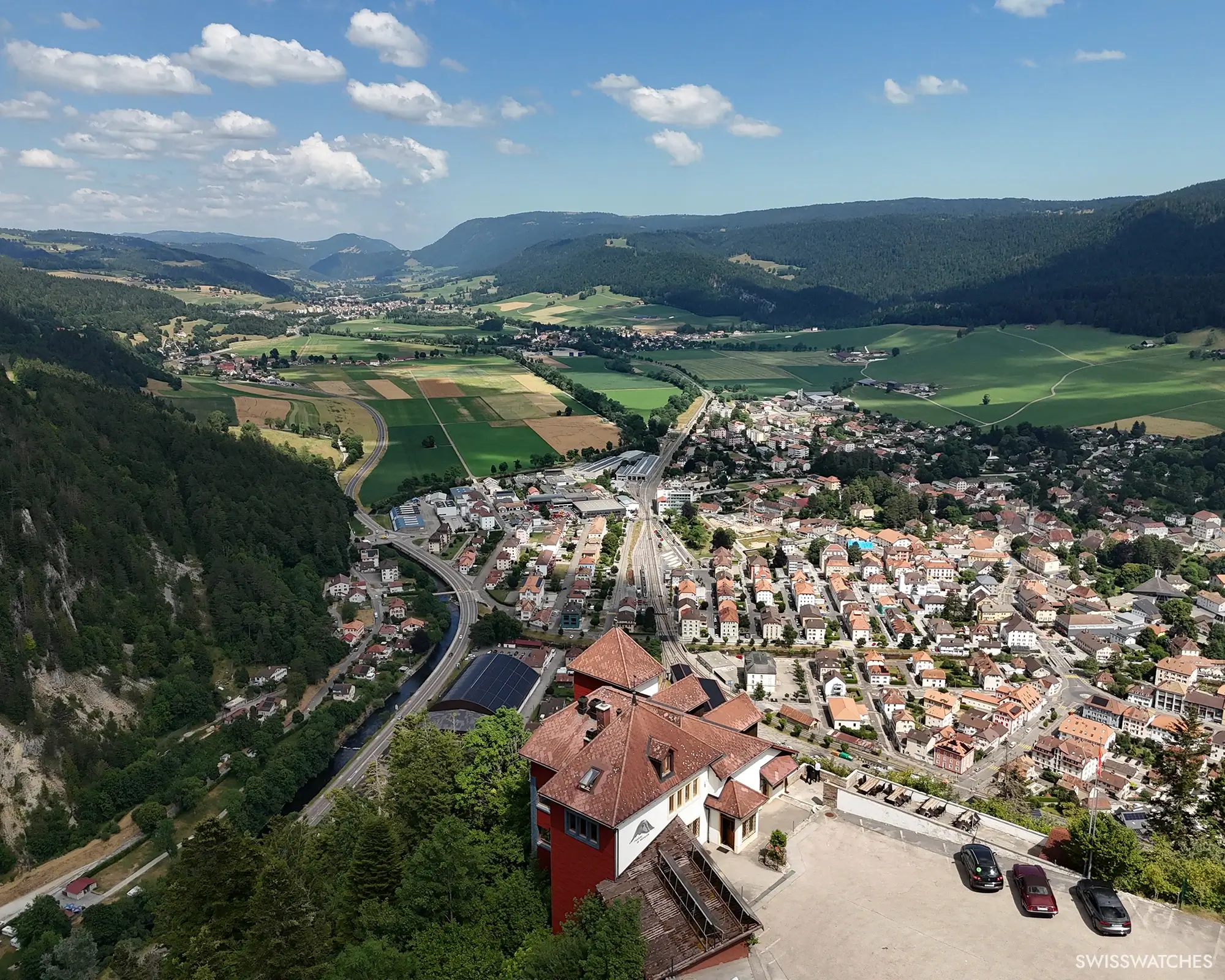
We jump into our cars again and follow Kari Voutilainen to Le Chapeau de Napoléon, his mountain workshop located at an altitude of almost 1,000 metres on a steep mountainside above Fleurier, offering spectacular panoramic views across the entire Val-de-Travers. The name of the place comes from the striking rock formation that resembles the French emperor’s hat. Kari Voutilainen bought and renovated the building in 2021 to provide his growing workforce with a working environment that combines tranquillity, light, and inspiration.
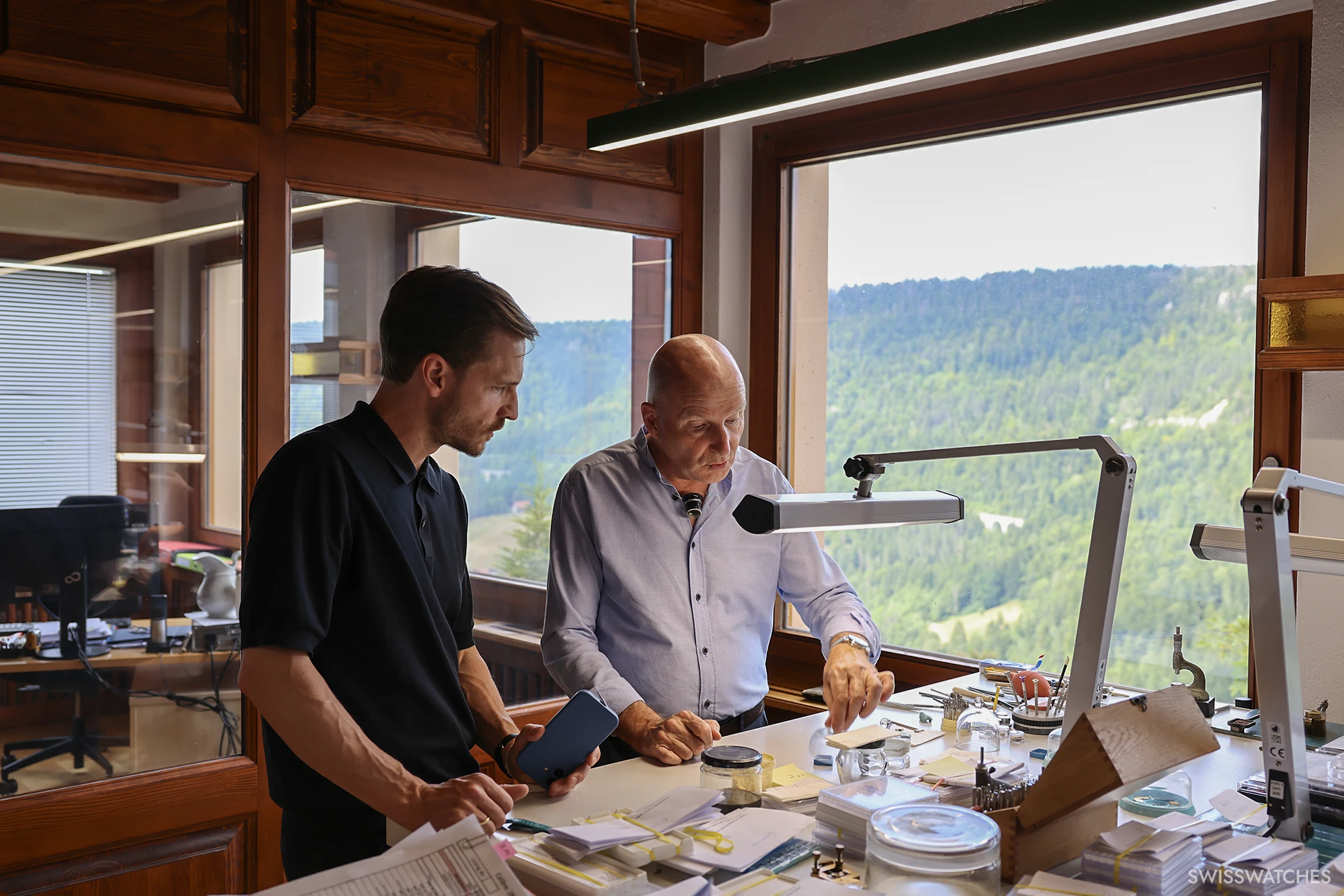
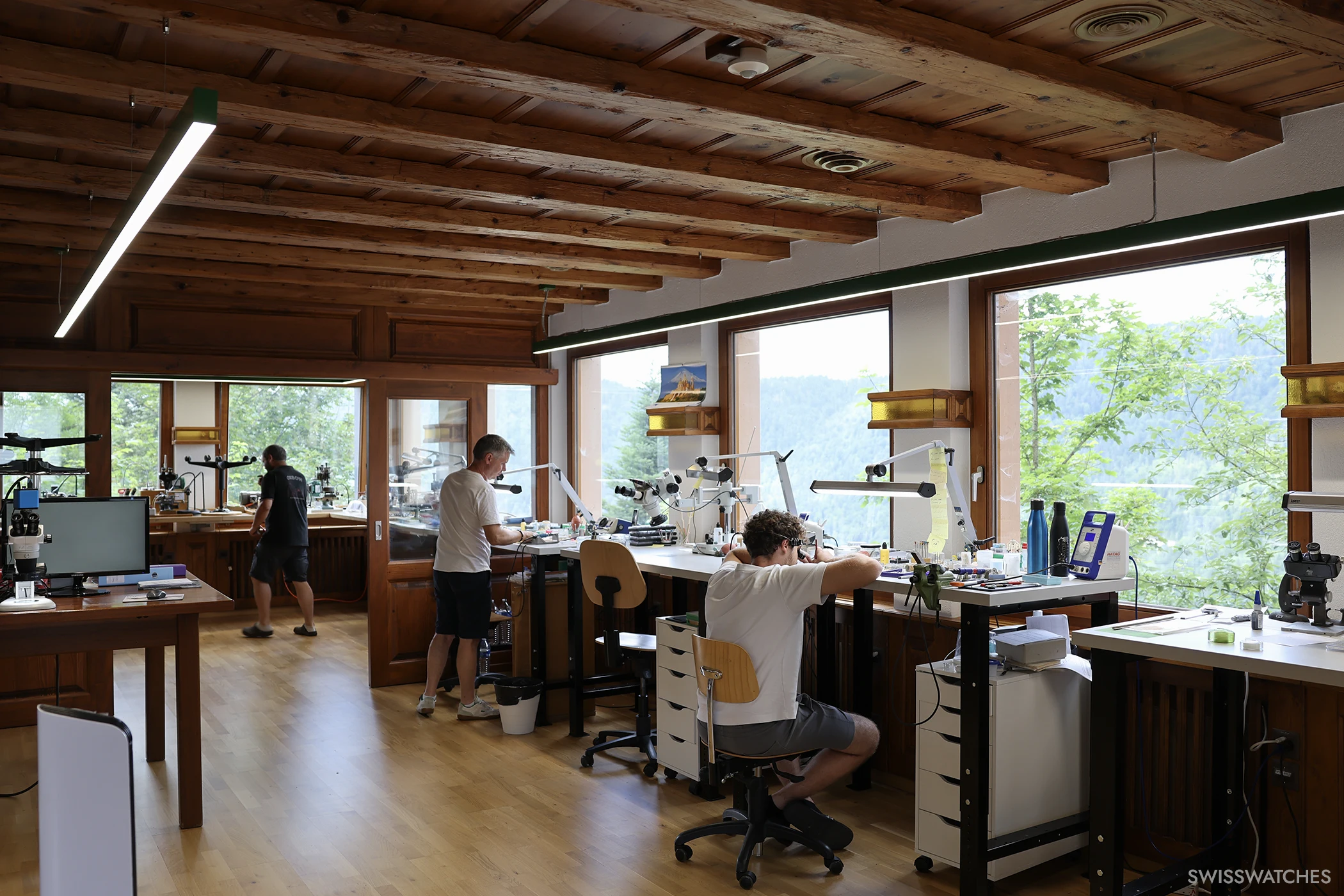
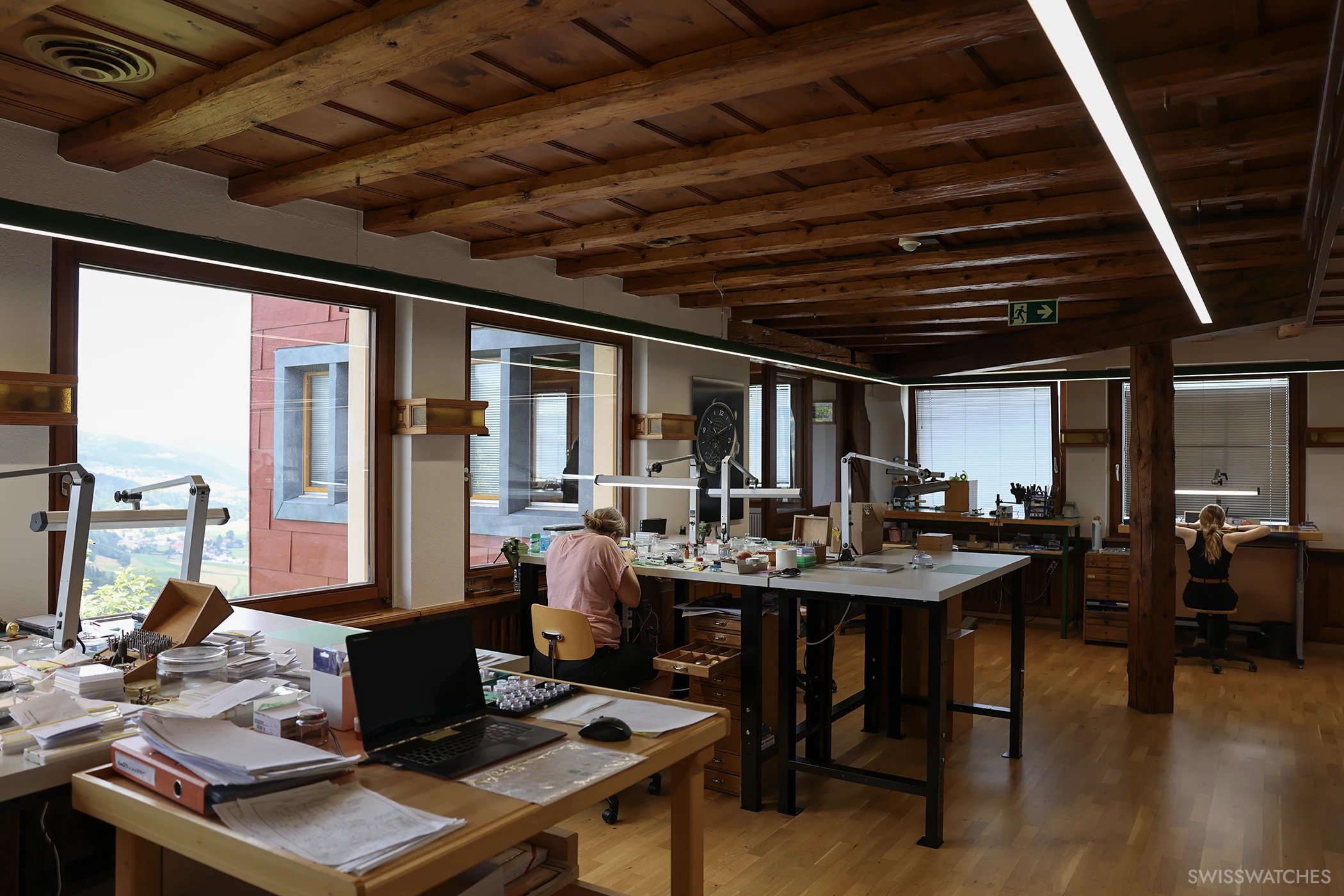
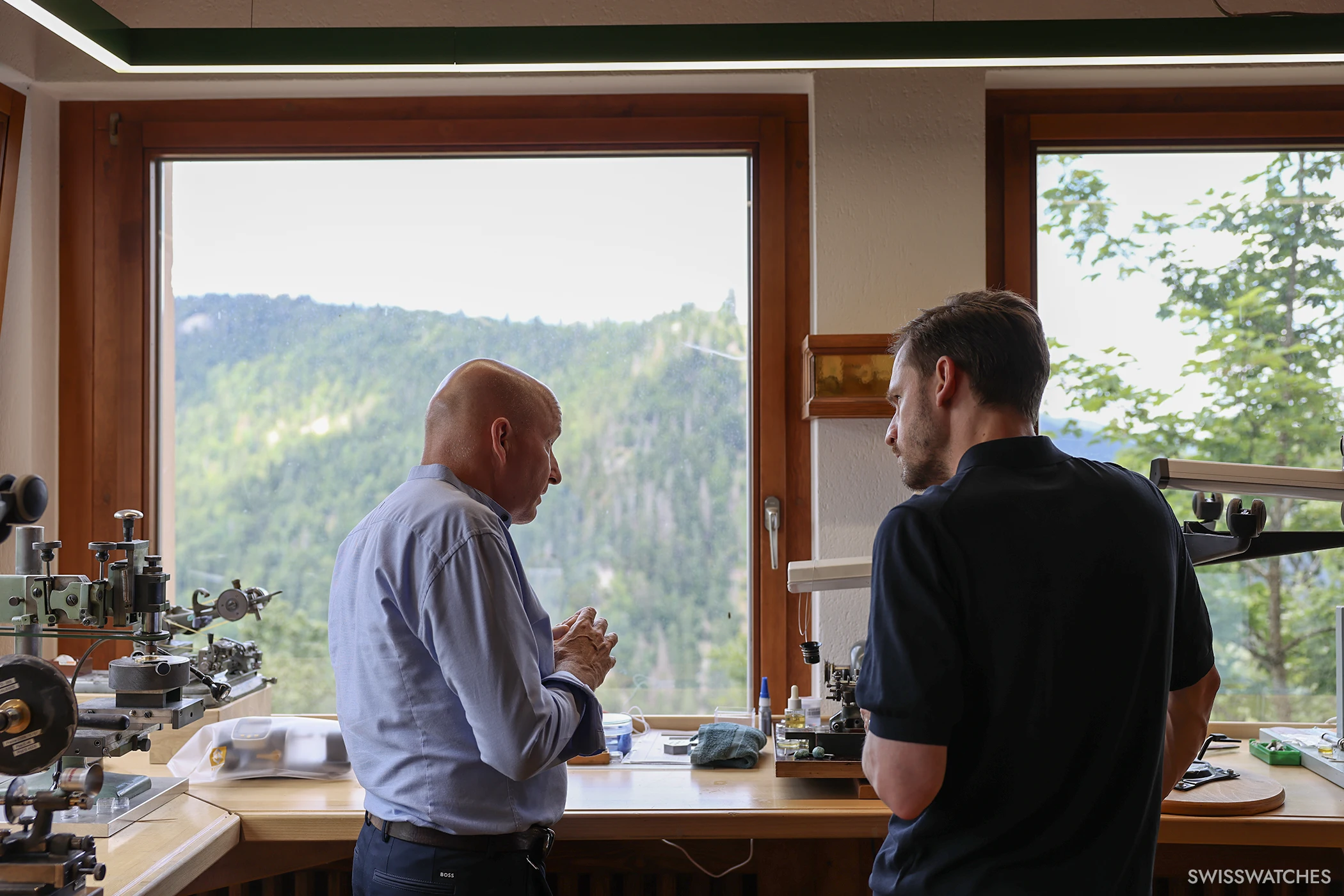
This is where the actual assembly, fine adjustment and artistic finishing of the watches takes place. Around 30 watchmakers and decorators work in these light-filled rooms. It is striking how many young people are employed here. After all, these are jobs that require absolute calm and concentration – virtues that are not exactly common among young people, especially nowadays. But this is probably exactly what appeals to a generation that otherwise surfs through the world at breathtaking speed. And Kari Voutilainen? He stands behind the workbench almost every day, where he focuses on developing new prototypes and working on unique pieces, and of course acts as a mentor to his young watchmakers.
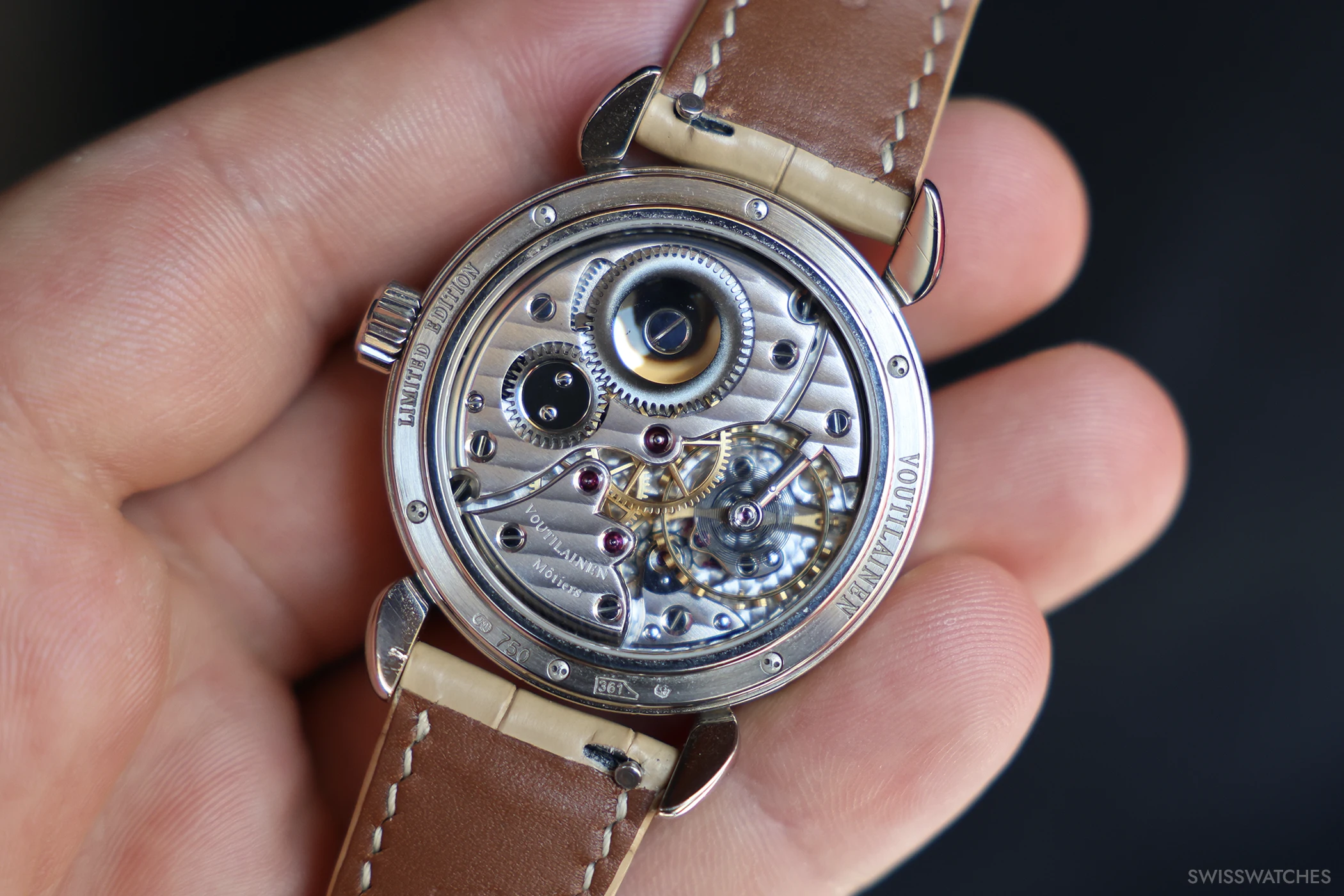
In Voutilainen’s watchmaking, decoration is not an end in itself, but an expression of quality and durability. He describes these details as part of the ‘ethics’ of watchmaking. An essential element is the anglage (beveling). This involves bevelling the edges of bridges and plates by hand and then polishing them with gentian wood and diamond paste until they shine like a mirror. In a Vingt-8 movement, there are numerous internal angles that can only be finished by hand – a machine could never achieve such perfection on these sharp edges.
Another highlight of his creations is the black polishing (noir polissage) of steel components. This involves working the part on a zinc plate with the finest abrasive until the surface is absolutely flat. The result is visually fascinating: viewed from a certain angle, the steel appears deep black, while from another angle it reflects the light perfectly. Every screw, every wheel, and every lever in a Voutilainen watch is treated according to these standards, regardless of whether the part is visible through the sapphire crystal caseback or not.
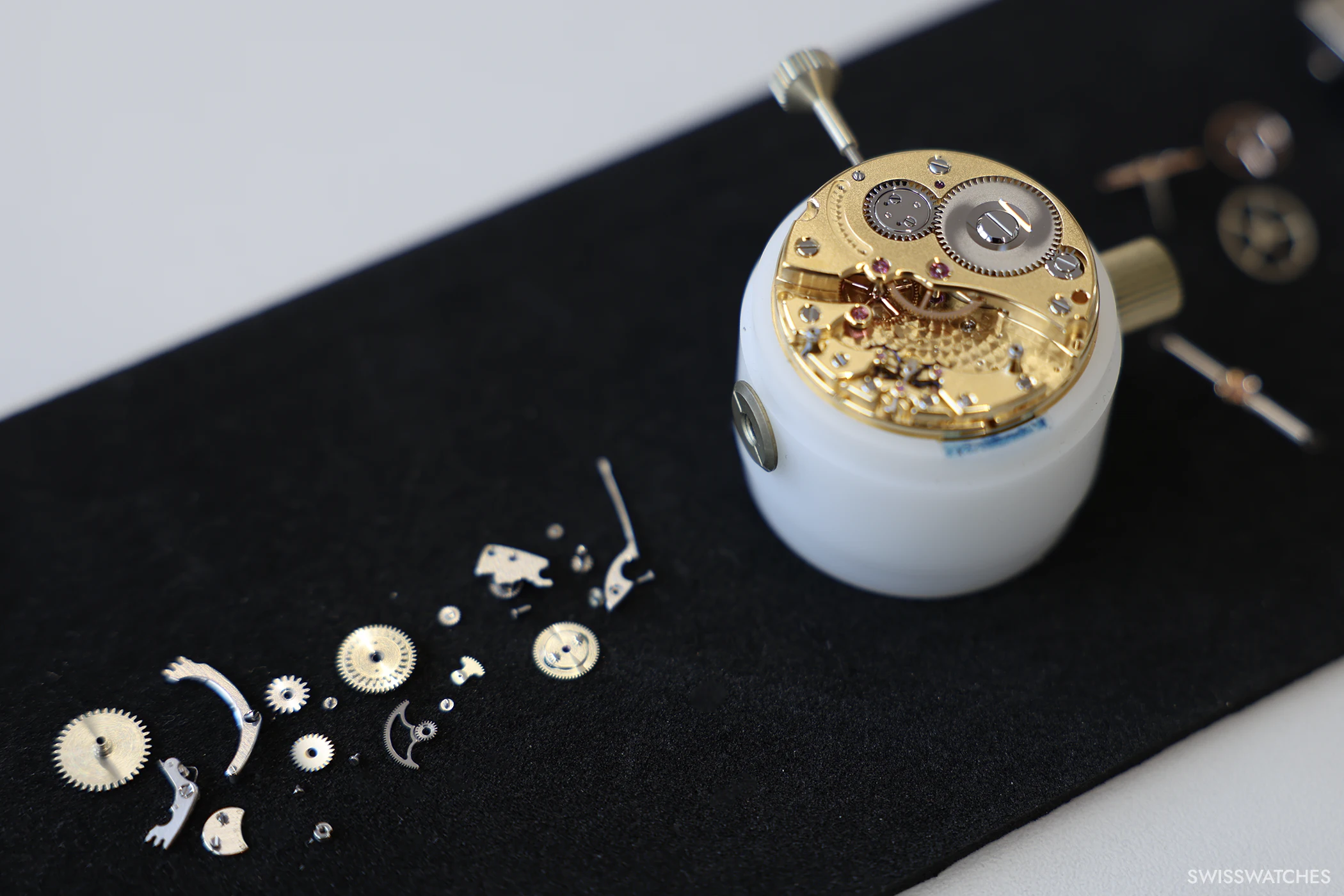
The assembly of a watch takes place in two phases. First, the movement is completely assembled to check its mechanical function and accuracy. It is then completely disassembled again, each part is cleaned, and only then is the final assembly carried out, followed by oiling. This process ensures that no microscopic chips or dust particles impair long-term reliability.
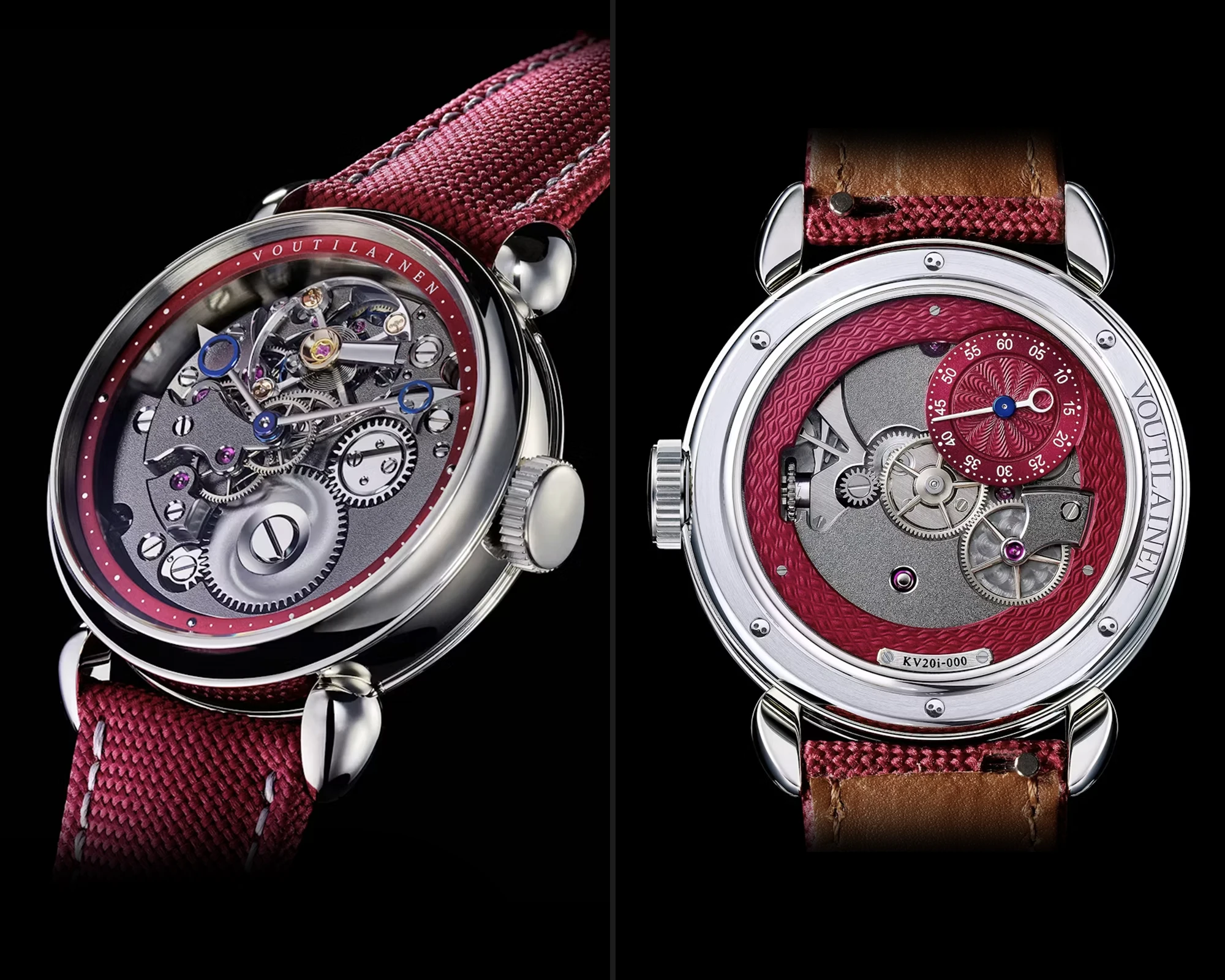
Kari Voutilainen’s reputation as a technical genius is largely based on his further development of the escapement. His most famous works, the Calibre Vingt-8 and the KV20, feature a patented direct impulse escapement with two escapement wheels. This system was inspired by Abraham-Louis Breguet’s ‘Echappement Naturel’, but optimised for the requirements of a modern wristwatch.
In contrast to the conventional Swiss lever escapement, in which energy is transferred via the pallet stones with high friction loss, Voutilainen’s wheels transmit the impulse directly to the balance wheel. This results in significantly higher energy efficiency (approx. 30% increase) and less stress on the components, which extends maintenance intervals and stabilises accuracy.
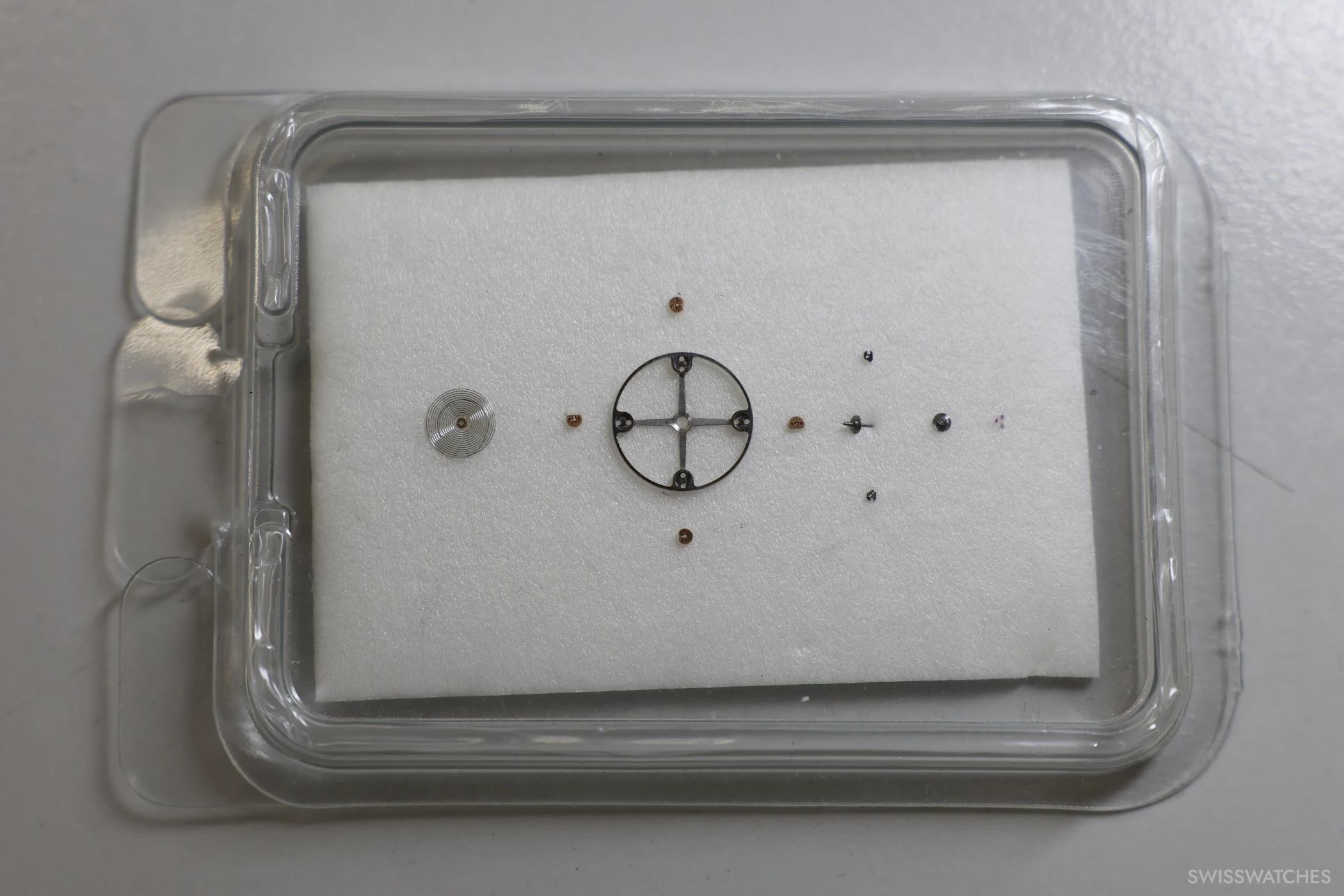
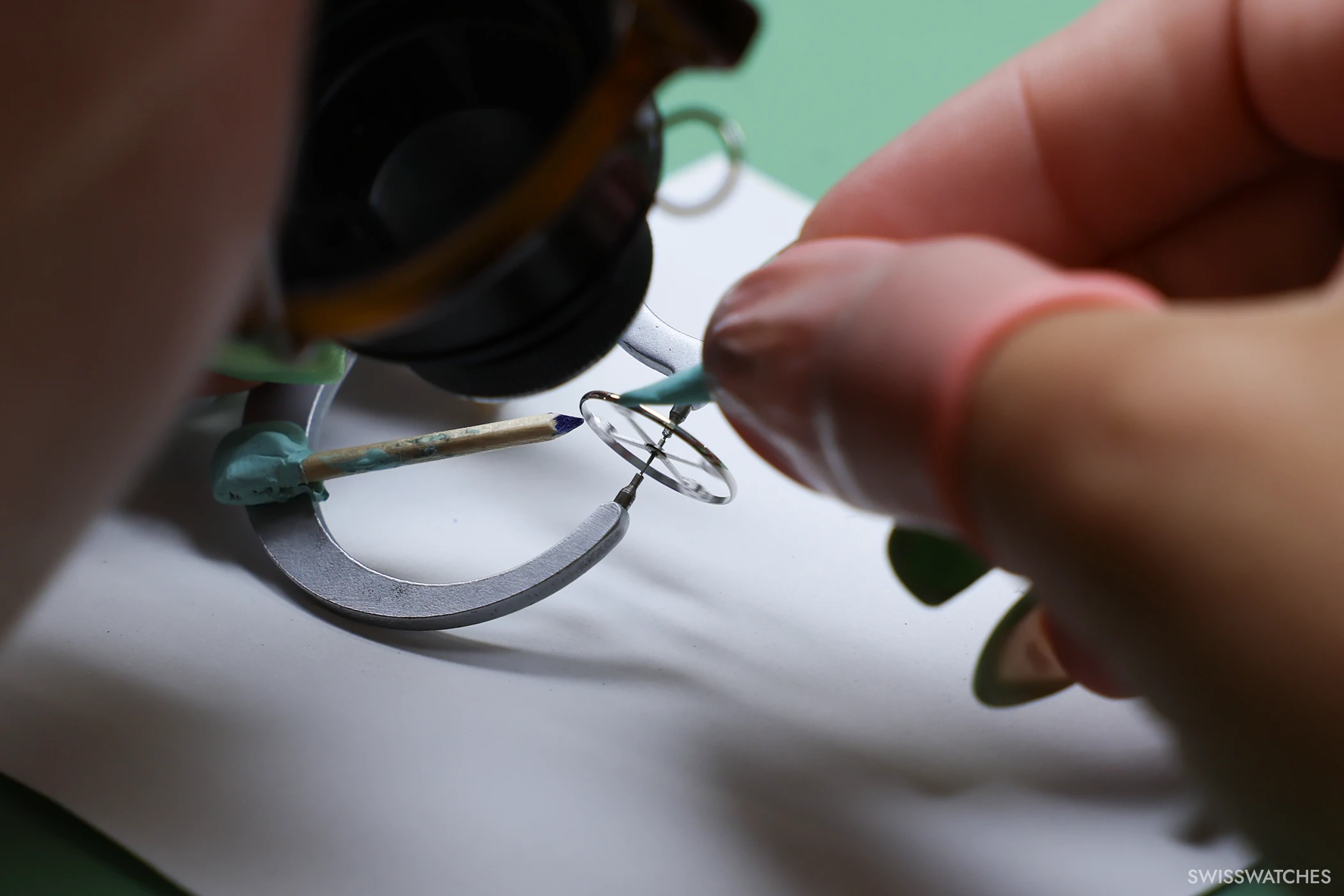
The balance wheel in those calibres is exceptionally large with a diameter of 13.5 mm and has high inertia, making it less susceptible to shocks. It beats at a frequency of 2.5 Hz (18,000 vibrations per hour), giving the watches the reassuring, slow ticking of historical chronometers.
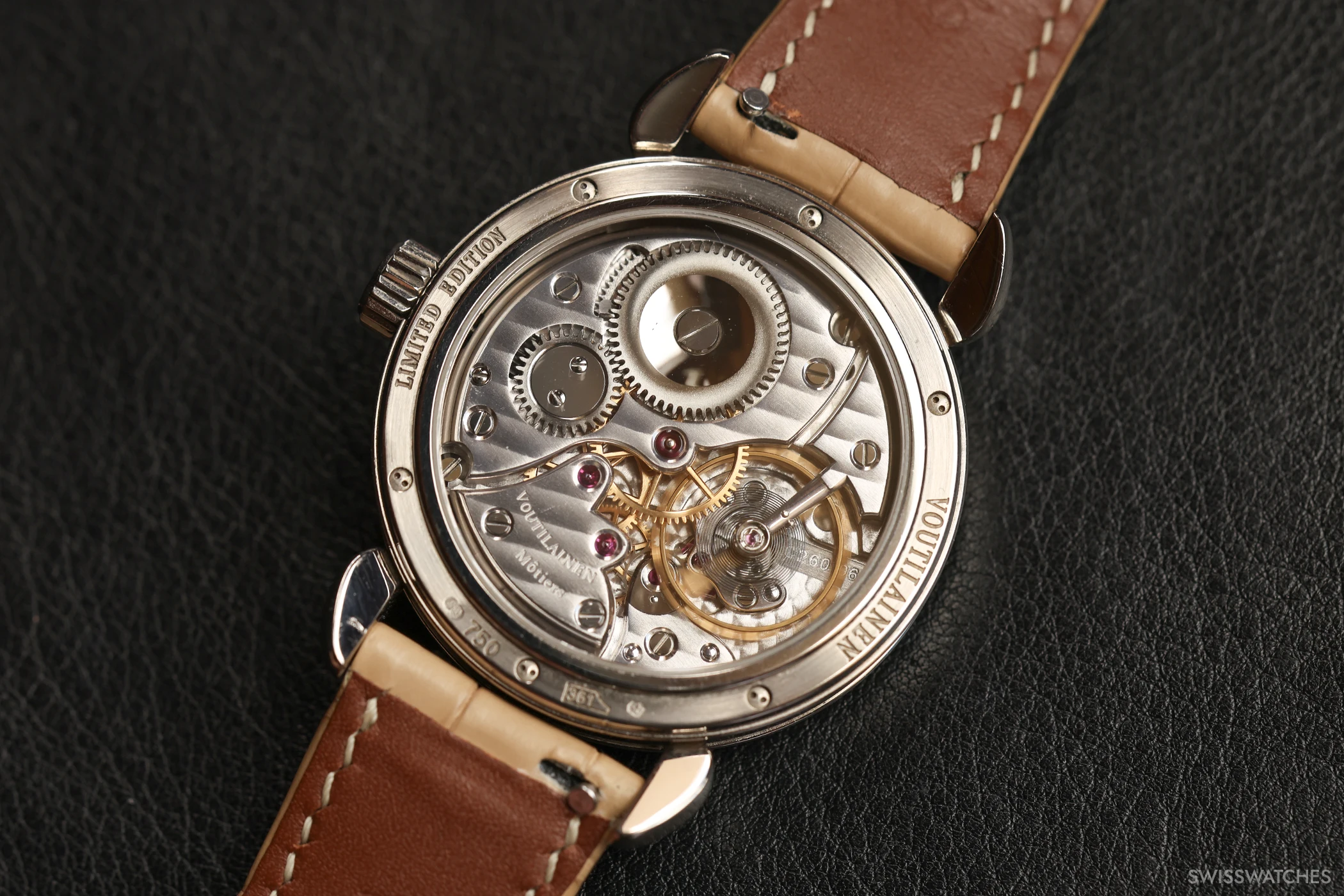
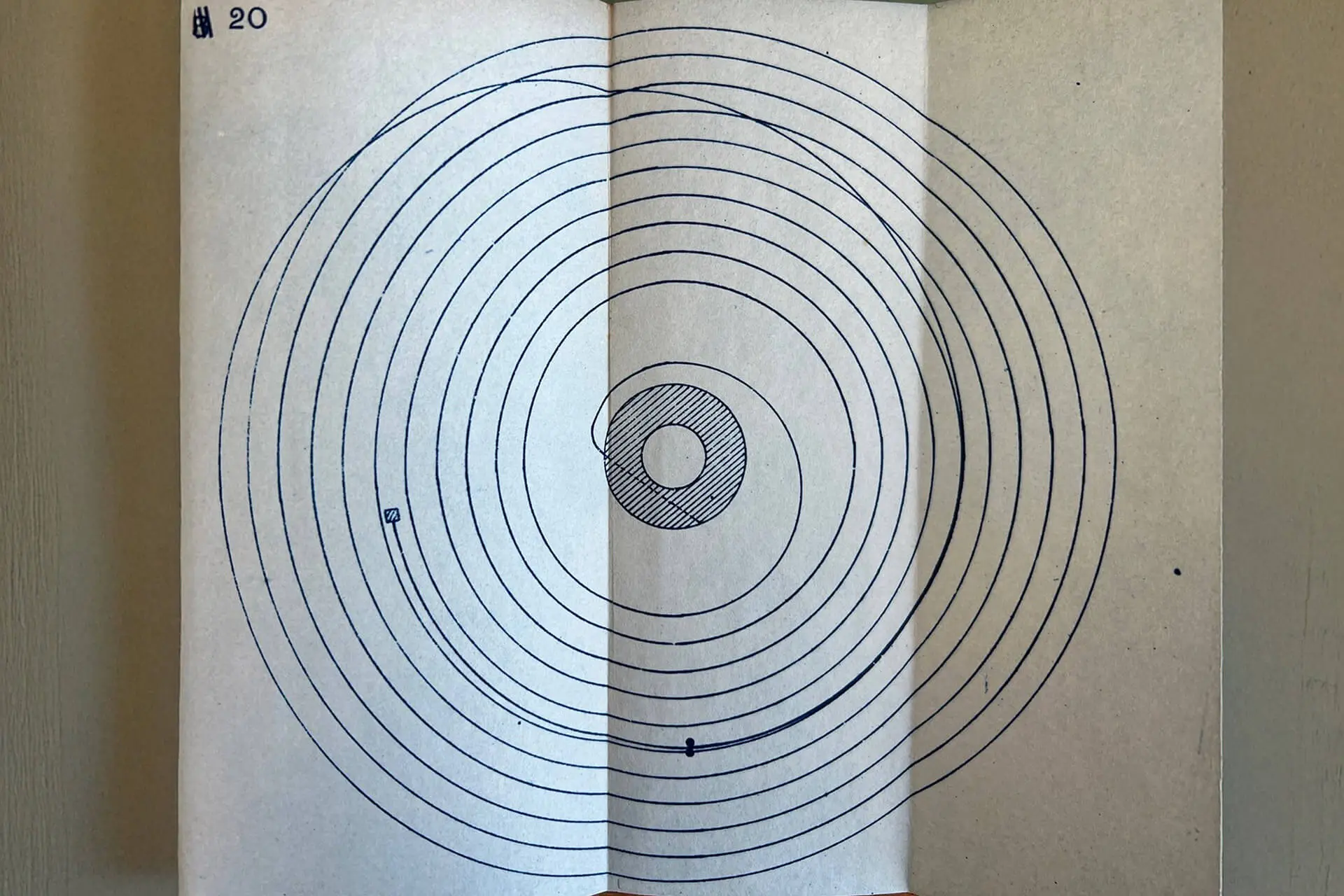
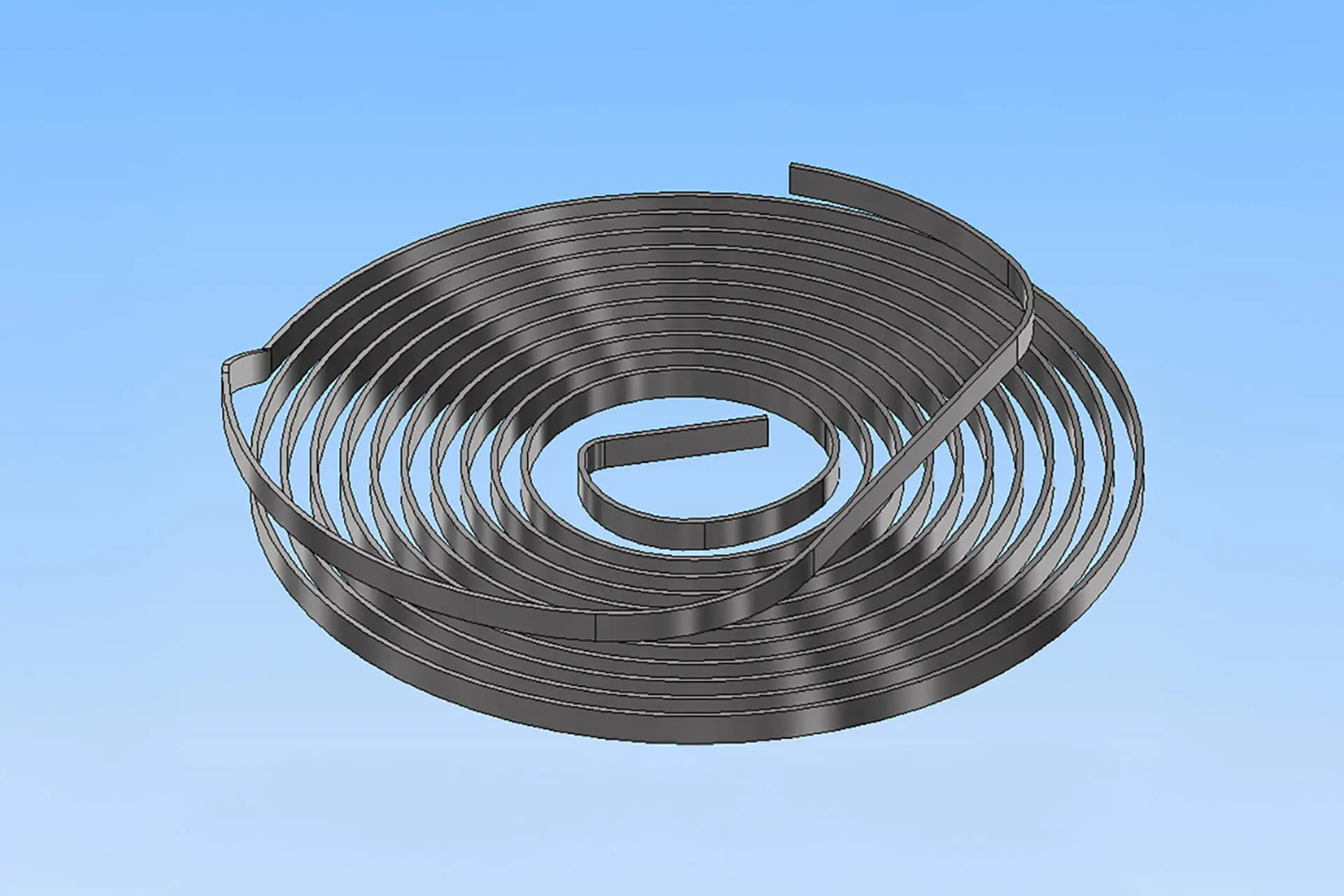
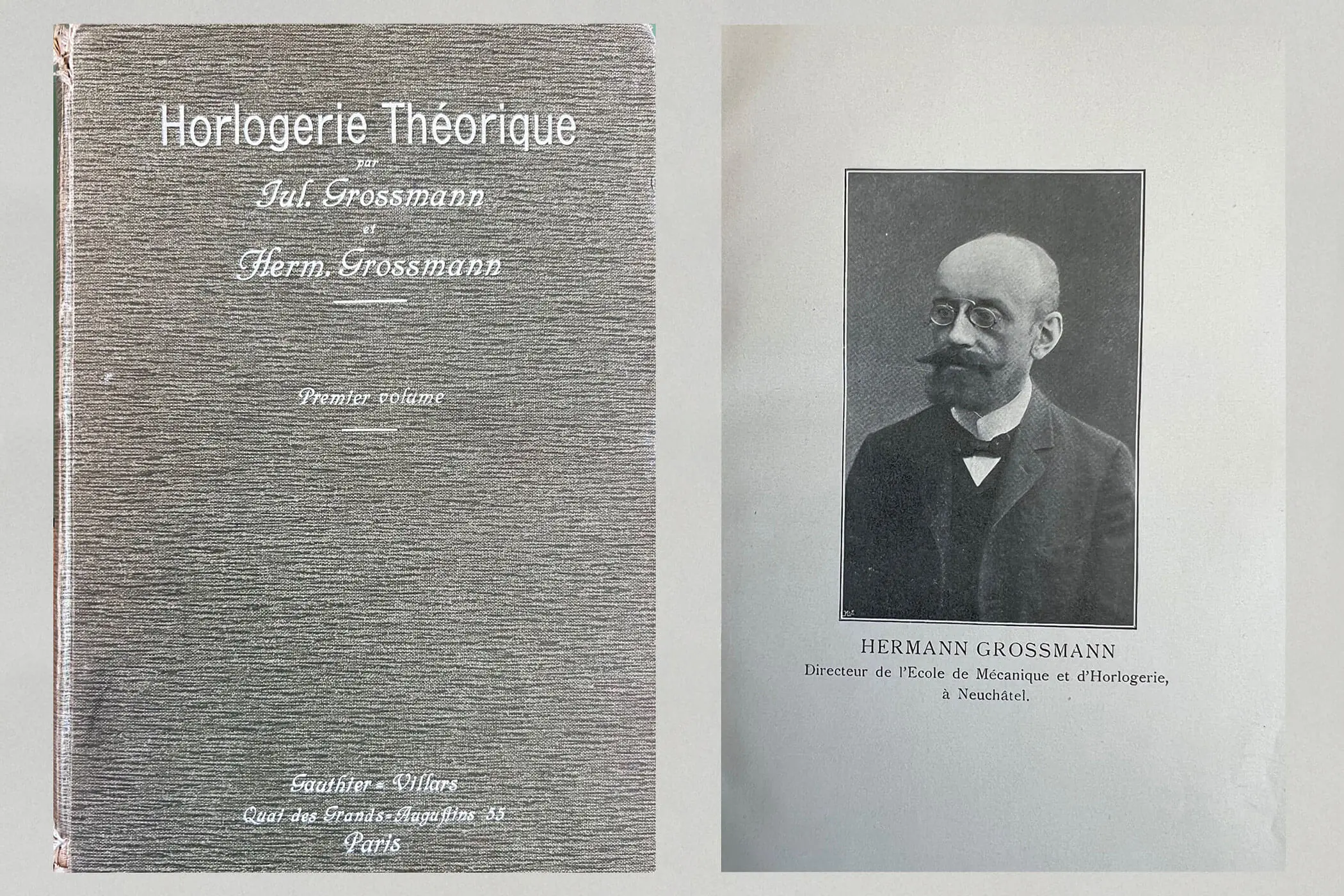
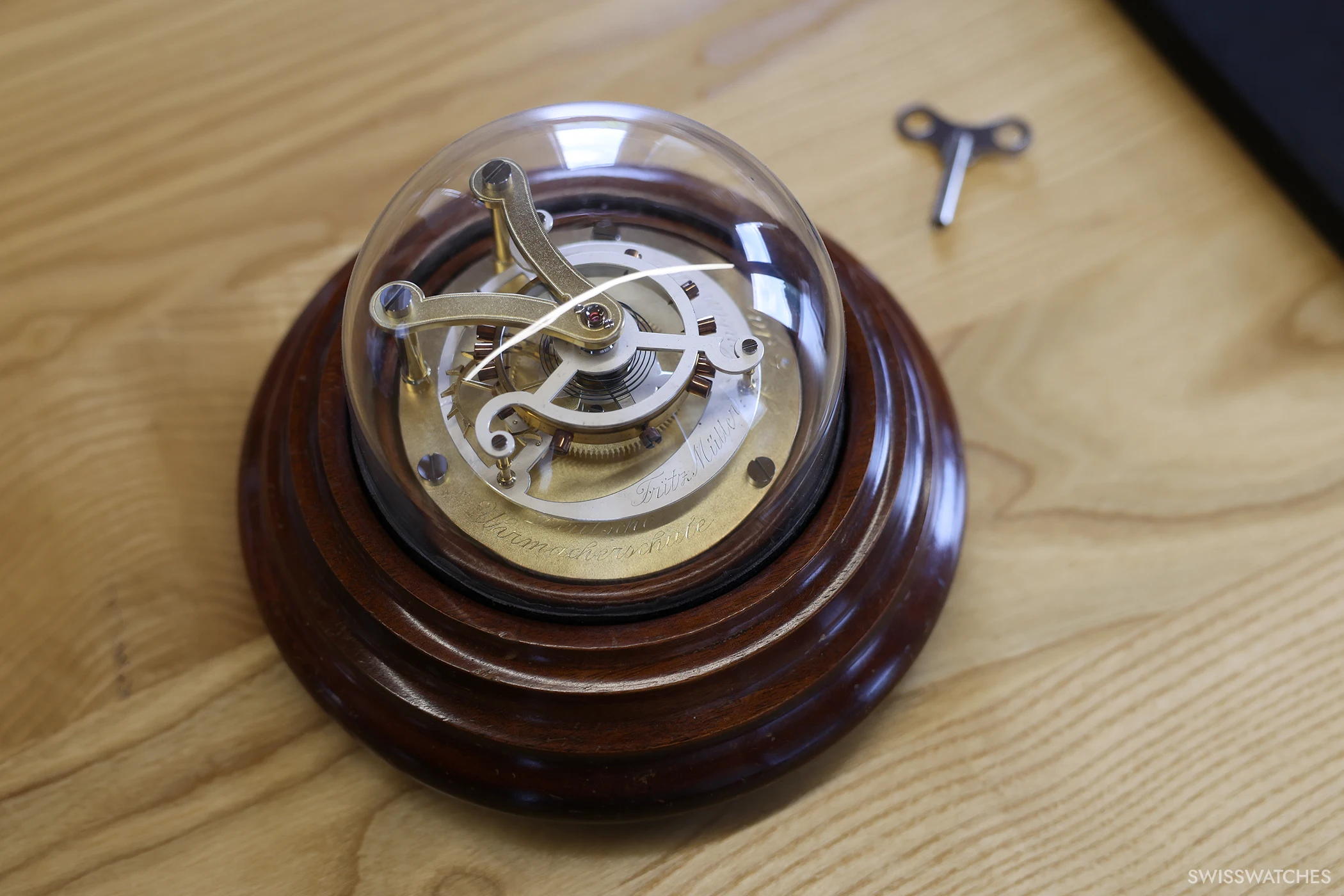
The balance spring is another special feature of the Voutilainen workshop. He uses a combination of a Phillips end curve (outside) and a Grossmann curve (inside). This design ensures that the balance wheel oscillates in a perfectly concentric manner. Mathematically, this can be described as minimising the shift in the centre of gravity during the expansion of the spring, resulting in near-perfect isochronism.
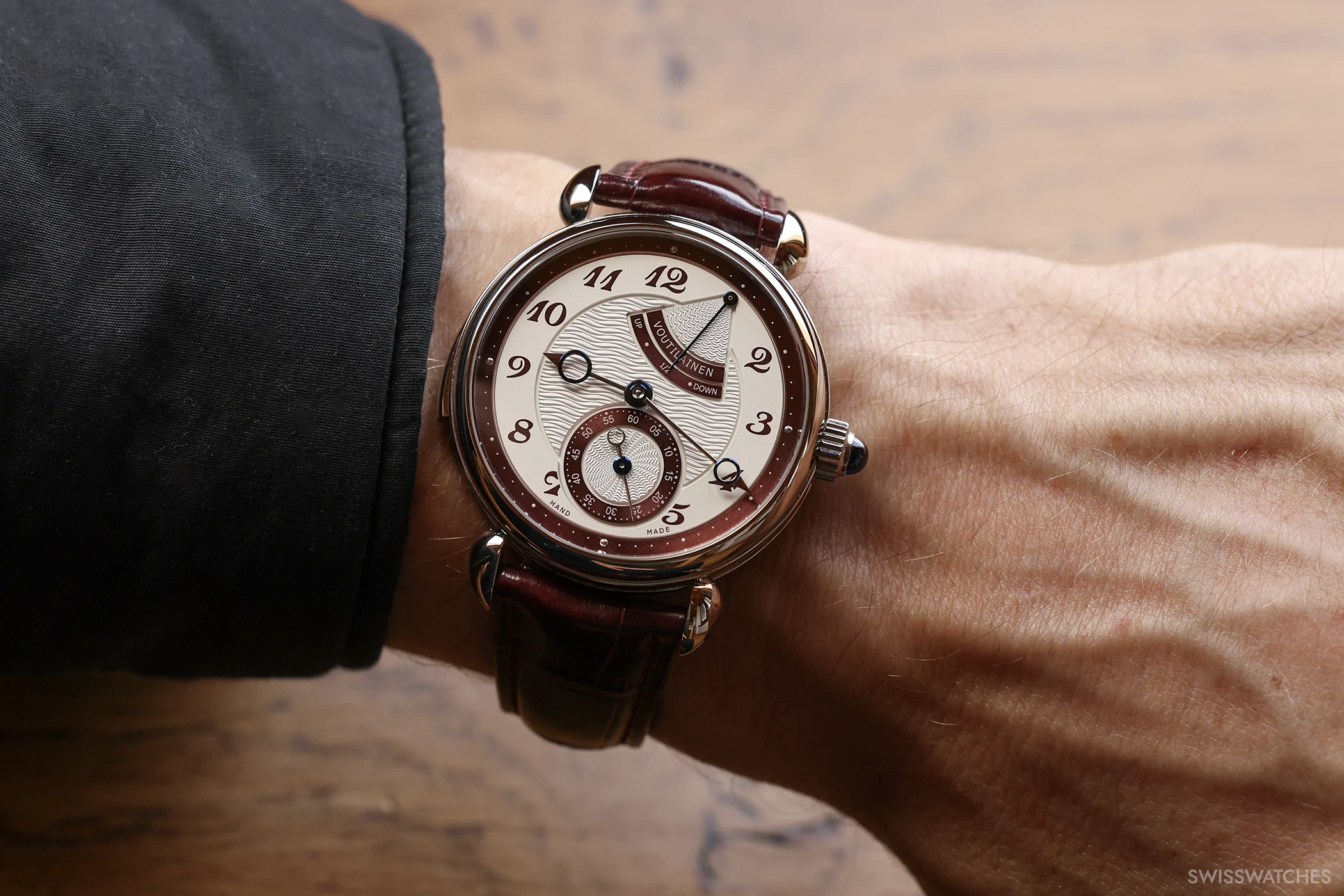
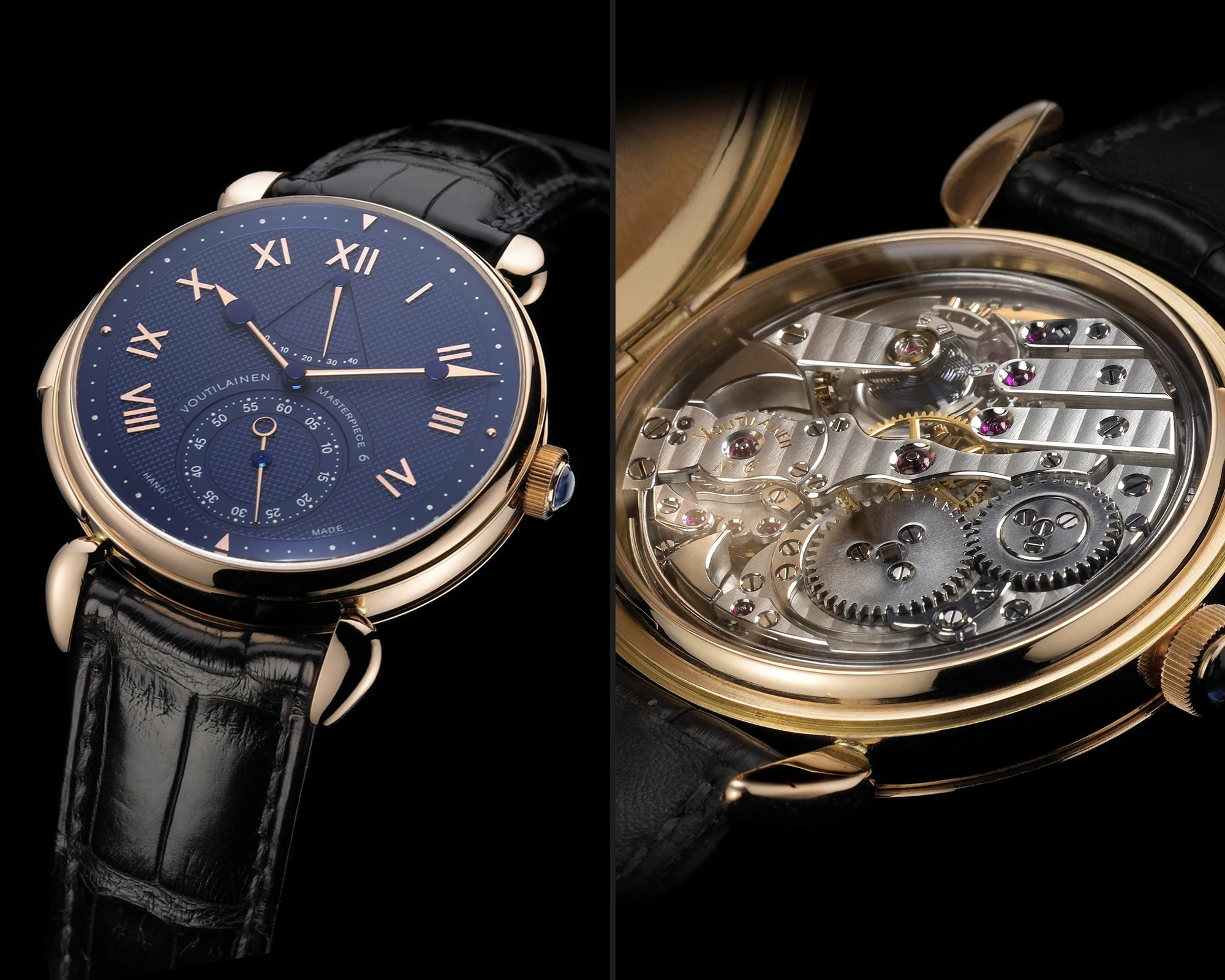
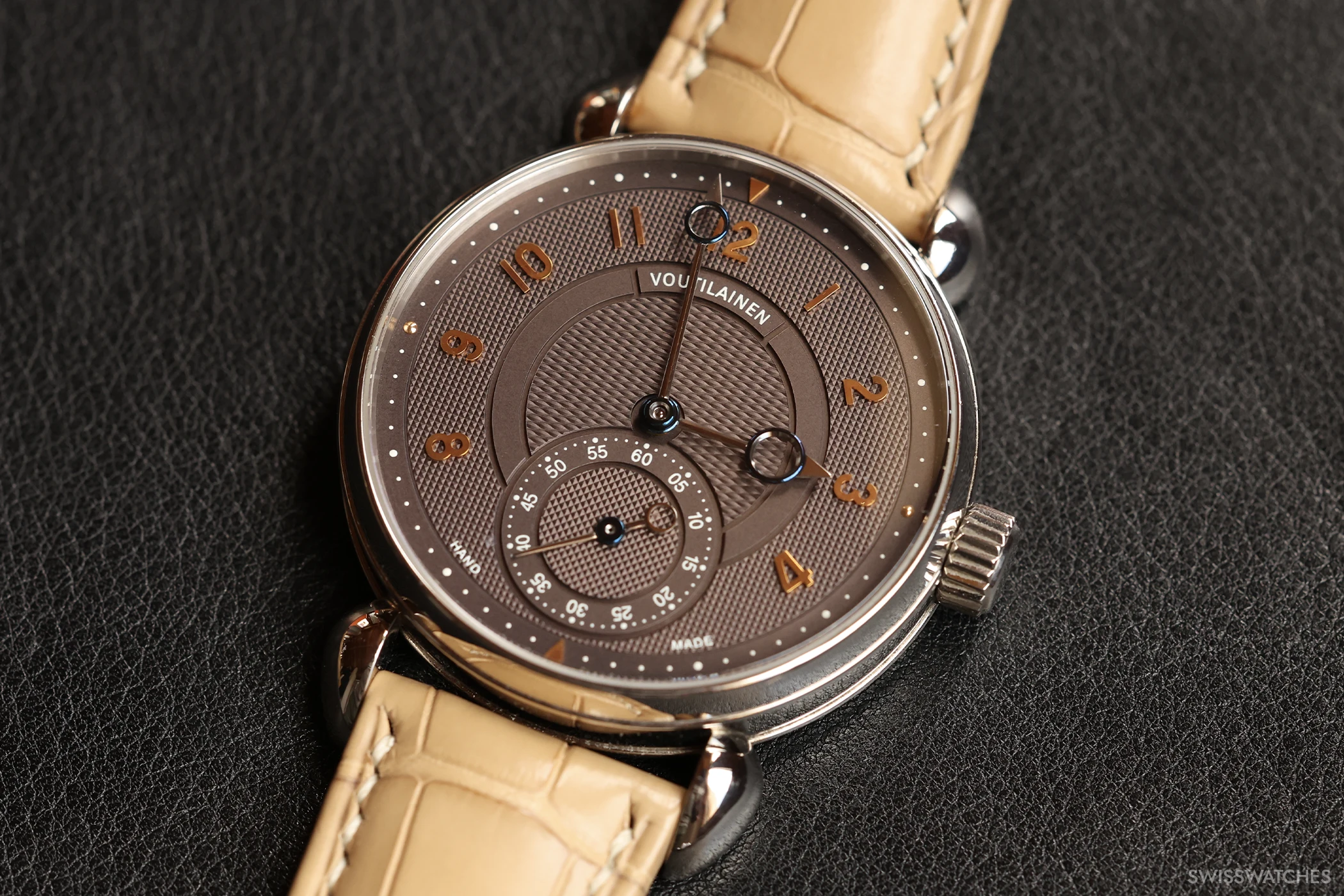
In addition to their technical refinements, Voutilainen’s watches are characterised by original display concepts. His decimal minute repeater (Masterpiece 6) is a logical consequence of human perception. Instead of striking the time in the unwieldy 15-minute increments (quarter hours) of traditional watchmaking, it uses the decimal system. For example, at 4:37, four low tones sound for the hours, three double tones for the tens of minutes and seven high tones for the single minutes.
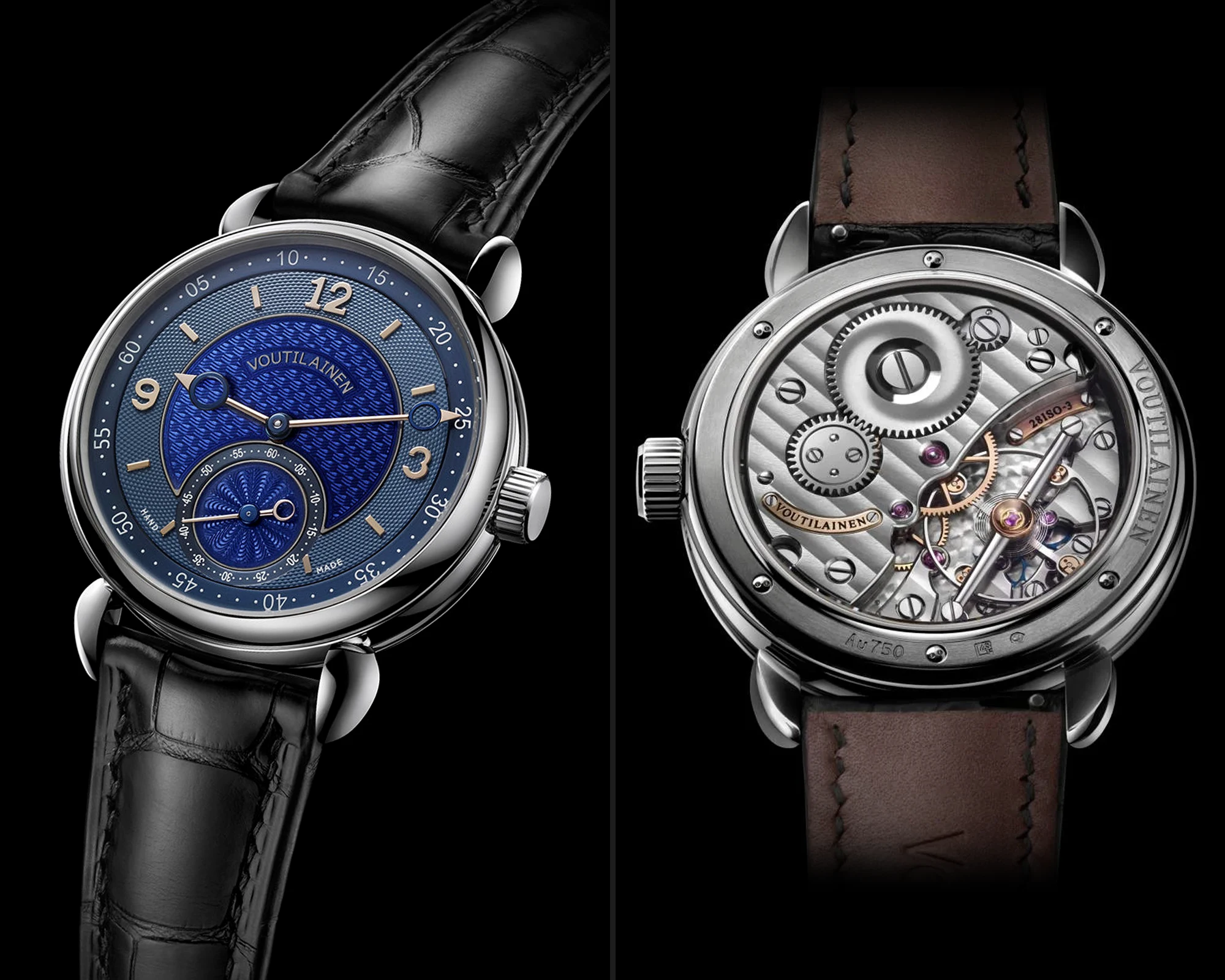
The Vingt-8 ISO model is even more radical. Here, the minute display and hour hand rotate synchronously. This means that the relative position of the hands to each other remains the same throughout the day. Kari Voutilainen plays with the psychological component of reading the time here. According to Daniel Kahneman’s theory (System 1 vs. System 2), we use our intuitive System 1 for ordinary watches. Instead of just glancing at the time, the Vingt-8 ISO requires us to reinterpret the position of the hands, as the outer minute ring rotates with the hour hand. This means that the hands are always superimposed on each other at the top of the hour and exactly opposite each other at the half hour. The Vingt-8 ISO forces us to activate System 2 and consciously think about time, which strengthens our emotional connection to the timepiece.
Kari Voutilainen is not only one of the best watchmakers of our time, but also a visionary entrepreneur. He has recognised that independence does not mean doing everything alone, but rather surrounding oneself with the right partners. Today, his network of companies comprises several specialised businesses:
Comblémine SA: Specialises in the manufacture of highly complex dials with innovative galvanic surfaces and multi-layer structures.
Voutilainen & Cattin SA: A case manufacturer that produces prototypes and small series for both Voutilainen and third parties.
Brodbeck Guillochage: The decorative competence centre in Fleurier. This vertical integration protects him from the supply bottlenecks that affected many other brands during the pandemic. It also allows him to be completely transparent with his customers. Voutilainen has no sales team; he communicates personally with every collector who orders a watch from him. This creates a relationship of trust that has become rare in the anonymous world of luxury.
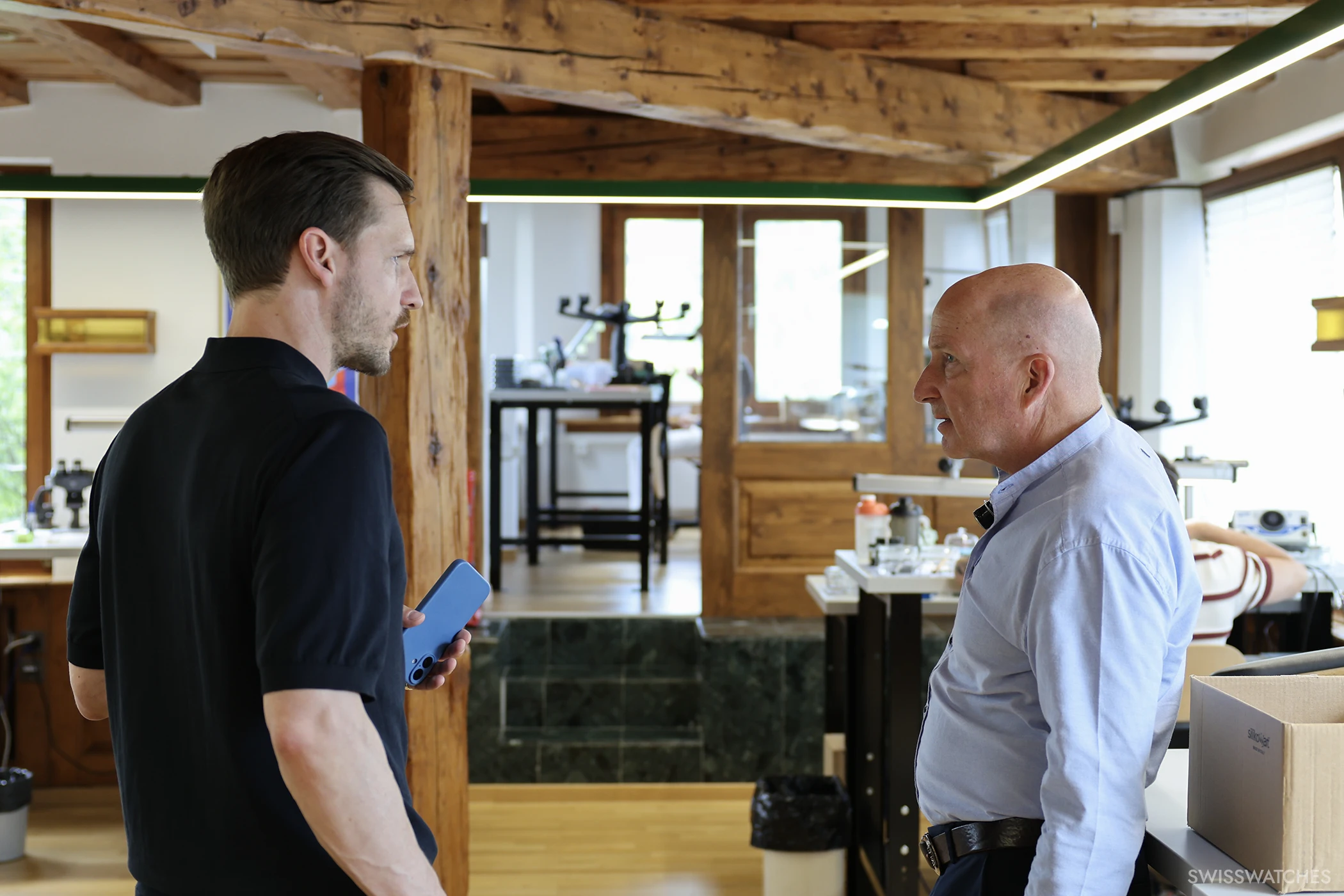
Kari Voutilainen possesses this deep-rooted longing for authentic craftsmanship and has created something unique in Val-de-Travers: an autonomous refuge for ‘horology d’art’. A tour of his workshops shows that his work goes far beyond the manufacture of luxury objects. It is an attempt to preserve a form of human excellence that is in danger of being lost in an automated world.
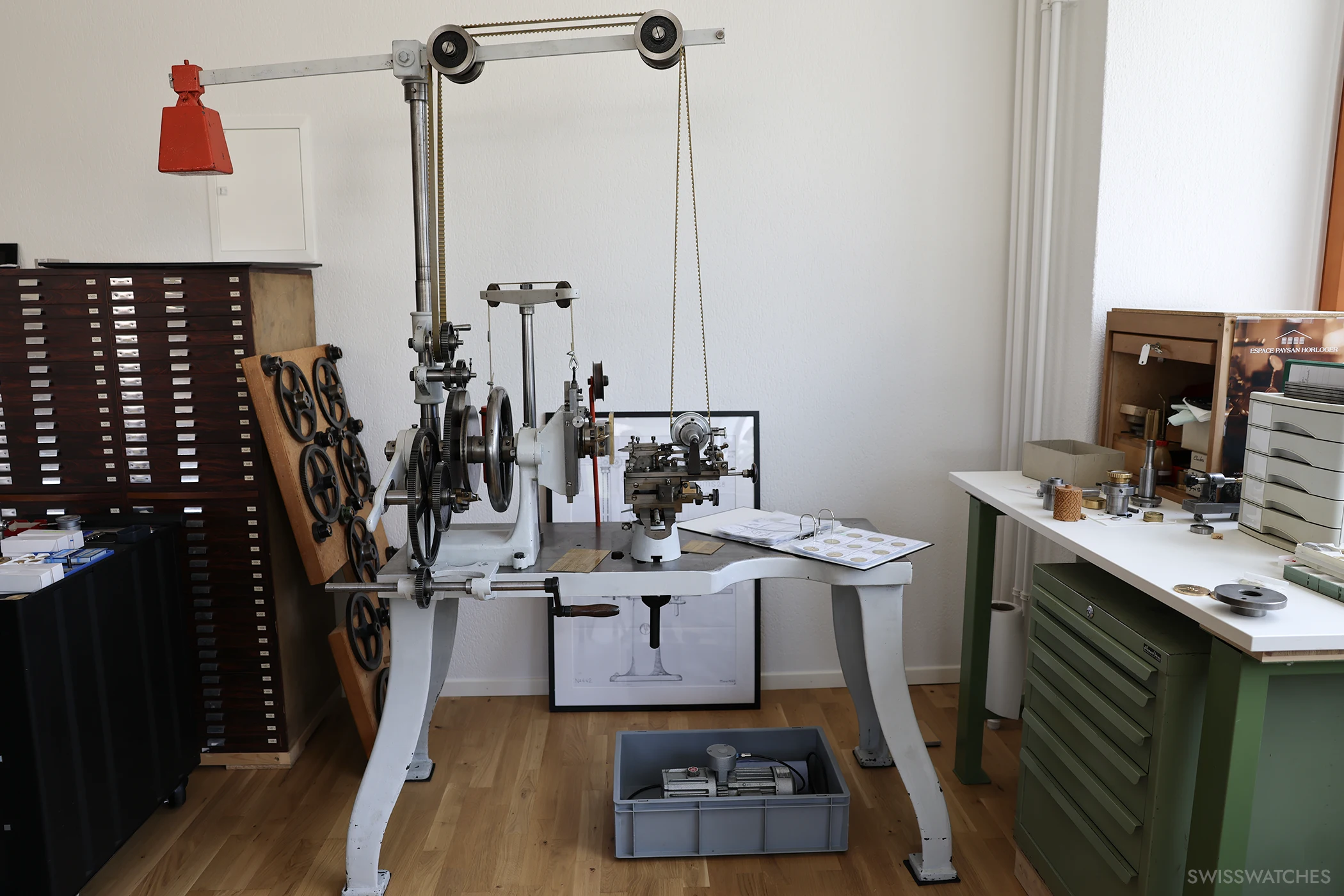
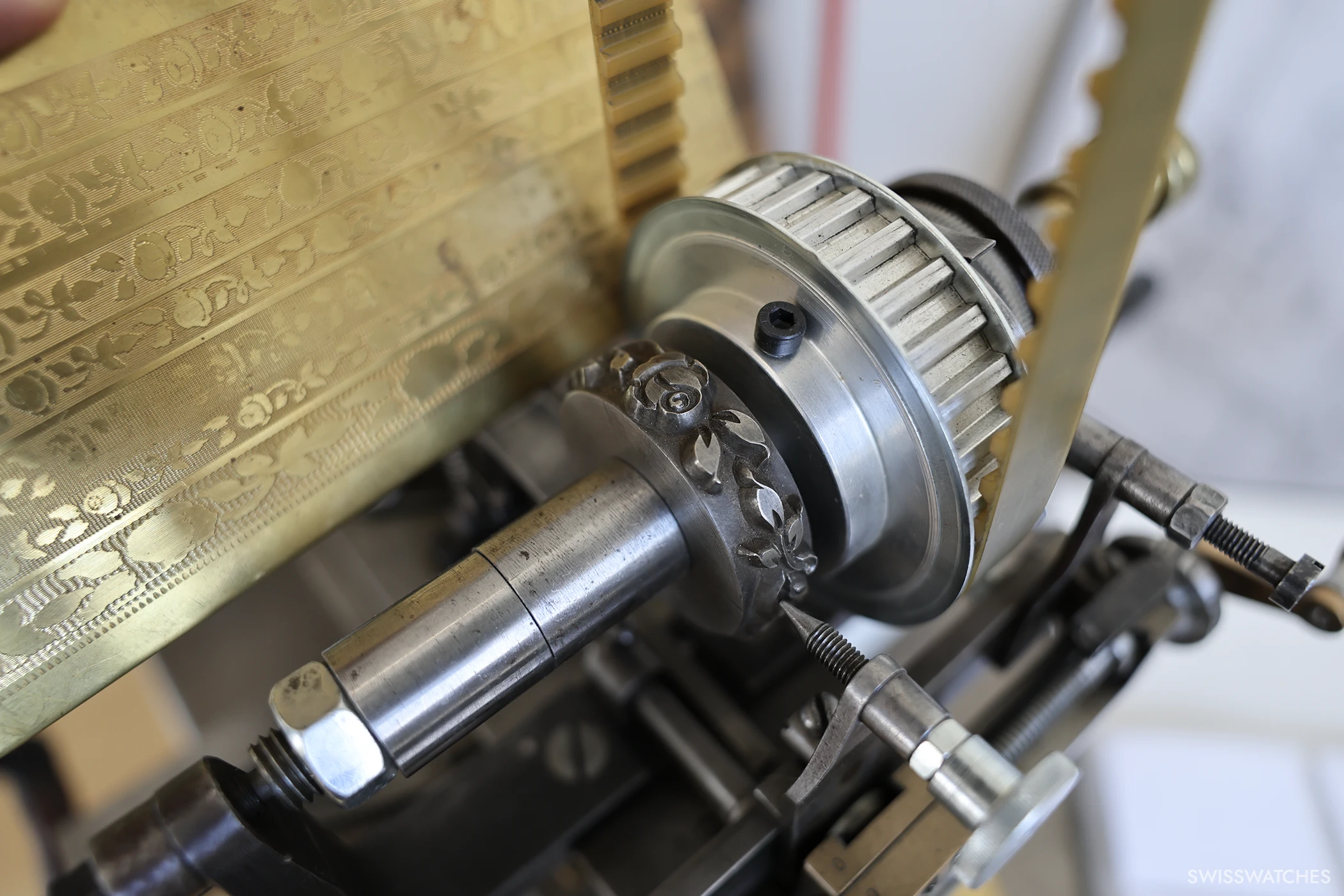
In Fleurier, in the Brodbeck Guillochage workshop, history is being rewritten by the hands of young craftsmen. The Mechanical Workshop proves that cutting-edge technology and traditional knowledge need not be opposites, but rather drive each other to new heights. And at the top of the ‘Chapeau de Napoléon’, this concentrated expertise is fused into timepieces that know no compromise.
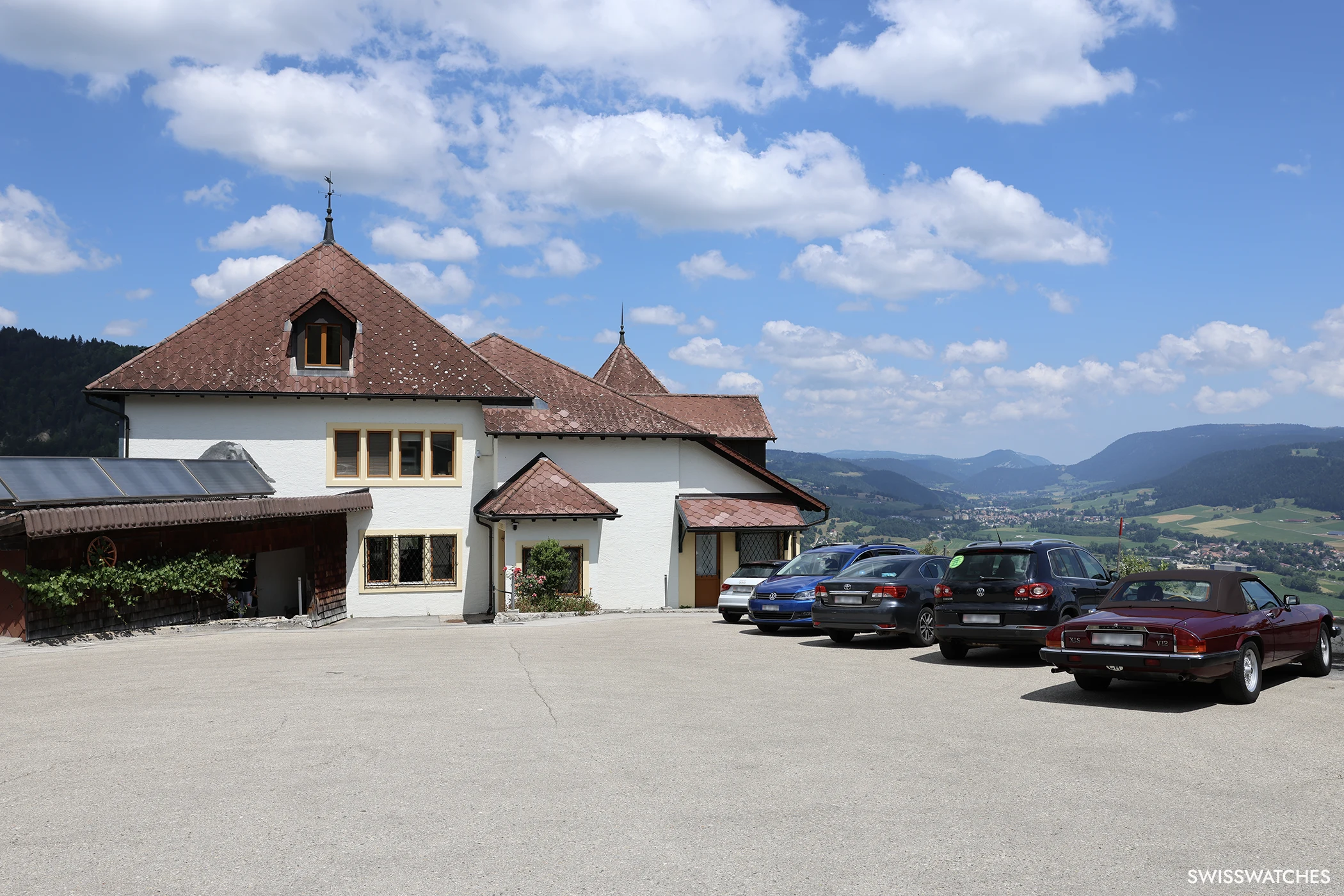
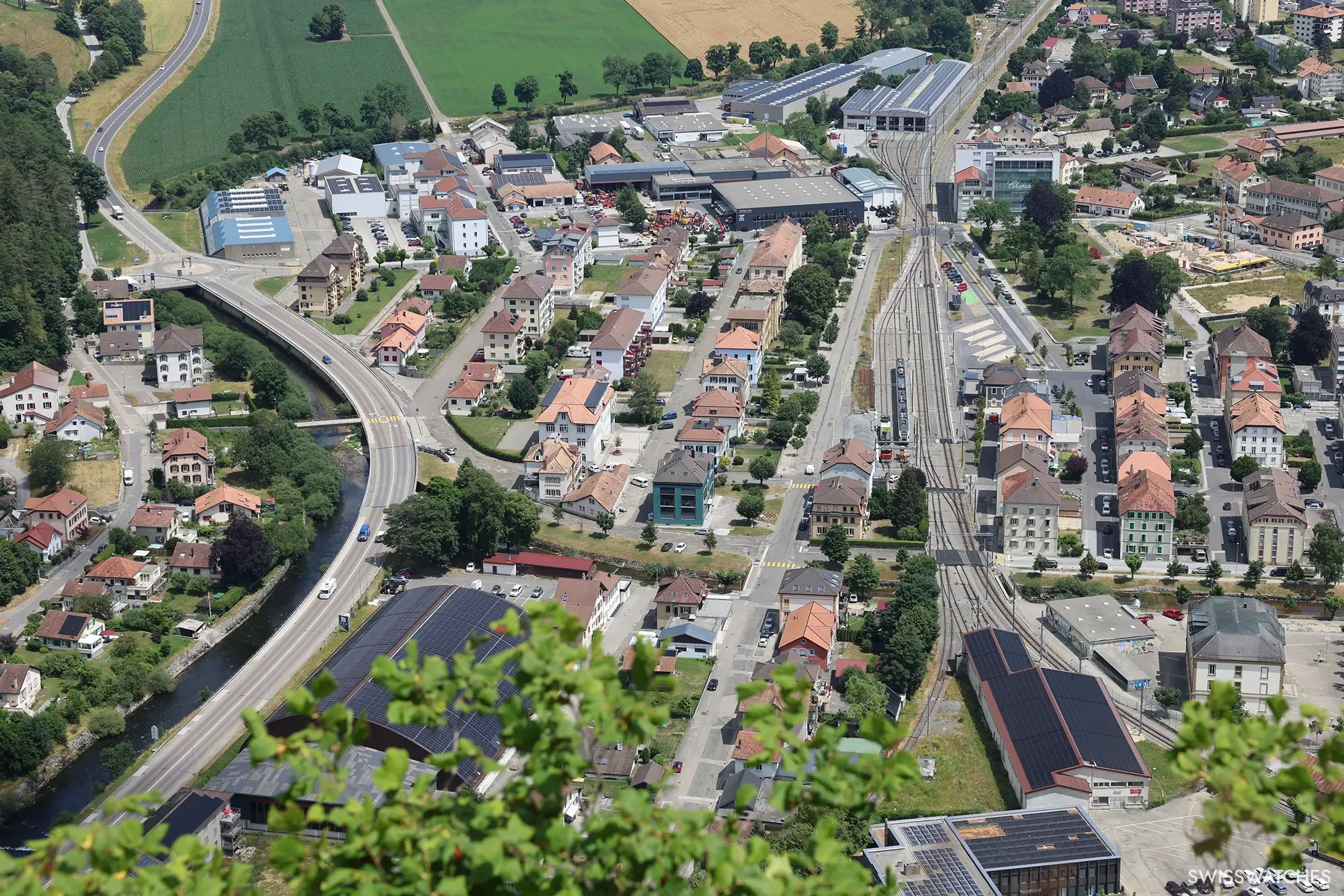
Kari Voutilainen’s strength lies in his modesty coupled with an uncompromising commitment to quality. He does not produce watches for shop windows, but for people who understand the soul of an object. Every watch that leaves his workshop bears not only his name, but also a piece of the mountain, the history, and the passion of the people who created it. This makes Voutilainen one of the most important voices in modern watchmaking – a guardian of tradition and, at the same time, a courageous visionary who shows that the true architecture of time lies in the precision of the human mind.