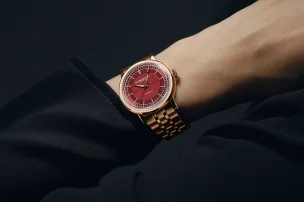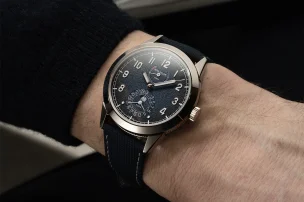
Hublot is celebrating summer 2026 with six Big Bang models. The focus is on coloured ceramic, summery pastel shades, in-house movements and limited editions.

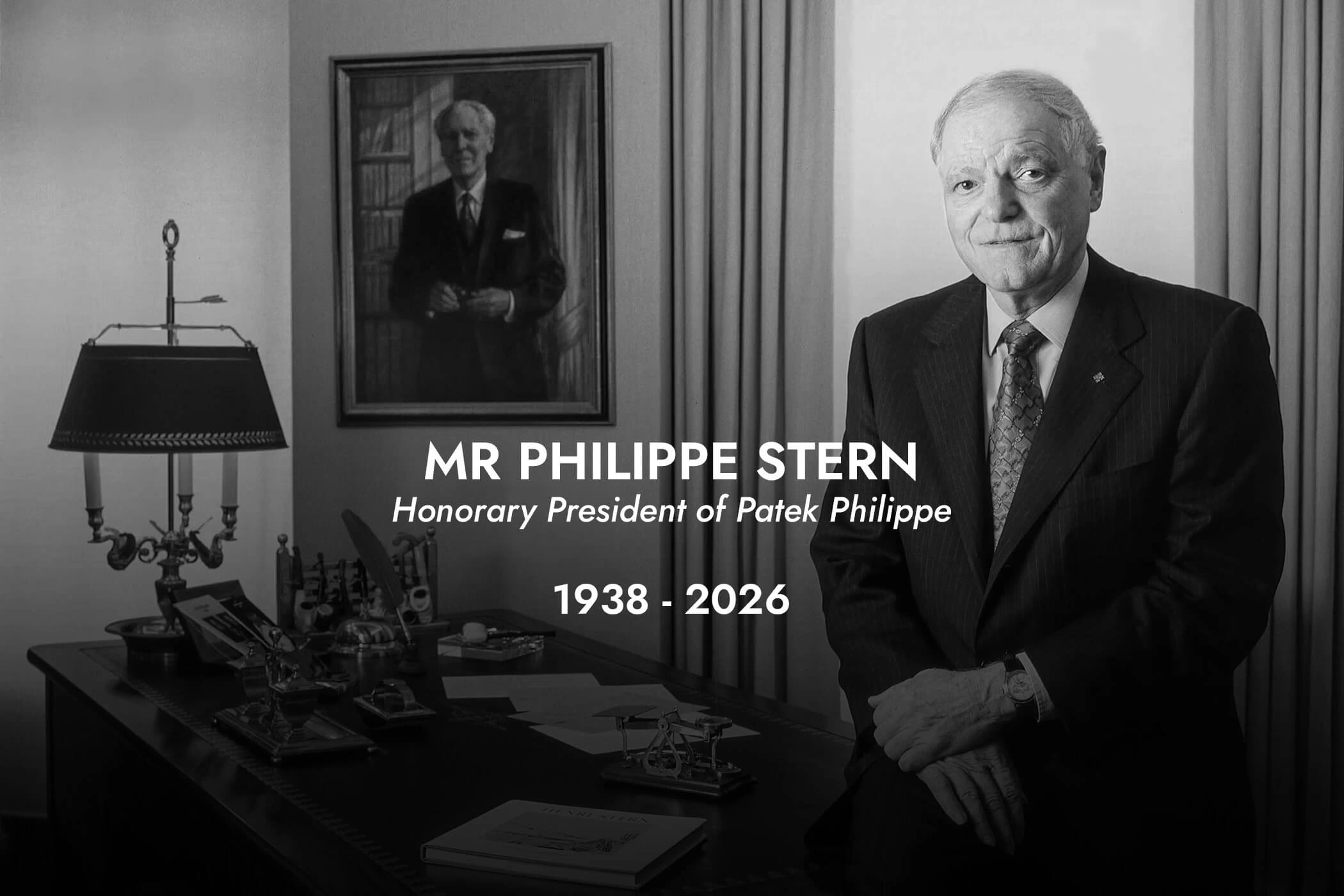
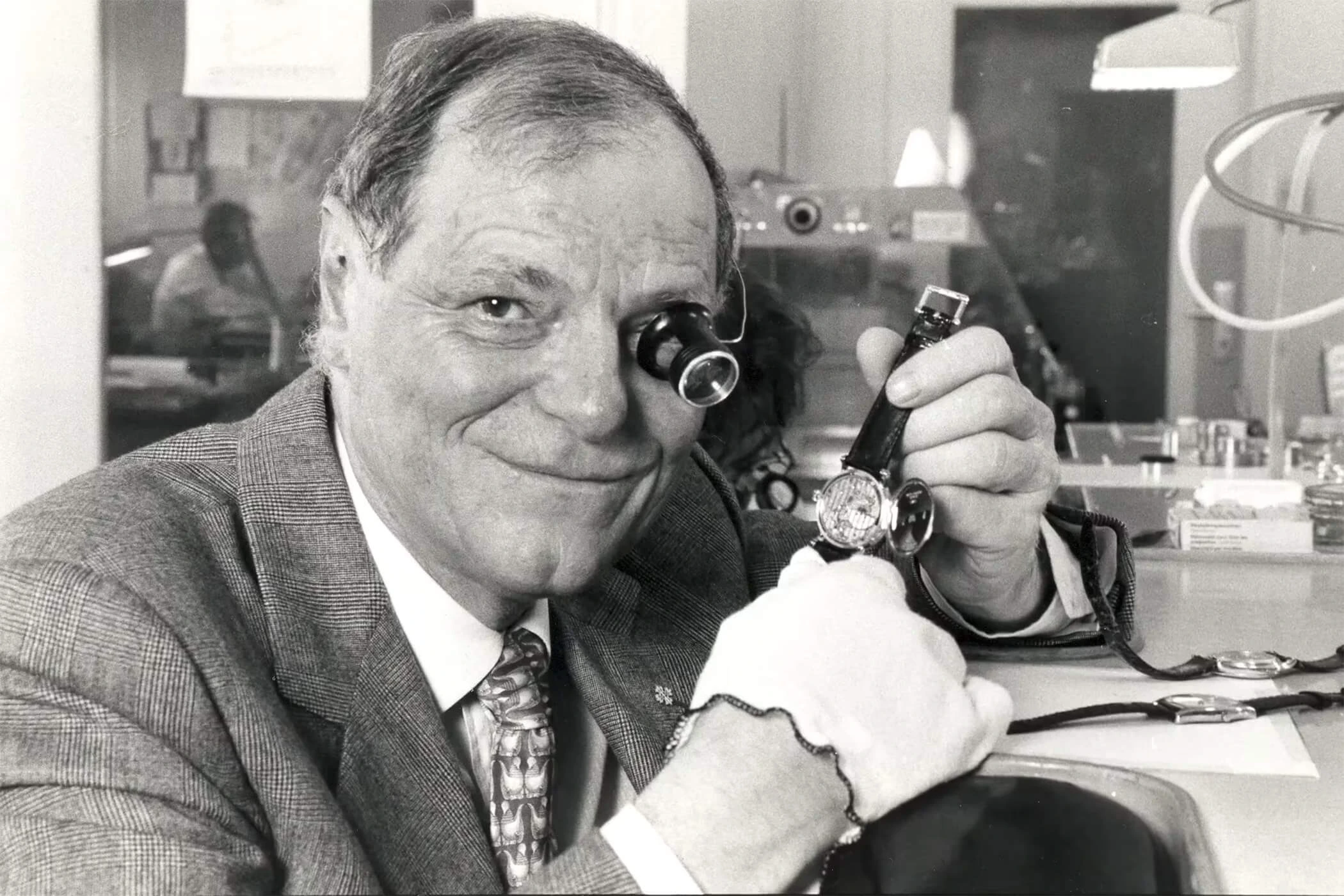
Patek Philippe announced today the death of Philippe Stern. The Honorary President of the Geneva-based manufacturer passed away on 14 June 2026 at the age of 88. He served as president of Patek Philippe from 1993 to 2009, was the father of the current president, Thierry Stern, and was one of the leading figures in the Swiss watch industry during the second half of the 20th century.
Philippe Stern was not a flamboyant entrepreneur. His significance lies less in grand gestures than in decisions whose full significance only becomes apparent with the benefit of hindsight. He remained committed to the mechanical watch at a time when many in the industry were doubting its future. He defended Patek Philippe’s independence at a time when numerous other firms were being absorbed into larger groups. And he saw watchmaking not merely as an industry, but as a cultural heritage that must be preserved, developed and explained.
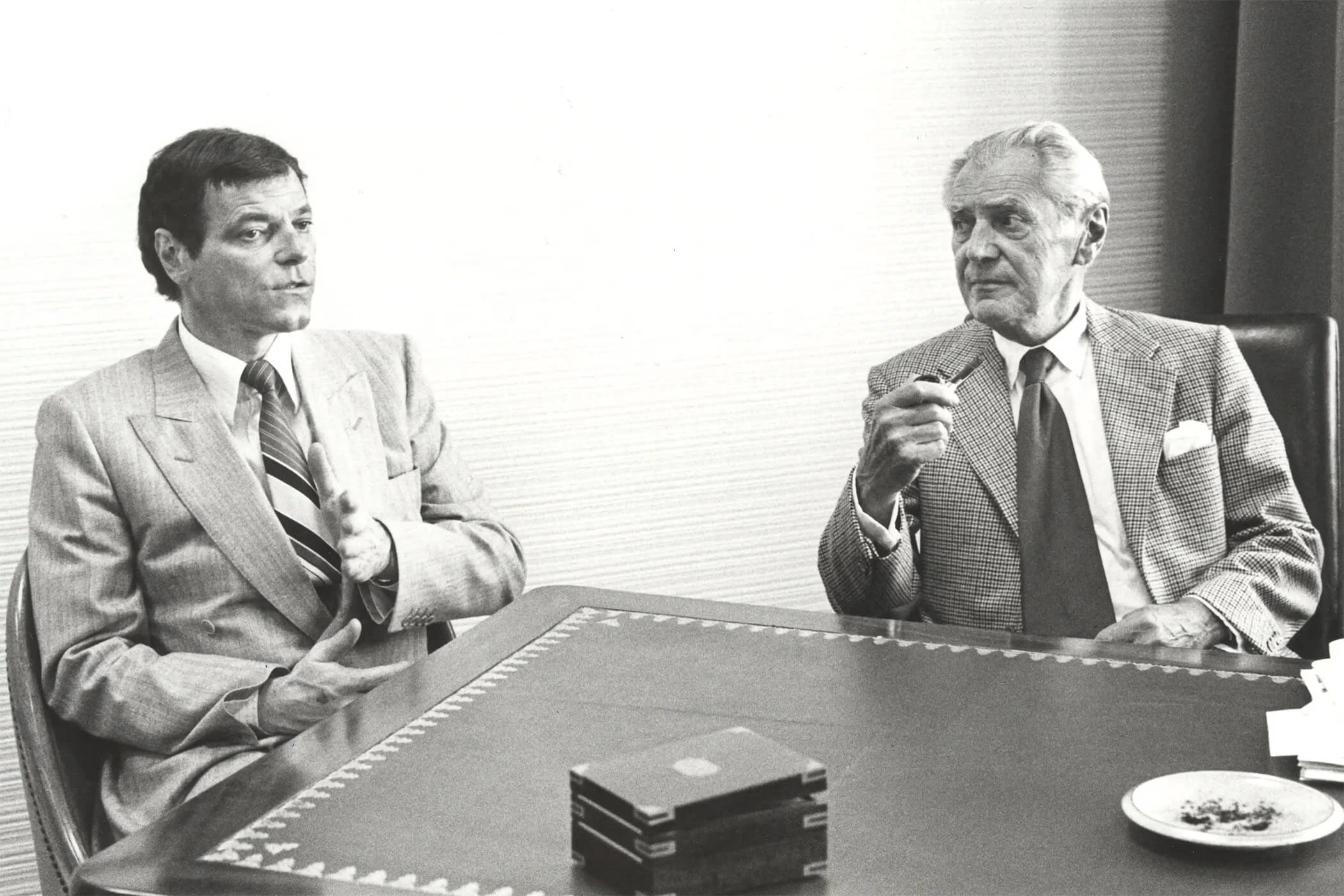
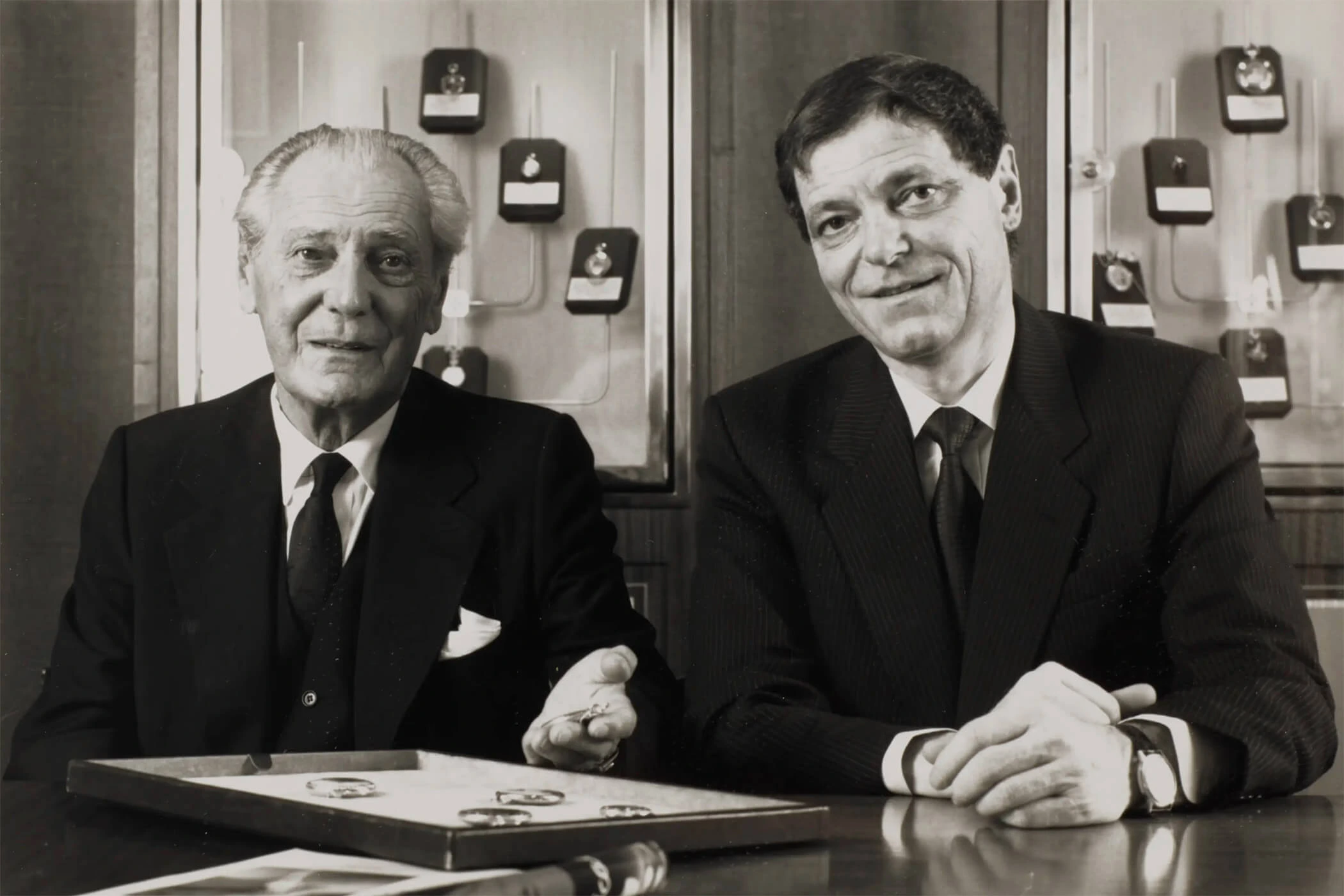
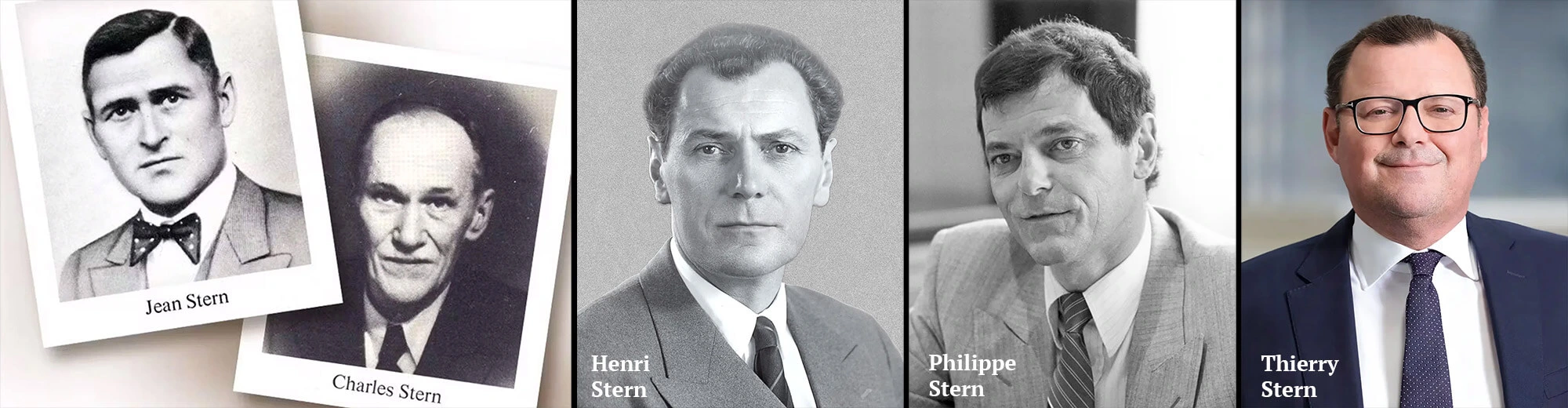
Born in Geneva in 1938, Philippe Stern grew up in a family whose name had been closely associated with Patek Philippe since 1932. His grandfather Charles Stern and his uncle Jean, originally dial manufacturers, had taken over the manufacture at that time. His father, Henri Stern, ran the company from 1958 to 1993. Philippe Stern did not simply step into the helm of a brand. He worked his way up through the company from the bottom, serving in various departments and spending crucial years in the American market at the Henri Stern Watch Agency in New York from 1963 to 1966. This experience shaped his view of Patek Philippe: not merely as a Geneva-based manufacturer, but as a company with international responsibilities.
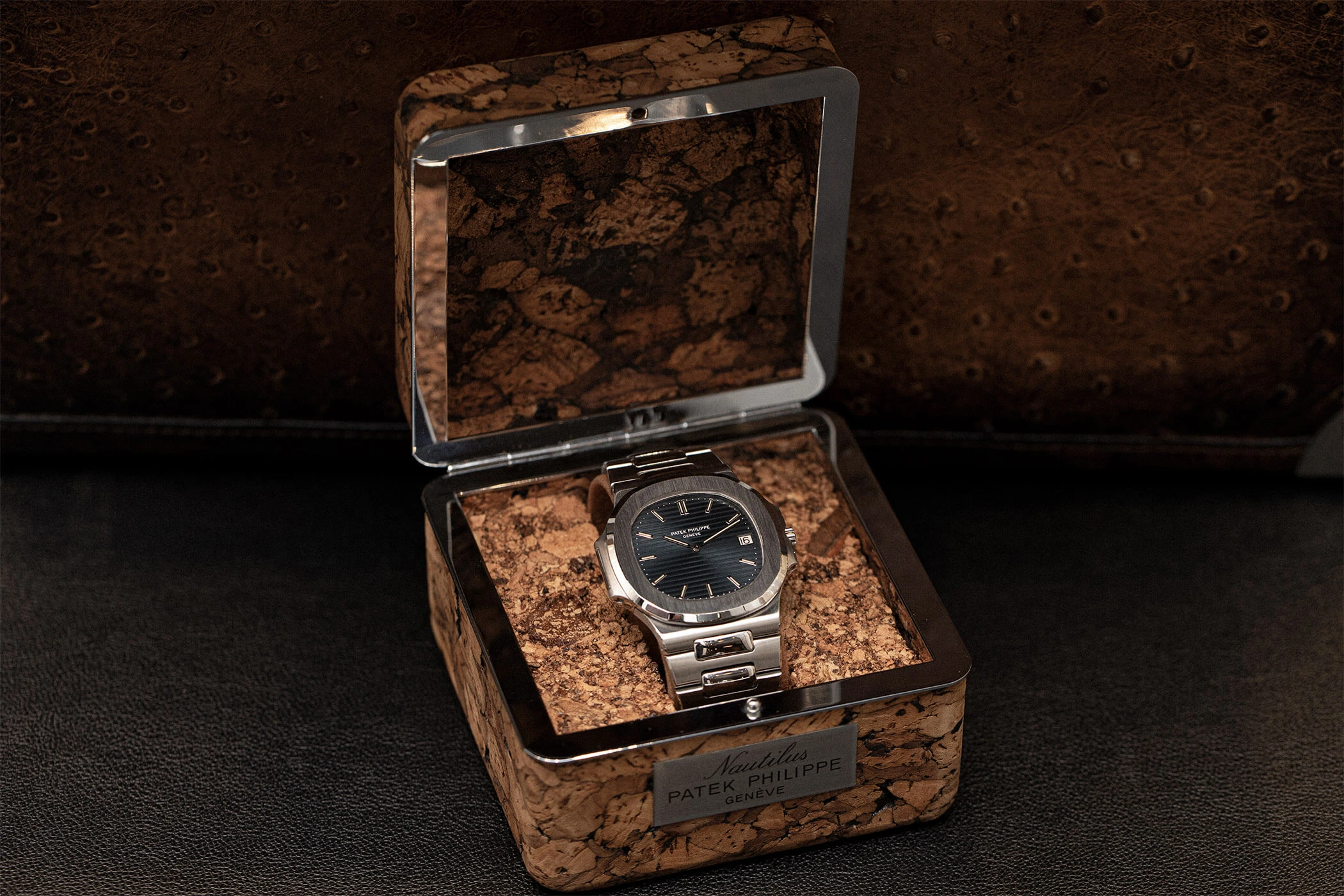
In the 1970s, Philippe Stern took on increasing operational responsibility. One of his most significant decisions was the launch of the Nautilus in 1976. At the time, a sporty luxury watch in steel was by no means a given for Patek Philippe. It challenged many of the conventions associated with classic Geneva watchmaking: precious metals, formal elegance, small case sizes, and conservative design codes. Yet that was precisely where its strength lay. The Nautilus opened Patek Philippe up to a new generation of customers without compromising the brand’s standards of craftsmanship.
A year later, in 1977, Philippe Stern became Managing Director. At that time, the Swiss watch industry was in the midst of its most severe crisis. Quartz technology had shaken the industry to its core, and many considered the mechanical watch to be a thing of the past. Philippe Stern deliberately chose to reject this view. He believed that there would continue to be people who would appreciate mechanical watchmaking for its construction, its durability and its culture of craftsmanship. This stance was not romantic. It was entrepreneurial. Patek Philippe remained faithful to the mechanical watch, continued to invest in complicated calibres and, during precisely this period, laid the foundations for the company’s current standing.
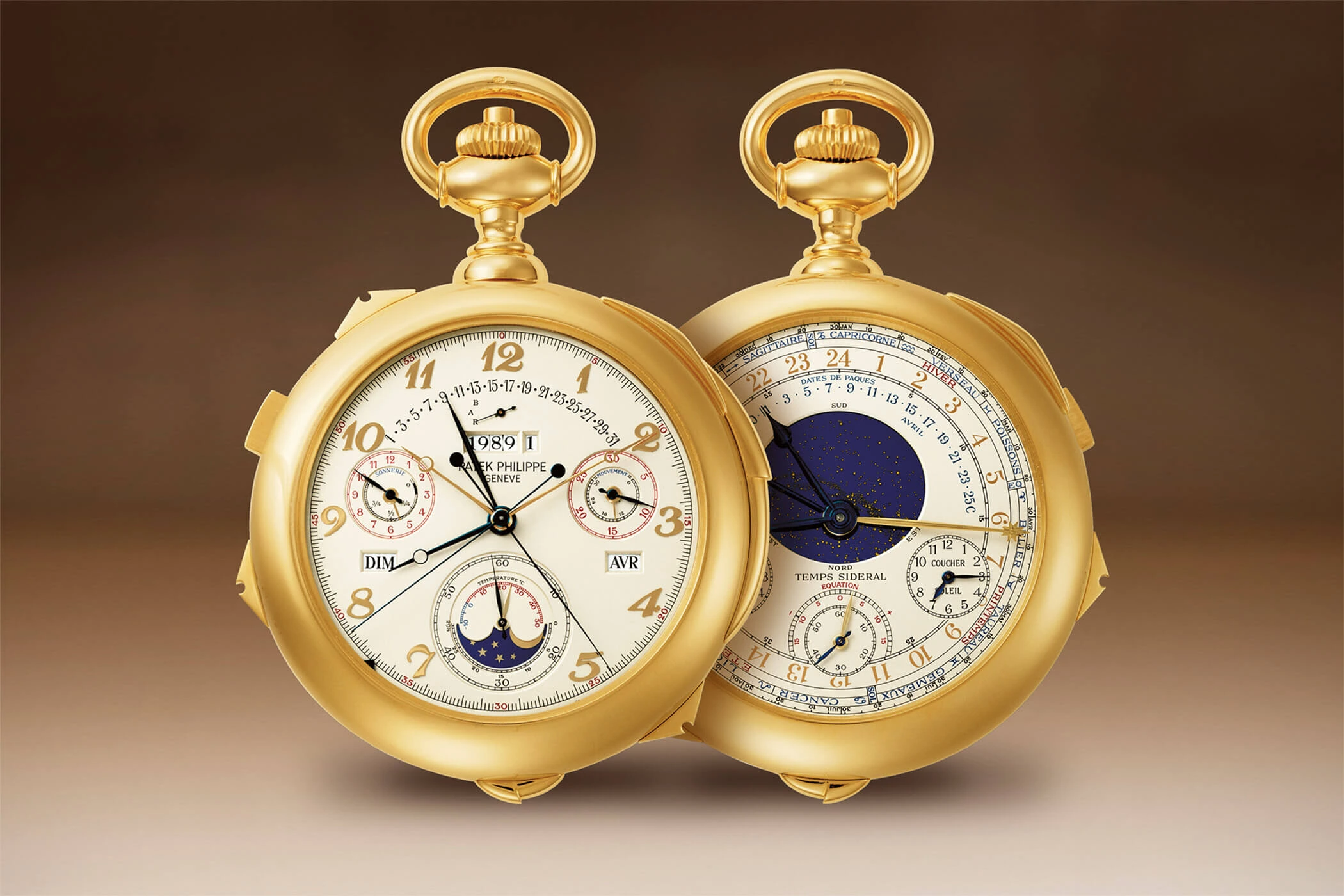
The Calibre 89 became the most visible symbol of this philosophy. In the early 1980s, Philippe Stern launched a project to create the world’s most complicated wearable mechanical watch. After nine years of development and manufacture, the watch was unveiled in 1989 to mark Patek Philippe’s 150th anniversary. With 33 complications, it remained a technical benchmark for many years. More important than the record itself, however, was the message: the mechanical watch was not on its last legs. There was still room for further innovation.
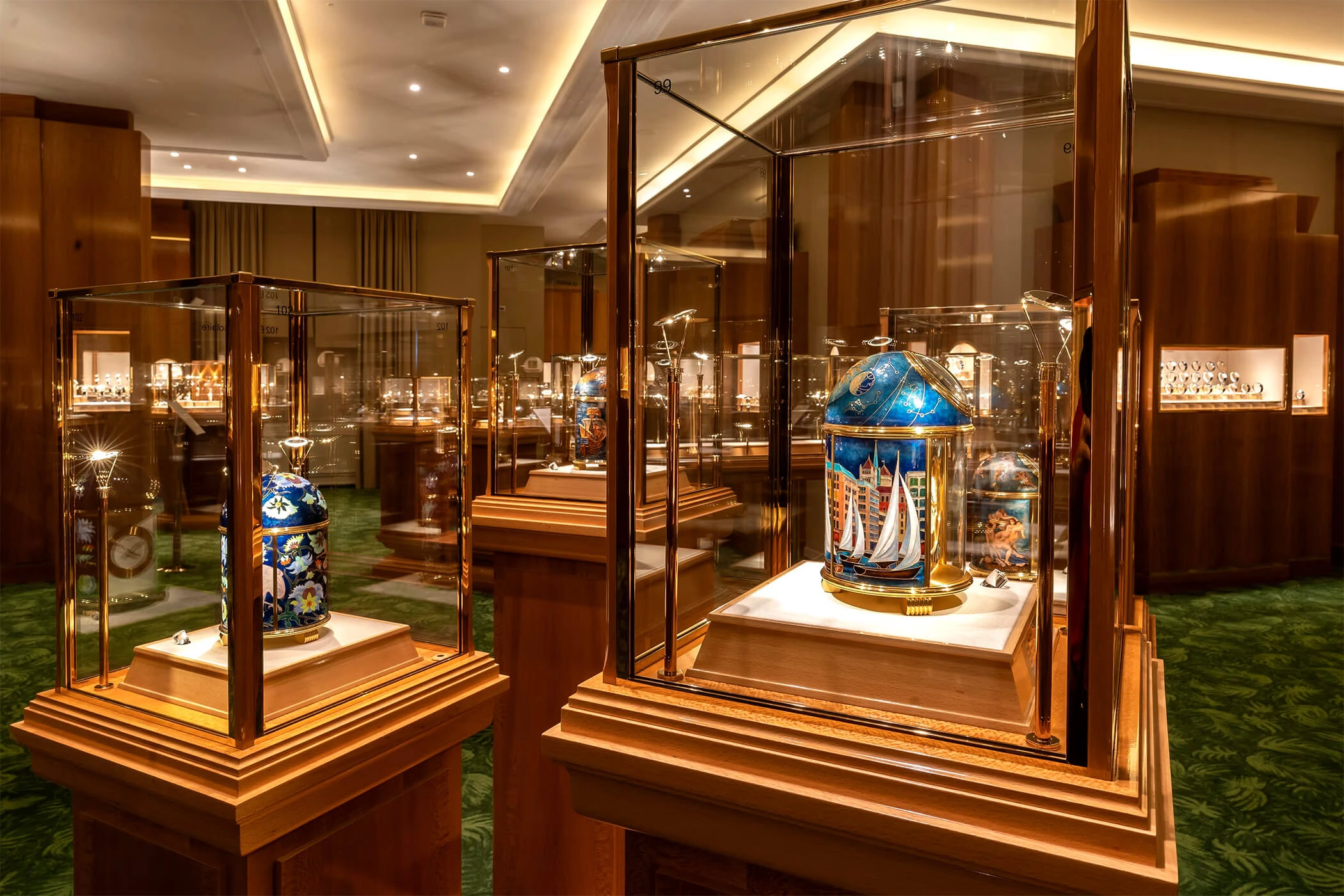
However, Philippe Stern’s contribution cannot be reduced to major complications. Equally important was his role in preserving traditional craftsmanship. At a time when rare crafts were less at the centre of the market, he continued to commission such pieces. In doing so, he helped to keep techniques such as enamel painting, engraving and other decorative arts alive. Today, these fields seem like a natural part of haute horlogerie. Back then, their future was by no means guaranteed.
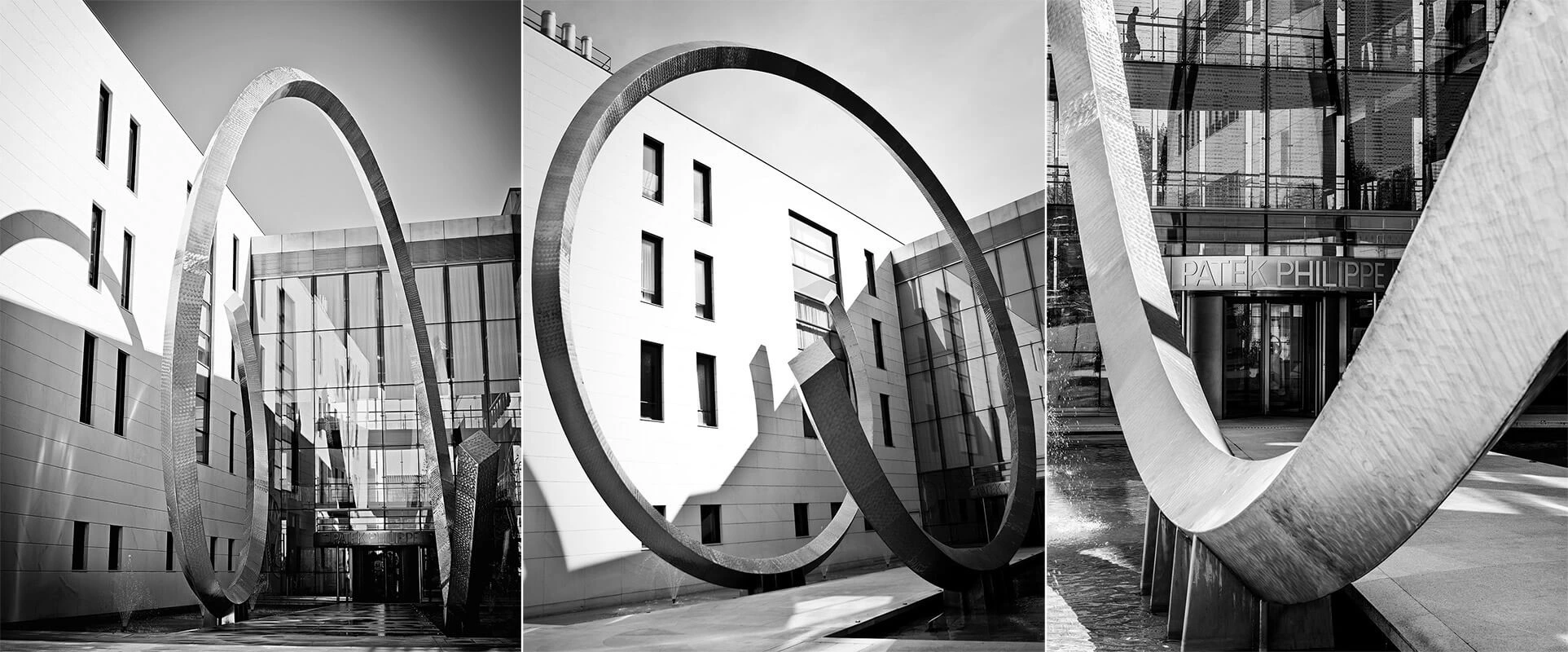
In 1993, Philippe Stern became President of Patek Philippe. Under his leadership, the manufacture’s independence was not only asserted but also structurally safeguarded. In 1996, Patek Philippe opened its new manufacture in Plan-les-Ouates and brought the Geneva workshops together under one roof. This was more than just an industrial move. It was a clear statement: quality, control and long-term development were to remain in-house.
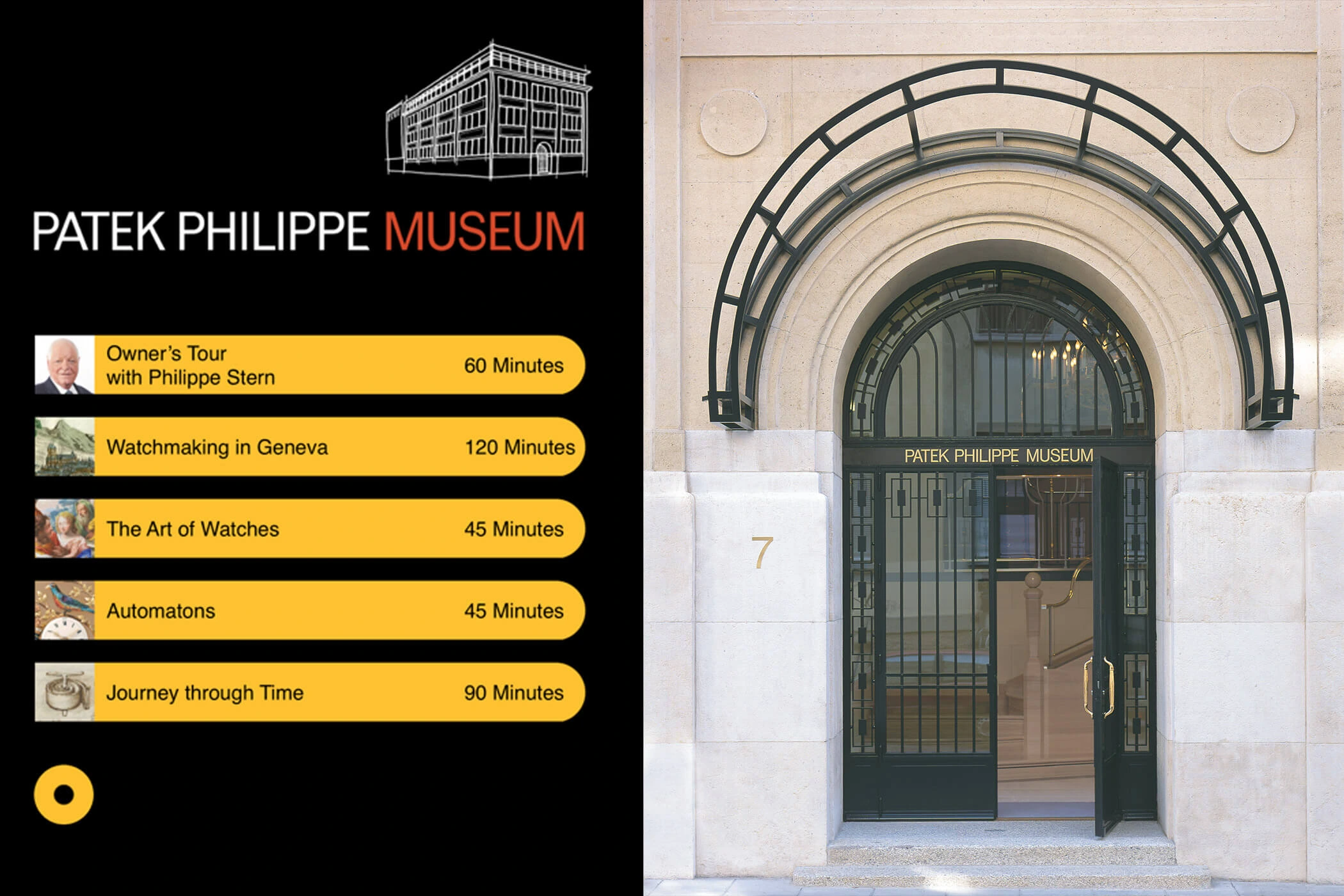
Perhaps no project illustrates Philippe Stern’s relationship with watchmaking as clearly as the Patek Philippe Museum, which opened in Geneva in 2001. It grew out of his decades of collecting and is now far more than just a brand museum. It showcases the history of portable timekeeping, Geneva watchmaking, European craftsmanship and the company’s own manufacture. In doing so, Philippe Stern became a bridge between the past and the present. He did not collect to display his possessions, but to reveal connections.
At the same time, Philippe Stern understood that tradition can only remain alive if it does not exclude technological development. In 2005, guided by this philosophy, Patek Philippe Advanced Research was established, a division dedicated to new materials, designs and long-term reliability. This was followed in 2009 by the Patek Philippe Seal, through which the company set out its own quality criteria. In the same year, Philippe Stern handed over the presidency to his son Thierry and became Honorary President.
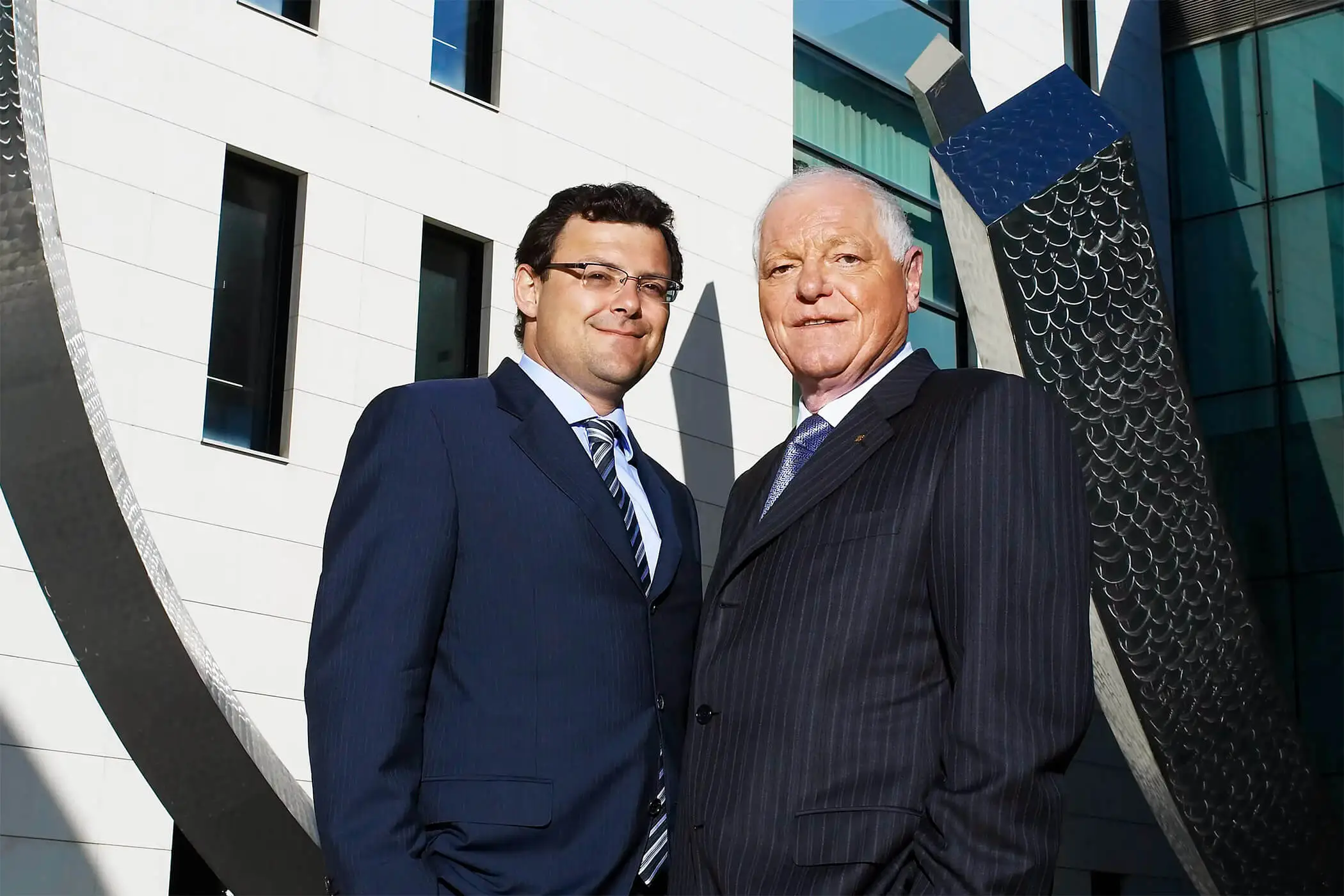
The handover to Thierry Stern was part of a tradition of continuity that has characterised Patek Philippe since it was taken over by the Stern family in 1932. In an industry where many big names have long since become part of international groups, Patek Philippe has remained a family-run, independent Geneva-based company. The fact that this independence is now regarded as part of the brand’s identity is largely down to Philippe Stern.
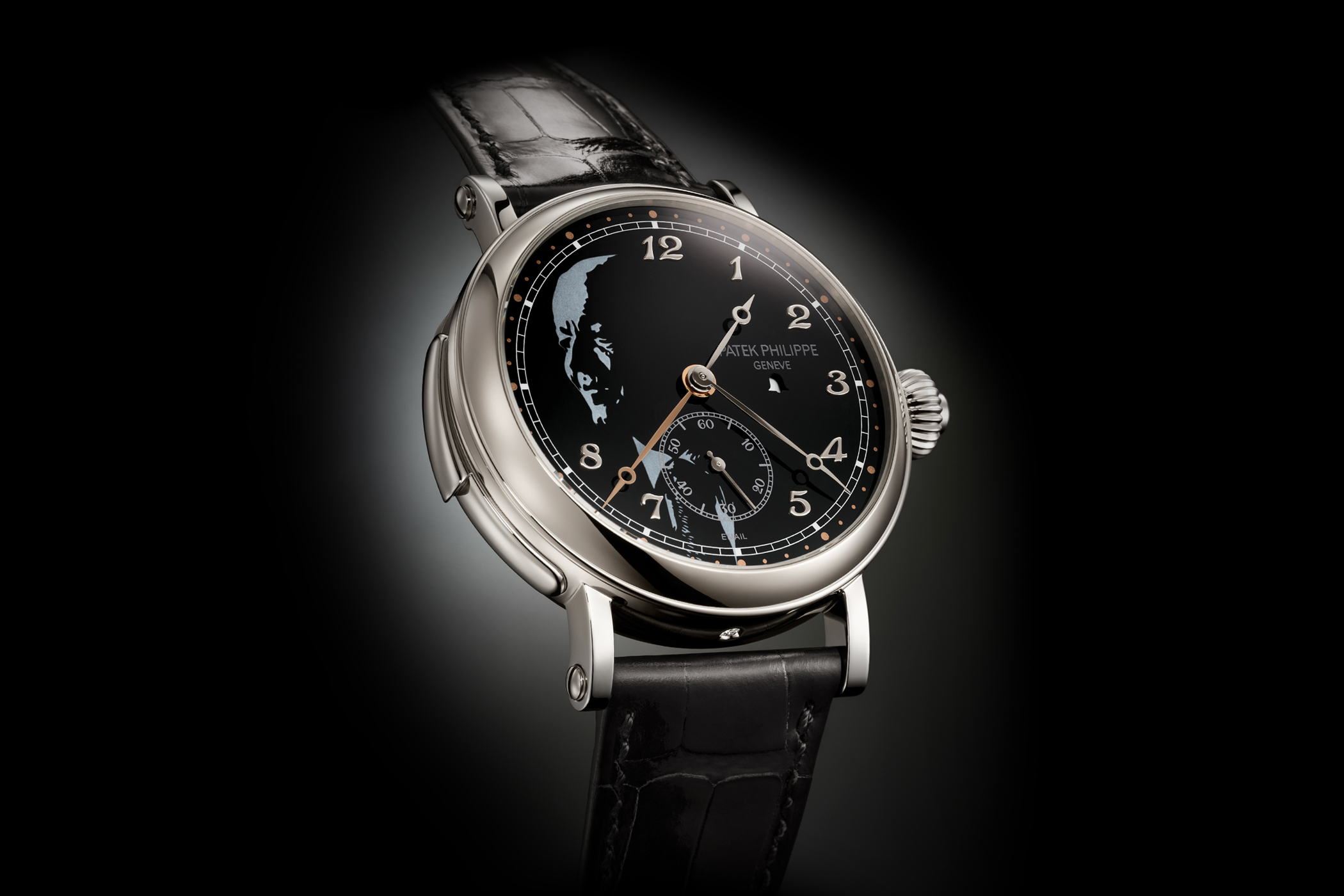
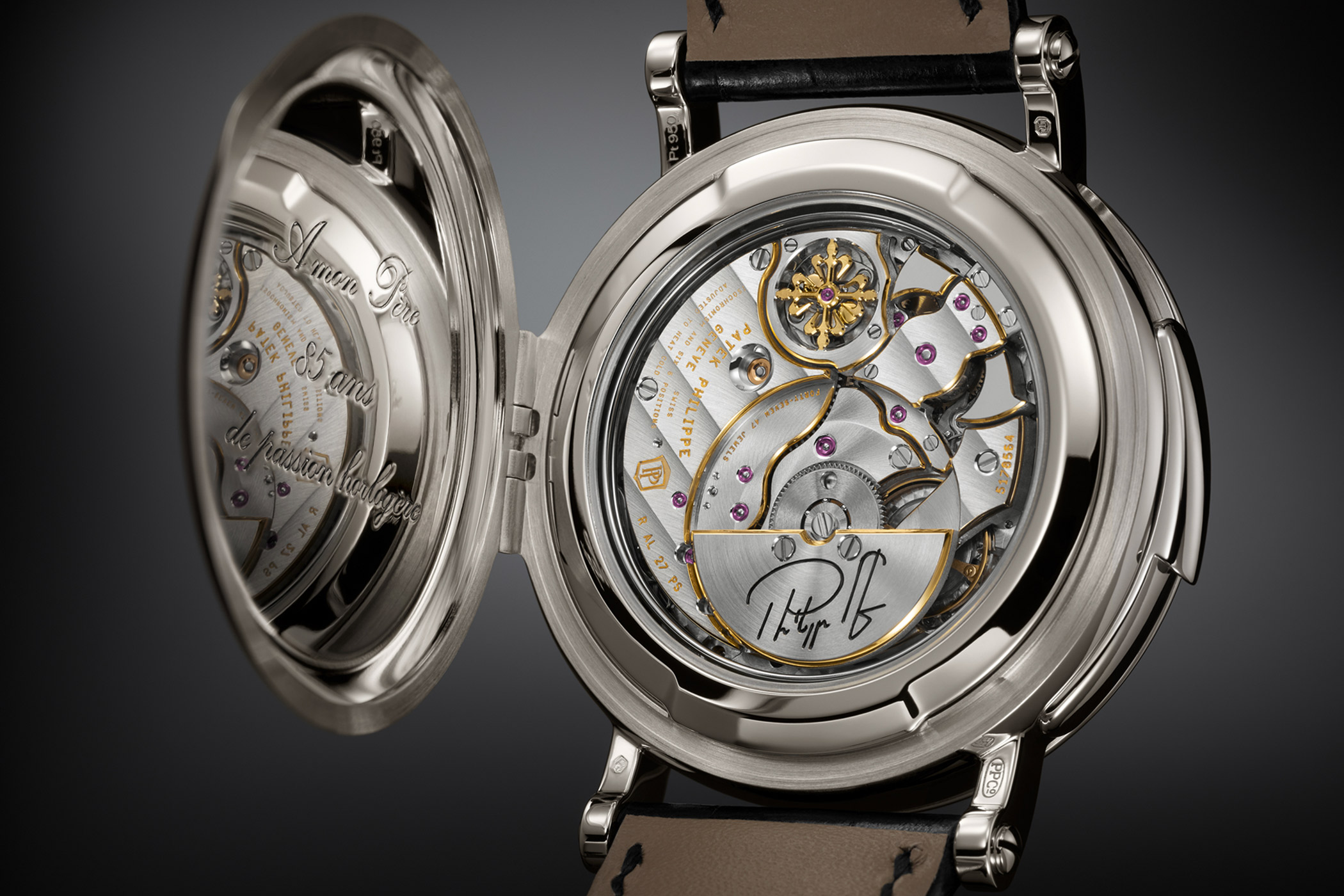
He had a particular personal interest in striking mechanisms. For him, the minute repeater was not merely a technical complication, but a cultural expression of watchmaking. In 2023, Thierry Stern dedicated a special model to his father on his 85th birthday: the 1938P, a watch featuring a minute repeater and alarm, whose dial bears a portrait of Philippe Stern. It was an unusually personal piece and a testament to how closely watchmaking, memory and the passing on of tradition are intertwined in this family.
With his approach and his decades of dedication to mechanical watchmaking, Philippe Stern leaves behind an immense legacy. He believed in mechanical watchmaking when it was under threat. He preserved the craft when it was less visible. He established structures that ensured long-term independence. And with the museum, he created a place where watchmaking can be understood not as a luxury item, but as a cultural achievement.
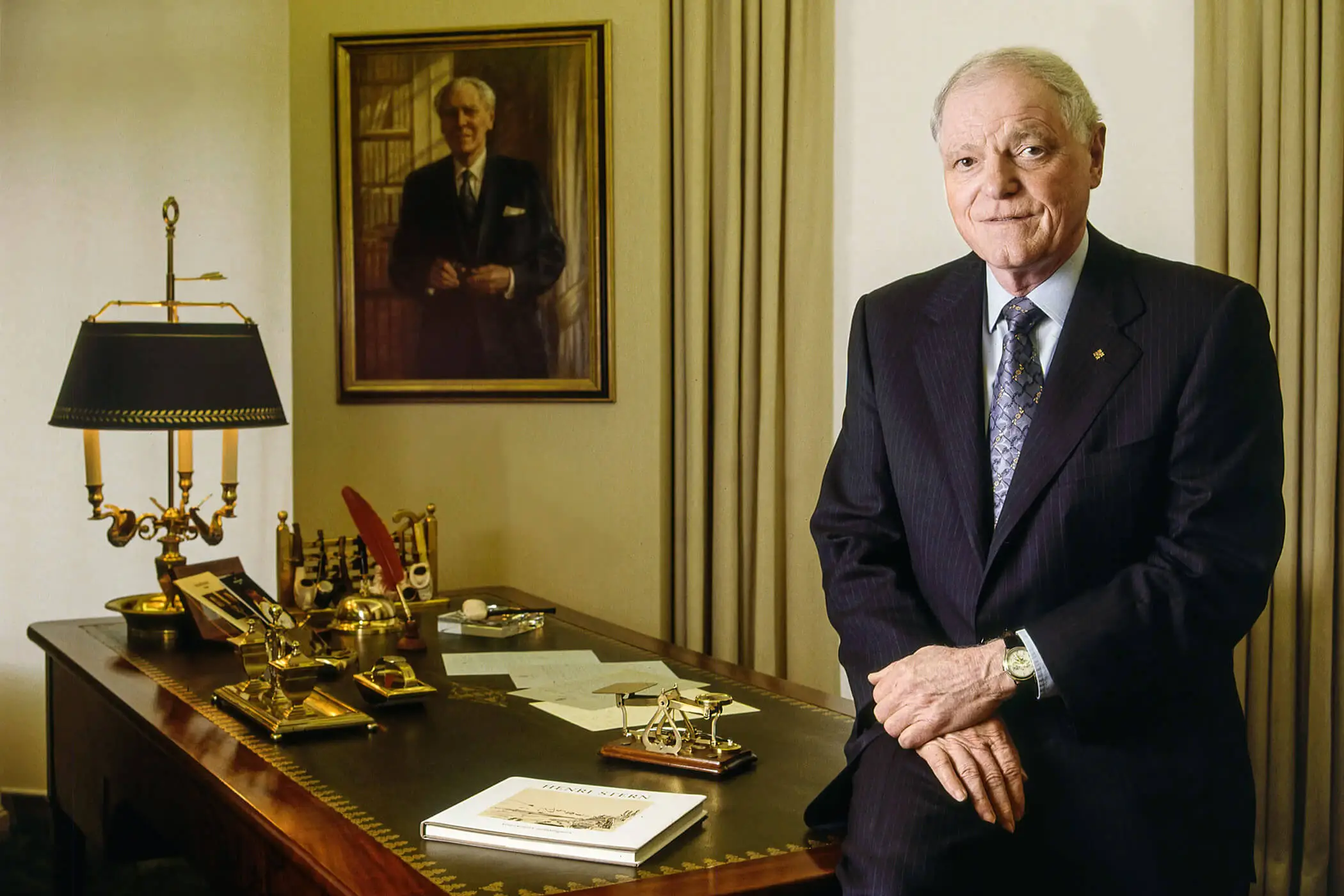
At a time when so much has become faster, louder and more fleeting, Philippe Stern’s work seems almost to go against the grain. It serves as a reminder that the most important decisions in watchmaking are often not immediately apparent. They become clear only later: in a manufacture that remains independent; in a collection that preserves knowledge; in a mechanical watch that keeps ticking, even though some had long since predicted its demise.