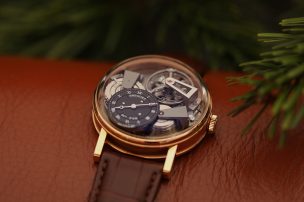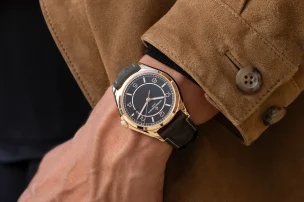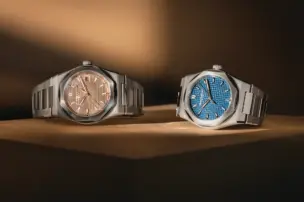
The Blancpain Villeret Ultraplate now comes in 38 mm, pairing slim dresswatch proportions with calibre 1150 and a 100-hour power reserve.
The first mechanical watch is more than just an object that reliably tells the time. There are watches that you wear simply because they’re there: they lie next to your keys in the morning, disappear beneath your cuff during the day, and are eventually replaced by something new. You don’t give them much thought, don’t associate any particular experience with them, and perhaps don’t even remember exactly where you bought them. They work, they serve their purpose, and that is the extent of their fundamental role in everyday life.
With your first mechanical watch, things are usually different. It is rarely bought simply because you want to know what time it is. Anyone who consciously chooses a mechanical watch is opting for a timepiece that offers more than just a functional display of the time. It’s about the mechanics, the design, the materials, the proportions, and the idea of owning something that cannot simply be replaced by a new watch in the next update cycle.
Buying your first good mechanical watch is therefore not about acquiring just any old accessory. Rather, it is about an object that, ideally, will become part of your everyday life. You put it on in the morning, notice it casually throughout the day, glance at it on the train, in the car, at the office or over dinner, and at some point realise that it no longer feels new, but rather a natural part of your life. That is precisely where the difference lies between a watch you have bought and a watch you truly wear.
The choice, however, is more difficult than many beginners might initially assume. Brands, prices and technical specifications can provide guidance, but they cannot replace the moment when a watch is first placed on your own wrist. Nor does a well-known name on the dial automatically make a watch the right fit. A high price does not guarantee that it will sit comfortably, be easy to read or still impress after six months. Your first high-quality mechanical watch must not only look good in the shop window, but also suit the wearer’s individual lifestyle and complement it in as many situations as possible.
The term ‘First Serious Watch’ sounds a bit melodramatic at first. As if the watch had to pass some sort of test, as if there were only triviality before that and significance only afterwards. But what is actually meant is something much simpler: the first watch about which you consciously say, ‘This is the one to keep’.
It doesn’t have to be the most expensive watch you can afford. It doesn’t have to be rare, complicated or flashy. What matters is that the watch effortlessly combines specific quality standards with a certain natural ease when worn. It should be of sufficient quality to mark a serious step into the world of mechanical watchmaking, yet remain versatile enough not to be taken out of the box solely for special occasions.
This could be a simple three-hand watch that works just as well in the office as it does at dinner. It could also be a robust diver’s watch that effortlessly withstands rain, holidays and everyday life, or a watch with a second time zone, if travelling between different time zones is actually a factor. A chronograph is equally conceivable, provided you appreciate not only its appearance but also its functionality and the technical concept behind it.
What matters is not the category, but whether the choice makes sense in the context of one’s own life. Anyone who buys a watch simply because it is currently considered desirable quickly finds themselves guided more by other people’s expectations than by their own needs. A good first mechanical watch should therefore be less of a statement and more of a fitting response: to one’s own style, one’s own everyday life and one’s own understanding of quality.
The better you understand the role the watch is meant to play in your own life, the less you’ll get lost in abstract comparisons. A first mechanical watch doesn’t have to do everything. Rather, it should impress where it’s actually worn: in everyday life, at work, whilst travelling, at the weekend or during quieter moments. Sometimes a robust, uncomplicated watch is the right choice. Sometimes a simpler, more elegant one. The key is not to try to cover as many scenarios as possible in theory, but to find a watch that is a perfect match for your own lifestyle.
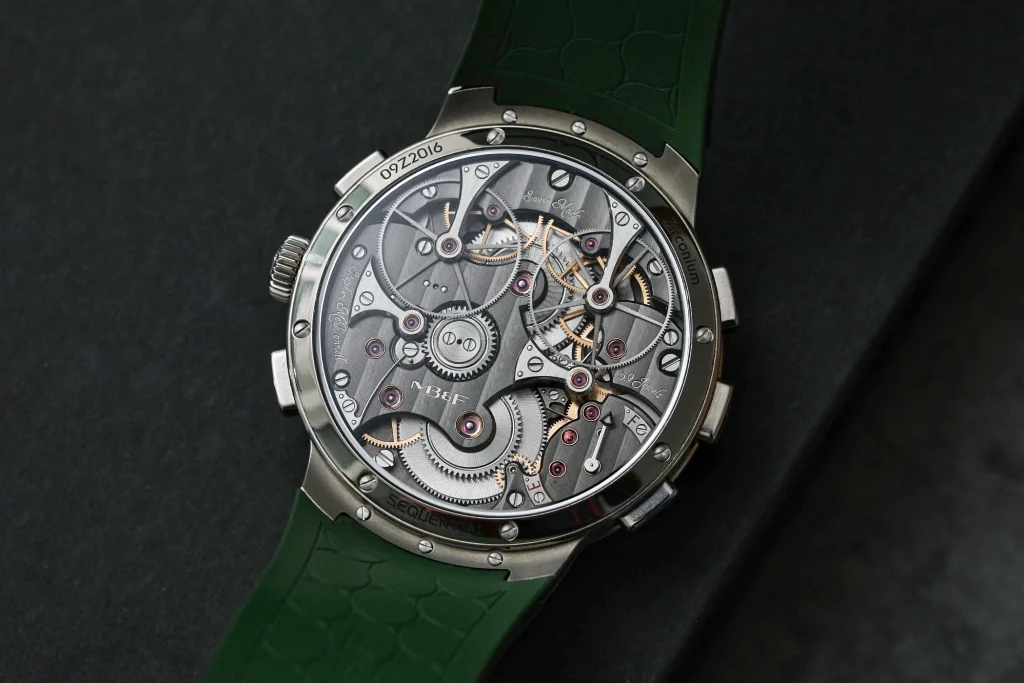
Here we explain what a mechanical watch actually is and how it works
It often starts with a technical decision that largely determines how the watch will be used later on: automatic or manual winding. For many, an automatic watch is the more obvious choice for beginners. Its rotor uses the movement of the wrist to wind the mainspring; anyone who wears such a watch regularly will usually keep it running without any further effort. For a first mechanical watch, this is a compelling advantage: it remains mechanically interesting, yet fits seamlessly into everyday life.
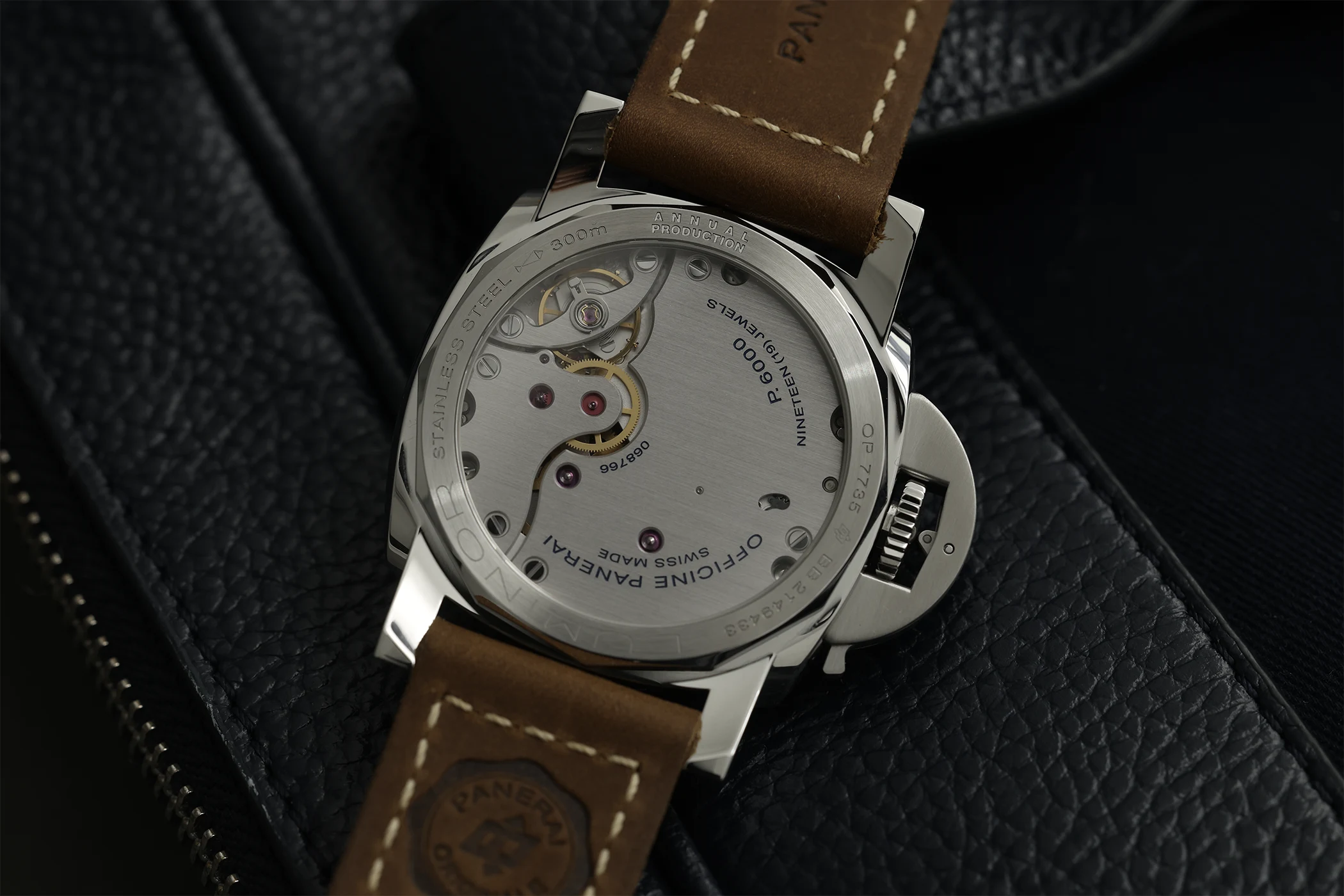
A hand-wound watch operates on a different principle. The watch is not wound incidentally through movement, but is deliberately wound via the crown – either daily or every few days, depending on the movement. This is not a disadvantage, but rather changes the way one interacts with it. One takes a moment; rather than simply putting the watch on, one deliberately winds it, feels the resistance of the mainspring and experiences the mechanics more directly than with an automatic watch. This approach, which involves a greater sense of appreciation, also changes one’s own relationship with the watch: the watch is not merely worn, but given a moment’s attention before it accompanies you through the day. For many watch wearers, it is precisely this small, regular interaction that is not a chore, but an essential part of the fascination.
Hand-wound watches can also be made flatter, as they do not require a self-winding rotor. This is particularly beneficial for more elegant timepieces, which are designed to disappear beneath a cuff and appear as unobtrusive and discreet as possible on the wrist. However, they do require a little more attention in everyday life, as they need to be wound regularly via the crown. Anyone who rushes out of the house in the morning or frequently leaves their watch unused for several days might find the need for regular winding more of a chore.
For a first mechanical watch, an automatic movement is therefore usually the more hassle-free option. A hand-wound watch is a compelling choice if you view the deliberate act of winding it not as a chore, but as part of the pleasure.
An unassuming yet very important criterion – such as the legibility of the dial – may seem self-evident at first, but in everyday life it often determines just how comfortable a watch actually is to wear and use. No matter how harmoniously designed a watch may be – if the hands and hour markers disappear in the wrong light, the crystal is too reflective, or the dial demands more attention than a quick glance should require, it quickly becomes a strain to use. Especially with your first mechanical watch, you shouldn’t have to search for the time.
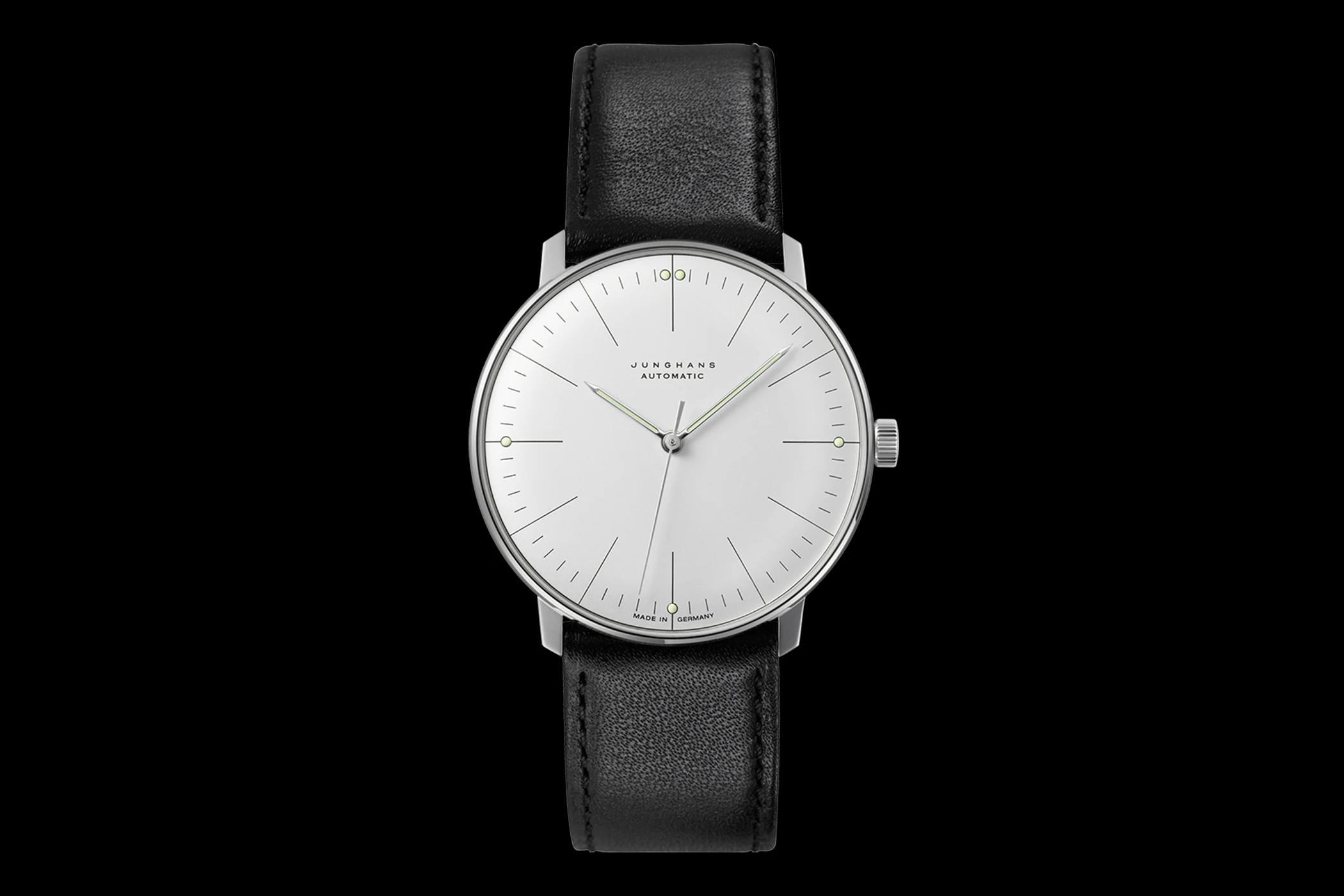
A high water resistance rating does not automatically make a watch better, but it does determine how carefree it is to wear in everyday life. A first mechanical watch does not need impressive depth ratings and does not necessarily have to be suitable for swimming or diving. It should, however, be robust enough that you do not immediately feel anxious and have to frantically take your watch off when it rains, when washing your hands, or whilst on holiday. A more delicate dress watch can, of course, still be the right choice – though it’s best suited to more formal occasions rather than as your sole everyday watch. A more robust watch takes a lot of the worry out of wearing it in everyday life. This is a point you shouldn’t overlook, particularly when choosing your first high-quality watch: if you’re constantly worried about your watch, it will rarely become a true everyday companion.
For a watch that is worn regularly, sapphire crystal is particularly worthwhile: it is extremely scratch-resistant, remains clear for a long time and ensures that the watch still looks well-maintained even after many years. That is why it is a great advantage if the watch glass can easily withstand daily contact with desks, jacket zips or door frames. The case material is equally important: there’s a good reason why stainless steel is so widely used – it’s robust, versatile and pleasantly uncomplicated in everyday use. Nevertheless, the material alone says little about a watch’s quality, as it is the actual craftsmanship that sets the standard. You can recognise a good watch by the fact that it feels cohesive and solid as a whole: the edges and curves of the case must be precisely crafted, the surfaces neatly finished, and the crown easy and precise to operate. The clasp should also click into place with a noticeable sense of security, and the strap should be harmoniously integrated as an integral part of the watch’s overall appearance.
It is the strap, in particular, that has a greater influence on a watch’s character than many people realise when buying one. A steel strap gives the watch a robust, sporty and durable look. Leather, on the other hand, has a more understated and elegant appearance, but is significantly more sensitive to water, sweat and heat in everyday use. Textile or rubber straps can make a watch appear more technical and functional. A different strap can not only change the look of a watch, but also how it feels on the wrist.
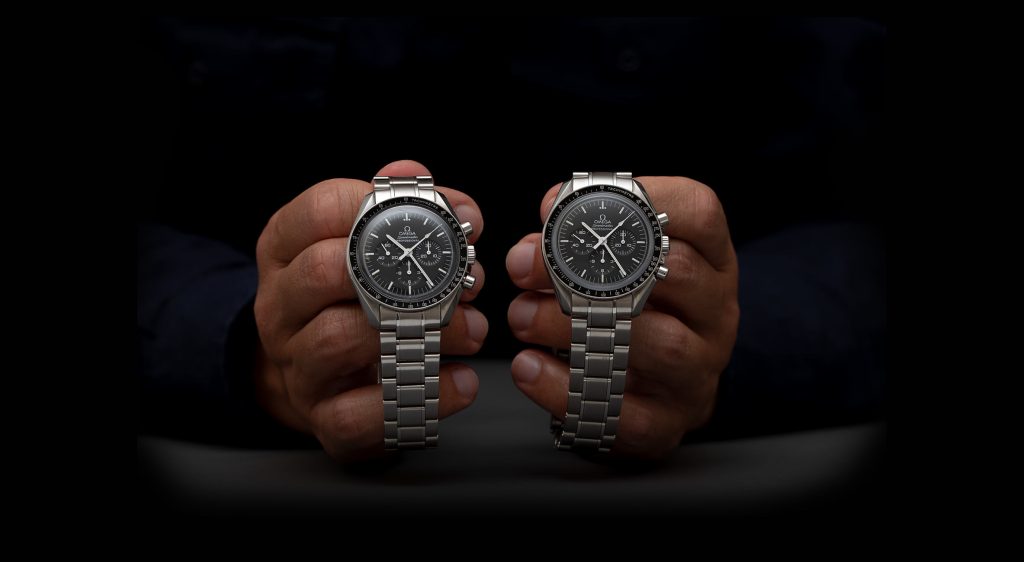
Sapphire crystal or plastic? We’ve compared the differences using the Omega Speedmaster as an example: find out more here
That is why, when buying a watch, you should pay attention to just how versatile its appearance actually is. Quite a few models are designed so specifically for a particular combination that other straps quickly seem like a compromise. Other models are particularly appealing precisely because they can harmoniously incorporate different straps.
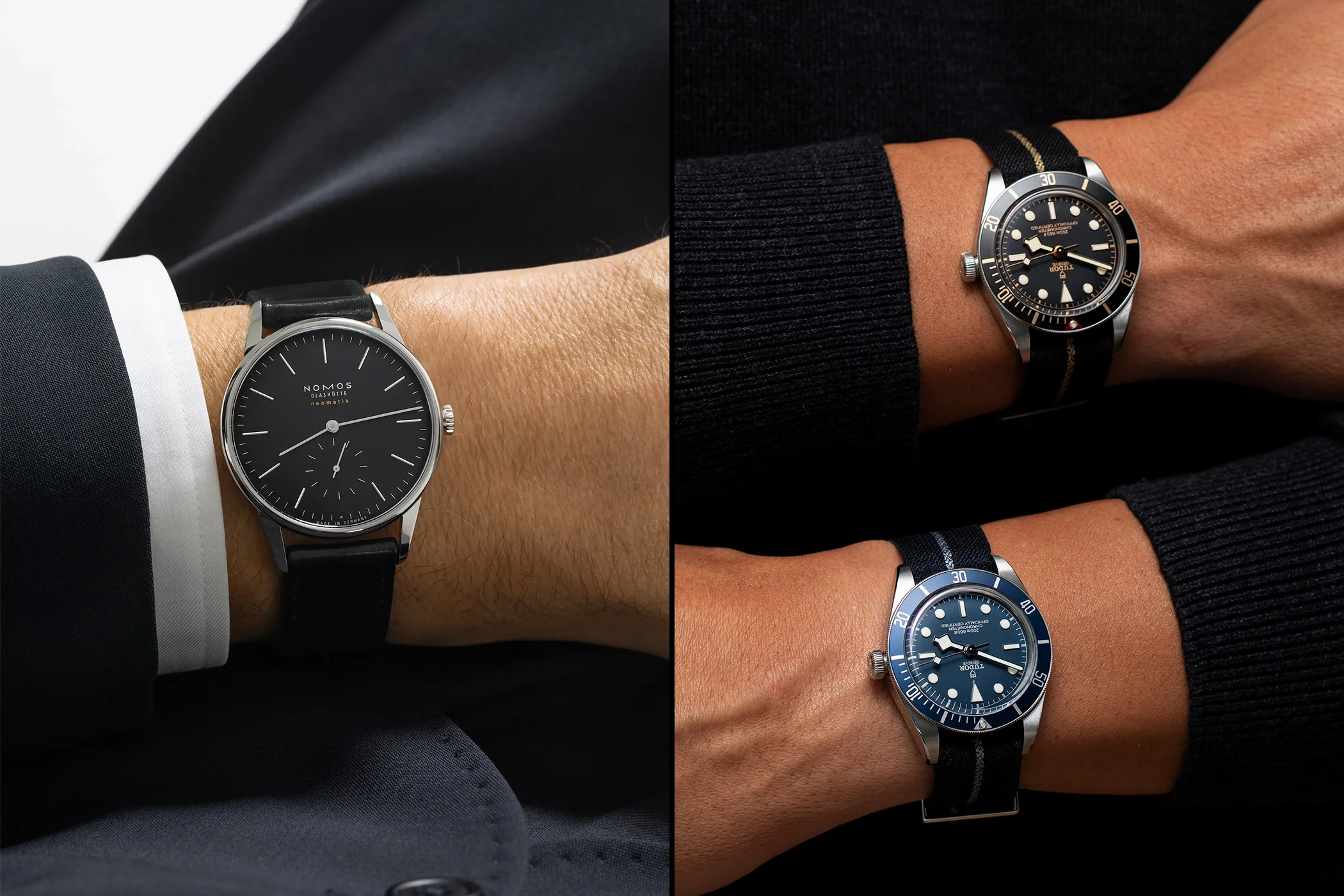
Hardly any other topic in the world of watches is reduced to a single number as often as size. Case diameters of 36, 38, 40 or 42 millimetres initially sound like clearly defined size categories. This basic assumption is certainly justified, as we are used to seeing this approach, particularly from various car manufacturers and their model ranges named according to specific sizes. In fact, the diameter alone provides only limited insight into how a watch looks on the wrist. After all, a watch is not worn based on its technical specifications, but on the wrist. It is only here that it becomes clear whether the proportions really work together.
The key factor is the interplay between diameter, height, lug-to-lug measurement, case shape and strap attachment. The lug-to-lug measurement – that is, the length from lug to lug – determines how far the watch spans across the wrist. A 39-millimetre watch can look too big if the lugs are long and straight. A 41-millimetre watch, on the other hand, can sit surprisingly harmoniously if the case is rather short and the strap falls neatly downwards.
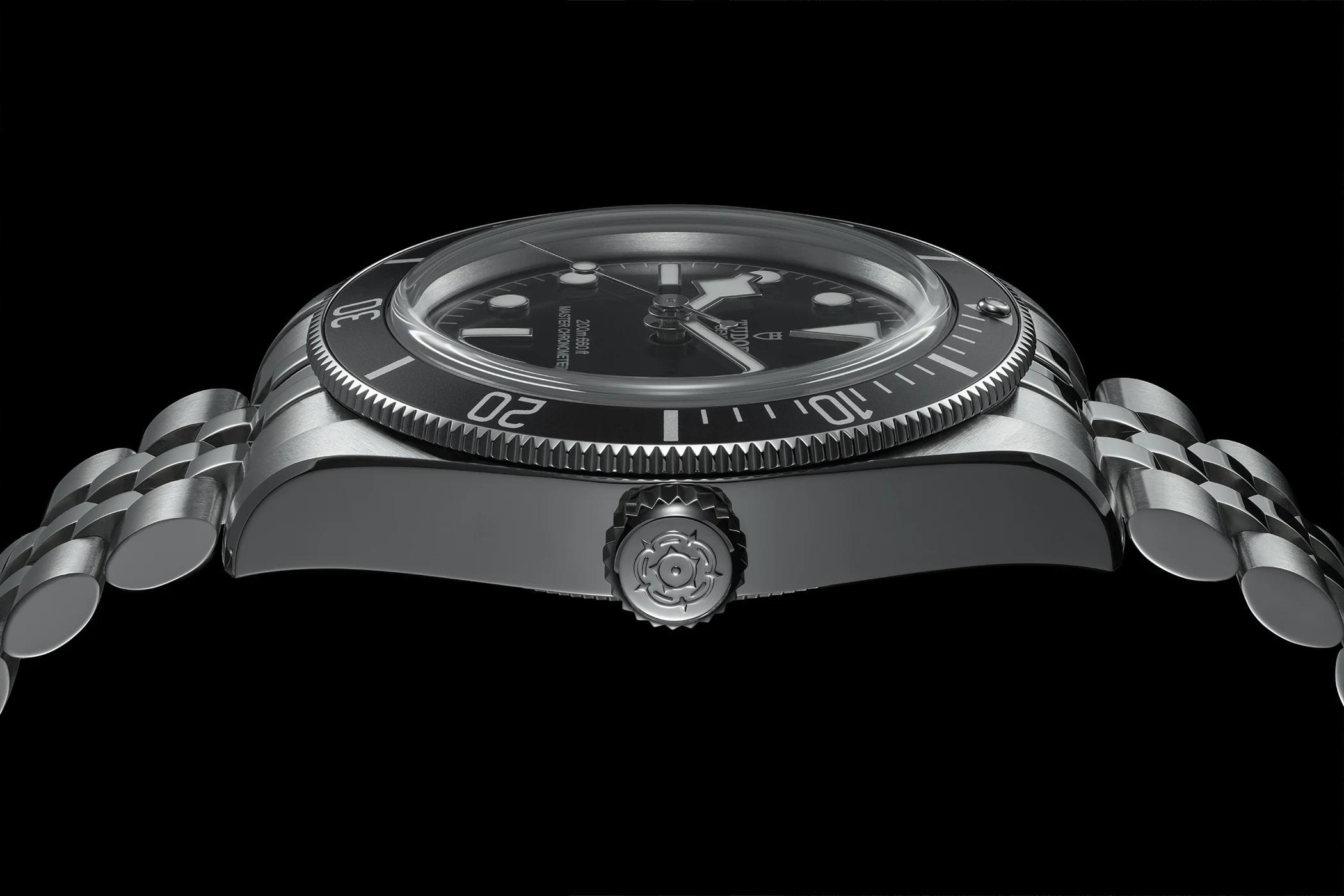
The case height also plays a crucial role, as flat watches, for example, are more discreet to wear, slip more easily under a cuff or sleeve, and are less likely to knock against things. A taller watch has a more imposing, technical and often sportier look, but can more easily feel top-heavy on the wrist. Diver’s watches, chronographs and models with more complex movements in particular often feature increasingly taller cases. This isn’t necessarily a problem. The key factor is whether the extra height still feels balanced on your own wrist, and to find that out, you need to try the watch on in person first.
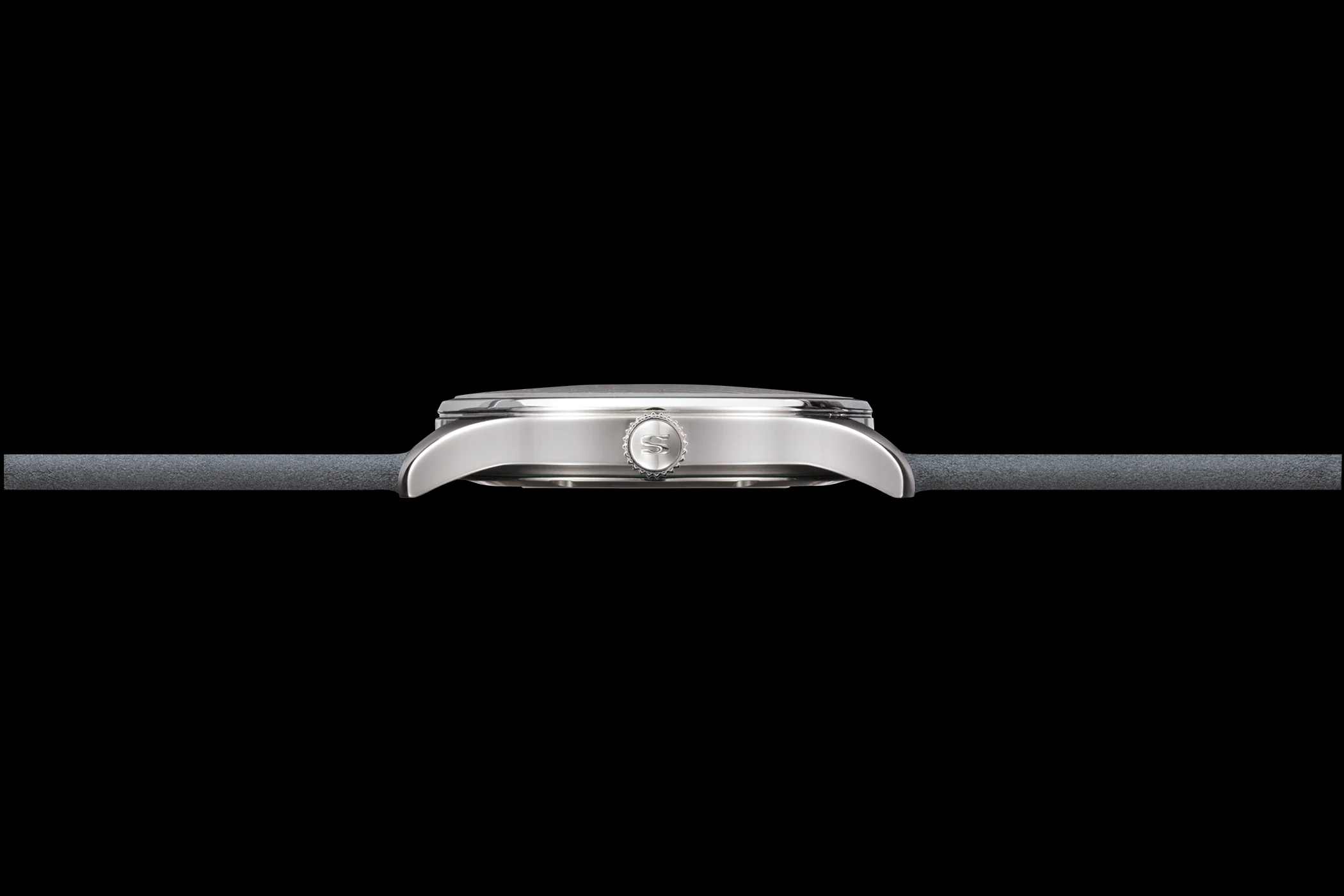
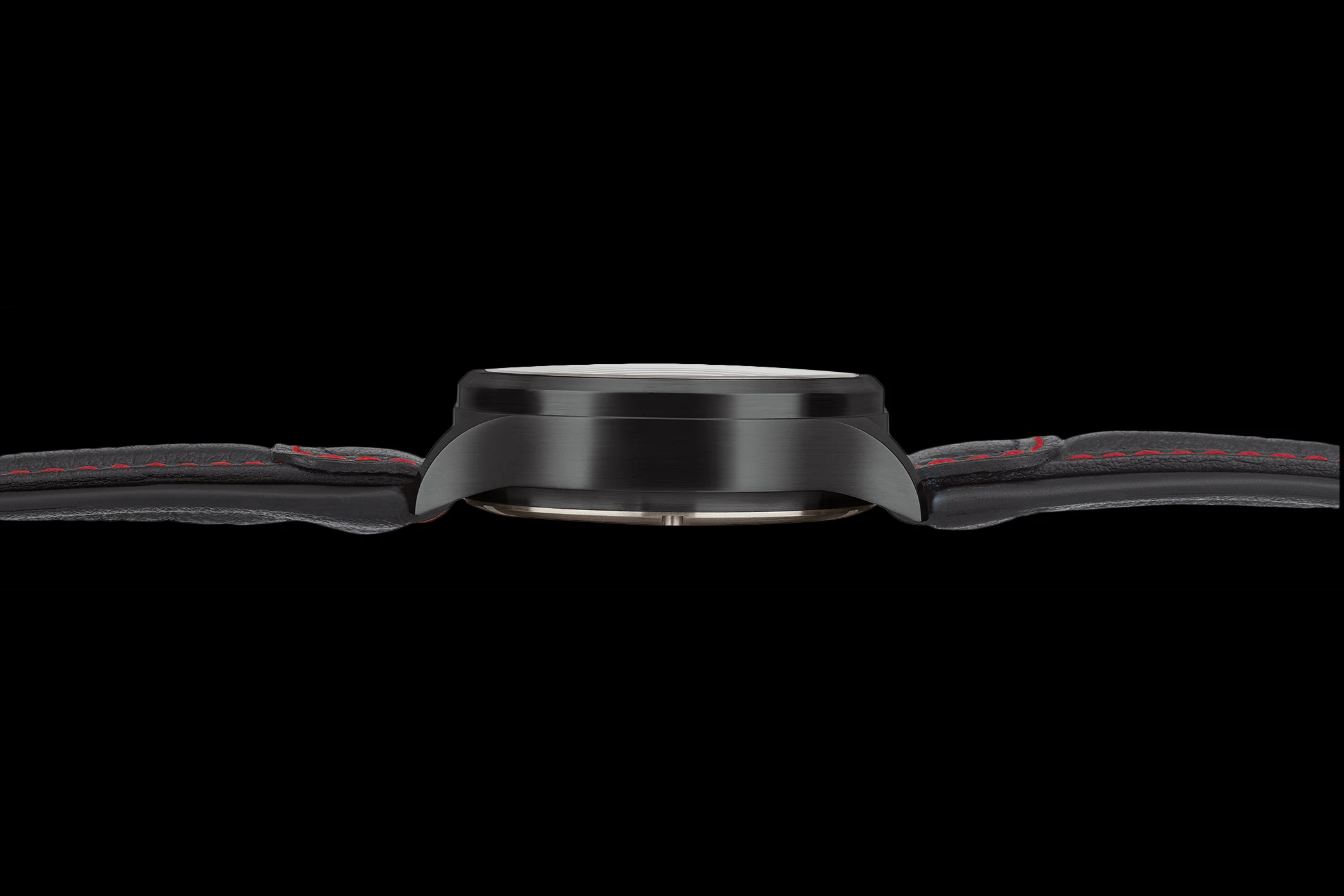
Then there is the visual effect. A light-coloured dial often makes a watch appear larger, whilst a dark dial, by contrast, makes it appear slightly smaller. A wide bezel can also make the watch look more compact, whilst a dial with a wide opening creates a greater sense of presence. Integrated straps also alter the proportions, as they visually extend the case and make the watch appear more like a single, cohesive form.
That is why no table can replace trying a watch on. It is only when worn on the wrist that you can tell whether the watch really fits: whether the lugs sit neatly against the skin, nothing protrudes, the watch does not wobble and the strap nestles naturally against the arm. A good first watch may have presence, but it should not work against the wearer. The right size is not recognised by the fact that it stands out as much as possible, but by the fact that it looks natural and complements the person without pushing itself into the foreground.
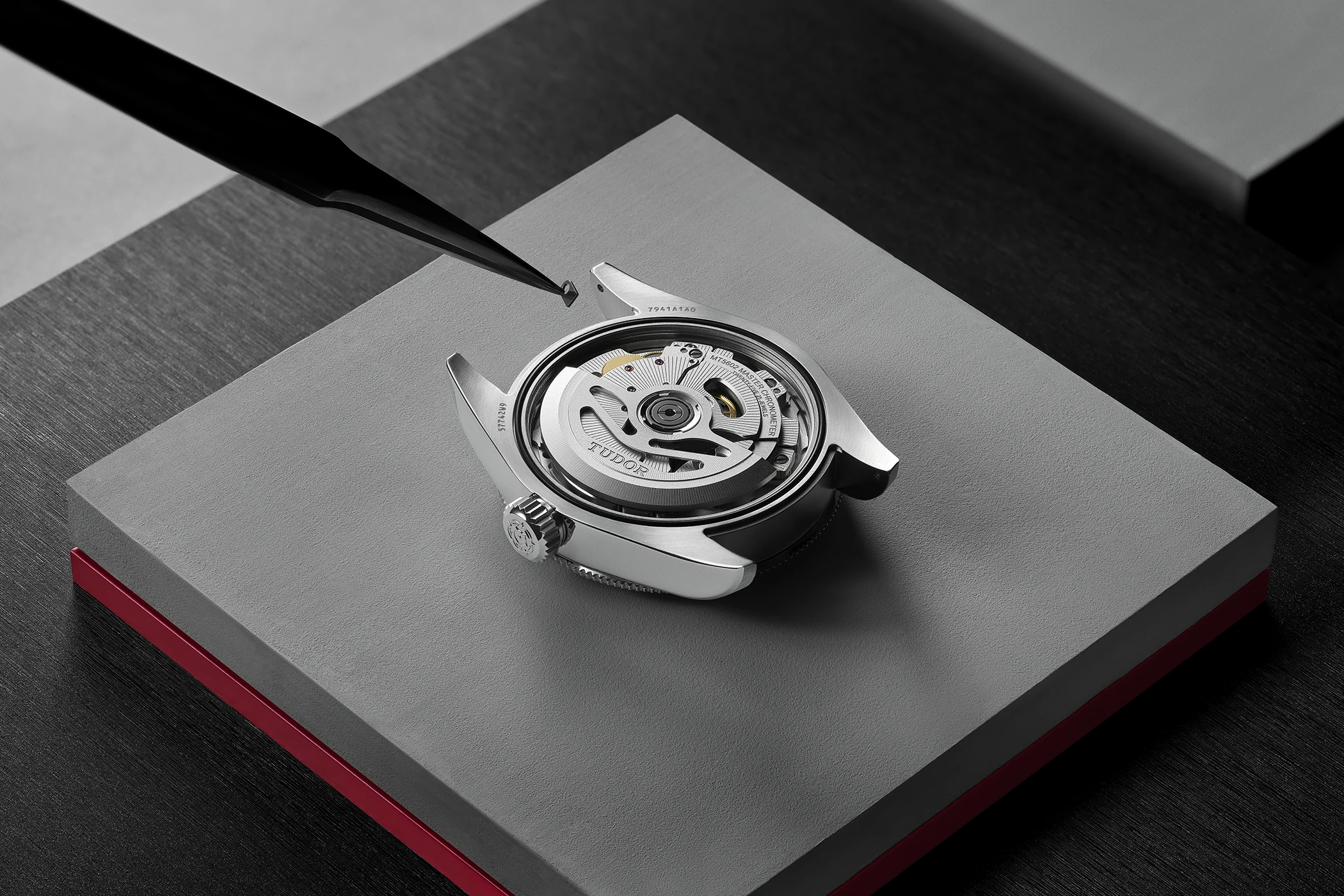
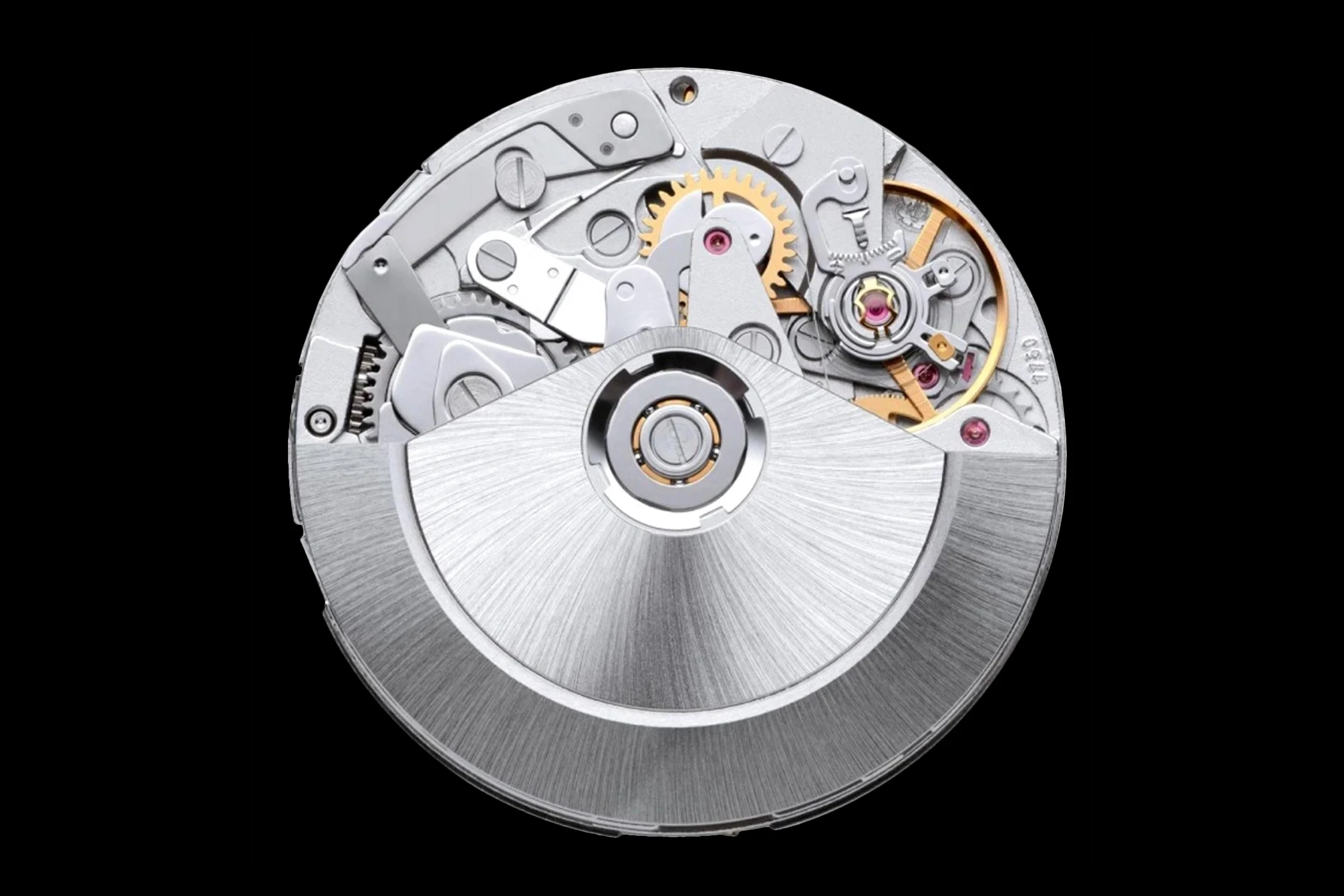
For many, the movement is where the true appeal of a mechanical watch lies. It is not only the technical basis for the displays, but the part that transforms a timepiece into a mechanical object with a character of its own. A mechanical calibre stores energy in the mainspring, releases it in a controlled manner and, via the gear train, escapement and hands, transforms it into visible time. It is precisely this conversion of tension into movement that makes it so fascinating: small, precise, purely mechanical and, in the best case, capable of functioning for decades.
Particularly when making your first purchase, you should therefore not be swayed by technical buzzwords. A movement does not have to be as rare, complicated or brand-specific as possible to be a good choice. What matters more is whether it runs reliably, is sufficiently accurate, offers enough power reserve and can be serviced later without too much hassle. Serviceability and the availability of spare parts therefore do not belong in the small print, but are part of the purchasing decision.
Power reserve is also practical, but should be viewed just as rationally. It indicates how long a fully wound watch will continue to run when not being worn. A power reserve of around 40 to 70 hours is now considered a sound benchmark; many modern everyday watches fall within this range. Anyone who wears their watch daily does not need an extreme power reserve. On the other hand, those who take it off at the weekend and want to put it back on at the start of the week will benefit more from longer running times of around 60 to 70 hours. Here, too, the better solution is not automatically the one that is technically more impressive, but the one that best suits your own needs.
One should take a similarly pragmatic view of the issue of in-house movements. Having an in-house calibre can be tempting and give a watch its own identity. However, it can also mean that servicing and the availability of spare parts are more closely tied to the brand. Tried-and-tested standard movements or widely used calibres may be less spectacular, but they can be a very sensible choice, particularly when buying your first high-quality watch, as they are proven, robust and often easier to maintain.
A movement does not have to be extraordinary to be the right choice. Particularly when it comes to your first mechanical watch, there is much to be said for a tried-and-tested calibre that runs reliably and can be maintained over the long term. After all, the quality of a movement is not only evident in its technical appeal, but also in whether it functions reliably and can be maintained over the years.
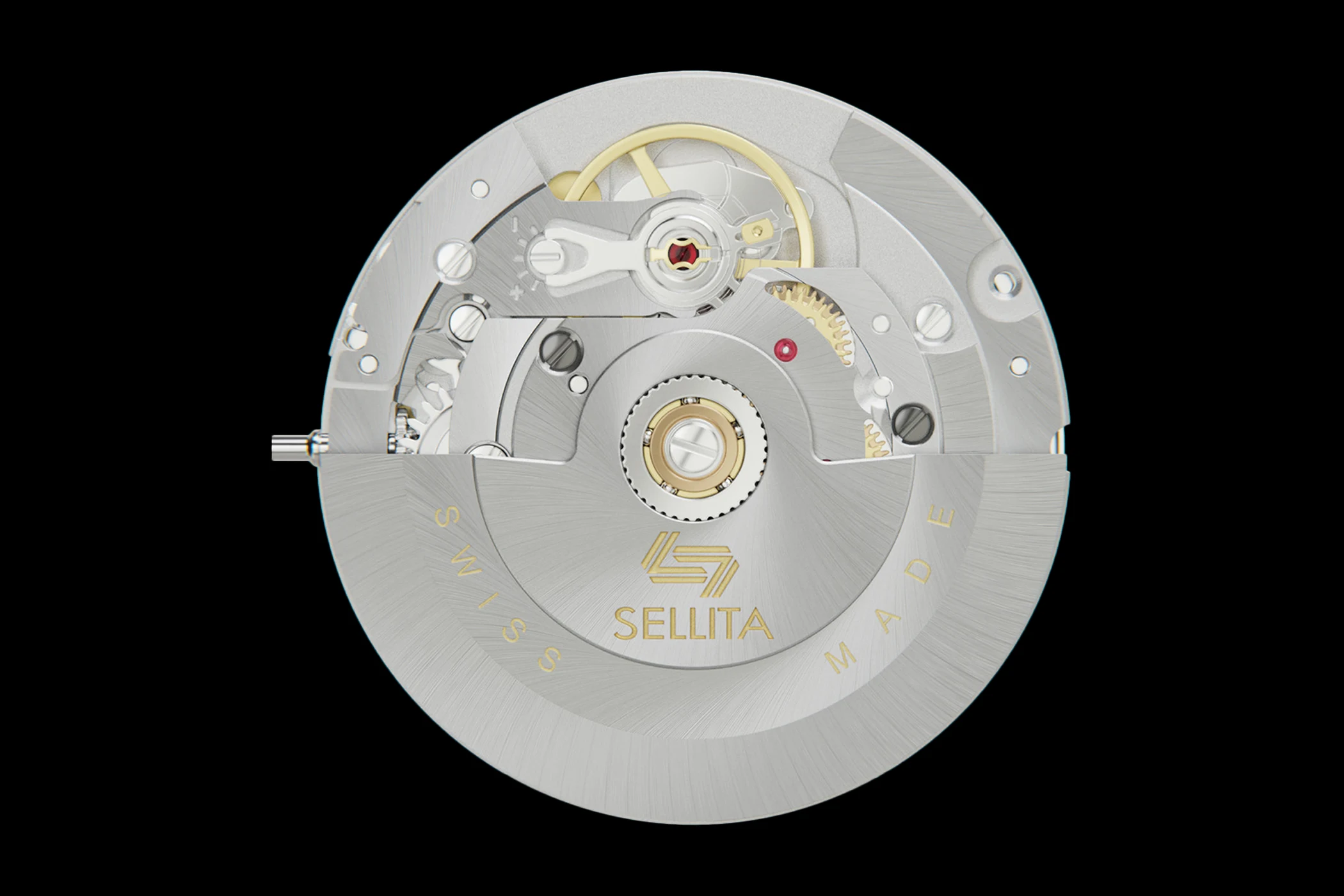
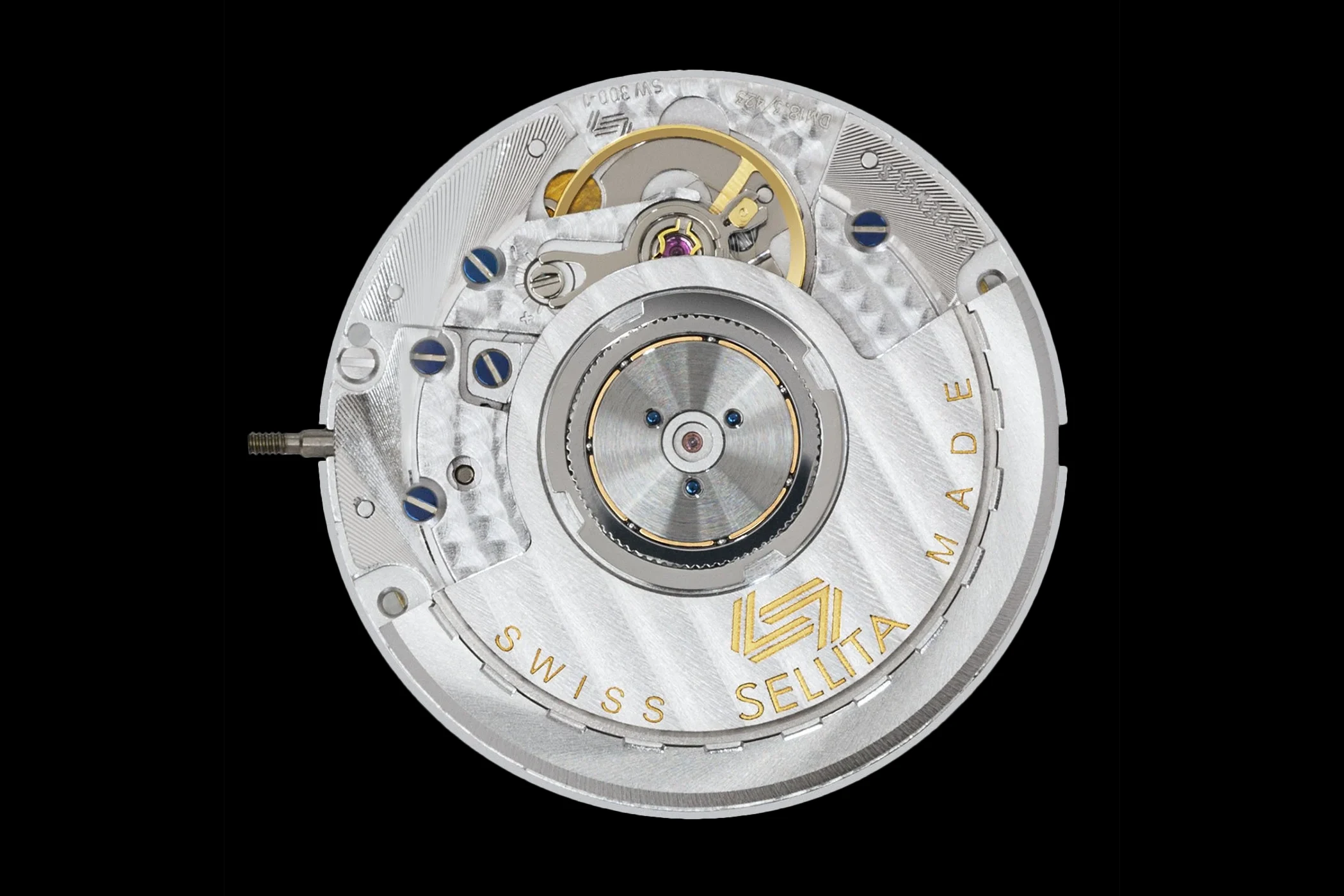
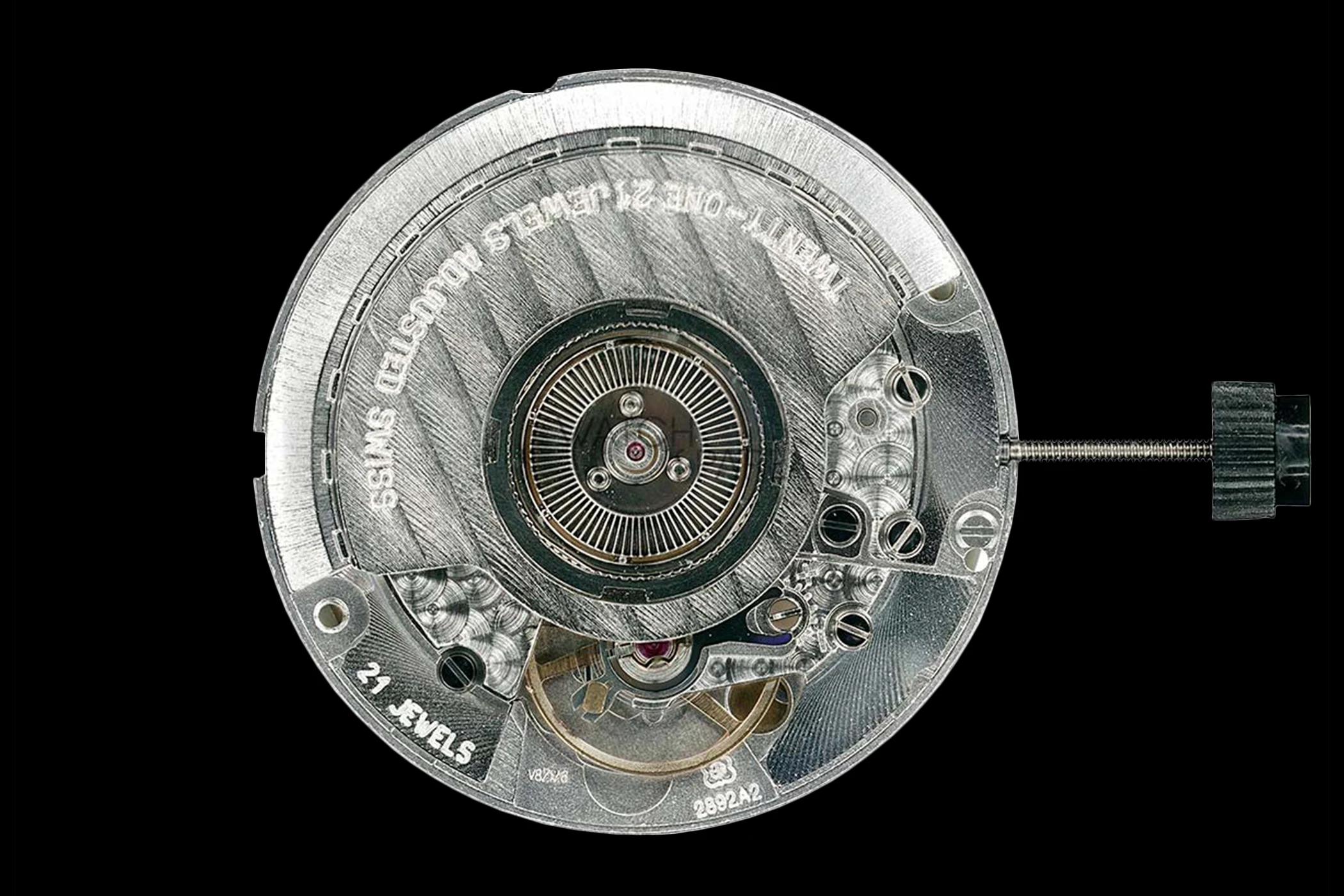
As a guide: in watches ranging from the upper entry-level to the upper mid-range, one often finds tried-and-tested movements from ETA, Sellita, La Joux-Perret or Valjoux, or calibres based on them. Typical examples include the Sellita SW200/SW300, ETA 2892-based movements, Valjoux 7750 chronograph movements or modern La Joux-Perret calibres. In this price range, one also increasingly encounters in-house or exclusively adapted brand movements, for example with a longer power reserve, chronometer certification or superior finishing.
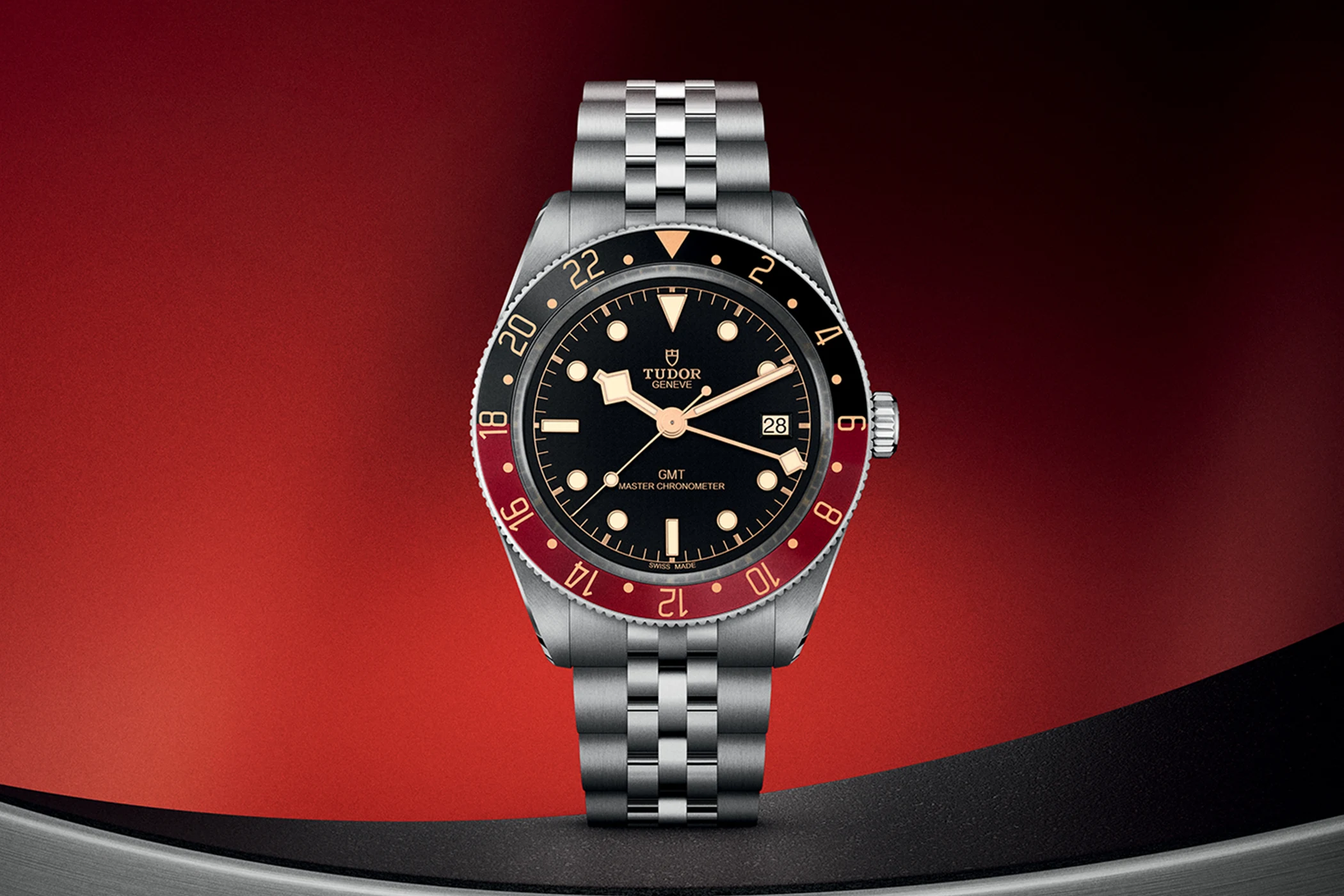
Elaborate complications or multiple functions in a watch are not in themselves a guarantee of quality. A date display can make everyday life easier. A GMT function makes sense if second time zones are actually relevant. A chronograph, on the other hand, is rarely necessary, but its mechanics, operation and visual appeal can be precisely what makes a watch so appealing. What matters, however, is not how much a watch can do, but whether these functions truly suit your own needs.
This is because every additional display or function alters the watch and also has consequences. The dial becomes busier, the case is often thicker, the movement more complex, and future servicing more labour-intensive. A moon phase display can be charming, but in everyday life it usually remains more of a stylish, elegant detail than something actually necessary. A chronograph adds mechanical depth, but also requires more effort: it needs additional displays, more components and, in most cases, a more imposing case. A GMT is particularly attractive if you frequently travel between different time zones and actually make use of the complication. Anything beyond hours, minutes and seconds is considered a complication in watchmaking and makes a watch not only more informative, but also more complex.
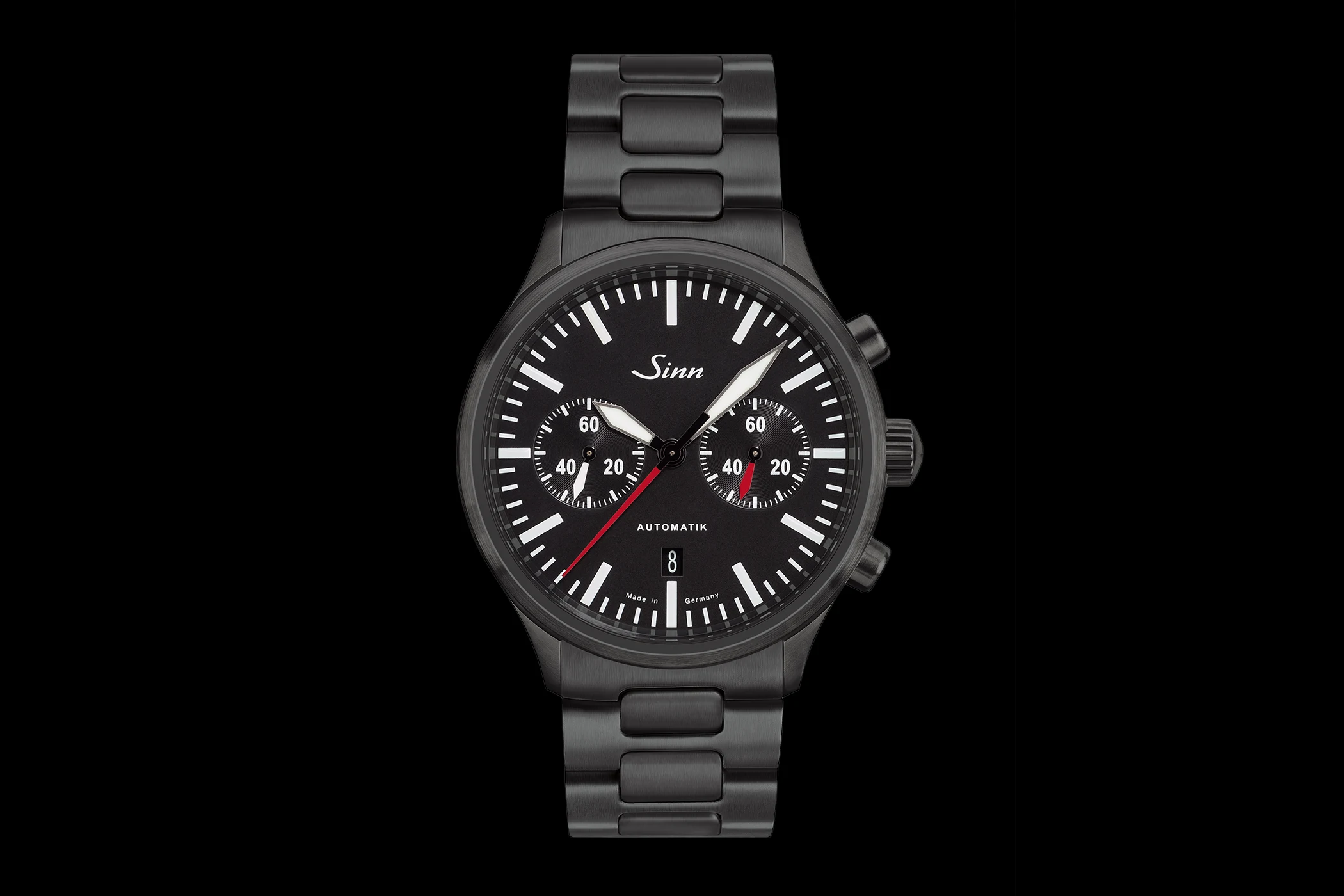
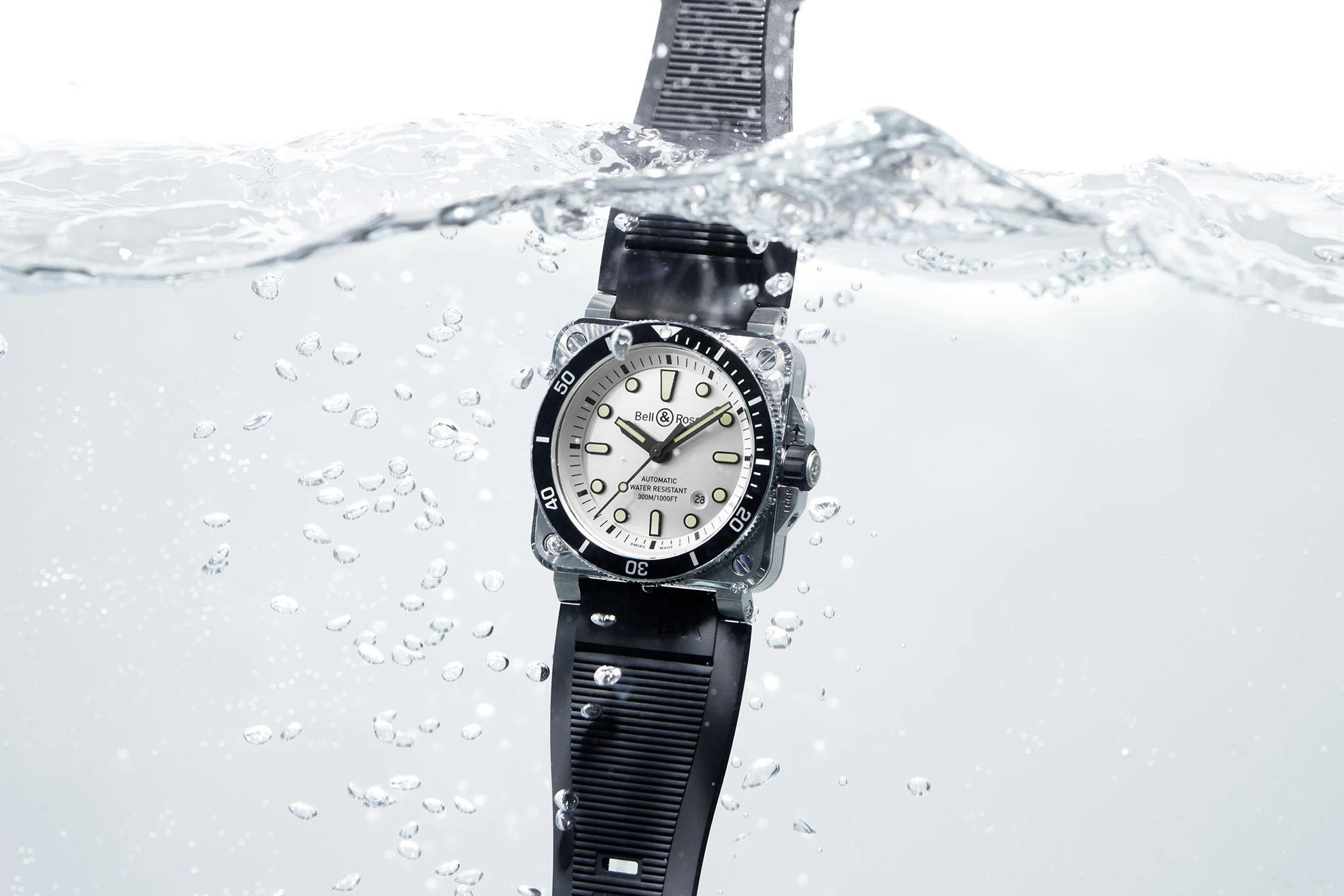
This is precisely why a simple three-hand watch can be particularly compelling as a starter piece. It has nothing to hide and nothing to explain, as the appeal of such a watch does not stem from additional displays, but from what is visible: proportions, dial, hands, hour markers, case and finish. When these elements are just right, a minimalist watch exudes confidence, as every detail must be perfectly in place.
Ultimately, it is not the number of functions that matters, but whether the design remains compelling even after many glances. Hands, hour markers, minute track, logo and date do not need to stand out on their own, but must together form a harmonious dial with a beautiful sense of depth. Precisely because one looks at a watch time and time again, minor design flaws become more noticeable over time. An overly dominant logo, a poorly integrated date display, hands that are too wide or a cluttered minute track can eventually detract from the overall impression more than one might originally have thought. A good design must withstand this repeated scrutiny over the long term and continue to satisfy.
As well as the watch itself, the brand also plays a role. Not merely as a status symbol, but as part of the long-term decision. Anyone who wants not just to buy a mechanical watch, but to wear it for many years, needs more than just a beautiful case and an attractive dial. It is also important how reliably the manufacturer stands behind the watch, how well the service is organised, and whether maintenance, spare parts and the warranty are clearly regulated.
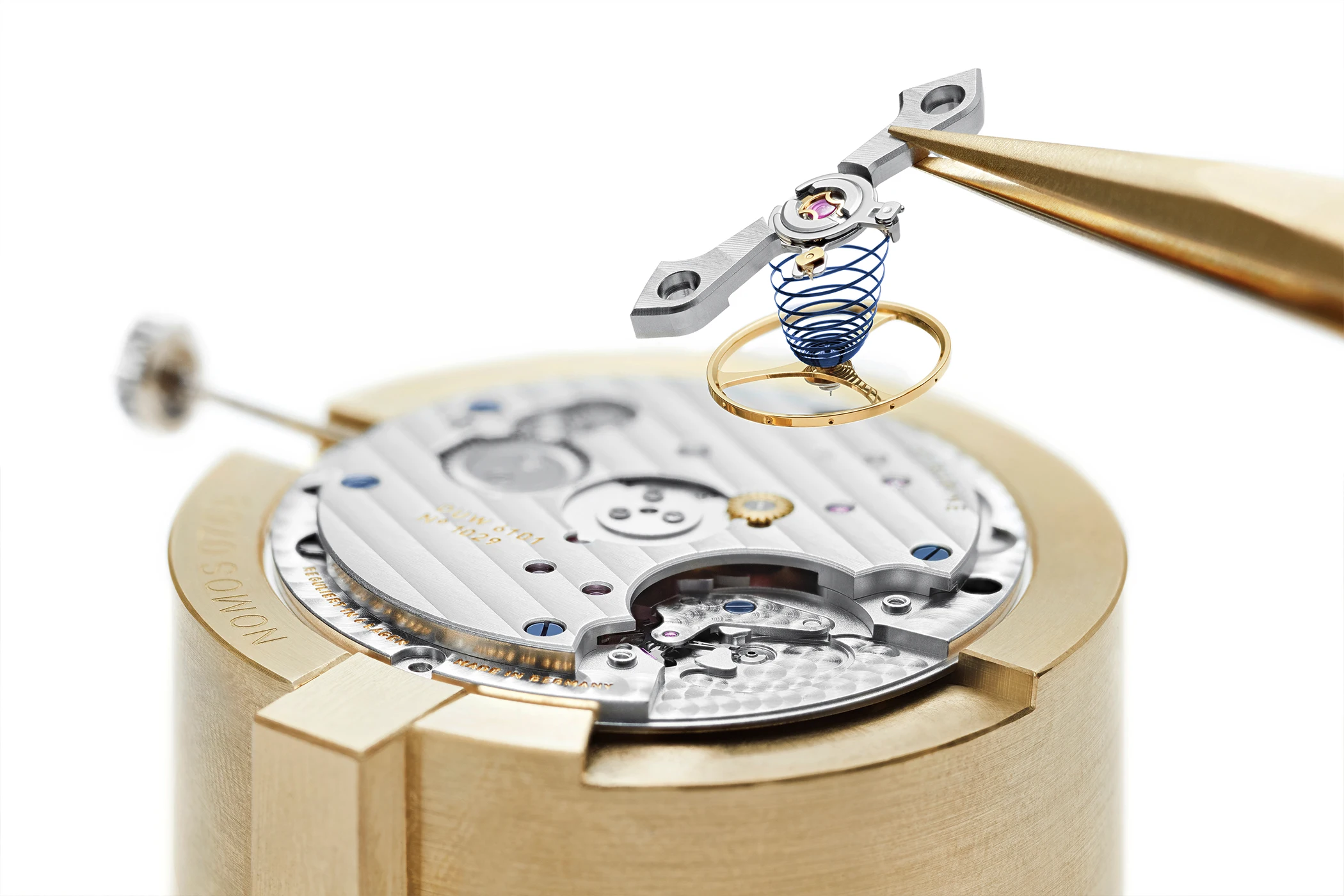
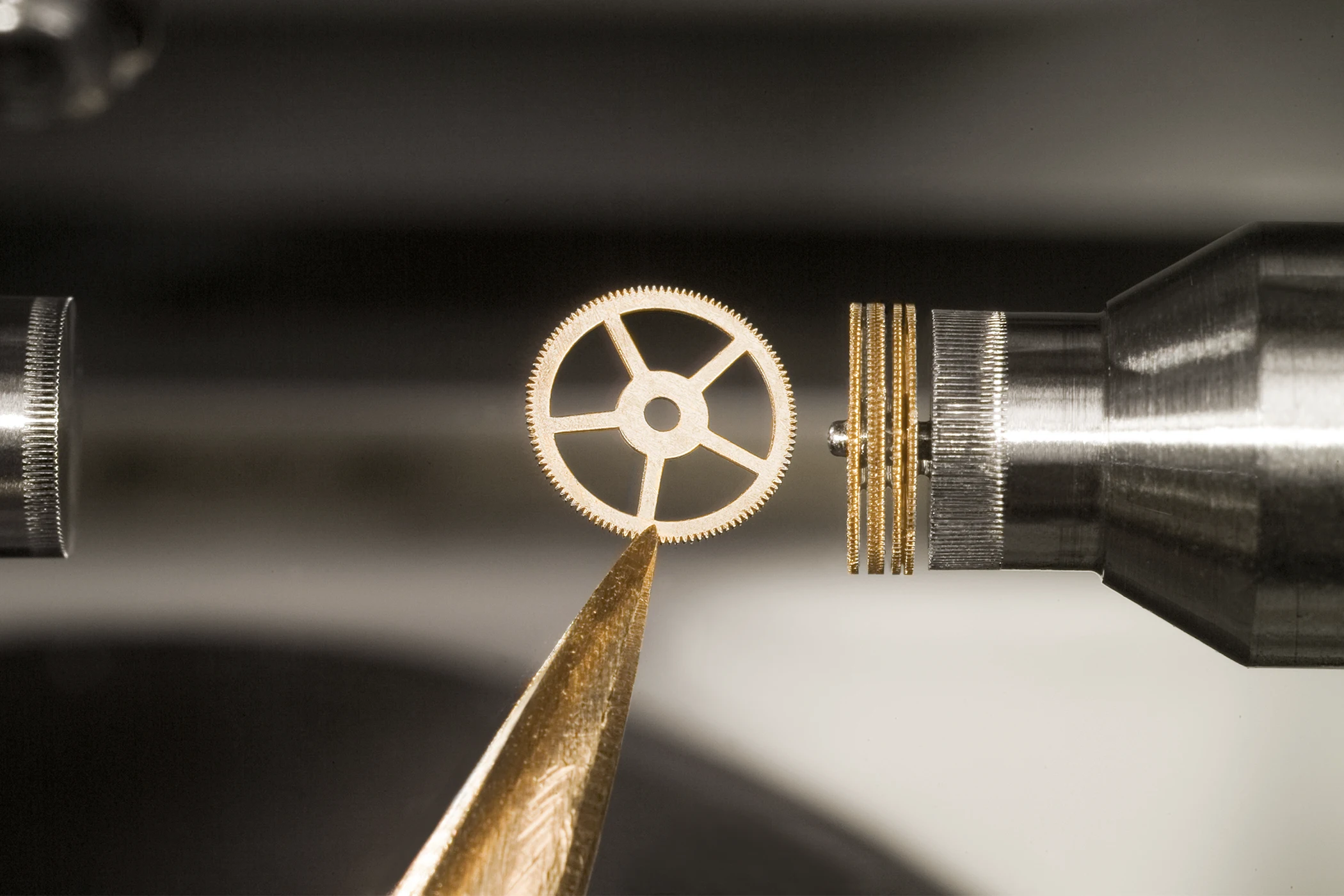

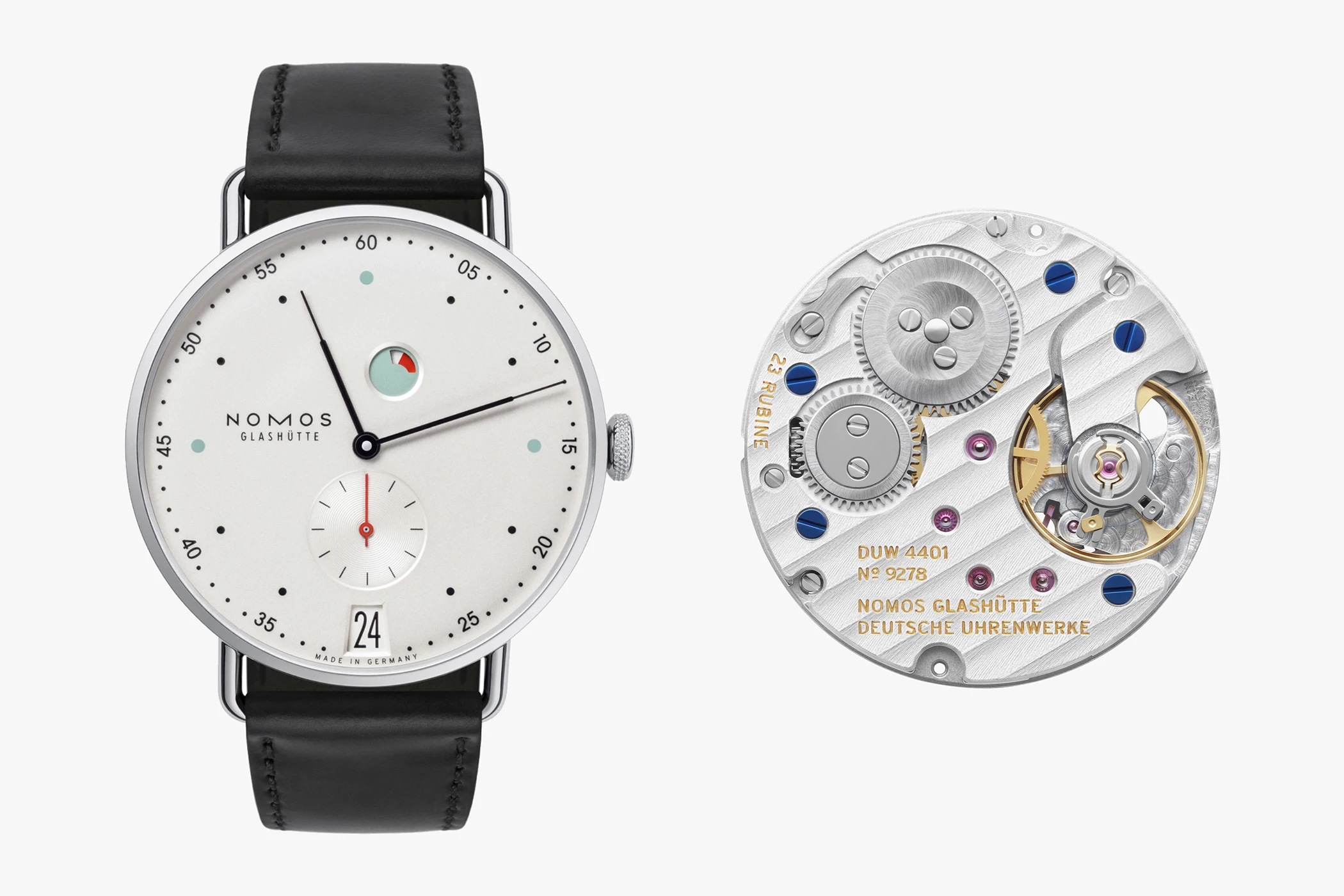
Established manufacturers often offer greater peace of mind in this regard. Well-established dealer networks, well-oiled service processes and a more reliable supply of spare parts make it easier to plan for the watch’s future maintenance. This does not mean that watches from larger manufacturers are automatically the better choice, but they do reduce the risk of facing unnecessary problems after a few years. Smaller or newer brands, on the other hand, can appeal with greater independence, a more personalised approach and a clearer design identity. In such cases, however, it is all the more important to ascertain exactly which movements are fitted, who will handle servicing, and how reliably the warranty and spare parts supply are organised.
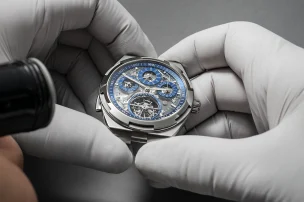
Maintenance is also part of the picture. Mechanical watches are small machines. Oils age, seals become brittle, friction changes, and impacts can leave their mark. Anyone who wants to own a watch for a long time should not view servicing as an unpleasant surprise, but as part of the whole experience. Water resistance, in particular, is not a permanent condition and should be checked regularly if the watch comes into regular contact with water, or if this is likely to be the case again in the foreseeable future after a long period of time.

Our visit to the manufactory shows how NOMOS Glashütte combines independence, vertical integration and quality
It’s also worth taking a calm look at your budget. Your first mechanical watch doesn’t have to cost the absolute maximum you can just about afford. Especially when entering the world of watches, the better choice is often a watch that you can not only buy but also wear with ease. After all, ownership doesn’t end with the purchase: a watch comes into contact with desks, door frames, travel, strap changes, minor marks and, eventually, servicing. Anyone who cringes inwardly at every such encounter may not have bought the wrong watch, but one that demands too much caution.
Admittedly, a higher price can, up to a certain point, mean better craftsmanship, finer movements, more elaborate straps, stronger brands or more finishing touches. However, it does not automatically mean that a watch is better suited to one’s everyday life. In the luxury segment, you are always paying for history, desirability, status and positioning – there’s nothing wrong with that, as long as you view it in the right context.
An honest assessment of one’s budget therefore involves not only whether one can afford a watch, but also whether one can own it with peace of mind. Mechanical watches incur ongoing costs over the years; simple three-hand models are generally cheaper and less complicated to maintain than more complex movements or chronographs. Depending on the manufacturer, official servicing procedures include, amongst other things, dismantling, cleaning, lubricating, regulating and water resistance tests, which shows that maintenance is a normal part of ownership and does not only begin when a fault occurs.
In the world of watches, the issue of retaining value is often discussed more fervently than it really ought to be for a first mechanical watch. Of course, it is understandable to consider the potential resale value when making a major purchase. The brand, model, condition, demand and completeness of the original package can significantly influence the watch’s future value; the box and papers in particular often increase a watch’s appeal on the secondary market, as they make its provenance and completeness more verifiable.
Nevertheless, resale value should not be the primary reason for purchase. Anyone who focuses primarily on which watch is considered a sensible choice on the market will quickly end up with a decision that seems logical to others but brings them little personal joy. Your first serious mechanical watch, in particular, should not primarily be an item in your financial portfolio, but rather something you treat yourself to and actually want to wear.
Particularly when it comes to your first serious mechanical watch, the criteria should be different. It may be chosen for sound financial reasons, but it should not be considered or purchased based solely on its resale value. The decisive factor is whether you would still want to keep the watch even if its resale value were irrelevant. Stability of value may be reassuring, but it should not be the determining factor. Anyone who chooses their first mechanical watch primarily with resale in mind will quickly end up buying something that isn’t right for them.
Ultimately, the search shouldn’t become any more complicated than the watch itself. You can compare diameters, examine movements, read forums, monitor waiting lists and track market prices. All of this can help. But at some point, the decision must come full circle to where it began: on your own wrist.
A good first mechanical watch doesn’t have to excel in every category. It doesn’t have to kick-start a collection, prove your status or tell a story you first have to read up on. Above all, it must function as a watch: reliable, comfortable to wear, easy to read, sensibly sized and suited to the everyday life in which it is to be worn. That is precisely why many experienced voices in the watch world recommend a simple basic rule: buy, wear, get to know it – rather than choosing a watch solely on the basis of other people’s expectations or theoretical status rankings.
The crucial question, therefore, is not which watch is objectively the best. There is hardly an answer to that anyway. What matters is which watch you would still choose even if nobody knew its price, nobody recognised the reference number and nobody approved of your choice. If it still feels right then, that’s a good sign.
If, after months, you’re not wearing it any less often, it has fulfilled its purpose. Then it was more than just a successful purchase: it was the moment when interest turned into a personal statement.