Choosing your first mechanical watch: what matters most in case size, movement, everyday wear, budget and service.
Dress watches are currently one of the industry’s biggest trends. With their classic proportions and minimalist designs, they are capitalising on the ongoing interest in vintage aesthetics and understated elegance, in the spirit of ‘quiet luxury’. Discover the finest examples from 2026.
“Elegance is not about standing out, but about being remembered.” This quote is attributed to the fashion designer Giorgio Armani. Yet other great creators of luxury wardrobes have also described, through their philosophies, exactly what makes a successful dress watch.
“Fashion fades, style remains,” said Yves Saint Laurent, for example. The statements by Cristóbal Balenciaga – “Elegance is simplicity” – and Bill Blass – “Simplicity is the soul of modern elegance” – also sound almost like a description of a classic dress watch.
However subjective these characteristics may be, and however difficult it may be to define the category of ‘dress watch’ using fixed criteria, there is nevertheless a clear set of common features that encapsulate the typical characteristics of a dress watch which you can read in our dedicated article.
Here, we explain why this category of watches has always been synonymous with stylish elegance on the wrist.
“The Villeret has always expressed its character through restraint rather than display,” says Marc A. Hayek, President and CEO of Blancpain, of the collection introduced in 2010. Since then, Roman numerals, deliberately pared-back dials, the signature double-stepped bezel and round cases have lent the models a timeless elegance. Within the collection, the Ultraplate line embodies the dress watch concept with particular conviction through its ultra-slim architecture.
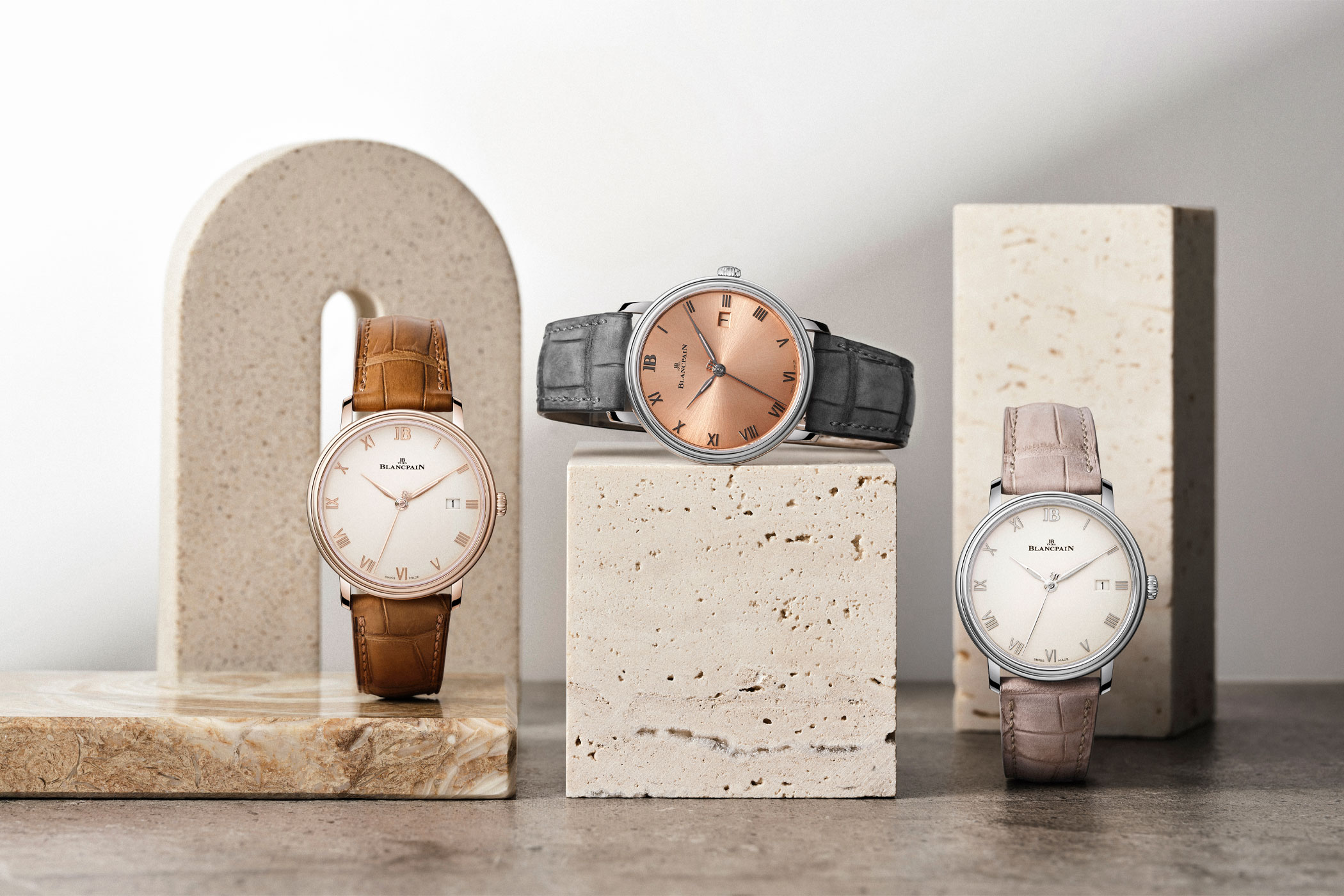
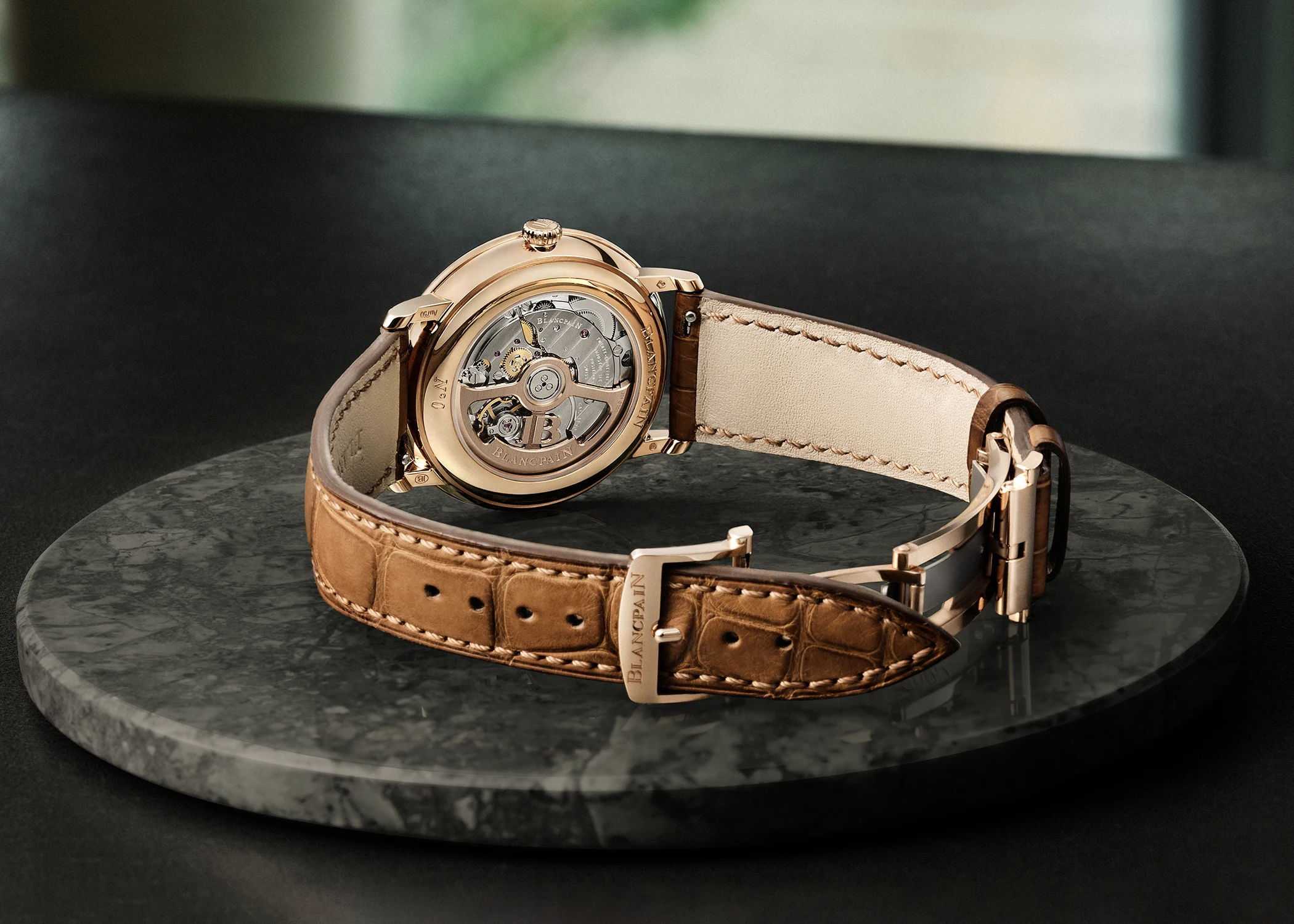
The new three-hand Ultraplate models also carry this DNA. At the same time, they adopt the revised Villeret design language introduced last year, now rendered in more compact proportions. The cases (38 × 8.35 mm), available in stainless steel or 18-carat red gold, house the automatic in-house Calibre 1150 (26.2 × 3.25 mm), featuring a silicon balance spring and a generous 100-hour power reserve.
For the first time, the collection is enriched by a dial with a salmon-coloured sunburst finish, paired with black-coated gold numerals and an anthracite nubuck leather strap fitted with a quick-change system and folding clasp. This model is complemented by an opaline dial variant with indices in white or red gold. Both versions are presented on straps in beige or brown.

The new Villeret Ultraplate models are priced at approximately 23,000 euros in red gold and 11,200 euros in stainless steel.
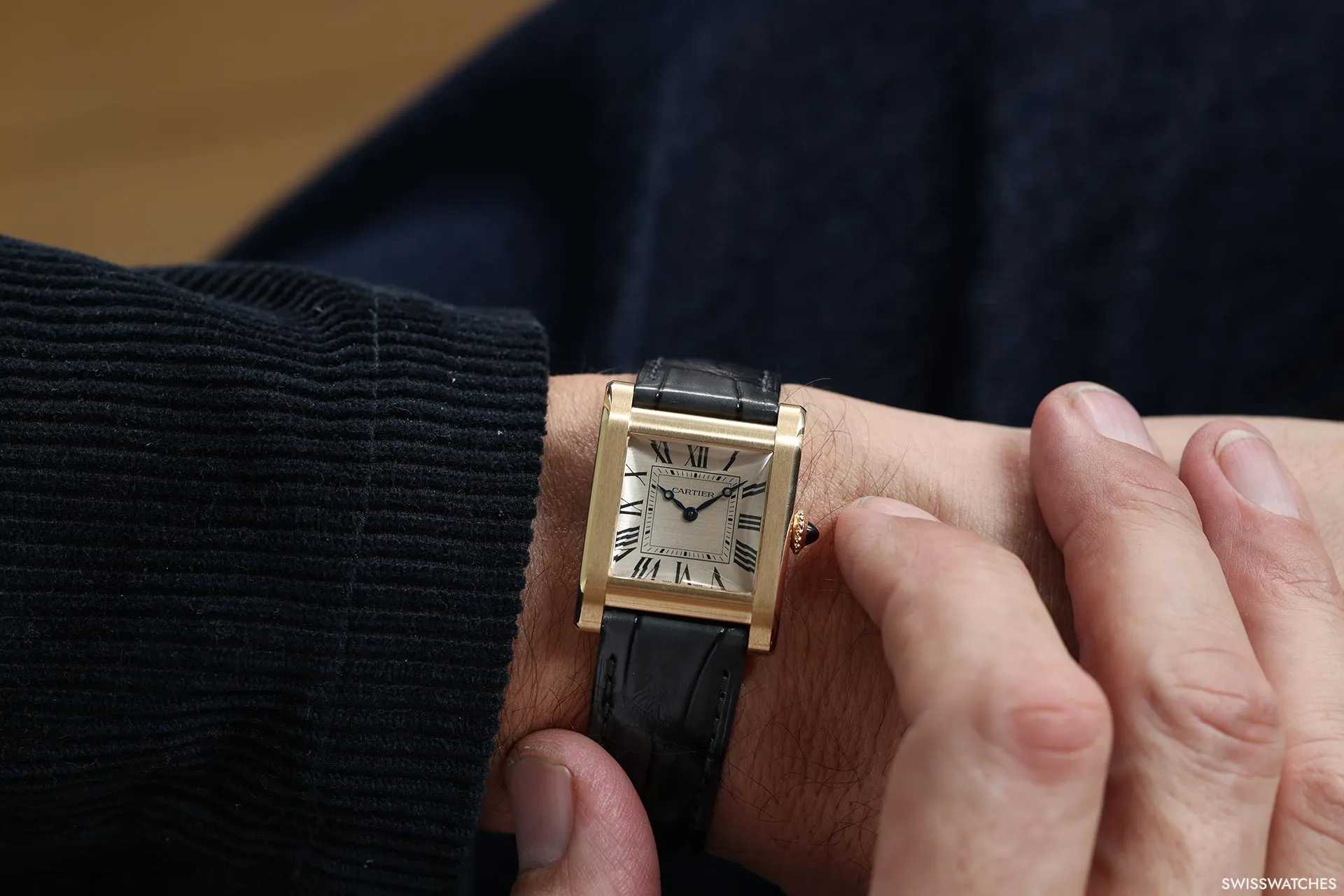
Designed in 1917 and launched in 1919, the Tank Normale remains to this day the cornerstone of Cartier’s watchmaking identity. Originally known simply as the Tank, it was only given the suffix ‘Normale’ with the introduction of the more rounded Tank Louis Cartier. At a time when wristwatches were still mostly round and heavily influenced by pocket watches, it marked a decisive step towards modernity and was closely linked to the emerging Art Deco aesthetic.
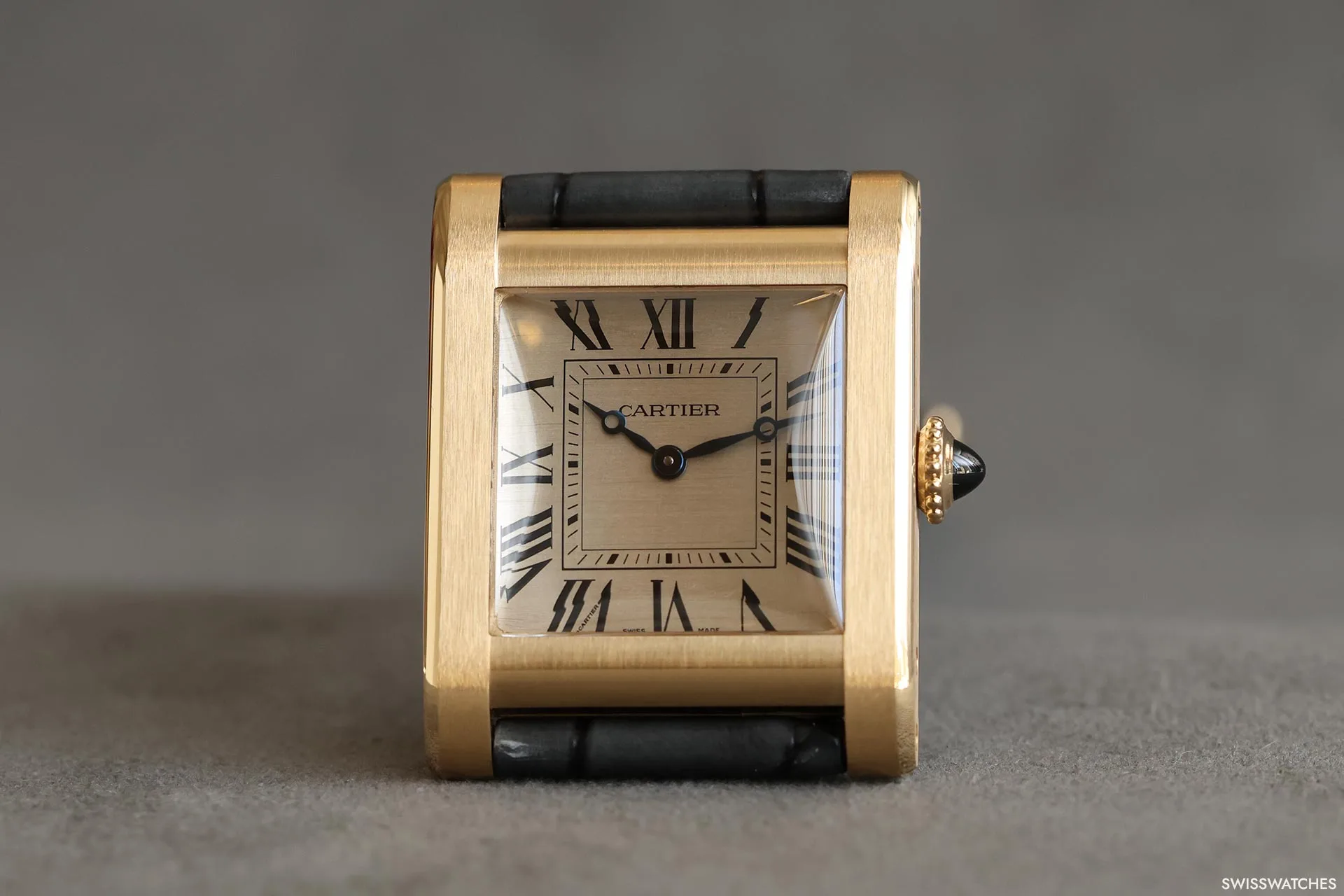
In its 2026 version, the Privé Tank Normale features an 18-carat yellow gold case (32.6 x 25.7 x 6.85 mm) with Cartier’s signature beaded crown set with a sapphire cabochon. Another defining feature is the characteristic parallel ‘brancards’ (French for ‘stretcher’ or ‘frame’), which lend the watch its austere geometry.
The redesigned, horizontally satin-finished dial with black Roman numerals and blued ‘pomme’ hands emphasises the classic dress watch character that the Privé Tank Normale embodies, despite its angular shape. This is complemented by the hand-wound Calibre 070 (15.29 x 2.15 mm) with a 38-hour power reserve. Developed in collaboration with Le Temps Manufacture, this movement is the smallest in Cartier’s current range.
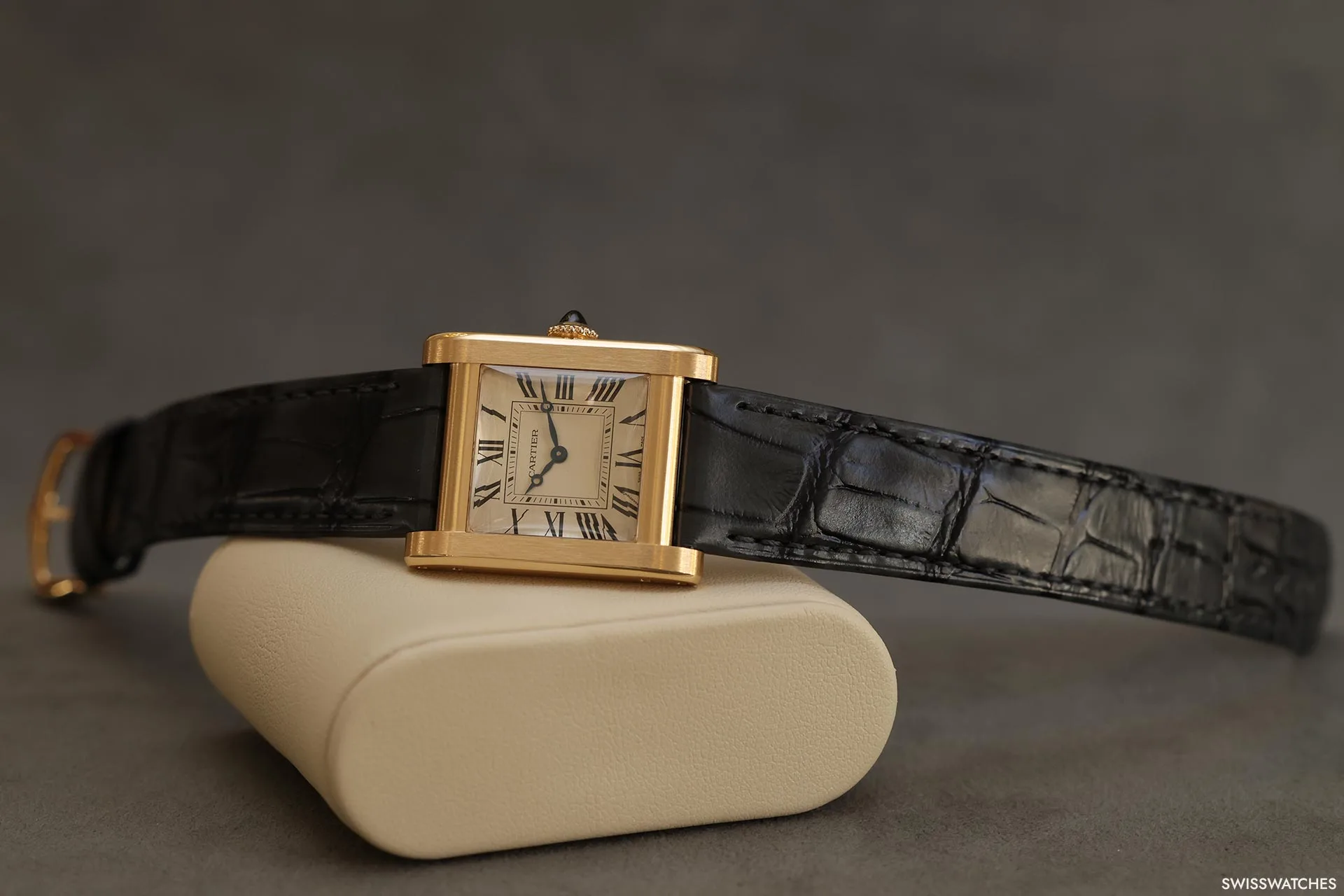
The Privé Tank Normale is paired with a dark grey alligator leather strap featuring a yellow gold pin buckle. The price is 29,600 euros.
In 1996, Chopard laid the foundations for its modern in-house watchmaking with the L.U.C 1.96 micro-rotor calibre. Three decades later, the new L.U.C 1860 in Lucent Steel, featuring the further-developed Calibre 96.40-L (27.4 × 3.3 mm), builds on this technical heritage.
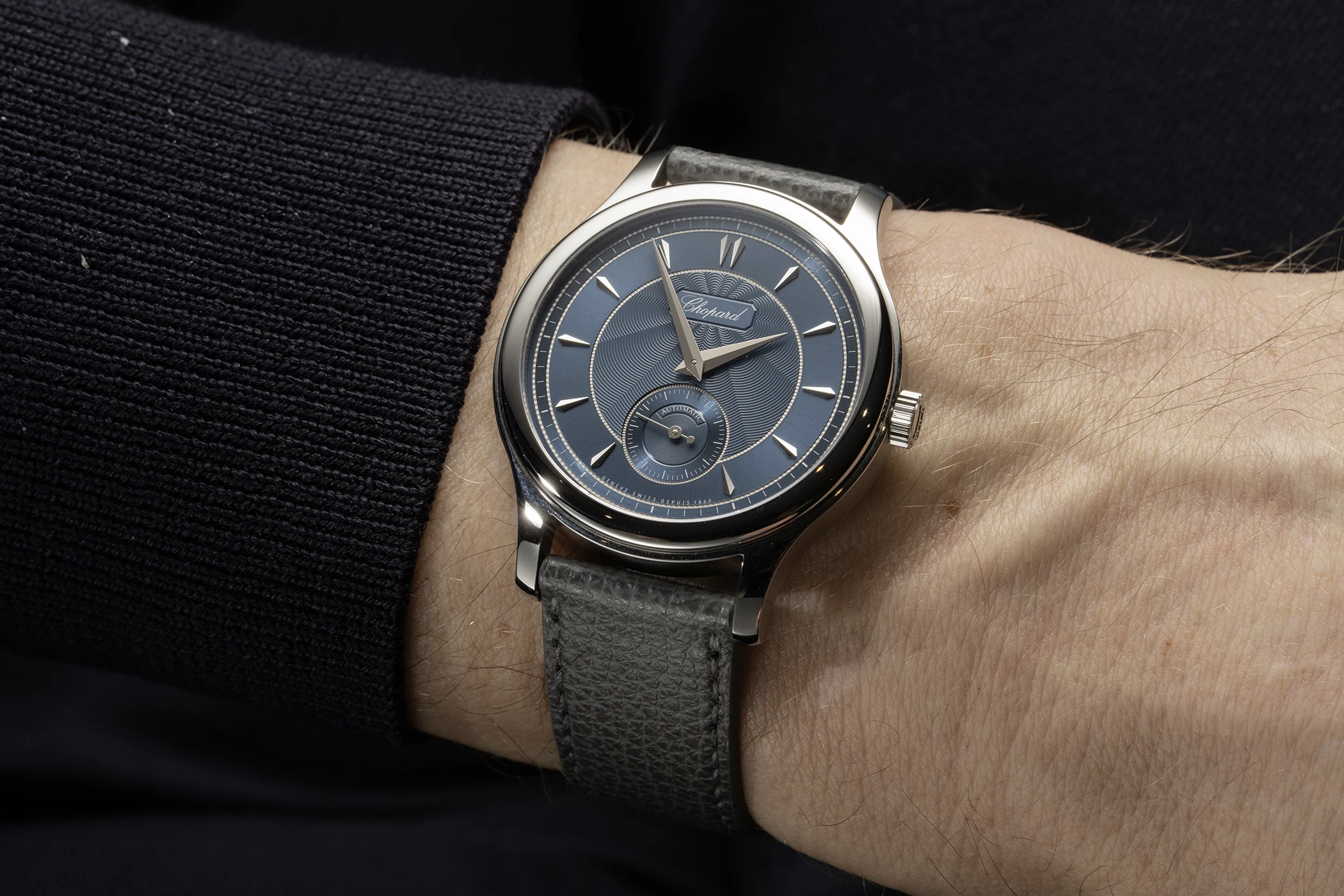
The COSC-certified automatic movement is fitted with a twin barrel, a 22-carat gold micro-rotor, a 65-hour power reserve, a seconds stop function and a swan-neck regulator, and bears the Geneva Seal. It accurately displays the hours, minutes and small seconds. A date display has been deliberately omitted in favour of the L.U.C 1860’s understated appearance in Lucent Steel.
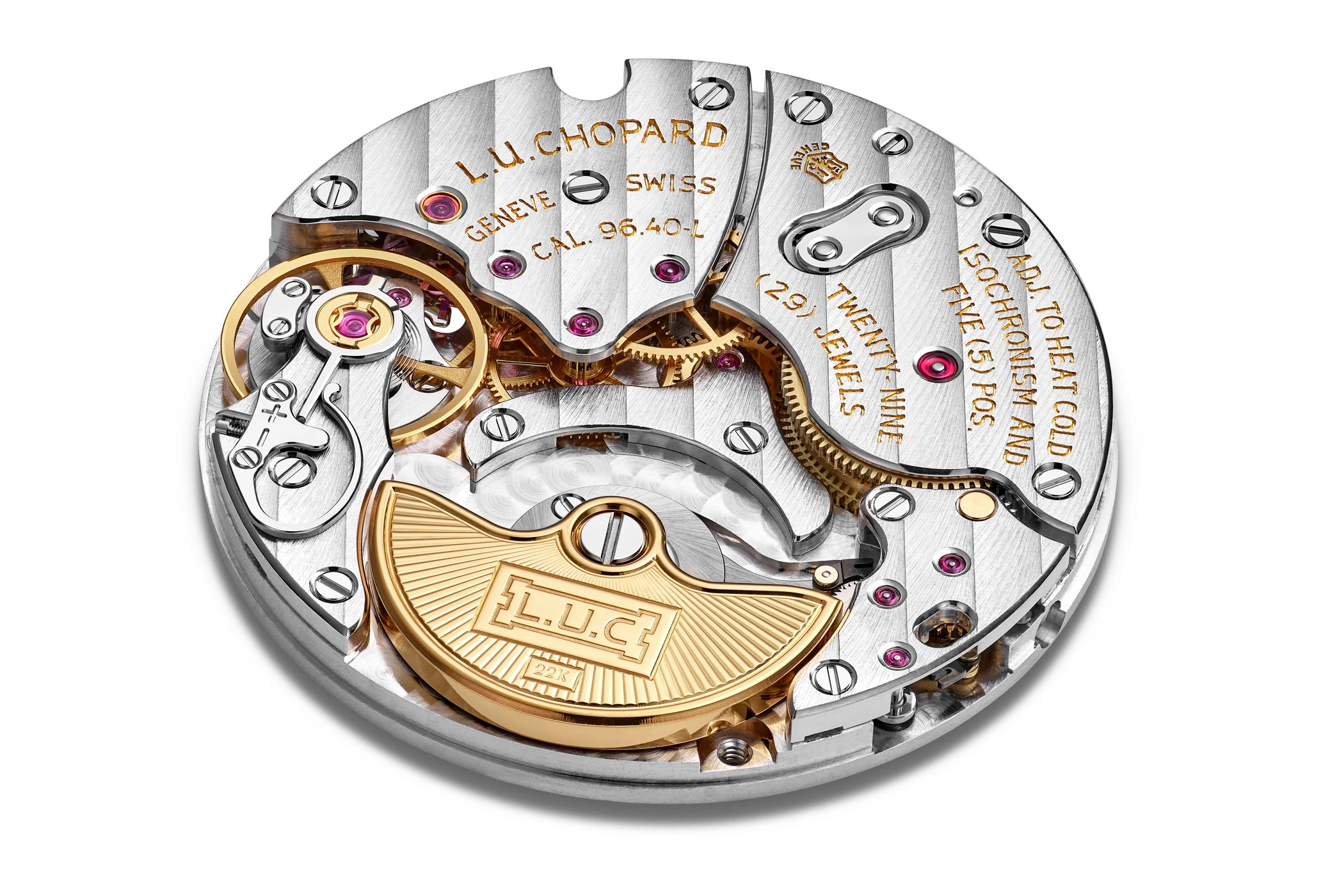
This effect is created both by the classically proportioned, water-resistant to three bar stainless steel case (36.5 × 8.2 mm) and the Areus blue dial with radial guilloché and a satin-finished hour ring. Added to this are hour markers and hour and minute hands in white gold. An anthracite-grey leather strap with a pin buckle ensures a comfortable fit on the wrist. The price is 28,200 euros.
Although of Japanese origin – Credor was launched by Seiko in 1974 as a luxury brand – the name is derived from the French expression ‘Crête d’Or’, which means ‘golden peak’. In keeping with this motto, the Urushi Lacquer Dial Limited Edition was created as part of the Goldfeather collection – first introduced in 1960 and revived in 2023 – which is renowned for its ultra-thin mechanical watches in the dress-watch style.
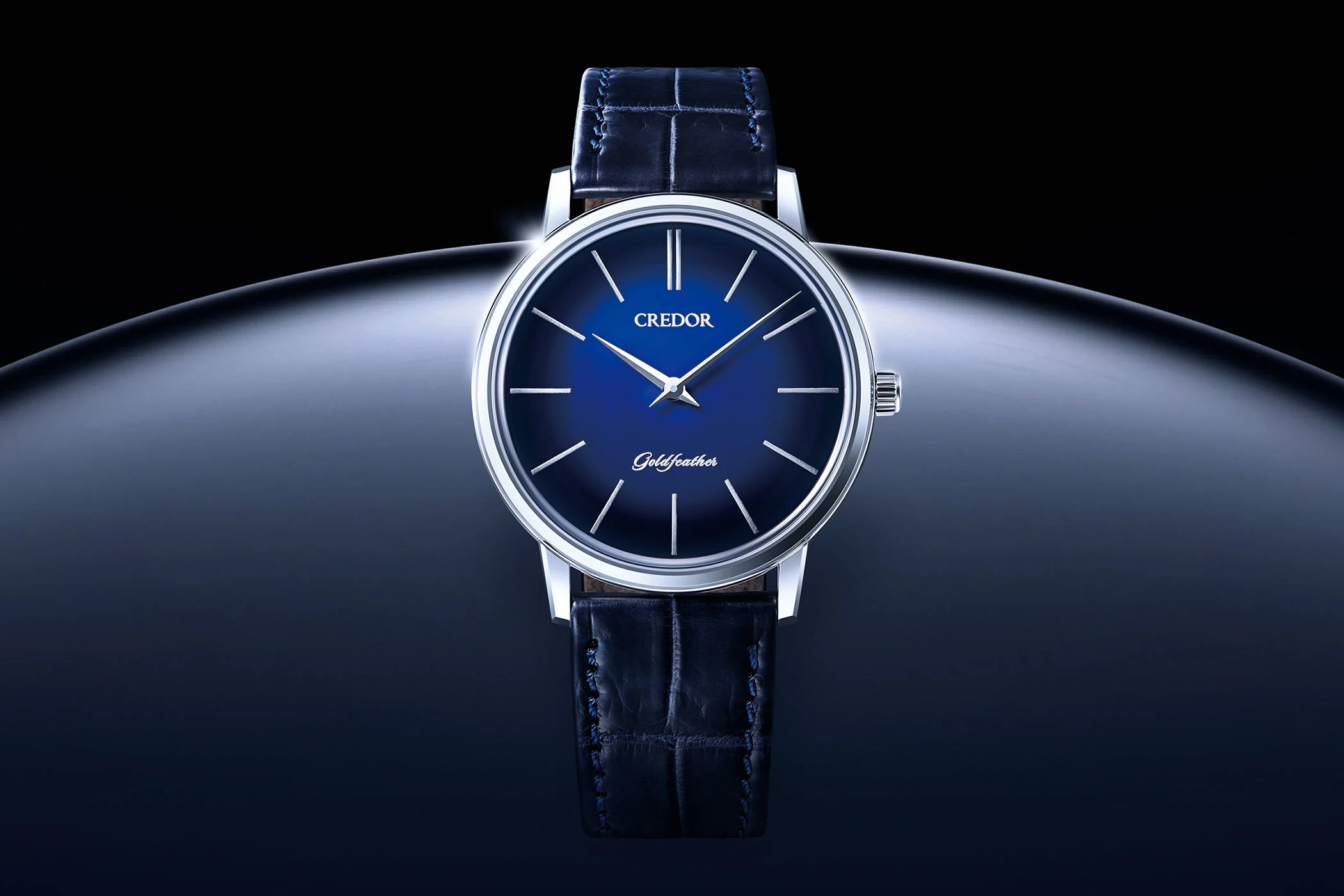
The minimalist design showcases the typically Japanese commitment to high standards of craftsmanship in a host of subtle details. The deep blue colour gradient on the dial, for example, is created using urushi lacquer. This technique has been used in Japan for over 1,000 years to create works of art, furniture, bowls and writing instruments, and is now also used for high-quality watch dials.
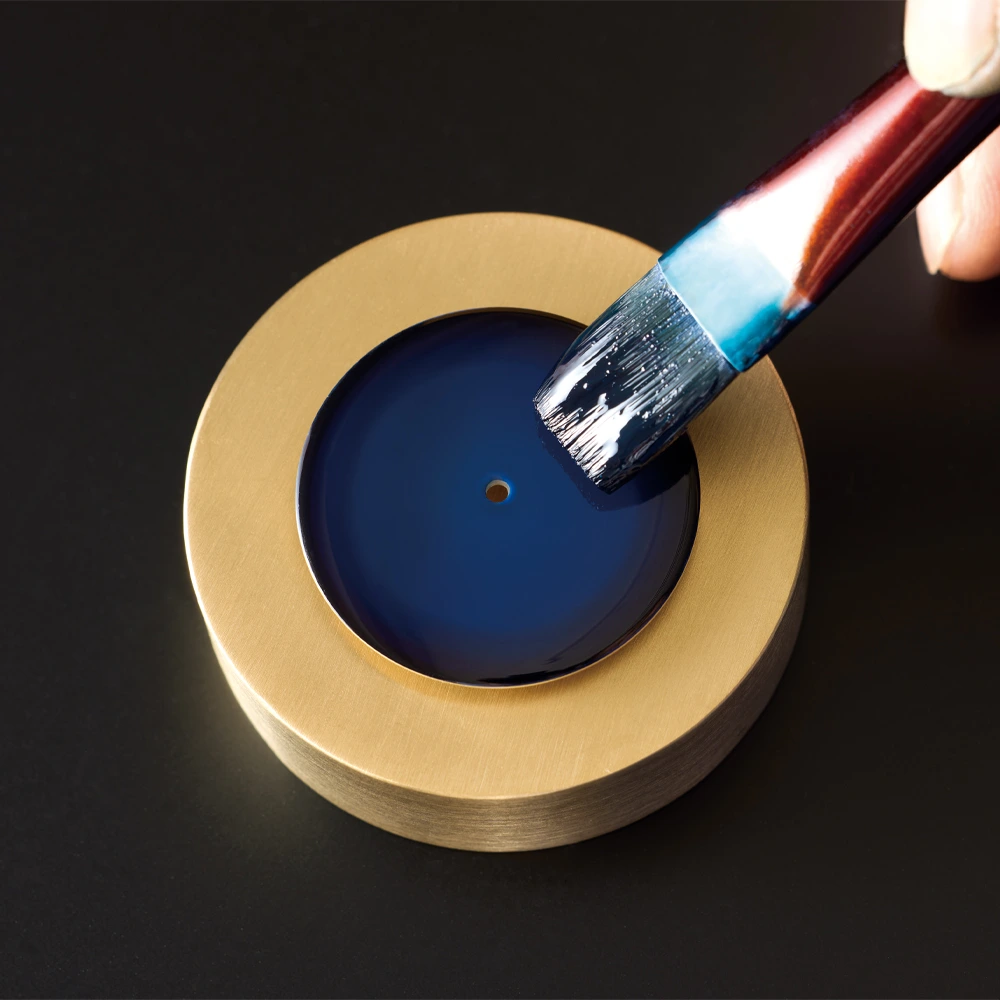
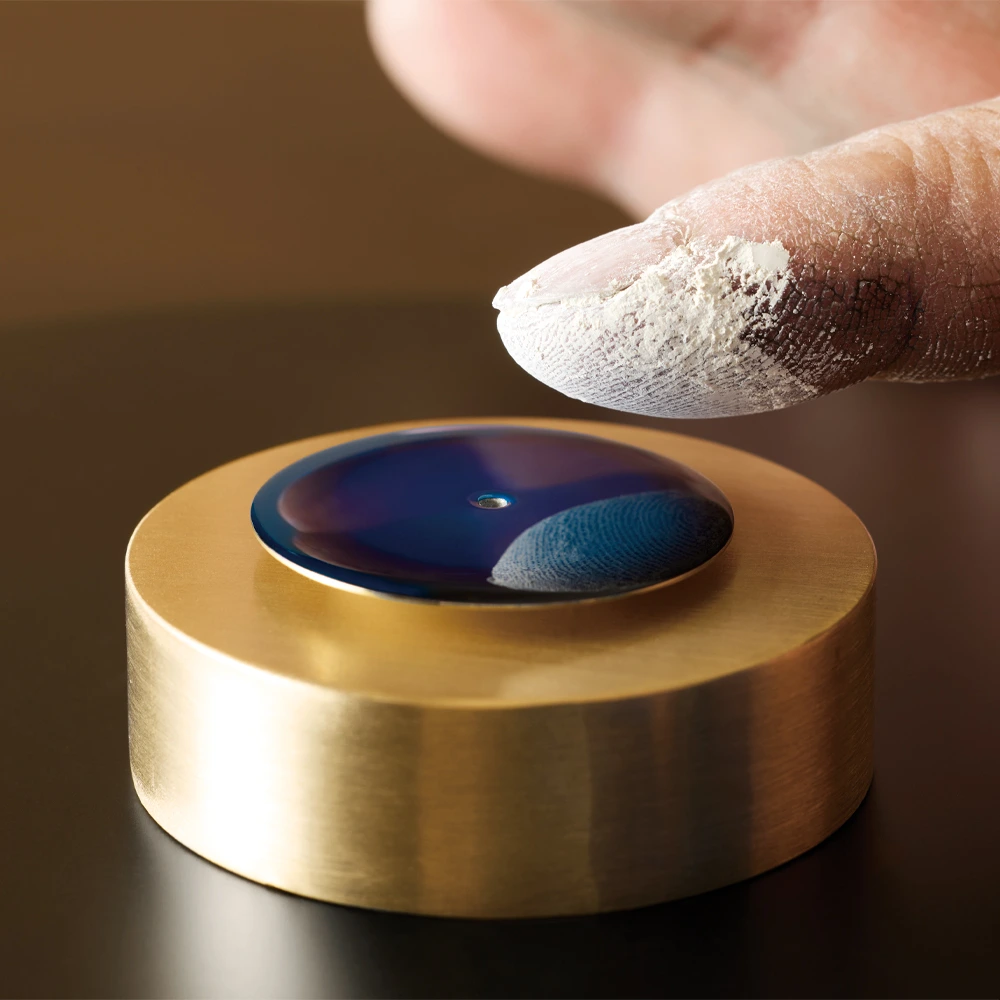
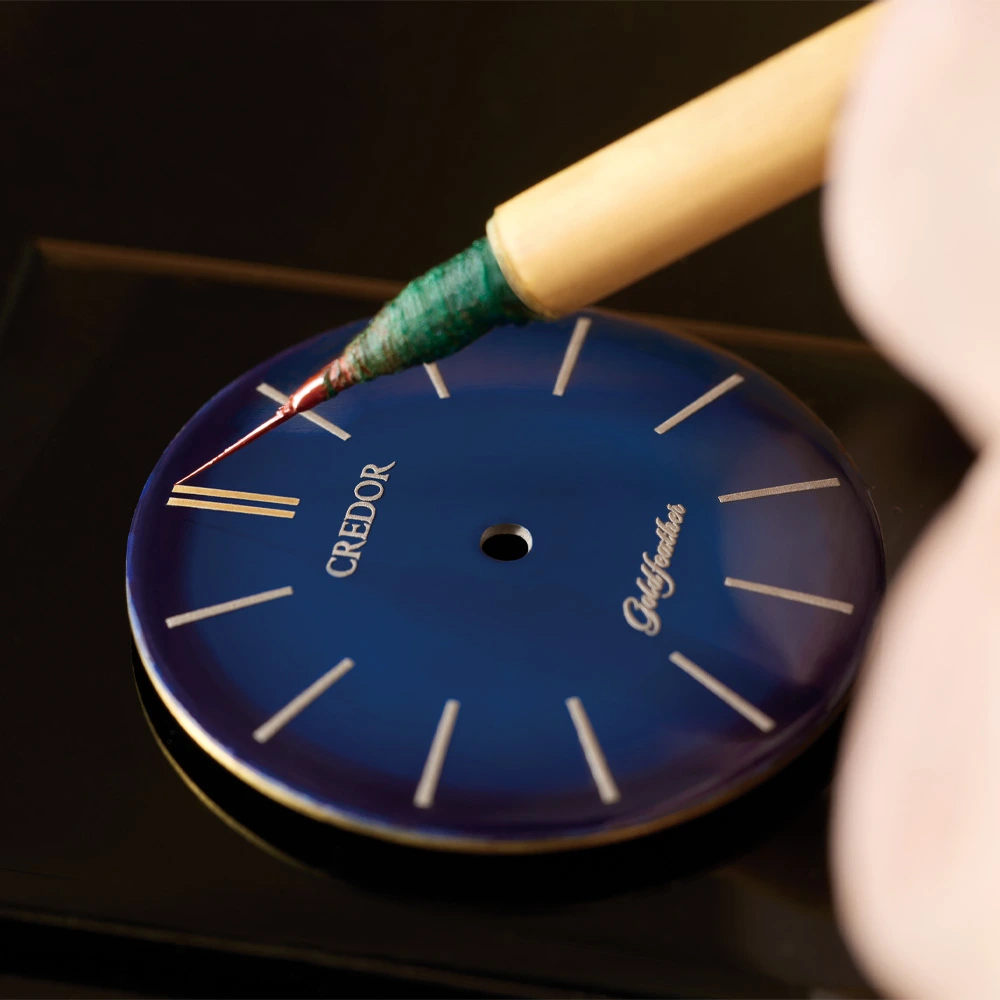
On the new Goldfeather model, limited to 25 pieces, such a dial provides the backdrop for the ‘Credor’ and ‘Goldfeather’ lettering, executed using the Taka-Maki-e technique. In this technique, the motif is also drawn using Urushi lacquer and built up in layers before being sprinkled with precious metal powder – in the case of the Goldfeather, platinum powder – to achieve a three-dimensional effect. The watch’s functionality is limited to displaying the hours and minutes.
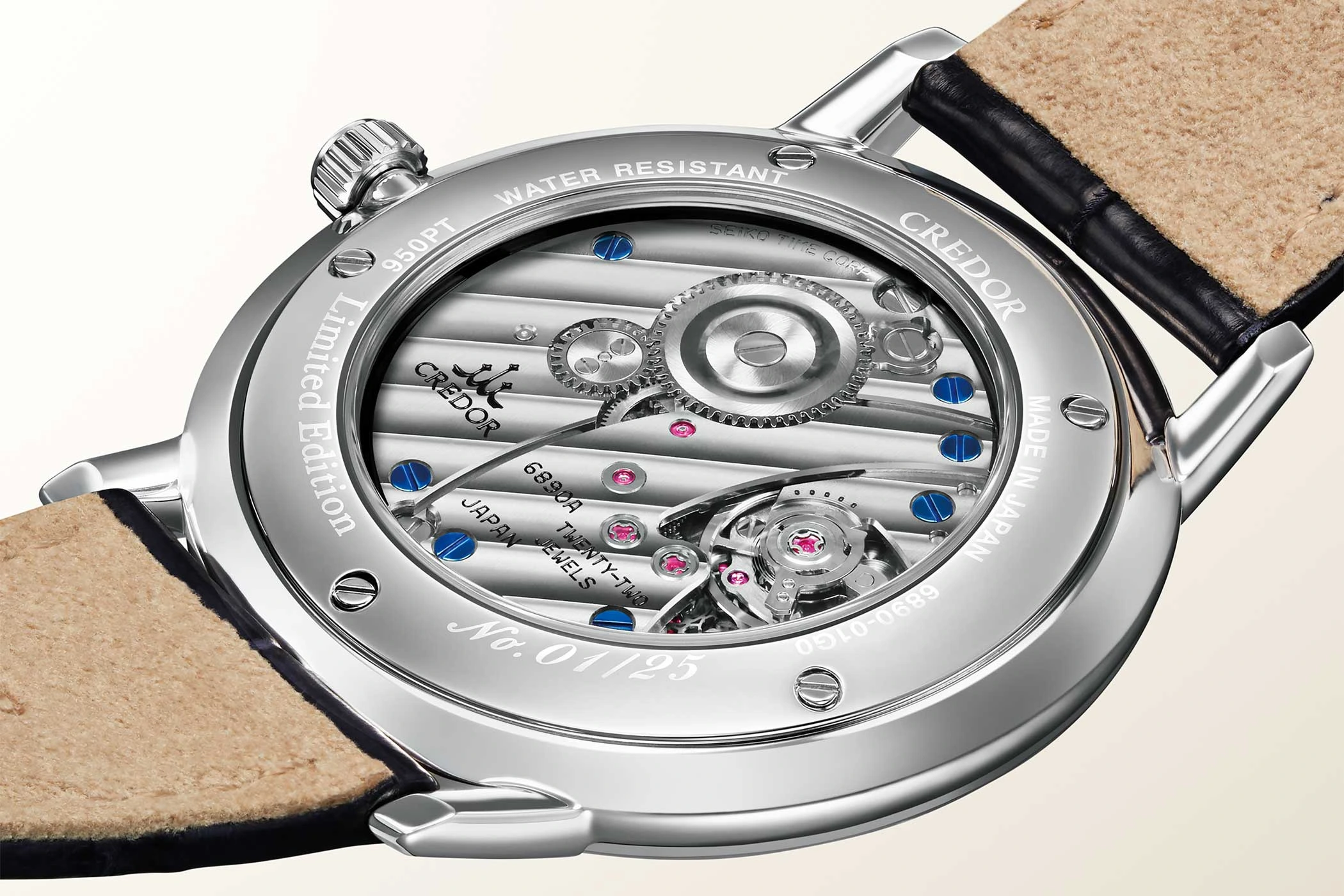
The classically round case (37.4 x 8.1 mm), which is water-resistant to three bar, is also made of platinum. It houses the ultra-thin hand-wound Calibre 6890 (25.6 x 1.98 mm) with a 37-hour power reserve. The Goldfeather Urushi Lacquer Dial Limited Edition is presented on a black crocodile leather strap with a platinum pin buckle. The price is 39,000 euros.
Here you’ll find our selection of the most beautiful dress watches for 2025
Although Grand Seiko was launched by Seiko as early as 1960, the watches have only been marketed outside Japan since 2010. With the establishment of Grand Seiko Europe and the boutique on Place Vendôme in 2020, the brand significantly strengthened its international presence.
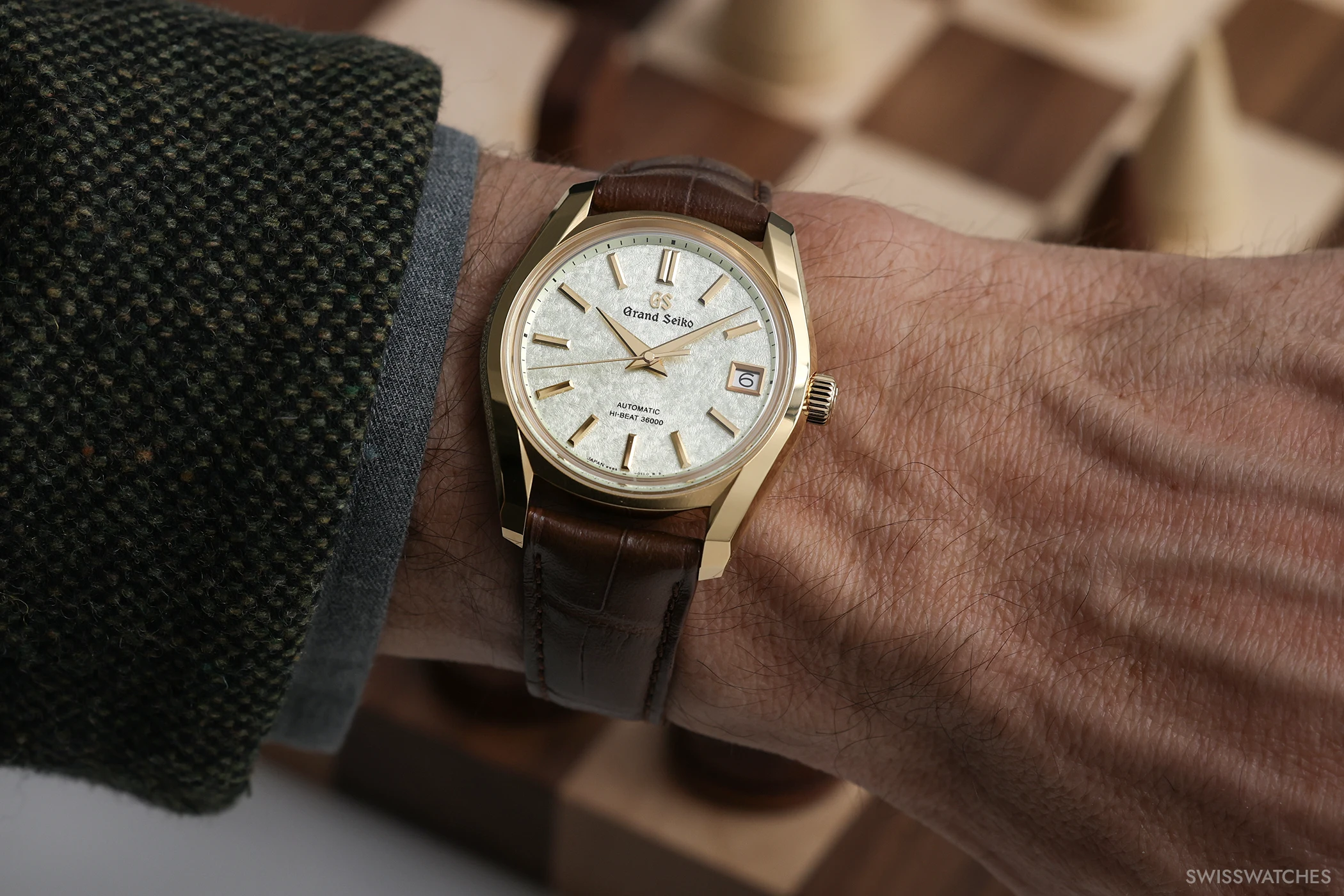
Among the latest additions is the 62GS SBGH376 “Sakura-Wakaba” from the Heritage Collection. The 18-carat yellow gold case (38 x 12.9 mm), water-resistant to 10 bar, combines a high-gloss Zaratsu finish with a fine brushed finish and features no bezel. This design harks back to the 62GS from 1967, Grand Seiko’s first automatic watch. The crystal is set directly onto the case to maximise light transmission and ensure optimal readability.
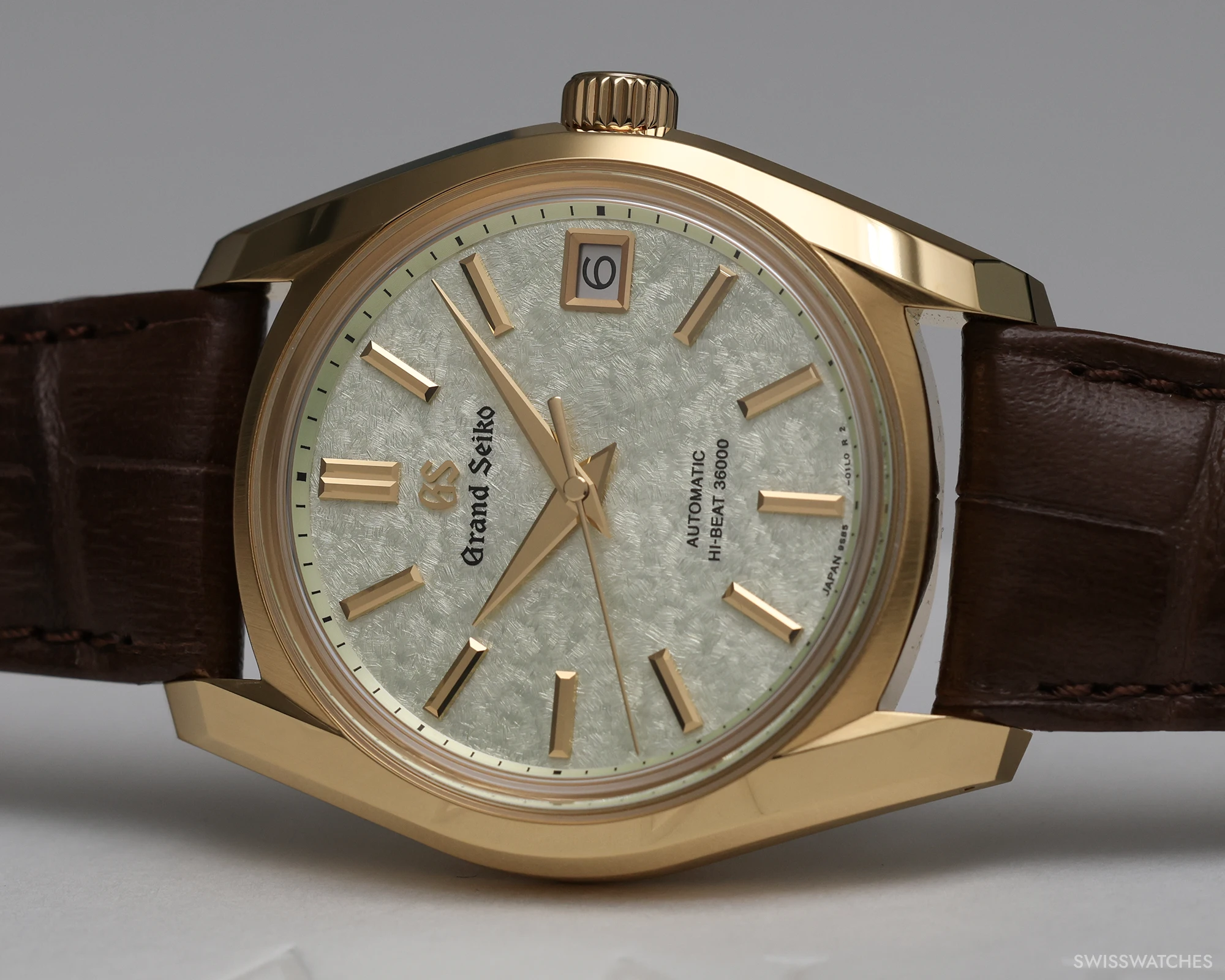
The pale green dial was designed according to the Mitate principle, a Japanese concept in which motifs are interpreted abstractly. A delicate shade of yellow in the pattern alters the overall impression depending on how the light falls.
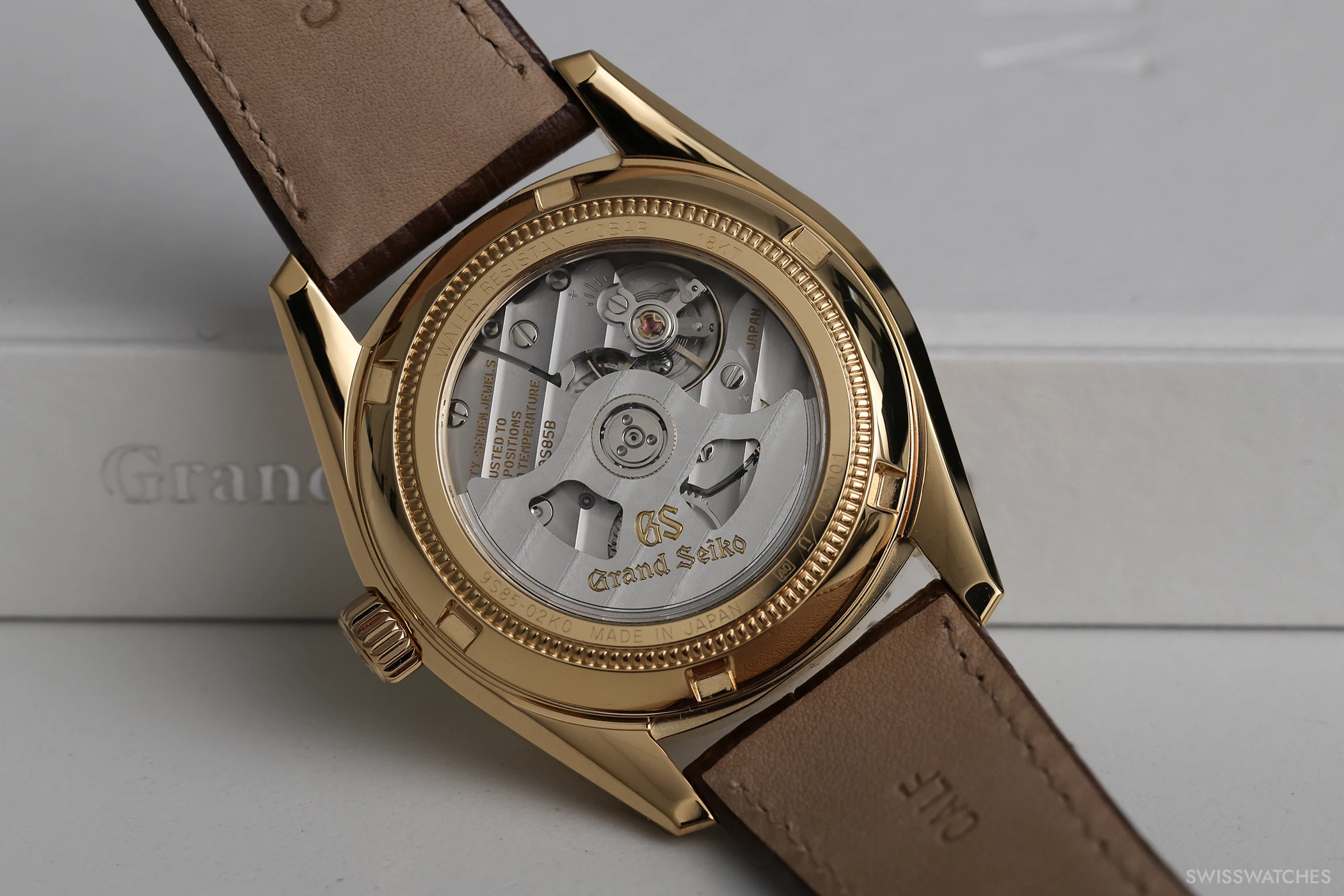
The watch is powered by the 5-hertz Hi-Beat calibre 9S85 (28.4 x 5.9 mm) with automatic winding and a 55-hour power reserve. It is supplied on a brown crocodile leather strap with a yellow gold pin buckle. The 62GS SBGH376 “Sakura-Wakaba” costs 33,500 euros.
Developed in 1931, the Reverso was originally designed to meet the needs of the new generation of sporty gentlemen. More specifically: those of polo-playing officers, who set the watchmakers at Jaeger-LeCoultre the challenge of developing a watch that could withstand the rigours of the polo field. The Reverso quickly gained great popularity beyond the world of sport and was released in numerous versions for men and women. However, the double-sided reversible case and the clean Art Deco lines have remained to this day.
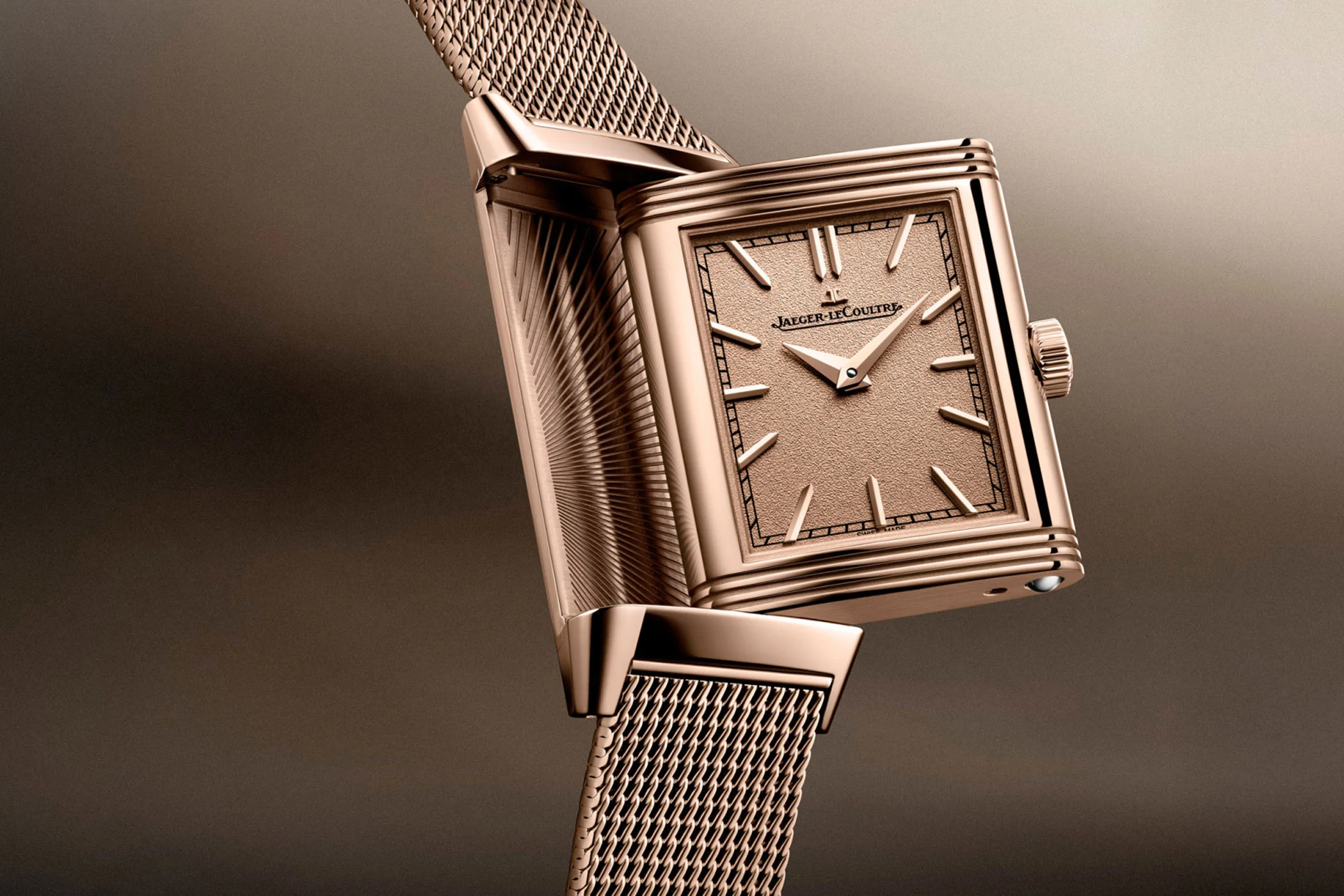
The new Reverso Tribute Monoface ‘Or Deco Solo Tempo’ embodies the motto: less is more. The omission of the small seconds hand reduces the dial to the essentials, whilst the smaller case (40.1 × 24.4 × 7.56 mm) in 18-carat red gold closely follows the original dimensions (39 × 21 mm) of the 1930s model and is adorned with sandblasted godrons. The finely grained dial further emphasises the monochrome aesthetic of this Reverso.
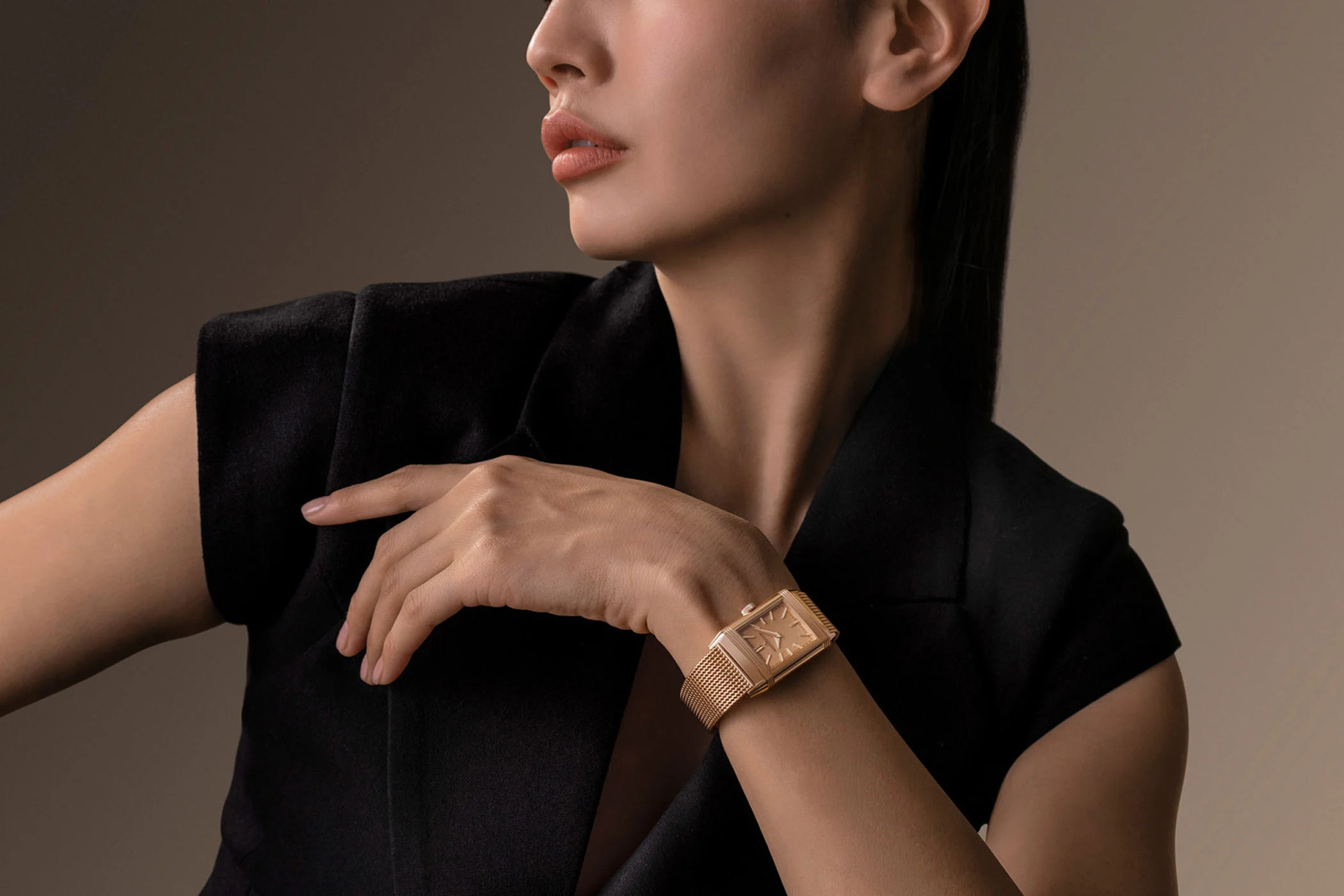
This theme is continued in the delicate Milanese bracelet in red gold. A special connecting link has been developed to ensure a visually seamless transition from the case to the bracelet. The integrated, infinitely adjustable sliding clasp has also been redesigned from scratch. Inside, the watch is powered by the Jaeger-LeCoultre Calibre 822 (20.2 × 18 mm), a hand-wound movement with a power reserve of 42 hours.
Louis Vuitton’s Escale collection (French for ‘stopover’) has welcomed a new addition this year that is perfect for a dress watch. The gemstone that gives the watch its name is regarded as a protective talisman that wards off evil. It displays shades ranging from amber to dark brown and is used not only on the dial of the Tiger’s Eye – limited to 30 pieces – but also on parts of the case (40 x 8.97 mm), which is water-resistant to three bar.
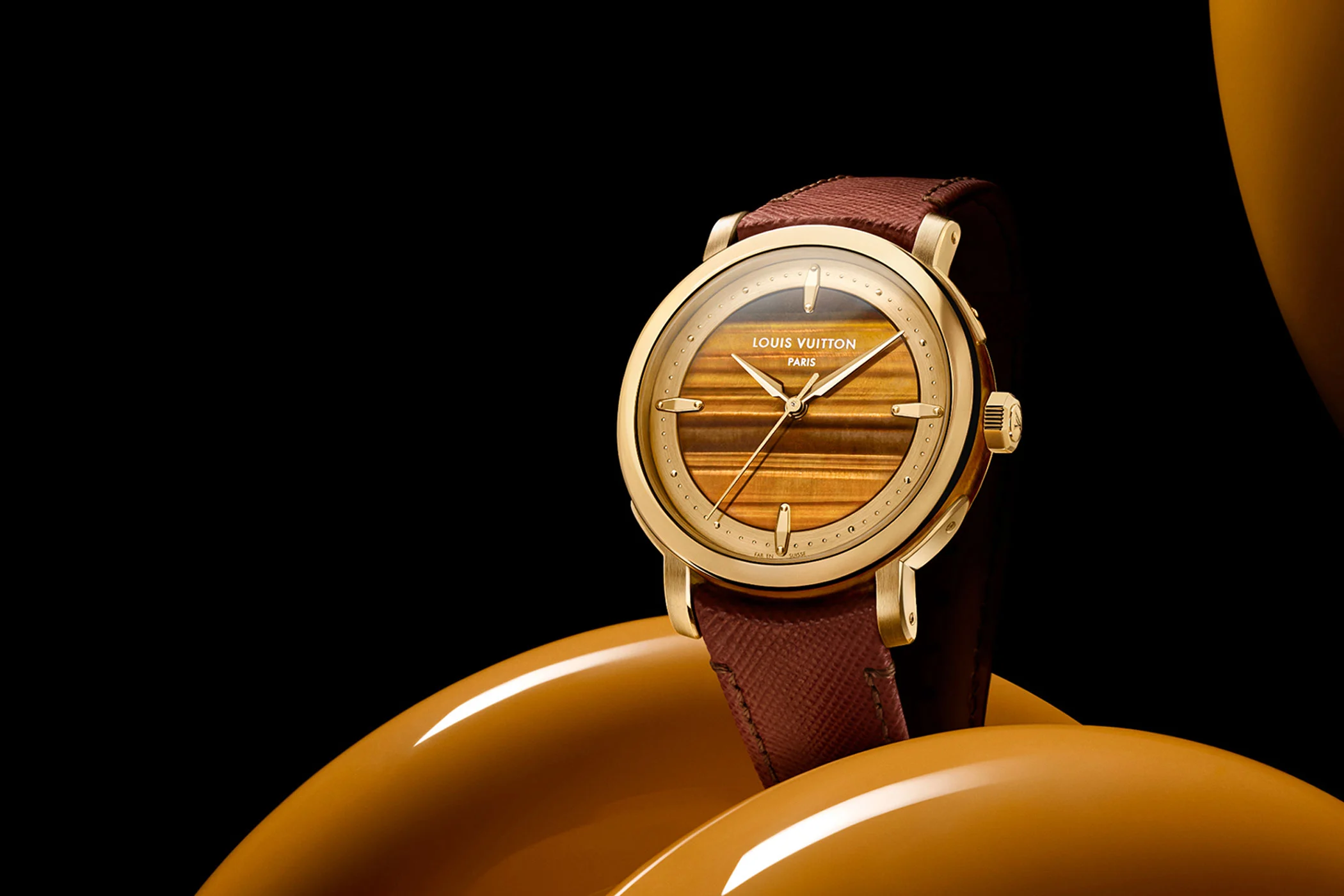
Yellow gold complements the tiger’s eye beautifully, featuring on the hands, hour markers, minute track, lugs, bezel, crown and case back.
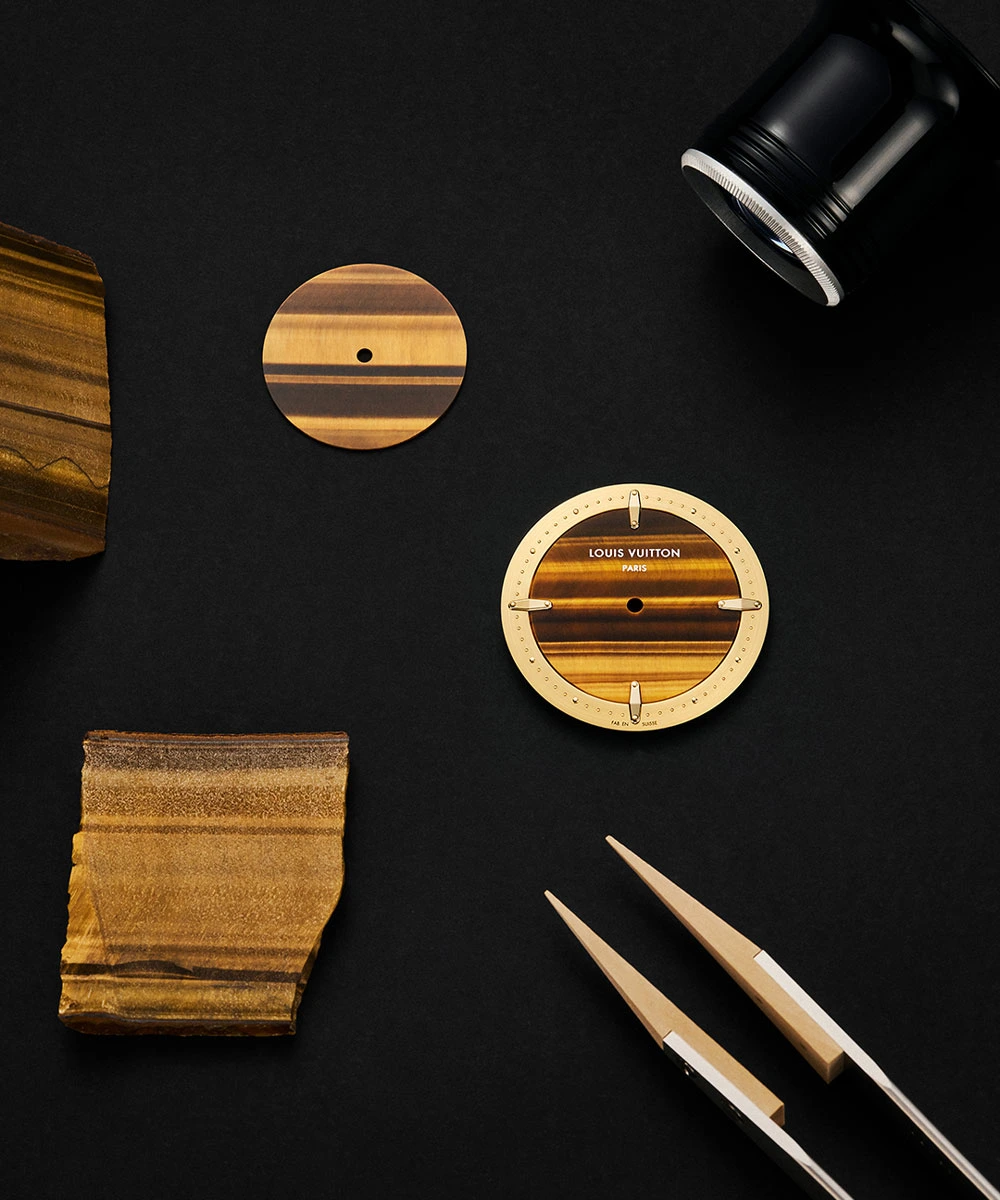
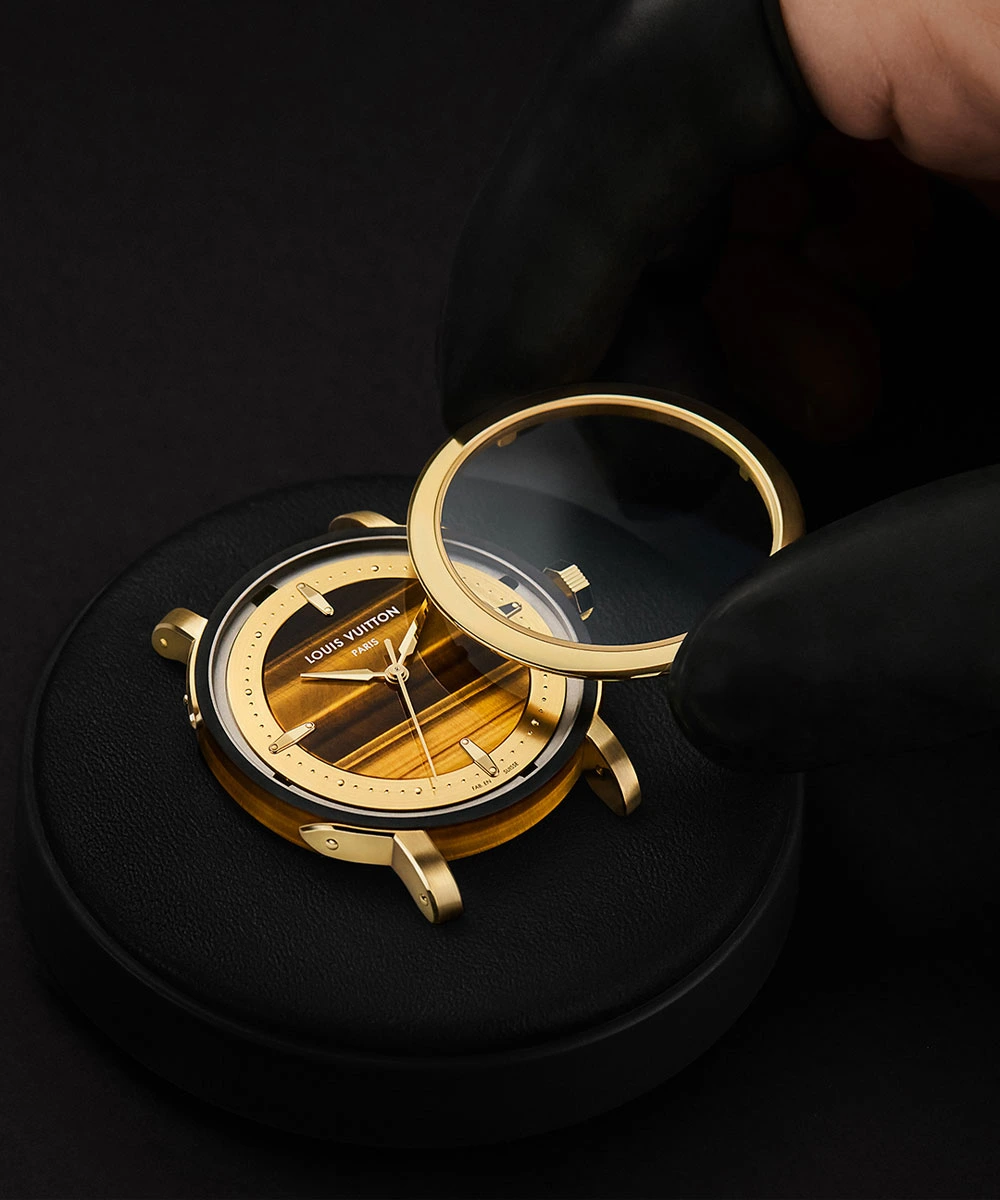
Inside the three-hand watch is the LFT023 automatic calibre (30.6 x 4.2 mm) with a rose gold rotor and a 50-hour power reserve. The Escale Tiger’s Eye is fitted with a brown calfskin strap and a gold pin buckle. It costs 54,500 euros.
The Glashütte-based watchmaker Nomos has been placing greater emphasis on gold for some time now and is gradually incorporating this precious metal into its classic and flagship models. Following the launch of the Tangente neomatik trio with gold cases in the 35-millimetre format at the end of last year, the Tangente neomatik Update has now also been given a case (38.5 x 7.4 mm) made of 18-carat yellow gold.
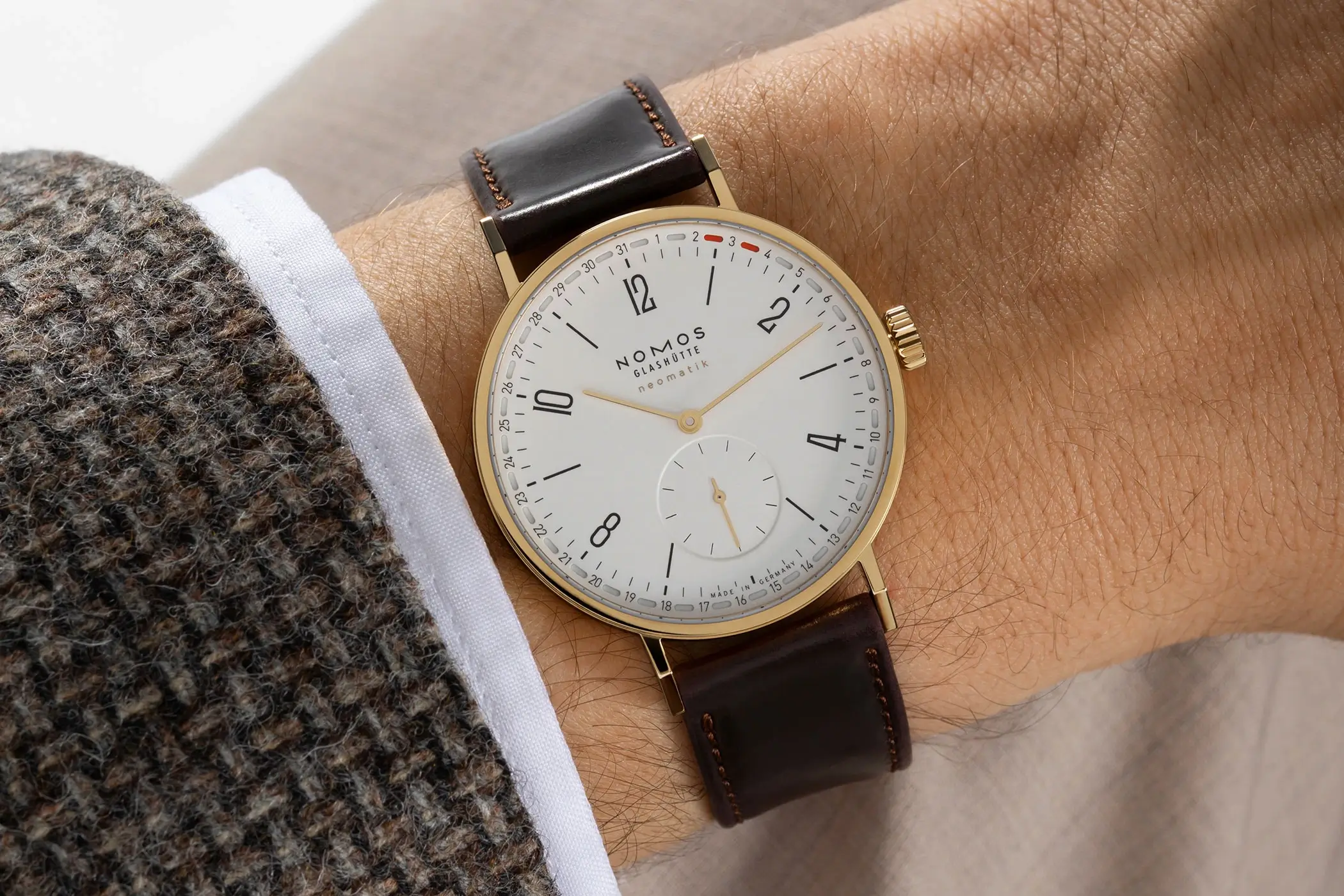
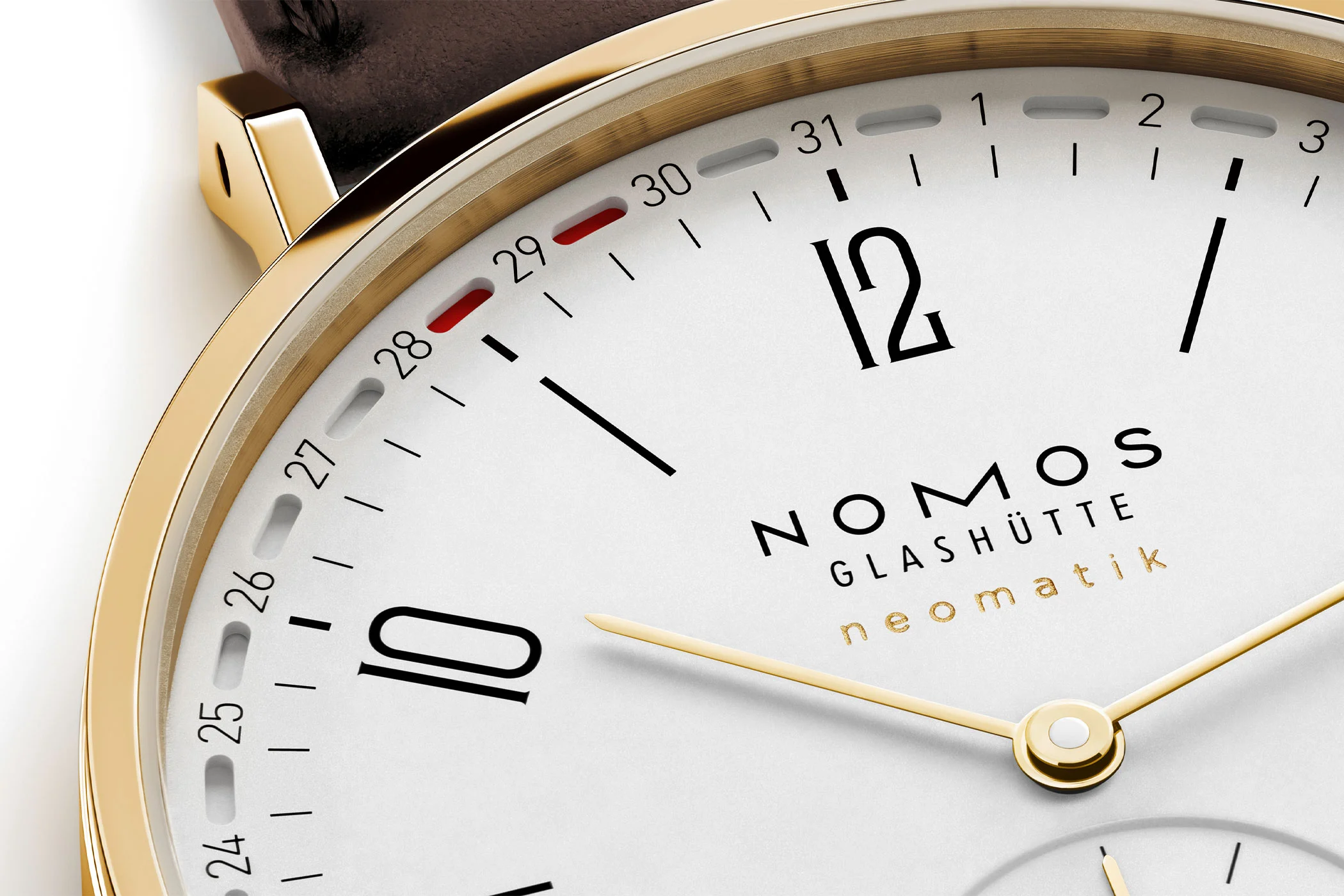
The white silver-plated dial features the Tangente’s familiar modern typography with gold hands, complemented by the patented Nomos ring date, known as the ‘Update’. This display consists of a scale around the edge of the dial, which shows the entire month at a glance. The current day is framed by two red markers that move along the outer ring.
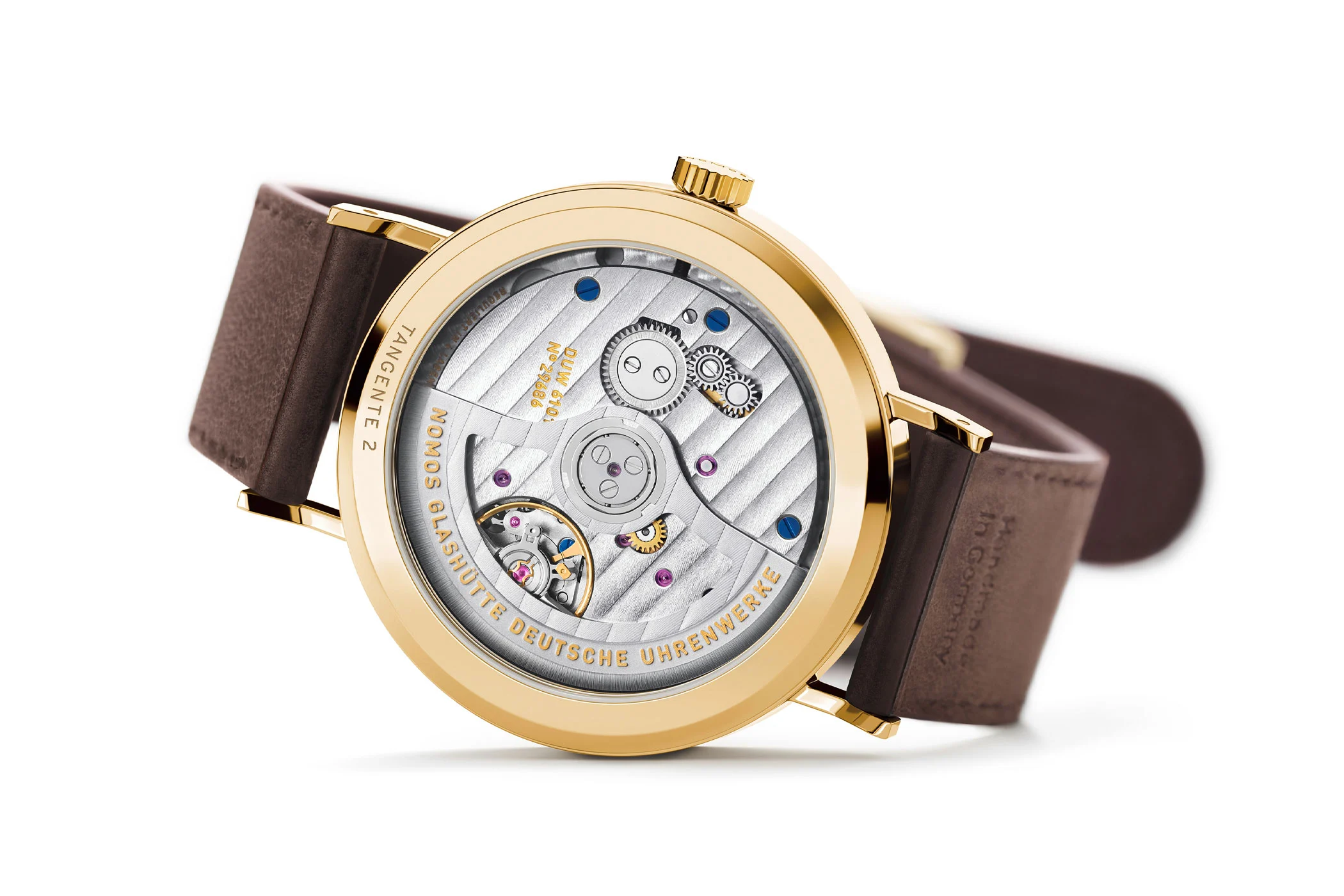
The neomatik calibre DUW 6101 (34 x 3.6 mm), manufactured in-house, fully integrates the necessary mechanical components. It is fitted with the brand’s own Nomos Swing System.
The strap is made from brown Horween Genuine Shell Cordovan, a special type of horse leather, and features a gold pin buckle. The price is 12,400 euros.
Since 1952, the Constellation collection has epitomised Omega’s commitment to certified precision. The new Constellation Observatory models not only continue this tradition but also mark a new milestone: thanks to a new acoustic testing method, they are the first two-hand watches without a seconds hand to have received Master Chronometer certification from METAS.
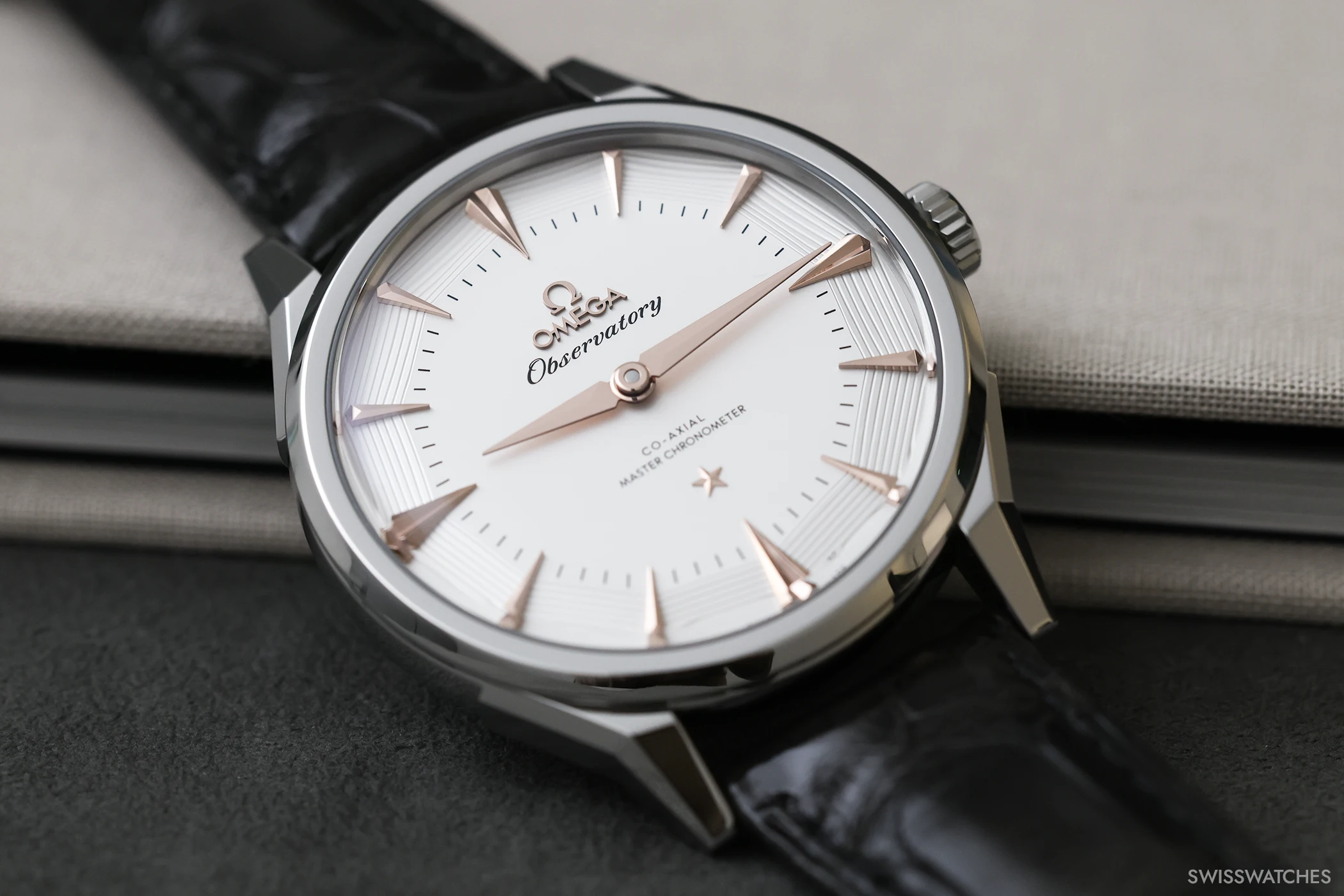
Of the nine versions, the model with a silver-coloured pie-pan dial – featuring an opalescent centre and facets with eight embossed grooves – most consistently embodies the qualities of the Dress Watch. The newly designed dragon-shaped hour markers are fully diamond-polished and complement the diamond-polished Dauphine hands in 18-carat Sedna gold.
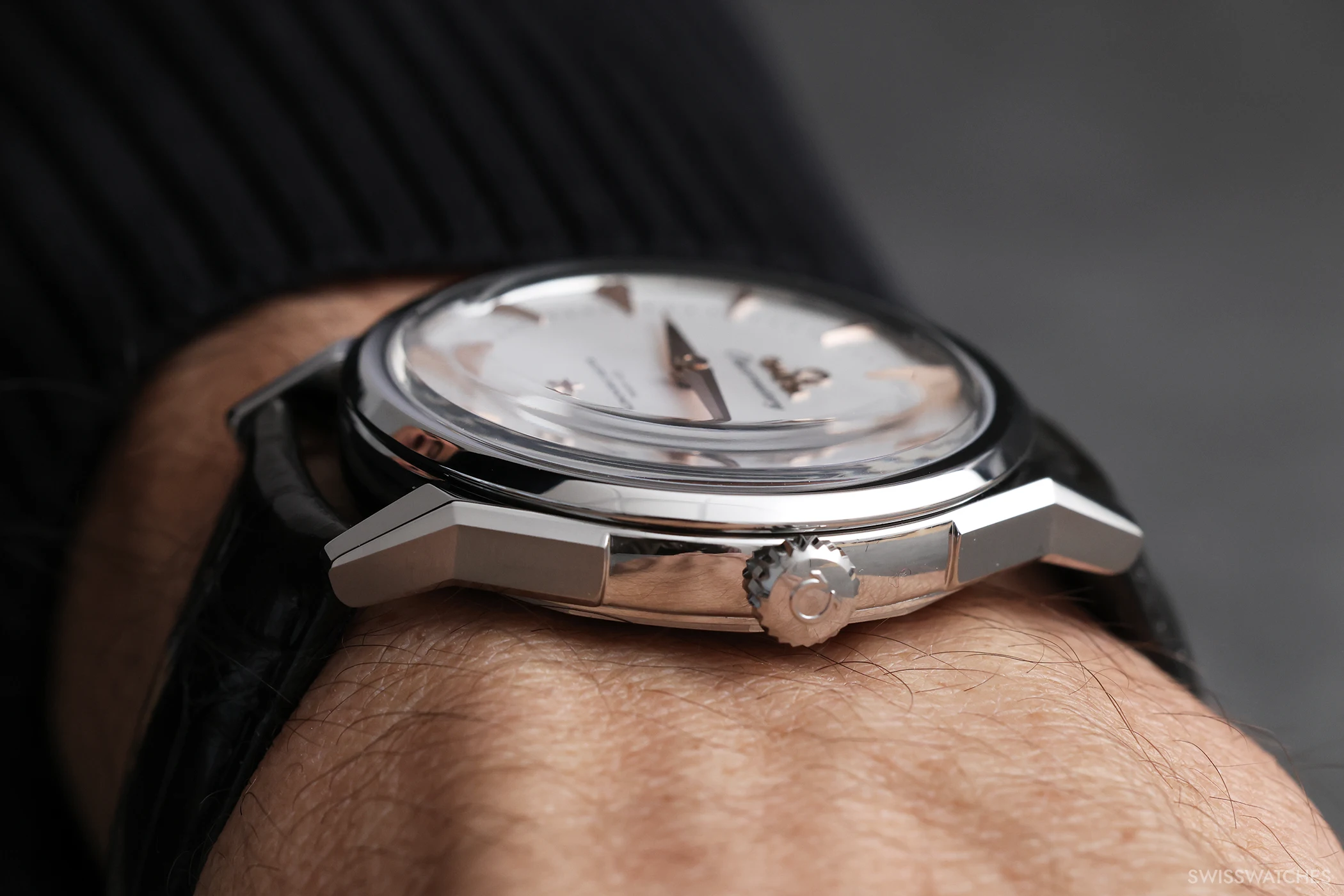
The case (39.4 x 12.23 mm), made from the brand’s own O-Megasteel steel alloy, is water-resistant to 3 bar and houses the Calibre 8914 (29 x 5.7 mm) with automatic winding and a 60-hour power reserve.
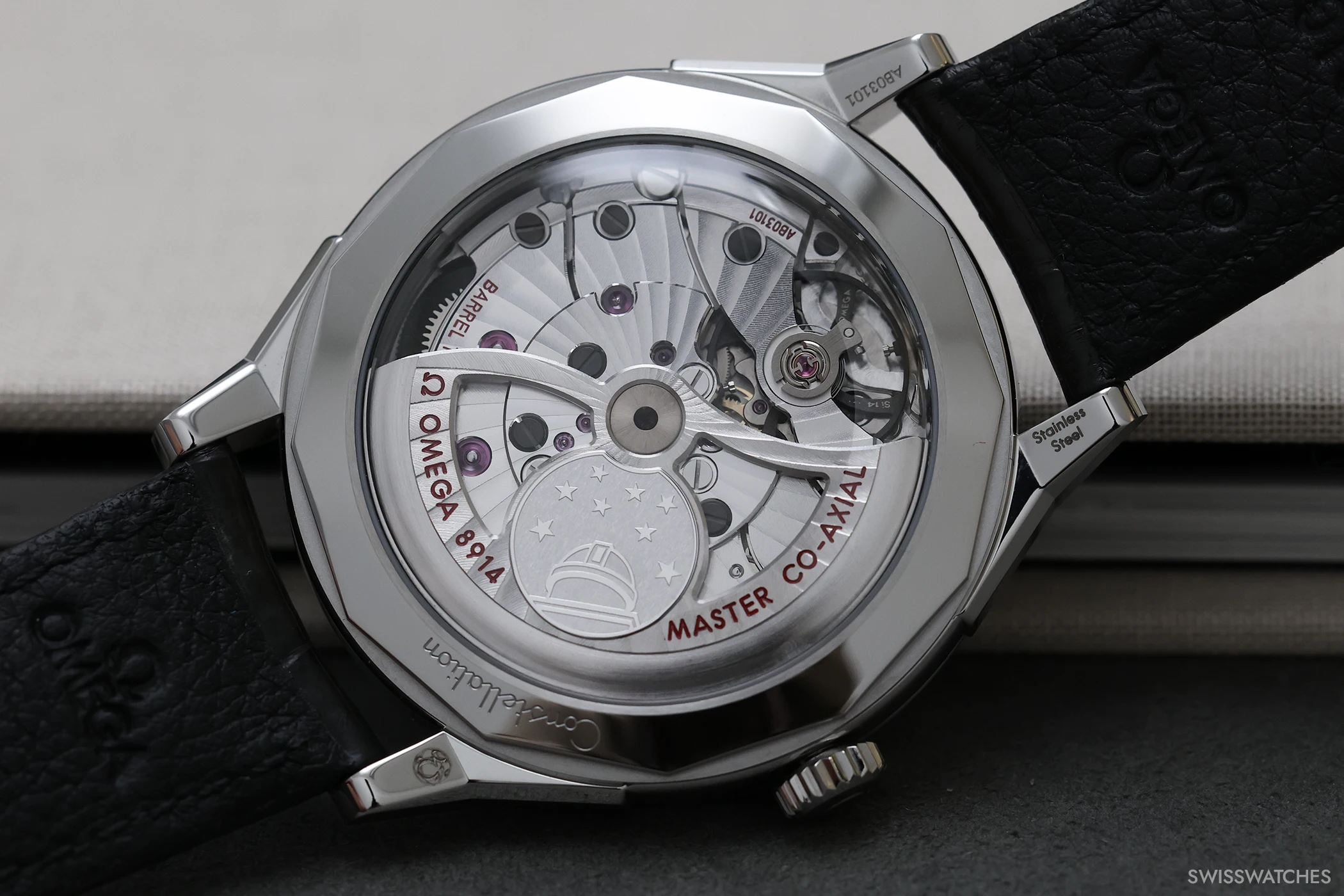
This Constellation Observatory is secured to the wrist with a dark grey alligator leather strap featuring a stainless steel buckle. The price is 10,600 euros.
Since 2020, Oris has been launching a Hölstein Edition every 1 June. Named after the brand’s headquarters in the canton of Basel-Landschaft, it serves as both a kind of diary and a tribute to its origins. The latest model is based on the redesign of the Artelier range, which was revived this year and repositioned as a standalone dress watch collection.
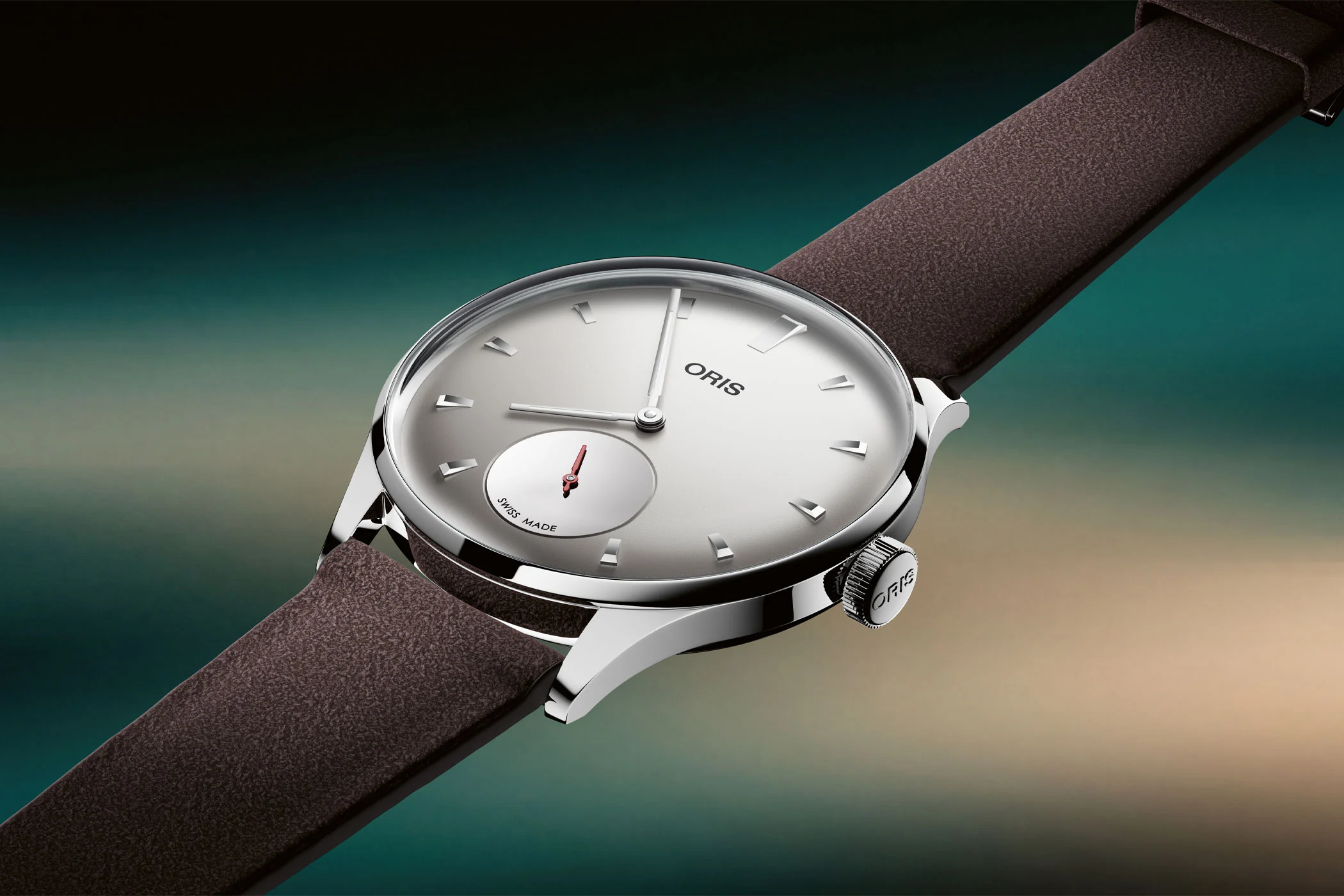
Despite its understated design, the Hölstein Edition features a real eye-catcher on its light grey dial: the reflective small seconds hand. This is accompanied by silver-coloured hour and minute hands with clean, geometric lines, as well as a red seconds hand.
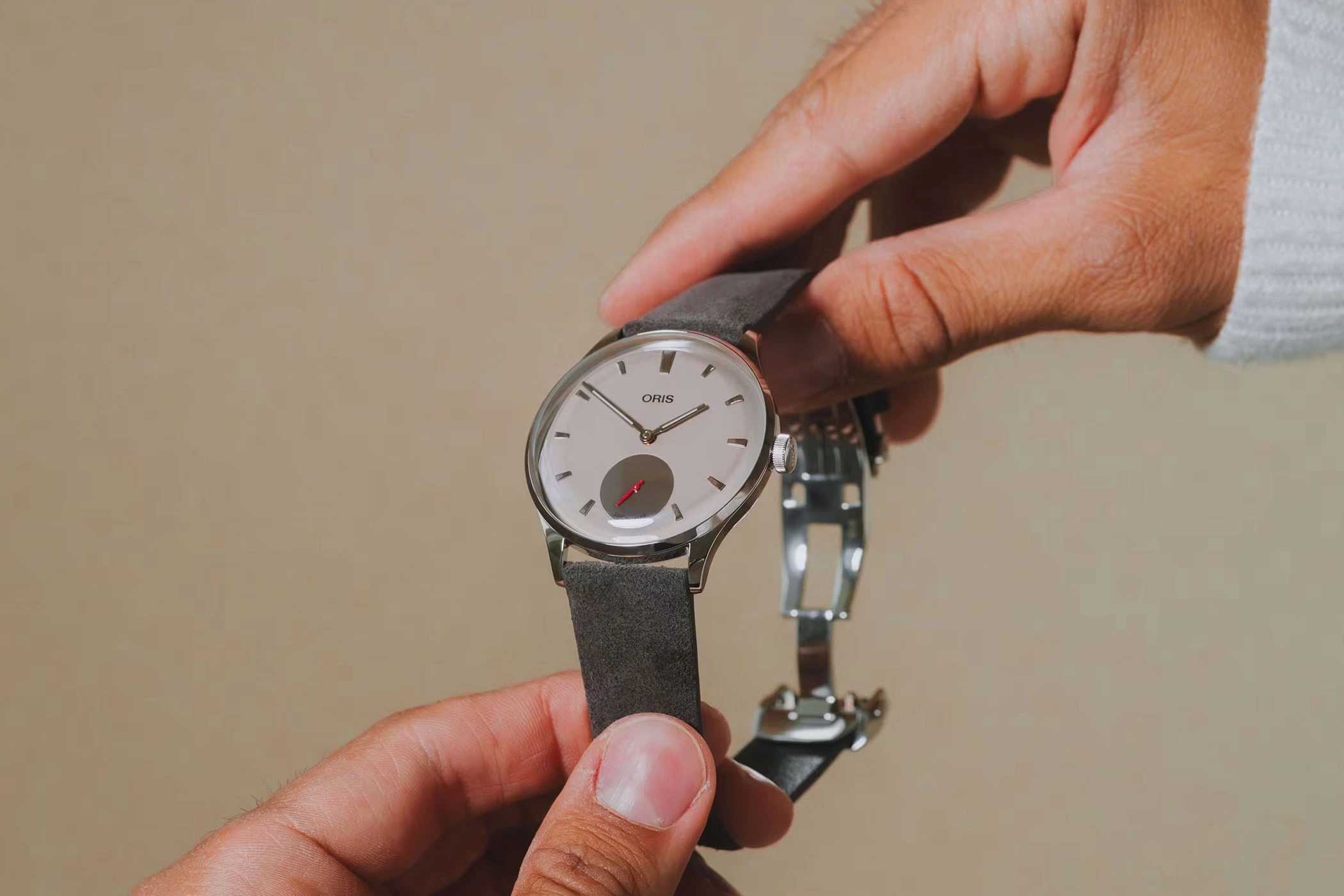
The stainless steel case (39.5 mm x 11.1 mm) is water-resistant to three bar and houses the Oris Calibre 401 (30 x 4.85 mm) with automatic winding and a generous 120-hour power reserve. The Hölstein Edition 2026 comes with a grey suede strap featuring a double folding clasp in stainless steel.
When you speak face to face with Parmigiani Fleurier CEO Guido Terreni, it becomes clear at first glance and from his very first sentences: here is someone who knows a thing or two about understated elegance and formal style – both in terms of clothing and in the world of watches.
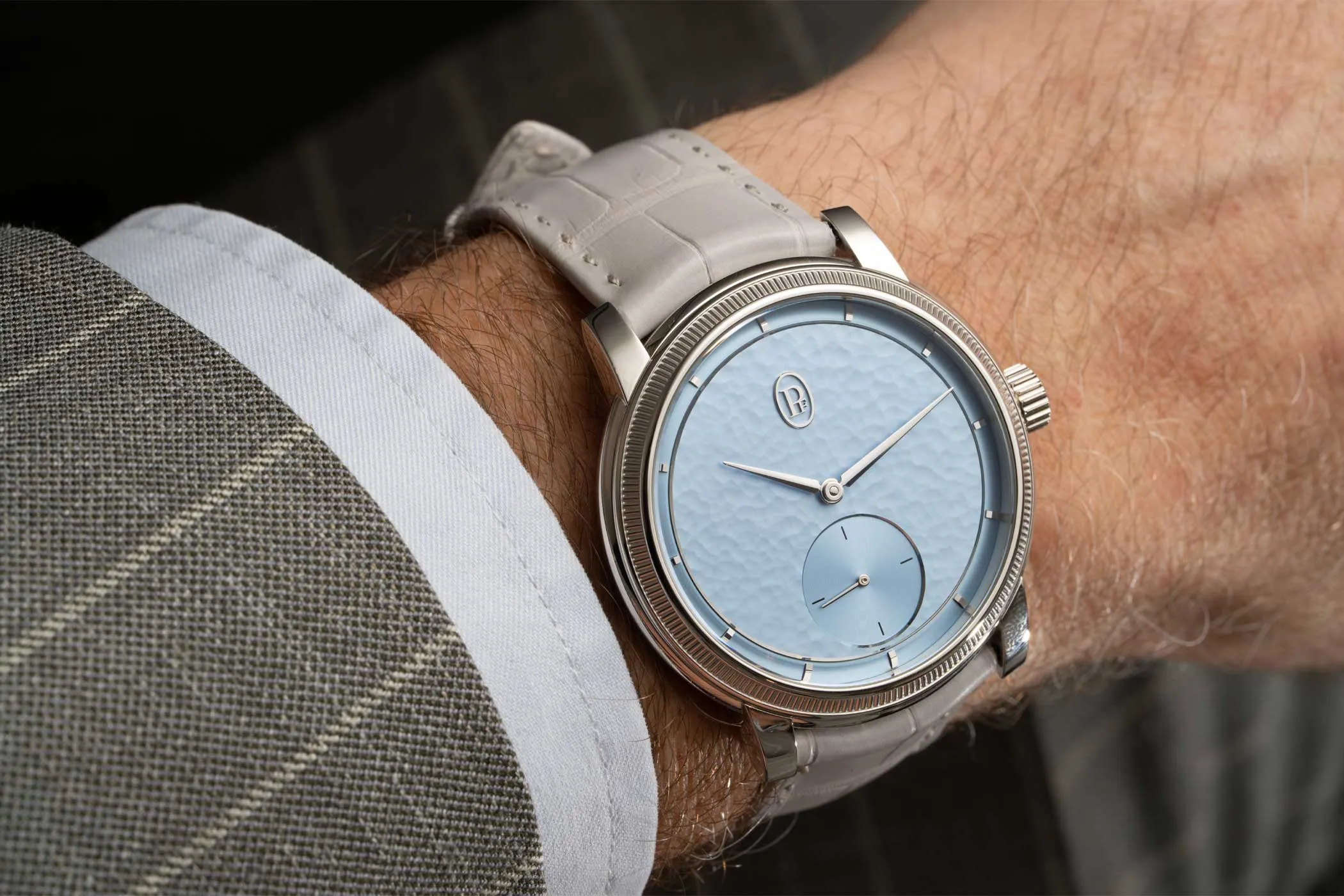
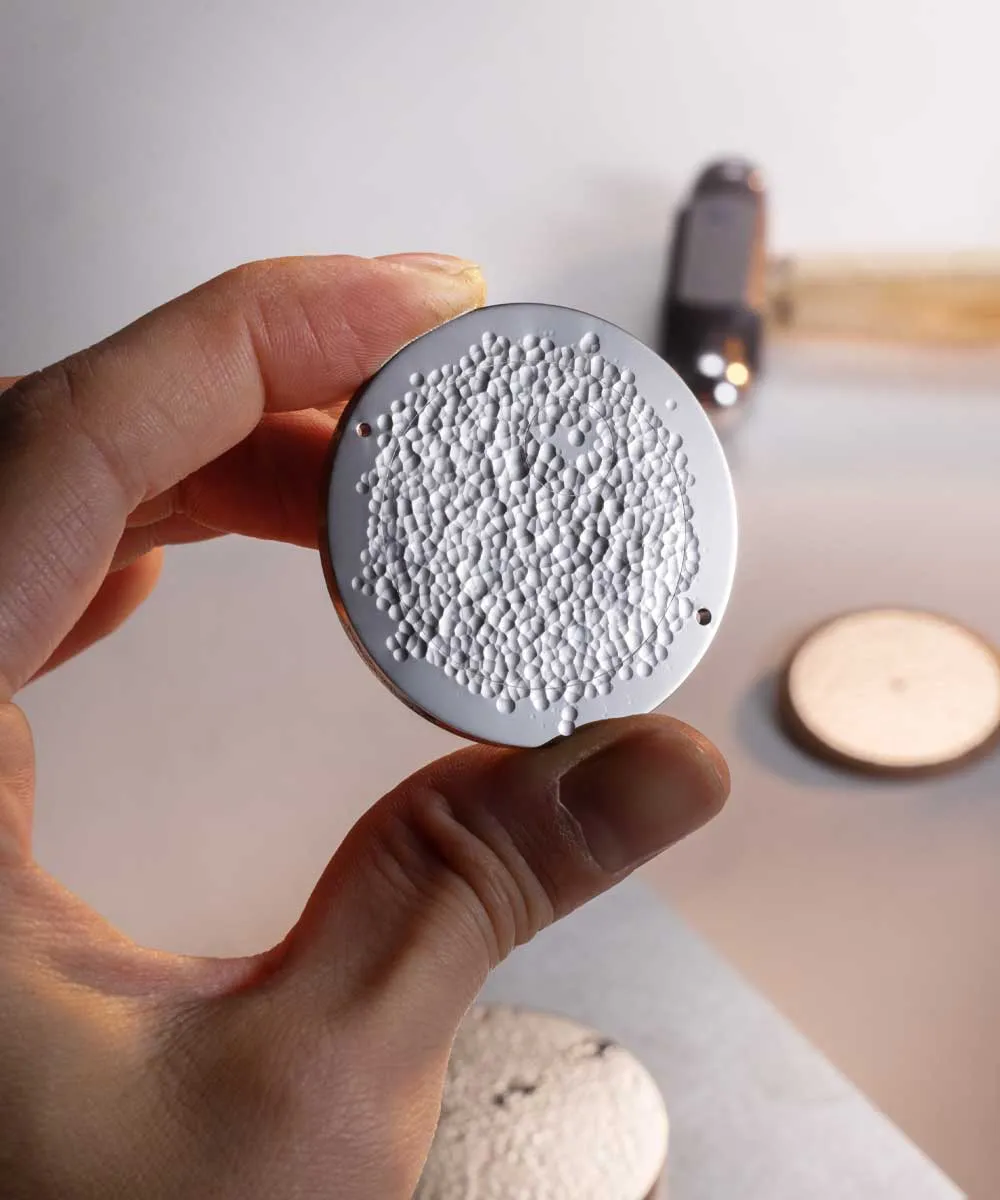
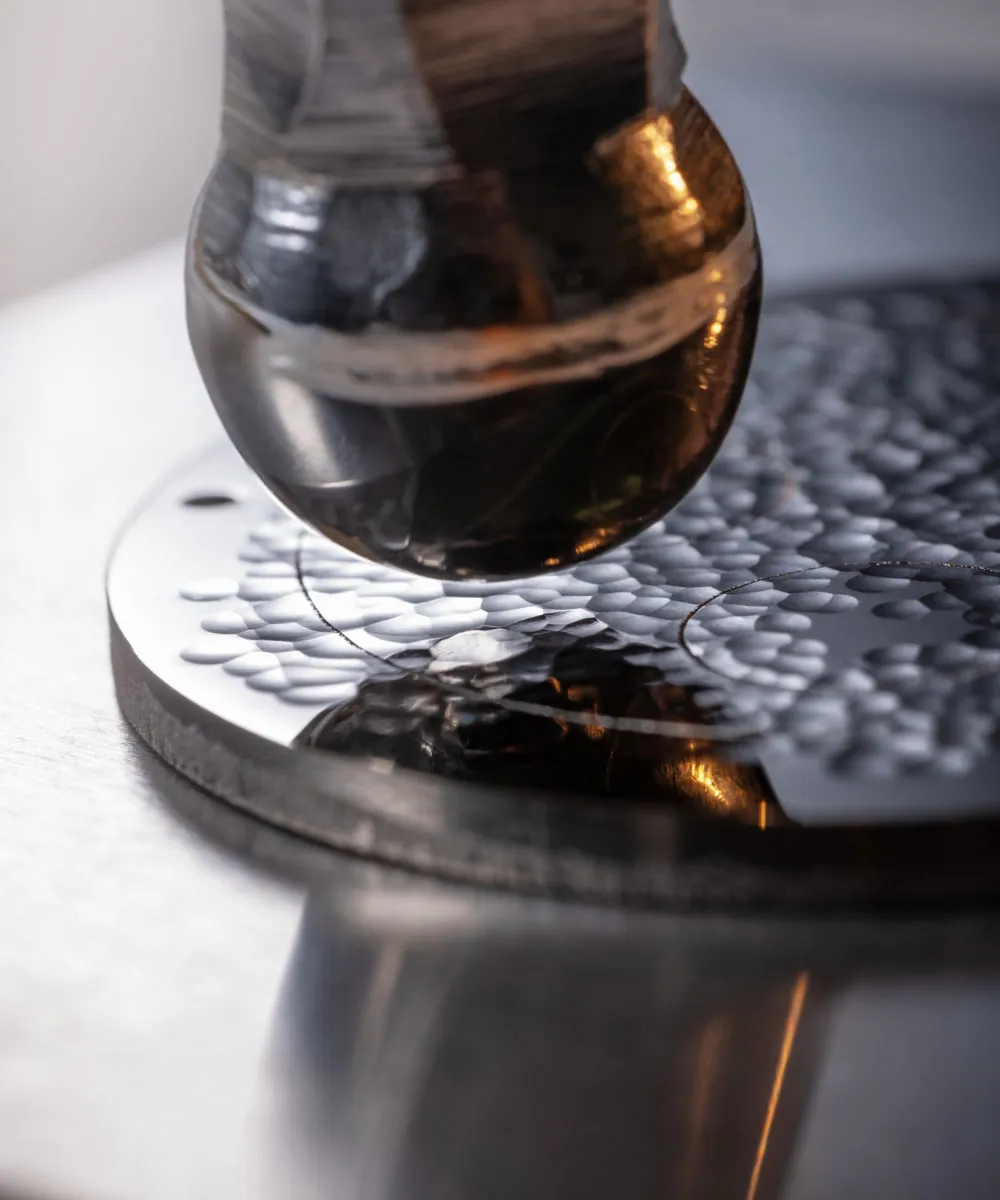
A recent example is the Toric Petite Seconde. Its hand-hammered white gold dial shimmers in an elegant ‘Morning Blue’ and features displays for the hours, minutes and small seconds. The production of the dial involves around 60 individual steps. This creates a slightly irregular surface that reflects light in a vibrant manner. Against this backdrop, the white gold hour and minute hands, as well as the rhodium-plated stainless steel seconds hand, trace their precise paths.
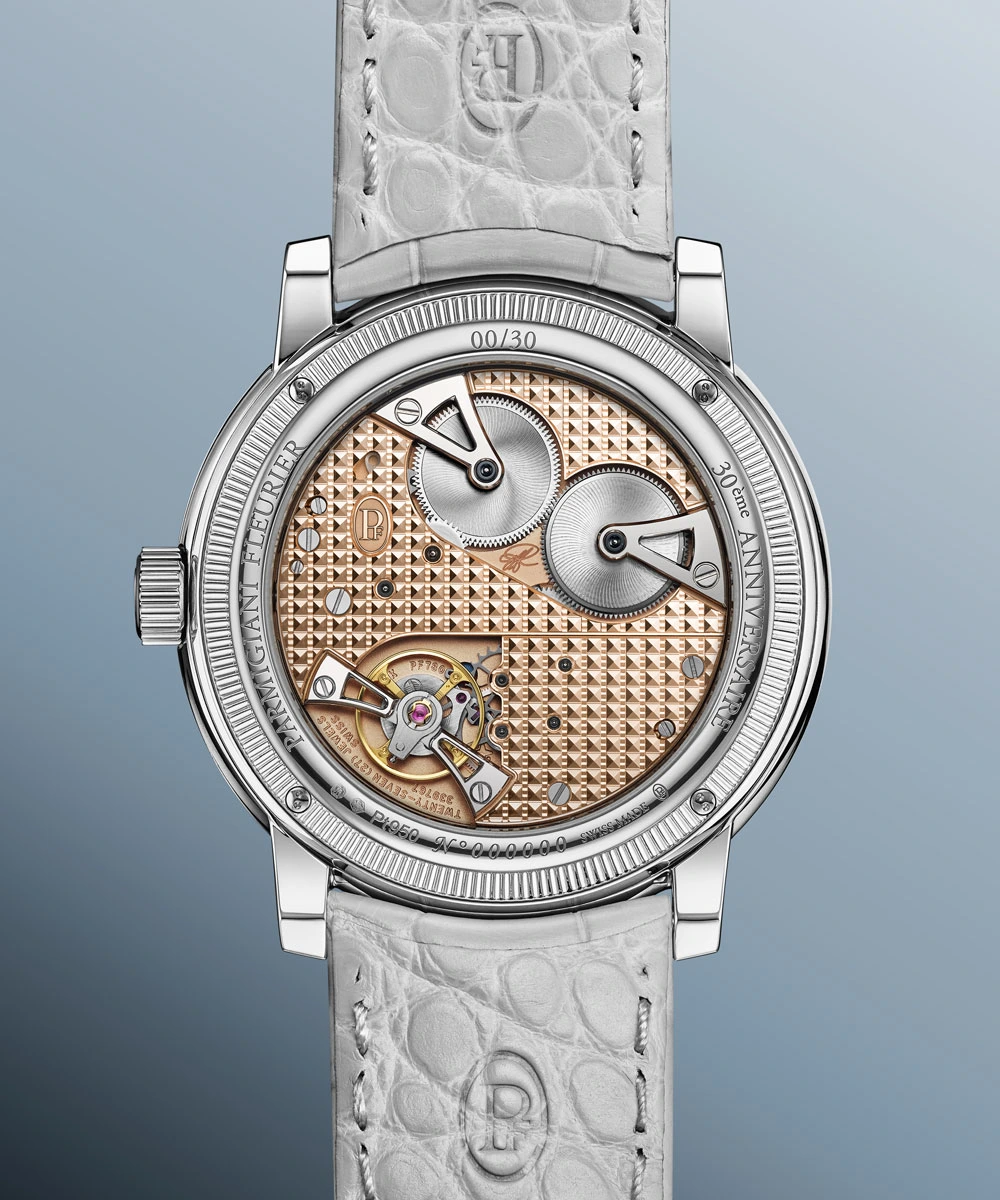
To this end, Parmigiani Fleurier combines a platinum case (40.6 x 8.8 mm), water-resistant to one to three bar, with the signature Toric bezel in a knurled finish and a case back that is also knurled. It houses the in-house PF780 calibre (28.4 x 3.3 mm), which is hand-wound and offers a 60-hour power reserve.
A hand-stitched pearl-grey alligator leather strap with a platinum buckle ensures a secure fit. The Toric Petite Seconde, limited to 30 pieces to mark Parmigiani Fleurier’s 30th anniversary, costs 84,700 euros.
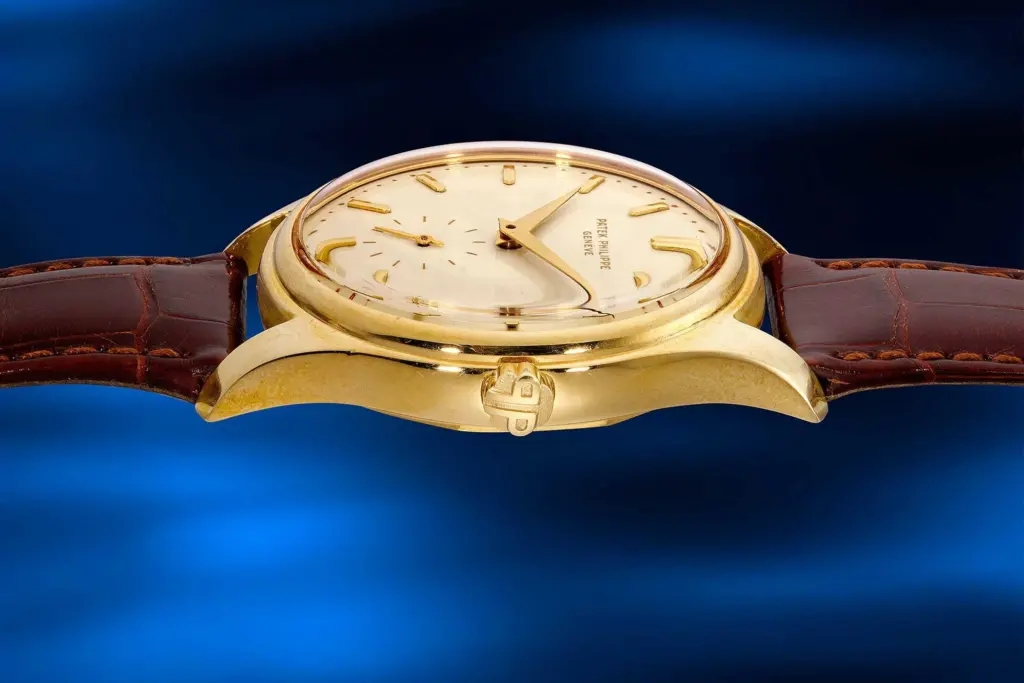
For many, the Calatrava Reference 96, with its 30.5-millimetre case, produced by Patek Philippe in 1932, is regarded as the archetype of the classic dress watch. And the latest addition to the Calatrava range, the 2026, is also characterised by elegant simplicity and understated design.
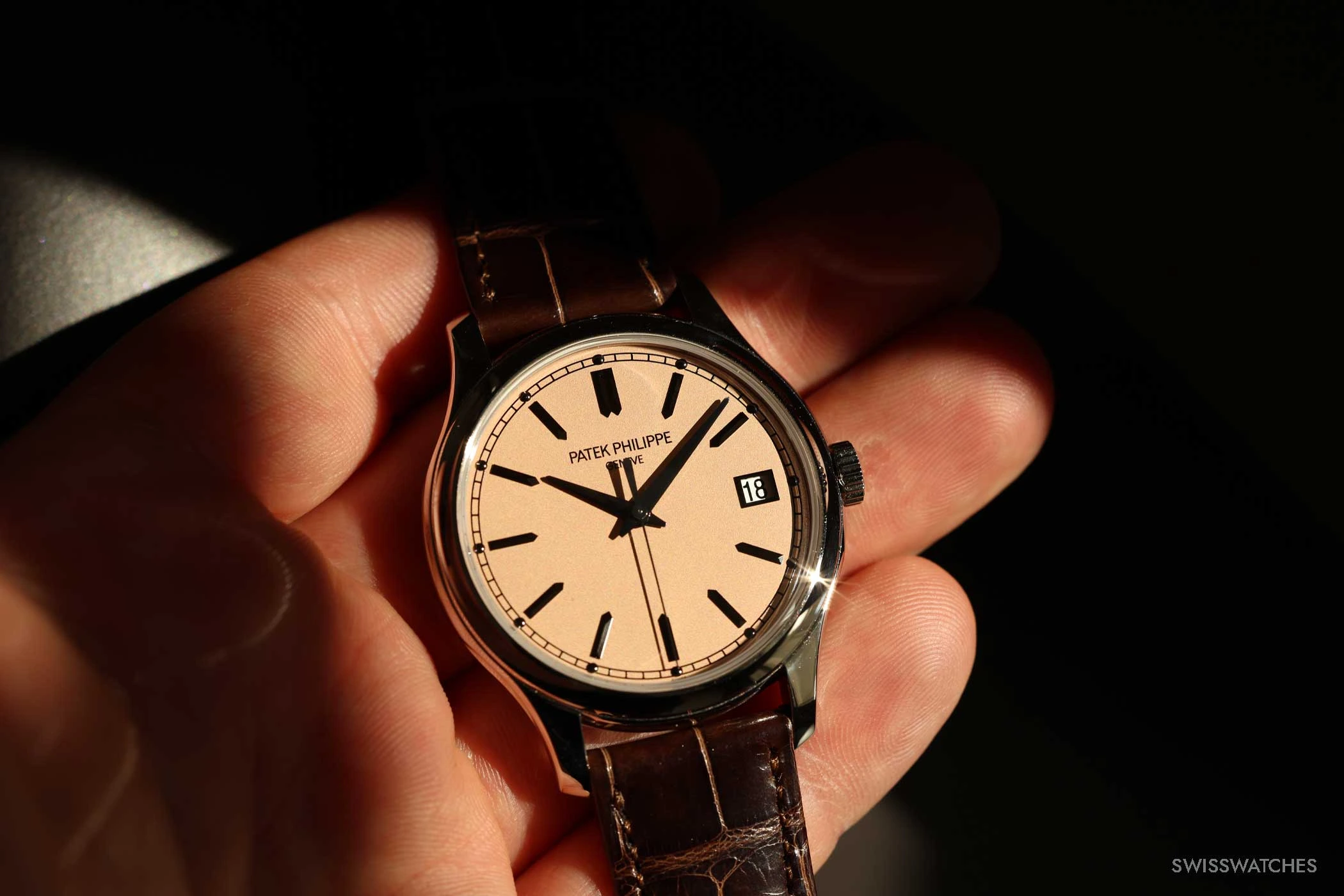
Among its understated features is the white gold case (39 x 9.24 mm), which is water-resistant to three bar, with a simple, concave bezel. The sapphire crystal caseback is protected by a gold cover with a concealed hinge – a typical feature of an Officier case.
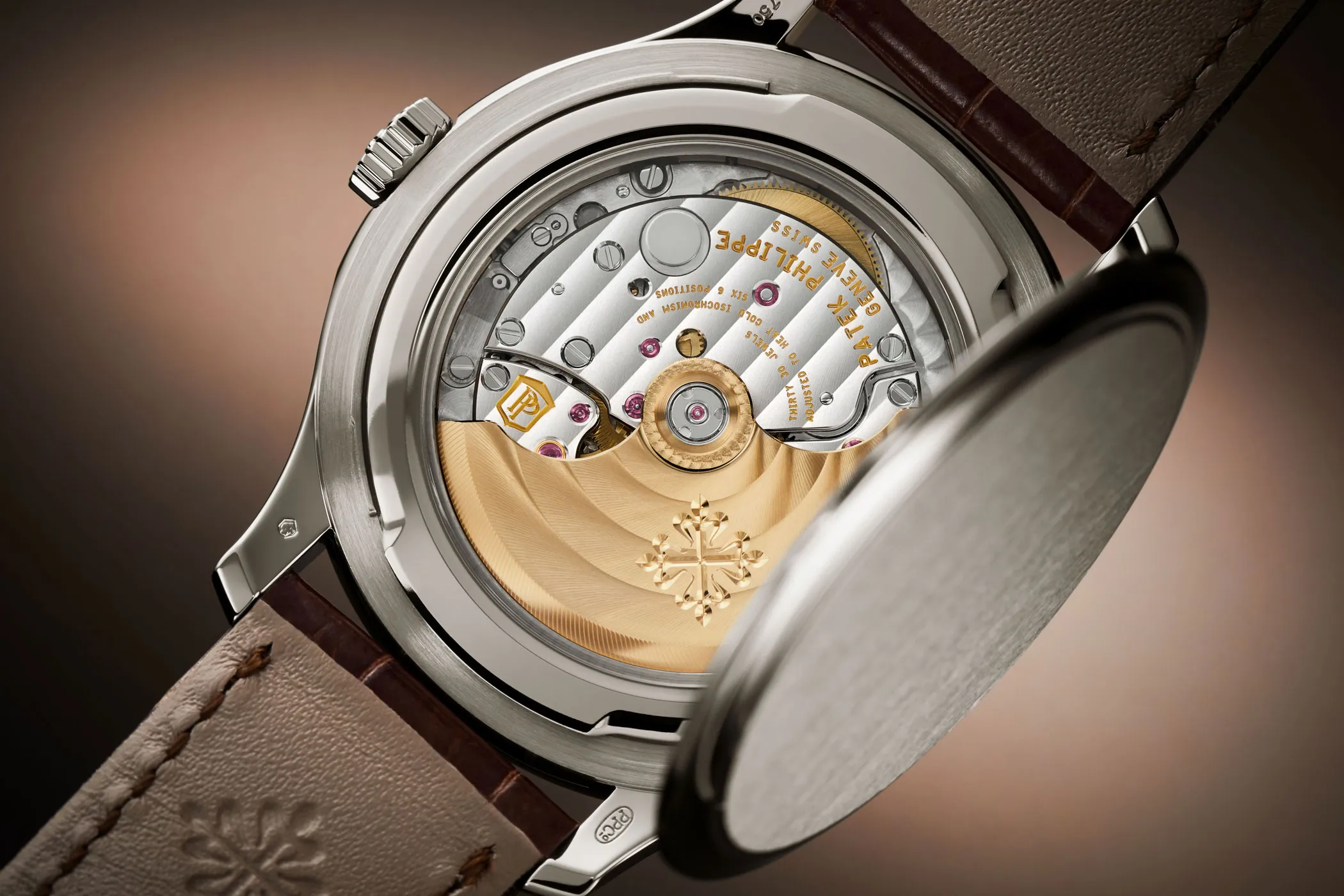
Inside, the Calibre 26-330 S C features automatic winding (27 x 3.32 mm), a central rotor made of 21-carat gold and a 45-hour power reserve. In addition to hours, minutes and seconds, the new reference 5227G-015 also displays the date.
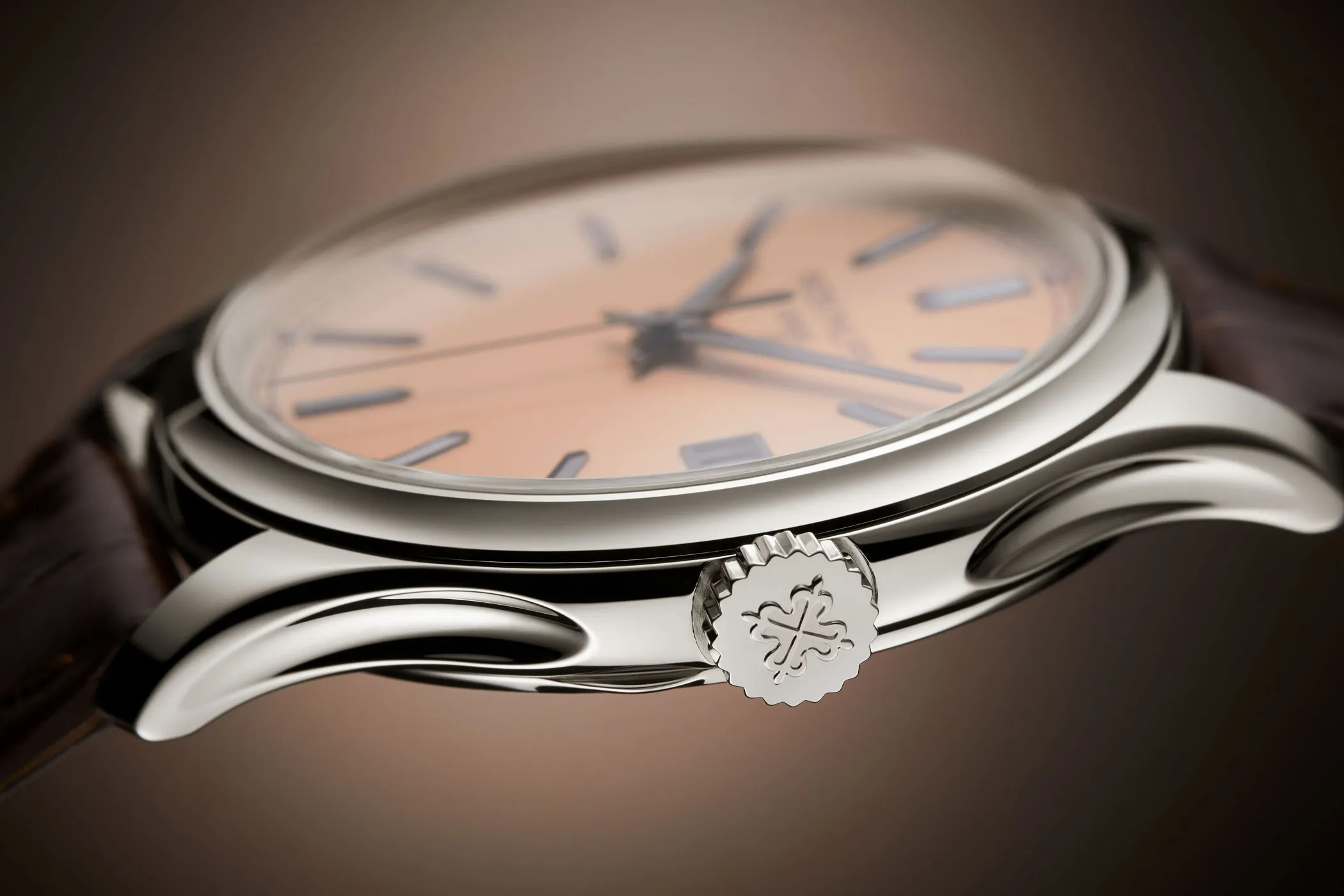
The functions are displayed on the rose-gold opaline dial with faceted baton hour-markers and Dauphine hands in white gold. The current Calatrava is secured on the wrist by a chocolate-brown alligator leather strap with a white gold pin buckle. The price is 43,802 euros.
In 1968, Patek Philippe launched the Golden Ellipse. In doing so, the manufacture once again demonstrated its creative independence. At that time, many other manufacturers were increasingly turning to large, sporty watches or futuristic designs.
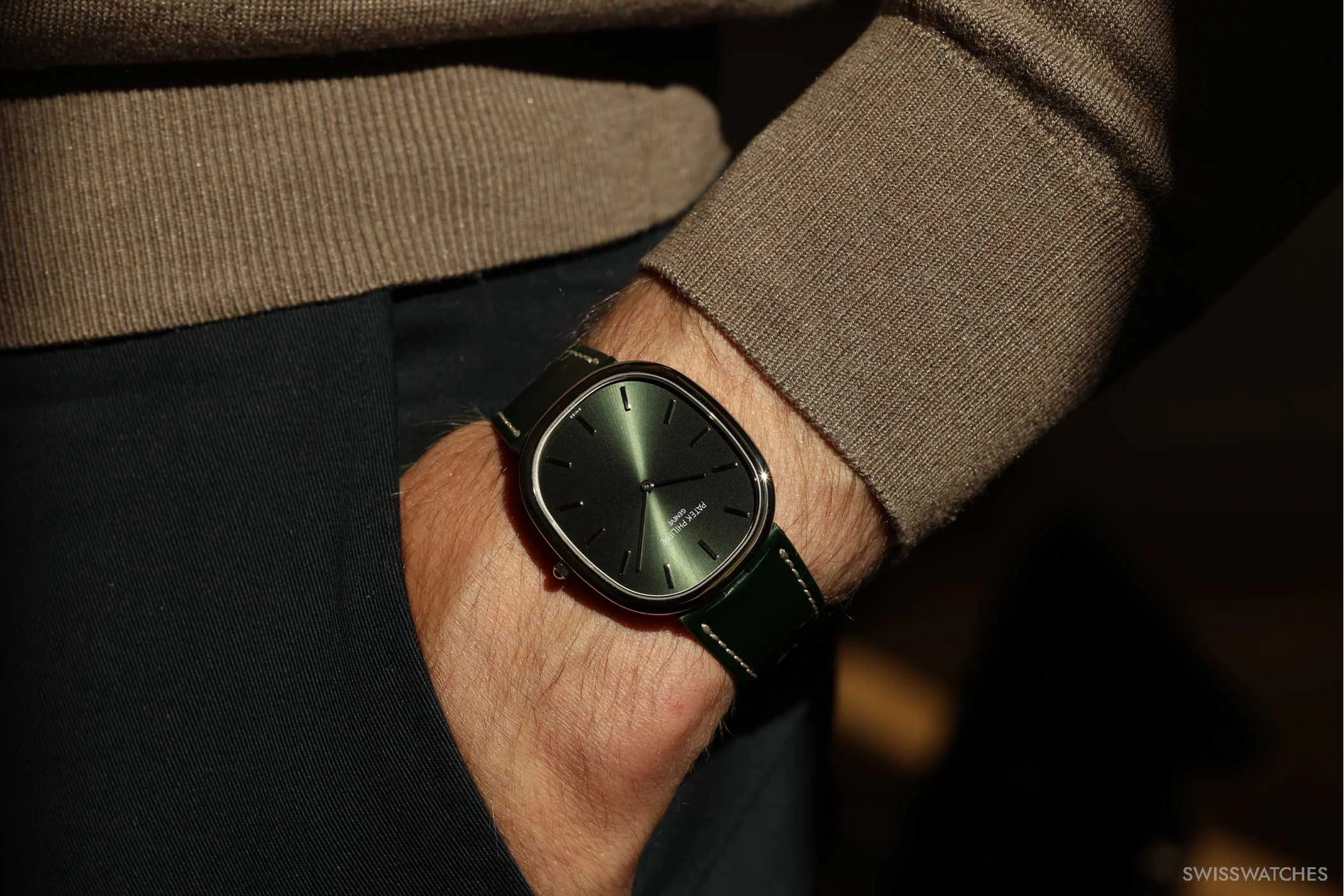
Instead, Patek Philippe drew inspiration from the ‘Golden Ratio’ – a principle discovered by ancient Greek mathematicians that underlies the proportions of history’s most magnificent works of art and architecture. The Golden Ellipse also follows this principle; its latest version is available in two sizes, featuring a fir-green sunburst dial with white gold hour-markers and hands.
The 5738G-001 (34.5 x 39.5 x 5.9 mm) and the smaller 3738G/100G-014 (31.1 x 35.6 x 5.9 mm) feature an elliptical white gold case that is water-resistant to one to three bar.
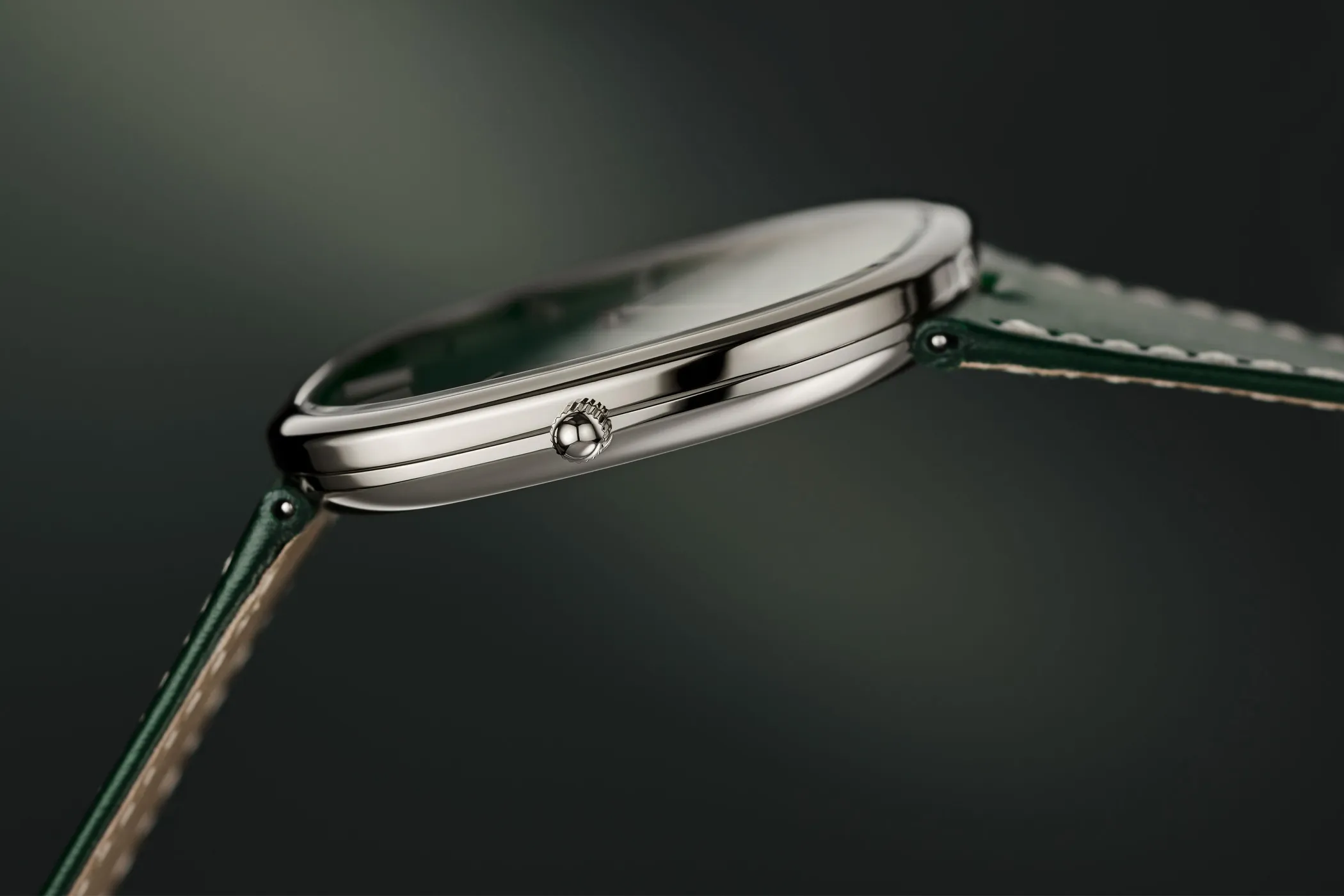
It houses the ultra-thin Calibre 240 (27.5 x 2.35 mm) with automatic winding, a 22-carat gold micro-rotor and a 48-hour power reserve. The new Golden Ellipse watches, which are among the flattest in the current Patek Philippe collection, are worn on a green leather strap with cream-coloured contrast stitching and a white gold pin buckle. The price is 39,862 or 37,545 euros.
The Polerouter was first launched in 1954 and was designed by Gérald Genta for Universal Genève. The influential watch designer later went on to create iconic models such as the Nautilus by Patek Philippe and the Royal Oak by Audemars Piguet.
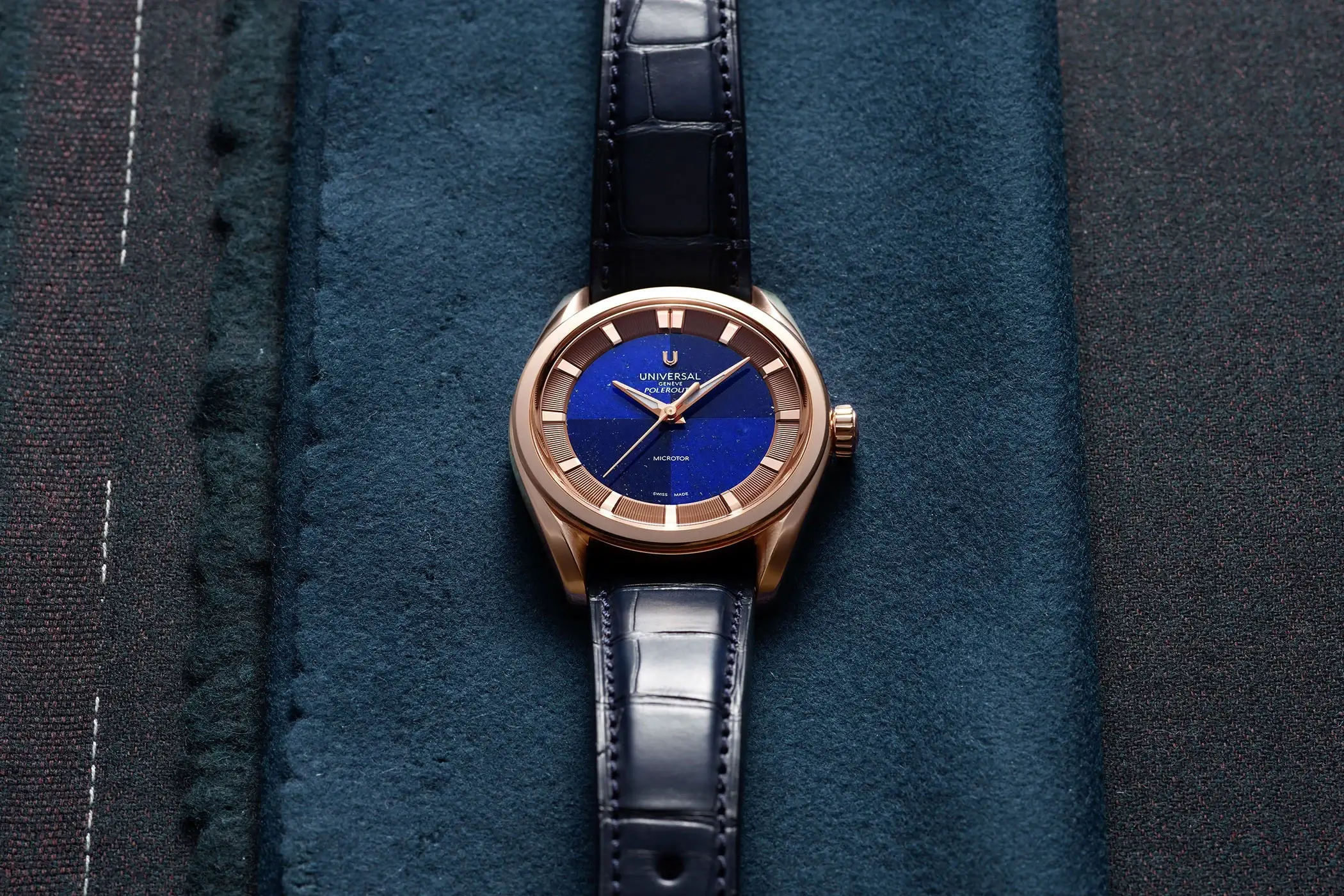
The Polerouter was originally developed on behalf of the Scandinavian airline Scandinavian Airlines, which was looking for a reliable watch for its polar flights. Later models featured the characteristic crosshairs on the dial, as well as the Calibre 215 – launched in 1958 and just 4.1 millimetres thick – one of the first micro-rotor automatic calibres.
Among the current models, the Polerouter Hardstone, with its inlaid lapis lazuli dial, is particularly recommended as a dress watch. Its shimmering blue dial, featuring a rose gold hour ring and crosshairs, displays the hours, minutes and seconds
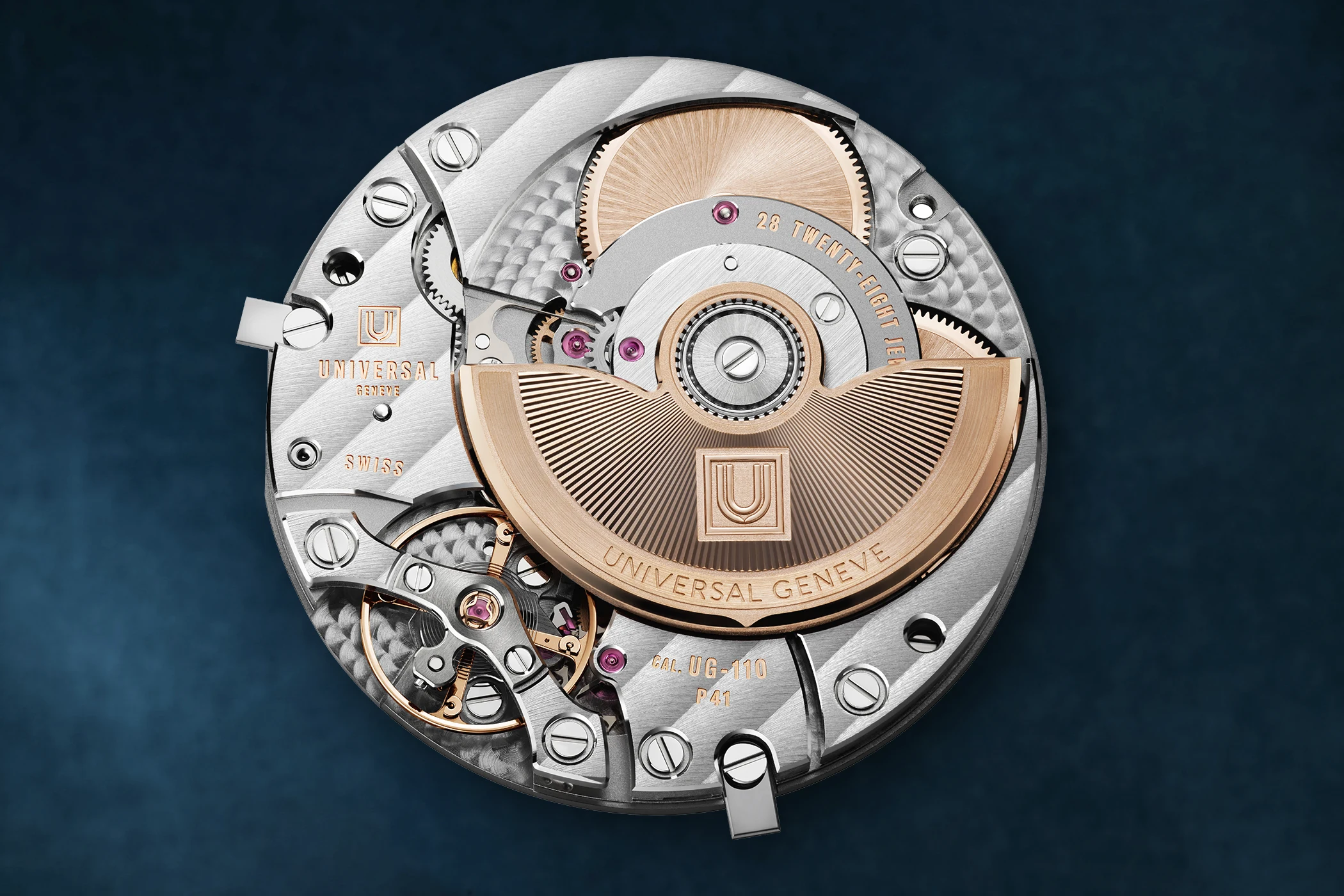
The Polerouter Hardstone is powered by the UG-110 automatic calibre (32 x 3.8 mm) with a 72-hour power reserve and a three-quarter rotor in rose gold. It is housed in a water-resistant case (39 x 9.5 mm) made of 18-carat rose gold, rated to 10 bar. The look is completed by the midnight blue alligator leather strap with a rose gold pin buckle. The price is 45,050 euros.
The American 1921 emerged at a time of profound upheaval in almost every aspect of life: social, cultural, economic and political. A new spirit took hold in art, fashion and design, which was also reflected in the style of the era. In the 1920s, wristwatches also increasingly found their way onto people’s wrists, supplanting pocket watches, which had been particularly popular amongst men.
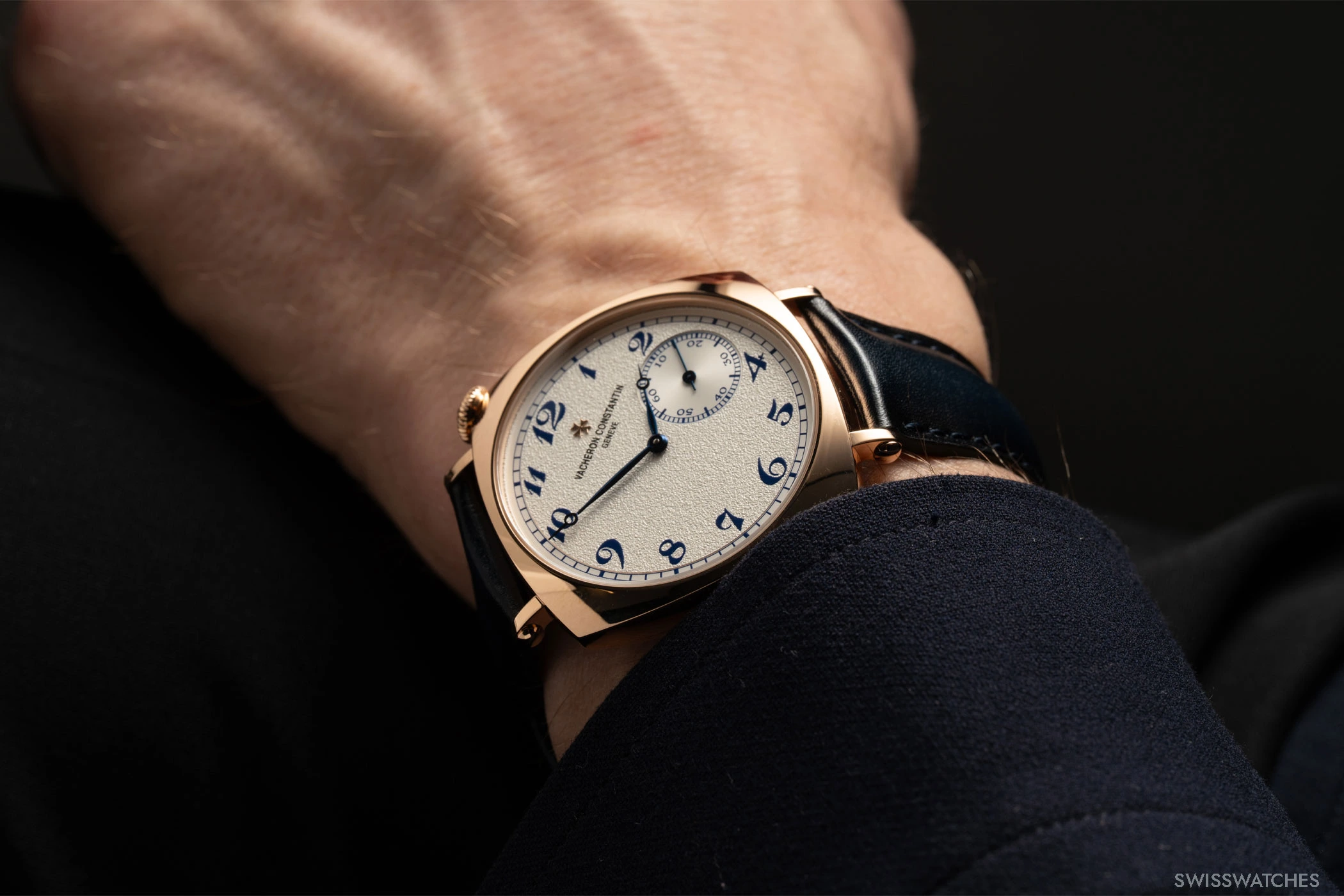
It was against this backdrop that Vacheron Constantin’s American 1921 was created, with its cushion-shaped case and dial rotated by 45 degrees. It was launched as a so-called ‘Driver’s Watch’ for the US market, as the rotated dial made it easier to read the time whilst keeping one’s hands on the steering wheel. This blend of elegance and functional, avant-garde design was reissued in 2008 as part of the Historiques collection.
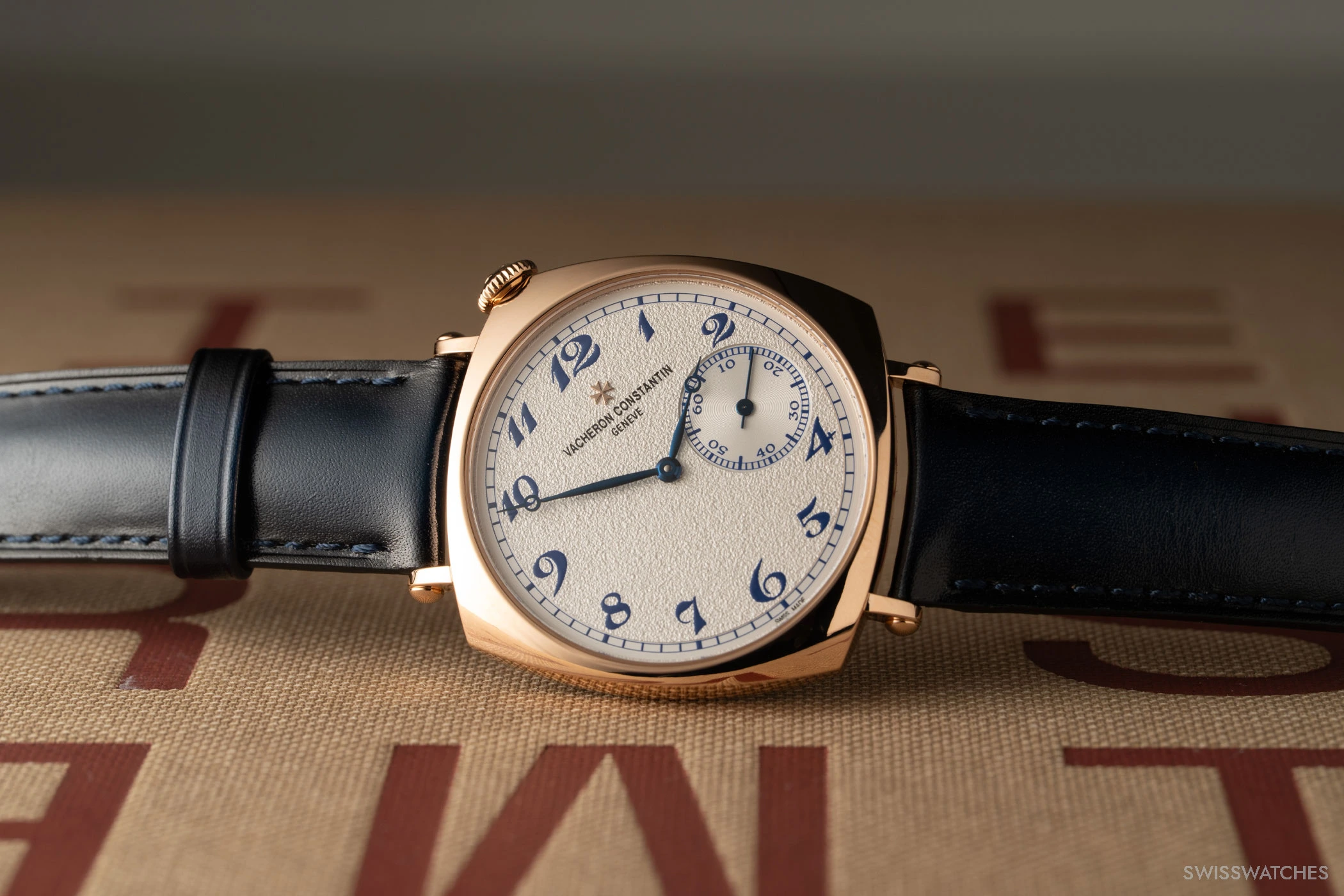
The latest interpretation showcases the defining features of this timepiece, including the distinctive orientation of the dial and the cushion-shaped case, which is water-resistant to 3 bar and, in the 2026 model, crafted from 18-carat rose gold. The smaller version in particular boasts dimensions that make it ideal as a dress watch (36.5 × 7.41 mm), whilst the larger version has a case diameter (40 × 8.06 mm) that is only slightly larger.
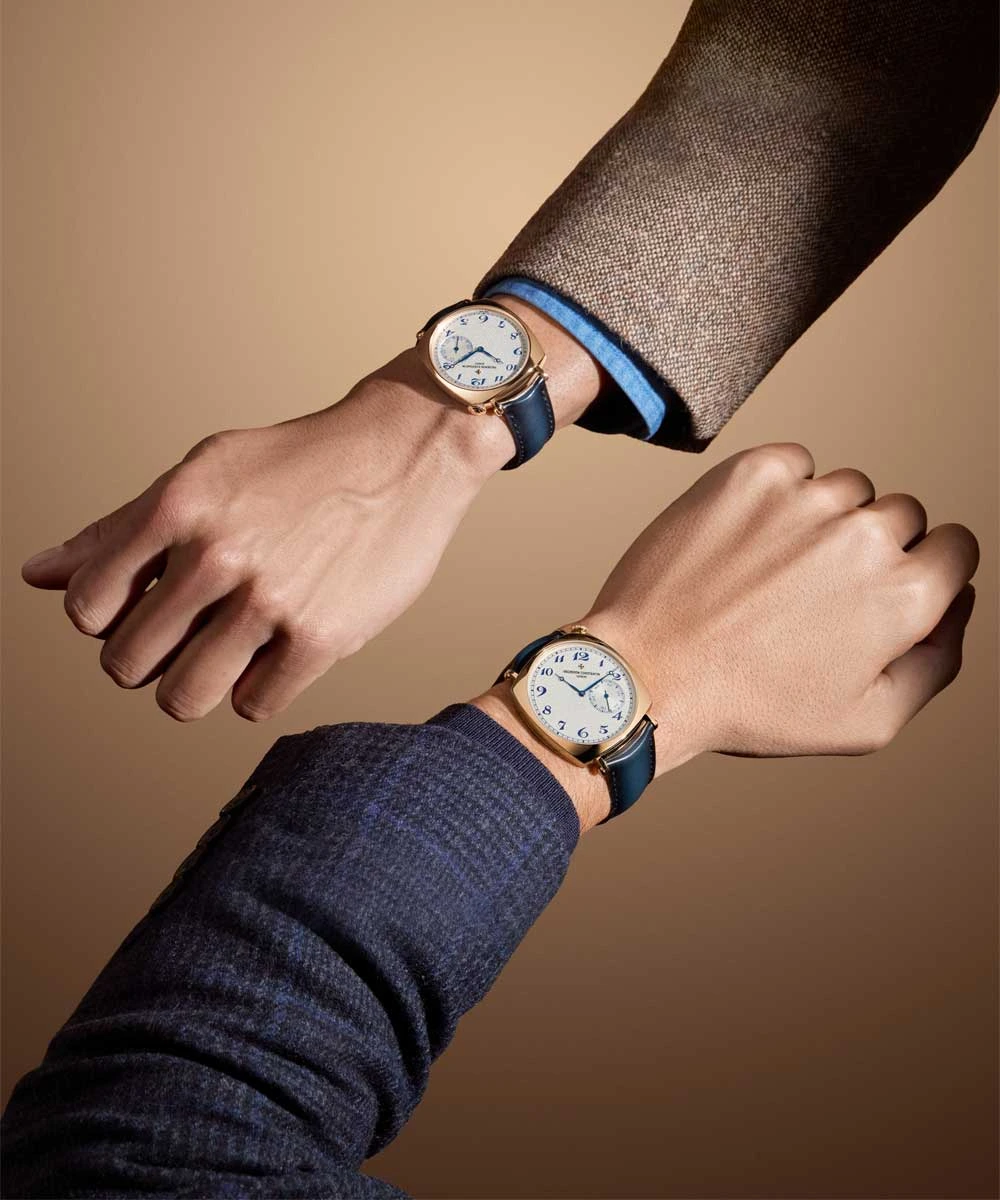
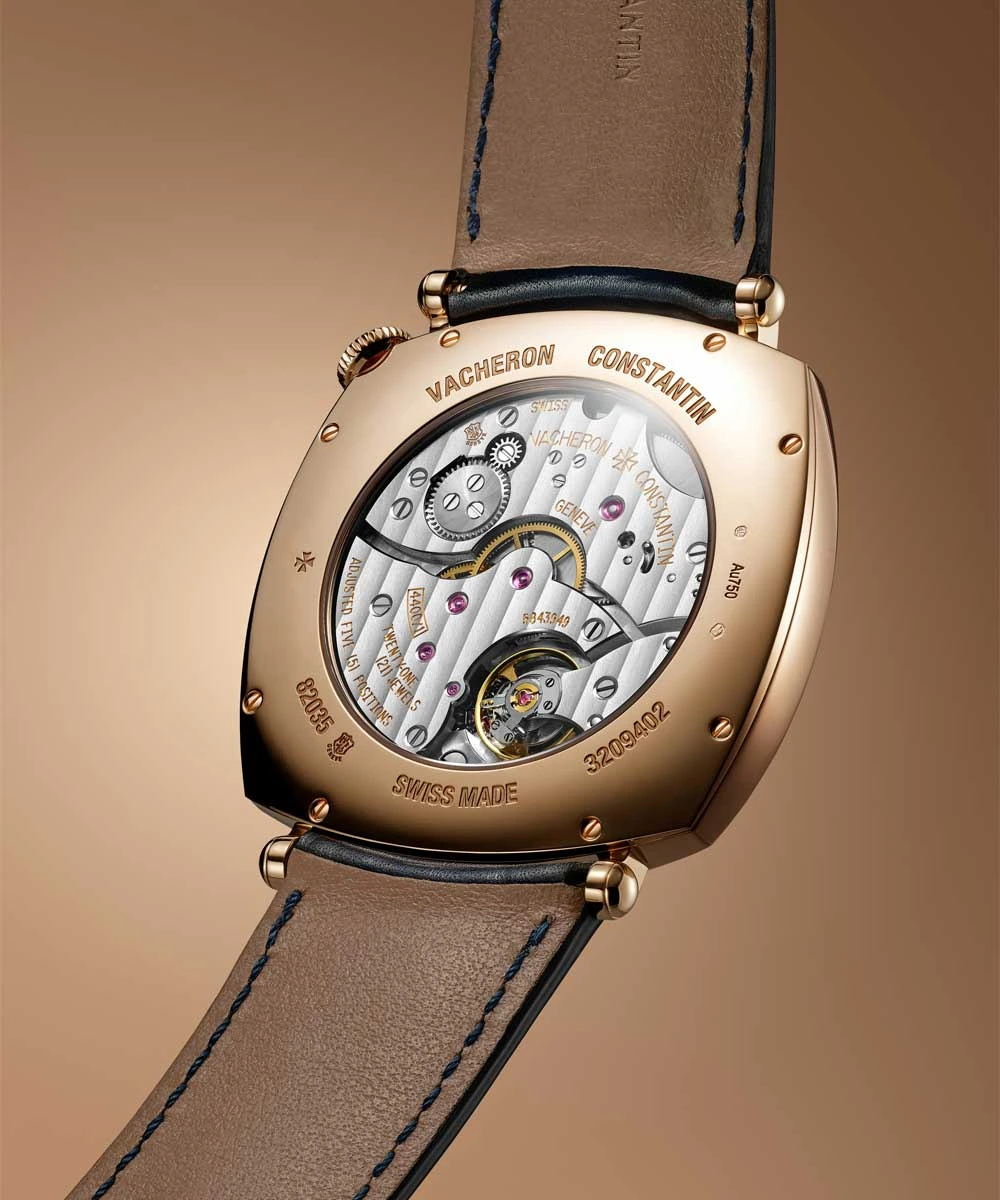
On the grained, silver-coloured dial with an azure-finished small seconds sub-dial, Arabic numerals, the blue minute track and blued hands create a classic contrast. The hand-wound Calibre 4400 (28.6 × 2.8 mm), with a power reserve of 65 hours, ensures the precise display of hours, minutes and seconds. It is mounted at an angle within the case to optimally adapt the functions to the watch’s asymmetrical design. The Historiques American 1921 is worn on a dark brown leather strap with an 18-carat rose gold pin buckle. The price is 36,500 euros.
To mark Zenith’s 160th anniversary, the Calibre 135 made a comeback last year in Zenith’s new G.F.J. collection: a tribute to the multi-award-winning calibre, which was produced in two different versions between 1949 and 1962. The 135-O variant, manufactured for observatory competitions, won over 235 chronometer awards.
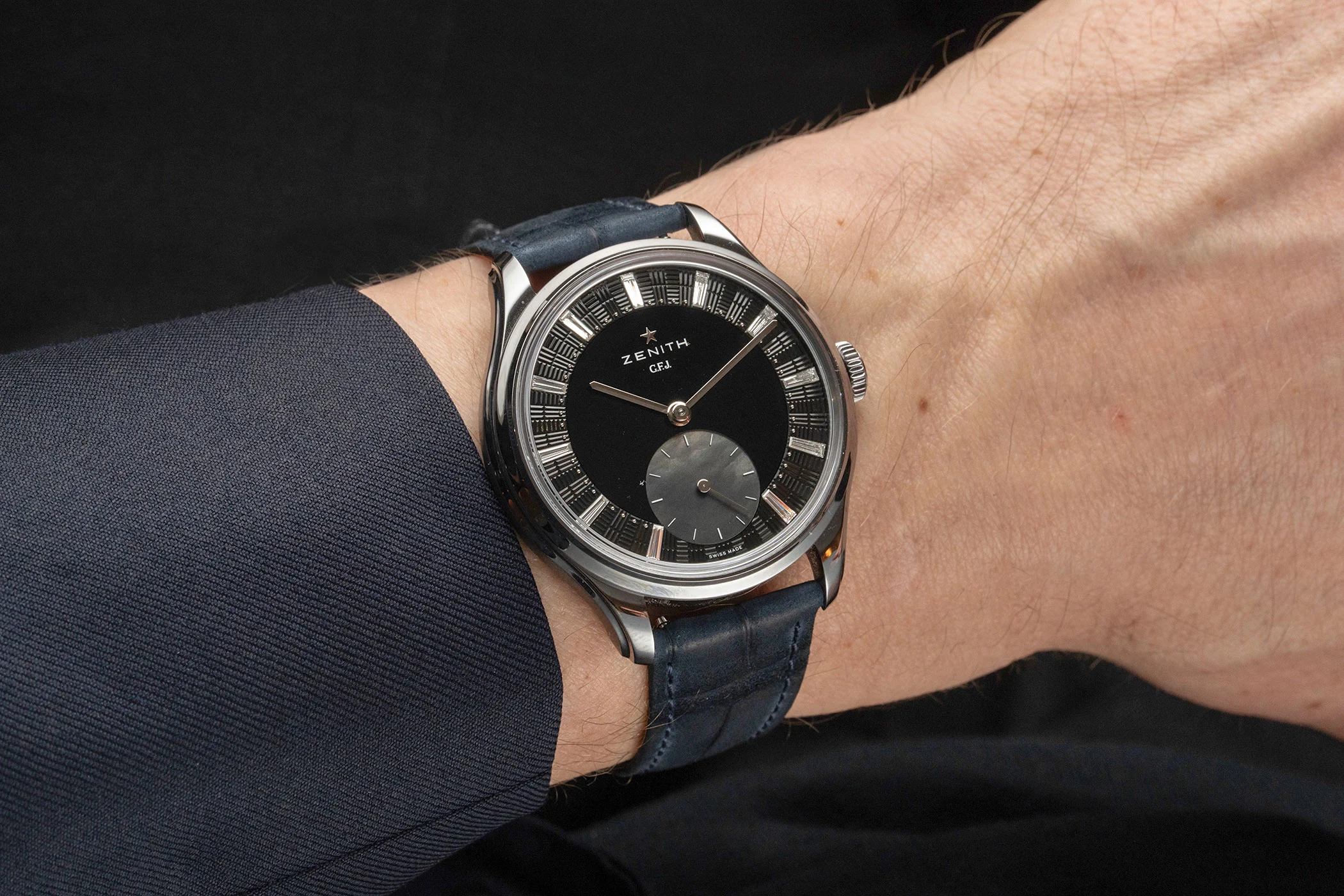
The modernised and COSC-certified version of the hand-wound calibre 135 (30 x 5 mm) offers a 72-hour power reserve and oscillates at a leisurely 2.5 hertz.
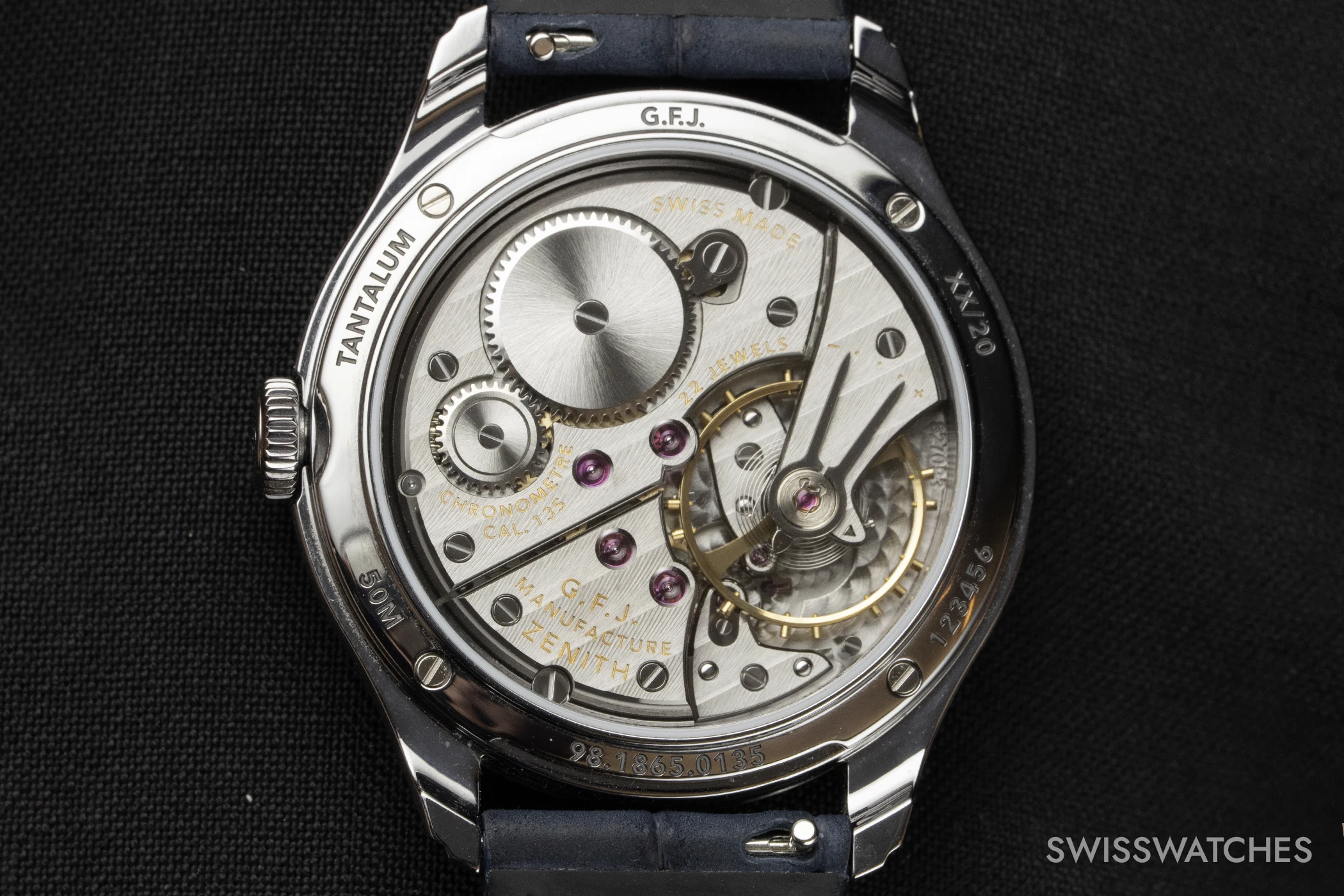
This new version of the G.F.J. Calibre 135 is protected by a tantalum case (39.15 x 10.5 mm) that is water-resistant to five bar. This transition metal, with its shimmering blue-grey hue, has a high density, is extremely corrosion-resistant and hypoallergenic. It also exudes an air of refined elegance.
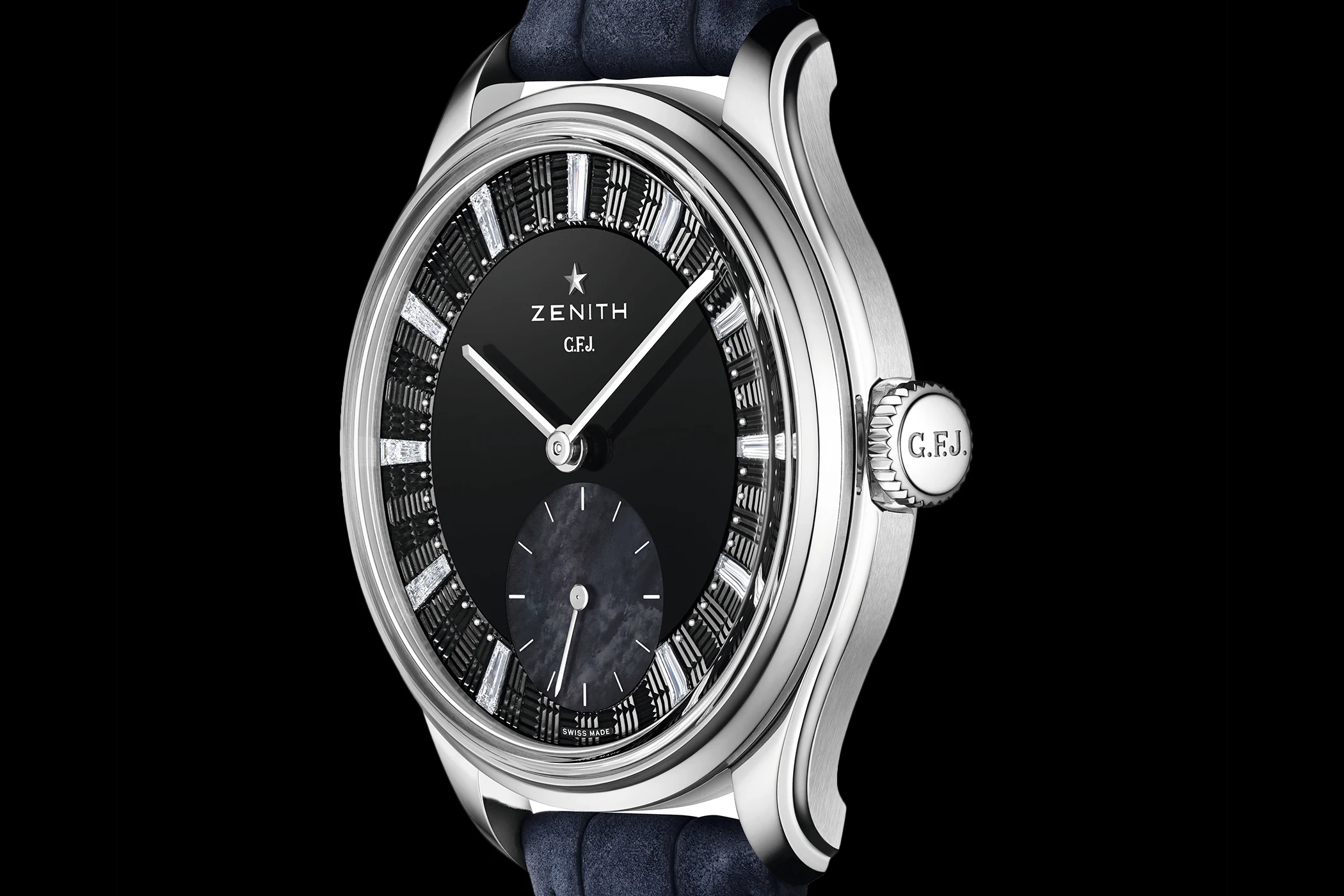
The onyx dial, featuring ‘brick’ guilloché, a small seconds sub-dial in grey mother-of-pearl and eleven diamond hour-markers, complements this perfectly. This G.F.J. Calibre 135 is worn on a blue nubuck alligator strap. The price is 82,700 euros.