10 interesting facts about Moritz Grossmann: from hairspring-driven seconds stops and tremblage to uncompromising craftsmanship in Glashütte
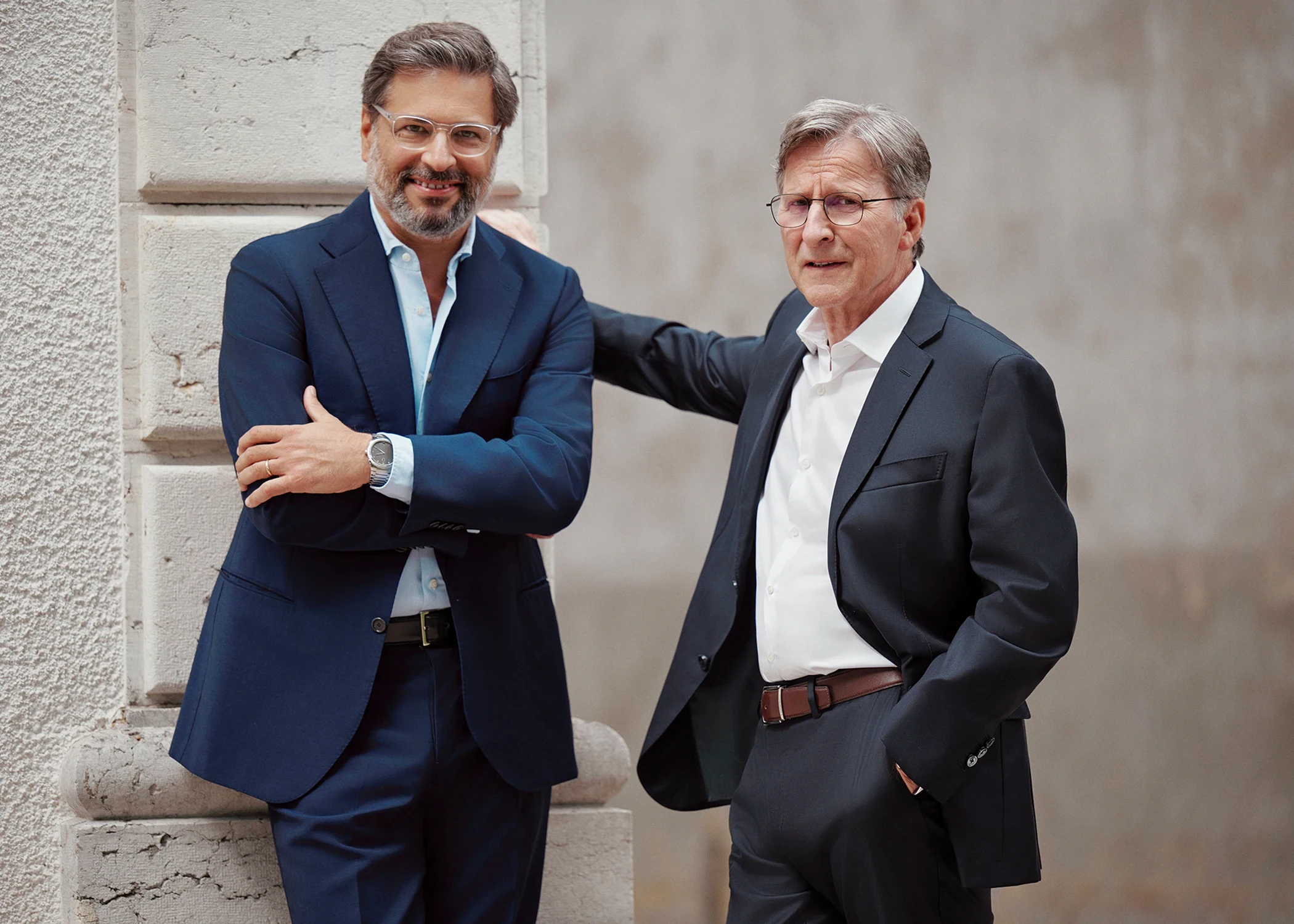
“We prefer to talk about private luxury, because private luxury has always been there and will always be there, and it’s for those people that pass that tipping point in life where they don’t buy for the recognition of others.”
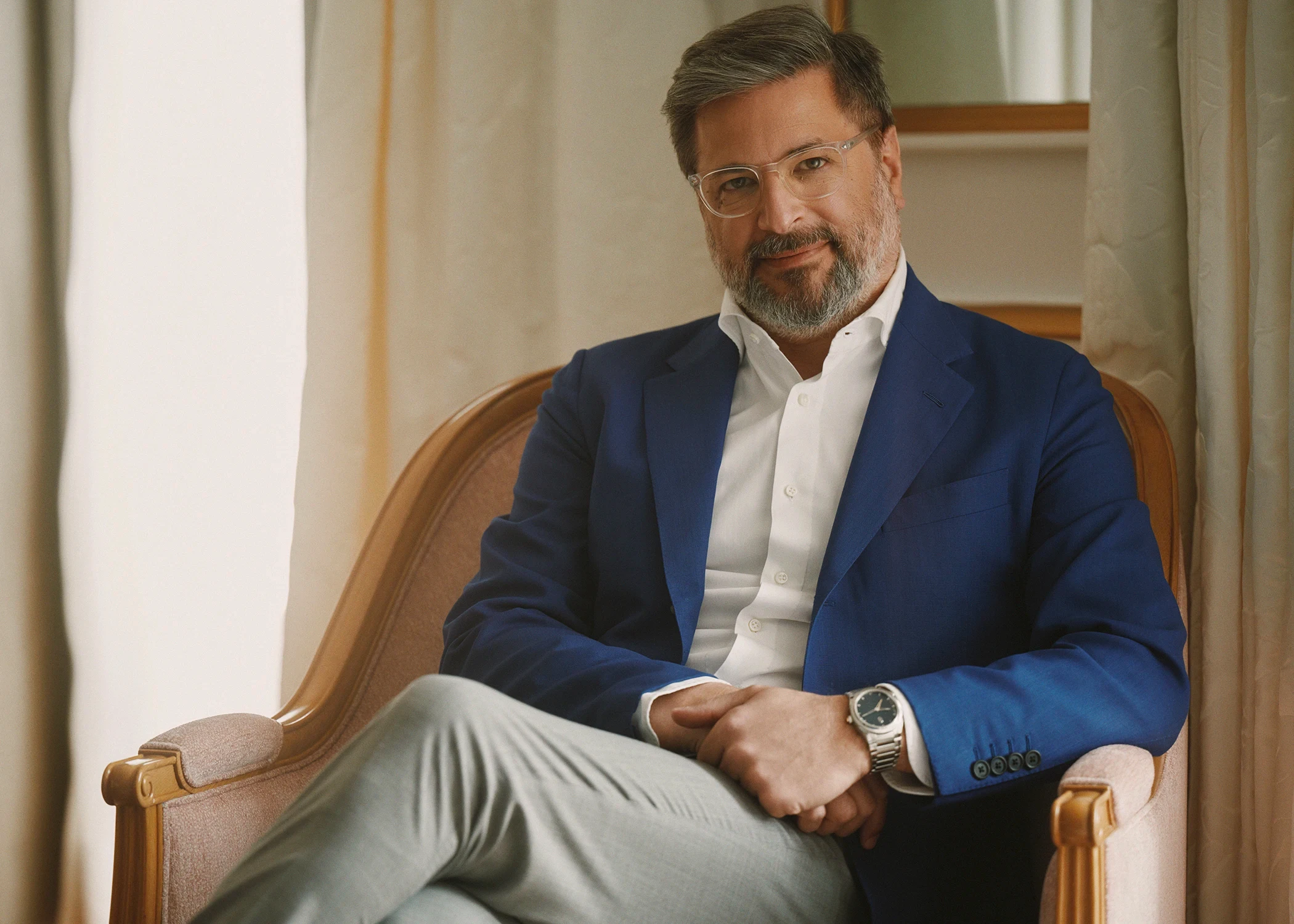
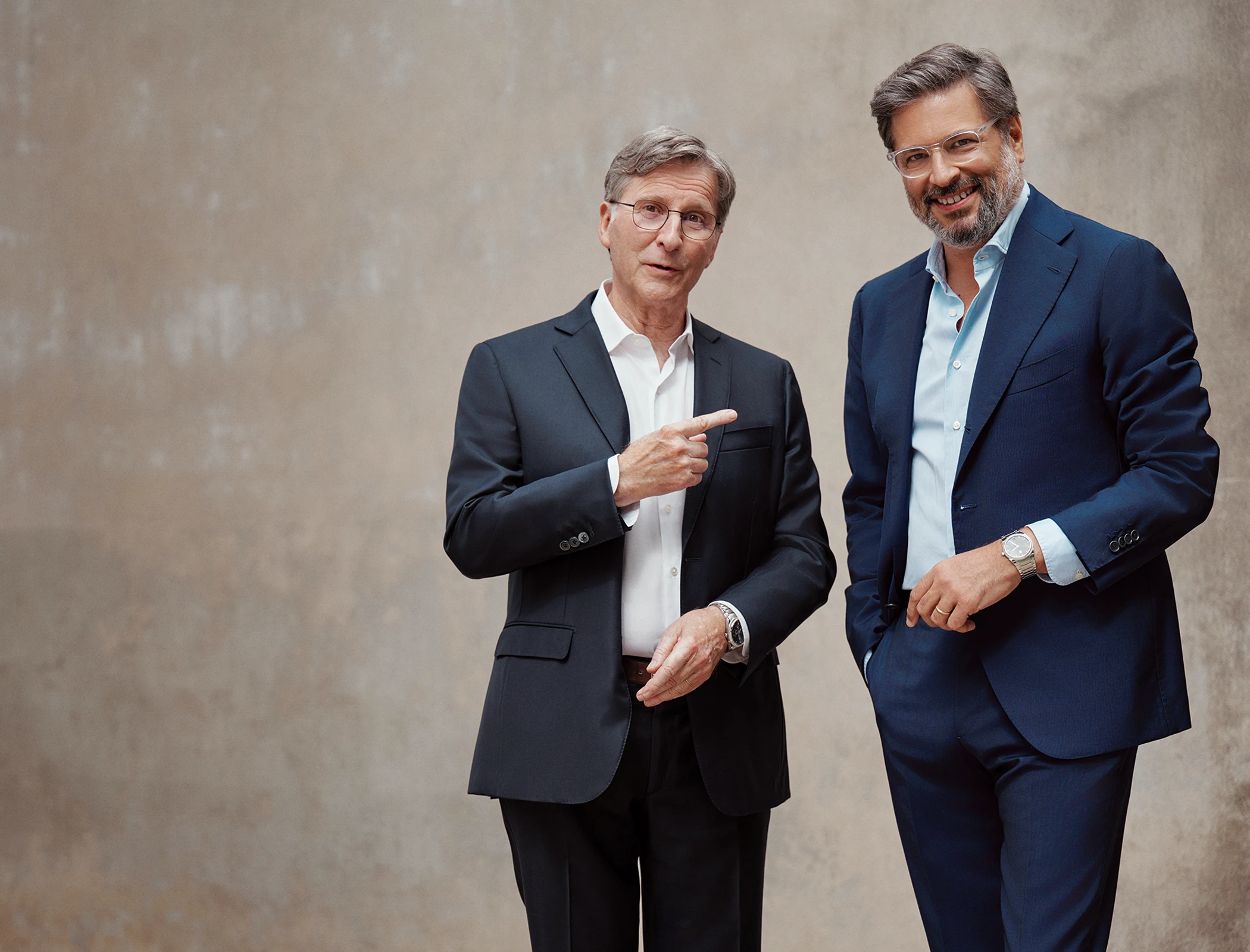
Somewhere in the long talk that I had with Parmigiani Fleurier CEO Guido Terreni in the spring of 2026, he spoke this important sentence that helps us understand who buys this under-the-radar brand turning 30 in 2026.
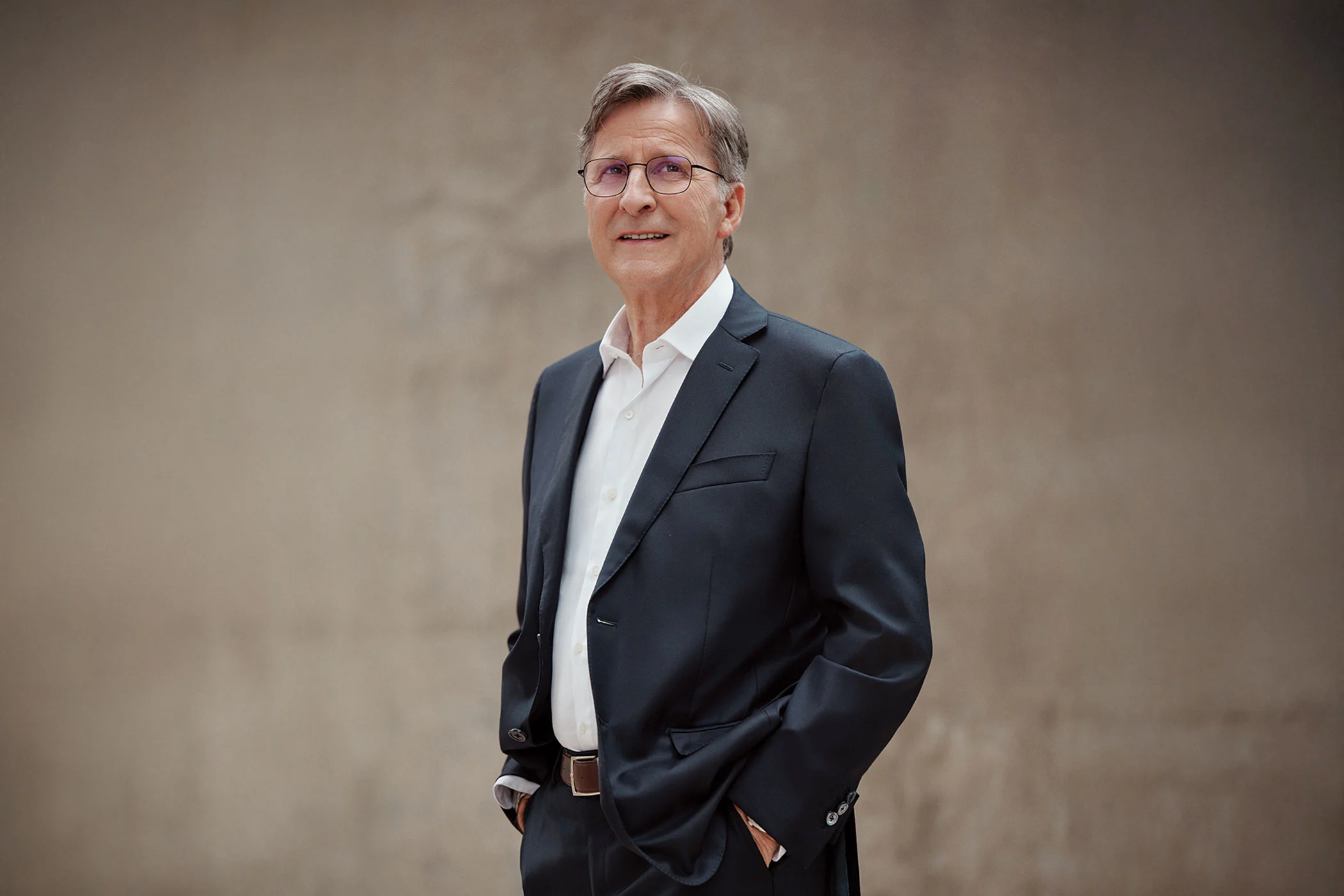
Terreni, who arrived at the Fleurier-based brand only five years ago – when it became a quarter of a century old – seems to be wise beyond the short number of years he has spent in this manufacture when it comes to understanding company founder Michel Parmigiani, the company culture, and the people who buy their exquisite products.
He explained that he has spent a lot of time consciously learning about these elements in order to respectfully lead the company into a future that looks back as much as it looks forward. Quite the same way Michel Parmigiani has considered watchmaking and his place in it over the course of his entire career.
Michel Parmigiani, who turns 75 years old in 2026, has been in the watchmaking industry since 1975. He opened his restoration business Mesure et Art du Temps in 1976 and served among others the most important Swiss museums. To briefly recap a story that is already part of horological history, Michel Parmigiani began his career restoring vintage works, and as legend would have it, he took on the historical oeuvres that no one else was willing to attempt. An exceptional talent, he soon attracted the attention of the Sandoz Family Foundation, an organization founded in 1964 by a member of one of Switzerland’s most famous families. In addition to commercial and industrial activities, this foundation helps to preserve Helvetian arts, making its attraction to Michel Parmigiani logical.
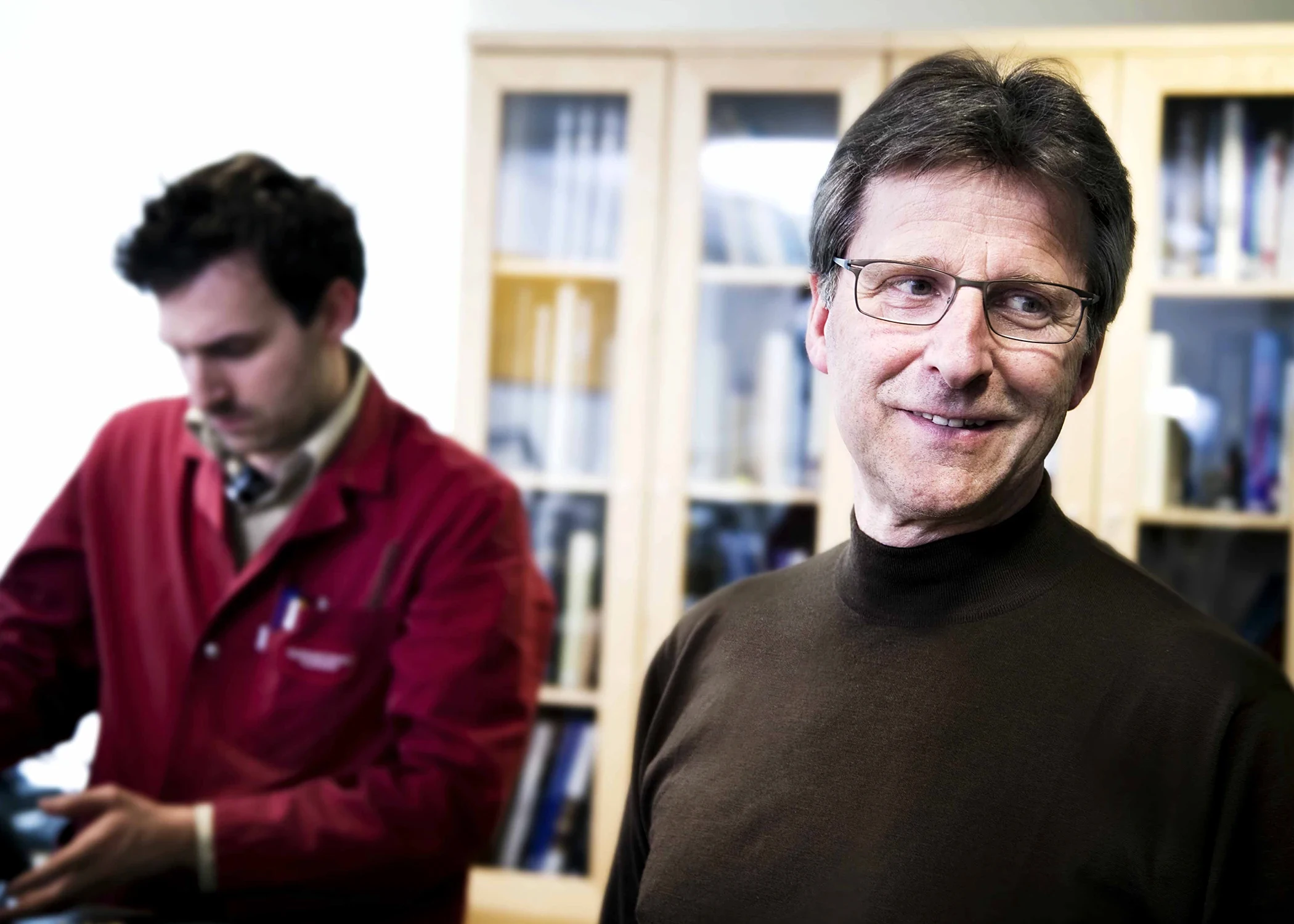
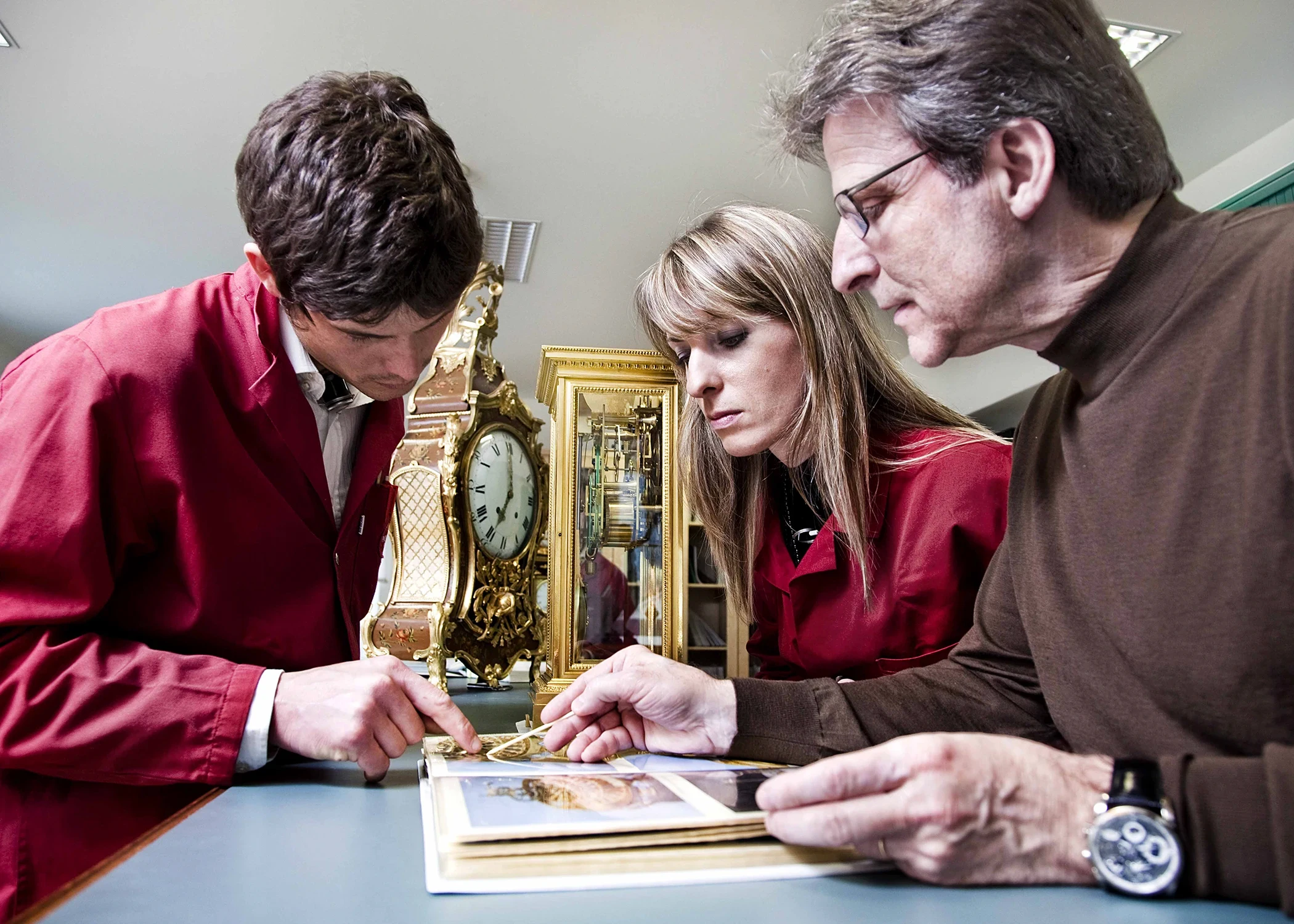
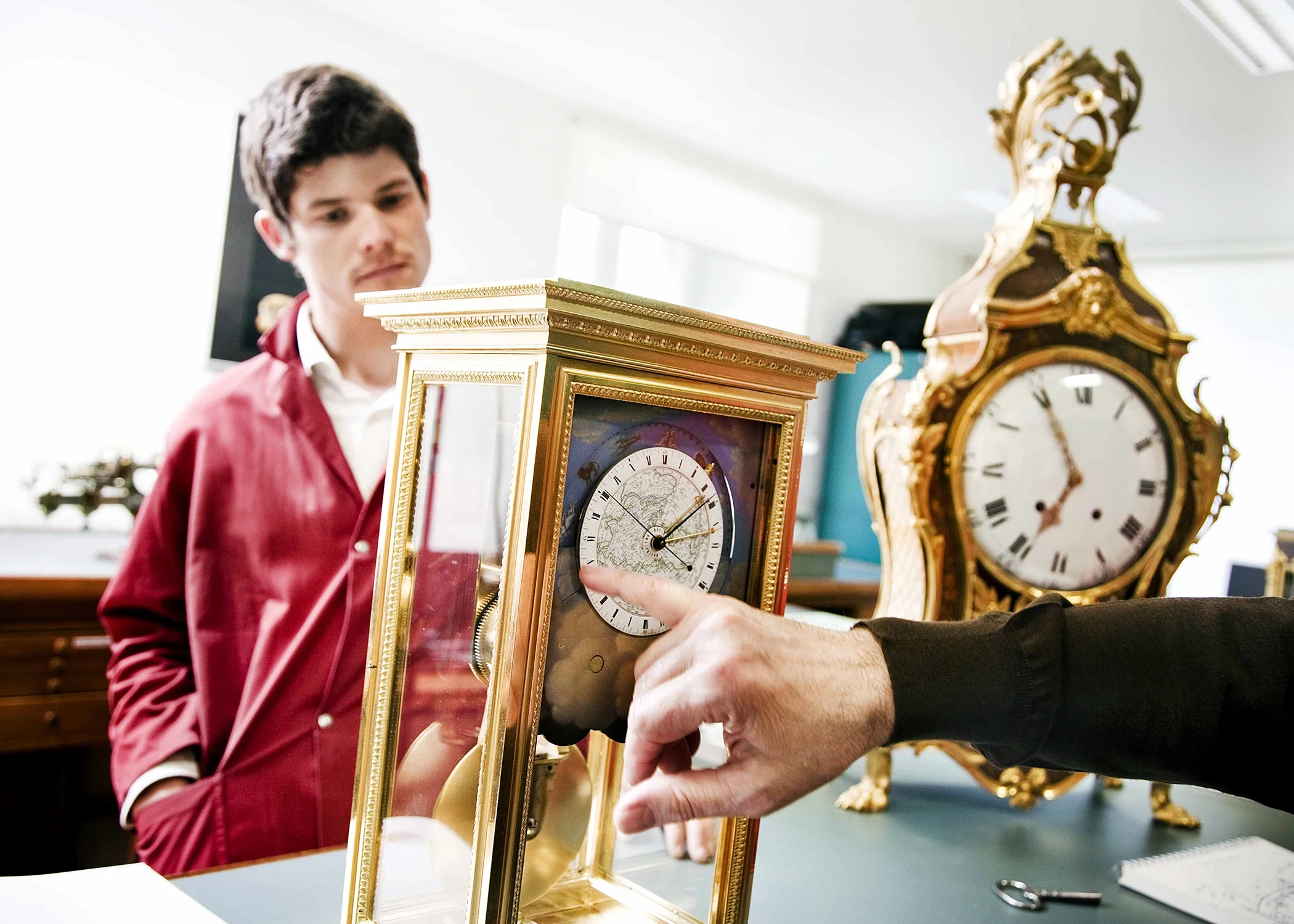
The foundation bought into Parmigiani Mesure et Art du Temps SA for 51 percent in 1996, eventually helping to turn what was practically a one-man show into a full-fledged and fully financed watch manufacture. Today, the company goes simply by Parmigiani Fleurier, and it is no longer the only watch company in picturesque Fleurier in the Val-de-Travers.
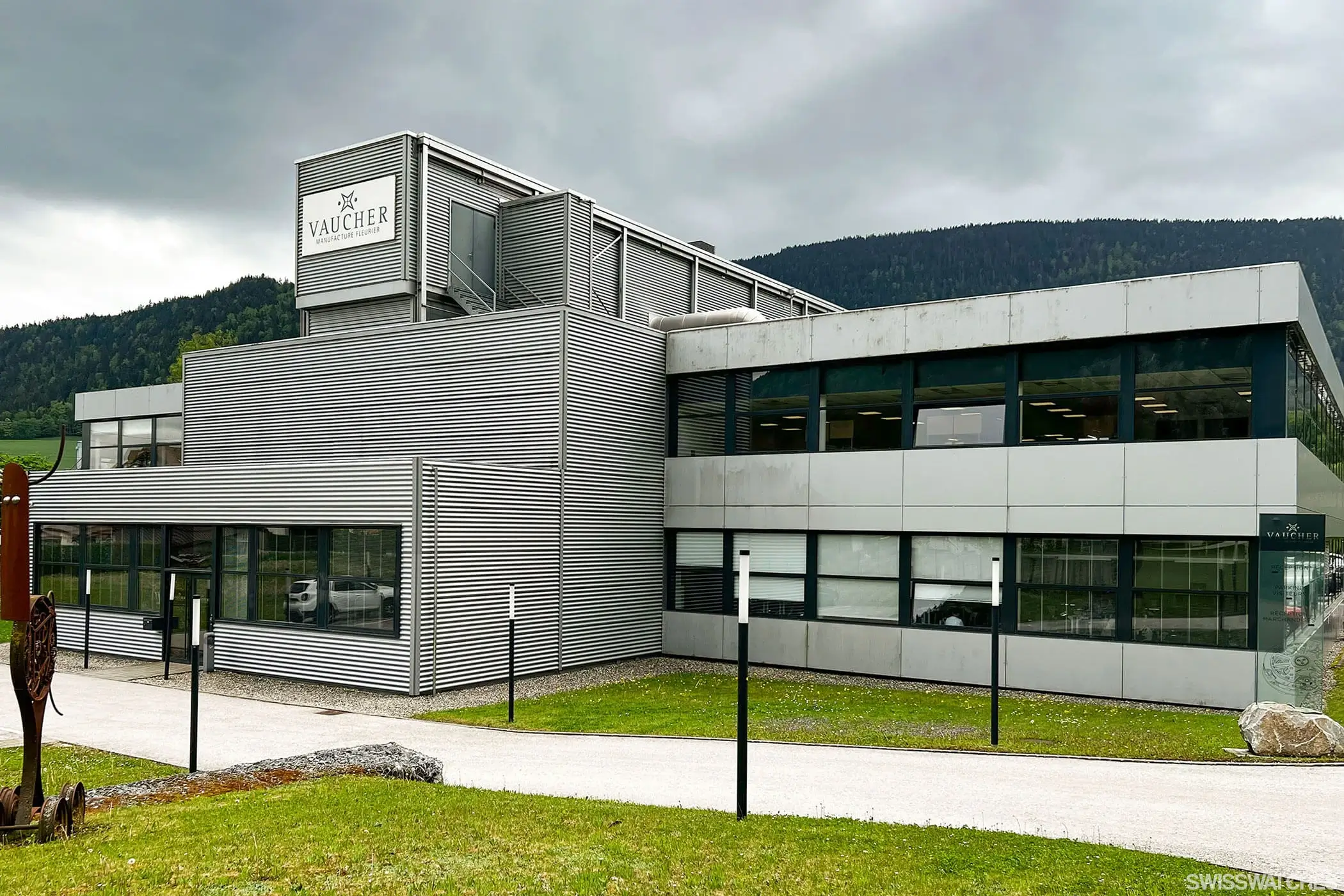
Right from the beginning, Michel Parmigiani divided his business into three categories, a concept that he loyally retained throughout the years. Naturally restoration is one; proof of the quality of this department is the fact that Parmigiani’s restoration workshop has at some point employed many of today’s great independent watchmakers like Kari Voutilainen, Raul Pagès, and Stepan Sarpaneva. The development and manufacture of watches under Parmigiani’s own name is another. But the third is a division many do not realize: Michel Parmigiani has always been interested in developing new movements for his own use as well as others’. In 2003, this area of business was officially separated from the rest and turned into Vaucher Manufacture, a now-autonomous entity.
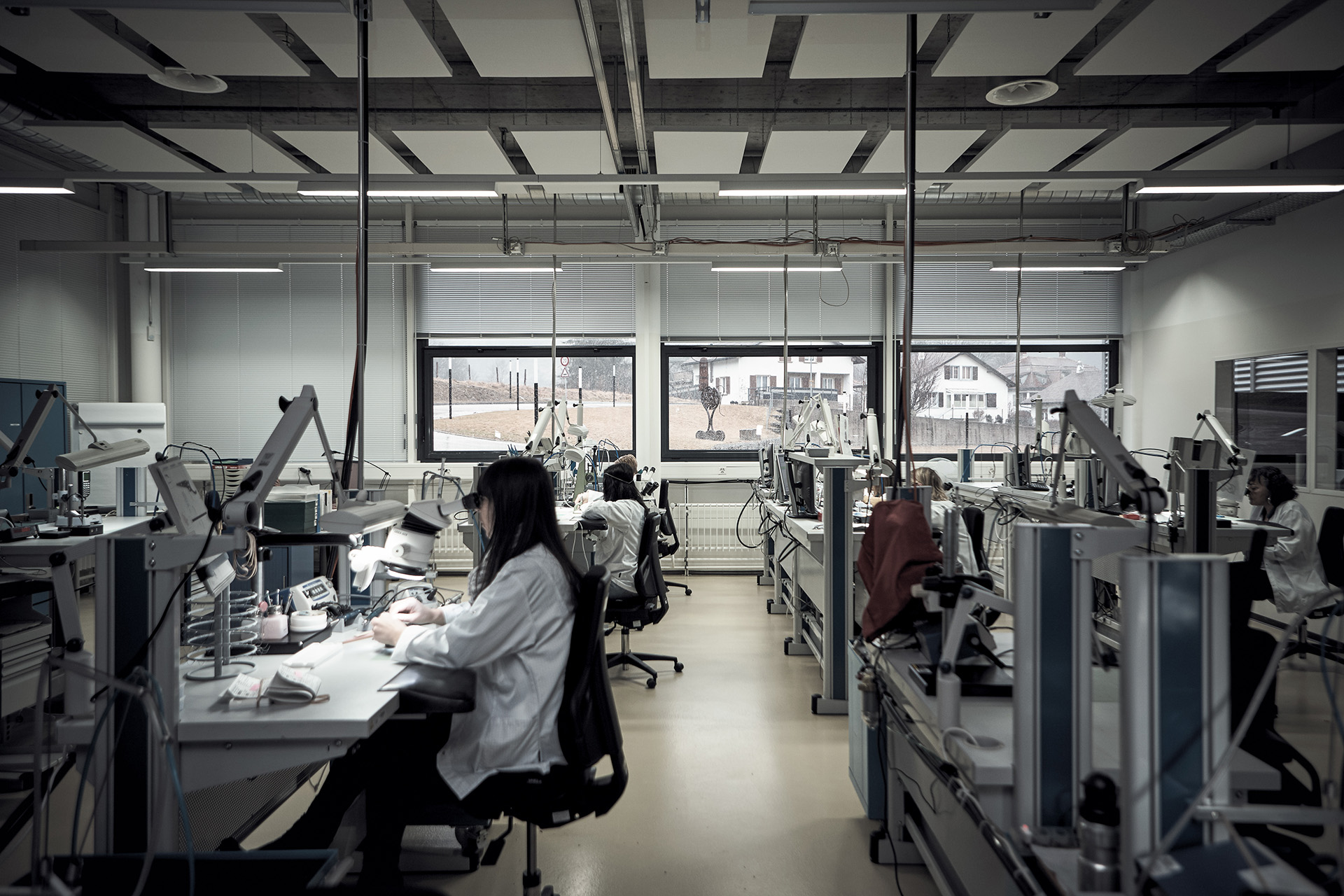
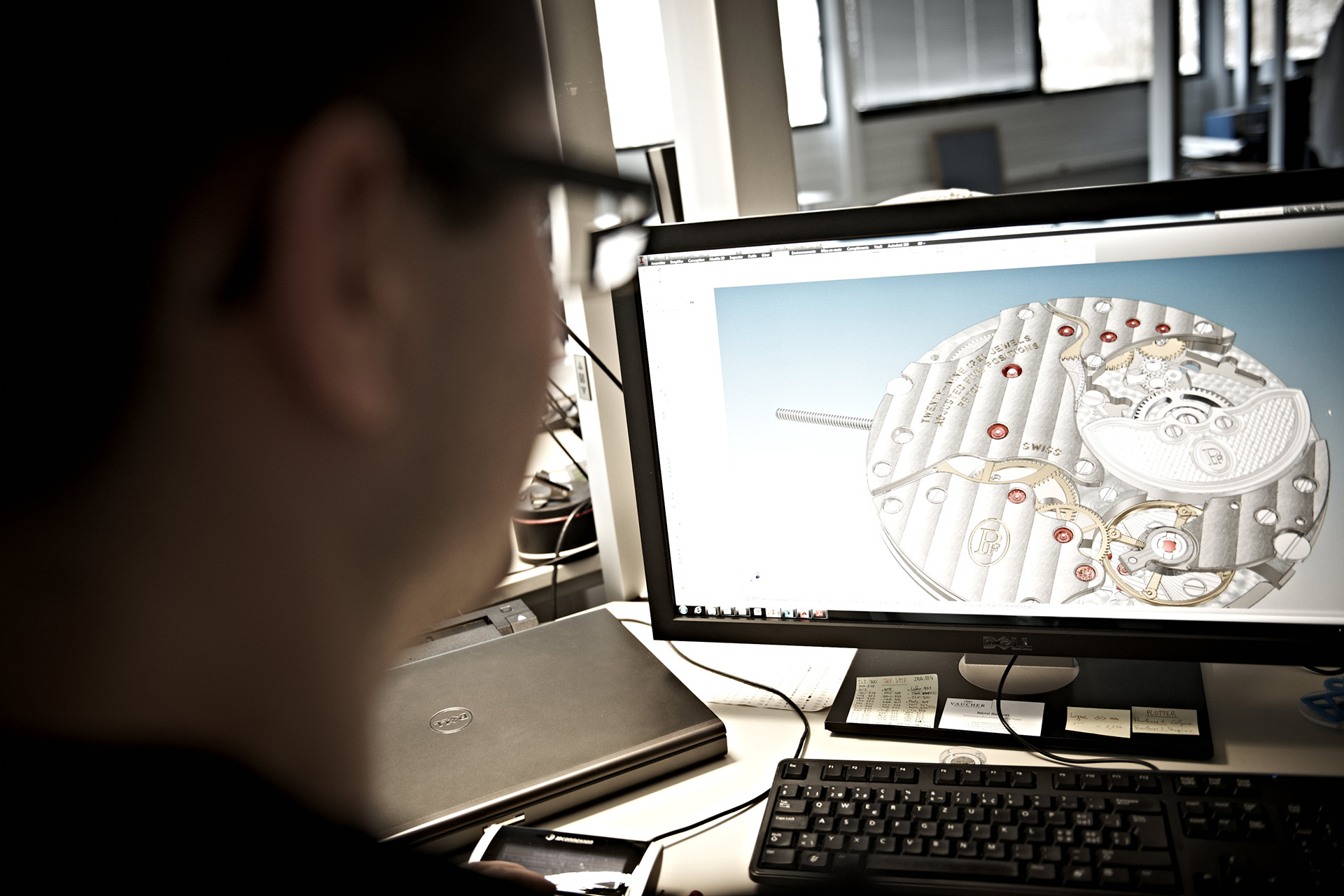
Just eight years in, by 2004 Parmigiani Fleurier and Vaucher had jointly employed 230 skilled craftspeople, and Parmigiani produced almost 2,000 watches per year. Today, of course, those numbers are larger: now 80 people work at the Parmigiani factory and another 450 are employed by the suppliers that belong to the Parmigiani group. The number of watches Parmigiani Fleurier makes today remains undisclosed, but it stands to reason that it now exceeds 2,000.
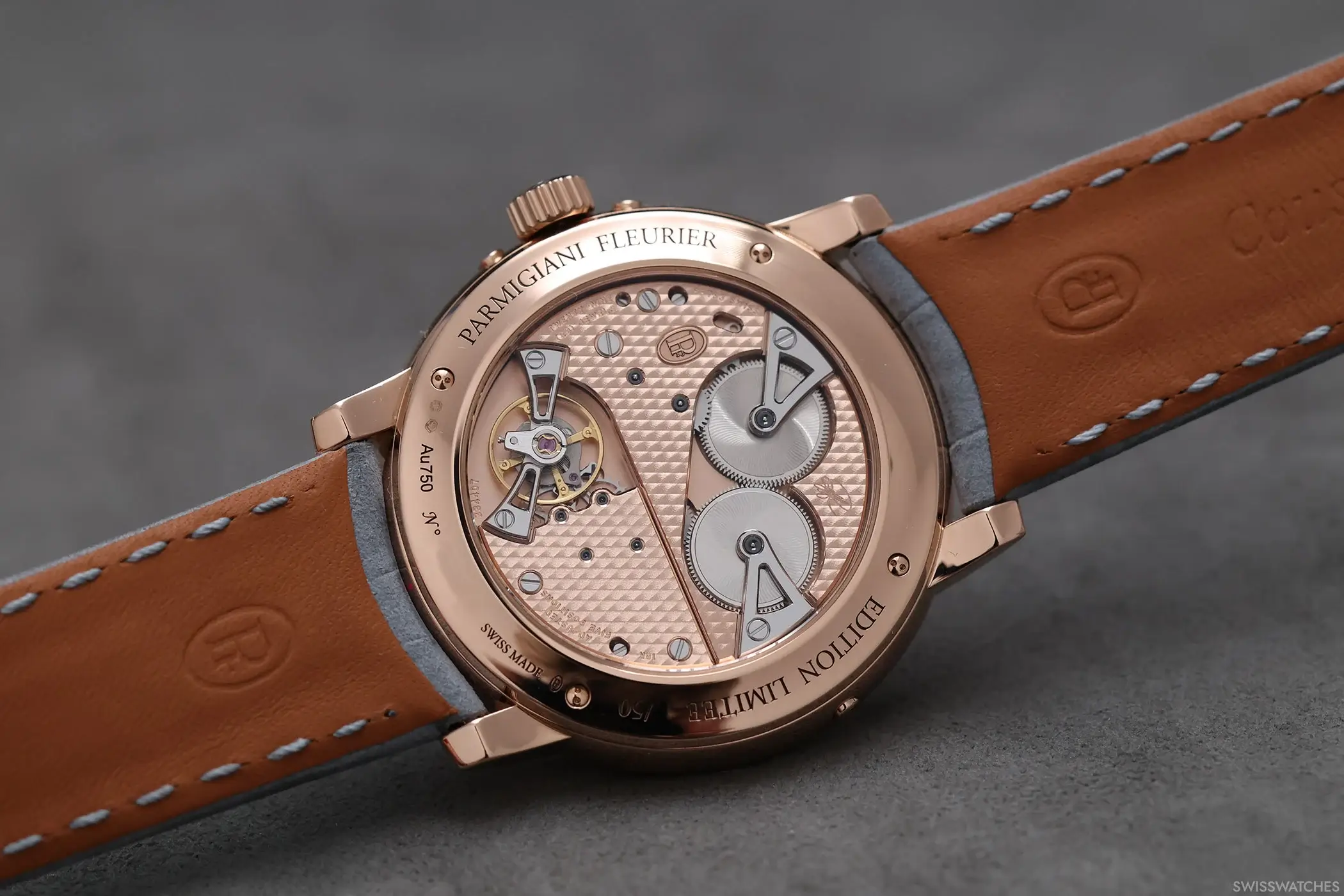
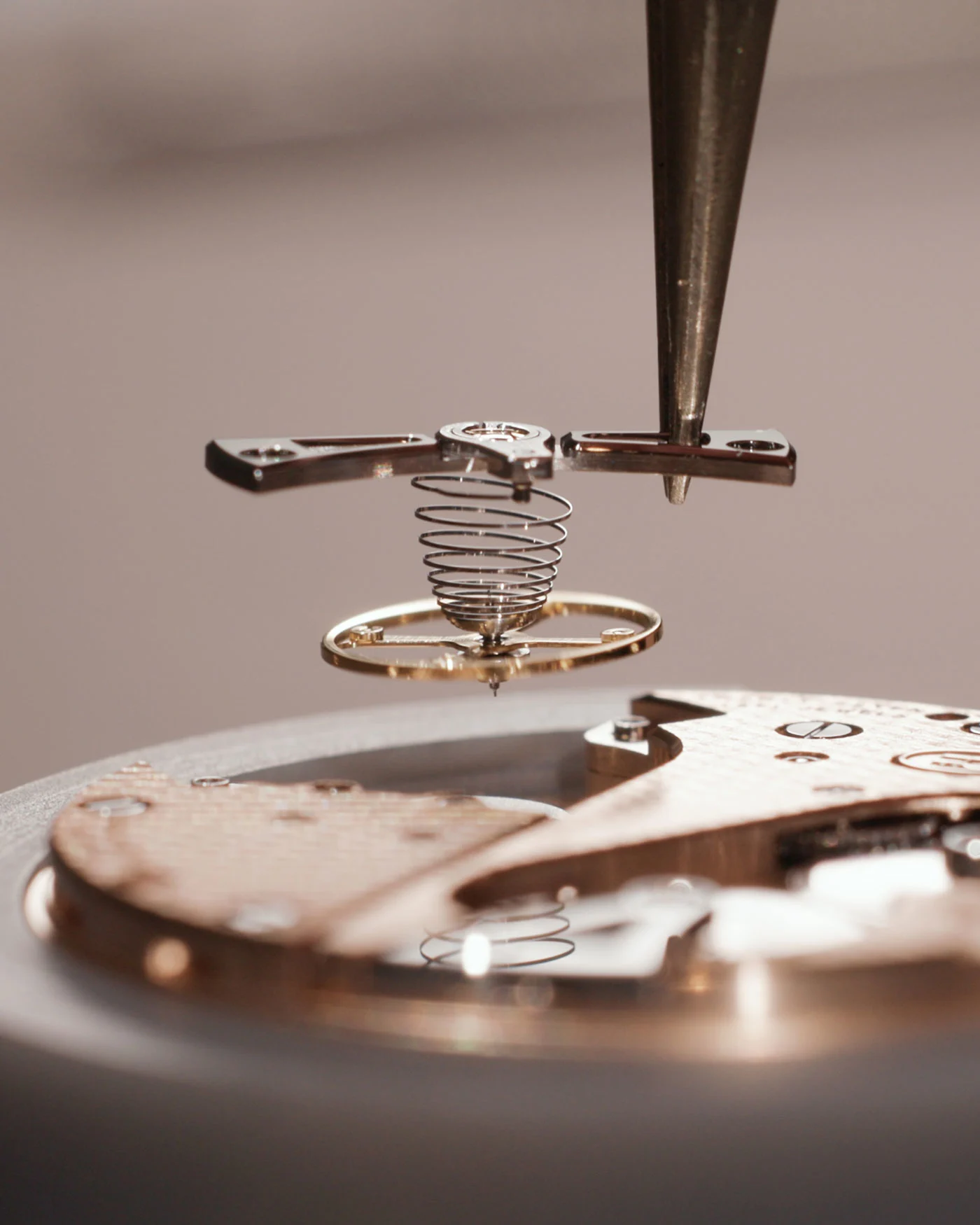
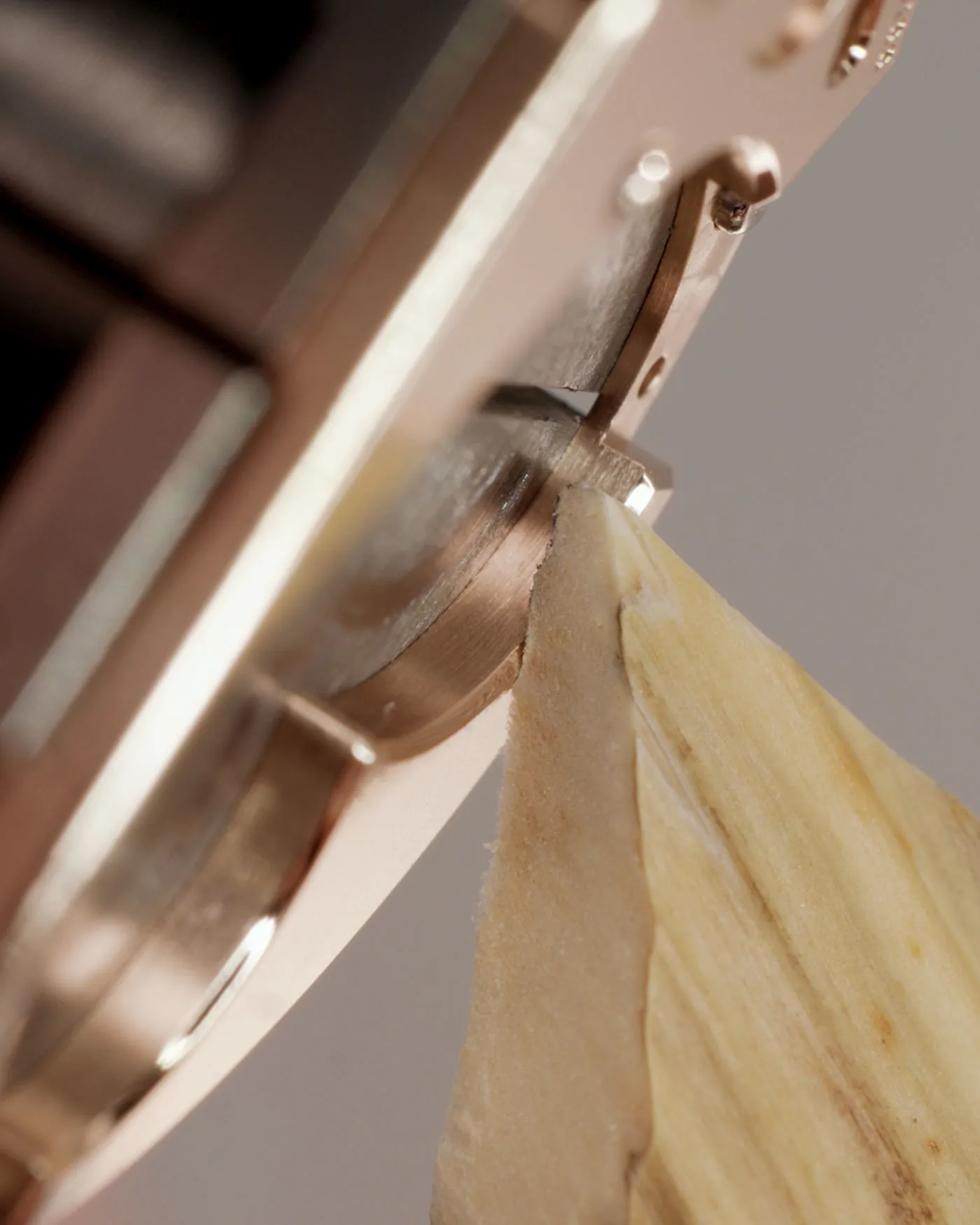
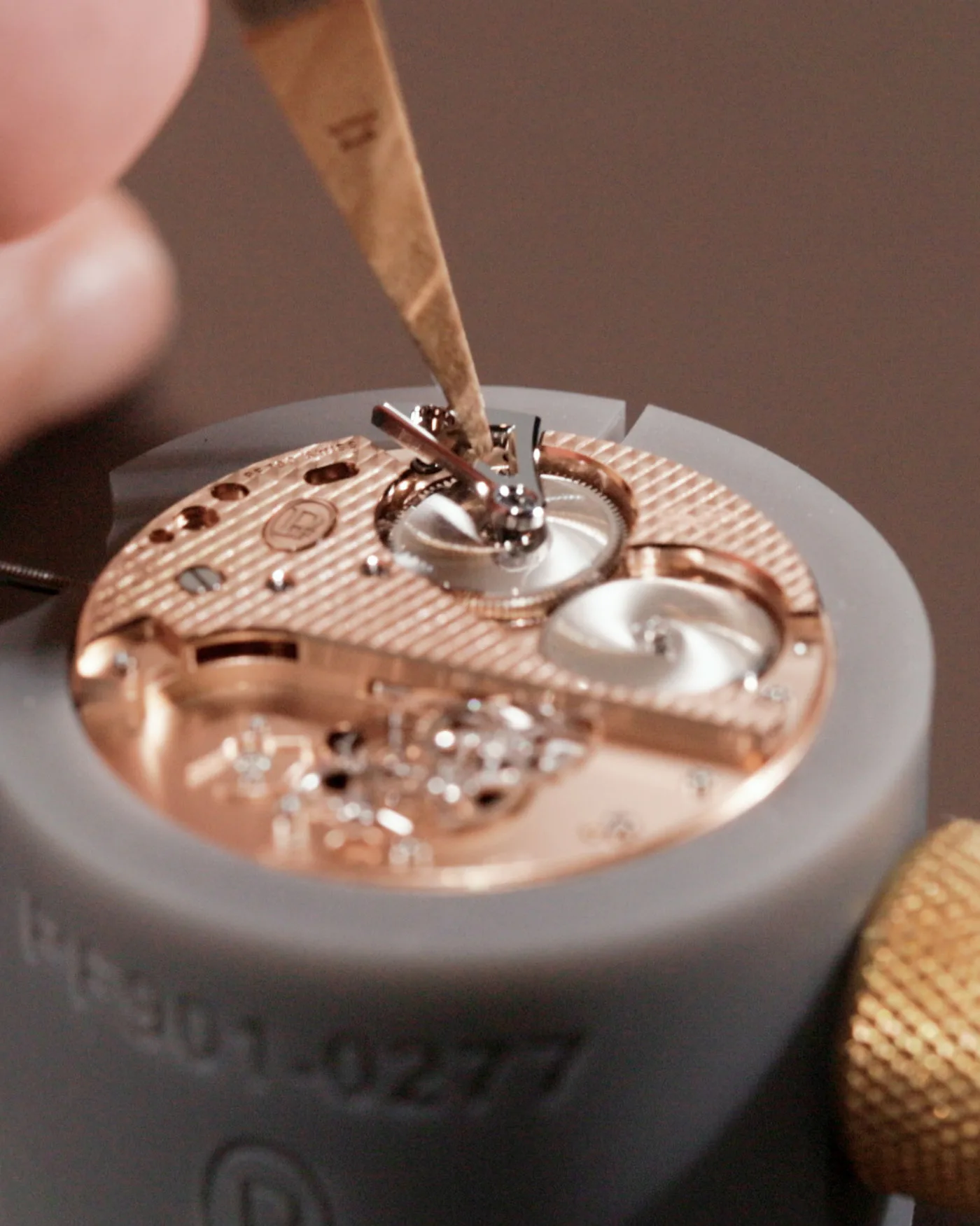
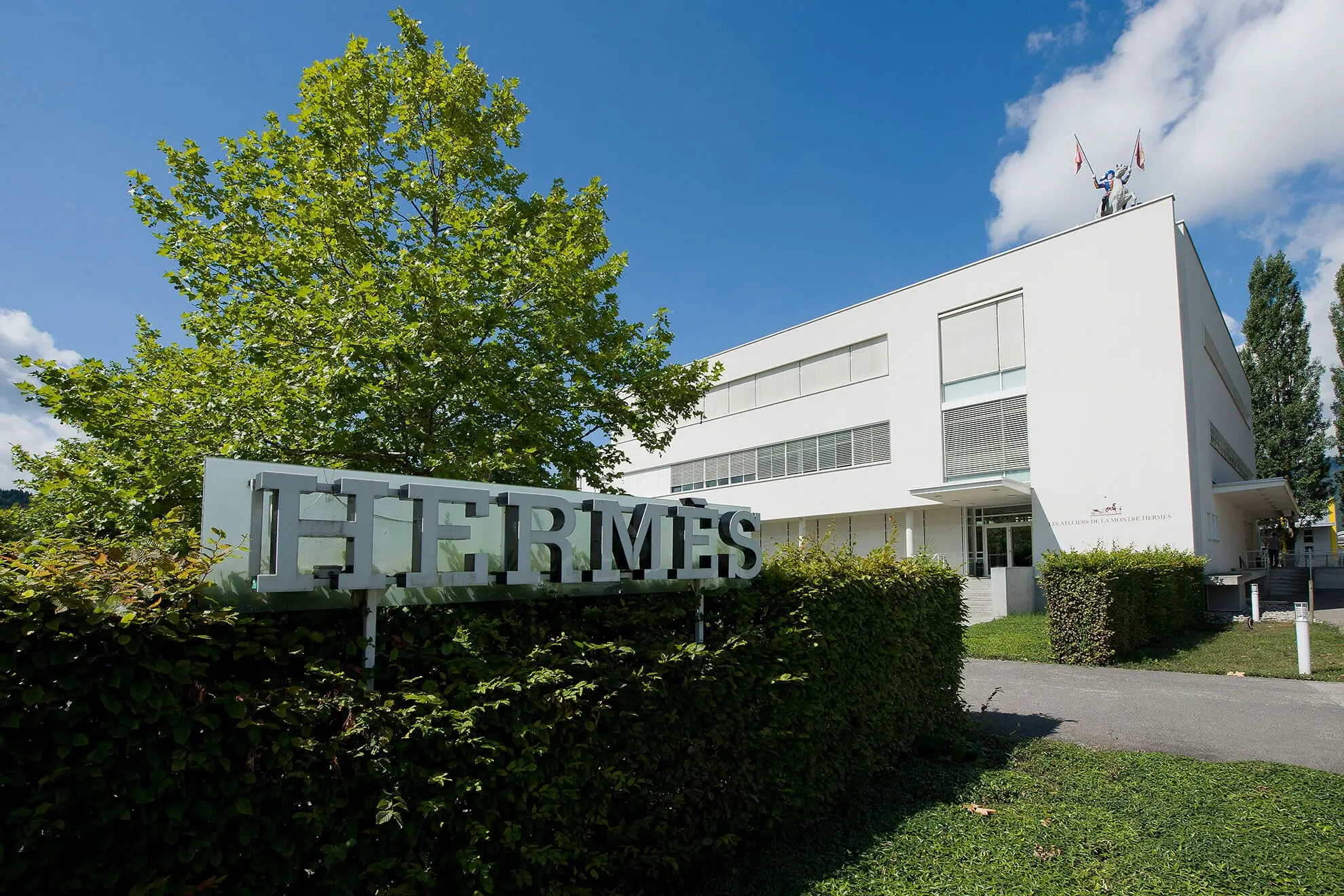
In 2006, Hermès acquired 25% of Vaucher to secure high-end movements for its own luxurious timepieces (which earlier in 2026 was increased to 40%). Parmigiani Fleurier’s friendly cooperation with Hermès has also led to it being the only other watch brand able to access the very high-quality watch straps made by the leather specialist.
Movements that Vaucher creates for its many clients are always completely different from those that are produced for its owners. They are exclusively specific to the prerequisites dictated by the client in question.
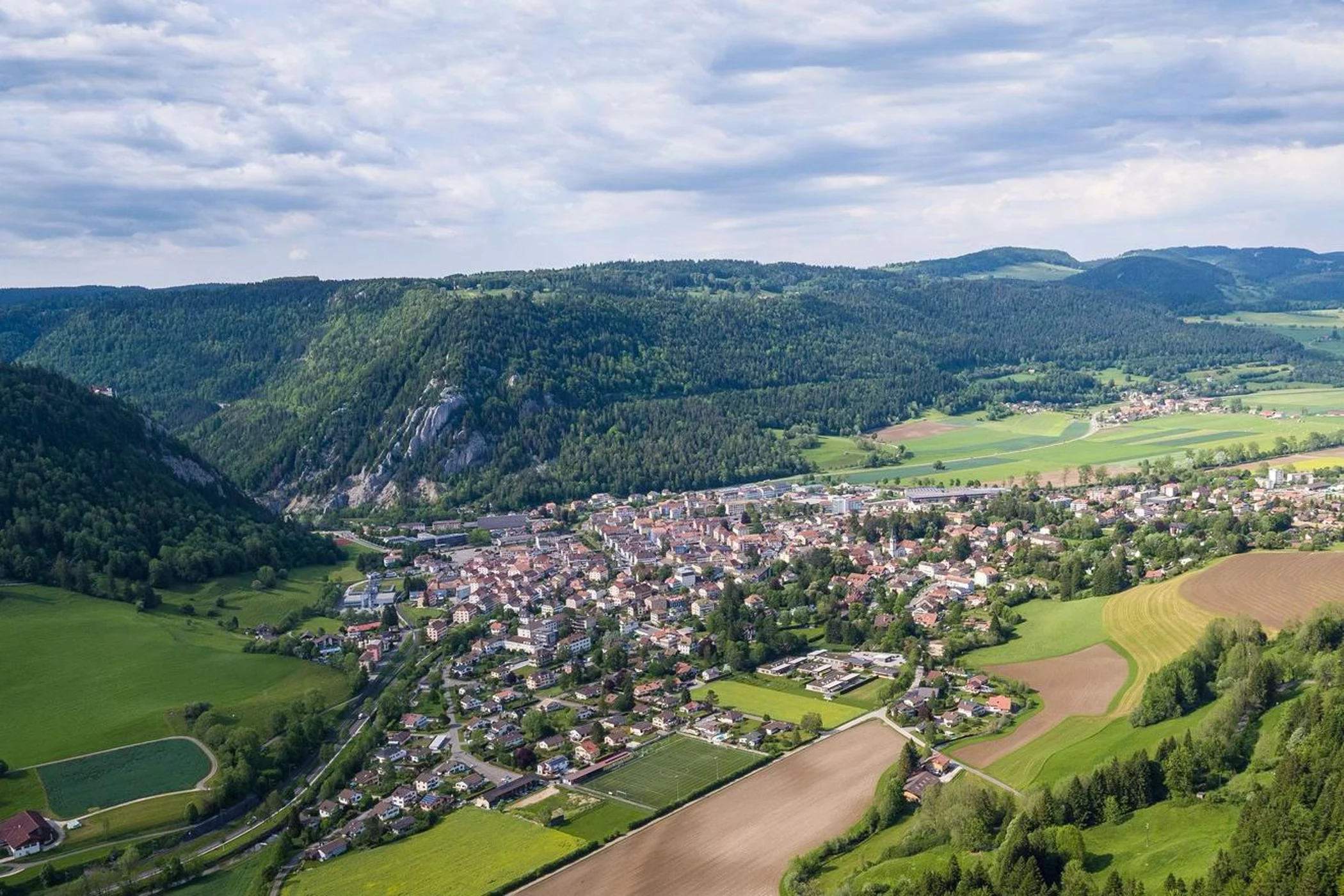
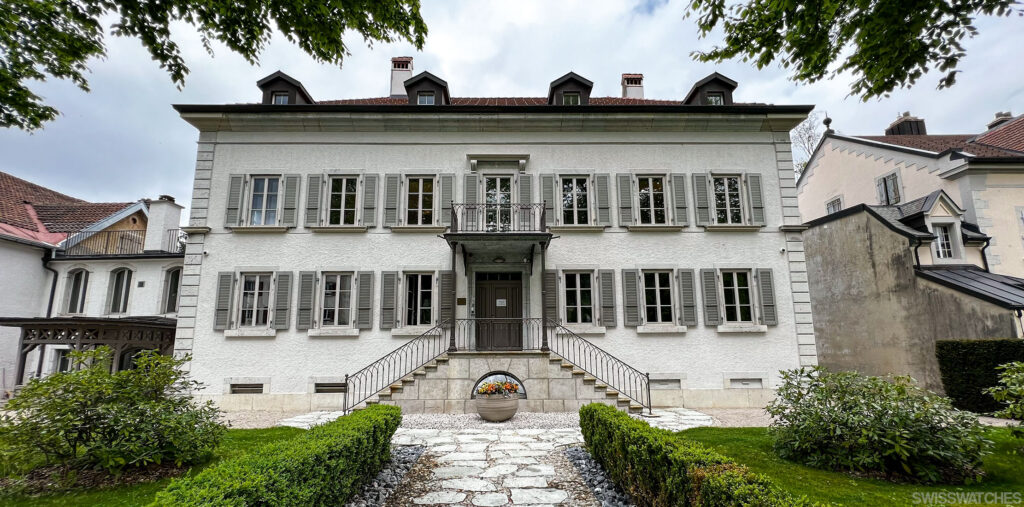
A visit to Fleurier is of course dominated by the presence of Parmigiani Fleurier. Situated in the Val de Travers, the town is surrounded by picturesque Jura mountains that just barely allow the sun to touch down on the valley floor. Parmigiani’s headquarters are in a historical building at Rue du Temple 11, a stately house once owned and lived in by the Vaucher family. Today Parmigiani Fleurier management and design are at home here.
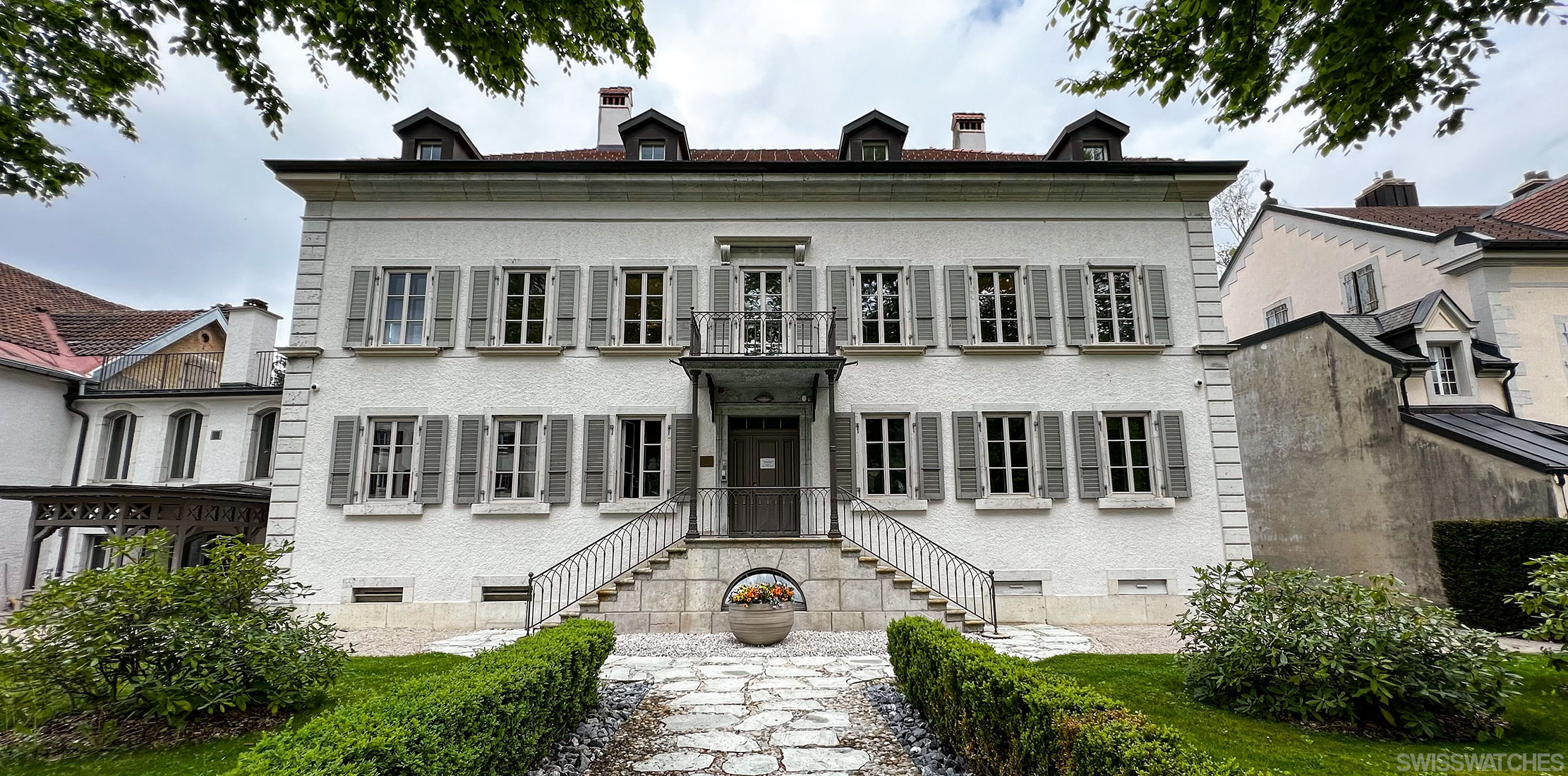
It was actually a member of the famous Swiss watchmaking family Vaucher that originally brought the ticking art form to Fleurier for the first time in 1735, and the name has been inextricably tied to the place ever since. Parmigiani Fleurier owns the rights to the legendary name in addition to the building, paying homage by naming the movement manufacture Vaucher.
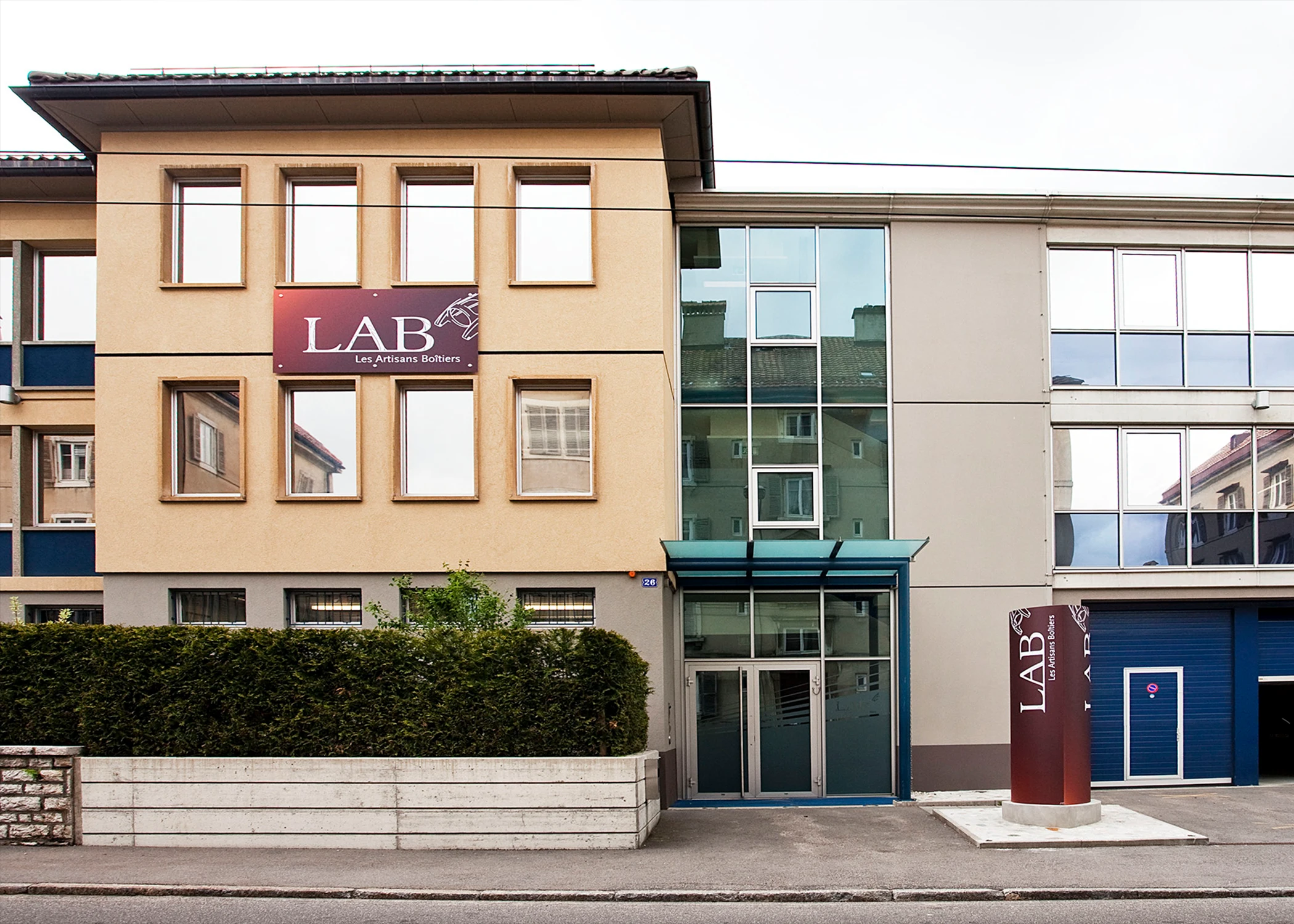
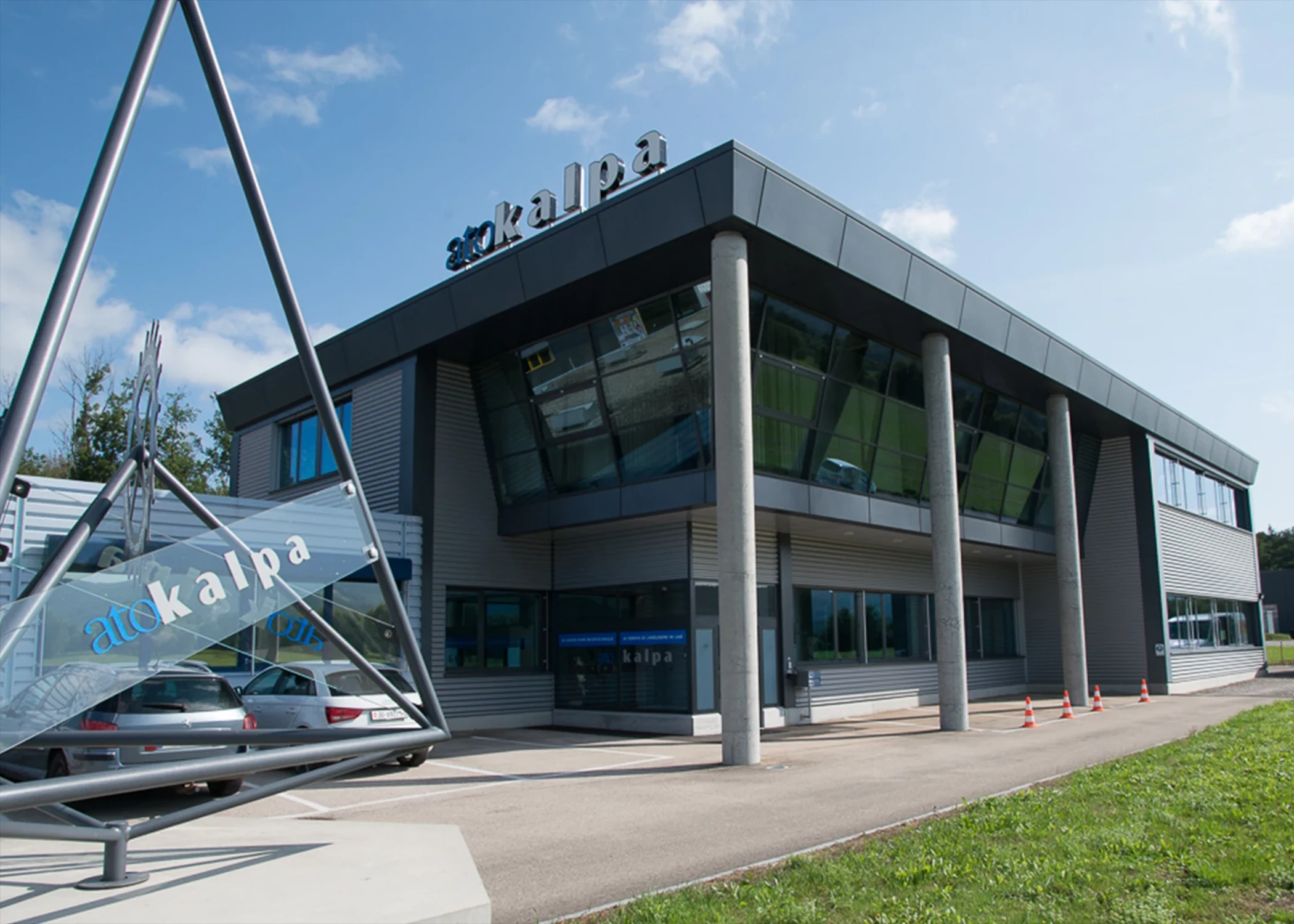
In 1999, the Sandoz Family Foundation acquired Bruno Affolter SA, later renamed Les Artisans Boîtiers, a high-end casemaker; in 2001, two more Swiss suppliers were purchased by the partners, aiding Parmigiani Fleurier in its quest for autonomy. Atokalpa SA in Alle manufactures parts such as pinions, wheels, and micro components, while Elwin SA, located in Moutier, is specialized in turned parts such as screws. In addition, this company develops and builds its own automatic lathes, ensuring that Parmigiani and Vaucher can be supplied with specialized tools and instruments as they are needed. In 2005, Parmigiani Fleurier created another new supplier for itself, Quadrance et Habillage, a watch dial specialist.
Credit © Vernier
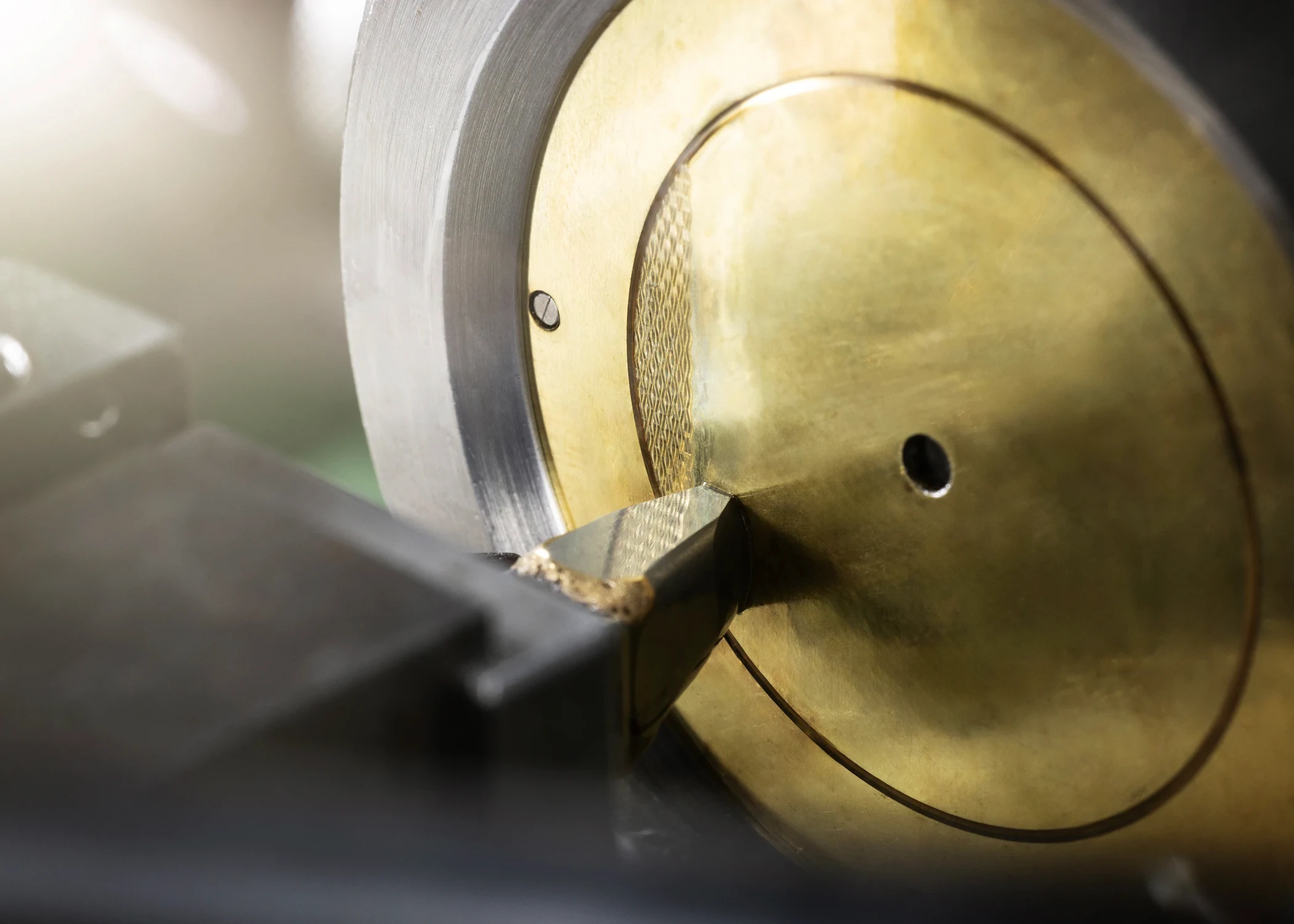
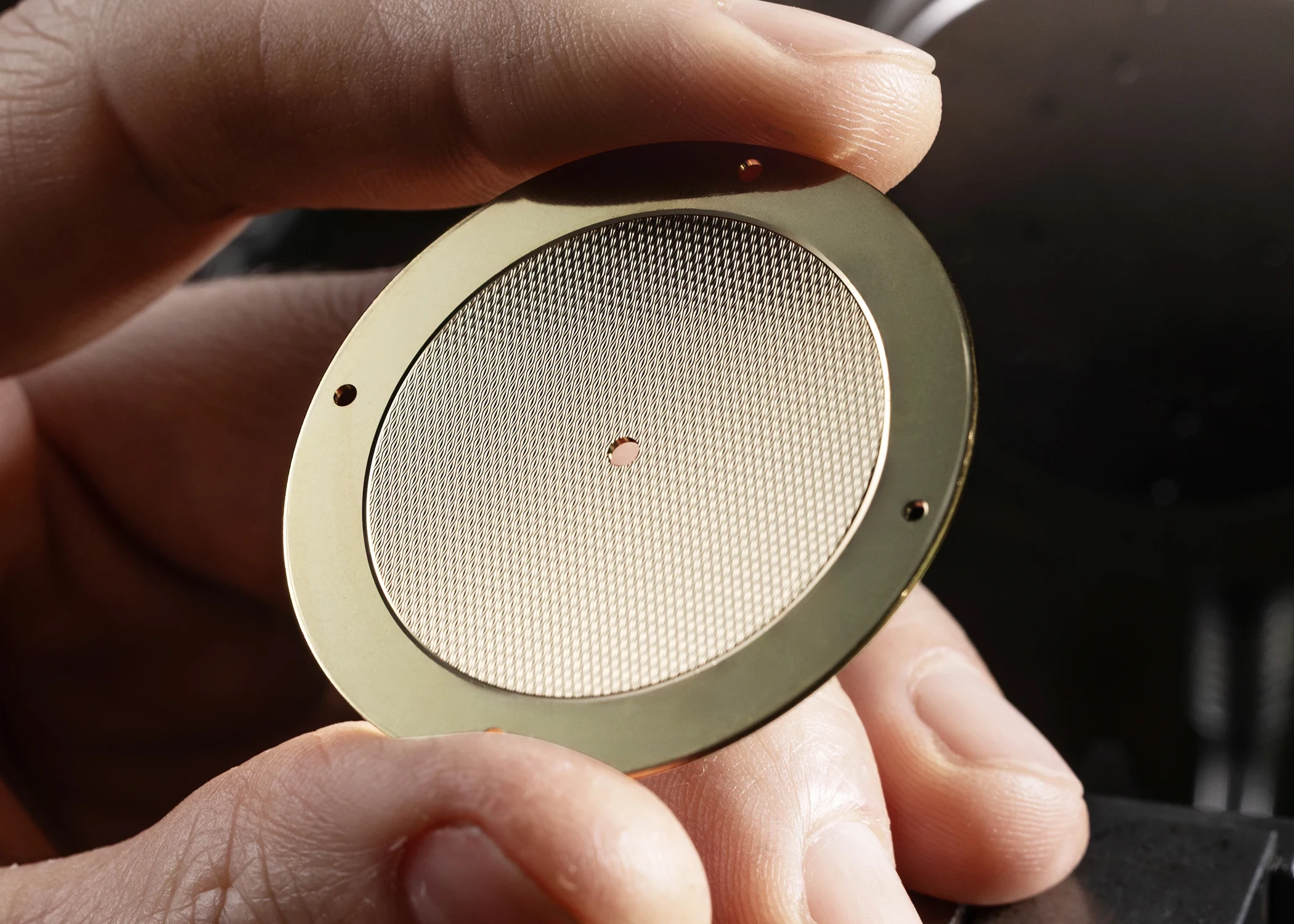
“It’s not sufficient to create the emotion; the customer wants perfect execution,” Terreni says in answer to a question about why it is necessary to make so much of the movement and watch oneself. “But you cannot internalize every phase of a movement, of a dial. So you build upon the certain things you can do internally, like the grain d’orge (barleycorn pattern) of the Toric dial, which is a gold dial hand-brushed with an extremely difficult technique that comes from restoration, which Michel taught the dial maker to do again.”
This answer echoes a question I had put to Michel Parmigiani himself about five years ago: what does the consumer gain from a “manufacture” movement? First, he told me then that this word “manufacture” had lost its meaning due to overuse (which I heartily agree with), but that the ability to make one’s own movement makes it “easier to manage special requests and to create custom-made according to our criteria of quality and design of the mechanism. The ‘manufacture’ is like a diamond where we are able to polish all the faces of quality that correspond to our requirements.”
Parmigiani Fleurier is an independent company – albeit one backed by a group – and the timepieces reflect its independent thought processes. But its very professional, practically large-scale production operation makes the company seem larger than it is, and this is perhaps one reason why it’s hard to “categorize” Parmigiani. Terreni declines classifying the company, asserting, “This word independent, as a niche and as a brand that is that is linked more to its founder and has a (founding) watchmaker who is still at the bench. We’re not that kind of animal, no, we are a little bit in between, I think.”
Parmigiani Fleurier’s early timepieces are incredibly elegant and reflect the time in which they were made, even if they were often extremely limited or even one-off. Michel Parmigiani was influenced by classic architecture, Greek columns and the golden ratio, which was obvious in the early timepieces, especially those with stepped bezels. The aesthetic was coherent, the mechanics bold and complicated. The first couple of years, were dominated by table clocks and pocket watches.
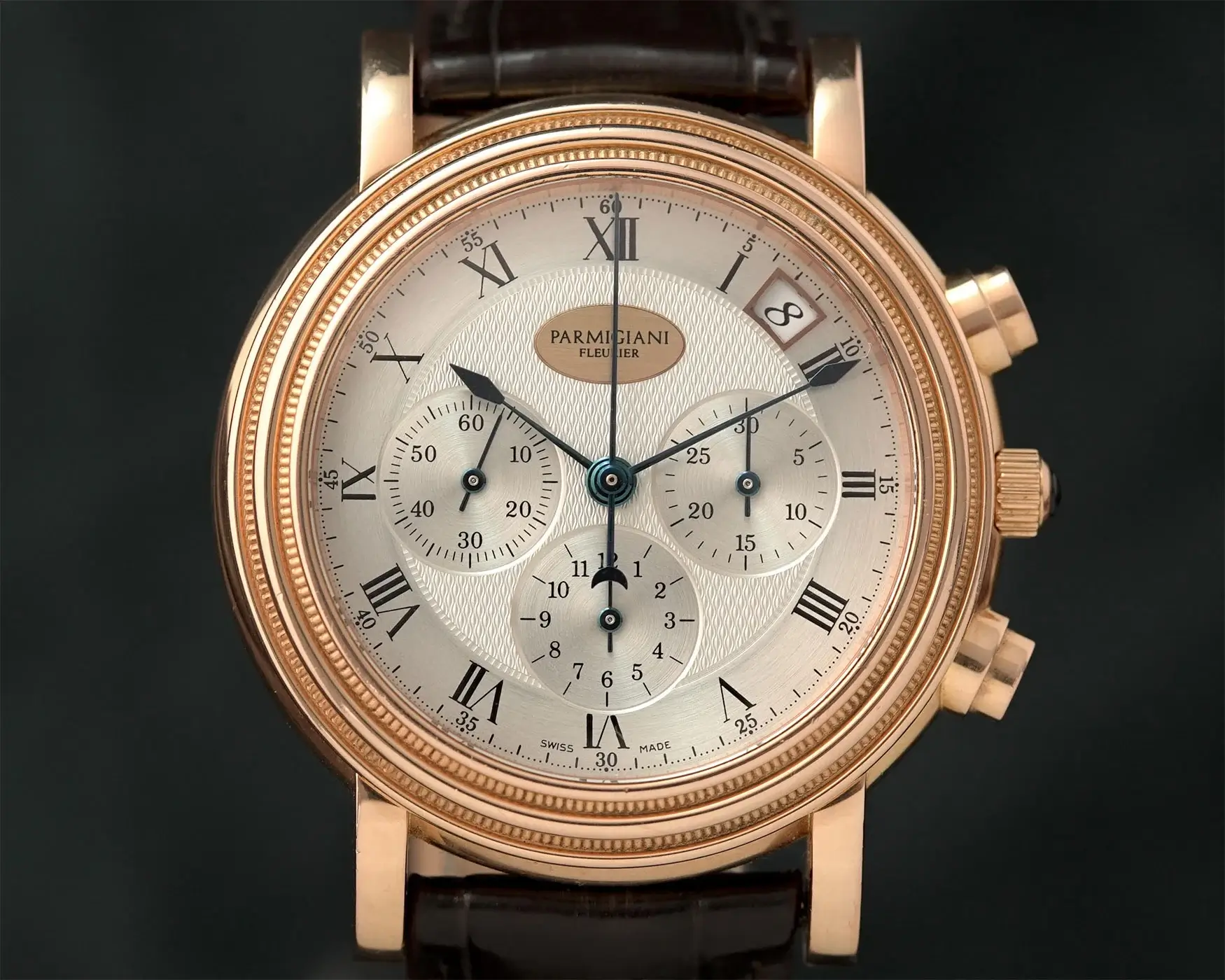
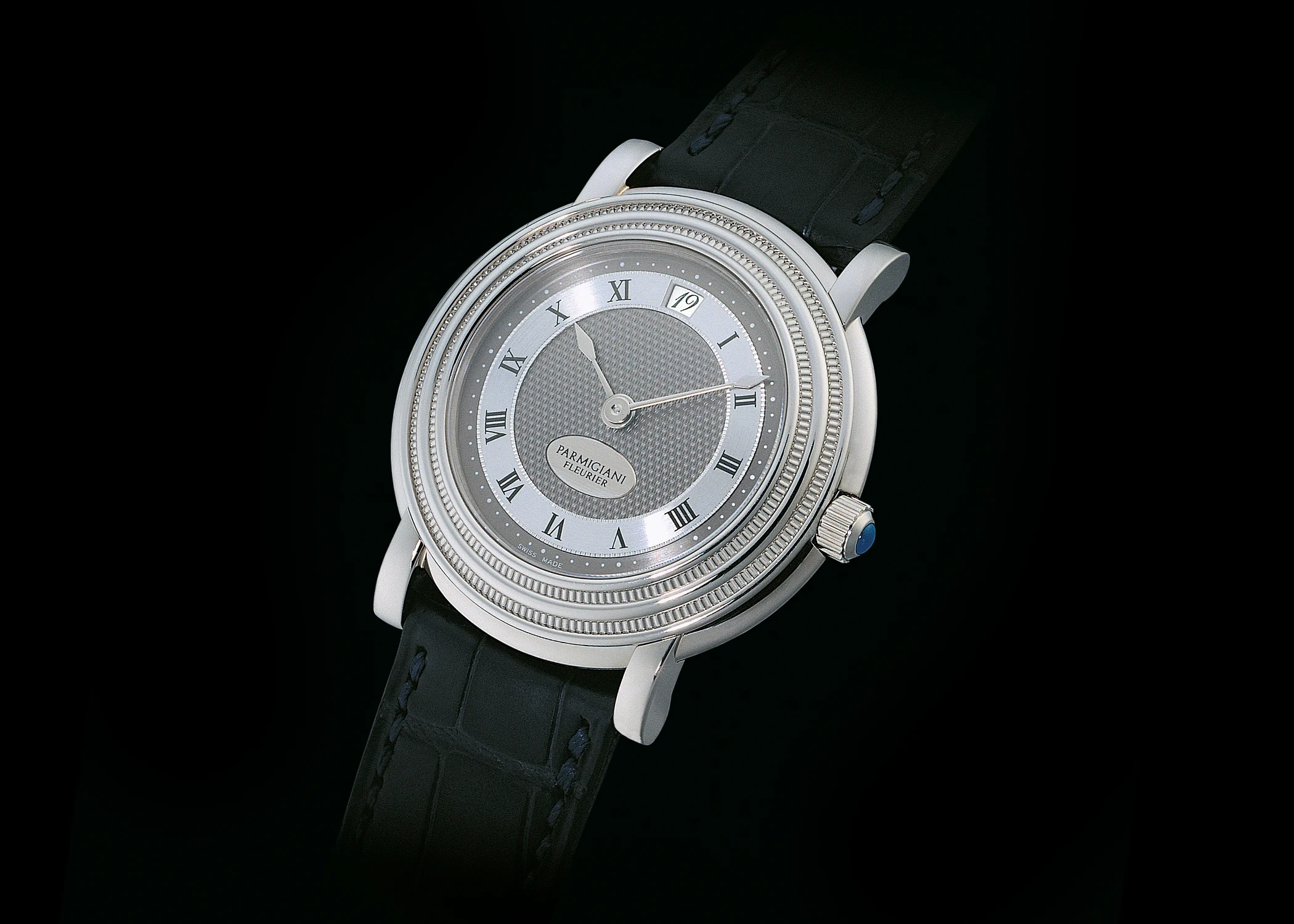
The Toric was the brand’s first watch collection, entirely inspired by classical architecture and, I would dare say, Abraham-Louis Breguet. The early pieces were powered by Lémania bases and aesthetically marked by guilloche dials and stepped, knurled bezels. Each timepiece was a little work of art and intended to be collected; market research and trends were not part of Parmigiani’s sphere of consciousness.
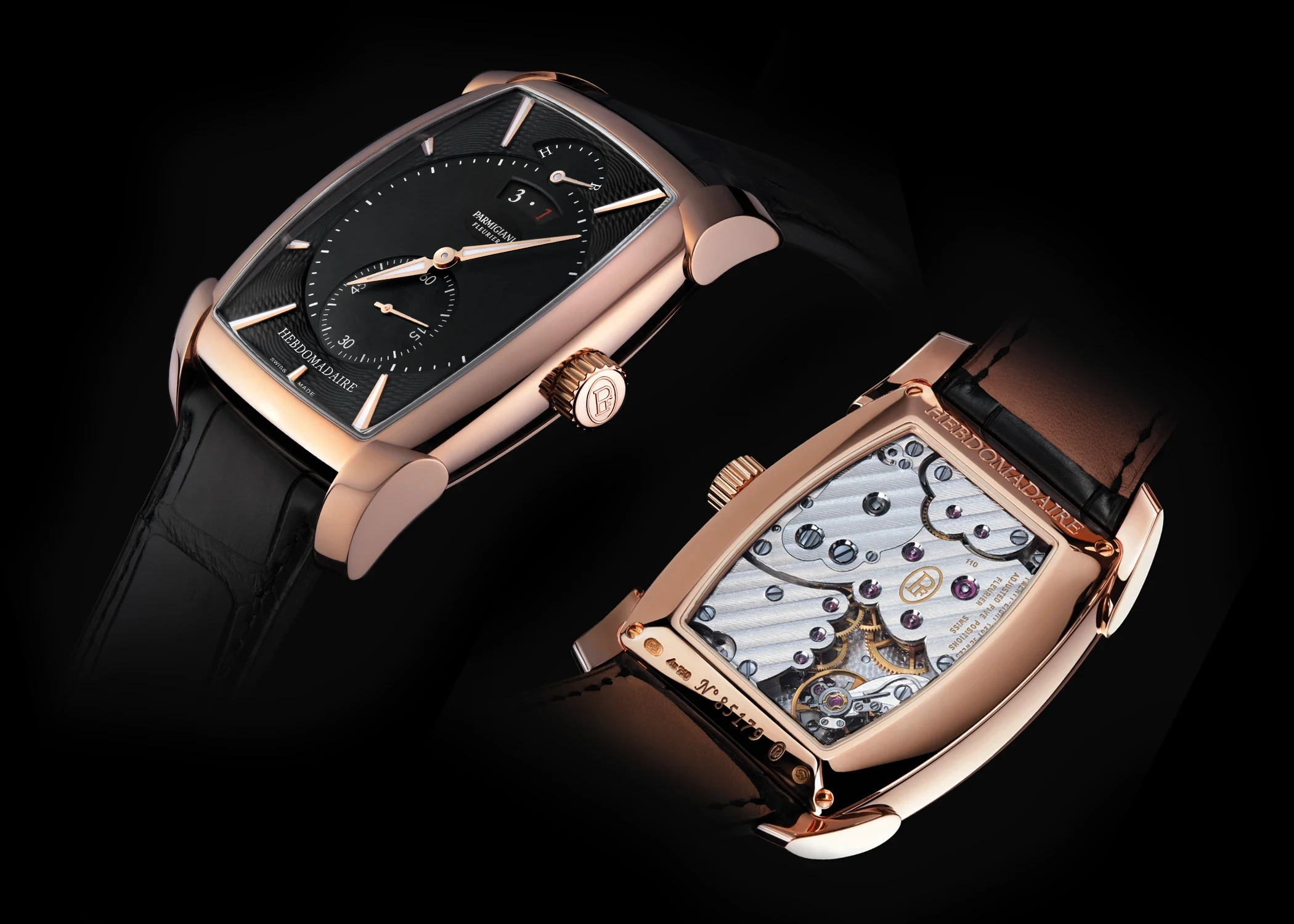
The short-lived, tonneau-shaped Ionica followed, but played an important role as the predecessor to the shaped Kalpa of 2001 and as the first watch to be powered by Parmigiani’s premier in-house caliber, the PF110. That in itself made this watch remarkable as so few companies could or would go to the trouble of making true in-house movements. In fact, in the 1990s one could count the number of these companies on two hands. This movement still exists and is manufactured today in many forms and with many added complications, including as the base for the PF500 tourbillon caliber.
Before 2000, Parmigiani was only making 800-900 timepieces per year, and the early 2000s saw the brand shift to more complicated pieces and a less classical aesthetic, which sometimes made use of base movements from other manufactures like Girard-Perregaux and Zenith and sometimes vintage movements like the Venus 179 in the Toric Rattrapante Chronograph of 1999/2000. These movements were of course heavily modified. The Basica line also appeared in the early 2000s, with its very pared-down visuals.
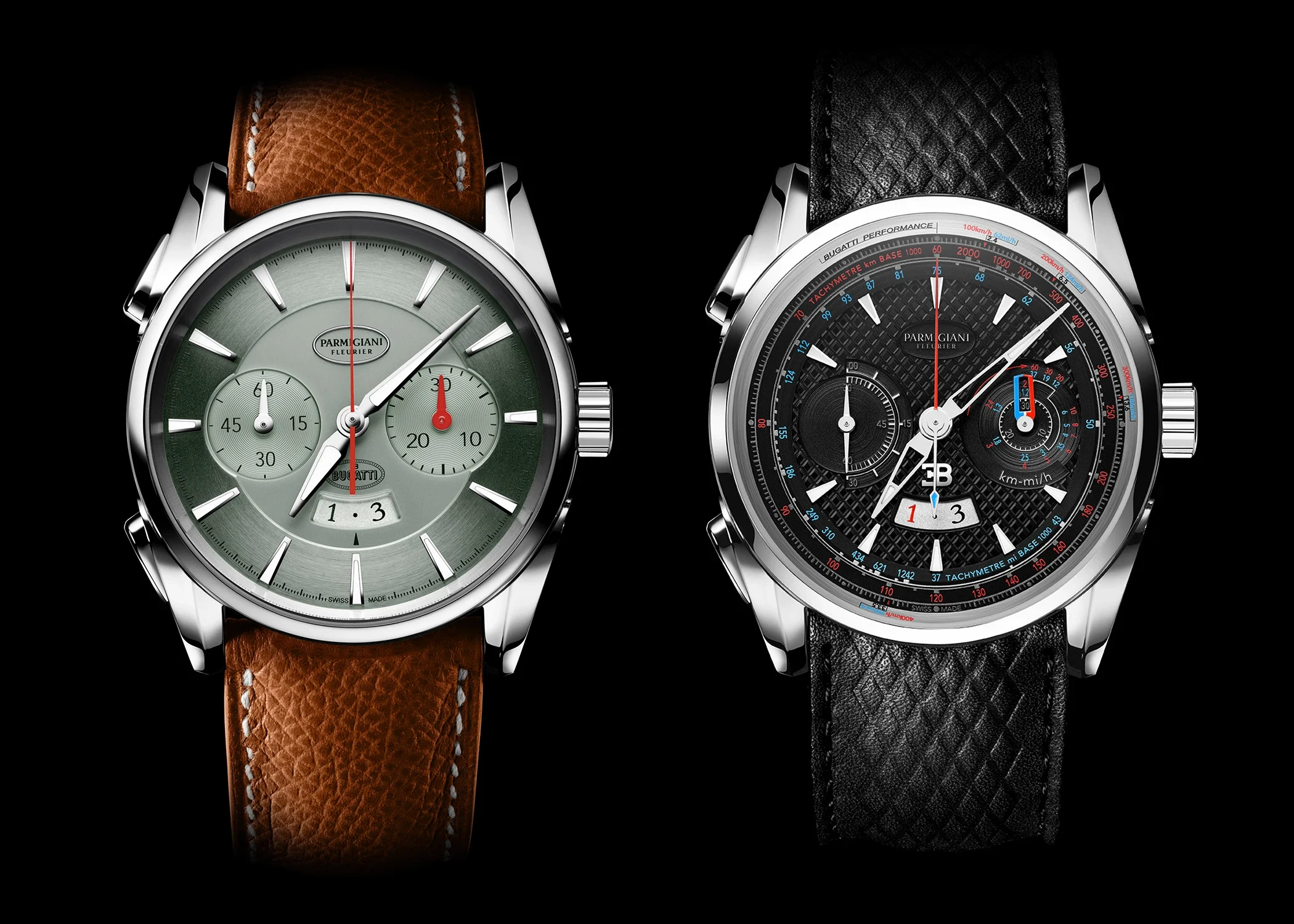
And, of course, there was the bombastic Bugatti watch in its many forms between 2003 and 2016 – a huge and very interesting departure for this classically minded brand – as well as 2016’s Senfine escapement concept, which was never brought to the production stage. These attest to Parmigiani Fleurier’s sense of adventure and willingness to experiment.
And naturally throughout, there have been the exciting one-off objects that have appeared with regularity like the outstanding Hippologia and the Dragon and the Pearl of Wisdom automata, the Fibonacci, La Rose Carrée, and Les Rose Carrées Grand Feu pocket watches, and the Gaia Sun Clock.
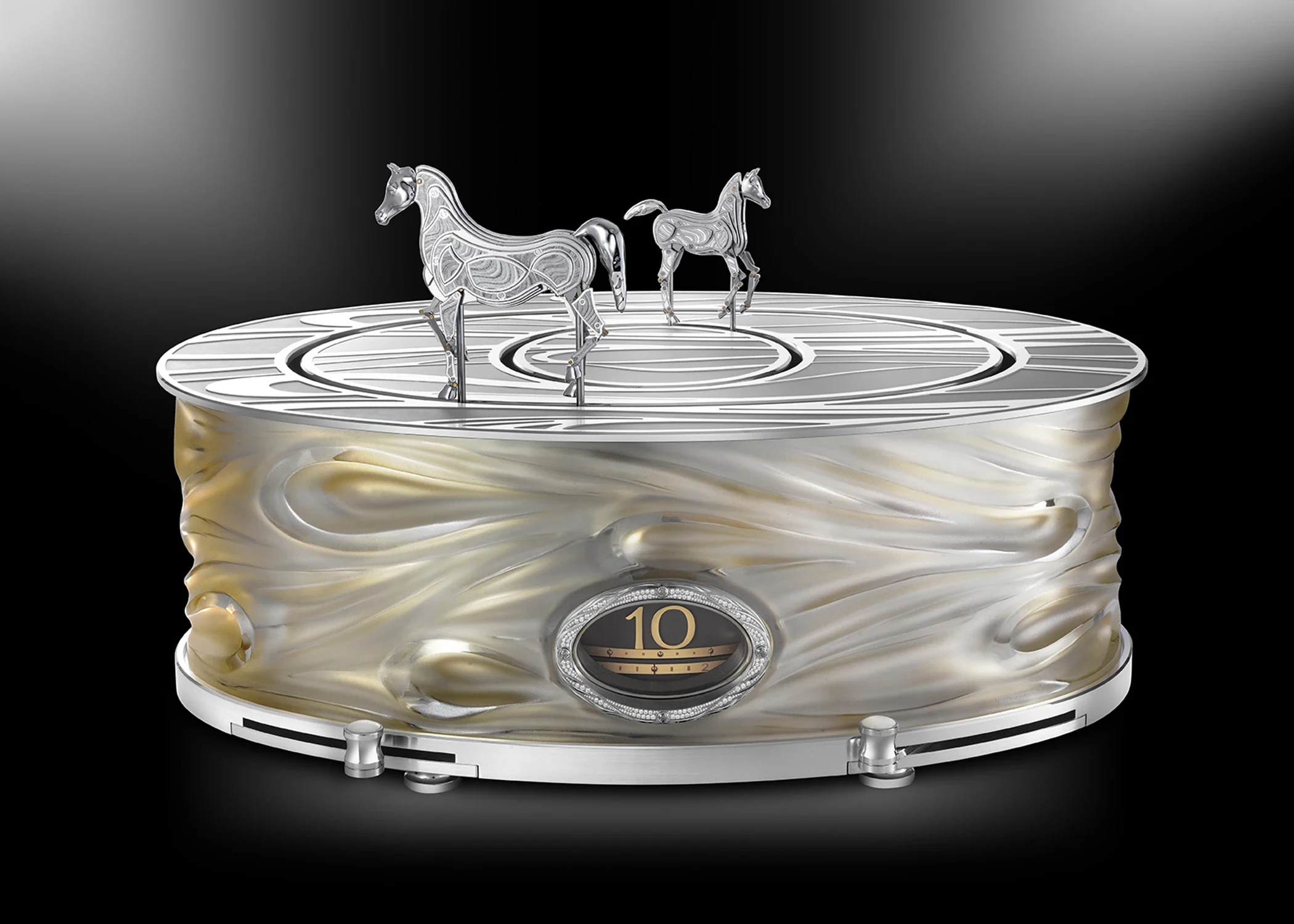
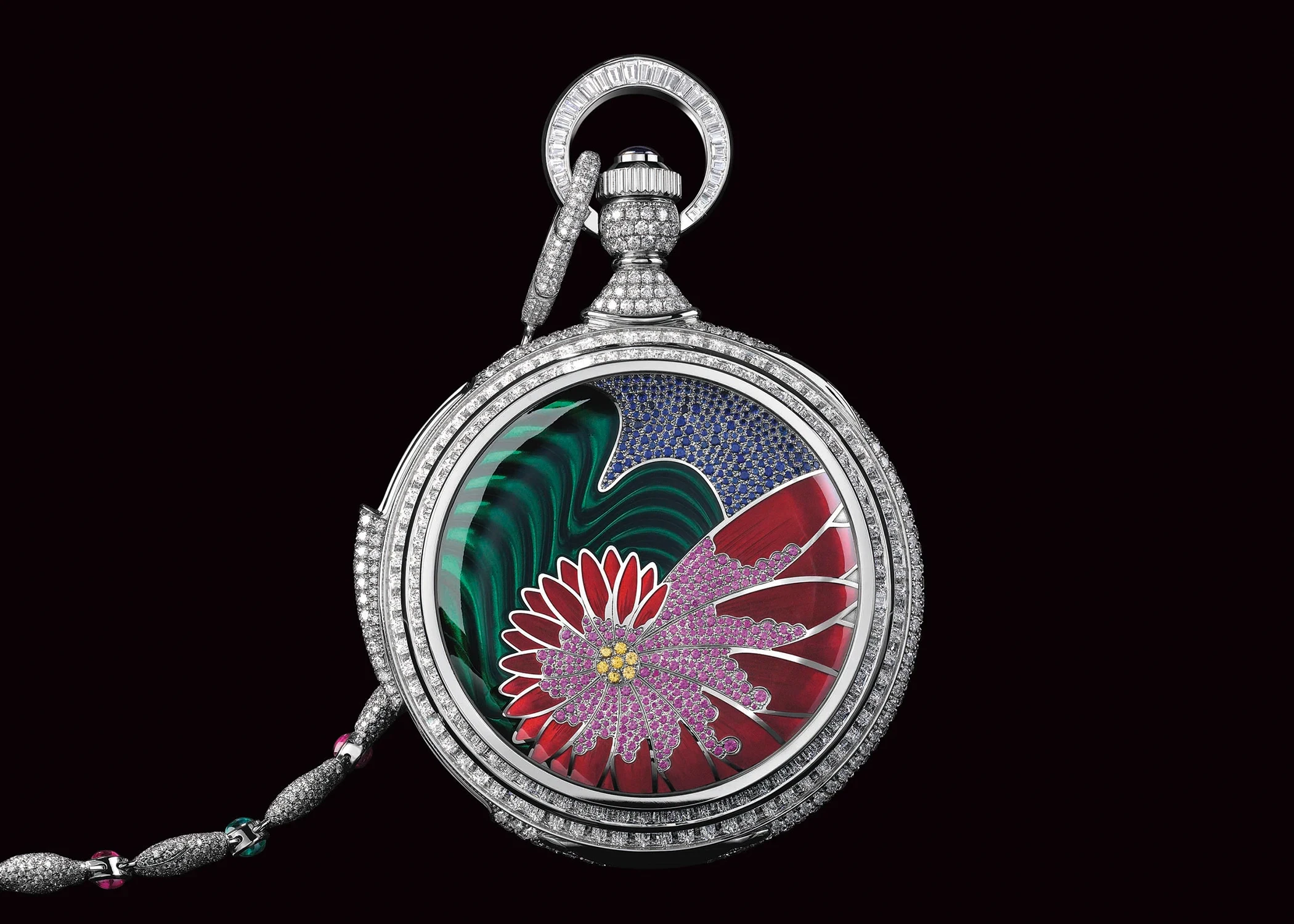
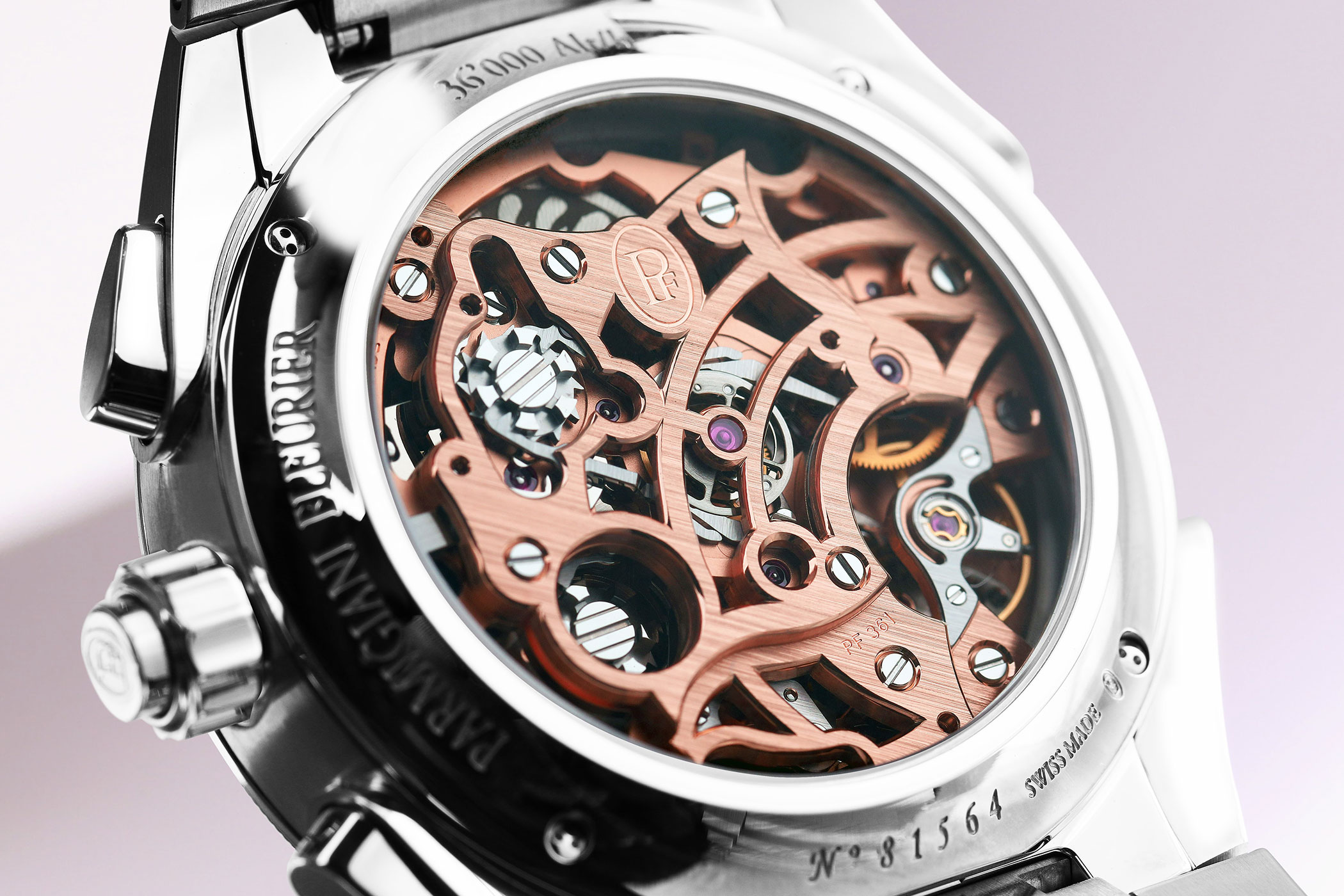
From the beginnings though to today, hand-finishing, hand-engraving, and high-end handcrafted decoration continue to be part of Parmigiani’s special treatment for all its movements. The brand’s special, highly complicated, and/or one-off timepieces additionally boast plates and bridges crafted in 18-karat gold at times, which is relatively exotic, while the rotors of Parmigiani Fleurier’s automatic movements are almost always crafted in 22-karat gold.
Find out what goes on behind the scenes at the Parmigiani Fleurier manufacture in our article here
The year 2021 – Parmigiani Fleurier’s 25th anniversary – is when the brand’s style changed for good. And not for the worse, either, but rather for the more modern. Guido Terreni left a two-decade-long career at Bulgari to become the new CEO of Parmigiani Fleurier in 2021. He was specifically hired for long-term strategic brand realignment, and there is no doubt in this writer’s mind that he has already accomplished just that with his wonderful sense of contemporary luxury and a knowing finger on the pulse of the luxury market.
Terreni was in a sense lucky that he joined right as the COVID pandemic was forcing the world into some stillness. “That moment of quiet allowed us, obliged us. Because when I joined, I saw urgency: there was a lack of consistency in the style and the lack of a star product, of a recognizable icon in the company. And so the urgency was to do something quickly.”
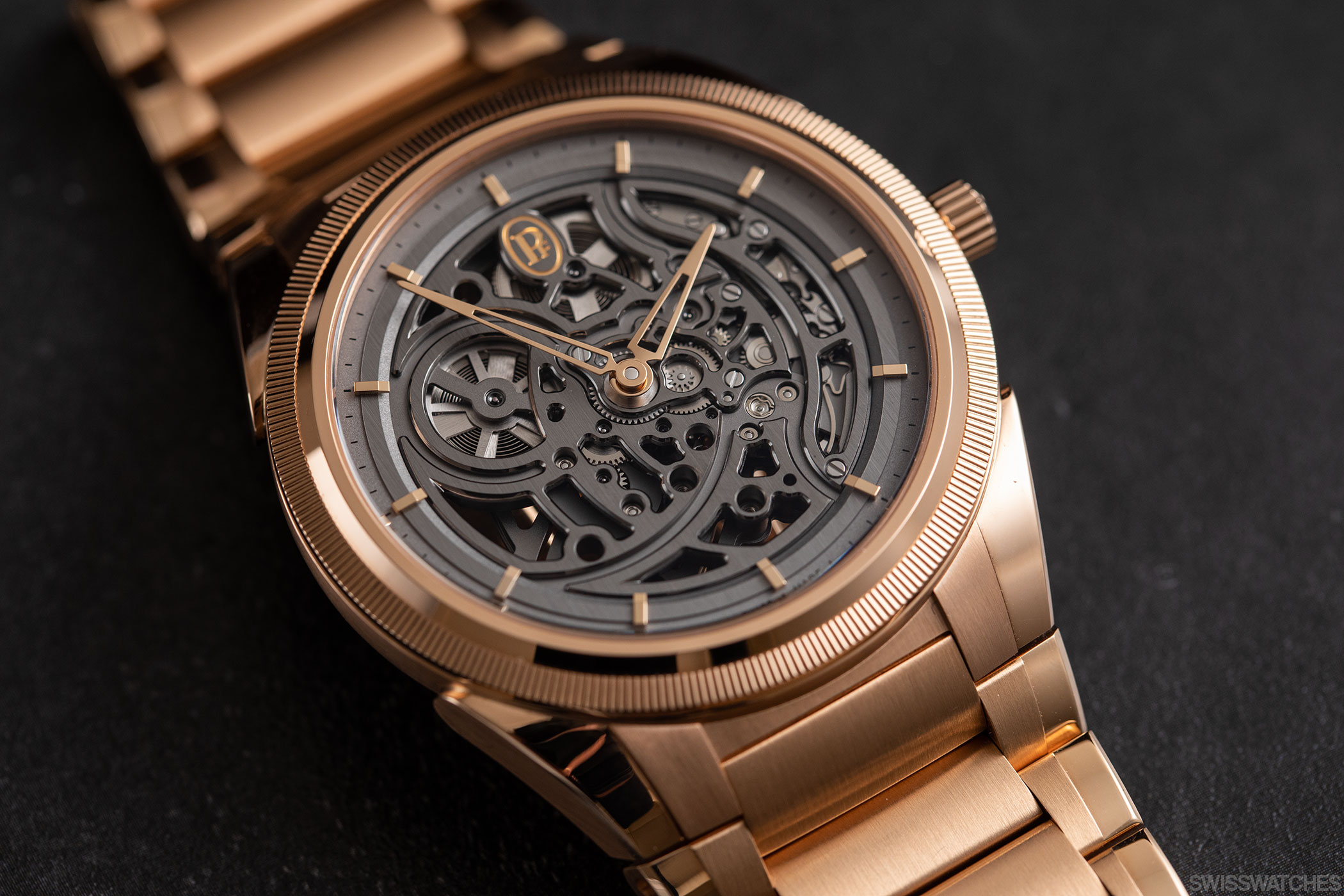
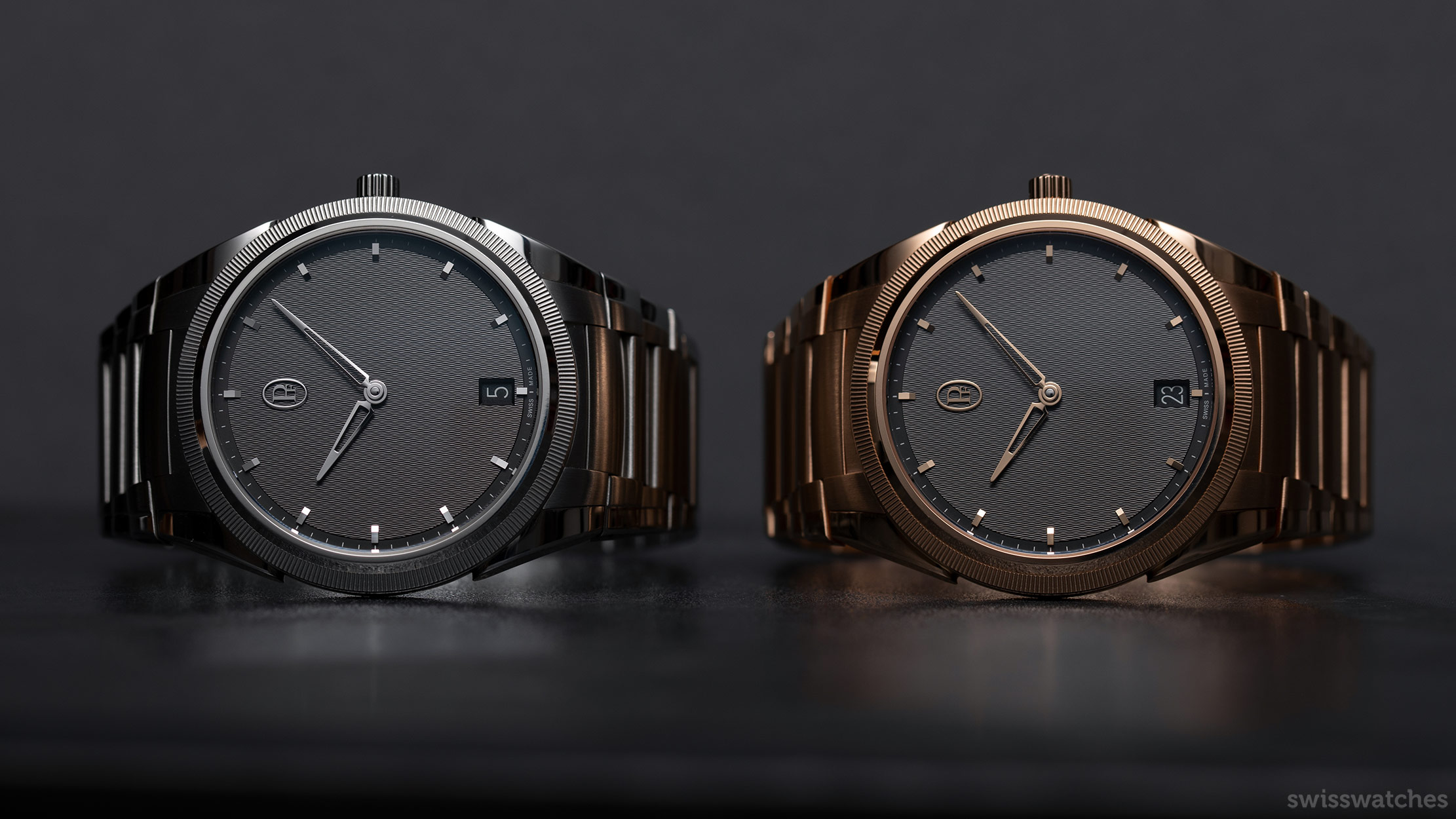
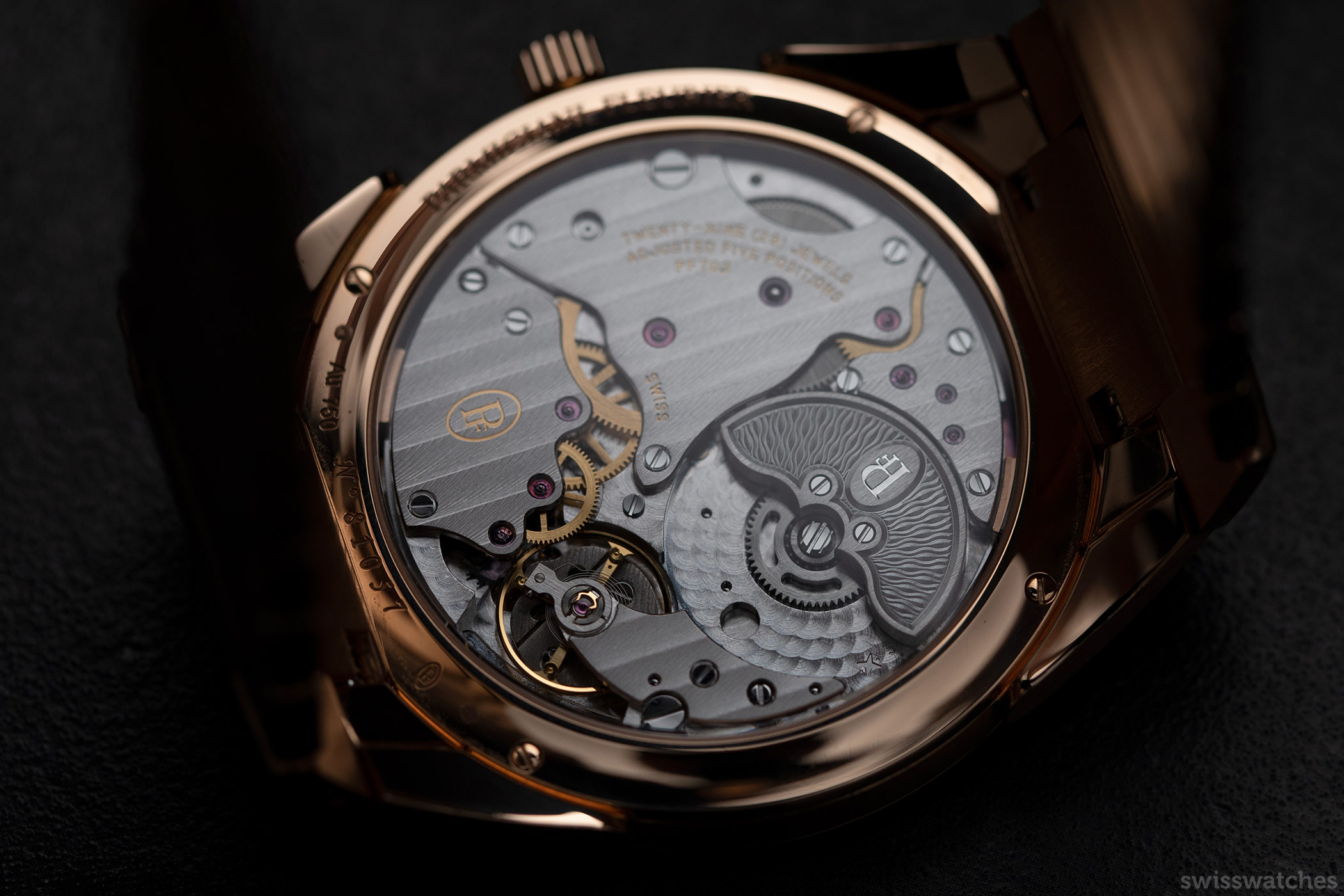
Terreni ended up launching the very original Tonda PF – a modern approach to the classic Parmigiani Fleurier Tonda model – at Geneva Watch Days in 2021, only several months after joining, which he had the ability to do thanks to the fact that the movements were readily available. Terreni patiently explained his thoughts again and again to curious journalists and collectors, who couldn’t help but immediately love the approach and style of this understated daily wearer with a multitude of details and finesse to discover. This watch line has created renewed interest in the watchmaker.
“What I’m doing now matters a lot in terms of the actual collection, because that’s what’s going to be remembered in the future,” Terreni says. “Since I joined, I breathe Michel’s values – I, and my team through my guidance, have to respect the brand name, which is Michel Parmigiani Fleurier, and try to interpret it in today’s world. And this is what the relaunch is about.”
Terreni has whittled the collections down to just four: Tonda PF, Tonda PF Sport, Toric, and the special Objets d’Art that celebrate Michel Parmigiani’s birthday every year on December 2.
“One is the versatile, elegant everyday watch we designed in the Tonda PF, and the other is our interpretation of a dress watch for today’s world, which is the Toric,” Terreni explained.
“To find a design that that becomes timeless is the dream of every brand,” Terreni disclosed. “However, every timeless design was a novelty at a certain point of its existence.”
Restrained, contemporary, yet not boring, the Tonda PF has raised the bar in the following years, resulting in a trilogy of specialties: very quickly in 2022 came the Tonda PF Rattrapante, a novel second time zone model with a hidden GMT hand. Then came the Tonda PF Minute Rattrapante in 2023 with a hidden extra minute hand for use as a minute chronograph. And in 2026 the Tonda PF Chronographe Mystérieux with a hidden full monopusher chronograph arrived.
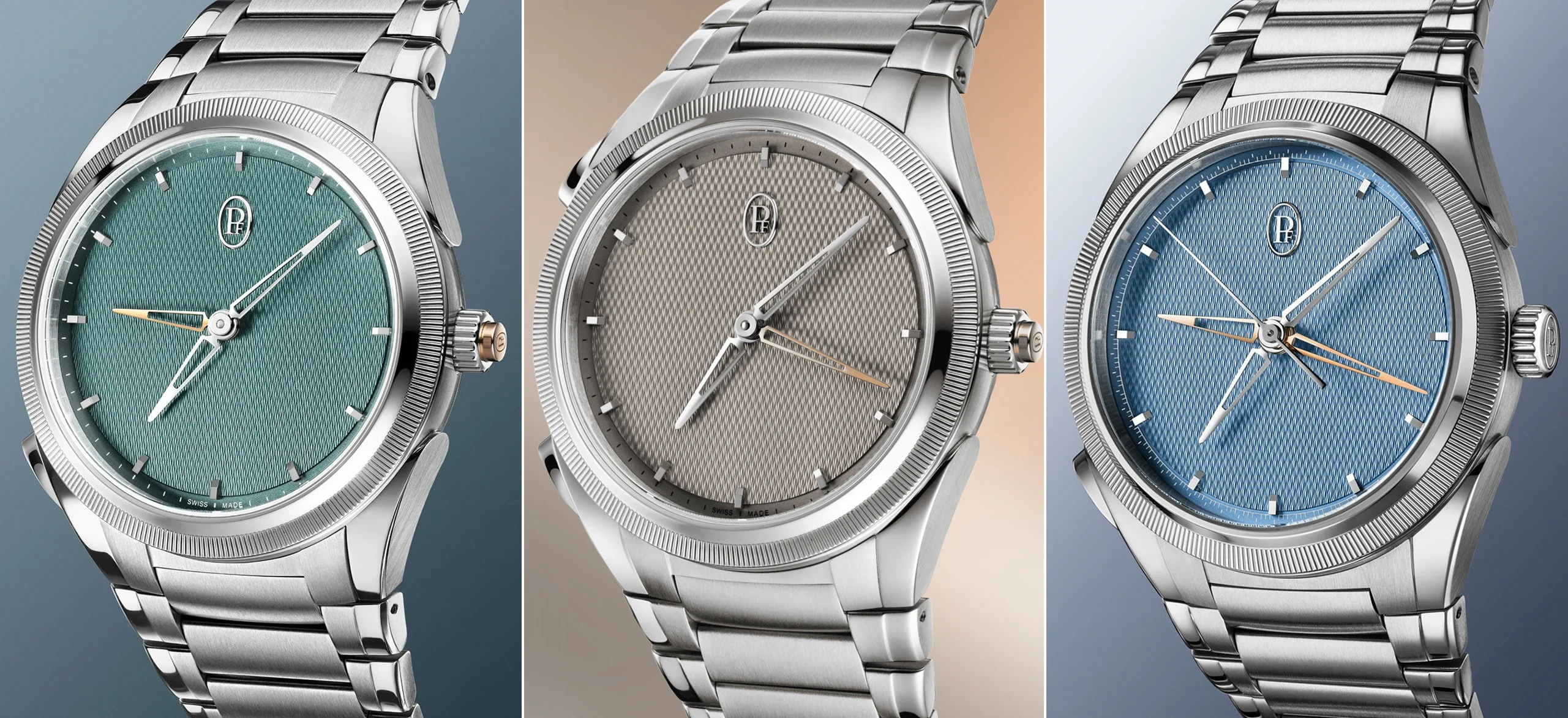
To celebrate the completion of the trilogy in the 30th anniversary year, Parmigiani has made a “world premiere” trilogy set of 30 pieces each in platinum.
“30 years for a brand in watchmaking is very young, but [we are] a young brand that is rooted in very deep knowledge through its founder,” Terreni justifiably said.
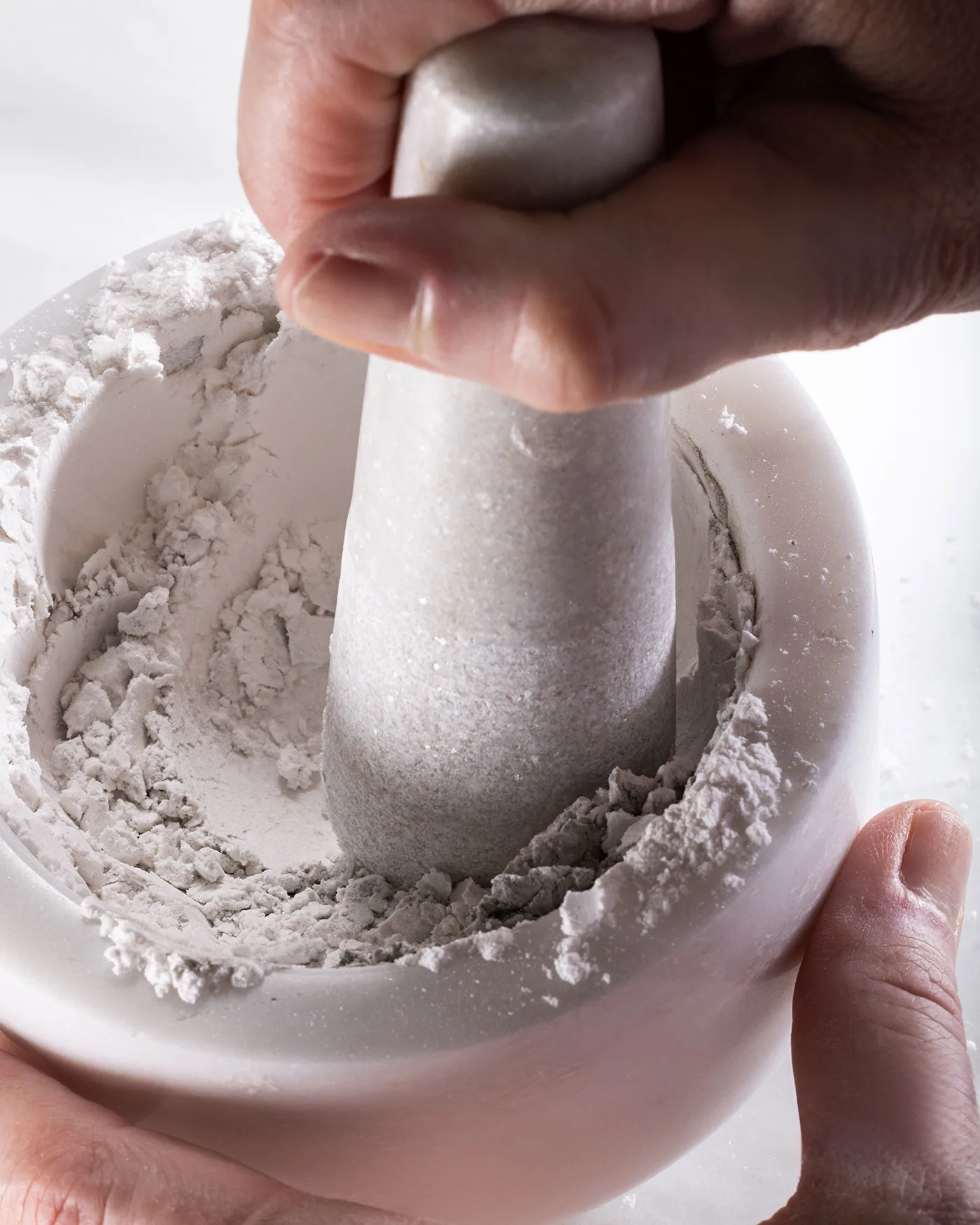
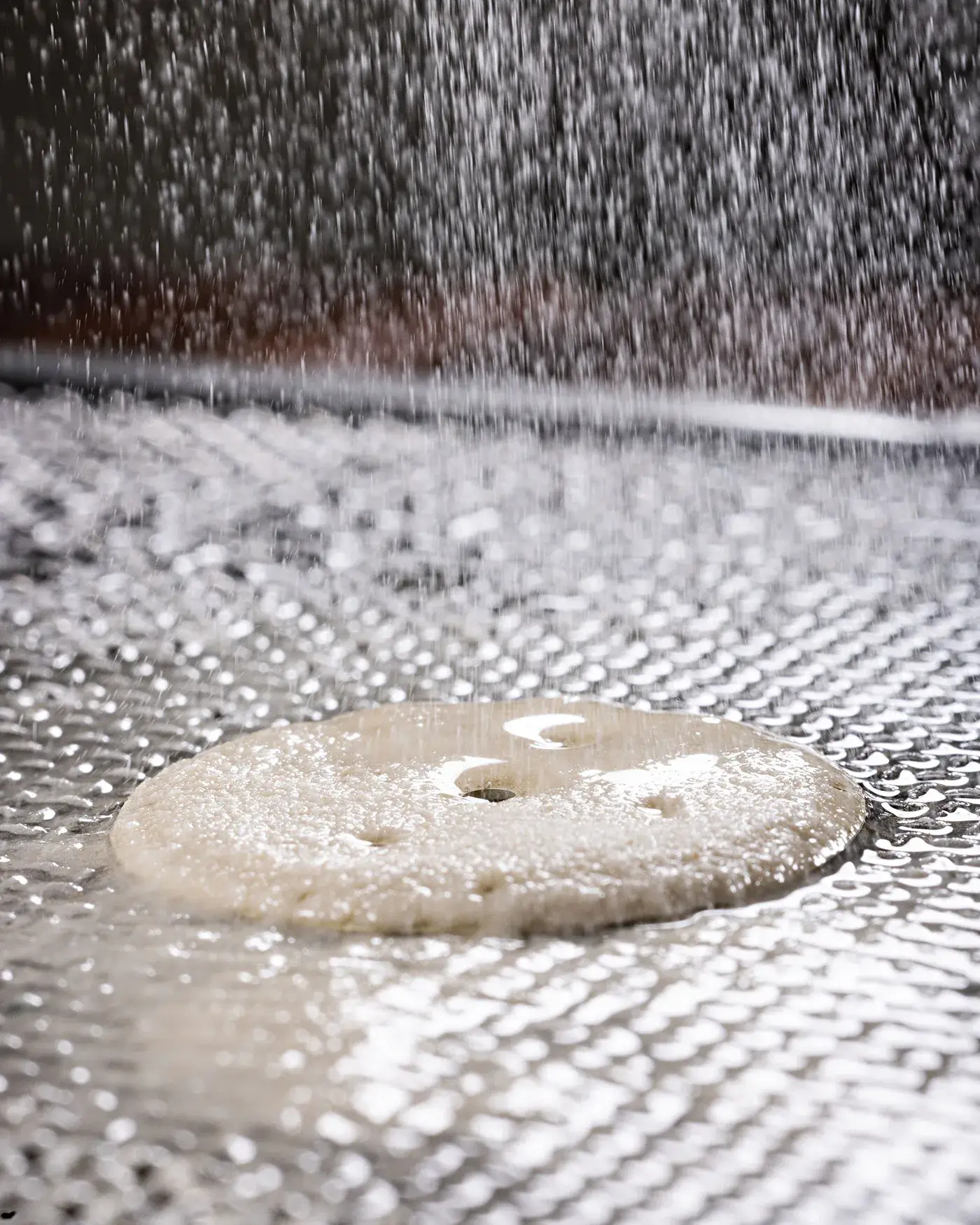
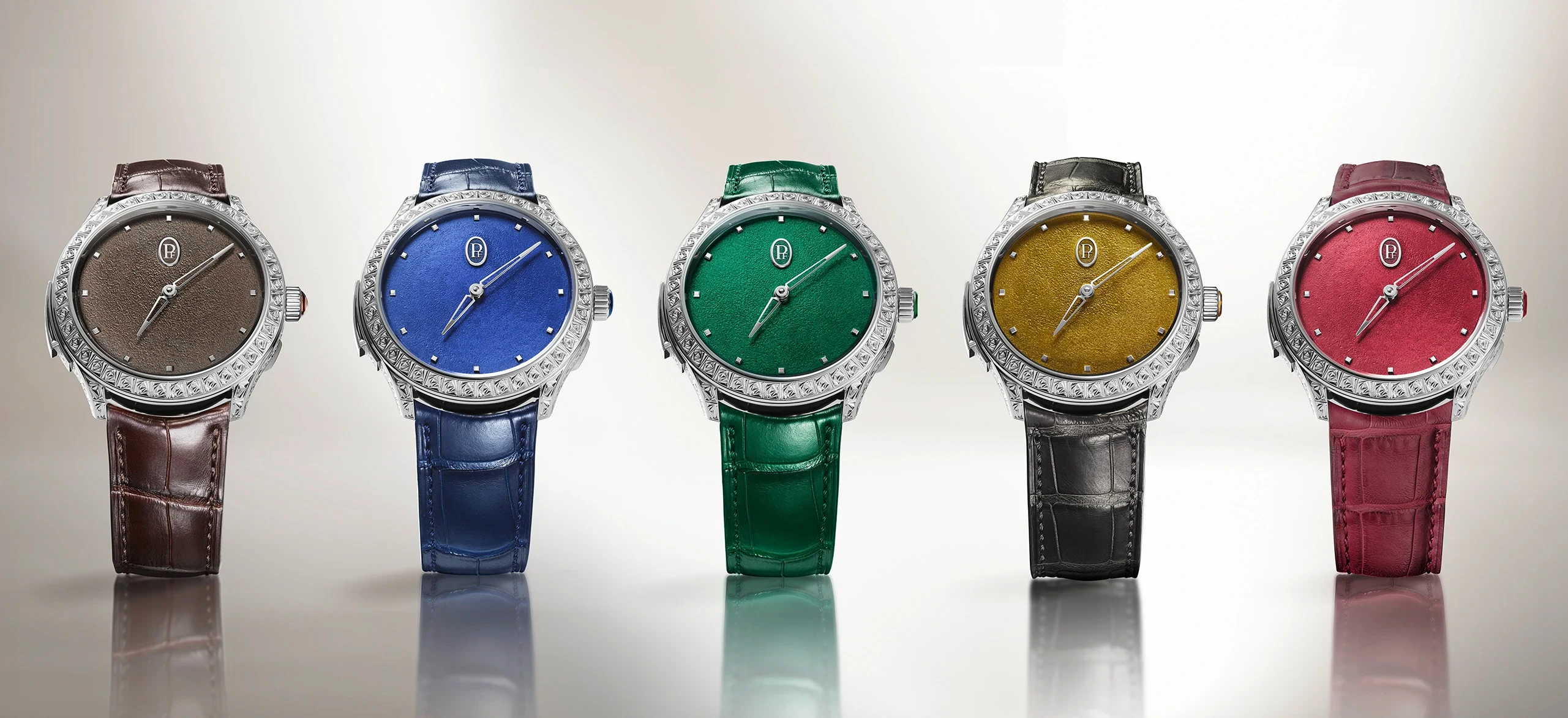
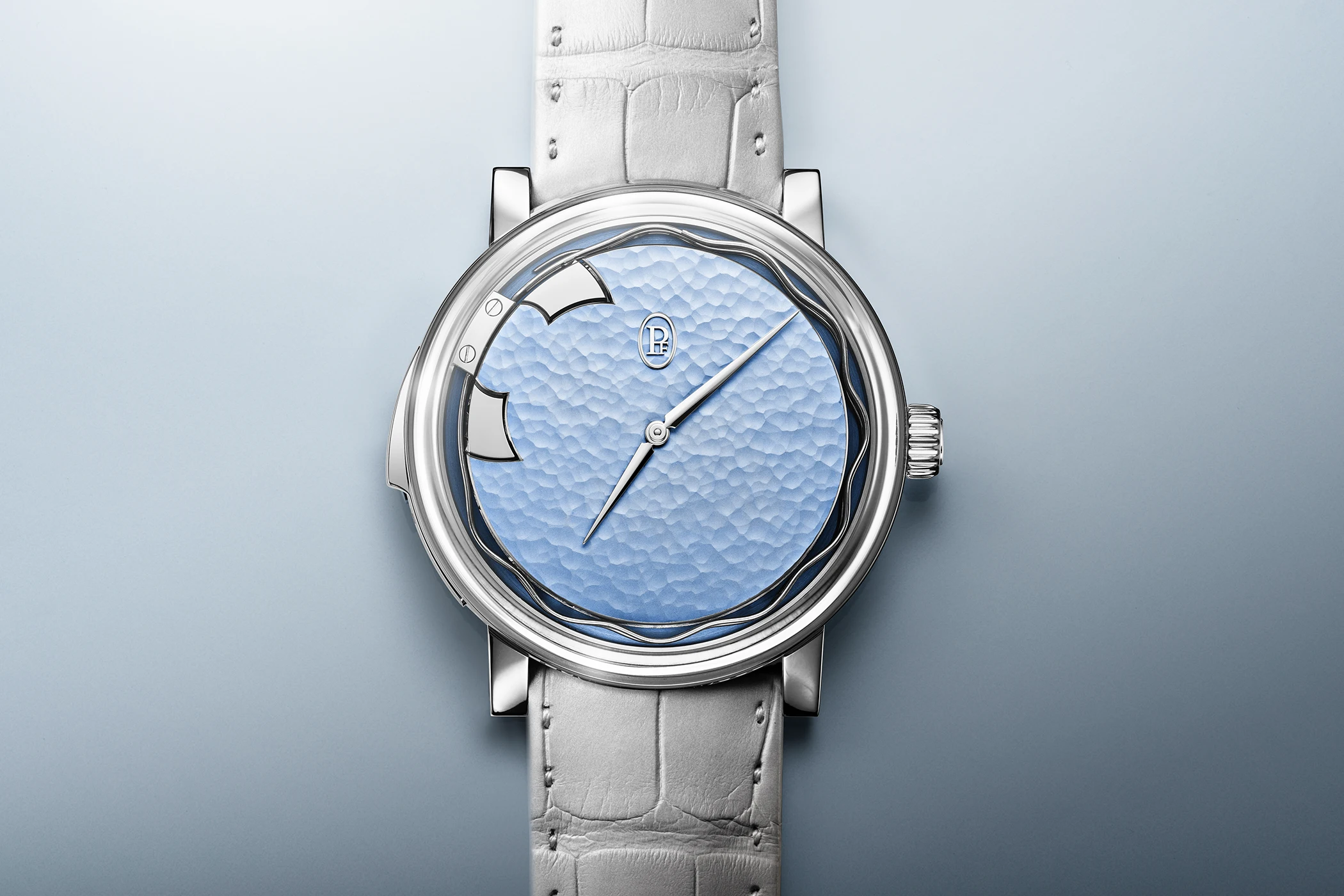
At Watches & Wonders 2026, Parmigiani Fleurier also launched a new Toric trilogy to celebrate the brand’s first watch. The three variations on the dress watch, which are limited to only 30 pieces each, feature a spectacular hand-hammered 18-karat gold dial that takes an artisan more than 60 different steps to accomplish. Because they are handmade, each dial is slightly different from the next.
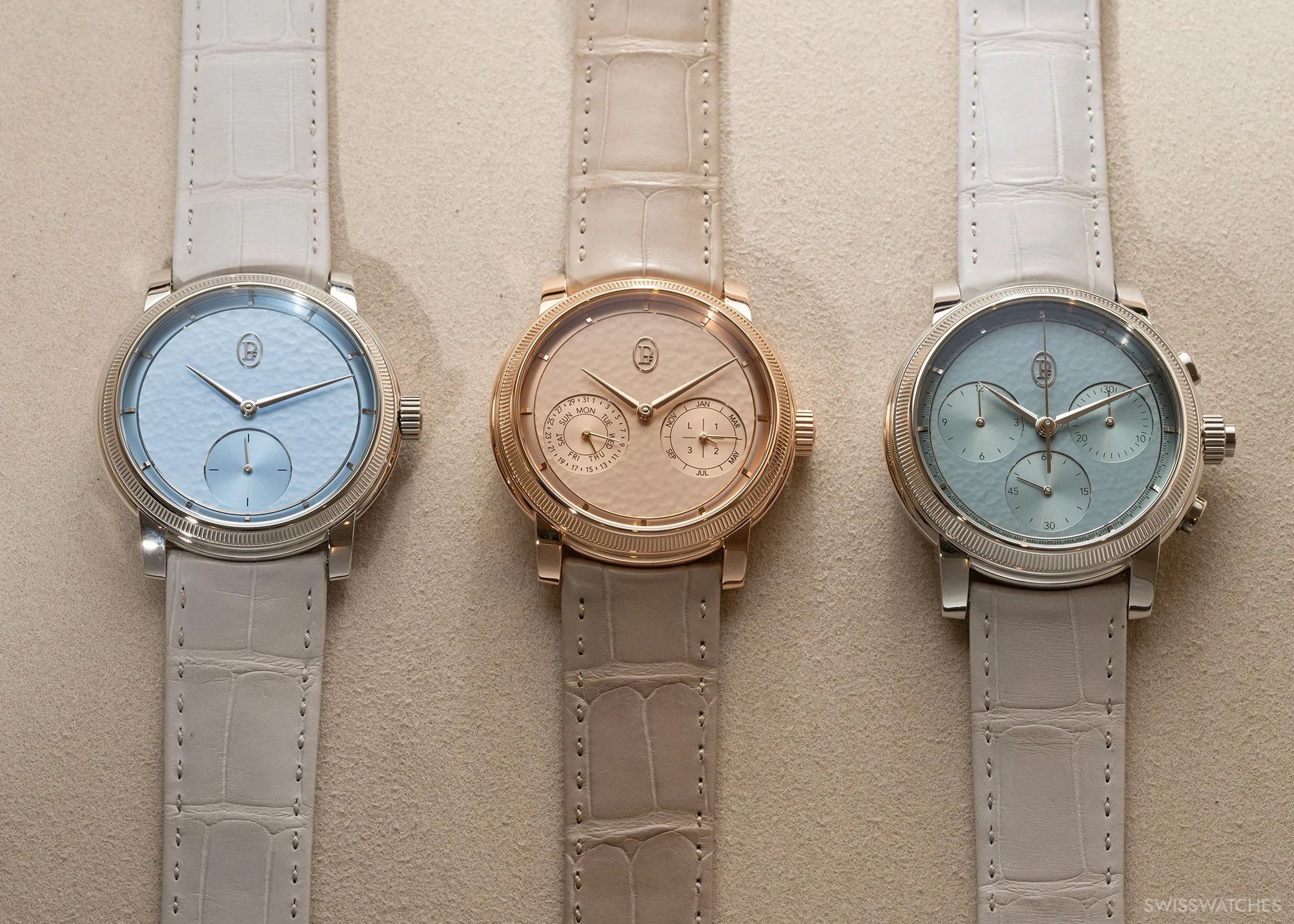
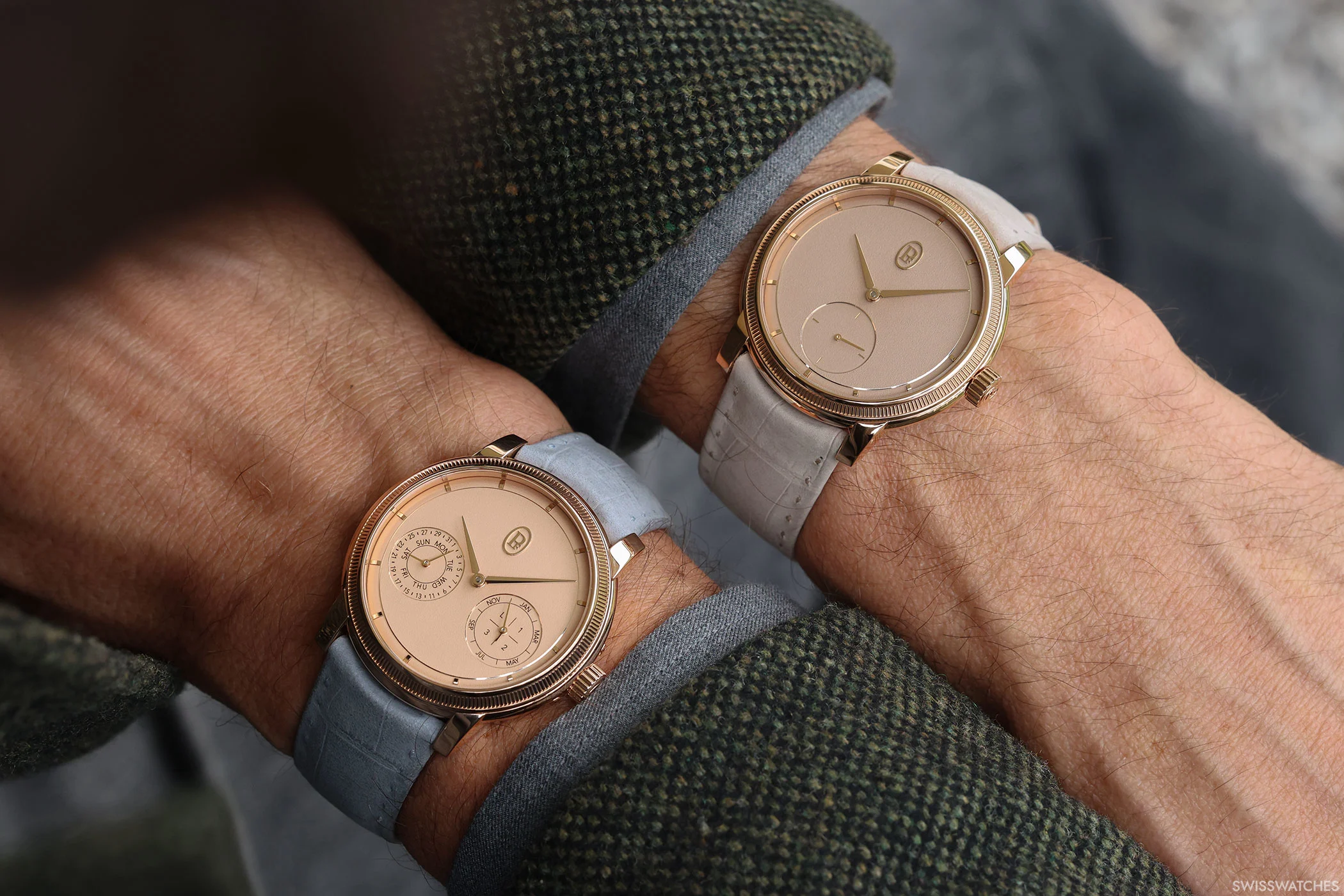
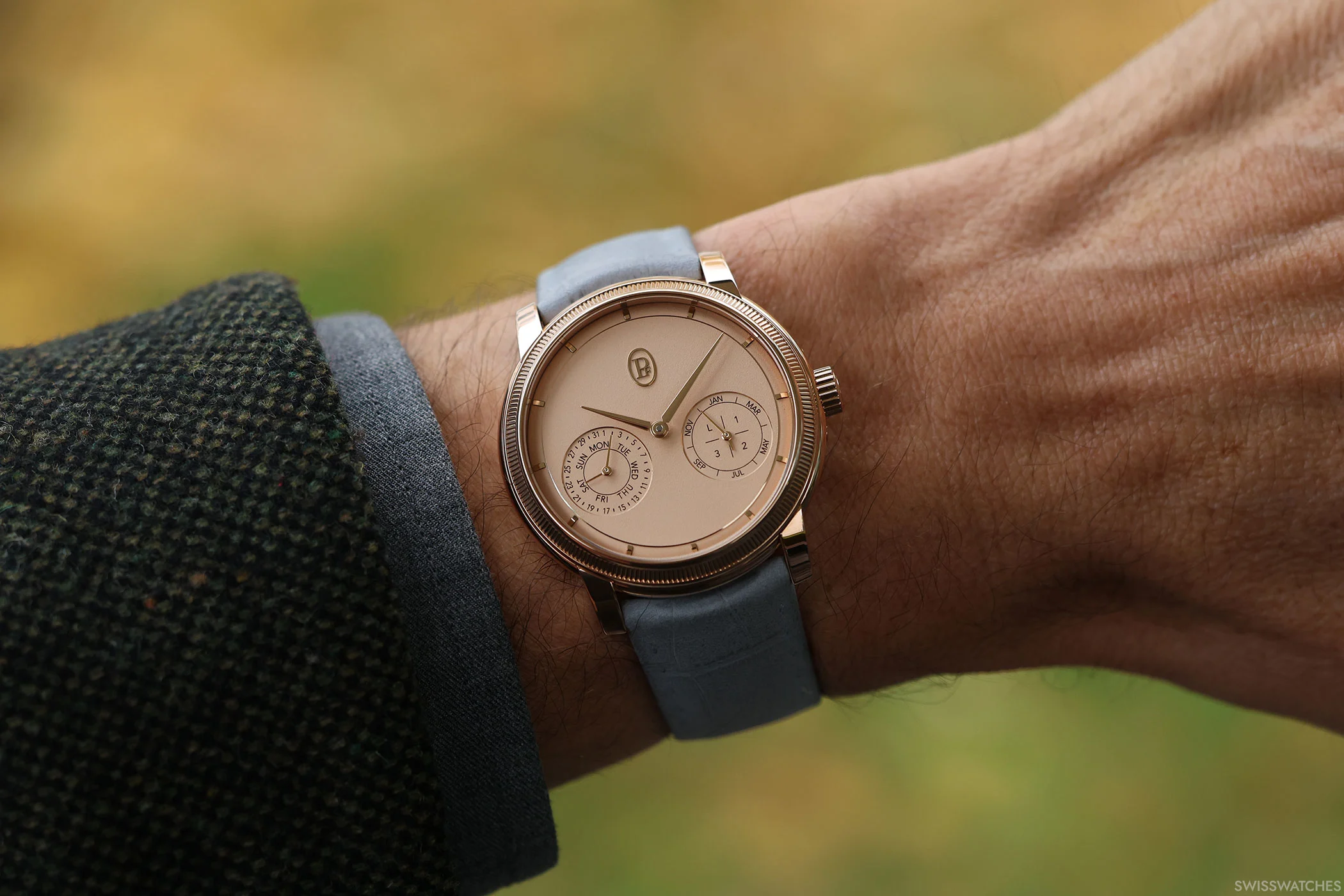
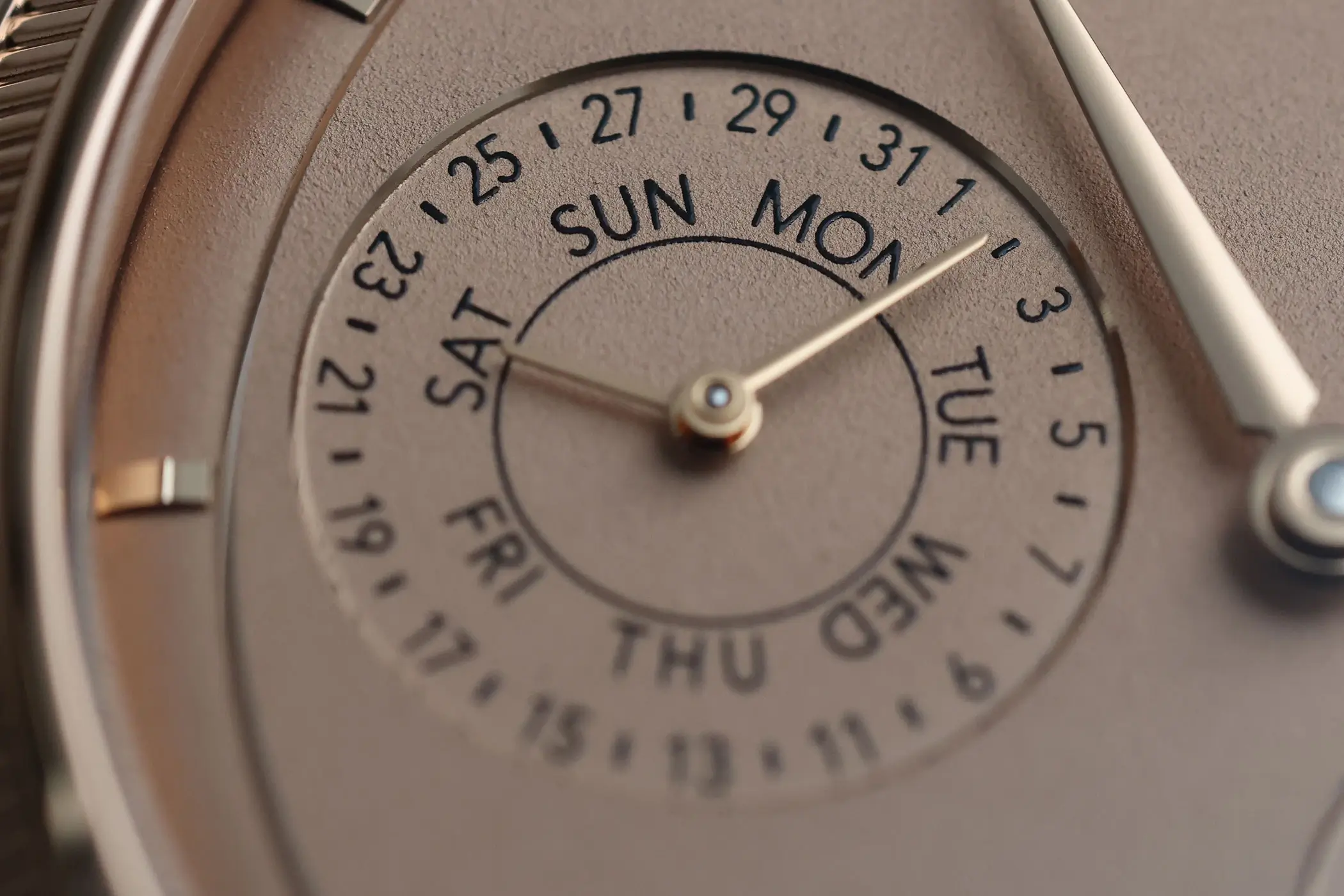
This trilogy of watches includes an exquisite platinum Toric Chronographe Rattrapante with a blue dial powered by 5 Hz manual-winding Caliber PF361. The Toric Quantième Perpétuel in 18-karat rose gold is a stunning perpetual calendar with rather minimalist looks featuring just two subdials containing the calendar’s complete information. This watch powered by manual-winding Caliber PF733, which is profusely decorated with clous de Paris guilloché and hand-beveling; it remains incredibly legible despite its plethora of information. And, finally, this celebratory trilogy also offers a platinum Toric Petite Seconde (small seconds) with a stunning “Morning Blue” dial that is powered by manual winding Caliber PF780 with twin spring barrels.
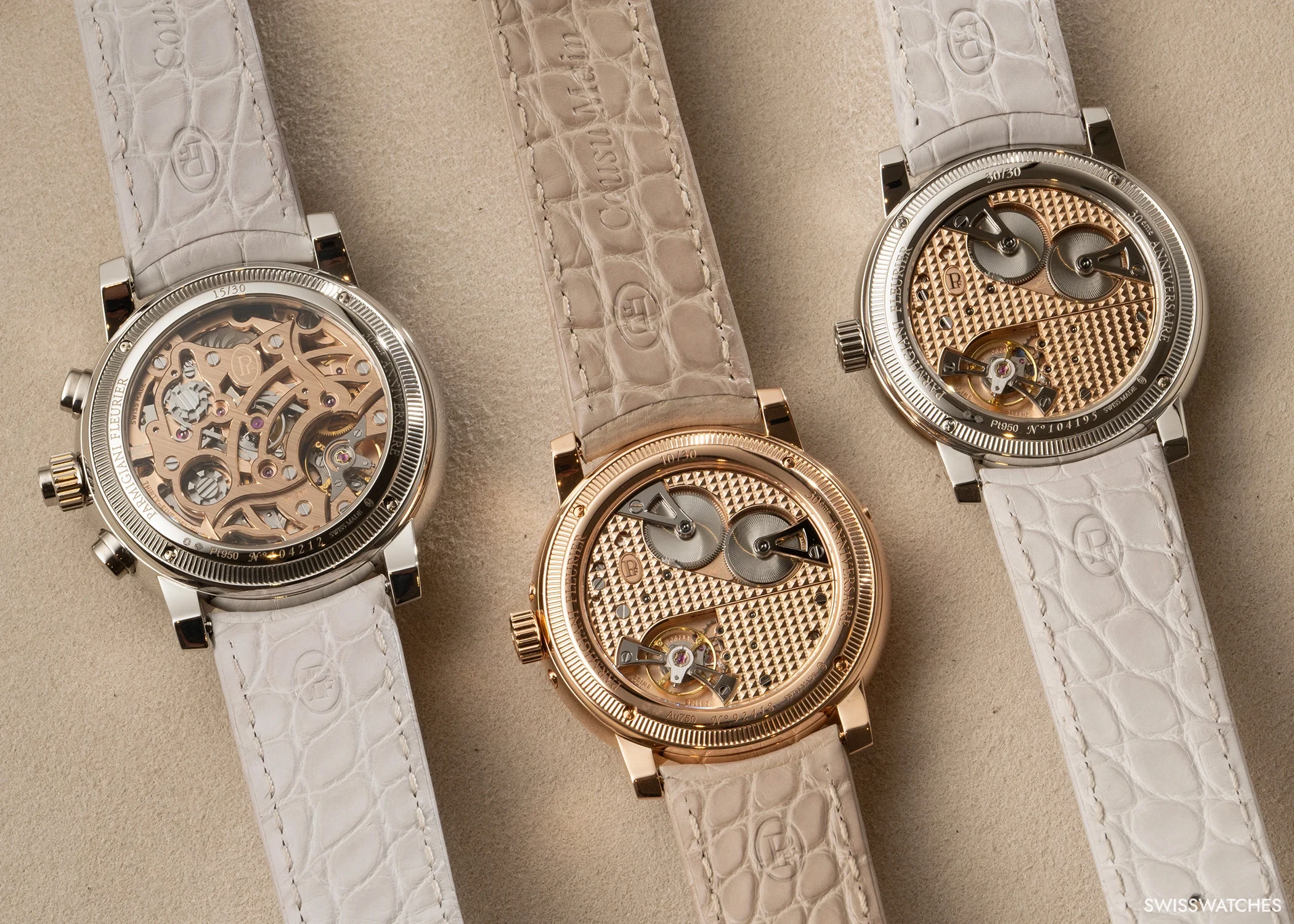
“These three anniversary limited editions to me speak extremely well in underlining what the brand evolution is, respecting the soul of the brand,” said Terreni.
Another celebratory piece is a very special anniversary repeater that simultaneously celebrates Michel Parmigiani’s 75th birthday. It was unveiled on May 29, 2026, 30 years to the day when Pierre Landolt of the Sandoz Family Foundation and Michel Parmigiani officially inaugurated the then-new brand at the Beau-Rivage Palace in Lausanne. Back then, Michel Parmigiani’s first watch under the PF umbrella was the Toric Memory Time, the first example of which can still be found on the wrist of the company’s founder from time to time.
“La Ravenale saw the light of day on the 29th of May because it was a Saturday of 1996 in the Beau-Rivage in Lausanne when Mr. Landolt from the foundation and Michel unveiled the brand to the world. And on that same day 30 years later, we unveiled this beautiful chiming watch with four hammers and a beautiful execution of a development that Michel started 10 years ago. When I first saw it in a drawer, I said, ‘Let’s finish it because it’s so beautiful, and we finalized the development. And now five pieces will be made from September to December, and I’m happy to say that there are more people interested than the five pieces than we have.”
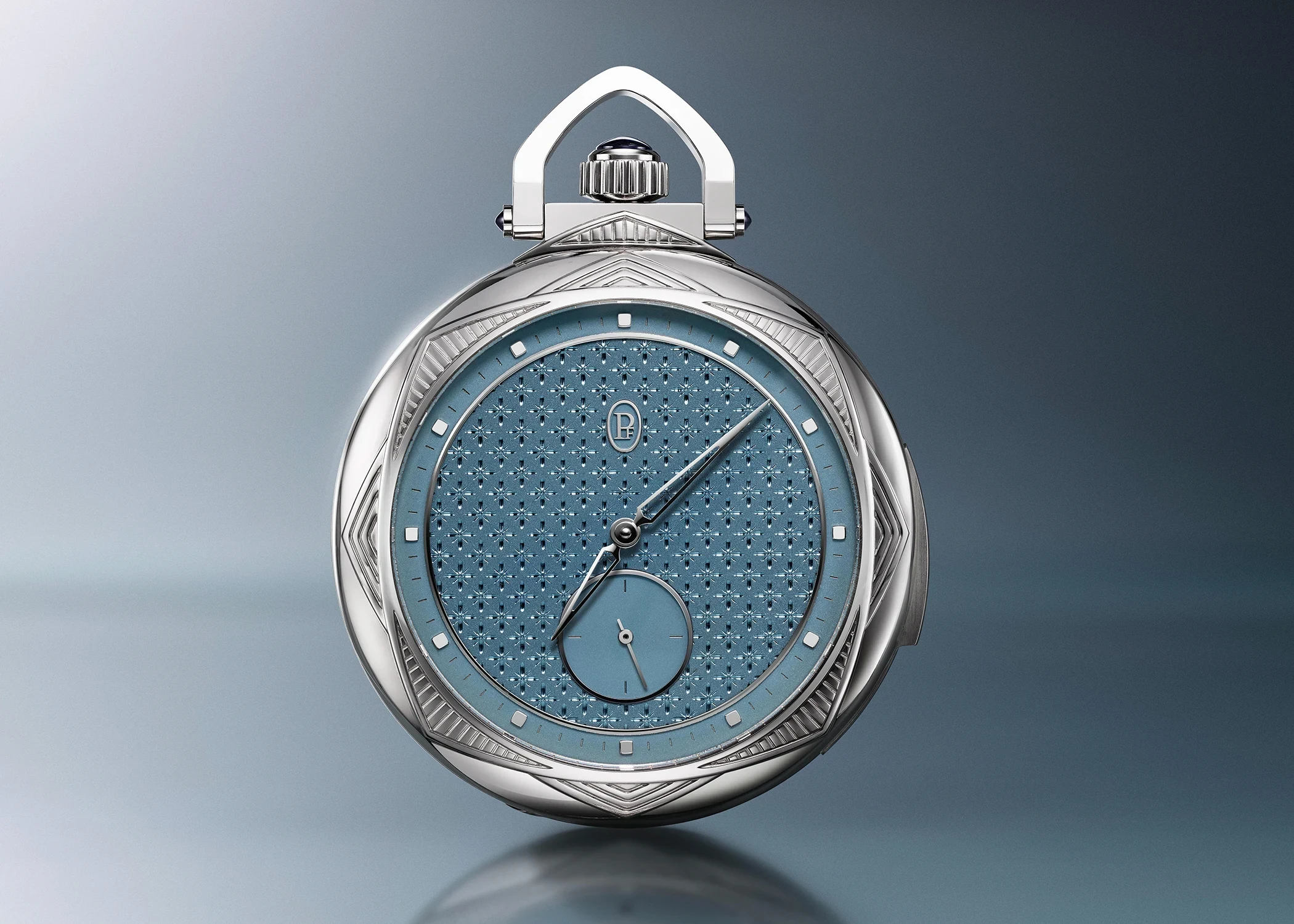
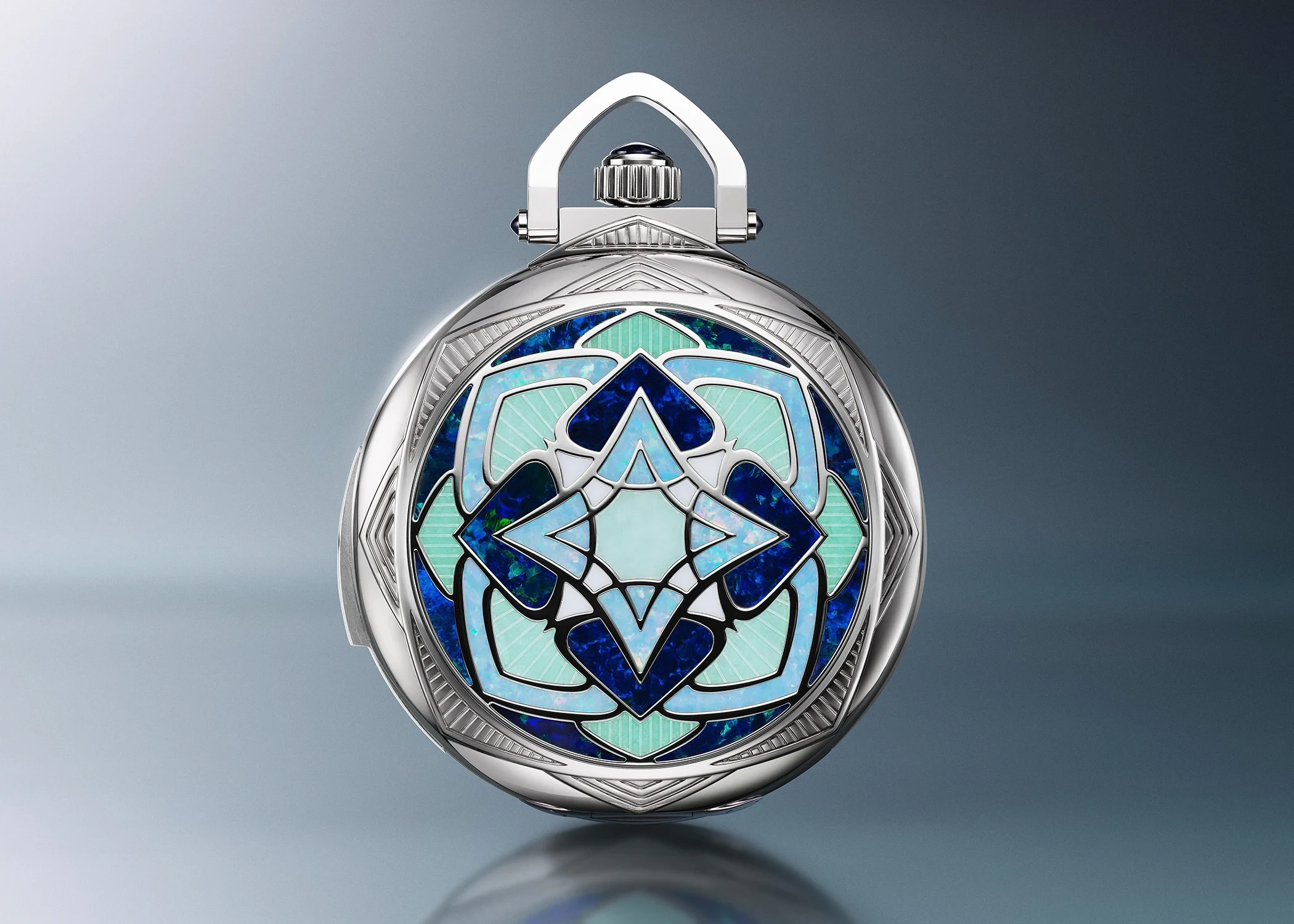
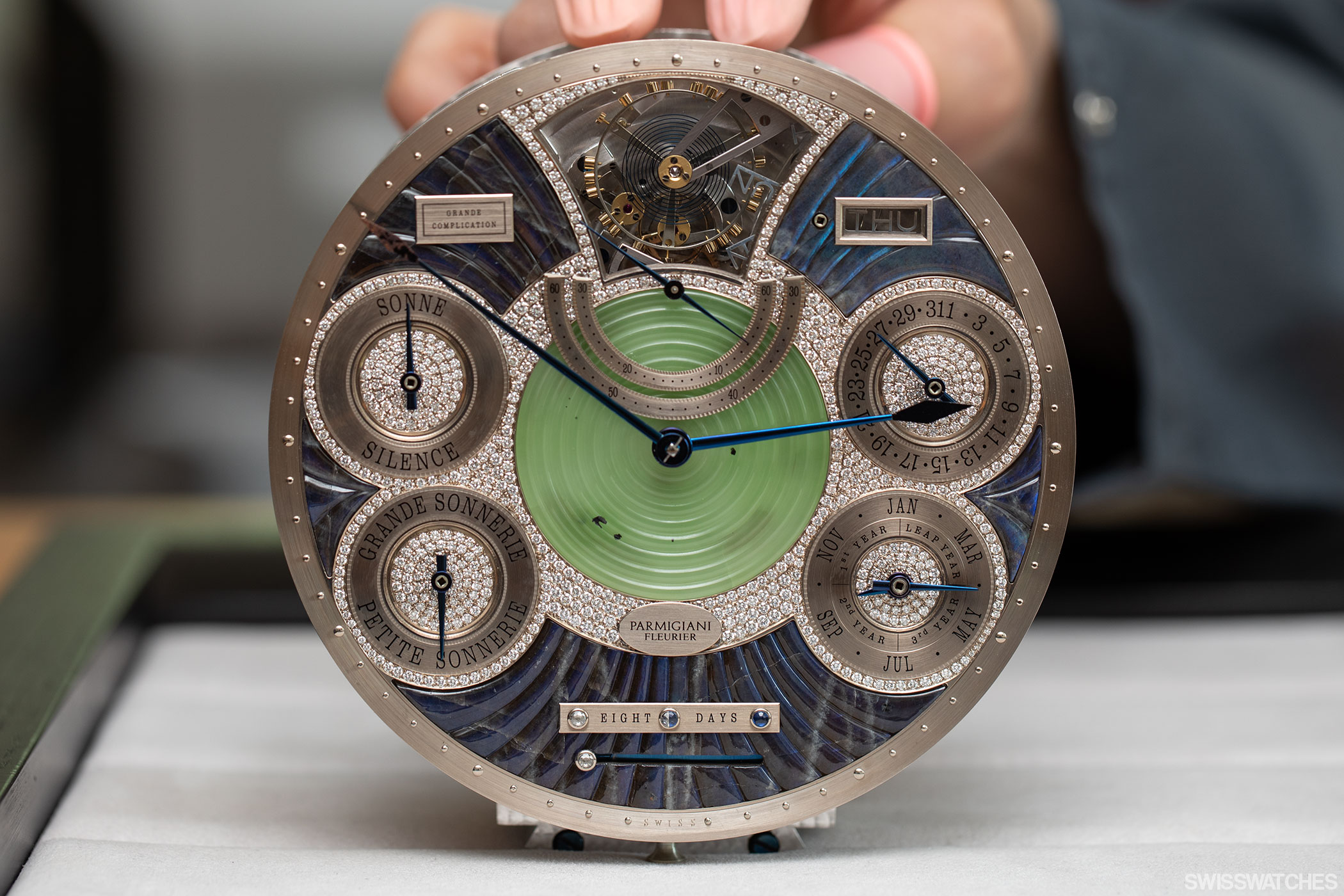
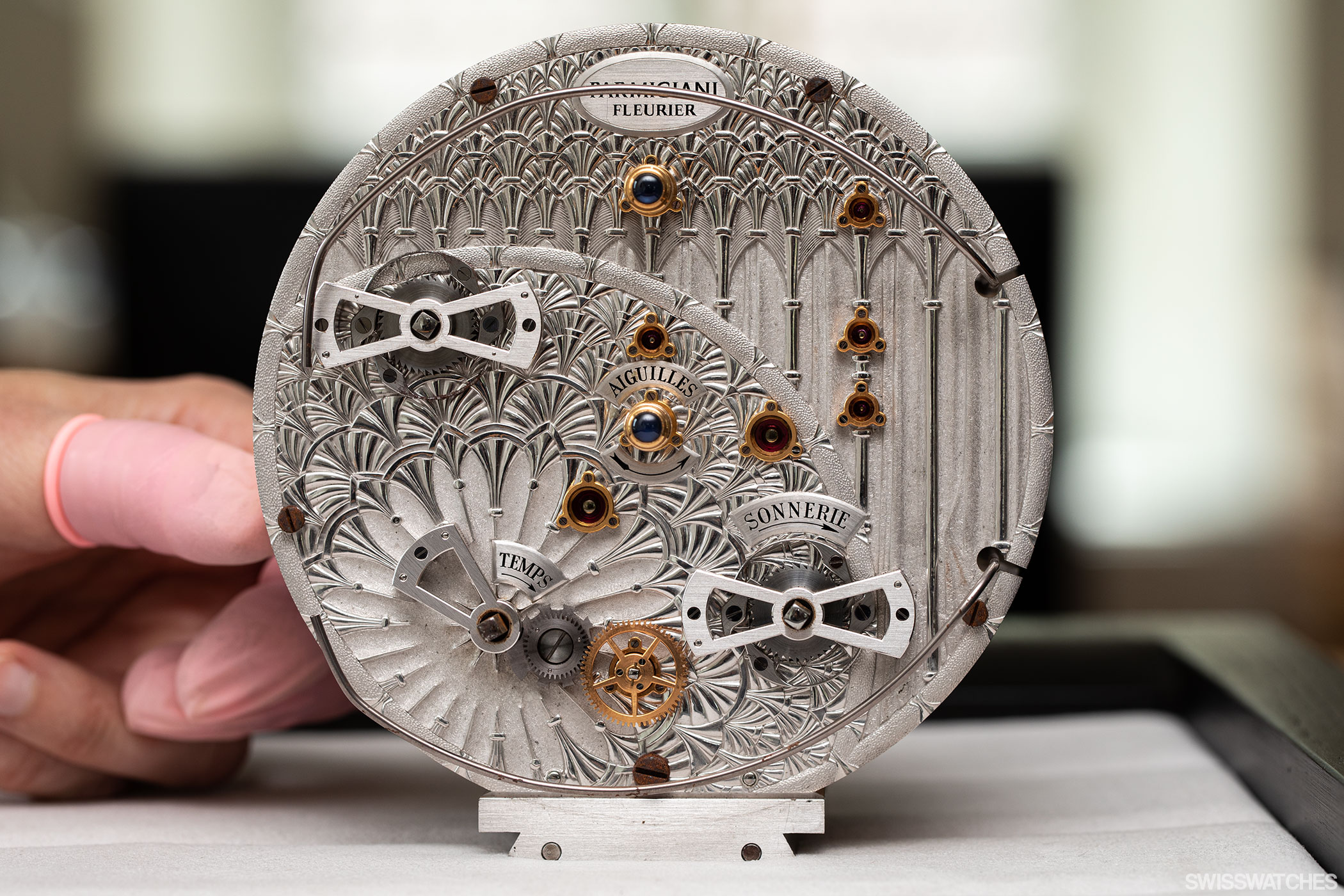
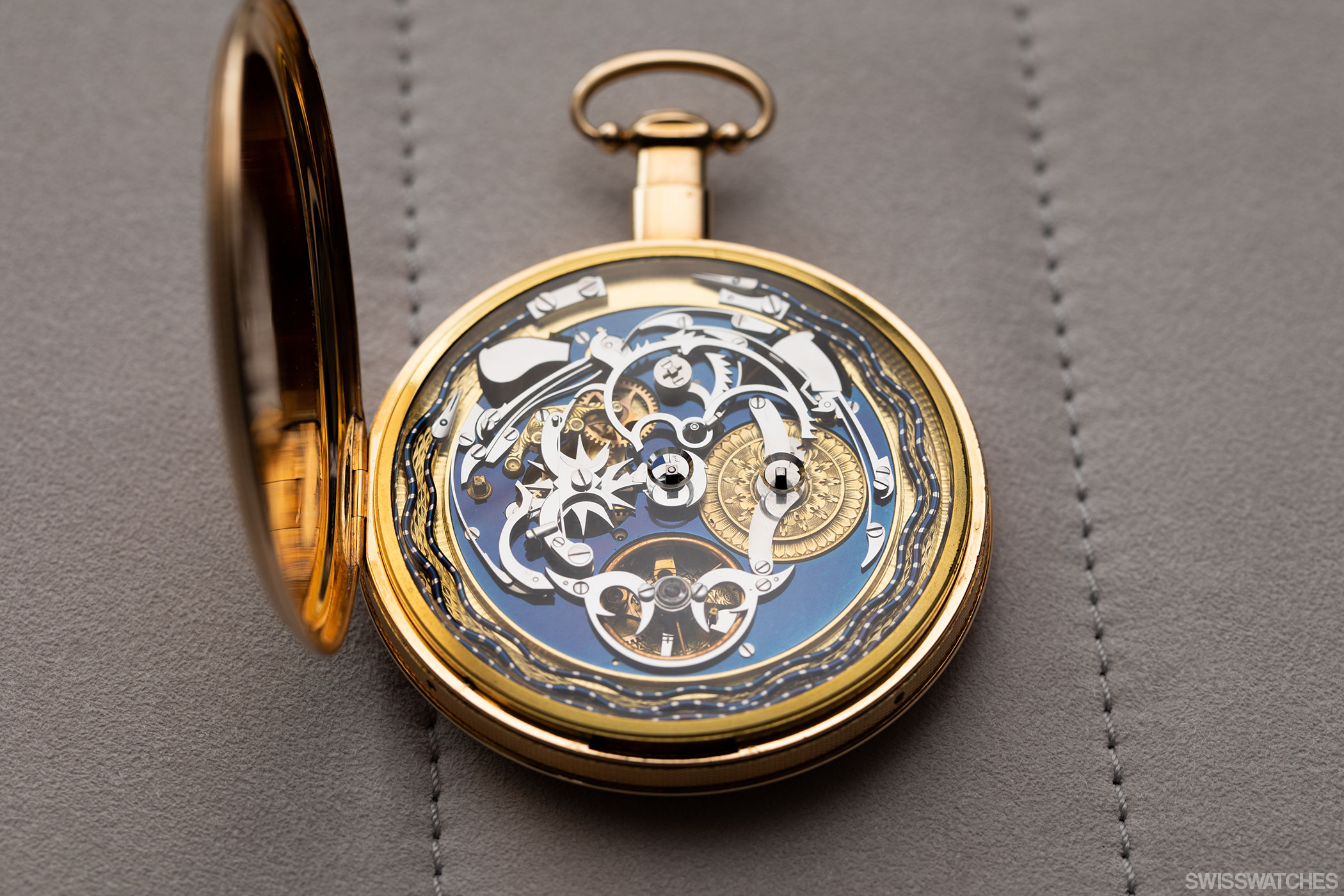
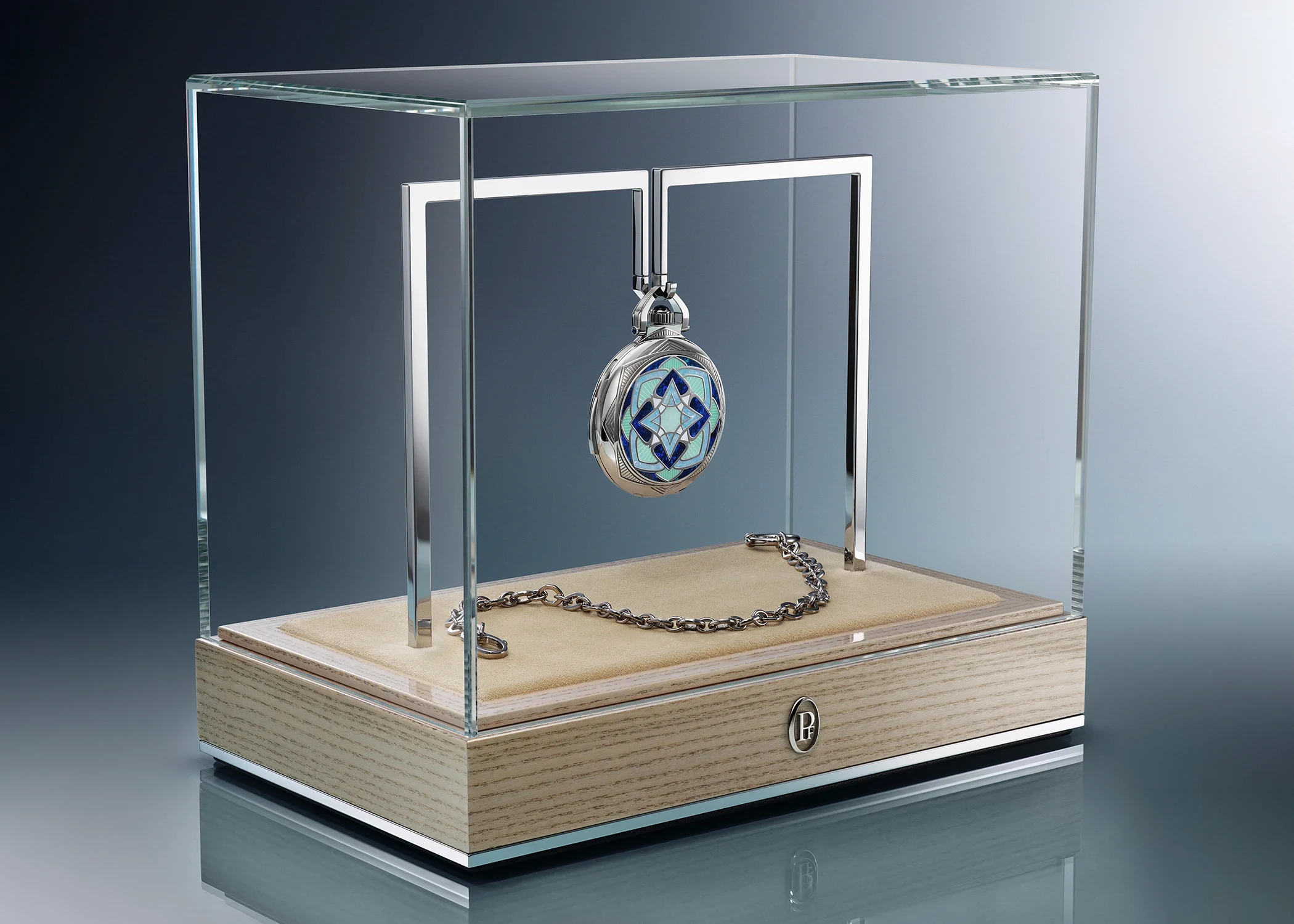
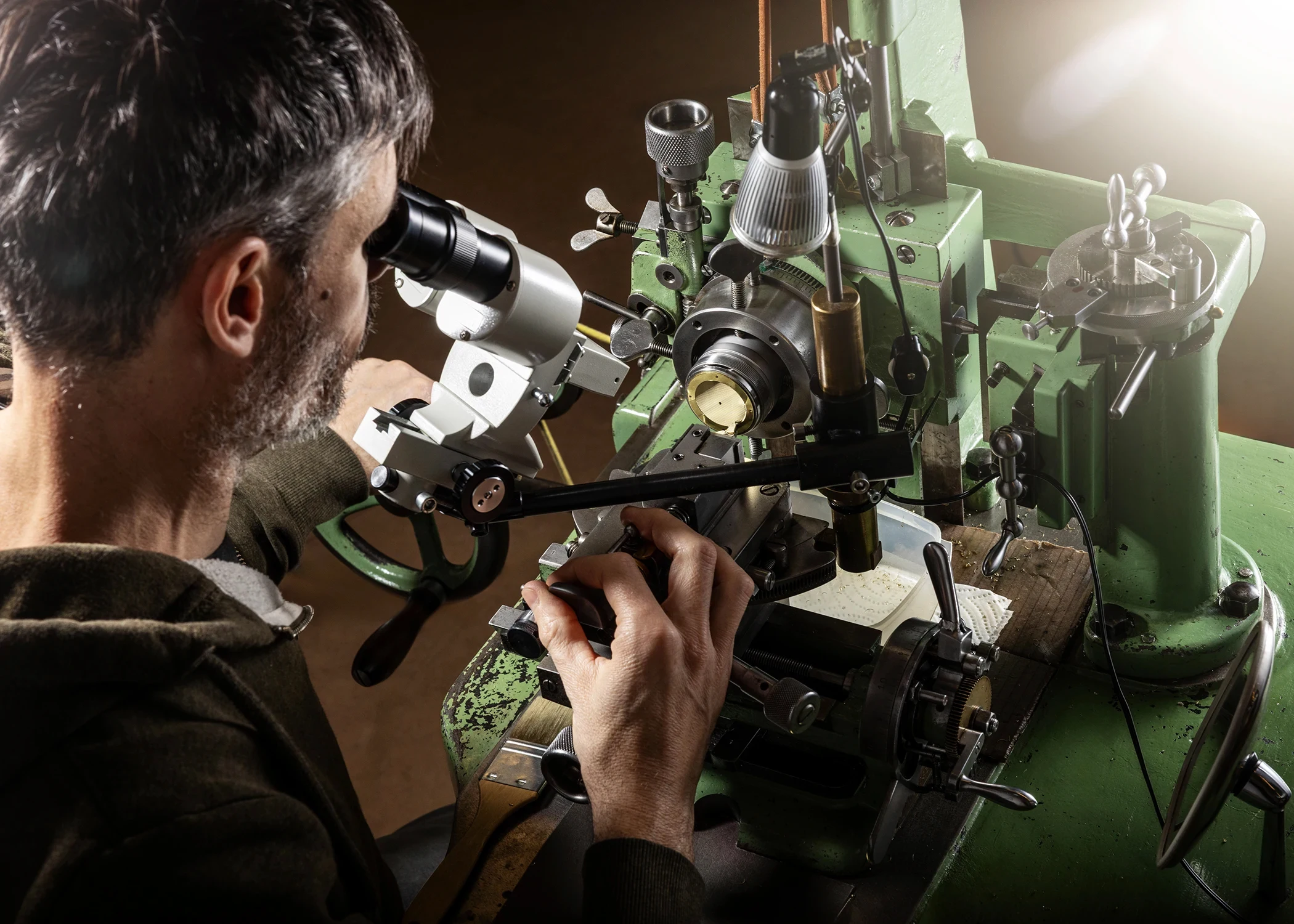
La Ravenale is a Lépine-style pocket watch powered by a restored minute repeater caliber from the 1920s that comes from Michel Parmigiani’s own cache of vintage movements; it was restored by the company restoration workshop, who also entirely engraved it by hand. Encased in white gold and decorated with opal-and-jade marquetry, it comes with an entirely handmade white gold chain made by Laurent Jolliet, Switzerland’s last remaining chain maker.
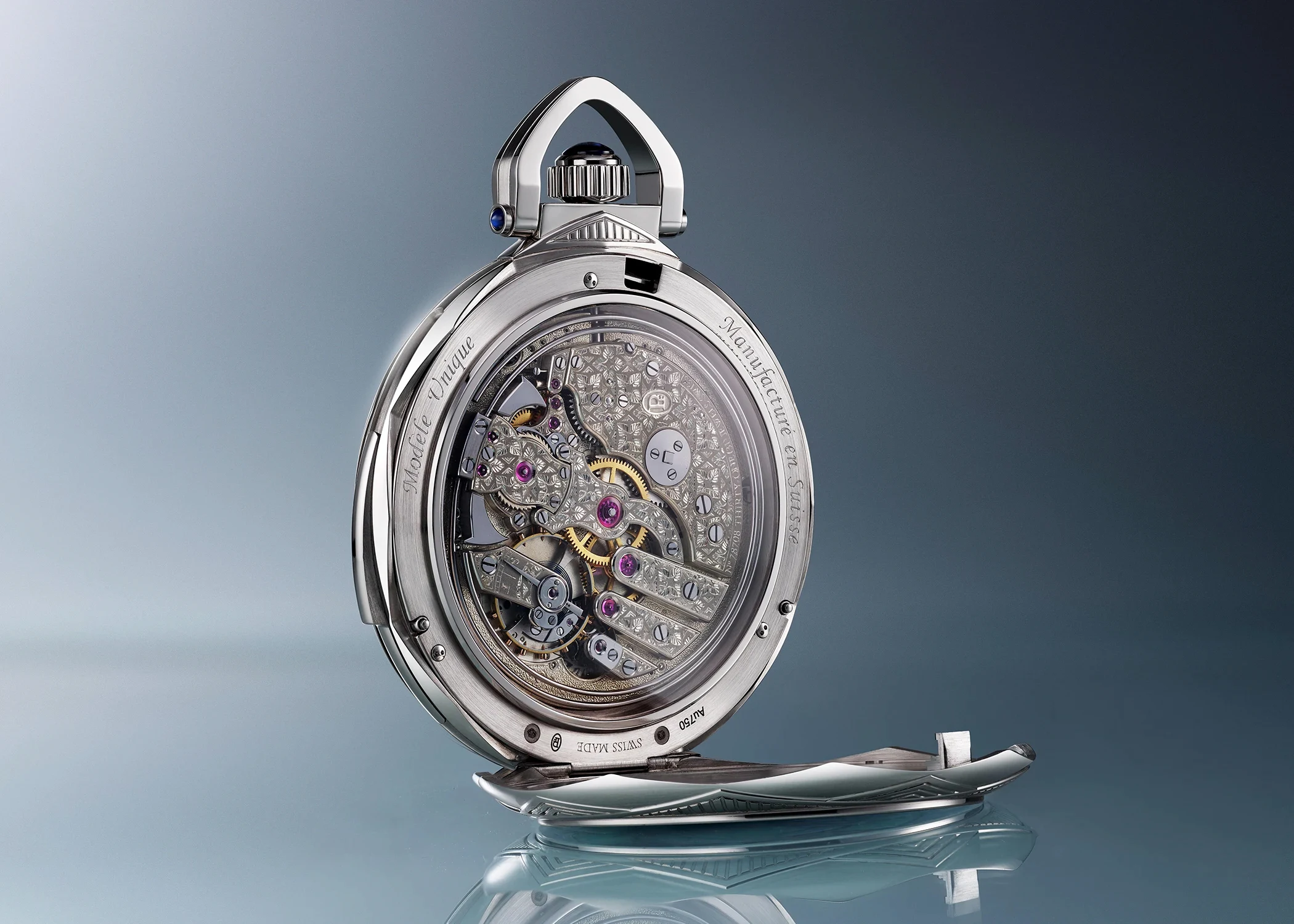
“Everything in that watch is so Michel, the movement, the finishing that we chose with him. Every second of December, we come up with an exceptional piece to celebrate his birthday, and that finishing is a traditional finishing that Michel suggested for that movement, which we found very beautiful.”
“The founder is like a father, the children have the imprinting of the parents, and then they go their own way, but at the end the values cannot be changed. Now they just have to be respected,” Terreni explained, showing without a doubt that he understands the very soul of this brand.
Michel Parmigiani began his long career during the time of the quartz crisis. He mastered his situation beautifully, exhibiting the dedication and the vision to just go forward with what he wanted to do. He used talent and passion to find success in a way that I don’t think he even envisioned in his early days. That’s one way to navigate a crisis…just don’t pay attention to the fact that there’s even a crisis.
Today, at just about 75 years of age, Michel Parmigiani regularly comes in to discuss big decisions, direction, and individual projects. He doesn’t worry about the future, which is secured under the guidance of Terreni and Michel’s daughter Anne-Laure Parmigiani, who is an engraver and designer and takes on the role of Head of Design and Product Management at the company her father founded. The father-daughter duo often collaborates on special projects.
“I think Parmigiani is a brand in the know to know, so you have to be educated in watchmaking to know about us, and it is usually a customer who has an understanding,” Terreni remarked. “You don’t come to Parmigiani as a first watch.”
Michel Parmigiani brought the talent, and Sandoz brought the financial stability into the mix. It was the Sandoz Family Foundation’s intention right from the beginning to give Parmigiani Fleurier all the tools it needed to be independent and strong in the future, regardless of the surrounding environment. And from the way it looks right now, they could continue indefinitely.