30 Years of Parmigiani Fleurier: The story of an independent watchmaking manufacture, Michel Parmigiani’s legacy and Guido Terreni’s vision.
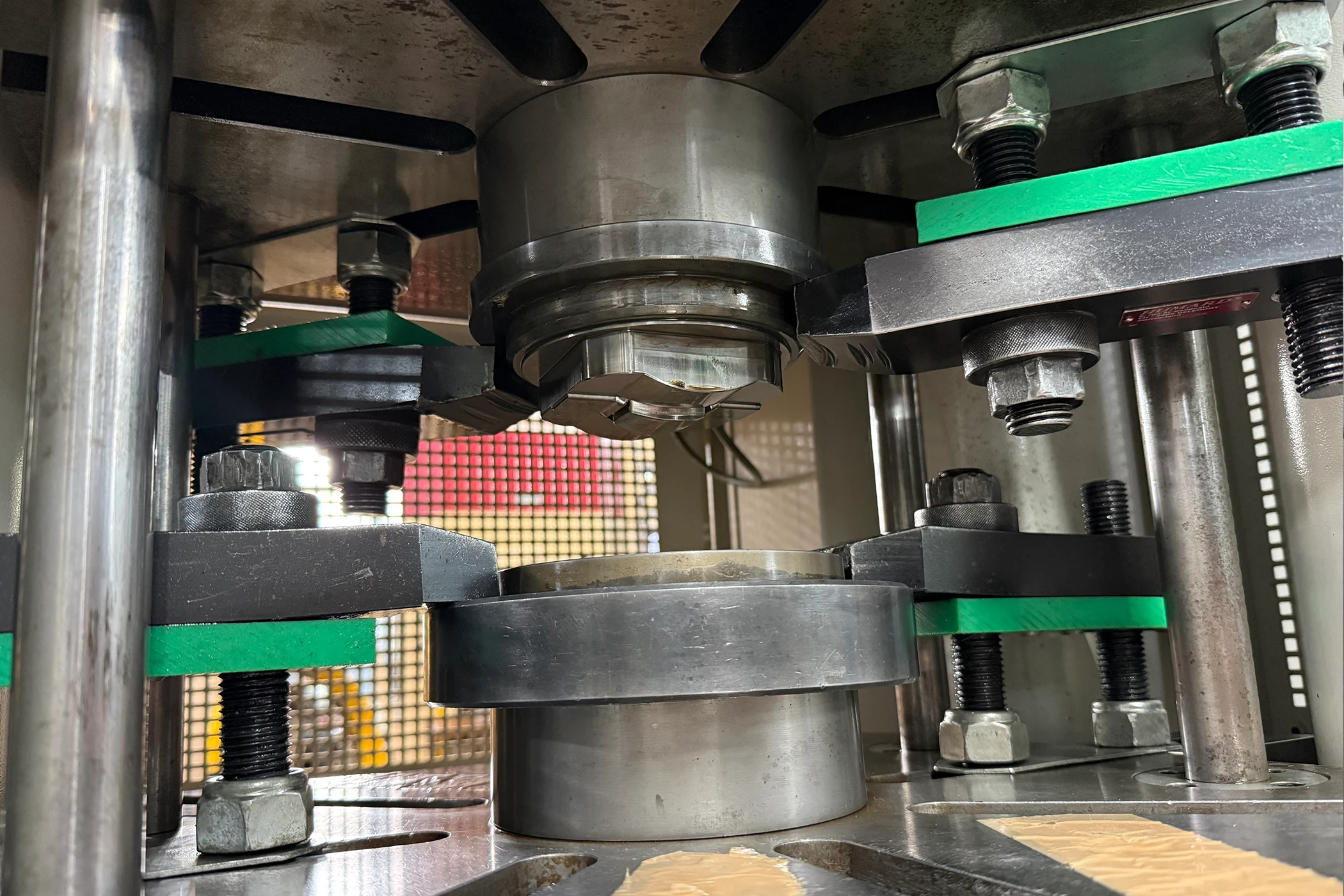
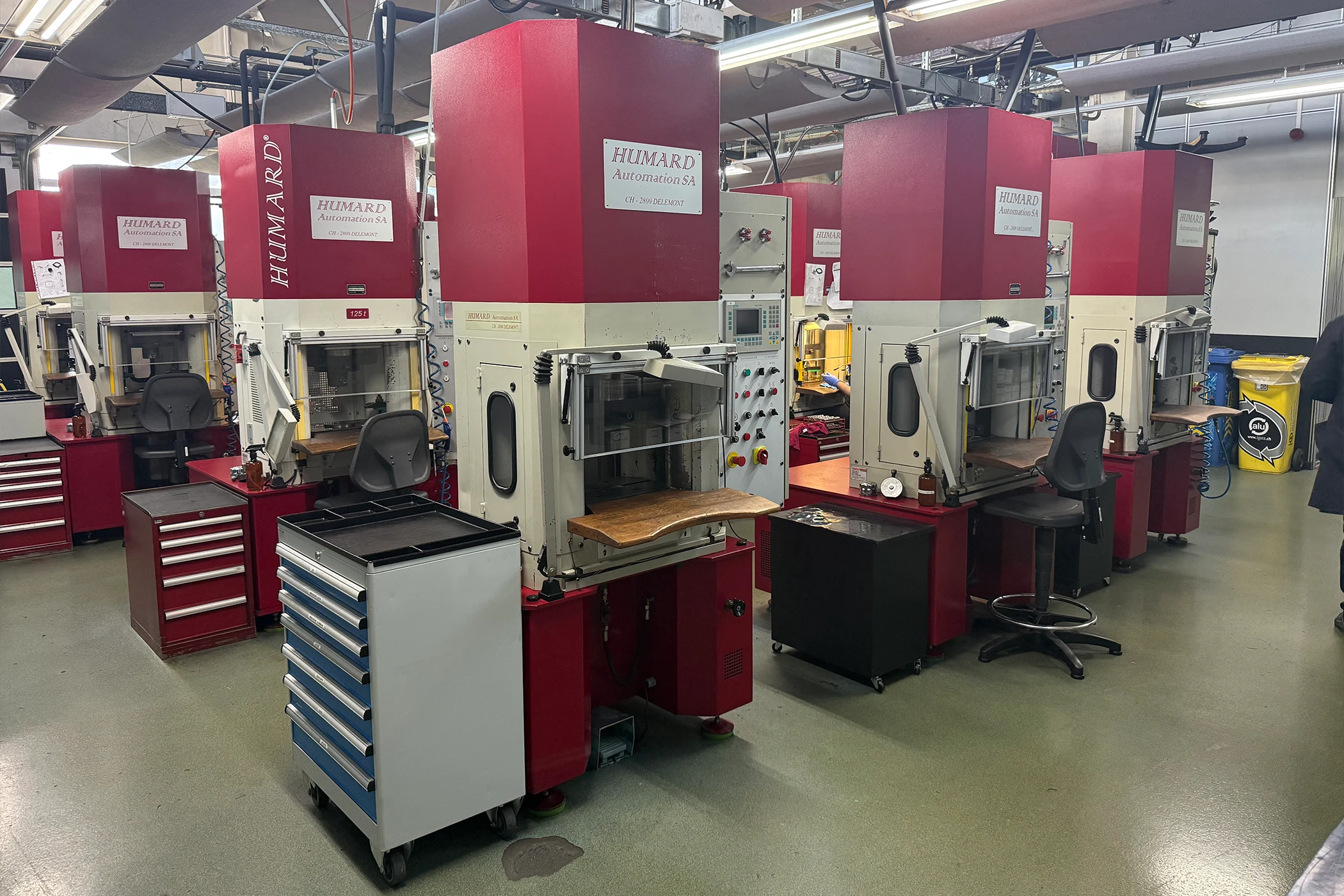
Before me lies a piece of metal sandwiched between two halves of a die. Then the hydraulic press begins to move. Up to 200 tonnes of pressure are applied to the workpiece, which will later become a case blank. A case blank is the as-yet unfinished basic form from which the actual case is created through further machining steps. There is as yet no sign of that graceful naturalness with which a Franck Muller case appears on the wrist. The process belongs more to the world of industrial forming than to that of fine watchmaking: tool steel, pressing force, repeated checks. And yet it is precisely here that the production begins of a form that will later appear light and nestle perfectly against the wrist.
This contrast accompanies me for two days through four production environments: from case and stamping production in the Jura Arc, via the dial manufacture in Les Bois and strap production in Le Locle, to Watchland, Franck Muller’s headquarters in Genthod.
Franck Muller has built up an network of highly specialised workshops and studios, enabling the brand to guarantee a vertical integration rate of over 90 per cent. However, it is not only important to understand which components Franck Muller manufactures itself, but also the extent of its control over their production. After all, even when a component is produced in-house, the manufacturer remains dependent on the tools, processes and expertise required for its production.
Whilst the public image of Franck Muller is characterised by expressive design and spectacular complications, behind the scenes the production process reveals a manufactory whose work is defined by technical discipline, process expertise and precise control.
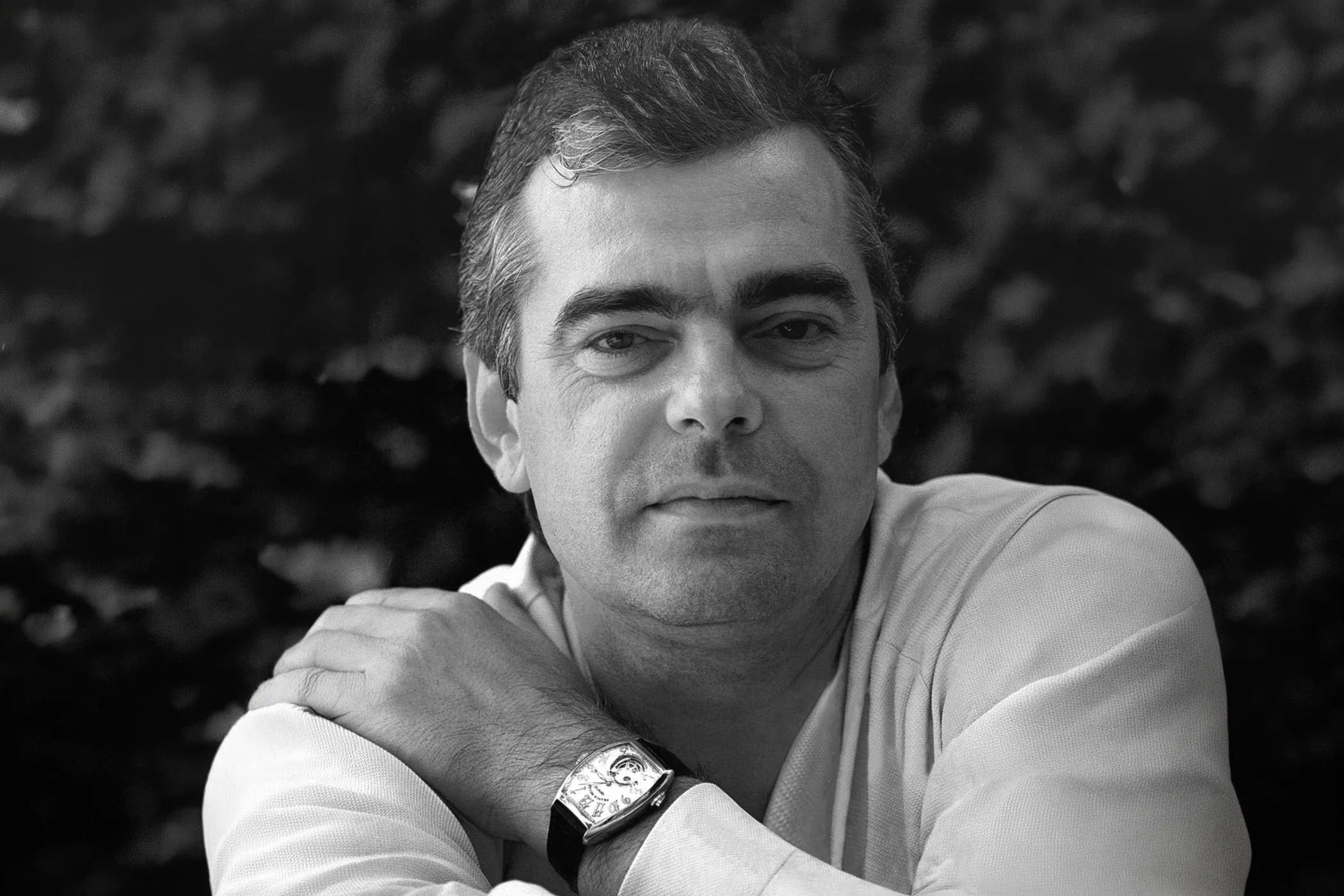
Franck Muller was born in Switzerland in 1958 to an Italian mother and a Swiss father. After four years at the Geneva Watchmaking School, he first made a name for himself by restoring high-quality historic watches. Auction houses and collectors from all over the world entrusted their pieces to him. It was this work on complex mechanisms that sparked his desire to develop his own timepieces.
As early as 1983, he presented his first wristwatches, the complex movements of which he had created himself. From 1986 onwards, a series of so-called ‘world premieres’ followed: a tourbillon with a jumping hour, later a minute repeater with a tourbillon, and an inverted tourbillon with a perpetual calendar and minute repeater. Muller was still working largely on his own at this stage, crafting and adjusting the components himself, and consequently produced only a few pieces per year.
In Vartan Sirmakes, whom Franck Muller met in 1991, he found a partner who wanted to turn this small-batch production into an independent brand. Sirmakes brought experience in gem-setting and watch case construction to the venture; in 1992, the two founded the brand and workshop in Geneva. That same year saw the creation of the Cintrée Curvex, a tonneau-shaped case curved in three dimensions, which was technically challenging to manufacture and went on to become Franck Muller’s signature silhouette.
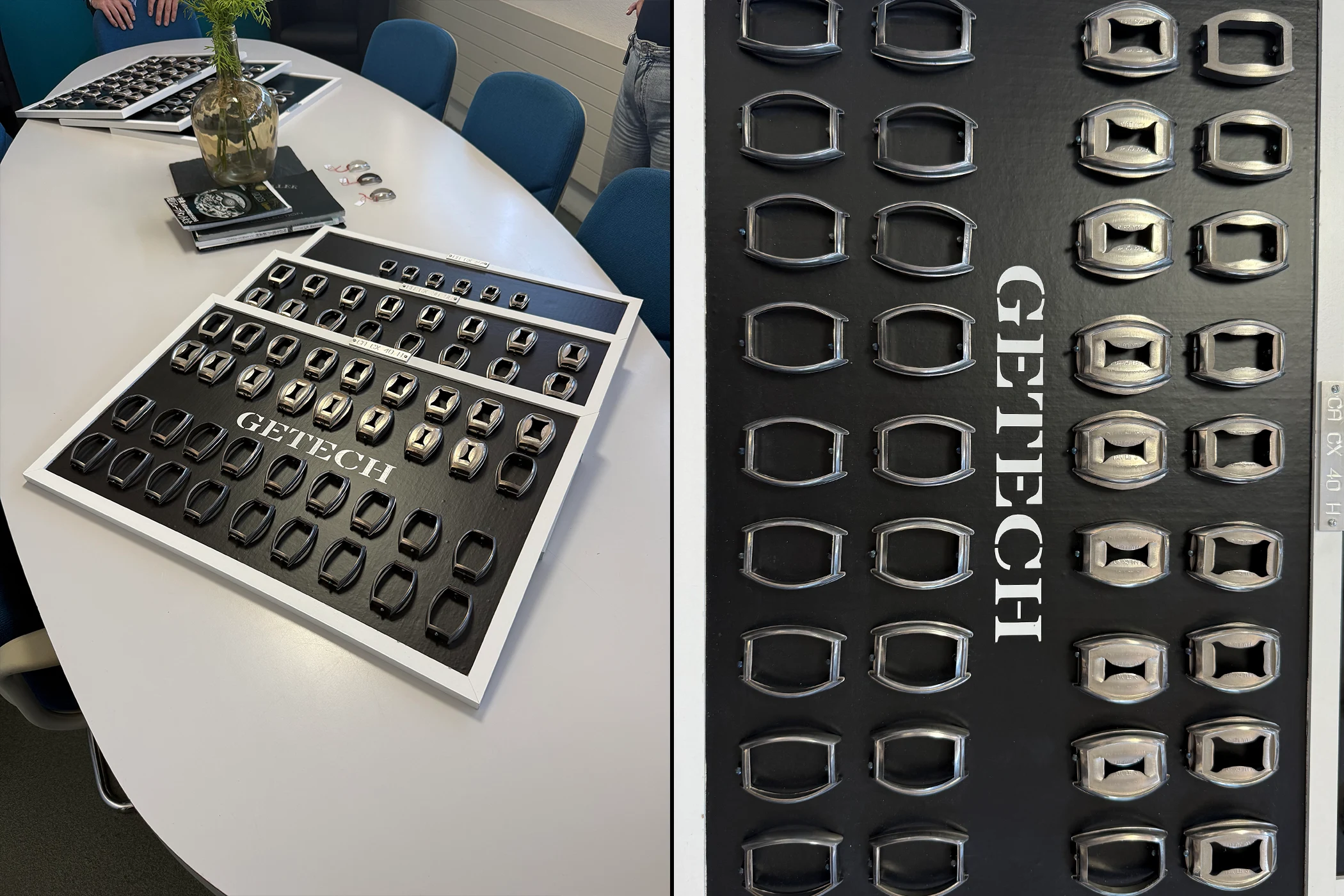
The stamping department we are visiting has, according to on-site information, 17 employees; it is described as a strongly family-oriented business and therefore manufactures exclusively for Franck Muller. The department is part of Getech, which has been part of the Franck Muller Group since 2007. In 2023 – a year described as fairly representative – around 135,164 components, including case sides, case backs, bezels and inserts, were produced there across an area of 1,200 square metres. The display cases show the individual stages of case production side by side: from the unmachined raw material, through intermediate stages that have been reshaped several times, to the finished blank.
It is only through this sequence that it becomes apparent just how early on the eventual geometry of the casing is determined. The characteristic curvature does not arise only during milling or polishing, but already whilst under the press – depending on the shape of the die, the behaviour of the material and the experience of those who coordinate the two. The machinery includes 25 Humard presses, each designed to suit different materials and manufacturing processes. CNC machining centres, as well as wire and die-sinking EDM machines, also enable complex shapes, fine contours and machining tolerances of up to 20 micrometres.
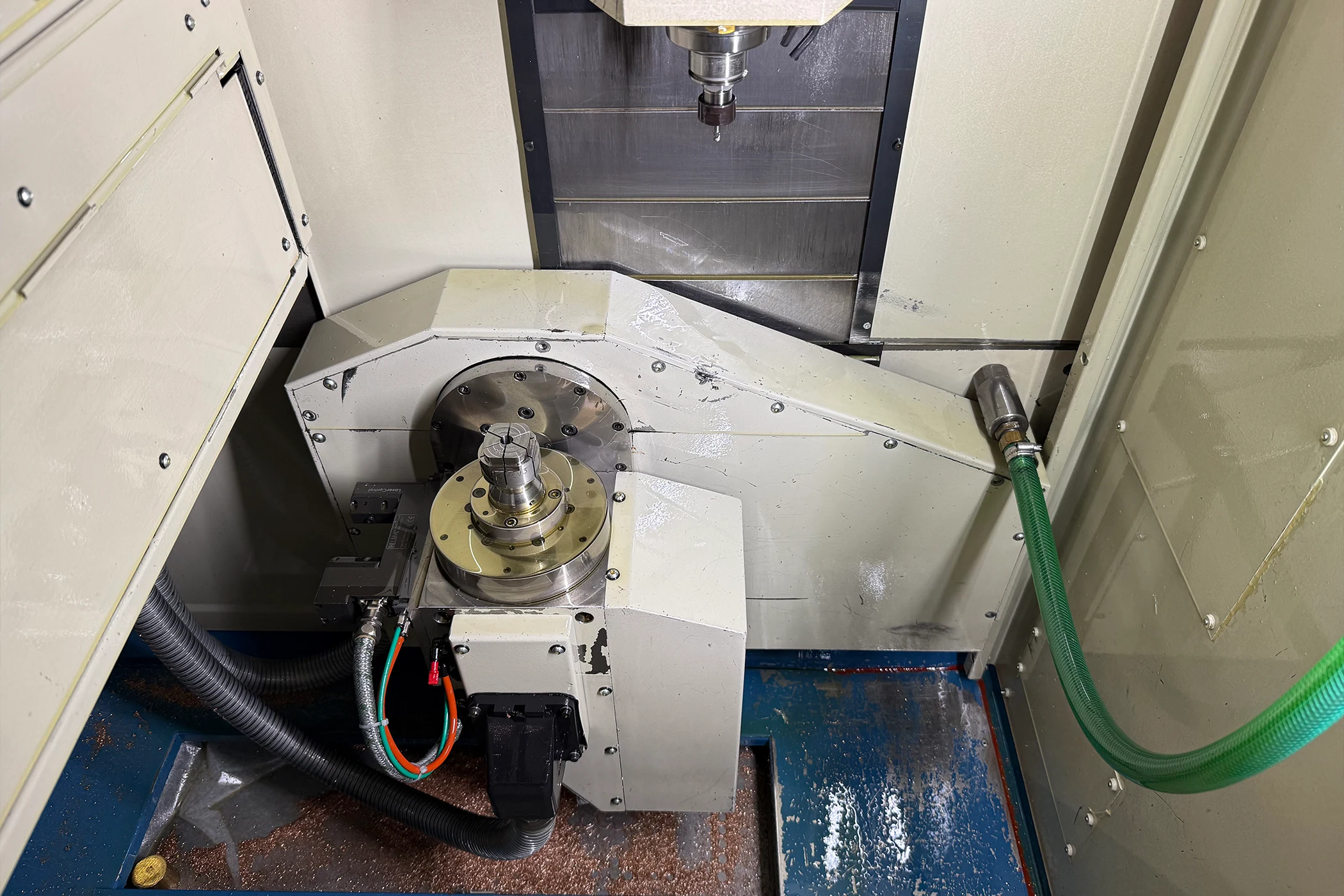
The department not only designs and develops housings, but also manufactures the dies and fixtures required for their production, tests moulds and adapts processes. In this context, die-making does not refer to the assembly of off-the-shelf equipment, but to the design of those specific moulds and modules with which the metal can be shaped in a controlled manner. A CNC milling machine produces the tools used to force the raw material into its final shape under the press. CNC stands for ‘Computerised Numerical Control’: the machine carries out pre-programmed machining movements with a high degree of repeatability. This is where the true depth of in-house manufacturing becomes apparent: independence does not stem from owning a hydraulic press or a milling machine, but from the knowledge of how to design, test and refine the appropriate tool. It is this know-how alone that ensures the material can be formed in a controlled manner, that the structure remains stable, and that sufficient leeway is retained for subsequent machining.
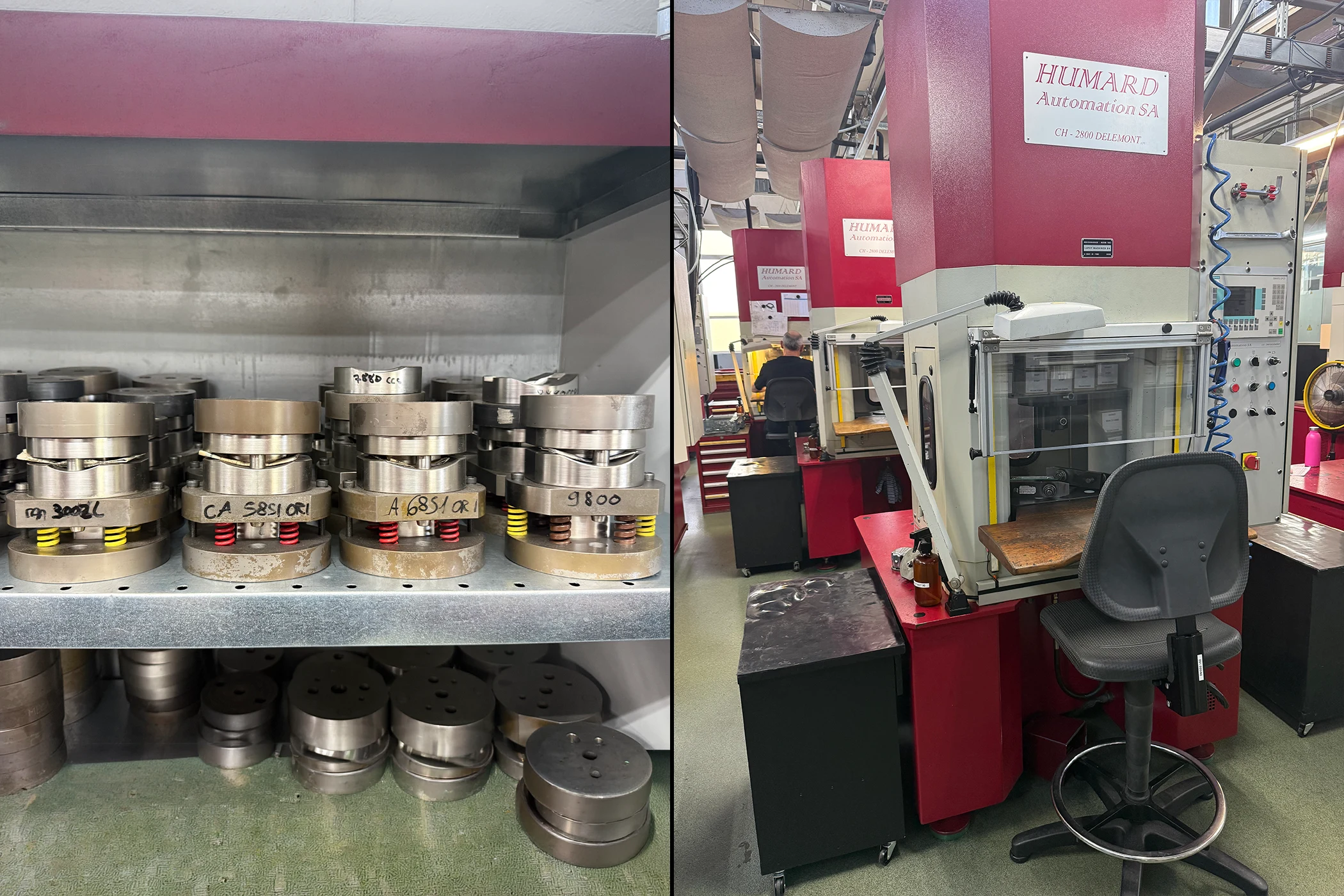
We are told that only three people in the company have a complete grasp of this tool-making process. This is both a strength and a risk. A strength, because rare process knowledge is actually held within the company. A risk, because expertise that resides in only a few minds must be actively passed on. A manufacturer can record a machine in its accounts; however, it cannot account for the way in which an experienced toolmaker recognises that a radius, a pressure distribution or a sequence of forming operations needs to be corrected. The crucial question is therefore not merely whether Franck Muller manufactures such tools itself, but how this knowledge is passed on to the next generation.
The entire sequence varies depending on the material. Between each individual production step, an annealing and cleaning cycle takes place to relieve material stresses and prepare the workpiece for the next stage of machining. A washing system and a dual-channel annealing furnace have been acquired in recent years. The number of work steps depends on the model and its complexity. For a Cintrée Curvex made of steel or titanium, Getech cites 40 work steps.
However, this alone is not sufficient proof of quality to highlight the detail in their work. In theory, a large number of steps could also be a sign of particularly cumbersome processes. Here, however, they reflect a technical necessity: aluminium is easier to form and machine due to its lower hardness; steel and titanium require different tools, cutting parameters, intermediate checks and surface treatment processes. The number of steps is therefore less an indicator of prestige than a consequence of how differently the materials behave under pressure and during the subsequent removal of material.
Particularly with precious metals, stamping serves the dual purpose of achieving the desired level of fineness whilst using as little raw material as possible. At every stage of production, the parts and scrap are weighed, ensuring that the initial, scrap and final weights, as well as any potential losses, remain traceable right up to delivery. In June 2026, Getech invested in a rolling mill that enables strips of non-precious metals to be rolled in-house prior to cutting.
A round case follows a comparatively clear geometry. The Cintrée-Curvex shape is curved in several planes: longitudinally across the wrist, transversely across the width of the case, and simultaneously along its flanks, transitions and openings. Added to this are a domed crystal, a matching caseback, defined sealing surfaces and lugs, the geometry of which must be tailored to the overall shape of the case. A small adjustment in one place can therefore have a significant impact on the fit in another.
The curved shape of the case is therefore the result of a coordinated system comprising tool geometry, material behaviour, machining and finishing. Machining encompasses those processes in which milling, drilling or turning specifically remove material from the workpiece. Nor does the hydraulic press produce finished elegance. It creates a controlled initial state upon which subsequent steps such as milling, grinding and polishing build. Each of these processes removes material; each can sharpen radii, distort surfaces or alter transitions. In the end, however, none of this should be visible. The shape must appear perfect, even though it has emerged from a series of interventions. Hand-polishing a single case component alone takes, on average, between one and one and a half hours, depending on the model and the desired finish; the areas worked on include edges, parting lines and the top surface.
Here, too, it becomes clear why fully automating the production process would only be of very limited use: machines repeat defined movements with great precision. Humans, however, assess work-in-progress, react to tool wear, material batches and minimal deviations. Particularly with a shape whose effect depends on continuous curves and lines, it is not enough for individual dimensions to fall within tolerance. The transitions must be correct as a whole. Accordingly, the case is inspected after every production step; a full measurement is carried out immediately before dispatch.
So far, the focus has been on the body of the watch: on volume, curvature and the question of how a design can be translated into metal at all. In Les Bois, the focus shifts to the surface through which a Franck Muller watch communicates most directly.
The case gives the watch its form. In Les Bois, the surface is then created through which Franck Muller most clearly reveals its design signature. Large, sweeping numerals, embossed patterns, bold lacquer colours and figurative motifs have shaped the public perception of the brand more strongly than many of its own calibres. The dial is not merely a vehicle for the design, but a technically sophisticated component with its own manufacturing logic. It must not only be visually appealing, but also fit perfectly, be sufficiently thin and be compatible with the hands, movement and case.
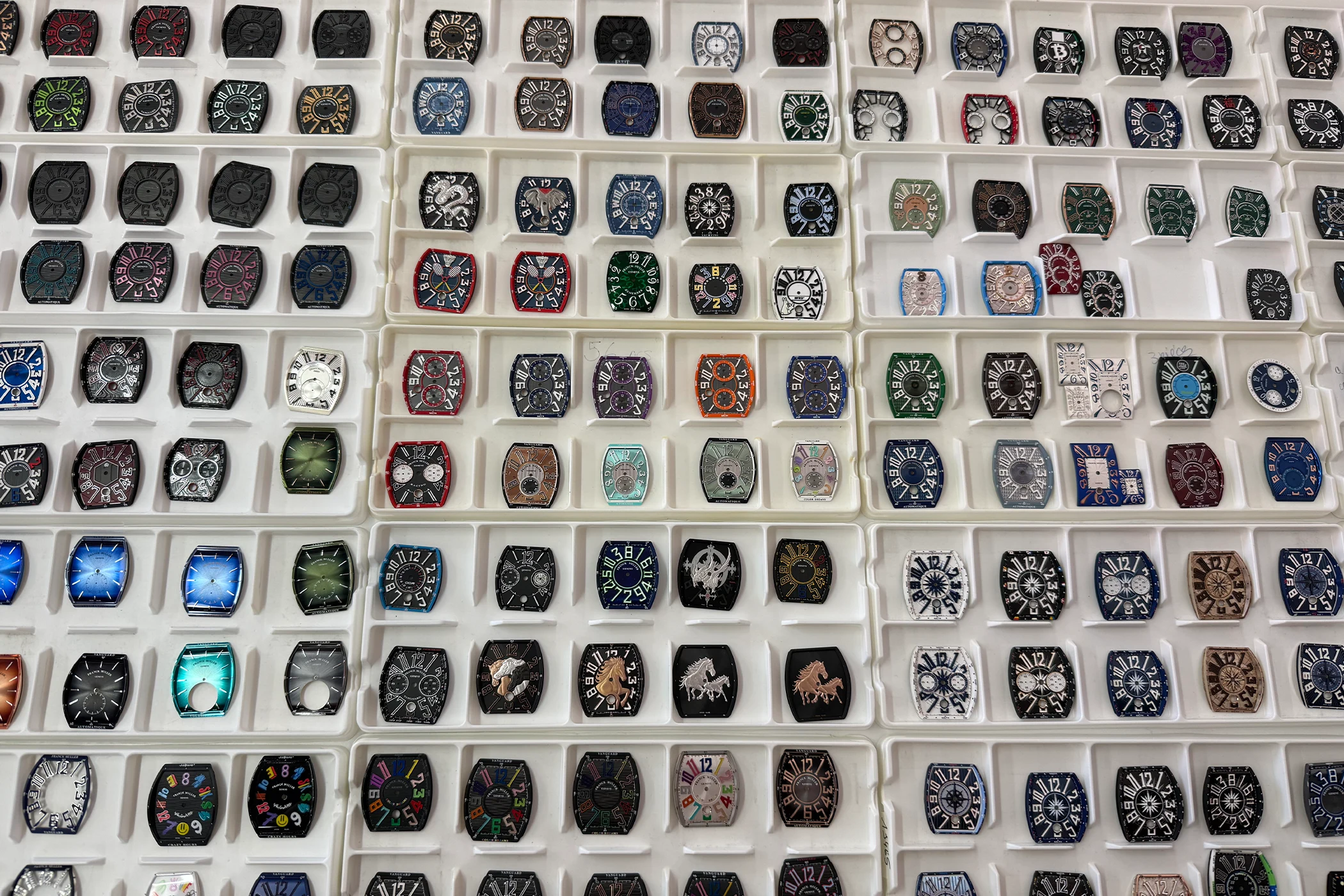
Depending on the model, a dial can undergo between 200 and 300 individual production steps, as explained during the guided tour. For particularly intricate variants, 15 to 20 different technical and artisanal skills are said to be involved. At first glance, these figures merely indicate complexity, but do not automatically reflect quality. They become particularly interesting where the division of labour reveals just how many different challenges are concentrated within a few square centimetres: forming, milling, embossing, grinding, polishing, electroplating, lacquering, printing, applying and inspecting.
According to Les Bois, a tool or machine attachment can process up to 100,000 dial blanks over the course of its use. Its significance therefore lies not only in the individual embossing operation, but in the ability to maintain a consistent, high-quality pattern across many repetitions. At the same time, every tool also changes as a result of intensive use and may show signs of wear. It must therefore be regularly inspected, reworked and, after a certain period, replaced. Once again, the real expertise lies not merely in owning the tool, but in managing its productive wear and tear. This continues the same line of thinking that was already crucial in case manufacturing: the quality of the visible component depends on a production tool that must itself be maintained and understood.
Various pressing principles are available for embossed decorations. According to the team, an impact-type press exerts a force of around 180 tonnes. Its effect can be compared to a very powerful hammer blow: high force in a short time. In addition, there is a compression press that operates more slowly and continuously. It builds up the pressure in a more controlled manner and is particularly suitable for pictorial or figurative motifs where fine differences in height and contours should not be created by an abrupt impulse.
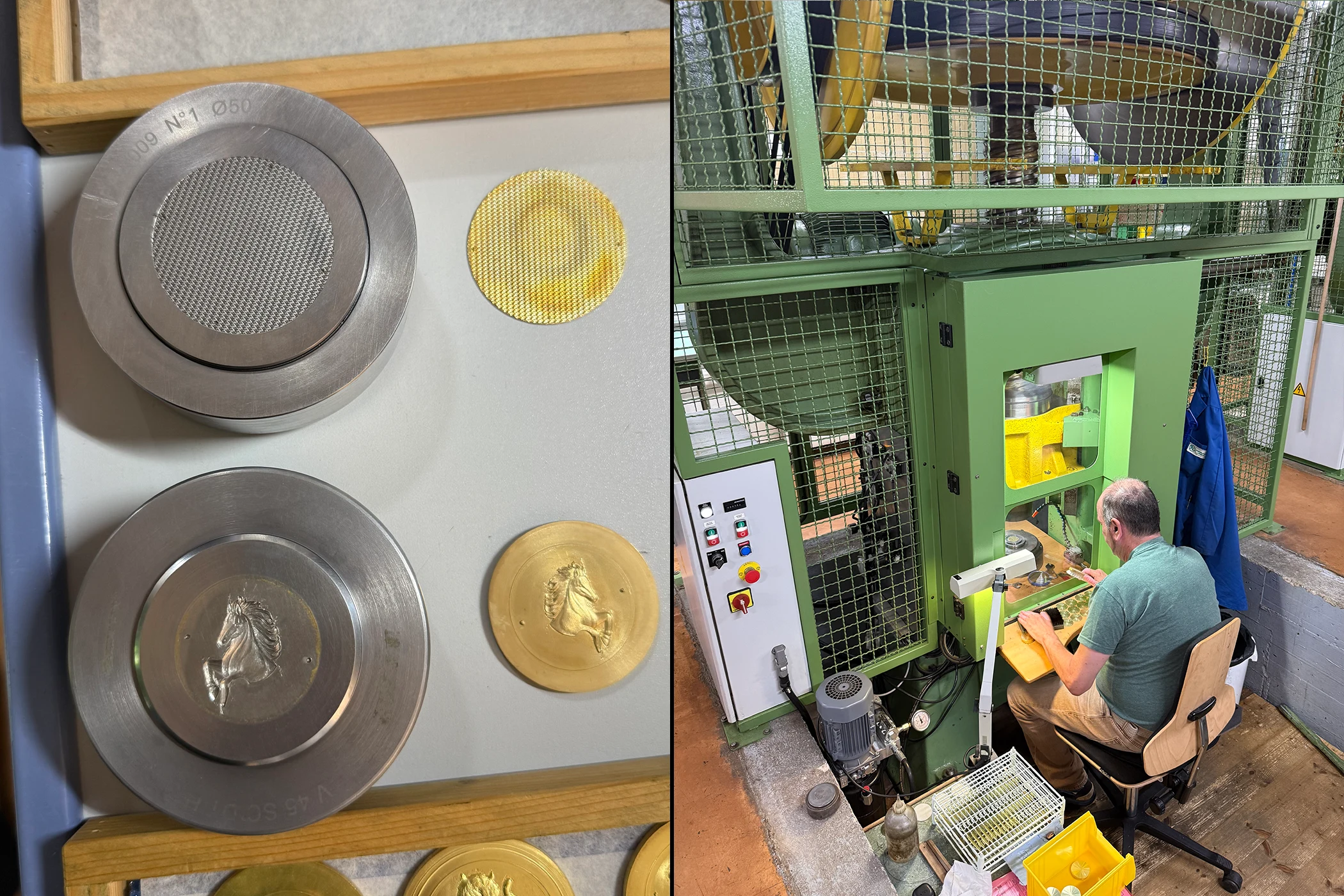
In this context, ‘embossing’ refers to the process of transferring a relief design onto the dial blank using a tool. However, the result is not necessarily complete as soon as the press opens. Laser technology is used to refine specific motifs, standardise contours and surfaces, or correct areas that cannot be rendered cleanly enough through forming alone. For a figurative motif, such as a horse, this laser process can take around 20 hours. There are two such machines in the production facility; their price is estimated at approximately 500,000 Swiss francs per unit.
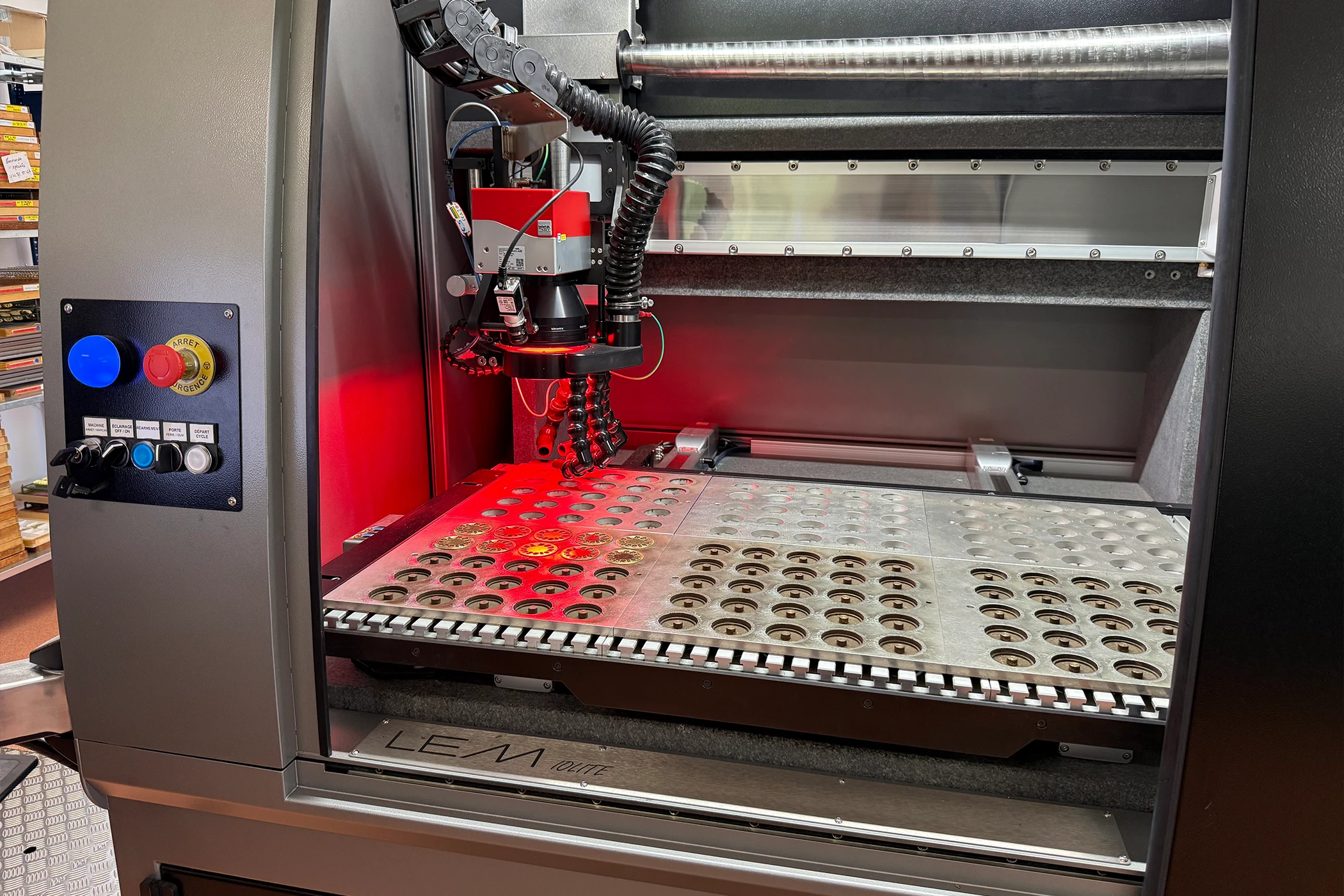
At first glance, the figures seem like a typical manufacturing spectacle: an expensive machine, a long running time, a small part. However, their technical significance lies in the combination of repeatability and control over detail. A laser does not replace the design of the relief, nor the preparatory work on the tool. It complements these processes where a mechanical printing process has its limitations. The result is neither purely artisanal nor purely industrial. It emerges from a chain of processes in which each step performs precisely the task it is best suited to.
The situation is similar with the réhaut, the ring-shaped area between the dial and the crystal, which frames the visible surface and, depending on the design, may feature scales or decoration. At Les Bois, it is also made from brass, just like the dial blank. It can take around an hour to machine a single piece; the machine responsible for this can therefore produce approximately eight pieces per day. Visually, the réhaut is a peripheral component. In terms of manufacturing, however, it must fit precisely with the dial, the hands and the case. It is in parts such as these that it becomes clear that a watch has no hierarchy of ‘important’ and ‘unimportant’ components. An inconspicuous ring, which at first glance does not even catch the eye, can therefore bring the manufacturing process to a standstill just as much as a faulty bridge in the movement.
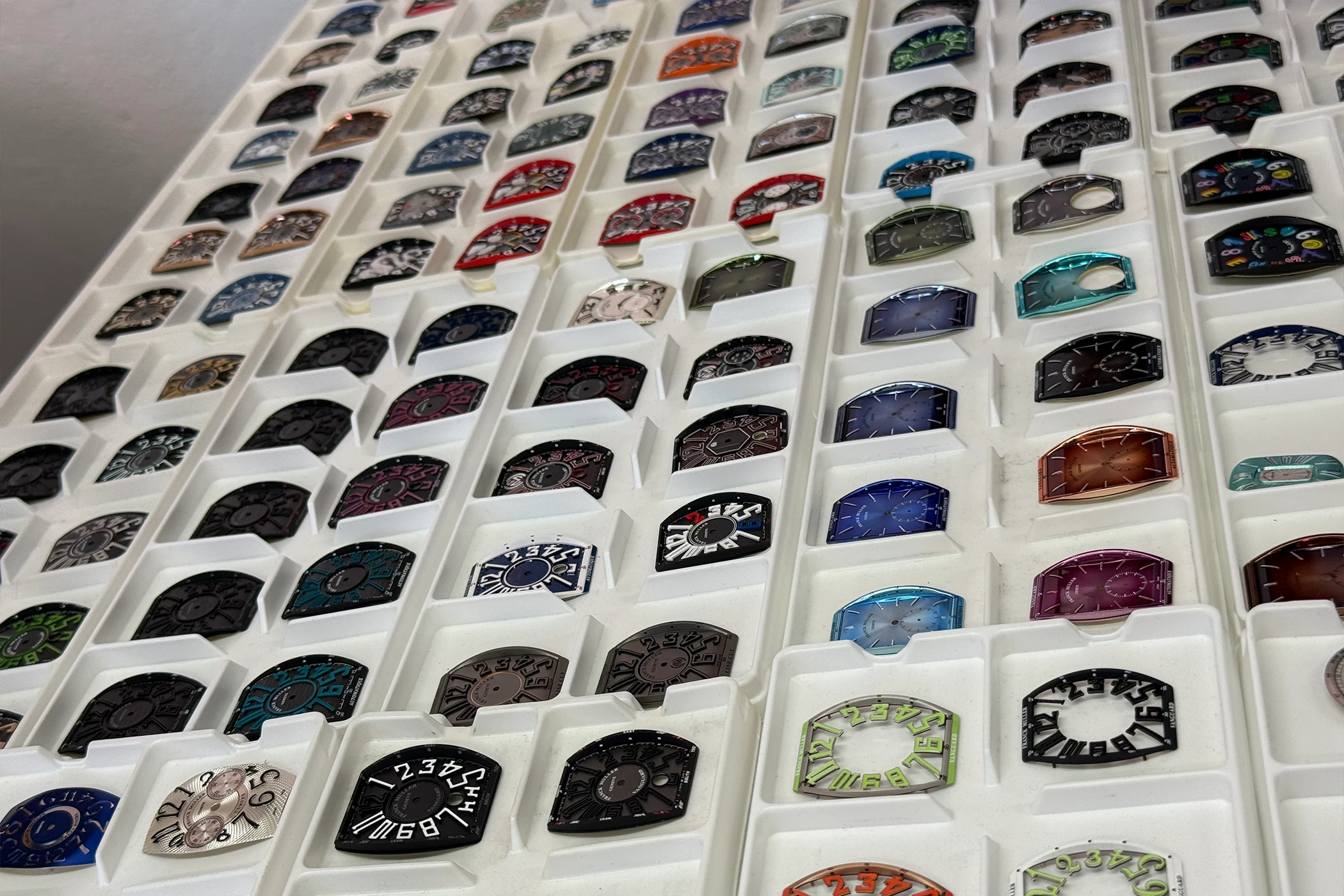
Once the presses and lasers have created the surface texture, the next stage focuses not on relief but on colour and the illusion of depth. It is precisely here that the difference between the visible result and the barely perceptible use of material becomes particularly clear.
When a dial is lacquered, its optical depth is not created solely by the visible mass of material. A lacquered dial can consist of up to twenty individually applied layers, each of which must be allowed to dry. Despite this complex build-up, the total thickness of the lacquer layer, according to the information provided during the visit, is only around 0.02 millimetres. This is the paradoxical essence of the process: twenty individual applications do not ultimately result in a thick coating, but in a thickness of just a few hundredths of a millimetre. The effect is created by uniformity, intermediate drying, refraction of light and a surface that does not even begin to reveal a single layer.
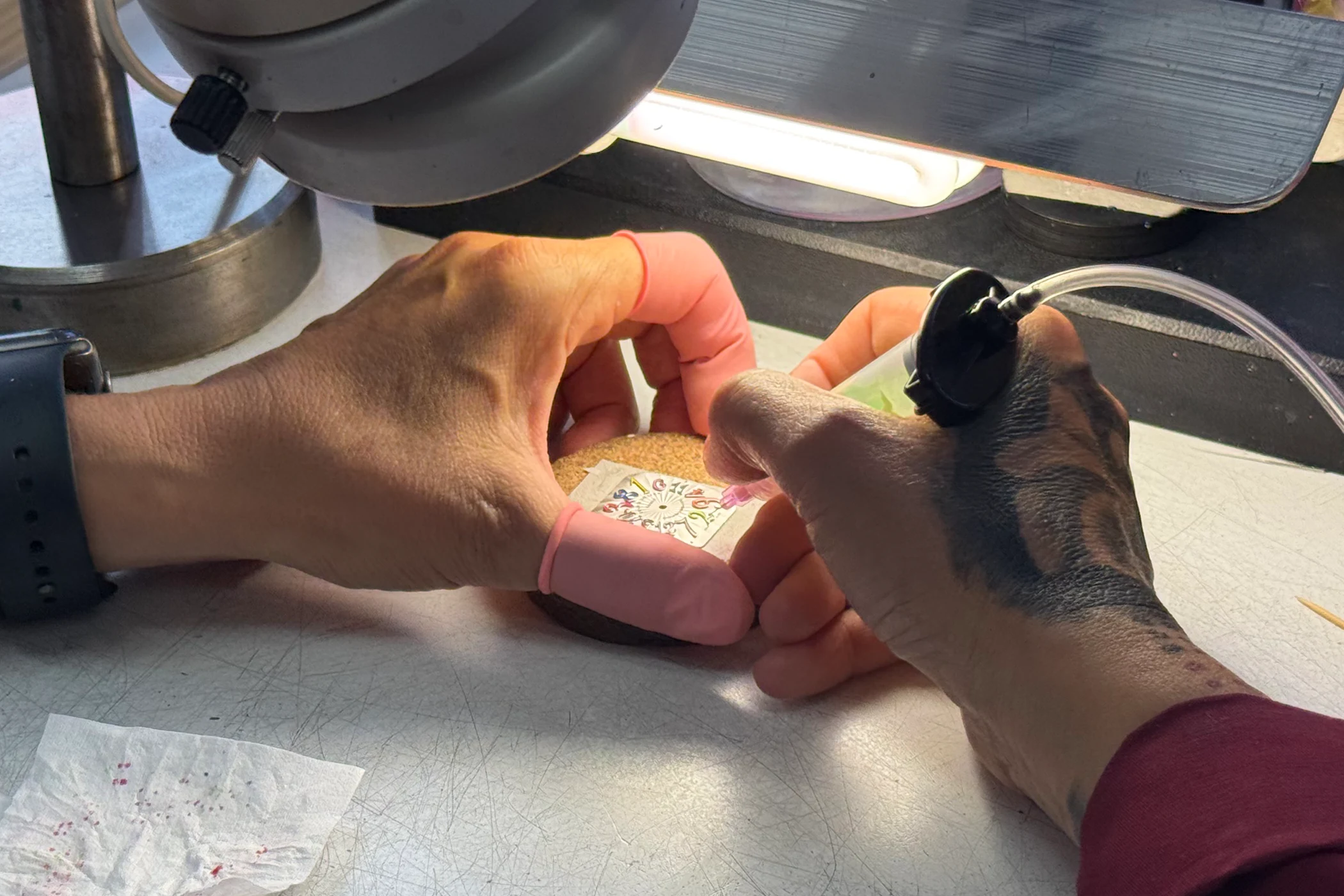
The wearer later sees the colour, lustre and depth. What remains unseen, however, are the drying times of around one hour per coat of lacquer applied, the risk of dust becoming trapped, the monitoring of the sequence of coats, and the decision as to when a surface must be discarded. The dial is the most visible part of the watch, yet at the same time it tells one of the least visible stories of its manufacture. Particularly at Franck Muller, where the design is often striking, the path to achieving it is remarkably disciplined.
The case and dial define the shape and face of the watch. Before one’s gaze in Watchland falls upon the movement and its components, however, there remains one component that must functionally extend the shape of the case all the way to the wrist.
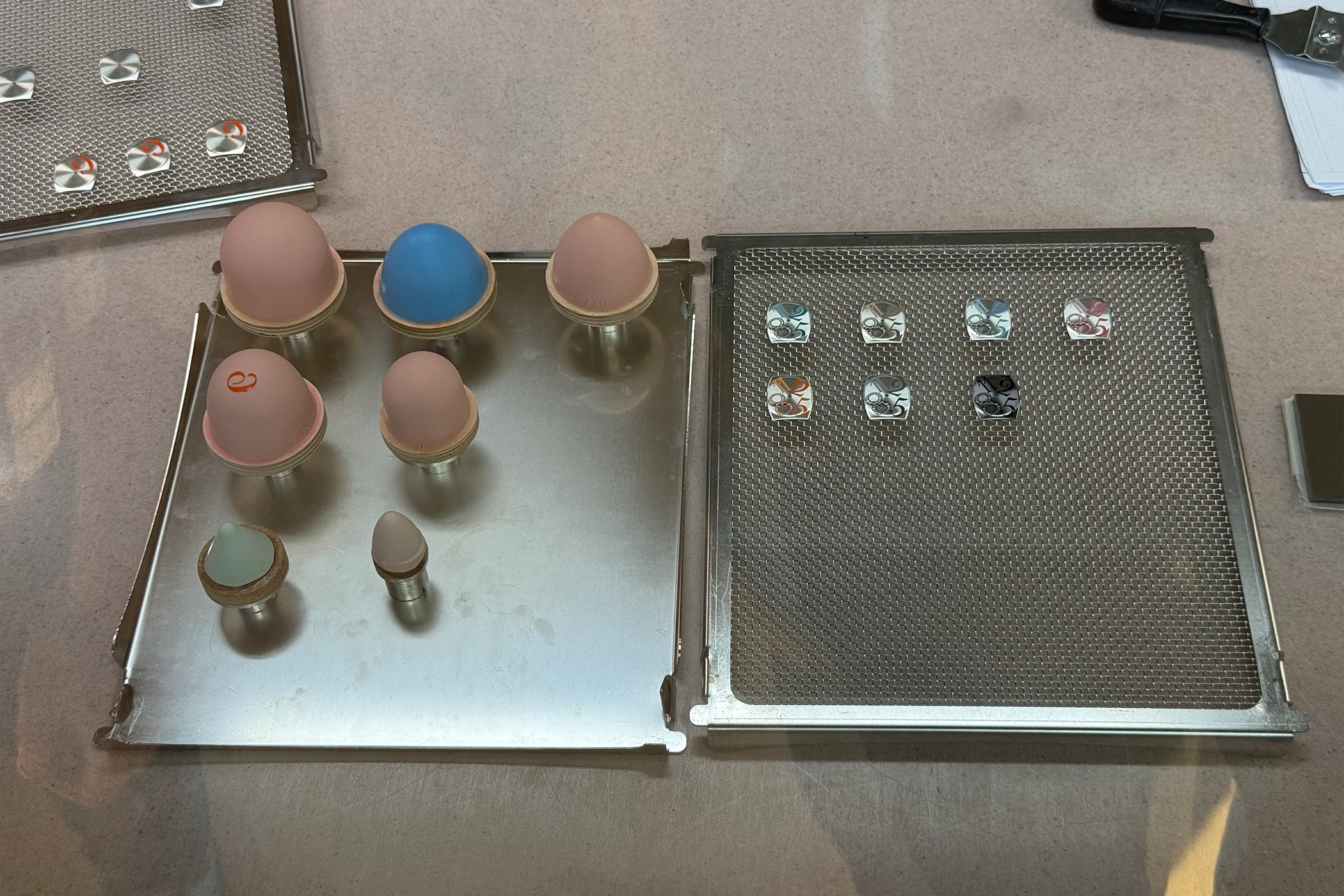
Franck Muller’s own leather and synthetic straps are manufactured in Le Locle. The meticulous process ranges from material selection, cutting and the assembly of the various layers, through to stitching, edge finishing, final finishing and quality control.
With highly curved or integrated cases, the strap determines whether the watch’s shape is effectively continued on the wrist. The thickness of the material, the bend radius, the lugs and the transition to the case must all be tailored to the specific model. A strap that is too stiff can ruin a well-designed curve; an incorrect construction alters the fit and feel. The strap is thus the last visible component of the watch and, at the same time, its first physical point of contact with the wearer. From here, the path leads inwards – to components that hardly anyone will ever see without opening the case or viewing the see-through caseback. The journey through the watch’s external components ends here; in Watchland, the focus now shifts to its internal construction.
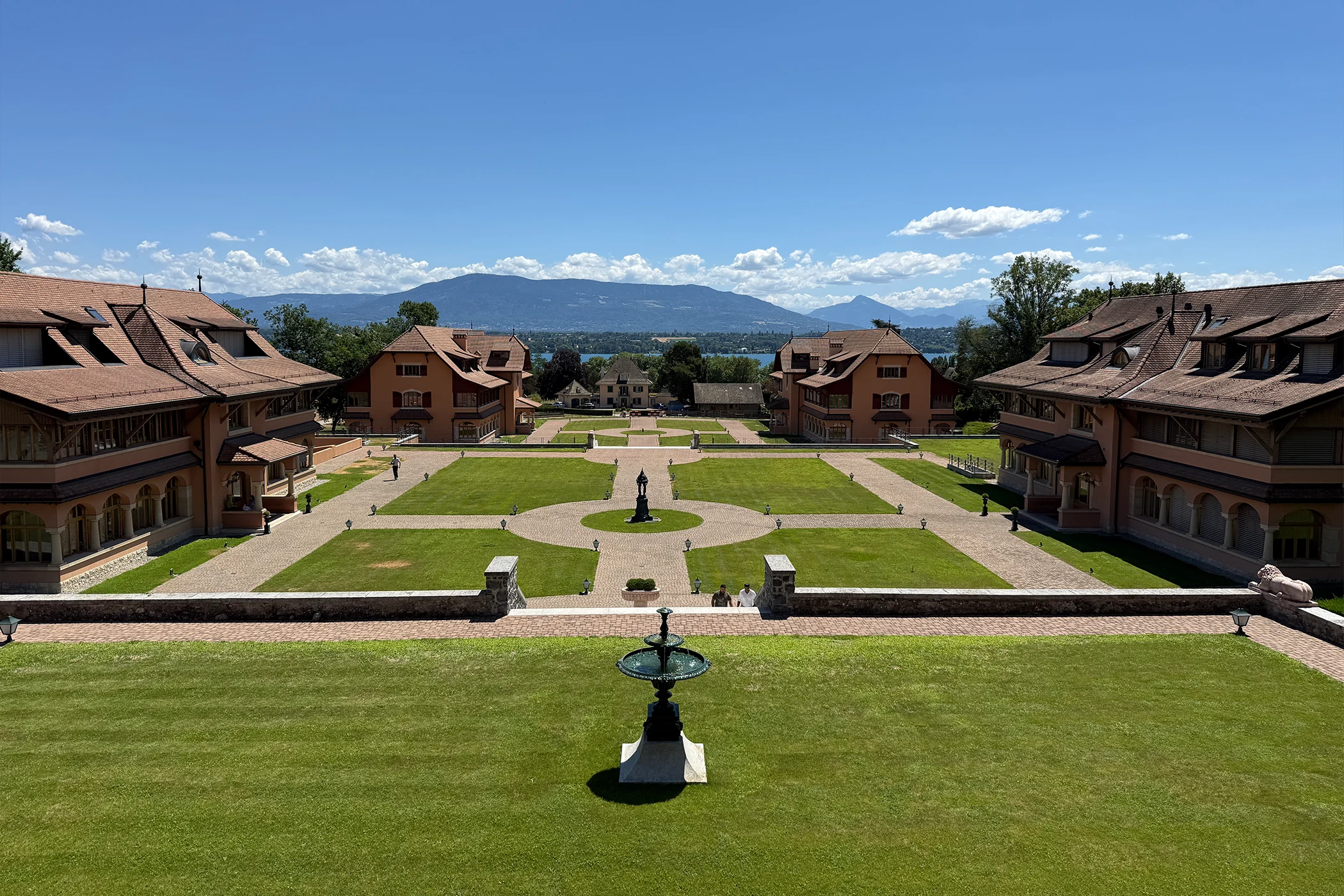
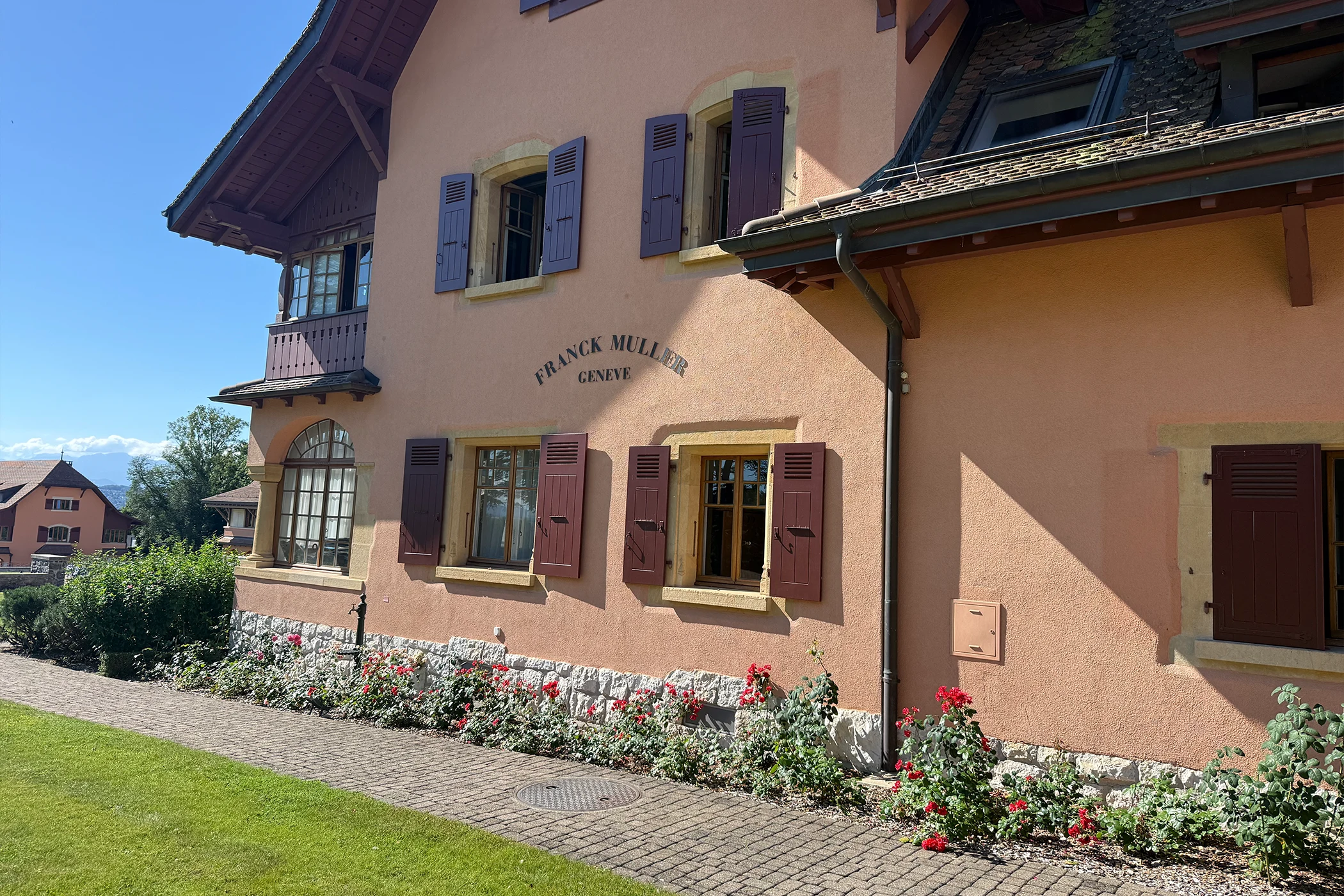
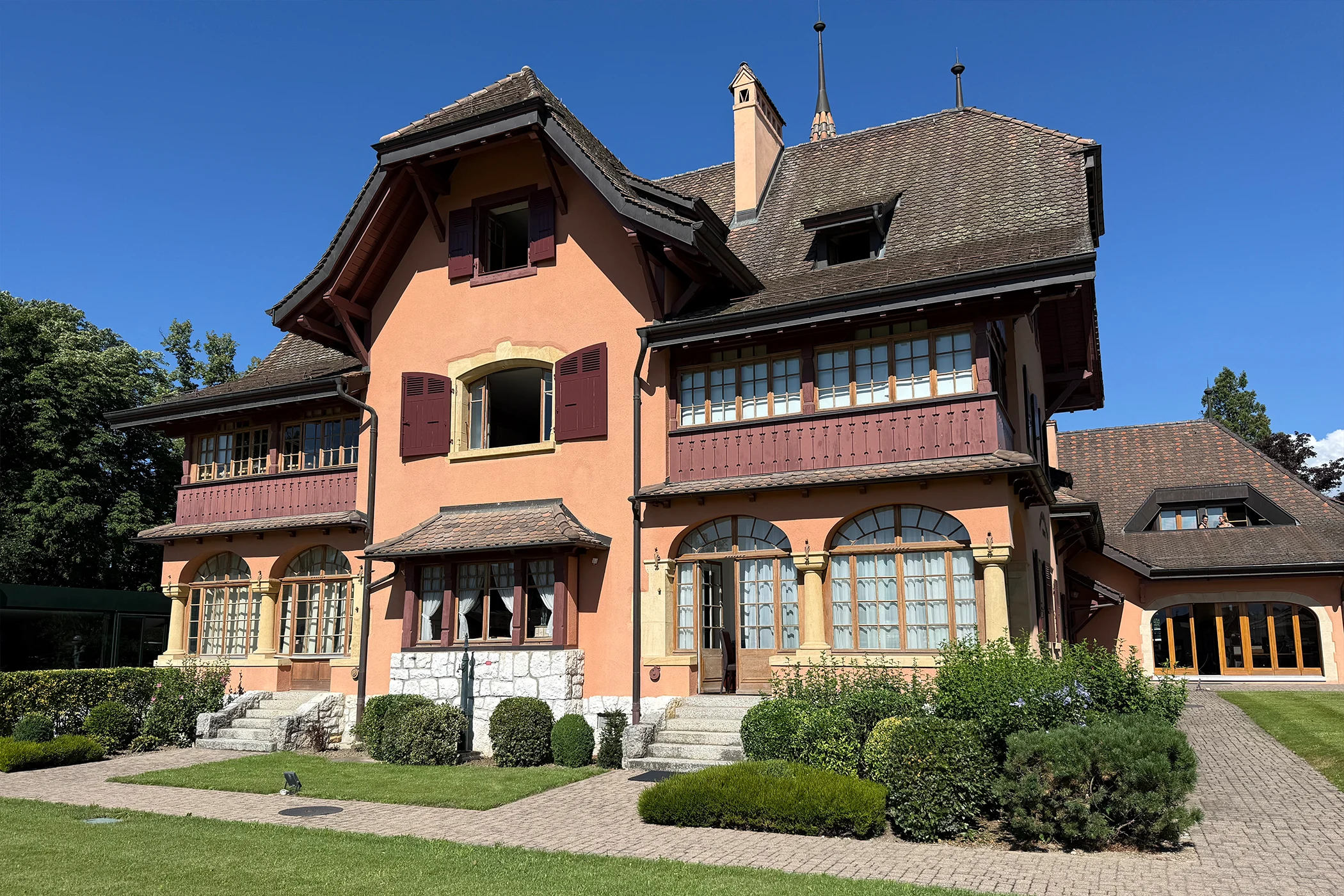
Watchland in Genthod begins with a mansion built in 1905. Around the year 2000, two buildings in the same architectural style were added; in 2019, two further buildings offering a total of around 16,000 square metres of additional space were opened. From the complex, the view stretches across Lake Geneva towards the Alps and Mont Blanc. Yet the architecture is not the focus of the story. Its value lies in the contrast: behind façades that are more reminiscent of a luxuriously renovated country estate than of industrial production lie CNC centres, electroplating baths, the finishing workshop, assembly areas and the department for high complications. In the lower part of the former residence, diamonds are now set into cases and dials.
Whilst the sites visited previously mainly produced complete external components, this is where the manufacture and finishing of numerous small machine components begins. As the size of the parts decreases, the demands on precision and cleanliness increase accordingly.
In CNC machining, tools and components are immersed not in a water-based emulsion, but in oil. The oil simultaneously cools and lubricates the cutting zone, aids the removal of swarf and helps to prevent overheating and surface damage. It does not make the machine more precise, but creates conditions under which the tool, material and cutting parameters can operate in a reproducible manner.
Separate machines or clearly distinct machining processes are available for different materials. The practical result is not only metallurgical purity in the process: chips and material residues can also be collected by type, precisely sorted and then sent for targeted recycling. At the same time, this reduces the risk that residues from a previously machined metal will affect the surface, the tools or the dimensional accuracy of the next component.
According to information provided on site, a CNC machine equipped for this purpose costs around one million Swiss francs. Machining is carried out with tolerances of up to plus/minus ten micrometres, i.e. plus/minus 0.01 millimetres. This is not ‘invisibly small’, but it is only a fraction of the diameter of a human hair. In any case, it is not so much the illustrative comparison that is crucial as the technical implications: at this scale, even a subsequently applied coating, a fine burr or an inadequately cleaned edge can affect the fit and thus the function of a component.
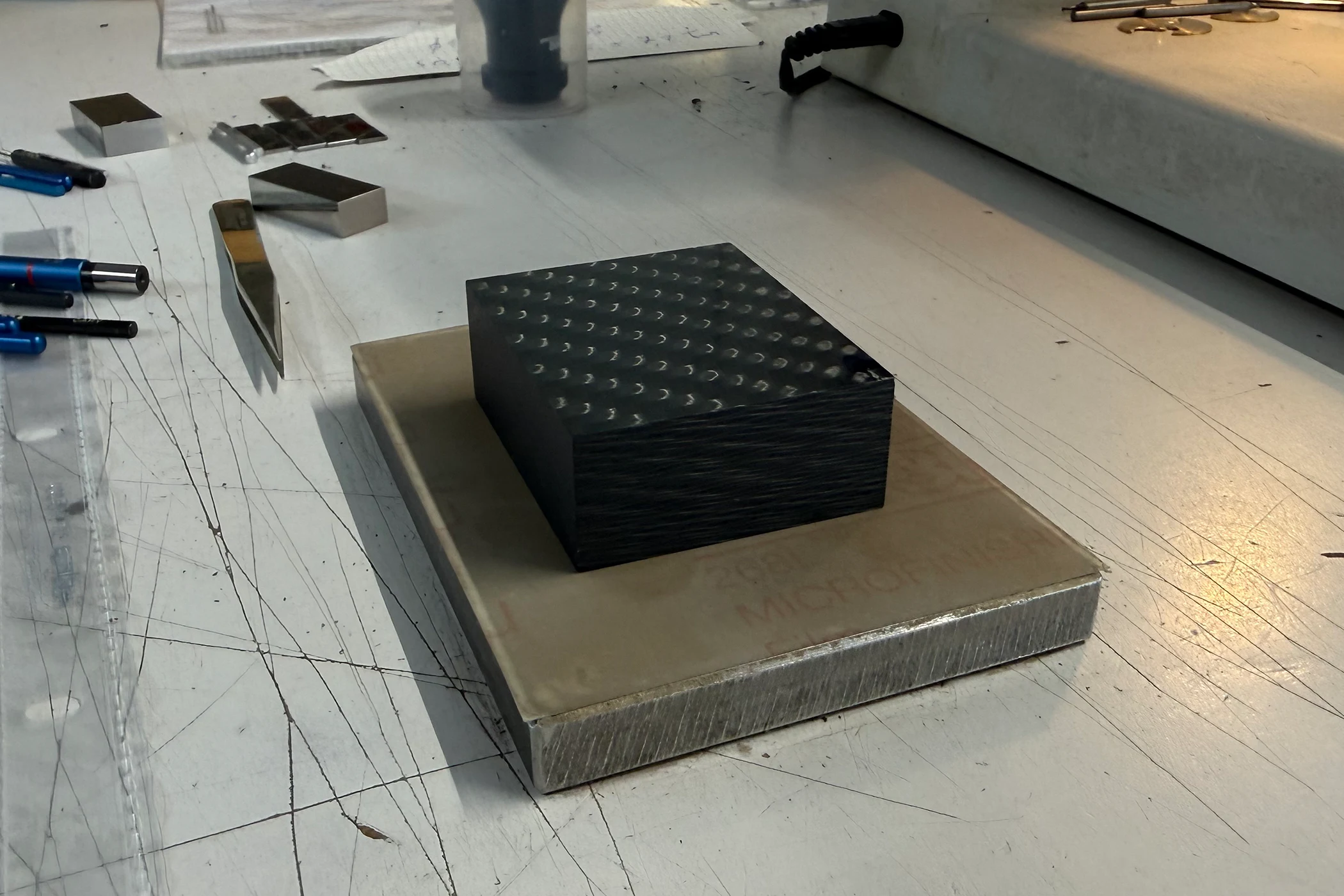
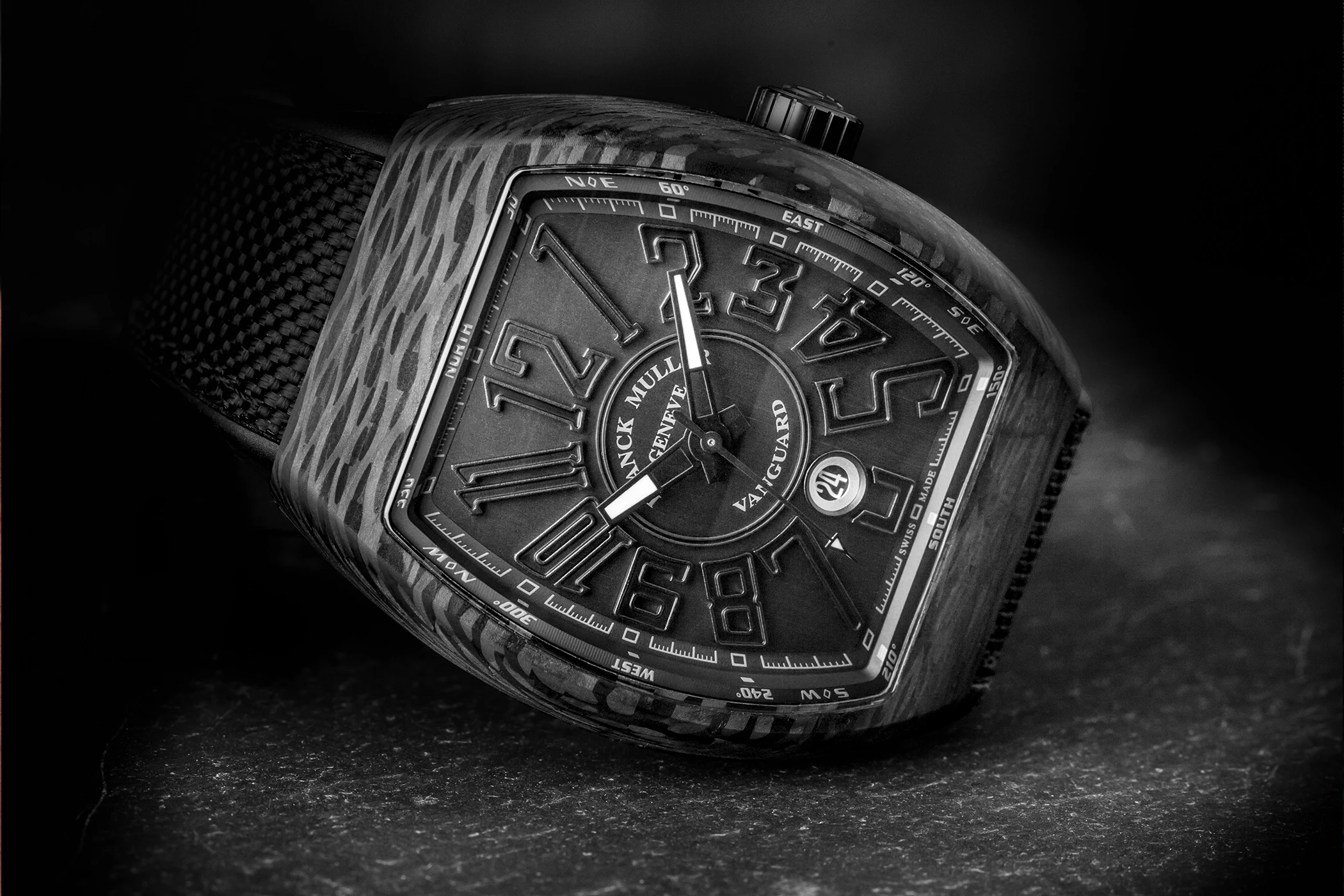
Carbon fibre housings illustrate just how drastically a manufacturing process can change when not only the dimensions but also the material are altered. The standards of metalworking cannot simply be applied here.
The daily output figures from casing production seem clear at first glance: around 60 casings can be produced from steel, compared with only about eight from carbon fibre. Anyone who uses this to rank the materials is missing the point. Steel and carbon fibre follow different manufacturing principles.
The carbon used is supplied in paper-thin layers. Around 150 of these layers are stacked on top of one another and pressed into a compact block, from which the housing is later machined. The resulting carbon composite consists of reinforcing fibres and a surrounding binder, which together form a solid material. Unlike a homogeneous metallic material, carbon and its fibre composite have a direction-dependent structure. The orientation and alignment of the fibres therefore influence not only the machining process and the quality of the edges and surfaces, but also the grain of the housing that will later be visible. Whilst steel reacts largely uniformly during milling, carbon can behave differently in terms of its appearance depending on the direction of machining.
The lower output for carbon cases is therefore not solely due to longer machine cycle times. It is also linked to stricter quality control and a higher risk of rejects. The case must maintain a precise fit, seal neatly against the glass and meet the requirements for watertightness. The figure of eight pieces per day does not reflect exclusivity achieved through artificial scarcity, but rather the limitations of a material that is less readily standardised and shaped.
Whether metal or carbon fibre: the component is not yet finished once the machine-based shaping process is complete. The subsequent steps shift the focus from pure geometry to the quality of its surfaces.
In the finishing department, workers sit at semi-automatic machines and machine bridges, plates, gears and rotor components. At first glance, ‘semi-automatic’ sounds like a transitional stage on the path to full automation. In practice, however, it simply describes a division of labour. The machine provides rotation, stroke or a repeatable movement. The operator positions the part, guides it, regulates the pressure, monitors the coverage and decides when the result is correct.
This also applies to very small components. A perlage – a pattern of slightly overlapping circular engravings – is not created simply by the machine selecting the ‘decoration’ programme step on its own. The uniformity depends on how the operator executes each stroke. The process is similar when engraving a rotor or a bridge: The mechanics facilitate repetition, but the eye and hand assess transitions, depth and rhythm.
The treatment of rotors in automatic calibres is particularly revealing. They are decorated and engraved by hand, even if the watch in question does not have a see-through case back. This would not be functionally necessary: even an unfinished rotor would fulfil its task and wind the movement.
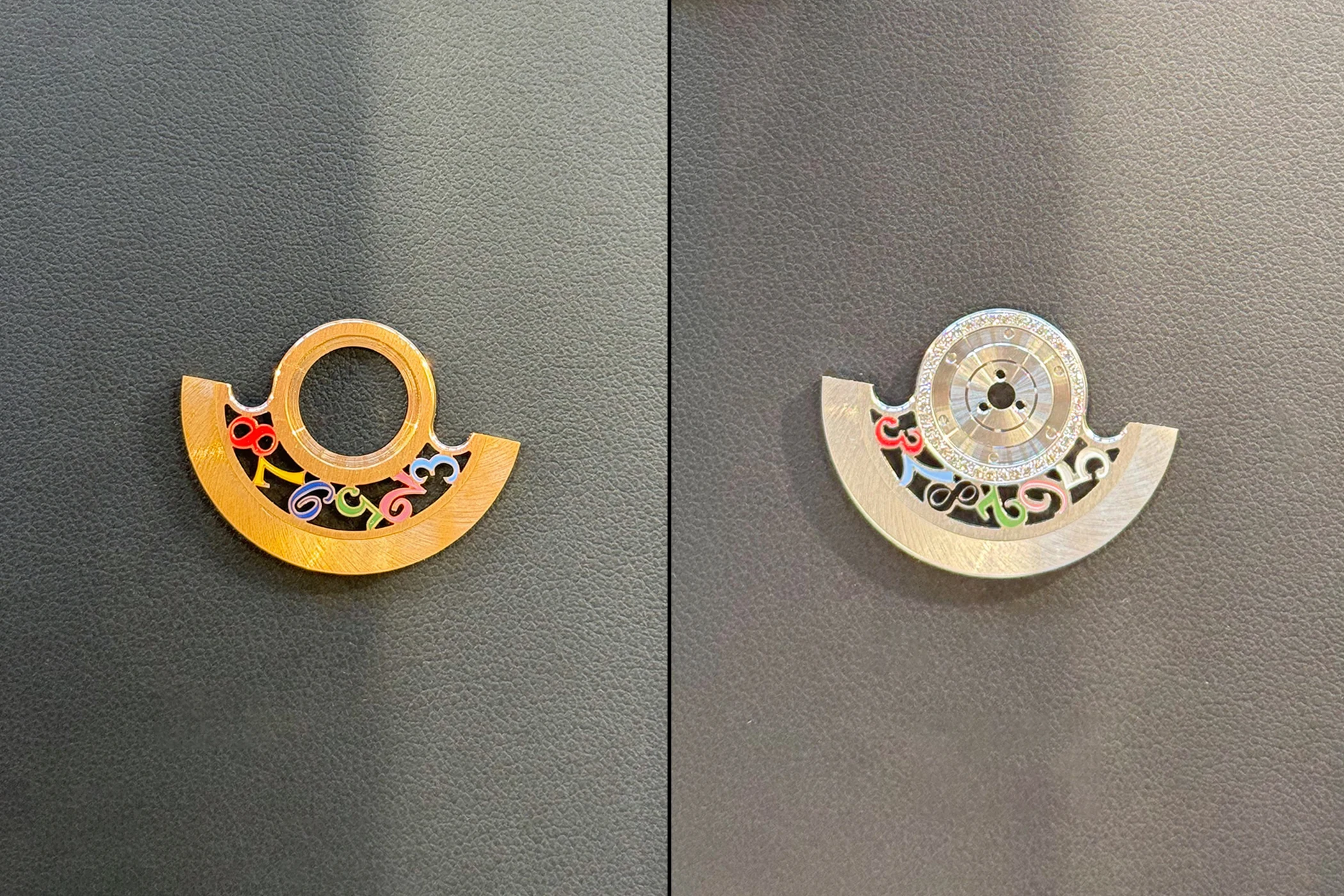
One might view this as additional effort with no immediate benefit to the customer. At the same time, this detail demonstrates that, at Franck Muller, the finishing of a component does not depend solely on whether it will later be visible when the watch is worn – in other words, the brand’s internal quality standards do not end at the closed case back. Whilst the decoration is primarily for aesthetic purposes, it also entails a further, meticulous inspection of every single surface. Burrs, scratches or irregularities are more likely to be noticed in this process than if the components were finished purely for functional purposes. Precisely because the owner usually does not see any of this, the effort involved says a great deal about the manufacture’s working methods.
However, the decorative finishing is not necessarily the final step. Some components are subsequently given an electroplated finish, where aesthetics and dimensional accuracy go hand in hand.
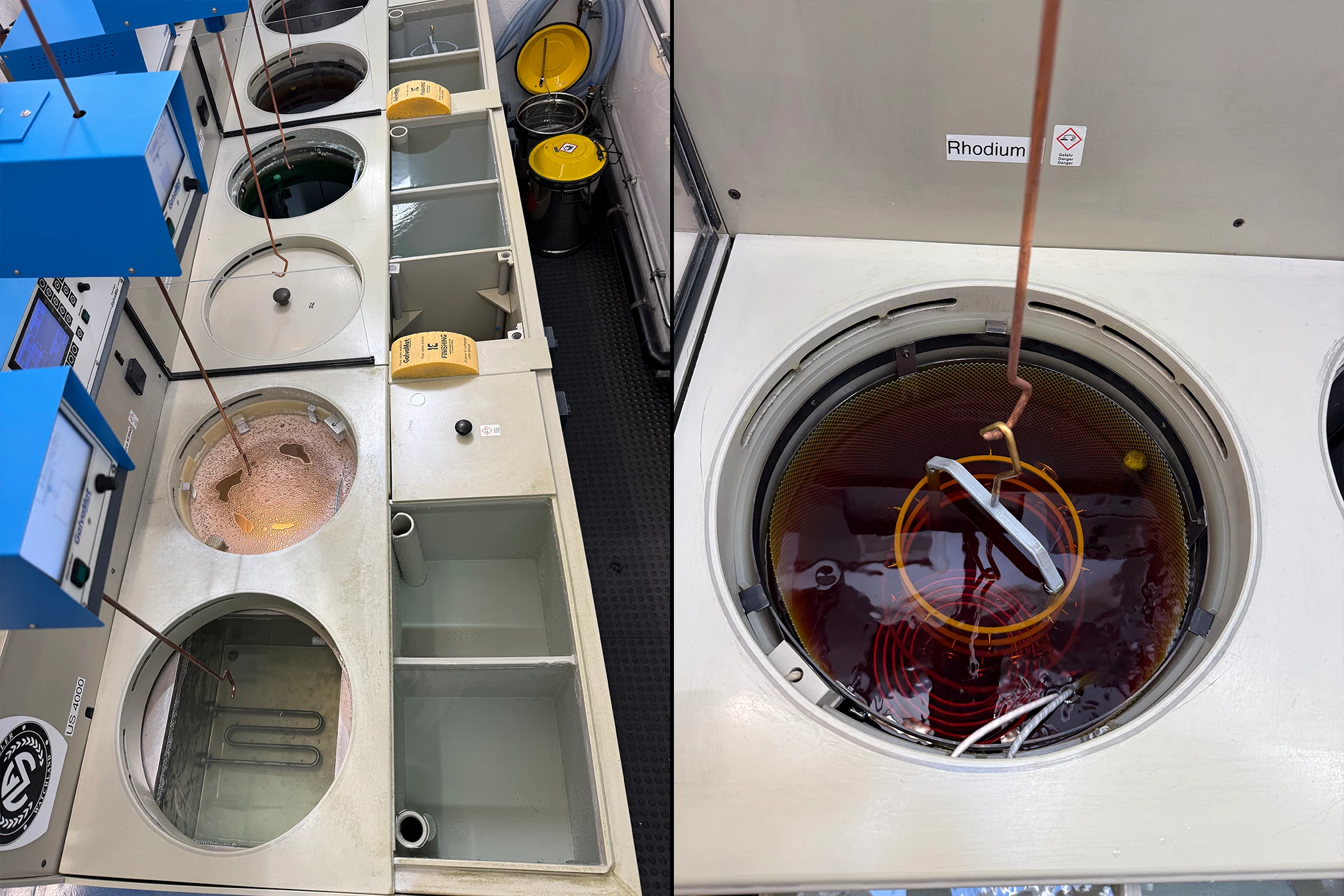
It is in the electroplating process that the rotors receive their final finish. Here, a thin layer of metal is applied to the component electrochemically. Bronze is used as the base material, onto which – depending on the design – a wafer-thin layer of a precious metal is applied. In the case of gold-coloured rotors, it is gold that is deposited onto the bronze from the liquid bath using an electric current. During our visit, however, a rhodium-plating process was carried out, in which rhodium was applied to the components. Rhodium plating refers to the electroplating process using rhodium, which usually produces a light-coloured, durable surface.
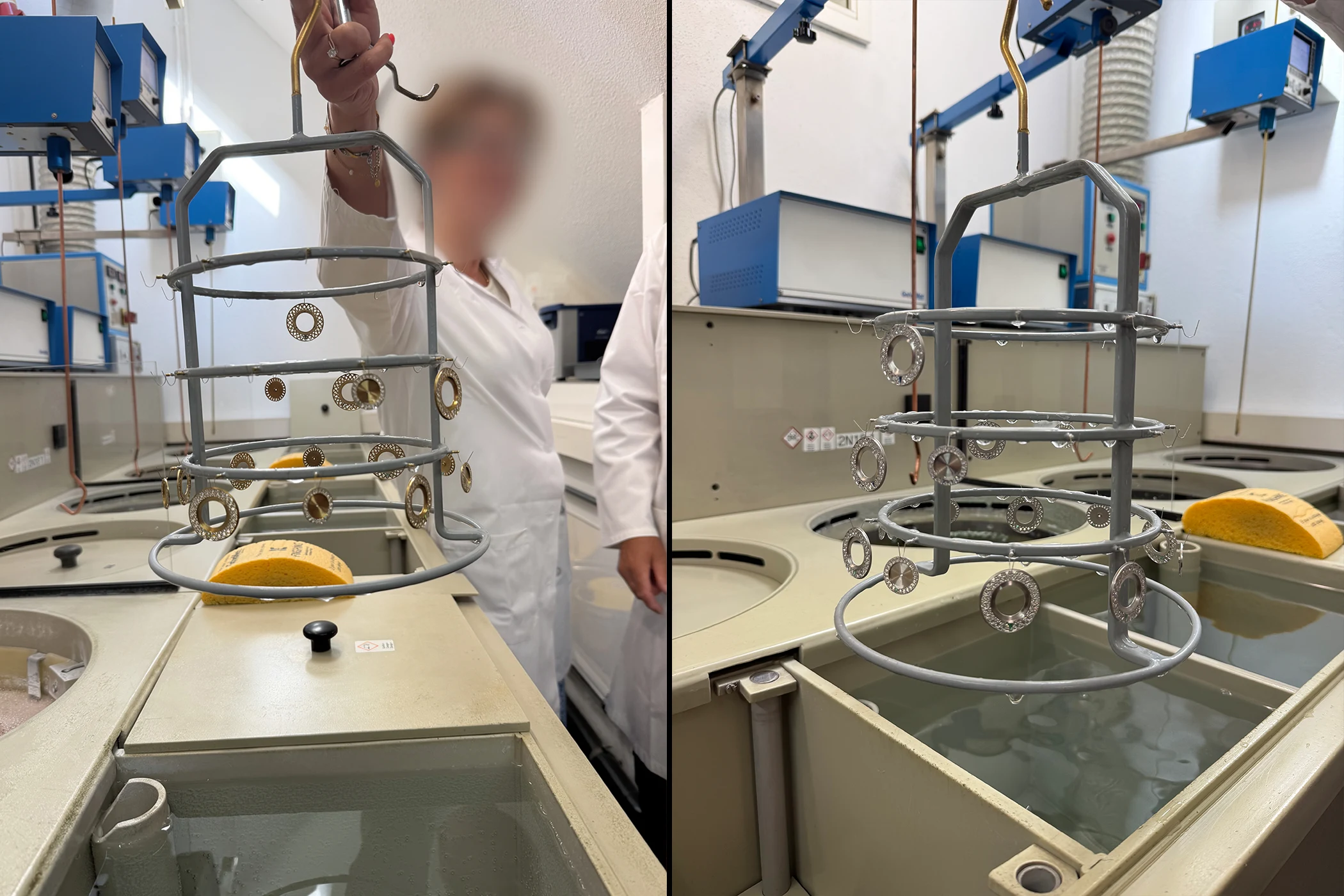
The coating not only alters the colour and surface finish, but also the dimensions of the component – albeit only minimally. It is therefore essential to monitor precisely how long the components remain in the bath. If too much metal is deposited, or if the layer is distributed too unevenly, the rotor will subsequently no longer fit precisely into the movement.
In everyday life, a very thin layer would hardly be worth mentioning. In a watch movement, however, where components are fitted together with a tolerance of a hundredth of a millimetre, it is certainly significant. The electroplating process must not subsequently undermine the precision that has already been achieved. For this reason, the time, current density, preparation and cleaning must all be carefully controlled. Furthermore, diamonds that have already been set into parts of the watch can withstand such a process under suitable conditions, as they react chemically differently to the base metal. Here, too, optical brilliance and technical fit are interlinked: a surface treatment not only alters the colour of a component, but potentially its dimensions as well.
Up to this point, the components have been shaped, machined, decorated and coated. However, whether they will become a working watch is only determined during assembly – a fact that is particularly evident in a mechanism whose playful display requires precise mechanical calibration.
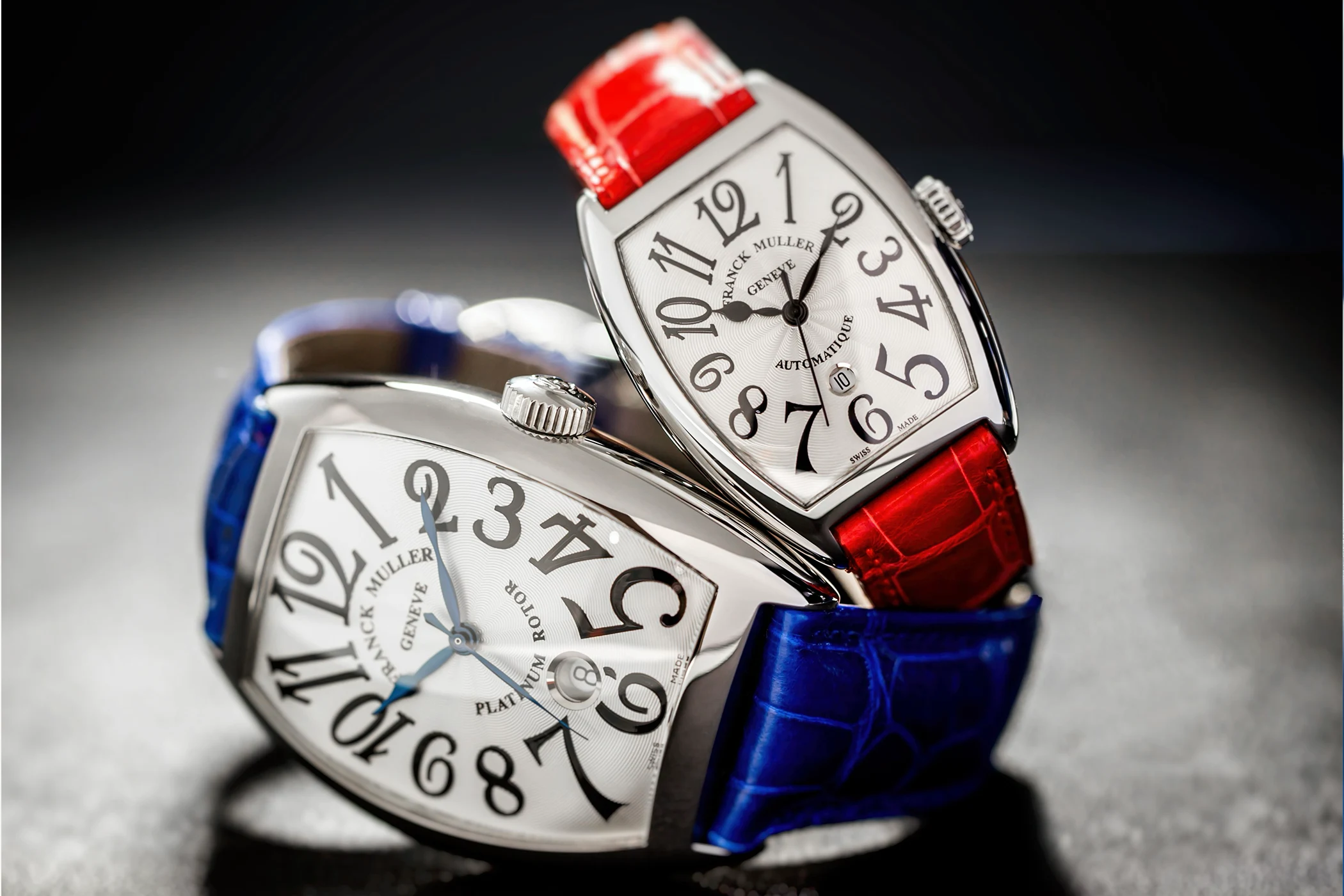
At first glance, the Franck Muller Crazy Hours appears to be a playful provocation. Its twelve numerals are deliberately arranged in a disorderly fashion on the dial. The minute hand completes its circuit in the conventional manner. At the top of the hour, however, the hour hand does not jump to the adjacent hour marker, but to the chronologically correct next number in a different position. Since its introduction in 2003, this display has been one of Franck Muller’s best-known and most distinctive ideas – and continues to elicit a brief moment of confusion and amazement among watch enthusiasts to this day.
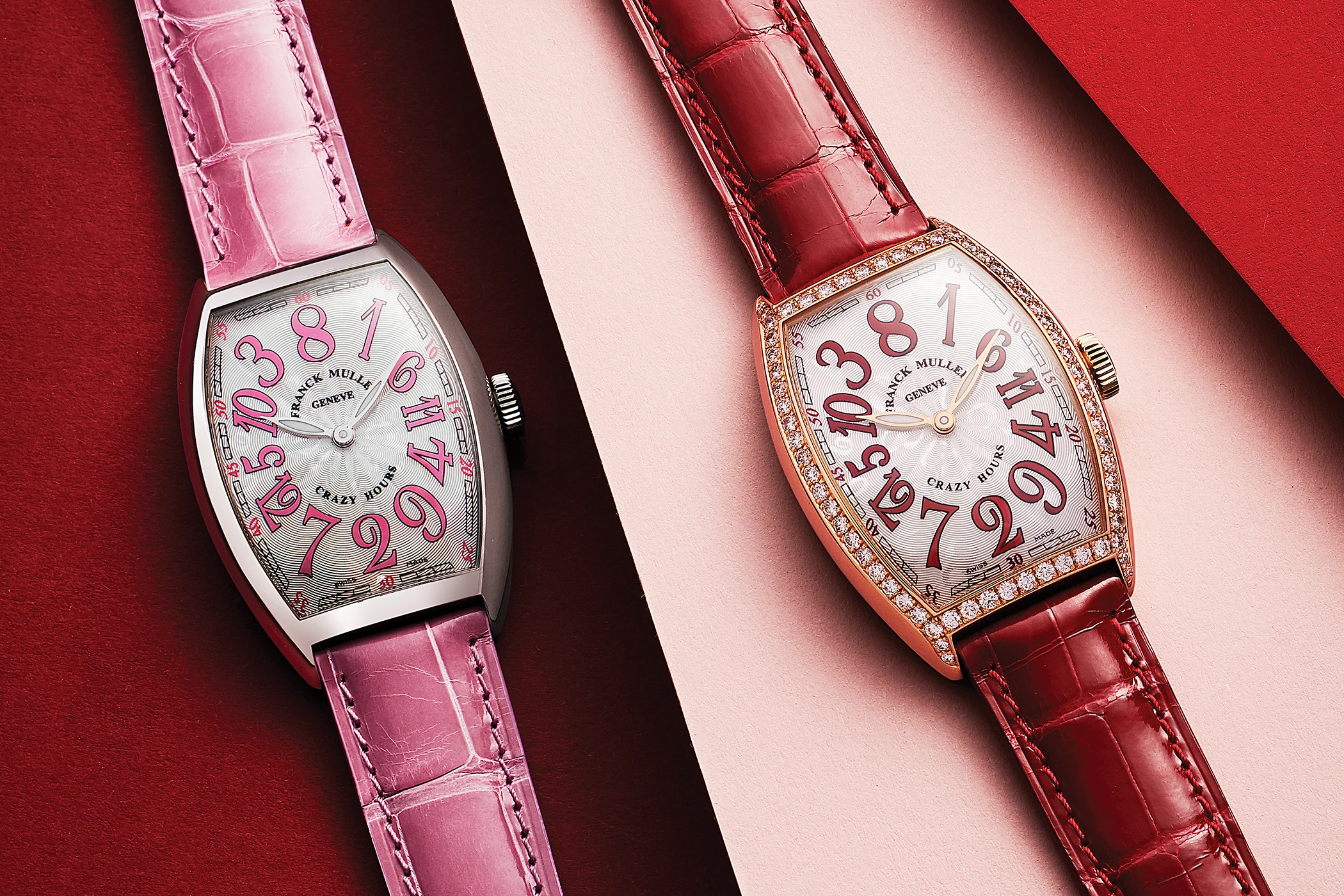
The complication is easily explained. Its assembly is not. For the ‘casings’, i.e. the assembly of the movement, dial, hands and case, a working time of up to three days is quoted during the visit. The term ‘casings’ therefore refers not only to the insertion of the movement, but to the entire process in which all components are aligned, checked and finally tested within the case. This does not mean that a watchmaker spends three days tightening a single screw. The timeframe encompasses a series of checks, assembly steps and any necessary adjustments: preparing and fitting the movement, aligning the dial and hands, checking clearances, inspecting the jumping hour mechanism, closing the case, testing for water resistance and functionality – and, if necessary, reopening the case and readjusting.
With a conventional hour display, even a hand set slightly out of position can lead to readability or collision issues. With the Crazy Hours, the jump must also lead precisely to the correct, seemingly randomly placed number. The visual disorder demands a strictly defined sequence on the inside. What appears on the dial to be spontaneous and almost defiant in the face of the familiar order of time is, mechanically speaking, based on absolute discipline.
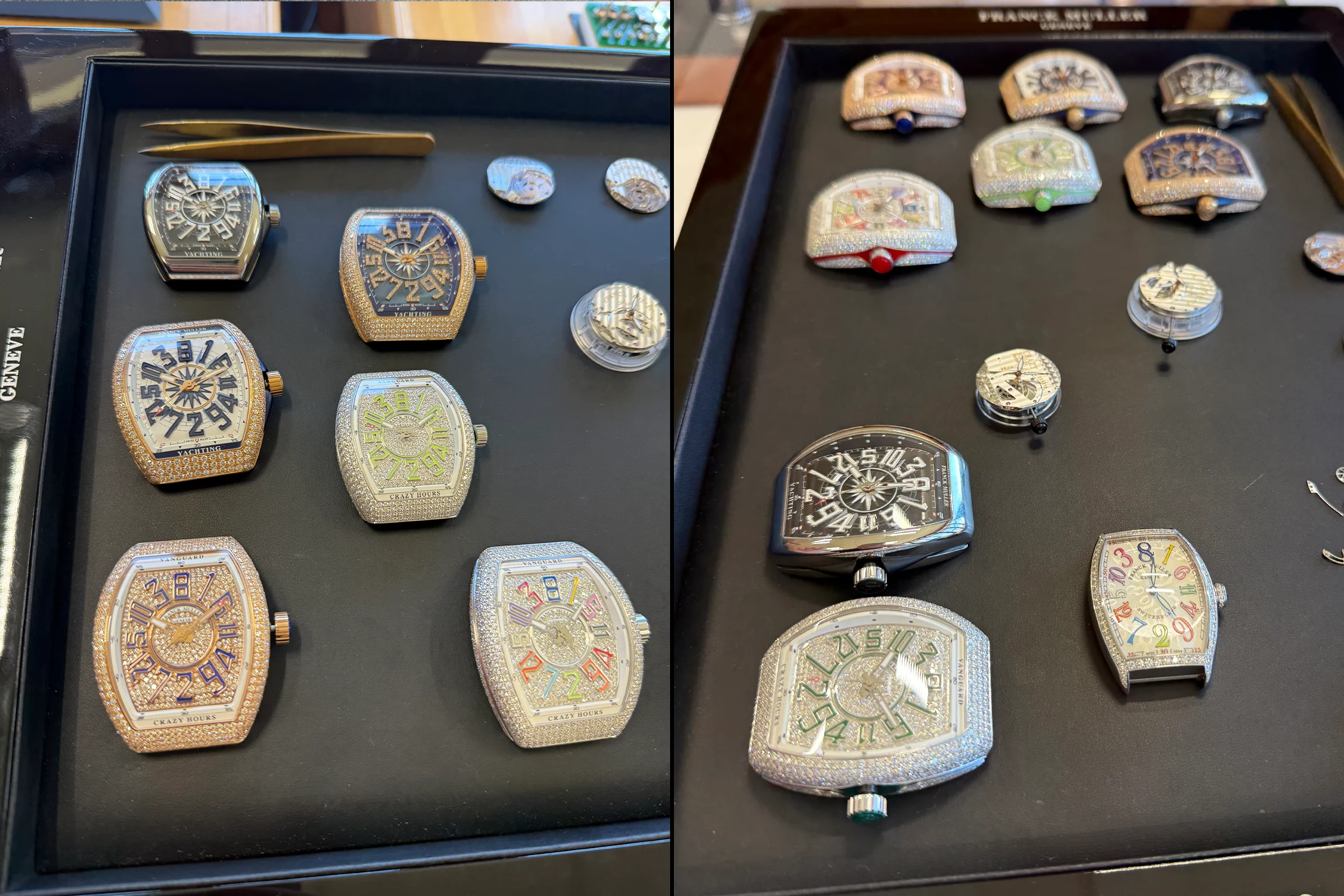
This is perhaps the most apt link between the brand’s public image and its production. Franck Muller is often associated with bold colours, large numerals and eye-catching complications. The manufacturing process behind it, however, follows a much stricter order. It involves a combination of tools, tolerances, testing cycles and repeated adjustment procedures. The ‘Crazy Hours’ model is only possible because, during assembly, nothing is left to chance.
In the case of the ‘Crazy Hours’, this effort is concentrated on a single, clearly defined mechanism. In the High-Complications department, it multiplies into a system comprising more than a thousand interdependent individual parts.
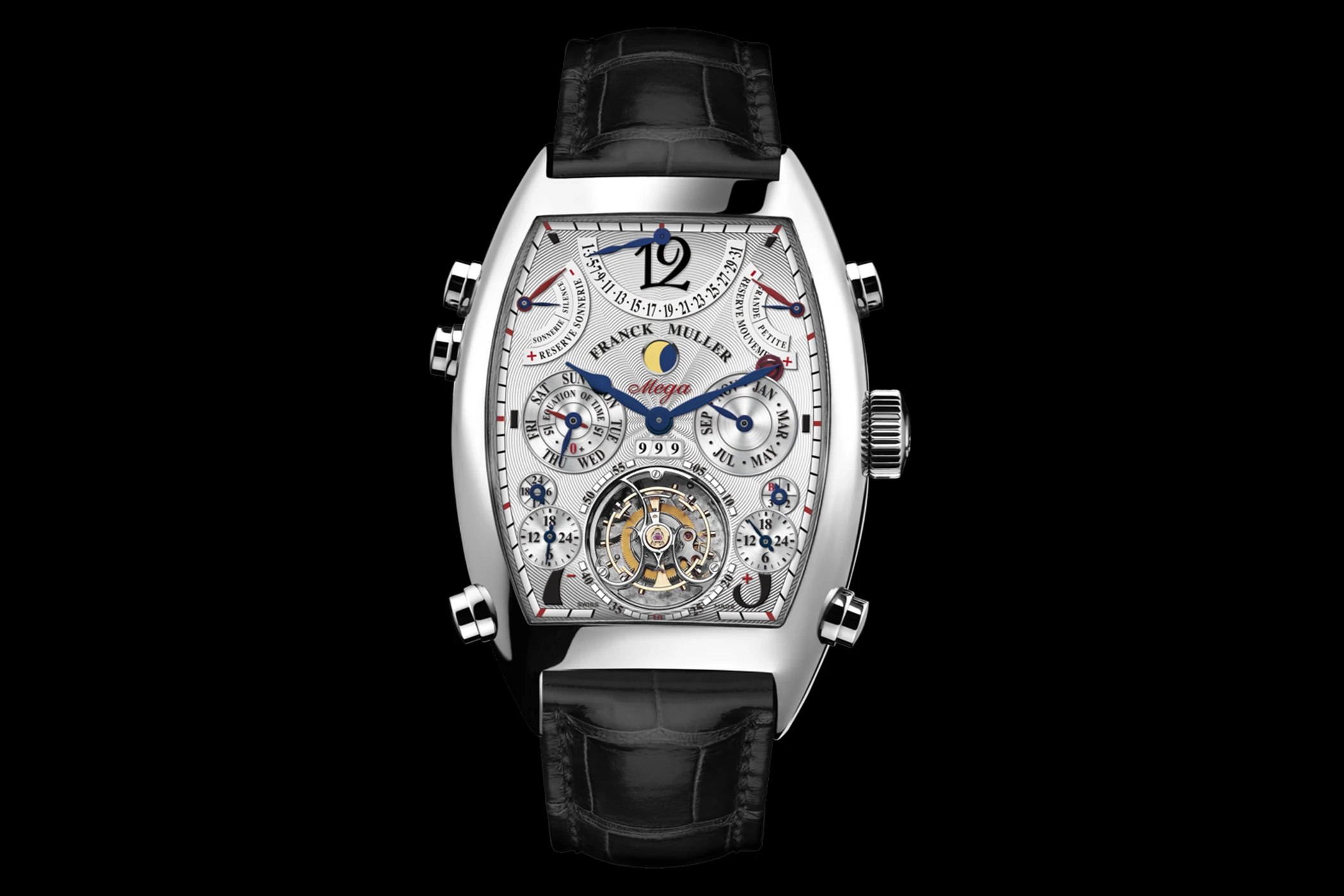
The High-Complications department brings together the manufacturing and assembly expertise described above. According to the manufacturer, 36 watchmakers work here on particularly complex movements, as well as on their assembly, regulation and testing. Regulation refers to the precise adjustment of a movement, in particular its rate behaviour in different positions and operating conditions. At the very top of the complication scale stands the Franck Muller Aeternitas Mega 4, with 36 complications and 1,483 components. It was first unveiled in 2007 after five years of development and was regarded as the world’s most complex wristwatch until 2025. It was then superseded by the Vacheron Constantin Les Cabinotiers Solaria Ultra Grande Complication – La Première, featuring 41 complications. Nevertheless, the Aeternitas remains one of the most elaborate mechanical wristwatches in history. At around 18 years, it held the record longer than any other watch in this category.
The Aeternitas is the point at which toolmaking, machining, surface finishing, electroplating, assembly and regulation converge in a single object. Its functions include, amongst others, a tourbillon, striking mechanism, calendar and chronograph functions, as well as astronomical displays. What matters is not so much the list of all these functions as their precise interplay. The 1,483 components must not only be manufactured correctly as individual parts, but must also work together to transfer energy, relay information, trigger switching operations, strike and display the time, without interfering with one another.
To this day, the watch continues to be manufactured to customer order and, accordingly, in extremely small quantities. The fact that assembling the Aeternitas movement components alone can take around six months is due to the density and interdependence of the functions and complications. The assembly process is not straightforward: sub-assemblies are put together, tested, dismantled again, corrected, adjusted and tested once more. Some faults only become apparent when a particular function is triggered at a specific time or in conjunction with another complication.
The figure of 36 watchmakers sounds large when one thinks of one-off pieces, and small when one considers the breadth of the tasks involved. They do not all need to have complete mastery of every complication. But the department needs redundancy, documentation and knowledge-sharing. Otherwise, the risk seen in toolmaking will recur: a skill is only available as long as a few specialists are on hand. ‘Manufacture’ therefore also means not only possessing rare knowledge, but also recording it within the organisation and making it transferable.
The Aeternitas combines numerous functions within a single movement. Other developments by Franck Muller, by contrast, focus on a single mechanism and deliberately push one of its characteristics to the technical limit.
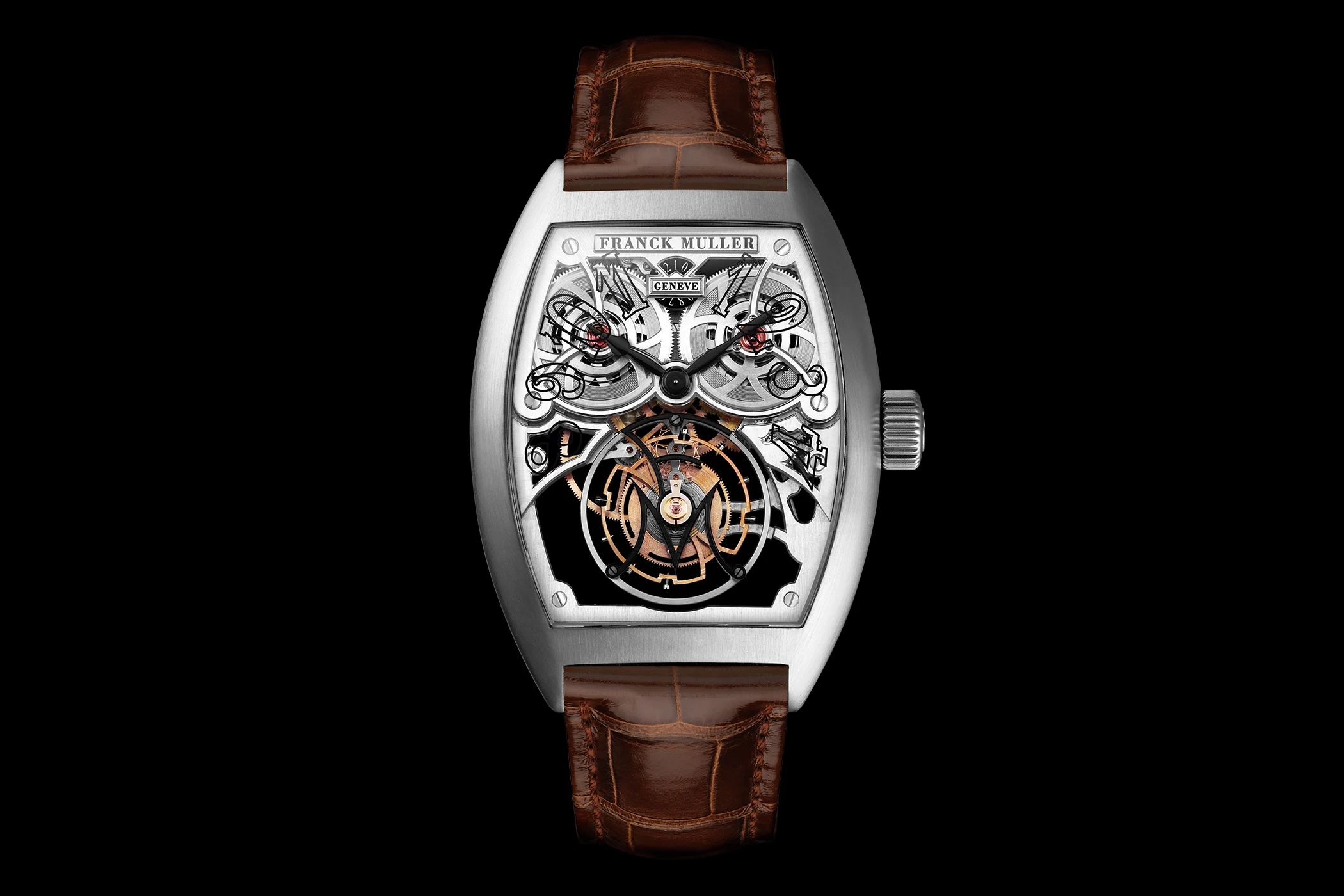
For example, Franck Muller has pushed the tourbillon mechanism to various technical extremes over the decades. The ‘Fast Tourbillon’ completes a full rotation in just five seconds, rather than the 60 seconds typical of classic designs. This high speed also significantly increases energy requirements; four mainsprings provide the necessary power reserve. The Franck Muller Giga Tourbillon, unveiled in 2011, featured a tourbillon with a diameter of 20 millimetres and, at the time of its launch, was considered the largest tourbillon ever integrated into a wristwatch; it held this record until 2017.
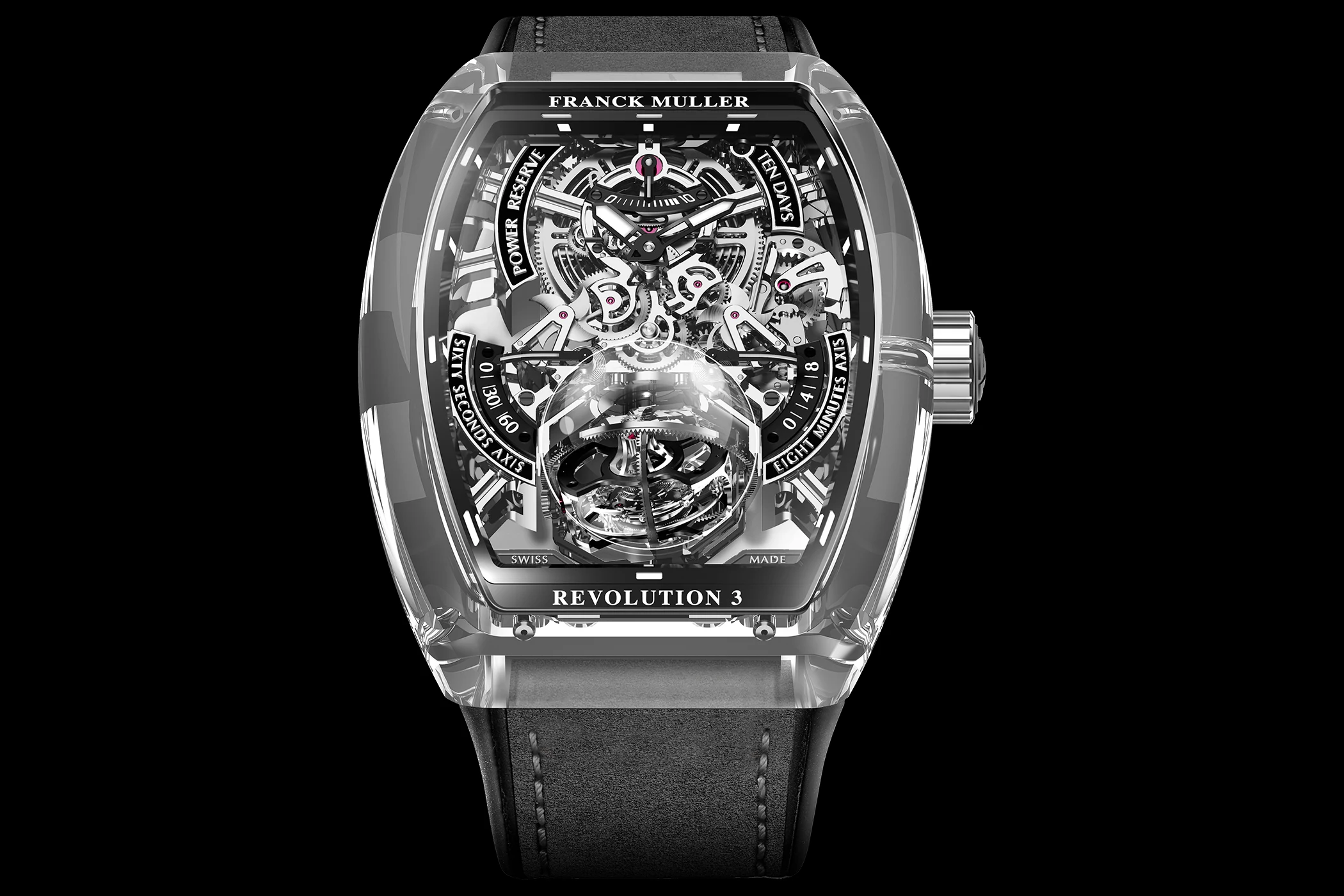
The Revolution 3, in turn, combined three axes of rotation in 2004 and was presented at the time as the world’s first three-axis tourbillon. In any case, the development philosophy behind it is more interesting than the enduring validity of individual titles. The various models follow a similar concept: rather than fundamentally altering the mechanism, one of its characteristics is consistently refined – be it a higher speed, a larger tourbillon cage or additional axes of rotation.
A higher rotational speed does not automatically mean greater accuracy. It is as much an expression of design ambition as it is a deliberately staged aesthetic effect. At Franck Muller, complications often serve a dual purpose: they fulfil a technical function whilst simultaneously showcasing their mechanical solution as a visible spectacle.
When it comes to balance springs, too, Franck Muller adopts a manufacturing approach that is as local as possible wherever it makes technical sense. According to information provided during our visit, the manufacture produces the balance springs for its particularly complex models – including tourbillons, the Aeternitas and the Revolution – in-house. The comparatively low production volumes of these high-complication timepieces allow them to be manufactured within their own facility.
After two days, it is not the sheer number of components manufactured in-house that leaves the strongest impression. The fact that Franck Muller manufactures cases, dials, straps and numerous movement parts within its own facilities is remarkable. What is crucial, however, is the extent of this control. After all, in-house production alone guarantees neither a better finish nor a more reliable watch. It primarily creates a close link between development and production, shortens communication channels and increases the ability to react immediately to variations, problems and deviations.
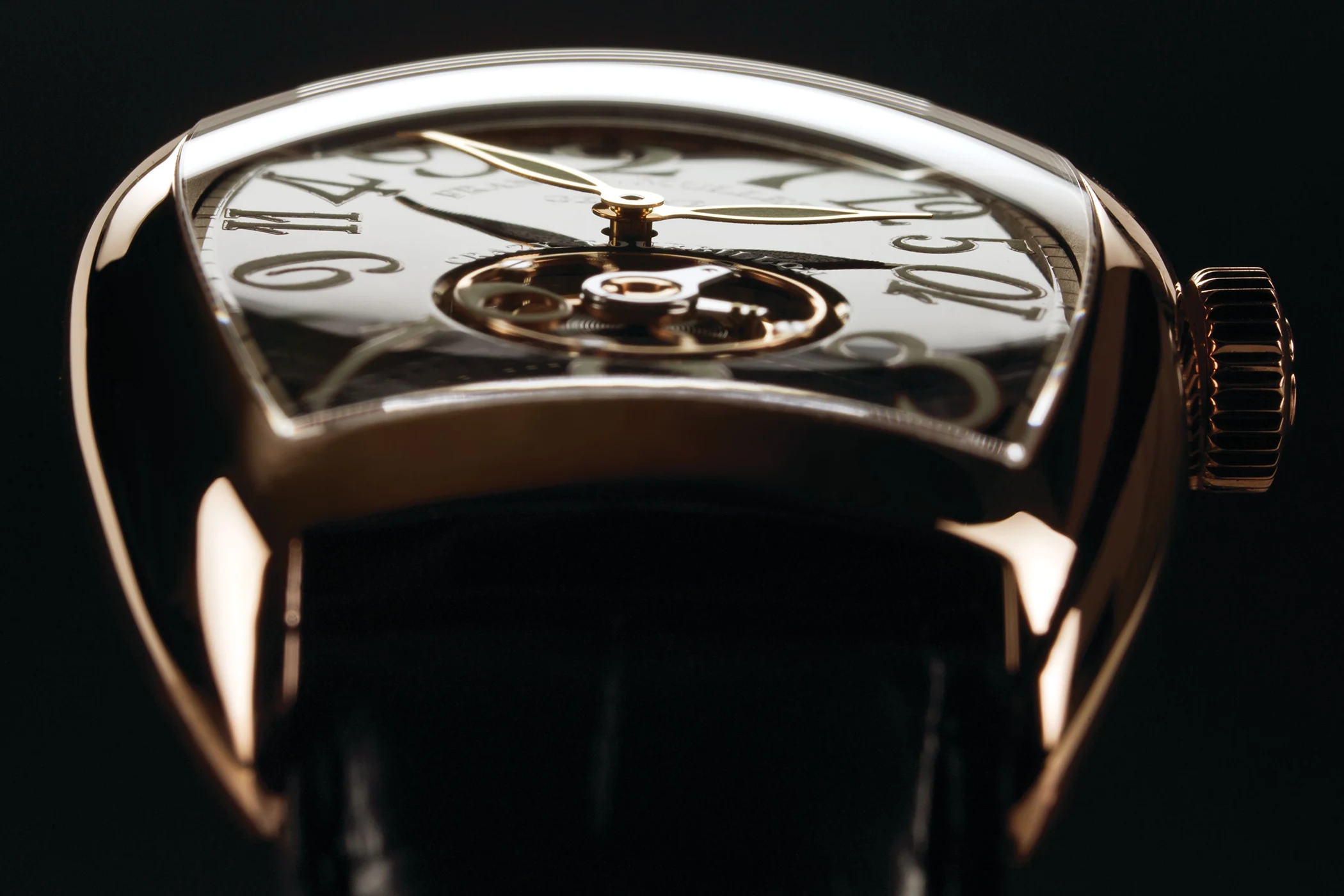
What is more revealing is how often Franck Muller goes one step further. The case manufacturing process involves not only the production of case blanks, but also the tools that give them their shape in the first place. In Les Bois, machines are adapted and embossing tools developed for new finishes. In Watchland, materials are machined separately, surfaces are finished by hand on semi-automatic machines, and electroplated layers are controlled in such a way that even colour does not result in dimensional deviations. During assembly, a seemingly whimsical complication such as the Crazy Hours is monitored over several days.
Even a manufacture such as Franck Muller cannot achieve complete self-sufficiency. Metals, carbon layers, gemstones, oils and chemical raw materials naturally come from specialist suppliers. What matters, therefore, is not whether every material is produced in-house, but the extent of control over design, machining, finishing, assembly and quality control.
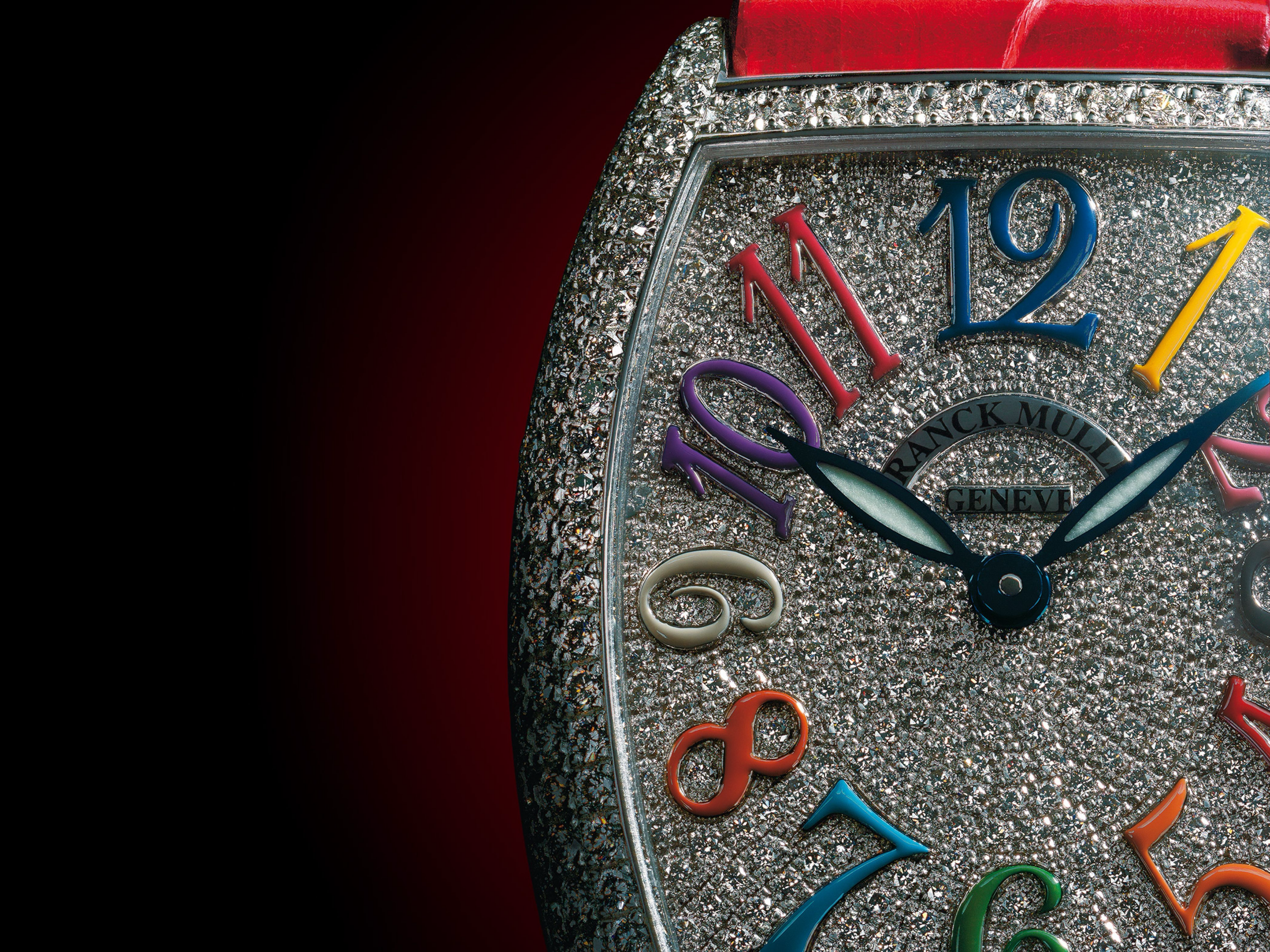
This is precisely where Franck Muller’s particular strength lies. The manufacture does not merely limit itself to producing components in-house; it also preserves the know-how required to develop the necessary tools, adapt machinery and monitor processes. This knowledge is not confined to technical drawings or software programmes, but resides above all in the people working on the shop floor.
Ultimately, this philosophy leads back to the hydraulic press. The elegant curve of a Franck Muller case does not begin with the polishing stage. It originates in a specially developed tool that has been designed, tested and refined before up to 200 tonnes of pressure give the metal its initial shape. It is precisely here that the true meaning of vertical integration at Franck Muller becomes apparent.