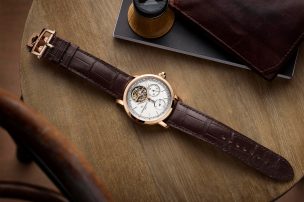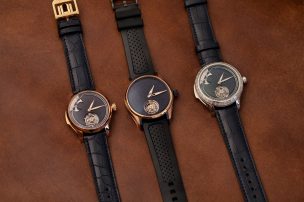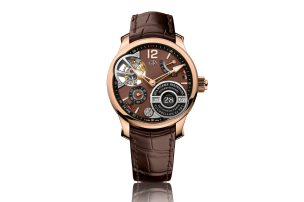

A. Lange & Sohne has released a new Datograph Perpetual in platinum with a diamond-set dial and platinum bracelet.

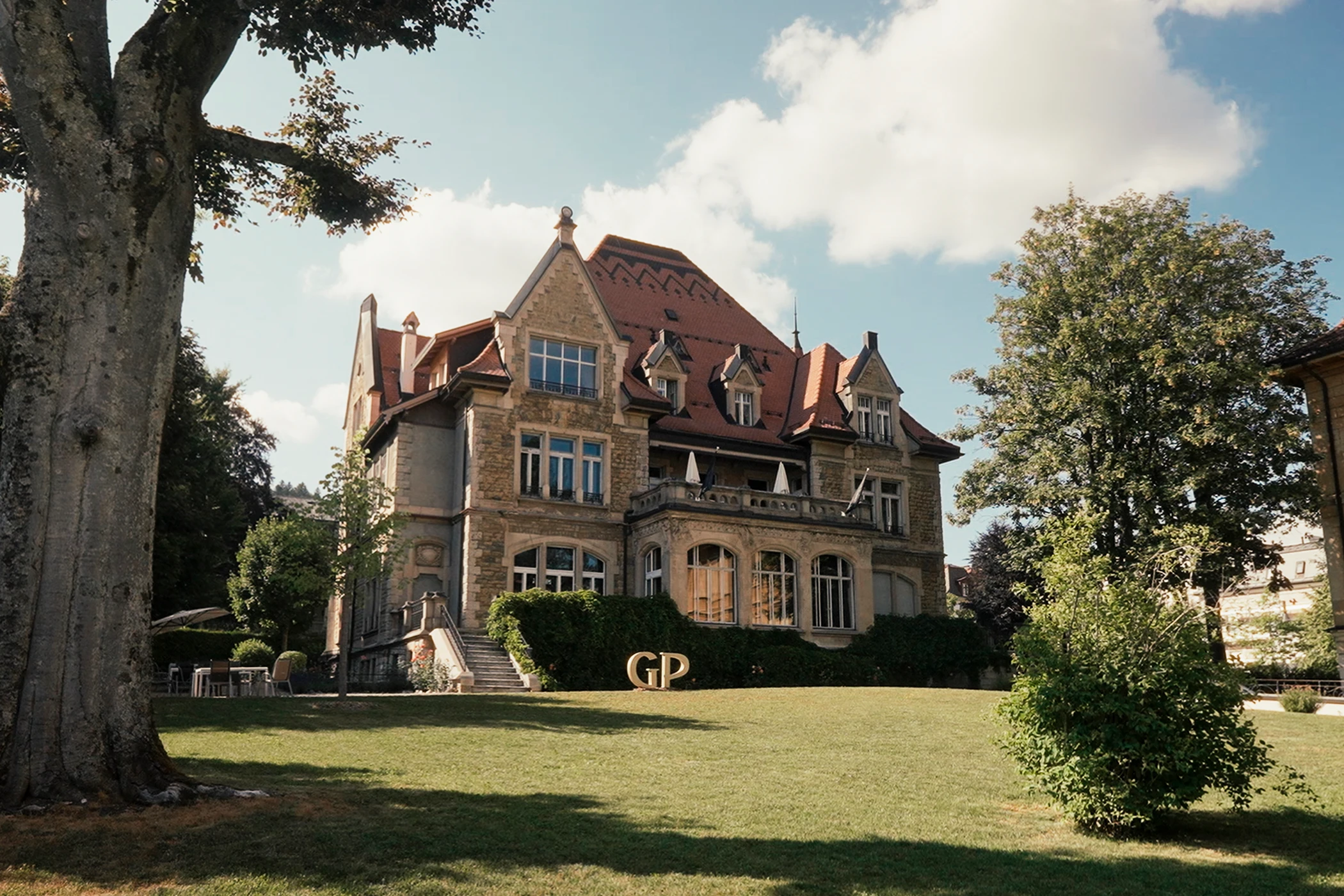
Anyone with even the slightest interest in watches will be familiar with Girard-Perregaux. But did you know that Girard-Perregaux develops and manufactures its movements in-house? What’s more, it applies elaborate finishes to movement components – even simple three-hand movements, which alone feature up to ten different surface finishes. And were you aware that Girard-Perregaux produced the first COSC-certified quartz movement (with 32,768 Hz, a standard that is still valid today) in the 1970s, invented a unique micro-rotor system in 1999, and, with the Constant Escapement L.M. in 2013, solved a fundamental problem with mechanical watches, thereby turning the watch world on its head?
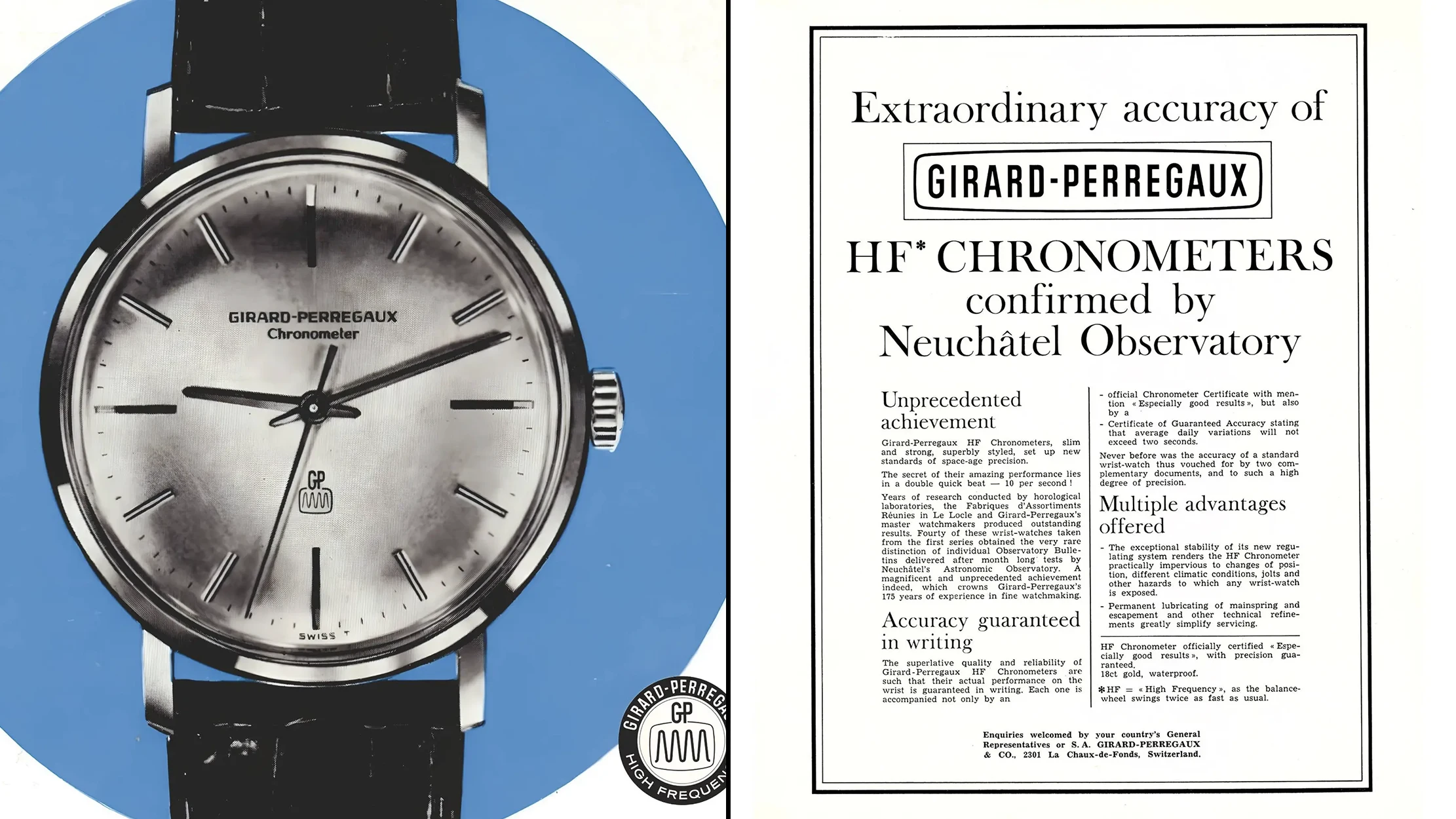
If none of this is news to you, we’d be happy to delve a little further back into the brand’s history. Girard-Perregaux was already winning numerous chronometer competitions as early as the 1870s. Constant Girard was so focused on chronometer precision that his watches literally dominated chronometer competitions – and his son Gallet later became member of the jury.
So, you really do have to spend two days in Switzerland at Girard-Perregaux to discover so many fascinating details about the brand that we were previously unaware of. Whilst Girard-Perregaux certainly enjoys a high reputation amongst connoisseurs, it is also one of the most underrated brands in Swiss haute horlogerie.
For several years now, the manufacture has been working hard to change this and to make its historically deep-rooted DNA more accessible to a modern collector base. In the space of a year, Girard-Perregaux has unveiled four new calibres and, a first for the brand, mastered a Clous-de-Paris enamel pattern onto a white gold plate.
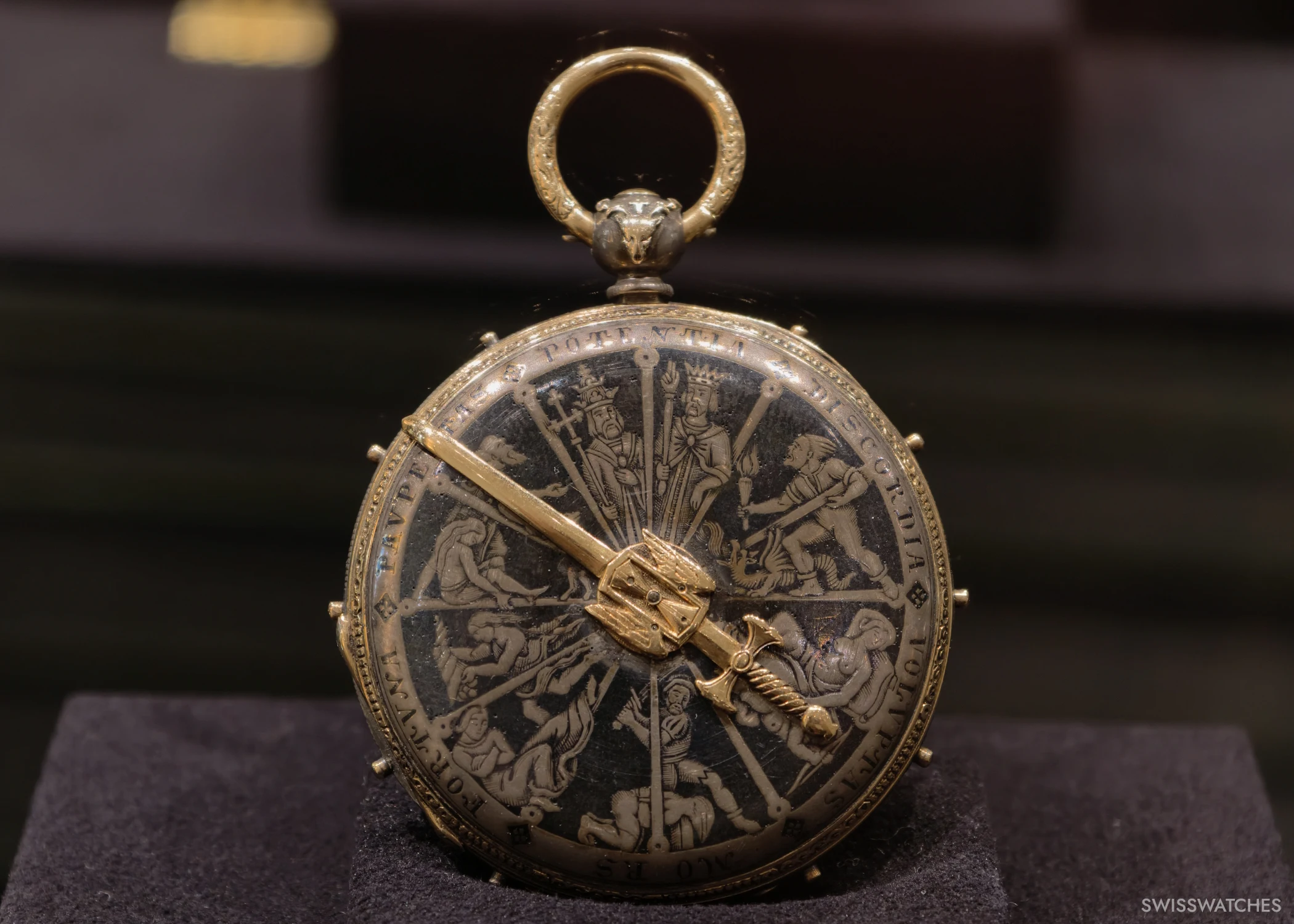
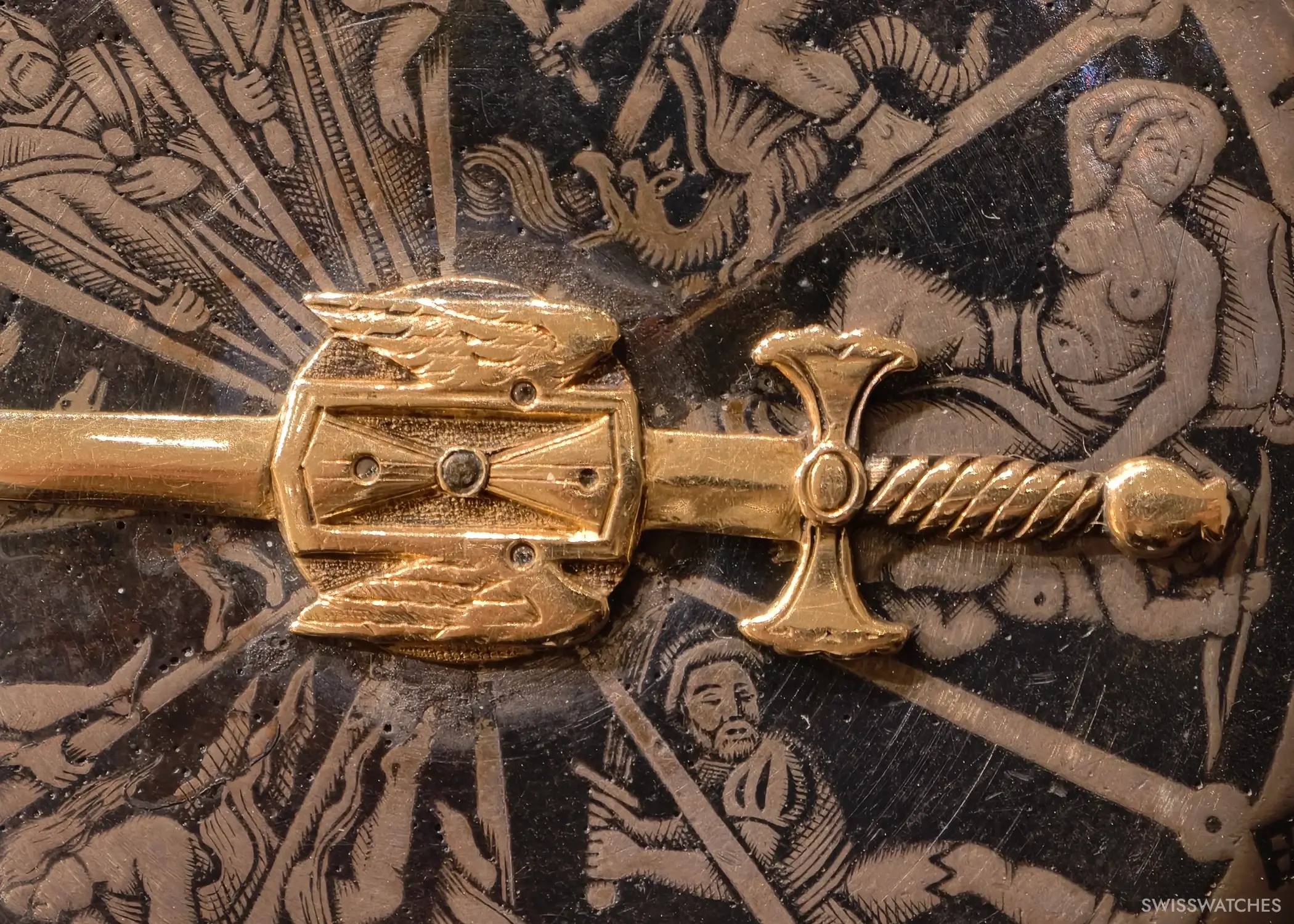
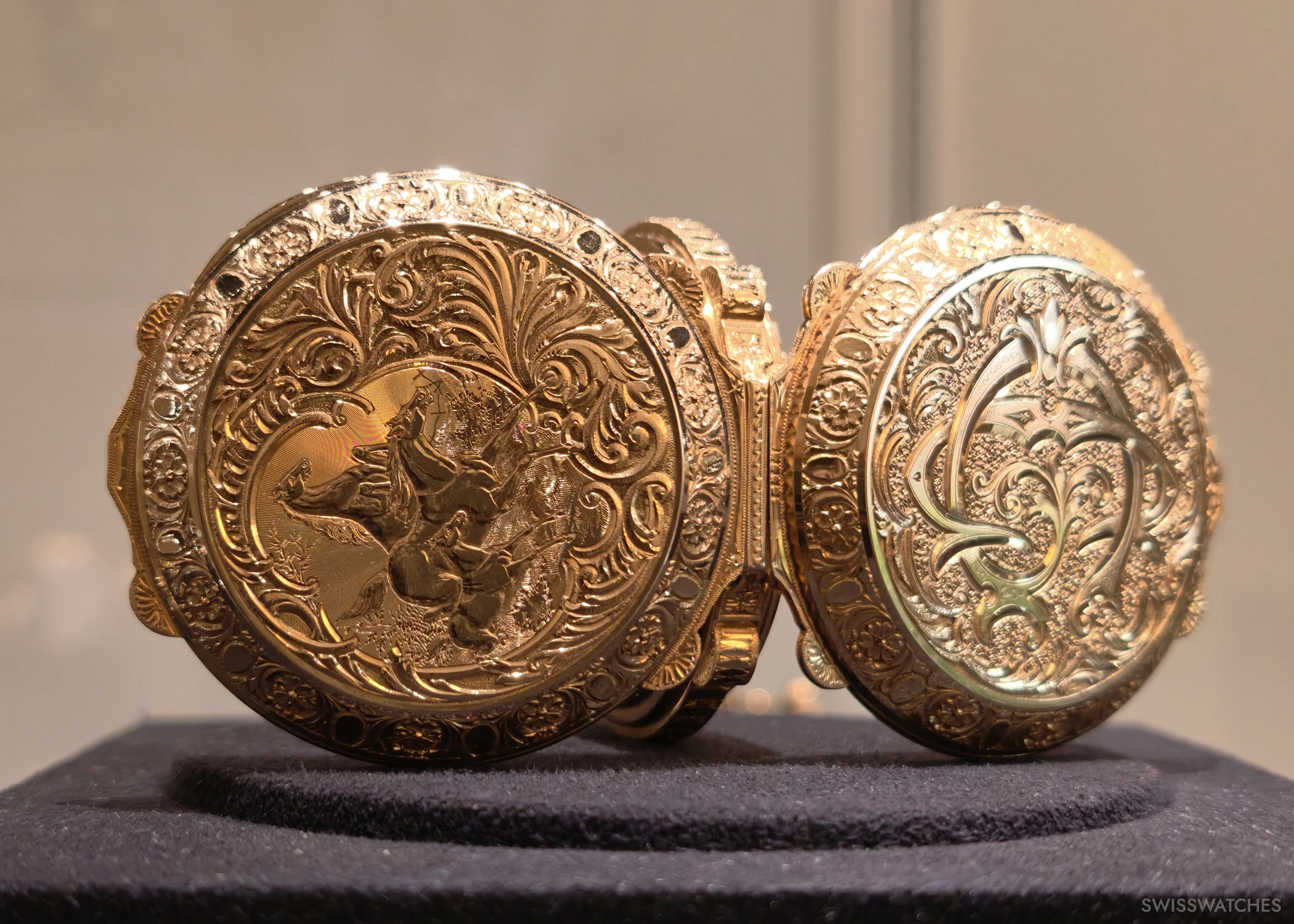
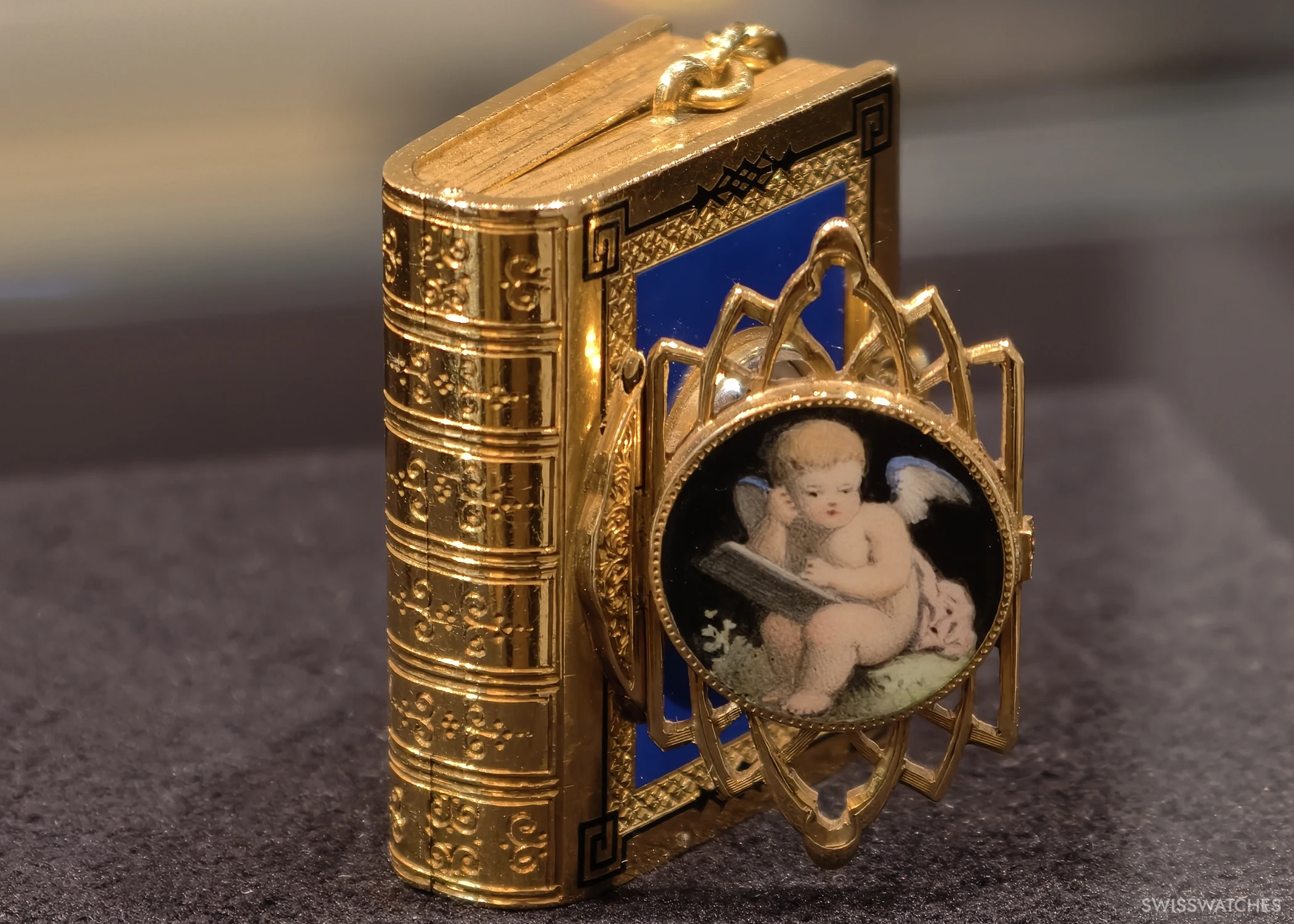
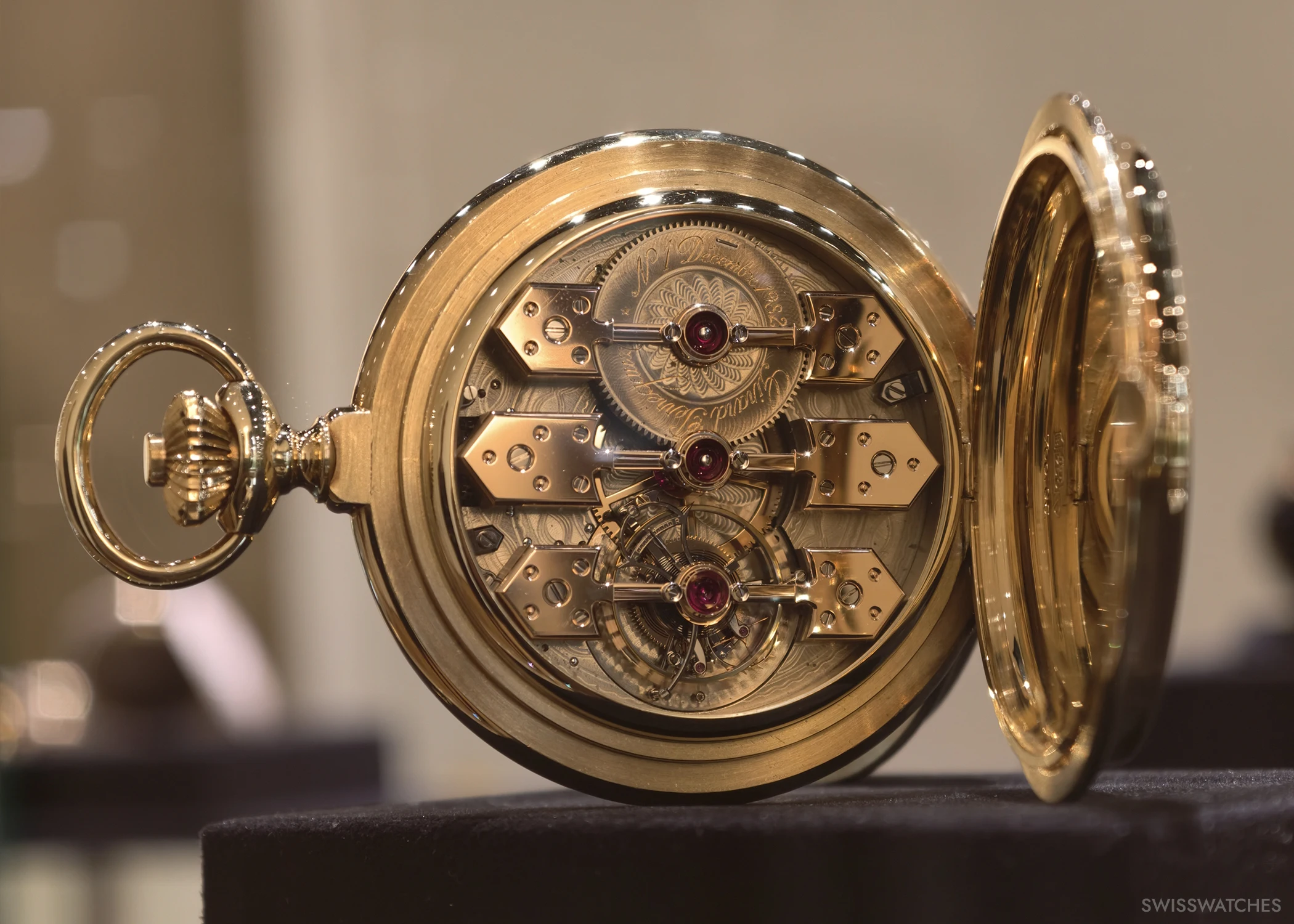
Did you know that Girard-Perregaux (the company was called Jean-François Bautte & Cie at that time) fitted its first minute repeaters into pocket watches as early as 1820 and unveiled the first three-bridge pocket watch in 1867? This wealth of experience therefore stretches far back in time and culminated this year in the Minute Repeater Flying Bridges with automatic winding.
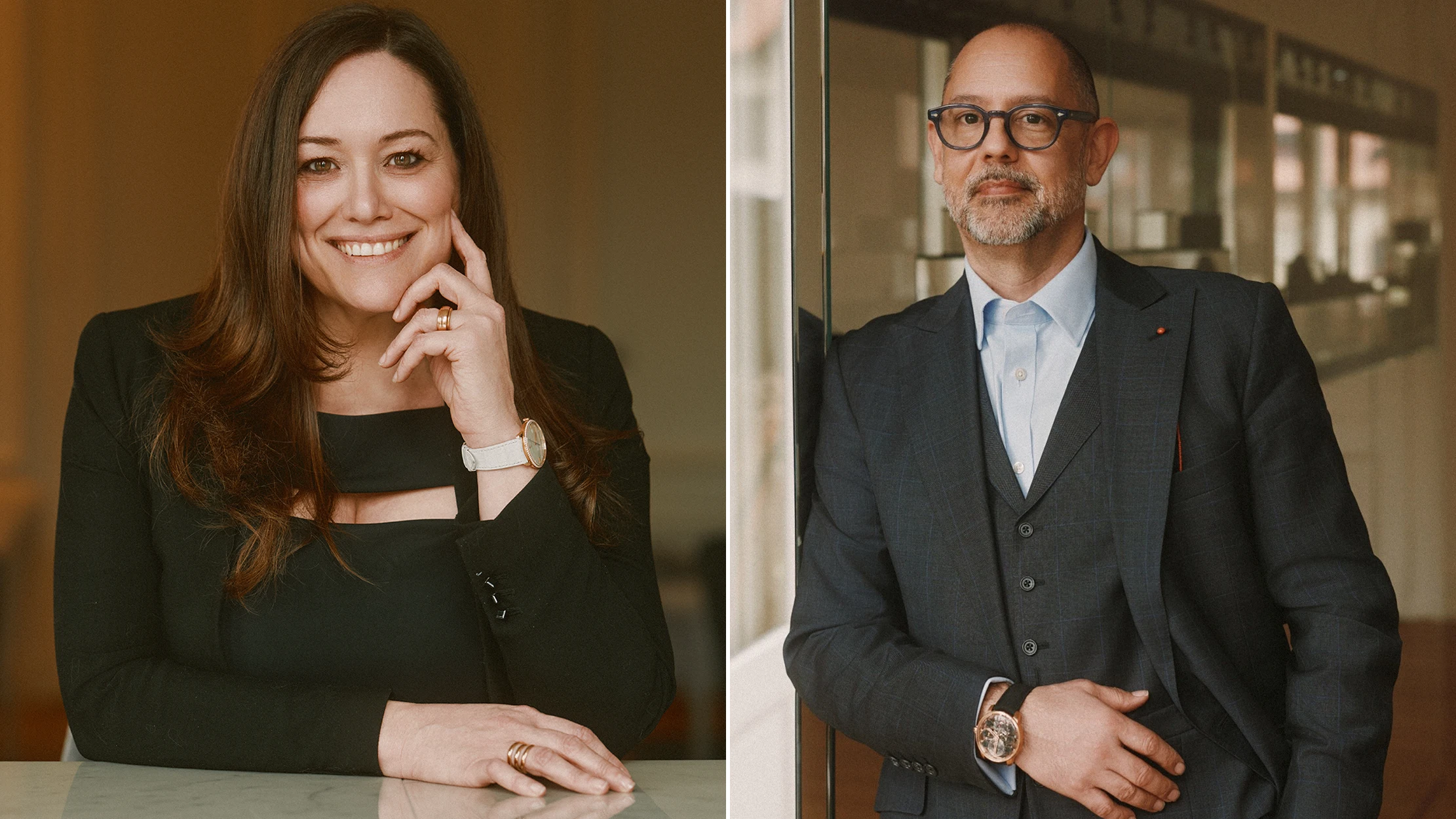
During our visit, we also met Béatrice Morelli, Chief Customer Experience & Marketing Officer, and Claude-Daniel Proellochs, Head of Product Development, and spoke to them about the brand’s past and future, gaining some fascinating insights – including why some watchmakers at Girard-Perregaux need to hold their breath.
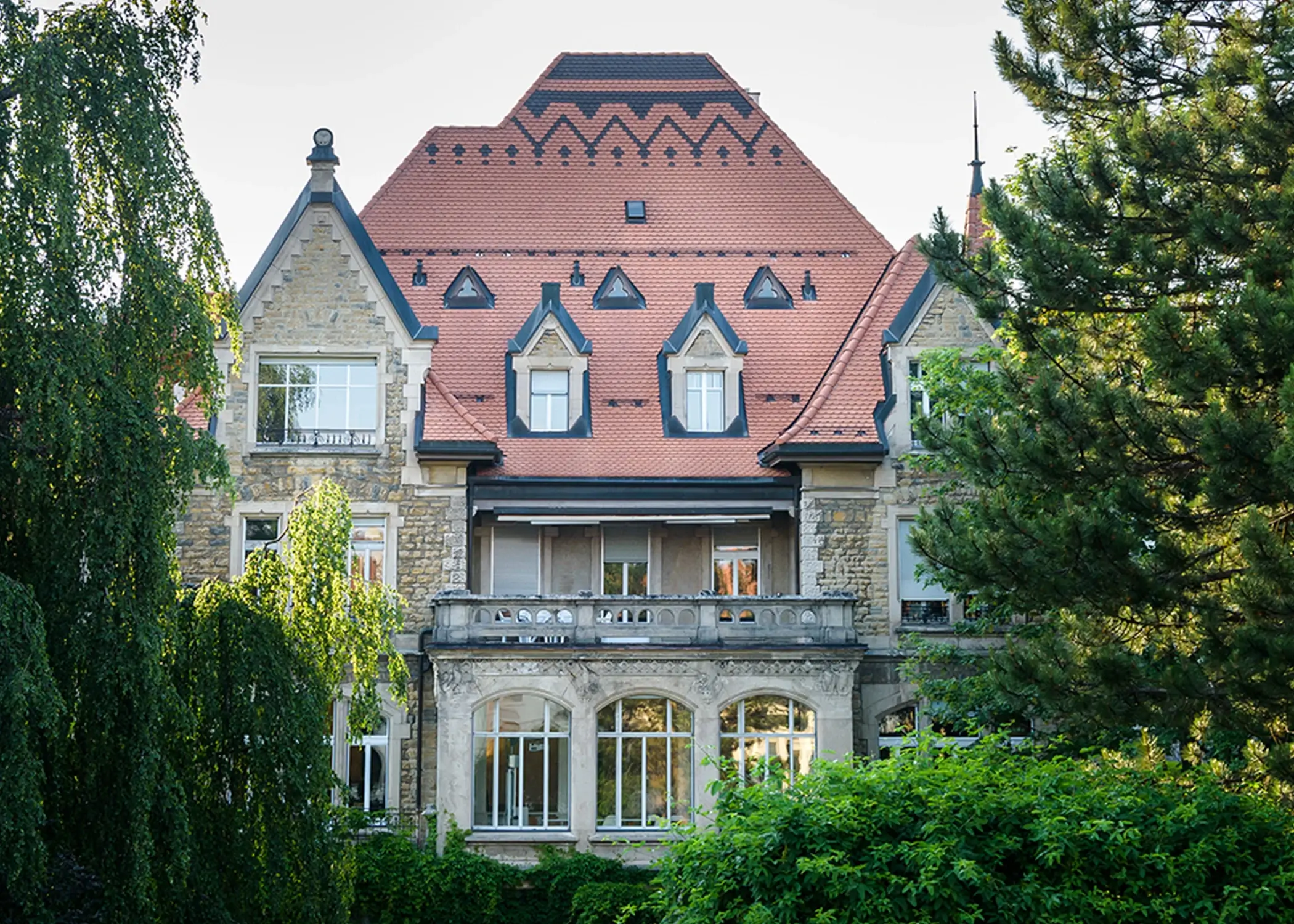
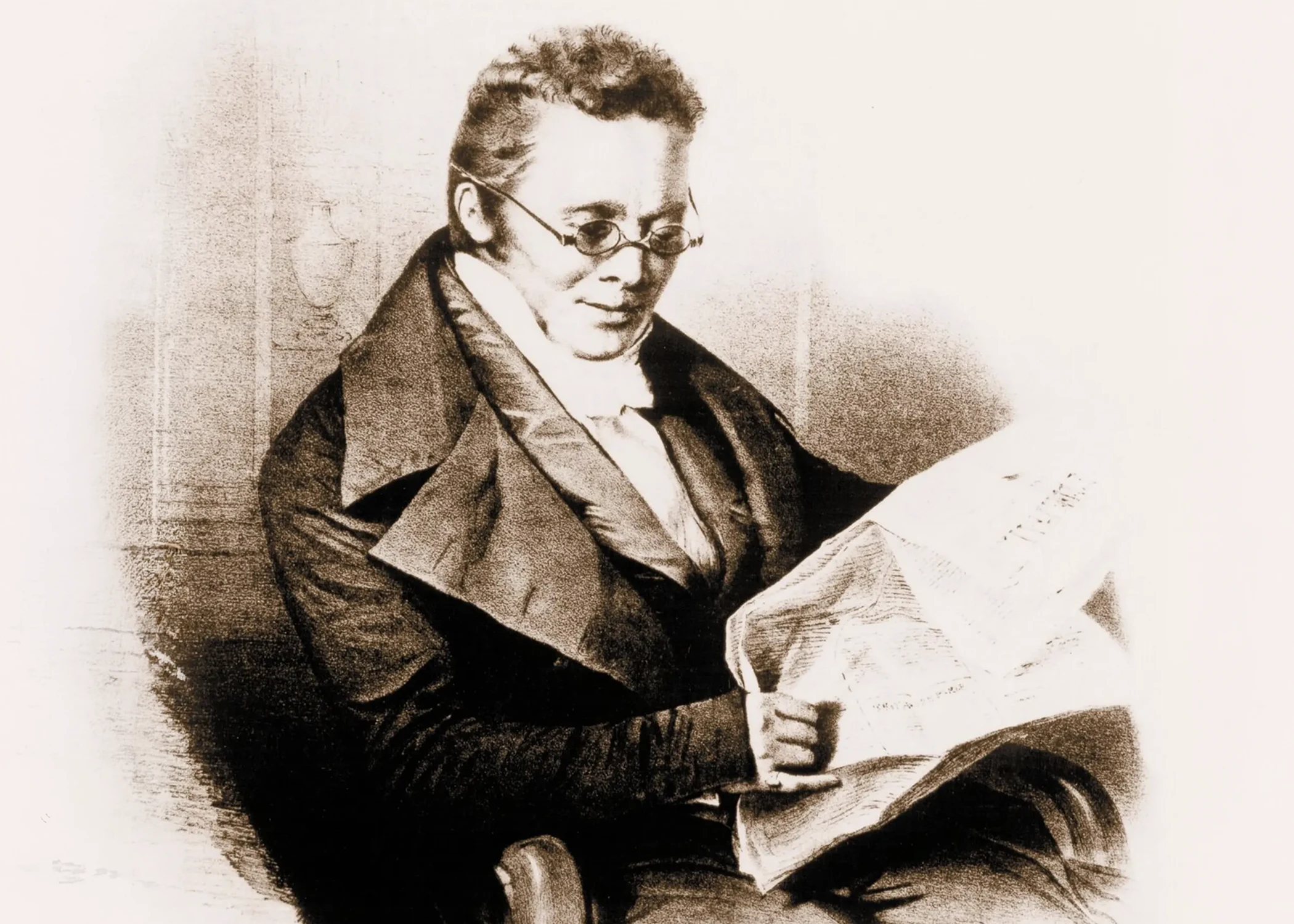
The brand’s origins date back to 1791, when the watchmaker and goldsmith Jean-François Bautte established one of the first truly vertically integrated watchmaking workshops in Geneva. Bautte brought together all the artisanal disciplines under one roof – from case casting and dial design to the manufacture of complete movements.
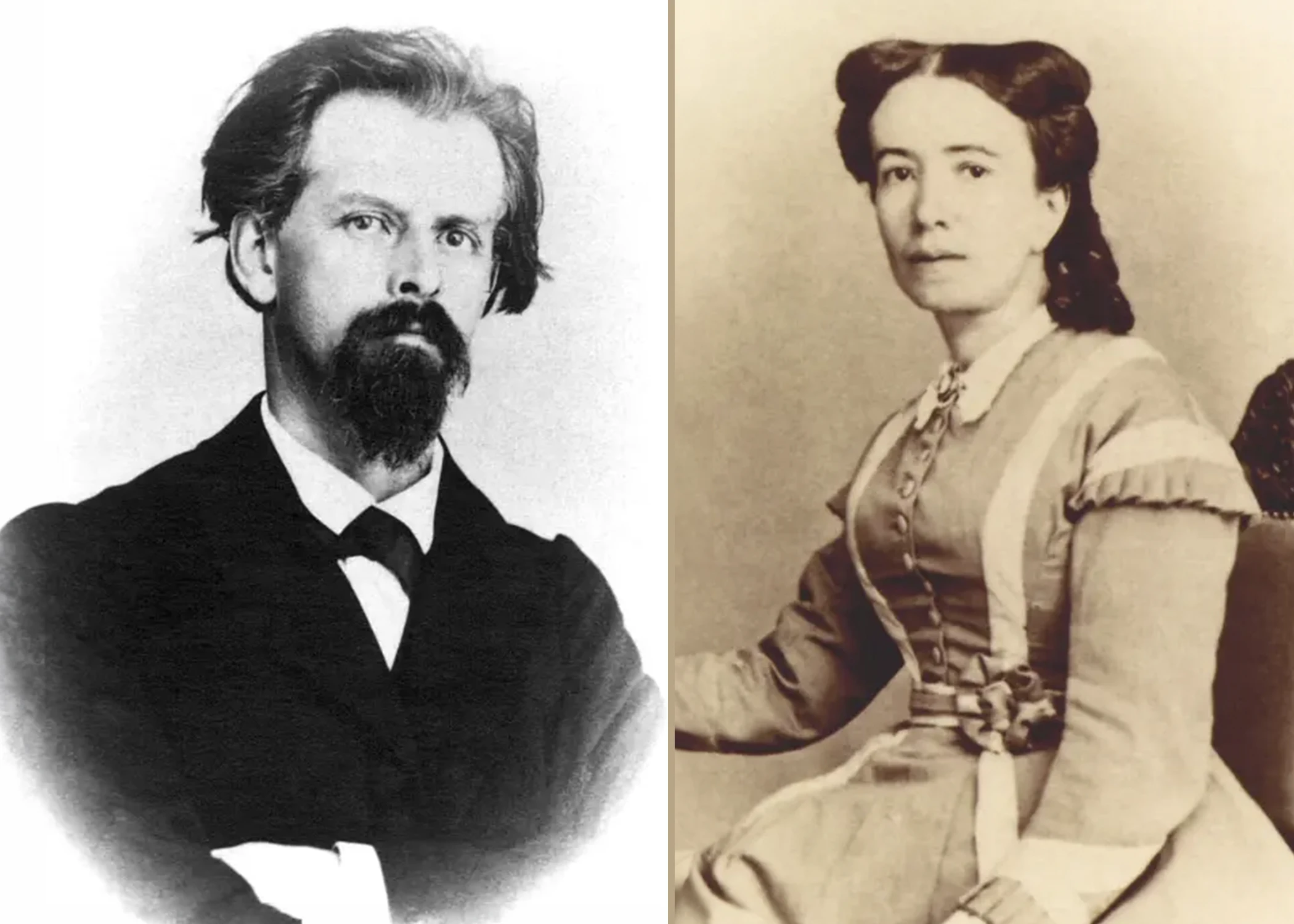
The brand name Girard-Perregaux was then established in 1856 following the marriage of the watchmaker Constant Girard to Marie Perregaux, the daughter of an influential family of watch merchants from Le Locle. The couple established their headquarters in La Chaux-de-Fonds, in the heart of the Swiss Jura, whose grid-patterned architecture in the 19th century was specifically designed to capture the bright northern light optimally through the workshops’ windows. Girard-Perregaux quickly earned an outstanding reputation at the chronometer competitions organised by the Neuchâtel Observatory and won numerous awards for its precision timepieces.
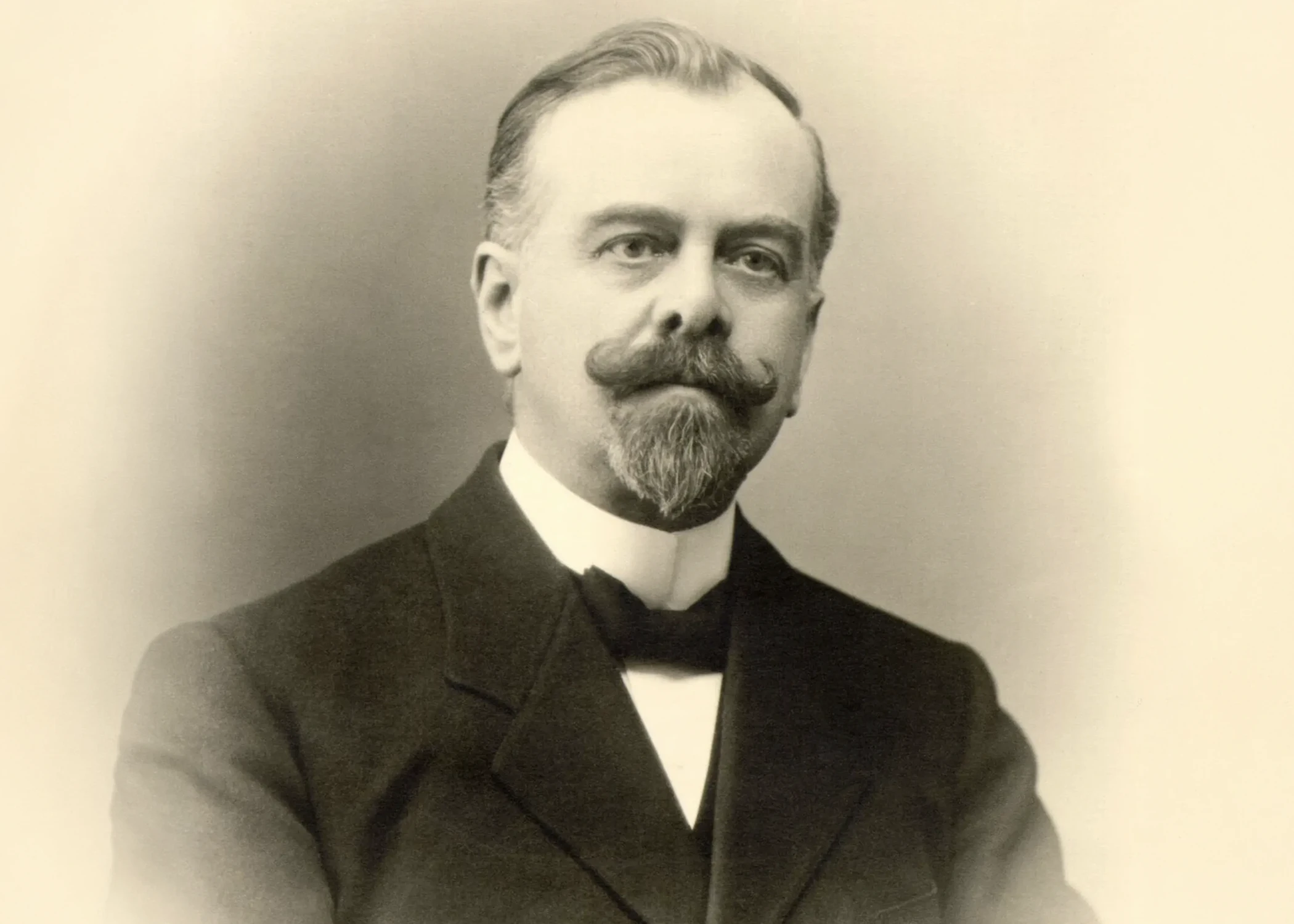
In 1791, Jean-François Bautte laid the foundations for the company, which merged with Girard-Perregaux in 1906. Constant Girard-Gallet (the son of the brand’s founder, Constant Girard) purchased the company that succeeded Bautte (Maison Bautte / Jean-François Bautte & Cie). He merged Bautte’s long-established Geneva-based house with his own manufacture, Girard-Perregaux & Cie.
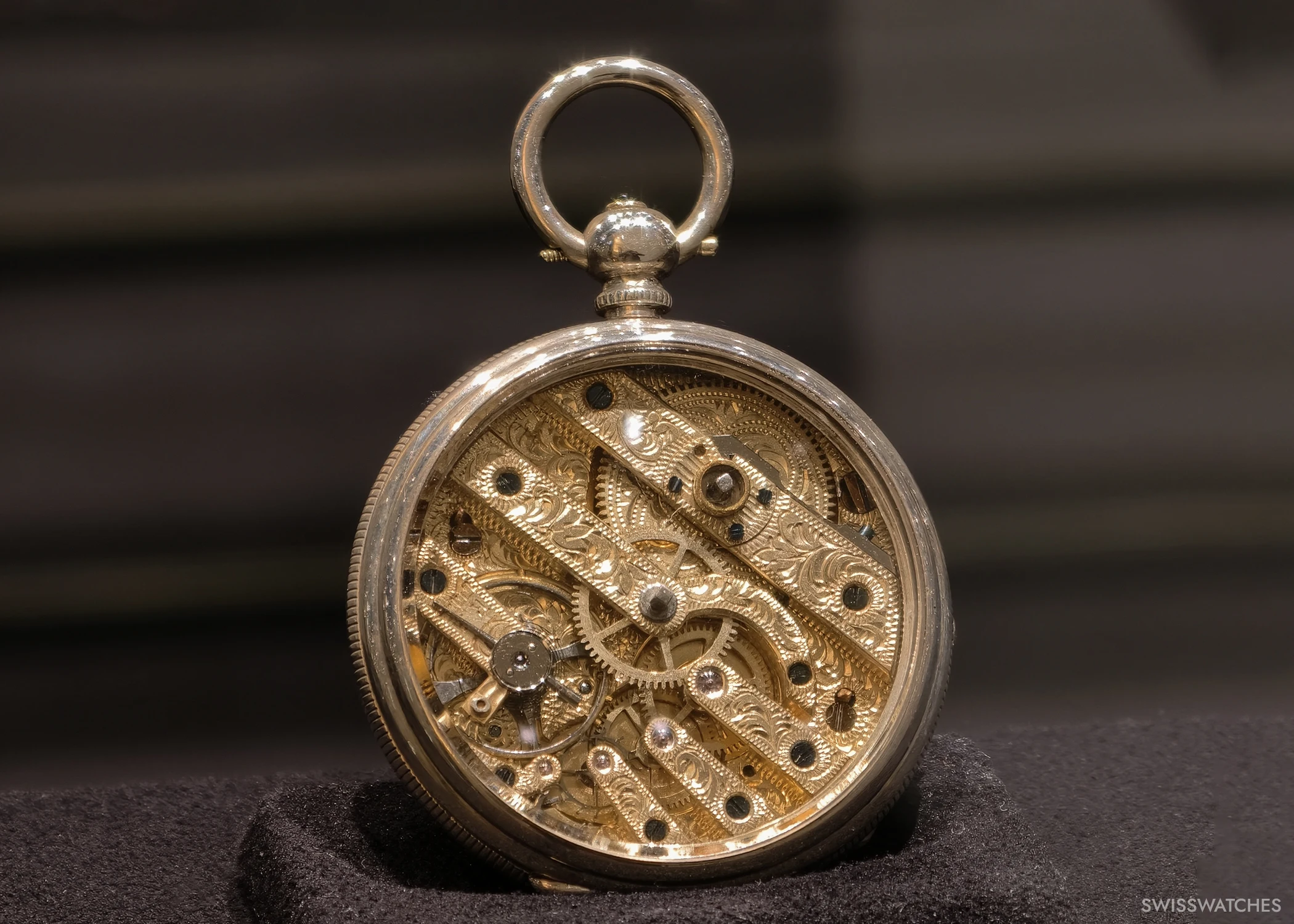
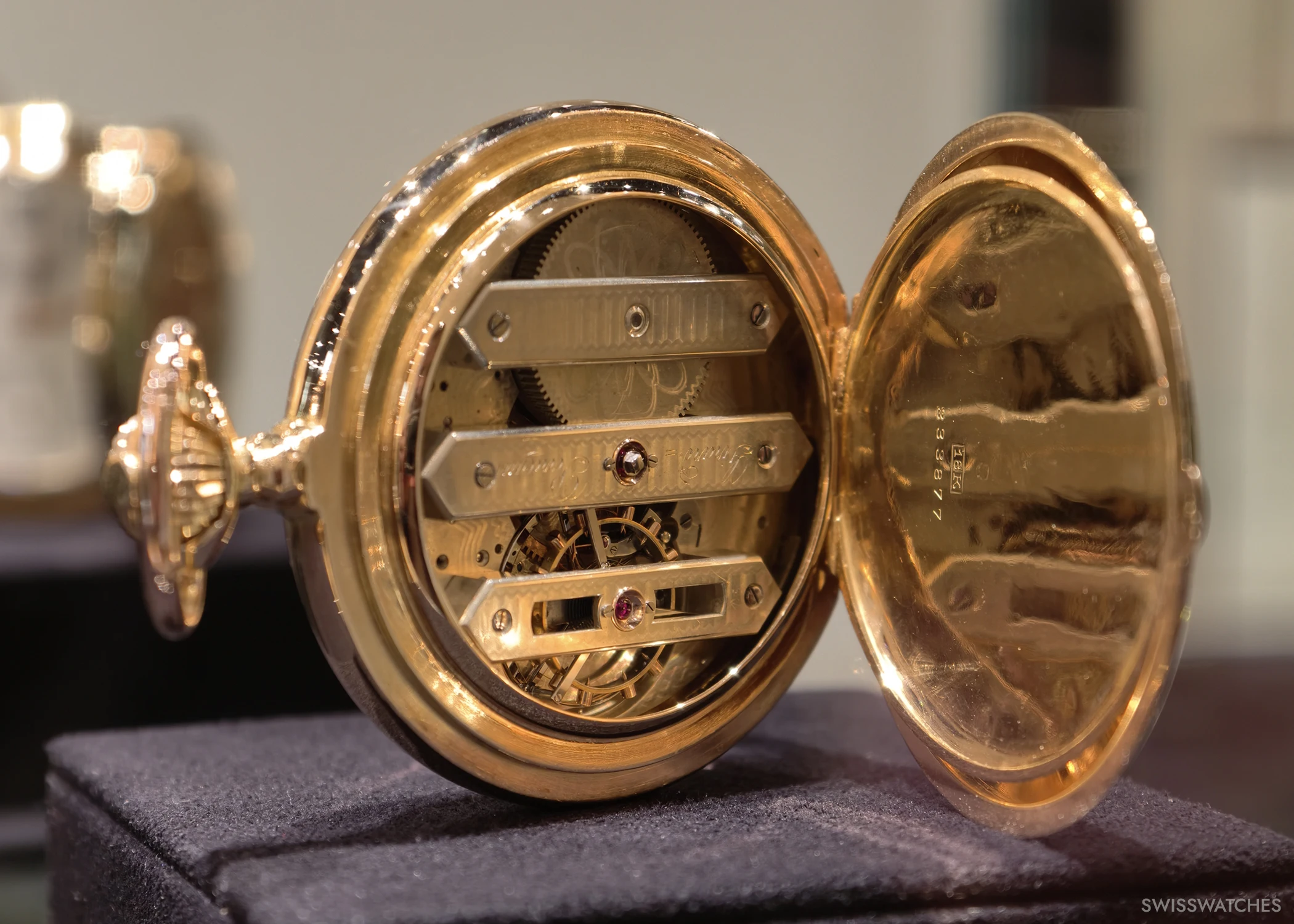
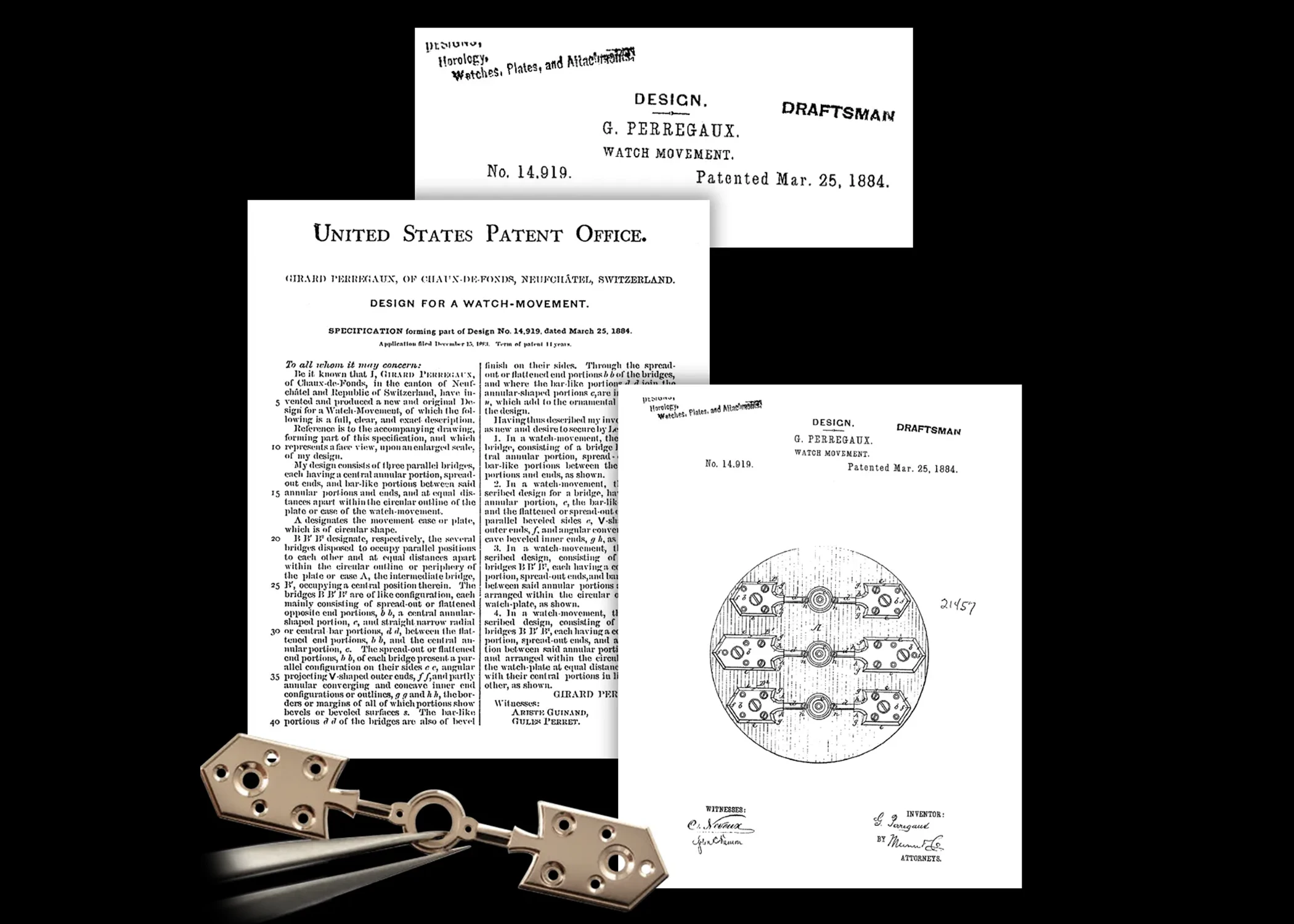
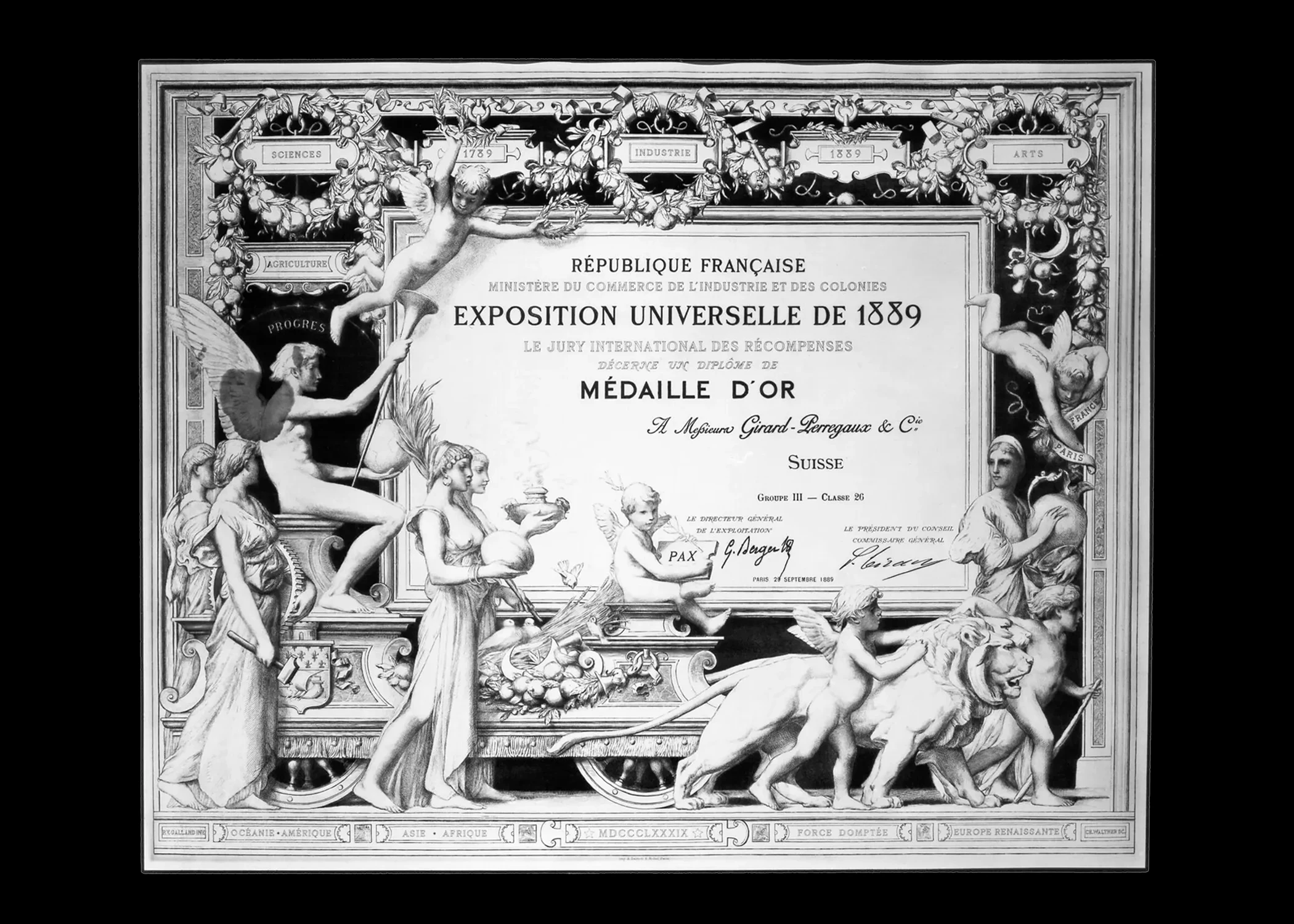
Constant Girard didn’t see the movement as a purely functional, hidden mechanism, but brought it to the forefront as a visual element. Over a development period of around 30 years, he created a movement architecture that presented the mechanics in a symmetrical and aesthetically pleasing manner. As early as 1867, Constant Girard-Perregaux presented a revolutionary tourbillon with three parallel nickel silver bridges at the Paris World’s Fair; its characteristic three-bridge design was protected by the US Patent Office in 1884. Just a few years later, in 1889, Constant Girard-Perregaux won a gold medal at the Paris World’s Fair for his horological achievements – first and foremost the ‘La Esmeralda’ pocket watch, featuring three gold bridges.
As already mentioned, in 1906 Constant Girard-Gallet acquired the historic Maison Bautte and brought the two traditional houses together at their base in La Chaux-de-Fonds. The brand continued to set new standards in the 20th century, although these are occasionally misinterpreted today: in 1965, Girard-Perregaux developed the first commercialized mechanical self-winding calibre with a high frequency of 5 Hz (36,000 vibrations per hour).
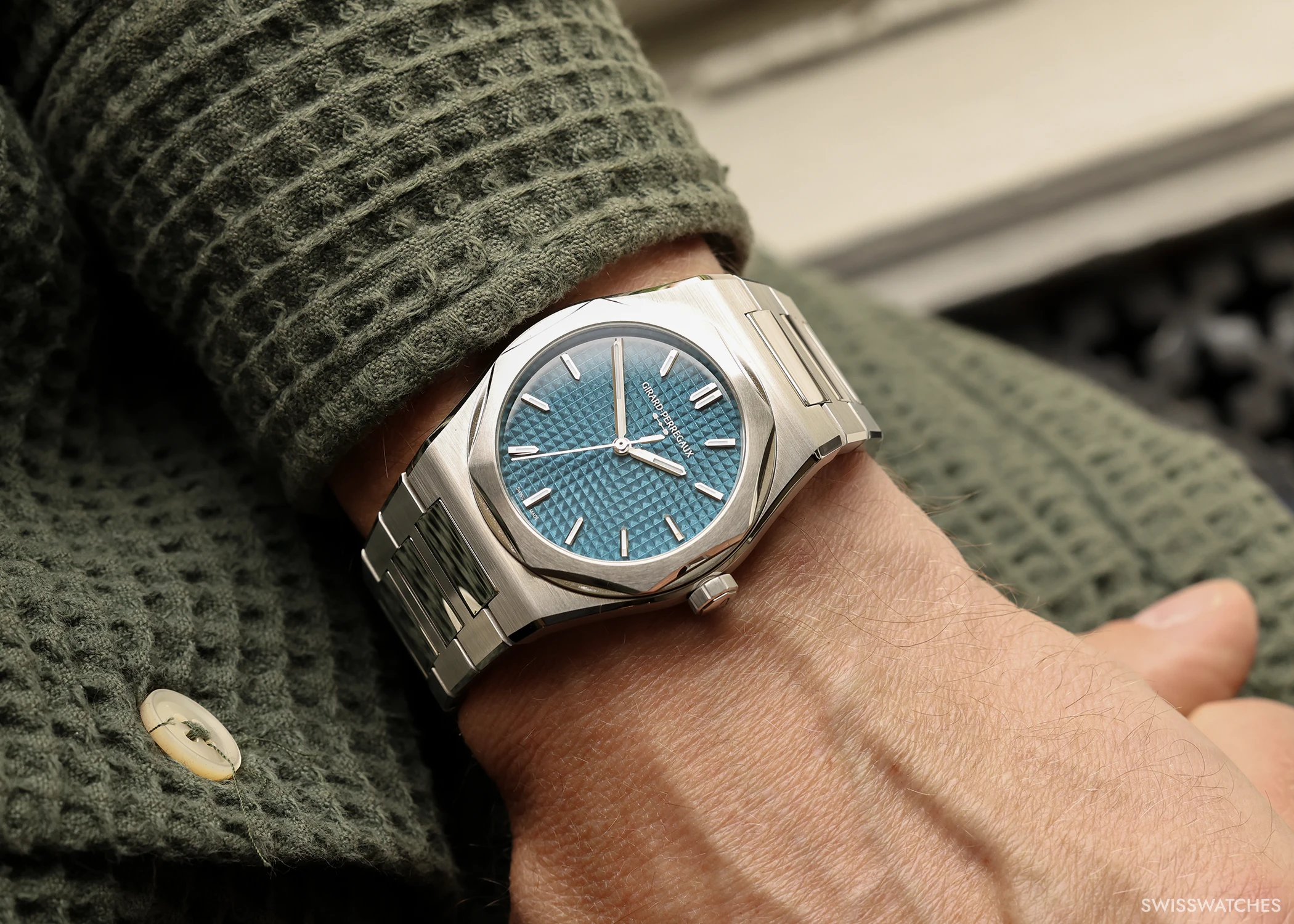
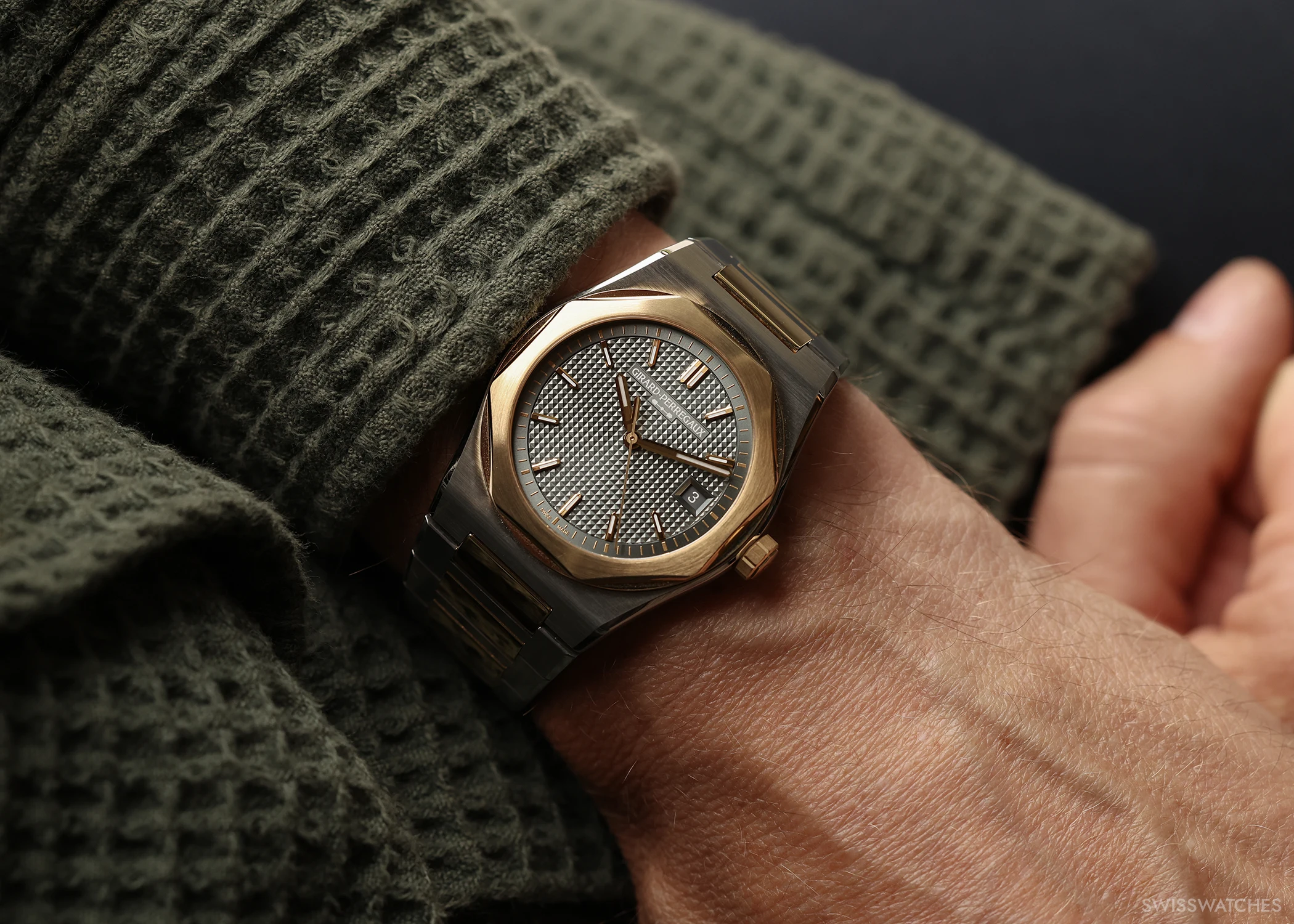
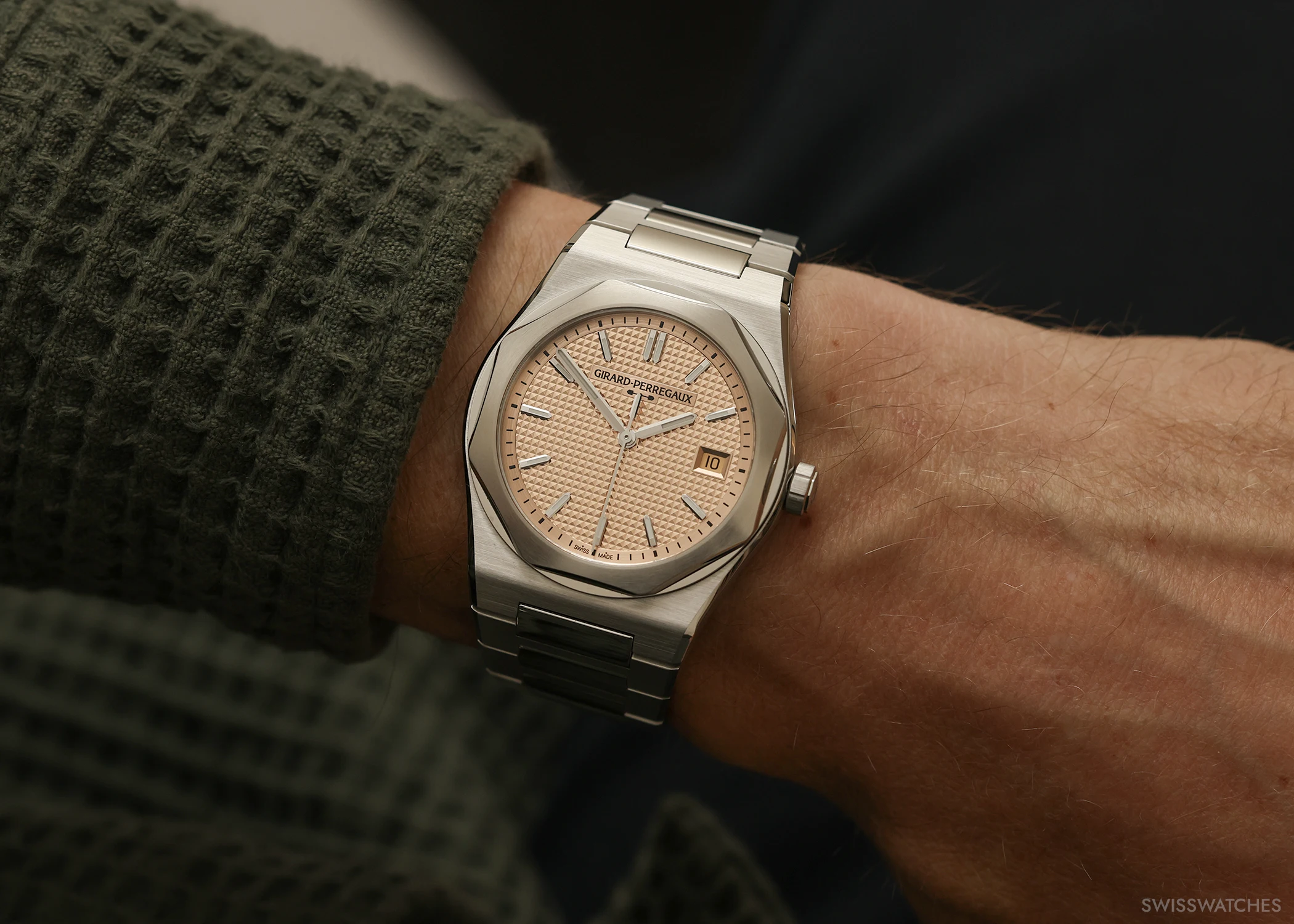
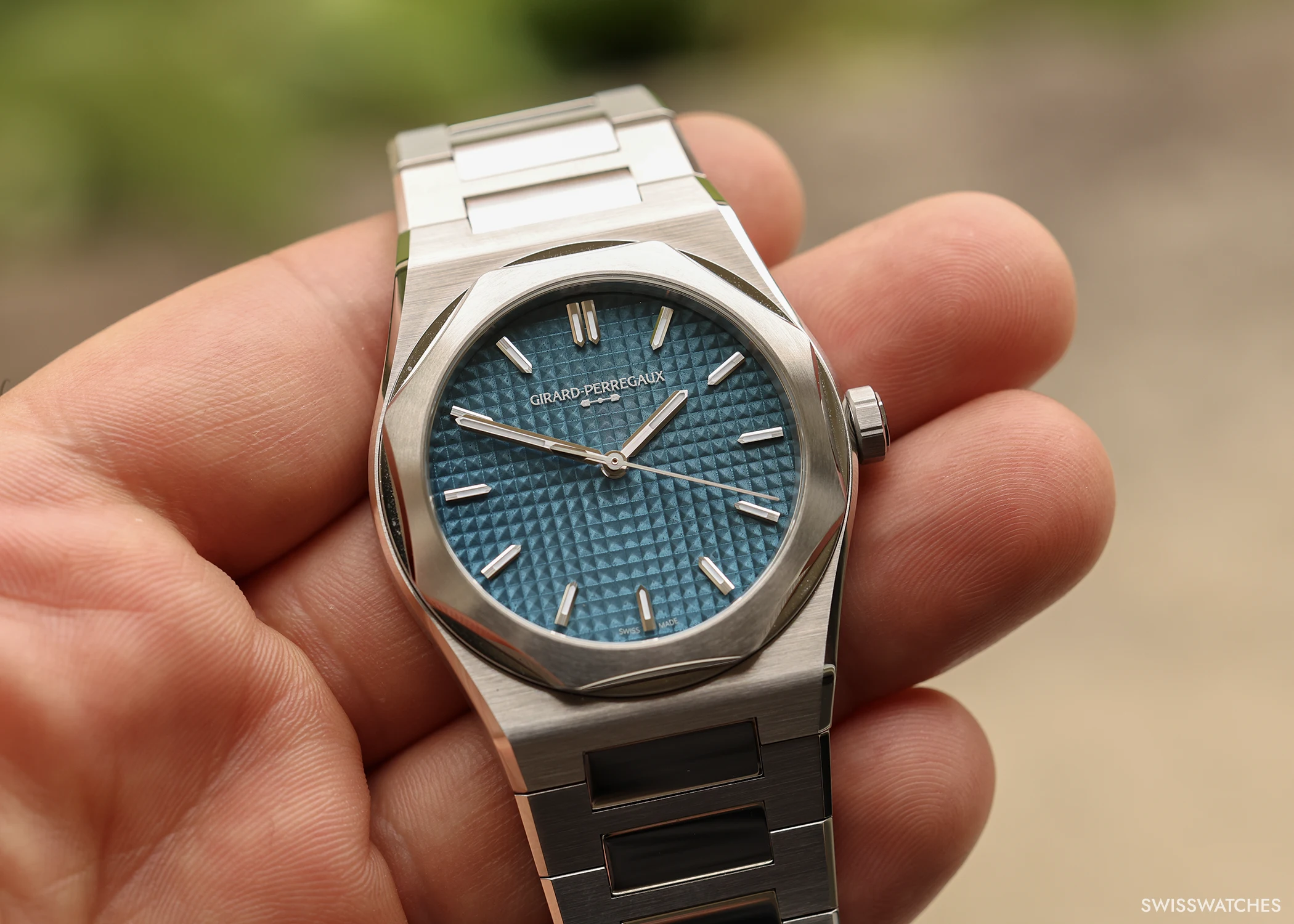
When Girard-Perregaux finally launched the Laureato in 1975 as a sporty luxury watch with an integrated bracelet, it was powered by an in-house, chronometer-certified quartz movement – the first of its kind in the world. What is sometimes dismissed as a flaw in today’s watch world – which is heavily focused on traditional mechanical movements – was, in the mid-1970s, a technological spearhead of precision.
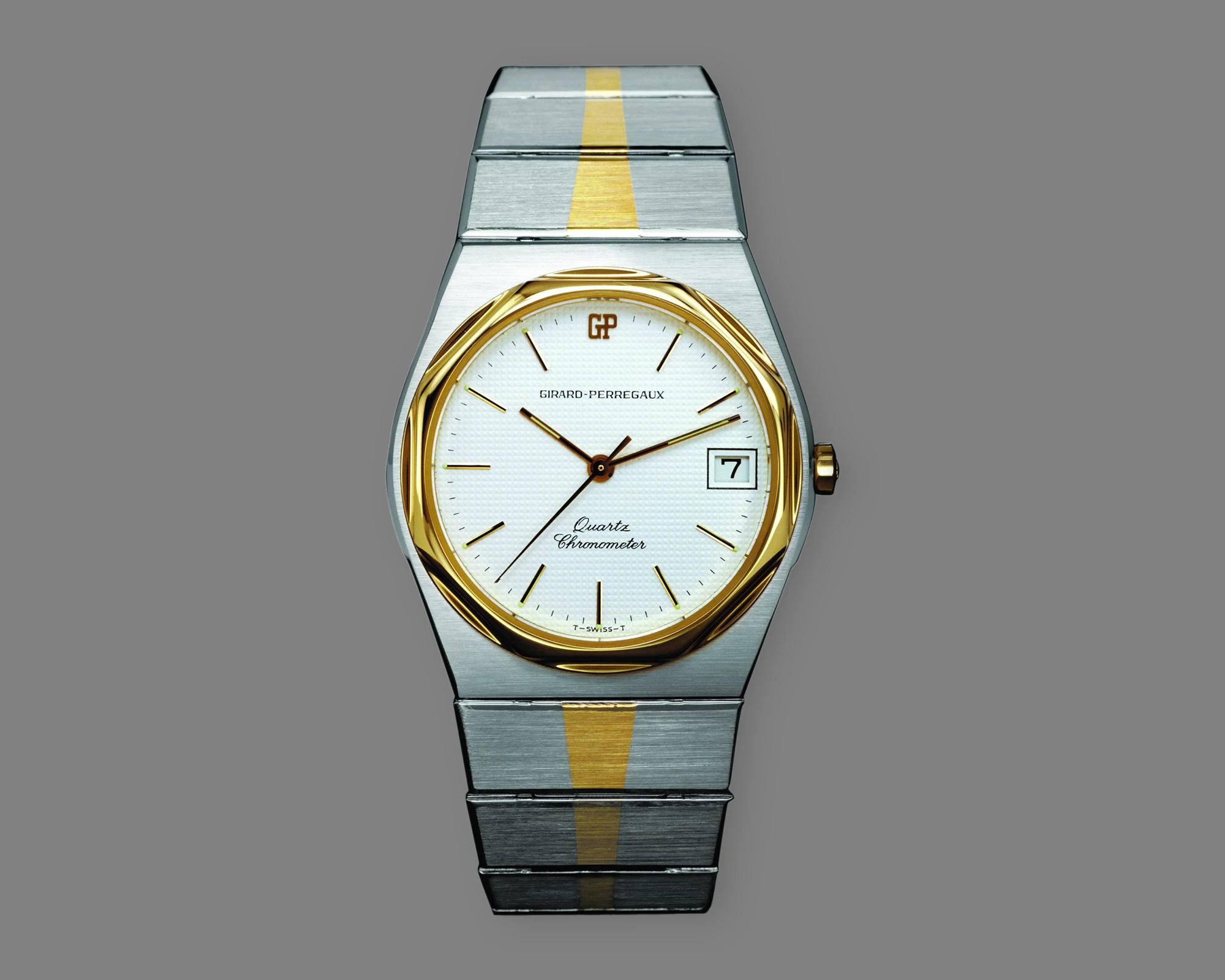
“At its launch, the Laureato followed its own path and Girard-Perregaux did not intend to design a timepiece that could have been compared with the sports watches from Patek Philippe or Audemars Piguet. At that time, it rather competed directly with Rolex,” says Béatrice Morelli, Chief Customer Experience & Marketing Officer. In doing so, the brand built on a frequency innovation that it had pioneered itself: in 1971, Girard-Perregaux defined the quartz standard of 32,768 Hz, which remains valid worldwide to this day.
With the invention of the Constant Escapement L.M. and its newly developed escapement with silicon escapement spring for constant power transmission, the company finally achieved a new technological breakthrough in micromechanics in 2013. But more on that in a moment.
A visit to the manufacture in La Chaux-de-Fonds reveals the consistent implementation of the ‘manufacture’ philosophy. Whilst much of the watch industry has historically relied on the Établissage system, Girard-Perregaux remains committed to the philosophy of a true ‘integrated manufacture’ to this day. Rather than investing massive budgets in high-profile brand ambassadors, the company focuses on small production batches, a high degree of in-house manufacturing and uncompromising craftsmanship. Addressing occasional questions about Girard-Perregaux’s prices, Béatrice Morelli explains that the Maison remains firmly committed to the intrinsic values of Haute Horlogerie, choosing to invest first and foremost in its watchmaking mastery, from gold rotors to complex hand-finishing, rather than in large-scale marketing.
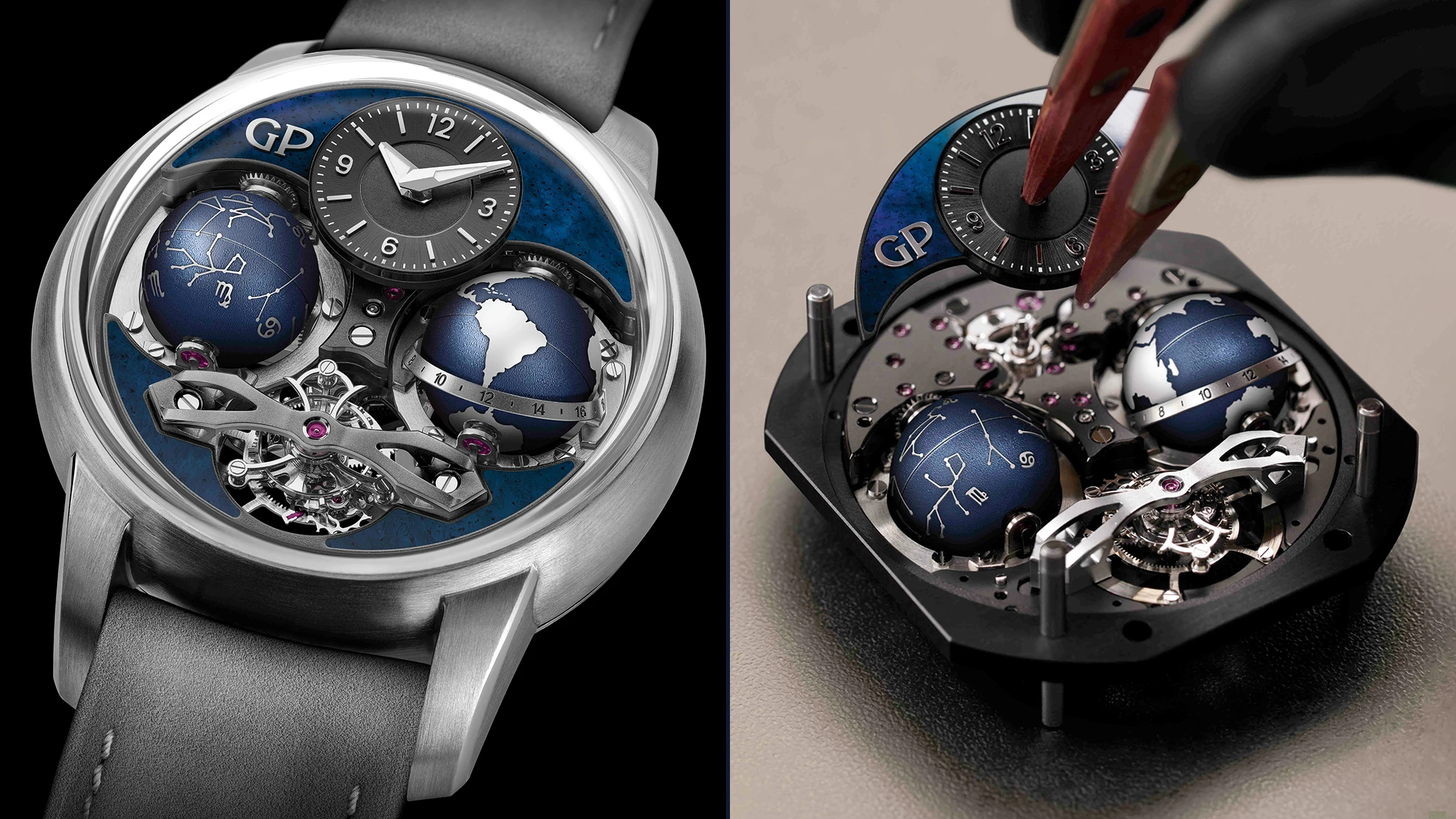
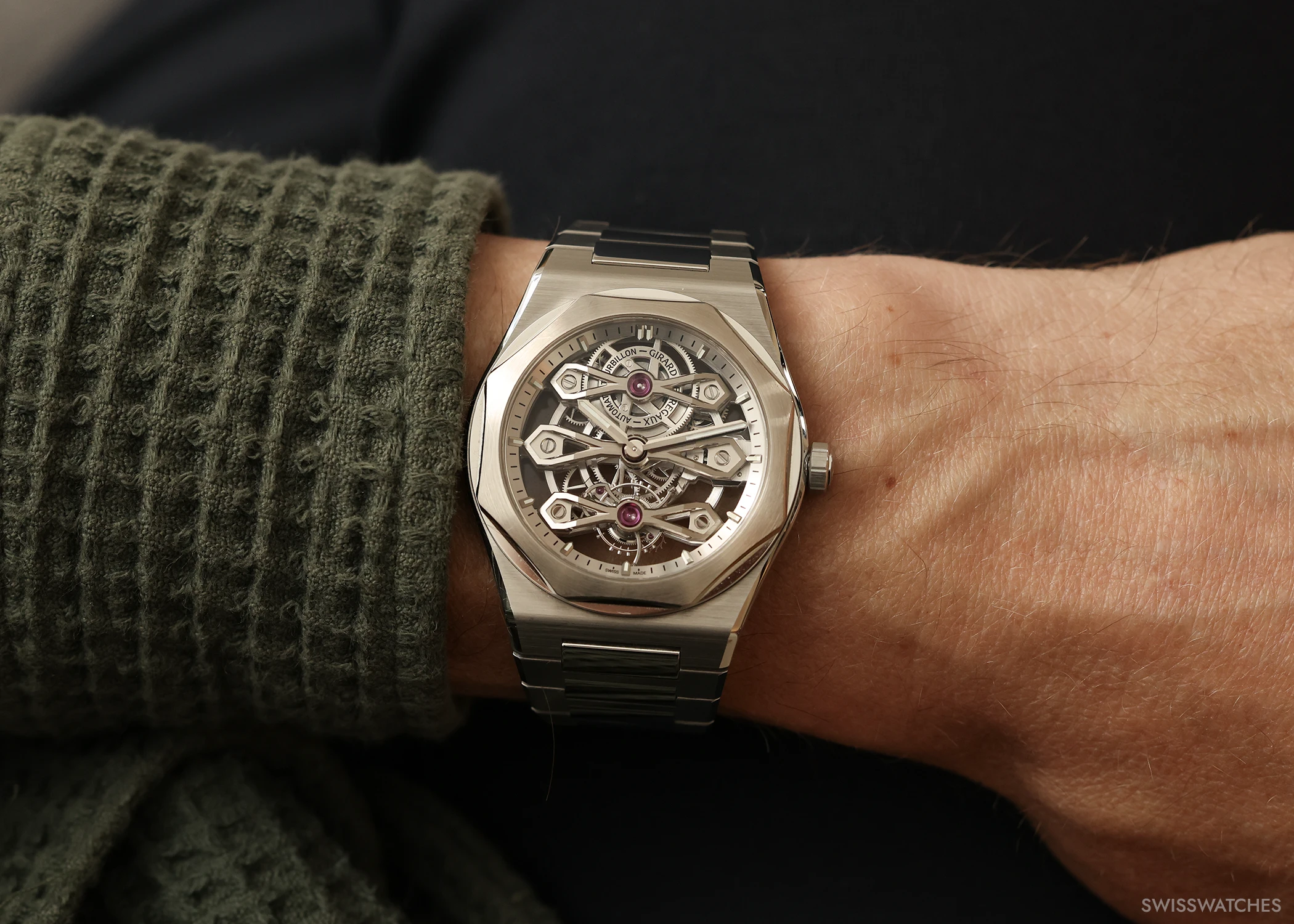
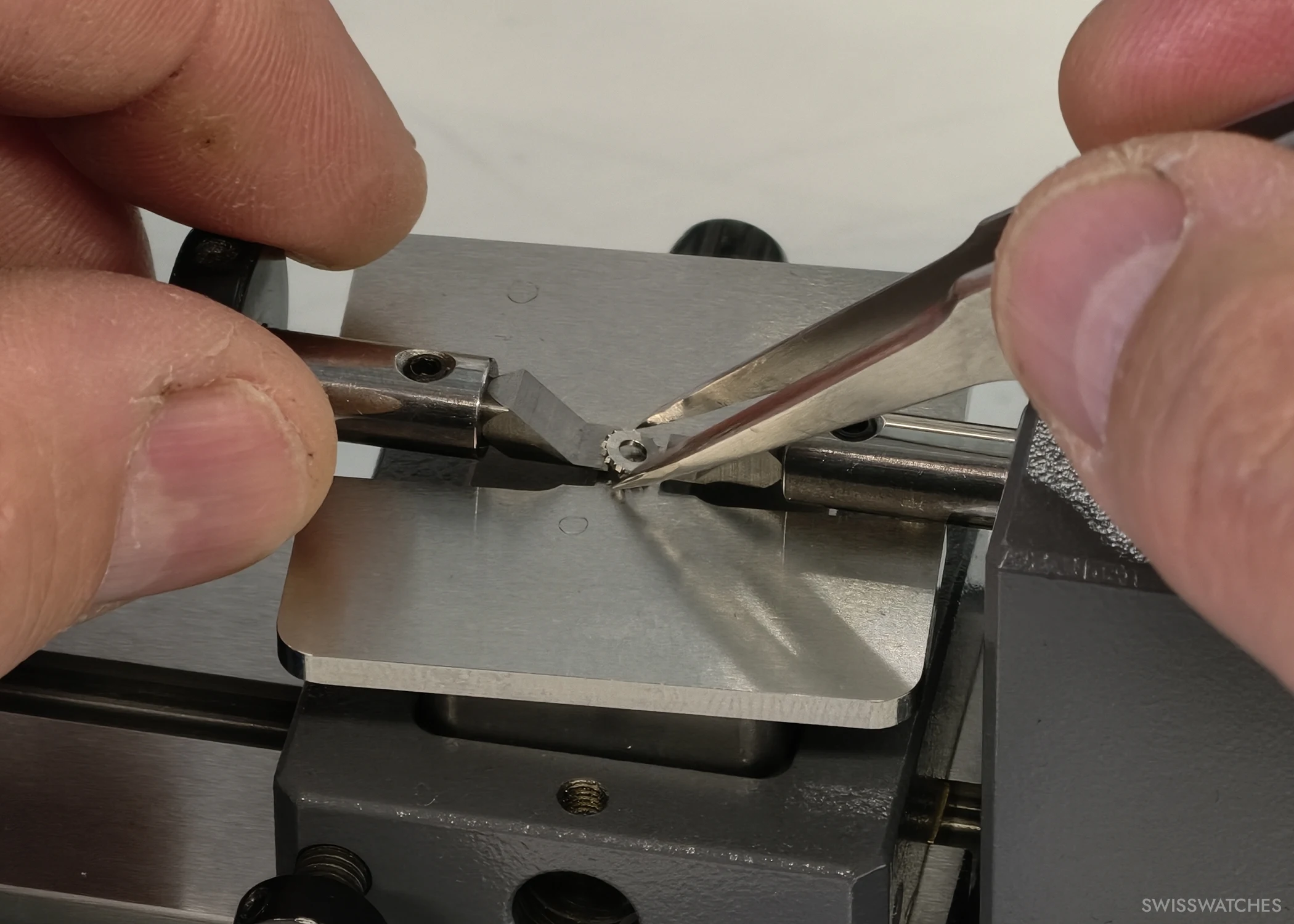
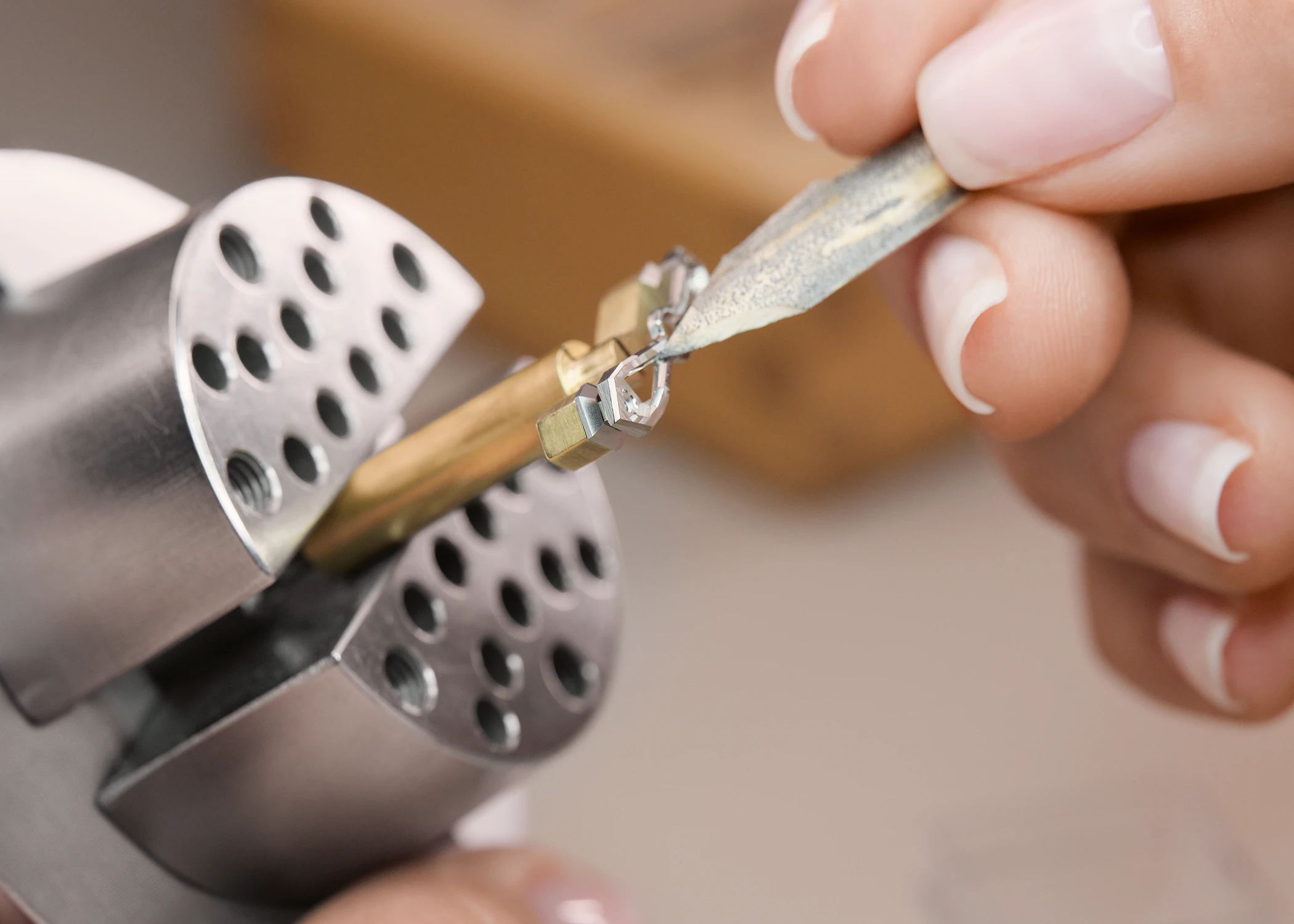
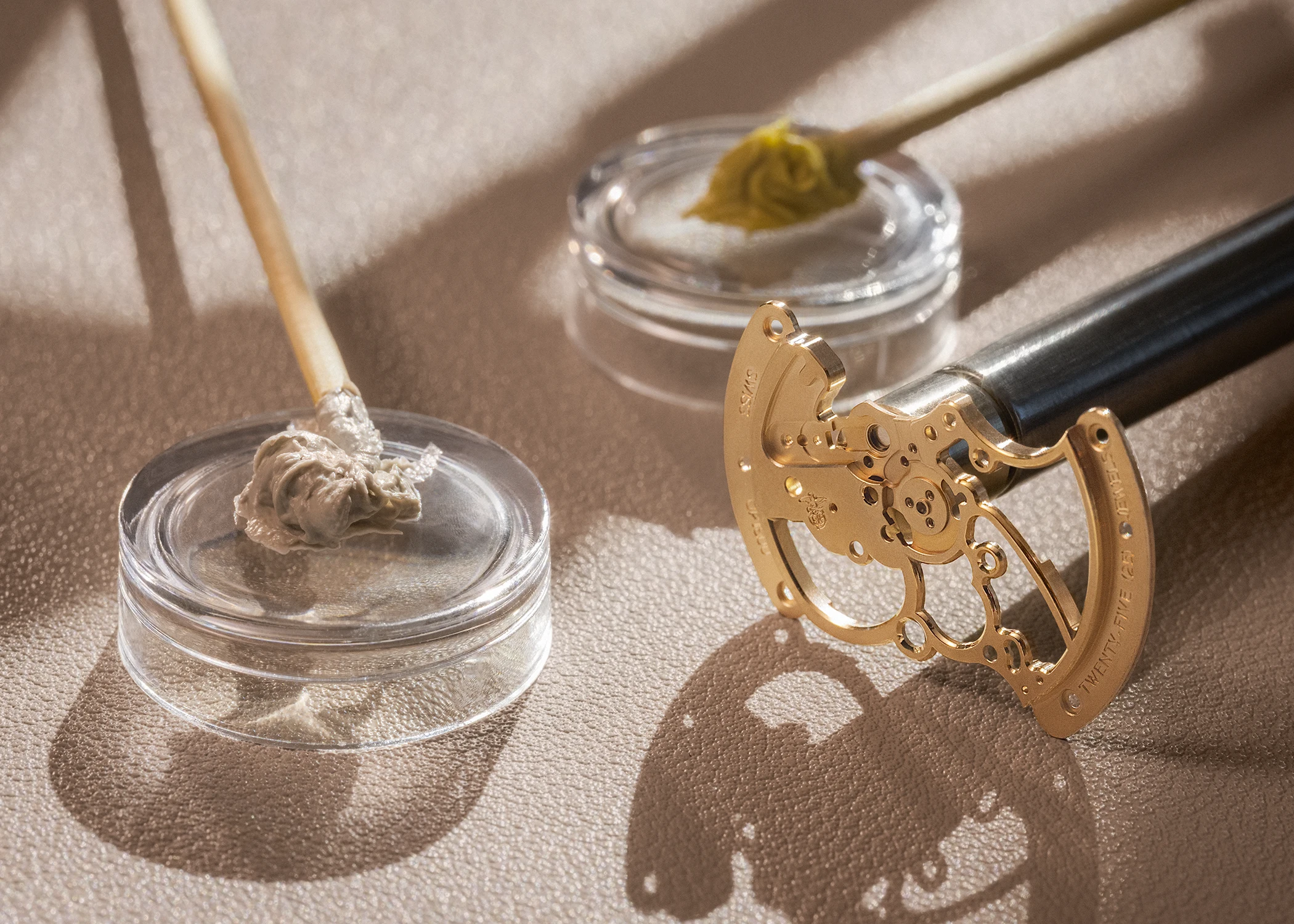
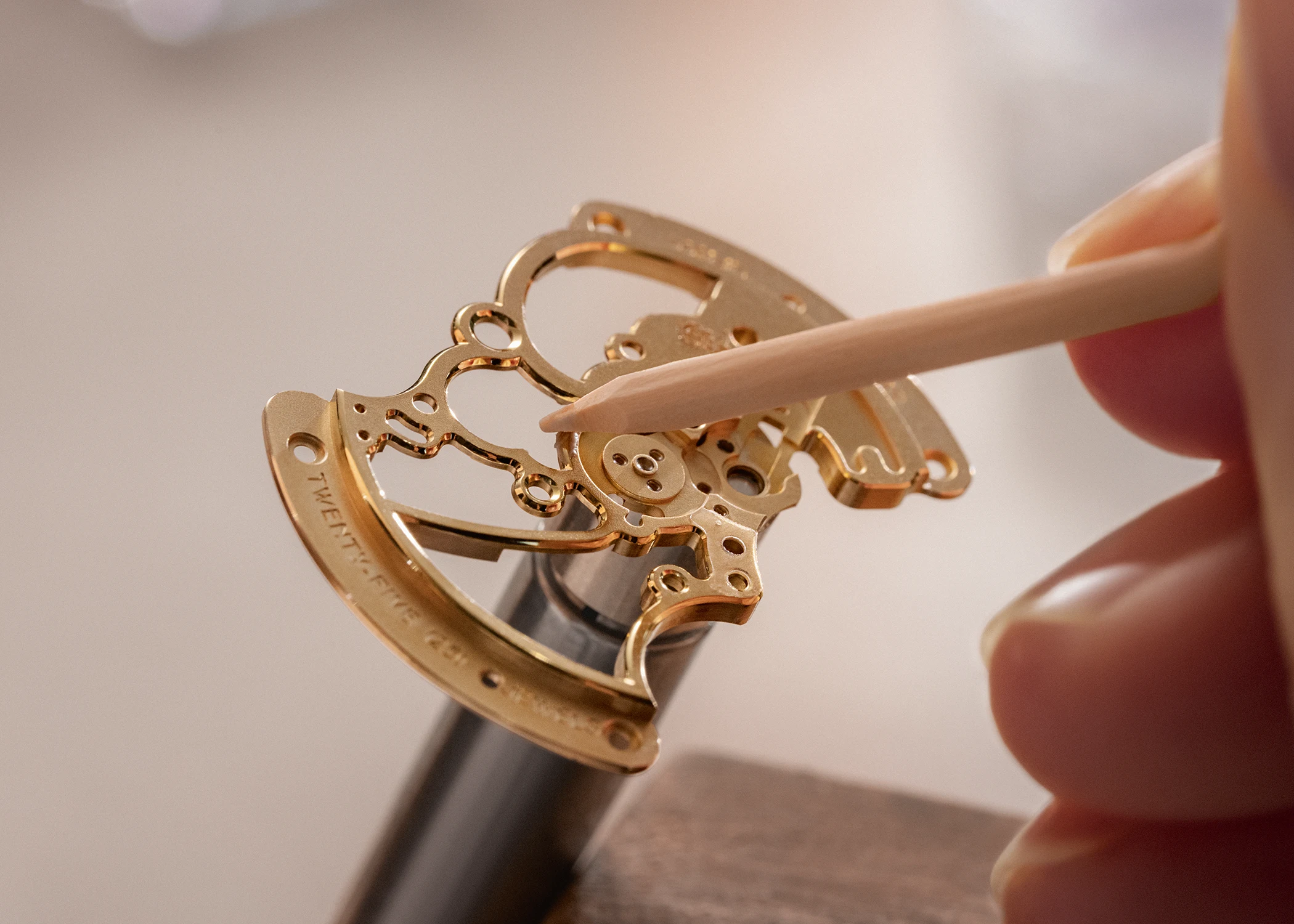
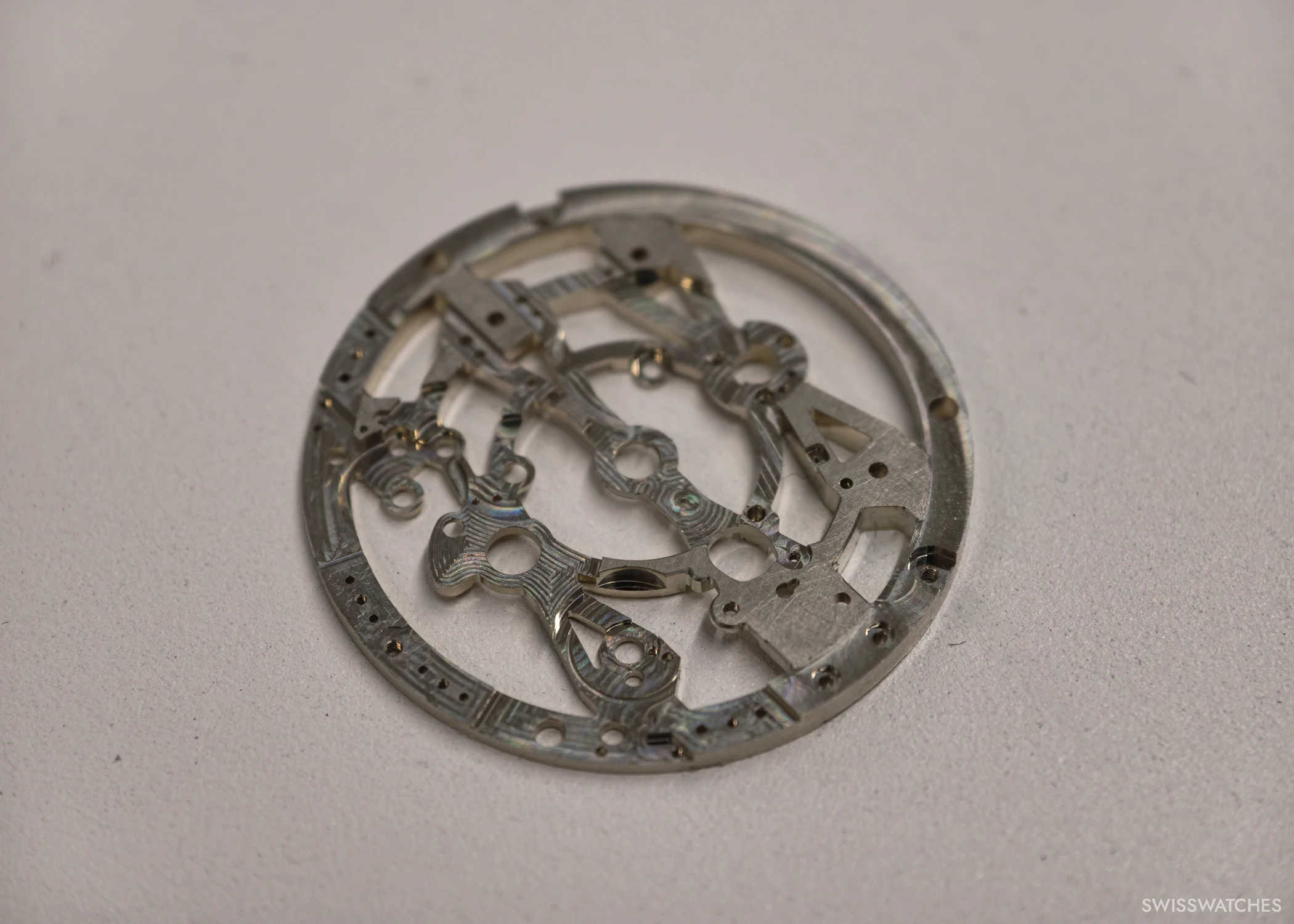
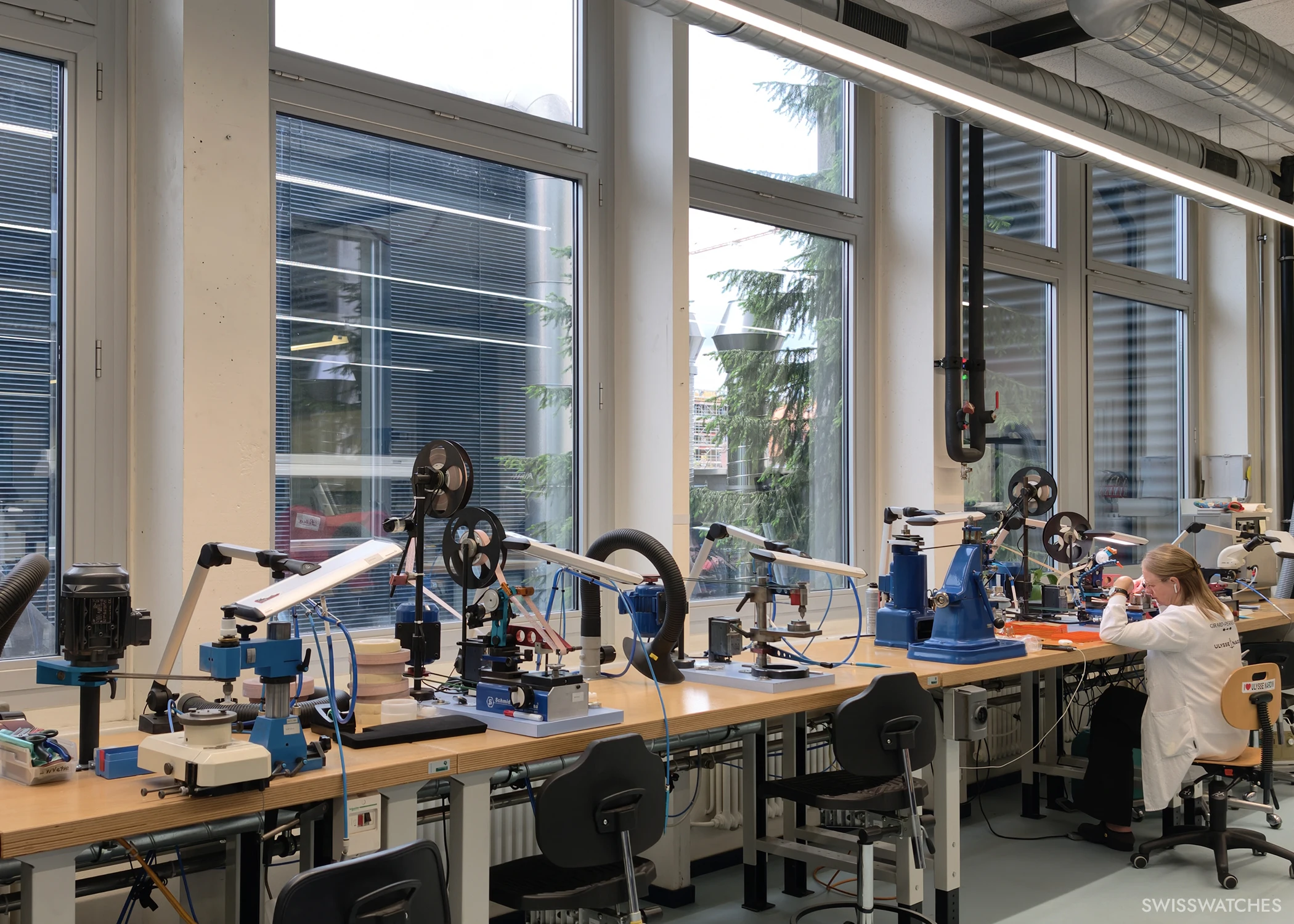
As Claude-Daniel Proellochs, Head of Product Development, explains, the brand’s product philosophy rests on two central design pillars: the sporty yet elegant Laureato from 1975 and the iconic Bridges collection, dating back to 1867. At Girard-Perregaux, haute horlogerie is not the preserve of grand complications; even a simple three-hand calibre is enhanced with ten different surface finishes. On the skeletonised GP9620 calibre of the Laureato Three Gold Bridges for example, exactly 418 chamfers are polished by hand, including 362 razor-sharp internal angles that cannot be produced by machine.
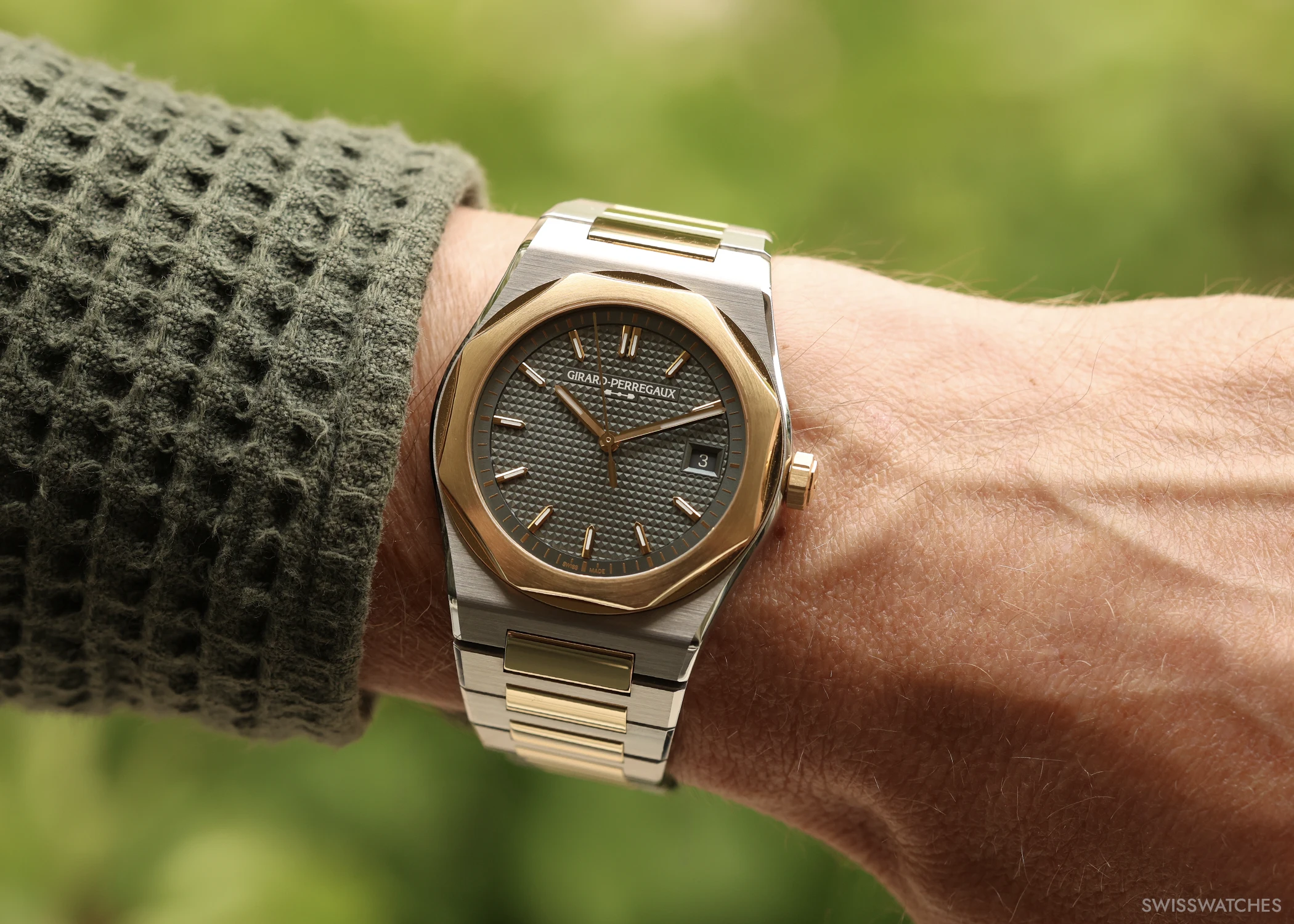
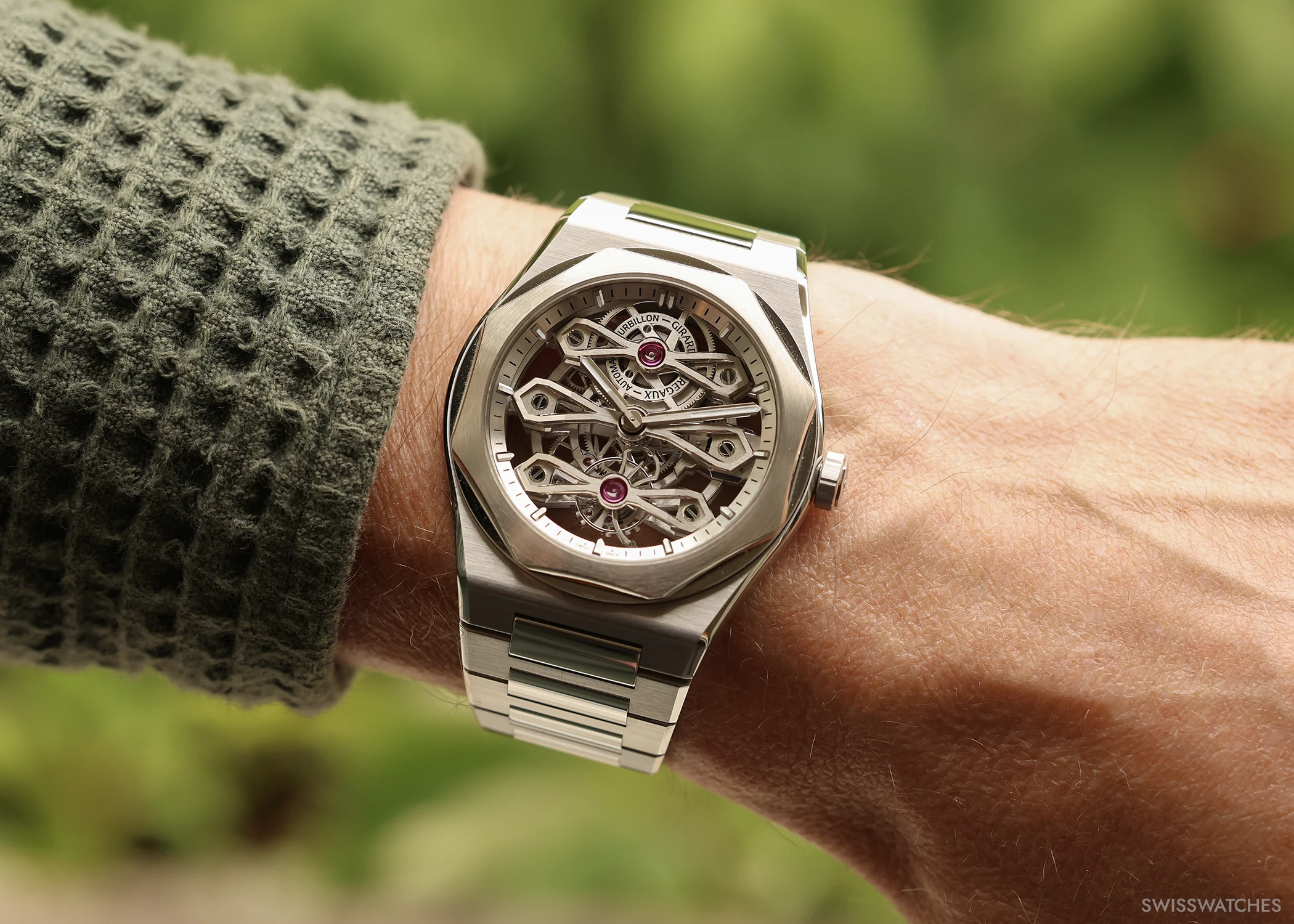
Furthermore, Girard-Perregaux deliberately steers clear of the trend towards artificial scarcity or the constant flooding of the market with limited-edition dial colours. Instead, the focus is on continuity and a close symbiosis between engineers and watchmakers. The fact that the brand recently unveiled four new calibres within the space of a single year underscores this vibrant in-house expertise

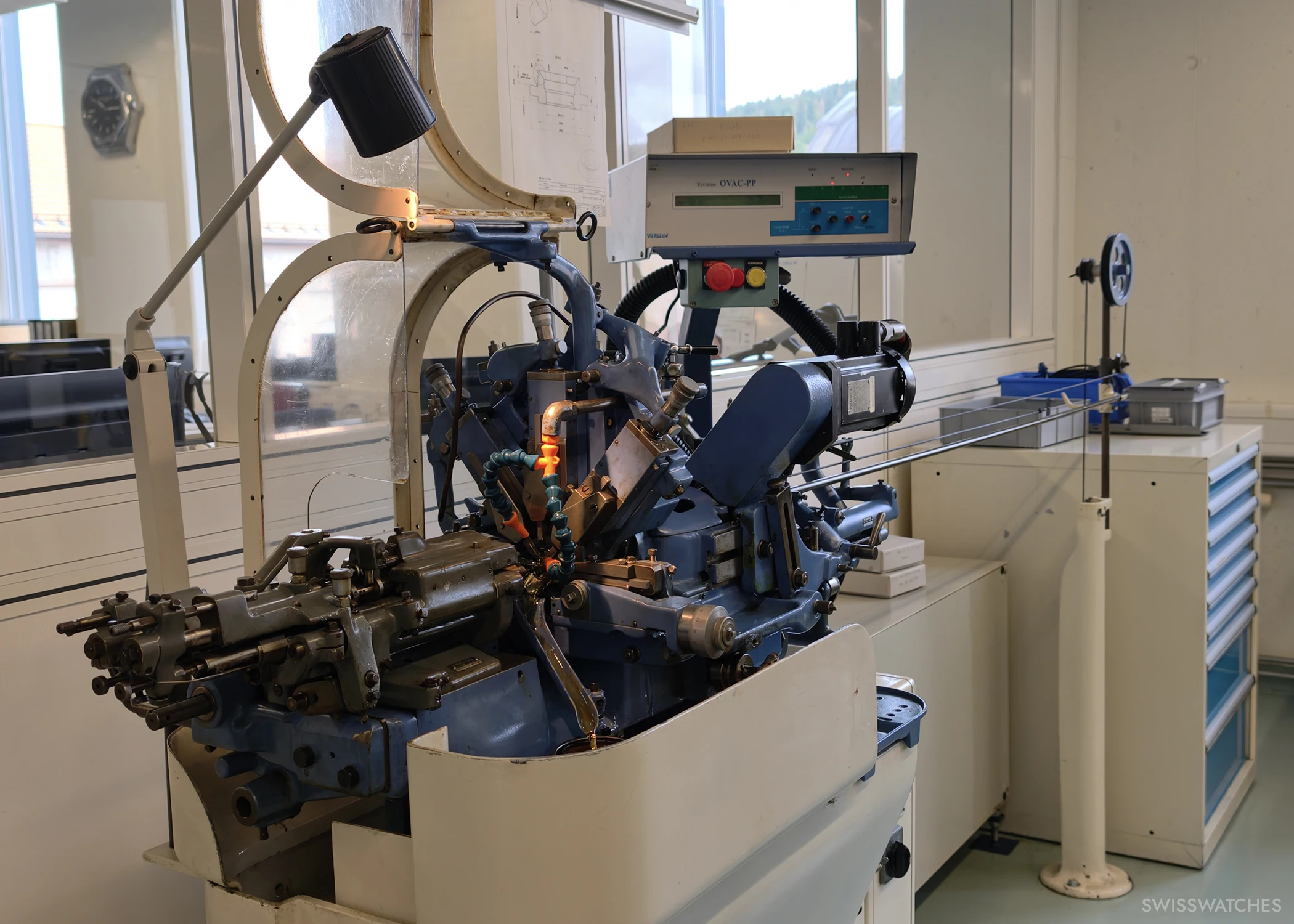
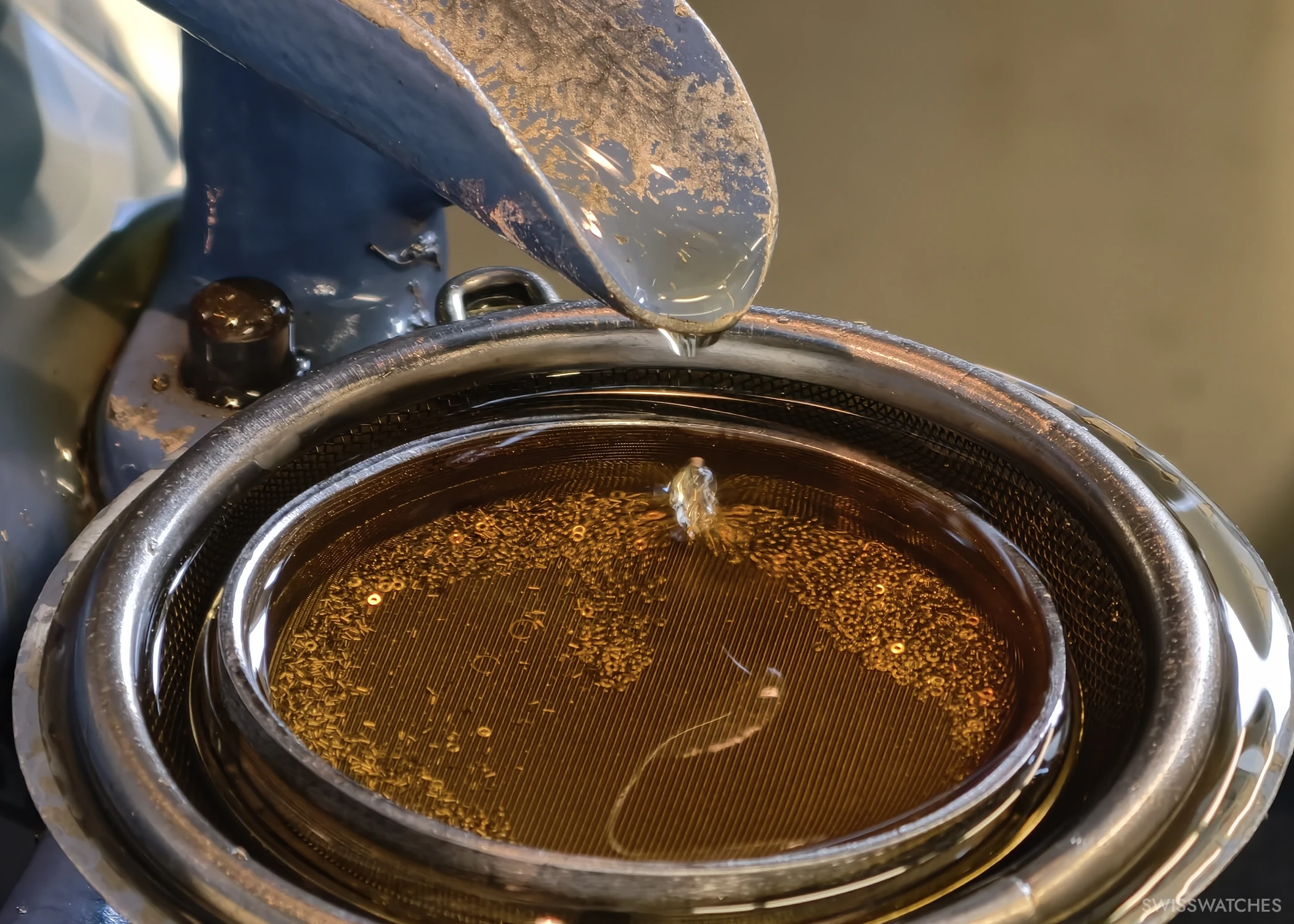
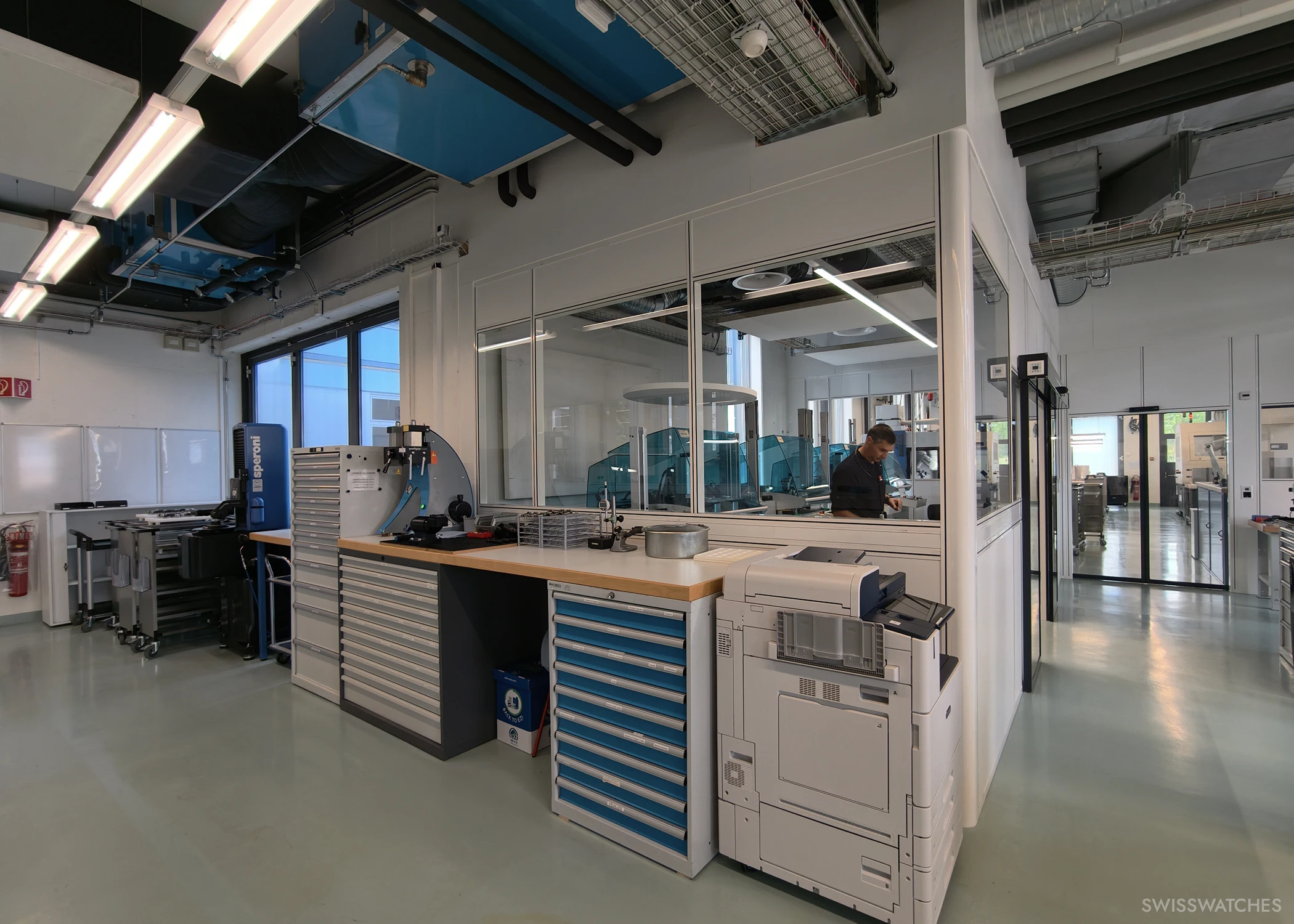
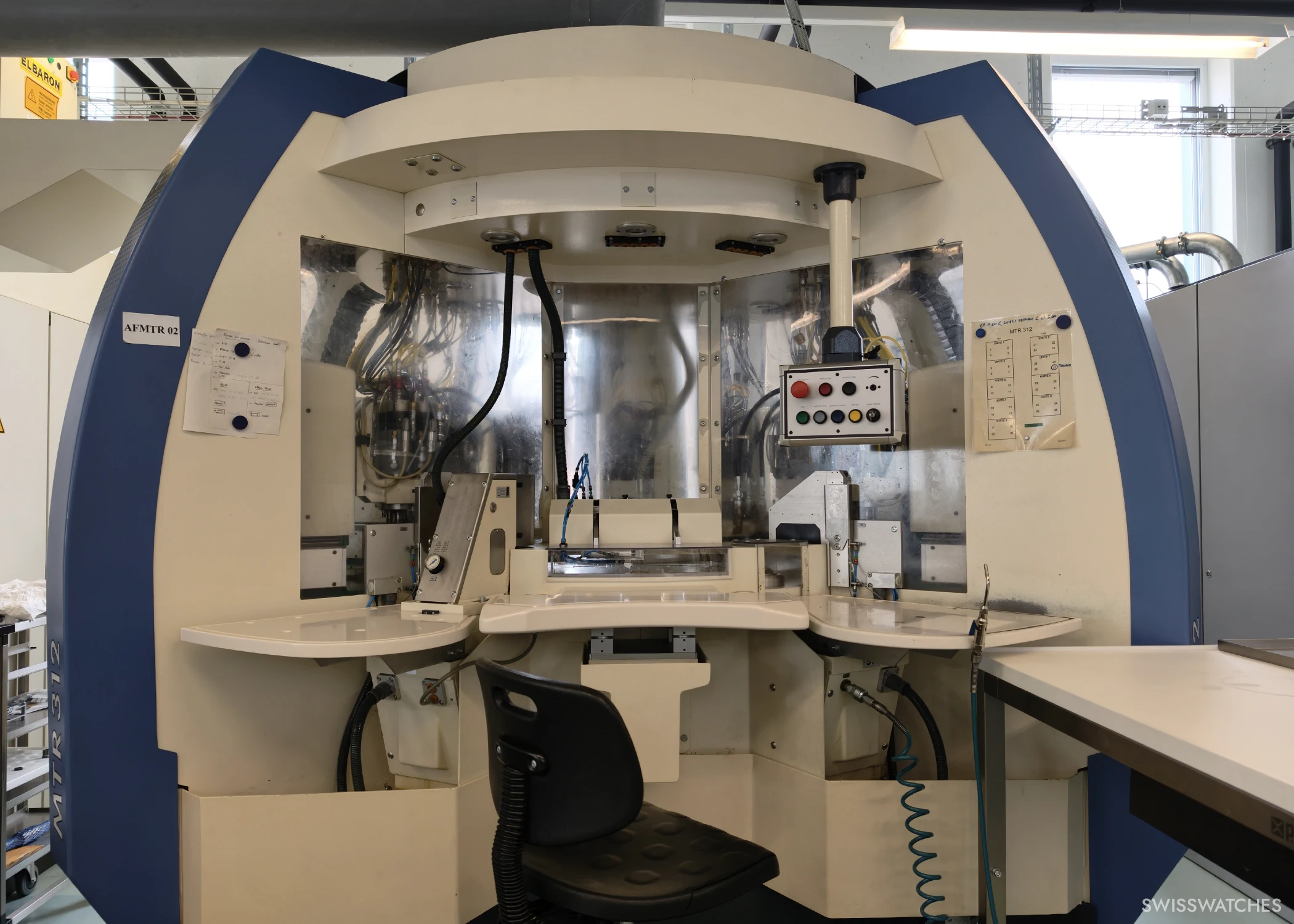
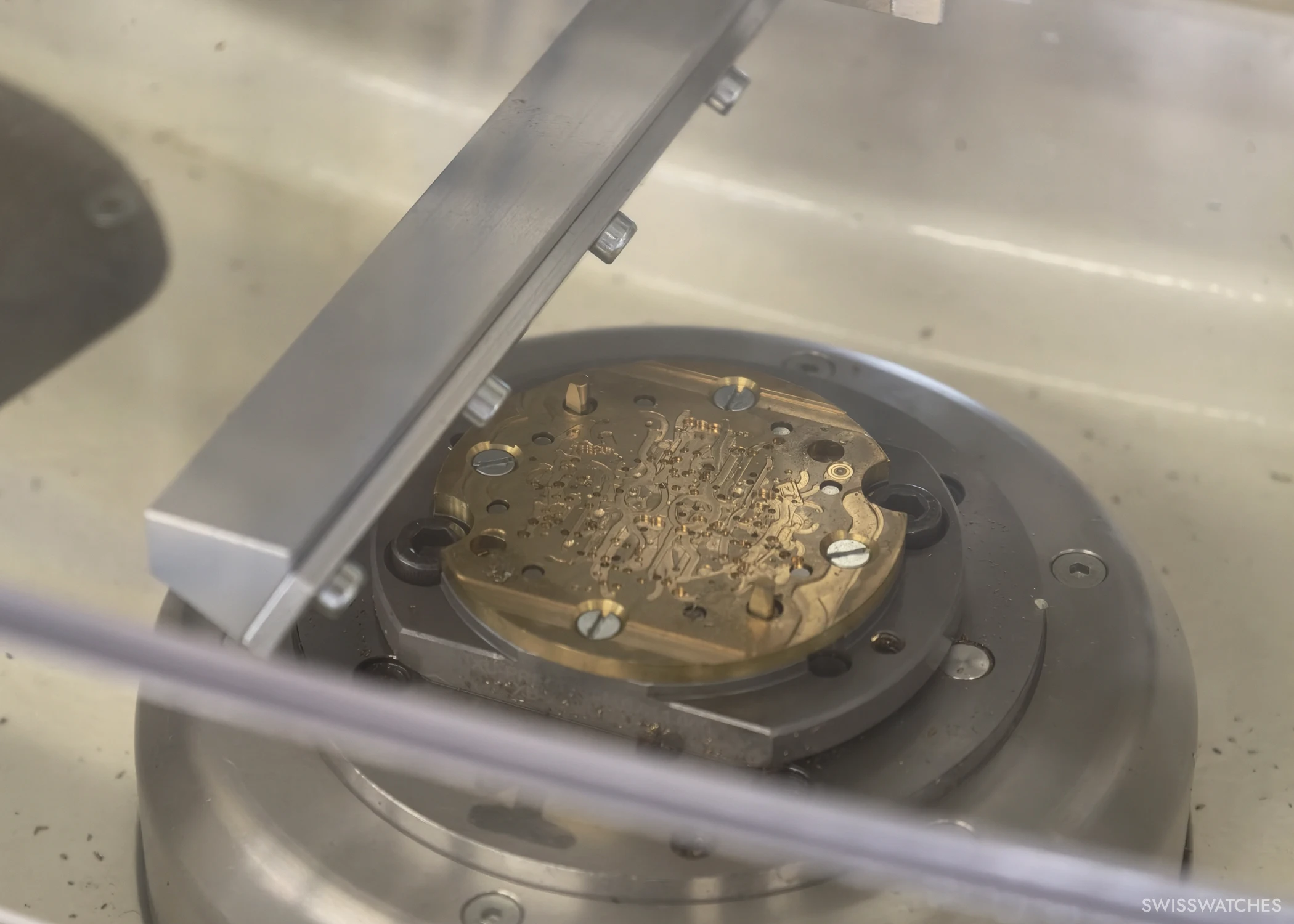
And during our tour of the production facilities, the interplay between highly advanced CNC technology and traditional craftsmanship becomes evident. The machine park features multi-axis CNC profile-turning and milling machines operating under strictly climate-controlled conditions to manufacture plates and movement components for the brand’s in-house calibre families.
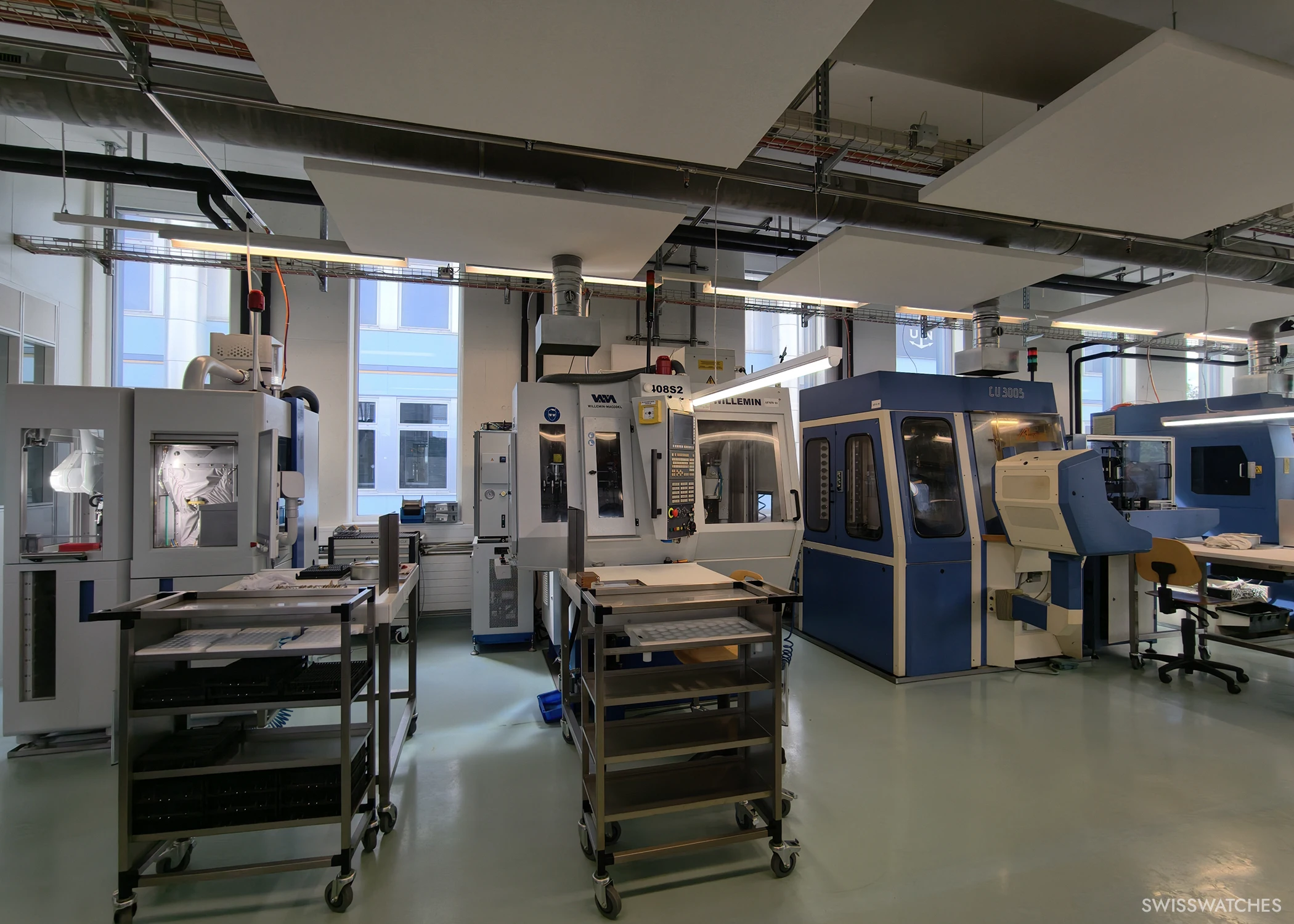
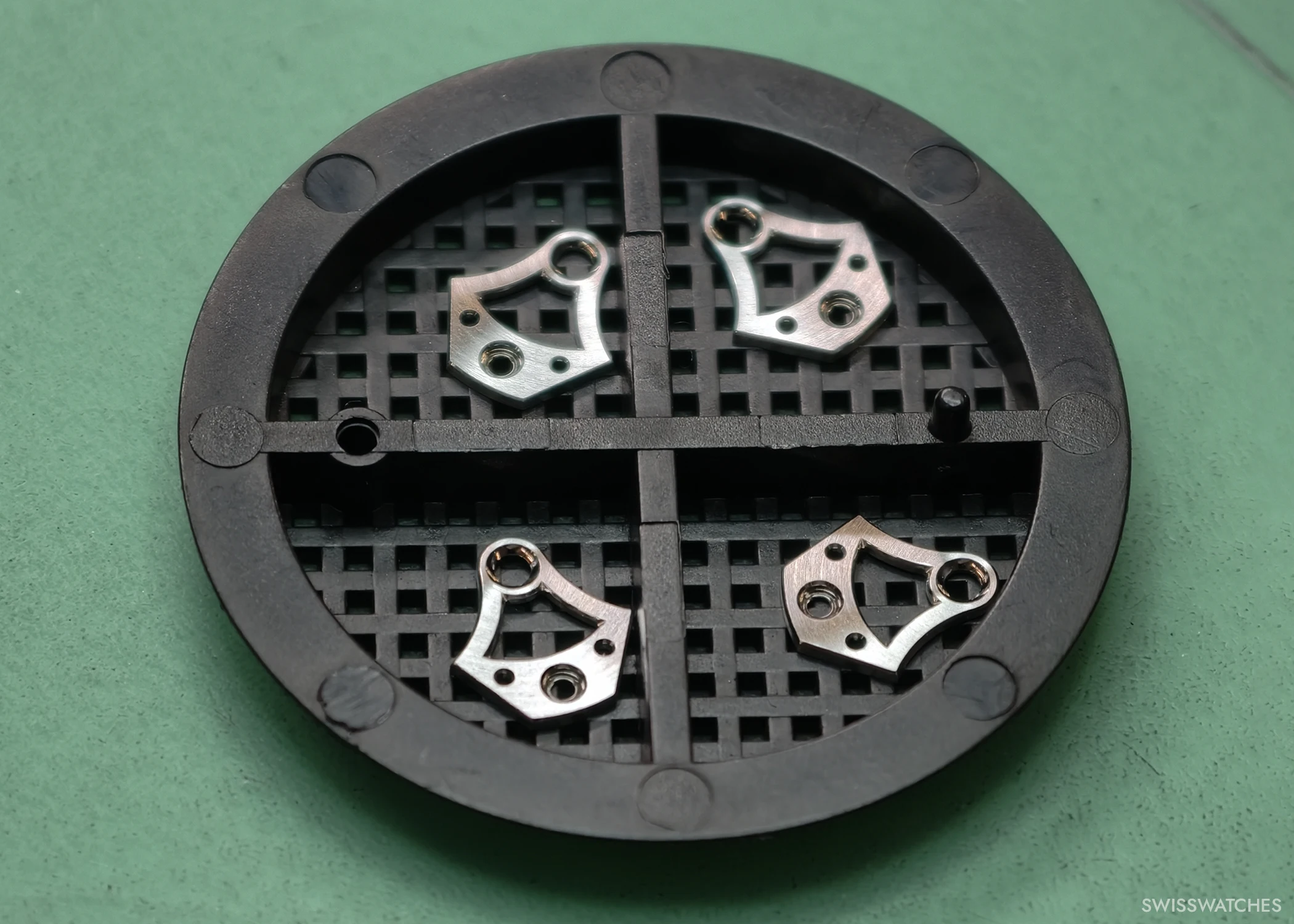
During our visit to the bridge manufacturing and component production department, it becomes clear how Girard-Perregaux interprets bridge architecture in terms of materials. In its current collections, the manufacture utilises both modern high-tech metals such as titanium and classic precious metals such as white gold.
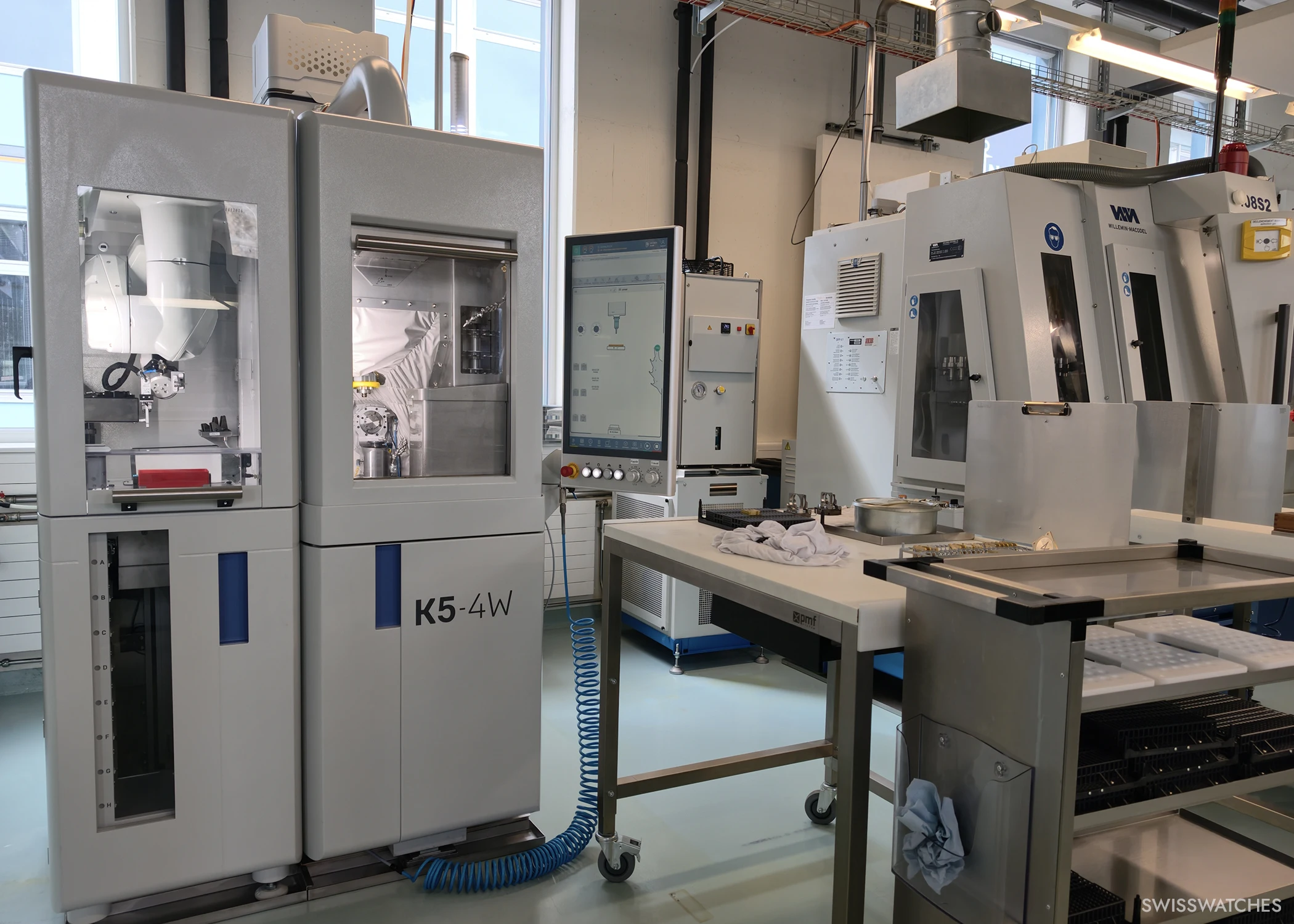
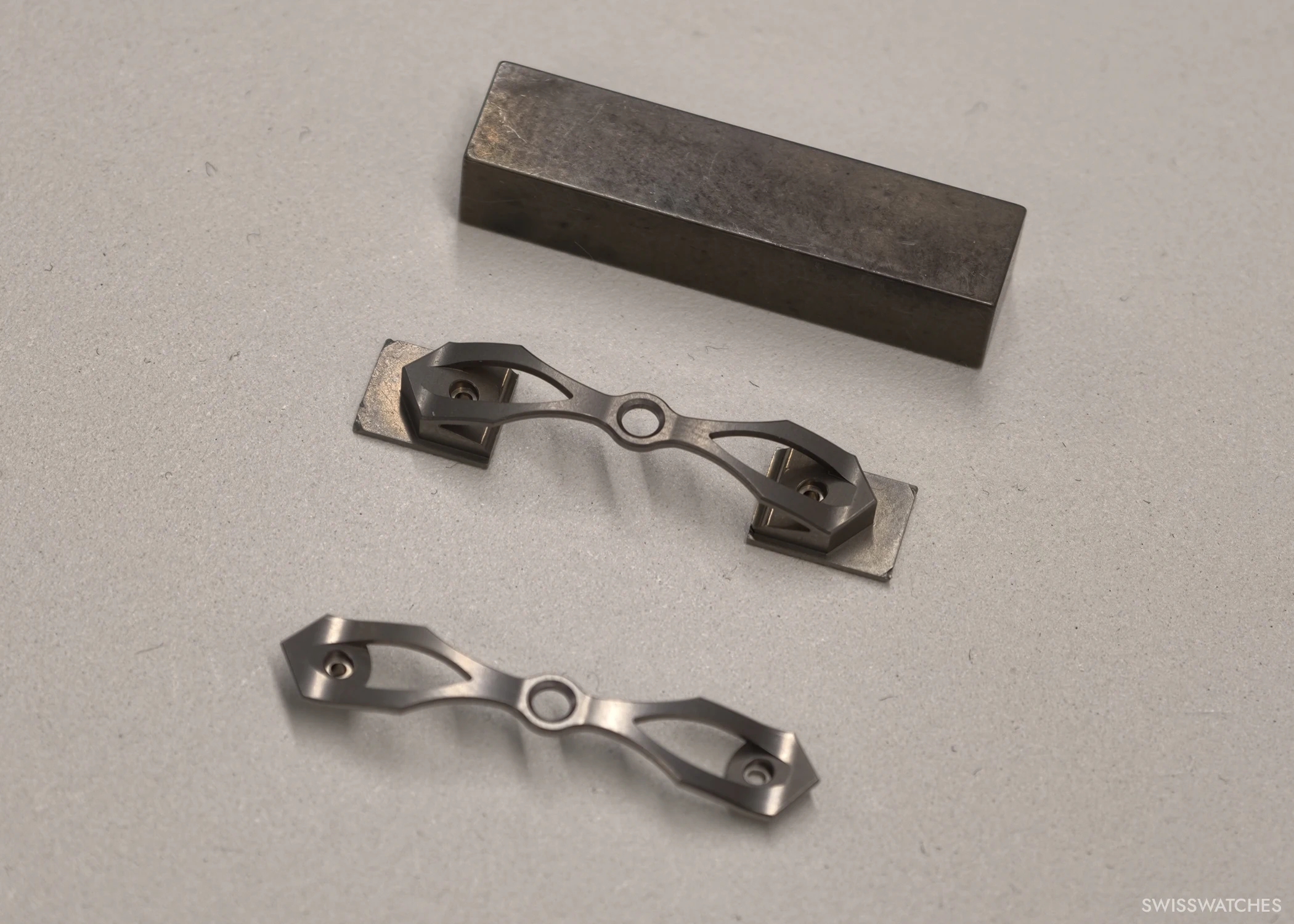
The initial machining of these bridges reveals significant differences in terms of the machining effort required. Titanium (Grade 5) is characterised by its low weight and high strength, but its elastic toughness places extreme demands on the machining process. The machining time for a single titanium bridge on the in-house CNC machines is approximately three hours. The production of bridges made from 18-carat white gold requires a completely different level of effort. Due to its microstructure, this heavier precious metal is prone to micro-deformations and therefore requires a significantly slower machining speed. Machining a gold bridge therefore takes around nine hours on the CNC machine.
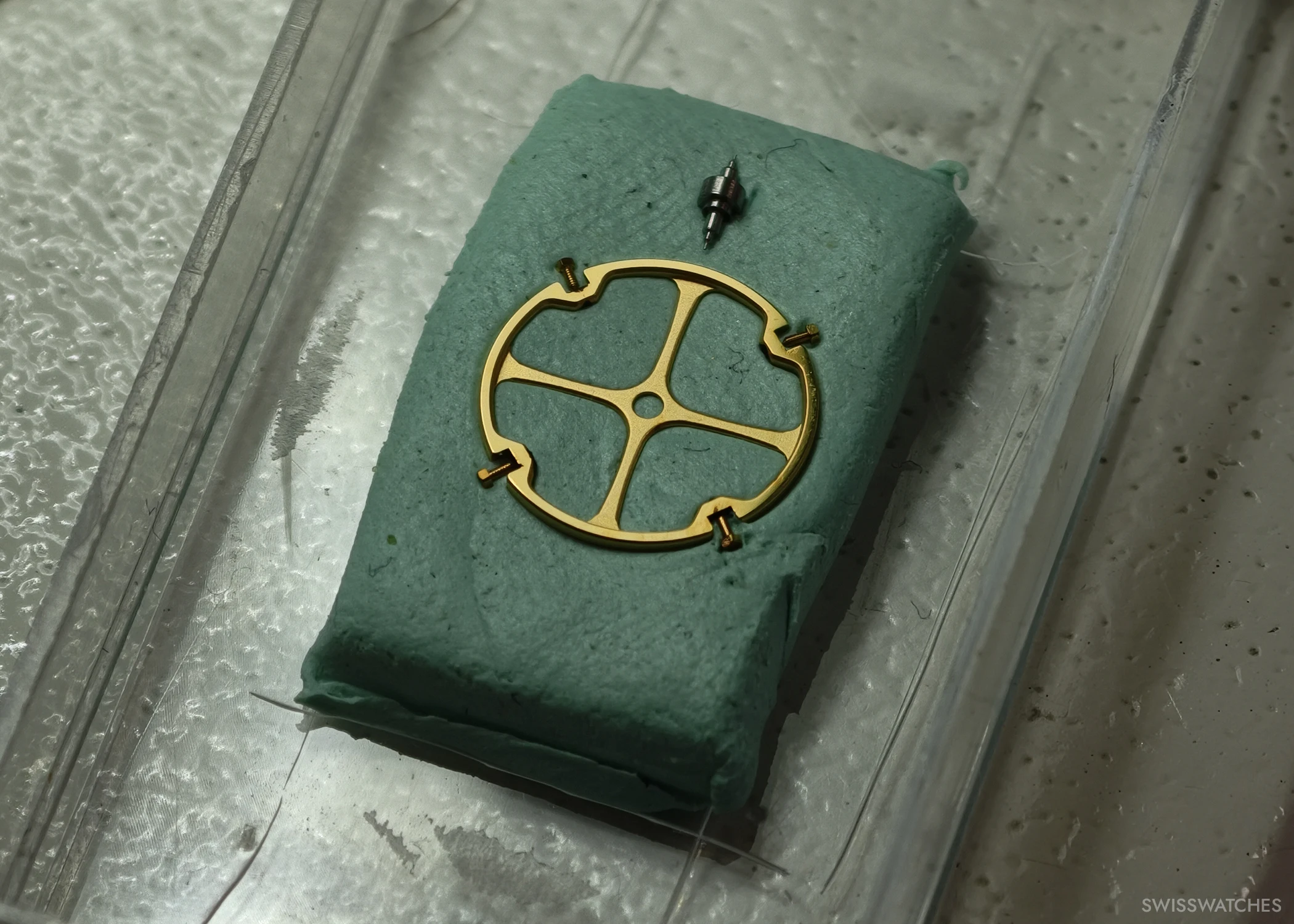
Girard-Perregaux’s technical ingenuity is also evident in specific movement designs: a prime example is a specific micro-rotor design, which was patented by the brand as early as 1999. Contrary to conventional design methods, the engineers positioned this space-saving component beneath the barrel to ensure an unobstructed view of the movement – entirely in keeping with Constant Girard’s guiding principle of ‘making the invisible visible’.
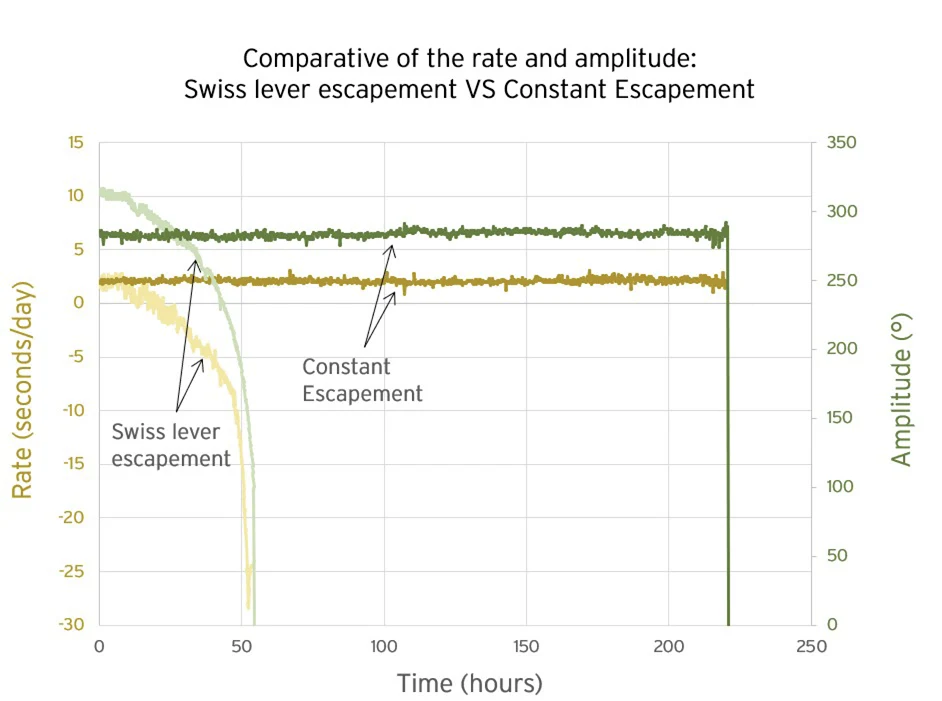
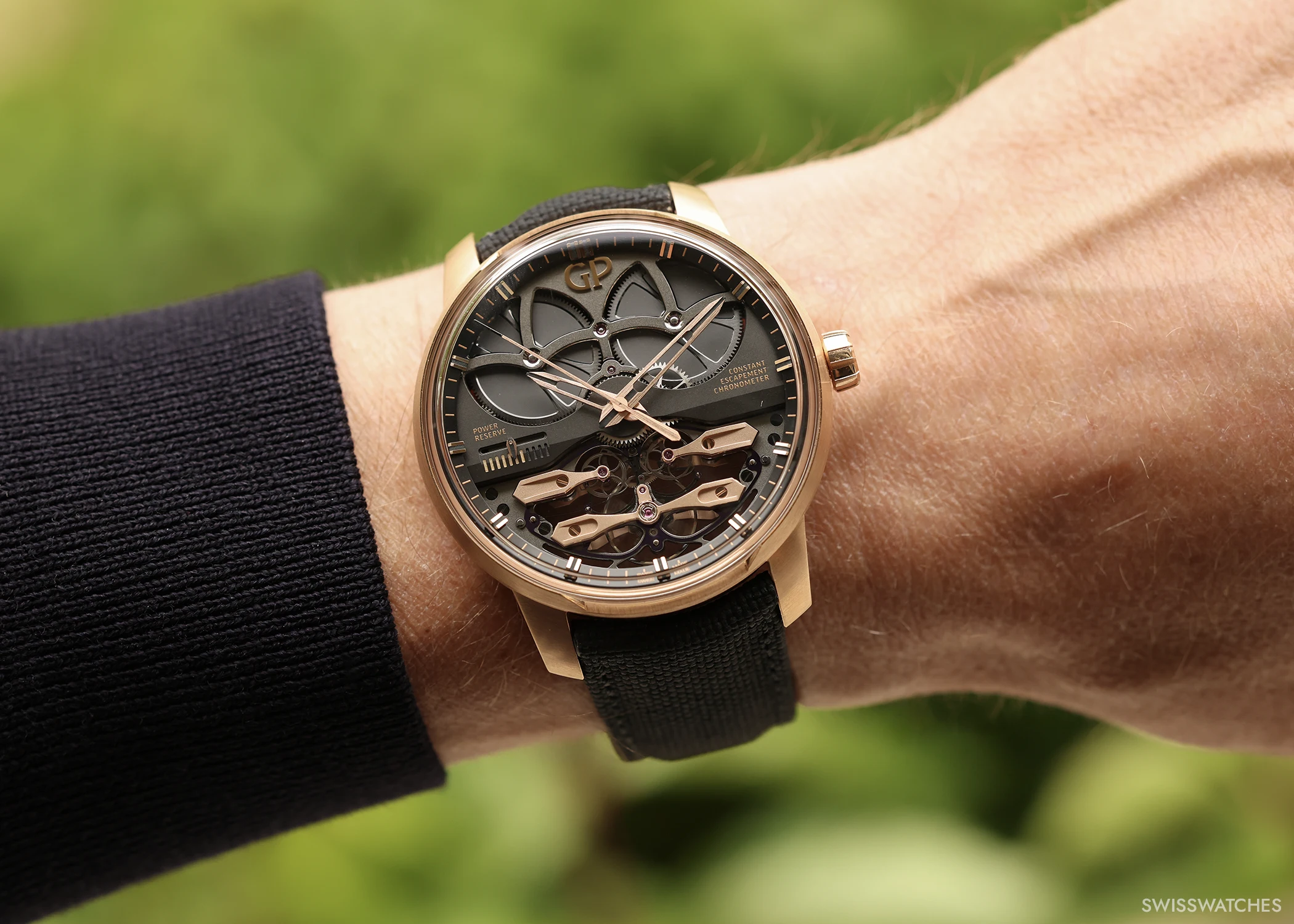
The Constant Escapement, introduced in 2013, is undoubtedly one of the most exciting innovations of the last 25 years. It solves the fundamental problem of mechanical watches: the loss of oscillation amplitude as the mainspring’s tension diminishes. To counteract this, Girard-Perregaux has completely rethought and revolutionised the very heart of the mechanical watch – the traditional Swiss lever escapement.

The result is a fascinating mechanism shaped like a butterfly, based on a flash of physical inspiration that struck the developer, Nicolas Déhon, during a train journey in the late 1990s, whilst he was playing with a ticket in his hand. He squeezed the ticket and it arched. With his other hand, he pressed against the arch until the ticket sprang back in the opposite direction. Whether he moved the ticket slowly and carefully or gave it a forceful push, from a certain point onwards it always seemed to spring back with the same force.
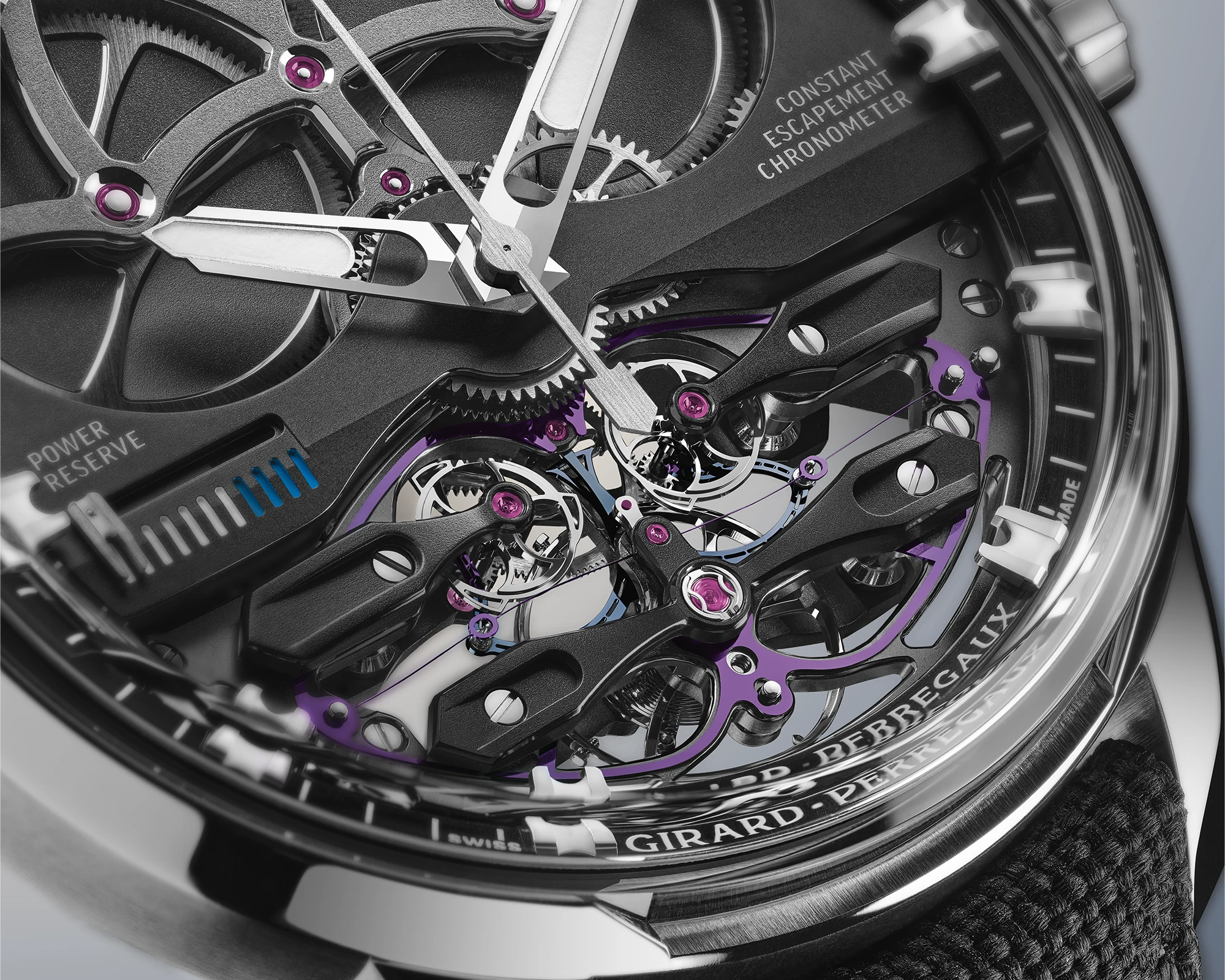
And so the first concepts for Girard-Perregaux’s Constant Escapement were born. Two escape wheels work in conjunction with an ultra-thin silicon blade, positioned just above the balance wheel. This blade bends back and forth with precision – much like the rhythmic bending of a credit card – thereby ensuring that an absolutely uniform, constant amount of energy is delivered at all times.
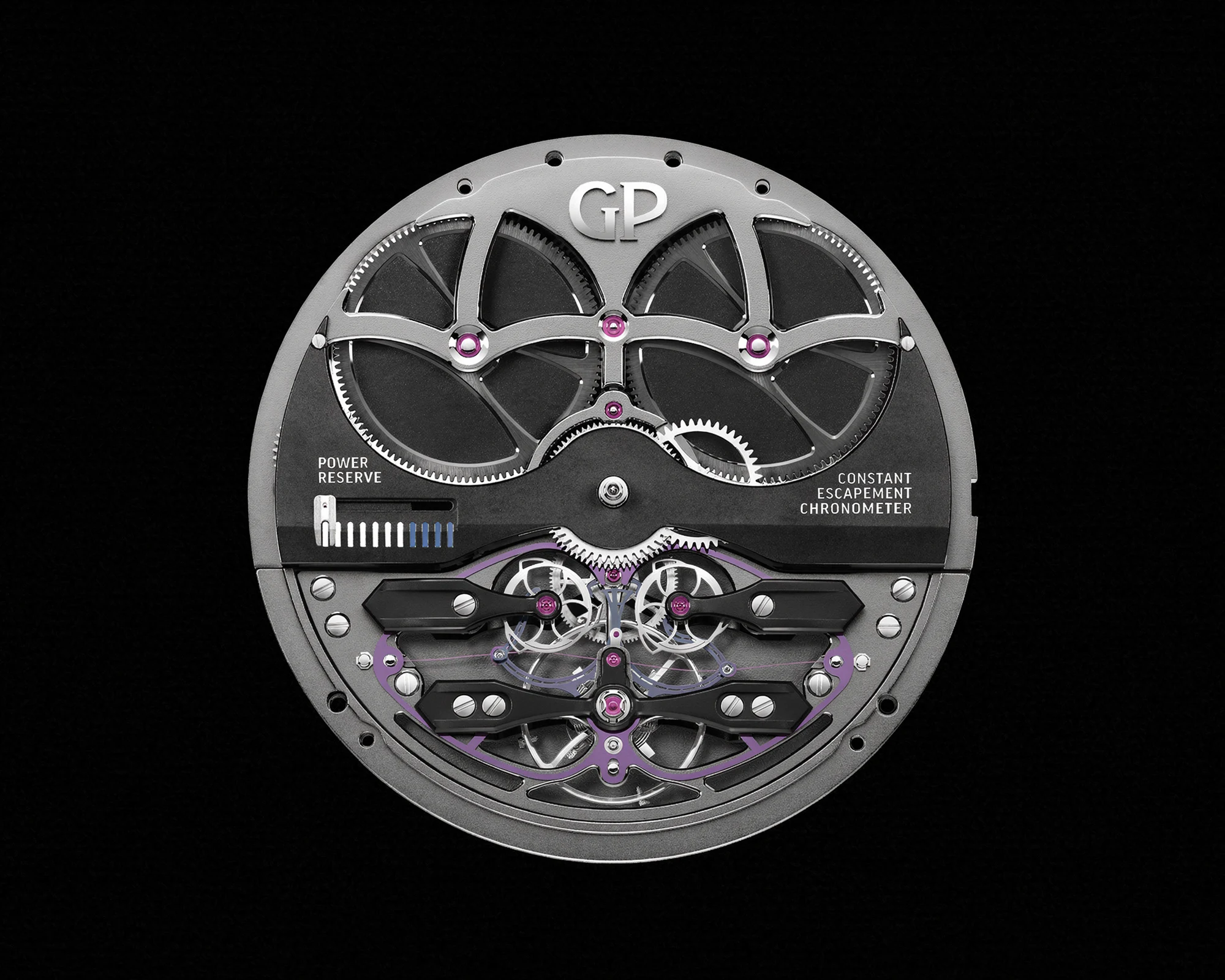
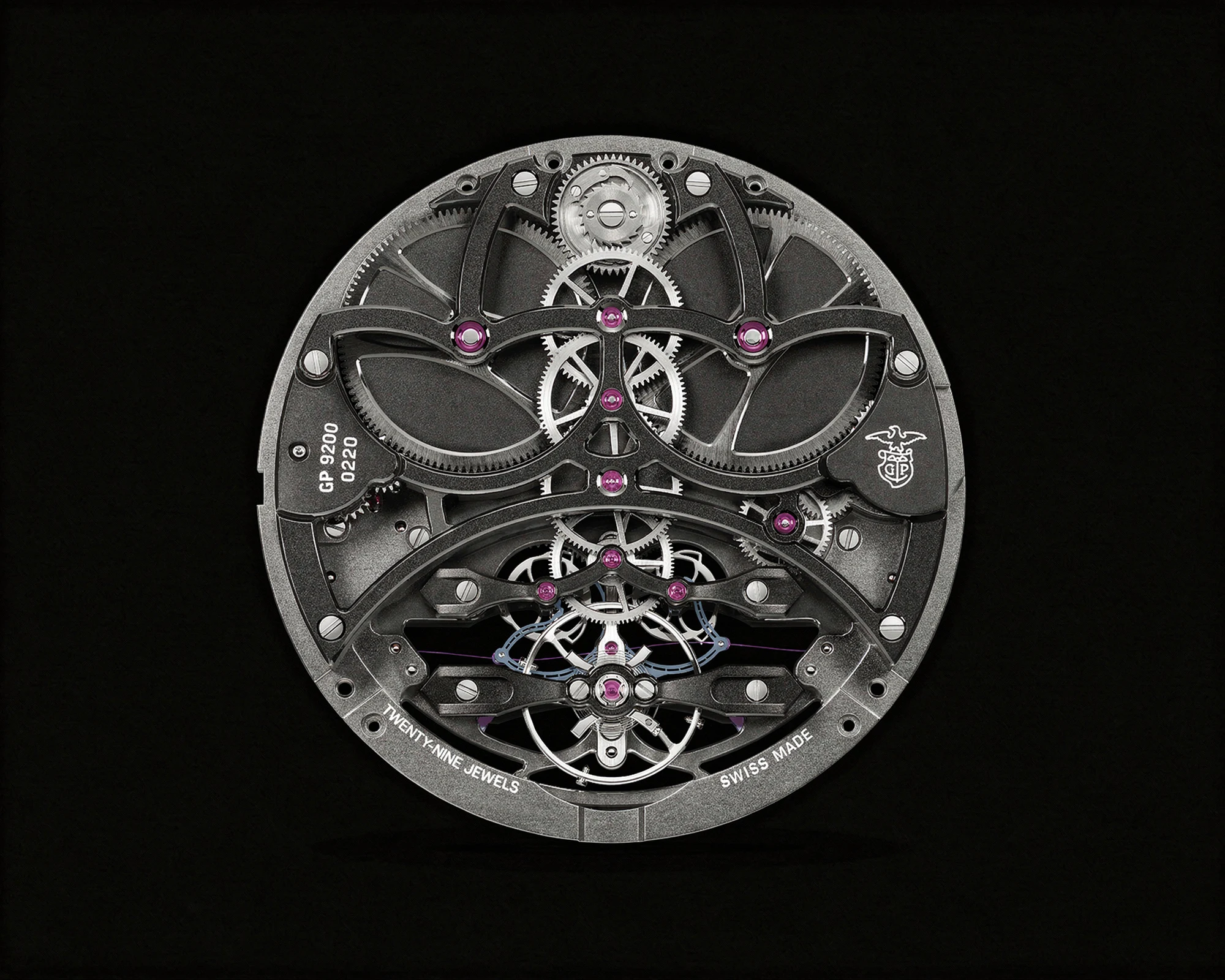
When Claude-Daniel Proellochs talks about the Constant or Neo Constant Escapement, he really does get carried away. And with good reason: behind this revolutionary mechanism lies a 20-year odyssey of research and development. In our conversation, Proellochs says that the Constant Escapement is unique in its way of working. This watch is not ‘merely’ an addition of complications, gears and mathematical calculations, but it’s a new way of thinking about the functioning of the watch that didn’t exist before. It required a real invention to exist and this is what makes it incredibly complicated. If you’d like to find out more about this technical revolution, please read our in-depth article here.
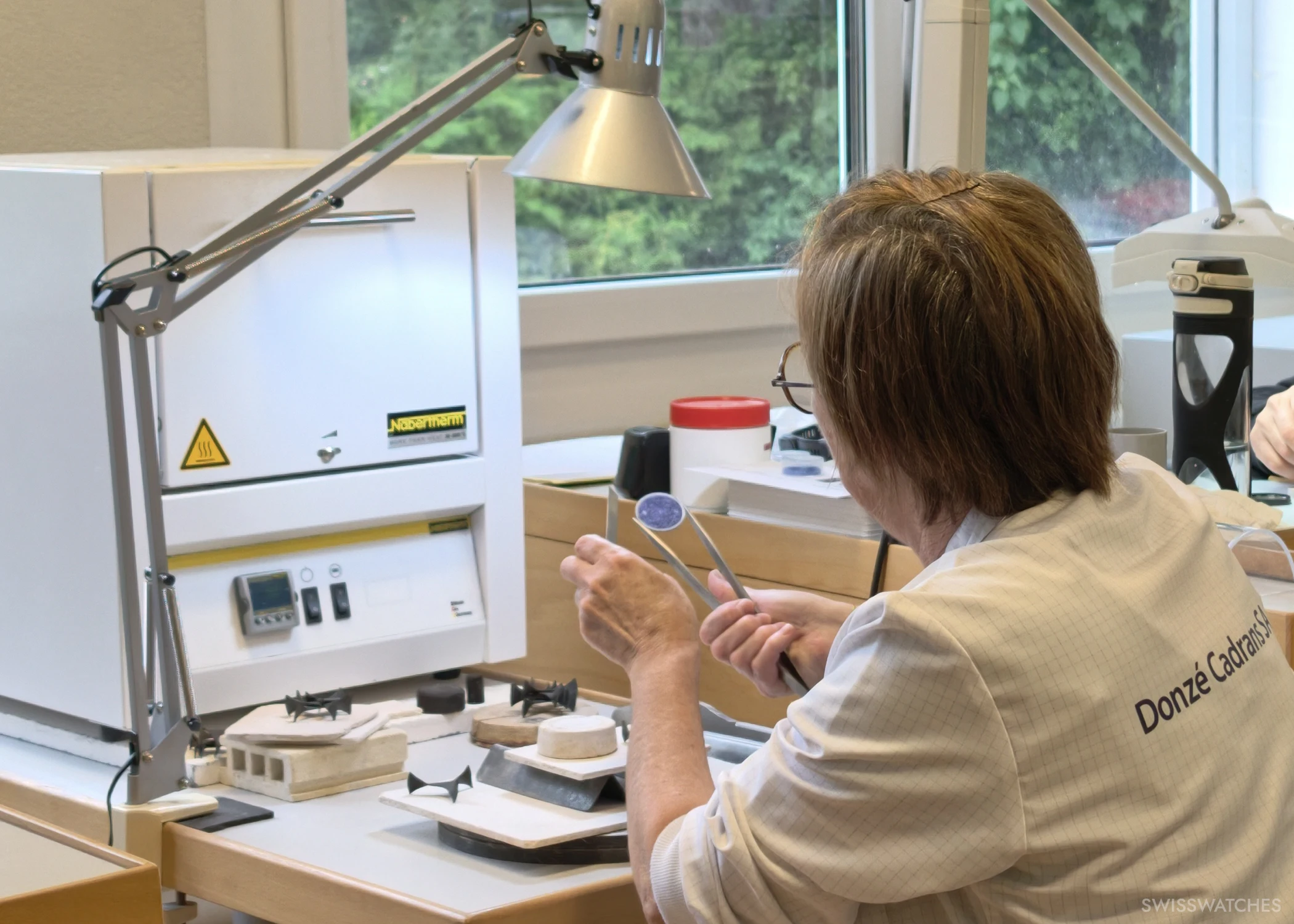
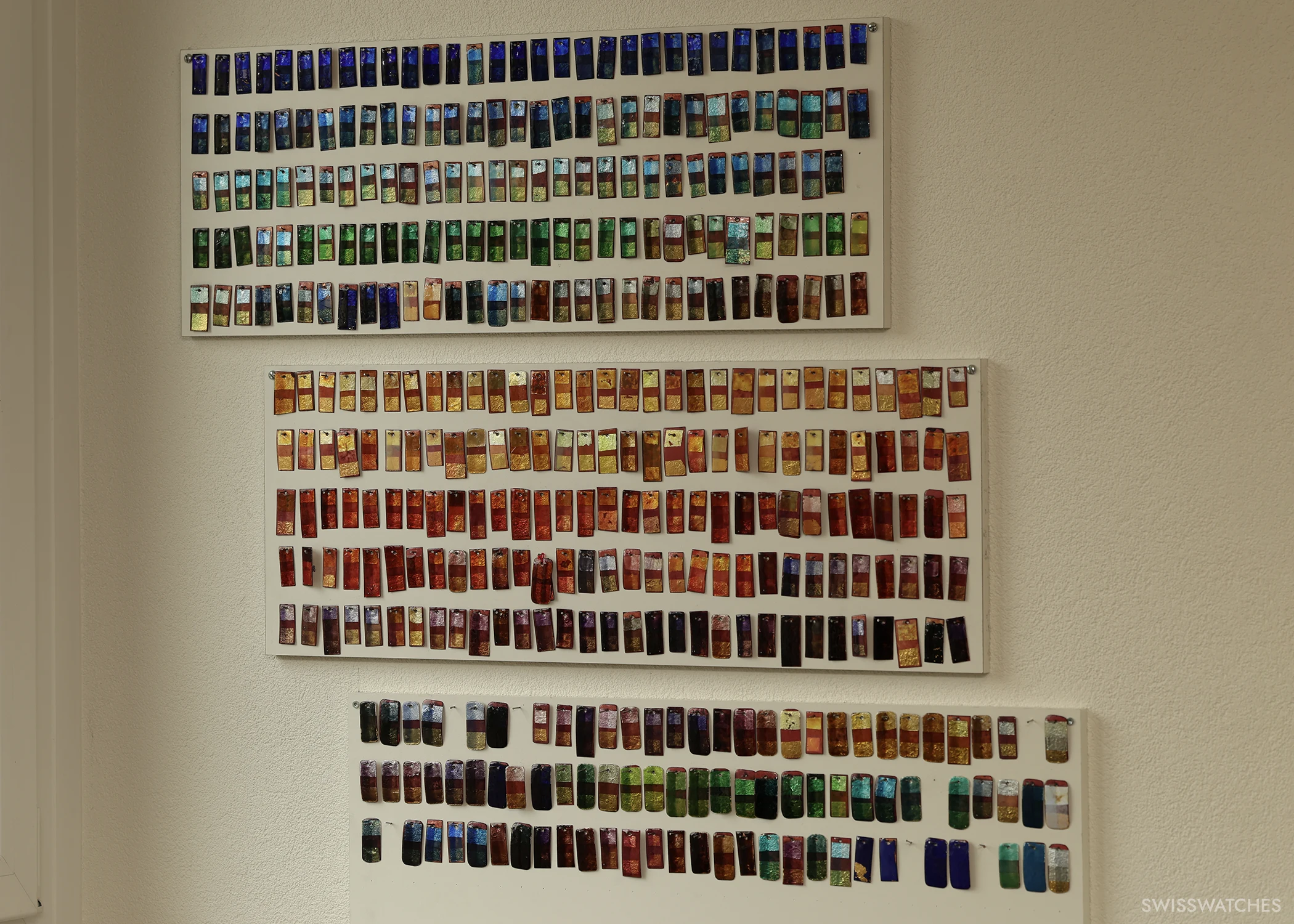
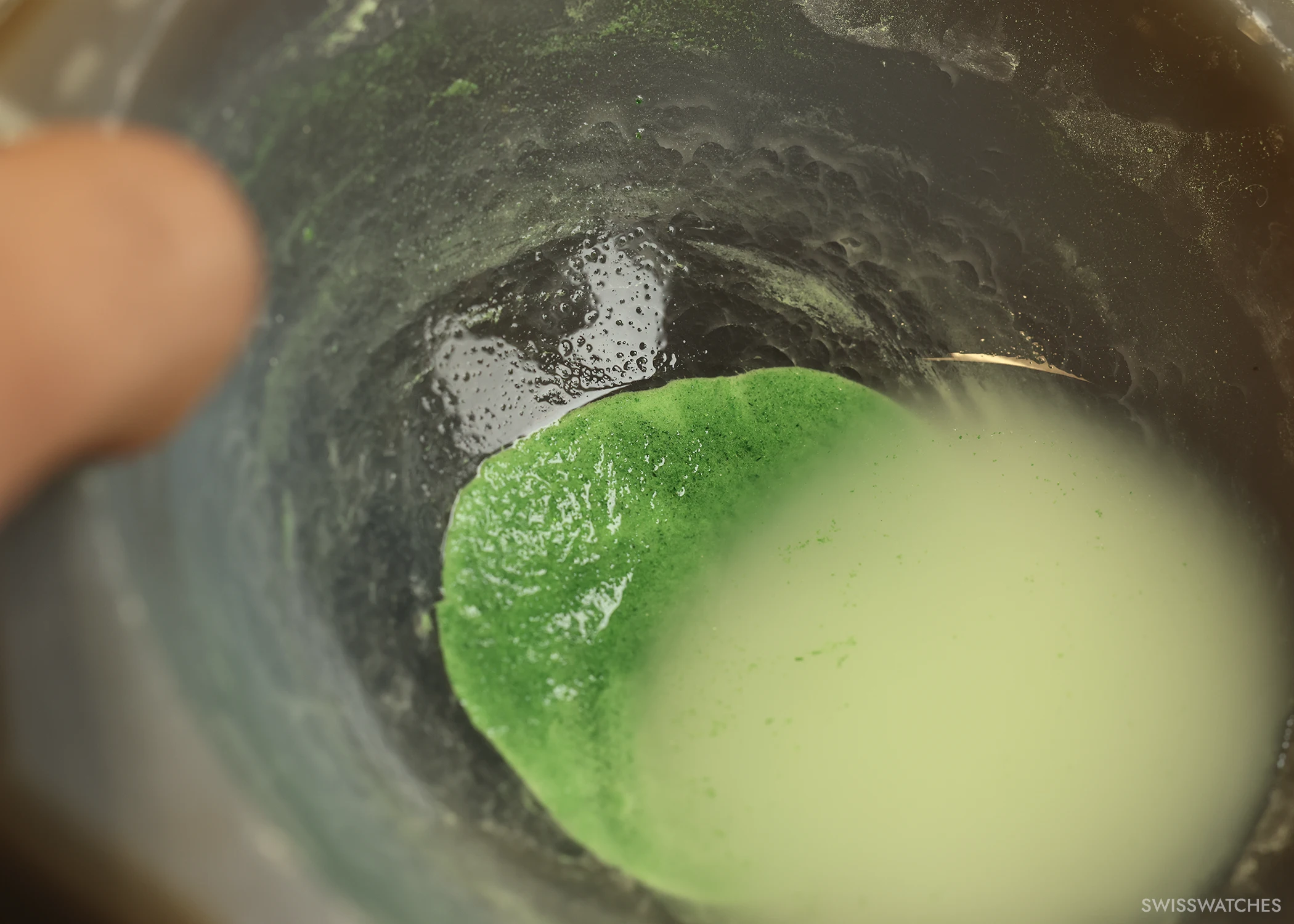
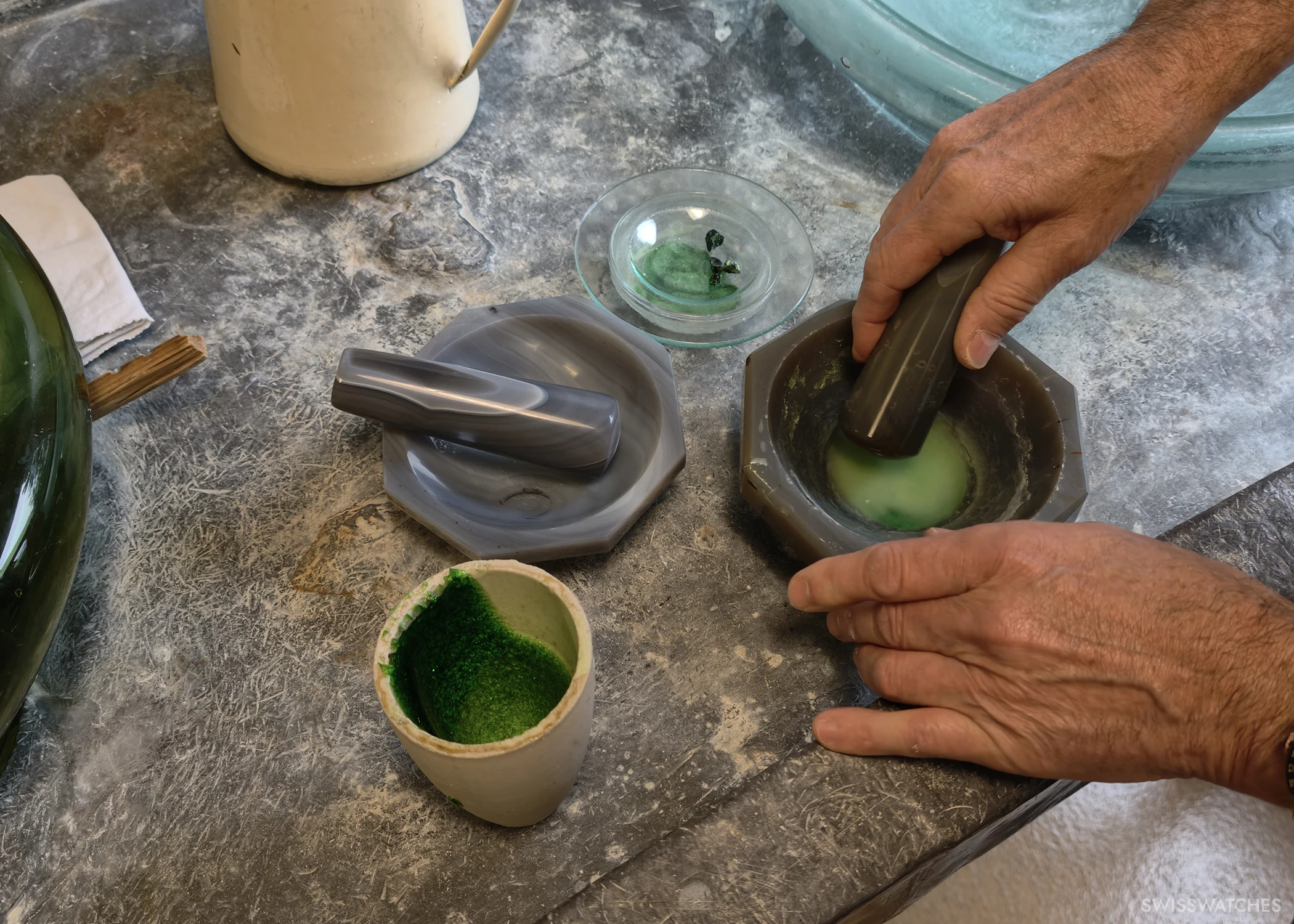
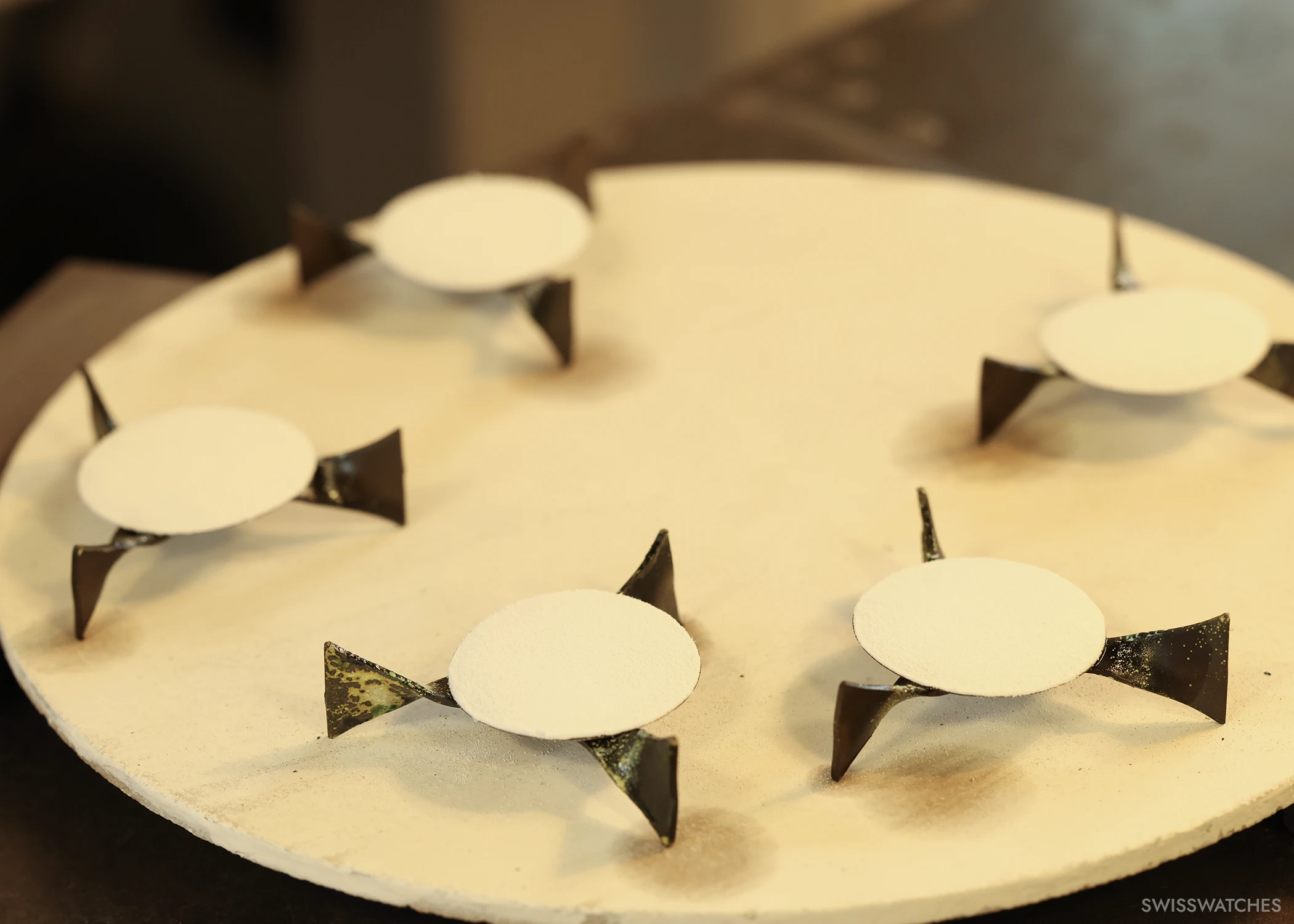
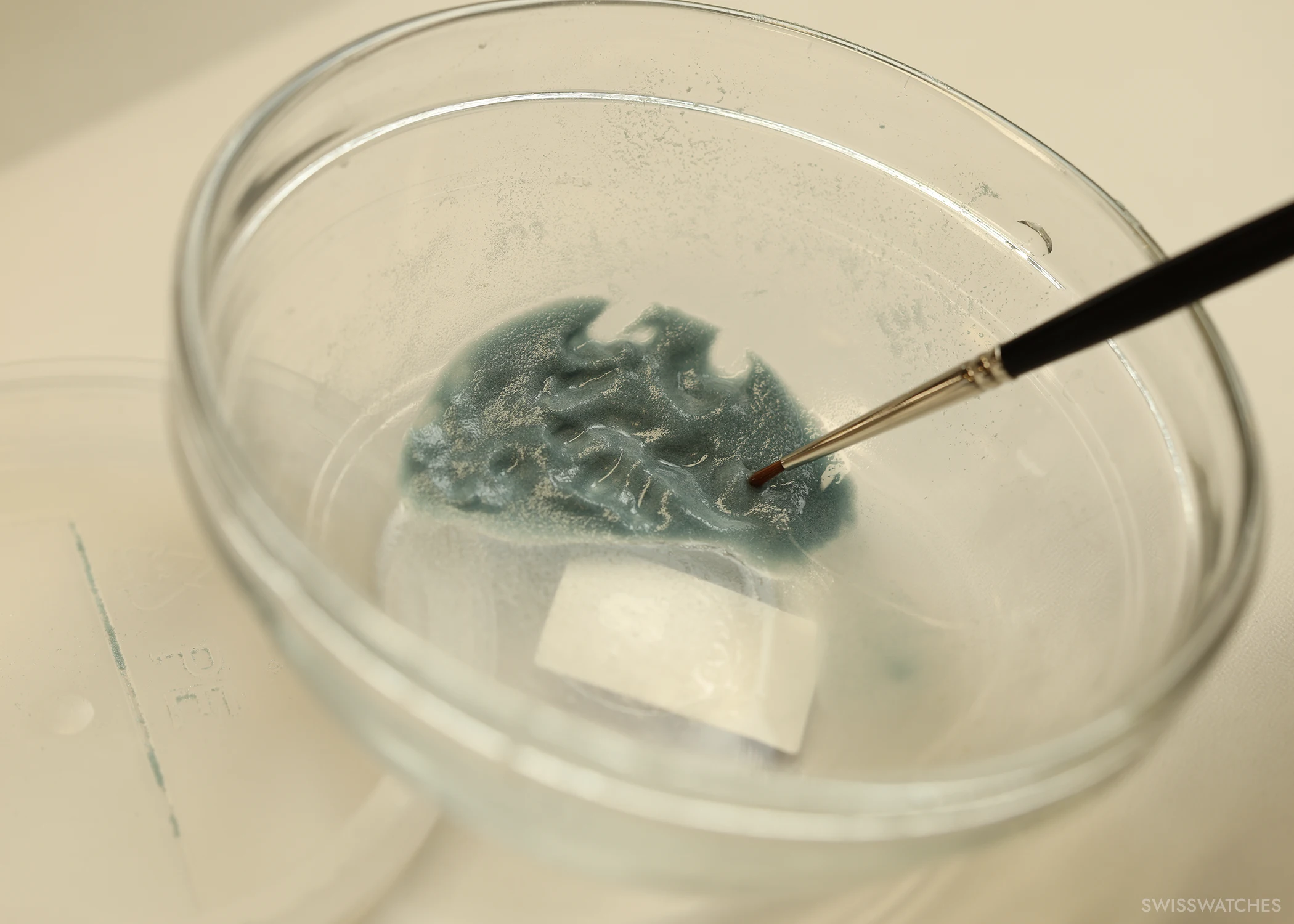
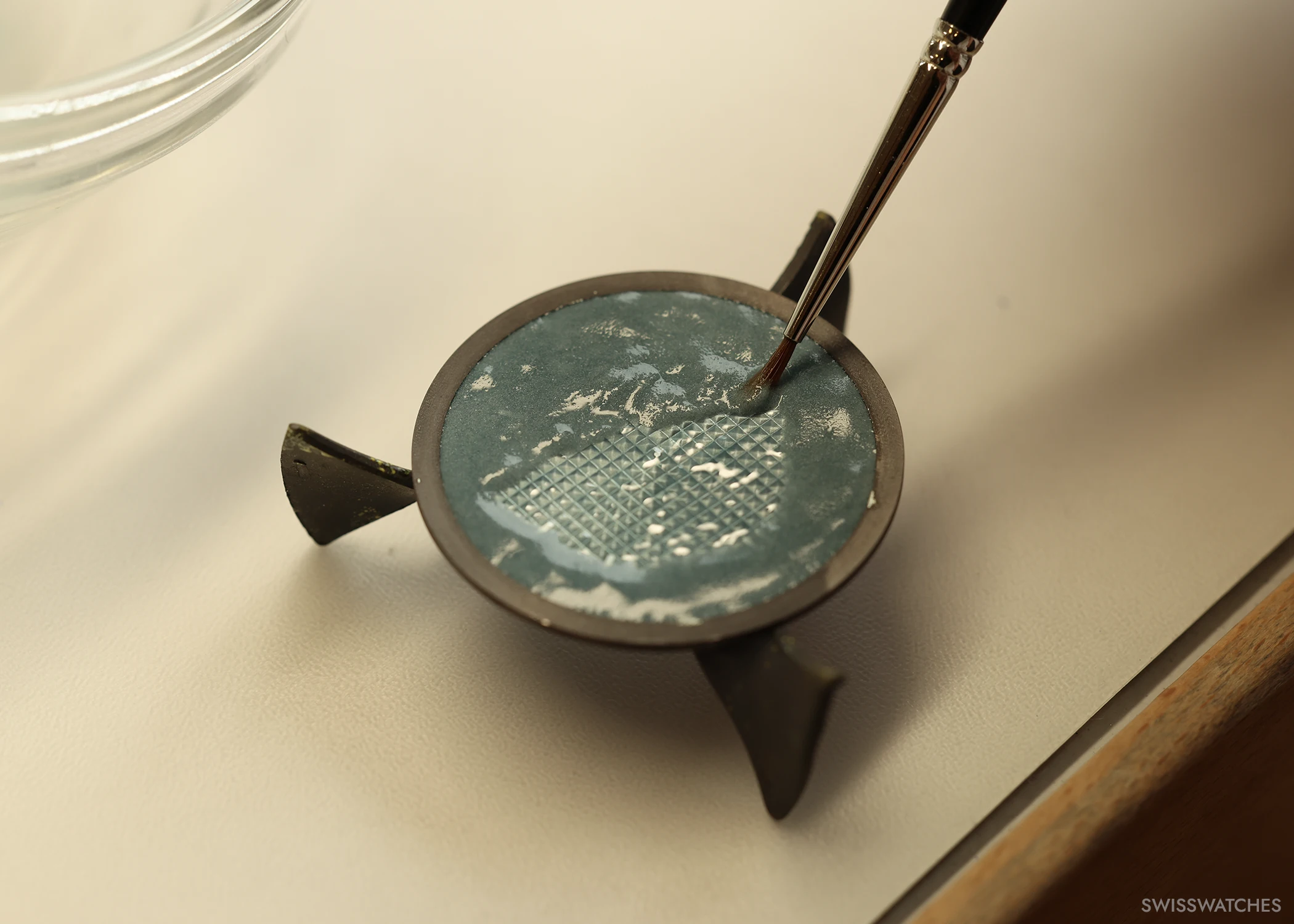
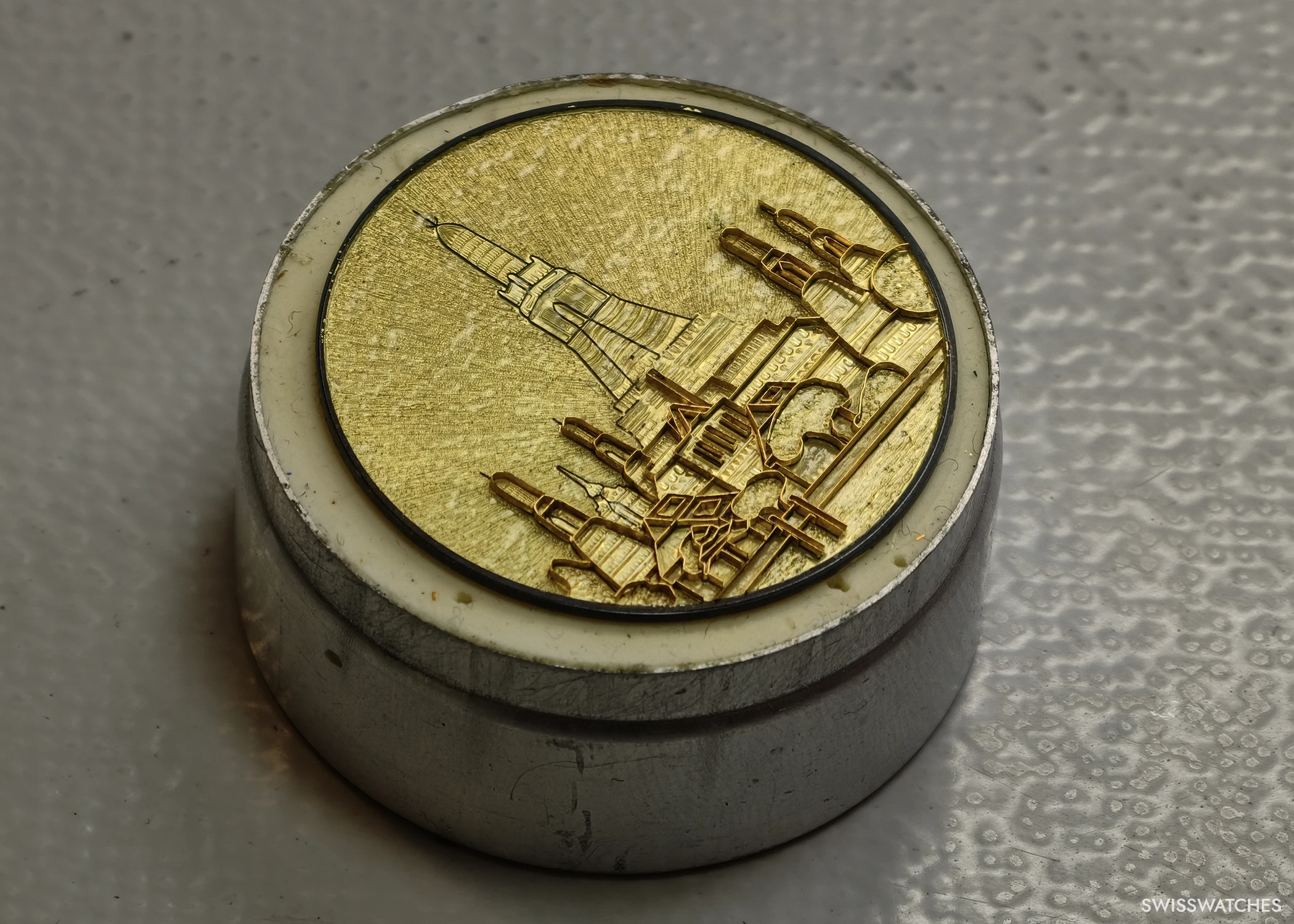
A particular highlight lies a few kilometres further on, in Le Locle, at Donzé Cadrans. Founded in 1972 by master enameller Francis Donzé, the workshop now forms part of the same group of companies (Sowind Group SA) as Girard-Perregaux, Ulysse Nardin and Sigatec. The art of Grand Feu (grand feu enamelling) is practised in the workshops.
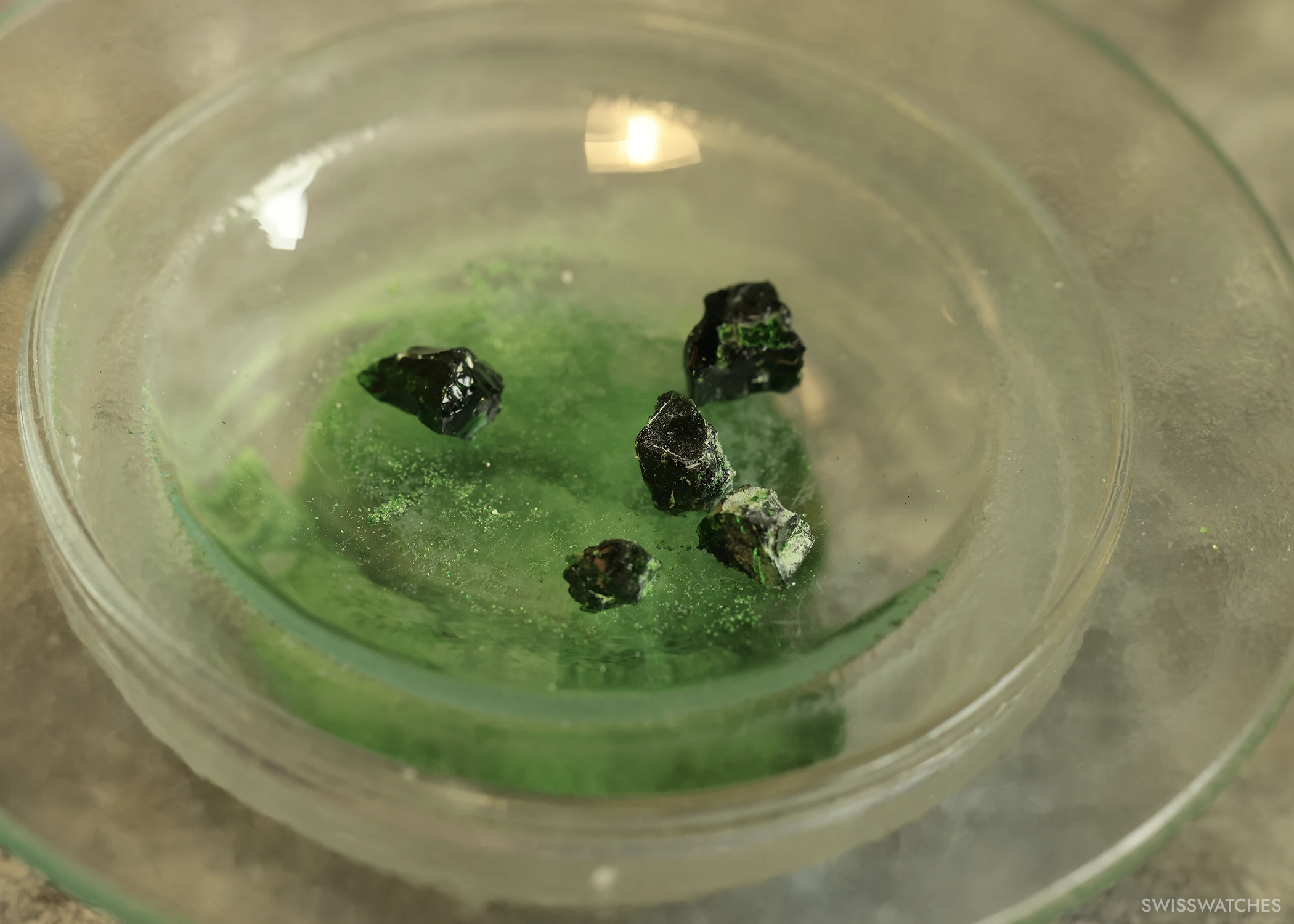
This involves sifting a fine mixture of quartz sand, potash and metal oxides onto base plates and fusing it in a kiln at temperatures ranging from 800 °C to 1,200 °C. As Claude-Daniel Proellochs emphasises, even the enamelling of white gold plates at 800 degrees Celsius requires the utmost skill, as micro-cracks or colour distortions instantly render the piece unusable.
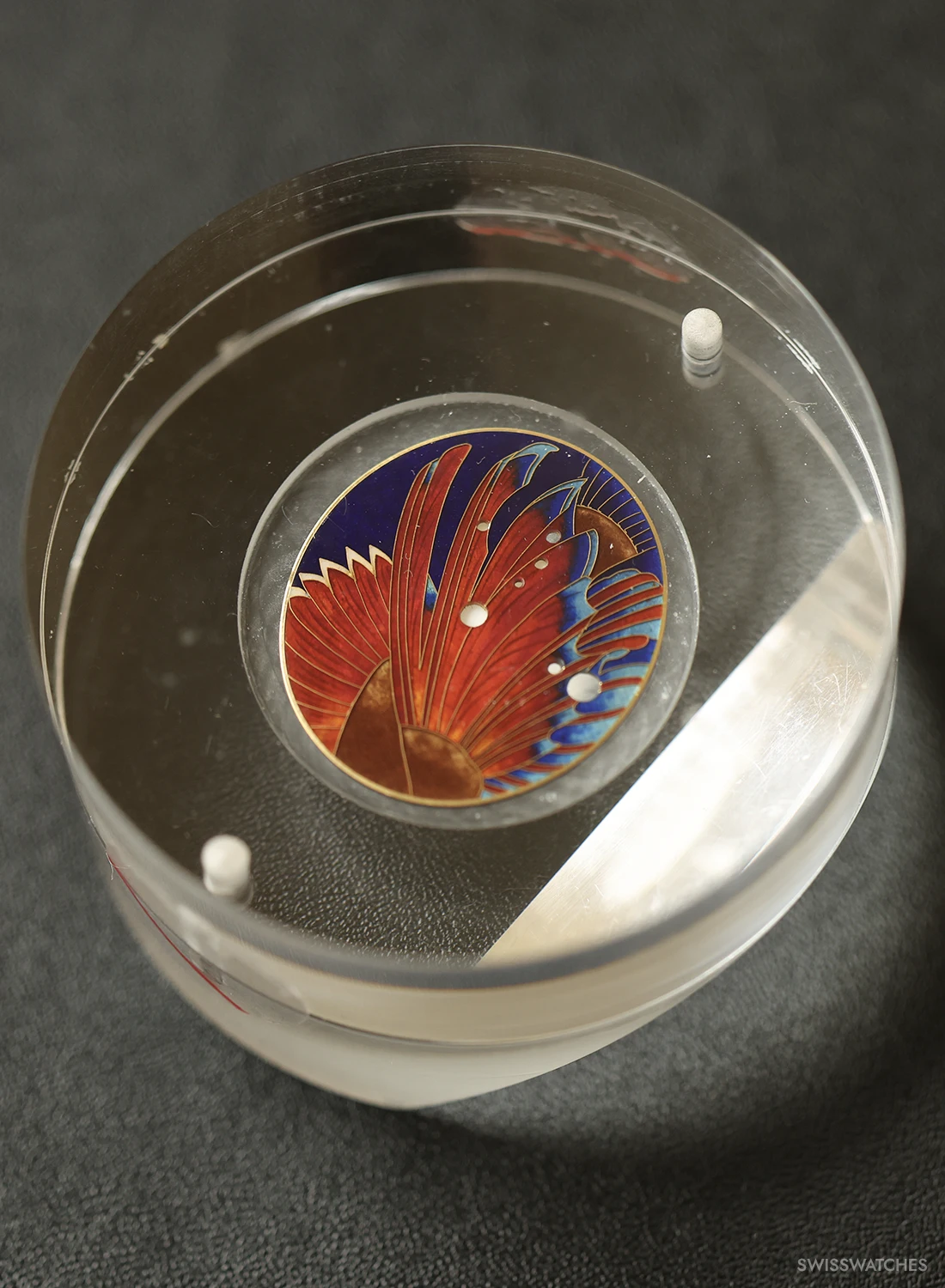
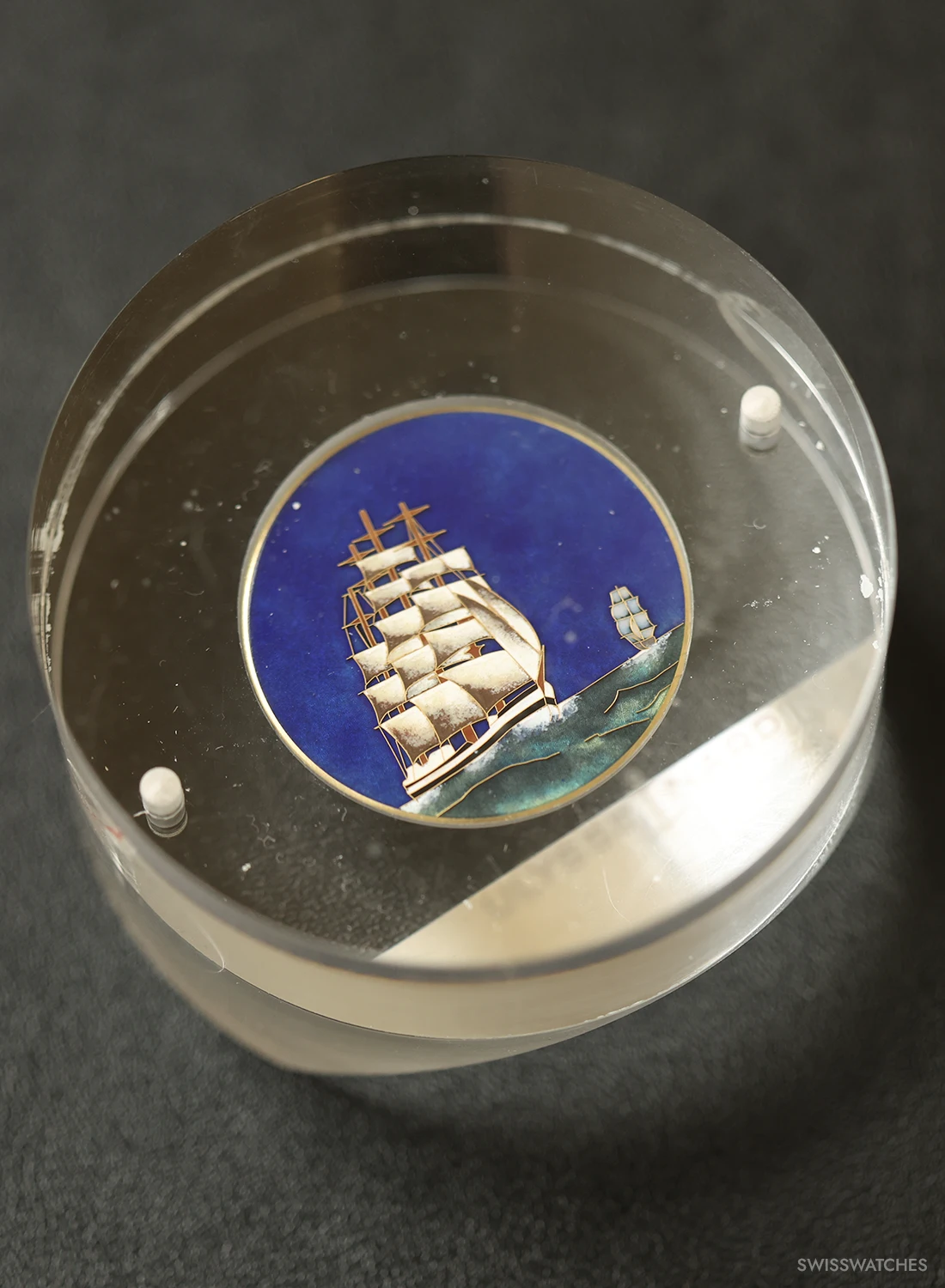
In addition to monochrome Grand Feu, the artisans have mastered the most demanding techniques such as cloisonné (using gold wires just 0.05 mm thick), champlevé, flinqué and pad printing with special enamel colours.
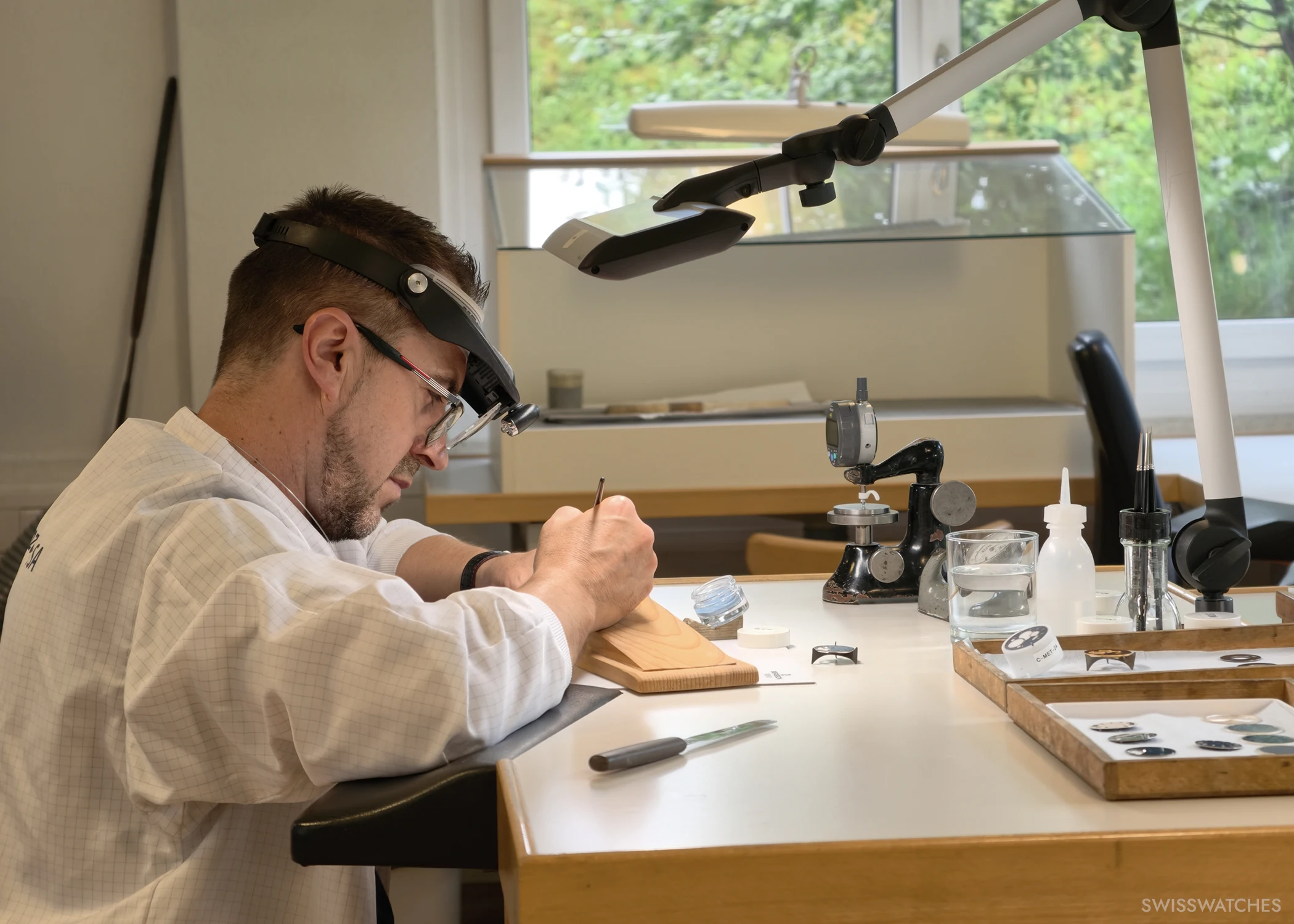
In the Grand Complications Ateliers, the guiding principle is that all high complications – from complex tourbillons to minute repeaters – are developed and assembled entirely in-house at Girard-Perregaux.
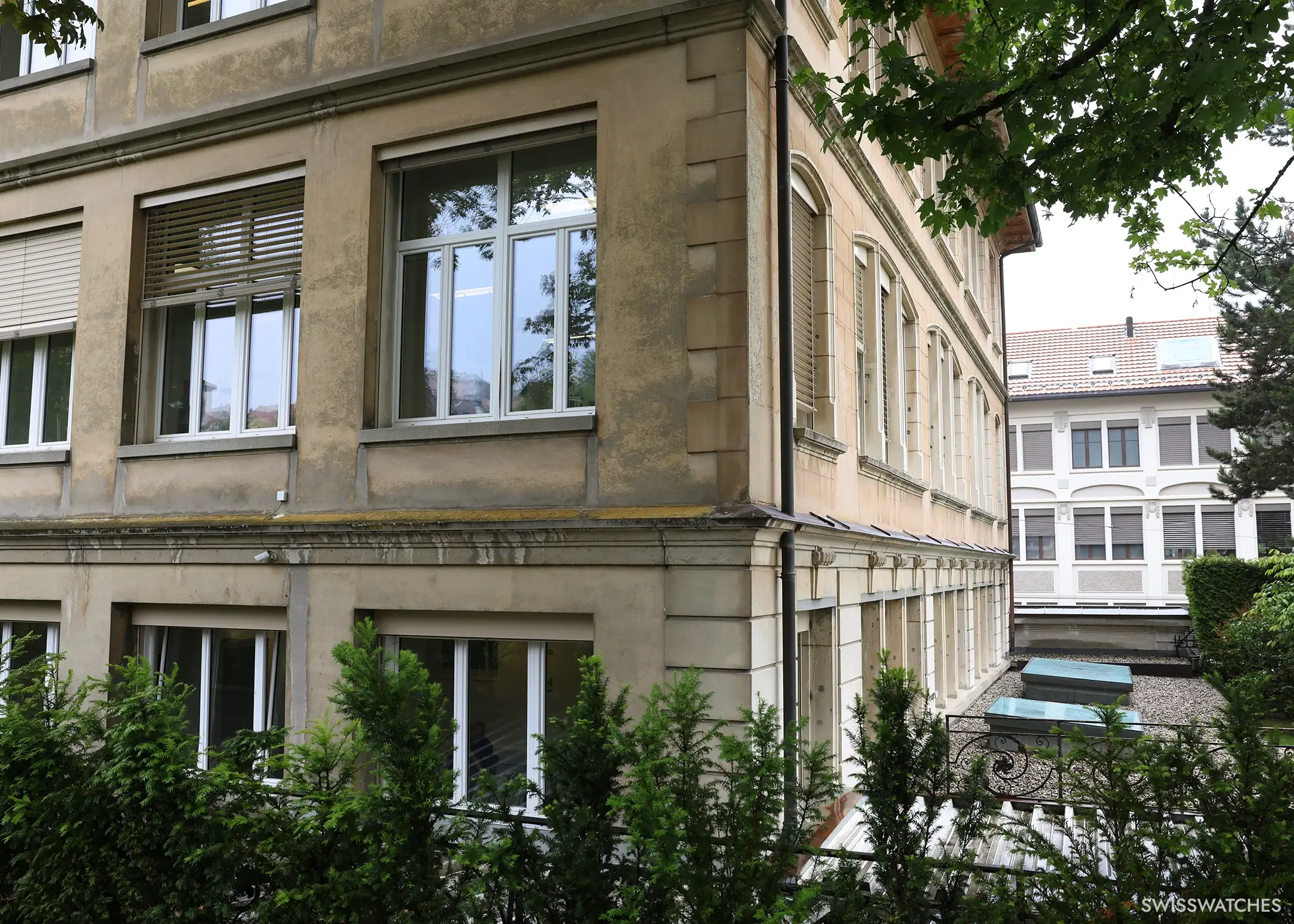
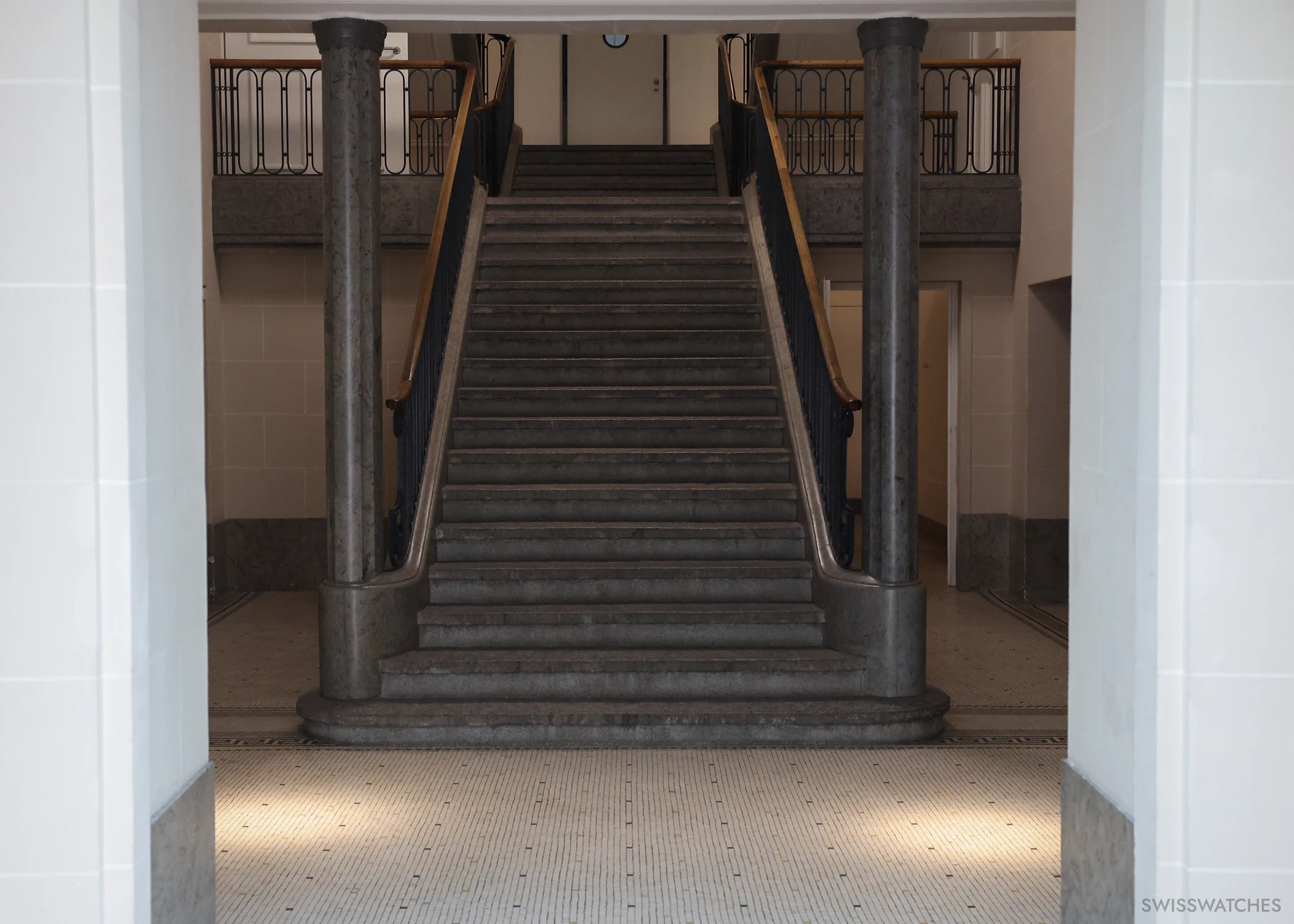
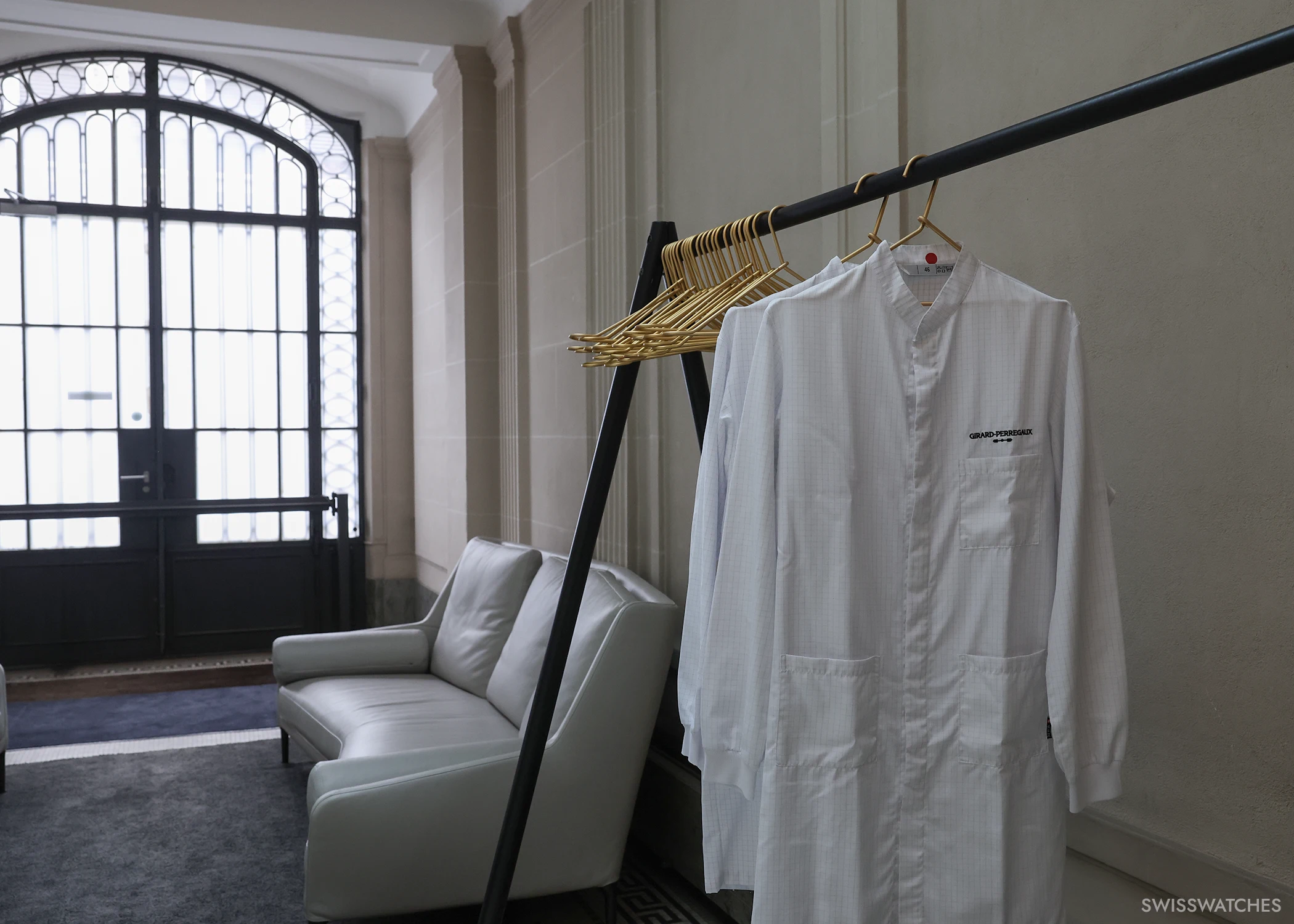
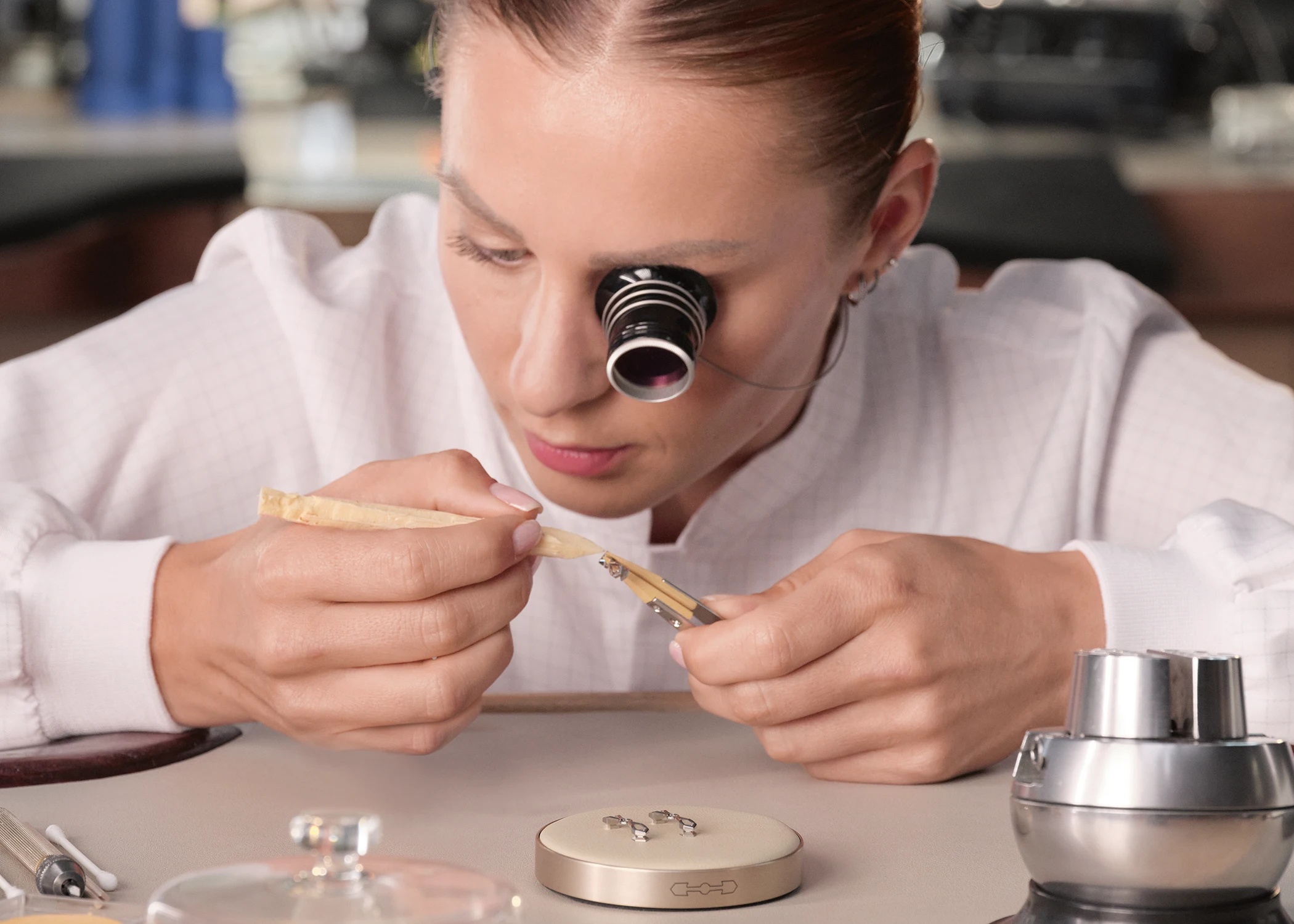
Here, every master watchmaker works according to the principle of ‘one watchmaker, one watch’. The production process of a minute repeater requires an extreme level of adjustment and setting following a sequential production: assembly of decorated components (comprising dimensional, positional rework of the components and refinishing), disassembly for cleaning, final assembly.
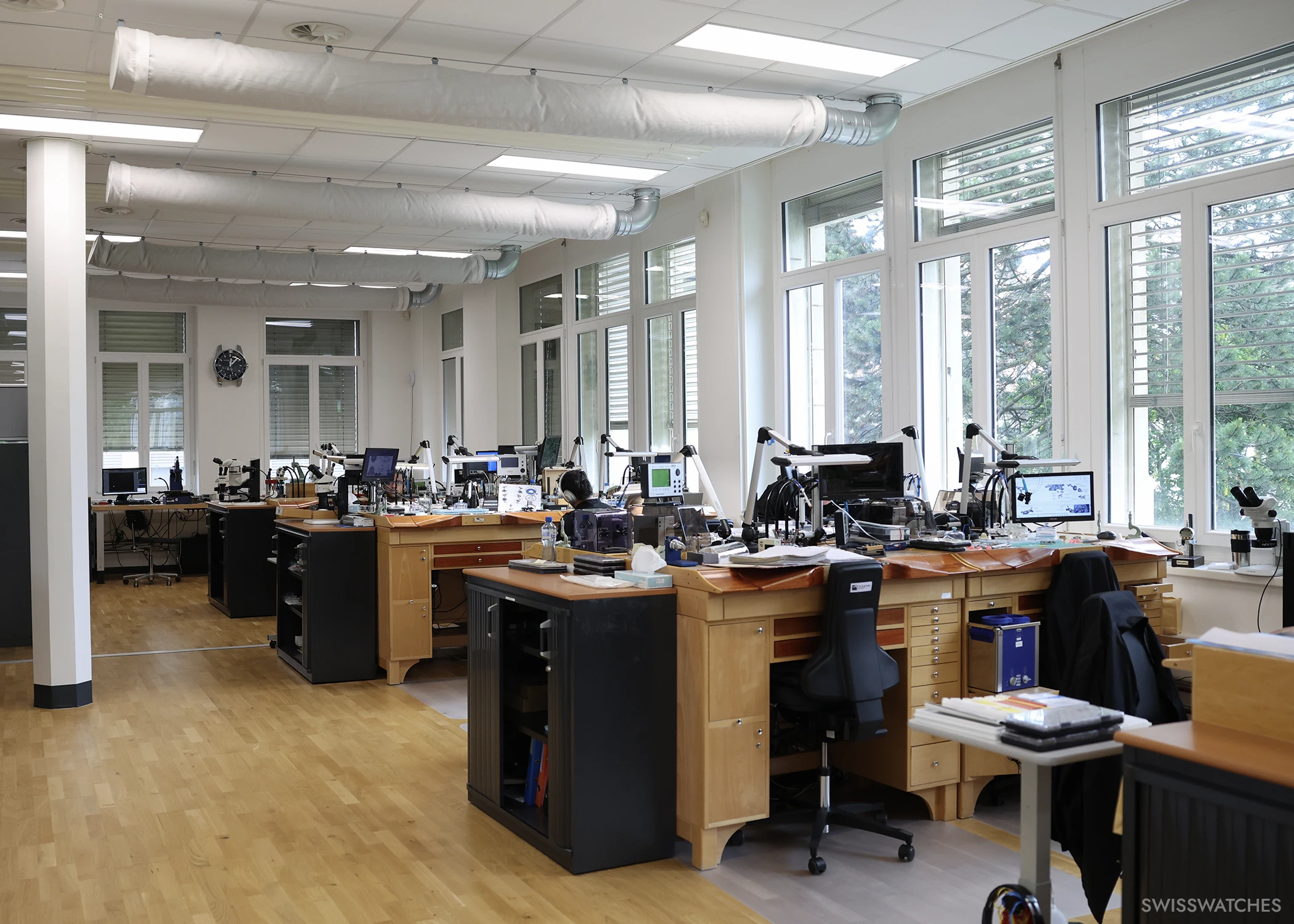
The manufacturing process requires a level of craftsmanship based on seven years’ training, which often consists purely of observation at the outset. Very few watchmakers possess the expertise to work on high complications such as the minute repeater. At Girard-Perregaux, there are currently three watchmakers who are, moreover, remarkably young.
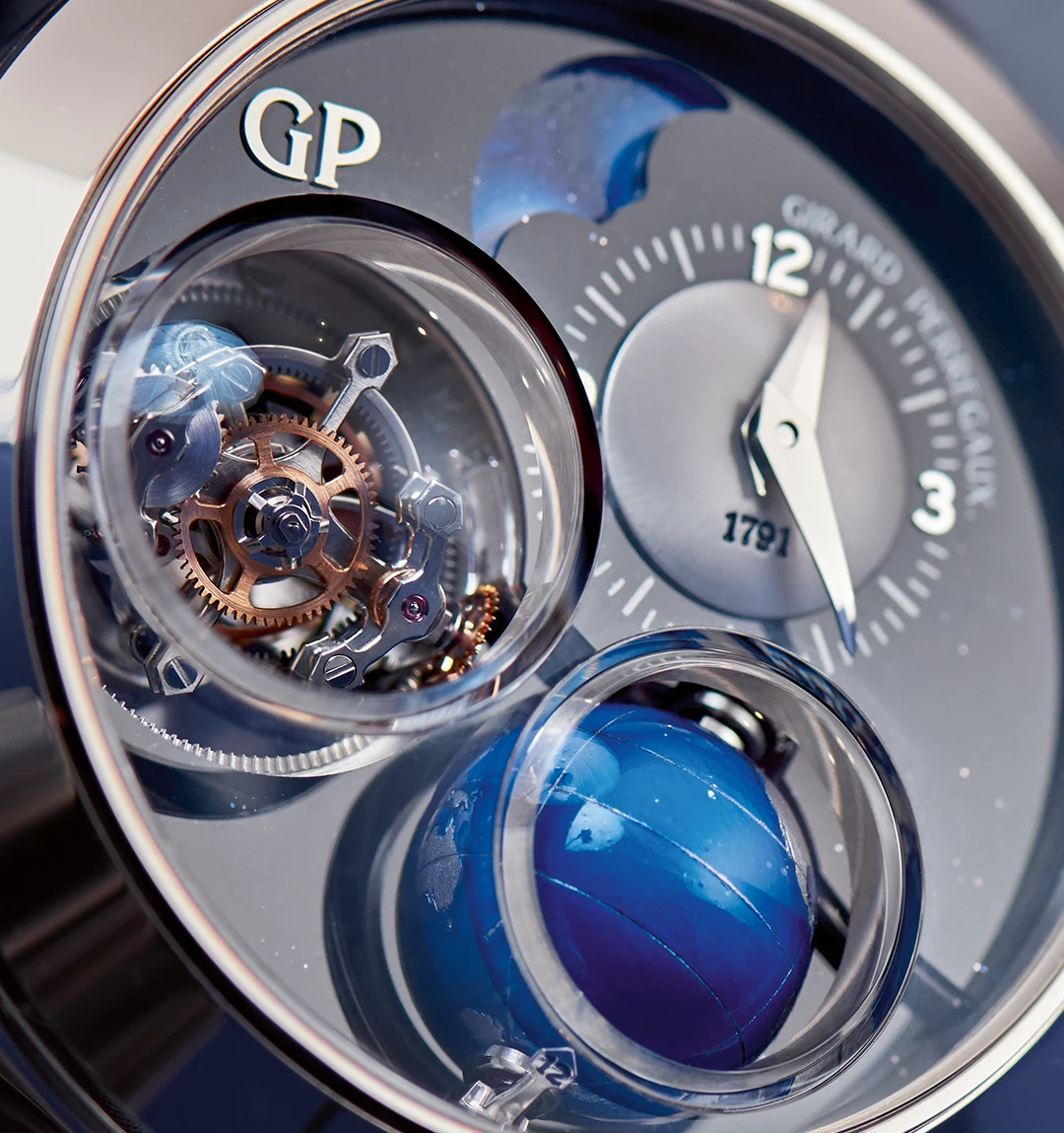
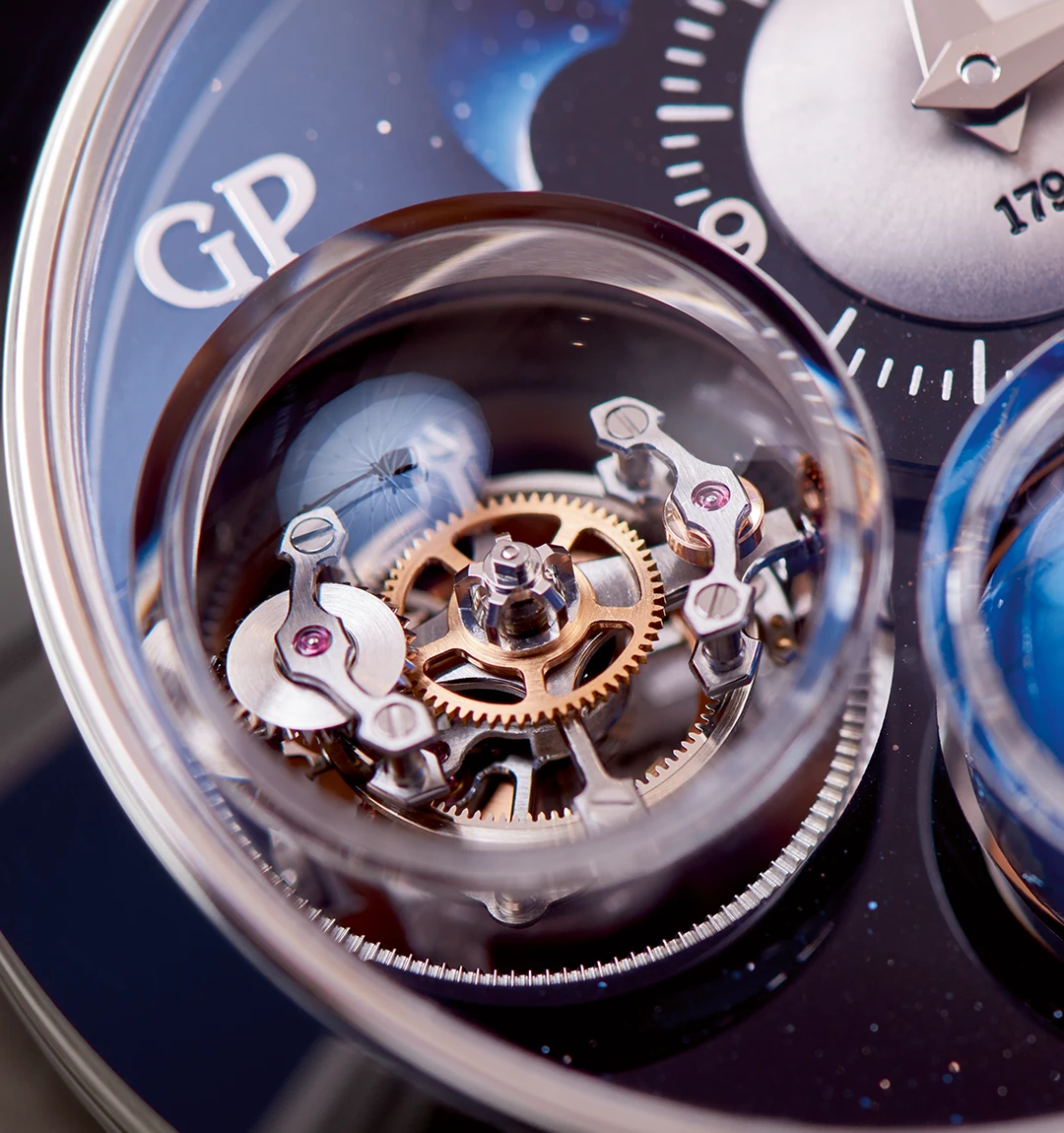
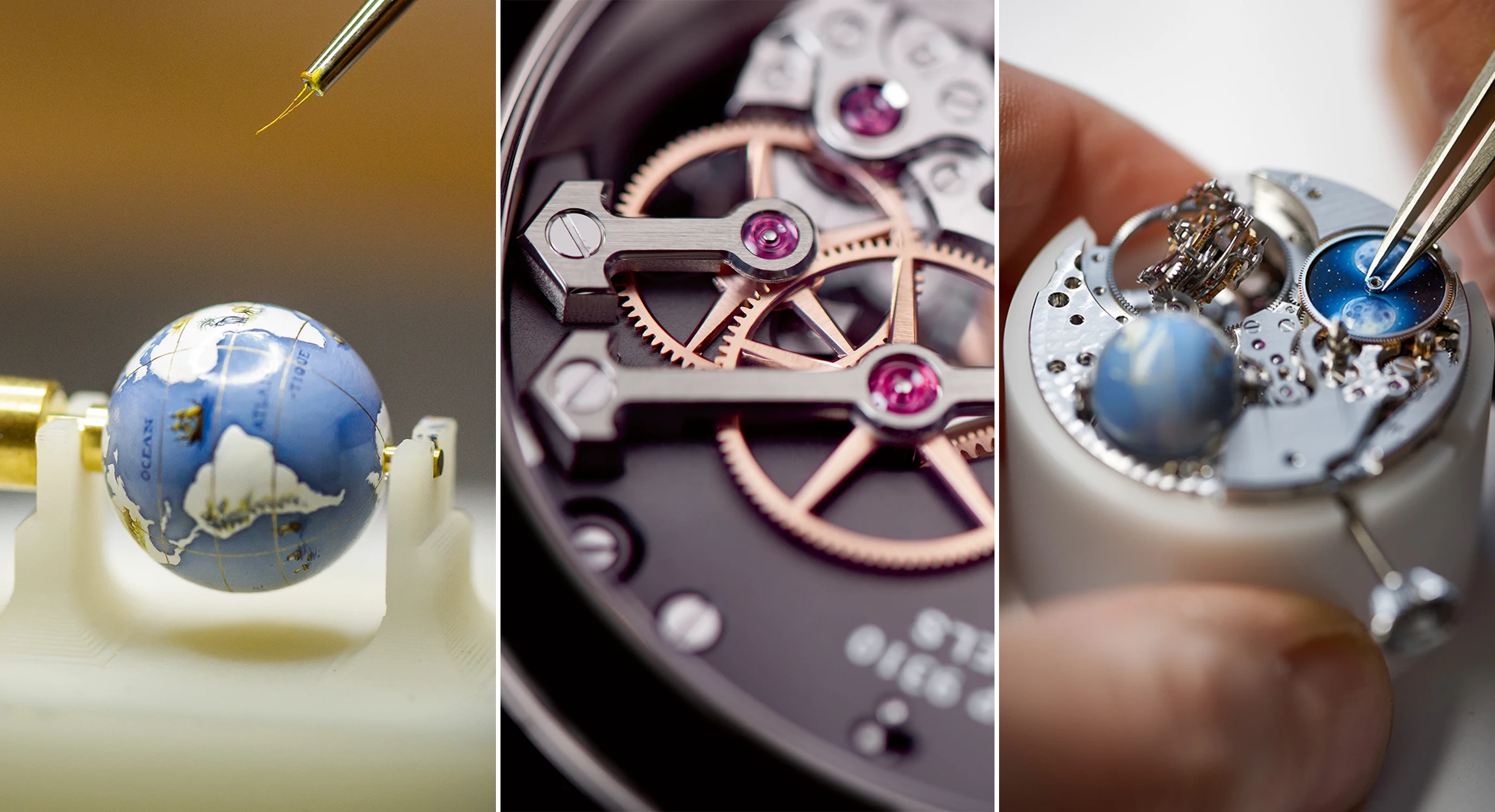
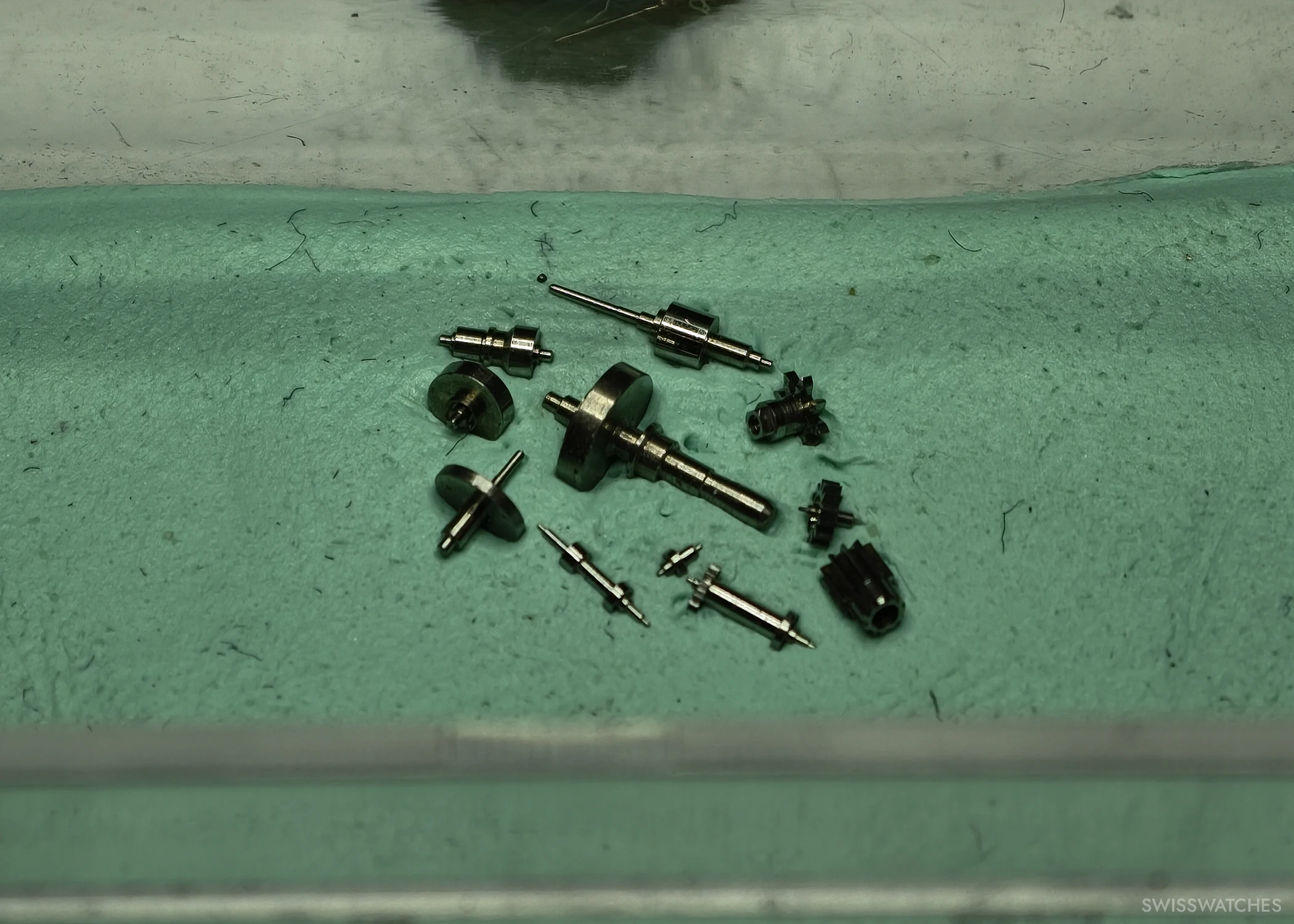
The assembly of these delicate, uncoated components is so sensitive that the master watchmakers at Girard-Perregaux hold their breath during critical stages of the process. This is the only way to prevent the moisture in their breath from causing the components to oxidise.
A visit to Girard-Perregaux reveals a brand that combines historical heritage with bold avant-garde design. To bridge the gap between the respect of connoisseurs and the perception of the general public, Girard-Perregaux is now realigning its focus. Guided by the motto ‘Beauty begins within’, the manufacture is increasingly seeking direct engagement with the community, for example at accessible events such as Dubai Watch Week. The clear aim is not merely to explain the brand’s architectural and historical brilliance rationally, but to enable collectors worldwide to experience it emotionally.