CEO Jérôme Lambert talks about his return to Jaeger-LeCoultre, his vision, iconic models such as the Reverso, and the new releases for 2026.

With the introduction of the Master Control Chronometre at this year’s Watches & Wonders, Jaeger-LeCoultre opens a new chapter in one of its most important and historically grounded collections. Long associated with the horology house’s pursuit of precision and functional elegance, the Master line has, since its inception, embodied the idea of the ‘ideal contemporary watch’: a timepiece that unites technical performance with refined design and ergonomic comfort.
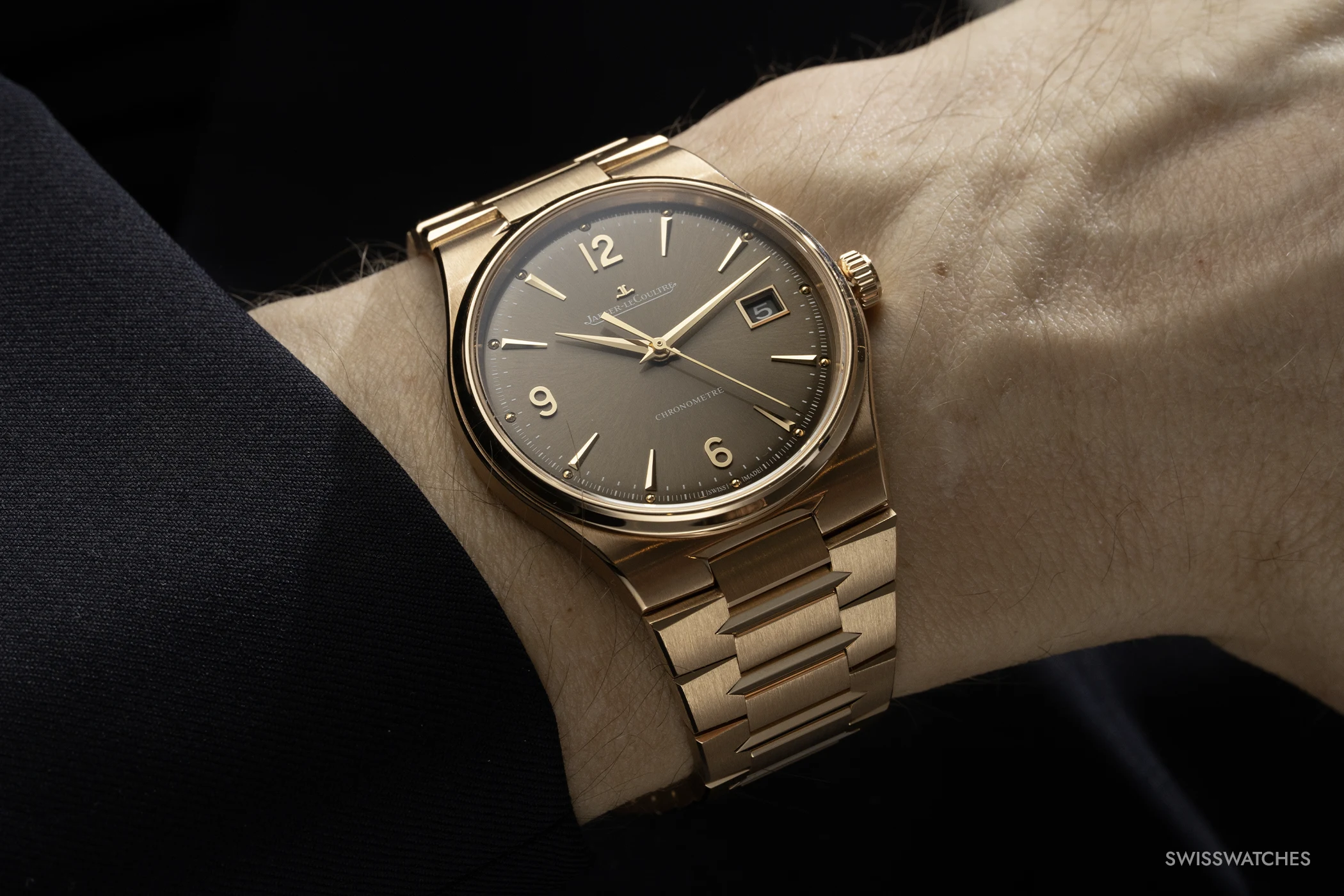
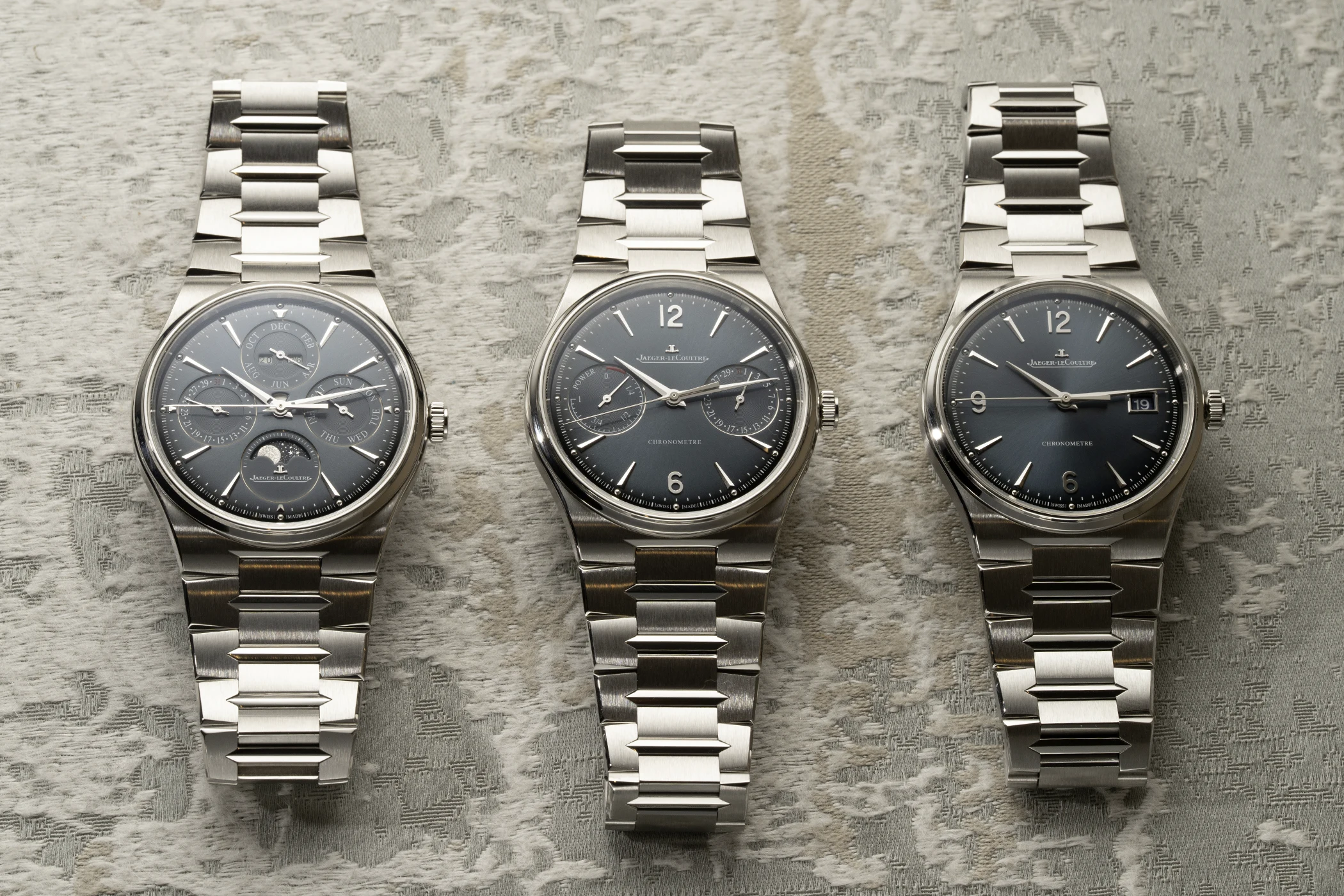
This latest collection expands that vision, introducing not only a new aesthetic language centred on a fully integrated metal bracelet, but also a new benchmark in chronometric testing. Presented across three models with differing functions – Date, Date Power Reserve and Perpetual Calendar – the Master Control Chronometre combines newly developed and existing in-house calibres with a rigorous new certification, the High Precision Guarantee (HPG), reaffirming Jaeger-LeCoultre’s position as one of the most technically accomplished manufactures in Swiss watchmaking.
The Master Control Chronometre synthesises over eight decades of innovation under the Master name, tracing a continuous evolution that began in the 1950s. This period marked a turning point for mechanical watchmaking, driven by post-war technological progress and a growing emphasis on precision, durability and functionality.
Models such as the Futurematic (for which production began in 1951, launching in 1953) and Geophysic (1958) exemplified this shift. Both watches prioritised accuracy and robustness while introducing a clear, highly legible design language characterised by clean round cases and restrained dials. These principles would become foundational to the Master collection.
Meanwhile, the name ‘Master’ itself first appeared in 1957 with the Master Mariner, marking the formal beginning of a lineage that would evolve alongside changing lifestyles and expectations.
In 1973, Jaeger-LeCoultre introduced the Master Mariner Chronomètre, a watch that challenged the established divide between dress and sports watches. Its steel case and fully integrated bracelet proposed a new category of watch: refined yet practical, relaxed yet technically accomplished. This concept, now widely adopted, directly informs the design of the new Master Control Chronometre.
A further milestone came in 1992 with the launch of the Master Control collection and the introduction of the ‘1,000 Hours Control’. This pioneering testing protocol evaluated not only the movement but the fully assembled watch, simulating real-world conditions and setting a new industry benchmark for reliability and precision.
More broadly, chronometry has remained central to Jaeger-LeCoultre’s identity since the 19th century, when increasing demands for precision led to advances in both component manufacturing and regulation systems. From early chronometer pocket watches to modern high-frequency calibres, this pursuit of accuracy has consistently driven the watch manufacture’s technical development.
Building on this legacy of testing innovation, the 2026 Master Control Chronometre introduces a new in-house certification: the High Precision Guarantee, or HPG. The name itself is not new. ‘HPG’ first appeared in 1970 on the dials of models equipped with Calibre 916, Jaeger-LeCoultre’s pioneering 4Hz movement, developed to deliver a higher level of precision.

In its current form, the HPG standard builds on this legacy, assessing performance against four key variables encountered in everyday use: altitude, shocks, positions and temperature. The HPG protocol significantly extends the scope of traditional chronometer testing by evaluating the performance of fully cased watches under simulated real-life conditions.

While COSC certification remains an essential benchmark for timekeeping accuracy, HPG introduces additional layers of testing designed to replicate the realities of daily wear. Four key variables are assessed: altitude, shocks, positions and temperature. Altitude testing subjects the movement to atmospheric pressure variations equivalent to conditions ranging from sea level to 1,004 metres, aka the elevation of Jaeger-LeCoultre’s manufacture in the Vallée de Joux.
To carry out this testing, Jaeger-LeCoultre has developed a dedicated machine that subjects each timepiece to a sequence of alternating cycles designed to simulate daily wear. Periods of ‘stabilised rest’ replicate moments when the watch is stationary, for example, resting on a bedside table, while ‘solicitation cycles’ introduce the dynamic conditions of movement, including positional changes and shocks. Shock resistance is evaluated through multi-directional impacts ranging between 25G and 50G, applied across multiple standardised positions. Positional testing alternates between fixed and dynamic orientations, replicating the natural movement of the wrist throughout the day. In addition, temperature cycles further simulate daily conditions, fluctuating between approximately 18°C during periods of rest and 35°C during active phases.
The testing process is conducted over three days, structured to replicate a full week of wear. Two days simulate active use, with alternating phases of motion, shocks and positional changes, while the third day represents a period of rest, with the watch remaining in a stable position, similar to being placed on a bedside table.
This combination of variables ensures that each watch maintains consistent chronometric performance not only in controlled environments but across the full spectrum of real-world conditions. The HPG certification is engraved on the caseback of each timepiece, serving as a visible marker of this enhanced standard and the stringent tests the watch has undergone.
In addition to HPG certification, all Master Control Chronometre models are also certified by the Contrôle Officiel Suisse des Chronomètres (COSC), ensuring compliance with established chronometer standards.
The new Master Control Chronometre introduced at this year’s Watches and Wonders also marks the implementation of a newly developed case and bracelet architecture, with the aim of reflecting contemporary expectations of versatility and comfort.
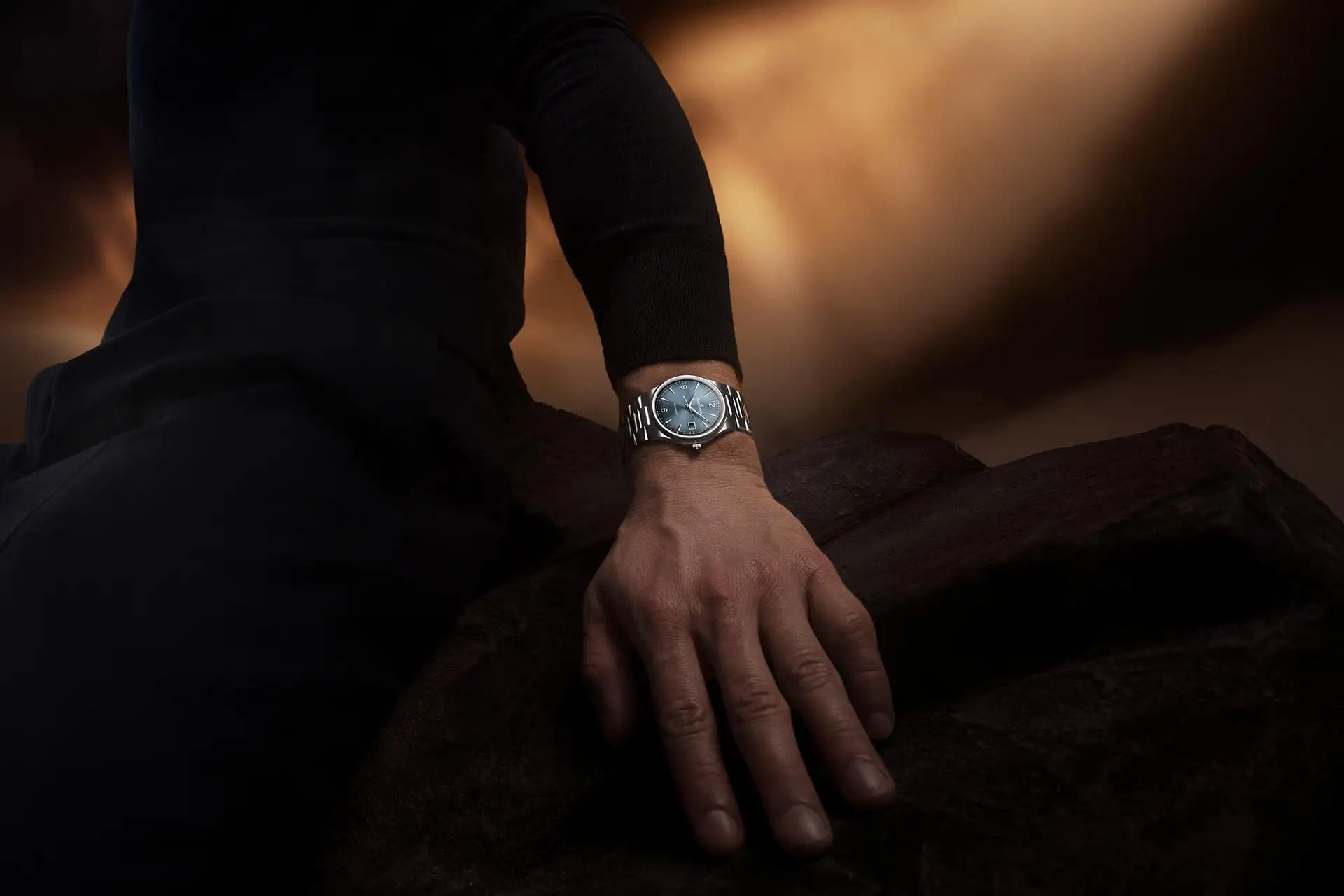

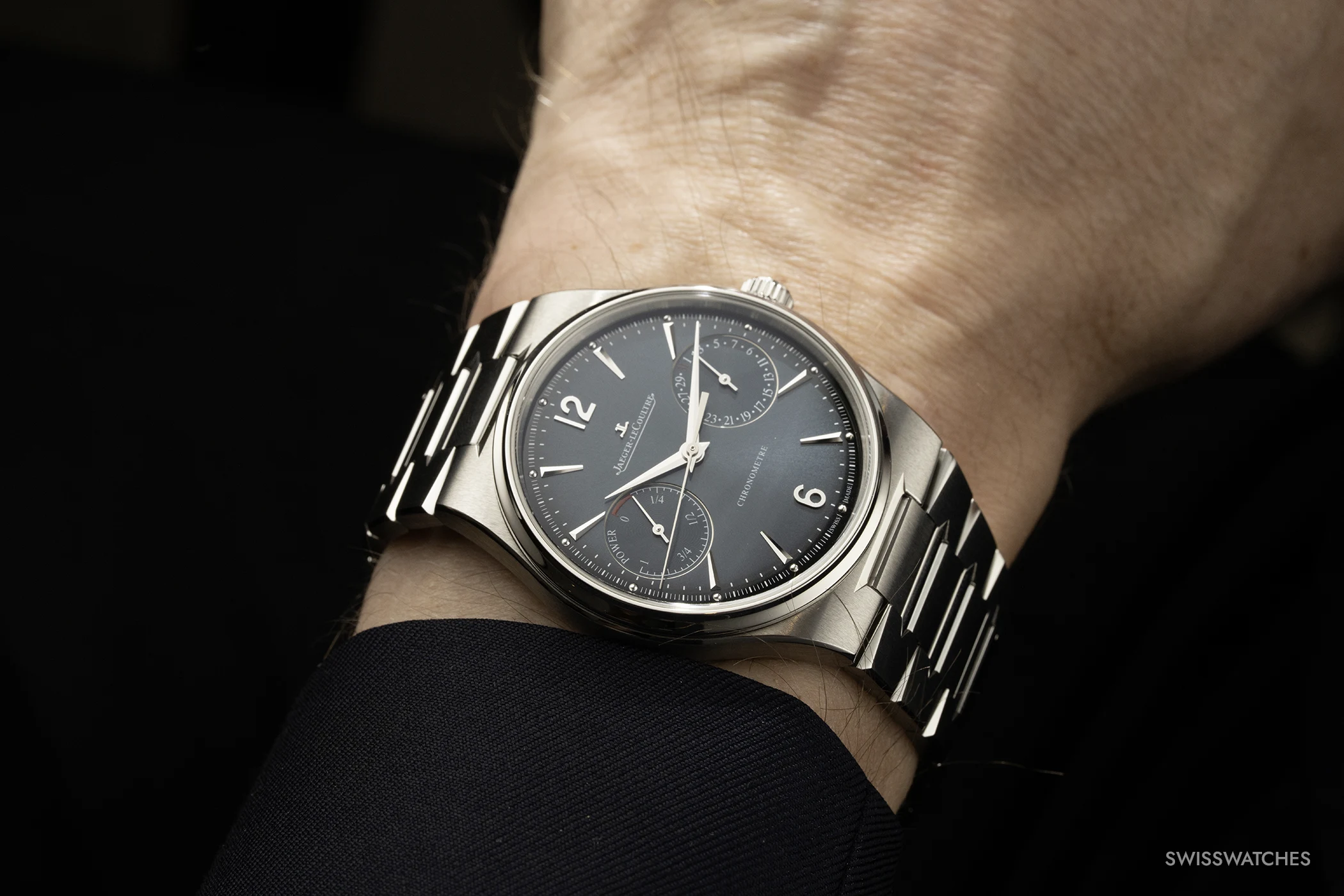
The fully integrated metal bracelet is a defining feature of the collection. Rather than being attached as a separate component, the new bracelet is conceived as an extension of the case, creating a continuous and fluid line around the wrist. This design approach enhances both aesthetics and ergonomics, ensuring a balanced and comfortable fit.
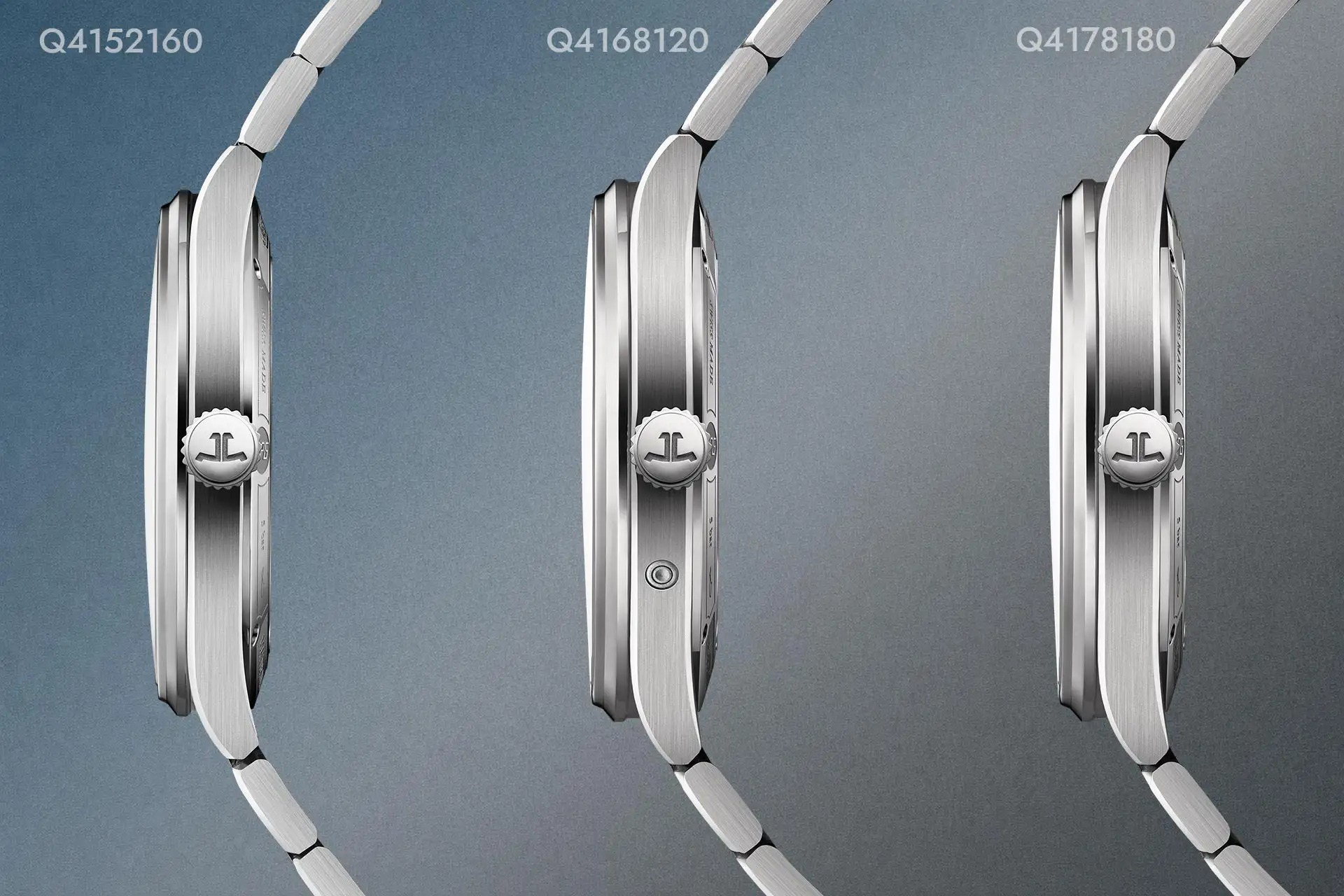
The interplay of finishes contributes to the watch’s visual complexity. Satin-brushed surfaces on the case sides and bracelet contrast with polished elements on the bezel, crown and bevelled edges, creating a dynamic play of light.
Meanwhile, the three-row bracelet is engineered for flexibility and comfort. The central links alternate between flat, vertically brushed surfaces and highly polished links shaped as triangular prisms, while the outer links feature sharply defined V-shaped bevels. These angular forms echo the geometry of the dauphine hands and applied hour markers, establishing a cohesive visual language.
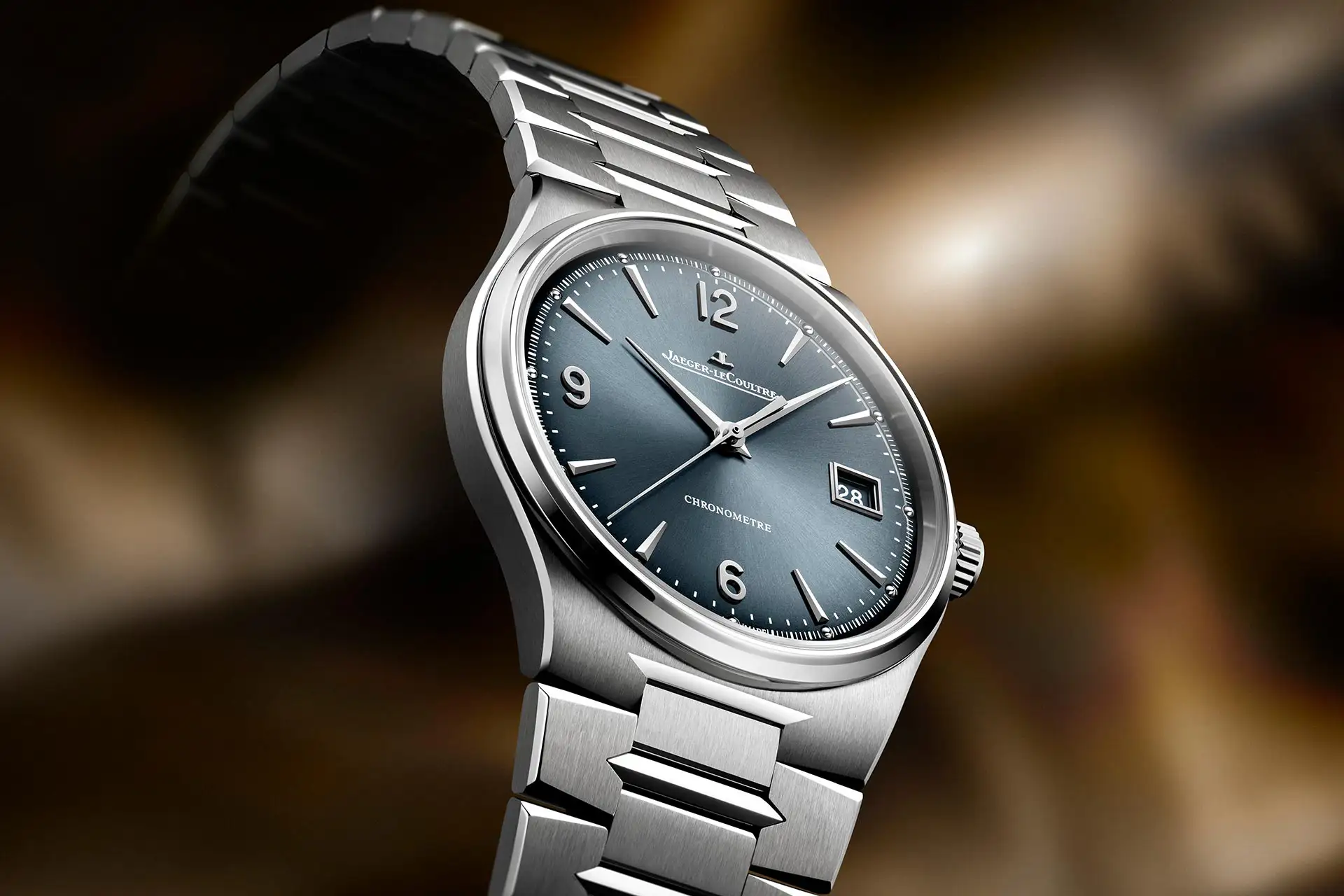
The dials are executed with a sunray-brushed finish and a subtle gradient effect, transitioning from lighter tones at the centre to darker edges. A peripheral chapter ring marked with seconds and minute divisions reinforces the chronometric identity of the collection, while five-minute intervals correspond precisely with the hour markers.
The Master Control Chronometre collection is powered exclusively by in-house movements, reflecting Jaeger-LeCoultre’s status as a fully integrated manufacture.
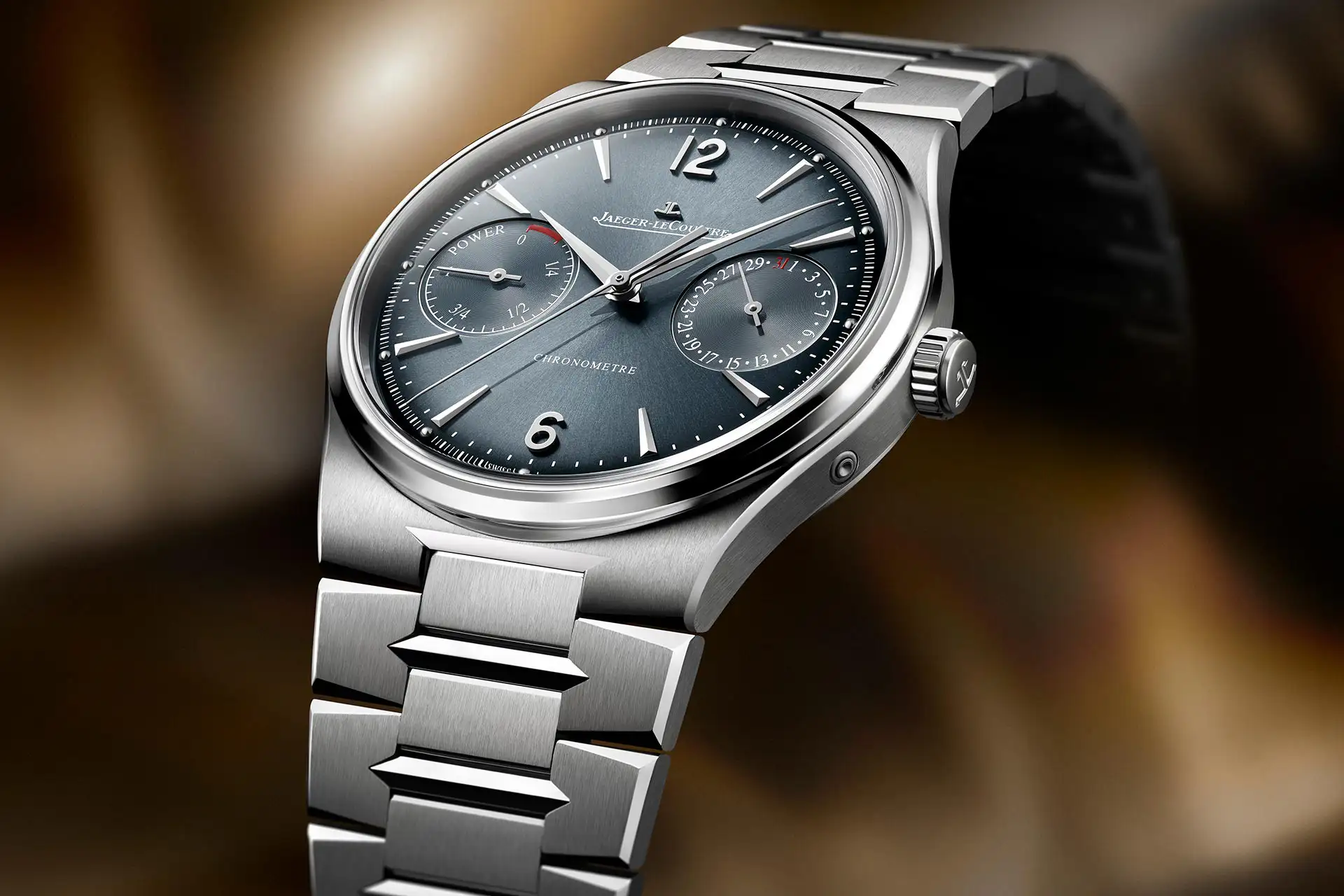
The Date Power Reserve model introduces a new movement, the Calibre 738, which is a self-winding movement distinguished by its combination of power reserve indication and date display. These functions are arranged symmetrically along a horizontal axis, with the power reserve indicator positioned at 9 o’clock and the date display at 3 o’clock.

Measuring only 4.97 mm in height, Calibre 738 delivers a power reserve of 70 hours while operating at a frequency of 4 Hz (28,800 vibrations per hour). Achieving this level of performance within such a slim profile required a reconfiguration of the gear train, with side-by-side wheels ensuring efficient energy transmission. A silicon escapement further enhances efficiency and reduces sensitivity to magnetic fields and wear.

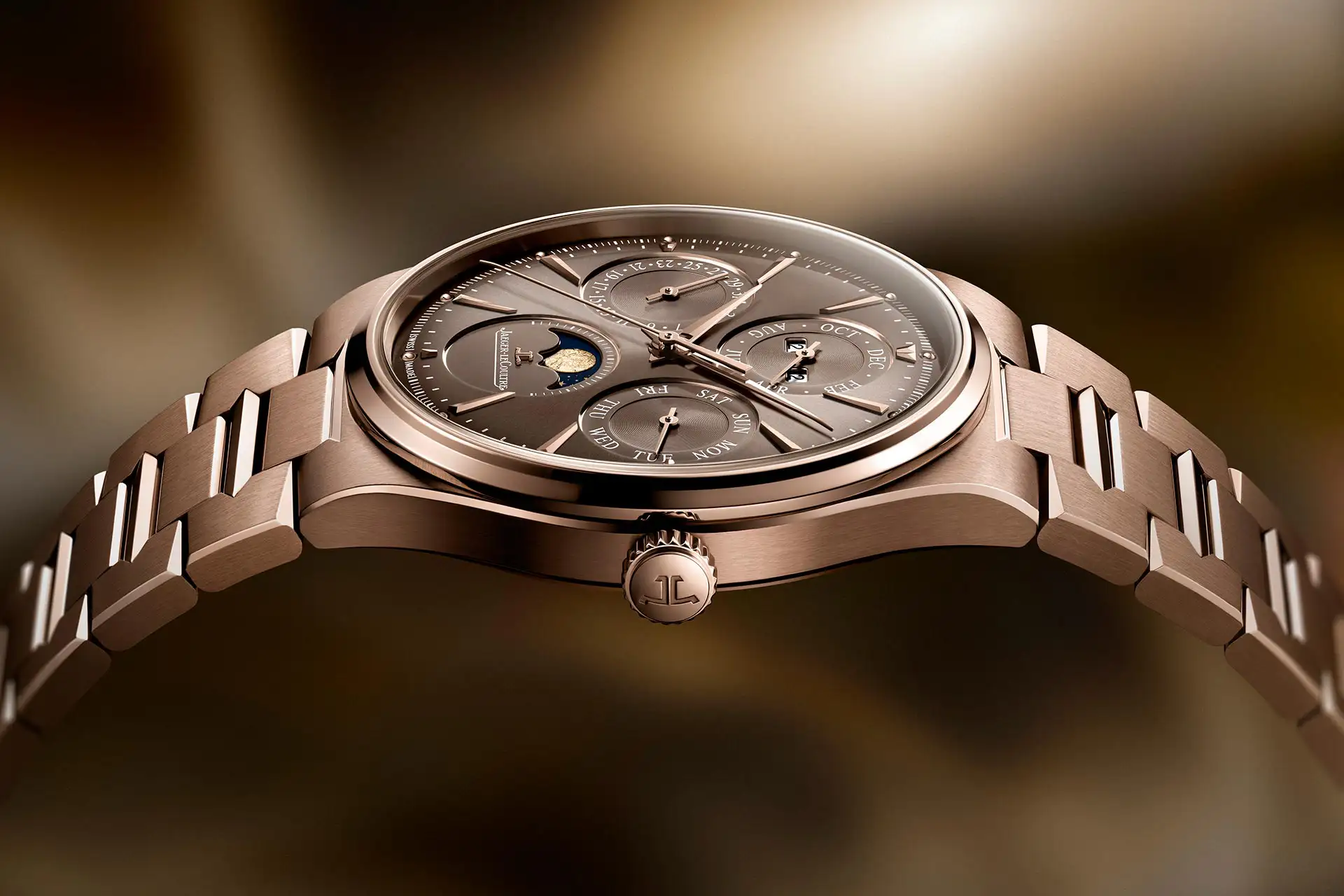
Meanwhile, the Master Control Chronometre Perpetual Calendar is powered by Calibre 868, a movement that integrates full calendar indications, including day, date, month, year and moonphase. Designed as a perpetual calendar, it automatically accounts for varying month lengths and leap years, requiring no manual adjustment until 2100, provided the watch remains wound.
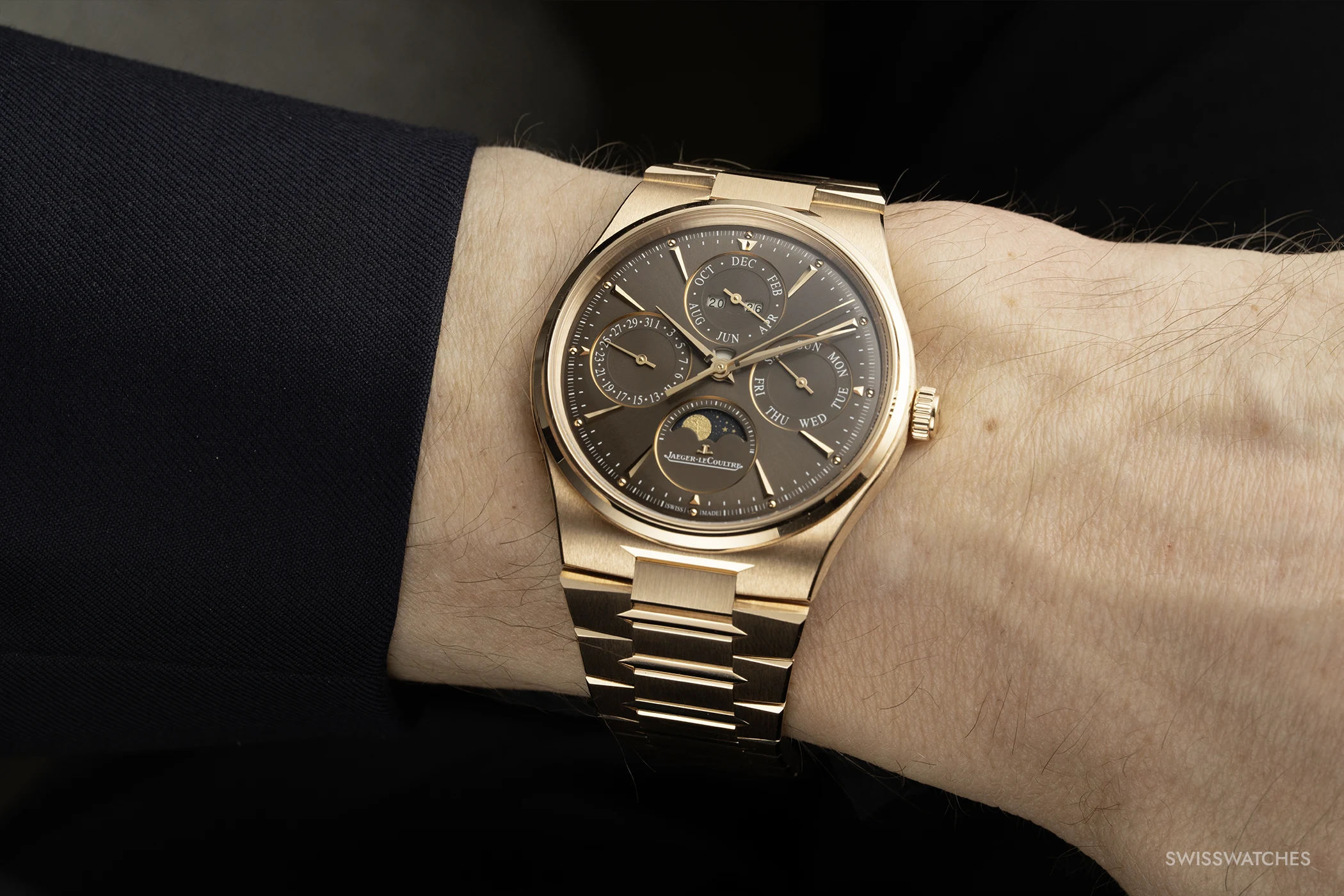
Despite its complexity, Calibre 868 measures just 4.72 mm in thickness, allowing it to be housed in a case measuring 9.2 mm in height. All calendar indications are synchronised and can be adjusted simultaneously via a single corrector, enhancing ease of use.
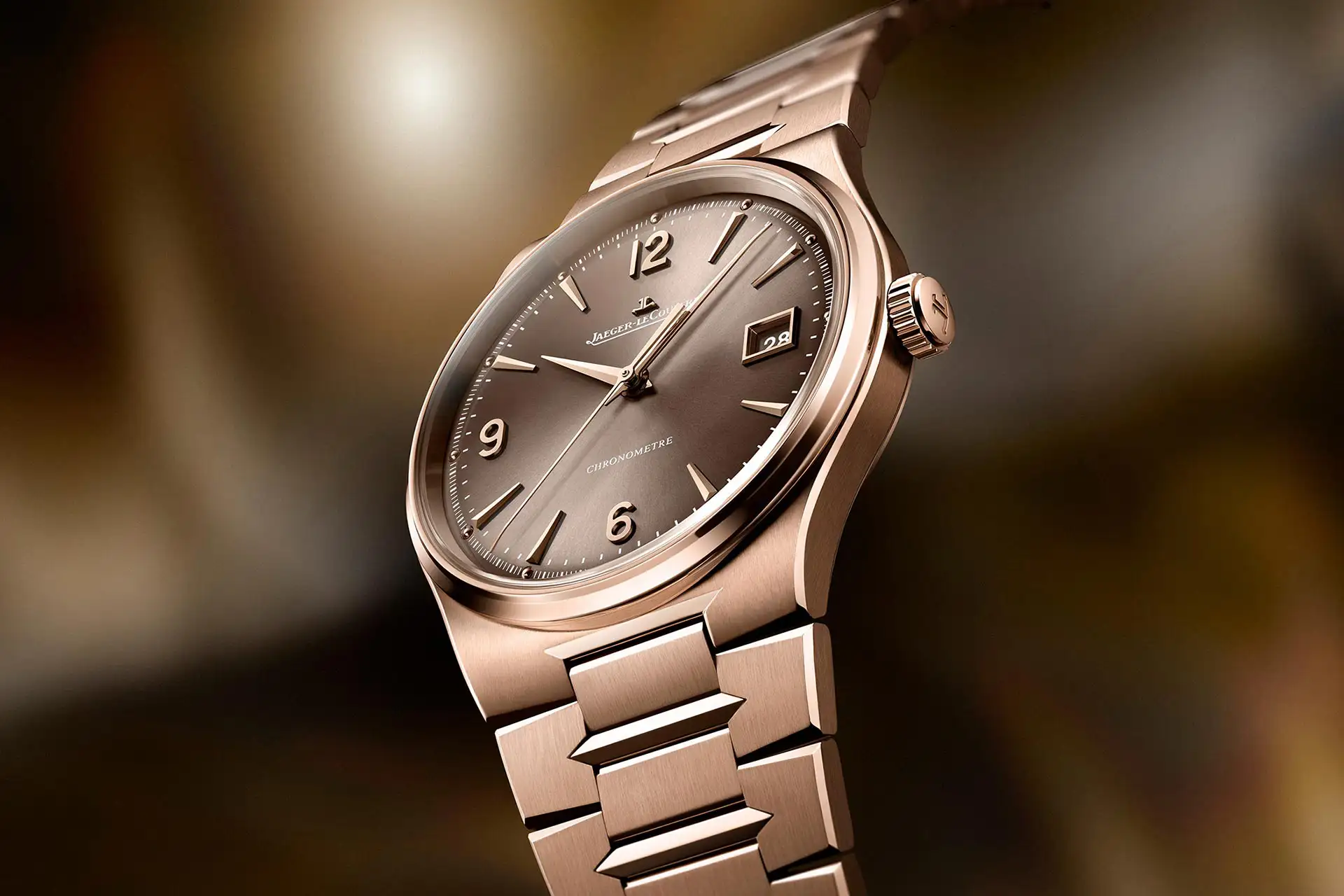
The Master Control Chronometre Date is powered by Calibre 899, offering a simpler display of hours, minutes, seconds and date. This model is distinguished by its slim profile, with a case height of just 8.4 mm.

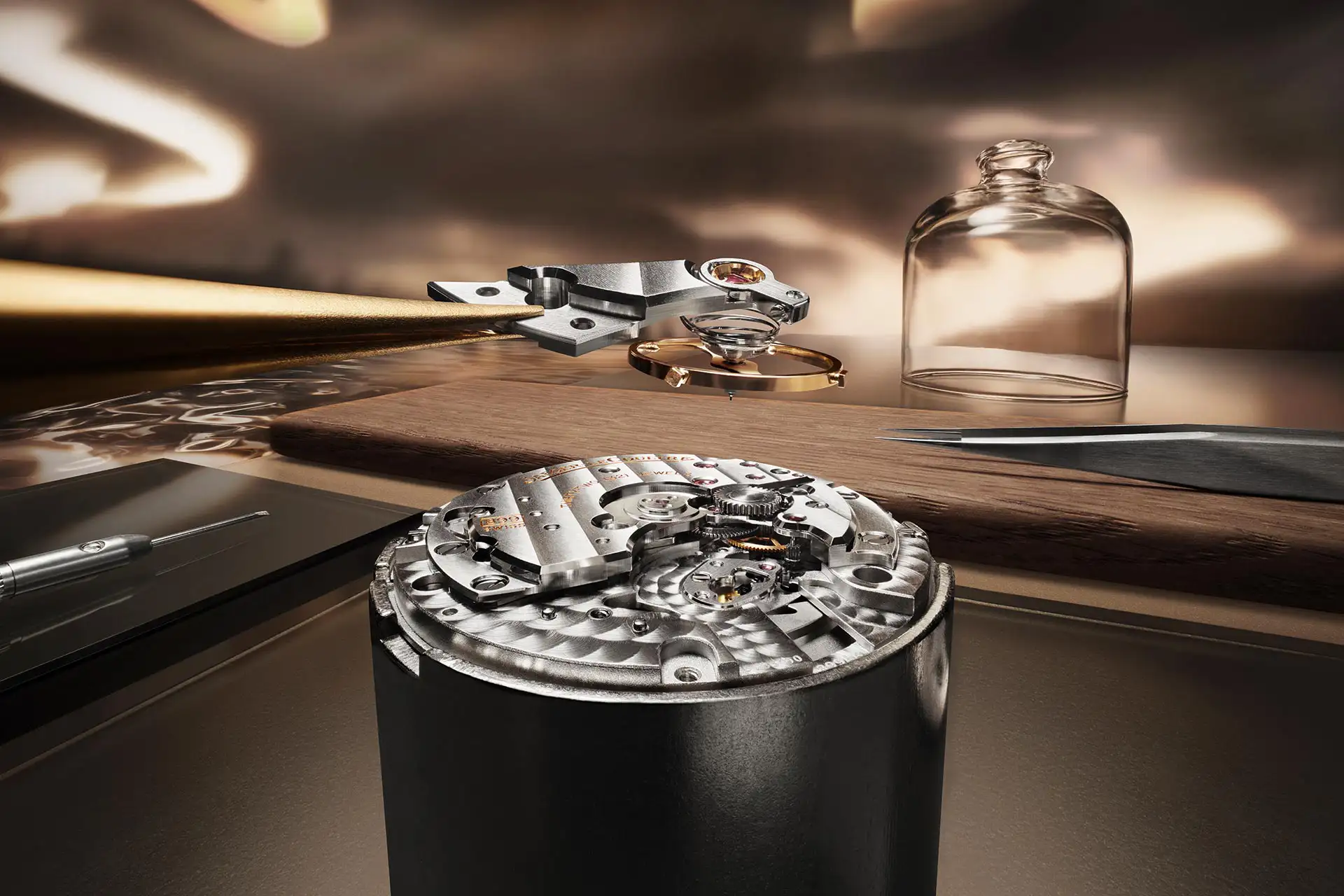
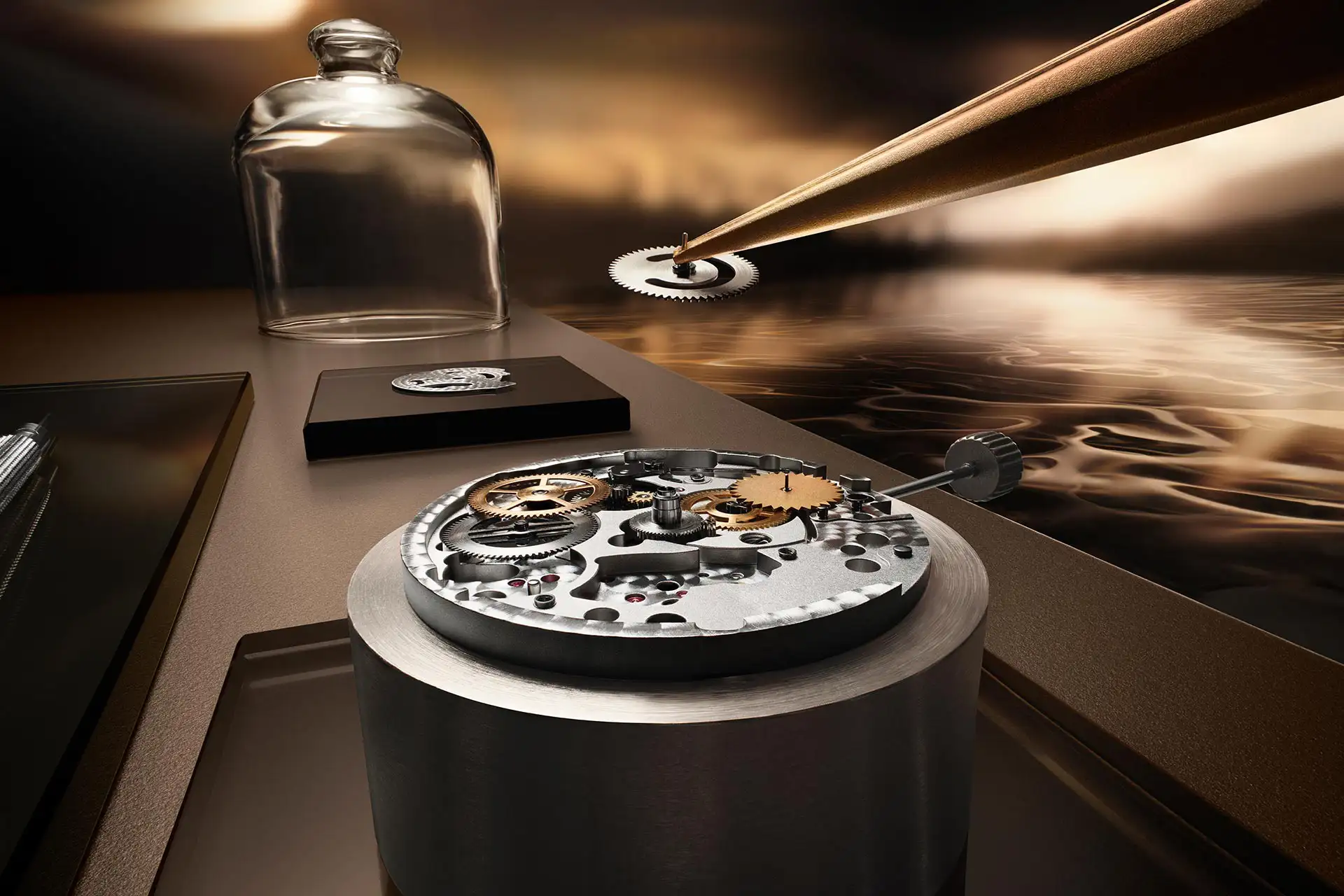
Across all models, the movements are visible through sapphire crystal casebacks, revealing a high level of decorative finishing. Techniques include Côtes de Genève, circular graining, linear brushing, bevelled edges, polished screw heads and sunk rubies, with each careful finishing reflecting Jaeger-LeCoultre’s expertise in combining technical precision with traditional watchmaking craftsmanship.
This integration of technical development, testing and finishing is made possible by Jaeger-LeCoultre’s structure as a fully integrated manufacture in the Vallée de Joux, where more than 180 specialised watchmaking skills are brought together under one roof.
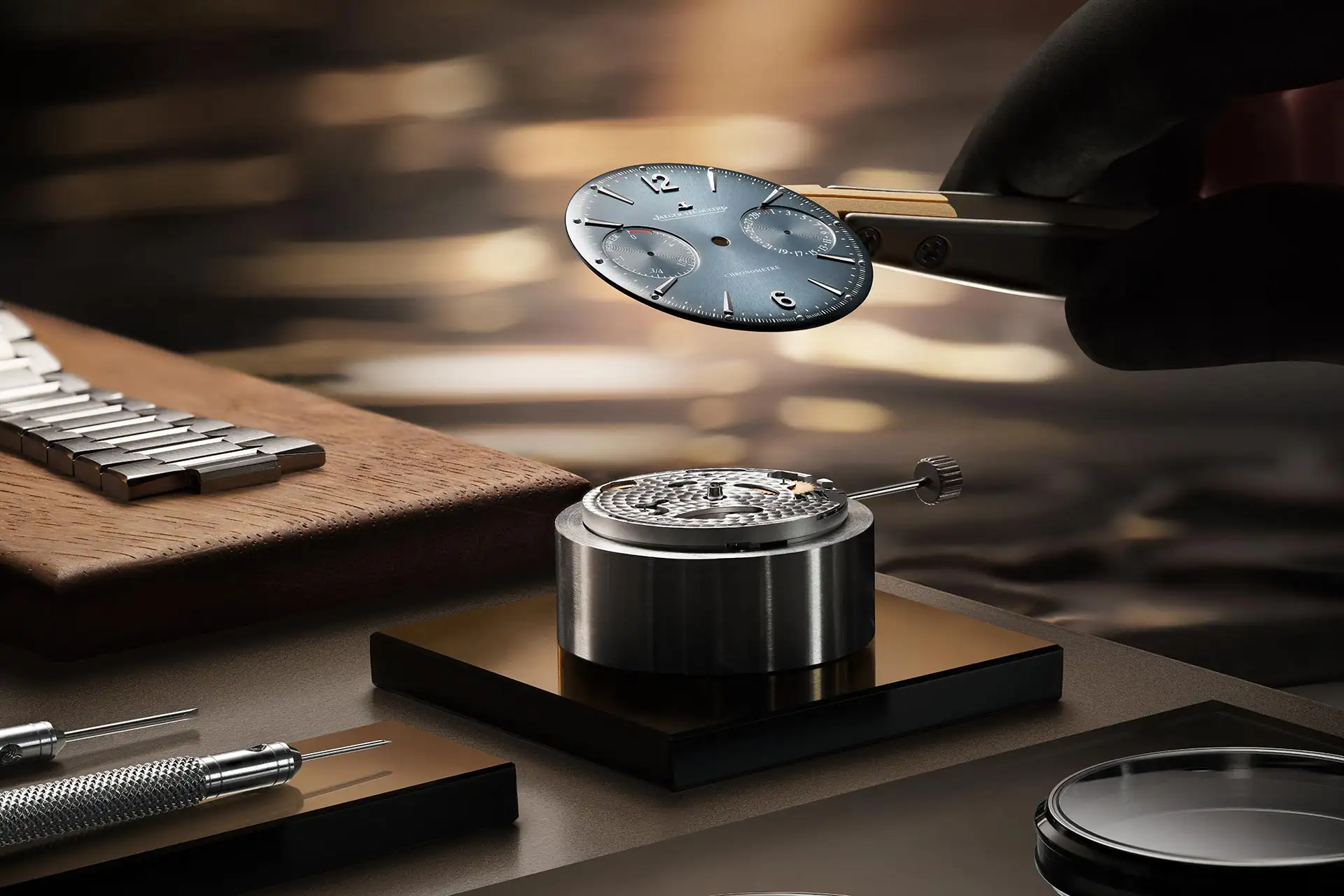
The Master Control Chronometre Date Power Reserve is presented in a 39 mm stainless steel case with a thickness of 9.2 mm. Its blue-grey sunray-brushed gradient dial features two symmetrical sub-dials with azuré finishes. The power reserve indicator includes a red section to signal diminishing energy, while the date display integrates a red ‘31’ for months with as many days. The watch is rounded off with the new integrated three-row stainless steel bracelet and a double folding buckle. The Master Control Chronometre Date Power Reserve in steel is priced at €17,500.

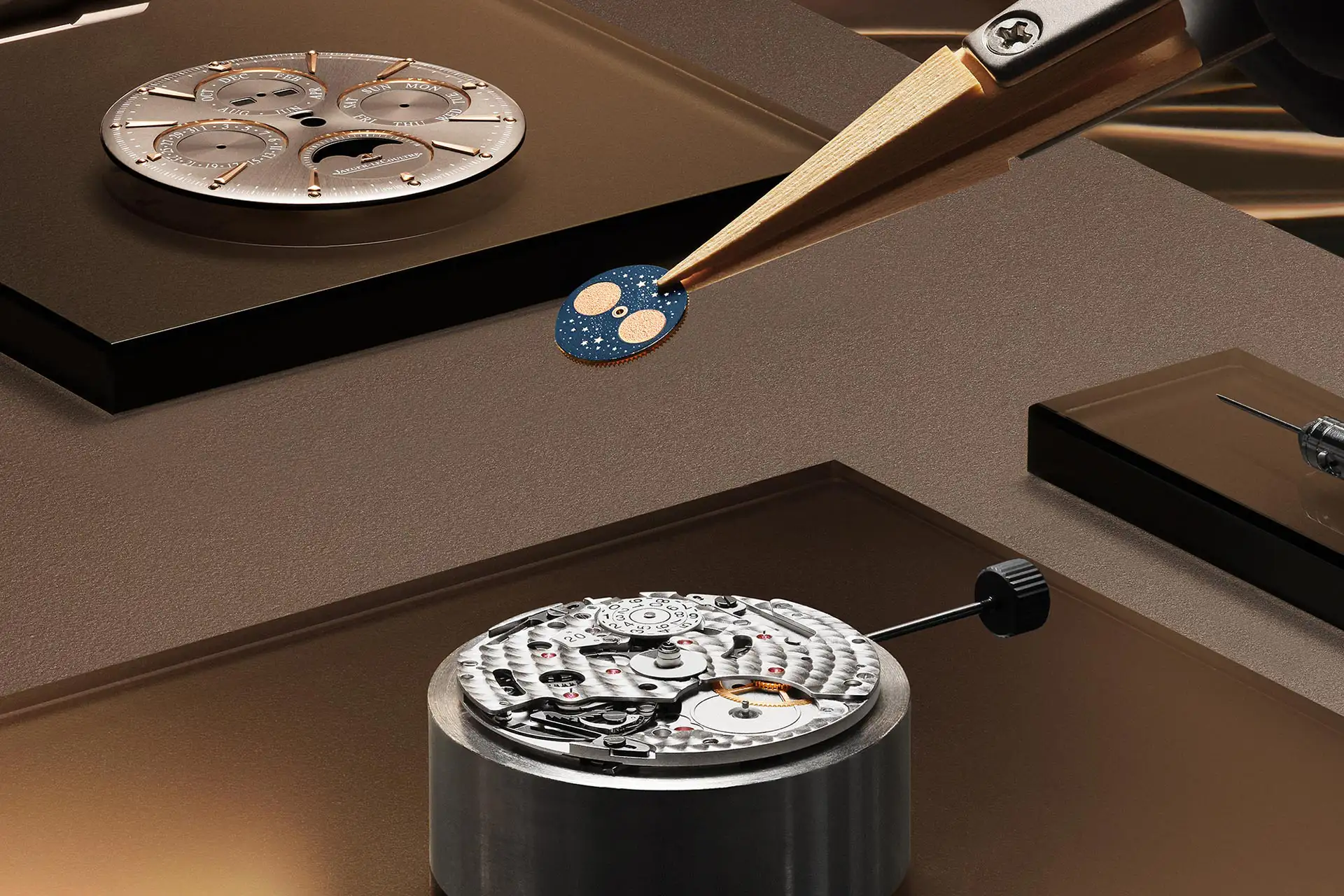
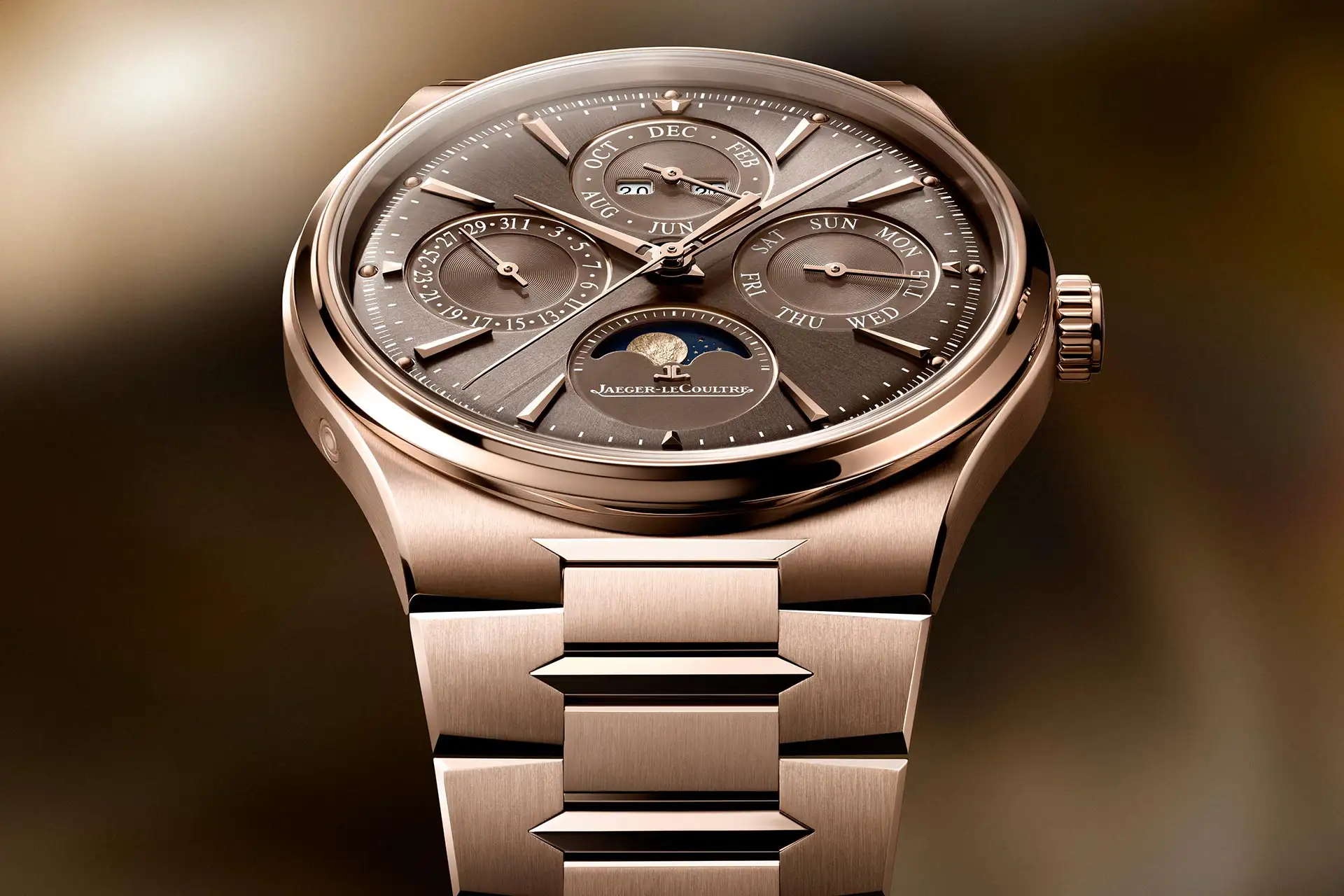
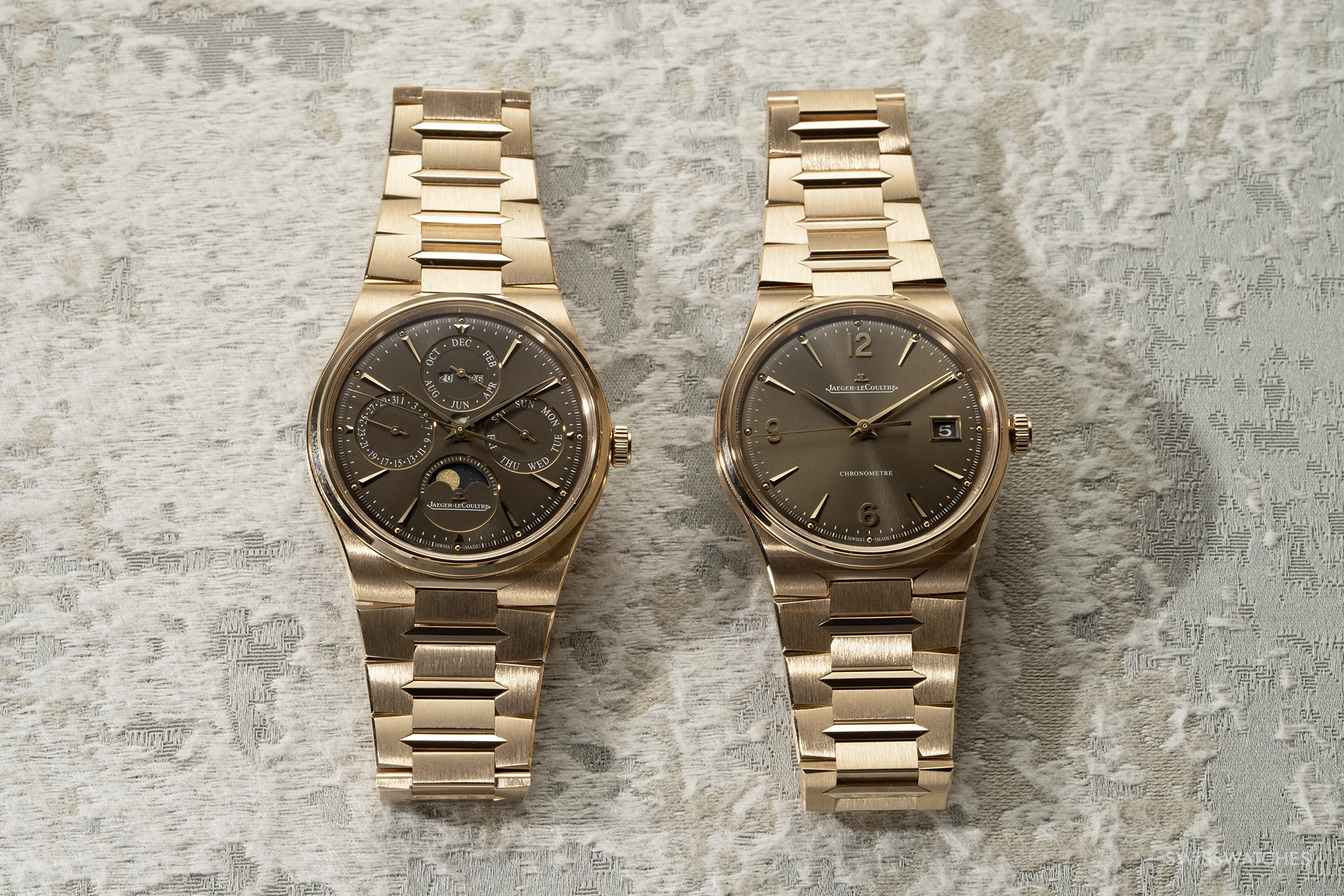
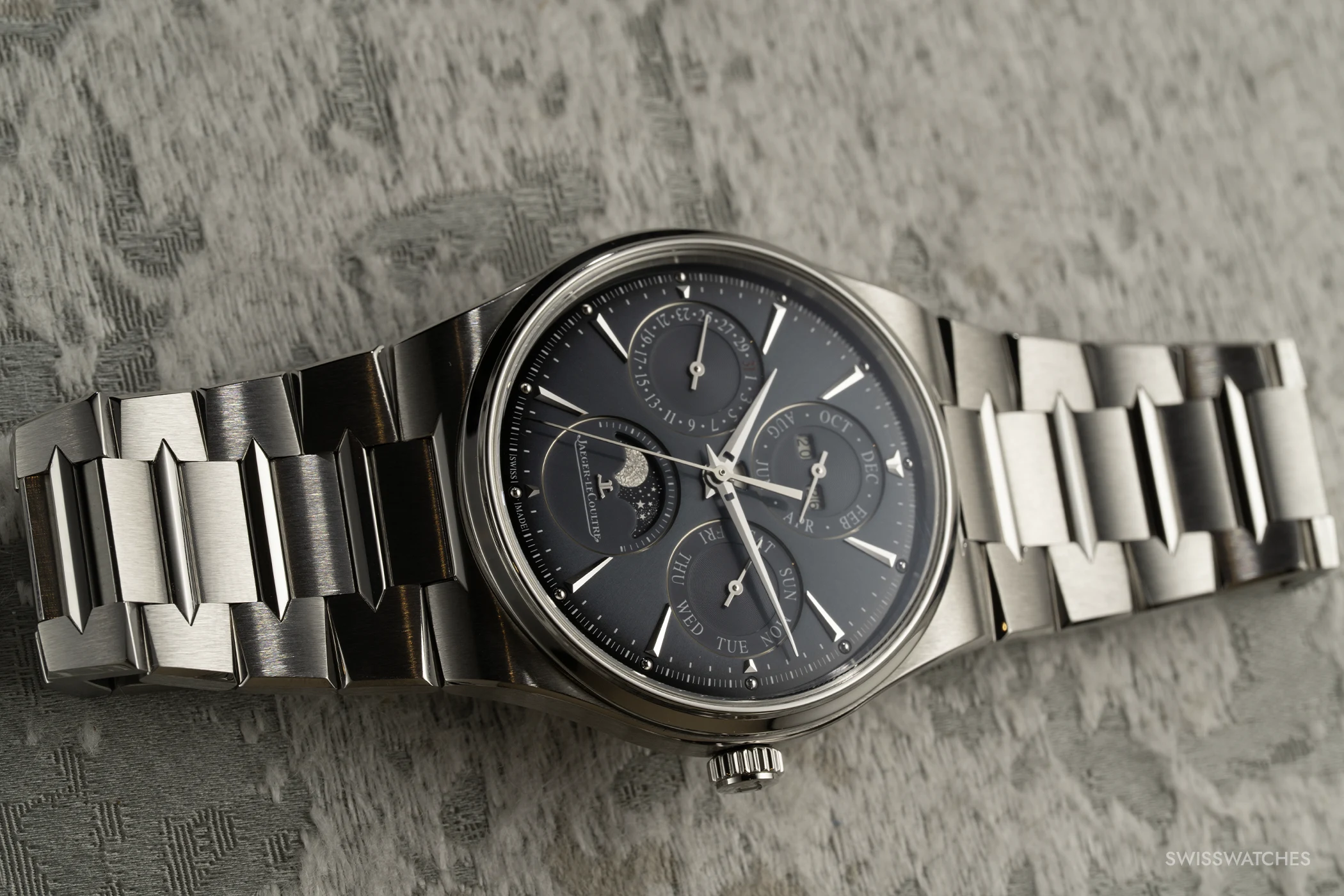
By contrast, the Master Control Chronometre Perpetual Calendar is available in both stainless steel and 18-carat pink gold. The 39 mm case measures 9.2 mm in thickness and houses a dial with four subdial counters displaying the full calendar. Dial options include a blue-grey gradient finish or a warm bronze tone, with subdial counters combining opaline outer rings and azuré centres. The moonphase itself is rendered in 24-carat hammered gold. The watch is paired with the new matching integrated bracelet in steel or pink gold. The Master Control Chronometre Perpetual Calendar is priced at €47,100 in steel and €86,500 in pink gold.

Finally, the Master Control Chronometre Date is offered in a 38 mm case with a thickness of 7.9 mm, making it suitable for a wide range of wrist sizes. Available in stainless steel or pink gold, it features a sunray-brushed dial in blue-grey or bronze tones and a simple date display. Like the other models, it is fitted with an integrated bracelet and offers a 70-hour power reserve.

All models feature sapphire casebacks, water resistance to 5 bar (50 metres), and the latest bracelet with integrated double folding buckles. The Master Control Chronometre Date in steel is priced at €14,600, while the pink gold variant is priced at €54,000.
Produced at a watch manufacture revered for its precision – having produced over 1,400 calibres and more than 430 patents – the Master Control Chronometre is not so much distinguished by the introduction of new complications as by the recalibration of how performance is defined and tested at Jaeger-LeCoultre.

The High Precision Guarantee expands Jaeger-LeCoultre’s existing protocols into a system that evaluates the complete watch under simulated real-world conditions, rather than isolating the movement. Equally significant is the decision to redesign the case and bracelet as a single integrated structure – a move that repositions the Master collection within a more contemporary context, where distinctions between dress and sports watches are increasingly blurred.
In this sense, the 2026 Master Control Chronometre collection represents a new era, in which the line cements itself as a technically strong classic built around precision, durability and daily wear.