The new Hublot Classic Fusion Balloon Dog by Jeff Koons is available in three colours, with each version limited to 200 pieces, and costs 24,600 euros.

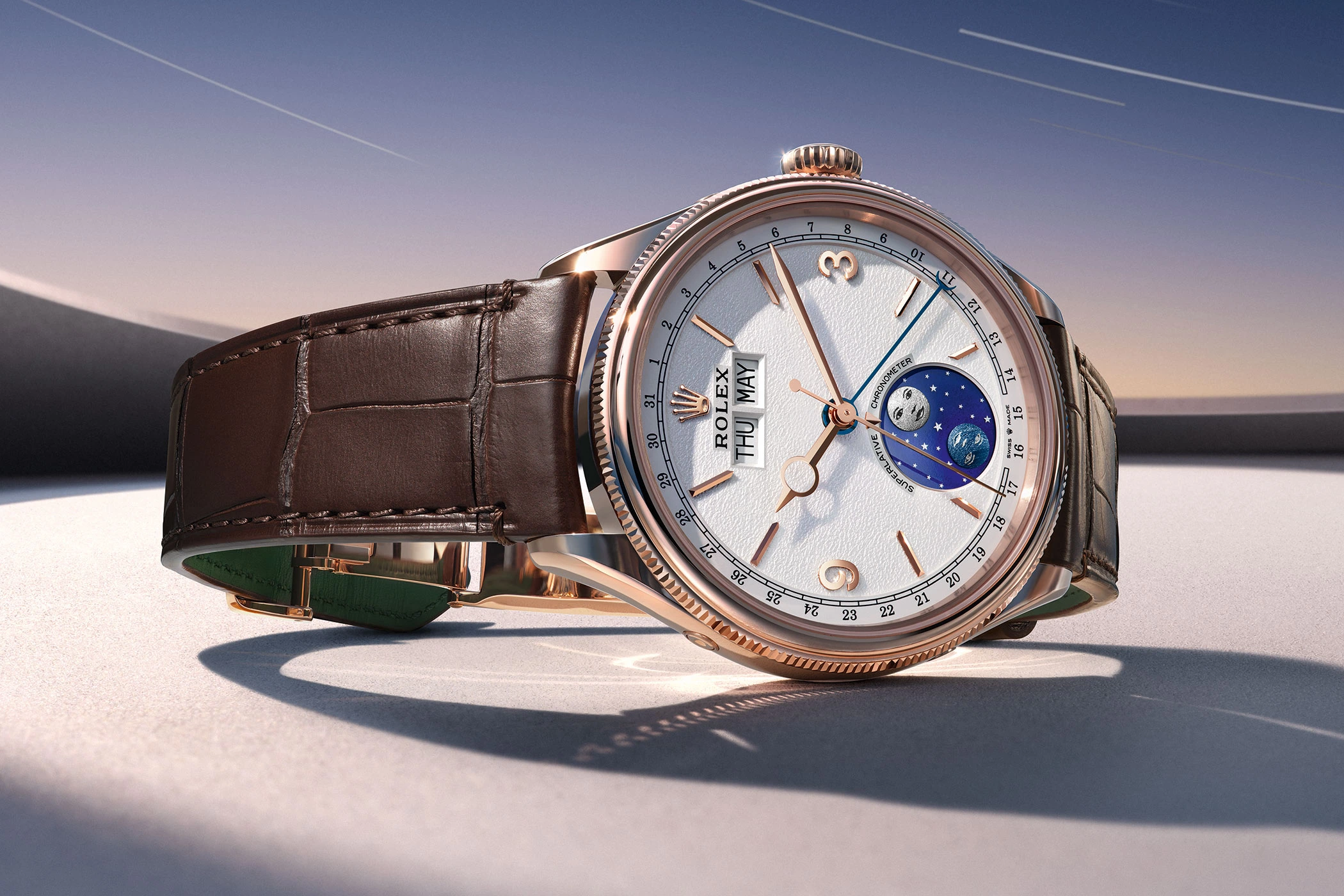
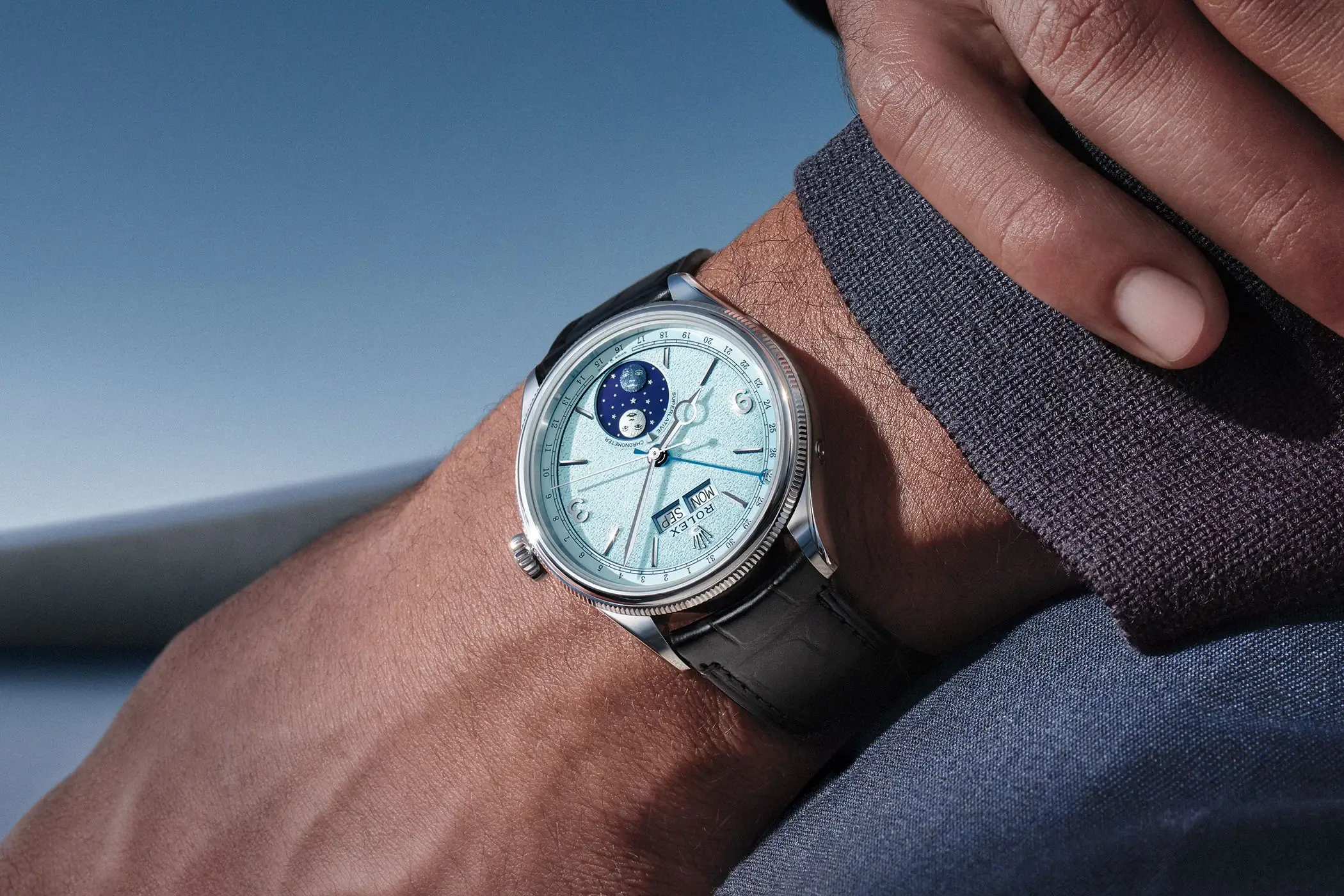
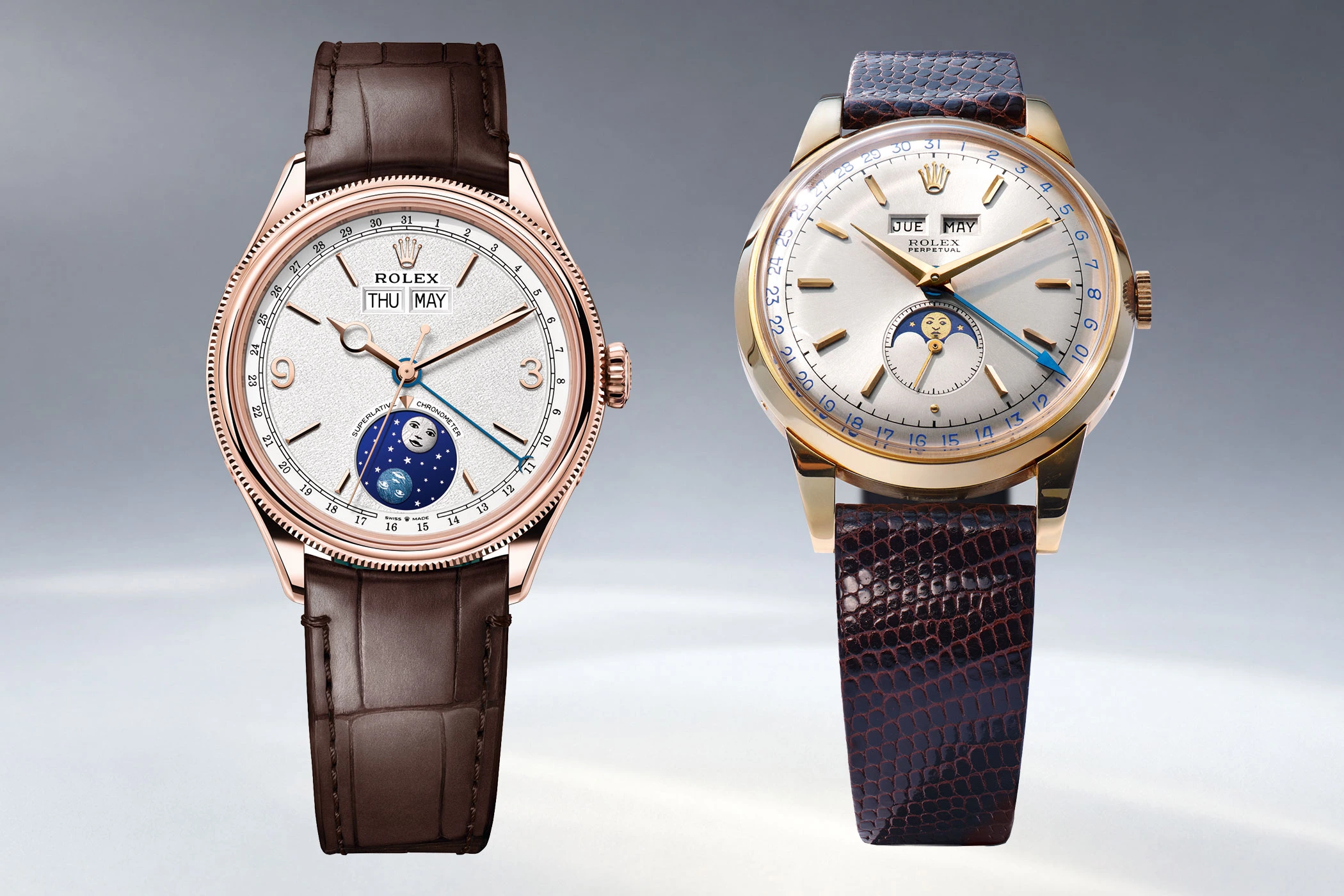
On 15 September 2026, Rolex unveiled a functional addition to its classic Perpetual collection – and thus to its 1908 model – in Milan. The new wristwatch, available in three versions and named the Perpetual Padellone, combines an automatic and innovative annual calendar with a detailed moon phase display. Both in name and appearance, the model draws inspiration from the Rolex reference 8171 from around 1950, which is traditionally known to collectors as the ‘Padellone’.
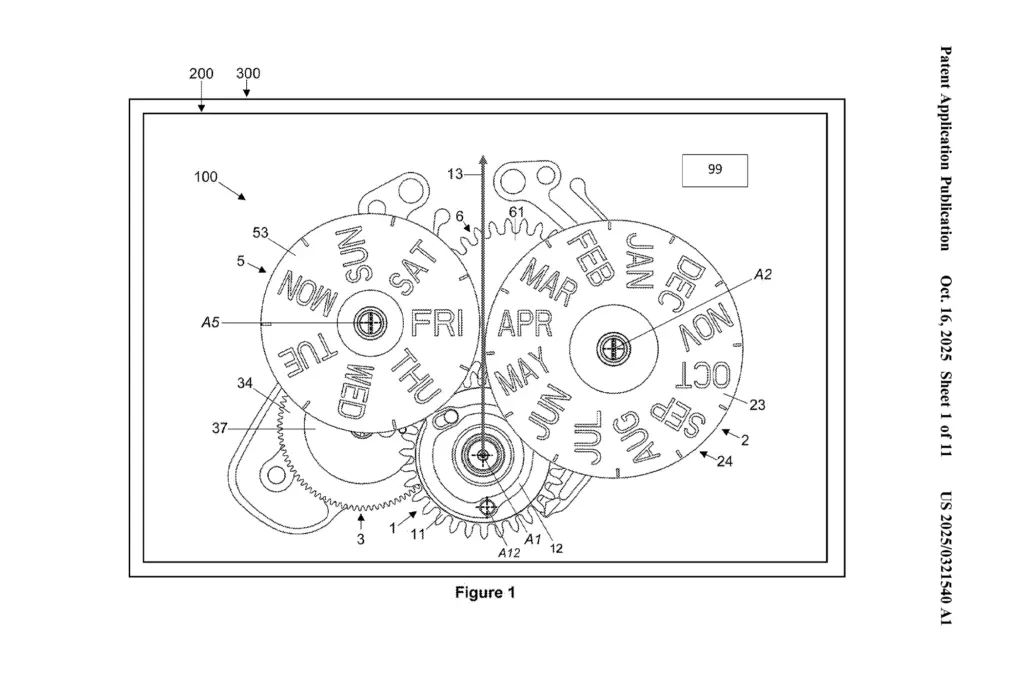
Interestingly, the launch of this particular complication does not come as a complete surprise. Last year, here at Swisswatches, we had already speculated in detail – based on a patent that had emerged at the time – that Rolex might soon unveil a new type of flat, instant-set calendar mechanism in the 1908 range. Those speculations have now been impressively confirmed.
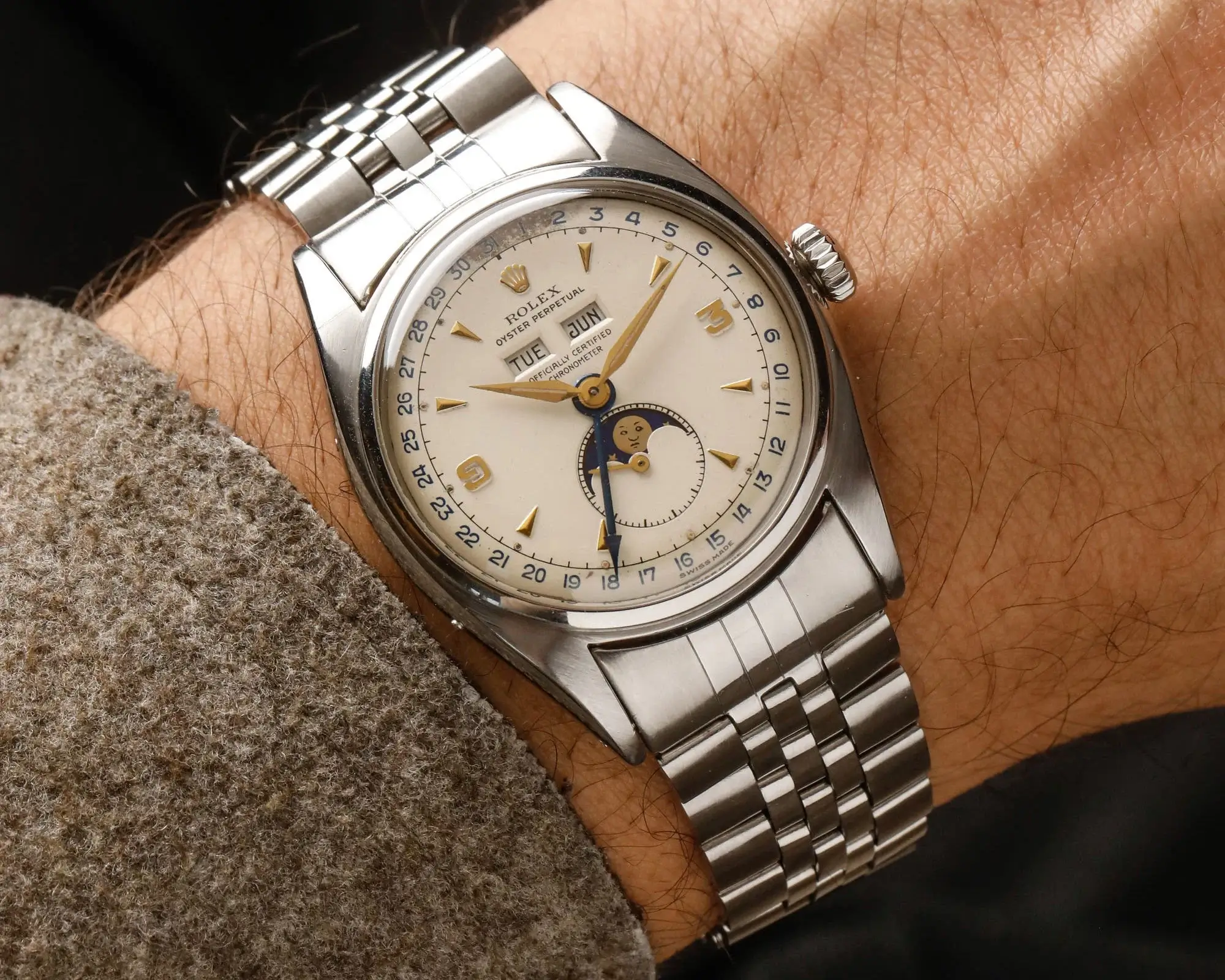
The Rolex Reference 8171 was introduced in 1949 and marked an important step for the manufacturer in the field of complicated watches. The model, which was produced for only a very short period until around 1952, features an automatic full calendar. The displays include a central hand-operated date indicator for the current day, two windows for the day of the week and the month, and a classic moon phase display integrated into the small seconds sub-dial at six o’clock. A striking feature of the Reference 8171 is its case diameter of 38 millimetres, which was unusually large for its time. This dimension later earned the watch the Italian nickname ‘Padellone’ amongst collectors, which roughly translates as ‘large frying pan’. In terms of construction, it features a non-Oyster case with a simple screw-down caseback. Consequently, the watch was not water-resistant ex-works, which makes well-preserved dials (without moisture damage) particularly rare today.
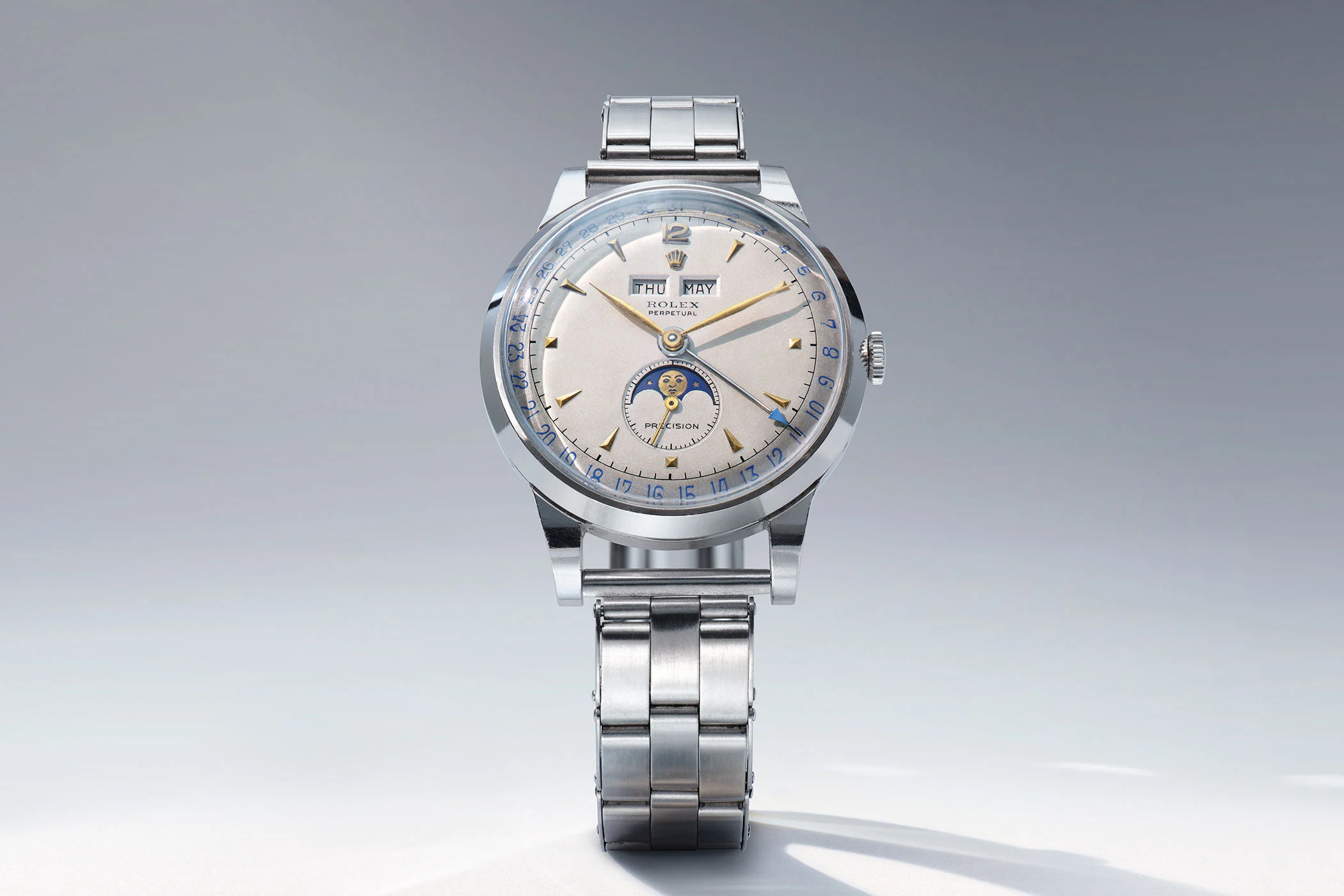
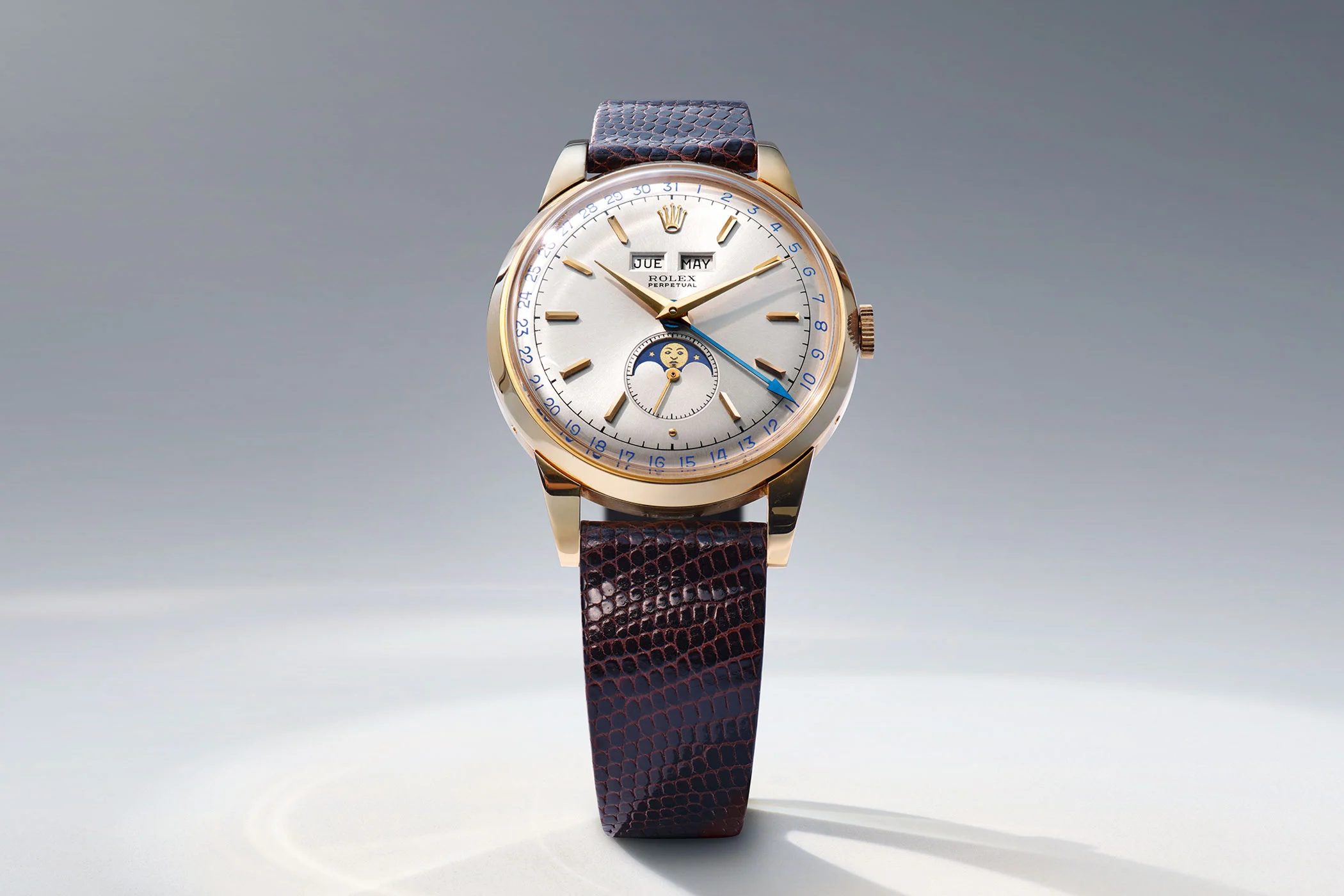
Alongside the ‘Padellone’, Rolex launched the reference 6062 around 1950. This watch also featured an automatic full calendar with moon phase and hand-operated date display, but with one crucial design difference: it was the world’s first model with this complication to be housed in a water-resistant case. To achieve this, Rolex utilised the tried-and-tested Oyster case with a screw-down caseback and screw-down crown. With a diameter of 36 millimetres, the Reference 6062 was slightly smaller than the Reference 8171, but was considered significantly more robust and better suited to everyday wear. Due to its short production run until 1953 and the combination of a delicate calendar mechanism and a sporty Oyster case, the Reference 6062 – in its various dial and case variations – is now one of the most sought-after and valuable vintage Rolex watches in the world.
Credit © Phillips
In this case, ‘Perpetual’ does not stand for ‘Perpetual Calendar’, but is the model designation typical of Rolex. But what is the difference between a perpetual calendar, an annual calendar and a full calendar?
The full calendar provides comprehensive information on the dial by typically displaying the day of the week, the date and the month – often supplemented by a moon phase. From a mechanical point of view, however, this complication does not automatically recognise the varying lengths of the months. The movement treats every month as if it had 31 days. For the wearer, this means that at the end of every month with fewer than 31 days (i.e. five times a year), the date must be advanced manually using the crown or special case pushers.
The annual calendar offers a significant mechanical advancement. This mechanism ‘thinks’ for itself and can independently distinguish between months with 30 and 31 days. The complex mechanism automatically skips the 31st day in the shorter months. The system reaches its limits just once a year: when switching from February – which is already an exception (whether it has 28 or 29 days) – to March, the date must be corrected manually on this one occasion.
The most sophisticated application of our calendar mechanism in micromechanics is the Perpetual Calendar. Not only does it reliably calculate the sequence of 30- and 31-day months, but it also takes into account the exact length of February. The intricate mechanism even ‘knows’ when a leap year is due and inserts 29 February accordingly. Provided such a watch is continuously powered, its wearer will normally not need to make any manual adjustments until the year 2100 – because, according to the Gregorian calendar, the leap day that would otherwise be due is omitted in that year.
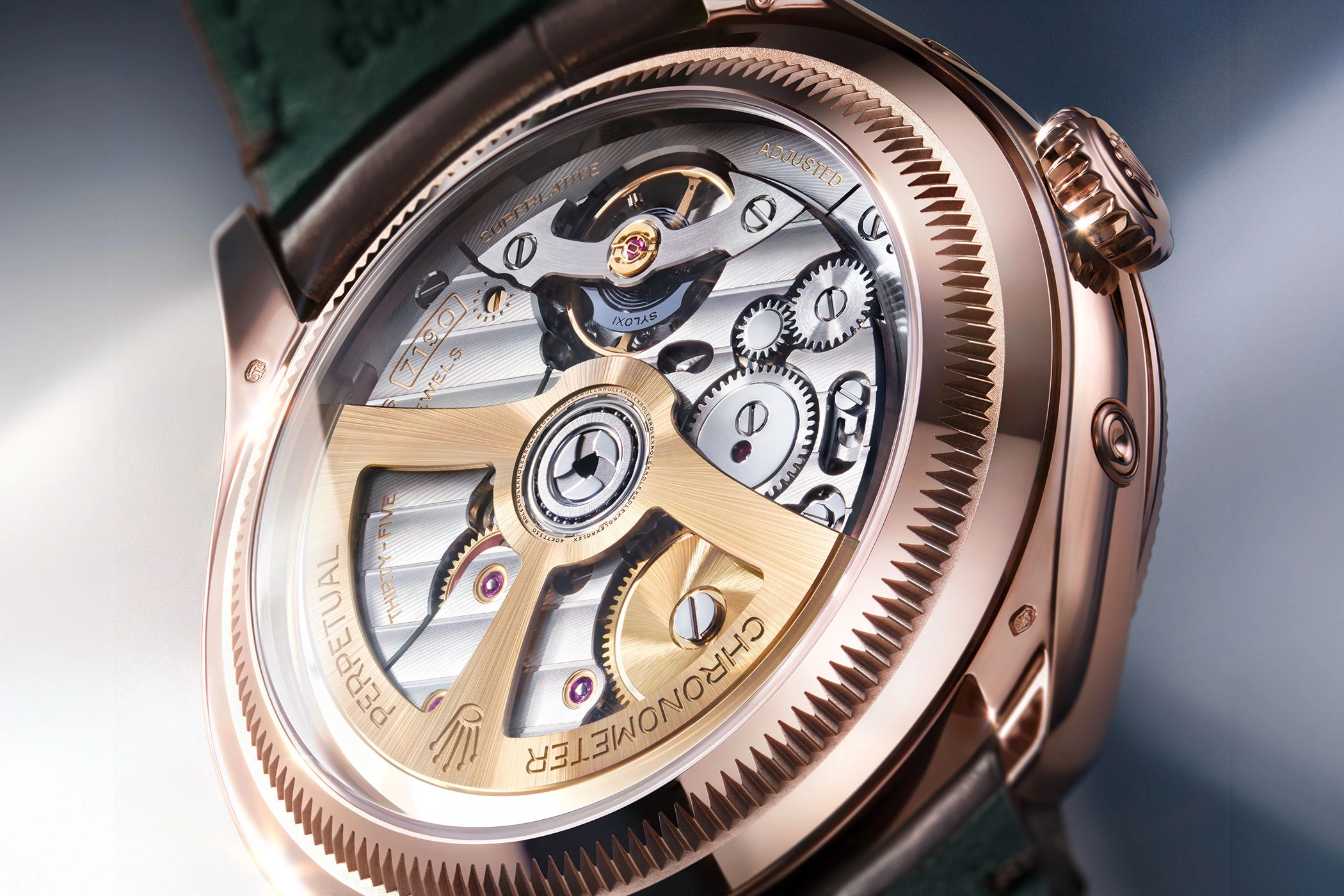
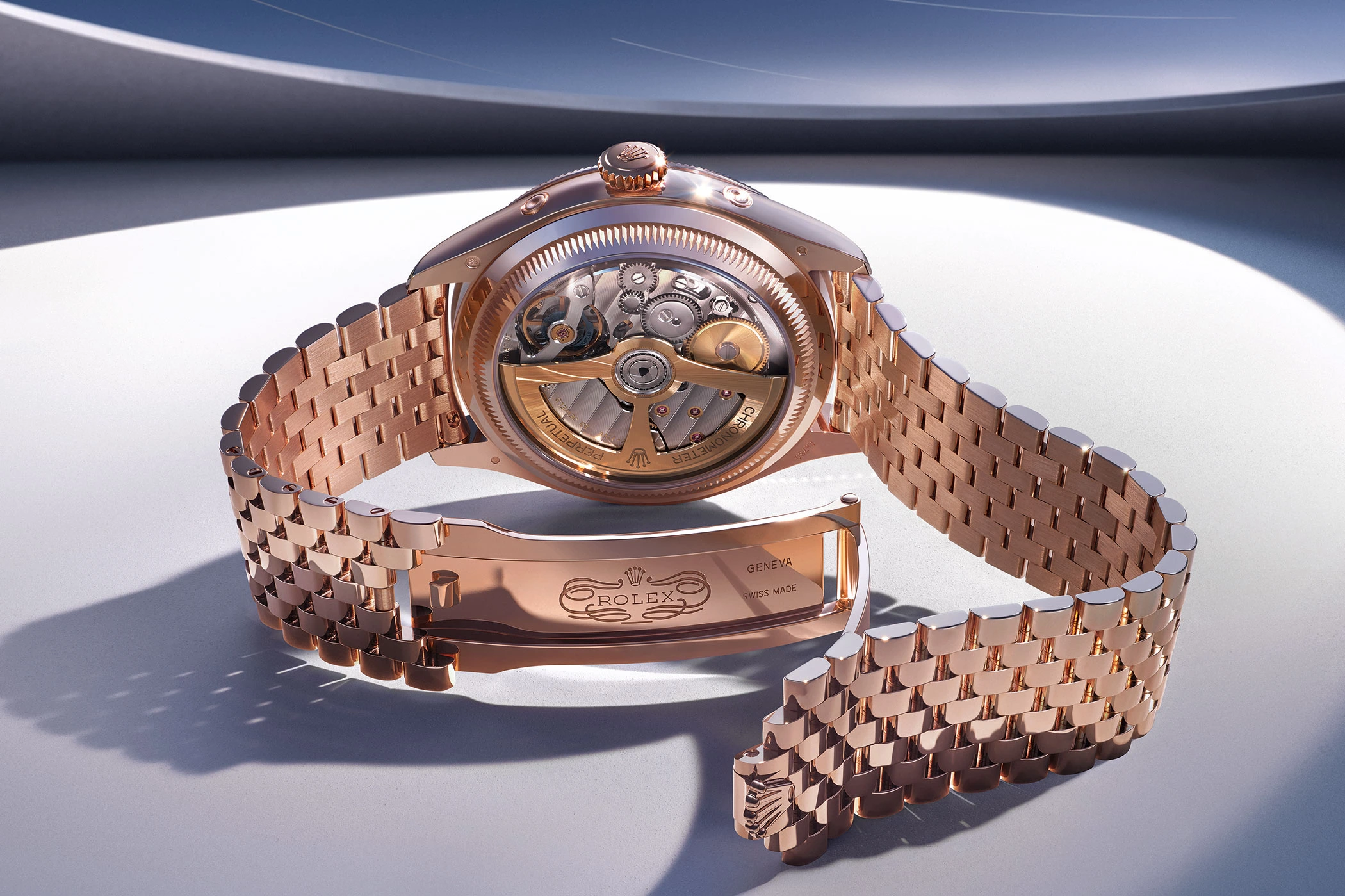
Inside the watch is the newly developed Calibre 7190, with a power reserve of approximately 66 hours, the mechanics of which can be viewed through a transparent sapphire crystal case back. This is a further development of the high-frequency Calibre 7135 movement (5 hertz), which was introduced in 2025 with the Land-Dweller. Rolex has also fitted the new movement with a Syloxi hairspring made of silicon, a ceramic balance staff and the so-called Dynapulse escapement.
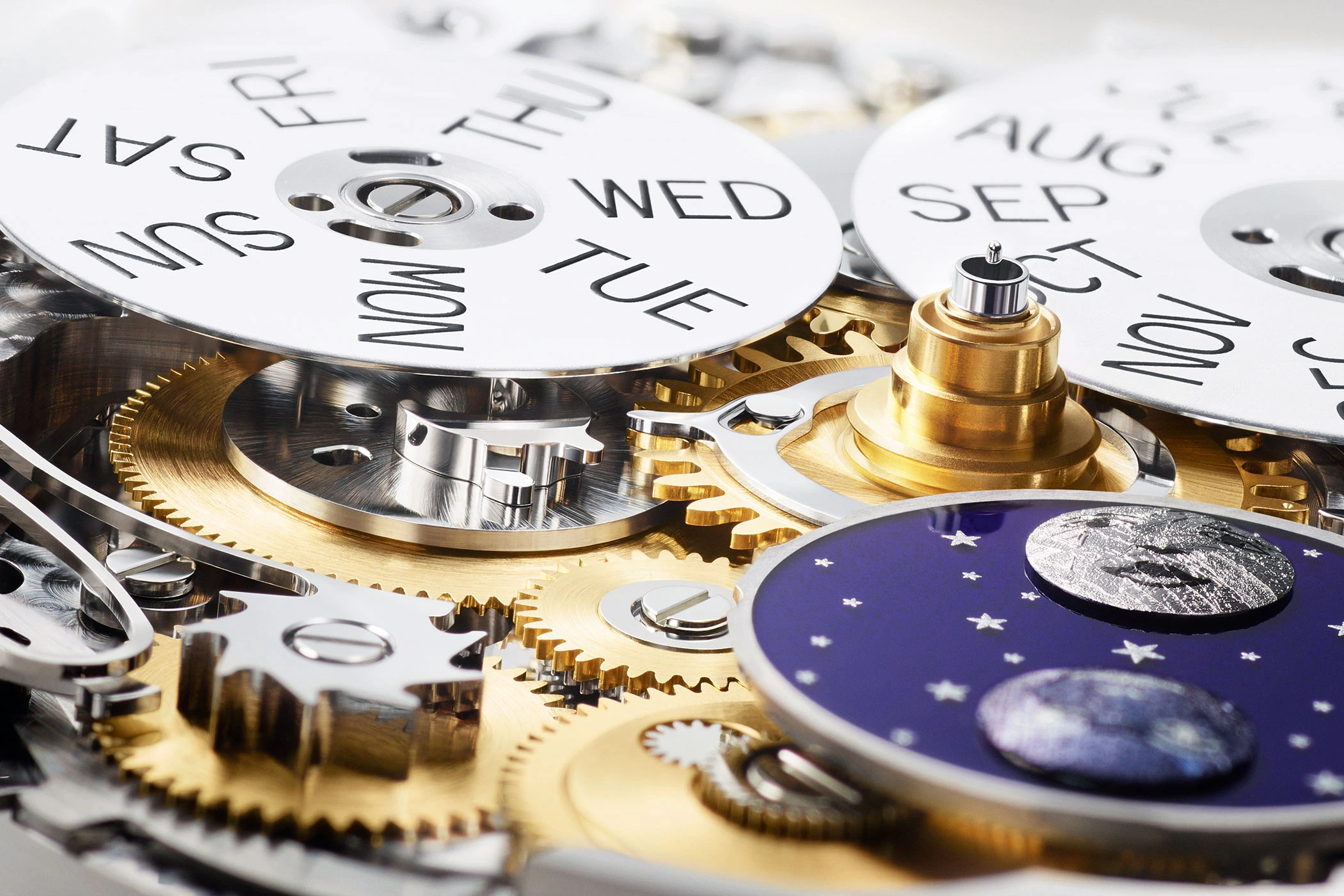
A technical feature of the watch is the patented Haplos system. The mechanism automatically recognises whether a month has 30 or 31 days. Consequently, only one manual adjustment per year is required, at the transition from February to March. In terms of design, the system requires just two additional components for the date mechanism: an annual lever and a drive pin. Furthermore, all calendar displays – day of the week, date and month – change simultaneously at the stroke of midnight without any delay. To set the various displays, there are four correctors on the sides of the case, which are operated using an adjustment pin.
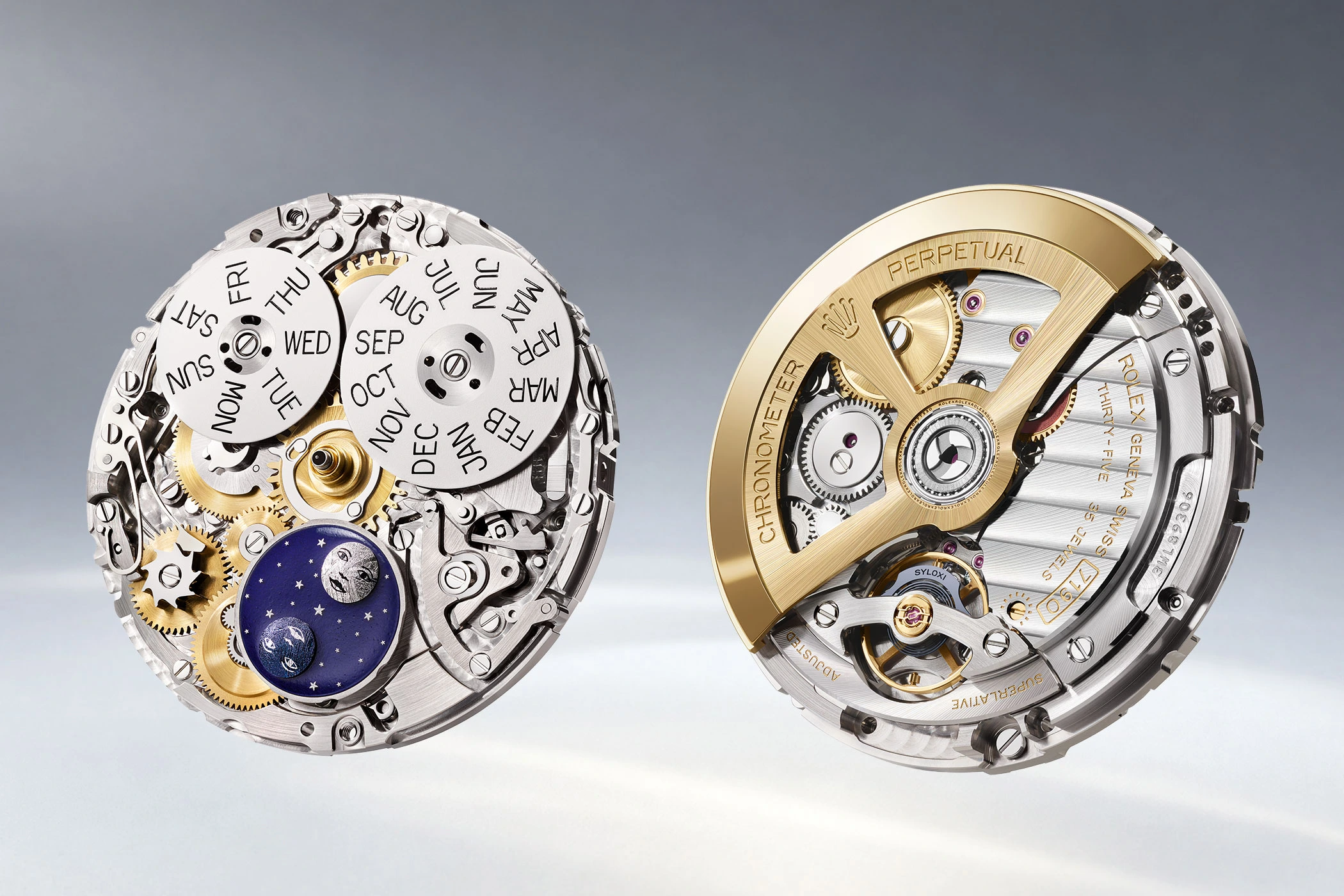
The open case back beautifully showcases the openworked gold rotor and the Côtes de Genève decoration.
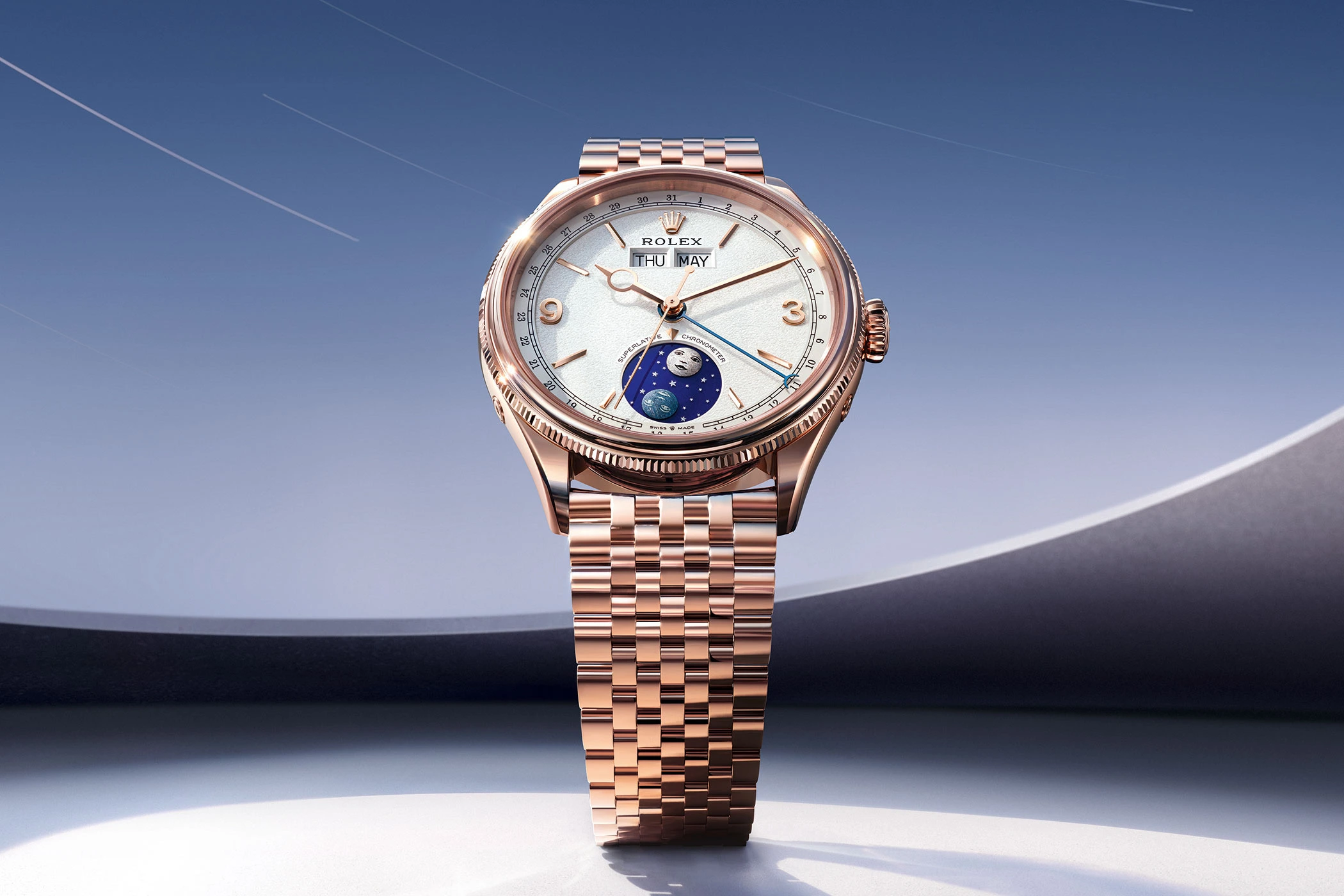
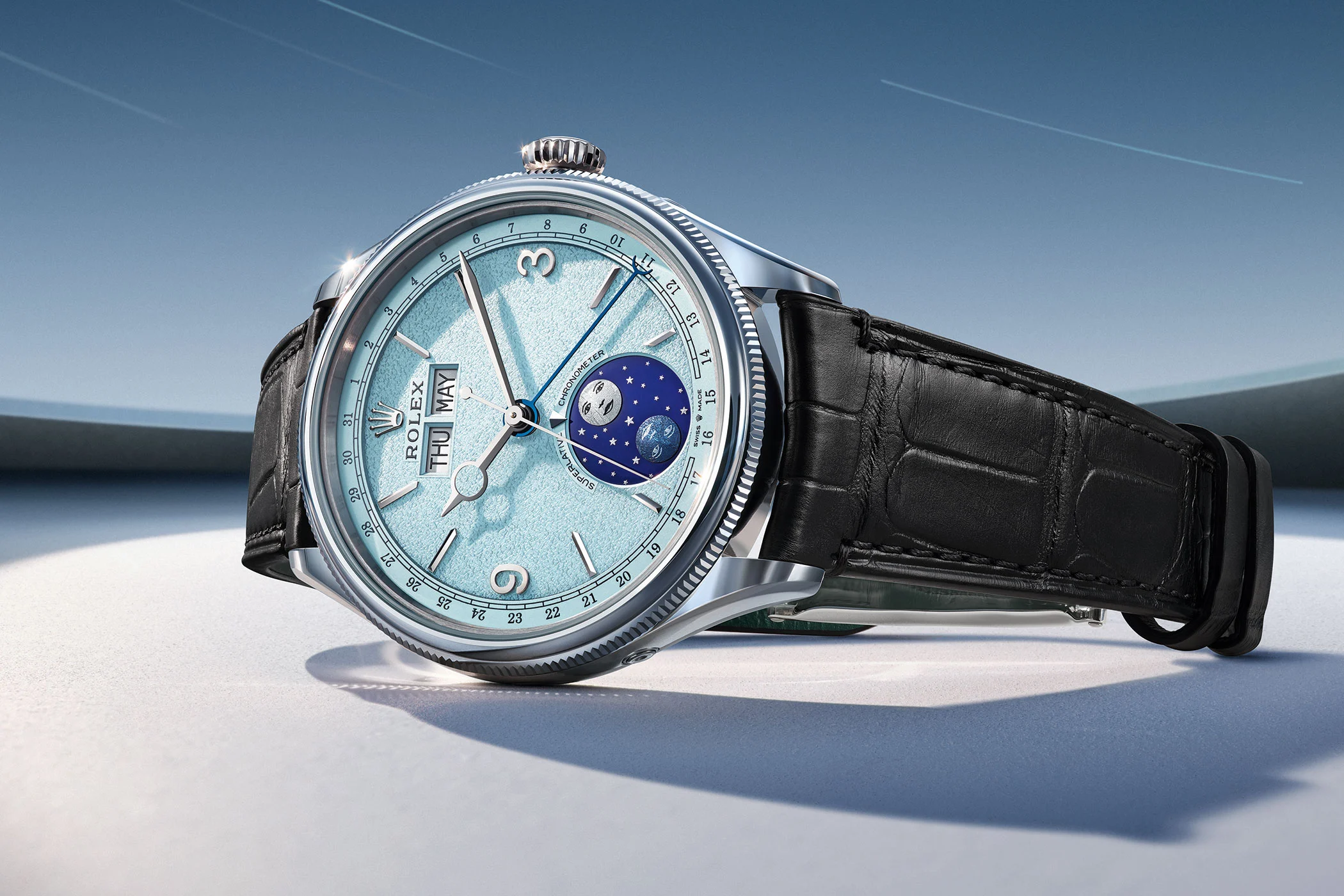
On the dial, Rolex has retained the tried-and-tested layout of historic full-calendar models: the day of the week and the month are displayed in English in two windows at 12 o’clock. The current date is indicated by a central blue hand with a crescent-shaped tip on the outer, numbered rim of the dial.
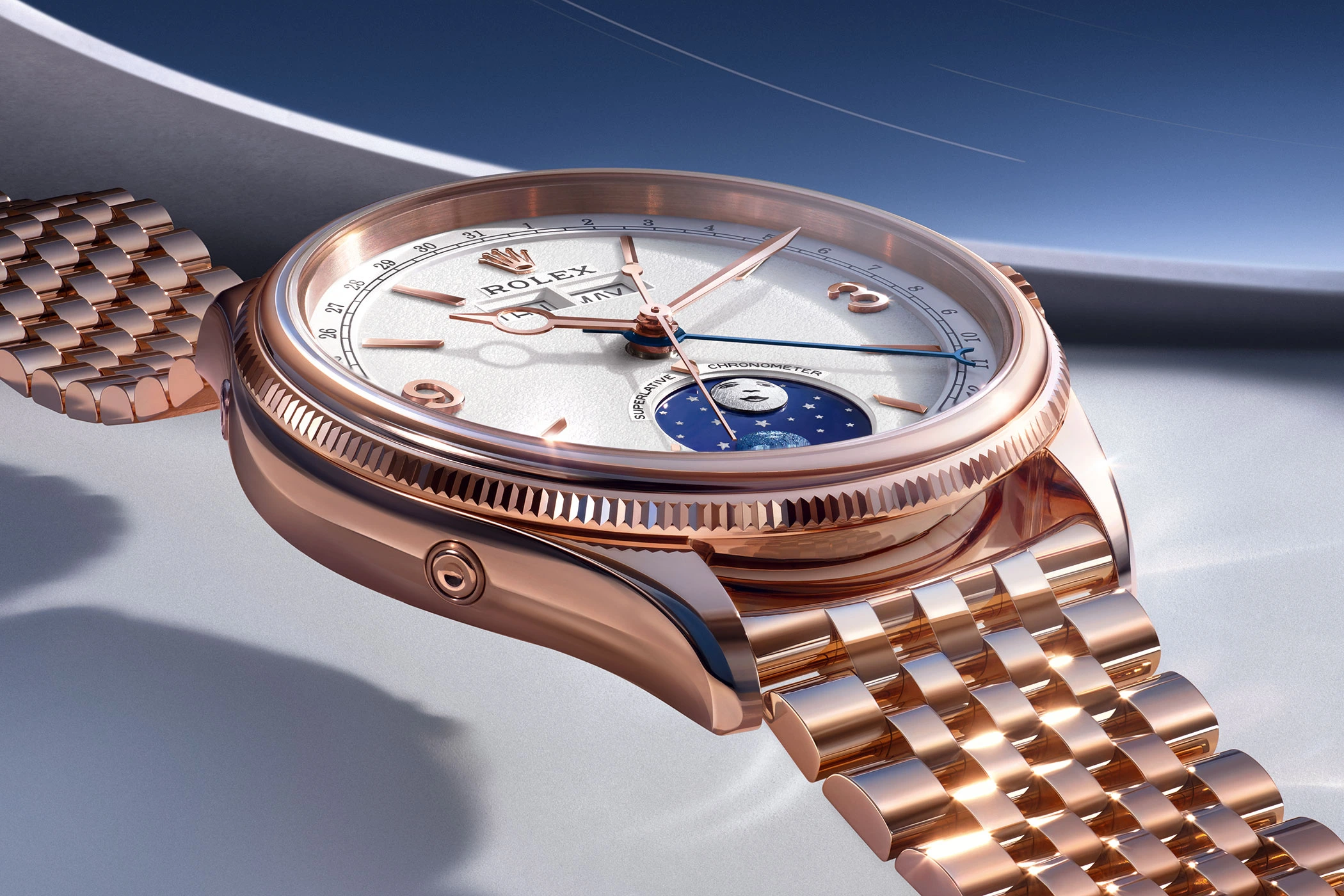
At 6 o’clock is the fully visible, blue-enamelled moon phase disc. The applied celestial bodies representing the full and new moons are made of meteorite rock, with the new moon darkened by a dark blue PVD coating. The current phase is indicated by a triangular marker, past which the two representations continuously pass. A detail aimed directly at vintage enthusiasts: both the full moon and the new moon have been pad-printed with a face, exactly as was the case with the original ‘Padellone’.
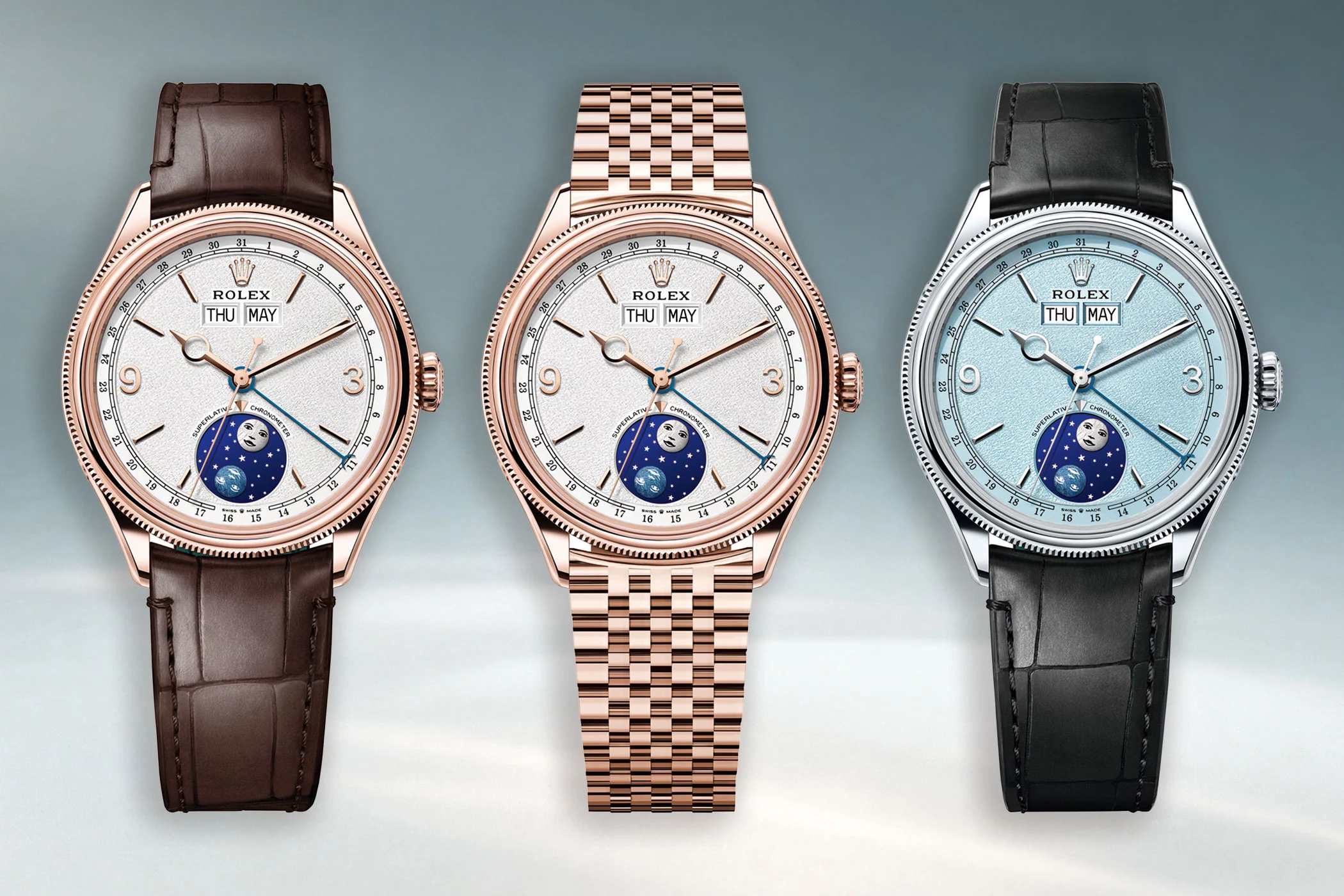
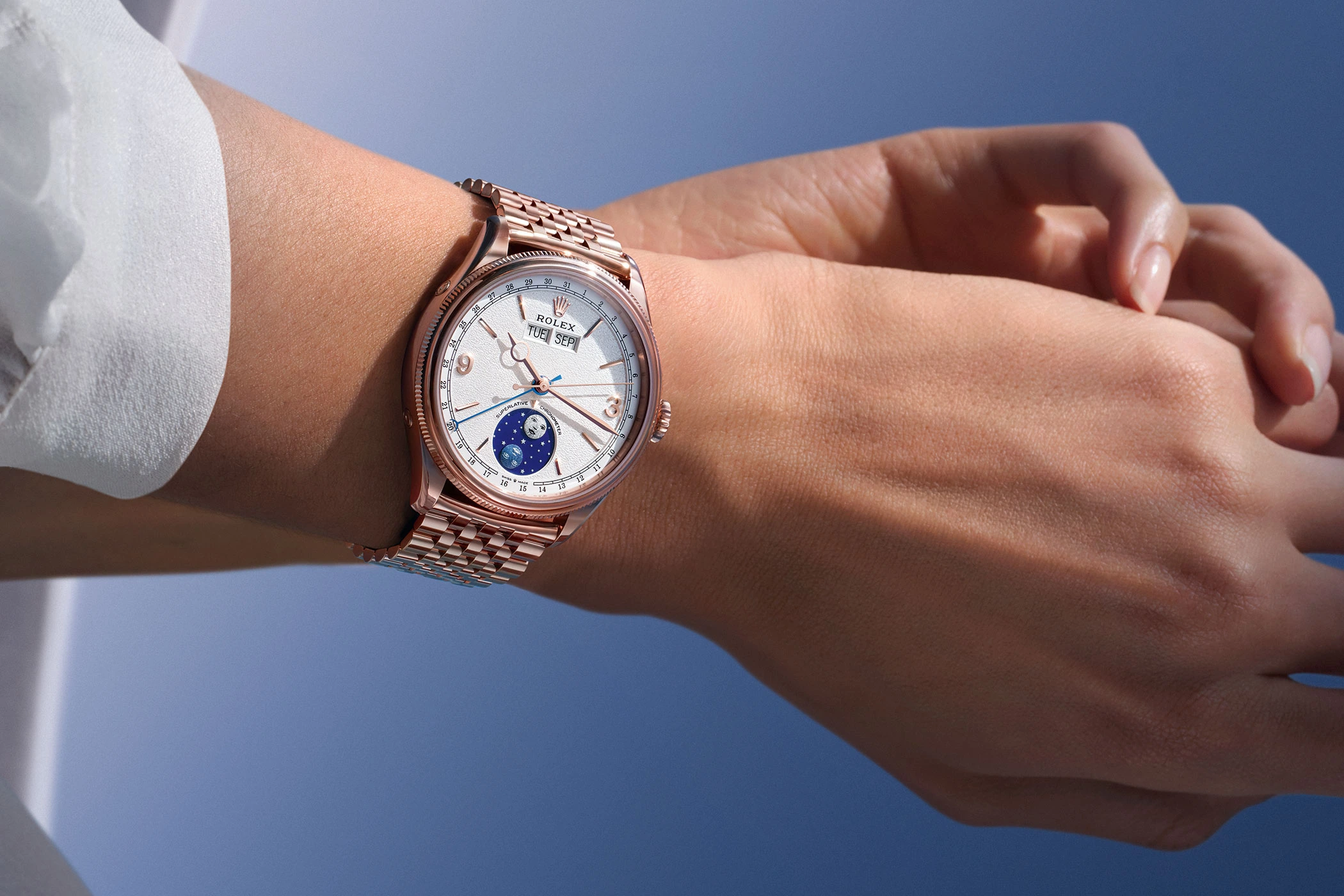
The case measures 39 millimetres in diameter and features a distinctive bezel that is domed at the top and fluted at the bottom. Rolex is offering the model in three versions at launch.
Two models are crafted from 18-carat Everose gold and feature a deep white, grained dial. These can be paired either with a brown alligator leather strap or with the delicate, seven-row Settimo gold bracelet.
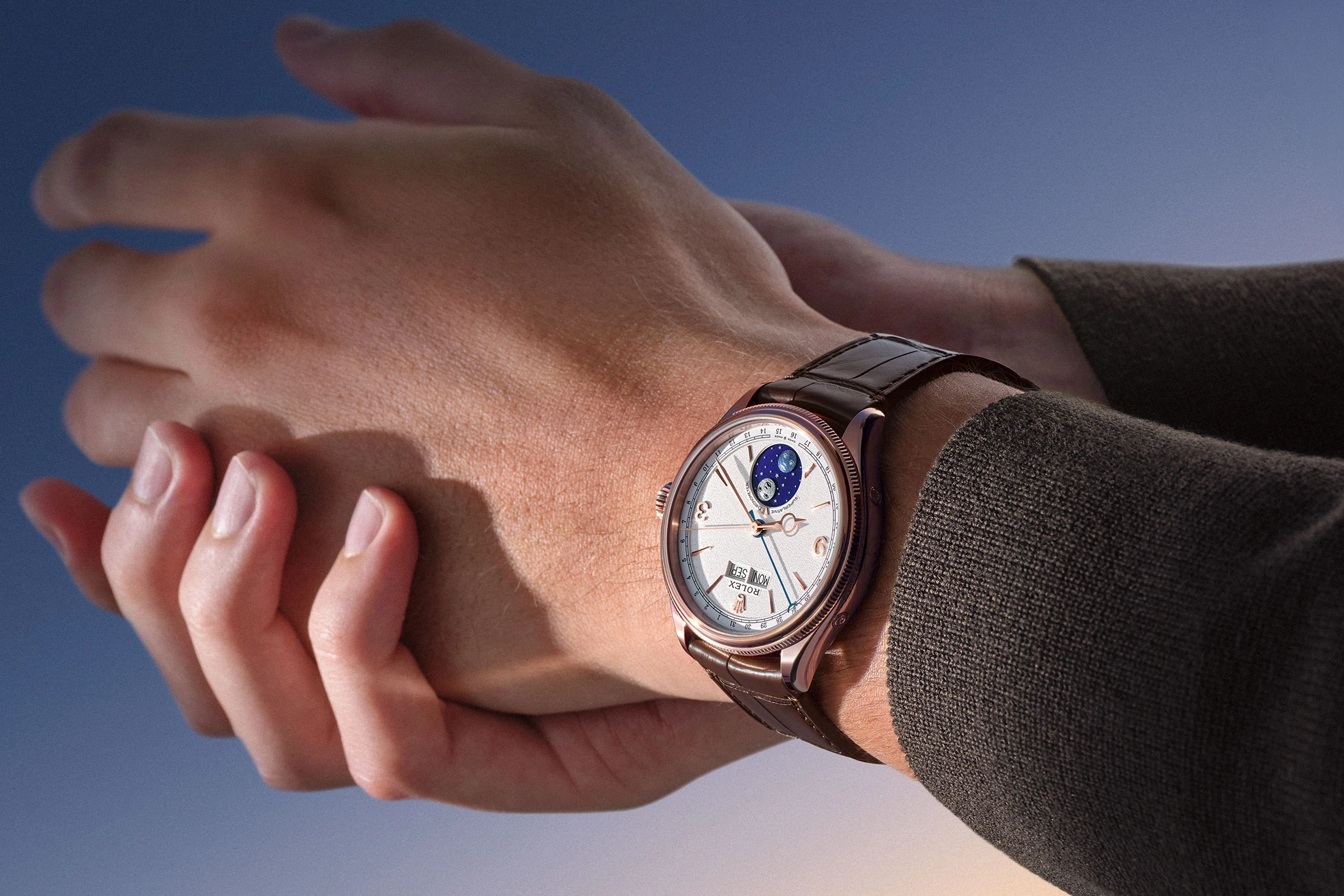
The third version is crafted from 950 platinum and features an ice-blue, grained dial, worn on a matt black alligator leather strap.
Like all of the brand’s current mechanical models, the Perpetual Padellone is also certified as a ‘Superlative Chronometer’. In 2026, the relevant set of requirements was expanded to include resistance to magnetism, reliability and sustainability, which complement the existing criteria such as timekeeping accuracy and water resistance.
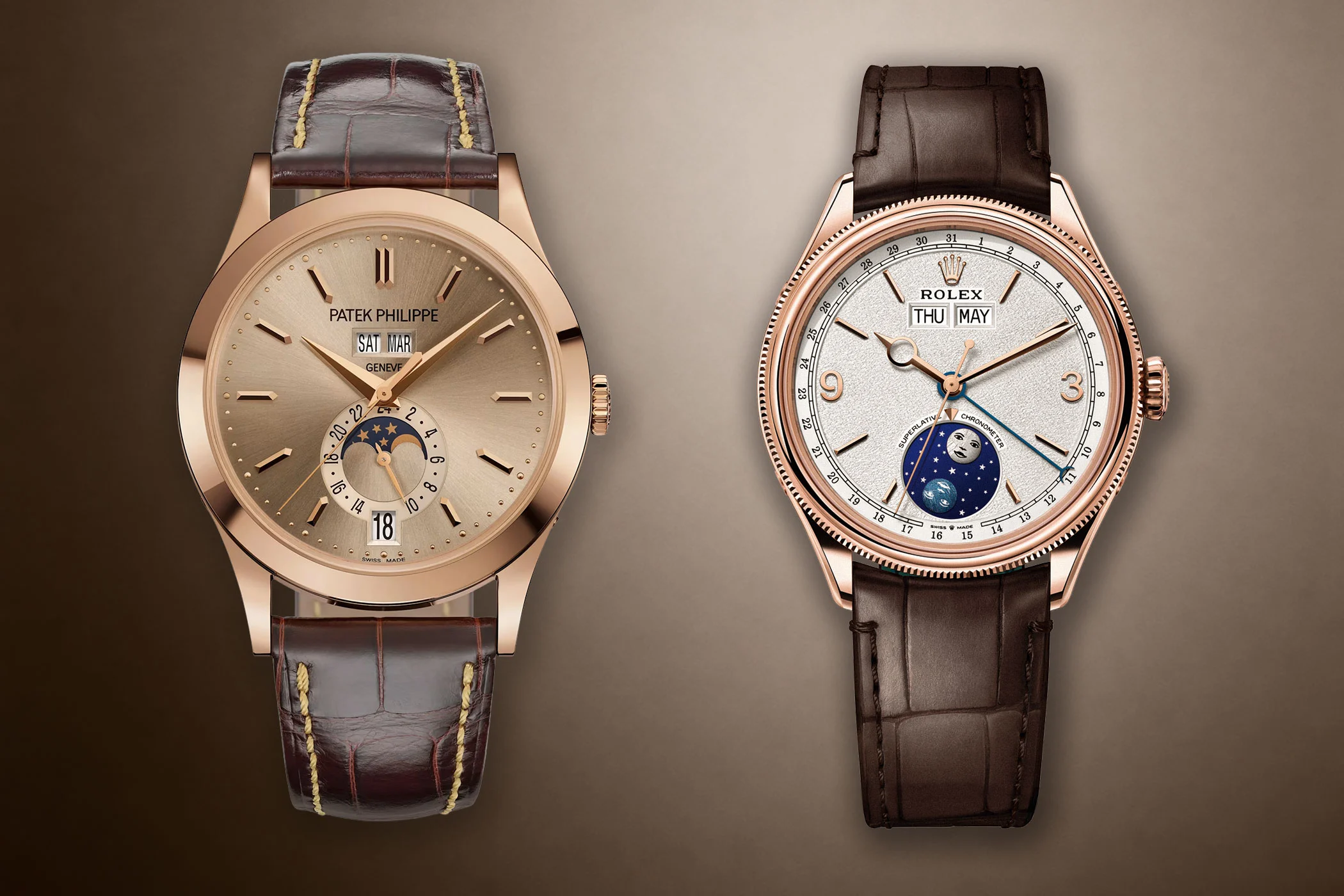
With the launch of the Perpetual Padellone, Rolex is inevitably entering the realm of grand complications, traditionally dominated by brands such as Patek Philippe. A direct comparison with the Patek Philippe Ref. 5396R-016, unveiled this year (2026) to mark the 30th anniversary of the annual calendar, is virtually inevitable. Both models are elegant dress watches crafted from precious metals with identical main complications, yet they follow entirely different technical philosophies.
In terms of mechanical design alone, Rolex has the edge with the new Perpetual Padellone. The new, patented Haplos system requires just two additional components (an annual lever and a driver pin) to distinguish between months with 30 and 31 days. Furthermore, on the Rolex, all displays (day, date, month) change precisely and simultaneously at midnight (instantaneous change). This requires an enormous amount of force, which the high-frequency movement, however, provides.
At Patek Philippe, the annual calendar is based on the legendary mechanism invented in 1996. It is extremely reliable, but technically more conventional: the displays change gradually at midnight, rather than abruptly. In return, Patek offers a practical 24-hour display, which is integrated into the moon phase.
The Rolex Calibre 7190 runs at 5 hertz (36,000 vibrations per hour), whilst the Patek Calibre 26-330 runs at 4 hertz. A higher frequency generally results in more consistent timekeeping and faster recovery following shocks. Furthermore, with the Dynapulse escapement (made entirely of silicon) and the ceramic balance staff, Rolex is breaking new ground in cutting-edge materials research to eliminate magnetism and wear. Patek also uses silicon in its Spiromax hairspring, but remains true to tradition in the rest of the escapement.
With a water resistance of 50 metres and the enhanced magnetism tests required for ‘Superlative Chronometer’ certification, the Rolex is clearly designed to withstand the rigours of everyday use (robustness). The Patek Philippe’s power reserve is also quite low by today’s standards, at just 35 to 45 hours, whilst the new Rolex Padellone offers a power reserve of approximately 66 hours.
Here, the tide turns in Patek Philippe’s favour. Although Rolex beautifully showcases its movement – with its openworked gold rotor and Côtes de Genève – through the sapphire crystal case back, it is ultimately an industrially manufactured, albeit extremely high-quality, top-of-the-range movement. The Patek Philippe Calibre 26-330 S QA LU 24H, on the other hand, is hand-finished in accordance with the strict rules of the Patek Philippe Seal: bevelled (chamfered) and polished edges, the finest guilloché patterns, polished screw heads and a heavy 21-carat gold rotor. This is traditional watchmaking at the very highest level.
The Everose version with a leather strap is priced at around 56,700 euros. With a Settimo link bracelet, the price is 69,600 euros. In the platinum version, the new Perpetual Padellone costs 63,800 euros. The new Perpetual Padellone is expected to be available in limited numbers from October 2026.
Rolex
Perpetual Padellone
53505-0002, 53505-0003, 53506-0002
18 Kt Everose-Gold, Platinum 950
Diameter: 39 mm, Height: 12,20 mm
5 bar (50 m)
White or ice blue, grained
Brown alligator leather strap, 7-row Settimo strap in 18-carat Everose gold, matt black alligator leather strap
Calibre 7190
Automatic
circa 66 hours
5 Hz (36,000 A/h)
Jumping annual calendar (day, month at 12 o’clock, outer date hand), moon phase
56,700 euros (Everose with leather strap), 69,600 euros (Settimo bracelet), 63,800 euros (Platinum)